EP1527080B1 - Campylobacter glycans and glycopeptides - Google Patents
Campylobacter glycans and glycopeptides Download PDFInfo
- Publication number
- EP1527080B1 EP1527080B1 EP03766087A EP03766087A EP1527080B1 EP 1527080 B1 EP1527080 B1 EP 1527080B1 EP 03766087 A EP03766087 A EP 03766087A EP 03766087 A EP03766087 A EP 03766087A EP 1527080 B1 EP1527080 B1 EP 1527080B1
- Authority
- EP
- European Patent Office
- Prior art keywords
- antibody
- campylobacter
- antigen
- binding fragment
- livestock
- Prior art date
- Legal status (The legal status is an assumption and is not a legal conclusion. Google has not performed a legal analysis and makes no representation as to the accuracy of the status listed.)
- Expired - Lifetime
Links
Images



Classifications
-
- G—PHYSICS
- G01—MEASURING; TESTING
- G01N—INVESTIGATING OR ANALYSING MATERIALS BY DETERMINING THEIR CHEMICAL OR PHYSICAL PROPERTIES
- G01N33/00—Investigating or analysing materials by specific methods not covered by groups G01N1/00 - G01N31/00
- G01N33/48—Biological material, e.g. blood, urine; Haemocytometers
- G01N33/50—Chemical analysis of biological material, e.g. blood, urine; Testing involving biospecific ligand binding methods; Immunological testing
- G01N33/53—Immunoassay; Biospecific binding assay; Materials therefor
- G01N33/569—Immunoassay; Biospecific binding assay; Materials therefor for microorganisms, e.g. protozoa, bacteria, viruses
- G01N33/56911—Bacteria
- G01N33/56922—Campylobacter
-
- A—HUMAN NECESSITIES
- A61—MEDICAL OR VETERINARY SCIENCE; HYGIENE
- A61K—PREPARATIONS FOR MEDICAL, DENTAL OR TOILETRY PURPOSES
- A61K39/00—Medicinal preparations containing antigens or antibodies
- A61K39/02—Bacterial antigens
- A61K39/105—Delta proteobacteriales, e.g. Lawsonia; Epsilon proteobacteriales, e.g. campylobacter, helicobacter
-
- A—HUMAN NECESSITIES
- A61—MEDICAL OR VETERINARY SCIENCE; HYGIENE
- A61P—SPECIFIC THERAPEUTIC ACTIVITY OF CHEMICAL COMPOUNDS OR MEDICINAL PREPARATIONS
- A61P31/00—Antiinfectives, i.e. antibiotics, antiseptics, chemotherapeutics
- A61P31/04—Antibacterial agents
-
- C—CHEMISTRY; METALLURGY
- C07—ORGANIC CHEMISTRY
- C07H—SUGARS; DERIVATIVES THEREOF; NUCLEOSIDES; NUCLEOTIDES; NUCLEIC ACIDS
- C07H3/00—Compounds containing only hydrogen atoms and saccharide radicals having only carbon, hydrogen, and oxygen atoms
- C07H3/06—Oligosaccharides, i.e. having three to five saccharide radicals attached to each other by glycosidic linkages
-
- G—PHYSICS
- G01—MEASURING; TESTING
- G01N—INVESTIGATING OR ANALYSING MATERIALS BY DETERMINING THEIR CHEMICAL OR PHYSICAL PROPERTIES
- G01N2400/00—Assays, e.g. immunoassays or enzyme assays, involving carbohydrates
- G01N2400/02—Assays, e.g. immunoassays or enzyme assays, involving carbohydrates involving antibodies to sugar part of glycoproteins
-
- Y—GENERAL TAGGING OF NEW TECHNOLOGICAL DEVELOPMENTS; GENERAL TAGGING OF CROSS-SECTIONAL TECHNOLOGIES SPANNING OVER SEVERAL SECTIONS OF THE IPC; TECHNICAL SUBJECTS COVERED BY FORMER USPC CROSS-REFERENCE ART COLLECTIONS [XRACs] AND DIGESTS
- Y02—TECHNOLOGIES OR APPLICATIONS FOR MITIGATION OR ADAPTATION AGAINST CLIMATE CHANGE
- Y02A—TECHNOLOGIES FOR ADAPTATION TO CLIMATE CHANGE
- Y02A50/00—TECHNOLOGIES FOR ADAPTATION TO CLIMATE CHANGE in human health protection, e.g. against extreme weather
- Y02A50/30—Against vector-borne diseases, e.g. mosquito-borne, fly-borne, tick-borne or waterborne diseases whose impact is exacerbated by climate change
Definitions
- the invention is in the field of biologically active glycoproteins and glycan moieties of glyocoproteins as well as vaccines, antibodies and antibody fragments useful for combating campylobacter bacteria.
- Campylobacter is a significant food borne pathogen in livestock products, including poultry. It is thus desirable to provide strategies for combating its deleterious effects in humans. Elimination of these pathogens from livestock can serve as a means to reduce the incidence of infection in humans and reduce disease in farm animals that are affected. Glycosylated proteins and in particular certain glycan moieties of these compounds represent viable targets for immunologic strategies to reduce or eliminate the presence of these organisms in livestock, in order to reduce the risk of human contamination from eating or handling animal products as well as contamination by fecal shedding of bacteria from livestock manure. Glycoproteins and their fragments such as glycan moieties may also provide a basis for vaccines and antibody preparation which target campylobacter infections.
- glycopeptides and gylcan moieties form an effective basis for vaccines and antibodies against multiple strains of campylobacter bacteria, by virtue of their ubiquitous presence on the surface of these bacteria in an invariant (or nearly invariant) form across multiple strains and species.
- This glycan is also present as a component of a plurality of surface glycoproteins of camppylobacter thus enhancing its value as an immunologic target.
- Campylobacter oligosaccharides for use in obtaining antibodies against Campylobacter bacteria are described in Schwerer et al., "Antibody Cross-reactivities Between Gangliosides and Lipopolysaccharaides of Camplylobacter jejuni Serotypes Associated with Guilain-Barre Syndrome", J. Endo. Res.,Vol 2, No. 6 Dec. 1995, pages 395-403 .
- the present inventors have identified and characterized post translational modifications of proteins in C . jejuni strain NCTC 11168, the strain for which the whole genome sequence has been described by Parkhill et al. (6).
- the proteins giving rise to multiple spots on 2D gels was PEB3, or Cj0289c, a major antigenic protein of C . jejuni first described by Pei et al . (7).
- Concurrent with our observations on PEB3, Linton at al . (8) identified two putative glycoproteins from C .
- carbohydrates are implicated in a variety of functions in all domains of life. While in general there is high degree of variance of glycoproteins and their glycan moieties in antigenic surface glycans between bacterial strains and related species, this is not always the case and such exceptions present suitable excellent candidates for antibody or vaccine-based strategies for eliminating bacteria.
- one such carbohydrate is the glycan moiety of campylobacter glycoproteins.
- the heptasaccharide which is described in this specification, is common to at least several Campylobacter species and numerous strains including species that are important as human and veterinary pathogens, and is a component of multiple glycoproteins including Cj nos. 0114, 0200c, 0289c, 0367c and others.
- This glycan moiety is also strongly immunogenic and as such this glycan (and related fragements and glycopeptides) is a good candidate for use as a vaccine for active immunization against multiple strains and species of campylobacter and as the basis for antibodies or antibody fragments suitable for targeting of campylobacter in a human or in livestock.
- livestock includes mammals and poultry.
- the invention provides a compound comprising a heptasaccharide of formula I: GaINAc-a1,4-GaINAc-a1,4-[Glc-ß1,3]GaINAc-a1,4-GaINAc-a1,4-GaINAc-a1,3-Bac, wherein Bac is 2,4-diacetamido-2,4,6-trideoxy-D-glucopyranose.
- Formula I also includes immunologically active fragments of the compound described above.
- immunologically active is meant that such fragment may comprise the active component of a vaccine against campylobacter, or that antibodies or antibody fragments may be provided which specifically bind to such a compound and to neutralize campylobacter in an organism in which the same has been administered.
- These glycans may be provided in isolated form or linked to an oligopeptide or amino acid to form a novel glycopeptide. The amino acid may comprise asparagine to form an N-linked glycopeptide.
- These glycans or glycopeptides may be derived from or isolated and purified from a gram negative bacterium. This glycoprotein glycan moiety can also provide the basis for therapeutic preparations and methods as discussed below.
- the invention provides a method of detecting a glycan moiety of a bacterial glycoprotein, the method comprising subjecting said sample to high resolution magic angle spinning nuclear magnetic resonance (HR-MAS NMR) spectroscopy.
- HR-MAS NMR high resolution magic angle spinning nuclear magnetic resonance
- the invention provides a pharmaceutical composition which comprises a heptasaccharide of formula I and a physiologically acceptable carrier.
- the pharmaceutical compositions may further comprise an immunogenic conjugate bound to the glycan or glycopeptide or fragment thereof and/or an immunostimulant.
- Such pharmaceutical compositions are useful as vaccines for immunizing a human or an animal against diseases caused by campylobacter pathogens. Such diseases are for example gastro- intestinal infections, Guillain Barré GBS and Miller Fisher syndromes, arthritis and bacteremia. Such vaccines may be administered via one or more injections or by another medically acceptable method.
- the invention provides an antibody or an antigen-binding antibody fragment that interacts and specifically binds with the glycan moiety of Formula I.
- Such antibodies or fragments may neutralize one or more Campylobacter species when administered to an animal or human recipient.
- Such antibodies can be obtained by various known methods including being isolated from the serum of an animal that has been previously immunized with a heptasaccharide or a glycopeptide as described above or preparing murine monoclonal antibodies directed against such compounds.
- Another means is via recombinant DNA techniques, for example by obtaining such an antibody or antibody fragment by cloning a library set of domain antibody ("dAb" ) genes previously isolated from a camelid, and then expressed in a bacteriophage library, panning for and then expressing in a bacteriophage a sequence dAbs having an affinity for the heptasaccharide, glycopeptides or fragment thereof.
- a preferred camelid is selected from Camelus bactriamus, Camelus dromaderius, Lama pPaccos, Lama ggGlama and Lama Vicugna.
- another method could involve screening bacteriophage libraries of single-chain antibody fragments (scFv) Vicugna .
- the invention also provides a pharmaceutical composition comprising the antibody or its antigen-binding fragment as defined above, and a physiologically acceptable carrier. Such pharmaceutical composition can be used as a therapeutic agent in an animal or a human.
- Suitable antibody fragments include Fab fragments (although it will be noted that since Camelld species produce a unique type of antibody which does not contain light chains, conventional terminology such as "Fab” may be modified) including fragments which are prepared in isolation by the above techniques or by other conventional techmiques and not directly derived from a whole antibody,
- the invention provides a method of reducing the presence of campylobacter bacteria in livestock.
- the method comprises administering to livestock the antibody or antigen-binding antibody fragment that interacts and binds with the glycan moiety of Formula I.
- Such antibody when administered in sufficient quantity neutralizes all or substantially all pathogenic campylobacter organisms from the animal's system or prevents colonization by the bacteria thereby preventing the animal from infecting humans, either by eating or handling an animal product or via contamination from animal waste.
- the administration may consist of feeding the livestock, preferably poultry, with feed or water containing the antibody or antigen-binding fragment.
- the invention also provides for a method of preventing campylobacter infections caused by campylobacter pathogens in a human, the method comprising removing the pathogens from livestock by delivering to the livestock the antibody or antigen-binding fragment thereof as defined above.
- the antibodies or antibody fragments may be either added to animal feed or water or alternatively may be present as a result of a genetic modification of an animal feed plant which permits such a plant to express the antibody or antibody fragment.
- the invention provides a method of treating a disease caused by campylobacter pathogens in a human or an animal, the method comprising administering the antibody or antigen-binding fragment thereof as defined above to the human.
- the antibody or its antigen-binding fragment can be used in the preparation of a medicament for treating an animal or a human for a disease caused by campylobacter pathogens.
- the invention provides for method of preventing ground water contamination of campylobacter pathogens which arises as a result of fecal shedding of the bacteria by livestock followed by entry of the fecal matter into a water supply.
- the method comprises eliminating or reducing the presence of the pathogens from livestock by administering to the livestock the antibody or antigen-binding fragment thereof as defined above. This also constitutes a way of preventing the pathogens from reaching humans, therefore preventing them from diseases caused by these pathogens.
- the antibodies and antibody fragments of the present invention may also be used as a diagnostic tool to detect the presence of campylobacter in humans and animals, as well as in samples drawn from the environment such as water or manure samples.
- C . jejuni NCTC 11168 was routinely grown on Mueller Hinton agar under microaerophilic conditions (10% CO 2 , 5% O 2 ,85% N 2 ) at 37°C.
- E . coli DH10B (Invitrogen) was used as the host strain for cloning experiments and clones were grown on Luria S-gal agar (Sigma) or MH agar at 37°C.
- antibiotics were added to the following final concentrations: kanamycin 30 ⁇ g/mL and ampicillin 150 ⁇ g/mL.
- Plasmid pPCR-Script Amp (Stratagene) was used as the cloning vector.
- glycoprotein extracts Cells from two plates of overnight growth were re-suspended in 10 mL Mueller Hinton broth and used to inoculate 1 litre of MH culture medium. Cultures were grown under microaerophilic conditions at 37°C for 24 h with shaking at 150 rpm. Bacterial cells from 12 litres of culture media were harvested by centrifugation at 10,000 x g for 15 min and immediately frozen at -75°C. Frozen cell pellets were thawed on ice in 0.2 M glycine HCl buffer, pH 2.2 (13), and extracted for 15 min with gentle stirring. Extracts were clarified by centrifugation at 10,000 x g for 15 min, dialysed against pure water (Milli-Q system, Millipore Corporation) and freeze-dried.
- PEB3 Purification and analysis of PEB3: The PEB3 protein was purified to homogeneity by cation exchange chromatography of the glycine extract as previously described (7). A Pharmacia MonoS HR 5/5 column was used on an AKTA Explorer LC system (Amersham Biosciences). The column eluate was monitored for UV absorbance at 280 nm and fractions were examined by SDS-PAGE analysis (21) in Mini Protean II slab gels (BioRad Laboratories). N- terminal sequencing of individual proteins was performed on a model 491 Procise protein sequencing system (Applied Biosystems Inc.), following transfer from SDS gels to ProBIot TM PVDF membrane (Applied Biosystems Inc.) as described by LeGendre et al . (22).
- the protein molecular weight profiles of selected fractions were determined by electrospray ionization mass spectrometry using an Applied Biosystems/Sciex Q-Star hybrid quadrupole time-of-flight mass spectrometer.
- the fractions were first dialyzed extensively to remove salts, and adjusted to 30% methanol, 0.2% formic acid.
- the solution was infused at a flow rate of 1 ⁇ L/min and spectra were acquired over the range m/z 600>2000.
- glycopeptide-containing fraction approximately half of the glycopeptide-containing fraction was evaporated to dryness and dissolved in 25% aqueous ammonium hydroxide. The solution was left at room temperature overnight, evaporated to dryness for a second time and re-dissolved in water. The solution was then examined by infusion-MS as described above.
- glycoproteins from the glycine extracts were isolated by affinity chromatography on SBA lectin/agarose (Sigma-Aldrich Ltd.). The freeze-dried glycine extract was re-dissolved in PBS (100 mM NaCl, 50 mM sodium phosphate pH 7.5) and passed through an SBA/agarose column previously equilibrated in PBS. The column was washed with 10 column volumes of PBS and bound glycoprotein was eluted with 0.1 M GaINAc in PBS. Glycoprotein-containing fractions were pooled, dialyzed against Milli-Q water and freeze-dried.
- glycoproteins were separated by SDS-PAGE on 12.5% homogeneous polyacrylamide gels (21). 2D-PAGE was performed using pre-cast IEF strips containing immobilized linear pH gradients of either pH 3-10, pH 4-7 (BioRad Laboratories) or pH 6-11 (Amersham Biosciences). Proteins were solubilized in sample buffer according to the manufacturer's instructions and resolved by isoelectric focussing on the precast IEF strips followed by SDS-PAGE on homogenous 12.5% slab gels, 20 x 20 cm, for the second dimension. Gels were stained with Bio-Safe colloidal G-250 Coomassie blue stain (BioRad Laboratories) or silver stained (23).
- the gels were electroblotted onto PVDF membrane at 50 V for 1 h in 10 mM 3-(cyclohexylamino)-1-propane sulphonic acid buffer, pH 11, containing 10% methanol.
- the membrane was washed in Milli-Q water and blocked in Tris-buffered saline (100 mM NaCl, 50 mM Tris pH 7.5) with 0.05% Tween 20 and 2% blocking buffer (Roche Molecular Biochemicals) for 2h at room temperature.
- blots were further incubated with SBA-alkaline phosphatase conjugate (EY Laboratories Inc.) at a concentration of 10 ⁇ g/mL in the above blocking solution for 1h at room temperature. Blots were washed three times in Tris-saline with 0.05% Tween 20 and developed using nitro blue tetrazolium chloride (NBT) and 5-bromo-4-chloro-3-indolyl phosphate (BCIP) in 0.1 M NaCl, 0.1 M Tris pH 9.5 with 50 mM MgCl 2 .
- NBT nitro blue tetrazolium chloride
- BCIP 5-bromo-4-chloro-3-indolyl phosphate
- MS analyses of 2D-gel spots The protein spots were excised and destained with a 1:1 ratio of 30 mM potassium ferricyanide and 100 mM sodium thiosulfate (24). The gel spots were washed extensively with deionized water, shrunk with acetonitrile, re-swollen with 50 mM ammonium bicarbonate containing Promega modified trypsin (10 ng/ ⁇ L) and sufficient 50 mM ammonium bicarbonate was added to cover the gel pieces (typically 30 ⁇ L). The tubes were sealed and incubated overnight at 37°C.
- the digest solutions were removed and the gel pieces were extracted with 50 ⁇ L of 5 % acetic acid and then with 50 ⁇ L of 5% acetic acid in 50% aqueous methanol.
- the extracts were pooled with the digest solutions and concentrated to approximately 10 ⁇ L.
- the peptide extracts from the intense protein spots were analyzed by MALDI-TOFMS using a MALDI-LR mass spectrometer (Micromass). Approximately 0.5 ⁇ L of the MALDI matrix solution (10 mg/mL ⁇ -cyano-4-hydroxy-cinnamic acid in 50% acetonitrile, 0.2% TFA) was deposited on the target plate and allowed to dry. The peptide extracts were desalted using C 18 ZipTips TM (Millipore) and were deposited directly on the matrix spots. Acquisition of the MALDI-TOFMS spectra was carried out automatically. The spectra were calibrated externally using peptide standards and internally with trypsin autolysis peptides. Database searching was carried out in batch mode using Mascot Daemon TM (Matrix Science) and against the C . jejuni NCTC11168 genome sequence database.
- the extracts from the fainter protein spots were analyzed by nanoLC-MS/MS using the Q-TOF2 mass spectrometer.
- the entire samples were injected onto a 0.3 x 5 mm C 18 micro pre-column cartridge (Dionex/LC-Packings).
- the peptides were retained while the sample solution was washed to waste.
- the trap was then brought online with a 75 ⁇ m x 150 mm C 18 Nano-Series column (Dioriex/LC-Packings) and the peptides were separated with a gradient supplied by the CapLC pump (15-75% acetonitrile, 0.2 % formic acid in 30 minutes, approximately 300 nL/min flow rate).
- the mass spectrometer was set to acquire MS/MS spectra in automated mode as described above. Database searching was carried out as described for the MALDI-TOFMS analyses.
- Glycopeptide preparation Freeze-dried total glycoprotein (5 mg) was dissolved in 250 ⁇ L of 100 mM Tris pH 8.0 containing 2 mM CaCl 2 , and digested with pronase as previously described (31). The digest was microfuged at 10,000 x g for 15 min and the supernatant was applied to a column (1 x 120 cm) of BioGel P4, 200 mesh (BioRad Laboratories). The column was run in water and the column eluate was monitored by refractive index.
- Fractions were screened by ESIMS and precursor ion scanning mass spectrometry (precursors of the HexNAc oxonium ion at m/z 204) on an API 3000 triple quadrupole mass spectrometer (Applied Biosystems/Sciex). Fractions giving the HexNAc ion signature were pooled and freeze-dried. The glycopeptides were further purified on a 1 x 120 cm column of BioGel P2 fine grade, the fractions being monitored and screened as described above.
- NMR spectroscopy All spectra were acquired using a Varian Inova 600 MHz spectrometer using the standard Varian software. A gradient 4 mm indirect detection high-resolution magic angle spinning nano-NMR probe (Varian) with a broadband decoupling coil was used. The sample was spun at 3 KHz with dry nitrogen as the drive and bearing gas. The spin rate was not computer controlled but remained constant to within 10 Hz of the set value. Samples in 40 ⁇ L D 2 O solution were recorded at 25°C and at 35°C to produce sharper peaks. The pH was unknown due to the small volume. Deuterated EDTA (CDN Isotopes Inc.) was added to chelate metal ions and provide sharper peaks for bacillosamine and amino acids.
- CDN Isotopes Inc. CDN Isotopes Inc.
- glycopeptide isolate from a P4 column contained some amino acid and sugar impurities, spectra were of sufficient quality to allow complete resonance assignments of the glycopeptide in the presence of 15 mM of deuterated EDTA.
- Much of the NMR structural work proceeded with this sample because of the risk of loosing the bulk of the isolated glycopeptide by further purification.
- the derived structure was confirmed by additional NMR experiments on glycopeptide that had been purified using a P2 column, lyophilized, and dissolved in 40 ⁇ L D 2 O with 1 mM deuterated EDTA. The experiments were performed with suppression of thy HDO signal at 4.78 ppm (25°C) and 4.67 ppm (35°C).
- GC-MS analysis The enantiomeric configurations of the Glc and GaINAc components of the P2 product were assigned by characterization of the but-2-yl glycosides in gas liquid chromatography - mass spectrometry (21). The derivatives were analyzed using a Hewlett-Packard chromatograph equipped with a 30m DB-17 capillary column (180°C to 260°C at 3.5°C/min), and spectra in the electron impact mode were obtained with a Varian Saturn II mass spectrometer.
- genes Cj1121c to Cj1126c were PCR amplified from C. jejuni NCTC 11168 using the primers: Cj1121cF (5'-ACTCACTATTGCCATTAAGATAAGC-3') and Cj1126cR (5'-AAAACCCTTATTTAGTTTTGTTTGC-3').
- the PCR product was polished with Pfu polymerase and then ligated into pPCR-Script Amp (Stratagene) according to the manufacturer's instructions. The ligation mixture was electroporated into electrocompetent E .
- coli DH10B and selected for on LB S-gal agar (Sigma-Aldrich) with ampicillin.
- a blunt-ended kanamycin resistance cassette from pILL600 (37) was inserted into the filled-in Xba I restriction site of pglB, generating pEAp26.
- the orientation of the cassette was determined by sequencing with the ckanB primer (5'-CCTGGGTTTCAAGCATTAG-3'). DNA was sequenced using terminator chemistry and AmpliTaq cycle sequencing kits (Applied Biosystems) and analysed on an Applied Biosystems 373 DNA sequencer.
- the mutated plasmid DNA was used for electroporation into C. jejuni NCTC 11168 (32) and the kanamycin-resistant transformants were characterized by PCR to confirm that the incoming plasmid DNA had integrated by a double cross-over event.
- Proteins were extracted from C . jejuni whole cells using 0.2 M glycine at pH 2.2 (10) and dialysed against water. Samples were analyzed by 2D-PAGE using 11 cm pH 3-10 ReadyStrip IPG strips (BioRad Laboratories) and pre-cast 12 x 8 cm 8-16% gradient Criterion slab gels (BioRad Laboratories). Gels were stained with colloidal coomassie blue, photographed, and then partially destained by washing in water. Proteins were transferred for 1 h at 207 mA onto PVDF membranes using a Trans-Blot SD Semi-Dry Transfer Cell (BioRad).
- membranes were probed with a 1:500 dilution of HS:2 serotyping serum followed by a 1:5000 dilution of goat anti-rabbit antiserum (Sigma-Aldrich), and developed with NBT/BCIP (Roche Molecular Biochemicals).
- Campylobacter jejuni NCTC11168 (HS:2) was isolated from a case of human enteritis (46) and later sequenced by Parkhill et al. (6).
- C . jejuni serostrains HS:1 (ATCC 43429), HS:2 (ATCC 43430), HS:3 (ATCC 43431), HS:4 (ATCC 43432), HS:10 (ATCC 43438), HS:19 (ATCC 43446), HS:36 (ATCC 43456) and HS:41 (ATCC 43460) were obtained from ATCC;
- C . jejuni HS:23 was obtained from Dr. Peggy Godschalk, Erasmus University Medical Center, Rotterdam; C.
- jejuni OH4382 and OH4384 were obtained from Health Canada; and C . coli HS:30 (NCTC 12532) was obtained from NCTC. All campylobacter strains were routinely grown on Mueller Hinton agar (Difco) under microaerophilic conditions at 37°C. C . jejuni NCTC11168 mutants were grown on Mueller Hinton agar with 30 ⁇ g/mL kanamycin.
- HR-MAS NMR spectroscopy HR-MAS experiments were performed using a Varian Inova 600 MHz spectrometer equipped with a Varian nano-NMR probe as previously described (12,13). Spectra from 40 ⁇ L samples were spun at 3 KHz and recorded at ambient temperature (21°C). The experiments were performed with suppression of the HOD signal at 4.8 ppm. Proton spectra of bacterial cells were acquired with the Carr-Purcell-Meiboom-Gill (CPMG) pulse sequence [90-( ⁇ -180- ⁇ ) n -acquisition] (34) to remove broad lines arising from lipids and solid-like material. The total duration of the CPMG pulse (n*2 ⁇ ) was 10 ms with ⁇ set to (1/MAS spin rate).
- CPMG Carr-Purcell-Meiboom-Gill
- PEB3 protein (Cj0289c) was identified in 2D gels of a glycine extract by peptide mass fingerprinting, as a component of a group of spots focussing within a range of pH 9-10 (results not shown).
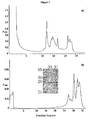
- PEB3 was purified from the extract by cation exchange chromatography, and re-fractionated on the same column, using a shallower NaCl gradient, resulted in the PEB3 appearing in three fractions ( Fig.1 ). SDS-PAGE analysis showed two bands, whose N- terminal sequences were determined following their transfer to a PVDF membrane. Ten cycles of sequencing identified the lower mass species as PEB3 while the higher mass, more abundant component, was also PEB3 with a minor sequence corresponding to PEB4 (Cj0596).
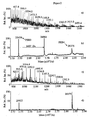
- the PEB3 tryptic peptide to which the oligosaccharide is attached contains sites for both N - and O -linkage, ie Asn and Ser. Therefore, it was necessary to carry out further experiments to determine the nature of this linkage.
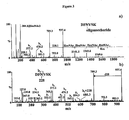
- this procedure failed to remove the oligosaccharide in this instance. This was our first indication that the oligosaccharide is N -linked. This was confirmed by MS/MS analysis of the singly protonated fragment ion at m/z 937.0 produced by front-end collision-induced dissociation of the intact glycopeptide ( Fig. 3b ).
- This ion is composed of the tryptic peptide plus the unusual 228 Da sugar only. An ion was observed at m/z 605.1 which could only be assigned to the b 3 fragment ion plus the 228 Da sugar moiety. No fragment ions were observed to suggest that the carbohydrate is linked to the serine residue. All of this evidence strongly suggests that the oligosaccharide is linked to the peptide at Asn70. Interestingly, this peptide contains the eukaryotic N -linkage consensus sequon, Asn-Xaa-Ser.
- Putative glycoproteins were purified by SBA affinity chromatography from the glycine extracts of 40 g wet weight of cells. The yield of putative glycoproteins was 5 mg as estimated by UV absorbance at 280 nm.
- the GaINAc eluant was subjected to 1 D- and 2D-PAGE ( Fig. 4 ) and to ensure that the proteins purified in this manner possessed lectin binding properties, rather than non-specific binding characteristics, western blotting with an SBA/alkaline phosphatase conjugate was also carried out. Approximately 13 protein species were visualized following 1D SDS-PAGE but this number increased substantially when the product was analyzed by 2D-PAGE.
- the proteins in individual bands from 1 D SDS-PAGE and spots from 2D-PAGE were identified by mass fingerprinting and database searching (Table I).
- the identified proteins are PEB3 (Cj0829c) and CgpA (Cj1670c) previously identified by Linton et al. (8).
- the vertical pattern of spots with identical pls displayed by Cj1670c, and other proteins, likely indicates varying degrees of glycosylation since examination of their predicted amino acid sequences, derived from the whole genome sequence of C . jejuni NCTC 11168 (6), revealed the presence of multiple potential N -linked glycosylation sites containing the sequon Asn-Xaa-Ser/Thr (Table I).
- proteins identified from the 2D-PAGE notably Cj0147c, Cj0169, Cj0332c, Cj0334, Cj0638c, Cj1181c and Cj1534c do not. contain any of these specific sequons in their amino acid sequences. These proteins either are non-covalently associated with SBA-binding proteins or bind non-specifically to the column. This conclusion is supported by the failure of these protein spots to react with the SBA/alkaline phosphatase conjugate following 2D PAGE and electroblotting (Table I).
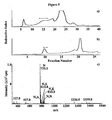
- the mixed glycoprotein sample was subjected to two rounds of pronase digestion and the products were separated by gel filtration on BioGel P4 ( Fig. 5a ).
- the carbohydrate-containing fractions were located by mass spectrometry and, after NMR studies (see below), the sample was re-purified on BioGel P2 ( Fig. 5b ).
- the final purified sample was composed mainly of the oligosaccharide linked to a single Asn ( Fig. 5c ). There was no evidence of any variation in the glycan component.
- the yield of glycopeptides was estimated at around 200 ⁇ g.
- the heptasaccharide moiety identified in Example 4 may be obtained in isolation by known methods.
- the amino acid moiety (Asn) may be cleaved from the oligopeptide prepared in Example 4 by enzymatic or chemical hydrolysis well known in the art. It may be noted that although the present inventors have not carried out the above step, it would be evident that such a step may be carried out to isolate the heptasaccharide.
- the heptasaccharide can also be obtained directly from the glycoprotein without going through any glycopeptide. This cleavage can also be performed by enzymatic or chemical hydrolysis.
- Patel et al. (41) teach the use of hydrazine for such cleavage.
- Residue g was assigned to ⁇ - D -Glc p .
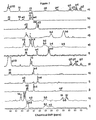
- 1D TOCSY of g1 with a mixing time of 144 ms ( Fig. 7a )
- all spins up to the H6 and H6' resonances were detected, indicative of the large J H , H couplings typical of ⁇ -glucopyranose.
- Resonance g1 also overlapped with f2, allowing detection of the f1 to f4 resonances.
- Residue g was terminal due to similar 13 C and 1 H chemical shifts for C2 to C6 with those of ⁇ - D -glucopyranose (36).
- Resonances f2 to f4 were also detected for the 1 D TOCSY of g1f2 ( Fig. 7a ). A chemical shift for C2 near 51 ppm was indicative of an acetamido group.
- the (C2, H4) HMBC correlations were used to assign the C2 resonances of the five GaINAc residues.
- the 1D TOCSY-NOESY(H1, H4) was used to detect the NOE between H4 and H5 and thus assign the H5 resonances (25).
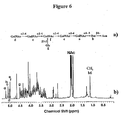
- the 1 D-TOCSY experiments on the H5 resonances were then used to detect the H6s resonances (not shown). Integration of the P2 purified sample ( Fig. 6b ) indicated 7 NAc groups, five of those corresponding to the five GaINAc residues.
- Residue b was assigned to ß- D -bacillosamine (2,4-diacetamido-2,4,6-trideoxy-ß- D -glucopyranose).
- residue b and c the anomeric resonances partially overlapped.
- broad resonances could be identified up to a CH 3 resonance (b6) at 1.14 ppm.
- 1D TOCSY for b6 at 1.14 ppm, with a mixing time of 66 ms ( Fig. 7d ), peaks up to b4 were observed.
- the sequence was determined by 1 D NOESY experiments ( Fig. 7 ).
- the strong c1-f4 NOE and smaller c1-f6 and c1-f6' NOEs established the c(1-4)f linkage.
- the strong d1-c4 NOE and a smaller d1-c6' indicated the d(1-4)c sequence.
- the e1-a4, f1-e4 and g1-f3 established the e(1-4)a, f(1-4)e and g(1-3)f linkages.
- the a1-b3 NOE ( Fig. 7I ) established the a-b sequence.
- the structure is shown in Figure 6a .
- the sequence is in accord with the glycosidation shift observed for the linkage carbons (see above).
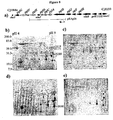
- a pglB mutant was constructed by cassette mutagenesis ( FIG. 8 ). Glycine extracts of the mutant cells demonstrated dramatic changes in protein immunoreactivity by 2D-PAGE with western blotting with HS:2 serotyping sera ( Fig. 8b,e ). Several of the proteins which showed a change in the mobility and/or immunoreactivity on 2D gels were identified by mass fingerprint analysis (Table I). The protein identifications are in agreement with those identified by SBA lectin affinity chromatography, providing further evidence that the proteins reactive with the GalNAc lectin are glycosylated by the Pgl pathway.
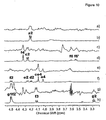
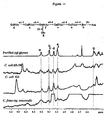
- Figure 12 shows high resolution magic angle spinning NMR with and without cobalt chloride to demonstrate surface exposure of the N -linked Pgl glycan.
- the top spectrum in each is from samples in which CoCl 2 is added. They have been processed identically. Note that the signal to noise ratio (S/N) of the top spectrum is much less than that of the bottom spectrum in each. Since the spectra are acquired with effectively a T2 filter, therefore lines that have been broadened by the CoCl 2 will appear weaker. Note that for the kspM mutant, peaks near 3.15 ppm exhibit very different relative intensities to the peak(s) near 3 ppm.
- Antibodies or antigen-binding fragments thereof that specifically bind to the glycan moiety according to the invention may be produced by conventional methods.
- murine monoclonal antibodies may be raised against the glycan of Formula I (including fragments) optionally linked to an oligopeptide or amino acid or immunogenic conjugate.
- Another strategy is to pan a pre-existing library of cloned genes derived from a camelid lymphocite and capable of expressing dAb antibody fragments, to identify and isolate genes capable of expressing fragments having immunogenic activity against the selected antigen.
- the gene(s) thus isolated may be are expressed in a bacteriophage library which has been modified to contain this gene.
- Such an antigen may comprise the heptasaccharide described above or a fragment of such a heptasaccharide, optionally linked as described above to an amino acid, oligopeptide or other conjugate.
- This method is described in US Patent No. 5,759,808 to Casterman et al .
- a still further strategy is to incorporate the gene for expressing the selected antibody or fragment into the genome of a suitable plant which may then serve as a livestock food source. Such a plant would then express the antibody or antibody fragment and when consumed by livestock would thus deliver a suitable dose of the antibody or fragment to the animal.
- Antibodies may also be prepared by the traditional means of isolation of such antibodies from serum of an animal which has been administered suitable doses of the antigen identified in the above examples. For example such methods are described in U.S. Patent No. 5,759,808 to Casterman et al. This reference describes use of Camelid species to produce a unique type of antibody that does not contain light chains.
- Antibodies or fragments as described above may be administered with a suitable carrier to humans or livestock as form of passive immunization.
- livestock such as poultry the preferred approach is to provide the antibodies or fragments with feed or drinking water, whether by mixing in a concentrate or supplying a plant product which is modified to express the antibody or antibody fragment.
- the antibodies or fragments when provided separately may be supplied with suitable carriers as a concentrate for mixing with the feed or drink prior to use.
- Such antibodies or fragments administered to livestock combat the presence of campylobacter in the livestock, thus preventing the livestock from spreading the pathogens to humans who eat or handle the animal products, as well as protection of groundwater from contamination by animal wastes as described above.
- These antibodies and fragments may also be used to diagnose the presence of campylobacter bacteria in humans or animals by conventional means. As well, they may also be used as a component of an assay to determine to presence of campylobacter in a sample such as water, soil or manure.
- heptasaccharide or fragments may also be combined with suitable adjuvants and immunostimulants for administration as a vaccine.
- suitable adjuvants and immunostimulants for administration as a vaccine.
- one or more suitable dosages are administered in a conventional manner.
Landscapes
- Health & Medical Sciences (AREA)
- Life Sciences & Earth Sciences (AREA)
- Chemical & Material Sciences (AREA)
- Engineering & Computer Science (AREA)
- Immunology (AREA)
- General Health & Medical Sciences (AREA)
- Molecular Biology (AREA)
- Organic Chemistry (AREA)
- Medicinal Chemistry (AREA)
- Biochemistry (AREA)
- Urology & Nephrology (AREA)
- Biotechnology (AREA)
- Microbiology (AREA)
- Hematology (AREA)
- Biomedical Technology (AREA)
- Pharmacology & Pharmacy (AREA)
- Animal Behavior & Ethology (AREA)
- Public Health (AREA)
- Veterinary Medicine (AREA)
- Cell Biology (AREA)
- Virology (AREA)
- Tropical Medicine & Parasitology (AREA)
- Epidemiology (AREA)
- Mycology (AREA)
- Genetics & Genomics (AREA)
- Food Science & Technology (AREA)
- Physics & Mathematics (AREA)
- Analytical Chemistry (AREA)
- General Physics & Mathematics (AREA)
- Pathology (AREA)
- Chemical Kinetics & Catalysis (AREA)
- Oncology (AREA)
- Communicable Diseases (AREA)
- General Chemical & Material Sciences (AREA)
- Nuclear Medicine, Radiotherapy & Molecular Imaging (AREA)
- Peptides Or Proteins (AREA)
- Medicines Containing Antibodies Or Antigens For Use As Internal Diagnostic Agents (AREA)
- Feed For Specific Animals (AREA)
- Breeding Of Plants And Reproduction By Means Of Culturing (AREA)
- Fodder In General (AREA)
Applications Claiming Priority (3)
| Application Number | Priority Date | Filing Date | Title |
|---|---|---|---|
| US39973502P | 2002-08-01 | 2002-08-01 | |
| US399735P | 2002-08-01 | ||
| PCT/CA2003/001156 WO2004013151A2 (en) | 2002-08-01 | 2003-07-30 | Campylobacter glycans and glycopeptides |
Publications (2)
| Publication Number | Publication Date |
|---|---|
| EP1527080A2 EP1527080A2 (en) | 2005-05-04 |
| EP1527080B1 true EP1527080B1 (en) | 2012-06-20 |
Family
ID=31495764
Family Applications (1)
| Application Number | Title | Priority Date | Filing Date |
|---|---|---|---|
| EP03766087A Expired - Lifetime EP1527080B1 (en) | 2002-08-01 | 2003-07-30 | Campylobacter glycans and glycopeptides |
Country Status (9)
| Country | Link |
|---|---|
| US (1) | US7598354B2 (enExample) |
| EP (1) | EP1527080B1 (enExample) |
| JP (1) | JP4718174B2 (enExample) |
| CN (1) | CN1671722A (enExample) |
| AU (1) | AU2003254665C1 (enExample) |
| BR (1) | BR0312896A (enExample) |
| CA (1) | CA2494223C (enExample) |
| ES (1) | ES2391525T3 (enExample) |
| WO (1) | WO2004013151A2 (enExample) |
Families Citing this family (45)
| Publication number | Priority date | Publication date | Assignee | Title |
|---|---|---|---|---|
| US7173003B2 (en) | 2001-10-10 | 2007-02-06 | Neose Technologies, Inc. | Granulocyte colony stimulating factor: remodeling and glycoconjugation of G-CSF |
| US7214660B2 (en) * | 2001-10-10 | 2007-05-08 | Neose Technologies, Inc. | Erythropoietin: remodeling and glycoconjugation of erythropoietin |
| DK1481057T3 (da) | 2002-03-07 | 2006-05-15 | Eidgenoess Tech Hochschule | System og fremgangsmåde til fremstilling af rekombinante glycosylerede proteiner i en prokaryot vært |
| AU2002952121A0 (en) * | 2002-10-17 | 2002-10-31 | Alchemia Limited | Novel carbohydrate based anti-bacterials |
| CA2522345A1 (en) | 2003-04-09 | 2004-11-18 | Neose Technologies, Inc. | Glycopegylation methods and proteins/peptides produced by the methods |
| WO2005012484A2 (en) | 2003-07-25 | 2005-02-10 | Neose Technologies, Inc. | Antibody-toxin conjugates |
| US20080305992A1 (en) | 2003-11-24 | 2008-12-11 | Neose Technologies, Inc. | Glycopegylated erythropoietin |
| US8633157B2 (en) | 2003-11-24 | 2014-01-21 | Novo Nordisk A/S | Glycopegylated erythropoietin |
| EP1694351A2 (en) * | 2003-12-03 | 2006-08-30 | Neose Technologies, Inc. | Glycopegylated follicle stimulating hormone |
| WO2006010143A2 (en) | 2004-07-13 | 2006-01-26 | Neose Technologies, Inc. | Branched peg remodeling and glycosylation of glucagon-like peptide-1 [glp-1] |
| EP1814573B1 (en) | 2004-10-29 | 2016-03-09 | ratiopharm GmbH | Remodeling and glycopegylation of fibroblast growth factor (fgf) |
| CA2593682C (en) | 2005-01-10 | 2016-03-22 | Neose Technologies, Inc. | Glycopegylated granulocyte colony stimulating factor |
| US9187546B2 (en) | 2005-04-08 | 2015-11-17 | Novo Nordisk A/S | Compositions and methods for the preparation of protease resistant human growth hormone glycosylation mutants |
| ES2535084T3 (es) * | 2005-05-11 | 2015-05-05 | Eth Zurich | Proteínas N-glicosiladas recombinantes procedentes de células procariotas |
| US20070105755A1 (en) * | 2005-10-26 | 2007-05-10 | Neose Technologies, Inc. | One pot desialylation and glycopegylation of therapeutic peptides |
| US20090048440A1 (en) | 2005-11-03 | 2009-02-19 | Neose Technologies, Inc. | Nucleotide Sugar Purification Using Membranes |
| CN101516388B (zh) | 2006-07-21 | 2012-10-31 | 诺和诺德公司 | 通过o-联糖基化序列的肽的糖基化 |
| US8969532B2 (en) | 2006-10-03 | 2015-03-03 | Novo Nordisk A/S | Methods for the purification of polypeptide conjugates comprising polyalkylene oxide using hydrophobic interaction chromatography |
| EP2144923B1 (en) | 2007-04-03 | 2013-02-13 | BioGeneriX AG | Methods of treatment using glycopegylated g-csf |
| WO2008154639A2 (en) | 2007-06-12 | 2008-12-18 | Neose Technologies, Inc. | Improved process for the production of nucleotide sugars |
| WO2009089154A2 (en) | 2008-01-03 | 2009-07-16 | Cornell Research Foundation, Inc. | Glycosylated protein expression in prokaryotes |
| CN102037004A (zh) * | 2008-01-08 | 2011-04-27 | 生物种属学股份公司 | 使用寡糖基转移酶的多肽的糖缀合 |
| SI2257307T1 (sl) | 2008-02-20 | 2018-09-28 | Glaxosmithkline Biologicals S.A. | Biokonjugati, izdelani iz rekombinantnih N-glikoziliranih proteinov iz prokariontskih celic |
| US20130189239A1 (en) | 2008-02-27 | 2013-07-25 | Novo Nordisk A/S | Conjugated Factor VIII Molecules |
| CN102365359B (zh) * | 2009-03-27 | 2014-10-29 | 瑞士联邦苏黎世技术大学 | 呈递空肠弯曲杆菌n-聚糖或其衍生物的肠沙门氏菌 |
| NO2501406T3 (enExample) | 2009-11-19 | 2018-05-19 | ||
| CA2789505C (en) | 2010-02-11 | 2017-12-05 | The Governors Of The University Of Alberta | N-linked glycan compounds |
| EP2561085B1 (en) * | 2010-04-20 | 2019-08-14 | National Research Council of Canada | Cell-based production of nonulosonates |
| WO2011138361A1 (en) | 2010-05-06 | 2011-11-10 | Glycovaxyn | Capsular gram-positive bacteria bioconjugate vaccines |
| US9308246B2 (en) | 2010-05-28 | 2016-04-12 | The United States Of America As Represented By The Secretary Of The Navy | Capsule composition for use as immunogen against Campylobacter jejuni |
| JP6135046B2 (ja) * | 2012-04-20 | 2017-05-31 | 株式会社島津製作所 | 糖ペプチドの質量分析法 |
| CA2907795C (en) | 2013-04-05 | 2023-09-05 | The Governors Of The University Of Alberta | Campylobacter vaccine |
| ES2755042T3 (es) * | 2015-01-26 | 2020-04-21 | Cadena Bio Inc | Composiciones de oligosacáridos para el uso como alimento para animales y sus métodos para producirlas |
| WO2017117539A1 (en) | 2015-12-30 | 2017-07-06 | Northwestern University | Cell-free glycoprotein synthesis (cfgps) in prokaryotic cell lysates enriched with components for glycosylation |
| US10829795B2 (en) | 2016-07-14 | 2020-11-10 | Northwestern University | Method for rapid in vitro synthesis of glycoproteins via recombinant production of N-glycosylated proteins in prokaryotic cell lysates |
| US11898187B2 (en) | 2017-08-15 | 2024-02-13 | Northwestern University | Protein glycosylation sites by rapid expression and characterization of N-glycosyltransferases |
| CN111491662A (zh) * | 2017-12-19 | 2020-08-04 | 阿尔伯塔大学理事会 | 产气荚膜梭菌表面聚糖及其应用 |
| US11530432B2 (en) | 2018-03-19 | 2022-12-20 | Northwestern University | Compositions and methods for rapid in vitro synthesis of bioconjugate vaccines in vitro via production and N-glycosylation of protein carriers in detoxified prokaryotic cell lysates |
| WO2019204346A1 (en) | 2018-04-16 | 2019-10-24 | Northwestern University | METHODS FOR CO-ACTIVATING IN VITRO NON-STANDARD AMINO ACID (nsAA) INCORPORATION AND GLYCOSYLATION IN CRUDE CELLLYSATES |
| WO2020072127A2 (en) | 2018-08-03 | 2020-04-09 | Northwestern University | On demand, portable, cell-free molecular sensing platform |
| EP3908669A4 (en) | 2019-01-11 | 2023-05-03 | Northwestern University | SYNTHESIS OF BIOCONJUGATED VACCINES IN PROKARYOT CELL LYSATE |
| US12325884B2 (en) | 2019-03-04 | 2025-06-10 | Northwestern University | Riboswitch-based fluoride sensing in cell-free extract |
| US12226410B2 (en) | 2019-10-18 | 2025-02-18 | Northwestern University | Methods for enhancing cellular clearance of pathological molecules via activation of the cellular protein ykt6 |
| WO2021081485A1 (en) | 2019-10-25 | 2021-04-29 | Northwestern University | Cell-free extract preparation protocol for enrichment of membrane vesicles and increased glycoprotein yields |
| WO2022256920A1 (en) * | 2021-06-07 | 2022-12-15 | The University Of British Columbia | Acholetin biopolymers and methods for enzymatic synthesis |
Family Cites Families (12)
| Publication number | Priority date | Publication date | Assignee | Title |
|---|---|---|---|---|
| US4925796A (en) * | 1986-03-07 | 1990-05-15 | Massachusetts Institute Of Technology | Method for enhancing glycoprotein stability |
| US5200344A (en) * | 1990-11-13 | 1993-04-06 | Blaser Martin J | Diagnostic testing for campylobacter jejuni or campylobacter coli infections using novel antigens |
| JPH09502604A (ja) * | 1993-08-27 | 1997-03-18 | エンテリック リサーチ ラボラトリーズ インコーポレイテッド | Campylobacterjejuni抗原、並びにそれらの製造及び利用 |
| US5882902A (en) * | 1994-09-06 | 1999-03-16 | Bioflexin Ab | Amino acid conjugate |
| US5840547A (en) * | 1995-01-05 | 1998-11-24 | Ramot University Authority For Applied Research & Indfustrial Development Ltd. | Bioemulsifiers |
| US6676946B2 (en) * | 1997-03-27 | 2004-01-13 | Institut Pasteur | Multiple antigen glycopeptide carbohydrate vaccine comprising the same and use thereof |
| US6699705B2 (en) * | 1999-02-01 | 2004-03-02 | National Research Council Of Canada | Campylobacter glycosyltransferases for biosynthesis of gangliosides and ganglioside mimics |
| AU3513500A (en) * | 1999-03-05 | 2000-09-21 | Trustees Of Tufts College | Emulsan and emulsan analogs immunization formulations and use |
| US6512014B2 (en) * | 2000-12-13 | 2003-01-28 | Ramot University Authority For Applied Research And Industrial Development Limited | Compositions containing bioemulsifiers and a method for their preparation |
| EP2292273A3 (en) * | 2001-10-10 | 2011-11-23 | BioGeneriX AG | Remodeling and glycoconjugation of peptides |
| US20030232401A1 (en) * | 2002-06-12 | 2003-12-18 | Pugia Michael J. | Bacterial test method by glycated label binding |
| CA2623400C (en) * | 2005-09-21 | 2015-04-07 | Patricia Guerry | Immunogenic capsule composition for use as a vaccine component against campylobacter jejuni |
-
2003
- 2003-07-30 CN CNA038181851A patent/CN1671722A/zh active Pending
- 2003-07-30 EP EP03766087A patent/EP1527080B1/en not_active Expired - Lifetime
- 2003-07-30 US US10/523,459 patent/US7598354B2/en not_active Expired - Lifetime
- 2003-07-30 AU AU2003254665A patent/AU2003254665C1/en not_active Expired
- 2003-07-30 JP JP2004525093A patent/JP4718174B2/ja not_active Expired - Fee Related
- 2003-07-30 WO PCT/CA2003/001156 patent/WO2004013151A2/en not_active Ceased
- 2003-07-30 CA CA2494223A patent/CA2494223C/en not_active Expired - Lifetime
- 2003-07-30 BR BR0312896-2A patent/BR0312896A/pt not_active IP Right Cessation
- 2003-07-30 ES ES03766087T patent/ES2391525T3/es not_active Expired - Lifetime
Also Published As
| Publication number | Publication date |
|---|---|
| AU2003254665A1 (en) | 2004-02-23 |
| WO2004013151A2 (en) | 2004-02-12 |
| CA2494223A1 (en) | 2004-02-12 |
| JP4718174B2 (ja) | 2011-07-06 |
| US20060165728A1 (en) | 2006-07-27 |
| WO2004013151A3 (en) | 2004-07-01 |
| CN1671722A (zh) | 2005-09-21 |
| JP2005534752A (ja) | 2005-11-17 |
| US7598354B2 (en) | 2009-10-06 |
| CA2494223C (en) | 2012-10-02 |
| AU2003254665C1 (en) | 2010-08-19 |
| EP1527080A2 (en) | 2005-05-04 |
| AU2003254665B2 (en) | 2010-01-28 |
| BR0312896A (pt) | 2005-06-14 |
| ES2391525T3 (es) | 2012-11-27 |
Similar Documents
| Publication | Publication Date | Title |
|---|---|---|
| US7598354B2 (en) | Campylobacter glycans and glycopeptides | |
| Swords et al. | Non‐typeable Haemophilus influenzae adhere to and invade human bronchial epithelial cells via an interaction of lipooligosaccharide with the PAF receptor | |
| JP2022533883A (ja) | 大腸菌o抗原多糖のバイオコンジュゲート、その製造方法およびその使用方法 | |
| Keenan et al. | Alterations in Helicobacter pylori outer membrane and outer membrane vesicle-associated lipopolysaccharides under iron-limiting growth conditions | |
| US20160136285A1 (en) | An isolated immunogenic bacterial antigen and its use in the prevention and treatment of infections caused by gram-negative bacteria | |
| US9221898B2 (en) | N-linked glycan compounds | |
| WO2012106251A2 (en) | Pertussis vaccine | |
| CN110072872B (zh) | 预防由布鲁氏菌生物引起的感染的疫苗 | |
| US5541075A (en) | Carbohydrate-based vaccine and diagnostic reagent for trichinosis | |
| Monteiro et al. | Synthesis and immunogenicity of a Helicobacter pylori lipopolysaccharide-based conjugate | |
| CA2224460C (en) | Process for producing gm2 specific antibodies | |
| EP1747262B1 (en) | Conserved inner core lipopolysaccharide epitopes as multi-species vaccine candidates | |
| Ucieklak et al. | Discovery of Bordetella oligosaccharide–extracellular glycan common to genus bordetella. Structure, immunogenicity and possible implications for host-pathogen interactions | |
| Xiao et al. | Antigenicity evaluation of synthetic α-(1, 3)-linked D, D-heptoglycan of Helicobacter pylori serotype O6 lipopolysaccharide | |
| Dawson | Streptococcus equi polysaccharide vaccine target for Strangles disease: A potential model for Group A Streptococcal human vaccines | |
| Duncombe | Characterisation of a Unique Epitope at the Non-reducing End of the Brucella O-polysaccharide | |
| EA046636B1 (ru) | Способы получения биоконъюгатов полисахаридных о-антигенов e. coli, их композиции и способы их применения | |
| WO2009033269A1 (en) | Novel polysaccharide immunogens from alloiococcus otitidis and synthesis of a glycoconjugate vaccine thereof | |
| CN111491662A (zh) | 产气荚膜梭菌表面聚糖及其应用 |
Legal Events
| Date | Code | Title | Description |
|---|---|---|---|
| PUAI | Public reference made under article 153(3) epc to a published international application that has entered the european phase |
Free format text: ORIGINAL CODE: 0009012 |
|
| 17P | Request for examination filed |
Effective date: 20050228 |
|
| AK | Designated contracting states |
Kind code of ref document: A2 Designated state(s): AT BE BG CH CY CZ DE DK EE ES FI FR GB GR HU IE IT LI LU MC NL PT RO SE SI SK TR |
|
| AX | Request for extension of the european patent |
Extension state: AL LT LV MK |
|
| DAX | Request for extension of the european patent (deleted) | ||
| 17Q | First examination report despatched |
Effective date: 20110304 |
|
| GRAP | Despatch of communication of intention to grant a patent |
Free format text: ORIGINAL CODE: EPIDOSNIGR1 |
|
| GRAS | Grant fee paid |
Free format text: ORIGINAL CODE: EPIDOSNIGR3 |
|
| GRAA | (expected) grant |
Free format text: ORIGINAL CODE: 0009210 |
|
| AK | Designated contracting states |
Kind code of ref document: B1 Designated state(s): AT BE BG CH CY CZ DE DK EE ES FI FR GB GR HU IE IT LI LU MC NL PT RO SE SI SK TR |
|
| REG | Reference to a national code |
Ref country code: GB Ref legal event code: FG4D |
|
| REG | Reference to a national code |
Ref country code: CH Ref legal event code: EP |
|
| REG | Reference to a national code |
Ref country code: AT Ref legal event code: REF Ref document number: 563034 Country of ref document: AT Kind code of ref document: T Effective date: 20120715 |
|
| REG | Reference to a national code |
Ref country code: IE Ref legal event code: FG4D |
|
| REG | Reference to a national code |
Ref country code: DE Ref legal event code: R096 Ref document number: 60341356 Country of ref document: DE Effective date: 20120823 |
|
| PG25 | Lapsed in a contracting state [announced via postgrant information from national office to epo] |
Ref country code: SE Free format text: LAPSE BECAUSE OF FAILURE TO SUBMIT A TRANSLATION OF THE DESCRIPTION OR TO PAY THE FEE WITHIN THE PRESCRIBED TIME-LIMIT Effective date: 20120620 Ref country code: FI Free format text: LAPSE BECAUSE OF FAILURE TO SUBMIT A TRANSLATION OF THE DESCRIPTION OR TO PAY THE FEE WITHIN THE PRESCRIBED TIME-LIMIT Effective date: 20120620 |
|
| REG | Reference to a national code |
Ref country code: NL Ref legal event code: VDEP Effective date: 20120620 |
|
| REG | Reference to a national code |
Ref country code: AT Ref legal event code: MK05 Ref document number: 563034 Country of ref document: AT Kind code of ref document: T Effective date: 20120620 |
|
| REG | Reference to a national code |
Ref country code: ES Ref legal event code: FG2A Ref document number: 2391525 Country of ref document: ES Kind code of ref document: T3 Effective date: 20121127 |
|
| PG25 | Lapsed in a contracting state [announced via postgrant information from national office to epo] |
Ref country code: GR Free format text: LAPSE BECAUSE OF FAILURE TO SUBMIT A TRANSLATION OF THE DESCRIPTION OR TO PAY THE FEE WITHIN THE PRESCRIBED TIME-LIMIT Effective date: 20120921 Ref country code: SI Free format text: LAPSE BECAUSE OF FAILURE TO SUBMIT A TRANSLATION OF THE DESCRIPTION OR TO PAY THE FEE WITHIN THE PRESCRIBED TIME-LIMIT Effective date: 20120620 |
|
| PG25 | Lapsed in a contracting state [announced via postgrant information from national office to epo] |
Ref country code: EE Free format text: LAPSE BECAUSE OF FAILURE TO SUBMIT A TRANSLATION OF THE DESCRIPTION OR TO PAY THE FEE WITHIN THE PRESCRIBED TIME-LIMIT Effective date: 20120620 Ref country code: AT Free format text: LAPSE BECAUSE OF FAILURE TO SUBMIT A TRANSLATION OF THE DESCRIPTION OR TO PAY THE FEE WITHIN THE PRESCRIBED TIME-LIMIT Effective date: 20120620 Ref country code: BE Free format text: LAPSE BECAUSE OF FAILURE TO SUBMIT A TRANSLATION OF THE DESCRIPTION OR TO PAY THE FEE WITHIN THE PRESCRIBED TIME-LIMIT Effective date: 20120620 Ref country code: CY Free format text: LAPSE BECAUSE OF FAILURE TO SUBMIT A TRANSLATION OF THE DESCRIPTION OR TO PAY THE FEE WITHIN THE PRESCRIBED TIME-LIMIT Effective date: 20120620 Ref country code: SK Free format text: LAPSE BECAUSE OF FAILURE TO SUBMIT A TRANSLATION OF THE DESCRIPTION OR TO PAY THE FEE WITHIN THE PRESCRIBED TIME-LIMIT Effective date: 20120620 Ref country code: CZ Free format text: LAPSE BECAUSE OF FAILURE TO SUBMIT A TRANSLATION OF THE DESCRIPTION OR TO PAY THE FEE WITHIN THE PRESCRIBED TIME-LIMIT Effective date: 20120620 Ref country code: RO Free format text: LAPSE BECAUSE OF FAILURE TO SUBMIT A TRANSLATION OF THE DESCRIPTION OR TO PAY THE FEE WITHIN THE PRESCRIBED TIME-LIMIT Effective date: 20120620 |
|
| PG25 | Lapsed in a contracting state [announced via postgrant information from national office to epo] |
Ref country code: MC Free format text: LAPSE BECAUSE OF NON-PAYMENT OF DUE FEES Effective date: 20120731 Ref country code: PT Free format text: LAPSE BECAUSE OF FAILURE TO SUBMIT A TRANSLATION OF THE DESCRIPTION OR TO PAY THE FEE WITHIN THE PRESCRIBED TIME-LIMIT Effective date: 20121022 |
|
| REG | Reference to a national code |
Ref country code: CH Ref legal event code: PL |
|
| PG25 | Lapsed in a contracting state [announced via postgrant information from national office to epo] |
Ref country code: NL Free format text: LAPSE BECAUSE OF FAILURE TO SUBMIT A TRANSLATION OF THE DESCRIPTION OR TO PAY THE FEE WITHIN THE PRESCRIBED TIME-LIMIT Effective date: 20120620 |
|
| PLBE | No opposition filed within time limit |
Free format text: ORIGINAL CODE: 0009261 |
|
| STAA | Information on the status of an ep patent application or granted ep patent |
Free format text: STATUS: NO OPPOSITION FILED WITHIN TIME LIMIT |
|
| PG25 | Lapsed in a contracting state [announced via postgrant information from national office to epo] |
Ref country code: LI Free format text: LAPSE BECAUSE OF NON-PAYMENT OF DUE FEES Effective date: 20120731 Ref country code: CH Free format text: LAPSE BECAUSE OF NON-PAYMENT OF DUE FEES Effective date: 20120731 Ref country code: DK Free format text: LAPSE BECAUSE OF FAILURE TO SUBMIT A TRANSLATION OF THE DESCRIPTION OR TO PAY THE FEE WITHIN THE PRESCRIBED TIME-LIMIT Effective date: 20120620 |
|
| REG | Reference to a national code |
Ref country code: IE Ref legal event code: MM4A |
|
| 26N | No opposition filed |
Effective date: 20130321 |
|
| REG | Reference to a national code |
Ref country code: DE Ref legal event code: R097 Ref document number: 60341356 Country of ref document: DE Effective date: 20130321 |
|
| PG25 | Lapsed in a contracting state [announced via postgrant information from national office to epo] |
Ref country code: BG Free format text: LAPSE BECAUSE OF FAILURE TO SUBMIT A TRANSLATION OF THE DESCRIPTION OR TO PAY THE FEE WITHIN THE PRESCRIBED TIME-LIMIT Effective date: 20120920 Ref country code: IE Free format text: LAPSE BECAUSE OF NON-PAYMENT OF DUE FEES Effective date: 20120730 |
|
| PG25 | Lapsed in a contracting state [announced via postgrant information from national office to epo] |
Ref country code: TR Free format text: LAPSE BECAUSE OF FAILURE TO SUBMIT A TRANSLATION OF THE DESCRIPTION OR TO PAY THE FEE WITHIN THE PRESCRIBED TIME-LIMIT Effective date: 20120620 |
|
| PG25 | Lapsed in a contracting state [announced via postgrant information from national office to epo] |
Ref country code: LU Free format text: LAPSE BECAUSE OF NON-PAYMENT OF DUE FEES Effective date: 20120730 |
|
| PG25 | Lapsed in a contracting state [announced via postgrant information from national office to epo] |
Ref country code: HU Free format text: LAPSE BECAUSE OF FAILURE TO SUBMIT A TRANSLATION OF THE DESCRIPTION OR TO PAY THE FEE WITHIN THE PRESCRIBED TIME-LIMIT Effective date: 20030730 |
|
| REG | Reference to a national code |
Ref country code: FR Ref legal event code: PLFP Year of fee payment: 14 |
|
| REG | Reference to a national code |
Ref country code: FR Ref legal event code: PLFP Year of fee payment: 15 |
|
| REG | Reference to a national code |
Ref country code: DE Ref legal event code: R082 Ref document number: 60341356 Country of ref document: DE Representative=s name: KLUNKER IP PATENTANWAELTE PARTG MBB, DE |
|
| REG | Reference to a national code |
Ref country code: FR Ref legal event code: PLFP Year of fee payment: 16 |
|
| PGFP | Annual fee paid to national office [announced via postgrant information from national office to epo] |
Ref country code: IT Payment date: 20220725 Year of fee payment: 20 Ref country code: GB Payment date: 20220719 Year of fee payment: 20 Ref country code: ES Payment date: 20220817 Year of fee payment: 20 Ref country code: DE Payment date: 20220727 Year of fee payment: 20 |
|
| PGFP | Annual fee paid to national office [announced via postgrant information from national office to epo] |
Ref country code: FR Payment date: 20220725 Year of fee payment: 20 |
|
| REG | Reference to a national code |
Ref country code: DE Ref legal event code: R071 Ref document number: 60341356 Country of ref document: DE |
|
| REG | Reference to a national code |
Ref country code: ES Ref legal event code: FD2A Effective date: 20230804 |
|
| REG | Reference to a national code |
Ref country code: GB Ref legal event code: PE20 Expiry date: 20230729 |
|
| PG25 | Lapsed in a contracting state [announced via postgrant information from national office to epo] |
Ref country code: GB Free format text: LAPSE BECAUSE OF EXPIRATION OF PROTECTION Effective date: 20230729 Ref country code: ES Free format text: LAPSE BECAUSE OF EXPIRATION OF PROTECTION Effective date: 20230731 |