EP1526841B1 - Arzneimittel für die dickdarmverabreichung von wirkstoffen - Google Patents
Arzneimittel für die dickdarmverabreichung von wirkstoffen Download PDFInfo
- Publication number
- EP1526841B1 EP1526841B1 EP03758212A EP03758212A EP1526841B1 EP 1526841 B1 EP1526841 B1 EP 1526841B1 EP 03758212 A EP03758212 A EP 03758212A EP 03758212 A EP03758212 A EP 03758212A EP 1526841 B1 EP1526841 B1 EP 1526841B1
- Authority
- EP
- European Patent Office
- Prior art keywords
- solution
- pectin
- dosage form
- beads
- form according
- Prior art date
- Legal status (The legal status is an assumption and is not a legal conclusion. Google has not performed a legal analysis and makes no representation as to the accuracy of the status listed.)
- Expired - Lifetime
Links
Images



Classifications
-
- A—HUMAN NECESSITIES
- A61—MEDICAL OR VETERINARY SCIENCE; HYGIENE
- A61K—PREPARATIONS FOR MEDICAL, DENTAL OR TOILETRY PURPOSES
- A61K9/00—Medicinal preparations characterised by special physical form
- A61K9/14—Particulate form, e.g. powders, Processes for size reducing of pure drugs or the resulting products, Pure drug nanoparticles
- A61K9/16—Agglomerates; Granulates; Microbeadlets ; Microspheres; Pellets; Solid products obtained by spray drying, spray freeze drying, spray congealing,(multiple) emulsion solvent evaporation or extraction
-
- A—HUMAN NECESSITIES
- A61—MEDICAL OR VETERINARY SCIENCE; HYGIENE
- A61K—PREPARATIONS FOR MEDICAL, DENTAL OR TOILETRY PURPOSES
- A61K9/00—Medicinal preparations characterised by special physical form
- A61K9/48—Preparations in capsules, e.g. of gelatin, of chocolate
- A61K9/50—Microcapsules having a gas, liquid or semi-solid filling; Solid microparticles or pellets surrounded by a distinct coating layer, e.g. coated microspheres, coated drug crystals
- A61K9/5005—Wall or coating material
- A61K9/5021—Organic macromolecular compounds
- A61K9/5036—Polysaccharides, e.g. gums, alginate; Cyclodextrin
-
- A—HUMAN NECESSITIES
- A61—MEDICAL OR VETERINARY SCIENCE; HYGIENE
- A61K—PREPARATIONS FOR MEDICAL, DENTAL OR TOILETRY PURPOSES
- A61K38/00—Medicinal preparations containing peptides
- A61K38/16—Peptides having more than 20 amino acids; Gastrins; Somatostatins; Melanotropins; Derivatives thereof
- A61K38/43—Enzymes; Proenzymes; Derivatives thereof
- A61K38/46—Hydrolases (3)
-
- A—HUMAN NECESSITIES
- A61—MEDICAL OR VETERINARY SCIENCE; HYGIENE
- A61K—PREPARATIONS FOR MEDICAL, DENTAL OR TOILETRY PURPOSES
- A61K47/00—Medicinal preparations characterised by the non-active ingredients used, e.g. carriers or inert additives; Targeting or modifying agents chemically bound to the active ingredient
- A61K47/30—Macromolecular organic or inorganic compounds, e.g. inorganic polyphosphates
- A61K47/36—Polysaccharides; Derivatives thereof, e.g. gums, starch, alginate, dextrin, hyaluronic acid, chitosan, inulin, agar or pectin
-
- A—HUMAN NECESSITIES
- A61—MEDICAL OR VETERINARY SCIENCE; HYGIENE
- A61K—PREPARATIONS FOR MEDICAL, DENTAL OR TOILETRY PURPOSES
- A61K9/00—Medicinal preparations characterised by special physical form
- A61K9/14—Particulate form, e.g. powders, Processes for size reducing of pure drugs or the resulting products, Pure drug nanoparticles
- A61K9/16—Agglomerates; Granulates; Microbeadlets ; Microspheres; Pellets; Solid products obtained by spray drying, spray freeze drying, spray congealing,(multiple) emulsion solvent evaporation or extraction
- A61K9/1605—Excipients; Inactive ingredients
- A61K9/1629—Organic macromolecular compounds
- A61K9/1652—Polysaccharides, e.g. alginate, cellulose derivatives; Cyclodextrin
-
- A—HUMAN NECESSITIES
- A61—MEDICAL OR VETERINARY SCIENCE; HYGIENE
- A61P—SPECIFIC THERAPEUTIC ACTIVITY OF CHEMICAL COMPOUNDS OR MEDICINAL PREPARATIONS
- A61P1/00—Drugs for disorders of the alimentary tract or the digestive system
-
- A—HUMAN NECESSITIES
- A61—MEDICAL OR VETERINARY SCIENCE; HYGIENE
- A61P—SPECIFIC THERAPEUTIC ACTIVITY OF CHEMICAL COMPOUNDS OR MEDICINAL PREPARATIONS
- A61P1/00—Drugs for disorders of the alimentary tract or the digestive system
- A61P1/04—Drugs for disorders of the alimentary tract or the digestive system for ulcers, gastritis or reflux esophagitis, e.g. antacids, inhibitors of acid secretion, mucosal protectants
-
- A—HUMAN NECESSITIES
- A61—MEDICAL OR VETERINARY SCIENCE; HYGIENE
- A61P—SPECIFIC THERAPEUTIC ACTIVITY OF CHEMICAL COMPOUNDS OR MEDICINAL PREPARATIONS
- A61P1/00—Drugs for disorders of the alimentary tract or the digestive system
- A61P1/10—Laxatives
-
- A—HUMAN NECESSITIES
- A61—MEDICAL OR VETERINARY SCIENCE; HYGIENE
- A61P—SPECIFIC THERAPEUTIC ACTIVITY OF CHEMICAL COMPOUNDS OR MEDICINAL PREPARATIONS
- A61P35/00—Antineoplastic agents
Definitions
- the present invention relates to a colonic delivery dosage form, its method of preparation and its use in therapy.
- Colon-specific delivery systems have been recognized as having important therapeutic benefits.
- the colic release could also be interesting when, from the therapeutic point of view, a delay in absorption is necessary, especially in the treatment of pathologies such as nocturnal asthma or angina ( Kinget R. et al. (1998), Colonic Drug Targeting, Journal of Drug Targeting, 6, 129 ).
- polypeptide active principles is essentially parenteral, which is painful and causes poor treatment compliance.
- peptide active ingredients analgesics, contraceptives, vaccines, insulin, etc.
- the absorption of the peptides at the level of the colon actually seems better than at the other sites of the digestive tract thanks, in particular, to a much lower proteolytic activity than at the level of the the small intestine and the absence of membrane-associated peptidase activity of colonic epithelial cells.
- the pH level of the stomach is of the order of 1 to 3 but it increases in the small intestine and the colon to reach values close to 7 ( Hovgaard L. et al. (1996) Current Applications of Polysaccharides in Colon Targeting, Critical Reviews in Therapeutic Drug Carrier Systems, 13, 285 ).
- an active ingredient to reach the colon without undergoing these variations in pH, it can be administered in the form of tablets, capsules or spheroids coated with a pH-dependent polymer, insoluble at acid pH but soluble at pH. neutral or alkaline (Kinget et al ., cited above).
- the most commonly used polymers are methacrylic acid derivatives, Eudragit® L and S ( Ashford M. et al.
- pH-dependent polymers Due to the large inter- and intra-individual variability of pH values existing in the gastrointestinal tract, pH-dependent polymers are not the best way to achieve specific release at the colon (Ashford M. et al. ., already cited).
- the formulation of these systems is such that it allows a release of the active ingredients after a predefined period of time.
- these forms In order to release the active ingredient at the colon, these forms must both withstand the acid environment of the stomach and enter a silent phase of a predetermined time, before releasing the active ingredient, corresponding to the time of transit from the mouth to the terminal ileum ( Gazzaniga A. and al. (1995) Time-dependent oral delivery systems for colon targeting, STP Pharma Sciences, 5, 83 and 108, 77 ; Liu P. et al. (1999) Alginate / Pectin / Poly-L-lysine particulate as a potential controlled release formulation, J. Pharm. Pharmacol., 51, 141 ; Pozzi F. et al. (1994) The Time Clock System: A New Oral Dosage Form for Fast and Complete Release of Drugs, lag time, Journal of Controlled Release, 31, 99 ).
- Scherer's Pulsincap ® was among the first formulations of this type (international application WO 90/09168 ). It has the appearance of a capsule whose body is insoluble in water. The active ingredient is maintained in the body by a hydrogel plug placed at the head of the water-soluble capsule. The whole is coated with a gastro-resistant film. After dissolution of the head at the level of the small intestine, the stopper, in contact with the digestive liquids, swells. When the latter reaches a critical swelling threshold it is ejected, thus allowing the release of the active ingredient. The ejection time is controlled by the properties of the hydrogel component plug.
- CTDC Cold-targeted Delivery Capsule
- the prodrugs have been widely studied for colonic targeting of various active ingredients (nonsteroidal and steroidal anti-inflammatory drugs, spasmolytics ). These systems are based on the ability of the enzymes produced by the colonic flora to degrade the prodrugs in order to release the active form of the active ingredient.
- prodrugs based on the action of bacterial azoreductases have in particular been developed in order to release at the colon, active ingredients such as 5-aminosalicylic acid (5-ASA) used in the treatment of local pathologies such as Crohn's disease or ulcerative colitis ( Peppercorn MA et al. (1972) The role of intestinal bacteria in the metabolism of salicylazosulfapyridine, The Journal of Pharmacology and Experimental Therapeutics, 181, 555 and 64, 240 ).
- active ingredients such as 5-aminosalicylic acid (5-ASA) used in the treatment of local pathologies such as Crohn's disease or ulcerative colitis
- Another approach is to exploit bacterial hydrolases such as glycosidases and polysaccharidases (Friend DR (1995) Glycoside prodrugs: novel pharmacotherapy for colonic diseases, STP Pharma Sciences, 5, 70 ; Friend DR et al. (1984) A colon-specific drug-delivery system based on glycosides and glycosidases of colonic bacteria, Journal of Medicinal Chemistry, 27, 261 ; Friend DR et al. (1985) Drug glycosides: potential prodrugs for colon-specific drug delivery, Journal of Medicinal Chemistry, 28, 51 ; and Friend DR et al. (1992) Drug glycosides in oral colon-specific drug delivery, Journal of Controlled Release, 19, 109 ).
- bacterial hydrolases such as glycosidases and polysaccharidases
- Prodrugs have been developed by coupling, for example, steroids to sugars (glucose, galactose, cellobiose, dextran (international application WO 90/09168 )), cyclodextrins ( Hirayama F. et al. (1996) In vitro Evaluation of Biphenylyl Acetic Acid- ⁇ -Cyclodextrin Conjugates as Colon-targeting Prodrugs: Drug Release Behavior in the Biological Media, Journal of Drug and Pharmacology, 48, 27 ).
- the colonic targeting is done by coating the pharmaceutical form with a polymer specifically degraded by the enzymes produced by the microflora, taking advantage of the presence of azoreductases or bacterial glycosidases.
- azopolymers allow a very good colonic selectivity for the release of active ingredients.
- the disadvantage of their use is the lack of knowledge about their possible toxicity.
- polysaccharides in the preparation of systems for colonic administration lies in the fact that they are of natural origin, weakly toxic and specifically degraded by the bacterial enzymes of the colonic flora.
- pectin is a polysaccharide isolated from the cell walls of higher plants, widely used in the food industry (as gelling agent or thickener of jams, ice cream ...) and pharmaceutical. It is polymolecular and polydisperse. Its composition varies according to the source, the extraction conditions and the environmental factors.
- amidated pectins there are also amidated pectins.
- ammonia certain methyl carboxylate groups (-COOCH 3 ) can be converted into carboxamide groups (-CONH 2 ).
- This amidation confers new properties to pectins, notably better resistance to pH variations.
- Pectin is degraded by enzymes from higher plants and various microorganisms (fungi, bacteria ...) among which we find the bacteria of human colonic flora.
- the enzymes produced by the microflora are composed of a set of polysaccharidases, glycosidases and esterases.
- Coating of a dosage form with pectin is either by compression ( Ashford M. et al. (1993b), An evaluation of pectin as a carrier for drug targeting to the colon, Journal of Controlled Release, 26, 213 ) or by spraying. Compression coating is generally carried out with pectin alone whereas that by spraying requires the use of a film-forming polymer in addition to pectin ( Milojevic S. et al. (1996) Amylose as a coating for the drug delivery to the colon: preparation and in vitro evaluation using 5-aminosalicylic acid pellets, Journal of Controlled Release, 38, 75 ; Wakerly Z. et al. (1996) Pectin / ethycellulose film coating formulations for colonic drug delivery, Pharmaceutical Research, 13, 1210 ).
- pectin Many matrix forms based on pectin have also been studied. They generally consist of either pure pectin or its complex with Ca 2+ ions, poorly water soluble, calcium pectinate.
- a calcium pectinate matrix containing indomethacin has been described by Rubinstein et al. (1992a) Colonic drug delivery: enhanced release of Indomethacin from cross-linked chondroitin matrix in rat cecal content, Pharmaceutical Research, 9, 276 ) showing better stability of calcium pectinate than pectin alone in digestive media, while remaining sensitive to the action of pectinolytic enzymes.
- Aydin et al. ((1996) Preparation and Evaluation of Pectin Beads, International Journal of Pharmaceutics, 137, 133 ) were the first to formulate pectin beads according to the ion gelling method of Bodmeier et al . (( 1989) Preparation and evaluation of drug-containing chitosan beads, Drug Development and Industrial Pharmacy, 15, 1475 and Spherical agglomerates of water-insoluble drugs, Journal of Pharmaceutical Sciences, 78, 964 ) who had developed alginate and chitosan beads.
- Their objective was to incorporate in the beads two different active ingredients, a cationic (atenolol) and an anionic (piroxicam), in order to characterize possible interactions with pectin. They thus showed that it was possible to form beads with the two types of active ingredients and that the operating conditions had a major influence on the properties of the beads obtained.
- Sriamornsak used calcium pectinate beads to establish a system for specific protein release at the colon using bovine serum albumin (BSA) with a molecular weight of 66400 Da as a model protein
- BSA bovine serum albumin
- Sriamornsak P. (1998) Investigation on pectin as a carrier for proteins using calcium pectinate gel beads, International Journal of Pharmaceutics, 169, 213 and ( 1999) Effect of Calcium Concentration, Hardening Agent and Drying Condition on oral proteins from calcium pectinate gel beads, European Journal of Pharmaceutical Sciences, 8, 221 ). He studied the influence of different formulation factors on the properties of the beads obtained as their shape, size, encapsulation rate of BSA and kinetics of release.
- polylysine Another crosslinking agent, polylysine, has been tested in the presence of alginate / pectin beads ( Liu P. et al. (1999) Alginate / Pectin / Poly-L-lysine particulate as a potential controlled release formulation, J. Pharm. Pharmacol., 51.141 ).
- the beads cross-linked by polylysine seem to release less active ingredient in acid medium (0.1N HCl) than the non-crosslinked beads, except in the presence of very water-soluble active ingredients.
- acid medium 0.1N HCl
- the same type of effect is found in alkaline medium (phosphate buffer pH 7.5) but it is markedly less marked than in acid medium.
- the subject of the present invention is therefore multiparticulate galenic forms that can be used orally and intended for colonic delivery of active principles.
- active ingredient is intended to mean a substance or composition which is suitable for use in therapy or diagnosis and can be incorporated in the dosage form according to the invention.
- the active ingredient may be an anti-infective agent, for example antibiotics, anti-inflammatory, anti-histamine, anti-cholinergic, antiviral, antimitotic, peptides, proteins, genes, anti-sense oligonucleotides, diagnostic agents and / or immunosuppressive agents or bacteria.
- an anti-infective agent for example antibiotics, anti-inflammatory, anti-histamine, anti-cholinergic, antiviral, antimitotic, peptides, proteins, genes, anti-sense oligonucleotides, diagnostic agents and / or immunosuppressive agents or bacteria.
- Particularly advantageous active ingredients include anti-inflammatory agents, antitumor agents, antisense oligonucleotides and enzymes capable of inactivating antibiotics in the colon, including [3-lactamases or enzymes capable of inactivate macrolides and related like erythromycin esterase described by Andremont A. et al. ((1985) Plasmid mediated susceptibility to intestinal microbial antagonisms in Escherichia coli Infect Immun 49 (3), 751 ) or capable of inactivating quinolones such as those described by Chen Y et al. ((1997) Microbicidal models of soil metabolism biotransformations of danofloxacin Journal of Industrial Microbiology and Biotechnology 19, 378 ).
- the active ingredients may be water-soluble or fat-soluble.
- the invention relates to multiparticulate galenical forms suitable for use orally and intended for the colonic delivery of active principles comprise pectin beads present in the form of a cationic salt containing the active principle, said pectin being crosslinked by a cationic polymer .
- the cationic polymer which allows the crosslinking of pectin is chosen from the group consisting of polyethylenimine, polylysine, and their derivatives.
- the molecular weight of these cationic polymers is between 10,000 and 100,000 Daltons, preferably between 20,000 and 50,000 Daltons.
- the cationic pectin salt used is calcium pectinate.
- pectin is understood to mean either methylated or unmethylated pectin, amidated or non-amidated.
- the galenic forms according to the invention can be administered in all oral forms, in particular in the form of capsules and capsules.
- capsules and capsules can be administered simultaneously or successively with other active ingredients, especially when the capsules or capsules contain enzymes capable of inactivating the antibiotics, they can be administered simultaneously or successively with the corresponding antibiotic preparation.
- the active ingredients administered together with the capsules and capsules containing the dosage forms according to the invention are administered orally or by any other route.
- galenic forms according to the invention may be prepared by methods known to those skilled in the art or by new methods which are also part of the invention.
- the subject of the present invention is also a process for the preparation of multiparticulate dosage forms, characterized in that an aqueous solution of pectin containing the active principle is introduced dropwise at a concentration of 0.5 to 5% (v / v). v) in a solution of calcium chloride to form the calcium pectinate beads, then recovering the calcium pectinate beads thus obtained and introduced into an aqueous solution of the cationic polymer.
- the pectin solution is from 4 to 10% (w / v), preferably from 4 to 7%, the calcium chloride solution from 2 to 10% (w / v) and the cationic polymer solution of 0.5 to 2% (w / v), said cationic polymer solution being preferably a solution of polyethylenimine.
- the galenic forms are prepared from a solution of pectin at 6% (w / v), a solution of calcium chloride at 6% (w / v ) and a solution of polyethylenimine 1% or 0.6%.
- the beads are maintained in calcium chloride with gentle stirring for 10 minutes to 1 hour, preferably for 20 minutes.
- the crosslinking step with the cationic polymer is carried out with slow stirring for 15 to 40 min, preferably for 20 min.
- the beads After recovery of the pectinate beads, the beads are dried at a temperature of between and 40 ° C for 30 minutes to 10 hours, preferably at 37 ° C for 2 hours.
- the particle diameter according to the invention is between 800 and 1500 ⁇ m, preferably between 1000 and 1200 ⁇ m.
- the encapsulation yields are between 50 and 90%, ie 3-6 IU / beads of ⁇ -lactamases, activity expressed as benzylpenicillin substrate, whether or not the pectin is amidated.
- the stability in the gastric medium is greater than 10 hours and is also very good in intestinal medium USP XXIV, since it is greater than 7 hours (the stability duration of non-crosslinked pectin beads does not exceed 1 hour) and this the type of pectin used.
- Pectin aqueous solution is added dropwise to 6% (OF 400 or OG175C Unipectine ® from Degussa) in a calcium chloride solution in 6% (M / v).
- the pectin solution is introduced into the calcium chloride solution by means of a Tygon ® tubing connected to a peristaltic pump (Microperpex ® LKB Bromma).
- the solution passes through a needle 0.8 mm in diameter (21G, Nedus Terumo) to form drops of pectin which in contact with calcium chloride (40 ml) instantly gel and give calcium pectinate beads.
- the beads are maintained in calcium chloride with slow stirring for 20 minutes.
- the white beads containing no active principle are obtained starting from a solution of amide pectin (OG 175C) or non-amidated pore (OF 400) at 6%.
- the active principle ⁇ -lactamases, type A penicillinases extracted from Bacillus cereus from Sigma
- the pectin solution is mixed with the pectin solution in a ratio of 3% (v pa / v pectin ).
- the calcium pectinate beads thus obtained are then recovered by filtration, rinsed with distilled water, placed on a Petri dish and oven-dried at 37 ° C. for 2 hours.
- the undried balls recovered from the CaCl 2 solution by filtration, are introduced into a 1% aqueous solution of polyethyleneimine (PEI) and are kept there for 20 min with gentle stirring.
- PEI polyethyleneimine
- the beads prepared from OF 400 non-amidated pectin contain from 1 to 2.5 IU / bbs and the beads prepared from OG 175C amidated pectin contain from 1 to 5 IU / bbs.
- the beads are prepared according to Example 1 with or without a crosslinking step; the crosslinking time in the PEI is 20 minutes in solutions of concentrations ranging from 0.6 to 1%.
- the beads are placed either in phosphate buffer (0.01M PBS, pH 7.4) or in media simulating the digestive media (gastric and intestinal USP XXIV) and the disintegration time is observed.
- the cross-linked or non-crosslinked beads are stable in PBS and in the gastric medium.
- the non-crosslinked beads are unstable in the intestinal medium, whereas the beads according to the invention are stable for more than 7 hours.
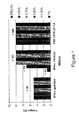
- Crosslinked beads with two different concentrations of PEI (0.6 and 0.7%) are prepared according to Example 1 from amidated pectin and containing 5 IU / bead. They are left for 5 hours in an intestinal medium USP XXIV at pH 6.8, then introduced into synthetic colic pH 6 containing pectinolytic enzymes (Pectinex® Ultra SPL).
- the residual ⁇ -lactamase activity in the beads is measured over time by spectrophotometry in the presence of nitrocéphine.
- Example 5 Kinetics of release in vivo.
- mice are administered per capsule containing 10 beads.
- the stools are recovered at 0, 2H, 3H, 4H, 5H, 6H, 7H and 8H times and the ⁇ -lactamase assay is carried out in these stools (test conducted on 5 animals for each time).
- a mouse is sacrificed at 30 min, 2 h and 4 h to recover the beads in its tube. digestive and observe their morphological changes in scanning electron microscopy.
- the marbles arrive intact in the colon after about 3 hours of transit.
- the level of ⁇ -lactamases released directly into the stool of mice collected at different times after the absorption of the beads by the oral route shows that the basic ⁇ -lactamase activity is low initially. 2 to 4 hours after administration, there is a net increase of this activity, which corresponds well to the transit of the beads ( figure 4 ).
- the photos taken by scanning electron microscopy show the integrity of the ball in different parts of the digestive tract.
- the structure is slightly weakened in the small intestine and the interior is completely destroyed at the colic where the beads appear carrying a cavity.
- the particles, illustrated in the figure 5 having stayed in the stomach have a very similar appearance to those who have not undergone any treatment ( figure 2 ). Indeed the surface has the same rough and irregular appearance ( Figures 5A and 5B ), due to the presence of polyethylenimine, and the section of the beads appears uniform and dense ( Figures 5C and 5D ).
- the culture is made from E. coli strain C600 pIP1100 from the Institut Pasteur.
- the culture conditions are as follows: inoculation of Mueller-Hinton medium at 0.5% starting from a preculture of approximately 20 hours, culture volumes of 200 or 400 ml in Erlenmeyer flask, stirring set at 150 rpm, temperature of 37.degree. ° C.
- the erythromycin esterase activity was evaluated by the microbiological assay in the supernatant and in the insolubles (cellular debris) according to the techniques known to those skilled in the art.
- the erythromycin esterase activity is evaluated from the inhibition diameter.
- the erythromycin esterase activity present in the initial solution of pectin and that released in the Disintegrating medium are determined according to the same protocol as above.
- Table 4 Sample Mean diameter of inhibition (mm) Pectin / Solution A (solution B) -T0 23 Pectin / Solution A -T3h 19 Broken balls-T0 24 Broken balls-T3h 18 Sample Estimated activity (U) Pectin (Solution B) 2.4 Broken balls 2.2
- the assay of the enzymatic activity of beads after disintegration was estimated at 2.2 U; it represents 90% of the initial activity introduced into the beads.
- the active ingredient encapsulated here is a plasmid radiolabeled with Phosphorus 33.
- the radiolabelling is done using the Nick Translation Kit N5500 from Amersham Biosciences according to the protocol described by the supplier.
- the encapsulated DNA is either in free form or complexed with cationic lipids (Lipoplex) or with a cationic polymer (Polyplex) according to the procedure described in Example 1.
- radiolabeled DNA in solution in 750 ⁇ l of MilliQ water are introduced into 0.75 g of a pectin solution, amide or not, at 10% in order to obtain a final concentration of pectin 5%.
- 375 ⁇ l of a radiolabelled aqueous solution of DNA are mixed with 375 ⁇ l of a suspension of cationic liposomes (N / P ratio of 10).
- the 750 ⁇ L of lipoplexes thus obtained are then mixed with 0.75 g of 10% pectin solution in order to obtain a final pectin concentration of 5%.
- 375 ⁇ l of an aqueous solution of radiolabelled DNA are mixed with 375 ⁇ l of a 4 mM aqueous PEI solution.
- 375 ⁇ L of the polyplex suspension thus obtained are then mixed with 0.75 g of 10% pectin solution in order to obtain a final pectin concentration of 5%.
- the calcium pectinate beads encapsulating the free or complexed DNA are then prepared from the solutions obtained above according to the method described in Example 1.
- the concentration of calcium chloride used here is 5% and that of PEI for the crosslinking is 0.6%.
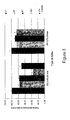
- figure 8 shows the encapsulation efficiencies of a plasmid DNA in amidated or non-amidated pectin beads.
- the encapsulated DNA is either in free form or complexed with cationic lipids (Lipoplex) or with a cationic polymer (Polyplex).
- DNA encapsulation yields vary between 60 and 90% depending on the type of pectin used. They are usually more important with amidated pectin. The complexation with lipids or with a cationic polymer does not lead to significant modifications of these yields which remain relatively high.
Landscapes
- Health & Medical Sciences (AREA)
- Chemical & Material Sciences (AREA)
- Bioinformatics & Cheminformatics (AREA)
- Engineering & Computer Science (AREA)
- Life Sciences & Earth Sciences (AREA)
- Veterinary Medicine (AREA)
- Medicinal Chemistry (AREA)
- Pharmacology & Pharmacy (AREA)
- Animal Behavior & Ethology (AREA)
- General Health & Medical Sciences (AREA)
- Public Health (AREA)
- Epidemiology (AREA)
- Organic Chemistry (AREA)
- Nuclear Medicine, Radiotherapy & Molecular Imaging (AREA)
- General Chemical & Material Sciences (AREA)
- Chemical Kinetics & Catalysis (AREA)
- Inorganic Chemistry (AREA)
- Gastroenterology & Hepatology (AREA)
- Immunology (AREA)
- Proteomics, Peptides & Aminoacids (AREA)
- Medicinal Preparation (AREA)
- Pharmaceuticals Containing Other Organic And Inorganic Compounds (AREA)
- Medicines That Contain Protein Lipid Enzymes And Other Medicines (AREA)
- Medicines Containing Plant Substances (AREA)
Claims (14)
- Multipartikuläre Arzneiform, die geeignet ist, auf oralem Weg verwendet zu werden und die für die Wirkstofffreisetzung im Grimmdarm bestimmt ist, dadurch gekennzeichnet, daß sie Pektinkügelchen umfaßt, die in Form eines den Wirkstoff enthaltenden kationischen Salzes vorliegen, wobei das Pektin durch ein kationisches Polymer, welches aus der Gruppe bestehend aus Polyethylenimin, Polylysin sowie deren Derivaten ausgewählt ist, verletzt ist.
- Arzneiform nach Anspruch 1, dadurch gekennzeichnet, daß das kationische Polymer Polyethylenimin ist.
- Arzneiform nach Anspruch 1 oder 2, dadurch gekennzeichnet, daß das kationische Polymer ein Molekulargewicht zwischen 10.000 und 100.000 Dalton, vorzugsweise zwischen 20.000 und 50.000 Dalton hat.
- Arzneiform nach einem der Ansprüche 1 bis 3, dadurch gekennzeichnet, daß das Pektinsalz ein aus amidiertem oder nicht amidiertem Pektin hergestelltes Kalziumpektinat ist,
- Arzneiform nach einem der Ansprüche 1 bis 4, dadurch gekennzeichnet, daß sie aus einer 4 bis 10%igen (m/v), vorteilhafterweise 4 bis 7%igen (m/v) Pektinlösung, einer 2 bis 10%igen (m/v) Kalziumchloridlösung und einer 0,5 bis 2 %eigen (m(v) Polyethyleniminlösung hergestellt ist.
- Arzneiform nach Anspruch 5, dadurch gekennzeichnet, die Pektinlösung 6 %ig, die Kalziumchloridlösung 6 °%ig und die Polyethyleniminlösung 1 bis 0,6 %ig ist.
- Verfahren zur Herstellung einer Arzneiform nach einem der Ansprüche 1 bis 6, dadurch gekennzeichnet, daß es die folgenden Schritte umfaßt:a) Herstellen einer den Wirkstoff enthaltenden wäßrigen Pektinlösung,b) der bei Schritt a) erhaltenen Lösung zu einer wäßrigen Lösung eines zweiwertigen kationischen Salzes, so daß Pektinkügelchen in Form eines den Wirkstoff enthaltenden kationischen Salzes erhalten werden, undc) Vernetzen der Kügelchen durch Einbringen in eine wäßrige Lösung des kationischen Polymers.
- Herfahren zur Herstellung einer Arzneiform nach Anspruch 7, dadurch gekennzeichnet, daß es die folgenden Schritte umfaßt:a) Herstellen einer den Wirkstoff enthaltenden 4 bis 10%gen (m/v), vorteilhafterweise 4 bis 7 %igen (m/v) Pektinlösung,b) Zugabe der bei Schritt a) erhaltenen Lösung zu einer 2 bis 10%igen (m/v) Kalziumchloridlösung, undc) Vernetzen mittels einer 0,5 bis 2 %igen (m/v) Polyethyleniminlösung.
- Verfahren nach Anspruch 8, dadurch gekennzeichnet, daß die Pektinlösung 6 %ig, die Kalziumchloridlösung 6 %ig und die Polyethylenimin 1 bis 0,6 %ig ist.
- Multipartikuläre Arzneiform, die geeignet ist, auf oralem Weg verwendet zu werden und die für die Wirkstofffreisetzung im Grimmdarm bestimmt ist, dadurch gekennzeichnet, daß sie geeignet ist, mittels eines Verfahrens nach einem der Ansprüche 7 bis 9 erhalten zu werden.
- Arzneiform nach einem der Ansprüche 1 bis 6 und 10, dadurch gekennzeichnet, daß der Wirkstoff unter den Antibiotika, den entzündungshemmenden, antihistaminischen, anticholinergischen, antiviralen, antimitotischen Zusammensetzungen, den Peptiden, Proteinen, Genen, Antisense-Oligonukleotiden, den Diagnostika, Immunosuppressiva und/oder Bakterien, vorzugsweise unter den antitumoralen Wirkstoffen und den Enzymen, die in der Lage sind, die Antibiotika im Bereich des Grimmdarms zu inaktivieren, ausgewählt ist.
- Arzneiform nach Anspruch 1, dadurch gekennzeichnet, daß die Enzyme au der Gruppe aus Beta-Lactamasen, die in der Lage sind, die Makrolide und verwandte Substanzen zu inaktivieren, sowie die in der Lage sind, die Quinolone zu inaktivieren, ausgewählt sind.
- Arzneiform nach Anspruch 11, dadurch gekennzeichnet, daß das Enzym Erythromycin-Esterase ist.
- Pharmazeutische Zusammensetzung umfassend eine Arzneiform nach einem der Ansprüche 11 bis 13, mit einem Enzym, das in der Lage ist, ein Antibiotikum zu inaktivierten, die in Kombination mit dem entsprechenden Antibiotikum für eine gleichzeitige oder sukzessive Verwerdung in der antibiotischen Therapie verabreicht wird.
Priority Applications (1)
| Application Number | Priority Date | Filing Date | Title |
|---|---|---|---|
| EP20080163660 EP1992336A3 (de) | 2002-08-09 | 2003-08-06 | Arzneimittel für die dickdarmverabreichung von wirkstoffen |
Applications Claiming Priority (5)
| Application Number | Priority Date | Filing Date | Title |
|---|---|---|---|
| FR0210151 | 2002-08-09 | ||
| FR0210151A FR2843301B1 (fr) | 2002-08-09 | 2002-08-09 | Forme galenique pour la delivrance colique de principes actifs |
| FR0213514 | 2002-10-29 | ||
| FR0213514A FR2843302B1 (fr) | 2002-08-09 | 2002-10-29 | Forme galenique pour la delivrance colique de principes actifs |
| PCT/FR2003/002474 WO2004016248A2 (fr) | 2002-08-09 | 2003-08-06 | Forme galenique pour la delivrance colique de principes actifs |
Related Child Applications (1)
| Application Number | Title | Priority Date | Filing Date |
|---|---|---|---|
| EP20080163660 Division EP1992336A3 (de) | 2002-08-09 | 2003-08-06 | Arzneimittel für die dickdarmverabreichung von wirkstoffen |
Publications (2)
| Publication Number | Publication Date |
|---|---|
| EP1526841A2 EP1526841A2 (de) | 2005-05-04 |
| EP1526841B1 true EP1526841B1 (de) | 2009-05-27 |
Family
ID=30772009
Family Applications (2)
| Application Number | Title | Priority Date | Filing Date |
|---|---|---|---|
| EP20080163660 Withdrawn EP1992336A3 (de) | 2002-08-09 | 2003-08-06 | Arzneimittel für die dickdarmverabreichung von wirkstoffen |
| EP03758212A Expired - Lifetime EP1526841B1 (de) | 2002-08-09 | 2003-08-06 | Arzneimittel für die dickdarmverabreichung von wirkstoffen |
Family Applications Before (1)
| Application Number | Title | Priority Date | Filing Date |
|---|---|---|---|
| EP20080163660 Withdrawn EP1992336A3 (de) | 2002-08-09 | 2003-08-06 | Arzneimittel für die dickdarmverabreichung von wirkstoffen |
Country Status (14)
| Country | Link |
|---|---|
| US (2) | US7485294B2 (de) |
| EP (2) | EP1992336A3 (de) |
| JP (1) | JP2006500359A (de) |
| KR (1) | KR101080577B1 (de) |
| CN (1) | CN1681480B (de) |
| AT (1) | ATE432066T1 (de) |
| AU (1) | AU2003274229B2 (de) |
| BR (1) | BR0313469A (de) |
| CA (1) | CA2495291A1 (de) |
| DE (1) | DE60327772D1 (de) |
| ES (1) | ES2327630T3 (de) |
| FR (1) | FR2843302B1 (de) |
| MX (1) | MXPA05001607A (de) |
| WO (1) | WO2004016248A2 (de) |
Families Citing this family (31)
| Publication number | Priority date | Publication date | Assignee | Title |
|---|---|---|---|---|
| JP4694145B2 (ja) * | 2004-05-17 | 2011-06-08 | 株式会社 メドレックス | 経口腸溶性製剤 |
| US20080317666A1 (en) * | 2005-02-09 | 2008-12-25 | Elias Fattal | Colonic Delivery of Active Agents |
| CN101257892B (zh) * | 2005-05-18 | 2013-01-02 | 达沃尔泰拉公司 | 吸附剂的结肠递送 |
| US7678817B2 (en) * | 2005-06-03 | 2010-03-16 | Medrx Co., Ltd. | Enteric medicinal composition for oral use |
| US8048413B2 (en) | 2006-05-17 | 2011-11-01 | Helene Huguet | Site-specific intestinal delivery of adsorbents, alone or in combination with degrading molecules |
| FI119190B (fi) | 2006-06-21 | 2008-08-29 | Ipsat Therapies Oy | Modifioitu beta-laktamaasi ja menetelmä sen valmistamiseksi |
| US20080124279A1 (en) * | 2006-11-17 | 2008-05-29 | Antoine Andremont | Colonic delivery using Zn/pectin beads with a Eudragit coating |
| US8273376B2 (en) | 2006-11-17 | 2012-09-25 | Da Volterra | Colonic delivery of metallo-dependent enzymes |
| FI119678B (fi) * | 2006-11-28 | 2009-02-13 | Ipsat Therapies Oy | Beta-laktamaasin käyttö |
| GB0713116D0 (en) * | 2007-07-06 | 2007-08-15 | Therapeutics Ltd E | Treatment of melanoma |
| GB0714226D0 (en) * | 2007-07-20 | 2007-08-29 | Therapeutics Ltd E | anti-bacterial combination therapy |
| US20100239682A1 (en) * | 2007-09-17 | 2010-09-23 | Antoine Andremont | Colonic delivery of antimicrobial agents |
| GB0719771D0 (en) * | 2007-10-10 | 2007-11-21 | Therapeutics Ltd E | Dexanabinol in combination with inhibitors of BRAF or MEK for the treatment of melanoma |
| GB0813211D0 (en) | 2008-07-18 | 2008-08-27 | E Therapeutics Plc | Antibacterial combination therapy for the treatment of gram positive bacterial infections |
| FR2950252B1 (fr) * | 2009-09-23 | 2012-01-20 | Centre Nat Rech Scient | Forme galenique capable d'adsorber de maniere specifique les molecules indesirables |
| PL2538930T3 (pl) | 2010-02-23 | 2016-11-30 | Preparaty do doustnego dostarczania środków adsorbujących do jelita | |
| FI20105572A0 (fi) | 2010-05-24 | 2010-05-24 | Prevab R Lcc | Muokattu beeta-laktamaasi ja siihen liittyvät menetelmät ja käytöt |
| BR112016023360B1 (pt) | 2014-04-17 | 2023-03-07 | Synthetic Biologics, Inc | Beta-lactamase e seu uso |
| CN106574273B (zh) | 2014-08-28 | 2021-07-02 | 合成生物制品有限公司 | β-内酰胺酶的基于大肠杆菌的生产 |
| CA2962959C (en) | 2014-10-08 | 2023-04-04 | Synthetic Biologics, Inc. | Beta-lactamase formulations and uses thereof |
| FR3027307B1 (fr) | 2014-10-16 | 2016-11-04 | Azurrx Sas | Molecule proteique hybride apte a inhiber au moins un antibiotique et composition pharmaceutique la comportant |
| US9744221B2 (en) | 2014-12-23 | 2017-08-29 | Synthetic Biologics, Inc. | Method and compositions for inhibiting or preventing adverse effects of oral antibiotics |
| EP3261662B1 (de) | 2015-02-23 | 2021-07-21 | Synthetic Biologics Inc. | Carbapenemasen zur verwendung mit antibiotika zum schutz des intestinalen mikrobioms |
| US10709773B2 (en) | 2015-03-06 | 2020-07-14 | Synthetic Biologics, Inc. | Safe and effective beta-lactamase dosing for microbiome protection |
| US10182993B2 (en) | 2015-04-06 | 2019-01-22 | Patheon Softgels Inc. | Compositions for colonic delivery of drugs |
| WO2017105138A1 (ko) * | 2015-12-18 | 2017-06-22 | 주식회사 삼양바이오팜 | 음이온성 약물을 함유하는 고분자 미셀의 제조방법 |
| CA3013166A1 (en) | 2016-02-23 | 2017-08-31 | Da Volterra | Beta-lactamase variants |
| US10988749B2 (en) | 2016-02-23 | 2021-04-27 | Da Volterra | Beta-lactamase variants |
| MX2020000265A (es) | 2017-07-07 | 2020-07-22 | Epicentrx Inc | Composiciones para la administración parenteral de agentes terapéuticos. |
| KR20200074982A (ko) | 2017-10-25 | 2020-06-25 | 다 볼떼라 | 베타-락타마아제 변이체 |
| WO2020037262A1 (en) * | 2018-08-17 | 2020-02-20 | Cepheid | Nucleic acid isolation and related methods |
Family Cites Families (21)
| Publication number | Priority date | Publication date | Assignee | Title |
|---|---|---|---|---|
| US3959457A (en) * | 1970-06-05 | 1976-05-25 | Temple University | Microparticulate material and method of making such material |
| US4352883A (en) * | 1979-03-28 | 1982-10-05 | Damon Corporation | Encapsulation of biological material |
| SE459005B (sv) * | 1985-07-12 | 1989-05-29 | Aake Rikard Lindahl | Saett att framstaella sfaeriska polymerpartiklar |
| FR2608456B1 (fr) * | 1986-12-18 | 1993-06-18 | Mero Rousselot Satia | Microcapsules a base de gelatine et de polysaccharides et leur procede d'obtention |
| FR2613624B1 (fr) | 1987-04-10 | 1990-11-23 | Roussy Inst Gustave | Composition pharmaceutique, administrable par voie orale, destinee a reduire les effets des b-lactamines |
| US4963368A (en) * | 1988-04-18 | 1990-10-16 | Nabisco Brands, Inc. | Oxidoreductase enzyme stabilized highly unsaturated fatty acids and derivatives of such acids |
| HU207940B (en) | 1989-02-16 | 1993-07-28 | British Tech Group | Feeder apparatus for controlled dissolution of the active components |
| EP0454044B1 (de) * | 1990-04-25 | 1995-12-06 | Hoechst Aktiengesellschaft | Pharmakologische Zubereitung, enthaltend Polyelektrolytkomplexe in mikropartikulärer Form und mindestens einen Wirkstoff |
| JPH0413724A (ja) | 1990-05-02 | 1992-01-17 | Chisso Corp | 可溶性ポリイミド、その製造法及び液晶配向膜用塗布液 |
| JPH0413741A (ja) * | 1990-05-02 | 1992-01-17 | Chisso Corp | ペクチン・ポリリシン高分子電解質複合体 |
| SE9002339L (sv) * | 1990-07-04 | 1992-01-05 | Kabi Pharmacia Ab | Terapeutisk komposition och foerfarande foer dess framstaellning |
| KR930006431B1 (ko) * | 1990-10-11 | 1993-07-16 | 재단법인 한국화학연구소 | 약물의 미세캡슐화 방법 |
| ES2133633T3 (es) * | 1992-01-17 | 1999-09-16 | Alfatec Pharma Gmbh | Procedimiento para la produccion de polvos, granulados o peletes que contienen una sustancia activa, con una estructura a base de macromoleculas hidrofilas, y su utilizacion. |
| FI920206A0 (fi) * | 1992-01-17 | 1992-01-17 | Pekka Untamo Heino | Medicinsk anvaendning, medicinskt foerfarande och preparat. |
| US5718969A (en) * | 1993-08-25 | 1998-02-17 | Fmc Corporation | Nonaggregating hydrocolloid microparticulates, intermediates therefor, and processes for their preparation |
| WO1997027843A2 (en) * | 1996-01-30 | 1997-08-07 | Advanced Polymer Systems, Inc. | Targeted delivery of drugs to the lower gastrointestinal tract |
| ES2212085T3 (es) * | 1996-10-09 | 2004-07-16 | Givaudan Sa | Procedimiento para la preparacion de granulos como aditivo para alimentos. |
| US6531152B1 (en) * | 1998-09-30 | 2003-03-11 | Dexcel Pharma Technologies Ltd. | Immediate release gastrointestinal drug delivery system |
| IL130303A0 (en) * | 1999-06-03 | 2000-06-01 | M G Novobiotech Ltd | A bacterial strain processed plant extracts and probiotic compositions for human and veterinary use |
| US6632451B2 (en) * | 1999-06-04 | 2003-10-14 | Dexcel Pharma Technologies Ltd. | Delayed total release two pulse gastrointestinal drug delivery system |
| IL152127A0 (en) * | 2002-10-06 | 2003-05-29 | Bio Balance Corp | Probiotic compositions for the treatment of inflammatory bowel disease |
-
2002
- 2002-10-29 FR FR0213514A patent/FR2843302B1/fr not_active Expired - Lifetime
-
2003
- 2003-08-06 CA CA002495291A patent/CA2495291A1/fr not_active Abandoned
- 2003-08-06 CN CN038213656A patent/CN1681480B/zh not_active Expired - Fee Related
- 2003-08-06 ES ES03758212T patent/ES2327630T3/es not_active Expired - Lifetime
- 2003-08-06 US US10/524,318 patent/US7485294B2/en not_active Expired - Fee Related
- 2003-08-06 EP EP20080163660 patent/EP1992336A3/de not_active Withdrawn
- 2003-08-06 BR BR0313469-5A patent/BR0313469A/pt not_active Application Discontinuation
- 2003-08-06 EP EP03758212A patent/EP1526841B1/de not_active Expired - Lifetime
- 2003-08-06 AU AU2003274229A patent/AU2003274229B2/en not_active Ceased
- 2003-08-06 KR KR1020057002387A patent/KR101080577B1/ko not_active Expired - Fee Related
- 2003-08-06 DE DE60327772T patent/DE60327772D1/de not_active Expired - Lifetime
- 2003-08-06 AT AT03758212T patent/ATE432066T1/de not_active IP Right Cessation
- 2003-08-06 MX MXPA05001607A patent/MXPA05001607A/es active IP Right Grant
- 2003-08-06 WO PCT/FR2003/002474 patent/WO2004016248A2/fr not_active Ceased
- 2003-08-06 JP JP2004528586A patent/JP2006500359A/ja active Pending
-
2008
- 2008-12-29 US US12/345,647 patent/US7833765B2/en not_active Expired - Lifetime
Non-Patent Citations (2)
| Title |
|---|
| LIU P.; KRISHNAN T.R.: "Alginate-Pectin-Poly-L-Lysine Particulate as a Potential Controlled Release Formulation", J. PHARM. PHARMACOL., vol. 51, 1999, pages 141 - 149, XP009034385 * |
| MUNJERI O. ET AL: "Hydrogel beads based on amidated pectins for colon-specific drug delivery: the role of chitosan in modifying drug release", JOURNAL OF CONTROLLED RELEASE, vol. 46, 1997, pages 273 - 278, XP004092173 * |
Also Published As
| Publication number | Publication date |
|---|---|
| ATE432066T1 (de) | 2009-06-15 |
| BR0313469A (pt) | 2005-07-12 |
| KR101080577B1 (ko) | 2011-11-04 |
| KR20050083628A (ko) | 2005-08-26 |
| MXPA05001607A (es) | 2005-09-20 |
| US7833765B2 (en) | 2010-11-16 |
| CN1681480B (zh) | 2010-04-14 |
| EP1992336A2 (de) | 2008-11-19 |
| WO2004016248A3 (fr) | 2004-04-08 |
| US7485294B2 (en) | 2009-02-03 |
| WO2004016248A2 (fr) | 2004-02-26 |
| CN1681480A (zh) | 2005-10-12 |
| JP2006500359A (ja) | 2006-01-05 |
| DE60327772D1 (de) | 2009-07-09 |
| EP1526841A2 (de) | 2005-05-04 |
| EP1992336A3 (de) | 2009-05-13 |
| US20050249716A1 (en) | 2005-11-10 |
| ES2327630T3 (es) | 2009-11-02 |
| AU2003274229A1 (en) | 2004-03-03 |
| CA2495291A1 (fr) | 2004-02-26 |
| FR2843302A1 (fr) | 2004-02-13 |
| AU2003274229B2 (en) | 2009-05-21 |
| FR2843302B1 (fr) | 2004-10-22 |
| WO2004016248A8 (fr) | 2004-05-21 |
| US20090162339A1 (en) | 2009-06-25 |
Similar Documents
| Publication | Publication Date | Title |
|---|---|---|
| EP1992336A2 (de) | Arzneimittel für die dickdarmverabreichung von wirkstoffen | |
| CA2800426C (fr) | Microgranules et microcomprimes resistants au detournement | |
| Hejazi et al. | Chitosan-based gastrointestinal delivery systems | |
| US10548844B2 (en) | pH-responsive mucoadhesive polymeric encapsulated microorganisms | |
| ES2425762T3 (es) | Polímero insoluble en agua: revestimientos de película a base de derivados de almidón modificado para la liberación dirigida al colon | |
| Rani et al. | Chitosan based hydrogel polymeric beads–As drug delivery system | |
| KR20200075024A (ko) | 지연 방출형 약물 제형 | |
| Bourgeois et al. | Polymer colon drug delivery systems and their application to peptides, proteins, and nucleic acids | |
| CA2678131A1 (en) | Colonic delivery using zn/pectin beads with a eudragit coating. | |
| Muvva et al. | Modified pectins for colon-specific drug delivery | |
| US20240082168A1 (en) | Controlled drug release formulation | |
| EP2480211B1 (de) | Galenische form zum gezielten absorbieren unerwünschter moleküle im verdauungstrakt | |
| Patel et al. | Recent trends in microbially and/or enzymatically driven colon-specific drug delivery systems | |
| FR2843301A1 (fr) | Forme galenique pour la delivrance colique de principes actifs | |
| Lalani et al. | Applications of polymers in small intestinal drug delivery | |
| Gupta et al. | A review article on colonic targeted drug delivery system | |
| Patel | Drug delivery: oral colon-specific | |
| Shah et al. | DEVELOPMENTS IN COLON SPECIFIC DRUG DELIVERY SYSTEMS-A REVIEW. | |
| FR2830446A1 (fr) | Composition pharmaceutique destinee a liberer une substance active au niveau du colon | |
| Kirtania et al. | Drug targeting towards colon using natural polymers: Research trends in the last decade | |
| HH et al. | Approaches for Peptides and Proteins by Colon Specific Delivery |
Legal Events
| Date | Code | Title | Description |
|---|---|---|---|
| PUAI | Public reference made under article 153(3) epc to a published international application that has entered the european phase |
Free format text: ORIGINAL CODE: 0009012 |
|
| 17P | Request for examination filed |
Effective date: 20050224 |
|
| AK | Designated contracting states |
Kind code of ref document: A2 Designated state(s): AT BE BG CH CY CZ DE DK EE ES FI FR GB GR HU IE IT LI LU MC NL PT RO SE SI SK TR |
|
| AX | Request for extension of the european patent |
Extension state: AL LT LV MK |
|
| DAX | Request for extension of the european patent (deleted) | ||
| 17Q | First examination report despatched |
Effective date: 20061215 |
|
| RIN1 | Information on inventor provided before grant (corrected) |
Inventor name: FATTAL, ELIAS Inventor name: COUVREUR, PATRICK Inventor name: ANDREMONT, ANTOINE Inventor name: BOURGEOIS, SANDRINE |
|
| GRAP | Despatch of communication of intention to grant a patent |
Free format text: ORIGINAL CODE: EPIDOSNIGR1 |
|
| GRAS | Grant fee paid |
Free format text: ORIGINAL CODE: EPIDOSNIGR3 |
|
| GRAA | (expected) grant |
Free format text: ORIGINAL CODE: 0009210 |
|
| AK | Designated contracting states |
Kind code of ref document: B1 Designated state(s): AT BE BG CH CY CZ DE DK EE ES FI FR GB GR HU IE IT LI LU MC NL PT RO SE SI SK TR |
|
| REG | Reference to a national code |
Ref country code: GB Ref legal event code: FG4D Free format text: NOT ENGLISH |
|
| REG | Reference to a national code |
Ref country code: CH Ref legal event code: EP |
|
| REG | Reference to a national code |
Ref country code: IE Ref legal event code: FG4D Free format text: LANGUAGE OF EP DOCUMENT: FRENCH |
|
| REF | Corresponds to: |
Ref document number: 60327772 Country of ref document: DE Date of ref document: 20090709 Kind code of ref document: P |
|
| REG | Reference to a national code |
Ref country code: GR Ref legal event code: EP Ref document number: 20090402149 Country of ref document: GR |
|
| PG25 | Lapsed in a contracting state [announced via postgrant information from national office to epo] |
Ref country code: PT Free format text: LAPSE BECAUSE OF FAILURE TO SUBMIT A TRANSLATION OF THE DESCRIPTION OR TO PAY THE FEE WITHIN THE PRESCRIBED TIME-LIMIT Effective date: 20090927 Ref country code: AT Free format text: LAPSE BECAUSE OF FAILURE TO SUBMIT A TRANSLATION OF THE DESCRIPTION OR TO PAY THE FEE WITHIN THE PRESCRIBED TIME-LIMIT Effective date: 20090527 Ref country code: FI Free format text: LAPSE BECAUSE OF FAILURE TO SUBMIT A TRANSLATION OF THE DESCRIPTION OR TO PAY THE FEE WITHIN THE PRESCRIBED TIME-LIMIT Effective date: 20090527 |
|
| NLV1 | Nl: lapsed or annulled due to failure to fulfill the requirements of art. 29p and 29m of the patents act | ||
| REG | Reference to a national code |
Ref country code: ES Ref legal event code: FG2A Ref document number: 2327630 Country of ref document: ES Kind code of ref document: T3 |
|
| PG25 | Lapsed in a contracting state [announced via postgrant information from national office to epo] |
Ref country code: SE Free format text: LAPSE BECAUSE OF FAILURE TO SUBMIT A TRANSLATION OF THE DESCRIPTION OR TO PAY THE FEE WITHIN THE PRESCRIBED TIME-LIMIT Effective date: 20090827 Ref country code: NL Free format text: LAPSE BECAUSE OF FAILURE TO SUBMIT A TRANSLATION OF THE DESCRIPTION OR TO PAY THE FEE WITHIN THE PRESCRIBED TIME-LIMIT Effective date: 20090527 Ref country code: SI Free format text: LAPSE BECAUSE OF FAILURE TO SUBMIT A TRANSLATION OF THE DESCRIPTION OR TO PAY THE FEE WITHIN THE PRESCRIBED TIME-LIMIT Effective date: 20090527 |
|
| REG | Reference to a national code |
Ref country code: IE Ref legal event code: FD4D |
|
| PG25 | Lapsed in a contracting state [announced via postgrant information from national office to epo] |
Ref country code: CZ Free format text: LAPSE BECAUSE OF FAILURE TO SUBMIT A TRANSLATION OF THE DESCRIPTION OR TO PAY THE FEE WITHIN THE PRESCRIBED TIME-LIMIT Effective date: 20090527 Ref country code: IE Free format text: LAPSE BECAUSE OF FAILURE TO SUBMIT A TRANSLATION OF THE DESCRIPTION OR TO PAY THE FEE WITHIN THE PRESCRIBED TIME-LIMIT Effective date: 20090527 Ref country code: EE Free format text: LAPSE BECAUSE OF FAILURE TO SUBMIT A TRANSLATION OF THE DESCRIPTION OR TO PAY THE FEE WITHIN THE PRESCRIBED TIME-LIMIT Effective date: 20090527 Ref country code: RO Free format text: LAPSE BECAUSE OF FAILURE TO SUBMIT A TRANSLATION OF THE DESCRIPTION OR TO PAY THE FEE WITHIN THE PRESCRIBED TIME-LIMIT Effective date: 20090527 Ref country code: DK Free format text: LAPSE BECAUSE OF FAILURE TO SUBMIT A TRANSLATION OF THE DESCRIPTION OR TO PAY THE FEE WITHIN THE PRESCRIBED TIME-LIMIT Effective date: 20090527 |
|
| PG25 | Lapsed in a contracting state [announced via postgrant information from national office to epo] |
Ref country code: SK Free format text: LAPSE BECAUSE OF FAILURE TO SUBMIT A TRANSLATION OF THE DESCRIPTION OR TO PAY THE FEE WITHIN THE PRESCRIBED TIME-LIMIT Effective date: 20090527 |
|
| BERE | Be: lapsed |
Owner name: CENTRE NATIONAL DE LA RECHERCHE SCIENTIFIQUE (CNR Effective date: 20090831 Owner name: DA VOLTERRA Effective date: 20090831 |
|
| PG25 | Lapsed in a contracting state [announced via postgrant information from national office to epo] |
Ref country code: BG Free format text: LAPSE BECAUSE OF FAILURE TO SUBMIT A TRANSLATION OF THE DESCRIPTION OR TO PAY THE FEE WITHIN THE PRESCRIBED TIME-LIMIT Effective date: 20090827 Ref country code: MC Free format text: LAPSE BECAUSE OF NON-PAYMENT OF DUE FEES Effective date: 20090831 |
|
| REG | Reference to a national code |
Ref country code: CH Ref legal event code: PL |
|
| PLBE | No opposition filed within time limit |
Free format text: ORIGINAL CODE: 0009261 |
|
| STAA | Information on the status of an ep patent application or granted ep patent |
Free format text: STATUS: NO OPPOSITION FILED WITHIN TIME LIMIT |
|
| PG25 | Lapsed in a contracting state [announced via postgrant information from national office to epo] |
Ref country code: LI Free format text: LAPSE BECAUSE OF NON-PAYMENT OF DUE FEES Effective date: 20090831 Ref country code: CH Free format text: LAPSE BECAUSE OF NON-PAYMENT OF DUE FEES Effective date: 20090831 |
|
| 26N | No opposition filed |
Effective date: 20100302 |
|
| PG25 | Lapsed in a contracting state [announced via postgrant information from national office to epo] |
Ref country code: BE Free format text: LAPSE BECAUSE OF NON-PAYMENT OF DUE FEES Effective date: 20090831 |
|
| PGFP | Annual fee paid to national office [announced via postgrant information from national office to epo] |
Ref country code: DE Payment date: 20101029 Year of fee payment: 8 |
|
| PG25 | Lapsed in a contracting state [announced via postgrant information from national office to epo] |
Ref country code: LU Free format text: LAPSE BECAUSE OF NON-PAYMENT OF DUE FEES Effective date: 20090806 |
|
| PG25 | Lapsed in a contracting state [announced via postgrant information from national office to epo] |
Ref country code: HU Free format text: LAPSE BECAUSE OF FAILURE TO SUBMIT A TRANSLATION OF THE DESCRIPTION OR TO PAY THE FEE WITHIN THE PRESCRIBED TIME-LIMIT Effective date: 20091128 |
|
| PG25 | Lapsed in a contracting state [announced via postgrant information from national office to epo] |
Ref country code: TR Free format text: LAPSE BECAUSE OF FAILURE TO SUBMIT A TRANSLATION OF THE DESCRIPTION OR TO PAY THE FEE WITHIN THE PRESCRIBED TIME-LIMIT Effective date: 20090527 |
|
| PG25 | Lapsed in a contracting state [announced via postgrant information from national office to epo] |
Ref country code: CY Free format text: LAPSE BECAUSE OF FAILURE TO SUBMIT A TRANSLATION OF THE DESCRIPTION OR TO PAY THE FEE WITHIN THE PRESCRIBED TIME-LIMIT Effective date: 20090527 |
|
| PGFP | Annual fee paid to national office [announced via postgrant information from national office to epo] |
Ref country code: GR Payment date: 20110824 Year of fee payment: 9 Ref country code: GB Payment date: 20110831 Year of fee payment: 9 Ref country code: FR Payment date: 20110830 Year of fee payment: 9 |
|
| PGFP | Annual fee paid to national office [announced via postgrant information from national office to epo] |
Ref country code: IT Payment date: 20110824 Year of fee payment: 9 |
|
| PGFP | Annual fee paid to national office [announced via postgrant information from national office to epo] |
Ref country code: ES Payment date: 20110930 Year of fee payment: 9 |
|
| GBPC | Gb: european patent ceased through non-payment of renewal fee |
Effective date: 20120806 |
|
| REG | Reference to a national code |
Ref country code: GR Ref legal event code: ML Ref document number: 20090402149 Country of ref document: GR Effective date: 20130304 |
|
| REG | Reference to a national code |
Ref country code: FR Ref legal event code: ST Effective date: 20130430 |
|
| PG25 | Lapsed in a contracting state [announced via postgrant information from national office to epo] |
Ref country code: GR Free format text: LAPSE BECAUSE OF NON-PAYMENT OF DUE FEES Effective date: 20130304 Ref country code: IT Free format text: LAPSE BECAUSE OF NON-PAYMENT OF DUE FEES Effective date: 20120806 |
|
| PG25 | Lapsed in a contracting state [announced via postgrant information from national office to epo] |
Ref country code: GB Free format text: LAPSE BECAUSE OF NON-PAYMENT OF DUE FEES Effective date: 20120806 Ref country code: DE Free format text: LAPSE BECAUSE OF NON-PAYMENT OF DUE FEES Effective date: 20130301 |
|
| PG25 | Lapsed in a contracting state [announced via postgrant information from national office to epo] |
Ref country code: FR Free format text: LAPSE BECAUSE OF NON-PAYMENT OF DUE FEES Effective date: 20120831 |
|
| REG | Reference to a national code |
Ref country code: DE Ref legal event code: R119 Ref document number: 60327772 Country of ref document: DE Effective date: 20130301 |
|
| REG | Reference to a national code |
Ref country code: ES Ref legal event code: FD2A Effective date: 20131023 |
|
| PG25 | Lapsed in a contracting state [announced via postgrant information from national office to epo] |
Ref country code: ES Free format text: LAPSE BECAUSE OF NON-PAYMENT OF DUE FEES Effective date: 20120807 |