EP1521600B1 - Bisacyloxypropylcystein-konjugate und deren verwendung - Google Patents
Bisacyloxypropylcystein-konjugate und deren verwendung Download PDFInfo
- Publication number
- EP1521600B1 EP1521600B1 EP03765055A EP03765055A EP1521600B1 EP 1521600 B1 EP1521600 B1 EP 1521600B1 EP 03765055 A EP03765055 A EP 03765055A EP 03765055 A EP03765055 A EP 03765055A EP 1521600 B1 EP1521600 B1 EP 1521600B1
- Authority
- EP
- European Patent Office
- Prior art keywords
- conjugate according
- bisacyloxypropylcysteine
- peg
- cys
- die
- Prior art date
- Legal status (The legal status is an assumption and is not a legal conclusion. Google has not performed a legal analysis and makes no representation as to the accuracy of the status listed.)
- Expired - Lifetime
Links
Images



Classifications
-
- A—HUMAN NECESSITIES
- A61—MEDICAL OR VETERINARY SCIENCE; HYGIENE
- A61K—PREPARATIONS FOR MEDICAL, DENTAL OR TOILETRY PURPOSES
- A61K47/00—Medicinal preparations characterised by the non-active ingredients used, e.g. carriers or inert additives; Targeting or modifying agents chemically bound to the active ingredient
- A61K47/50—Medicinal preparations characterised by the non-active ingredients used, e.g. carriers or inert additives; Targeting or modifying agents chemically bound to the active ingredient the non-active ingredient being chemically bound to the active ingredient, e.g. polymer-drug conjugates
- A61K47/51—Medicinal preparations characterised by the non-active ingredients used, e.g. carriers or inert additives; Targeting or modifying agents chemically bound to the active ingredient the non-active ingredient being chemically bound to the active ingredient, e.g. polymer-drug conjugates the non-active ingredient being a modifying agent
- A61K47/56—Medicinal preparations characterised by the non-active ingredients used, e.g. carriers or inert additives; Targeting or modifying agents chemically bound to the active ingredient the non-active ingredient being chemically bound to the active ingredient, e.g. polymer-drug conjugates the non-active ingredient being a modifying agent the modifying agent being an organic macromolecular compound, e.g. an oligomeric, polymeric or dendrimeric molecule
- A61K47/59—Medicinal preparations characterised by the non-active ingredients used, e.g. carriers or inert additives; Targeting or modifying agents chemically bound to the active ingredient the non-active ingredient being chemically bound to the active ingredient, e.g. polymer-drug conjugates the non-active ingredient being a modifying agent the modifying agent being an organic macromolecular compound, e.g. an oligomeric, polymeric or dendrimeric molecule obtained otherwise than by reactions only involving carbon-to-carbon unsaturated bonds, e.g. polyureas or polyurethanes
- A61K47/60—Medicinal preparations characterised by the non-active ingredients used, e.g. carriers or inert additives; Targeting or modifying agents chemically bound to the active ingredient the non-active ingredient being chemically bound to the active ingredient, e.g. polymer-drug conjugates the non-active ingredient being a modifying agent the modifying agent being an organic macromolecular compound, e.g. an oligomeric, polymeric or dendrimeric molecule obtained otherwise than by reactions only involving carbon-to-carbon unsaturated bonds, e.g. polyureas or polyurethanes the organic macromolecular compound being a polyoxyalkylene oligomer, polymer or dendrimer, e.g. PEG, PPG, PEO or polyglycerol
Definitions
- the invention relates to novel Bisacyloxypropylcystein conjugates and their use, also in the form of pharmaceutical compositions.
- lipopeptides are macrophage activators ( Hoffmann, P., S. Heinle, UF Schade, H. Loppnow, AJ Ulmer, H.-D. Flad, G. Jung, and W. Bessler, 1988, "Stimulation of human and murine adherent cells by bacterial lipoprotein and synthetic Bisacyloxypropylcysteine analogues", Immunobiol. 177: 158-170 ).
- macrophage activators fatty acid-substituted (acyloxy-substituted) peptides or proteins with physiological action are also known in particular several times on a propyl cysteine residue.
- Peptides and especially lipopeptides with longer fatty acid chains often have the serious disadvantage of poor solubility in water for pharmaceutical and related applications on the human and animal body, which severely limits their effectiveness and their field of use.
- pegylated macrophage activators are already known in the manner described above.
- a tricyclic acyl-substituted PEG tripalmitoyl-S-glyceryl-cysteine-polyethylene-glycol
- PAM 3 Cys-PEG a tricyclic acyl-substituted PEG, tripalmitoyl-S-glyceryl-cysteine-polyethylene-glycol, is commercially available on a propyl-cysteine residue. which may be referred to as PAM 3 Cys-PEG.
- PAM 3 -Cys-PEG has the structure wherein the fatty acid-substituted propyl cysteine at position X via a bivalent radical such as -NH-, -OCO-, -S-, -O-, or the like is conjugated with the polyethylene glycol.
- the object of the invention is therefore to provide such a new, well-tolerated, water-soluble and highly active macrophage activator.
- R 1 and R 2 may be identical or different and mean fatty acid residues bonded via the carboxyl group
- Y is -NH-, -O-, -S- or -OCO-
- novel bisacyloxypropylcysteine conjugate is preferably a S - [2,3-bis (acyloxy) - (2 S) -propyl] -L-cysteinyl-carboxypolyethylenglykol (BAP-Cys-PEG), wherein the polyethylene glycol. attached via the carboxyl group of the cysteine and the amino group of the cysteine remains free.
- novel bisacyloxypropylcysteine conjugate is preferably a S- [2,3-bis (acyloxy) - (2 R) -propyl] -L-eysteinyl-carboxy-polyethylene glycol (BAP-Cys-PEG) in which the polyethylene glycol is attached via the carboxyl group of the cysteine and the amino group of the cysteine remains free. While preserving the function or in this case the physiological action, customary modifications and substitutions known to the chemist can be carried out on the molecule.
- the radicals R 1,2 of the bisacyloxypropyl cysteine conjugate according to the invention may be identical or different. Presently preferred are C 7-25 , preferably C 8-22 alkyl, alkenyl or alkynyl groups, wherein the unsaturated positions are preferably in cis configuration.
- the alkyl, alkenyl and alkynyl radicals may be branched or unbranched, cyclic or cycloalkyl-substituted radicals.
- Suitable radicals R 1 , R 2 are well known from fatty acid chemistry.
- the radical R 3 is preferably a polyethylene glycol radical. Generally, however, it is a covalently, ionically or associatively bound physiologically acceptable conjugate which is suitable for converting the bis-acyloxypropyl cysteine into an active, water-soluble form. Covalently bonded polymers are currently preferred.
- the Conjugate but also a dextran, a sugar, a polyvinylpyrrolidone, an alginate, a pectin or a collagen.
- dextran is used as a blood expander and harmless from its physiological compatibility forth.
- the molecular weight of the water-soluble polymer residue is preferably selected to be 100 to 30,000 daltons per bisacyloxypropylcysteine molecule.
- a chain length m of 5 to 700, preferably 100 to 500 is preferred, but not mandatory.
- the S - [2,3-bis (acyloxy) - (2 R) -propyl] -L-cysteinyl-carboxypolyethylenglykol a S - [2,3- bis (palmitoyloxy) - (2 R) - propyl] -L-cysteinyl-carboxypolyethylenglykol.
- the bis-acyloxypropyl cysteine conjugate of this invention has the advantage over previously known macrophage activators of combining good water solubility with relatively high macrophage activity (see below). It is not immunogenic, so that when used on humans or animals no antibody development takes place against the preparation.
- the invention further includes pharmaceutical compositions containing the bisacyloxypropyl cysteine conjugate of the invention.
- Such compositions include, among others, solutions of the bisacyloxypropyl cysteine conjugate of the present invention. Within these compositions may be additional pharmaceutical additives and Be included excipients.
- the bisacyloxypropyl cysteine conjugate may be bound or adsorbed to a pharmaceutically acceptable carrier. Suitable carriers are known to the person skilled in the art and are also commercially available.
- the pharmaceutical composition is preferably in the form of a formulation suitable for injection, for inhalation or for intranasal or topical application, including carrier-bound administration forms.
- a formulation suitable for injection for inhalation or for intranasal or topical application, including carrier-bound administration forms.
- carrier-bound administration forms for local application, among other ointments, creams, tinctures, solutions and the same are provided, as known to those skilled in the art for this purpose.
- the bisacyloxypropyl cysteine conjugates or the associated pharmaceutical compositions of the invention may be used, inter alia, to stimulate macrophages, to stimulate antibody synthesis, to defend against infection, to immunostimulant, in particular to tumors, to prevent and treat septic shock, to heal wounds and as adjuvants for vaccines be used.
- Adjuvants are substances which upon immunization are added to the actual antigen (i.e., the substance which provokes the desired immune response) to enhance the humoral and / or cell-mediated immune response.
- adjuvants can help to support the desired immune response.
- the adjuvants can be combined with a variety of antigens to vaccines.
- target antigens for the prophylactic treatment of infectious diseases, tumors, autoimmune diseases, allergies and chronic or active inflammatory diseases can be selected as antigens.
- Vaccination also means treatment with antigens for fertility control in human or animal populations.
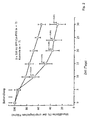
- FIG. 1 Concentration dependence of macrophage activation, measured by means of nitric oxide production (determined spectroscopically at OD 550 nm), above the concentration of macrophage activator in picomole.
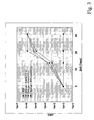
- Fig. 2 Acceleration of wound healing in diabetic mice by three applications of BPP-Cys-PEG. Triangular symbols: carrier treated control animals; Square symbols: animals treated with BPP-Cys-PEG.
- Fig. 3 Humoral responses stimulated following vaccination with MALP-2 derivatives and BPP-Cys-PEG as mucosal adjuvants at a dose of 0.05 ⁇ g per animal per immunization.
- the mice were immunized intranasally with ⁇ -galactosidase (50 ⁇ g / dose) mixed with the above derivatives on day 0, 7 and 14.
- serum samples were taken and the concentrations of ⁇ -galactosidase specific antibodies determined by ELISA. The results presented as endpoint titers.
- FIG. 4 Total ⁇ -gal specific IgA in the lung lavage of intranasally immunized mice. Standard deviation (SA) is represented by vertical lines.
- Figure 5 Total ⁇ -gal specific IgA in the vaginal lavage of intranasally immunized mice. Standard deviation is shown as vertical lines.
- FIG. 6 ⁇ -gal specific T cell proliferative responses of spleen cells from immunized mice. The cells were restimulated in vitro for 4 days with various concentrations of soluble ⁇ -gal. The results are presented as the ratio between the values (average of triplicate) of stimulated and non-stimulated samples (stimulation index).
- macrophage and monocyte activation can be measured by a variety of parameters, such as the release of cytokines, chemokines or arachidonic acid metabolites in cultures of human monocytes or murine peritoneal macrophages.
- the test used here is based on simultaneous stimulation of murine peritoneal macrophages with interferon- ⁇ and macrophage activator, eg BAP-Cys-PEG for the release of nitric oxide. (Reference: Mühlradt, PF, and Frisch, M., 1994, "Purification and partial biochemical characterization of a mycoplasma fermentans-derived substance that activates macrophages to release nitric oxide, tumor necrosis factor, and interleukin-6", Infect. Immune. 62: 3801-3807 )
- BPP-Cys-PEG as a mucosal adjuvant is at least as effective or even more effective than R-MALP-2.
- Effective humoral and cellular immune responses to antigens administered simultaneously with BPP-Cys-PEG were achieved at both the systemic and mucosal levels.
Landscapes
- Health & Medical Sciences (AREA)
- Animal Behavior & Ethology (AREA)
- Public Health (AREA)
- Chemical & Material Sciences (AREA)
- Medicinal Chemistry (AREA)
- Pharmacology & Pharmacy (AREA)
- Epidemiology (AREA)
- Life Sciences & Earth Sciences (AREA)
- Engineering & Computer Science (AREA)
- Bioinformatics & Cheminformatics (AREA)
- Veterinary Medicine (AREA)
- General Health & Medical Sciences (AREA)
- Medicinal Preparation (AREA)
- Medicines That Contain Protein Lipid Enzymes And Other Medicines (AREA)
- Peptides Or Proteins (AREA)
- Medicines Containing Antibodies Or Antigens For Use As Internal Diagnostic Agents (AREA)
- Saccharide Compounds (AREA)
- Pharmaceuticals Containing Other Organic And Inorganic Compounds (AREA)
Description
- Die Erfindung betrifft neue Bisacyloxypropylcystein-Konjugate und deren Verwendung, auch in Form pharmazeutischer Zusammensetzungen.
- Es ist seit langem bekannt, dass bestimmte Lipopeptide Makrophagenaktivatoren sind (Hoffmann, P., S. Heinle, U.F. Schade, H. Loppnow, A.J. Ulmer, H.-D. Flad, G. Jung, and W. Bessler, 1988, "Stimulation of human and murine adherent cells by bacterial lipoprotein and synthetic Bisacyloxypropylcysteine analogues", Immunobiol. 177:158-170). Innerhalb dieser Klasse von Makrophagenaktivatoren sind insbesondere auch mehrfach an einem Propylcysteinrest fettsäuresubstituierte (acyloxy-substituierte) Peptide oder Proteine mit physiologischer Wirkung bekannt.
- Peptide und darunter besonders Lipopeptide mit längeren Fettsäureketten haben jedoch für pharmazeutische und verwandte Anwendungen am menschlichen und tierischen Körper häufig den gravierenden Nachteil zu geringer Wasserlöslichkeit, was ihre Wirksamkeit und ihr Einsatzgebiet stark einschränkt.
- Diese Probleme können durch Konjugieren der Proteine und Peptide an wasserlösliche Polymere gelöst werden. Aus der
EP 0 510 356 B1 sind beispielsweise Polyethylenglykol-Proteinkonjugate bekannt, in denen ein Protein über einen Linker an Polyethylenglykol gebunden ist und hierdurch wesentlich wasserlöslicher gemacht wird. In derEP 0 510 356 B1 sind zahlreiche weitere Schriften genannt, in denen das Konjugieren von Peptiden oder Proteinen an wasserlösliche Polymere, hier besonders an Polyethylenglykol, beschrieben wird. Die Konjugation mit PEG wird heute auch als "Pegylieren" bezeichnet. - Dokument KLEINE B. et al : "Lipopeptide-polyoxyethylene conjugates as mitogens and adjuvants" Immunobiology, 3d. 190, 1994, Seiten 56-66 beschreibt Lipopeptide-Polyoxyethylen Konjugate als Immunostimulanz aber die Aminogruppe des Cysteins ist nicht konjugiert.
- Auch sind bereits in ober beschriebener Weise pegylierte Makrophagenaktivatoren bekannt. Kommerziell erhältlich ist beispielsweise ein dreifach an einem Propyl-Cysteinrest acyloxy-substituiertes PEG, Tripalmitoyl-S-Glyceryl-Cystein-Polyethylen-glykol, das als PAM3-Cys-PEG bezeichnet werden kann.
- PAM3-Cys-PEG besitzt die Struktur

-S-, -O-, oder dergleichen mit dem Polyethylenglykol konjugiert ist. - Trotz der stark verbesserten Wasserlöslichkeit von PAM3-Cys-PEG gegenüber den entsprechenden PAM3-Cys-Peptiden ist häufig bei der Verwendung dieser Substanz als Makrophagenaktivator die Zugabe eines organischen Lösungsvermittlers erforderlich oder zumindest sehr empfehlenswert, da die Makrophagenaktivierung sonst geringer wäre. Lösungsvermittler wie Octyl-Glucosid sind jedoch aus pharmakologische Sicht nicht ganz unproblematisch.
- Es besteht daher weiterhin ein starkes Bedürfnis für neue, physiologisch gut verträgliche, insbesondere nicht-immunogene, gut wasserlösliche und aktive Makrophagenaktivatoren. Die Aufgabe der Erfindung besteht daher darin, einen solchen neuen gut verträglichen, wasserlöslichen und hochaktiven Makrophagenaktivator zur Verfügung zu stellen.
- Die Aufgabe wird gelöst durch ein Bisacyloxypropylcystein-Konjugat gemäß Formel (1),

Y = -NH-, -O-, -S- oder -OCO- ist,
R3 ein kovalent, ionisch oder assoziativ gebundener Konjugatrest ist, insbesondere ein wasserlösliches und physiologisch verträgliches, kovalent oder ionisch gebundenes Polymer, insbesondere kovalent gebundenes Polyethylenglykol (Polyoxyethylen),
-(CH2-CH2-O)m-CH2-CH2-X,
mit X = OR, NR2, SR, COOR und
R = H, Benzyl-, C1-6-Alkyl, wobei mehrere Reste R gleich oder verschieden sein können,
ein Polyoxyethylen-Polyoxypropylen-Copolymer, ein Dextran, ein Zucker, ein Polyvinylpyrrolidon, ein Alginat, ein Pektin oder ein Kollagen,
und wobei der polymere Rest R3 ein-, zwei- oder mehrfach mit
Das erfindungsgemäße Konjugat kann sowohl als Racemat als auch als optisch reine Substanzen vorliegen. - Bei dem erfindungsgemäßen Bisacyloxypropylcystein-Konjugat handelt es sich vorzugsweise um ein S-[2,3-bis(acyloxy)-(2S)-propyl]-L-cysteinyl-carboxypolyethylenglykol (BAP-Cys-PEG), bei dem das Polyethylenglykol. über die Carboxylgruppe des Cysteins angebunden ist und die Aminogruppe des Cysteins frei bleibt. In einen anderen Ausführungsform handelt es sich bei dem erfindungsgemäßen Bisacyloxypropylcystein-Konjugat vorzugsweise um ein S-[2,3-bis(acyloxy)-(2R)-propyl]-L-eysteinyl-carboxy-polyethylenglykol (BAP-Cys-PEG), bei dem das Polyethylenglykol über die Carboxylgruppe des Cysteins angebunden ist und die Aminogruppe des Cysteins frei bleibt. Unter Erhalt der Funktion bzw. hier der physiologischen Wirkung können dem Chemiker bekannte, übliche Modifikationen und Substitutionen an dem Molekül vorgenommen werden.
- Die Reste R1,2 des erfindungsgemäßen Bisacyloxypropylcystein-Konjugats können gleich oder verschieden sein. Derzeit bevorzugt sind C7-25-, vorzugsweise C8-22-Alkyl, -Alkenyl oder -Alkinylgruppen, wobei die ungesättigten Positionen vorzugsweise in cis-Konfiguration vorliegen. Die Alkyl-, Alkenyl -und Alkinyl-Reste können verzweigte oder unverzweigte, cyclische oder cycloalkyl-substituierte Reste darstellen. Geeignete Reste R1, R2 sind aus der Fettsäurechemie hinlänglich bekannt.
- Bezüglich der Gruppe Y kommt es lediglich darauf an, dass eine stabile Verbindung zu dem Konjugatrest R3 hergestellt wird, damit das Bisacyloxypropylcystein hinlänglich an diesen gebunden und damit wasserlöslich bleibt.
- Der Rest R3 ist vorzugsweise ein Polyethylenglykol-Rest. Allgemein handelt es sich jedoch um einen kovalent, ionisch oder assoziativ gebundenen physiologisch verträglichen Konjugatrest, der geeignet ist, das Bisacyloxypropylcystein in eine aktive wasserlösliche Form zu überführen. Kovalent gebundene Polymere sind derzeit bevorzugt. Alternativ kann der Konjugatrest jedoch auch ein Dextran, ein Zucker, ein Polyvinylpyrrolidon, ein Alginat, ein Pektin oder ein Kollagen sein. Insbesondere Dextran ist als Blutexpander im Einsatz und von seiner physiologischen Verträglichkeit her unbedenklich.
- Gerade im Falle hochpolymerer Konjugatreste können auch mehrere BAP-Cys-Einheiten an einen Konjugatrest R3 gebunden sein.
- Das Molekulargewicht des wasserlöslichen Polymerrestes ist vorzugsweise so gewählt ist, dass es pro Bisacyloxypropylcystein-Molekül 100 bis 30 000 Dalton beträgt. Im Falle von Polyethylenglykol ist eine Kettenlänge m von 5 bis 700, vorzugsweise 100 bis 500 bevorzugt, jedoch nicht zwingend.
- In einer bevorzugten Ausführungsform ist das S-[2,3-bis(acyloxy)-(2S)-propyl]-L-cysteinyl-carboxy-polyethylenglykol ein S-[2,3-bis(palmitoyloxy)-(2S)-propyl]-L-cysteinyl-carboxy-polyethylenglykol. In einer anderen bevorzugten Ausführungsform ist das S-[2,3-bis(acyloxy)-(2R)-propyl]-L-cysteinyl-carboxypolyethylenglykol ein S-[2,3-bis(palmitoyloxy)-(2R)-propyl]-L-cysteinyl-carboxypolyethylenglykol.
- Das Bisacyloxypropylcystein-Konjugat nach dieser Erfindung weist gegenüber vorher bekannten Makrophagenaktivatoren den Vorteil auf, dass es eine gute Wasserlöslichkeit mit einer vergleichsweise sehr hohen Makrophagenaktivität verbindet (siehe unten). Es ist nicht immunogen, so dass bei der Verwendung an Mensch oder Tier keine Antikörperentwicklung gegen das Präparat erfolgt.
- Die Erfindung umfasst weiterhin pharmazeutische Zusammensetzungen, die das erfindungsgemäße Bisacyloxypropylcystein-Konjugat enthalten. Derartige Zusammensetzungen schließen unter anderem Lösungen des erfindungsgemäßen Bisacyloxypropylcystein-Konjugats ein. Innerhalb dieser Zusammensetzungen können zusätzliche pharmazeutische Zusatz- und Hilfsstoffe enthalten sein. Insbesondere kann das Bisacyloxypropylcystein-Konjugat an einen pharmazeutisch akzeptablen Träger gebunden oder adsorbiert sein. Geeignete Träger sind dem Fachmann bekannt und stehen auch kommerziell zur Verfügung.
- Die pharmazeutische Zusammensetzung liegt vorzugsweise in Form einer für die Injektion, für die Inhalation oder für die intranasale oder topische Applikation geeigneten Formulierung vor, wobei trägergebundene Applikationsformen eingeschlossen sind. Zur lokalen Applikation sind unter anderem Salben, Cremes, Tinkturen, Lösungen und der gleichen vorgesehen, wie dem Fachmann für diesen Zweck bekannt.
- Die erfindungsgemäßen Bisacyloxypropylcystein-Konjugate oder die zugehörigen pharmazeutischen Zusammensetzungen können unter anderem zur Stimulierung von Makrophagen, zur Stimulierung der Antikörper-Synthese, zur Infektionsabwehr, zur Immunstimulanz, insbesondere gegenüber Tumoren, zur Vorbeugung und Behandlung von septischem Schock, zur Wundheilung und als Adjuvans für Impfstoffe eingesetzt werden.
- Als Adjuvantien werden Substanzen bezeichnet, die bei einer Immunisierung dem eigentlichen Antigen (d.h. der Substanz, die die gewünschte Immunreaktion provoziert) beigefügt werden, um die humorale und/oder zellvermittelte Immunantwort zu verstärken.
- Die Verwendung optimaler Adjuvantien spielt bei Stoffen eine entscheidene Rolle. Ohne Adjuvantien verabreichte Antigene vermitteln nur selten eine ausreichende Immunantwort. Darüber hinaus kommt es nicht nur auf die Stärke der hervorgerufenen Immunantwort an, sondern auch auf ihre Qualität. Die Stimulierung eines falschen Immunisierungsmusters kann zu immunpathologischen Reaktionen und Verschlechterung der Infektionssymptome führen. In diesem Zusammenhang kann das Adjuvans helfen, die gewünschte Immunreaktion zu unterstützen.
- Die Adjuvantien lassen sich mit den verschiedensten Antigenen zu Impfstoffen kombinieren. Als Antigene können insbesondere Zielantigene für die prophylaktische Behandlung von Infektionskrankheiten, Tumoren, Autoimmunerkrankungen, Allergien sowie chronischer oder aktuter entzündlicher Krankheiten ausgewählt werden. Unter einer Impfung wird auch eine Behandlung mit Antigenen zur Fertilitätskontrolle in menschlichen oder tierischen Populationen verstanden.
- Diese Verwendungen umfassen die Aktivierung von Makrophagen/Monozyten oder anderer Zellen, die die Rezeptorkombination Toll-like Rezeptor 2 und 6 tragen, mit allen indirekten Folgen durch Mediatoren in Tier oder Mensch. Dies impliziert die Anwendung als Adjuvans (also als Beimischung zu Vakzinen bzw. Impfstoffen), zur Tumortherapie im weitesten Sinne, einschließlich eines in vitro Primens zu reimplantierender autologer Zellen gegen Tumorantigene oder durch direkte Therapie, die lokal oder systemisch erfolgen kann, zur Erzeugung von Kreuztoleranz gegen Endotoxin und andere entsprechende mikrobielle Komponenten, was einen Schutz vor Sepsis ermöglicht, sowie zur Beschleunigung der Wundheilung.
- Fig. 1: Konzentrationsabhängigkeit der Makrophagenaktivierung, gemessen mittels der Stickstoffmonoxid-Produktion (spektroskopisch bestimmt bei OD 550 nm), über der Konzentration an Makrophagenaktivator in Pikomol.
- Fig. 2: Beschleunigung der Wundheilung bei diabetischen Mäusen durch dreimalige Applikation von BPP-Cys-PEG. Dreieckige Symbole: mit Carrier behandelte Kontrolltiere; viereckige Symbole: mit BPP-Cys-PEG behandelte Tiere.
- Fig. 3: Humorale Antworten stimuliert nach Impfung mit MALP-2 Derivaten und BPP-Cys-PEG als Mukosaladjuvantien mit einer Dosis von 0,05 µg pro Tier pro Immunisierung. Die Mäuse wurden intranasal mit β-Galactosidase (50 µg/Dosis) vermischt mit den obigen Derivaten am Tag 0, 7 und 14 immunisiert. Am Tag 31 nach erster Immunisierung wurden Serumproben entnommen und die Konzentrationen der β-Galactosidase spezifischen Antikörper mit ELISA bestimmt. Die Ergebnisse dargestellt als Endpunkttiter.
- Fig. 4: Gesamt β-gal spezifisches IgA in der Lungenspülung von intranasal immunisierten Mäusen. Standardabweichung (SA) ist durch vertikale Linien dargestellt.
- Fig. 5: Gesamt β-gal spezifisches IgA in der Vaginalspülung von intranasal immunisierten Mäusen. Standardabweichung ist als vertikale Linien dargestellt.
- Fig. 6: β-gal spezifische T-Zell-Proliferationsantworten von Milzzellen von immunisierten Mäuse. Die Zellen wurden in-vitro über 4 Tage mit verschiedenen Konzentrationen von löslichem β-gal restimuliert. Die Ergebnisse sind dargestellt als Verhältnis zwischen den Werten (Durchschnitt von Dreifachbestimmung) von stimulierten und nicht stimulierten Proben (Stimulationsindex).
-
- A. Die Synthese von (I) erfolgt nach beschriebener Methode (Metzger, J., Wiesmüller, K.-H., Schaud, R., Bessler, W.G., und Jung, G., 1991, "Synthesis and novel immunologically active tripalmitoyl-S-glycerylcysteinyl Bisacyloxypropylcysteines as useful intermediates for immunogen preparations". Int. J. Pept. Protein Res. 37:46-57; Metzger,J.W., Wiesmüller, K.-H., und Jung, G., 1991, "Synthesis of N-Fmoc protected derivatives of S-(2,3-dihydroxypropyl)-cysteine and their application in peptide synthesis", Int. J. Pept. Protein Res. 38:545-554).


- B. Die Carboxylgruppe wird anschließend zum Beispiel mit wasserlöslichen NH2-Gruppen enthaltenden Polymeren, z.B. Diamino-PEG nach bekannten Methoden (Carbodiimid-Synthese) verknüpft.
- 34 mg (38 µmol) (I) werden in 1 ml trockenem Dimethylformamid/Dichlormethan 2:1 gelöst und nacheinander mit 6 µl (38 µmol) Diisopropylcarbodiimid und 6 mg (38 µmol) 1-Hydroxybenzotriazol versetzt. Zu dieser Mischung gibt man 76 mg (38 µmol) Diamino-PEG 2000. Nach 24 Stunden bei Raumtemperatur wird zur Trocknung eingeengt und die Fmoc-Schutzgruppe mit 20 % Piperidin in Dimethylformamid abgespalten. Die Verbindung (II) wird durch Kieselgelchromatographie gereinigt. Charakterisierung durch NMR und Massenspektroskopie. Weitere Reinigung durch HPLC auf C18 Säule bei 40 °C, Puffer 1: 0,1 % TFA in Wasser; Puffer 2: 0,1 % TFA in 2-Propanol. Substanz eluiert bei ca. 80 % V/V Puffer 2.
- Gehaltsanalyse erfolgt durch Fettsäurebestimmung mit intern zugemischtem Standard C14, nach Hydrolyse und GLC nach Standardmethoden oder durch Aminogruppenbestimmung mit Fluorescamin.
- Prinzipiell kann die Makrophagen- und Monozytenaktivierung durch eine Vielzahl von Parametern gemessen werden, wie z.B. durch die Freisetzung von Zytokinen, Chemokinen oder Arachidonsäuremetaboliten in Kulturen von humanen Monozyten oder murinen Peritonealmakrophagen. Der hier verwendete Test beruht auf simultaner Stimulation von Peritonealmakrophagen der Maus mit Interferon-γ und Makrophagenaktivator, z.B. BAP-Cys-PEG zur Freisetzung von Stickstoffmonoxid. (Referenz: Mühlradt, P. F., and Frisch, M., 1994, "Purification and partial biochemical characterization of a Mycoplasma fermentans-derived substance that activates macrophages to release nitric oxide, tumor necrosis factor, and interleukin-6", Infect. Immun. 62:3801-3807)
- Kurzgefasst dienten Peritonealmakrophagen von C3H/HeJ-Mäusen als Makrophagenquelle. Diese wurden in 96-well Mikrotiterplatten kultiviert und simultan mit rIFN-γ und einer seriellen Verdünnung an Makrophagenaktivator stimuliert. Soweit erforderlich wurden die Makrophagenaktivatoren im ersten Verdünnungsschritt in 25 mM Octylglucosid gelöst und dann mit Medium weiterverdünnt. Nach einer Inkubationszeit von 45 - 48 Stunden, wurde das Nitrat mit Nitrat-Reduktase reduziert und die Ausgangssubstanz Stickstoffmonoxid mit Griess' Reagenz als Summe aus Nitrat und Nitrit bestimmt.
- 1 Unit (U)/ml ist definiert als diejenige Verdünnung, bei der eine halbmaximale Stimulation erfolgt.
Die Ergebnisse des Makrophagenaktivierungstests sind in Figur 1 dargestellt.
Der Abbildung ist zu entnehmen, dass Bispalmitoyloxypropyl-Cystein-PEG (BPP-Cys-PEG) - ein Makrophagenaktivator gemäß dieser Erfindung - ein deutlich höheres Potential zur Aktivierung von Makrophagen besitzt als das bekannte PAM3-Cys-PEG (hier als TPP-Cys-PEG bezeichnet). Die Figur zeigt, dass das gleiche Ausmaß an Makrophagenaktivierung durch BPP-Cys-PEG schon bei einer ca. vierzigfach niedrigeren Konzentration als bei TPP-Cys-PEG erreicht wird.
Die Abbildung zeigt weiter, dass diese ausgezeichnete und unerwartete Aktivierungswirkung bei BPP-Cys-PEG durch Zugabe eines Lösungsvermittlers - hier Octyl-Glucosid - nicht merklich verbessert wird, während zur optimalen Entfaltung der Wirkung von PAM3-Cys-PEG ein solcher Zusatz erforderlich ist.
Das neue Bisacyloxypropylcystein-Konjugat nach dieser Erfindung bedarf daher keiner zusätzlichen und gegebenenfalls physiologisch nachteiligen Lösungsvermittlung durch ein organisches Lösungsmittel oder Detergenz.
Ein weiterer Vorteil des BAP-Cys-PEG gegenüber dem PAM3-Cys-PEG ist die größere Zellspezifität, die darauf zurückzuführen ist, dass diese Substanz die Kooperation der Toll-like-Rezeptoren 2 und 6 erfordert, während für eine Stimulation durch PAM3-Cys-PEG die gleichzeitige Anwesenheit der Toll-like Rezeptoren 1 und 2 auf der zu stimulierenden Zelle ausreicht. Die Expression des Toll-like Rezeptor 6 ist auf bestimmte Zellen beschränkt, während Toll-like Rezeptor 1 ubiquitär von fast allen Körperzellen exprimiert wird. - 2. Wundheilung bei diabetischen Mäusen
Ähnlich wie bei diabetischen Patienten ist auch bei diabetischen Mäusen die Wundheilung gestört und verläuft langsamer als bei Wildtyp Mäusen. Deshalb ist die diabetische Maus in der Wundheilung ein etabliertes Tiermodell.
20 diabetischen Mäusen (32 C57BKLS/Bom-db) wurde auf dem Rücken eine ca. 4 x 4 cm große Fläche rasiert und diese zwei Tage später mit Veet enthaart und die Creme sorgfältig entfernt. Nach zwei weiteren Tagen wurden die enthaarten Rücken der Mäuse mit Braunol desinfiziert. Nach Einleitung der Betäubung mit Isofluran/Luft erfolgte eine zusätzliche Lokalanästhesie durch i.c. Injektion von 2 % Xylocain unmittelbar in die für die Excision vorgesehene Stelle sowie die Entfettung der Haut mit Trichlorethylen. Daraufhin wurde den Mäusen jeweils eine kreisrunde Hautwunde mit einem Durchmesser von 1,3 cm mit einer Schere herausgeschnitten. Die Wunden wurden mit einem transparenten Pflaster (Hydrofilm, F. Hartmann) und Verbandskleber verschlossen. Über dieses Pflaster wurde ein weiteres, größeres Pflaster mit einer der Wunde entsprechenden Öffnung geklebt, die die weitere Beobachtung der Wunde ermöglicht. Durch das transparente Pflaster hindurch erfolgte die Applikation von:- 3 x 200 kUnits BPP-Cys-PEG pro Tier in Methylcellulose und 5 % Maus-Serum (als Carrier) an den Tagen 0, Tag 2 und Tag 5.
Kontrollmäuse erhielten nur die Carriermischung. Die Mäuse wurden über einen Zeitraum von 29-30 Tagen beobachtet. Im Abstand von normalerweise fünf Tagen wurden die Pflaster gewechselt.
Durch die Applikation von BPP-Cys-PEG (3 x 200 kU) wurde eine signifikante Beschleunigung der Wundheilung erzielt (siehe Abbildung 2). - 3. Verwendung von MALP-2-Derivaten bzw. BPP-Cys-PEG als mukosales Adjuvans für ein Hervorrufen einer wirksamen humoralen Antwort auf sowohl systemischem als auch mukosalem Niveau.
Versuchsdurchführung:- 6-8 Wochen alte weibliche BALB/c (H-2d) Mäuse (Harlan Winkelmann GmbH, Borchen, Deutschland) wurden für die Versuche verwendet. Gruppen von jeweils 5 Mäusen wurden am Tag 1, 14 und 21 mit 50 µg β-Galactosidase (β-gal) (Boehringer, Mannheim, Deutschland) alleine oder mit 0,5 µg synthetischen R-MALP-2, S-MALP-2 bzw. BPP-Cys-PEG als Adjuvans über den nasalen Weg verabreicht (25µl). Serumproben wurden am Tag 31 entnommen und bei -20 °C bis zur Bestimmung der β-gal spezifischen Antikörper gelagert. Nunc-Immuno MaxiSorp Testplatten mit 96 Vertiefungen (Nunc, Roskilde, Dänemark) wurden mit 100 µl β-gal (Boehringer, Mannheim, Deutschland) mit 5 µg/ml in 0,05 mol Carbonatpuffer (pH 8,2) pro Vertiefung beschichtet. Serielle zweifach Verdünnungen der Seren oder Spülungen in PBS mit 1 % BSA und 0,05 % Tween 20 wurden hinzugefügt (100 µl/Vertiefung), und die Platten wurden zwei Stunden lang bei 37 °C inkubiert. Nach dem Waschen wurde biotinyliertes γ-kettenspezifisches Ziegen-Anti-Maus-IgG (Sigma Chemie, Deisenhofen, Deutschland) hinzugefügt, und die Platten wurden eine weitere Stunde lang bei 37 °C inkubiert. Nach viermaligem Waschen wurde 100 µl Peroxidasekonjugiertes Streptavidin (Pharmingen) zu den Vertiefungen hinzugegeben, und die Platten wurden 30 Minuten lang bei 37 C° inkubiert. Nach viermaligem Waschen wurden die Reaktionen mittels ABTS in 0,1 mol Citrat-Phosphatpuffer (pH 4,35), der 0,01 % H2O2 enthielt, entwickelt. Die Titer am Endpunkt wurden als der reziproke Log2 der letzten Verdünnung, die nach 30-minütiger Inkubation eine optimale Dichte bei 405 nm von 0,1 Einheiten oberhalb der Werte der negativen Kontrollen nach 30-minütiger Inkubation ergab, dargestellt.
Es wurden Vaginal- und Lungenspülungen durch Spülen der Organe mit 1 mm PBS, das 50 mM EDTA, 0,1 % BSA und 10 mM PMSF enthielt, gewonnen. Die Spülungen wurden anschließend zentrifugiert, um Gewebetrümmer zu entfernen (10 min bei 3000 x g), und die Überstände wurden bei -20 ° C aufbewahrt. Um die Konzentrationen an Gesamt-lgA der Spülungen der Lunge und Vagina zu bestimmen, wurden serielle Verdünnungen der entsprechenden Proben in Mikrotiterplatten inkubiert, wobei diese Platten zuvor mit Ziegen-Anti-Maus-lgA (Sigma Chemie, Deisenhofen, Deutschland) als Einfangantikörper (100 µl/Vertiefung) beschichtet wurden. Es wurden serielle Verdünnungen von gereinigtem Maus-lgA (Sigma Chemie, Deisenhofen, Deutschland) zum Erhalt einer Standardkurve verwendet. Um die Kapazität von R-MALP-2, S-MALP-2 und BPP-Cys-PEG zur Stimulierung von wirksamen humoralen Immunantworten zu untersuchen, wurden die Serumtiter von β-gal-spezifischen Antikörpern in den geimpften Mäusen bestimmt. Wie in Figur 3 dargestellt, führt die Verabreichung von β-gal in Anwesenheit von BPP-Cys-PEG zu einem Hervorrufen von antigenspezifischen IgG Titern, die schneller anstiegen als die mit Hilfe von R-MALP-2 erhaltenen.
Um die Fähigkeit von obigen Derivaten zur Stimulation von Mukosalantworten gegenüber Antigenen, die intranasal (i.n.) zusammen wurden, zu bestimmen, wurde die Produktion von β-gal spezifischen IgA in Lungen- und Vaginalspülungen immunisierter Tiere untersucht. Während nach der i.n. Impfung mit reiner β-gal oder Mischungen mit dem S-MALP-2-Derivat keine Produktion von β-gal spezifischen IgA in den Lungenspülungen erfolgte, wurden bei den Tieren, die mit β-gal und zusätzlich entweder R-MALP-2 oder BPP-Cys-PEG immunisiert wurden, ein signifikanter Anstieg der antigenspezifischen IgA-Antikörper festgestellt (Figur 4). Die simultane Verabreichung von R-MALP-2 und BPP-Cys-PEG mit Antigen führte zur Stimulierung einer wirksamen IgA-Produktion auch an entfernt liegenden Schleimhäuten, wie dies durch die Anwesenheit signifikanter Konzentrationen von β-gal spezifischen IgA in vaginaler Spülungen nachgewiesen wurde (Figur 5). - 4. Verwendung von BPP-Cys-PEG als mukosales Adjuvans führt zu einem Hervorrufen einer wirksamen T-Zell-vermittelten Proliferationsantwort
Versuchsdurchführung:- Die Milzen wurden entfernt und für die Analyse der Zellimmunantworten zusammengenommen. Die Zellen wurden in RPMI 1640, versetzt mit 10 % Kälberserum, 100 U/ml Penicillin, 15 µg/ml Streptomycin, 5 x 10⁻⁵ M 2-Mercaptoethanol und 1 mM L-Glutamin (GIBCO BRL, Karlsruhe, Deutschland) vermehrt und bei 37 °C in einer feuchten Atmosphäre mit 5 % CO2 aufbewahrt. Die Zellsuspensionen wurden auf 5 x 10⁶ Zellen/ml im Komplettmedium eingestellt, in eine Flachbodenmikrotiterplatte mit 96 Vertiefungen (Nunc) mit 100 µl pro Vertiefung eingesät, und die Platten wurden 4 Tage lang in Anwesenheit von verschiedenen Konzentrationen löslichem β-gal inkubiert. Jede Konzentration wurde dreifach geprüft. Während der letzten 8-stündigen Kultivierung wurden zu jeder Vertiefung 1 µCi [3H]Thymidin (Amersham International, Freiburg, Deutschland) hinzugefügt. Diese Zellen wurden dann auf Papierfilter (Filtermat A; Wallac, Freiburg, Deutschland) mit Hilfe eines Zellernters (Inotech, Wohlen, Schweiz) geerntet und die Menge an in die DNA von poliferierenden Zellen aufgenommenem [3H]Thymidin wurde mittels Szintillationszähler (Wallac 1450, Micro-Trilux) bestimmt. Die Ergebnisse wurden als das Verhältnis zwischen den Werten (Durchschnittwert Dreifachbestimmung) von stimulierten und nicht-stimulierten Proben dargestellt (Stimulationsindex). Während die i.n. Verabreichung von β-gal alleine keine Induktion von nachweisbarer zellulärer Proliferation hervorrief, führte die simultane Verabreichung von R-MALP-2 oder BPP-Cys-PEG mit Antigen zu einer effektiven Proliferationsantwort (Figur 6). Es wird angemerkt, dass die stärkste T-Zell-Proliferationsantwort in Milzzellen von Mäusen immunisiert mit BPP-Cys-PEG und β-gal beobachtet werden konnte. Die Verwendung von S-MALP-2 führte zu einem wesentlichen schwächeren Stimulationsindex und nur bei Verwendung der höchsten Dosis von β-Galactosidase zur Restimulierung.
- Die erhaltenen Ergebnisse zeigen deutlich, dass BPP-Cys-PEG als mukosales Adjuvans mindestens so wirksam oder sogar wirksamer ist als R-MALP-2. Wirksame humorale und zelluläre Immunantworten gegen simultan mit BPP-Cys-PEG verabreichte Antigene wurden sowohl auf systemischer als auch auf mukosaler Ebene erzielt.
Claims (13)
- Bisacyloxypropylcystein-Konjugat gemäß Formel 1,

Y = -NH-, -O-, -S- oder -OCO- ist,
R3 ein wasserlösliches und physiologisch verträgliches, kovalent gebundenes Polymer ist,
und wobei der polymere Rest R3 ein-, zwei- oder mehrfach mit
- Bisacylpropylcystein-Konjugat nach Anspruch 1, dadurch gekennzeichnet, dass das Polymer ausgewählt ist aus der Gruppe bestehend aus kovalent gebundenes Polyethylenglykol
-(CH2-CH2-O)m-CH2-CH2-X,
mit X = OR, N(R)2, SR, COOR und
R = H, Benzyl-, C1-6-Alkyl, wobei mehrere Reste R gleich oder verschieden sein können
ein Polyoxyethylen-Polyoxypropylen-Copolymer, ein Dextran, ein Zucker, ein Polyvinylpyrrolidon, ein Alginat, ein Pektin oder ein Kollagen. - Bisacylpropylcystein-Konjugat nach Anspruch 2, dadurch gekennzeichnet, dass das Polymer ein kovalent gebundenes Polyethylenglykol
-(CH2-CH2-O)m-CH2-CH2-X,
mit X = OR, N(R)2, SR, COOR und
R = H, Benzyl-, C1-6-Alkyl, wobei mehrere Reste R gleich oder verschieden sein können, ist. - Bisacyloxypropylcystein-Konjugat nach einem der Ansprüche 1 bis 3, dadurch gekennzeichnet, dass die Reste R1,2, die gleich oder verschieden sein können, C7-25-, vorzugsweise C8-22-Alkyl, -Alkenyl oder -Alkinylgruppen sind und die ungesättigten Positionen vorzugsweise in cis-Konfiguration vorliegen, wobei die Alkyl-, Alkenyl -und Alkinyl-Reste verzweigte oder unverzweigte, cyclische oder cycloalkyl-substituierte Reste darstellen.
- Bisacyloxypropylcystein-Konjugat nach einem der Ansprüche 1 bis 4, dadurch gekennzeichnet, dass das Molekulargewicht des wasserlöslichen Polymerrestes so gewählt ist, dass es pro Konjugat-Molekül 100 bis 30 000 Dalton beträgt.
- Bisacyloxypropylcystein-Konjugat nach einem der Ansprüche 1 bis 5, dadurch gekennzeichnet, dass das Polyethylenglykol des Restes R3 eine Kettenlänge m von 5 bis 700, vorzugsweise 100 bis 500 besitzt.
- Bisacyloxypropylcystein-Konjugat nach einem der Ansprüche 1 bis 6, dadurch gekennzeichnet, dass die Verbindung ein S-[2,3-bis(acyloxy)-(2S)-propyl]-L-cysteinyl-carboxy-polyethylenglykol ist, vorzugsweise S-[2,3-bis(palmitoyloxy)-(2S)-propyl]-L-cysteinyl-carboxy-polyethylenglykol.
- Bisacyloxypropylcystein-Konjugat nach einem der Ansprüche 1 bis 7, dadurch gekennzeichnet, dass die Verbindung ein S-[2,3-bis(acyloxy)-(2R)-propyl]-L-cysteinyl-carboxy-polyethylenglykol ist, vorzugsweise S-[2,3-bis(palmitoyloxy)-(2R)-propyl]-L-cysteinyl-carboxy-polyethylenglykol.
- Pharmazeutische Zusammensetzung, enthaltend ein Bisacyloxypropylcystein-Konjugat nach einem der Ansprüche 1 bis 8.
- Pharmazeutische Zusammensetzung nach Anspruch 9, dadurch gekennzeichnet, dass sie pharmazeutische Zusatz- oder Hilfsstoffe und vorzugsweise einen pharmazeutisch verträglichen Träger enthält.
- Pharmazeutische Zusammensetzung nach Anspruch 9 oder 10 in Form einer für die Injektion, für die Inhalation oder für die intranasale oder topische Applikation geeigneten Formulierung.
- Verwendung der Bisacyloxypropylcystein-Konjugate nach einem der Ansprüche 1 bis 8 oder der pharmazeutischen Zusammensetzung nach Anspruch 9, 10 oder 11 zur Herstellung eines Medikaments zur Behandlung von Tumoren, zur Vorbeugung und Behandlung von septischem Schock, zur Wundheilung und als Adjuvans für Impfstoffe.
- Impfstoff, dadurch gekennzeichnet, dass er ein Bisacyloxypropylcystein-Konjugat nach einem der Ansprüche 1 bis 8 als Adjuvans enthält.
Priority Applications (4)
| Application Number | Priority Date | Filing Date | Title |
|---|---|---|---|
| SI200331197T SI1521600T1 (sl) | 2002-07-19 | 2003-07-18 | Bisaciloksipropicistein-konjugati in njihova uporaba |
| EP08002115A EP1955713A1 (de) | 2002-07-19 | 2003-07-18 | Bisacylpropylcystein-Konjugate und deren Verwendung |
| EP03765055A EP1521600B1 (de) | 2002-07-19 | 2003-07-18 | Bisacyloxypropylcystein-konjugate und deren verwendung |
| CY20081100473T CY1107929T1 (el) | 2002-07-19 | 2008-05-02 | Προϊοντα συζευξης δισακυλοξυπροπυλοκυστεϊνης και η χρηση τους |
Applications Claiming Priority (4)
| Application Number | Priority Date | Filing Date | Title |
|---|---|---|---|
| EP02016066 | 2002-07-19 | ||
| EP02016066A EP1382352A1 (de) | 2002-07-19 | 2002-07-19 | Bisacyloxypropylcystein-Konjugate und deren Verwendung |
| PCT/EP2003/007892 WO2004009125A2 (de) | 2002-07-19 | 2003-07-18 | Bisacyloxypropylcystein-konjugate und deren verwendung |
| EP03765055A EP1521600B1 (de) | 2002-07-19 | 2003-07-18 | Bisacyloxypropylcystein-konjugate und deren verwendung |
Related Child Applications (1)
| Application Number | Title | Priority Date | Filing Date |
|---|---|---|---|
| EP08002115A Division EP1955713A1 (de) | 2002-07-19 | 2003-07-18 | Bisacylpropylcystein-Konjugate und deren Verwendung |
Publications (2)
| Publication Number | Publication Date |
|---|---|
| EP1521600A2 EP1521600A2 (de) | 2005-04-13 |
| EP1521600B1 true EP1521600B1 (de) | 2008-02-06 |
Family
ID=29762661
Family Applications (3)
| Application Number | Title | Priority Date | Filing Date |
|---|---|---|---|
| EP02016066A Withdrawn EP1382352A1 (de) | 2002-07-19 | 2002-07-19 | Bisacyloxypropylcystein-Konjugate und deren Verwendung |
| EP08002115A Withdrawn EP1955713A1 (de) | 2002-07-19 | 2003-07-18 | Bisacylpropylcystein-Konjugate und deren Verwendung |
| EP03765055A Expired - Lifetime EP1521600B1 (de) | 2002-07-19 | 2003-07-18 | Bisacyloxypropylcystein-konjugate und deren verwendung |
Family Applications Before (2)
| Application Number | Title | Priority Date | Filing Date |
|---|---|---|---|
| EP02016066A Withdrawn EP1382352A1 (de) | 2002-07-19 | 2002-07-19 | Bisacyloxypropylcystein-Konjugate und deren Verwendung |
| EP08002115A Withdrawn EP1955713A1 (de) | 2002-07-19 | 2003-07-18 | Bisacylpropylcystein-Konjugate und deren Verwendung |
Country Status (12)
| Country | Link |
|---|---|
| US (1) | US7316996B2 (de) |
| EP (3) | EP1382352A1 (de) |
| AT (1) | ATE385422T1 (de) |
| AU (1) | AU2003251002B2 (de) |
| CA (1) | CA2489010C (de) |
| CY (1) | CY1107929T1 (de) |
| DE (1) | DE50309128D1 (de) |
| DK (1) | DK1521600T3 (de) |
| ES (1) | ES2301832T3 (de) |
| PT (1) | PT1521600E (de) |
| SI (1) | SI1521600T1 (de) |
| WO (1) | WO2004009125A2 (de) |
Families Citing this family (20)
| Publication number | Priority date | Publication date | Assignee | Title |
|---|---|---|---|---|
| DE19652586A1 (de) * | 1996-12-17 | 1998-06-18 | Biotechnolog Forschung Gmbh | Dhc-Peptid und Mittel |
| AU2002337592A1 (en) | 2001-09-24 | 2003-04-07 | Nice Systems Ltd. | System and method for the automatic control of video frame rate |
| EP1484064A1 (de) * | 2003-06-04 | 2004-12-08 | Gesellschaft für Biotechnologische Forschung | Therapeutische Zusammensetzung enthaltend dentritische Zellen und ihre Verwendung |
| EP1776963A1 (de) | 2005-10-19 | 2007-04-25 | Gbf-Gesellschaft Für Biotechnologische Forschung Mbh | Hexosylceramiden als Adjuvantien und ihre Verwendung in pharmazeutischen Zusammensetzungen |
| EP1782826A1 (de) | 2005-11-08 | 2007-05-09 | GBF Gesellschaft für Biotechnologische Forschung mbH | PQS, c-di-GMP und deren Konjugate als Ajuvans und deren Verwendung in Pharmazeutische Zusammensetzungen |
| EP1787660A1 (de) * | 2005-11-22 | 2007-05-23 | GBF Gesellschaft für Biotechnologische Forschung mbH | Neue Adjuvanten auf der Basis von Bisacyloxypropylcystein-Konjugaten und ihre Verwendungen in pharmazeuthischen Zusammensetzungen. |
| EP1897557A1 (de) * | 2006-09-07 | 2008-03-12 | Helmholtz-Zentrum für Infektionsforschung GmbH | Verwendung von Glycolipiden als Adjuvantien |
| DE102006045453A1 (de) * | 2006-09-26 | 2008-04-03 | Khs Ag | Transportsystem |
| EP2196196A1 (de) * | 2008-12-10 | 2010-06-16 | Medipol S.A. | Verbindung, Medikament, Impfstoff und Nanokapseln |
| EP2305283A1 (de) | 2009-09-24 | 2011-04-06 | Helmholtz-Zentrum für Infektionsforschung GmbH | Pharmazeutische Zusammensetzungen zur Behandlung von dysregulierten Entzündungskrankheiten |
| EP2338521A1 (de) * | 2009-12-28 | 2011-06-29 | Helmholtz-Zentrum für Infektionsforschung GmbH | Lipopeptid- und Lipoproteinkonjugate und ihre Verwendung |
| AU2011232421B2 (en) * | 2010-03-23 | 2015-08-13 | Novartis Ag | Compounds (cystein based lipopeptides) and compositions as TLR2 agonists used for treating infections, inflammations, respiratory diseases etc. |
| WO2012037612A1 (en) | 2010-09-22 | 2012-03-29 | The University Of Melbourne | Novel immunostimulatory method |
| MX2013003451A (es) * | 2010-09-30 | 2013-09-02 | Franvax S R L | Generacion de particulas de virosoma. |
| EP2522350B1 (de) | 2011-05-12 | 2013-07-31 | Immunopharm AG | Verwendung der Wirkstoffkombination aus einem 1-Diethylaminoethyl-3-Chinoxalin-2-on Derivat und einem Oxysterol zur Durchbrechung von Resistenzen bei der Behandlung von Krebs und zur Erhöhung der Immunleistungsfähigkeit bei Krebs, bakteriellen und viralen Erkrankungen, Autoimmunerkrankungen, erhöhter Stress- und Umweltbelastung |
| JP2017509587A (ja) * | 2013-12-27 | 2017-04-06 | ノーバス・インターナショナル・インコーポレイテッドNovus International,Inc. | エトキシル化界面活性剤 |
| US10584306B2 (en) | 2017-08-11 | 2020-03-10 | Board Of Regents Of The University Of Oklahoma | Surfactant microemulsions |
| PL3728289T3 (pl) | 2017-12-21 | 2026-01-26 | Axelia Oncology Pty Ltd | Zoptymalizowane związki |
| JP2022539091A (ja) | 2019-06-26 | 2022-09-07 | アクセリア オンコロジー ピーティーワイ リミテッド | 新規な分子 |
| CN115501125A (zh) * | 2022-10-20 | 2022-12-23 | 澳门科技大学 | 用于修复皮肤损伤的h2s供体凝胶及h2s供体凝胶制备方法 |
Family Cites Families (7)
| Publication number | Priority date | Publication date | Assignee | Title |
|---|---|---|---|---|
| US5595732A (en) * | 1991-03-25 | 1997-01-21 | Hoffmann-La Roche Inc. | Polyethylene-protein conjugates |
| WO1993022343A1 (en) * | 1992-05-01 | 1993-11-11 | The Rockfeller University | Multiple antigen peptide system having adjuvant properties and vaccines prepared therefrom |
| EP0604945A1 (de) * | 1992-12-28 | 1994-07-06 | Takeda Chemical Industries, Ltd. | TAN-1511, Derivate, Herstellung und Verwendung |
| AU666789B2 (en) * | 1992-12-28 | 1996-02-22 | Takeda Chemical Industries Ltd. | 2-amino-6,7-dihydroxy-4-thiaheptanoic acid derivatives, production and use thereof |
| CA2128552A1 (en) * | 1993-07-22 | 1995-01-23 | Takeda Chemical Industries, Ltd. | Derivatives of 6,7-dihydroxy-4-thiaheptanoic acid and their use |
| DE19652586A1 (de) * | 1996-12-17 | 1998-06-18 | Biotechnolog Forschung Gmbh | Dhc-Peptid und Mittel |
| JP2002534119A (ja) * | 1999-01-14 | 2002-10-15 | ボルダー バイオテクノロジー, インコーポレイテッド | 自由システイン残基を有するタンパク質の生産方法 |
-
2002
- 2002-07-19 EP EP02016066A patent/EP1382352A1/de not_active Withdrawn
-
2003
- 2003-07-18 WO PCT/EP2003/007892 patent/WO2004009125A2/de not_active Ceased
- 2003-07-18 SI SI200331197T patent/SI1521600T1/sl unknown
- 2003-07-18 PT PT03765055T patent/PT1521600E/pt unknown
- 2003-07-18 US US10/521,013 patent/US7316996B2/en not_active Expired - Lifetime
- 2003-07-18 AU AU2003251002A patent/AU2003251002B2/en not_active Ceased
- 2003-07-18 AT AT03765055T patent/ATE385422T1/de active
- 2003-07-18 CA CA2489010A patent/CA2489010C/en not_active Expired - Fee Related
- 2003-07-18 EP EP08002115A patent/EP1955713A1/de not_active Withdrawn
- 2003-07-18 DK DK03765055T patent/DK1521600T3/da active
- 2003-07-18 EP EP03765055A patent/EP1521600B1/de not_active Expired - Lifetime
- 2003-07-18 ES ES03765055T patent/ES2301832T3/es not_active Expired - Lifetime
- 2003-07-18 DE DE50309128T patent/DE50309128D1/de not_active Expired - Lifetime
-
2008
- 2008-05-02 CY CY20081100473T patent/CY1107929T1/el unknown
Non-Patent Citations (1)
| Title |
|---|
| KLEINE B. ET AL: "Lipopeptide-polyoxyethylene conjugates as mitogens and adjuvants", IMMUNOBIOLOGY, vol. 190, 1994, pages 56 - 66, XP000472985 * |
Also Published As
| Publication number | Publication date |
|---|---|
| CA2489010C (en) | 2012-01-17 |
| US7316996B2 (en) | 2008-01-08 |
| PT1521600E (pt) | 2008-05-13 |
| HK1074802A1 (zh) | 2005-11-25 |
| EP1382352A1 (de) | 2004-01-21 |
| WO2004009125A3 (de) | 2004-05-27 |
| DE50309128D1 (de) | 2008-03-20 |
| DK1521600T3 (da) | 2008-06-09 |
| AU2003251002A1 (en) | 2004-02-09 |
| EP1521600A2 (de) | 2005-04-13 |
| SI1521600T1 (sl) | 2008-08-31 |
| US20060134061A1 (en) | 2006-06-22 |
| AU2003251002B2 (en) | 2009-02-26 |
| CA2489010A1 (en) | 2004-01-29 |
| WO2004009125A2 (de) | 2004-01-29 |
| ES2301832T3 (es) | 2008-07-01 |
| CY1107929T1 (el) | 2013-09-04 |
| ATE385422T1 (de) | 2008-02-15 |
| EP1955713A1 (de) | 2008-08-13 |
Similar Documents
| Publication | Publication Date | Title |
|---|---|---|
| EP1955713A1 (de) | Bisacylpropylcystein-Konjugate und deren Verwendung | |
| DE69834921T2 (de) | Antigen enthaltende zusammensetzung, die zusätzlich derivatisierte monoglyceride oder diglyceride als adjuvantien enthält | |
| DE69837094T2 (de) | Verwendung von immunerregenden oligonukleotiden zur vorbeugung oder behandlung von asthma | |
| DE69733020T2 (de) | Immunostimulierende oligonucleotidekonjugate | |
| DE69814177T2 (de) | Impfstoffe mit einem ltb adjuvans | |
| DE60119145T2 (de) | Ein antigen und ein adjuvans-peptid enthaltende impfstoffzusammensetzung | |
| DE69737218T2 (de) | Adjuvant für transkutane Immunisation | |
| DE69329030T2 (de) | Antigen enthaltende mikropartikel und ihre verwendung für die induzierung von humoralen oder zellulären antworten | |
| EP3033056B1 (de) | Peptide zur steigerung der transdermalen verabreichung | |
| DE60004172T2 (de) | Gcsf konjugate | |
| EP1490106B1 (de) | Verwendung eines lipopeptids oder lipoproteins als adjuvans bei therapeutischer oder prophylaktischer vakzinierung | |
| DE69115514T2 (de) | Liposomenhaltige intranasale Impfstofformulierung | |
| US20110303563A1 (en) | Vaccine composition comprising a fibronectin binding protein or a fibronectin binding peptide | |
| DE69122777T2 (de) | Zielgerichtete spezifische antikörper-superantigen konjugate und ihre präparation | |
| EP0671932A1 (de) | Verwendungen von zytokinen. | |
| US20050192217A1 (en) | Utilization of lipopeptides or lipoproteins in wound treatment and infection prophylaxis | |
| EP1150713B1 (de) | Impfstofformulierung mit monoglyceriden oder fettsäuren als adjuvans | |
| DE102011018499A1 (de) | Topische Nanopartikel-Vakzine zur Immunstimulation der dendritischen Zellen in der Haut | |
| EP1154792B1 (de) | Impfstofformulierung gegen tuberkulose mit monoglyceriden oder fettsäuren als adjuvant | |
| US20060292163A1 (en) | Phytol derived immunoadjuvants and their use in vaccine formulations | |
| DE69828414T2 (de) | Mukosale zytotoxische t-lymphozytenantwort | |
| US20040241310A1 (en) | Method of producing antibodies ex-vivo | |
| HK1074802B (en) | Bisacyloxypropylcysteine conjugates and the use thereof | |
| JPH0782169A (ja) | 創傷治療剤 | |
| DE102016005550B4 (de) | Adjuvans zur lnduzierung einer zellulären lmmunantwort |
Legal Events
| Date | Code | Title | Description |
|---|---|---|---|
| PUAI | Public reference made under article 153(3) epc to a published international application that has entered the european phase |
Free format text: ORIGINAL CODE: 0009012 |
|
| 17P | Request for examination filed |
Effective date: 20050104 |
|
| AK | Designated contracting states |
Kind code of ref document: A2 Designated state(s): AT BE BG CH CY CZ DE DK EE ES FI FR GB GR HU IE IT LI LU MC NL PT RO SE SI SK TR |
|
| AX | Request for extension of the european patent |
Extension state: AL LT LV MK |
|
| DAX | Request for extension of the european patent (deleted) | ||
| REG | Reference to a national code |
Ref country code: HK Ref legal event code: DE Ref document number: 1074802 Country of ref document: HK |
|
| 17Q | First examination report despatched |
Effective date: 20060203 |
|
| GRAP | Despatch of communication of intention to grant a patent |
Free format text: ORIGINAL CODE: EPIDOSNIGR1 |
|
| GRAS | Grant fee paid |
Free format text: ORIGINAL CODE: EPIDOSNIGR3 |
|
| GRAA | (expected) grant |
Free format text: ORIGINAL CODE: 0009210 |
|
| RAP1 | Party data changed (applicant data changed or rights of an application transferred) |
Owner name: HELMHOLTZ-ZENTRUM FUER INFEKTIONSFORSCHUNG GMBH |
|
| AK | Designated contracting states |
Kind code of ref document: B1 Designated state(s): AT BE BG CH CY CZ DE DK EE ES FI FR GB GR HU IE IT LI LU MC NL PT RO SE SI SK TR |
|
| REG | Reference to a national code |
Ref country code: GB Ref legal event code: FG4D Free format text: NOT ENGLISH |
|
| REG | Reference to a national code |
Ref country code: CH Ref legal event code: EP |
|
| REG | Reference to a national code |
Ref country code: IE Ref legal event code: FG4D Free format text: LANGUAGE OF EP DOCUMENT: GERMAN |
|
| REF | Corresponds to: |
Ref document number: 50309128 Country of ref document: DE Date of ref document: 20080320 Kind code of ref document: P |
|
| REG | Reference to a national code |
Ref country code: RO Ref legal event code: EPE |
|
| REG | Reference to a national code |
Ref country code: PT Ref legal event code: SC4A Free format text: AVAILABILITY OF NATIONAL TRANSLATION Effective date: 20080502 |
|
| REG | Reference to a national code |
Ref country code: SE Ref legal event code: TRGR |
|
| GBT | Gb: translation of ep patent filed (gb section 77(6)(a)/1977) |
Effective date: 20080501 |
|
| REG | Reference to a national code |
Ref country code: DK Ref legal event code: T3 |
|
| REG | Reference to a national code |
Ref country code: GR Ref legal event code: EP Ref document number: 20080401152 Country of ref document: GR |
|
| REG | Reference to a national code |
Ref country code: CH Ref legal event code: NV Representative=s name: BRAUNPAT BRAUN EDER AG |
|
| REG | Reference to a national code |
Ref country code: ES Ref legal event code: FG2A Ref document number: 2301832 Country of ref document: ES Kind code of ref document: T3 |
|
| REG | Reference to a national code |
Ref country code: HK Ref legal event code: GR Ref document number: 1074802 Country of ref document: HK |
|
| REG | Reference to a national code |
Ref country code: HU Ref legal event code: AG4A Ref document number: E003402 Country of ref document: HU |
|
| ET | Fr: translation filed | ||
| PLBE | No opposition filed within time limit |
Free format text: ORIGINAL CODE: 0009261 |
|
| STAA | Information on the status of an ep patent application or granted ep patent |
Free format text: STATUS: NO OPPOSITION FILED WITHIN TIME LIMIT |
|
| 26N | No opposition filed |
Effective date: 20081107 |
|
| REG | Reference to a national code |
Ref country code: DE Ref legal event code: R082 Ref document number: 50309128 Country of ref document: DE Representative=s name: GRAMM, LINS & PARTNER PATENT- UND RECHTSANWAEL, DE |
|
| PGFP | Annual fee paid to national office [announced via postgrant information from national office to epo] |
Ref country code: LU Payment date: 20150723 Year of fee payment: 13 |
|
| PGFP | Annual fee paid to national office [announced via postgrant information from national office to epo] |
Ref country code: NL Payment date: 20150723 Year of fee payment: 13 |
|
| PGFP | Annual fee paid to national office [announced via postgrant information from national office to epo] |
Ref country code: PT Payment date: 20150708 Year of fee payment: 13 Ref country code: IE Payment date: 20150723 Year of fee payment: 13 Ref country code: CZ Payment date: 20150710 Year of fee payment: 13 Ref country code: EE Payment date: 20150720 Year of fee payment: 13 Ref country code: RO Payment date: 20150714 Year of fee payment: 13 Ref country code: ES Payment date: 20150723 Year of fee payment: 13 Ref country code: FI Payment date: 20150722 Year of fee payment: 13 Ref country code: CY Payment date: 20150611 Year of fee payment: 13 Ref country code: DK Payment date: 20150727 Year of fee payment: 13 Ref country code: SK Payment date: 20150714 Year of fee payment: 13 Ref country code: BG Payment date: 20150722 Year of fee payment: 13 Ref country code: MC Payment date: 20150723 Year of fee payment: 13 |
|
| PGFP | Annual fee paid to national office [announced via postgrant information from national office to epo] |
Ref country code: SI Payment date: 20150709 Year of fee payment: 13 Ref country code: HU Payment date: 20150901 Year of fee payment: 13 Ref country code: TR Payment date: 20150709 Year of fee payment: 13 Ref country code: BE Payment date: 20150723 Year of fee payment: 13 Ref country code: SE Payment date: 20150724 Year of fee payment: 13 Ref country code: AT Payment date: 20150722 Year of fee payment: 13 Ref country code: GR Payment date: 20150724 Year of fee payment: 13 |
|
| PGFP | Annual fee paid to national office [announced via postgrant information from national office to epo] |
Ref country code: IT Payment date: 20150728 Year of fee payment: 13 |
|
| REG | Reference to a national code |
Ref country code: FR Ref legal event code: PLFP Year of fee payment: 14 |
|
| REG | Reference to a national code |
Ref country code: DE Ref legal event code: R079 Ref document number: 50309128 Country of ref document: DE Free format text: PREVIOUS MAIN CLASS: A61K0047480000 Ipc: A61K0047500000 |
|
| PG25 | Lapsed in a contracting state [announced via postgrant information from national office to epo] |
Ref country code: BE Free format text: LAPSE BECAUSE OF NON-PAYMENT OF DUE FEES Effective date: 20160731 |
|
| REG | Reference to a national code |
Ref country code: EE Ref legal event code: MM4A Ref document number: E002098 Country of ref document: EE Effective date: 20160731 |
|
| REG | Reference to a national code |
Ref country code: DK Ref legal event code: EBP Effective date: 20170131 |
|
| REG | Reference to a national code |
Ref country code: NL Ref legal event code: MM Effective date: 20160801 |
|
| REG | Reference to a national code |
Ref country code: SE Ref legal event code: EUG |
|
| REG | Reference to a national code |
Ref country code: AT Ref legal event code: MM01 Ref document number: 385422 Country of ref document: AT Kind code of ref document: T Effective date: 20160718 |
|
| PG25 | Lapsed in a contracting state [announced via postgrant information from national office to epo] |
Ref country code: MC Free format text: LAPSE BECAUSE OF NON-PAYMENT OF DUE FEES Effective date: 20160801 |
|
| REG | Reference to a national code |
Ref country code: SK Ref legal event code: MM4A Ref document number: E 3778 Country of ref document: SK Effective date: 20160718 |
|
| REG | Reference to a national code |
Ref country code: GR Ref legal event code: ML Ref document number: 20080401152 Country of ref document: GR Effective date: 20170207 |
|
| PG25 | Lapsed in a contracting state [announced via postgrant information from national office to epo] |
Ref country code: SE Free format text: LAPSE BECAUSE OF NON-PAYMENT OF DUE FEES Effective date: 20160719 Ref country code: HU Free format text: LAPSE BECAUSE OF NON-PAYMENT OF DUE FEES Effective date: 20160719 Ref country code: NL Free format text: LAPSE BECAUSE OF NON-PAYMENT OF DUE FEES Effective date: 20160801 Ref country code: RO Free format text: LAPSE BECAUSE OF NON-PAYMENT OF DUE FEES Effective date: 20160718 Ref country code: EE Free format text: LAPSE BECAUSE OF NON-PAYMENT OF DUE FEES Effective date: 20160731 Ref country code: FI Free format text: LAPSE BECAUSE OF NON-PAYMENT OF DUE FEES Effective date: 20160718 Ref country code: GR Free format text: LAPSE BECAUSE OF NON-PAYMENT OF DUE FEES Effective date: 20170207 |
|
| REG | Reference to a national code |
Ref country code: IE Ref legal event code: MM4A |
|
| PG25 | Lapsed in a contracting state [announced via postgrant information from national office to epo] |
Ref country code: SK Free format text: LAPSE BECAUSE OF NON-PAYMENT OF DUE FEES Effective date: 20160718 Ref country code: CY Free format text: LAPSE BECAUSE OF NON-PAYMENT OF DUE FEES Effective date: 20160718 Ref country code: SI Free format text: LAPSE BECAUSE OF NON-PAYMENT OF DUE FEES Effective date: 20160719 Ref country code: PT Free format text: LAPSE BECAUSE OF NON-PAYMENT OF DUE FEES Effective date: 20170118 Ref country code: BG Free format text: LAPSE BECAUSE OF NON-PAYMENT OF DUE FEES Effective date: 20170228 Ref country code: AT Free format text: LAPSE BECAUSE OF NON-PAYMENT OF DUE FEES Effective date: 20160718 Ref country code: CZ Free format text: LAPSE BECAUSE OF NON-PAYMENT OF DUE FEES Effective date: 20160718 |
|
| REG | Reference to a national code |
Ref country code: SI Ref legal event code: KO00 Effective date: 20170406 |
|
| REG | Reference to a national code |
Ref country code: FR Ref legal event code: PLFP Year of fee payment: 15 |
|
| PG25 | Lapsed in a contracting state [announced via postgrant information from national office to epo] |
Ref country code: IE Free format text: LAPSE BECAUSE OF NON-PAYMENT OF DUE FEES Effective date: 20160718 |
|
| PG25 | Lapsed in a contracting state [announced via postgrant information from national office to epo] |
Ref country code: IT Free format text: LAPSE BECAUSE OF NON-PAYMENT OF DUE FEES Effective date: 20160718 Ref country code: LU Free format text: LAPSE BECAUSE OF NON-PAYMENT OF DUE FEES Effective date: 20160718 |
|
| PG25 | Lapsed in a contracting state [announced via postgrant information from national office to epo] |
Ref country code: DK Free format text: LAPSE BECAUSE OF NON-PAYMENT OF DUE FEES Effective date: 20160731 |
|
| REG | Reference to a national code |
Ref country code: CH Ref legal event code: PCAR Free format text: NEW ADDRESS: HOLEESTRASSE 87, 4054 BASEL (CH) |
|
| PG25 | Lapsed in a contracting state [announced via postgrant information from national office to epo] |
Ref country code: ES Free format text: LAPSE BECAUSE OF NON-PAYMENT OF DUE FEES Effective date: 20160719 |
|
| REG | Reference to a national code |
Ref country code: FR Ref legal event code: PLFP Year of fee payment: 16 |
|
| REG | Reference to a national code |
Ref country code: ES Ref legal event code: FD2A Effective date: 20181129 |
|
| PGFP | Annual fee paid to national office [announced via postgrant information from national office to epo] |
Ref country code: FR Payment date: 20210722 Year of fee payment: 19 |
|
| PGFP | Annual fee paid to national office [announced via postgrant information from national office to epo] |
Ref country code: DE Payment date: 20210727 Year of fee payment: 19 Ref country code: CH Payment date: 20210723 Year of fee payment: 19 Ref country code: GB Payment date: 20210722 Year of fee payment: 19 |
|
| PG25 | Lapsed in a contracting state [announced via postgrant information from national office to epo] |
Ref country code: TR Free format text: LAPSE BECAUSE OF NON-PAYMENT OF DUE FEES Effective date: 20160718 |
|
| REG | Reference to a national code |
Ref country code: DE Ref legal event code: R119 Ref document number: 50309128 Country of ref document: DE |
|
| REG | Reference to a national code |
Ref country code: CH Ref legal event code: PL |
|
| GBPC | Gb: european patent ceased through non-payment of renewal fee |
Effective date: 20220718 |
|
| PG25 | Lapsed in a contracting state [announced via postgrant information from national office to epo] |
Ref country code: LI Free format text: LAPSE BECAUSE OF NON-PAYMENT OF DUE FEES Effective date: 20220731 Ref country code: FR Free format text: LAPSE BECAUSE OF NON-PAYMENT OF DUE FEES Effective date: 20220731 Ref country code: CH Free format text: LAPSE BECAUSE OF NON-PAYMENT OF DUE FEES Effective date: 20220731 |
|
| PG25 | Lapsed in a contracting state [announced via postgrant information from national office to epo] |
Ref country code: GB Free format text: LAPSE BECAUSE OF NON-PAYMENT OF DUE FEES Effective date: 20220718 Ref country code: DE Free format text: LAPSE BECAUSE OF NON-PAYMENT OF DUE FEES Effective date: 20230201 |