EP1501938B1 - Analyse der substrat-anwendung durch tier- oder pflanzenzellen - Google Patents
Analyse der substrat-anwendung durch tier- oder pflanzenzellen Download PDFInfo
- Publication number
- EP1501938B1 EP1501938B1 EP03719801A EP03719801A EP1501938B1 EP 1501938 B1 EP1501938 B1 EP 1501938B1 EP 03719801 A EP03719801 A EP 03719801A EP 03719801 A EP03719801 A EP 03719801A EP 1501938 B1 EP1501938 B1 EP 1501938B1
- Authority
- EP
- European Patent Office
- Prior art keywords
- gly
- ala
- acid
- leu
- val
- Prior art date
- Legal status (The legal status is an assumption and is not a legal conclusion. Google has not performed a legal analysis and makes no representation as to the accuracy of the status listed.)
- Expired - Lifetime
Links
- 241001465754 Metazoa Species 0.000 title claims abstract description 16
- 239000000758 substrate Substances 0.000 title claims description 98
- 238000004458 analytical method Methods 0.000 title abstract description 11
- 238000012360 testing method Methods 0.000 claims abstract description 284
- 210000004027 cell Anatomy 0.000 claims abstract description 134
- 238000000034 method Methods 0.000 claims abstract description 85
- 239000000126 substance Substances 0.000 claims abstract description 38
- 239000011159 matrix material Substances 0.000 claims abstract description 28
- 239000000203 mixture Substances 0.000 claims abstract description 21
- 241000894007 species Species 0.000 claims abstract description 8
- -1 m-Inositol Chemical compound 0.000 claims description 93
- 239000000725 suspension Substances 0.000 claims description 75
- IJGRMHOSHXDMSA-UHFFFAOYSA-N Atomic nitrogen Chemical compound N#N IJGRMHOSHXDMSA-UHFFFAOYSA-N 0.000 claims description 54
- 239000003283 colorimetric indicator Substances 0.000 claims description 46
- 239000003349 gelling agent Substances 0.000 claims description 42
- 230000004044 response Effects 0.000 claims description 41
- OKTJSMMVPCPJKN-UHFFFAOYSA-N Carbon Chemical compound [C] OKTJSMMVPCPJKN-UHFFFAOYSA-N 0.000 claims description 40
- 229910052799 carbon Inorganic materials 0.000 claims description 40
- 238000002360 preparation method Methods 0.000 claims description 39
- DRTQHJPVMGBUCF-XVFCMESISA-N Uridine Chemical compound O[C@@H]1[C@H](O)[C@@H](CO)O[C@H]1N1C(=O)NC(=O)C=C1 DRTQHJPVMGBUCF-XVFCMESISA-N 0.000 claims description 36
- 239000003795 chemical substances by application Substances 0.000 claims description 36
- 150000001875 compounds Chemical class 0.000 claims description 36
- CKLJMWTZIZZHCS-UWTATZPHSA-N D-aspartic acid Chemical compound OC(=O)[C@H](N)CC(O)=O CKLJMWTZIZZHCS-UWTATZPHSA-N 0.000 claims description 33
- 239000006285 cell suspension Substances 0.000 claims description 31
- OIRDTQYFTABQOQ-KQYNXXCUSA-N adenosine Chemical compound C1=NC=2C(N)=NC=NC=2N1[C@@H]1O[C@H](CO)[C@@H](O)[C@H]1O OIRDTQYFTABQOQ-KQYNXXCUSA-N 0.000 claims description 30
- NINIDFKCEFEMDL-UHFFFAOYSA-N Sulfur Chemical compound [S] NINIDFKCEFEMDL-UHFFFAOYSA-N 0.000 claims description 28
- IQFYYKKMVGJFEH-XLPZGREQSA-N Thymidine Chemical compound O=C1NC(=O)C(C)=CN1[C@@H]1O[C@H](CO)[C@@H](O)C1 IQFYYKKMVGJFEH-XLPZGREQSA-N 0.000 claims description 28
- 229910052757 nitrogen Inorganic materials 0.000 claims description 28
- 229910052717 sulfur Inorganic materials 0.000 claims description 28
- 239000011593 sulfur Substances 0.000 claims description 28
- OAICVXFJPJFONN-UHFFFAOYSA-N Phosphorus Chemical compound [P] OAICVXFJPJFONN-UHFFFAOYSA-N 0.000 claims description 27
- 239000003593 chromogenic compound Substances 0.000 claims description 27
- 239000011574 phosphorus Substances 0.000 claims description 27
- 229910052698 phosphorus Inorganic materials 0.000 claims description 27
- 229920001525 carrageenan Polymers 0.000 claims description 26
- AYFVYJQAPQTCCC-GBXIJSLDSA-N L-threonine Chemical compound C[C@@H](O)[C@H](N)C(O)=O AYFVYJQAPQTCCC-GBXIJSLDSA-N 0.000 claims description 25
- MTCFGRXMJLQNBG-REOHCLBHSA-N (2S)-2-Amino-3-hydroxypropansäure Chemical compound OC[C@H](N)C(O)=O MTCFGRXMJLQNBG-REOHCLBHSA-N 0.000 claims description 24
- HZAXFHJVJLSVMW-UHFFFAOYSA-N 2-Aminoethan-1-ol Chemical compound NCCO HZAXFHJVJLSVMW-UHFFFAOYSA-N 0.000 claims description 24
- QNAYBMKLOCPYGJ-UWTATZPHSA-N D-alanine Chemical compound C[C@@H](N)C(O)=O QNAYBMKLOCPYGJ-UWTATZPHSA-N 0.000 claims description 24
- QNAYBMKLOCPYGJ-UHFFFAOYSA-N D-alpha-Ala Natural products CC([NH3+])C([O-])=O QNAYBMKLOCPYGJ-UHFFFAOYSA-N 0.000 claims description 24
- NYHBQMYGNKIUIF-UUOKFMHZSA-N Guanosine Chemical compound C1=NC=2C(=O)NC(N)=NC=2N1[C@@H]1O[C@H](CO)[C@@H](O)[C@H]1O NYHBQMYGNKIUIF-UUOKFMHZSA-N 0.000 claims description 24
- DCXYFEDJOCDNAF-REOHCLBHSA-N L-asparagine Chemical compound OC(=O)[C@@H](N)CC(N)=O DCXYFEDJOCDNAF-REOHCLBHSA-N 0.000 claims description 24
- WHUUTDBJXJRKMK-VKHMYHEASA-N L-glutamic acid Chemical compound OC(=O)[C@@H](N)CCC(O)=O WHUUTDBJXJRKMK-VKHMYHEASA-N 0.000 claims description 24
- HNDVDQJCIGZPNO-YFKPBYRVSA-N L-histidine Chemical compound OC(=O)[C@@H](N)CC1=CN=CN1 HNDVDQJCIGZPNO-YFKPBYRVSA-N 0.000 claims description 24
- ROHFNLRQFUQHCH-YFKPBYRVSA-N L-leucine Chemical compound CC(C)C[C@H](N)C(O)=O ROHFNLRQFUQHCH-YFKPBYRVSA-N 0.000 claims description 24
- RWSXRVCMGQZWBV-WDSKDSINSA-N glutathione Chemical compound OC(=O)[C@@H](N)CCC(=O)N[C@@H](CS)C(=O)NCC(O)=O RWSXRVCMGQZWBV-WDSKDSINSA-N 0.000 claims description 24
- KIDHWZJUCRJVML-UHFFFAOYSA-N putrescine Chemical compound NCCCCN KIDHWZJUCRJVML-UHFFFAOYSA-N 0.000 claims description 24
- 230000033116 oxidation-reduction process Effects 0.000 claims description 22
- DLFVBJFMPXGRIB-UHFFFAOYSA-N Acetamide Chemical compound CC(N)=O DLFVBJFMPXGRIB-UHFFFAOYSA-N 0.000 claims description 21
- PEDCQBHIVMGVHV-UHFFFAOYSA-N Glycerine Chemical compound OCC(O)CO PEDCQBHIVMGVHV-UHFFFAOYSA-N 0.000 claims description 21
- KZSNJWFQEVHDMF-BYPYZUCNSA-N L-valine Chemical compound CC(C)[C@H](N)C(O)=O KZSNJWFQEVHDMF-BYPYZUCNSA-N 0.000 claims description 21
- SRBFZHDQGSBBOR-UHFFFAOYSA-N beta-D-Pyranose-Lyxose Natural products OC1COC(O)C(O)C1O SRBFZHDQGSBBOR-UHFFFAOYSA-N 0.000 claims description 21
- 239000000679 carrageenan Substances 0.000 claims description 21
- 229940113118 carrageenan Drugs 0.000 claims description 21
- HEBKCHPVOIAQTA-UHFFFAOYSA-N meso ribitol Natural products OCC(O)C(O)C(O)CO HEBKCHPVOIAQTA-UHFFFAOYSA-N 0.000 claims description 21
- 229920002148 Gellan gum Polymers 0.000 claims description 20
- AHLPHDHHMVZTML-BYPYZUCNSA-N L-Ornithine Chemical compound NCCC[C@H](N)C(O)=O AHLPHDHHMVZTML-BYPYZUCNSA-N 0.000 claims description 20
- 235000010418 carrageenan Nutrition 0.000 claims description 20
- 235000010492 gellan gum Nutrition 0.000 claims description 20
- 239000000216 gellan gum Substances 0.000 claims description 20
- UHVMMEOXYDMDKI-JKYCWFKZSA-L zinc;1-(5-cyanopyridin-2-yl)-3-[(1s,2s)-2-(6-fluoro-2-hydroxy-3-propanoylphenyl)cyclopropyl]urea;diacetate Chemical compound [Zn+2].CC([O-])=O.CC([O-])=O.CCC(=O)C1=CC=C(F)C([C@H]2[C@H](C2)NC(=O)NC=2N=CC(=CC=2)C#N)=C1O UHVMMEOXYDMDKI-JKYCWFKZSA-L 0.000 claims description 20
- QTBSBXVTEAMEQO-UHFFFAOYSA-N Acetic acid Chemical compound CC(O)=O QTBSBXVTEAMEQO-UHFFFAOYSA-N 0.000 claims description 18
- CXISPYVYMQWFLE-VKHMYHEASA-N Ala-Gly Chemical compound C[C@H]([NH3+])C(=O)NCC([O-])=O CXISPYVYMQWFLE-VKHMYHEASA-N 0.000 claims description 18
- 108010010803 Gelatin Proteins 0.000 claims description 18
- DHMQDGOQFOQNFH-UHFFFAOYSA-N Glycine Chemical compound NCC(O)=O DHMQDGOQFOQNFH-UHFFFAOYSA-N 0.000 claims description 18
- UKAUYVFTDYCKQA-VKHMYHEASA-N L-homoserine Chemical compound OC(=O)[C@@H](N)CCO UKAUYVFTDYCKQA-VKHMYHEASA-N 0.000 claims description 18
- HIMXGTXNXJYFGB-UHFFFAOYSA-N alloxan Chemical compound O=C1NC(=O)C(=O)C(=O)N1 HIMXGTXNXJYFGB-UHFFFAOYSA-N 0.000 claims description 18
- DRTQHJPVMGBUCF-PSQAKQOGSA-N beta-L-uridine Natural products O[C@H]1[C@@H](O)[C@H](CO)O[C@@H]1N1C(=O)NC(=O)C=C1 DRTQHJPVMGBUCF-PSQAKQOGSA-N 0.000 claims description 18
- KRKNYBCHXYNGOX-UHFFFAOYSA-N citric acid Chemical compound OC(=O)CC(O)(C(O)=O)CC(O)=O KRKNYBCHXYNGOX-UHFFFAOYSA-N 0.000 claims description 18
- OPTASPLRGRRNAP-UHFFFAOYSA-N cytosine Chemical compound NC=1C=CNC(=O)N=1 OPTASPLRGRRNAP-UHFFFAOYSA-N 0.000 claims description 18
- BTCSSZJGUNDROE-UHFFFAOYSA-N gamma-aminobutyric acid Chemical compound NCCCC(O)=O BTCSSZJGUNDROE-UHFFFAOYSA-N 0.000 claims description 18
- 239000008273 gelatin Substances 0.000 claims description 18
- 229920000159 gelatin Polymers 0.000 claims description 18
- 235000019322 gelatine Nutrition 0.000 claims description 18
- 235000011852 gelatine desserts Nutrition 0.000 claims description 18
- 108090000623 proteins and genes Proteins 0.000 claims description 18
- DRTQHJPVMGBUCF-UHFFFAOYSA-N uracil arabinoside Natural products OC1C(O)C(CO)OC1N1C(=O)NC(=O)C=C1 DRTQHJPVMGBUCF-UHFFFAOYSA-N 0.000 claims description 18
- 229940045145 uridine Drugs 0.000 claims description 18
- XSQUKJJJFZCRTK-UHFFFAOYSA-N Urea Chemical compound NC(N)=O XSQUKJJJFZCRTK-UHFFFAOYSA-N 0.000 claims description 17
- 239000004599 antimicrobial Substances 0.000 claims description 16
- SHZGCJCMOBCMKK-UHFFFAOYSA-N D-mannomethylose Natural products CC1OC(O)C(O)C(O)C1O SHZGCJCMOBCMKK-UHFFFAOYSA-N 0.000 claims description 15
- VFRROHXSMXFLSN-UHFFFAOYSA-N Glc6P Natural products OP(=O)(O)OCC(O)C(O)C(O)C(O)C=O VFRROHXSMXFLSN-UHFFFAOYSA-N 0.000 claims description 15
- PFMUCCYYAAFKTH-YFKPBYRVSA-N Gly-Met Chemical compound CSCC[C@@H](C(O)=O)NC(=O)CN PFMUCCYYAAFKTH-YFKPBYRVSA-N 0.000 claims description 15
- VPZXBVLAVMBEQI-VKHMYHEASA-N Glycyl-alanine Chemical compound OC(=O)[C@H](C)NC(=O)CN VPZXBVLAVMBEQI-VKHMYHEASA-N 0.000 claims description 15
- PNNNRSAQSRJVSB-UHFFFAOYSA-N L-rhamnose Natural products CC(O)C(O)C(O)C(O)C=O PNNNRSAQSRJVSB-UHFFFAOYSA-N 0.000 claims description 15
- 150000003839 salts Chemical class 0.000 claims description 15
- DWRXFEITVBNRMK-UHFFFAOYSA-N Beta-D-1-Arabinofuranosylthymine Natural products O=C1NC(=O)C(C)=CN1C1C(O)C(O)C(CO)O1 DWRXFEITVBNRMK-UHFFFAOYSA-N 0.000 claims description 14
- FFEARJCKVFRZRR-UHFFFAOYSA-N L-Methionine Natural products CSCCC(N)C(O)=O FFEARJCKVFRZRR-UHFFFAOYSA-N 0.000 claims description 14
- FFEARJCKVFRZRR-BYPYZUCNSA-N L-methionine Chemical compound CSCC[C@H](N)C(O)=O FFEARJCKVFRZRR-BYPYZUCNSA-N 0.000 claims description 14
- 229930195722 L-methionine Natural products 0.000 claims description 14
- 210000004102 animal cell Anatomy 0.000 claims description 14
- IQFYYKKMVGJFEH-UHFFFAOYSA-N beta-L-thymidine Natural products O=C1NC(=O)C(C)=CN1C1OC(CO)C(O)C1 IQFYYKKMVGJFEH-UHFFFAOYSA-N 0.000 claims description 14
- 229960004452 methionine Drugs 0.000 claims description 14
- 229940104230 thymidine Drugs 0.000 claims description 14
- BHHGXPLMPWCGHP-UHFFFAOYSA-N Phenethylamine Chemical compound NCCC1=CC=CC=C1 BHHGXPLMPWCGHP-UHFFFAOYSA-N 0.000 claims description 13
- 239000007793 ph indicator Substances 0.000 claims description 13
- WQZGKKKJIJFFOK-SVZMEOIVSA-N (+)-Galactose Chemical compound OC[C@H]1OC(O)[C@H](O)[C@@H](O)[C@H]1O WQZGKKKJIJFFOK-SVZMEOIVSA-N 0.000 claims description 12
- PWKSKIMOESPYIA-UHFFFAOYSA-N 2-acetamido-3-sulfanylpropanoic acid Chemical compound CC(=O)NC(CS)C(O)=O PWKSKIMOESPYIA-UHFFFAOYSA-N 0.000 claims description 12
- KPGXRSRHYNQIFN-UHFFFAOYSA-N 2-oxoglutaric acid Chemical compound OC(=O)CCC(=O)C(O)=O KPGXRSRHYNQIFN-UHFFFAOYSA-N 0.000 claims description 12
- WHBMMWSBFZVSSR-UHFFFAOYSA-N 3-hydroxybutyric acid Chemical compound CC(O)CC(O)=O WHBMMWSBFZVSSR-UHFFFAOYSA-N 0.000 claims description 12
- XQXPVVBIMDBYFF-UHFFFAOYSA-N 4-hydroxyphenylacetic acid Chemical compound OC(=O)CC1=CC=C(O)C=C1 XQXPVVBIMDBYFF-UHFFFAOYSA-N 0.000 claims description 12
- JJMDCOVWQOJGCB-UHFFFAOYSA-N 5-aminopentanoic acid Chemical compound [NH3+]CCCCC([O-])=O JJMDCOVWQOJGCB-UHFFFAOYSA-N 0.000 claims description 12
- LRFVTYWOQMYALW-UHFFFAOYSA-N 9H-xanthine Chemical compound O=C1NC(=O)NC2=C1NC=N2 LRFVTYWOQMYALW-UHFFFAOYSA-N 0.000 claims description 12
- HJCMDXDYPOUFDY-WHFBIAKZSA-N Ala-Gln Chemical compound C[C@H](N)C(=O)N[C@H](C(O)=O)CCC(N)=O HJCMDXDYPOUFDY-WHFBIAKZSA-N 0.000 claims description 12
- XZWXFWBHYRFLEF-FSPLSTOPSA-N Ala-His Chemical compound C[C@H](N)C(=O)N[C@H](C(O)=O)CC1=CN=CN1 XZWXFWBHYRFLEF-FSPLSTOPSA-N 0.000 claims description 12
- 239000002126 C01EB10 - Adenosine Substances 0.000 claims description 12
- MIKUYHXYGGJMLM-GIMIYPNGSA-N Crotonoside Natural products C1=NC2=C(N)NC(=O)N=C2N1[C@H]1O[C@@H](CO)[C@H](O)[C@@H]1O MIKUYHXYGGJMLM-GIMIYPNGSA-N 0.000 claims description 12
- NBSCHQHZLSJFNQ-GASJEMHNSA-N D-Glucose 6-phosphate Chemical compound OC1O[C@H](COP(O)(O)=O)[C@@H](O)[C@H](O)[C@H]1O NBSCHQHZLSJFNQ-GASJEMHNSA-N 0.000 claims description 12
- FBPFZTCFMRRESA-KVTDHHQDSA-N D-Mannitol Chemical compound OC[C@@H](O)[C@@H](O)[C@H](O)[C@H](O)CO FBPFZTCFMRRESA-KVTDHHQDSA-N 0.000 claims description 12
- CKLJMWTZIZZHCS-UHFFFAOYSA-N D-OH-Asp Natural products OC(=O)C(N)CC(O)=O CKLJMWTZIZZHCS-UHFFFAOYSA-N 0.000 claims description 12
- MTCFGRXMJLQNBG-UWTATZPHSA-N D-Serine Chemical compound OC[C@@H](N)C(O)=O MTCFGRXMJLQNBG-UWTATZPHSA-N 0.000 claims description 12
- 229930195711 D-Serine Natural products 0.000 claims description 12
- NYHBQMYGNKIUIF-UHFFFAOYSA-N D-guanosine Natural products C1=2NC(N)=NC(=O)C=2N=CN1C1OC(CO)C(O)C1O NYHBQMYGNKIUIF-UHFFFAOYSA-N 0.000 claims description 12
- QUSNBJAOOMFDIB-UHFFFAOYSA-N Ethylamine Chemical compound CCN QUSNBJAOOMFDIB-UHFFFAOYSA-N 0.000 claims description 12
- ZHNUHDYFZUAESO-UHFFFAOYSA-N Formamide Chemical compound NC=O ZHNUHDYFZUAESO-UHFFFAOYSA-N 0.000 claims description 12
- IAJILQKETJEXLJ-UHFFFAOYSA-N Galacturonsaeure Natural products O=CC(O)C(O)C(O)C(O)C(O)=O IAJILQKETJEXLJ-UHFFFAOYSA-N 0.000 claims description 12
- 108010024636 Glutathione Proteins 0.000 claims description 12
- FUESBOMYALLFNI-VKHMYHEASA-N Gly-Asn Chemical compound NCC(=O)N[C@H](C(O)=O)CC(N)=O FUESBOMYALLFNI-VKHMYHEASA-N 0.000 claims description 12
- SCCPDJAQCXWPTF-VKHMYHEASA-N Gly-Asp Chemical compound NCC(=O)N[C@H](C(O)=O)CC(O)=O SCCPDJAQCXWPTF-VKHMYHEASA-N 0.000 claims description 12
- NTYJJOPFIAHURM-UHFFFAOYSA-N Histamine Chemical compound NCCC1=CN=CN1 NTYJJOPFIAHURM-UHFFFAOYSA-N 0.000 claims description 12
- UGQMRVRMYYASKQ-KQYNXXCUSA-N Inosine Chemical compound O[C@@H]1[C@H](O)[C@@H](CO)O[C@H]1N1C2=NC=NC(O)=C2N=C1 UGQMRVRMYYASKQ-KQYNXXCUSA-N 0.000 claims description 12
- 229930010555 Inosine Natural products 0.000 claims description 12
- ONIBWKKTOPOVIA-BYPYZUCNSA-N L-Proline Chemical compound OC(=O)[C@@H]1CCCN1 ONIBWKKTOPOVIA-BYPYZUCNSA-N 0.000 claims description 12
- QNAYBMKLOCPYGJ-REOHCLBHSA-N L-alanine Chemical compound C[C@H](N)C(O)=O QNAYBMKLOCPYGJ-REOHCLBHSA-N 0.000 claims description 12
- RHGKLRLOHDJJDR-BYPYZUCNSA-N L-citrulline Chemical compound NC(=O)NCCC[C@H]([NH3+])C([O-])=O RHGKLRLOHDJJDR-BYPYZUCNSA-N 0.000 claims description 12
- ZUKPVRWZDMRIEO-VKHMYHEASA-N L-cysteinylglycine Chemical compound SC[C@H]([NH3+])C(=O)NCC([O-])=O ZUKPVRWZDMRIEO-VKHMYHEASA-N 0.000 claims description 12
- JVTAAEKCZFNVCJ-REOHCLBHSA-N L-lactic acid Chemical compound C[C@H](O)C(O)=O JVTAAEKCZFNVCJ-REOHCLBHSA-N 0.000 claims description 12
- 239000004395 L-leucine Substances 0.000 claims description 12
- 235000019454 L-leucine Nutrition 0.000 claims description 12
- 229930182821 L-proline Natural products 0.000 claims description 12
- OUYCCCASQSFEME-QMMMGPOBSA-N L-tyrosine Chemical compound OC(=O)[C@@H](N)CC1=CC=C(O)C=C1 OUYCCCASQSFEME-QMMMGPOBSA-N 0.000 claims description 12
- OFOBLEOULBTSOW-UHFFFAOYSA-N Malonic acid Chemical compound OC(=O)CC(O)=O OFOBLEOULBTSOW-UHFFFAOYSA-N 0.000 claims description 12
- OVRNDRQMDRJTHS-CBQIKETKSA-N N-Acetyl-D-Galactosamine Chemical compound CC(=O)N[C@H]1[C@@H](O)O[C@H](CO)[C@H](O)[C@@H]1O OVRNDRQMDRJTHS-CBQIKETKSA-N 0.000 claims description 12
- OVRNDRQMDRJTHS-UHFFFAOYSA-N N-acelyl-D-glucosamine Natural products CC(=O)NC1C(O)OC(CO)C(O)C1O OVRNDRQMDRJTHS-UHFFFAOYSA-N 0.000 claims description 12
- MBLBDJOUHNCFQT-UHFFFAOYSA-N N-acetyl-D-galactosamine Natural products CC(=O)NC(C=O)C(O)C(O)C(O)CO MBLBDJOUHNCFQT-UHFFFAOYSA-N 0.000 claims description 12
- OVRNDRQMDRJTHS-FMDGEEDCSA-N N-acetyl-beta-D-glucosamine Chemical compound CC(=O)N[C@H]1[C@H](O)O[C@H](CO)[C@@H](O)[C@@H]1O OVRNDRQMDRJTHS-FMDGEEDCSA-N 0.000 claims description 12
- DRBBFCLWYRJSJZ-UHFFFAOYSA-N N-phosphocreatine Chemical compound OC(=O)CN(C)C(=N)NP(O)(O)=O DRBBFCLWYRJSJZ-UHFFFAOYSA-N 0.000 claims description 12
- 239000005700 Putrescine Substances 0.000 claims description 12
- 239000004473 Threonine Substances 0.000 claims description 12
- ISAKRJDGNUQOIC-UHFFFAOYSA-N Uracil Chemical compound O=C1C=CNC(=O)N1 ISAKRJDGNUQOIC-UHFFFAOYSA-N 0.000 claims description 12
- 229960005305 adenosine Drugs 0.000 claims description 12
- 229960003767 alanine Drugs 0.000 claims description 12
- 108010044940 alanylglutamine Proteins 0.000 claims description 12
- 108010047495 alanylglycine Proteins 0.000 claims description 12
- 108010070944 alanylhistidine Proteins 0.000 claims description 12
- POJWUDADGALRAB-UHFFFAOYSA-N allantoin Chemical compound NC(=O)NC1NC(=O)NC1=O POJWUDADGALRAB-UHFFFAOYSA-N 0.000 claims description 12
- HXXFSFRBOHSIMQ-VFUOTHLCSA-N alpha-D-glucose 1-phosphate Chemical compound OC[C@H]1O[C@H](OP(O)(O)=O)[C@H](O)[C@@H](O)[C@@H]1O HXXFSFRBOHSIMQ-VFUOTHLCSA-N 0.000 claims description 12
- 239000007864 aqueous solution Substances 0.000 claims description 12
- 229960001230 asparagine Drugs 0.000 claims description 12
- 229960005261 aspartic acid Drugs 0.000 claims description 12
- 239000011324 bead Substances 0.000 claims description 12
- MSWZFWKMSRAUBD-UHFFFAOYSA-N beta-D-galactosamine Natural products NC1C(O)OC(CO)C(O)C1O MSWZFWKMSRAUBD-UHFFFAOYSA-N 0.000 claims description 12
- HQABUPZFAYXKJW-UHFFFAOYSA-N butan-1-amine Chemical compound CCCCN HQABUPZFAYXKJW-UHFFFAOYSA-N 0.000 claims description 12
- XBDQKXXYIPTUBI-UHFFFAOYSA-N dimethylselenoniopropionate Natural products CCC(O)=O XBDQKXXYIPTUBI-UHFFFAOYSA-N 0.000 claims description 12
- 229960002989 glutamic acid Drugs 0.000 claims description 12
- 229960003180 glutathione Drugs 0.000 claims description 12
- 235000003969 glutathione Nutrition 0.000 claims description 12
- AWUCVROLDVIAJX-UHFFFAOYSA-N glycerol 1-phosphate Chemical compound OCC(O)COP(O)(O)=O AWUCVROLDVIAJX-UHFFFAOYSA-N 0.000 claims description 12
- UYTPUPDQBNUYGX-UHFFFAOYSA-N guanine Chemical compound O=C1NC(N)=NC2=C1N=CN2 UYTPUPDQBNUYGX-UHFFFAOYSA-N 0.000 claims description 12
- 229940029575 guanosine Drugs 0.000 claims description 12
- 229960002885 histidine Drugs 0.000 claims description 12
- 229960003786 inosine Drugs 0.000 claims description 12
- 229960003136 leucine Drugs 0.000 claims description 12
- BDAGIHXWWSANSR-UHFFFAOYSA-N methanoic acid Natural products OC=O BDAGIHXWWSANSR-UHFFFAOYSA-N 0.000 claims description 12
- 229950006780 n-acetylglucosamine Drugs 0.000 claims description 12
- XUYJLQHKOGNDPB-UHFFFAOYSA-N phosphonoacetic acid Chemical compound OC(=O)CP(O)(O)=O XUYJLQHKOGNDPB-UHFFFAOYSA-N 0.000 claims description 12
- 229960002429 proline Drugs 0.000 claims description 12
- CXMXRPHRNRROMY-UHFFFAOYSA-N sebacic acid Chemical compound OC(=O)CCCCCCCCC(O)=O CXMXRPHRNRROMY-UHFFFAOYSA-N 0.000 claims description 12
- 229960001153 serine Drugs 0.000 claims description 12
- RYYWUUFWQRZTIU-UHFFFAOYSA-K thiophosphate Chemical compound [O-]P([O-])([O-])=S RYYWUUFWQRZTIU-UHFFFAOYSA-K 0.000 claims description 12
- DHCDFWKWKRSZHF-UHFFFAOYSA-L thiosulfate(2-) Chemical compound [O-]S([S-])(=O)=O DHCDFWKWKRSZHF-UHFFFAOYSA-L 0.000 claims description 12
- 229960002898 threonine Drugs 0.000 claims description 12
- RWQNBRDOKXIBIV-UHFFFAOYSA-N thymine Chemical compound CC1=CNC(=O)NC1=O RWQNBRDOKXIBIV-UHFFFAOYSA-N 0.000 claims description 12
- QDGAVODICPCDMU-UHFFFAOYSA-N 2-amino-3-[3-[bis(2-chloroethyl)amino]phenyl]propanoic acid Chemical compound OC(=O)C(N)CC1=CC=CC(N(CCCl)CCCl)=C1 QDGAVODICPCDMU-UHFFFAOYSA-N 0.000 claims description 11
- ODHCTXKNWHHXJC-VKHMYHEASA-N 5-oxo-L-proline Chemical compound OC(=O)[C@@H]1CCC(=O)N1 ODHCTXKNWHHXJC-VKHMYHEASA-N 0.000 claims description 11
- BUQICHWNXBIBOG-LMVFSUKVSA-N Ala-Thr Chemical compound C[C@@H](O)[C@@H](C(O)=O)NC(=O)[C@H](C)N BUQICHWNXBIBOG-LMVFSUKVSA-N 0.000 claims description 11
- ODHCTXKNWHHXJC-UHFFFAOYSA-N acide pyroglutamique Natural products OC(=O)C1CCC(=O)N1 ODHCTXKNWHHXJC-UHFFFAOYSA-N 0.000 claims description 11
- VOIFKEWOFUNPBN-QIUUJYRFSA-N beta-D-glucuronamide Chemical compound NC(=O)[C@H]1O[C@@H](O)[C@H](O)[C@@H](O)[C@@H]1O VOIFKEWOFUNPBN-QIUUJYRFSA-N 0.000 claims description 11
- 229950004542 glucuronamide Drugs 0.000 claims description 11
- ZYDGCYWJDWIJCS-UHFFFAOYSA-N 1-methoxyphenazine Chemical compound C1=CC=C2N=C3C(OC)=CC=CC3=NC2=C1 ZYDGCYWJDWIJCS-UHFFFAOYSA-N 0.000 claims description 10
- 229920001661 Chitosan Polymers 0.000 claims description 10
- 102000008186 Collagen Human genes 0.000 claims description 10
- 108010035532 Collagen Proteins 0.000 claims description 10
- MJVAVZPDRWSRRC-UHFFFAOYSA-N Menadione Chemical compound C1=CC=C2C(=O)C(C)=CC(=O)C2=C1 MJVAVZPDRWSRRC-UHFFFAOYSA-N 0.000 claims description 10
- BAVYZALUXZFZLV-UHFFFAOYSA-N Methylamine Chemical compound NC BAVYZALUXZFZLV-UHFFFAOYSA-N 0.000 claims description 10
- AHLPHDHHMVZTML-UHFFFAOYSA-N Orn-delta-NH2 Natural products NCCCC(N)C(O)=O AHLPHDHHMVZTML-UHFFFAOYSA-N 0.000 claims description 10
- PLXBWHJQWKZRKG-UHFFFAOYSA-N Resazurin Chemical compound C1=CC(=O)C=C2OC3=CC(O)=CC=C3[N+]([O-])=C21 PLXBWHJQWKZRKG-UHFFFAOYSA-N 0.000 claims description 10
- 229920001436 collagen Polymers 0.000 claims description 10
- 229910052751 metal Inorganic materials 0.000 claims description 10
- 239000002184 metal Substances 0.000 claims description 10
- 229960003104 ornithine Drugs 0.000 claims description 10
- XOAAWQZATWQOTB-UHFFFAOYSA-N taurine Chemical compound NCCS(O)(=O)=O XOAAWQZATWQOTB-UHFFFAOYSA-N 0.000 claims description 10
- UMGDCJDMYOKAJW-UHFFFAOYSA-N thiourea Chemical compound NC(N)=S UMGDCJDMYOKAJW-UHFFFAOYSA-N 0.000 claims description 10
- UKAUYVFTDYCKQA-UHFFFAOYSA-N -2-Amino-4-hydroxybutanoic acid Natural products OC(=O)C(N)CCO UKAUYVFTDYCKQA-UHFFFAOYSA-N 0.000 claims description 9
- UHDGCWIWMRVCDJ-UHFFFAOYSA-N 1-beta-D-Xylofuranosyl-NH-Cytosine Natural products O=C1N=C(N)C=CN1C1C(O)C(O)C(CO)O1 UHDGCWIWMRVCDJ-UHFFFAOYSA-N 0.000 claims description 9
- 229920001817 Agar Polymers 0.000 claims description 9
- UHDGCWIWMRVCDJ-PSQAKQOGSA-N Cytidine Natural products O=C1N=C(N)C=CN1[C@@H]1[C@@H](O)[C@@H](O)[C@H](CO)O1 UHDGCWIWMRVCDJ-PSQAKQOGSA-N 0.000 claims description 9
- 239000004471 Glycine Substances 0.000 claims description 9
- ODKSFYDXXFIFQN-BYPYZUCNSA-N L-arginine Chemical compound OC(=O)[C@@H](N)CCCN=C(N)N ODKSFYDXXFIFQN-BYPYZUCNSA-N 0.000 claims description 9
- 229930064664 L-arginine Natural products 0.000 claims description 9
- 235000014852 L-arginine Nutrition 0.000 claims description 9
- ZDXPYRJPNDTMRX-VKHMYHEASA-N L-glutamine Chemical compound OC(=O)[C@@H](N)CCC(N)=O ZDXPYRJPNDTMRX-VKHMYHEASA-N 0.000 claims description 9
- 229930182816 L-glutamine Natural products 0.000 claims description 9
- AGPKZVBTJJNPAG-WHFBIAKZSA-N L-isoleucine Chemical compound CC[C@H](C)[C@H](N)C(O)=O AGPKZVBTJJNPAG-WHFBIAKZSA-N 0.000 claims description 9
- 229930182844 L-isoleucine Natural products 0.000 claims description 9
- 108010079364 N-glycylalanine Proteins 0.000 claims description 9
- KDYFGRWQOYBRFD-UHFFFAOYSA-N Succinic acid Natural products OC(=O)CCC(O)=O KDYFGRWQOYBRFD-UHFFFAOYSA-N 0.000 claims description 9
- DZGWFCGJZKJUFP-UHFFFAOYSA-N Tyramine Natural products NCCC1=CC=C(O)C=C1 DZGWFCGJZKJUFP-UHFFFAOYSA-N 0.000 claims description 9
- 239000002253 acid Substances 0.000 claims description 9
- 239000008272 agar Substances 0.000 claims description 9
- DHCLVCXQIBBOPH-UHFFFAOYSA-N beta-glycerol phosphate Natural products OCC(CO)OP(O)(O)=O DHCLVCXQIBBOPH-UHFFFAOYSA-N 0.000 claims description 9
- 108010016616 cysteinylglycine Proteins 0.000 claims description 9
- UHDGCWIWMRVCDJ-ZAKLUEHWSA-N cytidine Chemical compound O=C1N=C(N)C=CN1[C@H]1[C@H](O)[C@@H](O)[C@H](CO)O1 UHDGCWIWMRVCDJ-ZAKLUEHWSA-N 0.000 claims description 9
- 229940104302 cytosine Drugs 0.000 claims description 9
- 229960002743 glutamine Drugs 0.000 claims description 9
- VPZXBVLAVMBEQI-UHFFFAOYSA-N glycyl-DL-alpha-alanine Natural products OC(=O)C(C)NC(=O)CN VPZXBVLAVMBEQI-UHFFFAOYSA-N 0.000 claims description 9
- 229960000310 isoleucine Drugs 0.000 claims description 9
- HOVAGTYPODGVJG-XUUWZHRGSA-N methyl beta-D-glucopyranoside Chemical compound CO[C@@H]1O[C@H](CO)[C@@H](O)[C@H](O)[C@H]1O HOVAGTYPODGVJG-XUUWZHRGSA-N 0.000 claims description 9
- WPLOVIFNBMNBPD-ATHMIXSHSA-N subtilin Chemical compound CC1SCC(NC2=O)C(=O)NC(CC(N)=O)C(=O)NC(C(=O)NC(CCCCN)C(=O)NC(C(C)CC)C(=O)NC(=C)C(=O)NC(CCCCN)C(O)=O)CSC(C)C2NC(=O)C(CC(C)C)NC(=O)C1NC(=O)C(CCC(N)=O)NC(=O)C(CC(C)C)NC(=O)C(NC(=O)C1NC(=O)C(=C/C)/NC(=O)C(CCC(N)=O)NC(=O)C(CC(C)C)NC(=O)C(C)NC(=O)CNC(=O)C(NC(=O)C(NC(=O)C2NC(=O)CNC(=O)C3CCCN3C(=O)C(NC(=O)C3NC(=O)C(CC(C)C)NC(=O)C(=C)NC(=O)C(CCC(O)=O)NC(=O)C(NC(=O)C(CCCCN)NC(=O)C(N)CC=4C5=CC=CC=C5NC=4)CSC3)C(C)SC2)C(C)C)C(C)SC1)CC1=CC=CC=C1 WPLOVIFNBMNBPD-ATHMIXSHSA-N 0.000 claims description 9
- 229960003732 tyramine Drugs 0.000 claims description 9
- DZGWFCGJZKJUFP-UHFFFAOYSA-O tyraminium Chemical compound [NH3+]CCC1=CC=C(O)C=C1 DZGWFCGJZKJUFP-UHFFFAOYSA-O 0.000 claims description 9
- 229960004295 valine Drugs 0.000 claims description 9
- FHVDTGUDJYJELY-UHFFFAOYSA-N 6-{[2-carboxy-4,5-dihydroxy-6-(phosphanyloxy)oxan-3-yl]oxy}-4,5-dihydroxy-3-phosphanyloxane-2-carboxylic acid Chemical class O1C(C(O)=O)C(P)C(O)C(O)C1OC1C(C(O)=O)OC(OP)C(O)C1O FHVDTGUDJYJELY-UHFFFAOYSA-N 0.000 claims description 8
- 108091006149 Electron carriers Proteins 0.000 claims description 8
- MFBYPDKTAJXHNI-VKHMYHEASA-N Gly-Cys Chemical compound [NH3+]CC(=O)N[C@@H](CS)C([O-])=O MFBYPDKTAJXHNI-VKHMYHEASA-N 0.000 claims description 8
- UFULAYFCSOUIOV-UHFFFAOYSA-N cysteamine Chemical compound NCCS UFULAYFCSOUIOV-UHFFFAOYSA-N 0.000 claims description 8
- SUMDYPCJJOFFON-UHFFFAOYSA-N isethionic acid Chemical compound OCCS(O)(=O)=O SUMDYPCJJOFFON-UHFFFAOYSA-N 0.000 claims description 8
- 229960003151 mercaptamine Drugs 0.000 claims description 8
- 229920003023 plastic Polymers 0.000 claims description 8
- 239000004033 plastic Substances 0.000 claims description 8
- 239000000375 suspending agent Substances 0.000 claims description 8
- QQVDJLLNRSOCEL-UHFFFAOYSA-N (2-aminoethyl)phosphonic acid Chemical compound [NH3+]CCP(O)([O-])=O QQVDJLLNRSOCEL-UHFFFAOYSA-N 0.000 claims description 7
- HDTRYLNUVZCQOY-UHFFFAOYSA-N α-D-glucopyranosyl-α-D-glucopyranoside Natural products OC1C(O)C(O)C(CO)OC1OC1C(O)C(O)C(O)C(CO)O1 HDTRYLNUVZCQOY-UHFFFAOYSA-N 0.000 claims description 6
- OGNSCSPNOLGXSM-UHFFFAOYSA-N (+/-)-DABA Natural products NCCC(N)C(O)=O OGNSCSPNOLGXSM-UHFFFAOYSA-N 0.000 claims description 6
- AAWZDTNXLSGCEK-LNVDRNJUSA-N (3r,5r)-1,3,4,5-tetrahydroxycyclohexane-1-carboxylic acid Chemical compound O[C@@H]1CC(O)(C(O)=O)C[C@@H](O)C1O AAWZDTNXLSGCEK-LNVDRNJUSA-N 0.000 claims description 6
- OWEGMIWEEQEYGQ-UHFFFAOYSA-N 100676-05-9 Natural products OC1C(O)C(O)C(CO)OC1OCC1C(O)C(O)C(O)C(OC2C(OC(O)C(O)C2O)CO)O1 OWEGMIWEEQEYGQ-UHFFFAOYSA-N 0.000 claims description 6
- RQFCJASXJCIDSX-UHFFFAOYSA-N 14C-Guanosin-5'-monophosphat Natural products C1=2NC(N)=NC(=O)C=2N=CN1C1OC(COP(O)(O)=O)C(O)C1O RQFCJASXJCIDSX-UHFFFAOYSA-N 0.000 claims description 6
- WTIFIAZWCCBCGE-UHFFFAOYSA-N 2'-GMP Natural products C1=2NC(N)=NC(=O)C=2N=CN1C1OC(CO)C(O)C1OP(O)(O)=O WTIFIAZWCCBCGE-UHFFFAOYSA-N 0.000 claims description 6
- HQIDPEYTETUCNF-UHFFFAOYSA-N 2'UMP Natural products OP(=O)(O)OC1C(O)C(CO)OC1N1C(=O)NC(=O)C=C1 HQIDPEYTETUCNF-UHFFFAOYSA-N 0.000 claims description 6
- LKIMRQIKTONPER-UHFFFAOYSA-N 2,3-dimethyl-5-nitro-1h-indole Chemical compound C1=C([N+]([O-])=O)C=C2C(C)=C(C)NC2=C1 LKIMRQIKTONPER-UHFFFAOYSA-N 0.000 claims description 6
- JAHNSTQSQJOJLO-UHFFFAOYSA-N 2-(3-fluorophenyl)-1h-imidazole Chemical compound FC1=CC=CC(C=2NC=CN=2)=C1 JAHNSTQSQJOJLO-UHFFFAOYSA-N 0.000 claims description 6
- MSWZFWKMSRAUBD-GASJEMHNSA-N 2-amino-2-deoxy-D-galactopyranose Chemical compound N[C@H]1C(O)O[C@H](CO)[C@H](O)[C@@H]1O MSWZFWKMSRAUBD-GASJEMHNSA-N 0.000 claims description 6
- MSWZFWKMSRAUBD-CBPJZXOFSA-N 2-amino-2-deoxy-D-mannopyranose Chemical compound N[C@@H]1C(O)O[C@H](CO)[C@@H](O)[C@@H]1O MSWZFWKMSRAUBD-CBPJZXOFSA-N 0.000 claims description 6
- SNDPXSYFESPGGJ-UHFFFAOYSA-N 2-aminopentanoic acid Chemical compound CCCC(N)C(O)=O SNDPXSYFESPGGJ-UHFFFAOYSA-N 0.000 claims description 6
- QWNVNPSFHISUID-UHFFFAOYSA-N 2-chloro-4-nitrobenzenesulfonyl chloride Chemical compound [O-][N+](=O)C1=CC=C(S(Cl)(=O)=O)C(Cl)=C1 QWNVNPSFHISUID-UHFFFAOYSA-N 0.000 claims description 6
- AFENDNXGAFYKQO-UHFFFAOYSA-N 2-hydroxybutyric acid Chemical compound CCC(O)C(O)=O AFENDNXGAFYKQO-UHFFFAOYSA-N 0.000 claims description 6
- TYEYBOSBBBHJIV-UHFFFAOYSA-N 2-oxobutanoic acid Chemical compound CCC(=O)C(O)=O TYEYBOSBBBHJIV-UHFFFAOYSA-N 0.000 claims description 6
- GXIURPTVHJPJLF-UWTATZPHSA-N 2-phosphoglycerate Natural products OC[C@H](C(O)=O)OP(O)(O)=O GXIURPTVHJPJLF-UWTATZPHSA-N 0.000 claims description 6
- ASCFNMCAHFUBCO-UHFFFAOYSA-N 2-phosphoglycolic acid Chemical compound OC(=O)COP(O)(O)=O ASCFNMCAHFUBCO-UHFFFAOYSA-N 0.000 claims description 6
- WCPTXJJVVDAEMW-XVFCMESISA-N 3',5'-cyclic CMP Chemical compound O=C1N=C(N)C=CN1[C@H]1[C@H](O)[C@@H]2OP(O)(=O)OC[C@H]2O1 WCPTXJJVVDAEMW-XVFCMESISA-N 0.000 claims description 6
- LNQVTSROQXJCDD-KQYNXXCUSA-N 3'-AMP Chemical compound C1=NC=2C(N)=NC=NC=2N1[C@@H]1O[C@H](CO)[C@@H](OP(O)(O)=O)[C@H]1O LNQVTSROQXJCDD-KQYNXXCUSA-N 0.000 claims description 6
- UOOOPKANIPLQPU-XVFCMESISA-N 3'-CMP Chemical compound O=C1N=C(N)C=CN1[C@H]1[C@H](O)[C@H](OP(O)(O)=O)[C@@H](CO)O1 UOOOPKANIPLQPU-XVFCMESISA-N 0.000 claims description 6
- FOGRQMPFHUHIGU-XVFCMESISA-L 3'-UMP(2-) Chemical compound O[C@@H]1[C@H](OP([O-])([O-])=O)[C@@H](CO)O[C@H]1N1C(=O)NC(=O)C=C1 FOGRQMPFHUHIGU-XVFCMESISA-L 0.000 claims description 6
- OSWFIVFLDKOXQC-UHFFFAOYSA-N 4-(3-methoxyphenyl)aniline Chemical compound COC1=CC=CC(C=2C=CC(N)=CC=2)=C1 OSWFIVFLDKOXQC-UHFFFAOYSA-N 0.000 claims description 6
- SJZRECIVHVDYJC-UHFFFAOYSA-N 4-hydroxybutyric acid Chemical compound OCCCC(O)=O SJZRECIVHVDYJC-UHFFFAOYSA-N 0.000 claims description 6
- JDRMYOQETPMYQX-UHFFFAOYSA-M 4-methoxy-4-oxobutanoate Chemical compound COC(=O)CCC([O-])=O JDRMYOQETPMYQX-UHFFFAOYSA-M 0.000 claims description 6
- BIRSGZKFKXLSJQ-SQOUGZDYSA-N 6-Phospho-D-gluconate Chemical compound OP(=O)(O)OC[C@@H](O)[C@@H](O)[C@H](O)[C@@H](O)C(O)=O BIRSGZKFKXLSJQ-SQOUGZDYSA-N 0.000 claims description 6
- SLXKOJJOQWFEFD-UHFFFAOYSA-N 6-aminohexanoic acid Chemical compound NCCCCCC(O)=O SLXKOJJOQWFEFD-UHFFFAOYSA-N 0.000 claims description 6
- 229930024421 Adenine Natural products 0.000 claims description 6
- GFFGJBXGBJISGV-UHFFFAOYSA-N Adenine Chemical compound NC1=NC=NC2=C1N=CN2 GFFGJBXGBJISGV-UHFFFAOYSA-N 0.000 claims description 6
- QYPPJABKJHAVHS-UHFFFAOYSA-N Agmatine Natural products NCCCCNC(N)=N QYPPJABKJHAVHS-UHFFFAOYSA-N 0.000 claims description 6
- POJWUDADGALRAB-PVQJCKRUSA-N Allantoin Natural products NC(=O)N[C@@H]1NC(=O)NC1=O POJWUDADGALRAB-PVQJCKRUSA-N 0.000 claims description 6
- 229920001450 Alpha-Cyclodextrin Polymers 0.000 claims description 6
- GUBGYTABKSRVRQ-XLOQQCSPSA-N Alpha-Lactose Chemical compound O[C@@H]1[C@@H](O)[C@@H](O)[C@@H](CO)O[C@H]1O[C@@H]1[C@@H](CO)O[C@H](O)[C@H](O)[C@H]1O GUBGYTABKSRVRQ-XLOQQCSPSA-N 0.000 claims description 6
- YQUAKORMLHPSLZ-UHFFFAOYSA-N CMP Natural products O=C1N=C(N)C=CN1C1C(OP(O)(O)=O)C(O)C(CO)O1 YQUAKORMLHPSLZ-UHFFFAOYSA-N 0.000 claims description 6
- UDMBCSSLTHHNCD-UHFFFAOYSA-N Coenzym Q(11) Natural products C1=NC=2C(N)=NC=NC=2N1C1OC(COP(O)(O)=O)C(O)C1O UDMBCSSLTHHNCD-UHFFFAOYSA-N 0.000 claims description 6
- AAWZDTNXLSGCEK-UHFFFAOYSA-N Cordycepinsaeure Natural products OC1CC(O)(C(O)=O)CC(O)C1O AAWZDTNXLSGCEK-UHFFFAOYSA-N 0.000 claims description 6
- IVOMOUWHDPKRLL-KQYNXXCUSA-N Cyclic adenosine monophosphate Chemical compound C([C@H]1O2)OP(O)(=O)O[C@H]1[C@@H](O)[C@@H]2N1C(N=CN=C2N)=C2N=C1 IVOMOUWHDPKRLL-KQYNXXCUSA-N 0.000 claims description 6
- YPWSLBHSMIKTPR-UHFFFAOYSA-N Cystathionine Natural products OC(=O)C(N)CCSSCC(N)C(O)=O YPWSLBHSMIKTPR-UHFFFAOYSA-N 0.000 claims description 6
- UOOOPKANIPLQPU-UHFFFAOYSA-N Cytidylic acid B Natural products O=C1N=C(N)C=CN1C1C(O)C(OP(O)(O)=O)C(CO)O1 UOOOPKANIPLQPU-UHFFFAOYSA-N 0.000 claims description 6
- HEBKCHPVOIAQTA-NGQZWQHPSA-N D-Arabitol Natural products OC[C@H](O)C(O)[C@H](O)CO HEBKCHPVOIAQTA-NGQZWQHPSA-N 0.000 claims description 6
- DCXYFEDJOCDNAF-UWTATZPHSA-N D-Asparagine Chemical compound OC(=O)[C@H](N)CC(N)=O DCXYFEDJOCDNAF-UWTATZPHSA-N 0.000 claims description 6
- GUBGYTABKSRVRQ-CUHNMECISA-N D-Cellobiose Chemical compound O[C@@H]1[C@@H](O)[C@H](O)[C@@H](CO)O[C@H]1O[C@@H]1[C@@H](CO)OC(O)[C@H](O)[C@H]1O GUBGYTABKSRVRQ-CUHNMECISA-N 0.000 claims description 6
- GSXOAOHZAIYLCY-UHFFFAOYSA-N D-F6P Natural products OCC(=O)C(O)C(O)C(O)COP(O)(O)=O GSXOAOHZAIYLCY-UHFFFAOYSA-N 0.000 claims description 6
- RFSUNEUAIZKAJO-VRPWFDPXSA-N D-Fructose Natural products OC[C@H]1OC(O)(CO)[C@@H](O)[C@@H]1O RFSUNEUAIZKAJO-VRPWFDPXSA-N 0.000 claims description 6
- AEMOLEFTQBMNLQ-DTEWXJGMSA-N D-Galacturonic acid Natural products O[C@@H]1O[C@H](C(O)=O)[C@H](O)[C@H](O)[C@H]1O AEMOLEFTQBMNLQ-DTEWXJGMSA-N 0.000 claims description 6
- FBPFZTCFMRRESA-FSIIMWSLSA-N D-Glucitol Natural products OC[C@H](O)[C@H](O)[C@@H](O)[C@H](O)CO FBPFZTCFMRRESA-FSIIMWSLSA-N 0.000 claims description 6
- NBSCHQHZLSJFNQ-QTVWNMPRSA-N D-Mannose-6-phosphate Chemical compound OC1O[C@H](COP(O)(O)=O)[C@@H](O)[C@H](O)[C@@H]1O NBSCHQHZLSJFNQ-QTVWNMPRSA-N 0.000 claims description 6
- HEBKCHPVOIAQTA-QWWZWVQMSA-N D-arabinitol Chemical compound OC[C@@H](O)C(O)[C@H](O)CO HEBKCHPVOIAQTA-QWWZWVQMSA-N 0.000 claims description 6
- 229930182846 D-asparagine Natural products 0.000 claims description 6
- ILRYLPWNYFXEMH-UHFFFAOYSA-N D-cystathionine Natural products OC(=O)C(N)CCSCC(N)C(O)=O ILRYLPWNYFXEMH-UHFFFAOYSA-N 0.000 claims description 6
- DSLZVSRJTYRBFB-LLEIAEIESA-N D-glucaric acid Chemical compound OC(=O)[C@@H](O)[C@@H](O)[C@H](O)[C@@H](O)C(O)=O DSLZVSRJTYRBFB-LLEIAEIESA-N 0.000 claims description 6
- FBPFZTCFMRRESA-JGWLITMVSA-N D-glucitol Chemical compound OC[C@H](O)[C@@H](O)[C@H](O)[C@H](O)CO FBPFZTCFMRRESA-JGWLITMVSA-N 0.000 claims description 6
- RGHNJXZEOKUKBD-SQOUGZDYSA-N D-gluconic acid Chemical compound OC[C@@H](O)[C@@H](O)[C@H](O)[C@@H](O)C(O)=O RGHNJXZEOKUKBD-SQOUGZDYSA-N 0.000 claims description 6
- RGHNJXZEOKUKBD-UHFFFAOYSA-N D-gluconic acid Natural products OCC(O)C(O)C(O)C(O)C(O)=O RGHNJXZEOKUKBD-UHFFFAOYSA-N 0.000 claims description 6
- WHUUTDBJXJRKMK-GSVOUGTGSA-N D-glutamic acid Chemical compound OC(=O)[C@H](N)CCC(O)=O WHUUTDBJXJRKMK-GSVOUGTGSA-N 0.000 claims description 6
- 229930182847 D-glutamic acid Natural products 0.000 claims description 6
- KDXKERNSBIXSRK-RXMQYKEDSA-N D-lysine Chemical compound NCCCC[C@@H](N)C(O)=O KDXKERNSBIXSRK-RXMQYKEDSA-N 0.000 claims description 6
- WQZGKKKJIJFFOK-QTVWNMPRSA-N D-mannopyranose Chemical compound OC[C@H]1OC(O)[C@@H](O)[C@@H](O)[C@@H]1O WQZGKKKJIJFFOK-QTVWNMPRSA-N 0.000 claims description 6
- BJHIKXHVCXFQLS-PUFIMZNGSA-N D-psicose Chemical compound OC[C@@H](O)[C@@H](O)[C@@H](O)C(=O)CO BJHIKXHVCXFQLS-PUFIMZNGSA-N 0.000 claims description 6
- SRBFZHDQGSBBOR-SOOFDHNKSA-N D-ribopyranose Chemical compound O[C@@H]1COC(O)[C@H](O)[C@@H]1O SRBFZHDQGSBBOR-SOOFDHNKSA-N 0.000 claims description 6
- KZSNJWFQEVHDMF-SCSAIBSYSA-N D-valine Chemical compound CC(C)[C@@H](N)C(O)=O KZSNJWFQEVHDMF-SCSAIBSYSA-N 0.000 claims description 6
- 229930182831 D-valine Natural products 0.000 claims description 6
- 229920001353 Dextrin Polymers 0.000 claims description 6
- 239000004375 Dextrin Substances 0.000 claims description 6
- UNXHWFMMPAWVPI-UHFFFAOYSA-N Erythritol Natural products OCC(O)C(O)CO UNXHWFMMPAWVPI-UHFFFAOYSA-N 0.000 claims description 6
- PIICEJLVQHRZGT-UHFFFAOYSA-N Ethylenediamine Chemical compound NCCN PIICEJLVQHRZGT-UHFFFAOYSA-N 0.000 claims description 6
- RFSUNEUAIZKAJO-ARQDHWQXSA-N Fructose Chemical compound OC[C@H]1O[C@](O)(CO)[C@@H](O)[C@@H]1O RFSUNEUAIZKAJO-ARQDHWQXSA-N 0.000 claims description 6
- WQZGKKKJIJFFOK-GASJEMHNSA-N Glucose Natural products OC[C@H]1OC(O)[C@H](O)[C@@H](O)[C@@H]1O WQZGKKKJIJFFOK-GASJEMHNSA-N 0.000 claims description 6
- PNMUAGGSDZXTHX-BYPYZUCNSA-N Gly-Gln Chemical compound NCC(=O)N[C@H](C(O)=O)CCC(N)=O PNMUAGGSDZXTHX-BYPYZUCNSA-N 0.000 claims description 6
- IEFJWDNGDZAYNZ-BYPYZUCNSA-N Gly-Glu Chemical compound NCC(=O)N[C@H](C(O)=O)CCC(O)=O IEFJWDNGDZAYNZ-BYPYZUCNSA-N 0.000 claims description 6
- 229920002527 Glycogen Polymers 0.000 claims description 6
- PMMYEEVYMWASQN-DMTCNVIQSA-N Hydroxyproline Chemical compound O[C@H]1CN[C@H](C(O)=O)C1 PMMYEEVYMWASQN-DMTCNVIQSA-N 0.000 claims description 6
- IMQLKJBTEOYOSI-GPIVLXJGSA-N Inositol-hexakisphosphate Chemical compound OP(O)(=O)O[C@H]1[C@H](OP(O)(O)=O)[C@@H](OP(O)(O)=O)[C@H](OP(O)(O)=O)[C@H](OP(O)(O)=O)[C@@H]1OP(O)(O)=O IMQLKJBTEOYOSI-GPIVLXJGSA-N 0.000 claims description 6
- SHZGCJCMOBCMKK-PQMKYFCFSA-N L-Fucose Natural products C[C@H]1O[C@H](O)[C@@H](O)[C@@H](O)[C@@H]1O SHZGCJCMOBCMKK-PQMKYFCFSA-N 0.000 claims description 6
- ILRYLPWNYFXEMH-WHFBIAKZSA-N L-cystathionine Chemical compound [O-]C(=O)[C@@H]([NH3+])CCSC[C@H]([NH3+])C([O-])=O ILRYLPWNYFXEMH-WHFBIAKZSA-N 0.000 claims description 6
- XVOYSCVBGLVSOL-UHFFFAOYSA-N L-cysteine sulfonic acid Natural products OC(=O)C(N)CS(O)(=O)=O XVOYSCVBGLVSOL-UHFFFAOYSA-N 0.000 claims description 6
- SHZGCJCMOBCMKK-DHVFOXMCSA-N L-fucopyranose Chemical compound C[C@@H]1OC(O)[C@@H](O)[C@H](O)[C@@H]1O SHZGCJCMOBCMKK-DHVFOXMCSA-N 0.000 claims description 6
- DWPCPZJAHOETAG-IMJSIDKUSA-N L-lanthionine Chemical compound OC(=O)[C@@H](N)CSC[C@H](N)C(O)=O DWPCPZJAHOETAG-IMJSIDKUSA-N 0.000 claims description 6
- UBORTCNDUKBEOP-UHFFFAOYSA-N L-xanthosine Natural products OC1C(O)C(CO)OC1N1C(NC(=O)NC2=O)=C2N=C1 UBORTCNDUKBEOP-UHFFFAOYSA-N 0.000 claims description 6
- GUBGYTABKSRVRQ-PICCSMPSSA-N Maltose Natural products O[C@@H]1[C@@H](O)[C@H](O)[C@@H](CO)O[C@@H]1O[C@@H]1[C@@H](CO)OC(O)[C@H](O)[C@H]1O GUBGYTABKSRVRQ-PICCSMPSSA-N 0.000 claims description 6
- JHKXZYLNVJRAAJ-WDSKDSINSA-N Met-Ala Chemical compound CSCC[C@H](N)C(=O)N[C@@H](C)C(O)=O JHKXZYLNVJRAAJ-WDSKDSINSA-N 0.000 claims description 6
- OVRNDRQMDRJTHS-ZTVVOAFPSA-N N-acetyl-D-mannosamine Chemical compound CC(=O)N[C@@H]1C(O)O[C@H](CO)[C@@H](O)[C@@H]1O OVRNDRQMDRJTHS-ZTVVOAFPSA-N 0.000 claims description 6
- 108010002311 N-glycylglutamic acid Proteins 0.000 claims description 6
- CCTIOCVIZPCTGO-UHFFFAOYSA-N Nomega-phosphono-L-arginine Natural products OC(=O)C(N)CCCN=C(N)NP(O)(O)=O CCTIOCVIZPCTGO-UHFFFAOYSA-N 0.000 claims description 6
- DCWXELXMIBXGTH-MRVPVSSYSA-N O(4)-phospho-D-tyrosine Chemical compound OC(=O)[C@H](N)CC1=CC=C(OP(O)(O)=O)C=C1 DCWXELXMIBXGTH-MRVPVSSYSA-N 0.000 claims description 6
- BZQFBWGGLXLEPQ-UWTATZPHSA-N O-phospho-D-serine Chemical compound OC(=O)[C@H](N)COP(O)(O)=O BZQFBWGGLXLEPQ-UWTATZPHSA-N 0.000 claims description 6
- BZQFBWGGLXLEPQ-REOHCLBHSA-L O-phosphonato-L-serine(2-) Chemical compound [O-]C(=O)[C@@H]([NH3+])COP([O-])([O-])=O BZQFBWGGLXLEPQ-REOHCLBHSA-L 0.000 claims description 6
- USRGIUJOYOXOQJ-GBXIJSLDSA-L O-phosphonato-L-threonine(2-) Chemical compound [O-]P(=O)([O-])O[C@H](C)[C@H]([NH3+])C([O-])=O USRGIUJOYOXOQJ-GBXIJSLDSA-L 0.000 claims description 6
- AYRXSINWFIIFAE-UHFFFAOYSA-N O6-alpha-D-Galactopyranosyl-D-galactose Natural products OCC1OC(OCC(O)C(O)C(O)C(O)C=O)C(O)C(O)C1O AYRXSINWFIIFAE-UHFFFAOYSA-N 0.000 claims description 6
- 229910019142 PO4 Inorganic materials 0.000 claims description 6
- IMQLKJBTEOYOSI-UHFFFAOYSA-N Phytic acid Natural products OP(O)(=O)OC1C(OP(O)(O)=O)C(OP(O)(O)=O)C(OP(O)(O)=O)C(OP(O)(O)=O)C1OP(O)(O)=O IMQLKJBTEOYOSI-UHFFFAOYSA-N 0.000 claims description 6
- AAWZDTNXLSGCEK-ZHQZDSKASA-N Quinic acid Natural products O[C@H]1CC(O)(C(O)=O)C[C@H](O)C1O AAWZDTNXLSGCEK-ZHQZDSKASA-N 0.000 claims description 6
- GGLZPLKKBSSKCX-UHFFFAOYSA-N S-ethylhomocysteine Chemical compound CCSCCC(N)C(O)=O GGLZPLKKBSSKCX-UHFFFAOYSA-N 0.000 claims description 6
- CZMRCDWAGMRECN-UGDNZRGBSA-N Sucrose Chemical compound O[C@H]1[C@H](O)[C@@H](CO)O[C@@]1(CO)O[C@@H]1[C@H](O)[C@@H](O)[C@H](O)[C@@H](CO)O1 CZMRCDWAGMRECN-UGDNZRGBSA-N 0.000 claims description 6
- 229930006000 Sucrose Natural products 0.000 claims description 6
- QAOWNCQODCNURD-UHFFFAOYSA-L Sulfate Chemical compound [O-]S([O-])(=O)=O QAOWNCQODCNURD-UHFFFAOYSA-L 0.000 claims description 6
- DRQXUCVJDCRJDB-UHFFFAOYSA-N Turanose Natural products OC1C(CO)OC(O)(CO)C1OC1C(O)C(O)C(O)C(CO)O1 DRQXUCVJDCRJDB-UHFFFAOYSA-N 0.000 claims description 6
- MUPFEKGTMRGPLJ-UHFFFAOYSA-N UNPD196149 Natural products OC1C(O)C(CO)OC1(CO)OC1C(O)C(O)C(O)C(COC2C(C(O)C(O)C(CO)O2)O)O1 MUPFEKGTMRGPLJ-UHFFFAOYSA-N 0.000 claims description 6
- QDFHPFSBQFLLSW-UHFFFAOYSA-N UNPD78433 Natural products C1=NC=2C(N)=NC=NC=2N1C1OC(CO)C(O)C1OP(O)(O)=O QDFHPFSBQFLLSW-UHFFFAOYSA-N 0.000 claims description 6
- LEHOTFFKMJEONL-UHFFFAOYSA-N Uric Acid Chemical compound N1C(=O)NC(=O)C2=C1NC(=O)N2 LEHOTFFKMJEONL-UHFFFAOYSA-N 0.000 claims description 6
- TVWHNULVHGKJHS-UHFFFAOYSA-N Uric acid Natural products N1C(=O)NC(=O)C2NC(=O)NC21 TVWHNULVHGKJHS-UHFFFAOYSA-N 0.000 claims description 6
- DJJCXFVJDGTHFX-UHFFFAOYSA-N Uridinemonophosphate Natural products OC1C(O)C(COP(O)(O)=O)OC1N1C(=O)NC(=O)C=C1 DJJCXFVJDGTHFX-UHFFFAOYSA-N 0.000 claims description 6
- FOGRQMPFHUHIGU-UHFFFAOYSA-N Uridylic acid Natural products OC1C(OP(O)(O)=O)C(CO)OC1N1C(=O)NC(=O)C=C1 FOGRQMPFHUHIGU-UHFFFAOYSA-N 0.000 claims description 6
- UBORTCNDUKBEOP-HAVMAKPUSA-N Xanthosine Natural products O[C@@H]1[C@H](O)[C@H](CO)O[C@H]1N1C(NC(=O)NC2=O)=C2N=C1 UBORTCNDUKBEOP-HAVMAKPUSA-N 0.000 claims description 6
- TVXBFESIOXBWNM-UHFFFAOYSA-N Xylitol Natural products OCCC(O)C(O)C(O)CCO TVXBFESIOXBWNM-UHFFFAOYSA-N 0.000 claims description 6
- 229960000643 adenine Drugs 0.000 claims description 6
- QDFHPFSBQFLLSW-KQYNXXCUSA-N adenosine 2'-phosphate Chemical compound C1=NC=2C(N)=NC=NC=2N1[C@@H]1O[C@H](CO)[C@@H](O)[C@H]1OP(O)(O)=O QDFHPFSBQFLLSW-KQYNXXCUSA-N 0.000 claims description 6
- UDMBCSSLTHHNCD-KQYNXXCUSA-N adenosine 5'-monophosphate Chemical compound C1=NC=2C(N)=NC=NC=2N1[C@@H]1O[C@H](COP(O)(O)=O)[C@@H](O)[C@H]1O UDMBCSSLTHHNCD-KQYNXXCUSA-N 0.000 claims description 6
- LNQVTSROQXJCDD-UHFFFAOYSA-N adenosine monophosphate Natural products C1=NC=2C(N)=NC=NC=2N1C1OC(CO)C(OP(O)(O)=O)C1O LNQVTSROQXJCDD-UHFFFAOYSA-N 0.000 claims description 6
- 229950006790 adenosine phosphate Drugs 0.000 claims description 6
- QYPPJABKJHAVHS-UHFFFAOYSA-P agmatinium(2+) Chemical compound NC(=[NH2+])NCCCC[NH3+] QYPPJABKJHAVHS-UHFFFAOYSA-P 0.000 claims description 6
- IAJILQKETJEXLJ-RSJOWCBRSA-N aldehydo-D-galacturonic acid Chemical compound O=C[C@H](O)[C@@H](O)[C@@H](O)[C@H](O)C(O)=O IAJILQKETJEXLJ-RSJOWCBRSA-N 0.000 claims description 6
- PNNNRSAQSRJVSB-BXKVDMCESA-N aldehydo-L-rhamnose Chemical compound C[C@H](O)[C@H](O)[C@@H](O)[C@@H](O)C=O PNNNRSAQSRJVSB-BXKVDMCESA-N 0.000 claims description 6
- 229960000458 allantoin Drugs 0.000 claims description 6
- HDTRYLNUVZCQOY-LIZSDCNHSA-N alpha,alpha-trehalose Chemical compound O[C@@H]1[C@@H](O)[C@H](O)[C@@H](CO)O[C@@H]1O[C@@H]1[C@H](O)[C@@H](O)[C@H](O)[C@@H](CO)O1 HDTRYLNUVZCQOY-LIZSDCNHSA-N 0.000 claims description 6
- WQZGKKKJIJFFOK-DVKNGEFBSA-N alpha-D-glucose Chemical compound OC[C@H]1O[C@H](O)[C@H](O)[C@@H](O)[C@@H]1O WQZGKKKJIJFFOK-DVKNGEFBSA-N 0.000 claims description 6
- AEMOLEFTQBMNLQ-WAXACMCWSA-N alpha-D-glucuronic acid Chemical compound O[C@H]1O[C@H](C(O)=O)[C@@H](O)[C@H](O)[C@H]1O AEMOLEFTQBMNLQ-WAXACMCWSA-N 0.000 claims description 6
- HFHDHCJBZVLPGP-RWMJIURBSA-N alpha-cyclodextrin Chemical compound OC[C@H]([C@H]([C@@H]([C@H]1O)O)O[C@H]2O[C@@H]([C@@H](O[C@H]3O[C@H](CO)[C@H]([C@@H]([C@H]3O)O)O[C@H]3O[C@H](CO)[C@H]([C@@H]([C@H]3O)O)O[C@H]3O[C@H](CO)[C@H]([C@@H]([C@H]3O)O)O3)[C@H](O)[C@H]2O)CO)O[C@@H]1O[C@H]1[C@H](O)[C@@H](O)[C@@H]3O[C@@H]1CO HFHDHCJBZVLPGP-RWMJIURBSA-N 0.000 claims description 6
- 229940043377 alpha-cyclodextrin Drugs 0.000 claims description 6
- HWXBTNAVRSUOJR-UHFFFAOYSA-N alpha-hydroxyglutaric acid Natural products OC(=O)C(O)CCC(O)=O HWXBTNAVRSUOJR-UHFFFAOYSA-N 0.000 claims description 6
- 229940009533 alpha-ketoglutaric acid Drugs 0.000 claims description 6
- AEMOLEFTQBMNLQ-UHFFFAOYSA-N beta-D-galactopyranuronic acid Natural products OC1OC(C(O)=O)C(O)C(O)C1O AEMOLEFTQBMNLQ-UHFFFAOYSA-N 0.000 claims description 6
- MSWZFWKMSRAUBD-QZABAPFNSA-N beta-D-glucosamine Chemical compound N[C@H]1[C@H](O)O[C@H](CO)[C@@H](O)[C@@H]1O MSWZFWKMSRAUBD-QZABAPFNSA-N 0.000 claims description 6
- GUBGYTABKSRVRQ-QUYVBRFLSA-N beta-maltose Chemical compound OC[C@H]1O[C@H](O[C@H]2[C@H](O)[C@@H](O)[C@H](O)O[C@@H]2CO)[C@H](O)[C@@H](O)[C@@H]1O GUBGYTABKSRVRQ-QUYVBRFLSA-N 0.000 claims description 6
- OHJMTUPIZMNBFR-UHFFFAOYSA-N biuret Chemical compound NC(=O)NC(N)=O OHJMTUPIZMNBFR-UHFFFAOYSA-N 0.000 claims description 6
- QQWGVQWAEANRTK-UHFFFAOYSA-N bromosuccinic acid Chemical compound OC(=O)CC(Br)C(O)=O QQWGVQWAEANRTK-UHFFFAOYSA-N 0.000 claims description 6
- OWBTYPJTUOEWEK-UHFFFAOYSA-N butane-2,3-diol Chemical compound CC(O)C(C)O OWBTYPJTUOEWEK-UHFFFAOYSA-N 0.000 claims description 6
- KDYFGRWQOYBRFD-NUQCWPJISA-N butanedioic acid Chemical compound O[14C](=O)CC[14C](O)=O KDYFGRWQOYBRFD-NUQCWPJISA-N 0.000 claims description 6
- JDRMYOQETPMYQX-UHFFFAOYSA-N butanedioic acid monomethyl ester Natural products COC(=O)CCC(O)=O JDRMYOQETPMYQX-UHFFFAOYSA-N 0.000 claims description 6
- 239000004202 carbamide Substances 0.000 claims description 6
- PHIQHXFUZVPYII-UHFFFAOYSA-N carnitine Chemical compound C[N+](C)(C)CC(O)CC([O-])=O PHIQHXFUZVPYII-UHFFFAOYSA-N 0.000 claims description 6
- 229960002173 citrulline Drugs 0.000 claims description 6
- ZDPUTNZENXVHJC-UHFFFAOYSA-N cumingianoside D Natural products C1=2NC(N)=NC(=O)C=2N=CN1C1OC(CO)C(OP(O)(O)=O)C1O ZDPUTNZENXVHJC-UHFFFAOYSA-N 0.000 claims description 6
- AZSFNUJOCKMOGB-UHFFFAOYSA-K cyclotriphosphate(3-) Chemical compound [O-]P1(=O)OP([O-])(=O)OP([O-])(=O)O1 AZSFNUJOCKMOGB-UHFFFAOYSA-K 0.000 claims description 6
- IERHLVCPSMICTF-UHFFFAOYSA-N cytidine monophosphate Natural products O=C1N=C(N)C=CN1C1C(O)C(O)C(COP(O)(O)=O)O1 IERHLVCPSMICTF-UHFFFAOYSA-N 0.000 claims description 6
- YQUAKORMLHPSLZ-ZAKLUEHWSA-N cytidine-2'-monophosphate Chemical compound O=C1N=C(N)C=CN1[C@H]1[C@H](OP(O)(O)=O)[C@@H](O)[C@H](CO)O1 YQUAKORMLHPSLZ-ZAKLUEHWSA-N 0.000 claims description 6
- IERHLVCPSMICTF-ZAKLUEHWSA-N cytidine-5'-monophosphate Chemical compound O=C1N=C(N)C=CN1[C@H]1[C@H](O)[C@@H](O)[C@H](COP(O)(O)=O)O1 IERHLVCPSMICTF-ZAKLUEHWSA-N 0.000 claims description 6
- GYOZYWVXFNDGLU-XLPZGREQSA-N dTMP Chemical compound O=C1NC(=O)C(C)=CN1[C@@H]1O[C@H](COP(O)(O)=O)[C@@H](O)C1 GYOZYWVXFNDGLU-XLPZGREQSA-N 0.000 claims description 6
- 235000019425 dextrin Nutrition 0.000 claims description 6
- XPPKVPWEQAFLFU-UHFFFAOYSA-J diphosphate(4-) Chemical compound [O-]P([O-])(=O)OP([O-])([O-])=O XPPKVPWEQAFLFU-UHFFFAOYSA-J 0.000 claims description 6
- 235000011180 diphosphates Nutrition 0.000 claims description 6
- UNXHWFMMPAWVPI-ZXZARUISSA-N erythritol Chemical compound OC[C@H](O)[C@H](O)CO UNXHWFMMPAWVPI-ZXZARUISSA-N 0.000 claims description 6
- 235000019253 formic acid Nutrition 0.000 claims description 6
- 229960003692 gamma aminobutyric acid Drugs 0.000 claims description 6
- DLRVVLDZNNYCBX-CQUJWQHSSA-N gentiobiose Chemical compound O[C@@H]1[C@@H](O)[C@H](O)[C@@H](CO)O[C@H]1OC[C@@H]1[C@@H](O)[C@H](O)[C@@H](O)C(O)O1 DLRVVLDZNNYCBX-CQUJWQHSSA-N 0.000 claims description 6
- 229950006191 gluconic acid Drugs 0.000 claims description 6
- 235000012208 gluconic acid Nutrition 0.000 claims description 6
- 229960005150 glycerol Drugs 0.000 claims description 6
- 229960002449 glycine Drugs 0.000 claims description 6
- 229940096919 glycogen Drugs 0.000 claims description 6
- 108010039216 glycylaspartic acid Proteins 0.000 claims description 6
- 108010010147 glycylglutamine Proteins 0.000 claims description 6
- WTIFIAZWCCBCGE-UUOKFMHZSA-N guanosine 2'-monophosphate Chemical compound C1=2NC(N)=NC(=O)C=2N=CN1[C@@H]1O[C@H](CO)[C@@H](O)[C@H]1OP(O)(O)=O WTIFIAZWCCBCGE-UUOKFMHZSA-N 0.000 claims description 6
- ZDPUTNZENXVHJC-UUOKFMHZSA-N guanosine 3'-monophosphate Chemical compound C1=NC=2C(=O)NC(N)=NC=2N1[C@@H]1O[C@H](CO)[C@@H](OP(O)(O)=O)[C@H]1O ZDPUTNZENXVHJC-UUOKFMHZSA-N 0.000 claims description 6
- RQFCJASXJCIDSX-UUOKFMHZSA-N guanosine 5'-monophosphate Chemical compound C1=2NC(N)=NC(=O)C=2N=CN1[C@@H]1O[C@H](COP(O)(O)=O)[C@@H](O)[C@H]1O RQFCJASXJCIDSX-UUOKFMHZSA-N 0.000 claims description 6
- 229960001340 histamine Drugs 0.000 claims description 6
- 229960000367 inositol Drugs 0.000 claims description 6
- SXQFCVDSOLSHOQ-UHFFFAOYSA-N lactamide Chemical compound CC(O)C(N)=O SXQFCVDSOLSHOQ-UHFFFAOYSA-N 0.000 claims description 6
- 229960000511 lactulose Drugs 0.000 claims description 6
- JCQLYHFGKNRPGE-FCVZTGTOSA-N lactulose Chemical compound OC[C@H]1O[C@](O)(CO)[C@@H](O)[C@@H]1O[C@H]1[C@H](O)[C@@H](O)[C@@H](O)[C@@H](CO)O1 JCQLYHFGKNRPGE-FCVZTGTOSA-N 0.000 claims description 6
- PFCRQPBOOFTZGQ-UHFFFAOYSA-N lactulose keto form Natural products OCC(=O)C(O)C(C(O)CO)OC1OC(CO)C(O)C(O)C1O PFCRQPBOOFTZGQ-UHFFFAOYSA-N 0.000 claims description 6
- 235000010355 mannitol Nutrition 0.000 claims description 6
- MBKDYNNUVRNNRF-UHFFFAOYSA-N medronic acid Chemical compound OP(O)(=O)CP(O)(O)=O MBKDYNNUVRNNRF-UHFFFAOYSA-N 0.000 claims description 6
- DLRVVLDZNNYCBX-ABXHMFFYSA-N melibiose Chemical compound O[C@@H]1[C@@H](O)[C@@H](O)[C@@H](CO)O[C@@H]1OC[C@@H]1[C@@H](O)[C@H](O)[C@@H](O)C(O)O1 DLRVVLDZNNYCBX-ABXHMFFYSA-N 0.000 claims description 6
- DWPCPZJAHOETAG-UHFFFAOYSA-N meso-lanthionine Natural products OC(=O)C(N)CSCC(N)C(O)=O DWPCPZJAHOETAG-UHFFFAOYSA-N 0.000 claims description 6
- CWKLZLBVOJRSOM-UHFFFAOYSA-N methyl pyruvate Chemical compound COC(=O)C(C)=O CWKLZLBVOJRSOM-UHFFFAOYSA-N 0.000 claims description 6
- LVHBHZANLOWSRM-UHFFFAOYSA-N methylenebutanedioic acid Natural products OC(=O)CC(=C)C(O)=O LVHBHZANLOWSRM-UHFFFAOYSA-N 0.000 claims description 6
- ZFLIKDUSUDBGCD-UHFFFAOYSA-N parabanic acid Chemical compound O=C1NC(=O)C(=O)N1 ZFLIKDUSUDBGCD-UHFFFAOYSA-N 0.000 claims description 6
- DPBLXKKOBLCELK-UHFFFAOYSA-N pentan-1-amine Chemical compound CCCCCN DPBLXKKOBLCELK-UHFFFAOYSA-N 0.000 claims description 6
- NBIIXXVUZAFLBC-UHFFFAOYSA-K phosphate Chemical compound [O-]P([O-])([O-])=O NBIIXXVUZAFLBC-UHFFFAOYSA-K 0.000 claims description 6
- 239000010452 phosphate Substances 0.000 claims description 6
- ACVYVLVWPXVTIT-UHFFFAOYSA-M phosphinate Chemical compound [O-][PH2]=O ACVYVLVWPXVTIT-UHFFFAOYSA-M 0.000 claims description 6
- CCTIOCVIZPCTGO-BYPYZUCNSA-N phosphoarginine Chemical compound OC(=O)[C@@H](N)CCCNC(=N)NP(O)(O)=O CCTIOCVIZPCTGO-BYPYZUCNSA-N 0.000 claims description 6
- 229950007002 phosphocreatine Drugs 0.000 claims description 6
- 229930029653 phosphoenolpyruvate Natural products 0.000 claims description 6
- DCWXELXMIBXGTH-QMMMGPOBSA-N phosphonotyrosine Chemical compound OC(=O)[C@@H](N)CC1=CC=C(OP(O)(O)=O)C=C1 DCWXELXMIBXGTH-QMMMGPOBSA-N 0.000 claims description 6
- 229940068041 phytic acid Drugs 0.000 claims description 6
- 235000010482 polyoxyethylene sorbitan monooleate Nutrition 0.000 claims description 6
- 229920000053 polysorbate 80 Polymers 0.000 claims description 6
- 235000019260 propionic acid Nutrition 0.000 claims description 6
- IUVKMZGDUIUOCP-BTNSXGMBSA-N quinbolone Chemical compound O([C@H]1CC[C@H]2[C@H]3[C@@H]([C@]4(C=CC(=O)C=C4CC3)C)CC[C@@]21C)C1=CCCC1 IUVKMZGDUIUOCP-BTNSXGMBSA-N 0.000 claims description 6
- MUPFEKGTMRGPLJ-ZQSKZDJDSA-N raffinose Chemical compound O[C@H]1[C@H](O)[C@@H](CO)O[C@@]1(CO)O[C@@H]1[C@H](O)[C@@H](O)[C@H](O)[C@@H](CO[C@@H]2[C@@H]([C@@H](O)[C@@H](O)[C@@H](CO)O2)O)O1 MUPFEKGTMRGPLJ-ZQSKZDJDSA-N 0.000 claims description 6
- HEBKCHPVOIAQTA-ZXFHETKHSA-N ribitol Chemical compound OC[C@H](O)[C@H](O)[C@H](O)CO HEBKCHPVOIAQTA-ZXFHETKHSA-N 0.000 claims description 6
- IFGCUJZIWBUILZ-UHFFFAOYSA-N sodium 2-[[2-[[hydroxy-(3,4,5-trihydroxy-6-methyloxan-2-yl)oxyphosphoryl]amino]-4-methylpentanoyl]amino]-3-(1H-indol-3-yl)propanoic acid Chemical compound [Na+].C=1NC2=CC=CC=C2C=1CC(C(O)=O)NC(=O)C(CC(C)C)NP(O)(=O)OC1OC(C)C(O)C(O)C1O IFGCUJZIWBUILZ-UHFFFAOYSA-N 0.000 claims description 6
- GJPYYNMJTJNYTO-UHFFFAOYSA-J sodium aluminium sulfate Chemical compound [Na+].[Al+3].[O-]S([O-])(=O)=O.[O-]S([O-])(=O)=O GJPYYNMJTJNYTO-UHFFFAOYSA-J 0.000 claims description 6
- 235000019832 sodium triphosphate Nutrition 0.000 claims description 6
- 229960002920 sorbitol Drugs 0.000 claims description 6
- JDVPQXZIJDEHAN-UHFFFAOYSA-N succinamic acid Chemical compound NC(=O)CCC(O)=O JDVPQXZIJDEHAN-UHFFFAOYSA-N 0.000 claims description 6
- 239000005720 sucrose Substances 0.000 claims description 6
- 229960004793 sucrose Drugs 0.000 claims description 6
- USRGIUJOYOXOQJ-UHFFFAOYSA-N threoninium dihydrogen phosphate Natural products OP(=O)(O)OC(C)C(N)C(O)=O USRGIUJOYOXOQJ-UHFFFAOYSA-N 0.000 claims description 6
- XXYIANZGUOSQHY-XLPZGREQSA-N thymidine 3'-monophosphate Chemical compound O=C1NC(=O)C(C)=CN1[C@@H]1O[C@H](CO)[C@@H](OP(O)(O)=O)C1 XXYIANZGUOSQHY-XLPZGREQSA-N 0.000 claims description 6
- 229940113082 thymine Drugs 0.000 claims description 6
- FGMPLJWBKKVCDB-UHFFFAOYSA-N trans-L-hydroxy-proline Natural products ON1CCCC1C(O)=O FGMPLJWBKKVCDB-UHFFFAOYSA-N 0.000 claims description 6
- UNXRWKVEANCORM-UHFFFAOYSA-I triphosphate(5-) Chemical compound [O-]P([O-])(=O)OP([O-])(=O)OP([O-])([O-])=O UNXRWKVEANCORM-UHFFFAOYSA-I 0.000 claims description 6
- RULSWEULPANCDV-PIXUTMIVSA-N turanose Chemical compound OC[C@@H](O)[C@@H](O)[C@@H](C(=O)CO)O[C@H]1O[C@H](CO)[C@@H](O)[C@H](O)[C@H]1O RULSWEULPANCDV-PIXUTMIVSA-N 0.000 claims description 6
- 229960004441 tyrosine Drugs 0.000 claims description 6
- 229940035893 uracil Drugs 0.000 claims description 6
- 229940116269 uric acid Drugs 0.000 claims description 6
- HQIDPEYTETUCNF-XVFCMESISA-N uridine 2'-phosphate Chemical compound OP(=O)(O)O[C@@H]1[C@H](O)[C@@H](CO)O[C@H]1N1C(=O)NC(=O)C=C1 HQIDPEYTETUCNF-XVFCMESISA-N 0.000 claims description 6
- DJJCXFVJDGTHFX-ZAKLUEHWSA-N uridine-5'-monophosphate Chemical compound O[C@@H]1[C@@H](O)[C@H](COP(O)(O)=O)O[C@H]1N1C(=O)NC(=O)C=C1 DJJCXFVJDGTHFX-ZAKLUEHWSA-N 0.000 claims description 6
- 230000000007 visual effect Effects 0.000 claims description 6
- 229940075420 xanthine Drugs 0.000 claims description 6
- UBORTCNDUKBEOP-UUOKFMHZSA-N xanthosine Chemical compound O[C@@H]1[C@H](O)[C@@H](CO)O[C@H]1N1C(NC(=O)NC2=O)=C2N=C1 UBORTCNDUKBEOP-UUOKFMHZSA-N 0.000 claims description 6
- 239000000811 xylitol Substances 0.000 claims description 6
- HEBKCHPVOIAQTA-SCDXWVJYSA-N xylitol Chemical compound OC[C@H](O)[C@@H](O)[C@H](O)CO HEBKCHPVOIAQTA-SCDXWVJYSA-N 0.000 claims description 6
- 235000010447 xylitol Nutrition 0.000 claims description 6
- 229960002675 xylitol Drugs 0.000 claims description 6
- LNAZSHAWQACDHT-XIYTZBAFSA-N (2r,3r,4s,5r,6s)-4,5-dimethoxy-2-(methoxymethyl)-3-[(2s,3r,4s,5r,6r)-3,4,5-trimethoxy-6-(methoxymethyl)oxan-2-yl]oxy-6-[(2r,3r,4s,5r,6r)-4,5,6-trimethoxy-2-(methoxymethyl)oxan-3-yl]oxyoxane Chemical compound CO[C@@H]1[C@@H](OC)[C@H](OC)[C@@H](COC)O[C@H]1O[C@H]1[C@H](OC)[C@@H](OC)[C@H](O[C@H]2[C@@H]([C@@H](OC)[C@H](OC)O[C@@H]2COC)OC)O[C@@H]1COC LNAZSHAWQACDHT-XIYTZBAFSA-N 0.000 claims description 5
- 150000000191 1,4-naphthoquinones Chemical class 0.000 claims description 5
- CJVYYDCBKKKIPD-UHFFFAOYSA-N 1-n,1-n,2-n,2-n-tetramethylbenzene-1,2-diamine Chemical compound CN(C)C1=CC=CC=C1N(C)C CJVYYDCBKKKIPD-UHFFFAOYSA-N 0.000 claims description 5
- AKVBCGQVQXPRLD-UHFFFAOYSA-N 2-aminooctanoic acid Chemical compound CCCCCCC(N)C(O)=O AKVBCGQVQXPRLD-UHFFFAOYSA-N 0.000 claims description 5
- 229940044192 2-hydroxyethyl methacrylate Drugs 0.000 claims description 5
- PALQHVVMLBWIDW-UHFFFAOYSA-N 3-n,3-n,6-n,6-n-tetramethyl-9-phenyl-9h-xanthene-3,6-diamine Chemical compound C12=CC=C(N(C)C)C=C2OC2=CC(N(C)C)=CC=C2C1C1=CC=CC=C1 PALQHVVMLBWIDW-UHFFFAOYSA-N 0.000 claims description 5
- VDJKJPMLWJWQIH-UHFFFAOYSA-M 5-ethylphenazin-5-ium;ethyl sulfate Chemical compound CCOS([O-])(=O)=O.C1=CC=C2[N+](CC)=C(C=CC=C3)C3=NC2=C1 VDJKJPMLWJWQIH-UHFFFAOYSA-M 0.000 claims description 5
- RXGJTUSBYWCRBK-UHFFFAOYSA-M 5-methylphenazinium methyl sulfate Chemical compound COS([O-])(=O)=O.C1=CC=C2[N+](C)=C(C=CC=C3)C3=NC2=C1 RXGJTUSBYWCRBK-UHFFFAOYSA-M 0.000 claims description 5
- VZCCTDLWCKUBGD-UHFFFAOYSA-N 8-[[4-(dimethylamino)phenyl]diazenyl]-10-phenylphenazin-10-ium-2-amine;chloride Chemical compound [Cl-].C1=CC(N(C)C)=CC=C1N=NC1=CC=C(N=C2C(C=C(N)C=C2)=[N+]2C=3C=CC=CC=3)C2=C1 VZCCTDLWCKUBGD-UHFFFAOYSA-N 0.000 claims description 5
- 229920000936 Agarose Polymers 0.000 claims description 5
- 229920002134 Carboxymethyl cellulose Polymers 0.000 claims description 5
- ACTIUHUUMQJHFO-UHFFFAOYSA-N Coenzym Q10 Natural products COC1=C(OC)C(=O)C(CC=C(C)CCC=C(C)CCC=C(C)CCC=C(C)CCC=C(C)CCC=C(C)CCC=C(C)CCC=C(C)CCC=C(C)CCC=C(C)C)=C(C)C1=O ACTIUHUUMQJHFO-UHFFFAOYSA-N 0.000 claims description 5
- 229920002307 Dextran Polymers 0.000 claims description 5
- 102000010834 Extracellular Matrix Proteins Human genes 0.000 claims description 5
- 108010037362 Extracellular Matrix Proteins Proteins 0.000 claims description 5
- 229920001917 Ficoll Polymers 0.000 claims description 5
- 239000004354 Hydroxyethyl cellulose Substances 0.000 claims description 5
- 229920000663 Hydroxyethyl cellulose Polymers 0.000 claims description 5
- WOBHKFSMXKNTIM-UHFFFAOYSA-N Hydroxyethyl methacrylate Chemical compound CC(=C)C(=O)OCCO WOBHKFSMXKNTIM-UHFFFAOYSA-N 0.000 claims description 5
- JMQMNWIBUCGUDO-UHFFFAOYSA-N L-Djenkolic acid Natural products OC(=O)C(N)CSCSCC(N)C(O)=O JMQMNWIBUCGUDO-UHFFFAOYSA-N 0.000 claims description 5
- PWKSKIMOESPYIA-BYPYZUCNSA-N L-N-acetyl-Cysteine Chemical compound CC(=O)N[C@@H](CS)C(O)=O PWKSKIMOESPYIA-BYPYZUCNSA-N 0.000 claims description 5
- JMQMNWIBUCGUDO-WHFBIAKZSA-N L-djenkolic acid Chemical compound OC(=O)[C@@H](N)CSCSC[C@H](N)C(O)=O JMQMNWIBUCGUDO-WHFBIAKZSA-N 0.000 claims description 5
- QEFRNWWLZKMPFJ-YGVKFDHGSA-N L-methionine S-oxide Chemical compound CS(=O)CC[C@H](N)C(O)=O QEFRNWWLZKMPFJ-YGVKFDHGSA-N 0.000 claims description 5
- UCUNFLYVYCGDHP-BYPYZUCNSA-N L-methionine sulfone Chemical compound CS(=O)(=O)CC[C@H](N)C(O)=O UCUNFLYVYCGDHP-BYPYZUCNSA-N 0.000 claims description 5
- UCUNFLYVYCGDHP-UHFFFAOYSA-N L-methionine sulfone Natural products CS(=O)(=O)CCC(N)C(O)=O UCUNFLYVYCGDHP-UHFFFAOYSA-N 0.000 claims description 5
- QEFRNWWLZKMPFJ-UHFFFAOYSA-N L-methionine sulphoxide Natural products CS(=O)CCC(N)C(O)=O QEFRNWWLZKMPFJ-UHFFFAOYSA-N 0.000 claims description 5
- XUYPXLNMDZIRQH-UHFFFAOYSA-N N-acetylmethionine Chemical compound CSCCC(C(O)=O)NC(C)=O XUYPXLNMDZIRQH-UHFFFAOYSA-N 0.000 claims description 5
- 239000002202 Polyethylene glycol Substances 0.000 claims description 5
- 229920000954 Polyglycolide Polymers 0.000 claims description 5
- 239000004793 Polystyrene Substances 0.000 claims description 5
- 239000004372 Polyvinyl alcohol Substances 0.000 claims description 5
- 108010084535 ProNectin F Proteins 0.000 claims description 5
- IDIDJDIHTAOVLG-UHFFFAOYSA-N S-methyl-L-cysteine Natural products CSCC(N)C(O)=O IDIDJDIHTAOVLG-UHFFFAOYSA-N 0.000 claims description 5
- IDIDJDIHTAOVLG-VKHMYHEASA-N S-methylcysteine Chemical compound CSC[C@H](N)C(O)=O IDIDJDIHTAOVLG-VKHMYHEASA-N 0.000 claims description 5
- 239000004115 Sodium Silicate Substances 0.000 claims description 5
- 229920002125 Sokalan® Polymers 0.000 claims description 5
- WBWWGRHZICKQGZ-UHFFFAOYSA-N Taurocholic acid Natural products OC1CC2CC(O)CCC2(C)C2C1C1CCC(C(CCC(=O)NCCS(O)(=O)=O)C)C1(C)C(O)C2 WBWWGRHZICKQGZ-UHFFFAOYSA-N 0.000 claims description 5
- 108010076830 Thionins Proteins 0.000 claims description 5
- GKMBRSQQKZUCGD-UHFFFAOYSA-M [9-[4-(chloromethyl)phenyl]-6-(dimethylamino)xanthen-3-ylidene]-dimethylazanium;bromide Chemical compound [Br-].C=12C=CC(=[N+](C)C)C=C2OC2=CC(N(C)C)=CC=C2C=1C1=CC=C(CCl)C=C1 GKMBRSQQKZUCGD-UHFFFAOYSA-M 0.000 claims description 5
- 235000010489 acacia gum Nutrition 0.000 claims description 5
- 239000001785 acacia senegal l. willd gum Substances 0.000 claims description 5
- MSSUFHMGCXOVBZ-UHFFFAOYSA-N anthraquinone-2,6-disulfonic acid Chemical compound OS(=O)(=O)C1=CC=C2C(=O)C3=CC(S(=O)(=O)O)=CC=C3C(=O)C2=C1 MSSUFHMGCXOVBZ-UHFFFAOYSA-N 0.000 claims description 5
- 239000000440 bentonite Substances 0.000 claims description 5
- 229910000278 bentonite Inorganic materials 0.000 claims description 5
- SVPXDRXYRYOSEX-UHFFFAOYSA-N bentoquatam Chemical compound O.O=[Si]=O.O=[Al]O[Al]=O SVPXDRXYRYOSEX-UHFFFAOYSA-N 0.000 claims description 5
- HWYNRVXFYFQSID-UHFFFAOYSA-M benzo[a]phenoxazin-9-ylidene(dimethyl)azanium;chloride Chemical compound [Cl-].C1=CC=C2C(N=C3C=CC(C=C3O3)=[N+](C)C)=C3C=CC2=C1 HWYNRVXFYFQSID-UHFFFAOYSA-M 0.000 claims description 5
- 239000012965 benzophenone Substances 0.000 claims description 5
- 235000010948 carboxy methyl cellulose Nutrition 0.000 claims description 5
- 239000001768 carboxy methyl cellulose Substances 0.000 claims description 5
- 125000002057 carboxymethyl group Chemical group [H]OC(=O)C([H])([H])[*] 0.000 claims description 5
- 239000008112 carboxymethyl-cellulose Substances 0.000 claims description 5
- 229920002678 cellulose Polymers 0.000 claims description 5
- 239000001913 cellulose Substances 0.000 claims description 5
- VYXSBFYARXAAKO-WTKGSRSZSA-N chembl402140 Chemical compound Cl.C1=2C=C(C)C(NCC)=CC=2OC2=C\C(=N/CC)C(C)=CC2=C1C1=CC=CC=C1C(=O)OCC VYXSBFYARXAAKO-WTKGSRSZSA-N 0.000 claims description 5
- 235000017471 coenzyme Q10 Nutrition 0.000 claims description 5
- ACTIUHUUMQJHFO-UPTCCGCDSA-N coenzyme Q10 Chemical compound COC1=C(OC)C(=O)C(C\C=C(/C)CC\C=C(/C)CC\C=C(/C)CC\C=C(/C)CC\C=C(/C)CC\C=C(/C)CC\C=C(/C)CC\C=C(/C)CC\C=C(/C)CCC=C(C)C)=C(C)C1=O ACTIUHUUMQJHFO-UPTCCGCDSA-N 0.000 claims description 5
- 238000011161 development Methods 0.000 claims description 5
- YAGKRVSRTSUGEY-UHFFFAOYSA-N ferricyanide Chemical class [Fe+3].N#[C-].N#[C-].N#[C-].N#[C-].N#[C-].N#[C-] YAGKRVSRTSUGEY-UHFFFAOYSA-N 0.000 claims description 5
- 239000011521 glass Substances 0.000 claims description 5
- 108010083391 glycinin Proteins 0.000 claims description 5
- 235000019447 hydroxyethyl cellulose Nutrition 0.000 claims description 5
- 229920003063 hydroxymethyl cellulose Polymers 0.000 claims description 5
- 229940031574 hydroxymethyl cellulose Drugs 0.000 claims description 5
- VVIUBCNYACGLLV-UHFFFAOYSA-N hypotaurine Chemical compound [NH3+]CCS([O-])=O VVIUBCNYACGLLV-UHFFFAOYSA-N 0.000 claims description 5
- 239000004816 latex Substances 0.000 claims description 5
- 229920000126 latex Polymers 0.000 claims description 5
- 239000000463 material Substances 0.000 claims description 5
- 229960004051 menadione sodium bisulfite Drugs 0.000 claims description 5
- XDPFHGWVCTXHDX-UHFFFAOYSA-M menadione sodium sulfonate Chemical compound [Na+].C1=CC=C2C(=O)C(C)(S([O-])(=O)=O)CC(=O)C2=C1 XDPFHGWVCTXHDX-UHFFFAOYSA-M 0.000 claims description 5
- FNEZBBILNYNQGC-UHFFFAOYSA-N methyl 2-(3,6-diamino-9h-xanthen-9-yl)benzoate Chemical compound COC(=O)C1=CC=CC=C1C1C2=CC=C(N)C=C2OC2=CC(N)=CC=C21 FNEZBBILNYNQGC-UHFFFAOYSA-N 0.000 claims description 5
- 229920000609 methyl cellulose Polymers 0.000 claims description 5
- 235000010981 methylcellulose Nutrition 0.000 claims description 5
- 239000001923 methylcellulose Substances 0.000 claims description 5
- RHQTYDDJBYBCQV-UHFFFAOYSA-N phenazin-2-amine Chemical compound C1=CC=CC2=NC3=CC(N)=CC=C3N=C21 RHQTYDDJBYBCQV-UHFFFAOYSA-N 0.000 claims description 5
- 229920001983 poloxamer Polymers 0.000 claims description 5
- 229920000747 poly(lactic acid) Polymers 0.000 claims description 5
- 229920001223 polyethylene glycol Polymers 0.000 claims description 5
- 239000004633 polyglycolic acid Substances 0.000 claims description 5
- 239000004626 polylactic acid Substances 0.000 claims description 5
- 229920005862 polyol Polymers 0.000 claims description 5
- 150000003077 polyols Chemical class 0.000 claims description 5
- 229920002223 polystyrene Polymers 0.000 claims description 5
- 229920002451 polyvinyl alcohol Polymers 0.000 claims description 5
- NPCOQXAVBJJZBQ-UHFFFAOYSA-N reduced coenzyme Q9 Natural products COC1=C(O)C(C)=C(CC=C(C)CCC=C(C)CCC=C(C)CCC=C(C)CCC=C(C)CCC=C(C)CCC=C(C)CCC=C(C)CCC=C(C)C)C(O)=C1OC NPCOQXAVBJJZBQ-UHFFFAOYSA-N 0.000 claims description 5
- HSSLDCABUXLXKM-UHFFFAOYSA-N resorufin Chemical compound C1=CC(=O)C=C2OC3=CC(O)=CC=C3N=C21 HSSLDCABUXLXKM-UHFFFAOYSA-N 0.000 claims description 5
- MYFATKRONKHHQL-UHFFFAOYSA-N rhodamine 123 Chemical compound [Cl-].COC(=O)C1=CC=CC=C1C1=C2C=CC(=[NH2+])C=C2OC2=CC(N)=CC=C21 MYFATKRONKHHQL-UHFFFAOYSA-N 0.000 claims description 5
- 229920002545 silicone oil Polymers 0.000 claims description 5
- 229920002379 silicone rubber Polymers 0.000 claims description 5
- 239000004945 silicone rubber Substances 0.000 claims description 5
- NTHWMYGWWRZVTN-UHFFFAOYSA-N sodium silicate Chemical compound [Na+].[Na+].[O-][Si]([O-])=O NTHWMYGWWRZVTN-UHFFFAOYSA-N 0.000 claims description 5
- 229910052911 sodium silicate Inorganic materials 0.000 claims description 5
- HXJUTPCZVOIRIF-UHFFFAOYSA-N sulfolane Chemical compound O=S1(=O)CCCC1 HXJUTPCZVOIRIF-UHFFFAOYSA-N 0.000 claims description 5
- 229960003080 taurine Drugs 0.000 claims description 5
- WBWWGRHZICKQGZ-GIHLXUJPSA-N taurocholic acid Chemical compound C([C@@H]1C[C@H]2O)[C@@H](O)CC[C@]1(C)[C@@H]1[C@@H]2[C@@H]2CC[C@@H]([C@@H](CCC(=O)NCCS(O)(=O)=O)C)[C@@]2(C)[C@H](O)C1 WBWWGRHZICKQGZ-GIHLXUJPSA-N 0.000 claims description 5
- 125000003831 tetrazolyl group Chemical group 0.000 claims description 5
- 229940035936 ubiquinone Drugs 0.000 claims description 5
- 235000012711 vitamin K3 Nutrition 0.000 claims description 5
- 239000011652 vitamin K3 Substances 0.000 claims description 5
- 229940041603 vitamin k 3 Drugs 0.000 claims description 5
- 229920001285 xanthan gum Polymers 0.000 claims description 5
- 235000010493 xanthan gum Nutrition 0.000 claims description 5
- 239000000230 xanthan gum Substances 0.000 claims description 5
- 229940082509 xanthan gum Drugs 0.000 claims description 5
- 230000000845 anti-microbial effect Effects 0.000 claims description 4
- 235000010987 pectin Nutrition 0.000 claims description 4
- 229920001277 pectin Polymers 0.000 claims description 4
- 239000001814 pectin Substances 0.000 claims description 4
- 102000004169 proteins and genes Human genes 0.000 claims description 3
- 235000018102 proteins Nutrition 0.000 claims description 2
- LHSGPCFBGJHPCY-UHFFFAOYSA-N L-leucine-L-tyrosine Natural products CC(C)CC(N)C(=O)NC(C(O)=O)CC1=CC=C(O)C=C1 LHSGPCFBGJHPCY-UHFFFAOYSA-N 0.000 claims 12
- KFKWRHQBZQICHA-STQMWFEESA-N Leu-Phe Chemical compound CC(C)C[C@H](N)C(=O)N[C@H](C(O)=O)CC1=CC=CC=C1 KFKWRHQBZQICHA-STQMWFEESA-N 0.000 claims 12
- ACIJGUBIMXQCMF-UHFFFAOYSA-N N-L-gamma-glutamyl-glycine Natural products OC(=O)C(N)CCC(=O)NCC(O)=O ACIJGUBIMXQCMF-UHFFFAOYSA-N 0.000 claims 12
- ACIJGUBIMXQCMF-BYPYZUCNSA-N gamma-Glu-Gly Chemical compound OC(=O)[C@@H](N)CCC(=O)NCC(O)=O ACIJGUBIMXQCMF-BYPYZUCNSA-N 0.000 claims 12
- 229940014259 gelatin Drugs 0.000 claims 12
- XKUKSGPZAADMRA-UHFFFAOYSA-N glycyl-glycyl-glycine Chemical compound NCC(=O)NCC(=O)NCC(O)=O XKUKSGPZAADMRA-UHFFFAOYSA-N 0.000 claims 12
- 108010050848 glycylleucine Proteins 0.000 claims 12
- STKYPAFSDFAEPH-LURJTMIESA-N glycylvaline Chemical compound CC(C)[C@@H](C(O)=O)NC(=O)CN STKYPAFSDFAEPH-LURJTMIESA-N 0.000 claims 12
- 108010056243 alanylalanine Proteins 0.000 claims 11
- AUXMWYRZQPIXCC-KNIFDHDWSA-N (2s)-2-amino-4-methylpentanoic acid;(2s)-2-aminopropanoic acid Chemical compound C[C@H](N)C(O)=O.CC(C)C[C@H](N)C(O)=O AUXMWYRZQPIXCC-KNIFDHDWSA-N 0.000 claims 9
- XAEWTDMGFGHWFK-IMJSIDKUSA-N Ala-Asp Chemical compound C[C@H](N)C(=O)N[C@H](C(O)=O)CC(O)=O XAEWTDMGFGHWFK-IMJSIDKUSA-N 0.000 claims 9
- KZNQNBZMBZJQJO-UHFFFAOYSA-N N-glycyl-L-proline Natural products NCC(=O)N1CCCC1C(O)=O KZNQNBZMBZJQJO-UHFFFAOYSA-N 0.000 claims 9
- MUBZPKHOEPUJKR-UHFFFAOYSA-N Oxalic acid Chemical compound OC(=O)C(O)=O MUBZPKHOEPUJKR-UHFFFAOYSA-N 0.000 claims 9
- 108010041407 alanylaspartic acid Proteins 0.000 claims 9
- 108010005233 alanylglutamic acid Proteins 0.000 claims 9
- PYMYPHUHKUWMLA-UHFFFAOYSA-N arabinose Natural products OCC(O)C(O)C(O)C=O PYMYPHUHKUWMLA-UHFFFAOYSA-N 0.000 claims 9
- KZNQNBZMBZJQJO-YFKPBYRVSA-N glyclproline Chemical compound NCC(=O)N1CCC[C@H]1C(O)=O KZNQNBZMBZJQJO-YFKPBYRVSA-N 0.000 claims 9
- 108010077515 glycylproline Proteins 0.000 claims 9
- BJEPYKJPYRNKOW-UHFFFAOYSA-N malic acid Chemical compound OC(=O)C(O)CC(O)=O BJEPYKJPYRNKOW-UHFFFAOYSA-N 0.000 claims 9
- RVLOMLVNNBWRSR-KNIFDHDWSA-N (2s)-2-aminopropanoic acid;(2s)-2,6-diaminohexanoic acid Chemical compound C[C@H](N)C(O)=O.NCCCC[C@H](N)C(O)=O RVLOMLVNNBWRSR-KNIFDHDWSA-N 0.000 claims 6
- BJEPYKJPYRNKOW-REOHCLBHSA-N (S)-malic acid Chemical compound OC(=O)[C@@H](O)CC(O)=O BJEPYKJPYRNKOW-REOHCLBHSA-N 0.000 claims 6
- FJKROLUGYXJWQN-UHFFFAOYSA-N 4-hydroxybenzoic acid Chemical compound OC(=O)C1=CC=C(O)C=C1 FJKROLUGYXJWQN-UHFFFAOYSA-N 0.000 claims 6
- OLXZPDWKRNYJJZ-UHFFFAOYSA-N 5-(6-aminopurin-9-yl)-2-(hydroxymethyl)oxolan-3-ol Chemical compound C1=NC=2C(N)=NC=NC=2N1C1CC(O)C(CO)O1 OLXZPDWKRNYJJZ-UHFFFAOYSA-N 0.000 claims 6
- ROWKJAVDOGWPAT-UHFFFAOYSA-N Acetoin Chemical compound CC(O)C(C)=O ROWKJAVDOGWPAT-UHFFFAOYSA-N 0.000 claims 6
- BYXHQQCXAJARLQ-ZLUOBGJFSA-N Ala-Ala-Ala Chemical compound C[C@H](N)C(=O)N[C@@H](C)C(=O)N[C@@H](C)C(O)=O BYXHQQCXAJARLQ-ZLUOBGJFSA-N 0.000 claims 6
- SITWEMZOJNKJCH-WDSKDSINSA-N Ala-Arg Chemical compound C[C@H](N)C(=O)N[C@H](C(O)=O)CCCN=C(N)N SITWEMZOJNKJCH-WDSKDSINSA-N 0.000 claims 6
- CCUAQNUWXLYFRA-IMJSIDKUSA-N Ala-Asn Chemical compound C[C@H]([NH3+])C(=O)N[C@H](C([O-])=O)CC(N)=O CCUAQNUWXLYFRA-IMJSIDKUSA-N 0.000 claims 6
- FSHURBQASBLAPO-WDSKDSINSA-N Ala-Met Chemical compound CSCC[C@@H](C(O)=O)NC(=O)[C@H](C)N FSHURBQASBLAPO-WDSKDSINSA-N 0.000 claims 6
- OMNVYXHOSHNURL-WPRPVWTQSA-N Ala-Phe Chemical compound C[C@H](N)C(=O)N[C@H](C(O)=O)CC1=CC=CC=C1 OMNVYXHOSHNURL-WPRPVWTQSA-N 0.000 claims 6
- WPWUFUBLGADILS-WDSKDSINSA-N Ala-Pro Chemical compound C[C@H](N)C(=O)N1CCC[C@H]1C(O)=O WPWUFUBLGADILS-WDSKDSINSA-N 0.000 claims 6
- IPWKGIFRRBGCJO-IMJSIDKUSA-N Ala-Ser Chemical compound C[C@H]([NH3+])C(=O)N[C@@H](CO)C([O-])=O IPWKGIFRRBGCJO-IMJSIDKUSA-N 0.000 claims 6
- WUGMRIBZSVSJNP-UFBFGSQYSA-N Ala-Trp Chemical compound C1=CC=C2C(C[C@H](NC(=O)[C@@H](N)C)C(O)=O)=CNC2=C1 WUGMRIBZSVSJNP-UFBFGSQYSA-N 0.000 claims 6
- ALZVPLKYDKJKQU-XVKPBYJWSA-N Ala-Tyr Chemical compound C[C@H](N)C(=O)N[C@H](C(O)=O)CC1=CC=C(O)C=C1 ALZVPLKYDKJKQU-XVKPBYJWSA-N 0.000 claims 6
- LIWMQSWFLXEGMA-WDSKDSINSA-N Ala-Val Chemical compound CC(C)[C@@H](C(O)=O)NC(=O)[C@H](C)N LIWMQSWFLXEGMA-WDSKDSINSA-N 0.000 claims 6
- QGZKDVFQNNGYKY-UHFFFAOYSA-N Ammonia Chemical compound N QGZKDVFQNNGYKY-UHFFFAOYSA-N 0.000 claims 6
- WVRUNFYJIHNFKD-WDSKDSINSA-N Arg-Ala Chemical compound OC(=O)[C@H](C)NC(=O)[C@@H](N)CCCN=C(N)N WVRUNFYJIHNFKD-WDSKDSINSA-N 0.000 claims 6
- OMLWNBVRVJYMBQ-YUMQZZPRSA-N Arg-Arg Chemical compound NC(N)=NCCC[C@H](N)C(=O)N[C@@H](CCCN=C(N)N)C(O)=O OMLWNBVRVJYMBQ-YUMQZZPRSA-N 0.000 claims 6
- SIFXMYAHXJGAFC-WDSKDSINSA-N Arg-Asp Chemical compound NC(=N)NCCC[C@H](N)C(=O)N[C@@H](CC(O)=O)C(O)=O SIFXMYAHXJGAFC-WDSKDSINSA-N 0.000 claims 6
- PMGDADKJMCOXHX-BQBZGAKWSA-N Arg-Gln Chemical compound NC(=N)NCCC[C@H](N)C(=O)N[C@@H](CCC(N)=O)C(O)=O PMGDADKJMCOXHX-BQBZGAKWSA-N 0.000 claims 6
- QYLJIYOGHRGUIH-CIUDSAMLSA-N Arg-Ile Chemical compound CC[C@H](C)[C@@H](C(O)=O)NC(=O)[C@@H](N)CCCNC(N)=N QYLJIYOGHRGUIH-CIUDSAMLSA-N 0.000 claims 6
- WYBVBIHNJWOLCJ-IUCAKERBSA-N Arg-Leu Chemical compound CC(C)C[C@@H](C(O)=O)NC(=O)[C@@H](N)CCCNC(N)=N WYBVBIHNJWOLCJ-IUCAKERBSA-N 0.000 claims 6
- ROWCTNFEMKOIFQ-YUMQZZPRSA-N Arg-Met Chemical compound CSCC[C@@H](C(O)=O)NC(=O)[C@@H](N)CCCNC(N)=N ROWCTNFEMKOIFQ-YUMQZZPRSA-N 0.000 claims 6
- PQBHGSGQZSOLIR-RYUDHWBXSA-N Arg-Phe Chemical compound NC(N)=NCCC[C@H](N)C(=O)N[C@H](C(O)=O)CC1=CC=CC=C1 PQBHGSGQZSOLIR-RYUDHWBXSA-N 0.000 claims 6
- IJYZHIOOBGIINM-WDSKDSINSA-N Arg-Ser Chemical compound OC[C@@H](C(O)=O)NC(=O)[C@@H](N)CCCN=C(N)N IJYZHIOOBGIINM-WDSKDSINSA-N 0.000 claims 6
- QADCERNTBWTXFV-JSGCOSHPSA-N Arg-Trp Chemical compound C1=CC=C2C(C[C@H](NC(=O)[C@H](CCCNC(N)=N)N)C(O)=O)=CNC2=C1 QADCERNTBWTXFV-JSGCOSHPSA-N 0.000 claims 6
- XTWSWDJMIKUJDQ-RYUDHWBXSA-N Arg-Tyr Chemical compound NC(N)=NCCC[C@H](N)C(=O)N[C@H](C(O)=O)CC1=CC=C(O)C=C1 XTWSWDJMIKUJDQ-RYUDHWBXSA-N 0.000 claims 6
- UVTGNSWSRSCPLP-UHFFFAOYSA-N Arg-Tyr Natural products NC(CCNC(=N)N)C(=O)NC(Cc1ccc(O)cc1)C(=O)O UVTGNSWSRSCPLP-UHFFFAOYSA-N 0.000 claims 6
- DAQIJMOLTMGJLO-YUMQZZPRSA-N Arg-Val Chemical compound CC(C)[C@@H](C(O)=O)NC(=O)[C@@H](N)CCCNC(N)=N DAQIJMOLTMGJLO-YUMQZZPRSA-N 0.000 claims 6
- IIFDPDVJAHQFSR-WHFBIAKZSA-N Asn-Glu Chemical compound NC(=O)C[C@H](N)C(=O)N[C@H](C(O)=O)CCC(O)=O IIFDPDVJAHQFSR-WHFBIAKZSA-N 0.000 claims 6
- KWBQPGIYEZKDEG-FSPLSTOPSA-N Asn-Val Chemical compound CC(C)[C@@H](C(O)=O)NC(=O)[C@@H](N)CC(N)=O KWBQPGIYEZKDEG-FSPLSTOPSA-N 0.000 claims 6
- DVUFTQLHHHJEMK-IMJSIDKUSA-N Asp-Ala Chemical compound OC(=O)[C@H](C)NC(=O)[C@@H](N)CC(O)=O DVUFTQLHHHJEMK-IMJSIDKUSA-N 0.000 claims 6
- FRYULLIZUDQONW-IMJSIDKUSA-N Asp-Asp Chemical compound OC(=O)C[C@H](N)C(=O)N[C@@H](CC(O)=O)C(O)=O FRYULLIZUDQONW-IMJSIDKUSA-N 0.000 claims 6
- CKAJHWFHHFSCDT-WHFBIAKZSA-N Asp-Glu Chemical compound OC(=O)C[C@H](N)C(=O)N[C@H](C(O)=O)CCC(O)=O CKAJHWFHHFSCDT-WHFBIAKZSA-N 0.000 claims 6
- JHFNSBBHKSZXKB-VKHMYHEASA-N Asp-Gly Chemical compound OC(=O)C[C@H](N)C(=O)NCC(O)=O JHFNSBBHKSZXKB-VKHMYHEASA-N 0.000 claims 6
- OAMLVOVXNKILLQ-BQBZGAKWSA-N Asp-Lys Chemical compound NCCCC[C@@H](C(O)=O)NC(=O)[C@@H](N)CC(O)=O OAMLVOVXNKILLQ-BQBZGAKWSA-N 0.000 claims 6
- YZQCXOFQZKCETR-UWVGGRQHSA-N Asp-Phe Chemical compound OC(=O)C[C@H](N)C(=O)N[C@H](C(O)=O)CC1=CC=CC=C1 YZQCXOFQZKCETR-UWVGGRQHSA-N 0.000 claims 6
- ZARXTZFGQZBYFO-JQWIXIFHSA-N Asp-Trp Chemical compound C1=CC=C2C(C[C@H](NC(=O)[C@H](CC(O)=O)N)C(O)=O)=CNC2=C1 ZARXTZFGQZBYFO-JQWIXIFHSA-N 0.000 claims 6
- CPMKYMGGYUFOHS-FSPLSTOPSA-N Asp-Val Chemical compound CC(C)[C@@H](C(O)=O)NC(=O)[C@@H](N)CC(O)=O CPMKYMGGYUFOHS-FSPLSTOPSA-N 0.000 claims 6
- FERIUCNNQQJTOY-UHFFFAOYSA-N Butyric acid Chemical compound CCCC(O)=O FERIUCNNQQJTOY-UHFFFAOYSA-N 0.000 claims 6
- HWDMHJDYMFRXOX-UHFFFAOYSA-N CUMP Natural products C12OP(O)(=O)OC2C(CO)OC1N1C=CC(=O)NC1=O HWDMHJDYMFRXOX-UHFFFAOYSA-N 0.000 claims 6
- 229920000858 Cyclodextrin Polymers 0.000 claims 6
- CXISPYVYMQWFLE-GSVOUGTGSA-N D-Ala-Gly Chemical compound C[C@@H](N)C(=O)NCC(O)=O CXISPYVYMQWFLE-GSVOUGTGSA-N 0.000 claims 6
- VGPWRRFOPXVGOH-SCSAIBSYSA-N D-Ala-Gly-Gly Chemical compound C[C@@H]([NH3+])C(=O)NCC(=O)NCC([O-])=O VGPWRRFOPXVGOH-SCSAIBSYSA-N 0.000 claims 6
- RDIKFPRVLJLMER-RQJHMYQMSA-N D-Ala-Leu Chemical compound CC(C)C[C@@H](C(O)=O)NC(=O)[C@@H](C)N RDIKFPRVLJLMER-RQJHMYQMSA-N 0.000 claims 6
- LCPYQJIKPJDLLB-NXEZZACHSA-N D-Leu-D-Leu Chemical compound CC(C)C[C@@H](N)C(=O)N[C@@H](C(O)=O)CC(C)C LCPYQJIKPJDLLB-NXEZZACHSA-N 0.000 claims 6
- LESXFEZIFXFIQR-ZCFIWIBFSA-N D-Leu-Gly Chemical compound CC(C)C[C@@H]([NH3+])C(=O)NCC([O-])=O LESXFEZIFXFIQR-ZCFIWIBFSA-N 0.000 claims 6
- LHSGPCFBGJHPCY-OLZOCXBDSA-N D-Leu-Tyr Chemical compound CC(C)C[C@@H]([NH3+])C(=O)N[C@H](C([O-])=O)CC1=CC=C(O)C=C1 LHSGPCFBGJHPCY-OLZOCXBDSA-N 0.000 claims 6
- DEFJQIDDEAULHB-QWWZWVQMSA-N D-alanyl-D-alanine Chemical compound C[C@@H]([NH3+])C(=O)N[C@H](C)C([O-])=O DEFJQIDDEAULHB-QWWZWVQMSA-N 0.000 claims 6
- ACIJGUBIMXQCMF-SCSAIBSYSA-N D-gamma-Glu-Gly Chemical compound OC(=O)[C@H](N)CCC(=O)NCC(O)=O ACIJGUBIMXQCMF-SCSAIBSYSA-N 0.000 claims 6
- VZCYOOQTPOCHFL-OWOJBTEDSA-N Fumaric acid Chemical compound OC(=O)\C=C\C(O)=O VZCYOOQTPOCHFL-OWOJBTEDSA-N 0.000 claims 6
- LOJYQMFIIJVETK-WDSKDSINSA-N Gln-Gln Chemical compound NC(=O)CC[C@H](N)C(=O)N[C@@H](CCC(N)=O)C(O)=O LOJYQMFIIJVETK-WDSKDSINSA-N 0.000 claims 6
- OWOFCNWTMWOOJJ-WDSKDSINSA-N Gln-Glu Chemical compound NC(=O)CC[C@H](N)C(=O)N[C@@H](CCC(O)=O)C(O)=O OWOFCNWTMWOOJJ-WDSKDSINSA-N 0.000 claims 6
- JEFZIKRIDLHOIF-BYPYZUCNSA-N Gln-Gly Chemical compound NC(=O)CC[C@H](N)C(=O)NCC(O)=O JEFZIKRIDLHOIF-BYPYZUCNSA-N 0.000 claims 6
- JZDHUJAFXGNDSB-WHFBIAKZSA-N Glu-Ala Chemical compound OC(=O)[C@H](C)NC(=O)[C@@H](N)CCC(O)=O JZDHUJAFXGNDSB-WHFBIAKZSA-N 0.000 claims 6
- FYYSIASRLDJUNP-WHFBIAKZSA-N Glu-Asp Chemical compound OC(=O)CC[C@H](N)C(=O)N[C@@H](CC(O)=O)C(O)=O FYYSIASRLDJUNP-WHFBIAKZSA-N 0.000 claims 6
- KOSRFJWDECSPRO-WDSKDSINSA-N Glu-Glu Chemical compound OC(=O)CC[C@H](N)C(=O)N[C@@H](CCC(O)=O)C(O)=O KOSRFJWDECSPRO-WDSKDSINSA-N 0.000 claims 6
- LSPKYLAFTPBWIL-BYPYZUCNSA-N Glu-Gly Chemical compound OC(=O)CC[C@H](N)C(=O)NCC(O)=O LSPKYLAFTPBWIL-BYPYZUCNSA-N 0.000 claims 6
- UQHGAYSULGRWRG-WHFBIAKZSA-N Glu-Ser Chemical compound OC(=O)CC[C@H](N)C(=O)N[C@@H](CO)C(O)=O UQHGAYSULGRWRG-WHFBIAKZSA-N 0.000 claims 6
- LLEUXCDZPQOJMY-AAEUAGOBSA-N Glu-Trp Chemical compound C1=CC=C2C(C[C@H](NC(=O)[C@H](CCC(O)=O)N)C(O)=O)=CNC2=C1 LLEUXCDZPQOJMY-AAEUAGOBSA-N 0.000 claims 6
- YSWHPLCDIMUKFE-QWRGUYRKSA-N Glu-Tyr Chemical compound OC(=O)CC[C@H](N)C(=O)N[C@H](C(O)=O)CC1=CC=C(O)C=C1 YSWHPLCDIMUKFE-QWRGUYRKSA-N 0.000 claims 6
- SITLTJHOQZFJGG-XPUUQOCRSA-N Glu-Val Chemical compound CC(C)[C@@H](C(O)=O)NC(=O)[C@@H](N)CCC(O)=O SITLTJHOQZFJGG-XPUUQOCRSA-N 0.000 claims 6
- VPZXBVLAVMBEQI-GSVOUGTGSA-N Gly-D-Ala Chemical compound [O-]C(=O)[C@@H](C)NC(=O)C[NH3+] VPZXBVLAVMBEQI-GSVOUGTGSA-N 0.000 claims 6
- SCCPDJAQCXWPTF-GSVOUGTGSA-N Gly-D-Asp Chemical compound NCC(=O)N[C@@H](C(O)=O)CC(O)=O SCCPDJAQCXWPTF-GSVOUGTGSA-N 0.000 claims 6
- BCCRXDTUTZHDEU-GSVOUGTGSA-N Gly-D-Ser Chemical compound [NH3+]CC(=O)N[C@H](CO)C([O-])=O BCCRXDTUTZHDEU-GSVOUGTGSA-N 0.000 claims 6
- OLIFSFOFKGKIRH-WVZVXSGGSA-N Gly-D-Thr Chemical compound C[C@H](O)[C@H](C(O)=O)NC(=O)CN OLIFSFOFKGKIRH-WVZVXSGGSA-N 0.000 claims 6
- CCQOOWAONKGYKQ-BYPYZUCNSA-N Gly-Gly-Ala Chemical compound OC(=O)[C@H](C)NC(=O)CNC(=O)CN CCQOOWAONKGYKQ-BYPYZUCNSA-N 0.000 claims 6
- XPJBQTCXPJNIFE-SSDOTTSWSA-N Gly-Gly-D-Leu Chemical compound CC(C)C[C@H](C(O)=O)NC(=O)CNC(=O)CN XPJBQTCXPJNIFE-SSDOTTSWSA-N 0.000 claims 6
- XPJBQTCXPJNIFE-ZETCQYMHSA-N Gly-Gly-Leu Chemical compound CC(C)C[C@@H](C(O)=O)NC(=O)CNC(=O)CN XPJBQTCXPJNIFE-ZETCQYMHSA-N 0.000 claims 6
- KAJAOGBVWCYGHZ-JTQLQIEISA-N Gly-Gly-Phe Chemical compound [NH3+]CC(=O)NCC(=O)N[C@H](C([O-])=O)CC1=CC=CC=C1 KAJAOGBVWCYGHZ-JTQLQIEISA-N 0.000 claims 6
- YIWFXZNIBQBFHR-LURJTMIESA-N Gly-His Chemical compound [NH3+]CC(=O)N[C@H](C([O-])=O)CC1=CN=CN1 YIWFXZNIBQBFHR-LURJTMIESA-N 0.000 claims 6
- DKEXFJVMVGETOO-LURJTMIESA-N Gly-Leu Chemical compound CC(C)C[C@@H](C(O)=O)NC(=O)CN DKEXFJVMVGETOO-LURJTMIESA-N 0.000 claims 6
- IKAIKUBBJHFNBZ-LURJTMIESA-N Gly-Lys Chemical compound NCCCC[C@@H](C(O)=O)NC(=O)CN IKAIKUBBJHFNBZ-LURJTMIESA-N 0.000 claims 6
- JBCLFWXMTIKCCB-VIFPVBQESA-N Gly-Phe Chemical compound NCC(=O)N[C@H](C(O)=O)CC1=CC=CC=C1 JBCLFWXMTIKCCB-VIFPVBQESA-N 0.000 claims 6
- FEUPVVCGQLNXNP-IRXDYDNUSA-N Gly-Phe-Phe Chemical compound C([C@H](NC(=O)CN)C(=O)N[C@@H](CC=1C=CC=CC=1)C(O)=O)C1=CC=CC=C1 FEUPVVCGQLNXNP-IRXDYDNUSA-N 0.000 claims 6
- BCCRXDTUTZHDEU-VKHMYHEASA-N Gly-Ser Chemical compound NCC(=O)N[C@@H](CO)C(O)=O BCCRXDTUTZHDEU-VKHMYHEASA-N 0.000 claims 6
- OLIFSFOFKGKIRH-WUJLRWPWSA-N Gly-Thr Chemical compound C[C@@H](O)[C@@H](C(O)=O)NC(=O)CN OLIFSFOFKGKIRH-WUJLRWPWSA-N 0.000 claims 6
- AJHCSUXXECOXOY-NSHDSACASA-N Gly-Trp Chemical compound C1=CC=C2C(C[C@H](NC(=O)CN)C(O)=O)=CNC2=C1 AJHCSUXXECOXOY-NSHDSACASA-N 0.000 claims 6
- XBGGUPMXALFZOT-VIFPVBQESA-N Gly-Tyr Chemical compound NCC(=O)N[C@H](C(O)=O)CC1=CC=C(O)C=C1 XBGGUPMXALFZOT-VIFPVBQESA-N 0.000 claims 6
- AEMRFAOFKBGASW-UHFFFAOYSA-N Glycolic acid Chemical compound OCC(O)=O AEMRFAOFKBGASW-UHFFFAOYSA-N 0.000 claims 6
- JBCLFWXMTIKCCB-UHFFFAOYSA-N H-Gly-Phe-OH Natural products NCC(=O)NC(C(O)=O)CC1=CC=CC=C1 JBCLFWXMTIKCCB-UHFFFAOYSA-N 0.000 claims 6
- RVKIPWVMZANZLI-UHFFFAOYSA-N H-Lys-Trp-OH Natural products C1=CC=C2C(CC(NC(=O)C(N)CCCCN)C(O)=O)=CNC2=C1 RVKIPWVMZANZLI-UHFFFAOYSA-N 0.000 claims 6
- FRJIAZKQGSCKPQ-FSPLSTOPSA-N His-Ala Chemical compound OC(=O)[C@H](C)NC(=O)[C@@H](N)CC1=CN=CN1 FRJIAZKQGSCKPQ-FSPLSTOPSA-N 0.000 claims 6
- MDCTVRUPVLZSPG-BQBZGAKWSA-N His-Asp Chemical compound OC(=O)C[C@@H](C(O)=O)NC(=O)[C@@H](N)CC1=CNC=N1 MDCTVRUPVLZSPG-BQBZGAKWSA-N 0.000 claims 6
- VHOLZZKNEBBHTH-YUMQZZPRSA-N His-Glu Chemical compound OC(=O)CC[C@@H](C(O)=O)NC(=O)[C@@H](N)CC1=CNC=N1 VHOLZZKNEBBHTH-YUMQZZPRSA-N 0.000 claims 6
- LYCVKHSJGDMDLM-LURJTMIESA-N His-Gly Chemical compound OC(=O)CNC(=O)[C@@H](N)CC1=CN=CN1 LYCVKHSJGDMDLM-LURJTMIESA-N 0.000 claims 6
- SGCGMORCWLEJNZ-UWVGGRQHSA-N His-His Chemical compound C([C@H]([NH3+])C(=O)N[C@@H](CC=1NC=NC=1)C([O-])=O)C1=CN=CN1 SGCGMORCWLEJNZ-UWVGGRQHSA-N 0.000 claims 6
- MMFKFJORZBJVNF-UWVGGRQHSA-N His-Leu Chemical compound CC(C)C[C@@H](C(O)=O)NC(=O)[C@@H](N)CC1=CN=CN1 MMFKFJORZBJVNF-UWVGGRQHSA-N 0.000 claims 6
- CZVQSYNVUHAILZ-UWVGGRQHSA-N His-Lys Chemical compound NCCCC[C@@H](C(O)=O)NC(=O)[C@@H](N)CC1=CN=CN1 CZVQSYNVUHAILZ-UWVGGRQHSA-N 0.000 claims 6
- AYIZHKDZYOSOGY-IUCAKERBSA-N His-Met Chemical compound CSCC[C@@H](C([O-])=O)NC(=O)[C@@H]([NH3+])CC1=CN=CN1 AYIZHKDZYOSOGY-IUCAKERBSA-N 0.000 claims 6
- LNCFUHAPNTYMJB-IUCAKERBSA-N His-Pro Chemical compound C([C@H](N)C(=O)N1[C@@H](CCC1)C(O)=O)C1=CN=CN1 LNCFUHAPNTYMJB-IUCAKERBSA-N 0.000 claims 6
- KRBMQYPTDYSENE-BQBZGAKWSA-N His-Ser Chemical compound OC[C@@H](C(O)=O)NC(=O)[C@@H](N)CC1=CNC=N1 KRBMQYPTDYSENE-BQBZGAKWSA-N 0.000 claims 6
- FBTYOQIYBULKEH-ZFWWWQNUSA-N His-Trp Chemical compound C([C@H](N)C(=O)N[C@@H](CC=1C2=CC=CC=C2NC=1)C(O)=O)C1=CNC=N1 FBTYOQIYBULKEH-ZFWWWQNUSA-N 0.000 claims 6
- HTOOKGDPMXSJSY-STQMWFEESA-N His-Tyr Chemical compound C([C@H](N)C(=O)N[C@@H](CC=1C=CC(O)=CC=1)C(O)=O)C1=CN=CN1 HTOOKGDPMXSJSY-STQMWFEESA-N 0.000 claims 6
- VLDVBZICYBVQHB-IUCAKERBSA-N His-Val Chemical compound CC(C)[C@@H](C([O-])=O)NC(=O)[C@@H]([NH3+])CC1=CN=CN1 VLDVBZICYBVQHB-IUCAKERBSA-N 0.000 claims 6
- RCFDOSNHHZGBOY-ACZMJKKPSA-N Ile-Ala Chemical compound CC[C@H](C)[C@H](N)C(=O)N[C@@H](C)C(O)=O RCFDOSNHHZGBOY-ACZMJKKPSA-N 0.000 claims 6
- HYXQKVOADYPQEA-CIUDSAMLSA-N Ile-Arg Chemical compound CC[C@H](C)[C@H](N)C(=O)N[C@H](C(O)=O)CCCN=C(N)N HYXQKVOADYPQEA-CIUDSAMLSA-N 0.000 claims 6
- HZYHBDVRCBDJJV-HAFWLYHUSA-N Ile-Asn Chemical compound CC[C@H](C)[C@H](N)C(=O)N[C@H](C(O)=O)CC(N)=O HZYHBDVRCBDJJV-HAFWLYHUSA-N 0.000 claims 6
- CNPNWGHRMBQHBZ-ZKWXMUAHSA-N Ile-Gln Chemical compound CC[C@H](C)[C@H](N)C(=O)N[C@H](C(O)=O)CCC(N)=O CNPNWGHRMBQHBZ-ZKWXMUAHSA-N 0.000 claims 6
- UCGDDTHMMVWVMV-FSPLSTOPSA-N Ile-Gly Chemical compound CC[C@H](C)[C@H](N)C(=O)NCC(O)=O UCGDDTHMMVWVMV-FSPLSTOPSA-N 0.000 claims 6
- QNBYCZTZNOVDMI-HGNGGELXSA-N Ile-His Chemical compound CC[C@H](C)[C@H](N)C(=O)N[C@H](C(O)=O)CC1=CN=CN1 QNBYCZTZNOVDMI-HGNGGELXSA-N 0.000 claims 6
- BCVIOZZGJNOEQS-XKNYDFJKSA-N Ile-Ile Chemical compound CC[C@H](C)[C@H](N)C(=O)N[C@H](C(O)=O)[C@@H](C)CC BCVIOZZGJNOEQS-XKNYDFJKSA-N 0.000 claims 6
- JWBXCSQZLLIOCI-GUBZILKMSA-N Ile-Leu Chemical compound CC[C@H](C)[C@H](N)C(=O)N[C@H](C(O)=O)CC(C)C JWBXCSQZLLIOCI-GUBZILKMSA-N 0.000 claims 6
- TUYOFUHICRWDGA-CIUDSAMLSA-N Ile-Met Chemical compound CC[C@H](C)[C@H](N)C(=O)N[C@H](C(O)=O)CCSC TUYOFUHICRWDGA-CIUDSAMLSA-N 0.000 claims 6
- WMDZARSFSMZOQO-DRZSPHRISA-N Ile-Phe Chemical compound CC[C@H](C)[C@H](N)C(=O)N[C@H](C(O)=O)CC1=CC=CC=C1 WMDZARSFSMZOQO-DRZSPHRISA-N 0.000 claims 6
- BBIXOODYWPFNDT-CIUDSAMLSA-N Ile-Pro Chemical compound CC[C@H](C)[C@H](N)C(=O)N1CCC[C@H]1C(O)=O BBIXOODYWPFNDT-CIUDSAMLSA-N 0.000 claims 6
- TWVKGYNQQAUNRN-ACZMJKKPSA-N Ile-Ser Chemical compound CC[C@H](C)[C@H]([NH3+])C(=O)N[C@@H](CO)C([O-])=O TWVKGYNQQAUNRN-ACZMJKKPSA-N 0.000 claims 6
- BVRPESWOSNFUCJ-LKTVYLICSA-N Ile-Trp Chemical compound C1=CC=C2C(C[C@H](NC(=O)[C@@H](N)[C@@H](C)CC)C(O)=O)=CNC2=C1 BVRPESWOSNFUCJ-LKTVYLICSA-N 0.000 claims 6
- MUFXDFWAJSPHIQ-XDTLVQLUSA-N Ile-Tyr Chemical compound CC[C@H](C)[C@H]([NH3+])C(=O)N[C@H](C([O-])=O)CC1=CC=C(O)C=C1 MUFXDFWAJSPHIQ-XDTLVQLUSA-N 0.000 claims 6
- BCXBIONYYJCSDF-CIUDSAMLSA-N Ile-Val Chemical compound CC[C@H](C)[C@H](N)C(=O)N[C@@H](C(C)C)C(O)=O BCXBIONYYJCSDF-CIUDSAMLSA-N 0.000 claims 6
- 108010065920 Insulin Lispro Proteins 0.000 claims 6
- PMGDADKJMCOXHX-UHFFFAOYSA-N L-Arginyl-L-glutamin-acetat Natural products NC(=N)NCCCC(N)C(=O)NC(CCC(N)=O)C(O)=O PMGDADKJMCOXHX-UHFFFAOYSA-N 0.000 claims 6
- HGCNKOLVKRAVHD-UHFFFAOYSA-N L-Met-L-Phe Natural products CSCCC(N)C(=O)NC(C(O)=O)CC1=CC=CC=C1 HGCNKOLVKRAVHD-UHFFFAOYSA-N 0.000 claims 6
- QLROSWPKSBORFJ-BQBZGAKWSA-N L-Prolyl-L-glutamic acid Chemical compound OC(=O)CC[C@@H](C(O)=O)NC(=O)[C@@H]1CCCN1 QLROSWPKSBORFJ-BQBZGAKWSA-N 0.000 claims 6
- SITWEMZOJNKJCH-UHFFFAOYSA-N L-alanine-L-arginine Natural products CC(N)C(=O)NC(C(O)=O)CCCNC(N)=N SITWEMZOJNKJCH-UHFFFAOYSA-N 0.000 claims 6
- HFKJBCPRWWGPEY-BQBZGAKWSA-N L-arginyl-L-glutamic acid Chemical compound NC(=N)NCCC[C@H](N)C(=O)N[C@@H](CCC(O)=O)C(O)=O HFKJBCPRWWGPEY-BQBZGAKWSA-N 0.000 claims 6
- RCFDOSNHHZGBOY-UHFFFAOYSA-N L-isoleucyl-L-alanine Natural products CCC(C)C(N)C(=O)NC(C)C(O)=O RCFDOSNHHZGBOY-UHFFFAOYSA-N 0.000 claims 6
- SENJXOPIZNYLHU-UHFFFAOYSA-N L-leucyl-L-arginine Natural products CC(C)CC(N)C(=O)NC(C(O)=O)CCCN=C(N)N SENJXOPIZNYLHU-UHFFFAOYSA-N 0.000 claims 6
- QOOWRKBDDXQRHC-BQBZGAKWSA-N L-lysyl-L-alanine Chemical compound OC(=O)[C@H](C)NC(=O)[C@@H](N)CCCCN QOOWRKBDDXQRHC-BQBZGAKWSA-N 0.000 claims 6
- RNKSNIBMTUYWSH-YFKPBYRVSA-N L-prolylglycine Chemical compound [O-]C(=O)CNC(=O)[C@@H]1CCC[NH2+]1 RNKSNIBMTUYWSH-YFKPBYRVSA-N 0.000 claims 6
- TYYLDKGBCJGJGW-UHFFFAOYSA-N L-tryptophan-L-tyrosine Natural products C=1NC2=CC=CC=C2C=1CC(N)C(=O)NC(C(O)=O)CC1=CC=C(O)C=C1 TYYLDKGBCJGJGW-UHFFFAOYSA-N 0.000 claims 6
- 241000880493 Leptailurus serval Species 0.000 claims 6
- HSQGMTRYSIHDAC-BQBZGAKWSA-N Leu-Ala Chemical compound CC(C)C[C@H](N)C(=O)N[C@@H](C)C(O)=O HSQGMTRYSIHDAC-BQBZGAKWSA-N 0.000 claims 6
- SENJXOPIZNYLHU-IUCAKERBSA-N Leu-Arg Chemical compound CC(C)C[C@H](N)C(=O)N[C@H](C(O)=O)CCCN=C(N)N SENJXOPIZNYLHU-IUCAKERBSA-N 0.000 claims 6
- MLTRLIITQPXHBJ-BQBZGAKWSA-N Leu-Asn Chemical compound CC(C)C[C@H](N)C(=O)N[C@H](C(O)=O)CC(N)=O MLTRLIITQPXHBJ-BQBZGAKWSA-N 0.000 claims 6
- LCPYQJIKPJDLLB-VHSXEESVSA-N Leu-D-Leu Chemical compound CC(C)C[C@H](N)C(=O)N[C@@H](C(O)=O)CC(C)C LCPYQJIKPJDLLB-VHSXEESVSA-N 0.000 claims 6
- NFNVDJGXRFEYTK-YUMQZZPRSA-N Leu-Glu Chemical compound CC(C)C[C@H](N)C(=O)N[C@H](C(O)=O)CCC(O)=O NFNVDJGXRFEYTK-YUMQZZPRSA-N 0.000 claims 6
- LESXFEZIFXFIQR-LURJTMIESA-N Leu-Gly Chemical compound CC(C)C[C@H](N)C(=O)NCC(O)=O LESXFEZIFXFIQR-LURJTMIESA-N 0.000 claims 6
- VWHGTYCRDRBSFI-ZETCQYMHSA-N Leu-Gly-Gly Chemical compound CC(C)C[C@H](N)C(=O)NCC(=O)NCC(O)=O VWHGTYCRDRBSFI-ZETCQYMHSA-N 0.000 claims 6
- XWOBNBRUDDUEEY-UWVGGRQHSA-N Leu-His Chemical compound CC(C)C[C@H](N)C(=O)N[C@H](C(O)=O)CC1=CNC=N1 XWOBNBRUDDUEEY-UWVGGRQHSA-N 0.000 claims 6
- AZLASBBHHSLQDB-GUBZILKMSA-N Leu-Ile Chemical compound CC[C@H](C)[C@@H](C(O)=O)NC(=O)[C@@H](N)CC(C)C AZLASBBHHSLQDB-GUBZILKMSA-N 0.000 claims 6
- LCPYQJIKPJDLLB-UWVGGRQHSA-N Leu-Leu Chemical compound CC(C)C[C@H](N)C(=O)N[C@H](C(O)=O)CC(C)C LCPYQJIKPJDLLB-UWVGGRQHSA-N 0.000 claims 6
- DNDWZFHLZVYOGF-KKUMJFAQSA-N Leu-Leu-Leu Chemical compound CC(C)C[C@H](N)C(=O)N[C@@H](CC(C)C)C(=O)N[C@@H](CC(C)C)C(O)=O DNDWZFHLZVYOGF-KKUMJFAQSA-N 0.000 claims 6
- NTISAKGPIGTIJJ-IUCAKERBSA-N Leu-Met Chemical compound CSCC[C@@H](C(O)=O)NC(=O)[C@@H](N)CC(C)C NTISAKGPIGTIJJ-IUCAKERBSA-N 0.000 claims 6
- VTJUNIYRYIAIHF-IUCAKERBSA-N Leu-Pro Chemical compound CC(C)C[C@H](N)C(=O)N1CCC[C@H]1C(O)=O VTJUNIYRYIAIHF-IUCAKERBSA-N 0.000 claims 6
- XGDCYUQSFDQISZ-BQBZGAKWSA-N Leu-Ser Chemical compound CC(C)C[C@H](N)C(=O)N[C@@H](CO)C(O)=O XGDCYUQSFDQISZ-BQBZGAKWSA-N 0.000 claims 6
- BQVUABVGYYSDCJ-ZFWWWQNUSA-N Leu-Trp Chemical compound C1=CC=C2C(C[C@H](NC(=O)[C@@H](N)CC(C)C)C(O)=O)=CNC2=C1 BQVUABVGYYSDCJ-ZFWWWQNUSA-N 0.000 claims 6
- LHSGPCFBGJHPCY-STQMWFEESA-N Leu-Tyr Chemical compound CC(C)C[C@H](N)C(=O)N[C@H](C(O)=O)CC1=CC=C(O)C=C1 LHSGPCFBGJHPCY-STQMWFEESA-N 0.000 claims 6
- MDSUKZSLOATHMH-IUCAKERBSA-N Leu-Val Chemical compound CC(C)C[C@H]([NH3+])C(=O)N[C@@H](C(C)C)C([O-])=O MDSUKZSLOATHMH-IUCAKERBSA-N 0.000 claims 6
- CFXOQFNBROAEHM-ZETCQYMHSA-N Leu-beta-Ala Chemical compound CC(C)C[C@H](N)C(=O)NCCC(O)=O CFXOQFNBROAEHM-ZETCQYMHSA-N 0.000 claims 6
- NPBGTPKLVJEOBE-IUCAKERBSA-N Lys-Arg Chemical compound NCCCC[C@H](N)C(=O)N[C@H](C(O)=O)CCCNC(N)=N NPBGTPKLVJEOBE-IUCAKERBSA-N 0.000 claims 6
- CIOWSLJGLSUOME-BQBZGAKWSA-N Lys-Asp Chemical compound NCCCC[C@H](N)C(=O)N[C@H](C(O)=O)CC(O)=O CIOWSLJGLSUOME-BQBZGAKWSA-N 0.000 claims 6
- UGTZHPSKYRIGRJ-YUMQZZPRSA-N Lys-Glu Chemical compound NCCCC[C@H](N)C(=O)N[C@H](C(O)=O)CCC(O)=O UGTZHPSKYRIGRJ-YUMQZZPRSA-N 0.000 claims 6
- HGNRJCINZYHNOU-LURJTMIESA-N Lys-Gly Chemical compound NCCCC[C@H](N)C(=O)NCC(O)=O HGNRJCINZYHNOU-LURJTMIESA-N 0.000 claims 6
- NVGBPTNZLWRQSY-UWVGGRQHSA-N Lys-Lys Chemical compound NCCCC[C@H](N)C(=O)N[C@H](C(O)=O)CCCCN NVGBPTNZLWRQSY-UWVGGRQHSA-N 0.000 claims 6
- XBZOQGHZGQLEQO-IUCAKERBSA-N Lys-Met Chemical compound CSCC[C@@H](C(O)=O)NC(=O)[C@@H](N)CCCCN XBZOQGHZGQLEQO-IUCAKERBSA-N 0.000 claims 6
- QCZYYEFXOBKCNQ-STQMWFEESA-N Lys-Phe Chemical compound NCCCC[C@H](N)C(=O)N[C@H](C(O)=O)CC1=CC=CC=C1 QCZYYEFXOBKCNQ-STQMWFEESA-N 0.000 claims 6
- AIXUQKMMBQJZCU-IUCAKERBSA-N Lys-Pro Chemical compound NCCCC[C@H](N)C(=O)N1CCC[C@H]1C(O)=O AIXUQKMMBQJZCU-IUCAKERBSA-N 0.000 claims 6
- YSZNURNVYFUEHC-BQBZGAKWSA-N Lys-Ser Chemical compound NCCCC[C@H](N)C(=O)N[C@@H](CO)C(O)=O YSZNURNVYFUEHC-BQBZGAKWSA-N 0.000 claims 6
- ZOKVLMBYDSIDKG-CSMHCCOUSA-N Lys-Thr Chemical compound C[C@@H](O)[C@@H](C(O)=O)NC(=O)[C@@H](N)CCCCN ZOKVLMBYDSIDKG-CSMHCCOUSA-N 0.000 claims 6
- RVKIPWVMZANZLI-ZFWWWQNUSA-N Lys-Trp Chemical compound C1=CC=C2C(C[C@H](NC(=O)[C@@H](N)CCCCN)C(O)=O)=CNC2=C1 RVKIPWVMZANZLI-ZFWWWQNUSA-N 0.000 claims 6
- MYTOTTSMVMWVJN-STQMWFEESA-N Lys-Tyr Chemical compound NCCCC[C@H](N)C(=O)N[C@H](C(O)=O)CC1=CC=C(O)C=C1 MYTOTTSMVMWVJN-STQMWFEESA-N 0.000 claims 6
- YQAIUOWPSUOINN-IUCAKERBSA-N Lys-Val Chemical compound CC(C)[C@@H](C(O)=O)NC(=O)[C@@H](N)CCCCN YQAIUOWPSUOINN-IUCAKERBSA-N 0.000 claims 6
- UASDAHIAHBRZQV-YUMQZZPRSA-N Met-Arg Chemical compound CSCC[C@H](N)C(=O)N[C@H](C(O)=O)CCCNC(N)=N UASDAHIAHBRZQV-YUMQZZPRSA-N 0.000 claims 6
- QTZXSYBVOSXBEJ-WDSKDSINSA-N Met-Asp Chemical compound CSCC[C@H](N)C(=O)N[C@H](C(O)=O)CC(O)=O QTZXSYBVOSXBEJ-WDSKDSINSA-N 0.000 claims 6
- ADHNYKZHPOEULM-BQBZGAKWSA-N Met-Glu Chemical compound CSCC[C@H](N)C(=O)N[C@H](C(O)=O)CCC(O)=O ADHNYKZHPOEULM-BQBZGAKWSA-N 0.000 claims 6
- QXOHLNCNYLGICT-YFKPBYRVSA-N Met-Gly Chemical compound CSCC[C@H](N)C(=O)NCC(O)=O QXOHLNCNYLGICT-YFKPBYRVSA-N 0.000 claims 6
- MWAYJIAKVUBKKP-IUCAKERBSA-N Met-His Chemical compound CSCC[C@H]([NH3+])C(=O)N[C@H](C([O-])=O)CC1=CN=CN1 MWAYJIAKVUBKKP-IUCAKERBSA-N 0.000 claims 6
- PBOUVYGPDSARIS-IUCAKERBSA-N Met-Leu Chemical compound CSCC[C@H](N)C(=O)N[C@H](C(O)=O)CC(C)C PBOUVYGPDSARIS-IUCAKERBSA-N 0.000 claims 6
- IMTUWVJPCQPJEE-IUCAKERBSA-N Met-Lys Chemical compound CSCC[C@H](N)C(=O)N[C@H](C(O)=O)CCCCN IMTUWVJPCQPJEE-IUCAKERBSA-N 0.000 claims 6
- ZYTPOUNUXRBYGW-YUMQZZPRSA-N Met-Met Chemical compound CSCC[C@H]([NH3+])C(=O)N[C@H](C([O-])=O)CCSC ZYTPOUNUXRBYGW-YUMQZZPRSA-N 0.000 claims 6
- HGCNKOLVKRAVHD-RYUDHWBXSA-N Met-Phe Chemical compound CSCC[C@H](N)C(=O)N[C@H](C(O)=O)CC1=CC=CC=C1 HGCNKOLVKRAVHD-RYUDHWBXSA-N 0.000 claims 6
- DZMGFGQBRYWJOR-YUMQZZPRSA-N Met-Pro Chemical compound CSCC[C@H](N)C(=O)N1CCC[C@H]1C(O)=O DZMGFGQBRYWJOR-YUMQZZPRSA-N 0.000 claims 6
- KAKJTZWHIUWTTD-VQVTYTSYSA-N Met-Thr Chemical compound CSCC[C@H]([NH3+])C(=O)N[C@@H]([C@@H](C)O)C([O-])=O KAKJTZWHIUWTTD-VQVTYTSYSA-N 0.000 claims 6
- XYVRXLDSCKEYES-JSGCOSHPSA-N Met-Trp Chemical compound C1=CC=C2C(C[C@H](NC(=O)[C@@H](N)CCSC)C(O)=O)=CNC2=C1 XYVRXLDSCKEYES-JSGCOSHPSA-N 0.000 claims 6
- PESQCPHRXOFIPX-RYUDHWBXSA-N Met-Tyr Chemical compound CSCC[C@H](N)C(=O)N[C@H](C(O)=O)CC1=CC=C(O)C=C1 PESQCPHRXOFIPX-RYUDHWBXSA-N 0.000 claims 6
- BJFJQOMZCSHBMY-YUMQZZPRSA-N Met-Val Chemical compound CSCC[C@H](N)C(=O)N[C@@H](C(C)C)C(O)=O BJFJQOMZCSHBMY-YUMQZZPRSA-N 0.000 claims 6
- ANKIAKMHIAGBNN-LURJTMIESA-N Met-beta-Ala Chemical compound CSCC[C@H](N)C(=O)NCCC(O)=O ANKIAKMHIAGBNN-LURJTMIESA-N 0.000 claims 6
- AFVFQIVMOAPDHO-UHFFFAOYSA-N Methanesulfonic acid Chemical compound CS(O)(=O)=O AFVFQIVMOAPDHO-UHFFFAOYSA-N 0.000 claims 6
- DEFJQIDDEAULHB-UHFFFAOYSA-N N-D-alanyl-D-alanine Natural products CC(N)C(=O)NC(C)C(O)=O DEFJQIDDEAULHB-UHFFFAOYSA-N 0.000 claims 6
- CXISPYVYMQWFLE-UHFFFAOYSA-N N-D-alanyl-glycine Natural products CC(N)C(=O)NCC(O)=O CXISPYVYMQWFLE-UHFFFAOYSA-N 0.000 claims 6
- WUGMRIBZSVSJNP-UHFFFAOYSA-N N-L-alanyl-L-tryptophan Natural products C1=CC=C2C(CC(NC(=O)C(N)C)C(O)=O)=CNC2=C1 WUGMRIBZSVSJNP-UHFFFAOYSA-N 0.000 claims 6
- SITLTJHOQZFJGG-UHFFFAOYSA-N N-L-alpha-glutamyl-L-valine Natural products CC(C)C(C(O)=O)NC(=O)C(N)CCC(O)=O SITLTJHOQZFJGG-UHFFFAOYSA-N 0.000 claims 6
- WYBVBIHNJWOLCJ-UHFFFAOYSA-N N-L-arginyl-L-leucine Natural products CC(C)CC(C(O)=O)NC(=O)C(N)CCCN=C(N)N WYBVBIHNJWOLCJ-UHFFFAOYSA-N 0.000 claims 6
- MDSUKZSLOATHMH-UHFFFAOYSA-N N-L-leucyl-L-valine Natural products CC(C)CC(N)C(=O)NC(C(C)C)C(O)=O MDSUKZSLOATHMH-UHFFFAOYSA-N 0.000 claims 6
- PESQCPHRXOFIPX-UHFFFAOYSA-N N-L-methionyl-L-tyrosine Natural products CSCCC(N)C(=O)NC(C(O)=O)CC1=CC=C(O)C=C1 PESQCPHRXOFIPX-UHFFFAOYSA-N 0.000 claims 6
- AUEJLPRZGVVDNU-UHFFFAOYSA-N N-L-tyrosyl-L-leucine Natural products CC(C)CC(C(O)=O)NC(=O)C(N)CC1=CC=C(O)C=C1 AUEJLPRZGVVDNU-UHFFFAOYSA-N 0.000 claims 6
- RFMMMVDNIPUKGG-YFKPBYRVSA-N N-acetyl-L-glutamic acid Chemical compound CC(=O)N[C@H](C(O)=O)CCC(O)=O RFMMMVDNIPUKGG-YFKPBYRVSA-N 0.000 claims 6
- AJHCSUXXECOXOY-UHFFFAOYSA-N N-glycyl-L-tryptophan Natural products C1=CC=C2C(CC(NC(=O)CN)C(O)=O)=CNC2=C1 AJHCSUXXECOXOY-UHFFFAOYSA-N 0.000 claims 6
- 108010087066 N2-tryptophyllysine Proteins 0.000 claims 6
- BQVUABVGYYSDCJ-UHFFFAOYSA-N Nalpha-L-Leucyl-L-tryptophan Natural products C1=CC=C2C(CC(NC(=O)C(N)CC(C)C)C(O)=O)=CNC2=C1 BQVUABVGYYSDCJ-UHFFFAOYSA-N 0.000 claims 6
- SUHOOTKUPISOBE-UHFFFAOYSA-N O-phosphoethanolamine Chemical compound NCCOP(O)(O)=O SUHOOTKUPISOBE-UHFFFAOYSA-N 0.000 claims 6
- MIDZLCFIAINOQN-WPRPVWTQSA-N Phe-Ala Chemical compound OC(=O)[C@H](C)NC(=O)[C@@H](N)CC1=CC=CC=C1 MIDZLCFIAINOQN-WPRPVWTQSA-N 0.000 claims 6
- HWMGTNOVUDIKRE-UWVGGRQHSA-N Phe-Asp Chemical compound OC(=O)C[C@@H](C(O)=O)NC(=O)[C@@H](N)CC1=CC=CC=C1 HWMGTNOVUDIKRE-UWVGGRQHSA-N 0.000 claims 6
- JXWLMUIXUXLIJR-QWRGUYRKSA-N Phe-Glu Chemical compound OC(=O)CC[C@@H](C(O)=O)NC(=O)[C@@H](N)CC1=CC=CC=C1 JXWLMUIXUXLIJR-QWRGUYRKSA-N 0.000 claims 6
- GLUBLISJVJFHQS-VIFPVBQESA-N Phe-Gly Chemical compound OC(=O)CNC(=O)[C@@H](N)CC1=CC=CC=C1 GLUBLISJVJFHQS-VIFPVBQESA-N 0.000 claims 6
- NAXPHWZXEXNDIW-JTQLQIEISA-N Phe-Gly-Gly Chemical compound OC(=O)CNC(=O)CNC(=O)[C@@H](N)CC1=CC=CC=C1 NAXPHWZXEXNDIW-JTQLQIEISA-N 0.000 claims 6
- JWBLQDDHSDGEGR-DRZSPHRISA-N Phe-Ile Chemical compound CC[C@H](C)[C@@H](C(O)=O)NC(=O)[C@@H](N)CC1=CC=CC=C1 JWBLQDDHSDGEGR-DRZSPHRISA-N 0.000 claims 6
- PYOHODCEOHCZBM-RYUDHWBXSA-N Phe-Met Chemical compound CSCC[C@@H](C(O)=O)NC(=O)[C@@H](N)CC1=CC=CC=C1 PYOHODCEOHCZBM-RYUDHWBXSA-N 0.000 claims 6
- GKZIWHRNKRBEOH-HOTGVXAUSA-N Phe-Phe Chemical compound C([C@H]([NH3+])C(=O)N[C@@H](CC=1C=CC=CC=1)C([O-])=O)C1=CC=CC=C1 GKZIWHRNKRBEOH-HOTGVXAUSA-N 0.000 claims 6
- WEQJQNWXCSUVMA-RYUDHWBXSA-N Phe-Pro Chemical compound C([C@H]([NH3+])C(=O)N1[C@@H](CCC1)C([O-])=O)C1=CC=CC=C1 WEQJQNWXCSUVMA-RYUDHWBXSA-N 0.000 claims 6
- ROHDXJUFQVRDAV-UWVGGRQHSA-N Phe-Ser Chemical compound OC[C@@H](C(O)=O)NC(=O)[C@@H](N)CC1=CC=CC=C1 ROHDXJUFQVRDAV-UWVGGRQHSA-N 0.000 claims 6
- JMCOUWKXLXDERB-WMZOPIPTSA-N Phe-Trp Chemical compound C([C@H](N)C(=O)N[C@@H](CC=1C2=CC=CC=C2NC=1)C(O)=O)C1=CC=CC=C1 JMCOUWKXLXDERB-WMZOPIPTSA-N 0.000 claims 6
- FSXRLASFHBWESK-HOTGVXAUSA-N Phe-Tyr Chemical compound C([C@H](N)C(=O)N[C@@H](CC=1C=CC(O)=CC=1)C(O)=O)C1=CC=CC=C1 FSXRLASFHBWESK-HOTGVXAUSA-N 0.000 claims 6
- IEHDJWSAXBGJIP-RYUDHWBXSA-N Phe-Val Chemical compound CC(C)[C@@H](C([O-])=O)NC(=O)[C@@H]([NH3+])CC1=CC=CC=C1 IEHDJWSAXBGJIP-RYUDHWBXSA-N 0.000 claims 6
- DJOQXEVNENIIIV-JTQLQIEISA-N Phe-beta-Ala Chemical compound OC(=O)CCNC(=O)[C@@H](N)CC1=CC=CC=C1 DJOQXEVNENIIIV-JTQLQIEISA-N 0.000 claims 6
- FELJDCNGZFDUNR-WDSKDSINSA-N Pro-Ala Chemical compound OC(=O)[C@H](C)NC(=O)[C@@H]1CCCN1 FELJDCNGZFDUNR-WDSKDSINSA-N 0.000 claims 6
- HMNSRTLZAJHSIK-YUMQZZPRSA-N Pro-Arg Chemical compound NC(=N)NCCC[C@@H](C(O)=O)NC(=O)[C@@H]1CCCN1 HMNSRTLZAJHSIK-YUMQZZPRSA-N 0.000 claims 6
- JQOHKCDMINQZRV-WDSKDSINSA-N Pro-Asn Chemical compound NC(=O)C[C@@H](C([O-])=O)NC(=O)[C@@H]1CCC[NH2+]1 JQOHKCDMINQZRV-WDSKDSINSA-N 0.000 claims 6
- GLEOIKLQBZNKJZ-WDSKDSINSA-N Pro-Asp Chemical compound OC(=O)C[C@@H](C(O)=O)NC(=O)[C@@H]1CCCN1 GLEOIKLQBZNKJZ-WDSKDSINSA-N 0.000 claims 6
- ONPXCLZMBSJLSP-CSMHCCOUSA-N Pro-Hyp Chemical compound C1[C@H](O)C[C@@H](C(O)=O)N1C(=O)[C@H]1NCCC1 ONPXCLZMBSJLSP-CSMHCCOUSA-N 0.000 claims 6
- ZKQOUHVVXABNDG-IUCAKERBSA-N Pro-Leu Chemical compound CC(C)C[C@@H](C(O)=O)NC(=O)[C@@H]1CCCN1 ZKQOUHVVXABNDG-IUCAKERBSA-N 0.000 claims 6
- RVQDZELMXZRSSI-IUCAKERBSA-N Pro-Lys Chemical compound NCCCC[C@@H](C(O)=O)NC(=O)[C@@H]1CCCN1 RVQDZELMXZRSSI-IUCAKERBSA-N 0.000 claims 6
- IWIANZLCJVYEFX-RYUDHWBXSA-N Pro-Phe Chemical compound C([C@@H](C(=O)O)NC(=O)[C@H]1NCCC1)C1=CC=CC=C1 IWIANZLCJVYEFX-RYUDHWBXSA-N 0.000 claims 6
- RWCOTTLHDJWHRS-YUMQZZPRSA-N Pro-Pro Chemical compound OC(=O)[C@@H]1CCCN1C(=O)[C@H]1NCCC1 RWCOTTLHDJWHRS-YUMQZZPRSA-N 0.000 claims 6
- AFWBWPCXSWUCLB-WDSKDSINSA-N Pro-Ser Chemical compound OC[C@@H](C([O-])=O)NC(=O)[C@@H]1CCC[NH2+]1 AFWBWPCXSWUCLB-WDSKDSINSA-N 0.000 claims 6
- UEKYKRQIAQHOOZ-KBPBESRZSA-N Pro-Trp Chemical compound N([C@@H](CC=1C2=CC=CC=C2NC=1)C(=O)[O-])C(=O)[C@@H]1CCC[NH2+]1 UEKYKRQIAQHOOZ-KBPBESRZSA-N 0.000 claims 6
- OIDKVWTWGDWMHY-RYUDHWBXSA-N Pro-Tyr Chemical compound C([C@@H](C(=O)O)NC(=O)[C@H]1NCCC1)C1=CC=C(O)C=C1 OIDKVWTWGDWMHY-RYUDHWBXSA-N 0.000 claims 6
- AWJGUZSYVIVZGP-YUMQZZPRSA-N Pro-Val Chemical compound CC(C)[C@@H](C(O)=O)NC(=O)[C@@H]1CCCN1 AWJGUZSYVIVZGP-YUMQZZPRSA-N 0.000 claims 6
- LCTONWCANYUPML-UHFFFAOYSA-N Pyruvic acid Chemical compound CC(=O)C(O)=O LCTONWCANYUPML-UHFFFAOYSA-N 0.000 claims 6
- SSJMZMUVNKEENT-IMJSIDKUSA-N Ser-Ala Chemical compound OC(=O)[C@H](C)NC(=O)[C@@H](N)CO SSJMZMUVNKEENT-IMJSIDKUSA-N 0.000 claims 6
- LTFSLKWFMWZEBD-IMJSIDKUSA-N Ser-Asn Chemical compound OC[C@H](N)C(=O)N[C@H](C(O)=O)CC(N)=O LTFSLKWFMWZEBD-IMJSIDKUSA-N 0.000 claims 6
- VBKBDLMWICBSCY-IMJSIDKUSA-N Ser-Asp Chemical compound OC[C@H](N)C(=O)N[C@H](C(O)=O)CC(O)=O VBKBDLMWICBSCY-IMJSIDKUSA-N 0.000 claims 6
- LAFKUZYWNCHOHT-WHFBIAKZSA-N Ser-Glu Chemical compound OC[C@H](N)C(=O)N[C@H](C(O)=O)CCC(O)=O LAFKUZYWNCHOHT-WHFBIAKZSA-N 0.000 claims 6
- WOUIMBGNEUWXQG-VKHMYHEASA-N Ser-Gly Chemical compound OC[C@H](N)C(=O)NCC(O)=O WOUIMBGNEUWXQG-VKHMYHEASA-N 0.000 claims 6
- YZMPDHTZJJCGEI-BQBZGAKWSA-N Ser-His Chemical compound OC[C@H](N)C(=O)N[C@H](C(O)=O)CC1=CNC=N1 YZMPDHTZJJCGEI-BQBZGAKWSA-N 0.000 claims 6
- NFDYGNFETJVMSE-BQBZGAKWSA-N Ser-Leu Chemical compound CC(C)C[C@@H](C(O)=O)NC(=O)[C@@H](N)CO NFDYGNFETJVMSE-BQBZGAKWSA-N 0.000 claims 6
- PBUXMVYWOSKHMF-WDSKDSINSA-N Ser-Met Chemical compound CSCC[C@@H](C(O)=O)NC(=O)[C@@H](N)CO PBUXMVYWOSKHMF-WDSKDSINSA-N 0.000 claims 6
- PPQRSMGDOHLTBE-UWVGGRQHSA-N Ser-Phe Chemical compound OC[C@H](N)C(=O)N[C@H](C(O)=O)CC1=CC=CC=C1 PPQRSMGDOHLTBE-UWVGGRQHSA-N 0.000 claims 6
- WBAXJMCUFIXCNI-WDSKDSINSA-N Ser-Pro Chemical compound OC[C@H](N)C(=O)N1CCC[C@H]1C(O)=O WBAXJMCUFIXCNI-WDSKDSINSA-N 0.000 claims 6
- XZKQVQKUZMAADP-IMJSIDKUSA-N Ser-Ser Chemical compound OC[C@H](N)C(=O)N[C@@H](CO)C(O)=O XZKQVQKUZMAADP-IMJSIDKUSA-N 0.000 claims 6
- ILVGMCVCQBJPSH-WDSKDSINSA-N Ser-Val Chemical compound CC(C)[C@@H](C(O)=O)NC(=O)[C@@H](N)CO ILVGMCVCQBJPSH-WDSKDSINSA-N 0.000 claims 6
- VYPSYNLAJGMNEJ-UHFFFAOYSA-N Silicium dioxide Chemical compound O=[Si]=O VYPSYNLAJGMNEJ-UHFFFAOYSA-N 0.000 claims 6
- NHUHCSRWZMLRLA-UHFFFAOYSA-N Sulfisoxazole Chemical compound CC1=NOC(NS(=O)(=O)C=2C=CC(N)=CC=2)=C1C NHUHCSRWZMLRLA-UHFFFAOYSA-N 0.000 claims 6
- VPZKQTYZIVOJDV-LMVFSUKVSA-N Thr-Ala Chemical compound C[C@@H](O)[C@H](N)C(=O)N[C@@H](C)C(O)=O VPZKQTYZIVOJDV-LMVFSUKVSA-N 0.000 claims 6
- HYLXOQURIOCKIH-VQVTYTSYSA-N Thr-Arg Chemical compound C[C@@H](O)[C@H](N)C(=O)N[C@H](C(O)=O)CCCNC(N)=N HYLXOQURIOCKIH-VQVTYTSYSA-N 0.000 claims 6
- BWUHENPAEMNGQJ-ZDLURKLDSA-N Thr-Gln Chemical compound C[C@@H](O)[C@H](N)C(=O)N[C@H](C(O)=O)CCC(N)=O BWUHENPAEMNGQJ-ZDLURKLDSA-N 0.000 claims 6
- BECPPKYKPSRKCP-ZDLURKLDSA-N Thr-Glu Chemical compound C[C@@H](O)[C@H](N)C(=O)N[C@H](C(O)=O)CCC(O)=O BECPPKYKPSRKCP-ZDLURKLDSA-N 0.000 claims 6
- BIYXEUAFGLTAEM-WUJLRWPWSA-N Thr-Gly Chemical compound C[C@@H](O)[C@H](N)C(=O)NCC(O)=O BIYXEUAFGLTAEM-WUJLRWPWSA-N 0.000 claims 6
- BQBCIBCLXBKYHW-CSMHCCOUSA-N Thr-Leu Chemical compound CC(C)C[C@@H](C([O-])=O)NC(=O)[C@@H]([NH3+])[C@@H](C)O BQBCIBCLXBKYHW-CSMHCCOUSA-N 0.000 claims 6
- APIDTRXFGYOLLH-VQVTYTSYSA-N Thr-Met Chemical compound CSCC[C@@H](C(O)=O)NC(=O)[C@@H](N)[C@@H](C)O APIDTRXFGYOLLH-VQVTYTSYSA-N 0.000 claims 6
- IQHUITKNHOKGFC-MIMYLULJSA-N Thr-Phe Chemical compound C[C@@H](O)[C@H](N)C(=O)N[C@H](C(O)=O)CC1=CC=CC=C1 IQHUITKNHOKGFC-MIMYLULJSA-N 0.000 claims 6
- QOLYAJSZHIJCTO-VQVTYTSYSA-N Thr-Pro Chemical compound C[C@@H](O)[C@H](N)C(=O)N1CCC[C@H]1C(O)=O QOLYAJSZHIJCTO-VQVTYTSYSA-N 0.000 claims 6
- GXDLGHLJTHMDII-WISUUJSJSA-N Thr-Ser Chemical compound C[C@@H](O)[C@H](N)C(=O)N[C@@H](CO)C(O)=O GXDLGHLJTHMDII-WISUUJSJSA-N 0.000 claims 6
- OHGNSVACHBZKSS-KWQFWETISA-N Trp-Ala Chemical compound C1=CC=C2C(C[C@H]([NH3+])C(=O)N[C@@H](C)C([O-])=O)=CNC2=C1 OHGNSVACHBZKSS-KWQFWETISA-N 0.000 claims 6
- LCPVBXOHXMBLFW-JSGCOSHPSA-N Trp-Arg Chemical compound C1=CC=C2C(C[C@H](N)C(=O)N[C@@H](CCCNC(N)=N)C(O)=O)=CNC2=C1 LCPVBXOHXMBLFW-JSGCOSHPSA-N 0.000 claims 6
- PEEAINPHPNDNGE-JQWIXIFHSA-N Trp-Asp Chemical compound C1=CC=C2C(C[C@H](N)C(=O)N[C@@H](CC(O)=O)C(O)=O)=CNC2=C1 PEEAINPHPNDNGE-JQWIXIFHSA-N 0.000 claims 6
- PWIQCLSQVQBOQV-AAEUAGOBSA-N Trp-Glu Chemical compound C1=CC=C2C(C[C@H](N)C(=O)N[C@@H](CCC(O)=O)C(O)=O)=CNC2=C1 PWIQCLSQVQBOQV-AAEUAGOBSA-N 0.000 claims 6
- UYKREHOKELZSPB-JTQLQIEISA-N Trp-Gly Chemical compound C1=CC=C2C(C[C@H](N)C(=O)NCC(O)=O)=CNC2=C1 UYKREHOKELZSPB-JTQLQIEISA-N 0.000 claims 6
- LYMVXFSTACVOLP-ZFWWWQNUSA-N Trp-Leu Chemical compound C1=CC=C2C(C[C@H]([NH3+])C(=O)N[C@@H](CC(C)C)C([O-])=O)=CNC2=C1 LYMVXFSTACVOLP-ZFWWWQNUSA-N 0.000 claims 6
- DZHDVYLBNKMLMB-ZFWWWQNUSA-N Trp-Lys Chemical compound C1=CC=C2C(C[C@H](N)C(=O)N[C@@H](CCCCN)C(O)=O)=CNC2=C1 DZHDVYLBNKMLMB-ZFWWWQNUSA-N 0.000 claims 6
- IMMPMHKLUUZKAZ-WMZOPIPTSA-N Trp-Phe Chemical compound C([C@H](NC(=O)[C@H](CC=1C2=CC=CC=C2NC=1)N)C(O)=O)C1=CC=CC=C1 IMMPMHKLUUZKAZ-WMZOPIPTSA-N 0.000 claims 6
- MYVYPSWUSKCCHG-JQWIXIFHSA-N Trp-Ser Chemical compound C1=CC=C2C(C[C@H](N)C(=O)N[C@@H](CO)C(O)=O)=CNC2=C1 MYVYPSWUSKCCHG-JQWIXIFHSA-N 0.000 claims 6
- NQIHMZLGCZNZBN-PXNSSMCTSA-N Trp-Trp Chemical compound C1=CC=C2C(C[C@H](NC(=O)[C@H](CC=3C4=CC=CC=C4NC=3)N)C(O)=O)=CNC2=C1 NQIHMZLGCZNZBN-PXNSSMCTSA-N 0.000 claims 6
- TYYLDKGBCJGJGW-WMZOPIPTSA-N Trp-Tyr Chemical compound C([C@H](NC(=O)[C@H](CC=1C2=CC=CC=C2NC=1)N)C(O)=O)C1=CC=C(O)C=C1 TYYLDKGBCJGJGW-WMZOPIPTSA-N 0.000 claims 6
- LWFWZRANSFAJDR-JSGCOSHPSA-N Trp-Val Chemical compound C1=CC=C2C(C[C@H](N)C(=O)N[C@@H](C(C)C)C(O)=O)=CNC2=C1 LWFWZRANSFAJDR-JSGCOSHPSA-N 0.000 claims 6
- NLKUJNGEGZDXGO-XVKPBYJWSA-N Tyr-Ala Chemical compound OC(=O)[C@H](C)NC(=O)[C@@H](N)CC1=CC=C(O)C=C1 NLKUJNGEGZDXGO-XVKPBYJWSA-N 0.000 claims 6
- PDSLRCZINIDLMU-QWRGUYRKSA-N Tyr-Glu Chemical compound OC(=O)CC[C@@H](C(O)=O)NC(=O)[C@@H](N)CC1=CC=C(O)C=C1 PDSLRCZINIDLMU-QWRGUYRKSA-N 0.000 claims 6
- HPYDSVWYXXKHRD-VIFPVBQESA-N Tyr-Gly Chemical compound [O-]C(=O)CNC(=O)[C@@H]([NH3+])CC1=CC=C(O)C=C1 HPYDSVWYXXKHRD-VIFPVBQESA-N 0.000 claims 6
- HIINQLBHPIQYHN-JTQLQIEISA-N Tyr-Gly-Gly Chemical compound OC(=O)CNC(=O)CNC(=O)[C@@H](N)CC1=CC=C(O)C=C1 HIINQLBHPIQYHN-JTQLQIEISA-N 0.000 claims 6
- ZQOOYCZQENFIMC-STQMWFEESA-N Tyr-His Chemical compound C([C@H](N)C(=O)N[C@@H](CC=1N=CNC=1)C(O)=O)C1=CC=C(O)C=C1 ZQOOYCZQENFIMC-STQMWFEESA-N 0.000 claims 6
- AUEJLPRZGVVDNU-STQMWFEESA-N Tyr-Leu Chemical compound CC(C)C[C@@H](C(O)=O)NC(=O)[C@@H](N)CC1=CC=C(O)C=C1 AUEJLPRZGVVDNU-STQMWFEESA-N 0.000 claims 6
- AOLHUMAVONBBEZ-STQMWFEESA-N Tyr-Lys Chemical compound NCCCC[C@@H](C(O)=O)NC(=O)[C@@H](N)CC1=CC=C(O)C=C1 AOLHUMAVONBBEZ-STQMWFEESA-N 0.000 claims 6
- CGWAPUBOXJWXMS-HOTGVXAUSA-N Tyr-Phe Chemical compound C([C@H](N)C(=O)N[C@@H](CC=1C=CC=CC=1)C(O)=O)C1=CC=C(O)C=C1 CGWAPUBOXJWXMS-HOTGVXAUSA-N 0.000 claims 6
- BMPPMAOOKQJYIP-WMZOPIPTSA-N Tyr-Trp Chemical compound C([C@H]([NH3+])C(=O)N[C@@H](CC=1C2=CC=CC=C2NC=1)C([O-])=O)C1=CC=C(O)C=C1 BMPPMAOOKQJYIP-WMZOPIPTSA-N 0.000 claims 6
- JAQGKXUEKGKTKX-HOTGVXAUSA-N Tyr-Tyr Chemical compound C([C@H](N)C(=O)N[C@@H](CC=1C=CC(O)=CC=1)C(O)=O)C1=CC=C(O)C=C1 JAQGKXUEKGKTKX-HOTGVXAUSA-N 0.000 claims 6
- OYOQKMOWUDVWCR-RYUDHWBXSA-N Tyr-Val Chemical compound CC(C)[C@@H](C(O)=O)NC(=O)[C@@H](N)CC1=CC=C(O)C=C1 OYOQKMOWUDVWCR-RYUDHWBXSA-N 0.000 claims 6
- HSRXSKHRSXRCFC-WDSKDSINSA-N Val-Ala Chemical compound CC(C)[C@H](N)C(=O)N[C@@H](C)C(O)=O HSRXSKHRSXRCFC-WDSKDSINSA-N 0.000 claims 6
- IBIDRSSEHFLGSD-YUMQZZPRSA-N Val-Arg Chemical compound CC(C)[C@H](N)C(=O)N[C@H](C(O)=O)CCCN=C(N)N IBIDRSSEHFLGSD-YUMQZZPRSA-N 0.000 claims 6
- WITCOKQIPFWQQD-FSPLSTOPSA-N Val-Asn Chemical compound CC(C)[C@H](N)C(=O)N[C@H](C(O)=O)CC(N)=O WITCOKQIPFWQQD-FSPLSTOPSA-N 0.000 claims 6
- OBTCMSPFOITUIJ-FSPLSTOPSA-N Val-Asp Chemical compound CC(C)[C@H](N)C(=O)N[C@H](C(O)=O)CC(O)=O OBTCMSPFOITUIJ-FSPLSTOPSA-N 0.000 claims 6
- XXDVDTMEVBYRPK-XPUUQOCRSA-N Val-Gln Chemical compound CC(C)[C@H](N)C(=O)N[C@H](C(O)=O)CCC(N)=O XXDVDTMEVBYRPK-XPUUQOCRSA-N 0.000 claims 6
- UPJONISHZRADBH-XPUUQOCRSA-N Val-Glu Chemical compound CC(C)[C@H](N)C(=O)N[C@H](C(O)=O)CCC(O)=O UPJONISHZRADBH-XPUUQOCRSA-N 0.000 claims 6
- BNQVUHQWZGTIBX-IUCAKERBSA-N Val-His Chemical compound CC(C)[C@H]([NH3+])C(=O)N[C@H](C([O-])=O)CC1=CN=CN1 BNQVUHQWZGTIBX-IUCAKERBSA-N 0.000 claims 6
- PNVLWFYAPWAQMU-CIUDSAMLSA-N Val-Ile Chemical compound CC[C@H](C)[C@@H](C(O)=O)NC(=O)[C@@H](N)C(C)C PNVLWFYAPWAQMU-CIUDSAMLSA-N 0.000 claims 6
- XCTHZFGSVQBHBW-IUCAKERBSA-N Val-Leu Chemical compound CC(C)C[C@@H](C([O-])=O)NC(=O)[C@@H]([NH3+])C(C)C XCTHZFGSVQBHBW-IUCAKERBSA-N 0.000 claims 6
- JKHXYJKMNSSFFL-IUCAKERBSA-N Val-Lys Chemical compound CC(C)[C@H](N)C(=O)N[C@H](C(O)=O)CCCCN JKHXYJKMNSSFFL-IUCAKERBSA-N 0.000 claims 6
- GJNDXQBALKCYSZ-RYUDHWBXSA-N Val-Phe Chemical compound CC(C)[C@H]([NH3+])C(=O)N[C@H](C([O-])=O)CC1=CC=CC=C1 GJNDXQBALKCYSZ-RYUDHWBXSA-N 0.000 claims 6
- GIAZPLMMQOERPN-YUMQZZPRSA-N Val-Pro Chemical compound CC(C)[C@H](N)C(=O)N1CCC[C@H]1C(O)=O GIAZPLMMQOERPN-YUMQZZPRSA-N 0.000 claims 6
- VEYJKJORLPYVLO-RYUDHWBXSA-N Val-Tyr Chemical compound CC(C)[C@H](N)C(=O)N[C@H](C(O)=O)CC1=CC=C(O)C=C1 VEYJKJORLPYVLO-RYUDHWBXSA-N 0.000 claims 6
- ZNGPROMGGGFOAA-JYJNAYRXSA-N Val-Tyr-Val Chemical compound CC(C)[C@H](N)C(=O)N[C@H](C(=O)N[C@@H](C(C)C)C(O)=O)CC1=CC=C(O)C=C1 ZNGPROMGGGFOAA-JYJNAYRXSA-N 0.000 claims 6
- KRNYOVHEKOBTEF-YUMQZZPRSA-N Val-Val Chemical compound CC(C)[C@H](N)C(=O)N[C@@H](C(C)C)C(O)=O KRNYOVHEKOBTEF-YUMQZZPRSA-N 0.000 claims 6
- STTYIMSDIYISRG-UHFFFAOYSA-N Valyl-Serine Chemical compound CC(C)C(N)C(=O)NC(CO)C(O)=O STTYIMSDIYISRG-UHFFFAOYSA-N 0.000 claims 6
- IOUPEELXVYPCPG-UHFFFAOYSA-N Valylglycine Chemical compound CC(C)C(N)C(=O)NCC(O)=O IOUPEELXVYPCPG-UHFFFAOYSA-N 0.000 claims 6
- 108010017893 alanyl-alanyl-alanine Proteins 0.000 claims 6
- 108010011559 alanylphenylalanine Proteins 0.000 claims 6
- 108010087924 alanylproline Proteins 0.000 claims 6
- 108010070783 alanyltyrosine Proteins 0.000 claims 6
- PYMYPHUHKUWMLA-LMVFSUKVSA-N aldehydo-D-ribose Chemical compound OC[C@@H](O)[C@@H](O)[C@@H](O)C=O PYMYPHUHKUWMLA-LMVFSUKVSA-N 0.000 claims 6
- ZVDPYSVOZFINEE-BQBZGAKWSA-N alpha-Asp-Leu Chemical compound CC(C)C[C@@H](C(O)=O)NC(=O)[C@@H](N)CC(O)=O ZVDPYSVOZFINEE-BQBZGAKWSA-N 0.000 claims 6
- KOSRFJWDECSPRO-UHFFFAOYSA-N alpha-L-glutamyl-L-glutamic acid Natural products OC(=O)CCC(N)C(=O)NC(CCC(O)=O)C(O)=O KOSRFJWDECSPRO-UHFFFAOYSA-N 0.000 claims 6
- 108010050025 alpha-glutamyltryptophan Proteins 0.000 claims 6
- 108010013835 arginine glutamate Proteins 0.000 claims 6
- 108010008355 arginyl-glutamine Proteins 0.000 claims 6
- 108010068380 arginylarginine Proteins 0.000 claims 6
- 108010036533 arginylvaline Proteins 0.000 claims 6
- 108010040443 aspartyl-aspartic acid Proteins 0.000 claims 6
- 108010069205 aspartyl-phenylalanine Proteins 0.000 claims 6
- 108010038633 aspartylglutamate Proteins 0.000 claims 6
- 108010047857 aspartylglycine Proteins 0.000 claims 6
- 108010092854 aspartyllysine Proteins 0.000 claims 6
- OSOCQWFTTAPWEK-BYPYZUCNSA-N beta-Ala-Ala Chemical compound OC(=O)[C@H](C)NC(=O)CCN OSOCQWFTTAPWEK-BYPYZUCNSA-N 0.000 claims 6
- QDHYJVJAGQLHBA-UHFFFAOYSA-N beta-Ala-Gly Chemical compound NCCC(=O)NCC(O)=O QDHYJVJAGQLHBA-UHFFFAOYSA-N 0.000 claims 6
- GHVNFZFCNZKVNT-UHFFFAOYSA-N decanoic acid Chemical compound CCCCCCCCCC(O)=O GHVNFZFCNZKVNT-UHFFFAOYSA-N 0.000 claims 6
- RXKJFZQQPQGTFL-UHFFFAOYSA-N dihydroxyacetone Chemical compound OCC(=O)CO RXKJFZQQPQGTFL-UHFFFAOYSA-N 0.000 claims 6
- FSXRLASFHBWESK-UHFFFAOYSA-N dipeptide phenylalanyl-tyrosine Natural products C=1C=C(O)C=CC=1CC(C(O)=O)NC(=O)C(N)CC1=CC=CC=C1 FSXRLASFHBWESK-UHFFFAOYSA-N 0.000 claims 6
- 108010063718 gamma-glutamylaspartic acid Proteins 0.000 claims 6
- 108010078144 glutaminyl-glycine Proteins 0.000 claims 6
- 108010055341 glutamyl-glutamic acid Proteins 0.000 claims 6
- 108010049041 glutamylalanine Proteins 0.000 claims 6
- XBGGUPMXALFZOT-UHFFFAOYSA-N glycyl-L-tyrosine hemihydrate Natural products NCC(=O)NC(C(O)=O)CC1=CC=C(O)C=C1 XBGGUPMXALFZOT-UHFFFAOYSA-N 0.000 claims 6
- 108010067216 glycyl-glycyl-glycine Proteins 0.000 claims 6
- 108010026364 glycyl-glycyl-leucine Proteins 0.000 claims 6
- 108010089804 glycyl-threonine Proteins 0.000 claims 6
- YMAWOPBAYDPSLA-UHFFFAOYSA-N glycylglycine Chemical compound [NH3+]CC(=O)NCC([O-])=O YMAWOPBAYDPSLA-UHFFFAOYSA-N 0.000 claims 6
- 108010020688 glycylhistidine Proteins 0.000 claims 6
- 108010015792 glycyllysine Proteins 0.000 claims 6
- 108010081551 glycylphenylalanine Proteins 0.000 claims 6
- 108010084389 glycyltryptophan Proteins 0.000 claims 6
- 108010087823 glycyltyrosine Proteins 0.000 claims 6
- 108010037850 glycylvaline Proteins 0.000 claims 6
- HHLFWLYXYJOTON-UHFFFAOYSA-N glyoxylic acid Chemical compound OC(=O)C=O HHLFWLYXYJOTON-UHFFFAOYSA-N 0.000 claims 6
- FUZZWVXGSFPDMH-UHFFFAOYSA-N hexanoic acid Chemical compound CCCCCC(O)=O FUZZWVXGSFPDMH-UHFFFAOYSA-N 0.000 claims 6
- 108010040030 histidinoalanine Proteins 0.000 claims 6
- 108010036413 histidylglycine Proteins 0.000 claims 6
- 108010028295 histidylhistidine Proteins 0.000 claims 6
- 108010025306 histidylleucine Proteins 0.000 claims 6
- 108010085325 histidylproline Proteins 0.000 claims 6
- 108010018006 histidylserine Proteins 0.000 claims 6
- BJRNKVDFDLYUGJ-RMPHRYRLSA-N hydroquinone O-beta-D-glucopyranoside Chemical compound O[C@@H]1[C@@H](O)[C@H](O)[C@@H](CO)O[C@H]1OC1=CC=C(O)C=C1 BJRNKVDFDLYUGJ-RMPHRYRLSA-N 0.000 claims 6
- 108010044374 isoleucyl-tyrosine Proteins 0.000 claims 6
- 108010078274 isoleucylvaline Proteins 0.000 claims 6
- DVCSNHXRZUVYAM-BQBZGAKWSA-N leu-asp Chemical compound CC(C)C[C@H](N)C(=O)N[C@H](C(O)=O)CC(O)=O DVCSNHXRZUVYAM-BQBZGAKWSA-N 0.000 claims 6
- 108010071185 leucyl-alanine Proteins 0.000 claims 6
- 108010044311 leucyl-glycyl-glycine Proteins 0.000 claims 6
- 108010049589 leucyl-leucyl-leucine Proteins 0.000 claims 6
- 108010044056 leucyl-phenylalanine Proteins 0.000 claims 6
- 108010000761 leucylarginine Proteins 0.000 claims 6
- 108010091798 leucylleucine Proteins 0.000 claims 6
- 108010091871 leucylmethionine Proteins 0.000 claims 6
- 108010057821 leucylproline Proteins 0.000 claims 6
- 108010012058 leucyltyrosine Proteins 0.000 claims 6
- 108010003700 lysyl aspartic acid Proteins 0.000 claims 6
- 108010009298 lysylglutamic acid Proteins 0.000 claims 6
- 108010064235 lysylglycine Proteins 0.000 claims 6
- 108010054155 lysyllysine Proteins 0.000 claims 6
- 108010038320 lysylphenylalanine Proteins 0.000 claims 6
- 108010017391 lysylvaline Proteins 0.000 claims 6
- 235000011090 malic acid Nutrition 0.000 claims 6
- 108010056582 methionylglutamic acid Proteins 0.000 claims 6
- 108010005942 methionylglycine Proteins 0.000 claims 6
- 108010085203 methionylmethionine Proteins 0.000 claims 6
- 108010068488 methionylphenylalanine Proteins 0.000 claims 6
- 108010034507 methionyltryptophan Proteins 0.000 claims 6
- KXKVLQRXCPHEJC-UHFFFAOYSA-N methyl acetate Chemical compound COC(C)=O KXKVLQRXCPHEJC-UHFFFAOYSA-N 0.000 claims 6
- HOVAGTYPODGVJG-PZRMXXKTSA-N methyl alpha-D-galactoside Chemical compound CO[C@H]1O[C@H](CO)[C@H](O)[C@H](O)[C@H]1O HOVAGTYPODGVJG-PZRMXXKTSA-N 0.000 claims 6
- 108010070409 phenylalanyl-glycyl-glycine Proteins 0.000 claims 6
- 108010084572 phenylalanyl-valine Proteins 0.000 claims 6
- 108010024607 phenylalanylalanine Proteins 0.000 claims 6
- 108010012581 phenylalanylglutamate Proteins 0.000 claims 6
- 108010073025 phenylalanylphenylalanine Proteins 0.000 claims 6
- 108010051242 phenylalanylserine Proteins 0.000 claims 6
- 108010083476 phenylalanyltryptophan Proteins 0.000 claims 6
- 108010077112 prolyl-proline Proteins 0.000 claims 6
- 108010031719 prolyl-serine Proteins 0.000 claims 6
- 108010079317 prolyl-tyrosine Proteins 0.000 claims 6
- 108010004914 prolylarginine Proteins 0.000 claims 6
- 108010070643 prolylglutamic acid Proteins 0.000 claims 6
- 108010029020 prolylglycine Proteins 0.000 claims 6
- 108010090894 prolylleucine Proteins 0.000 claims 6
- 108010053725 prolylvaline Proteins 0.000 claims 6
- 108010048818 seryl-histidine Proteins 0.000 claims 6
- 108010026333 seryl-proline Proteins 0.000 claims 6
- 108010071207 serylmethionine Proteins 0.000 claims 6
- 108010061238 threonyl-glycine Proteins 0.000 claims 6
- KQTIIICEAUMSDG-UHFFFAOYSA-N tricarballylic acid Chemical compound OC(=O)CC(C(O)=O)CC(O)=O KQTIIICEAUMSDG-UHFFFAOYSA-N 0.000 claims 6
- 108010080629 tryptophan-leucine Proteins 0.000 claims 6
- 108010038745 tryptophylglycine Proteins 0.000 claims 6
- 108010045269 tryptophyltryptophan Proteins 0.000 claims 6
- 108010044292 tryptophyltyrosine Proteins 0.000 claims 6
- 108010017949 tyrosyl-glycyl-glycine Proteins 0.000 claims 6
- 108010051110 tyrosyl-lysine Proteins 0.000 claims 6
- 108010078580 tyrosylleucine Proteins 0.000 claims 6
- 108010003137 tyrosyltyrosine Proteins 0.000 claims 6
- IBIDRSSEHFLGSD-UHFFFAOYSA-N valinyl-arginine Natural products CC(C)C(N)C(=O)NC(C(O)=O)CCCN=C(N)N IBIDRSSEHFLGSD-UHFFFAOYSA-N 0.000 claims 6
- YSGSDAIMSCVPHG-UHFFFAOYSA-N valyl-methionine Chemical compound CSCCC(C(O)=O)NC(=O)C(N)C(C)C YSGSDAIMSCVPHG-UHFFFAOYSA-N 0.000 claims 6
- 108010036320 valylleucine Proteins 0.000 claims 6
- 108010073969 valyllysine Proteins 0.000 claims 6
- 108010009962 valyltyrosine Proteins 0.000 claims 6
- 108010021889 valylvaline Proteins 0.000 claims 6
- 108010027345 wheylin-1 peptide Proteins 0.000 claims 6
- JQFZHHSQMKZLRU-IUCAKERBSA-N Arg-Lys Chemical compound NCCCC[C@@H](C(O)=O)NC(=O)[C@@H](N)CCCN=C(N)N JQFZHHSQMKZLRU-IUCAKERBSA-N 0.000 claims 5
- DEFJQIDDEAULHB-IMJSIDKUSA-N L-alanyl-L-alanine Chemical compound C[C@H](N)C(=O)N[C@@H](C)C(O)=O DEFJQIDDEAULHB-IMJSIDKUSA-N 0.000 claims 5
- FMIIKPHLJKUXGE-GUBZILKMSA-N Lys-Ile Chemical compound CC[C@H](C)[C@@H](C(O)=O)NC(=O)[C@@H](N)CCCCN FMIIKPHLJKUXGE-GUBZILKMSA-N 0.000 claims 5
- ATIPDCIQTUXABX-UWVGGRQHSA-N Lys-Leu Chemical compound CC(C)C[C@@H](C(O)=O)NC(=O)[C@@H](N)CCCCN ATIPDCIQTUXABX-UWVGGRQHSA-N 0.000 claims 5
- SHAQGFGGJSLLHE-BQBZGAKWSA-N Pro-Gln Chemical compound NC(=O)CC[C@@H](C([O-])=O)NC(=O)[C@@H]1CCC[NH2+]1 SHAQGFGGJSLLHE-BQBZGAKWSA-N 0.000 claims 5
- OCYROESYHWUPBP-CIUDSAMLSA-N Pro-Ile Chemical compound CC[C@H](C)[C@@H](C([O-])=O)NC(=O)[C@@H]1CCC[NH2+]1 OCYROESYHWUPBP-CIUDSAMLSA-N 0.000 claims 5
- UJTZHGHXJKIAOS-WHFBIAKZSA-N Ser-Gln Chemical compound OC[C@H](N)C(=O)N[C@H](C(O)=O)CCC(N)=O UJTZHGHXJKIAOS-WHFBIAKZSA-N 0.000 claims 5
- IOWJRKAVLALBQB-IWGUZYHVSA-N Thr-Asp Chemical compound C[C@@H](O)[C@H](N)C(=O)N[C@H](C(O)=O)CC(O)=O IOWJRKAVLALBQB-IWGUZYHVSA-N 0.000 claims 5
- 108010062796 arginyllysine Proteins 0.000 claims 5
- FLJLAJANCPPHDW-JTQLQIEISA-N beta-Ala-Phe Chemical compound NCCC(=O)N[C@H](C(O)=O)CC1=CC=CC=C1 FLJLAJANCPPHDW-JTQLQIEISA-N 0.000 claims 5
- 108010015796 prolylisoleucine Proteins 0.000 claims 5
- GSMPSRPMQQDRIB-WHFBIAKZSA-N Asp-Gln Chemical compound OC(=O)C[C@H](N)C(=O)N[C@H](C(O)=O)CCC(N)=O GSMPSRPMQQDRIB-WHFBIAKZSA-N 0.000 claims 4
- KGVHCTWYMPWEGN-FSPLSTOPSA-N Gly-Ile Chemical compound CC[C@H](C)[C@@H](C(O)=O)NC(=O)CN KGVHCTWYMPWEGN-FSPLSTOPSA-N 0.000 claims 4
- UBAQSAUDKMIEQZ-QWRGUYRKSA-N Tyr-Gln Chemical compound NC(=O)CC[C@@H](C(O)=O)NC(=O)[C@@H](N)CC1=CC=C(O)C=C1 UBAQSAUDKMIEQZ-QWRGUYRKSA-N 0.000 claims 4
- QJKMCQRFHJRIPU-XDTLVQLUSA-N Tyr-Ile Chemical compound CC[C@H](C)[C@@H](C(O)=O)NC(=O)[C@@H](N)CC1=CC=C(O)C=C1 QJKMCQRFHJRIPU-XDTLVQLUSA-N 0.000 claims 4
- DBTMGCOVALSLOR-DEVYUCJPSA-N (2s,3r,4s,5r,6r)-4-[(2s,3r,4s,5r,6r)-3,5-dihydroxy-6-(hydroxymethyl)-4-[(2s,3r,4s,5s,6r)-3,4,5-trihydroxy-6-(hydroxymethyl)oxan-2-yl]oxyoxan-2-yl]oxy-6-(hydroxymethyl)oxane-2,3,5-triol Chemical compound O[C@@H]1[C@@H](O)[C@H](O)[C@@H](CO)O[C@H]1O[C@@H]1[C@@H](O)[C@H](O[C@H]2[C@@H]([C@@H](CO)O[C@H](O)[C@@H]2O)O)O[C@H](CO)[C@H]1O DBTMGCOVALSLOR-DEVYUCJPSA-N 0.000 claims 3
- PVPBBTJXIKFICP-UHFFFAOYSA-N (7-aminophenothiazin-3-ylidene)azanium;chloride Chemical compound [Cl-].C1=CC(=[NH2+])C=C2SC3=CC(N)=CC=C3N=C21 PVPBBTJXIKFICP-UHFFFAOYSA-N 0.000 claims 3
- DNIAPMSPPWPWGF-GSVOUGTGSA-N (R)-(-)-Propylene glycol Chemical compound C[C@@H](O)CO DNIAPMSPPWPWGF-GSVOUGTGSA-N 0.000 claims 3
- XUCIJNAGGSZNQT-JHSLDZJXSA-N (R)-amygdalin Chemical compound O[C@@H]1[C@@H](O)[C@H](O)[C@@H](CO)O[C@H]1OC[C@@H]1[C@@H](O)[C@H](O)[C@@H](O)[C@H](O[C@@H](C#N)C=2C=CC=CC=2)O1 XUCIJNAGGSZNQT-JHSLDZJXSA-N 0.000 claims 3
- BJEPYKJPYRNKOW-UWTATZPHSA-N (R)-malic acid Chemical compound OC(=O)[C@H](O)CC(O)=O BJEPYKJPYRNKOW-UWTATZPHSA-N 0.000 claims 3
- BOFXVYGDIRCHEQ-GHQVIJFQSA-M 1-O-methyl-beta-D-glucuronate Chemical compound CO[C@@H]1O[C@H](C([O-])=O)[C@@H](O)[C@H](O)[C@H]1O BOFXVYGDIRCHEQ-GHQVIJFQSA-M 0.000 claims 3
- JUSMHIGDXPKSID-DVKNGEFBSA-N 1-thio-beta-D-glucopyranose Chemical compound OC[C@H]1O[C@@H](S)[C@H](O)[C@@H](O)[C@@H]1O JUSMHIGDXPKSID-DVKNGEFBSA-N 0.000 claims 3
- KMYWVDDIPVNLME-KQYNXXCUSA-M 2',3'-cyclic AMP(1-) Chemical compound NC1=NC=NC2=C1N=CN2[C@H]1[C@@H]2OP([O-])(=O)O[C@@H]2[C@@H](CO)O1 KMYWVDDIPVNLME-KQYNXXCUSA-M 0.000 claims 3
- UASRYODFRYWBRC-UUOKFMHZSA-N 2',3'-cyclic GMP Chemical compound O=C1NC(N)=NC2=C1N=CN2[C@H]1[C@@H]2OP(O)(=O)O[C@@H]2[C@@H](CO)O1 UASRYODFRYWBRC-UUOKFMHZSA-N 0.000 claims 3
- HWDMHJDYMFRXOX-XVFCMESISA-N 2',3'-cyclic UMP Chemical compound N1([C@@H]2O[C@@H]([C@H]3OP(O)(=O)O[C@H]32)CO)C=CC(=O)NC1=O HWDMHJDYMFRXOX-XVFCMESISA-N 0.000 claims 3
- QSJFDOVQWZVUQG-UHFFFAOYSA-N 2'-deoxythymidine 3',5'-cyclic monophosphate Natural products O=C1NC(=O)C(C)=CN1C1OC2COP(O)(=O)OC2C1 QSJFDOVQWZVUQG-UHFFFAOYSA-N 0.000 claims 3
- ZWEHNKRNPOVVGH-UHFFFAOYSA-N 2-Butanone Chemical compound CCC(C)=O ZWEHNKRNPOVVGH-UHFFFAOYSA-N 0.000 claims 3
- XHMJOUIAFHJHBW-IVMDWMLBSA-N 2-amino-2-deoxy-D-glucopyranose 6-phosphate Chemical compound N[C@H]1C(O)O[C@H](COP(O)(O)=O)[C@@H](O)[C@@H]1O XHMJOUIAFHJHBW-IVMDWMLBSA-N 0.000 claims 3
- ADVPTQAUNPRNPO-UHFFFAOYSA-N 2-azaniumyl-3-sulfinopropanoate Chemical compound OC(=O)C(N)CS(O)=O ADVPTQAUNPRNPO-UHFFFAOYSA-N 0.000 claims 3
- MBPFNOMGYSRGQZ-PBXRRBTRSA-N 2-deoxy-D-glucose 6-phosphate Chemical compound OP(=O)(O)OC[C@@H](O)[C@@H](O)[C@H](O)CC=O MBPFNOMGYSRGQZ-PBXRRBTRSA-N 0.000 claims 3
- ASJSAQIRZKANQN-CRCLSJGQSA-N 2-deoxy-D-ribose Chemical compound OC[C@@H](O)[C@@H](O)CC=O ASJSAQIRZKANQN-CRCLSJGQSA-N 0.000 claims 3
- YROAMQYSUQOLTM-UHFFFAOYSA-N 2-hydroxy-1-oxopropane-1,2,3-tricarboxylic acid Chemical compound OC(=O)CC(O)(C(O)=O)C(=O)C(O)=O YROAMQYSUQOLTM-UHFFFAOYSA-N 0.000 claims 3
- LODHFNUFVRVKTH-ZHACJKMWSA-N 2-hydroxy-n'-[(e)-3-phenylprop-2-enoyl]benzohydrazide Chemical compound OC1=CC=CC=C1C(=O)NNC(=O)\C=C\C1=CC=CC=C1 LODHFNUFVRVKTH-ZHACJKMWSA-N 0.000 claims 3
- GXIURPTVHJPJLF-UWTATZPHSA-K 2-phosphonato-D-glycerate(3-) Chemical compound OC[C@H](C([O-])=O)OP([O-])([O-])=O GXIURPTVHJPJLF-UWTATZPHSA-K 0.000 claims 3
- ZOOGRGPOEVQQDX-UUOKFMHZSA-N 3',5'-cyclic GMP Chemical compound C([C@H]1O2)OP(O)(=O)O[C@H]1[C@@H](O)[C@@H]2N1C(N=C(NC2=O)N)=C2N=C1 ZOOGRGPOEVQQDX-UUOKFMHZSA-N 0.000 claims 3
- NXIHNBWNDCFCGL-XVFCMESISA-N 3',5'-cyclic UMP Chemical compound N1([C@@H]2O[C@@H]3COP(O)(=O)O[C@H]3[C@H]2O)C=CC(=O)NC1=O NXIHNBWNDCFCGL-XVFCMESISA-N 0.000 claims 3
- QSJFDOVQWZVUQG-XLPZGREQSA-N 3',5'-cyclic dTMP Chemical compound O=C1NC(=O)C(C)=CN1[C@@H]1O[C@@H]2COP(O)(=O)O[C@H]2C1 QSJFDOVQWZVUQG-XLPZGREQSA-N 0.000 claims 3
- RMTFNDVZYPHUEF-XZBKPIIZSA-N 3-O-methyl-D-glucose Chemical compound O=C[C@H](O)[C@@H](OC)[C@H](O)[C@H](O)CO RMTFNDVZYPHUEF-XZBKPIIZSA-N 0.000 claims 3
- FVMDYYGIDFPZAX-UHFFFAOYSA-N 3-hydroxyphenylacetic acid Chemical compound OC(=O)CC1=CC=CC(O)=C1 FVMDYYGIDFPZAX-UHFFFAOYSA-N 0.000 claims 3
- HHDDCCUIIUWNGJ-UHFFFAOYSA-N 3-hydroxypyruvic acid Chemical compound OCC(=O)C(O)=O HHDDCCUIIUWNGJ-UHFFFAOYSA-N 0.000 claims 3
- DBTMGCOVALSLOR-UHFFFAOYSA-N 32-alpha-galactosyl-3-alpha-galactosyl-galactose Natural products OC1C(O)C(O)C(CO)OC1OC1C(O)C(OC2C(C(CO)OC(O)C2O)O)OC(CO)C1O DBTMGCOVALSLOR-UHFFFAOYSA-N 0.000 claims 3
- HVBSAKJJOYLTQU-UHFFFAOYSA-N 4-aminobenzenesulfonic acid Chemical compound NC1=CC=C(S(O)(=O)=O)C=C1 HVBSAKJJOYLTQU-UHFFFAOYSA-N 0.000 claims 3
- 229940090248 4-hydroxybenzoic acid Drugs 0.000 claims 3
- IZSRJDGCGRAUAR-MROZADKFSA-N 5-dehydro-D-gluconic acid Chemical compound OCC(=O)[C@@H](O)[C@H](O)[C@@H](O)C(O)=O IZSRJDGCGRAUAR-MROZADKFSA-N 0.000 claims 3
- PVXPPJIGRGXGCY-DJHAAKORSA-N 6-O-alpha-D-glucopyranosyl-alpha-D-fructofuranose Chemical compound O[C@@H]1[C@@H](O)[C@H](O)[C@@H](CO)O[C@@H]1OC[C@@H]1[C@@H](O)[C@H](O)[C@](O)(CO)O1 PVXPPJIGRGXGCY-DJHAAKORSA-N 0.000 claims 3
- WDJHALXBUFZDSR-UHFFFAOYSA-N Acetoacetic acid Natural products CC(=O)CC(O)=O WDJHALXBUFZDSR-UHFFFAOYSA-N 0.000 claims 3
- RFMMMVDNIPUKGG-UHFFFAOYSA-N Acetyl-Glu Chemical compound CC(=O)NC(C(O)=O)CCC(O)=O RFMMMVDNIPUKGG-UHFFFAOYSA-N 0.000 claims 3
- ZSOICJZJSRWNHX-ACZMJKKPSA-N Ala-Ile Chemical compound CC[C@H](C)[C@@H](C([O-])=O)NC(=O)[C@H](C)[NH3+] ZSOICJZJSRWNHX-ACZMJKKPSA-N 0.000 claims 3
- 239000005632 Capric acid (CAS 334-48-5) Substances 0.000 claims 3
- XFTRTWQBIOMVPK-YFKPBYRVSA-N Citramalic acid Natural products OC(=O)[C@](O)(C)CC(O)=O XFTRTWQBIOMVPK-YFKPBYRVSA-N 0.000 claims 3
- NMPZCCZXCOMSDQ-ZRTZXPPTSA-N Cytidine 2',3'-cyclic phosphate Chemical compound O=C1N=C(N)C=CN1C1[C@@H]2OP(O)(=O)O[C@@H]2[C@@H](CO)O1 NMPZCCZXCOMSDQ-ZRTZXPPTSA-N 0.000 claims 3
- GUBGYTABKSRVRQ-UHFFFAOYSA-N D-Cellobiose Natural products OCC1OC(OC2C(O)C(O)C(O)OC2CO)C(O)C(O)C1O GUBGYTABKSRVRQ-UHFFFAOYSA-N 0.000 claims 3
- XUJNEKJLAYXESH-UWTATZPHSA-N D-Cysteine Chemical compound SC[C@@H](N)C(O)=O XUJNEKJLAYXESH-UWTATZPHSA-N 0.000 claims 3
- WQZGKKKJIJFFOK-IVMDWMLBSA-N D-allopyranose Chemical compound OC[C@H]1OC(O)[C@H](O)[C@H](O)[C@@H]1O WQZGKKKJIJFFOK-IVMDWMLBSA-N 0.000 claims 3
- SHZGCJCMOBCMKK-SVZMEOIVSA-N D-fucopyranose Chemical compound C[C@H]1OC(O)[C@H](O)[C@@H](O)[C@H]1O SHZGCJCMOBCMKK-SVZMEOIVSA-N 0.000 claims 3
- RXVWSYJTUUKTEA-UHFFFAOYSA-N D-maltotriose Natural products OC1C(O)C(OC(C(O)CO)C(O)C(O)C=O)OC(CO)C1OC1C(O)C(O)C(O)C(CO)O1 RXVWSYJTUUKTEA-UHFFFAOYSA-N 0.000 claims 3
- FFEARJCKVFRZRR-SCSAIBSYSA-N D-methionine Chemical compound CSCC[C@@H](N)C(O)=O FFEARJCKVFRZRR-SCSAIBSYSA-N 0.000 claims 3
- 229930182818 D-methionine Natural products 0.000 claims 3
- LKDRXBCSQODPBY-OEXCPVAWSA-N D-tagatose Chemical compound OCC1(O)OC[C@@H](O)[C@H](O)[C@@H]1O LKDRXBCSQODPBY-OEXCPVAWSA-N 0.000 claims 3
- AYFVYJQAPQTCCC-STHAYSLISA-N D-threonine Chemical compound C[C@H](O)[C@@H](N)C(O)=O AYFVYJQAPQTCCC-STHAYSLISA-N 0.000 claims 3
- 229930182822 D-threonine Natural products 0.000 claims 3
- SRBFZHDQGSBBOR-IOVATXLUSA-N D-xylopyranose Chemical compound O[C@@H]1COC(O)[C@H](O)[C@H]1O SRBFZHDQGSBBOR-IOVATXLUSA-N 0.000 claims 3
- FEWJPZIEWOKRBE-JCYAYHJZSA-N Dextrotartaric acid Chemical compound OC(=O)[C@H](O)[C@@H](O)C(O)=O FEWJPZIEWOKRBE-JCYAYHJZSA-N 0.000 claims 3
- 229930195710 D‐cysteine Natural products 0.000 claims 3
- 239000001116 FEMA 4028 Substances 0.000 claims 3
- DSLZVSRJTYRBFB-UHFFFAOYSA-N Galactaric acid Natural products OC(=O)C(O)C(O)C(O)C(O)C(O)=O DSLZVSRJTYRBFB-UHFFFAOYSA-N 0.000 claims 3
- XMPXVJIDADUOQB-RCOVLWMOSA-N Gly-Gly-Ile Chemical compound CC[C@H](C)[C@@H](C([O-])=O)NC(=O)CNC(=O)C[NH3+] XMPXVJIDADUOQB-RCOVLWMOSA-N 0.000 claims 3
- AVXURJPOCDRRFD-UHFFFAOYSA-N Hydroxylamine Chemical compound ON AVXURJPOCDRRFD-UHFFFAOYSA-N 0.000 claims 3
- 229920001202 Inulin Polymers 0.000 claims 3
- LKDRXBCSQODPBY-AMVSKUEXSA-N L-(-)-Sorbose Chemical compound OCC1(O)OC[C@H](O)[C@@H](O)[C@@H]1O LKDRXBCSQODPBY-AMVSKUEXSA-N 0.000 claims 3
- HQMLIDZJXVVKCW-REOHCLBHSA-N L-alaninamide Chemical compound C[C@H](N)C(N)=O HQMLIDZJXVVKCW-REOHCLBHSA-N 0.000 claims 3
- HEBKCHPVOIAQTA-IMJSIDKUSA-N L-arabinitol Chemical compound OC[C@H](O)C(O)[C@@H](O)CO HEBKCHPVOIAQTA-IMJSIDKUSA-N 0.000 claims 3
- WQZGKKKJIJFFOK-ZZWDRFIYSA-N L-glucose Chemical compound OC[C@@H]1OC(O)[C@@H](O)[C@H](O)[C@H]1O WQZGKKKJIJFFOK-ZZWDRFIYSA-N 0.000 claims 3
- SRBFZHDQGSBBOR-OWMBCFKOSA-N L-ribopyranose Chemical compound O[C@H]1COC(O)[C@@H](O)[C@H]1O SRBFZHDQGSBBOR-OWMBCFKOSA-N 0.000 claims 3
- 229920001543 Laminarin Polymers 0.000 claims 3
- 239000005717 Laminarin Substances 0.000 claims 3
- 229920000057 Mannan Polymers 0.000 claims 3
- MUUBPEHTAPZMCA-UHFFFAOYSA-N Melibionic acid Natural products OCC1OC(OCC(O)C(O)C(O)C(O)C(O)=O)C(O)C(O)C1O MUUBPEHTAPZMCA-UHFFFAOYSA-N 0.000 claims 3
- FEWJPZIEWOKRBE-XIXRPRMCSA-N Mesotartaric acid Chemical compound OC(=O)[C@@H](O)[C@@H](O)C(O)=O FEWJPZIEWOKRBE-XIXRPRMCSA-N 0.000 claims 3
- MUMXFARPYQTTSL-BQBZGAKWSA-N Met-Gln Chemical compound CSCC[C@H](N)C(=O)N[C@H](C(O)=O)CCC(N)=O MUMXFARPYQTTSL-BQBZGAKWSA-N 0.000 claims 3
- SQVRNKJHWKZAKO-PFQGKNLYSA-N N-acetyl-beta-neuraminic acid Chemical compound CC(=O)N[C@@H]1[C@@H](O)C[C@@](O)(C(O)=O)O[C@H]1[C@H](O)[C@H](O)CO SQVRNKJHWKZAKO-PFQGKNLYSA-N 0.000 claims 3
- FEFFSKLJNYRHQN-VIFPVBQESA-N N-phthaloyl-L-glutamic acid Chemical compound C1=CC=C2C(=O)N([C@@H](CCC(=O)O)C(O)=O)C(=O)C2=C1 FEFFSKLJNYRHQN-VIFPVBQESA-N 0.000 claims 3
- 229910002651 NO3 Inorganic materials 0.000 claims 3
- NHNBFGGVMKEFGY-UHFFFAOYSA-N Nitrate Chemical compound [O-][N+]([O-])=O NHNBFGGVMKEFGY-UHFFFAOYSA-N 0.000 claims 3
- IOVCWXUNBOPUCH-UHFFFAOYSA-M Nitrite anion Chemical compound [O-]N=O IOVCWXUNBOPUCH-UHFFFAOYSA-M 0.000 claims 3
- 229920001213 Polysorbate 20 Polymers 0.000 claims 3
- NGFMICBWJRZIBI-JZRPKSSGSA-N Salicin Natural products O([C@H]1[C@H](O)[C@@H](O)[C@@H](O)[C@H](CO)O1)c1c(CO)cccc1 NGFMICBWJRZIBI-JZRPKSSGSA-N 0.000 claims 3
- YGSDEFSMJLZEOE-UHFFFAOYSA-N Salicylic acid Natural products OC(=O)C1=CC=CC=C1O YGSDEFSMJLZEOE-UHFFFAOYSA-N 0.000 claims 3
- UQZIYBXSHAGNOE-USOSMYMVSA-N Stachyose Natural products O(C[C@H]1[C@@H](O)[C@H](O)[C@H](O)[C@@H](O[C@@]2(CO)[C@H](O)[C@@H](O)[C@@H](CO)O2)O1)[C@@H]1[C@H](O)[C@@H](O)[C@@H](O)[C@H](CO[C@@H]2[C@@H](O)[C@@H](O)[C@@H](O)[C@H](CO)O2)O1 UQZIYBXSHAGNOE-USOSMYMVSA-N 0.000 claims 3
- IVOMOUWHDPKRLL-UHFFFAOYSA-N UNPD107823 Natural products O1C2COP(O)(=O)OC2C(O)C1N1C(N=CN=C2N)=C2N=C1 IVOMOUWHDPKRLL-UHFFFAOYSA-N 0.000 claims 3
- PYMYPHUHKUWMLA-YUPRTTJUSA-N aldehydo-L-lyxose Chemical compound OC[C@H](O)[C@@H](O)[C@@H](O)C=O PYMYPHUHKUWMLA-YUPRTTJUSA-N 0.000 claims 3
- PYMYPHUHKUWMLA-WISUUJSJSA-N aldehydo-L-xylose Chemical compound OC[C@H](O)[C@@H](O)[C@H](O)C=O PYMYPHUHKUWMLA-WISUUJSJSA-N 0.000 claims 3
- 229930195726 aldehydo-L-xylose Natural products 0.000 claims 3
- HMFHBZSHGGEWLO-UHFFFAOYSA-N alpha-D-Furanose-Ribose Natural products OCC1OC(O)C(O)C1O HMFHBZSHGGEWLO-UHFFFAOYSA-N 0.000 claims 3
- SRBFZHDQGSBBOR-STGXQOJASA-N alpha-D-lyxopyranose Chemical compound O[C@@H]1CO[C@H](O)[C@@H](O)[C@H]1O SRBFZHDQGSBBOR-STGXQOJASA-N 0.000 claims 3
- HXXFSFRBOHSIMQ-RWOPYEJCSA-N alpha-D-mannose 1-phosphate Chemical compound OC[C@H]1O[C@H](OP(O)(O)=O)[C@@H](O)[C@@H](O)[C@@H]1O HXXFSFRBOHSIMQ-RWOPYEJCSA-N 0.000 claims 3
- QWCKQJZIFLGMSD-UHFFFAOYSA-N alpha-aminobutyric acid Chemical compound CCC(N)C(O)=O QWCKQJZIFLGMSD-UHFFFAOYSA-N 0.000 claims 3
- NGFMICBWJRZIBI-UHFFFAOYSA-N alpha-salicin Natural products OC1C(O)C(O)C(CO)OC1OC1=CC=CC=C1CO NGFMICBWJRZIBI-UHFFFAOYSA-N 0.000 claims 3
- 229910021529 ammonia Inorganic materials 0.000 claims 3
- 229960000510 ammonia Drugs 0.000 claims 3
- 229940089837 amygdalin Drugs 0.000 claims 3
- YZLOSXFCSIDECK-UHFFFAOYSA-N amygdalin Natural products OCC1OC(OCC2OC(O)C(O)C(O)C2O)C(O)C(O)C1OC(C#N)c3ccccc3 YZLOSXFCSIDECK-UHFFFAOYSA-N 0.000 claims 3
- 229960000271 arbutin Drugs 0.000 claims 3
- SQVRNKJHWKZAKO-UHFFFAOYSA-N beta-N-Acetyl-D-neuraminic acid Natural products CC(=O)NC1C(O)CC(O)(C(O)=O)OC1C(O)C(O)CO SQVRNKJHWKZAKO-UHFFFAOYSA-N 0.000 claims 3
- WHGYBXFWUBPSRW-FOUAGVGXSA-N beta-cyclodextrin Chemical compound OC[C@H]([C@H]([C@@H]([C@H]1O)O)O[C@H]2O[C@@H]([C@@H](O[C@H]3O[C@H](CO)[C@H]([C@@H]([C@H]3O)O)O[C@H]3O[C@H](CO)[C@H]([C@@H]([C@H]3O)O)O[C@H]3O[C@H](CO)[C@H]([C@@H]([C@H]3O)O)O[C@H]3O[C@H](CO)[C@H]([C@@H]([C@H]3O)O)O3)[C@H](O)[C@H]2O)CO)O[C@@H]1O[C@H]1[C@H](O)[C@@H](O)[C@@H]3O[C@@H]1CO WHGYBXFWUBPSRW-FOUAGVGXSA-N 0.000 claims 3
- 235000011175 beta-cyclodextrine Nutrition 0.000 claims 3
- GHRQXJHBXKYCLZ-UHFFFAOYSA-L beta-glycerolphosphate Chemical compound [Na+].[Na+].CC(CO)OOP([O-])([O-])=O GHRQXJHBXKYCLZ-UHFFFAOYSA-L 0.000 claims 3
- 229960004853 betadex Drugs 0.000 claims 3
- QDHFHIQKOVNCNC-UHFFFAOYSA-N butane-1-sulfonic acid Chemical compound CCCCS(O)(=O)=O QDHFHIQKOVNCNC-UHFFFAOYSA-N 0.000 claims 3
- WCPTXJJVVDAEMW-UHFFFAOYSA-N cCMP Natural products O=C1N=C(N)C=CN1C1C(O)C2OP(O)(=O)OCC2O1 WCPTXJJVVDAEMW-UHFFFAOYSA-N 0.000 claims 3
- UASRYODFRYWBRC-UHFFFAOYSA-N cGMP Natural products N1C(N)=NC(=O)C2=C1N(C1C3OP(O)(=O)OC3C(CO)O1)C=N2 UASRYODFRYWBRC-UHFFFAOYSA-N 0.000 claims 3
- KXKPYJOVDUMHGS-OSRGNVMNSA-N chondroitin sulfate Chemical compound CC(=O)N[C@H]1[C@H](O)O[C@H](OS(O)(=O)=O)[C@H](O)[C@@H]1O[C@H]1[C@H](O)[C@@H](O)[C@H](O)[C@@H](C(O)=O)O1 KXKPYJOVDUMHGS-OSRGNVMNSA-N 0.000 claims 3
- HNEGQIOMVPPMNR-IHWYPQMZSA-N citraconic acid Chemical compound OC(=O)C(/C)=C\C(O)=O HNEGQIOMVPPMNR-IHWYPQMZSA-N 0.000 claims 3
- 229940018557 citraconic acid Drugs 0.000 claims 3
- XFTRTWQBIOMVPK-UHFFFAOYSA-N citramalic acid Chemical compound OC(=O)C(O)(C)CC(O)=O XFTRTWQBIOMVPK-UHFFFAOYSA-N 0.000 claims 3
- ZOOGRGPOEVQQDX-UHFFFAOYSA-N cyclic GMP Natural products O1C2COP(O)(=O)OC2C(O)C1N1C=NC2=C1NC(N)=NC2=O ZOOGRGPOEVQQDX-UHFFFAOYSA-N 0.000 claims 3
- RZPNFYXFSHGGBE-UHFFFAOYSA-N cysteamine S-phosphate Chemical compound NCCSP(O)(O)=O RZPNFYXFSHGGBE-UHFFFAOYSA-N 0.000 claims 3
- 229960001270 d- tartaric acid Drugs 0.000 claims 3
- WOWBFOBYOAGEEA-UHFFFAOYSA-N diafenthiuron Chemical compound CC(C)C1=C(NC(=S)NC(C)(C)C)C(C(C)C)=CC(OC=2C=CC=CC=2)=C1 WOWBFOBYOAGEEA-UHFFFAOYSA-N 0.000 claims 3
- 229940120503 dihydroxyacetone Drugs 0.000 claims 3
- BEFDCLMNVWHSGT-UHFFFAOYSA-N ethenylcyclopentane Chemical compound C=CC1CCCC1 BEFDCLMNVWHSGT-UHFFFAOYSA-N 0.000 claims 3
- YGHHWSRCTPQFFC-UHFFFAOYSA-N eucalyptosin A Natural products OC1C(O)C(O)C(CO)OC1OC1C(OC(C#N)C=2C=CC=CC=2)OC(CO)C(O)C1O YGHHWSRCTPQFFC-UHFFFAOYSA-N 0.000 claims 3
- 239000001530 fumaric acid Substances 0.000 claims 3
- DSLZVSRJTYRBFB-DUHBMQHGSA-N galactaric acid Chemical compound OC(=O)[C@H](O)[C@@H](O)[C@@H](O)[C@H](O)C(O)=O DSLZVSRJTYRBFB-DUHBMQHGSA-N 0.000 claims 3
- FBPFZTCFMRRESA-GUCUJZIJSA-N galactitol Chemical compound OC[C@H](O)[C@@H](O)[C@@H](O)[C@H](O)CO FBPFZTCFMRRESA-GUCUJZIJSA-N 0.000 claims 3
- GDSRMADSINPKSL-HSEONFRVSA-N gamma-cyclodextrin Chemical compound OC[C@H]([C@H]([C@@H]([C@H]1O)O)O[C@H]2O[C@@H]([C@@H](O[C@H]3O[C@H](CO)[C@H]([C@@H]([C@H]3O)O)O[C@H]3O[C@H](CO)[C@H]([C@@H]([C@H]3O)O)O[C@H]3O[C@H](CO)[C@H]([C@@H]([C@H]3O)O)O[C@H]3O[C@H](CO)[C@H]([C@@H]([C@H]3O)O)O[C@H]3O[C@H](CO)[C@H]([C@@H]([C@H]3O)O)O3)[C@H](O)[C@H]2O)CO)O[C@@H]1O[C@H]1[C@H](O)[C@@H](O)[C@@H]3O[C@@H]1CO GDSRMADSINPKSL-HSEONFRVSA-N 0.000 claims 3
- 229940080345 gamma-cyclodextrin Drugs 0.000 claims 3
- JYJIGFIDKWBXDU-MNNPPOADSA-N inulin Chemical compound O[C@H]1[C@H](O)[C@@H](CO)O[C@@]1(CO)OC[C@]1(OC[C@]2(OC[C@]3(OC[C@]4(OC[C@]5(OC[C@]6(OC[C@]7(OC[C@]8(OC[C@]9(OC[C@]%10(OC[C@]%11(OC[C@]%12(OC[C@]%13(OC[C@]%14(OC[C@]%15(OC[C@]%16(OC[C@]%17(OC[C@]%18(OC[C@]%19(OC[C@]%20(OC[C@]%21(OC[C@]%22(OC[C@]%23(OC[C@]%24(OC[C@]%25(OC[C@]%26(OC[C@]%27(OC[C@]%28(OC[C@]%29(OC[C@]%30(OC[C@]%31(OC[C@]%32(OC[C@]%33(OC[C@]%34(OC[C@]%35(OC[C@]%36(O[C@@H]%37[C@@H]([C@@H](O)[C@H](O)[C@@H](CO)O%37)O)[C@H]([C@H](O)[C@@H](CO)O%36)O)[C@H]([C@H](O)[C@@H](CO)O%35)O)[C@H]([C@H](O)[C@@H](CO)O%34)O)[C@H]([C@H](O)[C@@H](CO)O%33)O)[C@H]([C@H](O)[C@@H](CO)O%32)O)[C@H]([C@H](O)[C@@H](CO)O%31)O)[C@H]([C@H](O)[C@@H](CO)O%30)O)[C@H]([C@H](O)[C@@H](CO)O%29)O)[C@H]([C@H](O)[C@@H](CO)O%28)O)[C@H]([C@H](O)[C@@H](CO)O%27)O)[C@H]([C@H](O)[C@@H](CO)O%26)O)[C@H]([C@H](O)[C@@H](CO)O%25)O)[C@H]([C@H](O)[C@@H](CO)O%24)O)[C@H]([C@H](O)[C@@H](CO)O%23)O)[C@H]([C@H](O)[C@@H](CO)O%22)O)[C@H]([C@H](O)[C@@H](CO)O%21)O)[C@H]([C@H](O)[C@@H](CO)O%20)O)[C@H]([C@H](O)[C@@H](CO)O%19)O)[C@H]([C@H](O)[C@@H](CO)O%18)O)[C@H]([C@H](O)[C@@H](CO)O%17)O)[C@H]([C@H](O)[C@@H](CO)O%16)O)[C@H]([C@H](O)[C@@H](CO)O%15)O)[C@H]([C@H](O)[C@@H](CO)O%14)O)[C@H]([C@H](O)[C@@H](CO)O%13)O)[C@H]([C@H](O)[C@@H](CO)O%12)O)[C@H]([C@H](O)[C@@H](CO)O%11)O)[C@H]([C@H](O)[C@@H](CO)O%10)O)[C@H]([C@H](O)[C@@H](CO)O9)O)[C@H]([C@H](O)[C@@H](CO)O8)O)[C@H]([C@H](O)[C@@H](CO)O7)O)[C@H]([C@H](O)[C@@H](CO)O6)O)[C@H]([C@H](O)[C@@H](CO)O5)O)[C@H]([C@H](O)[C@@H](CO)O4)O)[C@H]([C@H](O)[C@@H](CO)O3)O)[C@H]([C@H](O)[C@@H](CO)O2)O)[C@@H](O)[C@H](O)[C@@H](CO)O1 JYJIGFIDKWBXDU-MNNPPOADSA-N 0.000 claims 3
- 229940029339 inulin Drugs 0.000 claims 3
- GSXOAOHZAIYLCY-HSUXUTPPSA-N keto-D-fructose 6-phosphate Chemical compound OCC(=O)[C@@H](O)[C@H](O)[C@H](O)COP(O)(O)=O GSXOAOHZAIYLCY-HSUXUTPPSA-N 0.000 claims 3
- 229940116298 l- malic acid Drugs 0.000 claims 3
- 239000000832 lactitol Substances 0.000 claims 3
- 235000010448 lactitol Nutrition 0.000 claims 3
- VQHSOMBJVWLPSR-JVCRWLNRSA-N lactitol Chemical compound OC[C@H](O)[C@@H](O)[C@@H]([C@H](O)CO)O[C@@H]1O[C@H](CO)[C@H](O)[C@H](O)[C@H]1O VQHSOMBJVWLPSR-JVCRWLNRSA-N 0.000 claims 3
- 229960003451 lactitol Drugs 0.000 claims 3
- FEWJPZIEWOKRBE-LWMBPPNESA-N levotartaric acid Chemical compound OC(=O)[C@@H](O)[C@H](O)C(O)=O FEWJPZIEWOKRBE-LWMBPPNESA-N 0.000 claims 3
- FCCDDURTIIUXBY-UHFFFAOYSA-N lipoamide Chemical compound NC(=O)CCCCC1CCSS1 FCCDDURTIIUXBY-UHFFFAOYSA-N 0.000 claims 3
- VQHSOMBJVWLPSR-WUJBLJFYSA-N maltitol Chemical compound OC[C@H](O)[C@@H](O)[C@@H]([C@H](O)CO)O[C@H]1O[C@H](CO)[C@@H](O)[C@H](O)[C@H]1O VQHSOMBJVWLPSR-WUJBLJFYSA-N 0.000 claims 3
- 239000000845 maltitol Substances 0.000 claims 3
- 235000010449 maltitol Nutrition 0.000 claims 3
- 229940035436 maltitol Drugs 0.000 claims 3
- FYGDTMLNYKFZSV-UHFFFAOYSA-N mannotriose Natural products OC1C(O)C(O)C(CO)OC1OC1C(CO)OC(OC2C(OC(O)C(O)C2O)CO)C(O)C1O FYGDTMLNYKFZSV-UHFFFAOYSA-N 0.000 claims 3
- MUUBPEHTAPZMCA-RQPDCMAESA-N melibionic acid Chemical compound OC[C@H]1O[C@H](OC[C@@H](O)[C@@H](O)[C@H](O)[C@@H](O)C(O)=O)[C@H](O)[C@@H](O)[C@H]1O MUUBPEHTAPZMCA-RQPDCMAESA-N 0.000 claims 3
- 229940098779 methanesulfonic acid Drugs 0.000 claims 3
- LPEKGGXMPWTOCB-GSVOUGTGSA-N methyl (R)-lactate Chemical compound COC(=O)[C@@H](C)O LPEKGGXMPWTOCB-GSVOUGTGSA-N 0.000 claims 3
- HOVAGTYPODGVJG-VEIUFWFVSA-N methyl alpha-D-mannoside Chemical compound CO[C@H]1O[C@H](CO)[C@@H](O)[C@H](O)[C@@H]1O HOVAGTYPODGVJG-VEIUFWFVSA-N 0.000 claims 3
- ZBDGHWFPLXXWRD-JGWLITMVSA-N methyl beta-D-xylopyranoside Chemical compound CO[C@@H]1OC[C@@H](O)[C@H](O)[C@H]1O ZBDGHWFPLXXWRD-JGWLITMVSA-N 0.000 claims 3
- DNIAPMSPPWPWGF-UHFFFAOYSA-N monopropylene glycol Natural products CC(O)CO DNIAPMSPPWPWGF-UHFFFAOYSA-N 0.000 claims 3
- QHGUCRYDKWKLMG-UHFFFAOYSA-O octopaminium Chemical compound [NH3+]CC(O)C1=CC=C(O)C=C1 QHGUCRYDKWKLMG-UHFFFAOYSA-O 0.000 claims 3
- 235000006408 oxalic acid Nutrition 0.000 claims 3
- BJRNKVDFDLYUGJ-UHFFFAOYSA-N p-hydroxyphenyl beta-D-alloside Natural products OC1C(O)C(O)C(CO)OC1OC1=CC=C(O)C=C1 BJRNKVDFDLYUGJ-UHFFFAOYSA-N 0.000 claims 3
- DTBNBXWJWCWCIK-UHFFFAOYSA-N phosphoenolpyruvic acid Chemical compound OC(=O)C(=C)OP(O)(O)=O DTBNBXWJWCWCIK-UHFFFAOYSA-N 0.000 claims 3
- 229950004354 phosphorylcholine Drugs 0.000 claims 3
- PYJNAPOPMIJKJZ-UHFFFAOYSA-N phosphorylcholine chloride Chemical compound [Cl-].C[N+](C)(C)CCOP(O)(O)=O PYJNAPOPMIJKJZ-UHFFFAOYSA-N 0.000 claims 3
- 235000010486 polyoxyethylene sorbitan monolaurate Nutrition 0.000 claims 3
- 239000000256 polyoxyethylene sorbitan monolaurate Substances 0.000 claims 3
- 229920000136 polysorbate Polymers 0.000 claims 3
- 235000013772 propylene glycol Nutrition 0.000 claims 3
- 229940107700 pyruvic acid Drugs 0.000 claims 3
- NGFMICBWJRZIBI-UJPOAAIJSA-N salicin Chemical compound O[C@@H]1[C@@H](O)[C@H](O)[C@@H](CO)O[C@H]1OC1=CC=CC=C1CO NGFMICBWJRZIBI-UJPOAAIJSA-N 0.000 claims 3
- 229940120668 salicin Drugs 0.000 claims 3
- 229960004889 salicylic acid Drugs 0.000 claims 3
- BHRZNVHARXXAHW-UHFFFAOYSA-N sec-butylamine Chemical compound CCC(C)N BHRZNVHARXXAHW-UHFFFAOYSA-N 0.000 claims 3
- GKUQBELMWYQKKJ-BNWJMWRWSA-N sedoheptulosan Chemical compound O1[C@@H]2CO[C@@]1(CO)[C@@H](O)[C@H](O)[C@@H]2O GKUQBELMWYQKKJ-BNWJMWRWSA-N 0.000 claims 3
- GKUQBELMWYQKKJ-UHFFFAOYSA-N sedoheptulosan Natural products O1C2COC1(CO)C(O)C(O)C2O GKUQBELMWYQKKJ-UHFFFAOYSA-N 0.000 claims 3
- 239000000377 silicon dioxide Substances 0.000 claims 3
- 239000004334 sorbic acid Substances 0.000 claims 3
- 235000010199 sorbic acid Nutrition 0.000 claims 3
- 229940075582 sorbic acid Drugs 0.000 claims 3
- UQZIYBXSHAGNOE-XNSRJBNMSA-N stachyose Chemical compound O[C@H]1[C@H](O)[C@@H](CO)O[C@@]1(CO)O[C@@H]1[C@H](O)[C@@H](O)[C@H](O)[C@@H](CO[C@@H]2[C@@H]([C@@H](O)[C@@H](O)[C@@H](CO[C@@H]3[C@@H]([C@@H](O)[C@@H](O)[C@@H](CO)O3)O)O2)O)O1 UQZIYBXSHAGNOE-XNSRJBNMSA-N 0.000 claims 3
- 229950000244 sulfanilic acid Drugs 0.000 claims 3
- VZCYOOQTPOCHFL-UHFFFAOYSA-N trans-butenedioic acid Natural products OC(=O)C=CC(O)=O VZCYOOQTPOCHFL-UHFFFAOYSA-N 0.000 claims 3
- DQWPFSLDHJDLRL-UHFFFAOYSA-N triethyl phosphate Chemical compound CCOP(=O)(OCC)OCC DQWPFSLDHJDLRL-UHFFFAOYSA-N 0.000 claims 3
- FYGDTMLNYKFZSV-BYLHFPJWSA-N β-1,4-galactotrioside Chemical compound O[C@@H]1[C@@H](O)[C@H](O)[C@@H](CO)O[C@H]1O[C@@H]1[C@H](CO)O[C@@H](O[C@@H]2[C@@H](O[C@@H](O)[C@H](O)[C@H]2O)CO)[C@H](O)[C@H]1O FYGDTMLNYKFZSV-BYLHFPJWSA-N 0.000 claims 3
- QVADRSWDTZDDGR-VKHMYHEASA-M (S)-alpha-hydroxyglutarate-gamma-lactone Chemical compound [O-]C(=O)[C@@H]1CCC(=O)O1 QVADRSWDTZDDGR-VKHMYHEASA-M 0.000 claims 2
- OSJPPGNTCRNQQC-UWTATZPHSA-K 3-phosphonato-D-glycerate(3-) Chemical compound [O-]C(=O)[C@H](O)COP([O-])([O-])=O OSJPPGNTCRNQQC-UWTATZPHSA-K 0.000 claims 2
- SXZYCXMUPBBULW-AIHAYLRMSA-N D-galactono-1,4-lactone Chemical compound OC[C@@H](O)[C@@H]1OC(=O)[C@H](O)[C@H]1O SXZYCXMUPBBULW-AIHAYLRMSA-N 0.000 claims 2
- CUOKHACJLGPRHD-BXXZVTAOSA-N D-ribono-1,4-lactone Chemical compound OC[C@H]1OC(=O)[C@H](O)[C@@H]1O CUOKHACJLGPRHD-BXXZVTAOSA-N 0.000 claims 2
- SXZYCXMUPBBULW-NEEWWZBLSA-N L-galactono-1,4-lactone Chemical compound OC[C@H](O)[C@H]1OC(=O)[C@@H](O)[C@@H]1O SXZYCXMUPBBULW-NEEWWZBLSA-N 0.000 claims 2
- BZCOSCNPHJNQBP-OWOJBTEDSA-N dihydroxyfumaric acid Chemical compound OC(=O)C(\O)=C(/O)C(O)=O BZCOSCNPHJNQBP-OWOJBTEDSA-N 0.000 claims 2
- 238000005259 measurement Methods 0.000 claims 2
- 102000004127 Cytokines Human genes 0.000 claims 1
- 108090000695 Cytokines Proteins 0.000 claims 1
- CKLJMWTZIZZHCS-REOHCLBHSA-N L-aspartic acid Chemical compound OC(=O)[C@@H](N)CC(O)=O CKLJMWTZIZZHCS-REOHCLBHSA-N 0.000 claims 1
- 102000004856 Lectins Human genes 0.000 claims 1
- 108090001090 Lectins Proteins 0.000 claims 1
- OVRNDRQMDRJTHS-OZRXBMAMSA-N N-acetyl-beta-D-mannosamine Chemical compound CC(=O)N[C@@H]1[C@H](O)O[C@H](CO)[C@@H](O)[C@@H]1O OVRNDRQMDRJTHS-OZRXBMAMSA-N 0.000 claims 1
- 239000004743 Polypropylene Substances 0.000 claims 1
- 239000003242 anti bacterial agent Substances 0.000 claims 1
- 230000000840 anti-viral effect Effects 0.000 claims 1
- 230000003115 biocidal effect Effects 0.000 claims 1
- 230000000855 fungicidal effect Effects 0.000 claims 1
- 239000000417 fungicide Substances 0.000 claims 1
- 239000005556 hormone Substances 0.000 claims 1
- 229940088597 hormone Drugs 0.000 claims 1
- 239000002917 insecticide Substances 0.000 claims 1
- 239000002523 lectin Substances 0.000 claims 1
- 238000004020 luminiscence type Methods 0.000 claims 1
- 239000003226 mitogen Substances 0.000 claims 1
- 230000003287 optical effect Effects 0.000 claims 1
- 229920001155 polypropylene Polymers 0.000 claims 1
- 150000003384 small molecules Chemical class 0.000 claims 1
- 244000005700 microbiome Species 0.000 abstract description 28
- 230000000694 effects Effects 0.000 abstract description 11
- 238000012512 characterization method Methods 0.000 abstract description 7
- 210000001236 prokaryotic cell Anatomy 0.000 abstract description 3
- 239000003814 drug Substances 0.000 description 21
- 239000002609 medium Substances 0.000 description 20
- 229940079593 drug Drugs 0.000 description 19
- 241000196324 Embryophyta Species 0.000 description 18
- 239000000499 gel Substances 0.000 description 14
- 235000010443 alginic acid Nutrition 0.000 description 12
- 229920000615 alginic acid Polymers 0.000 description 12
- 125000002091 cationic group Chemical group 0.000 description 11
- 230000000813 microbial effect Effects 0.000 description 11
- 239000000783 alginic acid Substances 0.000 description 10
- 229960001126 alginic acid Drugs 0.000 description 10
- 150000004781 alginic acids Chemical class 0.000 description 10
- 230000012010 growth Effects 0.000 description 10
- 241000894006 Bacteria Species 0.000 description 9
- 239000007900 aqueous suspension Substances 0.000 description 9
- 229940045189 glucose-6-phosphate Drugs 0.000 description 9
- 241000233866 Fungi Species 0.000 description 7
- 235000015097 nutrients Nutrition 0.000 description 7
- 230000004936 stimulating effect Effects 0.000 description 7
- KDSNLYIMUZNERS-UHFFFAOYSA-N 2-methylpropanamine Chemical compound CC(C)CN KDSNLYIMUZNERS-UHFFFAOYSA-N 0.000 description 6
- NLXLAEXVIDQMFP-UHFFFAOYSA-N Ammonia chloride Chemical compound [NH4+].[Cl-] NLXLAEXVIDQMFP-UHFFFAOYSA-N 0.000 description 6
- OKJIRPAQVSHGFK-UHFFFAOYSA-N N-acetylglycine Chemical compound CC(=O)NCC(O)=O OKJIRPAQVSHGFK-UHFFFAOYSA-N 0.000 description 6
- QIAFMBKCNZACKA-UHFFFAOYSA-N N-benzoylglycine Chemical compound OC(=O)CNC(=O)C1=CC=CC=C1 QIAFMBKCNZACKA-UHFFFAOYSA-N 0.000 description 6
- NQRYJNQNLNOLGT-UHFFFAOYSA-N Piperidine Chemical compound C1CCNCC1 NQRYJNQNLNOLGT-UHFFFAOYSA-N 0.000 description 6
- KAESVJOAVNADME-UHFFFAOYSA-N Pyrrole Chemical compound C=1C=CNC=1 KAESVJOAVNADME-UHFFFAOYSA-N 0.000 description 6
- UCMIRNVEIXFBKS-UHFFFAOYSA-N beta-alanine Chemical compound NCCC(O)=O UCMIRNVEIXFBKS-UHFFFAOYSA-N 0.000 description 6
- VHRGRCVQAFMJIZ-UHFFFAOYSA-N cadaverine Chemical compound NCCCCCN VHRGRCVQAFMJIZ-UHFFFAOYSA-N 0.000 description 6
- 210000003527 eukaryotic cell Anatomy 0.000 description 6
- 229950010772 glucose-1-phosphate Drugs 0.000 description 6
- FGIUAXJPYTZDNR-UHFFFAOYSA-N potassium nitrate Chemical compound [K+].[O-][N+]([O-])=O FGIUAXJPYTZDNR-UHFFFAOYSA-N 0.000 description 6
- 230000002829 reductive effect Effects 0.000 description 6
- LPXPTNMVRIOKMN-UHFFFAOYSA-M sodium nitrite Chemical compound [Na+].[O-]N=O LPXPTNMVRIOKMN-UHFFFAOYSA-M 0.000 description 6
- YAPQBXQYLJRXSA-UHFFFAOYSA-N theobromine Chemical compound CN1C(=O)NC(=O)C2=C1N=CN2C YAPQBXQYLJRXSA-UHFFFAOYSA-N 0.000 description 6
- LOIYMIARKYCTBW-OWOJBTEDSA-N trans-urocanic acid Chemical compound OC(=O)\C=C\C1=CNC=N1 LOIYMIARKYCTBW-OWOJBTEDSA-N 0.000 description 6
- LOIYMIARKYCTBW-UHFFFAOYSA-N trans-urocanic acid Natural products OC(=O)C=CC1=CNC=N1 LOIYMIARKYCTBW-UHFFFAOYSA-N 0.000 description 6
- 102000004400 Aminopeptidases Human genes 0.000 description 5
- 108090000915 Aminopeptidases Proteins 0.000 description 5
- 102000005367 Carboxypeptidases Human genes 0.000 description 5
- 108010006303 Carboxypeptidases Proteins 0.000 description 5
- LEVWYRKDKASIDU-IMJSIDKUSA-N L-cystine Chemical compound [O-]C(=O)[C@@H]([NH3+])CSSC[C@H]([NH3+])C([O-])=O LEVWYRKDKASIDU-IMJSIDKUSA-N 0.000 description 5
- 229940024606 amino acid Drugs 0.000 description 5
- 235000001014 amino acid Nutrition 0.000 description 5
- 150000001413 amino acids Chemical class 0.000 description 5
- 239000002585 base Substances 0.000 description 5
- 239000003638 chemical reducing agent Substances 0.000 description 5
- 229960003067 cystine Drugs 0.000 description 5
- 239000003599 detergent Substances 0.000 description 5
- 239000000975 dye Substances 0.000 description 5
- 230000006870 function Effects 0.000 description 5
- 150000002739 metals Chemical class 0.000 description 5
- 239000003471 mutagenic agent Substances 0.000 description 5
- 231100000707 mutagenic chemical Toxicity 0.000 description 5
- 239000002777 nucleoside Substances 0.000 description 5
- 150000003833 nucleoside derivatives Chemical class 0.000 description 5
- 239000007800 oxidant agent Substances 0.000 description 5
- 235000000346 sugar Nutrition 0.000 description 5
- RONADMZTCCPLEF-UHFFFAOYSA-M tetrazolium violet Chemical group [Cl-].C1=CC=CC=C1C(N=[N+]1C=2C3=CC=CC=C3C=CC=2)=NN1C1=CC=CC=C1 RONADMZTCCPLEF-UHFFFAOYSA-M 0.000 description 5
- 231100000331 toxic Toxicity 0.000 description 5
- 230000002588 toxic effect Effects 0.000 description 5
- 241000203809 Actinomycetales Species 0.000 description 4
- 238000003491 array Methods 0.000 description 4
- 239000013604 expression vector Substances 0.000 description 4
- 238000012216 screening Methods 0.000 description 4
- CWERGRDVMFNCDR-UHFFFAOYSA-N thioglycolic acid Chemical compound OC(=O)CS CWERGRDVMFNCDR-UHFFFAOYSA-N 0.000 description 4
- VRYALKFFQXWPIH-PBXRRBTRSA-N (3r,4s,5r)-3,4,5,6-tetrahydroxyhexanal Chemical compound OC[C@@H](O)[C@@H](O)[C@H](O)CC=O VRYALKFFQXWPIH-PBXRRBTRSA-N 0.000 description 3
- UWHSPZZUAYSGTB-UHFFFAOYSA-N 1,1,3,3-tetraethylurea Chemical compound CCN(CC)C(=O)N(CC)CC UWHSPZZUAYSGTB-UHFFFAOYSA-N 0.000 description 3
- TUMNHQRORINJKE-UHFFFAOYSA-N 1,1-diethylurea Chemical compound CCN(CC)C(N)=O TUMNHQRORINJKE-UHFFFAOYSA-N 0.000 description 3
- KDVFRMMRZOCFLS-UHFFFAOYSA-N 2-oxopentanoic acid Chemical compound CCCC(=O)C(O)=O KDVFRMMRZOCFLS-UHFFFAOYSA-N 0.000 description 3
- ADVPTQAUNPRNPO-REOHCLBHSA-N 3-sulfino-L-alanine Chemical compound OC(=O)[C@@H](N)C[S@@](O)=O ADVPTQAUNPRNPO-REOHCLBHSA-N 0.000 description 3
- XZKIHKMTEMTJQX-UHFFFAOYSA-N 4-Nitrophenyl Phosphate Chemical compound OP(O)(=O)OC1=CC=C([N+]([O-])=O)C=C1 XZKIHKMTEMTJQX-UHFFFAOYSA-N 0.000 description 3
- CKTSBUTUHBMZGZ-ULQXZJNLSA-N 4-amino-1-[(2r,4s,5r)-4-hydroxy-5-(hydroxymethyl)oxolan-2-yl]-5-tritiopyrimidin-2-one Chemical compound O=C1N=C(N)C([3H])=CN1[C@@H]1O[C@H](CO)[C@@H](O)C1 CKTSBUTUHBMZGZ-ULQXZJNLSA-N 0.000 description 3
- ABSTXSZPGHDTAF-UHFFFAOYSA-N 4-amino-pentanoic acid Chemical compound CC(N)CCC(O)=O ABSTXSZPGHDTAF-UHFFFAOYSA-N 0.000 description 3
- BHHSNENRHJXQQX-UHFFFAOYSA-N 4-azaniumyloctanoate Chemical compound CCCCC(N)CCC(O)=O BHHSNENRHJXQQX-UHFFFAOYSA-N 0.000 description 3
- SNDPXSYFESPGGJ-SCSAIBSYSA-N D-2-aminopentanoic acid Chemical compound CCC[C@@H](N)C(O)=O SNDPXSYFESPGGJ-SCSAIBSYSA-N 0.000 description 3
- 239000004158 L-cystine Substances 0.000 description 3
- 235000019393 L-cystine Nutrition 0.000 description 3
- LRQKBLKVPFOOQJ-YFKPBYRVSA-N L-norleucine Chemical compound CCCC[C@H]([NH3+])C([O-])=O LRQKBLKVPFOOQJ-YFKPBYRVSA-N 0.000 description 3
- GMPKIPWJBDOURN-UHFFFAOYSA-N Methoxyamine Chemical compound CON GMPKIPWJBDOURN-UHFFFAOYSA-N 0.000 description 3
- 229920001214 Polysorbate 60 Polymers 0.000 description 3
- ATBOMIWRCZXYSZ-XZBBILGWSA-N [1-[2,3-dihydroxypropoxy(hydroxy)phosphoryl]oxy-3-hexadecanoyloxypropan-2-yl] (9e,12e)-octadeca-9,12-dienoate Chemical compound CCCCCCCCCCCCCCCC(=O)OCC(COP(O)(=O)OCC(O)CO)OC(=O)CCCCCCC\C=C\C\C=C\CCCCC ATBOMIWRCZXYSZ-XZBBILGWSA-N 0.000 description 3
- 229960000583 acetic acid Drugs 0.000 description 3
- YMJBYRVFGYXULK-QZABAPFNSA-N alpha-D-glucosamine 1-phosphate Chemical compound N[C@@H]1[C@@H](O)[C@H](O)[C@@H](CO)O[C@@H]1OP(O)(O)=O YMJBYRVFGYXULK-QZABAPFNSA-N 0.000 description 3
- HXXFSFRBOHSIMQ-RWOPYEJCSA-L alpha-D-mannose 1-phosphate(2-) Chemical compound OC[C@H]1O[C@H](OP([O-])([O-])=O)[C@@H](O)[C@@H](O)[C@@H]1O HXXFSFRBOHSIMQ-RWOPYEJCSA-L 0.000 description 3
- 235000019270 ammonium chloride Nutrition 0.000 description 3
- 229960001040 ammonium chloride Drugs 0.000 description 3
- VJDOAZKNBQCAGE-WISUUJSJSA-N arabinose-5-phosphate Chemical compound OC[C@@H](O)[C@H](O)[C@@H](O)COP(O)(O)=O VJDOAZKNBQCAGE-WISUUJSJSA-N 0.000 description 3
- BGWGXPAPYGQALX-ARQDHWQXSA-N beta-D-fructofuranose 6-phosphate Chemical compound OC[C@@]1(O)O[C@H](COP(O)(O)=O)[C@@H](O)[C@@H]1O BGWGXPAPYGQALX-ARQDHWQXSA-N 0.000 description 3
- 229940000635 beta-alanine Drugs 0.000 description 3
- 235000013877 carbamide Nutrition 0.000 description 3
- 230000001413 cellular effect Effects 0.000 description 3
- 238000006243 chemical reaction Methods 0.000 description 3
- GTZCVFVGUGFEME-HNQUOIGGSA-N cis-Aconitic acid Natural products OC(=O)C\C(C(O)=O)=C/C(O)=O GTZCVFVGUGFEME-HNQUOIGGSA-N 0.000 description 3
- GTZCVFVGUGFEME-IWQZZHSRSA-N cis-aconitic acid Chemical compound OC(=O)C\C(C(O)=O)=C\C(O)=O GTZCVFVGUGFEME-IWQZZHSRSA-N 0.000 description 3
- 229960004106 citric acid Drugs 0.000 description 3
- XLJMAIOERFSOGZ-UHFFFAOYSA-M cyanate Chemical compound [O-]C#N XLJMAIOERFSOGZ-UHFFFAOYSA-M 0.000 description 3
- 230000002068 genetic effect Effects 0.000 description 3
- XHMJOUIAFHJHBW-VFUOTHLCSA-N glucosamine 6-phosphate Chemical compound N[C@H]1[C@H](O)O[C@H](COP(O)(O)=O)[C@H](O)[C@@H]1O XHMJOUIAFHJHBW-VFUOTHLCSA-N 0.000 description 3
- 230000000977 initiatory effect Effects 0.000 description 3
- ZKLLSNQJRLJIGT-UYFOZJQFSA-N keto-D-fructose 1-phosphate Chemical compound OC[C@@H](O)[C@@H](O)[C@H](O)C(=O)COP(O)(O)=O ZKLLSNQJRLJIGT-UYFOZJQFSA-N 0.000 description 3
- 210000004962 mammalian cell Anatomy 0.000 description 3
- 235000021317 phosphate Nutrition 0.000 description 3
- DTBNBXWJWCWCIK-UHFFFAOYSA-K phosphonatoenolpyruvate Chemical compound [O-]C(=O)C(=C)OP([O-])([O-])=O DTBNBXWJWCWCIK-UHFFFAOYSA-K 0.000 description 3
- 239000004323 potassium nitrate Substances 0.000 description 3
- 235000010333 potassium nitrate Nutrition 0.000 description 3
- 229940093928 potassium nitrate Drugs 0.000 description 3
- QLNJFJADRCOGBJ-UHFFFAOYSA-N propionamide Chemical compound CCC(N)=O QLNJFJADRCOGBJ-UHFFFAOYSA-N 0.000 description 3
- 229940080818 propionamide Drugs 0.000 description 3
- 238000011160 research Methods 0.000 description 3
- AWUCVROLDVIAJX-GSVOUGTGSA-N sn-glycerol 3-phosphate Chemical compound OC[C@@H](O)COP(O)(O)=O AWUCVROLDVIAJX-GSVOUGTGSA-N 0.000 description 3
- 235000010288 sodium nitrite Nutrition 0.000 description 3
- 229960000819 sodium nitrite Drugs 0.000 description 3
- 239000013589 supplement Substances 0.000 description 3
- 229960004559 theobromine Drugs 0.000 description 3
- YUKQRDCYNOVPGJ-UHFFFAOYSA-N thioacetamide Chemical compound CC(N)=S YUKQRDCYNOVPGJ-UHFFFAOYSA-N 0.000 description 3
- NSFFHOGKXHRQEW-AIHSUZKVSA-N thiostrepton Chemical compound C([C@]12C=3SC=C(N=3)C(=O)N[C@H](C(=O)NC(/C=3SC[C@@H](N=3)C(=O)N[C@H](C=3SC=C(N=3)C(=O)N[C@H](C=3SC=C(N=3)[C@H]1N=1)[C@@H](C)OC(=O)C3=CC(=C4C=C[C@H]([C@@H](C4=N3)O)N[C@H](C(N[C@@H](C)C(=O)NC(=C)C(=O)N[C@@H](C)C(=O)N2)=O)[C@@H](C)CC)[C@H](C)O)[C@](C)(O)[C@@H](C)O)=C\C)[C@@H](C)O)CC=1C1=NC(C(=O)NC(=C)C(=O)NC(=C)C(N)=O)=CS1 NSFFHOGKXHRQEW-AIHSUZKVSA-N 0.000 description 3
- GTZCVFVGUGFEME-UHFFFAOYSA-N trans-aconitic acid Natural products OC(=O)CC(C(O)=O)=CC(O)=O GTZCVFVGUGFEME-UHFFFAOYSA-N 0.000 description 3
- 229940045136 urea Drugs 0.000 description 3
- NYCOUFMGUFTKTL-BYPYZUCNSA-N (2s)-2-amino-3-(2-sulfanylideneimidazol-4-yl)propanoic acid Chemical compound OC(=O)[C@@H](N)CC1=NC(=S)N=C1 NYCOUFMGUFTKTL-BYPYZUCNSA-N 0.000 description 2
- JOIRQYHDJINFGA-UHFFFAOYSA-N (7-aminophenothiazin-3-ylidene)azanium;acetate Chemical compound CC([O-])=O.C1=CC(=[NH2+])C=C2SC3=CC(N)=CC=C3N=C21 JOIRQYHDJINFGA-UHFFFAOYSA-N 0.000 description 2
- LDMOEFOXLIZJOW-UHFFFAOYSA-N 1-dodecanesulfonic acid Chemical compound CCCCCCCCCCCCS(O)(=O)=O LDMOEFOXLIZJOW-UHFFFAOYSA-N 0.000 description 2
- ODJQKYXPKWQWNK-UHFFFAOYSA-N 3,3'-Thiobispropanoic acid Chemical compound OC(=O)CCSCCC(O)=O ODJQKYXPKWQWNK-UHFFFAOYSA-N 0.000 description 2
- 241000588724 Escherichia coli Species 0.000 description 2
- 241000282414 Homo sapiens Species 0.000 description 2
- 208000031662 Noncommunicable disease Diseases 0.000 description 2
- 108091028043 Nucleic acid sequence Proteins 0.000 description 2
- VZXPDPZARILFQX-BYPYZUCNSA-N O-acetyl-L-serine Chemical compound CC(=O)OC[C@H]([NH3+])C([O-])=O VZXPDPZARILFQX-BYPYZUCNSA-N 0.000 description 2
- ULXKXLZEOGLCRJ-BYPYZUCNSA-N S-ethyl-L-cysteine zwitterion Chemical compound CCSC[C@H](N)C(O)=O ULXKXLZEOGLCRJ-BYPYZUCNSA-N 0.000 description 2
- 239000003490 Thiodipropionic acid Substances 0.000 description 2
- 229960004308 acetylcysteine Drugs 0.000 description 2
- 229940072056 alginate Drugs 0.000 description 2
- 238000003556 assay Methods 0.000 description 2
- 230000018109 developmental process Effects 0.000 description 2
- WBZKQQHYRPRKNJ-UHFFFAOYSA-L disulfite Chemical compound [O-]S(=O)S([O-])(=O)=O WBZKQQHYRPRKNJ-UHFFFAOYSA-L 0.000 description 2
- GRWZHXKQBITJKP-UHFFFAOYSA-L dithionite(2-) Chemical compound [O-]S(=O)S([O-])=O GRWZHXKQBITJKP-UHFFFAOYSA-L 0.000 description 2
- 229940000406 drug candidate Drugs 0.000 description 2
- 239000003596 drug target Substances 0.000 description 2
- 238000005516 engineering process Methods 0.000 description 2
- 230000002538 fungal effect Effects 0.000 description 2
- PFMUCCYYAAFKTH-UHFFFAOYSA-N glycyl-methionine Chemical compound CSCCC(C(O)=O)NC(=O)CN PFMUCCYYAAFKTH-UHFFFAOYSA-N 0.000 description 2
- 230000002458 infectious effect Effects 0.000 description 2
- 150000002611 lead compounds Chemical class 0.000 description 2
- QJGQUHMNIGDVPM-UHFFFAOYSA-N nitrogen group Chemical group [N] QJGQUHMNIGDVPM-UHFFFAOYSA-N 0.000 description 2
- 230000008569 process Effects 0.000 description 2
- 230000002285 radioactive effect Effects 0.000 description 2
- 239000000523 sample Substances 0.000 description 2
- UVZICZIVKIMRNE-UHFFFAOYSA-N thiodiacetic acid Chemical compound OC(=O)CSCC(O)=O UVZICZIVKIMRNE-UHFFFAOYSA-N 0.000 description 2
- YODZTKMDCQEPHD-UHFFFAOYSA-N thiodiglycol Chemical compound OCCSCCO YODZTKMDCQEPHD-UHFFFAOYSA-N 0.000 description 2
- 229950006389 thiodiglycol Drugs 0.000 description 2
- 235000019303 thiodipropionic acid Nutrition 0.000 description 2
- 238000011282 treatment Methods 0.000 description 2
- 241001550224 Apha Species 0.000 description 1
- 208000035473 Communicable disease Diseases 0.000 description 1
- 102000004190 Enzymes Human genes 0.000 description 1
- 108090000790 Enzymes Proteins 0.000 description 1
- 108700005443 Microbial Genes Proteins 0.000 description 1
- 230000009471 action Effects 0.000 description 1
- 230000033115 angiogenesis Effects 0.000 description 1
- 238000013459 approach Methods 0.000 description 1
- 230000001580 bacterial effect Effects 0.000 description 1
- 230000003915 cell function Effects 0.000 description 1
- 230000033077 cellular process Effects 0.000 description 1
- 230000008859 change Effects 0.000 description 1
- 230000032459 dedifferentiation Effects 0.000 description 1
- 238000001514 detection method Methods 0.000 description 1
- 230000004069 differentiation Effects 0.000 description 1
- 238000009510 drug design Methods 0.000 description 1
- 238000009509 drug development Methods 0.000 description 1
- 230000007613 environmental effect Effects 0.000 description 1
- 238000011156 evaluation Methods 0.000 description 1
- 239000000284 extract Substances 0.000 description 1
- 238000009472 formulation Methods 0.000 description 1
- 238000010353 genetic engineering Methods 0.000 description 1
- 230000036541 health Effects 0.000 description 1
- 210000005260 human cell Anatomy 0.000 description 1
- BHEPBYXIRTUNPN-UHFFFAOYSA-N hydridophosphorus(.) (triplet) Chemical compound [PH] BHEPBYXIRTUNPN-UHFFFAOYSA-N 0.000 description 1
- 230000006872 improvement Effects 0.000 description 1
- 208000015181 infectious disease Diseases 0.000 description 1
- 230000003993 interaction Effects 0.000 description 1
- 230000003834 intracellular effect Effects 0.000 description 1
- 238000002955 isolation Methods 0.000 description 1
- 238000004519 manufacturing process Methods 0.000 description 1
- 230000035772 mutation Effects 0.000 description 1
- 239000013612 plasmid Substances 0.000 description 1
- 230000005180 public health Effects 0.000 description 1
- 238000010561 standard procedure Methods 0.000 description 1
- 239000013598 vector Substances 0.000 description 1
- 239000002351 wastewater Substances 0.000 description 1
- XLYOFNOQVPJJNP-UHFFFAOYSA-N water Substances O XLYOFNOQVPJJNP-UHFFFAOYSA-N 0.000 description 1
- 229910001868 water Inorganic materials 0.000 description 1
Images

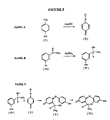
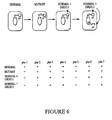
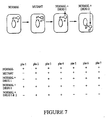

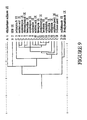
Classifications
-
- G—PHYSICS
- G01—MEASURING; TESTING
- G01N—INVESTIGATING OR ANALYSING MATERIALS BY DETERMINING THEIR CHEMICAL OR PHYSICAL PROPERTIES
- G01N33/00—Investigating or analysing materials by specific methods not covered by groups G01N1/00 - G01N31/00
- G01N33/48—Biological material, e.g. blood, urine; Haemocytometers
- G01N33/50—Chemical analysis of biological material, e.g. blood, urine; Testing involving biospecific ligand binding methods; Immunological testing
- G01N33/5097—Chemical analysis of biological material, e.g. blood, urine; Testing involving biospecific ligand binding methods; Immunological testing involving plant cells
-
- C—CHEMISTRY; METALLURGY
- C12—BIOCHEMISTRY; BEER; SPIRITS; WINE; VINEGAR; MICROBIOLOGY; ENZYMOLOGY; MUTATION OR GENETIC ENGINEERING
- C12Q—MEASURING OR TESTING PROCESSES INVOLVING ENZYMES, NUCLEIC ACIDS OR MICROORGANISMS; COMPOSITIONS OR TEST PAPERS THEREFOR; PROCESSES OF PREPARING SUCH COMPOSITIONS; CONDITION-RESPONSIVE CONTROL IN MICROBIOLOGICAL OR ENZYMOLOGICAL PROCESSES
- C12Q1/00—Measuring or testing processes involving enzymes, nucleic acids or microorganisms; Compositions therefor; Processes of preparing such compositions
- C12Q1/02—Measuring or testing processes involving enzymes, nucleic acids or microorganisms; Compositions therefor; Processes of preparing such compositions involving viable microorganisms
- C12Q1/18—Testing for antimicrobial activity of a material
-
- G—PHYSICS
- G01—MEASURING; TESTING
- G01N—INVESTIGATING OR ANALYSING MATERIALS BY DETERMINING THEIR CHEMICAL OR PHYSICAL PROPERTIES
- G01N33/00—Investigating or analysing materials by specific methods not covered by groups G01N1/00 - G01N31/00
- G01N33/48—Biological material, e.g. blood, urine; Haemocytometers
- G01N33/50—Chemical analysis of biological material, e.g. blood, urine; Testing involving biospecific ligand binding methods; Immunological testing
- G01N33/5005—Chemical analysis of biological material, e.g. blood, urine; Testing involving biospecific ligand binding methods; Immunological testing involving human or animal cells
- G01N33/5008—Chemical analysis of biological material, e.g. blood, urine; Testing involving biospecific ligand binding methods; Immunological testing involving human or animal cells for testing or evaluating the effect of chemical or biological compounds, e.g. drugs, cosmetics
-
- G—PHYSICS
- G01—MEASURING; TESTING
- G01N—INVESTIGATING OR ANALYSING MATERIALS BY DETERMINING THEIR CHEMICAL OR PHYSICAL PROPERTIES
- G01N33/00—Investigating or analysing materials by specific methods not covered by groups G01N1/00 - G01N31/00
- G01N33/48—Biological material, e.g. blood, urine; Haemocytometers
- G01N33/50—Chemical analysis of biological material, e.g. blood, urine; Testing involving biospecific ligand binding methods; Immunological testing
- G01N33/5005—Chemical analysis of biological material, e.g. blood, urine; Testing involving biospecific ligand binding methods; Immunological testing involving human or animal cells
- G01N33/5008—Chemical analysis of biological material, e.g. blood, urine; Testing involving biospecific ligand binding methods; Immunological testing involving human or animal cells for testing or evaluating the effect of chemical or biological compounds, e.g. drugs, cosmetics
- G01N33/502—Chemical analysis of biological material, e.g. blood, urine; Testing involving biospecific ligand binding methods; Immunological testing involving human or animal cells for testing or evaluating the effect of chemical or biological compounds, e.g. drugs, cosmetics for testing non-proliferative effects
Definitions
- the present invention is defined in the claims and relates to testing of substrate utilization by any cell type in a multitest format
- the present invention is suited for the characterization of commonly encountered microorganisms (e.g., E. coli, S. aureus, etc.), as well as commercially and industrially important organisms from various and diverse environments.
- the present invention is suited for the characterization of plant and animal cells.
- the present invention is also particularly suited for analysis of phenotypic differences between strains of organisms, including cultures that have been designated as the same genus and species.
- the present invention is also particularly suited for the analysis of phenotypic differences between cells and cell lines, including cells of animal ( e.g ., human) and plant origin.
- a gel forming matrix is used.
- the present invention provides methods and compositions for the phenotypic analysis and comparison of eukaryotic, as well as prokaryotic cells.
- the present invention provides methods that are easily performed using biologically active chemicals, in order to determine the effects of these chemicals on cells.
- lead compounds are typically selected by testing large libraries of compounds compiled from a wide variety of sources, using collections of extracts, chemicals synthesized by combinatorial chemistry approaches, or through rational drug design.
- WO-A-80/02433 discloses a method and kits for the identification of bacteria, wherein bacteria are subjected to a combination of tests for determination of the bacterial enzymes.
- US-A-6 046 021 relates to growing and testing microorganisms in a multitest format which utilizes a gel forming matrix for the rapid screening of clinical and environmental cultures.
- US-A-5 972 639 relates to assays and kits for screening compounds to identify modulators of angiogenesis.
- US-A-2002 164 574 relates to methods for screening for modulators of cell processes, which provide multiparameter information about the action of the compounds tested.
- US-A-2002 164 574 is prior art under Article 54(3) EPC.
- the methods of the invention are different from those of WO-A-80/02433 US-A-6 046 021 , US-A-5 972 639 , and US-A-2002 164 574 in several aspects.
- Such aspects are, inter alia, that these documents refer to tools primarily developed for testing responses of microbial cells to various assay conditions, whereas the method of the invention claims a method for testing substrate utilization by animal or plant cells; in the method claims of the invention a suspension medium is used in preparing a cell suspension that is a complete medium depleted of carbon, while the cited prior art is silent on such a specific medium.
- US-B-5597548 discloses methods for testing substrate utilization by animal and plant cells using 13-C labelled substrates.
- US-B- 5597548 discloses neither the use of complete cell suspension media, that are depleted of carbon nor the use of colorimetric indicators, both of which are disclosed in the methods of the invention claims.
- the present invention is defined in the claims and relates to testing of substrate utilization by any cell type in a multitest format, comprising the use of cell suspension media depleted of carbon and the use of colorimetric indicators.
- the present invention is suited for the characterization of commonly encountered microorganisms (e. g., E. coli, S. aureus, etc.), as well as commercially and industrially important organisms from various and diverse environments.
- the present invention is also particularly suited for analysis of phenotypic differences between strains of organisms, including cultures that have been designated as the same genus and species. In some embodiments, a gel forming matrix for the rapid testing of cells or cultures is used.
- the present invention provides methods and compositions for the phenotypic analysis and comparison of eukaryotic, as well as prokaryotic cells.
- the present invention finds use with a wide variety of microbial, animal and plant cells.
- the present invention provides methods for testing microorganisms comprising the steps of: providing a testing means comprising redox purple and one or more test substrates; introducing microorganisms into the testing means; and detecting the response of the microorganism to the one or more test substrates.
- the testing substrates are selected from the group consisting of carbon sources and drugs ( e.g ., antimicrobials).
- the testing means further comprises one or more gel-initiating agents.
- the gel-initiating agent comprises cationic salts.
- the testing means further comprises one or more gelling agents.
- the microorganisms are in an aqueous suspension.
- the aqueous suspension further comprises one or more gelling agents. It is contemplated that various gelling agents will be used with the present invention, including, but not limited to agar, gellan gum (e.g ., GelriteTM and PhytagelTM), carrageenan, and alginic acid.
- the microorganisms are bacteria, while in another embodiment, the microorganisms are fungi.
- the present invention is used with cells from any suitable source.
- the cells are selected from the group consisting of animal cells and plant cells.
- the methods and compositions of the present invention are used with members of the Order Actinomycetales.
- the testing means comprises at least one microplate (e.g ., MicroPlateTM testing plates; Biolog), while in an alternative embodiment, the testing means comprises at least one miniaturized testing plate or card ( e.g ., MicroCardTM test cards; Biolog). In yet another embodiment, the testing means comprises at least one petri plate.
- microplate e.g ., MicroPlateTM testing plates; Biolog
- miniaturized testing plate or card e.g ., MicroCardTM test cards; Biolog
- the testing means comprises at least one petri plate.
- kits comprise redox purple and one or more test substrates.
- the test substrates are selected from the group consisting of carbon sources and drugs (e.g ., antimicrobials).
- the kit further comprises one or more gel-initiating agents.
- the gel initiating agent comprises cationic salts.
- the kit further comprises one or more gelling agents.
- the gelling agent is selected from the group consisting of agar, gellan gum (e.g ., GelriteTM and/or PhytagelTM), carrageenan, and alginic acid.
- the microorganisms are bacteria, while in another embodiment, the microorganisms are fungi.
- the methods are used with cells from any suitable source.
- the cells are selected from the group consisting of animal cells and plant cells.
- the methods and compositions of the present invention are used with members of the Order Actinomycetales.
- the kit further comprises a suspension of cells.
- the kit further comprises a testing means. It is contemplated that various testing means formats will be used successfully in various embodiments of the kits of the present invention, including microplates (e.g ., MicroPlateTM testing plates), miniaturized testing plates or cards ( e.g ., MicroCardTM miniaturized test cards), petri plates, and any other suitable support in which the testing reaction can occur.
- microplates e.g ., MicroPlateTM testing plates
- miniaturized testing plates or cards e.g ., MicroCardTM miniaturized test cards
- petri plates e.g., petri plates, and any other suitable support in which the testing reaction can occur.
- the present invention provides a kit comprising redox purple and one or more gelling agents. It is contemplated that various gelling agents will be used successfully in the various embodiments of the kits of the present invention, including but not limited to agar, gellan gum (e.g ., GelriteTM and/or PhytagelTM), carrageenan, and alginic acid.
- the kit further comprises one or more gel-initiating agents.
- the gel-initiating agent comprises cationic salts.
- the kit further comprises a suspension of microorganisms.
- the kit further comprises one or more test substrates. It is contemplated that the test substrates included in the kit of the present invention be selected from the group consisting of carbon sources and drugs (e.g ., antimicrobials).
- the kit further comprises a testing means.
- various testing means formats will be used successfully in various embodiments of the kits of the present invention, including microplates (e.g ., MicroPlateTM testing plates), miniaturized testing plates or cards (e.g ., MicroCardTM miniaturized test cards), petri plates, and any other suitable support in which the testing reaction can occur.
- the present invention provides test media and methods for the growth, isolation, and presumptive identification of microbial organisms.
- the present invention contemplates compounds and formulations, as well as methods particularly suited for the detection and presumptive identification of various diverse organisms.
- the present invention in order to characterize or identify organisms present in a sample, combines a gel-forming suspension with microorganisms that are already in the form of a pure culture. This is in contrast to the traditional pour plate method which involves heated agar and a sample that contains a mixed culture (See e.g ., J.G. Black, Microbiology: Principles and Applications, 2d ed., Prentice Hall, Englewood Cliffs, NJ, p. 153 [1993 ]; and American Public Health Association, Standard Methods for the Examination of Water and Wastewater, 16th ed., APHA, Washington, D.C., pp. 864-866 [1985 ]).
- colloidal gel-forming substances are used at low concentrations, forming soft gels or viscous colloidal suspensions that do not need to, and in fact work best, when not completely solidified into a rigid gel.
- the present invention provides a method for introducing cells into a testing device, comprising the steps of providing a testing device comprising a plurality of testing wells or compartments, wherein each compartment contains one or more gel-initiating agents; preparing a suspension comprising a pure culture of microorganisms and an aqueous solution containing a gelling agent, under conditions such that the suspension remains ungelled; and introducing the suspension into the testing device under conditions such that the suspension contacts the gel-initiating agents present in the compartments and results in the production of a gel or colloidal matrix.
- the present invention provides a method for testing microorganisms cells comprising the steps of providing a testing device comprising a plurality of testing compartments, wherein the compartments contain a testing substrate and one or more gel-initiating agents; preparing a suspension comprising a pure culture of microorganisms and an aqueous solution comprising a gelling agent under conditions such that the suspension remains ungelled; introducing the suspension into the compartments of the testing device under conditions such that the suspension forms a gel matrix within the compartment; and detecting the response of the microorganisms to the testing substrate.
- the testing device is a microplate (e.g ., MicroPlateTM testing plates).
- the gelling agent is selected from the group consisting of gellan gum (e.g ., GelriteTM and/or PhytagelTM), carrageenan, and alginic acid.
- the gelling agent is carrageenan which contains predominantly iota-carrageenan.
- the gel-initiating agent comprises cationic salts.
- the testing substrates are selected from the group consisting of carbon sources and drugs (e.g ., antimicrobials).
- the method further includes a colorimetric indicator, wherein the colorimetric indicator is selected from the group consisting of chromogenic substrates, oxidation-reduction indicators, and pH indicators.
- kits for growth and identification of microorganisms comprising: a testing device comprising a plurality of testing compartments containing one or more gel-initiating agents; and an aqueous solution comprising a gelling agent.
- the testing compartments further contain testing substrates, such as carbon sources and antimicrobials.
- the gel-initiating agent comprises cationic salts.
- the testing device is a microplate (e.g ., MicroPlateTM testing plates).
- the kit contains a gelling agent that is selected from the group consisting of gellan gum (e.g ., GelriteTM and/or PhytagelTM), carrageenan, and alginic acid.
- the gelling agent is a carrageenan which predominantly contains the iota form of carrageenan.
- the gel-initiating agent comprises cationic salts.
- the microorganisms are bacteria, while in another embodiment, the microorganisms are fungi.
- the methods are used with cells from any suitable source.
- the cells are selected from the group consisting of animal cells and plant cells.
- the methods and compositions of the present invention are used with members of the Order Actinomycetales.
- kits also include at least one colorimetric indicator selected from the group consisting of chromogenic substrates, oxidation-reduction indicators, and pH indicators.
- the present invention comprises a kit for characterizing and identifying microorganisms comprising: a testing device containing a plurality of compartments, wherein the compartments contain one or more gel-initiating agents and one or more testing substrates, wherein the testing substrates are selected from the group consisting of antimicrobials and carbon sources and an aqueous suspension comprising a gelling agent.
- the testing device is a microplate (e.g ., MicroPlateTM testing plates), while in other embodiments, the testing device is a miniaturized testing plate or card ( e.g ., MicroCardTM miniaturized testing cards).
- the kit contains a gelling agent that is selected from the group consisting of gellan gum (e.g ., GelriteTM and/or PhytagelTM), carrageenan, and alginic acid.
- the gelling agent is a carrageenan which predominantly contains the iota form of carrageenan.
- the gel-initiating agent comprises cationic salts.
- the microorganisms are bacteria, while in another embodiment, the microorganisms are fungi.
- the methods are used with cells from any suitable source.
- the cells are selected from the group consisting of animal cells and plant cells.
- the methods and compositions of the present invention are used with members of the Order Actinomycetales.
- the kits include at least one colorimetric indicator selected from the group consisting of chromogenic substrates, oxidation-reduction indicators, and pH indicators.
- the present invention also provides methods for comparing the function of a gene in at least two cell preparations, comprising the steps of: providing a testing device comprising a plurality of testing wells, wherein the wells contain a testing substrate and one or more gel-initiating agents; preparing a first suspension comprising a first cell preparation, in an aqueous solution comprising a gelling agent, and a second suspension comprising a second cell preparation in an aqueous solution comprising a gelling agent, under conditions such that the first and second suspensions remain ungelled; introducing the first and second suspension into the wells of the testing device under conditions such that the first and second suspensions form a gel matrix within the wells, such that the first and second cell preparations are within the gel matrix; detecting the response of the first and second cell preparations to the testing substrate; and comparing the response of the first and second cell preparations.
- the first and second cell preparations comprise microorganisms selected from the group consisting of bacteria and fungi.
- the first and second cell preparations contain cells of the same genus and species, while in still other embodiments, the first and second cell preparations contain cells that differ in one or more genes.
- the gelling agent is selected from the group consisting of gellan gum (e.g ., GelriteTM and/or PhytagelTM), carrageenan, and alginic acid.
- the testing substrates are selected from the group consisting of carbon sources, nitrogen sources, sulfur sources, phosphorus sources, amino peptidase substrates, carboxy peptidase substrates, oxidizing agents, reducing agents, mutagens, amino acid analogs, sugar analogs, nucleoside analogs, base analogs, dyes, detergents, toxic metals, inorganics, and antimicrobials.
- the gel-initiating agent comprises cationic salts.
- the methods further comprise a colorimetric indicator.
- the colorimetric indicator is selected from the group consisting of chromogenic substrates, oxidation-reduction indicators, and pH indicators.
- the oxidation-reduction indicator is tetrazolium violet, while in other embodiments, the oxidation-reduction indicator is redox purple.
- the testing device is at least one microplate (e.g ., MicroPlateTM testing plates), while in other preferred embodiments, the testing device is at least one miniaturized testing plate or card ( e.g ., MicroCardTM testing cards).
- the response is a kinetic response.
- kits suitable for determining the phenotype of at least two organisms comprising: a testing device containing a plurality of wells, wherein the wells contain one or more gel-initiating agents and one or more testing substrates; a first aqueous suspension comprising a gelling agent; and a second aqueous suspension comprising a gelling agent.
- the testing substrates are selected from the group consisting of carbon sources, nitrogen sources, sulfur sources, phosphorus sources, amino peptidase substrates, carboxy peptidase substrates, oxidizing agents, reducing agents, mutagens, amino acid analogs, sugar analogs, nucleoside analogs, base analogs, dyes, detergents, toxic metals, inorganics, and drugs (e.g ., antimicrobials). Indeed, it is not intended that the present invention be limited to any particular testing substrates, as it is contemplated that any testing substrate suitable for use with the present invention will be utilized.
- the gelling agent is selected from the group consisting of gellan gum (e.g ., GelriteTM and/or PhytagelTM), carrageenan, and alginic acid.
- the gel initiating agent comprises cationic salts.
- the testing device further comprises a colorimetric indicator selected from the group consisting of chromogenic substrates, oxidation-reduction indicators, and pH indicators.
- the oxidation-reduction indicator is tetrazolium violet, while in other embodiments, the oxidation-reduction indicator is redox purple.
- the present invention further provides methods and compositions for extrapolating the functions of genes or genetic sequences in various cell types.
- the present invention provides methods for extrapolating the function of genes or genetic sequences in eukaryotic cells.
- microbial genomes are examined to identify sequences that are homologous to the gene(s) or genetic sequence(s) of interest in the eukaryotic cell. Then, mutations are introduced into the homologous microbial gene. Next, the phenotypes of the wild-type and mutant microbial cells are analyzed and/or compared, as desired.
- the functions of the microbial and eukaryotic genes are compared by utilizing genetic engineering methods to prepare transferable expression vectors (e.g ., plasmids, phages, etc.) containing the eukaryotic gene(s) or genetic sequence(s) of interest.
- This expression vector is transferred into and expressed in a microbial host cell.
- the phenotype of the host microbial cell i.e ., the cell containing the expression vector
- untransformed microbial cells i.e ., control cells comprising the same microbial cell line, but not containing the expression vector
- the vector comprises eukaryotic genes that have been modified (i.e ., the genes are modified such that they are not the same as the wild type gene sequences).
- the present invention also provides methods for comparing at least two cell preparations, comprising the steps of: providing a testing device comprising a plurality of testing wells, wherein the wells contain at least one test substrate selected from the group consisting of nitrogen sources, phosphorus sources, sulfur sources, and auxotrophic supplements; preparing a first suspension comprising a first cell preparation in an aqueous solution, and a second suspension comprising a second cell preparation in an aqueous solution; introducing the first and second suspensions into the wells of the testing device; detecting the response of the first and second cell preparations to the testing substrate; and comparing the response of the first and second cell preparations.
- the first and second cell preparations comprise microorganisms selected from the group consisting of bacteria and fungi.
- the first and second cell preparations contain cells of the same genus and species, while in other embodiments, the first and second cell preparations contain cells that differ in one or more genes.
- the first and second cell preparations are animal or plant cells.
- the testing substrates further comprise substrates selected from the group consisting of carbon sources, amino peptidase substrates, carboxy peptidase substrates, oxidizing agents, reducing agents, mutagens, amino acid analogs, sugar analogs, nucleoside analogs, base analogs, dyes, detergents, toxic metals, inorganics, and drugs ( e.g ., antimicrobials).
- the method further comprises a colorimetric indicator.
- the colorimetric indicator is selected from the group consisting of chromogenic substrates, oxidation-reduction indicators, and pH indicators.
- the oxidation-reduction indicator is tetrazolium violet or redox purple.
- the testing device is at least one microplate (e.g ., MicroPlateTM testing plates), while in other preferred embodiments the testing device is a miniaturized test plate or card ( e.g ., MicroCardTM miniaturized testing cards).
- the response is a kinetic response.
- the present invention also provides methods for comparing the function of a gene in at least two cell preparations, comprising the steps of: providing a testing device comprising a plurality of testing wells, wherein the wells contain one or more gel-initiating agents, and at least one testing substrate selected from the group consisting of nitrogen sources, phosphorus sources, sulfur sources, and auxotrophic supplements; preparing a first suspension comprising a first cell preparation, in an aqueous solution comprising a gelling agent, and a second suspension comprising a second cell preparation in an aqueous solution comprising a gelling agent, under conditions such that the first and second suspensions remain ungelled; introducing the first and second suspensions into the wells of the testing device under conditions such that the first and second suspensions form a gel matrix within the wells, such that the first and second cell preparations are within the gel matrix; detecting the response of the first and second cell preparations to the testing substrate; and comparing the response of the first and second cell preparations.
- the first and second cell preparations comprise microorganisms selected from the group consisting of bacteria and fungi, while in other embodiments, the first and second cell preparations contain cells of the same genus and species. In still other embodiments, the first and second cell preparations contain cells that differ in one or more genes. In further embodiments, the first and second cell preparations contain animal or plant cells.
- the testing substrates further comprise substrates selected from the group consisting of carbon sources, amino peptidase substrates, carboxy peptidase substrates, oxidizing agents, reducing agents, mutagens, amino acid analogs, sugar analogs, nucleoside analogs, base analogs, dyes, detergents, toxic metals, inorganics, and drugs ( e.g ., antimicrobials).
- the gelling agent is selected from the group consisting of gellan gum (e.g ., GelriteTM and/or PhytagelTM), carrageenan, and alginic acid.
- the gel-initiating agent comprises cationic salts.
- the method further comprises a colorimetric indicator.
- the colorimetric indicator is selected from the group consisting of chromogenic substrates, oxidation-reduction indicators, and pH indicators.
- the oxidation-reduction indicator is tetrazolium violet, while in other preferred embodiments, the oxidation-reduction indicator is redox purple.
- the testing device is at least one microplate (e.g ., MicroPlateTM testing plates), while in other preferred embodiments the testing device is a miniaturized test plate or card ( e.g ., MicroCardTM miniaturized testing cards).
- the response is a kinetic response.
- kits for determining the phenotype of at least two cells comprising: a testing device containing a plurality of wells, wherein the wells contain one or more testing substrates selected from the group consisting of nitrogen sources, phosphorus sources, sulfur sources, and auxotrophic supplements; a first aqueous suspension; and a second aqueous suspension.
- the wells of the testing device further contain one or more gel-initiating agents, the first aqueous suspension further comprises a first gelling agent, and the second aqueous suspension further comprises a second gelling agent.
- the testing substrates further comprise substrates selected from the group consisting of carbon sources, amino peptidase substrates, carboxy peptidase substrates, oxidizing agents, reducing agents, mutagens, amino acid analogs, sugar analogs, nucleoside analogs, base analogs, dyes, detergents, toxic metals, inorganics, and antimicrobials.
- the gelling agent is selected from the group consisting of gellan gum (e.g ., GelriteTM and/or PhytagelTM), carrageenan, and alginic acid.
- the gel initiating agent comprises cationic salts.
- the testing device further comprises a colorimetric indicator.
- the colorimetric indicator is selected from the group consisting of chromogenic substrates, oxidation-reduction indicators, and pH indicators.
- the oxidation-reduction indicator is tetrazolium violet, while in other preferred embodiments, the oxidation-reduction indicator is redox purple.
- the testing device is at least one microplate (e.g ., MicroPlateTM testing plates), while in other preferred embodiments the testing device is a miniaturized test plate or card ( e.g ., MicroCardTM miniaturized testing cards).
- the response is a kinetic response.
- the present invention further provides multitest panels to improve the effectiveness, throughput, and efficiency of testing and commercial development of biologically active compounds, in particular those useful in human, animal, and plant health.
- the present invention finds use with a wide variety of cells, both prokaryotic and eukaryotic.
- the present invention provides methods for testing the response of a cell to at least one biologically active chemical comprising the steps of: a) providing a testing device having at least two wells, wherein each well of the testing device contains at least one substrate selected from the group consisting of carbon sources, nitrogen sources, phosphorus sources, sulfur sources, growth stimulating nutrients, drugs ( e.g ., antimicrobials), and chromogenic testing substrates; and a suspension comprising at least one cell and at least one biologically active chemical; b) inoculating the suspension into the wells of the testing device; and c) observing the response of the cell to the biologically active chemical(s).
- the testing device is selected from the group consisting of microtiter plates and microcards.
- the suspension further comprises a gelling agent.
- the testing device further comprises a gel-initiating agent in the wells.
- the suspension further comprises a colorimetric indicator, while in other preferred embodiments the testing device further comprises a colorimetric indicator in the wells.
- the observing is visual, while in other particularly preferred embodiments, the observing is performed by an instrument.
- the present invention also provides methods for comparing the effect of at least two biologically active chemicals comprising the steps of: a) providing a first cell suspension and at least one biologically active chemical, a second cell suspension comprising the same cell as in the first cell suspension and at least one biologically active chemical, wherein the biologically active chemical is different from the biologically active chemical in the first cell suspension; a first testing device having wells, wherein the wells contain at least one substrate selected from the group consisting of carbon sources, nitrogen sources, phosphorus sources, sulfur sources, growth stimulating nutrients, antimicrobials, and chromogenic testing substrates; a second testing device having wells, wherein the wells contain at least one substrate selected from the group consisting of carbon sources, nitrogen sources, phosphorus sources, sulfur sources, growth stimulating nutrients, drugs ( e.g ., antimicrobials), and chromogenic testing substrates; b) adding the cell suspension to the wells of the first testing device to provide a first phenotype array; c) adding the cell suspension to the wells of the
- the first and second testing devices are selected from the group consisting of microtiter plates and microcards.
- the first and second cell suspensions further comprise a gelling agent.
- the first and second testing devices further comprise a gel-initiating agent in the wells.
- the first and second cell suspensions further comprise a colorimetric indicator, while in other embodiments the first and second testing devices further comprise a colorimetric indicator in the wells.
- the first testing device contains the same substrates as the second testing device.
- the observing is performed visually, while in alternative preferred embodiments, the observing is performed by an instrument.
- the comparison of the response is performed using multi-dimensional pattern analysis.
- the present invention also provides multiwell kits for testing the effect of at least one biologically active chemical comprising: at least one testing device having at least two wells, wherein the wells contain at least one substrate selected from the group consisting of carbon sources, nitrogen sources, phosphorous sources, sulfur sources, growth stimulating nutrients, drugs ( e.g ., antimicrobials), and chromogenic substrates; and a cell suspension medium containing at least one biologically active chemical.
- the testing device is selected from the group consisting of microtiter plates and microcards.
- the cell suspension medium comprises a gelling agent, while in other embodiments the testing device comprises a gel-initiating agent in the wells.
- the cell suspension further comprises a colorimetric indicator, while in still other embodiments, the testing device further comprises a colorimetric indicator in the wells.
- the present invention further provides methods and compositions for testing the response of at least two cells to at least one biologically active chemical comprising the steps of: (a) providing a testing device having at least two wells, wherein each well of the testing device contains a defined medium comprising at least one substrate selected from the group consisting of carbon sources, nitrogen sources, phosphorus sources, sulfur sources, growth stimulating nutrients, drugs, and chromogenic testing substrates; a first suspension comprising a first cell and at least one biologically active chemical; and a second suspension comprising a second cell and at least one biologically active chemical; (b) inoculating the suspension into the wells of the testing device; and (c) observing the response of the first and second cells to at least one biologically active chemical.
- the testing device is a microtiter plate (e.g ., a MicroPlateTM testing plate), while in other embodiments, the testing devices is a miniaturized testing card (e.g ., MicroCardTM).
- the suspension further comprises a gelling agent, while in other alternative embodiments, the testing device further comprises a gel-initiating agent in the wells.
- the suspension further comprises a colorimetric indicator. In some particularly preferred embodiments, the testing device further comprises a colorimetric indicator in the wells.
- the observing is visual, while in other embodiments, the observing is performed by an instrument.
- the response of the first and second cells is non-radioactive.
- the first and second cells are eukaryotic cells.
- the eukaryotic cells are animal cells, while in some particularly preferred embodiments, the animal cells are mammalian cells. In other embodiments, the cells are mutant cells. In alternative embodiments, the first and second cells are fungal cells.
- the drug comprises at least one antimicrobial.
- the present invention further provides methods and compositions for comparing the effect of at least two biologically active chemicals comprising: a) providing a first cell suspension comprising at least one cell type and at least one biologically active chemical; a second cell suspension comprising the same first cell type, and at least one biologically active chemical, wherein the biologically active chemical is different from the biologically active chemical in the first cell suspension; a first testing device having wells, wherein the wells contain defined medium comprising at least one substrate selected from the group consisting of carbon sources, nitrogen sources, phosphorus sources, sulfur sources, growth stimulating nutrients, drugs, and chromogenic testing substrates; a second testing device having wells, wherein the wells contain at least one substrate selected from the group consisting of carbon sources, nitrogen sources, phosphorus sources, sulfur sources, growth stimulating nutrients, drugs, and chromogenic testing substrates; b) adding the first cell suspension to the wells of the first testing device to provide a first phenotype array; c) adding the second cell suspension to the wells of the second testing device to provide
- the first and second testing devices are selected from the group consisting of microtiter plates and microcards.
- the first and second cell suspensions further comprise a gelling agent, while in other embodiments, the first and second testing devices further comprise a gel-initiating agent in the wells.
- the first and second cell suspensions further comprise a colorimetric indicator, while in particularly preferred embodiments, the first and second testing devices further comprise a colorimetric indicator in the wells.
- the first testing device contains the same substrates as the second testing device.
- the observing is visual, while in other embodiments the observing is performed by an instrument.
- the response of the first and second cells is non-radioactive. In still further preferred embodiments, the comparison of the response is performed using multi-dimensional pattern analysis.
- the first and second cells are eukaryotic cells. In some preferred embodiments, the eukaryotic cells are animal cells, while in some particularly preferred embodiments, the animal cells are mammalian cells. In still further preferred embodiments, the mammalian cells are human cells. In other embodiments, the cells are mutant cells. In alternative embodiments, the first and second cells are fungal cells. In still other embodiments, the drug comprises at least one antimicrobial.
- the present invention provides a method for testing animal or plant cells, comprising providing a testing device comprising a plurality of testing wells, wherein said testing wells of said testing device contain at least one testing substrate selected from the group consisting of carbon sources, nitrogen sources, phosphorus sources, sulfur sources, biologically active chemicals, and chromogenic compounds; preparing a suspension comprising a pure culture of cells in a suspension medium; introducing said suspension into said wells of said testing device; and observing at least one response of said cells to said testing substrate.
- the testing device is selected from the group including, but not limited to, microplates and microcards.
- the present invention is not limited to a particular carbon source.
- a variety of carbon source are contemplated including, but not limited to, dextrin, TWEEN-40, TWEEN-60, TWEEN-80, N-acetyl-D-galactosamine, N-acetyl-D-glucosamine, L-arabinose, D-fructose, L-fucose, D-galactose, ⁇ -D-glucose, ⁇ -D-lactose, maltose, D-mannitol, D-mannose, D-melibiose, ⁇ -methyl-D-glucoside, L-rhamnose, D-sorbitol, D-trehalose, methyl pyruvate, mono-methyl succinate, acetic acid, D-galactonic acid lactone, D-galacturonic acid, D-gluconic acid, D-glucuronic acid, ⁇ -ketobutyric acid, D,L-lactic acid, prop
- the present invention is not limited to a particular nitrogen source.
- a variety of nitrogen sources are contemplated including, but not limited to, D-alanine, L-alanine, L-arginine, D-asparagine, L-asparagine, D-aspartic acid, L-aspartic acid, L-cysteine, L-cystine, D-glutamic acid, L-glutamic acid, L-glutamine, glycine, L-histidine, L-homoserine, D,L- ⁇ -hydroxy-glutamic acid, L-isoleucine, L-leucine, L-phenylalanine, L-proline, D-serine, L-serine, L-tryptophan, L-tyrosine, glutathione, cytosine, D-glucosamine, D-galactosamine, D-mannosamine, N-acetyl-D-glucosamine, N-acetyl-D-gal
- the present invention is not limited to a particular phosphorus source.
- a variety of phosphorus sources are contemplated including, but not limited to, phosphate, pyrophosphate, trimetaphosphate, tripolyphosphate, hypophosphite, thiophosphate, adenosine 2'-monophosphate, adenosine 3'-monophosphate, adenosine 5'-monophosphate, adenosine 2':3'-cyclic monophosphate, adenosine 3':5'-cyclic monophosphate, dithiophosphate, DL- ⁇ -glycero-phosphate, ⁇ -glycero-phosphate, phosphatidyl glycerol, phosphoenol pyruvate, phosphocreatine, 2' deoxy glucose 6-phosphate, guanosine 2'-monophosphate, guanosine 3'-monophosphate, guanosine 5'-monophosphat
- the present invention is also not limited to a particular sulfur source.
- sulfur sources include, but not limited to, sulfate, thiosulfate, tetrathionate, thiophosphate, dithiophosphate, L-cysteine, cysteinyl-glycine, L-cysteic acid, cysteamine, L-cysteine-sulphinic acid, cystathionine, lanthionine, DL-ethionine, glutathione (reduced form), L-methionine, glycyl-DL-methionine, S-methyl-L-cysteine, L-methionine sulfoxide, L-methionine sulfone, taurine, N-acetyl-DL-methionine, N-acetyl cysteine, isethionate, thiourea, thiodiglycol, thioglycolic acid, thiodiglycolic acid,
- the suspension medium is depleted of carbon when the testing substrate is carbon sources, depleted of nitrogen when the testing substrate is nitrogen sources, depleted of phosphorus when the testing substrate is phosphorus sources, and depleted of sulfur when the testing substrate is sulfur sources.
- at least one of the testing wells further comprises a gel-initiating agent (e.g ., a divalent a divalent metal salt).
- the suspension medium further comprises a gelling agent (e.g ., including, but not limited to, gellan gum, carrageenan, and alginate salts).
- the suspension medium further comprises a suspending agent (e.g ., including, but not limited to, agar, agarose, gellan gum, arabic gum, xanthan gum, carageenan, alginate salts, bentonite, ficoll, pluronic polyols, CARBOPOL, polyvinylpyrollidone, polyvinyl alcohol, polyethylene glycol, methyl cellulose, hydroxymethyl cellulose, hydroxyethyl cellulose, carboxymethyl cellulose, carboxymethyl chitosan, chitosan, poly-2-hydroxyethyl-methacrylate, polylactic acid, polyglycolic acid, collagen, gelatin, glycinin, sodium silicate, silicone oil, and silicone rubber).
- a suspending agent e.g ., including, but not limited to, agar, agarose, gellan gum, arabic gum, xanthan gum, carageenan, alginate salts, bentonite, ficoll, pluronic poly
- the cells are grown attached to a transferable matrix prior to preparing the cell suspension.
- the suspension medium further comprises a transferable matrix.
- the transferable matrix comprises a material including, but not limited to, polystyrene and its derivatives, latex, dextran, gelatin, glass, cellulose and extracellular matrix proteins and their derivatives.
- the transferable matrix is a microcarrier bead. The present invention is not limited to a particular microcarrier bead.
- microcarrier beads include, but not limited to, Cytodex 3, Cytodex 2, Cytodex 1, Cultispher S, Cultispher G, ProNectin F coated, FACT-coated, collagen coated, gelatin coated plastic. > composition.
- the testing device further comprises a time release composition.
- the observing step comprises observation of a colorimetric indicator.
- the colorimetric indicator is included in the suspension medium, while in other embodiments, the colorimetric indicator is included in the testing device.
- the present invention is not limited to a particular colorimetric indicator.
- the colorimetric indicator comprises a compound selected from the group including, but not limited to, chromogenic compounds, reducible or oxidizable chromogenic compounds, oxidation-reduction indicators, pH indicators, fluorochromic compounds, fluorogenic compounds, and luminogenic compounds.
- the reducible or oxidizable chromogenic compound is selected from the group including, but not limited to, tetrazolium compounds, redox purple, thionin, dihydroresorufin, resorufin, resazurin, ALAMAR BLUE, dodecyl-resazurin, janus green, rhodamine 123, dihydrorhodamine 123, rhodamine 6G, tetramethylrosamine, dihydrotetramethylrosamine, 4-dimethylaminotetramethylrosamine, and tetramethylphenylenediamine.
- tetrazolium compounds redox purple, thionin, dihydroresorufin, resorufin, resazurin, ALAMAR BLUE, dodecyl-resazurin, janus green, rhodamine 123, dihydrorhodamine 123, rhodamine 6G
- the colorimetric indicator colorimetric indicator further comprises an electron carrier compound (e.g ., including, but not limited to, phenazine ethosulfate, phenazine methosulfate, 1-methoxy-phenazine methosulfate, 2-amino-phenazine methosulfate, menadione sodium bisulfite, menadione and other 1,4-naphthoquinones, ubiquinone and other 1,4-benzophenones, anthraquinone-2,6-disulfonate, alloxazines, meldola's blue, ferricyanide salts, ferrocyanide salts, and other ferric and cupric salts).
- an electron carrier compound e.g ., including, but not limited to, phenazine ethosulfate, phenazine methosulfate, 1-methoxy-phenazine methosulfate, 2-amino-phenazin
- the suspension medium further comprises a biologically active chemical.
- the observing is visual assisted, while in other embodiments, it is instrument assisted.
- the response is a kinetic response. In still further embodiments, the response is selected from the group including, but not limited to, an altered growth rate, differentiation and dedifferentiation.
- the present invention further provides a method for comparing at least two animal or plant cell preparations, comprising the steps of: providing a testing device comprising a plurality of testing wells, wherein said testing wells contain at least one testing substrate selected from the group consisting of carbon sources, nitrogen sources, phosphorus sources, sulfur sources, biologically active chemicals, and chromogenic compounds; preparing a first suspension comprising a first cell preparation in an aqueous solution, and a second suspension comprising a second cell preparation in an aqueous solution; introducing said first and second suspensions into separate testing wells of said testing device; observing at least one first response of said first cell preparation to said testing substrate and at least one second response of said second cell preparations to said testing substrate; and comparing said first and second responses.
- the testing device is selected from the group including, but not limited to, microplates and microcards.
- the present invention is not limited to a particular carbon source.
- a variety of carbon source are contemplated including, but not limited to, dextrin, TWEEN-40, TWEEN-60, TWEEN-80, N-acetyl-D-galactosamine, N-acetyl-D-glucosamine, L-arabinose, D-fructose, L-fucose, D-galactose, ⁇ -D-glucose, ⁇ -D-lactose, maltose, D-mannitol, D-mannose, D-melibiose, ⁇ -methyl-D-glucoside, L-rhamnose, D-sorbitol, D-trehalose, methyl pyruvate, mono-methyl succinate, acetic acid, D-galactonic acid lactone, D-galacturonic acid, D-gluconic acid, D-glucuronic acid, ⁇ -ketobutyric acid, D,L-lactic acid, prop
- the present invention is not limited to a particular nitrogen source.
- a variety of nitrogen sources are contemplated including, but not limited to, D-alanine, L-alanine, L-arginine, D-asparagine, L-asparagine, D-aspartic acid, L-aspartic acid, L-cysteine, L-cystine, D-glutamic acid, L-glutamic acid, L-glutamine, glycine, L-histidine, L-homoserine, D,L- ⁇ -hydroxy-glutamic acid, L-isoleucine, L-leucine, L-phenylalanine, L-proline, D-serine, L-serine, L-tryptophan, L-tyrosine, glutathione, cytosine, D-glucosamine, D-galactosamine, D-mannosamine, N-acetyl-D-glucosamine, N-acetyl-D-gal
- the present invention is not limited to a particular phosphorus source.
- a variety of phosphorus sources are contemplated including, but not limited to, phosphate, pyrophosphate, trimetaphosphate, tripolyphosphate, hypophosphite, thiophosphate, adenosine 2'-monophosphate, adenosine 3'-monophosphate, adenosine 5'-monophosphate, adenosine 2':3'-cyclic monophosphate, adenosine 3':5'-cyclic monophosphate, dithiophosphate, DL- ⁇ -glycero-phosphate, ⁇ -glycero-phosphate, phosphatidyl glycerol, phosphoenol pyruvate, phosphocreatine, 2' deoxy glucose 6-phosphate, guanosine 2'-monophosphate, guanosine 3'-monophosphate, guanosine 5'-monophosphat
- the present invention is also not limited to a particular sulfur source.
- sulfur sources include, but not limited to, sulfate, thiosulfate, tetrathionate, thiophosphate, dithiophosphate, L-cysteine, cysteinyl-glycine, L-cysteic acid, cysteamine, L-cysteine-sulphinic acid, cystathionine, lanthionine, DL-ethionine, glutathione (reduced form), L-methionine, glycyl-DL-methionine, S-methyl-L-cysteine, L-methionine sulfoxide, L-methionine sulfone, taurine, N-acetyl-DL-methionine, N-acetyl cysteine, isethionate, thiourea, thiodiglycol, thioglycolic acid, thiodiglycolic acid,
- the suspension medium is depleted of carbon when the testing substrate is carbon sources, depleted of nitrogen when the testing substrate is nitrogen sources, depleted of phosphorus when the testing substrate is phosphorus sources, and depleted of sulfur when the testing substrate is sulfur sources.
- at least one of the testing wells further comprises a gel-initiating agent (e.g ., a divalent a divalent metal salt).
- the suspension medium further comprises a gelling agent (e.g ., including, but not limited to, gellan gum, carrageenan, and alginate salts).
- the suspension medium further comprises a suspending agent (e.g ., including, but not limited to, agar, agarose, gellan gum, arabic gum, xanthan gum, carageenan, alginate salts, bentonite, ficoll, pluronic polyols, CARBOPOL, polyvinylpyrollidone, polyvinyl alcohol, polyethylene glycol, methyl cellulose, hydroxymethyl cellulose, hydroxyethyl cellulose, carboxymethyl cellulose, carboxymethyl chitosan, chitosan, poly-2-hydroxyethyl-methacrylate, polylactic acid, polyglycolic acid, collagen, gelatin, glycinin, sodium silicate, silicone oil, and silicone rubber).
- a suspending agent e.g ., including, but not limited to, agar, agarose, gellan gum, arabic gum, xanthan gum, carageenan, alginate salts, bentonite, ficoll, pluronic poly
- the cells are grown attached to a transferable matrix prior to preparing the cell suspension.
- the suspension medium further comprises a transferable matrix.
- the transferable matrix comprises a material including, but not limited to, polystyrene and its derivatives, latex, dextran, gelatin, glass, cellulose and extracellular matrix proteins and their derivatives.
- the transferable matrix is a microcarrier bead. The present invention is not limited to a particular microcarrier bead.
- microcarrier beads including, but not limited to, Cytodex 3, Cytodex 2, Cytodex 1, Cultispher S, Cultispher G, ProNectin F coated, FACT-coated, collagen coated, gelatin coated plastic.
- the observing step comprises observation of a colorimetric indicator.
- the colorimetric indicator is included in the suspension medium, while in other embodiments, the colorimetric indicator is included in the testing device.
- the present invention is not limited to a particular colorimetric indicator.
- the colorimetric indicator comprises a compound selected from the group including, but not limited to, chromogenic compounds, reducible or oxidizable chromogenic compounds, oxidation-reduction indicators, pH indicators, fluorochromic compounds, fluorogenic compounds, and luminogenic compounds.
- the reducible or oxidizable chromogenic compound is selected from the group including, but not limited to, tetrazolium compounds, redox purple, thionin, dihydroresorufin, resorufin, resazurin, ALAMAR BLUE, dodecyl-resazurin, janus green, rhodamine 123, dihydrorhodamine 123, rhodamine 6G, tetramethylrosamine, dihydrotetramethylrosamine, 4-dimethylaminotetramethylrosamine, and tetramethylphenylenediamine.
- tetrazolium compounds redox purple, thionin, dihydroresorufin, resorufin, resazurin, ALAMAR BLUE, dodecyl-resazurin, janus green, rhodamine 123, dihydrorhodamine 123, rhodamine 6G
- the colorimetric indicator further comprises an electron carrier compound (e.g ., including, but not limited to, phenazine ethosulfate, phenazine methosulfate, 1-methoxy-phenazine methosulfate, 2-amino-phenazine methosulfate, menadione sodium bisulfite, menadione and other 1,4-naphthoquinones, ubiquinone and other 1,4-benzophenones, anthraquinone-2,6-disulfonate, alloxazines, meldola's blue, ferricyanide salts, ferrocyanide salts, and other ferric and cupric salts).
- an electron carrier compound e.g ., including, but not limited to, phenazine ethosulfate, phenazine methosulfate, 1-methoxy-phenazine methosulfate, 2-amino-phenazine methos
- the suspension medium further comprises a biologically active chemical.
- the observing is visual assisted, while in other embodiments, it is instrument assisted.
- the first and second cell preparations comprise cells of the same genus and species. In other embodiments, the first and second cell preparations comprise cells that differ in one or more genes.
- the present invention additionally provides a testing system for measuring at least 95 phenotypes of at least one plant or animal cell, comprising a testing device having a plurality of testing wells, wherein the testing wells contain at least one test substrate selected from the group consisting of carbon sources, nitrogen sources, phosphorus sources, sulfur sources, biologically active chemicals, and chromogenic compounds; and an instrument configured for incubating and recording at least one response of the at least one plant or animal cell placed in the testing device.
- the testing device is selected from the group including, but not limited to, microplates and microcards.
- the present invention is not limited to a particular carbon source.
- a variety of carbon source are contemplated including, but not limited to, dextrin, TWEEN-40, TWEEN-60, TWEEN-80, N-acetyl-D-galactosamine, N-acetyl-D-glucosamine, L-arabinose, D-fructose, L-fucose, D-galactose, ⁇ -D-glucose, ⁇ -D-lactose, maltose, D-mannitol, D-mannose, D-melibiose, ⁇ -methyl-D-glucoside, L-rhamnose, D-sorbitol, D-trehalose, methyl pyruvate, mono-methyl succinate, acetic acid, D-galactonic acid lactone, D-galacturonic acid, D-gluconic acid, D-glucuronic acid, ⁇ -ketobutyric acid, D,L-lactic acid, prop
- the present invention is not limited to a particular nitrogen source.
- a variety of nitrogen sources are contemplated including, but not limited to, D-alanine, L-alanine, L-arginine, D-asparagine, L-asparagine, D-aspartic acid, L-aspartic acid, L-cysteine, L-cystine, D-glutamic acid, L-glutamic acid, L-glutamine, glycine, L-histidine, L-homoserine, D,L- ⁇ -hydroxy-glutamic acid, L-isoleucine, L-leucine, L-phenylalanine, L-proline, D-serine, L-serine, L-tryptophan, L-tyrosine, glutathione, cytosine, D-glucosamine, D-galactosamine, D-mannosamine, N-acetyl-D-glucosamine, N-acetyl-D-gal
- the present invention is not limited to a particular phosphorus source.
- a variety of phosphorus sources are contemplated including, but not limited to, phosphate, pyrophosphate, trimetaphosphate, tripolyphosphate, hypophosphite, thiophosphate, adenosine 2'-monophosphate, adenosine 3'-monophosphate, adenosine 5'-monophosphate, adenosine 2':3'-cyclic monophosphate, adenosine 3':5'-cyclic monophosphate, dithiophosphate, DL- ⁇ -glycero-phosphate, ⁇ -glycero-phosphate, phosphatidyl glycerol, phosphoenol pyruvate, phosphocreatine, 2' deoxy glucose 6-phosphate, guanosine 2'-monophosphate, guanosine 3'-monophosphate, guanosine 5'-monophosphat
- the present invention is also not limited to a particular sulfur source.
- sulfur sources include, but not limited to, sulfate, thiosulfate, tetrathionate, thiophosphate, dithiophosphate, L-cysteine, cysteinyl-glycine, L-cysteic acid, cysteamine, L-cysteine-sulphinic acid, cystathionine, lanthionine, DL-ethionine, glutathione (reduced form), L-methionine, glycyl-DL-methionine, S-methyl-L-cysteine, L-methionine sulfoxide, L-methionine sulfone, taurine, N-acetyl-DL-methionine, N-acetyl cysteine, isethionate, thiourea, thiodiglycol, thioglycolic acid, thiodiglycolic acid,
- the system further comprises cell suspension medium.
- at least one of the testing wells further comprises a gel-initiating agent (e.g ., a divalent a divalent metal salt).
- the suspension medium further comprises a gelling agent (e.g ., including, but not limited to, gellan gum, carrageenan, and alginate salts).
- the suspension medium further comprises a suspending agent (e.g ., including, but not limited to, agar, agarose, gellan gum, arabic gum, xanthan gum, carageenan, alginate salts, bentonite, ficoll, pluronic polyols, CARBOPOL, polyvinylpyrollidone, polyvinyl alcohol, polyethylene glycol, methyl cellulose, hydroxymethyl cellulose, hydroxyethyl cellulose, carboxymethyl cellulose, carboxymethyl chitosan, chitosan, poly-2-hydroxyethyl-methacrylate, polylactic acid, polyglycolic acid, collagen, gelatin, glycinin, sodium silicate, silicone oil, and silicone rubber).
- a suspending agent e.g ., including, but not limited to, agar, agarose, gellan gum, arabic gum, xanthan gum, carageenan, alginate salts, bentonite, ficoll, pluronic poly
- the incubating is at a temperature of between 20°C and 42°C.
- the suspension medium further comprises a transferable matrix.
- the transferable matrix comprises a material including, but not limited to, polystyrene and its derivatives, latex, dextran, gelatin, glass, cellulose and extracellular matrix proteins and their derivatives.
- the transferable matrix is a microcarrier bead. The present invention is not limited to a particular microcarrier bead.
- microcarrier beads include, but not limited to, Cytodex 3, Cytodex 2, Cytodex 1, Cultispher S, Cultispher G, ProNectin F coated, FACT-coated, collagen coated, gelatin coated plastic.
- the testing device further comprises a time release composition.
- the recording comprises measuring color development by a colorimetric indicator.
- the suspension medium comprises a colorimetric indicator, and the recording comprises measuring color development by the colorimetric indicator.
- the colorimetric indicator is included in said testing device. The present invention is not limited to a particular colorimetric indicator.
- the colorimetric indicator comprises a compound selected from the group including, but not limited to, chromogenic compounds, reducible or oxidizable chromogenic compounds, oxidation-reduction indicators, pH indicators, fluorochromic compounds, fluorogenic compounds, and luminogenic compounds.
- the reducible or oxidizable chromogenic compound is selected from the group including, but not limited to, tetrazolium compounds, redox purple, thionin, dihydroresorufin, resorufin, resazurin, ALAMAR BLUE, dodecyl-resazurin, janus green, rhodamine 123, dihydrorhodamine 123, rhodamine 6G, tetramethylrosamine, dihydrotetramethylrosamine, 4-dimethylaminotetramethylrosamine, and tetramethylphenylenediamine.
- tetrazolium compounds redox purple, thionin, dihydroresorufin, resorufin, resazurin, ALAMAR BLUE, dodecyl-resazurin, janus green, rhodamine 123, dihydrorhodamine 123, rhodamine 6G
- the colorimetric indicator further comprises an electron carrier compound (e.g., including, but not limited to, phenazine ethosulfate, phenazine methosulfate, 1-methoxy-phenazine methosulfate, 2-amino-phenazine methosulfate, menadione sodium bisulfite, menadione and other 1,4-naphthoquinones, ubiquinone and other 1,4-benzophenones, anthraquinone-2,6-disulfonate, alloxazines, meldola's blue, ferricyanide salts, ferrocyanide salts, and other ferric and cupric salts).
- an electron carrier compound e.g., including, but not limited to, phenazine ethosulfate, phenazine methosulfate, 1-methoxy-phenazine methosulfate, 2-amino-phenazine methosulf
- the suspension medium further comprises a biologically active chemical.
- the recording is by measurement of optical density. In other embodiments, the recording is by measurement of fluorescence. In some embodiments, the testing device comprises more than 95 testing wells.
- the present invention provides a kit for testing animal or plant cells, comprising: a testing device containing a plurality of testing wells, wherein said testing wells contain one or more testing substrates selected from the group consisting of carbon sources, nitrogen sources, phosphorus sources, sulfur sources, biologically active chemicals, and chromogenic compounds; and a cell suspension medium.
- the testing device is selected from the group including, but not limited to, microplates and microcards.
- the present invention is not limited to a particular carbon source.
- a variety of carbon source are contemplated including, but not limited to, dextrin, TWEEN-40, TWEEN-60, TWEEN-80, N-acetyl-D-galactosamine, N-acetyl-D-glucosamine, L-arabinose, D-fructose, L-fucose, D-galactose, ⁇ -D-glucose, ⁇ -D-lactose, maltose, D-mannitol, D-mannose, D-melibiose, ⁇ -methyl-D-glucoside, L-rhamnose, D-sorbitol, D-trehalose, methyl pyruvate, mono-methyl succinate, acetic acid, D-galactonic acid lactone, D-galacturonic acid, D-gluconic acid, D-glucuronic acid, ⁇ -ketobutyric acid, D,L-lactic acid, prop
- the present invention is not limited to a particular nitrogen source.
- a variety of nitrogen sources are contemplated including, but not limited to, D-alanine, L-alanine, L-arginine, D-asparagine, L-asparagine, D-aspartic acid, L-aspartic acid, L-cysteine, L-cystine, D-glutamic acid, L-glutamic acid, L-glutamine, glycine, L-histidine, L-homoserine, D,L- ⁇ -hydroxy-glutamic acid, L-isoleucine, L-leucine, L-phenylalanine, L-proline, D-serine, L-serine, L-tryptophan, L-tyrosine, glutathione, cytosine, D-glucosamine, D-galactosamine, D-mannosamine, N-acetyl-D-glucosamine, N-acetyl-D-gal
- the present invention is not limited to a particular phosphorus source.
- a variety of phosphorus sources are contemplated including, but not limited to, phosphate, pyrophosphate, trimetaphosphate, tripolyphosphate, hypophosphite, thiophosphate, adenosine 2'-monophosphate, adenosine 3'-monophosphate, adenosine 5'-monophosphate, adenosine 2':3'-cyclic monophosphate, adenosine 3':5'-cyclic monophosphate, dithiophosphate, DL- ⁇ -glycero-phosphate, ⁇ -glycero-phosphate, phosphatidyl glycerol, phosphoenol pyruvate, phosphocreatine, 2' deoxy glucose 6-phosphate, guanosine 2'-monophosphate, guanosine 3'-monophosphate, guanosine 5'-monophosphat
- the present invention is also not limited to a particular sulfur source.
- sulfur sources include, but not limited to, sulfate, thiosulfate, tetrathionate, thiophosphate, dithiophosphate, L-cysteine, cysteinyl-glycine, L-cysteic acid, cysteamine, L-cysteine-sulphinic acid, cystathionine, lanthionine, DL-ethionine, glutathione (reduced form), L-methionine, glycyl-DL-methionine, S-methyl-L-cysteine, L-methionine sulfoxide, L-methionine sulfone, taurine, N-acetyl-DL-methionine, N-acetyl cysteine, isethionate, thiourea, thiodiglycol, thioglycolic acid, thiodiglycolic acid,
- the suspension medium is depleted of carbon when the testing substrate is carbon sources, depleted of nitrogen when the testing substrate is nitrogen sources, depleted of phosphorus when the testing substrate is phosphorus sources, and depleted of sulfur when the testing substrate is sulfur sources.
- At least one of the testing wells further comprises a gel-initiating agent (e.g ., a divalent a divalent metal salt).
- the suspension medium further comprises a gelling agent (e.g ., including, but not limited to, gellan gum, carrageenan, and alginate salts).
- the suspension medium further comprises a suspending agent (e.g ., including, but not limited to, agar, agarose, gellan gum, arabic gum, xanthan gum, carageenan, alginate salts, bentonite, ficoll, pluronic polyols, CARBOPOL, polyvinylpyrollidone, polyvinyl alcohol, polyethylene glycol, methyl cellulose, hydroxymethyl cellulose, hydroxyethyl cellulose, carboxymethyl cellulose, carboxymethyl chitosan, chitosan, poly-2-hydroxyethyl-methacrylate, polylactic acid, polyglycolic acid, collagen, gelatin, glycinin, sodium silicate, silicone oil, and silicone rubber).
- a suspending agent e.g ., including, but not limited to, agar, agarose, gellan gum, arabic gum, xanthan gum, carageenan, alginate salts, bentonite, ficoll, pluronic poly
- the testing device comprises more than 95 testing wells.
- the suspension medium further comprises a transferable matrix.
- the transferable matrix comprises a material including, but not limited to, polystyrene and its derivatives, latex, dextran, gelatin, glass, cellulose and extracellular matrix proteins and their derivatives.
- the transferable matrix is a microcarrier bead. The present invention is not limited to a particular microcarrier bead.
- microcarrier beads include, but not limited to, Cytodex 3, Cytodex 2, Cytodex 1, Cultispher S, Cultispher G, ProNectin F coated, FACT-coated, collagen coated, gelatin coated plastic.
- the testing device further comprises a time release composition.
- the kit further comprises a colorimetric indicator.
- the colorimetric indicator is included in the wells of said testing device, while in other embodiments, the colorimetric indicator is included in the cell suspension medium. The present invention is not limited to a particular colorimetric indicator.
- the colorimetric indicator comprises a compound selected from the group including, but not limited to, chromogenic compounds, reducible or oxidizable chromogenic compounds, oxidation-reduction indicators, pH indicators, fluorochromic compounds, fluorogenic compounds, and luminogenic compounds.
- the reducible or oxidizable chromogenic compound is selected from the group including, but not limited to, tetrazolium compounds, redox purple, thionin, dihydroresorufin, resorufin, resazurin, ALAMAR BLUE, dodecyl-resazurin, janus green, rhodamine 123, dihydrorhodamine 123, rhodamine 6G, tetramethylrosamine, dihydrotetramethylrosamine, 4-dimethylaminotetramethylrosamine, and tetramethylphenylenediamine.
- tetrazolium compounds redox purple, thionin, dihydroresorufin, resorufin, resazurin, ALAMAR BLUE, dodecyl-resazurin, janus green, rhodamine 123, dihydrorhodamine 123, rhodamine 6G
- the colorimetric indicator further comprises an electron carrier compound (e.g ., including, but not limited to, phenazine ethosulfate, phenazine methosulfate, 1-methoxy-phenazine methosulfate, 2-amino-phenazine methosulfate, menadione sodium bisulfite, menadione and other 1,4-naphthoquinones, ubiquinone and other 1,4-benzophenones, anthraquinone-2,6-disulfonate, alloxazines, meldola's blue, ferricyanide salts, ferrocyanide salts, and other ferric and cupric salts).
- an electron carrier compound e.g ., including, but not limited to, phenazine ethosulfate, phenazine methosulfate, 1-methoxy-phenazine methosulfate, 2-amino-phenazine methos
- One embodiment of the present invention is based in part on the discovery that various cells (e.g ., microbial strains) can be differentiated based on differential biochemical reactions. Surprisingly, it was determined during the development of the present invention that in some cases, the biochemical reactions work best when the cells are contained within a gel matrix.
- the present invention is suitable for the comparative phenotype testing of microorganisms and other cells. It is intended that comparative phenotypic testing will find use in functional genomics ( i.e ., whereby cells and/or microbial strains that differ in a defined set of genetic traits are compared).
- the present invention encompasses methods and compositions for the phenotypic testing of E. coli and S. cerevisiae (i.e. , important prokaryotic and eukaryotic "model" organisms for many biological systems).
- E. coli and S. cerevisiae i.e. , important prokaryotic and eukaryotic "model" organisms for many biological systems.
- the present invention will find use in analyzing organisms of medical, veterinary, industrial, and environmental importance and/or interest.
- the present invention will find use with various eubacterial and archaebacterial species.
- the invention be limited to a particular genus, species, nor group of organisms or cells.
- the range of cell types that can be tested using the methods and compositions of the present invention includes cells that undergo complex forms of differentiation, filamentation, sporulation, etc. Indeed, it is also intended that the present invention will find use with cells of any type, including, but not limited to cells maintained in cell culture, cell lines, etc., including mammalian and insect cells.
- the compositions and methods of the present invention are particularly targeted toward some of the most economically important organisms, as well as species of clinical importance.
- various cells may be characterized using the Phenotype Microarrays (PMs) of the present invention, it is not intended that the choice of primary isolation or culture media be limited to particular formulae.
- PMs Phenotype Microarrays
- the present invention finds use with prokaryotic (e.g ., bacteria) cells, as well as eukaryotic cells.
- prokaryotic e.g ., bacteria
- eukaryotic cells e.g ., bacterial
- the present invention finds use with cells obtained from various animal and other eukaryotic species.
- the present invention finds use with mammalian, insect, avian, piscine, reptilian, and amphibian cells.
- mammalian cells including but not limited to human and non-human animal cells, including cells from laboratory, domestic and livestock animals (e.g ., canines, felines, equines, bovines, porcines, caprines, ovines, avians [ e.g ., chickens, turkeys, ostriches, etc.], lagomorphs [ e.g ., rabbits and hares], rodents [ e.g., rats, mice, hamsters, guinea pigs, etc.], and non-human primates), as well as cells obtained from zoo, feral, and wild animals find use with the present invention.
- domestic and livestock animals e.g ., canines, felines, equines, bovines, porcines, caprines, ovines, avians [ e.g ., chickens, turkeys, ostriches, etc.], lagomorphs [ e.g ., rabbits and hares],
- the present invention finds use with any number of vertebrate, as well as invertebrate animal cells.
- invertebrate cells that find use with the present invention include, but are not limited to insects such as fruit flies, cockroaches, mosquitoes, beetles, moths, butterflies, and worms ( e.g., C. elegans ). Indeed, it is not intended that the present invention be limited to cells from any particular species.
- cell culture methods and techniques for cells from various classes of animals e.g ., mammals, reptiles, amphibians, and insects
- those in the art recognize that the present invention is suitable for use with cells from any animal source.
- the present invention finds use with other eukaryotic cells, including but not limited to fungal cells.
- yeasts e.g. , Candida, Cryptococcus, Saccharomyces, Schizosaccharomyces, Torulopsis , and Rhodotorula
- molds e.g. , Aspergillus , Alternaria , Coccidioides, Histoplasma, Blastomyces, Paracoccidiodes, Penicillium , Fusarium, etc.
- the present invention encompasses use with dimorphic fungi, as well as fungal species with only one form ( i.e ., mold or yeast).
- the present invention also finds use with such organisms as the actinomycetes (members of the order Actinomycetales ) which includes a large variety of organisms that are grouped together on the basis of similarities in cell wall chemistry, microscopic morphology, and staining characteristics. Nonetheless, this is a very diverse group of organisms. For example, genera within this group range from the strict anaerobes to the strict aerobes. Some of these organisms are important medical pathogens, while many are saprophytic organisms which benefit the environment by degrading dead biological or organic matter.
- the present invention finds use with cells obtained from plants, including but not limited to commercially important plants such as rice, tobacco, maize, and arabidopsis. Indeed, the present invention finds use with agriculturally useful (e.g., crops for food and feed), as well as horticulturally (e.g., decorative plants and flowers) useful plants, and wild plants. It is not intended that the present invention be limited to any particular plant or type of plant. In addition, various plant cells (e.g ., root, stem, leaf, flower, etc.) find use with the present invention.
- the present invention finds use with cells from various organs and tissues (e.g ., skin, respiratory system, digestive system, urinary tract, reproductive tract, circulatory system, skeletal system, sensory system [ e.g ., sight, smell, taste, etc.], muscle, and connective tissue).
- various embryological cell types and cells in various stages of development e.g ., stem cells, oocytes, zygotes, blastocoeles, fibroblasts, etc.
- the present invention finds use with normal eukaryotic and prokaryotic cells, as well as abnormal cells, (e.g ., cancer cells, cells undergoing apoptosis, mutant cells, pre-cancerous cells, diseased cells, etc.).
- abnormal cells e.g ., cancer cells, cells undergoing apoptosis, mutant cells, pre-cancerous cells, diseased cells, etc.
- Cells that have been infected with a pathogenic or other organism e.g ,. viruses, bacteria, mycoplasmas, parasites, fungi, etc.
- the present invention be limited to cells in any particular stage of development (e.g ., fetal, adult, senescent cells, etc.) or health.
- Mutant cells such as those that naturally occur, as well as genetically engineered cells (e.g ., knock-outs, knock-ins), plasmid-containing cells, transfected cells, transformed cells, chemically-induced mutant cells, radiation-induced mutant cells, etc., also find use with the present invention.
- genetically engineered cells e.g ., knock-outs, knock-ins
- plasmid-containing cells e.g., plasmid-containing cells
- transfected cells e.g., transformed cells
- transformed cells e.g., plasmid-containing cells
- transfected cells e.g., transformed cells, chemically-induced mutant cells, radiation-induced mutant cells, etc.
- Table 1 lists a few in vitro tumor cell lines that find use with the present invention. However, it is not intended that the present invention be limited to the few cell lines listed herein. Table 1.
- the present invention further finds use with cultured cells, including but not limited to primary cultured cells, cell lines, cell strains, and other cells maintained in cell cultures.
- Numerous cell lines and strains are available from depositories such as the American Type Culture Collection (ATCC).
- ATCC American Type Culture Collection
- cell lines such as HeLa, Vero, MDCK, A-9, HFF, CHO, MRC-5, HeP-2, CV-1, BGMK, BHK, BHK-21, A549, Mv1Lu, HEK-293, HT-29, MCF-7, AC-133, CD-4, C3A, hTERT-RPE1, KB, 3T3, Jurkat, IMR-90, F9, PC13, LNCaP, PC-3, US7, HUH-7, NCI-460, NCI-H23, MB-MDA-237, HME, MKN45, CD80-AT, A2780, OVCAR-3, SK-OV-3, NBS-1LB, MCF-10, Rat-1
- the present invention finds use with cells with selectable markers (i.e ., the use of a gene which encodes an enzymatic activity that confers resistance to an antibiotic or drug upon the cell in which the selectable marker is expressed).
- selectable markers may be "dominant"; a dominant selectable marker encodes an enzymatic activity which can be detected in any mammalian cell line.
- dominant selectable markers include the aminoglycoside 3' phosphotransferase gene (also referred to as the neo gene) which confers resistance to the drug G418 in mammalian cells, the hygromycin G phosphotransferase ( hyg ) gene which confers resistance to the antibiotic hygromycin, the bacterial xanthine-guanine phosphoribosyl transferase gene (also referred to as the gpt gene) which confers the ability to grow in the presence of mycophenolic acid, and the chloramphenical acetyl transferase gene (also referred to as the cat gene) which confers resistance to chloramphenicol acetyl transferase.
- the aminoglycoside 3' phosphotransferase gene also referred to as the neo gene
- hygromycin G phosphotransferase hyg
- selectable markers are not dominant in that their use must be in conjunction with a cell line that lacks the relevant enzyme activity.
- examples of non-dominant selectable markers include the thymidine kinase ( tk ) gene which is used in conjunction with tk - cell lines, the cad gene ( i.e ., encoding the CAD protein, which possesses the first three enzymatic activities of de novo uridine biosynthesis), which is used in conjunction with CAD-deficient cells ( i.e., UrdA mutants), and the mammalian hypoxanthine-guanine phosphoribosyl transferase ( hprt ) gene which is used in conjunction with hprt - cell lines.
- tk thymidine kinase
- hprt mammalian hypoxanthine-guanine phosphoribosyl transferase
- microtiter plates essentially similar in structure and/or function to microtiter plates ("microplates” or “MicroPlateTM” testing plates) commonly used in the art and commercially available from numerous scientific supply sources (e.g ., Biolog, Fisher, etc.) are used. It is also intended that the present invention encompasses various testing formats, including but not limited to other multi-well devices. Thus, in addition to standard microtiter plate testing methods, the present invention finds use with various gelling agents, including but not limited to alginate, carrageenan, and gellan gum ( e.g ., GelriteTM and/or PhytagelTM), as described in U.S. Patent Nos. 5,627,045 , and 5,882,882 , and 5,989,853 , as well as the MicroCardTM miniaturized testing plates described in U.S. Patent Nos. 5,589,350 and 5,800,785 .
- gelling agents including but not limited to alginate, carrageenan, and gellan gum (
- the present invention is used with various gelling agents, including but not limited to alginate, carrageenan, and gellan gum (e.g ., GelriteTM and/or PhytagelTM). Because the cells are trapped within the gel matrix, these embodiments of the present invention provide great improvements over standard microtiter plate testing methods in which liquid cultures are used. Unlike the liquid format, the gel matrix of the present invention does not spill from the microtiter plate, even if the plate is completely inverted. This safety consideration highlights the suitability of the present invention for use with organisms or other cells that are easily aerosolized. The present invnetion finds use in the educational setting, where safety is a primary concern.
- gelling agents including but not limited to alginate, carrageenan, and gellan gum (e.g ., GelriteTM and/or PhytagelTM). Because the cells are trapped within the gel matrix, these embodiments of the present invention provide great improvements over standard microtiter plate testing methods in which liquid cultures are used. Unlike the liquid format, the gel matrix of
- the present invention permits novices to work with bacteria and study their biochemical characteristics with a reduced chance of contamination, as compared to other testing systems.
- the present invention permits novices to work with infected cells (e.g ., virally-infected cells harvested from cell cultures), with a reduced chance of contamination.
- the gel matrix system of the present invention also offers other important advantages. For example, over incubation periods of several hours, cells will often sink to the bottom of testing wells and/or attach or clump to other cells, resulting in a nonuniform suspension of cells within the wells. This non-uniformity can result in a nonuniform response of the cells in the well. Clumping artifacts perturb the optical detection of cellular responses.
- the present invention provides methods and compositions which trap the cells in a gel matrix within the wells, the cells are uniformly suspended, and have uniform access to nutrients and other compounds in the wells.
- the present invention serves to make this type of cell testing as reproducible and homogenous as possible.
- the gel matrix of the present invention simulates the natural state of cell growth.
- the gel matrix decreases the diffusion of oxygen to the cells and helps protect them from oxidative damage.
- cells that are anchorage-dependent are utilized in the methods of the present invention.
- methods known in the art are used to culture the cells in vitro.
- cells are grown on microcarrier beads which are then readily homogenously suspended in a gel.
- cells i.e ., anchorage-independent cells
- anchorage-independent cells are grown in suspension prior to testing.
- various cells may be characterized using the present invention.
- the choice of primary isolation or culture media be limited to particular formulae.
- the range of cell types that can be tested using the methods and compositions of the present invention includes cells that undergo complex forms of differentiation filamentation, sporulation, etc.
- organisms such as the actinomycetes are grown on an agar medium which stimulates the production of aerial conidia. This greatly facilitates the harvesting of organisms for inoculation in the present invention.
- the present invention be limited to actinomycetes.
- the present invention provides methods and compositions for the testing of fungi (e.g ., yeasts and molds), as well as bacteria other than actinomycetes.
- fungi e.g ., yeasts and molds
- bacteria other than actinomycetes these organisms may be grown on any primary isolation or culture medium that is suitable for their growth, although it is preferred that the primary isolation or culture medium used promotes the optimal growth of the organisms.
- the cells are grown in cell culture media (e.g ., Eagle's Minimal Essential Medium, etc.), suitable for cell growth.
- a microplate e.g ., a MicroPlateTM testing plate
- the gel-forming matrix containing suspended cells is used to inoculate the wells of a microplate or another receptacle.
- the gel-forming matrix is in liquid form, allowing for easy dispensing of the suspension into the compartments.
- These compartments contain dried biochemicals and cations.
- the suspension solidifies to form a soft gel, with the cells evenly distributed throughout. This gel is sufficiently viscous or rigid that it will not fall out of the microplate should the plate be inverted.
- the present invention be limited to these gel-forming matrix embodiments, as solutions also find use with the present invention.
- one embodiment of the device of the present invention comprises a housing (100) with a liquid entry port through which the sample is introduced.
- the housing further contains a channel (110) providing communication to a testing region (120) so that a liquid (not shown) can flow into a plurality of wells or compartments (130).
- the channel (110) is enclosed by the surface of a hydrophobic, gas-venting membrane (140) adapted for forming one surface of the wells (130) and attached to one side of the housing (100).
- the housing (100) can be sealed on its other side by a solid base (150).
- a flexible tape (not shown) may be substituted for the solid base (150) or the solid base (150) may be molded so as to be integral with the housing (100).
- an optional non-venting material such as tape (e.g ., polyester tape) (160) can be adhered to the outer surface of the gas-venting membrane (140) to seal it against evaporation of the gel matrix within the device through the gas-venting membrane.
- tape e.g ., polyester tape
- the gel-forming matrix with suspended cells is in liquid form. Once the liquid comes into contact with the compounds present in the testing region, a gel matrix is produced, trapping the suspended cells.
- the present invention be limited to these gel-forming matrix embodiments, as solutions also find use with the present invention.
- BACs Biologically active chemicals
- Antimicrobials constitute a major category of BACs. Although many antimicrobials have been developed and marketed, there remains a critical need for novel antimicrobials acting at novel targets. To some extent this need is driven by the rapid emergence of antimicrobial-resistant pathogens. The appearance of strains resistant to all available drugs (e.g ., enterococci), and the lag in the discovery of new antimicrobials has resulted in a renewed search for compounds effective against these resistant organisms. Despite this critical need and substantial research efforts, no new chemical entity has been approved by the U.S. Food and Drug Administration (FDA) for bacterial disease treatment for more than 20 years ( Trias and Gordon, Curr. Opin. Biotechnol., 8:757-762 [1997 ]; See also, Bianchi and Baneyx, Appl. Environ. Microbiol., 65:5023-5027 [1999 ]).
- FDA U.S. Food and Drug Administration
- the efforts to discover new, effective antimicrobials typically involve two steps.
- one or more drug targets are defined. Targeting of new pathways beyond those shown in Table 2 will likely splay an important role in this stage of development.
- potentially active chemicals are tested and evaluated to find those that have the desired activity without engendering undesirable side effects. Table 2.
- BACs are pharmaceuticals designed to counteract human diseases. Diseases can be viewed as abnormalities in physiological pathways of cells. The main components of these pathways are proteins (enzymes, receptors, etc.) encoded by genes and expressed within the cells affected by the disease. These drugs usually exert their pharmaceutical effect by interacting with key proteins (i.e ., drug targets) to restore the normal functioning of the protein or to inactivate the protein and compensate for a physiological pathway abnormality.
- key proteins i.e ., drug targets
- the process of developing pharmaceuticals involves two steps: (1) defining targets and then, (2) testing potential active chemicals to find the ones that specifically interact with the target to produce the desired effect without undesirable side effects.
- lead compounds are typically selected by testing (e.g ., screening) large libraries of compounds compiled from a wide variety of sources, using collections of extracts, chemicals synthesized by combinatorial chemistry approaches, or through rational drug design.
- technologies such as combinatorial chemistry only look at the effect of the drugs on the proposed target, and they do not measure the effect on other cellular processes.
- a chemical may be an excellent candidate based on its interaction with the target protein, but it may also interact with other proteins in the cell and cause side effects.
- the present invention is predicated in part on the discovery that various cells or cell types may be identified, differentiated, and characterized based on differential biochemical reactions.
- the multiple test medium of the present invention permits presumptive and rapid testing of various specimens and cells.
- this invention in the form of a kit is suitable for the easy and rapid biochemical testing of various cells, including commonly isolated bacteria, as well as actinomycetes and fungi ( i.e ., yeasts and molds), in addition to animal ( e.g ., mammalian and insect cells, etc.), and plant cells.
- the present invention provides compositions and methods for the phenotypic analysis of cells.
- DNA sequence to enzyme or regulatory function is based upon sequence data from the best studied microbes (e.g., E. coli, B. subtilis, and S. cerevisiae) or from heterologous sequences that are cloned into E. coli. Yet even with a great deal of extrapolation, the percentage of genes with an "ascribed function" ranges from only 44% to 69%. There is a tremendous amount of functional information that remains to be determined and understood.
- the analysis can go a step further, through the ascertainment of groups of genes which are regulated similarly and which, by implication, are likely to provide related functions in the cell. Though clearly of great value, these technologies still do not indicate the function of the gene, nor do they describe the phenotypic changes that occur in the cell of interest due to the presence of different alleles of that gene.
- the present invention solves these problems, by providing methods and compositions to assay the function of genes directly in cells. Unlike previous methods and compositions, the present invention permits the analysis of thousands of cell phenotypes simultaneously. This cellular approach is nicely complementary to the molecular techniques; it is contemplated that those skilled in the art will utilize the present invention in conjunction with molecular methods to characterize a wide variety of cell types.
- the present invention is intended for use with eukaryotic, as well as prokaryotic cells. Indeed, the ease of finding phenotypic changes has also been demonstrated recently in yeast. As of 1996, of the 6000 genes in the chromosome of S. cerevisiae, less than one half had been known, and 30% could not be assigned a function ( Goffeau et al., Science 274:546-567 [1996 ]). Subsequently, Smith and coworkers developed a method that allowed the introduction of Tyl insertion mutations into 97% of the genes on chromosome V.
- the present invention provides useful, practical, efficient and cost-effective systems, including in some embodiments, an instrument which is used in conjunction with disposable testing panels, to allow the direct and simultaneous analysis of cells and cell lines for thousands of phenotypes.
- the present invention provides methods and compositions for the phenotypic analysis of prokaryotic, as well as eukaryotic cells. Indeed, the present invention is not limited to any particular organism, cell, or testing format.
- the present invention provides one or more testing panels, with each test panel including substrates for 95 phenotypic tests.
- each test panel includes substrates for many more than 95 phenotypic tests (e.g ., 384). It is not intended that the present invention be limited to any particular format of test panel or any particular number of test substrates utilized per panel. Indeed, it is intended that the present invention provides a flexible testing format that is suitable for customization to the number of substrates, test panels, etc., as needed by the user.
- the substrates in the test panel include various carbon sources, while in other embodiments, the test panels include nitrogen, sulfur, phosphorus, and/or other substrates.
- the present invention encompasses testing panels with test substrates of any type suitable for the phenotypic testing of various cells.
- the present invention encompasses methods and compositions for the phenotypic testing of E . coli, which is an important "model" organism for many biochemical systems.
- the present invention provides methods and compositions for the testing of isogenic strains with known mutations, in order to identify and characterize unexpected and/or misleading phenotypes.
- the present invention provides methods and compositions to determine the function of genes of interest.
- the present invention provides means to analyze and compare source strains and daughter strains for their phenotypic differences.
- the gene of interest, with an unknown function in the source strain is completely or partially inactivated by creating an altered allele in an isogenic daughter strain. Then, the source strain and the daughter strains are cultured simultaneously under identical conditions and tested in the testing panels described above in order to determine the phenotypic consequences of the alteration of gene function.
- a third cell strain or cell line is created.
- This third cell strain or cell line is a revertant of the mutation, derived from the daughter strain. It is intended that this approach will find use in situations in which the cells contain mutations that strongly select for secondary suppressor mutations in the cell line that otherwise can easily go unnoticed. By analyzing a revertant along with the source and daughter strains, one can tell whether any and all phenotypic differences between source and daughter are due to the original mutation or to second site mutations.
- a gene of interest from another cell type is sequenced and its homolog is mutated in E. coli and/or S . cerevisiae.
- a gene of interest from another cell type is cloned and expressed at a physiologically appropriate level in E. coli and/or S . cerevisiae.
- the present invention provides methods and compositions for the direct phenotypic analysis of cells which have been mutated. The present invention further contemplates knocking out expression of genes transiently with antisense RNA, and performing phenotypic analysis on cells with a transiently inactivated gene.
- one or more sets of 95 (or more) tests will be aimed toward each of the following groups of tests, which encompass the majority of the catabolic functions of cells, as well as the majority of the biosynthetic functions of cells, and much of the macromolecular machinery of the cell including the ribosome, DNA and RNA polymerases, cellular respiration, transport and detoxification systems, cell wall, and inner and outer membranes: (1) carbon source oxidation tests (including peptide substrates), (2) carbon source fermentation tests, (3) amino and/or carboxy peptidase tests, (4) nitrogen source tests, (5) phosphorus source tests, (6) sulfur source tests, (7) auxotrophic tests for all essential metabolites such as amino acids, vitamins, polyamines, fatty acids, and/
- any number of additional carbon sources of interest will be included in the present invention.
- peptides be included as carbon sources, as during the development of the present invention, it was observed that these carbon sources can provide very useful phenotypic tests.
- E. coli can use D- and L-alanine, D- and L-serine, D- and L-threonine, D- and L-aspartate, L-asparagine, L-glutamine, L-glutamate, and L-proline as carbon sources.
- various chromogenic amino and carboxypeptidase substrates be used in the present invention.
- Carbon source fermentation tests measure acid production from a variety of sugars, and therefore they can provide phenotypic information that is different from carbon source oxidation tests. These tests are performed using a chromogenic pH indicator, including, but not limited to such compounds as bromthymol blue, bromcresol purple, and neutral red.
- a chromogenic pH indicator including, but not limited to such compounds as bromthymol blue, bromcresol purple, and neutral red.
- the present invention also provides methods and compositions to observe utilization of nitrogen, phosphorus, and/or sulfur sources, using an indicator system (e.g ., tetrazolium reduction) to demonstrate substrate utilization.
- Various nitrogen sources are contemplated for use in the present invention, including, but not limited to D-alanine, L-alanine, L-arginine, D-asparagine, L-asparagine, D-aspartic acid, L-aspartic acid, L-cysteine, L-cystine, D-glutamic acid, L-glutamic acid, L-glutamine, glycine, L-histidine, L-homoserine, D,L-B-hydroxy-glutamic acid, L-isoleucine, L-leucine, L-phenylalanine, L-proline, D-serine, L-serine, L-tryptophan, L-tyrosine, glutathione (as well as any peptide
- phosphorous sources are contemplated for use in the present invention, including, but not limited to pyrophosphate, trimetaphosphate, 2'-mononucleotides, 3'-mononucleotides, 5'-mononucleotides, 2',3'-cyclic nucleotides, 3',5'-cyclic nucleotides, aryl-phosphates ( e.g ., p-nitrophenyl phosphate), phosphonates ( e.g ., aminoethyl phosphonate), sugar phosphates ( e.g ., glucose-1-phosphate), acid phosphates ( e.g ., 2-phospho-glyceric acid), aldehyde phosphates ( e.g ., glyceraldehyde-3 phosphate), ⁇ -glycerol phosphate, ⁇ -glycerol phosphate, inositol phosphates ( e.g.,
- sulfur sources are contemplated for use in the present invention, including, but not limited to sulfur, thiosulfate, thiophosphate, metabisulfite, dithionite, tetrathionate, polysufide, cysteine, cystine, cysteic acid, cysteamine, cysteine sulphinic acid, cystathionine, lanthionine, ethionine, methionine, N-acetyl-methionine, N-acetylcysteine, glycyl-methionine, glycyl-cysteine, glutathione, L-djenkolic acid, L-2-thiohistidine, S-methyl-cysteine; S-ethyl-cysteine, methionine sulfoxide, methionine sulfone, taurine, thiourea, and thioglycolate.
- Example 18 provides a description of experiments conducted using various sulfur sources.
- amino and carboxy peptidases are contemplated for use in the present invention, including, but not limited to dipeptides containing all natural L-amino acids on the amino terminal, and all natural L-amino acids on the carboxy terminal, as well as suitable non-protein occurring amino acids, such as pyroglutamate, ornithine, ⁇ -amino butyrate, D-amino acids, etc.
- the present invention also provides methods and compositions for auxotrophic testing using a minimal medium supplemented with various single nutrients.
- the growth in the well where the organism is capable of using the nutrient results in a color change via tetrazolium reduction.
- mutations that result in auxotrophy cause the strain to fail to grow in all wells except the one containing the necessary nutrient.
- the wells contain more than one nutrient, in order to allow analysis of genes that affect more than one biosynthetic pathways (e.g ., isoleucine+valine ( ilv ), arginine+uracil ( car ), and purine+pyrimidine+histidine +tryptophan+nicotinamide ( prs )).
- Various compounds are contemplated for use in this embodiment of the present invention, including, but not limited to L-amino acids, D-glutamic acid, D-aspartic acid, D-alanine, vitamins, nucleosides, polyamines, and fatty acids.
- a "drop out" medium or substrate is used.
- a complex defined supplement is used and one nutrient is missing in the substrate dispensed in each well (i.e ., the medium lacks one nutrient of the substrate complex).
- Example 18 provides a description of experiments conducted to determine the auxotrophic requirements of an organism.
- a minimal medium is used, while in other cases, an enriched and/or defined medium is preferable.
- the present invention be limited to any particular testing substrates, as it is contemplated that any testing substrate suitable for use with the present invention will be utilized.
- growth in the wells can result in a color change via tetrazolium reduction.
- the optimal concentration for use in testing for sensitivity/resistance is determined for the cell type to be tested.
- sensitivity tests are contemplated, including tests utilizing compounds including, but not limited to oxidizing agents, reducing agents, mutagens, antibiotics, amino acid analogs, sugar analogs, nucleoside and base analogs, dyes, detergents, toxic metals, and toxic organics.
- the present invention also provides methods and compositions for testing growth at extremes of pH and salt, and the compensatory effect of several compatible solutes.
- diauxic testing is performed with a limiting amount of a favored nutrient present in a well.
- the cells need to adapt from a more favored to a less favored nutrient, and the lag and growth kinetics for numerous substrates can be measured quickly and efficiently in a microplate format.
- the present invention be used with various gelling agents, including, but not limited to agar, pectin, carrageenan, alginate, alginic acid, silica, gellan and gum.
- the pectin medium of Roth U.S. Patent Nos. 4,241,186 , and 4,282,317
- pectin is not a colorless compound itself.
- the gellan of Kang et al. U.S. Patent Nos. 4,326,052 and 4,326,053
- carrageenan is used as the gelling agent.
- carrageenan type II or any carrageenan which contains predominantly the iota form of carrageenan is used.
- the cells to be tested are mixed in a suspension comprising a gelling agent, and then inoculated into a well, compartment, or other receptacle, which contains the biochemical(s) to be tested, along with a gel-initiating agent such as various cations.
- a gel-initiating agent such as various cations.
- the suspension solidifies to form a viscous colloid or gel, with the cells evenly distributed throughout.
- the present invention also provides multitest indicator plates that are generally useful in the phenotypic characterization of various cells, as well as identification and antimicrobial sensitivity testing of microorganisms.
- This medium and method are particularly targeted toward some of the most economically important organisms, as well as species of clinical importance.
- the invention be limited to a particular genus, species nor group of orgasms. Indeed, it is contemplated that any cell type (e.g ., microorganisms, as well as plant, mammalian, and insect cells) will find use in the present invention.
- the present invention contemplates a testing device that is a microplate similar in structure to commonly used microtiter plates (i.e ., "microplates” or “MicroPlatesTM” testing plate) commonly used in the art and commercially available from numerous scientific supply sources (e.g ., Biolog, Fisher, etc.).
- microtiter plates i.e ., "microplates” or “MicroPlatesTM” testing plate
- standard 96-well microtiter plates or “microplates”
- microtiter plates with more wells are used (e.g ., 384 well and 1536 well microtiter plates or microplates).
- the microtiter plate (or microplate) format is suited for methods for kinetic analysis of substrate utilization by cells.
- ES MicroPlateTM testing plate Biolog
- This panel contains 95 carbon sources, which can be utilized by most strains of these species.
- identical cell suspensions of isogenic parental and mutant strains are prepared and pipetted into the 96 wells of a microtiter plate (e.g ., a MicroPlateTM testing plate). The cells are incubated for approximately 16-24 hours and if a substrate oxidation occurs in a given well, a violet/purple color is produced due to coupled reduction of a tetrazolium dye.
- the MicroPlateTM testing plates can be read at frequent time intervals to determine the kinetics of color formation (i.e ., carbon source oxidation rates) in each of the 96 wells. For a typical strain, perhaps 80 to 85 wells provide positive reactions and useful data.
- An alternate embodiment of the invention generally relates to a "microcard” (i.e. , such as the MicroCardTM developed by Biolog) device for the multiparameter testing of chemical, biochemical, immunological, biomedical, or microbiological samples in liquid or liquid suspension form in a small, closed, easy-to-fill device, and is particular suitable for multiparameter testing and identification of microorganisms. It is not intended that the present invention be limited to a particular sized device. Rather, this definition is intended to encompass any device smaller than the commonly used, 96-well microtiter plates.
- the miniaturized cards e.g ., MicroCardTM
- the miniaturized cards is approximately 75 mm in width and 75 mm in length, and approximately 3 mm in depth.
- the present invention contemplates a device comprising: a) a housing; b) a testing region contained within the housing; c) a liquid receiving means on an external surface of the housing; d) a liquid flow-directing means providing liquid communication between the testing region and the liquid receiving means; and e) a gas-venting, liquid barrier in fluidic communication with the testing region.
- a non-venting, sealing tape can be applied to the device to cover the gas-venting, liquid barrier to reduce the evaporation of the liquid from the device.
- the tape can permit the molecular diffusion of oxygen and/or carbon dioxide into or out of the device to maintain the desired chemical or biochemical environment within the device for successful performance of the test.
- the liquid receiving means comprises liquid entry ports
- a similar closing tape can be applied to close the port or ports to prevent spilling and evaporation of the liquid therefrom.
- the visual result that is detected by eye or by instrument can be any optically perceptible change such as a change in turbidity, a change in color, a change in fluorescence, or the emission of light, such as by chemiluminescence, bioluminescence, or by Stokes shift.
- Color indicators may be, but are not limited to, redox indicators (e.g ., tetrazolium, resazurin, and/or redox purple), pH indicators, or various dyes and the like.
- redox indicators e.g ., tetrazolium, resazurin, and/or redox purple
- pH indicators e.g a pH indicators
- various dyes are described in U.S. Patents Nos. 4,129,483 , 4,235,964 and 5,134,063 to Barry R. Bochner , hereby incorporated by reference. See also B. R.
- Bochner Nature 339:157 (1989 ); and B.R. Bochner, ASM News 55:536 (1990 ).
- a generalized indicator useful for practice of the present invention is also described by Bochner and Savageau. See B. Bochner and M. Savageau, Appl. Environ. Microbiol., 33:434 (1977 ).
- a cell suspension is prepared and introduced into the testing compartments of the device. Each compartment is prefilled with a different substrate.
- test formula comprising a basal medium that provides nutrients for the cells, a color-change indicator, as well as testing substrate(s) in sufficient concentration to trigger a color response when the testing substrate is utilized by the cell suspension upon inoculation into the wells for testing ( i.e ., each well contains either the same or a different testing substrate).
- redox purple is used as a redox indicator in the present invention.
- the present invention provides microbiological testing methods and compositions based on the redox technology discussed above, wherein a sample of a pure culture of microorganism is removed from a culture medium on which it has been grown and suspended at a desired density in saline, water, gel, gelling agent, buffer, or solution ( e.g ., PPS). This suspension is then introduced into the compartments of the testing device which have been prefilled with basal medium, indicator, and substrate chemicals.
- the method is extremely easy and convenient to perform, and, unlike other approaches, the method and device do not require skilled personnel and cumbersome equipment.
- the present invention involves the use of instruments such as the Biolog MicroStationTM, an instrument system that allows the reading of testing panels inoculated with cells, and analyzes the data obtained from the testing panels. This allows the rapid analysis of multiple phenotypic characteristics for many cell types (e.g ., microbial strains) in a short time.
- instruments such as the Biolog MicroStationTM, an instrument system that allows the reading of testing panels inoculated with cells, and analyzes the data obtained from the testing panels. This allows the rapid analysis of multiple phenotypic characteristics for many cell types (e.g ., microbial strains) in a short time.
- the present invention also provides multitest panels, referred to herein as "phenotype microarrays, or “PMs,” to improve the effectiveness, throughput, and efficiency of testing and commercial development of biologically active compounds (BACs), in particular those useful in human, animal, and plant health.
- PMs multitest panels, referred to herein as "phenotype microarrays, or "PMs,” to improve the effectiveness, throughput, and efficiency of testing and commercial development of biologically active compounds (BACs), in particular those useful in human, animal, and plant health.
- BACs biologically active compounds
- BACs such as antimicrobials and other compounds commonly used to treat disease or disease symptoms
- the present invention also encompasses a wide range of BACs, including but not limited to drugs, nutrients, hormones, growth stimulating compounds, nutritional supplements, vitamins, metabolism-modifying compounds, insecticides, rodenticides, fungicides, herbicides, algicides, etc. It is further intended that the present invention encompasses BACs from any source. Thus, the present invention provides means to assess BACs from any source, as well as for any suitable application.
- the present invention finds use in detailed toxicological analyses. For example, it is contemplated that in assays utilizing mammalian cells, a battery of cell lines representing various organs are used to assay multiple drug candidates in an easy-to-use, high-throughput, rapid, and cost-effective manner. Based on these results, compounds that initially look promising, but that in fact cause unacceptable side effects can be eliminated from consideration before the start of costly clinical trials.
- the present invention also provides methods for the analysis of drugs used in combination.
- the advantages of this embodiment include the ability to assess the likely interaction of multiple drugs in vivo. For example, in some cases, drug combinations exert harmful or antagonistic interactions, while in other cases, drug combinations act synergistically to provide additional benefit to the patient. Examples of the latter include combinations such as sulfa drugs with trimethoprim, and penicillins with ⁇ -lactamase inhibitors.
- the present invention provides distinct advantages over presently used methods.
- the present invention represents a significant time and cost savings for the development of drugs. For example, current estimates indicate that it takes an average of 14.9 years to develop a drug from first synthesis to final Food and Drug Administration (FDA) approval ( See, R. Hansen, University of Rochester; S.N. Wigging, Texas A&M University; J.A. Dimasi, Tufts University Office of Technology Assessment, in Healthcare Marketplace Guide Research Reports 2000, 15th edition, volume 1, Dorland's Biomedical, Philadelphia, PA 19102, [1999-2000], at page I-172 ).
- FDA Food and Drug Administration
- the present invention also provides methods and compositions suitable for determining the mode of action of a BAC of interest.
- the invention utilizes PMs in broad assays of various cell functions. This allows the determination of which functions are most sensitively altered by the BAC. For example, if a BAC is shown to inhibit cell wall synthesis (e.g ., vancomycin), the level of synergy between this test BAC and other BACs that also inhibit cell wall synthesis (e.g ., cephalosporins, penicillins, etc.) can be easily and efficiently evaluated.
- the present invention can be used to make quantitative and qualitative determination(s) regarding the type and level of synergy between the BACs.
- the activity of BACs that inhibit enzymatic activity involved in biosynthesis of an amino acid such as isoleucine may be observed (i.e ., expected to be toxic) on minimal medium phenotypes, and the effect specifically reversed in phenotype media containing branch chain amino acids.
- the present invention also finds use in determinations of the type and number of BAC targets present in cells. Such determinations are significant, in that preferred BACs have specific modes of action and no side effects. Each potential new BAC must satisfy a number of criteria prior to its approval for use.
- a target should provide adequate selectivity and spectrum (i.e ., an antimicrobial will be highly specific and/or highly selective against the microbe with respect to the human host, and also be active against the desired pathogen spectrum); a target should be essential for the growth or viability of pathogens ( i.e ., at least under conditions of infection); and the function of the target should be known, so that assays and high throughput tests, such as those of the present invention can be utilized.
- the present invention also provides means to determine and assess the selectivity and spectrum of BACs, as well as the functionality, and degree of importance of various targets.
- the activity of the BAC is determined in such a manner that side effects, such as an interaction with multiple targets, are observed.
- BAC 1 is a specific drug that inhibits one target, protein 1. This is distinguished from BAC 2, which is found to be a non-specific drug, that inhibits protein 1, as well as protein 5. In the case where inhibition of protein 5 would be deleterious, this BAC would be determined to be unsuitable for use.
- Figure 6 provides a simplified schematic of one embodiment of the present invention designed to measure the effects of BACs on cells, using PMs.
- the "phe" designations indicate phenotypes of the cells (e.g ., the growth and/or respiration of the cells in a particular well of the phenotype microarray).
- Figures 6 and 7 show a normal cell and a mutant cell ( e.g ., a gene knockout) which lacks the functional activity of a normally encoded protein, which in this example, is a potential drug target.
- "gl” indicates the gene that codes for protein "p1," which is the potential drug target.
- drug 2 is a poor candidate because it inactivates another protein, designated as protein 5 (p5), as well as p1 (i.e ., it affects both phenotypes 1 and 5). Because drug 2 has non-specific effects on the cell, drug 2 is likely to cause side effects and be a less desirable compound to use in treatment regimens.
- the activity of the BAC is determined in such a manner that side effects, such as an interaction with multiple targets, are observed.
- BAC 1 is a specific drug that inhibits one target, protein 1. This is distinguished from BAC 2, which is found to be a non-specific drug, that inhibits protein 1, as well as protein 5. In the case where inhibition of protein 5 would be deleterious, this BAC would be determined to be unsuitable for use.
- Figure 7 provides a simplified schematic of how PMs can detect drug interactions.
- drug I i.e., phe 1 changed
- drug 2 i.e., phe 5 changed
- extra effects i.e., changes on phe 6 and phe 7
- may be beneficial i.e ., synergistic
- they may be harmful ( i.e ., antagonistic).
- the present invention provides means, starting from a single culture (or cell population), to expose that culture to various environmental conditions, and thereby create an array of cells in different physiological states. If an antimicrobial drug or other BAC is also added to the culture, the present invention provides means to simultaneously observe the effect of the BAC on the culture under many environmental and physiological conditions. This is very different and much more powerful than current practice for tasks such as determining the antimicrobial susceptibility patterns of organisms, which typically grow the culture only under one condition that provides for rapid growth of the organism ( i.e ., optimal growth conditions).
- NCLS National Committee for Clinical Laboratory Standards
- antimicrobial susceptibility tests are one of the most important tasks of the clinical microbiology laboratory, it is recognized that these tests simply provide an in vitro prediction of how well a particular antimicrobial will work to treat a patient's disease ( See , Jorgensen and Sahm, "Antimicrobial Susceptibility Testing: General Considerations, in Murray et al., (eds.) Manual of Clinical Microbiology, 6th edition, American Society for Microbiology, Washington, D.C. [1995], pages 1277-1280 ). Because the approved testing procedures are highly standardized, there is no mechanism for testing the susceptibility of organisms under different environmental stresses. This is in direct contrast to the present invention, which allows the determination of antimicrobial susceptibility (as well as the determination of other characteristics of a particular culture) under multiple and widely different conditions, such as those that the organisms may encounter in vivo.
- the present invention further finds use in the determination of synergy and antagonism. As is known in the art, it is important to know which BAC combinations are synergistic and which are antagonistic or harmful when utilized. The present invention provides methods and compositions for determining these relationships.
- the results obtained using the present invention can produce simple or complex patterns which may be recorded quantitatively and analyzed using standard methods known in the art.
- multidimenstional pattern analysis methods including but not limited to non-metric multidimensional scaling (NMDS), principle component and canonical variate analysis, heuristic clustering analysis, distance and similarity matrix generation, data extraction and mining activities, and bioinformatics tools and practices.
- NMDS non-metric multidimensional scaling
- principle component and canonical variate analysis heuristic clustering analysis
- distance and similarity matrix generation distance and similarity matrix generation
- data extraction and mining activities and bioinformatics tools and practices.
- ANOVA sample sets are compared based on how closely they have the same degree of variability.
- ANCOVA provides information about the joint variability of data sets.
- principle component analysis (PCA) and canonical variate analysis (CVA) will find use in the present invention.
- PCA provides an algebraic analysis of the data matrix
- CVA is applied to the distance or similarity matrix associated with the same algebraic analysis of the data.
- Correspondence analysis and discriminate analysis provide methods to use the basic PCA algorithm. As with CVA, the difference is how the data are handled prior to application of the algorithm.
- Monte Carlo permutation tests are also contemplated for use in conjunction with the present invention. These tests provide an indication of the stability and reliability of cluster analysis results.
- the Gini coefficient will be used in analyzing data obtained using the present invention (see e.g., Harch et al., J. Microbiol. Meth., 30:91-101 [1997 ]).
- the Gini coefficient can be used as a measure to quantify unequal use of certain substrates or BACs.
- the choice of statistical methods will depend upon the use of the present invention.
- the present invention be limited to any particular method for data analysis. Indeed, it is contemplated that methods such as the Shannon index, as well as other suitable approaches will be used to analyze data generated using the present invention ( See also, Garland, FEMS Microbiol. Ecol., 24:289-300 [1997 ]).
- the present invention provides methods for determining data on BAC susceptibility profiles and permitting their easy storage in a database.
- the present invention is suitable for the comparative phenotype testing of microorganisms as well as other cells.
- sample and “specimen” in the present specification and claims are used in their broadest sense. On the one hand, they are meant to include a specimen or culture. On the other hand, they are meant to include both biological and environmental samples. These terms encompasses all types of samples obtained from humans and other animals, including but not limited to, body fluids such as urine, blood, fecal matter, cerebrospinal fluid (CSF), semen, and saliva, as well as solid tissue. These terms also refers to swabs and other sampling devices which are commonly used to obtain samples for culture of microorganisms.
- body fluids such as urine, blood, fecal matter, cerebrospinal fluid (CSF), semen, and saliva, as well as solid tissue.
- CSF cerebrospinal fluid
- saliva as well as solid tissue.
- Biological samples may be animal, including human, fluid or tissue, food products and ingredients such as dairy items, vegetables, meat and meat by-products, and waste.
- Environmental samples include environmental material such as surface matter, soil, water, and industrial samples, as well as samples obtained from food and dairy processing instruments, apparatus, equipment, disposable, and non-disposable items. These examples are not to be construed as limiting the sample types applicable to the present invention.
- a sample suspected of containing plant or animal cells may (or may not) first be subjected to an enrichment means to create a "pure culture” of plant or animal cells.
- enrichment means or “enrichment treatment”
- the present invention contemplates (i) conventional techniques for isolating a particular plant or animal cell of interest away from other plant or animal cells by means of liquid, solid, semi-solid or any other culture medium and/or technique, and (ii) novel techniques for isolating particular plant or animal cells away from other plant or animal cells. It is not intended that the present invention be limited only to one enrichment step or type of enrichment means.
- culture refers to any sample or specimen which is suspected of containing one or more plant or animal cells.
- the term is used in reference to bacteria and fungi.
- Purure cultures are cultures in which the organisms present are only of one strain of a particular genus and species. This is in contrast to “mixed cultures,” which are cultures in which more than one genus and/or species of plant or animal cells are present.
- eukaryote refers to cells or organisms that have a unit membrane-bound (i.e ., true) nucleus and usually have other organelles. Most eukaryotes have DNA that is complexed with histones and present in several chromosomes. The eukaryotes include algae, fungi, protozoa, plants, and animals. It is not intended that the present invention be limited to any particular eukaryotic cell or organism.
- prokaryote refers to organisms or cells that lack a unit membrane-bound (i.e ., true) nucleus and other organelles ( e.g ., there is no nucleolus), and typically have a genome comprised of a single circular DNA. In most cases, cell walls are present.
- the prokaryotes include bacteria (i.e ., eubacteria) and archaea ( i.e ., archaebacteria). It is not intended that the present invention be limited to any particular prokaryotic cell or organism.
- organism is used to refer to any species or type of microorganism, including but not limited to bacteria, yeasts and other fungi.
- fungi is used in reference to eukaryotic organisms such as the molds and yeasts, including dimorphic fungi.
- spore refers to any form of reproductive elements produced asexually (e.g ., conidia) or sexually by such organisms as bacteria, fungi, algae, protozoa, etc. It is also used in reference to structures within microorganisms such as members of the genus Bacillus, which provide advantages to the individual cells in terms of survival under harsh environmental conditions. It is not intended that the term be limited to any particular type or location of spores, such as “endospores” or “exospores.” Rather, the term is used in the very broadest sense.
- microbiological media and “microbiological culture media,” and “media,” refer to any substrate for the growth and reproduction of microorganisms.
- Media may be used in reference to solid plated media which support the growth of microorganisms. Also included within this definition are semi-solid and liquid microbial growth systems including those that incorporate living host organisms, as well as any type of media.
- culture media refers to media that are suitable to support the growth of cells in vitro (i.e., cell cultures). It is not intended that the term be limited to any particular cell culture medium. For example, it is intended that the definition encompass outgrowth as well as maintenance media. Indeed, it is intended that the term encompass any culture medium suitable for the growth of the cell cultures of interest.
- basic medium refers to a medium which provides nutrients for the microorganisms or cells, but does not contain sufficient concentrations of carbon compounds to trigger a color response from the indicator.
- defined medium refers to a medium in which the components are known.
- the term encompasses synthetic media prepared using particular ingredients of known composition.
- the present invention encompasses defined media with additional uncharacterized components (i.e ., the defined medium is the basal medium to which various compounds are added).
- uncharacterized media are media that contain uncharacterized or unknown constituents (e.g ., trypticase soy broth, yeast extract, serum, plasma, etc.).
- cell type refers to any cell, regardless of its source or characteristics.
- cell line refers to cells that are cultured in vitro, including primary cell lines, finite cell lines, continuous cell lines, and transformed cell lines.
- primary cell culture refers to cell cultures that have been directly obtained from animal, plant or insect tissue. These cultures may be derived from adults, as well as fetal tissue.
- the term "finite cell lines,” refer to cell cultures that are capable of a limited number of population doublings prior to senescence.
- continuous cell lines refer to cell cultures that have an indefinite lifespan. Some cell lines arise from spontaneous transformation, while others are engineered ( e.g ., by telomerization).
- transformed cell lines refers to cell cultures that have been transformed into continuous cell lines with the characteristics as described above.
- Transformed cell lines can be derived directly from tumor tissue and also by in vitro transformation of cells with whole virus (e.g ., SV40 or EBV), or DNA fragments derived from a transforming virus using vector systems.
- whole virus e.g ., SV40 or EBV
- the terms “monolayer,” “monolayer culture,” and “monolayer cell culture,” refer to cells that have adhered to a substrate and grow as a layer that is one cell in thickness.
- Monolayers may be grown in any format, including but not limited to flasks, tubes, coverslips ( e.g ., shell vials), roller bottles, microplates, etc. Cells may also be grown attached to microcarriers, including but not limited to beads.
- adherent refers to adherent cells that are in contact with each other, such that there is no substrate that is uncovered by cells.
- anchorage-dependent cells refers to cells that are “anchorage-dependent” (i.e ., require attachment to a solid substrate or surface for survival and/or growth), and are attached to a solid substrate.
- anchorage-independent cells do not require attachment to a solid substrate or surface for survival and/or growth.
- contact inhibition refers to the inhibition of cell membrane ruffling and cell motility when cells are in complete contact with other adjacent cells ( e.g ., in a confluent culture). This stage often precedes cessation of cell proliferation, but the two are not necessarily causally related.
- Suspension refers to cells that survive and proliferate without being attached to a substrate. Suspension cultures are typically produced using hematopoietic cells, transformed cell lines, and cells from malignant tumors.
- transferable matrix refers to any material suitable for attachment of cells for ease in conveying the cells from one place to another.
- transferable matrix encompasses both natural and synthetic materials.
- Preferred “transferable matrices” include microcarrier beads, although other types of structures such as disks may also be used in different embodiments of this invention.
- microcarrier beads refer to beads that are suitable for cell attachment and growth. These beads are commercially available and are commonly used for the growth and maintenance of cells in culture. In particularly preferred embodiments, cells are grown attached to beads placed in liquid growth medium. Thus, in some embodiments, cells are grown in suspension but are attached to microcarrier beads.
- the term "mixed cell culture,” refers to a mixture of at least two types of cells.
- the cells are cell lines that are not genetically engineered, while in other preferred embodiments the cells are genetically engineered cell lines.
- hybridomas refers to cells produced by fusing at least two cell types together. Commonly used hybridomas include those created by the fusion of antibody-secreting B cells from an immunized animal, with a malignant myeloma cell line capable of indefinite growth in vitro. These cells are commonly cloned and used to prepare monoclonal antibodies.
- carbon source is used in reference to any carbon containing compound which may be utilized for cell growth and/or metabolism including compounds that can be oxidized to stimulate cell respiration.
- Carbon sources may be in various forms, including, but not limited to polymers, carbohydrates, acids, alcohols, aldehydes, ketones, amino acids, and peptides.
- Carbon sources may be in various forms, including, but not limited to polymers, carbohydrates, acids, alcohols, aldehydes, ketones, amino acids, and peptides.
- nitrogen source is used in reference to any nitrogen containing compound which may be utilized for cell growth and/or metabolism.
- nitrogen sources may be in various forms, such as free nitrogen, as well as compounds which contain nitrogen, including but not limited to amino acids, peptones, vitamins, and nitrogenous salts.
- sulfur source is used in reference to any sulfur containing compound which may be utilized as a source of sulfur for cell growth and/or metabolism. As with carbon and nitrogen sources, sulfur sources may be in various forms, such as free sulfur, as well as compounds which contain sulfur.
- phosphorus source is used in reference to any phosphorus containing compound which may be utilized as a source of phosphorus for cell growth and/or metabolism. As with carbon, nitrogen, and sulfur sources, phosphorus sources may be in various forms, such as free phosphorus, as well as compounds which contain phosphorus.
- biologically active chemical refers to compounds which modulate cell metabolism (e.g ., increased or decreased respiration rate), cell growth and/or proliferation (e.g ., alteration in cell size and/or cell numbers), and/or cell phenotype (e.g ., gene expression and/or degree of differentiation).
- Major categories of BACs which find use with this invention include, but are not limited to antimicrobials (e.g ., antibiotics, antivirals, fungicides, insecticides, etc.) and pharmaceuticals (e.g ., small molecules, recombinant proteins, hormones, cytokines, lectins, mitogens, etc.).
- auxotroph is used in reference to an organism that can be grown only in the presence of nutritional supplements (e.g ., growth factors). Thus, in auxotrophic testing, auxotrophs will only grow in the presence of the supplement(s) that is/are necessary for their growth, and will not grow in media that lack the necessary supplement(s).
- nutritional supplements e.g ., growth factors
- the term "drug” refers to any compound that has biological activity.
- the term is used in reference to antimicrobials, although it is not intended that the term be limited to antimicrobials.
- the term encompasses pharmaceuticals and other compounds that alter cell proliferation, metabolism, and/or growth, as well as compounds that affect microbial and/or other cells ( e.g ., animal cells, plant cells, etc.)
- the term encompasses such compounds as antiinflammatories, anti-histaminics, emetics, anti-emetics, and other compounds that cause some effect in biological systems and/or cells.
- antimicrobial is used in reference to any compound which inhibits the growth of, or kills microorganisms. It is intended that the term be used in its broadest sense, and includes, but is not limited to compounds such as antibiotics which are produced naturally or synthetically. It is also intended that the term includes compounds and elements that are useful for inhibiting the growth of, or killing microorganisms.
- testing substrate is used in reference to any nutrient source (e.g ., carbon, nitrogen, sulfur, phosphorus sources) that may be utilized to differentiate cells based on biochemical characteristics. For example, one species may utilize one testing substrate that is not utilized by another species. This utilization may then be used to differentiate between these two species. It is contemplated that numerous testing substrates be utilized in combination. Testing substrates may be tested individually ( e.g ., one substrate per testing well or compartment, or testing area) or in combination ( e.g ., multiple testing substrates mixed together and provided as a "cocktail").
- nutrient source e.g ., carbon, nitrogen, sulfur, phosphorus sources
- the response of cell may be detected.
- This detection may be visual (i.e ., by eye) or accomplished with the assistance of machine(s) (e.g ., the Biolog MicroStation ReaderTM).
- machine(s) e.g ., the Biolog MicroStation ReaderTM
- the response of organisms to carbon sources may be detected as turbidity in the suspension due to the utilization of the testing substrate by the organisms.
- growth can be used as an indicator that an organism is not inhibited by certain BACs. In one embodiment, color is used to indicate the presence or absence of organism growth/metabolism.
- time release composition refers to any material suitable for release of a substrate, biologically active chemical or a colorimetric indicator over time ( e.g ., by dissolution of a coating or a protective layer), as contrasted from immediate release of a substrate, biologically active chemical or colorimetric indicator.
- time release compositions appropriate for use include but are not limited to those materials used to coat pharmaceutical compounds for gradual release in the gastrointestinal tract.
- Preferred embodiments of the invention utilize a time release composition such as agar, agarose, gellan gum, arabic gum, xanthan gum, carageenan, alginate salts, bentonite, ficoll, pluronic polyols, carbopolTM, polyvinylpyrollidone, polyvinyl alcohol, polyethylene glycol, methyl cellulose, hydroxymethyl cellulose, hydroxyethyl cellulose, carboxymethyl cellulose, carboxymethyl chitosan, chitosan, poly-2-hydroxyethyl-methacrylate, polylactic acid, polyglycolic acid, collagen, gelatin, glycinin, sodium silicate, silicone oil, or silicone rubber, although the invention is not limited to the use of these compounds.
- a time release composition such as agar, agarose, gellan gum, arabic gum, xanthan gum, carageenan, alginate salts, bentonite, ficoll, pluronic polyols, carbopolTM
- chromogenic compound and “chromogenic substrate,” refer to any compound useful in detection systems by their light absorption or emission characteristics. The term is intended to encompass any enzymatic cleavage products, soluble, as well as insoluble, which are detectable either visually or with optical machinery. Included within the designation “chromogenic” are all enzymatic substrates which produce an end product which is detectable as a color change.
- colors such as indigo, blue, red, yellow, green, orange, brown, etc.
- fluorochromic or fluorogenic compounds which produce colors detectable with fluorescence (e.g ., the yellow-green of fluorescein, the red of rhodamine, etc.). It is intended that such other indicators as dyes (e.g ., pH) and luminogenic compounds be encompassed within this definition.
- pH indicator encompasses all compounds commonly used for detection of pH changes, including, but not limited to phenol red, neutral red, bromthymol blue, bromcresol purple, bromcresol green, bromchlorophenol blue, m-cresol purple, thymol blue, bromcresol purple, xylenol blue, methyl red, methyl orange, and cresol red.
- redox indicator and "oxidation-reduction indicator” encompass all compounds commonly used for detection of oxidation/reduction potentials (i.e ., "eH") including, but not limited to various types or forms of tetrazolium, resazurin, methylene blue, and quinone-imide redox dyes including the compounds known as "methyl purple” and derivatives of methyl purple.
- the quinone-imide redox dye known as methyl purple is referred to herein as "redox purple.”
- redox purple comprises the compound with the chemical structure shown in Figure 5 , VI.
- analogous derivatives of the reagent e.g ., alkali salts, alkyl O-esters
- modified properties e.g. , solubility, cell permeability, toxicity, and/or modified color(s)/absorption wavelengths
- redox purple e.g ., salts, etc.
- testing means and “testing device” are used in reference to testing systems in which at least one organism is tested for at least one characteristic, such as utilization of a particular carbon source, nitrogen source, or chromogenic substrate, and/or susceptibility to a BAC.
- This definition is intended to encompass any suitable means to contain a reaction mixture, suspension, or test. It is intended that the term encompass microplates, petri plates, microcard devices, or any other supporting structure that is suitable for use.
- a microplate having at least one gel-initiating agent included in each of a plurality of wells or compartments comprises a testing means.
- Other examples of testing means include microplates without gel-initiating means included in the well.
- the definition encompasses the MicroPlateTM testing plates (Biolog) for characterization of plant or animal cells.
- the definition is also intended to encompass a "microcard” or miniaturized plates or cards which are similar in function, but much smaller than standard microtiter plates (for example, many testing devices can be conveniently held in a user's hand).
- the microcards are the MicroCardTM miniaturized testing cards described in U.S. Patent Nos. 5,589,350 , and 5,800,785 (available from Biolog). It is not intended that the present invention be limited to a particular size or configuration of testing device or testing means.
- microtiter plates including but not limited to MicroPlateTM testing plates
- miniaturized testing plates e.g ., MicroCardTM miniaturized testing cards
- petri plates petri plates with internal dividers used to separate different media placed within the plate, test tubes, as well as many other formats.
- gelling agent is used in a broad generic sense, and includes compounds that are obtained from natural sources, as well as those that are prepared synthetically. As used herein, the term refers to any substance which becomes at least partially solidified when certain conditions are met.
- GelriteTM a gellan which forms a gel upon exposure to divalent cations (e.g., Mg 2+ or Ca 2+ ).
- GelriteTM is a gellan gum, produced by deacetylating a natural polysaccharide produced by Pseudomonas elodea, and is described by Kang et al. (U.S. Patent Nos. 4,326,052 and 4,326,053 ).
- gelling agents obtained from natural sources, including protein-based as well as carbohydrate-based gelling agents.
- bacteriological agar a polysaccharide complex extracted from kelp.
- gelatins e.g ., water-soluble mixtures of high molecular weight proteins obtained from collagen
- pectin e.g ., polysaccharides obtained from plants
- carrageenans and alginic acids e.g ., polysaccharides obtained from seaweed
- gums e.g ., mucilaginous excretions from some plants and bacteria.
- gelling agents used in the present invention may be obtained commercially from a supply company, such as Difco, BBL, Oxoid, Marcor, Sigma, or any other source.
- gelling agent be limited to compounds which result in the formation of a hard gel substance.
- a spectrum is contemplated, ranging from merely a more thickened or viscous colloidal suspension to one that is a firm gel. It is also not intended that the present invention be limited to the time it takes for the suspension to gel.
- the present invention provides a gelling agent suitable for production of a matrix in which organisms including, but not limited to, plant or animal cells may grow (i.e ., a "gel matrix").
- the gel matrix of the present invention is a colloidal-type suspension of organisms produced when organisms are mixed with an aqueous solution containing a gelling agent, and this suspension is exposed to a gel-initiating agent. It is intended that this colloidal-type gel suspension be a continuous matrix medium throughout which organisms may be evenly dispersed without settling out of the matrix due to the influence of gravity.
- the gel matrix must support the growth of organisms within, under, and on top of the gel suspension.
- gel-initiating agent refers to any compound or element which results in the formation of a gel matrix, following exposure of a gelling agent to certain conditions or reagents. It is intended that "gel-initiating agent” encompass such reagents as cations ( e.g ., Ca 2+ , Mg 2+ , and K + ). Until the gelling agent contacts at least one gel-initiating agent, any suspension containing the gelling agent remains "ungelled” ( i.e ., there is no thickening, increased viscosity, nor hardening of the suspension). After contact, the suspension will become more viscous and may or may not form a rigid gel ( i.e ., contact will produce "gelling").
- inoculating suspension or “inoculant” is used in reference to a suspension which may be inoculated with organisms to be tested. It is not intended that the term “inoculating suspension” be limited to a particular fluid or liquid substance.
- inoculating suspensions may be comprised of water, saline, or an aqueous solution which includes at least one gelling agent.
- an inoculating suspension may include a component to which water, saline or any aqueous material is added. It is contemplated in one embodiment, that the component comprises at least one component useful for the intended cells. It is not intended that the present invention be limited to a particular component.
- the term "kit” is used in reference to a combination of reagents and other materials. It is contemplated that the kit may include reagents such as carbon sources, nitrogen sources, chromogenic substrates, antimicrobials, diluents and other aqueous solutions, as well as specialized microplates ( e.g ., GN, GP, ES, YT, SF-N, SF-P, and other MicroPlatesTM testing plates, obtained from Biolog), inoculants, miniaturized testing cards (e.g ., McroCardsTM), and plated agar media.
- reagents such as carbon sources, nitrogen sources, chromogenic substrates, antimicrobials, diluents and other aqueous solutions
- microplates e.g GN, GP, ES, YT, SF-N, SF-P, and other MicroPlatesTM testing plates, obtained from Biolog
- inoculants e.g .,
- the present invention contemplates other reagents useful for the growth, identification and/or determination of the antimicrobial susceptibility of microorganisms.
- the kit may include reagents for detecting the growth of cells following inoculation of kit components (e.g .,tetrazolium or resazurin included in some embodiments of the present invention). It is not intended that the term "kit” be limited to a particular combination of reagents and/or other materials.
- the present invention involves inoculation of a testing plate in which the organisms are suspended within a gel-forming matrix.
- primary isolation refers to the process of culturing organisms directly from a sample.
- primary isolation involves such processes as inoculating an agar plate from a culture swab, urine sample, environmental sample, etc.
- Primary isolation may be accomplished using solid or semi-solid agar media, or in liquid.
- isolation refers to any cultivation of organisms, whether it be primary isolation or any subsequent cultivation, including “passage” or “transfer” of stock cultures of organisms for maintenance and/or use.
- optical density optical density
- M Molar
- ⁇ M micromolar
- N Normal
- mol molecular weight
- mmol millimoles
- ⁇ mol micromol
- nmol nanomoles
- g grams
- mg milligrams
- ng nanograms
- 1 or L L
- ml milliliters
- ⁇ l microliters
- cm centimeters
- mm millimeters
- nm nm (nanometers); °C (degrees Centigrade
- TSA trypticase soy agar
- YME or YEME yeast extract-malt extract agar
- EMB eosin methylene blue medium
- MacConkey MacConkey
- Redigel RCR Scientific, Goshen, IN
- GelriteTM Merck and Co
- Biochemical U.S. Biochemical Corp., Cleveland, OH); Fisher (Fisher Scientific, Pittsburgh, PA); Sigma (Sigma Chemical Co., St. Louis, MO.); Life Technologies (Life Technologies, Rockville, MD); Biolog (Biolog, Inc., Hayward, CA); ATCC (American Type Culture Collection, Rockville, Maryland); CBS (Centraalbureau Voor Schimmelcultures, Delft, Netherlands); CCUG (Culture Collection of University of Gothenberg, Gothenberg, Sweden); GSU (Georgia State University, Atlanta, GA); NRRL (USDA Northern Regional Research Laboratory, Peoria, IL); and NCYC (National Collection of Yeast Cultures, Norwich, England); DMEM (Dulbecco's Modified Eagle's Medium); HBSS (Hank's Balanced Salt Solution); NCCLS (National Committee for Clinical Laboratory Standards); API (API Analytab Products, Plainview, NY); Flow (Flow Laboratories, McLean, VA); bioMerieux (bioMerieux,
- Sporulation Agar also known as m-Sporulation Agar
- m-Sporulation Agar comprises agar (15 g/l), glucose (10 g/l), tryptose (2 g/l) yeast extract (1 g/l), beef extract (1 g/l), and FeSO 4 ⁇ 7H 2 O (1 ⁇ g/l), pH 7.2 ⁇ 0.2 at 25°C.
- glucose (10 g/l) tryptose (2 g/l) yeast extract (1 g/l), beef extract (1 g/l), and FeSO 4 ⁇ 7H 2 O (1 ⁇ g/l), pH 7.2 ⁇ 0.2 at 25°C.
- These ingredients are added to 1 liter of distilled/deionized water, and mixed thoroughly with heat to boiling. After the mixture has dissolved, it is autoclaved at 15 psi (121°C) for 15 minutes, and dispensed into plates.
- YEMEWG Agar comprises Bacto yeast extract (4 g/l; Difco), and Bacto-malt extract (10 g/l; Difco). These ingredients are added to 1 liter of distilled/deionized water and mixed thoroughly. The pH is adjusted to 7.3, and agar (20 g/l) is added to the mixture. The mixture is then autoclaved at 121°C for 15-20 minutes, and dispensed into Petri plates after it is sufficiently cooled. YEMEWG was used because preliminary studies indicated that, while glucose-containing YEME agar was adequate for growth of the Streptomyces species, genera such as Nocardiopsis and Actinoplanes grew better when glucose was omitted from the medium recipe.
- YEMEWG was found to be particularly useful, as this medium gave satisfactory growth and sporulation of most strains tested within 2-4 days of incubation at 26°C.
- Various agar concentrations were tested during these preliminary studies, and it was further observed that when YEMEWG was used, improved sporulation occurred in the presence of a higher agar concentration (e.g., 25 g/l, rather than the 15 g/l, traditionally used in microbiological agar media).
- a light inoculum i.e ., a 1:10 dilution of an initial suspension where the initial suspension has a transmittance level of 70%
- clumps can be avoided in the preparation of the final inoculum because only a small, clump-free aliquot of the initial suspension is used.
- fragments of rods and/or mycelial filaments were obtained from the agar surface in the same manner.
- Example 1 a method more optimal for preparation of a homogeneous inoculum was determined.
- An easy and reproducible method to grow the organisms was as described in Example 1 on YEMEWG prepared with 25 g/l agar, or other suitable agar medium.
- a low density inoculum i.e ., 0.01 to 0.1 OD 590
- Streptomyces coeruleoribidus, S. hygroscopicus, and S . albidoflavus produced an average of ten additional positive reactions when water was used as the suspension medium, whereas thirteen additional positive reactions were observed for S . lavendulae when saline was used as the suspension medium. The majority of the Actinomycetes performed better when water was used. Therefore, water was used routinely to prepare the suspensions.
- the inocula prepared as described in Example 2 were used to inoculate various Biolog MicroPlateTM testing plates, including the commercially available GN, GP, and YT MicroPlateTM testing plates.
- a few strains worked well upon inoculation into the GN or GP MicroPlateTM testing plates (e.g., S. lavendulae ). However, for most strains ( e.g., A. ferruginea, and N. josonvillei ) no positive reactions were observed. In addition, positive reactions were observed in all of the test wells for some organisms ( e.g., S. hirsuta ) , indicating that there was a problem with false positive results.
- MicroPlateTM testing plates containing no tetrazolium were then tested. These plates were inoculated with water or saline suspensions of various actinomycetes, and incubated at 26°C for 1-4 days. Increased turbidity (i.e ., growth of the organisms) was readable visually, or with a microplate reader (e.g ., a Biolog MicroStation ReaderTM testing plate reader, commercially available from Biolog), in as little as 24 hours for some strains. For the slow growing strains, growth was readable and the results interpretable within 3-4 days, representing a significant improvement over the 7-10 day incubation period required using routine methods.
- a microplate reader e.g ., a Biolog MicroStation ReaderTM testing plate reader, commercially available from Biolog
- a gelling agent was added to the suspension to prevent individual cells from migrating to the well walls.
- GelriteTM does not form a gel matrix until it is exposed to gel-initiating agents, in particular, positively charged ions such as divalent cations (e.g., Mg 2+ and Ca 2+ ).
- gel-initiating agents in particular, positively charged ions such as divalent cations (e.g., Mg 2+ and Ca 2+ ).
- the entire procedure for growth and testing of the actinomycetes required a total of 3-7 days, including primary inoculation on YEMEWG medium and other suitable media to determination and analysis of the final results. Importantly, a minimum amount of personnel time was required ( i.e ., just the few minutes necessary to inoculate the primary growth medium and then prepare the suspension for biochemical testing).
- the present invention provides a much improved means for the rapid and reliable identification of actinomycetes.
- SF-P MicroPlatesTM GP MicroPlateTM testing plates without tetrazolium; commercially available from Biolog.
- the MicroPlateTM testing plates were incubated at 27°C for 48 hours, and observed for growth. As shown in the table below, the number of positive reactions increased dramatically for the organisms suspended in GelriteTM, as compared to water.
- resazurin concentration may need to be adjusted depending upon the organism tested, the use of resazurin as a color indicator may provide additional valuable information to characterize organisms at the species or strain level.
- gelling agents were tested in this Example.
- alginic acid, carrageenan type I, carrageenan type II, and pectin were tested for their suitability in the present invention. All of these compounds are commercially available from Sigma.
- pectin was found to be unsuitable when tested by adding 1% pectin to SF-P MicroPlateTM testing plates. Pectin has a yellowish cast to it, and is therefore not a colorless or clear compound. Furthermore, gelling was dependent upon the presence of sugars in the microplate wells. Because many of the substrates tested in this multitest format do not contain sugars, gelling did not occur uniformly in all wells.
- the present invention is also suitable for the rapid characterization of numerous and diverse organisms, such as those listed in Table 4.
- the gram-negative bacteria tested covered a range of genera and tribes, including Pseudomonas cepacia, Providencia stuartii, Neisseria lactamica, Xanthomonas maltophilia, Vibrio metschnikovii, Cedecea neteri, and Escherichia coli.
- Various gram-positive bacteria were also tested, including Rhodococcus equi and Staphylococcus aureus.
- the present invention In contrast to conventional biochemical testing materials and methods traditionally used, the present invention often achieves a definitive identification in a significantly shorter time period.
- This experiment was designed to determine the suitability of the present invention for use in identification of eukaryotic microorganisms, such as yeasts.
- two types of reactions were observed to establish a metabolic pattern: a) assimilation reaction tests which are based on turbidity increases due to carbon utilization by the organisms; and b) oxidation tests, which also test for carbon utilization, but which detect utilization via a redox color change of the organism suspension.
- yeasts were first grown on BUY Agar (Biolog) a solid agar medium, and harvested from the agar surface as described in Example 2 above.
- the organisms included in this example are listed in Table 4 ( D. ovetensis, C. laurentii, C. terreus, K marxianus, S. cerevisiae, and W. saturnus ) .
- Biolog YT MicroPlateTM testing plates (available commercially from Biolog) were then inoculated with an inoculum having an optical transmittance of 50%, in either water or 0.4% GelriteTM.
- Each well of the YT MicroPlateTM testing plate was inoculated with 100 ⁇ l of either the water or 0.4% GelriteTM suspension of organisms.
- the inoculated MicroPlateTM testing plates were incubated at 27°C, and the results observed at 24, 48, and 72 hours of incubation.
- This experiment was designed to determine the suitability of the present invention for use in identification of eukaryotic microorganisms, such as molds.
- the molds were first grown on modified Sabouraud-Dextrose agar (commercially available from various sources, including Difco).
- This medium is prepared by thoroughly mixing dextrose (20 g/l), agar (20 g/l), and neopeptone (1 g/l) in 1 liter of distilled/deionized water. Heat is applied, until the mixture boils. The medium is autoclaved for 15 minutes at 15 psi (121°C). After cooling, the medium is distributed into petri plates.
- the organisms included in this Example are listed in Table 4 ( P. notatum, P. chrysogenum, R. pusillus, A. niger and T. mentagrophytes ) . After they were grown on Sabouraud-Glucose agar, an inoculum was prepared as described in Example 1. YT and SP-F MicroPlateTM testing plates (Biolog) were then inoculated with a 1:10 dilution of a starting inoculum having an optical transmittance of 70%, in water, 0.2% carrageenan type II, or 0.4% GelriteTM.
- Each well of the SF-P MicroPlateTM testing plates was inoculated with 100 ⁇ l of organisms suspended in either water, 0.2% carrageenan type II, or 0.4% GelriteTM.
- 100 ⁇ l of organisms suspended in either water, or 0.4% GelriteTM were used to inoculate the wells.
- the inoculated MicroPlateTM testing plates were incubated at 25°C, and the results observed by eye and by using a MicroStation ReaderTM (Biolog) at 24 hour increments for a total of 4 days of incubation.
- phosphate buffer pH 6.0
- tetrazolium is included as a color indicator. Unlike the actinomycetes, the most commonly isolated gram-negative and ,gram-positive bacteria are not significantly inhibited by the presence of tetrazolium in these MicroPlateTM testing plates.
- All of the wells in all of the MicroPlateTM testing plates were inoculated with 100 ⁇ l of a very light suspension (e.g ., a 1:100 dilution of a 55% transmittance suspension of E. coli, or a 1:100 dilution of a 40% transmittance suspension of S . aureus ), and incubated overnight at 35°C.
- a very light suspension e.g ., a 1:100 dilution of a 55% transmittance suspension of E. coli, or a 1:100 dilution of a 40% transmittance suspension of S . aureus
- the results in the GelriteTM agreed with the results obtained with saline as an inoculant within one two-fold dilution. This is considered satisfactory according to the National Committee on Clinical Laboratory Standards (NCCLS) guidelines (see e.g., J. Hindler (ed.), "Antimicrobial Susceptibility Testing," in H.D. Isenberg (ed.), Clinical Microbiology Procedures Handbook, American Society for Microbiology, pp. 5.0.1 through 5.25.1; [1994 ]).
- NCLS National Committee on Clinical Laboratory Standards
- the MIC was slightly lower in saline as compared to GelriteTM.
- the MIC's were slightly lower in GelriteTM, than in saline.
- the present invention provides a novel and useful alternative method for determination of antimicrobial sensitivities of microorganisms. Another advantage of this invention is that the test may be conducted in a format that cannot be accidentally spilled.
- Redox Purple the redox indicator referred to as "Redox Purple” was synthesized for use in the present invention.
- the method of Graan et al. T. Graan, et al., "Methyl Purple, an Exceptionally Sensitive Monitor of Chloroplast Photosystem I Turnover: Physical Properties and Synthesis," Anal Biochenn., 144:193-198 [1985 ]) was used with modifications.
- This synthesis is shown schematically in Figure 5 and the Roman numerals ( i.e ., I, II, III, IV and V) used in this Example refer to those shown in Figure 5 .
- the chemicals used in this Example were obtained from commercial sources such as Sigma.
- the benzoquinone-4-chloroimide ( Figure 5 , II) was produced by dissolving 5 g 4-aminophenol ( Figure 5 , I) in 1 N aqueous HCl (75 mL) (0°C), followed by the addition of 200 mL sodium hypochlorite (NaClO, 5% w/v) to produce a chloroimide derivative shown in Figure 5 , Panel A.
- the solution was continuously stirred and the temperature maintained below 4°C during addition of the sodium hypochlorite. After stirring at room temperature for 12 hours, the yellow to orange colored product was isolated by filtration, washed with cold distilled water and dried in air and in vacuo.
- the product was vacuum filtered using a Buchner funnel, washed with a minimal amount of ice-cold water (approximately 30 ml) in the funnel, dried in air for approximately 24 hours, and dried overnight in a vacuum desiccator.
- reaction mixture was then allowed to sit at room temperature for 7-8 days, during which the closure of the heterocyclic ring was allowed to occur due to formation of an oxymethylene group bridge between the two phenolic residues of the quinone-imide.
- the ring closure was accompanied by a change in the solution color to a dark purple.
- the reaction mixture was filtered and the precipitate washed with minimal cold water as described above.
- the filtrate was saturated with an excess of solid sodium chloride (approximately 100 g), the solution was decanted off the excess salt on the bottom of the container, and the solution extracted with diethylether (5 X 100 mL) until no more orange-colored material was removed from the aqueous phase. Vigorous shaking of the ether and aqueous phases was avoided, as this was found in some experiments to result in formation of an intractable emulsion.
- the purity of the redox purple synthesized according to this method was 95-98%, as determined by thin-layer chromatography, a method that is well know in the art ( A. Braithwaite and F.J. Smith, in "Chromatographic Methods” Chapman and Hall [eds.], London [1985], pp. 24-50 .). It was found that the redox purple compound was not very soluble in water as the free acid, but was quite soluble in slightly basic solutions ( e.g ., 1 N NaHCO 3 ), or in organic solvents ( e.g methanol, ethanol, dimethyl sulfoxide [DMSO], dimethyl formamide [DMF], etc.).
- slightly basic solutions e.g ., 1 N NaHCO 3
- organic solvents e.g methanol, ethanol, dimethyl sulfoxide [DMSO], dimethyl formamide [DMF], etc.
- the compound was observed to be a deep purple color (i.e., of approximately 590 nm as an absorption wavelength) in basic solution and an orange-red color (470 nm) in acidic solution.
- analogous derivatives of the reagent e.g ., alkali salts, alkyl O-esters
- modified properties e.g ., solubility, cell permeability, toxicity, and/or modified color(s)/absorption wavelengths
- redox purple e.g ., salts, etc.
- redox purple was used as the redox indicator in the test system.
- E. coli 287 (ATCC #11775) was cultured overnight at 35°C, on TSA medium supplemented with 5% sheep blood.
- a sterile, moistened, cotton swab was used to harvest colonies from the agar plate and prepare six identical suspensions of organisms in glass tubes containing 18 ml of 0.85% NaCl, or 0.2% carrageenan type II. The cell density was determined to be 53-59% transmittance.
- One saline and one carrageenan suspension were used to inoculate Biolog GN MicroplateTM testing plates, with 150 ⁇ l aliquots placed into each well.
- the wells of this plate contain tetrazolium violet as the redox indicator.
- Two ml of a 2 mM solution of redox purple (sodium salt)(prepared as described in Example 12), or two ml of a 2 mM solution of resazurin (sodium salt) were added to the other tubes, to produce a fmal dye concentration of 200 ⁇ M.
- These suspensions were used to inoculate Biolog SF-N MicroplateTM testing plates. As with the GN MicroplateTM testing plates, aliquots of 150 ⁇ l were added to each well in the plates.
- the SF-N MicroplateTM testing plates are identical to the GN MicroPlateTM testing plates, with the exception being the omission of tetrazolium violet from the wells of the SF-N plates.
- the inoculated plates were incubated at 35°C for approximately 16 hours. The plates were then observed and the colors of the well contents recorded.
- redox indicators i.e ., redox purple, tetrazolium violet, and resazurin
- wells containing the following carbon sources ⁇ -cyclodextrin, adonitol, D-arabitol, cellobiose, i-erythritol, xylitol, citric acid, D-glucosaminic acid, ⁇ -hydroxybutyric acid, ⁇ -hydroxybutyric acid, p-hydroxyphenylacetic acid, itaconic acid, ⁇ -ketovaleric acid, malonic acid, quinic acid, sebacic acid, L-histidine, hydroxy L-proline, L-leucine, and D,L-carnitine.
- the negative control wells containing water, instead of a carbon source were also negative for all three redox indicators.
- both the 0.85% NaCl and 0.2% carrageenan suspensions were negative when tested with redox purple, while the results for both tested with tetrazolium violet were equivocal (+/-), the result for the 0.85% NaCl suspension tested with resazurin was also equivocal (+/-), and the result for the 0.2% carrageenan tested with resazurin was positive.
- the wells corresponding to carbon sources utilized by this organism were light blue or were colorless, while the wells containing carbon sources not utilized by this organism remained dark blue.
- the color patterns were easily read and analyzed.
- the redox purple was shown to work in a manner that appears to be equivalent to tetrazolium violet for detecting carbon source utilization by bacteria.
- the oxidized form of redox purple spectrally matches the reduced form of tetrazolium violet (i.e ., with a maximum absorbance at 590 nm). This may provide an advantage, as detection methods such as spectrophotometry settings may be used interchangeably with tetrazolium violet and redox purple.
- T. harzianum DAOM 190830 was cultured for seven days at 26°C on malt extract agar (Difco). A sterile, moistened cotton swab was used to harvest conidia from the culture and prepare a suspension in 16 ml of 0.25% GelriteTM. The cell density was determined to be 75% transmittance. A 2 ml aliquot of a 2 mM solution of redox purple was added to the suspension, along with 2 ml of 1 M triethanolamine-SO 4 , pH 7.3. The final concentration of redox purple was 200 ⁇ M, and the final concentration of triethanolamine-SO 4 was 100 mM.
- the final suspension was mixed well and used to inoculate the wells of a Biolog SF-N MicroplateTM testing plate.
- 100 ⁇ l of the suspension was added to each well.
- the inoculated SF-N MicroplateTM testing plate was incubated at 30°C for approximately 24 hours, and observed.
- MicroPlateTM plate testing inocula were prepared in PPS at a density of 63%T (as measured in the Biolog turbidimeter), in 20x150 mm tubes.
- For MicroCardTM miniaturized testing cards inocula were prepared in IF1 at a density of 35%T (as measured in the Biolog turbidimeter) in 12x75 tubes. The inocula were dispensed into MicroPlateTM test plates (150 ⁇ l/well) or MicroCardTM miniaturized testing cards, as appropriate, and incubated at 35°C, for 24 hours. While results were obtained using both the MicroPlateTM testing plates and MicroCardTM miniaturized testing cards, the results were more consistent with MicroPlatesTM.
- Strain 14444 has been reported to be a xylA (i.e ., xylose-negative) mutant of strain 14443. The results of this experiment indicated that while strain 14443 is xylose-positive ( i.e ., capable of utilizing xylose), strain 14444 is xylose-negative ( i.e ., incapable of utilizing xylose) However, strain 1444 was found to be negative also for maltose, maltotriose, L-proline, and L-threonine. While the results observed with L-proline and L-threonine may not be significant as these traits have been observed to be inconsistent between strains, the results obtained with maltose and maltotriose are significant, as discussed below.
- Strain 14445 has been reported to be an himA mutant of strain 14443. Prior to this experiment, it was unknown what phenotypic changes due to the himA allele, would be observed in 14445, as compared with strain 14443. Differences between 14443 and 14445 were observed in eight tests. Strain 14445 was negative for utilization of maltose, maltotriose, ⁇ -ketobutyric acid, ⁇ -hydroxybutyric acid, propionic acid, glycolic acid, L-glutamic acid, and L-threonine.
- strains are supposed to be the same strain, and both were obtained from Dr. Barbara Bachmann, at the E. coli Genetic Stock Center. Prior to testing in this experiment, strain 14443 was maintained by Dr. Blattner's laboratory, while strain 6321 was stored at Biolog. As indicated in Table 15, these two strains were shown to have differences, some of which may be insignificant, but some of which may have resulted from improper storage and maintenance, which caused the culture to change over time.
- Strain 6322 is the originating strain of the genetically important E. coli K12 culture. Strains 6321 and 6320 were reported as being derived from 6322 via genetic manipulations that eliminated the lambda phage and F+ episome. Strain 6321 was created using careful genetic manipulations, and as indicated in Table 15, its pattern of carbon utilization observed in this experiment was very similar to that of strain 6322. However, strain 6320 was created through harsh treatment (exposure to X-rays), and it differs from strain 6322 in many traits.
- strains are all of the 0157 serological line, and are considered to be human pathogens. These strains are similar to each other, but are rather different from the K-12 strains. It is well known that most 0157 strains are sorbitol negative, and this was observed for these four strains. However, it was also found that these strains have other special traits. For example, all four of these strains were also negative for D-saccharic acid, and D-galactonic acid-g-lactone. In addition, three of the four strains were positive for sucrose. The negative result observed for D-galactonic acid-g-lactone is particularly interesting. The genes involved in metabolism of D-galactonic acid-g-lactone ( dgo ) map at 82 minutes on the E. coli genome.
- Recent genome sequencing data have indicated that in at least one 0157 strain, a large "pathogenicity island" has been inserted in the E. coli genome at 82 minutes. It is possible that the insertion of this pathogenicity island may have resulted in the inactivation of the dgo genes.
- yeast are analyzed for phenotypic differences using the Biolog YT MicroPlateTM testing plates.
- S. cerevisiae strains are grown on suitable media (e.g., as described in Example 9), and inoculated into the wells of the YT MicroPlateTM testing plate as described in Example 9.
- the ability of the strains to utilize different carbon sources e.g ., D-galactose is then observed and compared, in order to assess the phenotypic differences between the strains.
- water or GelriteTM may be used as the inoculation suspension medium, as well as 0.85% NaCl or PPS (e.g., as described in Example 15), with 100 ⁇ l inoculated per well, rather than the 150 ⁇ l used with bacteria.
- E. coli strains constructed so as to be isogenic with the exception of a single allele are compared for their ability to utilize 95 different carbon sources in the Biolog ES MicroPlateTM testing plate.
- the strains are cultured under identical conditions by growing them at room temperature on blood agar plates (TSA with 5% sheep blood). Suspensions are prepared in PPS, as described in Example 15, above. Then, 150 ⁇ l of the suspensions are used to inoculate all of the wells of two ES MicroPlateTM testing plates ( i.e ., one MicroPlateTM testing plate for each strain).
- the metabolic response i.e ., purple color formation
- a microplate reader e.g ., the Biolog MicroStationTM microplate reader
- SOFTmax®PRO software Molecular Devices
- Kinetic measurements are made using one of two methods. In the first method, each of the two MicroPlateTM testing plates are placed inside a kinetic microplate reader and read at 15 minute intervals over a 24-hour period. In the second method, each of the two MicroPlateTM testing plates are cycled in and out of a microplate reader using a ROBOmax® in-feed stacking device (Molecular Devices). The MicroPlateTM testing plates are read at 15 minute intervals over a 24-hour period. The kinetic readings are then converted into 24-hour kinetic response patterns. The two patterns obtained are compared, in order to identify differences in the organisms' responses to each of the 95 carbon sources tested.
- E. coli MG1655 kindly provided by Dr. Fred Blattner (University of Wisconsin, Madison), was used.
- two Salmonella typhimurium auxotrophs histidine and pyrimidine; available from Salmonella Genetic Stock Center, University of Calgary, Calgary, Alberta
- MG1655 Prior to inoculating MicroPlateTM testing plates, MG1655 was pre-grown overnight on the limited nutrient medium, R2A (Acumedia). MG1655 cells were streaked onto the R2A agar, and grown overnight at 35°C. Individual colonies were picked from the agar surface, using a sterile cotton swab. The cells were suspended in GN/GP-IF inoculating fluid (Biolog), at a density corresponding to 50% transmittance in a turbidimeter (Biolog), using a 20 mM diameter tube. The suspension was then diluted 8-fold, and inoculated onto the MicroPlateTM testing plates.
- R2A Acumedia
- R2A was chosen after careful examination of a number of pre-growth media, including Luria-Bertani (LB), TSA, TSA with 5% sheep blood, BUGTM (Biolog), and BUGTM with blood.
- pre-growth media including Luria-Bertani (LB), TSA, TSA with 5% sheep blood, BUGTM (Biolog), and BUGTM with blood.
- Organisms pre-cultured on R2A were the only cultures that exhibited no growth and therefore, no purple color in the negative control wells (i.e., wells that did not contain either a nitrogen source ["N-free” well], a phosphorus source ["P-free” well], or a sulfur source ["S-free” well]).
- the complete minimal medium used in the MicroPlateTM testing plates contained 100 mM NaCl, 30 mM triethanolamine-HCl (pH 7.1), 25 mM sodium pyruvate, 5.0 mM NH 4 Cl, 2.0 mM NaH 2 PO 4 , 0.25 mM Na 2 SO 4 , 0.05 mM MgCl 2 , 1.0 mM KCl, 1.0 ⁇ M ferric chloride, and 0.01% tetrazolium violet.
- the ability of MG1655 to grow on the defined medium served as a positive control in each experiment.
- this medium was supplemented with various nutrients and/or growth factors, with vitamins and Tweens provided at 0.25 ⁇ M, nucleotides/nucleosides at 100 ⁇ M, amino acids at 10 ⁇ M, N- ⁇ -acetyl-L-omithine, L-ornithine, L-citrulline, putrescine, spermidine, and spermine at 50 ⁇ M; and 4-amino-imidazole-4(5)-carboxamide at 1 mM.
- the NH 4 Cl in the medium was replaced with 3.0 mM of the nitrogen source being examined.
- the NaH 2 PO 4 or Na 2 SO 4 in the medium were replaced with 1.0 mM or 100 ⁇ M respectively, of the various phosphorus and sulfur sources tested.
- the pH of the stock solutions containing the various test chemicals was tested, and if necessary, adjusted to approximately pH 7 with either NaOH or HCl, prior to dispensing the chemicals in the appropriate test panel(s). All of the chemicals tested were obtained from Sigma.
- Nitrogen-free, sulfur-free, and phosphorous-free media were used in the negative control wells of the EN and EPS panels, and consisted of the defined minimal medium described above, with the omission of NH 4 Cl, NaH 2 PO 4 , or Na 2 SO 4 . Lack of growth/purple color in the negative control wells indicated the absence of significant quantities of nitrogen, phosphorous and sulfur-containing contaminants that might have been present due to transfer of these elements when the organisms were inoculated in the wells of the MicroPlateTM testing plates from the R2A medium.
- the nitrogen sources tested included ammonium chloride, sodium nitrite, potassium nitrate, urea, glutathione (reduced form), alloxan, L-citrulline, putrescine, L-ornithine, agmatine, L-alanine, L-arginine, L-asparagine, L-aspartic acid, L-cysteine, L-glutamic acid, L-glutamine, glycine, L-histidine, L-isoleucine, L-leucine, L-lysine, L-methionine, L-phenylalanine, L-proline, L-serine, L-tyrosine, L-threonine, L-valine, D-alanine, D-asparagine, D-aspartic acid, D-glutamic acid, D-lysine, D-serine, D-valine, N-acetyl-glycine, L-pyrogluta
- the phosphorus sources tested included phosphate, pyrophosphate, trimetaphosphate, tripolyphosphate, hypophosphite, thiophosphate, adenosine 2'-monophosphate, adenosine 3'-monophosphate, adenosine 5'-monophosphate, adenosine 2':3'-cyclic monophosphate, adenosine 3':5'-cyclic monophosphate, dithiophosphate, DL- ⁇ -glycero-phosphate, ⁇ -glycero-phosphate, phosphatidyl glycerol, phosphoenol pyruvate, phosphocreatine, 2' deoxy glucose 6-phosphate, guanosine 2'-monophosphate, guanosine 3'-monophosphate, guanosine 5'-monophosphate, guanosine 2':3'-cyclic monophosphate, guanosine 3':5
- the sulfur sources tested included sulfate, thiosulfate, tetrathionate, thiophosphate, dithiophosphate, L-cysteine, cys-gly, L-cysteic acid, cysteamine, L-cysteine-sulphinic acid, cystathionine, lanthionine, DL-ethionine, glutathione (reduced form), L-methionine, glycyl-DL-methionine, S-methyl-L-cysteine, L-methionine sulfoxide, L-methionine sulfone, taurine, N-acetyl-DL-methionine, N-acetyl cysteine, isethionate, thiourea, thiodiglycol, thioglycolic acid, thiodiglycolic acid, 1-dodecane-sulfonic acid, taurocholic acid, tetramethylene
- the auxotrophic supplements tested included L-alanine, L-arginine, L-asparagine, L-aspartic acid, adenine, adenosine, 2'-deoxyadenosine, adenosine 3':5'-cyclic monophosphate, adenosine 3'-monophosphate, adenosine 5'-monophosphate, L-cysteine, L-glutamic acid, L-glutamine, L-glycine, L-histidine, L-isoleucine, guanine, guanosine, 2'-deoxyguanosine, guanosine 3':5'-cyclic monophosphate, guanosine 3'-monophosphate, guanosine 5'-monophosphate, L-leucine, L-lysine, L-methionine, L-phenylalanine, L-proline, L-serine, cytosine, cy
- the inoculated test panels were observed.
- the contents of the wells in which E. coli was able to grow i.e ., the well contained a nitrogen, phosphorus, or sulfur source suitable for the organism
- the wells in which E. coli was able to grow turned purple.
- the auxotrophic test panel EA
- phenotypes that were stimulated by histidine or various pyrimidine compounds produced a purple color in the wells where Salmonella growth was stimulated.
- MG1655 tested in the EN panel the following compounds served as suitable nitrogen sources, as indicated by a "positive" result: positive control (medium with NH 4 Cl), L-arginine, L-asparagine, L-aspartic acid, L-glutamic acid, L-glutamine, glycine, L-proline, D-alanine, L-proline, D-alanine, D(+)-glucosamine, N-acetyl-D-glucosamine, ⁇ -amino-n-valeric acid, gly-glu, ala-gly, ala-thr, gly-met, gly-gln, ala-gln, gly-ala, and gly-asn.
- positive control medium with NH 4 Cl
- L-arginine L-asparagine
- L-aspartic acid L-glutamic acid
- L-glutamine glycine
- L-proline D-alan
- the following compounds resulted in a weak positive test result: D(+)-galactosamine, D-mannosamine, and y-amino-n-butyric acid.
- the following compounds were not suitable nitrogen sources (i.e ., there was no MG1655 growth in wells containing these compounds): negative control (medium without any nitrogen source), sodium nitrite, potassium nitrate, urea, glutathione (reduced form), alloxan, L-citrulline, putrescine, L-ornithine, agmatine, L-alanine, L-cysteine, L-histidine, L-isoleucine, L-leucine, L-lysine, L-methionine, L-phenylalanine, L-serine, L-tyrosine, L-threonine, L-valine, D-asparagine, D-aspartic acid, D-glutamic acid, D-lysine,
- EPS phosphorus and sulfur test panel
- positive phosphate control (medium with phosphate), positive sulfur control (medium with sulfate), trimetaphosphate, thiophosphate, hypophosphite, adenosine-2'-monophosphate, adenosine 3-monophosphate, dithiophosphate, DL- ⁇ -glycerophosphate, ⁇ -glycerophosphate, phosphoenol pyruvate, phosphocreatine, 2'-deoxyglucose 6-phosphate, guanosine 2'-monophosphate, guanosine 3'-monophosphate, guanosine 5'-monophosphate, guanosine 2':3'-cyclic monophosphate, glucose 1-phosphate, glucose 6-phosphate, fructose 1-phosphate, fructose 6-phosphate, mannose 1-phosphate, mannose
- the following compounds resulted in a weak positive test result: 2-aminoethyl phosphonate, S-methyl-L-cysteine.
- the following compounds were not suitable phosphorous or sulfur sources (i.e., there was no MG1655 growth in wells containing these compounds: negative control (medium without any phosphorus or sulfur source), pyrophosphate, tripolyphosphate, adenosine 5'-monophosphate, adenosine 2':3'-cyclic monophosphate, adenosine 3':5'-cyclic monophosphate, phosphatidyl glycerol, guanosine 3':5'-cyclic monophosphate, cytidine 2'-monophosphate, cytidine 3':5'-cyclic monophosphate, uridine 3':5'-cyclic monophosphate, inositol hexaphosphate, nitrophenyl phosphate, phosphonoacetic acid,
- MG1655 is not auxotrophic for any nutrients or growth factors, this strain was capable of growing in all wells of the EA panel. Instead, two S. typhimurium auxotrophs were used in the EA experiments. With one strain, hisF645, only the well containing L-histidine turned purple, while with the other strain, pyrC ⁇ 73, wells containing a pyrimidine (i.e ., uracil, cytosine, uridine, cytidine, 2-deoxyuridine, 2-deoxycytidine, uridine 3'-monophosphate, uridine 5'-monophosphate, cytidine 2'-monophosphate, cytidine 3'-monophosphate, and cytidine 5'-monophosphate) turned purple and wells containing a purine ( i.e., adenosine 2'-monophosphate, adenosine 3'-monophosphate, adeno
- E. coli E. coli
- MG1655 vancomycin (10 ⁇ g/ml) or sulfamethoxazole (235 ⁇ g/ml)
- the microarrays were present in three BiologTM sensitivity test panels, referred to as ES1, ES2 and ES3 MicroPlateTM testing plates.
- the organisms were added to a sterile aqueous suspension containing 0.40% NaCl, 0.03% pluronic F68, 0.01% phytagel, and 0.01% tetrazolium violet, to a cell density of 85% transmittance (as measured using a BiologTM turbidimeter).
- the BAC to be tested was added to the suspension just prior to inoculating the organisms (100 ⁇ l/well) into the wells of the microarrays.
- the wells of these ES MicroPlatesTM contained a basal broth medium consisting of tryptone (2 g/L), yeast extract (1 g/L), and NaCl (1 g/L).
- the wells of the ES1 plates contained the following antimicrobials (one compound at a particular concentration per well): acriflavine (4.0 ⁇ g/ml, 8.0 ⁇ g/ml, and 16 ⁇ g/ml), ampicillin (2.0 ⁇ g/ml, 4.0 ⁇ g/ml, 8.0 ⁇ g/ml, and 16 ⁇ g/ml), nafcillin (75 ⁇ g/ml, 150 ⁇ g/ml, 300 ⁇ g/ml, and 600 ⁇ g/ml,), lincomycin (50 ⁇ g/ml, 100 ⁇ g/ml, 200 ⁇ g/ml, and 400 ⁇ g/ml), chloramphenicol (0.1 ⁇ g/ml, 0.2 ⁇ g/ml, 0.4 ⁇ g/ml, and 0.8 ⁇ g/ml), chlortetracycline (0.125 ⁇ g/ml, 0.25 ⁇ g/ml,
- the wells of the ES2 plates contained the following antimicrobials (one compound at a particular concentration per well): azomycin (0.2 ⁇ g/ml, 0.4 ⁇ g/ml, 0.8 ⁇ g/ml, and 1.6 ⁇ g/ml), rifampicin (0.25 ⁇ g/ml, 0.5 ⁇ g/ml, 1.0 ⁇ g/ml, and 2.0 ⁇ g/ml), tylosin tartrate (25 ⁇ g/ml, 50 ⁇ g/ml, 100 ⁇ g/ml, and 200 ⁇ g/ml), cefazolin (0.5 ⁇ g/ml, 1.0 ⁇ g/ml, 2.0 ⁇ g/ml, and 4.0 ⁇ g/ml), cephalothin (2.5 ⁇ g/ml, 5.0 ⁇ g/ml, 10 ⁇ g/ml, and 20 ⁇ g/ml), cefaclor (0.66 ⁇ g/ml, 1.33 ⁇ g/m
- the wells of the ES3 plates contained the following antimicrobials (one compound at a particular concentration per well): nalidixic acid (0.5 ⁇ g/ml, 1.0 ⁇ g/ml, 2.0 ⁇ g/ml, 4.0 ⁇ g/ml), taurocholic acid (600 ⁇ g/ml, 1200 ⁇ g/ml, 2400 ⁇ g/ml, and 4800 ⁇ g/ml), colistin (0.25 ⁇ g/ml, 0.5 ⁇ g/ml, 1.0 ⁇ g/ml, and 2.0 ⁇ g/ml), procaine (2500 ⁇ g/ml, 5000 ⁇ g/ml, 10,000 ⁇ g/ml, and 20,000 ⁇ g/ml), diamide (16.6 ⁇ g/ml, 33.3 ⁇ g/ml, 66.6 ⁇ g/ml, and 133 ⁇ g/ml), hydroxylamine (12 ⁇ g/ml, 25 ⁇ g/ml, 50 ⁇ g/
- the strain exhibited increased sensitivity to novobiocin at 33 ⁇ g/ml and 66 ⁇ g/ml, trimethoprim at 0.17 ng/ml, 0.33 ng/ml, 0.67 ng/ml, and 1.3 ng/ml, cefazolin at 2.0 ⁇ g/ml and 4.0 ⁇ g/ml, cephalothin at 10 ⁇ g/ml and 20 ⁇ g/ml, cefoxitin at 0.75 ⁇ g/ml and 1.5 ⁇ g/ml, fusidic acid at 200 ⁇ g/ml and 400 ⁇ g/ml, and nalidixic acid at 1.0 ⁇ g/ml, 2.0 ⁇ g/ml, and 4.0 ⁇ g/ml. Normal sensitivity levels were observed for the other tests in the ES1, ES2 and ES3 microarray panels.
- the E. coli strain exhibited increased resistance to chlortetracycline at 0.25 ⁇ g/ml, 0.50 ⁇ g/ml, and 1.0 ⁇ g/ml, tetracycline at 0.033 ⁇ g/ml, 0.066 ⁇ g/ml, 0.133 ⁇ g/ml, and 0.266 ⁇ g/ml, novobiocin at 66 ⁇ g/ml and 133 ⁇ g/ml, but exhibited increased sensitivity to trimethoprim at 0.17 ng/ml, 0.33 ng/ml, 0.67 ng/ml, and 1.3 ng/ml, cephaloridine at 0.75 ⁇ g/ml, 1.5 ⁇ g/ml, 3.0 ⁇ g/ml, and 6.0 ⁇ g/ml, azomycin at 0.2 ⁇ g/ml, 0.4 ⁇ g/ml,
- experiments are described in which the feasibility of using PMs for analyzing the metabolic effects of antimicrobial compounds and their mechanisms of action were investigated. Specifically, the experiments were designed to determine whether compounds that act via interaction with specific bacterial proteins ("target-specific") can be distinguished from those acting via non-specific mechanisms, solely on the basis of differences in signature metabolic profiles. In addition, the experiments were designed to determine whether different interactors of the same pathway produce a similar signature profile, as well as whether interactors of different pathways produce distinctly different profiles.
- target-specific specific bacterial proteins
- single target antimicrobials are thought to have relatively specific modes of action, whereas five antimicrobials, listed as “multiple target antimicrobials” are thought to have non-specific modes of action.
- single target compounds were three sets of antimicrobials with similar modes of action on the cell wall (ampicillin, cephalothin, phosphomycin, and bacitracin), ribosomes (chloramphenicol, streptomycin, and tetracycline), or DNA gyrases (nalidixic acid, oxolinic acid, and coumermycin).
- E. coli MG1655 was tested against 20 antimicrobials at two concentrations using 7 PMs each, for a total of 280 PMs.
- PMs without any antimicrobial (a set of 7) were run each day as a control (this total does not include data from the control strains). Since in these experiments each PM contains 95 phenotypes, the total number of phenotypes analyzed here was 26,600.
- Each PM was monitored kinetically every 15 minutes using a specialized instrument described in U.S. Patent No. 6,271,022 for an incubation duration of 48 hours. Thus, the total number of data points for the experiments was 5,107,200. Bioinformatics software (BiologTM) as used to analyze these data.
- the results of the data collected for a run is a kinetic phenotype of the cell exposed to an antimicrobial overlaid and compared against the phenotype of the cell without exposure to the antimicrobial.
- the two kinetic tracings of tetrazolium reduction i.e., cell respiration
- there is no difference in the response to that phenotype indicated as "O".
- the control tracing exceeds the antimicrobial tracing
- the organism is scored as "more sensitive” or "S.”
- the antimicrobial tracing exceeds the control tracing, the organism is scored as "more resistant,” or "R.”
- the threshold values for judging S and R results were determined.
- the software then automatically calculated the areas under the differential tracings and applied threshold values to score all 26,600 phenotypes as S, O, or R.
- a distance matrix was generated.
- the S-O-R response (a string of 665 values) for one antimicrobial was compared to the response for another antimicrobial, and the differences summed up.
- a difference of O to S or of O to R was assigned a value of 1, and a difference of S to R was assigned a value of 2.
- the string of 665 differences was then summed up. Pairs of antimicrobials with similar responses had lower difference values and pairs of antimicrobials with very different responses had higher difference values.
- the comparison of all pairs provides a distance matrix which can be used as input for algorithms that generate various cluster diagrams to help simplify and summarize the data.
- Figure 9 shows a dendrogram of the data obtained at the 1x level of each antimicrobial.
- the four cell wall inhibitors (ampicillin, cephalothin, phosphomycin, and bacitracin) cluster, as do the three ribosome inhibitors (chloramphenicol, streptomycin, and tetracycline).
- two out of the three of the DNA gyrase inhibitors (oxolinic acid and coumermycin) clustered.
- All of the single target antimicrobials except sulfathiazole and polymyxin B are in the tightly clustered center of the dendrogram, while all of the multiple target antimicrobials except canavanine are in the distant periphery of the dendrogram.
- the present invention can be be used to differentiate single target from multiple target antimicrobials.
- the multiple target antimicrobials make cells broadly and non-specifically hypersensitive, whereas the single target antimicrobials have a more specific "fingerprint.”
- this fingerprint pattern appears to successfully permit grouping of antimicrobials based upon their mode of action and differentiates them from other antimicrobials with different modes of action.
- results were not as simple as expected.
- nalidixic acid did not cluster with the other two DNA gyrase inhibiting chemicals. This may indicate something about the mechanism of action of this drug.
- polymyxin B, cerulenin and sulfathiazole gave results that more closely resembled the multiple target antimicrobials. Polymyxin B and cerulenin both affect membrane synthesis and this may disrupt many cellular properties, as well as enhance the non-specific permeation of other antimicrobials.
- the yeast used in these experiments was Saccharomyces cerevisiae (BY4741, obtained from Dr. Mark Johnston, Washington University, St. Louis, MO).
- the genotype of this strain was indicated as being Mat a (i.e ., mating type "a"), ura-, his-, leu-, and met-.
- the yeast was grown for 48 hours at 30°C on R2A agar medium (Acumedia). Cells were removed from the agar surface with a sterile cotton swab and suspended at a cell density of 65% transmittance (as read using a BiologTM turbidimeter) in an inoculating fluid containing 50 mM glucose, 0.15 mM uracil, 0.15 mM L-histidine, 0.15 mM L-leucine, 0.15 mM MgCl 2 , 1.0 mM CaCl 2 , 2.0 mM NaCl, 1.0 mM KCl, 3.0 mM NH 4 Cl, 1.0 mM NaH 2 PO 4 , 0.1 mM Na 2 SO 4 , 0.01% iodo-nitro-tetrazolium violet, 0.01% phytagel (gellan gum), 0.03% pluronic F-68; the pH was adjusted to 6.0.
- the cell suspension (100 ⁇ l/well) was then used to inoculate a BiologTM EA MicroPlateTM, which tests the ability of a cell to be stimulated by a set of 95 different nutrients.
- the nutrients included within the microarray were: LB medium (10 g/L tryptone, 5 g/L yeast extract, and 5 g/L NaCl), L-alanine (25 ⁇ M), L-arginine (25 ⁇ M), L-asparagine (25 ⁇ M), L-aspartic acid (25 ⁇ M), L-cysteine (25 ⁇ M), L-glutamic acid (25 ⁇ M), adenosine 3',5'-cyclic monophosphate (100 ⁇ M), adenine (100 ⁇ M), adenosine (100 ⁇ M), 2'-deoxyadenosine (100 ⁇ M), L-glutamine (25 ⁇ M), glycine (25 ⁇ M), L-histidine (
- the microarray was incubated at 30°C for 2 days and visually observed. Any well that contained nutrient that stimulated growth of the cells had a higher level of pink color due to increased cell respiration and reduction of the iodo-nitro-tetrazolium violet dye.
- these parameters include: the number of cells seeded in each well of the testing panel(s); the concentration of glucose, pyruvate, glutamine, FBS, phenol red, and riboflavin that is optimal for use in the inoculating fluid; the concentration of bicarbonate in the inoculating fluid and whether any additional buffering agent (e.g ., HEPES) is needed; the length of incubation following inoculation of the testing panels; the amount of chromogenic reagent (e.g ., MTT) added (typically, the concentration range is 15 to 500 ⁇ g/ml, with 100 to 200 ⁇ g/ml often proving most optimal); the amount ( e.g ., 0 to 20 ⁇ M) and type of electron carrier (e.g ., menadione bisulfite) added; the length of incubation after the chromogenic reagent is added to the testing panels; and whether the chromogenic reagent requires resolubilization (e.g., M
- Cells from any source are cultured using standard cell growth containers, methods and culture media (e.g ., DMEM) until near-confluence is reached.
- DMEM culture media
- the culture medium is removed from the culture, the cells are detached from the substrate as known in the art (e.g ., trypsin-EDTA treatment), washed once or twice, as needed ( e.g ., in HBSS) to remove any remaining culture medium and phenol red. Then, the cells are suspended in an inoculation medium (IF-h).
- IF-h inoculation medium
- IF-h is similar to standard culture media (e.g ., DEEM), but it does not contain significantly metabolizable amounts of potential carbon sources for the cell (e.g ., glucose, pyruvate, glutamine, FBS, etc.).
- potential carbon sources for the cell e.g ., glucose, pyruvate, glutamine, FBS, etc.
- potentially interfering dyes e.g ., phenol red
- electron carriers e.g., riboflavin
- the cell density in the suspension is determined using methods known in the art (e.g ., using a Coulter Counter or manually counting cells using a hemacytometer) and adjusted to a cell density of approximately 10,000 to 20,000 cells/ml.
- testing panel e.g ., Phenotype MicroArrayTM testing panels, such as PM1a [Biolog]
- PM1a Phenotype MicroArrayTM testing panels, such as PM1a [Biolog]
- These testing panels contain various testing substrates (e.g ., carbon sources) of interest
- the inoculated test panels are incubated using appropriate conditions of temperature, humidity, and CO 2 concentration until the cells have attached to the well surfaces and grown to confluence in the "positive" control well (e.g ., the well in the test panel that contains glucose). Then, a chromogenic reagent (e.g ., MTT, with or without an electron carrier such as menadione bisulfite) is added to the wells. The testing panels are reincubated and examined a suitable intervals (e.g ., 30 minutes) for the development of color within the wells. In preferred embodiments, the total incubation time is usually four hours or less.
- the method provides means to visualize and assess the active carbon metabolism pathways of the cell being tested.
- One inoculating fluid suitable for use contains the following ingredients in a total volume of 250 ml: water (147.5 ml), 10x basal medium (25 ml), 100x redox dye (2.5 ml MTT [1 mg/ml]), 10x glutamine (25 ml), 10x NaHCO 3 (25 ml), fetal bovine serum (25 ml).
- antimicrobials e.g ., penicillin and streptomycin, etc.
- the basal medium used in this formula contains DMEM without glucose, pyruvate, glutamine, bicarbonate, phenol red, or riboflavin.
- the glutamine and NaHCO 3 concentrations are those used in DMEM.
- the pH is adjusted down to about 7.4, by bubbling CO 2 into the medium.
- Example 22 general protocols for testing cells grown in suspension and on microcarrier beads are described. The protocols are similar to those described in Example 22, although adaptations are made for use with cells grown in suspension (e.g ., cells such as HeLa cells that are anchorage-independent and capable of growing in suspension cultures), as well as cells ( e.g ., IMR-90 cells) that are attached to microcarrier beads. The cells are transferred into a stirred liquid growth medium. As with Example 22, those skilled in the art recognize that the testing parameters used in these methods need to be optimized for each particular testing situation ( See also, Example 25).
- cells grown in suspension e.g ., cells such as HeLa cells that are anchorage-independent and capable of growing in suspension cultures
- cells e.g ., IMR-90 cells
- these parameters include: the number of cells seeded in each well of the testing panel(s); the concentration of glucose, pyruvate, glutamine, FBS, phenol red, and riboflavin that is optimal for use in the inoculating fluid; the concentration of bicarbonate in the inoculating fluid and whether any additional buffering agent (e.g ., HEPES) is needed; the length of incubation following inoculation of the testing panels; the amount of chromogenic reagent (e.g ., MTT) added (typically, the concentration range is 15 to 500 ⁇ g/ml, with 100 to 200 ⁇ g/ml often proving most optimal); the amount ( e.g ., 0 to 20 ⁇ M) and type of electron carrier (e.g ., menadione bisulfite) added; the length of incubation after the chromogenic reagent is added to the testing panels; and whether the chromogenic reagent requires resolubilization (e.g., M
- the amount and type of gelling agent e.g ., 0 to 0.1% gellan gum
- animal, plant and/or microbial cells are used in similar protocols for testing of the effects of biologically active compounds on cells.
- the biologically active compound(s) of interest are added to the cell suspension just prior to adding the cells to the testing panels.
- biologically active compound(s) of interest are added to the testing panels prior to adding the cells to the testing panels.
- Cells from any source are cultured using standard cell growth containers, methods and culture media (e.g., DMEM) until a desirable cell density is established (e.g ., near confluence).
- DMEM culture media
- the cells are harvested (e.g ., by centrifugation), washed once or twice, as needed (e.g ., in HBSS) to remove any remaining culture medium and phenol red. Then, the cells are suspended in an inoculation medium (IF-h).
- IF-h is similar to standard culture media (e.g ., DMEM), but it does not contain significantly metabolizable amounts of potential carbon sources for the cell (e.g ., glucose, pyruvate, glutamine, FBS, etc.).
- potential carbon sources for the cell e.g ., glucose, pyruvate, glutamine, FBS, etc.
- potentially interfering dyes e.g ., phenol red
- electron carriers e.g ., riboflavin
- the cell density in the suspension is determined using methods known in the art (e.g ., using a Coulter Counter or manually counting cells using a hemacytometer) and adjusted to a cell density of approximately 10,000 to 60,000 cells/ml.
- a chromogenic reagent e.g ., MTT, with or without an electron carrier such as menadione bisulfite
- a gelling agent is also included in the IF-h.
- a gel-initiating agent is typically present in the wells of the testing panel(s). Then, approximately 100 ⁇ l of this suspension is pipetted into each well of a testing panel (e.g ., Phenotype MicroArrayTM testing panels, such as PM1a [Biolog]), to provide about 1,000 to 6,000 cells per well for wells that contain approximately the same volume as a standard microtiter plate available from Biolog.
- a testing panel e.g ., Phenotype MicroArrayTM testing panels, such as PM1a [Biolog]
- These testing panels contain various testing substrates (e.g ., carbon sources) of interest.
- the inoculated test panels are incubated using appropriate conditions of temperature, humidity, and CO 2 concentration, and the wells are examined at suitable intervals ( e.g ., 30 minutes) for the development of color within the wells.
- suitable intervals e.g ., 30 minutes
- the total incubation time is usually 24 hours or less.
- the method provides means to visualize and assess the active carbon metabolism pathways of the cell being tested.
- One inoculating fluid suitable for use contains the following ingredients in a total volume of 250 ml: water (147.5 ml), 10x basal medium (25 ml), 100x redox dye (2.5 ml MTT [1 mg/ml]), 10x glutamine (25 ml), 10x NaHCO 3 (25 ml), fetal bovine serum (25 ml).
- antimicrobials e.g ., penicillin and streptomycin, etc.
- the basal medium used in this formula contains DMEM without glucose, pyruvate, glutamine, bicarbonate, phenol red, or riboflavin.
- gellan gum is added to the IF-h, it is added at a final concentration of approximately 0.01% to 0.05%.
- the glutamine and NaHCO 3 concentrations are those used in DMEM.
- the pH is adjusted down to about 7.4, by bubbling CO 2 into the medium.
- the particular redox dye used is an important consideration.
- the dye concentration and the type of dye used is assessed and optimized.
- INT Sigma
- MTT Sigma
- MTS MTS
- XXT Sigma
- PDTPT Dojindo
- WST-1 Dojindo
- WST-4 Dojindo
- WST-5 Dojindo
- WST-8 Dojindo
- redox purple Biolog
- Alamar blue Trek
- intermediate electron carriers are evaluated and optimized. For example, the use of menadione, menadione bisulfite, meldola's blue, PES, PMS, and methoxy-PMS is analyzed.
- the evaluation and optimization of gels and cationic gel-inducers in gelling systems is another factor.
- the magnesium, calcium, and/or strontium concentrations, etc. are assessed, as is the concentration of gelling agent (e.g ., 0 to 0.05% gellan gum).
- surfactant(s) are also included in the inoculating fluid.
- the type and concentration e.g ., 0.02% to 0.2%) are additional factor that requires attention in some testing systems.
- pluronic F-68 is determined to be suitable for some tests, while Tween-20, Tween-40, or Tween-80 may be found to work better for other tests.
- no surfactants are utilized in order to provide an optimal testing system.
- the concentration and source of FBS is also optimized for the testing system and cells, as is the type of cell culture medium used.
- concentration of FBS (0 to 10%), yeast extract (0 to 0.2%), hormones (e.g ., fibronectin, transferrin, insulin, steroids, polypeptide growth factors, etc.) is optimized.
- evaluation of the testing system using inoculating fluid containing antimicrobials e.g ., penicillin, streptomycin, etc.
- nitrogen sources e.g ., glutamine, alanyl-glutamine, and glycyl-glutamine
- sulfur sources e.g ., cysteine, methionine, etc.
- mineral and/or inorganic nutrients e.g ., ferric citrate, and KCl
- purines pyrimidines, nucleotides, nucleosides, etc.
- anti-oxidant(s) e.g ., pyruvate, thioglycolate, polyvinyl alcohol, polyvinyl pyrollidone
- the testing system is optimized for the type and concentration of antioxidant(s).
- Evaluation and optimization of carbon dioxide/bicarbonate and the pH are also conducted.
- the buffer e.g ., HEPES, MOPS, MES, triethanolamine, imidazole, etc.
- CO 2 source e.g 0 to 0.3% bicarbonate, oxalacetate, etc.
- the incubation conditions are likewise optimized for the cell and testing system. For example, in some cases, 10% CO 2 is preferred, while in others, 5%, 6%, or a different CO 2 percentage works better.
- the use of pre-conditioned medium is also preferred in some testing systems.
- Plate sealing methods and compositions are also optimized. For example, different sealing materials of differing thicknesses find use with different testing systems. In some cases, polyester sealant is preferred, while in others, polyethylene, polyurethane, or other materials are preferred.
- testing system is optimized for the cell type utilized. For example, some systems work best with adherent cell cultures, while other systems work better with suspension cell cultures. The same considerations apply for cells obtained from different organs/tissues.
- FBS was added at 1 %, 2%, 4%, 6%, 8%, and 10% levels into the modified IF-h medium prepared as described in Examples 22 and 23, except that the tetrazolium dye used was 50 ⁇ g/ml INT.
- INT for MTT (i.e., a commonly used redox indicator)
- the absence of any intermediate electron carrier, and/or the omission the riboflavin led to this beneficial result.
- IMR-90 cells were cultured in DMEM in 150 mm diameter petri dishes to near confluence under suitable conditions (e.g ., 5% CO 2 , at 37°C). The cells were harvested from 19 petri dishes, using the standard trypsin-EDTA procedure to detach the cells (i.e. , 5 minute treatment with trypsin-EDTA), pooled and centrifuged at 1000 xg for 5 minutes at 2-8°C, and resuspended in HBSS without phenol red. The cells were again centrifuged and resuspended in 24 ml inoculating fluid (IF-h). The cell density as determined by measurement using a Coulter Counter was about 3,000,000 cells/ml.
- Two-fold serial dilutions were prepared using prewarmed inoculating fluid, by mixing 12 ml of cell suspension with 12 ml IF-h, to produce six suspensions having 3,000,000 cells/ml (undiluted), 1,500,000 cells/ml, 750,000 cells/ml, 375,000 cells/ml, 187,500 cells/ml, and 93,750 cells/ml.
- a "no cell” control was also prepared, using 12 ml inoculating fluid.
- Each of the cell suspensions was then immediately inoculated into a PM1a Phenotype MicroArrayTM testing panel (Biolog), with about 100 ⁇ l of suspension added per well.
- the MicroArrayTM testing panels were visually examined.
- the well containing psicose was distinctly more pink than any other well, indicating that the cells were preferentially oxidizing this carbon source.
- the amount of background pink color was somewhat varied, depending upon the cell concentration. At the highest cell densities, there was a light pink color in all of the wells. The clearest distinction was observed for wells containing the 750,000 cells/ml and 375,000 cells/ml dilutions.
- the cells were also microscopically examined. In some wells with certain carbon sources (e.g ., glucose, mannose, psicose, and sodium pyruvate), the cells looked healthy and were beginning to attach and spread along the bottom of the well. In other wells with other carbon sources (e.g ., sodium malate, and methyl pyruvate), the cells were rounded up and appeared to be stressed. Therefore, different carbon sources clearly had a differential effect on cellular morphology.
- carbon sources e.g ., glucose, mannose, psicose, and sodium pyruvate
- the cells were also microscopically examined after 24 hours of incubation. At this point, the cells looked unhealthy in all of the wells, as they were rounded and in clumps. It appeared that there were far too many cells in each well for the cells to maintain a state of continued health and viability. Thus, it is contemplated that the methods will work better by inoculating the testing panels with healthy cells at a density of about 10,000 to 30,000 cells/ml ( i.e. , about 1,000 to 3,000 cells/well).
- HL-60 human acute promyelocytic leukemia cell line known as HL-60 ( Collins et al., Nature, 270:347-349 [1977 ]) was chosen for this experiment.
- this application is not intended to be limited to the use of HL-60 cells, leukemia cells or even human cells.
- HL-60 cells were grown in Falcon tissue culture flasks with vented tops.
- the culture medium used was RPMI 1640 medium (Invitrogen 11875) with 2 g/L glucose, 2 mM L-glutamine, 2 g/L sodium bicarbonate, 5 mg/L phenol red, 50 U/mL penicillin, 50 ⁇ g/mL streptomycin, and 10% (v/v) heat inactivated fetal bovine serum (HI FBS, Invitrogen 16140).
- the cells were seeded at 2 x 10 5 /mL and used 3 days after culture initiation. During all incubations, the cells were kept in an atmosphere of 5% CO 2 , 90-100% humidity, and 37° C.
- a viable cell count was obtained by trypan blue exclusion and an appropriate volume of the cell suspension (to have 33% more viable cells than was sufficient for the experiment) was placed in a polypropylene centrifuge tube. Cells were pelleted by centrifugation at 350 x g for 10 minutes at room temperature. Cells were resuspended in Dulbecco's Phosphate Buffered Saline (D-PBS, Invitrogen 14040) and centrifuged a second time.
- D-PBS Dulbecco's Phosphate Buffered Saline
- DME Dulbecco's Modified Eagle's Medium
- supplements See, Table 17
- DME-R Dulbecco's Modified Eagle's Medium
- the colorimetric reagent termed MTS/MPMS contained 2 mg/mL 3-(4,5-dimethylthiazol-2-yl)-5-(3-carboxymethoxyphenyl)-2-(4-sulfophenyl)-2H-tetrazolium, inner salt (MTS), and 0.2 mM 1-methoxy-phenazine methosulfate (MPMS), giving a final concentration in each well of 0.1 mg/mL MTS (0.2mM), and 0.01mM 1-methoxy-PMS.
- MTS/MPMS 3-(4,5-dimethylthiazol-2-yl)-5-(3-carboxymethoxyphenyl)-2-(4-sulfophenyl)-2H-tetrazolium, inner salt (MTS), and 0.2 mM 1-methoxy-phenazine methosulfate (MPMS), giving a final concentration in each well of 0.1 mg/mL MTS (0.2mM), and 0.01m
- Optical density (OD) values from the control plate were subtracted from the OD values obtained with cells prior to normalizing the data to % negative control (cells without added chemicals).
- the results obtained for the PM 1 microplate are provided as Table 18 to illustrate the range of data observed in this embodiment of the present invention, while specific results obtained using this method are discussed in more detail below.
- Example 27 methods for testing unattached cells for their ability to use various concentrations of selected carbon sources are described.
- the carbon sources used in this Example were identified by the methods disclosed in Example 27.
- HL-60 cells were cultured as described in Example 27.
- HL-60 cells were resuspended in DME-R. An aliquot of the cell suspension was counted by trypan blue exclusion and the cell density was adjusted to 6.67 x 10 5 /mL. Fifty ⁇ L of DME-R were added to each well of the appropriate number of half area, 96-well plates, followed by 23 ⁇ L of the appropriate dilution of each test energy source. Stocks of 133 mM of each test chemical were prepared in tissue culture grade water, sterile filtered, and dilutions were prepared in a master plate so that, upon dilution in a total volume of 150 ⁇ L, the final concentrations would be 0.033 to 20 mM.
- Negative control wells received 23 ⁇ L of tissue culture grade water. The cells were plated at a volume of 75 ⁇ L/well, giving a final cell density of 5 x 10 4 /well. For each plate containing energy sources and cells, a second, control plate containing only energy sources was prepared. Plates were incubated at 5% CO 2 , 90-100% humidity, and 37°C for 24 hours prior to addition of the MTS/MPMS colorometric reagent (7.5 ⁇ L/well). The color formed in each well after an additional 24 hour incubation period, was measured on a microplate reader at 490 nm with a reference wavelength of 650 nm. OD values from the control plate were subtracted from the OD values obtained with cells prior to normalizing the data to % negative control (cells without added energy source).
- Example 27 methods for testing unattached cells for their ability to use various carbon sources including di and tri-peptides are described.
- HL-60 cells were cultured as described in Example 27.
- HL-60 cells were resuspended in DME-R. An aliquot of the cell suspension was counted by trypan blue exclusion and the cell density was adjusted to 1 x 10 6 /mL. Fifty ⁇ L of DME-R were added to each well of the appropriate number of half area, 96-well plates. The cells were plated at a volume of 50 ⁇ L/well, giving a final cell density of 5 x 10 4 /well. PM1a, MP6, PM7, and PM8 microplates were inoculated (these microplates area available from Biolog under license). For each plate containing chemicals and cells, a second, control plate containing only chemicals was prepared. All wells contained a total volume of 100 ⁇ L.
- Chemicals giving a positive response in PM1A included: L-glutamine, L-alanyl-glycine, L-galactonic acid ⁇ -lactone, and mono-methyl succinate.
- Peptides giving a positive response in PM6 included: cys-gly, gly-val, gly-gly, his-asp, ile-gln, and gly-his.
- peptides giving a positive response in PM8 included: D-ala-D-ala, gln-glu, gly-gly-ile, gly-gly-leu, gly-D-ser, gly-D-val, ala-gln, his-his, phe-asp, pro-trp, thr-ser, tyr-val, val-gln, and val-tyr-val.
- dipeptides and tripeptides contained amino acids that had shown a positive effect as individual amino acids, namely: D-serine, L-glutamine, L-valine, L-histidine, L-isoleucine, and L-asparagine.
- this assay detected positive responses to peptides containing L-phenylalanine, L-proline, L-threonine, or D-alanine. This is unexpected given that as individual amino acids, a significant response by HL-60 cells was not observed.
- HepG2 The human hepatocellular carcinoma cell line known as HepG2 ( Knowles et al., Science, 209:497-499 [1980 ]) was chosen for this experiment. However, this application is not intended to be limited to the use of HepG2 cells, hepatocytes, carcinoma cells or even human cells.
- HepG2 cells were grown in Falcon tissue culture flasks with vented tops.
- the culture medium used was Minimal Essential medium (MEM, Invitrogen 11095) with 1 g/L glucose, 2 mM L-glutamine, 2.2 g/L sodium bicarbonate, 10 mg/L phenol red, and supplemented with 0.1 mM Nonessential Amino Acids, 1 mM sodium pyruvate, 50 U/mL penicillin, 50 ⁇ g/mL streptomycin, and 10% (v/v) heat inactivated fetal bovine serum (HI FBS, Invitrogen 16140).
- the cells were seeded at 2 x 10 4 /cm 2 and used 3 days after initiation of culture.
- the cells were kept in an atmosphere of 5% CO 2 , 90-100% humidity, and 37°C.
- Cells were harvested by trypsinization for 3 minutes in 0.25% trypsin-1 mM EDTA and resuspended in an equal volume of culture medium.
- a viable cell count was obtained by trypan blue exclusion and an appropriate volume of the cell suspension (to have 33% more viable cells than was sufficient for the experiment) was placed in a polypropylene centrifuge tube.
- D-PBS Dulbecco's Phosphate Buffered Saline
- DME Dulbecco's Modified Eagle's Medium
- An aliquot was counted by trypan blue exclusion and the cell density was adjusted to 1.28 x 10 5 /mL.
- Cells were plated in 100 ⁇ L/well in wells of standard, 96-well plates (4 x 10 4 cells/cm 2 ) and allowed to adhere overnight prior to addition of test chemicals.
- the culture medium was aspirated, the wells were washed once with D-PBS and 170 ⁇ L of DME were added to each well, followed by 30 ⁇ L of the appropriate dilution of each test energy source.
- Stocks of 133 mM of each test chemical were prepared in tissue culture grade water, sterile filtered, and dilutions were prepared in a master plate so that, upon dilution into a regular 96-well microplate a total well volume of 200 ⁇ L, the final concentrations would be 0.033 to 20 mM.
- Negative control wells received 30 ⁇ L of tissue culture grade water. For each plate containing energy sources and cells, a second, control plate containing only energy sources was prepared.
- OD values after a 4 hour color development period were low, but increased to 0.8 to 1.2 after a 20 hour incubation period.
- L-glutamine produced a dose dependent response in the 72 hour culture up to 3.3 mM (See, Table 20) which was not observed at the earlier time points.
- most of the chemicals tested were stimulatory to HepG2 cells, with increasing time in culture increasing both the magnitude and sensitivity of the response.
- HepG2 cells were harvested by trypsinization for 3 minutes in 0.25% trypsin-1 mM EDTA and resuspended in an equal volume of culture medium. A viable cell count was obtained by trypan blue exclusion and the appropriate volume of the cell suspension to have 2.7 x 10 6 cells/0.1 gm Cytodex 3 (Sigma C3275) microcarrier beads was determined. Microcarrier beads had been previously prepared by 1) rehydration in calcium-magnesium free (CMF) DPBS for 3 hours, 2) autoclaving for 15 minutes, and 3) washing twice in MEM without serum. The cell suspension was added to the beads in a 50 mL tube, and the volume adjusted to 5 mL.
- CMF calcium-magnesium free
- Cells were allowed to attach for 1 hour in an atmosphere of 5% CO 2 , 90-100% humidity, and 37°C, with resuspension every 15 minutes.
- the microcarriers were transferred to a 100 x 15 mm Petri dish in a total volume of 20 mL. Cultures were maintained as stationary cultures until used for assay.
- the thixotropic suspending agent methylcellulose (1500 cps, Sigma M0555), was included in the medium to keep the microcarriers suspended so that they could be accurately pipetted.
- the methylcellulose was prepared by autoclaving in 20 mL tissue culture water for 30 minutes, then mixing by shaking for 1 hour. The initial concentration of methylcellulose was 3%.
- the methylcellulose was then diluted 1:1 in 2X DME with or without glucose, then supplemented with 10% HI FBS; this yields a methylcellulose concentration of 1.36%. Beads were transferred to a 50 mL tube, allowed to settle and resuspended in DPBS.
- the washed beads were then resuspended in DME with 10% HI FBS and penicillin-streptomycin but without glucose, L-glutamine, sodium pyruvate, or phenol red. An equal volume of 1.36% methylcellulose was added and mixed by pipetting.
- test energy source 70 ⁇ L of DME with 10% HI FBS and penicillin-streptomycin but without glucose, L-glutamine, sodium pyruvate, or phenol red were added to each well, followed by 30 ⁇ L of the appropriate dilution of each test energy source.
- Stocks of 133 mM of each test chemical were prepared in tissue culture grade water, sterile filtered, and dilutions were prepared in a master plate so that, upon dilution into a regular 96-well microplate a total well volume of 200 ⁇ L, the final concentrations would be 0.033 to 20 mM.
- Negative control wells received 30 ⁇ L of tissue culture grade water. One hundred ⁇ L of beads were pipetted into each well.
- a second, control plate containing only energy sources was prepared. Plates were incubated at 5% CO 2 , 90-100% humidity, and 37°C for 68 hours prior to addition of the MTS/MPMS colorometric reagent (10 ⁇ L/well). The color formed in each well 4-8 hours after addition of the colorimetric reagent, was measured with a microplate reader at 490 nm with a reference wavelength of 650 nm. OD values from the control plate were subtracted from the OD values obtained with cells prior to normalizing the data to % negative control (cells without added energy source).
- HepG2 cells seeded onto Cytodex 3 microcarriers 24 hours before exposure to different energy sources show a narrow range of responsiveness to select carbon sources (e.g ., L-glutamine and mono-methyl succinate). Responses greater than 140% of the negative control were scored as positive responses.
- Example 27 methods for testing in vitro -differentiated cells for their ability to use multiple energy sources are described.
- HL-60 cells Prior to differentiation, HL-60 cells were cultured as described in Example 27.
- DMSO-induced differentiation Odani et al., Res. Commun. Mol. Pathol. Pharmacol. 108:381-391 [2000 ]; and Yamaguchi et al., Biol. Pharm. Bull. 20:943-947 [1997 ] was accomplished by incubation of the cells in the presence of 1.25% DMSO for 3 days.
- HL-60 cells were resuspended in DME-R. An aliquot of the cell suspension was counted by trypan blue exclusion and the cell density was adjusted to 6.67 x 10 5 /mL. Fifty ⁇ L of DME-R were added to each well of the appropriate number of half area, 96-well plates, followed by 25 ⁇ L of the appropriate dilution of each test energy source. Stocks of 133 mM of each test chemical were prepared in tissue culture grade water, sterile filtered, and dilutions were prepared in a master plate so that, upon dilution into a half-area 96-well microplate a total well volume of 150 ⁇ L, the final concentrations would be 0.033 to 20 mM.
- Negative control wells received 25 ⁇ L of tissue culture grade water. The cells were plated at a volume of 75 ⁇ L/well, giving a final cell density of 5 x 10 4 /well. For each plate containing energy sources and cells, a second, control plate containing only energy sources was prepared with the same total volume of liquid (148 ⁇ L/well). Plates were incubated at 5% CO 2 , 90-100% humidity, and 37°C for 24 hours prior to addition of the MTS/MPMS colorimetric reagent (7.5 ⁇ L/well). The color formed in each well 24 hours after addition of the colorimetric reagent, was measured with a microplate reader at 490 nm with a reference wavelength of 650 nm.
- BAC biologically active chemical
- the BAC selected for this Example is the small acidic peptidomimetic, citric acid, which is known to have antiproliferative effects ( Marsili et al., Riv. Biol. 93:175-181 [2000 ]).
- this application is not intended to be limited to the use of citric acid, peptidomimetics, or even growth inhibitors, and in fact is contemplated to have utility for any BAC.
- HL-60 cells were cultured as described in Example 27.
- HL-60 cells were resuspended in DME-R. An aliquot of the cell suspension was counted by trypan blue exclusion and the cell density was adjusted to 6.67 x 10 5 /mL. Fifty ⁇ L of DME-R with or without 30 mM citric acid (final concentration, 10 mM) were added to each well of the appropriate number of half area, 96-well plates, followed by 25 ⁇ L of the appropriate dilution of each test energy source.
- each plate containing energy sources and cells a second, control plate containing only energy sources was prepared. Plates were incubated at 5% CO 2 , 90-100% humidity, and 37°C for 24 hours prior to addition of the MTS/MPMS colorimetric reagent (7.5 ⁇ L/well). The color formed in each well 24 hours after addition of the colorimetric reagent, was measured with a microplate reader at 490 nm with a reference wavelength of 650 nm. OD values from the control plate were subtracted from the OD values obtained with cells prior to normalizing the data to % negative control.
- Example 27 methods for testing antimicrobial-induced modulation in growth of a cell are described.
- the antimicrobial selected for this Example is chloramphenicol.
- this application is not intended to be limited to the use of chloramphenicol, translation inhibitors or even antibiotics.
- HL-60 cells were cultured as described in Example 27.
- HL-60 cells were resuspended in DME-R. An aliquot of the cell suspension was counted by trypan blue exclusion and the cell density was adjusted to 6.67 x 10 5 /mL. Fifty ⁇ L of DME-R containing 3 mM chloramphenicol were added to each well of the appropriate number of half area, 96-well plates, followed by 25 ⁇ L of the appropriate dilution of each test energy source. Stocks of 133 mM of each test chemical were prepared in tissue culture grade water, sterile filtered, and dilutions were prepared in a master plate so that, upon dilution in a total volume of 150 ⁇ L, the final concentrations would be 0.033 to 20 mM.
- Negative control wells received 25 ⁇ L of tissue culture grade water. The cells were plated at a volume of 75 ⁇ L/well, giving a final cell density of 5 x 10 4 /well. For each plate containing energy sources and cells, a second, control plate containing only energy sources was prepared. Plates were incubated at 5% CO 2 , 90-100% humidity, and 37°C for 24 hours prior to addition of the MTS/MPMS colorimetric reagent (7.5 ⁇ L/well). The color formed in each well 24 hours after addition of the colorimetric reagent, was measured with a microplate reader at 490 nm with a reference wavelength of 650 nm. OD values from the control plate were subtracted from the OD values obtained with cells prior to normalizing the data to % negative control.
- TK-1 cells were grown in Falcon tissue culture flasks with vented tops.
- Culture medium was RPMI 1640 medium (Invitrogen 11875) with 4.5 g/L glucose, 2 mM L-glutamine, 1 mM sodium pyruvate, 0.1 mM nonessential amino acids (NEAA), 0.05 mM 2-mercaptoethanol (2ME), 2 g/L sodium bicarbonate, 5 mg/L phenol red, 50 U/mL penicillin, 50 ⁇ g/mL streptomycin, and 10% (v/v) heat inactivated fetal bovine serum (HI FBS, Invitrogen 16140).
- the cells were seeded at 3 x 10 5 /mL, subcultured at 3 days after initiation of culture to 10 6 cells/mL and used 24 hours later. During all incubations, the cells were kept in an atmosphere of 5% CO 2 , 90-100% humidity, and 37°C.
- a viable cell count was obtained by trypan blue exclusion and an appropriate volume of the cell suspension was placed in a polypropylene centrifuge tube. The cells were washed in DPBS and then resuspended to two-thirds the final volume needed in Dulbecco's Modified Eagle's Medium (DME, Sigma D5030) with the supplements listed in Table 17, as well as 2-ME, sodium pyruvate and NEAA, and including 10% HI FBS, but without glucose, L-glutamine, sodium pyruvate, and phenol red. This medium is termed DME-RTK. An aliquot was counted by trypan blue exclusion and the cell density was adjusted to 1 x 10 6 /mL.
- DME Dulbecco's Modified Eagle's Medium
- TK-1 cells (mouse T-lymphoblastoid) demonstrated a different profile in PM1 and PM2 than had been seen with HL-60 (human myeloid) cells ( See, Example 27). In fact, several chemicals elicited a response from one cell line but not the other, while other chemicals elicited a response from both cell lines. For PM1, there were 7 responses unique to HL-60 cells and 5responses unique to TK-1 cells. In PM2, there were 12 responses unique to HL-60 cells and 3 responses unique to TK-1 cells. HL-60 and TK-1 responses in which a high background was observed have been excluded from this analysis, as was the response to L-arginine, since this amino acid was present in the NEAA supplement.
- TK-1 cells lost responses to 4 chemicals (L-ornithine, L-homoserine, glycogen, and ⁇ -hydroxy butyric acid) and gained responses to 8 chemicals (L-phenyalanine, L-pyroglutamic acid, 4-hydroxy-benzoic acid, arbutin, sebacic acid, ⁇ -amino butyric acid, ⁇ -methyl xyloside, and pectin).
- 4 chemicals Lithine, L-homoserine, glycogen, and ⁇ -hydroxy butyric acid
- 8 chemicals L-phenyalanine, L-pyroglutamic acid, 4-hydroxy-benzoic acid, arbutin, sebacic acid, ⁇ -amino butyric acid, ⁇ -methyl xyloside, and pectin.
- HL-60 cells were unable to respond to L-pyroglutamic acid and ⁇ -amino butyric acid in the presence of added pyruvate.
- Table 26 Table 26.
- MS medium refers to Murashige and Skoog medium pH 5.8, supplemented with vitamins, 2 g/L casein, 0.25 mg/L kinetin, and 2 mg/L 2,4-dichlorophenoxy acetic acid.
- a cell suspension is obtained by subsequently growing the callus in MS medium in the absence of bacto-agar on a shaker in the dark at 22°C.
- the cells are then washed and resuspended in 0.05 M phosphate buffer (pH 7.45) and added to wells of PM1 and PM2 Phenotype MicroArray testing panels (commercially available from Biolog). For each plate containing chemicals and cells, a second, control plate containing only chemicals and phosphate buffer is prepared. After a suitable incubation period, the cells are assayed for metabolic activity by addition of Alamar Blue or triphenyl tetrazolium chloride.
- modified testing panels are produced by distributing and drying down a first colorimetric indicator layer (e.g ., tetrazolium violet, alamar blue, redox purple, etc.), a second time release compound layer (e.g ., agar, agarose, gellan gum, arabic gum, xanthan gum, carageenan, alginate salts, bentonite, ficoll, pluronic polyols, carbopolTM, polyvinylpyrollidone, polyvinyl alcohol, polyethylene glycol, methyl cellulose, hydroxymethyl cellulose, hydroxyethyl cellulose, carboxymethyl cellulose, carboxymethyl chitosan, chitosan, poly-2-hydroxyethyl-methacrylate, polylactic acid, polyglycolic acid, collagen, gelatin, glycinin, sodium silicate, silicone oil, silicone rubber, etc.) and a third substrate layer (e.g ., carbon sources, nitrogen sources, phosphorous sources, and a third
- the colorimetric indicator may be mixed with the time release compounds prior to distribution into wells of the testing panels as a single layer.
- a cell suspension is prepared and simply added to the wells of the testing panel. The cells are exposed immediately to the substrate in the top layer. Then after some period of dissolution, the colorimetric chemicals are released and thereby automatically added to the cells. For example, after an -4-48 hour incubation period, the response of the cells to the substrates is quantified with a spectrophotometer.
- the new testing panels and methods described in this Example are contemplated to be more efficient and as effective for testing cells, as the methods described above having a separate, delayed colorimetric indicator addition step.
- the present invention represents an unexpected and much improved system for the broad-based, rapid biochemical testing and/or phenotypic testing of microorganisms, cell lines, and/or other cell types, in many uses and formats (or configurations), as well as for drug development and research.
- both automated and manual systems with fixed time point or kinetic readings may be used in conjunction with the present invention.
- the results may be observed visually ( i.e ., by eye) by the person conducting the test, without assistance from a machine.
- the results may be obtained with the use of equipment (e.g ., a microtiter plate reader) that measures transmittance, absorbance, or reflectance through, in, or from each well of a multitest device such as a microtiter testing plate (e.g ., MicroPlateTM testing plates) or a miniaturized testing card (e.g ., MicroCardTM miniaturized testing cards).
- a microtiter testing plate e.g ., MicroPlateTM testing plates
- a miniaturized testing card e.g ., MicroCardTM miniaturized testing cards.
- Kinetic readings may be obtained by taking readings at frequent time intervals or reading the test results continuously over time.
- a device particularly suited for incubating and conducting the methods of the present invention includes the device described in co-pending U.S. Patent No. 6,271,022 .
- the present invention provides a major advance in the testing of actinomycetales, fungi, and other spore-forming microorganisms.
- the results are highly surprising in view of the obligate aerobic nature of most of these organisms.
- the biochemical test reactions are dispersed uniformly throughout the testing well, providing an easy to read indicator of organism growth and metabolism.
- the present invention provides methods and compositions for easily performing comparative testing of numerous phenotypes, thereby providing means to determine the functions of various genes.
- the embodiments of the present invention provide numerous advances and advantages over the prior art, including: (1) much greater safety, as there is no spillage, nor aerosolization of cells, mycelia, nor spores, while performing or inoculating test wells; (2) faster biochemical reactions are produced, giving final results hours or days earlier than commonly used methods; (3) more positive biochemical reactions are obtained, giving a truer picture of the cells' metabolic characteristics; (4) darker, more clear-cut biochemical reactions and color changes are obtained; (5) more uniform color and/or turbidity are obtained, as the cells, mycelia, and/or spores do not settle and clump together at the bottom of the wells, nor do they adhere to the sides of the wells; (6) the reactions are much easier to observe visually or with optical instruments ( e.g ., the Biolog MicroStation ReaderTM); and (7) the overall process for performing multiple tests is extremely simple and efficient, requiring very little labor on the part of the practitioner. All of these advantages enhance the speed and accuracy of scoring test results in studies to character
Landscapes
- Health & Medical Sciences (AREA)
- Life Sciences & Earth Sciences (AREA)
- Engineering & Computer Science (AREA)
- Immunology (AREA)
- Chemical & Material Sciences (AREA)
- Biomedical Technology (AREA)
- Molecular Biology (AREA)
- Urology & Nephrology (AREA)
- Hematology (AREA)
- Analytical Chemistry (AREA)
- Physics & Mathematics (AREA)
- Microbiology (AREA)
- Biotechnology (AREA)
- General Health & Medical Sciences (AREA)
- Biochemistry (AREA)
- Pathology (AREA)
- Organic Chemistry (AREA)
- Medicinal Chemistry (AREA)
- Food Science & Technology (AREA)
- General Physics & Mathematics (AREA)
- Cell Biology (AREA)
- Toxicology (AREA)
- Bioinformatics & Cheminformatics (AREA)
- Proteomics, Peptides & Aminoacids (AREA)
- Wood Science & Technology (AREA)
- Zoology (AREA)
- Tropical Medicine & Parasitology (AREA)
- Botany (AREA)
- Biophysics (AREA)
- General Engineering & Computer Science (AREA)
- Genetics & Genomics (AREA)
- Measuring Or Testing Involving Enzymes Or Micro-Organisms (AREA)
Claims (81)
- Verfahren zur Testung der Substratverwertung durch eine tierische oder pflanzliche Zelle, umfassend die Schritte:a) Bereitstellung einer Testvorrichtung umfassend eine Vielzahl an Test-Wells, wobei die Test-Wells mindestens ein Testsubstrat enthalten;b) Zubereitung einer Suspension umfassend eine reine Zellkultur in einem Suspensionsmedium, wobei das Suspensionsmedium ein Kohlenstoffabgereichertes Vollmedium ist;c) Einführen der Suspension in die Test-Wells der Testvorrichtung;d) Inkubation der Zellen in der Testvorrichtung;e) Einführung eines kolorimetrischen Indikators in die Test-Wells der Testvorrichtung;f) Inkubation der Zellen in der Testvorrichtung; undg) Beobachtung der Verwertung des Testsubstrats durch die Zellen mittels Messung der Farbentwicklung.
- Verfahren nach Anspruch 1, wobei mindestens zwei Tier- oder Pflanzenzellenpräparationen nach dem Verfahren nach Anspruch 1 zubereitet werden, wobei das Suspensionsmedium eine wässerige Lösung ist; in Schritt c) die erste Suspension und die zweite Suspension in verschiedene Test-Wells der Testvorrichtung eingeführt werden; und der weitere Schritt umfasst ist: h) Vergleich der Verwertung des Testsubstrats durch die Zellen der beiden Präparationen, gemessen mittels Farbentwicklung.
- Verfahren nach Anspruch 1 oder 2, wobei die Testvorrichtung ausgewählt ist aus der Gruppe bestehend aus Mikroplatten und Mikrokarten.
- Verfahren nach Anspruch 1 oder 2, wobei das Testsubstrat Kohlenstoffquellen umfasst, ausgewählt aus der Gruppe bestehend aus D-Trehalose, D-Mannose, Dulcitol, L-Arabinose, N-Acetyl-D-Glucosamin, D-Zuckersäure, Bernsteinsäure, D-Galactose, L-Asparaginsäure, L-Prolin, D-Alanin, D-Serin, Ameisensäure, D-Mannitol, L-Glutaminsäure, D-Sorbitol, Glycerol, L-Fucose, D-Glucuronsäure, D-Gluconsäure, D,L-α-Glycerol-Phosphat, D-Xylose, L-Milchsäure, D-Glucose-6-Phosphat, Maltose, D-Melibiose, Thymidin, D-Galactonsäure-γ-Lacton, D,L-Apfelsäure, D-Ribose, Tween 20, L-Rhamnose, D-Fructose, Essigsäure, α-D-Glucose, L-Asparagin, Lactulose, Sucrose, Uridin, D-Asparaginsäure, D-Glucosaminsäure, 1,2-Propandiol, Tween 40, α-Keto-Glutarsäure, α-Keto-Buttersäure, α-Methyl-D-Galactosid, α-D-Lactose, L-Glutamin, Maltotriose, 2'-Desoxyadenosin, Adenosin, m-Weinsäure, D-Glucose-1-Phosphat, D-Fructose-6-Phosphat, Tween 80, α-Hydroxyglutarsäure-γ-Lacton, α-Hydroxybuttersäure, β-Methyl-D-Glucosid, Adonitol, Glycyl-L-Asparaginsäure, Glyoxylsäure, D-Cellobiose, Inosin, Zitronensäure, m-Inositol, D-Threonin, Fumarsäure, Bromobernsteinsäure, Propionsäure, Schleimsäure, Glycolsäure, Glycyl-L-Glutaminsäure, Methylpyruvat, D-Apfelsäure, L-Apfelsäure, Tricarballylsäure, L-Serin, L-Threonin, L-Alanin, L-Alanyl-Glycin, Ketobuttersäure, N-Acetyl-γ-D-Mannosamin, Monomethylbernsteinsäuresalz, Glycyl-L-Prolin, D-Galacturonsäure, Phenylethylamin, 2-Aminoethanol, p-Hydroxyphenylessigsäure, M-Hydroxyphenylessigsäure, Tyramin, D-Psicose, L-Lyxose, Glucuronamid, Brentztraubensäure, L-Galactonsäure-γ-Lacton, Laminarin, Mannan, Pectin, Chondroitinsulfat C, α-Cyclodextrin, β-Cyclodextrin, γ-Cyclodextrin, Dextrin, Gelatine, Glycogen, Inulin, N-Acetyl-D-Galactosamin, i-Erythritol, D-Fucose, 3-0-β-D-Galacto-pyranosyl-D-Arabinose, N-Acetyl-Neuraminsäure, β-D-Allose, Amygdalin, D-Arabinose, D-Arabitol, L-Arabitol, Arbutin, 2-Desoxy-D-Ribose, Gentiobiose, α-Methyl-D-Mannosid, β-Methyl-D-Xylosid, Palatinose, L-Glucose, Lactitol, D-Lyxose, Maltitol, α-Methyl-D-Galactosid, β-Methyl-D-Galactosid, 3-Methylglucose, β-Methyl-D-Glucuronsäure, D-Raffinose, γ-Aminobuttersäure, δ-Aminopentansäure, Buttersäure, Salicin, Sedoheptulosan, L-Sorbose, Stachyose, D-Tagatose, Turanose, Xylitol, L-Xylose, Caprinsäure, β-Hydroxybrentztraubensäure, Itaconsäure, 5-Keto-D-Gluconsäure, Capronsäure, Citraconsäure, Citramalsäure, Dihydroxyfumarsäure, 2-Hydroxybenzoesäure, 4-Hydroxybenzoesäure, β-Hydroxybuttersäure, γ-Hydroxybuttersäure, D-Milchsäuremethylester, Succinamsäure, D-Tartarsäure, L-Tartarsäure, Malonsäure, Melibionsäure, Oxalsäure, Oxalomalsäure, Chinasäure, D-Ribono-1,4-Lacton, Sebacinsäure, Sorbinsäure, Acetamid, L-Leucin, L-Lysin, L-Methionin, L-Alaninamid, N-Acetyl-L-Glutaminsäure, L-Arginin, Glycin, L-Histidin, L-Homoserin, Hydroxy-L-Prolin, L-Isoleucin, L-Ornithin, 2,3-Butandiol, 2,3-Butanon, 3-Hydroxy-2-Butanon, L-Phenylalanin, L-Pyroglutaminsäure, L-Valin, D,L-Carnitin, Sec-Butylamin, D,L-Octopamin, Putrescin, Dihydroxyaceton, Ala-Lys, Ala-Phe, Ala-Pro, Ala-Ala, Ala-Arg, Ala-Asn, Ala-Glu, Ala-Gly, Ala-His, Ala-Leu, Ala-Ser, Arg-Ile, Arg-Leu, Arg-Lys, Ala-Thr, Ala-Trp, Ala-Tyr, Arg-Ala, Arg-Arg, Arg-Asp, Arg-Gln, Arg-Glu, Arg-Met, Asp-Glu, Asp-Leu, Asp-Lys, Arg-Phe, Arg-Ser, Arg-Trp, Arg-Tyr, Arg-Val, Asn-Glu, Asn-Val, Asp-Asp, Asp-Phe, Glu-Ser, Glu-Trp, Glu-Tyr, Asp-Trp, Asp-Val, Cys-Gly, Gln-Gln, Gln-Gly, Glu-Asp, Glu-Glu, Glu-Gly, Glu-Val, Gly-Phe, Gly-Pro, Gly-Ser, Gly-Ala, Gly-Arg, Gly-Cys, Gly-Gly, Gly-His, Gly-Leu, Gly-Lys, Gly-Met, Gly-Thr, His-Pro, His-Ser, His-Trp, Gly-Trp, Gly-Tyr, Gly-Val, His-Asp, His-Gly, His-Leu, His-Lys, His-Met, His-Tyr, Ile-Phe, Ile-Pro, Ile-Ser, His-Val, Ile-Ala, Ile-Arg, Ile-Gln, Ile-Gly, Ile-His, Ile-Ile, Ile-Met, Ile-Trp, Leu-Leu, Leu-Met, Leu-Phe, Ile-Tyr, Ile-Val, Leu-Ala, Leu-Arg, Leu-Asp, Leu-Glu, Leu-Gly, Leu-Ile, Lys-Leu, Lys-Lys, Lys-Phe, Leu-Ser, Leu-Trp, Leu-Val, Lys-Ala, Lys-Arg, Lys-Glu, Lys-Ile, Lys-Pro, Met-Glu, Met-Gly, Met-His, Lys-Ser, Lys-Thr, Lys-Trp, Lys-Tyr, Lys-Val, Met-Arg, Met-Asp, Met-Gln, Met-Ile, Phe-Gly, Phe-Ile, Phe-Phe, Met-Leu, Met-Lys, Met-Met, Met-Phe, Met-Pro, Met-Trp, Met-Val, Phe-Ala, Phe-Pro, Pro-Phe, Pro-Pro, Pro-Tyr, Phe-Ser, Phe-Trp, Pro-Ala, Pro-Asp, Pro-Gln, Pro-Gly, Pro-Hyp, Pro-Leu, Ser-Ala, Ser-Val, Thr-Ala, Thr-Arg, Ser-Gly, Ser-His, Ser-Leu, Ser-Met, Ser-Phe, Ser-Pro, Ser-Ser, Ser-Tyr, Thr-Glu, Trp-Gly, Trp-Leu, Trp-Lys, Thr-Gly, Thr-Leu, Thr-Met, Thr-Pro, Trp-Ala, Trp-Arg, Trp-Asp, Trp-Glu, Trp-Phe, Tyr-Leu, Tyr-Lys, Tyr-Phe, Trp-Ser, Trp-Trp, Trp-Tyr, Tyr-Ala, Tyr-Gln, Tyr-Glu, Tyr-Gly, Tyr-His, Tyr-Trp, Val-Tyr, Val-Val, γ-Glu-Gly, Tyr-Tyr, Val-Arg, Val-Asn, Val-Asp, Val-Gly, Val-His, Val-Ile, Val-Leu, Asp-Gly, Glu-Ala, Gly-Asn, Ala-Asp, Ala-Gln, Ala-lle, Ala-Met, Ala-Val, Asp-Ala, Asp-Gln, Gly-Asp, Leu-Pro, Leu-Tyr, Lys-Asp, Gly-lle, His-Ala, His-Glu, His-His, Ile-Asn, Ile-Leu, Leu-Asn, Leu-His, Lys-Gly, Phe-Val, Pro-Arg, Pro-Asn, Lys-Met, Met-Thr, Met-Tyr, Phe-Asp, Phe-Glu, Gln-Glu, Phe-Met, Phe-Tyr, Pro-Glu, Ser-Glu, Thr-Asp, Thr-Gln, Pro-lle, Pro-Lys, Pro-Ser, Pro-Trp, Pro-Val, Ser-Asn, Ser-Asp, Ser-Gln, Thr-Phe, Val-Met, Val-Phe, Val-Pro, Thr-Ser, Trp-Val, Tyr-lle, Tyr-Val, Val-Ala, Val-Gln, Val-Glu, Val-Lys, Val-Ser, D-Leu-D-Leu, D-Leu-Gly, D-Leu-Tyr, β-Ala-Ala, β-Ala-Gly, β-Ala-His, Met-β-Ala, -Ala-Phe, D-Ala-D-Ala, D-Ala-Gly, D-Ala-Leu, γ- Glu-Gly, Phe-β-Ala, Ala-Ala-Ala, D-Ala-Gly-Gly, γ-D-Glu-Gly, Gly-D-Ala, Gly-D-Asp, Gly-D-Ser, Gly-D-Thr, Gly-D-Val, Leu-β-Ala, Leu-D-Leu, Gly-Gly-Ala, Leu-Leu-Leu, Phe-Gly-Gly, Tyr-Gly-Gly, Gly-Gly-D-Leu, Gly-Gly-Gly, Gly-Gly-Ile, Gly-Gly-Leu, Gly-Gly-Phe, Val-Tyr-Val, Gly-Phe-Phe, und Leu-Gly-Gly.
- Verfahren nach Anspruch 1 oder 2, wobei das Testsubstrat Stickstoffquellen umfasst, ausgewählt aus der Gruppe bestehend aus L-Asparaginsäure, L-Cystein, L-Glutaminsäure, Ammoniak, Nitrit, Nitrat, Harnstoff, Biuret, L-Alanin, L-Arginin, L-Asparagin, L-Glutamin, L-Serin, L-Threonin, L-Tryptophan, Glycin, L-Histidin, L-Isoleucin, L-Leucin, L-Lysin, L-Methionin, L-Phenylalanin, L-Prolin, L-Tyrosin, L-Citrullin, L-Homoserin, L-Ornithin, L-Valin, D-Alanin, D-Asparagin, D-Asparaginsäure, D-Glutaminsäure, D-Lysin, D-Serin, D-Valin, N-Acetyl-D,L-Glutaminsäure, Ethylendiamin, Putrescin, Agmatin, N-Phthaloyl-L-Glutaminsäure, L-Pyroglutaminsäure, Hydroxylamin, Methylamin, N-Amylamin, N-Butylamin, Ethylamin, Ethanolamin, Histamin, D-Mannosamin, N-Acetyl-D-Glucosamin, N-Acetyl-D-Galactosamin, β-Phenylethylamin, Tyramin, Acetamid, Formamid, Glucuronamid, D,L-Lactamid, D-Glucosamin, D-Galactosamin, N-Acetyl-D-Mannosamin, Uracil, Uridin, Inosin, Adenin, Adenosin, Cytidin, Cytosin, Guanin, Guanosin, Thymin, Thymidin, Xanthin, D,L-α-Amino-Caprylsäure, δ-Amino-N-Pentansäure, α-Amino-N-Pentansäure, Xanthosin, Harnsäure, Alloxan, Allantoin, Parabansäure, D,L-α-Amino-N-Buttersäure, γ-Amino-N-Buttersäure, ε-Amino-N-Capronsäure, Ala-Asp, Gly-Glu, Gly-Met, Met-Ala, Ala-Gln, Ala-Glu, Ala-Gly, Ala-His, Ala-Leu, Ala-Thr, Gly-Asn, Gly-Gln, Ala-Lys, Ala-Phe, Ala-Pro, Ala-Ala, Ala-Arg, Ala-Asn, Ala-Glu, Ala-Gly, Ala-His, Ala-Leu, Ala-Ser, Arg-Ile, Arg-Leu, Arg-Lys, Ala-Thr, Ala-Trp, Ala-Tyr, Arg-Ala, Arg-Arg, Arg-Asp, Arg-Gln, Arg-Glu, Arg-Met, Asp-Glu, Asp-Leu, Asp-Lys, Arg-Phe, Arg-Ser, Arg-Trp, Arg-Tyr, Arg-Val, Asn-Glu, Asn-Val, Asp-Asp, Asp-Phe, Glu-Ser, Glu-Trp, Glu-Tyr, Asp-Trp, Asp-Val, Cys-Gly, Gln-Gln, Gln-Gly, Glu-Asp, Glu-Glu, Glu-Gly, Glu-Val, Gly-Phe, Gly-Pro, Gly-Ser, Gly-Ala, Gly-Arg, Gly-Cys, Gly-Gly, Gly-His, Gly-Leu, Gly-Lys, Gly-Met, Gly-Thr, His-Pro, His-Ser, His-Trp, Gly-Trp, Gly-Tyr, Gly-Val, His-Asp, His-Gly, His-Leu, His-Lys, His-Met, His-Tyr, Ile-Phe, Ile-Pro, Ile-Ser, His-Val, Ile-Ala, Ile-Arg, Ile-Gln, Ile-Gly, Ile-His, Ile-Ile, Ile-Met, Ile-Trp, Leu-Leu, Leu-Met, Leu-Phe, Ile-Tyr, Ile-Val, Leu-Ala, Leu-Arg, Leu-Asp, Leu-Glu, Leu-Gly, Leu-Ile, Lys-Leu, Lys-Lys, Lys-Phe, Leu-Ser, Leu-Trp, Leu-Val, Lys-Ala, Lys-Arg, Lys-Glu, Lys-Ile, Lys-Pro, Met-Glu, Met-Gly, Met-His, Lys-Ser, Lys-Thr, Lys-Trp, Lys-Tyr, Lys-Val, Met-Arg, Met-Asp, Met-Gln, Met-Ile, Phe-Gly, Phe-Ile, Phe-Phe, Met-Leu, Met-Lys, Met-Met, Met-Phe, Met-Pro, Met-Trp, Met-Val, Phe-Ala, Phe-Pro, Pro-Phe, Pro-Pro, Pro-Tyr, Phe-Ser, Phe-Trp, Pro-Ala, Pro-Asp, Pro-Gln, Pro-Gly, Pro-Hyp, Pro-Leu, Ser-Ala, Ser-Val, Thr-Ala, Thr-Arg, Ser-Gly, Ser-His, Ser-Leu, Ser-Met, Ser-Phe, Ser-Pro, Ser-Ser, Ser-Tyr, Thr-Glu, Trp-Gly, Trp-Leu, Trp-Lys, Thr-Gly, Thr-Leu, Thr-Met, Thr-Pro, Trp-Ala, Trp-Arg, Trp-Asp, Trp-Glu, Trp-Phe, Tyr-Leu, Tyr-Lys, Tyr-Phe, Trp-Ser, Trp-Trp, Trp-Tyr, Tyr-Ala, Tyr-Gln, Tyr-Glu, Tyr-Gly, Tyr-His, Tyr-Trp, Val-Tyr, Val-Val, γ-Glu-Gly, Tyr-Tyr, Val-Arg, Val-Asn, Val-Asp, Val-Gly, Val-His, Val-Ile, Val-Leu, Asp-Gly, Glu-Ala, Gly-Asn, Ala-Asp, Ala-Gln, Ala-lle, Ala-Met, Ala-Val, Asp-Ala, Asp-Gln, Gly-Asp, Leu-Pro, Leu-Tyr, Lys-Asp, Gly-lle, His-Ala, His-Glu, His-His, Ile-Asn, Ile-Leu, Leu-Asn, Leu-His, Lys-Gly, Phe-Val, Pro-Arg, Pro-Asn, Lys-Met, Met-Thr, Met-Tyr, Phe-Asp, Phe-Glu, Gln-Glu, Phe-Met, Phe-Tyr, Pro-Glu, Ser-Glu, Thr-Asp, Thr-Gln, Pro-lle, Pro-Lys, Pro-Ser, Pro-Trp, Pro-Val, Ser-Asn, Ser-Asp, Ser-Gln, Thr-Phe, Val-Met, Val-Phe, Val-Pro, Thr-Ser, Trp-Val, Tyr-lle, Tyr-Val, Val-Ala, Val-Gln, Val-Glu, Val-Lys, Val-Ser, D-Leu-D-Leu, D-Leu-Gly, D-Leu-Tyr, β-Ala-Ala, β-Ala-Gly, β-Ala-His, Met-β-Ala, β-Ala-Phe, D-Ala-D-Ala, D-Ala-Gly, D-Ala-Leu, γ-Glu-Gly, Phe-β-Ala, Ala-Ala-Ala, D-Ala-Gly-Gly, γ-D-Glu-Gly, Gly-D-Ala, Gly-D-Asp, Gly-D-Ser, Gly-D-Thr, Gly-D-Val, Leu-β-Ala, Leu-D-Leu, Gly-Gly-Ala, Leu-Leu-Leu, Phe-Gly-Gly, Tyr-Gly-Gly, Gly-Gly-D-Leu, Gly-Gly-Gly, Gly-Gly-lle, Gly-Gly-Leu, Gly-Gly-Phe, Val-Tyr-Val, Gly-Phe-Phe, und Leu-Gly-Gly.
- Verfahren nach Anspruch 1 oder 2, wobei das Testsubstrat Phosphorquellen umfasst, ausgewählt aus der Gruppe bestehend aus Adenosin- 5'-Monophosphat, Adenosin- 2',3'-zyklisches Monophosphat, Adenosin- 3',5'-zyklisches Monophosphat, Phosphat, Pyrophosphat, Trimetaphosphat, Tripolyphosphat, Triethylphosphat, Hypophosphit, Adenosin- 2'-Monophosphat, Adenosin- 3'-Monophosphat, Thiophosphat, Guanosin- 5'-Monophosphat, Guanosin- 2',3'-zyklisches Monophosphat, Guanosin- 3',5'-zyklisches Monophosphat, Dithiophosphat, D,L-α-Glycerolphosphat, β-Glycerolphosphat, L-α-Phosphatidyl-D,L-Glycerol, D-2-Phosphoglycerinsäure, D-3-Phosphoglycerinsäure, Guanosin- 2'-Monophosphat, Guanosin- 3'-Monophosphat, Phosphoenolpyruvat, Cytidin- 5'- Monophosphat, Cytidin- 2',3'-zyklisches Monophosphat, Cytidin- 3',5'-zyklisches Monophosphat, Phospho-Glycolsäure, D-Glucose-1-Phosphat, D-Glucose-6-Phosphat, 2-Desoxy-D-Glucose-6-Phosphat, D-Glucosamin-6-Phosphat, 6-Phosphogluconsäure, Cytidin-2'- Monophosphat, Cytidin- 3'- Monophosphat, D-Mannose-1-Phosphat, Uridin- 5'- Monophosphat, Uridin- 2',3'- zyklisches Monophosphat, Uridin- 3',5'- zyklisches Monophosphat, D-Mannose-6-Phosphat, Cysteamin-S-Phosphat, Phospho-L-Arginin, O-Phospho-D-Serin, O-Phospho-L-Serin, O-Phospho-L-Threonin, Uridin- 2'- Monophosphat, Uridin- 3'-Monophosphat, O-Phospho-D-Tyrosin, Thymidin- 5'-Monophosphat, Inositol Hexaphosphat, Thymidin- 3',5'- zyklisches Monophosphat, O-Phospho-L-Tyrosin, Phosphocreatin, Phosphorylcholin, O-Phosphoryl-Ethanolamin, Phosphonoessigsäure, 2-Aminoethylphosphonsäure, Methylendiphosphonsäure, und Thymidin- 3'-Monophosphat.
- Verfahren nach Anspruch 1 oder 2, wobei das Testsubstrat Schwefelquellen umfasst, ausgewählt aus der Gruppe bestehend aus L-Cysteinsäure, Cysteamin, L-Cysteinsulfinsäure, Sulfat, Thiosulfat, Tetrathionat, Thiophosphat, Dithiophosphat, L-Cystein, D-Cystein, L-Cysteinyl-Glycin, N-Acetyl-L-Cystein, N-Acetyl-D,L-Methionin, L-Methioninsulfoxid, L-Methioninsulfon, S-Methyl-L-Cystein, Cystathionin, Lanthionin, Glutathion, D,L-Ethionin, L-Methionin, D-Methionin, Glycyl-L-Methionin, L-Djenkolinsäure, 2-Hydroxyethansulfonsäure, Methansulfonsäure, Tetramethylensulfon, Thioharnstoff, 1-Thio-β-D-Glucose, D,L-Lipoamid, Taurocholinsäure, Taurin, Hypotaurin, p-Aminobenzensulfonsäure, und Butansulfonsäure.
- Verfahren nach Anspruch 1 oder 2, wobei mindestens eine der Wells des Weiteren ein Gel-initiierendes Mittel umfasst.
- Verfahren nach Anspruch 8, wobei das Gel-initiierende Mittel ein zweiwertiges Metallsalz ist.
- Verfahren nach Anspruch 1 oder 2, wobei das Suspensionsmedium des Weiteren ein Gelmittel umfasst.
- Verfahren nach Anspruch 10, wobei das Gelmittel ausgewählt ist aus der Gruppe bestehend aus Gellanharz, Carrageenan, und Alginatsalzen.
- Verfahren nach Anspruch 1 oder 2, wobei das Suspensionsmedium des Weiteren ein Suspensionsmittel umfasst.
- Verfahren nach Anspruch 12, wobei das Suspensionsmittel ausgewählt ist aus der Gruppe bestehend aus Agar, Agarose, Gellanharz, Gummiarabicum, Xanthangummi, Carageenan, Alginatsalzen, Bentonit, Ficoll, pluronischen Polyolen, CARBOPOL, Polyvinylpyrollidon, Polyvinylalcohol, Polyethylenglycol, Methylcellulose, Hydroxymethylcellulose, Hydroxyethylcellulose, Carboxymethylcellulose, Carboxymethylchitosan, Chitosan, Poly-2-Hydroxyethylmethacrylat, Polymilchsäure, Polyglycolsäure, Collagen, Gelatine, Glycinin, Natriumsilicat, Siliconöl, und Silicongummi.
- Verfahren nach Anspruch 1 oder 2, wobei die Zellen angeheftet an eine übertragbare Matrix wachsen gelassen wurden, bevor die Zellsuspension hergestellt wird.
- Verfahren nach Anspruch 1 oder 2, wobei das Suspensionsmedium des Weiteren eine übertragbare Matrix umfasst.
- Verfahren nach Anspruch 15, wobei die übertragbare Matrix ein Material aufweist, das ausgewählt ist aus der Gruppe bestehend aus Kunststoff, Polystyren und seinen Derivaten, Polypropylen und seinen Derivaten, Latex, Dextran, Gelatine, Glass, Silica, Cellulose und extracelluläre Matrixproteine und deren Derivate.
- Verfahren nach Anspruch 15, wobei die übertragbare Matrix eine Microträgerkugel ist.
- Verfahren nach Anspruch 17, wobei die Microträgerkugel ausgewählt ist aus der Gruppe bestehend aus Cytodex 3, Cytodex 2, Cytodex 1, Cultispher S, Cultispher G, ProNectin F-beschichteter, FACT-beschichteter, Collagenbeschichteter, und Gelatine-beschichteter Kunststoff.
- Verfahren nach Anspruch 1 oder 2, wobei die Testvorrichtung des Weiteren eine Zeitverzögerungszusammensetzung aufweist.
- Verfahren nach Anspruch 1 oder 2, wobei der kolorimetrische Indikator eine Verbindung umfasst, ausgewählt aus der Gruppe bestehend aus chromogenen Verbindungen, reduzierbare oder oxidierbare chromogene Verbindungen, Oxidations-Reduktionsindikatoren, pH-Indikatoren, Fluorochromverbindungen, Fluorogenverbindungen, und Luminogenverbindungen.
- Verfahren nach Anspruch 20, wobei die reduzierbare oder oxidierbare chromogene Verbindung ausgewählt ist aus der Gruppe bestehend aus Tetrazoliumverbindungen, Redoxpurpur, Thionin, Dihydroresorufin, Resorufin, Resazurin, ALAMAR BLUE, Dodecyl- Resazurin, Janusgrün, Rhodamin 123, Dihydrorhodamin 123, Rhodamin 6G, Tetramethylrosamin, Dihydrotetramethylrosamin, 4-Dimethylaminotetramethylrosamin, und Tetramethylphenylendiamin.
- Verfahren nach Anspruch 1 oder 2, wobei der kolorimetrische Indikator des Weiteren eine Elektronenträgerverbindung umfasst.
- Verfahren nach Anspruch 22, wobei die Elektronenträgerverbindung ausgewählt ist aus der Gruppe bestehend aus Phenazinethosulfat, Phenazinmethosulfat, 1- Methoxy-phenazinmethosulfat, 2-Amino-phenazinmethosulfat, Menadionnatriumbisulfit, Menadion und andere 1,4-Naphthoquinone, Ubiquinon und andere 1,4- Benzophenone, Anthraquinon-2,6-disulfonat, Alloxazine, Meldola's blau, Ferricyanidsalze, Ferrocyanidsalze, und andere Eisen- und Kupfersalze.
- Verfahren nach Anspruch 1 oder 2, wobei das Suspensionsmedium des Weiteren eine biologisch aktive Chemikalie umfasst.
- Verfahren nach Anspruch 1 oder 2, wobei das Beobachten ausgewählt ist aus der Gruppe bestehend aus visuellem und Instrumenten-assistierten Beobachten.
- Verfahren nach Anspruch 2, wobei die erste und die zweite Zellpräparation Zellen umfassen, die gleicher Gattung und Art sind.
- Verfahren nach Anspruch 2, wobei die erste und die zweite Zellpräparation Zellen umfassen, die sich in einem oder mehreren Genen unterscheiden.
- Testsystem für die Messung der Substratverwertung von mindestens 95 Phenotypen mindestens einer Pflanzen- oder Tierzelle, umfassendi) eine Testvorrichtung umfassend eine Vielzahl an Test-Wells, wobei die Test-Wells mindestens ein Testsubstrat enthalten;ii) ein Suspensionsmedium; undiii) ein Instrument, eingerichtet für die Inkubation und das Aufzeichnen mindestens einer Reaktion der mindestens einen in der Testvorrichtung plazierten Pflanzen- oder Tierzelle;dadurch gekennzeichnet, dass das Suspensionsmedium ein Kohlenstoffabgereichertes Vollmedium ist.
- Testsystem nach Anspruch 28, wobei die Testvorrichtung ausgewählt ist aus der Gruppe bestehend aus Mikroplatten und Mikrokarten.
- Testsystem nach Anspruch 28, wobei das Testsubstrat Kohlenstoffquellen umfasst, ausgewählt aus der Gruppe bestehend aus D-Trehalose, D-Mannose, Dulcitol, L-Arabinose, N-Acetyl-D-Glucosamin, D-Zuckersäure, Bernsteinsäure, D-Galactose, L-Asparaginsäure, L-Prolin, D-Alanin, D-Serin, Ameisensäure, D-Mannitol, L-Glutaminsäure, D-Sorbitol, Glycerol, L-Fucose, D-Glucuronsäure, D-Gluconsäure, D,L-α-Glycerol- Phosphat, D-Xylose, L-Milchsäure, D-Glucose-6-Phosphat, Maltose, D-Melibiose, Thymidin, D-Galactonsäure-γ-Lacton, D,L-Apfelsäure, D-Ribose, Tween 20, L-Rhamnose, D-Fructose, Essigsäure, α-D-Glucose, L-Asparagin, Lactulose, Sucrose, Uridin, D-Asparaginsäure, D-Glucosaminsäure, 1,2-Propandiol, Tween 40, α-Keto-Glutarsäure, α-Keto-Buttersäure, α-Methyl-D-Galactosid, α-D-Lactose, L-Glutamin, Maltotriose, 2'-Desoxyadenosin, Adenosin, m-Weinsäure, D-Glucose-1-Phosphat, D-Fructose-6-Phosphat, Tween 80, α-Hydroxyglutarsäure-γ-Lacton, α-Hydroxybuttersäure, β-Methyl-D-Glucosid, Adonitol, Glycyl-L-Asparaginsäure, Glyoxylsäure, D-Cellobiose, Inosin, Zitronensäure, m-Inositol, D-Threonin, Fumarsäure, Bromobernsteinsäure, Propionsäure, Schleimsäure, Glycolsäure, Glycyl-L-Glutaminsäure, Methylpyruvat, D-Apfelsäure, L-Apfelsäure, Tricarballylsäure, L-Serin, L-Threonin, L-Alanin, L-Alanyl-Glycin, Ketobuttersäure, N-Acetyl-β-D-Mannosamin, Monomethylbemsteinsäuresalz, Glycyl-L-Prolin, D-Galacturonsäure, Phenylethylamin, 2-Aminoethanol, p-Hydroxyphenylessigsäure, M-Hydroxyphenylessigsäure, Tyramin, D-Psicose, L-Lyxose, Glucuronamid, Brentztraubensäure, L-Galactonsäure-γ-Lacton, Laminarin, Mannan, Pectin, Chondroitinsulfat C, α-Cyclodextrin, β-Cyclodextrin, γ-Cyclodextrin, Dextrin, Gelatine, Glycogen, Inulin, N-Acetyl-D-Galactosamin, i-Erythritol, D-Fucose, 3-0-β-D-Galacto-pyranosyl-D-Arabinose, N-Acetyl-Neuraminsäure, β-D-Allose, Amygdalin, D-Arabinose, D-Arabitol, L-Arabitol, Arbutin, 2-Desoxy-D-Ribose, Gentiobiose, α-Methyl-D-Mannosid, β-Methyl-D-Xylosid, Palatinose, L-Glucose, Lactitol, D-Lyxose, Maltitol, α-Methyl-D-Galactosid, β-Methyl-D-Galactosid, 3-Methylglucose, β-Methyl-D-Glucuronsäure, D-Raffinose, γ-Aminobuttersäure, δ-Aminopentansäure, Buttersäure, Salicin, Sedoheptulosan, L-Sorbose, Stachyose, D-Tagatose, Turanose, Xylitol, L-Xylose, Caprinsäure, β-Hydroxybrentztraubensäure, Itaconsäure, 5-Keto-D-Gluconsäure, Capronsäure, Citraconsäure, Citramalsäure, Dihydroxyfumarsäure, 2-Hydroxybenzoesäure, 4-Hydroxybenzoesäure, β-Hydroxybuttersäure, γ-Hydroxybuttersäure, D-Milchsäuremethylester, Succinamsäure, D-Tartarsäure, L-Tartarsäure, Malonsäure, Melibionsäure, Oxalsäure, Oxalomalsäure, Chinasäure, D-Ribono-1,4-Lacton, Sebacinsäure, Sorbinsäure, Acetamid, L-Leucin, L-Lysin, L-Methionin, L-Alaninamid, N-Acetyl-L-Glutaminsäure, L-Arginin, Glycin, L-Histidin, L-Homoserin, Hydroxy-L-Prolin, L-Isoleucin, L-Ornithin, 2,3-Butandiol, 2,3-Butanon, 3-Hydroxy-2-Butanon, L-Phenylalanin, L-Pyroglutaminsäure, L-Valin, D,L-Carnitin, Sec-Butylamin, D,L-Octopamin, Putrescin, Dihydroxyaceton, Ala-Lys, Ala-Phe, Ala-Pro, Ala-Ala, Ala-Arg, Ala-Asn, Ala-Glu, Ala-Gly, Ala-His, Ala-Leu, Ala-Ser, Arg-Ile, Arg-Leu, Arg-Lys, Ala-Thr, Ala-Trp, Ala-Tyr, Arg-Ala, Arg-Arg, Arg-Asp, Arg-Gln, Arg-Glu, Arg-Met, Asp-Glu, Asp-Leu, Asp-Lys, Arg-Phe, Arg-Ser, Arg-Trp, Arg-Tyr, Arg-Val, Asn-Glu, Asn-Val, Asp-Asp, Asp-Phe, Glu-Ser, Glu-Trp, Glu-Tyr, Asp-Trp, Asp-Val, Cys-Gly, Gln-Gln, Gln-Gly, Glu-Asp, Glu-Glu, Glu-Gly, Glu-Val, Gly-Phe, Gly-Pro, Gly-Ser, Gly-Ala, Gly-Arg, Gly-Cys, Gly-Gly, Gly-His, Gly-Leu, Gly-Lys, Gly-Met, Gly-Thr, His-Pro, His-Ser, His-Trp, Gly-Trp, Gly-Tyr, Gly-Val, His-Asp, His-Gly, His-Leu, His-Lys, His-Met, His-Tyr, Ile-Phe, Ile-Pro, Ile-Ser, His-Val, Ile-Ala, Ile-Arg, Ile-Gln, Ile-Gly, Ile-His, Ile-Ile, Ile-Met, Ile-Trp, Leu-Leu, Leu-Met, Leu-Phe, Ile-Tyr, Ile-Val, Leu-Ala, Leu-Arg, Leu-Asp, Leu-Glu, Leu-Gly, Leu-Ile, Lys-Leu, Lys-Lys, Lys-Phe, Leu-Ser, Leu-Trp, Leu-Val, Lys-Ala, Lys-Arg, Lys-Glu, Lys-Ile, Lys-Pro, Met-Glu, Met-Gly, Met-His, Lys-Ser, Lys-Thr, Lys-Trp, Lys-Tyr, Lys-Val, Met-Arg, Met-Asp, Met-Gln, Met-Ile, Phe-Gly, Phe-Ile, Phe-Phe, Met-Leu, Met-Lys, Met-Met, Met-Phe, Met-Pro, Met-Trp, Met-Val, Phe-Ala, Phe-Pro, Pro-Phe, Pro-Pro, Pro-Tyr, Phe-Ser, Phe-Trp, Pro-Ala, Pro-Asp, Pro-Gln, Pro-Gly, Pro-Hyp, Pro-Leu, Ser-Ala, Ser-Val, Thr-Ala, Thr-Arg, Ser-Gly, Ser-His, Ser-Leu, Ser-Met, Ser-Phe, Ser-Pro, Ser-Ser, Ser-Tyr, Thr-Glu, Trp-Gly, Trp-Leu, Trp-Lys, Thr-Gly, Thr-Leu, Thr-Met, Thr-Pro, Trp-Ala, Trp-Arg, Trp-Asp, Trp-Glu, Trp-Phe, Tyr-Leu, Tyr-Lys, Tyr-Phe, Trp-Ser, Trp-Trp, Trp-Tyr, Tyr-Ala, Tyr-Gln, Tyr-Glu, Tyr-Gly, Tyr-His, Tyr-Trp, Val-Tyr, Val-Val, γ-Glu-Gly, Tyr-Tyr, Val-Arg, Val-Asn, Val-Asp, Val-Gly, Val-His, Val-Ile, Val-Leu, Asp-Gly, Glu-Ala, Gly-Asn, Ala-Asp, Ala-Gln, Ala-lle, Ala-Met, Ala-Val, Asp-Ala, Asp-Gln, Gly-Asp, Leu-Pro, Leu-Tyr, Lys-Asp, Gly-lle, His-Ala, His-Glu, His-His, Ile-Asn, Ile-Leu, Leu-Asn, Leu-His, Lys-Gly, Phe-Val, Pro-Arg, Pro-Asn, Lys-Met, Met-Thr, Met-Tyr, Phe-Asp, Phe-Glu, Gln-Glu, Phe-Met, Phe-Tyr, Pro-Glu, Ser-Glu, Thr-Asp, Thr-Gln, Pro-lle, Pro-Lys, Pro-Ser, Pro-Trp, Pro-Val, Ser-Asn, Ser-Asp, Ser-Gln, Thr-Phe, Val-Met, Val-Phe, Val-Pro, Thr-Ser, Trp-Val, Tyr-lle, Tyr-Val, Val-Ala, Val-Gln, Val-Glu, Val-Lys, Val-Ser, D-Leu-D-Leu, D-Leu-Gly, D-Leu-Tyr, β-Ala-Ala, β-Ala-Gly, β-Ala-His, Met-β-Ala, β-Ala-Phe, D-Ala-D-Ala, D-Ala-Gly, D-Ala-Leu, γ-Glu-Gly, Phe-β-Ala, Ala-Ala-Ala, D-Ala-Gly-Gly, γ-D-Glu-Gly, Gly-D-Ala, Gly-D-Asp, Gly-D-Ser, Gly-D-Thr, Gly-D-Val, Leu-β-Ala, Leu-D-Leu, Gly-Gly-Ala, Leu-Leu-Leu, Phe-Gly-Gly, Tyr-Gly-Gly, Gly-Gly-D-Leu, Gly-Gly-Gly, Gly-Gly-Ile, Gly-Gly-Leu, Gly-Gly-Phe, Val-Tyr-Val, Gly-Phe-Phe, und Leu-Gly-Gly.
- Testsystem nach Anspruch 28, wobei das Testsubstrat Stickstoffquellen umfasst, ausgewählt aus der Gruppe bestehend aus L-Asparaginsäure, L-Cystein, L-Glutaminsäure, Ammoniak, Nitrit, Nitrat, Harnstoff, Biuret, L-Alanin, L-Arginin, L-Asparagin, L-Glutamin, L-Serin, L-Threonin, L-Tryptophan, Glycin, L-Histidin, L-Isoleucin, L-Leucin, L-Lysin, L-Methionin, L-Phenylalanin, L-Prolin, L-Tyrosin, L-Citrullin, L-Homoserin, L-Ornithin, L-Valin, D-Alanin, D-Asparagin, D-Asparaginsäure, D-Glutaminsäure, D-Lysin, D-Serin, D-Valin, N-Acetyl-D,L-Glutaminsäure, Ethylendiamin, Putrescin, Agmatin, N-Phthaloyl-L-Glutaminsäure, L-Pyroglutaminsäure, Hydroxylamin, Methylamin, N-Amylamin, N-Butylamin, Ethylamin, Ethanolamin, Histamin, D-Mannosamin, N-Acetyl-D-Glucosamin, N-Acetyl-D-Galactosamin, β-Phenylethylamin, Tyramin, Acetamid, Formamid, Glucuronamid, D,L-Lactamid, D-Glucosamin, D-Galactosamin, N-Acetyl-D-Mannosamin, Uracil, Uridin, Inosin, Adenin, Adenosin, Cytidin, Cytosin, Guanin, Guanosin, Thymin, Thymidin, Xanthin, D,L-α-Amino-Caprylsäure, δ-Amino-N-Pentansäure, α-Amino-N-Pentansäure, Xanthosin, Harnsäure, Alloxan, Allantoin, Parabansäure, D,L-α-Amino-N-Buttersäure, γ-Amino-N-Buttersäure, ε-Amino-N-Capronsäure, Ala-Asp, Gly-Glu, Gly-Met, Met-Ala, Ala-Gln, Ala-Glu, Ala-Gly, Ala-His, Ala-Leu, Ala-Thr, Gly-Asn, Gly-Gln, Ala-Lys, Ala-Phe, Ala-Pro, Ala-Ala, Ala-Arg, Ala-Asn, Ala-Glu, Ala-Gly, Ala-His, Ala-Leu, Ala-Ser, Arg-Ile, Arg-Leu, Arg-Lys, Ala-Thr, Ala-Trp, Ala-Tyr, Arg-Ala, Arg-Arg, Arg-Asp, Arg-Gln, Arg-Glu, Arg-Met, Asp-Glu, Asp-Leu, Asp-Lys, Arg-Phe, Arg-Ser, Arg-Trp, Arg-Tyr, Arg-Val, Asn-Glu, Asn-Val, Asp-Asp, Asp-Phe, Glu-Ser, Glu-Trp, Glu-Tyr, Asp-Trp, Asp-Val, Cys-Gly, Gln-Gln, Gln-Gly, Glu-Asp, Glu-Glu, Glu-Gly, Glu-Val, Gly-Phe, Gly-Pro, Gly-Ser, Gly-Ala, Gly-Arg, Gly-Cys, Gly-Gly, Gly-His, Gly-Leu, Gly-Lys, Gly-Met, Gly-Thr, His-Pro, His-Ser, His-Trp, Gly-Trp, Gly-Tyr, Gly-Val, His-Asp, His-Gly, His-Leu, His-Lys, His-Met, His-Tyr, Ile-Phe, Ile-Pro, Ile-Ser, His-Val, Ile-Ala, Ile-Arg, Ile-Gln, Ile-Gly, Ile-His, Ile-Ile, Ile-Met, Ile-Trp, Leu-Leu, Leu-Met, Leu-Phe, Ile-Tyr, Ile-Val, Leu-Ala, Leu-Arg, Leu-Asp, Leu-Glu, Leu-Gly, Leu-Ile, Lys-Leu, Lys-Lys, Lys-Phe, Leu-Ser, Leu-Trp, Leu-Val, Lys-Ala, Lys-Arg, Lys-Glu, Lys-Ile, Lys-Pro, Met-Glu, Met-Gly, Met-His, Lys-Ser, Lys-Thr, Lys-Trp, Lys-Tyr, Lys-Val, Met-Arg, Met-Asp, Met-Gln, Met-Ile, Phe-Gly, Phe-Ile, Phe-Phe, Met-Leu, Met-Lys, Met-Met, Met-Phe, Met-Pro, Met-Trp, Met-Val, Phe-Ala, Phe-Pro, Pro-Phe, Pro-Pro, Pro-Tyr, Phe-Ser, Phe-Trp, Pro-Ala, Pro-Asp, Pro-Gln, Pro-Gly, Pro-Hyp, Pro-Leu, Ser-Ala, Ser-Val, Thr-Ala, Thr-Arg, Ser-Gly, Ser-His, Ser-Leu, Ser-Met, Ser-Phe, Ser-Pro, Ser-Ser, Ser-Tyr, Thr-Glu, Trp-Gly, Trp-Leu, Trp-Lys, Thr-Gly, Thr-Leu, Thr-Met, Thr-Pro, Trp-Ala, Trp-Arg, Trp-Asp, Trp-Glu, Trp-Phe, Tyr-Leu, Tyr-Lys, Tyr-Phe, Trp-Ser, Trp-Trp, Trp-Tyr, Tyr-Ala, Tyr-Gln, Tyr-Glu, Tyr-Gly, Tyr-His, Tyr-Trp, Val-Tyr, Val-Val, γ-Glu-Gly, Tyr-Tyr, Val-Arg, Val-Asn, Val-Asp, Val-Gly, Val-His, Val-Ile, Val-Leu, Asp-Gly, Glu-Ala, Gly-Asn, Ala-Asp, Ala-Gln, Ala-lle, Ala-Met, Ala-Val, Asp-Ala, Asp-Gln, Gly-Asp, Leu-Pro, Leu-Tyr, Lys-Asp, Gly-lle, His-Ala, His-Glu, His-His, Ile-Asn, Ile-Leu, Leu-Asn, Leu-His, Lys-Gly, Phe-Val, Pro-Arg, Pro-Asn, Lys-Met, Met-Thr, Met-Tyr, Phe-Asp, Phe-Glu, Gln-Glu, Phe-Met, Phe-Tyr, Pro-Glu, Ser-Glu, Thr-Asp, Thr-Gln, Pro-lle, Pro-Lys, Pro-Ser, Pro-Trp, Pro-Val, Ser-Asn, Ser-Asp, Ser-Gln, Thr-Phe, Val-Met, Val-Phe, Val-Pro, Thr-Ser, Trp-Val, Tyr-lle, Tyr-Val, Val-Ala, Val-Gln, Val-Glu, Val-Lys, Val-Ser, D-Leu-D-Leu, D-Leu-Gly, D-Leu-Tyr, β-Ala-Ala, β-Ala-Gly, β-Ala-His, Met-β-Ala, β-Ala-Phe, D-Ala-D-Ala, D-Ala-Gly, D-Ala-Leu, γ-Glu-Gly, Phe-β-Ala, Ala-Ala-Ala, D-Ala-Gly-Gly, γ-D-Glu-Gly, Gly-D-Ala, Gly-D-Asp, Gly-D-Ser, Gly-D-Thr, Gly-D-Val, Leu-β-Ala, Leu-D-Leu, Gly-Gly-Ala, Leu-Leu-Leu, Phe-Gly-Gly, Tyr-Gly-Gly, Gly-Gly-D-Leu, Gly-Gly-Gly, Gly-Gly-lle, Gly-Gly-Leu, Gly-Gly-Phe, Val-Tyr-Val, Gly-Phe-Phe, und Leu-Gly-Gly.
- Testsystem nach Anspruch 28, wobei das Testsubstrat Phosphorquellen umfasst, ausgewählt aus der Gruppe bestehend aus Adenosine-5'-Monophosphat, Adenosin- 2',3'-zyklisches Monophosphat, Adenosin- 3',5'-zyklisches Monophosphat, Phosphat, Pyrophosphat, Trimetaphosphat, Tripolyphosphat, Triethylphosphat, Hypophosphit, Adenosin- 2'-Monophosphat, Adenosin- 3'-Monophosphat, Thiophosphat, Guanosin- 5'-Monophosphat, Guanosin- 2',3'-zyklisches Monophosphat, Guanosin- 3',5'-zyklisches Monophosphat, Dithiophosphat, D,L-α-Glycerolphosphat, β-Glycerolphosphat, L-α-Phosphatidyl-D,L-Glycerol, D-2-Phosphoglycerinsäure, D-3-Phosphoglycerinsäure, Guanosin- 2'-Monophosphat, Guanosin- 3'-Monophosphat, Phosphoenolpyruvat, Cytidin- 5'- Monophosphat, Cytidin- 2',3'-zyklisches Monophosphat, Cytidin- 3',5'-zyklisches Monophosphat, Phospho-Glycolsäure, D-Glucose-1-Phosphat, D-Glucose-6-Phosphat, 2-Desoxy-D-Glucose-6-Phosphat, D-Glucosamin-6-Phosphat, 6-Phosphogluconsäure, Cytidin- 2'- Monophosphat, Cytidin- 3'- Monophosphat, D-Mannose-1-Phosphat, Uridin- 5'-Monophosphat, Uridin- 2',3'- zyklisches Monophosphat, Uridin- 3',5'-zyklisches Monophosphat, D-Mannose-6-Phosphat, Cysteamin-S-Phosphat, Phospho-L-Arginin, O-Phospho-D-Serin, O-Phospho-L-Serin, O-Phospho-L-Threonin, Uridin- 2'- Monophosphat, Uridin- 3'-Monophosphat, O-Phospho-D-Tyrosin, Thymidin- 5'-Monophosphat, Inositol Hexaphosphat, Thymidin-3',5'- zyklisches Monophosphat, O-Phospho-L-Tyrosin, Phosphocreatin, Phosphorylcholin, O-Phosphoryl-Ethanolamin, Phosphonoessigsäure, 2-Aminoethylphosphonsäure, Methylendiphosphonsäure, und Thymidin- 3'-Monophosphat.
- Testsystem nach Anspruch 28, wobei das Testsubstrat Schwefelquellen umfasst, ausgewählt aus der Gruppe bestehend aus L-Cysteinsäure, Cysteamin, L-Cysteinsulfinsäure, Sulfat, Thiosulfat, Tetrathionat, Thiophosphat, Dithiophosphat, L-Cystein, D-Cystein, L-Cysteinyl-Glycin, N-Acetyl-L-Cystein, N-Acetyl-D,L-Methionin, L-Methioninsulfoxid, L-Methioninsulfon, S-Methyl-L-Cystein, Cystathionin, Lanthionin, Glutathion, D,L-Ethionin, L-Methionin, D-Methionin, Glycyl-L-Methionin, L-Djenkolinsäure, 2-Hydroxyethansulfonsäure, Methansulfonsäure, Tetramethylensulfon, Thioharnstoff, 1-Thio-β-D-Glucose, D,L-Lipoamid, Taurocholinsäure, Taurin, Hypotaurin, p-Aminobenzensulfonsäure, und Butansulfonsäure.
- Testsystem nach Anspruch 28, wobei mindestens eine der Wells des Weiteren ein Gel-initiierendes Mittel umfasst.
- Testsystem nach Anspruch 34, wobei das Gel-initiierende Mittel ein zweiwertiges Metallsalz ist.
- Testsystem nach Anspruch 28, wobei das Suspensionsmedium des Weiteren ein Gelmittel umfasst.
- Testsystem nach Anspruch 36, wobei das Gelmittel ausgewählt ist aus der Gruppe bestehend aus Gellanharz, Carrageenan, und Alginatsalzen.
- Testsystem nach Anspruch 28, wobei das Suspensionsmedium des Weiteren ein Suspensionsmittel umfasst.
- Testsystem nach Anspruch 38, wobei das Suspensionsmittel ausgewählt ist aus der Gruppe bestehend aus Agar, Agarose, Gellanharz, Gummiarabicum, Xanthangummi, Carageenan, Alginatsalzen, Bentonit, Ficoll, pluronischen Polyolen, CARBOPOL, Polyvinylpyrollidon, Polyvinylalcohol, Polyethylenglycol, Methylcellulose, Hydroxymethylcellulose, Hydroxyethylcellulose, Carboxymethylcellulose, Carboxymethylchitosan, Chitosan, Poly-2-Hydroxyethylmethacrylat, Polymilchsäure, Polyglycolsäure, Collagen, Gelatine, Glycinin, Natriumsilicat, Siliconöl, und Silicongummi.
- Testsystem nach Anspruch 28, wobei die Inkubation bei einer Temperatur zwischen 20°C und 42°C erfolgt.
- Testsystem nach Anspruch 28, wobei das Suspensionsmedium des Weiteren eine übertragbare Matrix umfasst.
- Testsystem nach Anspruch 41, wobei die übertragbare Matrix ein Material aufweist, ausgewählt aus der Gruppe bestehend aus Kunststoff, Polystyren und seinen Derivaten, Polypropylen und seinen Derivaten, Latex, Dextran, Gelatine, Glass, Silica, Cellulose und extracelluläre Matrixproteine and deren Derivate.
- Testsystem nach Anspruch 41, wobei die übertragbare Matrix eine Microträgerkugel ist.
- Testsystem nach Anspruch 43, wobei die Microträgerkugel ausgewählt ist aus der Gruppe bestehend aus Cytodex 3, Cytodex 2, Cytodex 1, Cultispher S, Cultispher G, ProNectin F-beschichteter, FACT-beschichteter, Collagenbeschichteter, und Gelatine-beschichteter Kunststoff.
- Testsystem nach Anspruch 28, wobei die Testvorrichtung des Weiteren eine Zeitverzögerungszusammensetzung aufweist.
- Testsystem nach Anspruch 28, wobei das Aufzeichnen das Messen der Farbentwicklung durch einen kolorimetrischen Indikator umfasst.
- Testsystem nach Anspruch 46, wobei der kolorimetrische Indikator eine Verbindung umfasst, ausgewählt aus der Gruppe bestehend aus chromogene Verbindungen, reduzierbare oder oxidierbare chromogene Verbindungen, Oxidations-Reduktionsindikatoren, pH-Indikatoren, Fluorochromverbindungen, Fluorogenverbindungen, und Luminogenverbindungen.
- Testsystem nach Anspruch 47, wobei die reduzierbare oder oxidierbare chromogene Verbindung ausgewählt ist aus der Gruppe bestehend aus Tetrazoliumverbindungen, Redoxpurpur, Thionin, Dihydroresorufin, Resorufin, Resazurin, ALAMAR BLUE, Dodecyl-Resazurin, Janusgrün, Rhodamin 123, Dihydrorhodamin 123, Rhodamin 6G, Tetramethylrosamin, Dihydrotetramethylrosamin, 4-Dimethylaminotetramethylrosamin, und Tetramethylphenylendiamin.
- Testsystem nach Anspruch 46, wobei der kolorimetrische Indikator des Weiteren eine Elektronenträgerverbindung umfasst.
- Testsystem nach Anspruch 49, wobei die Elektronenträgerverbindung ausgewählt ist aus der Gruppe bestehend aus Phenazinethosulfat, Phenazinmethosulfat, 1- Methoxy-phenazinmethosulfat, 2-Amino-phenazinmethosulfat, Menadionnatriumbisulfit, Menadion und andere 1,4-Naphthoquinone, Ubiquinon und andere 1,4- Benzophenone, Anthraquinon-2,6-disulfonat, Alloxazine, Meldola's blau, Ferricyanidsalze, Ferrocyanidsalze, und andere Eisen- und Kupfersalze.
- Testsystem nach Anspruch 28, wobei das Suspensionsmedium des Weiteren eine biologisch aktive Chemikalie umfasst.
- Testsystem nach Anspruch 46, wobei das Aufzeichnen durch Messung einer Eigenschaft, ausgewählt aus der Gruppe bestehend aus optischer Dichte und Farbremission, erfolgt.
- Testsystem nach Anspruch 46, wobei das Aufzeichnen durch Messung einer Eigenschaft, ausgewählt aus der Gruppe bestehend aus Fluoreszenz und Lumineszenz, erfolgt.
- Testsystem nach Anspruch 28, wobei die Testvorrichtung mehr als 95 Test-Wells umfasst.
- Kit zur Testung von Tier- oder Pflanzenzellen, umfassend:i) eine Testvorrichtung mit einer Vielzahl an Test-Wells, wobei die Test-Wells ein Testsubstrat oder mehrere Testsubstate enthalten; undii) ein Tier- oder Pflanzenzellensuspensionsmedium,dadurch gekennzeichnet, dass das Suspensionsmedium ein Kohlenstoffabgereichertes Vollmedium ist.
- Kit nach Anspruch 55, wobei die Testvorrichtung ausgewählt ist aus der Gruppe bestehend aus Mikroplatten und Mikrokarten.
- Kit nach Anspruch 55, wobei die Testsubstrate Kohlenstoffquellen umfassen, ausgewählt aus der Gruppe bestehend aus D-Trehalose, D-Mannose, Dulcitol, L-Arabinose, N-Acetyl-D-Glucosamin, D-Zuckersäure, Bernsteinsäure, D-Galactose, L-Asparaginsäure, L-Prolin, D-Alanin, D-Serin, Ameisensäure, D-Mannitol, L-Glutaminsäure, D-Sorbitol, Glycerol, L-Fucose, D-Glucuronsäure, D-Gluconsäure, D,L-α-Glycerol-Phosphat, D-Xylose, L-Milchsäure, D-Glucose-6-Phosphat, Maltose, D-Melibiose, Thymidin, D-Galactonsäure-γ-Lacton, D,L-Apfelsäure, D-Ribose, Tween 20, L-Rhamnose, D-Fructose, Essigsäure, α-D-Glucose, L-Asparagin, Lactulose, Sucrose, Uridin, D-Asparaginsäure, D-Glucosaminsäure, 1,2-Propandiol, Tween 40, α-Keto-Glutarsäure, α-Keto-Buttersäure, α-Methyl-D-Galactosid, α-D-Lactose, L-Glutamin, Maltotriose, 2'-Desoxyadenosin, Adenosin, m-Weinsäure, D-Glucose-1-Phosphat, D-Fructose-6-Phosphat, Tween 80, α-Hydroxyglutarsäure-γ-Lacton, α-Hydroxybuttersäure, β-Methyl-D-Glucosid, Adonitol, Glycyl-L-Asparaginsäure, Glyoxylsäure, D-Cellobiose, Inosin, Zitronensäure, m-Inositol, D-Threonin, Fumarsäure, Bromobernsteinsäure, Propionsäure, Schleimsäure, Glycolsäure, Glycyl-L-Glutaminsäure, Methylpyruvat, D-Apfelsäure, L-Apfelsäure, Tricarballylsäure, L-Serin, L-Threonin, L-Alanin, L-Alanyl-Glycin, Kettobuttersäure, N-Acetyl-β-D-Mannosamin, Monomethylbemsteinsäuresalz, Glycyl-L-Prolin, D-Galacturonsäure, Phenylethylamin, 2-Aminoethanol, p-Hydroxyphenylessigsäure, M-Hydroxyphenylessigsäure, Tyramin, D-Psicose, L-Lyxose, Glucuronamid, Brentztraubensäure, L-Galactonsäure-γ-Lacton, Laminarin, Mannan, Pectin, Chondroitinsulfat C, α-Cyclodextrin, β-Cyclodextrin, γ-Cyclodextrin, Dextrin, Gelatin, Glycogen, Inulin, N-Acetyl-D-Galactosamin, i-Erythritol, D-Fucose, 3-0-β-D-Galacto-pyranosyl-D-Arabinose, N-Acetyl-Neuraminsäure, β-D-Allose, Amygdalin, D-Arabinose, D-Arabitol, L-Arabitol, Arbutin, 2-Desoxy-D-Ribose, Gentiobiose, α-Methyl-D-Mannosid, β-Methyl-D-Xylosid, Palatinose, L-Glucose, Lactitol, D-Lyxose, Maltitol, α-Methyl-D-Galactosid, β-Methyl-D-Galactosid, 3-Methyl-Glucose, β-Methyl-D-Glucuronsäure, D-Raffinose, γ-Aminobuttersäure, δ-Aminopentansäure, Buttersäure, Salicin, Sedoheptulosan, L-Sorbose, Stachyose, D-Tagatose, Turanose, Xylitol, L-Xylose, Caprinsäure, β-Hydroxybrentztraubensäure, Itaconsäure, 5-Keto-D-Gluconsäure, Capronsäure, Citraconsäure, Citramalsäure, Dihydroxyfumarsäure, 2-Hydroxybenzoesäure, 4-Hydroxybenzoesäure, β-Hydroxybuttersäure, γ-Hydroxybuttersäure, D-Milchsäuremethylester, Succinamsäure, D-Tartarsäure, L-Tartarsäure, Malonsäure, Melibionsäure, Oxalsäure, Oxalomalsäure, Chinasäure, D-Ribono-1,4-Lacton, Sebacinsäure, Sorbinsäure, Acetamid, L-Leucin, L-Lysin, L-Methionin, L-Alaninamid, N-Acetyl-L-Glutaminsäure, L-Arginin, Glycin, L-Histidin, L-Homoserin, Hydroxy-L-Prolin, L-Isoleucin, L-Ornithin, 2,3-Butandiol, 2,3-Butanon, 3-Hydroxy-2-Butanon, L-Phenylalanin, L-Pyroglutaminsäure, L-Valin, D,L-Carnitin, Sec-Butylamin, D,L-Octopamin, Putrescin, Dihydroxyaceton, Ala-Lys, Ala-Phe, Ala-Pro, Ala-Ala, Ala-Arg, Ala-Asn, Ala-Glu, Ala-Gly, Ala-His, Ala-Leu, Ala-Ser, Arg-Ile, Arg-Leu, Arg-Lys, Ala-Thr, Ala-Trp, Ala-Tyr, Arg-Ala, Arg-Arg, Arg-Asp, Arg-Gln, Arg-Glu, Arg-Met, Asp-Glu, Asp-Leu, Asp-Lys, Arg-Phe, Arg-Ser, Arg-Trp, Arg-Tyr, Arg-Val, Asn-Glu, Asn-Val, Asp-Asp, Asp-Phe, Glu-Ser, Glu-Trp, Glu-Tyr, Asp-Trp, Asp-Val, Cys-Gly, Gln-Gln, Gln-Gly, Glu-Asp, Glu-Glu, Glu-Gly, Glu-Val, Gly-Phe, Gly-Pro, Gly-Ser, Gly-Ala, Gly-Arg, Gly-Cys, Gly-Gly, Gly-His, Gly-Leu, Gly-Lys, Gly-Met, Gly-Thr, His-Pro, His-Ser, His-Trp, Gly-Trp, Gly-Tyr, Gly-Val, His-Asp, His-Gly, His-Leu, His-Lys, His-Met, His-Tyr, Ile-Phe, Ile-Pro, Ile-Ser, His-Val, Ile-Ala, Ile-Arg, Ile-Gln, Ile-Gly, Ile-His, Ile-Ile, Ile-Met, Ile-Trp, Leu-Leu, Leu-Met, Leu-Phe, Ile-Tyr, Ile-Val, Leu-Ala, Leu-Arg, Leu-Asp, Leu-Glu, Leu-Gly, Leu-Ile, Lys-Leu, Lys-Lys, Lys-Phe, Leu-Ser, Leu-Trp, Leu-Val, Lys-Ala, Lys-Arg, Lys-Glu, Lys-Ile, Lys-Pro, Met-Glu, Met-Gly, Met-His, Lys-Ser, Lys-Thr, Lys-Trp, Lys-Tyr, Lys-Val, Met-Arg, Met-Asp, Met-Gln, Met-Ile, Phe-Gly, Phe-Ile, Phe-Phe, Met-Leu, Met-Lys, Met-Met, Met-Phe, Met-Pro, Met-Trp, Met-Val, Phe-Ala, Phe-Pro, Pro-Phe, Pro-Pro, Pro-Tyr, Phe-Ser, Phe-Trp, Pro-Ala, Pro-Asp, Pro-Gln, Pro-Gly, Pro-Hyp, Pro-Leu, Ser-Ala, Ser-Val, Thr-Ala, Thr-Arg, Ser-Gly, Ser-His, Ser-Leu, Ser-Met, Ser-Phe, Ser-Pro, Ser-Ser, Ser-Tyr, Thr-Glu, Trp-Gly, Trp-Leu, Trp-Lys, Thr-Gly, Thr-Leu, Thr-Met, Thr-Pro, Trp-Ala, Trp-Arg, Trp-Asp, Trp-Glu, Trp-Phe, Tyr-Leu, Tyr-Lys, Tyr-Phe, Trp-Ser, Trp-Trp, Trp-Tyr, Tyr-Ala, Tyr-Gln, Tyr-Glu, Tyr-Gly, Tyr-His, Tyr-Trp, Val-Tyr, Val-Val, γ-Glu-Gly, Tyr-Tyr, Val-Arg, Val-Asn, Val-Asp, Val-Gly, Val-His, Val-Ile, Val-Leu, Asp-Gly, Glu-Ala, Gly-Asn, Ala-Asp, Ala-Gln, Ala-lle, Ala-Met, Ala-Val, Asp-Ala, Asp-Gln, Gly-Asp, Leu-Pro, Leu-Tyr, Lys-Asp, Gly-lle, His-Ala, His-Glu, His-His, Ile-Asn, Ile-Leu, Leu-Asn, Leu-His, Lys-Gly, Phe-Val, Pro-Arg, Pro-Asn, Lys-Met, Met-Thr, Met-Tyr, Phe-Asp, Phe-Glu, Gln-Glu, Phe-Met, Phe-Tyr, Pro-Glu, Ser-Glu, Thr-Asp, Thr-Gln, Pro-lle, Pro-Lys, Pro-Ser, Pro-Trp, Pro-Val, Ser-Asn, Ser-Asp, Ser-Gln, Thr-Phe, Val-Met, Val-Phe, Val-Pro, Thr-Ser, Trp-Val, Tyr-lle, Tyr-Val, Val-Ala, Val-Gln, Val-Glu, Val-Lys, Val-Ser, D-Leu-D-Leu, D-Leu-Gly, D-Leu-Tyr, β-Ala-Ala, β-Ala-Gly, β-Ala-His, Met-β-Ala, β-Ala-Phe, D-Ala-D-Ala, D-Ala-Gly, D-Ala-Leu, γ-Glu-Gly, Phe-β-Ala, Ala-Ala-Ala, D-Ala-Gly-Gly, γ-D-Glu-Gly, Gly-D-Ala, Gly-D-Asp, Gly-D-Ser, Gly-D-Thr, Gly-D-Val, Leu-β-Ala, Leu-D-Leu, Gly-Gly-Ala, Leu-Leu-Leu, Phe-Gly-Gly, Tyr-Gly-Gly, Gly-Gly-D-Leu, Gly-Gly-Gly, Gly-Gly-Ile, Gly-Gly-Leu, Gly-Gly-Phe, Val-Tyr-Val, Gly-Phe-Phe, und Leu-Gly-Gly.
- Kit nach Anspruch 55, wobei die Testsubstrate Stickstoffquellen umfassen, ausgewählt aus der Gruppe bestehend aus L-Asparaginsäure, L-Cystein, L-Glutaminsäure, Ammoniak, Nitrit, Nitrat, Harnstoff, Biuret, L-Alanin, L-Arginin, L-Asparagin, L-Glutamin, L-Serin, L-Threonin, L-Tryptophan, Glycin, L-Histidin, L-Isoleucin, L-Leucin, L-Lysin, L-Methionin, L-Phenylalanin, L-Prolin, L-Tyrosin, L-Citrullin, L-Homoserin, L-Ornithin, L-Valin, D-Alanin, D-Asparagin, D-Asparaginsäure, D-Glutaminsäure, D-Lysin, D-Serin, D-Valin, N-Acetyl-D,L-Glutaminsäure, Ethylendiamin, Putrescin, Agmatin, N-Phthaloyl-L-Glutaminsäure, L-Pyroglutaminsäure, Hydroxylamin, Methylamin, N-Amylamin, N-Butylamin, Ethylamin, Ethanolamin, Histamin, D-Mannosamin, N-Acetyl-D-Glucosamin, N-Acetyl-D-Galactosamin, β-Phenylethylamin, Tyramin, Acetamid, Formamid, Glucuronamid, D,L-Lactamid, D-Glucosamin, D-Galactosamin, N-Acetyl-D-Mannosamin, Uracil, Uridin, Inosin, Adenin, Adenosin, Cytidin, Cytosin, Guanin, Guanosin, Thymin, Thymidin, Xanthin, D,L-α-Amino-Caprylsäure, δ-Amino-N-Pentansäure, α-Amino-N-Pentansäure, Xanthosin, Harnsäure, Alloxan, Allantoin, Parabansäure, D, L-α-Amino-N-Buttersäure, γ-Amino-N-Buttersäure, ε-Amino-N-Capronsäure, Ala-Asp, Gly-Glu, Gly-Met, Met-Ala, Ala-Gln, Ala-Glu, Ala-Gly, Ala-His, Ala-Leu, Ala-Thr, Gly-Asn, Gly-Gln, Ala-Lys, Ala-Phe, Ala-Pro, Ala-Ala, Ala-Arg, Ala-Asn, Ala-Glu, Ala-Gly, Ala-His, Ala-Leu, Ala-Ser, Arg-Ile, Arg-Leu, Arg-Lys, Ala-Thr, Ala-Trp, Ala-Tyr, Arg-Ala, Arg-Arg, Arg-Asp, Arg-Gln, Arg-Glu, Arg-Met, Asp-Glu, Asp-Leu, Asp-Lys, Arg-Phe, Arg-Ser, Arg-Trp, Arg-Tyr, Arg-Val, Asn-Glu, Asn-Val, Asp-Asp, Asp-Phe, Glu-Ser, Glu-Trp, Glu-Tyr, Asp-Trp, Asp-Val, Cys-Gly, Gln-Gln, Gln-Gly, Glu-Asp, Glu-Glu, Glu-Gly, Glu-Val, Gly-Phe, Gly-Pro, Gly-Ser, Gly-Ala, Gly-Arg, Gly-Cys, Gly-Gly, Gly-His, Gly-Leu, Gly-Lys, Gly-Met, Gly-Thr, His-Pro, His-Ser, His-Trp, Gly-Trp, Gly-Tyr, Gly-Val, His-Asp, His-Gly, His-Leu, His-Lys, His-Met, His-Tyr, Ile-Phe, Ile-Pro, Ile-Ser, His-Val, Ile-Ala, Ile-Arg, Ile-Gln, Ile-Gly, Ile-His, Ile-Ile, Ile-Met, Ile-Trp, Leu-Leu, Leu-Met, Leu-Phe, Ile-Tyr, Ile-Val, Leu-Ala, Leu-Arg, Leu-Asp, Leu-Glu, Leu-Gly, Leu-Ile, Lys-Leu, Lys-Lys, Lys-Phe, Leu-Ser, Leu-Trp, Leu-Val, Lys-Ala, Lys-Arg, Lys-Glu, Lys-Ile, Lys-Pro, Met-Glu, Met-Gly, Met-His, Lys-Ser, Lys-Thr, Lys-Trp, Lys-Tyr, Lys-Val, Met-Arg, Met-Asp, Met-Gln, Met-Ile, Phe-Gly, Phe-Ile, Phe-Phe, Met-Leu, Met-Lys, Met-Met, Met-Phe, Met-Pro, Met-Trp, Met-Val, Phe-Ala, Phe-Pro, Pro-Phe, Pro-Pro, Pro-Tyr, Phe-Ser, Phe-Trp, Pro-Ala, Pro-Asp, Pro-Gln, Pro-Gly, Pro-Hyp, Pro-Leu, Ser-Ala, Ser-Val, Thr-Ala, Thr-Arg, Ser-Gly, Ser-His, Ser-Leu, Ser-Met, Ser-Phe, Ser-Pro, Ser-Ser, Ser-Tyr, Thr-Glu, Trp-Gly, Trp-Leu, Trp-Lys, Thr-Gly, Thr-Leu, Thr-Met, Thr-Pro, Trp-Ala, Trp-Arg, Trp-Asp, Trp-Glu, Trp-Phe, Tyr-Leu, Tyr-Lys, Tyr-Phe, Trp-Ser, Trp-Trp, Trp-Tyr, Tyr-Ala, Tyr-Gln, Tyr-Glu, Tyr-Gly, Tyr-His, Tyr-Trp, Val-Tyr, Val-Val, γ-Glu-Gly, Tyr-Tyr, Val-Arg, Val-Asn, Val-Asp, Val-Gly, Val-His, Val-Ile, Val-Leu, Asp-Gly, Glu-Ala, Gly-Asn, Ala-Asp, Ala-Gln, Ala-lle, Ala-Met, Ala-Val, Asp-Ala, Asp-Gln, Gly-Asp, Leu-Pro, Leu-Tyr, Lys-Asp, Gly-lle, His-Ala, His-Glu, His-His, Ile-Asn, Ile-Leu, Leu-Asn, Leu-His, Lys-Gly, Phe-Val, Pro-Arg, Pro-Asn, Lys-Met, Met-Thr, Met-Tyr, Phe-Asp, Phe-Glu, Gln-Glu, Phe-Met,Phe-Tyr, Pro-Glu, Ser-Glu, Thr-Asp, Thr-Gln, Pro-lle, Pro-Lys, Pro-Ser, Pro-Trp, Pro-Val, Ser-Asn, Ser-Asp, Ser-Gln, Thr-Phe, Val-Met, Val-Phe, Val-Pro, Thr-Ser, Trp-Val, Tyr-lle, Tyr-Val, Val-Ala, Val-Gln, Val-Glu, Val-Lys, Val-Ser, D-Leu-D-Leu, D-Leu-Gly, D-Leu-Tyr, β-Ala-Ala, β-Ala-Gly, β-Ala-His, Met-β-Ala, β-Ala-Phe, D-Ala-D-Ala, D-Ala-Gly, D-Ala-Leu, γ-Glu-Gly, Phe-β-Ala, Ala-Ala-Ala, D-Ala-Gly-Gly, γ-D-Glu-Gly, Gly-D-Ala, Gly-D-Asp, Gly-D-Ser, Gly-D-Thr, Gly-D-Val, Leu-β-Ala, Leu-D-Leu, Gly-Gly-Ala, Leu-Leu-Leu, Phe-Gly-Gly, Tyr-Gly-Gly, Gly-Gly-D-Leu, Gly-Gly-Gly, Gly-Gly-lle, Gly-Gly-Leu, Gly-Gly-Phe, Val-Tyr-Val, Gly-Phe-Phe, und Leu-Gly-Gly.
- Kit nach Anspruch 55, wobei die Testsubstrate Phosphorquellen umfassen, ausgewählt aus der Gruppe bestehend aus Adenosin- 5'-Monophosphat, Adenosin- 2',3'-zyklisches Monophosphat, Adenosin- 3',5'-zyklisches Monophosphat, Phosphat, Pyrophosphat, Trimetaphosphat, Tripolyphosphat, Triethylphosphat, Hypophosphit, Adenosin- 2'-Monophosphat, Adenosin- 3'-Monophosphat, Thiophosphat, Guanosin- 5'-Monophosphat, Guanosin- 2',3'-zyklisches Monophosphat, Guanosin- 3',5'-zyklisches Monophosphat, Dithiophosphat, D,L-α-Glycerolphosphat, β-Glycerolphosphat, L-α-Phosphatidyl- D,L-Glycerol, D-2-Phosphoglycerinsäure, D-3-Phosphoglycerinsäure, Guanosin- 2'-Monophosphat, Guanosin- 3'-Monophosphat, Phosphoenolpyruvat, Cytidin- 5'- Monophosphat, Cytidin- 2',3'-zyklisches Monophosphat, Cytidin- 3',5'-zyklisches Monophosphat, Phospho-Glycolsäure, D-Glucose-1-Phosphat, D-Glucose-6-Phosphat, 2-Desoxy-D-Glucose-6-Phosphat, D-Glucosamin-6-Phosphat, 6-Phosphogluconsäure, Cytidin- 2'- Monophosphat, Cytidin- 3'- Monophosphat, D-Mannose-1-Phosphat, Uridin- 5'- Monophosphat, Uridin- 2',3'- zyklisches Monophosphat, Uridin- 3',5'- zyklisches Monophosphat, D-Mannose-6-Phosphat, Cysteamin-S-Phosphat, Phospho-L-Arginin, O-Phospho-D-Serin, O-Phospho-L-Serin, O-Phospho-L-Threonin, Uridin- 2'- Monophosphat, Uridin- 3'-Monophosphat, O-Phospho-D-Tyrosin, Thymidin- 5'-Monophosphat, Inositol Hexaphosphat, Thymidin-3',5'- zyklisches Monophosphat, O-Phospho-L-Tyrosin, Phosphocreatin, Phosphorylcholin, O-Phosphoryl-Ethanolamin, Phosphonoessigsäure, 2-Aminoethylphosphonsäure, Methylendiphosphonsäure, und Thymidin- 3'-Monophosphat.
- Kit nach Anspruch 55, wobei die Testsubstrate Schwefelquellen umfassen, ausgewählt aus der Gruppe bestehend aus L-Cysteinsäure, Cysteamin, L-Cysteinsulfinsäure, Sulfat, Thiosulfat, Tetrathionat, Thiophosphat, Dithiophosphat, L-Cystein, D-Cystein, L-Cysteinyl-Glycin, N-Acetyl-L-Cystein, N-Acetyl-D,L-Methionin, L-Methioninsulfoxid, L-Methioninsulfon, S-Methyl-L-Cystein, Cystathionin, Lanthionin, Glutathion, D,L-Ethionin, L-Methionin, D-Methionin, Glycyl-L-Methionin, L-Djenkolinsäure, 2-Hydroxyethansulfonsäure, Methansulfonsäure, Tetramethylensulfon, Thioharnstoff, 1-Thio-β-D-Glucose, D,L-Lipoamid, Taurocholinsäure, Taurin, Hypotaurin, p-Aminobenzensulfonsäure, und Butansulfonsäure.
- Kit nach Anspruch 55, wobei mindestens eine der Wells des Weiteren ein Gel-initiierendes Mittel umfasst.
- Kit nach Anspruch 61, wobei das Gel-initiierende Mittel ein zweiwertiges Metallsalz ist.
- Kit nach Anspruch 55, wobei das Suspensionsmedium des Weiteren ein Gelmittel umfasst.
- Kit nach Anspruch 63, wobei das Gelmittel ausgewählt ist aus der Gruppe bestehend aus Gellanharz, Carrageenan, und Alginatsalzen.
- Kit nach Anspruch 55, wobei das Suspensionsmedium des Weiteren ein Suspensionsmittel umfasst.
- Kit nach Anspruch 65, wobei das Suspensionsmittel ausgewählt ist aus der Gruppe bestehend aus Agar, Agarose, Gellanharz, Gummiarabicum, Xanthangummi, Carageenan, Alginatsalzen, Bentonit, Ficoll, pluronischen Polyolen, CARBOPOL, Polyvinylpyrollidon, Polyvinylalcohol, Polyethylenglycol, Methylcellulose, Hydroxymethylcellulose, Hydroxyethylcellulose, Carboxymethylcellulose, Carboxymethylchitosan, Chitosan, Poly-2-Hydroxyethylmethacrylat, Polymilchsäure, Polyglycolsäure, Collagen, Gelatine, Glycinin, Natriumsilicat, Siliconöl, und Silicongummi.
- Kit nach Anspruch 55, wobei die Testvorrichtung mehr als 95 Test-Wells umfasst.
- Kit nach Anspruch 55, wobei das Suspensionsmedium des Weiteren eine übertragbare Matrix umfasst.
- Kit nach Anspruch 68, wobei die übertragbare Matrix ein Material aufweist, ausgewählt aus der Gruppe bestehend aus Kunststoffen, Polystyren und seinen Derivaten, Polypropylen und seinen Derivaten, Latex, Dextran, Gelatine, Glass, Silica, Cellulose und extracelluläre Matrixproteine und deren Derivate.
- Kit nach Anspruch 68, wobei die übertragbare Matrix eine Microträgerkugel ist.
- Kit nach Anspruch 70, wobei die Microträgerkugel ausgewählt ist aus der Gruppe bestehend aus Cytodex 3, Cytodex 2, Cytodex 1, Cultispher S, Cultispher G, ProNectin F-beschichteter, FACT-beschichteter, Collagenbeschichteter, und Gelatine-beschichteter Kunststoff.
- Kit nach Anspruch 55, wobei die Testvorrichtung des Weiteren eine Zeitverzögerungszusammensetzung aufweist.
- Kit nach Anspruch 55, des Weiteren umfassend einen kolorimetrischen Indikator.
- Kit nach Anspruch 73, wobei der kolorimetrische Indikator eine Verbindung umfasst, ausgewählt aus der Gruppe bestehend aus chromogenen Verbindungen, reduzierbare oder oxidierbare chromogene Verbindungen, Oxidations-Reduktionsindikatoren, pH-Indikatoren, Fluorochromverbindungen, Fluorogenverbindungen, und Luminogenverbindungen.
- Kit nach Anspruch 74, wobei die reduzierbare oder oxidierbare chromogene Verbindung ausgewählt ist aus der Gruppe bestehend aus Tetrazoliumverbindungen, Redoxpurpur, Thionin, Dihydroresorufin, Resorufin, Resazurin, ALAMAR BLUE, Dodecyl-Resazurin, Janusgrün, Rhodamin 123, Dihydrorhodamin 123, Rhodamin 6G, Tetramethylrosamin, Dihydrotetramethylrosamin, 4-Dimethylaminotetramethylrosamin, und Tetramethylphenylendiamin.
- Kit nach Anspruch 73, wobei der kolorimetrische Indikator des Weiteren eine Elektronenträgerverbindung umfasst.
- Kit nach Anspruch 76, wobei die Elektronenträgerverbindung ausgewählt ist aus der Gruppe bestehend aus Phenazinethosulfat, Phenazinmethosulfat, 1-Methoxy-phenazinmethosulfat, 2-Amino-phenazinmethosulfat, Menadionnatriumbisulfit, Menadion und andere 1,4-Naphthoquinone, Ubiquinon und andere 1,4-Benzophenone, Anthraquinon-2,6-disulfonat, Alloxazine, Meldola's blau, Ferricyanidsalze, Ferrocyanidsalze, und andere Eisen- und Kupfersalze.
- Kit nach Anspruch 55, wobei das Suspensionsmedium des Weiteren eine biologisch aktive Chemikalie umfasst.
- Kit nach Anspruch 78, wobei die biologisch aktive Chemikalie ausgewählt ist aus der Gruppe bestehend aus einem Antimikrobiotikum und einem Pharmazeutikum.
- Kit nach Anspruch 79, wobei das Antimikrobiotikum ausgewählt ist aus der Gruppe bestehend aus einem Antibiotikum, einem antiviralem Wirkstoff, einem Fungizid, und einem Insektizid.
- Kit nach Anspruch 79, wobei das Pharmazeutikum ausgewählt ist aus der Gruppe bestehend aus einem kleinen Molekül, einem Protein, einem Hormon, einem Cytokin, einem Lectin und einem Mitogen.
Applications Claiming Priority (3)
| Application Number | Priority Date | Filing Date | Title |
|---|---|---|---|
| US10/126,345 US20030162164A1 (en) | 2001-04-20 | 2002-04-19 | Comparative phenotype analysis of cells, including testing of biologically active compounds |
| US126345 | 2002-04-19 | ||
| PCT/US2003/011866 WO2003089652A2 (en) | 2002-04-19 | 2003-04-16 | Comparative phenotype analysis of cells, including testing of biologically active compounds |
Publications (3)
| Publication Number | Publication Date |
|---|---|
| EP1501938A2 EP1501938A2 (de) | 2005-02-02 |
| EP1501938A4 EP1501938A4 (de) | 2007-01-03 |
| EP1501938B1 true EP1501938B1 (de) | 2009-10-21 |
Family
ID=29248414
Family Applications (1)
| Application Number | Title | Priority Date | Filing Date |
|---|---|---|---|
| EP03719801A Expired - Lifetime EP1501938B1 (de) | 2002-04-19 | 2003-04-16 | Analyse der substrat-anwendung durch tier- oder pflanzenzellen |
Country Status (6)
| Country | Link |
|---|---|
| US (2) | US20030162164A1 (de) |
| EP (1) | EP1501938B1 (de) |
| AT (1) | ATE446508T1 (de) |
| AU (1) | AU2003223660A1 (de) |
| DE (1) | DE60329749D1 (de) |
| WO (1) | WO2003089652A2 (de) |
Cited By (1)
| Publication number | Priority date | Publication date | Assignee | Title |
|---|---|---|---|---|
| CN110240271A (zh) * | 2018-04-28 | 2019-09-17 | 华东理工大学 | 一种处理含磷酸三乙酯废水的生物反应器的启动方法 |
Families Citing this family (27)
| Publication number | Priority date | Publication date | Assignee | Title |
|---|---|---|---|---|
| JP2003052392A (ja) * | 2001-08-10 | 2003-02-25 | Kanto Chem Co Inc | 微生物の検出方法および検出キット |
| ES2661168T3 (es) * | 2003-07-12 | 2018-03-27 | Accelerate Diagnostics, Inc. | Biodetección sensible y rápida |
| CN1878849B (zh) | 2003-11-13 | 2014-12-24 | 纳幕尔杜邦公司 | 用于降低易燃致冷剂的火灾危害性的组合物和方法 |
| US20050112772A1 (en) * | 2003-11-20 | 2005-05-26 | Farone William A. | Measurement of oxidation-reduction potential of a solution |
| AU2004297301A1 (en) * | 2003-12-15 | 2005-06-23 | Rapid Laboratory Microsystems Inc. | Electrochemical assay for the identification of microorganisms |
| US20050154534A1 (en) * | 2004-01-13 | 2005-07-14 | Becton, Dickinson And Company | Automated media optimization technology |
| CN100436597C (zh) * | 2005-04-20 | 2008-11-26 | 厦门大学 | 荧光标记细胞凝集素探针赤潮生物检测试剂盒及其检测方法 |
| US20090011516A1 (en) * | 2007-07-03 | 2009-01-08 | Pioneer Hi-Bred International, Inc. | Methods and Assays for the Detection of Nitrogen Uptake by a Plant and Uses Thereof |
| US20090005320A1 (en) * | 2008-09-02 | 2009-01-01 | Bruce Kneller | Compositions comprising amino acid bicarbonate and methods of use thereof |
| EP2379710A1 (de) * | 2008-12-19 | 2011-10-26 | Schering Corporation | Futterzusatz für die säugerzellkultur und verwendungsverfahren |
| IT1392838B1 (it) * | 2009-02-13 | 2012-03-23 | Univ Bologna Alma Mater | Dispositivo portatile per la rivelazione di sostanze comprendente cellule immobilizzate |
| US20130210063A1 (en) * | 2010-10-13 | 2013-08-15 | Life Technologies Corporation | Compositions and assays for determining cell viability |
| US20150031128A1 (en) * | 2012-03-08 | 2015-01-29 | Friesland Brands B.V. | Culture medium for eukaryotic cells |
| CN105636976A (zh) * | 2012-07-20 | 2016-06-01 | 庆熙大学校产学协力团 | 新型肽标签以及其用途 |
| AU2014348685A1 (en) * | 2013-11-12 | 2016-06-02 | Sri International | Bacterial diagnosis |
| CN106255882A (zh) | 2014-03-03 | 2016-12-21 | 耶路撒冷希伯来大学伊森姆研究发展公司 | 用于检测铜绿假单胞菌的方法和装置 |
| WO2015148512A1 (en) * | 2014-03-24 | 2015-10-01 | Qt Holdings Corp | Shaped articles including hydrogels and methods of manufacture and use thereof |
| US10577580B2 (en) * | 2015-04-10 | 2020-03-03 | Archer Daniels Midland Company | Methods for the positive selection of ethanol overproducing mutants from Saccharomyces cerevisiae |
| US20190316169A1 (en) * | 2016-11-28 | 2019-10-17 | Sonanutech Inc. | Methods, compositions, and kits for detecting a cell in a sample |
| CN107723334A (zh) * | 2017-12-07 | 2018-02-23 | 郑州安图生物工程股份有限公司 | 一种产ESBLs细菌检测试剂和检测产ESBLs细菌的试剂盒 |
| DE102017222366B4 (de) * | 2017-12-11 | 2023-06-22 | domatec GmbH | Verfahren und Vorrichtung zum qualitativen und quantitativen Nachweis von in einem aquatischen System enthaltenen, biofilmbauenden Bakterien |
| CN109406765B (zh) * | 2018-10-23 | 2022-02-01 | 大连博格林生物科技有限公司 | 细胞增殖与毒性检测试剂盒 |
| CN109655365B (zh) * | 2018-12-29 | 2021-03-12 | 江苏微谱检测技术有限公司 | 一种土壤中有机农药的检测方法 |
| JP2022525087A (ja) * | 2019-03-11 | 2022-05-11 | ジェネラル オートメーション ラボ テクノロジーズ インコーポレイテッド | 高密度増殖プラットフォーム上の微生物分離株の選択方法 |
| WO2021077057A1 (en) * | 2019-10-18 | 2021-04-22 | General Automation Lab Technologies Inc. | Use of resorufin for monitoring metabolic activity of cells under anaerobic condition |
| JP2024510435A (ja) | 2021-03-18 | 2024-03-07 | シージェン インコーポレイテッド | 生体活性化合物の内部移行複合体からの選択的薬物放出 |
| CN114128721A (zh) * | 2021-11-23 | 2022-03-04 | 浙江工商大学 | 一种胞外多聚物抑制剂及其应用 |
Family Cites Families (24)
| Publication number | Priority date | Publication date | Assignee | Title |
|---|---|---|---|---|
| US4129483A (en) * | 1977-03-03 | 1978-12-12 | Bochner Barry R | Device, composition and method for identifying microorganisms |
| US4235964A (en) * | 1978-09-28 | 1980-11-25 | Bochner Barry R | Method for testing and identifying microorganisms |
| KR830002802B1 (ko) * | 1978-12-04 | 1983-12-16 | 제임스 에프 · 너우톤 | 박테리아 발효에 의한 다당류 s-60의 제조방법 |
| US4326053A (en) * | 1978-12-04 | 1982-04-20 | Merck & Co., Inc. | Polysaccharide S-60 and bacterial fermentation process for its preparation |
| US4241186A (en) * | 1978-12-18 | 1980-12-23 | Conviron, Inc. | Pectin culture media and method |
| US4282317A (en) * | 1979-01-15 | 1981-08-04 | Roth Jonathan N | Pectin culture media and method |
| GB2048302B (en) * | 1979-05-02 | 1984-03-14 | Nat Res Dev | Identification of bacteria |
| US5135852A (en) * | 1989-07-25 | 1992-08-04 | E. I. Du Pont De Nemours And Company | Piezoelectric cell growth biosensing method using polymer-metabolic product complex interactions |
| US5134063A (en) * | 1990-07-06 | 1992-07-28 | Biolog, Inc. | Methods for detection, identification and specification of listerias |
| EP0672110B1 (de) * | 1992-11-06 | 2000-09-13 | Biolog, Inc. | Testvorrichtung für flüssig- und suspensionsproben |
| US6046021A (en) * | 1995-04-12 | 2000-04-04 | Biolog, Inc. | Comparative phenotype analysis of two or more microorganisms using a plurality of substrates within a multiwell testing device |
| US5882882A (en) * | 1995-04-12 | 1999-03-16 | Biolog, Inc. | Gel matrix with redox purple for testing and characterizing microorganisms |
| US6387651B1 (en) * | 1995-04-12 | 2002-05-14 | Biolog, Inc. | Comparative phenotype analysis of two or more microorganisms using a plurality of substrates within a microwell device |
| US5627045A (en) * | 1995-04-12 | 1997-05-06 | Biolog, Inc. | Multi-test format with gel-forming matrix for characterization of microorganisms |
| US6573063B2 (en) * | 1995-10-04 | 2003-06-03 | Cytoscan Sciences, Llc | Methods and systems for assessing biological materials using optical and spectroscopic detection techniques |
| EP0920490A2 (de) * | 1996-07-25 | 1999-06-09 | Genzyme Corporation | Chondrozyten-medien formeln und kulturverfahren |
| US5972639A (en) * | 1997-07-24 | 1999-10-26 | Irori | Fluorescence-based assays for measuring cell proliferation |
| US6225074B1 (en) * | 1997-08-18 | 2001-05-01 | Dennis Wright | Direct chloramphenicol acetyl transferase assay |
| US6271022B1 (en) * | 1999-03-12 | 2001-08-07 | Biolog, Inc. | Device for incubating and monitoring multiwell assays |
| US6436660B1 (en) * | 1999-07-12 | 2002-08-20 | Xoma Technology Ltd. | Identification of novel antimicrobial agents using metabolic oxidation-reduction indicator dyes |
| US6696239B1 (en) * | 2000-04-20 | 2004-02-24 | Biolog, Inc. | Comparative phenotype analysis for assessment of biological active compounds such as antimicrobials |
| WO2003102013A2 (en) * | 2001-02-23 | 2003-12-11 | Gonzalez-Villasenor Lucia Iren | Methods and compositions for production of recombinant peptides |
| US20020164574A1 (en) * | 2001-05-07 | 2002-11-07 | Tanzer Matthew M. | Methods for utilization of microplates in chemical classification and analysis |
| US8506089B2 (en) * | 2009-12-09 | 2013-08-13 | Kenneth W. Kayser | Avian deterrent for glass using projected UV light |
-
2002
- 2002-04-19 US US10/126,345 patent/US20030162164A1/en not_active Abandoned
-
2003
- 2003-04-16 EP EP03719801A patent/EP1501938B1/de not_active Expired - Lifetime
- 2003-04-16 DE DE60329749T patent/DE60329749D1/de not_active Expired - Lifetime
- 2003-04-16 AT AT03719801T patent/ATE446508T1/de not_active IP Right Cessation
- 2003-04-16 AU AU2003223660A patent/AU2003223660A1/en not_active Abandoned
- 2003-04-16 WO PCT/US2003/011866 patent/WO2003089652A2/en not_active Ceased
-
2005
- 2005-07-27 US US11/192,161 patent/US20050260558A1/en not_active Abandoned
Cited By (2)
| Publication number | Priority date | Publication date | Assignee | Title |
|---|---|---|---|---|
| CN110240271A (zh) * | 2018-04-28 | 2019-09-17 | 华东理工大学 | 一种处理含磷酸三乙酯废水的生物反应器的启动方法 |
| CN110240271B (zh) * | 2018-04-28 | 2022-06-17 | 华东理工大学 | 一种处理含磷酸三乙酯废水的生物反应器的启动方法 |
Also Published As
| Publication number | Publication date |
|---|---|
| WO2003089652A2 (en) | 2003-10-30 |
| EP1501938A2 (de) | 2005-02-02 |
| US20030162164A1 (en) | 2003-08-28 |
| US20050260558A1 (en) | 2005-11-24 |
| ATE446508T1 (de) | 2009-11-15 |
| DE60329749D1 (de) | 2009-12-03 |
| EP1501938A4 (de) | 2007-01-03 |
| AU2003223660A1 (en) | 2003-11-03 |
| WO2003089652A3 (en) | 2004-03-18 |
| AU2003223660A8 (en) | 2003-11-03 |
Similar Documents
| Publication | Publication Date | Title |
|---|---|---|
| US20030162164A1 (en) | Comparative phenotype analysis of cells, including testing of biologically active compounds | |
| US9274101B2 (en) | Methods and kits for obtaining a metabolic profile of living animal cells | |
| US6046021A (en) | Comparative phenotype analysis of two or more microorganisms using a plurality of substrates within a multiwell testing device | |
| US6387651B1 (en) | Comparative phenotype analysis of two or more microorganisms using a plurality of substrates within a microwell device | |
| Yun et al. | Optimization of fermentation conditions through response surface methodology for enhanced antibacterial metabolite production by Streptomyces sp. 1-14 from cassava rhizosphere | |
| Müller et al. | Functional single-cell analyses: flow cytometry and cell sorting of microbial populations and communities | |
| Balagurunathan et al. | L-Glutaminase producing actinomycetes from marine sediments–selective isolation, semi quantitative assay and characterization of potential strain | |
| Zhao et al. | Optimization of antifungal lipopeptide production from Bacillus sp. BH072 by response surface methodology | |
| US9289376B2 (en) | Method of identifying prebiotics and compositions containing the same | |
| Moynihan et al. | Assay for peptidoglycan O-acetyltransferase: a potential new antibacterial target | |
| Huang et al. | New continuous fluorometric assay for bacterial transglycosylase using Forster resonance energy transfer | |
| Neumeyer et al. | Monitoring of population dynamics of C orynebacterium glutamicum by multiparameter flow cytometry | |
| US6696239B1 (en) | Comparative phenotype analysis for assessment of biological active compounds such as antimicrobials | |
| Li et al. | A versatile strategy for characterization and imaging of drip flow microbial biofilms | |
| Simó et al. | Resazurin-based high-throughput screening method for the discovery of dietary phytochemicals to target microbial transformation of L-carnitine into trimethylamine, a gut metabolite associated with cardiovascular disease | |
| WO2001081920A2 (en) | Comparative phenotype analysis for assessment of biologically active compounds | |
| US20020164574A1 (en) | Methods for utilization of microplates in chemical classification and analysis | |
| Shanbhag et al. | Screening of microbial extracts for anticancer compounds using Streptomyces kinase inhibitor assay | |
| Chattopadhyay et al. | Threonine analogue resistant mutants of Escherichia coli K-12 | |
| Xiao et al. | Kitasatospora hibisci sp. nov., a novel actinomycete with antimicrobial potential isolated from rhizosphere soil of Hibiscus tiliaceus in Guangxi | |
| Zhang et al. | Quantitative analysis of spatial-temporal correlations during germination of spores of Bacillus species | |
| Qiu et al. | Methods for Noncanonical Ubiquitination and Deubiquitination Catalyzed by Legionella pneumophila Effector Proteins | |
| US20070099259A1 (en) | Electrochemical assay for the identification of microorganisms | |
| Kim et al. | Nocardiopsis oceanisediminis sp. nov., a Marine-Derived Actinobacterium Isolated from Sediment: M. Kim et al. | |
| EP1088097A1 (de) | Vergleichende phänotypanalyse |
Legal Events
| Date | Code | Title | Description |
|---|---|---|---|
| PUAI | Public reference made under article 153(3) epc to a published international application that has entered the european phase |
Free format text: ORIGINAL CODE: 0009012 |
|
| 17P | Request for examination filed |
Effective date: 20041116 |
|
| AK | Designated contracting states |
Kind code of ref document: A2 Designated state(s): AT BE BG CH CY CZ DE DK EE ES FI FR GB GR HU IE IT LI LU MC NL PT RO SE SI SK TR |
|
| AX | Request for extension of the european patent |
Extension state: AL LT LV MK |
|
| A4 | Supplementary search report drawn up and despatched |
Effective date: 20061204 |
|
| RIC1 | Information provided on ipc code assigned before grant |
Ipc: C12Q 1/04 20060101ALI20061128BHEP Ipc: G01N 33/50 20060101AFI20061128BHEP |
|
| 17Q | First examination report despatched |
Effective date: 20070822 |
|
| RTI1 | Title (correction) |
Free format text: ANALYSIS OF SUBSTRATE UTILIZATION BY ANIMAL OR PLANT CELLS |
|
| GRAP | Despatch of communication of intention to grant a patent |
Free format text: ORIGINAL CODE: EPIDOSNIGR1 |
|
| GRAS | Grant fee paid |
Free format text: ORIGINAL CODE: EPIDOSNIGR3 |
|
| GRAA | (expected) grant |
Free format text: ORIGINAL CODE: 0009210 |
|
| AK | Designated contracting states |
Kind code of ref document: B1 Designated state(s): AT BE BG CH CY CZ DE DK EE ES FI FR GB GR HU IE IT LI LU MC NL PT RO SE SI SK TR |
|
| AX | Request for extension of the european patent |
Extension state: AL LT LV MK |
|
| REG | Reference to a national code |
Ref country code: GB Ref legal event code: FG4D |
|
| REG | Reference to a national code |
Ref country code: CH Ref legal event code: EP |
|
| REG | Reference to a national code |
Ref country code: IE Ref legal event code: FG4D |
|
| REF | Corresponds to: |
Ref document number: 60329749 Country of ref document: DE Date of ref document: 20091203 Kind code of ref document: P |
|
| REG | Reference to a national code |
Ref country code: CH Ref legal event code: PCOW Free format text: BIOLOG, INC.;21124 CABOT BLVD.;HAYWARD, CA 94545 (US) Ref country code: CH Ref legal event code: NV Representative=s name: TROESCH SCHEIDEGGER WERNER AG |
|
| LTIE | Lt: invalidation of european patent or patent extension |
Effective date: 20091021 |
|
| NLV1 | Nl: lapsed or annulled due to failure to fulfill the requirements of art. 29p and 29m of the patents act | ||
| PG25 | Lapsed in a contracting state [announced via postgrant information from national office to epo] |
Ref country code: PT Free format text: LAPSE BECAUSE OF FAILURE TO SUBMIT A TRANSLATION OF THE DESCRIPTION OR TO PAY THE FEE WITHIN THE PRESCRIBED TIME-LIMIT Effective date: 20100222 Ref country code: ES Free format text: LAPSE BECAUSE OF FAILURE TO SUBMIT A TRANSLATION OF THE DESCRIPTION OR TO PAY THE FEE WITHIN THE PRESCRIBED TIME-LIMIT Effective date: 20100201 Ref country code: SE Free format text: LAPSE BECAUSE OF FAILURE TO SUBMIT A TRANSLATION OF THE DESCRIPTION OR TO PAY THE FEE WITHIN THE PRESCRIBED TIME-LIMIT Effective date: 20091021 Ref country code: FI Free format text: LAPSE BECAUSE OF FAILURE TO SUBMIT A TRANSLATION OF THE DESCRIPTION OR TO PAY THE FEE WITHIN THE PRESCRIBED TIME-LIMIT Effective date: 20091021 |
|
| PG25 | Lapsed in a contracting state [announced via postgrant information from national office to epo] |
Ref country code: SI Free format text: LAPSE BECAUSE OF FAILURE TO SUBMIT A TRANSLATION OF THE DESCRIPTION OR TO PAY THE FEE WITHIN THE PRESCRIBED TIME-LIMIT Effective date: 20091021 |
|
| PG25 | Lapsed in a contracting state [announced via postgrant information from national office to epo] |
Ref country code: BE Free format text: LAPSE BECAUSE OF FAILURE TO SUBMIT A TRANSLATION OF THE DESCRIPTION OR TO PAY THE FEE WITHIN THE PRESCRIBED TIME-LIMIT Effective date: 20091021 Ref country code: AT Free format text: LAPSE BECAUSE OF FAILURE TO SUBMIT A TRANSLATION OF THE DESCRIPTION OR TO PAY THE FEE WITHIN THE PRESCRIBED TIME-LIMIT Effective date: 20091021 |
|
| REG | Reference to a national code |
Ref country code: FR Ref legal event code: CA |
|
| PG25 | Lapsed in a contracting state [announced via postgrant information from national office to epo] |
Ref country code: DK Free format text: LAPSE BECAUSE OF FAILURE TO SUBMIT A TRANSLATION OF THE DESCRIPTION OR TO PAY THE FEE WITHIN THE PRESCRIBED TIME-LIMIT Effective date: 20091021 Ref country code: EE Free format text: LAPSE BECAUSE OF FAILURE TO SUBMIT A TRANSLATION OF THE DESCRIPTION OR TO PAY THE FEE WITHIN THE PRESCRIBED TIME-LIMIT Effective date: 20091021 Ref country code: BG Free format text: LAPSE BECAUSE OF FAILURE TO SUBMIT A TRANSLATION OF THE DESCRIPTION OR TO PAY THE FEE WITHIN THE PRESCRIBED TIME-LIMIT Effective date: 20100121 Ref country code: RO Free format text: LAPSE BECAUSE OF FAILURE TO SUBMIT A TRANSLATION OF THE DESCRIPTION OR TO PAY THE FEE WITHIN THE PRESCRIBED TIME-LIMIT Effective date: 20091021 |
|
| PLBE | No opposition filed within time limit |
Free format text: ORIGINAL CODE: 0009261 |
|
| STAA | Information on the status of an ep patent application or granted ep patent |
Free format text: STATUS: NO OPPOSITION FILED WITHIN TIME LIMIT |
|
| PG25 | Lapsed in a contracting state [announced via postgrant information from national office to epo] |
Ref country code: SK Free format text: LAPSE BECAUSE OF FAILURE TO SUBMIT A TRANSLATION OF THE DESCRIPTION OR TO PAY THE FEE WITHIN THE PRESCRIBED TIME-LIMIT Effective date: 20091021 Ref country code: CZ Free format text: LAPSE BECAUSE OF FAILURE TO SUBMIT A TRANSLATION OF THE DESCRIPTION OR TO PAY THE FEE WITHIN THE PRESCRIBED TIME-LIMIT Effective date: 20091021 |
|
| 26N | No opposition filed |
Effective date: 20100722 |
|
| PG25 | Lapsed in a contracting state [announced via postgrant information from national office to epo] |
Ref country code: GR Free format text: LAPSE BECAUSE OF FAILURE TO SUBMIT A TRANSLATION OF THE DESCRIPTION OR TO PAY THE FEE WITHIN THE PRESCRIBED TIME-LIMIT Effective date: 20100122 |
|
| PG25 | Lapsed in a contracting state [announced via postgrant information from national office to epo] |
Ref country code: MC Free format text: LAPSE BECAUSE OF NON-PAYMENT OF DUE FEES Effective date: 20100430 |
|
| PG25 | Lapsed in a contracting state [announced via postgrant information from national office to epo] |
Ref country code: IE Free format text: LAPSE BECAUSE OF NON-PAYMENT OF DUE FEES Effective date: 20100416 |
|
| PG25 | Lapsed in a contracting state [announced via postgrant information from national office to epo] |
Ref country code: IT Free format text: LAPSE BECAUSE OF FAILURE TO SUBMIT A TRANSLATION OF THE DESCRIPTION OR TO PAY THE FEE WITHIN THE PRESCRIBED TIME-LIMIT Effective date: 20091021 |
|
| PG25 | Lapsed in a contracting state [announced via postgrant information from national office to epo] |
Ref country code: CY Free format text: LAPSE BECAUSE OF FAILURE TO SUBMIT A TRANSLATION OF THE DESCRIPTION OR TO PAY THE FEE WITHIN THE PRESCRIBED TIME-LIMIT Effective date: 20091021 |
|
| PG25 | Lapsed in a contracting state [announced via postgrant information from national office to epo] |
Ref country code: HU Free format text: LAPSE BECAUSE OF FAILURE TO SUBMIT A TRANSLATION OF THE DESCRIPTION OR TO PAY THE FEE WITHIN THE PRESCRIBED TIME-LIMIT Effective date: 20100422 Ref country code: LU Free format text: LAPSE BECAUSE OF NON-PAYMENT OF DUE FEES Effective date: 20100416 Ref country code: NL Free format text: LAPSE BECAUSE OF FAILURE TO SUBMIT A TRANSLATION OF THE DESCRIPTION OR TO PAY THE FEE WITHIN THE PRESCRIBED TIME-LIMIT Effective date: 20091021 |
|
| PG25 | Lapsed in a contracting state [announced via postgrant information from national office to epo] |
Ref country code: TR Free format text: LAPSE BECAUSE OF FAILURE TO SUBMIT A TRANSLATION OF THE DESCRIPTION OR TO PAY THE FEE WITHIN THE PRESCRIBED TIME-LIMIT Effective date: 20091021 |
|
| REG | Reference to a national code |
Ref country code: FR Ref legal event code: PLFP Year of fee payment: 14 |
|
| REG | Reference to a national code |
Ref country code: FR Ref legal event code: PLFP Year of fee payment: 15 |
|
| REG | Reference to a national code |
Ref country code: FR Ref legal event code: PLFP Year of fee payment: 16 |
|
| PGFP | Annual fee paid to national office [announced via postgrant information from national office to epo] |
Ref country code: DE Payment date: 20180622 Year of fee payment: 16 Ref country code: CH Payment date: 20180424 Year of fee payment: 16 |
|
| PGFP | Annual fee paid to national office [announced via postgrant information from national office to epo] |
Ref country code: FR Payment date: 20180424 Year of fee payment: 16 |
|
| PGFP | Annual fee paid to national office [announced via postgrant information from national office to epo] |
Ref country code: GB Payment date: 20180424 Year of fee payment: 16 |
|
| REG | Reference to a national code |
Ref country code: DE Ref legal event code: R119 Ref document number: 60329749 Country of ref document: DE |
|
| REG | Reference to a national code |
Ref country code: CH Ref legal event code: PL |
|
| GBPC | Gb: european patent ceased through non-payment of renewal fee |
Effective date: 20190416 |
|
| PG25 | Lapsed in a contracting state [announced via postgrant information from national office to epo] |
Ref country code: CH Free format text: LAPSE BECAUSE OF NON-PAYMENT OF DUE FEES Effective date: 20190430 Ref country code: DE Free format text: LAPSE BECAUSE OF NON-PAYMENT OF DUE FEES Effective date: 20191101 Ref country code: LI Free format text: LAPSE BECAUSE OF NON-PAYMENT OF DUE FEES Effective date: 20190430 Ref country code: GB Free format text: LAPSE BECAUSE OF NON-PAYMENT OF DUE FEES Effective date: 20190416 |
|
| PG25 | Lapsed in a contracting state [announced via postgrant information from national office to epo] |
Ref country code: FR Free format text: LAPSE BECAUSE OF NON-PAYMENT OF DUE FEES Effective date: 20190430 |