EP1383919B1 - Methods and compositions for using mhc class ii invariant chain polypeptide as a receptor for macrophage migration inhibitory factor - Google Patents
Methods and compositions for using mhc class ii invariant chain polypeptide as a receptor for macrophage migration inhibitory factor Download PDFInfo
- Publication number
- EP1383919B1 EP1383919B1 EP02725395A EP02725395A EP1383919B1 EP 1383919 B1 EP1383919 B1 EP 1383919B1 EP 02725395 A EP02725395 A EP 02725395A EP 02725395 A EP02725395 A EP 02725395A EP 1383919 B1 EP1383919 B1 EP 1383919B1
- Authority
- EP
- European Patent Office
- Prior art keywords
- mif
- polypeptide
- antagonist
- mhc class
- fragment
- Prior art date
- Legal status (The legal status is an assumption and is not a legal conclusion. Google has not performed a legal analysis and makes no representation as to the accuracy of the status listed.)
- Expired - Lifetime
Links
Images



Classifications
-
- C—CHEMISTRY; METALLURGY
- C07—ORGANIC CHEMISTRY
- C07K—PEPTIDES
- C07K16/00—Immunoglobulins [IG], e.g. monoclonal or polyclonal antibodies
- C07K16/18—Immunoglobulins [IG], e.g. monoclonal or polyclonal antibodies against material from animals or humans
- C07K16/28—Immunoglobulins [IG], e.g. monoclonal or polyclonal antibodies against material from animals or humans against receptors, cell surface antigens or cell surface determinants
- C07K16/2803—Immunoglobulins [IG], e.g. monoclonal or polyclonal antibodies against material from animals or humans against receptors, cell surface antigens or cell surface determinants against the immunoglobulin superfamily
- C07K16/2833—Immunoglobulins [IG], e.g. monoclonal or polyclonal antibodies against material from animals or humans against receptors, cell surface antigens or cell surface determinants against the immunoglobulin superfamily against MHC-molecules, e.g. HLA-molecules
-
- A—HUMAN NECESSITIES
- A61—MEDICAL OR VETERINARY SCIENCE; HYGIENE
- A61K—PREPARATIONS FOR MEDICAL, DENTAL OR TOILETRY PURPOSES
- A61K38/00—Medicinal preparations containing peptides
- A61K38/16—Peptides having more than 20 amino acids; Gastrins; Somatostatins; Melanotropins; Derivatives thereof
- A61K38/17—Peptides having more than 20 amino acids; Gastrins; Somatostatins; Melanotropins; Derivatives thereof from animals; from humans
-
- A—HUMAN NECESSITIES
- A61—MEDICAL OR VETERINARY SCIENCE; HYGIENE
- A61K—PREPARATIONS FOR MEDICAL, DENTAL OR TOILETRY PURPOSES
- A61K38/00—Medicinal preparations containing peptides
- A61K38/16—Peptides having more than 20 amino acids; Gastrins; Somatostatins; Melanotropins; Derivatives thereof
- A61K38/17—Peptides having more than 20 amino acids; Gastrins; Somatostatins; Melanotropins; Derivatives thereof from animals; from humans
- A61K38/177—Receptors; Cell surface antigens; Cell surface determinants
- A61K38/1774—Immunoglobulin superfamily (e.g. CD2, CD4, CD8, ICAM molecules, B7 molecules, Fc-receptors, MHC-molecules)
-
- A—HUMAN NECESSITIES
- A61—MEDICAL OR VETERINARY SCIENCE; HYGIENE
- A61P—SPECIFIC THERAPEUTIC ACTIVITY OF CHEMICAL COMPOUNDS OR MEDICINAL PREPARATIONS
- A61P19/00—Drugs for skeletal disorders
- A61P19/02—Drugs for skeletal disorders for joint disorders, e.g. arthritis, arthrosis
-
- A—HUMAN NECESSITIES
- A61—MEDICAL OR VETERINARY SCIENCE; HYGIENE
- A61P—SPECIFIC THERAPEUTIC ACTIVITY OF CHEMICAL COMPOUNDS OR MEDICINAL PREPARATIONS
- A61P29/00—Non-central analgesic, antipyretic or antiinflammatory agents, e.g. antirheumatic agents; Non-steroidal antiinflammatory drugs [NSAID]
-
- A—HUMAN NECESSITIES
- A61—MEDICAL OR VETERINARY SCIENCE; HYGIENE
- A61P—SPECIFIC THERAPEUTIC ACTIVITY OF CHEMICAL COMPOUNDS OR MEDICINAL PREPARATIONS
- A61P31/00—Antiinfectives, i.e. antibiotics, antiseptics, chemotherapeutics
- A61P31/04—Antibacterial agents
-
- A—HUMAN NECESSITIES
- A61—MEDICAL OR VETERINARY SCIENCE; HYGIENE
- A61P—SPECIFIC THERAPEUTIC ACTIVITY OF CHEMICAL COMPOUNDS OR MEDICINAL PREPARATIONS
- A61P31/00—Antiinfectives, i.e. antibiotics, antiseptics, chemotherapeutics
- A61P31/10—Antimycotics
-
- A—HUMAN NECESSITIES
- A61—MEDICAL OR VETERINARY SCIENCE; HYGIENE
- A61P—SPECIFIC THERAPEUTIC ACTIVITY OF CHEMICAL COMPOUNDS OR MEDICINAL PREPARATIONS
- A61P33/00—Antiparasitic agents
-
- A—HUMAN NECESSITIES
- A61—MEDICAL OR VETERINARY SCIENCE; HYGIENE
- A61P—SPECIFIC THERAPEUTIC ACTIVITY OF CHEMICAL COMPOUNDS OR MEDICINAL PREPARATIONS
- A61P35/00—Antineoplastic agents
-
- A—HUMAN NECESSITIES
- A61—MEDICAL OR VETERINARY SCIENCE; HYGIENE
- A61P—SPECIFIC THERAPEUTIC ACTIVITY OF CHEMICAL COMPOUNDS OR MEDICINAL PREPARATIONS
- A61P37/00—Drugs for immunological or allergic disorders
-
- C—CHEMISTRY; METALLURGY
- C07—ORGANIC CHEMISTRY
- C07K—PEPTIDES
- C07K16/00—Immunoglobulins [IG], e.g. monoclonal or polyclonal antibodies
- C07K16/18—Immunoglobulins [IG], e.g. monoclonal or polyclonal antibodies against material from animals or humans
- C07K16/24—Immunoglobulins [IG], e.g. monoclonal or polyclonal antibodies against material from animals or humans against cytokines, lymphokines or interferons
-
- C—CHEMISTRY; METALLURGY
- C07—ORGANIC CHEMISTRY
- C07K—PEPTIDES
- C07K16/00—Immunoglobulins [IG], e.g. monoclonal or polyclonal antibodies
- C07K16/40—Immunoglobulins [IG], e.g. monoclonal or polyclonal antibodies against enzymes
-
- C—CHEMISTRY; METALLURGY
- C12—BIOCHEMISTRY; BEER; SPIRITS; WINE; VINEGAR; MICROBIOLOGY; ENZYMOLOGY; MUTATION OR GENETIC ENGINEERING
- C12N—MICROORGANISMS OR ENZYMES; COMPOSITIONS THEREOF; PROPAGATING, PRESERVING, OR MAINTAINING MICROORGANISMS; MUTATION OR GENETIC ENGINEERING; CULTURE MEDIA
- C12N15/00—Mutation or genetic engineering; DNA or RNA concerning genetic engineering, vectors, e.g. plasmids, or their isolation, preparation or purification; Use of hosts therefor
- C12N15/09—Recombinant DNA-technology
- C12N15/11—DNA or RNA fragments; Modified forms thereof; Non-coding nucleic acids having a biological activity
- C12N15/113—Non-coding nucleic acids modulating the expression of genes, e.g. antisense oligonucleotides; Antisense DNA or RNA; Triplex- forming oligonucleotides; Catalytic nucleic acids, e.g. ribozymes; Nucleic acids used in co-suppression or gene silencing
- C12N15/1138—Non-coding nucleic acids modulating the expression of genes, e.g. antisense oligonucleotides; Antisense DNA or RNA; Triplex- forming oligonucleotides; Catalytic nucleic acids, e.g. ribozymes; Nucleic acids used in co-suppression or gene silencing against receptors or cell surface proteins
-
- C—CHEMISTRY; METALLURGY
- C12—BIOCHEMISTRY; BEER; SPIRITS; WINE; VINEGAR; MICROBIOLOGY; ENZYMOLOGY; MUTATION OR GENETIC ENGINEERING
- C12N—MICROORGANISMS OR ENZYMES; COMPOSITIONS THEREOF; PROPAGATING, PRESERVING, OR MAINTAINING MICROORGANISMS; MUTATION OR GENETIC ENGINEERING; CULTURE MEDIA
- C12N9/00—Enzymes; Proenzymes; Compositions thereof; Processes for preparing, activating, inhibiting, separating or purifying enzymes
- C12N9/90—Isomerases (5.)
-
- G—PHYSICS
- G01—MEASURING; TESTING
- G01N—INVESTIGATING OR ANALYSING MATERIALS BY DETERMINING THEIR CHEMICAL OR PHYSICAL PROPERTIES
- G01N33/00—Investigating or analysing materials by specific methods not covered by groups G01N1/00 - G01N31/00
- G01N33/48—Biological material, e.g. blood, urine; Haemocytometers
- G01N33/50—Chemical analysis of biological material, e.g. blood, urine; Testing involving biospecific ligand binding methods; Immunological testing
- G01N33/5005—Chemical analysis of biological material, e.g. blood, urine; Testing involving biospecific ligand binding methods; Immunological testing involving human or animal cells
- G01N33/5008—Chemical analysis of biological material, e.g. blood, urine; Testing involving biospecific ligand binding methods; Immunological testing involving human or animal cells for testing or evaluating the effect of chemical or biological compounds, e.g. drugs, cosmetics
- G01N33/5044—Chemical analysis of biological material, e.g. blood, urine; Testing involving biospecific ligand binding methods; Immunological testing involving human or animal cells for testing or evaluating the effect of chemical or biological compounds, e.g. drugs, cosmetics involving specific cell types
- G01N33/5047—Cells of the immune system
-
- G—PHYSICS
- G01—MEASURING; TESTING
- G01N—INVESTIGATING OR ANALYSING MATERIALS BY DETERMINING THEIR CHEMICAL OR PHYSICAL PROPERTIES
- G01N33/00—Investigating or analysing materials by specific methods not covered by groups G01N1/00 - G01N31/00
- G01N33/48—Biological material, e.g. blood, urine; Haemocytometers
- G01N33/50—Chemical analysis of biological material, e.g. blood, urine; Testing involving biospecific ligand binding methods; Immunological testing
- G01N33/68—Chemical analysis of biological material, e.g. blood, urine; Testing involving biospecific ligand binding methods; Immunological testing involving proteins, peptides or amino acids
- G01N33/6863—Cytokines, i.e. immune system proteins modifying a biological response such as cell growth proliferation or differentiation, e.g. TNF, CNF, GM-CSF, lymphotoxin, MIF or their receptors
-
- G—PHYSICS
- G01—MEASURING; TESTING
- G01N—INVESTIGATING OR ANALYSING MATERIALS BY DETERMINING THEIR CHEMICAL OR PHYSICAL PROPERTIES
- G01N33/00—Investigating or analysing materials by specific methods not covered by groups G01N1/00 - G01N31/00
- G01N33/48—Biological material, e.g. blood, urine; Haemocytometers
- G01N33/50—Chemical analysis of biological material, e.g. blood, urine; Testing involving biospecific ligand binding methods; Immunological testing
- G01N33/68—Chemical analysis of biological material, e.g. blood, urine; Testing involving biospecific ligand binding methods; Immunological testing involving proteins, peptides or amino acids
- G01N33/6872—Intracellular protein regulatory factors and their receptors, e.g. including ion channels
-
- A—HUMAN NECESSITIES
- A61—MEDICAL OR VETERINARY SCIENCE; HYGIENE
- A61K—PREPARATIONS FOR MEDICAL, DENTAL OR TOILETRY PURPOSES
- A61K39/00—Medicinal preparations containing antigens or antibodies
- A61K2039/505—Medicinal preparations containing antigens or antibodies comprising antibodies
-
- A—HUMAN NECESSITIES
- A61—MEDICAL OR VETERINARY SCIENCE; HYGIENE
- A61K—PREPARATIONS FOR MEDICAL, DENTAL OR TOILETRY PURPOSES
- A61K38/00—Medicinal preparations containing peptides
- A61K38/16—Peptides having more than 20 amino acids; Gastrins; Somatostatins; Melanotropins; Derivatives thereof
- A61K38/17—Peptides having more than 20 amino acids; Gastrins; Somatostatins; Melanotropins; Derivatives thereof from animals; from humans
- A61K38/1703—Peptides having more than 20 amino acids; Gastrins; Somatostatins; Melanotropins; Derivatives thereof from animals; from humans from vertebrates
- A61K38/1709—Peptides having more than 20 amino acids; Gastrins; Somatostatins; Melanotropins; Derivatives thereof from animals; from humans from vertebrates from mammals
-
- A—HUMAN NECESSITIES
- A61—MEDICAL OR VETERINARY SCIENCE; HYGIENE
- A61K—PREPARATIONS FOR MEDICAL, DENTAL OR TOILETRY PURPOSES
- A61K38/00—Medicinal preparations containing peptides
- A61K38/16—Peptides having more than 20 amino acids; Gastrins; Somatostatins; Melanotropins; Derivatives thereof
- A61K38/17—Peptides having more than 20 amino acids; Gastrins; Somatostatins; Melanotropins; Derivatives thereof from animals; from humans
- A61K38/19—Cytokines; Lymphokines; Interferons
-
- C—CHEMISTRY; METALLURGY
- C07—ORGANIC CHEMISTRY
- C07K—PEPTIDES
- C07K14/00—Peptides having more than 20 amino acids; Gastrins; Somatostatins; Melanotropins; Derivatives thereof
- C07K14/435—Peptides having more than 20 amino acids; Gastrins; Somatostatins; Melanotropins; Derivatives thereof from animals; from humans
- C07K14/46—Peptides having more than 20 amino acids; Gastrins; Somatostatins; Melanotropins; Derivatives thereof from animals; from humans from vertebrates
- C07K14/47—Peptides having more than 20 amino acids; Gastrins; Somatostatins; Melanotropins; Derivatives thereof from animals; from humans from vertebrates from mammals
-
- C—CHEMISTRY; METALLURGY
- C07—ORGANIC CHEMISTRY
- C07K—PEPTIDES
- C07K14/00—Peptides having more than 20 amino acids; Gastrins; Somatostatins; Melanotropins; Derivatives thereof
- C07K14/435—Peptides having more than 20 amino acids; Gastrins; Somatostatins; Melanotropins; Derivatives thereof from animals; from humans
- C07K14/52—Cytokines; Lymphokines; Interferons
-
- C—CHEMISTRY; METALLURGY
- C07—ORGANIC CHEMISTRY
- C07K—PEPTIDES
- C07K2317/00—Immunoglobulins specific features
- C07K2317/70—Immunoglobulins specific features characterized by effect upon binding to a cell or to an antigen
- C07K2317/76—Antagonist effect on antigen, e.g. neutralization or inhibition of binding
-
- C—CHEMISTRY; METALLURGY
- C12—BIOCHEMISTRY; BEER; SPIRITS; WINE; VINEGAR; MICROBIOLOGY; ENZYMOLOGY; MUTATION OR GENETIC ENGINEERING
- C12N—MICROORGANISMS OR ENZYMES; COMPOSITIONS THEREOF; PROPAGATING, PRESERVING, OR MAINTAINING MICROORGANISMS; MUTATION OR GENETIC ENGINEERING; CULTURE MEDIA
- C12N2310/00—Structure or type of the nucleic acid
- C12N2310/10—Type of nucleic acid
- C12N2310/11—Antisense
-
- C—CHEMISTRY; METALLURGY
- C12—BIOCHEMISTRY; BEER; SPIRITS; WINE; VINEGAR; MICROBIOLOGY; ENZYMOLOGY; MUTATION OR GENETIC ENGINEERING
- C12N—MICROORGANISMS OR ENZYMES; COMPOSITIONS THEREOF; PROPAGATING, PRESERVING, OR MAINTAINING MICROORGANISMS; MUTATION OR GENETIC ENGINEERING; CULTURE MEDIA
- C12N2320/00—Applications; Uses
- C12N2320/30—Special therapeutic applications
-
- C—CHEMISTRY; METALLURGY
- C12—BIOCHEMISTRY; BEER; SPIRITS; WINE; VINEGAR; MICROBIOLOGY; ENZYMOLOGY; MUTATION OR GENETIC ENGINEERING
- C12Y—ENZYMES
- C12Y503/00—Intramolecular oxidoreductases (5.3)
- C12Y503/02—Intramolecular oxidoreductases (5.3) interconverting keto- and enol-groups (5.3.2)
- C12Y503/02001—Phenylpyruvate tautomerase (5.3.2.1)
-
- C—CHEMISTRY; METALLURGY
- C12—BIOCHEMISTRY; BEER; SPIRITS; WINE; VINEGAR; MICROBIOLOGY; ENZYMOLOGY; MUTATION OR GENETIC ENGINEERING
- C12Y—ENZYMES
- C12Y503/00—Intramolecular oxidoreductases (5.3)
- C12Y503/03—Intramolecular oxidoreductases (5.3) transposing C=C bonds (5.3.3)
- C12Y503/03012—L-Dopachrome isomerase (5.3.3.12)
-
- G—PHYSICS
- G01—MEASURING; TESTING
- G01N—INVESTIGATING OR ANALYSING MATERIALS BY DETERMINING THEIR CHEMICAL OR PHYSICAL PROPERTIES
- G01N2333/00—Assays involving biological materials from specific organisms or of a specific nature
- G01N2333/435—Assays involving biological materials from specific organisms or of a specific nature from animals; from humans
- G01N2333/52—Assays involving cytokines
-
- G—PHYSICS
- G01—MEASURING; TESTING
- G01N—INVESTIGATING OR ANALYSING MATERIALS BY DETERMINING THEIR CHEMICAL OR PHYSICAL PROPERTIES
- G01N2333/00—Assays involving biological materials from specific organisms or of a specific nature
- G01N2333/435—Assays involving biological materials from specific organisms or of a specific nature from animals; from humans
- G01N2333/705—Assays involving receptors, cell surface antigens or cell surface determinants
- G01N2333/70503—Immunoglobulin superfamily, e.g. VCAMs, PECAM, LFA-3
- G01N2333/70539—MHC-molecules, e.g. HLA-molecules
-
- G—PHYSICS
- G01—MEASURING; TESTING
- G01N—INVESTIGATING OR ANALYSING MATERIALS BY DETERMINING THEIR CHEMICAL OR PHYSICAL PROPERTIES
- G01N2333/00—Assays involving biological materials from specific organisms or of a specific nature
- G01N2333/90—Enzymes; Proenzymes
- G01N2333/99—Isomerases (5.)
-
- G—PHYSICS
- G01—MEASURING; TESTING
- G01N—INVESTIGATING OR ANALYSING MATERIALS BY DETERMINING THEIR CHEMICAL OR PHYSICAL PROPERTIES
- G01N2500/00—Screening for compounds of potential therapeutic value
- G01N2500/02—Screening involving studying the effect of compounds C on the interaction between interacting molecules A and B (e.g. A = enzyme and B = substrate for A, or A = receptor and B = ligand for the receptor)
Definitions
- the present invention relates to methods and compositions for using the MHC class II invariant chain polypeptide, li (also known as CD74), as a receptor for macrophage migration inhibitory factor (MIF), including methods and compositions for using this receptor, as well as agonists and antagonists of MIF which bind to this receptor or which otherwise modulate the interaction of MIF with CD74 or the consequences of such interaction, in methods for treatment of conditions characterized by locally or systemically altered MIF levels, particularly inflammatory conditions and cancer.
- MHC class II invariant chain polypeptide also known as CD74
- MIF macrophage migration inhibitory factor
- Macrophage migration inhibitory factor (MIF), the first cytokine activity to be described, has emerged to be seen as a critical regulator of the innate and adaptive immune response 1-3 .
- MIF is encoded by a unique gene, and crystallization studies have shown MIF to define a new protein fold and structural superfamily 4 .
- MIF is centrally involved in macrophage and T cell activation and in the development of septic shock, arthritis, and other inflammatory conditions 2 .
- MIF has been linked to cancer 32 .
- MIF is critically involved in the expression of innate and acquired immunity. MIF is released by a variety of cell types and is a necessary factor for the activation or proliferative responses of macrophages 18 , T cells 6 , and fibroblasts 7 , MIF's mitogenic effects proceed via an autocrine/paracrine activation pathway involving the p44/p42 (ERK-1/2) mitogen-activated protein kinase cascade 7 . MIF -/- mice are highly resistant to endotoxic shock 3 , and immunoneutralization of MIF confers protection against septic shock 25 and a variety of immuno-inflammatory pathologies such as delayed-type hypersensitivity 26 , arthritis 27 , and glomerulonephritis 28 .
- MIF's actions on cells also show a number of unique features. These include a global, counter-regulatory action on glucocorticoid-induced immunosuppression 5,6 , the induction of a sustained pattern of ERK-1/2 activation 7 , and functional antagonism of p53-dependent apoptosis 6 .
- MIF's pro-inflammatory properties have been linked to its capacity to counter-regulate the immunosuppressive effects of glucocorticoids 5,6 , and its interactions with cells have been presumed to require a receptor-based mechanism of action 7,8 or to reflect a specialized, intracellular mode of action 9 .
- Numerous in vitro and in vivo studies have been consistent with MIF acting by engagement of a cell surface receptor, however lack of progress toward the identification of candidate receptors has prompted interest in either specialized, intracellular modes of action 9 or the potential biological role of MIF's tautomerase activity 2.21 .
- MIF may function as an isomerase 4 .
- the MHC class II-associated invariant chain, Ii (CD74) 10 has been established to play an important role in the processing and transport of MHC class II proteins from the endoplasmic reticulum to the Golgi 10 . Most li dissociates from the class II complexe as antigenic peptides load onto their class II binding sites. Approximately 2-5% of total cellular Ii also is expressed on the cell surface 17 , where it has been shown to function as an accessory molecule for T cell activation 11 . Ii has been previously implicated in signalling and accessory functions for immune cell activation 11-13 .
- U. S. Patent No. 5,559,028 to Humphreys, et al. discloses gene constructs for expression of wild type and mutant Ii chains in recombinant cells.
- U. S. Patent No. 5,726,020 to Humphreys et al. discloses and claims expressible reverse gene constructs and oligonucleotides that hybridize with an Ii mRNA molecule, thereby inhibiting translation of the Ii mRNA molecule.
- US 6 030 615 discloses antagonists of MIF being neutralising anti-MIF antibodies, together with anti-MIF receptor antibodies and soluble MIF receptors, which neutralise the biological activity of MIF. This document also discloses anti-sense molecules and ribozymes, which prevent or reduce MIF expression. The nature of the MIF receptor is not disclosed.
- WO 98/17314 (the Picower Institute for Medical Research) describes neutralising anti-MIF antibodies and anti-sense molecules for the treatment of cancer.
- WO 00/74718 (Immunomedics, Inc.) describes antibodies directed against CD74.
- the invention is based in part upon the identification, utilizing expression cloning and functional analyses, that the Class II-associated invariant chain polypeptide, li (or CD74) 10 , is a cellular receptor for MIF.
- MIF binds to the extracellular domain of Ii, a Type II membrane protein, and li is required for MIF-induced cell activation and/or phenotypic changes including, for instance, signalling via the extracellular signal-related kinase (ERK)-1/2MAP kinase cascade and cell proliferation.
- ERK extracellular signal-related kinase
- the inventive relationship provides a mechanism for MIF's activity as a cytokine and identify it as a natural ligand for Ii, which has been previously implicated in signalling and accessory functions for immune cell activation.
- the present invention provides a method for screening compounds for an agonist or antagonist of MIF comprising: contacting an MHC class II invariant chain (Ii) polypeptide with MIF in the presence and absence of a candidate compound, and comparing the interaction of the MIF and said Ii polypeptide in the presence of said candidate compound with their interaction in the absence of said candidate compound, whereby a candidate compound that enhances the interaction of said MIF with said Ii polypeptide is identified as an agonist of MIF, and a candidate compound that inhibits the interaction of said MIF with said Ii polypeptide is identified as an antagonist of MIF; wherein said Ii polypeptide comprises the complete Ii amino acid sequence of Figure 5 (SEQ ID. NO: 2) or an MIF-binding fragment thereof.
- Ii MHC class II invariant chain
- Such a method may comprise a biochemical (i. e., acellular) binding assay, comprising: contacting an MHC class II invariant chain (II) polypeptide with MIF in the presence and absence of a test compound, and comparing the binding interaction of the MIF and Ii polypeptides in the presence of the test compound with their interaction in the absence of the test compound, whereby a compound that positively modulates the interaction of MIF with the Ii polypeptide is identified as an enhancer of MIF binding activity and a compound that negatively modulates the interaction of MIF with the Ii polypeptide is identified as an inhibitor of MIF binding activity.
- Enhancers so identified are candidate therapeutic agonists or enhancers of MIF, whereas inhibitors so identified are candidate therapeutic antagonists of MIF.
- a test compound may reinforce the binding of MIF to the Ii polypeptide (i. e., increase the affinity of the interaction) and thereby enhance the interaction of MIF and the li polypeptide.
- Such an enhancer is thereby identified as an agonist or enhancer of MIF, and is identified as a candidate therapeutic agent to enhance, independently or in connection with endogenous or exogenous MIF, MIF effects in subjects requiring such augmentation.
- a test compound that competes with MIF for binding to the Ii polypeptide or otherwise inhibits the interaction of the MIF with the li polypeptide is identified as an antagonist of MIF, and is identified as a candidate therapeutic agent to antagonize MIF effects in subjects requiring such antagonism.
- the la polypeptide comprises the complete la sequence or an MIF-binding fragment thereof, and the assay is conveniently conducted with recombinantly prepared MIF and Ii peptides, one of which is optionally immobilized to a solid support, and one of which (or a binding partner thereto, such as an antibody) is labelled to facilitate detection and measurement of the MIF: li binding interaction.
- the binding assay may be a cellular binding assay, comprising CD74 expressed (either normally or as a consequence of genetic engineering for Ii expression) by a cell (prokaryotic or eukaryotic), typically on the cell surface, and MIF binding thereto is detected and measured in the presence or absence of a test compound.
- a comparison is made of the binding interaction of the MIF and the cell-displayed Ii polypeptide in the presence of the test compound with their interaction in the absence of the test compound, whereby a compound that positively modulates the interaction of MIF with the If polypeptide (i.
- Enhancers so identified are candidate therapeutic agonists or enhancers of MIF, whereas inhibitors so identified are candidate therapeutic antagonists of MIF.
- the cellular assay may be a signalling assay, in which the activity of an intracellular signalling cascade is measured before and after MIF is contacted to cell-displayed CD74 polypeptide, either in the presence or the absence of a test compound.
- the signalling assay is an ERK-1/2 activation assay.
- a test compound that positively modulates the signalling activity of MIF via interaction with the Ii polypeptide is identified as an enhancer of MIF signalling activity and a compound that negatively modulates the signalling of MIF via interaction of MIF with the Ii polypeptide is identified as an inhibitor of MIF signalling activity.
- Enhancers so identified are candidate therapeutic agonists or enhancers of MIF, whereas inhibitors so identified are candidate therapeutic antagonists of MIF.
- the cellular assay may be a cellular activity or cell phenotype assay, in which the activity or phenotype of a target cell is measured before and after MIF is contacted to cell-displayed CD74 polypeptide, either in the presence or the absence of a test compound.
- the activity or phenotype assay is a proliferation assay or an assay for functional antagonism of p53-dependent apoptosis.
- a test compound that positively modulates the chosen cellular activity or phenotypic change mediated by MIF via interaction with the Ii polypeptide is identified as an enhancer of MIF cellular activity and a compound that negatively modulates the chosen cellular activity or phenotypic change mediated by MIF via interaction with the Ii polypeptide is identified as an inhibitor of MIF cellular activity.
- Enhancers so identified are candidate therapeutic agonists or enhancers of MIF, whereas inhibitors so identified are candidate therapeutic antagonists of MIF.
- an agonist or antagonist would be an antibody or antigen-binding fragment thereof, such as an anti-CD74 antibody.
- Anti-CD74 antibodies and CD74-binding fragments thereof are known in the art.
- the anti-CD74 antibody may be a monoclonal antibody and also may be a human, humanized or chimeric antibody, made by any conventional method.
- Another aspect of the invention relates to a method of inhibiting an effect of MIF on a cell comprising on its extracellular surface an MHC class II invariant chain (Ii) polypeptide which binds MIF and thereby mediates the effect of MIF.
- This method comprises: contacting the cell with an antagonist or other inhibitor of MIF, where the antagonist or inhibitor inhibits, in a first instance, binding of MIF to the Ii polypeptide; in a second instance, signalling initiated by MIF: Ii interaction; and in a third instance, a change in cellular activity, metabolism or phenotype effected by MIF:li interaction.
- the antagonist or inhibitor may be an antibody or fragment thereof which binds to the Ii polypeptide.
- the inhibitor may be soluble Ii polypeptide or a soluble MIF-binding fragment thereof which inhibits the interaction of MIF and la polypeptide (or the cellular consequences of such interaction) by binding to MIF or by interacting with Ii polypeptide on the surface of a cell.
- the cell comprising Ii polypeptide is present in a mammal and the antagonist or other inhibitor is administered to the mammal in a pharmaceutical composition.
- a mammal that would benefit from this method is a mammal suffering from a condition or disorder characterized by MIF levels locally or systemically elevated above the normal range found in mammals not suffering from such a condition.
- the antagonist or inhibitor is administered in an amount effective to treat the condition or disorder.
- the mammal may be suffering from cancer or an inflammatory disorder, and the antagonist or inhibitor is administered in an amount effective to treat the cancer or inflammatory disorder.
- the inflammatory disorder may be, for instance, septic shock or arthritis.
- one aspect of the invention is a method of inhibiting an activity of MIF, which method comprises: contacting MIF with an MHC class II invariant chain (Ii) polypeptide or a fragment thereof which binds to MIF.
- the fragment of the MHC class II invariant chain (Ii) polypeptide which binds to MIF may be a soluble form of the polypeptide, particularly a soluble form that comprises the extracellular binding domain of this type II transmembrane polypeptide.
- the MIF to be inhibited is in a mammal and the Ii polypeptide or a fragment thereof is administered to the mammal in a pharmaceutical composition.
- the Ii polypeptide or fragment thereof is administered in an amount effective to treat the disorder.
- the MIF antagonist or inhibitor is administered in an amount effective to treat an infectious disease, in which disease MIF or a polypeptide evolutionarily related to MIF (as evidenced by sequence homology) deriving from the infecting pathogen (whether a virus, bacterial, fungus, or especially, a parasite) is present locally, systemically, or at the host:pathogen interface.
- Yet another aspect of the invention relates to a method of purifying MIF comprising: contacting a sample comprising MIF with an MHC class II invariant chain (Ii) polypeptide or a fragment thereof which binds to MIF, under conditions that promote the specific binding of MIF to the Ii polypeptide or fragment thereof, and separating the MIF:Ii polypeptide complex thereby formed from materials which do not bind to the Ii polypeptide or fragment thereof.
- the Ii polypeptide may be immobilized on a solid support matrix.
- the invention also provides a method of assaying for the presence of MIF comprising: contacting a sample with an MHC class II invariant chain (Ii) polypeptide or a fragment thereof which binds to MIF under conditions that promote the specific binding of MIF to the Ii polypeptide or fragment thereof, and detecting any MIF:Ii polypeptide or MIF:Ii polypeptide fragment complex thereby formed.
- Ii MHC class II invariant chain
- Still another method provided by the invention is an in vitro method for reducing an effect of MIF on a cell comprising on its surface an MHC class II invariant chain (Ii) polypeptide or fragment thereof which binds MIF and thereby mediates the effect of MIF.
- This method comprises: providing to the cell an antisense nucleic acid molecule in an amount effective to reduce the amount of Ii polypeptide produced by the cell.
- the antisense nucleic acid molecule specifically binds to a portion of mRNA expressed from a gene encoding the MHC class II invariant chain (Ii) polypeptide and thereby decreases translation of the mRNA in the cell and, ultimately, the level of Ii polypeptide on the surface of the cell.
- the cell comprising the Ii polypeptide may be in a mammal, for instance, a mammal suffering from a condition or disorder characterized by MIF levels locally or systemically elevated above the normal range in mammals not suffering from such a condition or disorder.
- the mammal may be suffering from a cancer or an inflammatory disorder, such as septic shock or arthritis.
- the antisense nucleic acid is administered in a pharmaceutical composition, in an amount effective to treat the condition or disorder.
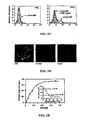
- FIG. 1 illustrates high affinity binding of MIF to THP-1 monocytes.
- Alexa-MIF shows full retention of dose-dependent MIF biological activity as assessed by activation of the p44/p42 (ERK-1/2) MAP kinase cascade, visualized by western blotting of cell lysates using antibodies specific for phospho-p44/p42 or total p44/p42; and b, suppression of p53-dependent apoptosis induced by serum starvatuin (CM: complete medium, SFM: serum-free medium).
- CM complete medium
- SFM serum-free medium
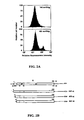
- FIG. 2 show that Ii is a cell surface binding protein for MIF a , Sequential cycles of fluorescence-activated cell-sorting of COS-7 cell transfectants shows enrichment for MIF binding activity b, Diagrams indicating structure of Ii (35 kDa isoform), and three of ten representative cDNA clones with MIF binding activity.
- IC, TM, and EC are the intracellular, transmembrane, and extracellular domains.
- M1 and M17 refer to two sites of alternative translation initiation.
- c Flow cytometry analysis of MIF binding to Ii-expressing cells.
- Enhanced binding of Alexa-MIF to Ii-transfected versus control vector-transfected COS-7 cells (left panel), inhibited binding of Alexa-MIF to Ii-transfected COS-7 cells incubated with anti-Ii mAb (clone LN2) versus an isotypic mAb control (con mAb) (middle panel), and enhanced binding of Alexa-MIF to IFN ⁇ -stimulated, THP-1 monocytes incubated with anti-Ii mAb (clone LN2) versus an isotypic mAb control (right panel).
- the data shown are representative of at least three independent experiments.
- the anti-Ii mAb, LN2 (PharMingen), is reactive with an epitope residing within 60 amino acids of the extracytoplasmic, C-terminus of the protein d, MIF binds to the extracellular domain of Ii in vitro.
- FIG. 3 illustraes Ii mediation of MIF stimulation of ERK-1/2 (p44/p42)-phosphorylation in COS-7 cells a , ERK-1/2 phosphorylation is induced by MIF in COS-7 cells transfected with Ii vector (COS-7/Ii) or control vector (COS-7/V). Cells were treated without or with various doses of rMIF for 2.5 hrs and analyzed for phospho-p44/p42 and total p44/p42 by western blotting b, There is dose-dependent inhibition of MIF-induced ERK-1 /2 phosphorylation by anti-Ii mAb.
- COS-7 cells were transfected with an Ii vector and stimulated with 50 ng/ml MIF for 2.5 hrs in the presence of an isotypic control mAb or an anti-Ii mAb (clone LN2) at different doses.
- anti-Ii showed no effect on ERK-1/2 phosphorylation in the absence of added MIF (data not shown).
- FIG. 4 illustrates western blots of MIF-induced phosphorylation a, MIF dose dependently stimulates ERK-1/2 (p44/p42) phosphorylation in human Raji B cells, as visualized by western blotting for phospho-p44/p42 b, There is inhibition of MIF-induced ERK-1/2 phosphorylation in Raji cells by anti-Ii mAb also.
- Raji cells were stimulated with 50 ng/ml of MIF for 2.5 hrs in the presence of an isotype control antibody (Con Ab) or the two anti-Ii mAbs, —B741 or LN2, each added at 50 ⁇ g/ml.
- Anti-Ii inhibits MIF-induced Raji cell proliferation quantified by 3 H-thymidine incorporation
- Anti-Ii inhibits MIF-induced proliferation of human fibroblasts also.
- Antibodies were added to a final concentration of 50 ⁇ g/ml. The results shown are the Mean ⁇ SD of triplicate assays and are representative of at least three separate experiments. Anti-Ii antibodies showed no effect on cell proliferation in the absence of added MIF (data not shown).
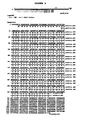
- FIG. 5 shows the complete nucleotide sequence (SEQ ID NO: 1) and longest translated amino acid sequence (beginning at nt 8; SEQ ID NO:2) of the human mRNA for the Ii polypeptide (HLA-DR antigens associated invariant chain p33 [GenBank Accession Nr. X00497 M14765]), as reported in Strubin, M. et al.,
- the complete sequence of the mRNA for the HLA-DR-associated invariant chain reveals a polypeptide with an unusual transmembrane polarity.
- Alexa-MIF Alexa 488-MIF conjugate
- ERK extracellular-signal-regulated kinase
- Ii MHC class II-associated invariant chain (CD74)
- INF ⁇ interferon- ⁇
- mAb monoclonal antibody
- MIF macrophage migration inhibitory factor
- MIF binds to the extracellular domain of Ii, a Type II membrane protein, and Ii is required for MIF-induced cellular effects, including for instance, activation of the ERK-1/2 MAP kinase cascade and cell proliferation.
- FIG. 1E Quantitative binding studies performed with increasing concentrations of Alexa-MIF revealed two apparent classes of cell surface receptors.
- the higher affinity binding activity showed a K d of 3 .7 x 10 -8 M and 3.1 x 10 4 binding sites per cell, and the lower affinity binding showed a K d of 3.5 x 10 -7 M and 4.9 x 10 4 sites per cell.
- Ii is a cell surface binding protein for MIF
- FIG. 2C Binding was inhibited by excess, unlabeled MIF (data not shown), and by an anti-Ii mAb directed against the extracellular portion of the protein.
- Anti-Ii mAb also inhibited the binding of Alexa-MIF to IFN- ⁇ stimulated THP-1 monocytes.
- the inhibition by anti-Ii mAb of Alexa-MIF binding to THP-1 monocytes was significant, but partial, consistent with the interpretation that Ii represents one of the two classes of cell surface receptors for MIF revealed by Scatchard analysis ( FIG. 1E ).
- [ 35 S]-Ii protein prepared by a coupled transcription and translation reticulocyte lysate system bound to MIF in vitro, and the principal binding epitope was localized to a 40 amino acid region contained within the Ii extracellular domain ( FIG. 2D ).
- MIF stimulated the phosphorylation of ERK-1/2 in quiescent Raji cells, and each of two anti-Ii mAbs blocked this stimulatory effect of MIF ( FIG. 4A,B ).
- the inhibitory effect of anti-Ii on ERK-1/2 phosphorylation was associated with a significant decrease in the MIF-stimulated proliferation of these cells ( FIG. 4C ).
- MIF extends the lifespan of primary murine fibroblasts 8 , and both MIF's mitogenic effects and its induction of the ERK-1/2 signal transduction cascade have been best characterized in this cell type 7 .
- Fibroblasts express low levels of Ii 20 , and we observed that anti-Ii significantly inhibited both ERK-1/2 phosphorylation and the mitogenic effect of MIF on cultured fibroblasts ( FIG. 4D and data not shown ) .
- Ii is a homotrimer 23
- the Ii intracellular domain consists of 30-46 amino acids, depending on which of two in-phase initiation codons are utilized 16 .
- Monocyte-encoded Ii has been shown to enhance T cell proliferative responses, and this accessory function of Ii has been linked to a specific, chondroitin-sulphate-dependent interaction between Ii and CD44".
- CD44 is a highly polymorphic Type I transmembrane glycoprotein 24 , and CD44 likely mediates some of the downstream consequences of MIF binding to Ii.
- Interference in the signal transduction pathways induced by MIF-Ii interaction for instance by providing antagonists or inhibitors of MIF-Ii interaction, offers new approaches to the modulation of cellular immune and activation responses to MIF.
- Agents active in this regard agonists and antagonists and other inhibitors have predicted therapeutic utility in diseases and conditions typified by local or systemic changes in IF levels.
- MIF and the class II invariant chain polypeptide, Ii also makes convenient the use of labeled MIF reagents as "Trojan horse-type" vehicles by which to concentrate a desired label or toxin in cells displaying cell surface Ii.
- a desired label or toxic entity is associated with an MIF ligand (for instance, by covalent attachment), and the modified MIF ligand then is presented to cells displaying cell surface-localized Ii, which class II invariant chain polypeptide binds to and causes the internalization of the modified MIF ligand, thus causing the operative cell to become specifically labeled or toxicated.
- the Ii-displaying cells may be exposed to the modified MIF ligand in vitro or in vivo, in which latter case Ii-displaying cells may be specifically identified or toxicated in a patient.
- a wide variety of diagnostic and therapeutic reagents can be advantageously conjugated to an MIF ligand (which may be biologically active, full length MIF or an Ii-binding fragment thereof, or a mutein of either of the preceding and particularly such a mutein adapted to be biologically inactive and/or to be more conveniently coupled to a labeling or toxicating entity), providing a modified MIF ligand of the invention.
- reagents coupled to an MIF ligand include: chemotherapeutic drugs such as doxorubicin, methotrexate, taxol, and the like; chelators, such as DTPA, to which detectable labels such as fluorescent molecules or cytotoxic agents such as heavy metals or radionuclides can be complexed; and toxins such as Pseudomonas exotoxin, and the like.
- chemotherapeutic drugs such as doxorubicin, methotrexate, taxol, and the like
- chelators such as DTPA, to which detectable labels such as fluorescent molecules or cytotoxic agents such as heavy metals or radionuclides can be complexed
- toxins such as Pseudomonas exotoxin, and the like.
- Human recombinant MIF was purified from an E.coli expression system as described previously 22 and conjugated to Alexa 488 14 by the manufacturer's protocol (Molecular Probes, Eugene OR). The average ratio of dye ligand to MIF homotrimer was 1:3, as determined by matrix-assisted laser-desorption ionization mass spectrometry (Kompact probe/SEQ, Kratos Analytical Ltd, Manchester, UK). Anti-human Ii monoclonal antibodies (clones LN2 and M-B741) were obtained from PharMingen (San Jose CA).
- THP-1 cells 2.5 x10 5 cells/ml were cultured in DMEM/10% FBS with or without IFN ⁇ (1 ng/ml, R&D Systems, Minneapolis, MN) for 72 hrs. After washing, 5 x 10 5 cells were resuspended in 0.1 ml of medium and incubated with 200 ng of Alexa-MIF at 4°C for 45 mins. The cells then were washed with ice-cold PBS (pH 7.4) and subjected to flow cytometry analysis (FACSCalibur, Becton Dickinson, San Jose, CA).
- THP-1 monocytes or COS-7 transfectants were incubated with Alexa-MIF together with 50 ⁇ g/ml of an anti-Ii mAb or an isotypic control mAb.
- triplicate samples of IFN ⁇ -treated, THP-1 cells (1 x 10 6 ) were incubated for 45 mins at 4°C in PBS/1% FBS together with Alexa-MIF (0 - 1.5 ⁇ M, calculated as MIF trimer), washed 3x with cold PBS/1%FBS, and analyzed by flow cytometry using CellQuest Software (Becton Dickinson, San Jose, CA) 29 .
- the specific binding curve was calculated by subtracting non-specific binding (measured in the presence of excess unlabeled MIF) from total binding. Confocal fluorescence microscopy of Alexa-MIF binding to cells was performed with an LSM 510 laser scanning instrument (Carl Zeiss, Jena Germany). THP-1 cells were incubated with INF ⁇ for 72 hrs and washed 3x with PBS/1 % FBS prior to staining for 30 mins (4°C) with 2 ng/ ⁇ l of Alexa-MIF, or Alexa-MIF plus 50 ng/ ⁇ l unlabeled, rMIF.
- cDNA was prepared from the poly(A)+ RNA of IFN ⁇ -activated, THP-1 monocytes, cloned into the lambdaZAP-CMV vector (Stratagene, La Jolla, CA), and DNA aliquots (2.5 ⁇ g/ml) transfected into 15 x10 6 COS-7 cells by the DEAE-dextran method 30 .
- the transfected cells were incubated with Alexa-MIF for 45 min at 4°C, washed, and the positively-staining cells isolated 31 with a Moflo cell sorter (Cytomation, Fort Collins, CO).
- the dose-dependent phosphorylation of ERK-1/2 was measured by western blotting of cell lysates using specific antibodies directed against phospho-p44/p42 or total p44/p42 following methods described previously 7 .
- MIF-mediated suppression of apoptosis was assessed in serum-deprived, murine embryonic fibroblasts by immunoassay of cytoplasmic histone-associated DNA fragments (Roche Biochemicals, Indianapolis, IN) 8 .
- Fibroblast mitogenesis was examined in normal human lung fibroblasts (CCL210, American Type Tissue Culture) cultured in DMEM/10% FBS, resuspended in DMEM/2% serum, and seeded into 96 well plates (150 cells/well) together with MIF and antibodies as shown. Isotype control or anti-Ii mAbs were added at a final concentration of 50 ⁇ g/ml. Proliferation was assessed on Day 5 after overnight incorporation of [ 3 H]-thymidine into DNA.
Landscapes
- Health & Medical Sciences (AREA)
- Life Sciences & Earth Sciences (AREA)
- Chemical & Material Sciences (AREA)
- Engineering & Computer Science (AREA)
- Immunology (AREA)
- General Health & Medical Sciences (AREA)
- Medicinal Chemistry (AREA)
- Molecular Biology (AREA)
- Organic Chemistry (AREA)
- Biomedical Technology (AREA)
- Bioinformatics & Cheminformatics (AREA)
- Cell Biology (AREA)
- Genetics & Genomics (AREA)
- Veterinary Medicine (AREA)
- Biochemistry (AREA)
- Animal Behavior & Ethology (AREA)
- Public Health (AREA)
- Pharmacology & Pharmacy (AREA)
- Zoology (AREA)
- Proteomics, Peptides & Aminoacids (AREA)
- Urology & Nephrology (AREA)
- Hematology (AREA)
- Biotechnology (AREA)
- Microbiology (AREA)
- Chemical Kinetics & Catalysis (AREA)
- Nuclear Medicine, Radiotherapy & Molecular Imaging (AREA)
- General Chemical & Material Sciences (AREA)
- Wood Science & Technology (AREA)
- Physics & Mathematics (AREA)
- Food Science & Technology (AREA)
- Pathology (AREA)
- Analytical Chemistry (AREA)
- General Physics & Mathematics (AREA)
- Biophysics (AREA)
- General Engineering & Computer Science (AREA)
- Gastroenterology & Hepatology (AREA)
- Epidemiology (AREA)
- Tropical Medicine & Parasitology (AREA)
- Toxicology (AREA)
- Rheumatology (AREA)
Applications Claiming Priority (3)
| Application Number | Priority Date | Filing Date | Title |
|---|---|---|---|
| US27943501P | 2001-03-29 | 2001-03-29 | |
| US279435P | 2001-03-29 | ||
| PCT/US2002/009580 WO2002079517A1 (en) | 2001-03-29 | 2002-03-29 | Methods and compositions for using mhc class ii invariant chain polypeptide as a receptor for macrophage migration inhibitory factor |
Publications (3)
| Publication Number | Publication Date |
|---|---|
| EP1383919A1 EP1383919A1 (en) | 2004-01-28 |
| EP1383919A4 EP1383919A4 (en) | 2004-12-01 |
| EP1383919B1 true EP1383919B1 (en) | 2010-07-07 |
Family
ID=23068959
Family Applications (1)
| Application Number | Title | Priority Date | Filing Date |
|---|---|---|---|
| EP02725395A Expired - Lifetime EP1383919B1 (en) | 2001-03-29 | 2002-03-29 | Methods and compositions for using mhc class ii invariant chain polypeptide as a receptor for macrophage migration inhibitory factor |
Country Status (10)
| Country | Link |
|---|---|
| US (10) | US20030013122A1 (enExample) |
| EP (1) | EP1383919B1 (enExample) |
| JP (1) | JP4202763B2 (enExample) |
| AT (1) | ATE473294T1 (enExample) |
| AU (1) | AU2002255961B2 (enExample) |
| CA (1) | CA2455915C (enExample) |
| DE (1) | DE60236921D1 (enExample) |
| DK (1) | DK1383919T3 (enExample) |
| ES (1) | ES2352228T3 (enExample) |
| WO (1) | WO2002079517A1 (enExample) |
Families Citing this family (23)
| Publication number | Priority date | Publication date | Assignee | Title |
|---|---|---|---|---|
| JP4202763B2 (ja) * | 2001-03-29 | 2008-12-24 | サイトカイン・ファーマサイエンシズ・インコーポレーテッド | マクロファージ遊走阻止因子レセプターとしてのmhcクラスii不変鎖ポリペプチド使用のための方法及び組成物 |
| UY27304A1 (es) | 2001-05-24 | 2002-12-31 | Avanir Pharmaceuticals | Inhibidores del factor inhibidor de la migración de los macrófagos y métodos para su identificación |
| US20160279239A1 (en) | 2011-05-02 | 2016-09-29 | Immunomedics, Inc. | Subcutaneous administration of anti-cd74 antibody for systemic lupus erythematosus and autoimmune disease |
| KR101017732B1 (ko) * | 2002-03-01 | 2011-02-28 | 이뮤노메딕스, 인코오포레이티드 | 내재화 항-cd74 항체 및 그 이용방법 |
| EP1500402A4 (en) | 2002-04-26 | 2009-12-30 | Takeda Pharmaceutical | INHIBITOR OF CELL DEATH |
| US20050208010A1 (en) * | 2002-07-10 | 2005-09-22 | L'oreal | Genes from Chromosome 3, 5 and 11 involved in premature canities |
| TW200418829A (en) | 2003-02-14 | 2004-10-01 | Avanir Pharmaceutics | Inhibitors of macrophage migration inhibitory factor and methods for identifying the same |
| US20050202010A1 (en) * | 2003-08-29 | 2005-09-15 | Giroir Brett P. | Method of treatment and bioassay involving macrophage migration inhibitory factor (MIF) as cardiac-derived myocardial depressant factor |
| US20160355591A1 (en) | 2011-05-02 | 2016-12-08 | Immunomedics, Inc. | Subcutaneous anti-hla-dr monoclonal antibody for treatment of hematologic malignancies |
| WO2006102191A1 (en) | 2005-03-24 | 2006-09-28 | Avanir Pharmaceuticals | Thienopyridinone derivatives as macrophage migration inhibitory factor inhibitors |
| WO2007044622A1 (en) | 2005-10-07 | 2007-04-19 | Yale University | Use of mif and mif pathway agonists |
| US9238689B2 (en) | 2011-07-15 | 2016-01-19 | Morpho Sys AG | Antibodies that are cross-reactive for macrophage migration inhibitory factor (MIF) and D-dopachrome tautomerase (D-DT) |
| CA2842195A1 (en) | 2011-07-18 | 2013-01-24 | Immunomedics, Inc. | Fty720 increases cd74 expression and sensitizes cancer cells to anti-cd74 antibody-mediated cell death |
| AU2012320597C1 (en) | 2011-10-07 | 2015-10-15 | Baxalta GmbH | oxMIF as a diagnostic marker |
| CN104994875B (zh) | 2013-02-15 | 2018-10-09 | 免疫医疗公司 | 嵌合和人源化抗组蛋白抗体 |
| WO2015051330A1 (en) | 2013-10-03 | 2015-04-09 | Oregon Health & Science University | RECOMBINANT POLYPEPTIDES COMPRISING MHC CLASS II α1 DOMAINS |
| EP2944310B1 (en) | 2014-05-16 | 2018-03-21 | Mifcare | MIF inhibitors for the acute or chronic treatment of pulmonary hypertension |
| US10351621B2 (en) | 2014-06-24 | 2019-07-16 | Immunomedics, Inc. | Anti-histone therapy in acute kidney injury |
| US9580495B2 (en) | 2014-06-24 | 2017-02-28 | Immunomedics, Inc. | Anti-histone therapy for vascular necrosis in severe glomerulonephritis |
| WO2016057702A2 (en) | 2014-10-07 | 2016-04-14 | Cornell University | Methods for prognosing and preventing metastatic liver disease |
| US10525101B2 (en) | 2015-10-23 | 2020-01-07 | Oregon Health & Science University | Methods of treating inflammatory or autoimmune disorders with compounds that bind macrophage migration inhibitory factor |
| CA3044082A1 (en) | 2017-04-03 | 2018-10-11 | Immunomedics, Inc. | Subcutaneous administration of antibody-drug conjugates for cancer therapy |
| CN114668832A (zh) * | 2022-04-27 | 2022-06-28 | 西安市第一医院 | Mif及其受体cd74制备调控细胞功能和分裂增殖药物中的应用 |
Citations (2)
| Publication number | Priority date | Publication date | Assignee | Title |
|---|---|---|---|---|
| WO1994026307A1 (en) * | 1993-05-17 | 1994-11-24 | The Picower Institute For Medical Research | Inhibition of migration inhibitory factor in the treatment of diseases involving cytokine-mediated toxicity |
| WO2000074718A1 (en) * | 1999-06-09 | 2000-12-14 | Immunomedics, Inc. | Immunotherapy of autoimmune disorders using antibodies which target b-cells |
Family Cites Families (18)
| Publication number | Priority date | Publication date | Assignee | Title |
|---|---|---|---|---|
| JPH02124759A (ja) * | 1988-07-15 | 1990-05-14 | Sumitomo Electric Ind Ltd | 超電導材料の製造方法 |
| WO1990011301A1 (en) * | 1989-03-17 | 1990-10-04 | Genetics Institute, Inc. | Human macrophage migration inhibitory factor |
| US6774227B1 (en) * | 1993-05-17 | 2004-08-10 | Cytokine Pharmasciences, Inc. | Therapeutic uses of factors which inhibit or neutralize MIF activity |
| US6645493B1 (en) * | 1993-05-17 | 2003-11-11 | The Picower Institute For Medical Research | Composition containing anti-MIF antibody |
| US5559028A (en) * | 1993-05-19 | 1996-09-24 | Antigen Express, Inc. | Methods of enhancing or antigen presentation to T cells inhibiting |
| US5586694A (en) | 1994-12-14 | 1996-12-24 | Fragrance Systems International, Inc. | Perfume applicator with replaceable cartridges |
| WO1997025344A1 (en) * | 1996-01-03 | 1997-07-17 | The Australian National University | Clip analogues and autoimmune disease |
| US6492428B1 (en) * | 2000-07-26 | 2002-12-10 | The Picower Institute For Medical Research | Compounds having MIF antagonist activity |
| US6420188B1 (en) * | 1996-02-16 | 2002-07-16 | The Picower Institute For Medical Research | Screening assay for the identification of inhibitors for macrophage migration inhibitory factor |
| US5726020A (en) * | 1996-06-11 | 1998-03-10 | University Of Massachusetts | Inhibition of II synthesis |
| WO1998037178A1 (en) * | 1997-02-24 | 1998-08-27 | The Johns Hopkins University | Immunomodulatory polypeptides derived from the invariant chain of mhc class ii |
| ATE302217T1 (de) * | 1997-05-02 | 2005-09-15 | Us Gov Health & Human Serv | Immuntoxine, die ein onc protein enthalten, gegen bösartige zellen |
| CA2205680A1 (en) * | 1997-05-16 | 1998-11-16 | The University Of Western Ontario | Clip immunomodulatory peptide |
| CA2389229A1 (en) * | 1999-10-29 | 2001-05-10 | The Picower Institute For Medical Research | Compounds having mif antagonist activity |
| JP4202763B2 (ja) * | 2001-03-29 | 2008-12-24 | サイトカイン・ファーマサイエンシズ・インコーポレーテッド | マクロファージ遊走阻止因子レセプターとしてのmhcクラスii不変鎖ポリペプチド使用のための方法及び組成物 |
| UY27304A1 (es) * | 2001-05-24 | 2002-12-31 | Avanir Pharmaceuticals | Inhibidores del factor inhibidor de la migración de los macrófagos y métodos para su identificación |
| US9540322B2 (en) * | 2008-08-18 | 2017-01-10 | Yale University | MIF modulators |
| US9643922B2 (en) * | 2008-08-18 | 2017-05-09 | Yale University | MIF modulators |
-
2002
- 2002-03-29 JP JP2002577925A patent/JP4202763B2/ja not_active Expired - Fee Related
- 2002-03-29 US US10/108,383 patent/US20030013122A1/en not_active Abandoned
- 2002-03-29 AT AT02725395T patent/ATE473294T1/de active
- 2002-03-29 AU AU2002255961A patent/AU2002255961B2/en not_active Expired
- 2002-03-29 CA CA2455915A patent/CA2455915C/en not_active Expired - Lifetime
- 2002-03-29 ES ES02725395T patent/ES2352228T3/es not_active Expired - Lifetime
- 2002-03-29 WO PCT/US2002/009580 patent/WO2002079517A1/en not_active Ceased
- 2002-03-29 EP EP02725395A patent/EP1383919B1/en not_active Expired - Lifetime
- 2002-03-29 DK DK02725395.4T patent/DK1383919T3/da active
- 2002-03-29 DE DE60236921T patent/DE60236921D1/de not_active Expired - Lifetime
-
2005
- 2005-09-22 US US11/231,990 patent/US20060024754A1/en not_active Abandoned
-
2007
- 2007-10-31 US US11/931,442 patent/US7741057B2/en not_active Expired - Lifetime
-
2008
- 2008-04-04 US US12/098,220 patent/US20090263404A1/en not_active Abandoned
-
2010
- 2010-05-17 US US12/781,546 patent/US8617822B2/en not_active Expired - Fee Related
-
2011
- 2011-06-14 US US13/160,265 patent/US8779099B2/en not_active Expired - Fee Related
-
2013
- 2013-11-26 US US14/090,183 patent/US9221903B2/en not_active Expired - Fee Related
-
2014
- 2014-06-04 US US14/295,692 patent/US20150010570A1/en not_active Abandoned
-
2015
- 2015-11-23 US US14/949,484 patent/US20160152708A1/en not_active Abandoned
-
2016
- 2016-10-31 US US15/339,778 patent/US20180105593A1/en not_active Abandoned
Patent Citations (2)
| Publication number | Priority date | Publication date | Assignee | Title |
|---|---|---|---|---|
| WO1994026307A1 (en) * | 1993-05-17 | 1994-11-24 | The Picower Institute For Medical Research | Inhibition of migration inhibitory factor in the treatment of diseases involving cytokine-mediated toxicity |
| WO2000074718A1 (en) * | 1999-06-09 | 2000-12-14 | Immunomedics, Inc. | Immunotherapy of autoimmune disorders using antibodies which target b-cells |
Non-Patent Citations (3)
| Title |
|---|
| E.J. PAWLAK-BYCZKOWSKA ET AL: "Two new monoclonal antibodies, EPB-1 and EPB-2, reactive with human lymphoma", CANCER RESEARCH, vol. 49, 15 August 1989 (1989-08-15), pages 4568 - 4577 * |
| H.J. HANSEN ET AL: "Internalization and catabolism of radiolebelled antibodies to the MHC class-II invariant chain by B-cell lymphomas", BIOCHEM. J., vol. 320, 1996, pages 293 - 300 * |
| I. BINSKY ET AL: "IL-8 secreted in a macrophage migration-inhibitory factor- and CD74-dependent manner regulates B cell chronic lymphocytic leukemia survival", PNAS, vol. 104, no. 33, 14 August 2007 (2007-08-14), pages 13408 - 13413 * |
Also Published As
| Publication number | Publication date |
|---|---|
| ES2352228T3 (es) | 2011-02-16 |
| US8779099B2 (en) | 2014-07-15 |
| JP2004532839A (ja) | 2004-10-28 |
| CA2455915C (en) | 2013-05-14 |
| US20180105593A1 (en) | 2018-04-19 |
| CA2455915A1 (en) | 2002-10-10 |
| US20120039914A1 (en) | 2012-02-16 |
| EP1383919A1 (en) | 2004-01-28 |
| US20110020321A1 (en) | 2011-01-27 |
| US9221903B2 (en) | 2015-12-29 |
| US20150010570A1 (en) | 2015-01-08 |
| EP1383919A4 (en) | 2004-12-01 |
| US20060024754A1 (en) | 2006-02-02 |
| US8617822B2 (en) | 2013-12-31 |
| WO2002079517A1 (en) | 2002-10-10 |
| DE60236921D1 (de) | 2010-08-19 |
| US7741057B2 (en) | 2010-06-22 |
| US20160152708A1 (en) | 2016-06-02 |
| US20140178403A1 (en) | 2014-06-26 |
| AU2002255961B2 (en) | 2007-08-23 |
| ATE473294T1 (de) | 2010-07-15 |
| US20080146507A1 (en) | 2008-06-19 |
| US20030013122A1 (en) | 2003-01-16 |
| US20090263404A1 (en) | 2009-10-22 |
| DK1383919T3 (da) | 2010-11-08 |
| JP4202763B2 (ja) | 2008-12-24 |
Similar Documents
| Publication | Publication Date | Title |
|---|---|---|
| US8617822B2 (en) | Method of inhibiting binding or activity of MIF by administering a MIF antagonist | |
| AU2002255961A1 (en) | Methods and compositions for using MHC class II invariant chain polypeptide as a receptor for macrophage migration inhibitory factor | |
| EP1887014B1 (en) | Human toll homologues | |
| AU2002343109B2 (en) | Methods for diagnosis and treatment of epithelial-derived cancers, such as colorectal cancers and kidney cancers | |
| KR20170142200A (ko) | Cd137에 특이적인 신규한 단백질 | |
| CA2122491A1 (en) | Tgf-.beta. type receptor cdnas and uses therefor | |
| US20120322984A1 (en) | Methods of reducing trail-induced apoptosis by trail isoforms | |
| US7915385B2 (en) | Sodium channel protein type III α-subunit splice variant | |
| Fox et al. | Structure/function relationships of CCR8 agonists and antagonists: amino-terminal extension of CCL1 by a single amino acid generates a partial agonist | |
| US20030027260A1 (en) | Human Toll homologues | |
| US7972813B2 (en) | Tetrodotoxin-resistant sodium channel alpha subunit | |
| Bae et al. | Novel transmembrane protein 126A (TMEM126A) couples with CD137L reverse signals in myeloid cells | |
| CA2544099A1 (en) | Peptides with anti-obesity activity and other related uses | |
| EP0834564A2 (en) | A mouse genomic clone of the CC-CKR5 receptor | |
| AU2003284994A1 (en) | METHODS TO PREVENT TUMOR RECURRENCE BY BLOCKADE OF TGF-Beta | |
| US20250295694A1 (en) | Adenosine deaminase 2 compositions and methods for using same | |
| EP1651752A2 (en) | Methods of inhibiting cancer growth by binding to nuclear receptors | |
| Hart et al. | The v-sis oncoprotein loses transforming activity when targeted to the early Golgi complex. | |
| CN120501869A (zh) | 载脂蛋白l2(apol2)及其调节剂的应用 | |
| US20080200408A1 (en) | Deletion mutants of tetrodotoxin-resistant sodium channel alpha subunit | |
| JP2006298848A (ja) | リンパ球分化または増殖調節剤、およびそのスクリーニング方法 | |
| JP2011105669A (ja) | 抗腫瘍剤および抗腫瘍剤のスクリーニング方法 |
Legal Events
| Date | Code | Title | Description |
|---|---|---|---|
| PUAI | Public reference made under article 153(3) epc to a published international application that has entered the european phase |
Free format text: ORIGINAL CODE: 0009012 |
|
| 17P | Request for examination filed |
Effective date: 20031029 |
|
| AK | Designated contracting states |
Kind code of ref document: A1 Designated state(s): AT BE CH CY DE DK ES FI FR GB GR IE IT LI LU MC NL PT SE TR |
|
| AX | Request for extension of the european patent |
Extension state: AL LT LV MK RO SI |
|
| RAP1 | Party data changed (applicant data changed or rights of an application transferred) |
Owner name: CYTOKINE PHARMASCIENCES, INC. |
|
| A4 | Supplementary search report drawn up and despatched |
Effective date: 20041020 |
|
| RIC1 | Information provided on ipc code assigned before grant |
Ipc: 7A 61K 48/00 B Ipc: 7C 07K 16/00 B Ipc: 7C 07K 16/28 B Ipc: 7C 12Q 1/68 A Ipc: 7G 01N 33/53 B Ipc: 7C 07H 21/04 B Ipc: 7A 61K 39/395 B |
|
| GRAP | Despatch of communication of intention to grant a patent |
Free format text: ORIGINAL CODE: EPIDOSNIGR1 |
|
| TPAC | Observations filed by third parties |
Free format text: ORIGINAL CODE: EPIDOSNTIPA |
|
| GRAJ | Information related to disapproval of communication of intention to grant by the applicant or resumption of examination proceedings by the epo deleted |
Free format text: ORIGINAL CODE: EPIDOSDIGR1 |
|
| GRAP | Despatch of communication of intention to grant a patent |
Free format text: ORIGINAL CODE: EPIDOSNIGR1 |
|
| GRAS | Grant fee paid |
Free format text: ORIGINAL CODE: EPIDOSNIGR3 |
|
| GRAA | (expected) grant |
Free format text: ORIGINAL CODE: 0009210 |
|
| AK | Designated contracting states |
Kind code of ref document: B1 Designated state(s): AT BE CH CY DE DK ES FI FR GB GR IE IT LI LU MC NL PT SE TR |
|
| REG | Reference to a national code |
Ref country code: GB Ref legal event code: FG4D |
|
| REG | Reference to a national code |
Ref country code: CH Ref legal event code: EP |
|
| REG | Reference to a national code |
Ref country code: IE Ref legal event code: FG4D |
|
| REF | Corresponds to: |
Ref document number: 60236921 Country of ref document: DE Date of ref document: 20100819 Kind code of ref document: P |
|
| REG | Reference to a national code |
Ref country code: NL Ref legal event code: T3 |
|
| REG | Reference to a national code |
Ref country code: SE Ref legal event code: TRGR |
|
| REG | Reference to a national code |
Ref country code: DK Ref legal event code: T3 |
|
| PG25 | Lapsed in a contracting state [announced via postgrant information from national office to epo] |
Ref country code: FI Free format text: LAPSE BECAUSE OF FAILURE TO SUBMIT A TRANSLATION OF THE DESCRIPTION OR TO PAY THE FEE WITHIN THE PRESCRIBED TIME-LIMIT Effective date: 20100707 |
|
| REG | Reference to a national code |
Ref country code: CH Ref legal event code: NV Representative=s name: SERVOPATENT GMBH |
|
| REG | Reference to a national code |
Ref country code: ES Ref legal event code: FG2A Effective date: 20110204 |
|
| PG25 | Lapsed in a contracting state [announced via postgrant information from national office to epo] |
Ref country code: PT Free format text: LAPSE BECAUSE OF FAILURE TO SUBMIT A TRANSLATION OF THE DESCRIPTION OR TO PAY THE FEE WITHIN THE PRESCRIBED TIME-LIMIT Effective date: 20101108 Ref country code: CY Free format text: LAPSE BECAUSE OF FAILURE TO SUBMIT A TRANSLATION OF THE DESCRIPTION OR TO PAY THE FEE WITHIN THE PRESCRIBED TIME-LIMIT Effective date: 20100707 |
|
| PG25 | Lapsed in a contracting state [announced via postgrant information from national office to epo] |
Ref country code: GR Free format text: LAPSE BECAUSE OF FAILURE TO SUBMIT A TRANSLATION OF THE DESCRIPTION OR TO PAY THE FEE WITHIN THE PRESCRIBED TIME-LIMIT Effective date: 20101008 |
|
| PLBE | No opposition filed within time limit |
Free format text: ORIGINAL CODE: 0009261 |
|
| STAA | Information on the status of an ep patent application or granted ep patent |
Free format text: STATUS: NO OPPOSITION FILED WITHIN TIME LIMIT |
|
| 26N | No opposition filed |
Effective date: 20110408 |
|
| REG | Reference to a national code |
Ref country code: DE Ref legal event code: R097 Ref document number: 60236921 Country of ref document: DE Effective date: 20110408 |
|
| PG25 | Lapsed in a contracting state [announced via postgrant information from national office to epo] |
Ref country code: MC Free format text: LAPSE BECAUSE OF NON-PAYMENT OF DUE FEES Effective date: 20110331 |
|
| REG | Reference to a national code |
Ref country code: GB Ref legal event code: 732E Free format text: REGISTERED BETWEEN 20111201 AND 20111207 |
|
| REG | Reference to a national code |
Ref country code: IE Ref legal event code: MM4A |
|
| PG25 | Lapsed in a contracting state [announced via postgrant information from national office to epo] |
Ref country code: IE Free format text: LAPSE BECAUSE OF NON-PAYMENT OF DUE FEES Effective date: 20110329 |
|
| PG25 | Lapsed in a contracting state [announced via postgrant information from national office to epo] |
Ref country code: LU Free format text: LAPSE BECAUSE OF NON-PAYMENT OF DUE FEES Effective date: 20110329 |
|
| PG25 | Lapsed in a contracting state [announced via postgrant information from national office to epo] |
Ref country code: TR Free format text: LAPSE BECAUSE OF FAILURE TO SUBMIT A TRANSLATION OF THE DESCRIPTION OR TO PAY THE FEE WITHIN THE PRESCRIBED TIME-LIMIT Effective date: 20100707 |
|
| REG | Reference to a national code |
Ref country code: GB Ref legal event code: 732E Free format text: REGISTERED BETWEEN 20160218 AND 20160224 |
|
| REG | Reference to a national code |
Ref country code: GB Ref legal event code: 732E Free format text: REGISTERED BETWEEN 20160225 AND 20160302 |
|
| REG | Reference to a national code |
Ref country code: FR Ref legal event code: PLFP Year of fee payment: 15 |
|
| REG | Reference to a national code |
Ref country code: FR Ref legal event code: PLFP Year of fee payment: 16 |
|
| REG | Reference to a national code |
Ref country code: FR Ref legal event code: PLFP Year of fee payment: 17 |
|
| REG | Reference to a national code |
Ref country code: DE Ref legal event code: R082 Ref document number: 60236921 Country of ref document: DE Representative=s name: MARKS & CLERK (LUXEMBOURG) LLP, LU Ref country code: DE Ref legal event code: R081 Ref document number: 60236921 Country of ref document: DE Owner name: BAXALTA GMBH, GLATTPARK, CH Free format text: FORMER OWNER: CYTOKINE PHARMASCIENCES, INC., KING OF PRUSSIA, PA., US Ref country code: DE Ref legal event code: R081 Ref document number: 60236921 Country of ref document: DE Owner name: BAXALTA INCORPORATED, BANNOCKBURN, US Free format text: FORMER OWNER: CYTOKINE PHARMASCIENCES, INC., KING OF PRUSSIA, PA., US |
|
| REG | Reference to a national code |
Ref country code: BE Ref legal event code: PD Owner name: BAXALTA GMBH; CH Free format text: DETAILS ASSIGNMENT: CHANGE OF OWNER(S), CESSION; FORMER OWNER NAME: BAXTER HEALTHCARE SA Effective date: 20180112 |
|
| REG | Reference to a national code |
Ref country code: CH Ref legal event code: PUE Owner name: BAXTER INTERNATIONAL INC., CH Free format text: FORMER OWNER: CYTOKINE PHARMASCIENCES, INC., US |
|
| REG | Reference to a national code |
Ref country code: ES Ref legal event code: PC2A Owner name: BAXTER HEALTHCARE SA Effective date: 20180702 Ref country code: ES Ref legal event code: PC2A Effective date: 20180702 |
|
| REG | Reference to a national code |
Ref country code: ES Ref legal event code: PC2A Owner name: BAXALTA GMBH Effective date: 20180703 Ref country code: ES Effective date: 20180703 |
|
| REG | Reference to a national code |
Ref country code: NL Ref legal event code: PD Owner name: BAXALTA GMBH; CH Free format text: DETAILS ASSIGNMENT: CHANGE OF OWNER(S), ASSIGNMENT; FORMER OWNER NAME: CYTOKINE PHARMASCIENCES, INC. Effective date: 20180628 |
|
| REG | Reference to a national code |
Ref country code: FR Ref legal event code: TQ Owner name: BAXALTA GMBH, CH Effective date: 20180807 Ref country code: FR Ref legal event code: TQ Owner name: BAXALTA INCORPORATED, US Effective date: 20180807 |
|
| REG | Reference to a national code |
Ref country code: FR Ref legal event code: TQ Owner name: BAXALTA GMBH, CH Effective date: 20180821 Ref country code: FR Ref legal event code: TQ Owner name: BAXALTA INCORPORATED, US Effective date: 20180821 |
|
| REG | Reference to a national code |
Ref country code: AT Ref legal event code: PC Ref document number: 473294 Country of ref document: AT Kind code of ref document: T Owner name: BAXALTA INCORPORATED, US Effective date: 20190116 Ref country code: AT Ref legal event code: PC Ref document number: 473294 Country of ref document: AT Kind code of ref document: T Owner name: BAXALTA GMBH, CH Effective date: 20190116 |
|
| REG | Reference to a national code |
Ref country code: CH Ref legal event code: PCAR Free format text: NEW ADDRESS: WANNERSTRASSE 9/1, 8045 ZUERICH (CH) |
|
| PGFP | Annual fee paid to national office [announced via postgrant information from national office to epo] |
Ref country code: FR Payment date: 20210219 Year of fee payment: 20 Ref country code: CH Payment date: 20210219 Year of fee payment: 20 Ref country code: NL Payment date: 20210219 Year of fee payment: 20 Ref country code: MC Payment date: 20210222 Year of fee payment: 20 |
|
| PGFP | Annual fee paid to national office [announced via postgrant information from national office to epo] |
Ref country code: GB Payment date: 20210219 Year of fee payment: 20 Ref country code: DK Payment date: 20210219 Year of fee payment: 20 Ref country code: DE Payment date: 20210217 Year of fee payment: 20 Ref country code: SE Payment date: 20210223 Year of fee payment: 20 Ref country code: BE Payment date: 20210224 Year of fee payment: 20 Ref country code: AT Payment date: 20210219 Year of fee payment: 20 |
|
| PGFP | Annual fee paid to national office [announced via postgrant information from national office to epo] |
Ref country code: ES Payment date: 20210401 Year of fee payment: 20 |
|
| PGFP | Annual fee paid to national office [announced via postgrant information from national office to epo] |
Ref country code: IT Payment date: 20210217 Year of fee payment: 20 |
|
| REG | Reference to a national code |
Ref country code: DE Ref legal event code: R071 Ref document number: 60236921 Country of ref document: DE |
|
| REG | Reference to a national code |
Ref country code: NL Ref legal event code: MK Effective date: 20220328 |
|
| REG | Reference to a national code |
Ref country code: CH Ref legal event code: PL |
|
| REG | Reference to a national code |
Ref country code: DK Ref legal event code: EUP Expiry date: 20220329 |
|
| REG | Reference to a national code |
Ref country code: BE Ref legal event code: MK Effective date: 20220329 |
|
| REG | Reference to a national code |
Ref country code: GB Ref legal event code: PE20 Expiry date: 20220328 |
|
| PG25 | Lapsed in a contracting state [announced via postgrant information from national office to epo] |
Ref country code: GB Free format text: LAPSE BECAUSE OF EXPIRATION OF PROTECTION Effective date: 20220328 |
|
| REG | Reference to a national code |
Ref country code: SE Ref legal event code: EUG |
|
| REG | Reference to a national code |
Ref country code: AT Ref legal event code: MK07 Ref document number: 473294 Country of ref document: AT Kind code of ref document: T Effective date: 20220329 |
|
| REG | Reference to a national code |
Ref country code: ES Ref legal event code: FD2A Effective date: 20220902 |
|
| PG25 | Lapsed in a contracting state [announced via postgrant information from national office to epo] |
Ref country code: ES Free format text: LAPSE BECAUSE OF EXPIRATION OF PROTECTION Effective date: 20220330 |