EP1305270B1 - Kinetic resolutions of chiral 2- and 3-substituted carboxylic acids - Google Patents
Kinetic resolutions of chiral 2- and 3-substituted carboxylic acids Download PDFInfo
- Publication number
- EP1305270B1 EP1305270B1 EP01955023A EP01955023A EP1305270B1 EP 1305270 B1 EP1305270 B1 EP 1305270B1 EP 01955023 A EP01955023 A EP 01955023A EP 01955023 A EP01955023 A EP 01955023A EP 1305270 B1 EP1305270 B1 EP 1305270B1
- Authority
- EP
- European Patent Office
- Prior art keywords
- dhqd
- dhq
- racemic
- chiral
- nmr
- Prior art date
- Legal status (The legal status is an assumption and is not a legal conclusion. Google has not performed a legal analysis and makes no representation as to the accuracy of the status listed.)
- Expired - Lifetime
Links
- 0 COC(C(c1ccc(*)cc1)N)=O Chemical compound COC(C(c1ccc(*)cc1)N)=O 0.000 description 2
- JLXQJNCZXSYXAK-UHFFFAOYSA-N CC(C(O1)=O)OC1=O Chemical compound CC(C(O1)=O)OC1=O JLXQJNCZXSYXAK-UHFFFAOYSA-N 0.000 description 1
- RUOJZAUFBMNUDX-UHFFFAOYSA-N CC(CO1)OC1=O Chemical compound CC(CO1)OC1=O RUOJZAUFBMNUDX-UHFFFAOYSA-N 0.000 description 1
- PCLKHOKTUJSLDD-SNVBAGLBSA-N COC([C@@H](COCc1ccccc1)N)=O Chemical compound COC([C@@H](COCc1ccccc1)N)=O PCLKHOKTUJSLDD-SNVBAGLBSA-N 0.000 description 1
- GXUAKXUIILGDKW-QMMMGPOBSA-N COc1ccc([C@@H](C(O)=O)N)cc1 Chemical compound COc1ccc([C@@H](C(O)=O)N)cc1 GXUAKXUIILGDKW-QMMMGPOBSA-N 0.000 description 1
Images



Classifications
-
- C—CHEMISTRY; METALLURGY
- C07—ORGANIC CHEMISTRY
- C07B—GENERAL METHODS OF ORGANIC CHEMISTRY; APPARATUS THEREFOR
- C07B53/00—Asymmetric syntheses
-
- C—CHEMISTRY; METALLURGY
- C07—ORGANIC CHEMISTRY
- C07D—HETEROCYCLIC COMPOUNDS
- C07D263/00—Heterocyclic compounds containing 1,3-oxazole or hydrogenated 1,3-oxazole rings
- C07D263/02—Heterocyclic compounds containing 1,3-oxazole or hydrogenated 1,3-oxazole rings not condensed with other rings
- C07D263/08—Heterocyclic compounds containing 1,3-oxazole or hydrogenated 1,3-oxazole rings not condensed with other rings having one double bond between ring members or between a ring member and a non-ring member
- C07D263/16—Heterocyclic compounds containing 1,3-oxazole or hydrogenated 1,3-oxazole rings not condensed with other rings having one double bond between ring members or between a ring member and a non-ring member with hetero atoms or with carbon atoms having three bonds to hetero atoms with at the most one bond to halogen, e.g. ester or nitrile radicals, directly attached to ring carbon atoms
- C07D263/18—Oxygen atoms
- C07D263/20—Oxygen atoms attached in position 2
-
- C—CHEMISTRY; METALLURGY
- C07—ORGANIC CHEMISTRY
- C07B—GENERAL METHODS OF ORGANIC CHEMISTRY; APPARATUS THEREFOR
- C07B57/00—Separation of optically-active compounds
-
- C—CHEMISTRY; METALLURGY
- C07—ORGANIC CHEMISTRY
- C07C—ACYCLIC OR CARBOCYCLIC COMPOUNDS
- C07C227/00—Preparation of compounds containing amino and carboxyl groups bound to the same carbon skeleton
- C07C227/30—Preparation of optical isomers
- C07C227/34—Preparation of optical isomers by separation of optical isomers
-
- C—CHEMISTRY; METALLURGY
- C07—ORGANIC CHEMISTRY
- C07C—ACYCLIC OR CARBOCYCLIC COMPOUNDS
- C07C269/00—Preparation of derivatives of carbamic acid, i.e. compounds containing any of the groups, the nitrogen atom not being part of nitro or nitroso groups
- C07C269/06—Preparation of derivatives of carbamic acid, i.e. compounds containing any of the groups, the nitrogen atom not being part of nitro or nitroso groups by reactions not involving the formation of carbamate groups
-
- C—CHEMISTRY; METALLURGY
- C07—ORGANIC CHEMISTRY
- C07C—ACYCLIC OR CARBOCYCLIC COMPOUNDS
- C07C51/00—Preparation of carboxylic acids or their salts, halides or anhydrides
-
- C—CHEMISTRY; METALLURGY
- C07—ORGANIC CHEMISTRY
- C07C—ACYCLIC OR CARBOCYCLIC COMPOUNDS
- C07C51/00—Preparation of carboxylic acids or their salts, halides or anhydrides
- C07C51/42—Separation; Purification; Stabilisation; Use of additives
- C07C51/487—Separation; Purification; Stabilisation; Use of additives by treatment giving rise to chemical modification
-
- C—CHEMISTRY; METALLURGY
- C07—ORGANIC CHEMISTRY
- C07C—ACYCLIC OR CARBOCYCLIC COMPOUNDS
- C07C67/00—Preparation of carboxylic acid esters
- C07C67/12—Preparation of carboxylic acid esters from asymmetrical anhydrides
-
- C—CHEMISTRY; METALLURGY
- C07—ORGANIC CHEMISTRY
- C07D—HETEROCYCLIC COMPOUNDS
- C07D317/00—Heterocyclic compounds containing five-membered rings having two oxygen atoms as the only ring hetero atoms
- C07D317/08—Heterocyclic compounds containing five-membered rings having two oxygen atoms as the only ring hetero atoms having the hetero atoms in positions 1 and 3
- C07D317/10—Heterocyclic compounds containing five-membered rings having two oxygen atoms as the only ring hetero atoms having the hetero atoms in positions 1 and 3 not condensed with other rings
- C07D317/32—Heterocyclic compounds containing five-membered rings having two oxygen atoms as the only ring hetero atoms having the hetero atoms in positions 1 and 3 not condensed with other rings with hetero atoms or with carbon atoms having three bonds to hetero atoms with at the most one bond to halogen, e.g. ester or nitrile radicals, directly attached to ring carbon atoms
- C07D317/34—Oxygen atoms
- C07D317/36—Alkylene carbonates; Substituted alkylene carbonates
-
- C—CHEMISTRY; METALLURGY
- C07—ORGANIC CHEMISTRY
- C07D—HETEROCYCLIC COMPOUNDS
- C07D401/00—Heterocyclic compounds containing two or more hetero rings, having nitrogen atoms as the only ring hetero atoms, at least one ring being a six-membered ring with only one nitrogen atom
- C07D401/14—Heterocyclic compounds containing two or more hetero rings, having nitrogen atoms as the only ring hetero atoms, at least one ring being a six-membered ring with only one nitrogen atom containing three or more hetero rings
-
- C—CHEMISTRY; METALLURGY
- C07—ORGANIC CHEMISTRY
- C07D—HETEROCYCLIC COMPOUNDS
- C07D453/00—Heterocyclic compounds containing quinuclidine or iso-quinuclidine ring systems, e.g. quinine alkaloids
- C07D453/02—Heterocyclic compounds containing quinuclidine or iso-quinuclidine ring systems, e.g. quinine alkaloids containing not further condensed quinuclidine ring systems
-
- C—CHEMISTRY; METALLURGY
- C07—ORGANIC CHEMISTRY
- C07B—GENERAL METHODS OF ORGANIC CHEMISTRY; APPARATUS THEREFOR
- C07B2200/00—Indexing scheme relating to specific properties of organic compounds
- C07B2200/07—Optical isomers
-
- Y—GENERAL TAGGING OF NEW TECHNOLOGICAL DEVELOPMENTS; GENERAL TAGGING OF CROSS-SECTIONAL TECHNOLOGIES SPANNING OVER SEVERAL SECTIONS OF THE IPC; TECHNICAL SUBJECTS COVERED BY FORMER USPC CROSS-REFERENCE ART COLLECTIONS [XRACs] AND DIGESTS
- Y02—TECHNOLOGIES OR APPLICATIONS FOR MITIGATION OR ADAPTATION AGAINST CLIMATE CHANGE
- Y02P—CLIMATE CHANGE MITIGATION TECHNOLOGIES IN THE PRODUCTION OR PROCESSING OF GOODS
- Y02P20/00—Technologies relating to chemical industry
- Y02P20/50—Improvements relating to the production of bulk chemicals
- Y02P20/582—Recycling of unreacted starting or intermediate materials
Definitions
- One aspect of the present invention relates to a method for the kinetic resolution of racemic and diastereomeric mixtures of chiral compounds.
- the critical elements of the method are: a non-racemic chiral tertiary-amine-containing catalyst; a racemic or diastereomeric mixture of a chiral substrate, e.g., a cyclic carbonate or cyclic carbamate; and a nucleophile, e.g., an alcohol, amine or thiol.
- a preferred embodiment of the present invention relates to a method for achieving the kinetic resolution of racemic and diastereomeric mixtures of derivatives of ⁇ - and ⁇ -amino, hydroxy, and thio carboxylic acids.
- the methods of the present invention achieve dynamic kinetic resolution of a racemic or diastereomeric mixture of a substrate, i.e., a kinetic resolution wherein the yield of the resolved enantiomer or diastereomer, respectively, exceeds the amount present in the original mixture due to the in situ equilibration of the enantiomers or diastereomers under the reaction conditions prior to the resolution step.
- the ability to selectively transform a racemic or diastereomeric mixture of a chiral compound to an enantiomerically- or diastereomerically-enriched or an enantiomerically or diastereomerically-pure chiral compound has broad applicability in the art of organic chemistry, especially in the agricultural and pharmaceutical industries, as well as in the polymer industry.
- the present invention relates to methods for the kinetic resolution of racemic and diastereomeric mixtures of chiral compounds.
- the primary constituents of the methods are: a non-racemic chiral tertiary-amine-containing catalyst; a racemic or diastereomeric mixture of a chiral substrate, e.g., a cyclic carbonate or cyclic carbamate; and a nucleophile, e.g., an alcohol or thiol.
- said nucleophile selectively attacks one of the diastereomeric transition states or intermediates formed from the catalyst and substrate, generating an enantiomerically- or diastereomerically-enriched or an enantiomerically- or diastereomerically-pure chiral product.
- Racemic 5-alkyl-1,3-dioxolane-2,4-diones (2) can be prepared readily from the corresponding racemic ⁇ -hydroxy carboxylic acids (1).
- the successful development of an efficient kinetic resolution of 2 has lead to an attractive catalytic preparation of chiral non-racemic ⁇ -hydroxy carboxylic acid derivatives, which are versatile chiral building blocks in asymmetric synthesis (See Scheme 1).
- the remaining enantiomerically enriched UNCA (2a) after the kinetic resolution can be converted to the carbamate-protected amino acid (4) by hydrolysis (Scheme 3).
- the reaction mixture consisting of the Br ⁇ nsted basic amine catalyst, the acidic amino acid (4) and the neutral amino ester (3), can be separated using simple procedures to give 3 and 4 as well as the recovered catalyst in desired chemical and optical purity.
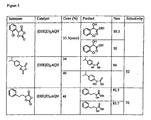
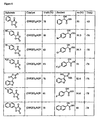
- Racemic N-Cbz-phenylalanine NCA (2a) prepared from racemic phenyl alanine in 72 % yield for two steps, was employed as a model substrate in the initial evaluation of key reaction parameters to establish optimal conditions for the kinetic resolution. Reaction of 2a with methanol (0.55 equiv) at room temperature in ether in the presence of (DHQD) 2 AQN (10 mol %) and molecular sieves (4 ⁇ ) provided the desired methyl ester 3a in 82% ee at 40% reaction conversion, indicating that the kinetic resolution proceeded with a selectivity factor (s) of 16 (entry 1, Table 1).
- nucleophile is recognized in the art, and as used herein means a chemical moiety having a reactive pair of electrons.
- nucleophiles include uncharged compounds such as water, amines, mercaptans and alcohols, and charged moieties such as alkoxides, thiolates, carbanions, and a variety of organic and inorganic anions.
- Illustrative anionic nucleophiles include simple anions such as hydroxide, azide, cyanide, thiocyanate, acetate, formate or chloroformate, and bisulfite.
- Organometallic reagents such as organocuprates, organozincs, organolithiums, Grignard reagents, enolates, acetylides, and the like may, under appropriate reaction conditions, be suitable nucleophiles. Hydride may also be a suitable nucleophile when reduction of the substrate is desired.
- Electrophiles useful in the method of the present invention include cyclic compounds such as epoxides, aziridines, episulfides, cyclic sulfates, carbonates, lactones, lactams and the like.
- Non-cyclic electrophiles include sulfates, sulfonates (e.g. tosylates), chlorides, bromides, iodides, and the like
- electrophilic atom refers to the atom of the substrate that is attacked by, and forms a new bond to, the nucleophile. In most (but not all) cases, this will also be the atom from which the leaving group departs.
- electron-withdrawing group is recognized in the art and as used herein means a functionality which draws electrons to itself more than a hydrogen atom would at the same position.
- Exemplary electron-withdrawing groups include nitro, ketone, aldehyde, sulfonyl, trifluoromethyl, -CN, chloride, and the like.
- electron-donating group means a functionality which draws electrons to itself less than a hydrogen atom would at the same position.
- Exemplary electron-donating groups include amino, methoxy, and the like.
- Lewis base and “Lewis basic” are recognized in the art, and refer to a chemical moiety capable of donating a pair of electrons under certain reaction conditions.
- Lewis basic moieties include uncharged compounds such as alcohols, thiols, olefins, and amines, and charged moieties such as alkoxides, thiolates, carbanions, and a variety of other organic anions.
- Lewis acid and “Lewis acidic” are art-recognized and refer to chemical moieties which can accept a pair of electrons from a Lewis base.
- meso compound is recognized in the art and means a chemical compound which has at least two chiral centers but is achiral due to an internal plane, or point, of symmetry.
- chiral refers to molecules which have the property of non-superimposability on their mirror image partner, while the term “achiral” refers to molecules which are superimposable on their mirror image partner.
- a "prochiral molecule” is an achiral molecule which has the potential to be converted to a chiral molecule in a particular process.
- stereoisomers refers to compounds which have identical chemical constitution, but differ with regard to the arrangement of their atoms or groups in space.
- enantiomers refers to two stereoisomers of a compound which are non-superimposable mirror images of one another.
- diastereomers refers to the relationship between a pair of stereoisomers that comprise two or more asymmetric centers and are not mirror images of one another.
- a "stereoselective process” is one which produces a particular stereoisomer of a reaction product in preference to other possible stereoisomers of that product.
- An “enantioselective process” is one which favors production of one of the two possible enantiomers of a reaction product
- the subject method is said to produce a "stereoselectively-enriched" product (e.g., enantioselectively-enriched or diastereoselectively-enriched) when the yield of a particular stereoisomer of the product is greater by a statistically significant amount relative to the yield of that stereoisomer resulting from the same reaction run in the absence of a chiral catalyst
- an enantioselective reaction catalyzed by one of the subject chiral catalysts will yield an e.e. for a particular enantiomer that is larger than the e.e. of the reaction lacking the chiral catalyst.
- regioisomers refers to compounds which have the same molecular formula but differ in the connectivity of the atoms. Accordingly, a “regioselective process" is one which favors the production of a particular regioisomer over others, e.g., the reaction produces a statistically significant preponderence of a certain regioisomer.
- reaction product means a compound which results from the reaction of a nucleophile and a substrate.
- reaction product will be used herein to refer to a stable, isolable compound, and not to unstable intermediates or transition states.
- substrate is intended to mean a chemical compound which can react with a nucleophile, or with a ring-expansion reagent, according to the present invention, to yield at least one product having a stereogenic center.
- catalytic amount is recognized in the art and means a substoichiometric amount relative to a reactant As used herein, a catalytic amount means from 0.0001 to 90 mole percent relative to a reactant, more preferably from 0.001 to 50 mole percent, still more preferably from 0.01 to 10 mole percent, and even more preferably from 0.1 to 5 mole percent relative to a reactant.
- the reactions contemplated in the present invention include reactions which are enantioselective, diastereoselective, and/or regioselective.
- An enantioselective reaction is a reaction which converts an achiral reactant to a chiral product enriched in one enantiomer.
- An enantioselective reaction yields a product with an e.e. greater than zero.
- Preferred enantioselective reactions yield a product with an e.e. greater than 20%, more preferably greater than 50%, even more preferably greater than 70%, and most preferably greater than 80%.
- a diastereoselective reaction converts a chiral reactant (which may be racemic or enantiomerically pure) to a product enriched in one diastereomer. If the chiral reactant is racemic, in the presence of a chiral non-racemic reagent or catalyst, one reactant enantiomer may react more slowly than the other.
- This class of reaction is termed a kinetic resolution, wherein the reactant enantiomers are resolved by differential reaction rate to yield both enantiomerically-enriched product and enantimerically-enriched unreacted substrate.
- Kinetic resolution is usually achieved by the use of sufficient reagent to react with only one reactant enantiomer (i.e. one-half mole of reagent per mole of racemic substrate). Examples of catalytic reactions which have been used for kinetic resolution of racemic reactants include the Sharpless epoxidation and the Noyori hydrogenation.
- a regioselective reaction is a reaction which occurs preferentially at one reactive center rather than another non-identical reactive center.
- a regioselective reaction of an unsymmetrically substituted epoxide substrate would involve preferential reaction at one of the two epoxide ring carbons.
- non-racemic with respect to the chiral catalyst, means a preparation of catalyst having greater than 50% of a given enantiomer, more preferably at least 75%.
- substantially non-racemic refers to preparations of the catalyst which have greater than 90% ee for a given enantiomer of the catalyst, more preferably greater than 95% ee.
- alkyl refers to the radical of saturated aliphatic groups, including straight-chain alkyl groups, branched-chain alkyl groups, cycloalkyl (alicyclic) groups, alkyl substituted cycloalkyl groups, and cycloalkyl substituted alkyl groups.
- a straight chain or branched chain alkyl has 30 or fewer carbon atoms in its backbone (e.g., C 1 -C 30 for straight chain, C 3 -C 30 for branched chain), and more preferably 20 of fewer.
- preferred cycloalkyls have from 4-10 carbon atoms in their ring structure, and more preferably have 5, 6 or 7 carbons in the ring structure.
- alkyl as used throughout the specification and claims is intended to include both "unsubstituted alkyls" and “substituted alkyls", the latter of.which refers to alkyl moieties having substituents replacing a hydrogen on one or more carbons of the hydrocarbon backbone.
- substituents can include, for example, a halogen, a hydroxyl, a carbonyl, an alkoxyl, and ester, a phosphoryl, an amine, an amide, an imine, a thiol, a thioether, a thioester, a sulfonyl an amino, a nitro, or an organometallic moiety.
- the moieties substituted on the hydrocarbon chain can themselves be substituted, if appropriate.
- the substituents of a substituted alkyl may include substituted and unsubstituted forms of amines, imines, amides, phosphoryls (including phosphonates and phosphines), sulfonyls (including sulfates and sulfonates), and silyl groups, as well as ethers, thioethers, selenoethers, carbonyls (including ketones, aldehydes, carboxylates, and esters), -CF 3 , -CN and the like. Exemplary substituted alkyls are described below.
- Cycloalkyls can be further substituted with alkyls, alkenyls, alkoxys, thioalkyls, aminoalkyls, carbonyl-substituted alkyls, CF 3 , CN, and the like.
- alkenyl and alkynyl refer to unsaturated aliphatic groups analogous in length and possible substitution to the alkyls described above, but which contain at least one double or triple carbon-carbon bond, respectively.
- lower alkyl as used herein means an alkyl group, as defined above, but having from one to ten carbons, more preferably from one to six carbon atoms in its backbone structure. Likewise, “lower alkenyl” and “lower alkynyl” have similar chain lengths.
- the term "amino” means -NH 2 ; the term “nitro” means -NO 2 ; the term ''halogen'' designates -F, -Cl, -Br or -I; the term “thiol” means -SH; the term “hydroxyl” means -OH; the term “sulfonyl” means -SO 2 -; and the term “organometallic” refers to a metallic atom (such as mercury, zinc, lead, magnesium or lithium) or a metalloid (such as silicon, arsenic or selenium) which is bonded directly to a carbon atom, such as a diphenylmethylsilyl group.
- R 9 is as defined above, and R' 11 represents a hydrogen, an alkyl, an alkenyl or -(CH 2 ) m -R 8 , where m and R 8 are as defined above.
- amido is art recognized as an amino-substituted carbonyl and includes a moiety that can be represented by the general formula: wherein R 9 , R 10 are as defined above. Preferred embodiments of the amide will not include imides which may be unstable.
- alkylthio refers to an alkyl group, as defined above, having a sulfur radical attached thereto.
- the "alkylthio" moiety is represented by one of -S-alkyl, -S-alkenyl, -S-alkynyl, and -S-(CH 2 ) m -R 8 , wherein m and R 8 are defined above.
- Representative alkylthio groups include methylthio, ethyl thio, and the like.
- carbonyl is art recognized and includes such moieties as can be represented by the general formula: wherein X is a bond or represents an oxygen or a sulfur, and R 11 represents a hydrogen, an alkyl, an alkenyl, -(CH 2 ) m -R 8 or a pharmaceutically acceptable salt, R' 11 represents a hydrogen, an alkyl, an alkenyl or -(CH 2 ) m -R 8 , where m and R 8 are as defined above. Where X is an oxygen and R 11 or R' 11 is not hydrogen, the formula represents an "ester".
- alkoxyl or "alkoxy” as used herein refers to an alkyl group, as defined above, having an oxygen radical attached thereto.
- Representative alkoxyl groups include methoxy, ethoxy, propyloxy, tert-butoxy and the like.
- An "ether” is two hydrocarbons covalently linked by an oxygen. Accordingly, the substituent of an alkyl that renders that alkyl an ether is or resembles an alkoxyl, such as can be represented by one of -O-alkyl, -0-alkenyl, -O-alkynyl, -O-(CH 2 ) m -R 8 , where m and R 8 are described above.
- sulfonate is art recognized and includes a moiety that can be represented by the general formula: in which R 41 is an electron pair, hydrogen, alkyl, cycloalkyl, or aryl.
- triflyl, tosyl, mesyl, and nonaflyl are art-recognized and refer to trifluoromethanesulfonyl, p-toluenesulfonyl, methanesulfonyl, and nonafluorobutanesulfonyl groups, respectively.
- triflate, tosylate, mesylate, and nonaflate are art-recognized and refer to trifluoromethanesulfonate ester, p-toluenesulfonate ester, methanesulfonate ester, and nonafluorobutanesulfonate ester functional groups and molecules that contain said groups, respectively.
- Me, Et, Ph, Tf, Nf, Ts, Ms represent methyl, ethyl, phenyl, trifluoromethanesulfonyl, nonafluorobutanesulfonyl, p-toluenesulfonyl and methanesulfonyl, respectively.
- a more comprehensive list of the abbreviations utilized by organic chemists of ordinary skill in the art appears in the first issue of each volume of the Journal of Organic Chemistry; this list is typically presented in a table entitled Standard List of Abbreviations .
- the abbreviations contained in said list, and all abbreviations utilized by organic chemists of ordinary skill in the art are hereby incorporated by reference.
- sulfonyl refers to a moiety that can be represented by the general formula: in which R 44 is selected from the group consisting of hydrogen, alkyl, alkenyl, alkynyl, cycloalkyl, heterocyclyl, aryl, or heteroaryl.
- sulfoxido refers to a moiety that can be represented by the general formula: in which R 44 is selected from the group consisting of hydrogen, alkyl, alkenyl, alkynyl, cycloalkyl, heterocyclyl, aralkyl, or aryl.
- a “selenoalkyl” refers to an alkyl group having a substituted seleno group attached thereto.
- Exemplary “selenoethers” which may be substituted on the alkyl are selected from one of -Se-alkyl, -Se-alkenyl, -Se-alkynyl, and -Se-(CH 2 ) m -R 7 , m and R 7 being defined above.
- Analogous substitutions can be made to alkenyl and alkynyl groups to produce, for example, alkenylamines, alkynylamines, alkenylamides, alkynylamides, alkenylimines, alkynylimines, thioalkenyls, thioalkynyls, carbonyl-substituted alkenyls or alkynyls, alkenoxyls, alkynoxyls, metalloalkenyls and metalloalkynyls.
- aryl as used herein includes 4-, 5-, 6- and 7-membered single-ring aromatic groups which may include from zero to four heteroatoms, for example, benzene, pyrrole, furan, thiophene, imidazole, oxazole, thiazole, triazole, pyrazole, pyridine, pyrazine, pyridazine and pyrimidine, and the like. Those aryl groups having heteroatoms in the ring structure may also be referred to as "aryl heterocycle”.
- the aromatic ring can be substituted at one or more ring positions with such substituents as described above, as for example, halogens, alkyls, alkenyls, alkynyls, hydroxyl, amino, nitro, thiol amines, imines, amides, phosphonates, phosphines, carbonyls, carboxyls, silyls, ethers, thioethers, sulfonyls, selenoethers, ketones, aldehydes, esters, or -(CH 2 ) m -R 7 , -CF 3 , -CN, or the like.
- substituents as described above, as for example, halogens, alkyls, alkenyls, alkynyls, hydroxyl, amino, nitro, thiol amines, imines, amides, phosphonates, phosphines, carbonyls, carboxyls, sily
- heterocycle or “heterocyclic group” refer to 4 to 10-membered ring structures, more preferably 5 to 7 membered rings, which ring structures include one to four heteroatoms.
- Heterocyclic groups include pyrrolidine, oxolane, thiolane, imidazole, oxazole, piperidine, piperazine, morpholine.
- the heterocyclic ring can be substituted at one or more positions with such substituents as described above, as for example, halogens, alkyls, alkenyls, alkynyls, hydroxyl, amino, nitro, thiol, amines, imines, amides, phosphonates, phosphines, carbonyls, carboxyls, silyls, ethers, thioethers, sulfonyls, selenoethers, ketones, aldehydes, esters, or -(CH 2 ) m -R 7 , -CF 3 , -CN, or the like.
- substituents as described above, as for example, halogens, alkyls, alkenyls, alkynyls, hydroxyl, amino, nitro, thiol, amines, imines, amides, phosphonates, phosphines, carbonyls, carboxyls,
- polycycle or “polycyclic group” refer to two or more cyclic rings (e.g., cycloalkyls, cycloalkenyls, cycloalkynyls, aryls and/or heterocycles) in which two or more carbons are common to two adjoining rings, e.g., the rings are "fused rings". Rings that are joined through non-adjacent atoms are termed "bridged" rings.
- Each of the rings of the polycycle can be substituted with such substituents as described above, as for example, halogens, alkyls, alkenyls, alkynyls, hydroxyl, amino, nitro, thiol, amines, imines, amides, phosphonates, phosphines, carbonyls, carboxyls, silyls, ethers, thioethers, sulfonyls, selenoethers, ketones, aldehydes, esters, or -(CH 2 ) m -R 7 , -CF 3 , -CN, or the like.
- substituents as described above, as for example, halogens, alkyls, alkenyls, alkynyls, hydroxyl, amino, nitro, thiol, amines, imines, amides, phosphonates, phosphines, carbonyls, carboxyls, silyl
- heteroatom as used herein means an atom of any element other than carbon or hydrogen. Preferred heteroatoms are nitrogen, oxygen, sulfur, phosphorus and selenium.
- the chemical elements are identified in accordance with the Periodic Table of the Elements, CAS version, Handbook of Chemistry and Physics, 67th Ed., 1986-87, inside cover.
- the term ''hydrocarbon'' is contemplated to include all permissible compounds having at least one hydrogen and one carbon atom.
- the permissible hydrocarbons include acyclic and cyclic, branched and unbranched, carbocyclic and heterocyclic, aromatic and nonaromatic organic compounds which can be substituted or unsubstituted.
- ortho, meta and para apply to 1,2-, 1,3- and 1,4-disubstituted benzenes, respectively.
- 1,2-dimethylbenzene and ortho-dimethylbenzene are synonymous.
- triflyl, tosyl, mesyl, and nonaflyl are art-recognized and refer to trifluoromethanesulfonyl, p-toluenesulfonyl, methanesulfonyl, and nonafluorobutanesulfonyl groups, respectively.
- triflate, tosylate, mesylate, and nonaflate are art-recognized and refer to trifluoromethanesulfonate ester, p-toluenesulfonate ester, methanesulfonate ester, and nonafluorobutanesulfonate ester functional groups and molecules that contain said groups, respectively.
- Me, Et, Ph, Tf, Nf, Ts, and Ms represent methyl, ethyl, phenyl, trifluoromethanesulfonyl, nonafluorobutanesulfonyl, p-toluenesulfonyl and methanesulfonyl, respectively.
- a more comprehensive list of the abbreviations utilized by organic chemists of ordinary skill in the art appears in the first issue of each volume of the Journal of Organic Chemistry; this list is typically presented in a table entitled Standard List of Abbreviations .
- the abbreviations contained in said list, and all abbreviations utilized by organic chemists of ordinary skill in the art are hereby incorporated by reference.
- protecting group means temporary substituents which protect a potentially reactive functional group from undesired chemical transformations.
- protecting groups include esters of carboxylic acids, silyl ethers of alcohols, and acetals and ketals of aldehydes and ketones, respectively.
- the field of protecting group chemistry has been reviewed (Greene, T.W.; Wuts, P.G.M. Protective Groups in Organic Synthesis, 2 nd ed.; Wiley: New York, 1991).
- the term "substituted" is contemplated to include all permissible substituents of organic compounds.
- the permissible substituents include acyclic and cyclic, branched and unbranched, carbocyclic and heterocyclic, aromatic and nonaromatic substituents of organic compounds.
- Illustrative substituents include, for example, those described hereinabove.
- the permissible substituents can be one or more and the same or different for appropriate organic compounds.
- the heteroatoms such as nitrogen may have hydrogen substituents and/or any permissible substituents of organic compounds described herein which satisfy the valencies of the heteroatoms. This invention is not intended to be limited in any manner by the permissible substituents of organic compounds.
- the catalysts employed in the subject methods are non-racemic chiral tertiary amines, phosphines and arsines which present an asymmetric environment, causing differentiation between the two enantiomers or diastereomers of the substrate mixture, i.e., the chiral non-racemic catalyst preferentially reacts with one enantiomer or diastereomer of the substrate mixture.
- catalysts employed in the subject methods are non-racemic chiral tertiary amines, e.g., cinchona alkaloids.
- catalysts useful in the methods of the present invention can be characterized in terms of a number of features.
- the catalysts comprise asymmetric bicyclic or polycyclic scaffolds incorporating a tertiary amine moiety which provide a rigid or semi-rigid environment near the amine nitrogen.
- This feature through imposition of structural rigidity on the amine nitrogen in proximity to one or more asymmetric centers present in the scaffold, contributes to the creation of a meaningful difference in the energies of the corresponding diastereomeric transitions states for the overall transformation.
- the choice of substituents on the tertiary amine may also effect catalyst reactivity; in general, bulkier substituents are found to provide higher catalyst turnover numbers.
- a preferred embodiment for each of the embodiments described above provides a catalyst having a molecular weight less than 2,000 g/mol, more preferably less than 1,000 g/mol, and even more preferably less than 500 g/mol. Additionally, the substituents on the catalyst can be selected to influence the solubility of the catalyst in a particular solvent system.
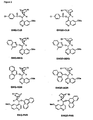
- Figures 2 and 3 depict preferred embodiments of tertiary amine catalysts used in the methods of the present invention.
- the choice of catalyst substituents can also effect the electronic properties of the catalyst.
- Substitution of the catalyst with electron-rich (electron-donating) moieties may increase the electron density of the catalyst at the tertiary amine nitrogen, rendering it a stronger Bronsted and/or Lewis base.
- substitution of the catalyst with electron-poor moieties for example, chloro or trifluoromethyl groups
- substitution of the catalyst with electron-poor moieties can result in lower electron density of the catalyst at the tertiary amine nitrogen, rendering it a weaker Bronsted and/or Lewis base.
- the electron density of the catalyst can be important because the electron density at the tertairy amine nitrogen will influence the Lewis basicity of the nitrogen and its nucleophilicity. Choice of appropriate substituents thus makes possible the "tuning" of the reaction rate and the stereoselectivity of the reaction.
- One aspect of the present invention provides a method for the kinetic resolution of racemic or diastereomeric mixtures of a substrate, yielding a single enantiomer or diastereomer, respectively, of the product or unreacted substrate or both.
- the critical elements of the method are: a non-racemic chiral tertiary-amine-containing catalyst; a racemic or diastereomeric mixture of a chiral substrate, e.g., a cyclic carbonate or cyclic carbamate; and a nucleophile, e.g., an alcohol or thiol.
- An advantage of this invention is that enantiomerically or diastereomerically enriched substrates, products or both can be prepared from racemic or diastereomeric mixtures of substrates.
- the methods of the present invention achieve dynamic kinetic resolution of a racemic or diastereomeric mixture of a substrate, i.e., a kinetic resolution wherein the yield of the resolved enantiomer or diastereomer, respectively, exceeds the amount present in the original mixture due to the in situ equilibration of the enantiomers or distereomers under the reaction conditions prior to the resolution step.
- An advantage of the dynamic kinetic resolution methods is that yield losses associated with the presence of an undesired enantiomer or diastereomer can be substantially reduced or eliminated altogether.
- Preferred embodiments of the present invention relate to methods for achieving the kinetic resolution of racemic and diastereomeric mixtures of derivatives of ⁇ - and ⁇ -amino, hydroxy, and thio carboxylic acids.
- the invention features a stereoselective ring opening process which comprises combining a nucleophile, e.g., an alcohol, thiol or amine, a racemic or diastereomeric mixture of a chiral cyclic substrate, e.g., prepared from an ⁇ - or ⁇ -heteroatom-substituted carboxylic acid, and a catalytic amount of non-racemic chiral tertiary-amine-containing catalyst.
- the cyclic substrate will include the carboxylate carbon of the precursor ⁇ - or ⁇ -heteroatom-substituted carboxylic acid, which carboxylate carbon is susceptible to tandem attack by the tertiary-amine-containing catalyst and nucleophile.
- the combination is maintained under conditions appropriate for the chiral tertiary-amine-containing catalyst to catalyze the kinetic resolution of the racemic or diastereomeric mixture of the substrate.
- the methods can also be applied to dynamic kinetic resolutions, e.g., wherein the yield of the enantiomerically pure product from a kinetic resolution of a racemic substrate exceeds 50% due to in situ equilibration of the enantiomers of the substrate prior to attack of the catalyst at said carboxylate carbon. Dynamic kinetic resolution methods are preferred.
- one enantiomer can be recovered as unreacted substrate while the other is transformed to the desired product
- the desired product of a kinetic resolution can be the enantiomer or diastereomer that reacts, the enantiomer or diastereomer that does not react, or both.
- One significant advantage of the methods of the present invention is the ability to use inexpensive racemic or diastereomeric mixtures of the starting materials, rather than expensive, enantiomerically or diastereomerically pure starting compounds.
- the processes of this invention can provide optically active products with very high stereoselectivity, e.g., enantioselectivity or diastereoselectivity.
- the enantiomeric excess of the unreacted substrate or product or both is preferably greater than 50%, more preferably greater than 75% and most preferably greater than 90%.
- the processes of this invention can also be carried out under reaction conditions suitable for commercial use, and typically proceed at reaction rates suitable for large-scale operations.
- the chiral products made available by the kinetic resolution methods of this invention can undergo further reaction(s) to afford desired derivatives thereof.
- Such permissible derivatization reactions can be carried out in accordance with conventional procedures known in the art.
- potential derivatization reactions include esterification, N-alkylation of amides, and the like.
- the invention expressly contemplates the preparation of end-products and synthetic intermediates which are useful for the preparation or development or both of pharmaceuticals, e.g., cardiovascular drugs, non-steroidal anti-inflammatory drugs, central nervous system agents, and antihistaminics.
- the present invention relates to a method of performing a kinetic resolution of a racemic mixture or a diastereomeric mixture of a chiral substrate, comprising the step of combining a racemic mixture or a diastereomeric mixture of a chiral substrate with a nucleophile, in the presence of a chiral non-racemic catalyst, wherein said chiral non-racemic catalyst catalyzes the addition of said nucleophile to said chiral substrate to give a chiral product or unreacted chiral substrate or both enriched in one enantiomer or diastereomer.
- the present invention relates to the aforementioned method of performing a kinetic resolution, wherein said kinetic resolution is dynamic.
- the present invention relates to the aforementioned method of performing a kinetic resolution, wherein said nucleophile is an alcohol, amine or thiol.
- the present invention relates to the aforementioned method of performing a kinetic resolution, wherein said chiral non-racemic catalyst is a tertiary amine, phosphine or arsine.
- the present invention relates to the aforementioned method of performing a kinetic resolution, wherein said chiral non-racemic catalyst is a tertiary amine.
- the present invention relates to the aforementioned method of performing a kinetic resolution, wherein said chiral non-racemic catalyst is a cinchona alkaloid.
- the present invention relates to the aforementioned method of performing a kinetic resolution, wherein said chiral non-racemic catalyst is quinidine, (DHQ) 2 PHAL, (DHQD) 2 PHAL, (DHQ) 2 PYR, (DHQD) 2 PYR, (DHQ) 2 AQN, (DHQD) 2 AQN, DHQ-CLB, DHQD-CLB, DHQ-MEQ, DHQD-MEQ, DHQ-AQN, DHQD-AQN, DHQ-PHN, or DHQD-PHN.
- said chiral non-racemic catalyst is quinidine, (DHQ) 2 PHAL, (DHQD) 2 PHAL, (DHQ) 2 PYR, (DHQD) 2 PYR, (DHQ) 2 AQN, (DHQD) 2 AQN, DHQ-CLB, DHQ-MEQ, DHQ-AQN, DHQD-AQN, DHQ-PHN, or DHQD-
- the present invention relates to the aforementioned method of performing a kinetic resolution, wherein said substrate comprises a single asymmetric carbon.
- the present invention relates to the aforementioned method of performing a kinetic resolution, wherein said nucleophile is an alcohol, amine or thiol; said chiral non-racemic catalyst is a tertiary amine, phosphine or arsine; and said substrate comprises a single asymmetric carbon.
- the present invention relates to the aforementioned method of performing a kinetic resolution, wherein said nucleophile is an alcohol, amine or thiol; said chiral non-racemic catalyst is a tertiary amine; and said substrate comprises a single asymmetric carbon.
- the present invention relates to the aforementioned method of performing a kinetic resolution, wherein said nucleophile is an alcohol, amine or thiol; said chiral non-racemic catalyst is a cinchona alkaloid; and said substrate comprises a single asymmetric carbon.
- the present invention relates to the aforementioned method of performing a kinetic resolution, wherein said nucleophile is an alcohol, amine or thiol; said chiral non-racemic catalyst is quinidine, (DHQ) 2 PHAL, (DHQD) 2 PHAL, (DHQ) 2 PYR, (DHQD) 2 PYR, (DHQ) 2 AQN, (DHQD) 2 AQN, DHQ-CLB, DHQD-CLB, DHQ-MEQ, DHQD-MEQ, DHQ-AQN, DHQD-AQN, DHQ-PHN, or DHQD-PHN; and said substrate comprises a single asymmetric carbon.
- said nucleophile is an alcohol, amine or thiol
- said chiral non-racemic catalyst is quinidine, (DHQ) 2 PHAL, (DHQD) 2 PHAL, (DHQ) 2 PYR, (DHQD) 2 PYR, (DHQ) 2 AQN
- the present invention relates to the aforementioned method of performing a kinetic resolution, wherein the enantiomeric or diastereomeric excess of the product or unreacted substrate is greater than about 50%.
- the present invention relates to the aforementioned method of performing a kinetic resolution, wherein the enantiomeric or diastereomeric excess of the product or unreacted substrate is greater than about 70%.
- the present invention relates to the aforementioned method of performing a kinetic resolution, wherein the enantiomeric or diastereomeric excess of the product or unreacted substrate is greater than about 90%.
- the present invention relates to a method of kinetic resolution represented by Scheme 1: wherein X represents NR', O, or S; Y represents independently for each occurrence O or S; Z represents NR', O, or S; R represents independently for each occurrence hydrogen, or optionally substituted alkyl, aryl, heteroaryl, aralkyl, or heteroaralkyl; R' represents independently for each occurrence R, formyl, acyl, sulfonyl, -CO 2 R, or -C(O)NR 2 ; the substrate and the product are chiral; NuH represents water, an alcohol, a thiol, an amine, a ⁇ -keto ester, a malonate, or the conjugate base of any of them; chiral non-racemic catalyst is a chiral non-racemic tertiary amine, phosphine, or arsine; n is 1 or 2; and when said method is completed or interrupted, the enantio
- the kinetic resolution method of the present invention is represented by Scheme 1 and the attendant definitions, wherein X is O.
- the kinetic resolution method of the present invention is represented by Scheme 1 and the attendant definitions, wherein Y is O.
- the kinetic resolution method of the present invention is represented by Scheme 1 and the attendant definitions, wherein NuH represents an alcohol, a thiol, or an amine.
- the kinetic resolution method of the present invention is represented by Scheme 1 and the attendant definitions, wherein NuH represents an alcohol.
- the kinetic resolution method of the present invention is represented by Scheme 1 and the attendant definitions, wherein said chiral non-racemic catalyst is a chiral non-racemic tertiary amine.
- the kinetic resolution method of the present invention is represented by Scheme 1 and the attendant definitions, wherein said chiral non-racemic catalyst is a cinchona alkaloid.
- the kinetic resolution method of the present invention is represented by Scheme 1 and the attendant definitions, wherein said chiral non-racemic catalyst is quinidine, (DHQ) 2 PHAL, (DHQD) 2 PHAL, (DHQ) 2 PYR, (DHQD) 2 PYR, (DHQ) 2 AQN, (DHQD) 2 AQN, DHQ-CLB, DHQD-CLB, DHQ-MEQ, DHQD-MEQ, DHQ-AQN, DHQD-AQN, DHQ-PHN, or DHQD-PHN.
- said chiral non-racemic catalyst is quinidine, (DHQ) 2 PHAL, (DHQD) 2 PHAL, (DHQ) 2 PYR, (DHQD) 2 PYR, (DHQ) 2 AQN, (DHQD) 2 AQN, DHQ-CLB, DHQ-MEQ, DHQ-AQN, DHQD-AQN, DHQ-PHN, or DHQD
- the kinetic resolution method of the present invention is represented by Scheme 1 and the attendant definitions, wherein X is O; and Y is O.
- the kinetic resolution method of the present invention is represented by Scheme 1 and the attendant definitions, wherein X is O; Y is O; and NuH represents an alcohol, a thiol, or an amine.
- the kinetic resolution method of the present invention is represented by Scheme 1 and the attendant definitions, wherein X is O; Y is O; and NuH represents an alcohol.
- the kinetic resolution method of the present invention is represented by Scheme 1 and the attendant definitions, wherein X is O; Y is O; and said chiral non-racemic catalyst is a chiral non-racemic tertiary amine.
- the kinetic resolution method of the present invention is represented by Scheme 1 and the attendant definitions, wherein X is O; Y is O; and said chiral non-racemic catalyst is a cinchona alkaloid.
- the kinetic resolution method of the present invention is represented by Scheme 1 and the attendant definitions, wherein X is O; Y is O; and said chiral non-racemic catalyst is quinidine, (DHQ) 2 PHAL, (DHQD) 2 PHAL, (DHQ) 2 PYR, (DHQD) 2 PYR, (DHQ) 2 AQN, (DHQD) 2 AQN, DHQ-CLB, DHQD-CLB, DHQ-MEQ, DHQD-MEQ, DHQ-AQN, DHQD-AQN, DHQ-PHN, or DHQD-PHN.
- the kinetic resolution method of the present invention is represented by Scheme 1 and the attendant definitions, wherein X is O; Y is O; NuH represents an alcohol; and said chiral non-racemic catalyst is a chiral non-racemic tertiary amine.
- the kinetic resolution method of the present invention is represented by Scheme 1 and the attendant definitions, wherein X is O; Y is O; NuH represents an alcohol; and said chiral non-racemic catalyst is a cinchona alkaloid.
- the kinetic resolution method of the present invention is represented by Scheme 1 and the attendant definitions, wherein X is O; Y is O; NuH represents an alcohol; and said chiral non-racemic catalyst is quinidine, (DHQ) 2 PHAL, (DHQD) 2 PHAL, (DHQ) 2 PYR, (DHQD) 2 PYR, (DHQ) 2 AQN, (DHQD) 2 AQN, DHQ-CLB, DHQD-CLB, DHQ-MEQ, DHQD-MEQ, DHQ-AQN, DHQD-AQN, DHQ-PHN, or DHQD-PHN.
- X is O
- Y O
- NuH represents an alcohol
- said chiral non-racemic catalyst is quinidine, (DHQ) 2 PHAL, (DHQD) 2 PHAL, (DHQ) 2 PYR, (DHQD) 2 PYR, (DHQ) 2 AQN, (DHQD) 2 AQN,
- the kinetic resolution method of the present invention is represented by Scheme 1 and the attendant definitions, wherein the enantiomeric or diastereomeric excess of the product or unreacted substrate is greater than about 50%.
- the kinetic resolution method of the present invention is represented by Scheme 1 and the attendant definitions, wherein the enantiomeric or diastereomeric excess of the product or unreacted substrate is greater than about 70%.
- the kinetic resolution method of the present invention is represented by Scheme 1 and the attendant definitions, wherein the enantiomeric or diastereomeric excess of the product or unreacted substrate is greater than about 90%.
- the present invention relates to a method of kinetic resolution represented by Scheme 2: wherein X represents NR', O, or S; Z represents NR', O, or S; R and R2 represent independently for each occurrence hydrogen, or optionally substituted alkyl, aryl, heteroaryl, aralkyl, or heteroaralkyl; provided that R and R2 are not the same; R' represents independently for each occurrence R, formyl, acyl, sulfonyl, -CO 2 R, or -C(O)NR 2 ; chiral non-racemic catalyst is a chiral non-racemic tertiary amine, phosphine, or arsine; and when said method is completed or interrupted, the enantiomeric excess or diastereomeric excess of the unreacted substrate is greater than that of the substrate prior to the kinetic resolution, the enantiomeric excess or diastereomeric excess of the product is greater than zero, or both.
- Scheme 2 wherein X represents
- the kinetic resolution method of the present invention is represented by Scheme 2 and the attendant definitions, wherein X represents O.
- the kinetic resolution method of the present invention is represented by Scheme 2 and the attendant definitions, wherein Z represents NR' or O.
- the kinetic resolution method of the present invention is represented by Scheme 2 and the attendant definitions, wherein said chiral non-racemic catalyst is a chiral non-racemic tertiary amine.
- the kinetic resolution method of the present invention is represented by Scheme 2 and the attendant definitions, wherein said chiral non-racemic catalyst is a cinchona alkaloid.
- the kinetic resolution method of the present invention is represented by Scheme 2 and the attendant definitions, wherein said chiral non-racemic catalyst is quinidine, (DHQ) 2 PHAL, (DHQD) 2 PHAL, (DHQ) 2 PYR, (DHQD) 2 PYR, (DHQ) 2 AQN, (DHQD) 2 AQN, DHQ-CLB, DHQD-CLB, DHQ-MEQ, DHQD-MEQ, DHQ-AQN, DHQD-AQN, DHQ-PHN, or DHQD-PHN.
- said chiral non-racemic catalyst is quinidine, (DHQ) 2 PHAL, (DHQD) 2 PHAL, (DHQ) 2 PYR, (DHQD) 2 PYR, (DHQ) 2 AQN, (DHQD) 2 AQN, DHQ-CLB, DHQ-MEQ, DHQ-AQN, DHQD-AQN, DHQ-PHN, or DHQD
- the kinetic resolution method of the present invention is represented by Scheme 2 and the attendant definitions, wherein X represents O; and Z represents NR' or O.
- the kinetic resolution method of the present invention is represented by Scheme 2 and the attendant definitions, wherein X represents O; Z represents NR' or O; and said chiral non-racemic catalyst is a chiral non-racemic tertiary amine.
- the kinetic resolution method of the present invention is represented by Scheme 2 and the attendant definitions, wherein X represents O; Z represents NR' or O; and said chiral non-racemic catalyst is a cinchona alkaloid.
- the kinetic resolution method of the present invention is represented by Scheme 2 and the attendant definitions, wherein X represents O; Z represents NR' or O; and said chiral non-racemic catalyst is quinidine, (DHQ) 2 PHAL, (DHQD) 2 PHAL, (DHQ) 2 PYR, (DHQD) 2 PYR, (DHQ) 2 AQN, (DHQD) 2 AQN, DHQ-CLB, DHQD-CLB, DHQ-MEQ, DHQD-MEQ, DHQ-AQN, DHQD-AQN, DHQ-PHN, or DHQD-PHN.
- X represents O
- Z represents NR' or O
- said chiral non-racemic catalyst is quinidine, (DHQ) 2 PHAL, (DHQD) 2 PHAL, (DHQ) 2 PYR, (DHQD) 2 PYR, (DHQ) 2 AQN, (DHQD) 2 AQN, DHQ-CLB,
- the kinetic resolution method of the present invention is represented by Scheme 2 and the attendant definitions, wherein the enantiomeric or diastereomeric excess of the product or unreacted substrate is greater than about 50%.
- the kinetic resolution method of the present invention is represented by Scheme 2 and the attendant definitions, wherein the enantiomeric or diastereomeric excess of the product or unreacted substrate is greater than about 70%.
- the kinetic resolution method of the present invention is represented by Scheme 2 and the attendant definitions, wherein the enantiomeric or diastereomeric excess of the product or unreacted substrate is greater than about 90%.
- Nucleophiles useful in the present invention may be determined by the skilled artisan according to several criteria.
- a suitable nucleophile will have one or more of the following properties: 1) It will be capable of reaction with the substrate at the desired electrophilic site; 2) It will yield a useful product upon reaction with the substrate; 3) It will not react with the substrate at functionalities other than the desired electrophilic site; 4) It will react with the substrate at least partly through a mechanism catalyzed by the chiral catalyst; 5) It will not substantially undergo further undesired reaction after reacting with the substrate in the desired sense; and 6) It will not substantially react with or degrade the catalyst. It will be understood that while undesirable side reactions (such as catalyst degradation) may occur, the rates of such reactions can be rendered slow -- through the selection of appropriate reactants and conditions -- in comparison with the rate of the desired reaction(s).
- Nucleophiles which satisfy the above criteria can be chosen for each substrate and will vary according to the substrate structure and the desired product Routine experimentation may be necessary to determine the preferred nucleophile for a given transformation. For example, if a nitrogen-containing nucleophile is desired, it may be selected from ammonia, phthalimide, hydrazine, an amine or the like. Similarly, oxygen nucleophiles such as water, hydroxide, alcohols, alkoxides, siloxanes, carboxylates, or peroxides may be used to introduce oxygen; and mercaptans, thiolates, bisulfite, thiocyanate and the like may be used to introduce a sulfur-cantaining moiety. Additional nucleophiles will be apparent to those of ordinary skill in the art.
- the counterion can be any of a variety of conventional cations, including alkali metal cations, alkaline earth cations, and ammonium cations.
- the nucleophile may be part of the substrate, thus resulting in an intramolecular reaction.
- racemic and diastereomeric mixtures serve as substrates in the methods of the present invention.
- the choice of substrate will depend on factors such as the nucleophile to be employed and the desired product, and an appropriate substrate will be apparent to the skilled artisan. It will be understood that the substrate preferably will not contain any functionalities that interfere with kinetc resolution of the present invention.
- an appropriate substrate will contain at least one reactive electrophilic moiety at which a nucleophile may attack with the assistance of the catalyst. The catalyzed, stereoselective transformation of one enantiomer of a racemic mixture, or one diastereomer of a distereomeric mixture, is the basis of the kinetic resolutions of the present invention.
- Most of the substrates contemplated for use in the methods of the present invention contain at least one ring having three to seven atoms. Small rings are frequently strained, enhancing their reactivity. However, in some embodiments a cyclic substrate may not be strained, and may have a larger electrophilic ring.
- Suitable cyclic substrates in the subject methods include compounds 1-6, depicted below.
- the substrate will be a racemic mixture.
- the substrate will be a mixture of diastereomers.
- asymmetric reactions of the present invention may be performed under a wide range of conditions, though it will be understood that the solvents and temperature ranges recited herein are not limitative and only correspond to a preferred mode of the process of the invention.
- reaction temperature influences the speed of the reaction, as well as the stability of the reactants, products, and catalyst.
- the reactions will usually be run at temperatures in the range of -78 °C to 100 °C, more preferably in the range -20 °C to 50 °C and still more preferably in the range -20 °C to 25 °C.
- the asymmetric synthesis reactions of the present invention are carried out in a liquid reaction medium.
- the reactions may be run without addition of solvent, e.g., where the nucleophile is a liquid.
- the reactions may be run in an inert solvent, preferably one in which the reaction ingredients, including the catalyst, are substantially soluble.
- Suitable solvents include ethers such as diethyl ether, 1,2-dimethoxyethane, diglyme, t-butyl methyl ether, tetrahydrofuran and the like; halogenated solvents such as chloroform, dichloromethane, dichloroethane, chlorobenzene, and the like; aliphatic or aromatic hydrocarbon solvents such as benzene, toluene, hexane, pentane and the like; esters and ketones such as ethyl acetate, acetone, and 2-butanone; polar aprotic solvents such as acetonitrile, dimethylsulfoxide, dimethylformamide and the like; or combinations of two or more solvents.
- ethers such as diethyl ether, 1,2-dimethoxyethane, diglyme, t-butyl methyl ether, tetrahydrofuran and the like
- halogenated solvents such as chlor
- a solvent that is not inert to the substrate under the conditions employed, e.g., use of ethanol as a solvent when ethanol is the desired nucleophile.
- the reactions can be conducted under anhydrous conditions.
- ethereal solvents are preferred.
- the reactions are run in solvent mixtures comprising an appropriate amount of water and/or hydroxide.
- the invention also contemplates reaction in a biphasic mixture of solvents, in an emulsion or suspension, or reaction in a lipid vesicle or bilayer. In certain embodiments, it may be preferred to perform the catalyzed reactions in the solid phase.
- the reaction may be carried out under an atmosphere of a reactive gas.
- a reactive gas For example, kinetic resolutions with cyanide as nucleophile may be performed under an atmosphere of HCN gas.
- the partial pressure of the reactive gas may be from 0.1 to 1000 atmospheres, more preferably from 0.5 to 100 atm, and most preferably from about 1 to about 10 atm.
- the asymmetric synthesis methods of the present invention can be conducted in continuous, semi-continuous or batch fashion and may involve a liquid recycle and/or gas recycle operation as desired.
- the processes of this invention are preferably conducted in batch fashion.
- the manner or order of addition of the reaction ingredients, catalyst and solvent are also not critical and may be accomplished in any conventional fashion.
- the reaction can be conducted in a single reaction zone or in a plurality of reaction zones, in series or in parallel or it may be conducted batchwise or continuously in an elongated tubular zone or series of such zones.
- the materials of construction employed should be inert to the starting materials during the reaction and the fabrication of the equipment should be able to withstand the reaction temperatures and pressures.
- Means to introduce and/or adjust the quantity of starting materials or ingredients introduced batchwise or continuously into the reaction zone during the course of the reaction can be conveniently utilized in the processes especially to maintain the desired molar ratio of the starting materials.
- the reaction steps may be effected by the incremental addition of one of the starting materials to the other. Also, the reaction steps can be combined by the joint addition of the starting materials to the optically active metal-ligand complex catalyst. When complete conversion is not desired or not obtainable, the starting materials can be separated from the product and then recycled back into the reaction zone.
- the processes may be conducted in glass lined, stainless steel or similar type reaction equipment.
- the reaction zone may be fitted with one or more internal and/or external heat exchanger(s) in order to control undue temperature fluctuations, or to prevent any possible "runaway" reaction temperatures.
- the chiral catalyst can be immobilized or incorporated into a polymer or other insoluble matrix by, for example, covalently linking it to the polymer or solid support through one or more of its substituents.
- An immobilized catalyst may be easily recovered after the reaction, for instance, by filtration or centrifugation.
- the combined organic layers were washed with HCl (2 N, 2 x 1.0 mL), followed by NaOH (2 N, 1 x 3.0 mL), dried over anhydrous Na 2 SO 4 , and concentrated in vacuo to give the amino ester as a colorless oil (7.0 mg, 47% yield).
- the basic aqueous phase was acidified to pH ⁇ 3 with concentrated HCl, and extracted with ether (2 x 10 mL).
- the combined organics were dried over anhydrous Na 2 SO 4 , and concentrated in vacuo to give the amino acid (5.2 mg, 37% yield).
- the enantiomeric excess of the amino ester and the amino acid were determined to be 93% and 94%, respectively, by HPLC analysis.
- Mandelic acid 0.5 g was dissolved in 5 mL dry THF, and treated with diphosgene (0.8 ml), then added catalytic amount of activated charcoal (about 10 mg). The mixture was stirred at room temperature overnight, and filtered through Celite. The solvent was removed under vacuum to give the product in roughly quantitative yield (>95%).
- NCAs and UNCAs ⁇ -Amino Acid N-Carboxy Anhydrides
- D,L-phenylalanine NCA (1.615 g, 8.45 mmol) was dissolved in THF (23 mL). The solution was then cooled to -15 C with stirring and Boc 2 O (2.40 g, 11.0 mmol), pyridine (1.38 mL, 17.0 mmol) and flamed-dried powdered 4 ⁇ molecular sieves (0.2 g) were added successively. The flask was sealed and stored in a freezer at -15 C for 6 days. For other procedure, see the typical prodedure. This product was obtained in 63% yield from the corresponding racemic amino acid. m.p.
- the reaction was quenched by HCl in ether (1 N, 1.0 mL). After 15 minutes, aq. HCl (2 N, 2.0 mL) was added to the reaction mixture, and the resulting mixture was allowed to warm to room temperature. The organic phase was collected, washed with aq.HCl (2 N, 2 x 1 mL), dried (Na 2 SO 4 ), and concentrated. The residue was dissolved in H 2 O/THF (v/v: 1/4, 5.0 mL) and the resulting solution was stirred at room temperature overnight. The solution was then concentrated and the residue was dissolved in ether (3.0 mL). The resulting resolution was extracted with aq. Na 2 CO 3 (1 N, 2 x 3.0 mL).
- esters 3 were determined by HPLC analyses following conditions specified below.
- the enantiomeric excesses of the unreacted UNCAs 2 were determined by converting 2 to esters 5 as described above and measuring enantiomeric excesses of ester 5 by HPLC analyses following conditions specified below.
- the enantiomeric excesses of amino acids 4 were determined by HPLC analyses and were found to be, without exception, consistent with the enantiomeric excesses of the corresponding esters 5.
- This reaction employed 1.0 eq. of methanol and was stirred at -40 C for 15 h when the reaction conversion reached 59%.
Landscapes
- Chemical & Material Sciences (AREA)
- Organic Chemistry (AREA)
- Engineering & Computer Science (AREA)
- Oil, Petroleum & Natural Gas (AREA)
- Chemical Kinetics & Catalysis (AREA)
- General Chemical & Material Sciences (AREA)
- Analytical Chemistry (AREA)
- Organic Low-Molecular-Weight Compounds And Preparation Thereof (AREA)
- Low-Molecular Organic Synthesis Reactions Using Catalysts (AREA)
- Catalysts (AREA)
- Fertilizers (AREA)
- Epoxy Compounds (AREA)
- Heterocyclic Carbon Compounds Containing A Hetero Ring Having Nitrogen And Oxygen As The Only Ring Hetero Atoms (AREA)
- Plural Heterocyclic Compounds (AREA)
- Heterocyclic Compounds Containing Sulfur Atoms (AREA)
Applications Claiming Priority (5)
| Application Number | Priority Date | Filing Date | Title |
|---|---|---|---|
| US22214500P | 2000-07-31 | 2000-07-31 | |
| US222145P | 2000-07-31 | ||
| US25317200P | 2000-11-27 | 2000-11-27 | |
| US253172P | 2000-11-27 | ||
| PCT/US2001/023953 WO2002010096A1 (en) | 2000-07-31 | 2001-07-31 | Kinetic resolutions of chiral 2- and 3-substituted carboxylic acids |
Publications (2)
| Publication Number | Publication Date |
|---|---|
| EP1305270A1 EP1305270A1 (en) | 2003-05-02 |
| EP1305270B1 true EP1305270B1 (en) | 2004-04-14 |
Family
ID=26916484
Family Applications (1)
| Application Number | Title | Priority Date | Filing Date |
|---|---|---|---|
| EP01955023A Expired - Lifetime EP1305270B1 (en) | 2000-07-31 | 2001-07-31 | Kinetic resolutions of chiral 2- and 3-substituted carboxylic acids |
Country Status (9)
| Country | Link |
|---|---|
| US (4) | US6562966B2 (https=) |
| EP (1) | EP1305270B1 (https=) |
| JP (1) | JP2004505098A (https=) |
| KR (1) | KR100799789B1 (https=) |
| AT (1) | ATE264282T1 (https=) |
| AU (1) | AU2001277231A1 (https=) |
| CA (1) | CA2416303A1 (https=) |
| DE (1) | DE60102825T2 (https=) |
| WO (1) | WO2002010096A1 (https=) |
Cited By (1)
| Publication number | Priority date | Publication date | Assignee | Title |
|---|---|---|---|---|
| EP1298127A4 (en) * | 2000-07-04 | 2004-12-08 | Mitsui Chemicals Inc | AMINO ACID N-CARBOXY ANHYDRIDE WITH SUBSTITUENTS ON NITROGEN |
Families Citing this family (13)
| Publication number | Priority date | Publication date | Assignee | Title |
|---|---|---|---|---|
| WO2002010096A1 (en) * | 2000-07-31 | 2002-02-07 | Brandeis University | Kinetic resolutions of chiral 2- and 3-substituted carboxylic acids |
| CA2456166A1 (en) * | 2001-07-31 | 2003-02-13 | Brandeis University | Kinetic resolutions of chiral 2- and 3-substituted carboxylic acids |
| TWI298067B (en) | 2002-01-31 | 2008-06-21 | Daiso Co Ltd | New optically active compound, method for kinetic resolution of carbonic acid derivatives and catalyst thereof |
| US7531662B2 (en) | 2003-06-11 | 2009-05-12 | Brandeis University | Cinchona-alkaloid-based catalysts, and asymmetric alcoholysis of cyclic anhydrides using them |
| US8540755B2 (en) * | 2003-07-21 | 2013-09-24 | Robin C. Whitmore | Self-drilling self-tapping bone screw |
| JP4591998B2 (ja) * | 2004-07-30 | 2010-12-01 | 日本曹達株式会社 | 光学活性アルコール誘導体の製造方法 |
| US8345258B2 (en) * | 2006-09-07 | 2013-01-01 | 4 D Technology Corporation | Synchronous frequency-shift mechanism in fizeau interferometer |
| US7675628B2 (en) * | 2006-09-07 | 2010-03-09 | 4D Technology Corporation | Synchronous frequency-shift mechanism in Fizeau interferometer |
| MD20140044A2 (ro) | 2011-11-11 | 2014-08-31 | Pfizer Inc. | 2-Tiopirimidinone şi utilizarea lor pentru tratamentul afecţiunilor cardiovasculare |
| JP6649961B2 (ja) | 2015-03-17 | 2020-02-19 | レゲネロン ファーマシューティカルス,インコーポレーテッド | アミノ酸アシル化試薬及びその使用方法 |
| AU2016257179A1 (en) | 2015-05-05 | 2017-11-02 | Pfizer Inc. | 2-thiopyrimidinones |
| KR20170037240A (ko) * | 2015-09-25 | 2017-04-04 | 주식회사 아미노로직스 | 광학활성을 가진 티에닐알라닌의 제조 방법 |
| CN117800935B (zh) * | 2023-06-15 | 2025-10-14 | 河南师范大学 | 动态动力学拆分合成手性邻苯二甲酰酯类化合物的方法 |
Family Cites Families (7)
| Publication number | Priority date | Publication date | Assignee | Title |
|---|---|---|---|---|
| IT1240651B (it) * | 1990-05-17 | 1993-12-17 | Zambon Spa | Processo per la risoluzione di derivati glicidici |
| US6262278B1 (en) | 1995-03-14 | 2001-07-17 | President And Fellows Of Harvard College | Stereoselective ring opening reactions |
| US5665890A (en) | 1995-03-14 | 1997-09-09 | President And Fellows Of Harvard College | Stereoselective ring opening reactions |
| DE19617772A1 (de) * | 1996-05-03 | 1997-11-13 | Bayer Ag | Neues effizientes und hochenantioselektives Verfahren zur Herstellung von enantiomerenreinen Cyclopentan-beta-aminosäuren |
| US6521561B1 (en) * | 1998-05-01 | 2003-02-18 | President And Fellows Of Harvard College | Main-group metal based asymmetric catalysts and applications thereof |
| US6562967B2 (en) * | 2000-07-31 | 2003-05-13 | Brandeis University | Kinetic resolutions of chiral 2-and-3-substituted carboxylic acids |
| WO2002010096A1 (en) * | 2000-07-31 | 2002-02-07 | Brandeis University | Kinetic resolutions of chiral 2- and 3-substituted carboxylic acids |
-
2001
- 2001-07-31 WO PCT/US2001/023953 patent/WO2002010096A1/en not_active Ceased
- 2001-07-31 AT AT01955023T patent/ATE264282T1/de not_active IP Right Cessation
- 2001-07-31 KR KR1020037001408A patent/KR100799789B1/ko not_active Expired - Fee Related
- 2001-07-31 EP EP01955023A patent/EP1305270B1/en not_active Expired - Lifetime
- 2001-07-31 US US09/919,371 patent/US6562966B2/en not_active Expired - Lifetime
- 2001-07-31 JP JP2002516229A patent/JP2004505098A/ja not_active Abandoned
- 2001-07-31 DE DE60102825T patent/DE60102825T2/de not_active Expired - Fee Related
- 2001-07-31 AU AU2001277231A patent/AU2001277231A1/en not_active Abandoned
- 2001-07-31 CA CA002416303A patent/CA2416303A1/en not_active Abandoned
-
2002
- 2002-11-20 US US10/300,704 patent/US6743914B2/en not_active Expired - Lifetime
-
2004
- 2004-05-26 US US10/854,737 patent/US7057038B2/en not_active Expired - Fee Related
-
2006
- 2006-06-05 US US11/447,237 patent/US7767811B2/en not_active Expired - Fee Related
Cited By (1)
| Publication number | Priority date | Publication date | Assignee | Title |
|---|---|---|---|---|
| EP1298127A4 (en) * | 2000-07-04 | 2004-12-08 | Mitsui Chemicals Inc | AMINO ACID N-CARBOXY ANHYDRIDE WITH SUBSTITUENTS ON NITROGEN |
Also Published As
| Publication number | Publication date |
|---|---|
| US20060293536A1 (en) | 2006-12-28 |
| KR100799789B1 (ko) | 2008-01-31 |
| EP1305270A1 (en) | 2003-05-02 |
| DE60102825D1 (de) | 2004-05-19 |
| US20020165393A1 (en) | 2002-11-07 |
| ATE264282T1 (de) | 2004-04-15 |
| US20050020849A1 (en) | 2005-01-27 |
| AU2001277231A1 (en) | 2002-02-13 |
| JP2004505098A (ja) | 2004-02-19 |
| KR20030020430A (ko) | 2003-03-08 |
| US7767811B2 (en) | 2010-08-03 |
| US6562966B2 (en) | 2003-05-13 |
| WO2002010096A1 (en) | 2002-02-07 |
| US6743914B2 (en) | 2004-06-01 |
| US7057038B2 (en) | 2006-06-06 |
| CA2416303A1 (en) | 2002-02-07 |
| US20030166963A1 (en) | 2003-09-04 |
| DE60102825T2 (de) | 2005-03-31 |
Similar Documents
| Publication | Publication Date | Title |
|---|---|---|
| EP1305270B1 (en) | Kinetic resolutions of chiral 2- and 3-substituted carboxylic acids | |
| US6580003B2 (en) | Catalytic asymmetric desymmetrization of meso compounds | |
| WO2003011799A1 (en) | Kinetic resolutions of chirat 3- and 3-substituted carboxylic acids | |
| US6562967B2 (en) | Kinetic resolutions of chiral 2-and-3-substituted carboxylic acids | |
| WO2004110609A2 (en) | Catalytic asymmetric desymmetrization of prochiral and meso cyclic anhydrides | |
| EP1419125A1 (en) | Kinetic resolutions of chirat 3- and 3-substituted carboxylic acids | |
| US7053236B2 (en) | Catalytic asymmetric desymmetrization of prochiral and meso compounds | |
| US7078547B2 (en) | Catalytic asymmetric cyanosilylation of ketones, aldehydes, thioketones, thioaldehydes, imines and hydrazones | |
| WO2006130453A1 (en) | Asymmetric aldol additions using bifunctional cinchona-alkaloid-based catalysts | |
| JP2005507863A (ja) | キラル2−および3−置換カルボン酸の動力学的分割 | |
| JP3518627B2 (ja) | 光学活性5−ヒドロキシメチルオキサゾリジノン誘導体の製造法 | |
| WO2007064861A2 (en) | Asymmetric friedel-crafts alkylations catalyzed by byfunctional cinchona alkaloids | |
| US8796454B2 (en) | Synthesis of [2.2.2]-diazabicyclic ring systems | |
| WO2010077607A2 (en) | Conjugate addition reactions using bifunctional cinchona-alkaloid-based catalysts | |
| KR100420263B1 (ko) | 아지리딘-2-카르복시산 에스테르로부터 이소세린 및 그유도체들을 제조하는 방법 | |
| JP2003137885A (ja) | 光学活性4−[(オキシラン−2−イルメチル)オキシ]−1h−インドールの精製、単離方法 | |
| JPS58109470A (ja) | 2−アゼチジノン誘導体の製造法 |
Legal Events
| Date | Code | Title | Description |
|---|---|---|---|
| PUAI | Public reference made under article 153(3) epc to a published international application that has entered the european phase |
Free format text: ORIGINAL CODE: 0009012 |
|
| 17P | Request for examination filed |
Effective date: 20030218 |
|
| AK | Designated contracting states |
Designated state(s): AT BE CH CY DE DK ES FI FR GB GR IE IT LI LU MC NL PT SE TR |
|
| AX | Request for extension of the european patent |
Extension state: AL LT LV MK RO SI |
|
| GRAP | Despatch of communication of intention to grant a patent |
Free format text: ORIGINAL CODE: EPIDOSNIGR1 |
|
| GRAS | Grant fee paid |
Free format text: ORIGINAL CODE: EPIDOSNIGR3 |
|
| GRAA | (expected) grant |
Free format text: ORIGINAL CODE: 0009210 |
|
| AK | Designated contracting states |
Kind code of ref document: B1 Designated state(s): AT BE CH CY DE DK ES FI FR GB GR IE IT LI LU MC NL PT SE TR |
|
| PG25 | Lapsed in a contracting state [announced via postgrant information from national office to epo] |
Ref country code: CY Free format text: LAPSE BECAUSE OF FAILURE TO SUBMIT A TRANSLATION OF THE DESCRIPTION OR TO PAY THE FEE WITHIN THE PRESCRIBED TIME-LIMIT Effective date: 20040414 Ref country code: TR Free format text: LAPSE BECAUSE OF FAILURE TO SUBMIT A TRANSLATION OF THE DESCRIPTION OR TO PAY THE FEE WITHIN THE PRESCRIBED TIME-LIMIT Effective date: 20040414 Ref country code: AT Free format text: LAPSE BECAUSE OF FAILURE TO SUBMIT A TRANSLATION OF THE DESCRIPTION OR TO PAY THE FEE WITHIN THE PRESCRIBED TIME-LIMIT Effective date: 20040414 Ref country code: DK Free format text: LAPSE BECAUSE OF FAILURE TO SUBMIT A TRANSLATION OF THE DESCRIPTION OR TO PAY THE FEE WITHIN THE PRESCRIBED TIME-LIMIT Effective date: 20040414 Ref country code: FI Free format text: LAPSE BECAUSE OF FAILURE TO SUBMIT A TRANSLATION OF THE DESCRIPTION OR TO PAY THE FEE WITHIN THE PRESCRIBED TIME-LIMIT Effective date: 20040414 |
|
| REG | Reference to a national code |
Ref country code: GB Ref legal event code: FG4D |
|
| REG | Reference to a national code |
Ref country code: CH Ref legal event code: EP |
|
| REF | Corresponds to: |
Ref document number: 60102825 Country of ref document: DE Date of ref document: 20040519 Kind code of ref document: P |
|
| REG | Reference to a national code |
Ref country code: IE Ref legal event code: FG4D |
|
| REG | Reference to a national code |
Ref country code: SE Ref legal event code: TRGR |
|
| PG25 | Lapsed in a contracting state [announced via postgrant information from national office to epo] |
Ref country code: GR Free format text: LAPSE BECAUSE OF FAILURE TO SUBMIT A TRANSLATION OF THE DESCRIPTION OR TO PAY THE FEE WITHIN THE PRESCRIBED TIME-LIMIT Effective date: 20040714 |
|
| PG25 | Lapsed in a contracting state [announced via postgrant information from national office to epo] |
Ref country code: ES Free format text: LAPSE BECAUSE OF FAILURE TO SUBMIT A TRANSLATION OF THE DESCRIPTION OR TO PAY THE FEE WITHIN THE PRESCRIBED TIME-LIMIT Effective date: 20040725 |
|
| PG25 | Lapsed in a contracting state [announced via postgrant information from national office to epo] |
Ref country code: MC Free format text: LAPSE BECAUSE OF NON-PAYMENT OF DUE FEES Effective date: 20040731 Ref country code: LU Free format text: LAPSE BECAUSE OF NON-PAYMENT OF DUE FEES Effective date: 20040731 |
|
| PG25 | Lapsed in a contracting state [announced via postgrant information from national office to epo] |
Ref country code: IE Free format text: LAPSE BECAUSE OF NON-PAYMENT OF DUE FEES Effective date: 20040803 |
|
| REG | Reference to a national code |
Ref country code: CH Ref legal event code: NV Representative=s name: KIRKER & CIE SA |
|
| LTIE | Lt: invalidation of european patent or patent extension |
Effective date: 20040414 |
|
| ET | Fr: translation filed | ||
| PLBE | No opposition filed within time limit |
Free format text: ORIGINAL CODE: 0009261 |
|
| STAA | Information on the status of an ep patent application or granted ep patent |
Free format text: STATUS: NO OPPOSITION FILED WITHIN TIME LIMIT |
|
| 26N | No opposition filed |
Effective date: 20050117 |
|
| REG | Reference to a national code |
Ref country code: IE Ref legal event code: MM4A |
|
| PGFP | Annual fee paid to national office [announced via postgrant information from national office to epo] |
Ref country code: DE Payment date: 20070809 Year of fee payment: 7 |
|
| PGFP | Annual fee paid to national office [announced via postgrant information from national office to epo] |
Ref country code: CH Payment date: 20070810 Year of fee payment: 7 |
|
| PG25 | Lapsed in a contracting state [announced via postgrant information from national office to epo] |
Ref country code: PT Free format text: LAPSE BECAUSE OF NON-PAYMENT OF DUE FEES Effective date: 20040914 |
|
| PGFP | Annual fee paid to national office [announced via postgrant information from national office to epo] |
Ref country code: GB Payment date: 20070802 Year of fee payment: 7 |
|
| PGFP | Annual fee paid to national office [announced via postgrant information from national office to epo] |
Ref country code: BE Payment date: 20070821 Year of fee payment: 7 Ref country code: NL Payment date: 20070731 Year of fee payment: 7 Ref country code: SE Payment date: 20070802 Year of fee payment: 7 |
|
| PGFP | Annual fee paid to national office [announced via postgrant information from national office to epo] |
Ref country code: FR Payment date: 20070824 Year of fee payment: 7 |
|
| REG | Reference to a national code |
Ref country code: CH Ref legal event code: PL |
|
| GBPC | Gb: european patent ceased through non-payment of renewal fee |
Effective date: 20080731 |
|
| NLV4 | Nl: lapsed or anulled due to non-payment of the annual fee |
Effective date: 20090201 |
|
| EUG | Se: european patent has lapsed | ||
| PG25 | Lapsed in a contracting state [announced via postgrant information from national office to epo] |
Ref country code: DE Free format text: LAPSE BECAUSE OF NON-PAYMENT OF DUE FEES Effective date: 20090203 |
|
| REG | Reference to a national code |
Ref country code: FR Ref legal event code: ST Effective date: 20090331 |
|
| PG25 | Lapsed in a contracting state [announced via postgrant information from national office to epo] |
Ref country code: NL Free format text: LAPSE BECAUSE OF NON-PAYMENT OF DUE FEES Effective date: 20090201 |
|
| PG25 | Lapsed in a contracting state [announced via postgrant information from national office to epo] |
Ref country code: LI Free format text: LAPSE BECAUSE OF NON-PAYMENT OF DUE FEES Effective date: 20080731 Ref country code: GB Free format text: LAPSE BECAUSE OF NON-PAYMENT OF DUE FEES Effective date: 20080731 Ref country code: CH Free format text: LAPSE BECAUSE OF NON-PAYMENT OF DUE FEES Effective date: 20080731 |
|
| PG25 | Lapsed in a contracting state [announced via postgrant information from national office to epo] |
Ref country code: FR Free format text: LAPSE BECAUSE OF NON-PAYMENT OF DUE FEES Effective date: 20080731 |
|
| PG25 | Lapsed in a contracting state [announced via postgrant information from national office to epo] |
Ref country code: IT Free format text: LAPSE BECAUSE OF NON-PAYMENT OF DUE FEES Effective date: 20070731 |
|
| PG25 | Lapsed in a contracting state [announced via postgrant information from national office to epo] |
Ref country code: BE Free format text: LAPSE BECAUSE OF NON-PAYMENT OF DUE FEES Effective date: 20080731 Ref country code: SE Free format text: LAPSE BECAUSE OF NON-PAYMENT OF DUE FEES Effective date: 20080801 |
|
| PGFP | Annual fee paid to national office [announced via postgrant information from national office to epo] |
Ref country code: IT Payment date: 20070829 Year of fee payment: 7 |
|
| PGRI | Patent reinstated in contracting state [announced from national office to epo] |
Ref country code: IT Effective date: 20110616 |
|
| PGRI | Patent reinstated in contracting state [announced from national office to epo] |
Ref country code: IT Effective date: 20110616 |