EP1273817B1 - Verfahren zur Herstellung eines faserverstärkten, wenigstens im Randbereich aus einer Metall-Verbundkeramik bestehenden Werkstoffs - Google Patents
Verfahren zur Herstellung eines faserverstärkten, wenigstens im Randbereich aus einer Metall-Verbundkeramik bestehenden Werkstoffs Download PDFInfo
- Publication number
- EP1273817B1 EP1273817B1 EP02012959A EP02012959A EP1273817B1 EP 1273817 B1 EP1273817 B1 EP 1273817B1 EP 02012959 A EP02012959 A EP 02012959A EP 02012959 A EP02012959 A EP 02012959A EP 1273817 B1 EP1273817 B1 EP 1273817B1
- Authority
- EP
- European Patent Office
- Prior art keywords
- fibers
- carbon
- metal
- ceramic
- sic
- Prior art date
- Legal status (The legal status is an assumption and is not a legal conclusion. Google has not performed a legal analysis and makes no representation as to the accuracy of the status listed.)
- Expired - Lifetime
Links
Images

Classifications
-
- C—CHEMISTRY; METALLURGY
- C04—CEMENTS; CONCRETE; ARTIFICIAL STONE; CERAMICS; REFRACTORIES
- C04B—LIME, MAGNESIA; SLAG; CEMENTS; COMPOSITIONS THEREOF, e.g. MORTARS, CONCRETE OR LIKE BUILDING MATERIALS; ARTIFICIAL STONE; CERAMICS; REFRACTORIES; TREATMENT OF NATURAL STONE
- C04B35/00—Shaped ceramic products characterised by their composition; Ceramics compositions; Processing powders of inorganic compounds preparatory to the manufacturing of ceramic products
- C04B35/622—Forming processes; Processing powders of inorganic compounds preparatory to the manufacturing of ceramic products
- C04B35/626—Preparing or treating the powders individually or as batches ; preparing or treating macroscopic reinforcing agents for ceramic products, e.g. fibres; mechanical aspects section B
- C04B35/628—Coating the powders or the macroscopic reinforcing agents
- C04B35/62884—Coating the powders or the macroscopic reinforcing agents by gas phase techniques
-
- C—CHEMISTRY; METALLURGY
- C04—CEMENTS; CONCRETE; ARTIFICIAL STONE; CERAMICS; REFRACTORIES
- C04B—LIME, MAGNESIA; SLAG; CEMENTS; COMPOSITIONS THEREOF, e.g. MORTARS, CONCRETE OR LIKE BUILDING MATERIALS; ARTIFICIAL STONE; CERAMICS; REFRACTORIES; TREATMENT OF NATURAL STONE
- C04B35/00—Shaped ceramic products characterised by their composition; Ceramics compositions; Processing powders of inorganic compounds preparatory to the manufacturing of ceramic products
- C04B35/515—Shaped ceramic products characterised by their composition; Ceramics compositions; Processing powders of inorganic compounds preparatory to the manufacturing of ceramic products based on non-oxide ceramics
- C04B35/56—Shaped ceramic products characterised by their composition; Ceramics compositions; Processing powders of inorganic compounds preparatory to the manufacturing of ceramic products based on non-oxide ceramics based on carbides or oxycarbides
- C04B35/565—Shaped ceramic products characterised by their composition; Ceramics compositions; Processing powders of inorganic compounds preparatory to the manufacturing of ceramic products based on non-oxide ceramics based on carbides or oxycarbides based on silicon carbide
-
- C—CHEMISTRY; METALLURGY
- C04—CEMENTS; CONCRETE; ARTIFICIAL STONE; CERAMICS; REFRACTORIES
- C04B—LIME, MAGNESIA; SLAG; CEMENTS; COMPOSITIONS THEREOF, e.g. MORTARS, CONCRETE OR LIKE BUILDING MATERIALS; ARTIFICIAL STONE; CERAMICS; REFRACTORIES; TREATMENT OF NATURAL STONE
- C04B35/00—Shaped ceramic products characterised by their composition; Ceramics compositions; Processing powders of inorganic compounds preparatory to the manufacturing of ceramic products
- C04B35/515—Shaped ceramic products characterised by their composition; Ceramics compositions; Processing powders of inorganic compounds preparatory to the manufacturing of ceramic products based on non-oxide ceramics
- C04B35/56—Shaped ceramic products characterised by their composition; Ceramics compositions; Processing powders of inorganic compounds preparatory to the manufacturing of ceramic products based on non-oxide ceramics based on carbides or oxycarbides
- C04B35/565—Shaped ceramic products characterised by their composition; Ceramics compositions; Processing powders of inorganic compounds preparatory to the manufacturing of ceramic products based on non-oxide ceramics based on carbides or oxycarbides based on silicon carbide
- C04B35/571—Shaped ceramic products characterised by their composition; Ceramics compositions; Processing powders of inorganic compounds preparatory to the manufacturing of ceramic products based on non-oxide ceramics based on carbides or oxycarbides based on silicon carbide obtained from Si-containing polymer precursors or organosilicon monomers
-
- C—CHEMISTRY; METALLURGY
- C04—CEMENTS; CONCRETE; ARTIFICIAL STONE; CERAMICS; REFRACTORIES
- C04B—LIME, MAGNESIA; SLAG; CEMENTS; COMPOSITIONS THEREOF, e.g. MORTARS, CONCRETE OR LIKE BUILDING MATERIALS; ARTIFICIAL STONE; CERAMICS; REFRACTORIES; TREATMENT OF NATURAL STONE
- C04B35/00—Shaped ceramic products characterised by their composition; Ceramics compositions; Processing powders of inorganic compounds preparatory to the manufacturing of ceramic products
- C04B35/515—Shaped ceramic products characterised by their composition; Ceramics compositions; Processing powders of inorganic compounds preparatory to the manufacturing of ceramic products based on non-oxide ceramics
- C04B35/56—Shaped ceramic products characterised by their composition; Ceramics compositions; Processing powders of inorganic compounds preparatory to the manufacturing of ceramic products based on non-oxide ceramics based on carbides or oxycarbides
- C04B35/565—Shaped ceramic products characterised by their composition; Ceramics compositions; Processing powders of inorganic compounds preparatory to the manufacturing of ceramic products based on non-oxide ceramics based on carbides or oxycarbides based on silicon carbide
- C04B35/573—Shaped ceramic products characterised by their composition; Ceramics compositions; Processing powders of inorganic compounds preparatory to the manufacturing of ceramic products based on non-oxide ceramics based on carbides or oxycarbides based on silicon carbide obtained by reaction sintering or recrystallisation
-
- C—CHEMISTRY; METALLURGY
- C04—CEMENTS; CONCRETE; ARTIFICIAL STONE; CERAMICS; REFRACTORIES
- C04B—LIME, MAGNESIA; SLAG; CEMENTS; COMPOSITIONS THEREOF, e.g. MORTARS, CONCRETE OR LIKE BUILDING MATERIALS; ARTIFICIAL STONE; CERAMICS; REFRACTORIES; TREATMENT OF NATURAL STONE
- C04B35/00—Shaped ceramic products characterised by their composition; Ceramics compositions; Processing powders of inorganic compounds preparatory to the manufacturing of ceramic products
- C04B35/622—Forming processes; Processing powders of inorganic compounds preparatory to the manufacturing of ceramic products
- C04B35/626—Preparing or treating the powders individually or as batches ; preparing or treating macroscopic reinforcing agents for ceramic products, e.g. fibres; mechanical aspects section B
- C04B35/628—Coating the powders or the macroscopic reinforcing agents
- C04B35/62844—Coating fibres
- C04B35/62857—Coating fibres with non-oxide ceramics
- C04B35/6286—Carbides
- C04B35/62863—Silicon carbide
-
- C—CHEMISTRY; METALLURGY
- C04—CEMENTS; CONCRETE; ARTIFICIAL STONE; CERAMICS; REFRACTORIES
- C04B—LIME, MAGNESIA; SLAG; CEMENTS; COMPOSITIONS THEREOF, e.g. MORTARS, CONCRETE OR LIKE BUILDING MATERIALS; ARTIFICIAL STONE; CERAMICS; REFRACTORIES; TREATMENT OF NATURAL STONE
- C04B35/00—Shaped ceramic products characterised by their composition; Ceramics compositions; Processing powders of inorganic compounds preparatory to the manufacturing of ceramic products
- C04B35/622—Forming processes; Processing powders of inorganic compounds preparatory to the manufacturing of ceramic products
- C04B35/626—Preparing or treating the powders individually or as batches ; preparing or treating macroscopic reinforcing agents for ceramic products, e.g. fibres; mechanical aspects section B
- C04B35/628—Coating the powders or the macroscopic reinforcing agents
- C04B35/62844—Coating fibres
- C04B35/62857—Coating fibres with non-oxide ceramics
- C04B35/62873—Carbon
-
- C—CHEMISTRY; METALLURGY
- C04—CEMENTS; CONCRETE; ARTIFICIAL STONE; CERAMICS; REFRACTORIES
- C04B—LIME, MAGNESIA; SLAG; CEMENTS; COMPOSITIONS THEREOF, e.g. MORTARS, CONCRETE OR LIKE BUILDING MATERIALS; ARTIFICIAL STONE; CERAMICS; REFRACTORIES; TREATMENT OF NATURAL STONE
- C04B35/00—Shaped ceramic products characterised by their composition; Ceramics compositions; Processing powders of inorganic compounds preparatory to the manufacturing of ceramic products
- C04B35/71—Ceramic products containing macroscopic reinforcing agents
- C04B35/78—Ceramic products containing macroscopic reinforcing agents containing non-metallic materials
- C04B35/80—Fibres, filaments, whiskers, platelets, or the like
-
- C—CHEMISTRY; METALLURGY
- C04—CEMENTS; CONCRETE; ARTIFICIAL STONE; CERAMICS; REFRACTORIES
- C04B—LIME, MAGNESIA; SLAG; CEMENTS; COMPOSITIONS THEREOF, e.g. MORTARS, CONCRETE OR LIKE BUILDING MATERIALS; ARTIFICIAL STONE; CERAMICS; REFRACTORIES; TREATMENT OF NATURAL STONE
- C04B35/00—Shaped ceramic products characterised by their composition; Ceramics compositions; Processing powders of inorganic compounds preparatory to the manufacturing of ceramic products
- C04B35/71—Ceramic products containing macroscopic reinforcing agents
- C04B35/78—Ceramic products containing macroscopic reinforcing agents containing non-metallic materials
- C04B35/80—Fibres, filaments, whiskers, platelets, or the like
- C04B35/83—Carbon fibres in a carbon matrix
-
- C—CHEMISTRY; METALLURGY
- C04—CEMENTS; CONCRETE; ARTIFICIAL STONE; CERAMICS; REFRACTORIES
- C04B—LIME, MAGNESIA; SLAG; CEMENTS; COMPOSITIONS THEREOF, e.g. MORTARS, CONCRETE OR LIKE BUILDING MATERIALS; ARTIFICIAL STONE; CERAMICS; REFRACTORIES; TREATMENT OF NATURAL STONE
- C04B41/00—After-treatment of mortars, concrete, artificial stone or ceramics; Treatment of natural stone
- C04B41/009—After-treatment of mortars, concrete, artificial stone or ceramics; Treatment of natural stone characterised by the material treated
-
- C—CHEMISTRY; METALLURGY
- C04—CEMENTS; CONCRETE; ARTIFICIAL STONE; CERAMICS; REFRACTORIES
- C04B—LIME, MAGNESIA; SLAG; CEMENTS; COMPOSITIONS THEREOF, e.g. MORTARS, CONCRETE OR LIKE BUILDING MATERIALS; ARTIFICIAL STONE; CERAMICS; REFRACTORIES; TREATMENT OF NATURAL STONE
- C04B41/00—After-treatment of mortars, concrete, artificial stone or ceramics; Treatment of natural stone
- C04B41/45—Coating or impregnating, e.g. injection in masonry, partial coating of green or fired ceramics, organic coating compositions for adhering together two concrete elements
- C04B41/4505—Coating or impregnating, e.g. injection in masonry, partial coating of green or fired ceramics, organic coating compositions for adhering together two concrete elements characterised by the method of application
- C04B41/4564—Electrolytic or electrophoretic processes, e.g. electrochemical re-alkalisation of reinforced concrete
-
- C—CHEMISTRY; METALLURGY
- C04—CEMENTS; CONCRETE; ARTIFICIAL STONE; CERAMICS; REFRACTORIES
- C04B—LIME, MAGNESIA; SLAG; CEMENTS; COMPOSITIONS THEREOF, e.g. MORTARS, CONCRETE OR LIKE BUILDING MATERIALS; ARTIFICIAL STONE; CERAMICS; REFRACTORIES; TREATMENT OF NATURAL STONE
- C04B41/00—After-treatment of mortars, concrete, artificial stone or ceramics; Treatment of natural stone
- C04B41/45—Coating or impregnating, e.g. injection in masonry, partial coating of green or fired ceramics, organic coating compositions for adhering together two concrete elements
- C04B41/50—Coating or impregnating, e.g. injection in masonry, partial coating of green or fired ceramics, organic coating compositions for adhering together two concrete elements with inorganic materials
- C04B41/51—Metallising, e.g. infiltration of sintered ceramic preforms with molten metal
-
- C—CHEMISTRY; METALLURGY
- C04—CEMENTS; CONCRETE; ARTIFICIAL STONE; CERAMICS; REFRACTORIES
- C04B—LIME, MAGNESIA; SLAG; CEMENTS; COMPOSITIONS THEREOF, e.g. MORTARS, CONCRETE OR LIKE BUILDING MATERIALS; ARTIFICIAL STONE; CERAMICS; REFRACTORIES; TREATMENT OF NATURAL STONE
- C04B41/00—After-treatment of mortars, concrete, artificial stone or ceramics; Treatment of natural stone
- C04B41/45—Coating or impregnating, e.g. injection in masonry, partial coating of green or fired ceramics, organic coating compositions for adhering together two concrete elements
- C04B41/50—Coating or impregnating, e.g. injection in masonry, partial coating of green or fired ceramics, organic coating compositions for adhering together two concrete elements with inorganic materials
- C04B41/51—Metallising, e.g. infiltration of sintered ceramic preforms with molten metal
- C04B41/5127—Cu, e.g. Cu-CuO eutectic
-
- C—CHEMISTRY; METALLURGY
- C04—CEMENTS; CONCRETE; ARTIFICIAL STONE; CERAMICS; REFRACTORIES
- C04B—LIME, MAGNESIA; SLAG; CEMENTS; COMPOSITIONS THEREOF, e.g. MORTARS, CONCRETE OR LIKE BUILDING MATERIALS; ARTIFICIAL STONE; CERAMICS; REFRACTORIES; TREATMENT OF NATURAL STONE
- C04B41/00—After-treatment of mortars, concrete, artificial stone or ceramics; Treatment of natural stone
- C04B41/45—Coating or impregnating, e.g. injection in masonry, partial coating of green or fired ceramics, organic coating compositions for adhering together two concrete elements
- C04B41/52—Multiple coating or impregnating multiple coating or impregnating with the same composition or with compositions only differing in the concentration of the constituents, is classified as single coating or impregnation
-
- C—CHEMISTRY; METALLURGY
- C04—CEMENTS; CONCRETE; ARTIFICIAL STONE; CERAMICS; REFRACTORIES
- C04B—LIME, MAGNESIA; SLAG; CEMENTS; COMPOSITIONS THEREOF, e.g. MORTARS, CONCRETE OR LIKE BUILDING MATERIALS; ARTIFICIAL STONE; CERAMICS; REFRACTORIES; TREATMENT OF NATURAL STONE
- C04B41/00—After-treatment of mortars, concrete, artificial stone or ceramics; Treatment of natural stone
- C04B41/80—After-treatment of mortars, concrete, artificial stone or ceramics; Treatment of natural stone of only ceramics
- C04B41/81—Coating or impregnation
- C04B41/85—Coating or impregnation with inorganic materials
- C04B41/88—Metals
-
- C—CHEMISTRY; METALLURGY
- C04—CEMENTS; CONCRETE; ARTIFICIAL STONE; CERAMICS; REFRACTORIES
- C04B—LIME, MAGNESIA; SLAG; CEMENTS; COMPOSITIONS THEREOF, e.g. MORTARS, CONCRETE OR LIKE BUILDING MATERIALS; ARTIFICIAL STONE; CERAMICS; REFRACTORIES; TREATMENT OF NATURAL STONE
- C04B41/00—After-treatment of mortars, concrete, artificial stone or ceramics; Treatment of natural stone
- C04B41/80—After-treatment of mortars, concrete, artificial stone or ceramics; Treatment of natural stone of only ceramics
- C04B41/81—Coating or impregnation
- C04B41/89—Coating or impregnation for obtaining at least two superposed coatings having different compositions
-
- F—MECHANICAL ENGINEERING; LIGHTING; HEATING; WEAPONS; BLASTING
- F16—ENGINEERING ELEMENTS AND UNITS; GENERAL MEASURES FOR PRODUCING AND MAINTAINING EFFECTIVE FUNCTIONING OF MACHINES OR INSTALLATIONS; THERMAL INSULATION IN GENERAL
- F16D—COUPLINGS FOR TRANSMITTING ROTATION; CLUTCHES; BRAKES
- F16D69/00—Friction linings; Attachment thereof; Selection of coacting friction substances or surfaces
- F16D69/02—Composition of linings ; Methods of manufacturing
-
- C—CHEMISTRY; METALLURGY
- C04—CEMENTS; CONCRETE; ARTIFICIAL STONE; CERAMICS; REFRACTORIES
- C04B—LIME, MAGNESIA; SLAG; CEMENTS; COMPOSITIONS THEREOF, e.g. MORTARS, CONCRETE OR LIKE BUILDING MATERIALS; ARTIFICIAL STONE; CERAMICS; REFRACTORIES; TREATMENT OF NATURAL STONE
- C04B2111/00—Mortars, concrete or artificial stone or mixtures to prepare them, characterised by specific function, property or use
- C04B2111/00241—Physical properties of the materials not provided for elsewhere in C04B2111/00
- C04B2111/00362—Friction materials, e.g. used as brake linings, anti-skid materials
-
- C—CHEMISTRY; METALLURGY
- C04—CEMENTS; CONCRETE; ARTIFICIAL STONE; CERAMICS; REFRACTORIES
- C04B—LIME, MAGNESIA; SLAG; CEMENTS; COMPOSITIONS THEREOF, e.g. MORTARS, CONCRETE OR LIKE BUILDING MATERIALS; ARTIFICIAL STONE; CERAMICS; REFRACTORIES; TREATMENT OF NATURAL STONE
- C04B2235/00—Aspects relating to ceramic starting mixtures or sintered ceramic products
- C04B2235/02—Composition of constituents of the starting material or of secondary phases of the final product
- C04B2235/30—Constituents and secondary phases not being of a fibrous nature
- C04B2235/32—Metal oxides, mixed metal oxides, or oxide-forming salts thereof, e.g. carbonates, nitrates, (oxy)hydroxides, chlorides
- C04B2235/327—Iron group oxides, their mixed metal oxides, or oxide-forming salts thereof
- C04B2235/3272—Iron oxides or oxide forming salts thereof, e.g. hematite, magnetite
-
- C—CHEMISTRY; METALLURGY
- C04—CEMENTS; CONCRETE; ARTIFICIAL STONE; CERAMICS; REFRACTORIES
- C04B—LIME, MAGNESIA; SLAG; CEMENTS; COMPOSITIONS THEREOF, e.g. MORTARS, CONCRETE OR LIKE BUILDING MATERIALS; ARTIFICIAL STONE; CERAMICS; REFRACTORIES; TREATMENT OF NATURAL STONE
- C04B2235/00—Aspects relating to ceramic starting mixtures or sintered ceramic products
- C04B2235/02—Composition of constituents of the starting material or of secondary phases of the final product
- C04B2235/30—Constituents and secondary phases not being of a fibrous nature
- C04B2235/32—Metal oxides, mixed metal oxides, or oxide-forming salts thereof, e.g. carbonates, nitrates, (oxy)hydroxides, chlorides
- C04B2235/327—Iron group oxides, their mixed metal oxides, or oxide-forming salts thereof
- C04B2235/3275—Cobalt oxides, cobaltates or cobaltites or oxide forming salts thereof, e.g. bismuth cobaltate, zinc cobaltite
-
- C—CHEMISTRY; METALLURGY
- C04—CEMENTS; CONCRETE; ARTIFICIAL STONE; CERAMICS; REFRACTORIES
- C04B—LIME, MAGNESIA; SLAG; CEMENTS; COMPOSITIONS THEREOF, e.g. MORTARS, CONCRETE OR LIKE BUILDING MATERIALS; ARTIFICIAL STONE; CERAMICS; REFRACTORIES; TREATMENT OF NATURAL STONE
- C04B2235/00—Aspects relating to ceramic starting mixtures or sintered ceramic products
- C04B2235/02—Composition of constituents of the starting material or of secondary phases of the final product
- C04B2235/30—Constituents and secondary phases not being of a fibrous nature
- C04B2235/32—Metal oxides, mixed metal oxides, or oxide-forming salts thereof, e.g. carbonates, nitrates, (oxy)hydroxides, chlorides
- C04B2235/327—Iron group oxides, their mixed metal oxides, or oxide-forming salts thereof
- C04B2235/3279—Nickel oxides, nickalates, or oxide-forming salts thereof
-
- C—CHEMISTRY; METALLURGY
- C04—CEMENTS; CONCRETE; ARTIFICIAL STONE; CERAMICS; REFRACTORIES
- C04B—LIME, MAGNESIA; SLAG; CEMENTS; COMPOSITIONS THEREOF, e.g. MORTARS, CONCRETE OR LIKE BUILDING MATERIALS; ARTIFICIAL STONE; CERAMICS; REFRACTORIES; TREATMENT OF NATURAL STONE
- C04B2235/00—Aspects relating to ceramic starting mixtures or sintered ceramic products
- C04B2235/02—Composition of constituents of the starting material or of secondary phases of the final product
- C04B2235/30—Constituents and secondary phases not being of a fibrous nature
- C04B2235/40—Metallic constituents or additives not added as binding phase
-
- C—CHEMISTRY; METALLURGY
- C04—CEMENTS; CONCRETE; ARTIFICIAL STONE; CERAMICS; REFRACTORIES
- C04B—LIME, MAGNESIA; SLAG; CEMENTS; COMPOSITIONS THEREOF, e.g. MORTARS, CONCRETE OR LIKE BUILDING MATERIALS; ARTIFICIAL STONE; CERAMICS; REFRACTORIES; TREATMENT OF NATURAL STONE
- C04B2235/00—Aspects relating to ceramic starting mixtures or sintered ceramic products
- C04B2235/02—Composition of constituents of the starting material or of secondary phases of the final product
- C04B2235/30—Constituents and secondary phases not being of a fibrous nature
- C04B2235/40—Metallic constituents or additives not added as binding phase
- C04B2235/404—Refractory metals
-
- C—CHEMISTRY; METALLURGY
- C04—CEMENTS; CONCRETE; ARTIFICIAL STONE; CERAMICS; REFRACTORIES
- C04B—LIME, MAGNESIA; SLAG; CEMENTS; COMPOSITIONS THEREOF, e.g. MORTARS, CONCRETE OR LIKE BUILDING MATERIALS; ARTIFICIAL STONE; CERAMICS; REFRACTORIES; TREATMENT OF NATURAL STONE
- C04B2235/00—Aspects relating to ceramic starting mixtures or sintered ceramic products
- C04B2235/02—Composition of constituents of the starting material or of secondary phases of the final product
- C04B2235/30—Constituents and secondary phases not being of a fibrous nature
- C04B2235/40—Metallic constituents or additives not added as binding phase
- C04B2235/405—Iron group metals
-
- C—CHEMISTRY; METALLURGY
- C04—CEMENTS; CONCRETE; ARTIFICIAL STONE; CERAMICS; REFRACTORIES
- C04B—LIME, MAGNESIA; SLAG; CEMENTS; COMPOSITIONS THEREOF, e.g. MORTARS, CONCRETE OR LIKE BUILDING MATERIALS; ARTIFICIAL STONE; CERAMICS; REFRACTORIES; TREATMENT OF NATURAL STONE
- C04B2235/00—Aspects relating to ceramic starting mixtures or sintered ceramic products
- C04B2235/02—Composition of constituents of the starting material or of secondary phases of the final product
- C04B2235/30—Constituents and secondary phases not being of a fibrous nature
- C04B2235/40—Metallic constituents or additives not added as binding phase
- C04B2235/407—Copper
-
- C—CHEMISTRY; METALLURGY
- C04—CEMENTS; CONCRETE; ARTIFICIAL STONE; CERAMICS; REFRACTORIES
- C04B—LIME, MAGNESIA; SLAG; CEMENTS; COMPOSITIONS THEREOF, e.g. MORTARS, CONCRETE OR LIKE BUILDING MATERIALS; ARTIFICIAL STONE; CERAMICS; REFRACTORIES; TREATMENT OF NATURAL STONE
- C04B2235/00—Aspects relating to ceramic starting mixtures or sintered ceramic products
- C04B2235/02—Composition of constituents of the starting material or of secondary phases of the final product
- C04B2235/30—Constituents and secondary phases not being of a fibrous nature
- C04B2235/40—Metallic constituents or additives not added as binding phase
- C04B2235/408—Noble metals
-
- C—CHEMISTRY; METALLURGY
- C04—CEMENTS; CONCRETE; ARTIFICIAL STONE; CERAMICS; REFRACTORIES
- C04B—LIME, MAGNESIA; SLAG; CEMENTS; COMPOSITIONS THEREOF, e.g. MORTARS, CONCRETE OR LIKE BUILDING MATERIALS; ARTIFICIAL STONE; CERAMICS; REFRACTORIES; TREATMENT OF NATURAL STONE
- C04B2235/00—Aspects relating to ceramic starting mixtures or sintered ceramic products
- C04B2235/02—Composition of constituents of the starting material or of secondary phases of the final product
- C04B2235/30—Constituents and secondary phases not being of a fibrous nature
- C04B2235/42—Non metallic elements added as constituents or additives, e.g. sulfur, phosphor, selenium or tellurium
- C04B2235/422—Carbon
-
- C—CHEMISTRY; METALLURGY
- C04—CEMENTS; CONCRETE; ARTIFICIAL STONE; CERAMICS; REFRACTORIES
- C04B—LIME, MAGNESIA; SLAG; CEMENTS; COMPOSITIONS THEREOF, e.g. MORTARS, CONCRETE OR LIKE BUILDING MATERIALS; ARTIFICIAL STONE; CERAMICS; REFRACTORIES; TREATMENT OF NATURAL STONE
- C04B2235/00—Aspects relating to ceramic starting mixtures or sintered ceramic products
- C04B2235/02—Composition of constituents of the starting material or of secondary phases of the final product
- C04B2235/30—Constituents and secondary phases not being of a fibrous nature
- C04B2235/42—Non metallic elements added as constituents or additives, e.g. sulfur, phosphor, selenium or tellurium
- C04B2235/428—Silicon
-
- C—CHEMISTRY; METALLURGY
- C04—CEMENTS; CONCRETE; ARTIFICIAL STONE; CERAMICS; REFRACTORIES
- C04B—LIME, MAGNESIA; SLAG; CEMENTS; COMPOSITIONS THEREOF, e.g. MORTARS, CONCRETE OR LIKE BUILDING MATERIALS; ARTIFICIAL STONE; CERAMICS; REFRACTORIES; TREATMENT OF NATURAL STONE
- C04B2235/00—Aspects relating to ceramic starting mixtures or sintered ceramic products
- C04B2235/02—Composition of constituents of the starting material or of secondary phases of the final product
- C04B2235/50—Constituents or additives of the starting mixture chosen for their shape or used because of their shape or their physical appearance
- C04B2235/52—Constituents or additives characterised by their shapes
- C04B2235/5208—Fibers
- C04B2235/5216—Inorganic
- C04B2235/522—Oxidic
- C04B2235/5224—Alumina or aluminates
-
- C—CHEMISTRY; METALLURGY
- C04—CEMENTS; CONCRETE; ARTIFICIAL STONE; CERAMICS; REFRACTORIES
- C04B—LIME, MAGNESIA; SLAG; CEMENTS; COMPOSITIONS THEREOF, e.g. MORTARS, CONCRETE OR LIKE BUILDING MATERIALS; ARTIFICIAL STONE; CERAMICS; REFRACTORIES; TREATMENT OF NATURAL STONE
- C04B2235/00—Aspects relating to ceramic starting mixtures or sintered ceramic products
- C04B2235/02—Composition of constituents of the starting material or of secondary phases of the final product
- C04B2235/50—Constituents or additives of the starting mixture chosen for their shape or used because of their shape or their physical appearance
- C04B2235/52—Constituents or additives characterised by their shapes
- C04B2235/5208—Fibers
- C04B2235/5216—Inorganic
- C04B2235/522—Oxidic
- C04B2235/5232—Silica or silicates other than aluminosilicates, e.g. quartz
-
- C—CHEMISTRY; METALLURGY
- C04—CEMENTS; CONCRETE; ARTIFICIAL STONE; CERAMICS; REFRACTORIES
- C04B—LIME, MAGNESIA; SLAG; CEMENTS; COMPOSITIONS THEREOF, e.g. MORTARS, CONCRETE OR LIKE BUILDING MATERIALS; ARTIFICIAL STONE; CERAMICS; REFRACTORIES; TREATMENT OF NATURAL STONE
- C04B2235/00—Aspects relating to ceramic starting mixtures or sintered ceramic products
- C04B2235/02—Composition of constituents of the starting material or of secondary phases of the final product
- C04B2235/50—Constituents or additives of the starting mixture chosen for their shape or used because of their shape or their physical appearance
- C04B2235/52—Constituents or additives characterised by their shapes
- C04B2235/5208—Fibers
- C04B2235/5216—Inorganic
- C04B2235/522—Oxidic
- C04B2235/5236—Zirconia
-
- C—CHEMISTRY; METALLURGY
- C04—CEMENTS; CONCRETE; ARTIFICIAL STONE; CERAMICS; REFRACTORIES
- C04B—LIME, MAGNESIA; SLAG; CEMENTS; COMPOSITIONS THEREOF, e.g. MORTARS, CONCRETE OR LIKE BUILDING MATERIALS; ARTIFICIAL STONE; CERAMICS; REFRACTORIES; TREATMENT OF NATURAL STONE
- C04B2235/00—Aspects relating to ceramic starting mixtures or sintered ceramic products
- C04B2235/02—Composition of constituents of the starting material or of secondary phases of the final product
- C04B2235/50—Constituents or additives of the starting mixture chosen for their shape or used because of their shape or their physical appearance
- C04B2235/52—Constituents or additives characterised by their shapes
- C04B2235/5208—Fibers
- C04B2235/5216—Inorganic
- C04B2235/524—Non-oxidic, e.g. borides, carbides, silicides or nitrides
- C04B2235/5244—Silicon carbide
-
- C—CHEMISTRY; METALLURGY
- C04—CEMENTS; CONCRETE; ARTIFICIAL STONE; CERAMICS; REFRACTORIES
- C04B—LIME, MAGNESIA; SLAG; CEMENTS; COMPOSITIONS THEREOF, e.g. MORTARS, CONCRETE OR LIKE BUILDING MATERIALS; ARTIFICIAL STONE; CERAMICS; REFRACTORIES; TREATMENT OF NATURAL STONE
- C04B2235/00—Aspects relating to ceramic starting mixtures or sintered ceramic products
- C04B2235/70—Aspects relating to sintered or melt-casted ceramic products
- C04B2235/72—Products characterised by the absence or the low content of specific components, e.g. alkali metal free alumina ceramics
- C04B2235/728—Silicon content
-
- C—CHEMISTRY; METALLURGY
- C04—CEMENTS; CONCRETE; ARTIFICIAL STONE; CERAMICS; REFRACTORIES
- C04B—LIME, MAGNESIA; SLAG; CEMENTS; COMPOSITIONS THEREOF, e.g. MORTARS, CONCRETE OR LIKE BUILDING MATERIALS; ARTIFICIAL STONE; CERAMICS; REFRACTORIES; TREATMENT OF NATURAL STONE
- C04B2235/00—Aspects relating to ceramic starting mixtures or sintered ceramic products
- C04B2235/70—Aspects relating to sintered or melt-casted ceramic products
- C04B2235/74—Physical characteristics
- C04B2235/75—Products with a concentration gradient
-
- C—CHEMISTRY; METALLURGY
- C04—CEMENTS; CONCRETE; ARTIFICIAL STONE; CERAMICS; REFRACTORIES
- C04B—LIME, MAGNESIA; SLAG; CEMENTS; COMPOSITIONS THEREOF, e.g. MORTARS, CONCRETE OR LIKE BUILDING MATERIALS; ARTIFICIAL STONE; CERAMICS; REFRACTORIES; TREATMENT OF NATURAL STONE
- C04B2235/00—Aspects relating to ceramic starting mixtures or sintered ceramic products
- C04B2235/70—Aspects relating to sintered or melt-casted ceramic products
- C04B2235/80—Phases present in the sintered or melt-cast ceramic products other than the main phase
-
- Y—GENERAL TAGGING OF NEW TECHNOLOGICAL DEVELOPMENTS; GENERAL TAGGING OF CROSS-SECTIONAL TECHNOLOGIES SPANNING OVER SEVERAL SECTIONS OF THE IPC; TECHNICAL SUBJECTS COVERED BY FORMER USPC CROSS-REFERENCE ART COLLECTIONS [XRACs] AND DIGESTS
- Y10—TECHNICAL SUBJECTS COVERED BY FORMER USPC
- Y10T—TECHNICAL SUBJECTS COVERED BY FORMER US CLASSIFICATION
- Y10T428/00—Stock material or miscellaneous articles
- Y10T428/21—Circular sheet or circular blank
- Y10T428/213—Frictional
-
- Y—GENERAL TAGGING OF NEW TECHNOLOGICAL DEVELOPMENTS; GENERAL TAGGING OF CROSS-SECTIONAL TECHNOLOGIES SPANNING OVER SEVERAL SECTIONS OF THE IPC; TECHNICAL SUBJECTS COVERED BY FORMER USPC CROSS-REFERENCE ART COLLECTIONS [XRACs] AND DIGESTS
- Y10—TECHNICAL SUBJECTS COVERED BY FORMER USPC
- Y10T—TECHNICAL SUBJECTS COVERED BY FORMER US CLASSIFICATION
- Y10T428/00—Stock material or miscellaneous articles
- Y10T428/24—Structurally defined web or sheet [e.g., overall dimension, etc.]
- Y10T428/24273—Structurally defined web or sheet [e.g., overall dimension, etc.] including aperture
-
- Y—GENERAL TAGGING OF NEW TECHNOLOGICAL DEVELOPMENTS; GENERAL TAGGING OF CROSS-SECTIONAL TECHNOLOGIES SPANNING OVER SEVERAL SECTIONS OF THE IPC; TECHNICAL SUBJECTS COVERED BY FORMER USPC CROSS-REFERENCE ART COLLECTIONS [XRACs] AND DIGESTS
- Y10—TECHNICAL SUBJECTS COVERED BY FORMER USPC
- Y10T—TECHNICAL SUBJECTS COVERED BY FORMER US CLASSIFICATION
- Y10T428/00—Stock material or miscellaneous articles
- Y10T428/249921—Web or sheet containing structurally defined element or component
- Y10T428/249924—Noninterengaged fiber-containing paper-free web or sheet which is not of specified porosity
-
- Y—GENERAL TAGGING OF NEW TECHNOLOGICAL DEVELOPMENTS; GENERAL TAGGING OF CROSS-SECTIONAL TECHNOLOGIES SPANNING OVER SEVERAL SECTIONS OF THE IPC; TECHNICAL SUBJECTS COVERED BY FORMER USPC CROSS-REFERENCE ART COLLECTIONS [XRACs] AND DIGESTS
- Y10—TECHNICAL SUBJECTS COVERED BY FORMER USPC
- Y10T—TECHNICAL SUBJECTS COVERED BY FORMER US CLASSIFICATION
- Y10T428/00—Stock material or miscellaneous articles
- Y10T428/249921—Web or sheet containing structurally defined element or component
- Y10T428/249924—Noninterengaged fiber-containing paper-free web or sheet which is not of specified porosity
- Y10T428/249927—Fiber embedded in a metal matrix
-
- Y—GENERAL TAGGING OF NEW TECHNOLOGICAL DEVELOPMENTS; GENERAL TAGGING OF CROSS-SECTIONAL TECHNOLOGIES SPANNING OVER SEVERAL SECTIONS OF THE IPC; TECHNICAL SUBJECTS COVERED BY FORMER USPC CROSS-REFERENCE ART COLLECTIONS [XRACs] AND DIGESTS
- Y10—TECHNICAL SUBJECTS COVERED BY FORMER USPC
- Y10T—TECHNICAL SUBJECTS COVERED BY FORMER US CLASSIFICATION
- Y10T428/00—Stock material or miscellaneous articles
- Y10T428/249921—Web or sheet containing structurally defined element or component
- Y10T428/249924—Noninterengaged fiber-containing paper-free web or sheet which is not of specified porosity
- Y10T428/24994—Fiber embedded in or on the surface of a polymeric matrix
- Y10T428/24995—Two or more layers
- Y10T428/249951—Including a free metal or alloy constituent
-
- Y—GENERAL TAGGING OF NEW TECHNOLOGICAL DEVELOPMENTS; GENERAL TAGGING OF CROSS-SECTIONAL TECHNOLOGIES SPANNING OVER SEVERAL SECTIONS OF THE IPC; TECHNICAL SUBJECTS COVERED BY FORMER USPC CROSS-REFERENCE ART COLLECTIONS [XRACs] AND DIGESTS
- Y10—TECHNICAL SUBJECTS COVERED BY FORMER USPC
- Y10T—TECHNICAL SUBJECTS COVERED BY FORMER US CLASSIFICATION
- Y10T428/00—Stock material or miscellaneous articles
- Y10T428/25—Web or sheet containing structurally defined element or component and including a second component containing structurally defined particles
- Y10T428/252—Glass or ceramic [i.e., fired or glazed clay, cement, etc.] [porcelain, quartz, etc.]
-
- Y—GENERAL TAGGING OF NEW TECHNOLOGICAL DEVELOPMENTS; GENERAL TAGGING OF CROSS-SECTIONAL TECHNOLOGIES SPANNING OVER SEVERAL SECTIONS OF THE IPC; TECHNICAL SUBJECTS COVERED BY FORMER USPC CROSS-REFERENCE ART COLLECTIONS [XRACs] AND DIGESTS
- Y10—TECHNICAL SUBJECTS COVERED BY FORMER USPC
- Y10T—TECHNICAL SUBJECTS COVERED BY FORMER US CLASSIFICATION
- Y10T428/00—Stock material or miscellaneous articles
- Y10T428/29—Coated or structually defined flake, particle, cell, strand, strand portion, rod, filament, macroscopic fiber or mass thereof
- Y10T428/2913—Rod, strand, filament or fiber
- Y10T428/2918—Rod, strand, filament or fiber including free carbon or carbide or therewith [not as steel]
-
- Y—GENERAL TAGGING OF NEW TECHNOLOGICAL DEVELOPMENTS; GENERAL TAGGING OF CROSS-SECTIONAL TECHNOLOGIES SPANNING OVER SEVERAL SECTIONS OF THE IPC; TECHNICAL SUBJECTS COVERED BY FORMER USPC CROSS-REFERENCE ART COLLECTIONS [XRACs] AND DIGESTS
- Y10—TECHNICAL SUBJECTS COVERED BY FORMER USPC
- Y10T—TECHNICAL SUBJECTS COVERED BY FORMER US CLASSIFICATION
- Y10T428/00—Stock material or miscellaneous articles
- Y10T428/29—Coated or structually defined flake, particle, cell, strand, strand portion, rod, filament, macroscopic fiber or mass thereof
- Y10T428/2913—Rod, strand, filament or fiber
- Y10T428/2933—Coated or with bond, impregnation or core
- Y10T428/294—Coated or with bond, impregnation or core including metal or compound thereof [excluding glass, ceramic and asbestos]
- Y10T428/2942—Plural coatings
- Y10T428/2949—Glass, ceramic or metal oxide in coating
-
- Y—GENERAL TAGGING OF NEW TECHNOLOGICAL DEVELOPMENTS; GENERAL TAGGING OF CROSS-SECTIONAL TECHNOLOGIES SPANNING OVER SEVERAL SECTIONS OF THE IPC; TECHNICAL SUBJECTS COVERED BY FORMER USPC CROSS-REFERENCE ART COLLECTIONS [XRACs] AND DIGESTS
- Y10—TECHNICAL SUBJECTS COVERED BY FORMER USPC
- Y10T—TECHNICAL SUBJECTS COVERED BY FORMER US CLASSIFICATION
- Y10T428/00—Stock material or miscellaneous articles
- Y10T428/31—Surface property or characteristic of web, sheet or block
Definitions
- the invention relates to a method for producing a fiber-reinforced composite material, which consists at least in the edge region of a metal composite ceramic whose matrix contains the elements Si and C, and on molded articles produced by this method for use as brake discs, brake pads or clutch plates.
- fibers means both individual fibers and fiber bundles which may be bound by polymers or their pyrolysis products.
- GB 2 249 558 A discloses a metal-matrix composite having a continuous phase of metal (aluminum or alloys of aluminum) and a disperse phase of hard particles such as silicon carbide, boron carbide or alumina coated with a continuous layer of metal, a composite, a high temperature resistant material or a ceramic ist.Diese causes protection of the hard particles from abrasion.
- the document EP 0 612 930 A1 discloses a disc brake comprising a friction material block of carbon fiber reinforced carbon coated with layers of light metal and oxide ceramics. These layers are applied in a melt-spraying process.
- a multilayer structure of a brake disc of at least two different materials is known, wherein a material is a pure ceramic material, and the or the other materials are selected from metal, metal sintered and metal-ceramic sintered materials.
- the usual production methods also include those in which the matrix of step c) by a gas phase infiltration (CVD, or CVI) or by the pyrolysis of Si-containing preceramic polymers is produced, so that the shaped body of a composite ceramic in a matrix of SiC, Si and C embedded carbonaceous fibers is (C / SiC).
- the SiC content in the matrix of the composite ceramic is usually above 25%, preferably above 50%. Depending on the depth of the infiltration with the matrix-forming compounds, this composite ceramic can only be limited to one boundary layer, or else can be drawn through the entire shaped body.
- the proportion by weight of the matrix and its composition can vary within the shaped body, in particular in the depth, wherein the weight fraction of the matrix at the surface is preferably higher than in the interior of the shaped body, sometimes even at almost 100%.
- the temperature expansion coefficient of the matrix is usually higher than that of the fibers.
- CFC material carbon fiber reinforced carbon
- the invention is based on the object to further develop a method for producing the above composite materials, that the oxidative attack of the materials is at least reduced.
- the production of the material should be carried out in such a way that the method compared to the previous production does not cause much greater effort in the form of cost and time.
- the invention makes targeted use of the improved electrical conductivity of the fibers with respect to the electrical conductivity of the SiC and silicon-containing matrix, since in the galvanic process, the deposition of the metal takes place in particular on the material with the higher electrical conductivity and therefore preferably in the open cracks and pores, which are in the immediate vicinity of the fibers and fiber bundles. In this way, the Oxidation-endangered fibers surrounded by a metallic corrosion protection layer, which binds penetrating oxygen.
- the metallic deposition takes place not at the surface first, but first in the lower open pores and cracks, whereby they are closed by the deposited metal, so that the specific disadvantages of a liquid infiltration of silicon with to be compensated.
- This also applies to the related composite ceramics whose SiC-containing matrix was generated by gas phase infiltration (CVD or CVI) or polymer pyrolysis.
- galvanically deposited metals in the C / SiC matrix are microdispersed. This results in a strong mechanical interlocking of the two materials, in particular, the metal deposited in the matrix provides a good connection possibility for a possibly additionally provided metallic cover layer.
- the thickness of the layer in which the metal is deposited be smaller, greater than or equal to the thickness of the SiC-containing surface layer.
- the thickness of the layer in which the metal is deposited is less than 10 mm, preferably less than 5 mm and particularly preferably less than 0.5 mm.
- the proposed electrodeposition of metals in composite ceramics is also particularly advantageous in that it is otherwise difficult to incorporate metals and alloys with melt temperatures above the silicon liquid infiltration process temperature into the fiber reinforced ceramic, or to find suitable metals and alloys with melting point below the process temperature .
- An essential advantage over processes in which metals are liquid-infiltrated above their melting point and usually under pressure, is that in the Process according to the invention, the metal deposition takes place at room temperature, in which the cracks are much more dilated than at the high temperatures of the molten metal.
- the open pores and cracks can be filled in this way and do not expand again by cooling as after liquid infiltration. The shrinkage of the metal by cooling contraction observed in the latter process therefore does not occur.
- moldings are produced in which the coefficient of friction is relevant, as for example in brake disks, brake linings or clutch disks, depending on the type and quantity of the metal deposited by electrodeposition into the structure and / or on the thickness of the metallic cover layer the future coefficient of friction of the surface of the shaped body can be adjusted in a targeted manner. This applies in particular if copper or a copper alloy is deposited in or on the composite ceramic.
- the fiber-reinforced composite ceramics include in particular the class of C / SiC materials in which carbon-based fibers, in particular carbon fibers or graphite fibers, are bonded in a matrix formed predominantly of SiC, Si and C.
- the procedure for the production of C / SiC material according to the inventive method is characterized in that first a CFC body is formed in a known manner, which is then converted by a liquid infiltration with silicon, or a silicon alloy, in C / SiC, such as already described above.
- components of the silicon alloy are usually the Metals of subgroups I to VIII are used, in particular Ti, Cr, Fe, and Ni.
- the C / SiC composite ceramics may also comprise fibers which contain, in addition to carbon, other elements such as Si, B, N, O or Ti. These fibers are resistant to high temperatures and have a significantly higher electrical conductivity than the matrix formed. This is ensured in particular by carbonaceous fibers in a SiC or Si / SiC matrix.
- the base material is not limited to CFC materials.
- fiber material it is also possible to use low-conductivity ceramic fibers, in particular those based on SiO 2 , Al 2 O 3 , ZrO 2 , or SiC, which have been coated with carbon or graphite.
- precursor ceramics for producing the matrix such as are produced, for example, by the pyrolysis of polymers which contain one or more of the elements Si, B, C, N, P or Ti.
- the matrix can also be generated completely or partially via a gas phase infiltration.
- the matrix has a relatively high SiC content when generated by the gas phase method, preferably more than 80% and particularly preferably almost 100%.
- a CFC material is converted to C / SiC by liquid siliciding. It does not matter whether the CFC material is completely or only partially infiltrated with silicon or silicon alloy and converted to C / SiC. According to the invention, only the surface layer must have been converted to C / SiC, which may also consist of almost 100% of the matrix. The invention therefore also extends to CFC bodies in which a siliconization was carried out only in the edge region, but the core consists of CFC remains.
- the thickness of the edge layer converted to C / SiC is at least 0.2 mm, preferably more than 0.5 mm and particularly preferably more than 5 mm.
- Liquid cooling of CFC after cooling the material from a process temperature of about 1500-1900 ° C to room temperature, results in a matrix infiltrated with open microcracks and pores due to the different coefficients of thermal expansion of fibers and matrix, with the open cracks and pores extending far in extend the depth of the C / SiC ceramic and preferably form on the reinforcing fibers.
- the fiber-reinforced composite ceramic in particular the C / SiC ceramic, is then immersed in a galvanic bath of a metal salt or a metal salt mixture and applied a DC voltage, which causes a Abscheidestrom.
- the galvanic deposition of the metal begins in the cracks and pores, preferably at the carbon-rich regions and in particular at the electrically highly conductive carbon fibers.
- the electrodeposition of the metal Based on the thickness of the composite ceramic, the electrodeposition of the metal first begins at the open cracks and pores remote from its surface, and then continues toward the surface. The deposition of the metal can be terminated or continued after the filling of the open cracks and pores, until a coherent metal layer covering the entire surface of the material forms.
- the metal can penetrate very deeply into the C / SiC material and thereby undergoes a strong anchorage. Since the thermal expansion coefficient of the metal is greater than that of the composite ceramic, lead the high temperature of up to 900 ° C prevailing under application conditions of the C / SiC material to a greater thermal expansion of the metal compared to the composite ceramic, which further reinforces the anchoring of the deposited metal in the ceramic.
- the deposited metal or metal alloy completely and densely fills at least a portion of the open cracks and pores of the composite that act as oxidation paths, at least in a certain portion of the cracks and pores.
- metals with high ductility and low chemical affinity to carbon- or carbon-containing or carbon-coated fibers are preferred.
- These include, for example, the transition metals of Cr, Mn, Fe, Co, Ni, and Cu group.
- Particular preference is given to using Cu, Zn, Sn, Ni, Pt, Ti, Ag and Au and their alloys.
- metals are preferably selected for protection against oxidative attack, which act to bind oxygen, in particular at application temperatures above 600 ° C.
- the absorption of oxygen and the formation of metal oxides hinder the further passage of the air to the oxidation-sensitive regions of the C / SiC ceramics, which include in particular the carbon-containing reinforcing fibers.
- Particularly favorable are metals which form an oxide layer below about 1100 ° C with volume increase, which firmly adheres to the metallic ground. The oxide layer then acts as a diffusion barrier for oxygen, preventing access of oxygen to the interior carbon fiber-containing regions.
- Cu is particularly preferably deposited so that a firmly adhering CuO / Cu 2 O layer can form on the surface of the composite ceramic.
- the type of deposited metal will be among others depending on the future application temperature of the composite ceramic selected.
- the metals Cr, Ni, Co and alloys thereof are preferably used for higher application temperature ranges of the composite ceramic.
- several different metals or alloys can also be deposited one after the other.
- the production method of metal deposition according to the invention also makes it possible to reclose the cracks caused by an intended use of the composite ceramic according to the invention in a simple manner in a renewed deposition step. This makes it possible to significantly extend the life of the composite ceramic.
- the metal layer is reinforced by one or more further outer layers of glass or ceramic.
- the first metallic layer should be able to produce good adhesion to a non-oxidizing glass or ceramic layer lying on top.
- the method described above is used for the production of brake disks, brake linings or clutch disks.
- the wear characteristics and the abrasion of brake disc and brake pad are essentially determined by the material composition of the friction layer of the brake disc.
- C / SiC brake discs are characterized by a low attrition with a high coefficient of friction.
- a disadvantage is the resulting high abrasion in the brake pads.
- a significant improvement of the friction behavior and a lower abrasion of the brake linings can be achieved by the deposition of a metal according to the invention at least in the edge region of the material structure of the brake disc and / or the brake pad, wherein the edge region then an integrated friction layer or an integrated friction lining in an otherwise unchanged forms a one-piece component.
- the metal can be electrodeposited substantially or completely over the entire thickness of the composite ceramic, in particular in the case of thin brake disks, brake linings or clutch disks, to form a structure.
- the future coefficient of friction of the components used in the relevant tribological system can then be selectively changed.
- tribological systems such as brake discs, couplings and brake linings
- metal is not to be deposited in certain sections, it is sufficient to merely cover or mask these sections before exchanging them in the electroplating bath.
- non-conductive paints or waxes are used for this purpose.
- a disk prepared by liquid siliciding a CFC base body was prepared according to the method DE 197 10 105 A1 used.
- the siliconized brake disc with an outer radius of 350 mm was dried and degreased and transferred to a galvanic bath.
- the electroplating bath consisted of an aqueous 12.5% Cu (II) sulphate solution.
- a DC voltage was applied, with a current density of 0.001 to 0.03 A / cm 2 .
- the Cu deposition was completed after about 2 hours.
- the present case has been galvanized such that on the friction surface of the brake disc additionally formed a cover layer of metallic copper with a thickness of about 10 microns.
- the copper layer deposited on the friction surface was subsequently removed mechanically during the finishing of the disk, in particular by machining processes.
- a thin porous C / SiC plate with a 30 ⁇ m thick Cu layer deposited on all sides by the process according to the invention showed a weight loss of 1-2% when stored in air at 800 ° C. in an air flow of 100 l / h after 1 h. like out Figure 3 evident.
- a reference sample without Cu layer had 12% weight loss.
Landscapes
- Chemical & Material Sciences (AREA)
- Engineering & Computer Science (AREA)
- Ceramic Engineering (AREA)
- Materials Engineering (AREA)
- Structural Engineering (AREA)
- Organic Chemistry (AREA)
- Manufacturing & Machinery (AREA)
- Inorganic Chemistry (AREA)
- Chemical Kinetics & Catalysis (AREA)
- General Engineering & Computer Science (AREA)
- Electrochemistry (AREA)
- Composite Materials (AREA)
- Mechanical Engineering (AREA)
- Ceramic Products (AREA)
- Manufacture Of Alloys Or Alloy Compounds (AREA)
- Braking Arrangements (AREA)
Description
- Die Erfindung bezieht sich auf ein Verfahren zur Herstellung eines faserverstärkten Verbundwerkstoffs, der wenigstens im Randbereich aus einer Metall-Verbundkeramik besteht, deren Matrix die Elemente Si und C enthält, sowie auf nach diesem Verfahren hergestellte Formkörper zur Verwendung als Bremsscheiben, Bremsbeläge oder Kupplungsscheiben.
- Im folgenden und in den Ansprüchen sind unter dem Begriff Fasern sowohl einzelne Fasern als auch Faserbündel, die durch Polymere oder deren Pyrolyseprodukte gebunden sein können, zu verstehen.
- Aus dem Dokument
EP 1 084 997 A2 ist die Herstellung von C/SiC-Werkstoffen mit unterschiedlichen Längenbereich von Fasern bekannt. - In dem Dokument
GB 2 249 558 A - Das Dokument
EP 0 612 930 A1 offenbart eine Scheibenbremse umfassend einen mit Schichten aus Leichtmetall und einer Oxidkeramik beschichteten Reibwerkstoffblock aus mit Fasern aus Kohlenstoff verstärktem Kohlenstoff. Diese Schichten werden in einem Schmelzspritzverfahren aufgebracht. - Aus dem Dokument
DE 43 22113 A1 schließlich ist ein mehrschichtiger Aufbau einer Bremsscheibe aus wenigstens zwei unterschiedlichen Werkstoffen bekannt, wobei ein Werkstoff ein reiner Keramikwerkstoff ist, und der oder die anderen Werkstoffe ausgewählt sind aus Metall-, Metall-Sinter- und Metall-Keramik-Sinter-Werkstoffen. - Gattungsgemäße Verfahren zur Herstellung der faserverstärkten Verbundkeramik sind beispielsweise aus der
DE 198 56 721 A1 ,DE 19711 829 C1 und derDE 197 10 105 A1 bekannt und umfassen unter anderem die folgenden Schritte : - a) Herstellen einer Mischung aus kohlenstoffhaltigen Fasern, die mit einer Beschichtung überzogen worden sein können, einerseits und Füllmitteln und/oder Bindemitteln wie beispielsweise Harz und/oder Pech andererseits,
- b) Formgebung der Mischung unter Druck und/oder Temperatur und Pyrolyse oder Graphitierung zur Herstellung eines Formkörpers, insbesondere eines aus kohlenstoffaserverstärktem Kohlenstoff bestehenden Formkörpers (CFC),
- c) Infiltrieren zumindest einer Randschicht des Formkörpers mit einer Silizium-Schmelze und partielle Reaktion des Formkörperkohlenstoffs zu SiC zur Herstellung eines Formkörpers, der wenigstens in der Randschicht aus einer Verbundkeramik mit in einer Matrix aus SiC, Si und C eingebetteten, kohlenstoffhaltigen Fasern besteht (C/SiC).
- Zu den üblichen Herstellungsverfahren gehören auch diejenigen, bei denen die Matrix des Schrittes c) durch eine Gasphaseninfiltration (CVD, oder CVI) oder durch die Pyrolyse von Si-haltigen präkeramischen Polymeren erzeugt wird, so dass der Formkörper aus einer Verbundkeramik mit in einer Matrix aus SiC, Si und C eingebetteten, kohlenstoffhaltigen Fasern besteht (C/SiC).
Der SiC-Gehalt in der Matrix der Verbundkeramik liegt üblicherweise oberhalb 25%, bevorzugt oberhalb 50%. Je nach Tiefe der Infiltration mit den matrixbildenden Verbindungen kann sich diese Verbundkeramik nur auf eine Randschicht beschränken, oder auch durch den gesamten Formkörper ziehen. Der Gewichtsanteil der Matrix und deren Zusammensetzung können dabei innerhalb des Formkörpers variieren, insbesondere in der Tiefe, wobei der Gewichtsanteil der Matrix an der Oberfläche bevorzugt höher liegt als im inneren des Formkörpers, mitunter auch bei nahezu 100%.
Dabei ist der Temperaturausdehnungskoeffizient der Matrix in der Regel höher als derjenige der Fasern. Die beschriebene Flüssigsilizierung, Gasphaseninfiltration oder Polymerpyrolyse des aus kohlenstofffaserverstärktem Kohlenstoff (CFC-Werkstoff) bestehenden Formkörpers findet bei hohen Temperaturen statt, wobei nach dem Abkühlen auf Raumtemperatur sich aufgrund der unterschiedlichen Temperaturausdehnungskoeffizienten von Fasern und Matrix im Werkstoff und insbesondere in unmittelbarer Nachbarschaft der Fasern offene Poren und Risse ausbilden, die sich bis weit in die Tiefe der Verbundkeramik erstrecken.
Dieser Effekt tritt besonders dann auf, wenn die SiC-haltige Randschicht einen höheren Gewichtsanteil der Matrix als das Innere des Werkstoffes hat.
Diese offenen Risse und Poren bilden Pfade für eindringenden Sauerstoff, so dass insbesondere die in der Matrix gebundenen Kohlenstofffasern bzw. der gebundene Kohlenstoff der Oxidation ausgesetzt sind. Werkstoffanwendungen im Hochtemperaturbereich, wie sie für derartige Werkstoffe üblich sind, verstärken den oxidativen Angriff weiter. - Der Erfindung liegt demgegenüber die Aufgabe zugrunde, ein Verfahren zur Herstellung der obigen Verbundwerkstoffe weiter zu entwickeln, dass der oxidative Angriff der Werkstoffe zumindest verringert wird. Hierbei sollte die Herstellung des Werkstoffs in der Weise erfolgen, daß das Verfahren gegenüber der bisherigen Herstellung nicht wesentlich größeren Aufwand in Form von Kosten und Zeit verursacht.
- Diese Aufgabe wird erfindungsgemäß durch die kennzeichnenden Merkmale des Anspruchs 1 gelöst.
- Mit dem vorgestellten Verfahren ist es möglich, die herstellverfahrensbedingten offenen Poren und Risse in der faserverstärkten Verbundkeramik mit Metallen aufzufüllen und dadurch das Eindringen von für die Oxidation verantwortlichen Stoffen zu verhindern. Die Erfindung nutzt dabei gezielt die verbesserte elektrische Leitfähigkeit der Fasern gegenüber der elektrischen Leitfähigkeit der SiC und Silizium enthaltenden Matrix, da beim galvanischen Verfahren die Abscheidung des Metalls insbesondere am Material mit der höheren elektrischen Leitfähigkeit und daher bevorzugt in den offenen Rissen und Poren stattfindet, welche sich in unmittelbarer Nachbarschaft zu den Fasern und Faserbündeln befinden. Auf diese Weise werden die oxidationsgefährdeten Fasern von einer metallischen Korrosionsschutzschicht umgeben, welche eindringenden Sauerstoff bindet.
- Bei Anwendung des galvanischen Verfahrens bei silizierten Verbundkeramiken findet die metallische Abscheidung zunächst nicht an der Oberfläche statt, sondern zunächst in den tiefergelegenen offenen Poren und Rissen, wodurch diese durch das abgeschiedene Metall verschlossen werden, so dass die spezifischen Nachteile, welche eine Flüssiginfiltration von Silizium mit sich bringt, kompensiert werden. Dies gilt ebenso für die artverwandten Verbundkeramiken, deren SiC-haltige Matrix durch Gasphaseninfiltration (CVD oder CVI) oder Polymerpyrolyse erzeugt wurde. Außerdem werden galvanisch abgeschiedene Metalle in der C/SiC-Matrix mikrodispers eingelagert. Hierdurch entsteht eine starke mechanische Verzahnung der beiden Werkstoffe, insbesondere liefert das in der Matrix abgeschiedene Metall eine gute Anbindungsmöglichkeit für eine eventuell zusätzlich vorzusehende metallische Deckschicht. Infolgedessen sinkt auch die Tendenz, dass die metallische Deckschicht bei Temperaturbelastung abplatzt.
Hierbei kann die Dicke der Schicht, in der das Metall abgeschieden wird, kleiner, größer oder gleich der Dicke der SiC-haltigen Randschicht sein. Üblicherweise ist die Dicke der Schicht, in der das Metall abgeschieden wird, kleiner 10 mm, bevorzugt kleiner 5mm und besonders bevorzugt kleiner 0,5 mm. - Die vorgeschlagene galvanische Abscheidung von Metallen in Verbundkeramiken ist insofern auch besonders vorteilhaft, als es auf andere Weise schwierig ist, Metalle und Legierungen mit Schmelztemperaturen oberhalb der Prozesstemperatur der Siliziumflüssiginfiltration in die faserverstärkte Keramik einzulagern, oder geeignete Metalle und Legierungen mit Schmelzpunkt unterhalb der Prozesstemperatur zu finden. Ein wesentlicher Vorteil gegenüber Verfahren, bei denen Metalle oberhalb ihres Schmelzpunktes und zumeist unter Druck flüssiginfiltriert werden, besteht darin, dass bei dem erfindungsgemäßen Prozess die Metallabscheidung bei Raumtemperatur stattfindet, bei welcher die Risse wesentlich stärker aufgeweitet sind als bei den hohen Temperaturen der Metallschmelzen. In vorteilhafter Weise können hierdurch die offenen Poren und Risse aufgefüllt werden und weiten sich durch Abkühlung nicht mehr wie nach dem Flüssiginfiltrieren wieder auf. Das beim letzteren Verfahren zu beobachtende Schrumpfen des Metalls durch Abkühlungskontraktion findet daher nicht statt.
- Falls nach dem erfindungsgemäßen Verfahren Formkörper gefertigt werden, bei welchen der Reibwert relevant ist, wie beispielsweise bei Bremsscheiben, Bremsbelägen oder Kupplungsscheiben, kann abhängig von der Art und Menge des durch galvanische Abscheidung in das Gefüge eingelagerten Metalls und/oder von der Dicke der metallischen Deckschicht der künftige Reibwert der Oberfläche des Formkörpers gezielt eingestellt werden. Dies gilt insbesondere dann, wenn in oder auf der Verbundkeramik Kupfer oder eine Kupferlegierung abgeschieden wird.
- Vorteilhafte Ausgestaltungen der Erfindung sind in den Unteransprüchen aufgeführt.
- Zu den faserverstärkten Verbundkeramiken zählen im besonderen die Klasse der C/SiC-Werkstoffe, bei welchen kohlenstoffbasierte Fasern, insbesondere Kohlenstofffasern oder Graphitfasern, in einer überwiegend aus SiC, Si und C gebildeten Matrix gebunden sind. Die Vorgehensweise zur Herstellung von C/SiC-Werkstoff nach dem erfindungsgemäßen Verfahren ist dadurch gekennzeichnet, dass zunächst ein CFC-Körper in bekannter Weise gebildet wird, der anschließend durch eine Flüssiginfiltration mit Silizium, oder einer Siliziumlegierung, in C/SiC umgewandelt wird, wie bereits oben beschrieben. Als Bestandteile der Siliziumlegierung werden üblicherweise die Metalle der Nebengruppen I bis VIII verwendet, insbesondere Ti, Cr, Fe, und Ni.
Die C/SiC-Verbundkeramiken können auch Fasern umfassen, die neben Kohlenstoff noch weitere Elemente, wie beispielsweise Si, B, N, O oder Ti enthalten. Diese Fasern sind hochtemperaturbeständig und besitzen eine gegenüber der gebildeten Matrix signifikant höhere elektrische Leitfähigkeit. Dies wird insbesondere durch kohlenstoffhaltige Fasern in einer SiC- oder Si/SiC-Matrix gewährleistet. Das Basismaterial ist indessen nicht auf CFC-Werkstoffe beschränkt. Als Fasermaterial können ebenso auch schlechtleitende Keramikfasern, insbesondere auf der Basis von SiO2, Al2O3, ZrO2, oder SiC, die mit Kohlenstoff oder Graphit beschichtet wurden, verwendet werden. Zur Herstellung der Matrix können auch Precursorkeramiken verwendet werden, wie sie zum Beispiel durch die Pyrolyse von Polymeren entstehen, die eines oder mehrere der Elemente Si, B, C, N, P oder Ti enthalten. Die Matrix kann aber auch ganz oder teilweise über eine Gasphaseninfiltration erzeugt werden. Üblicherweise weist die Matrix bei der Erzeugung über das Gasphasenverfahren einen relativ hohen SiC-Gehalt auf, bevorzugt über 80% und besonders bevorzugt nahezu 100%. - Ein CFC-Werkstoff wird durch Flüssigsilizierung in C/SiC umgewandelt. Dabei spielt es keine Rolle, ob der CFC-Werkstoff ganz oder nur teilweise mit Silizium oder Siliziumlegierung infiltriert und zu C/SiC umgesetzt wird. Erfindungsgemäß muss lediglich die Randschicht zu C/SiC, welche auch zu nahezu 100% aus der Matrix bestehen kann, umgesetzt worden sein. Die Erfindung erstreckt sich daher auch auf CFC-Körper, bei denen eine Silizierung lediglich im Randbereich durchgeführt wurde, aber der Kern aus CFC bestehen bleibt. Die Dicke der zu C/SiC umgesetzten Randschicht beträgt mindestens 0,2 mm, vorzugsweise mehr als 0,5 mm und besonders bevorzugt mehr als 5 mm.
- Die Flüssigsilzierung von CFC führt nach dem Abkühlen des Werkstoffs von einer Prozesstemperatur von etwa 1500-1900°C auf Raumtemperatur aufgrund der unterschiedlichen Temperaturausdehnungskoeffizienten von Fasern und Matrix zu einer mit offenen Mikrorissen und Poren durchsetzten Matrix, wobei sich die offenen Risse und Poren bis weit in die Tiefe der C/SiC-Keramik erstrecken und sich bevorzugt an den Verstärkungsfasern ausbilden.
- Erfindungsgemäß wird anschließend die faserverstärkte Verbundkeramik, insbesondere die C/SiC-Keramik, in ein Galvanikbad eines Metallsalzes oder einer Metallsalzmischung getaucht und eine Gleichspannung angelegt, die einen Abscheidestrom hervorruft. Die galvanische Abscheidung des Metalles beginnt in den Rissen und Poren bevorzugt an den kohlenstoffreichen Bereichen und insbesondere an den elektrisch gut leitenden Kohlenstofffasern. Bezogen auf die Dicke der Verbundkeramik beginnt die galvanische Abscheidung des Metalls zuerst an den von deren Oberfläche entfernt gelegenen offenen Rissen und Poren und setzt sich dann zur Oberfläche hin fort. Die Abscheidung des Metalls kann nach dem Füllen der offenen Risse und Poren beendet oder fortgeführt werden, bis sich eine zusammenhängende, die gesamte Werkstoffoberfläche bedeckende Metallschicht ausbildet.
- Infolgedessen kann das Metall sehr tief in den C/SiC-Werkstoff eindringen und erfährt hierdurch eine starke Verankerung. Da der thermische Ausdehnungskoeffizient des Metalls größer ist als derjenige der Verbundkeramik, führen die unter Anwendungsbedingungen des C/SiC-Werkstoffs vorherrschenden hohen Temperatur von bis zu 900°C zu einer gegenüber der Verbundkeramik größeren thermischen Ausdehnung des Metalls, was die Verankerung des abgeschiedenen Metalls in der Keramik weiter verstärkt.
- Das abgeschiedene Metall oder die abgeschiedene Metalllegierung füllt zumindest einen Teil der offenen Risse und Poren des Verbundwerkstoffes, die als Oxidationspfade wirken, zumindest in einem bestimmten Teil der Risse und Poren vollständig und dicht aus.
- Bevorzugt werden Metalle mit hoher Duktilität und geringer chemischer Affinität gegenüber Kohlenstoff- oder kohlenstoffhaltigen oder kohlenstoffbeschichteten Fasern, sowie gegenüber der Matrix des Verbundwerkstoffes galvanisch abgeschieden. Hierzu zählen beispielsweise die Übergangsmetalle der Cr, Mn, Fe ,Co, Ni, und Cu-Gruppe. Besonders bevorzugt werden Cu, Zn, Sn, Ni, Pt, Ti, Ag und Au sowie deren Legierungen verwendet.
- Weiterhin werden bevorzugt Metalle zum Schutz vor oxidativem Angriff ausgewählt, die sauerstoffbindend wirken, insbesondere bei Anwendungstemperaturen oberhalb 600°C. Durch die Aufnahme von Sauerstoff und die Bildung von Metalloxiden wird der weitere Durchtritt der Luft zu den oxidationsempfindlichen Bereichen der C/SiC-Keramik behindert, zu welchen insbesondere die kohlenstoffhaltigen Verstärkungsfasern zählen. Besonders günstig sind dabei Metalle, die unterhalb von ca. 1100°C unter Volumenzunahme eine Oxidschicht ausbilden, die fest am metallischen Grund haftet. Die Oxidschicht tritt dann als Diffusionssperrschicht für Sauerstoff auf, so dass der Zutritt von Sauerstoff auf die innenliegenden, kohlenstofffaserhaltigen Bereiche verhindert wird.
- Besonders bevorzugt wird Cu abgeschieden, so dass sich an der Oberfläche der Verbundkeramik eine fest haftende CuO/Cu2O-Schicht ausbilden kann. Die Art des abgeschiedenen Metalls wird unter anderem abhängig von der künftigen Anwendungstemperatur der Verbundkeramik gewählt. Hierbei werden die Metalle Cr, Ni, Co und Legierungen hiervon bevorzugt für höhere Anwendungstemperaturbereiche der Verbundkeramik eingesetzt. Erfindungsgemäß können auch mehrere unterschiedliche Metalle oder Legierungen nacheinander abgeschieden werden. Das erfindungsgemäße Herstellungsverfahren der Metallabscheidung lässt es auch zu, die durch eine bestimmungsgemäße Anwendung der erfindungsgemäßen Verbundkeramik hervorgerufenen Risse auf einfache Weise in einem erneutem Abscheidungsschritt wieder zu verschließen. Hierdurch ist es möglich, die Lebensdauer der Verbundkeramik wesentlich zu verlängern.
- In einer weiteren vorteilhaften Ausgestaltung der Erfindung wird die Metallschicht durch eine oder mehrere weitere Deckschichten aus Glas oder Keramik verstärkt. Um den Korrosionsschutz weiter zu verbessern, sollte dabei die erste metallische Schicht eine gute Haftung zu einer weiter obenliegenden nicht-oxidierenden Glas- oder Keramikschicht herstellen können.
- In einer besonders zu bevorzugenden Anwendung der Erfindung wird das vorangehend beschriebene Verfahren für die Herstellung von Bremsscheiben, Bremsbelägen oder Kupplungsscheiben verwendet. Die Verschleißeigenschaften und der Abrieb von Bremsscheibe und Bremsbelag sind wesentlich durch die Materialzusammensetzung der Reibschicht der Bremsscheibe bestimmt. Hierbei zeichnen sich C/SiC-Bremsscheiben durch einen geringen Abrieb bei hohem Reibwert aus. Nachteilig ist der hierdurch hervorgerufene hohe Abrieb bei den Bremsbelägen. Eine deutliche Verbesserung des Reibverhaltens und ein geringerer Abrieb der Bremsbeläge kann durch die erfindungsgemäße Abscheidung eines Metalls zumindest im Randbereich des Materialgefüges der Bremsscheibe und/oder des Bremsbelages erreicht werden, wobei der Randbereich dann eine integrierte Reibschicht oder einen integrierten Reibbelag in einem ansonsten unverändert einstückigen Bauteil bildet. Alternativ kann das Metall insbesondere bei dünnen Bremsscheiben, Bremsbelägen oder Kupplungsscheiben unter Ausbildung eines Gefüges im wesentlichen oder vollständig über die gesamte Dicke der Verbundkeramik galvanisch abgeschieden werden.
Abhängig von der Art und Menge des abgeschiedenen Metalls und/oder von der Tiefe der Abscheidung kann dann der künftige Reibwert der in dem betreffenden tribologischen System eingesetzten Bauteile gezielt verändert werden. In tribologischen Systemen, wie Bremsscheiben, Kupplungen und Bremsbelägen wird als Metall bevorzugt Cu und seine Legierungen zur Einlagerung in das Keramikgefüge verwendet. Falls hingegen in bestimmten Abschnitten keine Einlagerung von Metallen stattfinden soll, so reicht es aus, diese Abschnitte vor dem Eintauschen in das Galvanikbad lediglich dicht abzudecken bzw. abzukleben. Vorzugsweise werden hierzu nichtleitende Lacke oder Wachse verwendet. - Ein Ausführungsbeispiel der Erfindung ist in der Zeichnung dargestellt und in der nachfolgenden Beschreibung näher erläutert. In den Zeichnungen zeigt:
-
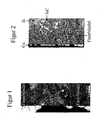
Fig.1 eine lichtmikroskopische Aufnahme eines Randbereiches des Gefüges einer nach dem erfindungsgemäßen Verfahren hergestellten Bremsscheibe; -
Fig. 2 einen vergrößerten Ausschnitt vonFig.1 ; -
Fig.3 ein Diagramm, in welchem die relative Masseänderung einer dünnen porösen C/SiC-Platte mit abgeschiedenem Cu gegenüber einer vergleichbaren Platte ohne Cu in Abhängigkeit von der Zeit dargestellt ist. - Zur Herstellung einer Bremsscheibe mit Cu-Einlagerungen wurde eine durch Flüssigsilizieren eines CFC-Basiskörpers hergestellte Scheibe, gemäß dem Verfahren nach
DE 197 10 105 A1 verwendet. Die silizierte Bremsscheibe mit einem Außenradius von 350 mm wurde getrocknet und entfettet und in ein Galvanikbad überführt. Das Galvanikbad bestand aus einer wässrigen 12,5%igen Cu(II)-Sulfatlösung. Zur Cu-Abscheidung wurde eine Gleichspannung angelegt, mit einer Stromdichte von 0,001 bis 0,03 A/cm2. Die Cu-Abscheidung wurde nach ca. 2 Stunden beendet. - Die erfindungsgemäße Einlagerung von Cu in das Gefüge der Verbundkeramik der Bremsscheibe ist durch eine lichtmikroskopische Aufnahme, wie sie in
Fig.1 gezeigt ist, leicht nachweisbar. Dort wird das abgeschiedene Cu durch weiße Felder veranschaulicht, während die Matrix der Verbundkeramik, in welcher kohlenstoffhaltige Fasern gebunden sind, durch Si und SiC-Felder gebildet wird, die durch unterschiedliche Grautönungen unterscheidbar sind. Wie dort und insbesondere durch den vergrößerten Ausschnitt gemäßFig.2 zu erkennen ist, wurde Cu im gesamten Gefüge verteilt abgeschieden, vorzugsweise in Rissen und Poren im Bereich der Fasern. - Darüber hinaus wurde im vorliegenden Fall derart galvanisiert, dass sich auf der Reibfläche der Bremsscheibe zusätzlich eine Deckschicht aus metallischem Kupfer mit einer Dicke von ca. 10 µm ausbildete. Die auf der Reibfläche abgeschiedene Cu-Schicht wurde anschließend bei der Endbearbeitung der Scheibe mechanisch, insbesondere durch spanabhebende Verfahren, entfernt.
- Eine dünne poröse C/SiC-Platte mit einer nach dem erfindungsgemäßen Verfahren allseitig abgeschiedenen Cu-Schicht einer Dicke von 30 µm zeigte bei Auslagerung an Luft bei 800°C in einem Luftstrom von 100l/h nach 1h einen Gewichtsverlust von 1-2%, wie aus
Fig.3 hervorgeht. Demgegenüber wies eine Referenzprobe ohne Cu-Schicht 12% Gewichtsverlust auf.
Claims (10)
- Verfahren zur Herstellung eines faserverstärkten Werkstoffs mit kohlenstoffhaltigen und/oder kohlenstoffbeschichteten Fasern, wobei zunächst ein poröser C/SiC-Verbundwerkstoff hergestellt wird durch- Mischen von kohlenstoffhaltigen Fasern, Füllmitteln und/oder Bindemitteln- Formgebung der Mischung unter Druck und/oder Temperatur- Pyrolyse zu einem aus mit Fasern verstärkten Formkörper aus Kohlenstoff,- Infiltrieren zumindest einer Randschicht dieses Formkörpers mit einer Silicium-Schmelze und partielle Reaktion des Kohlenstoffs des Formkörpers zu Siliciumcarbid, unter Bildung eines Formkörpers, der wenigstens in der Randschicht aus einer Verbundkeramik besteht mit in eine Matrix aus Siliciumcarbid, Silicium und Kohlenstoff eingebetteten kohlenstoffhaltigen Fasern,dadurch gekennzeichnet, daß in einem folgenden Schritt wenigstens ein Metall zumindest in einem Teil der offenen Risse und/oder Poren der Matrix, vorzugsweise in unmittelbarer Nachbarschaft der Fasern, galvanisch abgeschieden wird.
- Verfahren nach Anspruch 1, dadurch gekennzeichnet, daß die galvanische Abscheidung unter Einsatz von Gleichspannung erfolgt.
- Verfahren nach Anspruch 1 oder 2, dadurch gekennzeichnet, daß das wenigstens eine Metall zumindest in einer Randschicht der Verbundkeramik abgeschieden wird.
- Verfahren nach Anspruch 3, dadurch gekennzeichnet, daß die Abscheidung von Metall an den von einer Oberfläche der Verbundkeramik entfernt gelegenen Rissen oder Poren begonnen und nach dem Füllen der Poren und/oder Risse beendet oder fortgeführt wird, bis eine zusammenhängende, die gesamte Oberfläche der faserverstärkten Verbundkeramik bedeckende metallische Deckschicht ausbildet ist.
- Verfahren nach Anspruch 4, dadurch gekennzeichnet, daß das wenigstens eine Metall im wesentlichen über die gesamte Dicke der faserverstärkten Verbundkeramik abgeschieden wird.
- Verfahren nach Anspruch 4 oder 5, dadurch gekennzeichnet, daß auf die metallische Deckschicht der Verbundkeramik wenigstens eine weitere Schicht aus Glas oder Keramik aufgebracht wird.
- Verfahren nach einem oder mehreren der vorhergehenden Ansprüche 1 bis 6, dadurch gekennzeichnet, daß wenigstens eine Metall, das galvanisch abgeschieden wird, ein Metall aus der Gruppe Ti, Cr, Mo, Fe, Co, Ni, Pd, Pt, Cu, Ag, Au, Zn und Sn oder eine Legierung enthaltend eines dieser Metalle ist.
- Verfahren nach einem oder mehreren der vorhergehenden Ansprüche 1 bis 7, dadurch gekennzeichnet, daß als Fasern kohlenstoffhaltige Verstärkungsfasern, Kohlenstoffasern, Graphitfasern oder Fasern, die eines oder mehrere der Elemente Si, B, C, N, Ti, oder P enthalten, und/oder mit Kohlenstoff oder Graphit beschichtete Fasern verwendet werden.
- Verfahren nach einem oder mehreren der vorhergehenden Ansprüche 1 bis 8, dadurch gekennzeichnet, daß die Fasern Keramikfasern sind, insbesondere solche auf der Basis von SiO2, Al2O3, ZrO2, oder SiC, die mit Kohlenstoff oder Graphit beschichtet sind.
- Verfahren zur Nachbearbeitung eines Formkörpers, der nach dem Verfahren gemäß einem oder mehreren der Ansprüche 1 bis 9 hergestellt wurde, nach dessen Verwendung als Bremsscheibe, Bremsbelag oder Kupplungsscheibe, dadurch gekennzeichnet, daß wenigstens ein Metall zumindest in einem Teil der im Laufe der Verwendung gebildeten Risse galvanisch abgeschieden wird.
Applications Claiming Priority (2)
| Application Number | Priority Date | Filing Date | Title |
|---|---|---|---|
| DE10131758 | 2001-06-30 | ||
| DE10131758A DE10131758A1 (de) | 2001-06-30 | 2001-06-30 | Faserverstärkter, wenigstens im Randbereich aus einer Metall-Verbundkeramik bestehender Werkstoff |
Publications (2)
| Publication Number | Publication Date |
|---|---|
| EP1273817A1 EP1273817A1 (de) | 2003-01-08 |
| EP1273817B1 true EP1273817B1 (de) | 2009-05-06 |
Family
ID=7690153
Family Applications (1)
| Application Number | Title | Priority Date | Filing Date |
|---|---|---|---|
| EP02012959A Expired - Lifetime EP1273817B1 (de) | 2001-06-30 | 2002-06-12 | Verfahren zur Herstellung eines faserverstärkten, wenigstens im Randbereich aus einer Metall-Verbundkeramik bestehenden Werkstoffs |
Country Status (4)
| Country | Link |
|---|---|
| US (1) | US6908667B2 (de) |
| EP (1) | EP1273817B1 (de) |
| AT (1) | ATE430886T1 (de) |
| DE (2) | DE10131758A1 (de) |
Cited By (1)
| Publication number | Priority date | Publication date | Assignee | Title |
|---|---|---|---|---|
| DE102019100735B3 (de) * | 2019-01-14 | 2020-02-13 | Dr. Ing. H.C. F. Porsche Aktiengesellschaft | Verfahren zur Herstellung eines Formkörpers und Formkörper |
Families Citing this family (34)
| Publication number | Priority date | Publication date | Assignee | Title |
|---|---|---|---|---|
| JP2007500326A (ja) | 2003-05-30 | 2007-01-11 | フオルクスワーゲン・アクチエンゲゼルシヤフト | ダブルクラッチトランスミッション |
| CN1325433C (zh) * | 2003-07-01 | 2007-07-11 | 贾海荣 | 陶瓷-金属和陶瓷-陶瓷轻质复合材料及制造方法 |
| JP2006153136A (ja) * | 2004-11-29 | 2006-06-15 | Toyota Motor Corp | 摩擦装置 |
| EP2381015B1 (de) | 2005-08-12 | 2019-01-16 | Modumetal, Inc. | Kompositionell modulierte Verbundmaterialien |
| JP2007092929A (ja) * | 2005-09-29 | 2007-04-12 | Shimano Inc | 自転車用ディスクブレーキパッド |
| WO2008007401A1 (en) * | 2006-07-14 | 2008-01-17 | Brembo Ceramic Brake Systems S.P.A. | Braking band composite structure |
| US20090001219A1 (en) * | 2006-12-07 | 2009-01-01 | Honeywell International, Inc. | Fiber polymer matrix composites having silicon-containing inorganic-organic matrices and methods of making the same |
| DE102007044783A1 (de) * | 2007-09-19 | 2009-04-09 | Audi Ag | Verfahren und Vorrichtung zur Silicierung von kohlenstoffhaltigen Werkstoffen |
| CA2730229C (en) | 2008-07-07 | 2017-02-14 | John D. Whitaker | Property modulated materials and methods of making the same |
| DE102009014564B4 (de) * | 2009-03-17 | 2017-04-06 | Deutsches Zentrum für Luft- und Raumfahrt e.V. | Bremsvorrichtung und Verfahren zur Herstellung einer Bremsvorrichtung |
| EP3009532A1 (de) | 2009-06-08 | 2016-04-20 | Modumetal, Inc. | Elektroplattierte nanolaminierte beschichtungen und verkleidungen für korrosionsschutz |
| DE102009050025A1 (de) * | 2009-10-21 | 2011-05-05 | Audi Ag | Keramikbremsscheibe |
| CN101813149B (zh) * | 2010-05-20 | 2011-07-27 | 湖南博云汽车制动材料有限公司 | 一种低金属陶瓷基鼓式刹车片及其制备方法 |
| EP2596150B1 (de) | 2010-07-22 | 2020-06-17 | Modumetal, Inc. | Material und verfahren zur elektrochemischen abscheidung nanolaminierter messinglegierungen |
| CA2905575C (en) | 2013-03-15 | 2022-07-12 | Modumetal, Inc. | A method and apparatus for continuously applying nanolaminate metal coatings |
| HK1220741A1 (zh) | 2013-03-15 | 2017-05-12 | Modumetal, Inc. | 纳米层压涂层 |
| EP2971265A4 (de) | 2013-03-15 | 2016-12-14 | Modumetal Inc | Nickel-chrom-nanolaminatbeschichtung mit hoher härte |
| CA2905536C (en) | 2013-03-15 | 2023-03-07 | Modumetal, Inc. | Electrodeposited compositions and nanolaminated alloys for articles prepared by additive manufacturing processes |
| WO2016044720A1 (en) | 2014-09-18 | 2016-03-24 | Modumetal, Inc. | A method and apparatus for continuously applying nanolaminate metal coatings |
| US9701072B2 (en) * | 2013-10-30 | 2017-07-11 | General Electric Company | Methods of repairing matrix cracks in melt infiltrated ceramic matrix composites |
| DE102014003782B3 (de) * | 2014-03-15 | 2015-06-25 | Audi Ag | Keramikbremsscheibe |
| KR102365234B1 (ko) | 2014-03-31 | 2022-02-18 | 미츠비시 가스 가가쿠 가부시키가이샤 | 드릴 구멍 내기용 엔트리 시트 |
| WO2016013648A1 (ja) * | 2014-07-24 | 2016-01-28 | 電気化学工業株式会社 | 複合体及びその製造方法 |
| BR112017005534A2 (pt) | 2014-09-18 | 2017-12-05 | Modumetal Inc | métodos de preparação de artigos por processos de eletrodeposição e fabricação aditiva |
| EP3510185A1 (de) | 2016-09-08 | 2019-07-17 | Modumetal, Inc. | Verfahren zur bereitstellung von laminierten beschichtungen auf werkstücken und daraus hergestellte artikel |
| EP3509812B1 (de) | 2016-09-09 | 2025-04-09 | Modumetal, Inc. | Herstellung von gussformen durch abscheidung von materialschichten auf ein werkstück, gussformen und nach diesem verfahren hergestellte artikel |
| CN109963966B (zh) | 2016-09-14 | 2022-10-11 | 莫杜美拓有限公司 | 用于可靠、高通量、复杂电场生成的系统以及由其生产涂层的方法 |
| CN110114210B (zh) | 2016-11-02 | 2022-03-04 | 莫杜美拓有限公司 | 拓扑优化的高界面填充结构 |
| US11293272B2 (en) | 2017-03-24 | 2022-04-05 | Modumetal, Inc. | Lift plungers with electrodeposited coatings, and systems and methods for producing the same |
| US11286575B2 (en) | 2017-04-21 | 2022-03-29 | Modumetal, Inc. | Tubular articles with electrodeposited coatings, and systems and methods for producing the same |
| WO2019210264A1 (en) | 2018-04-27 | 2019-10-31 | Modumetal, Inc. | Apparatuses, systems, and methods for producing a plurality of articles with nanolaminated coatings using rotation |
| US12351530B2 (en) * | 2019-10-18 | 2025-07-08 | Rtx Corporation | Fiber reinforced composite and method of making |
| CN111675551B (zh) * | 2020-06-15 | 2022-02-08 | 江西宁新新材料股份有限公司 | 一种石墨表面电化学沉积镍/碳化硅耐高温复合涂层及其制备方法 |
| CN112876257B (zh) * | 2021-01-27 | 2022-05-17 | 中国核动力研究设计院 | 一种SiCf/SiC复合材料两层复合包壳管及其制备方法 |
Family Cites Families (12)
| Publication number | Priority date | Publication date | Assignee | Title |
|---|---|---|---|---|
| JPS59137339A (ja) | 1983-01-25 | 1984-08-07 | Fujitsu Ltd | 光フアイバ母材の製造方法 |
| US4778722A (en) * | 1986-05-15 | 1988-10-18 | Ube Industries, Ltd. | Reinforcing fibers and composite materials reinforced with said fibers |
| US5151390A (en) * | 1986-06-13 | 1992-09-29 | Toa Nenryo Kogyo Kabushiki Kaisha | Silicon nitride-based fibers and composite material reinforced with fibers |
| GB2249558B (en) * | 1990-09-14 | 1994-02-16 | Martin John Michael Murphy | Metal matrix composite component |
| DE9300851U1 (de) * | 1993-01-22 | 1994-05-26 | Stahl, Christian, Lebring | Reibblock für eine Scheibenbremse mit kohlenstoffaserverstärktem Kohlenstoff als Reibwerkstoffblock |
| DE4322113A1 (de) * | 1993-05-27 | 1994-12-01 | Knorr Bremse Ag | Bremsscheibe für Scheibenbremsen |
| US5688577A (en) * | 1995-07-27 | 1997-11-18 | R. K. Carbon Fibers, Inc. | Multi-directional friction materials |
| DE19710105A1 (de) | 1997-03-12 | 1998-09-17 | Sgl Technik Gmbh | Mit Graphitkurzfasern verstärkter Siliciumcarbidkörper |
| DE19711829C1 (de) | 1997-03-21 | 1998-09-03 | Daimler Benz Ag | Verfahren zur Herstellung einer faserverstärkten Verbundkeramik |
| DE19805868C2 (de) * | 1998-02-13 | 2002-09-12 | Daimler Chrysler Ag | Verfahren zur Herstellung eines Faserverbundwerkstoffs |
| DE19856721A1 (de) | 1998-12-09 | 2000-06-15 | Ecm Ingenieur Unternehmen Fuer | Verfahren zur Herstellung eines mittels Kohlenstoffkurzfasern verstärkten Siliciumcarbid-Verbundwerkstoffes |
| DE19944345A1 (de) * | 1999-09-16 | 2001-03-22 | Sgl Technik Gmbh | Mit Fasern und/oder Faserbündeln verstärkter Verbundwerkstoff mit keramischer Matrix |
-
2001
- 2001-06-30 DE DE10131758A patent/DE10131758A1/de not_active Withdrawn
-
2002
- 2002-06-12 EP EP02012959A patent/EP1273817B1/de not_active Expired - Lifetime
- 2002-06-12 AT AT02012959T patent/ATE430886T1/de not_active IP Right Cessation
- 2002-06-12 DE DE50213519T patent/DE50213519D1/de not_active Expired - Lifetime
- 2002-06-25 US US10/179,481 patent/US6908667B2/en not_active Expired - Fee Related
Cited By (1)
| Publication number | Priority date | Publication date | Assignee | Title |
|---|---|---|---|---|
| DE102019100735B3 (de) * | 2019-01-14 | 2020-02-13 | Dr. Ing. H.C. F. Porsche Aktiengesellschaft | Verfahren zur Herstellung eines Formkörpers und Formkörper |
Also Published As
| Publication number | Publication date |
|---|---|
| EP1273817A1 (de) | 2003-01-08 |
| ATE430886T1 (de) | 2009-05-15 |
| DE50213519D1 (de) | 2009-06-18 |
| US20030004050A1 (en) | 2003-01-02 |
| US6908667B2 (en) | 2005-06-21 |
| DE10131758A1 (de) | 2003-01-16 |
Similar Documents
| Publication | Publication Date | Title |
|---|---|---|
| DE10131758A1 (de) | Faserverstärkter, wenigstens im Randbereich aus einer Metall-Verbundkeramik bestehender Werkstoff | |
| DE10161218B4 (de) | Verfahren zum Oxidationsschutz faserverstärkter kohlenstoffhaltiger Verbundwerkstoffe und Verwendung eines nach dem Verfahren hergestellten Verbundwerkstoffes | |
| DE60004899T2 (de) | SiC-C/C Verbundwerkstoff und seine Verwendungen | |
| DE69017544T2 (de) | Verfahren zur Herstellung von Verbundwerkstoff-Körpern mit Metallmatrix durch ein Verfahren mit selbsterzeugtem Vakuum. | |
| EP0976698B1 (de) | Verfahren zum Erzeugen einer Siliziumkarbid enthaltenden Schutzschicht | |
| EP1357310B1 (de) | Verbundwerkstoff mit Verstärkungsfasern aus Kohlenstoff | |
| DE60125798T2 (de) | Verbundwerkstoffe mit keramischer matrix auf borcarbidbasis | |
| DE69706587T2 (de) | Keramikmatrix-Verbundwerkstoff und Verfahren zur Herstellung desselben | |
| DE68919652T2 (de) | Verfahren zum Formen von Makro-Verbundwerkstoff-Körpern und Makroprodukte daraus. | |
| DE19711831C2 (de) | Schmelzinfiltrierte faserverstärkte Verbundkeramik und Verfahren zur Herstellung einer solchen | |
| DE68910082T2 (de) | Verfahren zur Verbindung der Oberflächen von Materialien unter Verwendung einer Metallmatrixzusammensetzung und dadurch hergestellte Produkte. | |
| DE19736560C2 (de) | Verfahren zur Herstellung eines porösen Körpers, Körper aus SiC, sowie Verwendung des porösen Körpers | |
| EP1273818B1 (de) | Bremssystem mit Verbundwerkstoff Bremsscheibe | |
| DE68910274T2 (de) | Gerichtete Erstarrung von Verbundwerkstoff-Körpern mit Metallmatrix. | |
| EP1457703B1 (de) | Faserverstärkter Keramik-Werkstoff | |
| DE10157483C2 (de) | Formkörper aus faserverstärkten Verbundwerkstoffen mit segmentierter Deckschicht, seine Herstellung und seine Verwendung | |
| EP1685081B1 (de) | Verfahren zur herstellung eines verbundbauteils und metall-keramisches bauteil | |
| DE10014418C5 (de) | Verfahren zur Herstellung eines faserverstärkten Strukturbauteils und danach hergestellte Bremsscheibe | |
| DE10164231B4 (de) | Verfahren zur Herstellung von Formkörpern aus faserverstärkten keramischen Materialien und deren Verwendung | |
| EP1323686A2 (de) | Verfahren zur Herstellung von Hohlkörpern aus faserverstärkten keramischen Materialien | |
| EP1489331B1 (de) | Reibkörper aus metallinfiltriertem, mit Fasern verstärktem porösem Kohlenstoff | |
| DE19750599A1 (de) | Metall-keramisches Konstruktionselement - sein Aufbau und seine Herstellung | |
| DE10143015C2 (de) | Verfahren zur Herstellung eines Verbundwerkstoffes | |
| DE102006007552B4 (de) | Verfahren zum Beschichten von Körpern aus Graphit oder kohlenstofffaserverstärktem Kohlenstoff und Körper aus Graphit oder kohlenstofffaserverstärktem Kohlenstoff | |
| EP0951574B1 (de) | Metall-keramisches konstruktionselement - sein aufbau und seine herstellung |
Legal Events
| Date | Code | Title | Description |
|---|---|---|---|
| PUAI | Public reference made under article 153(3) epc to a published international application that has entered the european phase |
Free format text: ORIGINAL CODE: 0009012 |
|
| AK | Designated contracting states |
Kind code of ref document: A1 Designated state(s): AT BE CH CY DE DK ES FI FR GB GR IE IT LI LU MC NL PT SE TR |
|
| AX | Request for extension of the european patent |
Free format text: AL;LT;LV;MK;RO;SI |
|
| 17P | Request for examination filed |
Effective date: 20030512 |
|
| AKX | Designation fees paid |
Designated state(s): AT BE CH CY DE DK ES FI FR GB GR IE IT LI LU MC NL PT SE TR |
|
| RAP1 | Party data changed (applicant data changed or rights of an application transferred) |
Owner name: AUDI AG |
|
| 17Q | First examination report despatched |
Effective date: 20051212 |
|
| GRAP | Despatch of communication of intention to grant a patent |
Free format text: ORIGINAL CODE: EPIDOSNIGR1 |
|
| RTI1 | Title (correction) |
Free format text: PROCESS FOR THE MANUFACTURE OF A FIBRE REINFORCED MATERIAL CONSISTING AT LEAST ON THE PERIPHERAL AREA OF A METAL-CERAMIC COMPOSITE MATERIAL |
|
| GRAS | Grant fee paid |
Free format text: ORIGINAL CODE: EPIDOSNIGR3 |
|
| GRAA | (expected) grant |
Free format text: ORIGINAL CODE: 0009210 |
|
| AK | Designated contracting states |
Kind code of ref document: B1 Designated state(s): AT BE CH CY DE DK ES FI FR GB GR IE IT LI LU MC NL PT SE TR |
|
| REG | Reference to a national code |
Ref country code: GB Ref legal event code: FG4D Free format text: NOT ENGLISH |
|
| REG | Reference to a national code |
Ref country code: CH Ref legal event code: EP |
|
| REG | Reference to a national code |
Ref country code: IE Ref legal event code: FG4D |
|
| REF | Corresponds to: |
Ref document number: 50213519 Country of ref document: DE Date of ref document: 20090618 Kind code of ref document: P |
|
| PG25 | Lapsed in a contracting state [announced via postgrant information from national office to epo] |
Ref country code: PT Free format text: LAPSE BECAUSE OF FAILURE TO SUBMIT A TRANSLATION OF THE DESCRIPTION OR TO PAY THE FEE WITHIN THE PRESCRIBED TIME-LIMIT Effective date: 20090906 Ref country code: FI Free format text: LAPSE BECAUSE OF FAILURE TO SUBMIT A TRANSLATION OF THE DESCRIPTION OR TO PAY THE FEE WITHIN THE PRESCRIBED TIME-LIMIT Effective date: 20090506 Ref country code: ES Free format text: LAPSE BECAUSE OF FAILURE TO SUBMIT A TRANSLATION OF THE DESCRIPTION OR TO PAY THE FEE WITHIN THE PRESCRIBED TIME-LIMIT Effective date: 20090817 |
|
| NLV1 | Nl: lapsed or annulled due to failure to fulfill the requirements of art. 29p and 29m of the patents act | ||
| PG25 | Lapsed in a contracting state [announced via postgrant information from national office to epo] |
Ref country code: SE Free format text: LAPSE BECAUSE OF FAILURE TO SUBMIT A TRANSLATION OF THE DESCRIPTION OR TO PAY THE FEE WITHIN THE PRESCRIBED TIME-LIMIT Effective date: 20090806 Ref country code: NL Free format text: LAPSE BECAUSE OF FAILURE TO SUBMIT A TRANSLATION OF THE DESCRIPTION OR TO PAY THE FEE WITHIN THE PRESCRIBED TIME-LIMIT Effective date: 20090506 |
|
| REG | Reference to a national code |
Ref country code: IE Ref legal event code: FD4D |
|
| BERE | Be: lapsed |
Owner name: AUDI A.G. Effective date: 20090630 |
|
| PG25 | Lapsed in a contracting state [announced via postgrant information from national office to epo] |
Ref country code: IE Free format text: LAPSE BECAUSE OF FAILURE TO SUBMIT A TRANSLATION OF THE DESCRIPTION OR TO PAY THE FEE WITHIN THE PRESCRIBED TIME-LIMIT Effective date: 20090506 Ref country code: MC Free format text: LAPSE BECAUSE OF NON-PAYMENT OF DUE FEES Effective date: 20090630 Ref country code: DK Free format text: LAPSE BECAUSE OF FAILURE TO SUBMIT A TRANSLATION OF THE DESCRIPTION OR TO PAY THE FEE WITHIN THE PRESCRIBED TIME-LIMIT Effective date: 20090506 |
|
| REG | Reference to a national code |
Ref country code: CH Ref legal event code: PL |
|
| PLBE | No opposition filed within time limit |
Free format text: ORIGINAL CODE: 0009261 |
|
| STAA | Information on the status of an ep patent application or granted ep patent |
Free format text: STATUS: NO OPPOSITION FILED WITHIN TIME LIMIT |
|
| 26N | No opposition filed |
Effective date: 20100209 |
|
| PG25 | Lapsed in a contracting state [announced via postgrant information from national office to epo] |
Ref country code: LI Free format text: LAPSE BECAUSE OF NON-PAYMENT OF DUE FEES Effective date: 20090630 Ref country code: CH Free format text: LAPSE BECAUSE OF NON-PAYMENT OF DUE FEES Effective date: 20090630 |
|
| PG25 | Lapsed in a contracting state [announced via postgrant information from national office to epo] |
Ref country code: BE Free format text: LAPSE BECAUSE OF NON-PAYMENT OF DUE FEES Effective date: 20090630 |
|
| PG25 | Lapsed in a contracting state [announced via postgrant information from national office to epo] |
Ref country code: AT Free format text: LAPSE BECAUSE OF NON-PAYMENT OF DUE FEES Effective date: 20090612 |
|
| PG25 | Lapsed in a contracting state [announced via postgrant information from national office to epo] |
Ref country code: GR Free format text: LAPSE BECAUSE OF FAILURE TO SUBMIT A TRANSLATION OF THE DESCRIPTION OR TO PAY THE FEE WITHIN THE PRESCRIBED TIME-LIMIT Effective date: 20090807 |
|
| PG25 | Lapsed in a contracting state [announced via postgrant information from national office to epo] |
Ref country code: LU Free format text: LAPSE BECAUSE OF NON-PAYMENT OF DUE FEES Effective date: 20090612 |
|
| PG25 | Lapsed in a contracting state [announced via postgrant information from national office to epo] |
Ref country code: TR Free format text: LAPSE BECAUSE OF FAILURE TO SUBMIT A TRANSLATION OF THE DESCRIPTION OR TO PAY THE FEE WITHIN THE PRESCRIBED TIME-LIMIT Effective date: 20090506 |
|
| PG25 | Lapsed in a contracting state [announced via postgrant information from national office to epo] |
Ref country code: CY Free format text: LAPSE BECAUSE OF FAILURE TO SUBMIT A TRANSLATION OF THE DESCRIPTION OR TO PAY THE FEE WITHIN THE PRESCRIBED TIME-LIMIT Effective date: 20090506 |
|
| PGFP | Annual fee paid to national office [announced via postgrant information from national office to epo] |
Ref country code: GB Payment date: 20140627 Year of fee payment: 13 |
|
| PGFP | Annual fee paid to national office [announced via postgrant information from national office to epo] |
Ref country code: DE Payment date: 20140630 Year of fee payment: 13 Ref country code: IT Payment date: 20140617 Year of fee payment: 13 |
|
| PGFP | Annual fee paid to national office [announced via postgrant information from national office to epo] |
Ref country code: FR Payment date: 20140623 Year of fee payment: 13 |
|
| REG | Reference to a national code |
Ref country code: DE Ref legal event code: R119 Ref document number: 50213519 Country of ref document: DE |
|
| PG25 | Lapsed in a contracting state [announced via postgrant information from national office to epo] |
Ref country code: IT Free format text: LAPSE BECAUSE OF NON-PAYMENT OF DUE FEES Effective date: 20150612 |
|
| GBPC | Gb: european patent ceased through non-payment of renewal fee |
Effective date: 20150612 |
|
| REG | Reference to a national code |
Ref country code: FR Ref legal event code: ST Effective date: 20160229 |
|
| PG25 | Lapsed in a contracting state [announced via postgrant information from national office to epo] |
Ref country code: DE Free format text: LAPSE BECAUSE OF NON-PAYMENT OF DUE FEES Effective date: 20160101 Ref country code: GB Free format text: LAPSE BECAUSE OF NON-PAYMENT OF DUE FEES Effective date: 20150612 |
|
| PG25 | Lapsed in a contracting state [announced via postgrant information from national office to epo] |
Ref country code: FR Free format text: LAPSE BECAUSE OF NON-PAYMENT OF DUE FEES Effective date: 20150630 |