EP1230261B1 - Ny-eso-1 nonapeptide derivatives, and uses thereof - Google Patents
Ny-eso-1 nonapeptide derivatives, and uses thereof Download PDFInfo
- Publication number
- EP1230261B1 EP1230261B1 EP00990987A EP00990987A EP1230261B1 EP 1230261 B1 EP1230261 B1 EP 1230261B1 EP 00990987 A EP00990987 A EP 00990987A EP 00990987 A EP00990987 A EP 00990987A EP 1230261 B1 EP1230261 B1 EP 1230261B1
- Authority
- EP
- European Patent Office
- Prior art keywords
- peptide
- seq
- cells
- hla
- cell
- Prior art date
- Legal status (The legal status is an assumption and is not a legal conclusion. Google has not performed a legal analysis and makes no representation as to the accuracy of the status listed.)
- Expired - Lifetime
Links
Images

Classifications
-
- C—CHEMISTRY; METALLURGY
- C07—ORGANIC CHEMISTRY
- C07K—PEPTIDES
- C07K14/00—Peptides having more than 20 amino acids; Gastrins; Somatostatins; Melanotropins; Derivatives thereof
- C07K14/435—Peptides having more than 20 amino acids; Gastrins; Somatostatins; Melanotropins; Derivatives thereof from animals; from humans
- C07K14/46—Peptides having more than 20 amino acids; Gastrins; Somatostatins; Melanotropins; Derivatives thereof from animals; from humans from vertebrates
- C07K14/47—Peptides having more than 20 amino acids; Gastrins; Somatostatins; Melanotropins; Derivatives thereof from animals; from humans from vertebrates from mammals
- C07K14/4701—Peptides having more than 20 amino acids; Gastrins; Somatostatins; Melanotropins; Derivatives thereof from animals; from humans from vertebrates from mammals not used
- C07K14/4748—Tumour specific antigens; Tumour rejection antigen precursors [TRAP], e.g. MAGE
-
- A—HUMAN NECESSITIES
- A61—MEDICAL OR VETERINARY SCIENCE; HYGIENE
- A61K—PREPARATIONS FOR MEDICAL, DENTAL OR TOILETRY PURPOSES
- A61K40/00—Cellular immunotherapy
- A61K40/10—Cellular immunotherapy characterised by the cell type used
- A61K40/11—T-cells, e.g. tumour infiltrating lymphocytes [TIL] or regulatory T [Treg] cells; Lymphokine-activated killer [LAK] cells
-
- A—HUMAN NECESSITIES
- A61—MEDICAL OR VETERINARY SCIENCE; HYGIENE
- A61K—PREPARATIONS FOR MEDICAL, DENTAL OR TOILETRY PURPOSES
- A61K40/00—Cellular immunotherapy
- A61K40/40—Cellular immunotherapy characterised by antigens that are targeted or presented by cells of the immune system
- A61K40/41—Vertebrate antigens
- A61K40/42—Cancer antigens
- A61K40/4267—Cancer testis antigens, e.g. SSX, BAGE, GAGE or SAGE
- A61K40/4269—NY-ESO
Definitions
- This invention relates to HLA binding peptides derived from an antigen associated with cancer. These peptides bind to Class I molecules, and provoke lysis of the cells to which they bind by cytolytic T lymphocytes.
- pathological conditions such as infections, cancer, autoimmune disorders, etc.
- these molecules thus serve as "markers” for a particular pathological or abnormal condition.
- diagnostic "targets” i.e., materials to be identified to diagnose these abnormal conditions
- the molecules serve as reagents which can be used to generate diagnostic and/or therapeutic agents.
- a by no means limiting example of this is the use of cancer markers to produce antibodies specific to a particular marker.
- Yet another non-limiting example is the use of a peptide which complexes with an MHC molecule, to generate cytolytic T cells against abnormal cells.
- the genetic approach is exemplified by. e.g., dePlaen et aL Proc. Natl. Sci. USA 85: 2275 (1988 ).
- recipient cells such as COS cells
- antigen-negative variants of tumor cell lines which are tested for the expression of the specific antigen.
- the biochemical approach exemplified by. e.g., O. Mandelboim.
- the methodologies described rely on the availability of established, permanent cell lines of the cancer type under consideration. It is very difficult to establish cell lines from certain cancer types, as is shown by. e.g., Oettgen. et al., Immunol. Allerg. Clin. North. Am. 10: 607-637 (1990 ). It is also known that some epithelial cell type cancers are poorly susceptible to CTLs in vitro, precluding routine analysis. These problems have stimulated the art to develop additional methodologies for identifying cancer associated antigens.
- the SEREX methodology has been applied to esophageal cancer samples, and an antigen has now been identified, and its encoding nucleic acid molecule isolated and cloned. See, e.g., U.S. Patent No. 5.804,381 . referred to supra .
- the antigen and truncated forms have been found to be reactive with antibodies in the serum of cancer patients. It has also been found that peptides derived form this molecule bind with MHC molecules, provoking both cytolytic T cell and helper T cell responses. It has been found that variations of these peptides can be used as well.
- a plurality of immune complexes which comprise an MHC molecule, such as an HLA molecule, a ⁇ 2 microglobulin, and a peptide which binds to the HLA molecule are known.
- the complex is labelled, and can be used to isolate, or to determine, cytolytic T cells of interest in a sample.
- Such complexes have been utilized in the invention which follows. Jaeger et al., J. Exp. Med, JP, 187(2):265-270 (1998 ) describes the peptide SLLMWITQC as a peptide which provokes lysis of T2 cells as assessed by a standard 31 Cr-release assay.
- T2 cells were labelled with 100 uCi of Na( 51 Cr)O 4 , using standard methods, and were then washed three times, followed by incubation with 10 ug/ml peptide and 2.5 ug/ml of ⁇ 2-microglobulin. Incubation was for one hour, at room temperature. Then responder cells (100 ul of a suspension of CTL NW38-IVS-1) were added, at an effector/target ratio of 90:1, and incubated for four hours in a water saturated atmosphere, with 5% CO 2 , at 37°C. Then, plates were centrifuged at 200xg for five minutes, 100 ul of supernatant was removed, and radioactivity was measured.
- responder cells 100 ul of a suspension of CTL NW38-IVS-1
- SLLMWITQCFL SLLMWITQC FL
- QLSLLMWIT SEQ ID NO: 3
- RNA taken from a subject's tumor indicated that it expressed NY-ESO-1. Further, the patient's serum indicated high titer of anti-NY-ESO-1 antibodies.
- the surgically resected lymph nodes or metastatic lesions were finely minced in sterile, RPMI 1640 medium that had been supplemented with 10% fetal calf serum.
- Suspensions of cells were placed in 24-well tissue culture plates, in 2 ml of Iscove's Dulbecco medium, supplemented with 0.24 mM Asn. 0.55 mM Arg, 1.5 mM Gln. 10% pooled human A+ serum, 100 U/ml IL-2, and 10 ng/ml of IL-7.
- the cells were cultured for 2-3 weeks, prior to being assayed via IFN- ⁇ ELISPOT. in accordance with Czerkinsky. et al. J. Immunol.
- 2 x 10 3 cells/well of the short term culture referred to supra were combined with either 5 x 10 4 T2 cells/well, or the same number of T2 cells, plus 1 ⁇ M of one of SEQ ID NOS: 1-3.
- Each culture was run in duplicate.
- the reactive T cells were then cultured to monoclonality in accordance with Valmori, et al. J. Immunol 161:6956 (1998 ). Five of 24 TIL derived clones derived for the TILs were found to be reactive with NY-ESO-1 derived peptides, when these were tested via CTL assays as described supra .
- the peptide YMDGTMSQV (SEQ ID NO: 4) is known to bind to HLA-A - 0201 molecules, and to provoke lysis by an HLA-A - 0201 restricted CTL clone, known as LAU 132/2. See Valmori. et al, Canc. Res. 59:2167 (1999). T2 cells were labelled with 51 Cr, in the presence of anti class 1 monoclonal antibody W6/32. Varying concentrations of SEQ ID NO: 1, 2, or 3 (50 ⁇ l) were incubated with 50 ⁇ l samples of the labelled cells (1000 cells/well), for 15 minutes at room temperature.
- SEQ ID NO: 3 was a 100 fold less efficient competitor than SEQ ID NO: 4. Further, SEQ ID NO: 2 was 250 fold less efficient. Surprisingly, given their respective peptide lengths SEQ ID NO: 1 was 10 fold more competitive than SEQ ID NO: 2.
- target T2 cells were labelled with 51 Cr for 1 hour, at 37°C, and then washed two times.
- Sample 1000 labelled cells in 50 ⁇ l
- Effector cells 50 ⁇ l
- the lymphocyte: target ratio was 30:1. Chromium release was measured after 4 hours of incubation at 37°C, by testing 100 ⁇ l supernatant samples.
- SEQ ID NO: 8 was recognized as efficiently as SEQ ID NO: 2, and the others were recognized more efficiently.
- SEQ ID NO: 6 was 1000 fold more efficiently recognized than SEQ ID NO: 2.
- the amino terminal nucleotide sequence was altered to optimize protein expression in the vector used. See Garboczi et al., Proc. Natl. Acad. Sci. USA 89: 3429 (1992 ). Once this was done, the extracellular coding portion of the molecule was amplified, again using specific primers. The resulting construct was recloned into a vector which would produce a BirA biotinylation recognition site in frame at the 3'-end of the HLA-A*0201 heavy chain. The modified HLA-A*0201 and ⁇ 2 microglobulin were overexpressed in separate E. coli cultures.
- the resulting inclusion bodies were purified and the HLA and ⁇ 2 microglobulin recombinant proteins were solubilized into urea, and then refolded, in a refolding solution, at 4°C to form complexes.
- the refolding solution contained 100 mM Tris, at pH 8.0. L-arginine, 400 mM, EDTA, 2 mM, reduced glutathione, 5 mM, oxidized glutathione, 0.5 mM, PMSF, 0.1 mM, HLA heavy chain, and ⁇ 2 microglobulin 1 ⁇ M, and 10 ⁇ M of the peptide of interest).
- the refolding solution was concentrated to 7.5 ml.
- BirA reaction buffer Tris 100 mM, pH 7.5, NaCl 200 mM, Mg Cl 2 5mM, PMSF 100 ⁇ M, leupeptin 1 ⁇ M, and pepstatin 1 ⁇ M
- the complexes were then biotinylated with biotin holoenzyme synthase (the BirA enzyme) by combining the refold mix containing the HLA-A2 complex with 50 ⁇ M enzyme, 100 mM biotin in 200 mM Tris, and 100 mM adenosine triphosphate. The mixture was incubated overnight at room temperature. The biotinylated complexes were then purified, and combined with phycoerythrin-labelled streptavidin, to produce tetrameric structures. These were isolated, and reconstituted in small volumes, at a concentration of I mg/ml.
- biotin holoenzyme synthase the BirA enzyme
- CTL clones specific for the peptides were combined with the appropriate tetramers in 20 ⁇ l of PBS with 2% FCS, and incubated at room temperature for 1 hour, followed by addition of either 20 ⁇ l of anti-CD8 antibodies labeled with FITC. or a mixture of anti-CD8 antibodies labeled with FITC. and ami-CD45RA antibodies labeled with ''CYC.” This mixture was incubated for 30 minutes at 4°C, after which the cells were washed in the same buffer as described supra , and then analyzed by flow cytometry.
- the tetramers of the NY-ESO-1 derivative (SEQ ID NO: 6) specifically stained ESO 5, but did not stain the T cells specific for FluMa, and vice versa.
- Tetramers were made, as described supra , and used to stain the CD8 cells fourteen days following stimulation. Cells were sorted, and tested by IFN- ⁇ ELISPOT. as described supra .
- CD8 tetramer cells were found to contain IFN- ⁇ productive cells.
- Sorted CD8 - tetramer and CD8 - tetramer cells were expanded for two weeks via PHA stimulation, and both populations were assayed, in a 51 Cr release assay, on Me 275 and T2 cells, described supra , which had or had not been pulsed with SEQ ID NO: 2.
- CD8 - tetramer cells were effective in killing both cells which had been pulsed with SEQ ID NO:2 and cells pulsed with the alanine analog.
- Tetramers as described in example 6. supra , were prepared, using the peptide of SEQ ID NO:2. These tetramers were then used to stain a sample of cells taken from a patient who had been diagnosed previously as having a NY-ESO-1 positive melanoma. See Dunbar, et al., J. Immunol 162(12):6959-62(1999 ). In brief, however, peripheral blood lymphocyte ("PBL") samples were stained with tetramers for 15 minutes at 37° C. followed by washing in PBS/1% FCS at 37° C, followed by incubation with a labelled, anti-CD8 antibody for 30 minutes, on ice. The cells were then washed three times, in ice cold PBS/1% FCS.
- PBL peripheral blood lymphocyte
- Positive cells were cloned, via pulsing the positive cells with 10 ⁇ M of the peptide of SEQ ID NO:2, and culturing in IL-2 (200u/ml) for 5 days.
- T2 cells were pulsed with one of SEQ ID NO:2.
- SEQ ID NO:3 was also tested, as was a peptide consisting of the first 8 amino acids of SEQ ID NO:1. Varying concentrations of peptide were used to pulse T2 cells.
- SEQ ID NO:5 was used as a control. The same 51 Cr release assay described supra was used. Prior to testing the CTLs, these were assayed to determine if they each expressed a single T cell receptor.
- mutant processing cells which are characterized as having defined blocks in the MHC I processing pathways. These cells were used in these experiments. Specifically, a parental cell line was used, i.e., "line 45,” as well as “line. 174,” which was TAP, LMP2, and LMP7 negative, a transfectant of line .174, where the line was transfected with vectors encoding TAP1 and TAP2, and a transfectant of line .174 which had been transfected with vectors encoding TAP1, TAP2, and LMP7. (The abbreviation “TAP” refers to "transporter associated with antigen processing," and the abbreviation “LMP” refers to "low molecular mass polyprotein.”)
- TAP transporter associated with antigen processing
- LMP refers to "low molecular mass polyprotein.
- LMP2 and LMP7 are proteosome subunits.
- the cells were then combined with CTLs in a 51 Cr release assay of the type described supra .
- SLLMWITQI SEQ ID NO:12
- SLLMWITQCV SEQ ID NO:13
- SLLMWITQCF SEQ ID NO:11, described supra
- SLLMWITQCI SEQ ID NO:14
- SLLMWITQAL SEQ ID NO:15
- SLLMWITQAI SEQ ID NO:16
- SLLMWITQAF SEQ ID NO:17
- SEQ ID NO:2 was prepared where the C-terminal cysteine was modified with an -NH 2 -CO-CH 2 sidechain. All of these peptides were tested in CTL assays of the type described supra .
- the peptides of SEQ ID NOS:7. 8 and 12 all increase recognition by NY-ESO-1 157-165 specific CTLs by about 1000 fold, as compared to SEQ ID NO:2.
- the peptide of SEQ ID NO:14 was also recognized more efficiently than SEQ ID NO:2.
- PBLs were taken from two melanoma patients who evidenced high titers of NY-ESO-1 specific antibodies, using a standard assay. These PBLs were then stimulated with either 100nM or 10nM, of either SEQ ID NO:2 or SEQ ID NO:8 following standard protocols. Over a period of two weeks, SEQ ID NO:8 resulted in a 14 fold greater expansion of NY-ESO-1 specific CTLs. Over a 3 week period, the expansion was 54 fold greater than that obtained using SEQ ID NO:2. These CTLs were stained with tetramers of the type described supra , using SEQ ID NO:2, and the staining was positive, indicating that the CTLs recognized the relevant NY-ESO-1 epirope.
- Tetramers as described in examples 6 and 7 were prepared, using either the peptide of SEQ ID NO:2 or SEQ ID NO:6. These were then tested for their ability to stain a CTL clone known to react with complexes of HLA-A2 and a NY-ESO-1 derived peptide. See. e.g., Valmori. et at. Cane. Res. (2000 ). Staining was carried out as described, supra .
- This example describes the isolation of additional cytolytic T lymphocytes specific to complexes of HLA-A2 molecule and SEQ ID NO:2.
- PBMCs Peripheral blood mononuclear cells
- the CD8 - cells were separated via magnetic cell sorting, using magnetic beads coated with CD8 specific antibodies.
- CD8 - cells were irradiated (3000 rads), and then used as antigen presenting cells ("APCs").
- the CD8 - cells were stimulated by combining about 1x10 8 cells/well with 2-4x10 6 APCs, and 1 ⁇ M of the peptide of SEQ ID NO:2.
- the cells and peptides were cultured in 2 ml Iscove's Dulbecco medium, supplemented with 0.24mM Asn, 0.55 mM Arg, 1.5 mM Gln, 8% pooled human A - serum, human recombinant IL-2 (100 U/ml), and human, recombinant IL-7 (10 ng/ml).
- the cells were stimulated every week, and after two rounds of weekly stimulation, the two cultures tested revealed 9.8% and 2.5% CD8, HLA-A2/NY-ESO-1 tetramer positive lymphocytes.
- the three clones were also able to lyse melanoma cell line Me 275 efficiently.
- This cell line was derived from a lymph node metastasis taken from the same patient from whom one of the three CTL lines was derived, i.e., it is autologous to one of these.
- This melanoma cell line expresses good levels of NY-ESO-1 protein, mRNA, and also expresses the homologous gene LAGE-1, taught by Lethe, et al, U.S. Patent No. 5,811,519 .
- SEQ ID NO Amino Acid Sequence Competitor activity [mM] 50% Relative competitor activity to SEQ ID NO:2 2 SLLMWITQC 0.27 1 3 QLSLLMWIT 0.03 9 1 SLLMWITQCFL 0.02 13 6 SLLMWITQA 0.0003 900 7 SLLMWITQL 0.002 130 19 SLLMWITQS 0.02 13 8 SLLMWTTQV 0.00006 4500 20 ALLMWITQA 0.0013 208 21 SALMWITQA 0.01 27 22 SLAMWITQA 0.001 270 23 SLLAWITQA ⁇ 0.0001 >2700 24 SLLMAITQA 0.004 68 25 SLLMWATQA 0.01 27 26 SLLMWIAQA 0.0002 1350 27 SLLMWITAA 0.00018 1500
- the single Ala substituted peptides of SEQ ID NOS: 20-27 were synthesized as a first step in determining the role of single amino acids in binding to MHC molecules, and T cell receptor interaction. It had been shown, supra , that C-terminal cysteine was deleterious to binding, so the Ala substituted mutein, SEQ ID NO:6, was used as the base peptide. The results are presented supra . Substitution at position 2. as expected, led to a 100 fold reduction in peptide binding. Substitutions at positions 5 and 6 also resulted in a significant reduction of binding. Surprisingly, the peptide of SEQ ID NO:23 had much greater binding ability.
- SEQ ID NO:6 appeared to be the most efficient antigenic peptide.
- concentrations required to obtain 50% of maximal lysis were 3-4 orders of magnitude less than SEQ ID NO:2, for all of the three clones.
- SEQ ID NOS: 7 and 19 were also recognized more efficiently, with variable increases. In one case, SEQ ID NO:7 showed a 10 5 fold increase in relative antigenic activity, but had minimal effect on a second CTL.
- SEQ ID NO:8 was recognized more efficiently by two of the three clones.
- each clone exhibited fine specificity of recognition. SEQ ID NO:27 showed this most distinctly. Two of the clones recognized it as well as they recognized SEQ ID NO:2. or better and one did not recognize it at all. Two of the clones showed similar patterns of recognition. All peptides at positions 3 to 7 appeared to be critical for recognition by all of the CTL clones.
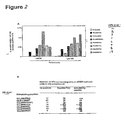
- Figure 2B shows these results. Comparable numbers of specific cells were obtained, whether SEQ ID NO:2, or a peptide analogue was used. The results confirm that SEQ ID NO:3 has poor immunogenicity, and that the majority of specific T cells elicited with the carboxy substituted peptides do cross react fully with SEQ ID NO:2.
- the invention relates to peptides, of sequence: SLLMWITQX (SEQ ID NO: 10) wherein X is other than cysteine and is either serine or is an amino acid with a non-polar side chain, such as Ala, Val, Leu, Ile, Pro, Phe, Met. Trp or Gly and is most preferably Ala. Ile. Val, Leu or Ser.
- SLLMWITQX SEQ ID NO: 10
- X is other than cysteine and is either serine or is an amino acid with a non-polar side chain, such as Ala, Val, Leu, Ile, Pro, Phe, Met. Trp or Gly and is most preferably Ala. Ile. Val, Leu or Ser.
- peptides of SEQ ID NO:10 is which X is two amino acids, the first of which is cysteine or alanine, and the second of which is any amino acid.
- the second amino acid is Phe, Ile, Val or Leu.
- the first amino acid is cysteine
- the second amino acid is Phe or Ile, as in SEQ ID NO:11, or 14.
- Yet another embodiment of the invention are analogues of the peptide set forth at SEQ ID NO:6, i.e.. peptides where at least one of the amino acids in SEQ ID NO:6 other than the C terminal amino acid has been substituted by Alanine.
- SEQ ID NO:27 is especially preferred, but the other peptides set forth at SEQ ID NOS: 20-26 are also a part of the invention.
- the HLA-A2 molecule is an MHC Class I molecule, and T cells which respond to complexes of peptides and class 1 molecules are generally CD8 - cells.
- Exemplary of the peptides defined by the core sequence ofSEQ ID NO: ID NO. 10 is the peptide defined by SEQ ID NO: ID NO: 6. This peptide, as indicated, binds to HLA-A2 molecules. Hence it is a "marker" for HLA-A2. as well as a component of peptide/MHC complexes which stimulate proliferation of CTLs, as is described supra . Similarly, peptides where Ile, Leu or Val is the carboxy terminus in the structure of SEQ ID NO: 10 can be used.
- the peptides may be combined with adjuvants to form therapeutic compositions.
- nucleic acid molecules which consist of nucleotide sequences (so-called “mini-genes") which encode the peptides of the invention. These mini-genes can be incorporated into expression vectors, in operable linkage with a promoter. Additional constructs which encode more than one peptide of the invention, including multiple copies of one or more peptides, are part of the invention. These constructs may be. e.g. in the form of recombinant vectors, or so-called “naked DNA", i.e. small nucleic acid molecules encoding the desired peptide or peptides. Similarly, recombinant cells which include the DNA or the vectors, such as eukaryotic or prokaryotic cells, are part of the invention.
- HLA-A2 positive cells such as HLA-A*0201 positive cells
- HLA-A*0201 positive cells by determining whether or not the peptides bind to cells in a sample.
- This "ligand/receptor" type of reaction is well known in the art, and various methodologies are available for determining it.
- a further aspect of the invention are so-called "mini genes" which carry information necessary to direct synthesis of peptides via cells into which the mini genes are transfected.
- Mini genes can be designed which encode one or more antigenic peptides, and are then transferred to host cell genomes via transfection with plasmids, or via cloning into vaccinia or adenoviruses. See, e.g., Zajac. et al., Int. J. Cancer 71: 496 (1997 ).
- These recombinant vectors such as recombinant vaccinia virus vectors, can be constructed so as to produce fusion proteins.
- fusion proteins can be constructed where one portion of the fusion protein is the desired tumor rejection antigen precursor, or tumor rejection antigen, and additional protein or peptide segments can be included.
- additional protein or peptide segments can be included.
- additional protein or peptide segments which can be added to the fusion proteins, are reporter proteins or peptides. i.e., proteins or peptides which give an observable signal so as to indicate that expression has occurred, such as green fluoresence protein.
- Additional reporter proteins include, but are by no means limited to, proteins such as ⁇ galactosidase, luciferase, dhfr.
- GFP enhanced green fluorescent protein
- the various reporter proteins available to the skilled artisan can be, and are used, in different Ways.
- “GFP” and “eGFP” can be used to visualize infected cells, thereby facilitating tracking when flow cytometry is used, and the isolation of the cells so infected.
- Other reporter proteins are useful when methods such as western blotting, immunoprecipitation, and so forth are used. These techniques are standard in the art and need not be reiterated here. Protein orpeptide segments which facilitate the cleavage of the tumor rejection antigen precursor or tumor rejection antigen from the fusion peptide may also be included.
- the fusion protein can include more than one tumorrejection antigen, as described, supra , and can also include proteins or peptides which facilitate the delivery of the tumor rejection antigen or antigens to a relevant MHC molecule.
- proteins and peptides are well known to the art, and need not be elaborated herein.
- recombinant cells which have been transfected with the recombinant reporter vectors described herein.
- Such cells may be, e.g., any type of eukaryotic cell, with human cells being especially preferred.
- Such cells can then be used, e.g., to produce tumor rejection antigen precursors or tumor rejection antigens. They can also be used, in an ex vivo context, to generate cytolytic T cells specific for particular complexes of MHC molecules and tumor rejection antigens. This can be done simply by contacting the transfected cells to a source of T cells, such as a blood sample, so as to provoke the proliferation of any cells in the sample specific to the complexes of MHC molecules and TRAs (i.e..
- tumor rejection antigens produced following expression of the fusion protein, and processing of the TRA.
- Such cells when rendered non-proliferative, can also be used as vaccine materials, as they will present the relevant complexes on their surface, and provoke the same type ofT cell response in vivo , as is shown herein.
- the vectors can be used as vaccine materials per se , and can be administered to a patient in need of a T cell response against complexes of MHC molecules and peptide on cell surfaces.
- T cells generated ex vivo can also be used to treat patients.
- the peptides may be combined with peptides from other tumor rejection antigens to form 'polytopes'.
- Exemplary peptides include those listed in U.S. Patent No. 5,932,684 , U.S. Patent Nos 5,821,122 , 5,939,526 and 6,025,470 .
- Additional peptides which can be used are those described in the following references, U.S. Patent Nos. 5.405.940 ; 5.487.974 ; 5.519.117 ; 5.530.096 ; 5.554.506 ; 5.554.724 ; 5.558.995 ; 5.585.461 ; 5.589.334 ; 5.648.216 ; and 5.683.886 ; PCT International Publication Nos. 92/20356 ; 94/14459 ; 96/10577 ; 96/21673 ; 97/10837 ; 97/26535 ; and 97/31017 as well as U.S. Patent No. 6,265,215 .
- Polytopes are groups of two or more potentially immunogenic or immune stimulating peptides, which can be joined together in various ways, to determine if this type of molecule will stimulate and/or provoke an immune response.
- the Tam reference in particular shows that polytopes, when used in a mouse model, are useful in generating both antibody and protective immunity. Further- the reference shows that the polytopes, when digested, yield peptides which can be and are presented by MHCs. Tam shows this by showing recognition of individual epitopes processed from polytope 'strings' via CTLs. This approach can be used. e.g., in determining how many epitopes can be joined in a polytope and still provoke recognition and also to determine the efficacy of different combinations of epitopes. Different combinations may be 'tailor-made' for the patients expressing particular subsets of tumor rejection antigens.
- polytopes can be introduced as polypeptide structures, or via the use of nucleic acid delivery systems.
- the art has many different ways available to introduce DNA encoding an individual epitope, or a polytope such as is discussed supra . See. e.g., Allsopp et al., Eur. J. Immunol. 26(8): 1951-1959 (1996 ).
- Adenovirus, pox-virus, Ty-virus like particles, plasmids, bacteria. etc. can be used.
- a feature of the invention is the use of these peptides to determine the presence of cytolytic T cells in a sample. It was shown, supra , that CTLs in a sample will react with peptide/MHC complexes. Hence, if one knows that CTLs are in a sample, HLA-A2 positive cells can be "lysed" by adding the peptides of the invention to HLA-A2 positive cells, such as HLA-A*0201 positive cells, and then determining, e.g., radioactive chromium release, TNF production, etc. or any other of the methods by which T cell activity is determined.
- TILs tumor infiltrating lymphocytes
- one of the claimed peptides with HLA-A2 positive cells to a sample, and determining lysis of the HLA-A2 positive cells via, e.g., 51 Cr release, TNF presence and so forth.
- CTL may be detected by ELISPOT analysis. See for example Schstoff et al., (1997). J. Immunol. Methods 210: 167-174 and Lalvani et al., (1997). J. Exp. Med. 126: 859 or by FACS analysis of fluorogenic tetramer complexes of MHC Class I/peptide ( Dunbar et al., (1998).
- the complexes comprise a first binding partner and a second binding partner, wherein the first and second binding partner are specific for each other.
- These can be, e.g., avidin or streptavidin and biotin, an antibody or a binding portion of an antibody specific to biotin, and so forth.
- the key feature is that the second binding partner must be bound to a plurality of complexes of an MHC molecule, a ⁇ 2 microglobulin molecule and a peptide which binds specifically to said MHC molecule, and the multicomponent complex must be labelled.
- the MHC molecules are preferably HLA-A2 molecules; however, it will be understood by the artisan of ordinary skill that any HLA molecule could be used.
- the second binding partner is biotin, but it may also be, e.g., an antibody which is specific for a component of the HLA/ ⁇ 2 microglobulin/peptide complex, such as an HLA specific antibody, or a ⁇ 2 microglobulin specific antibody.
- the first binding partner may be e.g., recombinant or naturally occurring protein L. recombinant or naturally occurring protein A. or even a second antibody.
- the complex can be in soluble form, or bound, e.g., to a removable solid phase, such as a magnetic bead.
- the number of HLA/ ⁇ 2 microglobulin/peptide complexes in the large molecule of the invention may vary. It comprises at least two complexes, and preferably at least four, but more may be present as well.
- the complex of binding partners and HLA/ ⁇ 2 microglobulin/peptide may be labelled, using any of the labels known to the art. Examples of fluorescent labels are given supra. Enzymatic labels, such as alkaline phosphatase, metal particles, colored plastics made of synthetic materials, radioactive labels, etc., may all be used.
- a third binding partner may also be used, which binds, specifically, to the first binding partner.
- the first binding partner is streptavidin
- the second binding partner is biotin
- the third binding partner may be a streptavidin specific antibody.
- the label referred to supra may be attached to any of the binding partners so long as engagement with the HLA/ ⁇ 2 microglobulin peptide complexes is not impaired.
- the complexes may be used. e.g., to identify or to isolate cytolytic T cells present in a sample, where these cells are specific for the HLA/ ⁇ 2 microglobulin/peptide complex. Such cytolytic T cells bind to the immunocomplexes of the invention.
- the sample being tested is treated with a reactant which specifically binds to a cytolytic T cell, wherein said label provides a detectable signal.
- the sample, including labelled CTLs is then contacted to the complex, where it binds, and can be separated via any of the standard, well known approaches to cell separation.
- FACS is used, but other separation methodologies will be known to the skilled artisan as well.
- the peptide used is left to the needs of the skilled artisan, and will depend. e.g., on the nature of the specific MHC system under consideration.
- the method can be used to monitor the status of tumors, following administration of a particular therapeutic agent, such as a vaccine. Further, since the methodology can be used to identify cytolytic T cell precursors, as shown, supra, one can identify candidates for potential therapies by determining if they possess the relevant T cell precursors.
- the peptides may also be used to provoke production of CTLs.
- CTL precursors develop into CTLs when confronted with appropriate complexes.
- CTLs By causing such a "confrontation" as it were, one may generate CTLs. This is useful in an in vivo context, as well as ex vivo , for generating such CTLs.
- peptides comprising a plurality of different peptides, at least one of which is a peptide of the invention, as well as “polytope” molecules, and nucleic acid molecules encoding them.
- Polytope refers to a recombinant molecule designed to contain a plurality of peptide sequences which are presented by MHC molecules, following intracellular processing. Such polytopes can consist of a repeating epitope, a number of different epitopes, and so forth.
Landscapes
- Health & Medical Sciences (AREA)
- Life Sciences & Earth Sciences (AREA)
- General Health & Medical Sciences (AREA)
- Epidemiology (AREA)
- Animal Behavior & Ethology (AREA)
- Public Health (AREA)
- Veterinary Medicine (AREA)
- Chemical & Material Sciences (AREA)
- Organic Chemistry (AREA)
- Medicinal Chemistry (AREA)
- Molecular Biology (AREA)
- Toxicology (AREA)
- Biochemistry (AREA)
- Biophysics (AREA)
- Genetics & Genomics (AREA)
- Gastroenterology & Hepatology (AREA)
- Peptides Or Proteins (AREA)
- Zoology (AREA)
- Immunology (AREA)
- Proteomics, Peptides & Aminoacids (AREA)
- Micro-Organisms Or Cultivation Processes Thereof (AREA)
- Investigating Or Analysing Biological Materials (AREA)
- Measuring Or Testing Involving Enzymes Or Micro-Organisms (AREA)
- Medicines That Contain Protein Lipid Enzymes And Other Medicines (AREA)
Applications Claiming Priority (7)
| Application Number | Priority Date | Filing Date | Title |
|---|---|---|---|
| US676005 | 1991-03-27 | ||
| US440621 | 1999-11-15 | ||
| US09/440,621 US6417165B1 (en) | 1988-03-27 | 1999-11-15 | NY-ESO-1-peptide derivatives, and uses thereof |
| US09/514,036 US6689742B1 (en) | 2000-02-25 | 2000-02-25 | NY-ESO-1 peptide derivatives, and uses thereof |
| US514036 | 2000-02-25 | ||
| US09/676,005 US6605711B1 (en) | 1999-11-15 | 2000-09-29 | NY-ESO-1 peptide derivatives, and uses thereof |
| PCT/US2000/042010 WO2001036453A2 (en) | 1999-11-15 | 2000-11-08 | Ny-eso-1 nanopeptide derivatives, and uses thereof |
Publications (2)
| Publication Number | Publication Date |
|---|---|
| EP1230261A2 EP1230261A2 (en) | 2002-08-14 |
| EP1230261B1 true EP1230261B1 (en) | 2008-06-25 |
Family
ID=27412062
Family Applications (1)
| Application Number | Title | Priority Date | Filing Date |
|---|---|---|---|
| EP00990987A Expired - Lifetime EP1230261B1 (en) | 1999-11-15 | 2000-11-08 | Ny-eso-1 nonapeptide derivatives, and uses thereof |
Country Status (5)
| Country | Link |
|---|---|
| EP (1) | EP1230261B1 (enExample) |
| JP (1) | JP4615805B2 (enExample) |
| AU (1) | AU776058B2 (enExample) |
| CA (1) | CA2390659C (enExample) |
| WO (1) | WO2001036453A2 (enExample) |
Families Citing this family (12)
| Publication number | Priority date | Publication date | Assignee | Title |
|---|---|---|---|---|
| GB9923337D0 (en) * | 1999-10-04 | 1999-12-08 | Isis Innovation | Binding agents |
| WO2001055393A2 (en) | 2000-01-28 | 2001-08-02 | The Government Of The United States Of America, As Represented By The Secretary, Department Of Health And Human Services | Mhc class ii restricted t cell epitopes from the cancer antigen ny-eso-1 |
| EP2292638A3 (en) | 2002-09-27 | 2011-03-23 | Ludwig Institute For Cancer Research | MAGE-C2 antigenic peptides and uses thereof |
| CN1910284B (zh) * | 2004-01-20 | 2011-04-06 | 爱知县 | 由HLA-A2402-限制的Ep-CAM-特异的CTL识别的表位/肽及其应用 |
| KR20070056042A (ko) | 2004-06-17 | 2007-05-31 | 맨카인드 코포레이션 | 에피토프 유사체 |
| US20160017031A1 (en) * | 2006-06-01 | 2016-01-21 | Receptor Logic, LLC | T cell receptor mimic rl9a |
| CA2971677A1 (en) | 2014-12-23 | 2016-06-30 | Margaret Anne Brimble | Amino acid and peptide conjugates and uses thereof |
| TW201735952A (zh) | 2016-02-26 | 2017-10-16 | 瑪格蕾特 安 布萊博 | 胺基酸及肽共軛物以及共軛過程 |
| EP3676250A4 (en) * | 2017-08-30 | 2021-05-26 | Auckland Uniservices Limited | PEPTIDE CONJUGATES, CONJUGATION METHODS AND USES THEREOF |
| CN112442118B (zh) * | 2019-08-30 | 2023-02-14 | 深圳普瑞金生物药业股份有限公司 | 一种tcr及其应用 |
| US20210369828A1 (en) * | 2020-05-28 | 2021-12-02 | Case Western Reserve University | Plant virus based cancer antigen vaccine |
| WO2025171250A1 (en) * | 2024-02-08 | 2025-08-14 | H. Lee Moffitt Cancer Center And Research Institute, Inc. | Nyeso1 tcr for t-cell therapy and methods of use |
Family Cites Families (1)
| Publication number | Priority date | Publication date | Assignee | Title |
|---|---|---|---|---|
| DE69837273T2 (de) * | 1997-10-08 | 2008-01-31 | The Government Of The United States Of America As Represented By The Secretary, Department Of Health And Human Services | Menschliches krebsantigen ny eso-1/cag-3 und dazu kodierendes gen |
-
2000
- 2000-11-08 JP JP2001538942A patent/JP4615805B2/ja not_active Expired - Fee Related
- 2000-11-08 EP EP00990987A patent/EP1230261B1/en not_active Expired - Lifetime
- 2000-11-08 WO PCT/US2000/042010 patent/WO2001036453A2/en not_active Ceased
- 2000-11-08 AU AU30791/01A patent/AU776058B2/en not_active Ceased
- 2000-11-08 CA CA002390659A patent/CA2390659C/en not_active Expired - Fee Related
Also Published As
| Publication number | Publication date |
|---|---|
| CA2390659A1 (en) | 2001-05-25 |
| CA2390659C (en) | 2010-03-02 |
| AU3079101A (en) | 2001-05-30 |
| JP2003533175A (ja) | 2003-11-11 |
| JP4615805B2 (ja) | 2011-01-19 |
| WO2001036453A2 (en) | 2001-05-25 |
| EP1230261A2 (en) | 2002-08-14 |
| AU776058B2 (en) | 2004-08-26 |
| WO2001036453A3 (en) | 2001-12-27 |
Similar Documents
| Publication | Publication Date | Title |
|---|---|---|
| US6605711B1 (en) | NY-ESO-1 peptide derivatives, and uses thereof | |
| EP0711173B1 (en) | Isolated peptides which form complexes with mhc molecule hla-c-clone 10 and uses thereof | |
| JP5627180B2 (ja) | 無差別的にヒト白血球抗体(hla)クラスii分子に結合する腫瘍関連ペプチド | |
| KR100384402B1 (ko) | 암 진단과 치료를 위한 방법과 정상 세포의 샘플에서병리적 마커를 확인하는 방법 | |
| CA2295321C (en) | Isolated nona- and decapeptides which bind to hla molecules, and the use thereof | |
| AU776058B2 (en) | NY-ESO-1 nonapeptide derivatives, and uses thereof | |
| US6417165B1 (en) | NY-ESO-1-peptide derivatives, and uses thereof | |
| US6277956B1 (en) | Isolated nona- and decapeptides which bind to HLA molecules, and the use thereof | |
| US6689742B1 (en) | NY-ESO-1 peptide derivatives, and uses thereof | |
| US5744353A (en) | Cytolytic T cell lines which bind to complexes of tumor rejection antigens and HLA-B44 molecules | |
| US10550166B2 (en) | Immunogenic peptides of the cyclin B1 tumor antigen | |
| CA2326675A1 (en) | Isolated peptides which bind to hla-b35 molecules | |
| CA2366059A1 (en) | Cloning of cdna of mage's 5, 8, 9 and 11 and their uses in diagnosis of cancer | |
| US6328971B1 (en) | MAGE-1 derived nona peptides, and compositions thereof | |
| US20070105779A1 (en) | Isolated, ssx-2 and ssx-2 related peptides useful as hla binders and ctl epitopes, and uses thereof | |
| US7041502B2 (en) | Isolated peptides which bind to HLA-B18 molecules and uses thereof | |
| WO2001016320A1 (en) | Isolated nona and decapeptides which bind to hla molecules, and the use thereof | |
| JP5736334B2 (ja) | 無差別的にヒト白血球抗体(hla)クラスii分子に結合する腫瘍関連ペプチド | |
| CA2165435C (en) | Isolated peptides which form complexes with mhc molecule hla-c-clone 10 and uses thereof | |
| US6680056B1 (en) | Method for identifying individuals suffering from a cellular abnormality some of whose abnormal cells present complexes of hla-cw 1601/mage-1 derived peptides, and methods for treating said individuals | |
| JP2012165743A (ja) | 無差別的にヒト白血球抗体(hla)クラスii分子に結合する腫瘍関連ペプチド | |
| HK1067645A1 (en) | Tumor antigen peptides originating in cyclophilin b | |
| WO2003104259A2 (en) | PEPTIDES PRESENTED BY HLA-B18 AND Cw16 MOLECULES, AND USES THEREOF |
Legal Events
| Date | Code | Title | Description |
|---|---|---|---|
| PUAI | Public reference made under article 153(3) epc to a published international application that has entered the european phase |
Free format text: ORIGINAL CODE: 0009012 |
|
| 17P | Request for examination filed |
Effective date: 20020610 |
|
| AK | Designated contracting states |
Kind code of ref document: A2 Designated state(s): AT BE CH CY DE DK ES FI FR GB GR IE IT LI LU MC NL PT SE TR |
|
| AX | Request for extension of the european patent |
Free format text: AL;LT;LV;MK;RO;SI |
|
| RIN1 | Information on inventor provided before grant (corrected) |
Inventor name: CERUNDOLO, VINCENZO Inventor name: VALMORI, DANILA, UNIV. LAUSANNE Inventor name: CHEN, JI-LI Inventor name: DUNBAR, PETER RODERICK Inventor name: CEROTTINI, JEAN-CHARLES, UNIVERSITY OF LAUSANNE Inventor name: ROMERO, PEDRO, UNIVERSITY OF LAUSANNE |
|
| 17Q | First examination report despatched |
Effective date: 20051031 |
|
| 17Q | First examination report despatched |
Effective date: 20051031 |
|
| GRAP | Despatch of communication of intention to grant a patent |
Free format text: ORIGINAL CODE: EPIDOSNIGR1 |
|
| GRAS | Grant fee paid |
Free format text: ORIGINAL CODE: EPIDOSNIGR3 |
|
| GRAA | (expected) grant |
Free format text: ORIGINAL CODE: 0009210 |
|
| AK | Designated contracting states |
Kind code of ref document: B1 Designated state(s): AT BE CH CY DE DK ES FI FR GB GR IE IT LI LU MC NL PT SE TR |
|
| REG | Reference to a national code |
Ref country code: GB Ref legal event code: FG4D |
|
| REG | Reference to a national code |
Ref country code: CH Ref legal event code: EP |
|
| REF | Corresponds to: |
Ref document number: 60039306 Country of ref document: DE Date of ref document: 20080807 Kind code of ref document: P |
|
| REG | Reference to a national code |
Ref country code: IE Ref legal event code: FG4D |
|
| REG | Reference to a national code |
Ref country code: DK Ref legal event code: T3 |
|
| REG | Reference to a national code |
Ref country code: SE Ref legal event code: TRGR |
|
| REG | Reference to a national code |
Ref country code: PT Ref legal event code: SC4A Free format text: AVAILABILITY OF NATIONAL TRANSLATION Effective date: 20080924 |
|
| REG | Reference to a national code |
Ref country code: GR Ref legal event code: EP Ref document number: 20080402548 Country of ref document: GR |
|
| REG | Reference to a national code |
Ref country code: ES Ref legal event code: FG2A Ref document number: 2309011 Country of ref document: ES Kind code of ref document: T3 |
|
| PLBE | No opposition filed within time limit |
Free format text: ORIGINAL CODE: 0009261 |
|
| STAA | Information on the status of an ep patent application or granted ep patent |
Free format text: STATUS: NO OPPOSITION FILED WITHIN TIME LIMIT |
|
| 26N | No opposition filed |
Effective date: 20090326 |
|
| PG25 | Lapsed in a contracting state [announced via postgrant information from national office to epo] |
Ref country code: CY Free format text: LAPSE BECAUSE OF FAILURE TO SUBMIT A TRANSLATION OF THE DESCRIPTION OR TO PAY THE FEE WITHIN THE PRESCRIBED TIME-LIMIT Effective date: 20080625 |
|
| PG25 | Lapsed in a contracting state [announced via postgrant information from national office to epo] |
Ref country code: TR Free format text: LAPSE BECAUSE OF FAILURE TO SUBMIT A TRANSLATION OF THE DESCRIPTION OR TO PAY THE FEE WITHIN THE PRESCRIBED TIME-LIMIT Effective date: 20080625 |
|
| REG | Reference to a national code |
Ref country code: FR Ref legal event code: PLFP Year of fee payment: 16 |
|
| PGFP | Annual fee paid to national office [announced via postgrant information from national office to epo] |
Ref country code: IT Payment date: 20151124 Year of fee payment: 16 Ref country code: FI Payment date: 20151120 Year of fee payment: 16 Ref country code: LU Payment date: 20151125 Year of fee payment: 16 Ref country code: GR Payment date: 20151124 Year of fee payment: 16 Ref country code: CH Payment date: 20151123 Year of fee payment: 16 Ref country code: IE Payment date: 20151123 Year of fee payment: 16 Ref country code: GB Payment date: 20151123 Year of fee payment: 16 Ref country code: DK Payment date: 20151124 Year of fee payment: 16 Ref country code: DE Payment date: 20151119 Year of fee payment: 16 |
|
| PGFP | Annual fee paid to national office [announced via postgrant information from national office to epo] |
Ref country code: NL Payment date: 20151124 Year of fee payment: 16 Ref country code: AT Payment date: 20151120 Year of fee payment: 16 Ref country code: ES Payment date: 20151124 Year of fee payment: 16 Ref country code: PT Payment date: 20151027 Year of fee payment: 16 Ref country code: MC Payment date: 20151123 Year of fee payment: 16 Ref country code: FR Payment date: 20151124 Year of fee payment: 16 Ref country code: SE Payment date: 20151123 Year of fee payment: 16 Ref country code: BE Payment date: 20151124 Year of fee payment: 16 |
|
| PG25 | Lapsed in a contracting state [announced via postgrant information from national office to epo] |
Ref country code: BE Free format text: LAPSE BECAUSE OF NON-PAYMENT OF DUE FEES Effective date: 20161130 |
|
| REG | Reference to a national code |
Ref country code: DE Ref legal event code: R119 Ref document number: 60039306 Country of ref document: DE |
|
| REG | Reference to a national code |
Ref country code: DK Ref legal event code: EBP Effective date: 20161130 |
|
| REG | Reference to a national code |
Ref country code: CH Ref legal event code: PL |
|
| REG | Reference to a national code |
Ref country code: SE Ref legal event code: EUG |
|
| REG | Reference to a national code |
Ref country code: NL Ref legal event code: MM Effective date: 20161201 |
|
| REG | Reference to a national code |
Ref country code: AT Ref legal event code: MM01 Ref document number: 399176 Country of ref document: AT Kind code of ref document: T Effective date: 20161108 |
|
| GBPC | Gb: european patent ceased through non-payment of renewal fee |
Effective date: 20161108 |
|
| PG25 | Lapsed in a contracting state [announced via postgrant information from national office to epo] |
Ref country code: GR Free format text: LAPSE BECAUSE OF NON-PAYMENT OF DUE FEES Effective date: 20170612 Ref country code: FI Free format text: LAPSE BECAUSE OF NON-PAYMENT OF DUE FEES Effective date: 20161108 Ref country code: LI Free format text: LAPSE BECAUSE OF NON-PAYMENT OF DUE FEES Effective date: 20161130 Ref country code: CH Free format text: LAPSE BECAUSE OF NON-PAYMENT OF DUE FEES Effective date: 20161130 |
|
| REG | Reference to a national code |
Ref country code: IE Ref legal event code: MM4A |
|
| REG | Reference to a national code |
Ref country code: FR Ref legal event code: ST Effective date: 20170731 |
|
| PG25 | Lapsed in a contracting state [announced via postgrant information from national office to epo] |
Ref country code: SE Free format text: LAPSE BECAUSE OF NON-PAYMENT OF DUE FEES Effective date: 20161109 Ref country code: AT Free format text: LAPSE BECAUSE OF NON-PAYMENT OF DUE FEES Effective date: 20161108 Ref country code: PT Free format text: LAPSE BECAUSE OF NON-PAYMENT OF DUE FEES Effective date: 20170508 |
|
| PG25 | Lapsed in a contracting state [announced via postgrant information from national office to epo] |
Ref country code: LU Free format text: LAPSE BECAUSE OF NON-PAYMENT OF DUE FEES Effective date: 20161130 Ref country code: NL Free format text: LAPSE BECAUSE OF NON-PAYMENT OF DUE FEES Effective date: 20161201 |
|
| PG25 | Lapsed in a contracting state [announced via postgrant information from national office to epo] |
Ref country code: FR Free format text: LAPSE BECAUSE OF NON-PAYMENT OF DUE FEES Effective date: 20161130 Ref country code: IT Free format text: LAPSE BECAUSE OF NON-PAYMENT OF DUE FEES Effective date: 20161108 |
|
| PG25 | Lapsed in a contracting state [announced via postgrant information from national office to epo] |
Ref country code: DK Free format text: LAPSE BECAUSE OF NON-PAYMENT OF DUE FEES Effective date: 20161130 Ref country code: DE Free format text: LAPSE BECAUSE OF NON-PAYMENT OF DUE FEES Effective date: 20170601 Ref country code: GB Free format text: LAPSE BECAUSE OF NON-PAYMENT OF DUE FEES Effective date: 20161108 Ref country code: IE Free format text: LAPSE BECAUSE OF NON-PAYMENT OF DUE FEES Effective date: 20161108 |
|
| REG | Reference to a national code |
Ref country code: BE Ref legal event code: MM Effective date: 20161130 |
|
| PG25 | Lapsed in a contracting state [announced via postgrant information from national office to epo] |
Ref country code: ES Free format text: LAPSE BECAUSE OF FAILURE TO SUBMIT A TRANSLATION OF THE DESCRIPTION OR TO PAY THE FEE WITHIN THE PRESCRIBED TIME-LIMIT Effective date: 20080625 |
|
| REG | Reference to a national code |
Ref country code: ES Ref legal event code: FD2A Effective date: 20180625 |
|
| PG25 | Lapsed in a contracting state [announced via postgrant information from national office to epo] |
Ref country code: MC Free format text: LAPSE BECAUSE OF NON-PAYMENT OF DUE FEES Effective date: 20161130 |
|
| PG25 | Lapsed in a contracting state [announced via postgrant information from national office to epo] |
Ref country code: ES Free format text: LAPSE BECAUSE OF FAILURE TO SUBMIT A TRANSLATION OF THE DESCRIPTION OR TO PAY THE FEE WITHIN THE PRESCRIBED TIME-LIMIT Effective date: 20161109 |