EP1228232B1 - Rekombinanter sendaivirus-vektor für die einführung von fremdgenen ins epithel der atemwege - Google Patents
Rekombinanter sendaivirus-vektor für die einführung von fremdgenen ins epithel der atemwege Download PDFInfo
- Publication number
- EP1228232B1 EP1228232B1 EP00971756A EP00971756A EP1228232B1 EP 1228232 B1 EP1228232 B1 EP 1228232B1 EP 00971756 A EP00971756 A EP 00971756A EP 00971756 A EP00971756 A EP 00971756A EP 1228232 B1 EP1228232 B1 EP 1228232B1
- Authority
- EP
- European Patent Office
- Prior art keywords
- gene
- sendai virus
- cells
- vector
- virus vector
- Prior art date
- Legal status (The legal status is an assumption and is not a legal conclusion. Google has not performed a legal analysis and makes no representation as to the accuracy of the status listed.)
- Expired - Lifetime
Links
- 108090000623 proteins and genes Proteins 0.000 title claims abstract description 157
- 239000013598 vector Substances 0.000 title claims abstract description 99
- 241000711408 Murine respirovirus Species 0.000 title claims abstract description 75
- 238000001415 gene therapy Methods 0.000 claims abstract description 12
- 239000000203 mixture Substances 0.000 claims description 27
- 210000004072 lung Anatomy 0.000 claims description 26
- 102000012605 Cystic Fibrosis Transmembrane Conductance Regulator Human genes 0.000 claims description 21
- 108010079245 Cystic Fibrosis Transmembrane Conductance Regulator Proteins 0.000 claims description 21
- 201000003883 Cystic fibrosis Diseases 0.000 claims description 13
- 210000001331 nose Anatomy 0.000 claims description 11
- 210000003437 trachea Anatomy 0.000 claims description 10
- 102000004169 proteins and genes Human genes 0.000 claims description 8
- 239000012530 fluid Substances 0.000 claims description 5
- 101150034814 F gene Proteins 0.000 claims description 4
- 101150008820 HN gene Proteins 0.000 claims description 3
- 210000000991 chicken egg Anatomy 0.000 claims description 3
- 238000012217 deletion Methods 0.000 claims description 3
- 230000037430 deletion Effects 0.000 claims description 3
- 238000003780 insertion Methods 0.000 claims description 3
- 230000037431 insertion Effects 0.000 claims description 3
- 238000006467 substitution reaction Methods 0.000 claims description 3
- 210000003800 pharynx Anatomy 0.000 claims description 2
- 238000004519 manufacturing process Methods 0.000 claims 2
- 210000004027 cell Anatomy 0.000 abstract description 75
- 238000012546 transfer Methods 0.000 abstract description 49
- 238000000034 method Methods 0.000 abstract description 25
- 210000001552 airway epithelial cell Anatomy 0.000 abstract description 18
- 210000004878 submucosal gland Anatomy 0.000 abstract description 8
- 230000002950 deficient Effects 0.000 abstract description 4
- 208000037265 diseases, disorders, signs and symptoms Diseases 0.000 abstract description 4
- 201000010099 disease Diseases 0.000 abstract description 3
- OHCQJHSOBUTRHG-KGGHGJDLSA-N FORSKOLIN Chemical compound O=C([C@@]12O)C[C@](C)(C=C)O[C@]1(C)[C@@H](OC(=O)C)[C@@H](O)[C@@H]1[C@]2(C)[C@@H](O)CCC1(C)C OHCQJHSOBUTRHG-KGGHGJDLSA-N 0.000 description 32
- 241000700605 Viruses Species 0.000 description 23
- 239000002299 complementary DNA Substances 0.000 description 20
- 241000701161 unidentified adenovirus Species 0.000 description 18
- 108020004414 DNA Proteins 0.000 description 17
- SUZLHDUTVMZSEV-UHFFFAOYSA-N Deoxycoleonol Natural products C12C(=O)CC(C)(C=C)OC2(C)C(OC(=O)C)C(O)C2C1(C)C(O)CCC2(C)C SUZLHDUTVMZSEV-UHFFFAOYSA-N 0.000 description 16
- OHCQJHSOBUTRHG-UHFFFAOYSA-N colforsin Natural products OC12C(=O)CC(C)(C=C)OC1(C)C(OC(=O)C)C(O)C1C2(C)C(O)CCC1(C)C OHCQJHSOBUTRHG-UHFFFAOYSA-N 0.000 description 16
- 230000014509 gene expression Effects 0.000 description 16
- 230000000694 effects Effects 0.000 description 15
- 210000003097 mucus Anatomy 0.000 description 15
- -1 cationic lipid Chemical class 0.000 description 12
- 241001494479 Pecora Species 0.000 description 11
- 239000012528 membrane Substances 0.000 description 11
- 210000004379 membrane Anatomy 0.000 description 11
- 239000005089 Luciferase Substances 0.000 description 10
- 241000699666 Mus <mouse, genus> Species 0.000 description 10
- 239000002502 liposome Substances 0.000 description 10
- 241000282414 Homo sapiens Species 0.000 description 9
- 238000001727 in vivo Methods 0.000 description 9
- 239000000243 solution Substances 0.000 description 9
- 210000001519 tissue Anatomy 0.000 description 9
- OPIFSICVWOWJMJ-AEOCFKNESA-N 5-bromo-4-chloro-3-indolyl beta-D-galactoside Chemical compound O[C@@H]1[C@@H](O)[C@@H](O)[C@@H](CO)O[C@H]1OC1=CNC2=CC=C(Br)C(Cl)=C12 OPIFSICVWOWJMJ-AEOCFKNESA-N 0.000 description 8
- 108060001084 Luciferase Proteins 0.000 description 8
- 239000005090 green fluorescent protein Substances 0.000 description 8
- 239000013612 plasmid Substances 0.000 description 8
- 101100221606 Saccharomyces cerevisiae (strain ATCC 204508 / S288c) COS7 gene Proteins 0.000 description 7
- 108010005774 beta-Galactosidase Proteins 0.000 description 7
- 230000001404 mediated effect Effects 0.000 description 7
- 238000001890 transfection Methods 0.000 description 7
- 108010043121 Green Fluorescent Proteins Proteins 0.000 description 6
- 102000004144 Green Fluorescent Proteins Human genes 0.000 description 6
- 241000700618 Vaccinia virus Species 0.000 description 6
- WQZGKKKJIJFFOK-FPRJBGLDSA-N beta-D-galactose Chemical compound OC[C@H]1O[C@@H](O)[C@H](O)[C@@H](O)[C@H]1O WQZGKKKJIJFFOK-FPRJBGLDSA-N 0.000 description 6
- 210000002919 epithelial cell Anatomy 0.000 description 6
- 239000012634 fragment Substances 0.000 description 6
- 238000003670 luciferase enzyme activity assay Methods 0.000 description 6
- 239000002953 phosphate buffered saline Substances 0.000 description 6
- 101150029409 CFTR gene Proteins 0.000 description 5
- 241000287828 Gallus gallus Species 0.000 description 5
- 241001465754 Metazoa Species 0.000 description 5
- 125000002091 cationic group Chemical group 0.000 description 5
- 230000000295 complement effect Effects 0.000 description 5
- 235000013601 eggs Nutrition 0.000 description 5
- 241000283690 Bos taurus Species 0.000 description 4
- 241000282341 Mustela putorius furo Species 0.000 description 4
- 239000003814 drug Substances 0.000 description 4
- 230000004927 fusion Effects 0.000 description 4
- 229960004580 glibenclamide Drugs 0.000 description 4
- ZNNLBTZKUZBEKO-UHFFFAOYSA-N glyburide Chemical compound COC1=CC=C(Cl)C=C1C(=O)NCCC1=CC=C(S(=O)(=O)NC(=O)NC2CCCCC2)C=C1 ZNNLBTZKUZBEKO-UHFFFAOYSA-N 0.000 description 4
- 239000002609 medium Substances 0.000 description 4
- 230000010412 perfusion Effects 0.000 description 4
- 238000010186 staining Methods 0.000 description 4
- 241000282693 Cercopithecidae Species 0.000 description 3
- WQZGKKKJIJFFOK-GASJEMHNSA-N Glucose Natural products OC[C@H]1OC(O)[C@H](O)[C@@H](O)[C@@H]1O WQZGKKKJIJFFOK-GASJEMHNSA-N 0.000 description 3
- 241000699670 Mus sp. Species 0.000 description 3
- 108091028043 Nucleic acid sequence Proteins 0.000 description 3
- 210000000270 basal cell Anatomy 0.000 description 3
- 101150055766 cat gene Proteins 0.000 description 3
- 229940079593 drug Drugs 0.000 description 3
- DEFVIWRASFVYLL-UHFFFAOYSA-N ethylene glycol bis(2-aminoethyl)tetraacetic acid Chemical compound OC(=O)CN(CC(O)=O)CCOCCOCCN(CC(O)=O)CC(O)=O DEFVIWRASFVYLL-UHFFFAOYSA-N 0.000 description 3
- 238000000338 in vitro Methods 0.000 description 3
- 208000015181 infectious disease Diseases 0.000 description 3
- 238000001990 intravenous administration Methods 0.000 description 3
- 210000003734 kidney Anatomy 0.000 description 3
- 101150066555 lacZ gene Proteins 0.000 description 3
- 239000002245 particle Substances 0.000 description 3
- 102000005962 receptors Human genes 0.000 description 3
- 108020003175 receptors Proteins 0.000 description 3
- 210000001944 turbinate Anatomy 0.000 description 3
- XLYOFNOQVPJJNP-UHFFFAOYSA-N water Chemical compound O XLYOFNOQVPJJNP-UHFFFAOYSA-N 0.000 description 3
- 108091032973 (ribonucleotides)n+m Proteins 0.000 description 2
- JKMHFZQWWAIEOD-UHFFFAOYSA-N 2-[4-(2-hydroxyethyl)piperazin-1-yl]ethanesulfonic acid Chemical compound OCC[NH+]1CCN(CCS([O-])(=O)=O)CC1 JKMHFZQWWAIEOD-UHFFFAOYSA-N 0.000 description 2
- 108091003079 Bovine Serum Albumin Proteins 0.000 description 2
- 108010035563 Chloramphenicol O-acetyltransferase Proteins 0.000 description 2
- UHDGCWIWMRVCDJ-CCXZUQQUSA-N Cytarabine Chemical compound O=C1N=C(N)C=CN1[C@H]1[C@@H](O)[C@H](O)[C@@H](CO)O1 UHDGCWIWMRVCDJ-CCXZUQQUSA-N 0.000 description 2
- 239000006144 Dulbecco’s modified Eagle's medium Substances 0.000 description 2
- 241000588724 Escherichia coli Species 0.000 description 2
- WSFSSNUMVMOOMR-UHFFFAOYSA-N Formaldehyde Chemical compound O=C WSFSSNUMVMOOMR-UHFFFAOYSA-N 0.000 description 2
- SXRSQZLOMIGNAQ-UHFFFAOYSA-N Glutaraldehyde Chemical compound O=CCCCC=O SXRSQZLOMIGNAQ-UHFFFAOYSA-N 0.000 description 2
- 239000007995 HEPES buffer Substances 0.000 description 2
- TWRXJAOTZQYOKJ-UHFFFAOYSA-L Magnesium chloride Chemical compound [Mg+2].[Cl-].[Cl-] TWRXJAOTZQYOKJ-UHFFFAOYSA-L 0.000 description 2
- 241000124008 Mammalia Species 0.000 description 2
- 241000282339 Mustela Species 0.000 description 2
- JGSARLDLIJGVTE-MBNYWOFBSA-N Penicillin G Chemical compound N([C@H]1[C@H]2SC([C@@H](N2C1=O)C(O)=O)(C)C)C(=O)CC1=CC=CC=C1 JGSARLDLIJGVTE-MBNYWOFBSA-N 0.000 description 2
- 102000004389 Ribonucleoproteins Human genes 0.000 description 2
- 108010081734 Ribonucleoproteins Proteins 0.000 description 2
- 241000714474 Rous sarcoma virus Species 0.000 description 2
- FAPWRFPIFSIZLT-UHFFFAOYSA-M Sodium chloride Chemical compound [Na+].[Cl-] FAPWRFPIFSIZLT-UHFFFAOYSA-M 0.000 description 2
- 102000019197 Superoxide Dismutase Human genes 0.000 description 2
- 108010012715 Superoxide dismutase Proteins 0.000 description 2
- 239000007983 Tris buffer Substances 0.000 description 2
- 102000015395 alpha 1-Antitrypsin Human genes 0.000 description 2
- 108010050122 alpha 1-Antitrypsin Proteins 0.000 description 2
- 229940024142 alpha 1-antitrypsin Drugs 0.000 description 2
- 230000004888 barrier function Effects 0.000 description 2
- 238000010009 beating Methods 0.000 description 2
- 210000000170 cell membrane Anatomy 0.000 description 2
- 238000006243 chemical reaction Methods 0.000 description 2
- 230000001886 ciliary effect Effects 0.000 description 2
- 238000010276 construction Methods 0.000 description 2
- 239000012894 fetal calf serum Substances 0.000 description 2
- 239000008103 glucose Substances 0.000 description 2
- 230000004941 influx Effects 0.000 description 2
- 230000010354 integration Effects 0.000 description 2
- 239000007928 intraperitoneal injection Substances 0.000 description 2
- 210000003928 nasal cavity Anatomy 0.000 description 2
- 210000000056 organ Anatomy 0.000 description 2
- 238000012402 patch clamp technique Methods 0.000 description 2
- 239000013600 plasmid vector Substances 0.000 description 2
- 239000000047 product Substances 0.000 description 2
- 210000002345 respiratory system Anatomy 0.000 description 2
- 125000006850 spacer group Chemical group 0.000 description 2
- 239000003381 stabilizer Substances 0.000 description 2
- UCSJYZPVAKXKNQ-HZYVHMACSA-N streptomycin Chemical compound CN[C@H]1[C@H](O)[C@@H](O)[C@H](CO)O[C@H]1O[C@@H]1[C@](C=O)(O)[C@H](C)O[C@H]1O[C@@H]1[C@@H](NC(N)=N)[C@H](O)[C@@H](NC(N)=N)[C@H](O)[C@H]1O UCSJYZPVAKXKNQ-HZYVHMACSA-N 0.000 description 2
- 229940032362 superoxide dismutase Drugs 0.000 description 2
- 238000002560 therapeutic procedure Methods 0.000 description 2
- LENZDBCJOHFCAS-UHFFFAOYSA-N tris Chemical compound OCC(N)(CO)CO LENZDBCJOHFCAS-UHFFFAOYSA-N 0.000 description 2
- KZDCMKVLEYCGQX-UDPGNSCCSA-N 2-(diethylamino)ethyl 4-aminobenzoate;(2s,5r,6r)-3,3-dimethyl-7-oxo-6-[(2-phenylacetyl)amino]-4-thia-1-azabicyclo[3.2.0]heptane-2-carboxylic acid;hydrate Chemical compound O.CCN(CC)CCOC(=O)C1=CC=C(N)C=C1.N([C@H]1[C@H]2SC([C@@H](N2C1=O)C(O)=O)(C)C)C(=O)CC1=CC=CC=C1 KZDCMKVLEYCGQX-UDPGNSCCSA-N 0.000 description 1
- 101150090724 3 gene Proteins 0.000 description 1
- 101150033839 4 gene Proteins 0.000 description 1
- 101150096316 5 gene Proteins 0.000 description 1
- 108010088751 Albumins Proteins 0.000 description 1
- 102000009027 Albumins Human genes 0.000 description 1
- 206010002091 Anaesthesia Diseases 0.000 description 1
- 102100026189 Beta-galactosidase Human genes 0.000 description 1
- OYPRJOBELJOOCE-UHFFFAOYSA-N Calcium Chemical compound [Ca] OYPRJOBELJOOCE-UHFFFAOYSA-N 0.000 description 1
- 102100035882 Catalase Human genes 0.000 description 1
- 108010053835 Catalase Proteins 0.000 description 1
- 102000053642 Catalytic RNA Human genes 0.000 description 1
- 108090000994 Catalytic RNA Proteins 0.000 description 1
- 102000011045 Chloride Channels Human genes 0.000 description 1
- 108010062745 Chloride Channels Proteins 0.000 description 1
- 108020004705 Codon Proteins 0.000 description 1
- 208000035473 Communicable disease Diseases 0.000 description 1
- 241000699800 Cricetinae Species 0.000 description 1
- XFXPMWWXUTWYJX-UHFFFAOYSA-N Cyanide Chemical compound N#[C-] XFXPMWWXUTWYJX-UHFFFAOYSA-N 0.000 description 1
- 102000016911 Deoxyribonucleases Human genes 0.000 description 1
- 108010053770 Deoxyribonucleases Proteins 0.000 description 1
- 102000004190 Enzymes Human genes 0.000 description 1
- 108090000790 Enzymes Proteins 0.000 description 1
- 101001065501 Escherichia phage MS2 Lysis protein Proteins 0.000 description 1
- CWYNVVGOOAEACU-UHFFFAOYSA-N Fe2+ Chemical compound [Fe+2] CWYNVVGOOAEACU-UHFFFAOYSA-N 0.000 description 1
- 101710154606 Hemagglutinin Proteins 0.000 description 1
- 241000724709 Hepatitis delta virus Species 0.000 description 1
- 101000823116 Homo sapiens Alpha-1-antitrypsin Proteins 0.000 description 1
- 241000701024 Human betaherpesvirus 5 Species 0.000 description 1
- 208000026350 Inborn Genetic disease Diseases 0.000 description 1
- 206010062018 Inborn error of metabolism Diseases 0.000 description 1
- 108091092195 Intron Proteins 0.000 description 1
- 239000007836 KH2PO4 Substances 0.000 description 1
- 101710128836 Large T antigen Proteins 0.000 description 1
- 241000713333 Mouse mammary tumor virus Species 0.000 description 1
- 241001529936 Murinae Species 0.000 description 1
- 108091061960 Naked DNA Proteins 0.000 description 1
- 101710141454 Nucleoprotein Proteins 0.000 description 1
- 241000283973 Oryctolagus cuniculus Species 0.000 description 1
- 101710093908 Outer capsid protein VP4 Proteins 0.000 description 1
- 101710135467 Outer capsid protein sigma-1 Proteins 0.000 description 1
- 229910019142 PO4 Inorganic materials 0.000 description 1
- 229930040373 Paraformaldehyde Natural products 0.000 description 1
- 241000711504 Paramyxoviridae Species 0.000 description 1
- ZLMJMSJWJFRBEC-UHFFFAOYSA-N Potassium Chemical compound [K] ZLMJMSJWJFRBEC-UHFFFAOYSA-N 0.000 description 1
- 229940124158 Protease/peptidase inhibitor Drugs 0.000 description 1
- 101710176177 Protein A56 Proteins 0.000 description 1
- 108010076504 Protein Sorting Signals Proteins 0.000 description 1
- 241000700159 Rattus Species 0.000 description 1
- 241000283984 Rodentia Species 0.000 description 1
- 108091081024 Start codon Proteins 0.000 description 1
- 241000282887 Suidae Species 0.000 description 1
- 108010001244 Tli polymerase Proteins 0.000 description 1
- GLNADSQYFUSGOU-GPTZEZBUSA-J Trypan blue Chemical compound [Na+].[Na+].[Na+].[Na+].C1=C(S([O-])(=O)=O)C=C2C=C(S([O-])(=O)=O)C(/N=N/C3=CC=C(C=C3C)C=3C=C(C(=CC=3)\N=N\C=3C(=CC4=CC(=CC(N)=C4C=3O)S([O-])(=O)=O)S([O-])(=O)=O)C)=C(O)C2=C1N GLNADSQYFUSGOU-GPTZEZBUSA-J 0.000 description 1
- 108010067390 Viral Proteins Proteins 0.000 description 1
- 230000002159 abnormal effect Effects 0.000 description 1
- 230000037005 anaesthesia Effects 0.000 description 1
- 239000003242 anti bacterial agent Substances 0.000 description 1
- 230000000692 anti-sense effect Effects 0.000 description 1
- 229940088710 antibiotic agent Drugs 0.000 description 1
- 238000013459 approach Methods 0.000 description 1
- 238000003556 assay Methods 0.000 description 1
- 239000012131 assay buffer Substances 0.000 description 1
- 208000006673 asthma Diseases 0.000 description 1
- 230000003115 biocidal effect Effects 0.000 description 1
- 239000003139 biocide Substances 0.000 description 1
- 230000015572 biosynthetic process Effects 0.000 description 1
- 239000012888 bovine serum Substances 0.000 description 1
- 210000000621 bronchi Anatomy 0.000 description 1
- 210000000233 bronchiolar non-ciliated Anatomy 0.000 description 1
- 230000001680 brushing effect Effects 0.000 description 1
- 239000011575 calcium Substances 0.000 description 1
- 229910052791 calcium Inorganic materials 0.000 description 1
- 230000001413 cellular effect Effects 0.000 description 1
- 230000008859 change Effects 0.000 description 1
- 238000012512 characterization method Methods 0.000 description 1
- 239000002727 chloride channel blocking agent Substances 0.000 description 1
- 210000000349 chromosome Anatomy 0.000 description 1
- 210000000215 ciliated epithelial cell Anatomy 0.000 description 1
- 238000003776 cleavage reaction Methods 0.000 description 1
- 210000002777 columnar cell Anatomy 0.000 description 1
- 210000002808 connective tissue Anatomy 0.000 description 1
- 210000004748 cultured cell Anatomy 0.000 description 1
- 238000011461 current therapy Methods 0.000 description 1
- 230000003013 cytotoxicity Effects 0.000 description 1
- 231100000135 cytotoxicity Toxicity 0.000 description 1
- 230000007547 defect Effects 0.000 description 1
- 239000008367 deionised water Substances 0.000 description 1
- 229910021641 deionized water Inorganic materials 0.000 description 1
- 230000001419 dependent effect Effects 0.000 description 1
- 238000011161 development Methods 0.000 description 1
- 239000008121 dextrose Substances 0.000 description 1
- 238000003113 dilution method Methods 0.000 description 1
- LOKCTEFSRHRXRJ-UHFFFAOYSA-I dipotassium trisodium dihydrogen phosphate hydrogen phosphate dichloride Chemical compound P(=O)(O)(O)[O-].[K+].P(=O)(O)([O-])[O-].[Na+].[Na+].[Cl-].[K+].[Cl-].[Na+] LOKCTEFSRHRXRJ-UHFFFAOYSA-I 0.000 description 1
- BNIILDVGGAEEIG-UHFFFAOYSA-L disodium hydrogen phosphate Chemical compound [Na+].[Na+].OP([O-])([O-])=O BNIILDVGGAEEIG-UHFFFAOYSA-L 0.000 description 1
- 229910000397 disodium phosphate Inorganic materials 0.000 description 1
- 208000035475 disorder Diseases 0.000 description 1
- 239000002552 dosage form Substances 0.000 description 1
- 229940088598 enzyme Drugs 0.000 description 1
- 210000005081 epithelial layer Anatomy 0.000 description 1
- 210000003743 erythrocyte Anatomy 0.000 description 1
- 239000013613 expression plasmid Substances 0.000 description 1
- 230000001605 fetal effect Effects 0.000 description 1
- 239000000834 fixative Substances 0.000 description 1
- 230000008014 freezing Effects 0.000 description 1
- 238000007710 freezing Methods 0.000 description 1
- 238000012637 gene transfection Methods 0.000 description 1
- 208000016361 genetic disease Diseases 0.000 description 1
- 210000004907 gland Anatomy 0.000 description 1
- 239000011521 glass Substances 0.000 description 1
- 210000002175 goblet cell Anatomy 0.000 description 1
- 239000001963 growth medium Substances 0.000 description 1
- 230000035931 haemagglutination Effects 0.000 description 1
- 239000000185 hemagglutinin Substances 0.000 description 1
- 238000011065 in-situ storage Methods 0.000 description 1
- 208000016245 inborn errors of metabolism Diseases 0.000 description 1
- 102000006495 integrins Human genes 0.000 description 1
- 108010044426 integrins Proteins 0.000 description 1
- 238000001361 intraarterial administration Methods 0.000 description 1
- 238000007912 intraperitoneal administration Methods 0.000 description 1
- PANJMBIFGCKWBY-UHFFFAOYSA-N iron tricyanide Chemical compound N#C[Fe](C#N)C#N PANJMBIFGCKWBY-UHFFFAOYSA-N 0.000 description 1
- 239000003446 ligand Substances 0.000 description 1
- 238000001638 lipofection Methods 0.000 description 1
- 239000007788 liquid Substances 0.000 description 1
- 210000004185 liver Anatomy 0.000 description 1
- 231100000053 low toxicity Toxicity 0.000 description 1
- 239000012139 lysis buffer Substances 0.000 description 1
- 229910001629 magnesium chloride Inorganic materials 0.000 description 1
- 239000000463 material Substances 0.000 description 1
- 239000011159 matrix material Substances 0.000 description 1
- 238000005259 measurement Methods 0.000 description 1
- 230000007246 mechanism Effects 0.000 description 1
- 239000007758 minimum essential medium Substances 0.000 description 1
- 238000010369 molecular cloning Methods 0.000 description 1
- 229910000402 monopotassium phosphate Inorganic materials 0.000 description 1
- 210000003205 muscle Anatomy 0.000 description 1
- 230000035772 mutation Effects 0.000 description 1
- 238000011587 new zealand white rabbit Methods 0.000 description 1
- 108020004707 nucleic acids Proteins 0.000 description 1
- 102000039446 nucleic acids Human genes 0.000 description 1
- 150000007523 nucleic acids Chemical class 0.000 description 1
- 239000002773 nucleotide Substances 0.000 description 1
- 125000003729 nucleotide group Chemical group 0.000 description 1
- 210000000496 pancreas Anatomy 0.000 description 1
- 239000012188 paraffin wax Substances 0.000 description 1
- 229920002866 paraformaldehyde Polymers 0.000 description 1
- 230000000149 penetrating effect Effects 0.000 description 1
- 229940056360 penicillin g Drugs 0.000 description 1
- 239000000137 peptide hydrolase inhibitor Substances 0.000 description 1
- 230000002572 peristaltic effect Effects 0.000 description 1
- 210000004043 pneumocyte Anatomy 0.000 description 1
- 238000003752 polymerase chain reaction Methods 0.000 description 1
- 239000011591 potassium Substances 0.000 description 1
- 229910052700 potassium Inorganic materials 0.000 description 1
- GNSKLFRGEWLPPA-UHFFFAOYSA-M potassium dihydrogen phosphate Chemical compound [K+].OP(O)([O-])=O GNSKLFRGEWLPPA-UHFFFAOYSA-M 0.000 description 1
- 238000011533 pre-incubation Methods 0.000 description 1
- 238000002360 preparation method Methods 0.000 description 1
- 238000002731 protein assay Methods 0.000 description 1
- 230000002685 pulmonary effect Effects 0.000 description 1
- 238000011084 recovery Methods 0.000 description 1
- 230000003362 replicative effect Effects 0.000 description 1
- 238000011160 research Methods 0.000 description 1
- 230000004044 response Effects 0.000 description 1
- 108091092562 ribozyme Proteins 0.000 description 1
- JQXXHWHPUNPDRT-WLSIYKJHSA-N rifampicin Chemical compound O([C@](C1=O)(C)O/C=C/[C@@H]([C@H]([C@@H](OC(C)=O)[C@H](C)[C@H](O)[C@H](C)[C@@H](O)[C@@H](C)\C=C\C=C(C)/C(=O)NC=2C(O)=C3C([O-])=C4C)C)OC)C4=C1C3=C(O)C=2\C=N\N1CC[NH+](C)CC1 JQXXHWHPUNPDRT-WLSIYKJHSA-N 0.000 description 1
- 229960001225 rifampicin Drugs 0.000 description 1
- 210000003079 salivary gland Anatomy 0.000 description 1
- 230000007017 scission Effects 0.000 description 1
- 230000028327 secretion Effects 0.000 description 1
- 210000002955 secretory cell Anatomy 0.000 description 1
- 210000002966 serum Anatomy 0.000 description 1
- 210000000813 small intestine Anatomy 0.000 description 1
- 239000011780 sodium chloride Substances 0.000 description 1
- 238000010561 standard procedure Methods 0.000 description 1
- 239000007858 starting material Substances 0.000 description 1
- 229960005322 streptomycin Drugs 0.000 description 1
- 239000006228 supernatant Substances 0.000 description 1
- 208000024891 symptom Diseases 0.000 description 1
- 238000003786 synthesis reaction Methods 0.000 description 1
- 238000010257 thawing Methods 0.000 description 1
- 210000005092 tracheal tissue Anatomy 0.000 description 1
- 238000013518 transcription Methods 0.000 description 1
- 230000035897 transcription Effects 0.000 description 1
- 230000005030 transcription termination Effects 0.000 description 1
- 238000003151 transfection method Methods 0.000 description 1
- 230000009466 transformation Effects 0.000 description 1
- 230000007704 transition Effects 0.000 description 1
- 238000002054 transplantation Methods 0.000 description 1
- 238000009281 ultraviolet germicidal irradiation Methods 0.000 description 1
- 239000003981 vehicle Substances 0.000 description 1
- 230000035899 viability Effects 0.000 description 1
- 230000003612 virological effect Effects 0.000 description 1
Images




Classifications
-
- C—CHEMISTRY; METALLURGY
- C07—ORGANIC CHEMISTRY
- C07K—PEPTIDES
- C07K14/00—Peptides having more than 20 amino acids; Gastrins; Somatostatins; Melanotropins; Derivatives thereof
- C07K14/435—Peptides having more than 20 amino acids; Gastrins; Somatostatins; Melanotropins; Derivatives thereof from animals; from humans
- C07K14/46—Peptides having more than 20 amino acids; Gastrins; Somatostatins; Melanotropins; Derivatives thereof from animals; from humans from vertebrates
- C07K14/47—Peptides having more than 20 amino acids; Gastrins; Somatostatins; Melanotropins; Derivatives thereof from animals; from humans from vertebrates from mammals
- C07K14/4701—Peptides having more than 20 amino acids; Gastrins; Somatostatins; Melanotropins; Derivatives thereof from animals; from humans from vertebrates from mammals not used
- C07K14/4702—Regulators; Modulating activity
-
- A—HUMAN NECESSITIES
- A61—MEDICAL OR VETERINARY SCIENCE; HYGIENE
- A61P—SPECIFIC THERAPEUTIC ACTIVITY OF CHEMICAL COMPOUNDS OR MEDICINAL PREPARATIONS
- A61P11/00—Drugs for disorders of the respiratory system
-
- A—HUMAN NECESSITIES
- A61—MEDICAL OR VETERINARY SCIENCE; HYGIENE
- A61P—SPECIFIC THERAPEUTIC ACTIVITY OF CHEMICAL COMPOUNDS OR MEDICINAL PREPARATIONS
- A61P43/00—Drugs for specific purposes, not provided for in groups A61P1/00-A61P41/00
-
- C—CHEMISTRY; METALLURGY
- C12—BIOCHEMISTRY; BEER; SPIRITS; WINE; VINEGAR; MICROBIOLOGY; ENZYMOLOGY; MUTATION OR GENETIC ENGINEERING
- C12N—MICROORGANISMS OR ENZYMES; COMPOSITIONS THEREOF; PROPAGATING, PRESERVING, OR MAINTAINING MICROORGANISMS; MUTATION OR GENETIC ENGINEERING; CULTURE MEDIA
- C12N15/00—Mutation or genetic engineering; DNA or RNA concerning genetic engineering, vectors, e.g. plasmids, or their isolation, preparation or purification; Use of hosts therefor
- C12N15/09—Recombinant DNA-technology
- C12N15/63—Introduction of foreign genetic material using vectors; Vectors; Use of hosts therefor; Regulation of expression
- C12N15/79—Vectors or expression systems specially adapted for eukaryotic hosts
- C12N15/85—Vectors or expression systems specially adapted for eukaryotic hosts for animal cells
- C12N15/86—Viral vectors
-
- A—HUMAN NECESSITIES
- A61—MEDICAL OR VETERINARY SCIENCE; HYGIENE
- A61K—PREPARATIONS FOR MEDICAL, DENTAL OR TOILETRY PURPOSES
- A61K48/00—Medicinal preparations containing genetic material which is inserted into cells of the living body to treat genetic diseases; Gene therapy
-
- C—CHEMISTRY; METALLURGY
- C12—BIOCHEMISTRY; BEER; SPIRITS; WINE; VINEGAR; MICROBIOLOGY; ENZYMOLOGY; MUTATION OR GENETIC ENGINEERING
- C12N—MICROORGANISMS OR ENZYMES; COMPOSITIONS THEREOF; PROPAGATING, PRESERVING, OR MAINTAINING MICROORGANISMS; MUTATION OR GENETIC ENGINEERING; CULTURE MEDIA
- C12N2760/00—MICROORGANISMS OR ENZYMES; COMPOSITIONS THEREOF; PROPAGATING, PRESERVING, OR MAINTAINING MICROORGANISMS; MUTATION OR GENETIC ENGINEERING; CULTURE MEDIA ssRNA viruses negative-sense
- C12N2760/00011—Details
- C12N2760/18011—Paramyxoviridae
- C12N2760/18811—Sendai virus
- C12N2760/18841—Use of virus, viral particle or viral elements as a vector
- C12N2760/18843—Use of virus, viral particle or viral elements as a vector viral genome or elements thereof as genetic vector
Definitions
- the present invention relates to composition
- composition comprising a recombinant Sendai virus vector suitable for introducing exogenous genes to airway epithelia and suitable for a method for introducing exogenous genes using the vector.
- Gene therapy provides a means for transfer of a desired gene into a subject with the subsequent in vivo expression thereof. Gene transfer can be accomplished by transfecting the subject's cells or tissues ex vivo and reintroducing the transformed material into the host. Alternatively, genes can be administered directly to the recipient.
- Ex vivo therapy For example, if only differentiated, replicating cells are infected, the newly introduced gene function will be lost as those cells mature and die. Ex vivo approaches also can be used to transfect only a limited number of cells and cannot be used to transfect cells which are not first removed from the body.
- Cystic fibrosis is an autosomal recessive genetic disease causing inborn error of metabolism. CF patients are frequently found in the U.S. and Europe, and one in every 2, 000 to 2, 500 infants suffers from this disease. As a major symptom, abnormal external secretion produces viscous secreta, which are accumulated in organs such as lung, respiratory tracts, pancreas, liver, and small intestine. The current therapy of CF focuses on lung transplantation and antibiotic treatment of pulmonary infectious diseases, which is particularly fatal.
- CFTR cystic fibrosis transmembrane conductance regulator
- Hazinski et al. (Am. J. Respir. Cell Mol. Biol. (1991) 4: 206-209) discloses liposome-mediated gene transfer of DNA into the intact rodent lung. Cationic liposomes were complexed to three fusion gene constructs composed of 1) the chloramphenicol acetyltransferase (CAT) gene linked to a Rous sarcoma virus (RSV) promoter; 2) the CAT gene linked to a mouse mammary tumor virus (MMTV) promoter; and 3) a cytomegalovirus- ⁇ -galactosidase (CMV- ⁇ -gal) fusion gene. The liposome/DNA complexes were instilled into the cervical trachea of rats and detectable levels of gene expression observed.
- CAT chloramphenicol acetyltransferase
- RSV Rous sarcoma virus
- MMTV mouse mammary tumor virus
- CMV- ⁇ -gal cytomegalovirus- ⁇ -
- Canonico et al. (Clin. Res. (1991) 39: 219A) describes the expression of the human ⁇ -1 antitrypsin gene, driven by the CMV promoter, in cultured bovine lung epithelial cells. The gene was added to cells in culture using cationic liposomes. The experimenters also detected the presence of ⁇ -1 antitrypsin in histological sections of the lung of New Zealand white rabbits following the intravenous delivery of gene constructs complexed to liposomes.
- U.S. Patent No. 5, 958, 893 discloses a method for introducing a gene encoding truncated CFTR using currently available vectors such as adenovirus vectors or cationic liposomes.
- adenovirus-mediated gene transfer to airway epithelia produced low gene transfer efficiency; low rate of uptake of adenoviral particles to the apical plasma membrane could be a cause of inefficient gene transfer, and lack of both the ⁇ 3 integrins and the CAR receptors which are the receptors for adenovirus, in apical surface of airway epithelial cells (Goldman, M. et al., Gene Ther. 3: 811-818, 1996, Boucher, R.C., J. Clin. Invest 103: 441-445, 1999).
- mucus In the case of cationic liposomes, mucus reportedly prevented their uptake, and gene transfer efficiency was improved by removal of the mucus (Kitson, C. et al., Gene Ther. 6: 534-546, 1999, Zabner, J. et al., J. Biol. Chem. 270: 18997-19007, 1995, Fasbender, A. et al., Gene Ther. 4: 1173-1180, 1997).
- Sendai virus belonging to the family Paramyxoviridae is very useful as a vector for gene transfer, and its development is in progress (Kato, A. et al., EMBO J. 16: 578-598, 1997, WO97/16538, WO97/16539).
- Sendai virus shows low toxicity and expresses genes introduced therein at an extremely high level. This virus is also very safe because a gene insert in the virus vector is never integrated into the host chromosome. It has been reported that transfection ability of a Sendai virus vector is different from that of adenovirus (Goldman, M. et al., Gene Ther. 3: 811-818, 1996, Boucher, R.C., J. Clin.
- adenovirus is likely to infect injured sites, compared to uninjured sites (Kitson, C. et al., Gene Ther. 6: 534-546, 1999, Zabner, J. et al., J. Biol. Chem. 270: 18997-19007, 1995, Fasbender, A. et al., Gene Ther. 4: 1173-1180, 1997). These reports suggest that Sendai virus can complement the defect of adenovirus.
- An objective of the present invention is to provide a composition comprising a vector suitable for introducing exogenous genes to airway epithelia and suitable for a method for introducing exogenous genes using the vector.
- the present inventors investigated in vitro and in vivo gene transfer efficiency of a recombinant Sendai virus vector, adenovirus vector, and cationic lipid complex, each containing an exogenous gene, to airway epithelial cells derived from various animals.
- the results showed that the Sendai virus vector much more efficiently introduced the exogenous gene to airway epithelial cells than the adenovirus vector and cationic lipid complex.
- the inventors also found that the recombinant Sendai virus vector efficiently introduced the exogenous genes not only to permissive mouse respiratory tracts, but also to non-permissive airway epithelial cells of large animals such as ferret, sheep, and human. Furthermore, the Sendai virus vector was found to infect submucosal glands as well as apical surfaces of epithelial cells. Based on these findings, the present invention was completed.
- the present invention provides a composition for introducing exogenous genes to airway epithelia comprising a recombinant Sendai virus vector carrying an exogenous gene.
- the present invention also provides composition suitable for a method for introducing exogenous genes to airway epithelia, the method comprising contacting a composition comprising a recombinant Sendai virus vector carrying an exogenous gene with airway epithelia covered with mucus.
- the "recombinant Sendai virus vector” used herein means a reconstitution product of virus and virus-like particles from recombinant Sendai virus cDNA and comprises recombinant Sendai virus RNA and a Sendai virus body having infectivity.
- infectious means the capability of a virus to transfer its nucleic acid, etc. into cells through its adhesiveness to the cells and penetrating capability into cells via various mechanisms including fusion of the viral membrane and host cellular membrane.
- the recombinant Sendai virus vector can be ribonucleoprotein (RNP).
- the "gene” used herein includes RNA and cDNA.
- airway epithelial cells means pseudostratified ciliated epithelial cells, as well as goblet and Clara cells, present on the internal surface of airways of nose, pharynx, trachea, or any conducting airway, or cells present on gas-exchange alveolar surface including type-I and II pneumocytes in lung.
- the recombinant Sendai virus vector of the present invention carries a recombinant Sendai virus gene.
- the native Sendai virus genome consists of short 3' leader region, nucleocapsid (N) gene, phospho (P) gene, matrix (M) gene, fusion (F) gene, hemaglutinin-neuraminidase (HN) gene, large (L) gene, and short 5' trailer region in this order.
- the Sendai virus gene used as a starting material for producing the recombinant Sendai virus vector can be modified by deletion or substitution as long as the reconstituted recombinant Sendai virus vector can infect airway epithelial cells and express, in the infected cells, the exogenous gene that the vector carries.
- incomplete viruses such as DI particles (J. Virol. 68: 8413-8417, 1994) can be used.
- the preferable recombinant Sendai virus vector has infectivity but is deficient in disseminative capability. Disseminative capability can be eliminated by deleting at least one of F gene, HN gene, and M gene.
- Such a vector includes, for example, the gene of Sendai virus Z strain deficient only in the F gene. Additional examples are pSeV18 + b (+) (Yu, D. et al., Genes to Cells 2: 457-466, 1997) and pSeV(+) (Kato, A. et al., EMBO J. 16: 578-587, 1997).
- the recombinant Sendai virus gene can be obtained by inserting an exogenous gene into the Sendai virus gene as described above. Any exogenous gene can be used as long as it encodes a protein to be expressed in target airway epithelial cells.
- CFTR gene Riordan, J.R. et al., Science 245: 1066-1073, 1989
- a causative gene of CF can be used.
- the exogenous gene includes genes encoding naturally occurring proteins and genes obtained by modifying the above genes by deletion, substitution, or insertion and encoding proteins functionally equivalent to the naturally occurring ones.
- U.S. Patent No. 5,958,893 discloses a modified CFTR gene.
- exogenous genes examples include genes encoding ⁇ -1 antitrypsin (Long et al., Biochem 23: 4828-2837, 1984) DNase, superoxidedismutase (SOD), catalase, etc.
- the recombinant Sendai virus vector carrying an exogenous gene can be prepared, for example, as described below, referring to the methods of Kato, A. et al. (EMBO J. 16: 578-587, 1997) and Yu, D. et al. (Genes to Cells 2: 457-466, 1997).
- a DNA sample containing a cDNA base sequence of a desired gene is prepared.
- the DNA sample can be electrophoretically recognizable as a single plasmid at the concentration of 25 ng/ ⁇ l or higher.
- NotI recognition site in the target cDNA sequence should be removed in advance if it exists.
- Forward and reverse (antisense strand) side synthetic DNA sequences are prepared as a primer pair containing the NotI recognition enzyme cleavage site sequence; the below-mentioned transcription termination sequences (E), intervening sequence (I), and transcription start sequence (S); and a part of the target gene sequence, to amplify and recover the desired gene fragment from the sample.
- oligo DNAs are selected from the 5' side, preferably four bases free of the NotI recognition site-derived sequences, GCG and GCC, more preferably ACTT, with adding to the 3' side the NotI recognition site gcggccgc, and optional nine bases with or without a multiple of six bases as a spacer sequence.
- a sequence corresponding to 25 bases of ORF from start codon ATG of the desired cDNA, including ATG, is added to the 3' side. In this case, approximately 25 bases are selected from the desired cDNA so that the 3' end of the forward side synthetic oligo DNAs should be G or C.
- oligo DNAs are selected from the 5' side, preferably four bases free of the NotI recognition site-derived sequences, GCG and GCC, more preferably ATCC, with adding to the 3' side the NotI recognition site gcggccgc, and oligo DNAs of an insert fragment for adjusting the length.
- the length of this oligo DNAs is designed so that the total number of the complementary strand bases of cDNA and EIS bases derived from Sendai virus genome, including the NotI recognition site gcggccgc, becomes a multiple of six (so-called "rule of 6"; Kolakofski, D. et al., J. Virol.
- the 3' end of the reverse side synthetic oligo DNAs is prepared by adding to the 3' side of the insert fragment the complementary strand sequence of S sequence of Sendai virus, preferably 5'-CTTTCACCCT-3', I sequence, preferably 5'-AAG-3', and the complementary strand sequence of E sequence, preferably 5'-TTTTTCTTACTACGG-3', a complementary sequence ending in either G or C, corresponding to 25 bases reversibly counted from a stop codon of the desired cDNA sequence.
- the standard method using ExTaq polymerase can be used for PCR.
- Vent polymerase NEB
- an amplified target fragment is digested by NotI to be inserted into the NotI site of plasmid vector pBluescript.
- a base sequence of the resulting PCR product is confirmed by a sequencer to select plasmids with a correct sequence.
- the selected plasmid is inserted into NotI site of a genomic cDNA plasmid of Sendai virus, such as pSeV18+b(+) (Yu, D. et al., Genes to Cells 2: 457-466, 1997) or pSeV(+) (Kato, A.
- the recombinant Sendai virus cDNA can be obtained by directly inserting into the NotI site without using plasmid vector pBluescript.
- a recombinant virus vector can be obtained by transcribing the recombinant Sendai virus cDNA prepared as described above in vitro or in cells to reconstitute the virus.
- a virus can be reconstituted from cDNA by the known method (WO97/16538, WO97/ 16539).
- Reconstitution from cDNA can be performed as follows.
- Monkey kidney derived cell line LLCMK2 is cultured to be 70% to 80% confluent (1 x 10 6 cells) in minimum essential medium (MEM) containing 10% fetal calf serum (FCS) and antibiotics (100 units/ml penicillin G and 100 ⁇ g/ml streptomycin) on a 6-well plastic plate.
- MEM minimum essential medium
- FCS fetal calf serum
- antibiotics 100 units/ml penicillin G and 100 ⁇ g/ml streptomycin
- the cells were further cotransfected with 60 to 2 ⁇ g, more preferably 3 to 5 ⁇ g, of the above recombinant Sendai virus cDNA and the plasmid expressing viral proteins which act trans essential for the synthesis of whole Sendai virus gemone (24 to 0.5 ⁇ g of pGEM-N, 12 to 0.25 ⁇ g of pGEM-P, and 24 to 0.5 ⁇ g of pGEM-L, more preferably, 1 ⁇ g of pGEM-N, 0.5 ⁇ g of pGEM-P and 1 ⁇ g of pGEM-L) (Kato, A.
- the transfected cells are cultured in serum-free MEM containing 100 ⁇ g/ml of rifampicin (Sigma) and cytosine arabinoside (AraC), more preferably, 40 ⁇ g/ml of cytosine arabinoside (AraC) to determine an optimal concentration of these drugs so as to minimize cytotoxicity of vaccinia virus and maximize the recovery of the virus (Kato, A et al., 1996, Genes Cells 1: 569-579).
- the cells Forty-eight hours after the transfection, the cells are recovered and disrupted by repeating freeze thaw three times, and injected into chorioallantoic cavity of 10-day embryonated chicken egg. After three days, the chorioallantoic fluid is recovered to determine the virus titer by measuring hemagglutinin activity (HA). HA can be determined by "endo-point dilution method" (Kato, A. et al., 1996, Genes Cells 1: 569 579). The samples from which HA has not been detected are further injected into embryonated chicken eggs.
- HA hemagglutinin activity
- the titer of Sendai virus to be recovered is usually 10 8 to 10 9 PFU/ml and that of the vaccinia virus vTF7-3 contained together is 10 3 to 10 4 PFU/ml or lower.
- the samples are diluted 10 6 fold and multiplied again in chicken eggs to remove the vaccinia virus.
- the recombinant viruses obtained through the second or third passage in the embryonated chicken eggs are stored to obtain recombinant virus vectors into which the desired cDNA is inserted.
- Plaque forming potential of the stored virus is generally 10 9 PFU/ml or 10,240 HA unit/ml, and this value will be kept if the virus is stored at -80°C.
- Host cells used for reconstitution are not particularly limited as long as the recombinant Sendai virus cDNA can reconstitute in the cells.
- Cell lines used as hosts includes cultured cells such as CV-1 cells derived from monkey kidney and BHK cells derived from hamster kidney as well as LLCMK2 cells, and cells of human origin.
- the reconstituted recombinant Sendai virus can be bound to adhering molecule, ligand, receptors, etc. on its envelope surface for facilitating the adherence to specific cells.
- the above-described chorioallantoic fluid containing the virus vector can be used as the composition comprising the recombinant Sendai virus vector of the present invention.
- composition of the present invention can comprise any physiologically acceptable medium such as deionized water, 5% dextrose in water, and the like.
- Other auxiliary components maybe included in the composition such as stabilizers, biocides, etc.
- the composition comprising the recombinant Sendai virus vector can be in lyophilized dosage form.
- Such a composition can further comprise, in addition to the above-described auxiliaries, stabilizers such as albumin, Prionex TM (Pentapharm, Japan), or the like.
- the exogenous gene contained in the recombinant Sendai virus can be introduced into airway epithelial cells by contacting the composition containing the recombinant Sendai virus vector with airway epithelial cells covered by mucus.
- the airway mucus is a serious barrier to cationic lipid-mediated gene transfer and the mucus must be removed for introducing exogenous genes.
- the composition containing the Sendai virus vector of the present invention can readily introduce exogenous genes by merely contacting it with airway epithelial cells with mucus.
- composition suitable for a method for introducing exogenous genes of the present invention can be used for gene therapy by expression of exogenous genes that is expected to treat the disorder of airway epithelial cells, or endogenous genes encoding proteins deficient in the cells.
- the composition of the present invention containing the virus vector carrying the CFTR gene can be useful for therapy of CF.
- Gene therapy can be performed by applying the virus vector-containing composition of the present invention to airway epithelial cells of diseased sites in vivo or ex vivo and allowing exogenous genes to express in the cells.
- In vivo gene transfer can be carried out by local application such as instillation or inhalation using nebulizers to nasal cavity or lung. Examples of nebulizers include those commercially available and typically used in the treatment of asthma.
- virus vector-containing composition of the present invention suitable for the preparation of a medicament can be applied to any mammals including human, mouse, rabbit, sheep, bovine, monkey, etc.
- a recombinant Sendai virus was constructed by the known method (Kato, A. et al., EMBO J. 16: 578-598, 1997, Hasan, M.K. et al., J. Gen. Verol. 78: 2813-2810, 1997).
- coli lacZ were amplified by polymerase chain reaction using the primers with the NotI site and new sets of SeV E and S signal sequence-tags for exogenous genes, and inserted into the NotI site of the cloned genome.
- the whole length of templete SeV gemones with exogenous genes were arranged to multiple of six nucleotides.
- Template SeV genome with exogenous gene, plasmids encoding N-, P- and L-proteins (pGEM-N, pGEM-P, pGEM-L) were complexed with commercially available cationic lipids, GL-67-DOPE-PEG (Genzyme Co.
- vaccinia virus vT7-3 (Fuerst, T.R. et al., Proc. Natl. Acad. Sci. USA 83: 8122-8126, 1986, Kato, A. et al., Genes Cells 1: 569-579, 1996) to LLCMK2 cells.
- the cells were disrupted by 3-cycles of freezing and thawing, and injected into the chorioallantoic cavity of 10-day-old embryonated chicken eggs. Then the virus was recovered and the vaccinia virus was eliminated by second passage in eggs.
- Virus titer was determined by hemagglutination assay (HA) (Kato, A.
- pCMV-luciferase was constructed by insertion of HindIII-BamHI fragment of pGL3-control vector (Promega), into the multicloning site of pcDNA3 (Invitrogen) to be driven by human cytomegalovirus immediate early (CMV-IE) promoter. pCMV-luciferase was then complexed with GL-67-DOPE-PEG (Genzyme Co. Ltd.) to obtain GL-67-pCMV-luc.
- CMV-IE human cytomegalovirus immediate early
- the vectors were administered to nasal cavity by nasal instillation and nasal perfusion.
- male balb/c mice (6-8 weeks) were instilled intranasally with 100 ⁇ l of various concentration of the Sendai virus vector containing luciferase (SeV-luc) prepared in Example 1 or GL-67-pCMV-luc (80 ⁇ g DNA/mouse) by the known method (Yonemitsu, Y. et al., Gene Ther. 4: 631-638, 1997).
- Nasal perfusion was performed by intranasally inserting 5 mm of a catheter, and perfusing 150 ⁇ l each of vector solution at rate of 5 to 6 ⁇ l/minutes using Peristaltic pump (model P-1, Pharmacia Biotech). Two days after gene transfer, the mice were killed under the sufficient anesthesia by intraperitoneal injection of overdose pentobarbitar, and turbinates, trachea, and lung were harvested and subjected to luciferase assay.
- pSeV18b+ used in Example 1 was subjected to the same gene transfer procedure as described above. This plasmid was used as a control in the following examples.
- Luciferase assay was performed as follows according to the known method (Yonemitsu, Y. et al., Gene Ther. 4: 631-638, 1997). First, tissues were washed with PBS and minced with scissors in the 1 x lysis buffer with protease inhibitor cocktail, cetrifuged at 13, 000 rpm for 10 minutes at 4°C and 30 ⁇ l of the supernatant was subjected to 100 ⁇ l of luciferase assay buffer (Promega). The light intensity was measured by Turner TD20e luminometer (Turner Co.) with 10 seconds integration soon after 10 seconds preincubation at 20°C.
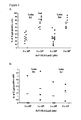
- Figures 1 (lung) and 2 (nose) show comparison of gene transfer efficiency between SeV-luc and GL-67-p-CMV-luc.
- SeV-luc transfected lungs exhibited more than 1,000-fold higher luciferase activity than that of GL-67-pCMV-luc dose-dependently.
- Luciferase gene expression by SeV showed approximately 10,000-times greater than GL-67-pCMV-luc without significant difference between different contact time.
- SeV-luc or adenovirus vector containing a luciferase gene AdCMV-luciferase (Ade-luc) (Kendall, J.M. et al., Cell Calcium 19: 133-142, 1996) was instilled intranasally in the same manner as in Example 1, turbinates, trachea, and lung were harvested and subjected to luciferase assay.
- AdCMV-luciferase AdCMV-luciferase
- Sendai virus vector and adenovirus vector both carrying lacZ gene with nuclear localizing signal of simian virus large T antigen (SeV-NLS-lacZ and AdCMV-nls-lacZ) were prepared and subjected to nasal instillation in the same manner as described in 2-1. Bronchi, tracheae, and turbinates were harvested.
- Each tissue was fixed with ice-cooled 2% paraformaldehyde with 0.25% glutaraldehyde in 0.1M PBS for 10 minutes and followed by X-gal staining (solution: 5 mM potassium ferrous cyanide, 5 mM ferric cyanide, 2 mM magnesium chloride, 1 mg/ml 5-bromo-4-chloro-3-indolyl- ⁇ -D-galacto-pyranoside) for 3 hours at room temperature under rotate shaker.
- the X-gal stained tissue was refixed and mounted to paraffin, and 5 ⁇ m sections were examined under light microscope. The results are shown in Figs. 3, 4, and 5.
- SeV-luc transfected cells demonstrated 5,000-times greater gene expression than that of Ade-luc.
- X-gal positive epithelial cells were scattered in the bronchioli in similar frequency in both vector innoculation (Fig. 4).
- X-gal positive cells were frequently observed in SeV-NLS-lacZ treated animals, while blue cells were rare in the trachea or nose of AdCMV-nls-lacZ treated mice.
- blue stains were seen not only in ciliated columnar cells but also non-ciliated secretary cells (NC).
- no detectable blue signals were seen in basal cells (BC).
- Sendai virus vectors enable gene transfer to airway epithelial cells to which adenovirus vectors cannot introduce genes.
- ferrets Forty-eight hours post-infection, ferrets were sacrificed, the trachea cannulated in situ and the lungs inflated with ice cold fixative solution (2% formalin, 0.2% glutaraldehyde, 2 mMMgCl 2 , 5 mM EGTA in PBS, pH 7.3).
- the trachea and lungs were excised en bloc and underwent X-Gal staining as described in Example 2.
- Each lung was dissected into 7 parts: trachea, 4 right lobes (upper (R1), mid (R2, R3), and lower (R4)) and 2 left lobes (upper (L1) and lower (L2)), and ⁇ -gal positive cells in the airway epithelia and submucosal glands were quantified microscopically by point counting using a graticulated lens.
- Ten x20 magnification fields/airway were assessed to obtain the percentage of blue cells/airway and 3 to 8 airways randomly taken from different regions of a lobe (proximal, medium and distal) were assessed for each lobe.
- Fig. 6A and Fig. 7a and b The airway epithelia (Fig. 6A and Fig. 7a and b) and submucosal glands (Fig. 6B and Fig. 7c) were exhibited ⁇ -galactosidase activity dose-dependently. Submucosal glands are the predominant sites of CFTR expression. No activity was found in control (Fig. 7d).
- Nasal epithelial cells were collected by brushing from human healthy donors (6: male and 3: female). After 2-times wash with phosphate buffered saline (PBS: 137 mM NaCl, 3 mM KCl, 8 mM Na 2 HPO 4 , 1 mM KH 2 PO 4 , pH7 .2), the cells were resuspended in the culture medium (Dulbecco's modified Eagle's medium; DMEM) with 10% bovine fetal serum, divided into 2 or 3 groups, and placed in the each wells of 96-culture plate. The viability of the nasal cells were confirmed by phase-contrast microscopic observation of ciliary beating and microscopic count of trypan blue-positive cell numbers.
- PBS phosphate buffered saline
- DMEM Dulbecco's modified Eagle's medium
- Vector solutions (SeV-luc and GL-67-pCMV-luc) were added to each well. Twenty four hours later, the cells were collected, washed 3-times with PBS, and subjected to luciferase assay as described in Example 2. The results are shown in Fig. 8.
- SeV-luc transfected cells demonstrated about 1, 000 times greater luciferase activity than that of GL-67-pCMV-luc transfected cells.
- Fig. 10 shows, gene transfer of GL-67-luc was inhibited by addition of mucin. Luciferase activities of the mucin added samples were not significantly different from that of fresh samples, suggesting barrier activity of the mucin, but not mucus viscosity, to cationic lipid-mediated gene transfer. On the other hand, serous mucin components do not affect SeV infection efficiency, while mucus viscosity mildly affect to SeV-mediated gene transfection.
- Sheep tracheal epithelia were transfected with SeV-luc or AdCMV-luc in the same manner as in 5-1. After gene transfer, the edge of the tissue was dissected and cut, and the luciferate activity of edge and mid portion was measured separately. The results are shown in Fig. 11. The same gene transfer procedure as above was repeated using SeV-GFP and high titer adenovirus serotype 5 carrying GFP driven by CMV-IE promoter, AdCMV-GFP (Kramel Biotech International Ltd.), in place of SeV-luc and AdCMV-luc. Two days after gene transfer, green fluorescent protein (GFP) signals were observed under fluorescent phase-contrast microscope. The results are shown in Fig. 12.
- GFP green fluorescent protein
- AdCMV-luc showed higher expression in injured edge, while relatively little expression in uninjuredmid-portion of sheep tracheal tissue. In contrast, SeV-luc-treated tissue showed no significant difference in gene expression between edge and mid portions.
- CFTR gene (Riordan, J.R. et al., Science 245: 1066-1073, 1989) was amplified by PCR using a primer set containing E and S signal sequences.
- the primer set used are as follows.
- Forward primer 5'-acttgcggccgccaaagttcaatgcagaggtcgcctctg gaaaaggccagc-3' (SEQ ID NO: 4)
- Backward primer 5'-atccgcggccgcgatgaactttcaccctaagtttttct tactacggctaaagccttgtatcttgcacctcttcttc-3'(SEQ ID NO: 5).
- the amplified fragment was inserted into the NotI site of pSeV18 + b(+), and reconstitution of the virus was conducted as in Example 1.
- COS7cells were infected with the prepared CFTR-expressing Sendai virus (sample-1 SeV/CFTR), and the obtained infected cells were analyzed by the whole-cell patch clamp technique.
- Figure 13 shows a summary of the whole-cell patch clamp technique. A glass pipette containing a pipette solution was contacted with a cell within a bath solution, and negative pressure was applied to remove the cell membranes.
- the pipette solution contains 145 mM NMDG + , 148.4 mM Cl - , 6.7 mM Mg 2+ , 5 mMATP, 10 mM glucose, 0.1 mM EGTA, and 10 mM HEPES (titrated by Tris, pH 7.4), and the bath solution contains 141 mM Na + , 152.4 mM Cl - , 152.4 mM H 2 PO 4 - , 5 mM K + , 1.7 mM Mg 2+ , 2 mM Ca 2+ , 10 mM glucose, 0.1 mM EGTA, and 10 mM HEPES (titrated by Tris, pH 7.4).
- FIG. 15 shows the time-dependency of each drug-induced reaction. Forskolin induced a Cl - current in COS7 cells expressing sample-1 SeV/CFTR, and a time-independent reaction characteristic to chloride channels was observed. Glibenclamide (300 ⁇ M) inhibited forskolin-induced Cl - currents.
- Figure 16 shows the current-voltage relationships derived based on the above data under the presence or absence of forskolin in COS7 cells expressing sample-1 SeV/CFTR. The lines cross at the point of origin if an endogenous Cl current is not present. In the graph obtained, the lines crossed between 10 and 20 mV.
- Figure 17 shows the difference in membarane current in the presence or absence of forskolin (net membrane current) obtained by subtracting the current recorded before the application of forskolin from that recorded during the application of forskolin.
- the present invention provides a recombinant Sendai virus vector for introducing exogenous genes to airway epithelia, to which conventional vectors for gene transfer cannot introduce genes efficiently, and a composition suitable for a method for introducing exogenous genes using the vector.
- the recombinant Sendai virus vector of the present invention enables efficient gene transfer to native mucus-layered airway epithelial cells by briefly contacting the vector with the cells.
- the vector of the present invention can infect airway epithelial cells derived from mammals larger thanmice, which suggests that the vector of the present invention enables effective gene therapy in need of gene transfer to airway epithelial cells.
Landscapes
- Health & Medical Sciences (AREA)
- Life Sciences & Earth Sciences (AREA)
- Chemical & Material Sciences (AREA)
- Genetics & Genomics (AREA)
- Organic Chemistry (AREA)
- Engineering & Computer Science (AREA)
- Bioinformatics & Cheminformatics (AREA)
- General Health & Medical Sciences (AREA)
- Zoology (AREA)
- Wood Science & Technology (AREA)
- General Engineering & Computer Science (AREA)
- Biotechnology (AREA)
- Biomedical Technology (AREA)
- Molecular Biology (AREA)
- Medicinal Chemistry (AREA)
- Biophysics (AREA)
- Biochemistry (AREA)
- Virology (AREA)
- Nuclear Medicine, Radiotherapy & Molecular Imaging (AREA)
- Chemical Kinetics & Catalysis (AREA)
- Veterinary Medicine (AREA)
- Public Health (AREA)
- Animal Behavior & Ethology (AREA)
- Pharmacology & Pharmacy (AREA)
- Plant Pathology (AREA)
- Microbiology (AREA)
- Physics & Mathematics (AREA)
- General Chemical & Material Sciences (AREA)
- Pulmonology (AREA)
- Toxicology (AREA)
- Gastroenterology & Hepatology (AREA)
- Proteomics, Peptides & Aminoacids (AREA)
- Micro-Organisms Or Cultivation Processes Thereof (AREA)
- Medicines Containing Material From Animals Or Micro-Organisms (AREA)
Claims (10)
- Zusammensetzung zur Einführung exogener Gene in Atemwegsepithelien, umfassend einen rekombinanten Sendaivirusvektor, welcher ein exogenes Gen in seinem Genom enthält, wobei das exogene Gen das Gen des zystische Fibrose-Transmembran-Leitfähigkeits-Regulators (CFTR) oder dessen Deletions-, Substitutions- oder Insertions-Derivat ist, welches ein Protein codiert, das funktionell äquivalent zu CFTR ist.
- Zusammensetzung nach Anspruch 1, wobei der Sendaivirusvektor nicht mindestens eines der Gene F, HN und M enthält.
- Zusammensetzung nach Anspruch 1 oder 2, wobei die Zusammensetzung zusätzlich eine chorioallantoische Flüssigkeit aus Hühnerei umfasst.
- Zusammensetzung nach einem der Ansprüche 1 bis 3, wobei die Zusammensetzung zur Behandlung von zystischer Fibrose ist.
- Verwendung eines rekombinanten Sendaivirusvektors, welcher ein exogenes Gen in seinem Genom enthält, zur Herstellung einer Zusammensetzung für die Gentherapie mittels Einführung eines exogenen Gens in Atemwegsepithelien.
- Verwendung nach Anspruch 5, wobei der Sendaivirusvektor nicht mindestens eines der Gene F, HN und M enthält.
- Verwendung nach Anspruch 5 oder 6, wobei die Zusammensetzung zusätzlich chorioallantoische Flüssigkeit aus Hühnerei umfasst.
- Verwendung nach einem der Ansprüche 5 bis 7 zur Herstellung einer Zusammensetzung zur Behandlung von zystischer Fibrose.
- Verwendung nach einem der Ansprüche 5 bis 8, wobei das exogene Gen das Gen des zystische Fibrose-Transmembran-Leitfähigkeits-Regulators (CFTR) oder dessen Derivat ist, welches ein Protein codiert, das funktionell äquivalent zu CFTR ist.
- Verwendung nach einem der Ansprüche 5 bis 9, wobei die Atemwegsepithelien in der Nase, im Rachen, in der Luftröhre oder jedem leitenden Atemweg oder jeder Gasaustauschoberfläche in der Lunge anwesend sind.
Applications Claiming Priority (5)
| Application Number | Priority Date | Filing Date | Title |
|---|---|---|---|
| US16305599P | 1999-11-02 | 1999-11-02 | |
| US163055P | 1999-11-02 | ||
| JP35921899 | 1999-12-17 | ||
| JP35921899 | 1999-12-17 | ||
| PCT/JP2000/007737 WO2001032898A2 (en) | 1999-11-02 | 2000-11-02 | Recombinant sendai virus vector for introducing exogenous genes to airway epithelia |
Publications (2)
| Publication Number | Publication Date |
|---|---|
| EP1228232A2 EP1228232A2 (de) | 2002-08-07 |
| EP1228232B1 true EP1228232B1 (de) | 2007-01-17 |
Family
ID=26580919
Family Applications (1)
| Application Number | Title | Priority Date | Filing Date |
|---|---|---|---|
| EP00971756A Expired - Lifetime EP1228232B1 (de) | 1999-11-02 | 2000-11-02 | Rekombinanter sendaivirus-vektor für die einführung von fremdgenen ins epithel der atemwege |
Country Status (11)
| Country | Link |
|---|---|
| EP (1) | EP1228232B1 (de) |
| KR (1) | KR100772276B1 (de) |
| CN (1) | CN1252274C (de) |
| AT (1) | ATE351915T1 (de) |
| AU (1) | AU1055101A (de) |
| CA (1) | CA2389743C (de) |
| DE (1) | DE60033048T2 (de) |
| DK (1) | DK1228232T3 (de) |
| ES (1) | ES2280254T3 (de) |
| HK (1) | HK1047137B (de) |
| WO (1) | WO2001032898A2 (de) |
Families Citing this family (6)
| Publication number | Priority date | Publication date | Assignee | Title |
|---|---|---|---|---|
| US7226786B2 (en) | 1999-05-18 | 2007-06-05 | Dnavec Research Inc. | Envelope gene-deficient Paramyxovirus vector |
| CN100357443C (zh) | 2000-11-27 | 2007-12-26 | 株式会社载体研究所 | 编码血管生成基因的副粘病毒载体及其应用 |
| CN100358581C (zh) * | 2002-04-30 | 2008-01-02 | 株式会社载体研究所 | 具有降低的血凝活性的药物载体组合物或基因载体组合物 |
| KR20080068098A (ko) | 2005-10-28 | 2008-07-22 | 디나벡크 가부시키가이샤 | Rna 바이러스 또는 dna 바이러스의 스파이크단백질로 슈도타입화된 렌티바이러스 벡터를 사용한 기도상피 간세포로의 유전자 도입 |
| US9145564B2 (en) * | 2007-04-13 | 2015-09-29 | National Institute Of Advanced Industrial Science And Technology | Persistently infective Sendai virus vector |
| EP2617438B1 (de) | 2010-09-15 | 2020-02-19 | Tokyo Women's Medical University | Mittelohrschleimhaut-zellschicht, herstellungsverfahren dafür und ihre verwendung |
Family Cites Families (1)
| Publication number | Priority date | Publication date | Assignee | Title |
|---|---|---|---|---|
| AU7335296A (en) | 1995-11-01 | 1997-05-22 | Dnavec Research Inc. | Recombinant sendai virus |
-
2000
- 2000-11-02 AT AT00971756T patent/ATE351915T1/de not_active IP Right Cessation
- 2000-11-02 HK HK02108796.7A patent/HK1047137B/en not_active IP Right Cessation
- 2000-11-02 DK DK00971756T patent/DK1228232T3/da active
- 2000-11-02 CN CNB008170495A patent/CN1252274C/zh not_active Expired - Fee Related
- 2000-11-02 WO PCT/JP2000/007737 patent/WO2001032898A2/en not_active Ceased
- 2000-11-02 EP EP00971756A patent/EP1228232B1/de not_active Expired - Lifetime
- 2000-11-02 CA CA2389743A patent/CA2389743C/en not_active Expired - Lifetime
- 2000-11-02 DE DE60033048T patent/DE60033048T2/de not_active Expired - Lifetime
- 2000-11-02 KR KR1020027005622A patent/KR100772276B1/ko not_active Expired - Fee Related
- 2000-11-02 ES ES00971756T patent/ES2280254T3/es not_active Expired - Lifetime
- 2000-11-02 AU AU10551/01A patent/AU1055101A/en not_active Abandoned
Non-Patent Citations (2)
| Title |
|---|
| FERRARI S. ET AL: "Recombinant Sendai Virus-Mediated CFTR cDNA Transfer", MOLECULAR THERAPY, vol. 7, no. 5, May 2003 (2003-05-01), pages S38 * |
| RETRIEVED FROM THE INTERNET: "URL:http//www.serono-canada.com/english/solution/ms/index.htm" * |
Also Published As
| Publication number | Publication date |
|---|---|
| DK1228232T3 (da) | 2007-03-26 |
| HK1047137A1 (en) | 2003-02-07 |
| DE60033048T2 (de) | 2007-08-23 |
| EP1228232A2 (de) | 2002-08-07 |
| CN1409767A (zh) | 2003-04-09 |
| CN1252274C (zh) | 2006-04-19 |
| WO2001032898A2 (en) | 2001-05-10 |
| ES2280254T3 (es) | 2007-09-16 |
| KR20020057990A (ko) | 2002-07-12 |
| CA2389743A1 (en) | 2001-05-10 |
| DE60033048D1 (de) | 2007-03-08 |
| AU1055101A (en) | 2001-05-14 |
| CA2389743C (en) | 2010-02-23 |
| WO2001032898A3 (en) | 2001-09-07 |
| KR100772276B1 (ko) | 2007-11-01 |
| ATE351915T1 (de) | 2007-02-15 |
| HK1047137B (en) | 2007-04-13 |
Similar Documents
| Publication | Publication Date | Title |
|---|---|---|
| US8211868B2 (en) | Paramyxovirus vector encoding angiogenesis gene and use thereof | |
| JP3766596B2 (ja) | パラミクソウイルスに由来するrnp | |
| US20030170897A1 (en) | Virus vector for transferring gene into renal cells | |
| KR20020014786A (ko) | 엔벨로프 유전자 결손 파라믹소과 바이러스 벡터 | |
| JPWO2000070070A1 (ja) | エンベロープ遺伝子欠損パラミクソ科ウイルスベクター | |
| US7314614B1 (en) | Recombinant sendai virus vector for introducing exogenous genes to airway epithelia | |
| US20040053877A1 (en) | Paramyxovirus vector for transfering foreign gene into skeletal muscle | |
| KR100774796B1 (ko) | 파라믹소바이러스 벡터의 혈관으로의 유전자 도입용도 | |
| EP1228232B1 (de) | Rekombinanter sendaivirus-vektor für die einführung von fremdgenen ins epithel der atemwege | |
| WO2004074494A1 (ja) | 虚血疾患の治療方法 | |
| JP4791651B2 (ja) | 外来遺伝子導入用パラミクソウイルスベクター | |
| JP4838962B2 (ja) | 気道上皮細胞への外因性遺伝子導入用組換えセンダイウイルスベクター | |
| HK1058379B (en) | Paramyxovirus vector encoding fibroblast growth factor 2 (fgf2) and use thereof | |
| HK1058379A1 (en) | Paramyxovirus vector encoding fibroblast growth factor 2 (fgf2) and use thereof |
Legal Events
| Date | Code | Title | Description |
|---|---|---|---|
| PUAI | Public reference made under article 153(3) epc to a published international application that has entered the european phase |
Free format text: ORIGINAL CODE: 0009012 |
|
| 17P | Request for examination filed |
Effective date: 20020531 |
|
| AK | Designated contracting states |
Kind code of ref document: A2 Designated state(s): AT BE CH CY DE DK ES FI FR GB GR IE IT LI LU MC NL PT SE TR |
|
| AX | Request for extension of the european patent |
Free format text: AL;LT;LV;MK;RO;SI |
|
| 17Q | First examination report despatched |
Effective date: 20040316 |
|
| GRAP | Despatch of communication of intention to grant a patent |
Free format text: ORIGINAL CODE: EPIDOSNIGR1 |
|
| GRAS | Grant fee paid |
Free format text: ORIGINAL CODE: EPIDOSNIGR3 |
|
| GRAA | (expected) grant |
Free format text: ORIGINAL CODE: 0009210 |
|
| AK | Designated contracting states |
Kind code of ref document: B1 Designated state(s): AT BE CH CY DE DK ES FI FR GB GR IE IT LI LU MC NL PT SE TR |
|
| REG | Reference to a national code |
Ref country code: GB Ref legal event code: FG4D |
|
| REG | Reference to a national code |
Ref country code: CH Ref legal event code: EP |
|
| REG | Reference to a national code |
Ref country code: IE Ref legal event code: FG4D |
|
| REF | Corresponds to: |
Ref document number: 60033048 Country of ref document: DE Date of ref document: 20070308 Kind code of ref document: P |
|
| REG | Reference to a national code |
Ref country code: DK Ref legal event code: T3 |
|
| REG | Reference to a national code |
Ref country code: HK Ref legal event code: GR Ref document number: 1047137 Country of ref document: HK |
|
| REG | Reference to a national code |
Ref country code: SE Ref legal event code: TRGR |
|
| PG25 | Lapsed in a contracting state [announced via postgrant information from national office to epo] |
Ref country code: PT Free format text: LAPSE BECAUSE OF FAILURE TO SUBMIT A TRANSLATION OF THE DESCRIPTION OR TO PAY THE FEE WITHIN THE PRESCRIBED TIME-LIMIT Effective date: 20070618 |
|
| ET | Fr: translation filed | ||
| REG | Reference to a national code |
Ref country code: CH Ref legal event code: NV Representative=s name: E. BLUM & CO. AG PATENT- UND MARKENANWAELTE VSP |
|
| REG | Reference to a national code |
Ref country code: ES Ref legal event code: FG2A Ref document number: 2280254 Country of ref document: ES Kind code of ref document: T3 |
|
| PLBE | No opposition filed within time limit |
Free format text: ORIGINAL CODE: 0009261 |
|
| STAA | Information on the status of an ep patent application or granted ep patent |
Free format text: STATUS: NO OPPOSITION FILED WITHIN TIME LIMIT |
|
| 26N | No opposition filed |
Effective date: 20071018 |
|
| PG25 | Lapsed in a contracting state [announced via postgrant information from national office to epo] |
Ref country code: GR Free format text: LAPSE BECAUSE OF FAILURE TO SUBMIT A TRANSLATION OF THE DESCRIPTION OR TO PAY THE FEE WITHIN THE PRESCRIBED TIME-LIMIT Effective date: 20070418 |
|
| PG25 | Lapsed in a contracting state [announced via postgrant information from national office to epo] |
Ref country code: MC Free format text: LAPSE BECAUSE OF NON-PAYMENT OF DUE FEES Effective date: 20071130 |
|
| PG25 | Lapsed in a contracting state [announced via postgrant information from national office to epo] |
Ref country code: IE Free format text: LAPSE BECAUSE OF NON-PAYMENT OF DUE FEES Effective date: 20071102 |
|
| PGFP | Annual fee paid to national office [announced via postgrant information from national office to epo] |
Ref country code: CH Payment date: 20081114 Year of fee payment: 9 Ref country code: DK Payment date: 20081118 Year of fee payment: 9 Ref country code: NL Payment date: 20081113 Year of fee payment: 9 |
|
| PGFP | Annual fee paid to national office [announced via postgrant information from national office to epo] |
Ref country code: AT Payment date: 20081114 Year of fee payment: 9 Ref country code: FI Payment date: 20081114 Year of fee payment: 9 |
|
| PG25 | Lapsed in a contracting state [announced via postgrant information from national office to epo] |
Ref country code: CY Free format text: LAPSE BECAUSE OF FAILURE TO SUBMIT A TRANSLATION OF THE DESCRIPTION OR TO PAY THE FEE WITHIN THE PRESCRIBED TIME-LIMIT Effective date: 20070117 |
|
| PGFP | Annual fee paid to national office [announced via postgrant information from national office to epo] |
Ref country code: BE Payment date: 20090126 Year of fee payment: 9 |
|
| PG25 | Lapsed in a contracting state [announced via postgrant information from national office to epo] |
Ref country code: LU Free format text: LAPSE BECAUSE OF NON-PAYMENT OF DUE FEES Effective date: 20071102 |
|
| PG25 | Lapsed in a contracting state [announced via postgrant information from national office to epo] |
Ref country code: TR Free format text: LAPSE BECAUSE OF FAILURE TO SUBMIT A TRANSLATION OF THE DESCRIPTION OR TO PAY THE FEE WITHIN THE PRESCRIBED TIME-LIMIT Effective date: 20070117 |
|
| BERE | Be: lapsed |
Owner name: DNAVEC RESEARCH INC. Effective date: 20091130 |
|
| REG | Reference to a national code |
Ref country code: NL Ref legal event code: V1 Effective date: 20100601 |
|
| REG | Reference to a national code |
Ref country code: CH Ref legal event code: PL |
|
| REG | Reference to a national code |
Ref country code: DK Ref legal event code: EBP |
|
| PG25 | Lapsed in a contracting state [announced via postgrant information from national office to epo] |
Ref country code: AT Free format text: LAPSE BECAUSE OF NON-PAYMENT OF DUE FEES Effective date: 20091102 Ref country code: FI Free format text: LAPSE BECAUSE OF NON-PAYMENT OF DUE FEES Effective date: 20091102 |
|
| PG25 | Lapsed in a contracting state [announced via postgrant information from national office to epo] |
Ref country code: LI Free format text: LAPSE BECAUSE OF NON-PAYMENT OF DUE FEES Effective date: 20091130 Ref country code: CH Free format text: LAPSE BECAUSE OF NON-PAYMENT OF DUE FEES Effective date: 20091130 Ref country code: NL Free format text: LAPSE BECAUSE OF NON-PAYMENT OF DUE FEES Effective date: 20100601 Ref country code: BE Free format text: LAPSE BECAUSE OF NON-PAYMENT OF DUE FEES Effective date: 20091130 |
|
| PG25 | Lapsed in a contracting state [announced via postgrant information from national office to epo] |
Ref country code: DK Free format text: LAPSE BECAUSE OF NON-PAYMENT OF DUE FEES Effective date: 20091130 |
|
| PGFP | Annual fee paid to national office [announced via postgrant information from national office to epo] |
Ref country code: FR Payment date: 20101130 Year of fee payment: 11 |
|
| PGFP | Annual fee paid to national office [announced via postgrant information from national office to epo] |
Ref country code: DE Payment date: 20101119 Year of fee payment: 11 |
|
| PGFP | Annual fee paid to national office [announced via postgrant information from national office to epo] |
Ref country code: GB Payment date: 20101118 Year of fee payment: 11 Ref country code: SE Payment date: 20101112 Year of fee payment: 11 Ref country code: IT Payment date: 20101123 Year of fee payment: 11 |
|
| PGFP | Annual fee paid to national office [announced via postgrant information from national office to epo] |
Ref country code: ES Payment date: 20101124 Year of fee payment: 11 |
|
| REG | Reference to a national code |
Ref country code: SE Ref legal event code: EUG |
|
| GBPC | Gb: european patent ceased through non-payment of renewal fee |
Effective date: 20111102 |
|
| REG | Reference to a national code |
Ref country code: FR Ref legal event code: ST Effective date: 20120731 |
|
| PG25 | Lapsed in a contracting state [announced via postgrant information from national office to epo] |
Ref country code: IT Free format text: LAPSE BECAUSE OF NON-PAYMENT OF DUE FEES Effective date: 20111102 |
|
| REG | Reference to a national code |
Ref country code: DE Ref legal event code: R119 Ref document number: 60033048 Country of ref document: DE Effective date: 20120601 |
|
| PG25 | Lapsed in a contracting state [announced via postgrant information from national office to epo] |
Ref country code: GB Free format text: LAPSE BECAUSE OF NON-PAYMENT OF DUE FEES Effective date: 20111102 Ref country code: SE Free format text: LAPSE BECAUSE OF NON-PAYMENT OF DUE FEES Effective date: 20111103 |
|
| PG25 | Lapsed in a contracting state [announced via postgrant information from national office to epo] |
Ref country code: FR Free format text: LAPSE BECAUSE OF NON-PAYMENT OF DUE FEES Effective date: 20111130 |
|
| PG25 | Lapsed in a contracting state [announced via postgrant information from national office to epo] |
Ref country code: DE Free format text: LAPSE BECAUSE OF NON-PAYMENT OF DUE FEES Effective date: 20120601 |
|
| REG | Reference to a national code |
Ref country code: ES Ref legal event code: FD2A Effective date: 20130823 |
|
| PG25 | Lapsed in a contracting state [announced via postgrant information from national office to epo] |
Ref country code: ES Free format text: LAPSE BECAUSE OF NON-PAYMENT OF DUE FEES Effective date: 20111103 |