EP1198585B1 - Method for characterizing a biological condition using calibrated gene expression profiles - Google Patents
Method for characterizing a biological condition using calibrated gene expression profiles Download PDFInfo
- Publication number
- EP1198585B1 EP1198585B1 EP00944977A EP00944977A EP1198585B1 EP 1198585 B1 EP1198585 B1 EP 1198585B1 EP 00944977 A EP00944977 A EP 00944977A EP 00944977 A EP00944977 A EP 00944977A EP 1198585 B1 EP1198585 B1 EP 1198585B1
- Authority
- EP
- European Patent Office
- Prior art keywords
- profile data
- data set
- panel
- calibrated
- sample
- Prior art date
- Legal status (The legal status is an assumption and is not a legal conclusion. Google has not performed a legal analysis and makes no representation as to the accuracy of the status listed.)
- Revoked
Links
Images













Classifications
-
- G—PHYSICS
- G01—MEASURING; TESTING
- G01N—INVESTIGATING OR ANALYSING MATERIALS BY DETERMINING THEIR CHEMICAL OR PHYSICAL PROPERTIES
- G01N33/00—Investigating or analysing materials by specific methods not covered by groups G01N1/00 - G01N31/00
- G01N33/48—Biological material, e.g. blood, urine; Haemocytometers
- G01N33/50—Chemical analysis of biological material, e.g. blood, urine; Testing involving biospecific ligand binding methods; Immunological testing
- G01N33/5005—Chemical analysis of biological material, e.g. blood, urine; Testing involving biospecific ligand binding methods; Immunological testing involving human or animal cells
- G01N33/5008—Chemical analysis of biological material, e.g. blood, urine; Testing involving biospecific ligand binding methods; Immunological testing involving human or animal cells for testing or evaluating the effect of chemical or biological compounds, e.g. drugs, cosmetics
- G01N33/502—Chemical analysis of biological material, e.g. blood, urine; Testing involving biospecific ligand binding methods; Immunological testing involving human or animal cells for testing or evaluating the effect of chemical or biological compounds, e.g. drugs, cosmetics for testing non-proliferative effects
- G01N33/5023—Chemical analysis of biological material, e.g. blood, urine; Testing involving biospecific ligand binding methods; Immunological testing involving human or animal cells for testing or evaluating the effect of chemical or biological compounds, e.g. drugs, cosmetics for testing non-proliferative effects on expression patterns
-
- C—CHEMISTRY; METALLURGY
- C12—BIOCHEMISTRY; BEER; SPIRITS; WINE; VINEGAR; MICROBIOLOGY; ENZYMOLOGY; MUTATION OR GENETIC ENGINEERING
- C12Q—MEASURING OR TESTING PROCESSES INVOLVING ENZYMES, NUCLEIC ACIDS OR MICROORGANISMS; COMPOSITIONS OR TEST PAPERS THEREFOR; PROCESSES OF PREPARING SUCH COMPOSITIONS; CONDITION-RESPONSIVE CONTROL IN MICROBIOLOGICAL OR ENZYMOLOGICAL PROCESSES
- C12Q1/00—Measuring or testing processes involving enzymes, nucleic acids or microorganisms; Compositions therefor; Processes of preparing such compositions
-
- G—PHYSICS
- G16—INFORMATION AND COMMUNICATION TECHNOLOGY [ICT] SPECIALLY ADAPTED FOR SPECIFIC APPLICATION FIELDS
- G16B—BIOINFORMATICS, i.e. INFORMATION AND COMMUNICATION TECHNOLOGY [ICT] SPECIALLY ADAPTED FOR GENETIC OR PROTEIN-RELATED DATA PROCESSING IN COMPUTATIONAL MOLECULAR BIOLOGY
- G16B25/00—ICT specially adapted for hybridisation; ICT specially adapted for gene or protein expression
- G16B25/10—Gene or protein expression profiling; Expression-ratio estimation or normalisation
-
- G—PHYSICS
- G01—MEASURING; TESTING
- G01N—INVESTIGATING OR ANALYSING MATERIALS BY DETERMINING THEIR CHEMICAL OR PHYSICAL PROPERTIES
- G01N33/00—Investigating or analysing materials by specific methods not covered by groups G01N1/00 - G01N31/00
- G01N33/48—Biological material, e.g. blood, urine; Haemocytometers
- G01N33/50—Chemical analysis of biological material, e.g. blood, urine; Testing involving biospecific ligand binding methods; Immunological testing
- G01N33/68—Chemical analysis of biological material, e.g. blood, urine; Testing involving biospecific ligand binding methods; Immunological testing involving proteins, peptides or amino acids
- G01N33/6803—General methods of protein analysis not limited to specific proteins or families of proteins
-
- G—PHYSICS
- G16—INFORMATION AND COMMUNICATION TECHNOLOGY [ICT] SPECIALLY ADAPTED FOR SPECIFIC APPLICATION FIELDS
- G16B—BIOINFORMATICS, i.e. INFORMATION AND COMMUNICATION TECHNOLOGY [ICT] SPECIALLY ADAPTED FOR GENETIC OR PROTEIN-RELATED DATA PROCESSING IN COMPUTATIONAL MOLECULAR BIOLOGY
- G16B25/00—ICT specially adapted for hybridisation; ICT specially adapted for gene or protein expression
-
- Y—GENERAL TAGGING OF NEW TECHNOLOGICAL DEVELOPMENTS; GENERAL TAGGING OF CROSS-SECTIONAL TECHNOLOGIES SPANNING OVER SEVERAL SECTIONS OF THE IPC; TECHNICAL SUBJECTS COVERED BY FORMER USPC CROSS-REFERENCE ART COLLECTIONS [XRACs] AND DIGESTS
- Y02—TECHNOLOGIES OR APPLICATIONS FOR MITIGATION OR ADAPTATION AGAINST CLIMATE CHANGE
- Y02A—TECHNOLOGIES FOR ADAPTATION TO CLIMATE CHANGE
- Y02A90/00—Technologies having an indirect contribution to adaptation to climate change
- Y02A90/10—Information and communication technologies [ICT] supporting adaptation to climate change, e.g. for weather forecasting or climate simulation
Definitions
- the variations may be correlated with other non- genetic indications such as clinical indicators (for humans) of a traditional nature but are not required per se to be causative.
- nutraceuticals There has been increasing interest in herbal drugs or nutraceuticals. These are often grown in developing countries and undergo little or no quality control. It is frequently the case that one batch of a nutraceutical may be effective, there is no assurance that a second batch will be effective Moreover, analysis of nutraceuticals is problematic because these drugs are complex mixtures in which little is known with respect to the active agent.
- WO 98/24935 A1 discloses methods for identifying specific disease state markers that are expressed in peripheral lymphocytes of patents in response to a disease state, at a different level than such markers are expressed in the peripheral blood of a normal subject.
- the use of relative quantitative RT-PCR is disclosed for identifying alternatively spliced forms of IL-8 mRNA that are differentially expressed between normal individuals and individuals with metastatic prostate cancer.
- Such alternatively spliced forms of IL-8 mRNA may be used as diagnostic biomarkers.
- measurement of serum IL-8 gene product may be combined with other markers of prostate disease, such as PSA, PAP, HK2, PSP 94 and PSMA x .
- a method for evaluating a biological condition of a subject based on a first sample obtained from the subject, the sample providing a source of RNAs; characterised in that the method comprises:
- a method for evaluating a biological condition affected by an agent including: obtaining, from a target population of cells to which the agent has been administered, a sample having at least one of RNAs and proteins; deriving from the sample a first profile data set, the first profile data set including a plurality of members, each member being a quantitative measure of the amount of a distinct RNA or protein constituent in a panel of constituents selected so that measurement of the constituents enables measurement of the biological condition; and producing a calibrated profile data set for the panel, wherein each member of the calibrated profile data set is a function of a corresponding member of the first profile data set and a corresponding member of a baseline profile data set for the panel, the calibrated profile data set providing a measure of the biological condition as affected by the agent.
- a method for evaluating the effect on a biological condition by a first agent in relation to the effect by a second agent including: obtaining, from first and second target populations of cells to which the first and second agents have been respectively administered, first and second samples respectively, each sample having at least one of RNAs and proteins; deriving from the first sample a first profile data set and from the second sample a second profile data set, the profile data sets each including a plurality of members, each member being a quantitative measure of the amount of a distinct RNA or protein constituent in a panel of constituents selected so that measurement of the constituents enables measurement of the biological condition; and producing for the panel a first calibrated profile data set and a second profile data set, wherein (i) each member of the first calibrated profile data set is a function of a corresponding member of the first profile data set and a corresponding member of a first baseline profile data set for the panel, and (ii) each member of the second calibrated profile data set is a function of a corresponding
- a method of conducting a clinical trial of an agent including: causing the blind administration of a selected one of a placebo and the agent to each candidate of a pool of subjects; and using quantitative gene expression to monitor an effect of such administration.
- a digital storage medium on which is stored a computer readable calibrated profile data set, wherein: the calibrated profile data set relates to a sample having at least one of RNAs and proteins derived from a target cell population to which an agent has been administered; the calibrated profile data set includes a first plurality of members, each member being a quantitative measure of a change in an amount of a distinct RNA or protein constituent in a panel of constituents selected so that measurement of the constituents enables measurement of a biological condition as affected by administration of the agent.
- a digital storage medium is provided on which is stored a plurality of records R i relating to a population of subjects, each record R i corresponding to a distinct instance P i of a computer readable profile data set P wherein: each instance P i of the profile data set P relates to a distinct sample derived from a subject, the sample having at least one of RNAs and proteins; the profile data P set includes a plurality of members M j , each member M j being a quantitative measure of the amount of a distinct RNA or protein constituent in a panel of constituents selected so that measurement of the constituents enables measurement of a biological condition; each record R i includes, for each member M ij of a corresponding distinct instance P i of the profile data set P , a value corresponding to the value of the member M ij ; and each record R i also includes a reference to a characteristic of the subject relative to the record, the characteristic being at least one of age group, gender, ethnicity, geographic location, diet
- a digital storage medium on which is stored a large number of computer readable profile data sets, wherein each profile data set relates to a sample derived from a target cell population to which has been administered an agent, the sample having at least one of RNAs and proteins; each profile data set includes a plurality of members, each member being a quantitative measure of the amount of a distinct RNA or protein constituent in a panel of constituents selected so that measurement of the constituents enables measurement of a biological condition; and the panel is the same for all profile data sets.
- a method for evaluating a biological condition of a subject based on a sample from the subject, the sample having at least one of RNAs and proteins, the method including: deriving from the sample a first instance of a profile data set, the profile data set including a plurality of members, each member being a quantitative measure of the amount of a distinct RNA or protein constituent in a panel of constituents selected so that measurement of the constituents enables measurement of the biological condition; and producing a first instance of a calibrated profile data set for the panel, wherein each member of an instance of the calibrated profile data set is a function of a corresponding member of an instance of the profile data set and a corresponding member of an instance of a baseline profile data set for the panel, the calibrated profile data set providing a measure of the biological condition of the subject; accessing data in a condition database, the condition database having a plurality of records relating to a population of subjects, each record corresponding to a distinct instance of the calibrated profile data
- a method of displaying quantitative gene expression analysis data associated with measurement of a biological condition, the method including: identifying a first profile data set pertinent to the gene expression analysis data, the first profile data set including a plurality of members, each member being a quantitative measure of the amount of a distinct RNA or protein constituent in a panel of constituents selected so that measurement of the constituents enables measurement of the biological condition; producing a calibrated profile data set for the panel, wherein each member of the calibrated profile data set is a function of a corresponding member of the first profile data set and a corresponding member of a baseline profile data set for the panel, the calibrated profile data set providing a measure of the biological condition of the subject; and displaying the calibrated profile data set in a graphical format.
- a preferred embodiment is directed to a descriptive record of a change in a biological condition, that includes: a first set of numerical gene expression values for a panel of gene loci, each value in the set corresponding to a single gene locus in a panel of gene loci, the set of values forming a profile data set for a population of cells subjected to a first biological condition; a second set of numerical gene expression values for the panel of gene loci, each value in the set corresponding to a single gene locus, the set of values forming a baseline profile data set for a second population of cells subjected to a second biological condition, the second set of values optionally being an average for multiple gene expression values from multiple populations of cells for each locus in the panel; and a third set of numbers corresponding to the ratio of the first set of values and the second set of values with respect to each gene locus in the panel, the third set being a calibrated profile data set; the profile data set and the calibrated profile data set being descriptive of the first biological condition with respect to the second biological condition.
- a method for diagnosing a biological condition of a subject includes: obtaining a sample from a subject; subjecting a population of cells to the sample and determining the presence of a first biological condition with respect to a second biological condition according to any of the above claims.
- a method for diagnosing a susceptibility for a biological condition in a subject that includes obtaining a sample from the subject; creating a descriptive record, according to the above, wherein the baseline set of values is an average of second values contained in a library of descriptive records for the second biological condition; the library containing a plurality of descriptive records grouped according to a predetermined biological condition; comparing the calibrated profile data set of the subject with the library of calibrated profile data sets and diagnosing the susceptibility of the subject.
- a method for monitoring the progress of a biological condition including: creating a plurality of descriptive records, according to the above; wherein each set of first values is determined at preselected time intervals with respect to the first record; comparing each calibrated profile data set with a library of calibrated profile data sets, the plurality of calibrated profile data sets being grouped according to a predetermined biological condition; and determining the progress of the biological condition with respect to gene expression.
- a method for establishing the biological activity of a composition including: selecting a population of cells; subjecting the cells to the composition; and determining the record according to the above description using a standardized baseline profile data set for the biological condition.
- a method for determining which therapeutic agent from a choice of a plurality of therapeutic agents to administer to a subject so as to change a biological condition in a subject from a first biological condition to a second biological condition; including: subjecting a sample from the subject to each of a plurality of therapeutic agents; determining a descriptive record for each of the samples according to any of the above described methods, comparing each of the calibrated profile data sets to a library of calibrated profile data sets, the library of calibrated data sets being grouped according to a predetermined biological condition; and determining which of the therapeutic agents is capable of changing the first biological condition in the subject to the second biological condition in the subject.
- a method for characterizing the biological effectiveness of a single batch of a composition produced by a manufacturing process comprising: providing a fingerprint or signature profile according to any of the above methods; and labeling the batch of the composition by placing the fingerprint (signature profile) on each container in the batch.
- a method for consumer evaluation of a product wherein the consumer evaluation is dependent on a signature profile, including: identifying the product using the signature profile.
- a computer program product for evaluating a biological condition of a subject or for evaluating a biological condition resulting from the use of an agent, including a computer usable medium having computer readable program code thereon, the computer program code; including: a program code for classifying a sample from the subject or the agent for an identifiable record; a program code for deriving a first data set, the first profile data set including a plurality of members, each member being a quantitative measure of the amount of a distinct RNA or protein constituent in a panel of constituents selected so that measurement of the constituents enables measurement of the biological condition; the profile data set being stored in the record; and a program code for optionally producing a calibrated profile data set for the panel, for storage in the record, each member of the calibrated profile data set being a function of a corresponding member of the first profile data set and a corresponding member of a baseline profile data set for the panel, the calibrated profile data set providing a measure of the biological condition of the subject.
- An “agent” is a composition or a stimulus.
- a “stimulus” may include, for example ultraviolet A or B, or light therapy for seasonal affective disorder, or treatment of psoriasis with psoralen or treatment of melanoma with embedded radioactive seeds, other radiation exposure, etc.
- a “composition” includes a chemical compound, a nutraceutical, a combination of compounds, or a complex mixture.
- a “clinical indicator” is any physiological datum used alone or in conjunction with other data in evaluating the physiological condition of a collection of cells or of an organism. This term includes pre-clinical indicators.
- a “signature panel” is any panel representing a subclass of constituents where the subclass of constituents is selected according to the relatively high level of information concerning a biological condition imparted by each member of the data set.
- RNA or protein constituent in a panel of constituents is a panel that includes at least one of RNA and protein and each constituent of the panel is distinct.
- the present invention comprehends the formation of calibrated data sets that describe a biological condition or an effect of an agent on a biological condition.
- a calibrated data set represents a set of values that correspond to variations in gene expression where the variations are informative. This approach does not require comprehensive analysis of all gene expression in target cells associated with a particular condition. Nor is any one single gene locus necessarily of particular significance. Rather a pattern of variation (a profile) is sought that correlates, in a reproducible manner, with a particular condition.
- a correlation may be established by evaluating a panel of constituents of reasonable size (for example up to 100 constituents) and iteratively testing the gene expression profiles for different subjects or for the same subject from which the most informative loci for a particular condition may be selected.
- An informative subgroup of constituents in a panel may be selected that consistently vary for a particular condition and this subgroup may then become the signature panel, the signature panel giving rise to a signature profile.
- any calibrated data set for an individual that has more members than reflective of a single signature panel may be mined for calibrated profiles that correspond to additional signature panels thereby potentially providing new insights into mechanisms of action of a biological condition on sets of genes.
- Measurement of changes in transcribed RNA in a cell as a result of an environmental change or aging is an extraordinarly sensitive measure of the response of a cell.
- Techniques available today to quantify transcribed RNA in a cell add to the sensitivity of the approach.
- the preferred embodiments of the invention which are directed to patterns of change in amounts of transcribed RNA, provide a means to focus and interpret this rich information.
- microarrays provide a means to survey thousands of gene sequences for mutations. Microarrays are being used to provide DNA profiles that identify mutations in an individual and those mutations will be associated with predictions concerning development of disease in those individuals. Transcriptomics and proteomics is now the focus of increasing attention. These studies are directed to analyzing the entire body of RNA and protein produced by living cells. Microarrays provide a method for analyzing many thousands of different human RNAs as to whether they are expressed and by which cells.
- RNA transcript RNA transcript
- the values recorded for the profile data set, relying on a particular baseline data set to produce a calibrated data set become part of the descriptive record any or all of which can be stored in a database which may be accessed through a global network such that any new data in the form of a profile data set or a calibrated profile data set measured at any global location can be directly compared to an archive of descriptive records including calibrated profile data sets and baseline data sets so as to extend the stored library of profiles and provide predictive or diagnostic data about a particular biological condition or agent.
- Gene expression profiling may be used to reduce the cost of phase 3 clinical trials and may be used beyond phase 3 trials; (e) labeling for approved drugs; (f) selection of suitable medication in a class of medications for a particular patient that is directed to their unique physiology; (g) diagnosing or determining a prognosis of a medical condition or an infection which may precede onset of symptoms or alternatively diagnosing adverse side effects associated with administration of a therapeutic agent; (h) managing the health care of a patient; and (i) quality control for different batches of an agent or a mixture of agents.
- the methods herein can be applied to a subject that includes any living organism where a living organism includes a prokaryote such a bacterium or a eukaryote including single celled eukaryotic organisms at one end of the spectrum and humans at the other and everything in between including plants.
- a living organism includes a prokaryote such a bacterium or a eukaryote including single celled eukaryotic organisms at one end of the spectrum and humans at the other and everything in between including plants.
- the figures relate to calibrated profile data sets obtained from humans and mammals. Nonetheless, the methods disclosed here may be applied to cells of other organism without the need for undue experimentation by one of ordinary skill in the art because all cells transcribe RNA and it is know in the art how to extract RNA from all types of cells.
- a tissue sample might include a single cell or multiple cells or fragments of cells.
- Body fluid includes blood, urine, spinal fluid, lymph, mucosal secretions, hemolymph or any other body fluid known in the art for a subject.
- a tissue or fluid sample may be obtained by means of a biopsy needle aspirate, a lavage sample, scrapings and surgical incisions or other means known in the art.
- Steps in selecting constituents in a panel include searching publicly available medical literature for RNA or proteins or sets of RNAs or proteins that directly or indirectly vary with a particular biological condition.
- a panel containing up to 100 constituents may be selected. According to the condition being examined, just a small subset of the panel constituents may be informative. In determining membership of the panel of genes, it is not necessary for the panel to be an exhaustive selection. Rather it is desired to obtain from the panel an expression profile that discriminates consistently with respect to the targeted physiological or biological condition.
- a panel is not necessarily selected according to an expected profile of gene expression in cells that directly respond to a biological effect. For example, gene expression associated with liver metabolism may be analyzed in a blood sample.
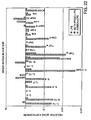
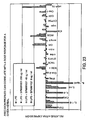
- Figures 20 and 22 provide calibrated profiles of whole blood treated with herbal agents using markers for liver metabolism.
- the number of constituents in a panel can vary. According to the examples provided below, panels of up to 24 genes are selected for evaluating expression levels. Although a panel may be as large as 100 constituents, it is desirable for a particular panel to have no more than 24 constituents, more particularly, less than 12 constituents. For example, subsets of no more than 8 genes have been used that may be derived from a larger panel but which are sufficiently informative to effectuate discrimination.
- the number of constituents in a panel for which expression is monitored may vary widely depending on the context. For example, Figure 1 describes data acquisition from in vitro cell culture and from animal toxicology studies, which includes expression of about 25 to 100 or more genes.
- markers or surrogate markers include for example three to 100 genes, preferably five to 50 or five to 25 genes to be analyzed from samples obtained in clinical studies.
- markers or surrogate markers having predictive value for a medical condition such as a genetic predisposition, a response to therapeutic agent, an inflammatory condition, or an infection, etc.
- a health profile can then be generated for an individual subject using a low volume blood sample.
- the blood sample can be analyzed for expression profile data of about 100 - 500 genes, comprising markers or surrogate markers of a number of medical conditions (Fig. 1: right panel). Panels of varying sizes may be utilized as necessary and subsequent refinements in methodology may lead to selection of subsets having panels as large as 15 genes or 12 genes or as small as 6, 5, 4, 3 genes.
- any single biological condition may be described by a signature panel having a small number of highly informative constituents providing a signature calibrated profile (also referred to as a fingerprint).
- a signature panel having a small number of highly informative constituents providing a signature calibrated profile (also referred to as a fingerprint).
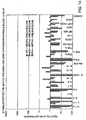
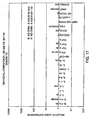
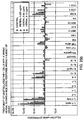
- the presence of highly informative loci is demonstrated in several of the accompanying figures. For example, Figure 11(a) Il-2, Il-4 and Il-5 appeared to be highly informative. Highly informative constituents in Figure 21 include the interleukins.
- the signature panel may provide a signature profile or fingerprint which is sufficiently robust to serve as a standard in describing a particular biological condition or an effect of a particular agent on a biological condition.
- constituents of a panel for measuring inflammation have been provided that are informative with respect to a particular biological condition.
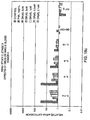
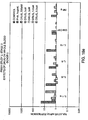
- a panel for inflammation that has 6 constituents- Il-1a, Il-6, Il-8, Il-18, GMCSF and IFN-g in Figure 18(a)-(e) to determine the response of 5 subjects to varying concentrations of drugs.
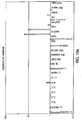
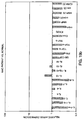
- This group of constituents is a subset of a larger panel of inflammation related gene loci such as shown in Figure 19a and Figure 19b where the Inflammatory Panel includes Il-a, Il-b, Il-2, Il-3, Il-4, Il-6, Il-7, Il-8, Il-10, Il-12p40, Il-15, Il-15, Il-18, GM-CSF, Ifn-gamma, TGF-b, cox-2, ICE, MMP-9, ICAM, TNF-a and TNF-b.
- the subset of constituents were selected on the basis of the information sought concerning the biological condition.
- Embodiments of the invention provide examples of at least 4 different panels which may be used separately or together. These panels are an inflammatory panel (TNF-a, II-1b, ICAM, II-8, II-10, II-12p40, ICE, cox-2, cox-1 and mmp-3) a cell growth and differentiation panel (c-fos, c-jun and STAT3), a toxicity panel (SOD-1, TACE, GR, HSP70, GST, c-fos, c-jun, INOS) and a liver metabolism panel (INOS, cyp-a and u-pa). Other panels include skin response or prostate cancer or endothelial/cardiovascular response panels or cell growth or differentiation or liver metabolism panels. Although provided as examples, the above panels are not intended to be limiting.
- RNA is extracted and quantified with respect to a constituent of a panel.
- RNA is extracted from a sample such as a tissue, body fluid, or culture medium in which a population of a subject might be growing.
- cells may be lysed and RNA eluted in a suitable solution in which to conduct a DNAse reaction.
- First strand synthesis may then performed using a reverse transcriptase.
- Gene amplification, more specifically quantitative PCR assays can then conducted and the gene of interest size calibrated against a marker such as 18S rRNA ( Hirayama et al., Blood 92,1998:46-52 ).
- Samples are measured in multiple duplicates for example, 4 replicates. Relative quantitation of the mRNA is determined by the difference in threshhold cycles between the size marker and the gene of interest.
- quantitative PCR is performed using amplification, reporting agents and instruments such as those supplied commercially by PE Biosystems (Foster City, CA). Given a defined efficiency of amplification of target transcripts, the point (e.g., cycle number) that signal from amplified target template is detectable may be directly related to the amount of specific message transcript in the measured sample.
- quantifiable signals such as fluorescence, enzyme activity, disintegrations per minute, absorbance, etc.
- a known concentration of target templates e.g., a reference standard curve
- a standard with limited variability can be used to quantify the number of target templates in an unknown sample.
- Amplification of the target transcript may be accomplished by isothermic gene amplification strategies, or by gene amplification by thermal cycling such as PCR. It is desirable to obtain a definable and reproducible correlation between the amplified target or reporter and the concentration of starting templates.
- RNA is a data point or member of the first profile data set for a particular panel.
- a first profile data set is derived from the sample, the first profile data set including a plurality of members, each member being a quantitative measure of the amount of a RNA transcribed from a gene locus, the gene locus being a constituent in a panel of constituents.
- a first profile data set may be obtained from a quantitative measure of the amount of a distinct RNA or protein corresponding to a gene locus.
- the figures provided here are directed to RNA. However, the method could be applied using proteins where sensitive quantitative techniques are available for measuring the amount of a distinct protein in a cell.
- the analyses of samples from single individuals and from large groups of individuals provide a library of profile data sets relating to a particular panel or series of panels. These profile data sets may be stored as records in a library for use as baseline profile data sets. As the term "baseline" suggests, the stored baseline profile data sets serve as comparators for providing a calibrated profile data set that is informative about a biological condition or agent. It is anticipated that many baseline profile data sets will be stored in libraries and classified in a number of cross-referential ways. One form of classification might rely on the characteristics of the panels from which the data sets are derived. Another form of classification might be the use of a particular biological condition. The concept of biological condition encompasses any state in which a cell or population of cells might be at any one time.
- This state might reflect geography of samples, sex of subjects or any other discriminator. Some of the discriminators may overlap.
- the libraries might also be accessed for records associated with a single subject or particular clinical trial.
- the classification of baseline profile data sets may further be annotated with medical information about a particular subject, a medical condition, a particular agent etc.
- baseline profile data set for creating a calibrated profile data set is related to the biological condition to be evaluated, monitored, or predicted, as well as, the intended use of the calibrated panel, e.g., as to monitor drug development, quality control or other uses. It might be desirable to access baseline profile data sets from the same subject for whom a first profile data set is obtained or from different subject at varying times, exposures to stimuli, drugs or complex compounds; or may be derived from like or dissimilar populations.
- the profile data set may arise from the same subject for which the first data set is obtained, where the sample is taken at a separate or similar time, a different or similar site or in a different or similar physiological condition.
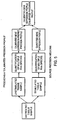
- Figure 5 provides a protocol in which the sample is taken before stimulation or after stimulation.
- the profile data set obtained from the unstimulated sample may serve as a baseline profile data set for the sample taken after stimulation.
- the baseline data set may also be derived from a library containing profile data sets of a population of subjects having some defining characteristic or biological condition.
- the baseline profile data set may also correspond to some ex vivo or in vitro properties associated with an in vitro cell culture.
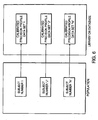
- the resultant calibrated profile data sets may then be stored as a record in a database or library ( Figure 6) along with or separate from the baseline profile database and optionally the first profile data set although the first profile data set would normally become incorporated into a baseline profile data set under suitable classification criteria.
- Selected baseline profile data sets may be also be used as a standard by which to judge manufacturing lots in terms of efficacy, toxicity, etc.
- the baseline data set might correspond to gene expression profiles taken before administration of the agent.
- the baseline data set might correspond with a gold standard for that product.
- any suitable normalization techniques may be employed. For example, an average baseline profile data set is obtained from authentic material of a naturally grown herbal nutraceutical and compared over time and over different lots in order to demonstrate consistency, or lack of consistency, in lots of compounds prepared for release.
- a calibrated profile data set may be described as a function of a member of a first profile data set and a corresponding member of a baseline profile data set for a given gene locus in a panel.
- calibrated profile data sets may be derived by calculating a ratio of the amount of RNA transcribed for a panel constituent in a cell sample in an environmental including intervention such as a therapeutic treatment or at a particular time (first profile data set) with respect to the amount of RNA transcribed for the same panel constituent in a cell that differs in some manner from the sample (baseline profile data set) (Figures 5 and 6).
- first profile data set the amount of RNA transcribed for the same panel constituent in a cell that differs in some manner from the sample (baseline profile data set)
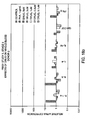
- calibrated profile data sets obtained when samples from a subject are exposed ex vivo to a compound are comparable to calibrated profile data from a sample that has been exposed to a sample in vivo ( Figure 14 and Figure 16(a),(b)).
- an indicator cell line treated with an agent can provide comparable calibrated profile data sets to those obtained from in vivo or ex vivo populations of cells ( Figure 15).
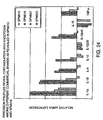
- administering a sample from a subject onto indicator cells can provide informative calibrated profile data sets with respect to the biological condition of the subject including the health, disease states, therapeutic interventions, aging or exposure to environmental stimuli or toxins of the subject ( Figure 25).
- a preferred use of a calibrated profile data set is to evaluate a biological condition of a subject. This may be for purposes of diagnosis or prognosis of a clinical disorder. It is desirable to obtain a calibrated data set that describes a state of health or alternatively a state of age or body mass or any condition or state that an individual subject might find themselves to be in.
- the biological condition might relate to physical activity, conditioning or exercise, mental state, environmental factor such as medication, diet, or geography or exposure to radiation or environmental contamination or infectious agent, biological or environmental toxin.
- calibrated profiles data sets may be used for monitoring change in health status by periodic or regular comparison of profiles; the disorder may be a complex disease process possibly involving multiple gene including inflammation, autoimmune disease, degenerative disease, allergy, vascular disease, ischemia, developmental disease, hormonal conditions and infectious diseases.
- the clinical disorder may further include arthritis, asthma, multiple sclerosis and perimenopausal changes.
- the biological condition may affect a system of a subject including a respiratory, vascular, nervous, metabolic, urinary, reproductive, structural and immunological system or other metabolic state. The above examples of a biological condition are given by way of illustration and are not intended to be limiting.
- calibrated profile data sets can be used to measure, monitor or predict the host response to an infectious agent for purposes of identifying the infectious agent, assessing the duration of infection, the extent of exposure or making therapeutic decisions.
- calibrated profile data sets can be used to describe the biological activity of an agent that might be a single compound or a complex compound such as a nutraceutical or herbal.
- the agent can be assayed using indicator cells, ex vivo cell populations or by in vivo administration. These assays may rely on a series of signature panels or enlarged panels for different biological conditions.
- the resultant calibrated profiles may then be used to infer likely in vivo activity from the in vitro study. Insights into toxicity and mechanisms of action can also be inferred from calibration profile data sets.
- the herbal Echinacea is believed to have both immunostimulatory and anti-inflammatory properties although neither has been measured systemmatically.
- Untreated cells include LPS stimulated untreated cells. Untreated cells were used as a baseline profile data set to measure the difference in gene expression between a baseline profile data set and the experimental treatment with the compound. Baseline profile data sets included a single sample or an average value from a series of experiments. The resultant calibrated profile data sets could then be compared with a library of calibrated profile data sets for a particular herb or/and libraries associated with different agents or conditions.
- a signature panel may be derived optionally together with a signature profile to serve as a gold standard for testing other batches of the same agent.
- the function relating the baseline and profile data sets is in a preferred embodiment, a ratio expressed as a logarithm.
- the calibrated profile data set may be expressed in a spreadsheet or represented graphically for example, in a bar chart or tabular form but may also be expressed in a three dimensional representation.
- the constituent is itemized on the x-axis and the logarithmic scale is on the y-axis.
- Members of a calibrated data set may be expressed as a positive value representing a relative enhancement of gene expression or as a negative value representing a relative reduction in gene expression with respect to the baseline.
- Each member of the calibrated profile data set should be reproducible within a range with respect to similar samples taken from the subject under similar conditions.
- the calibrated profile data sets may be reproducible within one order of magnitude with respect to similar samples taken from the subject under similar conditions. More particularly, the members may be reproducible within 50% more particularly reproducible within 20%.
- the numerical data obtained from quantitative gene expression and numerical data from calibrated gene expression relative to a baseline profile data set may be stored in databases or digital storage mediums and may retrieved for purposes including managing patient health care or for conducting clinical trials or for characterizing a drug.
- the data may be transferred in networks via the World Wide Web, email, or internet access site for example or by hard copy so as to be collected and pooled from distant geographic sites (Figure 8).
- a descriptive record is stored in a single or multiple databases where the stored data includes the raw gene expression data (first profile data set) prior to transformation by use of a baseline profile data set, as well as a record of the baseline profile data set used to generate the calibrated profile data set including for example, annotations regarding whether the baseline profile data set is derived from a particular signature panel and any other annotation that facilitates interpretation and use of the data.
- data handling may readily be done with a computer.
- the data is organized so as to provide an output optionally corresponding to a graphical representation of a calibrated data set.
- a distinct sample derived from a subject being at least one of RNA or protein may be denoted as P i .
- the first profile data set consists of M j where Mj is a quantitative measure of a distinct RNA or protein constituent.
- the record R i is a ratio of M and P and may be annotated with additional data on the subject relating to for example, age, diet, ethnicity, gender, geographic location, medical disorder, mental disorder, medication, physical activity, body mass and environmental exposure.
- data handling may further include accessing data from a second condition database which may contain additional medical data not presently held with the calibrated profile data sets. In this context, data access may be via a computer network.
- the above described data storage on a computer may provide the information in a form that can be accessed by a user. Accordingly, the user may load the information onto a second access site including downloading the information. However, access may be restricted to users having a password or other security device so as to protect the medical records contained within.
- a feature of this embodiment of the invention is the ability of a user to add new or annotated records to the data set so the records become part of the biological information.
- the graphical representation of calibrated profile data sets pertaining to a product such as a drug provides an opportunity for standardizing a product by means of the calibrated profile, more particularly a signature profile.
- the profile may be used as a feature with which to promote the drug.
- the various embodiments of the invention may be also implemented as a computer program product for use with a computer system.
- the product may include program code for deriving a first profile data set and for producing calibrated profiles.
- Such implementation may include a series of computer instructions fixed either on a tangible medium, such as a computer readable media (for example, a diskette, CD-ROM, ROM, or fixed disk), or transmittable to a computer system via a modem or other interface device, such as a communications adapter connected to a network over a medium.
- the medium may be either a tangible medium (for example, optical or analog communications lines) or a medium implemented with wireless techniques (for example, microwave, infrared or other transmission techniques).
- the series of computer instructions preferably embodies all or part of the functionality previously described herein with respect to the system.
- Those skilled in the art should appreciate that such computer instructions can be written in a number of programming languages for use with many computer architectures or operating systems.
- such instructions may be stored in any memory device, such as semiconductor, magnetic, optical or other memory devices, and may be transmitted using any communications technology, such as optical, infrared, microwave, or other transmission technologies.
- It is expected that such a computer program product may be distributed as a removable medium with accompanying printed or electronic documentation (for example, shrink wrapped software), preloaded with a computer system (for example, on system ROM or fixed disk), or distributed from a server or electronic bulletin board over the network (for example, the Internet or World Wide Web).
- a computer system is further provided including derivative modules for deriving a first data set and a calibration profile data set.
- calibrated profile data sets for performing clinical trials is illustrated in Figure 10 using the above-described methods and procedures for running a clinical trial or managing patient care.
- standardization between laboratories may be achieved by using a particular indicator cell line such as THP-1 which is stimulated by a known stimulator such as lipopolysaccharide so that resultant profile acts as a measure that the laboratory is performing the protocol correctly.
- Examples of how embodiments of the invention may be used for augmenting clinical trials includes providing new methods for patient selection.
- Clinical trials in which candidate subjects are included or excluded according to a predetermined optimum calibrated profile for a given biological condition can result in more precise monitoring than would be otherwise possible. It can also result in a greater efficiency in clinical trial design because unsuitable patients that have, for example, complicating factors or conditions can be screened out.
- the calibrated profile data will also enhance the "signal to noise" by removing non-responders from double blind placebo studies.
- the basic structure of a clinical trial design using gene expression profiling could follow any of several formats.
- profile data obtained from in vitro cell cultures or organ cultures may be desired where the cell originates from a target subject or from another subject or from an established cell line, or from a cell samples removed from the target subject where the cell samples may be obtained from any body fluid including a blood, urine, semen, amniotic, or a cerebrospinal fluid sample, or from a scraping from mucosal membranes such as from the buccal cavity, the eye, nose, vagina or by means of a biopsy including epithelial, liver, sternum marrow, testicular, or from tumor tissue removed surgically from a tumor at any location.
- the above-described sources of samples are applicable to any medical use in which calibrated profile data sets are desired.
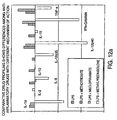
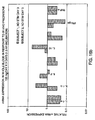
- FIG. 12 shows how ex vivo blood cells respond to the stimulatory effect of LPS and the subsequent treatment with an anti-inflammatory drug (methotrexate, meclofenamate or methylprednisolone). The data show how the effect of methotrexate and meclofenamate generates similar calibrated profile data sets where the baseline is LPS treated blood.
- an anti-inflammatory drug metalhotrexate, meclofenamate or methylprednisolone
- methylprednisolone has a substantially different effect from the other two compounds.
- a similar type of analysis can be performed with complex mixtures as illustrated in Figure 21 in which the calibrated profiles obtained when Echinacea, Arnica and Siberian Ginseng applied to LPS stimulated blood ex vivo are compared. In this example, all three agents appear to act differently from each other with respect to a sample from a single subject. Similar analyses can be used to compare compounds with unknown targets or activities or metabolic patterns to compounds, complex or simple, with known or pre-determined profiles.
- the above methods and procedures can be utilized in the design and running of clinical trials or as a supplemental tool. Moreover; the above methods and procedures can be used to monitor the patients' health as well as the patient's responsiveness to an agent before during and after the clinical trial. This includes monitoring whether multiple agents interfere with each other, act synergistically or additively or are toxic or neural with respect to each other. This type of information is very important as individuals take an increasing number of medications.
- the methods and procedures described above may be used to manage patient care for an individual or a population. Such methods and procedures may also be used to develop a regional or global research network that uses calibrated profile data sets and the resulting databases to conduct research or trials.
- Both the calibration profile data sets in graphical form and the associated databases together with information extracted from both are commodities that can be sold together or separately for a variety of purposes.
- graphic representations of calibration profile data sets can provide a description of a product with respect to its activity that may be used to promote the product.
- the graphical form of the calibrated profile data sets and access to baseline profile databases provide a means for manufacturers to test discrete batches of product against a gold standard.
- the data can be used strategically for design of clinical trials. It can also be useful for physicians practicing at remote sites to offer personalized healthcare to a patient. Accordingly, the physician might set up personalized databases for calibrated profile data sets prior to and after treatment of a particular condition. New data on the subject could be added to the personalized database at each visit to the doctor.
- the data could be generated at remote sites by the use of kits that permit a physician to obtain a first profile data set on a sample from a patient. For remote users to access the site, it is envisaged that secured access to the global network containing libraries of baseline profile data sets and calibrated profile data sets, classified by particular criteria and representing data from larger populations than a single individual, would be necessary.
- the access to the global database may be password protected thereby protecting the database from corrupted records and safeguarding personal medical data.
- the graphical form provided by the calibrated data sets may be used to create catalogs of compounds in a pharmacopiae complete with toxic effects that might arise for particular individuals as well as other types of drug interactions.
- Access to the global data base may include the option to load selected data onto a second access site. This process could include downloading the information to whatever site is desired by the user and could include securing hard copies of information. It is desirable to control how and what data is offloaded or dopied to maintain the integrity of the database. It is envisaged that while a global network of clinical data would be an informational resource, it would have utility is conducting research that might include epidemiological studies and studies concerning the mechanism of action of an agent and studies concerning the nature of interpersonal variability as determined by calibrated profile data sets.
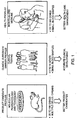
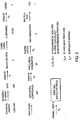
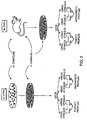
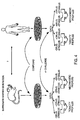
- Figures 1-4 illustrate some of the applications of calibrated profile data sets.
- a candidate therapeutic agent may be tested to determine its molecular pharmacology and toxicology profiles.
- the test might include obtaining calibrated profile data sets for a series of panels selected on the basis of what activity is predicted for the drug.
- the population of cells exposed to the agent may be the result of in vivo administration as depicted by the mouse or direct exposure in vitro where the cells may be an indicator cell line or an ex vivo sample from the subject.
- the result of the screen is the identification of more effective drug candidates for testing in human subjects.
- the second scenario in Figure 1 is the use of calibrated profile data sets to identify a suitable clinical population for screening a potential therapeutic agent. Both demonstration of lack of toxicity and demonstration of clinical efficacy require certain assumptions about the clinical population.
- the calibrated profile data sets provides a means for establishing those assumptions with respect to the biological condition of the individuals selected for the clinical trials.
- the third scenario in Figure 1 is the opportunity to practice individualized medicine which may include creating an archive of calibrate profile data sets on the individual in a state of health such that changes can be identified using signature panels so as to permit prognosis or diagnosis of a particular condition. Moreover, stored information about the patient in the form of calibrated profile data sets permits selecting one of a group of possible therapeutic agents most like to be effective for the patient, optimizing dosage of drug and detecting adverse effects that might arise through drug interactions before symptoms arise. The result of the use of calibrated profile data sets is to provide more efficient and cost effective health care management.
- the novel approach described above for evaluating a biological condition of a subject may be applied to an ex vivo or in vitro assay for measuring the effect of an agent on a biological condition as illustrated in Figures 2-4.
- a sample from the patient may be measured directly ex vivo or tested ex vivo against an agent to predict an effect in the patient. This provides a quick and effective way to determine which drug chosen from within a single class of drugs that all may be used to treat a particular condition, may be most effective for a given subject.
- an agent may be tested on an indicator cell line that can provide a quantitative measure of therapeutic performance in a class of individuals.
- Figure 2 illustrates how calibrated profile data sets may assist in screening a library of candidate compounds to discover candidate drugs. Starting with, for example, 500 candidate drugs, these can be tested in indicator cells or ex vivo body fluid or tissues against signature panels for in vitro toxicology or metabolic indicators. The figure illustrates the large number of compounds that entered in late stages in the development process only to ultimately be rejected due to adverse biological interactions. It is expected that early adoption of the use of calibrated profile data sets will more readily identify likely successful candidates and thereby reduce the expense and untoward effects of animal and human experimentation for compounds that could have been predicted to fail.
- Figure 3 describes multiple screens in which a compound might be administered to an experimental animal such as a mouse or to an indicator cell line.
- the in vivo or ex vivo or indicator cell sample might further be treated with a stimulus.
- the result of both the compound and the stimulus could then be detected using to signature profiles for toxicity or for mechanism to compare the effect of no drug +/- stimulus or +/-drug and no stimulus.
- Both in vitro (left panel) and in vivo (right panel) studies can be used to evaluate the effect of a compound (drug, nutraceutical, environmental stimuli, etc.).
- the right hand panel also illustrates the specific embodiment of an " in vitro clinical trial", that is, treatment of cells obtained from a subject and treated with a compound (with or without a stimulus) in vitro (or ex vivo ) in order to predict the outcome of similar treatment of the subject in vivo (see Fig. 15 for a specific example).
- the output from both panels is described as toxicity and mechanistic profiles. Either experimental course may be used to both evaluate potential toxicity, e.g., using the toxicity, or liver metabolism panels, and to determine or confirm likely mechanism of action by a critical selection of a gene panel(s) that illustrates and differentiates molecular mechanisms of action (see Figure 12 for a specific example).
- Figure 4 illustrates a bioassay in which cells are removed from the subject and tested ex vivo with the addition of a compound and also a challenge or stimulus.
- the ex vivo effect of stimulus and then drug on whole blood taken from a human subject is shown in Figure 12 in which the stimulus is lipopolysaccharide (an inflammatory agent) while the drug is any of methotrexate, meclofenamate or methylprednisolone using a signature panel for inflammation.
- Methylprednisolone a drug commonly used in the treatment of acute exacerbations of COPD as well as in the chronic management of this disease, is considered to be a potent by non-specific anti-inflammatory agent.
- an indicator cell population is used to measure quantitative gene expression the effect of an agent or a biological sample may influence the choice of which indicator cell line will be most informative.
- a cloned cell line such as THP-1 or a primary cell population (peripheral mononuclear cells) may provide information that is comparable to that obtained from a body sample directly (see Figure 15).
- the normal state of gene expression may range from zero or few transcripts to 10 5 or more transcripts.
- an agent may be evaluated for its effect on any population of cells, either in vivo, ex vivo or in vitro, by administering the agent and then determining a calibrate profile data set for those cells under the selected conditions. Examples of this approach are provided in Figures 10-16 and 18. Figure 18 further provides calibrated profile data sets for different concentrations of a single agent showing that the transcription of selected constituents vary with dose and therefore the anticipated effectiveness with respect to the biological condition.
- the above description of determining a biological condition is exemplified as follows.
- the action of a pharmaceutical or nutraceutical is measured with respect to its anti-inflammatory properties.
- the measurement of the effect may be established using a panel of constituent gene loci, for example, an inflammation panel, including, Interleukin 1 alpha (IL-1 ⁇ ) or Tumor Necrosis Factor alpha (TNF- ⁇ ).
- IL-1 ⁇ Interleukin 1 alpha
- TNF- ⁇ Tumor Necrosis Factor alpha
- the anti-inflammatory effect may first be established by treating indicator cells or sample cells ex vivo with a known inflammation inducers (for example, lipopolysaccharide or other mitogens) followed by treatment with the experimental agent or condition expected to suppress or reduce the expression from the appropriate gene loci.
- a known inflammation inducers for example, lipopolysaccharide or other mitogens
- the baseline profile data set is the delta change in gene expression for a particular panel of constituents.
- Methylprednisolone has a substantial down regulation effect on IL-2 in blood cells stimulated ex vivo with LPS where the baseline data set is LPS stimulated cells. In this case there is a negative delta. In contrast, IL-2 appears to be upregulated in whole blood not previously exposed to LPS, where the baseline data set is unstimulated cells. ( Figure 16b) This is consistent with the observation that methylprednisolone stimulated IL-2 production.
- the determination of the biological condition of a subject may include measuring and storing additional data about the subject. For example, if the subject is a human or mammalian patient, additional clinical indicators may be determined from blood chemistry, urinalysis, X-ray, other chemical assays and physical or sociological findings.
- Figure 7 illustrates how the accumulation of calibrated profile data sets can improve the predictive power of the database and thereby increase its value in generating information about a biological condition or agent.
- the figure indicates the use of the database in terms of its predictive power to, for example, predict the course of a therapeutic intervention, follow the course of an individual subject compared to a population, prediction of a likely mechanism of metabolism or molecular mechanism of action or a comprehensive database that allows comparison of a single profile to a collection of signature, calibrated precision profiles.
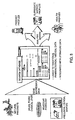
- Figure 8 illustrates display of a data profile set from the source database. Entries for input include a name, an Experimental Type, and whether the entry is a New Reference; Cell/Tissue/Species and whether these are new; Therapeutic agent (compound), Dose, and additional parameters and whether the therapeutic agent is new. Observations are recorded according to the identity of a Gene (New Gene) and a Protein (New Protein). The Stimulus or other Treatment, if any, and the Dose are entered. Gene (and/or Protein) Expression, Expression Value, Expression Units if appropriate and Expression Time are shown.
- the figure specifically illustrates the range of applicable fields of investigation from complex natural products to clinical trails in humans, linkage to traditional forms of measurement and evaluation such as literature citations, clinical indicators and traditional pharmacokinetic measurements. Expert analysis of the precision profile data contained in the database may then be used to guide product development and marketing, or used to improve the clinical decision making concerning the health of a single individual or population of individuals.
- one form of record might provide information about a subject or agent with respect to identity, medical history including traditional pharmaceutical/medical data, clinical indications as determined from literature data, reference to additional types of analysis in the database, etc.
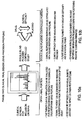
- Figure 9 shows an embodiment of the present invention in which profile data is evaluated using data from a database that is remotely accessed over a network.
- the figure illustrates that data are expected to be derived at one or more locations, compared using a central database and information obtained used to affect, for example, the course of treatment of an individual or population.
- the two-way nature of 1109 illustrates the iterative process whereby the database affects the course of treatment or development, and outcome or response to such intervention again becomes part of the database.
- a first location as in Figure 5, from a tissue sample procured in box 1101, there are derived multiple RNA species pursuant to box 1102, and then in box 1103, profile data are quantified to produce a profile data set that is pertinent to the tissue sample obtained in box 1101.
- database 1108 In order to evaluate the profile data set, in box 1104 information is retrieved from database 1108, which is located in a second location. In fact the database may be in communication with a large number of locations, each of which is generating profile data that must be evaluated.
- the retrieval of information from the database is accomplished over a network 1109, which may include the Internet, in a manner known in the art.
- a network 1109 which may include the Internet, in a manner known in the art.
- the database 1108 is in box 1107 updated over the network 1109 to reflect the profile data that have been quantified in box 1103. In this manner the database 1108 may be updated to reflect the profile data obtained over all locations, and each location has the benefit of the data obtained from all of the locations.
- Human blood is obtained by venipuncture and prepared for assay by aliquoting samples for baseline, no stimulus, and stimulus with sufficient volume for at least three time points.
- Typical stimuli include lipopolysaccharide (LPS), phytohemagglutinin (PHA) and heat-killed staphylococci (HKS) or carrageean and may be used individually (typically) or in combination.
- LPS lipopolysaccharide
- PHA phytohemagglutinin
- HLS heat-killed staphylococci
- the aliquots of heparinized, whole blood are mixed without stimulus and held at 37 °C in an atmosphere of 5% CO2 for 30 minutes.
- Stimulus is added at varying concentrations, mixed and held loosely capped at 37°C for 30 min. Additional test compounds may be added at this point and held for varying times depending on the expected pharmacokinetics of the test compound.
- cells are collected by centrifugation, the plasma removed and RNA extracted
- RNA is preferentially obtained from the nucleic acid mix using a variety of standard procedures (or RNA Isolation Strategies, pp.55-104, in RNA Methodologies, A laboratory Guide for Isolation and Characterization, 2nd edition,1998,Robert E. Farrell, Jr., Ed., Academic Press ); in the present use using a filter-based RNA isolation system from Ambion (RNAqueous TM , Phenol-free Total RNA Isolation Kit, Catalog #1912, version 9908; Austin, Texas). Specific RNAs are amplified using message specific primers or random primers.
- the specific primers are synthesized from data obtained from public databases (e.g., Unigene, National Center for Biotechnology Information, National Library of Medicine, Bethesda, MD), including information from genomic and cDNA libraries obtained from humans and other animals. Primers are chosen to preferentially amplify from specific RNAs obtained from the test or indicator samples, see, for example, RT PCR, Chapter 15 in RNA Methodologies, A Laboratory Guide for Isolation and Characterization, 2nd edition, 1998,Robert E. Farrell, Jr., Ed., Academic Press; or Chapter 22 pp.143-151 , RNA Isolation and Characterization Protocols, Methods in Molecular Biology, Volume 86,1998, R Rapley and D. L.
- Amplified nucleic acids are detected using fluorescent-tagged detection primers (see, for example, Taqman TM PCR Reagent Kit, Protocol, part number 402823 revision A, 1996, PE Applied Biosystems, Foster City CA.) that are identified and synthesized from publicly known databases as described for the amplification primers.
- amplified DNA is detected and quantified using the ABI Prism 7700 Sequence Detection System obtained from PE Biosystems (Foster City, CA). Amounts of specific RNAs contained in the test sample or obtained from the indicator cell lines can be related to the relative quantity of fluorescence observed (see for example, Advances in Quantitative PCR Technology: 5' Nuclease Assays, Y.S.
- Example 2 Different inflammatory stimuli give rise to different, baseline profile data sets so that the calibrated precision profiles for different agents in the same class of anti-inflammatory result in different signature profiles.
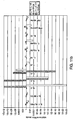
- Figure 11 documents the usefulness of different inflammatory stimuli to give rise to different, baseline profile data sets so that the calibrated precision profile data sets for the three anti-inflammatory agents tested result in different signature profiles.
- the different profiles reflect the difference in the molecular targets and mechanisms of action of the three agents derived from a single class of therapeutics, anti-inflammatory agents.
- the figure also illustrates the extraordinary range of detection (y-axis) from less than 10 fold difference from the calibrated profile to plus or minus 10E13 increase or decrease in gene expression when compared to the calibrator. Comparison to the calibrator results in gene expression profiles that are increased, decreased, or without change from the calibrated set.
- Figure 11(a) shows relative gene expression (mRNA synthesis) in heat-killed staphylococci (HKS)-stimulated cells, and the effect of three different compounds (TPCK, UT-77, and "Dex", or dexamethasone).
- Compound TPCK caused a 10-fold decrease in relative IFN- ⁇ expression, and 100,000-fold decreases in IL-4 and IL-5 expression.
- compound UT-77 caused even greater magnitude of increases in relative expression of the gene encoding IL-5, and more modest increases in IL-1 expression (more than 10-fold) and IFN- ⁇ .
- HKS cells are an in vitro model of Gram-positive bacterial infection.
- Fig. 11(b) displays analyses of expression of the 12 genes in lipopolysaccharide-(LPS)-treated cells, an in vitro model of Gram-negative bacterial infection. These data include several striking contrasts to the data in Fig. 11(a).
- treatment with the therapeutic agent Dex caused a striking decrease in expression of the IL-2 gene in LPS-treated cells, and a striking increase in IL-2 expression in HICS-treated cells. Strikingly large differences in gene expression in the differently stimulated cells can be seen for the IL-4 and the IL-5 genes.
- Expression of the gene for IFN responded similarly in cells treated by either of the stimuli and any of the therapeutic agents.
- Example 3 A single therapeutic agent for treating a particular condition can be differentiated from a second therapeutic agent that also treats the particular condition by a signature profile for a given panel of gene loci.
- Figure 12 shows a calibrated profile data set for a panel having 8 constituents that are indicative of a biological condition that includes inflammation.
- the profiles are shown for three different anti-inflammatory agents-methotrexate, meclofenamate and methylprednisolone.
- the calibrated profile data sets for each agent as shown represents a signature profile for that agent.
- This signature profile may serve as a device for establishing quality control for a batch of the agent. Indeed, it is envisaged that compounds or classes of compounds on the market or in development may be characterized by a signature profile.
- the signature profile may be represented in a graphical format, more particularly as a bar graph as provided in Figure 12. For Figure 12, an ex vivo sample was tested. A sample of blood was taken from the subject.
- LPS lipopolysaccharide
- the anti-inflammatory agent as indicated was added to an aliquot of the sample of blood and after about another 4 hours, the expression of the panel of genes (Il-1a, Il-2, Il-8, Il-10, Il-12p35, Il-12p40, IL-15, IFN-Gamma and TNF-a) was determined.
- the calibrated profile of methotrexate and meclofenamate were similar, the calibrated profile of methylprednisolone was substantially different. Differences may be reflective of the differences of the mechanisms or target(s) of action of this agent within the general class of anti-inflammatory compounds.
- the baseline is the profile data set for lipopolysaccharide absent any additional agents.
- Example 4 There is relatively low variability with respect to the profile within a single individual over time when the calibrated precision profile is determined from the measurement of gene expression across many gene loci that have been appropriately induced.
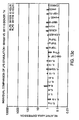
- Figure 13(a)(b) and (c) show a graphical representation of calibrated precision profile data sets for two different samples of whole blood. Heparinized whole blood from a single normal healthy volunteer was collected on two separate occasions of more than 2 weeks apart.
- Figure 13a for sample 991116 and Figure 13b,for sample 991028 reflect the biological condition of the tested cells from the single donor using a panel (i.e., the inflammation panel) of 24 members, in response to stimulation with one of three different agents.
- the baseline in this example is derived from untreated cells obtained from the same individual.
- the calibrated profiles are shown for cells exposed for 4 to 6 hours to lipopolysaccharide (LPS), heat-killed Stapylococci (HKS), and phytohemagglutinin (PHA).
- LPS lipopolysaccharide
- HLS heat-killed Stapylococci
- PHA phytohemagglutinin
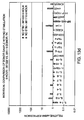
- Figure 13c shows a direct comparison of LPS-stimulated blood sample 99116 with respect to blood sample 991028, i.e., 991028 is used as the calibrator or baseline profile data set.
- the messenger RNA levels measured on 10/28/99 were used to compare the levels of messenger RNA measured on 11/16/99. A perfect identity of RNA levels would be represented by a flat line at unity.
- These data clearly show that for baseline gene expression, there can be as much as an 8 fold difference (c-jun) in messenger RNA levels. However, for most of the genes measured, the levels of messenger RNA measured on one day are within 2-3 fold of those measured on a different day.
- 13(d) is similar to 13(c) except that the cells were not stimulated with LPS.
- the figure documents the relatively low variability with respect to the profile within a single individual over time when the calibrated precision profile is determined from the measurement of gene expression across many gene loci that have been appropriately induced.
- the figure illustrates (1) the class-specific effects (generally inflammatory as determined by the effect on pro-inflammatory gene loci, e.g., TNF-alpha, IL-1 alpha and IL-1 beta), (2) the agent-specific effects quantitative differences between each of the agents at the same gene loci (e.g., IL-2) and (3) reproducible and therefore predictable effects on the subject population, TK (Figure 13c)
- Ex-vivo gene expression analysis can be performed by obtaining the blood of a subject for example by drawing the blood into a vacutainer tube with sodium heparin as an anticoagulant.
- An anti-inflammatory such as 3-methylprednisolone at a final concentration of 10 micromolar was added to blood in a polypropylene tube, incubated for 30 minutes at 37C. in 5% CO 2 .
- a stimuli such as LPS at 10 ng/mL or heat killed staphlococcus (HKS) at 1:100 dilution was added to the drug treated whole blood. Incubation continued at 37C. in 5% CO 2 for 6 hours unless otherwise indicated.
- Example 6 In vivo and Ex vivo samples provide comparable signature profiles.
- Figure 15 shows the calibrated profile data set for two subjects (Subject 1 and Subject 2) who have been treated over a three day period with a standard dose of the corticosteroids, dexamethasone. Blood from each subjects was obtained 72 hours later and a quantitative measure of the amount of RNA corresponding to the panel constituents was determined. Although, the calibrated profile data set for each subject was similar for most gene loci, some notable differences were also detected, for example for Il-2, Il-10, Il-6 and GM-CSF. A calibrated profile data set is also shown for comparison for an ex vivo sample of blood from sample 1 prior to treatment with corticosteroid where the ex vivo sample is subjected to an equivalent amount of corticosteroid in vitro as calculated to be the plasma level in the subject.
- the similarity in the calibrated profile data set for ex vivo samples when compared to in vivo samples provides support for an in vitro assay that will predict the in vivo action of the compound.
- We have concluded therefore that the ex vivo samples provide an effective method of determining the effect of a single compound or multiple compounds on a patient, where the multiple compounds may be either used in combination, in parallel or sequentially to optimize the selection of an agent for a biological condition for the subject.
- Example 7 Demonstration of reproducibility of an in vitro response with an approved anti-inflammatory on 5 different donor subjects.
- FIG. 18a through 18e Comparison and analysis of the Figures 18a through 18e demonstrates the consistency of effect of the stimulus and in vitro treatment with an approved anti-inflammatory on 5 different donors (each figure representing a unique donor).
- the use of a known and tested stimulus results in a highly reproducible gene response in vitro that may be correlated with a predictable in vivo response.
- Figures 18a-18e provide the results of analysis of 5 donors from which a blood sample has been taken. The blood samples were exposed to a therapeutic agent at various concentrations ranging from 0.1 ⁇ M to 5 ⁇ M, more particularly 0.1 ⁇ M, 0.3 ⁇ M, 1 ⁇ M, 3 ⁇ M and 5 ⁇ M, for a 4 hour period.
- a calibrated profile data set may provide a signature profile for a complex mixture of compounds.
- Figure 21 illustrates the effect of three different anti-inflammatory herbs on a panel of constituents including constituents of an inflammatory panel (TNF-a, Il-1b, ICAM, Il-8, Il-10, Il-12p40, ICE, cox-2, cox-1 and mmp-3) a cell growth and differentiation panel (c-fos, c-jun and STAT3) , a toxicity panel (SOD-1, TACE, GR, HSP70, GST, c-fos, c-jun, INOS) and a liver metabolism panel (INOS, cyp-a and u-pa).
- the cells assayed in Figure 21 are aliquots of blood from a subject that are exposed ex vivo to lipopolysaccharide and to Echinacea (SPM9910214) Arnica (SPM9910076) and Siberian Ginseng (SPM9910074), each of the nutraceuticals being applied to the blood sample at the same concentration of 200ug/ml.
- the baseline is cell sample with lipopolysaccharide in the absence of a nutraceutical.
- Each nutraceutical (formed from a complex mixture) has a characteristic signature profile just as did the single compound pharmaceutical anti-inflammatory agents.
- the signature profile may be provided in a graphic form that can be use to identify a herbal while providing information concerning its properties and its efficacy for a single subject or for an average population of subjects.
- Example 9 A quality control assay for Echinacea brands using calibrated profile data sets.
- FIG 24 shows a graphic representation of the calibrated profile data sets for four different commercial brands of Echinacea Brands using an Inflammation Panel.
- SPM007 and SPM003 gave the signature, calibrated profiles similar to authentic Echinacea samples SPM010 and SPM 016, although labeled and sold as Echinacea when tested using the system described in Figure 14, resulted in signature calibrated profiles that were substantially similar to the profile obtained with lipopolysaccharide alone.
- Echinacea samples SPM010 and SPM016 were found to have elevated, highly biologically active levels of endotoxin while the LPS levels in SP007 and SP003 were undetectable.
- a stored signature profile for active echinacea obtained from a panel designed to test efficacy and mode of action, e.g., the inflammation panel, permits evaluation of new batches of Echinacea, differentiation of existing or new brands of Echinacea, guide the isolation and development of new compounds with different or similar activities from a complex compound like Echinacea or may be used in the development of quality assurance in the production, analysis and sale of new or previously marketed compounds.
- Example 10 Comparison of three herbal preparations using an indicator cell line.
- Figures 25 (a)-(c) provide calibrated profile data sets for three herbal preparations with respect to an indicator cell line (THP-1) rather than a blood sample from a subject.
- the baseline is the profile data set for THP-1 cells absent the herbal while the histograms represent the calibrated profile data sets for the same herbal from three different manufacturing sources of the same herb at 250ug/ml.
- Gene expression results are shown on a log scale. Similar to the observation in Figure 14, these demonstrate that similarly labeled compounds obtained from different sources have demonstrable and quantifiable differences in calibrated profiles using a specific panel, eg. the inflammation panel designed to obtain information about the expression of gene products related to inflammation and infection. This suggests that the compounds likely have different efficacies when used for specific purposes.
- Figure 25(b) provides a comparison of the calibrated profile of a single herb at three concentrations using the indicator cell line of THP-1.
- the baseline profile data set is untreated THP-1 cells. Analysis of the data suggests a concentration-dependent response in the indicator cell lines which, although demonstrated here, may be indicative of a similar response in subjects.
- Figure 25(c) provides a comparison of four commercial Echinacea brands used at the same concentration and tested against a panel of constituents using a THP-1 cell line as an indicator cell population. Differential expression, as revealed by differences in the calibrated profiles, allows direct comparisons of complex compounds to be made. For example, analysis of the differences in the calibrated profiles could be used to guide compound isolation and development, product differentiation in the marketplace, or used by the consumer or health professional to guide the individualized choice of a single compound from a class of similar compounds that may be suited for a particular biological condition.
Landscapes
- Health & Medical Sciences (AREA)
- Life Sciences & Earth Sciences (AREA)
- Engineering & Computer Science (AREA)
- Physics & Mathematics (AREA)
- Molecular Biology (AREA)
- Genetics & Genomics (AREA)
- Chemical & Material Sciences (AREA)
- General Health & Medical Sciences (AREA)
- Bioinformatics & Cheminformatics (AREA)
- Biotechnology (AREA)
- Immunology (AREA)
- Biophysics (AREA)
- Biomedical Technology (AREA)
- Bioinformatics & Computational Biology (AREA)
- Theoretical Computer Science (AREA)
- Medical Informatics (AREA)
- Evolutionary Biology (AREA)
- Urology & Nephrology (AREA)
- Hematology (AREA)
- Spectroscopy & Molecular Physics (AREA)
- Biochemistry (AREA)
- Analytical Chemistry (AREA)
- Proteomics, Peptides & Aminoacids (AREA)
- Microbiology (AREA)
- Organic Chemistry (AREA)
- Food Science & Technology (AREA)
- Medicinal Chemistry (AREA)
- Wood Science & Technology (AREA)
- Cell Biology (AREA)
- Pathology (AREA)
- Zoology (AREA)
- General Physics & Mathematics (AREA)
- Toxicology (AREA)
- General Engineering & Computer Science (AREA)
- Tropical Medicine & Parasitology (AREA)
- Measuring Or Testing Involving Enzymes Or Micro-Organisms (AREA)
- Medicines Containing Material From Animals Or Micro-Organisms (AREA)
- Pharmaceuticals Containing Other Organic And Inorganic Compounds (AREA)
- Investigating Or Analysing Biological Materials (AREA)
Priority Applications (1)
| Application Number | Priority Date | Filing Date | Title |
|---|---|---|---|
| CY20071101178T CY1107733T1 (el) | 1999-06-28 | 2007-09-12 | Μεθοδος για τον χαρακτηρισμο μιας βιολογικης καταστασης χρησιμοποιωντας βαθμοnομημενα προφιλ γονιδιακης εκφρασης |
Applications Claiming Priority (5)
| Application Number | Priority Date | Filing Date | Title |
|---|---|---|---|
| US14154299P | 1999-06-28 | 1999-06-28 | |
| US141542P | 1999-06-28 | ||
| US19552200P | 2000-04-07 | 2000-04-07 | |
| US195522P | 2000-04-07 | ||
| PCT/US2000/017846 WO2001025473A1 (en) | 1999-06-28 | 2000-06-28 | Systems and methods for characterizing a biological condition or agent using calibrated gene expression profiles |
Related Child Applications (1)
| Application Number | Title | Priority Date | Filing Date |
|---|---|---|---|
| EP06019765 Division | 2006-09-21 |
Publications (2)
| Publication Number | Publication Date |
|---|---|
| EP1198585A1 EP1198585A1 (en) | 2002-04-24 |
| EP1198585B1 true EP1198585B1 (en) | 2007-06-13 |
Family
ID=26839213
Family Applications (1)
| Application Number | Title | Priority Date | Filing Date |
|---|---|---|---|
| EP00944977A Revoked EP1198585B1 (en) | 1999-06-28 | 2000-06-28 | Method for characterizing a biological condition using calibrated gene expression profiles |
Country Status (13)
| Country | Link |
|---|---|
| EP (1) | EP1198585B1 (enExample) |
| JP (1) | JP2004528526A (enExample) |
| KR (1) | KR20020079364A (enExample) |
| AT (1) | ATE364721T1 (enExample) |
| AU (1) | AU784233B2 (enExample) |
| CA (1) | CA2378008A1 (enExample) |
| CY (1) | CY1107733T1 (enExample) |
| DE (1) | DE60035196T2 (enExample) |
| DK (1) | DK1198585T3 (enExample) |
| ES (1) | ES2290046T3 (enExample) |
| IL (2) | IL147349A0 (enExample) |
| PT (1) | PT1198585E (enExample) |
| WO (1) | WO2001025473A1 (enExample) |
Families Citing this family (33)
| Publication number | Priority date | Publication date | Assignee | Title |
|---|---|---|---|---|
| US7473528B2 (en) | 1999-01-06 | 2009-01-06 | Genenews Inc. | Method for the detection of Chagas disease related gene transcripts in blood |
| US6960439B2 (en) | 1999-06-28 | 2005-11-01 | Source Precision Medicine, Inc. | Identification, monitoring and treatment of disease and characterization of biological condition using gene expression profiles |
| US7590493B2 (en) | 2000-07-31 | 2009-09-15 | Ocimum Biosolutions, Inc. | Methods for determining hepatotoxins |
| AUPR480901A0 (en) * | 2001-05-04 | 2001-05-31 | Genomics Research Partners Pty Ltd | Diagnostic method for assessing a condition of a performance animal |
| CA2447357A1 (en) | 2001-05-22 | 2002-11-28 | Gene Logic, Inc. | Molecular toxicology modeling |
| US7235358B2 (en) | 2001-06-08 | 2007-06-26 | Expression Diagnostics, Inc. | Methods and compositions for diagnosing and monitoring transplant rejection |
| US7026121B1 (en) | 2001-06-08 | 2006-04-11 | Expression Diagnostics, Inc. | Methods and compositions for diagnosing and monitoring transplant rejection |
| US6905827B2 (en) | 2001-06-08 | 2005-06-14 | Expression Diagnostics, Inc. | Methods and compositions for diagnosing or monitoring auto immune and chronic inflammatory diseases |
| US20030096264A1 (en) * | 2001-06-18 | 2003-05-22 | Psychiatric Genomics, Inc. | Multi-parameter high throughput screening assays (MPHTS) |
| US7447594B2 (en) | 2001-07-10 | 2008-11-04 | Ocimum Biosolutions, Inc. | Molecular cardiotoxicology modeling |
| WO2003068908A2 (en) * | 2001-07-10 | 2003-08-21 | Gene Logic, Inc. | Cardiotoxin molecular toxicology modeling |
| EP2277991A1 (en) * | 2001-08-21 | 2011-01-26 | Ventana Medical Systems, Inc. | Method and quantification assay for determining c-kit/SCF/pAKT status |
| CN1612936A (zh) | 2001-11-09 | 2005-05-04 | 苏尔斯精细医药公司 | 利用基因表达分布图识别、监控和治疗疾病以及鉴定生物学状态 |
| US7469185B2 (en) | 2002-02-04 | 2008-12-23 | Ocimum Biosolutions, Inc. | Primary rat hepatocyte toxicity modeling |
| US7662594B2 (en) | 2002-09-20 | 2010-02-16 | New England Biolabs, Inc. | Helicase-dependent amplification of RNA |
| AU2003272438B2 (en) | 2002-09-20 | 2009-04-02 | New England Biolabs, Inc. | Helicase dependent amplification of nucleic acids |
| AU2002952696A0 (en) * | 2002-11-14 | 2002-11-28 | Genomics Research Partners Pty Ltd | Status determination |
| US7396645B1 (en) | 2002-12-17 | 2008-07-08 | Entelos, Inc. | Cholestasis signature |
| US7778782B1 (en) | 2002-12-17 | 2010-08-17 | Entelos, Inc. | Peroxisome proliferation activated receptor alpha (PPARα) signatures |
| AU2003303238B2 (en) * | 2002-12-19 | 2010-07-22 | Life Technologies Corporation | Identification, monitoring and treatment of infectious disease and characterization of inflammatory conditions related to infectious disease using gene expression profiles |
| US7422854B1 (en) | 2002-12-20 | 2008-09-09 | Entelos, Inc. | Cholesterol reduction signature |
| US7519519B1 (en) | 2002-12-20 | 2009-04-14 | Entelos, Inc. | Signature projection score |
| AU2003901196A0 (en) * | 2003-03-17 | 2003-04-03 | Commonwealth Scientific And Industrial Research Organisation | Analysis method |
| EP2128270B1 (en) | 2003-08-08 | 2012-10-03 | Genenews Inc. | Osteoarthritis biomarkers and uses thereof |
| WO2005087924A1 (ja) * | 2004-02-18 | 2005-09-22 | Mie Tlo Co., Ltd. | Dnaチップ並びに疾患関連遺伝子の抽出方法 |
| WO2006138561A2 (en) | 2005-06-16 | 2006-12-28 | Source Mdx | Gene expression profiling for identification and monitoring of multiple sclerosis |
| EP2161348A1 (en) | 2005-09-27 | 2010-03-10 | Source MDX | Gene expression profiling for identification monitoring and treatment of rheumatoid arthritis |
| WO2007136728A2 (en) * | 2006-05-16 | 2007-11-29 | Source Mdx | Assessment of effect of an agent on a human biological condition using rodent gene expression panels |
| US20100196889A1 (en) | 2006-11-13 | 2010-08-05 | Bankaitis-Davis Danute M | Gene Expression Profiling for Identification, Monitoring and Treatment of Colorectal Cancer |
| EP2405022A3 (en) | 2008-07-08 | 2012-05-02 | Genomic Health, Inc. | Gene expression profiling for predicting the survivability of prostate cancer subjects |
| US20120301887A1 (en) | 2009-01-06 | 2012-11-29 | Bankaitis-Davis Danute M | Gene Expression Profiling for the Identification, Monitoring, and Treatment of Prostate Cancer |
| US9074248B1 (en) | 2012-12-18 | 2015-07-07 | Qiagen Gmbh | Primers for helicase dependent amplification and their methods of use |
| CN103525926B (zh) * | 2013-10-08 | 2016-03-23 | 浙江大学 | 一种基于基因表达谱的药物毒性个体易感性基因标志物的筛选方法 |
Family Cites Families (8)
| Publication number | Priority date | Publication date | Assignee | Title |
|---|---|---|---|---|
| US5643765A (en) * | 1993-04-06 | 1997-07-01 | University Of Rochester | Method for quantitative measurement of gene expression using multiplex competitive reverse transcriptase-polymerase chain reaction |
| US5922184A (en) * | 1997-07-21 | 1999-07-13 | Bio-Rad Laboratories, Inc. | Computer-directed detection of paraproteins |
| EP0960214A4 (en) * | 1996-12-06 | 2004-08-04 | Urocor Inc | Diagnosis of disease status on HAnd from mRNA profiles |
| US5968784A (en) * | 1997-01-15 | 1999-10-19 | Chugai Pharmaceutical Co., Ltd. | Method for analyzing quantitative expression of genes |
| GB9704444D0 (en) * | 1997-03-04 | 1997-04-23 | Isis Innovation | Non-invasive prenatal diagnosis |
| AU9217198A (en) * | 1997-09-03 | 1999-03-22 | Oncormed | Method for predicting prognosis and treatment response for genetically based abnormalities |
| CA2303414C (en) * | 1997-09-12 | 2008-05-20 | Phri Properties, Inc. | Non-competitive co-amplification methods |
| JP2001521753A (ja) * | 1997-10-31 | 2001-11-13 | アフィメトリックス インコーポレイテッド | 成人臓器及び胎児臓器中の発現プロフィール |
-
2000
- 2000-06-28 WO PCT/US2000/017846 patent/WO2001025473A1/en not_active Ceased
- 2000-06-28 IL IL14734900A patent/IL147349A0/xx unknown
- 2000-06-28 JP JP2001528624A patent/JP2004528526A/ja active Pending
- 2000-06-28 DE DE60035196T patent/DE60035196T2/de not_active Revoked
- 2000-06-28 AT AT00944977T patent/ATE364721T1/de active
- 2000-06-28 CA CA002378008A patent/CA2378008A1/en not_active Abandoned
- 2000-06-28 AU AU58985/00A patent/AU784233B2/en not_active Expired
- 2000-06-28 PT PT00944977T patent/PT1198585E/pt unknown
- 2000-06-28 ES ES00944977T patent/ES2290046T3/es not_active Expired - Lifetime
- 2000-06-28 DK DK00944977T patent/DK1198585T3/da active
- 2000-06-28 EP EP00944977A patent/EP1198585B1/en not_active Revoked
- 2000-06-28 KR KR1020017016828A patent/KR20020079364A/ko not_active Ceased
-
2001
- 2001-12-26 IL IL147349A patent/IL147349A/en active IP Right Grant
-
2007
- 2007-09-12 CY CY20071101178T patent/CY1107733T1/el unknown
Also Published As
| Publication number | Publication date |
|---|---|
| WO2001025473A9 (en) | 2002-08-08 |
| ATE364721T1 (de) | 2007-07-15 |
| ES2290046T3 (es) | 2008-02-16 |
| WO2001025473A1 (en) | 2001-04-12 |
| PT1198585E (pt) | 2007-09-20 |
| CA2378008A1 (en) | 2001-04-12 |
| IL147349A0 (en) | 2002-08-14 |
| IL147349A (en) | 2011-12-29 |
| AU5898500A (en) | 2001-05-10 |
| CY1107733T1 (el) | 2013-04-18 |
| EP1198585A1 (en) | 2002-04-24 |
| DK1198585T3 (da) | 2007-10-15 |
| DE60035196T2 (de) | 2008-02-21 |
| KR20020079364A (ko) | 2002-10-19 |
| JP2004528526A (ja) | 2004-09-16 |
| AU784233B2 (en) | 2006-02-23 |
| DE60035196D1 (de) | 2007-07-26 |
Similar Documents
| Publication | Publication Date | Title |
|---|---|---|
| AU784233B2 (en) | Systems and methods for characterizing a biological condition or agent using calibrated gene expression profiles | |
| US6692916B2 (en) | Systems and methods for characterizing a biological condition or agent using precision gene expression profiles | |
| JP5236856B2 (ja) | 遺伝子発現プロファイルを用いる病気の同定、観測及び治療及び生物学的状態の同定 | |
| WO2008027428A2 (en) | Gene expression profiling for identification, monitoring and treatment of transplant rejection | |
| JP2005508505A5 (enExample) | ||
| JP2010227111A (ja) | 遺伝子発現プロフィールを用いる、感染症の同定、モニタリング、および処置、ならびに感染症に関連する炎症状態の特徴付け | |
| US20040225449A1 (en) | Systems and methods for characterizing a biological condition or agent using selected gene expression profiles | |
| AU2003303238A2 (en) | Identification, monitoring and treatment of infectious disease and characterization of inflammatory conditions related to infectious disease using gene expression profiles | |
| WO2008091708A2 (en) | Gene expression profiling for identification, monitoring, and treatment of lupus erythematosus | |
| JP2006510382A5 (enExample) | ||
| WO2008008487A2 (en) | Gene expression profiling for identification, monitoring and treatment of multiple sclerosis | |
| WO2006138561A2 (en) | Gene expression profiling for identification and monitoring of multiple sclerosis | |
| RU2592228C2 (ru) | Способ (варианты) и набор для диагностики инфекции мочевыводящих путей, способ лечения и определения предрасположенности к инфекции мочевыводящих путей | |
| Hoffman et al. | ATTACHMENT 3 STATISTICAL ANALYSIS OF TOXICOGENOMIC MICROARRAY DATA | |
| HK1169190A (en) | Identification, monitoring and treatment of disease and characterization of biological condition using gene expression profiles |
Legal Events
| Date | Code | Title | Description |
|---|---|---|---|
| PUAI | Public reference made under article 153(3) epc to a published international application that has entered the european phase |
Free format text: ORIGINAL CODE: 0009012 |
|
| 17P | Request for examination filed |
Effective date: 20011224 |
|
| AK | Designated contracting states |
Kind code of ref document: A1 Designated state(s): AT BE CH CY DE DK ES FI FR GB GR IE IT LI LU MC NL PT SE |
|
| AX | Request for extension of the european patent |
Free format text: AL;LT;LV;MK;RO;SI |
|
| 17Q | First examination report despatched |
Effective date: 20040607 |
|
| RIC1 | Information provided on ipc code assigned before grant |
Ipc: C12Q 1/68 20060101AFI20060922BHEP |
|
| RTI1 | Title (correction) |
Free format text: METHOD FOR CHARACTERIZING A BIOLOGICAL CONDITION USING CALIBRATED GENE EXPRESSION PROFILES |
|
| GRAP | Despatch of communication of intention to grant a patent |
Free format text: ORIGINAL CODE: EPIDOSNIGR1 |
|
| GRAS | Grant fee paid |
Free format text: ORIGINAL CODE: EPIDOSNIGR3 |
|
| GRAA | (expected) grant |
Free format text: ORIGINAL CODE: 0009210 |
|
| AK | Designated contracting states |
Kind code of ref document: B1 Designated state(s): AT BE CH CY DE DK ES FI FR GB GR IE IT LI LU MC NL PT SE |
|
| REG | Reference to a national code |
Ref country code: GB Ref legal event code: FG4D |
|
| REG | Reference to a national code |
Ref country code: CH Ref legal event code: EP |
|
| REG | Reference to a national code |
Ref country code: IE Ref legal event code: FG4D |
|
| REF | Corresponds to: |
Ref document number: 60035196 Country of ref document: DE Date of ref document: 20070726 Kind code of ref document: P |
|
| REG | Reference to a national code |
Ref country code: PT Ref legal event code: SC4A Free format text: AVAILABILITY OF NATIONAL TRANSLATION Effective date: 20070910 |
|
| REG | Reference to a national code |
Ref country code: SE Ref legal event code: TRGR |
|
| REG | Reference to a national code |
Ref country code: DK Ref legal event code: T3 |
|
| REG | Reference to a national code |
Ref country code: GR Ref legal event code: EP Ref document number: 20070402758 Country of ref document: GR |
|
| REG | Reference to a national code |
Ref country code: CH Ref legal event code: NV Representative=s name: MICHELI & CIE SA |
|
| ET | Fr: translation filed | ||
| REG | Reference to a national code |
Ref country code: ES Ref legal event code: FG2A Ref document number: 2290046 Country of ref document: ES Kind code of ref document: T3 |
|
| PLBI | Opposition filed |
Free format text: ORIGINAL CODE: 0009260 |
|
| PLBI | Opposition filed |
Free format text: ORIGINAL CODE: 0009260 |
|
| 26 | Opposition filed |
Opponent name: BIOMERIEUX Effective date: 20080313 |
|
| 26 | Opposition filed |
Opponent name: ROCHE DIAGNOSTICS GMBH Effective date: 20080313 Opponent name: BIOMERIEUX Effective date: 20080313 |
|
| PLAX | Notice of opposition and request to file observation + time limit sent |
Free format text: ORIGINAL CODE: EPIDOSNOBS2 |
|
| NLR1 | Nl: opposition has been filed with the epo |
Opponent name: BIOMERIEUX |
|
| NLR1 | Nl: opposition has been filed with the epo |
Opponent name: BIOMERIEUX Opponent name: ROCHE DIAGNOSTICS GMBH |
|
| PLAB | Opposition data, opponent's data or that of the opponent's representative modified |
Free format text: ORIGINAL CODE: 0009299OPPO |
|
| PLAF | Information modified related to communication of a notice of opposition and request to file observations + time limit |
Free format text: ORIGINAL CODE: EPIDOSCOBS2 |
|
| PLBB | Reply of patent proprietor to notice(s) of opposition received |
Free format text: ORIGINAL CODE: EPIDOSNOBS3 |
|
| PLAY | Examination report in opposition despatched + time limit |
Free format text: ORIGINAL CODE: EPIDOSNORE2 |
|
| PG25 | Lapsed in a contracting state [announced via postgrant information from national office to epo] |
Ref country code: CY Free format text: LAPSE BECAUSE OF NON-PAYMENT OF DUE FEES Effective date: 20080628 |
|
| PLAH | Information related to despatch of examination report in opposition + time limit modified |
Free format text: ORIGINAL CODE: EPIDOSCORE2 |
|
| PLAB | Opposition data, opponent's data or that of the opponent's representative modified |
Free format text: ORIGINAL CODE: 0009299OPPO |
|
| PLAH | Information related to despatch of examination report in opposition + time limit modified |
Free format text: ORIGINAL CODE: EPIDOSCORE2 |
|
| R26 | Opposition filed (corrected) |
Opponent name: ROCHE DIAGNOSTICS GMBH Effective date: 20080313 Opponent name: BIOMERIEUX Effective date: 20080313 |
|
| PLBC | Reply to examination report in opposition received |
Free format text: ORIGINAL CODE: EPIDOSNORE3 |
|
| NLR1 | Nl: opposition has been filed with the epo |
Opponent name: BIOMERIEUX Opponent name: ROCHE DIAGNOSTICS GMBH |
|
| PLAB | Opposition data, opponent's data or that of the opponent's representative modified |
Free format text: ORIGINAL CODE: 0009299OPPO |
|
| R26 | Opposition filed (corrected) |
Opponent name: ROCHE DIAGNOSTICS GMBH Effective date: 20080313 Opponent name: BIOMERIEUX Effective date: 20080313 |
|
| PGFP | Annual fee paid to national office [announced via postgrant information from national office to epo] |
Ref country code: FR Payment date: 20100630 Year of fee payment: 11 Ref country code: FI Payment date: 20100629 Year of fee payment: 11 Ref country code: PT Payment date: 20100608 Year of fee payment: 11 Ref country code: ES Payment date: 20100628 Year of fee payment: 11 Ref country code: DK Payment date: 20100625 Year of fee payment: 11 Ref country code: IE Payment date: 20100625 Year of fee payment: 11 Ref country code: MC Payment date: 20100602 Year of fee payment: 11 |
|
| PGFP | Annual fee paid to national office [announced via postgrant information from national office to epo] |
Ref country code: IT Payment date: 20100625 Year of fee payment: 11 Ref country code: AT Payment date: 20100603 Year of fee payment: 11 |
|
| PGFP | Annual fee paid to national office [announced via postgrant information from national office to epo] |
Ref country code: CH Payment date: 20100625 Year of fee payment: 11 Ref country code: BE Payment date: 20100630 Year of fee payment: 11 Ref country code: NL Payment date: 20100624 Year of fee payment: 11 |
|
| RDAF | Communication despatched that patent is revoked |
Free format text: ORIGINAL CODE: EPIDOSNREV1 |
|
| PGFP | Annual fee paid to national office [announced via postgrant information from national office to epo] |
Ref country code: DE Payment date: 20100629 Year of fee payment: 11 Ref country code: GB Payment date: 20100625 Year of fee payment: 11 Ref country code: LU Payment date: 20100702 Year of fee payment: 11 Ref country code: SE Payment date: 20100629 Year of fee payment: 11 |
|
| PGFP | Annual fee paid to national office [announced via postgrant information from national office to epo] |
Ref country code: GR Payment date: 20100628 Year of fee payment: 11 Ref country code: CY Payment date: 20100618 Year of fee payment: 11 |
|
| RDAG | Patent revoked |
Free format text: ORIGINAL CODE: 0009271 |
|
| STAA | Information on the status of an ep patent application or granted ep patent |
Free format text: STATUS: PATENT REVOKED |
|
| REG | Reference to a national code |
Ref country code: CH Ref legal event code: PL |
|
| 27W | Patent revoked |
Effective date: 20100929 |
|
| GBPR | Gb: patent revoked under art. 102 of the ep convention designating the uk as contracting state |
Effective date: 20100929 |
|
| PG25 | Lapsed in a contracting state [announced via postgrant information from national office to epo] |
Ref country code: CH Free format text: LAPSE BECAUSE OF THE APPLICANT RENOUNCES Effective date: 20070613 Ref country code: LI Free format text: LAPSE BECAUSE OF THE APPLICANT RENOUNCES Effective date: 20070613 |
|
| REG | Reference to a national code |
Ref country code: SE Ref legal event code: ECNC |
|
| REG | Reference to a national code |
Ref country code: DE Ref legal event code: R082 Ref document number: 60035196 Country of ref document: DE Representative=s name: SCHMITT-NILSON SCHRAUD WAIBEL WOHLFROM PATENTA, DE |