EP1152571A2 - Zweiweg-Paketdatenprotokoll für ein mobiles Übertragungssystem - Google Patents
Zweiweg-Paketdatenprotokoll für ein mobiles Übertragungssystem Download PDFInfo
- Publication number
- EP1152571A2 EP1152571A2 EP01303693A EP01303693A EP1152571A2 EP 1152571 A2 EP1152571 A2 EP 1152571A2 EP 01303693 A EP01303693 A EP 01303693A EP 01303693 A EP01303693 A EP 01303693A EP 1152571 A2 EP1152571 A2 EP 1152571A2
- Authority
- EP
- European Patent Office
- Prior art keywords
- pdp context
- resource
- way
- downlink
- message
- Prior art date
- Legal status (The legal status is an assumption and is not a legal conclusion. Google has not performed a legal analysis and makes no representation as to the accuracy of the status listed.)
- Granted
Links
Images




Classifications
-
- H—ELECTRICITY
- H04—ELECTRIC COMMUNICATION TECHNIQUE
- H04L—TRANSMISSION OF DIGITAL INFORMATION, e.g. TELEGRAPHIC COMMUNICATION
- H04L69/00—Network arrangements, protocols or services independent of the application payload and not provided for in the other groups of this subclass
- H04L69/24—Negotiation of communication capabilities
-
- H—ELECTRICITY
- H04—ELECTRIC COMMUNICATION TECHNIQUE
- H04L—TRANSMISSION OF DIGITAL INFORMATION, e.g. TELEGRAPHIC COMMUNICATION
- H04L47/00—Traffic control in data switching networks
- H04L47/10—Flow control; Congestion control
- H04L47/15—Flow control; Congestion control in relation to multipoint traffic
-
- H—ELECTRICITY
- H04—ELECTRIC COMMUNICATION TECHNIQUE
- H04L—TRANSMISSION OF DIGITAL INFORMATION, e.g. TELEGRAPHIC COMMUNICATION
- H04L47/00—Traffic control in data switching networks
- H04L47/10—Flow control; Congestion control
- H04L47/16—Flow control; Congestion control in connection oriented networks, e.g. frame relay
-
- H—ELECTRICITY
- H04—ELECTRIC COMMUNICATION TECHNIQUE
- H04L—TRANSMISSION OF DIGITAL INFORMATION, e.g. TELEGRAPHIC COMMUNICATION
- H04L47/00—Traffic control in data switching networks
- H04L47/70—Admission control; Resource allocation
-
- H—ELECTRICITY
- H04—ELECTRIC COMMUNICATION TECHNIQUE
- H04L—TRANSMISSION OF DIGITAL INFORMATION, e.g. TELEGRAPHIC COMMUNICATION
- H04L47/00—Traffic control in data switching networks
- H04L47/70—Admission control; Resource allocation
- H04L47/72—Admission control; Resource allocation using reservation actions during connection setup
- H04L47/724—Admission control; Resource allocation using reservation actions during connection setup at intermediate nodes, e.g. resource reservation protocol [RSVP]
-
- H—ELECTRICITY
- H04—ELECTRIC COMMUNICATION TECHNIQUE
- H04L—TRANSMISSION OF DIGITAL INFORMATION, e.g. TELEGRAPHIC COMMUNICATION
- H04L47/00—Traffic control in data switching networks
- H04L47/70—Admission control; Resource allocation
- H04L47/80—Actions related to the user profile or the type of traffic
- H04L47/805—QOS or priority aware
-
- H—ELECTRICITY
- H04—ELECTRIC COMMUNICATION TECHNIQUE
- H04L—TRANSMISSION OF DIGITAL INFORMATION, e.g. TELEGRAPHIC COMMUNICATION
- H04L47/00—Traffic control in data switching networks
- H04L47/70—Admission control; Resource allocation
- H04L47/80—Actions related to the user profile or the type of traffic
- H04L47/808—User-type aware
-
- H—ELECTRICITY
- H04—ELECTRIC COMMUNICATION TECHNIQUE
- H04L—TRANSMISSION OF DIGITAL INFORMATION, e.g. TELEGRAPHIC COMMUNICATION
- H04L47/00—Traffic control in data switching networks
- H04L47/70—Admission control; Resource allocation
- H04L47/82—Miscellaneous aspects
- H04L47/824—Applicable to portable or mobile terminals
Definitions
- the present invention relates generally to telecommunication systems, and more particularly to packet data protocols for use in such systems.
- IP Internet Protocol
- FIG. 1 illustrates the operation of RSVP.
- a transmitting user 10 sends to a receiving user 12 a PATH message.
- the PATH message carries traffic characteristics information such as information commonly known as "TSpecs" to indicate characteristics of the traffic that is to be sent from the transmitting user 10.
- the receiving user 12 When the receiving user 12 receives the PATH message, it sends a RESV message that contains a QoS request such as that commonly known as "FlowSpecs.”
- the transmitting and receiving users 10 and 12 can be located remotely so that the PATH and RESV messages pass through several nodes of a network. As each node receives both messages, it makes the decision as to whether adequate resources in that node can be reserved. If this is possible, then the messages are relayed to the next hop for the PATH message and the previous hop for the RESV message. When the RESV message reaches the transmitting user 10, it begins to transmit data. Periodic refresh messages are sent subsequently to maintain the QoS status at each node that has been set up.
- European Patent Application No. 00301782.9 filed March 3, 2000 in the name of inventors X. Chen et al. and entitled "Resource Reservation in 3G or Future Generation Telecommunication Network,” describes methods for reserving resources in third or future generations of wireless mobile networks such as UMTS.
- the methods described therein have no or minimal impact on existing architecture or QoS procedures, and minimize any extra signaling traffic associated with supporting RSVP in UMTS.
- conventional RSVP is a unidirectional QoS signaling protocol that delivers a QoS request from a traffic receiver to a traffic transmitter.
- the negotiated QoS set up via RSVP applies only to the traffic flowing in the direction from the traffic transmitter to the receiver.
- a separate RSVP session must be initiated.
- Direct extension of the existing one-way PDP Context to cover both uplink and downlink traffic can lead to a "racing" problem. More particularly, users may send RSVP messages for QoS control in the uplink direction independently from corresponding RSVP messages for QoS control sent in the downlink direction. Therefore, when a given MT and a corresponding Gateway GPRS (General Packet Radio Service) Support Node (GGSN) receives RSVP messages, different PDP context control procedures need to be initiated for the RSVP session associated with each direction. This may result in a successfully established PDP context in one direction but a failed PDP context in the opposite direction for a session that desires reserved resources in both directions.
- GGSN General Packet Radio Service
- the present invention provides two-way packet data protocol (PDP) techniques for use in UMTS and other telecommunication systems.
- PDP packet data protocol
- the two-way protocol integrates resource negotiation procedures for both the uplink direction and the downlink direction so as to ensure that the required resource reservations are provided for both directions.
- the two-way protocol may be a Packet Data Protocol (PDP) based on a Resource Reservation Protocol (RSVP) resource negotiation procedure.
- PDP Packet Data Protocol
- RVP Resource Reservation Protocol
- the above-noted determination as two whether the user requires two-way resource reservations may be based on one or more flag bits which identify whether the user requires resource reservations for both the uplink and downlink directions.
- the flag bits may be associated with a Quality of Service (QoS) Information Element (IE) of the system, and may be used to permit the user to select between application of the two-way protocol and application of a one-way protocol.
- QoS Quality of Service
- IE Quality of Service
- IE Quality of Service
- IE Quality of Service
- IE Quality of Service
- IE Quality of Service
- IE Quality of Service
- IE Quality of Service
- a pair of flag bits may be used, with the values of the bits indicating whether the user needs no resource reservations in either the uplink direction or the downlink direction, resource reservations in only the uplink direction, resource reservations in only the downlink direction, or resource reservations in both the uplink and downlink directions.
- a single flag bit may be used to indicate for a given direction of resource reservation requirement whether or not the
- the two-way protocol techniques of the present invention efficiently handle resource reservations for both uplink and downlink traffic, and overcome the racing problem inherent in the implementation of QoS in the current.
- one-way PDP context of UMTS one-way PDP context of UMTS.
- UMTS Universal Mobile Telecommunication System
- FIG. 2 shows a portion of a UMTS 20 in which the present invention may be implemented.
- the UMTS 20 comprises a Core Network (CN) 22 formed by a Gateway 24 and a CN EDGE 26, and a UMTS Terrestrial Radio Access Network (UTRAN) 28.
- a Mobile Terminal (MT) 30 communicates with the UTRAN 28 via a radio interface.
- the MT 30 in this example is assumed to be UMTS-specific, and is connected to Terminal Equipment (TE) 32 that may run non-UMTS-specific applications.
- the Gateway 24 can communicate with External Network 40.
- each illustrated component of UMTS 20 has sub-components which are shown in FIG. 2 but not further described herein. Additional details regarding the operation of UMTS 20 and its components and sub-components as illustrated in FIG. 2 can be found in the following UMTS standard documents, issued by the UMTS standard committee 3GPP: 3G TS 23.060 V3.2.1 (2000-01), Technical Specification Group Services and System Aspects: General Packet Radio Service (GPRS): Service Description (3G TS23.060 Version 3.2.1), and 3G TS23.107 V3.1.1 (2000-02) 3GPP - 3rd Generation Partnership Project, Technical Specification Group Services and System Aspects: QoS Concept and Architecture. These standards documents are incorporated by reference herein.
- 3GPP 3G TS 23.060 V3.2.1 (2000-01)
- GPRS General Packet Radio Service
- 3G TS23.060 Version 3.2.1 Service Description
- 3G TS23.107 V3.1.1 2000-02
- the above-noted sub-components include Translation elements, Admission/Capacity Control elements, UMTS, Local, Radio, UTRA, CN and external Bearer Service (BS) Managers, Network Service (NS) Managers, and a Real Time Bearer (RAB) Manager.
- BS Bearer Service
- NS Network Service
- RAB Real Time Bearer Manager
- the present invention provides a number of different techniques for implementing a two-way Packet Data Protocol (PDP) context for bidirectional QoS negotiation and control in the UMTS 20. These techniques will be described in detail below with reference to FIGS. 3A through 7.
- the CN EDGE 26 is referred to as a Serving GPRS Support Node (SGSN) and the Gateway 24 is referred to as a Gateway GPRS Support Node (GGSN).
- SGSN Serving GPRS Support Node
- GGSN Gateway GPRS Support Node
- the term "outstanding PDP context transaction" is used herein to refer to an unfinished Create PDP Request procedure, Activate PDP Request procedure or Update PDP Request procedure.
- a two-way PDP context without a complete QoS requirement is referred to as an incomplete two-way PDP context.
- the two-way PDP context procedures of the present invention will be illustrated using two scenarios, a first scenario involving MT-only terminated RSVP, and a second scenario involving MT and GGSN terminated RSVP.
- TE 32 and MT 30 generate RSVP signaling messages.
- the host within the external network 40 uses other signaling mechanisms to inform GGSN of its downlink QoS need and that such downlink QoS need is to be forwarded to MT.
- FIG. 3A shows this scenario for uplink QoS.
- MT terminates the first-time PATH message and generates an Activate Secondary PDP Context Request message with appropriate Uplink QoS ("abc") to SGSN which in turns generates a Create Secondary PDP Context Request message to GGSN.
- Uplink QoS is set to "Null.”
- a Modify Secondary PDP Context procedure will be activated if a subsequent refresh PATH message presents different QoS or traffic specifications.
- refresh RESV messages are created carrying the new negotiated Uplink QoS ("a'b'c"') and sent to TE as a response.
- FIGS. 3B and 3C illustrate two different approaches for the Downlink QoS in this scenario. It is assumed for both approaches that a secondary PDP context exists. In both of these approaches, Uplink QoS is set to the existing "a'b'c',” and the initial requested Downlink QoS is set to "efg.” The resulting new negotiated Downlink QoS is "e'f'g'.”
- MT tries to set up a secondary PDP context before generating the PATH message to TE.
- PDU Protocol Data Unit
- the Modify Secondary PDP Context procedure may need to be used to update the Downlink QoS for the following three conditions:
- MT activates secondary PDP context only after receiving RESV messages from TE.
- the Modify Secondary PDP Context procedure will only be used in the following two conditions:
- FIGS. 4A and 4B A first approach is described in conjunction with FIGS. 4A and 4B, a second approach in conjunction with FIGS. 5A and 5B, a third approach in conjunction with FIGS. 6A and 6B, and a fourth approach in conjunction with FIG. 7.
- GGSN can perform a network initiated Secondary PDP Context Request via the PDU notification request message to relay the PDU that contains the downlink QoS requirement. Receipt of a PDU notification at SGSN triggers it to send a Request PDP Context Activation message to MT. The receipt of such a Request PDP Context Activation message will trigger MT to initiate an Activate Secondary PDP Context Request message if no secondary PDP context exists.
- a first-time PATH message triggers an Activate 2nd PDP Context procedure.
- both MT and GGSN will intercept the PATH and RESV messages, and will process the messages to determine if the messages are first-time messages or refresh messages. For refresh messages, both MT and GGSN will be able to tell if the QoS parameters change from the existing QoS requirements which are stored as part of a two-way PDP context.
- receipt of a first-time PATH message from TE will trigger an Activate Secondary PDP Context procedure if no secondary PDP context exists. If an incomplete two-way PDP context exists, then an Update PDP Context Request procedure is performed if there is no outstanding PDP context transaction. Subsequent arrival of refresh PATH messages at MT from TE are forwarded or carried as piggybacked information only if there are changes.
- GGSN For GGSN, a first-time PATH message from the external network is always forwarded transparently to MT. However, if GGSN realizes that there is no secondary PDP context for this RSVP session, then it will trigger the Network PDU notification to MT. When MT receives such a notification, MT can initiate an Activate 2nd PDP Context Request procedure. If an incomplete two-way secondary PDP context exists and there is no outstanding PDP context transaction, then an Update PDP context procedure is activated.
- GGSN will not initiate yet another Update PDP Context and will instead rely on MT to do the correction for downlink QoS when MT receives the first-time RESV message from TE.
- Subsequent refresh PATH messages are forwarded by GGSN only if they contain QoS parameters that are different from the existing QoS parameters in a two-way PDP context.
- the first-time RESV message received from the external network will trigger an Update PDP Context procedure.
- Subsequent refresh RESV messages from the external network will trigger an Update PDP Context procedure only if there is a change in QoS requirements.
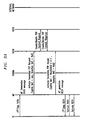
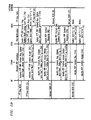
- FIG. 4A shows in greater detail the above-described procedure for establishing a two-way PDP context:
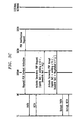
- FIG. 4B illustrates the first approach to Scenario 2 in a case where the PDU notification request occurs first.
- a first-time PATH message from TE (3) arrives after the Update PDP Context Request procedure has been initiated (5a)
- another Modify PDP Context procedure needs to be activated after procedure (5a) ends.
- this will mean that the first-time RESV (4) won't arrive in time for its information to be included in (6a).
- the first-time RESV from the external network arrives later than the Update PDP Context Response generated by GGSN (6a)
- yet another Update PDP Context procedure needs to be performed.
- one Activate and three Update or Modify PDP Context procedures will be required.
- Example QoS parameters shown in the FIG. 4B approach include "klm” and "k'l'm',” “hlj” and “h'l'j',” and “svw” and "s'v'w'.”
- MT or GGSN wait for first-time PATH or RESV messages to trigger the UMTS PDP context signaling messages.
- SGSN and GGSN keep state information so that they can know if a message is a first-time PATH or RESV message and if a new two-way PDP context needs to be set up.
- the second approach to Scenario 2 differs from the first approach to Scenario 2 in that MT initiates an Activate 2nd PDP Context Request only after receiving the first-time RESV message either for downlink or uplink traffic.
- MT When MT receives the first-time RESV message from TE for downlink traffic, it will initiate an Activate 2nd PDP Context Request if none exists. For subsequent refresh RESV messages MT receives from TE, only those that contain changes in QoS requirements will trigger an Update PDP Context Request.
- MT For the first-time PATH message, MT will transparently ship it across to the GGSN. For subsequent refresh PATH messages, MT will only forward when there are changes in Uplink QoS parameters.
- GGSN For GGSN, when it receives a first-time PATH message from the external network, it will ship the packet transparently across the UMTS network to MT. For subsequent PATH messages, GGSN will only forward if there are any changes in the downlink QoS parameters.
- GGSN When GGSN receives a first-time RESV message for uplink traffic from the external network, it will initiate an Update PDP Context procedure if no other Activate or Update PDP Context procedure for the same session is taking place. Otherwise, the information in the first-time RESV can be used to update the downlink QoS Information Element (IE) within the Activate PDP Context Accept message. GGSN merely forwards the first-time RESV message received from MT for downlink QoS.
- IE downlink QoS Information Element
- the Update PDP Context procedure will only be triggered if there is a change in uplink QoS requirements.
- GGSN For those RESV messages carrying downlink QoS requirements that GGSN receives from MT, GGSN merely forwards them to the external network.
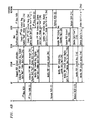
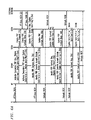
- FIG. 5A illustrates the above-described second approach to Scenario 2 for the case where a first-time PATH message arrives at MT first.
- MT will initiate the Activate 2nd PDP Context Request only after receiving the first-time RESV from TE.
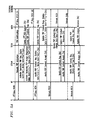
- FIG. 5B illustrates the above-described second approach to Scenario 2 for the case where a first-time PATH message at GGSN triggers the PDU notification.
- the first-time PATH message from the external host is carried transparently to TE using the existing Primary PDP Context.
- MT waits for a first-time RESV before initiating the Activate or Update Secondary PDP Context procedure. Therefore, only one activate and one Update PDP Context procedure are required to complete a two-way PDP context setup. However, waiting for the arrival of the first-time RESV message may result in a larger latency for setting up a two-way PDP context.
- the third approach to Scenario 2 is illustrated in FIGS. 6A and 6B, and involves a PATH triggered Activate 2nd PDP Request with delayed PDP Response.
- This approach differs from the first approach to Scenario 2 in that the other PDP context peer waits for a first-time RESV message before responding to the PDP Context Request message from the sending peer. It differs from the second approach to Scenario 2 in that the first-time PATH message and not the first-time RESV triggers the Activate PDP Context Request procedure.
- the receipt of the first-time PATH (Uplink QoS) message from TE will trigger an Activate Secondary PDP Context Request message to SGSN.
- Subsequent PATH messages from TE will only be forwarded provided there are changes to the QoS parameters.
- MT receives the first-time RESV (downlink QoS) message from TE, it will trigger an Update PDP Context Request provided there is no outstanding PDP context transaction for the same session and an incomplete two-way PDP context exists. If there is an outstanding PDP context request that needs a response, MT will generate a response.
- Subsequent refresh RESV (downlink QoS) messages from TE will only be forwarded and trigger Update PDP Context Request procedures if there are changes in QoS requirements.
- GGSN For GGSN, the receipt of first-time RESV (Uplink QoS) message from the external network will trigger the Create PDP Context Response back to MT if an outstanding PDP context transaction exists, and otherwise will trigger an Update PDP Context Request. Subsequent RESV messages from the external network will only be forwarded to MT and also trigger Update PDP Context Request procedures provided there are changes in the Uplink QoS requirement.
- GGSN When GGSN receives first-time or refresh PATH messages from MT, GGSN simply forwards them to the external network. When GGSN receives a first-time PATH message from the external network, it will forward the first-time PATH message transparently to MT. Subsequent refresh PATH messages from the external network are sent to MT only if there are changes in the Downlink QoS parameters.
- RESV Uplink QoS
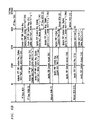
- FIG. 6A illustrates the above-described third approach to Scenario 2 for the case of the MT initiated Activate Secondary PDP Context procedure.
- Refresh PATH messages received at MT will only be forwarded only if they contain changes.
- Refresh RESV messages received at GGSN for uplink QoS negotiation will only be forwarded by GGSN provided there is a change.
- Steps (8a)-(8d) show that GGSN will trigger an Update PDP Context Request procedure if there is such a change in uplink QoS parameters.
- MT will generate an appropriate response.
- GGSN will only forward it if there is a change.
- GGSN will initiate an Update PDP Context Request procedure with an appropriate Downlink QoS Request.
- GGSN will respond with an appropriate Negotiated Downlink QoS parameter in its Update PDP Context Response message to SGSN which is relayed to MT.
- MT will then relay the refresh RESV message.
- proxies can be used at both MT and GGSN such that refresh messages are not relayed but instead regenerated at MT or GGSN.
- FIG. 6B illustrates the third approach for the case of the network initiated Activate Secondary PDP Context procedure.
- the process waits until the first-time RESV message is received before generating the PDP Context Response.
- a minimal of one Activate and one Update PDP Context procedure are required to build a two-way PDP context using the third approach to Scenario 2.
- one Activate and two Update PDP Context procedures may be required to build a two-way PDP context using this approach.
- the fourth approach to Scenario 2 will be described in conjunction with FIG. 7.
- This approach differs from the previous approaches in that a secondary PDP context is built only after MT receives complete information on the QoS requirements for both directions. More particularly, MT triggers an Activate 2nd PDP Context Request message only after receiving both a first-time RESV message from TE and a first-time RESV message forwarded by GGSN. Subsequent refresh PATH messages from TE are relayed only if there is a change. Similarly, subsequent refresh RESV messages from TE are relayed only if there is a change. An Update PDP Context procedure will be initiated by MT if there is such a change.
- GGSN will forward first-time PATH from the external network. Subsequent PATH messages received from the external network are relayed only when there is a change in QoS parameters. Receipt of the first-time RESV message from the external network will be forwarded to MT. Receipt of subsequent RESV messages from the external network will trigger an Update PDP Context procedure only if there is a change in QoS requirement.
- the second approach may be the preferred approach for UMTS, taking into consideration both the latency in setting up a real-time RAB and the number of signaling messages required to establish this real-time RAB.
- the second approach may be the preferred approach for UMTS, taking into consideration both the latency in setting up a real-time RAB and the number of signaling messages required to establish this real-time RAB.
Landscapes
- Engineering & Computer Science (AREA)
- Computer Networks & Wireless Communication (AREA)
- Signal Processing (AREA)
- Computer Security & Cryptography (AREA)
- Mobile Radio Communication Systems (AREA)
- Data Exchanges In Wide-Area Networks (AREA)
Applications Claiming Priority (2)
| Application Number | Priority Date | Filing Date | Title |
|---|---|---|---|
| US565510 | 2000-05-05 | ||
| US09/565,510 US6654610B1 (en) | 2000-05-05 | 2000-05-05 | Two-way packet data protocol methods and apparatus for a mobile telecommunication system |
Publications (3)
| Publication Number | Publication Date |
|---|---|
| EP1152571A2 true EP1152571A2 (de) | 2001-11-07 |
| EP1152571A3 EP1152571A3 (de) | 2003-05-21 |
| EP1152571B1 EP1152571B1 (de) | 2006-03-01 |
Family
ID=24258941
Family Applications (1)
| Application Number | Title | Priority Date | Filing Date |
|---|---|---|---|
| EP01303693A Expired - Lifetime EP1152571B1 (de) | 2000-05-05 | 2001-04-23 | Bidirektionales Reservierungsprotokoll |
Country Status (5)
| Country | Link |
|---|---|
| US (1) | US6654610B1 (de) |
| EP (1) | EP1152571B1 (de) |
| JP (1) | JP2002010364A (de) |
| CA (1) | CA2340487C (de) |
| DE (1) | DE60117476T2 (de) |
Cited By (2)
| Publication number | Priority date | Publication date | Assignee | Title |
|---|---|---|---|---|
| WO2004098133A1 (en) * | 2003-04-30 | 2004-11-11 | Nokia Corporation | Handling traffic flows in a mobile communications network |
| EP2704483A4 (de) * | 2011-04-28 | 2015-12-02 | Samsung Electronics Co Ltd | Verfahren und system zum reservieren von ressourcen in einem mobilen kommunikationssystem |
Families Citing this family (61)
| Publication number | Priority date | Publication date | Assignee | Title |
|---|---|---|---|---|
| US8606851B2 (en) | 1995-06-06 | 2013-12-10 | Wayport, Inc. | Method and apparatus for geographic-based communications service |
| US5835061A (en) | 1995-06-06 | 1998-11-10 | Wayport, Inc. | Method and apparatus for geographic-based communications service |
| IL149356A0 (en) * | 1999-11-03 | 2002-11-10 | Wayport Inc | Distributed network communication system which enables multiple network providers to use a common distributed network infrastructure |
| US20020131447A1 (en) * | 2000-03-27 | 2002-09-19 | Shridhar Krishnamurthy | System and method for wireless packet data content switch |
| US8295269B1 (en) * | 2000-04-10 | 2012-10-23 | Nokia Corporation | Technique for informing network of voice traffic |
| US7298697B2 (en) * | 2000-04-10 | 2007-11-20 | Nokia Corporation | Setting a communication channel |
| US20020022483A1 (en) * | 2000-04-18 | 2002-02-21 | Wayport, Inc. | Distributed network communication system which allows multiple wireless service providers to share a common network infrastructure |
| GB0011058D0 (en) * | 2000-05-08 | 2000-06-28 | Nokia Networks Oy | Data bearers in a communication system |
| EP1154599A1 (de) * | 2000-05-09 | 2001-11-14 | Lucent Technologies Inc. | Ressourcenreservierung in einem funknetz der dritten oder zukünftigen generation iii |
| FI20001544A7 (fi) | 2000-06-29 | 2001-12-30 | Nokia Corp | Poikkeavan päätelaitteen tukeminen verkossa |
| US7688745B1 (en) * | 2000-08-14 | 2010-03-30 | Nokia Siemens Networks Oy | Communication system and method providing a mode selection procedure |
| US7136382B1 (en) * | 2000-08-25 | 2006-11-14 | Novell, Inc. | System and method for providing quality of service operations using IP addresses |
| KR100761185B1 (ko) * | 2000-08-31 | 2007-09-21 | 유티스타콤코리아 유한회사 | 차세대 이동 통신 시스템에서의 비동기식 무선망과 동기식코어 네트워크 간 연동시 멀티 콜을 지원하는 방법 |
| US7283502B1 (en) * | 2000-09-21 | 2007-10-16 | Lucent Technologies Inc. | Enhancement of framing protocol frame format to support quality of service |
| GB0024694D0 (en) * | 2000-10-09 | 2000-11-22 | Nokia Networks Oy | Connection set-up in a communication system |
| US20020062379A1 (en) * | 2000-11-06 | 2002-05-23 | Widegren Ina B. | Method and apparatus for coordinating quality of service requirements for media flows in a multimedia session with IP bearer services |
| US6970423B2 (en) * | 2001-01-18 | 2005-11-29 | Lucent Technologies Inc. | Universal mobile telecommunications system (UMTS) quality of service (QoS) supporting asymmetric traffic classes |
| US7483989B2 (en) * | 2001-03-13 | 2009-01-27 | Telefonaktiebolaget Lm Ericsson (Publ) | Method and apparatus for establishing a protocol proxy for a mobile host terminal in a multimedia session |
| US7054945B2 (en) * | 2001-04-09 | 2006-05-30 | Nokia Corporation | Technique for providing announcements in mobile-originated calls |
| WO2002093689A1 (en) * | 2001-05-17 | 2002-11-21 | Nokia Corporation | Device and method for temporary deactivation of subscriber information |
| US7325047B2 (en) * | 2001-05-23 | 2008-01-29 | International Business Machines Corporation | Dynamic undeployment of services in a computing network |
| US7287070B2 (en) * | 2001-05-25 | 2007-10-23 | Interdigital Technology Corporation | Determining control of an internet communication between a sender and receiver |
| US7123598B1 (en) * | 2001-06-29 | 2006-10-17 | Nokia Inc. | Efficient QoS signaling for mobile IP using RSVP framework |
| KR20070119066A (ko) | 2001-11-02 | 2007-12-18 | 인터디지탈 테크날러지 코포레이션 | 양방향 및 역방향 자원 예약 셋업 프로토콜 |
| US6884514B2 (en) * | 2002-01-11 | 2005-04-26 | Saint-Gobain Ceramics & Plastics, Inc. | Method for forming ceramic layer having garnet crystal structure phase and article made thereby |
| JP3880451B2 (ja) * | 2002-05-20 | 2007-02-14 | 富士通株式会社 | Rsvpを用いた移動通信システム |
| US20030233580A1 (en) * | 2002-05-29 | 2003-12-18 | Keeler James D. | Authorization and authentication of user access to a distributed network communication system with roaming features |
| US7453851B2 (en) * | 2002-06-20 | 2008-11-18 | Spyder Navigations L.L.C. | QoS signaling for mobile IP |
| US7086051B2 (en) * | 2002-08-21 | 2006-08-01 | Defywire, Inc. | Method and apparatus for just-in-time provisioning application-related information at a communication device |
| US7240104B2 (en) * | 2002-08-21 | 2007-07-03 | Defywire, Inc. | Method and apparatus for managing resources stored on a communication device |
| US6891860B2 (en) * | 2002-08-21 | 2005-05-10 | Defywire, Inc. | Method and apparatus for establishing multiple bandwidth-limited connections for a communication device |
| US7606190B2 (en) * | 2002-10-18 | 2009-10-20 | Kineto Wireless, Inc. | Apparatus and messages for interworking between unlicensed access network and GPRS network for data services |
| US7471655B2 (en) * | 2003-10-17 | 2008-12-30 | Kineto Wireless, Inc. | Channel activation messaging in an unlicensed mobile access telecommunications system |
| AU2003284256A1 (en) * | 2002-10-18 | 2004-05-04 | Kineto Wireless, Inc. | Apparatus and method for extending the coverage area of a licensed wireless communication system using an unlicensed wireless communication system |
| US7634274B2 (en) * | 2002-12-31 | 2009-12-15 | Nokia Corporation | Connection establishment for PDP contexts |
| AU2004262820B2 (en) * | 2003-08-06 | 2008-07-24 | Nokia Technologies Oy | Quality of service support at an interface between mobile and IP network |
| US8050275B1 (en) * | 2003-11-18 | 2011-11-01 | Cisco Technology, Inc. | System and method for offering quality of service in a network environment |
| US7957348B1 (en) * | 2004-04-21 | 2011-06-07 | Kineto Wireless, Inc. | Method and system for signaling traffic and media types within a communications network switching system |
| US20050261970A1 (en) | 2004-05-21 | 2005-11-24 | Wayport, Inc. | Method for providing wireless services |
| US7940746B2 (en) | 2004-08-24 | 2011-05-10 | Comcast Cable Holdings, Llc | Method and system for locating a voice over internet protocol (VoIP) device connected to a network |
| US20060133333A1 (en) * | 2004-12-21 | 2006-06-22 | Utstarcom, Inc. | Method and apparatus to increase session capacity |
| US20060262789A1 (en) * | 2005-05-20 | 2006-11-23 | Go Networks Inc. | Method and corresponding device for packets classification |
| US8009676B2 (en) * | 2005-07-26 | 2011-08-30 | Cisco Technology, Inc. | Dynamically providing a quality of service for a mobile node |
| CN101356781A (zh) * | 2006-01-10 | 2009-01-28 | 松下电器产业株式会社 | 通信系统和通信方法 |
| US8165086B2 (en) * | 2006-04-18 | 2012-04-24 | Kineto Wireless, Inc. | Method of providing improved integrated communication system data service |
| US20080076425A1 (en) | 2006-09-22 | 2008-03-27 | Amit Khetawat | Method and apparatus for resource management |
| US20080039086A1 (en) | 2006-07-14 | 2008-02-14 | Gallagher Michael D | Generic Access to the Iu Interface |
| GB2440978B (en) * | 2006-08-16 | 2012-01-04 | Wireless Tech Solutions Llc | Wireless communication system, apparatus for supporting data flow and methods therefor |
| US8261327B2 (en) | 2007-07-12 | 2012-09-04 | Wayport, Inc. | Device-specific authorization at distributed locations |
| CN101766048A (zh) * | 2007-07-30 | 2010-06-30 | 艾利森电话股份有限公司 | 选择媒体流的方法 |
| EP2026610B1 (de) * | 2007-08-14 | 2014-02-26 | Alcatel Lucent | Verfahren und Gerät für den Wiederanlauf im Funkverbindungsausfall ("Radio link failure recovery") in einem drahtlosen Kommunikationsnetz |
| US8600341B2 (en) | 2008-03-14 | 2013-12-03 | William J. Johnson | System and method for location based exchanges of data facilitating distributed locational applications |
| US8639267B2 (en) | 2008-03-14 | 2014-01-28 | William J. Johnson | System and method for location based exchanges of data facilitating distributed locational applications |
| US8634796B2 (en) | 2008-03-14 | 2014-01-21 | William J. Johnson | System and method for location based exchanges of data facilitating distributed location applications |
| US8897742B2 (en) | 2009-11-13 | 2014-11-25 | William J. Johnson | System and method for sudden proximal user interface |
| US8566839B2 (en) | 2008-03-14 | 2013-10-22 | William J. Johnson | System and method for automated content presentation objects |
| US8761751B2 (en) | 2008-03-14 | 2014-06-24 | William J. Johnson | System and method for targeting data processing system(s) with data |
| HK1206121A1 (zh) | 2012-03-07 | 2015-12-31 | 实耐珀时尚股份有限公司 | 基於地理位置通过网络集合社交网络信息的方法和系统 |
| US9477991B2 (en) | 2013-08-27 | 2016-10-25 | Snap Trends, Inc. | Methods and systems of aggregating information of geographic context regions of social networks based on geographical locations via a network |
| US9894489B2 (en) | 2013-09-30 | 2018-02-13 | William J. Johnson | System and method for situational proximity observation alerting privileged recipients |
| US11405981B1 (en) * | 2020-05-18 | 2022-08-02 | NortonLifeLock Inc. | Routing server communications through a nearby mobile device |
Family Cites Families (11)
| Publication number | Priority date | Publication date | Assignee | Title |
|---|---|---|---|---|
| SE9304119D0 (sv) * | 1993-12-10 | 1993-12-10 | Ericsson Ge Mobile Communicat | Apparatuses and mobile stations for providing packet data communication in digital TDMA cellular systems |
| US5995503A (en) * | 1996-06-12 | 1999-11-30 | Bay Networks, Inc. | Method and apparatus for providing quality of service routing in a network |
| FI104142B (fi) * | 1996-10-25 | 1999-11-15 | Nokia Mobile Phones Ltd | Radioresurssien käytön ohjausmenetelmä |
| US6240083B1 (en) * | 1997-02-25 | 2001-05-29 | Telefonaktiebolaget L.M. Ericsson | Multiple access communication network with combined contention and reservation mode access |
| US6134231A (en) * | 1997-08-08 | 2000-10-17 | Telefonaktiebolaget Lm Ericsson (Publ) | Uplink channel puncturing for reduced interference within a wireless data communications network |
| JPH11103303A (ja) * | 1997-09-26 | 1999-04-13 | Sony Corp | ネットワーク資源予約制御方法および装置、受信端末、送信端末、並びに中継装置 |
| JP2000032048A (ja) * | 1998-07-14 | 2000-01-28 | Fujitsu Ltd | ネットワーク装置 |
| FI105969B (fi) | 1998-08-10 | 2000-10-31 | Nokia Networks Oy | Palvelunlaadun hallinta matkaviestinjärjestelmässä |
| FI107861B (fi) * | 1998-08-28 | 2001-10-15 | Nokia Mobile Phones Ltd | Naapurisolumittaukset solun uudelleenvalintaa varten |
| EP1130931A1 (de) | 2000-03-03 | 2001-09-05 | Lucent Technologies Inc. | Reservierung von Netzresourcen in einem mobilen Paketdatennetz |
| EP1154600A1 (de) * | 2000-05-09 | 2001-11-14 | Lucent Technologies Inc. | Ressourcenreservierung in einem funknetz der dritten oder zukünftigen generation iv |
-
2000
- 2000-05-05 US US09/565,510 patent/US6654610B1/en not_active Expired - Lifetime
-
2001
- 2001-03-13 CA CA002340487A patent/CA2340487C/en not_active Expired - Fee Related
- 2001-04-23 EP EP01303693A patent/EP1152571B1/de not_active Expired - Lifetime
- 2001-04-23 DE DE60117476T patent/DE60117476T2/de not_active Expired - Lifetime
- 2001-05-02 JP JP2001135107A patent/JP2002010364A/ja not_active Abandoned
Cited By (4)
| Publication number | Priority date | Publication date | Assignee | Title |
|---|---|---|---|---|
| WO2004098133A1 (en) * | 2003-04-30 | 2004-11-11 | Nokia Corporation | Handling traffic flows in a mobile communications network |
| US9350566B2 (en) | 2003-04-30 | 2016-05-24 | Nokia Technologies Oy | Handling traffic flows in a mobile communications network |
| EP2704483A4 (de) * | 2011-04-28 | 2015-12-02 | Samsung Electronics Co Ltd | Verfahren und system zum reservieren von ressourcen in einem mobilen kommunikationssystem |
| US10064104B2 (en) | 2011-04-28 | 2018-08-28 | Samsung Electronics Co., Ltd. | Method and system for reserving resources in mobile communication system |
Also Published As
| Publication number | Publication date |
|---|---|
| EP1152571B1 (de) | 2006-03-01 |
| CA2340487C (en) | 2005-08-09 |
| EP1152571A3 (de) | 2003-05-21 |
| DE60117476D1 (de) | 2006-04-27 |
| JP2002010364A (ja) | 2002-01-11 |
| DE60117476T2 (de) | 2006-08-31 |
| CA2340487A1 (en) | 2001-11-05 |
| US6654610B1 (en) | 2003-11-25 |
Similar Documents
| Publication | Publication Date | Title |
|---|---|---|
| US6654610B1 (en) | Two-way packet data protocol methods and apparatus for a mobile telecommunication system | |
| US6708034B1 (en) | End-to-end quality of service guarantee in a wireless environment | |
| JP5175258B2 (ja) | 通信システムにおけるパケット・フロー処理 | |
| US9560641B2 (en) | Bi-directional and reverse directional resource reservation setup protocol | |
| US7227865B2 (en) | Utilizing session initiation protocol for identifying user equipment resource reservation setup protocol capabilities | |
| US7539499B2 (en) | Method and system for managing wireless bandwidth resources | |
| US6920499B2 (en) | Resource reservation in third generation telecommunication network by comparing RSVP messages | |
| EP0973303A2 (de) | Netzwerkssystem mit Reservierung von Netzresourcen | |
| US7170872B2 (en) | Reserving quality of service in wireless telecommunication system | |
| JP2005529554A (ja) | 通信システムにおけるパケットフロープロセシング | |
| JP2007506295A (ja) | Sipハンドオーバー時に割り当てられた資源を開放する方法 | |
| US20010053126A1 (en) | Resource reservation in 3G or future generation telecommunication network II | |
| US20020093979A1 (en) | Resource reservation in 3G or future generation telecommunication network | |
| US20010052017A1 (en) | Resource reservation in 3G or future generation telecommunication network III | |
| WO2007022716A1 (fr) | Procede et systeme de reglage de la caracteristique de liaison de donnees a interface interne dans un reseau a acces sans fil | |
| KR20050067948A (ko) | 3 세대 네트워크에서 rsvp 프로토콜 운용 방법 |
Legal Events
| Date | Code | Title | Description |
|---|---|---|---|
| PUAI | Public reference made under article 153(3) epc to a published international application that has entered the european phase |
Free format text: ORIGINAL CODE: 0009012 |
|
| AK | Designated contracting states |
Kind code of ref document: A2 Designated state(s): AT BE CH CY DE DK ES FI FR GB GR IE IT LI LU MC NL PT SE TR |
|
| AX | Request for extension of the european patent |
Free format text: AL;LT;LV;MK;RO;SI |
|
| PUAL | Search report despatched |
Free format text: ORIGINAL CODE: 0009013 |
|
| AK | Designated contracting states |
Designated state(s): AT BE CH CY DE DK ES FI FR GB GR IE IT LI LU MC NL PT SE TR |
|
| AX | Request for extension of the european patent |
Extension state: AL LT LV MK RO SI |
|
| 17P | Request for examination filed |
Effective date: 20031111 |
|
| 17Q | First examination report despatched |
Effective date: 20031216 |
|
| AKX | Designation fees paid |
Designated state(s): DE FR GB |
|
| RTI1 | Title (correction) |
Free format text: TWO-WAY RESOURCE RESERVATION |
|
| GRAP | Despatch of communication of intention to grant a patent |
Free format text: ORIGINAL CODE: EPIDOSNIGR1 |
|
| GRAS | Grant fee paid |
Free format text: ORIGINAL CODE: EPIDOSNIGR3 |
|
| GRAA | (expected) grant |
Free format text: ORIGINAL CODE: 0009210 |
|
| AK | Designated contracting states |
Kind code of ref document: B1 Designated state(s): DE FR GB |
|
| REG | Reference to a national code |
Ref country code: GB Ref legal event code: FG4D |
|
| REF | Corresponds to: |
Ref document number: 60117476 Country of ref document: DE Date of ref document: 20060427 Kind code of ref document: P |
|
| ET | Fr: translation filed | ||
| PLBE | No opposition filed within time limit |
Free format text: ORIGINAL CODE: 0009261 |
|
| STAA | Information on the status of an ep patent application or granted ep patent |
Free format text: STATUS: NO OPPOSITION FILED WITHIN TIME LIMIT |
|
| 26N | No opposition filed |
Effective date: 20061204 |
|
| REG | Reference to a national code |
Ref country code: GB Ref legal event code: 732E Free format text: REGISTERED BETWEEN 20131031 AND 20131106 |
|
| REG | Reference to a national code |
Ref country code: FR Ref legal event code: CD Owner name: ALCATEL-LUCENT USA INC. Effective date: 20131122 |
|
| REG | Reference to a national code |
Ref country code: FR Ref legal event code: GC Effective date: 20140410 |
|
| REG | Reference to a national code |
Ref country code: FR Ref legal event code: RG Effective date: 20141015 |
|
| REG | Reference to a national code |
Ref country code: FR Ref legal event code: PLFP Year of fee payment: 15 |
|
| REG | Reference to a national code |
Ref country code: FR Ref legal event code: PLFP Year of fee payment: 16 |
|
| REG | Reference to a national code |
Ref country code: FR Ref legal event code: PLFP Year of fee payment: 17 |
|
| REG | Reference to a national code |
Ref country code: FR Ref legal event code: PLFP Year of fee payment: 18 |
|
| PGFP | Annual fee paid to national office [announced via postgrant information from national office to epo] |
Ref country code: FR Payment date: 20190313 Year of fee payment: 19 |
|
| PGFP | Annual fee paid to national office [announced via postgrant information from national office to epo] |
Ref country code: DE Payment date: 20190410 Year of fee payment: 19 |
|
| PGFP | Annual fee paid to national office [announced via postgrant information from national office to epo] |
Ref country code: GB Payment date: 20190417 Year of fee payment: 19 |
|
| REG | Reference to a national code |
Ref country code: DE Ref legal event code: R119 Ref document number: 60117476 Country of ref document: DE |
|
| PG25 | Lapsed in a contracting state [announced via postgrant information from national office to epo] |
Ref country code: DE Free format text: LAPSE BECAUSE OF NON-PAYMENT OF DUE FEES Effective date: 20201103 Ref country code: FR Free format text: LAPSE BECAUSE OF NON-PAYMENT OF DUE FEES Effective date: 20200430 |
|
| GBPC | Gb: european patent ceased through non-payment of renewal fee |
Effective date: 20200423 |
|
| PG25 | Lapsed in a contracting state [announced via postgrant information from national office to epo] |
Ref country code: GB Free format text: LAPSE BECAUSE OF NON-PAYMENT OF DUE FEES Effective date: 20200423 |