EP1144009B1 - Excipients for use in adeno-associated virus pharmaceutical formulations, and pharmaceutical formulations made therewith - Google Patents
Excipients for use in adeno-associated virus pharmaceutical formulations, and pharmaceutical formulations made therewith Download PDFInfo
- Publication number
- EP1144009B1 EP1144009B1 EP99964038A EP99964038A EP1144009B1 EP 1144009 B1 EP1144009 B1 EP 1144009B1 EP 99964038 A EP99964038 A EP 99964038A EP 99964038 A EP99964038 A EP 99964038A EP 1144009 B1 EP1144009 B1 EP 1144009B1
- Authority
- EP
- European Patent Office
- Prior art keywords
- tween
- polyoxyethylenesorbitan
- virion
- sorbitol
- detergent
- Prior art date
- Legal status (The legal status is an assumption and is not a legal conclusion. Google has not performed a legal analysis and makes no representation as to the accuracy of the status listed.)
- Expired - Lifetime
Links
- 239000008194 pharmaceutical composition Substances 0.000 title claims abstract description 27
- 241000702421 Dependoparvovirus Species 0.000 title claims abstract description 6
- 239000000546 pharmaceutical excipient Substances 0.000 title description 37
- 239000011521 glass Substances 0.000 claims abstract description 68
- -1 polypropylene Polymers 0.000 claims abstract description 66
- 210000002845 virion Anatomy 0.000 claims abstract description 65
- 239000000203 mixture Substances 0.000 claims abstract description 61
- 238000003860 storage Methods 0.000 claims abstract description 54
- 238000000034 method Methods 0.000 claims abstract description 44
- 239000003599 detergent Substances 0.000 claims abstract description 27
- 150000005846 sugar alcohols Polymers 0.000 claims abstract description 13
- 238000007710 freezing Methods 0.000 claims abstract description 10
- 230000008014 freezing Effects 0.000 claims abstract description 10
- 238000010257 thawing Methods 0.000 claims abstract description 6
- DNIAPMSPPWPWGF-UHFFFAOYSA-N Propylene glycol Chemical compound CC(O)CO DNIAPMSPPWPWGF-UHFFFAOYSA-N 0.000 claims description 118
- FBPFZTCFMRRESA-FSIIMWSLSA-N D-Glucitol Natural products OC[C@H](O)[C@H](O)[C@@H](O)[C@H](O)CO FBPFZTCFMRRESA-FSIIMWSLSA-N 0.000 claims description 65
- 239000000600 sorbitol Substances 0.000 claims description 65
- 230000000694 effects Effects 0.000 claims description 61
- FBPFZTCFMRRESA-JGWLITMVSA-N D-glucitol Chemical compound OC[C@H](O)[C@@H](O)[C@H](O)[C@H](O)CO FBPFZTCFMRRESA-JGWLITMVSA-N 0.000 claims description 56
- 235000010482 polyoxyethylene sorbitan monooleate Nutrition 0.000 claims description 55
- 229920000053 polysorbate 80 Polymers 0.000 claims description 55
- 229920001213 Polysorbate 20 Polymers 0.000 claims description 36
- 239000000256 polyoxyethylene sorbitan monolaurate Substances 0.000 claims description 36
- 235000010486 polyoxyethylene sorbitan monolaurate Nutrition 0.000 claims description 36
- 229920001223 polyethylene glycol Polymers 0.000 claims description 18
- 150000001298 alcohols Chemical class 0.000 claims description 16
- 239000002202 Polyethylene glycol Substances 0.000 claims description 11
- 239000000244 polyoxyethylene sorbitan monooleate Substances 0.000 claims description 10
- 229920001214 Polysorbate 60 Polymers 0.000 claims description 8
- 238000002360 preparation method Methods 0.000 claims description 7
- 239000000249 polyoxyethylene sorbitan monopalmitate Substances 0.000 claims description 4
- 235000010483 polyoxyethylene sorbitan monopalmitate Nutrition 0.000 claims description 4
- 239000001818 polyoxyethylene sorbitan monostearate Substances 0.000 claims description 4
- 235000010989 polyoxyethylene sorbitan monostearate Nutrition 0.000 claims description 4
- 239000001816 polyoxyethylene sorbitan tristearate Substances 0.000 claims description 4
- 235000010988 polyoxyethylene sorbitan tristearate Nutrition 0.000 claims description 4
- 230000001225 therapeutic effect Effects 0.000 claims description 4
- 239000004743 Polypropylene Substances 0.000 abstract description 48
- 229920001155 polypropylene Polymers 0.000 abstract description 48
- 239000013607 AAV vector Substances 0.000 abstract description 18
- 238000002474 experimental method Methods 0.000 description 92
- 239000003085 diluting agent Substances 0.000 description 53
- 239000013598 vector Substances 0.000 description 53
- 210000004027 cell Anatomy 0.000 description 49
- 238000009472 formulation Methods 0.000 description 35
- 108090000623 proteins and genes Proteins 0.000 description 23
- 108020004414 DNA Proteins 0.000 description 20
- DHMQDGOQFOQNFH-UHFFFAOYSA-N Glycine Chemical compound NCC(O)=O DHMQDGOQFOQNFH-UHFFFAOYSA-N 0.000 description 20
- 235000013772 propylene glycol Nutrition 0.000 description 16
- 239000000523 sample Substances 0.000 description 16
- 241000700605 Viruses Species 0.000 description 14
- 238000003556 assay Methods 0.000 description 14
- 238000010790 dilution Methods 0.000 description 13
- 239000012895 dilution Substances 0.000 description 13
- 102000004169 proteins and genes Human genes 0.000 description 13
- 108091026890 Coding region Proteins 0.000 description 11
- 239000004471 Glycine Substances 0.000 description 10
- 108020004707 nucleic acids Proteins 0.000 description 9
- 102000039446 nucleic acids Human genes 0.000 description 9
- 150000007523 nucleic acids Chemical class 0.000 description 9
- 239000002245 particle Substances 0.000 description 9
- 238000010361 transduction Methods 0.000 description 8
- 230000026683 transduction Effects 0.000 description 8
- 229920002562 Polyethylene Glycol 3350 Polymers 0.000 description 7
- 238000000338 in vitro Methods 0.000 description 7
- 230000001681 protective effect Effects 0.000 description 7
- 108091003079 Bovine Serum Albumin Proteins 0.000 description 6
- LFQSCWFLJHTTHZ-UHFFFAOYSA-N Ethanol Chemical compound CCO LFQSCWFLJHTTHZ-UHFFFAOYSA-N 0.000 description 6
- 229940098773 bovine serum albumin Drugs 0.000 description 6
- 239000003795 chemical substances by application Substances 0.000 description 6
- 238000004519 manufacturing process Methods 0.000 description 6
- 239000002773 nucleotide Substances 0.000 description 6
- 125000003729 nucleotide group Chemical class 0.000 description 6
- 230000010076 replication Effects 0.000 description 6
- 102000053602 DNA Human genes 0.000 description 5
- 102100021244 Integral membrane protein GPR180 Human genes 0.000 description 5
- 238000001727 in vivo Methods 0.000 description 5
- 238000004806 packaging method and process Methods 0.000 description 5
- 230000003612 virological effect Effects 0.000 description 5
- 108091028043 Nucleic acid sequence Proteins 0.000 description 4
- 241000083869 Polyommatus dorylas Species 0.000 description 4
- OPTASPLRGRRNAP-UHFFFAOYSA-N cytosine Chemical compound NC=1C=CNC(=O)N=1 OPTASPLRGRRNAP-UHFFFAOYSA-N 0.000 description 4
- UYTPUPDQBNUYGX-UHFFFAOYSA-N guanine Chemical compound O=C1NC(N)=NC2=C1N=CN2 UYTPUPDQBNUYGX-UHFFFAOYSA-N 0.000 description 4
- 125000002887 hydroxy group Chemical group [H]O* 0.000 description 4
- 239000000463 material Substances 0.000 description 4
- 239000008177 pharmaceutical agent Substances 0.000 description 4
- 230000001105 regulatory effect Effects 0.000 description 4
- RWQNBRDOKXIBIV-UHFFFAOYSA-N thymine Chemical compound CC1=CNC(=O)NC1=O RWQNBRDOKXIBIV-UHFFFAOYSA-N 0.000 description 4
- 238000013518 transcription Methods 0.000 description 4
- 230000035897 transcription Effects 0.000 description 4
- 238000013519 translation Methods 0.000 description 4
- 230000014616 translation Effects 0.000 description 4
- YXZRCLVVNRLPTP-UHFFFAOYSA-J turquoise blue Chemical compound [Na+].[Na+].[Na+].[Na+].[Cu+2].NC1=NC(Cl)=NC(NC=2C=C(NS(=O)(=O)C3=CC=4C(=C5NC=4NC=4[N-]C(=C6C=CC(=CC6=4)S([O-])(=O)=O)NC=4NC(=C6C=C(C=CC6=4)S([O-])(=O)=O)NC=4[N-]C(=C6C=CC(=CC6=4)S([O-])(=O)=O)N5)C=C3)C(=CC=2)S([O-])(=O)=O)=N1 YXZRCLVVNRLPTP-UHFFFAOYSA-J 0.000 description 4
- 239000006144 Dulbecco’s modified Eagle's medium Substances 0.000 description 3
- PEDCQBHIVMGVHV-UHFFFAOYSA-N Glycerine Chemical compound OCC(O)CO PEDCQBHIVMGVHV-UHFFFAOYSA-N 0.000 description 3
- 229920002565 Polyethylene Glycol 400 Polymers 0.000 description 3
- 150000001720 carbohydrates Chemical class 0.000 description 3
- 235000014633 carbohydrates Nutrition 0.000 description 3
- 229960000027 human factor ix Drugs 0.000 description 3
- 208000015181 infectious disease Diseases 0.000 description 3
- 239000007924 injection Substances 0.000 description 3
- 238000002347 injection Methods 0.000 description 3
- 108020004999 messenger RNA Proteins 0.000 description 3
- 239000013612 plasmid Substances 0.000 description 3
- 239000013608 rAAV vector Substances 0.000 description 3
- 238000011084 recovery Methods 0.000 description 3
- 150000003839 salts Chemical class 0.000 description 3
- 230000002463 transducing effect Effects 0.000 description 3
- 238000001890 transfection Methods 0.000 description 3
- 229930024421 Adenine Natural products 0.000 description 2
- GFFGJBXGBJISGV-UHFFFAOYSA-N Adenine Chemical compound NC1=NC=NC2=C1N=CN2 GFFGJBXGBJISGV-UHFFFAOYSA-N 0.000 description 2
- 108091029865 Exogenous DNA Proteins 0.000 description 2
- 108700039691 Genetic Promoter Regions Proteins 0.000 description 2
- 244000178870 Lavandula angustifolia Species 0.000 description 2
- 235000010663 Lavandula angustifolia Nutrition 0.000 description 2
- 238000002105 Southern blotting Methods 0.000 description 2
- 229960000643 adenine Drugs 0.000 description 2
- 229940024606 amino acid Drugs 0.000 description 2
- 150000001413 amino acids Chemical class 0.000 description 2
- 230000000692 anti-sense effect Effects 0.000 description 2
- 239000000872 buffer Substances 0.000 description 2
- 210000000349 chromosome Anatomy 0.000 description 2
- 238000010367 cloning Methods 0.000 description 2
- 150000001875 compounds Chemical class 0.000 description 2
- 238000007796 conventional method Methods 0.000 description 2
- 229940104302 cytosine Drugs 0.000 description 2
- LOKCTEFSRHRXRJ-UHFFFAOYSA-I dipotassium trisodium dihydrogen phosphate hydrogen phosphate dichloride Chemical compound P(=O)(O)(O)[O-].[K+].P(=O)(O)([O-])[O-].[Na+].[Na+].[Cl-].[K+].[Cl-].[Na+] LOKCTEFSRHRXRJ-UHFFFAOYSA-I 0.000 description 2
- 239000012634 fragment Substances 0.000 description 2
- 238000001476 gene delivery Methods 0.000 description 2
- 238000001415 gene therapy Methods 0.000 description 2
- 235000011187 glycerol Nutrition 0.000 description 2
- 230000002779 inactivation Effects 0.000 description 2
- 230000002458 infectious effect Effects 0.000 description 2
- 238000003780 insertion Methods 0.000 description 2
- 230000037431 insertion Effects 0.000 description 2
- 239000001102 lavandula vera Substances 0.000 description 2
- 235000018219 lavender Nutrition 0.000 description 2
- 238000010369 molecular cloning Methods 0.000 description 2
- 210000000056 organ Anatomy 0.000 description 2
- 239000002953 phosphate buffered saline Substances 0.000 description 2
- 229920001184 polypeptide Polymers 0.000 description 2
- 108090000765 processed proteins & peptides Proteins 0.000 description 2
- 102000004196 processed proteins & peptides Human genes 0.000 description 2
- 238000000746 purification Methods 0.000 description 2
- 230000009467 reduction Effects 0.000 description 2
- 229940113082 thymine Drugs 0.000 description 2
- 230000005030 transcription termination Effects 0.000 description 2
- 238000011144 upstream manufacturing Methods 0.000 description 2
- 239000013603 viral vector Substances 0.000 description 2
- OZFAFGSSMRRTDW-UHFFFAOYSA-N (2,4-dichlorophenyl) benzenesulfonate Chemical compound ClC1=CC(Cl)=CC=C1OS(=O)(=O)C1=CC=CC=C1 OZFAFGSSMRRTDW-UHFFFAOYSA-N 0.000 description 1
- OPIFSICVWOWJMJ-AEOCFKNESA-N 5-bromo-4-chloro-3-indolyl beta-D-galactoside Chemical compound O[C@@H]1[C@@H](O)[C@@H](O)[C@@H](CO)O[C@H]1OC1=CNC2=CC=C(Br)C(Cl)=C12 OPIFSICVWOWJMJ-AEOCFKNESA-N 0.000 description 1
- 241000580270 Adeno-associated virus - 4 Species 0.000 description 1
- 244000056139 Brassica cretica Species 0.000 description 1
- 235000003351 Brassica cretica Nutrition 0.000 description 1
- 235000003343 Brassica rupestris Nutrition 0.000 description 1
- 108090000565 Capsid Proteins Proteins 0.000 description 1
- 102000053642 Catalytic RNA Human genes 0.000 description 1
- 108090000994 Catalytic RNA Proteins 0.000 description 1
- 102100023321 Ceruloplasmin Human genes 0.000 description 1
- 235000008733 Citrus aurantifolia Nutrition 0.000 description 1
- 102100022641 Coagulation factor IX Human genes 0.000 description 1
- 108020004705 Codon Proteins 0.000 description 1
- 108020003215 DNA Probes Proteins 0.000 description 1
- 239000003298 DNA probe Substances 0.000 description 1
- 102000004163 DNA-directed RNA polymerases Human genes 0.000 description 1
- 108090000626 DNA-directed RNA polymerases Proteins 0.000 description 1
- 239000012591 Dulbecco’s Phosphate Buffered Saline Substances 0.000 description 1
- 238000002965 ELISA Methods 0.000 description 1
- LYCAIKOWRPUZTN-UHFFFAOYSA-N Ethylene glycol Chemical compound OCCO LYCAIKOWRPUZTN-UHFFFAOYSA-N 0.000 description 1
- 108010076282 Factor IX Proteins 0.000 description 1
- CPELXLSAUQHCOX-UHFFFAOYSA-N Hydrogen bromide Chemical class Br CPELXLSAUQHCOX-UHFFFAOYSA-N 0.000 description 1
- 108020004684 Internal Ribosome Entry Sites Proteins 0.000 description 1
- 241000124008 Mammalia Species 0.000 description 1
- 241001465754 Metazoa Species 0.000 description 1
- 239000004677 Nylon Substances 0.000 description 1
- 108010058846 Ovalbumin Proteins 0.000 description 1
- 239000008118 PEG 6000 Substances 0.000 description 1
- 229910019142 PO4 Inorganic materials 0.000 description 1
- 229920002534 Polyethylene Glycol 1450 Polymers 0.000 description 1
- 229920000604 Polyethylene Glycol 200 Polymers 0.000 description 1
- 229920002582 Polyethylene Glycol 600 Polymers 0.000 description 1
- 229920002584 Polyethylene Glycol 6000 Polymers 0.000 description 1
- 229920002594 Polyethylene Glycol 8000 Polymers 0.000 description 1
- 241000288906 Primates Species 0.000 description 1
- XBDQKXXYIPTUBI-UHFFFAOYSA-N Propionic acid Chemical class CCC(O)=O XBDQKXXYIPTUBI-UHFFFAOYSA-N 0.000 description 1
- 241000125945 Protoparvovirus Species 0.000 description 1
- 108020004511 Recombinant DNA Proteins 0.000 description 1
- 241001068295 Replication defective viruses Species 0.000 description 1
- 108020004682 Single-Stranded DNA Proteins 0.000 description 1
- FAPWRFPIFSIZLT-UHFFFAOYSA-M Sodium chloride Chemical compound [Na+].[Cl-] FAPWRFPIFSIZLT-UHFFFAOYSA-M 0.000 description 1
- 108091081024 Start codon Proteins 0.000 description 1
- 235000011941 Tilia x europaea Nutrition 0.000 description 1
- 241000700618 Vaccinia virus Species 0.000 description 1
- 150000001242 acetic acid derivatives Chemical class 0.000 description 1
- 239000002253 acid Substances 0.000 description 1
- 210000004102 animal cell Anatomy 0.000 description 1
- 125000000129 anionic group Chemical group 0.000 description 1
- 238000013459 approach Methods 0.000 description 1
- 230000008901 benefit Effects 0.000 description 1
- 150000001558 benzoic acid derivatives Chemical class 0.000 description 1
- 102000005936 beta-Galactosidase Human genes 0.000 description 1
- 108010005774 beta-Galactosidase Proteins 0.000 description 1
- QKSKPIVNLNLAAV-UHFFFAOYSA-N bis(2-chloroethyl) sulfide Chemical compound ClCCSCCCl QKSKPIVNLNLAAV-UHFFFAOYSA-N 0.000 description 1
- 125000003178 carboxy group Chemical group [H]OC(*)=O 0.000 description 1
- 125000002091 cationic group Chemical group 0.000 description 1
- 210000000170 cell membrane Anatomy 0.000 description 1
- 230000008859 change Effects 0.000 description 1
- 230000000295 complement effect Effects 0.000 description 1
- 239000002299 complementary DNA Substances 0.000 description 1
- 239000000470 constituent Substances 0.000 description 1
- 238000010276 construction Methods 0.000 description 1
- 238000012258 culturing Methods 0.000 description 1
- 230000001351 cycling effect Effects 0.000 description 1
- 230000007423 decrease Effects 0.000 description 1
- 230000003413 degradative effect Effects 0.000 description 1
- 230000002939 deleterious effect Effects 0.000 description 1
- 238000012217 deletion Methods 0.000 description 1
- 230000037430 deletion Effects 0.000 description 1
- 238000002716 delivery method Methods 0.000 description 1
- 238000004925 denaturation Methods 0.000 description 1
- 230000036425 denaturation Effects 0.000 description 1
- 239000005547 deoxyribonucleotide Substances 0.000 description 1
- 125000002637 deoxyribonucleotide group Chemical group 0.000 description 1
- 201000010099 disease Diseases 0.000 description 1
- 208000037265 diseases, disorders, signs and symptoms Diseases 0.000 description 1
- 231100000673 dose–response relationship Toxicity 0.000 description 1
- 239000003995 emulsifying agent Substances 0.000 description 1
- 239000003623 enhancer Substances 0.000 description 1
- 230000002708 enhancing effect Effects 0.000 description 1
- 238000000605 extraction Methods 0.000 description 1
- 239000013022 formulation composition Substances 0.000 description 1
- 238000004108 freeze drying Methods 0.000 description 1
- 238000007429 general method Methods 0.000 description 1
- 230000002068 genetic effect Effects 0.000 description 1
- 150000002314 glycerols Chemical class 0.000 description 1
- 239000001963 growth medium Substances 0.000 description 1
- 150000003840 hydrochlorides Chemical class 0.000 description 1
- 230000028993 immune response Effects 0.000 description 1
- 238000002649 immunization Methods 0.000 description 1
- 230000003053 immunization Effects 0.000 description 1
- 230000001524 infective effect Effects 0.000 description 1
- 230000000977 initiatory effect Effects 0.000 description 1
- 229910052500 inorganic mineral Inorganic materials 0.000 description 1
- 238000001361 intraarterial administration Methods 0.000 description 1
- 238000007918 intramuscular administration Methods 0.000 description 1
- 239000007927 intramuscular injection Substances 0.000 description 1
- 238000010255 intramuscular injection Methods 0.000 description 1
- 239000007928 intraperitoneal injection Substances 0.000 description 1
- 238000001990 intravenous administration Methods 0.000 description 1
- 238000005342 ion exchange Methods 0.000 description 1
- 210000003734 kidney Anatomy 0.000 description 1
- 101150066555 lacZ gene Proteins 0.000 description 1
- 239000004571 lime Substances 0.000 description 1
- 239000007788 liquid Substances 0.000 description 1
- 238000011068 loading method Methods 0.000 description 1
- 150000002690 malonic acid derivatives Chemical class 0.000 description 1
- 230000007246 mechanism Effects 0.000 description 1
- 239000012528 membrane Substances 0.000 description 1
- 239000011707 mineral Substances 0.000 description 1
- 235000010460 mustard Nutrition 0.000 description 1
- 238000007899 nucleic acid hybridization Methods 0.000 description 1
- 229920001778 nylon Polymers 0.000 description 1
- 238000002515 oligonucleotide synthesis Methods 0.000 description 1
- 150000007524 organic acids Chemical class 0.000 description 1
- 235000005985 organic acids Nutrition 0.000 description 1
- 229940092253 ovalbumin Drugs 0.000 description 1
- 239000006179 pH buffering agent Substances 0.000 description 1
- 235000021317 phosphate Nutrition 0.000 description 1
- 150000003013 phosphoric acid derivatives Chemical class 0.000 description 1
- 239000013600 plasmid vector Substances 0.000 description 1
- 230000008488 polyadenylation Effects 0.000 description 1
- 229920002523 polyethylene Glycol 1000 Polymers 0.000 description 1
- 125000002924 primary amino group Chemical group [H]N([H])* 0.000 description 1
- 239000003223 protective agent Substances 0.000 description 1
- 210000004777 protein coat Anatomy 0.000 description 1
- 230000002285 radioactive effect Effects 0.000 description 1
- 108091092562 ribozyme Proteins 0.000 description 1
- 238000012216 screening Methods 0.000 description 1
- 210000002027 skeletal muscle Anatomy 0.000 description 1
- 210000002460 smooth muscle Anatomy 0.000 description 1
- 239000011780 sodium chloride Substances 0.000 description 1
- 239000000243 solution Substances 0.000 description 1
- 230000000087 stabilizing effect Effects 0.000 description 1
- 238000012289 standard assay Methods 0.000 description 1
- 230000001954 sterilising effect Effects 0.000 description 1
- 238000004659 sterilization and disinfection Methods 0.000 description 1
- 238000007920 subcutaneous administration Methods 0.000 description 1
- 239000007929 subcutaneous injection Substances 0.000 description 1
- 239000000126 substance Substances 0.000 description 1
- 238000006467 substitution reaction Methods 0.000 description 1
- 150000003467 sulfuric acid derivatives Chemical class 0.000 description 1
- 239000006228 supernatant Substances 0.000 description 1
- 208000024891 symptom Diseases 0.000 description 1
- 230000002195 synergetic effect Effects 0.000 description 1
- 238000002560 therapeutic procedure Methods 0.000 description 1
- 210000001519 tissue Anatomy 0.000 description 1
- 230000001988 toxicity Effects 0.000 description 1
- 231100000419 toxicity Toxicity 0.000 description 1
- 238000012546 transfer Methods 0.000 description 1
- 230000009261 transgenic effect Effects 0.000 description 1
- 230000001052 transient effect Effects 0.000 description 1
- 238000011282 treatment Methods 0.000 description 1
- 241000701161 unidentified adenovirus Species 0.000 description 1
- 241001529453 unidentified herpesvirus Species 0.000 description 1
- 238000002255 vaccination Methods 0.000 description 1
- XLYOFNOQVPJJNP-UHFFFAOYSA-N water Substances O XLYOFNOQVPJJNP-UHFFFAOYSA-N 0.000 description 1
- 238000009736 wetting Methods 0.000 description 1
- 239000000080 wetting agent Substances 0.000 description 1
Images



Classifications
-
- C—CHEMISTRY; METALLURGY
- C12—BIOCHEMISTRY; BEER; SPIRITS; WINE; VINEGAR; MICROBIOLOGY; ENZYMOLOGY; MUTATION OR GENETIC ENGINEERING
- C12N—MICROORGANISMS OR ENZYMES; COMPOSITIONS THEREOF; PROPAGATING, PRESERVING, OR MAINTAINING MICROORGANISMS; MUTATION OR GENETIC ENGINEERING; CULTURE MEDIA
- C12N15/00—Mutation or genetic engineering; DNA or RNA concerning genetic engineering, vectors, e.g. plasmids, or their isolation, preparation or purification; Use of hosts therefor
- C12N15/09—Recombinant DNA-technology
- C12N15/63—Introduction of foreign genetic material using vectors; Vectors; Use of hosts therefor; Regulation of expression
- C12N15/79—Vectors or expression systems specially adapted for eukaryotic hosts
- C12N15/85—Vectors or expression systems specially adapted for eukaryotic hosts for animal cells
- C12N15/86—Viral vectors
-
- A—HUMAN NECESSITIES
- A61—MEDICAL OR VETERINARY SCIENCE; HYGIENE
- A61K—PREPARATIONS FOR MEDICAL, DENTAL OR TOILETRY PURPOSES
- A61K38/00—Medicinal preparations containing peptides
- A61K38/16—Peptides having more than 20 amino acids; Gastrins; Somatostatins; Melanotropins; Derivatives thereof
- A61K38/43—Enzymes; Proenzymes; Derivatives thereof
- A61K38/46—Hydrolases (3)
- A61K38/48—Hydrolases (3) acting on peptide bonds (3.4)
- A61K38/482—Serine endopeptidases (3.4.21)
- A61K38/4846—Factor VII (3.4.21.21); Factor IX (3.4.21.22); Factor Xa (3.4.21.6); Factor XI (3.4.21.27); Factor XII (3.4.21.38)
-
- A—HUMAN NECESSITIES
- A61—MEDICAL OR VETERINARY SCIENCE; HYGIENE
- A61K—PREPARATIONS FOR MEDICAL, DENTAL OR TOILETRY PURPOSES
- A61K47/00—Medicinal preparations characterised by the non-active ingredients used, e.g. carriers or inert additives; Targeting or modifying agents chemically bound to the active ingredient
- A61K47/06—Organic compounds, e.g. natural or synthetic hydrocarbons, polyolefins, mineral oil, petrolatum or ozokerite
- A61K47/08—Organic compounds, e.g. natural or synthetic hydrocarbons, polyolefins, mineral oil, petrolatum or ozokerite containing oxygen, e.g. ethers, acetals, ketones, quinones, aldehydes, peroxides
- A61K47/10—Alcohols; Phenols; Salts thereof, e.g. glycerol; Polyethylene glycols [PEG]; Poloxamers; PEG/POE alkyl ethers
-
- A—HUMAN NECESSITIES
- A61—MEDICAL OR VETERINARY SCIENCE; HYGIENE
- A61K—PREPARATIONS FOR MEDICAL, DENTAL OR TOILETRY PURPOSES
- A61K47/00—Medicinal preparations characterised by the non-active ingredients used, e.g. carriers or inert additives; Targeting or modifying agents chemically bound to the active ingredient
- A61K47/06—Organic compounds, e.g. natural or synthetic hydrocarbons, polyolefins, mineral oil, petrolatum or ozokerite
- A61K47/26—Carbohydrates, e.g. sugar alcohols, amino sugars, nucleic acids, mono-, di- or oligo-saccharides; Derivatives thereof, e.g. polysorbates, sorbitan fatty acid esters or glycyrrhizin
-
- A—HUMAN NECESSITIES
- A61—MEDICAL OR VETERINARY SCIENCE; HYGIENE
- A61K—PREPARATIONS FOR MEDICAL, DENTAL OR TOILETRY PURPOSES
- A61K9/00—Medicinal preparations characterised by special physical form
- A61K9/0012—Galenical forms characterised by the site of application
- A61K9/0019—Injectable compositions; Intramuscular, intravenous, arterial, subcutaneous administration; Compositions to be administered through the skin in an invasive manner
-
- A—HUMAN NECESSITIES
- A61—MEDICAL OR VETERINARY SCIENCE; HYGIENE
- A61K—PREPARATIONS FOR MEDICAL, DENTAL OR TOILETRY PURPOSES
- A61K48/00—Medicinal preparations containing genetic material which is inserted into cells of the living body to treat genetic diseases; Gene therapy
-
- C—CHEMISTRY; METALLURGY
- C12—BIOCHEMISTRY; BEER; SPIRITS; WINE; VINEGAR; MICROBIOLOGY; ENZYMOLOGY; MUTATION OR GENETIC ENGINEERING
- C12N—MICROORGANISMS OR ENZYMES; COMPOSITIONS THEREOF; PROPAGATING, PRESERVING, OR MAINTAINING MICROORGANISMS; MUTATION OR GENETIC ENGINEERING; CULTURE MEDIA
- C12N2750/00—MICROORGANISMS OR ENZYMES; COMPOSITIONS THEREOF; PROPAGATING, PRESERVING, OR MAINTAINING MICROORGANISMS; MUTATION OR GENETIC ENGINEERING; CULTURE MEDIA ssDNA viruses
- C12N2750/00011—Details
- C12N2750/14011—Parvoviridae
- C12N2750/14111—Dependovirus, e.g. adenoassociated viruses
- C12N2750/14141—Use of virus, viral particle or viral elements as a vector
- C12N2750/14143—Use of virus, viral particle or viral elements as a vector viral genome or elements thereof as genetic vector
-
- C—CHEMISTRY; METALLURGY
- C12—BIOCHEMISTRY; BEER; SPIRITS; WINE; VINEGAR; MICROBIOLOGY; ENZYMOLOGY; MUTATION OR GENETIC ENGINEERING
- C12N—MICROORGANISMS OR ENZYMES; COMPOSITIONS THEREOF; PROPAGATING, PRESERVING, OR MAINTAINING MICROORGANISMS; MUTATION OR GENETIC ENGINEERING; CULTURE MEDIA
- C12N2750/00—MICROORGANISMS OR ENZYMES; COMPOSITIONS THEREOF; PROPAGATING, PRESERVING, OR MAINTAINING MICROORGANISMS; MUTATION OR GENETIC ENGINEERING; CULTURE MEDIA ssDNA viruses
- C12N2750/00011—Details
- C12N2750/14011—Parvoviridae
- C12N2750/14111—Dependovirus, e.g. adenoassociated viruses
- C12N2750/14151—Methods of production or purification of viral material
Definitions
- the present invention relates generally to DNA delivery methods. More particularly, the invention relates to stable pharmaceutical formulations comprising recombinant adeno-associated virus (rAAV) virions that provide protection against loss of transduceability due to manipulation, storage, transport, and the like, of the formulation.
- rAAV recombinant adeno-associated virus
- any chemical compound for use as a pharmaceutical agent requires careful consideration of the formulation in which the chemical compound will be prepared, packaged and stored.
- the formulation must, of course, be compatible with human and/or veterinary administration.
- the formulation must be such that the agent retains potency for an extended period of time. Indeed, the formulation itself must be stable over a long period of time.
- the formulation must be compatible with techniques used for its purification, as well as for the purification of the agent contained within the formulation.
- the formulation must be compatible with the material in which the agent will be stored. If the agent must be frozen for stability, it is preferable that the formulation provide some protection against inactivation or denaturation due to freeze-thaw. In addition, the formulation should provide a suitable milieu for various dilutions of the agent.
- pharmaceutical agents are stored as lyophilized formulations in a sterile container.
- a pharmaceutical agent formulation may be lyophilized if it is stable in such a nonaqueous state. This is of particular importance if the formulation must be stored frozen, as lyophilization minimizes the deleterious sequelae that may occur when an aqueous preparation is frozen and subsequently thawed.
- a glass vial is typically used because of the compatibility of glass with presently used sterilization techniques.
- Adeno-associated virus is a virus that readily transduces many human tissue and cell types. Accordingly, AAV has been used for gene therapy and nucleic acid immunization.
- the use of AAV in these contexts requires consideration of the above pharmaceutical formulation requirements. For example, it would be preferred that an AAV-containing sample not be lyophilized because of the possibility that small amounts of virus could become aerosolized and inadvertently transduce an unintended host.
- AAV is known to be stable under a variety of conditions that would inactivate most viruses, particularly enveloped viruses, it was not previously believed that the preparation of AAV formulations would be problematic.
- rAAV recombinant AAV
- the present invention is based on the discovery that various excipient compositions have a stabilizing effect on recombinant AAV virions, such that less rAAV vector genomes are lost and higher transduceability levels are achieved as compared with AAV compositions that lack the excipients described herein.
- various forms of the different embodiments described herein can be combined.
- a pharmaceutical composition comprising rAAV virions.
- the composition provides protection against loss of rAAV vector genomes and transduceability under conditions such as exposure to cycles of freezing and thawing and storage in glass or polypropylene vials.
- the composition comprises a dihydric or polyhydric alcohol, such as one or more of sorbitol, polyethylene glycol, propylene glycol, and, optionally, a detergent, such as a sorbitan ester.
- the pharmaceutical composition comprises rAAV virions in an amount sufficient to provide a therapeutic effect when given in one or more doses and sorbitol present at a concentration of about 1 wt.% to about 5 wt.% and a detergent present at a concentration of about 0.1 wt.% to about 1 wt.%, wherein the detergent is polyoxyethylenesorbitan monolaurate (TWEEN-20) or polyoxyethylenesorbitan monooleate (TWEEN-80).
- TWEEN-20 polyoxyethylenesorbitan monolaurate
- TWEEN-80 polyoxyethylenesorbitan monooleate
- a method for protecting a recombinant AAV virion from loss of activity resulting from exposure of the virion to a cycle of freezing and thawing is provided, as is a method for protecting a recombinant AAV virion from loss of activity resulting from storage of the virion in a glass vessel.
- the methods comprise admixing the virion with a virion-stabilizing composition comprising a dihydric or polyhydric alcohol.
- the alcohol is one or more alcohols selected from the group consisting of polyethylene glycol, propylene glycol and sorbitol.
- the compositions used in the methods optionally include a detergent, such as a sorbitan ester.
- compositions used in the methods comprise sorbitol and a sorbitan ester selected from the group consisting of polyoxyethylenesorbitan monolaurate (TWEEN-20) and polyoxyethylenesorbitan monooleate (TWEEN-80).
- FIG. 1 is a bar graph illustrating the effect of temperature, vector dilution and storage in a glass vial on recombinant AAV vector (rAAV-hFIX) transduceability, as described in the examples.
- the numbers on the x axis represent the storage temperature; ppvial represents samples stored in a polypropylene vial and gl vial represents samples stored in glass.
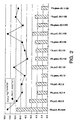
- FIG. 2 depicts the results of experiments conducted as described in Example 3 in which 293-HEK cells were transduced with 1 x 10 8 vector genomes using samples stored in polypropylene or glass, in 1% or 5% sorbitol, at various dilutions as specified.
- the bars represent ng/ml of rAAV-hFIX and the line graph above the bars represents data normalized for dilution.
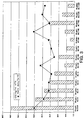
- FIG. 3 depicts the results of experiments conducted as described in Example 3 in which 293-HEK cells were transduced with 5 x 10 8 vector genomes using samples stored in polypropylene or glass, in 1% or 5% sorbitol, at various dilutions as specified.
- the bars represent ng/ml of rAAV-hFIX and the line graph above the bars represents data normalized for dilution.
- FIG. 4 depicts the results of experiments conducted at -80°C or ambient (room) temperature for vector genome count and transduceability assay in which transduction was done using 1 x 10 8 vector genomes as described in Example 3. Maroon bars represent results of experiments done at room temperature and light blue bars represent experiments done at -80°C.
- FIG. 5 depicts the results of experiments conducted at -80°C or ambient (room) temperature for vector genome count and transduceability assay in which transduction was done using 5 x 10 8 vector genomes as described in Example 3. Maroon bars represent results of experiments done at room temperature and light blue bars represent experiments done at -80°C.
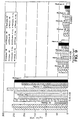
- FIG. 6 depicts the results obtained in the experiment described in Example 4 using the parameters given in Table 4.
- Green bars represent experiments conducted using 1 x 10 8 vector genomes; red bars represent experiments conducted using 5 x 10 8 vector genomes; pink bars represent experiments conducted using 1 x 10 9 vector genomes; dark blue bars represent experiments conducted using 5 x 10 9 vector genomes.
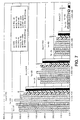
- FIG. 7 depicts the results obtained in the experiment described in Example 4 using the parameters given in Table 4 and regraphed as vector genomes.
- Dark blue bars represent experiments conducted using media as the diluent; pink bars represent experiments conducted using 0.1% TWEEN-20 as the diluent; yellow bars represent experiments conducted using 0.2% TWEEN-20 as the diluent; red bars represent experiments conducted using 0.5% TWEEN-20 as the diluent; green bars represent experiments conducted using 0.1% TWEEN-80 as the diluent; brown bars represent experiments conducted using 0.2% TWEEN-80 as the diluent; lavender bars represent experiments conducted using 0.5% TWEEN-80 as the diluent; teal blue bars represent experiments conducted using 2% PEG-3350 as the diluent; turquoise blue bars represent experiments conducted using 3% PEG-3350 as the diluent; purple-striped bars represent experiments conducted using 2.25% glycine as the diluent; light blue bars represent experiments conducted using 0.1% TWEEN-20 +
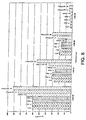
- FIG. 8 depicts the results obtained in the experiment described in Example 5 to determine the effect of formulation composition on the stability of recombinant AAV vectors using the parameters described in Table 5.
- Light blue bars represent experiments conducted using media as the diluent; yellow bars represent experiments conducted using 10% propylene glycol as the diluent; pink bars represent experiments conducted using 25% propylene glycol as the diluent; turquoise blue bars represent experiments conducted using 50% propylene glycol as the diluent; dark blue bars represent experiments conducted using 18% PEG-400 as the diluent; light brown bars represent experiments conducted using 25% propylene glycol + 0.2% TWEEN-20 as the diluent; blue bars represent experiments conducted using 25% propylene glycol + 0.2% TWEEN-80 as the diluent.
- FIG. 9 depicts the results obtained in the experiment described in Example 6 to determine the effect of various excipients and storage conditions on the stability of recombinant AAV vectors, as described in Table 6.
- Light blue bars represent experiments conducted using media as the diluent and storage in glass at -80°C; red bars represent experiments conducted using 0.5% TWEEN-80 as the diluent and storage in glass at -80°C;
- green-striped bars represent experiments conducted using 1% sorbitol as the diluent and storage in glass at -80°C; yellow bars represent experiments conducted using media as the diluent and storage in polypropylene at -80°C;
- gray bars represent experiments conducted using 0.5% TWEEN-80 as the diluent and storage in polypropylene at -80°C; purple-striped bars represent experiments conducted using 1% sorbitol as the diluent and storage in polypropylene at -80°C;
- dark blue bars represent experiments conducted using media as the
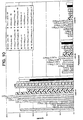
- FIG. 10 depicts the results obtained in the experiment described in Example 7 to determine the effect of various excipients on loss of rAAV vector activity in samples stored in glass or polypropylene vials.
- Lavender bars represent experiments conducted using media as the diluent and storage in glass at -80°C; light blue-striped bars represent experiments conducted using 1% sorbitol as the diluent and storage in glass at -80°C; dark blue-striped bars represent experiments conducted using 10% propylene glycol (PG) as diluent and storage in glass at -80°C; gray bars represent experiments conducted using 25% PG as diluent and storage in glass at -80°C; blue bars represent experiments conducted using 10% PG + 0.2% TWEEN-80 as diluent and storage in glass at -80°C; yellow bars represent experiments conducted using 25% PG + 0.2% TWEEN-80 as diluent and storage in glass at -80°C; brown-striped bars represent experiments conducted using 10% PG + 0.5%
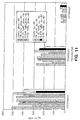
- FIG. 11 depicts the results obtained in the experiment described in Example 8 to determine the effect of 5% sorbitol, alone and in combination with various excipients on the stability of recombinant AAV vectors after a freeze/thaw cycle of samples stored in a glass vial or a polypropylene tube.
- Light blue bars represent experiments conducted using media as the diluent (without sorbitol) and storage in glass at -80°C; pink bars represent experiments conducted using 5% sorbitol and storage in glass at -80°C; yellow bars represent experiments conducted using 5% sorbitol + 0.1% TWEEN-80 and storage in glass at -80°C; green bars represent experiments conducted using 5% sorbitol + 0.25% TWEEN-80 and storage in glass at -80°C; light brown bars represent experiments conducted using 5% sorbitol + 0.5% TWEEN-80 and storage in glass at -80°C; turquoise blue bars represent experiments conducted using media as the diluent (without sorbitol) and storage in polypropylene at -80°C; gray bars represent experiments conducted using 5% sorbitol and storage in polypropylene at -80°C; blue bars represent experiments conducted using 5% sorbitol + 0.1% TWEEN-80 and storage in polypropylene at -80°C
- vector any genetic element, such as a plasmid, phage, transposon, cosmid, chromosome, virus, virion, etc., which is capable of replication when associated with the proper control elements and which can transfer gene sequences between cells.
- vector includes cloning and expression vehicles, as well as viral vectors.
- AAV vector is meant a vector derived from an adeno-associated virus serotype, including without limitation, AAV-1, AAV-2, AAV-3, AAV-4, AAV-5, AAV-6, etc.
- AAV vectors can have one or more of the AAV wild-type genes deleted in whole or part, preferably the rep and/or cap genes (described below), but retain functional flanking ITR sequences (also described below). Functional ITR sequences are necessary for the rescue, replication and packaging of the AAV virion.
- an AAV vector is defined herein to include at least those sequences required in cis for replication and packaging (e.g., functional ITRs) of the virus.
- the ITRs need not be the wild-type nucleotide sequences, and may be altered, e.g., by the insertion, deletion or substitution of nucleotides, so long as the sequences provide for functional rescue, replication and packaging.
- recombinant virus is meant a virus that has been genetically altered, e.g., by the addition or insertion of a heterologous nucleic acid construct into the particle.
- AAV virion is meant a complete virus particle, such as a wild-type (wt) AAV virus particle (comprising a linear, single-stranded AAV nucleic acid genome associated with an AAV capsid protein coat).
- wt wild-type
- AAV virus particle comprising a linear, single-stranded AAV nucleic acid genome associated with an AAV capsid protein coat.
- single-stranded AAV nucleic acid molecules of either complementary sense, e.g., "sense” or “antisense” strands can be packaged into any one AAV virion and both strands are equally infectious.
- a "recombinant AAV virion,” or “rAAV virion” is defined herein as an infectious, replication-defective virus composed of an AAV protein shell, encapsidating a DNA molecule of interest which is flanked on both sides by AAV ITRs.
- An rAAV virion is produced in a suitable host cell which has had an AAV vector, AAV helper functions and accessory functions introduced therein. In this manner, the host cell is rendered capable of encoding AAV polypeptides that are required for packaging the AAV vector (containing a recombinant nucleotide sequence of interest) into recombinant virion particles for subsequent gene delivery.
- transfection is used to refer to the uptake of foreign DNA by a cell.
- a cell has been "transfected” when exogenous DNA has been introduced inside the cell membrane.
- transfection techniques are known in the art. See, e.g., Graham et al. (1973) Virology, 52 :456, Sambrook et al. (1989) Molecular Cloning, a laboratory manual , Cold Spring Harbor Laboratories, New York, Davis et al. (1986) Basic Methods in Molecular Biology, Elsevier, and Chu et al. (1981) Gene 13 :197.
- Such techniques can be used to introduce one or more exogenous DNA moieties, such as a plasmid vector and other nucleic acid molecules, into suitable host cells.
- the term refers to both stable and transient uptake of the genetic material.
- transduction denotes the delivery of a DNA molecule to a recipient cell either in vivo or in vitro, via a replication-defective viral vector, such as via a recombinant AAV virion.
- DNA is meant a polymeric form of deoxyribonucleotides (adenine, guanine, thymine, or cytosine) in double-stranded or single-stranded form, either relaxed and supercoiled. This term refers only to the primary and secondary structure of the molecule, and does not limit it to any particular tertiary forms. Thus, this term includes single- and double-stranded DNA found, inter alia, in linear DNA molecules (e.g., restriction fragments), viruses, plasmids, and chromosomes.
- linear DNA molecules e.g., restriction fragments
- viruses e.g., plasmids, and chromosomes.
- sequences may be described herein according to the normal convention of giving only the sequence in the 5' to 3' direction along the nontranscribed strand of DNA (i.e., the strand having the sequence homologous to the mRNA).
- the term captures molecules that include the four bases adenine, guanine, thymine, or cytosine, as well as molecules that include base analogs which are known in the art.
- a “gene” or “coding sequence” or a sequence which "encodes” a particular protein is a nucleic acid molecule which is transcribed (in the case of DNA) and translated (in the case of mRNA) into a polypeptide in vitro or in vivo when placed under the control of appropriate regulatory sequences.
- the boundaries of the gene are determined by a start codon at the 5'terminus (corresponding to the amino terminal of the encoded protein) and a translation stop codon at the 3' (corresponding to the carboxy terminal of the encoded protein) terminus.
- a gene can include, but is not limited to, cDNA from prokaryotic or eukaryotic mRNA, genomic DNA sequences from prokaryotic or eukaryotic DNA, and even synthetic DNA sequences.
- a transcription termination sequence will usually be located 3' to the gene sequence.
- control elements refers collectively to promoter regions, polyadenylation signals, transcription termination sequences, upstream regulatory domains, origins of replication, internal ribosome entry sites ("IRES"), enhancers, and the like, which collectively provide for the replication, transcription and translation of a coding sequence in a recipient cell. Not all of these control elements need always be present so long as the selected coding sequence is capable of being replicated, transcribed and translated in an appropriate host cell.
- promoter region is used herein in its ordinary sense to refer to a nucleotide region comprising a DNA regulatory sequence, wherein the regulatory sequence is derived from a gene that is capable of binding RNA polymerase and initiating transcription of a downstream (3'-direction) coding sequence.
- operably linked refers to an arrangement of elements wherein the components so described are configured so as to perform their usual function.
- control elements operably linked to a coding sequence are capable of effecting the expression of the coding sequence.
- the control elements need not be contiguous with the coding sequence and can be on the same (cis) or different ( trans ) nucleic acid molecule from the coding sequence, so long as they function to direct the expression thereof.
- intervening untranslated yet transcribed sequences can be present between a promoter sequence and the coding sequence and the promoter sequence can still be considered “operably linked" to the coding sequence.
- polyhydric alcohol is meant an alcohol containing three or more hydroxyl groups. Generally, alcohols having three hydroxyl groups (trihydric) are glycerols, while those with more than three hydroxyl groups are sugar alcohols. A “dihydric alcohol” is one having two hydroxyl groups. Examples of polyhydric and dihydric alcohols are given below.
- the present invention provides stable pharmaceutical compositions comprising rAAV virions.
- the compositions remain stable and active even when subjected to freeze/thaw cycling and when stored in containers made of various materials, including glass.
- Recombinant AAV virions containing a heterologous nucleotide sequence of interest can be used for gene delivery, such as in gene therapy applications, for the production of transgenic animals, in nucleic acid vaccination, ribozyme and antisense therapy, as well as for the delivery of genes in vitro, to a variety of cell types.
- rAAV virions are introduced into the cells of a subject using either in vivo or in vitro transduction techniques. If transduced in vitro, the desired recipient cell will be removed from the subject, transduced with rAAV virions and reintroduced into the subject. Alternatively, syngeneic or xenogeneic cells can be used where those cells will not generate an inappropriate immune response in the subject.
- transduced cells can be transduced in vitro by combining recombinant AAV virions with the cells e.g., in appropriate media, and screening for those cells harboring the DNA of interest using conventional techniques such as Southern blots and/or PCR, or by using selectable markers.
- Transduced cells can then be formulated into pharmaceutical compositions, described more fully below, and the composition introduced into the subject by various routes, such as by intramuscular, intravenous, intra arterial, subcutaneous and intraperitoneal injection, or by injection into smooth muscle, using e.g., a catheter, or directly into an organ.
- the rAAV virions will be formulated into a pharmaceutical composition and will generally be administered parenterally, e.g ., by intramuscular injection directly into skeletal muscle, intra articularly, intravenously or directly into an organ.
- Appropriate doses will depend on the subject being treated (e.g ., human or nonhuman primate or other mammal), age and general condition of the subject to be treated, the severity of the condition being treated, the mode of administration of the rAAV virions, among other factors.
- An appropriate effective amount can be readily determined by one of skill in the art.
- a "therapeutically effective amount” will fall in a relatively broad range that can be determined through clinical trials.
- a therapeutically effective dose will be on the order of from about 10 5 to 10 16 of the rAAV virions, more preferably 10 8 to 10 14 rAAV virions.
- an effective amount of rAAV virions to be delivered to cells will be on the order of 10 5 to 10 13 , preferably 10 8 to 10 13 of the rAAV virions.
- the amount of transduced cells in the pharmaceutical compositions will be from about 10 4 to 10 10 cells, more preferably 10 5 to 10 8 cells.
- the dose depends on the efficiency of transduction, promoter strength, the stability of the message and the protein encoded thereby, etc. Effective dosages can be readily established by one of ordinary skill in the art through routine trials establishing dose response curves.
- Dosage treatment may be a single dose schedule or a multiple dose schedule to ultimately deliver the amount specified above.
- the subject may be administered as many doses as appropriate.
- the subject may be given, e.g., 10 5 to 10 16 rAAV virions in a single dose, or two, four, five, six or more doses that collectively result in delivery of, e.g., 10 5 to 10 16 rAAV virions.
- One of skill in the art can readily determine an appropriate number of doses to administer.
- compositions will thus comprise sufficient genetic material to produce a therapeutically effective amount of the protein of interest, i.e., an amount sufficient to reduce or ameliorate symptoms of the disease state in question or an amount sufficient to confer the desired benefit.
- rAAV virions will be present in the subject compositions in an amount sufficient to provide a therapeutic effect when given in one or more doses.
- the rAAV virions can be provided as lyophilized preparations and diluted in the virion-stabilizing compositions for immediate or future use. Alternatively, the rAAV virions may be provided immediately after production and stored for future use.
- compositions will also contain a pharmaceutically acceptable excipient.
- excipients include any pharmaceutical agent that does not itself induce the production of antibodies harmful to the individual receiving the composition, and which may be administered without undue toxicity.
- Pharmaceutically acceptable excipients include, but are not limited to, liquids such as water, saline, glycerol and ethanol.
- Pharmaceutically acceptable salts can be included therein, for example, mineral acid salts such as hydrochlorides, hydrobromides, phosphates, sulfates, and the like; and the salts of organic acids such as acetates, propionates, malonates, benzoates, and the like.
- auxiliary substances such as wetting or emulsifying agents, pH buffering substances, and the like, may be present in such vehicles.
- auxiliary substances such as wetting or emulsifying agents, pH buffering substances, and the like.
- excipients confer a protective effect on the rAAV virion such that loss of rAAV virions, as well as transduceability resulting from formulation procedures, packaging, storage, transport, and the like, is minimized.
- excipient compositions are therefore considered “virion-stabilizing" in the sense that they provide higher rAAV virion titers and higher transduceability levels than their non-protected counterparts, as measured using standard assays, such as the assays described in the experimental section.
- These compositions therefore demonstrate "enhanced transduceability levels" as compared to compositions lacking the particular excipients described herein, and are therefore more stable than their non-protected counterparts.
- Excipients that are used to protect the rAAV virion from activity degradative conditions include, but are not limited to, detergents, proteins, e.g., ovalbumin and bovine serum albumin, amino acids, e.g., glycine, polyhydric and dihydric alcohols, such as but not limited to polyethylene glycols (PEG) of varying molecular weights, such as PEG-200, PEG-400, PEG-600, PEG-1000, PEG-1450, PEG-3350, PEG-6000, PEG-8000 and any molecular weights in between these values, with molecular weights of 1500 to 6000 preferred, propylene glycols (PG), sugar alcohols, such as a carbohydrate, preferably, sorbitol.
- PEG polyethylene glycols
- PG propylene glycols
- sugar alcohols such as a carbohydrate, preferably, sorbitol.
- the detergent when present, can be an anionic, a cationic, a zwitterionic or a nonionic detergent.
- a preferred detergent is a nonionic detergent. More preferably, the nonionic detergent is a sorbitan ester, e.g., polyoxyethylenesorbitan monolaurate (TWEEN-20) polyoxyethylenesorbitan monopalmitate (TWEEN-40), polyoxyethylenesorbitan monostearate (TWEEN-60), polyoxyethylenesorbitan tristearate (TWEEN-65), polyoxyethylenesorbitan monooleate (TWEEN-80), polyoxyethylenesorbitan trioleate (TWEEN-85), preferably TWEEN-20 and/or TWEEN-80.
- TWEEN-20 polyoxyethylenesorbitan monolaurate
- TWEEN-40 polyoxyethylenesorbitan monopalmitate
- TWEEN-60 polyoxyethylenesorbitan monostearate
- TWEEN-65 polyoxyethylenesorbitan tristearate
- TWEEN-85 poly
- a protein excipient such as BSA, if present, will generally be present at a concentration of between 1.0 wt.% to about 20 wt.%, preferably 10 wt.%. If an amino acid such as glycine is used in the formulations, it will generally be present at a concentration of about 1 wt.% to about 5 wt.%.
- a carbohydrate, such as sorbitol, if present, will be present at a concentration of about 0.1 wt.% to about 10 wt.%, preferably between about 0.5 wt.
- PEG polyethylene glycol
- propylene glycol is used in the subject formulations, it will typically be present at a concentration of about 2 wt.% to about 60 wt.%, preferably about 5 wt.% to about 30 wt.%.
- a detergent such as a sorbitan ester (TWEEN) is present, it will generally be present at a concentration of about 0.05 wt.% to about 5 wt.%, preferably between about 0.1 wt.% and about 1 wt.%.
- an aqueous virion-stabilizing formulation comprises a carbohydrate, such as sorbitol, at a concentration of between 0.1 wt.% to about 10 wt.%, preferably between about 1 wt.% to about 5 wt.%, and a detergent, such as a sorbitan ester (TWEEN) at a concentration of between about 0.05 wt.% and about 5 wt.%, preferably between about 0.1 wt.% and about 1 wt.%.
- Virions are generally present in the composition in an amount sufficient to provide a therapeutic effect when given in one or more doses, as defined above.
- Recombinant AAV virions can be produced using the method described in commonly owned U.S. Patent No. 5,622,856 to Natsoulis.
- the method includes the steps of: introducing an AAV vector into a suitable host cell; introducing an AAV helper construct into the host cell to express essential AAV helper functions; expressing viral helper functions in the host cell; and culturing the cell to produce rAAV virions.
- the AAV vector and AAV helper constructs can be transfected into the host cell, either sequentially or simultaneously, using techniques known to those of skill in the art.
- the expression of viral helper functions can be provided by infecting the host cell with a suitable helper virus selected from the group of adenoviruses, herpesviruses and vaccinia viruses.
- the viral helper functions transactivate AAV promoters present in the AAV helper construct that direct the transcription and translation of AAV rep and cap regions.
- rAAV virions harboring a selected heterologous nucleotide sequence are formed and can be purified from the preparation using known.
- the supernatant obtained from the host cell is titered for rAAV viral production either by dot blot to calculate the number of viral genomes or by transducing cells with the rAAV thus produced and harvested, and assaying for ⁇ -galactosidase activity to determine functional units as indicating rAAV LacZ transduceability.
- Transducing vector titers can be determined by infecting 293 cells, or any cell competent for transfection with AAV, with a dilution series of the rAAV virions. After 24 hours, the cells are fixed and stained with X-Gal. Sanes et al. (1986) EMBO 5 :3133-3142. The titer is calculated by quantifying the number of blue cells.
- pAAVLacZ An AAV vector carrying the lacZ gene (pAAV-lacZ) was constructed as follows. The AAV coding region of pSub201 (Samulski et al. (1987) J. Virol 61 :3096-3101), between the XbaI sites, was replaced with EcoRI linkers, resulting in plasmid pAS203. The EcoRI to HindIII fragment of pCMV ⁇ (CLONETECH) was rendered blunt ended and cloned in the Klenow treated EcoRI site of pAS203 to yield pAAV-lacZ.
- AAV-lacZ was chromatographed on an ion exchange column. A small volume from each of the fractions from the column was assayed for blue cell activity on the same day, prior to freezing the sample. The peak fraction contained 47% of the initial load on the column.
- DMEM Dulbecco's Modified Eagle Medium
- the stability-indicating assay used was loss of transduceability. Loss of transduceability was measured by human factor IX protein (hFIX) production following transduction with rAAV of 293 human embryonic kidney (HEK) cells. In this assay, different amounts of rAAV-hFIX vector were added to HEK cells and the ability to transduce was measured. The factor IX protein produced and secreted as a consequence of infection was measured using an ELISA technique. The results are reported in ng/mL of human factor IX protein (hFIX).
- hFIX human factor IX protein
- Example 2 The results of the experiment described in Example 2 indicate that storage of rAAV in glass resulted in a loss of activity. This experiment was designed to examine whether this was due merely to the fact that rAAV was adsorbed to the glass vial.
- the number of genomes (the number of DNA molecules encapsulated in AAV as determined by Southern Blot dot) added to the glass and polypropylene vials was determined.
- the rAAV was allowed to sit in the glass and polypropylene vials in various formulations and temperatures. Two aliquots of rAAV virus were taken: the first used to recount the number of genomes recovered and the second to determine activity (functional units as opposed to genomes) as determined in Example 1. The results indicate that when rAAV is stored in glass the activity drops significantly. This occurs at various dilutions of rAAV.
- rAAV samples were frozen undiluted as well as diluted 5-fold, 50-fold or 100-fold.
- the diluent used was such that the final concentration of sorbitol was either 5% or 1%.
- Duplicate samples were placed in glass vials and polypropylene tubes. Samples were placed at -80°C or at ambient temperature. Following freezing, the samples were thawed and analyzed for vector genomes and for transduceability as described above. For transduceability studies, the vector genome titer used in the experiment was calculated using the starting concentration of undiluted vector. Each sample was diluted in complete DMEM such that 1 x 10 8 or 5 x 10 8 vector genomes could be added to 293-HEK cells in a volume of 10 to 20 ⁇ L.
- the stability-indicating assays used were loss of vector genomes and loss of transduceability. Loss of vector genomes was measured using a dot blot assay. This assay involves extraction of vector DNA from the sample, denaturing the DNA, and loading it on a nylon membrane. By hybridizing this DNA to a complimentary radioactive DNA probe, the number of vector genomes can be calculated by comparison to a standard. Loss of transduceability was measured as described in Example 2.
- Table 2 lists the data obtained for 293-HEK cells transduced with 1 x 10 8 vector genomes. The data is shown for the samples incubated at -80°C. Column 2 shows the transduceability, column 3 is the measured vector genomes/ml and column 4 is the data in column 3 multiplied by the dilution factor. In the table, “ppS” indicates polypropylene stock container and “ppC” indicates polypropylene container.
- FIG. 2 depicts the data for the vector genome and transduceability results in which 1 x 10 8 vector genomes were used for the transduceability assay.
- Vector genomes obtained experimentally have been normalized for the dilution to compare with the transduceability results.
- the vector genome results have been divided by 1 x 10 11 to produce manageable numbers for the graph.
- Table 3 and FIG. 3 depict the results of experiments conducted as described above except that the transduceability assay for 293-HEK cells transduced with 5 x 10 8 vector genomes.
- 1 2 3 4 Sample ng/ml hFIX Vector Genomes/ml Normalized Vector Genomes 5%, ppS, -80°C, stock 78.8 1.5 x 10 12 1.5 x 10 12 5%, ppC, -80°C, 1:5 48.3 2.3 x 10 11 1.2 x 10 12 5%, glass, -80°C, 1:5 37.1 1.9 x 10 11 9.5 x 10 11 1%, ppC, -80°C, 1:5 29.9 1.9 x 10 11 9.5 x 10 11 1%, glass, -80°C, 1:5 23.9 1.7 x 10 11 8.5 x 10 11 5%, ppC., -80°C, 1:50 11.3 2.5 x 10 10 1.3 x 10 12 5%, glass, -80
- FIG. 4 and FIG. 5 depict the results of experiments conducted at -80°C or ambient temperature for vector genomc count and transduceability assay in which transduceability was done using 1 x 10 8 vector genomes (FIG. 4) and 5 x 10 8 vector genomes (FIG. 5.)
- the stability of the AAV vector was measured using the loss of transduceability assay described in Example 2 to further explore the effect of added excipients. Samples were diluted in media or in the buffer excipient to give concentrations of 1 x 10 8 , 5 x 10 8 , 1 x 10 9 or 5 x 10 9 in 15 ⁇ L. Samples were placed in polypropylene tubes for about 1 hour and then used to transduce 293-HEK cells.
- This experiment was designed to study the effect of 1% sorbitol and TWEEN-80 on the activity of rAAV stored in glass vials compared to the effect on activity of rAAV stored in polypropylene vials at two temperatures (4°C and -80°C).
- the stability of the AAV vector was measured as described using 5 x 10 7 , 1 x 10 8 or 5 x 10 8 particles/well. Each sample was done in a glass vial (GV) or a polypropylene tube (PT), and stored at room temperature (+4°C) or at -80°C overnight.
- GV glass vial
- PT polypropylene tube
- the stability of the AAV vector was measured as described in Example 5.
- the formulations of excipients and results are given in FIG. 10.
- the data indicate that neither propylene glycol (PG) nor sorbitol alone protect against loss of activity of an rAAV sample stored in a glass vial.
- PG and TWEEN were combined, loss of activity was minimized and, in fact, it appears that PG and TWEEN together may have a synergistic effect on activity.
- the stability of the AAV vector after a freeze/thaw cycle was measured as described in Example 6 using 1 x 10 8 , 5 x 10 8 or 1 x 10 9 particles/well. Each sample was done in a glass vial or a polypropylene tube, and stored at -80°C overnight. The formulations of excipients and results are given in FIG. 11.
- a formulation containing 5% sorbitol provided a partial protective effect against loss of rAAV activity when the sample was stored in a glass vial.
- TWEEN provided a significantly greater protective effect.
Landscapes
- Health & Medical Sciences (AREA)
- Life Sciences & Earth Sciences (AREA)
- Chemical & Material Sciences (AREA)
- Engineering & Computer Science (AREA)
- General Health & Medical Sciences (AREA)
- Public Health (AREA)
- Genetics & Genomics (AREA)
- Veterinary Medicine (AREA)
- Animal Behavior & Ethology (AREA)
- Epidemiology (AREA)
- Pharmacology & Pharmacy (AREA)
- Medicinal Chemistry (AREA)
- Bioinformatics & Cheminformatics (AREA)
- Wood Science & Technology (AREA)
- General Engineering & Computer Science (AREA)
- Zoology (AREA)
- Oil, Petroleum & Natural Gas (AREA)
- Biochemistry (AREA)
- General Chemical & Material Sciences (AREA)
- Organic Chemistry (AREA)
- Biomedical Technology (AREA)
- Chemical Kinetics & Catalysis (AREA)
- Biotechnology (AREA)
- Molecular Biology (AREA)
- Gastroenterology & Hepatology (AREA)
- Physics & Mathematics (AREA)
- Plant Pathology (AREA)
- Virology (AREA)
- Biophysics (AREA)
- Immunology (AREA)
- Microbiology (AREA)
- Proteomics, Peptides & Aminoacids (AREA)
- Dermatology (AREA)
- Medicines Containing Material From Animals Or Micro-Organisms (AREA)
- Medicinal Preparation (AREA)
- Medicines That Contain Protein Lipid Enzymes And Other Medicines (AREA)
- Micro-Organisms Or Cultivation Processes Thereof (AREA)
- Pharmaceuticals Containing Other Organic And Inorganic Compounds (AREA)
- Saccharide Compounds (AREA)
Applications Claiming Priority (3)
| Application Number | Priority Date | Filing Date | Title |
|---|---|---|---|
| US11068998P | 1998-12-03 | 1998-12-03 | |
| US110689P | 1998-12-03 | ||
| PCT/US1999/028460 WO2000032233A2 (en) | 1998-12-03 | 1999-12-02 | Excipients for use in adeno-associated virus pharmaceutical formulations, and pharmaceutical formulations made therewith |
Publications (3)
| Publication Number | Publication Date |
|---|---|
| EP1144009A2 EP1144009A2 (en) | 2001-10-17 |
| EP1144009A3 EP1144009A3 (en) | 2002-02-06 |
| EP1144009B1 true EP1144009B1 (en) | 2002-10-23 |
Family
ID=22334360
Family Applications (1)
| Application Number | Title | Priority Date | Filing Date |
|---|---|---|---|
| EP99964038A Expired - Lifetime EP1144009B1 (en) | 1998-12-03 | 1999-12-02 | Excipients for use in adeno-associated virus pharmaceutical formulations, and pharmaceutical formulations made therewith |
Country Status (9)
| Country | Link |
|---|---|
| EP (1) | EP1144009B1 (enExample) |
| JP (5) | JP2002531418A (enExample) |
| AT (1) | ATE226449T1 (enExample) |
| AU (2) | AU773834B2 (enExample) |
| CA (1) | CA2353417C (enExample) |
| DE (1) | DE69903666T2 (enExample) |
| ES (1) | ES2185417T3 (enExample) |
| PT (1) | PT1144009E (enExample) |
| WO (1) | WO2000032233A2 (enExample) |
Families Citing this family (13)
| Publication number | Priority date | Publication date | Assignee | Title |
|---|---|---|---|---|
| EP1372727B1 (en) * | 2001-04-04 | 2010-09-01 | DelSiTech Oy | Biodegradable carrier and method for preparation thereof |
| JP4550421B2 (ja) | 2001-12-12 | 2010-09-22 | メイン・ファ−マ・インタ−ナショナル・プロプライエタリ−・リミテッド | ウイルスの保存のための組成物 |
| US7261882B2 (en) | 2003-06-23 | 2007-08-28 | Reagents Of The University Of Colorado | Methods for treating neuropathic pain by administering IL-10 polypeptides |
| EP2816118B1 (en) | 2005-05-31 | 2018-10-17 | The Regents of the University of Colorado, a body corporate | Methods for delivering genes |
| JP5730211B2 (ja) * | 2008-11-20 | 2015-06-03 | バイオジェン アイデック エムエー インコーポレイティドBiogen Idec Inc. | ウイルスのアルギニン不活化 |
| US10640785B2 (en) | 2011-11-22 | 2020-05-05 | The Children's Hospital Of Philadelphia | Virus vectors for highly efficient transgene delivery |
| EP4008356A1 (en) | 2016-03-31 | 2022-06-08 | University of Cincinnati | Methods and compositions for the treatment of als |
| EP4219724A3 (en) | 2016-08-23 | 2023-09-27 | Akouos, Inc. | Compositions and methods for treating non-age-associated hearing impairment in a human subject |
| US11179411B2 (en) | 2017-05-18 | 2021-11-23 | Kyoto University | Composition for prevention or treatment of spinocerebellar ataxia type 36 |
| JP2021505610A (ja) * | 2017-12-05 | 2021-02-18 | アプライド ジェネティック テクノロジーズ コーポレイション | ウイルス粒子のための製剤最適化 |
| MX2021012564A (es) * | 2019-04-19 | 2022-01-18 | Regenxbio Inc | Formulaciones y métodos de vectores de virus adenoasociados. |
| US20220325250A1 (en) | 2019-08-14 | 2022-10-13 | Leukocare Ag | Method for obtaining efficient compositions comprising viral vectors for vaccination or gene therapy |
| BR112022016596A2 (pt) | 2020-02-21 | 2022-11-16 | Akouos Inc | Composições e métodos para o tratamento de debilitação auditiva não associada à idade em um indivíduo humano |
Family Cites Families (3)
| Publication number | Priority date | Publication date | Assignee | Title |
|---|---|---|---|---|
| US5616487A (en) * | 1994-09-15 | 1997-04-01 | Aastrom Biosciences, Inc. | Stabilized retrovirus compositions |
| FR2751343B1 (fr) * | 1996-07-16 | 1998-12-18 | Transgene Sa | Procede de conservation de virus recombinants infectieux, suspension aqueuse virale et utilisation comme medicament |
| US6521225B1 (en) * | 1996-09-06 | 2003-02-18 | Chiron Corporation | AAV vectors |
-
1999
- 1999-12-02 JP JP2000584922A patent/JP2002531418A/ja active Pending
- 1999-12-02 WO PCT/US1999/028460 patent/WO2000032233A2/en not_active Ceased
- 1999-12-02 DE DE69903666T patent/DE69903666T2/de not_active Expired - Lifetime
- 1999-12-02 CA CA002353417A patent/CA2353417C/en not_active Expired - Lifetime
- 1999-12-02 AT AT99964038T patent/ATE226449T1/de not_active IP Right Cessation
- 1999-12-02 AU AU20361/00A patent/AU773834B2/en not_active Expired
- 1999-12-02 PT PT99964038T patent/PT1144009E/pt unknown
- 1999-12-02 EP EP99964038A patent/EP1144009B1/en not_active Expired - Lifetime
- 1999-12-02 ES ES99964038T patent/ES2185417T3/es not_active Expired - Lifetime
-
2004
- 2004-08-27 AU AU2004205308A patent/AU2004205308A1/en not_active Abandoned
-
2010
- 2010-12-08 JP JP2010274133A patent/JP5663285B2/ja not_active Expired - Lifetime
-
2014
- 2014-01-06 JP JP2014000095A patent/JP2014058578A/ja not_active Withdrawn
-
2015
- 2015-12-11 JP JP2015241786A patent/JP2016040330A/ja not_active Withdrawn
-
2017
- 2017-08-18 JP JP2017157878A patent/JP2017206556A/ja active Pending
Also Published As
| Publication number | Publication date |
|---|---|
| WO2000032233A2 (en) | 2000-06-08 |
| AU773834B2 (en) | 2004-06-10 |
| DE69903666D1 (de) | 2002-11-28 |
| JP2016040330A (ja) | 2016-03-24 |
| ES2185417T3 (es) | 2003-04-16 |
| JP2002531418A (ja) | 2002-09-24 |
| AU2004205308A1 (en) | 2004-09-23 |
| JP2011046748A (ja) | 2011-03-10 |
| AU2036100A (en) | 2000-06-19 |
| JP5663285B2 (ja) | 2015-02-04 |
| ATE226449T1 (de) | 2002-11-15 |
| WO2000032233A3 (en) | 2001-10-18 |
| CA2353417A1 (en) | 2000-06-08 |
| EP1144009A2 (en) | 2001-10-17 |
| DE69903666T2 (de) | 2003-07-03 |
| JP2017206556A (ja) | 2017-11-24 |
| EP1144009A3 (en) | 2002-02-06 |
| PT1144009E (pt) | 2003-01-31 |
| JP2014058578A (ja) | 2014-04-03 |
| CA2353417C (en) | 2008-04-22 |
Similar Documents
| Publication | Publication Date | Title |
|---|---|---|
| US6764845B2 (en) | Excipients for use in adeno-associated virus pharmaceutical formulations, and pharmaceutical formulations made therewith | |
| JP5663285B2 (ja) | アデノ随伴ウイルスの薬学処方物における使用のための賦形剤、およびそれにより構成される薬学処方物 | |
| JP7196104B2 (ja) | 増強された改変ウイルスカプシドタンパク質 | |
| US9567607B2 (en) | Adeno-associated virus serotype I nucleic acid sequences, vectors and host cells containing same | |
| US7238674B2 (en) | Methods for delivering DNA to muscle cells using recombinant adeno-associated virus vectors | |
| JP4573437B2 (ja) | アデノ随伴ウイルス血清型1核酸配列、ベクターおよび同一物を含有する宿主細胞 | |
| ES2629087T3 (es) | Viriones de AAV con inmunorreactividad reducida y usos de los mismos | |
| JP2022010141A (ja) | アデノ随伴ウイルス第viii因子ベクター、関連ウイルス粒子、及びそれらを含む治療的製剤 | |
| EP4269579A2 (en) | Gene therapy constructs for treating wilson disease | |
| KR20180019543A (ko) | 캡시드(Capsid) | |
| EP0874904A1 (en) | Methods for delivering dna to muscle cells using recombinant adenoassociated virus virions | |
| JP2023504735A (ja) | ヒトmecp2遺伝子を発現するように設計されたトランスジーンカセット | |
| EP1845163A2 (en) | Adeno-associated virus serotype l nucleic acid sequences, vetors and host cells containing same | |
| WO1999064569A1 (en) | Methods and compositions for generating recombinant adeno-associated virus vectors | |
| CN120584187A (zh) | 腺相关病毒制剂 | |
| KR20250142386A (ko) | 파킨슨병에 사용하기 위한 유전자 요법 벡터 | |
| HK40102353A (en) | Gene therapy constructs for treating wilson disease |
Legal Events
| Date | Code | Title | Description |
|---|---|---|---|
| PUAI | Public reference made under article 153(3) epc to a published international application that has entered the european phase |
Free format text: ORIGINAL CODE: 0009012 |
|
| 17P | Request for examination filed |
Effective date: 20010621 |
|
| AK | Designated contracting states |
Kind code of ref document: A2 Designated state(s): AT BE CH CY DE DK ES FI FR GB GR IE IT LI LU MC NL PT SE |
|
| AX | Request for extension of the european patent |
Free format text: AL;LT;LV;MK;RO;SI |
|
| XX | Miscellaneous (additional remarks) |
Free format text: DERZEIT SIND DIE WIPO-PUBLIKATIONSDATEN A3 NICHT VERFUEGBAR. |
|
| PUAK | Availability of information related to the publication of the international search report |
Free format text: ORIGINAL CODE: 0009015 |
|
| AK | Designated contracting states |
Kind code of ref document: A3 Designated state(s): AT BE CH CY DE DK ES FI FR GB GR IE IT LI LU MC NL PT SE |
|
| AX | Request for extension of the european patent |
Free format text: AL;LT;LV;MK;RO;SI |
|
| 17Q | First examination report despatched |
Effective date: 20020121 |
|
| GRAG | Despatch of communication of intention to grant |
Free format text: ORIGINAL CODE: EPIDOS AGRA |
|
| GRAG | Despatch of communication of intention to grant |
Free format text: ORIGINAL CODE: EPIDOS AGRA |
|
| GRAG | Despatch of communication of intention to grant |
Free format text: ORIGINAL CODE: EPIDOS AGRA |
|
| GRAH | Despatch of communication of intention to grant a patent |
Free format text: ORIGINAL CODE: EPIDOS IGRA |
|
| GRAH | Despatch of communication of intention to grant a patent |
Free format text: ORIGINAL CODE: EPIDOS IGRA |
|
| GRAA | (expected) grant |
Free format text: ORIGINAL CODE: 0009210 |
|
| AK | Designated contracting states |
Kind code of ref document: B1 Designated state(s): AT BE CH CY DE DK ES FI FR GB GR IE IT LI LU MC NL PT SE |
|
| PG25 | Lapsed in a contracting state [announced via postgrant information from national office to epo] |
Ref country code: LI Free format text: LAPSE BECAUSE OF FAILURE TO SUBMIT A TRANSLATION OF THE DESCRIPTION OR TO PAY THE FEE WITHIN THE PRESCRIBED TIME-LIMIT Effective date: 20021023 Ref country code: FI Free format text: LAPSE BECAUSE OF FAILURE TO SUBMIT A TRANSLATION OF THE DESCRIPTION OR TO PAY THE FEE WITHIN THE PRESCRIBED TIME-LIMIT Effective date: 20021023 Ref country code: CH Free format text: LAPSE BECAUSE OF FAILURE TO SUBMIT A TRANSLATION OF THE DESCRIPTION OR TO PAY THE FEE WITHIN THE PRESCRIBED TIME-LIMIT Effective date: 20021023 Ref country code: AT Free format text: LAPSE BECAUSE OF FAILURE TO SUBMIT A TRANSLATION OF THE DESCRIPTION OR TO PAY THE FEE WITHIN THE PRESCRIBED TIME-LIMIT Effective date: 20021023 |
|
| REF | Corresponds to: |
Ref document number: 226449 Country of ref document: AT Date of ref document: 20021115 Kind code of ref document: T |
|
| REG | Reference to a national code |
Ref country code: GB Ref legal event code: FG4D |
|
| XX | Miscellaneous (additional remarks) |
Free format text: DERZEIT SIND DIE WIPO-PUBLIKATIONSDATEN A3 NICHT VERFUEGBAR. |
|
| REG | Reference to a national code |
Ref country code: CH Ref legal event code: EP |
|
| REG | Reference to a national code |
Ref country code: IE Ref legal event code: FG4D |
|
| REF | Corresponds to: |
Ref document number: 69903666 Country of ref document: DE Date of ref document: 20021128 |
|
| PG25 | Lapsed in a contracting state [announced via postgrant information from national office to epo] |
Ref country code: LU Free format text: LAPSE BECAUSE OF NON-PAYMENT OF DUE FEES Effective date: 20021202 Ref country code: IE Free format text: LAPSE BECAUSE OF NON-PAYMENT OF DUE FEES Effective date: 20021202 |
|
| PG25 | Lapsed in a contracting state [announced via postgrant information from national office to epo] |
Ref country code: CY Free format text: LAPSE BECAUSE OF FAILURE TO SUBMIT A TRANSLATION OF THE DESCRIPTION OR TO PAY THE FEE WITHIN THE PRESCRIBED TIME-LIMIT Effective date: 20021231 |
|
| PG25 | Lapsed in a contracting state [announced via postgrant information from national office to epo] |
Ref country code: SE Free format text: LAPSE BECAUSE OF FAILURE TO SUBMIT A TRANSLATION OF THE DESCRIPTION OR TO PAY THE FEE WITHIN THE PRESCRIBED TIME-LIMIT Effective date: 20030123 Ref country code: DK Free format text: LAPSE BECAUSE OF FAILURE TO SUBMIT A TRANSLATION OF THE DESCRIPTION OR TO PAY THE FEE WITHIN THE PRESCRIBED TIME-LIMIT Effective date: 20030123 |
|
| REG | Reference to a national code |
Ref country code: PT Ref legal event code: SC4A Free format text: AVAILABILITY OF NATIONAL TRANSLATION Effective date: 20021119 |
|
| REG | Reference to a national code |
Ref country code: GR Ref legal event code: EP Ref document number: 20020404197 Country of ref document: GR |
|
| LTIE | Lt: invalidation of european patent or patent extension |
Effective date: 20021023 |
|
| REG | Reference to a national code |
Ref country code: ES Ref legal event code: FG2A Ref document number: 2185417 Country of ref document: ES Kind code of ref document: T3 |
|
| REG | Reference to a national code |
Ref country code: CH Ref legal event code: PL |
|
| ET | Fr: translation filed | ||
| PG25 | Lapsed in a contracting state [announced via postgrant information from national office to epo] |
Ref country code: MC Free format text: LAPSE BECAUSE OF NON-PAYMENT OF DUE FEES Effective date: 20030701 |
|
| PLBE | No opposition filed within time limit |
Free format text: ORIGINAL CODE: 0009261 |
|
| STAA | Information on the status of an ep patent application or granted ep patent |
Free format text: STATUS: NO OPPOSITION FILED WITHIN TIME LIMIT |
|
| REG | Reference to a national code |
Ref country code: IE Ref legal event code: MM4A |
|
| 26N | No opposition filed |
Effective date: 20030724 |
|
| REG | Reference to a national code |
Ref country code: FR Ref legal event code: PLFP Year of fee payment: 17 |
|
| REG | Reference to a national code |
Ref country code: FR Ref legal event code: PLFP Year of fee payment: 18 |
|
| REG | Reference to a national code |
Ref country code: FR Ref legal event code: PLFP Year of fee payment: 19 |
|
| REG | Reference to a national code |
Ref country code: FR Ref legal event code: PLFP Year of fee payment: 20 |
|
| PGFP | Annual fee paid to national office [announced via postgrant information from national office to epo] |
Ref country code: NL Payment date: 20181114 Year of fee payment: 20 |
|
| PGFP | Annual fee paid to national office [announced via postgrant information from national office to epo] |
Ref country code: DE Payment date: 20181120 Year of fee payment: 20 Ref country code: PT Payment date: 20181203 Year of fee payment: 20 Ref country code: GR Payment date: 20181112 Year of fee payment: 20 |
|
| PGFP | Annual fee paid to national office [announced via postgrant information from national office to epo] |
Ref country code: GB Payment date: 20181128 Year of fee payment: 20 Ref country code: BE Payment date: 20181015 Year of fee payment: 20 Ref country code: FR Payment date: 20181011 Year of fee payment: 20 |
|
| PGFP | Annual fee paid to national office [announced via postgrant information from national office to epo] |
Ref country code: ES Payment date: 20190102 Year of fee payment: 20 Ref country code: IT Payment date: 20181220 Year of fee payment: 20 |
|
| REG | Reference to a national code |
Ref country code: DE Ref legal event code: R071 Ref document number: 69903666 Country of ref document: DE |
|
| REG | Reference to a national code |
Ref country code: NL Ref legal event code: MK Effective date: 20191201 |
|
| REG | Reference to a national code |
Ref country code: BE Ref legal event code: MK Effective date: 20191202 |
|
| REG | Reference to a national code |
Ref country code: GB Ref legal event code: PE20 Expiry date: 20191201 |
|
| PG25 | Lapsed in a contracting state [announced via postgrant information from national office to epo] |
Ref country code: PT Free format text: LAPSE BECAUSE OF EXPIRATION OF PROTECTION Effective date: 20191212 Ref country code: GB Free format text: LAPSE BECAUSE OF EXPIRATION OF PROTECTION Effective date: 20191201 |
|
| REG | Reference to a national code |
Ref country code: ES Ref legal event code: FD2A Effective date: 20220103 |
|
| PG25 | Lapsed in a contracting state [announced via postgrant information from national office to epo] |
Ref country code: ES Free format text: LAPSE BECAUSE OF EXPIRATION OF PROTECTION Effective date: 20191203 |