EP1061950B1 - Live vaccine for human immunodeficiency virus - Google Patents
Live vaccine for human immunodeficiency virus Download PDFInfo
- Publication number
- EP1061950B1 EP1061950B1 EP99913808A EP99913808A EP1061950B1 EP 1061950 B1 EP1061950 B1 EP 1061950B1 EP 99913808 A EP99913808 A EP 99913808A EP 99913808 A EP99913808 A EP 99913808A EP 1061950 B1 EP1061950 B1 EP 1061950B1
- Authority
- EP
- European Patent Office
- Prior art keywords
- hiv
- reverse transcriptase
- mice
- vaccine
- salmonella
- Prior art date
- Legal status (The legal status is an assumption and is not a legal conclusion. Google has not performed a legal analysis and makes no representation as to the accuracy of the status listed.)
- Expired - Lifetime
Links
- 229960005486 vaccine Drugs 0.000 title claims abstract description 64
- 241000725303 Human immunodeficiency virus Species 0.000 title abstract description 37
- 239000013612 plasmid Substances 0.000 claims abstract description 94
- 108090000623 proteins and genes Proteins 0.000 claims abstract description 49
- 241000607142 Salmonella Species 0.000 claims abstract description 48
- 239000000427 antigen Substances 0.000 claims abstract description 48
- 102000036639 antigens Human genes 0.000 claims abstract description 48
- 108091007433 antigens Proteins 0.000 claims abstract description 48
- 230000004044 response Effects 0.000 claims abstract description 41
- 230000002238 attenuated effect Effects 0.000 claims abstract description 30
- 230000005867 T cell response Effects 0.000 claims abstract description 16
- 210000002443 helper t lymphocyte Anatomy 0.000 claims abstract description 16
- 102100034343 Integrase Human genes 0.000 claims abstract 4
- 108010092799 RNA-directed DNA polymerase Proteins 0.000 claims description 66
- 241000588724 Escherichia coli Species 0.000 claims description 39
- 230000028993 immune response Effects 0.000 claims description 12
- 241000713772 Human immunodeficiency virus 1 Species 0.000 claims description 11
- 102000004895 Lipoproteins Human genes 0.000 claims description 10
- 108090001030 Lipoproteins Proteins 0.000 claims description 10
- 208000031886 HIV Infections Diseases 0.000 claims description 8
- 108010076504 Protein Sorting Signals Proteins 0.000 claims description 8
- 230000001939 inductive effect Effects 0.000 claims description 6
- 230000024932 T cell mediated immunity Effects 0.000 claims description 5
- 241000700605 Viruses Species 0.000 claims description 5
- 102000037865 fusion proteins Human genes 0.000 claims description 5
- 108020001507 fusion proteins Proteins 0.000 claims description 5
- 101000992180 Acinetobacter baumannii (strain ATCC 19606 / DSM 30007 / JCM 6841 / CCUG 19606 / CIP 70.34 / NBRC 109757 / NCIMB 12457 / NCTC 12156 / 81) Outer membrane protein Omp38 Proteins 0.000 claims description 3
- 101001086530 Haemophilus influenzae (strain ATCC 51907 / DSM 11121 / KW20 / Rd) Outer membrane protein P5 Proteins 0.000 claims description 3
- 230000028996 humoral immune response Effects 0.000 claims description 3
- 230000000977 initiatory effect Effects 0.000 claims description 3
- 238000004519 manufacturing process Methods 0.000 claims description 3
- 230000001332 colony forming effect Effects 0.000 claims description 2
- 206010061598 Immunodeficiency Diseases 0.000 claims 1
- 208000029462 Immunodeficiency disease Diseases 0.000 claims 1
- 230000007813 immunodeficiency Effects 0.000 claims 1
- 241000699670 Mus sp. Species 0.000 abstract description 87
- 102000004169 proteins and genes Human genes 0.000 abstract description 24
- 238000011161 development Methods 0.000 abstract description 11
- 108010048209 Human Immunodeficiency Virus Proteins Proteins 0.000 abstract description 8
- 230000002550 fecal effect Effects 0.000 abstract description 6
- 101900297506 Human immunodeficiency virus type 1 group M subtype B Reverse transcriptase/ribonuclease H Proteins 0.000 abstract description 5
- 238000012360 testing method Methods 0.000 abstract description 3
- 108700010908 HIV-1 proteins Proteins 0.000 abstract description 2
- 210000004027 cell Anatomy 0.000 description 73
- 210000004379 membrane Anatomy 0.000 description 68
- 239000012528 membrane Substances 0.000 description 68
- 102100034349 Integrase Human genes 0.000 description 60
- 238000001262 western blot Methods 0.000 description 39
- 108020004414 DNA Proteins 0.000 description 33
- 101710149951 Protein Tat Proteins 0.000 description 28
- 238000000034 method Methods 0.000 description 19
- 241000894006 Bacteria Species 0.000 description 18
- 239000000499 gel Substances 0.000 description 17
- 108010078851 HIV Reverse Transcriptase Proteins 0.000 description 16
- 102000004163 DNA-directed RNA polymerases Human genes 0.000 description 15
- 108090000626 DNA-directed RNA polymerases Proteins 0.000 description 15
- LFQSCWFLJHTTHZ-UHFFFAOYSA-N Ethanol Chemical compound CCO LFQSCWFLJHTTHZ-UHFFFAOYSA-N 0.000 description 15
- 230000001580 bacterial effect Effects 0.000 description 15
- 210000004988 splenocyte Anatomy 0.000 description 15
- 238000006243 chemical reaction Methods 0.000 description 14
- 230000004927 fusion Effects 0.000 description 14
- 239000013598 vector Substances 0.000 description 14
- XLYOFNOQVPJJNP-UHFFFAOYSA-N water Substances O XLYOFNOQVPJJNP-UHFFFAOYSA-N 0.000 description 14
- 108091003079 Bovine Serum Albumin Proteins 0.000 description 13
- 108091026890 Coding region Proteins 0.000 description 13
- 238000002255 vaccination Methods 0.000 description 13
- 239000012130 whole-cell lysate Substances 0.000 description 13
- 238000002474 experimental method Methods 0.000 description 12
- 229960000723 ampicillin Drugs 0.000 description 11
- AVKUERGKIZMTKX-NJBDSQKTSA-N ampicillin Chemical compound C1([C@@H](N)C(=O)N[C@H]2[C@H]3SC([C@@H](N3C2=O)C(O)=O)(C)C)=CC=CC=C1 AVKUERGKIZMTKX-NJBDSQKTSA-N 0.000 description 11
- 108090000765 processed proteins & peptides Proteins 0.000 description 11
- 108091028043 Nucleic acid sequence Proteins 0.000 description 10
- 238000003556 assay Methods 0.000 description 10
- 230000018109 developmental process Effects 0.000 description 10
- PEDCQBHIVMGVHV-UHFFFAOYSA-N Glycerine Chemical compound OCC(O)CO PEDCQBHIVMGVHV-UHFFFAOYSA-N 0.000 description 9
- 108010070875 Human Immunodeficiency Virus tat Gene Products Proteins 0.000 description 9
- 229940098773 bovine serum albumin Drugs 0.000 description 9
- 238000001516 cell proliferation assay Methods 0.000 description 9
- 239000002609 medium Substances 0.000 description 9
- 102000004127 Cytokines Human genes 0.000 description 8
- 108090000695 Cytokines Proteins 0.000 description 8
- 241000620209 Escherichia coli DH5[alpha] Species 0.000 description 8
- NWIBSHFKIJFRCO-WUDYKRTCSA-N Mytomycin Chemical compound C1N2C(C(C(C)=C(N)C3=O)=O)=C3[C@@H](COC(N)=O)[C@@]2(OC)[C@@H]2[C@H]1N2 NWIBSHFKIJFRCO-WUDYKRTCSA-N 0.000 description 8
- 239000012634 fragment Substances 0.000 description 8
- 239000006228 supernatant Substances 0.000 description 8
- 102000004190 Enzymes Human genes 0.000 description 7
- 108090000790 Enzymes Proteins 0.000 description 7
- IQFYYKKMVGJFEH-XLPZGREQSA-N Thymidine Chemical compound O=C1NC(=O)C(C)=CN1[C@@H]1O[C@H](CO)[C@@H](O)C1 IQFYYKKMVGJFEH-XLPZGREQSA-N 0.000 description 7
- 239000000872 buffer Substances 0.000 description 7
- 229940088598 enzyme Drugs 0.000 description 7
- 238000003752 polymerase chain reaction Methods 0.000 description 7
- 230000035755 proliferation Effects 0.000 description 7
- 239000011534 wash buffer Substances 0.000 description 7
- SEQKRHFRPICQDD-UHFFFAOYSA-N N-tris(hydroxymethyl)methylglycine Chemical compound OCC(CO)(CO)[NH2+]CC([O-])=O SEQKRHFRPICQDD-UHFFFAOYSA-N 0.000 description 6
- 238000010367 cloning Methods 0.000 description 6
- 230000000295 complement effect Effects 0.000 description 6
- 238000010790 dilution Methods 0.000 description 6
- 239000012895 dilution Substances 0.000 description 6
- 230000036039 immunity Effects 0.000 description 6
- 239000000047 product Substances 0.000 description 6
- 239000000523 sample Substances 0.000 description 6
- 208000030507 AIDS Diseases 0.000 description 5
- 102000053602 DNA Human genes 0.000 description 5
- 239000012980 RPMI-1640 medium Substances 0.000 description 5
- 239000002671 adjuvant Substances 0.000 description 5
- 239000011543 agarose gel Substances 0.000 description 5
- 238000013459 approach Methods 0.000 description 5
- 210000001151 cytotoxic T lymphocyte Anatomy 0.000 description 5
- 230000007423 decrease Effects 0.000 description 5
- 229960004857 mitomycin Drugs 0.000 description 5
- 239000002773 nucleotide Substances 0.000 description 5
- 125000003729 nucleotide group Chemical group 0.000 description 5
- 238000002360 preparation method Methods 0.000 description 5
- 102000004196 processed proteins & peptides Human genes 0.000 description 5
- 239000000243 solution Substances 0.000 description 5
- 229940033330 HIV vaccine Drugs 0.000 description 4
- 241000282412 Homo Species 0.000 description 4
- 108091034117 Oligonucleotide Proteins 0.000 description 4
- 241000725643 Respiratory syncytial virus Species 0.000 description 4
- 229930006000 Sucrose Natural products 0.000 description 4
- CZMRCDWAGMRECN-UGDNZRGBSA-N Sucrose Chemical compound O[C@H]1[C@H](O)[C@@H](CO)O[C@@]1(CO)O[C@@H]1[C@H](O)[C@@H](O)[C@H](O)[C@@H](CO)O1 CZMRCDWAGMRECN-UGDNZRGBSA-N 0.000 description 4
- 230000008901 benefit Effects 0.000 description 4
- 230000015572 biosynthetic process Effects 0.000 description 4
- 238000010276 construction Methods 0.000 description 4
- 230000029087 digestion Effects 0.000 description 4
- 239000012894 fetal calf serum Substances 0.000 description 4
- 230000012010 growth Effects 0.000 description 4
- 210000000987 immune system Anatomy 0.000 description 4
- 230000006698 induction Effects 0.000 description 4
- 208000015181 infectious disease Diseases 0.000 description 4
- 210000004877 mucosa Anatomy 0.000 description 4
- 230000016379 mucosal immune response Effects 0.000 description 4
- 239000008188 pellet Substances 0.000 description 4
- 229920001184 polypeptide Polymers 0.000 description 4
- 238000011160 research Methods 0.000 description 4
- 230000003248 secreting effect Effects 0.000 description 4
- 239000005720 sucrose Substances 0.000 description 4
- 238000003786 synthesis reaction Methods 0.000 description 4
- 238000013518 transcription Methods 0.000 description 4
- 230000035897 transcription Effects 0.000 description 4
- 230000001131 transforming effect Effects 0.000 description 4
- AXAVXPMQTGXXJZ-UHFFFAOYSA-N 2-aminoacetic acid;2-amino-2-(hydroxymethyl)propane-1,3-diol Chemical compound NCC(O)=O.OCC(N)(CO)CO AXAVXPMQTGXXJZ-UHFFFAOYSA-N 0.000 description 3
- 241000283707 Capra Species 0.000 description 3
- 108020004705 Codon Proteins 0.000 description 3
- KCXVZYZYPLLWCC-UHFFFAOYSA-N EDTA Chemical compound OC(=O)CN(CC(O)=O)CCN(CC(O)=O)CC(O)=O KCXVZYZYPLLWCC-UHFFFAOYSA-N 0.000 description 3
- 238000002965 ELISA Methods 0.000 description 3
- 102000000588 Interleukin-2 Human genes 0.000 description 3
- 108010002350 Interleukin-2 Proteins 0.000 description 3
- 241001465754 Metazoa Species 0.000 description 3
- OKKJLVBELUTLKV-UHFFFAOYSA-N Methanol Chemical compound OC OKKJLVBELUTLKV-UHFFFAOYSA-N 0.000 description 3
- 241000699666 Mus <mouse, genus> Species 0.000 description 3
- MUBZPKHOEPUJKR-UHFFFAOYSA-N Oxalic acid Chemical compound OC(=O)C(O)=O MUBZPKHOEPUJKR-UHFFFAOYSA-N 0.000 description 3
- 239000002033 PVDF binder Substances 0.000 description 3
- UZMAPBJVXOGOFT-UHFFFAOYSA-N Syringetin Natural products COC1=C(O)C(OC)=CC(C2=C(C(=O)C3=C(O)C=C(O)C=C3O2)O)=C1 UZMAPBJVXOGOFT-UHFFFAOYSA-N 0.000 description 3
- 239000007997 Tricine buffer Substances 0.000 description 3
- 230000027455 binding Effects 0.000 description 3
- 239000003153 chemical reaction reagent Substances 0.000 description 3
- 239000003638 chemical reducing agent Substances 0.000 description 3
- 210000000349 chromosome Anatomy 0.000 description 3
- KCFYHBSOLOXZIF-UHFFFAOYSA-N dihydrochrysin Natural products COC1=C(O)C(OC)=CC(C2OC3=CC(O)=CC(O)=C3C(=O)C2)=C1 KCFYHBSOLOXZIF-UHFFFAOYSA-N 0.000 description 3
- 229940042399 direct acting antivirals protease inhibitors Drugs 0.000 description 3
- 238000011534 incubation Methods 0.000 description 3
- 238000003780 insertion Methods 0.000 description 3
- 230000037431 insertion Effects 0.000 description 3
- BPHPUYQFMNQIOC-NXRLNHOXSA-N isopropyl beta-D-thiogalactopyranoside Chemical compound CC(C)S[C@@H]1O[C@H](CO)[C@H](O)[C@H](O)[C@H]1O BPHPUYQFMNQIOC-NXRLNHOXSA-N 0.000 description 3
- 238000011068 loading method Methods 0.000 description 3
- 239000000463 material Substances 0.000 description 3
- 230000001404 mediated effect Effects 0.000 description 3
- 108020004999 messenger RNA Proteins 0.000 description 3
- 230000003472 neutralizing effect Effects 0.000 description 3
- 244000052769 pathogen Species 0.000 description 3
- 239000000137 peptide hydrolase inhibitor Substances 0.000 description 3
- 239000004033 plastic Substances 0.000 description 3
- 229920002981 polyvinylidene fluoride Polymers 0.000 description 3
- 230000002285 radioactive effect Effects 0.000 description 3
- 230000001105 regulatory effect Effects 0.000 description 3
- 230000010076 replication Effects 0.000 description 3
- 108091008146 restriction endonucleases Proteins 0.000 description 3
- 238000012216 screening Methods 0.000 description 3
- 238000000926 separation method Methods 0.000 description 3
- 238000012163 sequencing technique Methods 0.000 description 3
- 230000001954 sterilising effect Effects 0.000 description 3
- 229940031626 subunit vaccine Drugs 0.000 description 3
- 108700004027 tat Genes Proteins 0.000 description 3
- 101150098170 tat gene Proteins 0.000 description 3
- 238000013519 translation Methods 0.000 description 3
- 230000003612 virological effect Effects 0.000 description 3
- DGVVWUTYPXICAM-UHFFFAOYSA-N β‐Mercaptoethanol Chemical compound OCCS DGVVWUTYPXICAM-UHFFFAOYSA-N 0.000 description 3
- 101100295756 Acinetobacter baumannii (strain ATCC 19606 / DSM 30007 / JCM 6841 / CCUG 19606 / CIP 70.34 / NBRC 109757 / NCIMB 12457 / NCTC 12156 / 81) omp38 gene Proteins 0.000 description 2
- 102000002260 Alkaline Phosphatase Human genes 0.000 description 2
- 108020004774 Alkaline Phosphatase Proteins 0.000 description 2
- 238000011725 BALB/c mouse Methods 0.000 description 2
- DWRXFEITVBNRMK-UHFFFAOYSA-N Beta-D-1-Arabinofuranosylthymine Natural products O=C1NC(=O)C(C)=CN1C1C(O)C(O)C(CO)O1 DWRXFEITVBNRMK-UHFFFAOYSA-N 0.000 description 2
- HEDRZPFGACZZDS-UHFFFAOYSA-N Chloroform Chemical compound ClC(Cl)Cl HEDRZPFGACZZDS-UHFFFAOYSA-N 0.000 description 2
- 208000035473 Communicable disease Diseases 0.000 description 2
- 108091035707 Consensus sequence Proteins 0.000 description 2
- 108090000204 Dipeptidase 1 Proteins 0.000 description 2
- 101710091045 Envelope protein Proteins 0.000 description 2
- 208000037357 HIV infectious disease Diseases 0.000 description 2
- 102000003960 Ligases Human genes 0.000 description 2
- 108090000364 Ligases Proteins 0.000 description 2
- TWRXJAOTZQYOKJ-UHFFFAOYSA-L Magnesium chloride Chemical compound [Mg+2].[Cl-].[Cl-] TWRXJAOTZQYOKJ-UHFFFAOYSA-L 0.000 description 2
- 229930192392 Mitomycin Natural products 0.000 description 2
- 102000003992 Peroxidases Human genes 0.000 description 2
- ISWSIDIOOBJBQZ-UHFFFAOYSA-N Phenol Chemical compound OC1=CC=CC=C1 ISWSIDIOOBJBQZ-UHFFFAOYSA-N 0.000 description 2
- 229920001213 Polysorbate 20 Polymers 0.000 description 2
- 101710188315 Protein X Proteins 0.000 description 2
- 239000012979 RPMI medium Substances 0.000 description 2
- 241000293869 Salmonella enterica subsp. enterica serovar Typhimurium Species 0.000 description 2
- UIIMBOGNXHQVGW-UHFFFAOYSA-M Sodium bicarbonate Chemical compound [Na+].OC([O-])=O UIIMBOGNXHQVGW-UHFFFAOYSA-M 0.000 description 2
- FAPWRFPIFSIZLT-UHFFFAOYSA-M Sodium chloride Chemical compound [Na+].[Cl-] FAPWRFPIFSIZLT-UHFFFAOYSA-M 0.000 description 2
- 210000001744 T-lymphocyte Anatomy 0.000 description 2
- 108700009124 Transcription Initiation Site Proteins 0.000 description 2
- XAGFODPZIPBFFR-UHFFFAOYSA-N aluminium Chemical compound [Al] XAGFODPZIPBFFR-UHFFFAOYSA-N 0.000 description 2
- 229910052782 aluminium Inorganic materials 0.000 description 2
- 150000001413 amino acids Chemical class 0.000 description 2
- 101150042295 arfA gene Proteins 0.000 description 2
- IQFYYKKMVGJFEH-UHFFFAOYSA-N beta-L-thymidine Natural products O=C1NC(=O)C(C)=CN1C1OC(CO)C(O)C1 IQFYYKKMVGJFEH-UHFFFAOYSA-N 0.000 description 2
- 102000006635 beta-lactamase Human genes 0.000 description 2
- 230000000903 blocking effect Effects 0.000 description 2
- 230000008859 change Effects 0.000 description 2
- 239000003795 chemical substances by application Substances 0.000 description 2
- 239000002299 complementary DNA Substances 0.000 description 2
- OPTASPLRGRRNAP-UHFFFAOYSA-N cytosine Chemical compound NC=1C=CNC(=O)N=1 OPTASPLRGRRNAP-UHFFFAOYSA-N 0.000 description 2
- 238000001514 detection method Methods 0.000 description 2
- 239000012636 effector Substances 0.000 description 2
- 230000000694 effects Effects 0.000 description 2
- 210000001163 endosome Anatomy 0.000 description 2
- 239000003623 enhancer Substances 0.000 description 2
- 210000003527 eukaryotic cell Anatomy 0.000 description 2
- 239000011888 foil Substances 0.000 description 2
- UYTPUPDQBNUYGX-UHFFFAOYSA-N guanine Chemical compound O=C1NC(N)=NC2=C1N=CN2 UYTPUPDQBNUYGX-UHFFFAOYSA-N 0.000 description 2
- 208000033519 human immunodeficiency virus infectious disease Diseases 0.000 description 2
- 230000008348 humoral response Effects 0.000 description 2
- 230000002163 immunogen Effects 0.000 description 2
- 238000002955 isolation Methods 0.000 description 2
- 239000007788 liquid Substances 0.000 description 2
- 210000004185 liver Anatomy 0.000 description 2
- 239000000203 mixture Substances 0.000 description 2
- 238000010369 molecular cloning Methods 0.000 description 2
- 230000009871 nonspecific binding Effects 0.000 description 2
- 238000007899 nucleic acid hybridization Methods 0.000 description 2
- 101150087557 omcB gene Proteins 0.000 description 2
- 101150115693 ompA gene Proteins 0.000 description 2
- 239000002245 particle Substances 0.000 description 2
- 230000001717 pathogenic effect Effects 0.000 description 2
- 108040007629 peroxidase activity proteins Proteins 0.000 description 2
- 108700004029 pol Genes Proteins 0.000 description 2
- 101150088264 pol gene Proteins 0.000 description 2
- 230000008488 polyadenylation Effects 0.000 description 2
- 239000000256 polyoxyethylene sorbitan monolaurate Substances 0.000 description 2
- 235000010486 polyoxyethylene sorbitan monolaurate Nutrition 0.000 description 2
- 239000012723 sample buffer Substances 0.000 description 2
- 229940016590 sarkosyl Drugs 0.000 description 2
- 108700004121 sarkosyl Proteins 0.000 description 2
- KSAVQLQVUXSOCR-UHFFFAOYSA-M sodium lauroyl sarcosinate Chemical compound [Na+].CCCCCCCCCCCC(=O)N(C)CC([O-])=O KSAVQLQVUXSOCR-UHFFFAOYSA-M 0.000 description 2
- 210000000952 spleen Anatomy 0.000 description 2
- 229940104230 thymidine Drugs 0.000 description 2
- RWQNBRDOKXIBIV-UHFFFAOYSA-N thymine Chemical compound CC1=CNC(=O)NC1=O RWQNBRDOKXIBIV-UHFFFAOYSA-N 0.000 description 2
- 210000001519 tissue Anatomy 0.000 description 2
- 230000002103 transcriptional effect Effects 0.000 description 2
- 238000012546 transfer Methods 0.000 description 2
- 238000012795 verification Methods 0.000 description 2
- 230000003442 weekly effect Effects 0.000 description 2
- NHBKXEKEPDILRR-UHFFFAOYSA-N 2,3-bis(butanoylsulfanyl)propyl butanoate Chemical compound CCCC(=O)OCC(SC(=O)CCC)CSC(=O)CCC NHBKXEKEPDILRR-UHFFFAOYSA-N 0.000 description 1
- PCDWFBFHIIKIPM-UHFFFAOYSA-N 3-ethyl-2h-1,3-benzothiazole-2-sulfonic acid Chemical compound C1=CC=C2N(CC)C(S(O)(=O)=O)SC2=C1 PCDWFBFHIIKIPM-UHFFFAOYSA-N 0.000 description 1
- HKJKONMZMPUGHJ-UHFFFAOYSA-N 4-amino-5-hydroxy-3-[(4-nitrophenyl)diazenyl]-6-phenyldiazenylnaphthalene-2,7-disulfonic acid Chemical compound OS(=O)(=O)C1=CC2=CC(S(O)(=O)=O)=C(N=NC=3C=CC=CC=3)C(O)=C2C(N)=C1N=NC1=CC=C([N+]([O-])=O)C=C1 HKJKONMZMPUGHJ-UHFFFAOYSA-N 0.000 description 1
- 108010068327 4-hydroxyphenylpyruvate dioxygenase Proteins 0.000 description 1
- 229930024421 Adenine Natural products 0.000 description 1
- GFFGJBXGBJISGV-UHFFFAOYSA-N Adenine Chemical compound NC1=NC=NC2=C1N=CN2 GFFGJBXGBJISGV-UHFFFAOYSA-N 0.000 description 1
- 229920000936 Agarose Polymers 0.000 description 1
- NLXLAEXVIDQMFP-UHFFFAOYSA-N Ammonia chloride Chemical compound [NH4+].[Cl-] NLXLAEXVIDQMFP-UHFFFAOYSA-N 0.000 description 1
- 108020004635 Complementary DNA Proteins 0.000 description 1
- 102000012410 DNA Ligases Human genes 0.000 description 1
- 108010061982 DNA Ligases Proteins 0.000 description 1
- 230000006820 DNA synthesis Effects 0.000 description 1
- 229940021995 DNA vaccine Drugs 0.000 description 1
- 108010014303 DNA-directed DNA polymerase Proteins 0.000 description 1
- 102000016928 DNA-directed DNA polymerase Human genes 0.000 description 1
- 241000238557 Decapoda Species 0.000 description 1
- 241000206602 Eukaryota Species 0.000 description 1
- 101710177291 Gag polyprotein Proteins 0.000 description 1
- CEAZRRDELHUEMR-URQXQFDESA-N Gentamicin Chemical compound O1[C@H](C(C)NC)CC[C@@H](N)[C@H]1O[C@H]1[C@H](O)[C@@H](O[C@@H]2[C@@H]([C@@H](NC)[C@@](C)(O)CO2)O)[C@H](N)C[C@@H]1N CEAZRRDELHUEMR-URQXQFDESA-N 0.000 description 1
- 229930182566 Gentamicin Natural products 0.000 description 1
- 239000004366 Glucose oxidase Substances 0.000 description 1
- 108010015776 Glucose oxidase Proteins 0.000 description 1
- 102000053187 Glucuronidase Human genes 0.000 description 1
- 108010060309 Glucuronidase Proteins 0.000 description 1
- SXRSQZLOMIGNAQ-UHFFFAOYSA-N Glutaraldehyde Chemical compound O=CCCCC=O SXRSQZLOMIGNAQ-UHFFFAOYSA-N 0.000 description 1
- 244000068988 Glycine max Species 0.000 description 1
- 235000010469 Glycine max Nutrition 0.000 description 1
- 108010001336 Horseradish Peroxidase Proteins 0.000 description 1
- 241000713340 Human immunodeficiency virus 2 Species 0.000 description 1
- 102000015696 Interleukins Human genes 0.000 description 1
- 108010063738 Interleukins Proteins 0.000 description 1
- 108091092195 Intron Proteins 0.000 description 1
- ZDXPYRJPNDTMRX-VKHMYHEASA-N L-glutamine Chemical compound OC(=O)[C@@H](N)CCC(N)=O ZDXPYRJPNDTMRX-VKHMYHEASA-N 0.000 description 1
- 229930182816 L-glutamine Natural products 0.000 description 1
- 239000006142 Luria-Bertani Agar Substances 0.000 description 1
- 101710125418 Major capsid protein Proteins 0.000 description 1
- 241000124008 Mammalia Species 0.000 description 1
- 201000005505 Measles Diseases 0.000 description 1
- 208000005647 Mumps Diseases 0.000 description 1
- 101710149086 Nuclease S1 Proteins 0.000 description 1
- 239000004677 Nylon Substances 0.000 description 1
- 108010079246 OMPA outer membrane proteins Proteins 0.000 description 1
- 108091005804 Peptidases Proteins 0.000 description 1
- 108010090127 Periplasmic Proteins Proteins 0.000 description 1
- 208000037581 Persistent Infection Diseases 0.000 description 1
- 201000005702 Pertussis Diseases 0.000 description 1
- 102000004160 Phosphoric Monoester Hydrolases Human genes 0.000 description 1
- 108090000608 Phosphoric Monoester Hydrolases Proteins 0.000 description 1
- 208000000474 Poliomyelitis Diseases 0.000 description 1
- 239000004793 Polystyrene Substances 0.000 description 1
- 241000288906 Primates Species 0.000 description 1
- 230000004570 RNA-binding Effects 0.000 description 1
- 108020004511 Recombinant DNA Proteins 0.000 description 1
- 102000007056 Recombinant Fusion Proteins Human genes 0.000 description 1
- 108010008281 Recombinant Fusion Proteins Proteins 0.000 description 1
- 108091028664 Ribonucleotide Proteins 0.000 description 1
- 239000006146 Roswell Park Memorial Institute medium Substances 0.000 description 1
- 240000004808 Saccharomyces cerevisiae Species 0.000 description 1
- 238000002105 Southern blotting Methods 0.000 description 1
- 108091081024 Start codon Proteins 0.000 description 1
- 206010043376 Tetanus Diseases 0.000 description 1
- GYDJEQRTZSCIOI-UHFFFAOYSA-N Tranexamic acid Chemical compound NCC1CCC(C(O)=O)CC1 GYDJEQRTZSCIOI-UHFFFAOYSA-N 0.000 description 1
- 101800001690 Transmembrane protein gp41 Proteins 0.000 description 1
- 239000007983 Tris buffer Substances 0.000 description 1
- GLNADSQYFUSGOU-GPTZEZBUSA-J Trypan blue Chemical compound [Na+].[Na+].[Na+].[Na+].C1=C(S([O-])(=O)=O)C=C2C=C(S([O-])(=O)=O)C(/N=N/C3=CC=C(C=C3C)C=3C=C(C(=CC=3)\N=N\C=3C(=CC4=CC(=CC(N)=C4C=3O)S([O-])(=O)=O)S([O-])(=O)=O)C)=C(O)C2=C1N GLNADSQYFUSGOU-GPTZEZBUSA-J 0.000 description 1
- 229940122618 Trypsin inhibitor Drugs 0.000 description 1
- 101710162629 Trypsin inhibitor Proteins 0.000 description 1
- 108010046334 Urease Proteins 0.000 description 1
- 206010046865 Vaccinia virus infection Diseases 0.000 description 1
- 241000700647 Variola virus Species 0.000 description 1
- 108010067390 Viral Proteins Proteins 0.000 description 1
- 230000006978 adaptation Effects 0.000 description 1
- 229960000643 adenine Drugs 0.000 description 1
- 230000004075 alteration Effects 0.000 description 1
- 229940037003 alum Drugs 0.000 description 1
- 210000004102 animal cell Anatomy 0.000 description 1
- 239000003242 anti bacterial agent Substances 0.000 description 1
- 229940088710 antibiotic agent Drugs 0.000 description 1
- 230000005875 antibody response Effects 0.000 description 1
- 210000000612 antigen-presenting cell Anatomy 0.000 description 1
- 230000000890 antigenic effect Effects 0.000 description 1
- JPIYZTWMUGTEHX-UHFFFAOYSA-N auramine O free base Chemical compound C1=CC(N(C)C)=CC=C1C(=N)C1=CC=C(N(C)C)C=C1 JPIYZTWMUGTEHX-UHFFFAOYSA-N 0.000 description 1
- OHDRQQURAXLVGJ-HLVWOLMTSA-N azane;(2e)-3-ethyl-2-[(e)-(3-ethyl-6-sulfo-1,3-benzothiazol-2-ylidene)hydrazinylidene]-1,3-benzothiazole-6-sulfonic acid Chemical compound [NH4+].[NH4+].S/1C2=CC(S([O-])(=O)=O)=CC=C2N(CC)C\1=N/N=C1/SC2=CC(S([O-])(=O)=O)=CC=C2N1CC OHDRQQURAXLVGJ-HLVWOLMTSA-N 0.000 description 1
- 244000052616 bacterial pathogen Species 0.000 description 1
- 229960001212 bacterial vaccine Drugs 0.000 description 1
- 102000005936 beta-Galactosidase Human genes 0.000 description 1
- 108010005774 beta-Galactosidase Proteins 0.000 description 1
- 230000003115 biocidal effect Effects 0.000 description 1
- 230000005540 biological transmission Effects 0.000 description 1
- 210000004369 blood Anatomy 0.000 description 1
- 239000008280 blood Substances 0.000 description 1
- 239000001045 blue dye Substances 0.000 description 1
- 230000001680 brushing effect Effects 0.000 description 1
- 210000004899 c-terminal region Anatomy 0.000 description 1
- 150000001718 carbodiimides Chemical class 0.000 description 1
- 125000003178 carboxy group Chemical group [H]OC(*)=O 0.000 description 1
- 238000004113 cell culture Methods 0.000 description 1
- 230000001413 cellular effect Effects 0.000 description 1
- 230000036755 cellular response Effects 0.000 description 1
- 238000012512 characterization method Methods 0.000 description 1
- 238000005336 cracking Methods 0.000 description 1
- 230000009260 cross reactivity Effects 0.000 description 1
- 229940104302 cytosine Drugs 0.000 description 1
- 230000001086 cytosolic effect Effects 0.000 description 1
- 230000002950 deficient Effects 0.000 description 1
- 239000005547 deoxyribonucleotide Substances 0.000 description 1
- 125000002637 deoxyribonucleotide group Chemical group 0.000 description 1
- 125000005442 diisocyanate group Chemical group 0.000 description 1
- 238000004520 electroporation Methods 0.000 description 1
- 108700004025 env Genes Proteins 0.000 description 1
- 230000002255 enzymatic effect Effects 0.000 description 1
- 210000003743 erythrocyte Anatomy 0.000 description 1
- 238000011156 evaluation Methods 0.000 description 1
- 210000003608 fece Anatomy 0.000 description 1
- GNBHRKFJIUUOQI-UHFFFAOYSA-N fluorescein Chemical compound O1C(=O)C2=CC=CC=C2C21C1=CC=C(O)C=C1OC1=CC(O)=CC=C21 GNBHRKFJIUUOQI-UHFFFAOYSA-N 0.000 description 1
- 235000013305 food Nutrition 0.000 description 1
- 238000005194 fractionation Methods 0.000 description 1
- 239000013505 freshwater Substances 0.000 description 1
- 108700004026 gag Genes Proteins 0.000 description 1
- 101150098622 gag gene Proteins 0.000 description 1
- 238000007429 general method Methods 0.000 description 1
- 229960002518 gentamicin Drugs 0.000 description 1
- 239000011521 glass Substances 0.000 description 1
- 229940116332 glucose oxidase Drugs 0.000 description 1
- 235000019420 glucose oxidase Nutrition 0.000 description 1
- 238000003306 harvesting Methods 0.000 description 1
- 230000036541 health Effects 0.000 description 1
- 210000005260 human cell Anatomy 0.000 description 1
- 230000004727 humoral immunity Effects 0.000 description 1
- 238000009396 hybridization Methods 0.000 description 1
- 210000001822 immobilized cell Anatomy 0.000 description 1
- 238000002649 immunization Methods 0.000 description 1
- 238000010166 immunofluorescence Methods 0.000 description 1
- 238000000338 in vitro Methods 0.000 description 1
- 238000001727 in vivo Methods 0.000 description 1
- 229940031551 inactivated vaccine Drugs 0.000 description 1
- 230000002458 infectious effect Effects 0.000 description 1
- 238000002347 injection Methods 0.000 description 1
- 239000007924 injection Substances 0.000 description 1
- 210000004347 intestinal mucosa Anatomy 0.000 description 1
- 210000000936 intestine Anatomy 0.000 description 1
- 150000002540 isothiocyanates Chemical class 0.000 description 1
- 238000002372 labelling Methods 0.000 description 1
- 230000002045 lasting effect Effects 0.000 description 1
- 125000003473 lipid group Chemical group 0.000 description 1
- DLBFLQKQABVKGT-UHFFFAOYSA-L lucifer yellow dye Chemical compound [Li+].[Li+].[O-]S(=O)(=O)C1=CC(C(N(C(=O)NN)C2=O)=O)=C3C2=CC(S([O-])(=O)=O)=CC3=C1N DLBFLQKQABVKGT-UHFFFAOYSA-L 0.000 description 1
- HWYHZTIRURJOHG-UHFFFAOYSA-N luminol Chemical compound O=C1NNC(=O)C2=C1C(N)=CC=C2 HWYHZTIRURJOHG-UHFFFAOYSA-N 0.000 description 1
- 210000004698 lymphocyte Anatomy 0.000 description 1
- 230000002934 lysing effect Effects 0.000 description 1
- 229910001629 magnesium chloride Inorganic materials 0.000 description 1
- 210000004962 mammalian cell Anatomy 0.000 description 1
- 238000013507 mapping Methods 0.000 description 1
- 230000011278 mitosis Effects 0.000 description 1
- 238000002156 mixing Methods 0.000 description 1
- 208000010805 mumps infectious disease Diseases 0.000 description 1
- 230000000869 mutational effect Effects 0.000 description 1
- 108020004707 nucleic acids Proteins 0.000 description 1
- 102000039446 nucleic acids Human genes 0.000 description 1
- 150000007523 nucleic acids Chemical class 0.000 description 1
- 229920001778 nylon Polymers 0.000 description 1
- 238000002515 oligonucleotide synthesis Methods 0.000 description 1
- 230000008520 organization Effects 0.000 description 1
- 229960001665 other viral vaccines in atc Drugs 0.000 description 1
- 235000006408 oxalic acid Nutrition 0.000 description 1
- 229940023041 peptide vaccine Drugs 0.000 description 1
- 150000002978 peroxides Chemical class 0.000 description 1
- 238000007747 plating Methods 0.000 description 1
- 108010089520 pol Gene Products Proteins 0.000 description 1
- 229920002223 polystyrene Polymers 0.000 description 1
- 239000011736 potassium bicarbonate Substances 0.000 description 1
- 229910000028 potassium bicarbonate Inorganic materials 0.000 description 1
- TYJJADVDDVDEDZ-UHFFFAOYSA-M potassium hydrogencarbonate Chemical compound [K+].OC([O-])=O TYJJADVDDVDEDZ-UHFFFAOYSA-M 0.000 description 1
- 230000002265 prevention Effects 0.000 description 1
- 125000002924 primary amino group Chemical group [H]N([H])* 0.000 description 1
- 230000002062 proliferating effect Effects 0.000 description 1
- 230000009696 proliferative response Effects 0.000 description 1
- 238000000746 purification Methods 0.000 description 1
- 210000005000 reproductive tract Anatomy 0.000 description 1
- 230000002441 reversible effect Effects 0.000 description 1
- PYWVYCXTNDRMGF-UHFFFAOYSA-N rhodamine B Chemical compound [Cl-].C=12C=CC(=[N+](CC)CC)C=C2OC2=CC(N(CC)CC)=CC=C2C=1C1=CC=CC=C1C(O)=O PYWVYCXTNDRMGF-UHFFFAOYSA-N 0.000 description 1
- 239000002336 ribonucleotide Substances 0.000 description 1
- 125000002652 ribonucleotide group Chemical group 0.000 description 1
- 201000005404 rubella Diseases 0.000 description 1
- 150000003839 salts Chemical class 0.000 description 1
- 238000003118 sandwich ELISA Methods 0.000 description 1
- 210000000582 semen Anatomy 0.000 description 1
- 210000000813 small intestine Anatomy 0.000 description 1
- 229910000030 sodium bicarbonate Inorganic materials 0.000 description 1
- 235000017557 sodium bicarbonate Nutrition 0.000 description 1
- 239000011780 sodium chloride Substances 0.000 description 1
- 230000007928 solubilization Effects 0.000 description 1
- 238000005063 solubilization Methods 0.000 description 1
- 241000894007 species Species 0.000 description 1
- 238000012421 spiking Methods 0.000 description 1
- 230000004936 stimulating effect Effects 0.000 description 1
- 239000000126 substance Substances 0.000 description 1
- 230000004083 survival effect Effects 0.000 description 1
- 239000000725 suspension Substances 0.000 description 1
- 208000024891 symptom Diseases 0.000 description 1
- 230000008685 targeting Effects 0.000 description 1
- MPLHNVLQVRSVEE-UHFFFAOYSA-N texas red Chemical compound [O-]S(=O)(=O)C1=CC(S(Cl)(=O)=O)=CC=C1C(C1=CC=2CCCN3CCCC(C=23)=C1O1)=C2C1=C(CCC1)C3=[N+]1CCCC3=C2 MPLHNVLQVRSVEE-UHFFFAOYSA-N 0.000 description 1
- 229940113082 thymine Drugs 0.000 description 1
- 238000012549 training Methods 0.000 description 1
- 230000005030 transcription termination Effects 0.000 description 1
- 230000009466 transformation Effects 0.000 description 1
- 239000002753 trypsin inhibitor Substances 0.000 description 1
- 238000011144 upstream manufacturing Methods 0.000 description 1
- 208000007089 vaccinia Diseases 0.000 description 1
- 244000052613 viral pathogen Species 0.000 description 1
- 230000001018 virulence Effects 0.000 description 1
- 238000003260 vortexing Methods 0.000 description 1
- 210000005253 yeast cell Anatomy 0.000 description 1
- -1 β-D-glucosidase Proteins 0.000 description 1
Images

Classifications
-
- A—HUMAN NECESSITIES
- A61—MEDICAL OR VETERINARY SCIENCE; HYGIENE
- A61K—PREPARATIONS FOR MEDICAL, DENTAL OR TOILETRY PURPOSES
- A61K39/00—Medicinal preparations containing antigens or antibodies
- A61K39/12—Viral antigens
- A61K39/21—Retroviridae, e.g. equine infectious anemia virus
-
- A—HUMAN NECESSITIES
- A61—MEDICAL OR VETERINARY SCIENCE; HYGIENE
- A61K—PREPARATIONS FOR MEDICAL, DENTAL OR TOILETRY PURPOSES
- A61K39/00—Medicinal preparations containing antigens or antibodies
- A61K39/12—Viral antigens
-
- A—HUMAN NECESSITIES
- A61—MEDICAL OR VETERINARY SCIENCE; HYGIENE
- A61P—SPECIFIC THERAPEUTIC ACTIVITY OF CHEMICAL COMPOUNDS OR MEDICINAL PREPARATIONS
- A61P31/00—Antiinfectives, i.e. antibiotics, antiseptics, chemotherapeutics
- A61P31/12—Antivirals
- A61P31/14—Antivirals for RNA viruses
- A61P31/18—Antivirals for RNA viruses for HIV
-
- A—HUMAN NECESSITIES
- A61—MEDICAL OR VETERINARY SCIENCE; HYGIENE
- A61K—PREPARATIONS FOR MEDICAL, DENTAL OR TOILETRY PURPOSES
- A61K39/00—Medicinal preparations containing antigens or antibodies
- A61K2039/51—Medicinal preparations containing antigens or antibodies comprising whole cells, viruses or DNA/RNA
- A61K2039/52—Bacterial cells; Fungal cells; Protozoal cells
- A61K2039/523—Bacterial cells; Fungal cells; Protozoal cells expressing foreign proteins
-
- A—HUMAN NECESSITIES
- A61—MEDICAL OR VETERINARY SCIENCE; HYGIENE
- A61K—PREPARATIONS FOR MEDICAL, DENTAL OR TOILETRY PURPOSES
- A61K39/00—Medicinal preparations containing antigens or antibodies
- A61K2039/545—Medicinal preparations containing antigens or antibodies characterised by the dose, timing or administration schedule
-
- A—HUMAN NECESSITIES
- A61—MEDICAL OR VETERINARY SCIENCE; HYGIENE
- A61K—PREPARATIONS FOR MEDICAL, DENTAL OR TOILETRY PURPOSES
- A61K39/00—Medicinal preparations containing antigens or antibodies
- A61K2039/57—Medicinal preparations containing antigens or antibodies characterised by the type of response, e.g. Th1, Th2
-
- C—CHEMISTRY; METALLURGY
- C07—ORGANIC CHEMISTRY
- C07K—PEPTIDES
- C07K2319/00—Fusion polypeptide
-
- C—CHEMISTRY; METALLURGY
- C12—BIOCHEMISTRY; BEER; SPIRITS; WINE; VINEGAR; MICROBIOLOGY; ENZYMOLOGY; MUTATION OR GENETIC ENGINEERING
- C12N—MICROORGANISMS OR ENZYMES; COMPOSITIONS THEREOF; PROPAGATING, PRESERVING, OR MAINTAINING MICROORGANISMS; MUTATION OR GENETIC ENGINEERING; CULTURE MEDIA
- C12N2740/00—Reverse transcribing RNA viruses
- C12N2740/00011—Details
- C12N2740/10011—Retroviridae
- C12N2740/16011—Human Immunodeficiency Virus, HIV
- C12N2740/16311—Human Immunodeficiency Virus, HIV concerning HIV regulatory proteins
- C12N2740/16334—Use of virus or viral component as vaccine, e.g. live-attenuated or inactivated virus, VLP, viral protein
Definitions
- the present invention relates generally to the field of molecular biology and biochemistry. More specifically, the present invention relates to development of a live vaccine for human immunodeficiency virus (HIV).
- HAV human immunodeficiency virus
- Vaccines are a most cost-effective treatment of infectious diseases. Successful vaccines have greatly reduced the incidence of measles, mumps, pertussis, rubella, poliomyelitis, tetanus, and small pox. The development of an effective vaccine for HIV is imperative. Estimates from the World Health Organization predict that by the year 2000, 40 million people will be infected with HIV world wide.
- the recombinant proteins were then formulated into alum or in novel adjuvants.
- the second method involved inserting HIV env genes into live vectors such as vaccinia and canarypox.
- the third approach used peptide epitopes, in an attempt to eliminate irrelevant epitopes, thereby forcing the immune system to focus on the relevant, neutralizing epitopes.
- the second paradigm for HIV vaccine development involves concepts not new to vaccine research, but represents a change in approach for dealing with HIV. Rather than initial prevention of infection, an infection begins, but is contained and eventually cleared. A vaccine may be deemed effective if the viral load is rapidly cleared, or reduced to such a level that it no longer produces symptoms, or permits transmission to others (Johnston, 1997).
- a vaccine may be deemed effective if the viral load is rapidly cleared, or reduced to such a level that it no longer produces symptoms, or permits transmission to others (Johnston, 1997).
- One of the main developments that led to this change in perspective is the fact that blood AIDS virus levels indicate a steady-state balance between daily production and clearance of enormous amounts of HIV (Wei, 1995, Ho, 1995).
- HIV virus Some current research on the HIV virus includes the use of gag gene, protease genes, and parts of the pol gene. Additional work focuses on using pseudovirions, which are a non-infectious and safe form of whole-inactivated virus.
- pseudovirions which are a non-infectious and safe form of whole-inactivated virus.
- One such vaccine is currently in small primate trials.
- Synthetic peptide vaccines have also been explored and found to induce a cytotoxic T lymphocyte response in mice if conjugated to certain lipid moieties. Human testing is currently underway on some of these peptide products. DNA based vaccines are also being explored, as they are relatively inexpensive and easily produced. Early results indicate good cellular response as well as strong humoral immunity (Glaser, 1997).
- Developing a live vaccine has several advantages over developing a dead vaccine (subunit vaccine). Attenuated strains of bacteria have been genetically manipulated to express virulence antigens from different pathogens. It has been found that several of these bacteria are capable of eliciting both humoral and cellular immune responses not only against the wild type of their species, but also against the pathogen providing the genetic material for the antigen (Curtiss, 1989).
- Salmonella have the ability to bind preferentially to M cells in the intestinal mucosa. While this tactic would normally allow the immune system to mount a response and clear the infection, Salmonella have developed a unique way of evading detection. Once in the mucosa, Salmonella are actually taken up into cells in endosomes, and can remain there undetected. Bacteria have been captured on film dividing inside such endosomes in human cell lines (Sztein, 1995). This adaptation of Salmonella may prove to be very helpful in developing a vaccine. If enough of the attenuated Salmonella can survive inside cells, perhaps this can aid in the establishment of a long-term infection, and result in lasting immunity to the foreign antigens.
- Salmonella Another major benefit of using Salmonella is that the bacteria seem to serve as an adjuvant, resulting in a greater immune response than if the antigen were administered alone.
- Hone et al (1996) using oral immunisation of mice with a Salmonella strain expressing recombinant gp 120 on the cell surface found that surface expressed gp 120 is more immunogenic than cytoplasmic expressed gp 120.
- both a strong cell mediated response and mucosal immunity are believed to be important in possibly clearing an HIV infection.
- the prior art is deficient in an inexpensive live vaccine for human immunodeficiency virus.
- the present invention fulfils this long-standing need and desire in the art.
- the present invention discloses development of a model live vaccine for HIV-1, using an attenuated strain of Salmonella engineered to surface express reverse transcriptase of HIV-1.
- plasmids containing the Lpp-OmpA genes required for surface exposure, followed by the gene for the HIV-1 proteins, Reverse Transcriptase.
- the plasmids are electroporated into an attenuated strain of Salmonella, SL3261.
- the live vaccines are used to orally inoculate mice and the animals are then tested for fecal IgA response and helper T cell responses specific for the HIV antigens.
- Attenuated Salmonella SL3261 is used as a vehicle for delivering HIV-1 reverse transcriptase to the immune system by the method of surface expression; such live vaccines are used to orally inoculate mice and the animals are then tested for immune responses specific for the HIV antigens.
- a fusion construct consisting of an E. coli lipoprotein (lpp) signal sequence linked to a portion of the E. coli outer membrane protein ompA.
- the lipoprotein signal sequence is necessary to direct the protein construct to the outer membrane of the gram negative bacteria and consists of the first 9 amino acids of the N terminus. While this signal is needed for targeting to the surface, it is not itself surface exposed. For this reason, amino acids 46-159 of the ompA are added to the construct, as these residues code for five of the eight transmembrane regions that are present in the native OmpA protein. These five loops have a surface exposed C terminal end, which in this case, is fused to the heterologous protein.
- lpp E. coli lipoprotein
- HIV-1 reverse transcriptase protein as a HIV antigen.
- This protein was shown to be a target for cytotoxic T lymphocytes in infected humans (Walker, 1988, Lieberman, 1992, Rowland-Jones, 1995). Since a strong cell-mediated response is desired, this makes reverse transcriptase a good candidate.
- the HIV-1 pol gene which encodes the reverse transcriptase protein, has been found to be more highly conserved than other HIV-1 genes among different primary isolates (Hahn, et al., 1985). Other studies have determined that pol specific humoral cross-reactivity exists between HIV-1 and HIV-2, as well as considerable sequence homology (Clavel, 1986) (Guyader, 1987). Additionally, recent work has focused on using internal viral proteins as antigens, as opposed to envelope proteins, in the hopes of inducing a cell-mediated response.
- a model system for HIV vaccine construction Using the genetic sequence for the lipoprotein-OmpA fusion, the gene for HIV-1 reverse transcriptase is inserted so as to be surface expressed. These constructs are under the control of the lipoprotein promoter system, which is a leaky promoter that does not require induction. This is an important factor, as the bacterial vectors are administered to mammals, and induction of protein expression will not be an option.
- the attenuated strain of Salmonella typhimurium, SL 3261 wherein recombinant plasmids are electroporated.
- Expression experiments were repeated, and further studies were carried out to determine the location of the expressed HIV proteins. Specifically, bacterial inner and outer membranes were separated using sucrose gradients, and western blots of fractions were performed.
- mice wherein the live vaccine, consisting of SL3261 containing said recombinant plasmids, is administered orally.
- Mice were fed orally either the reverse transcriptase or tat live vaccine, SL3261 with no recombinant plasmid, or PBS. Vaccination was carried out on days 0, 14, and 28.
- a series of vaccination assays in BALB/c mice wherein weekly fecal samples were collected throughout the study, and assayed for IgA specific for reverse transcriptase or tat. On days 21 and 85, animals were sacrificed and splenocytes were isolated. Lymphocytes were assayed for helper T cell activity, b y measuring either proliferative responses or cytokine levels.
- a "vector” is a replicon, such as plasmid, phage or cosmid, to which another DNA segment may be attached so as to bring about the replication of the attached segment.
- a "DNA molecule” refers to the polymeric form of deoxyribonucleotides (adenine, guanine, thymine, or cytosine) in its either single stranded form or a double-stranded helix. This term refers only to the primary and secondary structure of the molecule and does not limit it to any particular tertiary forms Thus, this term includes double-stranded DNA found, inter alia, in linear DNA molecules (e.g., restriction fragments), viruses, plasmids, and chromosomes. In discussing the structure herein according to the normal convention of giving only the sequence in the 5' to 3' direction along the nontranscribed strand of DNA (i.e., the strand having a sequence homologous to the mRNA).
- An "origin of replication” refers to those DNA sequences that participate in DNA synthesis.
- a DNA "coding sequence” is a double-stranded DNA sequence which is transcribed and translated into a polypeptide in vivo when placed under the control of appropriate regulatory sequences. The boundaries of the coding sequence are determined by a start codon at the 5' (amino) terminus and a translation stop codon at the 3' (carboxyl) terminus.
- a coding sequence can include, but is not limited to, prokaryotic sequences, cDNA from eukaryotic mRNA, genomic DNA sequences from eukaryotic (e.g., mammalian) DNA, and even synthetic DNA sequences.
- a polyadenylation signal and transcription termination sequence will usually be located 3' to the coding sequence.
- Transcriptional and translational control sequences are DNA regulatory sequences, such as promoters, enhancers, polyadenylation signals, terminators, and the like, that provide for the expression of a coding sequence in a host cell.
- a “promoter sequence” is a DNA regulatory region capable of binding RNA polymerase in a cell and initiating transcription of a downstream (3' direction) coding sequence.
- the promoter sequence is bounded at its 3' terminus by the transcription initiation site and extends upstream (5' direction) to include the minimum number of bases or elements necessary to initiate transcription at levels detectable above background.
- a transcription initiation site (conveniently defined by mapping with nuclease S1), as well as protein binding domains (consensus sequences) responsible for the binding of RNA polymerase.
- Eukaryotic promoters will often, but not always, contain "TATA" boxes and "CAT” boxes.
- Prokaryotic promoters contain Shine-Dalgarno sequences in addition to the -10 and -35 consensus sequences.
- An “expression control sequence” is a DNA sequence that controls and regulates the transcription and translation of another DNA sequence.
- a coding sequence is "under the control" of transcriptional and translational control sequences in a cell when RNA polymerase transcribes the coding sequence into mRNA, which is then translated into the protein encoded by the coding sequence.
- a "signal sequence” can be included before the coding sequence. This sequence encodes a signal peptide, N-terminal to the polypeptide, that communicates to the host cell to direct the polypeptide to the cell surface or secrete the polypeptide into the media. If the protein is secreted, this signal peptide is clipped off by the host cell before the protein leaves the cell. Signal sequences can be found associated with a variety of proteins native to prokaryotes and eukaryotes.
- oligonucleotide as used herein in referring to the probe of the present invention, is defined as a molecule comprised of two or more ribonucleotides, preferably more than eight. Its exact size will depend upon many factors which, in turn, depend upon the ultimate function and use of the oligonucleotide.
- primer refers to an oligonucleotide, whether occurring naturally as in a purified restriction digest or produced synthetically, which is capable of acting as a point of initiation of synthesis when placed under conditions in which synthesis of a primer extension product, which is complementary to a nucleic acid strand, is induced, i.e., in the presence of nucleotides and an inducing agent such as a DNA polymerase and at a suitable temperature and pH.
- the primer may be either single-stranded or double-stranded and must be sufficiently long to prime the synthesis of the desired extension product in the presence of the inducing agent.
- the exact length of the primer will depend upon many factors, including temperature, source of primer and use. For example, for diagnostic applications, depending on the complexity of the target sequence, the oligonucleotide primer typically contains 15-25 or more nucleotides, although it may contain fewer nucleotides.
- the primers herein are selected to be “substantially" complementary to different strands of a particular target DNA sequence. This means that the primers must be sufficiently complementary to hybridize with their respective strands. Therefore, the primer sequence need not reflect the exact sequence of the template. For example, a non-complementary nucleotide fragment may be attached to the 5' end of the primer, with the remainder of the primer sequence being complementary to the strand. Alternatively, non-complementary bases or longer sequences can be interspersed into the primer, provided that the primer sequence has sufficient complementarity with the sequence or hybridize therewith and thereby form the template for the synthesis of the extension product.
- restriction endonucleases and “restriction enzymes” refer to bacterial enzymes, each of which cut double-stranded DNA at or near a specific nucleotide sequence.
- a cell has been "transformed” by exogenous or heterologous DNA when such DNA has been introduced inside the cell.
- the transforming DNA may or may not be integrated (covalently linked) into the genome of the cell.
- the transforming DNA may be maintained on an episomal element such as a plasmid.
- a stably transformed cell is one in which the transforming DNA has become integrated into a chromosome so that it is inherited by daughter cells through chromosome replication. This stability is demonstrated by the ability of the eukaryotic cell to establish cell lines or clones comprised of a population of daughter cells containing the transforming DNA.
- a "clone” is a population of cells derived from a single cell or a common ancestor by mitosis.
- a "cell line” is a clone of a primary cell that is capable of stable growth in vitro for many generations.
- Two DNA sequences are "substantially homologous" when at least about 75% (preferably at least about 80%, and most preferably at least about 90 or 95%) of the nucleotides match over the defined length of the DNA sequences. Sequences that are substantially homologous can be identified by comparing the sequences using standard software available in sequence data banks, or in a Southern hybridization experiment under, for example, stringent conditions as defined for that particular system. Defining appropriate hybridization conditions is within the skill of the art. See, e.g., Maniatis et al., supra; DNA Cloning, Vols. I & II, supra; Nucleic Acid Hybridization, supra.
- a "heterologous" region of the DNA construct is an identifiable segment of DNA within a larger DNA molecule that is not found in association with the larger molecule in nature.
- the gene will usually be flanked by DNA that does not flank the mammalian genomic DNA in the genome of the source organism.
- coding sequence is a construct where the coding sequence itself is not found in nature (e.g., a cDNA where the genomic coding sequence contains introns, or synthetic sequences having codons different than the native gene). Allelic variations or naturally-occurring mutational events do not give rise to a heterologous region of DNA as defined herein.
- the labels most commonly employed for these studies are radioactive elements, enzymes, chemicals which fluoresce when exposed to ultraviolet light and others.
- a number of fluorescent materials are known and can be utilized as labels. These include, for example, florescein, rhodamine, auramine, Texas Red, AMCA blue and Lucifer Yellow.
- a particular detecting material is anti-rabbit antibody prepared in goats and conjugated with fluorescein through an isothiocyanate.
- Enzyme labels are likewise useful, and can be detected by any of the presently utilized colorimetric, spectrophotometric, fluorospectrophotometric, amperometric or gasometric techniques.
- the enzyme is conjugated to the selected particle by reaction with bridging molecules such as carbodiimides, diisocyanates, glutaraldehyde and the like. Many enzymes which can be used in these procedures are known and can be utilized. The preferred are peroxidase, ⁇ -glucuronidase, ⁇ -D-glucosidase, ⁇ -D-galactosidase, urease, glucose oxidase plus peroxidase and alkaline phosphatase.
- U.S. Patent Nos. 3,654,090, 3,850,752, and 4,016,043 are referred to by way of example for their disclosure of alternate labeling material and methods.
- the present invention is directed to a live vaccine for human immunodeficiency virus type 1 comprising a recombinant plasmid containing a gene required for surface exposure which is a gene which encodes E. coli lipoprotein signal sequence linked to a portion of the E. coli outer membrane protein ompA and a gene encoding human immunodeficiency virus type 1 reverse transcriptase.
- the recombinant plasmid is electroporated into an attenuated bacterial host.
- an attenuated bacterial host is a strain of Salmonella typhimurium, SL3261.
- the present invention is directed to the vaccine of the invention for use in a method of producing an immune response specific for human immunodeficiency virus antigens in an individual in need of such treatment comprising the step of administering said individual with the claimed vaccine.
- a desired immune response comprises a mucosal IgA response, a helper T cell response and a cytotoxic T lymphocyte response.
- the vaccine of the present invention is preferably administered orally.
- the vaccine is administered in an oral dose of from about 10 12 to about 10 14 CFU (colony forming units).
- the plasmid pKRT2 containing reverse transcriptase gene was obtained from the NIH AIDS Reagent Bank.
- a second plasmid, pTX101, containing the genes for the fusion protein construct of lpp-ompA was obtained from Dr. C. Earhart, at the University of Texas at Austin.
- a third plasmid, pSP72, was obtained from Promega.
- an intermediate plasmid pSP72-RT was constructed wherein the reverse transcriptase gene from the pKRT2 plasmid was transferred into the pSP72 plasmid.
- the reverse transcriptase gene contained in pKRT2 was modified by the polymerase chain reaction (PCR), to contain new restriction sites that would allow for insertion of the reverse transcriptase gene into the plasmid pSP72. Plasmids were digested with BamHI and HindIII, and run on 1% agarose gel to screen for the right clones.
- PCR polymerase chain reaction
- the second step in the cloning involved inserting the lipoprotein promoter and lipoprotein -ompA sequence in front of the reverse transcriptase gene.
- the lipoprotein promoter and lipoprotein -ompA fusion sequence was originally in the pTX101 plasmid.
- complementary restriction sites are required to insert lipoprotein-ompA sequence into pSP72-RT plasmid.
- the HindIII site on the pSP72-RT plasmid was selected as the insertion site for the lipoprotein-ompA sequence.
- PCR primers were ordered from GIBCO LifeTechnologies to amplify the lipoprotein-ompA sequence with HindIII sites on either end using the pCRII-lipoprotein-ompA plasmid as a template.
- the reaction was set up containing 1 ⁇ l of template DNA diluted 1:10, 1 ⁇ l of each primer, and 45 ⁇ l of PCR supermix (GIBCO LifeTechnologies).
- the PCR product and the purified plasmid pSP72-RT were digested with HindIII (LifeTechnologies) in a 20 ⁇ l reaction containing 2 ⁇ l of HindIII and 2 ⁇ l of REact 2 buffer (LifeTechnologies) for overnight at 37°C.
- the PCR product was purified following digestion by gel purification, ethanol precipitated, and then resuspended in 5 ⁇ l of water.
- the vector was dephosphorylated to ensure that vector could only ligate with insert and not just religate with itself. To do so, the vector was ethanol precipitated and resuspended in 17 ⁇ l of water, 2 ⁇ l of 10X buffer, and 1 ⁇ l of shrimp alkaline phosphatase (United States Biochemical). The reaction was left for 1 hour at 37°C. The temperature was then increased to 65°C for 15 minutes to inactivate the phosphatase. The vector was then phenol/chloroform extracted, ethanol precipitated, and a portion was run on a gel to determine the concentration.
- shrimp alkaline phosphatase United States Biochemical
- a ligation reaction was set up using 0.1 pmol of vector and 0.5 pmol of insert.
- the reaction volume was 10 ⁇ l, and contained 2 ⁇ l of T4 ligase buffer (33 ⁇ l 1M Tris -Cl pH 8, 5 ⁇ l 1M MgCl 2 , 5 ⁇ l 1 M DTT, 5 ⁇ l 0.1M ATP, 1.25 ⁇ l 20 mg/ml BSA (bovine serum albumin), water to 100 ⁇ l), 1 ml of T4 ligase, and the vector and insert.
- the reaction was left at 16°C overnight.
- the ligation mixture was diluted 1:5 and used to* electroporate DH5 ⁇ cells.
- the cells were plated on LB amp plates and incubated overnight. Colonies were screened by cracking and plasmids that ran higher than the control on a 1% agarose gel were selected for further screening. These cultures were grown up overnight, and the plasmids were purified using QIAgen prep kits. The purified plasmids were digested with HindIII to determine if the lipoprotein-ompA had been inserted. Since just one restriction site was used, the gene could be inserted backwards or forwards. To determine which plasmids contained the gene in the correct forward orientation, additional digestion was done with XbaI and XhoI.
- Purified plasmid was sent to the sequencing facility at the University of Texas, at Austin for verification. To set up the sequencing reaction, 2 ⁇ l of primer, 1 ⁇ l of DNA, and 9 ⁇ l of water were combined in a 1.5 ml tube. The primers that were used were T7 and SP6 (Promega), as these sequences are found on the pSP72 plasmid.
- the gene for the Tat protein was obtained from the NIH AIDS Reagent Bank, supplied as a glycerol stock of DH5a, containing the plasmid pTAT.
- the plasmid pTAT contained the 288 bp tat sequence, engineered to contain codons preferred by E. coli.
- the tat gene was flanked by a HindIII site 5' to the gene, and followed by an EcoRI site.
- the plasmid that was selected to be the backbone, pSP72 contained both of these restriction sites in a multiple cloning region, so no alterations by PCR were needed.
- the first step was to insert the tat gene into the vector to construct an intermediate plasmid pSP72-Tat.
- a culture was grown overnight of the E. coli containing the pTAT plasmid, and a second culture was grown of the E. coli containing the pSP72 plasmid, both in LB medium containing 10 0 ⁇ g/ml ampicillin.
- the desired plasmids were purified from these cultures using the Promega Wizard Prep kit. Plasmid DNA was then digested with HindIII and EcoRI restriction endonucleases (Promega), in the following reaction: 20 ⁇ l of DNA, 20 ⁇ l of water, 5 ⁇ l of 10X Multi-core buffer (Promega), and 2.5 ⁇ l of each enzyme. The reaction was incubated at 37° C for 2 hours. The digests were then run on a 1% agarose gel.
- the 300 bp tat band from the pTAT digest was excised from the gel with a razor blade, as was the 2.4 Kb band corresponding to the digested pSP72 vector. Both were purified from the agarose using the Prep-A-Gene kit from BioRad. The gel purified DNA was then ethanol precipitated to remove any additional salts, resuspended in 10 ⁇ l of water, and used in a ligation reaction.
- the ligation reaction was set up as follows: 3 ⁇ l of digested pSP72, 4 ⁇ l of digested pTAT gene, 1 ⁇ l of 0.1 M ATP, 4 ⁇ l of 5X ligation buffer (LifeTechnologies), 1 ⁇ l T4 DNA ligase (LifeTechnologies), and 7 ⁇ l of water.
- the ligation was incubated overnight at room temperature (25°C).
- the ligation reaction was then ethanol precipitated and resuspended in 10 ⁇ l of water. This concentrated DNA was used to electroporate E. coli DH5 ⁇ cells.
- the electroporated cells were plated on LB agar plates containing 100 ⁇ g/ml ampicillin.
- a 3 ml overnight culture of control DH5 ⁇ , and DH5 ⁇ -pHART were grown in LB medium at 37°C with shaking.
- the control cells were grown in plain LB medium, while the reverse transcriptase containing cells were grown in LB medium containing 500 mg/ml of ampicillin.
- 10 ml of LB amp, or LB were inoculated with 200 ml of these overnight cultures and grown for 4 hours.
- 5 ml of the DH5 ⁇ -pHART culture was removed and placed in a fresh tube containing 50 ml of 0.1 M IPTG (isopropyl ⁇ -D-thiogalactopyranoside). The cells were grown for an additional 2.5 hours.
- membranes were dipped in methanol to wet, then stained with amido black to verify protein transfer. A photocopy was made of the stained PVDF membranes. The membranes were then destained and blocked with 3% BSA (bovine serum albumin) in PBS for 1 hour on shaker. Following the blocking, the membranes were ready for blotting with primary antibody.
- BSA bovine serum albumin
- Membrane 1 was incubated with a cocktail of 4 monoclonal anti-reverse transcriptase antibodies at a dilution of 1:2000 for each antibody.
- Membrane 2 was incubated with a 1:5000 dilution of affinity purified polyclonal anti-reverse transcriptase antibodies purified.
- Both monoclonal and polyclonal antibodies were diluted in 10 ml of wash buffer (3% BSA (bovine serum albumin) in PBS with 0.05% Tween-20). After a 1 hour incubation with the primary antibody, the membranes were washed 6 times for 5 minutes each with wash buffer. Secondary antibodies were diluted 1:20,000 in 10 ml wash buffer. Goat anti-mouse antibody labeled with HRP was used for membrane 1, with the monoclonal primary antibodies, and goat anti-rabbit antibody labeled with HRP was used for membrane 2, with the polyclonal antibodies. Membranes were incubated with secondary antibody for 1 hour.
- wash buffer 3% BSA (bovine serum albumin) in PBS with 0.05% Tween-20.
- the membranes were washed 5 times for 10 minutes each with Sarkosyl buffer (50 mM Tris-Cl, pH 7.5, 1 M NaCl, 5 mM EDTA, 0.4% sarkosyl). The membranes were then rinsed well with water, and left in about 1 0 ml of water while carried to the darkroom. It is very important to keep the membranes wet.
- the SuperSignal (Pierce) was prepared by mixing 5 ml of luminol/enhancer solution with 5 ml of stable peroxide solution. Once in the darkroom, the water was removed from the membranes and the SuperSignal mix was added and allowed to incubate for 3-5 minutes.
- the membranes were then removed from the solution and placed on a piece of plastic wrap that was then folded over to cover the membrane.
- a piece of Hyperfilm-MP (Amersham) was cut to fit, and the membrane was exposed to the film for 15-30 seconds. Following the exposure the film was immediately developed.
- the reverse transcriptase protein was found to be expressed in the E. coli, experiments were done to determine if the fusion construct was localized in the outer membrane.
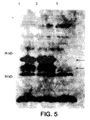
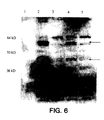
- a crude membrane preparation was performed to separate the outer membrane fraction from the total membrane fraction. These different fractions were then assayed by western blot to determine where the reverse transcriptase fusion construct was located. The western blots were performed as previously described.
- the expression experiments and western blots for the Tat construct followed a very similar protocol as that for the reverse transcriptase cells.
- One difference is that b-mercaptoethanol was added to the 2X Novex Tricine Sample buffer, instead of using DTT as the reducing agent.
- the samples were also run on a 10-20% Tricine gel.
- the primary antibody used was a polyclonal anti-tat antibody that was obtained from the NIH AIDS Reagent bank, and used at a 1:1000 dilution.
- the DNA In order to load the more viscous Salmonella samples onto a gel, the DNA first had to be sheared by pipetting up and down through first a 20 gauge needle, then a 26 gauge needle. Samples were then centrifuged for 10 minutes at 10,000 rpm in a microcentrifuge. Reverse transcriptase samples were loaded onto a Novex 10% Tris-Glycine gel and protein bands were separated. The best western blots were obtained for reverse transcriptase when no reducing agent was added to the samples prior to loading on the gel.
- pHAT plasmid was electroporated into electrocompetent Salmonella SL3261, and plasmid uptake was verified by appropriate restriction digestion. As with the reverse transcriptase construct samples, induction experiments were not performed.
- mice were fed doses of attenuated Salmonella SL3261 containing the HIV fusion constructs. Mucosal and helper T cell immune responses were monitored. The mucosal response was monitored by collecting fecal samples and assaying for anti-reverse transcriptase IgA, and the helper T cell response was measured b y proliferation assays and cytokine assays. The proliferation assays involved incubating splenocytes with antigen and then spiking with 3 H-thymidine. Cells that are proliferating and therefore responding to the antigen will take up more radioactive thymidine than cells that are not responding.
- the cytokine assays involved removing supernatant from cells that were incubated with antigen. Cells that are stimulated by antigen will secrete different cytokines into the supernatant.
- the levels of IL-2 and IL-10 can be measured using sandwich ELISAs. High IL-2 levels indicate a helper T cell response (T H2 response), while higher IL-10 levels indicate a cytotoxic T cell response (T H1 response).
- Bacterial cultures were grown in 50 ml of LB medium with or without 500 ⁇ g/ml ampicillin as appropriate. Cultures were shaken for 22 hours at 37°C. Cells were pelleted at 5,000 rpm for 10 minutes, then resuspended in 500 ⁇ l of PBS. 30 ⁇ l aliquots were placed in labeled 0.5 ml tubes and kept on ice until feeding.
- mice 5 week old BALB/C mice were obtained from Jackson Labs. Mice were divided into 4 groups of 10 and housed 5 per cage. Mice were aged 2 weeks prior to start of the experiment. Mice were vaccinated as follows: Food and water was removed 4 hours prior to vaccinations. Prior to bacterial dose, mice were fed 10 ⁇ l of 6% sodium bicarbonate with a pipette tip. After waiting 10 minutes, mice were fed the appropriate bacteria. One group of mice, labeled R was fed 20 ⁇ l of SL3261-pHART. A second group labeled T, was fed 20 ⁇ l of SL3261-pHAT.
- mice in the R group housed in cages R-1 and R-2, were kept on ampicillin throughout the study. This was done due to plasmid stability problems. Fresh water was provided daily, containing 1 g/ L ampicillin. Mice in the C-2 cage were also kept on the same dose of ampicillin to rule out any effects of the antibiotic on the immune response.
- Vaccine doses were given to all mice on days 0 and 14. On day 21, one cage of R, T, S, and two mice from each C cage, C-1 and C-2, were sacrificed for the 3 week study. The remaining mice were dosed again on day 28, and on day 85, mice were sacrificed for the 12 week study.
- the IgA ELISAs were performed as follows: Nunc 96 well polystyrene plates were pre-coated overnight with 200 ng of reverse transcriptase or Tat in 50 ⁇ l of PBS. Plates were kept at 4°C, wrapped in plastic wrap and in a sealed plastic container with a moist paper towel. The next day, antigen was poured off, and plates were washed 3 times with wash buffer (0.05% Tween-20 in PBS). Plates were then blocked for 2 hours with 200 ⁇ l of 3% bovine serum albumin in PBS at room temperature. Following blocking step, plates were washed 3 times with wash buffer. Freshly diluted, re-centrifuged samples were added at 100 ⁇ l per well.
- mice were sacrificed by cervical dislocation in sterile conditions. Spleens were removed and placed in 60 X 15 m m petri dishes containing 3 ml of RPMI 1640 (LifeTechnologies) containing 2 mM L-glutamine, 50 ⁇ g/ml gentamicin, 50 ⁇ M ⁇ -mercaptoethanol, and 10% fetal calf serum (LifeTechnologies). Small intestines were removed and placed in a sterile 15 ml tube containing 5 ml 50 mM EDTA, 2 mg/ml soybean trypsin inhibitor (Sigma). Livers were removed and placed in a sterile 15 ml tube containing PBS. Livers and intestines were kept on ice until frozen at -80°C.
- Spleens were cut into small pieces using a pair of scissors and forceps. Tissue was then pressed against the bottom of the dish using the flat top of a plunger from a 5 ml syringe. This was repeated until only fibrous tissue remained. The suspension was then drawn up and down through a 19 gauge needle several times then passed through a nylon mesh screen and placed in a sterile 15 ml tube on ice. The petri dish was rinsed with an additional 4 ml of RPMI-1640, which was then added to the 15 ml tube. From this point on, all splenocyte samples were kept on ice.
- Splenocytes were then centrifuged at 1250 rpm for 10 minutes and supernatant was removed. The remaining red pellet was resuspended in 5 ml sterile lysing buffer (0.15 M NH 4 Cl, 1.0 mM KHCO 3 , 0.1 mM EDTA, pH 7.4) to lyse the erythrocytes. Splenocytes were incubated for 5 minutes at room temperature with occasional shaking. After the incubation period, RPMI medium was added to fill the tube to 13 ml, and samples were centrifuged at 1250 rpm for 10 minutes. Supernatant was discarded and cells were washed with media again. Following the second wash, the white pellet was resuspended in 5 ml RPMI, 10 % fetal calf serum.
- Tubes were wrapped in aluminum foil and incubated at 37°C for 20 minutes.
- RPMI 10% fetal calf serum was added to samples to fill the tubes to 13 ml.
- Cells were centrifuged at 1250 rpm for 10 minutes and supernatant was discarded. The wash was repeated two additional times.
- These inactivated effector cells were resuspended in a 5 ml volume of RPMI, 10% fetal calf serum and recounted using a hemocytometer as described above. All samples were adjusted to concentrations of 1 X10 6 cells/ml by appropriate dilution in medium and left on ice until ready for plating.
- the antigens that were tested were either recombinant reverse transcriptase or Tat at concentrations of 10 ⁇ g/ml or 50 ⁇ g/ml, heat killed SL3261, or RPMI.
- the heat killed SL3261 culture was grown overnight in LB medium. Two ml of cells were removed and heated at 65°C in a 2 ml microcentrifuge tube for 2 hours. The cells were then spun down and resuspended in 2 ml of sterile PBS. Cells were used in assays by preparing a 1:10 dilution in RPMI, 1 ml of SL3261 in 9 ml of RPMI.
- the plates were incubated for either 3 or 5 days. 18 hours prior to harvesting the cells, wells were spiked with 1 mCi of 3 H-thymidine.
- the radioactive thymidine (1 ⁇ Ci/ ⁇ l) was diluted as follows: 200 ⁇ l of 3 H-thymidine was added to 3800 ⁇ l of RPMI medium, resulting in a concentration of 50 ⁇ Ci/ml. 20 ⁇ l of this dilution was added to each well, for a final concentration of 1 ⁇ Ci/well.
- the plates were returned to the incubator at 37°C and 5% CO 2 for 18 hours.
- a Brandel M-24 cell harvester was used to collect the cells on Whatman glass filters. Filters were then placed in liquid scintillation vials with 5 ml of Econofluor liquid scintillation cocktail and samples were counted on a Beckman LS6000SC.
- the interleukin ELISAs to determine concentrations of IL-2 and IL-10 were performed as described.
- the present invention discloses development of a model live vaccine for HIV by surface expressing HIV antigens in an attenuated strain of Salmonella to produce a cellular and mucosal immune response as well as a humoral response.
- an intermediate plasmid, pSP72-RT or pSP72-Tat was first constructed, and then used as a backbone for the insertion of the Lpp-OmpA sequence, ultimately resulting in the desired recombinant plasmid pHART ( Figure 1) or pHAT ( Figure 2).
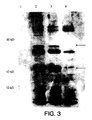
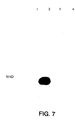
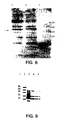
- FIG. 3 is an image of the western blot of E. coli DH5 ⁇ -pHART. Unique bands are seen in the lanes containing samples from the pHART containing bacteria. The lane containing the control E. coli DH5 ⁇ which does not have the recombinant plasmid does not show these bands on the western blot. The presence of these unique bands indicates that expression of the HIV reverse transcriptase protein is indeed occurring.
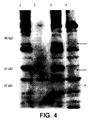
- a unique band is seen only in the lane containing the pHAT plasmid, but not in the control SL3261. This band runs higher than the expected molecular weight, which may be the result of solubilization problems with the ompA protein in SDS.
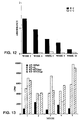
- the constructed live vaccines consisting of the attenuated strain of Salmonella SL3261 containing either the plasmid pHART or pHAT were determined to be expressing the appropriate HIV proteins, these bacteria were used to vaccinate mice. Following the oral administration of two to three doses, the mice were assayed for immune responses to the appropriate HIV antigen.
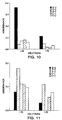
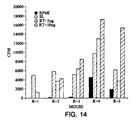
- mice were assayed for secretory IgA responses to HIV reverse transcriptase (Figure 10) and to HIV tat ( Figure 11).
- a specific IgA response is only seen in the mice vaccinated with either SL3261-pHART or SL3261-pHAT, which indicates that both vaccines indeed induce some specific IgA response, although there is over a two-fold better response in the mice vaccinated with the reverse transcriptase vaccine to the reverse transcriptase antigen, than there is with the Tat vaccine against the Tat antigen.
- Figure 12 shows a graph of the reverse transcriptase specific IgA response obtained in the SL3261-pHART vaccinated mice over time. The response appears to decline over time, following a peak at 3 weeks after the first vaccination. This decrease in reverse transcriptase specific antibody could possibly be explained by a phenomenon often seen with live vaccine constructs. When the mice are first inoculated with the live vaccine, they raise antibodies not only against the desired antigen (in this case, the reverse transcriptase) but also against the Salmonella.
- the desired antigen in this case, the reverse transcriptase
- Proliferation assay was done to measure the helper T cell response specific for the HIV antigens. A short, 3 week study shows that despite high background, it appears to be a reverse transcriptase specific response developing in these SL3261-pHART vaccinated mice 3 weeks after the first vaccination (Figure 13). Results from assays against the Tat antigen are less promising (data not shown).
- Figure 14 shows a 12 week study after initial vaccination with the reverse transcriptase vaccine as were done in the 3 week study.
- the responses seen in the splenocytes isolated from the different mice is more pronounced.
- Four out of the five mice vaccinated with the SL3261 containing the reverse transcriptase construct show a positive response to the two concentrations of reverse transcriptase antigen used to stimulate the splenocytes.
- All of the five mice show a positive response to the heat-killed Salmonella used to stimulate the splenocytes. This positive response to the Salmonella is expected, as the mice were exposed not only to the reverse transcriptase antigen, but also to the Salmonella carrier.
- mice showed background levels of proliferation when the splenocytes were incubated with RPMI-1640 medium alone. These results were very positive indicating that when vaccinated with the live vaccine expressing the HIV reverse transcriptase antigen, these mice will develop a helper T cell response specific to the reverse transcriptase.
- the present invention demonstrates the development of a live vaccine for HIV by surface expressing HIV antigens in an attenuated strain of Salmonella so as to produce a cellular and mucosal immune response as well as a humoral response.
- an attenuated strain of Salmonella for the live vaccine vector, one can elicit both a cellular and a mucosal response.
- the first step in developing the vaccine of the present invention involved constructing two plasmids for transformation into the attenuated strain of Salmonella. These plasmids both contained the lpp-ompA fusion construct under the control of the lpp promoter, which allows for constant expression of the protein construct.
- the lpp-ompA genes were followed by the gene for either the HIV reverse transcriptase protein or the HIV tat protein. This tripartite fusion construct resulted in expression of the HIV proteins on the outer surface of the bacteria.
- the first step was to construct two plasmids, one of which contains an lpp-ompA fusion sequence, followed by the HIV reverse transcriptase gene, under the control of the lpp promoter.
- the second plasmid contained the same lpp-ompA fusion sequence followed by the HIV tat protein.
- Each of these plasmids were constructed using the pSP72 plasmid as a backbone. This agarose gel of multiple restriction digests showed the desired fragments of the expected size.
- These recombinant plasmids contained the desired lpp-ompA gene fragments, as well as the appropriate HIV gene sequences.
- the sample containing the induced bacterial cells does not appear any different from the sample containing the uninduced bacterial cells.
- the bacteria containing the recombinant plasmids for surface expression were not as healthy as control bacteria, and the plasmid is not very stable.
- the growth rate of the recombinant SL3261 was slower than the growth rate of the control SL3261.
- the plasmid stability of pHART in SL3261 grown without antibiotics was 12%. Plasmid stability of pHAT in SL3261 was at 90%. These factors of slower growth rate and plasmid instability may decrease the amount of protein expression seen upon induction.
- a western blot was done of the whole cell lysates of SL3261 containing the pHAT plasmid with the HIV tat gene. Polyclonal anti-tat antibodies were used to stain the western blot. A unique band was seen in the lane containing the pHAT plasmid and not in the control SL3261. This band was running around 50 kDa, which is higher than the expected molecular weight.
- a separation of inner and outer membranes of SL3261 containing the plasmid pHAT was done to further localize the recombinant tat.
- a western blot was stained with anti-ompA antibodies and unique bands were present in the outer membrane fraction of the SL3261 containing the recombinant pHAT plasmid. These bands were running higher than expected for this fusion construct, with a molecular weight of around 50 kDa.
- a definite difference was observed between the pHAT containing SL3261 and the control SL3261.
- mice were assayed for immune responses to the appropriate HIV antigen.
- the method of oral vaccination was chosen for this study. Mice were assayed for secretory IgA responses to HIV reverse transcriptase and HIV tat over a period of 12 weeks. These same mice were also assayed for a helper T cell response by performing proliferation assays on isolated splenocytes.
- helper T cell response specific for the HIV antigens was measured using two different assays. There was a reverse transcriptase specific response developing in these SL3261-pHART vaccinated mice 3 weeks after the first vaccination.
- the present invention is directed to a model for a live vaccine for HIV by surface expressing specific HIV antigens on an attenuated strain of Salmonella.
- This vaccine elicited a mucosal IgA response and a helper T cell response specific for the HIV reverse transcriptase antigen.
- a live vaccine vector such as the attenuated strain of Salmonella, is easy to administer and does not require special handling or injection. Patients could be fed the doses orally. Secondly, the vaccine is low cost.
- epitopes or peptides could be used for stimulating immunity.
- the base pair sequence for an immunogenic peptide would follow the lpp-ompA sequence, resulting in surface display of the epitope.
- This specific epitope, known to stimulate an immune response would elicit a stronger immunity because of the adjuvant properties of the Salmonella.
- This method of using just a peptide, as opposed to an entire protein may result in increased bacterial survival and plasmid stability, due to less membrane disruption in the surface expression.
- An example of such a peptide is an antigenic reverse transcriptase peptide that is known to be a T cell epitope in both humans and C3H/HeJ mice (Hosmalin, 1990).
- This technique of surface expressing HIV proteins in the attenuated Salmonella strain SL3261 using an lpp-ompA fusion construct for the construction of live vaccines against HIV can be applied to other viral and bacterial pathogens as well.
- An example of another virus for which such a vaccine could be developed is the respiratory syncytial virus (RSV), the major cause of hospitalization of infants under the age of one year in the Western world.
- RSV respiratory syncytial virus
- a useful antigen from RSV is the F protein, which could be surface expressed using this lpp-ompA system in SL3261.
- This recombinant bacteria could be used as a live vaccine for RSV.
- Other viral and bacterial vaccines could be developed, b y surface expressing pathogen-specific antigens in SL3262, using this lpp-ompA fusion construct.
Landscapes
- Health & Medical Sciences (AREA)
- Life Sciences & Earth Sciences (AREA)
- Virology (AREA)
- Medicinal Chemistry (AREA)
- Veterinary Medicine (AREA)
- Public Health (AREA)
- General Health & Medical Sciences (AREA)
- Animal Behavior & Ethology (AREA)
- Chemical & Material Sciences (AREA)
- Pharmacology & Pharmacy (AREA)
- Mycology (AREA)
- Communicable Diseases (AREA)
- Epidemiology (AREA)
- Microbiology (AREA)
- Immunology (AREA)
- Hematology (AREA)
- AIDS & HIV (AREA)
- Nuclear Medicine, Radiotherapy & Molecular Imaging (AREA)
- Tropical Medicine & Parasitology (AREA)
- Oncology (AREA)
- Chemical Kinetics & Catalysis (AREA)
- General Chemical & Material Sciences (AREA)
- Organic Chemistry (AREA)
- Molecular Biology (AREA)
- Medicines Containing Antibodies Or Antigens For Use As Internal Diagnostic Agents (AREA)
- Micro-Organisms Or Cultivation Processes Thereof (AREA)
- Measuring Or Testing Involving Enzymes Or Micro-Organisms (AREA)
- Medicines That Contain Protein Lipid Enzymes And Other Medicines (AREA)
- Medicines Containing Material From Animals Or Micro-Organisms (AREA)
- Saccharide Compounds (AREA)
- External Artificial Organs (AREA)
Applications Claiming Priority (3)
| Application Number | Priority Date | Filing Date | Title |
|---|---|---|---|
| US7394398P | 1998-02-06 | 1998-02-06 | |
| US73943P | 1998-02-06 | ||
| PCT/US1999/002503 WO1999039735A1 (en) | 1998-02-06 | 1999-02-04 | Live vaccine for human immunodeficiency virus |
Publications (3)
| Publication Number | Publication Date |
|---|---|
| EP1061950A1 EP1061950A1 (en) | 2000-12-27 |
| EP1061950A4 EP1061950A4 (en) | 2001-12-05 |
| EP1061950B1 true EP1061950B1 (en) | 2005-01-26 |
Family
ID=22116747
Family Applications (1)
| Application Number | Title | Priority Date | Filing Date |
|---|---|---|---|
| EP99913808A Expired - Lifetime EP1061950B1 (en) | 1998-02-06 | 1999-02-04 | Live vaccine for human immunodeficiency virus |
Country Status (13)
| Country | Link |
|---|---|
| EP (1) | EP1061950B1 (enExample) |
| JP (1) | JP2002502827A (enExample) |
| KR (1) | KR20010040618A (enExample) |
| CN (1) | CN1216640C (enExample) |
| AT (1) | ATE287727T1 (enExample) |
| AU (1) | AU744730B2 (enExample) |
| CA (1) | CA2320489A1 (enExample) |
| DE (1) | DE69923439D1 (enExample) |
| IL (1) | IL137680A0 (enExample) |
| NZ (1) | NZ506093A (enExample) |
| RU (1) | RU2223784C2 (enExample) |
| WO (1) | WO1999039735A1 (enExample) |
| ZA (1) | ZA99912B (enExample) |
Families Citing this family (9)
| Publication number | Priority date | Publication date | Assignee | Title |
|---|---|---|---|---|
| FR2802426B1 (fr) | 1999-12-15 | 2004-04-02 | Neovacs | Utilisation de proteines immunogenes immunosuppressives et/ou angiogeniques rendues inactives, pour la production d'iga secretoires |
| AU8640501A (en) * | 2000-07-31 | 2002-02-13 | Univ Yale | Innate immune system-directed vaccines |
| KR100447530B1 (ko) * | 2001-08-14 | 2004-09-08 | 한국과학기술원 | OmpF를 이용하여 목적 단백질을 대장균 세포외로분비생산하는 방법 |
| EP1670505B1 (en) | 2003-09-18 | 2012-11-14 | GOVERNMENT OF THE UNITED STATES OF AMERICA, as represented by THE SECRETARY, DEPARTMENT OF HEALTH AND HUMAN SERVICES | Dna promoters and anthrax vaccines |
| ES2555544T3 (es) | 2006-03-07 | 2016-01-04 | Vaxinnate Corporation | Composiciones que incluyen hemaglutinina, métodos de preparación y métodos de uso de las mismas |
| CN101195823B (zh) * | 2007-11-20 | 2010-06-02 | 华东理工大学 | 细菌表面展示系统、方法及应用 |
| CN109207417A (zh) * | 2018-09-19 | 2019-01-15 | 湖北省农业科学院畜牧兽医研究所 | 鸡白痢-j亚群禽白血病双重平板凝集抗原及其制备方法 |
| JP2023516420A (ja) * | 2020-03-05 | 2023-04-19 | ユニヴァーシティー オブ メリーランド バルチモア | がんタンパク質抗原を発現するように操作された生チフス菌ベクターおよびその使用方法 |
| WO2025063261A1 (ja) * | 2023-09-22 | 2025-03-27 | 塩野義製薬株式会社 | ウイルス由来タンパク質をコードするポリヌクレオチド |
Family Cites Families (4)
| Publication number | Priority date | Publication date | Assignee | Title |
|---|---|---|---|---|
| US4757013A (en) * | 1983-07-25 | 1988-07-12 | The Research Foundation Of State University Of New York | Cloning vehicles for polypeptide expression in microbial hosts |
| AU9179891A (en) * | 1990-12-19 | 1992-07-22 | Epitope, Inc. | Hiv reverse transcriptase vaccine |
| JP3100005B2 (ja) * | 1992-07-28 | 2000-10-16 | 雪印乳業株式会社 | ヒト免疫不全ウィルス感染・増殖抑制剤 |
| AU3958895A (en) * | 1994-10-18 | 1996-05-06 | Board Of Regents, The University Of Texas System | Membrane expression of heterologous genes |
-
1999
- 1999-02-04 JP JP2000530232A patent/JP2002502827A/ja not_active Withdrawn
- 1999-02-04 CN CN998027014A patent/CN1216640C/zh not_active Expired - Fee Related
- 1999-02-04 EP EP99913808A patent/EP1061950B1/en not_active Expired - Lifetime
- 1999-02-04 DE DE69923439T patent/DE69923439D1/de not_active Expired - Fee Related
- 1999-02-04 AT AT99913808T patent/ATE287727T1/de not_active IP Right Cessation
- 1999-02-04 IL IL13768099A patent/IL137680A0/xx unknown
- 1999-02-04 CA CA002320489A patent/CA2320489A1/en not_active Abandoned
- 1999-02-04 WO PCT/US1999/002503 patent/WO1999039735A1/en not_active Ceased
- 1999-02-04 RU RU2000123173/15A patent/RU2223784C2/ru not_active IP Right Cessation
- 1999-02-04 NZ NZ506093A patent/NZ506093A/en unknown
- 1999-02-04 AU AU31801/99A patent/AU744730B2/en not_active Ceased
- 1999-02-04 KR KR1020007008489A patent/KR20010040618A/ko not_active Abandoned
- 1999-02-05 ZA ZA9900912A patent/ZA99912B/xx unknown
Also Published As
| Publication number | Publication date |
|---|---|
| DE69923439D1 (de) | 2005-03-03 |
| ATE287727T1 (de) | 2005-02-15 |
| RU2223784C2 (ru) | 2004-02-20 |
| AU744730B2 (en) | 2002-02-28 |
| CA2320489A1 (en) | 1999-08-12 |
| IL137680A0 (en) | 2001-10-31 |
| KR20010040618A (ko) | 2001-05-15 |
| AU3180199A (en) | 1999-08-23 |
| NZ506093A (en) | 2003-08-29 |
| EP1061950A1 (en) | 2000-12-27 |
| CN1216640C (zh) | 2005-08-31 |
| WO1999039735A9 (en) | 2000-01-27 |
| EP1061950A4 (en) | 2001-12-05 |
| WO1999039735A1 (en) | 1999-08-12 |
| JP2002502827A (ja) | 2002-01-29 |
| CN1290175A (zh) | 2001-04-04 |
| ZA99912B (en) | 2000-08-07 |
Similar Documents
| Publication | Publication Date | Title |
|---|---|---|
| CA2526128C (en) | Severe acute respiratory syndrome dna vaccine compositions and methods of use | |
| US6210663B1 (en) | Methods of augmenting mucosal immunity through systemic priming and mucosal boosting | |
| US5830702A (en) | Live, recombinant listeria monocytogenes and production of cytotoxic T-cell response | |
| CA2102918C (en) | Genetic vaccine for immunodeficiency viruses | |
| AU729231B2 (en) | Synthetic HIV genes | |
| AU727015B2 (en) | Targeting antigens to the MHC class I processing pathway with an anthrax toxin fusion protein | |
| JP5502757B2 (ja) | ワクチンとしてのキメラhiv融合タンパク質 | |
| CN1252075A (zh) | 合成的hiv gag基因 | |
| US20240156936A1 (en) | Live salmonella typhi vectors engineered to express heterologous outer membrane protein antigens and methods of use thereof | |
| US20040180329A1 (en) | Synthetic HIV gag genes | |
| CA2258568A1 (en) | Vaccines comprising synthetic genes | |
| LV11866B (en) | Induction of cytotoxic t-lymphocyte responses | |
| EA004921B1 (ru) | Аттенуированный микроорганизм salmonella и способы его применения | |
| Vajdy et al. | Mucosal and systemic anti-HIV responses in rhesus macaques following combinations of intranasal and parenteral immunizations | |
| WO2006125076A2 (en) | Methods and compositions for immunizing against chlamydia infection | |
| AU744730B2 (en) | Live vaccine for human immunodeficiency virus | |
| JP2004525931A (ja) | バクテリオファージによって仲介される免疫化方法 | |
| US7189402B1 (en) | Live vaccine for human immunodeficiency virus | |
| JPH09504296A (ja) | Hiv粘膜感染の阻止 | |
| TW201125579A (en) | Heterologous prime-boost immunization regimen | |
| US20150190501A1 (en) | Methods and compositions for raising an immune response to hiv | |
| Burnett et al. | Potential live vaccines for HIV | |
| WO2005089101A2 (en) | Non-pathogenic listeria vaccine vectors and methods of treatment therewith | |
| JP2003277292A (ja) | マラリア原虫伝搬阻止粘膜ワクチン | |
| Albu | IL-12 as a mucosal adjuvant for enhancement of HIV-1 and influenza virus immune responses |
Legal Events
| Date | Code | Title | Description |
|---|---|---|---|
| PUAI | Public reference made under article 153(3) epc to a published international application that has entered the european phase |
Free format text: ORIGINAL CODE: 0009012 |
|
| 17P | Request for examination filed |
Effective date: 20000726 |
|
| AK | Designated contracting states |
Kind code of ref document: A1 Designated state(s): AT BE CH CY DE DK ES FI FR GB GR IE IT LI LU MC NL PT SE |
|
| A4 | Supplementary search report drawn up and despatched |
Effective date: 20011022 |
|
| AK | Designated contracting states |
Kind code of ref document: A4 Designated state(s): AT BE CH CY DE DK ES FI FR GB GR IE IT LI LU MC NL PT SE |
|
| 17Q | First examination report despatched |
Effective date: 20031113 |
|
| GRAP | Despatch of communication of intention to grant a patent |
Free format text: ORIGINAL CODE: EPIDOSNIGR1 |
|
| GRAS | Grant fee paid |
Free format text: ORIGINAL CODE: EPIDOSNIGR3 |
|
| GRAA | (expected) grant |
Free format text: ORIGINAL CODE: 0009210 |
|
| AK | Designated contracting states |
Kind code of ref document: B1 Designated state(s): AT BE CH CY DE DK ES FI FR GB GR IE IT LI LU MC NL PT SE |
|
| PG25 | Lapsed in a contracting state [announced via postgrant information from national office to epo] |
Ref country code: NL Free format text: LAPSE BECAUSE OF FAILURE TO SUBMIT A TRANSLATION OF THE DESCRIPTION OR TO PAY THE FEE WITHIN THE PRESCRIBED TIME-LIMIT Effective date: 20050126 Ref country code: LI Free format text: LAPSE BECAUSE OF FAILURE TO SUBMIT A TRANSLATION OF THE DESCRIPTION OR TO PAY THE FEE WITHIN THE PRESCRIBED TIME-LIMIT Effective date: 20050126 Ref country code: IT Free format text: LAPSE BECAUSE OF FAILURE TO SUBMIT A TRANSLATION OF THE DESCRIPTION OR TO PAY THE FEE WITHIN THE PRESCRIBED TIME-LIMIT;WARNING: LAPSES OF ITALIAN PATENTS WITH EFFECTIVE DATE BEFORE 2007 MAY HAVE OCCURRED AT ANY TIME BEFORE 2007. THE CORRECT EFFECTIVE DATE MAY BE DIFFERENT FROM THE ONE RECORDED. Effective date: 20050126 Ref country code: FR Free format text: LAPSE BECAUSE OF FAILURE TO SUBMIT A TRANSLATION OF THE DESCRIPTION OR TO PAY THE FEE WITHIN THE PRESCRIBED TIME-LIMIT Effective date: 20050126 Ref country code: FI Free format text: LAPSE BECAUSE OF FAILURE TO SUBMIT A TRANSLATION OF THE DESCRIPTION OR TO PAY THE FEE WITHIN THE PRESCRIBED TIME-LIMIT Effective date: 20050126 Ref country code: CH Free format text: LAPSE BECAUSE OF FAILURE TO SUBMIT A TRANSLATION OF THE DESCRIPTION OR TO PAY THE FEE WITHIN THE PRESCRIBED TIME-LIMIT Effective date: 20050126 Ref country code: BE Free format text: LAPSE BECAUSE OF FAILURE TO SUBMIT A TRANSLATION OF THE DESCRIPTION OR TO PAY THE FEE WITHIN THE PRESCRIBED TIME-LIMIT Effective date: 20050126 Ref country code: AT Free format text: LAPSE BECAUSE OF FAILURE TO SUBMIT A TRANSLATION OF THE DESCRIPTION OR TO PAY THE FEE WITHIN THE PRESCRIBED TIME-LIMIT Effective date: 20050126 |
|
| REG | Reference to a national code |
Ref country code: GB Ref legal event code: FG4D |
|
| REG | Reference to a national code |
Ref country code: CH Ref legal event code: EP |
|
| PG25 | Lapsed in a contracting state [announced via postgrant information from national office to epo] |
Ref country code: LU Free format text: LAPSE BECAUSE OF NON-PAYMENT OF DUE FEES Effective date: 20050204 Ref country code: IE Free format text: LAPSE BECAUSE OF NON-PAYMENT OF DUE FEES Effective date: 20050204 Ref country code: CY Free format text: LAPSE BECAUSE OF FAILURE TO SUBMIT A TRANSLATION OF THE DESCRIPTION OR TO PAY THE FEE WITHIN THE PRESCRIBED TIME-LIMIT Effective date: 20050204 |
|
| REG | Reference to a national code |
Ref country code: IE Ref legal event code: FG4D |
|
| PG25 | Lapsed in a contracting state [announced via postgrant information from national office to epo] |
Ref country code: MC Free format text: LAPSE BECAUSE OF NON-PAYMENT OF DUE FEES Effective date: 20050228 |
|
| REF | Corresponds to: |
Ref document number: 69923439 Country of ref document: DE Date of ref document: 20050303 Kind code of ref document: P |
|
| PG25 | Lapsed in a contracting state [announced via postgrant information from national office to epo] |
Ref country code: SE Free format text: LAPSE BECAUSE OF FAILURE TO SUBMIT A TRANSLATION OF THE DESCRIPTION OR TO PAY THE FEE WITHIN THE PRESCRIBED TIME-LIMIT Effective date: 20050426 Ref country code: GR Free format text: LAPSE BECAUSE OF FAILURE TO SUBMIT A TRANSLATION OF THE DESCRIPTION OR TO PAY THE FEE WITHIN THE PRESCRIBED TIME-LIMIT Effective date: 20050426 Ref country code: GB Free format text: LAPSE BECAUSE OF NON-PAYMENT OF DUE FEES Effective date: 20050426 Ref country code: DK Free format text: LAPSE BECAUSE OF FAILURE TO SUBMIT A TRANSLATION OF THE DESCRIPTION OR TO PAY THE FEE WITHIN THE PRESCRIBED TIME-LIMIT Effective date: 20050426 |
|
| PG25 | Lapsed in a contracting state [announced via postgrant information from national office to epo] |
Ref country code: ES Free format text: LAPSE BECAUSE OF FAILURE TO SUBMIT A TRANSLATION OF THE DESCRIPTION OR TO PAY THE FEE WITHIN THE PRESCRIBED TIME-LIMIT Effective date: 20050507 |
|
| NLV1 | Nl: lapsed or annulled due to failure to fulfill the requirements of art. 29p and 29m of the patents act | ||
| REG | Reference to a national code |
Ref country code: CH Ref legal event code: PL |
|
| PG25 | Lapsed in a contracting state [announced via postgrant information from national office to epo] |
Ref country code: DE Free format text: LAPSE BECAUSE OF NON-PAYMENT OF DUE FEES Effective date: 20050901 |
|
| REG | Reference to a national code |
Ref country code: IE Ref legal event code: MM4A |
|
| PLBE | No opposition filed within time limit |
Free format text: ORIGINAL CODE: 0009261 |
|
| STAA | Information on the status of an ep patent application or granted ep patent |
Free format text: STATUS: NO OPPOSITION FILED WITHIN TIME LIMIT |
|
| GBPC | Gb: european patent ceased through non-payment of renewal fee |
Effective date: 20050426 |
|
| 26N | No opposition filed |
Effective date: 20051027 |
|
| EN | Fr: translation not filed | ||
| PG25 | Lapsed in a contracting state [announced via postgrant information from national office to epo] |
Ref country code: PT Free format text: LAPSE BECAUSE OF NON-PAYMENT OF DUE FEES Effective date: 20050626 |