EP0979286B1 - Combinatorial polyketide libraries produced using a modular pks gene cluster as scaffold - Google Patents
Combinatorial polyketide libraries produced using a modular pks gene cluster as scaffold Download PDFInfo
- Publication number
- EP0979286B1 EP0979286B1 EP98918891.7A EP98918891A EP0979286B1 EP 0979286 B1 EP0979286 B1 EP 0979286B1 EP 98918891 A EP98918891 A EP 98918891A EP 0979286 B1 EP0979286 B1 EP 0979286B1
- Authority
- EP
- European Patent Office
- Prior art keywords
- pks
- naturally occurring
- rcd
- nucleic acid
- acid molecule
- Prior art date
- Legal status (The legal status is an assumption and is not a legal conclusion. Google has not performed a legal analysis and makes no representation as to the accuracy of the status listed.)
- Expired - Lifetime
Links
- 0 *C(*)C(*)C(C(*)C(*)C1C2*C2)OC11OC(*)C(*)C(*)C1* Chemical compound *C(*)C(*)C(C(*)C(*)C1C2*C2)OC11OC(*)C(*)C(*)C1* 0.000 description 4
- KXBYRIOATAWKOL-JGFONRTGSA-N C[C@H](C[C@@H]([C@H]1O)N(C)I)[O](C[C@](C[C@@H](C)C([C@H](C)[C@H]([C@@](C)([C@@H](C=C)OC([C@@H]2C)=O)O)O)=O)(O)[IH][C@@H](C)C2O[C@@H](C[C@@]2(C)OC)O[C@@H](C)[C@@H]2O)[C@H]1O Chemical compound C[C@H](C[C@@H]([C@H]1O)N(C)I)[O](C[C@](C[C@@H](C)C([C@H](C)[C@H]([C@@](C)([C@@H](C=C)OC([C@@H]2C)=O)O)O)=O)(O)[IH][C@@H](C)C2O[C@@H](C[C@@]2(C)OC)O[C@@H](C)[C@@H]2O)[C@H]1O KXBYRIOATAWKOL-JGFONRTGSA-N 0.000 description 1
Images









Classifications
-
- C—CHEMISTRY; METALLURGY
- C07—ORGANIC CHEMISTRY
- C07H—SUGARS; DERIVATIVES THEREOF; NUCLEOSIDES; NUCLEOTIDES; NUCLEIC ACIDS
- C07H17/00—Compounds containing heterocyclic radicals directly attached to hetero atoms of saccharide radicals
- C07H17/04—Heterocyclic radicals containing only oxygen as ring hetero atoms
- C07H17/08—Hetero rings containing eight or more ring members, e.g. erythromycins
-
- A—HUMAN NECESSITIES
- A61—MEDICAL OR VETERINARY SCIENCE; HYGIENE
- A61P—SPECIFIC THERAPEUTIC ACTIVITY OF CHEMICAL COMPOUNDS OR MEDICINAL PREPARATIONS
- A61P31/00—Antiinfectives, i.e. antibiotics, antiseptics, chemotherapeutics
- A61P31/04—Antibacterial agents
-
- C—CHEMISTRY; METALLURGY
- C07—ORGANIC CHEMISTRY
- C07D—HETEROCYCLIC COMPOUNDS
- C07D323/00—Heterocyclic compounds containing more than two oxygen atoms as the only ring hetero atoms
-
- C—CHEMISTRY; METALLURGY
- C12—BIOCHEMISTRY; BEER; SPIRITS; WINE; VINEGAR; MICROBIOLOGY; ENZYMOLOGY; MUTATION OR GENETIC ENGINEERING
- C12N—MICROORGANISMS OR ENZYMES; COMPOSITIONS THEREOF; PROPAGATING, PRESERVING, OR MAINTAINING MICROORGANISMS; MUTATION OR GENETIC ENGINEERING; CULTURE MEDIA
- C12N15/00—Mutation or genetic engineering; DNA or RNA concerning genetic engineering, vectors, e.g. plasmids, or their isolation, preparation or purification; Use of hosts therefor
- C12N15/09—Recombinant DNA-technology
- C12N15/11—DNA or RNA fragments; Modified forms thereof; Non-coding nucleic acids having a biological activity
- C12N15/52—Genes encoding for enzymes or proenzymes
-
- C—CHEMISTRY; METALLURGY
- C40—COMBINATORIAL TECHNOLOGY
- C40B—COMBINATORIAL CHEMISTRY; LIBRARIES, e.g. CHEMICAL LIBRARIES
- C40B40/00—Libraries per se, e.g. arrays, mixtures
Definitions
- the invention relates to the field of combinatorial libraries, to novel polyketides and antibiotics and to methods to prepare them. More particularly, it concerns construction of new polyketides and to libraries of polyketides synthesized by polyketide synthases derived from a naturally occurring PKS, as illustrated by the erythromycin gene cluster.
- Polyketides represent a large family of diverse compounds ultimately synthesized from 2-carbon units through a series of Claisen-type condensations and subsequent modifications. Members of this group include antibiotics such as tetracyclines, anticancer agents such as daunomycin, and immunosuppressants such as FK506 and rapamycin. Polyketides occur in many types of organisms including fungi and mycelial bacteria, in particular, the actinomycetes.
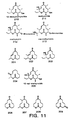
- a number of lactones of keto acids have been synthesized using standard organic chemistry. These include a series of unsaturated ketolactones synthesized by Vedejes et al., J. Am Chem Soc (1987) 109:5437-5446 , shown as formulas 201, 202 and 203 in Figure 11 herein. Additional compounds of formulas 204 and 205, also shown in Figure 11 were synthesized as reported by Vedejes et al. J Am Chem Soc (1989) 111:8430-8438 .
- PKS polyketide synthases
- the PKS scaffold that is the subject of the present invention is a member of the group designated Type I or "modular" PKS.
- Type I or modulear PKS a set of separate active sites exists for each step of carbon chain assembly and modification, but the individual proteins contain a multiplicity of such separate active sites.
- U.S. Patent No. 5,252,474 describes cloning of genes encoding the synthase for avermectin
- U.S. Patent No. 5,098,837 describes the cloning of genes encoding the synthase for spiramycin
- European application 791,655 and European application 791,656 describe the genes encoding the synthases for tylosin and platenolide respectively.
- Khosla et al reviews the synthesis of polyketides and polyketide libraries by combinatorial biosynthesis.
- WO 96/40968 describes a host vector system used to produce PKSs which catalyse the production of a variety of polyketides, and methods for the combinatorial biosynthesis of polyketide libraries.
- the PKS for erythromycin used as an illustrative system is a modular PKS.
- Erythromycin was originally isolated from S . erythraeus (since reclassified as Saccharopolyspora erythrea ) which was found in a soil sample from the Phillippine archipelago. Cloning the genes was described by Donadio, S. et al., Science (1991) 252:675 . The particulars have been reviewed by Perun, T.J. in Drug Action and Drug Resistance in Bacteria, Vol. 1, S. Mitsuhashi (ed.) University Park Press, Baltimore, 1977 . The antibiotic occurs in various glycosylated forms, designated A, B and C during various stages of fermentation.
- the entire erythromycin biosynthetic gene cluster from S . erythraeus has been mapped and sequenced by Donadio et al in Industrial Microorganisms: Basic and Applied Molecular Genetics (1993) R.H. Baltz, G.D. Hegeman, and P.L. Skatrud (eds.) (Amer Soc Microbiol ) and the entire PKS is an assembly of three such multifunctional proteins usually designated DEBS-1, DEBS-2, and DEBS-3, encoded by three separate genes.
- Oliynyk et al (Chemistry & Biology (1996) 3:833-839 ) report the generation of a hybrid modular PKS based on replacing the entire AT domain from module 1 of DEBS1-TE by the AT domain from module 2 of the rapamycin-producing PKS.
- genes encoding the PKS complex may not be sufficient to permit the production by the synthase enzymes of polyketides when the genes are transformed into host cells that do not have the required auxiliary phosphopantetheinyl transferase enzymes which posttranslationally modify the ACP domains of the PKS.
- Genes encoding some of these transferases are described in WO97/13845 .
- enzymes that mediate glycosylation of the polyketides synthesized are described in WO97/23630 .
- U.S. Serial No. 08/989,332 ( US Patent No. 6,033,883) filed 11 December 1997 describes the production of polyketides in hosts that normally do not produce them by supplying appropriate phosphopantetheinyl transferase expression systems.
- U.S. Patent Nos. 5,063,155 and 5,168,052 describe preparation of novel antibiotics using modular PKS systems.
- a number of modular PKS have been cloned. See, e.g., U.S. Patent No. 5,098,837 , EP 791,655 , EP 791,656 and U.S. Patent No. 5,252,474 .
- Type II PKS in contrast to modular PKS, include several proteins, each of which is simpler than those found in Type I polyketide synthases.
- the active sites in these enzymes are used iteratively so that the proteins themselves are generally monofunctional or bifunctional.
- the aromatic PKS complexes derived from Streptomyces have so far been found to contain three proteins encoded in three open reading frames.
- One protein provides ketosynthase (KS) and acyltransferase (AT) activities
- a second provides a chain length determining factor (CLDF)
- ACP acyl carrier protein
- the present invention is concerned with PKS systems derived from modular PKS gene clusters. The nature of these clusters and their manipulation are further described below.
- the invention provides recombinant materials for the production of combinatorial libraries of polyketides wherein the polyketide members of the library are synthesized by various PKS systems derived from naturally occurring PKS systems by using these systems as scaffolds. Generally, many members of these libraries may themselves be novel compounds.
- the invention methods may thus be directed to the preparation of an individual polyketide.
- the polyketide may or may not be novel, but the method of preparation permits a more convenient method of preparing it.
- the resulting polyketides may be further modified to convert them to antibiotics, typically through glycosylation. Also described herein are methods to recover novel polyketides with desired binding activities by screening the libraries of the invention.
- the invention is directed to a method to prepare a nucleic acid which contains a nucleotide sequence encoding a modified polyketide synthase.
- a nucleic acid may be obtained by a method comprising using a naturally occurring PKS encoding sequence as a scaffold and modifying the portions of the nucleotide sequence that encode enzymatic activities, either by mutagenesis, inactivation, or replacement.
- the invention provides an isolated nucleic acid molecule that encodes a non-naturally occurring modular polyketide synthase (PKS), which nucleic acid molecule is obtainable by replacing, in a nucleic acid encoding a naturally occurring PKS,
- PKS modular polyketide synthase
- the thus modified nucleotide sequence encoding a PKS can then be used to modify a suitable host cell and the cell thus modified employed to produce a polyketide different from that produced by the PKS whose scaffolding has been used to support modifications of enzymatic activity. Also described herein are the polyketides thus produced and the antibiotics to which they may then be converted.
- a multiplicity of cell colonies comprising a library of colonies wherein each colony of the library contains an expression vector for the production of a different modular PKS, but derived from a naturally occurring PKS.
- the different PKS may be derived from the erythromycin PKS.
- the library of different modular PKS is obtained by modifying one or more of the regions of a naturally occurring gene or gene cluster encoding an enzymatic activity so as to alter that activity, leaving intact the scaffold portions of the naturally occurring gene. If desired, more than one scaffold source may be used, but basing the cluster of modules on a single scaffold is preferred.
- a multiplicity of cell colonies may comprise a library of colonies wherein each colony of the library contains a different modular PKS derived from a naturally occurring PKS, preferably the erythromycin PKS. Described herein are methods to produce libraries of PKS complexes and to produce libraries of polyketides by culturing these colonies, as well as to the libraries so produced. In addition, described herein are methods to screen the resulting polyketide libraries and to novel polyketides contained therein.
- Figure 1A is a diagrammatic representation of the gene cluster encoding the synthase for the polyketide backbone of the antibiotic erythromycin.
- the erythromycin PKS protein assembly contains three high-molecular-weight proteins (>200 kD) designated DEBS-1, DEBS-2 and DEBS-3, each encoded by a separate gene ( Caffrey et al., FEBS Lett (1992) 304:225 ).
- the diagram in Figure 1A shows that each of the three proteins contains two modules of the synthase -- a module being that subset of reactivities required to provide an additional 2-carbon unit to the molecule.
- modules 1 and 2 reside on DEBS-1; modules 3 and 4 on DEBS-2 and modules 5 and 6 on DEBS-3.
- the minimal module is typified in module 3 which contains a ketosynthase (KS), an acyltransferase (AT) and an acyl carrier protein (ACP). These three functions are sufficient to activate an extender unit and attach it to the remainder of the growing molecule. Additional activities that may be included in a module relate to reactions other than the Claisen condensation, and include a dehydratase activity (DH), an enoylreductase activity (ER) and a ketoreductase activity (KR).
- the first module also contains repeats of the AT and ACP activities because it catalyzes the initial condensation, i.e. it begins with a "loading domain" represented by AT and ACP, which determine the nature of the starter unit.
- module 3 has a KR region which has been inactivated by mutation.
- the "finishing" of the molecule is regulated by the thioesterase activity (TE) in module 6. This thioesterase appears to catalyze cyclization of the macrolide ring thereby increasing the yield of the polyketide product.
- TE thioesterase activity
- FIG. 1A The product in this case is 6dEB; the structure and numbering system for this molecule are shown in Figure 1A . Conversion to the antibiotics erythromycin A, B, C and D would require glycosylation generally by D-desosamine or L-mycarose; the latter is converted to cladinose in erythromycins A and B.
- Figure 1B diagrams the post-PKS biosynthesis of the erythromycins, including addition and modification of glycosyl groups.
- 6dEB is converted by the gene eryF to erythronolide B which is, in turn, glycosylated by eryB to obtain 3-O-mycarosylerythronolide B which contains L-mycarose at position 3.
- the enzyme eryC then converts this compound to erythromycin D by glycosylation with D-desosamine at position 5.
- Erythromycin D therefore, differs from 6dEB through glycosylation and by the addition of a hydroxyl group at position 6.
- Erythromycin D can be converted to erythromycin B in a reaction catalyzed by eryG by methylating the L-mycarose residue at position 3.
- Erythromycin D is converted to erythromycin C by the addition of a hydroxyl group at position 12.
- Erythromycin A is obtained from erythromycin C by methylation of the mycarose residue catalyzed by eryG.
- the series of erythromycin antibiotics then, differs by the level of hydroxylation of the polyketide framework and by the methylation status of the glycosyl residues.
- Figure 2 shows a detailed view of the regions in the first two modules which comprise the first open reading frame encoding DEBS-1.
- the regions that encode enzymatic activities are separated by linker or "scaffold"-encoding regions.
- These scaffold regions encode amino acid sequences that space the enzymatic activities at the appropriate distances and in the correct order.
- linker regions collectively can be considered to encode a scaffold into which the various activities are placed in a particular order and spatial arrangement. This organization is similar in the remaining genes, as well as in other naturally occurring modular PKS gene clusters.
- the three DEBS-1, 2 and 3 proteins are encoded by the genetic segments ery-AI, ery-AII and ery-AIII, respectively. These reading frames are located on the bacterial chromosome starting at about 10 kb distant from the erythromycin resistance gene (ermE or eryR).
- erythromycin is typical for modular PKS in general.
- the polyketide synthases making up the libraries described herein can be derived from the synthases of other modular PKS, such as those which result in the production of rapamycin, avermectin, FK-506, FR-008 , monensin, rifamycin, soraphen-A, spinocyn, squalestatin, or tylosin, and the like.
- libraries or individual modified forms, ultimately of polyketides may be produced by generating modifications in the erythromycin PKS or other naturally occurring PKS gene cluster so that the protein complexes produced by the cluster have altered activities in one or more respects, and thus produce polyketides other than the natural product of the PKS.
- Novel polyketides may thus be prepared, or polyketides in general prepared more readily, using this method.
- All of the PKS encoding sequences used in the present invention represent modular polyketide synthases "derived from" a naturally occurring PKS, illustrated by the erythromycin PKS. As will be further described below, the metes and bounds of this derivation can be described on both the protein level and the encoding nucleotide sequence level.
- a modular PKS “derived from” the erythromycin or other naturally occurring PKS is meant a modular polyketide synthase (or its corresponding encoding gene(s)) that retains the scaffolding of all of the utilized portion of the naturally occurring gene. (Not all modules need be included in the constructs.) On the constant scaffold, at least one enzymatic activity is mutated, deleted or replaced, so as to alter the activity. Alteration results when these activities are deleted or are replaced by a different version of the activity, or simply mutated in such a way that a polyketide other than the natural product results from these collective activities.
- the derivative may contain preferably at least a thioesterase activity from the erythromycin or other naturally occurring PKS gene cluster.
- a polyketide synthase "derived from" a naturally occurring PKS contains the scaffolding encoded by all or the portion employed of the naturally occurring synthase gene, contains at least two modules that are functional, preferably three modules, and more preferably four or more modules and contains mutations, deletions, or replacements of one or more of the activities of these functional modules so that the nature of the resulting polyketide is altered.
- This definition applies both at the protein and genetic levels.
- Particular preferred embodiments include those wherein a KS, AT, KR, DH or ER has been deleted or replaced by a version of the activity from a different PKS or from another location within the same PKS.
- derivatives where at least one noncondensation cycle enzymatic activity (KR, DH or ER) has been deleted or wherein any of these activities has been mutated so as to change the ultimate polyketide synthesized.
- the polyketide chain length will be determined by the number of modules in the PKS.
- the nature of the carbon skeleton of the PKS will be determined by the specificities of the acyl transferases which determine the nature of the extender units at each position -- e.g.. malonyl, methyl malonyl, or ethyl malonyl, etc.
- the loading domain specificity will also have an effect on the resulting carbon skeleton of the polyketide.
- the loading domain may use a different starter unit, such as acetyl, propionyl, and the like.
- the oxidation state at various positions of the polyketide will be determined by the dehydratase and reductase portions of the modules. This will determine the presence and location of ketone, alcohol, double bonds or single bonds in the polyketide.
- the stereochemistry of the resulting polyketide is a function of three aspects of the synthase. The first aspect is related to the AT/KS specificity associated with substituted malonyls as extender units, which affects stereochemistry only when the reductive cycle is missing or when it contains only a ketoreductase since the dehydratase would abolish chirality. Second, the specificity of the ketoreductase will determine the chirality of any ⁇ -OH. Finally, the enoyl reductase specificity for substituted malonyls as extender units will influence the result when there is a complete KR/DH/ER available.
- the modular PKS systems permit a wide range of polyketides to be synthesized.
- a wider range of starter units including aliphatic monomers (acetyl, propionyl, butyryl, isovaleryl, etc.), aromatics (aminohydroxybenzoyl), alicyclics (cyclohexanoyl), and heterocyclics (thiazolyl) are found in various macrocyclic polyketides.
- aliphatic monomers acetyl, propionyl, butyryl, isovaleryl, etc.
- aromatics aminohydroxybenzoyl
- alicyclics cyclohexanoyl
- heterocyclics thiazolyl
- the degree of ⁇ -ketoreduction following a condensation reaction has also been shown to be altered by genetic manipulation ( Donadio et al. Science (1991 ), supra ; Donadio, S. et al. Proc Natl Acad Sci USA (1993) 90:7119-7123 ).
- the size of the polyketide product can be varied by designing mutants with the appropriate number of modules ( Kao, C. M. et al. JAm Chem Soc (1994) 116:11612-11613 ).
- these enzymes are particularly well-known for generating an impressive range of asymmetric centers in their products in a highly controlled manner.
- the polyketides and antibiotics produced by the methods of the present invention are typically single stereoisomeric forms.
- the polyketide products of the PKS must be further modified, typically by glycosylation, in order to exhibit antibiotic activity.
- Methods for glycosylating the polyketides are generally known in the art; the glycosylation may be effected intracellularly by providing the appropriate glycosylation enzymes or may be effected in vitro using chemical synthetic means.
- the antibiotic modular polyketides may contain any of a number of different sugars, although D-desosamine, or a close analog thereof, is most common.
- Erythromycin, picromycin, narbomycin and methymycin contain desosamine.
- Erythromycin also contains L-cladinose (3-O-methyl mycarose).
- Tylosin contains mycaminose (4-hydroxy desosamine), mycarose and 6-deoxy-D-allose.
- 2-acetyl-1-bromodesosamine has been used as a donor to glycosylate polyketides by Masamune et al. JAm Chem Soc (1975) 97:3512, 3513 .
- the derivatives of a naturally occurring PKS can be prepared by manipulation of the relevant genes.
- a large number of modular PKS gene clusters have been mapped and/or sequenced, including erythromycin, soraphen A, rifamycin, and rapamycin, which have been completely mapped and sequenced, and FK506 and oleandomycin which have been partially sequenced, and candicidin, avermectin, and nemadectin which have been mapped and partially sequenced.
- Additional modular PKS gene clusters are expected to be available as time progresses.
- genes can be manipulated using standard techniques to delete or inactivate activity encoding regions, insert regions of genes encoding corresponding activities from the same or different PKS system, or otherwise mutated using standard procedures for obtaining genetic alterations.
- portions of, or all of, the desired derivative coding sequences can be synthesized using standard solid phase synthesis methods such as those described by Jaye et al., J Biol Chem (1984) 259:6331 and which are available commercially from, for example, Applied Biosystems, Inc.
- nucleotide sequences encoding a variety of derivatives of the naturally occurring PKS. and thus a variety of polyketides for construction of a library a desired number of constructs can be obtained by "mixing and matching" enzymatic activity-encoding portions, and mutations can be introduced into the native host PKS gene cluster or portions thereof.
- Mutations can be made to the native sequences using conventional techniques.
- the substrates for mutation can be an entire cluster of genes or only one or two of them; the substrate for mutation may also be portions of one or more of these genes.
- Techniques for mutation include preparing synthetic oligonucleotides including the mutations and inserting the mutated sequence into the gene encoding a PKS subunit using restriction endonuclease digestion. (See, e.g ., Kunkel, T.A. Proc Natl Acad Sci USA (1985) 82:448 ; Geisselsoder et al.
- the mutations can be effected using a mismatched primer (generally 10-20 nucleotides in length) which hybridizes to the native nucleotide sequence (generally cDNA corresponding to the RNA sequence), at a temperature below the melting temperature of the mismatched duplex.
- the primer can be made specific by keeping primer length and base composition within relatively narrow limits and by keeping the mutant base centrally located. Zoller and Smith, Methods Enzymol (1983) 100:468 .
- Primer extension is effected using DNA polymerase, the product cloned and clones containing the mutated DNA, derived by segregation of the primer extended strand, selected.
- Selection can be accomplished using the mutant primer as a hybridization probe.
- the technique is also applicable for generating multiple point mutations. See, e.g ., Dalbie-McFarland et al. Proc Natl Acad Sci USA (1982) 79:6409 .
- PCR mutagenesis will also find use for effecting the desired mutations.
- Random mutagenesis of selected portions of the nucleotide sequences encoding enzymatic activities can be accomplished by several different techniques known in the art, e.g., by inserting an oligonucleotide linker randomly into a plasmid, by irradiation with X-rays or ultraviolet light, by incorporating incorrect nucleotides during in vitro DNA synthesis, by error-prone PCR mutagenesis, by preparing synthetic mutants or by damaging plasmid DNA in vitro with chemicals.
- Chemical mutagens include, for example, sodium bisulfite, nitrous acid, nitrosoguanidine, hydroxylamine, agents which damage or remove bases thereby preventing normal base-pairing such as hydrazine or formic acid, analogues of nucleotide precursors such as 5-bromouracil, 2-aminopurine, or acridine intercalating agents such as proflavine, acriflavine, quinacrine, and the like.
- plasmid DNA or DNA fragments are treated with chemicals, transformed into E. coli and propagated as a pool or library of mutant plasmids.
- regions encoding corresponding activities from different PKS synthases or from different locations in the same PKS synthase can be recovered, for example, using PCR techniques with appropriate primers.
- corresponding activity encoding regions is meant those regions encoding the same general type of activity -- e.g., a ketoreductase activity in one location of a gene cluster would "correspond" to a ketoreductase-encoding activity in another location in the gene cluster or in a different gene cluster; similarly, a complete reductase cycle could be considered corresponding -- e.g., KR/DH/ER would correspond to KR alone.
- this replacement can be conducted in vitro using suitable restriction enzymes or can be effected in vivo using recombinant techniques involving homologous sequences framing the replacement gene in a donor plasmid and a receptor region in a recipient plasmid.
- suitable restriction enzymes or can be effected in vivo using recombinant techniques involving homologous sequences framing the replacement gene in a donor plasmid and a receptor region in a recipient plasmid.
- recombinant techniques involving homologous sequences framing the replacement gene in a donor plasmid and a receptor region in a recipient plasmid.
- the vectors used to perform the various operations to replace the enzymatic activity in the host PKS genes or to support mutations in these regions of the host PKS genes may be chosen to contain control sequences operably linked to the resulting coding sequences in a manner that expression of the coding sequences may be effected in a appropriate host.
- simple cloning vectors may be used as well.
- the nucleotide sequences are inserted into appropriate expression vectors. This need not be done individually, but a pool of isolated encoding nucleotide sequences can be inserted into host vectors, the resulting vectors transformed or transfected into host cells and the resulting cells plated out into individual colonies.
- Suitable control sequences include those which function in eucaryotic and procaryotic host cells.
- Preferred hosts include fungal systems such as yeast and procaryotic hosts, but single cell cultures of, for example, mammalian cells could also be used. There is no particular advantage, however, in using such systems. Particularly preferred are yeast and procaryotic hosts which use control sequences compatible with Streptomyces spp.
- Suitable controls sequences for single cell cultures of various types of organisms are well known in the art. Control systems for expression in yeast, including controls which effect secretion are widely available and routinely used.
- Control elements include promoters, optionally containing operator sequences, and other elements depending on the nature of the host, such as ribosome binding sites.
- Particularly useful promoters for procaryotic hosts include those from PKS gene clusters which result in the production of polyketides as secondary metabolites, including those from aromatic (Type II) PKS gene clusters. Examples are act promoters, tcm promoters, spiramycin promoters, and the like. However. other bacterial promoters, such as those derived from genes that encode sugar metabolizing enzymes, such as galactose, lactose ( lac ) and maltose, are also useful.
- promoters derived from genes that encode biosynthetic enzymes for compounds such as tryptophan ( trp ), and the ⁇ -lactamase ( bla ), bacteriophage lambda PL, and T5 promoters.
- synthetic promoters such as the tac promoter ( U.S. Patent No. 4,551,433 ), can be used.
- regulatory sequences may also be desirable which allow for regulation of expression of the PKS replacement sequences relative to the growth of the host cell.
- Regulatory sequences are known to those of skill in the art, and examples include those which cause the expression of a gene to be turned on or off in response to a chemical or physical stimulus, including the presence of a regulatory compound.
- Other types of regulatory elements may also be present in the vector, for example, enhancer sequences.
- Selectable markers can also be included in the recombinant expression vectors.
- a variety of markers are known which are useful in selecting for transformed cell lines and generally comprise a gene whose expression confers a selectable phenotype on transformed cells when the cells are grown in an appropriate selective medium.
- markers include, for example, genes which confer antibiotic resistance or sensitivity to the plasmid.
- polyketides are naturally colored and this characteristic provides a built-in marker for screening cells successfully transformed by the present constructs.
- the various PKS nucleotide sequences, or a cocktail of such sequences can be cloned into one or more recombinant vectors as individual cassettes, with separate control elements, or under the control of, e.g., a single promoter.
- the PKS subunits or cocktail components can include flanking restriction sites to allow for the easy deletion and insertion of other PKS subunits or cocktail components so that hybrid PKSs can be generated.
- the design of such unique restriction sites is known to those of skill in the art and can be accomplished using the techniques described above, such as site-directed mutagenesis and PCR.
- particularly useful control sequences are those which themselves, or using suitable regulatory systems, activate expression during transition from growth to stationary phase in the vegetative mycelium.
- Particularly preferred hosts are those which lack their own means for producing polyketides so that a cleaner result is obtained.
- Illustrative host cells of this type include the modified S . coelicolor CH999 culture described in PCT application WO 96/40968 and similar strains of S . lividans.
- the expression vectors containing nucleotide sequences encoding a variety of PKS systems for the production of different polyketides are then transformed into the appropriate host cells to construct the library.
- a mixture of such vectors is transformed into the selected host cells and the resulting cells plated into individual colonies and selected for successfui transformants.
- Each individual colony will then represent a colony with the ability to produce a particular PKS synthase and ultimately a particular polyketide.
- there will be duplications in some of the colonies the subset of the transformed colonies that contains a different PKS in each member colony can be considered the library.
- the expression vectors can be used individually to transform hosts, which transformed hosts are then assembled into a library.
- a variety of strategies might be devised to obtain a multiplicity of colonies each containing a PKS gene cluster derived from the naturally occurring host gene cluster so that each colony in the library produces a different PKS and ultimately a different polyketide.
- the number of different polyketides that are produced by the library is typically at least four, more typically at least ten, and preferably at least 20, more preferably at least 50, reflecting similar numbers of different altered PKS gene clusters and PKS gene products.
- the number of members in the library is arbitrarily chosen; however, the degrees of freedom outlined above with respect to the variation of starter, extender units, stereochemistry, oxidation state, and chain length is quite large.
- Methods for introducing the recombinant vectors of the present invention into suitable hosts are known to those of skill in the art and typically include the use of CaCl 2 or other agents, such as divalent cations, lipofection, DMSO, protoplast transformation and electroporation.
- the polyketide producing colonies can be identified and isolated using known techniques and the produced polyketides further characterized.
- the polyketides produced by these colonies can be used collectively in a panel to represent a library or may be assessed individually for activity.
- the libraries can thus be considered at four levels: (1) a multiplicity of colonies each with a different PKS encoding sequence encoding a different PKS cluster but all derived from a naturally occurring PKS cluster; (2) colonies which contain the proteins that are members of the PKS produced by the coding sequences; (3) the polyketides produced; and (4) antibiotics derived from the polyketides.
- combination libraries can also be constructed wherein members of a library derived, for example, from the erythromycin PKS can be considered as a part of the same library as those derived from, for example, the rapamycin PKS cluster.
- Colonies in the library are induced to produce the relevant synthases and thus to produce the relevant polyketides to obtain a library of candidate polyketides.
- the polyketides secreted into the media can be screened for binding to desired targets, such as receptors, signaling proteins, and the like.
- the supernatants per se can be used for screening, or partial or complete purification of the polyketides can first be effected.
- screening methods involve detecting the binding of each member of the library to receptor or other target ligand. Binding can be detected either directly or through a competition assay. Means to screen such libraries for binding are well known in the art.
- individual polyketide members of the library can be tested against a desired target.
- screens wherein the biological response of the target is measured can more readily be included.
- novel polyketides have been prepared according to the method as illustrated in the examples below. These novel polyketides are useful intermediates in formation of compounds with antibiotic activity through glycosylation reactions as described above. As indicated above, the individual polyketides are reacted with suitable sugar derivatives to obtain compounds of antibiotic activity. Antibiotic activity can be verified using typical screening assays such as those set forth in Lehrer, R. et al. J Immunol Meth (1991) 137:167-173 .
- New polyketides are those described below.
- New antibiotics include the glycosylated forms of these polyketides.
- the polyketides include the compounds of structure (1) and the glycosylated forms thereof.
- Thecompounds include the polyketide structure: including the isolated stereoisomeric forms thereof;
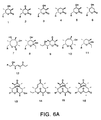
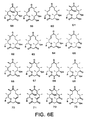
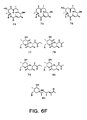
- Particularly preferred embodiments of formula (1) include compound 4 shown in Figure 6A .
- the polyketides include the compounds of formula (2) and the glycosylated forms thereof. These compounds include the polyketide structure: including the isolated stereoisomeric forms thereof;
- the polyketides include the compounds of structure (3) and the glycosylated forms thereof.
- Thecompounds include the polyketide structure: including the isolated stereoisomeric forms thereof;
- the antibiotic forms of the polyketide of formula (3) are the corresponding glycosylated forms.
- Still other compounds are those of the following formula, including the glycosylated forms thereof. These are derived from the compound of formula (4) which has the structure: including the isolated stereoisomeric forms thereof;
- Still other compounds are the result of the condensation of five modules of the polyketide synthase system.
- the polyketide forms of these compounds are of the formula: including the glycosylated and isolated stereoisomeric forms thereof;
- glycosylated forms of these compounds are also useful antibiotics.
- Resulting from the condensation effected by six modules are the compounds which comprise the formula: including the glycosylated and isolated stereoisomeric forms thereof;
- Preferred compounds comprising formula 6 are those wherein at least three of R 1 -R 5 are alkyl (1-4C), preferably methyl or ethyl; more preferably wherein at least four of R 1 -R 5 are alkyl (1-4C), preferably methyl or ethyl.
- X 3 is H
- X 1 is OH
- X 4 is OH and/or X 5 is OH
- Still others include those of the formula: including the isolated stereoisomeric forms thereof;
- glycosylated forms are useful antibiotics.
- R* in the compounds described herein may be substituted as well as unsubstituted.
- Suitable substituents include halo (F, Cl, Br, I), N 3 , OH, O-alkyl (1-6C), S-alkyl (1-6C), CN, O-acyl (1-7C), O-aryl (6-10C), O-alkyl-aryl (7-14C), NH 2 , NH-alkyl (1-6C) and N-(alkyl) 2 .
- Suitable substituents on R 1 are selected from the same group as those for R*
- the substituents on R 1 and R* may form a ring system such as an epoxide ring, or a larger heterocyclic ring including O, or N or S.
- Preferred substituents for R* and R 1 are halo, OH and NH 2 . Unsubstituted forms are also preferred.
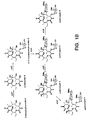
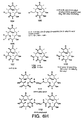
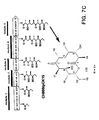
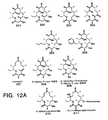
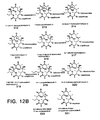
- antibiotics are compounds of formulas 82-93 as set forth in Figure 8 herein.
- Still another compound is set forth as compound 94 in Figure 9 . Its glycosylated form, shown as compound 95, is useful as an antibiotic.
- pRM5 also described in WO 95/08548 , includes a colEI replicon, an appropriately truncated SCP2* Streptomyces replicon, two act -promoters to allow for bidirectional cloning, the gene encoding the actII-ORF4 activator which induces transcription from act promoters during the transition from growth phase to stationary phase, and appropriate marker genes.
- Engineered restriction sites facilitate the combinatorial construction of PKS gene clusters starting from cassettes encoding individual domains of naturally occurring PKSs.
- PCR Polymerase chain reaction
- Taq polymerase Perkin Elmer Cetus
- Standard in vitro techniques were used for DNA manipulations ( Sambrook, et al. Molecular Cloning: A Laboratory Manual (Current Editi on)).
- E. coli was transformed with a Bio-Rad E . Coli Pulsing apparatus using protocols provided by Bio-Rad.
- S. coelicolor was transformed by standard procedures (Hopwood, D.A. et al. Genetic manipulation of Streptomyces. A laboratory manual. The John Innes Foundation: Norwich, 1985) and transformants were selected using 2 mL of a 500 ⁇ g/ml thiostrepton overlay.
- the entire erythromycin PKS gene cluster can be recovered on a single plasmid if desired. This is illustrated below utilizing derivatives of the plasmid pMAK705 (Hamilton et al. J Bacteriol (1989) 171:4617) to permit in vivo recombination between a temperature-sensitive donor plasmid, which is capable of replication at a first, permissive temperature and incapable of replication at a second, non-permissive temperature, and recipient plasmid.
- pCK7 a derivative of pRM5 ( McDaniel et al. Science (1993) 262:1546 ).
- a control plasmid. pCK7f was constructed to carry a frameshift mutation in eryA1.
- pCK7 and pCK7f possess a ColE I replicon for genetic manipulation in E. coli as well as a truncated SCP2* (low copy number) Streptomyces replicon.
- These plasmids also contain the divergent act I/ act III promoter pair and act II-ORF4, an activator gene, which is required for transcription from these promoters and activates expression during the transition from growth to stationary phase in the vegetative mycelium.
- High-level expression of PKS genes occurs at the onset of the stationary phase of mycelial growth.
- the recombinant strains therefore produce the encoded polyketides as secondary metabolites.
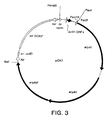
- pCK7 ( Figure 3 ), a shuttle plasmid containing the complete eryA genes, which were originally cloned from pS1 ( Tuan et al. Gene (1990) 90:21 ), was constructed as follows.
- the modular DEBS PKS genes were transferred incrementally from a temperature-sensitive "donor" plasmid, i.e., a plasmid capable of replication at a first, permissive temperature and incapable of replication at a second, non-permissive temperature, to a "recipient" shuttle vector via a double recombination event, as depicted in Figure 4 .
- coli was transformed with pCK5 and pCK6 and subjected to carbenicillin and chloramphenicol selection at 30°C. Colonies harboring both plasmids (Ap R , Cm R ) were then restreaked at 44°C on carbenicillin and chloramphenicol plates. Only cointegrates formed by a single recombination event between the two plasmids were viable. Surviving colonies were propagated at 30°C under carbenicillin selection, forcing the resolution of the cointegrates via a second recombination event. To enrich for pCK7 recombinants, colonies were restreaked again on carbenicillin plates at 44°C.
- pCK7 Approximately 20% of the resulting colonies displayed the desired phenotype (Ap R , Tc S , Cm S ).
- the final pCK7 candidates were thoroughly checked via restriction mapping.
- pCK7 and pCK7f were transformed into E. coli ET12567 ( MacNeil J Bacteriol (1988) 170:5607 ) to generate unmethylated plasmid DNA and subsequently moved into Streptomyces coelicolor CH999.
- a subclone was made containing endonuclease restriction sites engineered at selected boundaries of the acyltransferase (AT) and reduction (KR or DH/ER/KR) domains.
- the restriction sites were introduced into the subclones by PCR mutagenesis.
- a Bam HI site was used for the 5' boundary of AT domains
- a Pst I site was introduced between the AT and reductive domains
- Xba I was used ai the 3' end of the reductive domain (see Figure 5 ).
- Module 1 (pKOS011-16) 5' AT boundary GCGCAGCAG ggatcc GTCTTCGTC AT/KR boundary CGCGTCTGG ctgcag CCGAAGCCG 3' KR boundary CCGGCCGAAt ctaga GTGGGCGCG Module 2 (pKOS001-11) 5' AT boundary TCCGACGGT ggatcc GTGTTCGTC AT/KR boundary CGGTTCTGG ctgcag CCGGACCGC 3' KR boundary ACGGAGAGC tctaga GACCGGCTG Module 3 (pKOS024-2) 5' AT boundary GACGGGCGC ggatcc GTCTTCCTG AT/KR boundary CGCTACTGG ctgcag CCCGCCGCA 3' KR boundary ACCGGCGAG tctaga CAACGGCTC Module 4 (pKOS024-3) 5' AT boundary GACGGGCGC ggatcc GTCTTCCTG AT/KR boundary CGCTACTGG ctg
- a cosmid library of genomic DNA from Streptomyces hygroscopicus ATCC 29253 was used to prepare DNA cassettes prepared from the rapamycin PKS gene cluster to be used as replacements into the enzymatic activity regions of the erythromycin gene cluster.
- Cassettes were prepared by PCR amplification from appropriate cosmids or subclones using the primer pairs listed in Table 1, and were designed to introduce suitable restriction sites at the ends of the cassettes.
- the rapAT2 cassette is flanked by Bgl II and Pst I sites, and the rapAT14 cassette is flanked by Bam HI and Pst I sites.
- the reductive cycle cassettes are flanked by Pst I and Xba I sites.
- DH/ER/KR cassettes were amplified in two pieces, then joined at an engineered Xho I site in order to minimize errors introduced during PCR amplification of long DNA sequences.
- the rapKR4 cassette was made by cloning a 1.3kb Nhe I/ Xba I fragment from the rapDH/KR4 cassette above into the Xba I site in pUC19. There is a Pst I site that is in-frame and upstream of Xba I in pUC19 that generates the following junction at the 5'-end of the cassette: 5'- ctgcag GTCGAC TCTAGC CTGGT...
- rapAT2 forward: TTT agatct GTGTTCGTCTTCCCGGGT Reverse: TT ctgcag CCAGTACCGCTGGTGCTGGAAGGCGTA rapAT14 Forward: TTT ggatcc GCCTTCCTGTTCGACGGGCAAGGC Reverse: TTT ctgcag CCAGTAGGACTGGTGCTGGAACGG rapKR2 Forward: TTT ctgcag GAGGGCACGGACCGGGCGACTGCGGGT Reverse: TTT tctaga ACCGGCGGCAGCGGCCCGCCGAGCAAT rapDH/KR4 Forward: TT ctgcag AGCGTGGACCGGGCGGCT Reverse: TTT tctaga GTCACC
- a donor plasmid was prepared by first amplifying 1 kbp regions flanking the DH/ER/KR4 of DEBS to contain a Pst I site at the 3' end of the left flank and an Xba I site at the 5' end of the right flank. The fragments were ligated into a temperature-sensitive donor plasmid, in a manner analogous to that set forth for KR6 in paragraph b) of this example, and the rapamycin cassettes prepared as described in Example 2 were inserted into the Pst I/ Xba I sites.
- the recipient plasmid was pCK7 described in Preparation A.
- the in vivo recombination technique resulted in the expression plasmid pKOS011-19 (eryDH/ER/KR4 ⁇ rapDH/ER/KR1) and pKOS011-21 (eryDH/ER/KR4 ⁇ rapDH/KR4).
- the junctions at which the Pst I and Xba I sites were introduced into DEBS in both vectors are as follows:
- a duplex oligonucleotide linker ( ⁇ Rdx) was designed to allow complete excision of reductive cycle domains.
- Two synthetic oligonucleotides (SEQ ID NOS:46-47): were designed to generate Pst I - and Xba I-compatible ends upon hybridization. This duplex linker was ligated into the Pst I - and Xba I-sites of the recombination donor plasmid containing the appropriate left- and right-flanking regions of the reductive domain to be excised. The in vivo recombination technique of Example 3, paragraph a) was then used.
- the donor plasmid contained the duplex linker ⁇ Rdx having a Pst I and Xba I compatible end ligated into the Pst I and Xba I sites of the plasmid modified to contain the left and right flanking regions of the reductive domain to be excised.
- the donor plasmids were recombined with recipient plasmid pCK7 to generate pKOS011-13 (eryKR6 ⁇ ⁇ Rdx) and with recipient plasmid pCK13 to obtain pKOS005-4 (eryKR2 ⁇ ⁇ Rdx). When transformed into S .
- coelicolor CH999, plasmid pKOS011-13 produced the polyketides 30, 31, 77 and 78 where R is methyl or H in each case;
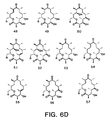
- plasmid pKOS005-4 produced the polyketide 2 where R is methyl or H ( Figure 6 ).
- Plasmids pCK52 and pCK15 respectively contained the genes encoding the bimodular ("1+2+TE") and pentamodular (" 1 +2+3+4+5+TE”) PKSs.
- the 1+2+TE PKS in pCK12 contained a fusion of the carboxy-terminal end of the acyl carrier protein of module 2 (ACP-2) to the carboxy-terminal end of the acyl carrier protein of module 6 (ACP-6).
- ACP-2 is essentially intact and is followed by the amino acid sequence naturally found between ACP-6 and the TE.
- Plasmid pCK12 contained ery A DNA originating from pS1 ( Tuan, J. S. et al. Gene (1990) 90:21 ).
- pCK12 is identical to pCK7 ( Kao et al. Science (1994 ), supra ) except for a deletion between the carboxy-terminal ends of ACP-2 and ACP-6.
- the fusion occurs between residues L3455 of DEBS1 and Q2891 of DEBS3.
- An Spe I site is present between these two residues so that the DNA sequence at the fusion is CTCACTAGTCAG (SEQ ID NO:48).
- the 1+2+3+4+5+TE PKS in pCK15 contained a fusion 76 amino acids downstream of the ⁇ -ketoreductase of module 5 (KR-5) and five amino acids upstream of ACP-6. Thus, the fusion occurs towards the carboxy-terminal end of the non-conserved region between KR-5 and ACP-5, and the recombinant module 5 was essentially a hybrid between the wild type modules 5 and 6.
- Plasmid pCK15 contained ery A DNA originating from pS1 ( Tuan et al. Gene (1990 ), supra ).
- pCK15 is a derivative of pCK7 ( Kao et al.
- pCK15 is identical to pCK7 with the exception of a deletion between KR-5 and ACP-6, which occurs between residues G1372 and A2802 of DEBS3, and the insertion of a blunted Sal I fragment containing a kanamycin resistance gene ( Oka A. et al. J Mol Biol (1981) 147:217 ) into the blunted Hind III site of pCK7.
- An arginine residue is present between G1372 and A2802 so that the DNA sequence at the fusion is GGCCGCGCC.
- Plasmids pCK12 and pCK15 were introduced into S .
- coelicolor CH999 and polyketide products were purified from the transformed strains according to methods previously described ( Kao et al. Science (1994), supra ) .
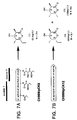
- CH999/pCK12 produced the heptanoic acid L-lactone (compound 1 in Figure 6 , where R is methyl; also see Figure 7 ) (20 mg/L) as determined by 1 H and 13 C NMR spectroscopy.
- This triketide product is identical to that produced by CH999/pCK9, which expresses the unmodified DEBS1 protein alone described above.
- CH999/pCK12 produced this compound in significantly greater quantities than did CH999/pCK9 (>10 mg/L vs. ⁇ 1 mg/L), indicating the ability of the TE to catalyze thiolysis of a triketide chain attached to the ACP domain of module 2.
- CH999/pCK12 also produced significant quantities of compound (R is H), a novel analog of compound (R is methyl), (10 mg/L), that resulted from the incorporation of an acetate start unit instead of propionate. This is reminiscent of the ability of CH999/pCK7, which expresses the intact PKS, to produce 8,8a-deoxyoleandolide (see Figure 1A ) in addition to 6dEB described above.
- CH999/pCK15 produced abundant quantities of (8R,9S)-8,9-dihydro-8-methyl-9-hydroxy-10-deoxymethonolide (compound 13 in Figure 6 ) (10 mg/L), demonstrating that the pentamodular PKS is active.
- Compound 13 was characterized using 1 H and 13 C NMR spectroscopy of natural abundance and 13 C-enriched material, homonuclear correlation spectroscopy (COSY), heteronuclear correlation spectroscopy (HETCOR), mass spectrometry, and molecular modeling.
- Compound 13 is an analog of 10-deoxymethonolide (compound 14, Lambalot, R.H. et al.
- the 12-membered lactone ring formed by esterification of the terminal carboxyl with the C-11 hydroxyl of the hexaketide product, indicated the ability of the 1+2+3+4+5+TE PKS, and possibly the TE itself, to catalyze lactonization of a polyketide chain one acyl unit shorter than the natural product of DEBS, 6dEB.
- the formation of compound 13 may mimic the biosynthesis of the closely related 12-membered hexaketide macrolide, methymycin, which frequently occurs with the homologous 14-membered heptaketide macrolides, picromycin and/or narbomycin ( Cane, D. E. et al. J Am Chem Soc (1993) 115:522-566 ).
- the erythromycin PKS scaffold can.thus be used to generate a wide range of macrolactones with shorter as well as longer chain lengths.
- Transformants were grown on 150 mm R2YE agar plates for 2 days at 30°C, at which time the agar slab was lifted from the dish and placed in a new dish which contained a layer of 4 mm glass beads, 50 mL of liquid R2YE medium supplemented with 5 mM sodium propionate, and ca. 1 g of XAD-16 resin beads. This was kept at 30°C for an additional 7 days.
- the XAD-16 resin was collected by vacuum filtration, washed with water, then extracted twice with 10 mL portions of ethanol. The extracts were combined and evaporated to a slurry, which was extracted with ethyl acetate. The ethyl acetate was washed once with sat. NaHCO 3 and evaporated to yield the crude product. Samples were dissolved in ethanol and analyzed by LC/MS. The HPLC used a 4.6 x 150 mm C 18 reversed-phase column with a gradient from 80:19:1 H 2 O/CH 3 CN/CH 3 CO 2 H to 99:1 CH 3 CN/CH 3 CO 2 H.
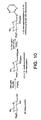
- a solution of compound 94 in methanol is cooled to -40°C, and ozone is bubbled into the solution until formation of I 2 is observed in a KI solution attached to the outlet of the reaction vessel. Excess ozone is purged from the solution by sparging with nitrogen gas, providing a solution of the ozonide of compound 94. Treatment of this solution with Me 2 S will reduce the ozonide to the aldehyde, compound 108.
- the ozonide can be oxidized by addition of H 2 O 2 to provide the corresponding carboxylic acid, compound 109.
- the aldol adduct was treated with t-butyldimethylsilyl trifluoromethanesulfonate (0.63 mL, 2.7 mmol) and 2,6-lutidine (0.35 mL, 3 mmol) in THF at 0°C, yielding the O-silyl ether in quantitative yield after chromatography (4:1 hexane/ethyl acetate).
- the acid was dissolved in 10 mL of anhydrous dimethylformamide and cooled on ice. After addition of diphenylphosphorylazide (1.25 mL) and triethylamine (1.06 mL), the mixture was stirred for 2 hrs on ice.
- N-acetylcysteamine (1.5 mL) was added, and the mixture was stirred overnight at room temperature. After dilution with water, the mixture was extracted 3 times with ethyl acetate. The extracts were combined, washed with brine, dried over Na 2 SO 4 , filtered, and evaporated to provide the crude O-silyl thioester. Chromatography (1:1 hexane/ethyl acetate) provided pure product (460 mg, 70%).
- the O-silyl thioester (400 mg) was dissolved in 25 mL of acetonitrile, and 5 mL of water was added followed by 2 mL of 48% HF. After 2 hours, an additional 2 mL of 48% HF was added. After a total of 3.5 hours, the reaction was stopped by addition of sat. NaHCO 3 to neutral pH. The product was extracted with 3 portions of ethyl acetate, and the combined extracts were washed with brine, dried over Na 2 SO 4 , filtered, and evaporated to provide the desilylated thioester.
- diketide thioesters were prepared by substitution of appropriate aldehydes in place of acrolein.
- Antibacterial activity was determined using either disk diffusion assays with Bacillus cereus as the test organism or by measurement of minimum inhibitory concentrations (MIC) in liquid culture against sensitive and resistant strains of Staphylococcus pneumoniae.
- MIC minimum inhibitory concentrations
Landscapes
- Health & Medical Sciences (AREA)
- Chemical & Material Sciences (AREA)
- Organic Chemistry (AREA)
- Life Sciences & Earth Sciences (AREA)
- Genetics & Genomics (AREA)
- Engineering & Computer Science (AREA)
- Biomedical Technology (AREA)
- Molecular Biology (AREA)
- Biotechnology (AREA)
- General Health & Medical Sciences (AREA)
- Wood Science & Technology (AREA)
- Biochemistry (AREA)
- Zoology (AREA)
- Bioinformatics & Cheminformatics (AREA)
- General Engineering & Computer Science (AREA)
- Medicinal Chemistry (AREA)
- Microbiology (AREA)
- Animal Behavior & Ethology (AREA)
- General Chemical & Material Sciences (AREA)
- Chemical Kinetics & Catalysis (AREA)
- Oncology (AREA)
- Physics & Mathematics (AREA)
- Biophysics (AREA)
- Veterinary Medicine (AREA)
- Plant Pathology (AREA)
- Public Health (AREA)
- Nuclear Medicine, Radiotherapy & Molecular Imaging (AREA)
- Communicable Diseases (AREA)
- Pharmacology & Pharmacy (AREA)
- Saccharide Compounds (AREA)
- Pharmaceuticals Containing Other Organic And Inorganic Compounds (AREA)
- Micro-Organisms Or Cultivation Processes Thereof (AREA)
- Apparatus Associated With Microorganisms And Enzymes (AREA)
- Preparation Of Compounds By Using Micro-Organisms (AREA)
- Pyrane Compounds (AREA)
- Heterocyclic Carbon Compounds Containing A Hetero Ring Having Oxygen Or Sulfur (AREA)
Applications Claiming Priority (5)
| Application Number | Priority Date | Filing Date | Title |
|---|---|---|---|
| US08/846,247 US6391594B1 (en) | 1993-09-20 | 1997-04-30 | Modified modular PKS with retained scaffold |
| US846247 | 1997-04-30 | ||
| US7691998P | 1998-03-05 | 1998-03-05 | |
| PCT/US1998/008792 WO1998049315A2 (en) | 1997-04-30 | 1998-04-30 | Combinatorial polyketide libraries produced using a modular pks gene cluster as scaffold |
| US76919P | 2008-06-30 |
Publications (2)
| Publication Number | Publication Date |
|---|---|
| EP0979286A2 EP0979286A2 (en) | 2000-02-16 |
| EP0979286B1 true EP0979286B1 (en) | 2014-01-29 |
Family
ID=26758639
Family Applications (1)
| Application Number | Title | Priority Date | Filing Date |
|---|---|---|---|
| EP98918891.7A Expired - Lifetime EP0979286B1 (en) | 1997-04-30 | 1998-04-30 | Combinatorial polyketide libraries produced using a modular pks gene cluster as scaffold |
Country Status (7)
| Country | Link |
|---|---|
| EP (1) | EP0979286B1 (enExample) |
| JP (1) | JP2001524829A (enExample) |
| AU (1) | AU732909B2 (enExample) |
| CA (1) | CA2288030A1 (enExample) |
| IL (1) | IL132590A0 (enExample) |
| NZ (1) | NZ500693A (enExample) |
| WO (1) | WO1998049315A2 (enExample) |
Families Citing this family (46)
| Publication number | Priority date | Publication date | Assignee | Title |
|---|---|---|---|---|
| US6063561A (en) * | 1991-01-17 | 2000-05-16 | Abbott Laboratories | Polyketide derivatives and recombinant methods for making same |
| US6066721A (en) * | 1995-07-06 | 2000-05-23 | Stanford University | Method to produce novel polyketides |
| US6495348B1 (en) | 1993-10-07 | 2002-12-17 | Regents Of The University Of Minnesota | Mitomycin biosynthetic gene cluster |
| US6399789B1 (en) | 1996-12-18 | 2002-06-04 | Kosan Biosciences, Inc. | Multi-plasmid method for preparing large libraries of polyketides and non-ribosomal peptides |
| GB9814006D0 (en) * | 1998-06-29 | 1998-08-26 | Biotica Tech Ltd | Polyketides and their synthesis |
| JP2002525026A (ja) | 1998-07-02 | 2002-08-13 | ザ ボード オブ リージェンツ オブ ザ レランド スタンフォード ジュニア ユニバーシティ | ポリケチドを作製するための方法 |
| CA2343880C (en) * | 1998-10-02 | 2008-08-26 | Kosan Biosciences, Inc. | Polyketide synthase enzymes and recombinant dna constructs therefor |
| JP2002528467A (ja) * | 1998-10-28 | 2002-09-03 | コーサン バイオサイエンシーズ, インコーポレイテッド | 新規な「不自然な(unnatural)」天然生成物のライブラリ |
| EP1135470A2 (en) | 1998-11-20 | 2001-09-26 | Kosan Biosciences, Inc. | Recombinant methods and materials for producing epothilone and epothilone derivatives |
| US6410301B1 (en) | 1998-11-20 | 2002-06-25 | Kosan Biosciences, Inc. | Myxococcus host cells for the production of epothilones |
| US6358712B1 (en) | 1999-01-05 | 2002-03-19 | Trustee Of Boston University | Ordered gene assembly |
| EP1141275B1 (en) | 1999-01-05 | 2009-08-12 | Trustees Of Boston University | Improved nucleic acid cloning |
| WO2000044717A2 (en) * | 1999-01-27 | 2000-08-03 | Kosan Biosciences, Inc. | Synthesis of oligoketides |
| EP1754700A3 (en) * | 1999-01-27 | 2007-05-09 | Kosan Biosciences, Inc. | Synthesis of oligoketides |
| CA2359801A1 (en) * | 1999-02-09 | 2000-08-17 | Rajesh S. Gokhale | Methods to mediate polyketide synthase module effectiveness |
| US7001748B2 (en) | 1999-02-09 | 2006-02-21 | The Board Of Trustees Of The Leland Stanford Junior University | Methods of making polyketides using hybrid polyketide synthases |
| US6451768B1 (en) | 1999-04-16 | 2002-09-17 | Kosan Biosciences, Inc. | Macrolide antiinfective agents |
| CN1373767A (zh) * | 1999-04-16 | 2002-10-09 | 奥索-麦克尼尔药品公司 | 酮式大环内酯抗菌剂 |
| DE60028956T2 (de) * | 1999-04-16 | 2006-11-30 | Kosan Biosciences, Inc., Hayward | Multi-plasmid verfahren zur herstellung von grossen bibliotheken von polyketiden und nicht-ribosomalen peptiden |
| US6590083B1 (en) | 1999-04-16 | 2003-07-08 | Ortho-Mcneil Pharmaceutical, Inc. | Ketolide antibacterials |
| GB9912563D0 (en) * | 1999-05-28 | 1999-07-28 | Biotica Tech Ltd | Polyketides and their synthesis |
| GB9913694D0 (en) * | 1999-06-11 | 1999-08-11 | Simper Adrian M | DNA manipulation methods and applications for synthetic enzymes |
| US6569867B2 (en) | 1999-10-01 | 2003-05-27 | Kosan Biosciences, Inc. | Polyketide derivatives |
| US7033818B2 (en) | 1999-10-08 | 2006-04-25 | Kosan Biosciences, Inc. | Recombinant polyketide synthase genes |
| US6524841B1 (en) | 1999-10-08 | 2003-02-25 | Kosan Biosciences, Inc. | Recombinant megalomicin biosynthetic genes and uses thereof |
| DE60026563D1 (de) | 1999-10-25 | 2006-05-04 | Kosan Biosciences Inc | Herstellung von polyketiden |
| MXPA02004153A (es) | 1999-10-27 | 2002-10-17 | Kosan Biosciences Inc | Produccion heterologa de policetidos. |
| ATE356880T1 (de) | 1999-10-29 | 2007-04-15 | Kosan Biosciences Inc | Rapamycin analoge |
| WO2001059126A2 (en) | 2000-02-08 | 2001-08-16 | Norges Teknisk Naturvitenskapelige Universitet | Gene cluster encoding a nystatin polyketide synthase and its manipulation and utility |
| WO2001079520A1 (en) * | 2000-04-13 | 2001-10-25 | Biotica Technology Limited | Hybrid glycosylated products and their production and use |
| US6838265B2 (en) | 2000-05-02 | 2005-01-04 | Kosan Biosciences, Inc. | Overproduction hosts for biosynthesis of polyketides |
| AU2001275012A1 (en) | 2000-05-30 | 2001-12-11 | Kosan Biosciences, Inc. | Design of polyketide synthase genes |
| WO2002099113A1 (en) * | 2001-06-01 | 2002-12-12 | Ajinomoto Co., Inc. | Macrolide compounds, antifungal agents using the same, macrolide compound-producing bacterium belonging to the genus sorangium and process for producing macrolide compounds using the same |
| US7189549B2 (en) * | 2002-06-14 | 2007-03-13 | Kosan Biosciences, Inc. | Recombinant polynucleotides encoding pro-geldanamycin producing polyketide synthase and accessory proteins, and uses thereof |
| US7427493B2 (en) | 2002-06-28 | 2008-09-23 | Kosan Biosciences Incorporated | Recombinant genes for polyketide modifying enzymes |
| KR100549690B1 (ko) | 2003-10-23 | 2006-02-07 | 상하이 지아오통 대학 | 에프알-008 폴리케타이드 합성에 관여하는 유전자 |
| EP1751279A4 (en) | 2004-05-05 | 2008-03-19 | Univ Minnesota | NUCLEIC ACIDS AND POLYPEPTIDES INVOLVED IN THE PREPARATION OF CRYPTOPHYCIN |
| US20050272166A1 (en) * | 2004-05-06 | 2005-12-08 | Li Jin | Methods and systems for detection, identification and quantitation of macrolides and their impurities |
| US7566558B2 (en) | 2006-07-28 | 2009-07-28 | Regents Of The University Of Michigan | Nucleic acids and polypeptides involved in the production of cryptophycin |
| US8759031B2 (en) | 2007-04-12 | 2014-06-24 | Wisconsin Alumni Research Foundation | Type I polyketide synthase extender units |
| WO2009121066A1 (en) | 2008-03-28 | 2009-10-01 | The Regents Of The University Of California | Producing dicarboxylic acids using polyketide synthases |
| CN102014623A (zh) * | 2008-04-29 | 2011-04-13 | 加利福尼亚大学董事会 | 使用聚酮化物合酶制备生物燃料 |
| US8852902B2 (en) | 2010-11-22 | 2014-10-07 | The Regents Of The University Of California | Producing a trimethylpentanoic acid using hybrid polyketide synthases |
| GB201312318D0 (en) * | 2013-07-09 | 2013-08-21 | Isomerase Therapeutics Ltd | Novel methods and compounds |
| US10233431B2 (en) | 2014-02-26 | 2019-03-19 | The Regents Of The University Of California | Producing 3-hydroxycarboxylic acid and ketone using polyketide synthases |
| CN112301005B (zh) * | 2020-11-09 | 2023-01-24 | 浙江大学 | 一种6-脱氧赤酮酸内酯b合酶复合体3的制备方法 |
Family Cites Families (2)
| Publication number | Priority date | Publication date | Assignee | Title |
|---|---|---|---|---|
| US5712146A (en) * | 1993-09-20 | 1998-01-27 | The Leland Stanford Junior University | Recombinant combinatorial genetic library for the production of novel polyketides |
| EP0910633B1 (en) | 1996-07-05 | 2009-12-09 | Biotica Technology Limited | Hybrid polyketide synthase I gene |
-
1998
- 1998-04-30 IL IL13259098A patent/IL132590A0/xx unknown
- 1998-04-30 AU AU71722/98A patent/AU732909B2/en not_active Ceased
- 1998-04-30 EP EP98918891.7A patent/EP0979286B1/en not_active Expired - Lifetime
- 1998-04-30 JP JP54741398A patent/JP2001524829A/ja not_active Withdrawn
- 1998-04-30 WO PCT/US1998/008792 patent/WO1998049315A2/en not_active Ceased
- 1998-04-30 NZ NZ500693A patent/NZ500693A/en active Application Revival
- 1998-04-30 CA CA002288030A patent/CA2288030A1/en not_active Abandoned
Also Published As
| Publication number | Publication date |
|---|---|
| WO1998049315A3 (en) | 1999-01-14 |
| JP2001524829A (ja) | 2001-12-04 |
| AU7172298A (en) | 1998-11-24 |
| AU732909B2 (en) | 2001-05-03 |
| IL132590A0 (en) | 2001-03-19 |
| NZ500693A (en) | 2004-01-30 |
| EP0979286A2 (en) | 2000-02-16 |
| CA2288030A1 (en) | 1998-11-05 |
| WO1998049315A2 (en) | 1998-11-05 |
Similar Documents
| Publication | Publication Date | Title |
|---|---|---|
| EP0979286B1 (en) | Combinatorial polyketide libraries produced using a modular pks gene cluster as scaffold | |
| US6391594B1 (en) | Modified modular PKS with retained scaffold | |
| US6984515B2 (en) | Macrolide analogs | |
| AU765821B2 (en) | Methods for making polyketides | |
| JP2003512013A (ja) | 組換えオレアンドライドポリケチドシンターゼ | |
| WO2000024907A2 (en) | Library of novel "unnatural" natural products | |
| JP2002516090A (ja) | 組換えナルボノライドポリケチドシンターゼ | |
| US6927057B2 (en) | Macrolide analogs | |
| US7741456B2 (en) | Polyketides and antibiotics produced by combinatorial techniques | |
| AU769288B2 (en) | Combinatorial polyketide libraries produced using a modular PKS gene cluster as scaffold | |
| EP1171583B1 (en) | A multi-plasmid method for preparing large libraries of polyketides and non-ribosomal peptides | |
| US20040209322A1 (en) | Combinatorial polyketide libraries produced using a modular PKS gene cluster as scaffold | |
| US20010024810A1 (en) | Method to prepare macrolide analogs | |
| JP2008169226A (ja) | 足場としてモジュラー性pks遺伝子クラスターを使用して生成されるコンビナトリアルなポリケチドライブラリー | |
| US20080003648A1 (en) | Method to prepare macrolide analogs | |
| US20030148469A1 (en) | Combinatorial polyketide libraries produced using a modular PKS gene cluster as scaffold | |
| JP2009213479A (ja) | ポリケチド類及びそれらの合成 |
Legal Events
| Date | Code | Title | Description |
|---|---|---|---|
| PUAI | Public reference made under article 153(3) epc to a published international application that has entered the european phase |
Free format text: ORIGINAL CODE: 0009012 |
|
| 17P | Request for examination filed |
Effective date: 19991124 |
|
| AK | Designated contracting states |
Kind code of ref document: A2 Designated state(s): AT BE CH CY DE DK ES FI FR GB GR IE IT LI LU MC NL PT SE |
|
| RIN1 | Information on inventor provided before grant (corrected) |
Inventor name: MCDANIEL, ROBERT Inventor name: KAO, CAMILLA, M. Inventor name: FU, HONG Inventor name: ASHLEY, GARY Inventor name: KHOSLA, CHAITAN |
|
| 17Q | First examination report despatched |
Effective date: 20030318 |
|
| RAP1 | Party data changed (applicant data changed or rights of an application transferred) |
Owner name: THE BOARD OF TRUSTEES OF THE LELAND STANFORD JUNIO Owner name: KOSAN BIOSCIENCES |
|
| TPAC | Observations filed by third parties |
Free format text: ORIGINAL CODE: EPIDOSNTIPA |
|
| 17Q | First examination report despatched |
Effective date: 20030318 |
|
| GRAP | Despatch of communication of intention to grant a patent |
Free format text: ORIGINAL CODE: EPIDOSNIGR1 |
|
| INTG | Intention to grant announced |
Effective date: 20130822 |
|
| GRAS | Grant fee paid |
Free format text: ORIGINAL CODE: EPIDOSNIGR3 |
|
| GRAA | (expected) grant |
Free format text: ORIGINAL CODE: 0009210 |
|
| AK | Designated contracting states |
Kind code of ref document: B1 Designated state(s): AT BE CH CY DE DK ES FI FR GB GR IE IT LI LU MC NL PT SE |
|
| REG | Reference to a national code |
Ref country code: GB Ref legal event code: FG4D |
|
| REG | Reference to a national code |
Ref country code: CH Ref legal event code: EP |
|
| REG | Reference to a national code |
Ref country code: AT Ref legal event code: REF Ref document number: 651534 Country of ref document: AT Kind code of ref document: T Effective date: 20140215 |
|
| REG | Reference to a national code |
Ref country code: IE Ref legal event code: FG4D |
|
| REG | Reference to a national code |
Ref country code: DE Ref legal event code: R096 Ref document number: 69843197 Country of ref document: DE Effective date: 20140313 |
|
| REG | Reference to a national code |
Ref country code: NL Ref legal event code: T3 |
|
| REG | Reference to a national code |
Ref country code: CH Ref legal event code: NV Representative=s name: ISLER AND PEDRAZZINI AG, CH |
|
| REG | Reference to a national code |
Ref country code: AT Ref legal event code: MK05 Ref document number: 651534 Country of ref document: AT Kind code of ref document: T Effective date: 20140129 |
|
| PG25 | Lapsed in a contracting state [announced via postgrant information from national office to epo] |
Ref country code: SE Free format text: LAPSE BECAUSE OF FAILURE TO SUBMIT A TRANSLATION OF THE DESCRIPTION OR TO PAY THE FEE WITHIN THE PRESCRIBED TIME-LIMIT Effective date: 20140129 Ref country code: FI Free format text: LAPSE BECAUSE OF FAILURE TO SUBMIT A TRANSLATION OF THE DESCRIPTION OR TO PAY THE FEE WITHIN THE PRESCRIBED TIME-LIMIT Effective date: 20140129 Ref country code: CY Free format text: LAPSE BECAUSE OF FAILURE TO SUBMIT A TRANSLATION OF THE DESCRIPTION OR TO PAY THE FEE WITHIN THE PRESCRIBED TIME-LIMIT Effective date: 20140129 Ref country code: PT Free format text: LAPSE BECAUSE OF FAILURE TO SUBMIT A TRANSLATION OF THE DESCRIPTION OR TO PAY THE FEE WITHIN THE PRESCRIBED TIME-LIMIT Effective date: 20140529 Ref country code: AT Free format text: LAPSE BECAUSE OF FAILURE TO SUBMIT A TRANSLATION OF THE DESCRIPTION OR TO PAY THE FEE WITHIN THE PRESCRIBED TIME-LIMIT Effective date: 20140129 Ref country code: ES Free format text: LAPSE BECAUSE OF FAILURE TO SUBMIT A TRANSLATION OF THE DESCRIPTION OR TO PAY THE FEE WITHIN THE PRESCRIBED TIME-LIMIT Effective date: 20140129 |
|
| PG25 | Lapsed in a contracting state [announced via postgrant information from national office to epo] |
Ref country code: BE Free format text: LAPSE BECAUSE OF FAILURE TO SUBMIT A TRANSLATION OF THE DESCRIPTION OR TO PAY THE FEE WITHIN THE PRESCRIBED TIME-LIMIT Effective date: 20140129 |
|
| REG | Reference to a national code |
Ref country code: DE Ref legal event code: R097 Ref document number: 69843197 Country of ref document: DE |
|
| PG25 | Lapsed in a contracting state [announced via postgrant information from national office to epo] |
Ref country code: DK Free format text: LAPSE BECAUSE OF FAILURE TO SUBMIT A TRANSLATION OF THE DESCRIPTION OR TO PAY THE FEE WITHIN THE PRESCRIBED TIME-LIMIT Effective date: 20140129 |
|
| PG25 | Lapsed in a contracting state [announced via postgrant information from national office to epo] |
Ref country code: LU Free format text: LAPSE BECAUSE OF FAILURE TO SUBMIT A TRANSLATION OF THE DESCRIPTION OR TO PAY THE FEE WITHIN THE PRESCRIBED TIME-LIMIT Effective date: 20140430 Ref country code: MC Free format text: LAPSE BECAUSE OF FAILURE TO SUBMIT A TRANSLATION OF THE DESCRIPTION OR TO PAY THE FEE WITHIN THE PRESCRIBED TIME-LIMIT Effective date: 20140129 |
|
| PLBE | No opposition filed within time limit |
Free format text: ORIGINAL CODE: 0009261 |
|
| STAA | Information on the status of an ep patent application or granted ep patent |
Free format text: STATUS: NO OPPOSITION FILED WITHIN TIME LIMIT |
|
| 26N | No opposition filed |
Effective date: 20141030 |
|
| REG | Reference to a national code |
Ref country code: IE Ref legal event code: MM4A |
|
| REG | Reference to a national code |
Ref country code: DE Ref legal event code: R097 Ref document number: 69843197 Country of ref document: DE Effective date: 20141030 |
|
| PG25 | Lapsed in a contracting state [announced via postgrant information from national office to epo] |
Ref country code: IE Free format text: LAPSE BECAUSE OF NON-PAYMENT OF DUE FEES Effective date: 20140430 |
|
| REG | Reference to a national code |
Ref country code: FR Ref legal event code: PLFP Year of fee payment: 19 |
|
| PG25 | Lapsed in a contracting state [announced via postgrant information from national office to epo] |
Ref country code: IT Free format text: LAPSE BECAUSE OF FAILURE TO SUBMIT A TRANSLATION OF THE DESCRIPTION OR TO PAY THE FEE WITHIN THE PRESCRIBED TIME-LIMIT Effective date: 20140129 Ref country code: GR Free format text: LAPSE BECAUSE OF FAILURE TO SUBMIT A TRANSLATION OF THE DESCRIPTION OR TO PAY THE FEE WITHIN THE PRESCRIBED TIME-LIMIT Effective date: 20140430 |
|
| REG | Reference to a national code |
Ref country code: FR Ref legal event code: PLFP Year of fee payment: 20 |
|
| PGFP | Annual fee paid to national office [announced via postgrant information from national office to epo] |
Ref country code: NL Payment date: 20170406 Year of fee payment: 20 |
|
| PGFP | Annual fee paid to national office [announced via postgrant information from national office to epo] |
Ref country code: DE Payment date: 20170615 Year of fee payment: 20 Ref country code: FR Payment date: 20170420 Year of fee payment: 20 Ref country code: CH Payment date: 20170406 Year of fee payment: 20 Ref country code: GB Payment date: 20170425 Year of fee payment: 20 |
|
| REG | Reference to a national code |
Ref country code: DE Ref legal event code: R071 Ref document number: 69843197 Country of ref document: DE |
|
| REG | Reference to a national code |
Ref country code: NL Ref legal event code: MK Effective date: 20180429 |
|
| REG | Reference to a national code |
Ref country code: CH Ref legal event code: PL |
|
| REG | Reference to a national code |
Ref country code: GB Ref legal event code: PE20 Expiry date: 20180429 |
|
| PG25 | Lapsed in a contracting state [announced via postgrant information from national office to epo] |
Ref country code: GB Free format text: LAPSE BECAUSE OF EXPIRATION OF PROTECTION Effective date: 20180429 |