EP0941333B1 - Immunogene, nichtgiftige mutante des toxins lt-a aus e.coli - Google Patents
Immunogene, nichtgiftige mutante des toxins lt-a aus e.coli Download PDFInfo
- Publication number
- EP0941333B1 EP0941333B1 EP97910583A EP97910583A EP0941333B1 EP 0941333 B1 EP0941333 B1 EP 0941333B1 EP 97910583 A EP97910583 A EP 97910583A EP 97910583 A EP97910583 A EP 97910583A EP 0941333 B1 EP0941333 B1 EP 0941333B1
- Authority
- EP
- European Patent Office
- Prior art keywords
- protein
- sequence
- expression
- promoter
- sequences
- Prior art date
- Legal status (The legal status is an assumption and is not a legal conclusion. Google has not performed a legal analysis and makes no representation as to the accuracy of the status listed.)
- Expired - Lifetime
Links
Images




Classifications
-
- C—CHEMISTRY; METALLURGY
- C07—ORGANIC CHEMISTRY
- C07K—PEPTIDES
- C07K14/00—Peptides having more than 20 amino acids; Gastrins; Somatostatins; Melanotropins; Derivatives thereof
- C07K14/195—Peptides having more than 20 amino acids; Gastrins; Somatostatins; Melanotropins; Derivatives thereof from bacteria
- C07K14/24—Peptides having more than 20 amino acids; Gastrins; Somatostatins; Melanotropins; Derivatives thereof from bacteria from Enterobacteriaceae (F), e.g. Citrobacter, Serratia, Proteus, Providencia, Morganella, Yersinia
- C07K14/245—Escherichia (G)
-
- A—HUMAN NECESSITIES
- A61—MEDICAL OR VETERINARY SCIENCE; HYGIENE
- A61P—SPECIFIC THERAPEUTIC ACTIVITY OF CHEMICAL COMPOUNDS OR MEDICINAL PREPARATIONS
- A61P1/00—Drugs for disorders of the alimentary tract or the digestive system
- A61P1/12—Antidiarrhoeals
-
- A—HUMAN NECESSITIES
- A61—MEDICAL OR VETERINARY SCIENCE; HYGIENE
- A61P—SPECIFIC THERAPEUTIC ACTIVITY OF CHEMICAL COMPOUNDS OR MEDICINAL PREPARATIONS
- A61P31/00—Antiinfectives, i.e. antibiotics, antiseptics, chemotherapeutics
- A61P31/04—Antibacterial agents
-
- A—HUMAN NECESSITIES
- A61—MEDICAL OR VETERINARY SCIENCE; HYGIENE
- A61P—SPECIFIC THERAPEUTIC ACTIVITY OF CHEMICAL COMPOUNDS OR MEDICINAL PREPARATIONS
- A61P37/00—Drugs for immunological or allergic disorders
- A61P37/02—Immunomodulators
- A61P37/04—Immunostimulants
-
- A—HUMAN NECESSITIES
- A61—MEDICAL OR VETERINARY SCIENCE; HYGIENE
- A61K—PREPARATIONS FOR MEDICAL, DENTAL OR TOILETRY PURPOSES
- A61K38/00—Medicinal preparations containing peptides
-
- A—HUMAN NECESSITIES
- A61—MEDICAL OR VETERINARY SCIENCE; HYGIENE
- A61K—PREPARATIONS FOR MEDICAL, DENTAL OR TOILETRY PURPOSES
- A61K39/00—Medicinal preparations containing antigens or antibodies
-
- Y—GENERAL TAGGING OF NEW TECHNOLOGICAL DEVELOPMENTS; GENERAL TAGGING OF CROSS-SECTIONAL TECHNOLOGIES SPANNING OVER SEVERAL SECTIONS OF THE IPC; TECHNICAL SUBJECTS COVERED BY FORMER USPC CROSS-REFERENCE ART COLLECTIONS [XRACs] AND DIGESTS
- Y02—TECHNOLOGIES OR APPLICATIONS FOR MITIGATION OR ADAPTATION AGAINST CLIMATE CHANGE
- Y02A—TECHNOLOGIES FOR ADAPTATION TO CLIMATE CHANGE
- Y02A50/00—TECHNOLOGIES FOR ADAPTATION TO CLIMATE CHANGE in human health protection, e.g. against extreme weather
- Y02A50/30—Against vector-borne diseases, e.g. mosquito-borne, fly-borne, tick-borne or waterborne diseases whose impact is exacerbated by climate change
Definitions
- the present invention relates to the use of immunogenic detoxified heat labile toxin proteins (LT) produced by enterotoxigenic strains of Escherichia coli ( E.coli ) wherein at least amino acid A1a-72 of the A subunit is mutated to Arg, in vaccines which are useful in the prevention or treatment of enterotoxigenic E.coli infections and as adjuvants for other immunogenic proteins.
- LT immunogenic detoxified heat labile toxin proteins
- E.coli Escherichia coli
- Toxoids of the invention can be suitably produced using recombinant DNA techniques by site-directed mutagenesis of DNA encoding the wild-type toxins.
- LT Heat-labile enterotoxin
- CT cholera toxin
- LT and CT show 80% homology in the primary structure and an identical tertiary structure. They are composed of two functionally distinct domains: the enzymatically-active A subunit and the B pentamer, which contains the receptor-binding site.
- the A subunit ADP-ribosylates the target protein Gs, a GTP-binding protein which regulates the intracellular levels of cAMP [Rappuoli & Pizza (1991), in Sourcebook of bacterial protein toxins, Academic Press NY]. Enhancement in cAMP levels can alter ion transport, inducing secretion of water and chloride ions into the intestine.
- CT and LT are both powerful immunogens and potent mucosal adjuvants when co-administered with antigens at the mucosal level [ eg. Jackson et al . (1993) Infect Immun 61:4272; WO95/17211]. Immunogenicity and adjuvanticity of wild-type CT and LT have been extensively studied in animals [eg. Rollwagen et al . (1993) Vaccine 11:1316], but their toxicity has precluded their use in humans. In an attempt to overcome the problems generated by the use of active holotoxins, two different approaches have been followed, one based on the use of the B pentamer, the non-toxic domain of the holotoxin [ eg .
- a mutant in the receptor binding site of the B subunit of LT has been reported to lack the immunological properties of the native B subunit [Nashar et al . (1996) PNAS 93:226], suggesting that binding to the receptor is important for the immunogenicity. It has also been shown that non-toxic derivatives of LT carrying mutant A subunits retain the immunological properties of wild-type LT [ eg . Magagnoli et al . (1996) 64:5434], suggesting that ADP-ribosylation activity is not essential for immunogenicity.
- LT-E112K non-toxic LT derivative
- LT-K7 and LT-K63 eg . Douce et al . (1997) supra ; Douce et al . (1996) PNAS 92:1644; DiTommaso et al .
- WO93/13202 discloses various LT and CT mutants including a toxic LT mutant with an Ala-72-Arg mutation.
- the invention provides an immunogenic protein comprising either the amino acid sequence of subunit A of an E. coli heat labile toxin (LT-A) or a fragment of said subunit A containing amino acid 72, for use as a mucosal adjuvant, wherein the protein is detoxified by substitution of amino acid Ala-72 in said sequence or fragment with an arginine residue.
- LT-A E. coli heat labile toxin
- the invention also provides an immunogenic composition
- an immunogenic composition comprising (I) a pharmaceutically acceptable carrier and (ii) an immunogenic protein comprising either the amino acid sequence of subunit A of an E.coli heat labile toxin (Lt-A) or a fragment of said subunit A containing amino acid 72, for use as a vaccine, wherein the protein is detoxified by substitution of Ala-72 in said sequence or fragment with an arginine residue.
- an immunogenic composition comprising (I) a pharmaceutically acceptable carrier and (ii) an immunogenic protein comprising either the amino acid sequence of subunit A of an E.coli heat labile toxin (Lt-A) or a fragment of said subunit A containing amino acid 72, for use as a vaccine, wherein the protein is detoxified by substitution of Ala-72 in said sequence or fragment with an arginine residue.
- Lt-A E.coli heat labile toxin
- the term "detoxified” means that the toxoid exhibits a reduction in toxicity relative to the wild-type toxin.
- the toxicity may be measured in mouse cells, CHO cells, by evaluation of the morphological changes induced in Y1 cells, or preferably by the rabbit ileal loop assay.
- detoxified means that the toxoid exhibits a reduction in toxicity relative to the wild-type toxin of greater than 10,000-fold.
- Any residual toxicity should be sufficiently low for the protein to be used in an effective immunogenic composition without causing significant side effects.
- Certain mutants within the scope of the invention may possess zero toxic activity.
- residual toxicity means that the detoxified immunogenic protein may retain a measurable toxicity. More particularly the level of toxicity may be optimised in a benefit/side-effect trade-off to maximise immunogenicity and/or adjuvanticity whilst maintaining a sufficiently low toxicity to be tolerated by the subject after administration.
- these proteins are detoxified in the sense of having a much lower toxicity than the wild-type protein, traces of the enzymatic activity responsible for toxicity may remain.
- the mutation causes a decrease in toxicity of which makes the toxoid suitable for human use.
- the toxicity of the toxoid is reduced relative to its natural occurring counterpart by greater than 10,000 fold as measured by the evaluation of the morphological changes induced in Y1 cells or greater than 10 fold as measured by the rabbit ileal loop assay, performed as described herein.
- toxoid as used herein means a detoxified mutated toxin protein.
- references to LT encompass the various naturally occurring strain variants as well other variants encompassing mutations which do not significantly alter the properties of the subunits or of the assembled holotoxin. These mutations may be, for instance, conservative amino acid changes which do not affect the assembly of the holotoxin.
- references to LT-A also encompass fragments of LT-A provided that the fragment contains the Ala-72 mutation.
- the toxoid must remain immunologically cross-reactive with the toxin from which it is derived.
- the immunogenic protein may be LT subunit A toxoid, but is preferably an assembled holotoxoid comprising a LT-A toxoid and five LT-B subunits, which may themselves be wild-type or mutated.
- the amino acid residue to be mutated is that which corresponds to Ala-72 as defined for LT-A in Domenighini et al . [ Molec. Microbiol. (1995) 15:1165-1167].
- Ala-72 is located on the second turn of the alpha-helix in LT-A and faces the NAD binding site.
- the toxoids of the invention may be synthesised chemically using conventional peptide synthesis techniques, but are preferably produced by recombinant DNA means.
- the toxoid is obtained in substantially pure form.
- mutant proteins In addition to the properties typical of mutants devoid of enzymatic activity, the mutant proteins also exhibit adjuvant activity.
- the immunogenic composition may further comprise a second antigen capable of raising an immunological response to another disease.
- the immunogenic detoxified protein of the invention can act as a mucosal adjuvant.
- the mutants can be used in a method of vaccinating a mammal and may act as an adjuvant for a second immunogenic protein administered separately, sequentially or with the immunogenic detoxified protein of the invention.
- the immunogenic detoxified protein of the invention may constitute the active component of a vaccine composition useful for the prevention and treatment of infections by enterotoxigenic strains of E.coli .
- the immunogenic detoxified protein may also be used in a vaccine composition as a mucosal adjuvant.
- the compositions are thus applicable for use in the pharmaceutical industry.
- a significant advantage of producing the immunogenic detoxified protein by recombinant DNA techniques rather than by isolating and purifying a protein from natural sources is that equivalent quantities of the protein can be produced by using less starting material than would be required for isolating the protein from a natural source.
- Producing the protein by recombinant techniques also permits the protein to be isolated in the absence of some molecules normally present in cells. Indeed, protein compositions entirely free of any trace of human protein contaminants can readily be produced because the only human protein produced by the recombinant non-human host is the recombinant protein at issue. Potential viral agents from natural sources and viral components pathogenic to humans are also avoided. Also, genetically detoxified toxin are less likely to revert to a toxic from than more traditional, chemically detoxified toxins.
- Pharmaceutically acceptable carriers include any carrier that does not itself induce the production of antibodies harmful to the individual receiving the composition.
- Suitable carriers are typically large, slowly metabolized macromolecules such as proteins, polysaccharides, polylactic acids, polyglycolic acids, polymeric amino acids, amino acid copolymers, lipid aggregates (such as oil droplets or liposomes) and inactive virus particles.
- Such carriers are well known to those of ordinary skill in the art. Additionally, these carriers may function as immunostimulating agents (adjuvants).
- Preferred aditional adjuvants to enhance effectiveness of immunogenic compositions include, but are not limited to: aluminum salts (alum) such as aluminium hydroxide, aluminium phosphate, aluminium sulfate etc, oil emulsion formulations, with or without other specific immunostimulating agents such as muramyl peptides or bacterial cell wall components, such as for example (1) MF59 (Published International patent application WO90/14837, containing 5% Squalene, 0.5% Tween® 80, 0.5% Span® 85 (optionally containing various amounts of MTP-PE (see below), although not required) formulated into submicron particles using a microfluidizer such as Model 110Y microfluidizer (Microfluidics, Newton, MA 02164), (2) SAF, containing 10% squalene, 0.4% Tween 80, 5% pluronic-blocked polymer L121, and thr-MDP (see below) either microfluidized into a submicron e
- saponin adjuvants such as StimulonTM (Cambridge Bioscience, Worcester, MA) may be used or particles generated therefrom such as ISCOMS (immunostimulating complexes).
- ISCOMS immunostain-associated complexes
- CFA Complete Freunds Adjuvant
- IFA Incomplete Freunds Adjuvant
- Alum and MF59 are preferred.
- the immunogenic detoxified protein of the invention may be used as an adjuvant for a second antigen in an immunologically active composition for the treatment or vaccination of the human or animal body.
- the immunogenic compositions typically will contain diluents, such as water, saline, glycerol, ethanol, etc. Additionally, auxiliary substances, such as wetting or emulsifying agents, pH buffering substances, and the like, may be present in such vehicles.
- the immunogenic compositions are prepared as injectables, either as liquid solutions or suspensions; solid forms suitable for solution in, or suspension in, liquid vehicles prior to injection may also be prepared.
- the preparation also may be emulsified or encapsulated in liposomes for enhanced adjuvant effect as discussed above under pharmaceutically acceptable carriers.
- Immunogenic compositions used as vaccines comprise an immunologically effective amount of the antigenic polypeptides, as well as any other of the above-mentioned components, as needed.
- immunologically effective amount it is meant that the administration of that amount to an individual, either in a single dose or as part of a series, is effective for treatment or prevention. This amount varies depending upon the health and physical condition of the individual to be treated, the taxonomic group of individual to be treated ( eg., nonhuman primate, primate, etc .), the capacity of the individual's immune system to synthesize antibodies, the degree of protection desired, the formulation of the vaccine, the treating doctor's assessment of the medical situation, and other relevant factors. It is expected that the amount will fall in a relatively broad range that can be determined through routine trials.
- the immunogenic compositions are conventionally administered parenterally, eg . by injection either subcutaneously or intramuscularly. Additional formulations suitable for other modes of administration include oral and pulmonary formulations, suppositories and transdermal applications. Dosage treatment may be a single dose schedule or a multiple dose schedule. The vaccine may be administered in conjunction with other immunoregulatory agents.
- polynucleotide intends a polynucleotide of genomic, cDNA, semisynthetic, or synthetic origin which, by virtue of its origin or manipulation: (1) is not associated with all or a portion of a polynucleotide with which it is associated in nature, (2) is linked to a polynucleotide other than that to which it is linked in nature, or (3) does not occur in nature.
- polynucleotide refers to a polymeric form of nucleotides of any length, either ribonucleotides or deoxyribonucleotides. This term refers only to the primary structure of the molecule. Thus, this term includes double- and single-stranded DNA and RNA.
- a “replicon” is any genetic element, eg., a plasmid, a chromosome, a virus, a cosmid, etc. that behaves as an autonomous unit of polynucleotide replication within a cell; i.e., capable of replication under its own control. This may include selectable markers.
- a “vector” is a replicon in which another polynucleotide segment is attached, so as to bring about the replication and/or expression of the attached segment.
- Control sequence refers to polynucleotide sequences which are necessary to effect the expression of coding sequences to which they are ligated. The nature of such control sequences differs depending upon the host organism; in prokaryotes, such control sequences generally include promoter, ribosomal binding site, and transcription termination sequence; in eukaryotes, generally, such control sequences include promoters and transcription termination sequence.
- control sequences is intended to include, at a minimum, all components whose presence is necessary for expression, and may also include additional components whose presence is advantageous, for example, leader sequences and fusion partner sequences.
- Operaably linked refers to a juxtaposition wherein the components so described are in a relationship permitting them to function in their intended manner.
- a control sequence "operably linked" to a coding sequence is ligated in such a way that expression of the coding sequence is achieved under conditions compatible with the control sequences.
- ORF "open reading frame” is a region of a polynucleotide sequence which encodes a polypeptide; this region may represent a portion of a coding sequence or a total coding sequence.
- a “coding sequence” is a polynucleotide sequence which is translated into a polypeptide, usually via mRNA, when placed under the control of appropriate regulatory sequences. The boundaries of the coding sequence are determined by a translation start codon at the 5'-terminus and a translation stop codon at the 3'-terminus.
- a coding sequence can include, but is not limited to, cDNA, and recombinant polynucleotide sequences.
- PCR refers to the technique of polymerase chain reaction as described in Saiki, et al., Nature 324:163 (1986); and Scharf et al., Science (1986) 233:1076-1078; and U.S. 4,683,195; and U.S. 4,683,202.
- x is "heterologous" with respect to y if x is not naturally associated with y in the identical manner; i.e., x is not associated with y in nature or x is not associated with y in the same manner as is found in nature.
- “Homology” refers to the degree of similarity between x and y.
- the correspondence between the sequence from one form to another can be determined by techniques known in the art. For example, they can be determined by a direct comparison of the sequence information of the polynucleotide.
- homology can be determined by hybridization of the polynucleotides under conditions which form stable duplexes between homologous regions (for example, those which would be used prior to S 1 digestion), followed by digestion with single-stranded specific nuclease(s), followed by size determination of the digested fragments.
- polypeptide refers to a polymer of amino acids and does not refer to a specific length of the product; thus, peptides, oligopeptides, and proteins are included within the definition of polypeptide. This term also does not refer to or exclude post expression modifications of the polypeptide, for example, glycosylations, acetylations, phosphorylations and the like. Included within the definition are, for example, polypeptides containing one or more analogs of an amino acid (including, for example, unnatural amino acids, etc.), polypeptides with substituted linkages, as well as other modifications known in the art, both naturally occurring and non-naturally occurring.
- a polypeptide or amino acid sequence "derived from" a designated nucleic acid sequence refers to a polypeptide having an amino acid sequence identical to that of a polypeptide encoded in the sequence, or a portion thereof wherein the portion consists of at least 3-5 amino acids, and more preferably at least 8-10 amino acids, and even more preferably at least 11-15 amino acids, or which is immunologically identifiable with a polypeptide encoded in the sequence.
- This terminology also includes a polypeptide expressed from a designated nucleic acid sequence.
- the protein may be used for producing antibodies, either monoclonal or polyclonal, specific to the protein.
- the methods for producing these antibodies are known in the art.
- Recombinant host cells denote, for example, microorganisms, insect cells, and mammalian cells, that can be, or have been, used as recipients for recombinant vector or other transfer DNA, and include the progeny of the original cell which has been transformed. It is understood that the progeny of a single parental cell may not necessarily be completely identical in morphology or in genomic or total DNA complement as the original parent, due to natural, accidental, or deliberate mutation. Examples for mammalian host cells include Chinese hamster ovary (CHO) and monkey kidney (COS) cells.
- CHO Chinese hamster ovary
- COS monkey kidney
- cell line refers to a population of cells capable of continuous or prolonged growth and division in vitro . Often, cell lines are clonal populations derived from a single progenitor cell. It is further known in the art that spontaneous or induced changes can occur in karyotype during storage or transfer of such clonal populations. Therefore, cells derived from the cell line referred to may not be precisely identical to the ancestral cells or cultures, and the cell line referred to includes such variants.
- the term "cell lines” also includes immortalized cells. Preferably, cell lines include nonhybrid cell lines or hybridomas to only two cell types.
- microorganism includes prokaryotic and eukaryotic microbial species such as bacteria and fungi, the latter including yeast and filamentous fungi.
- Transformation refers to the insertion of an exogenous polynucleotide into a host cell, irrespective of the method used for the insertion, for example, direct uptake, transduction, f-mating or electroporation.
- the exogenous polynucleotide may be maintained as a non-integrated vector, for example, a plasmid, or alternatively, may be integrated into the host genome.
- genomic is meant a collection or library of DNA molecules which are derived from restriction fragments that have been cloned in vectors. This may include all or part of the genetic material of an organism.
- cDNA is meant a complementary DNA sequence that hybridizes to a complementary strand of DNA.
- purified and isolated is meant, when referring to a polypeptide or nucleotide sequence, that the indicated molecule is present in the substantial absence of other biological macromolecules of the same type.
- the term “purified” as used herein preferably means at least 75% by weight, more preferably at least 85% by weight, more preferably still at least 95% by weight, and most preferably at least 98% by weight, of biological macromolecules of the same type present (but water, buffers, and other small molecules, especially molecules having a molecular weight of less than 1000, can be present).
- the appropriate coding sequence can be expressed in a variety of different expression systems; for example those used with mammalian cells, baculoviruses, bacteria, and yeast.
- a mammalian promoter is any DNA sequence capable of binding mammalian RNA polymerase and initiating the downstream (3') transcription of a coding sequence (eg . structural gene) into mRNA.
- a promoter will have a transcription initiating region, which is usually placed proximal to the 5' end of the coding sequence, and a TATA box, usually located 25-30 base pairs (bp) upstream of the transcription initiation site. The TATA box is thought to direct RNA polymerase II to begin RNA synthesis at the correct site.
- a mammalian promoter will also contain an upstream promoter element, usually located within 100 to 200 bp upstream of the TATA box.
- An upstream promoter element determines the rate at which transcription is initiated and can act in either orientation [Sambrook et al. (1989) "Expression of Cloned Genes in Mammalian Cells.” In Molecular Cloning: A Laboratory Manual, 2nd ed. ].
- Mammalian viral genes are often highly expressed and have a broad host range; therefore sequences encoding mammalian viral genes provide particularly useful promoter sequences. Examples include the SV40 early promoter, mouse mammary tumor virus LTR promoter, adenovirus major late promoter (Ad MLP), and herpes simplex virus promoter. In addition, sequences derived from non-viral genes, such as the murine metallotheionein gene, also provide useful promoter sequences. Expression may be either constitutive or regulated (inducible), depending on the promoter can be induced with glucocorticoid in hormone-responsive cells.
- Enhancer is a regulatory DNA sequence that can stimulate transcription up to 1000-fold when linked to homologous or heterologous promoters, with synthesis beginning at the normal RNA start site. Enhancers are also active when they are placed upstream or downstream from the transcription initiation site, in either normal or flipped orientation, or at a distance of more than 1000 nucleotides from the promoter [Maniatis et al. (1987) Science 236 :1237; Alberts et al. (1989) Molecular Biology of the Cell , 2nd ed.]. Enhancer elements derived from viruses may be particularly useful, because they usually have a broader host range.
- Examples include the SV40 early gene enhancer [Dijkema et al (1985) EMBO J. 4 :761] and the enhancer/promoters derived from the long terminal repeat (LTR) of the Rous Sarcoma Virus [Gorman et al. (1982b) Proc. Natl. Acad. Sci. 79 :6777] and from human cytomegalovirus [Boshart et al. (1985) Cell 41 :521]. Additionally, some enhancers are regulatable and become active only in the presence of an inducer, such as a hormone or metal ion [Sassone-Corsi and Borelli (1986) Trends Genet. 2 :215; Maniatis et al. (1987) Science 236:1237].
- an inducer such as a hormone or metal ion
- a DNA molecule may be expressed intracellularly in mammalian cells.
- a promoter sequence may be directly linked with the DNA molecule, in which case the first amino acid at the N-terminus of the recombinant protein will always be a methionine, which is encoded by the ATG start codon. If desired, the N-terminus may be cleaved from the protein by in vitro incubation with cyanogen bromide.
- foreign proteins can also be secreted from the cell into the growth media by creating chimeric DNA molecules that encode a fusion protein comprised of a leader sequence fragment that provides for secretion of the foreign protein in mammalian cells.
- a leader sequence fragment that provides for secretion of the foreign protein in mammalian cells.
- processing sites encoded between the leader fragment and the foreign gene that can be cleaved either in vivo or in vitro .
- the leader sequence fragment usually encodes a signal peptide comprised of hydrophobic amino acids which direct the secretion of the protein from the cell.
- the adenovirus triparite leader is an example of a leader sequence that provides for secretion of a foreign protein in mammalian cells.
- transcription termination and polyadenylation sequences recognized by mammalian cells are regulatory regions located 3' to the translation stop codon and thus, together with the promoter elements, flank the coding sequence.
- the 3' terminus of the mature mRNA is formed by site-specific post-transcriptional cleavage and polyadenylation [Birnstiel et al. (1985) Cell 41 :349; Proudfoot and Whitelaw (1988) "Termination and 3' end processing of eukaryotic RNA. In Transcription and splicing (ed. B.D. Hames and D.M. Glover); Proudfoot (1989) Trends Biochem. Sci. 14 :105].
- transcription terminater/polyadenylation signals include those derived from SV40 [Sambrook et al (1989) "Expression of cloned genes in cultured mammalian cells.” In Molecular Cloning: A Laboratory Manual ].
- introns also called intervening sequences
- splicing signals also called splice donor and acceptor sites
- Introns are intervening noncoding sequences within a coding sequence that contain splice donor and acceptor sites. They are removed by a process called "splicing," following polyadenylation of the primary transcript [Nevins (1983) Annu. Rev. Biochem. 52 :441; Green (1986) Annu. Rev. Genet. 20 :671; Padgett et al. (1986) Annu. Rev. Biochem. 55 :1119; Krainer and Maniatis (1988) "RNA splicing.” In Transcription and splicing (ed. B.D. Hames and D.M. Glover)].
- the above described components comprising a promoter, polyadenylation signal, and transcription termination sequence are put together into expression constructs.
- Enhancers, introns with functional splice donor and acceptor sites, and leader sequences may also be included in an expression construct, if desired.
- Expression constructs are often maintained in a replicon, such as an extrachromosomal element (eg ., plasmids) capable of stable maintenance in a host, such as mammalian cells or bacteria.
- Mammalian replication systems include those derived from animal viruses, which require trans-acting factors to replicate.
- plasmids containing the replication systems of papovaviruses such as SV40 [Gluzman (1981) Cell 23 :175] or polyomavirus, replicate to extremely high copy number in the presence of the appropriate viral T antigen.
- mammalian replicons include those derived from bovine papillomavirus and Epstein-Barr virus.
- the replicon may have two replication systems, thus allowing it to be maintained, for example, in mammalian cells for expression and in a procaryotic host for cloning and amplification.
- mammalian-bacteria shuttle vectors include pMT2 [Kaufman et al. (1989) Mol. Cell. Biol. 9 :946 and pHEBO [Shimizu et al. (1986) Mol. Cell. Biol. 6 :1074].
- the transformation procedure used depends upon the host to be transformed.
- Methods for introduction of heterologous polynucleotides into mammalian cells include dextran-mediated transfection, calcium phosphate precipitation, polybrene mediated transfection, protoplast fusion, electroporation, encapsulation of the polynucleotide(s) in liposomes, and direct microinjection of the DNA into nuclei.
- Mammalian cell lines available as hosts for expression are known in the art and include many immortalized cell lines available from the American Type Culture Collection (ATCC), including but not limited to, Chinese hamster ovary (CHO) cells, HeLa cells, baby hamster kidney (BHK) cells, monkey kidney cells (COS), human hepatocellular carcinoma cells (eg ., Hep G2), and a number of other cell lines.
- ATCC American Type Culture Collection
- CHO Chinese hamster ovary
- HeLa cells HeLa cells
- BHK baby hamster kidney cells
- COS monkey kidney cells
- human hepatocellular carcinoma cells eg ., Hep G2
- the polynucleotide encoding the protein can also be inserted into a suitable insect expression vector, and is operably linked to the control elements within that vector.
- Vector construction employs techniques which are known in the art.
- the components of the expression system include a transfer vector, usually a bacterial plasmid, which contains both a fragment of the baculovirus genome, and a convenient restriction site for insertion of the heterologous gene or genes to be expressed; a wild type baculovirus with a sequence homologous to the baculovirus-specific fragment in the transfer vector (this allows for the homologous recombination of the heterologous gene in to the baculovirus genome); and appropriate insect host cells and growth media.
- a transfer vector usually a bacterial plasmid, which contains both a fragment of the baculovirus genome, and a convenient restriction site for insertion of the heterologous gene or genes to be expressed
- a wild type baculovirus with a sequence homologous to the baculovirus-specific fragment in the transfer vector this allows for the homologous recombination of the heterologous gene in to the baculovirus genome
- the vector and the wild type viral genome are transfected into an insect host cell where the vector and viral genome are allowed to recombine.
- the packaged recombinant virus is expressed and recombinant plaques are identified and purified.
- Materials and methods for baculovirus/insect cell expression systems are commercially available in kit form from, inter alia , Invitrogen, San Diego CA ("MaxBac” kit). These techniques are generally known to those skilled in the art and fully described in Summers and Smith, Texas Agricultural Experiment Station Bulletin No. 1555 (1987) (hereinafter "Summers and Smith”).
- an intermediate transplacement construct Prior to inserting the DNA sequence encoding the protein into the baculovirus genome, the above described components, comprising a promoter, leader (if desired), coding sequence of interest, and transcription termination sequence, are usually assembled into an intermediate transplacement construct (transfer vector).
- This construct may contain a single gene and operably linked regulatory elements; multiple genes, each with its owned set of operably linked regulatory elements; or multiple genes, regulated by the same set of regulatory elements.
- Intermediate transplacement constructs are often maintained in a replicon, such as an extrachromosomal element (eg ., plasmids) capable of stable maintenance in a host, such as a bacterium.
- the replicon will have a replication system, thus allowing it to be maintained in a suitable host for cloning and amplification.
- pAc373 the most commonly used transfer vector for introducing foreign genes into AcNPV.
- Many other vectors known to those of skill in the art, have also been designed. These include, for example, pVL985 (which alters the polyhedrin start codon from ATG to ATT, and which introduces a BamHI cloning site 32 basepairs downstream from the ATT; see Luckow and Summers, Virology (1989) 17 :31.
- the plasmid usually also contains the polyhedrin polyadenylation signal (Miller et al. (1988) Ann. Rev. Microbiol. , 42 :177) and a procaryotic ampicillin-resistance ( amp ) gene and origin of replication for selection and propagation in E. coli.
- polyhedrin polyadenylation signal iller et al. (1988) Ann. Rev. Microbiol. , 42 :177
- amp procaryotic ampicillin-resistance
- Baculovirus transfer vectors usually contain a baculovirus promoter.
- a baculovirus promoter is any DNA sequence capable of binding a baculovirus RNA polymerase and initiating the downstream (5' to 3') transcription of a coding sequence ( eg . structural gene) into mRNA.
- a promoter will have a transcription initiation region which is usually placed proximal to the 5' end of the coding sequence. This transcription initiation region usually includes an RNA polymerase binding site and a transcription initiation site.
- a baculovirus transfer vector may also have a second domain called an enhancer, which, if present, is usually distal to the structural gene. Expression may be either regulated or constitutive.
- Structural genes abundantly transcribed at late times in a viral infection cycle, provide particularly useful promoter sequences. Examples include sequences derived from the gene encoding the viral polyhedron protein, Friesen et al., (1986) "The Regulation of Baculovirus Gene Expression,” in: The Molecular Biology of Baculoviruses (ed. Walter Doerfler); EPO Publ. Nos. 127 839 and 155 476; and the gene encoding the p10 protein, Vlak et al., (1988), J. Gen. Virol. 69 :765.
- DNA encoding suitable signal sequences can be derived from genes for secreted insect or baculovirus proteins, such as the baculovirus polyhedrin gene (Carbonell et al. (1988) Gene , 73 :409).
- the signals for mammalian cell posttranslational modifications such as signal peptide cleavage, proteolytic cleavage, and phosphorylation
- the signals required for secretion and nuclear accumulation also appear to be conserved between the invertebrate cells and vertebrate cells
- leaders of non-insect origin such as those derived from genes encoding human ⁇ -interferon, Maeda et al., (1985), Nature 315 :592; human gastrin-releasing peptide, Lebacq-Verheyden et al., (1988), Molec.
- a recombinant polypeptide or polyprotein may be expressed intracellularly or, if it is expressed with the proper regulatory sequences, it can be secreted.
- Good intracellular expression of nonfused foreign proteins usually requires heterologous genes that ideally have a short leader sequence containing suitable translation initiation signals preceding an ATG start signal. If desired, methionine at the N-terminus may be cleaved from the mature protein by in vitro incubation with cyanogen bromide.
- recombinant polyproteins or proteins which are not naturally secreted can be secreted from the insect cell by creating chimeric DNA molecules that encode a fusion protein comprised of a leader sequence fragment that provides for secretion of the foreign protein in insects.
- the leader sequence fragment usually encodes a signal peptide comprised of hydrophobic amino acids which direct the translocation of the protein into the endoplasmic reticulum.
- an insect cell host is co-transformed with the heterologous DNA of the transfer vector and the genomic DNA of wild type baculovirus -- usually by co-transfection.
- the promoter and transcription termination sequence of the construct will usually comprise a 2-5kb section of the baculovirus genome.
- Methods for introducing heterologous DNA into the desired site in the baculovirus virus are known in the art. (See Summers and Smith supra ; Ju et al. (1987); Smith et al., Mol. Cell. Biol. (1983) 3 :2156; and Luckow and Summers (1989)).
- the insertion can be into a gene such as the polyhedrin gene, by homologous double crossover recombination; insertion can also be into a restriction enzyme site engineered into the desired baculovirus gene.
- the newly formed baculovirus expression vector is subsequently packaged into an infectious recombinant baculovirus. Homologous recombination occurs at low frequency (between about 1% and about 5%); thus, the majority of the virus produced after cotransfection is still wild-type virus. Therefore, a method is necessary to identify recombinant viruses.
- An advantage of the expression system is a visual screen allowing recombinant viruses to be distinguished.
- the polyhedrin protein which is produced by the native virus, is produced at very high levels in the nuclei of infected cells at late times after viral infection. Accumulated polyhedrin protein forms occlusion bodies that also contain embedded particles.
- occlusion bodies up to 15 ⁇ m in size, are highly refractile, giving them a bright shiny appearance that is readily visualized under the light microscope.
- Cells infected with recombinant viruses lack occlusion bodies.
- the transfection supernatant is plaqued onto a monolayer of insect cells by techniques known to those skilled in the art. Namely, the plaques are screened under the light microscope for the presence (indicative of wild-type virus) or absence (indicative of recombinant virus) of occlusion bodies.
- Recombinant baculovirus expression vectors have been developed for infection into several insect cells.
- recombinant baculoviruses have been developed for, inter alia : Aedes aegypti , Autographa californica , Bombyx mori , Drosophila melanogaster , Sodoptera frugiperda , and Trichoplusia ni (PCT Pub. No. WO 89/046699; Carbonell et al., (1985) J. Virol. 56 :153; Wright (1986) Nature 321 :718; Smith et al., (1983) Mol. Cell. Biol. 3 :2156; and see generally, Fraser, et al. (1989) In Vitro Cell. Dev. Biol. 25 :225).
- Cells and cell culture media are commercially available for both direct and fusion expression of heterologous polypeptides in a baculovirus/expression system; cell culture technology is generally known to those skilled in the art. See , eg ., Summers and Smith [ supra ].
- the modified insect cells may then be grown in an appropriate nutrient medium, which allows for stable maintenance of the plasmid(s) present in the modified insect host.
- the expression product gene is under inducible control, the host may be grown to high density, and expression induced.
- the product will be continuously expressed into the medium and the nutrient medium must be continuously circulated, while removing the product of interest and augmenting depleted nutrients.
- the product may be purified by such techniques as chromatography, eg ., HPLC, affinity chromatography, ion exchange chromatography, etc.; electrophoresis; density gradient centrifugation; solvent extraction, or the like.
- the product may be further purified, as required, so as to remove substantially any insect proteins which are also secreted in the medium or result from lysis of insect cells, so as to provide a product which is at least substantially free of host debris, eg ., proteins, lipids and polysaccharides.
- host debris eg ., proteins, lipids and polysaccharides.
- recombinant host cells derived from the transformants are incubated under conditions which allow expression of the recombinant protein encoding sequence. These conditions will vary, dependent upon the host cell selected. However, the conditions are readily ascertainable to those of ordinary skill in the art, based upon what is known in the art.
- a bacterial promoter is any DNA sequence capable of binding bacterial RNA polymerase and initiating the downstream (3") transcription of a coding sequence (eg. structural gene) into mRNA.
- a promoter will have a transcription initiation region which is usually placed proximal to the 5' end of the coding sequence. This transcription initiation region usually includes an RNA polymerase binding site and a transcription initiation site.
- a bacterial promoter may also have a second domain called an operator, that may overlap an adjacent RNA polymerase binding site at which RNA synthesis begins. The operator permits negative regulated (inducible) transcription, as a gene repressor protein may bind the operator and thereby inhibit transcription of a specific gene.
- Constitutive expression may occur in the absence of negative regulatory elements, such as the operator.
- positive regulation may be achieved by a gene activator protein binding sequence, which, if present is usually proximal (5') to the RNA polymerase binding sequence.
- An example of a gene activator protein is the catabolite activator protein (CAP), which helps initiate transcription of the lac operon in Escherichia coli (E. coli) [Raibaud et al . (1984) Annu. Rev. Genet. 18 :173].
- Regulated expression may therefore be either positive or negative, thereby either enhancing or reducing transcription.
- Sequences encoding metabolic pathway enzymes provide particularly useful promoter sequences. Examples include promoter sequences derived from sugar metabolizing enzymes, such as galactose, lactose ( lac ) [Chang et al . (1977) Nature 198 :1056], and maltose. Additional examples include promoter sequences derived from biosynthetic enzymes such as tryptophan ( trp ) [Goeddel et al . (1980) Nuc. Acids Res. 8 :4057; Yelverton et al . (1981) Nucl. Acids Res. 9 :731; U.S. Patent No. 4,738,921; EPO Publ. Nos. 036 776 and 121 775].
- sugar metabolizing enzymes such as galactose, lactose ( lac ) [Chang et al . (1977) Nature 198 :1056]
- maltose additional examples include promoter sequences derived from bios
- synthetic promoters which do not occur in nature also function as bacterial promoters.
- transcription activation sequences of one bacterial or bacteriophage promoter may be joined with the operon sequences of another bacterial or bacteriophage promoter, creating a synthetic hybrid promoter [U.S. Patent No. 4,551,433].
- the tac promoter is a hybrid trp - lac promoter comprised of both trp promoter and lac operon sequences that is regulated by the lac repressor [Amann et al . (1983) Gene 25 :167; de Boer et al . (1983) Proc. Natl. Acad. Sci. 80 :21].
- a bacterial promoter can include naturally occurring promoters of non-bacterial origin that have the ability to bind bacterial RNA polymerase and initiate transcription.
- a naturally occurring promoter of non-bacterial origin can also be coupled with a compatible RNA polymerase to produce high levels of expression of some genes in prokaryotes.
- the bacteriophase T7 RNA polymerase/promoter system is an example of a coupled promoter system [Studier et al. (1986) J. Mol. Biol. 189 :113; Tabor et al . (1985) Proc Natl. Acad. Sci. 82 :1074].
- a hybrid promoter can also be comprised of a bacteriophage promoter and an E. coli operator region (EPO Publ. No. 267 851).
- an efficient ribosome binding site is also useful for the expression of foreign genes in prokaryotes.
- the ribosome binding site is called the Shine-Dalgarno (SD) sequence and includes an initiation codon (ATG) and a sequence 3-9 nucleotides in length located 3-11 nucleotides upstream of the initiation codon [Shine et al . (1975) Nature 254 :34].
- SD sequence is thought to promote binding of mRNA to the ribosome by the pairing of bases between the SD sequence and the 3' and of E . coli 16S rRNA [Steitz et al .
- a DNA molecule may be expressed intracellularly.
- a promoter sequence may be directly linked with the DNA molecule, in which case the first amino acid at the N-terminus will always be a methionine, which is encoded by the ATG start codon. If desired, methionine at the N-terminus may be cleaved from the protein by in vitro incubation with cyanogen bromide or by either in vivo on in vitro incubation with a bacterial methionine N-terminal peptidase (EPO Publ. No. 219 237).
- Fusion proteins provide an alternative to direct expression.
- a DNA sequence encoding the N-terminal portion of an endogenous bacterial protein, or other stable protein is fused to the 5' end of heterologous coding sequences.
- this construct will provide a fusion of the two amino acid sequences.
- the bacteriophage lambda cell gene can be linked at the 5' terminus of a foreign gene and expressed in bacteria.
- the resulting fusion protein preferably retains a site for a processing enzyme (factor Xa) to cleave the bacteriophage protein from the foreign gene [Nagai et al . (1984) Nature 309 :810].
- Fusion proteins can also be made with sequences from the lac Z [Jia et al . (1987) Gene 60 :197], trpE [Allen et al. (1987) J. Biotechnol. 5:93; Makoff et al . (1989) J. Gen. Microbiol. 135 :11], and Chey [EPO Publ. No. 324 647] genes.
- the DNA sequence at the junction of the two amino acid sequences may or may not encode a cleavable site.
- Another example is a ubiquitin fusion protein.
- Such a fusion protein is made with the ubiquitin region that preferably retains a site for a processing enzyme (eg. ubiquitin specific processing-protease) to cleave the ubiquitin from the foreign protein. Through this method, native foreign protein can be isolated [Miller et al . (1989) Bio/Technology 7 :698].
- foreign proteins can also be secreted from the cell by creating chimeric DNA molecules that encode a fusion protein comprised of a signal peptide sequence fragment that provides for secretion of the foreign protein in bacteria [U.S. Patent No. 4,336,336].
- the signal sequence fragment usually encodes a signal peptide comprised of hydrophobic amino acids which direct the secretion of the protein from the cell.
- the protein is either secreted into the growth media (gram-positive bacteria) or into the periplasmic space, located between the inner and outer membrane of the cell (gram-negative bacteria).
- processing sites which can be cleaved either in vivo or in vitro encoded between the signal peptide fragment and the foreign gene.
- DNA encoding suitable signal sequences can be derived from genes for secreted bacterial proteins, such as the E . coli outer membrane protein gene ( ompA ) [Masui et al . (1983), in: Experimental Manipulation of Gene Expression ; Ghrayeb et al . (1984) EMBO J. 3 :2437] and the E . coli alkaline phosphatase signal sequence ( phoA ) [Oka et al . (1985) Proc. Natl. Acad. Sci. 82 :7212].
- the signal sequence of the alpha-amylase gene from various Bacillus strains can be used to secrete heterologous proteins from B . subtilis [Palva et al . (1982) Proc. Natl. Acad. Sci. USA 79 :5582; EPO Publ. No. 244 042].
- transcription termination sequences recognized by bacteria are regulatory regions located 3' to the translation stop codon, and thus together with the promoter flank the coding sequence. These sequences direct the transcription of an mRNA which can be translated into the polypeptide encoded by the DNA. Transcription termination sequences frequently include DNA sequences of about 50 nucleotides capable of forming stem loop structures that aid in terminating transcription. Examples include transcription termination sequences derived from genes with strong promoters, such as the trp gene in E . coli as well as other biosynthetic genes.
- expression constructs are often maintained in a replicon, such as an extrachromosomal element (eg ., plasmids) capable of stable maintenance in a host, such as bacteria.
- a replicon such as an extrachromosomal element (eg ., plasmids) capable of stable maintenance in a host, such as bacteria.
- the replicon will have a replication system, thus allowing it to be maintained in a procaryotic host either for expression or for cloning and amplification.
- a replicon may be either a high or low copy number plasmid.
- a high copy number plasmid will generally have a copy number ranging from about 5 to about 200, and usually about 10 to about 150.
- a host containing a high copy number plasmid will preferably contain at least about 10, and more preferably at least about 20 plasmids. Either a high or low copy number vector may be selected, depending upon the effect of the vector and the foreign protein on the host.
- the expression constructs can be integrated into the bacterial genome with an integrating vector.
- Integrating vectors usually contain at least one sequence homologous to the bacterial chromosome that allows the vector to integrate. Integrations appear to result from recombinations between homologous DNA in the vector and the bacterial chromosome.
- integrating vectors constructed with DNA from various Bacillus strains integrate into the Bacillus chromosome (EPO Publ. No. 127 328). Integrating vectors may also be comprised of bacteriophage or transposon sequences.
- extrachromosomal and integrating expression constructs may contain selectable markers to allow for the selection of bacterial strains that have been transformed.
- Selectable markers can be expressed in the bacterial host and may include genes which render bacteria resistant to drugs such as ampicillin, chloramphenicol, erythromycin, kanamycin (neomycin), and tetracycline [Davies et al . (1978) Annu. Rev.Microbiol. 32 :469].
- Selectable markers may also include biosynthetic genes, such as those in the histidine, tryptophan, and leucine biosynthetic pathways.
- Transformation vectors are usually comprised of a selectable market that is either maintained in a replicon or developed into an integrating vector, as described above.
- Expression and transformation vectors have been developed for transformation into many bacteria.
- expression vectors have been developed for, inter alia , the following bacteria: Bacillus subtilis [Palva et al . (1982) Proc. Natl. Acad. Sci. USA 79 :5582; EPO Publ. Nos. 036 259 and 063 953; PCT Publ. No. WO 84/04541], Escherichia coli [Shimatake et al . (1981) Nature 292 :128; Amann et al . (1985) Gene 40 :183; Studier et al . (1986) J. Mol. Biol.
- Methods of introducing exogenous DNA into bacterial hosts are well-known in the art, and usually include either the transformation of bacteria treated with CaCl 2 or other agents, such as divalent cations and DMSO. DNA can also be introduced into bacterial cells by electroporation. Transformation procedures usually vary with the bacterial species to be transformed. See eg ., [Masson et al. (1989) FEMS Microbiol. Lett. 60 :273; Palva et al . (1982) Proc. Natl. Acad. Sci. USA 79 :5582; EPO Publ. Nos. 036 259 and 063 953; PCT Publ. No. WO 84/04541, Bacillus], [Miller et al .
- a yeast promoter is any DNA sequence capable of binding yeast RNA polymerase and initiating the downstream (3') transcription of a coding sequence (eg . structural gene) into mRNA.
- a promoter will have a transcription initiation region which is usually placed proximal to the 5' end of the coding sequence. This transcription initiation region usually includes an RNA polymerase binding site (the "TATA Box") and a transcription initiation site.
- a yeast promoter may also have a second domain called an upstream activator sequence (UAS), which, if present, is usually distal to the structural gene.
- the UAS permits regulated (inducible) expression. Constitutive expression occurs in the absence of a UAS. Regulated expression may be either positive or negative, thereby either enhancing or reducing transcription.
- Yeast is a fermenting organism with an active metabolic pathway, therefore sequences encoding enzymes in the metabolic pathway provide particularly useful promoter sequences. Examples include alcohol dehydrogenase (ADH) (EPO Publ. No. 284 044), enolase, glucokinase, glucose-6-phosphate isomerase, glyceraldehyde-3-phosphate-dehydrogenase (GAP or GAPDH), hexokinase, phosphofructokinase, 3-phosphoglycerate mutase, and pyruvate kinase (PyK) (EPO Publ. No. 329 203).
- the yeast PHO5 gene encoding acid phosphatase, also provides useful promoter sequences [Myanohara et al . (1983) Proc. Natl. Acad. Sci. USA 80 :1].
- synthetic promoters which do not occur in nature also function as yeast promoters.
- UAS sequences of one yeast promoter may be joined with the transcription activation region of another yeast promoter, creating a synthetic hybrid promoter.
- hybrid promoters include the ADH regulatory sequence linked to the GAP transcription activation region (U.S. Patent Nos. 4,876,197 and 4,880,734).
- Other examples of hybrid promoters include promoters which consist of the regulatory sequences of either the ADH2 , GAL4 , GAL10 , OR PHO5 genes, combined with the transcriptional activation region of a glycolytic enzyme gene such as GAP or PyK (EPO Publ. No. 164 556).
- a yeast promoter can include naturally occurring promoters of non-yeast origin that have the ability to bind yeast RNA polymerase and initiate transcription. Examples of such promoters include, inter alia , [Cohen et al . (1980) Proc. Natl. Acad. Sci. USA 77 :1078; Henikoff et al . (1981) Nature 283 :835; Hollenberg et al . (1981) Curr. Topics Microbiol. Immunol. 96 :119; Hollenberg et al .
- a DNA molecule may be expressed intracellularly in yeast.
- a promoter sequence may be directly linked with the DNA molecule, in which case the first amino acid at the N-terminus of the recombinant protein will always be a methionine, which is encoded by the ATG start codon. If desired, methionine at the N-terminus may be cleaved from the protein by in vitro incubation with cyanogen bromide.
- Fusion proteins provide an alternative for yeast expression systems, as well as in mammalian, baculovirus, and bacterial expression systems.
- a DNA sequence encoding the N-terminal portion of an endogenous yeast protein, or other stable protein is fused to the 5' end of heterologous coding sequences.
- this construct will provide a fusion of the two amino acid sequences.
- the yeast or human superoxide dismutase (SOD) gene can be linked at the 5' terminus of a foreign gene and expressed in yeast.
- the DNA sequence at the junction of the two amino acid sequences may or may not encode a cleavable site. See eg ., EPO Publ. No. 196 056.
- a ubiquitin fusion protein is made with the ubiquitin region that preferably retains a site for a processing enzyme (eg . ubiquitin-specific processing protease) to cleave the ubiquitin from the foreign protein.
- a processing enzyme eg . ubiquitin-specific processing protease
- native foreign protein can be isolated (see, eg ., PCT Publ. No. WO 88/024066).
- foreign proteins can also be secreted from the cell into the growth media by creating chimeric DNA molecules that encode a fusion protein comprised of a leader sequence fragment that provide for secretion in yeast of the foreign protein.
- a leader sequence fragment that provide for secretion in yeast of the foreign protein.
- processing sites encoded between the leader fragment and the foreign gene that can be cleaved either in vivo or in vitro .
- the leader sequence fragment usually encodes a signal peptide comprised of hydrophobic amino acids which direct the secretion of the protein from the cell.
- DNA encoding suitable signal sequences can be derived from genes for secreted yeast proteins, such as the yeast invertase gene (EPO Publ. No. 012 873; JPO Publ. No. 62,096,086) and the A-factor gene (U.S. Patent No. 4,588,684).
- yeast invertase gene EPO Publ. No. 012 873; JPO Publ. No. 62,096,086) and the A-factor gene (U.S. Patent No. 4,588,684).
- leaders of non-yeast origin such as an interferon leader, exist that also provide for secretion in yeast (EPO Publ. No. 060 057).
- a preferred class of secretion leaders are those that employ a fragment of the yeast alpha-factor gene, which contains both a "pre" signal sequence, and a "pro” region.
- the types of alpha-factor fragments that can be employed include the full-length pre-pro alpha factor leader (about 83 amino acid residues) as well as truncated alpha-factor leaders (usually about 25 to about 50 amino acid residues) (U.S. Patent Nos. 4,546,083 and 4,870,008; EPO Publ. No. 324 274).
- Additional leaders employing an alpha-factor leader fragment that provides for secretion include hybrid alpha-factor leaders made with a presequence of a first yeast, but a pro-region from a second yeast alphafactor. (See eg ., PCT Publ. No. WO 89/02463.)
- transcription termination sequences recognized by yeast are regulatory regions located 3' to the translation stop codon, and thus together with the promoter flank the coding sequence. These sequences direct the transcription of an mRNA which can be translated into the polypeptide encoded by the DNA. Examples of transcription terminator sequence and other yeast-recognized termination sequences, such as those coding for glycolytic enzymes.
- Expression constructs are often maintained in a replicon, such as an extrachromosomal element (eg ., plasmids) capable of stable maintenance in a host, such as yeast or bacteria.
- the replicon may have two replication systems, thus allowing it to be maintained, for example, in yeast for expression and in a procaryotic host for cloning and amplification.
- yeast-bacteria shuttle vectors include YEp24 [Botstein et al . (1979) Gene 8 :17-24], pCl/1 [Brake et al . (1984) Proc.
- a replicon may be either a high or low copy number plasmid.
- a high copy number plasmid will generally have a copy number ranging from about 5 to about 200, and usually about 10 to about 150.
- a host containing a high copy number plasmid will preferably have at least about 10, and more preferably at least about 20. Enter a high or low copy number vector may be selected, depending upon the effect of the vector and the foreign protein on the host. See eg., Brake et al ., supra .
- the expression constructs can be integrated into the yeast genome with an integrating vector.
- Integrating vectors usually contain at least one sequence homologous to a yeast chromosome that allows the vector to integrate, and preferably contain two homologous sequences flanking the expression construct. Integrations appear to result from recombinations between homologous DNA in the vector and the yeast chromosome [Orr-Weaver et al . (1983) Methods in Enzymol. 101 :228-245].
- An integrating vector may be directed to a specific locus in yeast by selecting the appropriate homologous sequence for inclusion in the vector. See Orr-Weaver et al ., supra .
- One or more expression construct may integrate, possibly affecting levels of recombinant protein produced [Rine et al . (1983) Proc. Natl. Acad. Sci. USA 80 :6750].
- the chromosomal sequences included in the vector can occur either as a single segment in the vector, which results in the integration of the entire vector, or two segments homologous to adjacent segments in the chromosome and flanking the expression construct in the vector, which can result in the stable integration of only the expression construct.
- extrachromosomal and integrating expression constructs may contain selectable markers to allow for the selection of yeast strains that have been transformed.
- Selectable markers may include biosynthetic genes that can be expressed in the yeast host, such as ADE2 , HIS4 , LEU2 , TRP1 , and ALG7 , and the G418 resistance gene, which confer resistance in yeast cells to tunicamycin and G418, respectively.
- a suitable selectable marker may also provide yeast with the ability to grow in the presence of toxic compounds, such as metal.
- the presence of CUP1 allows yeast to grow in the presence of copper ions [Butt et al . (1987) Microbiol, Rev. 51 :351].
- Transformation vectors are usually comprised of a selectable marker that is either maintained in a replicon or developed into an integrating vector, as described above.
- Expression and transformation vectors have been developed for transformation into many yeasts.
- expression vectors have been developed for, inter alia , the following yeasts:Candida albicans [Kurtz, et al . (1986) Mol. Cell. Biol. 6 :142], Candida maltose [Kunze, et al . (1985) J. Basic Microbiol. 25 :141]. Hansenula polymorpha [Gleeson, et al . (1986) J. Gen. Microbiol. 132 :3459; Roggenkamp et al . (1986) Mol. Gen. Genet.
- Kluyveromyces fragilis [Das, et al . (1984) J. Bacteriol. 158 :1165], Kluyveromyces lactis [De Louvencourt et al . (1983) J. Bacteriol. 154 :737; Van den Berg et al . (1990) Bio/Technology 8 :135], Pichia guillerimondii [Kunze et al . (1985) J. Basic Microbiol. 25 :141], Pichia pastoris [Cregg, et al . (1985) Mol. Cell. Biol. 5 :3376; U.S. Patent Nos.
- Methods of introducing exogenous DNA into yeast hosts are well-known in the art, and usually include either the transformation of spheroplasts or of intact yeast cells treated with alkali cations. Transformation procedures usually vary with the yeast species to be transformed. See eg ., [Kurtz et al . (1986) Mol. Cell. Biol. 6 :142; Kunze et al . (1985) J. Basic Microbiol. 25 :141; Candida]; [Gleeson et al . (1986) J. Gen. Microbiol. 132 :3459; Roggenkamp et al . (1986) Mol. Gen. Genet. 202 :302; Hansenula]; [Das et al .
- Site-directed mutagenesis was performed according to the method of Zoller & Smith [ supra ] on single-stranded DNA of BS-LT-A vector.
- the oligonucleotide used mutates the codon for Ala-72 (GCA) to an Arg codon (CGT).
- the mutated Sma I- Eco RI fragment containing the mutated codon was ligated with the 0.57 kb Eco RI- Hind III fragment [Pronk et al .; Spicer et al .] containing the gene coding for LT-B and cloned into Bluescript KS vector (Stratagene) to generate vector BS-LTA72R.
- E.coli were transformed with BS-LTA72R vector and grown in LB broth in a 5 litre fermenter.
- the mutant protein LT-A72R was purified from the periplasm [Pronk et al .; Magagnoli et al . (1996) Infect Immun 64:5434] using controlled pore glass (CPG 350, Serva) and A5M Agarose columns and then by gel filtration using Sephacryl S-200TM.
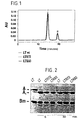
- Figure 1 shows the elution profile of LT-A72R in comparison with wild-type LT and mutant LTK63 (Ser-63-Lys mutant - see WO93/13202 and also Pizza et al . (1994) J.Exp. Med . 6:2147).
- LT-A72R elutes as a single peak corresponding to the fully-assembled holotoxin, with a profile identical to that of wild-type LT and LTK63.
- A72R mutation does not alter the structure of the A subunit, that it is efficiently exported to the periplasm, and correctly assembled as AB 5 .
- 100 ⁇ l aliquots of A72R stored at 4°C were analysed in the same way every two months for a year and no change in elution profile was detected.
- toxin 45 ⁇ g toxin (LT, LT-A72R, LTK63) was treated with 9 ⁇ g trypsin in a final volume of 150 ⁇ l 10mM Tris, pH 7.5, at 37°C. 30 ⁇ l samples were collected after 5 and 30 minutes incubation and the reaction was stopped with 3.6 ⁇ g trypsin inhibitor. 10 ⁇ l 4xconcentrated electrophoresis sample buffer was added to each sample and the mixture was heated to 95°C for 10 minutes. Proteins were loaded onto 15% SDS minigels and either stained with Coomassie brilliant blue R-250 or transferred onto a nitrocellulose membrane, which was subsequently incubated with a rabbit anti-LT polyclonal serum at a dilution of 1:300.
- Figure 2 shows the results of this Western blot analysis. After 5 minutes incubation, trypsin causes almost immediate nicking of the A subunit into A1 and A2 domains, and nicking is complete by 30 minutes. No sensitivity differences were detected between LT, LT-A72R, or LTK63.
- the ADP-ribosylation activity of LT-A72R is at least 2 orders of magnitude lower than that of wild-type LT: the minimal concentration to obtain a detectable activity was 0.5 ⁇ g for LT, and 85 ⁇ g for LT-A72R. In contrast, LTK63 is totally devoid of activity.
- In vitro toxicity was assessed by following the morphological changes caused by LT on Y1 adrenal cells [Donta et al . (1973) Science 183: 334].
- the assay was performed in microtitre plates using 50000 cells/well with twofold dilutions of LT, LT-A72R and LTK63, starting from 80pg/well for wild-type and 40 ⁇ g/well for mutants. Morphological changes were read after 48 hours incubation.
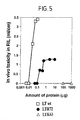
- LT-A72R had 10 -5 toxicity of wild-type LT on Y1 cells ( Figure 4) and was approximately 20x less toxic than wild-type in the ileal loop assay ( Figure 5). As previously reported, LTK63 was completely non-toxic by both assays.
- LT-A72R The adjuvanticity of LT-A72R was tested using the protocol of Douce et al . [ PNAS 92 :1644-1648 (1995)].
- Groups of ten BALB/c mice female, 4-6 weeks old were immunised intranasally with 1 ⁇ g toxin (LT, LT-A72R, LTB, or LK-K63) and 10 ⁇ g OVA.
- the animals were lightly anaesthetised and immunised on day 0, 21 and 35 with a 15 ⁇ l volume per nostrel. Immune responses were followed in serum samples taken on days 0, 20, 34 and 52. The animals were sacrificed and nasal lavages were performed by repeated flushing and aspiration of 1ml PBS containing 0.1% BSA.
- LT-specific antibodies were measured using a GM1 capture ELISA. Each well on 96-well plates was first coated with 150ng GM1 ganglioside by overnight incubation at 4°C. Wells were then washed three times with PBS (+0.05% Tween-20) and 50ng toxin was added to each well. Plates were incubated at 2 hours at 37°C. OVA-specific antibodies were assessed by coating each well with 60 ⁇ g/ml OVA and incubated overnight at 4°C.
- the plates were washed and wells saturated with PBS (+1% BSA) for 1 hour at 37°C.
- Sera from individual mice were tested starting from a dilution of 1:50 in PBS; nasal lavages were tested starting from undiluted. Plates were incubated at 37°C for 2 hours. Specific Ig were measured using horseradish peroxidase-conjugated rabbit anti-mouse Ig. Antibodies were then revealed by adding o-phenylenediamine as a substrate. After 10 minutes the reaction was blocked by adding 12.5% H 2 SO 4 .
- IgG subclasses were determined with IgG1, IgG2a, IgG2b, or IgG3 biotinylated antibodies. Peroxidase-streptavadin was then added to each well (1:1000) and the plates were incubated at 37°C for 1 hour. Bound antibody was visualised as above.
- Titres of specific IgA in the sera and in the mucosal lavages were measured using biotin-conjugated goat anti-mouse IgA ⁇ chain specific antibody, followed by streptavadin-peroxidase. Bound antibodies were revealed using the OPD substrate as described above. ELISA titres were determined arbitrarily as the reciprocal of the last dilution which gave an OD 490 ⁇ 0.2 above that of the non-immunised controls.
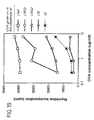
- wild-type LT and LT-A72R induced the highest anti-OVA antibody response.
- LTK63 induced an intermediate level, and LTB gave a low response.
- the antigen-specific antibody response was detectable after a single immunisation for wild-type LT and the A72R mutant, whereas (as previously described) LTK63 required at least two immunisations to induce serum anti-OVA antibodies.
- OVA-specific IgG isotypes were measured in pools of sera of the last bleeding ( Figure 7). High titres of anti-OVA IgG1, IgG2a and IgG2b were induced in the groups receiving wild-type LT or the A72R mutant as an adjuvant, although the dominant isotype with the mutant was IgG2a. OVA-specific IgG3 antibodies were never detectable. LTB was not a good adjuvant.
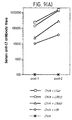
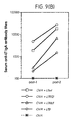
- Serum anti-LT antibody responses are shown in Figure 9.
- the mice mounted responses after the first immunisation, which was significantly boosted by the second.
- the A72R mutant was more immunogenic that the non-toxic K63 mutant, and both were much more immunogenic than LTB.
- the LD 50 for LT was determined by inoculating groups of 10 BALB/c mice (female, 9 weeks old) intraperitoneally with LT (12.5 ⁇ g, 25 ⁇ g, 50 ⁇ g, or 100 ⁇ g) or PBS. After 7 days of observation, LD 50 was determined as 20.4 ⁇ g.
- mice Four week old BALB/c mice were immunised intranasally at day 0 and 21 with 1 ⁇ g toxin (LT, LT-A72R, LT-K63, or LTB) and challenged with LT (2xLD 50 ) at day 35. They were observed for death for 7 days. Sera were collected at days 0, 20 and 35 and anti-LT titres analysed by ELISA (as above).
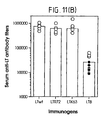
- mice immunised with wild-type or mutant LT survived to the challenge, whereas only 30% of those receiving LTB survived. All mice in the control group died ( Figure 11A).
- mice immunised with wild-type LT contained very high and comparable levels of anti-LT antibodies (Figure 11B). In mice receiving LTB, however, the titres were 10-20x lower. The three LTB mice who survived to the LT challenge (open circles) had significantly higher titres than those in the dead animals.
- ADP-ribosylation activity is not necessary for the adjuvanticity of LT, but the presence of low levels of enzymatic activity may be useful to induce a faster and higher immune response to co-administered antigens.
- the A72R mutant of LT is an effective mucosal adjuvant.
- the mutant retains the immunogenicity of wild-type LT and is able to induce protective immunity against LT. It may therefore also be useful for anti-diarrhoea vaccination.
Landscapes
- Health & Medical Sciences (AREA)
- Chemical & Material Sciences (AREA)
- Organic Chemistry (AREA)
- Medicinal Chemistry (AREA)
- General Health & Medical Sciences (AREA)
- Life Sciences & Earth Sciences (AREA)
- Veterinary Medicine (AREA)
- Immunology (AREA)
- General Chemical & Material Sciences (AREA)
- Pharmacology & Pharmacy (AREA)
- Chemical Kinetics & Catalysis (AREA)
- Animal Behavior & Ethology (AREA)
- Nuclear Medicine, Radiotherapy & Molecular Imaging (AREA)
- Public Health (AREA)
- Biochemistry (AREA)
- Molecular Biology (AREA)
- Engineering & Computer Science (AREA)
- Bioinformatics & Cheminformatics (AREA)
- Gastroenterology & Hepatology (AREA)
- Proteomics, Peptides & Aminoacids (AREA)
- Biophysics (AREA)
- Genetics & Genomics (AREA)
- Oncology (AREA)
- Communicable Diseases (AREA)
- Medicines Containing Antibodies Or Antigens For Use As Internal Diagnostic Agents (AREA)
- Peptides Or Proteins (AREA)
- Preparation Of Compounds By Using Micro-Organisms (AREA)
- Micro-Organisms Or Cultivation Processes Thereof (AREA)
- Measuring Or Testing Involving Enzymes Or Micro-Organisms (AREA)
- Medicines That Contain Protein Lipid Enzymes And Other Medicines (AREA)
- Medicines Containing Material From Animals Or Micro-Organisms (AREA)
Claims (5)
- Immunogenes Protein, umfassend entweder die Aminosäuresequenz der Untereinheit A eines hitzelabilen E.coli-Toxins (LT-A) oder eines Aminosäure 72 enthaltenden Fragments der Untereinheit A zur Verwendung als mukosales Adjuvans, wobei das Protein durch Ersetzen der Aminosäure Ala-72 in der Sequenz oder in dem Fragment mit einem Argininrest detoxifiziert ist.
- Immunogene Zusammensetzung, umfassend (i) einen pharmazeutisch verträglichen Träger und (ii) ein immunogenes Protein, umfassend entweder die Aminosäuresequenz der Untereinheit A eines hitzelabilen E.coli-Toxins (LT-A) oder eines Aminosäure 72 enthaltenden Fragments der Untereinheit A zur Verwendung als Impfstoff, wobei das Protein durch Ersetzen der Aminosäure Ala-72 in der Sequenz oder in dem Fragment mit einem Argininrest detoxifiziert ist.
- Immunogene Zusammensetzung nach Anspruch 2, des weiteren umfassend ein zweites immunogenes Protein.
- Verwendung eines immunogenen Proteins, umfassend entweder die Aminosäuresequenz der Untereinheit A eines hitzelabilen E.coli-Toxins (LT-A) oder eines Aminosäure 72 enthaltenden Fragments der Untereinheit A für die Herstellung eines Impfstoffs, wobei das Protein durch Ersetzen der Aminosäure Ala-72 in der Sequenz oder in dem Fragment mit einem Argininrest detoxifiziert ist.
- Verwendung nach Anspruch 4, wobei der Impfstoff ein zweites immunogenes Protein umfasst.
Priority Applications (1)
| Application Number | Priority Date | Filing Date | Title |
|---|---|---|---|
| EP05076163A EP1571214A3 (de) | 1996-10-31 | 1997-10-30 | Immunogenes, entgiftetes Mutantentoxin |
Applications Claiming Priority (3)
| Application Number | Priority Date | Filing Date | Title |
|---|---|---|---|
| GBGB9622660.0A GB9622660D0 (en) | 1996-10-31 | 1996-10-31 | Immunogenic detoxified mutant toxin |
| GB9622660 | 1996-10-31 | ||
| PCT/IB1997/001440 WO1998018928A1 (en) | 1996-10-31 | 1997-10-30 | Immunogenic detoxified mutant e. coli lt-a toxin |
Related Child Applications (1)
| Application Number | Title | Priority Date | Filing Date |
|---|---|---|---|
| EP05076163A Division EP1571214A3 (de) | 1996-10-31 | 1997-10-30 | Immunogenes, entgiftetes Mutantentoxin |
Publications (2)
| Publication Number | Publication Date |
|---|---|
| EP0941333A1 EP0941333A1 (de) | 1999-09-15 |
| EP0941333B1 true EP0941333B1 (de) | 2005-08-31 |
Family
ID=10802210
Family Applications (2)
| Application Number | Title | Priority Date | Filing Date |
|---|---|---|---|
| EP97910583A Expired - Lifetime EP0941333B1 (de) | 1996-10-31 | 1997-10-30 | Immunogene, nichtgiftige mutante des toxins lt-a aus e.coli |
| EP05076163A Withdrawn EP1571214A3 (de) | 1996-10-31 | 1997-10-30 | Immunogenes, entgiftetes Mutantentoxin |
Family Applications After (1)
| Application Number | Title | Priority Date | Filing Date |
|---|---|---|---|
| EP05076163A Withdrawn EP1571214A3 (de) | 1996-10-31 | 1997-10-30 | Immunogenes, entgiftetes Mutantentoxin |
Country Status (10)
| Country | Link |
|---|---|
| US (2) | US20030113338A1 (de) |
| EP (2) | EP0941333B1 (de) |
| JP (2) | JP3715326B2 (de) |
| AT (1) | ATE303441T1 (de) |
| CA (1) | CA2268758C (de) |
| DE (1) | DE69734110T2 (de) |
| DK (1) | DK0941333T3 (de) |
| ES (1) | ES2247622T3 (de) |
| GB (1) | GB9622660D0 (de) |
| WO (1) | WO1998018928A1 (de) |
Families Citing this family (44)
| Publication number | Priority date | Publication date | Assignee | Title |
|---|---|---|---|---|
| GB9326174D0 (en) * | 1993-12-22 | 1994-02-23 | Biocine Sclavo | Mucosal adjuvant |
| US5925351A (en) | 1995-07-21 | 1999-07-20 | Biogen, Inc. | Soluble lymphotoxin-β receptors and anti-lymphotoxin receptor and ligand antibodies as therapeutic agents for the treatment of immunological disease |
| EP1486215A3 (de) * | 1997-03-21 | 2006-04-12 | Chiron Corporation | Detoxifizierte Mutanten bakterieller ADP-ribosylierender Toxine als parenterale Adjuvantien |
| US6219776B1 (en) | 1998-03-10 | 2001-04-17 | Billions Of Operations Per Second | Merged array controller and processing element |
| IL142284A0 (en) | 1998-10-09 | 2002-03-10 | Biogen Inc | A pharmaceutical composition containing an agent which blocks the binding of lymphotoxin-b to its receptor |
| DE69939943D1 (de) * | 1998-10-21 | 2009-01-02 | Kitasato Inst | Attenuierte Toxine als Adjuvantien |
| WO2000037609A2 (en) * | 1998-12-22 | 2000-06-29 | Boyce Thompson Institute For Plant Research At Cornell | Orally immunogenic bacterial enterotoxins expressed in transgenic plants |
| AU2002305914A1 (en) * | 2001-01-12 | 2002-10-21 | Chiron Corporation | Nucleic acid mucosal immunization |
| MX339524B (es) | 2001-10-11 | 2016-05-30 | Wyeth Corp | Composiciones inmunogenicas novedosas para la prevencion y tratamiento de enfermedad meningococica. |
| US20060035242A1 (en) | 2004-08-13 | 2006-02-16 | Michelitsch Melissa D | Prion-specific peptide reagents |
| US20100285062A1 (en) | 2006-03-31 | 2010-11-11 | Novartis Ag | Combined mucosal and parenteral immunization against hiv |
| SG178002A1 (en) | 2006-10-20 | 2012-02-28 | Biogen Idec Inc | Treatment of demyelinating disorders |
| US8338376B2 (en) | 2006-10-20 | 2012-12-25 | Biogen Idec Ma Inc. | Compositions comprising variant LT-B-R-IG fusion proteins |
| RU2010151562A (ru) | 2008-06-20 | 2012-07-27 | ВАЙЕТ ЭлЭлСи (US) | Композиции и способы применения orf1358 из бета-гемолитических стрептококковых штаммов |
| CA2748788C (en) | 2009-01-05 | 2021-02-09 | Epitogenesis Inc. | The use of a composition comprising mustard oil, catechin, and vitamin a for modulating an immune response |
| SA114350400B1 (ar) | 2009-06-22 | 2016-05-26 | ويث ال ال سي | تركيبات وطرق لتحضير تركيبات مولدة للمناعة لمقترن بولي سكاريد كبسولي للنمط المصلي 5 و 8 من المكورات العنقودية الذهبية |
| CN102481352A (zh) | 2009-06-22 | 2012-05-30 | 惠氏有限责任公司 | 金黄色葡萄球菌抗原的免疫原性组合物 |
| US8241608B2 (en) * | 2010-03-23 | 2012-08-14 | Development Center For Biotechnology | Treating allergy with detoxified E. coli heat-labile enterotoxin |
| RU2580620C2 (ru) | 2010-08-23 | 2016-04-10 | ВАЙЕТ ЭлЭлСи | СТАБИЛЬНЫЕ КОМПОЗИЦИИ АНТИГЕНОВ Neisseria meningitidis rLP2086 |
| WO2012032489A1 (en) | 2010-09-10 | 2012-03-15 | Wyeth Llc | Non-lipidated variants of neisseria meningitidis orf2086 antigens |
| WO2012058072A1 (en) | 2010-10-27 | 2012-05-03 | Harrisvaccines, Inc | Method of rapidly producing vaccines for animals |
| US8822427B2 (en) | 2010-10-27 | 2014-09-02 | Harrisvaccines | Methods and compositions to protect aquatic invertebrates from disease |
| US10004797B2 (en) | 2010-10-27 | 2018-06-26 | Harrisvaccines, Inc. | Method of rapidly producing improved vaccines for animals |
| DK2654784T3 (en) | 2010-12-22 | 2017-02-13 | Wyeth Llc | STABLE IMMUNOGENIC COMPOSITIONS OF STAPHYLOCOCCUS AUREUS ANTIGENES |
| US10561720B2 (en) | 2011-06-24 | 2020-02-18 | EpitoGenesis, Inc. | Pharmaceutical compositions, comprising a combination of select carriers, vitamins, tannins and flavonoids as antigen-specific immuno-modulators |
| WO2013066665A1 (en) | 2011-10-19 | 2013-05-10 | Harrisvaccines, Inc | Method of rapidly producing improved vaccines for animals |
| CA2865745C (en) | 2012-03-09 | 2018-01-09 | Pfizer Inc. | Neisseria meningitidis compositions and methods thereof |
| SA115360586B1 (ar) | 2012-03-09 | 2017-04-12 | فايزر انك | تركيبات لعلاج الالتهاب السحائي البكتيري وطرق لتحضيرها |
| ES2933127T3 (es) | 2012-12-20 | 2023-02-01 | Pfizer | Procedimiento de glucoconjugación |
| TR201807340T4 (tr) | 2013-02-01 | 2018-06-21 | Glaxosmithkline Biologicals Sa | Çan benzeri reseptör agonistleri içeren immünolojik kompozisyonların intradermal yoldan verilmesi. |
| US9802987B2 (en) | 2013-03-08 | 2017-10-31 | Pfizer Inc. | Immunogenic fusion polypeptides |
| RU2662968C2 (ru) | 2013-09-08 | 2018-07-31 | Пфайзер Инк. | Иммуногенная композиция против neisseria meningitidis (варианты) |
| WO2016130569A1 (en) | 2015-02-09 | 2016-08-18 | Mj Biologics, Inc. | A composition comprising pedv antigens and methods for making and using the composition |
| ES2702325T3 (es) | 2014-03-11 | 2019-02-28 | Univ Minnesota | Vacunas contra el virus de la diarrea epidémica porcina y métodos de uso de las mismas |
| AU2016221318B2 (en) | 2015-02-19 | 2020-06-25 | Pfizer Inc. | Neisseria meningitidis compositions and methods thereof |
| TWI807252B (zh) | 2015-05-04 | 2023-07-01 | 美商輝瑞股份有限公司 | B型鏈球菌多醣-蛋白質軛合物、製造軛合物之方法、含軛合物之免疫原性組成物、及其用途 |
| US10751402B2 (en) | 2016-11-09 | 2020-08-25 | Pfizer Inc. | Immunogenic compositions and uses thereof |
| US10183070B2 (en) | 2017-01-31 | 2019-01-22 | Pfizer Inc. | Neisseria meningitidis compositions and methods thereof |
| WO2019217473A1 (en) * | 2018-05-07 | 2019-11-14 | The Administrators Of The Tulane Educational Fund | Mutant e. coli enterotoxins as anti-inflammatory agents |
| EP4034157A1 (de) | 2019-09-27 | 2022-08-03 | Pfizer Inc. | Neisseria-meningitidis-zusammensetzungen und verfahren dafür |
| US12570700B2 (en) | 2020-04-17 | 2026-03-10 | Regents Of The University Of Minnesota | SARS-CoV-2 spike receptor binding domain and compositions and methods thereof |
| CA3192786A1 (en) | 2020-08-26 | 2022-03-03 | Pfizer Inc. | Group b streptococcus polysaccharide-protein conjugates, methods for producing conjugates, immunogenic compositions comprising conjugates, and uses thereof |
| AU2022239051A1 (en) * | 2021-03-19 | 2023-10-12 | Mie University | Pharmaceutical composition for ameliorating acute lung injury and acute worsening of pulmonary fibrosis |
| WO2026038177A1 (en) | 2024-08-16 | 2026-02-19 | Pfizer Inc. | Immunogenic compositions and uses thereof |
Family Cites Families (12)
| Publication number | Priority date | Publication date | Assignee | Title |
|---|---|---|---|---|
| GB8333131D0 (en) * | 1983-12-12 | 1984-01-18 | Glaxo Group Ltd | Microbiological process |
| JP2849632B2 (ja) | 1988-04-08 | 1999-01-20 | 社団法人北里研究所 | ワクチン製剤 |
| ATE127347T1 (de) | 1989-04-28 | 1995-09-15 | Sclavo Spa | Pertussistoxin-mutanten, dieselbe produzierende bordetella-stämme und ihre verwendung als vakzin gegen pertussis. |
| IT1248735B (it) | 1990-06-21 | 1995-01-26 | Sclavo Spa | Vaccini acellulari contro la pertosse |
| IL101715A (en) | 1991-05-02 | 2005-06-19 | Amgen Inc | Recombinant dna-derived cholera toxin subunit analogs |
| IT1253009B (it) * | 1991-12-31 | 1995-07-10 | Sclavo Ricerca S R L | Mutanti immunogenici detossificati della tossina colerica e della tossina lt, loro preparazione ed uso per la preparazione di vaccini |
| GB9513371D0 (en) | 1995-06-30 | 1995-09-06 | Biocine Spa | Immunogenic detoxified mutant toxins |
| GB9326174D0 (en) * | 1993-12-22 | 1994-02-23 | Biocine Sclavo | Mucosal adjuvant |
| US20030072774A1 (en) | 1994-06-10 | 2003-04-17 | Diane M. Gajewczyk | Proteinaceous adjuvants |
| US6019982A (en) * | 1994-08-26 | 2000-02-01 | The Administrators Of The Tulane Educational Fund | Mutant enterotoxin effective as a non-toxic oral adjuvant |
| CA2331832A1 (en) | 1998-05-08 | 1999-11-18 | University Of Bristol | E.coli heat-labile enterotoxin subunit b (etxb) as an immunomodulator |
| JP4673974B2 (ja) | 1998-09-30 | 2011-04-20 | ワイス・ホールディングズ・コーポレイション | アジュバントとしての変異コレラホロトキシン |
-
1996
- 1996-10-31 GB GBGB9622660.0A patent/GB9622660D0/en active Pending
-
1997
- 1997-10-30 ES ES97910583T patent/ES2247622T3/es not_active Expired - Lifetime
- 1997-10-30 DE DE69734110T patent/DE69734110T2/de not_active Expired - Lifetime
- 1997-10-30 DK DK97910583T patent/DK0941333T3/da active
- 1997-10-30 EP EP97910583A patent/EP0941333B1/de not_active Expired - Lifetime
- 1997-10-30 CA CA002268758A patent/CA2268758C/en not_active Expired - Fee Related
- 1997-10-30 EP EP05076163A patent/EP1571214A3/de not_active Withdrawn
- 1997-10-30 JP JP52024098A patent/JP3715326B2/ja not_active Expired - Fee Related
- 1997-10-30 AT AT97910583T patent/ATE303441T1/de active
- 1997-10-30 US US09/297,171 patent/US20030113338A1/en not_active Abandoned
- 1997-10-30 WO PCT/IB1997/001440 patent/WO1998018928A1/en not_active Ceased
-
2002
- 2002-11-25 US US10/304,496 patent/US7291588B2/en not_active Expired - Fee Related
-
2005
- 2005-05-13 JP JP2005141923A patent/JP2005247868A/ja not_active Withdrawn
Non-Patent Citations (1)
| Title |
|---|
| HABEEB AHMED F.S.A.; ZOUHAIR ATASSI M.: "A fragment comprising the last third of bovine serum albumin which accounts for almost all the antigenic reactivity of the native protein", THE JOURNAL OF BIOLOGICAL CHEMISTRY, vol. 251, no. 15, 10 August 1976 (1976-08-10), pages 4616 - 4621 * |
Also Published As
| Publication number | Publication date |
|---|---|
| CA2268758A1 (en) | 1998-05-07 |
| ES2247622T3 (es) | 2006-03-01 |
| GB9622660D0 (en) | 1997-01-08 |
| JP2005247868A (ja) | 2005-09-15 |
| WO1998018928A1 (en) | 1998-05-07 |
| ATE303441T1 (de) | 2005-09-15 |
| US7291588B2 (en) | 2007-11-06 |
| EP1571214A2 (de) | 2005-09-07 |
| DE69734110T2 (de) | 2006-06-29 |
| EP1571214A3 (de) | 2006-03-29 |
| CA2268758C (en) | 2007-05-29 |
| JP3715326B2 (ja) | 2005-11-09 |
| JP2001508286A (ja) | 2001-06-26 |
| EP0941333A1 (de) | 1999-09-15 |
| DE69734110D1 (de) | 2005-10-06 |
| DK0941333T3 (da) | 2006-01-02 |
| US20030170262A1 (en) | 2003-09-11 |
| US20030113338A1 (en) | 2003-06-19 |
Similar Documents
| Publication | Publication Date | Title |
|---|---|---|
| US7291588B2 (en) | Immunogenic detoxified mutant E. coli LT-A toxin | |
| US7115730B1 (en) | Immunogenic detoxified mutant E. coli LT-A-toxin | |
| CA2127091C (en) | Immunogenic detoxified mutants of cholera toxin and of the toxin lt, their preparation and their use for the preparation of vaccines | |
| US7872114B2 (en) | Immunogenic detoxified mutants of cholera toxin | |
| US6210968B1 (en) | DNA molecules encoding pgp3 protein from Chlamydia trachomatis | |
| EP0880361A1 (de) | Immunogene entoxifizierte mutanten des choleratoxins | |
| US20020044939A1 (en) | Immunogenic detoxified mutants of cholera toxin | |
| EP0637337A1 (de) | Recombinantes Antigen enthaltendes in seiner Sequenz einen heterologen immunostimulierenden Bereich Verwendung als Impfstoff | |
| WO1998059065A1 (en) | Novel method of dna transfer into cells |
Legal Events
| Date | Code | Title | Description |
|---|---|---|---|
| PUAI | Public reference made under article 153(3) epc to a published international application that has entered the european phase |
Free format text: ORIGINAL CODE: 0009012 |
|
| 17P | Request for examination filed |
Effective date: 19990428 |
|
| AK | Designated contracting states |
Kind code of ref document: A1 Designated state(s): AT BE CH DE DK ES FI FR GB GR IE IT LI LU MC NL PT SE |
|
| RAP1 | Party data changed (applicant data changed or rights of an application transferred) |
Owner name: CHIRON S.R.L. |
|
| 17Q | First examination report despatched |
Effective date: 20040123 |
|
| GRAP | Despatch of communication of intention to grant a patent |
Free format text: ORIGINAL CODE: EPIDOSNIGR1 |
|
| GRAS | Grant fee paid |
Free format text: ORIGINAL CODE: EPIDOSNIGR3 |
|
| GRAA | (expected) grant |
Free format text: ORIGINAL CODE: 0009210 |
|
| AK | Designated contracting states |
Kind code of ref document: B1 Designated state(s): AT BE CH DE DK ES FI FR GB GR IE IT LI LU MC NL PT SE |
|
| REG | Reference to a national code |
Ref country code: GB Ref legal event code: FG4D Ref country code: CH Ref legal event code: EP |
|
| REG | Reference to a national code |
Ref country code: IE Ref legal event code: FG4D |
|
| REF | Corresponds to: |
Ref document number: 69734110 Country of ref document: DE Date of ref document: 20051006 Kind code of ref document: P |
|
| REG | Reference to a national code |
Ref country code: SE Ref legal event code: TRGR |
|
| REG | Reference to a national code |
Ref country code: CH Ref legal event code: NV Representative=s name: PATENTANWAELTE SCHAAD, BALASS, MENZL & PARTNER AG |
|
| REG | Reference to a national code |
Ref country code: DK Ref legal event code: T3 |
|
| REG | Reference to a national code |
Ref country code: GR Ref legal event code: EP Ref document number: 20050403596 Country of ref document: GR |
|
| REG | Reference to a national code |
Ref country code: ES Ref legal event code: FG2A Ref document number: 2247622 Country of ref document: ES Kind code of ref document: T3 |
|
| ET | Fr: translation filed | ||
| PLBE | No opposition filed within time limit |
Free format text: ORIGINAL CODE: 0009261 |
|
| STAA | Information on the status of an ep patent application or granted ep patent |
Free format text: STATUS: NO OPPOSITION FILED WITHIN TIME LIMIT |
|
| 26N | No opposition filed |
Effective date: 20060601 |
|
| BECN | Be: change of holder's name |
Owner name: NOVARTIS VACCINES AND DIAGNOSTICS S.R.L. Effective date: 20050831 |
|
| REG | Reference to a national code |
Ref country code: PT Ref legal event code: PD4A Owner name: NOVARTIS VACCINES AND DIAGNOSTICS S.R.L., IT Effective date: 20080411 |
|
| REG | Reference to a national code |
Ref country code: CH Ref legal event code: PFA Owner name: NOVARTIS VACCINES AND DIAGNOSTICS S.R.L. Free format text: CHIRON S.R.L.#VIA FIORENTINA, 1#53100 SIENA (IT) -TRANSFER TO- NOVARTIS VACCINES AND DIAGNOSTICS S.R.L.#VIA FIORENTINA 1#53100 SIENA (SI) (IT) |
|
| NLT1 | Nl: modifications of names registered in virtue of documents presented to the patent office pursuant to art. 16 a, paragraph 1 |
Owner name: NOVARTIS VACCINES AND DIAGNOSTICS S.R.L. |
|
| REG | Reference to a national code |
Ref country code: FR Ref legal event code: CD |
|
| PGFP | Annual fee paid to national office [announced via postgrant information from national office to epo] |
Ref country code: MC Payment date: 20120926 Year of fee payment: 16 |
|
| PGFP | Annual fee paid to national office [announced via postgrant information from national office to epo] |
Ref country code: LU Payment date: 20121031 Year of fee payment: 16 Ref country code: GR Payment date: 20120917 Year of fee payment: 16 |
|
| PGFP | Annual fee paid to national office [announced via postgrant information from national office to epo] |
Ref country code: DK Payment date: 20121010 Year of fee payment: 16 |
|
| PGFP | Annual fee paid to national office [announced via postgrant information from national office to epo] |
Ref country code: DE Payment date: 20121024 Year of fee payment: 16 Ref country code: BE Payment date: 20121018 Year of fee payment: 16 Ref country code: FI Payment date: 20121010 Year of fee payment: 16 Ref country code: CH Payment date: 20121012 Year of fee payment: 16 Ref country code: IE Payment date: 20121010 Year of fee payment: 16 Ref country code: FR Payment date: 20121018 Year of fee payment: 16 |
|
| PGFP | Annual fee paid to national office [announced via postgrant information from national office to epo] |
Ref country code: ES Payment date: 20121031 Year of fee payment: 16 Ref country code: PT Payment date: 20120502 Year of fee payment: 16 Ref country code: SE Payment date: 20121011 Year of fee payment: 16 Ref country code: IT Payment date: 20121016 Year of fee payment: 16 Ref country code: GB Payment date: 20121024 Year of fee payment: 16 |
|
| PGFP | Annual fee paid to national office [announced via postgrant information from national office to epo] |
Ref country code: AT Payment date: 20120927 Year of fee payment: 16 Ref country code: NL Payment date: 20121010 Year of fee payment: 16 |
|
| BERE | Be: lapsed |
Owner name: NOVARTIS VACCINES AND DIAGNOSTICS S.R.L. Effective date: 20131031 |
|
| REG | Reference to a national code |
Ref country code: PT Ref legal event code: MM4A Free format text: LAPSE DUE TO NON-PAYMENT OF FEES Effective date: 20140430 |
|
| REG | Reference to a national code |
Ref country code: NL Ref legal event code: V1 Effective date: 20140501 |
|
| REG | Reference to a national code |
Ref country code: DK Ref legal event code: EBP Effective date: 20131031 |
|
| PG25 | Lapsed in a contracting state [announced via postgrant information from national office to epo] |
Ref country code: MC Free format text: LAPSE BECAUSE OF NON-PAYMENT OF DUE FEES Effective date: 20131031 |
|
| REG | Reference to a national code |
Ref country code: CH Ref legal event code: PL |
|
| REG | Reference to a national code |
Ref country code: SE Ref legal event code: EUG |
|
| REG | Reference to a national code |
Ref country code: AT Ref legal event code: MM01 Ref document number: 303441 Country of ref document: AT Kind code of ref document: T Effective date: 20131030 |
|
| GBPC | Gb: european patent ceased through non-payment of renewal fee |
Effective date: 20131030 |
|
| REG | Reference to a national code |
Ref country code: GR Ref legal event code: ML Ref document number: 20050403596 Country of ref document: GR Effective date: 20140505 |
|
| REG | Reference to a national code |
Ref country code: DE Ref legal event code: R119 Ref document number: 69734110 Country of ref document: DE Effective date: 20140501 |
|
| REG | Reference to a national code |
Ref country code: IE Ref legal event code: MM4A |
|
| PG25 | Lapsed in a contracting state [announced via postgrant information from national office to epo] |
Ref country code: LI Free format text: LAPSE BECAUSE OF NON-PAYMENT OF DUE FEES Effective date: 20131031 Ref country code: GB Free format text: LAPSE BECAUSE OF NON-PAYMENT OF DUE FEES Effective date: 20131030 Ref country code: CH Free format text: LAPSE BECAUSE OF NON-PAYMENT OF DUE FEES Effective date: 20131031 |
|
| REG | Reference to a national code |
Ref country code: FR Ref legal event code: ST Effective date: 20140630 |
|
| PG25 | Lapsed in a contracting state [announced via postgrant information from national office to epo] |
Ref country code: NL Free format text: LAPSE BECAUSE OF NON-PAYMENT OF DUE FEES Effective date: 20140501 Ref country code: FI Free format text: LAPSE BECAUSE OF NON-PAYMENT OF DUE FEES Effective date: 20131030 Ref country code: FR Free format text: LAPSE BECAUSE OF NON-PAYMENT OF DUE FEES Effective date: 20131031 Ref country code: DE Free format text: LAPSE BECAUSE OF NON-PAYMENT OF DUE FEES Effective date: 20140501 Ref country code: GR Free format text: LAPSE BECAUSE OF NON-PAYMENT OF DUE FEES Effective date: 20140505 Ref country code: AT Free format text: LAPSE BECAUSE OF NON-PAYMENT OF DUE FEES Effective date: 20131030 Ref country code: SE Free format text: LAPSE BECAUSE OF NON-PAYMENT OF DUE FEES Effective date: 20131031 Ref country code: PT Free format text: LAPSE BECAUSE OF NON-PAYMENT OF DUE FEES Effective date: 20140430 Ref country code: IT Free format text: LAPSE BECAUSE OF NON-PAYMENT OF DUE FEES Effective date: 20131030 |
|
| PG25 | Lapsed in a contracting state [announced via postgrant information from national office to epo] |
Ref country code: BE Free format text: LAPSE BECAUSE OF NON-PAYMENT OF DUE FEES Effective date: 20131031 |
|
| PG25 | Lapsed in a contracting state [announced via postgrant information from national office to epo] |
Ref country code: DK Free format text: LAPSE BECAUSE OF NON-PAYMENT OF DUE FEES Effective date: 20131031 Ref country code: IE Free format text: LAPSE BECAUSE OF NON-PAYMENT OF DUE FEES Effective date: 20131030 |
|
| REG | Reference to a national code |
Ref country code: ES Ref legal event code: FD2A Effective date: 20141107 |
|
| PG25 | Lapsed in a contracting state [announced via postgrant information from national office to epo] |
Ref country code: ES Free format text: LAPSE BECAUSE OF NON-PAYMENT OF DUE FEES Effective date: 20131031 |
|
| PG25 | Lapsed in a contracting state [announced via postgrant information from national office to epo] |
Ref country code: LU Free format text: LAPSE BECAUSE OF NON-PAYMENT OF DUE FEES Effective date: 20131030 |