EP0904356B1 - 5-aminolevulinsaure synthase aus aspergillus oryzae und dafuer kodierende nukleinsaeure - Google Patents
5-aminolevulinsaure synthase aus aspergillus oryzae und dafuer kodierende nukleinsaeure Download PDFInfo
- Publication number
- EP0904356B1 EP0904356B1 EP97929858A EP97929858A EP0904356B1 EP 0904356 B1 EP0904356 B1 EP 0904356B1 EP 97929858 A EP97929858 A EP 97929858A EP 97929858 A EP97929858 A EP 97929858A EP 0904356 B1 EP0904356 B1 EP 0904356B1
- Authority
- EP
- European Patent Office
- Prior art keywords
- nucleic acid
- aminolevulinic acid
- host cell
- aminolevulinic
- acid synthase
- Prior art date
- Legal status (The legal status is an assumption and is not a legal conclusion. Google has not performed a legal analysis and makes no representation as to the accuracy of the status listed.)
- Expired - Lifetime
Links
Images






Classifications
-
- C—CHEMISTRY; METALLURGY
- C12—BIOCHEMISTRY; BEER; SPIRITS; WINE; VINEGAR; MICROBIOLOGY; ENZYMOLOGY; MUTATION OR GENETIC ENGINEERING
- C12N—MICROORGANISMS OR ENZYMES; COMPOSITIONS THEREOF; PROPAGATING, PRESERVING, OR MAINTAINING MICROORGANISMS; MUTATION OR GENETIC ENGINEERING; CULTURE MEDIA
- C12N9/00—Enzymes; Proenzymes; Compositions thereof; Processes for preparing, activating, inhibiting, separating or purifying enzymes
- C12N9/10—Transferases (2.)
- C12N9/1025—Acyltransferases (2.3)
- C12N9/1029—Acyltransferases (2.3) transferring groups other than amino-acyl groups (2.3.1)
Definitions
- the present invention relates to Aspergillus oryzae 5-aminolevulinic acid synthases and isolated nucleic acid fragments comprising nucleic acid sequences encoding the 5-aminolevulinic acid synthases.
- the invention also relates to nucleic acid constructs, vectors, and host cells comprising the nucleic acid sequences as well as methods for producing the 5-aminolevulinic acid synthases.
- Heme a chelate complex of protoporphyrin IX and iron, serves as a prosthetic group of hemoproteins.
- Protoporphyrin IX consists of a porphyrin ring, substituted with four methyl groups, two vinyl groups, and two propionic acid groups, which acquires an iron atom to form heme.
- the biosynthesis of heme from glycine and succinyl-CoA involves eight enzymatic steps.
- the first enzyme in the biosynthetic pathway is 5-aminolevulinic acid synthase which catalyzes the condensation of glycine and succinyl-CoA to form 5-aminolevulinic acid.
- 5-aminolevulinic acid synthase is a key regulatory enzyme.
- the conversion of an apoprotein into a hemoprotein depends on the availability of heme provided by the heme biosynthetic pathway.
- the apoprotein form of the hemoprotein combines with heme to produce the active hemoprotein.
- the active hemoprotein acquires a conformation which makes the hemoprotein more stable than the apoprotein to proteolytic attack. If the amount of heme produced by a microorganism is less relative to the amount of the apoprotein produced, the apoprotein will accumulate and undergo proteolytic degradation lowering the yield of the active hemoprotein.
- the present invention relates to substantially pure 5-aminolevulinic acid synthases obtained from Aspergillus oryzae and to isolated nucleic acid fragments comprising a nucleic acid sequence which encodes an Aspergillus oryzae 5-aminolevulinic acid synthase.
- the present invention further provides nucleic acid constructs, vectors, and recombinant host cells comprising a nucleic acid fragment of the present invention as well as methods for producing the 5-aminolevulinic acid synthases.
- the present invention relates to 5-aminolevulinic acid synthases obtained from an Aspergillus oryzae strain. Strains of this species are readily accessible to the public in a number of culture collections, such as the American Type Culture Collection (ATCC), Deutsche Sammlung von Milaoorganismen und Zellkulturen GmbH (DSM), Centraalbureau Voor Schimmelcultures (CBS), International Mycological Institute (IMI), Agricultural Research Service Patent Culture Collection, Northern Regional Research Center (NRRL), and Institute for Fermentation in Osaka, Japan (IFO).
- ATCC American Type Culture Collection
- DSM Deutsche Sammlung von Milaoorganismen und Zellkulturen GmbH
- CBS Centraalbureau Voor Schimmelcultures
- II International Mycological Institute
- NRRL Northern Regional Research Center
- IFO Institute for Fermentation in Osaka, Japan
- the present invention relates to 5-aminolevulinic acid synthases obtained from Aspergillus oryzae or a mutant strain thereof. In a more preferred embodiment, the present invention relates to 5-aminolevulinic acid synthases obtained from Aspergillus oryzae IFO 4177 or a mutant strain thereof, e.g., the 5-aminolevulinic acid synthase having the amino acid sequence set forth in SEQ ID NO:2.
- the term "obtained from” means that the 5-aminolevulinic acid synthase is produced by a specific source, e.g., an Aspergillus strain, or by a cell in which a gene from the source encoding the 5-aminolevulinic acid synthase has been inserted.
- the invention also encompasses 5-aminolevulinic acid synthase variants which have at least about 85% homology with the amino acid sequence set forth in SEQ ID NO:2, and which qualitatively retains the activity of the 5-aminolevulinic acid synthases described herein.
- the present invention is also directed to 5-aminolevulinic acid synthase variants which have an amino acid sequence which differs by three amino acids, preferably by two amino acids, and more preferably by one amino acid from the amino acid sequence set forth in SEQ ID NO:2. Each difference may be an insertion or deletion of an amino acid or the substitution of an amino acid residue by a different amino acid.
- Useful variants within the categories defined above include, for example, ones in which conservative amino acid substitutions have been made, which substitutions do not significantly affect the activity of the protein.
- conservative substitution is meant that amino acids of the same class may be substituted by any other amino acid of that class.
- the nonpolar aliphatic residues Ala, Val, Leu, and Ile may be interchanged, as may be the basic residues Lys and Arg, or the acidic residues Asp and Glu.
- Ser and Thr are conservative substitutions for each other, as are Asn and Gln.
- the physical-chemical properties of the 5-aminolevulinic acid synthases of the present invention may be determined using various techniques well known in the art including, but not limited to, SDS-PAGE, isoelectric focusing, and cross-reaction immunoidentity tests.
- the 5-aminolevulinic acid synthases of the present invention may be assayed using methods known in the art.
- the 5-aminolevulinic acid synthases of the present invention may be purified by a variety of procedures known in the art including, but not limited to, chromatography (e.g., ion exchange, affinity, hydrophobic, chromatofocusing, and size exclusion), electrophoretic procedures (e.g., preparative isoelectric focusing), differential solubility (e.g., ammonium sulfate precipitation), or extraction (see, for example, Protein Purification, eds. J.-C. Janson and Lars Ryden, VCH Publishers, New York, 1989).
- chromatography e.g., ion exchange, affinity, hydrophobic, chromatofocusing, and size exclusion
- electrophoretic procedures e.g., preparative isoelectric focusing
- differential solubility e.g., ammonium sulfate precipitation
- extraction see, for example, Protein Purification, eds. J.-C. Janson and Lars Ryden, VCH Publishers, New York
- a "substantially pure" 5-aminolevulinic acid synthase is a 5-aminolevulinic acid synthase which is essentially free of other non-5-aminolevulinic acid synthase proteins, for example, at least about 20% pure, preferably about 40% pure, more preferably about 60% pure, even more preferably about 80% pure, most preferably about 90% pure, and even most preferably at least about 95% pure, as determined by SDS-PAGE.
- the present invention also relates to nucleic acid fragments comprising a nucleic acid sequence which encodes a 5-aminolevulinic acid synthase of the present invention and to nucleic acid constructs comprising a nucleic acid fragment of the present invention.
- the nucleic acid sequence encodes a 5-aminolevulinic acid synthase obtained from Aspergillus oryzae .
- the nucleic acid sequence encodes a 5-aminolevulinic acid synthase obtained from Aspergillus oryzae IFO 4177, e.g., the nucleic acid sequence set forth in SEQ ID NO:1.
- the present invention also encompasses nucleic acid sequences which encode a 5-aminolevulinic acid synthase having the amino acid sequence set forth in SEQ ID NO:2, which differ from SEQ ID NO:1 by virtue of the degeneracy of the genetic code.
- the nucleic acid sequences of the present invention encompass both the genomic sequence depicted therein as well as the corresponding cDNA and RNA sequences, and the phrase "nucleic acid sequence" as used herein will be understood to encompass all such variations including synthetic DNA.
- nucleic acid constructs comprising a nucleic acid fragment of the invention.
- Nucleic acid construct shall generally be understood to mean a nucleic acid molecule, either single- or double-stranded, which is isolated from a naturally occurring gene or which has been modified to contain segments of nucleic acid which are combined and juxtaposed in a manner which would not otherwise exist in nature.
- the nucleic acid constructs are operably linked to regulatory regions capable of directing the expression of the 5-aminolevulinic acid synthase in a suitable expression host.
- the present invention also provides recombinant vectors comprising a nucleic acid construct of the present invention.
- the nucleic acid sequence is operably linked to a promoter sequence.
- the vectors of the present invention further comprise a transcription termination signal and/or a selectable marker.
- the recombinant vectors of the invention are useful for the expression of an Aspergillus oryzae 5-aminolevulinic acid synthase gene in active form.
- a useful vector contains an element that permits stable integration of the vector into the host cell genome or autonomous replication of the vector in a host cell independent of the genome of the host cell, and preferably one or more phenotypic markers which permit easy selection of transformed host cells.
- the vector may also include control sequences such as a promoter, ribosome binding site, translation initiation signal, and, optionally, a selectable marker or various activator or repressor sequences.
- nucleic acids encoding a signal sequence may be inserted prior to the coding sequence of the gene.
- a 5-aminolevulinic acid synthase gene to be used according to the present invention is operably linked to the control sequences in such a way that expression of the coding sequence is achieved under conditions compatible with the control sequences.
- the vectors carrying a nucleic acid construct of the present invention may be any vector which can conveniently be subjected to recombinant DNA procedures.
- the choice of a vector will typically depend on the host cell into which the vector is to be introduced.
- the vector may be an autonomously replicating vector, i.e., a vector which exists as an extrachromosomal entity, the replication of which is independent of chromosomal replication, e.g., a plasmid, an extrachromosomal element, a minichromosome, or an artificial chromosome.
- the vector may be one which, when introduced into a host cell, is integrated into the host cell genome and replicated together with the chromosome(s) into which it has been integrated.
- the vector system may be a single vector or plasmid or two or more vectors or plasmids which together contain the total DNA to be integrated into the genome.
- the DNA sequence should be operably linked to a suitable promoter sequence.
- the promoter may be any DNA sequence which shows transcriptional activity in the host cell of choice and may be obtained from genes encoding proteins either homologous or heterologous to the host cell.
- suitable promoters for directing the transcription of the nucleic acid construct of the invention, especially in a bacterial host are the promoter of the lac operon of E .
- the Streptomyces coelicolor agarase gene dagA promoters the promoters of the Bacillus licheniformis ⁇ -amylase gene ( amyL ) , the promoters of the Bacillus stearothermophilus maltogenic amylase gene ( amyM ), the promoters of the Bacillus amyloliquefaciens ⁇ -amylase ( amyQ ), the promoters of the Bacillus subtilis xylA and xylB genes, the prokaryotic ⁇ -lactamase promoter (Villa-Kamaroff et al ., 1978, Proceedings of the National Academy of Sciences USA 75:3727-3731) or the tac pmmoter (DeBoer et al., 1983, Proceedings of the National Academy of Sciences USA 80:21-25).
- examples of useful promoters are those obtained from the genes encoding Aspergillus oryzae TAKA amylase, Rhizomucor miehei aspartic proteinase, Aspergillus niger neutral ⁇ -amylase, Aspergillus niger acid stable ⁇ -amylase, Aspergillus niger or Aspergillus awamori glucoamylase ( glaA ), Rhizomucor miehei lipase, Aspergillus oryzae alkaline protease, Aspergillus oryzae triose phosphate isomerase or Aspergillus nidulans acetamidase.
- promoters are the TAKA amylase, NA2-tpi (a hybrid of the promoters from the genes encoding Aspergillus niger neutral ⁇ -amylase and Aspergillus oryzae triose phosphate isomerase), and glaA promoters.
- the vectors of the invention may also comprise a suitable transcription terminator and, in eukaryotes, polyadenylation sequences operably connected to the DNA sequence encoding a 5-aminolevulinic acid synthase of the present invention. Termination and polyadenylation sequences may be obtained from the same sources as the promoter.
- the vectors may further comprise a DNA sequence enabling the vectors to replicate in the host cell in question. Examples of such sequences are the origins of replication of plasmids pUC 19, pACYC177, pUB110, pE 194, pAMB1, and pU702.
- the vectors of the present invention preferably contain one or more selectable markers which permit easy selection of transformed cells.
- a selectable marker is a gene the product of which provides for biocide or viral resistance, resistance to heavy metals, prototrophy to auxotrophs and the like.
- the selectable marker may be selected from the group consisting of, but not limited to, amdS, pyrG, argB, niaD, sC, trpC, bar, and hygB.
- Preferred for use in an Aspergillus cell are the amdS and pyrG markers of Aspergillus nidulans or Aspergillus oryzae and the bar marker of Streptomyces hygroscopicus.
- selection may be accomplished by co-transformation, e.g., as described in WO 91/17243 where the selectable marker is contained in a separate vector.
- the vectors of the invention preferably also contain a signal peptide coding region, which codes for an amino acid sequence linked to the amino terminus of the heme biosynthetic enzyme, permitting the localization of the 5-aminolevulinic acid synthase to a particular cellular compartment.
- the signal peptide coding region may be native to the first nucleic acid sequence encoding the 5-aminolevulinic acid synthase or may be obtained from foreign sources.
- the 5' end of the coding sequence of the first nucleic a cid sequence m ay inherently contain a signal peptide coding region naturally linked in translation reading frame with the segment of the coding region which encodes the localized 5-aminolevulinic acid synthase.
- the 5' end of the coding sequence may contain nucleic acids encoding a signal peptide coding region which is foreign to that portion of the coding sequence which encodes the localized h eme biosynthetic enzyme.
- the signal peptide coding region may be obtained from a Neurospora crassa ATPase gene (Viebrock et al., 1982, EMBO Journal 1:565-571) or from a Saccharomyces cerevisiae cytochrome c peroxidase gene (Kaput et al., 1982, Journal of Biological Chemistry 257:15054-15058).
- any signal peptide coding region capable of permitting localization of the 5-aminolevulinic acid synthase in a filamentous fungal host of choice may be used in the present invention.
- the 5-aminolevulinic acid synthases of the present invention may thus comprise a preregion permitting secretion of the expressed protein into the culture medium. If desirable, this preregion may be native to the 5-aminolevulinic acid synthase of the invention or substituted with a different preregion or signal sequence, conveniently accomplished by substitution of the DNA sequences encoding the respective preregions.
- the preregion may be obtained from a glucoamylase or an amylase gene from an Aspergillus species, an amylase gene from a Bacillus species, a lipase or proteinase gene from Rhizomucor miehei, the gene for the ⁇ -factor from Saccharomyces cerevisiae or the calf preprochymosin gene.
- Particularly preferred is the preregion for Aspergillus oryzae TAKA amylase, Aspergillus niger neutral amylase, the maltogenic amylase from Bacillus NCIB 11837, Bacillus stearothermophilus ⁇ -amylase, or Bacillus licheniformis subtilisin.
- An effective signal sequence for fungal hosts is the Aspergillus oryzae TAKA amylase signal, the Rhizomucor miehei aspartic proteinase signal, or the Rhizomucor miehei lipase signal.
- the present invention also relates to host cells comprising a nucleic acid construct or an expression vector of the invention which are advantageously used in the recombinant production of the 5-aminolevulinic acid synthases of the invention.
- the cell may be transformed with the nucleic acid construct of the invention, conveniently by integrating the construct into the host chromosome. This integration is generally considered to be an advantage as the sequence is more likely to be stably maintained in the cell. Integration of the construct into the host chromosome may be performed according to conventional methods, e.g., by homologous or non-homologous recombination. Alternatively, the cell may be transformed with an expression vector as described below in connection with the different types of host cells.
- the choice of host cells and vectors will to a large extent depend upon the 5-aminolevulinic acid synthase and its source.
- the host cell may be selected from prokaryotic cells, such as bacterial cells.
- suitable bacteria are gram-positive bacteria such as Bacillus subtilis, Bacillus licheniformis, Bacillus lentus, Bacillus brevis, Bacillus stearothermophilus, Bacillus alkalophilus, Bacillus amyloliquefaciens, Bacillus coagulans, Bacillus circulans, Bacillus lautus, Bacillus megaterium, Bacillus thuringiensis, or Streptomyces lividans or Streptomyces murinus , or gram-negative bacteria such as E. coli.
- the transformation of the bacteria may, for instance, be effected by protoplast transformation or by using competent cells in a manner known per se.
- the host cell is preferably a eukaryote, such as a mammalian cell, an insect cell, a plant cell or preferably a fungal cell, including yeast and filamentous fungi.
- useful mammalian cells include CHO or COS cells.
- a yeast host cell may be selected from a species of Saccharomyces or Schizosaccharomyces, e.g., Saccharomyces cerevisiae .
- Useful filamentous fungi may be selected from a species of Aspergillus , e.g., Aspergillus oryzae or Aspergillus niger.
- a strain of a Fusarium species e.g., Fusarium oxysporum or Fusarium graminearum
- Fungal cells may be transformed by a process involving protoplast formation, transformation of the protoplasts, and regeneration of the cell wall in a manner known per se.
- a suitable procedure for transformation of Aspergillus host cells is described in EP 238 023.
- a suitable method of transforming Fusarium species is described by Malardier et al., 1989, Gene 78:147-156 or in US6060305.
- the expression of the 5-aminolevulinic acid synthase gene is achieved in a fungal host cell, such as Aspergillus .
- the 5-aminolevulinic acid synthase gene is ligated into a plasmid preferably containing the Aspergillus oryzae TAKA amylase promoter or the Aspergillus niger neutral amylase NA2 promoter and amdS or pyrG as the selectable marker.
- the selectable marker may be on a separate plasmid and used in co-transformation.
- the plasmid (or plasmids) is used to transform an Aspergillus species host cell, such as Aspergillus oryzae or Aspergillus niger in accordance with methods described in Yelton et al., 1984, Proceedings of the National Academy of Sciences USA 81:1470-1474.
- the present invention also relates to methods for producing a 5-aminolevulinic acid synthase of the present invention comprising (a) cultivating an Aspergillus oryzae strain in a nutrient medium to produce the 5-aminolevulinic acid synthase, and (b) recovering the 5-aminolevulinic acid synthase.
- the present invention also relates to methods for recombinantly producing a 5-aminolevulinic acid synthase of the present invention comprising (a) fermenting a host cell comprising a nucleic acid construct comprising a nucleic acid sequence encoding the 5-aminolevulinic acid synthase under conditions conducive to the production of the enzyme, and (b) recovering the 5-aminolevulinic acid synthase. If the expression system secretes the 5-aminolevulinic acid synthase into the fermentation medium, the enzyme can be recovered directly from the medium. If the recombinant 5-aminolevulinic acid synthase is not secreted, it is recovered from cell lysates.
- cultivation may be understood as comprising shake flask cultivation, small- or large-scale fermentation (including continuous, batch, fed-batch, or solid state fermentations) in laboratory or industrial fermentors performed in a suitable medium and under conditions allowing the 5-aminolevulinic acid synthase to be expressed or isolated.
- the cultivation takes place in a suitable nutrient medium comprising carbon and nitrogen sources and inorganic salts using procedures known in the art (see, e.g., Bennett, J.W. and LaSure, L. (eds.), More Gene Manipulations in Fungi, Academic Press, CA, 1991).
- suitable media are available from commercial suppliers or may be prepared according to published compositions (e.g., in catalogues of the American Type Culture Collection).
- the 5-aminolevulinic acid synthases produced by the methods described above may be recovered from the fermentation medium by conventional procedures including, but not limited to, centrifugation, filtration, spray-drying, evaporation, or precipitation.
- the recovered protein may then be further purified by a variety of chromatographic procedures, e.g., ion exchange chromatography, gel filtration chromatography, affinity chromatography, or the like.
- the present invention is also directed to methods of using the 5-aminolevulinic acid synthases.
- the 5-aminolewlinic acid synthases of the present invention may be used to convert glycine and succinyl-CoA to 5-aminolevulinic acid which is useful as a herbicide.
- the 5-aminolevulinic acid synthases of the present invention may be also used to increase the yield of a hemoprotein produced by a host cell, where 5-aminolevulinic acid synthase is a rate-limiting step in the production of heme in the host cell, by overexpressing the nucleic acid sequence encoding the 5-aminolevulinic acid synthase in the host cell.
- the method comprises:
- Example 1 Aspergillus oryzae strain A1560 genomic DNA extraction
- Aspergillus oryzae strain A1560 (IFO 4177) was grown in 25 ml of 0.5% yeast extract-2% glucose (YEG) medium for 24 hours at 32°C and 2 50 rpm. Mycelia were then collected by filtration through Miracloth (Calbiochem, La Jolla, CA) and washed once with 25 ml of 10 m M Tris-1 mM EDTA (TE) buffer. Excess buffer was drained from the mycelia which were subsequently frozen in liquid nitrogen.
- YEG yeast extract-2% glucose
- the frozen mycelia were ground to a fine powder in an electric coffee grinder, and the powder was added to 20 ml of TE buffer and 5 ml of 20% w/v sodium dodecylsulfate (SDS) in a disposable plastic centrifuge tube. The mixture was gently inverted several times to insure mixing, and extracted twice with an equal volume of phenol:chloroform:isoamyl alcohol (25:24:1 v/v/v). Sodium acetate (3 M solution) was added to a final concentration of 0.3 M followed by addition of 2.5 volumes of ice cold ethanol to precipitate the nucleic acids. The nucleic acids were then pelleted by centrifuging the tube at 15,000 x g for 30 minutes.
- SDS sodium dodecylsulfate
- the pellet was allowed to air dry for 30 minutes before resuspension in 0.5 ml of TE buffer.
- DNase-free ribonuclease A was added to a concentration of 100 ⁇ g/ml and the mixture was incubated at 37ûC for 30 minutes.
- Proteinase K was then added at a concentration of 200 ⁇ g/ml and the mixture was incubated an additional hour at 37°C.
- the mixture was extracted twice with phenol:chloroform:isoamyl alcohol (25:24:1 v/v/v) before precipitating the DNA with sodium acetate and ethanol as described earlier.
- the DNA pellet was dried under vacuum, resuspended in TE buffer, and stored at 4°C until further use.
- Genomic DNA was obtained from Aspergillus nidulans strain A26 (Fungal Genetics Stock Center, Kansas City, KS) using the same procedure described in Example 1. Plasmid pSE04 was constructed by ligation of PCR fragments from an amplification reaction containing Aspergillus nidulans A26 genomic DNA.
- the amplification reaction contained the following components: 50 ng of Aspergillus nidulans A26 genomic DNA, 100 ⁇ M each of dATP, dCTP, dGTP, and dTTP (Boehringer Mannheim, Indianapolis, IN), 50 pmoles of primers ALAS3d 5'-TTTATGATGGAGGCCCTTCTCCAGCAGTCTC-3' (SEQ ID NO:3) and ALAS4e 5'-CTATGCATTTAAGCAGCAGCCGCGACTGG-3' (SEQ ID NO:4), 2 units of Taq DNA polymerase (Perkin-Elmer Corp., Branchburg, NJ), and 1X Taq DNA polymerase buffer (Perkin-Elmer Corp., Branchburg, NJ).
- the reaction was incubated in a Perkin-Elmer Thermal Cycler (Perkin-Elmer Corp., B ranchburg, NJ) programmed for 30 cycles each at 95°C for 1 minute, 55°C for 1 minute, and 72°C for 90 seconds.
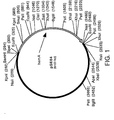
- the 2 kb PCR product was isolated by excision after electrophoresis using a 1.1% low melting temperature agarose gel (FMC, Rockland, ME) with 40 mM Tris-acetate-1 mM disodium EDTA (TAE) buffer, and subcloned into the pCRII vector (Invitrogen, San Diego, CA) according to the manufacturer's instructions to produce pSE04 ( Figure 1).
- Example 3 Aspergillus oryzae strain A 1560 DNA libraries and identification of ALA synthase ( hemA ) clones
- Aspergillus oryzae strain A1560 genomic DNA libraries were constructed using the bacteriophage cloning vector ⁇ ZipLox (Life Technologies, Gaithersburg, MD) according to the manufacturer's instructions using E . coli Y1090ZL cells as a host for plating and purification of recombinant bacteriophage and E. coli DH10Bzip for excision of individual pZL1- hemA clones.
- Total cellular DNA prepared as described in Example 1 was partially digested with Tsp 509I and size-fractionated on a 1% agarose gel with 50 mM Tris-50 mM borate-1 mM disodium EDTA (TBE) buffer.
- DNA fragments migrating in the size range 4-7 kb were excised and eluted from the gel using Prep-a-Gene reagents (BioRad Laboratories, Hercules, CA).
- the eluted DNA fragments were ligated with Eco RI-cleaved and dephosphorylated ⁇ ZipLox vector arms, and the ligation mixtures were packaged using commercial packaging extracts (Stratagene, La Jolla, CA).
- the packaged DNA libraries were plated and amplified in E. coli Y1090ZL cells.
- the unamplified genomic library contained 1 X 10 6 pfu/ml.
- Bacteriophage DNA from 7 x 10 4 plaques was transferred to duplicate circular Nytran Plus membranes (Schleicher & Schuell, Keene, NH) and probed with a digoxigenin (DIG)-labeled probe which was prepared by PCR amplification of Aspergillus nidulans hemA genomic DNA from plasmid pSE04 described in Example 2.
- DIG digoxigenin
- the amplification reaction contained the following components: 1 X DIG probe synthesis mix (Boehringer M annheim, Indianapolis, IN), 100 ⁇ M each of dATP, dCTP, dGTP, and dTTP, 50 pmoles of primer ALAS3d and primer ALAS4e described in Example 2, 2 units of Taq DNA polymerase, and 1X Taq DNA polymerase buffer.
- the reaction was incubated in a Perkin-Elmer Thermal Cycler programmed for 30 cycles each at 95°C for 1 minute, 55°C for 1 minute, and 72°C for 2 minutes. Denatured probe was added to the hybridization buffer at a concentration of 2 ng/ml and incubated overnight with prehybridized membranes.
- Prehybridization and hybridization was conducted at 42°C in 5 X SSC, 0.1% sarkosyl, 0.02% SDS, 1% Genius blocking agent (Boehringer Mannheim, Indianapolis, IN), and 30% formamide.
- Membranes were washed twice in 5 X SSC-0.1% SDS followed by two washes in 2 X SSC-0.1% SDS. Each wash was performed for 15 minutes at room temperature. The washed membrane was exposed to Kodak X-OMAT AR film for approximately 2 hours at room temperature followed by development using a Konica QX-70 automatic film processor according to the manufacturer's instructions.
- Primary plaques were purified and screened a second time.
- the pZL derivatives were designated E . coli DH5 ⁇ pSE11, pSE13, pSE15, pSE17, and pSE20. These clones were found to overlap and span a 4.2 kb region for which the restriction map is shown in Figure 2.
- Example 4 Southern hybridization of Aspergillus oryzae strain A1560 genomic DNA with a 5-aminolevulinic acid synthase ( hemA ) probe
- Aspergillus oryzae strain A1560 genomic DNA (10 ⁇ g) prepared as described in Example 1 was restriction digested with either Bam HI or Eco RI. The fragments were separated by electrophoresis on a 1% agarose-TBE gel. DNA was transferred to a Nytran Plus membrane in 0.4 N NaOH using a TurboBlot apparatus (Schleicher & Schuell, Keene, NH) according to the manufacturer's instructions. The membrane was prehybridized for 2 hours at 42°C in 5 X SSC, 0.1% sarkosyl, 0.02% SDS, 1% Genius blocking agent (Boehringer Mannheim, Indianapolis, IN), and 50% formamide in a Hybaid oven (Labnet, Woodbridge, NJ).
- Hybridization was accomplished with a DIG-labeled hemA probe generated by PCR amplification as described in Example 3, except the hemA clone pSE17 was used as a template with primer hemA5' 5'-TCATTTAAATGATGGAGTCTCTTCTCC-3' (SEQ ID NO:5) and primer hemA3' 5'-TCTTAATTAATCAGCTCACATGCGGG-3' (SEQ ID NO:6).
- DIG-labeled hemA probe (1 ng probe/ml of solution) was added to fresh hybridization buffer and incubated with the membrane overnight at 42°C.
- the membrane was washed twice for 15 minutes each at room temperature in 5 X SSC-0.1% SDS followed by two washes under the same conditions in 2 X SSC-0.1% SDS.
- the washed membrane was exposed to Kodak X-OMAT AR film for approximately 2 hours at room temperature followed by development using a Konica QX-70 automatic film processor according to the manufacturer's instructions.
- E. coli DH5 ⁇ pSE17 described in Example 3 was subjected to DNA sequencing according to the following procedure.
- DNA sequencing was performed with an Applied Biosystems Model 373A Automated DNA Sequencer (Applied Biosystems, Inc., Foster City, CA) on both strands using the primer walking technique with dye-terminator chemistry (Giesecke et al., 1992, Journal of Virol. Methods 38:47-60) using the M13 reverse (-48) and M13 forward (-20) primers (New England Biolabs, Beverly, MA) and primers unique to the DNA being sequenced.
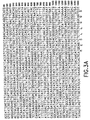
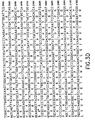
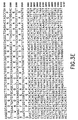
- the nucleotide sequence of the cloned gene revealed an open reading frame of 1911 nucleotides as shown in Figure 3 (SEQ ID NO:1).
- the coding sequence does not contain any introns which was confirmed by cDNA cloning and sequence analysis which is in contrast to the Aspergillus nidulans hemA gene which contains one intron at its 5' end (Bradshaw et al., 1993, Current Genetics 23:501-507).
- the 5' untranslated sequence contains several pyrimidine-rich and AT-rich regions as in other fungal genes (Gurr et al., 1987, In Kinghorn, J.R. (ed.), Gene Structure in Eukaryotic Microbes, pp.
- the CCAAT sequence is a consensus binding site for transcriptional regulators which modulate transcription in response to oxygen, such as the Hap2/3/4 transcriptional regulatory complex in yeast and humans (Olesen and Guarente, 1990, Molecular and Cellular Biology 12:2302-2314). This regulatory complex is also conserved in mammals, and a CCAAT-binding activity has been identified in Aspergillus nidulans (Davis et al ., 1993, Genetica 90:133-145).
- yeast HEM1 gene is also constitutively expressed, but its expression is controlled by a balance between positive and negative regulatory sites (Keng and Guarente, 1987, Proceedings of the National Academy of Sciences USA 84:9113-9117).
- An (AC) 35 repeat motif occurs in the 3' untranslated region. Similar repeats have also been observed in subtelomeric, intron, and promoter regions of mammalian and yeast genes and have no known function, although they have been implicated in gene amplification events (Passananti et al ., 1987, EMBO Journal 6:1697-1703).
- the deduced amino acid sequence of the Aspergillus oryzae strain A1560 gene product is shown in Figure 3 (SEQ ID NO:2).
- the nucleotide sequence encodes a predicted protein of 636 amino acids with a molecular weight of 68 kDa. Since this enzyme is located in the mitochondria, the N-terminus is predicted to contain a mitochondrial leader sequence. In fact, the first 35 amino acids are rich in serine, threonine, lysine, and arginine residues consistent with a function as a mitochondrial leader.
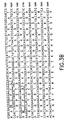
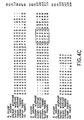
- a potential heme regulatory motif (HRM) occurs in the presumed mitochondrial leader sequences of both the Aspergillus nidulans and Aspergillus oryzae hemA sequences ( Figure 4).
- HRMs localized to leader sequences are believed to prevent import of 5-aminolevulinic acid synthase proteins into the mitochondria in mouse via direct interactions with heme (Lathrop and Timko, 1993, Science 259:522-525; Zhang and Guarente, 1995, EMBO Journal 14:313-320).
- a second potential HRM also occurs in the beginning of the putative mature protein sequence. It is probable that the HRMs play a role in the regulation of 5-aminolevulinic acid synthase activity.
- Saccharomyces cerevisiae 5-aminolevulinic acid synthase protein sequence does not contain any putative HRMs and does not appear to be a key regulatory step in yeast heme biosynthesis (Labbe-Bois and Labbe, In Daley, Harry A., ed., Biosynthesis of Heme and Chlorophylls , 1990, McGraw Hill Publishers, New York, pp 235-285).
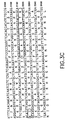
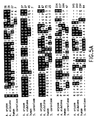
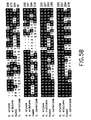
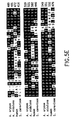
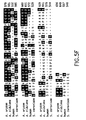
- the deduced amino acid sequence as shown in Figure 5 shares 81% identity with the Aspergillus nidulans hemA gene (SEQ ID NO:16), 57% identity with the Saccharomyces cerevisiae HEM1 gene (SEQ ID NO:17; Urban-Grimal, 1986, European Journal of Biochemistry 156:511-519), and 51% identity with the human erythroid hem1 (ALAS2) gene (SEQ ID NO:18; Bishop, 1990, Nucleic Acids Research 18:7187-7188) which were determined using the Applied Biosystems GeneAssist program (blosum62.mat matrix). However, the highest degree of conservation occurs in the C-terminal two-thirds of the protein which contains the catalytic domain.
- lysine and glycine-loop important for catalytic activity and pyridoxal phosphate co-factor binding in other 5-aminolevulinic acid synthase enzymes (Ferreira et al ., 1995, Journal of Bioenergetics and Biomembranes 27:151-159; Ferreira, 1995, Protein Science 4:1001-1006) are also highly conserved.
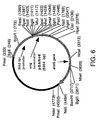
- Plasmid pSE31 was constructed by directional cloning of PCR-amplified Aspergillus oryzae hemA DNA into pBANe6 ( Figure 6). The PCR amplification reaction was performed using DNA from hemA clone E.
- coli DH5 ⁇ pSE17 described in Example 3 where the reaction contained the following components: 50 ng of pSE17, 2 units of Vent DNA polymerase (New England Biolabs, Beverly, MA), 1X Vent DNA polymerase buffer (New England Biolabs, Beverly, MA), 400 ⁇ M each of dATP, dCTP, dGTP, and dTTP (Boehringer Mannheim, Indianapolis, IN), and 50 pmoles of primer hemA5' 5'-TC ATTTAAAT GATGGAGTCTCTTCTCC-3' (SEQ ID NO:5) and primer hemA3' 5'-TC TTAATTAA TCAGCTCACATGCGGG-3' (SEQ ID NO:6).
- Example 7 Construction of Aspergillus oryzae strain JRoC50.3.18A
- Aspergillus oryzae strain JRoC50.3.18A containing plasmid pJR0C50 was constructed as follows. Coprinus cinereus IFO 8371 peroxidase cDNA fragments were prepared by PCR using specific oligonucleotide primers shown below (Saiki et al., 1988, Science 239:487-491) constructed on the basis of the amino acid sequence of the Coprinus macrorhizus peroxidase (Baunsgaard et al., 1993, European Journal of Biochemistry 213:605-611):
- PCR was performed using the Gene Amp Kit and apparatus (Perkin Elmer Cetus, Norwalk, CT) in accordance with the manufacturer's instructions with the exception that the reaction was conducted at 28°C for the first 3 cycles in order to obtain better hybridization to the first strand cDNA (prepared from mRNA obtained from Coprinus cinereus strain IFO 8371) and subsequently at 65°C for 30 cycles of PCR.
- the primers were combined as follows: 1 with 2; 3 with 4; 5 with 7; 6 with 7; 1 with 4; and 3 with 7.
- the PCR fragments were extended with an Eco RI site at the 5'-end and a Bam HI site at the 3'-end.
- the reactions were analyzed on a 1% agarose-TBE gel where bands of the expected size were found in all the reactions. To verify that the bands corresponded to peroxidase-specific sequences, the gel was subjected to Southern blotting and hybridized to an oligonucleotide probe with the following sequence which is positioned between primers 3 and 4:
- the probe was found to hybridize to bands of approximately 130 bp, 420 bp, 540 bp, and 240 bp, thus confirming that the DNA bands observed corresponded to peroxidase sequences.
- DNA from the various PCR reactions was digested with Eco RI and Bam HI and cloned into the plasmid pUC19 (New England BioLabs, Beverly, MA). Colonies containing the correct PCR fragments were identified by hybridization using the oligonucleotide probe (SEQ ID NO:14) described above. DNA from positive colonies was analyzed by restriction mapping and partial DNA sequence analysis as described by S anger et al . (1977, Proceedings of the National Academy of Sciences USA 74:5463-5467). A 430 bp fragment from one of the clones, obtained by using primers 1 and 4, was used to screen a Coprinus cinereus cDNA library as described below.
- Poly(A)-containing RNA was obtained by two cycles of affinity chromatography on oligo(dT)-cellulose as described by Aviv and Leder (1972, Proceedings of the National Academy of Sciences USA 69:1408-1412).
- cDNA was synthesized by means of a cDNA Synthesis Kit (Invitrogen, San Diego, CA) according to the manufacturer's instructions. Approximately 50,000 E.
- Miniprep plasmid DNA was isolated from hybridizing colonies by standard procedures (Birnboim and Doly, 1979, Nucleic Acids Research 7:1513-1523), and the DNA sequences of the cDNA inserts were determined by the Sanger dideoxy procedure (Sanger et al., 1977, Proceedings of the National Academy of Sciences USA 74:5463-5467). One of the colonies was selected and the vector was designated pCiP. The peroxidase cDNA fragment was excised from the vector by cleavage with Bam HI/ Xho I and was purified by agarose gel electrophoresis, electroeluted and made ready for ligation reactions.
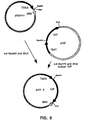
- the cDNA fragment was ligated to Bam HI/ Xho I digested pHD414 to generate pJVi9 wherein the cDNA was under transcriptional control of the TAKA promoter from Aspergillus oryzae and the AMGTM (Novo Nordisk A/S, Bagsv ⁇ rd, Denmark) terminator from A spergillus niger as shown in Figure 8.
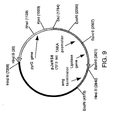
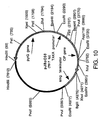
- the cDNA encoding the Coprinus cinereus peroxidase was excised from plasmid pJVi9 as a Bam HI- Xho I fragment and cloned into plasmid pJeRS6 ( Figure 9) to produce plasmid pJRoC50 ( Figure 10) which contains pyrG as a selectable marker, the TAKA promoter, and the amdS terminator.
- the transformation was plated directly onto plates containing Minimal medium.
- the Minimal medium (pH 6.5) was composed of 6 g of NaNO 3 , 0.52 g of KCI, 1.52 g of KH 2 PO 4 , 1 ml of trace metals, 1 g of glucose, 500 mg of MgSO 4 -7H 2 O, 342.3 g of sucrose, and 20 g of Noble agar per liter.
- the trace metals solution (1000X) was composed of 22 g of ZnSO 4 -7H 2 O, 11 g of H 3 BO 3 , 5 g of MnCl 2 -4H 2 O, 5 g of FeSO 4 -7H 2 O, 1.6 g of CoCl 2 -5H 2 O, 1.6 g of (NH 4 ) 6 Mo 7 O 24 , and 50 g of Na 4 EDTA per liter. Plates were incubated 5-7 days at 34°C. Transformants were transferred to plates of the same medium and incubated 3-5 days at 37°C.
- 1X MY salts was composed of 2 g of MgSO 4 -7H 2 O, 2 g of K 2 PO 4 , 10 g of KH 2 PO 4 , 2 g of citric acid, 0.5 ml of trace metals solution and 1 ml of 10% CaCl 2 -2H 2 O per liter.
- the trace metals solution was composed of 13.9 g of FeSO 4 -7H 2 O, 8.5 g of MnSO 4 -H 2 O, 14.28 g of ZnSO 4 -7H 2 O, 1.63 g of CuSO 4 , 0.24 g of NiCl 2 -6H 2 O, and 3.0 g of citric acid per liter. Hemin was added to a final concentration of 0.01 mg/ml from a fresh 10 mg/ml stock prepared in 50 mM NaOH. The shake flasks were incubated at 34°C and 200 rpm for 7 to 8 days. The best peroxidase producer was designated JRoC50.3.18A.
- Aspergillus oryzae strain JRoC50.3.18A was transformed with pSE31 in order to determine whether overexpression of the hemA gene increased peroxidase production.
- the transformation was conducted with protoplasts at a concentration of 2x10 7 protoplasts per ml.
- One hundred ⁇ l of protoplasts were incubated at 34°C with 10 ⁇ g DNA and 200 ⁇ l of 60% PEG 4000-10 mM HEPES-10 mM CaCl 2 solution for 30 minutes.
- the transformants from Example 8 were inoculated into individual wells at approximately 1X10 5 spores per well of a 24-well microtiter plate containing 1 ml of quarter strength MY25 medium composed of 0.25% yeast extract, 0.63% maltose, and 0.05% urea pH 6.5, and 1X MY salts (see Example 7).
- the microtiter plates were incubated at 34°C and 100 rpm in a humidity chamber for 5 days.
- Peroxidase production levels were determined using the enzyme assay described in Example 7. The results of the microtiter plate tests demonstrate that the average POXU/ml of hemA transformants was 1.4-fold greater than the average of the vector only transformants, with the best hemA transformant showing a 1.6-fold increase in peroxidase production.
- hemA transformants show peroxidase levels similar to the majority of the vector only controls.
- PCR amplification using 50 ng of genomic DNA isolated as described in Example 1 from each transformant was performed as described in Example 2 except the primers hemA3' (see Example 4) and primer 5'-TCTCTTCCTTCCTGAATCCTC-3' (SEQ ID NO:15) were used. This analysis showed that the hemA transformants contain the expression cassette.
- Transformant SE01-28 and a control strain SE05-18 were grown in 2 liter fermentations using a standard fed-batch protocol which has high maltose syrup as carbon source.
- the batch and feed were supplemented with FeCl 3 to approximately 0.4 mM.
- Positive dissolved oxygen tension was maintained in both cultures with feed added at a rate of approximately 2 grams saccharide per liter per hour from day three to day eight. This level was reached in a step-wise manner over days two and three. Biomass in both cultures were approximately equal for the duration of the fermentation.
- hemA may represent a key regulatory point during heme biosynthesis in filamentous fungi which upon genetic manipulation can improve hemoprotein production in the absence of hemin supplementation.
- the strain has been deposited under conditions that assure that access to the culture will be available during the pendency of this patent application to one determined by the Commissioner of Patents and Trademarks to be entitled thereto under 37 C.F.R ⁇ 1.14 and 35 U.S.C. ⁇ 122.
- the deposit represents a substantially pure culture of each deposited strain.
- the deposit is available as required by foreign patent laws in countries wherein counterparts of the subject application, or its progeny are filed. However, it should be understood that the availability of a deposit does not constitute a license to practice the subject invention in derogation of patent rights granted by governmental action.
Landscapes
- Life Sciences & Earth Sciences (AREA)
- Chemical & Material Sciences (AREA)
- Health & Medical Sciences (AREA)
- Genetics & Genomics (AREA)
- Organic Chemistry (AREA)
- Zoology (AREA)
- Engineering & Computer Science (AREA)
- Bioinformatics & Cheminformatics (AREA)
- Wood Science & Technology (AREA)
- Microbiology (AREA)
- Biotechnology (AREA)
- Biomedical Technology (AREA)
- Molecular Biology (AREA)
- Biochemistry (AREA)
- General Engineering & Computer Science (AREA)
- General Health & Medical Sciences (AREA)
- Medicinal Chemistry (AREA)
- Micro-Organisms Or Cultivation Processes Thereof (AREA)
- Enzymes And Modification Thereof (AREA)
- Medicines Containing Material From Animals Or Micro-Organisms (AREA)
Claims (23)
- Eine im Wesentlichen reine 5-Aminolevulinsäuresynthase, welche:(a) aus einem Aspergillus oryzae Stamm erhalten wird;(b) eine Aminosäuresequenz aufweist, welche wenigstens 85% homolog zu der in SEQ ID NO:2 gezeigten Aminosäuresequenz ist.
- Eine 5-Aminolevulinsäuresynthase gemäß Anspruch 1, welche aus Aspergillus oryzae IFO 4177 oder einem mutanten Stamm davon erhalten wird.
- Eine 5-Aminolevulinsäuresynthase gemäß Anspruch 1, welche eine in SEQ ID NO:2 gezeigte Aminosäuresequenz aufweist.
- Eine 5-Aminolevulinsäuresynthase gemäß Anspruch 1, welche eine Aminosäuresequenz aufweist, die sich durch nicht mehr als drei Aminosäuren von der in SEQ ID NO:2 gezeigten Aminosäuresequenz unterscheidet.
- Ein isoliertes Nukleinsäurefragment enthaltend eine Nukleinsäuresequenz, die eine 5-Aminolevulinsäuresynthase gemäß Anspruch 1 kodiert.
- Ein Nukleinsäurefragment gemäß Anspruch 5, wobei die Nukleinsäuresequenz eine 5-Aminolevulinsäuresynthase, erhalten aus Aspergillus oryzae IFO 4177, kodiert.
- Ein Nukleinsäurefragment gemäß Anspruch 6, wobei die Nukleinsäuresequenz in SEQ ID NO:1 gezeigt ist.
- Ein Nukleinsäurekonstrukt umfassend ein Nukleinsäurefragment gemäß Anspruch 5, das in operativer Weise mit regulatorischen Regionen verbunden ist, die fähig sind, die Expression der 5-Aminolevulinsäuresynthase in einem geeigneten Expressionswirt zu steuern.
- Ein rekombinanter Vektor umfassend ein Nukleinsäurekonstrukt gemäß Anspruch 8.
- Ein Vektor gemäß Anspruch 9, wobei die Nukleinsäuresequenz in operativer Weise mit einer Promotorsequenz verbunden ist.
- Ein Vektor gemäß Anspruch 10, weiterhin umfassend ein Transkriptionsterminationssignal.
- Ein Vektor gemäß Anspruch 10, weiterhin umfassend einen selektierbaren Marker.
- Eine rekombinante Wirtszelle umfassend das Nukleinsäurekonstrukt gemäß Anspruch 8.
- Eine Wirtszelle gemäß Anspruch 13, wobei das Nukleinsäurekonstrukt in einem Vektor enthalten ist.
- Eine Wirtszelle gemäß Anspruch 13, wobei die Wirtszelle eine Bakterienzelle ist.
- Eine Wirtszelle gemäß Anspruch 13, wobei die Wirtszelle eine Pilzzelle ist.
- Eine Wirtszelle gemäß Anspruch 16, wobei die Pilzzelle eine filamentöse Pilzzelle ist.
- Wirtszelle gemäß Anspruch 17, wobei die filamentöse Pilzzelle eine Pilzzelle einer Spezies von Acremonium, Aspergillus, Fusarium, Humicola, Myceliophthora, Mucor, Neurospora, Penicillium, Thielavia, Tolypocladium oder Trichoderma ist.
- Eine Wirtszelle gemäß Anspruch 16, wobei die Wirtszelle eine Hefezelle ist.
- Eine Wirtszelle gemäß Anspruch 19, wobei die Hefezelle ein Stamm von Saccharomyces oder Schizosaccharomyces ist.
- Eine Wirtszelle gemäß Anspruch 13, wobei das Nukleinsäurekonstukt in den Wirtszellgenom integriert ist.
- Ein Verfahren zum Herstellen einer 5-Aminolevulinsäuresynthase gemäß Anspruch 1 umfassend(a) Kultivieren eines Aspergillus oryzae Stammes zur Herstellung der 5-Aminolevulinsäuresynthase; und(b) Gewinnen der 5-Aminolevulinsäuresynthase.
- Ein Verfahren zum Herstellen einer 5-Aminolevulinsäuresynthase gemäß Anspruch 1 umfassend(a) Kultivieren einer Wirtszelle umfassend ein Nukleinsäurekonstrukt umfassend eine Nukleinsäuresequenz kodierend die 5-Aminolevulinsäuresynthase unter Bedingungen, die die Expression der 5-Aminolevulinsäuresynthase erlauben; und(b) Gewinnen der 5-Aminolevulinsäuresynthase.
Applications Claiming Priority (3)
| Application Number | Priority Date | Filing Date | Title |
|---|---|---|---|
| US1939996P | 1996-06-10 | 1996-06-10 | |
| US19399P | 1996-06-10 | ||
| PCT/US1997/009928 WO1997047736A1 (en) | 1996-06-10 | 1997-06-09 | Aspergillus oryzae 5-aminolevulinic acid synthases and nucleic acids encoding same |
Publications (2)
| Publication Number | Publication Date |
|---|---|
| EP0904356A1 EP0904356A1 (de) | 1999-03-31 |
| EP0904356B1 true EP0904356B1 (de) | 2005-12-07 |
Family
ID=21793000
Family Applications (1)
| Application Number | Title | Priority Date | Filing Date |
|---|---|---|---|
| EP97929858A Expired - Lifetime EP0904356B1 (de) | 1996-06-10 | 1997-06-09 | 5-aminolevulinsaure synthase aus aspergillus oryzae und dafuer kodierende nukleinsaeure |
Country Status (9)
| Country | Link |
|---|---|
| US (2) | US5871991A (de) |
| EP (1) | EP0904356B1 (de) |
| JP (1) | JP2000501294A (de) |
| CN (1) | CN1110554C (de) |
| AT (1) | ATE312169T1 (de) |
| AU (1) | AU3382097A (de) |
| DE (1) | DE69734828T2 (de) |
| DK (1) | DK0904356T3 (de) |
| WO (1) | WO1997047736A1 (de) |
Families Citing this family (12)
| Publication number | Priority date | Publication date | Assignee | Title |
|---|---|---|---|---|
| DE19650216A1 (de) * | 1996-12-04 | 1998-06-10 | Inst Pflanzengenetik & Kultur | Verfahren zur Beeinflussung der Chlorophyllbiosynthese in Pflanzen |
| US5891669A (en) * | 1997-03-17 | 1999-04-06 | Novo Nordisk A/S, Novoalle, | Methods for producing polypeptides in respiratory-deficient cells |
| US6033892A (en) * | 1998-11-16 | 2000-03-07 | Novo Nordis Biotech, Inc. | Polypeptides having 5-aminolevulinic acid synthase activity and nucleic acids encoding same |
| US6300439B1 (en) | 1999-11-08 | 2001-10-09 | Univation Technologies, Llc | Group 15 containing transition metal catalyst compounds, catalyst systems and their use in a polymerization process |
| CN1774511B (zh) * | 2002-11-27 | 2013-08-21 | 斯昆诺有限公司 | 用于序列变异检测和发现的基于断裂的方法和系统 |
| WO2004097369A2 (en) * | 2003-04-25 | 2004-11-11 | Sequenom, Inc. | Fragmentation-based methods and systems for de novo sequencing |
| WO2005024068A2 (en) * | 2003-09-05 | 2005-03-17 | Sequenom, Inc. | Allele-specific sequence variation analysis |
| EP2395098B1 (de) * | 2004-03-26 | 2015-07-15 | Agena Bioscience, Inc. | Basenspezifische Spaltung methylierungsspezifischer Amplifikationsprodukte in Kombination mit Massenanalyse |
| US20060073501A1 (en) * | 2004-09-10 | 2006-04-06 | Van Den Boom Dirk J | Methods for long-range sequence analysis of nucleic acids |
| CN1322132C (zh) * | 2005-04-19 | 2007-06-20 | 浙江大学 | 生产5-氨基乙酰丙酸的工程菌及其构建方法 |
| CN103497992B (zh) * | 2013-06-28 | 2015-07-01 | 天津出入境检验检疫局动植物与食品检测中心 | 一种新的转基因米曲霉检测试剂盒及其检测方法 |
| CN106967627A (zh) * | 2017-04-11 | 2017-07-21 | 济南大学 | 一种发酵生产ala的重组菌株及其制备方法 |
Family Cites Families (3)
| Publication number | Priority date | Publication date | Assignee | Title |
|---|---|---|---|---|
| US4902620A (en) * | 1985-04-25 | 1990-02-20 | Eli Lilly And Company | Novel DNA for expression of delta-aminolevulinic acid synthetase and related method |
| DK122686D0 (da) * | 1986-03-17 | 1986-03-17 | Novo Industri As | Fremstilling af proteiner |
| JPH02167083A (ja) * | 1988-12-21 | 1990-06-27 | Asahi Chem Ind Co Ltd | δ―アミノLブリン酸合成酵素をコードする遺伝子を含む組換え体DNAおよびそれを用いた形質転換体 |
-
1997
- 1997-06-09 EP EP97929858A patent/EP0904356B1/de not_active Expired - Lifetime
- 1997-06-09 JP JP10501730A patent/JP2000501294A/ja active Pending
- 1997-06-09 AU AU33820/97A patent/AU3382097A/en not_active Abandoned
- 1997-06-09 CN CN97193669A patent/CN1110554C/zh not_active Expired - Lifetime
- 1997-06-09 WO PCT/US1997/009928 patent/WO1997047736A1/en not_active Ceased
- 1997-06-09 DE DE69734828T patent/DE69734828T2/de not_active Expired - Lifetime
- 1997-06-09 AT AT97929858T patent/ATE312169T1/de not_active IP Right Cessation
- 1997-06-09 US US08/871,266 patent/US5871991A/en not_active Expired - Lifetime
- 1997-06-09 DK DK97929858T patent/DK0904356T3/da active
-
1998
- 1998-02-05 US US09/018,864 patent/US5958747A/en not_active Expired - Lifetime
Also Published As
| Publication number | Publication date |
|---|---|
| DE69734828T2 (de) | 2006-10-26 |
| US5871991A (en) | 1999-02-16 |
| WO1997047736A1 (en) | 1997-12-18 |
| JP2000501294A (ja) | 2000-02-08 |
| CN1110554C (zh) | 2003-06-04 |
| US5958747A (en) | 1999-09-28 |
| AU3382097A (en) | 1998-01-07 |
| EP0904356A1 (de) | 1999-03-31 |
| ATE312169T1 (de) | 2005-12-15 |
| DK0904356T3 (da) | 2006-04-18 |
| DE69734828D1 (de) | 2006-01-12 |
| CN1215428A (zh) | 1999-04-28 |
Similar Documents
| Publication | Publication Date | Title |
|---|---|---|
| EP0910642B1 (de) | Verfahren zur vermehrung der hemoproteinherstellung in filamentösen fungi | |
| US5646025A (en) | Scytalidium catalase gene | |
| JP5264825B2 (ja) | 菌類細胞中で遺伝子を発現させるためのプロモーター | |
| FI119437B (fi) | Ei-toksinen, ei-toksigeeninen, ei-patogeeninen Fusarium-ekspressiojärjestelmä ja siinä käytettäviä promoottereita ja terminaattoreita | |
| EP0904356B1 (de) | 5-aminolevulinsaure synthase aus aspergillus oryzae und dafuer kodierende nukleinsaeure | |
| JP3333521B2 (ja) | アブシジア リパーゼ活性を有するポリペプチドをコードする核酸 | |
| EP1616580B1 (de) | Alpha-Amylase Transkriptionsfaktor | |
| Hanada et al. | A gene encoding phosphatidylethanolamine N-methyltransferase from Acetobacter aceti and some properties of its disruptant | |
| WO1999060136A1 (en) | Methods for producing polypeptides in filamentous fungal mutant cells | |
| US5866391A (en) | Aspergillus porphobilinogen synthases and nucleic acids encoding same | |
| JP4350892B2 (ja) | 5−アミノレブリン酸シンターゼ活性を有するポリペプチド及びそれをコードする核酸 | |
| US6893839B1 (en) | Methods for producing polypeptides in cyclohexadepsipeptide-deficient cells | |
| US6033892A (en) | Polypeptides having 5-aminolevulinic acid synthase activity and nucleic acids encoding same | |
| JP2000125859A (ja) | 新規な選択マーカー遺伝子ならびにリゾムコール・プシルスの形質転換系 |
Legal Events
| Date | Code | Title | Description |
|---|---|---|---|
| PUAI | Public reference made under article 153(3) epc to a published international application that has entered the european phase |
Free format text: ORIGINAL CODE: 0009012 |
|
| 17P | Request for examination filed |
Effective date: 19990111 |
|
| AK | Designated contracting states |
Kind code of ref document: A1 Designated state(s): AT BE CH DE DK ES FI FR GB GR IE IT LI NL PT SE |
|
| RAP1 | Party data changed (applicant data changed or rights of an application transferred) |
Owner name: NOVOZYMES BIOTECH, INC. |
|
| 17Q | First examination report despatched |
Effective date: 20021106 |
|
| GRAP | Despatch of communication of intention to grant a patent |
Free format text: ORIGINAL CODE: EPIDOSNIGR1 |
|
| GRAS | Grant fee paid |
Free format text: ORIGINAL CODE: EPIDOSNIGR3 |
|
| RAP1 | Party data changed (applicant data changed or rights of an application transferred) |
Owner name: NOVOZYMES, INC. |
|
| GRAA | (expected) grant |
Free format text: ORIGINAL CODE: 0009210 |
|
| AK | Designated contracting states |
Kind code of ref document: B1 Designated state(s): AT BE CH DE DK ES FI FR GB GR IE IT LI NL PT SE |
|
| PG25 | Lapsed in a contracting state [announced via postgrant information from national office to epo] |
Ref country code: LI Free format text: LAPSE BECAUSE OF FAILURE TO SUBMIT A TRANSLATION OF THE DESCRIPTION OR TO PAY THE FEE WITHIN THE PRESCRIBED TIME-LIMIT Effective date: 20051207 Ref country code: IT Free format text: LAPSE BECAUSE OF FAILURE TO SUBMIT A TRANSLATION OF THE DESCRIPTION OR TO PAY THE FEE WITHIN THE PRESCRIBED TIME-LIMIT;WARNING: LAPSES OF ITALIAN PATENTS WITH EFFECTIVE DATE BEFORE 2007 MAY HAVE OCCURRED AT ANY TIME BEFORE 2007. THE CORRECT EFFECTIVE DATE MAY BE DIFFERENT FROM THE ONE RECORDED. Effective date: 20051207 Ref country code: CH Free format text: LAPSE BECAUSE OF FAILURE TO SUBMIT A TRANSLATION OF THE DESCRIPTION OR TO PAY THE FEE WITHIN THE PRESCRIBED TIME-LIMIT Effective date: 20051207 Ref country code: AT Free format text: LAPSE BECAUSE OF FAILURE TO SUBMIT A TRANSLATION OF THE DESCRIPTION OR TO PAY THE FEE WITHIN THE PRESCRIBED TIME-LIMIT Effective date: 20051207 |
|
| REG | Reference to a national code |
Ref country code: GB Ref legal event code: FG4D |
|
| REG | Reference to a national code |
Ref country code: CH Ref legal event code: EP |
|
| REG | Reference to a national code |
Ref country code: IE Ref legal event code: FG4D |
|
| REF | Corresponds to: |
Ref document number: 69734828 Country of ref document: DE Date of ref document: 20060112 Kind code of ref document: P |
|
| PG25 | Lapsed in a contracting state [announced via postgrant information from national office to epo] |
Ref country code: SE Free format text: LAPSE BECAUSE OF FAILURE TO SUBMIT A TRANSLATION OF THE DESCRIPTION OR TO PAY THE FEE WITHIN THE PRESCRIBED TIME-LIMIT Effective date: 20060307 Ref country code: GR Free format text: LAPSE BECAUSE OF FAILURE TO SUBMIT A TRANSLATION OF THE DESCRIPTION OR TO PAY THE FEE WITHIN THE PRESCRIBED TIME-LIMIT Effective date: 20060307 |
|
| PG25 | Lapsed in a contracting state [announced via postgrant information from national office to epo] |
Ref country code: ES Free format text: LAPSE BECAUSE OF FAILURE TO SUBMIT A TRANSLATION OF THE DESCRIPTION OR TO PAY THE FEE WITHIN THE PRESCRIBED TIME-LIMIT Effective date: 20060318 |
|
| REG | Reference to a national code |
Ref country code: DK Ref legal event code: T3 |
|
| PG25 | Lapsed in a contracting state [announced via postgrant information from national office to epo] |
Ref country code: PT Free format text: LAPSE BECAUSE OF FAILURE TO SUBMIT A TRANSLATION OF THE DESCRIPTION OR TO PAY THE FEE WITHIN THE PRESCRIBED TIME-LIMIT Effective date: 20060508 |
|
| PG25 | Lapsed in a contracting state [announced via postgrant information from national office to epo] |
Ref country code: IE Free format text: LAPSE BECAUSE OF NON-PAYMENT OF DUE FEES Effective date: 20060609 |
|
| REG | Reference to a national code |
Ref country code: CH Ref legal event code: PL |
|
| ET | Fr: translation filed | ||
| PLBE | No opposition filed within time limit |
Free format text: ORIGINAL CODE: 0009261 |
|
| STAA | Information on the status of an ep patent application or granted ep patent |
Free format text: STATUS: NO OPPOSITION FILED WITHIN TIME LIMIT |
|
| 26N | No opposition filed |
Effective date: 20060908 |
|
| REG | Reference to a national code |
Ref country code: IE Ref legal event code: MM4A |
|
| REG | Reference to a national code |
Ref country code: FR Ref legal event code: PLFP Year of fee payment: 20 |
|
| PGFP | Annual fee paid to national office [announced via postgrant information from national office to epo] |
Ref country code: GB Payment date: 20160608 Year of fee payment: 20 Ref country code: DE Payment date: 20160601 Year of fee payment: 20 Ref country code: FI Payment date: 20160609 Year of fee payment: 20 |
|
| PGFP | Annual fee paid to national office [announced via postgrant information from national office to epo] |
Ref country code: DK Payment date: 20160628 Year of fee payment: 20 Ref country code: BE Payment date: 20160425 Year of fee payment: 20 Ref country code: FR Payment date: 20160516 Year of fee payment: 20 Ref country code: NL Payment date: 20160610 Year of fee payment: 20 |
|
| REG | Reference to a national code |
Ref country code: DE Ref legal event code: R071 Ref document number: 69734828 Country of ref document: DE |
|
| REG | Reference to a national code |
Ref country code: DK Ref legal event code: EUP Effective date: 20170609 |
|
| REG | Reference to a national code |
Ref country code: NL Ref legal event code: MK Effective date: 20170608 |
|
| REG | Reference to a national code |
Ref country code: GB Ref legal event code: PE20 Expiry date: 20170608 |
|
| PG25 | Lapsed in a contracting state [announced via postgrant information from national office to epo] |
Ref country code: GB Free format text: LAPSE BECAUSE OF EXPIRATION OF PROTECTION Effective date: 20170608 |