EP0885293B1 - Menschliche chemokin-polypeptide. - Google Patents
Menschliche chemokin-polypeptide. Download PDFInfo
- Publication number
- EP0885293B1 EP0885293B1 EP96910334A EP96910334A EP0885293B1 EP 0885293 B1 EP0885293 B1 EP 0885293B1 EP 96910334 A EP96910334 A EP 96910334A EP 96910334 A EP96910334 A EP 96910334A EP 0885293 B1 EP0885293 B1 EP 0885293B1
- Authority
- EP
- European Patent Office
- Prior art keywords
- polypeptide
- polynucleotide
- mcp
- cells
- sequence
- Prior art date
- Legal status (The legal status is an assumption and is not a legal conclusion. Google has not performed a legal analysis and makes no representation as to the accuracy of the status listed.)
- Expired - Lifetime
Links
Images





Classifications
-
- C—CHEMISTRY; METALLURGY
- C07—ORGANIC CHEMISTRY
- C07K—PEPTIDES
- C07K14/00—Peptides having more than 20 amino acids; Gastrins; Somatostatins; Melanotropins; Derivatives thereof
- C07K14/435—Peptides having more than 20 amino acids; Gastrins; Somatostatins; Melanotropins; Derivatives thereof from animals; from humans
- C07K14/52—Cytokines; Lymphokines; Interferons
- C07K14/521—Chemokines
- C07K14/523—Beta-chemokines, e.g. RANTES, I-309/TCA-3, MIP-1alpha, MIP-1beta/ACT-2/LD78/SCIF, MCP-1/MCAF, MCP-2, MCP-3, LDCF-1, LDCF-2
-
- A—HUMAN NECESSITIES
- A61—MEDICAL OR VETERINARY SCIENCE; HYGIENE
- A61K—PREPARATIONS FOR MEDICAL, DENTAL OR TOILETRY PURPOSES
- A61K38/00—Medicinal preparations containing peptides
Definitions
- polypeptides of the present invention are human chemokine beta-4 fragments (also referred to as "Ck ⁇ -4" fragments) and human chemokine monocyte chemotactic protein fragments (referred to as "MCP-4 fragments", and “Ck ⁇ -10” fragments), which collectively, are referred to as "the chemokine polypeptide fragments".
- the invention also relates to inhibiting the action of such polypeptides.
- Chemokines are an emerging super-family of small secreted cytokines that are structurally and functionally related. All chemokines exhibit 25 to 75% homology at the amino acid level and contain spatially conserved cysteine residues as do the polypeptides of the present invention. Members of the "C-X-C branch" (according to the position of the first two cysteines in the conserved motif), also known as neutrophil-activating peptide (NAP)/IL-8 family, exert pro-inflammatory activity mainly through their action on -neutrophils (e.g., IL-8 and NAP-2), whereas members of the "C-C branch” family appear to attract certain mononuclear cells. Members of the "C-C branch” include PF4, MIPs, MCPs, and the chemokine polypeptides of the present invention.
- the macrophage inflammatory protein 1 ⁇ and 1 ⁇ are chemotactic for distinct lymphocyte populations and monocytes (Schall, T.J., Cytokine, 3:165 (1991)), while MCP-1 has been described as a specific monocyte chemoattractant (Matsushima et al., J. Exp. Med., 169: 1485 (1989)).
- the common function of this chemokine family is their ability to stimulate chemotactic migration of distinct sets of cells, for example, immune cells (leukocytes) and fibroblasts. These chemokines are also able to activate certain cells in this family.
- the immune cells which are responsive to the chemokines have a vast number of in vivo functions and therefore their regulation by such chemokines is an important area in the treatment of disease.
- eosinophils destroy parasites to lessen parasitic infection.
- Eosinophils are also responsible for chronic inflammation in the airways of the respiratory system. Macrophages are responsible for suppressing tumor formation in vertebrates. Further, basophils release histamine which may play an important role in allergic inflammation. Accordingly, promoting and inhibiting such cells, has wide therapeutic application.
- novel polypeptide fragments as defined hereinafter which are Ck ⁇ -4, and MCP-4 (also referred to as Ck ⁇ -10) fragments.
- the polypeptides described herein are of human origin
- polynucleotides which encode such polypeptide fragments.
- polypeptide fragments or polynucleotides encoding such polypeptide fragments for therapeutic purposes, for example, to treat solid tumors, chronic infections, auto-immune diseases, psoriasis, asthma, allergy, to regulate hematopoiesis, and to promote wound healing.
- antagonist/inhibitors to such polypeptide fragments which may be used to inhibit the action of such polypeptides, for example, in the treatment of auto-immune diseases, chronic inflammatory and infective diseases, histamine-mediated allergic reactions, prostaglandin-independent fever, bone marrow failure, silicosis, sarcoidosis, hyper-eosinophilic syndrome and lung inflammation.
- nucleic acids which encode for the mature Ck ⁇ -4 polypeptide having the deduced amino acid sequence of Figure 1 or for the mature polypeptide encoded by the cDNA of the clone deposited as ATCC Deposit No. 75848 on July 29, 1994 and for the mature MCP-4 (also known as Ck ⁇ -10) polypeptide having the deduced amino acid sequence of Figures 2 and 5 or for the mature polypeptide encoded by the cDNA of the clone deposited as ATCC Deposit No. 75849 on July 29, 1994.
- Ck ⁇ -4 The polynucleotide encoding Ck ⁇ -4 was discovered in a cDNA library derived from a human gall bladder.
- Ck ⁇ -4 is structurally related to the chemokine family. It contains an open reading frame encoding a protein of 96 amino acid residues of which the first 26 amino acids residues are the putative leader sequence such that the mature protein comprises 70 amino acids.
- the protein exhibits the highest degree of homology to eotaxin with 20% identity and 37% similarity over the entire coding sequence. It is also important that the four spatially conserved cysteine residues in chemokines are found in the polypeptides of the present invention.
- MCP-4 The polynucleotide encoding MCP-4 (also known as Ck ⁇ -10) was discovered in a cDNA library derived from nine week early human tissue.
- MCP-4 is structurally related to the chemokine family. It contains an open reading frame encoding a protein of 98 amino acid residues of which approximately the first 20 amino acid residues are putative or actual leader sequences as shown in Figure 5 and discussed elsewhere herein, and the mature protein comprises around 75 amino acids depending on the cleavage site, or sites, also as shown in Figure 5.
- the protein has a marked sequence similarity to MCP-1, MCP-2, MCP-3 and Eotoxin and exhibits the highest degree of homology to MCP-3 with 65% identity and 77% similarity over the entire coding sequence.
- MCP-4 polypeptides include polypeptides having the amino acid sequences set out in Figure 2 or Figure 5. It will be appreciated that such preferred polypeptides include those with free amino and blocker amino termini, particular those noted in Figure 5, in which the terminal glutamine is a blocked pyroglutamine residue.
- preferred MCP-4 polypeptides consisting of residues 28-93 set out in Figures 2 or 5 and, among these, particularly polypeptides having an amino acid sequence selected from the group consisting of residues 1-98, 17-98, 20-98, 22-98, 24-98, 28-98, 28-95 and 28-93 set out in Figures 2 or 5.
- Such polypeptides may be produced by expressing a cDNA of the invention, particularly a cDNA having the sequence set out in Figures 1, 2 or 5 or having the sequence of the human cDNA of the deposited clones, using for instance a baculovirus vector in insect host cells.
- the polynucleotides may be in the form of RNA or in the form of DNA, which DNA includes cDNA, genomic DNA, and synthetic DNA.
- the DNA may be double-stranded or single-stranded, and if single stranded may be the coding strand or non-coding (anti-sense) strand.
- the coding sequence which encodes the mature polypeptides may be identical to the coding sequence shown in Figures 1 and 2 or that of the deposited clones or may be a different coding sequence which coding sequence, as a result of the redundancy or degeneracy of the genetic code, encodes the same mature polypeptides, or the other polypeptides noted herein, as for instance noted herein above, as the DNA of Figures 1, 2 or 5 or the deposited cDNAs.
- the polynucleotide which encodes polypeptides of Figures 1, 2 or 5, and as noted elsewhere herein, or for the polypeptides encoded by the deposited cDNAs may include: only the coding sequence for the mature polypeptide; the coding sequence for the mature polypeptide and additional coding sequence such as a leader or secretory sequence or a proprotein sequence; the coding sequence for the mature.. polypeptide (and optionally additional coding sequence) and non-coding sequence, such as introns or non-coding sequence 5' and/or 3' of the coding sequence for the mature polypeptides.
- polynucleotide encoding a polypeptide encompasses a polynucleotide which includes only coding sequence for the polypeptide as well as a polynucleotide which includes additional coding and/or non-coding sequence.
- the present invention further relates to variants of the hereinabove described polynucleotides which encode for fragments, analogs and derivatives of the polypeptide having the deduced amino acid sequence of Figures 1 and 2, and the sequences set out in Figure 5, or the polypeptides encoded by the c.DNA of the deposited clones.
- the variant of the polynucleotides may be a naturally occurring allelic variant of the polynucleotides or a non-naturally occurring variant of the polynucleotides.
- polynucleotides encoding the same mature polypeptides as shown in Figures 1 and 2, the polypeptides set out in Figure 5, or the same mature polypeptides encoded by the cDNA of the deposited clones as well as variants of such polynucleotides which variants encode for a fragment, derivative or analog of the polypeptides of Figures 1 and 2, or the polypeptides set out in Figure 5, or the polypeptides encoded by the cDNA of the deposited clones.
- nucleotide variants include deletion variants, substitution variants and addition or insertion variants.
- the polynucleotides may have a coding sequence which is a naturally occurring allelic variant of the coding sequence shown in Figures 1 and 2, or the polypeptides set out in Figure 5, or of the coding sequence of the deposited clones.
- an allelic variant is an alternate form of a polynucleotide sequence which may have a substitution, deletion or addition of one or more nucleotides, which does not substantially alter the function of the encoded polypeptide.
- the polynucleotides may be such, wherein the coding sequence for the mature polypeptides may be fused in the same reading frame to a polynucleotide sequence which aids in expression and secretion of a polypeptide from a host cell, for example, a leader sequence which functions as a secretory sequence for controlling transport of a polypeptide from the cell.
- the polypeptide having a leader sequence is a preprotein and may have the leader sequence cleaved by the host cell to form the mature -form of the polypeptide.
- the polynucleotides may also encode for a proprotein which is the mature protein plus additional 5' amino acid residues.
- a mature protein having a prosequence is a proprotein and is an inactive form of the protein. Once the prosequence is cleaved an active mature protein remains.
- the polynucleotide described herein may encode for a mature protein, or for a protein having a prosequence or for a protein having both a prosequence and a pressquence (leader sequence).
- the polynucleotides may also have the coding sequence fused in frame to a marker sequence which allows for purification of the polypeptides of the present invention.
- the marker sequence may be a hexahistidine tag supplied by a pQE-9 vector to provide for purification of the mature polypeptides fused to the marker in the case of a bacterial host, or, for example, the marker sequence may be a hemaglutinin (HA) tag when a mammalian host, e.g. COS-7 cells, is used.
- the HA tag corresponds to an epitope derived from the influenza hemagglutinin protein (Wilson, I., et al., Cell, 37:767 (1984)).
- the present, invention further relates to polynucleotides encoding polypeptides having MCP-4 activity which hybridize to the hereinabove-described sequences if there is at least 95% identity between the sequences.
- the present invention particularly relates to polynucleotides which hybridize under stringent conditions to the hereinabove-described polynucleotides.
- stringent conditions means hybridization will occur only if there is at least 95% and preferably at least 97% identity between the sequences.
- polynucleotides which hybridize to the hereinabove described polynucleotides in a preferred embodiment encode polypeptides which retain substantially the same biological function or activity as the mature polypeptide encoded by the cDNA of Figures 1 and 2, or the polypeptides set out in Figure 5, or the deposited cDNA.
- the deposit(s) referred to herein will be maintained under the terms of the Budapest Treaty on the International Recognition of the Deposit of Micro-organisms for purposes of Patent. Procedure. These deposits are provided merely as convenience to those of skill in the art and are not an admission that a deposit is required under 35 U.S.C. ⁇ 112.
- a license may be required to make, use or sell the deposited materials, and no such license is hereby granted.
- chemokine polypeptides which have the deduced amino acid sequences of Figures 1 and 2 or which has the amino acid sequence encoded by the deposited cDNA, as well as fragments, analogs and derivatives of such polypeptides.
- fragment when referring to the polypeptides of Figures 1 and 2 or that encoded by the deposited cDNA, means polypeptides which retain essentially the same biological function or activity as such polypeptides.
- an analog includes a proprotein which can be activated by cleavage of the proprotein portion to produce an active mature polypeptide.
- chemokine polypeptides of the present invention may be recombinant polypeptides, natural polypeptides or a synthetic polypeptides, preferably recombinant polypeptides.
- the fragment, derivative or analog of the polypeptides of Figures 1 and 2, or of the polypeptides of Figure 5, or that encoded: by the deposited cDNAs may be (i) one in which one or more of the amino acid residues are substituted with a -conserved or non-conserved amino acid residue (preferably a conserved amino acid residue) and such substituted amino acid residue may or may not be one encoded by the genetic code, or (ii) one in which one or more of the amino acid residues includes a substituent group, or (iii) one in which the mature polypeptide is fused with another compound, such as a compound to increase the half-life of the polypeptide (for example, polyethylene glycol), or (iv) one in which the additional amino acids are fused to the mature polypeptide, such as a leader or secretory sequence or a sequence which is employed for purification of the mature polypeptide or a proprotein sequence.
- Such fragments, derivatives and analogs are deemed to be within the scope
- polypeptides and polynucleotides of the present invention are preferably provided in an isolated form, and preferably are purified to homogeneity.
- isolated means that the material is removed from its original environment (e.g., the natural environment if it is naturally occurring).
- a naturally-occurring polynucleotide or polypeptide present in a living animal is not isolated, but the same polynucleotide or polypeptide, separated from some or all of the coexisting materials in the natural system, is isolated.
- Such polynucleotides could be part of a vector and/or such polynucleotides or polypeptides could be part of a composition, and still be isolated in that such vector or composition is not part of its natural environment.
- the present invention also relates to vectors which include polynucleotides of the present invention, host cells which are genetically engineered with vectors of the invention and the production of polypeptides of the invention by recombinant techniques.
- Host cells are genetically engineered (transduced or transformed or transfected) with the vectors of this invention which may be, for example, a cloning vector or an expression vector.
- the vector may be, for example, in the form of a plasmid, a viral particle, a phage, etc.
- the engineered host cells can be cultured in conventional nutrient media modified as appropriate for activating promoters, selecting transformants or amplifying the Ck ⁇ -4 and MCP-4 genes (also referred to as Ck ⁇ -10 genes).
- the culture conditions such as temperature, pH and the like, are those previously used with the host cell selected for expression, and will be apparent to the ordinarily skilled artisan.
- the polynucleotides of the present invention may be employed for producing polypeptides by recombinant techniques.
- the polynucleotide may be included in any one of a variety of expression vectors for expressing a polypeptide.
- Such vectors include chromosomal, nonchromosomal and synthetic DNA sequences, e.g., derivatives of SV40; bacterial plasmids; phage DNA; baculovirus; yeast plasmids; vectors derived from combinations of plasmids and phage DNA, viral DNA such as vaccinia, adenovirus, fowl pox virus, and pseudorabies.
- any other vector may be used as long as it is replicable and viable in the host.
- the appropriate DNA sequence may be inserted into the vector by a variety of procedures.
- the DNA sequence is inserted into an appropriate restriction endonuclease site(s) by procedures known in the art. Such procedures and others are deemed to be within the scope of those skilled in the art.
- the DNA sequence in the expression vector is operatively linked to an appropriate expression control sequence(s) (promoter) to direct mRNA synthesis.
- promoter for example, LTR or SV40 promoter, the E. coli. lac or trp , the phage lambda P L promoter and other promoters known to control expression of genes in prokaryotic or eukaryotic cells or their viruses.
- the expression vector also contains a ribosome binding site for translation initiation and a transcription terminator.
- the vector may also include appropriate sequences for amplifying expression.
- the expression vectors preferably contain one or more selectable marker genes to provide a phenotypic trait for selection of transformed host cells such as dihydrofolate reductase or neomycin resistance for eukaryotic cell culture, or such as tetracycline or ampicillin resistance in E. coli.
- the vector containing the appropriate DNA sequence as hereinabove described, as well as an appropriate promoter or control sequence, may be employed to transform an appropriate host to permit the host to express the protein.
- bacterial cells such as E. coli, Streptomyces, Salmonella typhimurium
- fungal cells such as yeast
- insect cells such as Drosophila and Sf9
- animal cells such as CHO, COS or Bowes melanoma
- plant cells etc.
- the present invention also includes recombinant constructs comprising one or more of the sequences as broadly described above.
- the constructs comprise a vector, such as a plasmid or viral vector, into which a sequence of the invention has been inserted, in a forward or reverse orientation.
- the construct further comprises regulatory sequences, including, for example, a promoter, operably linked to the sequence.
- a promoter operably linked to the sequence.
- Bacterial pQE70, pQE60, pQE-9 (Qiagen), pBS, pD10, phagescript, psiX174, pbluescript SK, pbsks, pNH8A, pNH16a, pNH18A, pNH46A (Stratagene); ptrc99a, pKK223-3, pKK233-3, pDR540, pRIT5 (Pharmacia).
- Eukaryotic pWLNEO, pSV2CAT; pOG44, pXT1, pSG (Stratagene) pSVK3, pBPV, pMSG, pSVL (Pharmacia).
- any other plasmid or vector may be used as long as they are replicable and viable in the host.
- Promoter regions can be selected from any desired gene using CAT (chloramphenicol acctyl transferase) vectors or other vectors with selectable markers.
- Two appropriate vectors are pKK232-8 and pCM7.
- Particular named bacterial promoters include lacI, lacZ, T3, T7, gpt, lambda P R , P L and trp.
- Eukaryotic promoters include CMV immediate early, HSV thymidine kinase, early and late SV40, LTRs from retrovirus, and mouse metailothionein-I. Selection of the appropriate vector and promoter is well within the level of ordinary skill in the art.
- the present invention relates to host cells containing the above-described constructs.
- the host cell can be a higher eukaryotic cell, such as a mammalian cell, or a lower eukaryotic cell, such as a yeast cell, or the host cell can be a prokaryotic cell, such as a bacterial cell.
- Introduction of the construct into the host cell can be effected by calcium phosphate transfection, DEAE-Dextran mediated transfection, or electroporation. (Davis, L., Dibner, M., Battey, I., Basic Methods in Molecular Biology, (1986)).
- constructs in host cells can be used in a conventional manner to produce the gene product encoded by the recombinant sequence.
- the polypeptides of the invention can be synthetically produced by conventional peptide synthesizers.
- Mature proteins can be expressed in mammalian cells, yeast, bacteria, or other cells under the control of appropriate promoters. Cell-free translation systems can also be employed to produce such proteins using RNAs derived from the DNA constructs of the present invention. Appropriate cloning and expression vectors for use with prokaryotic and eukaryotic hosts are described by Sambrook, et al., Molecular Cloning: A Laboratory Manual, Second Edition, Cold Spring Harbor, N.Y., (1989), the disclosure of which is hereby incorporated by reference.
- Enhancers are cis-acting elements of DNA, usually about from 10 to 300 bp that act on a promoter to increase its transcription. Examples including the SV40 enhancer on the late side of the replication origin bp 100 to 270, a cytomegalovirus early promoter enhancer, the polyoma enhancer on the late side of the replication origin, and adenovirus enhancers.
- recombinant expression vectors will include origins of replication and selectable markers permitting transformation of the host cell, e.g., the ampicillin resistance gene of E. coli and S. cerevisiae TRP1 gene, and a promoter derived from a highly-expressed gene to direct transcription of a downstream structural sequence.
- promoters can be derived from operons encoding glycolytic enzymes such as 3-phosphoglycerate kinase (PGK), ⁇ -factor, acid phosphatase, or heat shock proteins, among others.
- the heterologous structural sequence is assembled in appropriate phase with translation initiation and termination sequences, and preferably, a leader sequence capable of directing secretion of translated protein into the periplasmic space or extracellular medium.
- the heterologous sequence can encode a fusion protein including an N-terminal identification peptide imparting desired characteristics, e.g., stabilization or simplified purification of expressed recombinant product.
- Useful expression vectors for bacterial use are constructed by inserting a structural DNA sequence encoding a desired protein together with suitable translation initiation and termination signals in operable reading phase with a functional promoter.
- the vector will comprise one or more phenotypic selectable markers and an origin of replication to ensure maintenance of the vector and to, if desirable, provide amplification within the host.
- Suitable prokaryotic hosts for transformation include E. coli, Bacillus subtilis, Salmonella typhimurium and various species within the genera Pseudomonas, Streptomyces, and Staphylococcus, although others may also be employed as a matter of choice.
- useful expression vectors for bacterial use can comprise a selectable marker and bacterial origin of replication derived from commercially available plasmids comprising genetic elements of the well known cloning vector pBR322 (ATCC 37017).
- cloning vector pBR322 ATCC 37017
- Such commercial vectors include, for example, pKK223-3 (Pharmacia Fine Chemicals, Uppsala, Sweden) and pGEM1 (Promega Biotec, Madison, WI, USA). These pBR322 "backbone" sections are combined with an appropriate promoter and the structural sequence to be expressed.
- the selected promoter is induced by appropriate means (e.g., temperature shift or chemical induction) and cells are cultured for an additional period.
- Cells are typically harvested by centrifugation, disrupted by physical or chemical means, and the resulting crude extract retained for further purification.
- Microbial cells employed in expression of proteins can be disrupted by any convenient method, including freeze-thaw cycling, sonication, mechanical disruption, or use of cell lysing agents, such methods are well know to those skilled in the art.
- mammalian cell culture systems can also be employed to express recombinant protein.
- mammalian expression systems include the COS-7 lines of monkey kidney fibroblasts, described by Gluzman, Cell, 23:175 (1981), and other cell lines capable of expressing a compatible vector, for example, the C127, 3T3, CHO, HeLa and BHK cell lines.
- Mammalian expression vectors will comprise an origin of replication, a suitable promoter and enhancer, and also any necessary ribosome binding sites, polyadenylation site, splice donor and acceptor sites, transcriptional termination sequences, and 5' flanking nontranscribed sequences. DNA sequences derived from the SV40 splice, and polyadenylation sites may be used to provide the required nontranscribed genetic elements.
- chemokine polypeptides can be recovered and purified from recombinant cell cultures by methods including ammonium sulfate or ethanol precipitation, acid extraction, anion or cation exchange chromatography, phosphocellulose chromatography, hydrophobic interaction chromatography, affinity chromatography hydroxylapatite chromatography and lectin chromatography. Protein refolding steps can be used, as necessary, in completing configuration of the mature protein. Finally, high performance liquid chromatography (HPLC) can be employed for final purification steps.
- HPLC high performance liquid chromatography
- the chemokine polypeptides may be a naturally purified product, or a product of chemical synthetic procedures, or produced by recombinant techniques from a prokaryotic or eukaryotic host (for example, by bacterial, yeast, higher plant, insect and mammalian cells in culture). Depending upon the host employed in a recombinant production procedure, the polypeptides of the present invention may be glycosylated or may be non-glycosylated. Polypeptides of the invention may also include an initial methionine amino acid residue.
- the chemokine polypeptides may be used to inhibit bone marrow stem cell colony formation as adjunct protective treatment during cancer chemotherapy and for leukemia.
- They may also be used to regulate hematopoiesis, by regulating the activation and differentiation of various hematopoietic progenitor cells.
- the chemokine polypeptides may also be used to inhibit epidermal keratinocyte proliferation for treatment of psoriasis, which is characterized by keratinocyte hyper-proliferation.
- the chemokine polypeptides may also be used to treat solid tumors by stimulating the invasion and activation of host defense cells, e.g., CD8 + , cytotoxic T cells and macrophages. Particularly, Ck ⁇ -4 on peripheral blood lymphocytes and MCP-4 (also referred to as Ck ⁇ -10) on CD8 + T-cells, eosinophils and monocyctes.
- They may also be used to enhance host defenses against resistant chronic infections, for example, mycobacteria, listeria or leishmania infections, or opportunistic infections such as, for example, cryptococcus infections, via the attraction of microbicidal leukocytes, such as peripheral blood leukocytes ("PBLs”) by CK ⁇ -4 and CD4+ T-cells, monocytes and eosinophils by MCP-4.
- PBLs peripheral blood leukocytes
- CK ⁇ -4 and CD4+ T-cells monocytes and eosinophils by MCP-4.
- chemokine polypeptides also increase the presence of eosinophils which have the distinctive function of killing the larvae of parasites that invade tissues, as in schistosomiasis, trichinosis and ascariasis.
- the chemokine polypeptides may also be used to treat auto-immune disease and lymphocytic leukemias by inhibiting T cell proliferation by the inhibition of IL-2 biosynthesis.
- Ck ⁇ -4 and MCP-4 may also be used in wound healing, both via the recruitment of debris clearing and connective tissue promoting inflammatory cells and also via its control of excessive TGF ⁇ -mediated fibrosis.
- Ck ⁇ -4 and MCP-4 may also be used to treat other fibrotic disorders, including liver cirrhosis, osteoarthritis and pulmonary fibrosis.
- Chemokines may also be employed as inhibitors of angiogenesis, therefore, they have anti-tumor effects.
- Chemokiries of the present invention also may be used to enhance neuronal survival and differentiation and they may be employed, where effective in this regard, in the treatment of neurodegenerative diseases.
- Ck ⁇ -4 may be used, where effective, to enhance neuton survival and neurite outgrowth.
- chemokine polypeptides are also useful for identifying other molecules which have similar biological activity.
- An example of a screen for this is isolating the coding region of the genes by using the known DNA sequence to synthesize oligonucleotide probes. Labeled oligonucleotides having a sequence complementary to that of the genes of the present invention are used to screen a library of human cDNA, genomic DNA or mRNA to determine which members of the library the probe hybridizes to.
- the present invention also relates to a diagnostic assays for detecting altered levels of the polypeptides or the mRNA which provides the message for such polypeptides, both quantitatively and qualitatively.
- diagnostic assays are well-known in the art and include an ELISA assay, the radioimmunoassay and RT-PCR.
- the levels of the polypeptides, or their mRNAs, which are detected in the assays may be employed for the elucidation of the significance of the polypeptides in various diseases and for the diagnosis of diseases in which altered levels of the polypeptides may be significant.
- This invention provides a method for identification of the receptors for the polypeptides.
- the gene encoding the receptors can be identified by expression cloning.
- Polyadenylated RNA is prepared from a cell responsive to the polypeptides, and a cDNA library created from this RNA is divided into pools and used to transfect COS cells or other cells that are not responsive to the polypeptides.
- Transfected cells which may be cultured on slides are exposed to the labeled polypeptides.
- the polypeptides can be labeled by a variety of means including iodidation or inclusion of a recognition site for a site-specific protein kinase. Following fixation and incubation, the slides are subjected to autoradiographic analysis.
- the labeled polypeptides can be photoaffinity linked with cell membrane or extract preparations that express the receptor molecule. Cross-linked material is resolved by PAGE analysis and exposed to x-ray film. The labeled complex containing the receptors of the polypeptides can be excised, resolved into peptide fragments, and subjected to protein microsequencing. The amino acid sequence obtained from microsequencing would be used to design a set of generate oligonucleotide probes to screen a cDNA library to identify the genes encoding the putative receptors.
- This invention provides a method of screening drugs to identify those which enhance (agonists) or block (antagonists) interaction of the polypeptides to their identified receptors.
- An agonist is a compound which increases the natural biological functions of the polypeptides, while antagonists eliminate such functions.
- a mammalian cell or membrane preparation expressing the receptors of the polypeptides would be incubated with a labeled chemokine polypeptide, eg. radioactivity, in the presence of the drug. The ability of the drug to enhance or block this interaction could then be measured.
- Potential antagonists include antibodies, or in some cases, oligonucleotides, which bind to the polypeptides.
- Another example of a potential antagonist is a negative dominant mutant of the polypeptides. Negative dominant mutants are polypeptides which bind to the receptor of the wild-type polypeptide, but fail to retain biological activity.
- An assay to detect negative dominant mutants of the polypeptides include an in vitro chemotaxis assay wherein a multiwell chemotaxis chamber equipped with polyvinylpyrrolidone-free polycarbonate membranes is used to measure the chemoattractant ability of the polypeptides for leukocytes in the presence and absence of potential antagonist/inhibitor or agonist molecules.
- Antisense constructs prepared using antisense technology are also potential antagonists.
- Antisense technology can be used to control gene expression through triple-helix formation or antisense DNA or RNA, both of which methods are based on binding of a polynucleotide to DNA or RNA.
- the 5' coding portion of the polynucleotide sequence which encodes for the mature polypeptides of the present invention, is used to design an antisense RNA oligonucleotide of from about 10 to 40 base pairs in length.
- a DNA oligonucleotide is designed to be complementary to a region of the gene involved in transcription (triple- helix, see Lee et al., Nucl.
- the antisense RNA oligonucleotide hybridizes to the mRNA in vivo and blocks translation of the mRNA molecule into the polypeptides (antisense - Okano, J. Neurochem., 56:560 (1991); Oligodeoxynucleotides as Antisense Inhibitors of Gene Expression, CRC Press, Boca Raton, FL (1988)).
- the oligonucleotides described above can also be delivered to cells such that the antisense RNA or DNA may be expressed in vivo to inhibit production of the polypeptides.
- Another potential antagonist is a peptide derivative of the polypeptides which are naturally or synthetically modified analogs of the polypeptides that have lost biological function yet still recognize and bind to the receptors of the polypeptides to thereby effectively block the receptors.
- peptide derivatives include, but are not limited to, small peptides or peptide-like molecules.
- the antagonists may be employed to inhibit the chemotaxis and activation of macrophages and their precursors, and of neutrophils, basophils, B lymphocytes and some T cell subsets, e.g., activated and CD8+ cytotoxic T cells and natural killer cells, in auto-immune and chronic inflammatory and infective diseases.
- auto-immune diseases include rheumatoid arthritis, multiple sclerosis, and insulin-dependent diabetes.
- Some infectious diseases include silicosis, sarcoidosis, idiopathic pulmonary fibrosis by preventing the recruitment and activation of mononuclear phagocytes, idiopathic hyper-eosinophilic syndrome by preventing eosinophil production and migration, endotoxic shock by preventing the migration of macrophages and their production of the chemokine polypeptides of the present invention
- the antagonists may also be used for treating atherosclerosis, by preventing monocyte infiltration in the artery wall.
- the antagonists may also be used to treat histamine-mediated allergic reactions by inhibiting chemokine-induced mast cell and basophil degranulation and release of histamine.
- the antagonists may also be used to treat inflammation by preventing the attraction of monocytes to a wound area. They may also be used to regulate normal pulmonary macrophage populations, since acute and chronic inflammatory pulmonary diseases are associated with sequestration of mononuclear phagocytes in the lung.
- Antagonists may also be used to treat rheumatoid arthritis by preventing the attraction of monocytes into synovial fluid in the joints of patients. Monocyte influx and activation plays a significant role in the pathogenesis of both degenerative and inflammatory arthropathies.
- the antagonists may be used to interfere with the deleterious cascades attributed primarily to IL-1 and TNF, which prevents the biosynthesis of other inflammatory cytokines. In this way, the antagonists may be used to prevent inflammation.
- the antagonists may also be used to inhibit prostaglandin-independent fever induced by chemokines.
- the antagonists may also be used to treat cases of bone marrow failure, for example, aplastic anemia and myelodysplastic syndrome.
- the antagonists may also be used to treat asthma and allergy by preventing eosinophil accumulation in the lung.
- the antagonists may be employed in a composition with a pharmaceutically acceptable carrier, e.g., as hereinafter described.
- compositions comprise a therapeutically effective amount of the polypeptide, and a pharmaceutically acceptable carrier or excipient.
- a carrier includes but is not limited to saline, buffered saline, dextrose, water, glycerol, ethanol, and combinations thereof. The formulation should suit the mode of administration.
- compositions may be administered in a convenient manner such as by the topical, intravenous, intraperitoneal, intramuscular, intratumor, subcutaneous, intranasal or intradermal routes.
- the polypeptides are administered in an amount which is effective for treating and/or prophylaxis of the specific indication.
- the polypeptides will be administered in an amount of at least about 10 ⁇ g/kg body weight and in most cases they will be administered in an amount not in excess of about 8 mg/Kg body weight per day. In most cases, the dosage is from about 10 ⁇ g/kg to about 1 mg/kg body weight daily, taking into account the routes of administration, symptoms, etc.
- chemokine polypeptides and agonists or antagonists may be employed in accordance with the present invention by expression of such polypeptides in vivo , which is often referred to as "gene therapy.
- cells from a patient may be engineered with a polynucleotide (DNA or RNA) encoding a polypeptide ex vivo, with the engineered cells then being provided to a patient to be treated with the polypeptide.
- a polynucleotide DNA or RNA
- cells may be engineered by procedures known in the art by use of a retroviral particle containing RNA encoding a polypeptide of the present invention.
- cells may be engineered in vivo for expression of a polypeptide in vivo by, for example, procedures known in the art.
- a producer cell for producing a retroviral particle containing RNA encoding the polypeptide of the present invention may be administered to a patient for engineering cells in vivo and expression of the polypeptide in vivo.
- the expression vehicle for engineering cells may be other than a retrovirus, for example, an adenovirus which may be used to engineer cells in vivo after combination with a suitable delivery vehicle.
- sequences of the present invention are also valuable for chromosome identification.
- the sequence is specifically targeted to and can hybridize with a particular location on an individual human chromosome.
- Few chromosome marking reagents based on actual sequence data (repeat polymorphisms) are presently available for marking chromosomal location.
- the mapping of DNAs to chromosomes according to the present invention is an important first step in correlating those sequences with genes associated with disease.
- sequences can be mapped to chromosomes by preparing PCR primers (preferably 15-25 bp) from the cDNA. Computer analysis of the cDNA is used to rapidly select primers that do not span more than one exon in the genomic DNA, thus complicating the amplification process. These primers are then used for PCR screening of somatic cell hybrids containing individual human chromosomes. Only those hybrids containing the human gene corresponding to the primer will yield an amplified fragment.
- PCR mapping of somatic cell hybrids is a rapid procedure for assigning a particular DNA to a particular chromosome.
- sublocalization can be achieved with panels of fragments from specific chromosomes or pools of large genomic clones in an analogous manner.
- Other mapping strategies that can similarly be used to map to its chromosome include in situ hybridization, prescreening with labeled flow-sorted chromosomes and preselection by hybridization to construct chromosome specific-cDNA libraries.
- Fluorescence in situ hybridization (FISH) of a cDNA clones to a metaphase chromosomal spread can be used to provide a precise chromosomal location in one step.
- This technique can be used with cDNA as short as 500 or 600 bases; however, clones larger than 2,000 bp have a higher likelihood of binding to a unique chromosomal location with sufficient signal intensity for simple detection.
- FISH requires use of the clones from which the EST was derived, and the longer the better. For example, 2,000 bp is good, 4,000 is better, and more than 4,000 is probably not necessary to get good results a reasonable percentage of the time.
- Verma et al. Human Chromosomes: a Manual of Basic Techniques, Pergamon Press, New York (1988).
- a cDNA precisely localized to a chromosomal region associated with the disease could be one of between 50 and 500 potential causative genes. (This assumes 1 megabase mapping resolution and one gene per 20 kb).
- the polypeptide fragments or cells expressing them can be used as an immunogen to produce antibodies thereto.
- These antibodies can be, for example, polyclonal or monoclonal antibodies.
- the present invention also includes chimeric, single chain, and humanized antibodies, as well as Fab fragments, or the product of an Fab expression library. Various procedures known in the art may be used for the production of such antibodies and fragments.
- Antibodies generated against the polypeptides corresponding to a sequence of the present invention can be obtained by direct injection of the polypeptides into an animal or by administering the polypeptides to an animal, preferably a nonhuman. The antibody so obtained will then bind the polypeptides itself. In this manner, even a sequence encoding only a fragment of the polypeptides can be used to generate antibodies binding the whole native polypeptides. Such antibodies can then be used to isolate the polypeptide from tissue expressing that polypeptide.
- any technique which provides antibodies produced by continuous cell line cultures can be used. Examples include the hybridoma technique (Kohler and Milstein, 1975, Nature, 256:495-497), the trioma technique, the human B-cell hybridoma technique (Kozbor et al., 1983, Immunology Today 4:72), and the EBV-hybridoma technique to produce human monoclonal antibodies (Cole, et al., 1985, in Monoclonal Antibodies and Cancer Therapy, Alan R. Liss, Inc., pp. 77-96).
- Plasmids are designated by a lower case p preceded and/or followed by capital letters and/or numbers.
- the starting plasmids herein are either commercially available, publicly available on an unrestricted basis, or can be constructed from available plasmids in accord with published procedures.
- equivalent plasmids to those described are known in the art and will be apparent to the ordinarily skilled artisan.
- “Digestion” of DNA refers to catalytic cleavage of the DNA with a restriction enzyme that acts only at certain sequences in the DNA.
- the various restriction enzymes used herein are commercially available and their reaction conditions, cofactors and other requirements were used as would be known to the ordinarily skilled artisan.
- For analytical purposes typically 1 ⁇ g of plasmid or DNA fragment is used with about 2 units of enzyme in about 20 ⁇ l of buffer solution.
- For the purpose of isolating DNA fragments for plasmid construction typically 5 to 50 ⁇ g of DNA are digested with 20 to 250 units of enzyme in a larger volume. Appropriate buffers and substrate amounts for particular restriction enzymes are specified by the manufacturer. Incubation times of about 1 hour at 37°C are ordinarily used, but may vary in accordance with the supplier's instructions. After digestion the reaction is electrophoresed directly on a polyacrylamide gel to isolate the desired fragment.
- Size separation of the cleaved fragments is performed using 8 percent polyacrylamide gel described by Goeddel, D. et al., Nucleic Acids Res., 8:4057 (1980).
- Oligonucleotides refers to either a single stranded polydeoxynucleotide or two complementary polydeoxynucleotide strands which may be chemically synthesized. Such synthetic oligonucleotides have no 5' phosphate and thus will not ligate to another oligonucleotide without adding a phosphate with an ATP in the presence of a kinase. A synthetic oligonucleotide will ligate to a fragment that has not been dephosphorylated.
- Ligase refers to the process of forming phosphodiester bonds between two double stranded nucleic acid fragments (Maniatis, T., et al.., Id., p. 146): Unless otherwise provided, ligation may be accomplished using known buffers and conditions with 10 units to T4 DNA ligase ("ligase”) per 0.5 ⁇ g of approximately equimolar amounts of the DNA fragments to be ligated.
- ligase T4 DNA ligase
- the DNA sequence encoding for Ck ⁇ -4, ATCC # 75848, is initially amplified using PCR oligonucleotide primers corresponding to the 5' and 3' sequences of the processed Ck ⁇ -4 protein (minus the putative signal peptide sequence). Additional nucleotides corresponding to Ck ⁇ -4 were added to the 5' and 3' sequences respectively.
- the 5' oligonucleotide primer has the sequence (SEQ ID No. 5) 5' CCC GCATGC AAGCAGCAAGCAACTTT 3' contains a SphI restriction enzyme site (bold) followed by 17 nucleotides of Ck ⁇ -4 coding sequence (underlined) starting from the second nucleotide of the sequences coding for the mature protein.
- the ATG codon is included in the SphI site.
- the first base is from the SphI site and the remaining two bases correspond to the second and third base of the first codon of the putative mature protein.
- the amino acids MQA are added at the amino terminus of the mature protein sequence.
- the 3' sequence, (SEQ ID NO. 6) 5' AAA GGATCC CATGTTCTTGACTTTTTTACT 3' contains complementary sequences to a BamH1 site (bold) and is followed by 21 nucleotides of gene specific sequences preceding the termination codon.
- the restriction enzyme sites correspond to the restriction enzyme sites on the bacterial expression vector pQE-70 (Qiagen, Inc.
- pQE-70 encodes antibiotic resistance (Amp r ), a bacterial origin of replication (ori), an IPTG-regulatable promoter operator (P/O), a ribosome binding site (RBS), a 6-His tag and restriction enzyme sites.
- pQE-70 was then digested with SphI and BamH1. The amplified sequences were ligated into pQE-70 and were inserted in frame with the sequence encoding for the histidine tag and the RBS. The ligation mixture was then used to transform the E. coli strain available from Qiagen under the trademark M15/rep 4 by the procedure described in Sambrook, J.
- M15/rep4 contains multiple copies of the plasmid pREP4, which expresses the lacI repressor and also confers kanamycin resistance (Kan r ). Transformants are identified by their ability to grow on LB plates and ampicillin/kanamycin resistant colonies were selected. Plasmid DNA was isolated and confirmed by restriction analysis. Clones containing the desired constructs were grown overnight (O/N) in liquid culture in LB media supplemented with both Amp (100 ug/ml) and Kan (25 ug/ml). The O/N culture is used to inoculate a large culture at a ratio of 1:100 to 1:250.
- the cells were grown to an optical density 600 (O.D. 600 ) of between 0.4 and 0.6.
- IPTG Isopropyl-B-D-thiogalacto pyranoside
- IPTG induces by inactivating the lacI repressor, clearing the P/O leading to increased gene expression.
- Cells were grown an extra 3 to 4 hours.
- Cells were then harvested by centrifugation.
- the cell pellet was solubilized in the chaotropic agent 6 Molar Guanidine HCl. After clarification, solubilized Ck ⁇ -4 was purified from this solution by chromatography on a Nickel-Chelate column under conditions that allow for tight binding by proteins containing the 6-His tag (Hochuli, E.
- the protein is allowed to renature while bound to the column and is subsequently eluted with a buffer containing 250 mM Imidazole, 150 mM NaCl, 25 mM Tris-HCl pH 7.5 and 10% Glycerol. Finally, soluble protein is dialyzed against a storage buffer containing 5 mM Ammonium Bicarbonate.
- the cDNA sequence coding for MCP-4 (also referred to as Ck ⁇ -10), which is present in the human cDNA in the deposit in ATCC No. 75849, is initially amplified using PCR oligonucleotide primers corresponding to the 5' and 3' sequences of the processed MCP-4 protein (minus the signal peptide sequence) and the vector sequences 3' to the MCP-4 gene. Additional nucleotides corresponding to MCP-4 were added to the 5' and 3' sequences respectively.
- the 5' oligonucleotide primer has the sequence (SEQ ID NO.
- 5' CCCGCATG CAGCCAGATGCACTCAACG 3' contains a SphI restriction enzyme site (bold) followed by 19 nucleotides of MCP-4 coding sequence (underlined) starting from the sequences coding for the mature protein.
- the ATG codon is included in the SphI site.
- the 3' sequence, (SEQ ID NO. 8) 5' AAAGGATCCAGTCTTCAGGGTGTGAGCT 3' contains complementary sequences to a BamH1 site (bold) and is followed by 19 nucleotides of gene specific sequences preceding the termination codon.
- the restriction enzyme sites correspond to the restriction enzyme sites on the bacterial expression vector pQE-70 (Qiagen, Inc.
- pQE-70 encodes antibiotic resistance (Amp r ), a bacterial origin of replication (ori), an IPTG-regulatable promoter operator (P/O), a ribosome binding site (RBS), a 6-His tag and restriction enzyme sites.
- pQE-70 was then digested with SphI and BamH1 The amplified sequences were ligated into pQE-70 and were inserted in frame with the sequence encoding for the histidine tag and the RBS. The ligation mixture was then used to transform the E. coli strain available from Qiagen under the trademark M15/rep 4 by the procedure described in Sambrook, J.
- M15/rep4 contains multiple copies of the plasmid pREP4, which expresses the lacI repressor and also confers kanamycin resistance (Kan r ). Transformants are identified by their ability to grow on LB plates and ampicillin/kanamycin resistant colonies were selected. Plasmid DNA was isolated and confirmed by restriction analysis. Clones containing the desired constructs were grown overnight (O/N) in liquid culture in LB media supplemented with both Amp (100 ug/ml) and Kan (25 ug/ml). The O/N culture is used to inoculate a large culture at a ratio of 1:100 to 1:250.
- the cells were grown to an optical density 600 (O.D. 600 ) of between 0.4 and 0.6.
- IPTG Isopropyl-B-D-thiogalacto pyranoside
- IPTG induces by inactivating the lacI repressor, clearing the P/O leading to increased gene expression.
- Cells were grown an extra 3 to 4 hours. Cells were then harvested by centrifugation.
- solubilized MCP-4 (also referred to as Ck ⁇ -10) was purified from this solution by chromatography on a Nickel-Chelate column under conditions that allow for tight binding by proteins containing the 6-His tag (Hochuli, E. et al., J. Chromatography 411:177-184 (1984)). MCP-4 ( >98% pure) was eluted from the column in 6 molar guanidine HCl pH 5.0. Protein renaturation out of GnHCl can be accomplished by several protocols (Jaenicke, R.
- step dialysis is utilized to remove the GnHCL.
- the purified protein isolated from the Ni-chelate column can be bound to a second column over which a decreasing linear GnHCL gradient is run.
- the protein is allowed to renature while bound to the column and is subsequently eluted with a buffer containing 250 mM imidazole, 150 mM NaCl, 25 mM Tris-HCl pH 7.5 and 10% Glycerol.
- soluble protein is dialyzed against a storage buffer containing 5 mM Ammonium Bicarbonate. The protein was then analyzed on an SDS-PAGE gel
- Ck ⁇ -4 HA The expression of plasmid, Ck ⁇ -4 HA is derived from a vector pcDNAI/Amp (Invitrogen) containing: 1) SV40 origin of replication, 2) ampicillin resistance gene, 3) E.coli, replication origin, 4) CMV promoter followed by a polylinker region, a SV40 intron and polyadenylation site.
- a DNA fragment encoding the entire Ck ⁇ -4 precursor and a HA tag fused in frame to its 3' end was cloned into the polylinker region of the vector, therefore, the recombinant protein expression is directed under the CMV promoter.
- the HA tag correspond to an epitope derived from the influenza hemagglutinin protein as previously described (I. Wilson, H. Niman, R.
- HA tag to the target protein allows easy detection of the recombinant protein with an antibody that recognizes the HA epitope.
- the plasmid construction strategy is described as follows:
- MCP-4-HA also referred to as Ck ⁇ -10 HA
- plasmid, MCP-4-HA is derived from a vector pcDNAI/Amp (Invitrogen) containing: 1) SV40 origin of replication, 2) ampicillin resistance gene, 3) E.coli replication origin, 4) CMV promoter followed by a polylinker region, a SV40 intron and polyadenylation site.
- a DNA fragment encoding the entire MCP-4 precursor and a HA tag fused in frame to its 3' end was cloned into the polylinker region of the vector, therefore, the recombinant protein expression is directed under the CMV promoter.
- the HA tag correspond to an epitope derived from the influenza hemagglutinin protein as previously described (I. Wilson, H. Niman, R. Heighten, A Cherenson, M. Connolly, and R. Lerner, 1984, Cell 37, 767).
- the infusion of HA tag to the target protein allows easy detection of the recombinant protein with an antibody that recognizes the HA epitope.
- the plasmid construction strategy is described as follows:
- EXAMPLE 5 Further cloning and expression of MCP-4 using the baculovirus expression system
- the 5' primer has the sequence (SEQ ID NO. 13):
- the 3' primer has the sequence (SEQ ID NO. 14):
- the vector pA2 (modification of pVL941 vector, discussed below) is used for the expression of the MCP-4 protein using the baculovirus expression system (for review see: Summers, M.D. and Smith, G.E. 1987, A manual of methods for baculovirus vectors and insect cell culture procedures, Texas Agricultural Experimental Station Bulletin No. 1555).
- This expression vector contains the strong polyhedrin promoter of the Autographa californica nuclear polyhedrosis virus (AcMNPV) followed by the recognition sites for the restriction endonucleases BamHI and Asp781.
- the polyadenylation site of the simian virus (SV)40 is used for efficient polyadenylation.
- the beta-galactosidase gene from E.coli is inserted in the same orientation as the polyhedrin promoter followed by the polyadenylation signal of the polyhedrin gene.
- the polyhedrin sequences are flanked at both sides by viral sequences for the cell-mediated homologous recombination of cotransfected wild-type viral DNA.
- Many other baculovirus vectors could be used in place of pRG1 such as pAc373, pVL941 and pAcIM1 (Luckow, V.A. and Summers, M.D., Virology, 170:32-39).
- the plasmid was digested with the restriction enzymes BamHI and Asp781 and then dephosphorylated using calf intestinal phosphatase by procedures known in the art. The DNA was then isolated from a 1% agarose gel. This vector DNA is designated V2.
- Fragment F2 and the dephosphorylated plasmid V2 were ligated with T4 DNA ligase.
- E.coli HB101 cells were then transformed and bacteria identified that contained the plasmid pBacMCP-4 (also known as pBacCk ⁇ -10) with the MCP-4 gene using the enzymes BamHI and Asp781.
- the sequence of the cloned fragment was confirmed by DNA sequencing.
- plasmid pBacMCP-4 5 ⁇ g of the plasmid pBacMCP-4 were cotransfected with 1.0 ⁇ g of a commercially available linearized baculovirus ("BaculoGold TM baculovirus DNA", Pharmingen, San Diego, CA.) using the lipofection method (Felgner et al. Proc. Natl. Acad. Sci. USA, 84:7413-7417 (1987)).
- plaque assay performed similar as described by Summers and Smith (supra). As a modification an agarose gel with "Blue Gal” (Life Technologies Inc., Gaithersburg) was used which allows an easy isolation of blue stained plaques. (A detailed description of a "plaque assay” can also be found in the user's guide for insect cell culture and baculovirology distributed by Life Technologies Inc., Gaithersburg, page 9-10).
- Sf9 cells were grown in Grace's medium supplemented with 10% heat-inactivated FBS.
- the cells were infected with the recombinant baculovirus V-MCP-4 (also referred to as V-Ck ⁇ -10) at a multiplicity of infection (MOI) of 2.
- MOI multiplicity of infection
- the medium was removed and replaced with SF900 II medium minus methionine and cysteine (Life Technologies Inc., Gaithersburg). 42 hours later 5 ⁇ Ci of 35 S-methionine and 5 ⁇ Ci 35 S cysteine (Amersham) were added.
- the cells were further incubated for 16 hours before they were harvested by centrifugation and the labelled proteins visualized by SDS-PAGE and autoradiography.
- the full-length cDNA encoding MCP-4 was cloned into a baculovirus expression vector (PharMingen), SF9 cells were infected with the recombinant baculovirus according to the manufacturer's instructions, and the cell supernatant was collected by low-speed centrifugation. The supernatant was treated with a cocktail of protease inhibitors (20 ug/ml pefabloc SC, 1 ug/ml leupeptin, 1 ug/ml E64 and 1 mM EDTA), and the recombinant protein was purified by heparin affinity cation exchange, and size exclusion chromatography. The protein of over 95% purity was analyzed by electron spray mass spectrometry and sequenced.
- chemokines used for comparison were chemically synthesized according to established protocols Clark-Lewis et al., Biochemistry 30 :3128-3135 (1991).
- Monocytes (Uguccioni et al., Eur. J. Immunol. 25 : 64-68 (1995)), and neutrophils (Peveri et al., J. Exp. Med. 167 :1547-1559 (1988)), were isolated at more than 90 percent purity from donor blood buffy coats supplied by the Central Laboratory of the Swiss Red Cross. The same source was used for the isolation of blood lymphocytes (Loetscher et al., FASEB J. 8 :1055-1060 (1994). Human CD4+ and CD8+ T cell clones were maintained in culture and used according to Loetscher et al., FASEB J. 8 :1055-1060 (1994).
- EXAMPLE 6 Expression of MCP-4 (also referred to as Ck ⁇ -10) in a baculovirus expression system
- the expression vector for this example was made much as described above.
- the plasmid vector pA2 was used to express MCP-4.
- This plasmid is a derivative of pNR704, described by Gentz et al., Eur. J. Biochem 210 :545-554 (1992).
- the E coli ⁇ -galactosidase gene has been introduced into the vector as well to facilitate selection of recombinants.
- the fragment was digested with the restriction enzymes BamHI and Asp718 and then inserted into the expression vector, which contains these restriction sites downstream of the polyhedron promoter.
- the insect cell line Sf9 used in this example is well known and readily available. It may be obtained, for example, from the American type culture collection: ATCC CRL 1711, among other places.
- protease inhibitors 20 ugml pefabloc SC, 1 ug/ml leupeptin, 1 ug/ml E-64 and 1 mM EDTA.
- the recombinant MCP-4 protein was eluted with 1 M NaCl in 25 mM sodium acetate, pH 6 and then further purified by heparin affinity chromatography (poros 20 HEI1, Perseptive Biosystem).
- the resultant MCP-4 protein was polished by size exclusion chromatography (Sephacryl S200 HR, Pharmacia).
- the purified MCP-4 obtained following size exclusion was about 95% or more pure. This material was further analyzed by mass spectroscopy and by microsequencing.
- the purified material was analysed by standard mass spectral analysis.
- the purified MCP-4 also was analysed by microsequencing, using well known and routine techniques.
- the purified material was applied to SDS polyacrylamide gel electrophoresis (Novex 4-20% gels) and transblotted onto a ProBlott membrane (Applied Biosystems, Inc. (ABI). After staining with Ponceau S (o.2% in 4% acetic acid) the protein band was excised, placed in a "Blot Cartridge" and then subjected to N-terminal amino acid sequence analysis using a model ABI-494 sequencer (Perking-Elmer-Applied Biosystems, Inc.) with the Gas-phase Blot cycler.
- MCP-4 is expressed from cloned genes using a baculovirus expression system yielded several forms of MCP-4.
- MCP-4 made by expressing cDNA of Figure 1 in a baculovirus expression system, isolated and characterized by electrophoresis on SDS PAGE containing 18% urea (Padrines et al., FEBS Lett. 352 :231-235 (1994), as described above, gave rise to a single, somewhat broad band with an apparent M r around 8,000 dalton. There was no indication of contaminant proteins.
- Mass spectrometry of the purified preparation yielded two main components with masses of 8,576 and 8,754 daltons, respectively.
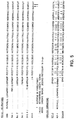
- MCP-4 polypeptides are shown in Figure 5, along with the amino acid sequence encoded in the full length cDNA, which is also shown aligned with the sequences of MCP-3 and eotaxin.
- the major form of MCP-4 shares 60% amino acid identity with these proteins, and has 29, 39 and 41% identity with RANTES, MIP-1 ⁇ and MIP-1 ⁇ .
- EXAMPLE 7 MCP-4 stimulates chemotaxis of a variety of blood cells
- Chemotaxis was assessed in 48-well chambers (Neuro Probe, Cabin John, MD, USA) using polyvinylprrolidone-free polycarbonate membranes (Nucleopore) with 5um pores for monocytes and eosinophils, and 3-um pores for lymphocytes, RPMI 1640 supplemented with 20 mM hepes, pH 7.4, and 1% pasteurized plasma protein solution (5% PPL SRK; Swiss Red Cross Laboratory, Bern, Switzerland) was used to dissolve the chemokines, which were placed in the lower well, and to suspend the cells (50,000 monocytes or eosinophils and 100,000 lymphocytes per upper well).
- the membrane was removed, washed on the upper side with PBS, fixed and stained. All assays were done in triplicate, and the migrated cells were counted in five randomly selected fields at 1,000-fold magnification. Spontaneous migration was determined in the absence of chemoaltractant.
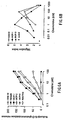
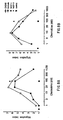
- MCP-4 induced the migration of monocytes, eosinophils and lymphocytes with a typical bimodal concentration dependence (as shown in Figures 6. 7 and 8).
- the activity on monocytes was comparable to that of MCP-3, both in terms of efficacy and potency, as indicated by the numbers of migrating cells and the concentration (100 nM) at which maximum effects were observed, as illustrated in Graph (B) in Figure 6.
- MCP-1 was somewhat more efficacious and considerably more potent on these cells, reaching maximum effect at 1 nM.
- MCP-4 also induced strong migration of CD4+ and CD8+ T lymphocytes, as illustrated in Figure 7. Its efficacy was similar to that of MCP-1, but 10 to 100 nM MCP-4 were required for the maximum effects as compared to 1 nM MCP-1. Some migration of both types of T cells was also observed with eotaxin at concentrations between 10 nM and 1 uM. Freshly prepared blood lymphocytes did not migrate in response to any of the chemokines that were effective on cloned cells.
- MCP-4 elicited migration similar to eotaxin, with a maximum at 10 to 30 nM.
- MCP-3 had comparable efficacy, but its maximum effective concentration was 100 nM.
- Eotaxin and MCP-3 both potent attractants for these cells.
- MCP-1 is not a chemoattractant for eosinophils and served as negative control.
- EXAMPLE 8 MCP-4 (also referred to as Ck ⁇ -10) stimulates cells to release of N-acetyl ⁇ -D-glucosaminidase
- samples of 1.2x10 6 monocytes in 0.3 ml prewarmed medium (136 mM NaCl, 4.8 mM KCl, 1.2 mM KH 2 PO 4 , 1 mM CaCl 2 , 20 mM Hepes, pH 7.4, 5 mM D-glucose and 1 mg/ml fatty acid-free BSA) were pretreated for 2 min with cytochalasin B (2.7 ug/ml) and stimulated with a chemokine. The reaction was stopped after 3 min by cooling on ice and centrifugation (6,000, 3 min), and enzyme activity was determined in the supernatant.
- Graph (A) cells exposed to MCP-4 were stimulated to release abundant amounts of lysosomal enzymes such as N-acetyl- ⁇ -D-glucosaminidase.
- MCP-4 was as potent as MCP-2 and similar to the effects of other monocyte chemotactic proteins.
- RANTES stimulated considerably less enzyme release and there was no stimulation of release by eotaxin.
- elastase release by neutrophils was measured to determine responsiveness to chemokines, in accordance with the methods described in Peveri et al., J. Exp. Med. 167 :1547-1559 (1988). MCP-4 did not stimulate elastase release by neutorphils in these experiments.
- EXAMPLE 9 MCP-4 (also referred to as Ck ⁇ -10) modulates cytostolic free Ca 2+
- Receptor usage was tested by monitoring changes in [Ca2+] brought about by repeated chemokine stimulation at short intervals.
- the consequent desensitization of the exposure regimen provides a measure of receptor utilization.
- the determinations were made using 90 sec intervals exactly as described for monocytes by Uguccioni et al., Eur. J. Immunol. 25 :64-68 (1995). Determinations were made in monocytes and eosinophils.
- monocytes first stimulated with MCP-4 were markedly less responsive to MCP-1, RANTES and MIP-1 ⁇ and slightly less responsive to MCP-3. Densensitization increased with the concentration of MCP-4
- MCP-4 In eosinophils, MCP-4 exhibited marked cross-desensitization with MCP-3, RANTES and eotaxin. In fact, it abrogated the response to subsequent stimulation by eotaxin and MCP-3, markedly decreased responsiveness to RANTES. MCP-4, and it therefore appears to be a major agonist for these cells. The results indicate that MCP-4 shares receptors with MCP-3, RANTES and Eotaxin.
- MIP-1 ⁇ MIP-1 ⁇ receptors apparently do not recognize or bind MCP-4.
- the same receptor is likely to bind RANTES, which retained some activity on cells that had been stimulated with MCP-4.
- EXAMPLE 11 Expression of MCP-4 (also referred to as Ck ⁇ -10) in a drosophila expression system
- a full-length cDNA encoding MCP-4 was expressed in a well known and readily available drosophila cell expression, using routine techniques for expressing cloned genes in this system.
- Expressed MCP-4 was prepared from cells in which the cDNA was expressed and then characterized, using well known, routine techniques for characterizing polypeptides and proteins.
- MCP-4 Several forms of MCP-4 was found in the expressing cells, including MCP-4 with shortened amino and carboxyl termini and MCP-4 comprising post-translational modifications.
- drosophila cells expressed MCP-4 having the amino acid sequence set out in Figure 1 except for the following differences.
- N-terminal sequences changed to:
- EXAMPLE 12 Assay of MCP-4 (also referred to as Ck ⁇ -10) produced in a drosophila expression system
- Differing forms of MCP-4 expressed in drosophila cells were assays for activities using the techniques described herein above.
- Dro1 and Dro2 mobilized monocyte, PBL and EOL-3 cells in the chemotaxis assays, and they both were active in Ca2+ mobilization assays.
- Dro3 showed substantially reduced bioactivity and, in fact, can be used as an antagonist.
- EXAMPLE 13 CK ⁇ -4 enhances survival of cortical neurons
- Cortical cells were derived from rat fetuses at gestation day 17. Following the preparation of a single cell suspension, the cells were plated at a density of 15,000 cells/well in serum containing medium. After 24 hr. the medium was changed to a serum-free medium and the test factors were added. The medium was changed every other day and the test factors were added again.
- Live cells in this assay are determined by intracellular esterase activity, quantitated by conversion of cell-permeant calcein AM, which is nearly non-fluorescent, calcein, which is intensely fluorescent.
- Living cells almost universally express esterase activity and well the polycationic, fluorescent calcein. Thus, living cells produce a uniform, intense green fluorescence in the assay.
- the assay can be calibrated so that emission at 520 nm can be used to determine total viable cell number in cultures.
- the assay can be implemented, as it was for the present example, using the Live/Dead Cell Assay Kit commercially available from Molecular Probes.
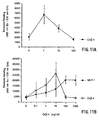
- CK ⁇ -4 (closed squares) stimulates cortical neuron cell survival in culture similarly to HG0100 (open squares).
- EXAMPLE 14 CK ⁇ -4 increases outgrowth of cortical neurons
- CK ⁇ -4 at concentrations of 10-100 ng/ml enhances neurite outgrowth similarly to bFGF-10. Results are for six replicate cultures.
- EXAMPLE 15 CK ⁇ -4 induces chemotaxis of peripheral blood lymphocytes
- Chemotaxis of peripheral blood lymphocytes in response to Ck ⁇ -4 and MCP-1 was determined by the above described methods.
- Ck ⁇ -4 exhibit a peak of activity at 1 to 10 ng/ml, comparable to the activity of MCP-1 at saturation.
Landscapes
- Chemical & Material Sciences (AREA)
- Health & Medical Sciences (AREA)
- Life Sciences & Earth Sciences (AREA)
- Organic Chemistry (AREA)
- General Health & Medical Sciences (AREA)
- Gastroenterology & Hepatology (AREA)
- Biochemistry (AREA)
- Biophysics (AREA)
- Zoology (AREA)
- Genetics & Genomics (AREA)
- Medicinal Chemistry (AREA)
- Molecular Biology (AREA)
- Proteomics, Peptides & Aminoacids (AREA)
- Toxicology (AREA)
- Peptides Or Proteins (AREA)
- Medicines That Contain Protein Lipid Enzymes And Other Medicines (AREA)
Claims (18)
- Polynucleotid, ausgewählt aus der Gruppe bestehend aus(a) Polynucleotiden, welche ein Polypeptid codieren mit einer Aminosäuresequenz, ausgewählt aus der Gruppe bestehend aus den Resten 17-98, 20-98, 22-98, 28-98, 28-95 und 28-93 wie in SEQ ID NO: 4 gezeigt;oder der komplementäre Strang eines solchen Polynucleotids.
- Polynucleotid nach Anspruch 1, welches DNA ist.
- Polynucleotid nach Anspruch 2, welches genomische DNA ist.
- Polynucleotid nach Anspruch 1, welches RNA ist.
- Vektor, welcher das Polynucleotid nach einem der Ansprüche 1 bis 4 enthält.
- Vektor nach Anspruch 5, in welchem das Polynucleotid funktionell verbunden ist mit einer Expressionskontrollsequenz, welche die Expression in prokaryontischen oder eurkaryontischen Wirtszellen erlaubt.
- Wirtszelle, gentechnisch verändert mit dem Polynucleotid nach einem der Ansprüche 1 bis 4 oder dem Vektor nach Anspruch 5 oder 6.
- Verfahren zur Herstellung eines Polypeptids, welches von dem Polynucleotid nach einem der Ansprüche 1 bis 4 codiert wird, umfassend: Züchtung der Wirtszelle nach Anspruch 7 und Gewinnung des Polypeptids, welches von dem Polynucleotid codiert wird, aus der Kultur.
- Verfahren zur Herstellung von Zellen, welche in der Lage sind, ein Polypeptid zu exprimieren, welches von dem Polynucleotid nach einem der Ansprüche 1 bis 4 codiert wird, umfassend die gentechnische Veränderung der Zellen mit dem Vektor nach Anspruch 5 oder 6.
- Polypeptid mit der Aminosäuresequenz, die durch ein Polynucleotid nach einem der Ansprüche 1 bis 4 codiert wird, oder erhältlich durch das Verfahren nach Anspruch 8.
- Antikörper, welcher spezifisch das Polypeptid nach Anspruch 10 bindet.
- Nucleinsäuremolekül, welches spezifisch an ein Polynucleotid nach einem der Ansprüche 1 bis 4 hybridisiert, wobei das Nucleinsäuremolekül zu mindestens 95% identisch zu dem Polynucleotid ist und ein Polypeptid codiert, welches MCP-4-Aktivität besitzt.
- Antagonist/Inhibitor des Polypeptids nach Anspruch 10, welcher der Antikörper nach Anspruch 11 oder ein Antisense-Konstrukt ist, das spezifisch an ein Transkript des Polynucleotids nach einem der Ansprüche 1 bis 4 hybridisiert.
- Arzneimittel, umfassend das Polynucleotid nach einem der Ansprüche 1 bis 4, das Polypeptid nach Anspruch 10 oder eine DNA, welche das Polypeptid codiert und in der Lage ist es in vivo zu exprimieren, oder den Antagonist/Inhibitor nach Anspruch 13 und gegebenenfalls einen pharmazeutisch verträglichen Träger.
- Diagnosemittel, umfassend das Polynucleotid nach einem der Ansprüche 1 bis 4, das Nucleinsäuremolekül nach Anspruch 12 oder den Antikörper nach Anspruch 11.
- Verwendung des Polypeptids nach Anspruch 10 oder des Polynucleotids nach einem der Ansprüche 1 bis 4 für die Herstellung eines Arzneimittels zur Behandlung von soliden Tumoren, chronischen Infektionen, Autoimmunkrankheiten, Psoriasis, Asthma, Allergien, zur Regulierung der Hämatopoiese oder zur Förderung der Wundheilung.
- Verwendung des Antagonisten/Inhibitors nach Anspruch 13 für die Herstellung eines Arzneimittels zur Behandlung von Autoimmunkrankheiten, chronischen Entzündungs- oder Infektionskrankheiten, Histamin-vermittelten allergischen Reaktionen, Prostaglandin-unabhängigem Fieber, Knochenmarksdefekt, Silikose, Sarkoidose, hypereosinophilem Syndrom oder Lungenentzündung.
- Verfahren zur Identifizierung von Verbindungen, welche an einen Rezeptor für das Polypeptid nach Anspruch 10 binden und diesen aktivieren, umfassend:(a) das Inkontaktbringen einer Zelle, welche einen Rezeptor für das Polypeptid exprimiert, oder eine Membranpräparation davon mit einer Verbindung, welche in Anwesenheit des Polypeptids unter Bedingungen, welche die Bindung des Polypeptids an den Rezeptor erlauben, gescreent werden soll; und(b) Bestimmen, ob die Verbindung die Interaktion des Polypeptids mit dem Rezeptor verstärkt oder blockiert.
Priority Applications (1)
| Application Number | Priority Date | Filing Date | Title |
|---|---|---|---|
| AT96910334T ATE329009T1 (de) | 1996-02-23 | 1996-02-23 | Menschliche chemokin-polypeptide. |
Applications Claiming Priority (5)
| Application Number | Priority Date | Filing Date | Title |
|---|---|---|---|
| AU53559/96A AU5355996A (en) | 1996-02-23 | 1996-02-23 | Human chemokine polypeptides |
| CN96180105A CN1209167A (zh) | 1996-02-23 | 1996-02-23 | 人趋化因子多肽 |
| CA002247113A CA2247113A1 (en) | 1996-02-23 | 1996-02-23 | Human chemokine polypeptides |
| PCT/US1996/002598 WO1997031098A1 (en) | 1996-02-23 | 1996-02-23 | Human chemokine polypeptides |
| AU56518/00A AU767527B2 (en) | 1996-02-23 | 2000-09-06 | Human chemokine polypeptides |
Publications (3)
| Publication Number | Publication Date |
|---|---|
| EP0885293A1 EP0885293A1 (de) | 1998-12-23 |
| EP0885293A4 EP0885293A4 (de) | 2000-02-02 |
| EP0885293B1 true EP0885293B1 (de) | 2006-06-07 |
Family
ID=56289681
Family Applications (1)
| Application Number | Title | Priority Date | Filing Date |
|---|---|---|---|
| EP96910334A Expired - Lifetime EP0885293B1 (de) | 1996-02-23 | 1996-02-23 | Menschliche chemokin-polypeptide. |
Country Status (3)
| Country | Link |
|---|---|
| EP (1) | EP0885293B1 (de) |
| AU (1) | AU5355996A (de) |
| WO (1) | WO1997031098A1 (de) |
Families Citing this family (16)
| Publication number | Priority date | Publication date | Assignee | Title |
|---|---|---|---|---|
| US6458349B1 (en) | 1995-06-02 | 2002-10-01 | Human Genome Sciences, Inc. | Chemokine β-4 polypeptides |
| US6174995B1 (en) | 1994-08-23 | 2001-01-16 | Haodong Li | Human chemokines, CKβ4 and CKβ10/MCP-4 |
| US6391589B1 (en) | 1994-08-23 | 2002-05-21 | Human Genome Sciences, Inc. | Human chemokine beta-10 mutant polypeptides |
| US6290948B1 (en) | 1996-05-14 | 2001-09-18 | Smithkline Beecham Corporation | Method of treating sepsis and ARDS using chamohine beta-10 |
| GB9617923D0 (en) * | 1996-08-28 | 1996-10-09 | Smithkline Beecham Plc | Novel receptor |
| US6673915B1 (en) | 1996-09-30 | 2004-01-06 | General Hospital Corporation | Nucleic acid encoding monocyte chemotactic protein 4 |
| WO1998049309A1 (en) * | 1997-04-30 | 1998-11-05 | F. Hoffmann-La Roche Ag | Rat st38.2 chemokine |
| US6989435B2 (en) | 1997-09-11 | 2006-01-24 | Cambridge University Technical Services Ltd. | Compounds and methods to inhibit or augment an inflammatory response |
| US7067117B1 (en) | 1997-09-11 | 2006-06-27 | Cambridge University Technical Services, Ltd. | Compounds and methods to inhibit or augment an inflammatory response |
| EP0974357A1 (de) * | 1998-07-16 | 2000-01-26 | Schering-Plough | Chemokine als Adjuvantien der Immunantwort |
| US6316420B1 (en) * | 1998-07-28 | 2001-11-13 | Technion Research And Development Foundation Ltd. | DNA cytokine vaccines and use of same for protective immunity against multiple sclerosis |
| DE19842363A1 (de) * | 1998-09-16 | 2000-03-30 | Forssmann Wolf Georg | Verwendung von Chemokinen zur Stammzellmobilisation und von Chemokin-Antagonisten zur Vermeidung von Tumormetastasierung |
| CA2359853A1 (en) * | 1999-01-08 | 2000-07-13 | Smithkline Beecham Corporation | Human chemokine beta-10 mutant polypeptides |
| US7238711B1 (en) | 1999-03-17 | 2007-07-03 | Cambridge University Technical Services Ltd. | Compounds and methods to inhibit or augment an inflammatory response |
| ATE518884T1 (de) | 2002-05-01 | 2011-08-15 | Human Genome Sciences Inc | Spezifisch an chemokin beta-4 bindende antikörper |
| MX361929B (es) | 2010-11-19 | 2018-12-19 | Eisai R&D Man Co Ltd Star | Anticuerpos anti-ligando de quimiocina cc 20 (ccl20) neutralizantes. |
Family Cites Families (2)
| Publication number | Priority date | Publication date | Assignee | Title |
|---|---|---|---|---|
| US5212073A (en) * | 1989-05-12 | 1993-05-18 | Genetics Institute, Inc. | Process for producing human JE cytokine |
| ATE206162T1 (de) * | 1994-05-16 | 2001-10-15 | Human Genome Sciences Inc | Chemotaktisches protein |
-
1996
- 1996-02-23 AU AU53559/96A patent/AU5355996A/en not_active Abandoned
- 1996-02-23 WO PCT/US1996/002598 patent/WO1997031098A1/en not_active Ceased
- 1996-02-23 EP EP96910334A patent/EP0885293B1/de not_active Expired - Lifetime
Also Published As
| Publication number | Publication date |
|---|---|
| AU5355996A (en) | 1997-09-10 |
| WO1997031098A1 (en) | 1997-08-28 |
| EP0885293A4 (de) | 2000-02-02 |
| EP0885293A1 (de) | 1998-12-23 |
Similar Documents
| Publication | Publication Date | Title |
|---|---|---|
| US7138498B2 (en) | Antibodies to MCP-4 | |
| AU708903B2 (en) | Human chemokine polypeptides | |
| US6458349B1 (en) | Chemokine β-4 polypeptides | |
| AU723891B2 (en) | Human chemokine beta-11 and human chemokine alpha-1 | |
| EP0832233B1 (de) | Humanes chemokin beta-13 | |
| EP0885293A1 (de) | Menschliche chemokin-polypeptide. | |
| EP0811059A1 (de) | Menschliche chemokine beta-11 und alpha-1 | |
| EP0767796B1 (de) | chemotaktisches protein | |
| US5981230A (en) | Polynucleotide encoding chemokine β-4 | |
| US5880263A (en) | Human chemotactic protein | |
| WO1996039520A1 (en) | Human chemokine beta-12 | |
| WO1996040762A9 (en) | Monocyte chemotactic protein-4 | |
| EP1006188B1 (de) | Menschliche chemokin-polypeptide | |
| AU767527B2 (en) | Human chemokine polypeptides | |
| AU753088B2 (en) | Human chemokine polypeptides | |
| EP0777494B1 (de) | Menschliche chemokin-polypeptide | |
| AU2004200581A1 (en) | Human chemokine polypeptides | |
| AU753730B2 (en) | Human chemokine beta-13 | |
| AU750982B2 (en) | Human chemokine beta-11 and human chemokine alpha-1 | |
| KR19990087164A (ko) | 사람 케모킨 폴리펩티드 | |
| JP2001517073A (ja) | ヒトケモカインポリペプチド | |
| US20050069945A1 (en) | Human chemotactic cytokine I polypeptides | |
| CA2198219A1 (en) | Human chemokine polypeptides | |
| WO1997023640A1 (en) | Human chemotactic cytokine i |
Legal Events
| Date | Code | Title | Description |
|---|---|---|---|
| PUAI | Public reference made under article 153(3) epc to a published international application that has entered the european phase |
Free format text: ORIGINAL CODE: 0009012 |
|
| 17P | Request for examination filed |
Effective date: 19980922 |
|
| AK | Designated contracting states |
Kind code of ref document: A1 Designated state(s): AT BE CH DE DK ES FR GB GR IE IT LI LU MC NL PT SE |
|
| RIN1 | Information on inventor provided before grant (corrected) |
Inventor name: APPELBAUM, EDWARD Inventor name: WHITE, JOHN Inventor name: PARMELEE, DAVID Inventor name: LI, YULING Inventor name: ALDERSON, RALPH Inventor name: LIMA, SOLANGE HENSCHKE Inventor name: ADAMS, MARK Inventor name: LI, HAODONG |
|
| A4 | Supplementary search report drawn up and despatched |
Effective date: 19991221 |
|
| AK | Designated contracting states |
Kind code of ref document: A4 Designated state(s): AT BE CH DE DK ES FR GB GR IE IT LI LU MC NL PT SE |
|
| 17Q | First examination report despatched |
Effective date: 20030704 |
|
| RIC1 | Information provided on ipc code assigned before grant |
Ipc: 7A 61K 38/19 B Ipc: 7C 07K 14/52 B Ipc: 7C 12N 15/00 B Ipc: 7C 12N 1/20 A |
|
| GRAP | Despatch of communication of intention to grant a patent |
Free format text: ORIGINAL CODE: EPIDOSNIGR1 |
|
| GRAS | Grant fee paid |
Free format text: ORIGINAL CODE: EPIDOSNIGR3 |
|
| GRAA | (expected) grant |
Free format text: ORIGINAL CODE: 0009210 |
|
| AK | Designated contracting states |
Kind code of ref document: B1 Designated state(s): AT BE CH DE DK ES FR GB GR IE IT LI LU MC NL PT SE |
|
| PG25 | Lapsed in a contracting state [announced via postgrant information from national office to epo] |
Ref country code: NL Free format text: LAPSE BECAUSE OF FAILURE TO SUBMIT A TRANSLATION OF THE DESCRIPTION OR TO PAY THE FEE WITHIN THE PRESCRIBED TIME-LIMIT Effective date: 20060607 Ref country code: LI Free format text: LAPSE BECAUSE OF FAILURE TO SUBMIT A TRANSLATION OF THE DESCRIPTION OR TO PAY THE FEE WITHIN THE PRESCRIBED TIME-LIMIT Effective date: 20060607 Ref country code: IT Free format text: LAPSE BECAUSE OF FAILURE TO SUBMIT A TRANSLATION OF THE DESCRIPTION OR TO PAY THE FEE WITHIN THE PRESCRIBED TIME-LIMIT;WARNING: LAPSES OF ITALIAN PATENTS WITH EFFECTIVE DATE BEFORE 2007 MAY HAVE OCCURRED AT ANY TIME BEFORE 2007. THE CORRECT EFFECTIVE DATE MAY BE DIFFERENT FROM THE ONE RECORDED. Effective date: 20060607 Ref country code: CH Free format text: LAPSE BECAUSE OF FAILURE TO SUBMIT A TRANSLATION OF THE DESCRIPTION OR TO PAY THE FEE WITHIN THE PRESCRIBED TIME-LIMIT Effective date: 20060607 Ref country code: BE Free format text: LAPSE BECAUSE OF FAILURE TO SUBMIT A TRANSLATION OF THE DESCRIPTION OR TO PAY THE FEE WITHIN THE PRESCRIBED TIME-LIMIT Effective date: 20060607 Ref country code: AT Free format text: LAPSE BECAUSE OF FAILURE TO SUBMIT A TRANSLATION OF THE DESCRIPTION OR TO PAY THE FEE WITHIN THE PRESCRIBED TIME-LIMIT Effective date: 20060607 |
|
| REG | Reference to a national code |
Ref country code: GB Ref legal event code: FG4D |
|
| REG | Reference to a national code |
Ref country code: CH Ref legal event code: EP |
|
| REG | Reference to a national code |
Ref country code: IE Ref legal event code: FG4D |
|
| REF | Corresponds to: |
Ref document number: 69636231 Country of ref document: DE Date of ref document: 20060720 Kind code of ref document: P |
|
| PG25 | Lapsed in a contracting state [announced via postgrant information from national office to epo] |
Ref country code: SE Free format text: LAPSE BECAUSE OF FAILURE TO SUBMIT A TRANSLATION OF THE DESCRIPTION OR TO PAY THE FEE WITHIN THE PRESCRIBED TIME-LIMIT Effective date: 20060907 Ref country code: DK Free format text: LAPSE BECAUSE OF FAILURE TO SUBMIT A TRANSLATION OF THE DESCRIPTION OR TO PAY THE FEE WITHIN THE PRESCRIBED TIME-LIMIT Effective date: 20060907 |
|
| PG25 | Lapsed in a contracting state [announced via postgrant information from national office to epo] |
Ref country code: DE Free format text: LAPSE BECAUSE OF FAILURE TO SUBMIT A TRANSLATION OF THE DESCRIPTION OR TO PAY THE FEE WITHIN THE PRESCRIBED TIME-LIMIT Effective date: 20060908 |
|
| PG25 | Lapsed in a contracting state [announced via postgrant information from national office to epo] |
Ref country code: ES Free format text: LAPSE BECAUSE OF FAILURE TO SUBMIT A TRANSLATION OF THE DESCRIPTION OR TO PAY THE FEE WITHIN THE PRESCRIBED TIME-LIMIT Effective date: 20060918 |
|
| PG25 | Lapsed in a contracting state [announced via postgrant information from national office to epo] |
Ref country code: PT Free format text: LAPSE BECAUSE OF FAILURE TO SUBMIT A TRANSLATION OF THE DESCRIPTION OR TO PAY THE FEE WITHIN THE PRESCRIBED TIME-LIMIT Effective date: 20061107 |
|
| NLV1 | Nl: lapsed or annulled due to failure to fulfill the requirements of art. 29p and 29m of the patents act | ||
| REG | Reference to a national code |
Ref country code: CH Ref legal event code: PL |
|
| PG25 | Lapsed in a contracting state [announced via postgrant information from national office to epo] |
Ref country code: MC Free format text: LAPSE BECAUSE OF NON-PAYMENT OF DUE FEES Effective date: 20070228 |
|
| PLBE | No opposition filed within time limit |
Free format text: ORIGINAL CODE: 0009261 |
|
| STAA | Information on the status of an ep patent application or granted ep patent |
Free format text: STATUS: NO OPPOSITION FILED WITHIN TIME LIMIT |
|
| EN | Fr: translation not filed | ||
| 26N | No opposition filed |
Effective date: 20070308 |
|
| GBPC | Gb: european patent ceased through non-payment of renewal fee |
Effective date: 20070223 |
|
| PG25 | Lapsed in a contracting state [announced via postgrant information from national office to epo] |
Ref country code: IE Free format text: LAPSE BECAUSE OF NON-PAYMENT OF DUE FEES Effective date: 20070223 |
|
| PG25 | Lapsed in a contracting state [announced via postgrant information from national office to epo] |
Ref country code: GR Free format text: LAPSE BECAUSE OF FAILURE TO SUBMIT A TRANSLATION OF THE DESCRIPTION OR TO PAY THE FEE WITHIN THE PRESCRIBED TIME-LIMIT Effective date: 20060908 Ref country code: GB Free format text: LAPSE BECAUSE OF NON-PAYMENT OF DUE FEES Effective date: 20070223 Ref country code: FR Free format text: LAPSE BECAUSE OF FAILURE TO SUBMIT A TRANSLATION OF THE DESCRIPTION OR TO PAY THE FEE WITHIN THE PRESCRIBED TIME-LIMIT Effective date: 20070309 |
|
| PG25 | Lapsed in a contracting state [announced via postgrant information from national office to epo] |
Ref country code: FR Free format text: LAPSE BECAUSE OF FAILURE TO SUBMIT A TRANSLATION OF THE DESCRIPTION OR TO PAY THE FEE WITHIN THE PRESCRIBED TIME-LIMIT Effective date: 20060607 |
|
| PG25 | Lapsed in a contracting state [announced via postgrant information from national office to epo] |
Ref country code: LU Free format text: LAPSE BECAUSE OF NON-PAYMENT OF DUE FEES Effective date: 20070223 |