EP0851926B1 - Varianten des humanen rekombinanten interferon-gamma (rhu-ifn-gamma) mit erhöhter thermischer stabilität - Google Patents
Varianten des humanen rekombinanten interferon-gamma (rhu-ifn-gamma) mit erhöhter thermischer stabilität Download PDFInfo
- Publication number
- EP0851926B1 EP0851926B1 EP96938915A EP96938915A EP0851926B1 EP 0851926 B1 EP0851926 B1 EP 0851926B1 EP 96938915 A EP96938915 A EP 96938915A EP 96938915 A EP96938915 A EP 96938915A EP 0851926 B1 EP0851926 B1 EP 0851926B1
- Authority
- EP
- European Patent Office
- Prior art keywords
- interferon
- recombinant
- dna
- gamma
- variants
- Prior art date
- Legal status (The legal status is an assumption and is not a legal conclusion. Google has not performed a legal analysis and makes no representation as to the accuracy of the status listed.)
- Expired - Lifetime
Links
Images



Classifications
-
- C—CHEMISTRY; METALLURGY
- C07—ORGANIC CHEMISTRY
- C07K—PEPTIDES
- C07K14/00—Peptides having more than 20 amino acids; Gastrins; Somatostatins; Melanotropins; Derivatives thereof
- C07K14/435—Peptides having more than 20 amino acids; Gastrins; Somatostatins; Melanotropins; Derivatives thereof from animals; from humans
- C07K14/52—Cytokines; Lymphokines; Interferons
- C07K14/555—Interferons [IFN]
- C07K14/57—IFN-gamma
-
- A—HUMAN NECESSITIES
- A61—MEDICAL OR VETERINARY SCIENCE; HYGIENE
- A61K—PREPARATIONS FOR MEDICAL, DENTAL OR TOILETRY PURPOSES
- A61K38/00—Medicinal preparations containing peptides
Definitions
- the invention relates to variants of the human recombinant Interferon- ⁇ with increased thermal stability.
- Interferon- ⁇ is suitable as an antiviral, antiproliferative, immunomodulatory human therapeutic especially for the treatment of kidney tumors and chronic granulomatosis.
- Interferans like the interleukins, belong to the class of cytokines and are divided into different ones Classes: Interferon- ⁇ , Interferon- ⁇ , Interferon- ⁇ , Interferon- ⁇ and interferon- ⁇ .
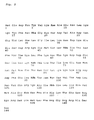
- Interferon- ⁇ is a Glycoprotein, its amino acid sequence since 1982 (Nucl. Acid Res. 10, pp. 2487 ff (1982)) is known. In the mature state, the interferon- ⁇ has 143 amino acids and a molecular weight of 63 to 73 kilodaltons. The amino acid sequence of interferon- ⁇ is in Fig. 1 shown. It is striking that the sequence contains no cysteine.
- Interferon- ⁇ is also called immune interferon because of it nonspecific antiviral, antiproliferative and in particular has immunomodulatory effects. His Production in T helper lymphocytes is caused by mitogens and stimulates antigens. The effect of the expressed Interferon- ⁇ is not yet clear, is being examined intensively. In particular, leads Interferon- ⁇ for activation of macrophages and for Synthesis of class histocompatibility antigens 2. In vitro, the activity of interferon- ⁇ becomes common as a reduction in the virus-induced cytopathic Effect determined from treatment with interferon- ⁇ results.
- Variants of human interferon- ⁇ be expressed in bacteria such as Escherichia coli (Nature 295, pp. 503 ff (1982)).
- the monomer of this has recombinant variants of human interferon- ⁇ except for the 143 amino acids of native human Monomers additionally N-terminal methionine as additional Amino acid.
- This recombinant human interferon- ⁇ (rhu-IFN- ⁇ ) is not glycosylated. It can be obtained in large quantities and therefore became very exactly characterized.
- the recombinant human interferon- ⁇ is also present as a dimer and has normal biological activity. It is acid labile and temperature sensitive with a melting point of 52 ° C.
- Thermal stability is of all interferons of human interferon- ⁇ lowest. This minor thermal stability of interferon- ⁇ difficult its use as a human therapeutic.
- EP-A-0 170 917 describes mutants of human interferon ⁇ with increased heat stability.
- cysteine is introduced at position 137, or at positions 1,3 and 135-138.
- the aim of the present invention is to develop further variants of the recombinant human interferon- ⁇ is available too places whose thermal stability is increased, whereby similar biological activity, preferably equal to or even better than that of the unchanged recombinant human interferon- ⁇ . Still is It is the object of this invention to use gene sequences, vectors Gene sequences and microorganisms with gene sequences, those for the production of the expression system and the Variants of the interferon- ⁇ according to the invention are used can be specified.
- DNA sequences and recombinant vectors with such DNA sequences for example plasmids and bacteriophages, and also microorganisms which contain such DNA sequences, are specified which code for polypeptides which are resistant to recombinant human interferon- ⁇ characterized by increased thermal stability. Methods are also specified by means of which such DNA sequences, recombinant vectors and microorganisms can be produced.
- oligonucleotides and Corresponding restriction endonucleases can be prepared from a plasmid known per se which contains the gene for recombinant human interferon- ⁇ , recombinant vectors such as plasmids or bacteriophages and microorganisms which contain a DNA sequence which code for the polypeptides according to the invention.
- polypeptides according to the invention consist of a Sequence of 144 amino acids resulting from the sequence of the 143 amino acids of recombinant human interferon- ⁇ and an additional N-terminal methionine composed.
- the invention differs Recombinant monomer polypeptide human interferon- ⁇ in that at least a pair of amino acids from four predetermined amino acid pairs is exchanged for cysteine.
- These four Amino acid pairs are Glu8 and Ser70, Ala18 and His112, Lys81 and Leu121 as well as Gln49 and Leu96.
- the complete amino acid sequence is for the recombinant human interferon- ⁇ in Fig. 1 and for the invention Polypeptide indicated in Fig. 2.
- inventive Proteins have higher thermal stability compared to the recombinant human interferon- ⁇ have.
- the proteins of the invention are likely as well as the recombinant human interferon- ⁇ homodimers, whose monomers are oriented so that the N-terminal End of one monomer is close the C-terminal end of the other monomer.
- the pairwise exchange of the amino acids leads to additional intermonomeric and intramonomeric Disulfide bridges.
- This is how the exchange of Ala18 and His112 and the exchange of Lys80 and Leu120 probably to intermonomeric disulfide bridges, and the exchange of Glu8 and Ser70 into one intramonomeric disulfide bridge during the exchange of Glu49 and Leu96 probably none leads to additional covalent bonding.
- cysteine pairs into the amino acid sequence of the polypeptide monomer is not immediate concluded on the formation of disulfide bridges become.
- these proteins are particularly suitable for various Forms of application as a human therapeutic. They are particularly advantageous in those areas applicable, for which also previously humane recombinant interferon- ⁇ used as a drug such as kidney tumors or chronic granulomatosis. It can also be expected that the proteins of the invention also in all future indications can be used in which conventional recombinant human interferon- ⁇ will be used as a medicine.
- the variants of the recombinant according to the invention human interferon- ⁇ are also suitable for use as a fine chemical, for example for in vitro experiments, for the determination of interferon levels as well for the stimulation of cell cultures. Because of their higher thermal stability and thus better manageability and because of their antiviral, antiproliferative and immunodulatory biological activity can be used in all areas where conventional recombinant human interferon- ⁇ used will replace this.
- a shortening of the C-terminal end of the polypeptide monomer leads to one to ten amino acids an improvement in biological activity. Thereby is achieved that both the thermal stability of the variants of the recombinant according to the invention human interferon- ⁇ as well as its biological Activity against the recombinant human Interferon- ⁇ is improved.
- a recombinant microorganism which contains a gene sequence which is for one of the invention
- the sequence is encoded into polypeptides of human recombinant interferon- ⁇ using Restriction endonucleases from a vector representing this Sequence contains cut out and into the DNA of a Cloned phages.
- the phage DNA is then mutated with the help of suitable oligonucleotides, so that them for one of the polypeptides according to the invention coded.
- the genetically modified phage is then increased and the changed sequence for human recombinant interferon- ⁇ from the DNA of the Phages using the same restriction endonucleases cut out and cloned back into the plasmid. With With the help of this plasmid, a microorganism now becomes transfected, which then the new one for the Express the gene encoding the polypeptide of the invention can.
- the known plasmid pKK-233-2 / IFN- ⁇ was used as the starting material used.
- This plasmid was used with the Restriction endonucleases EcoRI and HindIII digested.
- This plasmid has between the two interfaces for EcoRI and HindIII the gene for human recombinant interferon- ⁇ and a strong IPTG-inducible trc promoter.
- This section of DNA with a length of 751 base pairs was then also with EcoRI and HindIII in the also known Bacteriophage M13mp18 cloned.
- the DNA of the bacteriophage was known Methods and suitable oligonucleotides mutated so that the gene for interferon- ⁇ for one of the invention Variants coded.
- This new bacteriophage M13mp18 / IFN- ⁇ was found in the bacterium Escherichia coli K12 strain TG1 propagated. From the cDNA the increased phage was made using the same Restriction endonucleases EcoRI and HindIII which now altered sequence section that the gene for the altered rhu-IFN- ⁇ contained, cut out and in the plasmid pKK233-2 was cloned back. This now plasmid pKK233-2 / IFN- ⁇ was also changed used the bacterium Escherichia coli K12 Transfect strain JM205.
- the oligonucleotides used have a length of 29 base pairs and a sequence that is complementary is the corresponding single-stranded DNA sequence Bacteriophage DNA that is about in the middle of the contains mutating base pairs.
- a complementary Codon for the amino acid to be introduced was cysteine both ACA and GCA are used.
- This oligonucleotide primer were made using a commercially available DNA synthesizer manufactured. There was no difference in the mutation rate between the two codons for cysteine found.
- the transformed recombinant microorganism is cultivated and then the culture according to the invention Protein separated, purified and concentrated.
- the transfected bacteria contain the gene sequence for the changed interferon- ⁇ and one by IPTG inducible trc promoter.
- the bacteria will taken in cultures and the expression of the mutant Interferon- ⁇ is induced by adding IPTG.
- the expressed altered interferon- ⁇ is from the Bacterial cells in so-called "inclusion bodies" stored.
- inclusion bodies for cleaning the expressed, altered Interferon- ⁇ are the bacterial cells after successful expression broke up and the "Inclusion bodies "by washing soluble free bacterial proteins.
- the breaking up will preferably mechanically, for example by ultrasound, performed.
- the protein according to the invention is through a denaturation step with guanidinium hydrochloride brought into solution and separated.
- the protein according to the invention is then passed through Dilute in a phosphate buffer and renatured folded its biologically active form. That too more than 90% clean interferon- ⁇ is obtained with a Rate of up to 30% of the total protein content E.coli culture obtained. It can then go through an affinity chromatography on a column or concentrated in a batch process and can be further cleaned and reached after another Filtration step, for example HPLC gel filtration, a degree of purity of more than 95%.
- the chromatographic material is evenly so in a solution of the invention Protein stirred in that the modified interferon- ⁇ evenly distributed to the chromatographic material binds and the interferon ⁇ protein concentration no more than about 2 mg / ml packed chromatographic Material is.
- the one loaded with interferon- ⁇ chromatographic material is in batch with Washed phosphate buffer and the changed interferon- ⁇ then in a batch with saline in phosphate buffer eluted.
- the interferon ⁇ gene of the plasmid pKK-233-2 / IFN- ⁇ was cloned into phage M13mp18. This was done a plasmid preparation with the restriction endonucleases Digested EcoRI and HindIII. Through this digestion the vector was in two fragments with lengths 751 base pairs and 4305 base pairs split. Both Fragments were separated on a 1% agarose gel separated and the corresponding 751 base pairs large band cut out of the gel and isolated. This fragment contained the complete interferon ⁇ gene the trc promoter and other vector parts at the 5 'end.
- a 150 ml culture of Escherichia coli TG1 was mixed with the phage M13mp18 infected. After a five hour period Incubation, the cells were spun down, resuspended once and pelleted again. The double-stranded circular phage DNA was compared to the Quiagen TM plasmid isolation kit (Diagen) cleaned up the cells. The phage's RF DNA M13mp18 was also used with the restriction enzymes EcoRI and HindIII digested and over a 1% agarose gel cleaned. Then the 751 bp long isolated EcoRI / HindIII insert from the vector pKK-233-2 / IFN- ⁇ cloned into phage M13mp18.
- the oliglonucleotides were removed using a commercially available Synthesizers made.
- the two codons for cysteine are TGT and TGC.
- the corresponding complementary Breast order in the nucleotide strand is GCA or ACA. Both codons were used (highlighted).
- the length of all oligonucleotide primers was 29 base pairs selected. All oligonucleotides were required for mutagenesis at its 5 'end with T4 polynucleotide kinase be phosphorylated.
- the hybridization was carried out at 80 ° C. in a water bath.
- the transformation of the double-stranded RF form of the phage DNA was carried out analogously to a normal plasmid using the CaCl 2 method.
- E. coli cells were pooled with the recombinant phage RF-DNA, IPTG and X-Gal and plated. After overnight incubation at 37 ° C., 14 phage clones were picked from each mutagenesis reaction and incubated again together with E. coli for five hours at 37 ° C.
- the expression of the interferon- ⁇ was altered carried out according to the methods described above.
- the biological, antiviral activity of the changed Interferon- ⁇ was induced by reducing the virus cytopathic effect that determines itself after treatment with the modified interferon- ⁇ revealed.
- Human lung fibroblasts became the cell line A549 and as a virus the encephalomyocarditis virus used.
- a variant of the recombinant human interferon- ⁇ was produced in which the two amino acids Ala18 and His112 were exchanged for cysteine.
- the generation of the corresponding DNA, phage DNA, plasmid DNA and the corresponding expression organisms was carried out as in Example 1.
- the following oligonucleotides were used for the hybridization of the ssDNA: for the mutation of Ala18 to Cys and for the mutation of His112 to Cys
- a variant of the recombinant, human interferon- ⁇ was produced, in which the two amino acids Lys81 and Leu121 were exchanged for cysteine.
- the corresponding DNA, plasmid DNA, phage DNA and the corresponding expression microorganism were prepared as described in Example 1.
- the following oligonucleotides were used to produce the variant: for the mutation from Lys81 to Cys and for the mutation of Leu121 to Cys
- a variant of the recombinant human interferon- ⁇ was produced in which the two amino acids Gln49 and Leu96 were exchanged for cysteine.
- the preparation of the corresponding DNA, plasmid DNA, phage DNA and the corresponding expression microorganism was also carried out as described in Example 1.
- the following oligonucleotides were used to produce this variant of interferon- ⁇ : for the mutation of Gln49 to Cys and for the mutation from Leu96 to Cys
- interferon- ⁇ was also found those described in the previous examples Benefits.
- This variant of interferon- ⁇ is also present with an antiviral activity that is approximately 30% of the unchanged recombinant human interferon- ⁇ corresponds to the uses according to the invention as a therapeutic or as a fine chemical, such as Example for stimulating cell cultures.
- Example 1 There was a variant of that shown in Example 1 altered recombinant human interferon- ⁇ , at where the amino acids Glu8 and Ser70 are exchanged for cysteine were produced, with additional in otherwise known the amino acid sequence of monomeric polypeptide C-terminal around 10 amino acids was shortened.
- This variant shows with increased thermal stability of recombinant human interferon- ⁇ one Activity that is 1 to 4 times higher than that antiviral activity of the unchanged recombinant human interferon- ⁇ .
- This will be a variant of interferon- ⁇ , which in addition to increased thermal stability at the same time increased biological Activity shows.
Landscapes
- Chemical & Material Sciences (AREA)
- Health & Medical Sciences (AREA)
- Life Sciences & Earth Sciences (AREA)
- Organic Chemistry (AREA)
- General Health & Medical Sciences (AREA)
- Molecular Biology (AREA)
- Biochemistry (AREA)
- Biophysics (AREA)
- Zoology (AREA)
- Genetics & Genomics (AREA)
- Medicinal Chemistry (AREA)
- Gastroenterology & Hepatology (AREA)
- Proteomics, Peptides & Aminoacids (AREA)
- Toxicology (AREA)
- Preparation Of Compounds By Using Micro-Organisms (AREA)
- Peptides Or Proteins (AREA)
- Micro-Organisms Or Cultivation Processes Thereof (AREA)
- Medicines That Contain Protein Lipid Enzymes And Other Medicines (AREA)
Description
S. 698 ff (1991)). Danach liegt Interferon-γ als Homodimer vor, wobei die Monomere gegensinnig so orientiert sind, daß das C-terminale Ende des einen Monomers sich in der Nähe des N-terminalen Endes des anderen Monomers befindet. Jedes dieser Monomere besitzt insgesamt sechs α-Helices.
Es ist säurelabil und temperaturempfindlich mit einem Schmelzpunkt von 52° C.
EP 0 306870 A2 wurden Varianten des rekombinanten humanen Interferon-γ vorgestellt, deren Aktivität durch Abspaltung der C-terminalen 7-11 Aminosäuren signifikant erhöht wurde. Auch die WO 92-08737 gibt eine Variante des rekombinanten humanen Interferon-γ an (Interferon-γ C-10L), die eine erhöhte biologische Aktivität besitzt. Bei keiner dieser Varianten des rekombinanten humanen Interferons-γ wurde jedoch die thermische Stabilität signifikant erhöht. Die geringe thermische Stabilität erschwert daher auch für diese Proteine ihren Einsatz als Humantherapeutikum.
entsprechender Restrikionsendonukleasen können ausgehend von einem an sich bekannten Plasmid, das das Gen für rekombinantes humanes Interferon-γ enthält, rekombinante Vektoren wie Plasmide oder Bakteriophagen sowie Mikroorganismen hergestellt werden, die eine DNA-Sequenz enthalten, die für die erfindungsgemäßen Polypeptide kodieren.
- Fig. 1
- die Aminosäuresequenz des humanen rekombinanten Interferon-γ;
- Fig. 2
- die Aminosäuresequenz der Varianten des rekombinanten humanen Interferon-γ nach Anspruch 1;
- Fig. 3
- die Aminosäuresequenz der Varianten des rekombinanten humanen Interferon-γ entsprechend Anspruch 2; und
- Fig. 4
- die Basensequenz der Oligonukleotide, die zur Herstellung der rekombinanten DNA, die für die erfindungsgemäßen Proteine kodiert, verwendet wurden.
für die Mutation von Glu8 zu Cys


für die Mutation von Ala18 zu Cys


für die Mutation von Lys81 zu Cys


für die Mutation von Gln49 zu Cys


Claims (21)
- Polypeptid mit folgender Aminosäuresequenz:wobei Xaa und Xab, Xba und Xbb, Xca und Xcb bzw. Xda und Xdb jeweils Paare von Aminosäuren bezeichnen und die Aminosäuren mindestens eines dieser Paare paarweise Cystein sind und wobei für die Aminosäuren, die nicht Cystein sind, gilt:
 deren C-Terminal um 1 bis 10 Aminosäuren verkürzte Varianten und deren Homodimere.Xaa = Glu, Xab = SerXba = Ala, Xbb = HisXca = Lys, Xcb = LeuXda = Gln, Xdb = Leu,
 - DNA-Sequenz,
dadurch gekennzeichnet, daß sie für ein Polypeptid nach Anspruch 1 kodiert. - Rekombinanter Vektor,
dadurch gekennzeichnet, daß er DNA enthält, die für ein Polypeptid nach Anspruch 1 kodiert. - Rekombinanter Vektor nach Anspruch 3,
dadurch gekennzeichnet, daß er ein Plasmid ist. - Rekombinanter Vektor nach Anspruch 4,
dadurch gekennzeichnet, daß er aus dem Plasmid pKK233-2/IFN-γ besteht, wobei seine Gen-Sequenz für ein Polypeptid nach Anspruch 1 kodiert. - Rekombinanter Vektor nach Anspruch 3,
dadurch gekennzeichnet, daß er aus einem Bakteriophagen besteht, der DNA enthält, die für ein Polypeptid nach Anspruch 1 kodiert. - Rekombinanter Vektor nach Anspruch 6,
dadurch gekennzeichnet, daß er aus dem Bakteriophagen M13mp19 besteht, in den eine Gensequenz kloniert wurde, die für ein Polypeptid nach Anspruch 1 kodiert. - Rekombinanter Mikroorganismus,
dadurch gekennzeichnet, daß er mit einem Vektor nach einem der Ansprüche 3 bis 7 transformiert wurde. - Mikroorganismus nach Anspruch 8,
dadurch gekennzeichnet, daß er ein Bakterium ist. - Mikroorganismus nach Anspruch 9,
dadurch gekennzeichnet, daß das Bakterium Escherichia coli K12 Stamm JM105 ist. - Verfahren zur Herstellung eines rekombinanten Bakteriophagen nach einem der Ansprüche 6 oder 7,
dadurch gekennzeichnet, daß das Plasmid pKK233-2/IFN-γ mit Restriktionsendonukleasen verdaut wird und anschließend der DNA-Abschnitt, der die für Interferon-γ kodierende Sequenz enthält, in ansonsten bekannter Weise in die DNA des Bakteriophagen M13mp18 kloniert und dann die rekombinante DNA des Bakteriophagen mit Hilfe von Oligonukleotiden in ebenfalls ansonsten bekannter Weise so modifiziert wird, daß sie für ein Polypeptid nach Anspruch 1 kodiert. - Verfahren nach Anspruch 11,
dadurch gekennzeichnet, daß als Restriktionsendonukleasen EcoRI und HindIII verwendet werden. - Verfahren zur Herstellung eines rekombinanten Bakteriums nach einem der Ansprüche 6 oder 7,
dadurch gekennzeichnet, daß zur Transfektion des Mikroorganismus ein Plasmid nach einem der Ansprüche 4 oder 5 verwendet wird. - Verfahren zur Herstellung eines Polypeptids nach Anspruch 1,
dadurch gekennzeichnet, daß ein transformiertes Bakterium nach einem der Ansprüche 8 bis 10 in Kultur gezüchtet wird, diese Zellen aufgebrochen werden und das Protein in ansonsten bekannter Weise abgetrennt und aufgereinigt wird. - Verfahren nach Anspruch 14,
dadurch gekennzeichnet, daß die Bakterienzellen mechanisch, z.B. mit Ultraschall, aufgebrochen werden. - Verfahren nach einem der Ansprüche 14 oder 15,
dadurch gekennzeichnet, daß die Abtrennung des Proteins erfolgt, indem die Zellvesikel, die das Protein enthalten, mindestens einmal gewaschen werden und das Protein anschließend mit Guanidiniumhydrochlorid in Lösung gebracht und nach Abtrennung durch Verdünnen renaturiert wird. - Verfahren nach mindestens einem der Ansprüche 14 bis 16,
dadurch gekennzeichnet, daß das Protein durch eine Affinitätschromatographie auf einer Säule oder im Batch-Verfahren isoliert und anschließend durch eine Gelfiltration hochgereinigt wird. - Verfahren nach mindestens einem der Ansprüche 14 bis 17,
dadurch gekennzeichnet, daß beim Batch-Verfahren das Material der Affinitätschromatographie in gleichmäßigen Kontakt mit der Proteinlösung gebracht wird, um eine gleichmäßige Belegung des Harzes zu erreichen, und daß anschließend im Batch gewaschen und eluiert wird. - Verfahren nach mindestens einem der Ansprüche 17 oder 18,
dadurch gekennzeichnet, daß für die Affinitätschromatographie übliche Materialien, wie z.B. SP-Sepharose oder Affi-Gel-Blue, verwendet werden. - Verwendung eines Polypeptids nach Anspruch 1 zur Herstellung eines Arzneimittels bei Nierentumoren, chronischer Granulomatose oder Neurodermitis.
- Verwendung eines Polypeptids nach Anspruch 1 als Feinchemikalie für in-vitro-Versuche, für in vitro Interferonspiegel-Messungen und/oder zur Stimulation von Zellkulturen.
Applications Claiming Priority (3)
| Application Number | Priority Date | Filing Date | Title |
|---|---|---|---|
| DE19535853A DE19535853C2 (de) | 1995-09-18 | 1995-09-18 | Varianten des rekombinanten humanen Interferon-gamma, Verfahren zu ihrer Herstellung und ihre Verwendung |
| DE19535853 | 1995-09-18 | ||
| PCT/DE1996/001556 WO1997011179A2 (de) | 1995-09-18 | 1996-08-15 | VARIANTEN DES HUMANEN REKOMBINANTEN INTERFERON-η (RHU-IFN-η) MIT ERHÖHTER THERMISCHER STABILITÄT |
Publications (2)
| Publication Number | Publication Date |
|---|---|
| EP0851926A2 EP0851926A2 (de) | 1998-07-08 |
| EP0851926B1 true EP0851926B1 (de) | 2003-07-30 |
Family
ID=7773265
Family Applications (1)
| Application Number | Title | Priority Date | Filing Date |
|---|---|---|---|
| EP96938915A Expired - Lifetime EP0851926B1 (de) | 1995-09-18 | 1996-08-15 | Varianten des humanen rekombinanten interferon-gamma (rhu-ifn-gamma) mit erhöhter thermischer stabilität |
Country Status (10)
| Country | Link |
|---|---|
| US (1) | US6046034A (de) |
| EP (1) | EP0851926B1 (de) |
| AT (1) | ATE246247T1 (de) |
| AU (1) | AU7617796A (de) |
| CA (1) | CA2232264C (de) |
| DE (2) | DE19535853C2 (de) |
| DK (1) | DK0851926T3 (de) |
| ES (1) | ES2203723T3 (de) |
| PT (1) | PT851926E (de) |
| WO (1) | WO1997011179A2 (de) |
Families Citing this family (19)
| Publication number | Priority date | Publication date | Assignee | Title |
|---|---|---|---|---|
| US7153943B2 (en) * | 1997-07-14 | 2006-12-26 | Bolder Biotechnology, Inc. | Derivatives of growth hormone and related proteins, and methods of use thereof |
| CN1269805A (zh) * | 1997-07-14 | 2000-10-11 | 博尔德生物技术公司 | 生长激素和相关蛋白的衍生物 |
| GB9725480D0 (en) * | 1997-12-01 | 1998-01-28 | Univ London | Cytokines and their use in the treatment of established chronic infections and cancers |
| US7230081B1 (en) | 1999-11-12 | 2007-06-12 | Maxygen Holdings, Ltd. | Interferon gamma conjugates |
| SK8292002A3 (en) | 1999-11-12 | 2002-12-03 | Maxygen Holdings Ltd | A conjugate exhibiting interferon gamma activity, nucleotide sequence encoding for a polypeptide fraction of conjugate, an expression vector and a host cell containing nucleotide sequence, pharmaceutical composition comprising the same and use thereof |
| IL152804A0 (en) * | 2000-05-16 | 2003-06-24 | Bolder Biotechnology Inc | Methods for refolding proteins containing free cysteine residues |
| US6958388B2 (en) | 2001-04-06 | 2005-10-25 | Maxygen, Aps | Interferon gamma polypeptide variants |
| US7038015B2 (en) * | 2001-04-06 | 2006-05-02 | Maxygen Holdings, Ltd. | Interferon gamma polypeptide variants |
| WO2004005341A2 (en) * | 2002-07-03 | 2004-01-15 | Maxygen Holdings Ltd. | Full-length interferon gamma polypeptide variants |
| CA2498319A1 (en) * | 2002-09-09 | 2004-03-18 | Nautilus Biotech | Rational evolution of cytokines for higher stability, the cytokines and encoding nucleic acid molecules |
| CN103755800B (zh) | 2004-02-02 | 2016-02-24 | Ambrx公司 | 经修饰的人类生长激素多肽与其用途 |
| EP1877434A2 (de) * | 2005-05-04 | 2008-01-16 | Nautilus Biotech | Modifizierte interferon-gamma-polypeptide und verfahren zur anwendung modifizierter interferon-gamma-polypeptide |
| EP1991679A2 (de) * | 2006-03-08 | 2008-11-19 | Biomethodes | Varianten des humanen interferon-gamma (ifngamma) |
| FR2898359B1 (fr) * | 2006-03-08 | 2011-07-15 | Biomethodes | Variants ameliores de l'interferon-gamma humain (ifn gamma) |
| US8617531B2 (en) * | 2006-12-14 | 2013-12-31 | Bolder Biotechnology, Inc. | Methods of making proteins and peptides containing a single free cysteine |
| NZ602170A (en) | 2008-02-08 | 2014-03-28 | Ambrx Inc | Modified leptin polypeptides and their uses |
| EP2527424A1 (de) | 2011-05-26 | 2012-11-28 | Richter-Helm Bio Tec GmbH & Co. KG | Rekombinante Expression von löslichem Interferon |
| CN109819650A (zh) | 2017-09-25 | 2019-05-28 | 春布里泽·格奥尔基·格奥尔基耶维奇 | 具有抗病毒和抗细菌活性的热稳定组合物及其用途 |
| MX2021001165A (es) * | 2018-07-30 | 2021-07-15 | Univ Leland Stanford Junior | Agonistas sesgados de interferon-gamma. |
Family Cites Families (4)
| Publication number | Priority date | Publication date | Assignee | Title |
|---|---|---|---|---|
| JPS6124599A (ja) * | 1984-07-11 | 1986-02-03 | Kyowa Hakko Kogyo Co Ltd | 新規ヒトインタ−フエロン−rポリペプチド誘導体 |
| DE3730331A1 (de) * | 1987-09-10 | 1989-03-30 | Basf Ag | Neue polypeptide, verfahren zur herstellung, die vektoren dafuer und arzneimittel daraus |
| DE4036856C1 (de) * | 1990-11-19 | 1992-05-27 | Fraunhofer-Gesellschaft Zur Foerderung Der Angewandten Forschung Ev, 8000 Muenchen, De | |
| DE4036855C1 (en) * | 1990-11-19 | 1992-05-27 | Fraunhofer-Gesellschaft Zur Foerderung Der Angewandten Forschung Ev, 8000 Muenchen, De | Plasmid DNA (DSM-6237) and expression vectors - encoding human gamma interferon prodn., prepd. by cleavage of c-DNA |
-
1995
- 1995-09-18 DE DE19535853A patent/DE19535853C2/de not_active Expired - Fee Related
-
1996
- 1996-08-15 EP EP96938915A patent/EP0851926B1/de not_active Expired - Lifetime
- 1996-08-15 ES ES96938915T patent/ES2203723T3/es not_active Expired - Lifetime
- 1996-08-15 CA CA2232264A patent/CA2232264C/en not_active Expired - Fee Related
- 1996-08-15 AT AT96938915T patent/ATE246247T1/de not_active IP Right Cessation
- 1996-08-15 AU AU76177/96A patent/AU7617796A/en not_active Abandoned
- 1996-08-15 WO PCT/DE1996/001556 patent/WO1997011179A2/de not_active Ceased
- 1996-08-15 PT PT96938915T patent/PT851926E/pt unknown
- 1996-08-15 DK DK96938915T patent/DK0851926T3/da active
- 1996-08-15 DE DE59610632T patent/DE59610632D1/de not_active Expired - Lifetime
- 1996-08-15 US US09/029,819 patent/US6046034A/en not_active Expired - Fee Related
Also Published As
| Publication number | Publication date |
|---|---|
| ES2203723T3 (es) | 2004-04-16 |
| DK0851926T3 (da) | 2003-08-18 |
| DE19535853C2 (de) | 1999-04-01 |
| CA2232264A1 (en) | 1997-03-27 |
| AU7617796A (en) | 1997-04-09 |
| CA2232264C (en) | 2010-04-13 |
| DE59610632D1 (de) | 2003-09-04 |
| WO1997011179A2 (de) | 1997-03-27 |
| DE19535853A1 (de) | 1997-03-20 |
| US6046034A (en) | 2000-04-04 |
| EP0851926A2 (de) | 1998-07-08 |
| ATE246247T1 (de) | 2003-08-15 |
| PT851926E (pt) | 2003-12-31 |
| WO1997011179A3 (de) | 1997-05-09 |
Similar Documents
| Publication | Publication Date | Title |
|---|---|---|
| DE19535853C2 (de) | Varianten des rekombinanten humanen Interferon-gamma, Verfahren zu ihrer Herstellung und ihre Verwendung | |
| DE3751406T2 (de) | Herstellung und Verwendung von nicht-glycosiliertem IL-6. | |
| DE3685996T2 (de) | Hybrid-interferone. | |
| DE3786767T2 (de) | Neues Polypeptid. | |
| DE69129697T2 (de) | Aus mehreren domänen bestehende hämatopoese-stimulatoren | |
| DE69007975T2 (de) | Fusionsprotein bestehend aus gm-csf und il-3. | |
| US4853332A (en) | Structural genes, plasmids and transformed cells for producing cysteine depleted muteins of biologically active proteins | |
| US4588585A (en) | Human recombinant cysteine depleted interferon-β muteins | |
| DE3177288T3 (de) | Reife menschliche Leukozyten-Interferone, Verfahren zu ihrer bacteriellen Herstellung, Zwischenprodukte hierfür und Zusammensetzungen diese enthaltend. | |
| DE69432340T2 (de) | Rekombinante DNS mit dem Interferon-alpha Promotor | |
| DE69027961T2 (de) | Protein, DNA und ihre Verwendung | |
| US4518584A (en) | Human recombinant interleukin-2 muteins | |
| DE3587605T2 (de) | Interleukin-1 und dessen Derivat. | |
| DE3751677T2 (de) | Neue familie von primat-hämatopoietischen wachstumsfaktoren | |
| EP0271824B1 (de) | Pferde-Gamma-Interferon | |
| DE3712985A1 (de) | Bifunktionelle proteine | |
| DE4423131A1 (de) | Neue hIL-4-Mutantenproteine als Antagonisten oder partielle Agonisten des humanen Interleukin 4 | |
| DE3586972T2 (de) | Gereinigtes interleukin-1. | |
| EP0170204B1 (de) | Neue genetische Sequenzen, die durch sie codierten Interferon-Peptide vom Typ I und diese sie produzierende Organismen | |
| DE69033937T2 (de) | Verfahren zur Herstellung von genetischen Vektoren zur Expression vom Nerven-Wachstumsfaktor in eukaryotischen Zellen | |
| US5032676A (en) | Nonglycosylated analogs of human colony stimulating factors | |
| AT400443B (de) | Menschliche mangan-superoxiddismutase cdna, ihre expression in bakterien und verfahren zur gewinnung enzymatisch aktiver, menschlicher mangan-superoxiddismutase | |
| DE69522492T2 (de) | Verfahren zur Herstellung von Alpha-Interferon | |
| DE60130100T2 (de) | Expressions- und sekretionsvektor für menschliches interferon-alpha und verfahren zur herstellung von interferon-alpha durch anwendung desselben | |
| DE69024693T2 (de) | Gene, die ein Protein mit menschlicher MACIF-Aktivität kodieren, Expressionsvektoren mit diesen Genen, Transformantenzellen und Proteine mit menschlicher MACIF-Aktivität |
Legal Events
| Date | Code | Title | Description |
|---|---|---|---|
| PUAI | Public reference made under article 153(3) epc to a published international application that has entered the european phase |
Free format text: ORIGINAL CODE: 0009012 |
|
| 17P | Request for examination filed |
Effective date: 19980311 |
|
| AK | Designated contracting states |
Kind code of ref document: A2 Designated state(s): AT BE CH DE DK ES FR GB GR IE IT LI LU MC NL PT SE |
|
| RTI1 | Title (correction) |
Free format text: VARIANTS OF HUMAN RECOMBINANT INTERFERON-GAMMA (RHU-IFN-GAMMA) HAVING INCREASED HEAT-STABILITY |
|
| GRAH | Despatch of communication of intention to grant a patent |
Free format text: ORIGINAL CODE: EPIDOS IGRA |
|
| GRAH | Despatch of communication of intention to grant a patent |
Free format text: ORIGINAL CODE: EPIDOS IGRA |
|
| GRAA | (expected) grant |
Free format text: ORIGINAL CODE: 0009210 |
|
| AK | Designated contracting states |
Designated state(s): AT BE CH DE DK ES FR GB GR IE IT LI LU MC NL PT SE |
|
| REG | Reference to a national code |
Ref country code: GB Ref legal event code: FG4D Free format text: NOT ENGLISH |
|
| REG | Reference to a national code |
Ref country code: CH Ref legal event code: EP |
|
| REG | Reference to a national code |
Ref country code: SE Ref legal event code: TRGR |
|
| REG | Reference to a national code |
Ref country code: DK Ref legal event code: T3 |
|
| PG25 | Lapsed in a contracting state [announced via postgrant information from national office to epo] |
Ref country code: MC Free format text: LAPSE BECAUSE OF NON-PAYMENT OF DUE FEES Effective date: 20030831 |
|
| REG | Reference to a national code |
Ref country code: IE Ref legal event code: FG4D Free format text: GERMAN |
|
| REF | Corresponds to: |
Ref document number: 59610632 Country of ref document: DE Date of ref document: 20030904 Kind code of ref document: P |
|
| REG | Reference to a national code |
Ref country code: GR Ref legal event code: EP Ref document number: 20030403950 Country of ref document: GR |
|
| GBT | Gb: translation of ep patent filed (gb section 77(6)(a)/1977) |
Effective date: 20031025 |
|
| RAP2 | Party data changed (patent owner data changed or rights of a patent transferred) |
Owner name: FRAUNHOFER-GESELLSCHAFT ZUR FOERDERUNG DERANGEWAND |
|
| NLT2 | Nl: modifications (of names), taken from the european patent patent bulletin |
Owner name: FRAUNHOFER-GESELLSCHAFT ZUR FOERDERUNG DER |
|
| REG | Reference to a national code |
Ref country code: CH Ref legal event code: PFA Owner name: FRAUNHOFER-GESELLSCHAFT ZUR FOERDERUNG DER ANGEWA Free format text: FRAUNHOFER-GESELLSCHAFT ZUR FOERDERUNG DER ANGEWANDTEN FORSCHUNG E.V.#LEONRODSTRASSE 54#80636 MUENCHEN (DE) -TRANSFER TO- FRAUNHOFER-GESELLSCHAFT ZUR FOERDERUNG DER ANGEWANDTEN FORSCHUNG E.V.#HANSASTRASSE 27 C#80686 MUENCHEN (DE) |
|
| REG | Reference to a national code |
Ref country code: ES Ref legal event code: FG2A Ref document number: 2203723 Country of ref document: ES Kind code of ref document: T3 |
|
| ET | Fr: translation filed | ||
| PLBE | No opposition filed within time limit |
Free format text: ORIGINAL CODE: 0009261 |
|
| STAA | Information on the status of an ep patent application or granted ep patent |
Free format text: STATUS: NO OPPOSITION FILED WITHIN TIME LIMIT |
|
| 26N | No opposition filed |
Effective date: 20040504 |
|
| PGFP | Annual fee paid to national office [announced via postgrant information from national office to epo] |
Ref country code: IE Payment date: 20090821 Year of fee payment: 14 Ref country code: FR Payment date: 20090819 Year of fee payment: 14 Ref country code: ES Payment date: 20090821 Year of fee payment: 14 Ref country code: DK Payment date: 20090821 Year of fee payment: 14 |
|
| PGFP | Annual fee paid to national office [announced via postgrant information from national office to epo] |
Ref country code: SE Payment date: 20090821 Year of fee payment: 14 Ref country code: PT Payment date: 20090806 Year of fee payment: 14 Ref country code: NL Payment date: 20090820 Year of fee payment: 14 Ref country code: LU Payment date: 20090824 Year of fee payment: 14 Ref country code: GB Payment date: 20090821 Year of fee payment: 14 Ref country code: CH Payment date: 20090824 Year of fee payment: 14 Ref country code: AT Payment date: 20090820 Year of fee payment: 14 |
|
| PGFP | Annual fee paid to national office [announced via postgrant information from national office to epo] |
Ref country code: DE Payment date: 20091026 Year of fee payment: 14 |
|
| PGFP | Annual fee paid to national office [announced via postgrant information from national office to epo] |
Ref country code: BE Payment date: 20090821 Year of fee payment: 14 |
|
| PGFP | Annual fee paid to national office [announced via postgrant information from national office to epo] |
Ref country code: IT Payment date: 20090824 Year of fee payment: 14 |
|
| PGFP | Annual fee paid to national office [announced via postgrant information from national office to epo] |
Ref country code: GR Payment date: 20090825 Year of fee payment: 14 |
|
| REG | Reference to a national code |
Ref country code: PT Ref legal event code: MM4A Free format text: LAPSE DUE TO NON-PAYMENT OF FEES Effective date: 20110215 |
|
| BERE | Be: lapsed |
Owner name: *FRAUNHOFER-GESELLSCHAFT ZUR FORDERUNG DER ANGEWAN Effective date: 20100831 |
|
| REG | Reference to a national code |
Ref country code: NL Ref legal event code: V1 Effective date: 20110301 |
|
| REG | Reference to a national code |
Ref country code: DK Ref legal event code: EBP |
|
| EUG | Se: european patent has lapsed | ||
| REG | Reference to a national code |
Ref country code: CH Ref legal event code: PL |
|
| GBPC | Gb: european patent ceased through non-payment of renewal fee |
Effective date: 20100815 |
|
| PG25 | Lapsed in a contracting state [announced via postgrant information from national office to epo] |
Ref country code: LI Free format text: LAPSE BECAUSE OF NON-PAYMENT OF DUE FEES Effective date: 20100831 Ref country code: CH Free format text: LAPSE BECAUSE OF NON-PAYMENT OF DUE FEES Effective date: 20100831 |
|
| REG | Reference to a national code |
Ref country code: FR Ref legal event code: ST Effective date: 20110502 |
|
| REG | Reference to a national code |
Ref country code: IE Ref legal event code: MM4A |
|
| PG25 | Lapsed in a contracting state [announced via postgrant information from national office to epo] |
Ref country code: PT Free format text: LAPSE BECAUSE OF NON-PAYMENT OF DUE FEES Effective date: 20110215 Ref country code: IT Free format text: LAPSE BECAUSE OF NON-PAYMENT OF DUE FEES Effective date: 20100815 Ref country code: AT Free format text: LAPSE BECAUSE OF NON-PAYMENT OF DUE FEES Effective date: 20100815 Ref country code: NL Free format text: LAPSE BECAUSE OF NON-PAYMENT OF DUE FEES Effective date: 20110301 |
|
| REG | Reference to a national code |
Ref country code: DE Ref legal event code: R119 Ref document number: 59610632 Country of ref document: DE Effective date: 20110301 |
|
| PG25 | Lapsed in a contracting state [announced via postgrant information from national office to epo] |
Ref country code: GR Free format text: LAPSE BECAUSE OF NON-PAYMENT OF DUE FEES Effective date: 20110302 |
|
| PG25 | Lapsed in a contracting state [announced via postgrant information from national office to epo] |
Ref country code: DE Free format text: LAPSE BECAUSE OF NON-PAYMENT OF DUE FEES Effective date: 20110301 Ref country code: BE Free format text: LAPSE BECAUSE OF NON-PAYMENT OF DUE FEES Effective date: 20100831 Ref country code: IE Free format text: LAPSE BECAUSE OF NON-PAYMENT OF DUE FEES Effective date: 20100816 Ref country code: FR Free format text: LAPSE BECAUSE OF NON-PAYMENT OF DUE FEES Effective date: 20100831 |
|
| PG25 | Lapsed in a contracting state [announced via postgrant information from national office to epo] |
Ref country code: DK Free format text: LAPSE BECAUSE OF NON-PAYMENT OF DUE FEES Effective date: 20100831 Ref country code: GB Free format text: LAPSE BECAUSE OF NON-PAYMENT OF DUE FEES Effective date: 20100815 |
|
| REG | Reference to a national code |
Ref country code: ES Ref legal event code: FD2A Effective date: 20111019 |
|
| PG25 | Lapsed in a contracting state [announced via postgrant information from national office to epo] |
Ref country code: ES Free format text: LAPSE BECAUSE OF NON-PAYMENT OF DUE FEES Effective date: 20100816 |
|
| PG25 | Lapsed in a contracting state [announced via postgrant information from national office to epo] |
Ref country code: SE Free format text: LAPSE BECAUSE OF NON-PAYMENT OF DUE FEES Effective date: 20100816 Ref country code: LU Free format text: LAPSE BECAUSE OF NON-PAYMENT OF DUE FEES Effective date: 20100815 |