EP0832098B1 - Method of producing igf-i and igfbp-3 with correct folding and disulfide bonding - Google Patents
Method of producing igf-i and igfbp-3 with correct folding and disulfide bonding Download PDFInfo
- Publication number
- EP0832098B1 EP0832098B1 EP96916829A EP96916829A EP0832098B1 EP 0832098 B1 EP0832098 B1 EP 0832098B1 EP 96916829 A EP96916829 A EP 96916829A EP 96916829 A EP96916829 A EP 96916829A EP 0832098 B1 EP0832098 B1 EP 0832098B1
- Authority
- EP
- European Patent Office
- Prior art keywords
- igf
- igfbp
- native
- denatured
- complex
- Prior art date
- Legal status (The legal status is an assumption and is not a legal conclusion. Google has not performed a legal analysis and makes no representation as to the accuracy of the status listed.)
- Expired - Lifetime
Links
Images



Classifications
-
- C—CHEMISTRY; METALLURGY
- C07—ORGANIC CHEMISTRY
- C07K—PEPTIDES
- C07K1/00—General methods for the preparation of peptides, i.e. processes for the organic chemical preparation of peptides or proteins of any length
- C07K1/14—Extraction; Separation; Purification
-
- C—CHEMISTRY; METALLURGY
- C07—ORGANIC CHEMISTRY
- C07K—PEPTIDES
- C07K1/00—General methods for the preparation of peptides, i.e. processes for the organic chemical preparation of peptides or proteins of any length
- C07K1/107—General methods for the preparation of peptides, i.e. processes for the organic chemical preparation of peptides or proteins of any length by chemical modification of precursor peptides
- C07K1/113—General methods for the preparation of peptides, i.e. processes for the organic chemical preparation of peptides or proteins of any length by chemical modification of precursor peptides without change of the primary structure
- C07K1/1133—General methods for the preparation of peptides, i.e. processes for the organic chemical preparation of peptides or proteins of any length by chemical modification of precursor peptides without change of the primary structure by redox-reactions involving cystein/cystin side chains
-
- A—HUMAN NECESSITIES
- A61—MEDICAL OR VETERINARY SCIENCE; HYGIENE
- A61P—SPECIFIC THERAPEUTIC ACTIVITY OF CHEMICAL COMPOUNDS OR MEDICINAL PREPARATIONS
- A61P43/00—Drugs for specific purposes, not provided for in groups A61P1/00-A61P41/00
-
- C—CHEMISTRY; METALLURGY
- C07—ORGANIC CHEMISTRY
- C07K—PEPTIDES
- C07K14/00—Peptides having more than 20 amino acids; Gastrins; Somatostatins; Melanotropins; Derivatives thereof
- C07K14/435—Peptides having more than 20 amino acids; Gastrins; Somatostatins; Melanotropins; Derivatives thereof from animals; from humans
-
- C—CHEMISTRY; METALLURGY
- C07—ORGANIC CHEMISTRY
- C07K—PEPTIDES
- C07K14/00—Peptides having more than 20 amino acids; Gastrins; Somatostatins; Melanotropins; Derivatives thereof
- C07K14/435—Peptides having more than 20 amino acids; Gastrins; Somatostatins; Melanotropins; Derivatives thereof from animals; from humans
- C07K14/46—Peptides having more than 20 amino acids; Gastrins; Somatostatins; Melanotropins; Derivatives thereof from animals; from humans from vertebrates
- C07K14/47—Peptides having more than 20 amino acids; Gastrins; Somatostatins; Melanotropins; Derivatives thereof from animals; from humans from vertebrates from mammals
- C07K14/4701—Peptides having more than 20 amino acids; Gastrins; Somatostatins; Melanotropins; Derivatives thereof from animals; from humans from vertebrates from mammals not used
- C07K14/4743—Insulin-like growth factor binding protein
-
- C—CHEMISTRY; METALLURGY
- C07—ORGANIC CHEMISTRY
- C07K—PEPTIDES
- C07K14/00—Peptides having more than 20 amino acids; Gastrins; Somatostatins; Melanotropins; Derivatives thereof
- C07K14/435—Peptides having more than 20 amino acids; Gastrins; Somatostatins; Melanotropins; Derivatives thereof from animals; from humans
- C07K14/575—Hormones
- C07K14/65—Insulin-like growth factors, i.e. somatomedins, e.g. IGF-1, IGF-2
-
- C—CHEMISTRY; METALLURGY
- C12—BIOCHEMISTRY; BEER; SPIRITS; WINE; VINEGAR; MICROBIOLOGY; ENZYMOLOGY; MUTATION OR GENETIC ENGINEERING
- C12N—MICROORGANISMS OR ENZYMES; COMPOSITIONS THEREOF; PROPAGATING, PRESERVING, OR MAINTAINING MICROORGANISMS; MUTATION OR GENETIC ENGINEERING; CULTURE MEDIA
- C12N15/00—Mutation or genetic engineering; DNA or RNA concerning genetic engineering, vectors, e.g. plasmids, or their isolation, preparation or purification; Use of hosts therefor
- C12N15/09—Recombinant DNA-technology
- C12N15/11—DNA or RNA fragments; Modified forms thereof; Non-coding nucleic acids having a biological activity
Definitions
- the invention relates generally to the field of production of active, properly folded proteins and particularly to the refolding of insulin-like growth factor-I (IGF-I) and insulin-like growth factor binding protein-3 (IGFBP-3) polypeptides.
- IGF-I insulin-like growth factor-I
- IGFBP-3 insulin-like growth factor binding protein-3
- Growth factors are polypeptides which stimulate a wide variety of biological responses (e.g. DNA synthesis, cell division, expression of specific genes, etc.) in a defined population of target cells.
- a variety of growth factors have been identified, including transforming growth factor ⁇ 1 (TGF- ⁇ 1), TGF- ⁇ 2, TGF- ⁇ 3, TGF- ⁇ 4, TGF- ⁇ 5, epidermal growth factor (EGF), platelet-derived growth factor (PDGF), fibroblast growth factor (FGF), insulin-like growth factor-I (IGF-I) and IGF-II.
- IGF-I and IGF-II are related in amino acid sequence and structure, with each polypeptide having a molecular weight of approximately 7.5 kilodaltons (Kd). IGF-I mediates the major effects of growth hormone, and thus is the primary mediator of growth after birth. IGF-I has also been implicated in the actions of various other growth factors, since treatment of cells with such growth factors leads to increased production of IGF-I. In contrast, IGF-II is believed to have a major role in fetal growth. Both IGF-I and IGF-II have insulin-like activities (hence their names), and are mitogenic (stimulate cell division) for the cells in neural tissue, muscle, reproductive tissue, skeletal tissue and a wide variety of other tissues.
- IGFs are present in substantial quantity in the circulation, but only a very small fraction of this IGF is free in the circulation or in other body fluids. Most circulating IGF is bound to IGF-binding protein-3 (IGFBP-3). IGF-I may be measured in serum to diagnose abnormal growth-related conditions, e.g., pituitary gigantism, acromegaly, dwarfism and various growth hormone deficiencies. Although IGF-I is produced in many tissues, most circulating IGF-I is believed to be synthesized in the liver.
- IGFBP-3 IGF-binding protein-3
- IGF Almost all IGF circulates in a non-covalently associated ternary complex composed of IGF-I or IGF-II, IGFBP-3, and a larger protein subunit termed the acid labile subunit (ALS).
- This ternary complex is composed of equimolar amounts of each of the three components. ALS has no direct IGF-binding activity and appears to bind only to the IGF/IGFBP-3 binary complex.
- the ternary complex of IGF+IGFBP-3+ALS has a molecular weight of approximately 150 Kd. This ternary complex is thought to function in the circulation "as a reservoir and a buffer for IGF-I and IGF-II preventing rapid changes in the concentration of free IGF" (Blum et al.
- IGF-I, IGF-II and IGFBP-3 are in the form of a complex, accordingly, very little free IGF is detectable. Moreover, a high level of free IGF in blood is undesirable. High blood levels of free IGF lead to serious hypoglycemia due to the insulin-like activities of IGF. In contrast to the IGFs and IGFBP-3, there is a substantial pool of free ALS in plasma which assures that any IGF/IGFBP-3 complex entering the circulation immediately forms a ternary complex.
- IGFBP-3 is the most abundant IGF binding protein in the circulation, at least five other distinct IGF binding proteins (IGFBPs) have been identified in various tissues and body fluids. Although these proteins bind IGFs, they each originate from separate genes and have distinct amino acid sequences. Thus, the binding proteins are not merely analogs or derivatives of a common precursor. Unlike IGFBP-3, other circulating IGFBPs are not saturated with IGFs. None of the IGFBPs other than IGFBP-3 can form the 150 Kd ternary complex.
- IGFBPs IGF binding proteins
- IGF-I and IGFBP-3 may be purified from natural sources or produced by recombinant means. For instance, purification of IGF-I from human serum is well known to the art (Rinderknecht et al., (1976) Proc. Natl. Acad. Sci. (USA) 73 :2365-2369). Production of IGF-I by recombinant processes is shown in EP 0,128,733, published in December of 1984. IGFBP-3 may be purified from natural sources using a process such as that shown in Baxter et al.
- IGFBP-3 may be synthesized by recombinant organisms as discussed in Sommer et al. ( supra, pp. 715-728). Recombinant IGFBP-3 binds IGF-I in a 1:1 molar ratio.
- Topical administration of IGF-I/IGFBP-3 complex to rat and pig wounds is significantly more effective than administration of IGF-I alone (Sommer et al., supra ).
- IGF-I and IGFBP-3 have disulfide isomerase activity when measured individually. However, mixture of the two proteins substantially inhibits this activity (Koedam and Leo van den Brande (1994) "Insulin-Like Growth Factors (IGFs) and IGF Binding Protein-3 Display Disulfide Isomerase Activity" Biochem. Biophys. Res. Comm. 198: 1225-1231).
- Genetic engineering has made it possible to produce large amounts of polypeptides encoded by cloned DNA by means of recombinant expression systems, especially by expression in prokaryotes such as Escherichia coli.
- the expressed heterologous peptide which would otherwise either not be produced at all by the host cell or be produced only in limited amounts, may constitute a significant proportion of the total cellular polypeptide of the host cell.
- heterologous polypeptides when expressed in the cytoplasm of host cells in soluble form, they may not be biologically active, due to incorrect folding. Incorrect folding may occur in the cytoplasm of host cells or during the isolation procedure.
- IGF-I polypeptides which contain cysteine residues, such as IGF-I.
- IGF-I contains six cysteine residues, all of which form intramolecular disulfide bonds which are believed to stabilize the active conformation of the protein.
- the cysteine residues in IGF-I can form incorrect disulfide bonds, i.e., disulfide bonds formed between cysteine residues not found in native IGF-I.
- IGF-I molecules containing incorrect disulfide bonds have reduced biological activity (Raschdorf, et al. (1988) Biomed. Env. Mass Spectros. 16 :3-8).
- the protein to be refolded is purified under conditions which maintain the cysteine moieties of the protein as free sulfhydryl groups by the inclusion of a reducing agent throughout the purification process.
- a reducing agent throughout the purification process.
- the reducing agent is then diluted to enable the refolded protein to form disulfide bonds in the presence of air or some other oxidizing agent.
- Another approach is to refold the protein in the presence of both the reduced (R-SH) and oxidized (R-S-S-R) forms of a sulfhydryl compound. This allows disulfide bonds to form, break, and reform throughout the purification process.
- the reduced and oxidized forms of the sulfhydryl compound are provided in a buffer having sufficient denaturing power that all of the intermediate conformations of the protein remain soluble during the refolding process.
- Urea is suggested as a suitable denaturant because of its intermediate denaturing power which allows a protein to attain its correct conformation and yet also maintain the solubility of folding intermediates. This approach is most effective when the protein to be refolded has a relatively uncomplicated folding pattern.
- An alternative approach which may be used for more difficult refolding situations is to break any disulfide bonds that may have formed during the synthesis or isolation of the protein, then derivatize the free sulfhydryl groups of the protein. Free sulfhydryls are derivatized by sulfonation, which blocks the formation of disulfide bonds. The protein is then refolded in a weak denaturant, then desulfonated, which allows correct disulfide bond formation. Desulfonation takes place in the presence of a sulfhydryl compound. A small amount of the compound's corresponding oxidized form will ensure that suitable disulfide bonds remain intact. The pH is altered, i.e., increased, to a value such that the sulfhydryl compound is at least partially ionized, enhancing the nucleophilic displacement of the sulfonate.
- WO 91/02807 discloses IGF-I fusion proteins, wherein a positively-charged amino acid sequence is fused to the amino-terminus of IGF-I.
- the amino-terminal addition aids in refolding, such that yields of approximately 50% correctly folded protein are achieved. This approach requires the extra steps of cleavage of the amino-terminal fusion peptide and purification to yield native IGF-I.
- WO 93/11240 discloses a method for refolding IGF-I protein in a single solution containing a chaotropic agent, an organic solvent, and a reducing agent at alkaline pH, such that as much as 85% of correctly folded protein is achieved.
- WO 93/19084 discloses a method for refolding recombinantly produced IGF-I utilizing a three step refolding protocol.
- Improperly folded met-IGF-I i.e., IGF-I with an amino-terminal methionine (this methionine residue must be removed to yield mature IGF-I)
- IGF-I is solubilized in a denaturing solution.
- An oxidizing agent is then added to form a "redox" solution.
- An additional reducing agent is added to increase disulfide exchange and the solution is incubated overnight. This method results in yields of up to about 30% correctly folded protein. This protein must be further processed to remove the amino-terminal methionine residue.
- the invention provides a rapid, highly efficient method for refolding IGF-I and IGFBP-3, and further provides an efficient method for obtaining native IGF-I/IGFBP-3 complexes.
- the invention further provides for the purification of native IGF-I and native IGFBP-3 from the native IGF-I/IGFBP-3 complexes.
- the invention provides a rapid, highly efficient method for refolding IGF-I, resulting in very high yields of native IGF-I.
- the invention provides a rapid, highly efficient method for refolding IGFBP-3, resulting in increased yields of native IGFBP-3.
- the present invention provides a novel method for rapidly refolding recombinantly produced IGF-I and IGFBP-3 at extremely high efficiency, yielding native IGF-I and IGFBP-3.
- the inventors found that oxidation of a mixture of denatured and reduced IGF-I and IGFBP-3, i.e., cofolding, [combination of unfolded or improperly folded IGF-I with unfolded or improperly folded IGFBP-3 under denaturing and reducing conditions, followed by oxidation,] resulted in a synergistic increase in the refolding efficiency for both proteins, yielding nearly 100% native IGF-I and a very high percentage of native IGFBP-3.
- the inventors also unexpectedly found that the kinetics of refolding were substantially altered, especially with respect to the folding of IGFBP-3, resulting in a considerable reduction in the time required for refolding.
- the invention also provides for efficient methods for the production of purified native IGF, native IGFBP-3 and native IGF/IGFBP-3 complex from recombinant expression systems. Cofolding of IGF-I and IGFBP-3 according to the instant invention results in the formation of native IGF-I/IGFBP-3 complexes. These complexes can be easily isolated from any improperly folded protein in the folding reaction using simple methods well known to those in the art. If desired, IGF-I and IGFBP-3 can each be easily further isolated and purified by methods well known to those in the art
- IGF insulin-like growth factor
- IGF comprises a family of factors, including, but not limited to, IGF-I and IGF-II.
- IGF is a polypeptide with a molecular weight of about 7.5 Kd.
- IGF includes naturally occurring IGF-I or IGF-II, analogs or variants thereof, and fusions between IGF-I or IGF-II and other amino acid sequences. IGF may be obtained from natural sources or prepared by recombinant means.
- IGFBP-3 insulin-like growth factor binding protein-3
- IGFBP-3 insulin-like growth factor binding proteins which comprises, but is not limited to, IGFBP-1, IGFBP-2, IGFBP-3, IGFBP-4, IGFBP-5, and IGFBP-6.
- IGFBP-3 may be obtained from natural sources or prepared by recombinant means.
- IGFBP-3 forms a complex with IGF and a third molecule known as ALS.
- Native IGF-I is defined as IGF-I, including naturally occurring IGF-I, analogs, and variants thereof, which is properly folded and contains only correct disulfide bonds. Correct disulfide bonds are formed between amino acid residues C6-C48, C47-52, and C18-C61, or the homologs of those amino acid residues in analogs and variants of IGF-I. Native IGF-I is biologically active.
- Insoluble IGF-I refers to precipitated or aggregated IGF-I that is contained within host cells, or is otherwise host cell associated, and assumes a biologically inactive conformation with incorrect or unformed disulfide bonds. Insoluble IGF-I may be contained in inclusion bodies or refractile bodies, i.e., may or may not be visible under a phase contrast microscope.
- Improperly folded IGF-I refers to IGF-I which is in a biologically inactive conformation with incorrect or unformed disulfide bonds. Improperly folded IGF-I may be, but need not be, insoluble.
- Insoluble IGFBP-3 refers to precipitated or aggregated IGFBP-3 that is contained within host cells, or is otherwise host cell associated, and assumes a biologically inactive conformation with incorrect or unformed disulfide bonds.
- the insoluble IGFBP-3 may be contained in inclusion bodies or refractile bodies, i.e., may or may not be visible under a phase contrast microscope.
- IGFBP-3 refers to IGFBP-3 which is in a biologically inactive conformation with incorrect or unformed disulfide bonds. Improperly folded IGFBP-3 may be, but need not be, insoluble.
- Native IGFBP-3 is defined as IGFBP-3, including naturally occurring IGFBP-3, analogs, and variants thereof, which is properly folded and contains only correct disulfide bonds. Native IGFBP-3 is biologically active.
- Native IGF-I/IGFBP-3 complex is defined as a non-covalently bound complex of native IGF-I and native IGFBP-3.
- Reducing agent is defined as any compound or material which maintains sulfhydryl groups in the reduced state and reduces intra- or intermolecular disulfide bonds.
- Acceptable reducing agents include, but are not limited to, dithiothreitol (DTT), 2-mercaptoethanol, dithioerythritol, cysteine, cysteamine (2-aminoethanethiol), and reduced glutathione.
- Oxidizing agent is defined as any compound or material which is capable of removing an electron from a compound being oxidized. Acceptable oxidizing agents include, but are not limited to, oxidized glutathione, cystine, cystamine, oxidized dithiothreitol, oxidized erythreitol, and oxygen.
- Denaturing agent or “denaturant,” as used herein, is defined as any compound or material which will cause a reversible unfolding of a protein.
- the strength of a denaturing agent or denaturant will be determined both by the properties and the concentration of the particular denaturing agent or denaturant.
- Acceptable denaturing agents or denaturants may be chaotropes, detergents, organic, water miscible solvents, phospholipids, or a combination of two or more such agents.
- Acceptable chaotropes include, but are not limited to, urea, guanidine, and sodium thiocyanate.
- Useful detergents may include, but are not limited to, strong detergents such as sodium dodecyl sulfate, or polyoxyethylene ethers (e.g., Tween or Triton detergents), mild non-ionic detergents (e.g., digitonin), mild cationic detergents such as N-[2, 3- (Dioleyoxy)-propyl]-N,N,N-trimethylammonium, mild ionic detergents (e.g ., sodium cholate or sodium deoxycholate) or zwitterionic detergents including, but not limited to, sulfobetaines (Zwittergent), 3-(3-chlolamidopropyl)dimethylammonio-1-propane sulfate (CHAPS), and 3-(3-chlolamidopropyl)dimethylammonio-2-hydroxy-1-propane sulfonate (CHAPSO).
- strong detergents such as sodium dodecyl sulfate
- Organic, water miscible solvents such as acetonitrile, lower alkanols (especially C 2 -C 4 alkanols such as ethanol or isopropanol), or lower alkandiols (especially C 2 -C 4 alkandiols such as ethylene-glycol) may be used as denaturants.
- Phospholipids useful in the present invention may be naturally occurring phospholipids such as phosphatidylethanolamine, phosphatidylcholine, phosphatidylserine, and phosphatidylinositol or synthetic phospholipid derivatives or variants such as dihexanoylphosphatidylcholine or diheptanoylphosphatidylcholine.
- Refolding as used herein describes any process or method which is designed to transform polypeptide from its improperly folded or unfolded state to its native, properly folded conformation.
- Cofolding refers specifically to refolding processes, reactions, or methods which employ at least two polypeptides which interact with each other and result in the transformation of unfolded or improperly folded polypeptides to native, properly folded polypeptides.
- the instant invention resides in the cofolding of IGF-I and IGFBP-3, resulting in rapid, highly efficient refolding of the two proteins, yielding native IGF-I and IGFBP-3, and further includes simplified methods for purification of native IGF-I, IGFBP-3, and IGF-I/IGFBP-3 complex.
- the invention may be carried out as follows:
- Step (a) may also be carried out as follows:
- the mixture of IGF-I and IGFBP-3 preferably has a molar ratio of about 1.5:1 to 1:1.5.
- IGF-I and IGFBP-3 for cofolding in accordance with the present invention may be produced in a variety of high expression systems, utilizing a variety of host cells, including, but not limited to, bacteria, yeast, insect and mammalian cell lines.
- IGF-I and IGFBP-3 are produced in bacterial host cells. More preferably, IGF-I and IGFBP-3 are produced in E. coli host cells, including, but not limited to E . coli strain W3110DE3.
- Host cells are transformed with expression vectors containing DNA coding for IGF-I or IGFBP-3.
- Host cells may be transformed by a variety of techniques well known to the art, such as, but not limited to, CaCl 2 for bacterial or yeast host cells, CaPO 4 for insect or mammalian host cells, or electroporation may be used for any host cell type. Methods for transformation of host cells may be found in Sambrook et al. (1989) MOLECULAR CLONING: A LABORATORY MANUAL (Cold Spring Harbor Laboratory Press, Cold Spring Harbor) and Ausubel (1987) CURRENT PROTOCOLS IN MOLECULAR BIOLOGY, (John Wiley & Sons, New York).
- Expression vectors containing DNA coding for IGF-I or IGFBP-3 may be constructed by standard methods well known to the art.
- DNA coding for IGF-I or IGFBP-3 may be obtained from natural sources, such as genomic or cDNA libraries, or may be chemically synthesized.
- variants of IGF-I or IGFBP-3 may be produced by a variety of methods well known to the art, including site-directed mutagenesis. Methods for the production of variants may be found in Sambrook, supra and Ausubel, supra.
- Transformed microbial host strains are cultured in liquid medium containing assimilatable sources of carbon, nitrogen, and inorganic salts, using methods that are well known to the art.
- Transformed insect or mammalian cells are cultured in liquid medium containing assimilatable sources of carbon, nitrogen, and inorganic salts and, optionally, containing vitamins, amino acids, growth factors, and other proteinaceous culture supplements known to the art.
- Liquid media for culture of host cells may optionally contain antibiotics or antifungals to prevent the growth of undesirable microorganisms and/or compounds including, but not limited to, antibiotics to select for host cells containing the expression vector.
- IGF-I and IGFBP-3 may be purified from host cells by a variety of methods known to the art. Normally, IGF-I or IGFBP-3 produced in bacterial host cells is poorly soluble or insoluble (in the form of inclusion bodies). In the case of insoluble protein, the protein may be collected from host cell lysates by centrifugation. In the case of poorly soluble protein, compounds including, but not limited to, polyethylene imine (PEI) may be added to induce the precipitation of partially soluble protein. The precipitated protein may then be conveniently collected by centrifugation.
- PEI polyethylene imine
- IGF-I or IGFBP-3 may then be solubilized using any of a number of agents known to the art.
- IGF-I or IGFBP-3 is solubilized with urea or guanidine hydrochloride.
- the fusion sequence may optionally be removed. Removal of a fusion sequence may be accomplished by enzymatic or chemical cleavage, preferably by enzymatic cleavage. Enzymatic removal of fusion sequences may be accomplished using methods well known to those in the art. The choice of enzyme for removal of the fusion sequence will be determined by the identity of the fusion, and the reaction conditions will be specified by the choice of enzyme as will be apparent to one skilled in the art.
- the cleaved IGF-I or IGFBP-3 may further be purified from the cleaved fusion sequence by well known methods. Such methods will be determined by the identity and properties of the fusion sequence as will be apparent to one skilled in the art. Methods for purification may include, but are not limited to, size-exclusion chromatography, hydrophobic interaction chromatography, ion-exchange chromatography, or dialysis.
- IGF-I or IGFBP-3 is preferably further purified to remove DNA from the protein solution.
- DNA may be removed by any of several methods known to the art, such as precipitation or ion exchange chromatography, but is preferably removed by precipitation with protamine sulfate.
- IGF-I or IGFBP-3 may be separated from the precipitated DNA using methods including centrifugation or filtration.
- IGF-I or IGFBP-3 for cofolding in accordance with the present invention may be used directly following the removal of DNA, or may be further purified and/or concentrated using methods well known to the art.
- Cofolding of relatively impure (crude) IGF-I and IGFBP-3 has the advantage of increasing yields and simplifying purification of native IGF-I/IGFBP-3 complex. Purification of cofolded complex requires only one purification protocol (as opposed to two, when the two polypeptides are purified separately before cofolding), and allows the purification protocol to exploit the properties of native IGF-I/IGFBP-3 complex.
- IGF-I and IGFBP-3 may be further purified.
- Purification of IGF-I and IGFBP-3 may be accomplished using a variety of techniques well known to the art, including hydrophobic interaction chromatography, size exclusion chromatography, ion exchange chromatography, reverse-phase high performance liquid chromatography, affinity chromatography, and the like. Additional purification may also include a step of drying or precipitation of the purified protein. When IGF-I and IGFBP-3 are dried or precipitated, the proteins may be combined before redissolving in denaturant, or may be redissolved individually and combined for cofolding.
- Denaturation of IGF-I and IGFBP-3 may be accomplished using a variety of denaturing agents, including, but not limited to, urea or guanidine.
- the denaturant is urea.
- Denaturation may be accomplished in a one step process, wherein IGF-I and IGFBP-3 are denatured with a solution of denaturant which is the concentration used for cofolding, or in a two step process in which IGF-I and IGFBP-3 are denatured with a high concentration of denaturant, followed by dilution, resulting in a solution containing a concentration of denaturant useful in the cofolding process.
- the concentration of denaturant, where the denaturant is urea is preferably about 1 to 2 molar.
- the concentration of denaturant, where the denaturant is urea is preferably about 5 to 7 molar, which is preferably diluted to about 1 to 2 molar for the cofolding process.
- Reduction of IGF-I and IGFBP-3 may be accomplished at the same time as denaturation or, optionally, may be accomplished following denaturation.
- Reduction of IGF-I and IGFBP-3 may be accomplished with a variety of agents, including, but not limited to, dithiothreitol (DTT), 2-mercaptoethanol, cysteine, cysteamine (2-aminoethanethiol), dithioerythritol or reduced glutathione.
- DTT dithiothreitol
- 2-mercaptoethanol 2-mercaptoethanol
- cysteine cysteamine (2-aminoethanethiol)
- dithioerythritol dithione
- the reducing agent is DTT.
- reduction of IGF-I and IGFBP-3 can be a one or two step process wherein the polypeptides are reduced using a concentration of reductant useful in the cofolding process or wherein the polypeptides are reduced with a high concentration of reductant, followed by dilution to a concentration useful in the cofolding process.
- the . reductant is DTT
- the high concentration of reductant is preferably about 30 to 50 millimolar (mM)
- concentration useful for cofolding is preferably about 5 to 15 mM.
- oxidizing agents include, but are not limited to, glutathione, oxidized dithioerythritol, oxized DTT, oxygen cystine, and cystamine.
- the oxidizing agent is cystamine, which May be used at a concentration of 5 to 15 millimolar.
- the cofolding reaction may be allowed to continue indefinitely.
- the inventors have found that cofolding of IGF-I and IGFBP-3 substantially speeds the kinetics of refolding. Accordingly, the reaction may be allowed to continue for considerably shorter periods, as short as 1 to 2 hours.
- the cofolding reaction is continued for up to 4 hours, more preferably the cofolding reaction is continued for about 1 to 3 hours.
- native IGF-I/IGFBP-3 complex may be purified.
- Native IGF-I/IGFBP-3 complex may be purified by a variety of methods, including, but not limited to, size exclusion, ion exchange chromatography, and hydrophobic interaction chromatography.
- native IGF-I/IGFBP-3 complex is purified by cation exchange chromatography using a sulfopropyl-derivatized column chromatography matrix,(e.g., SP-Sephadex, Pharmacia, Uppsala, Sweden).
- native IGF-I and IGFBP-3 may be further purified from the complex using a variety of methods known to the art.
- IGF-I and IGFBP-3 are purified from the complex by dissociation of the complex, preferably under acidic conditions, followed by size exclusion chromatography. Purified complex or IGF-I or IGFBP-3 may be exchanged into different buffers and/or concentrated by any of a variety of methods known to the art.
- Example 1 Expression vectors containing IGF-I and IGFBP-3 sequences for use in the production of IGF-I and IGFBP-3.
- IGF-I and IGFBP-3 are similar to pJU1002 and pJU1003 (Squires et al. (supra) J. Biol. Chem. 263: 16297-16302) except that the genes inserted downstream of the translational coupler are ubiquitin-IGF (pER10088) and IGFBP-3 (pDJ12833).
- pER10088 and pDJ12833 differ from pJU1003 in that they do not contain the synthetic 16 bp adaptor sequence at the 5' end of the tet gene in that plasmid; but they do contain DNA insertions at the unique PvuII site in the pBR322-derived backbone: pER10088 contains a linker 5'...CCTCGAGG...3' at that location; pDJ12833 contains a 385 bp fragment carrying the par locus of pSC101 (Meacock and Cohen (1980) Cell 20: 529-542).
- pER10088 contains an open reading frame (ORF) comprising (in order, 5' to 3') an ATG triplet (initiation), the 76 codons of yeast ubiquitin, 70 synthetic codons of mature human insulin growth factor I, and a termination codon.
- ORF open reading frame
- PDJ12833 contains an ORF comprising an ATG triplet followed by the 264 codons of mature human IGFBP-3.
- the amino-terminal 95 codons are synthetic; the remainder were derived from the natural CDNA for this gene.
- the ORF is positioned relative to the translational coupler exactly as described by Squires et al. (1988) for fibroblast growth factor.
- Example 2 Recombinant production of IGF-I.
- IGF-I may be produced using expression vector constructs such as those described in Example 1.
- An expression construct for production of an IGF-I fusion protein (PER10088) was introduced into E. coli strain W3110DE3 using calcium chloride transfection (Sambrook, supra ).
- W3110DE3/PER10088 was cultured in a 100 liter liquid culture at 37°C until the culture reached an optical density at 600 nm (OD 600 ) of at least about 25.
- Expression of IGF-I was induced by the addition of isopropylthiogalactoside (IPTG) to a concentration of 0.4 mM. The induced bacteria were further cultured, then collected by centrifugation. The pelleted cells were resuspended in sodium acetate buffer (50 mM, pH 5.5) with ethylene diamine tetraacetate (EDTA). Bacteria were lysed with a Microfluidizer® (model M-210-EH, Microfluidics Corp.). Because not all of the IGF-I fusion protein produced in these host cells is insoluble, polyethyleneimine (PEI) was added to a concentration of 0.1% to precipitate soluble and partially soluble IGF-I fusion protein.
- PEI polyethyleneimine
- IGF-I fusion protein Insoluble and precipitated IGF-I fusion protein was collected by centrifugation, then washed once with 2 M urea, 50 mM potassium phosphate, 2 mM DTT, pH 5.8-5.9, and recollected by centrifugation. The IGF-I pellet was then solubilized with 6 M urea, 20 mM Tris, 30 mM DTT, 1 mM EDTA, pH 8.0. DNA was precipitated from the solution by the addition of protamine sulfate to a final concentration of 0.14%. Precipitated DNA was removed by centrifugation and the IGF-I fusion protein-containing supernatant was further purified by ion exchange chromatography on Q-Sepharose.
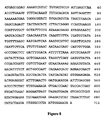
- IGF-I fusion protein was digested with ubiquitin hydrolase (which was obtained from E. coli by expression of pER1011, an expression vector encoding yeast ubiquitin hydrolase (the sequence encoding yeast ubiquitin hydrolase is shown in Figure 8), followed by purification according to Liu et al. ((1989) J. Biol. Chem. 264: 20331-20338) (PER1011 is analogous to PJU1002 except for the presence of the 5'...CCTCGAGG...3' linker at the PvuII site), yielding mature IGF-I.
- ubiquitin hydrolase which was obtained from E. coli by expression of pER1011, an expression vector encoding yeast ubiquitin hydrolase (the sequence encoding yeast ubiquitin hydrolase is shown in Figure 8)
- PER1011 is analogous to PJU1002 except for the presence of the 5'...CCTCGAGG...3' linker at the PvuII site), yielding mature IGF-I
- IGF-I was then denatured and refolded in 2 M urea, 10 millimolar DTT and 20% ethanol in the presence of 10 millimolar cystamine.
- IGF-1 was further purified by cation exchange chromatography on SP-Sepharose and reverse-phase high performance liquid chromatography (RP-HPLC) on a C 18 column (Vydac).
- IGFBP-3 may be produced using expression vector constructs such as those shown in Example 1.
- An expression construct for production of an IGFBP-3 PDJ12833 was introduced into E. coli strain W3110DE3 and clones were isolated, using methods well known to those in the art (such as those described in Sambrook, supra and Ausubel, supra ).
- Clone W3110DE3/PDJ12833 was cultured in a 100 L liquid culture at 37°C until the culture reached an optical density at 600 nm (OD 600 ) of 25.
- Expression of IGFBP-3 was induced by the addition of isopropylthiogalactoside (IPTG) to a concentration of 0.4 mM.
- IPTG isopropylthiogalactoside
- the induced bacteria were further cultured, then collected by centrifugation.
- the pelleted cells were resuspended in sodium acetate buffer (50 mM, pH 5.5) with ethylene diamine tetraacetate (EDTA).
- EDTA ethylene diamine tetraacetate
- Bacteria were lysed with a Microfluidizer® (model M-210-EH, Microfluidics Corp.).
- Insoluble IGFBP-3 was collected by centrifugation, then washed once with 2 M urea, 50 mM potassium phosphate, 2 mM DTT, pH 5.8-5.9, and recollected by centrifugation.
- the IGFBP-3 pellet was then solubilized with 6 M guanidinium Hcl, 100 mM Tris, 25 mM DTT, 5 mM EDTA, pH 8.0, then the IGFBP-3-containing solution was diluted with 1 volume of 100 mM Tris, 5 mM EDTA, pH 8. DNA was precipitated from the solution by the addition of protamine sulfate to a final concentration of 0.14%.
- IGFBP-3-containing supernatant was further diluted with 50 mM Tris, pH 10.6. IGFBP-3 was refolded overnight following the addition of cystamine to a final concentration of 6 mM.
- IGFBP-3 The IGFBP-3 solution was concentrated by ultrafiltration, then solvent exchanged by diafiltration against 2 M urea, 20 mM Tris, pH 7. IGFBP-3 was purified by ion exchange chromatography on Q-Sepharose followed by SP-Sepharose. The IGFBP-3 was further purified by RP-HPLC using a C 18 column (Vydac).
- IGF-I and IGFBP-3 were mixed in an equimolar ratio, then dried by lyophilization.
- the dried protein mixture was dissolved in denaturing/reducing buffer (80 mM Tris, pH 8.3, 1.5 M urea, 1 mM EDTA, 10 mM DTT) to a final protein concentration of 1 mg/ml.
- Cystamine hydrochloride was added to a final concentration of 10 mM cystamine.
- Controls were IGF-I refolded alone and IGFBP-3 refolded alone. Cofolding and refolding reactions were incubated at 5°C. Samples were taken immediately before (0 hour), and at 1, 2, 3, and 4 hours after the addition of cystamine and analyzed RP-HPLC.
- RP-HPLC analysis of 0 hour time points indicated that both the IGF-I and the IGFBP-3 were fully reduced.
- RP-HPLC was performed with a Waters 626-1 HPLC instrument on a Poros R2/H column (4.6 mm diameter, 100 mm length) using a linear gradient of acetonitrile (with 0.1.% trifluoracetic acid) running from 13.5% to 54% acetonitrile.
- IGF-I and IGFBP-3 refolded alone gave poor yields of native protein.
- IGF-I refolded alone gave a yield of only 13% and IGFBP-3 refolded alone yielded 45.1% native protein.
- IGFBP-3 refolded alone yielded 45.1% native protein.
- virtually all (99.6%) of the IGF-I and most of the IGFBP-3 were correctly folded.
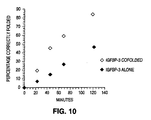
- FIGS. 9 and 10 show the time courses of refolding of IGF-I and IGFBP-3 either alone or in a cofolding reaction.
- the cofolding process increases the initial rate of refolding and the maximum rate of refolding as well as the total yield of refolding.
- This example shows that IGF-I, IGFBP-3, and IGF-I/IGFBP-3 complex refolded according to the present invention have biological activity.
- Human osteosarcoma MG63 cells (5x10 5 cells) are plated in a T-175 flask and cultured in cell culture medium (RPMI media supplemented with 10% fetal bovine serum, 50 units/ml penicillin, 50 ⁇ g/ml streptomycin, non-essential amino acids and 2 mM L-glutamine). The flask is incubated at 37°C in a humidified 5% CO 2 /95% air atmosphere for a 2-3 days. Before the culture of cells become confluent, the cells are detached from the flask by incubating the cells in trypsin/EDTA solution. Cell culture medium (6 ml) is added to stop the trypsin and the cells are transferred into a centrifuge tube.
- cell culture medium RPMI media supplemented with 10% fetal bovine serum, 50 units/ml penicillin, 50 ⁇ g/ml streptomycin, non-essential amino acids and 2 mM L-glutamine.
- the cells are centrifuged at 800xg for 5-10 minutes and resuspended in 10 ml of an assay medium (RPMI medium supplemented with 50 units/ml penicillin, 50 ⁇ g/ml streptomycin, non-essential amino acids, 2 mM L-glutamine, 2.5 ⁇ g/ml bovine fibronectin, 5 ⁇ g/ml human transferrin, 75 ⁇ g/ml ovalbumin, and 3 ⁇ M dexamethasone).
- an assay medium RPMI medium supplemented with 50 units/ml penicillin, 50 ⁇ g/ml streptomycin, non-essential amino acids, 2 mM L-glutamine, 2.5 ⁇ g/ml bovine fibronectin, 5 ⁇ g/ml human transferrin, 75 ⁇ g/ml ovalbumin, and 3 ⁇ M dexamethasone.
- IGF-I reference standard and cofolded IGF-I and IGFBP-3 samples are diluted serially with the assay medium in 96-well plates.
- IGF-I/IGFBP-3 complex, IGF-I, and IGFBP-3 refolded by the cofolding method are each tested.
- Each well contains 50 ⁇ l of the standard or test sample.
- the concentration range of the IGF-I reference standard is 0.244 - 500 ng/ml.
- the MG63 human osteosarcoma cells that have been prepared in the assay medium are plated at 5000 cells/well, in volumes of 50 ⁇ l/well. The total volume in each well is 100 ⁇ l. The plates are incubated in a humidified 5% CO 2 /95% air atmosphere for 4 days at 37°C.
- cell growth is assayed by measuring acid phosphatase activity, which is proportional to the number of osteosarcoma cells.
- the plates are removed from the incubator and the culture medium is aspirated out of the wells.
- Each well is rinsed with 200 ⁇ l of phosphate-buffered saline.
- One hundred ⁇ l of 10 mM p-nitrophenyl phosphate, 100 mM sodium acetate, 1% Triton X-100, pH 5.5 is added to each well and the plate is incubated at 37°C for 2 hours.
- the hydrolysis of p-nitrophenyl phosphate by acid phosphatases is stopped by adding to each well 10 ⁇ l of 1.0 N sodium hydroxide.
- the plates are incubated at room temperature for a minimum of 10 minutes. Absorbance at 405 nm is measured, while referencing the absorbance at 490 nm.
- the present invention has been detailed both by direct description and by example.
Landscapes
- Chemical & Material Sciences (AREA)
- Health & Medical Sciences (AREA)
- Organic Chemistry (AREA)
- Life Sciences & Earth Sciences (AREA)
- Genetics & Genomics (AREA)
- General Health & Medical Sciences (AREA)
- Molecular Biology (AREA)
- Medicinal Chemistry (AREA)
- Biochemistry (AREA)
- Biophysics (AREA)
- Proteomics, Peptides & Aminoacids (AREA)
- Zoology (AREA)
- Engineering & Computer Science (AREA)
- Chemical Kinetics & Catalysis (AREA)
- Gastroenterology & Hepatology (AREA)
- Toxicology (AREA)
- Diabetes (AREA)
- General Chemical & Material Sciences (AREA)
- Analytical Chemistry (AREA)
- Biomedical Technology (AREA)
- Bioinformatics & Cheminformatics (AREA)
- Endocrinology (AREA)
- Biotechnology (AREA)
- Wood Science & Technology (AREA)
- General Engineering & Computer Science (AREA)
- Plant Pathology (AREA)
- Nuclear Medicine, Radiotherapy & Molecular Imaging (AREA)
- Physics & Mathematics (AREA)
- Veterinary Medicine (AREA)
- Public Health (AREA)
- Pharmacology & Pharmacy (AREA)
- Microbiology (AREA)
- Animal Behavior & Ethology (AREA)
- Preparation Of Compounds By Using Micro-Organisms (AREA)
- Peptides Or Proteins (AREA)
- Medicines Containing Material From Animals Or Micro-Organisms (AREA)
- Medicines That Contain Protein Lipid Enzymes And Other Medicines (AREA)
- Compounds Of Unknown Constitution (AREA)
Applications Claiming Priority (3)
| Application Number | Priority Date | Filing Date | Title |
|---|---|---|---|
| US482271 | 1995-06-07 | ||
| US08/482,271 US5789547A (en) | 1995-06-07 | 1995-06-07 | Method of producing insulin-like growth factor-I (IGF-I) and insulin-like growth factor binding protein-3 (IGFBP-3) with correct folding and disulfide bonding |
| PCT/US1996/008113 WO1996040736A1 (en) | 1995-06-07 | 1996-05-30 | Method of producing igf-i and igfbp-3 with correct folding and disulfide bonding |
Publications (3)
| Publication Number | Publication Date |
|---|---|
| EP0832098A1 EP0832098A1 (en) | 1998-04-01 |
| EP0832098A4 EP0832098A4 (en) | 1999-09-15 |
| EP0832098B1 true EP0832098B1 (en) | 2002-09-11 |
Family
ID=23915418
Family Applications (1)
| Application Number | Title | Priority Date | Filing Date |
|---|---|---|---|
| EP96916829A Expired - Lifetime EP0832098B1 (en) | 1995-06-07 | 1996-05-30 | Method of producing igf-i and igfbp-3 with correct folding and disulfide bonding |
Country Status (15)
| Country | Link |
|---|---|
| US (1) | US5789547A (cs) |
| EP (1) | EP0832098B1 (cs) |
| JP (1) | JPH11507037A (cs) |
| KR (1) | KR19990022718A (cs) |
| CN (1) | CN1214689A (cs) |
| AT (1) | ATE223926T1 (cs) |
| AU (1) | AU703489B2 (cs) |
| CA (1) | CA2223495A1 (cs) |
| CZ (1) | CZ394397A3 (cs) |
| DE (1) | DE69623620T2 (cs) |
| DK (1) | DK0832098T3 (cs) |
| ES (1) | ES2179943T3 (cs) |
| NO (1) | NO975749L (cs) |
| PL (1) | PL323731A1 (cs) |
| WO (1) | WO1996040736A1 (cs) |
Families Citing this family (18)
| Publication number | Priority date | Publication date | Assignee | Title |
|---|---|---|---|---|
| US6514937B1 (en) | 1997-02-25 | 2003-02-04 | Celtrix Pharmaceuticals, Inc. | Method of treating psychological and metabolic disorders using IGF or IGF/IGFBP-3 |
| US6015786A (en) * | 1997-02-25 | 2000-01-18 | Celtrix Pharmaceuticals, Inc. | Method for increasing sex steroid levels using IGF or IGF/IGFBP-3 |
| US6025368A (en) * | 1997-02-25 | 2000-02-15 | Celtrix Pharmaceuticals, Inc. | Method for treating the symptoms of chronic stress-related disorders using IGF |
| US5914390A (en) * | 1997-05-12 | 1999-06-22 | Celtrix Pharmaceuticals, Inc. | Methods for increasing yields of recombinant proteins |
| US6653098B1 (en) | 1998-02-23 | 2003-11-25 | G. D. Searle & Co. | Method of producing mouse and human endostatin |
| US6436897B2 (en) | 1998-06-01 | 2002-08-20 | Celtrix Pharmaceuticals, Inc. | Pharmaceutical formulations for IGF/IGFBP |
| US6417330B1 (en) | 1998-06-01 | 2002-07-09 | Celtrix Pharmaceuticals, Inc. | Insulin-like growth factor binding protein variants |
| US20030120042A1 (en) * | 2000-03-30 | 2003-06-26 | Takao Yamada | Process for producing recombinant protein |
| US20050033035A1 (en) * | 2001-06-07 | 2005-02-10 | Hans-Georg Beisel | Mutants of igf binding proteins and methods of production of antagonists thereof |
| ATE459637T1 (de) * | 2004-12-24 | 2010-03-15 | Insmed Inc | Gereinigte rhigf-i/rhigfbp-3-komplexe und herstellungsverfahren dafür |
| US8518877B2 (en) | 2007-04-18 | 2013-08-27 | Premacure Ab | Method and product for treatment and/or prevention of complications of prematurity |
| CN109180802A (zh) * | 2011-12-15 | 2019-01-11 | 爱德迪安(北京)生物技术有限公司 | 具有降血糖作用的化合物、组合物及其用途 |
| KR20200097679A (ko) | 2017-09-11 | 2020-08-19 | 샤이어 휴먼 지네틱 테라피즈 인크. | 만성 폐 질환 치료를 위한 방법 및 조성물 |
| CN107991492A (zh) * | 2017-11-17 | 2018-05-04 | 广州赛莱拉干细胞科技股份有限公司 | 一种胰岛素样生长因子结合蛋白-3的定量检测试剂盒及其非诊断目的的检测方法 |
| CN111876490B (zh) * | 2020-07-03 | 2022-07-15 | 扬州大学 | 一种提高猪生长速度的连锁分子标记、其检测方法及应用 |
| ES3005966T3 (en) | 2020-10-19 | 2025-03-17 | Oak Hill Bio Ltd | Compositions suitable for use in neonates |
| JP2025502349A (ja) | 2022-01-19 | 2025-01-24 | オーク ヒル バイオ リミテッド | Igf-1/igfbpの酸化を低減するための組成物および方法 |
| WO2023139250A1 (en) * | 2022-01-24 | 2023-07-27 | Oak Hill Bio Limited | Lot release assays for igf‐1/igfbp complexes |
Family Cites Families (10)
| Publication number | Priority date | Publication date | Assignee | Title |
|---|---|---|---|---|
| US4511503A (en) * | 1982-12-22 | 1985-04-16 | Genentech, Inc. | Purification and activity assurance of precipitated heterologous proteins |
| US4511502A (en) * | 1982-12-22 | 1985-04-16 | Genentech, Inc. | Purification and activity assurance of precipitated heterologous proteins |
| US4512922A (en) * | 1982-12-22 | 1985-04-23 | Genentech, Inc. | Purification and activity assurance of precipitated heterologous proteins |
| IL71991A (en) * | 1983-06-06 | 1994-05-30 | Genentech Inc | Preparation of human FGI and FGE in their processed form through recombinant AND tranology in prokaryotes |
| US4766205A (en) * | 1985-11-13 | 1988-08-23 | Beatrice Companies, Inc. | Method for isolation of recombinant polypeptides in biologically active forms |
| US5258287A (en) * | 1988-03-22 | 1993-11-02 | Genentech, Inc. | DNA encoding and methods of production of insulin-like growth factor binding protein BP53 |
| US5158875A (en) * | 1989-08-25 | 1992-10-27 | Amgen Inc. | Production of biologically active insulin-like growth factor i from high expression host cell systems |
| US5288931A (en) * | 1991-12-06 | 1994-02-22 | Genentech, Inc. | Method for refolding insoluble, misfolded insulin-like growth factor-I into an active conformation |
| AU3812993A (en) * | 1992-03-24 | 1993-10-21 | Synergen, Inc. | Refolding and purification of insulin-like growth factor I |
| SE9303784D0 (sv) * | 1993-11-16 | 1993-11-16 | Kabi Pharmacia Ab | Igf |
-
1995
- 1995-06-07 US US08/482,271 patent/US5789547A/en not_active Expired - Lifetime
-
1996
- 1996-05-30 CN CN96195432A patent/CN1214689A/zh active Pending
- 1996-05-30 DE DE69623620T patent/DE69623620T2/de not_active Expired - Fee Related
- 1996-05-30 DK DK96916829T patent/DK0832098T3/da active
- 1996-05-30 WO PCT/US1996/008113 patent/WO1996040736A1/en not_active Ceased
- 1996-05-30 KR KR1019970709160A patent/KR19990022718A/ko not_active Withdrawn
- 1996-05-30 JP JP9500881A patent/JPH11507037A/ja not_active Ceased
- 1996-05-30 EP EP96916829A patent/EP0832098B1/en not_active Expired - Lifetime
- 1996-05-30 CA CA002223495A patent/CA2223495A1/en not_active Abandoned
- 1996-05-30 AU AU59576/96A patent/AU703489B2/en not_active Ceased
- 1996-05-30 AT AT96916829T patent/ATE223926T1/de not_active IP Right Cessation
- 1996-05-30 PL PL96323731A patent/PL323731A1/xx unknown
- 1996-05-30 CZ CZ973943A patent/CZ394397A3/cs unknown
- 1996-05-30 ES ES96916829T patent/ES2179943T3/es not_active Expired - Lifetime
-
1997
- 1997-12-05 NO NO975749A patent/NO975749L/no not_active Application Discontinuation
Also Published As
| Publication number | Publication date |
|---|---|
| WO1996040736A1 (en) | 1996-12-19 |
| AU703489B2 (en) | 1999-03-25 |
| PL323731A1 (en) | 1998-04-14 |
| CA2223495A1 (en) | 1996-12-19 |
| NO975749L (no) | 1998-01-27 |
| KR19990022718A (ko) | 1999-03-25 |
| AU5957696A (en) | 1996-12-30 |
| CZ394397A3 (cs) | 1998-09-16 |
| ES2179943T3 (es) | 2003-02-01 |
| DK0832098T3 (da) | 2002-12-16 |
| DE69623620D1 (de) | 2002-10-17 |
| NO975749D0 (no) | 1997-12-05 |
| CN1214689A (zh) | 1999-04-21 |
| EP0832098A4 (en) | 1999-09-15 |
| ATE223926T1 (de) | 2002-09-15 |
| JPH11507037A (ja) | 1999-06-22 |
| US5789547A (en) | 1998-08-04 |
| EP0832098A1 (en) | 1998-04-01 |
| DE69623620T2 (de) | 2003-08-07 |
Similar Documents
| Publication | Publication Date | Title |
|---|---|---|
| US5789547A (en) | Method of producing insulin-like growth factor-I (IGF-I) and insulin-like growth factor binding protein-3 (IGFBP-3) with correct folding and disulfide bonding | |
| EP0618971B1 (en) | Method for refolding igf-i to active conformation | |
| US6727346B2 (en) | Process for obtaining insulin precursors having correctly bonded cystine bridges | |
| EP0542863B1 (en) | Expression of recombinant polypeptides with improved purification | |
| AU644105B2 (en) | Production of biologically active insulin-like growth factor I from high expression host cell systems | |
| AU761630B2 (en) | Insulin-like growth factor binding protein-3 variants | |
| KR20080106449A (ko) | 단백질 폴딩 | |
| EP0952981B1 (en) | Method for producing a correctly folded, biological active recombinant protein | |
| AU2003236080A1 (en) | A method for producing a modified peptide | |
| HK1019150A (en) | Method of producing igf-1 and igfbp-3 with correct folding and disulfide bonding | |
| EP0736040B1 (en) | Use of igf-bp for refolding of igf | |
| KR100381494B1 (ko) | 인간인슐린의제조방법 | |
| HK1023781B (en) | Method for producing a correctly folded, biological active recombinant protein | |
| HK1128295A (en) | Protein folding |
Legal Events
| Date | Code | Title | Description |
|---|---|---|---|
| PUAI | Public reference made under article 153(3) epc to a published international application that has entered the european phase |
Free format text: ORIGINAL CODE: 0009012 |
|
| 17P | Request for examination filed |
Effective date: 19971229 |
|
| AK | Designated contracting states |
Kind code of ref document: A1 Designated state(s): AT BE CH DE DK ES FI FR GB GR IE IT LI LU MC NL PT SE |
|
| RAX | Requested extension states of the european patent have changed |
Free format text: LT PAYMENT 980303;LV PAYMENT 980303;SI PAYMENT 980303 |
|
| A4 | Supplementary search report drawn up and despatched |
Effective date: 19990729 |
|
| AK | Designated contracting states |
Kind code of ref document: A4 Designated state(s): AT BE CH DE DK ES FI FR GB GR IE IT LI LU MC NL PT SE |
|
| 17Q | First examination report despatched |
Effective date: 20010220 |
|
| GRAG | Despatch of communication of intention to grant |
Free format text: ORIGINAL CODE: EPIDOS AGRA |
|
| GRAG | Despatch of communication of intention to grant |
Free format text: ORIGINAL CODE: EPIDOS AGRA |
|
| GRAH | Despatch of communication of intention to grant a patent |
Free format text: ORIGINAL CODE: EPIDOS IGRA |
|
| GRAH | Despatch of communication of intention to grant a patent |
Free format text: ORIGINAL CODE: EPIDOS IGRA |
|
| GRAA | (expected) grant |
Free format text: ORIGINAL CODE: 0009210 |
|
| RAP1 | Party data changed (applicant data changed or rights of an application transferred) |
Owner name: CELTRIX PHARMACEUTICALS, INC. |
|
| AK | Designated contracting states |
Kind code of ref document: B1 Designated state(s): AT BE CH DE DK ES FI FR GB GR IE IT LI LU MC NL PT SE |
|
| AX | Request for extension of the european patent |
Free format text: LT PAYMENT 19980303;LV PAYMENT 19980303;SI PAYMENT 19980303 |
|
| PG25 | Lapsed in a contracting state [announced via postgrant information from national office to epo] |
Ref country code: NL Free format text: LAPSE BECAUSE OF FAILURE TO SUBMIT A TRANSLATION OF THE DESCRIPTION OR TO PAY THE FEE WITHIN THE PRESCRIBED TIME-LIMIT Effective date: 20020911 Ref country code: GR Free format text: LAPSE BECAUSE OF FAILURE TO SUBMIT A TRANSLATION OF THE DESCRIPTION OR TO PAY THE FEE WITHIN THE PRESCRIBED TIME-LIMIT Effective date: 20020911 Ref country code: FI Free format text: LAPSE BECAUSE OF FAILURE TO SUBMIT A TRANSLATION OF THE DESCRIPTION OR TO PAY THE FEE WITHIN THE PRESCRIBED TIME-LIMIT Effective date: 20020911 |
|
| REF | Corresponds to: |
Ref document number: 223926 Country of ref document: AT Date of ref document: 20020915 Kind code of ref document: T |
|
| REG | Reference to a national code |
Ref country code: GB Ref legal event code: FG4D |
|
| REG | Reference to a national code |
Ref country code: CH Ref legal event code: EP |
|
| REG | Reference to a national code |
Ref country code: IE Ref legal event code: FG4D |
|
| REF | Corresponds to: |
Ref document number: 69623620 Country of ref document: DE Date of ref document: 20021017 |
|
| REG | Reference to a national code |
Ref country code: CH Ref legal event code: NV Representative=s name: R. A. EGLI & CO. PATENTANWAELTE |
|
| REG | Reference to a national code |
Ref country code: DK Ref legal event code: T3 |
|
| PG25 | Lapsed in a contracting state [announced via postgrant information from national office to epo] |
Ref country code: PT Free format text: LAPSE BECAUSE OF FAILURE TO SUBMIT A TRANSLATION OF THE DESCRIPTION OR TO PAY THE FEE WITHIN THE PRESCRIBED TIME-LIMIT Effective date: 20021217 |
|
| REG | Reference to a national code |
Ref country code: ES Ref legal event code: FG2A Ref document number: 2179943 Country of ref document: ES Kind code of ref document: T3 |
|
| LTIE | Lt: invalidation of european patent or patent extension |
Effective date: 20020911 |
|
| NLV1 | Nl: lapsed or annulled due to failure to fulfill the requirements of art. 29p and 29m of the patents act | ||
| ET | Fr: translation filed | ||
| PG25 | Lapsed in a contracting state [announced via postgrant information from national office to epo] |
Ref country code: LU Free format text: LAPSE BECAUSE OF NON-PAYMENT OF DUE FEES Effective date: 20030530 Ref country code: IE Free format text: LAPSE BECAUSE OF NON-PAYMENT OF DUE FEES Effective date: 20030530 Ref country code: GB Free format text: LAPSE BECAUSE OF NON-PAYMENT OF DUE FEES Effective date: 20030530 Ref country code: AT Free format text: LAPSE BECAUSE OF NON-PAYMENT OF DUE FEES Effective date: 20030530 |
|
| PG25 | Lapsed in a contracting state [announced via postgrant information from national office to epo] |
Ref country code: SE Free format text: LAPSE BECAUSE OF NON-PAYMENT OF DUE FEES Effective date: 20030531 Ref country code: MC Free format text: LAPSE BECAUSE OF NON-PAYMENT OF DUE FEES Effective date: 20030531 Ref country code: LI Free format text: LAPSE BECAUSE OF NON-PAYMENT OF DUE FEES Effective date: 20030531 Ref country code: ES Free format text: LAPSE BECAUSE OF NON-PAYMENT OF DUE FEES Effective date: 20030531 Ref country code: CH Free format text: LAPSE BECAUSE OF NON-PAYMENT OF DUE FEES Effective date: 20030531 Ref country code: BE Free format text: LAPSE BECAUSE OF NON-PAYMENT OF DUE FEES Effective date: 20030531 |
|
| PLBE | No opposition filed within time limit |
Free format text: ORIGINAL CODE: 0009261 |
|
| STAA | Information on the status of an ep patent application or granted ep patent |
Free format text: STATUS: NO OPPOSITION FILED WITHIN TIME LIMIT |
|
| 26N | No opposition filed |
Effective date: 20030612 |
|
| BERE | Be: lapsed |
Owner name: *CELTRIX PHARMACEUTICALS INC. Effective date: 20030531 |
|
| PG25 | Lapsed in a contracting state [announced via postgrant information from national office to epo] |
Ref country code: DK Free format text: LAPSE BECAUSE OF NON-PAYMENT OF DUE FEES Effective date: 20031201 |
|
| PG25 | Lapsed in a contracting state [announced via postgrant information from national office to epo] |
Ref country code: DE Free format text: LAPSE BECAUSE OF NON-PAYMENT OF DUE FEES Effective date: 20031202 |
|
| REG | Reference to a national code |
Ref country code: DK Ref legal event code: EBP |
|
| EUG | Se: european patent has lapsed | ||
| REG | Reference to a national code |
Ref country code: CH Ref legal event code: PL |
|
| GBPC | Gb: european patent ceased through non-payment of renewal fee |
Effective date: 20030530 |
|
| PG25 | Lapsed in a contracting state [announced via postgrant information from national office to epo] |
Ref country code: FR Free format text: LAPSE BECAUSE OF NON-PAYMENT OF DUE FEES Effective date: 20040130 |
|
| REG | Reference to a national code |
Ref country code: FR Ref legal event code: ST |
|
| REG | Reference to a national code |
Ref country code: IE Ref legal event code: MM4A |
|
| REG | Reference to a national code |
Ref country code: ES Ref legal event code: FD2A Effective date: 20030531 |
|
| PG25 | Lapsed in a contracting state [announced via postgrant information from national office to epo] |
Ref country code: IT Free format text: LAPSE BECAUSE OF NON-PAYMENT OF DUE FEES Effective date: 20050530 |