EP0807690B1 - Verfahren und Zusammensetzungen zur Identifikation des Artenursprungs von Kaviar - Google Patents
Verfahren und Zusammensetzungen zur Identifikation des Artenursprungs von Kaviar Download PDFInfo
- Publication number
- EP0807690B1 EP0807690B1 EP97107809A EP97107809A EP0807690B1 EP 0807690 B1 EP0807690 B1 EP 0807690B1 EP 97107809 A EP97107809 A EP 97107809A EP 97107809 A EP97107809 A EP 97107809A EP 0807690 B1 EP0807690 B1 EP 0807690B1
- Authority
- EP
- European Patent Office
- Prior art keywords
- seq
- primer
- species
- caviar
- dna
- Prior art date
- Legal status (The legal status is an assumption and is not a legal conclusion. Google has not performed a legal analysis and makes no representation as to the accuracy of the status listed.)
- Expired - Lifetime
Links
- 238000000034 method Methods 0.000 title claims abstract description 75
- ZPUCINDJVBIVPJ-LJISPDSOSA-N cocaine Chemical compound O([C@H]1C[C@@H]2CC[C@@H](N2C)[C@H]1C(=O)OC)C(=O)C1=CC=CC=C1 ZPUCINDJVBIVPJ-LJISPDSOSA-N 0.000 title claims abstract description 66
- 239000000203 mixture Substances 0.000 title abstract description 15
- 241000894007 species Species 0.000 claims abstract description 80
- 241000881711 Acipenser sturio Species 0.000 claims abstract description 37
- HEDRZPFGACZZDS-UHFFFAOYSA-N Chloroform Chemical compound ClC(Cl)Cl HEDRZPFGACZZDS-UHFFFAOYSA-N 0.000 claims description 26
- ISWSIDIOOBJBQZ-UHFFFAOYSA-N Phenol Chemical compound OC1=CC=CC=C1 ISWSIDIOOBJBQZ-UHFFFAOYSA-N 0.000 claims description 14
- 238000005406 washing Methods 0.000 claims description 14
- 238000000605 extraction Methods 0.000 claims description 12
- 239000000243 solution Substances 0.000 claims description 12
- 239000005708 Sodium hypochlorite Substances 0.000 claims description 7
- ZMMJGEGLRURXTF-UHFFFAOYSA-N ethidium bromide Chemical compound [Br-].C12=CC(N)=CC=C2C2=CC=C(N)C=C2[N+](CC)=C1C1=CC=CC=C1 ZMMJGEGLRURXTF-UHFFFAOYSA-N 0.000 claims description 7
- 229960005542 ethidium bromide Drugs 0.000 claims description 7
- SUKJFIGYRHOWBL-UHFFFAOYSA-N sodium hypochlorite Chemical compound [Na+].Cl[O-] SUKJFIGYRHOWBL-UHFFFAOYSA-N 0.000 claims description 7
- 238000004140 cleaning Methods 0.000 claims description 6
- 238000007400 DNA extraction Methods 0.000 claims description 5
- 238000010186 staining Methods 0.000 claims description 5
- 239000011536 extraction buffer Substances 0.000 claims description 4
- 238000001502 gel electrophoresis Methods 0.000 claims description 4
- BQCADISMDOOEFD-UHFFFAOYSA-N Silver Chemical compound [Ag] BQCADISMDOOEFD-UHFFFAOYSA-N 0.000 claims description 3
- XJMOSONTPMZWPB-UHFFFAOYSA-M propidium iodide Chemical compound [I-].[I-].C12=CC(N)=CC=C2C2=CC=C(N)C=C2[N+](CCC[N+](C)(CC)CC)=C1C1=CC=CC=C1 XJMOSONTPMZWPB-UHFFFAOYSA-M 0.000 claims description 3
- 229910052709 silver Inorganic materials 0.000 claims description 3
- 239000004332 silver Substances 0.000 claims description 3
- 238000003752 polymerase chain reaction Methods 0.000 abstract description 88
- 241000251468 Actinopterygii Species 0.000 abstract description 12
- 238000004458 analytical method Methods 0.000 abstract description 5
- 230000002438 mitochondrial effect Effects 0.000 abstract description 5
- 108091092356 cellular DNA Proteins 0.000 abstract description 3
- 108020004414 DNA Proteins 0.000 description 66
- 235000013601 eggs Nutrition 0.000 description 63
- 239000000047 product Substances 0.000 description 47
- 241000883306 Huso huso Species 0.000 description 33
- 108010059642 isinglass Proteins 0.000 description 24
- 108090000623 proteins and genes Proteins 0.000 description 20
- 238000002360 preparation method Methods 0.000 description 18
- 238000006243 chemical reaction Methods 0.000 description 16
- 239000002773 nucleotide Substances 0.000 description 16
- 125000003729 nucleotide group Chemical group 0.000 description 16
- 241000252344 Acipenser gueldenstaedtii Species 0.000 description 15
- 241000252341 Acipenser stellatus Species 0.000 description 13
- 235000019688 fish Nutrition 0.000 description 11
- 239000000523 sample Substances 0.000 description 11
- 239000000872 buffer Substances 0.000 description 8
- 102000004169 proteins and genes Human genes 0.000 description 8
- 108020005196 Mitochondrial DNA Proteins 0.000 description 7
- 210000004369 blood Anatomy 0.000 description 7
- 239000008280 blood Substances 0.000 description 7
- 239000012634 fragment Substances 0.000 description 7
- 239000000499 gel Substances 0.000 description 7
- 210000001519 tissue Anatomy 0.000 description 7
- 238000001962 electrophoresis Methods 0.000 description 6
- KDELTXNPUXUBMU-UHFFFAOYSA-N 2-[2-[bis(carboxymethyl)amino]ethyl-(carboxymethyl)amino]acetic acid boric acid Chemical compound OB(O)O.OB(O)O.OB(O)O.OC(=O)CN(CC(O)=O)CCN(CC(O)=O)CC(O)=O KDELTXNPUXUBMU-UHFFFAOYSA-N 0.000 description 5
- 238000002944 PCR assay Methods 0.000 description 5
- 238000000137 annealing Methods 0.000 description 5
- 230000015572 biosynthetic process Effects 0.000 description 5
- 239000013641 positive control Substances 0.000 description 5
- 150000003839 salts Chemical class 0.000 description 5
- 241000252335 Acipenser Species 0.000 description 4
- 241001125075 Acipenser baerii Species 0.000 description 4
- 241000883342 Acipenser nudiventris Species 0.000 description 4
- 108010075028 Cytochromes b Proteins 0.000 description 4
- 102000053602 DNA Human genes 0.000 description 4
- 108010067770 Endopeptidase K Proteins 0.000 description 4
- 241001489542 Scaphirhynchus albus Species 0.000 description 4
- 239000011543 agarose gel Substances 0.000 description 4
- 230000003321 amplification Effects 0.000 description 4
- 239000011539 homogenization buffer Substances 0.000 description 4
- 238000003199 nucleic acid amplification method Methods 0.000 description 4
- 238000005457 optimization Methods 0.000 description 4
- 238000003786 synthesis reaction Methods 0.000 description 4
- NKDFYOWSKOHCCO-YPVLXUMRSA-N 20-hydroxyecdysone Chemical compound C1[C@@H](O)[C@@H](O)C[C@]2(C)[C@@H](CC[C@@]3([C@@H]([C@@](C)(O)[C@H](O)CCC(C)(O)C)CC[C@]33O)C)C3=CC(=O)[C@@H]21 NKDFYOWSKOHCCO-YPVLXUMRSA-N 0.000 description 3
- 241000876433 Acipenser dabryanus Species 0.000 description 3
- 241000143470 Acipenser naccarii Species 0.000 description 3
- 241000883347 Acipenser persicus Species 0.000 description 3
- 102100025287 Cytochrome b Human genes 0.000 description 3
- LFQSCWFLJHTTHZ-UHFFFAOYSA-N Ethanol Chemical compound CCO LFQSCWFLJHTTHZ-UHFFFAOYSA-N 0.000 description 3
- 241000252143 Polyodon spathula Species 0.000 description 3
- DBMJMQXJHONAFJ-UHFFFAOYSA-M Sodium laurylsulphate Chemical compound [Na+].CCCCCCCCCCCCOS([O-])(=O)=O DBMJMQXJHONAFJ-UHFFFAOYSA-M 0.000 description 3
- 238000003556 assay Methods 0.000 description 3
- 239000007795 chemical reaction product Substances 0.000 description 3
- 230000000295 complement effect Effects 0.000 description 3
- 238000013461 design Methods 0.000 description 3
- 238000003745 diagnosis Methods 0.000 description 3
- 238000010790 dilution Methods 0.000 description 3
- 239000012895 dilution Substances 0.000 description 3
- 230000002068 genetic effect Effects 0.000 description 3
- 238000002955 isolation Methods 0.000 description 3
- 239000000463 material Substances 0.000 description 3
- 210000003205 muscle Anatomy 0.000 description 3
- 241000252352 Acipenser brevirostrum Species 0.000 description 2
- 241000252349 Acipenser transmontanus Species 0.000 description 2
- 241000251467 Acipenseriformes Species 0.000 description 2
- 229920000936 Agarose Polymers 0.000 description 2
- 108090000790 Enzymes Proteins 0.000 description 2
- 102000004190 Enzymes Human genes 0.000 description 2
- 241000556204 Huso dauricus Species 0.000 description 2
- 108091034117 Oligonucleotide Proteins 0.000 description 2
- 238000012408 PCR amplification Methods 0.000 description 2
- 241000252130 Polyodontidae Species 0.000 description 2
- 241000883312 Psephurus gladius Species 0.000 description 2
- 238000013459 approach Methods 0.000 description 2
- 238000009835 boiling Methods 0.000 description 2
- 244000309464 bull Species 0.000 description 2
- -1 commercial CloroxTM Chemical compound 0.000 description 2
- 238000001514 detection method Methods 0.000 description 2
- 230000029087 digestion Effects 0.000 description 2
- 238000012869 ethanol precipitation Methods 0.000 description 2
- 235000013305 food Nutrition 0.000 description 2
- 238000013095 identification testing Methods 0.000 description 2
- 238000004519 manufacturing process Methods 0.000 description 2
- 238000012544 monitoring process Methods 0.000 description 2
- 239000013642 negative control Substances 0.000 description 2
- 238000007894 restriction fragment length polymorphism technique Methods 0.000 description 2
- 238000000926 separation method Methods 0.000 description 2
- 238000012163 sequencing technique Methods 0.000 description 2
- XLYOFNOQVPJJNP-UHFFFAOYSA-N water Substances O XLYOFNOQVPJJNP-UHFFFAOYSA-N 0.000 description 2
- 108020004465 16S ribosomal RNA Proteins 0.000 description 1
- 108020004463 18S ribosomal RNA Proteins 0.000 description 1
- VLEIUWBSEKKKFX-UHFFFAOYSA-N 2-amino-2-(hydroxymethyl)propane-1,3-diol;2-[2-[bis(carboxymethyl)amino]ethyl-(carboxymethyl)amino]acetic acid Chemical compound OCC(N)(CO)CO.OC(=O)CN(CC(O)=O)CCN(CC(O)=O)CC(O)=O VLEIUWBSEKKKFX-UHFFFAOYSA-N 0.000 description 1
- QTBSBXVTEAMEQO-UHFFFAOYSA-M Acetate Chemical compound CC([O-])=O QTBSBXVTEAMEQO-UHFFFAOYSA-M 0.000 description 1
- 241000134201 Acipenser fulvescens Species 0.000 description 1
- 241000252358 Acipenser medirostris Species 0.000 description 1
- 241000883344 Acipenser mikadoi Species 0.000 description 1
- 241001489545 Acipenser oxyrinchus Species 0.000 description 1
- 241000121221 Acipenser oxyrinchus desotoi Species 0.000 description 1
- 241000121212 Acipenser oxyrinchus oxyrinchus Species 0.000 description 1
- 241000252355 Acipenser ruthenus Species 0.000 description 1
- 241000883303 Acipenser sinensis Species 0.000 description 1
- 241000252338 Acipenseridae Species 0.000 description 1
- 241000531891 Alburnus alburnus Species 0.000 description 1
- 241000252162 Amia calva Species 0.000 description 1
- 241000972773 Aulopiformes Species 0.000 description 1
- 241000270725 Caiman Species 0.000 description 1
- 241000283153 Cetacea Species 0.000 description 1
- 241000252203 Clupea harengus Species 0.000 description 1
- 241000270722 Crocodylidae Species 0.000 description 1
- 241000276599 Cyclopterus lumpus Species 0.000 description 1
- 241000252233 Cyprinus carpio Species 0.000 description 1
- 238000007399 DNA isolation Methods 0.000 description 1
- 238000001712 DNA sequencing Methods 0.000 description 1
- KCXVZYZYPLLWCC-UHFFFAOYSA-N EDTA Chemical compound OC(=O)CN(CC(O)=O)CCN(CC(O)=O)CC(O)=O KCXVZYZYPLLWCC-UHFFFAOYSA-N 0.000 description 1
- 206010022998 Irritability Diseases 0.000 description 1
- 241000442132 Lactarius lactarius Species 0.000 description 1
- 108700036248 MT-RNR1 Proteins 0.000 description 1
- 241001237065 Mimathyma schrenckii Species 0.000 description 1
- 235000009421 Myristica fragrans Nutrition 0.000 description 1
- 108091028043 Nucleic acid sequence Proteins 0.000 description 1
- 241000277326 Oncorhynchus gorbuscha Species 0.000 description 1
- 241000277329 Oncorhynchus keta Species 0.000 description 1
- 241001417492 Paralabrax Species 0.000 description 1
- 241000276498 Pollachius virens Species 0.000 description 1
- 241000556190 Polypterus senegalus Species 0.000 description 1
- 241000556188 Pseudoscaphirhynchus kaufmanni Species 0.000 description 1
- 108020001027 Ribosomal DNA Proteins 0.000 description 1
- 241000277331 Salmonidae Species 0.000 description 1
- 239000012507 Sephadex™ Substances 0.000 description 1
- 108020004682 Single-Stranded DNA Proteins 0.000 description 1
- FAPWRFPIFSIZLT-UHFFFAOYSA-M Sodium chloride Chemical compound [Na+].[Cl-] FAPWRFPIFSIZLT-UHFFFAOYSA-M 0.000 description 1
- 238000002105 Southern blotting Methods 0.000 description 1
- 108010006785 Taq Polymerase Proteins 0.000 description 1
- 239000007983 Tris buffer Substances 0.000 description 1
- 241000251539 Vertebrata <Metazoa> Species 0.000 description 1
- 239000002253 acid Substances 0.000 description 1
- 150000007513 acids Chemical class 0.000 description 1
- 239000004480 active ingredient Substances 0.000 description 1
- 239000011260 aqueous acid Substances 0.000 description 1
- 238000000376 autoradiography Methods 0.000 description 1
- 108010058966 bacteriophage T7 induced DNA polymerase Proteins 0.000 description 1
- 210000000601 blood cell Anatomy 0.000 description 1
- AIYUHDOJVYHVIT-UHFFFAOYSA-M caesium chloride Chemical compound [Cl-].[Cs+] AIYUHDOJVYHVIT-UHFFFAOYSA-M 0.000 description 1
- 230000015556 catabolic process Effects 0.000 description 1
- 230000001413 cellular effect Effects 0.000 description 1
- 238000005119 centrifugation Methods 0.000 description 1
- 239000003795 chemical substances by application Substances 0.000 description 1
- 238000010276 construction Methods 0.000 description 1
- 238000006731 degradation reaction Methods 0.000 description 1
- 238000004925 denaturation Methods 0.000 description 1
- 230000036425 denaturation Effects 0.000 description 1
- 239000005547 deoxyribonucleotide Substances 0.000 description 1
- 125000002637 deoxyribonucleotide group Chemical group 0.000 description 1
- 239000003599 detergent Substances 0.000 description 1
- 230000000694 effects Effects 0.000 description 1
- 238000002474 experimental method Methods 0.000 description 1
- 239000000284 extract Substances 0.000 description 1
- 102000054766 genetic haplotypes Human genes 0.000 description 1
- 239000011521 glass Substances 0.000 description 1
- 235000019514 herring Nutrition 0.000 description 1
- 230000000977 initiatory effect Effects 0.000 description 1
- 238000001155 isoelectric focusing Methods 0.000 description 1
- 239000010985 leather Substances 0.000 description 1
- 239000007788 liquid Substances 0.000 description 1
- 239000001115 mace Substances 0.000 description 1
- 238000005259 measurement Methods 0.000 description 1
- 235000013372 meat Nutrition 0.000 description 1
- 239000000155 melt Substances 0.000 description 1
- 238000002844 melting Methods 0.000 description 1
- 230000008018 melting Effects 0.000 description 1
- 239000012528 membrane Substances 0.000 description 1
- 235000013336 milk Nutrition 0.000 description 1
- 239000008267 milk Substances 0.000 description 1
- 210000004080 milk Anatomy 0.000 description 1
- 238000002156 mixing Methods 0.000 description 1
- 108020004707 nucleic acids Proteins 0.000 description 1
- 102000039446 nucleic acids Human genes 0.000 description 1
- 150000007523 nucleic acids Chemical class 0.000 description 1
- 210000001672 ovary Anatomy 0.000 description 1
- 150000004713 phosphodiesters Chemical class 0.000 description 1
- 229920002401 polyacrylamide Polymers 0.000 description 1
- 238000006116 polymerization reaction Methods 0.000 description 1
- 230000037452 priming Effects 0.000 description 1
- 238000012545 processing Methods 0.000 description 1
- 235000021067 refined food Nutrition 0.000 description 1
- 230000001105 regulatory effect Effects 0.000 description 1
- 108091008146 restriction endonucleases Proteins 0.000 description 1
- 235000019515 salmon Nutrition 0.000 description 1
- 239000000344 soap Substances 0.000 description 1
- 239000007787 solid Substances 0.000 description 1
- 230000004083 survival effect Effects 0.000 description 1
- 230000002194 synthesizing effect Effects 0.000 description 1
- 108091005703 transmembrane proteins Proteins 0.000 description 1
- 102000035160 transmembrane proteins Human genes 0.000 description 1
- LENZDBCJOHFCAS-UHFFFAOYSA-N tris Chemical compound OCC(N)(CO)CO LENZDBCJOHFCAS-UHFFFAOYSA-N 0.000 description 1
- 238000005199 ultracentrifugation Methods 0.000 description 1
- 238000012800 visualization Methods 0.000 description 1
Images


Classifications
-
- C—CHEMISTRY; METALLURGY
- C12—BIOCHEMISTRY; BEER; SPIRITS; WINE; VINEGAR; MICROBIOLOGY; ENZYMOLOGY; MUTATION OR GENETIC ENGINEERING
- C12Q—MEASURING OR TESTING PROCESSES INVOLVING ENZYMES, NUCLEIC ACIDS OR MICROORGANISMS; COMPOSITIONS OR TEST PAPERS THEREFOR; PROCESSES OF PREPARING SUCH COMPOSITIONS; CONDITION-RESPONSIVE CONTROL IN MICROBIOLOGICAL OR ENZYMOLOGICAL PROCESSES
- C12Q1/00—Measuring or testing processes involving enzymes, nucleic acids or microorganisms; Compositions therefor; Processes of preparing such compositions
- C12Q1/68—Measuring or testing processes involving enzymes, nucleic acids or microorganisms; Compositions therefor; Processes of preparing such compositions involving nucleic acids
- C12Q1/6876—Nucleic acid products used in the analysis of nucleic acids, e.g. primers or probes
Definitions
- the present invention is related to the identification of the species origin of fish eggs and involves the use of the polymerase chain reaction (PCR) to amplify regions of the mitochondrial genome from total cellular DNA with species-specific primers and subsequent analysis of the PCR products.
- PCR polymerase chain reaction
- Sturgeons are primarily known as producers of caviar and uncontrolled overfishing threatens the survival of many species.
- the beluga sturgeon is the source of beluga caviar, the most highly prized, while the Russian sturgeon yields osetra and the servuga sturgeon, servuga caviar. Identification of sturgeon species is essential for monitoring the use of these fish in the caviar industry as worldwide populations become smaller and smaller.
- the large number of eggs required for a protein electrophoresis identification test is a further problem because commercial caviar can be a mixture of the roe from two or more sturgeon species. Such mixtures will yield electrophoresis patterns that will be the sum of the electrophoresis patterns of the mixed species. These mixed patterns are uninterpretable unless the component parts of the sum can be separately identified. Because a large quantity of eggs is required for the protein electrophoresis method, separation and identification of the component parts is impractical. Therefore, a reliable method for caviar species identification from single eggs is needed.
- the present invention provides a method and compositions for species identification from small samples of fish tissue.
- the method includes the use of the polymerase chain reaction (PCR) to amplify regions of the mitochondrial genome from total cellular DNA with species-specific primers and subsequent analysis of the PCR products.
- PCR polymerase chain reaction
- the method provides an accurate and rapid determination of the species of origin for a single egg of processed caviar.
- Compositions for PCR primers specific for 27 species of sturgeon are provided.
- the method includes the steps of: removing salt and other debris from the outer surface of a sample of caviar; isolating clean template DNA; running PCR on the clean template DNA using a cocktail of primers containing at least a pair of primers in which one primer is specific for a sturgeon species of interest and the other primer is a matched anchor, assaying the PCR reaction products and detecting the results.
- the steps of the method may be repeated using primers specific for different species until a positive identification is made.
- An embodiment of the invention relates to the composition of primers specific for servuga, osetra and beluga caviar species of origin and the composition of additional primers specific for the other twenty-four known, living species of sturgeon.
- Figure 1 shows the results of PCR assays run on DNA from single caviar eggs prepared using different procedures.
- Panel A shows PCR products obtained from template DNA purified by boiling a single, crushed egg with 5% Chelex.
- Panel B shows PCR products obtained from template DNA purified by phenol/chloroform extraction.
- Lane 1 shows the results obtained when an egg was processed without washing;
- Lane 2 shows results from eggs pre-washed with 0.525 % sodium hypochlorite before crushing;
- Lane 3 shows eggs pre-washed in homogenization buffer;
- Lane 4 shows DNA preparation blanks; and
- Lane 5 shows negative PCR controls. Only Lanes B2 and B3 show PCR products.
- Lanes 6, 7 and 8 show PCR products produced from template DNA purified by the Chelex method from other sturgeon tissue; Lane 6 is the Chelex preparation blank, Lane 7 is a Chelex preparation from A. stellatus blood used as a positive control, and Lane 8 is a negative PCR control. Lanes 6, 7 and 8 in Panel B are deliberately left blank.
- Figure 2 shows the performance of three of the primer pairs used in the diagnosis of servuga (S), beluga (B), and osetra (G) caviar.
- the following primer pairs were used in the reactions: B3/B3an (Panel B); S2/S2an (Panel S); and, G3/S2an (Panel G).
- Lane a in all three panels is the PCR product generated from DNA made from caviar of the three species (from beluga caviar in Panel B, from servuga caviar in Panel S, and from osetra caviar in Panel G).
- Lanes m and n in Panel B were PCR products from A. stellatus and A. gueldenstaedti, respectively.
- Lanes d and e in Panel S were products from H. huso and A. gueldenstaedti, respectively.
- Lanes d and e in Panel G were products from H. huso and A. stellatus, respectively.
- Lanes n in Panel B, f in Panel S, and f in Panel G were PCR water negative controls.
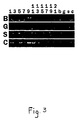
- Figure 3 shows the results of a PCR assay on DNA isolated from single eggs from lots of commercially available caviar. DNA from five to ten individual eggs was isolated for each commercial lot. Only a single representative is shown from each odd-numbered lot as all eggs from a given lot gave the same results. Results for odd-numbered lots 1 through 21 are shown. PCR products using beluga (Panel B; B3/B3an), servuga (Panel S; S2/S2an) and osetra (Panel G; G3/S2an) primer pairs are shown in this figure. A fourth primer pair was used as a positive control and was designed to amplify all sturgeon samples (C).
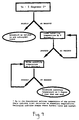
- Figure 4 shows a flow chart for optimization of the PCR procedure.
- the term "caviar” refers to edible fish eggs, processed by a number of methods known to those skilled in the art.
- caviar is prepared from immature eggs still confined in the fish ovary in a hard, solid formation (hard roe).
- caviar includes mature fish eggs, fresh, processed or preserved in alcohol and the like.
- Caviar prepared as food product includes immature or mature eggs obtained from carp, herring, pollock, bleak, lumpfish, pink salmon, whitefish, chum salmon, trout, flying fish, and bowfish.
- the source of the fish eggs is sturgeon or salmon roe, with sturgeon eggs being most preferable.
- primer refers to a single stranded DNA oligonucleotide sequence, preferably produced synthetically, which is capable of acting as a point of initiation for synthesis of a primer extension product that is complementary to a nucleic acid strand to be copied.
- the length of the primer must be sufficient to prime the synthesis of extension products in the presence of a polymerization enzyme.
- the length of the primer is from about 10 to 50 nucleotides, more preferably from about 15 to 25, and most preferably from about 17 to 21 nucleotides.
- Primers of the invention are of sufficient length that random priming does not occur; that is, the primers anneal only to unique and diagnostic segments of the genome. Longer primers may be used in the invention, although primers of no more than about 50 nucleotides are preferred when it is desirable to keep costs low.
- the present invention is directed to a PCR-based process for determining the species source for a sample of caviar as small as one egg and is particularly well-suited to identify the three major sources of commercial caviar, osetra, servuga and beluga.
- the method distinguishes osetra caviar, also known as oscetra and ossetra, which are processed immature eggs of the species A. gueldenstaedti, from beluga caviar ( H. huso ), from servuga caviar ( A. stellatus ), and from the eggs of all other known living species of sturgeon.
- the species origin of a single egg from a sample of commercial caviar can conveniently and inexpensively be determined in about 8 hours or less.
- a previously known method of Graves et al., for species identification by restriction fragment length polymorphism analysis of mtDNA obtained from single fresh or ethanol-preserved bass fish eggs requires several days to a week for processing as well as considerably more expensive materials.
- the method of the present invention is based on the species specificity of the nucleotide sequences of mitochondrial genes. This specificity has been established through examination of sequenced parts of genes for 12S rRNA, 16S rRNA, and cytochrome b (cyt b) mitochondrial genes for all known living sturgeon species. Cyt b gene sequences are the most variable among sturgeon species and were used in the design of the sturgeon-species-specific primer systems. Ordinarily, primers for PCR amplification of DNA are designed to be specific to a constant region of a gene; that is, a region that is conserved across species. Primers specific to a variable region of any gene are useful only for amplification of DNA from the single species from which the gene was obtained, an object of the present invention.
- the cyt b gene is well-suited as a primer template for the invention. It codes for a transmembrane protein, the imbedded portions of which are highly conserved across species. The protein makes seven loops through the membrane, all of which are conserved, whereas the regions of protein between the loops are variant.
- the primers of the present invention are made to the DNA coding for the variant regions of the protein. In a similar fashion, primers made to the DNA coding for variable regions of other proteins may be employed in the process of the present invention.
- a key feature of a primer of the invention is that it includes a diagnostic nucleotide position found within the variable region of several individuals known to belong to the species of interest.
- An appropriate primer must give uniform results with all individuals of a species for that primer to be considered diagnostic for the species. In the case where only a small number of individuals for a species of interest is available, it is desirable to use multiple primers to identify the species to allow for individual variation.
- the method of the present invention involves: preparing a sample of caviar by washing with an agent capable of removing salt and other debris from its outer surface; isolating clean template DNA from the sample; running PCR on the clean template DNA using a cocktail of sturgeon primers containing at least a pair of primers in which one member of the pair is a primer is specific for a sturgeon species of interest and the second member is a matched anchor primer; assaying the PCR reaction products and detecting the results.
- the steps of the method may be repeated using primers specific for different species until a positive identification is made.
- Removal of salt and other debris from the outer surface of commercially prepared caviar eggs prior to extraction of template DNA is an important aspect of the invention. This removal may be accomplished by washing with dilute saline solution, buffers such as DNA extraction buffer and the like, dilute aqueous acids or bases, and mild soap and detergent solutions such as sodium dodecyl sulfate (SDS) and the like.
- concentration of an active ingredient in the washing solution is such that the solution removes salts and debris, but does not damage the integrity of the eggs being cleaned. Washing with DNA extraction buffer is preferred and washing with a 5-15% vol./vol. dilution of a standard 5.25% solution of sodium hypochlorite, such as commercial CloroxTM, is most preferred.
- washing is meant that the egg or eggs being prepared are contacted with the cleaning solution and the liquid is allowed to run off, thus carrying away salts and any cellular or other debris.
- about a milliliter of cleaning solution is added to a suitable container holding a single caviar egg, and the egg and solution are gently drawn up and down in a pipette for about three minutes. After the wash period, the solution is gently drawn off from the egg with a pipette such that the caviar is not punctured or otherwise disrupted.
- Isolation of clean template DNA from the washed egg or eggs is the next step of the invention.
- "Quick" DNA preparations that exist for the isolation of DNA from tissues for PCR experiments such as direct amplification (i.e. , amplification of the eggs without actual DNA isolation) or Chelex preparations yield DNA of insufficient purity for use in the method of the present invention.
- Methods yielding highly purified DNA such as ultracentrifugation in cesium chloride gradients and use of commercial preparation kits such as SephadexTM spin columns and GeneCleanTM (BIO 101) glass milk techniques and the like, may be used.
- Suitable, highly purified DNA is free from enzymes, such as DNAses and RNases, and other proteins that may interfere with the activity of TAQ polymerase used in PCR amplification.
- enzymes such as DNAses and RNases, and other proteins that may interfere with the activity of TAQ polymerase used in PCR amplification.
- a phenol/chloroform extraction technique such as that described by DeSalle, R., et al. [ Methods in Enzymology. Vol . 224. Molecular Evolution: Producing the Biochemical Data (eds. Zimmer, E. A., et al. ) 176-204 (Acad. Press, San Diego, 1993)] is used.
- Running PCR using a cocktail of sturgeon primers containing at least a pair of primers in which one primer is specific for a species of interest to amplify the clean template DNA is a further step of the present invention.
- Amplification of DNA using the polymerase chain reaction is known to those skilled in the art and is generally described in U.S. Patent Nos. 4,683,195 and 4,683,202 to Mullis.
- the PCR consists of many repetitions of a cycle that consists of: (a) a denaturation step, which melts both strands of a DNA molecule; (b) an annealing step, which allows added primers to anneal specifically to the melted strands of the DNA molecule; and (c) an extension step, which incorporates to the primers deoxyribonucleotides complementary to those of the strand of DNA to which the primers are annealed.
- the PCR process may be conducted using a thermocycler apparatus, such as a Cetus Perkin-Elmer 486 Thermal Cycler and a 9600 Thermal Cycler.
- the conditions used for the PCR will depend on the specific primers used for a given species of interest. The concentrations of primers and buffers used will be apparent from the Examples that follow.
- the temperature for annealing primers to the template DNA for each primer is optimized as shown in Figure 4. Beginning at the theoretical melting temperature (T M ) minus 5°C (T M - 5°C), PCR is carried out. If a product is obtained, then no further optimization is required. If no PCR product is obtained, then the annealing temperature is lowered by 5°C and the process continued until a product is obtained. To determine that this new temperature is indeed the optimum, the annealing temperature is increased by 1°C increments until no product is observed.
- the optimum annealing temperature is then established as 1°C less than the temperature at which no product was produced. Optimization of the number of reaction cycles is dependant upon the concentration of the template DNA. In the method of the present invention, cycle numbers from about 20 to about 40 may be used, with about 25 to 30 cycles being preferred.
- the PCR cycles are carried out with at least a pair of primers, one of which is specific for a species of interest, hereinafter the "diagnostic primer,” and the other is an “anchor primer.”
- the present invention includes the composition of diagnostic primers specific for each of the three commercial Russian sturgeon species: H. huso (beluga), A. gueldenstaedti (osetra), and A. stellatus (sevruga).
- the invention further includes the composition of primers specific for the other twenty-four known, living species of sturgeon.
- the primers may be employed in the method of the present invention as pairs or as a mixture of primer pairs.
- the primers in matched pairs with one diagnostic primer and one anchor primer is preferred in the case where the sample to be diagnosed is likely to be from one of the three most common commercial species. In the case where the presence of a less common species is suspected, use of a mixture, or "cocktail,” containing pairs of primers for identification of two or more species is preferred. In this embodiment, the method of the present invention may be repeated with fewer and fewer primer pairs until the species is positively identified. Alternatively, a cocktail containing diagnostic and anchor primers of varying lengths, such that the resultant PCR products will not overlap when run out on a gel for visualization, may be employed.
- a matched anchor primer is designed downstream to the 3' end of the diagnostic member of the primer pair and for the other strand of the double helix. Since PCR proceeds best with two primers placed relatively close to each other (and on opposite strands), the anchor primer is designed to be specific for a part of the gene no more than about 250 nucleotides away from the diagnostic nucleotide position of the diagnostic primer.
- the anchor primer sequence may begin one nucleotide away from the diagnostic position in either the 3' or the 5' direction, in the case where a complementary diagnostic primer sequence is used.
- the anchor primer sequence occurs from about 50 to about 200 nucleotides away, and most preferably, from about 100 to about 200 nucleotides away.
- the anchor primer is designed to work with as wide a range of species as possible.
- the advantage of designing the anchor primer less than about 250 nucleotides away from the diagnostic nucleotide position of the diagnostic primer is that highly degraded DNA samples, such as might be expected from commercially treated caviar, will be amplifiable with such primers.
- the primers are designed so that a high stringency PCR reaction with primers for a given species gives a positive reaction (a band of the correct length on an agarose gel) and a primer pair that is not specific for a particular species gives a negative reaction (a lack of the PCR band).
- PCR primers are usually designed in a 5' to 3' direction.
- the 3'-most base on the primer is critical, because if it does not match perfectly, synthesis is blocked.
- Diagnostic and anchor primers of the invention match the diagnosable species in all positions of the primer, especially on the 3'-most nucleotide of the primer.
- sequences of primers of the invention are given in the Examples following.
- the diagnostic and anchor primers of the present invention may be synthesized using any suitable method known to those skilled in the art, such as phosphotriester and phosphodiester methods and the like. Conveniently, primers are synthesized by automated oligonucleotide synthesizers, such as those manufactured by ABI and OPERON. Primers may also be isolated from a naturally occuring or a genetically engineered biological source using appropriate restriction endonucleases that cut double-stranded DNA at or near a nucleotide sequence of interest.
- a further step in the method of the present invention is detection of the PCR products.
- the reactions may be assayed in a number of ways including separation of the products by gel electrophoresis and detection of the resulting bands.
- the reaction products are preferably assayed on agarose gel in a suitable buffer, such as 1X Tris borate EDTA (TBE) and 1X Tris EDTA acetate (TEA) and the like.
- TBE 1X Tris borate EDTA
- TAA 1X Tris EDTA acetate
- the gels may be stained by a variety of methods including with ethidium bromide, propidium iodide or silver.
- the PCR product fragments may be radioactively end-labeled and visualized after autoradiography or a southern blot can be performed and the presence of fragments observed after probing with a radioactively labeled probe.
- the gels are stained in ethidium bromide and the PCR products visualized under ultraviolet light. The presence/absence of a PCR product is easily detected by the presence or absence of a fluorescent PCR product band on the agarose gel. Positive PCR control reactions are run to ensure that the caviar DNA is of good enough quality to amplify. Negative PCR reactions are run to ensure that there are no contaminating factors that might obscure the results of the assay. Interpretation of the assay is straightforward: presence of a PCR product indicates a match with the target caviar DNA of the particular primer and absence of a PCR product indicates a mismatch with the target caviar DNA.
- the primers of the invention may be provided as a kit.
- the kit may contain appropriate amounts of primer pairs for various species of interest, suitable containers in which to carry out the steps of the invention, supplies of washing solutions, and the like, such that the method of the invention may be conveniently carried out.
- An important advantage of the present invention is the capability of the method to isolate useable template DNA from a single egg of commercially processed caviar.
- Commercial caviar can be a mixture of two or more species. Only by examining several eggs individually from a batch of caviar can this mixing be detected. PCR performed on DNA isolated from large batches of eggs can give positive signals for primers specific for multiple species, thereby causing possible inaccurate diagnosis of the species origin.
- the method of the present invention is further advantageous because it allows identification of the species origin of caviar eggs that have been roughly treated or subjected to conditions that cause degradation of the DNA.
- the present invention can be differentiated from other PCR-based species identification methods in that it depends upon diagnostic characteristics, the diagnostic nucleotide positions, found in all individuals within a species, but not found in individuals outside the species. Other methods, such as that of Davidson and Bartlett, rely on primers conserved across species, and across genera in some cases.
- the method is therefore unlike conventional fingerprinting, in which one tries to match a found fingerprint against a collection of known fingerprints. Instead, a diagnostic characteristic identifies an individual as a member of a species, as a fingerprint can be identified as human or non-human.
- the second method was the standard Chelex preparation [(Walsh et al., Bio Techniques 10, 506-513 (1991)], where a dilution series was also used to examine a range of preparation template concentrations.
- the third method required treatment of a crushed egg in buffer with Proteinase K at 60°C for one hour followed by a full phenol/chloroform preparation (DeSalle et al ., 1993). The first two simple procedures did not produce suitable templates for PCR while the phenol/chloroform extraction procedure did. More importantly, the phenol preparation procedure produced a large quantity of suitable template in that over 1 ⁇ g of total DNA was easily isolated from a single egg.
- Figure 1 shows the results of PCR assays run on DNA from single caviar eggs prepared using different egg-washing and DNA extraction procedures.
- Panel A shows PCR products obtained from template DNA purified by boiling a single, crushed egg with 5% Chelex DNA.
- Panel B shows PCR products obtained from template DNA purified by phenol/chloroform extraction.
- Lane 1 shows the results obtained when an egg was processed without washing;
- Lane 2 shows results from eggs pre-washed with 0.525% sodium hypochlorite before crushing;
- Lane 3 shows eggs pre-washed in homogenization buffer;
- Lane 4 shows DNA preparation blanks; and Lane 5 shows negative PCR controls.
- Lanes B2 and B3 show PCR products, demonstrating that the phenol/chloroform extraction procedure performed on eggs pre-washed with either 0.525% sodium hypochlorite or extraction buffer is satisfactory.
- the Chelex procedure does produce PCR products when used to purify template DNA from other sturgeon tissue (blood from A. stellatus ), as shown in Panel A, Lanes 6, 7 and 8.
- Lane 6 Chelex preparation blank Lane 7 is a Chelex preparation from blood from A. stellatus used as a positive control, and Lane 8 is a negative PCR control. Lanes 6, 7 and 8 in Panel B are deliberately left blank.
- Table 1 lists the sturgeon species used in this study and where they were obtained. With three exceptions ( Acipenser brevirostrum, A. mikadoi, and A. oxyrinchus ), blood samples were taken, mixed with buffer (100 mM Tris, 100 MM EDTA, and 2% SDS; 0.5 ml of blood and 5 ml of buffer), and the blood cells lysed in this solution were kept in a freezer at -70°C. Most Russian specimens examined were the same individuals used for DNA content measurements by Birstein et al., Genetica 73: 3-12 (1993). DNA was isolated from alcohol-fixed samples of muscles of Amia calva and Polypterus senegalus provided by Paul Vrana (American Museum of Natural History, New York).
- PCR products of the mitochondrial genes (12S, 16S, and cytochrome b) were either GeneCleaned and directly sequenced or cloned into the TA vector (INVITROGEN) and sequenced (in such cases, at least two clones for each taxon were used to establish the sequence).
- the following primers were used: in the 18S gene region, 18sai0.7 (5'-ATTAAAGTTGTTGCGGTTT-3') (SEQ ID NO:1) and 18sai0.79 (5'-GGTGGCATTTTATTTTATTAGAGG-3') (SEQ ID NO:2) and 12SB (5'-CCGGTCTGAACTCAGATCACGT-3') (SEQ ID NO:3) [Kocher et al ., Proc. Natl.
- DNA was isolated from single eggs after washing with 0.525% sodium hypochlorite by crushing the egg in homogenization buffer followed by Proteinase K (1 mg/ml final concentration) digestion for one hour at 65°C. Standard phenol/chloroform extraction (DeSalle et al., 1993) followed by two ethanol precipitations was performed to purify the DNA for PCR. PCR was performed using the primer pair (with one diagnostic primer and one anchor primer) indicated in Table 2 at 10 M in 25 Ktl reactions. Gel electrophoresis results are shown in Figure 2. DNA from 11 individuals of H. huso (Panel B, Lanes b through 1), two individuals of A. stellatus (Panel S, Lanes b and c) and two individuals of A.
- gueldenstaedti (Panel G, Lanes b and c) was isolated from either tissue or blood and used as template for PCR reactions.
- Lane a in all three Panels is the PCR product generated from DNA made from caviar of the three species (from beluga caviar in Panel B, from servuga caviar in Panel S, and from osetra caviar in Panel G).
- Lanes m and n in Panel B were PCR products from A. stellatus and A. gueldenstaedti , respectively.
- Lanes d and e in Panel S were products from H. huso and A. gueldenstaedti, respectively.
- Lanes d and e in Panel G were products from H.
- Lanes n in Panel B, f in Panel S, and f in Panel G were PCR water negative controls.
- the following primer pairs (see Table 2) were used in the reactions: B3/B3an (Panel B); S2/S2an (Panel S); and, G3/S2an (Panel G).
- the PCR conditions were 94°C for 1 minute, 55°C for 1 minute, and 72°C for 1 minute for 25 cycles.
- PCR products were assayed on 1.5% agarose in 1X TBE at 140 V for 20 to 30 minutes in a BioRad miniature submersible electrophoresis rig. DNA was visualized under UV light after staining the gel in ethidium bromide. For all figures the gels were photographed using Polaroid film and scanned into Adobe Photoshop and manipulated using this program.
- the G primers were difficult to design as entirely specific for A. gueldenstaedti (osetra) because of the close relatedness of this species to the other members of the clade of Eurasian sturgeons ( A. baieri, A. persicus, A. naccarii, A. nudiventris, and A. dabryanus ). Hence, two primers were designed that in combination could diagnose the osetra caviar.
- the G3 primer pair is specific for A. gueldenstaedti, A. persicus, A. naccarii, A. baerii, A. nudiventris, A. dabryanus, and A. brevirostrum .
- the G4 primer pair is specific for A. gueldenstaedti, Scaphirhynchus albus, Polyodon spathula, and Psephurus gladius .
- DNA is isolated from single eggs after washing with 0.525% sodium hypochlorite by crushing the egg in homogenization buffer followed by Proteinase K (1 mg/ml final concentration) digestion for one hour at 65°C. Standard phenol/chloroform extraction (DeSalle et al ., 1993) followed by two ethanol precipitations is performed to purify the DNA for PCR.
- PCR is performed as described in the previous examples using a cocktail made up of two or more primer pairs, where one member of the pair is a diagnostic primer given in Table 3 and the other member of the pair is a matched anchor primer. PCR products are assayed on 1.5% agarose in 1X TBE at 140 V for 20 to 30 minutes in a BioRad miniature submersible electrophoresis rig. DNA is visualized under UV light after staining the gel in ethidium bromide. If no PCR products are visible, the process is repeated with other cocktails of primer pairs until the species origin of the sample is identified.
- Table 3 lists sequences in the 5' to 3' direction for primers specific to the sturgeon species given.
- the diagnostic 3'-most base is designated by a space between it and the rest of the primer.
- Table 4 lists sequences in the 3' to 5' direction for additional diagnostic primers for the sturgeon species given.
- the diagnostic 3'-most base is designated by a space between it and the rest of the primer.
- the primer code used for these "reverse" primers includes a lower case "r" to indicate that these sequences run in the 3' to 5' direction.
- the sturgeon genus is Acipenser unless otherwise specified.
- Samples 4 and 12 were the only samples that were negative for all three primer pairs, but positive for the control primers.
- Control PCR of these three lots of caviar as well as lots Nos. 1, 9, 13, and 16 were GeneCleaned and sequenced to determine the source species used for making these caviars (see Table 5). As is evident from Table 5, the source species for five of the twenty-five commercial samples of caviar tested did not correspond to the species given on the product label.
- Caviar Lot Designation by Supplier (Trade Name) Diagnosis 1. American sturgeon Osetra 2. Caspian beluga Beluga 3. Caspian osetra Ship sturgeon 4. Eastern beluga Amur River sturgeon 5. Caspian servuga Servuga 6.
Landscapes
- Chemical & Material Sciences (AREA)
- Life Sciences & Earth Sciences (AREA)
- Proteomics, Peptides & Aminoacids (AREA)
- Organic Chemistry (AREA)
- Analytical Chemistry (AREA)
- Zoology (AREA)
- Wood Science & Technology (AREA)
- Health & Medical Sciences (AREA)
- Engineering & Computer Science (AREA)
- Microbiology (AREA)
- Immunology (AREA)
- Molecular Biology (AREA)
- Biotechnology (AREA)
- Biophysics (AREA)
- Physics & Mathematics (AREA)
- Biochemistry (AREA)
- Bioinformatics & Cheminformatics (AREA)
- General Engineering & Computer Science (AREA)
- General Health & Medical Sciences (AREA)
- Genetics & Genomics (AREA)
- Measuring Or Testing Involving Enzymes Or Micro-Organisms (AREA)
- Dental Preparations (AREA)
Claims (20)
- Verfahren zum Bestimmen des Artenursprungs von Kaviar, wobei das Verfahren die folgenden Schritte umfasst:a) Erhalten einer Kaviarprobe;b) Reinigen der Oberfläche der Probe;c) Extrahieren von Templat-DNA aus der Probe;d) Amplifizieren der extrahierten Templat-DNA unter Verwendung von einem oder mehreren Primerpaaren, die jeweils aus einem artspezifischen diagnostischen Primer und einem passenden Ankerprimer bestehen; unde) Analysieren der Produkte im Hinblick auf das Vorhandensein oder die Abwesenheit von amplifizierter DNA.
- Verfahren nach Anspruch 1, wobei die Probe ein einzelnes Ei von handelsüblich verarbeitetem Kaviar ist.
- Verfahren nach Anspruch 1, wobei das Reinigen ein Waschen mit DNA-Extraktionspuffer oder mit Natriumhypochloritlösung ist.
- Verfahren nach Anspruch 1, wobei das Extrahieren durch Phenol/Chloroform-Extraktion erfolgt.
- Verfahren nach Anspruch 1, wobei das Amplifizieren einen oder mehrere diagnostische Primer verwendet, die ausgewählt werden aus der Gruppe bestehend aus den Sequenzen, die in SEQ. ID NO:8, SEQ. ID NO:10, SEQ. ID NO:12, SEQ. ID NO:14, SEQ. ID NO:16, SEQ. ID NO:18, und SEQ. ID NO:20 bis SEQ. ID NO:145 dargestellt sind.
- Verfahren nach Anspruch 1, wobei das Analysieren die folgenden Schritte umfasst: Testen der Produkte durch Gelelektrophorese und Nachweisen der Produkte.
- Verfahren nach Anspruch 6, wobei das Nachweisen durch Anfärben mit Ethidiumbromid, Propidiumiodid oder Silber erfolgt.
- Verfahren nach Anspruch 1, wobei die Schritte des Verfahrens unter Verwendung von Primem, die für verschiedene bzw. andere Arten spezifisch sind, wiederholt werden, bis das Vorhandensein von amplifizierter DNA nachgewiesen wird.
- Verfahren nach Anspruch 1, wobei das Reinigen ein Waschen mit einer Reinigungslösung ist.
- Verfahren nach Anspruch 1, wobei das Extrahieren durch Phenol/Chloroform-Extraktion erfolgt.
- Verfahren nach Anspruch 1, wobei das Analysieren durch Gelelektrophorese erfolgt und die amplifizierte DNA durch Anfärben mit Ethidiumbromid, Propidiumiodid oder Silber nachgewiesen wird.
- Primer mit der Sequenz, die in SEQ ID NO:8 dargestellt ist.
- Primer mit der Sequenz, die in SEQ ID NO:10 dargestellt ist.
- Primer mit der Sequenz, die in SEQ ID NO:12 dargestellt ist.
- Primer mit der Sequenz, die in SEQ ID NO:14 dargestellt ist.
- Primer mit der Sequenz, die in SEQ ID NO:16 dargestellt ist.
- Primer mit der Sequenz, die in SEQ ID NO:18 dargestellt ist.
- Primer mit der Sequenz, die ausgewählt wird aus der Gruppe bestehend aus SEQ. ID NO:20 bis SEQ. ID NO:145.
- Primercocktail, umfassend eine Mehrzahl von Primerpaaren, wobei die Primerpaare jeweils aus einem Primer, der für eine Störart spezifisch ist, und einem passenden Ankerprimer bestehen.
- Primercocktail nach Anspruch 20, wobei der spezifische Primer ausgewählt wird aus der Gruppe, bestehend aus den Sequenzen, die in SEQ. ID NO:8, SEQ. ID NO:10 SEQ. ID NO:12, SEQ. ID NO:14, SEQ. ID NO:16, SEQ. ID NO:18 und SEQ. ID NO:20 bis SEQ. ID NO:145 dargestellt sind.
Applications Claiming Priority (2)
| Application Number | Priority Date | Filing Date | Title |
|---|---|---|---|
| US08/647,584 US5786144A (en) | 1996-05-13 | 1996-05-13 | Method and compositions for identification of species origin of caviar |
| US647584 | 1996-05-13 |
Publications (2)
| Publication Number | Publication Date |
|---|---|
| EP0807690A1 EP0807690A1 (de) | 1997-11-19 |
| EP0807690B1 true EP0807690B1 (de) | 2002-08-28 |
Family
ID=24597532
Family Applications (1)
| Application Number | Title | Priority Date | Filing Date |
|---|---|---|---|
| EP97107809A Expired - Lifetime EP0807690B1 (de) | 1996-05-13 | 1997-05-13 | Verfahren und Zusammensetzungen zur Identifikation des Artenursprungs von Kaviar |
Country Status (5)
| Country | Link |
|---|---|
| US (1) | US5786144A (de) |
| EP (1) | EP0807690B1 (de) |
| AT (1) | ATE222962T1 (de) |
| DE (1) | DE69714906T2 (de) |
| WO (1) | WO1997043618A2 (de) |
Cited By (1)
| Publication number | Priority date | Publication date | Assignee | Title |
|---|---|---|---|---|
| RU2294633C2 (ru) * | 2005-03-25 | 2007-03-10 | ИНСТИТУТ БИОЛОГИИ ГЕНА Российской Академии Наук (ИБГ РАН, статус Государственного учреждения) | Биологический маркер для определения породы рыб, набор и способ определения породной принадлежности рыб |
Families Citing this family (13)
| Publication number | Priority date | Publication date | Assignee | Title |
|---|---|---|---|---|
| CN1316034C (zh) * | 2001-03-28 | 2007-05-16 | 科学与工业研究会 | 用于野生生物鉴定的通用引物 |
| GB2374597A (en) * | 2001-03-30 | 2002-10-23 | Council Scient Ind Res | Probes for myctophid fish |
| FR2826022B1 (fr) * | 2001-06-13 | 2005-02-04 | Centre Nat Rech Scient | Procede de determination de l'existence de melanges d'especes d'origines animales ou vegetales dans des substrats organiques |
| FR2826021B1 (fr) * | 2001-06-13 | 2004-12-31 | Centre Nat Rech Scient | Procede de detection et d'identification de la presence de matieres biologiques provenant de poissons, et oligonucleotides pour sa mise en oeuvre |
| ES2249176B1 (es) * | 2004-09-09 | 2006-12-16 | Universidad Complutense De Madrid | Identificacion de adn en alimentos crudos o procesados y piensos compuestos. |
| FR2858631A1 (fr) * | 2004-09-24 | 2005-02-11 | Centre Nat Rech Scient | Procede de detection et d'identification de la presence de matieres biologiques provenant de poissons, et oligonucleotides pour sa mise en oeuvre |
| WO2007092279A2 (en) * | 2006-02-03 | 2007-08-16 | The Regents Of The University Of California | Detection of contaminating dna via amplification of sequences of less than 100 bp |
| JP5561912B2 (ja) * | 2008-04-14 | 2014-07-30 | 株式会社アテナ | チョウザメの卵からの抽出液 |
| EP2504454B1 (de) * | 2009-11-23 | 2018-11-21 | Bayer CropScience NV | Elite-ereignis ee-gm3 sowie verfahren und kits zur identifikation eines solchen ereignisses in biologischen proben |
| NZ600375A (en) | 2009-11-23 | 2014-10-31 | Bayer Cropscience Nv | Herbicide tolerant soybean plants and methods for identifying same |
| CN109097481A (zh) * | 2018-08-21 | 2018-12-28 | 福建省水产研究所(福建水产病害防治中心) | 基于高通量测序技术鉴定鱼卵仔稚鱼的方法 |
| CN109337962A (zh) * | 2018-08-24 | 2019-02-15 | 暨南大学 | 基于荧光定量pcr检测鲟鱼的引物和探针及其试剂盒与方法 |
| AU2023418851A1 (en) * | 2022-12-30 | 2025-07-17 | Hypercell Technologies | Compositions, devices and methods for an improved rapid point-of-use diagnostic assay |
Family Cites Families (3)
| Publication number | Priority date | Publication date | Assignee | Title |
|---|---|---|---|---|
| US4683195A (en) * | 1986-01-30 | 1987-07-28 | Cetus Corporation | Process for amplifying, detecting, and/or-cloning nucleic acid sequences |
| US4683202A (en) * | 1985-03-28 | 1987-07-28 | Cetus Corporation | Process for amplifying nucleic acid sequences |
| CA2026264A1 (en) * | 1990-09-26 | 1992-03-27 | William Scott Davidson | Test to determine an organism's species and/or population identity by direct nucleotide sequence analysis of defined segments of its genome |
-
1996
- 1996-05-13 US US08/647,584 patent/US5786144A/en not_active Expired - Fee Related
-
1997
- 1997-05-13 WO PCT/US1997/008136 patent/WO1997043618A2/en not_active Ceased
- 1997-05-13 EP EP97107809A patent/EP0807690B1/de not_active Expired - Lifetime
- 1997-05-13 AT AT97107809T patent/ATE222962T1/de not_active IP Right Cessation
- 1997-05-13 DE DE69714906T patent/DE69714906T2/de not_active Expired - Fee Related
Cited By (1)
| Publication number | Priority date | Publication date | Assignee | Title |
|---|---|---|---|---|
| RU2294633C2 (ru) * | 2005-03-25 | 2007-03-10 | ИНСТИТУТ БИОЛОГИИ ГЕНА Российской Академии Наук (ИБГ РАН, статус Государственного учреждения) | Биологический маркер для определения породы рыб, набор и способ определения породной принадлежности рыб |
Also Published As
| Publication number | Publication date |
|---|---|
| DE69714906D1 (de) | 2002-10-02 |
| DE69714906T2 (de) | 2002-12-19 |
| US5786144A (en) | 1998-07-28 |
| WO1997043618A3 (en) | 1998-03-19 |
| ATE222962T1 (de) | 2002-09-15 |
| EP0807690A1 (de) | 1997-11-19 |
| WO1997043618A2 (en) | 1997-11-20 |
Similar Documents
| Publication | Publication Date | Title |
|---|---|---|
| US5786144A (en) | Method and compositions for identification of species origin of caviar | |
| Supikamolseni et al. | Molecular barcoding of venomous snakes and species-specific multiplex PCR assay to identify snake groups for which antivenom is available in Thailand | |
| CN108841945B (zh) | 一种快速鉴定中华鳖遗传性别的pcr扩增引物、方法及试剂盒 | |
| Lopez-Pinon et al. | Identification of four scallop species using PCP and restriction analysis of the ribosomal DNA internal transcribed spacer region | |
| JPS62208300A (ja) | 淋菌を検出するためのヌクレオチド配列組成物および方法,並びに遺伝上明確な群に対し特異的なヌクレオチド配列のスクリ−ニング方法 | |
| Watanobe et al. | Prehistoric introduction of domestic pigs onto the Okinawa Islands: ancient mitochondrial DNA evidence | |
| CN116574817B (zh) | 鉴定南方鲇、鲇及其杂交种的特异分子标记、引物和试剂盒 | |
| CN110066880A (zh) | 一种快速定性检测四大家鱼鱼肉制品的方法 | |
| EP0468812B1 (de) | Gen von Candida Hefe | |
| Dougherty et al. | Mitochondrial DNA analysis of round goby (Neogobius melanostomus) and tubenose goby (Proterorhinus marmoratus) in the Great Lakes basin | |
| CN115851977B (zh) | 鉴别珍珠鳖性别的分子标记、引物对及其应用 | |
| Heath et al. | Monitoring Piscirickettsia salmonis by denaturant gel electrophoresis and competitive PCR | |
| Ichikawa et al. | DNA types of aspermic Fasciola species in Japan | |
| Reed et al. | Fasciola hepatica: stage-specific expression of novel gene sequences as identified by differential display | |
| CN119101750A (zh) | 一种中国圆田螺遗传性别无损伤鉴定的特异性dna序列及鉴定方法 | |
| Novoa et al. | Hypnospores detected by RFTM in clam (Ruditapes decussatus) tissues belong to two different protozoan organisms, Perkinsus atlanticus and a Perkinsus-like organism | |
| US6037128A (en) | Process for the preparation of semisynthetic amplicon useful for sex determination of the papaya plant | |
| CN118166123A (zh) | 一种长江江豚环境dna引物及其应用 | |
| EP4010499A1 (de) | Verfahren und kit zum nachweis von nematoden, markierungswürmern und flussmitteln unter verwendung der multiplex-pcr technik und oligonukleotide | |
| US10450618B2 (en) | Method for identifying variety of hop | |
| Aida et al. | Distribution and population of free-living cells related to endosymbiont a harbored in Oligobrachia mashikoi (a Siboglinid Polychaete) inhabiting Tsukumo Bay | |
| RU2748590C1 (ru) | Способ выявления и идентификации партенит трематод (trematoda: digenea) у брюхоногих моллюсков семейства lymnaeidae | |
| Skantar et al. | Multiple displacement amplification (MDA) of total genomic DNA from Meloidogyne spp. and comparison to crude DNA extracts in PCR of ITS1, 28S D2-D3 rDNA and Hsp90 | |
| Probosunu et al. | Molecular insights into the identification and phylogenetic of the collector urchin, Tripneustes gratilla (Linnaeus 1758) from the Red Island Beach, East Java, Indonesia | |
| KR101720969B1 (ko) | 연산오계 판별용 조성물 |
Legal Events
| Date | Code | Title | Description |
|---|---|---|---|
| PUAI | Public reference made under article 153(3) epc to a published international application that has entered the european phase |
Free format text: ORIGINAL CODE: 0009012 |
|
| AK | Designated contracting states |
Kind code of ref document: A1 Designated state(s): AT BE CH DE DK ES FI FR GB GR IE IT LI LU MC NL PT SE |
|
| AX | Request for extension of the european patent |
Free format text: RO PAYMENT 970513 |
|
| 17P | Request for examination filed |
Effective date: 19980227 |
|
| 17Q | First examination report despatched |
Effective date: 20000704 |
|
| GRAG | Despatch of communication of intention to grant |
Free format text: ORIGINAL CODE: EPIDOS AGRA |
|
| GRAG | Despatch of communication of intention to grant |
Free format text: ORIGINAL CODE: EPIDOS AGRA |
|
| GRAH | Despatch of communication of intention to grant a patent |
Free format text: ORIGINAL CODE: EPIDOS IGRA |
|
| GRAH | Despatch of communication of intention to grant a patent |
Free format text: ORIGINAL CODE: EPIDOS IGRA |
|
| GRAH | Despatch of communication of intention to grant a patent |
Free format text: ORIGINAL CODE: EPIDOS IGRA |
|
| GRAH | Despatch of communication of intention to grant a patent |
Free format text: ORIGINAL CODE: EPIDOS IGRA |
|
| GRAH | Despatch of communication of intention to grant a patent |
Free format text: ORIGINAL CODE: EPIDOS IGRA |
|
| GRAA | (expected) grant |
Free format text: ORIGINAL CODE: 0009210 |
|
| AK | Designated contracting states |
Kind code of ref document: B1 Designated state(s): AT BE CH DE DK ES FI FR GB GR IE IT LI LU MC NL PT SE |
|
| AX | Request for extension of the european patent |
Free format text: RO PAYMENT 19970513 |
|
| PG25 | Lapsed in a contracting state [announced via postgrant information from national office to epo] |
Ref country code: NL Free format text: LAPSE BECAUSE OF FAILURE TO SUBMIT A TRANSLATION OF THE DESCRIPTION OR TO PAY THE FEE WITHIN THE PRESCRIBED TIME-LIMIT Effective date: 20020828 Ref country code: IT Free format text: LAPSE BECAUSE OF FAILURE TO SUBMIT A TRANSLATION OF THE DESCRIPTION OR TO PAY THE FEE WITHIN THE PRESCRIBED TIME-LIMIT;WARNING: LAPSES OF ITALIAN PATENTS WITH EFFECTIVE DATE BEFORE 2007 MAY HAVE OCCURRED AT ANY TIME BEFORE 2007. THE CORRECT EFFECTIVE DATE MAY BE DIFFERENT FROM THE ONE RECORDED. Effective date: 20020828 Ref country code: GR Free format text: LAPSE BECAUSE OF FAILURE TO SUBMIT A TRANSLATION OF THE DESCRIPTION OR TO PAY THE FEE WITHIN THE PRESCRIBED TIME-LIMIT Effective date: 20020828 Ref country code: FI Free format text: LAPSE BECAUSE OF FAILURE TO SUBMIT A TRANSLATION OF THE DESCRIPTION OR TO PAY THE FEE WITHIN THE PRESCRIBED TIME-LIMIT Effective date: 20020828 |
|
| REF | Corresponds to: |
Ref document number: 222962 Country of ref document: AT Date of ref document: 20020915 Kind code of ref document: T |
|
| REG | Reference to a national code |
Ref country code: GB Ref legal event code: FG4D |
|
| REG | Reference to a national code |
Ref country code: CH Ref legal event code: NV Representative=s name: PATENTANWALTSBUERO JEAN HUNZIKER Ref country code: CH Ref legal event code: EP |
|
| REF | Corresponds to: |
Ref document number: 69714906 Country of ref document: DE Date of ref document: 20021002 |
|
| REG | Reference to a national code |
Ref country code: IE Ref legal event code: FG4D |
|
| PG25 | Lapsed in a contracting state [announced via postgrant information from national office to epo] |
Ref country code: SE Free format text: LAPSE BECAUSE OF FAILURE TO SUBMIT A TRANSLATION OF THE DESCRIPTION OR TO PAY THE FEE WITHIN THE PRESCRIBED TIME-LIMIT Effective date: 20021128 Ref country code: DK Free format text: LAPSE BECAUSE OF FAILURE TO SUBMIT A TRANSLATION OF THE DESCRIPTION OR TO PAY THE FEE WITHIN THE PRESCRIBED TIME-LIMIT Effective date: 20021128 |
|
| PG25 | Lapsed in a contracting state [announced via postgrant information from national office to epo] |
Ref country code: PT Free format text: LAPSE BECAUSE OF FAILURE TO SUBMIT A TRANSLATION OF THE DESCRIPTION OR TO PAY THE FEE WITHIN THE PRESCRIBED TIME-LIMIT Effective date: 20021210 |
|
| NLV1 | Nl: lapsed or annulled due to failure to fulfill the requirements of art. 29p and 29m of the patents act | ||
| ET | Fr: translation filed | ||
| PG25 | Lapsed in a contracting state [announced via postgrant information from national office to epo] |
Ref country code: ES Free format text: LAPSE BECAUSE OF FAILURE TO SUBMIT A TRANSLATION OF THE DESCRIPTION OR TO PAY THE FEE WITHIN THE PRESCRIBED TIME-LIMIT Effective date: 20030228 |
|
| PG25 | Lapsed in a contracting state [announced via postgrant information from national office to epo] |
Ref country code: LU Free format text: LAPSE BECAUSE OF NON-PAYMENT OF DUE FEES Effective date: 20030513 Ref country code: IE Free format text: LAPSE BECAUSE OF NON-PAYMENT OF DUE FEES Effective date: 20030513 Ref country code: GB Free format text: LAPSE BECAUSE OF NON-PAYMENT OF DUE FEES Effective date: 20030513 Ref country code: AT Free format text: LAPSE BECAUSE OF NON-PAYMENT OF DUE FEES Effective date: 20030513 |
|
| PG25 | Lapsed in a contracting state [announced via postgrant information from national office to epo] |
Ref country code: MC Free format text: LAPSE BECAUSE OF NON-PAYMENT OF DUE FEES Effective date: 20030531 Ref country code: LI Free format text: LAPSE BECAUSE OF NON-PAYMENT OF DUE FEES Effective date: 20030531 Ref country code: CH Free format text: LAPSE BECAUSE OF NON-PAYMENT OF DUE FEES Effective date: 20030531 Ref country code: BE Free format text: LAPSE BECAUSE OF NON-PAYMENT OF DUE FEES Effective date: 20030531 |
|
| PLBE | No opposition filed within time limit |
Free format text: ORIGINAL CODE: 0009261 |
|
| STAA | Information on the status of an ep patent application or granted ep patent |
Free format text: STATUS: NO OPPOSITION FILED WITHIN TIME LIMIT |
|
| 26N | No opposition filed |
Effective date: 20030530 |
|
| BERE | Be: lapsed |
Owner name: *KARL-SCHMITZ-SCHOLL-FONDS FUR UMWELTRECHT UND UMW Effective date: 20030531 |
|
| PG25 | Lapsed in a contracting state [announced via postgrant information from national office to epo] |
Ref country code: DE Free format text: LAPSE BECAUSE OF NON-PAYMENT OF DUE FEES Effective date: 20031202 |
|
| GBPC | Gb: european patent ceased through non-payment of renewal fee |
Effective date: 20030513 |
|
| REG | Reference to a national code |
Ref country code: CH Ref legal event code: PL |
|
| PG25 | Lapsed in a contracting state [announced via postgrant information from national office to epo] |
Ref country code: FR Free format text: LAPSE BECAUSE OF NON-PAYMENT OF DUE FEES Effective date: 20040130 |
|
| REG | Reference to a national code |
Ref country code: FR Ref legal event code: ST |
|
| REG | Reference to a national code |
Ref country code: IE Ref legal event code: MM4A |