EP0765385B1 - COMPOSITIONS AND METHOD OF STIMULATING THE PROLIFERATION AND DIFFERENTIATION OF HUMAN FETAL AND ADULT PANCREATIC CELLS $i(EX VIVO) - Google Patents
COMPOSITIONS AND METHOD OF STIMULATING THE PROLIFERATION AND DIFFERENTIATION OF HUMAN FETAL AND ADULT PANCREATIC CELLS $i(EX VIVO) Download PDFInfo
- Publication number
- EP0765385B1 EP0765385B1 EP95918374A EP95918374A EP0765385B1 EP 0765385 B1 EP0765385 B1 EP 0765385B1 EP 95918374 A EP95918374 A EP 95918374A EP 95918374 A EP95918374 A EP 95918374A EP 0765385 B1 EP0765385 B1 EP 0765385B1
- Authority
- EP
- European Patent Office
- Prior art keywords
- cells
- hgf
- human
- pancreatic
- cell
- Prior art date
- Legal status (The legal status is an assumption and is not a legal conclusion. Google has not performed a legal analysis and makes no representation as to the accuracy of the status listed.)
- Expired - Lifetime
Links
Images





Classifications
-
- C—CHEMISTRY; METALLURGY
- C12—BIOCHEMISTRY; BEER; SPIRITS; WINE; VINEGAR; MICROBIOLOGY; ENZYMOLOGY; MUTATION OR GENETIC ENGINEERING
- C12N—MICROORGANISMS OR ENZYMES; COMPOSITIONS THEREOF; PROPAGATING, PRESERVING, OR MAINTAINING MICROORGANISMS; MUTATION OR GENETIC ENGINEERING; CULTURE MEDIA
- C12N5/00—Undifferentiated human, animal or plant cells, e.g. cell lines; Tissues; Cultivation or maintenance thereof; Culture media therefor
- C12N5/06—Animal cells or tissues; Human cells or tissues
- C12N5/0602—Vertebrate cells
- C12N5/0676—Pancreatic cells
-
- A—HUMAN NECESSITIES
- A61—MEDICAL OR VETERINARY SCIENCE; HYGIENE
- A61P—SPECIFIC THERAPEUTIC ACTIVITY OF CHEMICAL COMPOUNDS OR MEDICINAL PREPARATIONS
- A61P3/00—Drugs for disorders of the metabolism
- A61P3/08—Drugs for disorders of the metabolism for glucose homeostasis
-
- A—HUMAN NECESSITIES
- A61—MEDICAL OR VETERINARY SCIENCE; HYGIENE
- A61K—PREPARATIONS FOR MEDICAL, DENTAL OR TOILETRY PURPOSES
- A61K35/00—Medicinal preparations containing materials or reaction products thereof with undetermined constitution
- A61K35/12—Materials from mammals; Compositions comprising non-specified tissues or cells; Compositions comprising non-embryonic stem cells; Genetically modified cells
-
- C—CHEMISTRY; METALLURGY
- C12—BIOCHEMISTRY; BEER; SPIRITS; WINE; VINEGAR; MICROBIOLOGY; ENZYMOLOGY; MUTATION OR GENETIC ENGINEERING
- C12N—MICROORGANISMS OR ENZYMES; COMPOSITIONS THEREOF; PROPAGATING, PRESERVING, OR MAINTAINING MICROORGANISMS; MUTATION OR GENETIC ENGINEERING; CULTURE MEDIA
- C12N2501/00—Active agents used in cell culture processes, e.g. differentation
- C12N2501/10—Growth factors
- C12N2501/12—Hepatocyte growth factor [HGF]
Definitions
- the present invention relates to transplantation of human fetal or mature pancreatic cells to treat Type 1 diabetes mellitus. More particularly, the invention relates to the use of a human cytokine, hepatocyte growth factor/scatter factor ("HGF/SF”), to induce ex vivo the proliferation and differentiation of pancreatic cells prior to their transplantation into a diabetic subject.
- HGF/SF hepatocyte growth factor/scatter factor
- Type 1 diabetes mellitus is characterized, inter alia, by a loss of insulin-producing Beta (" ⁇ ") cells and decompensation of metabolism following autoimmune aggression.
- ⁇ insulin-producing Beta
- Treatments of such patients have included primarily parenteral administration of bovine or porcine insulin or recombinant human insulin. This treatment, however, delays, but does not avoid, the pathological sequelae of this disease, and, in addition, requires multiple daily injections of insulin and/or the use of an indwelling catheter and an insulin pump.
- Immunosuppressive treatment of patients for example, with cyclosporin A or FK506, also has been effected, but with only limited success, on a theory that Type 1 diabetes mellitus is a disease of autoaggression.
- Immunosuppressive drugs have toxic side effects, including the potential for infection as the result of suppression of the immune system.
- pancreatic islets for transplantation
- This tissue is rich in undifferentiated ⁇ -cells that can, at least in theory, grow and mature after transplantation. Tuch et al., Diabetes 35: 464 (1986). While the immature immune system of the fetus reduces the likelihood of fetal islet rejection by the recipient, problems relating to the limited availability of suitable fetal pancreases and to the immaturity of the insulin-producing cells in such tissues continue to hinder success in this approach. For a review, see Andersson, Transplantation Revs . 6: 20 (1992).
- HGF a 87 kDa two-chain glycoprotein cytokine first identified in rodent and human plasma and rodent blood platelets, is a potent hepatocyte mitogen. Rubin et al., Biochem. Biophys. Acta 1155: 357 (1993). HGF is apparently identical to a fibroblast secretory protein referred to as Scatter Factor ("SF") known to dissociate and increase the motility of epithelial cells.
- SF Scatter Factor
- HGF/SF is used here as the abbreviation of the name of this cytokine.
- HGF/SF is used here as the abbreviation of the name of this cytokine.
- HGF has been purified to homogeneity and sequenced, and its gene has been cloned. See Miyazawa et al., Biochem . Biophys. Res. Commun . 163: 967 (1989); Rubin et al., Proc. Nat'l Acad. USA 88: 415 (1991); Weidner et al., Sci . (USA) 88: 7001 (1991); Nakamura et al ., FEBS Lett . 224: 311 (1987); Nakamura et al., Nature 342: 440 (1989) Gohda et al., J. Clin. Invest . 81: 414 (1988).
- HGF/SF may act as a growth factor in a paracrine and an endocrine fashion.
- DeFrances et al., Development . 116: 387 (1992) demonstrated immunohistochemically the presence of HGF/SF in developing rat fetal pancreas with intense staining in acinar cells.
- a method for stimulating the ex vivo proliferation and differentiation of human pancreatic ⁇ -islet cells comprising the steps of:
- pancreatic cells unexpectedly can be induced to proliferate and to differentiate, that is, to produce increased numbers of pancreatic cells that form islet-like cell clusters ("ICC") containing a high percentage of ⁇ -epithelial cells with increased insulin production, by culturing the primary culture cells ex vivo with an effective concentration of the cytokine HGF/SF for an effective period of time under appropriate growth conditions.
- ICC islet-like cell clusters
- Proliferating, differentiated ICCs prepared in this manner can be used for transplantation into diabetic subjects, particularly into Type 1 diabetic human patients in whom insulin production is compromised in order to alleviate the symptoms of the disease, as well as into animal models of diabetes for the development of human treatment modalities.
- the present data demonstrate clearly that the method of the invention can be applied, not only to human fetal pancreatic cells, but also to mature (e.g., adult) human pancreatic cells. Nevertheless, the former are highly preferred because: (a) the immature immune system of the fetus reduces the likelihood of fetal islet rejection; and (b) the proliferative and differentiation response of fetal pancreatic cells to HGF/SF and other factors exceeds that observed with adult cells.
- Primary culture denotes a mixed cell population of human pancreatic cells that permits interaction of epithelial and mesenchymal cells within ICC.
- the word “primary” takes its usual meaning in the art of tissue culture.
- ex vivo cells that have been taken from a body, temporarily cultured in vitro , and returned to a body.
- “Differentiation” in the present context means increased numbers of islet-like cell clusters containing an increased proportion of ⁇ -epithelial cells that produce increased amounts of insulin.
- HGF/SF is the abbreviation for hepatocyte growth factor/scatter factor.
- An “effective concentration” of HGF/SF is one that will induce primary cultures of human fetal pancreatic cells to proliferate, to form ICC, to increase the number of ⁇ -epithelial cells, and to increase insulin production.
- Preferred concentrations are 5 to 50 ng/ml, most preferred are 15 to 35 ng/ml growth medium.
- effective period is meant the length of time necessary to observe the aforementioned enhancements.
- FGF-2 refers to basic fibroblast growth factor.
- FGF-7 means keratinocyte growth factor.
- IGF-I and “IGF-II” refer to insulin-like growth factors.
- TGF- ⁇ means transforming growth factor ⁇ .
- NGF is the abbreviation for nerve growth factor.
- EGF means epidermal growth factor.
- Ab-1 means monoclonal anti-IGF-1 receptor.
- AB-101-NA means chicken anti-human TGF- ⁇ .
- extracellular matrix is meant a complex mixture of macromolecules secreted by cells and located between and around such cells, and made insoluble by crosslinking.
- matrices consist of collagen scaffolding to which various adhesive proteins, glycosaminoglycans, sulfated heparins and proteoglycans are bound.
- Human fetal pancreases can be obtained at various gestational periods (18 to 24 weeks are preferred) from a non-profit procurement source such as Advanced Bioscience Resource, Oakland, CA, The International Institute for the Advancement of Medicine, Exton, PA., and the Anatomic Gift Foundation, Laurel, MD, following IRB review and approval.
- Pancreases should be shipped on ice in a standard culture medium (e.g., RPMI-1640, Irvine Scientific, Irvine, CA, supplemented with 10% normal human serum and antibiotics (penicillin 100U/ml, streptomycin 0.1 mg/ml, and amphotericin B 1 mg/ml), and should be received within 18 to 24 h of harvesting.
- a standard culture medium e.g., RPMI-1640, Irvine Scientific, Irvine, CA, supplemented with 10% normal human serum and antibiotics (penicillin 100U/ml, streptomycin 0.1 mg/ml, and amphotericin B 1 mg/ml
- Digestion and culture of pancreases is carried out conventionally, as described by Otonkoski et al ., Acta Endocrinol . 118: 68 (1988). Briefly, fragments of the tissue are digested with collagenase, for example, collagenase P (product of Boehringer; Indianapolis, IN). After being washed in a balanced salt buffer solution, the digested tissue is plated on culture dishes of a type that discourages cell attachment in RPMI-1640 medium containing 10% human serum, such as diSPo (product of Baxter, McGraw Park, IL), and is cultured in a complete growth medium (e.g., RPMI-1640) supplemented with human serum and antibiotics.
- collagenase for example, collagenase P (product of Boehringer; Indianapolis, IN).
- the digested tissue is plated on culture dishes of a type that discourages cell attachment in RPMI-1640 medium containing 10% human serum, such as diSPo (product of Baxter, McG
- a commercial-sized bioreactor such as the OPTICALTM culture system, Model 5300E (Charles River Labs.; Wilmington, MA), or the CELLMAXTM QUAD cell culture system (Cellco, Inc.; Germantown, MD), is seeded with a primary culture of human pancreatic cells.
- the bioreactor is perfused with a suitable, complete growth medium supplemented with an appropriately effective concentration of HGF/SF, e.g., 10 ng/ml.
- HGF/SF e.g. 10 ng/ml
- the ⁇ -epithelial cell-containing islet-like clusters are then harvested. Cells may be cryopreserved prior to use as described, for example, by Beattie et al ., Transplantation 56: 1340 (1993).
- HGF/SF can induce potent mitogenic and differentiation effects in human pancreatic ⁇ -cells grown as three dimensional ICCs free floating in a culture medium
- a combination of growing such cells as monolayers on certain extracellular matrices with treatment of such cultures with HGF/SF produces a synergistically increased mitogenic effect that is as much as 10-fold greater than observed with ICCs grown in the absence of matrix or growth factor.
- ICCs generated from cells grown on extracellular matrices in combination with the growth factor also exhibit greatly increased epithelial and ⁇ -cell content. Growth of fetal or mature pancreatic cells as a monolayer culture on an extracellular matrix is a highly preferred method according to this invention.
- HGF/SF extracellular matrix
- extracellular matrix is not limited to fetal human pancreatic cells, but can be observed with mature human pancreatic cells (see example below), thereby providing an alternate source of tissue.
- Preferred extracellular matrices are the well-known extracellular matrices from rat bladder carcinoma cell line 804G, see Langhofer et al., J. Cell Science 105:753 (1993), and BCEM bovine corneal endothelial cells, see Gospdarowicz et al. , in Cell Culture: Methods For Molecular And Cell Biology, Barnes et al. , eds., Alan R. Liss, N.Y., 1984, p.275-295). But other extracellular matrices exhibiting the functional properties of 804G and BCEM are within the scope of this invention.
- the matrices can be prepared as previously described, for example, by Hayek et al., In Vitro 25:146 (1989).
- ICCs are first prepared in petri dishes from pancreases as described above and in the examples. Selected ICCs of uniform size (generally, 50-70 ⁇ m in diameter) and homogeneous translucent appearance are hand-picked and plated in RPMI-1640 containing 10% human serum on culture dishes coated with an extracellular matrix. ICCs picked in this way are highly enriched in epithelial cells. At a selected time (typically after 5 days of growth), monolayer cells are removed from the matrix using non-enzymatic dissociating medium (Sigma Corp., St. Louis, NO), dispersed and washed as single cell suspensions, then reaggregated.
- non-enzymatic dissociating medium Sigma Corp., St. Louis, NO
- Fetal pancreatic cells may be induced to upregulate the insulin gene and thereby greatly increase insulin production by contacting these cells either as primary cultures, as monolayers on an extracellular matrix or as reaggregated monolayer cells with a biochemical agent that upregulates the insulin gene.
- poly(ADP-ribose) synthetase inhibitors such as a nicotimamide or a benzamide, typically at a concentration of about 10 mM, are highly preferred insulin gene upregulators according to the present invention.
- nicotinamide alone, or together with insulin has been studied as a treatment for Type I diabetes in humans and in animal models, with unclear results.
- Reaggregated monolayer cells may then be transferred to petri dishes, in preparation for transplantation of thus-expanded islet cell populations into a test animal model or a patient.
- the treated pancreatic cells can be placed in a suitable pharmaceutical vehicle for infusion into patients or experimental models of diabetes.
- a suitable pharmaceutical vehicle for infusion into patients or experimental models of diabetes.
- cells are washed with RPMI-1640 medium supplemented with 1 to 10% human serum albumin or with CMRL-1066 medium supplemented with 2 to 3% human serum albumin prior to suspension in a pharmaceutical vehicle.
- CMRL-1066 medium supplemented with 2 to 3% human serum albumin prior to suspension in a pharmaceutical vehicle.
- Cells then are loaded into syringes, such as 60-ml syringes, for infusion into human patients. See, e.g ., Scharp et al .
- Suitable routes for infusion of cells into patients include intraportal, intrasplenic, renal subcapsular space and intravenous routes.
- the kidney route is preferred because it is a relatively immunoprivileged site, and implantation at this site may be less susceptible to endocrinological deterioration. Andersson et al., Transplantation Revs . 6: 20 (1992).
- the growth medium is changed at suitable intervals, preferably at about 3 days of incubation.
- [methyl - 3 H]-thymidine (Amersham; Arlington, IL) can be added to each culture vessel, and the increase in cellular radioactivity followed.
- Rounded cell aggregates can be picked and counted under a stereomicroscope.
- these ICC's can be combined with the remaining cells in the dish (isolated by brief low speed centrifugation as described in the examples below).
- a balanced salt buffer such as HBSS
- the cells are sonicated, the DNA content measured, (for example, via the fluorometric approach described by Hinegarden, Anal. Biochem . 39: 192 (1971), and the insulin content measured conventionally, for example by RIA (DPC; Los Angeles, CA) on an ethanol extract of the cell sonicate.
- Incorporation of radioactive thymidine can be determined by liquid scintillation counting.
- Recombinant human IGF-1 and IGF-II may be obtained from The Whittier Program at the University of California at San Diego, La Jolla, CA 92037. Collaborative Research (Bedford, MA) is a source of recombinant human PDGF (10 ng/ml), 7s NGF (100 ng/ml), and mouse EGF (25 ng/ml).
- Recombinant human TGF- ⁇ 25 ng/ml is a product of Sigma (St. Louis, MO).
- Recombinant human HGF/SF (25 ng/ml) is produced by a baculovirus expression system as follows:
- the insect cell line Spodoptera frugiperda (Sf9) was obtained from the American Type Culture Collection and grown at 27°C in EXCELL 400 (JR Scientific) serum free growth medium.
- Autographica californica virus (AcNPV) can be obtained from Dr. M. Summers, Texas A&M University.
- Sf9 cells are infected with a multiplicity of infective particles of ⁇ 10 plaque-forming units/cell for protein expression studies and 0.1-10 pfu/cell for virus stock production.
- the baculotransfer vector pVL941 can be produced according to Luckow et al., Virology 170: 31 (1989).
- HGF/SF cDNA may be generated by polymerase chain reaction (PCR) using Bam H1 restriction enzyme-tagged oligonucleotide primers. PCR amplified product is cleaved with Bam H1 and subcloned into the Bam H1 site of the baculovirus vector pVL941. Recombinant baculovirus was produced by cotransfecting Sf9 insect cells with AcNPVDNA (1 mg) and pVL-HGF (2 mg) by calcium phosphate transfection.
- PCR polymerase chain reaction
- the resulting culture supernatant fluids are harvested after 4 days, and screened for homologous recombination by visual inspection and dot-blot hybridization using a 32 P-labeled, nick-translated HGF cDNA probe.
- Purified recombinant baculovirus may be obtained after 3 rounds of plaque purification.
- Sf9 cells were infected with the recombinant baculovirus grown in medium, such as EXCELL 400, for 3 days.
- the resulting conditioned medium is harvested, clarified by centrifugation at 1000 x g for 10 mins., and stored frozen at -20°C.
- the medium is thawed, and concentrated by ultrafiltration (YM filter, 10 kDa cutoff, Amicon).
- the recombinant HGF/SF in the concentrate may be purified by heparin affinity chromatography essentially as previously described. Rubin et al ., Proc Nat'l Acad. Sci . USA 88: 415 (1991).
- Recombinant human FGF-2 (50 ng/ml) is made according to Isaachi et al., loc . cit . 88: 2628 (1991).
- Recombinant human KGF/FGF-7 (50 ng/ml) is produced according to Ron et al., J . Biol. Chem . 268: 2984 (1993).
- Monoclonal anti-IGF-1 receptor (2 ⁇ g/ml) is obtained from Oncogene Science (Uniondale, NY), and chicken anti-human TGF- ⁇ (5 ⁇ g/ml) from R & D Systems (Minneapolis, MN).
- ICCs can be incubated with bromodeoxyuridine ("BrdU”), fixed in formaldehyde, embedded in paraffin and sectioned. Sections can be stained for insulin using an immunoalkaline phosphatase technique described, for example, by Erber et al., Am. J. Clin . Path . 88: 43 (1987), using polyclonal guinea pig anti-porcine insulin (Chemicon; El Sequndo, CA) as the primary antibody.
- bromodeoxyuridine bromodeoxyuridine
- Cell nuclei that have incorporated BrdU during DNA synthesis can be identified using mouse monoclonal anti-BrdU (Dako; Carpintaria, CA), detected with the immuno-peroxide technique of Sternberger et al., J. Histochem ., Cytochem . 18: 315 (1970), followed by hematoxylin counterstaining.
- Epithelial cells can be identified on separate sections using a mouse monoclonal anti-epithelial antigen antibody (Ber-EP4, Dako, above) as the primary antibody.
- a mouse monoclonal anti-epithelial antigen antibody (Ber-EP4, Dako, above) as the primary antibody.
- Mean cell size can be calculated by the ratio of total ICC area to the number of nuclei.
- Mean ⁇ -cell size can be estimated by measuring the surface area of individual insulin-positive cells.
- a sufficient number of ICC sections (at least 15) and nuclei (at least 1000) should be analyzed for each sample to correct for biological and experimental variability of the samples.
- cytokine TGF- ⁇ which may be present in ICCs themselves or in the commercial human serum used in the growth media, has a deleterious effect on the proliferation and differentiation of fetal pancreatic cells. This deleterious effect may be obviated by adding to culture media neutralizing concentrations of anti-TGF- ⁇ antibodies, as described in Example 4 below.
- mercantile kits containing, in separate compartments, a cryopreserved, HGF/SF-treated expanded human pancreatic cell culture plus one or more additional components such as HGF/SF, extracellular matrix, an insulin gene upregulating agent such as a poly(ADP-ribose) synthetase inhibitor (e.g., nicotinamide), and a pharmaceutically acceptable vehicle in which to suspend the cells for work up and use in a subject.
- a cryopreserved, HGF/SF-treated expanded human pancreatic cell culture plus one or more additional components such as HGF/SF, extracellular matrix, an insulin gene upregulating agent such as a poly(ADP-ribose) synthetase inhibitor (e.g., nicotinamide), and a pharmaceutically acceptable vehicle in which to suspend the cells for work up and use in a subject.
- Pancreases were dissected free of surrounding tissue and cut into 4 equally sized pieces. Tissues were then blotted, weighed, and cut into small pieces (1 mm 3 ), Fragments were digested for 15 mins. in a shaking water bath (37°C, 200 osci/min) in Hank's balanced salt solution ("HBSS") containing 5.5 mg/ml collagenase P. Digested tissues were washed twice in cold HBSS and plated (1/4 pancreas/dish) on 60 mm petri dishes of a type that encourages cell attachment, in RPMI 1640 with 10% HSA and antibiotics. One of the dishes served as the control, and growth factors were added to the others.
- HBSS Hank's balanced salt solution
- the human serum albumin content of the medium was reduced to 1% in the case of IGF-I, IGF-II or PDGF, and the medium supplemented with 10 ⁇ g/ml transferrin and 0.1% BSA. Medium (with the additions) was changed after 3 days.
- the average number of ICCs harvested from control cultures in 10% HSA was 13.4 per mg of starting tissue (Table 1).
- the yield of tissue was not affected by the gestational age. Based on an analysis of 383 pancreases, the mean weight of pancreas was 102 mg at 18 wk and 247 mg at 24 wk. This implies that in this age range the average yield of ICCs was 1400-3300 per pancreas. The yield was slightly, but significantly, lower in 1% HSA (9.2 vs. 13.4 ICC/mg, Table 1).
- the growth factors having a stimulating effect on the ICC yield included HGF/SF, IGF-II, FGF-2 and FGF-7 at the concentrations shown in Table 1.
- the effects of TGF- ⁇ , EGF, NGF, IGF-I and PDGF were not significant.
- TGF- ⁇ had a potent inhibitory effect, unlike any other factors tested (Table 1). This potential problem can be obviated by adding an anti-TGF- ⁇ antibody to the culture medium.
- the most potent stimulatory growth factor was HGF/SF (about 3-fold increase in ICC number).
- the ICCs formed in the presence of HGF/SF were generally more translucent and rounded than controls.
- FGF-2 was nearly as potent a stimulator of ICC formation as HGF/SF (about a 2.6-fold increase), this appeared to induce the formation of two different types of ICCs: small translucent ones (shown by immunostaining to be mostly epithelial), and larger, more dense clusters containing primarily non-epithelial cells. FGF-7 was least effective.
- ICCs were combined with the small cell pellet from the dish isolated by centrifugation at 800 x g for 3 mins. After two washes in HBSS, the cells were homogenized by sonication. DNA was analyzed flurometrically (see above).
- Insulin was measured by a commercial solid phase RIA kit after 16 hr acid ethanol extraction at +4°C.
- the assay CV was 8.3 and 12.2% for control samples containing 136 and 28 ⁇ U/ml insulin, respectively.
- HGF/SF HGF/SF
- FGF-2 FGF-2
- IGF-I IGF-I
- HGF/SF clearly is the most potent, causing a 180% increase.
- a fundamental difference between HGF/SF and FGF-2 was observed; the latter actually decreased the average insulin content per unit DNA by 30%, whereas the former induced a 65% increase in the same parameter (Table 1, Figure 1).
- FGF-7 caused an even stronger decrease in the insulin content per DNA than did FGF-2.
- the neutralizing TGF- ⁇ antibody had an effect opposite that of the antigen itself, suggesting that either the ICCs or serum-containing medium may have been a source of TGF- ⁇ .
- the ICC yield was increased and DNA synthesis stimulated by the TGF- ⁇ antibody. There was also a 61% increase in the total insulin content (Table 2). Effect of polyclonal TGF-B antibody and monoclonal IGF-I receptor antibody on the development of ICCs, DNA synthesis and insulin content ater 5 days of culture.
- ICC yield per mg tissue 64(32-86) 183(145-221) DNA content per mg tissue 82(6-169) 196(62-330) 3 H-Thymidine incorporation per mg tissue 70(0-161) 173(101-251) per DNA 84(25-141) 96(66-124) Insulin content per mg tissue 89(0-239) 161(99-224) per DNA 107(0-217) 106(17-194)
- HGF/SF The three most potent growth factors (HGF/SF, FGF-2 and TGF- ⁇ ) were studied for their effects on the cell populations contained within the ICCs. Based on the epithelial cell content after 7 days in culture, it was apparent that only HGF/SF had stimulated the growth of epithelial cells. In contrast, the proportion of epithelial cells was 50% lower after culture with either FGF-2 or TGF- ⁇ (Table 3). Together with the data presented above, this implies that FGF-2 mainly stimulated the growth of non-epithelial cells, and that the growth-inhibitory action of TGF- ⁇ was primarily targeted on epithelial cells.
- the non-epithelial cells were mainly found in large (>100 ⁇ m) rounded cell clusters consisting of relatively small cells, whereas in the TGF- ⁇ -treated cultures the non-epithelial cells were often seen centrally in irregularly shaped cell clusters with epithelial and insulin-positive cells in the periphery.
- HGF/SF- or FGF-2-induced ICCs 500 were transplanted under the kidney capsule of athymic nude mice.
- the treated clusters developed into functional islet tissue, as judged by human C-peptide response to a glucose challenge (HGF/SF, 5.0-fold increase; FGF-2, 1.9-fold increase, both relative to the controls.
- HGF/SF human C-peptide response to a glucose challenge
- FGF-2 1.9-fold increase
- HGF/SF pretreatment of human fetal pancreatic cells intended for transplantation results in significant increases in the transplantable cell mass.
- HGF/SF is the most potent stimulus for ICC formation from fetal pancreatic cells, and, most importantly, that HGF/SF is the only factor that increases the epithelial, ⁇ -cell and insulin content of the cells.
- the BrdU experiments confirmed the mitogenic effect of HGF/SF on ⁇ -cells or their precursors.
- TGF- ⁇ has an endogenous anti-proliferative effect on pancreatic epithelial cells.
- HGF/SF is useful in generating a more-abundant and more-differentiated source of islet cells or their precursors for use in treating a patient with Type 1 diabetes mellitus by islet cell transplantation.
- primary cultures of human fetal pancreatic cells are contacted with HGF/SF, without or with anti-TGF- ⁇ human or humanized antibodies, under conditions such that the ⁇ -cells in such cultures proliferate and differentiate into insulin-producing islet cell clusters containing a large proportion (e.g., 50%) of ⁇ -epithelial cells, and the cultures then administered to the patient parenterally, for example, by an intraportal, intrasplenic, renal subcapsular or intravenous route.
- HFP human fetal pancreases
- Isolation of ICCs Pancreases were obtained after the termination of pregnancy by dilatation and extraction between 18 and 24 weeks of gestation. Gestational age was determined by several criteria including bi-parietal diameter, femur length and fetal foot measurement. Warm ischemic time was approximately 5 min and cold ischemic time approximately 24 hours. Tissue was digested as previously described ⁇ 906 ⁇ and the fragments incubated in petri dishes that do not allow attachment in RPMI-1640 medium containing 10% pooled human serum, and antibiotics (100 U/ml penicillin, 0.1 mg/ml streptomycin, and 1 ⁇ g/ml amphotericin b). Hepatocyte growth factor/scatter factor (HGF/SF) was added to the cultures at 10 ng/ml concentration.
- HGF/SF Hepatocyte growth factor/scatter factor
- Acid ⁇ -galactosidase ( ⁇ -gal) activity was localized with a 4 hr incubation using X-gal as the substrate at acidic pH; this enzyme is considered a marker of pancreatic islet cells.
- Insulin was measured using a solid phase RIA assay kit, (Diagnostic Products, Los Angeles, CA). Insulin was extracted from tissues using acid ethanol according to standard techniques. The data were quantified by fluorescent measurement of DNA of each sample.
- RNAse protection assays were performed as previously reported (Beattie et al . 1994, above).
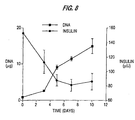
- RNAse protection assay showed that after normalizing to the cyclophilin signal, the expression of glucagon and insulin mRNAs in monolayers was decreased significantly over a 10 day period, compared to that in ICCs that had remained free floating. This down regulation of hormone genes was partially reversed by reaggregation of the cell population, and could be further increased by the presence of nicotinamide, as described below.
- Islet-specific gene transcription was upregulated by cell reaggregation of expanded monolayers.
- cells from expanded monolayers were reaggregated to form ICCs and incubated, free floating, in petri dishes for 5 days, levels of expression of insulin and glucagon mRNAs increased significantly compared to those of the cells in monolayer. This effect was potentiated by the addition of 10 mM nicotinamide to the free floating aggregates (Figs. 7, 9, and 10).
- Immunohistochemical analysis of reaggregated ICCs cultured for 5 days in the presence of nicotinamide demonstrated well-formed ICCs with a significantly greater surface area of insulin containing cells than in reaggregates cultured in the absence of nicotinamide.
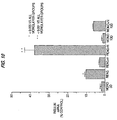
- transplantation data is depicted in Fig. 11. Only the grafts in those athymic nude mice that received transplants of reaggregated cells were able to respond to a glucose challenge as evidenced by an increase in circulating human insulin C-peptide.
- pancreatic epithelial cells will proliferate in monolayer on a matrix following exposure to the cytokine.
- the effect is not, however, nearly as profound as in fetal pancreatic cells.
Landscapes
- Health & Medical Sciences (AREA)
- Engineering & Computer Science (AREA)
- Life Sciences & Earth Sciences (AREA)
- Biomedical Technology (AREA)
- Bioinformatics & Cheminformatics (AREA)
- Organic Chemistry (AREA)
- Chemical & Material Sciences (AREA)
- Biotechnology (AREA)
- Genetics & Genomics (AREA)
- Wood Science & Technology (AREA)
- Zoology (AREA)
- General Health & Medical Sciences (AREA)
- Diabetes (AREA)
- General Engineering & Computer Science (AREA)
- Biochemistry (AREA)
- Microbiology (AREA)
- Cell Biology (AREA)
- Chemical Kinetics & Catalysis (AREA)
- Nuclear Medicine, Radiotherapy & Molecular Imaging (AREA)
- Hematology (AREA)
- Obesity (AREA)
- Emergency Medicine (AREA)
- General Chemical & Material Sciences (AREA)
- Medicinal Chemistry (AREA)
- Endocrinology (AREA)
- Pharmacology & Pharmacy (AREA)
- Animal Behavior & Ethology (AREA)
- Public Health (AREA)
- Veterinary Medicine (AREA)
- Micro-Organisms Or Cultivation Processes Thereof (AREA)
- Medicines Containing Material From Animals Or Micro-Organisms (AREA)
- Medicines That Contain Protein Lipid Enzymes And Other Medicines (AREA)
Applications Claiming Priority (3)
| Application Number | Priority Date | Filing Date | Title |
|---|---|---|---|
| US235394 | 1988-08-23 | ||
| US08/235,394 US5587309A (en) | 1994-04-29 | 1994-04-29 | Method of stimulating proliferation and differentiation of human fetal pancreatic cells ex vivo |
| PCT/US1995/005521 WO1995029989A1 (en) | 1994-04-29 | 1995-04-28 | COMPOSITIONS AND METHOD OF STIMULATING THE PROLIFERATION AND DIFFERENTIATION OF HUMAN FETAL AND ADULT PANCREATIC CELLS $i(EX VIVO) |
Publications (2)
| Publication Number | Publication Date |
|---|---|
| EP0765385A1 EP0765385A1 (en) | 1997-04-02 |
| EP0765385B1 true EP0765385B1 (en) | 2004-06-30 |
Family
ID=22885314
Family Applications (1)
| Application Number | Title | Priority Date | Filing Date |
|---|---|---|---|
| EP95918374A Expired - Lifetime EP0765385B1 (en) | 1994-04-29 | 1995-04-28 | COMPOSITIONS AND METHOD OF STIMULATING THE PROLIFERATION AND DIFFERENTIATION OF HUMAN FETAL AND ADULT PANCREATIC CELLS $i(EX VIVO) |
Country Status (8)
| Country | Link |
|---|---|
| US (2) | US5587309A (enExample) |
| EP (1) | EP0765385B1 (enExample) |
| JP (1) | JP3996950B2 (enExample) |
| AT (1) | ATE270323T1 (enExample) |
| AU (1) | AU695390B2 (enExample) |
| CA (1) | CA2189052A1 (enExample) |
| DE (1) | DE69533223T2 (enExample) |
| WO (1) | WO1995029989A1 (enExample) |
Families Citing this family (57)
| Publication number | Priority date | Publication date | Assignee | Title |
|---|---|---|---|---|
| US5885956A (en) | 1992-12-14 | 1999-03-23 | Research Triangle Pharmaceuticals | Treatment for diabetes using a gastrin/CCK receptor ligand and an EGF receptor ligand |
| US6558952B1 (en) * | 1992-12-14 | 2003-05-06 | Waratah Pharmaceuticals, Inc. | Treatment for diabetes |
| US5587309A (en) * | 1994-04-29 | 1996-12-24 | The United States Of America As Represented By The Department Of Health And Human Services | Method of stimulating proliferation and differentiation of human fetal pancreatic cells ex vivo |
| US5723333A (en) * | 1995-02-10 | 1998-03-03 | Regents Of The University Of California | Human pancreatic cell lines: developments and uses |
| JPH10513358A (ja) * | 1995-02-10 | 1998-12-22 | ザ リージェンツ オブ ザ ユニバーシティ オブ カリフォルニア | ヒト膵臓細胞系:発達と用途 |
| US6110743A (en) * | 1995-02-10 | 2000-08-29 | The Regents Of The University Of California | Development and use of human pancreatic cell lines |
| AU7443996A (en) * | 1995-10-30 | 1997-05-22 | Vivorx, Inc. | Method for ex vivo proliferation and differentiation of adult pancreatic islet cells, media useful therefor and uses thereof |
| US6110707A (en) * | 1996-01-19 | 2000-08-29 | Board Of Regents, The University Of Texas System | Recombinant expression of proteins from secretory cell lines |
| US6043092A (en) * | 1996-03-18 | 2000-03-28 | University Of Pittsburgh | Cell culture media for mammalian cells |
| US5672361A (en) * | 1996-03-29 | 1997-09-30 | Desmos, Inc. | Laminin 5 for growth of pancreatic islet cells |
| US5874306A (en) * | 1996-12-12 | 1999-02-23 | The Regents Of The University Of California | Culturing human pancreatic endocrine cells in medium containing extracellular matrix from human bladder carcinoma cells |
| SE9700983D0 (sv) * | 1997-03-18 | 1997-03-18 | Ascendia Ab | Stimulering, odling och preservation av pankreas- och andra celler |
| CA2216055A1 (en) * | 1997-09-19 | 1999-03-19 | Mcgill University | A medium to promote islet cell survival |
| US20040037818A1 (en) * | 1998-07-30 | 2004-02-26 | Brand Stephen J. | Treatment for diabetes |
| US6322962B1 (en) | 1998-08-14 | 2001-11-27 | Board Of Regents, The University Of Texas System | Sterol-regulated Site-1 protease and assays of modulators thereof |
| KR19990014353A (ko) * | 1998-10-17 | 1999-02-25 | 윤태욱 | 췌도의 대량 배양증식방법 |
| US6506599B1 (en) * | 1999-10-15 | 2003-01-14 | Tai-Wook Yoon | Method for culturing langerhans islets and islet autotransplantation islet regeneration |
| JP2002535982A (ja) * | 1999-02-04 | 2002-10-29 | マックギル ユニヴァーシティー | 細胞分化のためのプラットホーム |
| US6326201B1 (en) * | 1999-02-10 | 2001-12-04 | Curis, Inc. | Pancreatic progenitor cells, methods and uses related thereto |
| US6946293B1 (en) | 1999-02-10 | 2005-09-20 | Es Cell International Pte Ltd. | Progenitor cells, methods and uses related thereto |
| US6365385B1 (en) | 1999-03-22 | 2002-04-02 | Duke University | Methods of culturing and encapsulating pancreatic islet cells |
| US6303355B1 (en) | 1999-03-22 | 2001-10-16 | Duke University | Method of culturing, cryopreserving and encapsulating pancreatic islet cells |
| ES2307505T3 (es) * | 1999-04-06 | 2008-12-01 | Genentech, Inc. | Utilizacion de ligandos receptores de erbb en el tratamiento de la diabetes. |
| US20090047325A1 (en) * | 1999-04-30 | 2009-02-19 | Neurotrophincell Pty. Limited | Xenotransplant for cns therapy |
| DE60044431D1 (en) * | 1999-04-30 | 2010-07-01 | Neurotrophincell Pty Ltd | Xenotransplant für zns therapie |
| AU4685900A (en) | 1999-04-30 | 2000-11-17 | La Jolla Institute For Allergy And Immunology | Methods for preventing reactivation of latent virus and controlling virus replication |
| US20050265977A1 (en) * | 1999-04-30 | 2005-12-01 | Elliott Robert B | Xenotransplant for CNS therapy |
| US6815203B1 (en) * | 1999-06-23 | 2004-11-09 | Joslin Diabetes Center, Inc. | Methods of making pancreatic islet cells |
| CA2375509A1 (en) * | 1999-06-23 | 2000-12-28 | Joslin Diabetes Center, Inc | Methods of making pancreatic islet cells |
| WO2001052871A1 (en) * | 2000-01-20 | 2001-07-26 | Diatranz Limited | Preparation and xenotransplantation of porcine islets |
| US6610535B1 (en) | 2000-02-10 | 2003-08-26 | Es Cell International Pte Ltd. | Progenitor cells and methods and uses related thereto |
| US6436704B1 (en) | 2000-04-10 | 2002-08-20 | Raven Biotechnologies, Inc. | Human pancreatic epithelial progenitor cells and methods of isolation and use thereof |
| US7790690B2 (en) | 2000-10-11 | 2010-09-07 | U.S. Department Of Veterans Affairs | Glucose sensitive regulator of insulin transcription |
| US20040014212A1 (en) * | 2000-10-17 | 2004-01-22 | Elliott Robert Bartlett | Preparation and xenotransplantation or porcine islets |
| US6972195B2 (en) * | 2002-09-27 | 2005-12-06 | Rongxiang Xu | Composition and method for culturing potentially regenerative cells and functional tissue-organs in vitro |
| US6642003B2 (en) | 2001-08-02 | 2003-11-04 | Cedars-Sinai Medical Center | Human glucose-dependent insulin-secreting cell line |
| ATE535601T1 (de) * | 2001-09-28 | 2011-12-15 | Diabcell Pty Ltd | Züchtung von fremdtransplantationsmaterial in kultur |
| KR20030033638A (ko) * | 2001-10-24 | 2003-05-01 | (주)한국췌도이식연구소 | 인공 췌도 세포 및 이의 용도 |
| NZ515310A (en) * | 2001-11-07 | 2004-08-27 | Diabcell Pty Ltd | Methods of treatment and delivery modes |
| GB2399823B (en) * | 2001-12-07 | 2006-02-15 | Geron Corp | Islet cells from primate pluripotent stem cells |
| US20030138949A1 (en) * | 2001-12-12 | 2003-07-24 | Anil Bhushan | Methods for the regeneration of pancreatic islets and expansion of pancreatic endocrine cells |
| US20040005301A1 (en) * | 2002-02-12 | 2004-01-08 | Goldman Steven A. | Identification and high-yield isolation of human pancreatic islet progenitor and stem cells |
| US7141240B2 (en) * | 2002-03-12 | 2006-11-28 | Cedars-Sinai Medical Center | Glucose-dependent insulin-secreting cells transfected with a nucleotide sequence encoding GLP-1 |
| WO2003100024A2 (en) * | 2002-05-24 | 2003-12-04 | Waratah Pharmaceuticals, Inc. | Treatment for diabetes |
| US20030228287A1 (en) * | 2002-06-07 | 2003-12-11 | Regents Of The University Of California | Maintenance of islet cells |
| EP1569680B1 (en) * | 2002-10-22 | 2009-01-21 | Waratah Pharmaceuticals, Inc. | Treatment of diabetes |
| EP1631822A2 (en) * | 2003-05-27 | 2006-03-08 | McGILL UNIVERSITY | "in vitro" platform for screening agents inducing islet cell neogenesis |
| WO2004113516A1 (en) * | 2003-06-24 | 2004-12-29 | Diabcell Pty Limited | Porcine islets cultured with porcine sertoli cells for xenotransplantation |
| WO2005097832A2 (en) | 2004-03-31 | 2005-10-20 | Genentech, Inc. | Humanized anti-tgf-beta antibodies |
| KR100660473B1 (ko) * | 2004-04-02 | 2006-12-22 | 학교법인연세대학교 | 췌장 선방세포로부터 이행분화된 췌장 전구세포주 |
| JP2005306749A (ja) * | 2004-04-19 | 2005-11-04 | Kringle Pharma Inc | Hgf含有臓器保存液 |
| NZ540597A (en) * | 2005-06-08 | 2007-02-23 | Neurotrophincell Pty Ltd | A method for preventing the onset of type I diabetes comprising administering an implantable composition comprising living choroid plexus cells |
| WO2007149182A2 (en) | 2006-06-19 | 2007-12-27 | Geron Corporation | Differentiation and enrichment of islet-like cells from human pluripotent stem cells |
| US10865383B2 (en) | 2011-07-12 | 2020-12-15 | Lineage Cell Therapeutics, Inc. | Methods and formulations for orthopedic cell therapy |
| WO2013049375A2 (en) * | 2011-09-28 | 2013-04-04 | The Board Of Trustees Of The Leland Stanford Junior University | Methods and compositions for modulating beta cell proliferation |
| IT201800000534A1 (it) * | 2018-01-03 | 2019-07-03 | Procedimenti per la promozione della crescita cellulare degli isolotti pancreatici. | |
| GB201611123D0 (en) | 2016-06-27 | 2016-08-10 | Euremab Srl | Anti met antibodiesand uses thereof |
Family Cites Families (4)
| Publication number | Priority date | Publication date | Assignee | Title |
|---|---|---|---|---|
| EP0363125A3 (en) * | 1988-10-03 | 1990-08-16 | Hana Biologics Inc. | Proliferated pancreatic endocrine cell product and process |
| US5362716A (en) * | 1989-12-27 | 1994-11-08 | The United States Of America As Represented By The Department Of Health And Human Services | Methods for stimulating hematopoietic progenitors using hepatocyte growth factor and lymphokines |
| US5510263A (en) * | 1993-04-05 | 1996-04-23 | Desmos, Inc. | Growth of pancreatic islet-like cell clusters |
| US5587309A (en) * | 1994-04-29 | 1996-12-24 | The United States Of America As Represented By The Department Of Health And Human Services | Method of stimulating proliferation and differentiation of human fetal pancreatic cells ex vivo |
-
1994
- 1994-04-29 US US08/235,394 patent/US5587309A/en not_active Expired - Lifetime
-
1995
- 1995-04-28 JP JP52851095A patent/JP3996950B2/ja not_active Expired - Fee Related
- 1995-04-28 DE DE69533223T patent/DE69533223T2/de not_active Expired - Lifetime
- 1995-04-28 EP EP95918374A patent/EP0765385B1/en not_active Expired - Lifetime
- 1995-04-28 US US08/732,230 patent/US5888705A/en not_active Expired - Lifetime
- 1995-04-28 AT AT95918374T patent/ATE270323T1/de not_active IP Right Cessation
- 1995-04-28 CA CA002189052A patent/CA2189052A1/en not_active Abandoned
- 1995-04-28 AU AU24336/95A patent/AU695390B2/en not_active Ceased
- 1995-04-28 WO PCT/US1995/005521 patent/WO1995029989A1/en not_active Ceased
Also Published As
| Publication number | Publication date |
|---|---|
| DE69533223D1 (de) | 2004-08-05 |
| US5888705A (en) | 1999-03-30 |
| DE69533223T2 (de) | 2005-07-14 |
| US5587309A (en) | 1996-12-24 |
| CA2189052A1 (en) | 1995-11-09 |
| EP0765385A1 (en) | 1997-04-02 |
| AU695390B2 (en) | 1998-08-13 |
| WO1995029989A1 (en) | 1995-11-09 |
| ATE270323T1 (de) | 2004-07-15 |
| JPH10503923A (ja) | 1998-04-14 |
| JP3996950B2 (ja) | 2007-10-24 |
| AU2433695A (en) | 1995-11-29 |
Similar Documents
| Publication | Publication Date | Title |
|---|---|---|
| US5888705A (en) | Compositions and method of stimulating the proliferation and differentiation of human fetal and adult pancreatic cells ex vivo | |
| AU2001279245B2 (en) | Pancreatic progenitor cells | |
| AU780794B2 (en) | Pancreatic progenitor cells, methods and uses related thereto | |
| US20040063204A1 (en) | Bone marrow cell differentiation | |
| US9428733B2 (en) | Method for obtaining pancreatic endocrine cells from adipose tissue-origin cells | |
| US6946293B1 (en) | Progenitor cells, methods and uses related thereto | |
| AU2001279245A1 (en) | Pancreatic progenitor cells | |
| JP2003530102A (ja) | ヒト膵臓上皮前駆細胞血栓ならびにその単離および使用の方法 | |
| KR102034496B1 (ko) | 인공 근위세뇨관 시스템 및 사용 방법 | |
| JP6685327B2 (ja) | 膵島移植のための改善された方法 | |
| US20030223974A1 (en) | Cellular trans-differentiation | |
| US20230097931A1 (en) | Method for treating chronic graft versus host disease | |
| WO2022132986A2 (en) | Method of treating progressive heart failure in subjects with class ii heart failure | |
| US5672361A (en) | Laminin 5 for growth of pancreatic islet cells | |
| JP2011520470A (ja) | 哺乳動物プロジェニター細胞をインスリン産生膵島細胞に分化させる方法 | |
| Lopez-Avalos et al. | ENHANCED MATURATION OF PORCINE NEONATAL PANCREATIC CELL CLUSTERS WITH GROWTH FACTORS FAILS TO IMPROVE TRANSPLANTATION OUTCOME1 | |
| WO2023092043A1 (en) | Method of treating progressive heart failure in subjects at high risk of poor outcomes | |
| US11834673B2 (en) | Method for generating human multipotent mammary stem cells from normal primary breast luminal cells | |
| CN113015537A (zh) | 用于增殖产生胰岛素的胰岛细胞的组合物和方法及其治疗用途 | |
| US6008047A (en) | Cell culturing method and medium | |
| WO2019022780A1 (en) | FUNCTIONAL PANCREATIC CELLS FROM FÉLINSPREADING ADIPOSE TISSUE | |
| EP1978090A1 (en) | Pancreatic progenitor cells | |
| CN121985953A (zh) | 用于治疗GvHD的三线治疗 | |
| EP4264275A2 (en) | Method of treating progressive heart failure in subjects with class ii heart failure | |
| JP2004502425A (ja) | 指定された中間発生段階を有する膵臓幹細胞の培養 |
Legal Events
| Date | Code | Title | Description |
|---|---|---|---|
| PUAI | Public reference made under article 153(3) epc to a published international application that has entered the european phase |
Free format text: ORIGINAL CODE: 0009012 |
|
| 17P | Request for examination filed |
Effective date: 19961107 |
|
| AK | Designated contracting states |
Kind code of ref document: A1 Designated state(s): AT BE CH DE DK ES FR GB GR IE IT LI LU MC NL PT SE |
|
| 17Q | First examination report despatched |
Effective date: 20010723 |
|
| GRAH | Despatch of communication of intention to grant a patent |
Free format text: ORIGINAL CODE: EPIDOS IGRA |
|
| GRAS | Grant fee paid |
Free format text: ORIGINAL CODE: EPIDOSNIGR3 |
|
| GRAA | (expected) grant |
Free format text: ORIGINAL CODE: 0009210 |
|
| AK | Designated contracting states |
Kind code of ref document: B1 Designated state(s): AT BE CH DE DK ES FR GB GR IE IT LI LU MC NL PT SE |
|
| PG25 | Lapsed in a contracting state [announced via postgrant information from national office to epo] |
Ref country code: NL Free format text: LAPSE BECAUSE OF FAILURE TO SUBMIT A TRANSLATION OF THE DESCRIPTION OR TO PAY THE FEE WITHIN THE PRESCRIBED TIME-LIMIT Effective date: 20040630 Ref country code: IT Free format text: LAPSE BECAUSE OF FAILURE TO SUBMIT A TRANSLATION OF THE DESCRIPTION OR TO PAY THE FEE WITHIN THE PRESCRIBED TIME-LIMIT;WARNING: LAPSES OF ITALIAN PATENTS WITH EFFECTIVE DATE BEFORE 2007 MAY HAVE OCCURRED AT ANY TIME BEFORE 2007. THE CORRECT EFFECTIVE DATE MAY BE DIFFERENT FROM THE ONE RECORDED. Effective date: 20040630 Ref country code: BE Free format text: LAPSE BECAUSE OF FAILURE TO SUBMIT A TRANSLATION OF THE DESCRIPTION OR TO PAY THE FEE WITHIN THE PRESCRIBED TIME-LIMIT Effective date: 20040630 Ref country code: AT Free format text: LAPSE BECAUSE OF FAILURE TO SUBMIT A TRANSLATION OF THE DESCRIPTION OR TO PAY THE FEE WITHIN THE PRESCRIBED TIME-LIMIT Effective date: 20040630 |
|
| REG | Reference to a national code |
Ref country code: GB Ref legal event code: FG4D Ref country code: CH Ref legal event code: EP |
|
| REG | Reference to a national code |
Ref country code: IE Ref legal event code: FG4D |
|
| REF | Corresponds to: |
Ref document number: 69533223 Country of ref document: DE Date of ref document: 20040805 Kind code of ref document: P |
|
| PG25 | Lapsed in a contracting state [announced via postgrant information from national office to epo] |
Ref country code: SE Free format text: LAPSE BECAUSE OF FAILURE TO SUBMIT A TRANSLATION OF THE DESCRIPTION OR TO PAY THE FEE WITHIN THE PRESCRIBED TIME-LIMIT Effective date: 20040930 Ref country code: GR Free format text: LAPSE BECAUSE OF FAILURE TO SUBMIT A TRANSLATION OF THE DESCRIPTION OR TO PAY THE FEE WITHIN THE PRESCRIBED TIME-LIMIT Effective date: 20040930 Ref country code: DK Free format text: LAPSE BECAUSE OF FAILURE TO SUBMIT A TRANSLATION OF THE DESCRIPTION OR TO PAY THE FEE WITHIN THE PRESCRIBED TIME-LIMIT Effective date: 20040930 |
|
| PG25 | Lapsed in a contracting state [announced via postgrant information from national office to epo] |
Ref country code: ES Free format text: LAPSE BECAUSE OF FAILURE TO SUBMIT A TRANSLATION OF THE DESCRIPTION OR TO PAY THE FEE WITHIN THE PRESCRIBED TIME-LIMIT Effective date: 20041011 |
|
| REG | Reference to a national code |
Ref country code: CH Ref legal event code: NV Representative=s name: PATENTANWAELTE SCHAAD, BALASS, MENZL & PARTNER AG |
|
| NLV1 | Nl: lapsed or annulled due to failure to fulfill the requirements of art. 29p and 29m of the patents act | ||
| ET | Fr: translation filed | ||
| PG25 | Lapsed in a contracting state [announced via postgrant information from national office to epo] |
Ref country code: LU Free format text: LAPSE BECAUSE OF NON-PAYMENT OF DUE FEES Effective date: 20050428 Ref country code: IE Free format text: LAPSE BECAUSE OF NON-PAYMENT OF DUE FEES Effective date: 20050428 |
|
| PG25 | Lapsed in a contracting state [announced via postgrant information from national office to epo] |
Ref country code: MC Free format text: LAPSE BECAUSE OF NON-PAYMENT OF DUE FEES Effective date: 20050430 |
|
| PLBE | No opposition filed within time limit |
Free format text: ORIGINAL CODE: 0009261 |
|
| STAA | Information on the status of an ep patent application or granted ep patent |
Free format text: STATUS: NO OPPOSITION FILED WITHIN TIME LIMIT |
|
| 26N | No opposition filed |
Effective date: 20050331 |
|
| PG25 | Lapsed in a contracting state [announced via postgrant information from national office to epo] |
Ref country code: PT Free format text: LAPSE BECAUSE OF NON-PAYMENT OF DUE FEES Effective date: 20041130 |
|
| PGFP | Annual fee paid to national office [announced via postgrant information from national office to epo] |
Ref country code: FR Payment date: 20110504 Year of fee payment: 17 Ref country code: DE Payment date: 20110427 Year of fee payment: 17 Ref country code: CH Payment date: 20110425 Year of fee payment: 17 |
|
| PGFP | Annual fee paid to national office [announced via postgrant information from national office to epo] |
Ref country code: GB Payment date: 20110426 Year of fee payment: 17 |
|
| REG | Reference to a national code |
Ref country code: CH Ref legal event code: PL |
|
| GBPC | Gb: european patent ceased through non-payment of renewal fee |
Effective date: 20120428 |
|
| REG | Reference to a national code |
Ref country code: FR Ref legal event code: ST Effective date: 20121228 |
|
| PG25 | Lapsed in a contracting state [announced via postgrant information from national office to epo] |
Ref country code: LI Free format text: LAPSE BECAUSE OF NON-PAYMENT OF DUE FEES Effective date: 20120430 Ref country code: CH Free format text: LAPSE BECAUSE OF NON-PAYMENT OF DUE FEES Effective date: 20120430 Ref country code: GB Free format text: LAPSE BECAUSE OF NON-PAYMENT OF DUE FEES Effective date: 20120428 |
|
| REG | Reference to a national code |
Ref country code: DE Ref legal event code: R119 Ref document number: 69533223 Country of ref document: DE Effective date: 20121101 |
|
| PG25 | Lapsed in a contracting state [announced via postgrant information from national office to epo] |
Ref country code: FR Free format text: LAPSE BECAUSE OF NON-PAYMENT OF DUE FEES Effective date: 20120430 |
|
| PG25 | Lapsed in a contracting state [announced via postgrant information from national office to epo] |
Ref country code: DE Free format text: LAPSE BECAUSE OF NON-PAYMENT OF DUE FEES Effective date: 20121101 |