EP0599397B1 - Tetracycline inclusive nicht antimicrobiel wirksame, chemisch modifizierte Tetracycline hemmende exzessive Kollagenquervernetzung bei Diabetes - Google Patents
Tetracycline inclusive nicht antimicrobiel wirksame, chemisch modifizierte Tetracycline hemmende exzessive Kollagenquervernetzung bei Diabetes Download PDFInfo
- Publication number
- EP0599397B1 EP0599397B1 EP93203211A EP93203211A EP0599397B1 EP 0599397 B1 EP0599397 B1 EP 0599397B1 EP 93203211 A EP93203211 A EP 93203211A EP 93203211 A EP93203211 A EP 93203211A EP 0599397 B1 EP0599397 B1 EP 0599397B1
- Authority
- EP
- European Patent Office
- Prior art keywords
- collagen
- tetracycline
- tetracyclines
- diabetes
- antimicrobial
- Prior art date
- Legal status (The legal status is an assumption and is not a legal conclusion. Google has not performed a legal analysis and makes no representation as to the accuracy of the status listed.)
- Expired - Lifetime
Links
Images
Classifications
-
- A—HUMAN NECESSITIES
- A61—MEDICAL OR VETERINARY SCIENCE; HYGIENE
- A61K—PREPARATIONS FOR MEDICAL, DENTAL OR TOILETRY PURPOSES
- A61K31/00—Medicinal preparations containing organic active ingredients
- A61K31/65—Tetracyclines
-
- A—HUMAN NECESSITIES
- A61—MEDICAL OR VETERINARY SCIENCE; HYGIENE
- A61P—SPECIFIC THERAPEUTIC ACTIVITY OF CHEMICAL COMPOUNDS OR MEDICINAL PREPARATIONS
- A61P17/00—Drugs for dermatological disorders
-
- A—HUMAN NECESSITIES
- A61—MEDICAL OR VETERINARY SCIENCE; HYGIENE
- A61P—SPECIFIC THERAPEUTIC ACTIVITY OF CHEMICAL COMPOUNDS OR MEDICINAL PREPARATIONS
- A61P3/00—Drugs for disorders of the metabolism
- A61P3/08—Drugs for disorders of the metabolism for glucose homeostasis
-
- A—HUMAN NECESSITIES
- A61—MEDICAL OR VETERINARY SCIENCE; HYGIENE
- A61P—SPECIFIC THERAPEUTIC ACTIVITY OF CHEMICAL COMPOUNDS OR MEDICINAL PREPARATIONS
- A61P3/00—Drugs for disorders of the metabolism
- A61P3/08—Drugs for disorders of the metabolism for glucose homeostasis
- A61P3/10—Drugs for disorders of the metabolism for glucose homeostasis for hyperglycaemia, e.g. antidiabetics
-
- A—HUMAN NECESSITIES
- A61—MEDICAL OR VETERINARY SCIENCE; HYGIENE
- A61P—SPECIFIC THERAPEUTIC ACTIVITY OF CHEMICAL COMPOUNDS OR MEDICINAL PREPARATIONS
- A61P43/00—Drugs for specific purposes, not provided for in groups A61P1/00-A61P41/00
Definitions
- the present invention relates to the treatment of mammals suffering from conditions associated with an excessive amount of collagen crosslinking by administering to the mammal an amount and/or type of a tetracycline that is not effectively antimicrobial but which effectively inhibits excessive collagen crosslinking.
- Conditions associated with an excessive amount of collagen crosslinking include diabetes, scleroderma and progeria.
- Diabetes mellitus is a complex disease that affects several hundred million people. Diabetes is characterized by an elevated level of glucose in the blood. Glucose cannot enter the body's cells to be utilized and therefore remains in the blood in high concentrations. When the blood glucose level exceeds the reabsorptive capacity of the renal tubules, glucose is excreted in the urine. Diabetes produces a number of debilitating and life-threatening complications.
- a "hallmark" abnormality in collagen metabolism in the connective tissues of the diabetic is a reduction in the extractability or solubility of collagen in either cold (0-4°C) neutral salt or dilute acid solutions.
- This reduction in collagen solubility reflects excessive inter- and intra- molecular covalent crosslinking of the collagen molecules.
- Diabetes-induced reduction in collagen solubility, due to excessive collagen crosslinking has been seen in a variety of tissues including (but not limited to) skin, bone, tendon, gingiva and aorta.
- Collagen biosynthesis is a complex process characterized by extensive posttranslational modifications. Jackson, The Substrate Collagen, Chapter 1, in: “Collagenase In Normal And Pathological Connective Tissues,” (eds: D.E. Woolley and J.M. Evanson), pp 1-10, John Wiley & Sons Ltd., N.Y., 1980. Collagen crosslinking results from two different biochemical pathways, enzymatic lysyl oxidase-dependent crosslinking and nonenzymatic glucose-derived collagen crosslinking. Buckingham et al., J. Clin. Invest. 86 :1046 (1990).
- Intracellular events include the hydroxylation of certain lysine and proline residues and enzymatically mediated glycosylation of hydroxylysine before the pro-collagen (collagen precursor) molecule is secreted from the cell. C-terminal and N-terminal extension peptides are subsequently cleaved.
- the collagen molecules become stabilized in their fibrillar arrays or networks by covalent cross-linking mediated initially by the enzyme, lysyl oxidase.
- Nonenzymatic glycosylation of certain lysine and hydroxylysine residues also occurs in the extracellular matrix. This modification appears to have direct effects on collagen structure and function as well as indirect effects which arise as a result of further reactions of the glycosylated residues.
- Increased collagen crosslinking during diabetes is mediated by both mechanisms. It is mediated enzymatically by the excessive activity of lysyl oxidase and non-enzymatically by the glucose-derived mechanism due to exposure to elevated blood and tissue fluid glucose concentrations. Makita et al., New Engl. J. Med. 325 :836 (1991); Cerami et al., Diabetes Care 11 (Suppl.1:73) (1988).
- Enzymatic lysyl oxidase-dependent collagen crosslinking begins with lysyl oxidase-dependent oxidative deamination of certain lysine and hydroxylysine residues.
- the resultant aldehyde moieties may undergo further reactions with lysine, hydroxylysine, and histidine residues to form di-, tri- and tetrafunctional crosslinks. Robbins, Methods Biochem. Analysis 28 : 330-379 (1982).
- lysyl oxidase converts ⁇ -amino groups of certain lysyl and hydroxylysyl residues, in the non-helical regions of the collagen molecule, to aldehyde moieties which then form Schiff base crosslinks with adjacent molecules.
- nonenzymatic glucose-derived crosslinking begins with the nonenzymatic glycosylation of lysine and hydroxylysine residues on the collagen molecules in the extracellular matrix.
- These early glycosylation products are believed to undergo a series of reactions to form complex fluorophores and chromophores collectively referred to as advanced Maillard products or advanced glycosylation end-products ("AGES").
- AGES advanced Maillard products or advanced glycosylation end-products
- European patent application EP-A 0 370 994 teaches treatment of diabetes mellitus patients to inhibit the pathological collagen crosslinking caused by the increased glucose concentration.
- the treatment proposed consists of administration of an L(+)-arginin compound, such as arginin, spermidin, kreatin and agmatin.
- aminoguanidine is an effective inhibitor of nonenzymatic glucose-derived collagen crosslinking associated with diabetes in rats.
- aminoguanidine has not been approved for use in humans.
- Tetracycline has been approved for use in humans.
- the compound, tetracycline exhibits the following general structure:
- the numbering system of the ring nucleus is as follows:
- Tetracycline as well as the 5-OH (Terramycin) and 7-Cl (Aureomycin) derivatives exist in nature, and are well known antibiotics.
- Natural tetracyclines may be modified without losing their antibiotic properties, although certain elements of the structure must be retained. The modifications that may and may not be made to the basic tetracycline structure have been reviewed by Mitscher in The Chemistry of Tetracyclines , Chapter 6, Marcel Dekker, Publishers, N.Y. (1978). According to Mitscher, the substituents at positions 5-9 of the tetracycline ring system may be modified without the complete loss of antibiotic properties.
- antibiotic tetracycline antibiotics while effective, may lead to undesirable side effects.
- the long term administration of antibiotic tetracyclines may reduce or eliminate healthy flora, such as intestinal flora, and may lead to the production of antibiotic resistant organisms or the overgrowth of opportunistic yeast and fungi.
- tetracyclines have been described for a number of uses.
- tetracyclines are also known to inhibit the activity of collagen destructive enzymes such as mammalian collagenase, gelatinase, macrophage elastase and bacterial collagenase. Golub et al., J. Periodont. Res. 20 : 12-23 (1985); Golub et al. Crit. Revs. Oral Biol. Med. 2 : 297-322 (1991).
- Tetracyclines administered at both antimicrobial levels and non-antimicrobial levels, have been known to play a role in reducing collagenase and other collagenolytic enzyme activity as well as collagen breakdown, U.S. Patent Nos. 4,666,897; 4,704,383; 4,935,411; 4,935,412.
- tetracyclines have been known to inhibit wasting and protein degradation in mammalian skeletal muscle, U.S. Patent No. 5,045,538.
- tetracyclines have been demonstrated to enhance bone formation in osteoporosis, U.S. Patent No. 4,925,833.
- U.S. Patent No. 4,704,383 to McNamara et al. discloses that tetracyclines having substantially no effective antimicrobial activity inhibit collagenolytic enzyme activity in rats. McNamara et al. also report that non-antimicrobial tetracyclines reduce bone resorption in organ culture. Earlier, U.S. Patent No. 4,666,897 to Golub, et al. disclosed that tetracyclines in general, including commercially-available antimicrobial forms of the drug, inhibit excessive mammalian collagenolytic enzyme activity resulting in decreased connective tissue breakdown including that which occurs during bone resorption.
- tetracyclines including non-antimicrobial tetracyclines
- TCs Tetracyclines
- MMPs Matrix Metalloproteinases
- CMT Matrix Metalloproteinase Inhibitor, Prevents Bone Resorption In Adjuvant Arthritis.
- Engesaeter et al. Acta Orthop. Scand. 51, 1980, pp. 43-48, show the effects of 14 days of oxytetracycline medication on the salt solubility of collagen and the conversion of 14 C-proline to 14 C-hydroxyproline in collagen in young rats.
- the authors report that significantly higher solubility of collagen was found in the femurs and skin of rats receiving oxytetracycline than in controls.
- Engesaeter et al. report that no effect of the antibiotic on the rate of collagen synthesis could be demonstrated. They further state that these findings indicate that oxytetracycline in young rats causes reduced mechanical strength of bone and skin by interfering with the crosslinking of collagen.
- the tetracycline minocycline is effective in treating dystrophic epidermolysis bullosa, which is a life-threatening skin condition believed to be related to excess collagenase.
- Elewski et al. The effectiveness of tetracycline in skin disorders has also been studied by Elewski et al., Journal of the American Academy of Dermatology 8 : 807-812 (1983). Elewski et al. disclosed that tetracycline antibiotics may have anti-inflammatory activity in skin and speculate that a portion of the therapeutic effect in skin diseases associated with bacteria, e.g., acne, may be due to inhibition of bacterially induced inflammation rather than a direct antimicrobial effect.
- Plewig et al. Journal of Investigative Dermatology 65 : 352-532 (1975), disclose experiments designed to test the hypothesis that antimicrobials are effective in treating inflammatory dermatoses.
- the experiments of Plewig et al. establish that tetracyclines have anti-inflammatory properties in treating pustules induced by potassium iodide patches.
- tetracyclines in combination with non-steroidal anti-inflammatory agents has been studied in the treatment of inflammatory skin disorders caused by acne vulgaris. Wong et al., Journal of American Academy of Dermatology 11 : 1076-1081 (1984), studied the combination of tetracycline and ibuprofen and found that tetracycline was an effective agent against acne vulgaris while ibuprofen was useful in reducing the resulting inflammation by inhibition of cyclooxygenase. Funt, Journal of the American Academy of Dermatology 13 : 524-525 (1985), disclosed similar results by combining antimicrobial doses of minocycline and ibuprofen.
- tetracyclines have been found to be effective in different treatments. However, there has been no suggestion whatsoever that tetracyclines can ameliorate the signs and symptoms of excessive collagen crosslinking. In addition, tetracyclines have been found to have no significant effect on reduction of the severity of hyperglycemia associated with diabetes. Golub et al., J. Periodontal Res. , 18 :516-526 (1983); Golub et al., Res.Commun. Chem. Path. Pharmacol. , 68 :27-40 (1990); Yu et al., J. Periodontal Res. , submitted for publication (1992).
- insulin unlike tetracycline, is useful in the symptomatic treatment of diabetes, including reducing the severity of hyperglycemia.
- most insulin-treated diabetics still have some degree of hyperglycemia which ultimately leads to excessive collagen crosslinking. It is not clear which mechanism, enzymatic lysyl oxidase-dependent or nonenzymatic glucose-derived collagen crosslinking, is predominantly responsible for the excessive collagen crosslinking resulting from hyperglycemia.
- the present invention is intended to provide a means for treating excessive collagen crosslinking.
- the present invention demonstrates that tetracyclines, including their chemically-modified analogs which have lost their antimicrobial efficacy, have a novel new use - - the ability to inhibit excessive collagen crosslinking in connective tissues of the diabetic.
- This non-antimicrobial property of tetracyclines reduces the severe complications of diabetes including the amelioration of proteinuria which is a sign of diabetes-induced nephropathy (a life-threatening complication of the disease).
- the present invention provides a method for treating mammals suffering from excessive collagen crosslinking which is associated with diabetes, scleroderma and progeria.
- the method of the present invention includes administering to the mammal an amount and/or type of a tetracycline that is not effectively antimicrobial but which effectively inhibits excessive collagen crosslinking.
- Dedimethylaminotetracyclines include 4-dedimethylaminotetracycline, 4-dedimethylamino-5-oxytetracycline, 4-dedimethylamino-7-chlorotetracycline, 4-hydroxy-4-dedimethylaminotetracycline, 5a,6-anhydro-4-hydroxy-4-dedimethylaminotetracycline, 6 ⁇ -deoxy-5-hydroxy-4-dedimethylaminotetracycline, 6-demethyl-6-deoxy-4-dedimethylaminotetracycline, 4-dedimethylamino-12a-deoxytetracycline and 4-dedimethylamino-11-hydroxy-12a-deoxytetracycline.
- the non-antimicrobial tetracycline is administered in an amount of from 0.5 mg/kg per day to 50.0 mg/kg per day, preferably from 1.0 mg/kg per day to 15.0 mg/kg per day.
- the method of the present invention ameliorates many of the complications associated with diabetes, for example, increased leatheriness of skin, decreased lung elasticity, increased arterial wall stiffness, limitation of joint movement, impaired wound healing and nephropathy resulting in proteinuria.
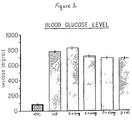
- Figure 1 is a graphic representation of the effect of different oral doses of CMT-1 on the blood glucose concentration (mg/dl) of streptozotocin-diabetic rats. Each value represents the mean ⁇ S.E.M. for 4 rats per experimental group.
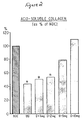
- Figure 2 is a graphic representation of the effect of CMT-1 therapy on the acid-soluble fraction of collagen in skin of diabetic rats. Note: the solubility of collagen in dilute acid (4°C) was normalized to 100% for the non-diabetic control (NDC) rats and the data for the untreated diabetics (UD) and CMT-1 treated diabetics (D + mgs CMT-1) is expressed relative to the NDC values. * Indicates that value is significantly different from NDC (p ⁇ 0.01).
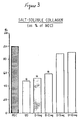
- Figure 3 is a graphic representation of the effect of CMT-1 therapy on the salt-soluble fraction of collagen in skin of diabetic rats. Note: the solubility of collagen in neutral salt (4°C) was normalized to 100% for the non-diabetic control (NDC) rats and the data for the untreated diabetics (UD) and CMT-1 treated diabetics (D + mgs CMT-1) is expressed relative to the NDC values. * Indicates that value is significantly different from NDC (p ⁇ 0.01).
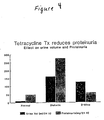
- Figure 4 is a graphic representation of the effect of minocycline therapy on urine excretion and proteinuria in diabetic rats.
- tetracyclines inhibit the excessive collagen crosslinking associated with diabetes, scleroderma and progeria.
- the inventors have discovered that the use of certain tetracyclines inhibits excessive collagen crosslinking.
- Various tetracyclines have been shown not to affect blood glucose levels.
- the tetracyclines of the present invention have clearly demonstrated an anti-collagen crosslinking effect.
- the tetracyclines of the present invention can be combined with insulin therapies, which are known to moderate blood glucose levels in the treatment of diabetes. While the tetracycline inhibits excessive collagen crosslinking, the insulin attempts to regulate hyperglycemia.
- the diabetic complications associated with excessive collagen crosslinking include increased leatheriness of skin, decreased lung elasticity, increased arterial wall stiffness, limitation of joint movement, impaired wound healing and nephropathy resulting in proteinuria.
- the excessive collagen crosslinking inhibitory effect is associated with the unexpected ability of tetracyclines to reduce glycosylation of protein. While not wishing to be bound by any one theory, it is believed that this inhibitory effect on pathologically-excessive collagen crosslinking is associated with the unexpected ability of tetracyclines to reduce nonenzymatic glucose-derived collagen crosslinking and also to reduce enzymatic lysyl oxidase-dependent collagen crosslinking.
- the conditions treated by the present invention occur in mammals.
- Mammals include, for example, human beings and laboratory animals such as mice and rats.
- the tetracyclines useful in the present invention may be any tetracycline administered to a mammal in a dose that is effectively non-antimicrobial in the mammal.
- the tetracycline is modified so as to reduce its antimicrobial properties.
- Methods for reducing the antimicrobial properties of a tetracycline are disclosed in "The Chemistry of the Tetracyclines", Chapter 6, Mitscher, Marcel Dekker, Publishers, N.Y. (1978), at page 211. As pointed out by Mitscher, modifications at positions 1, 2, 3, 4, 10 and 12a lead to loss of bioactivity.
- Non-antimicrobial tetracyclines are preferred since they can be used at therapeutic levels which impart fewer side effects than antimicrobial tetracyclines at the same dosage level.
- the preferred tetracyclines are those that lack the dimethylamino group at position 4.
- Such chemically modified tetracyclines include, for example, 4-dedimethylaminotetracycline, 4-dedimethylamino-5-oxytetracycline, 4-dedimethylamino-7-chlorotetracycline, 4-hydroxy-4-dedimethylaminotetracycline, 5a,6-anhydro-4-hydroxy-4-dedimethylaminotetracycline, 6-demethyl-6-deoxy-4-dedimethylaminotetracycline, 6 ⁇ -deoxy-5-hydroxy-4-dedimethylaminotetracycline, 4-dedimethylamino-11-hydroxy-12a-deoxytetracycline and 4-dedimethylamino-12a-deoxytetracycline and its derivatives.
- Tetracyclines altered at the 2 carbon position to produce a nitrile, e.g., tetracyclinonitrile may be useful as non-antimicrobial agents
- tetracyclines modified for reduced antimicrobial activity include 6a-benzylthiomethylenetetracycline, the mono-N-alkylated amide of tetracycline, 6-fluoro-6-demethyltetracycline, 11a-chlorotetracycline and 12a-deoxytetracycline and its derivatives.
- the effective amount of tetracycline is that amount which effectively inhibits excessive collagen crosslinking while it is not effectively antimicrobial.
- a tetracycline effectively inhibits excessive collagen crosslinking if it is present in an amount which significantly reduces excessive collagen crosslinking.
- Excessive collagen crosslinking is defined as collagen crosslinking which is greater than that found in connective tissues of a nondiabetic control of the same age. (See Hamlin et al., Diabetes 24 :902 (1975)).
- a tetracycline is considered effectively non-antimicrobial if it does not significantly prevent the growth of microbes. This of course may vary depending upon a number of factors, such as, type of tetracycline, disease state and type of microbe.
- the maximal useful dosage for humans is the highest dosage that does not cause adverse side effects.
- side effects include clinically significant antimicrobial activity, as well as toxic effects.
- a dose in excess of about 50 mg/kg/day would produce side effects in most mammals, including humans.
- the non-antimicrobial tetracycline of the present invention may be administered in an amount of from 0.5 mg/kg/day to 50.0 mg/kg/day preferably from 1.0 mg/kg/day to 15.0 mg/kg/day.
- the means of delivery of the tetracycline with a pharmaceutically acceptable carrier may be in a variety of forms including capsules, compressed tablets, pills, solutions or suspensions. It is contemplated that carriers be included which are suitable for administration orally, topically, by injection and by other selected means.
- mice Twenty-four adult male Sprague-Dawley rats were weighed (body weight between 350-375 g) and injected through the tail vein with either 0.9% saline (non-diabetic controls, NDC) or with the same solution containing streptozotocin (75 g streptozotocin/kg body weight) to induce diabetes.
- CMC carboxymethylcellulose
- Urine glucose levels were measured weekly with Tes-Tape (Eli Lily, Inc., Indianapolis, IN).
- the rats were weighed and anesthetized with halothane (Halocarbon Laboratories) before blood samples were collected for serum glucose (Sigma glucose oxidase kit, St. Louis, MO) and CMT-1 determinations. The rats were then killed by exsanguination and the skin from the entire torso was dissected, weighed, and minced as described by Schneir et al., Diabetes 31 :426 (1982).
- the pellet was further extracted with 3% acetic acid as described for the neutral salt extraction.
- the neutral salt and dilute acid extracts were dried with a rotatory evaporator at 60°C under vacuum.
- insoluble collagen For the preparation of insoluble collagen, distilled water was added to the remaining pellet, which was heated at 121°C for 15 min. under pressure and then vacuum dried as previously described. Following acid hydrolysis, the dried samples from the two extractions were used for neutral salt- and acid-soluble collagen determinations, while the pellet was used to determine the amount of insoluble collagen.
- the data were subject to statistical analysis.
- the standard error of the mean (S.E.M) was calculated from the standard deviation.
- the statistical significance between the groups were determined by analysis of variance while the significance of differences between groups was calculated by Tukey's test.
- Serum CMT-1 concentration was assayed using the HPLC technique described by Yu et al., Biochem. Med. & Metabolic Biol. 47 : 10-20 (1992). The results demonstrate that increasing the dose of the drug, orally administered to the diabetic rats, increased the serum concentration for individual rats from 0.6 (for the 1 mg oral dose) to 6.5 ⁇ g/ml (for the 10 mg oral dose) (data not shown). Table I shows that the serum CMT-1 concentration for the different experimental groups was increased from a mean of 0.75 (for 1 mg oral dose) to 5.8 ⁇ g/ml (for the 10 mg oral dose).
- CMT-1 therapy "normalized" the quality of collagen in the skin of diabetic animals by inhibiting the excess crosslinking which characterizes collagen in diabetic connective tissues.
- a non-diabetic control group Three groups of rats were established: a non-diabetic control group, an untreated streptozotocin-diabetic group and a streptozotocin-diabetic group treated orally with 2 mg doxycycline/rat/day over the 14-week time period.
- blood samples were collected from each rat and the serum was measured for glycosylated protein using an assay which is based on the ability of glucose to non-enzymatically bind to proteins by a ketoamine crosslink to form fructosamine.
- the ketoamine bond reduces a tetrazolium dye under alkaline conditions producing a color change which is measured spectrophotometrically.
- a fructosamine assay kit is available from Isolab Inc., Akron, Ohio 44321.
- the serum samples were centrifuged to remove lipids.
- the clarified serum samples were treated with a reagent to remove ascorbic acid and other interfering substances.
- the treated serum samples were then incubated with the fructosamine-bicarbonate reagent (Tetrazolium salt). The reaction was stopped by the addition of HCl and absorbance was measured at a wavelength of 500 nm in a spectrophotometer. The data was analyzed statistically.
- Example III was carried out to determine the effect of tetracycline therapy on proteinuria, a parameter of renal damage, in diabetic rats.
- Streptozotocin-diabetic rats were treated by the daily oral administration of 20 mg minocycline/rat/day over a 4-week period. At the end of the protocol, 24-hour urines were collected to measure protein excretion.
- CMT-1 non-antimicrobial tetracycline
- Figure 4 shows that the minocycline-treatment resulted in urine protein excretion of 52 mg/24 hr. Neither treatment with minocycline nor CMT-1 reduced the other signs of diabetes including hyperglycemia, glucosuria and polyuria.
Landscapes
- Health & Medical Sciences (AREA)
- Medicinal Chemistry (AREA)
- Veterinary Medicine (AREA)
- Public Health (AREA)
- General Health & Medical Sciences (AREA)
- Animal Behavior & Ethology (AREA)
- Life Sciences & Earth Sciences (AREA)
- Pharmacology & Pharmacy (AREA)
- Chemical & Material Sciences (AREA)
- Diabetes (AREA)
- Nuclear Medicine, Radiotherapy & Molecular Imaging (AREA)
- Bioinformatics & Cheminformatics (AREA)
- Chemical Kinetics & Catalysis (AREA)
- Organic Chemistry (AREA)
- General Chemical & Material Sciences (AREA)
- Engineering & Computer Science (AREA)
- Obesity (AREA)
- Hematology (AREA)
- Endocrinology (AREA)
- Emergency Medicine (AREA)
- Epidemiology (AREA)
- Dermatology (AREA)
- Pharmaceuticals Containing Other Organic And Inorganic Compounds (AREA)
- Organic Low-Molecular-Weight Compounds And Preparation Thereof (AREA)
Claims (9)
- Verwendung eines Tetracyclins zur Herstellung einer Zusammensetzung zur Inhibierung eines übermäßigen Grads an Proteinglycosilierung in einem Säuger, der an einem mit diesem übermäßigem Grad an Proteinglycosilierung zusammenhängendem Zustand leidet.
- Verwendung entsprechend Anspruch 1, wobei der mit diesem übermäßigen Grad an Proteinglycosilierung zusammenhängende Zustand Diabetes mellitus ist.
- Verwendung entsprechend Anspruch 1 oder 2, wobei der übermäßige Grad an Proteinglycosilierung ein übermäßiger Grad an Kollagenglycosilierung ist.
- Verwendung eines Tetracyclins zur Herstellung einer Zusammensetzung zur Inhibierung eines übermäßigen Grads an Kollagenvernetzung in einem Säuger, der an einem mit diesem übermäßigen Grad an Kollagenvernetzung zusammenhängenden Zustand leidet.
- Verwendung entsprechend Anspruch 4, wobei der übermäßige Grad an Kollagenvernetzung pathologisch ist und mit Zuständen einschließlich Diabetes, Sklerodermie und Progeria infantilis zusammenhängt.
- Verwendung entsprechend einem der Ansprüche 1 bis 5, wobei das Tetracyclin ein Dedimethylaminotetracyclin ist.
- Verwendung entsprechend Anspruch 6, wobei das Dedimethylaminotetracyclin ausgewählt wird aus der aus 4-Dedimethylaminotetracyclin, 4-Dedimethylamino-5-oxytetracyclin, 4-Dedimethylamino-7-chlorotetracyclin, 4-Hydroxy-4-dedimethylaminotetracyclin, 5a,6-Anhydro-4-hydroxy-4-dedimethylaminotetracyclin, 6α-Deoxy-5-hydroxy-4-dedimethylaminotetracyclin, 6-Demethyl-6-deoxy-4-dedimethylaminotetracyclin, 4-Dedimethylamino-12a-deoxytetracyclin und 4-Dedimethylamino-11-hydroxy-12a-deoxytetracyclin bestehenden Gruppe.
- Verwendung entsprechend einem der Ansprüche 1 bis 5, wobei das Tetracyclin ausgewählt wird aus der aus 6a-Benzylthiomethylentetracyclin, den 2-Nitrilo-Analoga von Tetracyclin, dem Mono-N-alkylierten Amid von Tetracyclin, 6-Fluoro-6-demethyltetracyclin, 11a-Chlorotetracyclin und 12a-Deoxytetracyclin und dessen Derivaten bestehenden Gruppe.
- Verwendung nach einem der Ansprüche 1 bis 5, wobei das Tetracyclin ein nicht-antimikrobielles Tetracyclin ist.
Applications Claiming Priority (2)
| Application Number | Priority Date | Filing Date | Title |
|---|---|---|---|
| US97754992A | 1992-11-17 | 1992-11-17 | |
| US977549 | 1992-11-17 |
Publications (2)
| Publication Number | Publication Date |
|---|---|
| EP0599397A1 EP0599397A1 (de) | 1994-06-01 |
| EP0599397B1 true EP0599397B1 (de) | 1996-08-28 |
Family
ID=25525262
Family Applications (1)
| Application Number | Title | Priority Date | Filing Date |
|---|---|---|---|
| EP93203211A Expired - Lifetime EP0599397B1 (de) | 1992-11-17 | 1993-11-16 | Tetracycline inclusive nicht antimicrobiel wirksame, chemisch modifizierte Tetracycline hemmende exzessive Kollagenquervernetzung bei Diabetes |
Country Status (6)
| Country | Link |
|---|---|
| US (1) | US5532227A (de) |
| EP (1) | EP0599397B1 (de) |
| JP (1) | JPH06256280A (de) |
| CA (1) | CA2103189C (de) |
| DE (1) | DE69304292T2 (de) |
| DK (1) | DK0599397T3 (de) |
Cited By (1)
| Publication number | Priority date | Publication date | Assignee | Title |
|---|---|---|---|---|
| WO2004054509A3 (en) * | 2002-12-13 | 2005-03-31 | Univ New York State Res Found | Tetracyclines as anti-fungal agents for treatment of ringworm |
Families Citing this family (74)
| Publication number | Priority date | Publication date | Assignee | Title |
|---|---|---|---|---|
| US5605798A (en) * | 1993-01-07 | 1997-02-25 | Sequenom, Inc. | DNA diagnostic based on mass spectrometry |
| AU2069597A (en) * | 1996-03-04 | 1997-09-22 | Genetrace Systems, Inc. | Methods of screening nucleic acids using mass spectrometry |
| US5908867A (en) * | 1996-07-18 | 1999-06-01 | Henry; James P. | Reduction of hair growth |
| US5827840A (en) * | 1996-08-01 | 1998-10-27 | The Research Foundation Of State University Of New York | Promotion of wound healing by chemically-modified tetracyclines |
| US5965363A (en) | 1996-09-19 | 1999-10-12 | Genetrace Systems Inc. | Methods of preparing nucleic acids for mass spectrometric analysis |
| EP0954612A2 (de) | 1996-11-06 | 1999-11-10 | Sequenom, Inc. | Dna-diagnostik mittels massenspektrometrie |
| CA2274587A1 (en) | 1996-12-10 | 1998-06-18 | Genetrace Systems Inc. | Releasable nonvolatile mass-label molecules |
| US5773430A (en) * | 1997-03-13 | 1998-06-30 | Research Foundation Of State University Of New York | Serine proteinase inhibitory activity by hydrophobic tetracycline |
| US5929055A (en) * | 1997-06-23 | 1999-07-27 | The Research Foundation Of State University Of New York | Therapeutic method for management of diabetes mellitus |
| DK1041991T3 (da) * | 1997-12-19 | 2008-07-28 | Univ New York | Ikke-antibakterielle tetracycliner til behandling af multipel sklerose |
| US6277061B1 (en) * | 1998-03-31 | 2001-08-21 | The Research Foundation Of State University Of New York | Method of inhibiting membrane-type matrix metalloproteinase |
| PT102160B (pt) * | 1998-05-26 | 2001-04-30 | Hovione Sociedade Quimica S A | Processo para a preparacao de 4-(des-dimetilamino)-tetraciclinas |
| CA2339879C (en) | 1998-08-24 | 2011-11-15 | Toshio Miyata | Carbonyl-stress improving agent and peritoneal dialysate |
| US6015804A (en) * | 1998-09-11 | 2000-01-18 | The Research Foundation Of State University Of New York | Method of using tetracycline compounds to enhance interleukin-10 production |
| US5977091A (en) * | 1998-09-21 | 1999-11-02 | The Research Foundation Of State University Of New York | Method of preventing acute lung injury |
| US6506740B1 (en) | 1998-11-18 | 2003-01-14 | Robert A. Ashley | 4-dedimethylaminotetracycline derivatives |
| US6946453B2 (en) | 1998-11-18 | 2005-09-20 | Collagenex Pharmaceuticals, Inc. | 4-dedimethylaminotracycline derivatives |
| AU4684000A (en) * | 1999-04-27 | 2000-11-10 | Antibody Systems, Inc. | Compositions containing tetracyclines for treating hemorrhagic virus infections and other disorders |
| US6849615B2 (en) | 1999-09-14 | 2005-02-01 | Paratek Pharmaceuticals, Inc. | 13-substituted methacycline compounds |
| US6500812B2 (en) | 1999-09-14 | 2002-12-31 | Paratek Pharmaceuticals, Inc. | 13-substituted methacycline compounds |
| CA2397863A1 (en) | 2000-01-24 | 2001-07-26 | Trustees Of Tufts College | Tetracycline compounds for treatment of cryptosporidium parvum related disorders |
| WO2001074761A1 (en) * | 2000-03-31 | 2001-10-11 | Trustees Of Tufts College | 7-and 9-carbamate, urea, thiourea, thiocarbamate, and heteroaryl-amino substituted tetracycline compounds |
| US6642270B2 (en) | 2000-05-15 | 2003-11-04 | Paratek Pharmaceuticals, Inc. | 7-substituted fused ring tetracycline compounds |
| AU2001268468A1 (en) | 2000-06-13 | 2001-12-24 | The Trustees Of Boston University | Use of nucleotide analogs in the analysis of oligonucleotide mixtures and in highly multiplexed nucleic acid sequencing |
| US20040224927A1 (en) * | 2000-06-16 | 2004-11-11 | Trustees Of Tufts College | 7-N-substituted phenyl tetracycline compounds |
| US20020132798A1 (en) * | 2000-06-16 | 2002-09-19 | Nelson Mark L. | 7-phenyl-substituted tetracycline compounds |
| US20050143353A1 (en) * | 2000-07-07 | 2005-06-30 | Paratek Pharmaceuticals, Inc. | 13-Substituted methacycline compounds |
| SI1301467T1 (sl) | 2000-07-07 | 2007-02-28 | Tufts College | 9-substituirane minociklinske spojine |
| ATE504562T1 (de) | 2000-07-07 | 2011-04-15 | Tufts College | 7-, 8- und 9-substitutierte tetracyclinverbindungen |
| IL153672A0 (en) * | 2000-07-07 | 2003-07-06 | Tufts College | 7-substituted tetracycline compounds |
| US7094806B2 (en) * | 2000-07-07 | 2006-08-22 | Trustees Of Tufts College | 7, 8 and 9-substituted tetracycline compounds |
| EP1368305B1 (de) | 2001-03-13 | 2008-08-13 | Paratek Pharmaceuticals, Inc. | 7,9 substituierte tetracyclinverbindungen |
| AU2002250331A1 (en) | 2001-03-13 | 2002-09-24 | Paratek Pharmaceuticals, Inc. | 7-pyrollyl tetracycline compounds and methods of use thereof |
| WO2002072031A2 (en) | 2001-03-14 | 2002-09-19 | Paratek Pharmaceuticals, Inc. | Substituted tetracycline compounds as synergistic antifungal agents |
| CA2457234A1 (en) | 2001-03-14 | 2002-09-19 | Mark L. Nelson | Substituted tetracycline compounds as antifungal agents |
| US7211267B2 (en) * | 2001-04-05 | 2007-05-01 | Collagenex Pharmaceuticals, Inc. | Methods of treating acne |
| AU2002256092C1 (en) * | 2001-04-05 | 2009-10-15 | Collagenex Pharmaceuticals, Inc. | Controlled delivery of tetracycline compounds and tetracycline derivatives |
| DE60235083D1 (de) | 2001-04-24 | 2010-03-04 | Paratek Pharm Innc | Substituierte tetracyclin-verbindungen zur behandlung von malaria |
| US8088820B2 (en) * | 2001-04-24 | 2012-01-03 | Paratek Pharmaceuticals, Inc. | Substituted tetracycline compounds for the treatment of malaria |
| US20060194773A1 (en) * | 2001-07-13 | 2006-08-31 | Paratek Pharmaceuticals, Inc. | Tetracyline compounds having target therapeutic activities |
| JP2004537544A (ja) | 2001-07-13 | 2004-12-16 | パラテック ファーマシューティカルズ インコーポレイテッド | 標的治療活性を有するテトラサイクリン化合物 |
| CA2462572C (en) * | 2001-10-05 | 2008-11-18 | Tetragenex Pharmaceuticals, Inc. | Tetracycline derivatives and methods of use thereof |
| US20030181371A1 (en) * | 2001-12-28 | 2003-09-25 | Angiotech Pharmaceuticals, Inc. | Compositions and methods of using collajolie |
| ES2551708T3 (es) | 2002-01-08 | 2015-11-23 | Paratek Pharmaceuticals, Inc. | Compuestos de 4-desdimetilamino tetraciclina |
| EP1482926A4 (de) | 2002-03-08 | 2006-04-12 | Paratek Pharm Innc | Amino-methyl-substituierte tetracyclin-verbindungen |
| WO2003079984A2 (en) | 2002-03-21 | 2003-10-02 | Paratek Pharmaceuticals, Inc. | Substituted tetracycline compounds |
| ATE489081T1 (de) | 2002-03-29 | 2010-12-15 | Univ New York State Res Found | Verwendung von nichtantibakteriellen tetrazyklin- analoga und ihren formulierungen für die behandlung von bakteriellen exotoxinen |
| KR20050005466A (ko) * | 2002-05-06 | 2005-01-13 | 콜라제넥스 파마슈티칼스, 인크 | 점막염 및 진균 감염을 동시에 치료하는 방법 |
| EA200900540A1 (ru) | 2002-07-12 | 2009-12-30 | Пэрэтек Фамэсьютикэлс, Инк. | Замещённые соединения тетрациклина, фармацевтическая композиция и способ лечения чувствительного к тетрациклину состояния у субъекта |
| AU2003287218C1 (en) | 2002-10-24 | 2010-07-15 | Paratek Pharmaceuticals, Inc. | Substituted tetracycline compounds for the treatment of malaria |
| CA2894736C (en) | 2003-04-07 | 2019-07-16 | Supernus Pharmaceuticals, Inc. | Once daily formulations of tetracyclines |
| JP4738333B2 (ja) | 2003-07-09 | 2011-08-03 | パラテック ファーマシューティカルズ インコーポレイテッド | 9−アミノメチルテトラサイクリン化合物のプロドラッグ |
| EP1648859B1 (de) | 2003-07-09 | 2013-02-27 | Paratek Pharmaceuticals, Inc. | Substituierte tetracyclinverbindungen |
| WO2005046618A2 (en) * | 2003-11-06 | 2005-05-26 | Research Foundation Of State University Of New York, The | Methods of treating eczema |
| US7786099B2 (en) * | 2004-01-15 | 2010-08-31 | Paratek Pharmaceuticals, Inc. | Aromatic a-ring derivatives of tetracycline compounds |
| TWI261038B (en) * | 2004-08-11 | 2006-09-01 | Bo-Cheng Chen | Bicycle gear-shifting handgrip |
| EP2269991A3 (de) | 2004-10-25 | 2011-09-21 | Paratek Pharmaceuticals, Inc. | Substituierte Tetracyclinverbindungen |
| WO2006047671A2 (en) | 2004-10-25 | 2006-05-04 | Paratek Pharmaceuticals, Inc. | 4-aminotetracyclines and methods of use thereof |
| JP2009502809A (ja) * | 2005-07-21 | 2009-01-29 | パラテック ファーマシューティカルズ インコーポレイテッド | 10−置換テトラサイクリンおよびその使用方法 |
| PT2120963T (pt) * | 2006-12-21 | 2018-12-17 | Paratek Pharm Innc | Compostos tetraciclina substituídos para tratamento de distúrbios inflamatórios da pele |
| EP2450347B1 (de) | 2006-12-21 | 2015-06-24 | Paratek Pharmaceuticals, Inc. | Tetracyxlin-Derivate zur Behandlung bakterieller, viraler und parasitärer Infektionen |
| JP2010525069A (ja) * | 2007-04-27 | 2010-07-22 | パラテック ファーマシューティカルズ インコーポレイテッド | アミノアルキルテトラサイクリン化合物の合成方法および精製方法 |
| BRPI0813990A2 (pt) * | 2007-07-06 | 2011-09-13 | Paratek Pharmaceuticals, Inc. | métodos para sintetizar compostos de minociclina substituìda |
| TWI680117B (zh) | 2008-05-19 | 2019-12-21 | 派洛泰克藥物股份有限公司 | 四環素化合物之甲苯磺酸鹽及同素異形體 |
| ES2558512T3 (es) | 2008-08-08 | 2016-02-04 | Tetraphase Pharmaceuticals, Inc. | Compuestos de tetraciclina sustituida con C7-fluoro |
| WO2010054015A2 (en) * | 2008-11-04 | 2010-05-14 | The Research Foundation Of State University Of New York | Methods of reducing the risk of cardiovascular disease in postmenopausal women |
| WO2010129057A2 (en) | 2009-05-08 | 2010-11-11 | Tetraphase Pharmaceuticals, Inc. | Tetracycline compounds |
| HUE037852T2 (hu) | 2009-08-28 | 2018-09-28 | Tetraphase Pharmaceuticals Inc | Tetraciklin-vegyületek |
| JP5820462B2 (ja) | 2010-03-31 | 2015-11-24 | テトラフェース ファーマシューティカルズ,インコーポレイテッド | 多環式テトラサイクリン化合物 |
| US9255068B2 (en) | 2011-05-12 | 2016-02-09 | Warner Chilcott Company, Llc | Crystalline salts of (4S,4AS,5AR,12AS)-4-dimethylamino-3,10,12,12A-tetrahydroxy-7-[methoxy(methyl)amino)-methyl] acid amide and methods of using the same |
| SMT201900096T1 (it) | 2012-08-31 | 2019-02-28 | Tetraphase Pharmaceuticals Inc | Composti di tetracicline |
| MA46567A (fr) | 2016-10-19 | 2019-08-28 | Tetraphase Pharmaceuticals Inc | Formes cristallines de l'éravacycline |
| WO2020097450A1 (en) | 2018-11-09 | 2020-05-14 | Tetraphase Pharmaceuticals, Inc. | Polymorphic forms of a compound and uses thereof |
| CN113149855B (zh) * | 2020-12-18 | 2022-08-09 | 山东国邦药业有限公司 | 一种11α-氯代甲烯土霉素对甲苯磺酸盐的合成方法 |
Family Cites Families (4)
| Publication number | Priority date | Publication date | Assignee | Title |
|---|---|---|---|---|
| US4935412A (en) * | 1983-12-29 | 1990-06-19 | The Research Foundation Of State University Of New York | Non-antibacterial tetracycline compositions possessing anti-collagenolytic properties and methods of preparing and using same |
| DE58903113D1 (de) * | 1988-11-25 | 1993-02-04 | Lubec Gert | Behandlung von durch glucose ausgeloester quervernetzung von collagen bei diabetes mellitus-patienten durch arginin, spermidin, kreatin oder agmatin. |
| US5045538A (en) * | 1990-06-28 | 1991-09-03 | The Research Foundation Of State University Of New York | Inhibition of wasting and protein degradation of mammalian muscle by tetracyclines |
| US5258371A (en) * | 1992-05-29 | 1993-11-02 | Kuraray Co., Ltd. | Method to reduce connective tissue destruction |
-
1993
- 1993-11-16 DE DE69304292T patent/DE69304292T2/de not_active Expired - Fee Related
- 1993-11-16 CA CA002103189A patent/CA2103189C/en not_active Expired - Fee Related
- 1993-11-16 EP EP93203211A patent/EP0599397B1/de not_active Expired - Lifetime
- 1993-11-16 JP JP5286864A patent/JPH06256280A/ja active Pending
- 1993-11-16 DK DK93203211.3T patent/DK0599397T3/da active
-
1994
- 1994-12-21 US US08/361,116 patent/US5532227A/en not_active Expired - Lifetime
Cited By (1)
| Publication number | Priority date | Publication date | Assignee | Title |
|---|---|---|---|---|
| WO2004054509A3 (en) * | 2002-12-13 | 2005-03-31 | Univ New York State Res Found | Tetracyclines as anti-fungal agents for treatment of ringworm |
Also Published As
| Publication number | Publication date |
|---|---|
| DK0599397T3 (da) | 1996-09-16 |
| US5532227A (en) | 1996-07-02 |
| JPH06256280A (ja) | 1994-09-13 |
| DE69304292T2 (de) | 1997-01-02 |
| CA2103189C (en) | 2005-05-03 |
| EP0599397A1 (de) | 1994-06-01 |
| CA2103189A1 (en) | 1994-05-18 |
| DE69304292D1 (de) | 1996-10-02 |
Similar Documents
| Publication | Publication Date | Title |
|---|---|---|
| CA2103189C (en) | Tetracyclines including non-antimicrobial chemically-modified tetracyclines inhibit excessive collagen crosslinking during diabetes | |
| CA2031368C (en) | Composition comprising non-steroidal non-inflammatory agent and effectively non-antibacterial tetracycline | |
| US5523297A (en) | Inhibition of excessive phospholipase A2 activity and/or production by non-antimicrobial tetracyclines | |
| JP2676080B2 (ja) | 非抗バクテリア性テトラサイクリン組成物 | |
| US6043231A (en) | Inhibition of excessive phospholipase A2 activity and/or production by non-antimicrobial tetracyclines | |
| US5308839A (en) | Composition comprising non-steroidal anti-inflammatory agent tenidap and effectively non-antibacterial tetracycline | |
| KR100494206B1 (ko) | 테트라사이클린 화합물을 포함하는 약제학적 조성물 및 상처 치유용 드레싱 | |
| USRE37263E1 (en) | Anti-inflammatory formulations for inflammatory diseases | |
| US10231994B2 (en) | Selenium-containing compositions and uses thereof | |
| US6126947A (en) | Method for the treatment of skin disorders using inhibitor of cholesterol synthesis | |
| JPH04230323A (ja) | テトラサイクリン含有医薬組成物 | |
| EP0871438B1 (de) | Verwendung von alpha-hydroxysäuren zur herstellung eines arzneimittels für die behandlung von entzündungen | |
| US5192750A (en) | Method and composition for treatment of food allergy | |
| JP2908375B2 (ja) | 非抗バクテリア性テトラサイクリン組成物 | |
| US20070010498A1 (en) | Method for reducing blood loss associated with cardio-pulmonary bypass surgery | |
| IE911519A1 (en) | A Novel Anti-Collagenolytic Formulation for the Treatment of¹Chronic Inflammatory Diseases | |
| JPH07188036A (ja) | コラーゲン代謝改善剤および化粧料ならびに入浴剤 |
Legal Events
| Date | Code | Title | Description |
|---|---|---|---|
| PUAI | Public reference made under article 153(3) epc to a published international application that has entered the european phase |
Free format text: ORIGINAL CODE: 0009012 |
|
| AK | Designated contracting states |
Kind code of ref document: A1 Designated state(s): BE DE DK FR GB IE IT LU NL SE |
|
| 17P | Request for examination filed |
Effective date: 19940825 |
|
| 17Q | First examination report despatched |
Effective date: 19941206 |
|
| GRAH | Despatch of communication of intention to grant a patent |
Free format text: ORIGINAL CODE: EPIDOS IGRA |
|
| GRAH | Despatch of communication of intention to grant a patent |
Free format text: ORIGINAL CODE: EPIDOS IGRA |
|
| GRAA | (expected) grant |
Free format text: ORIGINAL CODE: 0009210 |
|
| AK | Designated contracting states |
Kind code of ref document: B1 Designated state(s): BE DE DK FR GB IE IT LU NL SE |
|
| REG | Reference to a national code |
Ref country code: DK Ref legal event code: T3 |
|
| REF | Corresponds to: |
Ref document number: 69304292 Country of ref document: DE Date of ref document: 19961002 |
|
| REG | Reference to a national code |
Ref country code: IE Ref legal event code: FG4D Free format text: 69617 |
|
| ITF | It: translation for a ep patent filed | ||
| PG25 | Lapsed in a contracting state [announced via postgrant information from national office to epo] |
Ref country code: LU Free format text: LAPSE BECAUSE OF NON-PAYMENT OF DUE FEES Effective date: 19961130 |
|
| ET | Fr: translation filed |
Free format text: CORRECTIONS |
|
| PLBE | No opposition filed within time limit |
Free format text: ORIGINAL CODE: 0009261 |
|
| 26N | No opposition filed | ||
| REG | Reference to a national code |
Ref country code: GB Ref legal event code: IF02 |
|
| PGFP | Annual fee paid to national office [announced via postgrant information from national office to epo] |
Ref country code: FR Payment date: 20041008 Year of fee payment: 12 |
|
| PGFP | Annual fee paid to national office [announced via postgrant information from national office to epo] |
Ref country code: DE Payment date: 20041021 Year of fee payment: 12 |
|
| PGFP | Annual fee paid to national office [announced via postgrant information from national office to epo] |
Ref country code: LU Payment date: 20041025 Year of fee payment: 12 |
|
| PGFP | Annual fee paid to national office [announced via postgrant information from national office to epo] |
Ref country code: IE Payment date: 20041110 Year of fee payment: 12 Ref country code: GB Payment date: 20041110 Year of fee payment: 12 |
|
| PGFP | Annual fee paid to national office [announced via postgrant information from national office to epo] |
Ref country code: SE Payment date: 20041111 Year of fee payment: 12 |
|
| PGFP | Annual fee paid to national office [announced via postgrant information from national office to epo] |
Ref country code: NL Payment date: 20041112 Year of fee payment: 12 |
|
| PGFP | Annual fee paid to national office [announced via postgrant information from national office to epo] |
Ref country code: DK Payment date: 20041116 Year of fee payment: 12 |
|
| PGFP | Annual fee paid to national office [announced via postgrant information from national office to epo] |
Ref country code: BE Payment date: 20041117 Year of fee payment: 12 |
|
| PG25 | Lapsed in a contracting state [announced via postgrant information from national office to epo] |
Ref country code: IT Free format text: LAPSE BECAUSE OF NON-PAYMENT OF DUE FEES;WARNING: LAPSES OF ITALIAN PATENTS WITH EFFECTIVE DATE BEFORE 2007 MAY HAVE OCCURRED AT ANY TIME BEFORE 2007. THE CORRECT EFFECTIVE DATE MAY BE DIFFERENT FROM THE ONE RECORDED. Effective date: 20051116 Ref country code: IE Free format text: LAPSE BECAUSE OF NON-PAYMENT OF DUE FEES Effective date: 20051116 Ref country code: GB Free format text: LAPSE BECAUSE OF NON-PAYMENT OF DUE FEES Effective date: 20051116 |
|
| PG25 | Lapsed in a contracting state [announced via postgrant information from national office to epo] |
Ref country code: SE Free format text: LAPSE BECAUSE OF NON-PAYMENT OF DUE FEES Effective date: 20051117 |
|
| PG25 | Lapsed in a contracting state [announced via postgrant information from national office to epo] |
Ref country code: DK Free format text: LAPSE BECAUSE OF NON-PAYMENT OF DUE FEES Effective date: 20051130 Ref country code: BE Free format text: LAPSE BECAUSE OF NON-PAYMENT OF DUE FEES Effective date: 20051130 |
|
| PG25 | Lapsed in a contracting state [announced via postgrant information from national office to epo] |
Ref country code: NL Free format text: LAPSE BECAUSE OF NON-PAYMENT OF DUE FEES Effective date: 20060601 Ref country code: DE Free format text: LAPSE BECAUSE OF NON-PAYMENT OF DUE FEES Effective date: 20060601 |
|
| REG | Reference to a national code |
Ref country code: DK Ref legal event code: EBP |
|
| EUG | Se: european patent has lapsed | ||
| GBPC | Gb: european patent ceased through non-payment of renewal fee |
Effective date: 20051116 |
|
| PG25 | Lapsed in a contracting state [announced via postgrant information from national office to epo] |
Ref country code: FR Free format text: LAPSE BECAUSE OF NON-PAYMENT OF DUE FEES Effective date: 20060731 |
|
| NLV4 | Nl: lapsed or anulled due to non-payment of the annual fee |
Effective date: 20060601 |
|
| REG | Reference to a national code |
Ref country code: IE Ref legal event code: MM4A |
|
| REG | Reference to a national code |
Ref country code: FR Ref legal event code: ST Effective date: 20060731 |
|
| BERE | Be: lapsed |
Owner name: THE *RESEARCH FOUNDATION OF STATE UNIVERSITY OF NE Effective date: 20051130 |