EP0578738B1 - Compositions and methods for treating small cell and nonsmall cell lung cancers - Google Patents
Compositions and methods for treating small cell and nonsmall cell lung cancers Download PDFInfo
- Publication number
- EP0578738B1 EP0578738B1 EP92909725A EP92909725A EP0578738B1 EP 0578738 B1 EP0578738 B1 EP 0578738B1 EP 92909725 A EP92909725 A EP 92909725A EP 92909725 A EP92909725 A EP 92909725A EP 0578738 B1 EP0578738 B1 EP 0578738B1
- Authority
- EP
- European Patent Office
- Prior art keywords
- thymosin
- vip
- lung cancer
- polypeptide
- cells
- Prior art date
- Legal status (The legal status is an assumption and is not a legal conclusion. Google has not performed a legal analysis and makes no representation as to the accuracy of the status listed.)
- Expired - Lifetime
Links
Images

Classifications
-
- C—CHEMISTRY; METALLURGY
- C07—ORGANIC CHEMISTRY
- C07K—PEPTIDES
- C07K16/00—Immunoglobulins [IG], e.g. monoclonal or polyclonal antibodies
- C07K16/18—Immunoglobulins [IG], e.g. monoclonal or polyclonal antibodies against material from animals or humans
- C07K16/26—Immunoglobulins [IG], e.g. monoclonal or polyclonal antibodies against material from animals or humans against hormones ; against hormone releasing or inhibiting factors
-
- A—HUMAN NECESSITIES
- A61—MEDICAL OR VETERINARY SCIENCE; HYGIENE
- A61K—PREPARATIONS FOR MEDICAL, DENTAL OR TOILETRY PURPOSES
- A61K38/00—Medicinal preparations containing peptides
- A61K38/16—Peptides having more than 20 amino acids; Gastrins; Somatostatins; Melanotropins; Derivatives thereof
- A61K38/17—Peptides having more than 20 amino acids; Gastrins; Somatostatins; Melanotropins; Derivatives thereof from animals; from humans
- A61K38/22—Hormones
- A61K38/2292—Thymosin; Related peptides
-
- A—HUMAN NECESSITIES
- A61—MEDICAL OR VETERINARY SCIENCE; HYGIENE
- A61P—SPECIFIC THERAPEUTIC ACTIVITY OF CHEMICAL COMPOUNDS OR MEDICINAL PREPARATIONS
- A61P35/00—Antineoplastic agents
Definitions
- the invention relates generally to the treatment of lung cancer. More particularly, it relates to certain biological response modifiers and their use in treating neuroendocrine small cell lung cancers and non-neuroendocrine nonsmall cell lung cancers.
- Lung cancer is a serious public health problem that kills approximately 150,000 people in the United States annually. Minna, J.D., et al. in Cancer, Principles and Practice of Oncology , eds., DeVita, V.T., Jr., et al., Lippincott, Philadelphia (1985), pp. 507-599.
- Lung cancers can be grossly divided into small cell lung cancer (SCLC) which accounts for approximately 25% of lung cancer cases and nonsmall cell lung cancer (NSCLC). NSCLC can be further subdivided into adenocarcinoma, lung cell carcinoma and squamus cell carcinoma, each of which account for about 25% of lung cancer cases.
- SCLC small cell lung cancer
- NSCLC nonsmall cell lung cancer
- SCLC is caused by a neuroendocrine tumor that undergoes remission generally after chemo- or radiation-therapy but that generally recurs after a few months, after which the patient is usually refractory to these therapeutic modalities.
- the tumor is initially localized to the lung, but undergoes metastasis to other organs such as the liver, lymph nodes, bone and/or brain.
- the median survival time of SCLC patients is 1 year.
- NSCLC is treated by surgical resection, as well as by chemotherapeutic agents such as cyclophosphamide, methotrexate, ifosfamid and cis-platin.
- chemotherapeutic agents such as cyclophosphamide, methotrexate, ifosfamid and cis-platin.
- Lung cancer cells make and secrete endogenous growth factors that regulate tumor proliferation. Moody, T., Science , 214:1246 (1981).
- bombesin/gastrin releasing peptide members of a class of peptides referred to as "biological response modifiers” (BRM)
- BRM biological response modifiers
- SCLC cells use BN/GRP as an autocrine growth factor (Cuttitta, F., et al., Nature , 316:823 (1985); these peptides stimulate the clonal growth of such cells. Carney, D.N., et al., Cancer Res. , 47:821 (1987). Thus, SCLC cells synthesize and secrete BN/GRP, and BN or GRP bind to cell surface receptors and stimulate the growth of SCLC cells.
- the autocrine growth cycle of BN/GRP can be blocked using either monoclonal antibodies against BN (Cuttitta et al., 1985) or a BN receptor antagonist, Psi 13, 14 (Leu 14 BN). Mahmoud, S., et al., Life Sci. , 44:367 (1989)).
- NSCLC cells secrete transforming growth factor ⁇ (TGF ⁇ ), but not BRMs such as BN/GRP.
- TGF ⁇ transforming growth factor ⁇
- BRMs such as BN/GRP.
- TGF ⁇ binds to cell surface receptors for epidermal growth factor (EGF), and stimulates growth of NSCLC cells. Imanishi, L., et al., J. Natl. Cancer Inst. , 81:220 (1989).
- EGF stimulates the clonal growth of established NSCLC cell lines such as adenocarcinoma cell line 5M2 (Lee, M., et al., J. Cell Biochem. , 1991, in press), and the growth of such NSCLC cells is inhibited by an EGF receptor monoclonal antibody. Moody, T.N., J. Cell. Biochem. , 43:139 (1990).
- Vasoactive intestinal polypeptide (“VIP”), a 28-amino acid basic peptide BRM of Mr 3324 g/mol, with the sequence shown in (1) below, is synthesized in normal lung cells, and functions as a bronchodilator. Morice, A.H., et al., Lancet 1:457 (1984). These actions of VIP are mediated by cell surface receptors localized to alveoli and smooth muscle cells. Robberecht, P., et al., Regul. Peptides , 4:241 (1982). VIP receptors have also been identified on human B-lymphocyte cell lines and cells in the peripheral circulation. O'Dorisio, S., et al., J. Immunol. , 15:142 (1989).
- Thymosin is the name given to a class of polypeptide "hormones", isolated from the thymus glands of mammals, that exert profound effects as potentiators of the growth and differentiation of T-lymphocytes. Smith, E.L., et al. Principles of Biochemistry , McGraw-Hill, New York, 1983, Chapter 19. Thymosins can thus be considered to be BRMs. Members of this class include thymosin ⁇ 1 ("THN ⁇ 1”), a 28-amino acid peptide of 3,108 g/mol molecular weight with the following structure (2): (Goldstein, A.L., et al., U.S. patent no.
- thymosin ⁇ 4 (a 43-amino acid peptide, MW 4982 g/mol, U.S. patent no. 4395404); thymosin ⁇ 11 (a 35-amino acid peptide, U.S. patent no. 4614731); thymosin ⁇ 7 (U.S. patent no. 4517119); and, thymosin ⁇ 3 (a 50-amino acid peptide, U.S. patent no. 4395404).
- THN ⁇ 1 is known to restore cellular immunity to patients with primary immunodeficiency (Frasca, D., et al., Eur. J. Immun. , 17:727 (1987)), and, in patients with NSCLC, THN ⁇ 1 has been reported to accelerate the reconstitution of thymic dependent immunity. Schulof, R.S., et al., J. Biol. Response Modifiers , 4:147 (1985).
- US-patent No. 4,910,296 and its German counterpart DE-A-31 00 974 disclose medicaments having an immunoregulating or immunostimulating action which contain as active substance fragments of thymosin ⁇ 1 and/or at least one derivative thereof in free form or in the form of a pharmacologically acceptable salt.
- Said fragments are those which consist of amino acids 1 to 6, 1 to 12, 7 to 28, 13 to 28 and 20 to 28, for example.
- VIP vasoactive intestinal peptide
- thymosin Fraction V a crude mixture of thymosins isolated from thymus glands - Goldstein, A.L., et al., Proc. Nat'l Acad. Sci. USA , 56:1010 (1966), which contains about 0.6% of THN ⁇ 1) and THN ⁇ 1 itself have yielded equivocal results with regard to the value of immunopotentiation by these polypeptides in the course of the cancers.
- Thymosin Fraction V in combination with intensive remission-induction chemotherapy in patients with small cell bronchogenic carcinoma reportedly significantly prolonged survival times relative to other treatment groups. Cohen, M.H., et al. J. Am. Med. Assoc.
- thymosin Fraction V did not improve the results with vindesine-adriamycin-cis-platin chemotherapy.
- THN ⁇ 1 ⁇ 1 itself also failed to influence the course of NSCLC in a small group of patients. Dillman, R.D., et al., J. Biol. Resp. Med. , 6:263 (1987).
- thymosin preparations and analogues, derivatives and fragments thereof as therapeutic modalities that will inhibit the growth and proliferation of lung cancer cells.
- agents that interfere with the biological, functional activities of the biological response modifier VIP in such cells include specific thymosins, such as THN ⁇ 1 and related N-terminal and C-terminal peptides, analogues and derivatives, and anti-VIP receptor antibodies, presumably acting either to inhibit the binding of VIP to its cell surface receptors on lung cancer cells or interfere with the subsequent activities of VIP.
- agents also include anti-VIP antibodies capable of inhibiting the binding of endogenous or exogenous VIP to cell surface receptors on SCLC and NSCLC lung cancer cells and, in so doing, inhibiting the growth and proliferation of these cells.
- SCLC and NSCLC established cell lines may be obtained through the National Cancer Institute, Bethesda, MD (USA) (e.g., NCI-H157, NSCLC cells; NCI-H345, SCLC cells; NCI-H292, NSCLC squamous cell carcinoma; NCI-H838, adenocarcinoma; NCI-H417, SCLC cells; H720, lung carcinoid cells; NCI-H727, lung carcinoid cells; NCI-N592, SCLC cells; EPLC-65H, squamous cell carcinoma) or from the American Type Culture Collection, Rockville, MD (USA).
- NCI-H157, NSCLC cells e.g., NCI-H157, NSCLC cells; NCI-H345, SCLC cells; NCI-H292, NSCLC squamous cell carcinoma; NCI-H838, adenocarcinoma; NCI-H417, SCLC cells; H720, lung carcinoid cells; N
- Plasma membranes from such cells may be isolated according to Lee, M., et al., Peptides , 11:1205 (1990).
- binding competitions are set up between a tracer concentration of labeled ligand and varying concentrations of either the unlabeled counterpart of the labeled ligand or on unlabeled peptide suspected of binding to the receptor for the ligand.
- SCLC or NSCLC cells or plasma membranes isolated therefrom are incubated with a tracer concentration of 125 I-labeled VIP and a range of concentrations of unlabeled VIP or an unlabeled thymosin or fragments thereof, or an anti-VIP receptor antibody, and the amount of specific binding of the tracer at each concentration of the unlabeled ligands determined.
- THN ⁇ 1 inhibits the binding of labeled VIP to lung cancer cells, although it does so with a potency only a twentieth that of unlabeled VIP. In addition, THN ⁇ 1 inhibits the stimulatory effect of VIP on second messenger cAMP production in lung cancer cells.
- 125 I is a frequently used label for peptide binding studies, other markers such as chemiluminescent compounds and fluorescent molecules may be used.
- Cross-linking procedures may also be used to identify ligand-receptor interactions with SCLC or NSCLC cells or plasma membranes.
- tissue is incubated with a tracer concentration of a labeled ligand, without and with varying concentrations of an unlabeled ligand, until steady state binding is attained.
- unbound labeled ligand is removed by washing the tissue at ice bath temperature, and the bound labeled ligand is covalently cross-linked to its receptor protein by the addition of a cross-linking reagent.
- the cells or membranes are solubilized with a detergent, and the samples analyzed by SDS-PAGE electrophoresis, followed by autoradiography to determine the molecular weight of the receptor protein to which the labeled ligand had bound.
- a detergent such as those available from Pierce Co., Rockford, Il (USA), 1989 Handbook and General Catalog, pages 283-311.
- THN ⁇ 1 inhibits the cross-linking of VIP to its receptor protein of about 82 kDa located in the plasma membrane of lung cancer cells of both SCLC and NSCLC types.
- Candidate anti-lung cancer peptides and antibodies may be screened in vitro in a soft agar colonization assay such as that described by Mahmoud, S., et al., Life Sci. , 44:367 (1989).
- a soft agar colonization assay such as that described by Mahmoud, S., et al., Life Sci. , 44:367 (1989).
- single viable lung cancer cells are plated in soft agar. After an appropriate growth period, such as 14 days, cell colonies may be stained with an appropriate cytochemical stain, and the stained cells viewed microscopically. Cytochemical stains are well known to those skilled in the art of histology.
- THN ⁇ 1 dramatically reduces colony formation of lung dancer cells in vitro under conditions in which THN ⁇ 4 and VIP have little effect.
- Candidate anti-lung cancer peptides and anti-VIP receptor antibodies may be tested in vivo in a mouse model of lung cancer. For example, when SCLC cell lines such as NCI-N592 or NCI H69, or NSCLC cell lines such as NCI-H157 or NCI-H292 are injected subcutaneously into nude mice, xenografts will form. The test peptide may then be injected adjacent to the tumor, and the tumor volume measured periodically. Control mice will not receive the test peptide or will receive a placebo peptide in the same pharmaceutically acceptable vehicle. Tumor growth in experimental and control animals are compared, and test peptides ranked according to efficacy in reducing tumor size.
- SCLC cell lines such as NCI-N592 or NCI H69, or NSCLC cell lines such as NCI-H157 or NCI-H292
- the test peptide may then be injected adjacent to the tumor, and the tumor volume measured periodically. Control mice will not receive the test peptide or will receive
- THN ⁇ 1 and its C-terminal (such as amino acids 4-28 and 15-28) and N-terminal (such as amino acids 1-8, 1-14, and 1-20) fragments inhibit lung cancer growth in vivo in tumors of both SCLC and NSCLC types of lung cancer cells. No toxic side effects were observed.
- the data of the invention demonstrate a novel modality for treating lung cancers of both the small cell and nonsmall cell types without radiation treatment and without the need for concurrent use of the toxic classical chemotherapeutic agents, although the use of such additional modalities is not precluded by the present invention.
- Anti-EGF receptor antibodies are known to inhibit the binding of this peptide hormone to its specific cell surface receptor macromolecule.
- Monoclonal antibodies to a human colonic adenocarcinoma cell line VIP receptor have been prepared (Kummer, W., et al., Histochem. J. , 22:249 (1990)) and used for histochemical identification of cells bearing this receptor.
- Polyclonal and monoclonal antibodies directed against the VIP receptors on SCLC and NSCLC cells may be used to inhibit the binding of VIP to its receptors on these cells, thereby reducing the proliferative effects of VIP.
- These antibodies may be prepared by raising antisera and/or monoclonal antibodies against detergent-solubilized, purified forms of the SCLC and NSCLC VIP receptor macromolecules.
- Monoclonal antibody-producing hybridoma cells can be produced by injecting mice, such as Balb/c mice, with purified VIP receptor antigen, fusing spleen cells of hyperimmunized mice with myeloma cells, such as NSO myeloma cells, using the polyethyleneglycol technique, selecting hybridomas using the HAT growth medium, screening hybridoma supernatant fluids for the ability to immunoprecipitate cross-linked VIP receptors as well as the ability to inhibit the binding of labeled VIP to lung cancer cells, and cloning positive hybridomas.
- mice such as Balb/c mice
- myeloma cells such as NSO myeloma cells
- a VIP receptor fragment may be conjugated to a carrier such as keyhole limpet hemocyanin, edestin, thyroglobulin or albumins, if it is not sufficiently large to be adequately immunogenic, as is understood in the art.
- a carrier such as keyhole limpet hemocyanin, edestin, thyroglobulin or albumins.
- the method of preparation of and administration of the antigenic VIP receptor varies with its nature and abundance in the particular cells employed, and general approaches depending on these particulars are well within the skill of those practicing this art. Any effective mode of preparation and administration is acceptable.
- the VIP receptor preparation in suitable form is then administered to an experimental animal for generation of the antibody-producing cells.
- the antisera may be harvested and the antibodies purified by standard techniques and used directly. If monoclonal antibodies directed to specific VIP receptor epitopes are desired, the procedures described above can be employed.
- the desired anti-receptor antibodies can be conveniently purified using affinity chromatography, taking advantage of the ability of the desired antibodies to link tightly to the VIP receptor moiety.
- Anti-receptor antibodies may also advantageously be purified by cytological purification, that is, by contacting the impure receptor preparation with SCLC or NSCLC cells, washing the cells free of unbound impurities, then eluting the purified anti-receptor antibodies from the cell surface.
- the anti-VIP receptor monoclonal or polyclonal antibody be administered to mammalian subjects in substantially pure form.
- substantially pure means that, within serologically detectable limits, only one specie of antibody combining site capable of binding the VIP receptor is present.
- a substantially pure antibody molecule preparation may contain more than one species of antibody combining site, such a preparation displays a single binding affinity for a VIP receptor antigen epitope.
- An antibody molecule in substantially pure form is typically designated a "monoclonal antibody” by those skilled in the art because such molecules are usually produced using monoclonal hybridoma cultures.
- An anti-VIP antibody molecule of the present invention is an antibody molecule that immunoreacts with an VIP epitope and thereby neutralizes the molecule, that is to say, the immunoconjugate is incapable of acting as VIP molecule biologically.
- cellular receptor refers to a protein or glycoprotein macromolecule contained within the plasma membrane of one or more types of cells in the host organism, including abnormal cells such SCLC and NSCLC cells, and which receptor macromolecule, when bound to a ligand (herein, VIP), initiates the chain of responses and events that lead to what is referred to as the physiological effect of the ligand (herein, the biological response modifier action(s) of VIP).
- VIP ligand
- Lung cancer cells (EPLC-65H squamous cell carcinoma) were cultured in serum supplemented growth medium (RPMI 1640 containing 10% fetal bovine serum). Plasma membranes were isolated (Lee, M., et al., 1990, above) and the binding potency of THN ⁇ 1 determined.
- the IC 50 for THN ⁇ 1 was about 200 nM, indicating that the affinity of the VIP receptor for THN ⁇ 1 is about one-twentieth that for VIP itself.
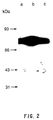
- Plasma membranes derived from squamous cell carcinoma cell line EPLC-65H were incubated with a tracer concentration (2 nM) of 125 I-labeled VIP in the absence (control) and presence of THN ⁇ 1. Membranes were then washed with ice cold buffer to remove unbound labeled VIP and the bound labeled VIP covalently cross linked to its membrane receptor protein using 2 mM disuccinimidylsuberate. Membranes were solubilized with 10% SDS in electrophoresis buffer, and the protein mixture separated by SDS-PAGE electrophoresis. Gels were then radioautographed to produce X-ray films showing radioactive proteins.
- lane c, 1 ⁇ M THN ⁇ 1 inhibited the binding of 125 I-labeled VIP to a 83 kDa glycoprotein, to an extent similar to that accomplished by unlabeled VIP itself (lane a).
- This glycoprotein presumably is the VIP receptor in this cell line, and it also presumably is this glycoprotein by which thymosins and anti-VIP receptor antibodies inhibit the lung cancer growth promoting effects of VIP.
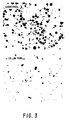
- THN ⁇ 1 The effects of THN ⁇ 1 on the growth of lung cancer cell lines was studied. Single viable cells were plated in soft agar as previously described (Mahmoud, S., et al., Life Sci. , 44:367 (1989)), and, after two weeks, the colonies were stained with 0.1% p-iodonitrotetrazolium violet.
- the number of colonies larger than 50 ⁇ m in diameter were counted.
- the data of Table I shows that 89 colonies of NCI-H157 (squamous cell carcinoma) formed. The number of colonies did not change when either 1 nM or 10 nM VIP was added, although there was a slight increase at 100 nM or 1000 nM VIP. In contrast, 10 nM THN ⁇ 1 produced no change in colony number, 100 nM or 1,000 nM THN ⁇ 1 produced a slight decrease, but 10,000 nM THN ⁇ 1 significantly decreased colony formation.
- Example 3 The experimental conditions of Example 3 were repeated with NCI-H720 (lung carcinoid cancer cells) and NCI-N417 (SCLC lung cancer cells) cell lines. Colonies were counted as before. The absolute and relative number of colonies of greater than 50 ⁇ m diameter are shown in Table II.
- NCI-H157, 10 7 cells Squamous cell carcinoma (NCI-H157, 10 7 cells) was injected subcutaneously into female Balb/c nude mice. Xenografts formed after about one week, and tumor size (mm 3 ) was followed weekly.
- THN ⁇ 1 10 ⁇ g, in a sterile pharmaceutical vehicle, was injected subcutaneously adjacent to the tumor. No toxic effects on the animals were observed.
- Figure 4 shows that after two weeks a palpable mass (28 mm 3 ) was observed in control mice which received only placebo injections. Tumor growth increased exponentially over the next several weeks, and at week 6, control mice that had very large tumors (2430 mm 3 ) were killed. In dramatic contrast, mice receiving THN ⁇ 1 developed a palpable mass (3 mm 3 ) only at week 3, and the tumor growth slowly increased until week 5 (187 mm 3 ). At this point, withdrawal of THN ⁇ 1 resulted in the resumption of rapid tumor growth (at week 6 the tumor volume was 585 mm 3 , still only 25% of the size of the control xenografts).
- Example 5 The experiment of Example 5 was repeated, except that xenografts were produced with NCI-H292 squamous cell lung carcinoma and fragments of THN ⁇ 1 were compared for efficacy with the parent polypeptide.
- the data of Table III show that the squamous cell carcinoma xenografts produced by NCI-H292 cells grew more slowly than did xenografts produced by NCI-H157 squamous cell carcinoma cells. After three weeks, measurable tumors (2-5 mm 3 ) were observed. By week 8, the control tumor volume had increased about 60-fold to 305 mm 3 .
- THN ⁇ 1 and the C- and N-terminal fragments thereof reduced tumor growth by approximately 50%.
- the C-terminal fragment was composed of amino acids 15 to 28 of THN ⁇ 1, and the N-terminal fragment composed of amino acids 1 to 14 of THN ⁇ 1.
- NCI-H292 Xenograft Formation of Cell Line NCI-H292 Addition at week 3 4 5 6 7 8 C-fragment 4 15 36 65 123 141 Control 5 31 48 150 237 305 THN ⁇ 1 2 23 40 72 128 135 N-fragment 3 27 45 72 85 162 NCI-H292 was injected into nude mice and the tumor volume (mm3) was indicated. Peptides (10 ⁇ g) were injected daily subcutaneously. The mean value of 3 determinations is indicated. Routinely the S.E. was 15% of the mean value.
Landscapes
- Health & Medical Sciences (AREA)
- Life Sciences & Earth Sciences (AREA)
- Chemical & Material Sciences (AREA)
- Medicinal Chemistry (AREA)
- General Health & Medical Sciences (AREA)
- Organic Chemistry (AREA)
- Immunology (AREA)
- Endocrinology (AREA)
- Proteomics, Peptides & Aminoacids (AREA)
- Veterinary Medicine (AREA)
- Public Health (AREA)
- Pharmacology & Pharmacy (AREA)
- Animal Behavior & Ethology (AREA)
- Gastroenterology & Hepatology (AREA)
- Zoology (AREA)
- Epidemiology (AREA)
- Bioinformatics & Cheminformatics (AREA)
- Molecular Biology (AREA)
- Genetics & Genomics (AREA)
- Biophysics (AREA)
- Engineering & Computer Science (AREA)
- Biochemistry (AREA)
- General Chemical & Material Sciences (AREA)
- Chemical Kinetics & Catalysis (AREA)
- Nuclear Medicine, Radiotherapy & Molecular Imaging (AREA)
- Medicines That Contain Protein Lipid Enzymes And Other Medicines (AREA)
- Medicines Containing Antibodies Or Antigens For Use As Internal Diagnostic Agents (AREA)
- Peptides Or Proteins (AREA)
- Medicines Containing Material From Animals Or Micro-Organisms (AREA)
Applications Claiming Priority (3)
| Application Number | Priority Date | Filing Date | Title |
|---|---|---|---|
| US676987 | 1991-03-29 | ||
| US07/676,987 US5273963A (en) | 1991-03-29 | 1991-03-29 | Compositions and methods for treating small cell and nonsmall cell lung cancers |
| PCT/US1992/002405 WO1992017199A1 (en) | 1991-03-29 | 1992-03-26 | Compositions and methods for treating small cell and nonsmall cell lung cancers |
Publications (3)
| Publication Number | Publication Date |
|---|---|
| EP0578738A1 EP0578738A1 (en) | 1994-01-19 |
| EP0578738A4 EP0578738A4 (en) | 1994-11-02 |
| EP0578738B1 true EP0578738B1 (en) | 1999-06-09 |
Family
ID=24716841
Family Applications (1)
| Application Number | Title | Priority Date | Filing Date |
|---|---|---|---|
| EP92909725A Expired - Lifetime EP0578738B1 (en) | 1991-03-29 | 1992-03-26 | Compositions and methods for treating small cell and nonsmall cell lung cancers |
Country Status (10)
| Country | Link |
|---|---|
| US (2) | US5273963A (enExample) |
| EP (1) | EP0578738B1 (enExample) |
| JP (1) | JP3081643B2 (enExample) |
| AT (1) | ATE180974T1 (enExample) |
| AU (1) | AU653598B2 (enExample) |
| CA (1) | CA2106978C (enExample) |
| DE (1) | DE69229394T2 (enExample) |
| ES (1) | ES2136084T3 (enExample) |
| SG (1) | SG66274A1 (enExample) |
| WO (1) | WO1992017199A1 (enExample) |
Families Citing this family (18)
| Publication number | Priority date | Publication date | Assignee | Title |
|---|---|---|---|---|
| US5849261A (en) * | 1991-02-08 | 1998-12-15 | Diatide, Inc. | Radiolabeled vasoactive intestinal peptides for diagnosis and therapy |
| TW224053B (enExample) * | 1991-09-13 | 1994-05-21 | Paul B Chretien | |
| US6200952B1 (en) | 1993-06-02 | 2001-03-13 | Sciclone Pharmaceuticals, Inc. | Combination therapy method for treating chronic hepatitis B |
| US5565424A (en) * | 1994-02-07 | 1996-10-15 | Ramot - University Authority For Applied Research And Industrial Development Ltd. | Superactive VIP antagonists |
| JP3853384B2 (ja) * | 1994-09-09 | 2006-12-06 | 株式会社三菱化学ヤトロン | 抗サイモシンα1モノクローナル抗体産生ハイブリドーマ |
| AU6941196A (en) * | 1995-09-15 | 1997-04-17 | Samir Chachoua | Method for the identification and therapeutic use of disease-associated organisms, elements and forces |
| US6156725A (en) * | 1996-08-16 | 2000-12-05 | National Institute Of Immunology | Drug for the treatment of cancer |
| US5744363A (en) * | 1996-08-16 | 1998-04-28 | National Institute Of Immunology | Method for establishing a tumor-cell line by preparing single-cell suspension of tumor cells from tumor biopsies |
| US6492330B1 (en) | 1996-08-16 | 2002-12-10 | National Institute Of Immunology | Antiangiogenic drugs |
| US6462017B1 (en) | 2000-05-01 | 2002-10-08 | Sciclone Pharmaceuticals, Inc. | Method of reducing side effects of chemotherapy in cancer patients |
| AU2001268326A1 (en) * | 2000-06-14 | 2001-12-24 | Chanda Zaveri | Peptides with physiological activity |
| NZ537867A (en) * | 2002-06-28 | 2007-04-27 | Sciclone Pharmaceuticals Inc | Method of up-regulating TLP expression in tumor cells using thymosin alpha 1 |
| EP1583550A2 (en) * | 2003-01-16 | 2005-10-12 | D. Collen Research Foundation vzw | Inhibition of pacap signalling for the prevention and treatment of thrombocytopenia |
| RU2372901C2 (ru) * | 2007-04-24 | 2009-11-20 | Государственное учреждение научно-исследовательский институт онкологии Томского Научного центра Сибирского отделения Российской академии медицинских наук (ГУ НИИ онкологии ТНЦ СО РАМН) | Способ комбинированного лечения местнораспространенного немелкоклеточного рака легкого |
| RU2398525C1 (ru) * | 2009-03-25 | 2010-09-10 | Федеральное государственное учреждение "Ростовский научно-исследовательский онкологический институт Росмедтехнологий" | Способ лечения рака легкого |
| RU2406452C1 (ru) * | 2009-06-22 | 2010-12-20 | Федеральное государственное учреждение "Ростовский научно-исследовательский онкологический институт Росмедтехнологий" | Способ лечения рака легкого |
| RU2414894C1 (ru) * | 2009-06-29 | 2011-03-27 | Учреждение Российской академии медицинских наук Российский онкологический научный центр имени Н.Н. Блохина РАМН | Способ лечения рака легкого |
| RU2429842C1 (ru) * | 2010-06-15 | 2011-09-27 | Учреждение Российской академии медицинских наук Научно-исследовательский институт онкологии Сибирского отделения Российской академии медицинских наук (НИИ онкологии СО РАМН) | Способ профилактики послеоперационных осложнений при комбинированном лечении больных немелкоклеточным раком легкого iii стадии |
Family Cites Families (7)
| Publication number | Priority date | Publication date | Assignee | Title |
|---|---|---|---|---|
| US4079127A (en) * | 1976-10-28 | 1978-03-14 | Board Of Regents Of The University Of Texas | Thymosin alpha 1 |
| US4082737A (en) * | 1977-02-22 | 1978-04-04 | Hoffmann-La Roche Inc. | Stabilized thymosin composition and method |
| DE3100974A1 (de) * | 1980-01-18 | 1982-01-21 | Max-Planck-Gesellschaft zur Förderung der Wissenschaften e.V., 3400 Göttingen | Thymosin(alpha)(pfeil abwaerts)1(pfeil abwaerts)-fragmente enthaltende arzneimittel mit immunregulierender wirkung, und thymosin(alpha)(pfeil abwaerts)1(pfeil abwaerts)-fragmente |
| US4612365A (en) * | 1980-03-25 | 1986-09-16 | Max-Planck-Gesellschaft Zur Foederung Der Wissenschaften | Medicaments containing alpha 1-thymosin and having an immuno regulatory action and alpha 1-thymosin fragments |
| US4560676A (en) * | 1980-04-07 | 1985-12-24 | The Rockefeller University | N.sup.α -desacetylthymosinα1 and process |
| US5217953A (en) * | 1990-11-30 | 1993-06-08 | The United States Of America As Represented By The Secretary Of The Department Of Health & Human Services | Vasoactive intestinal peptide antagonist |
| CN1058500C (zh) * | 1993-02-03 | 2000-11-15 | 施塞克龙药品公司 | 胸腺素α-1衍生物 |
-
1991
- 1991-03-29 US US07/676,987 patent/US5273963A/en not_active Expired - Lifetime
-
1992
- 1992-03-26 CA CA002106978A patent/CA2106978C/en not_active Expired - Fee Related
- 1992-03-26 DE DE69229394T patent/DE69229394T2/de not_active Expired - Fee Related
- 1992-03-26 JP JP04509366A patent/JP3081643B2/ja not_active Expired - Fee Related
- 1992-03-26 AT AT92909725T patent/ATE180974T1/de not_active IP Right Cessation
- 1992-03-26 WO PCT/US1992/002405 patent/WO1992017199A1/en not_active Ceased
- 1992-03-26 SG SG1996006786A patent/SG66274A1/en unknown
- 1992-03-26 AU AU16944/92A patent/AU653598B2/en not_active Ceased
- 1992-03-26 ES ES92909725T patent/ES2136084T3/es not_active Expired - Lifetime
- 1992-03-26 EP EP92909725A patent/EP0578738B1/en not_active Expired - Lifetime
-
1993
- 1993-12-22 US US08/171,701 patent/US5721211A/en not_active Expired - Fee Related
Also Published As
| Publication number | Publication date |
|---|---|
| EP0578738A1 (en) | 1994-01-19 |
| ATE180974T1 (de) | 1999-06-15 |
| WO1992017199A1 (en) | 1992-10-15 |
| DE69229394T2 (de) | 2000-01-05 |
| AU653598B2 (en) | 1994-10-06 |
| US5273963A (en) | 1993-12-28 |
| CA2106978A1 (en) | 1992-09-30 |
| DE69229394D1 (de) | 1999-07-15 |
| US5721211A (en) | 1998-02-24 |
| SG66274A1 (en) | 1999-07-20 |
| EP0578738A4 (en) | 1994-11-02 |
| JP3081643B2 (ja) | 2000-08-28 |
| AU1694492A (en) | 1992-11-02 |
| CA2106978C (en) | 2008-06-03 |
| ES2136084T3 (es) | 1999-11-16 |
| HK1012989A1 (en) | 1999-08-13 |
| JPH06506225A (ja) | 1994-07-14 |
Similar Documents
| Publication | Publication Date | Title |
|---|---|---|
| US5273963A (en) | Compositions and methods for treating small cell and nonsmall cell lung cancers | |
| US6419928B1 (en) | Monoclonal antibodies to transforming growth factor-beta and methods of use | |
| JPS61502820A (ja) | ヒトガングリオシドgd↓2に向けられたモノクロ−ナル抗体 | |
| RU98123833A (ru) | Способы и композиции, используемые для ингибирования ангиогенеза | |
| JP3494592B2 (ja) | 腫瘍治療剤 | |
| US20090280503A1 (en) | Method for detecting and treating skin disorders | |
| AU2005270336A1 (en) | Treatment of hyperproliferative disease with superantigens in combination with another anticancer agent | |
| CA2365533A1 (en) | Diagnosis and treatment of neuroectodermal tumors | |
| EP0641358B1 (en) | BINDING PEPTIDES WHICH INTERACT WITH LIGAND GROWTH FACTORS OF THE EPIDERMAL GROWTH FACTOR RECEPTOR AND erbB-2-RECEPTOR | |
| CN113597304A (zh) | 原发性中枢神经系统淋巴瘤的组合治疗 | |
| US5792744A (en) | Proteins from mammalian liver | |
| EP0835662A2 (en) | A drug for the treatment of cancer | |
| JP2002519303A (ja) | 脂質動員性を有する糖タンパク質およびその治療的適用 | |
| EP0436526B1 (en) | Use of antibodies to angiogenin: immunotherapeutic agents | |
| HK1012989B (en) | Compositions and methods for treating small cell and nonsmall cell lung cancers | |
| WO1988007551A2 (en) | Growth factor receptor | |
| Rümke et al. | Comparative immunochemical studies with antisera to sheep prolactin and bovine growth hormone on anterior pituitaries of ox, sheep, rats and mice | |
| Deftos et al. | Immunohistological studies of artiodactyl and teleost pituitaries with antisera to calcitonin | |
| IE921810A1 (en) | Me20: monoclonal antibodies and antigen for human melanoma | |
| CA2197139C (en) | A drug for the treatment of cancer | |
| AU6648386A (en) | Parathyroid-specific radioimaging techniques | |
| JPH11310537A (ja) | 温熱療法及び薬剤 | |
| JPH09301888A (ja) | 制癌剤 | |
| US20030103975A1 (en) | Modulation of angiogenesis and endothelialization | |
| Del Giacco et al. | Combination Chemotherapy and Cytokines in the Treatment of Advanced Primary Lung Cancer: Controlled Clinical Trial Three Year Results |
Legal Events
| Date | Code | Title | Description |
|---|---|---|---|
| PUAI | Public reference made under article 153(3) epc to a published international application that has entered the european phase |
Free format text: ORIGINAL CODE: 0009012 |
|
| 17P | Request for examination filed |
Effective date: 19930929 |
|
| AK | Designated contracting states |
Kind code of ref document: A1 Designated state(s): AT BE CH DE DK ES FR GB GR IT LI LU MC NL SE |
|
| A4 | Supplementary search report drawn up and despatched | ||
| AK | Designated contracting states |
Kind code of ref document: A4 Designated state(s): AT BE CH DE DK ES FR GB GR IT LI LU MC NL SE |
|
| 111L | Licence recorded |
Free format text: 960309 0100 SCICLONE PHRAMACEUTICALS, INC. |
|
| 17Q | First examination report despatched |
Effective date: 19980114 |
|
| GRAG | Despatch of communication of intention to grant |
Free format text: ORIGINAL CODE: EPIDOS AGRA |
|
| GRAG | Despatch of communication of intention to grant |
Free format text: ORIGINAL CODE: EPIDOS AGRA |
|
| GRAH | Despatch of communication of intention to grant a patent |
Free format text: ORIGINAL CODE: EPIDOS IGRA |
|
| GRAH | Despatch of communication of intention to grant a patent |
Free format text: ORIGINAL CODE: EPIDOS IGRA |
|
| GRAA | (expected) grant |
Free format text: ORIGINAL CODE: 0009210 |
|
| RAP1 | Party data changed (applicant data changed or rights of an application transferred) |
Owner name: GEORGE WASHINGTON UNIVERSITY |
|
| AK | Designated contracting states |
Kind code of ref document: B1 Designated state(s): AT BE CH DE DK ES FR GB GR IT LI LU MC NL SE |
|
| PG25 | Lapsed in a contracting state [announced via postgrant information from national office to epo] |
Ref country code: SE Free format text: THE PATENT HAS BEEN ANNULLED BY A DECISION OF A NATIONAL AUTHORITY Effective date: 19990609 Ref country code: NL Free format text: LAPSE BECAUSE OF FAILURE TO SUBMIT A TRANSLATION OF THE DESCRIPTION OR TO PAY THE FEE WITHIN THE PRESCRIBED TIME-LIMIT Effective date: 19990609 Ref country code: GR Free format text: LAPSE BECAUSE OF NON-PAYMENT OF DUE FEES Effective date: 19990609 Ref country code: BE Free format text: LAPSE BECAUSE OF FAILURE TO SUBMIT A TRANSLATION OF THE DESCRIPTION OR TO PAY THE FEE WITHIN THE PRESCRIBED TIME-LIMIT Effective date: 19990609 Ref country code: AT Free format text: LAPSE BECAUSE OF FAILURE TO SUBMIT A TRANSLATION OF THE DESCRIPTION OR TO PAY THE FEE WITHIN THE PRESCRIBED TIME-LIMIT Effective date: 19990609 |
|
| REF | Corresponds to: |
Ref document number: 180974 Country of ref document: AT Date of ref document: 19990615 Kind code of ref document: T |
|
| RTI1 | Title (correction) |
Free format text: COMPOSITIONS AND METHODS FOR TREATING SMALL CELL AND NONSMALL CELL LUNG CANCERS |
|
| REG | Reference to a national code |
Ref country code: CH Ref legal event code: EP |
|
| REF | Corresponds to: |
Ref document number: 69229394 Country of ref document: DE Date of ref document: 19990715 |
|
| ITF | It: translation for a ep patent filed | ||
| ET | Fr: translation filed | ||
| PG25 | Lapsed in a contracting state [announced via postgrant information from national office to epo] |
Ref country code: DK Free format text: LAPSE BECAUSE OF FAILURE TO SUBMIT A TRANSLATION OF THE DESCRIPTION OR TO PAY THE FEE WITHIN THE PRESCRIBED TIME-LIMIT Effective date: 19990909 |
|
| REG | Reference to a national code |
Ref country code: CH Ref legal event code: NV Representative=s name: BUECHEL & PARTNER AG PATENTBUERO |
|
| REG | Reference to a national code |
Ref country code: ES Ref legal event code: FG2A Ref document number: 2136084 Country of ref document: ES Kind code of ref document: T3 |
|
| PLBE | No opposition filed within time limit |
Free format text: ORIGINAL CODE: 0009261 |
|
| 26N | No opposition filed | ||
| REG | Reference to a national code |
Ref country code: GB Ref legal event code: IF02 |
|
| PGFP | Annual fee paid to national office [announced via postgrant information from national office to epo] |
Ref country code: ES Payment date: 20080326 Year of fee payment: 17 Ref country code: CH Payment date: 20080328 Year of fee payment: 17 |
|
| PGFP | Annual fee paid to national office [announced via postgrant information from national office to epo] |
Ref country code: MC Payment date: 20080304 Year of fee payment: 17 Ref country code: GB Payment date: 20080327 Year of fee payment: 17 |
|
| PGFP | Annual fee paid to national office [announced via postgrant information from national office to epo] |
Ref country code: LU Payment date: 20080401 Year of fee payment: 17 Ref country code: FR Payment date: 20080317 Year of fee payment: 17 Ref country code: DE Payment date: 20080430 Year of fee payment: 17 |
|
| PGFP | Annual fee paid to national office [announced via postgrant information from national office to epo] |
Ref country code: IT Payment date: 20080329 Year of fee payment: 17 |
|
| PG25 | Lapsed in a contracting state [announced via postgrant information from national office to epo] |
Ref country code: MC Free format text: LAPSE BECAUSE OF NON-PAYMENT OF DUE FEES Effective date: 20090331 |
|
| REG | Reference to a national code |
Ref country code: CH Ref legal event code: PL |
|
| GBPC | Gb: european patent ceased through non-payment of renewal fee |
Effective date: 20090326 |
|
| REG | Reference to a national code |
Ref country code: FR Ref legal event code: ST Effective date: 20091130 |
|
| PG25 | Lapsed in a contracting state [announced via postgrant information from national office to epo] |
Ref country code: LI Free format text: LAPSE BECAUSE OF NON-PAYMENT OF DUE FEES Effective date: 20090331 Ref country code: DE Free format text: LAPSE BECAUSE OF NON-PAYMENT OF DUE FEES Effective date: 20091001 Ref country code: CH Free format text: LAPSE BECAUSE OF NON-PAYMENT OF DUE FEES Effective date: 20090331 |
|
| PG25 | Lapsed in a contracting state [announced via postgrant information from national office to epo] |
Ref country code: GB Free format text: LAPSE BECAUSE OF NON-PAYMENT OF DUE FEES Effective date: 20090326 Ref country code: FR Free format text: LAPSE BECAUSE OF NON-PAYMENT OF DUE FEES Effective date: 20091123 |
|
| REG | Reference to a national code |
Ref country code: ES Ref legal event code: FD2A Effective date: 20090327 |
|
| PG25 | Lapsed in a contracting state [announced via postgrant information from national office to epo] |
Ref country code: ES Free format text: LAPSE BECAUSE OF NON-PAYMENT OF DUE FEES Effective date: 20090327 |
|
| PG25 | Lapsed in a contracting state [announced via postgrant information from national office to epo] |
Ref country code: IT Free format text: LAPSE BECAUSE OF NON-PAYMENT OF DUE FEES Effective date: 20090326 |
|
| PG25 | Lapsed in a contracting state [announced via postgrant information from national office to epo] |
Ref country code: LU Free format text: LAPSE BECAUSE OF NON-PAYMENT OF DUE FEES Effective date: 20090326 |