EP0566048A1 - Syntheseöle enthaltende Cooligomere, bestehend aus I-Alkenen und (Meth)-acrylsäureestern - Google Patents
Syntheseöle enthaltende Cooligomere, bestehend aus I-Alkenen und (Meth)-acrylsäureestern Download PDFInfo
- Publication number
- EP0566048A1 EP0566048A1 EP93105894A EP93105894A EP0566048A1 EP 0566048 A1 EP0566048 A1 EP 0566048A1 EP 93105894 A EP93105894 A EP 93105894A EP 93105894 A EP93105894 A EP 93105894A EP 0566048 A1 EP0566048 A1 EP 0566048A1
- Authority
- EP
- European Patent Office
- Prior art keywords
- carbon atoms
- weight
- meth
- radical
- cooligomers
- Prior art date
- Legal status (The legal status is an assumption and is not a legal conclusion. Google has not performed a legal analysis and makes no representation as to the accuracy of the status listed.)
- Withdrawn
Links
Images

Classifications
-
- C—CHEMISTRY; METALLURGY
- C10—PETROLEUM, GAS OR COKE INDUSTRIES; TECHNICAL GASES CONTAINING CARBON MONOXIDE; FUELS; LUBRICANTS; PEAT
- C10M—LUBRICATING COMPOSITIONS; USE OF CHEMICAL SUBSTANCES EITHER ALONE OR AS LUBRICATING INGREDIENTS IN A LUBRICATING COMPOSITION
- C10M169/00—Lubricating compositions characterised by containing as components a mixture of at least two types of ingredient selected from base-materials, thickeners or additives, covered by the preceding groups, each of these compounds being essential
- C10M169/04—Mixtures of base-materials and additives
- C10M169/041—Mixtures of base-materials and additives the additives being macromolecular compounds only
-
- C—CHEMISTRY; METALLURGY
- C10—PETROLEUM, GAS OR COKE INDUSTRIES; TECHNICAL GASES CONTAINING CARBON MONOXIDE; FUELS; LUBRICANTS; PEAT
- C10M—LUBRICATING COMPOSITIONS; USE OF CHEMICAL SUBSTANCES EITHER ALONE OR AS LUBRICATING INGREDIENTS IN A LUBRICATING COMPOSITION
- C10M107/00—Lubricating compositions characterised by the base-material being a macromolecular compound
- C10M107/02—Hydrocarbon polymers; Hydrocarbon polymers modified by oxidation
- C10M107/10—Hydrocarbon polymers; Hydrocarbon polymers modified by oxidation containing aliphatic monomer having more than 4 carbon atoms
-
- C—CHEMISTRY; METALLURGY
- C10—PETROLEUM, GAS OR COKE INDUSTRIES; TECHNICAL GASES CONTAINING CARBON MONOXIDE; FUELS; LUBRICANTS; PEAT
- C10M—LUBRICATING COMPOSITIONS; USE OF CHEMICAL SUBSTANCES EITHER ALONE OR AS LUBRICATING INGREDIENTS IN A LUBRICATING COMPOSITION
- C10M107/00—Lubricating compositions characterised by the base-material being a macromolecular compound
- C10M107/20—Lubricating compositions characterised by the base-material being a macromolecular compound containing oxygen
- C10M107/22—Macromolecular compounds obtained by reactions only involving carbon-to-carbon unsaturated bonds
- C10M107/28—Macromolecular compounds obtained by reactions only involving carbon-to-carbon unsaturated bonds containing monomers having an unsaturated radical bound to a carboxyl radical, e.g. acrylate
-
- C—CHEMISTRY; METALLURGY
- C10—PETROLEUM, GAS OR COKE INDUSTRIES; TECHNICAL GASES CONTAINING CARBON MONOXIDE; FUELS; LUBRICANTS; PEAT
- C10M—LUBRICATING COMPOSITIONS; USE OF CHEMICAL SUBSTANCES EITHER ALONE OR AS LUBRICATING INGREDIENTS IN A LUBRICATING COMPOSITION
- C10M111/00—Lubrication compositions characterised by the base-material being a mixture of two or more compounds covered by more than one of the main groups C10M101/00 - C10M109/00, each of these compounds being essential
- C10M111/04—Lubrication compositions characterised by the base-material being a mixture of two or more compounds covered by more than one of the main groups C10M101/00 - C10M109/00, each of these compounds being essential at least one of them being a macromolecular organic compound
-
- C—CHEMISTRY; METALLURGY
- C10—PETROLEUM, GAS OR COKE INDUSTRIES; TECHNICAL GASES CONTAINING CARBON MONOXIDE; FUELS; LUBRICANTS; PEAT
- C10M—LUBRICATING COMPOSITIONS; USE OF CHEMICAL SUBSTANCES EITHER ALONE OR AS LUBRICATING INGREDIENTS IN A LUBRICATING COMPOSITION
- C10M143/00—Lubricating compositions characterised by the additive being a macromolecular hydrocarbon or such hydrocarbon modified by oxidation
- C10M143/08—Lubricating compositions characterised by the additive being a macromolecular hydrocarbon or such hydrocarbon modified by oxidation containing aliphatic monomer having more than 4 carbon atoms
-
- C—CHEMISTRY; METALLURGY
- C10—PETROLEUM, GAS OR COKE INDUSTRIES; TECHNICAL GASES CONTAINING CARBON MONOXIDE; FUELS; LUBRICANTS; PEAT
- C10M—LUBRICATING COMPOSITIONS; USE OF CHEMICAL SUBSTANCES EITHER ALONE OR AS LUBRICATING INGREDIENTS IN A LUBRICATING COMPOSITION
- C10M145/00—Lubricating compositions characterised by the additive being a macromolecular compound containing oxygen
- C10M145/02—Macromolecular compounds obtained by reactions only involving carbon-to-carbon unsaturated bonds
- C10M145/10—Macromolecular compounds obtained by reactions only involving carbon-to-carbon unsaturated bonds containing monomers having an unsaturated radical bound to a carboxyl radical, e.g. acrylate
- C10M145/12—Macromolecular compounds obtained by reactions only involving carbon-to-carbon unsaturated bonds containing monomers having an unsaturated radical bound to a carboxyl radical, e.g. acrylate monocarboxylic
- C10M145/14—Acrylate; Methacrylate
-
- C—CHEMISTRY; METALLURGY
- C10—PETROLEUM, GAS OR COKE INDUSTRIES; TECHNICAL GASES CONTAINING CARBON MONOXIDE; FUELS; LUBRICANTS; PEAT
- C10M—LUBRICATING COMPOSITIONS; USE OF CHEMICAL SUBSTANCES EITHER ALONE OR AS LUBRICATING INGREDIENTS IN A LUBRICATING COMPOSITION
- C10M2205/00—Organic macromolecular hydrocarbon compounds or fractions, whether or not modified by oxidation as ingredients in lubricant compositions
- C10M2205/02—Organic macromolecular hydrocarbon compounds or fractions, whether or not modified by oxidation as ingredients in lubricant compositions containing acyclic monomers
- C10M2205/028—Organic macromolecular hydrocarbon compounds or fractions, whether or not modified by oxidation as ingredients in lubricant compositions containing acyclic monomers containing aliphatic monomers having more than four carbon atoms
-
- C—CHEMISTRY; METALLURGY
- C10—PETROLEUM, GAS OR COKE INDUSTRIES; TECHNICAL GASES CONTAINING CARBON MONOXIDE; FUELS; LUBRICANTS; PEAT
- C10M—LUBRICATING COMPOSITIONS; USE OF CHEMICAL SUBSTANCES EITHER ALONE OR AS LUBRICATING INGREDIENTS IN A LUBRICATING COMPOSITION
- C10M2205/00—Organic macromolecular hydrocarbon compounds or fractions, whether or not modified by oxidation as ingredients in lubricant compositions
- C10M2205/02—Organic macromolecular hydrocarbon compounds or fractions, whether or not modified by oxidation as ingredients in lubricant compositions containing acyclic monomers
- C10M2205/028—Organic macromolecular hydrocarbon compounds or fractions, whether or not modified by oxidation as ingredients in lubricant compositions containing acyclic monomers containing aliphatic monomers having more than four carbon atoms
- C10M2205/0285—Organic macromolecular hydrocarbon compounds or fractions, whether or not modified by oxidation as ingredients in lubricant compositions containing acyclic monomers containing aliphatic monomers having more than four carbon atoms used as base material
-
- C—CHEMISTRY; METALLURGY
- C10—PETROLEUM, GAS OR COKE INDUSTRIES; TECHNICAL GASES CONTAINING CARBON MONOXIDE; FUELS; LUBRICANTS; PEAT
- C10M—LUBRICATING COMPOSITIONS; USE OF CHEMICAL SUBSTANCES EITHER ALONE OR AS LUBRICATING INGREDIENTS IN A LUBRICATING COMPOSITION
- C10M2207/00—Organic non-macromolecular hydrocarbon compounds containing hydrogen, carbon and oxygen as ingredients in lubricant compositions
- C10M2207/28—Esters
- C10M2207/281—Esters of (cyclo)aliphatic monocarboxylic acids
-
- C—CHEMISTRY; METALLURGY
- C10—PETROLEUM, GAS OR COKE INDUSTRIES; TECHNICAL GASES CONTAINING CARBON MONOXIDE; FUELS; LUBRICANTS; PEAT
- C10M—LUBRICATING COMPOSITIONS; USE OF CHEMICAL SUBSTANCES EITHER ALONE OR AS LUBRICATING INGREDIENTS IN A LUBRICATING COMPOSITION
- C10M2207/00—Organic non-macromolecular hydrocarbon compounds containing hydrogen, carbon and oxygen as ingredients in lubricant compositions
- C10M2207/28—Esters
- C10M2207/282—Esters of (cyclo)aliphatic oolycarboxylic acids
-
- C—CHEMISTRY; METALLURGY
- C10—PETROLEUM, GAS OR COKE INDUSTRIES; TECHNICAL GASES CONTAINING CARBON MONOXIDE; FUELS; LUBRICANTS; PEAT
- C10M—LUBRICATING COMPOSITIONS; USE OF CHEMICAL SUBSTANCES EITHER ALONE OR AS LUBRICATING INGREDIENTS IN A LUBRICATING COMPOSITION
- C10M2207/00—Organic non-macromolecular hydrocarbon compounds containing hydrogen, carbon and oxygen as ingredients in lubricant compositions
- C10M2207/28—Esters
- C10M2207/283—Esters of polyhydroxy compounds
-
- C—CHEMISTRY; METALLURGY
- C10—PETROLEUM, GAS OR COKE INDUSTRIES; TECHNICAL GASES CONTAINING CARBON MONOXIDE; FUELS; LUBRICANTS; PEAT
- C10M—LUBRICATING COMPOSITIONS; USE OF CHEMICAL SUBSTANCES EITHER ALONE OR AS LUBRICATING INGREDIENTS IN A LUBRICATING COMPOSITION
- C10M2207/00—Organic non-macromolecular hydrocarbon compounds containing hydrogen, carbon and oxygen as ingredients in lubricant compositions
- C10M2207/28—Esters
- C10M2207/286—Esters of polymerised unsaturated acids
-
- C—CHEMISTRY; METALLURGY
- C10—PETROLEUM, GAS OR COKE INDUSTRIES; TECHNICAL GASES CONTAINING CARBON MONOXIDE; FUELS; LUBRICANTS; PEAT
- C10M—LUBRICATING COMPOSITIONS; USE OF CHEMICAL SUBSTANCES EITHER ALONE OR AS LUBRICATING INGREDIENTS IN A LUBRICATING COMPOSITION
- C10M2207/00—Organic non-macromolecular hydrocarbon compounds containing hydrogen, carbon and oxygen as ingredients in lubricant compositions
- C10M2207/28—Esters
- C10M2207/34—Esters having a hydrocarbon substituent of thirty or more carbon atoms, e.g. substituted succinic acid derivatives
-
- C—CHEMISTRY; METALLURGY
- C10—PETROLEUM, GAS OR COKE INDUSTRIES; TECHNICAL GASES CONTAINING CARBON MONOXIDE; FUELS; LUBRICANTS; PEAT
- C10M—LUBRICATING COMPOSITIONS; USE OF CHEMICAL SUBSTANCES EITHER ALONE OR AS LUBRICATING INGREDIENTS IN A LUBRICATING COMPOSITION
- C10M2209/00—Organic macromolecular compounds containing oxygen as ingredients in lubricant compositions
- C10M2209/02—Macromolecular compounds obtained by reactions only involving carbon-to-carbon unsaturated bonds
- C10M2209/08—Macromolecular compounds obtained by reactions only involving carbon-to-carbon unsaturated bonds containing monomers having an unsaturated radical bound to a carboxyl radical, e.g. acrylate type
-
- C—CHEMISTRY; METALLURGY
- C10—PETROLEUM, GAS OR COKE INDUSTRIES; TECHNICAL GASES CONTAINING CARBON MONOXIDE; FUELS; LUBRICANTS; PEAT
- C10M—LUBRICATING COMPOSITIONS; USE OF CHEMICAL SUBSTANCES EITHER ALONE OR AS LUBRICATING INGREDIENTS IN A LUBRICATING COMPOSITION
- C10M2209/00—Organic macromolecular compounds containing oxygen as ingredients in lubricant compositions
- C10M2209/02—Macromolecular compounds obtained by reactions only involving carbon-to-carbon unsaturated bonds
- C10M2209/08—Macromolecular compounds obtained by reactions only involving carbon-to-carbon unsaturated bonds containing monomers having an unsaturated radical bound to a carboxyl radical, e.g. acrylate type
- C10M2209/084—Acrylate; Methacrylate
-
- C—CHEMISTRY; METALLURGY
- C10—PETROLEUM, GAS OR COKE INDUSTRIES; TECHNICAL GASES CONTAINING CARBON MONOXIDE; FUELS; LUBRICANTS; PEAT
- C10M—LUBRICATING COMPOSITIONS; USE OF CHEMICAL SUBSTANCES EITHER ALONE OR AS LUBRICATING INGREDIENTS IN A LUBRICATING COMPOSITION
- C10M2209/00—Organic macromolecular compounds containing oxygen as ingredients in lubricant compositions
- C10M2209/02—Macromolecular compounds obtained by reactions only involving carbon-to-carbon unsaturated bonds
- C10M2209/08—Macromolecular compounds obtained by reactions only involving carbon-to-carbon unsaturated bonds containing monomers having an unsaturated radical bound to a carboxyl radical, e.g. acrylate type
- C10M2209/084—Acrylate; Methacrylate
- C10M2209/0845—Acrylate; Methacrylate used as base material
-
- C—CHEMISTRY; METALLURGY
- C10—PETROLEUM, GAS OR COKE INDUSTRIES; TECHNICAL GASES CONTAINING CARBON MONOXIDE; FUELS; LUBRICANTS; PEAT
- C10M—LUBRICATING COMPOSITIONS; USE OF CHEMICAL SUBSTANCES EITHER ALONE OR AS LUBRICATING INGREDIENTS IN A LUBRICATING COMPOSITION
- C10M2209/00—Organic macromolecular compounds containing oxygen as ingredients in lubricant compositions
- C10M2209/02—Macromolecular compounds obtained by reactions only involving carbon-to-carbon unsaturated bonds
- C10M2209/08—Macromolecular compounds obtained by reactions only involving carbon-to-carbon unsaturated bonds containing monomers having an unsaturated radical bound to a carboxyl radical, e.g. acrylate type
- C10M2209/086—Macromolecular compounds obtained by reactions only involving carbon-to-carbon unsaturated bonds containing monomers having an unsaturated radical bound to a carboxyl radical, e.g. acrylate type polycarboxylic, e.g. maleic acid
- C10M2209/0863—Macromolecular compounds obtained by reactions only involving carbon-to-carbon unsaturated bonds containing monomers having an unsaturated radical bound to a carboxyl radical, e.g. acrylate type polycarboxylic, e.g. maleic acid used as base material
-
- C—CHEMISTRY; METALLURGY
- C10—PETROLEUM, GAS OR COKE INDUSTRIES; TECHNICAL GASES CONTAINING CARBON MONOXIDE; FUELS; LUBRICANTS; PEAT
- C10M—LUBRICATING COMPOSITIONS; USE OF CHEMICAL SUBSTANCES EITHER ALONE OR AS LUBRICATING INGREDIENTS IN A LUBRICATING COMPOSITION
- C10M2209/00—Organic macromolecular compounds containing oxygen as ingredients in lubricant compositions
- C10M2209/10—Macromolecular compoundss obtained otherwise than by reactions only involving carbon-to-carbon unsaturated bonds
- C10M2209/103—Polyethers, i.e. containing di- or higher polyoxyalkylene groups
- C10M2209/104—Polyethers, i.e. containing di- or higher polyoxyalkylene groups of alkylene oxides containing two carbon atoms only
-
- C—CHEMISTRY; METALLURGY
- C10—PETROLEUM, GAS OR COKE INDUSTRIES; TECHNICAL GASES CONTAINING CARBON MONOXIDE; FUELS; LUBRICANTS; PEAT
- C10N—INDEXING SCHEME ASSOCIATED WITH SUBCLASS C10M RELATING TO LUBRICATING COMPOSITIONS
- C10N2040/00—Specified use or application for which the lubricating composition is intended
- C10N2040/08—Hydraulic fluids, e.g. brake-fluids
-
- C—CHEMISTRY; METALLURGY
- C10—PETROLEUM, GAS OR COKE INDUSTRIES; TECHNICAL GASES CONTAINING CARBON MONOXIDE; FUELS; LUBRICANTS; PEAT
- C10N—INDEXING SCHEME ASSOCIATED WITH SUBCLASS C10M RELATING TO LUBRICATING COMPOSITIONS
- C10N2040/00—Specified use or application for which the lubricating composition is intended
- C10N2040/25—Internal-combustion engines
-
- C—CHEMISTRY; METALLURGY
- C10—PETROLEUM, GAS OR COKE INDUSTRIES; TECHNICAL GASES CONTAINING CARBON MONOXIDE; FUELS; LUBRICANTS; PEAT
- C10N—INDEXING SCHEME ASSOCIATED WITH SUBCLASS C10M RELATING TO LUBRICATING COMPOSITIONS
- C10N2040/00—Specified use or application for which the lubricating composition is intended
- C10N2040/25—Internal-combustion engines
- C10N2040/251—Alcohol-fuelled engines
-
- C—CHEMISTRY; METALLURGY
- C10—PETROLEUM, GAS OR COKE INDUSTRIES; TECHNICAL GASES CONTAINING CARBON MONOXIDE; FUELS; LUBRICANTS; PEAT
- C10N—INDEXING SCHEME ASSOCIATED WITH SUBCLASS C10M RELATING TO LUBRICATING COMPOSITIONS
- C10N2040/00—Specified use or application for which the lubricating composition is intended
- C10N2040/25—Internal-combustion engines
- C10N2040/255—Gasoline engines
-
- C—CHEMISTRY; METALLURGY
- C10—PETROLEUM, GAS OR COKE INDUSTRIES; TECHNICAL GASES CONTAINING CARBON MONOXIDE; FUELS; LUBRICANTS; PEAT
- C10N—INDEXING SCHEME ASSOCIATED WITH SUBCLASS C10M RELATING TO LUBRICATING COMPOSITIONS
- C10N2040/00—Specified use or application for which the lubricating composition is intended
- C10N2040/25—Internal-combustion engines
- C10N2040/255—Gasoline engines
- C10N2040/28—Rotary engines
Definitions
- the invention relates to a method for lubricating machine components, synthetic oils with special properties being used, some of which are composed of cooligomers consisting of 1-alkenes and (meth) acrylic acid esters.
- synthetic oils synthetic oils
- synthetic oils are also used as hydraulic fluids (pressure transmission fluids).
- synthetic oils have the following advantages over mineral oils, for example: high temperature stability, durability, good low-temperature flow behavior, high viscosity index (VI), low friction loss, low volatility (see Kirk-Othmer, vol. 12, pages 712 to 733 , J. Wiley, 1980).
- the common synthetic oils belong to different classes of substances, in addition to polyethers, esters (of mono- and polybasic carboxylic acids with mono- and polybasic alcohols), phosphoric acid and phosphonic acid esters, silicones, silicate esters, polyhalohydrocarbons and fluorinated esters are polyolefins and alkyl aromatics.
- polyethers esters (of mono- and polybasic carboxylic acids with mono- and polybasic alcohols), phosphoric acid and phosphonic acid esters, silicones, silicate esters, polyhalohydrocarbons and fluorinated esters are polyolefins and alkyl aromatics.
- polymers with different proportions of ⁇ -olefins in particular ⁇ -olefins with 8 to 12 carbon atoms, which can be produced, for example, by means of Ziegler-Natta catalysis or ionic polymerization because of their good VI and pour point values.
- 4,419,106 describes oil preparations which contain a hydrocarbon oil and a portion of a pour point depressant (pour point improver) consisting of a copolymer of about 10 to 90% by weight alkyl acrylate units containing 8 to 20 carbon atoms in the alkyl radical and 90 to 10% by weight ⁇ -olefin units with 12 to 40 carbon atoms with an average molecular weight M ⁇ w, as can be determined, for example, by gel permeation chromatography or by light scattering, from 103 to 105 daltons.
- a pour point depressant pour point improver
- Oligomeric VI improvers consisting of three monomer groups are described in US Pat. No. 3,968,148 and DE-A 22 43 064, respectively.
- 4,009,195 describes an oligomerization process in which C1 to C4 alkyl esters of (meth) acrylic acid in proportions of 1 to 35% by weight in addition to (meth) acrylic acid esters of C8 to C34 alkanols in proportions of 1 to 45% by weight can be added continuously and simultaneously to a mixture of polymerization initiators and 10 to 90% by weight of a 1-alkene having 4 to 32 carbon atoms in such a way that the essentially immediately occurring molar ratio of acid derivatives to 1-alkene in the reaction mixture is kept relatively constant in the range between 10 ⁇ 3 and 0.2, the addition taking place at a temperature which does not impair the oligomerization.
- copolymers are crosslinked, their pour point should be between 0 and -60 degrees C.
- DE-A 32 45 298 describes copolymers with isocyanate groups in the molecular weight range from 500 to 104 daltons, which can be prepared by solution polymerization of C1 to C20 alkyl esters of (meth) acrylic acid, ⁇ -olefins with 1-alkenyl isocyanates. US Pat. No.
- 4,526,950 describes a preparation process for copolymers in which, starting from at least one olefin having at least 6 carbon atoms and at least one unsaturated carboxylic acid or derivatives thereof, which can be copolymerized with the ⁇ -olefins, the mixture in the presence of a radical polymerization initiator is heated from the components in the absence of solvents or diluents to at least 135 degrees C, with none of the reactive monomers being used in excess in order to avoid a dilution effect. Furthermore, copolymers of decyl methacrylate and 1-tetradecene with a molecular weight between 8,000 and 13,000 daltons are claimed as lubricating oil thickeners in US Pat. No.
- EP-A 217 602 discloses oil additives based on ethylene copolymers, for example with ethylenically unsaturated mono- or dicarboxylic acids or their esters, which have a molecular weight M n ⁇ 1,000 daltons.
- No. 4,956,122 describes lubricating oil compositions which consist of polyalphaolefins (PAO), synthetic hydrocarbons, esters of carboxylic acids and possibly other additives.
- PAO polyalphaolefins
- the mixtures have good shear stability, good oxidation stability and good viscosity-temperature behavior and can be used as gear oil, engine oil and hydraulic oil formulations.
- DE-A 40 25 494 describes synthetic oils containing, in addition to the usual constituents, 5 to 100% by weight of cooligomers which consist of 0 to 75% by weight of at least one 1-alkene having 4 to 32 carbon atoms in the molecule, 20 to 100% by weight.
- (meth) acrylate / ⁇ -olefin oligomers are preferably used as mineral oil additives, with no technological connection with so-called "synthetic oils".
- Prior art synthetic oils are usually made from hydrocarbons, e.g. Oligomers of 1-decene, and / or esters, for example dicarboxylic acid esters, are built up (see, for example, Ullmann's Encyclopedia of Industrial Chemistry, 4th edition, vol. 20, pages 503 to 530, Verlag Chemie, 1981).
- the cooligomers CM in proportions of 0 to 50% by weight of further (meth) acrylic acid esters of the formula II: contain in which R3 is hydrogen or methyl and R4 is an alkyl radical having 2 to 6 carbon atoms substituted by at least one hydroxyl group or a radical of the formula III: wherein R5 and R6 is hydrogen or methyl, R7 is hydrogen or an optionally branched alkyl radical having 1 to 40, preferably 1 to 20 carbon atoms and n is an integer from 1 to 60, with the proviso that if n is 1 stands, R7 stands exclusively for an optionally branched alkyl radical having 1 to 40 carbon atoms.
- the average molecular weights Mw (weight average) of the cooligomers CM according to the invention are in the molecular weight range from 103 to 5 x 10⁴ daltons, preferably between 1.5 x 10³ and 2.5 x 10⁴ daltons, particularly preferably between 1.5 x 10³ and 2 x 10⁴ daltons , (Determination of Mw by gel permeation chromatography, see HF Mark et. Al., Encyclopedia of Polymer Science and Technology. Vol. 10, pages 1 to 19, J. Wiley, 1987).
- the components A), B) and optionally C) in the cooligomers CM should add up to 100% by weight.
- component A) examples include: Octen-1, Nonen-1, Decen-1, Undecen-1, Dodecen-1, Tridecen-1, Tetradecen-1, or branched-chain alkenes such as vinylcyclohexane, 3,3-trimethyl-penten-1, 4,4, 5,5-tetramethyl-hexene-1 or the like. Also suitable are 1-alkenes having 10 to 14 carbon atoms which are obtained in the polymerization of ethylene, propylene or mixtures thereof, these starting materials in turn being obtained from hydrocracked materials.
- component A) of the cooligomers CM stands for 1-decene, 1-dodecene or for 1-tetradecene is particularly preferred.
- Component B) can consist, for example, of the following monomers: Butyl acrylate, 2-ethylhexyl acrylate, cyclohexyl acrylate, hexyl acrylate, heptyl acrylate, octyl acrylate, nonylacrylate, decyl acrylate, isodecyl acrylate, undecyl acrylate, Dodecyl acrylate, tridecyl acrylate, tetradecyl acrylate, pentadecyl acrylate, hexadecyl acrylate, heptadecyl acrylate, octadecyl acrylate, oleylacrylate, nonadecyl acrylate, eicosyl acrylate or the corresponding methacrylates.
- alkyl methacrylates with 10 to 22 carbon atoms in the alkyl radical with a higher iso content.
- Examples of representatives of component C possibly contained in Cooligomer C include those with an OH group in the alkyl radical, in particular those with the alkyl radical in position, for example the 2-hydroxyethyl methacrylate and the acrylate, the 3-hydroxypropyl methacrylate and acrylate, further the 2-hydroxypropyl methacrylate and acrylate, the mixtures of 2- and 3-hydroxypropyl methacrylates and acrylates, or the 4-hydroxybutyl methacrylate and the acrylate.
- R4 represents a polyalkoxylated, in particular ethoxylated, radical, for example 2- (2-ethoxyethoxy) ethyl methacrylate and acrylate or (meth) acrylic acid esters of alcohols from ethoxylated C1- to C18- Fatty alcohol mixtures with average degrees of ethoxylation from 1 to 60, for example with an average degree of ethoxylation 11 or 25, starting from corresponding industrial products, such as Carbowax ® and Marlipal ® types, such as the methacrylic acid esters from Carbowax ® 550, Marlipal ® 1618/11, Marlipal ® 1618/25, Marlipal ® 013/200, Carbowax ® 2000 and Carbowax ® 750.
- radical for example 2- (2-ethoxyethoxy) ethyl methacrylate and acrylate or (meth) acrylic acid esters of alcohols from ethoxylated C1- to C18- Fatty alcohol mixture
- the cooligomers CM can be produced under certain conditions by radical-induced polymerization, for example by thermal polymerization or by adding a suitable initiator or a redox system.
- the polymerization can take place either in the absence or in the presence of suitable solvents.
- all conventional solvents identified as polymerization media can be used, as well as mineral oils, poly- ⁇ -olefins (PAO), ester oils or oligomers that have already been produced.
- PAO poly- ⁇ -olefins
- ester oils or oligomers that have already been produced.
- the 1-alkene (component A)) can be specified in a suitable reaction vessel and brought to a suitable reaction temperature. In general, a temperature range from 80 to 200 degrees C, in particular from 120 to 180 degrees C, can be considered as a suitable range.
- component B) or, if appropriate, components B) + C) are added in the proportions provided for this purpose in the same temperature range, preferably in the feed over a certain period of time, for example 0.25 to 10 hours. It is expedient to allow the batch to polymerize for some time, usually a few hours - 6 hours as a starting point. It has proven to be advantageous to add the polymerization initiator during the entire reaction, for example in portions at about thirty minute intervals or continuously in the manner of an addition process. Well-known initiators come Radical initiators in question (see Kirk-Othmer, Encyclopedia of Chemical Technology, 3rd Ed Ed. 12, pages 355 to 373, J. Wiley, 1981).
- the total amount of initiator used is generally in the range from 0.1 to 10% by weight, preferably in the range from 0.1 to 5% by weight, based on the total of the monomers.
- Initiators are expediently chosen whose decay characteristics are adapted to the polymerization modalities.
- a half-life of the initiator (in benzene) at the reaction temperature of about 0.25 hours is mentioned.
- peroxidic initiators such as di-tert-butyl peroxide.
- the addition of 10 ⁇ 3 to 5 x 10 ⁇ 3 mol of initiator per portion should be given when adding in portions.
- the oligomers CM are generally colorless, oily liquids which mix completely with mineral oils, PAO and ester oils.
- PAO polyalphaolefins
- OE organic esters
- dicarboxylic acid and polyol esters are preferred by technology 45 to 53 (1987); A. Plagge, Tribologie und Schm michtechnik 34 , pages 148 to 156 (1987); Ullmann, 4th edition, Vol. 20., loc.cit, pages 514 to 821).
- Starting materials for the PAO are primarily crack olefins, predominantly with a boiling point between 30 and 300 degrees C.
- the PAO generally correspond to the general formula IV: wherein R represents an alkyl radical, in particular having 6 to 10 carbon atoms, with an average molecular weight of usually 3 x 10² to 6 x 10³ daltons.
- Organic esters (OE) are, on the one hand, the esters of dicarboxylic acids with 3 to 17 carbon atoms, such as adipic acid, azelaic acid or sebacic acid with primary alcohols, the most important alcohol components in this case being polyalkylene glycols, on the other hand the monocarboxylic acid esters, especially those Esters of C6 to C22 carboxylic acids with in particular branched alcohols, especially those with a neopentyl skeleton such as neopentyl alcohol, trimethylolpropane or pentaerythritol.
- OE oils have a high adsorption capacity on metal surfaces and therefore good lubricity, but at the price of relative sensitivity to (hydrolytic) degradation, so that they are corrosive Degradation products can occur.
- OE which are used as synthetic oil components, typically have kinematic viscosities of 2 to 500, preferably between 2 and 20 mm2 s ⁇ 1 at 100 degrees C.
- the product is a colorless, oily liquid that is completely miscible with mineral oils, polyolefins or ester oils.
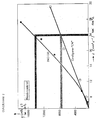
- the dynamic viscosity ⁇ is measurable up to a content of cooligomers CM of 35% by weight in ester oil (trimethyladipic acid octyldecyl ester) regardless of Shear rate as shown in diagram 1 (measurement according to DIN 51 382 or ASTM-D 3945).
- the low-temperature behavior of the synthetic oil according to the invention was determined in the "Cold Cranking Simulator" according to ASTM D 2602 and with a mixture of ester oil and polyalphaolefin (PAO 100: 1-decene oligomer with kinematic viscosity approx. 100 mm2 s ⁇ 1 at 100 degrees C) compared.
- PAO 100 1-decene oligomer with kinematic viscosity approx. 100 mm2 s ⁇ 1 at 100 degrees C
- the dynamic viscosity ⁇ at -25 degrees C of the synthetic oil according to the invention is approximately 45% lower than that of a comparable synthetic oil consisting of ester oil and PAO 100 (diagram 2).
Landscapes
- Chemical & Material Sciences (AREA)
- Chemical Kinetics & Catalysis (AREA)
- General Chemical & Material Sciences (AREA)
- Oil, Petroleum & Natural Gas (AREA)
- Organic Chemistry (AREA)
- Health & Medical Sciences (AREA)
- Emergency Medicine (AREA)
- Lubricants (AREA)
Abstract
Die Erfindung betrifft ein Verfahren zur Schmierung von Maschinenbauteilen, insbesondere von Verbrennungsmotoren, wobei Syntheseöle eingesetzt werden, enthaltend neben den an sich üblichen Bestandteilen, wie beispielsweise Polyalphaolefine und/oder organische Ester, 5 bis 50 Gew.-Teile Cooligomere CM aufgebaut aus A) 5 bis 50 Gew.-% mindestens eines 1-Alkens mit 8 bis 14 Kohlenstoffatomen im Molekül und B) 50 bis 95 Gew.-% mindestens eines (Meth)acrylsäureesters der Formel I: <IMAGE> worin R1 für Wasserstoff oder Methyl und R2 für einen gegebenenfalls verzweigten Alkylrest oder Cycloalkylrest mit 4 bis 22 Kohlenstoffatomen im Esterrest steht, mit der Maßgabe, daß die Syntheseöle im Temperaturbereich zwischen 20 und 200 Grad C und bei Schergefällen von bis zu 10<7> s<->¹ ein streng Newton'sches Viskositätsverhalten aufweisen. Zur Erhöhung der Dispergierwirksamkeit der Syntheseöle können die Cooligomeren CM als zusätzliche Monomerkomponente C) mindestens einen (Meth)acrylsäureester mit mindestens einer Hydroxylgruppe im Esterrest bzw. Ethylenoxid-Sequenzen im Esterrest enthalten.
Description
- Die Erfindung betrifft ein Verfahren zur Schmierung von Maschinenbauteilen, wobei Syntheseöle mit besonderen Eigenschaften eingesetzt werden, die teilweise aus Cooligomeren, bestehend aus 1-Alkenen und (Meth)acrylsäureestern, aufgebaut sind.
- Die immer höher werdenden Anforderungen an Schmiermittel in Maschinen, wie beispielsweise geeignete Viskositätsbereiche, hohe Scherstabilitäten oder Oxidationsstabilitäten, haben zur Entwicklung von synthetischen Schmiermitteln (Syntheseölen) geführt (vgl. hierzu z.B. Kirk-Othmer, Encyclopedia of Chemical Technology, Vol. 14, Seiten 477 bis 526, J. Wiley, 1981). O.g. Syntheseöle finden auch als hydraulische Flüssigkeiten (Druckübertragungsflüssigkeiten) Anwendung. Im allgemeinen weisen Syntheseöle gegenüber Mineralölen beispielsweise folgende Vorteile auf: hohe Temperaturstabilität, Langlebigkeit, gutes Tieftemperatur-Fließverhalten, hoher Viskositäts-Index (VI), geringer Reibungsverlust, geringe Flüchtigkeit (vgl. hierzu Kirk-Othmer, Vol. 12, Seiten 712 bis 733, J. Wiley, 1980). Die gebräuchlichen Syntheseöle gehören verschiedenen Substanzklassen an, neben Polyethern, Estern (von ein- und mehrbasischen Carbonsäuren mit ein- und mehrbasischen Alkoholen), Phosphorsäure- und Phosphonsäureester, Silikonen, Silikatestern, Polyhalogenkohlenwasserstoffen und fluorierten Estern sind dies Polyolefine und Alkylaromaten.
Von besonderer Bedeutung sind Polymerisate mit verschiedenen Anteilen an α-Olefinen, insbesondere α-Olefine mit 8 bis 12 Kohlenstoffatomen, die beispielsweise mittels Ziegler-Natta-Katalyse oder ionischer Polymerisation hergestellt werden können, wegen ihrer guten VI- und Stockpunkt-Werte. Gemische derartiger α-Olefinpolymere, insbesondere α-Olefinoligomere, mit Esterölen weisen eine im Vergleich zu den reinen Komponenten bessere Mischbarkeit mit polaren Additiven auf. Weiterhin sind Cooligomere bzw. Copolymere von α-Olefinen mit (Meth)acrylsäureestern als Mineralöladditive auf das Interesse der Technik gestoßen. Durch das copolymerisierte α-Olefin wird die thermische Stabilität der Additive im Vergleich zu den reinen Polymethacrylat-Polymeren stark verbessert.
US 4 419 106 beschreibt Ölzubereitungen, die ein Kohlenwasserstofföl und einen Anteil an einem Pour Point Depressant (Stockpunktverbesserer) bestehend aus einem Copolymerisat aus etwa 10 bis 90 Gew.-% Alkylacrylateinheiten enthaltend 8 bis 20 Kohlenstoffatome im Alkylrest und 90 bis 10 Gew.-% α-Olefineinheiten mit 12 bis 40 Kohlenstoffatomen mit einem mittleren Molekulargewicht
Oligomere VI-Verbesserer bestehend aus drei Monomergruppen werden in US 3 968 148 bzw. DE-A 22 43 064 beschrieben. Sie bestehen aus etwa 10 bis 90 Gew.-% eines 1-Alkens mit 4 bis 32 Kohlenstoffatomen, etwa 1 bis 35 Gew.-% eines oder mehrerer Alkyl(meth)acrylsäureester mit 8 bis 34 Kohlenstoffatomen im Alkylrest und etwa 1 bis 35 Gew.-% eines oder mehrerer Alkylester der (Meth)acrylsäure oder homologer, endständig ungesättigter Carbonsäuren mit 1 bis 4 Kohlenstoffatomen im Alkylrest. Das Molekulargewicht derartiger Oligomerer liegt bevorzugt bei Mn = 10³ bis 4 x 10³ Dalton, wobei der erreichte enge Molekulargewichtsbereich und die hohe Einheitlichkeit der Produkte betont wird.
In US 4 009 195 wird ein Oligomerisierungsverfahren beschrieben, bei dem C1- bis C4-Alkylester der (Meth)acrylsäure in Anteilen von 1 bis 35 Gew.-% neben (Meth)acrylsäureestern von C8- bis C34-Alkanolen in Anteilen von 1 bis 45 Gew.-% kontinuierlich und gleichzeitig zu einem Gemisch von Polymerisationsinitiatoren und 10 bis 90 Gew.-% eines 1-Alkens mit 4 bis 32 Kohlenstoffatomen derart zugesetzt werden, daß das im wesentlichen sofort eintretende molare Verhältnis von Säurederivaten zu 1-Alken im Reaktionsansatz relativ konstant im Bereich zwischen 10⁻³ und 0,2 gehalten wird, wobei der Zusatz bei einer Temperatur erfolgt, welche die Oligomerisation nicht beeinträchtigt.
US 3 994 958, die aus derselben Prioritätsanmeldung wie US 4 009 195 hervorgegangen ist, beschreibt Oligomere gemäß US 4 009 195, die mit Alkylendiaminen zur Reaktion gebracht werden, um zu dispergierwirksamen VI-Verbesserern zu kommen.
Weiter werden in DE-A 32 23 694 Copolymerisate aus α,β-ungesättigten Dicarbonsäureestern mit α-Olefinen beansprucht. Dabei enthalten die α,β-ungesättigten Dicarbonsäureester definitionsgemäß als Alkoholkomponente geradkettige oder verzweigte Monoalkohole mit 3 bis 10 Kohlenstoffatomen und die α-Olefine weisen 10 bis 16 Kohlenstoffatome auf. Gegebenenfalls sind die Copolymerisate vernetzt, wobei ihr Pour Point zwischen 0 und -60 Grad C liegen soll.
DE-A 32 45 298 beschreibt Copolymerisate mit Isocyanat-Gruppen im Molekulargewichtsbereich von 500 bis 10⁴ Dalton, die durch Lösungspolymerisation von C1- bis C20-Alkylestern der (Meth)acrylsäure,α-Olefinen mit 1-Alkenylisocyanaten hergestellt werden können.
In US 4 526 950 wird ein Herstellungsverfahren für Copolymerisate beschrieben, bei dem ausgehend von mindestens einem -Olefin mit mindestens 6 Kohlenstoffatomen und mindestens einer ungesättigten Carbonsäure bzw. deren Derivate, die mit den α-Olefinen copolymerisierbar sind, in Gegenwart eines radikalischen Polymerisationsinitiators die Mischung aus den Komponenten in Abwesenheit von Lösungs- oder Verdünnungsmitteln auf mindestens 135 Grad C erhitzt wird, wobei keines der reaktiven Monomeren im Überschuß zur Anwendung kommt, um eine Verdünnungswirkung zu vermeiden.
Weiter werden in US-A 1 135 752 Copolymerisate aus Decylmethacrylat und 1-Tetradecen mit einem Molekulargewicht zwischen 8 000 und 13 000 Dalton als Schmierölverdicker beansprucht.
Aus EP-A 217 602 sind Öladditive auf Basis von Ethylencopolymerisaten beispielsweise mit ethylenisch ungesättigten Mono- oder Dicarbonsäuren bzw. deren Estern bekannt, die ein Molekulargewicht Mn < 1 000 Dalton besitzen. - In US 4 956 122 werden Schmierölzusammensetzungen beschrieben, die aus Polyalphaolefinen (PAO), synthetischen Kohlenwasserstoffen, Estern von Carbonsäuren und ggfs. weiteren Additiven bestehen. Die Mischungen weisen eine gute Scherstabilität, gute Oxidationsstabilität sowie gutes Viskositäts-Temperatur-Verhalten auf und können als Getriebeöl-, Motorenöl- und Hydrauliköl-Formulierungen verwendet werden.
DE-A 40 25 494 beschreibt Syntheseöle enthaltend neben den üblichen Bestandteilen 5 bis 100 Gew.-% Cooligomere, die aus 0 bis 75 Gew.-% mindestens eines 1-Alkens mit 4 bis 32 Kohlenstoffatomen im Molekül, 20 bis 100 Gew.-% eines Alkyl(meth)acrylats mit einem unverzweigten und/oder verzweigten Alkylrest oder einen Cycloalkylrest mit 4 bis 32 Kohlenstoffatomen und 0 bis 65 Gew.-% eines (Meth)acrylsäureesters mit hydroxylgruppenhaltigem oder ethergruppenhaltigem Esterrest aufgebaut sind. Ein Verfahren zur Herstellung dieser Cooligomere wird in DE-A 40 25 493 beschrieben. - Wie im vorstehenden Stand der Technik ausgeführt, werden (Meth)acrylat/α-Olefin-Oligomere bevorzugt als Mineralöl-Additive eingesetzt, wobei bisher kein technologischer Zusammenhang mit sogenannten "Syntheseölen" bestand. Syntheseöle des Standes der Technik sind gewöhnlich aus Kohlenwasserstoffen, wie z.B. Oligomeren von 1-Decen, und/oder Estern, beispielsweise Dicarbonsäureestern, aufgebaut (vgl. hierzu z.B. Ullmanns Encyclopädie der Technischen Chemie, 4. Aufl., Bd. 20, Seiten 503 bis 530, Verlag Chemie, 1981).
- Beide oben genannten Substanzklassen weisen jedoch Nachteile auf. Die Polyolefine zeigen aufgrund ihrer unpolaren Struktur eine zu geringe Löslichkeit, wenn sie zusammen mit polaren Komponenten, wie beispielsweise Metall-haltige DI-Pakete (Detergen inhibitors), EP-Additive (Extreme pressure) und AW-Additive (Anti wear), eingesetzt werden sollen.
Die Ester weisen aufgrund ihrer polaren Struktur bekanntermaßen gravierende Nachteile auf, wie beispielsweise mangelnde Mischbarkeit mit Mineralölen und nicht mineralölbasischen unpolaren Grundölen sowie schlechte Dichtungsverträglichkeit. Darüber hinaus ist die Esterfunktion hydrolyseempfindlich, mit dem möglichen Ergebnis, daß die Korrosion von Metallteilen gefördert wird. Die bisherigen Versuche, die genannten Nachteile durch Abmischungen von Kohlenwasserstoffen mit Estern zu kompensieren, waren immer mit beträchtlichem Entwicklungsaufwand verbunden.
Die in DE-A 40 25 494 beschriebenen Cooligomeren sind Syntheseölbestandteilen des Standes der Technik vergleichbar in Bezug auf Kenndaten wie Viskositäten, VI-Index, Tieftemperatur-Verhalten, Verdampfungs- und Oxidationsstabilität und weitere praxisrelevante Eigenschaften.
Gegenüber dem vorher beschriebenen Stand der Technik weisen sie jedoch folgende Vorteile auf. Aufgrund der Kombination von polaren mit unpolaren Monomeren gibt es keine Mischbarkeitsprobleme mit Mineralölen, Poly-α-olefinen (PAO), Estern oder anderen Grundflüssigkeiten sowie keine Löslichkeitsprobleme mit Additiven. Syntheseöl-Aufmischungen der o.g. Cooligomeren, beispielsweise mit Polyolefinen und/oder Estern, weisen einen deutlich gegenüber den Einzelkomponenten erhöhten VI-Index und deutlich niedrigere Tieftemperatur-Viskositäten, als es z.B. mit synthetischen Kohlenwasserstoffen möglich ist, auf. Das hat zur Konsequenz, daß die Kenndaten für die verschiedenen Mineralölspezifikationen ohne oder mit einem geringeren Anteil an hochmolekularen VI-Verbesserern erreichbar sind, wodurch sich Vorteile bei der Scherstabilität ergeben. Weiterhin wird die Gefahr der Bildung von Ablagerungen verringert.
Es wurde nun gefunden, daß die in DE-A 40 25 494 allgemein beschriebenen Cooligomeren für ganz bestimmte Verhältnisse der Comonomeranteile A): 1-Alken mit 8 bis 14 Kohlenstoffatomen im Molekül und B): (Meth)acrylsäureester mit 4 bis 22 Kohlenstoffatomen im Esterrest in Abmischungen mit üblichen Syntheseölbestandteilen über die in DE-A 40 25 494 dargestellten Vorteile hinaus solchermaßen scherstabil sind, daß die Syntheseölformulierungen bei Schergefällen bis zu 10⁷ s⁻¹ und im Temperaturbereich zwischen 20 und 200 Grad C streng Newton'sches Fließverhalten aufweisen.
Die vorliegende Erfindung betrifft Syntheseöle, enthaltend neben den üblichen Bestandteilen 5 bis 40 Gew.-Teile Cooligomere CM, aufgebaut aus: - A) 5 bis 50 Gew.-% mindestens eines 1-Alkens mit 8 bis 14 Kohlenstoffatomen im Molekül und
- B) 50 bis 95 Gew.-% mindestens eines (Meth)acrylsäureesters der Formel I

- Diese Syntheseöle weisen im Temperaturbereich zwischen 20 und 200 Grad C und bei Schergefällen von bis zu 10⁷ s⁻¹ ein streng Newton'sches Viskositätsverhalten auf, d.h. die Viskosität bleibt bei Schergefällen zwischen 10 und 10⁷ s⁻¹ konstant. Gegebenenfalls können die Cooligomeren CM in Anteilen von 0 bis 50 Gew.-% weitere (Meth)acrylsäureester der Formel II:

enthalten, worin R₃ für Wasserstoff oder Methyl und R₄ für einen mit mindestens einer Hydroxylgruppe substituierten Alkylrest mit 2 bis 6 Kohlenstoffatomen oder für einen Rest der Formel III steht:
worin R₅ und R₆ für Wasserstoff oder Methyl, R₇ für Wasserstoff oder für einen gegebenenfalls verzweigten Alkylrest mit 1 bis 40, vorzugsweise 1 bis 20 Kohlenstoffatomen und n für eine ganze Zahl von 1 bis 60 steht, mit der Maßgabe, daß, wenn n für 1 steht, R₇ gleichzeitig ausschließlich für einen gegebenenfalls verzweigten Alkylrest mit 1 bis 40 Kohlenstoffatomen steht. - Die mittleren Molekulargewichte Mw (Gewichtsmittel) der erfindungsgemäßen Cooligomeren CM liegen im Molekulargewichtsbereich von 10³ bis 5 x 10⁴ Dalton, vorzugsweise zwischen 1,5 x 10³ und 2,5 x 10⁴ Dalton, besonders vorzugsweise zwischen 1,5 x 10³ und 2 x 10⁴ Dalton, (Bestimmung von Mw durch Gelpermeationschromatographie, vgl. H.F. Mark et. al., Encyclopedia of Polymer Science and Technology. Vol. 10, Seiten 1 bis 19, J. Wiley, 1987). Die Bestandteile A), B) und gegebenenfalls C) in den Cooligomeren CM sollen sich zu 100 Gew.-% ergänzen.
Beispielhaft für Vertreter der Komponente A) seien etwa genannt:
Octen-1, Nonen-1, Decen-1, Undecen-1, Dodecen-1, Tridecen-1, Tetradecen-1, oder verzweigt-kettige Alkene wie Vinylcyclohexan, 3,3-Trimethyl-penten-1, 4,4,5,5-Tetramethyl-hexen-1 oder dergleichen.
Ferner eignen sich 1-Alkene mit 10 bis 14 Kohlenstoffatomen, die bei der Polymerisation von Ethylen, Propylen oder Mischungen davon anfallen, wobei diese Edukte ihrerseits aus hydrogecrackten Materialien gewonnen werden.
Besonders bevorzugt ist die Ausführungsart, bei der die Komponente A) der Cooligomeren CM für 1-Decen, 1-Dodecen oder für 1-Tetradecen steht. Ganz besonders bevorzugt ist 1-Decen, bei dessen Verwendung das beste Tieftemperaturverhalten (Stockpunkt) festzustellen ist.
Die Komponente B) kann beispielsweise aus folgenden Monomeren bestehen:
Butylacrylat, 2-Ethylhexylacrylat, Cyclohexylacrylat, Hexylacrylat, Heptylacrylat, Octylacrylat, Nonylacrylat, Decylacrylat, Isodecylacrylat, Undecylacrylat, Dodecylacrylat, Tridecylacrylat, Tetradecylacrylat, Pentadecylacrylat, Hexadecylacrylat, Heptadecylacrylat, Octadecylacrylat, Oleylacrylat, Nonadecylacrylat, Eicosylacrylat bzw. die entsprechenden Methacrylate. Hervorgehoben seien Alkylmethacrylate mit 10 bis 22 Kohlenstoffatomen im Alkylrest mit einem höheren Iso-Anteil. Erwähnt seien beispielsweise C12- bis C15-Alkylester der Methacrylsäure mit ca. 60 bis 90 % Iso-Anteil sowie Isodecylmethacrylat, wobei sich ein hoher Verzweigungsgrad günstig auf das Tieftemperaturverhalten der Cooligomeren CM inclusive des Stockpunkts auswirkt und eine gewisse Verteilung der Kohlenstoffatom-Zahl das Viskositäts-Temperatur-Verhalten verbessert.
Beispielhaft für Vertreter der im Cooligomer C ggfs. enthaltenen Komponente C seien einmal diejenigen mit einer OH-Gruppe im Alkylrest, insbesondere mit solcher in - Stellung des Alkylrestes, genannt, z.B. das 2-Hydroxyethylmethacrylat und das -acrylat, das 3-Hydroxypropylmethacrylat und -acrylat, weiter das 2-Hydroxypropylmethacrylat und -acrylat, die Gemische von 2- und 3-Hydroxypropylmethacrylaten und -acrylaten, oder das 4-Hydroxybutylmethacrylat und das -acrylat. - Als weitere Vertreter der Komponente C, in denen R₄ für einen mehrfach alkoxylierten, insbesondere ethoxylierten Rest steht, werden verwendet beispielsweise 2-(2-Ethoxyethoxy)ethyl-methacrylat und -acrylat oder (Meth)acrylsäureester von Alkoholen aus ethoxylierten C₁- bis C₁₈-Fettalkoholgemischen mit mittleren Ethoxylierungsgraden von 1 bis 60, z.B. mit einem mittleren Ethoxylierungsgrad 11 bzw. 25, ausgehend von entsprechenden industriellen Produkten, wie z.B. Carbowax ®- und Marlipal ®-Typen, so z.B. die Methacrylsäureester von Carbowax ® 550, Marlipal ® 1618/11, Marlipal ® 1618/25, Marlipal ® 013/200, Carbowax ® 2000 und Carbowax ® 750.
- Die Cooligomeren CM lassen sich unter bestimmten Voraussetzungen durch radikalinduzierte Polymerisation herstellen, beispielsweise durch thermische Polymerisation oder durch Zugabe eines geeigneten Initiators bzw. eines Redoxsystems. Die Polymerisation kann sowohl in Abwesenheit als auch in Anwesenheit geeigneter Lösungsmittel erfolgen. Es können demnach alle herkömmlichen als Polymerisationsmedien ausgewiesenen Lösungsmittel verwendet werden, sowie auch Mineralöle, Poly-α-olefine (PAO), Esteröle oder bereits hergestelltes Oligomer. Dabei kann beispielsweise das 1-Alken (Komponente A)) in einem geeigneten Reaktionsgefäß vorgegeben und auf eine geeignete Reaktionstemperatur gebracht werden. Im allgemeinen kann ein Temperaturbereich von 80 bis 200 Grad C, insbesondere von 120 bis 180 Grad C, als zweckmäßiger Bereich gelten. Dazu gibt man im gleichen Temperaturbereich, vorzugsweise im Zulauf über einen gewissen Zeitraum, beispielsweise 0,25 bis 10 Stunden, die Komponente B) bzw. gegebenenfalls die Komponenten B) + C) in den dafür vorgesehenen Anteilen zu. Zweckmäßig läßt man noch einige Zeit, in der Regel einige Stunden - als Anhalt seien 6 Stunden genannt - im Batch auspolymerisieren. Als vorteilhaft hat es sich erwiesen, den Polymerisationsinitiator während der gesamten Reaktion zuzusetzen, z.B. portionsweise in etwa dreißigminütigen Abständen oder auch kontinuierlich nach Art eines Zulaufverfahrens. Als Initiatoren kommen an sich bekannte Radikalstarter infrage (vgl. hierzu Kirk-Othmer, Encyclopedia of Chemical Technology, 3rd. Ed. Vol. 12, Seiten 355 bis 373, J. Wiley, 1981). Die insgesamt verwendeten Initiatormengen liegen in der Regel im Bereich 0,1 bis 10 Gew.-%, bevorzugt im Bereich 0,1 bis 5 Gew.-% bezogen auf die Gesamtheit der Monomeren. Zweckmäßig werden Initatoren gewählt, deren Zerfallcharakteristika den Polymerisationsmodalitäten angepaßt sind. Als Richtwert sei eine Halbwertszeit des Initiators (in Benzol) bei der Reaktionstemperatur von etwa 0,25 Stunden genannt. Dazu gehören beispielsweise peroxidische Initiatoren, wie etwa Di-tert.-Butylperoxid. Als Anhalt sei wiederum die Zugabe von 10⁻³ bis 5 x 10⁻³ mol Initiator pro Portion bei portionsweiser Zugabe angegeben. Als Folge tritt eine weitgehende Umsetzung der Monomeren, beispielsweise um 98 %, ein, so daß sich in vielen Fällen eine Abtrennung der Monomeren erübrigt. Sind die Anforderungen, z.B. an den Flammpunkt, hoch, muß das Restmonomere entfernt werden.
Die Oligomeren CM stellen im allgemeinen farblose, ölige Flüssigkeiten dar, die sich vollständig mit Mineralölen, PAO und Esterölen mischen. - Für die weiteren Bestandteile der erfindungsgemäßen Syntheseöle kommen beispielsweise die in Kirk-Othmer, Encyclopedia of Chemical Technology, 3rd. Ed. Vol. 14, Seiten 496 bis 501 (J. Wiley, 1981) beschriebenen infrage.
- Von der Technik bevorzugt sind insbesondere Polyalphaolefine (PAO) sowie organische Ester (OE), wie Dicarbonsäure- und Polyolester (vgl. E.I. Williamson, J. Synth. Lubr. 2(4), Seiten 329 bis 341; 3(1), Seiten 45 bis 53 (1987); A. Plagge, Tribologie und Schmierungstechnik 34, Seiten 148 bis 156 (1987); Ullmann, 4. Aufl., Bd. 20., loc.cit, Seiten 514 bis 821).
Ausgangsmaterialien für die PAO sind primär Crack-Olefine, vorwiegend mit einem Siedepunkt zwischen 30 und 300 Grad C. Die PAO entsprechen in der Regel der allgemeinen Formel IV:
worin R für einen Alkylrest, insbesondere mit 6 bis 10 Kohlenstoffatomen steht, bei einem mittleren Molekulargewicht von gewöhnlich 3 x 10² bis 6 x 10³ Dalton. Als organische Ester (OE) seien einerseits die Ester von Dicarbonsäuren mit 3 bis 17 Kohlenstoffatomen, wie beispielsweise der Adipinsäure, Azelainsäure oder der Sebacinsäure mit primären Alkoholen genannt, wobei als wichtigste Alkoholkomponenten in diesem Fall Polyalkylenglykole zu nennen sind, andererseits die Monocarbonsäureester, insbesondere die Ester von C6- bis C22-Carbonsäuren mit insbesondere verzweigten Alkoholen, speziell solchen mit einem Neopentyl-Gerüst wie Neopentylalkohol, Trimethylolpropan oder Pentaerythrit. Die OE-Öle weisen eine hohe Adsorptionsfähigkeit auf Metalloberflächen und damit gutes Schmiervermögen auf, allerdings um den Preis relativer Empfindlichkeit gegenüber (hydrolytischem) Abbau, so daß korrosive Abbauprodukte auftreten können. OE, die als Syntheseölbestandteile Verwendung finden, weisen typischerweise bei 100 Grad C kinematische Viskositäten von 2 bis 500, vorzugsweise zwischen 2 und 20 mm² s⁻¹ auf. - Die erfindungsgemäßen Cooligomeren weisen aufgrund der Kombination von polaren mit unpolaren Monomeren eine ausgezeichnete Mischbarkeit mit Mineralölen, Polyalphaolefinen (PAO), organischen Estern (OE) oder anderen Grundflüssigkeiten sowie eine gute Verträglichkeit (Mischbarkeit) mit weiteren Öladditiven auf.
Das Dichtungsverhalten ist absolut neutral. Elastomere, wie beispielsweise Fluor-, Acrylat- oder Nitril-Butadien-Kautschuke, werden nicht angegriffen. Korrosion aufgrund Säurebildung kann bei den (Meth)acrylsäureester-Comonomeren ebenfalls ausgeschlossen werden.
Syntheseölaufmischungen der Cooligomeren CM, beispielsweise mit PAO und/oder OE, weisen einen gegenüber den Einzelkomponenten deutlich erhöhten VI-Index auf, was auf den Einfluß der Cooligomeren zurückzuführen ist. Desweiteren bewirkt die Cooligomer-Komponente deutlich niedrige Tieftemperatur-Viskositäten als sie beispielsweise mit synthetischen Kohlenwasserstoffen möglich sind. Das Verhalten bei starker thermo-oxidativer Belastung ist trotz der teilweise vorhandenen Rest-Doppelbindungen ausgezeichnet.
Die Cooligomer-haltigen Formulierungen weisen ein gutes Demulgierverhalten auf, auch nach starker thermooxidativer Belastung. Das Luftabscheidevermögen o.g. Formulierungen ist dem reiner Poly(meth)acrylsäurealkylester deutlich überlegen.
Cooligomere CM, die gemäß Anspruch 2 eine weitere Comonomer-Komponente C aufweisen, besitzen eine gute Dispergierwirkung beispielsweise für Schwarzschlamm, wobei aufgrund der sauerstoffhaltigen dispergierenden Gruppe
Dichtungsprobleme vermieden werden und keine Einbußen in der Scherstabilität der Aufmischungen auftreten, wie dies beispielsweise bei der Verwendung von hochmolekularen VI-Verbesserern der Fall ist. Dies hat zur Konsequenz, daß die Kenndaten für verschiedene Mineralölspezifikationen ohne oder mit einem deutlich geringeren Anteil an hochmolekularen VI-Verbesserern erreichbar sind. Unter hochmolekularen VI-Verbesserern sind insbesondere Polymerisate zu verstehen, wie sie beispielsweise im Stand der Technik beschrieben werden und die im allgemeinen mittlere Molekulargewichte Mw von über 3 x 10⁴, vorzugsweise von über 5 x 10⁴ Dalton besitzen. Damit wird die Möglichkeit von Ablagerungen im Schmierbereich deutlich reduziert, was insbesondere bei der Schmierung von Verbrennungsmaschinen von großem Vorteil ist.
Überraschenderweise weisen Syntheseöle, die die erfindungsgemäßen Cooligomeren CM enthalten in Temperaturbereichen zwischen 20 und 200 Grad C und in Schergefällen von bis zu 10⁷ s⁻¹ ein streng Newton'sches Viskositätsverhalten auf. Die VI-Indices der Abmischungen liegen sehr hoch, bevorzugt über 150 (errechnet aus den kinematischen Viskositäten bei 40 und 100 Grad C) und besonders bevorzugt über 180. Damit können erfindungsgemäße Syntheseöle eingesetzt werden als: - * hoch belastbare Mehrbereichs-Motorenöle
- * Getriebeöle, die ausgesprochen gute Scherstabilität, gutes Demulgierverhalten, gutes Synchronisationsverhalten und gutes Luftabscheidevermögen aufweisen
- * Hydrauliköle mit guter Kraftübertragung (= geringer Kompressibilität), neutralem Dichtungsverhalten, äußerst geringer Korrosivität und großem Temperaturbereich in der Anwendung.
- Die folgenden Beispiele dienen zur Erläuterung der Erfindung.
Die physikalischen Daten wurden anhand folgender Normen ermittelt (vgl. hierzu z.B. Kirk-Othmer, loc.cit., Vol. 14, Seiten 477 bis 526): - Kinematische Viskosität :
- im Ubbelohde-Viskosimeter nach DIN 51 562 bzw. ASTM D 445
- VI-Index:
- Errechnet nach ASTM D 2270 aus der kinematischen Viskosität des Grundöls bei 40 und 100 Grad C.
- Stockpunkt:
- nach DIN 51 583; ASTM D97
- mittleres Molekulargewicht Mw :
- durch Gelpermeationschromatographie (PMMA als Standard)
- Uneinheitlichkeit U :
- = Mw/Mn -1
- Bromzahl:
- nach DIN 51 774
- Noack-Zahl:
- nach DIN 51 581
- 200 g 1-Decen werden im Reaktionsgefäß auf 140 Grad C erhitzt. Ein Gemisch aus 400 g Isodecylmethacrylat und 400 g C12-C15-Alkylmethacrylat mit 60 % Iso-Anteil wird während 5 Stunden zulaufen gelassen. Nach Ende des Zulaufs wird noch 6 Stunden im Batch auspolymerisiert. Während der gesamten Reaktionszeit von 11 Stunden wird mit Ausnahme der letzten Stunde Initiator in Form eines zweiten Zulaufs zugegeben (hier z.B. tert.-Butylperbenzoat o.a., Gesamtmenge 2,2 Gew.-% bezogen auf die Monomeren). Nach Ende der Reaktion liegt der Umsatz der Monomeren bei ca. 98 %.
Das Produkt ist eine farblose, ölige Flüssigkeit, die vollständig mit Mineralölen, Polyolefinen oder Esterölen mischbar ist.
Mw = 2,5 x 10⁴ Dalton, U = 3,74, Stockpunkt ASTM D97: -18 Grad C, Noack-Zahl: < 5 Gew.-%. - Die dynamische Viskosität η ist bis zu einem Gehalt an Cooligomeren CM von 35 Gew.-% in Esteröl (Trimethyladipinsäureoctyldecylester) meßbar unabhängig vom Schergefälle , wie in Diagramm 1 ersichtlich (Messung nach DIN 51 382 bzw. nach ASTM-D 3945).
- Das Tieftemperaturverhalten des erfindungsgemäßen Syntheseöls wurde im "Cold-Cranking-Simulator" nach ASTM D 2602 bestimmt und mit einem Gemisch aus Esteröl und Polyalphaolefin (PAO 100 : 1-Decen-Oligomer mit kinemat. Viskosität ca. 100 mm² s⁻¹ bei 100 Grad C) verglichen. Bei gleicher kinematischer Viskosität ν bei 100 Grad C liegt die dynamische Viskosität η bei -25 Grad C des erfindungsgemäßen Syntheseöls um etwa 45 % unter der eines vergleichbaren Syntheseöls bestehend aus Esteröl und PAO 100 (Diagramm 2).
- Zur Überprüfung der Eignung des Cooligomers CM als Syntheseölbestandteil für Motorenöle wurden unter Beachtung der VW-Spezifikation VW Tl 505.00 HT/HS ≧ 3,5 mm² s⁻¹ bei 150 Grad C und einer Scherrate γ̇ = 10⁶ s⁻¹ verschiedene SAE-Klassen eingestellt, wobei hier die Vorteile durch das newtonsche Verhalten voll zum Tragen kommen. Tabelle 1 zeigt eine Eigenschaftsübersicht und einen Vergleich mit einem kommerziellen Produkt:

- Aufgrund der hohen Viskosität des Cooligomers CM können für die erfindungsgemäßen Syntheseöle problemlos die höchsten ISO VG-Klassen eingestellt werden. Selbst die hochviskosen Formulierungen besitzen gute Tieftemperatur-Viskositäts-Eigenschaften. Tabelle 2 zeigt dies für Formulierungen Esteröl mit Cooligomer CM:
TABELLE 2 ISO-VG-Klasse Anteilen im Esteröl (Gew.-%) Kinemat (mm² s⁻¹) 100°C Viskosität bei 40°C 0°C -20°C VI Stockpunkt [°C] ISO22 8 5.30 21.7 640 193 -66 ISO46 22 9.96 47.4 1,755 204 -63 ISO100 35 17.86 99.4 4,750 199 -57 ISO150 42 24.60 152.9 8,900 194 -54 ISO220 48 32.50 221.1 14,800 192 -51 ISO320 55 45.20 344.3 3,260 190 -48 ISO460 60 56.75 471.4 6,730 189 -51 ISO680 65 72.64 660.0 10,790 189 -45 ISO1000 71 94.00 945.0 16,181 189 -39 ISO1500 76 127.80 1460.0 25,134 190 -36
Claims (4)
- Verfahren zur Schmierung von Maschinenbauteilen,
dadurch gekennzeichnet,
daß Syntheseöle enthaltend neben den an sich üblichen Bestandteilen 5 bis 50 Gew.-Teile Cooligomere CM aus Alkyl(meth)acrylaten und 1-Alkenen eingesetzt werden, wobei die Cooligomeren CM aufgebaut sind ausA) 5 bis 50 Gew.-% mindestens eines 1-Alkens mit 8 bis 14 Kohlenstoffatomen im Molekül undB) 50 bis 95 Gew.-% mindestens eines (Meth)acrylsäureesters der Formel I:
- Verfahren zur Schmierung von Maschinenbauteilen gemäß Anspruch 1, dadurch gekennzeichnet, daß die Cooligomeren CM neben den Monomer-Komponenten A) und B)C ) 0 bis 50 Gew.-% mindestens eines (Meth)acrylsäureesters der Formel IIenthalten, worin R₃ für Wasserstoff oder Methyl und R für einen mit mindestens einer Hydroxylgruppe substituierten Alkylrest mit 2 bis 6 Kohlenstoffatomen oder für einen Rest der Formel III steht:


- Verfahren zur Schmierung von Maschinenbauteilen gemäß den Ansprüchen 1 und 2, dadurch gekennzeichnet,
daß die Maschinenbauteile ausgewählt sind aus der Gruppe der Verbrennungsmotoren, der Schaltgetriebe oder der Hydraulikbauteile. - Verfahren zur Schmierung von Maschinenbauteilen gemäß Anspruch 5, dadurch gekennzeichnet, daß die Maschinenbauteile ausgewählt sind aus der Gruppe der Dieselverbrennungsmotoren.
Applications Claiming Priority (2)
| Application Number | Priority Date | Filing Date | Title |
|---|---|---|---|
| DE4212569 | 1992-04-15 | ||
| DE4212569A DE4212569A1 (de) | 1992-04-15 | 1992-04-15 | Syntheseöle enthaltend Cooligomere, bestehend aus 1-Alkenen und (Meth)acrylsäureestern |
Publications (1)
| Publication Number | Publication Date |
|---|---|
| EP0566048A1 true EP0566048A1 (de) | 1993-10-20 |
Family
ID=6456853
Family Applications (1)
| Application Number | Title | Priority Date | Filing Date |
|---|---|---|---|
| EP93105894A Withdrawn EP0566048A1 (de) | 1992-04-15 | 1993-04-09 | Syntheseöle enthaltende Cooligomere, bestehend aus I-Alkenen und (Meth)-acrylsäureestern |
Country Status (3)
| Country | Link |
|---|---|
| EP (1) | EP0566048A1 (de) |
| JP (1) | JPH0641562A (de) |
| DE (1) | DE4212569A1 (de) |
Cited By (7)
| Publication number | Priority date | Publication date | Assignee | Title |
|---|---|---|---|---|
| EP0697457A1 (de) * | 1994-08-03 | 1996-02-21 | Röhm GmbH | Motorenöle mit hohem Dispergiervermögen und gutem Verschleissschutz |
| US6432878B1 (en) | 1999-01-15 | 2002-08-13 | Cognis Corporation | Adjuvant composition |
| WO2014065984A1 (en) * | 2012-10-24 | 2014-05-01 | Exxonmobil Reearch And Engineering Company | High viscosity index lubricating oil base stock viscosity modifier combinations, and lubricating oils derived therefrom |
| EP2855645B1 (de) * | 2012-06-04 | 2019-08-14 | Shell International Research Maatschappij B.V. | Schmierölzusammensetzung |
| WO2020099079A1 (en) | 2018-11-13 | 2020-05-22 | Evonik Operations Gmbh | Process for preparing random copolymers |
| WO2020099078A1 (en) | 2018-11-13 | 2020-05-22 | Evonik Operations Gmbh | Random copolymers for use as base oils or lubricant additives |
| US11603425B2 (en) | 2020-05-05 | 2023-03-14 | Evonik Operations Gmbh | Hydrogenated linear polydiene copolymers as base stock or lubricant additives for lubricant compositions |
Families Citing this family (1)
| Publication number | Priority date | Publication date | Assignee | Title |
|---|---|---|---|---|
| US7648950B2 (en) * | 2005-04-22 | 2010-01-19 | Rohmax Additives Gmbh | Use of a polyalkylmethacrylate polymer |
Citations (6)
| Publication number | Priority date | Publication date | Assignee | Title |
|---|---|---|---|---|
| FR2162165A1 (de) * | 1971-12-02 | 1973-07-13 | Sumitomo Chemical Co | |
| US4956122A (en) * | 1982-03-10 | 1990-09-11 | Uniroyal Chemical Company, Inc. | Lubricating composition |
| WO1990013620A1 (en) * | 1989-05-01 | 1990-11-15 | Mobil Oil Corporation | Novel vi enhancing compositions and newtonian lube blends |
| WO1991001362A1 (de) * | 1989-07-21 | 1991-02-07 | Henkel Kommanditgesellschaft Auf Aktien | Additiv zur beeinflussung der rheologie von ölen und fetten, seine herstellung und seine verwendung |
| EP0471266A1 (de) * | 1990-08-11 | 1992-02-19 | Röhm Gmbh | Verwendung von Oligomeren bzw. Cooligomeren von (Meth)acrylsäureestern und 1-Alkenen als Syntheseöle |
| EP0418610B1 (de) * | 1989-09-09 | 1994-01-19 | Röhm Gmbh | Dispergierwirksame Viskositäts-Index-Verbesserer |
-
1992
- 1992-04-15 DE DE4212569A patent/DE4212569A1/de not_active Withdrawn
-
1993
- 1993-04-09 EP EP93105894A patent/EP0566048A1/de not_active Withdrawn
- 1993-04-14 JP JP5087210A patent/JPH0641562A/ja active Pending
Patent Citations (6)
| Publication number | Priority date | Publication date | Assignee | Title |
|---|---|---|---|---|
| FR2162165A1 (de) * | 1971-12-02 | 1973-07-13 | Sumitomo Chemical Co | |
| US4956122A (en) * | 1982-03-10 | 1990-09-11 | Uniroyal Chemical Company, Inc. | Lubricating composition |
| WO1990013620A1 (en) * | 1989-05-01 | 1990-11-15 | Mobil Oil Corporation | Novel vi enhancing compositions and newtonian lube blends |
| WO1991001362A1 (de) * | 1989-07-21 | 1991-02-07 | Henkel Kommanditgesellschaft Auf Aktien | Additiv zur beeinflussung der rheologie von ölen und fetten, seine herstellung und seine verwendung |
| EP0418610B1 (de) * | 1989-09-09 | 1994-01-19 | Röhm Gmbh | Dispergierwirksame Viskositäts-Index-Verbesserer |
| EP0471266A1 (de) * | 1990-08-11 | 1992-02-19 | Röhm Gmbh | Verwendung von Oligomeren bzw. Cooligomeren von (Meth)acrylsäureestern und 1-Alkenen als Syntheseöle |
Cited By (10)
| Publication number | Priority date | Publication date | Assignee | Title |
|---|---|---|---|---|
| EP0697457A1 (de) * | 1994-08-03 | 1996-02-21 | Röhm GmbH | Motorenöle mit hohem Dispergiervermögen und gutem Verschleissschutz |
| US6432878B1 (en) | 1999-01-15 | 2002-08-13 | Cognis Corporation | Adjuvant composition |
| EP2855645B1 (de) * | 2012-06-04 | 2019-08-14 | Shell International Research Maatschappij B.V. | Schmierölzusammensetzung |
| WO2014065984A1 (en) * | 2012-10-24 | 2014-05-01 | Exxonmobil Reearch And Engineering Company | High viscosity index lubricating oil base stock viscosity modifier combinations, and lubricating oils derived therefrom |
| WO2020099079A1 (en) | 2018-11-13 | 2020-05-22 | Evonik Operations Gmbh | Process for preparing random copolymers |
| WO2020099078A1 (en) | 2018-11-13 | 2020-05-22 | Evonik Operations Gmbh | Random copolymers for use as base oils or lubricant additives |
| CN113015780A (zh) * | 2018-11-13 | 2021-06-22 | 赢创运营有限公司 | 制备无规共聚物的方法 |
| US11453837B2 (en) | 2018-11-13 | 2022-09-27 | Evonik Operations Gmbh | Random copolymers for use as base oils or lubricant additives |
| CN113015780B (zh) * | 2018-11-13 | 2022-11-04 | 赢创运营有限公司 | 制备无规共聚物的方法 |
| US11603425B2 (en) | 2020-05-05 | 2023-03-14 | Evonik Operations Gmbh | Hydrogenated linear polydiene copolymers as base stock or lubricant additives for lubricant compositions |
Also Published As
| Publication number | Publication date |
|---|---|
| JPH0641562A (ja) | 1994-02-15 |
| DE4212569A1 (de) | 1993-10-21 |
Similar Documents
| Publication | Publication Date | Title |
|---|---|---|
| DE69613990T2 (de) | Flüssigkeiten für automatisches getriebe mit einer verbesserten übertragungsleistung | |
| EP0418610B1 (de) | Dispergierwirksame Viskositäts-Index-Verbesserer | |
| EP0471266B1 (de) | Verwendung von Oligomeren bzw. Cooligomeren von (Meth)acrylsäureestern und 1-Alkenen als Syntheseöle | |
| DE60116204T2 (de) | Schmiermittel mit reibungsverändernden Zusätzen | |
| DE112006003061B4 (de) | Rostschutzmittel für hochparaffinische Grundschmieröle, fertiges Schmiermittel und Herstellungsverfahren dafür sowie dessen Verwendung | |
| DE68912454T2 (de) | Polyetherschmiermittel. | |
| EP0075217B1 (de) | Copolymere aus Alpha-Beta-ungesättigten Dicarbonsäureestern, Verfahren zu deren Herstellung sowie deren Verwendung | |
| EP2526135B1 (de) | (meth)acrylat-polymer zur verbesserung des viskositätsindexes | |
| DE69004282T2 (de) | Die Verwendung einer Zusammensetzung in einer hydraulischen Flüssigkeit für Servolenkung. | |
| DE102006027602A1 (de) | Schmierstoffzusammensetzungen enthaltend Komplexester | |
| DE3029830A1 (de) | Fluessige zusammensetzung fuer zentralsysteme | |
| DE2905954A1 (de) | Schmieroeladditive | |
| DE1963039B2 (de) | Viscositaetsindexverbesserer fuer schmieroele bzw. kraftuebertragungsoele | |
| EP0064236A1 (de) | Polyether, ihre Herstellung und ihre Verwendung als Schmiermittel | |
| EP0744457A2 (de) | Schmierstoffadditive | |
| DE69007995T2 (de) | Schmierölviskositätsadditiv, Verfahren zu seiner Herstellung und dieses enthaltende Schmiermittelzusammensetzungen. | |
| DE2159511A1 (de) | Neue Schmiermittel-Kompositionen | |
| DE1906293B2 (de) | Hydraulische Flüssigkeit für Flugzeuge | |
| EP0607553B1 (de) | Verwendung von Polymethylalkanen als biologisch abbaubare Grundöle in Schmierstoffen und funktionellen Flüssigkeiten | |
| EP0566048A1 (de) | Syntheseöle enthaltende Cooligomere, bestehend aus I-Alkenen und (Meth)-acrylsäureestern | |
| CA2956700A1 (en) | Alkyl capped oil soluble polymer viscosity index improving additives for base oils in automotive applications | |
| DE2017744A1 (de) | Scher- und kältefeste synthetische Schmiermittel | |
| EP0697457B1 (de) | Motorenöle mit hohem Dispergiervermögen und gutem Verschleissschutz | |
| DE4137269A1 (de) | Motorenoele mit hohem dispergiervermoegen | |
| DE69606394T2 (de) | Zweitakt schmieröl |
Legal Events
| Date | Code | Title | Description |
|---|---|---|---|
| PUAI | Public reference made under article 153(3) epc to a published international application that has entered the european phase |
Free format text: ORIGINAL CODE: 0009012 |
|
| AK | Designated contracting states |
Kind code of ref document: A1 Designated state(s): AT BE CH DE DK ES FR GB IT LI NL SE |
|
| 17P | Request for examination filed |
Effective date: 19931103 |
|
| 17Q | First examination report despatched |
Effective date: 19950327 |
|
| 18W | Application withdrawn |
Withdrawal date: 19950603 |