EP0225128B1 - Recombinant dna expression vectors and dna compounds that encode isopenicillin n synthetase from penicillium chrysogenum - Google Patents
Recombinant dna expression vectors and dna compounds that encode isopenicillin n synthetase from penicillium chrysogenum Download PDFInfo
- Publication number
- EP0225128B1 EP0225128B1 EP86309075A EP86309075A EP0225128B1 EP 0225128 B1 EP0225128 B1 EP 0225128B1 EP 86309075 A EP86309075 A EP 86309075A EP 86309075 A EP86309075 A EP 86309075A EP 0225128 B1 EP0225128 B1 EP 0225128B1
- Authority
- EP
- European Patent Office
- Prior art keywords
- plasmid
- dna
- isopenicillin
- bamhl
- synthetase
- Prior art date
- Legal status (The legal status is an assumption and is not a legal conclusion. Google has not performed a legal analysis and makes no representation as to the accuracy of the status listed.)
- Expired - Lifetime
Links
- 108020004414 DNA Proteins 0.000 title claims abstract description 227
- 108010012172 isopenicillin N synthetase Proteins 0.000 title claims abstract description 131
- 241000228150 Penicillium chrysogenum Species 0.000 title claims abstract description 80
- 150000001875 compounds Chemical class 0.000 title claims abstract description 30
- 108020004511 Recombinant DNA Proteins 0.000 title claims abstract description 24
- 239000013604 expression vector Substances 0.000 title abstract description 28
- 230000003213 activating effect Effects 0.000 claims abstract description 74
- 238000000034 method Methods 0.000 claims abstract description 56
- 230000035897 transcription Effects 0.000 claims abstract description 54
- 238000013518 transcription Methods 0.000 claims abstract description 54
- 238000013519 translation Methods 0.000 claims abstract description 52
- 241000228417 Sarocladium strictum Species 0.000 claims abstract description 50
- 230000014509 gene expression Effects 0.000 claims abstract description 48
- 239000013598 vector Substances 0.000 claims abstract description 46
- 241000588724 Escherichia coli Species 0.000 claims abstract description 35
- 108020004999 messenger RNA Proteins 0.000 claims abstract description 19
- 230000008488 polyadenylation Effects 0.000 claims abstract description 15
- 229920001184 polypeptide Polymers 0.000 claims abstract description 14
- 108090000765 processed proteins & peptides Proteins 0.000 claims abstract description 14
- 102000004196 processed proteins & peptides Human genes 0.000 claims abstract description 14
- 230000005030 transcription termination Effects 0.000 claims abstract description 14
- 239000013612 plasmid Substances 0.000 claims description 429
- 239000012634 fragment Substances 0.000 claims description 153
- 210000004027 cell Anatomy 0.000 claims description 103
- 241001646716 Escherichia coli K-12 Species 0.000 claims description 66
- 108091008146 restriction endonucleases Proteins 0.000 claims description 49
- 230000000694 effects Effects 0.000 claims description 29
- 101100520231 Caenorhabditis elegans plc-3 gene Proteins 0.000 claims description 27
- 230000003115 biocidal effect Effects 0.000 claims description 26
- 108091028043 Nucleic acid sequence Proteins 0.000 claims description 25
- 238000012545 processing Methods 0.000 claims description 14
- 108091026890 Coding region Proteins 0.000 claims description 12
- 230000002068 genetic effect Effects 0.000 claims description 8
- 108091033380 Coding strand Proteins 0.000 claims description 7
- 238000012258 culturing Methods 0.000 claims description 6
- 150000007523 nucleic acids Chemical group 0.000 claims description 5
- 230000001131 transforming effect Effects 0.000 claims description 5
- 150000001413 amino acids Chemical class 0.000 claims description 3
- 230000001851 biosynthetic effect Effects 0.000 claims description 3
- 125000001360 methionine group Chemical group N[C@@H](CCSC)C(=O)* 0.000 claims description 3
- DCXYFEDJOCDNAF-UHFFFAOYSA-N Asparagine Natural products OC(=O)C(N)CC(N)=O DCXYFEDJOCDNAF-UHFFFAOYSA-N 0.000 claims description 2
- KDXKERNSBIXSRK-UHFFFAOYSA-N Lysine Natural products NCCCCC(N)C(O)=O KDXKERNSBIXSRK-UHFFFAOYSA-N 0.000 claims description 2
- 125000003295 alanine group Chemical group N[C@@H](C)C(=O)* 0.000 claims description 2
- 125000000637 arginyl group Chemical group N[C@@H](CCCNC(N)=N)C(=O)* 0.000 claims description 2
- 125000000613 asparagine group Chemical group N[C@@H](CC(N)=O)C(=O)* 0.000 claims description 2
- CKLJMWTZIZZHCS-REOHCLBHSA-N aspartic acid group Chemical group N[C@@H](CC(=O)O)C(=O)O CKLJMWTZIZZHCS-REOHCLBHSA-N 0.000 claims description 2
- 210000004899 c-terminal region Anatomy 0.000 claims description 2
- 125000000151 cysteine group Chemical group N[C@@H](CS)C(=O)* 0.000 claims description 2
- 125000000291 glutamic acid group Chemical group N[C@@H](CCC(O)=O)C(=O)* 0.000 claims description 2
- 125000000404 glutamine group Chemical group N[C@@H](CCC(N)=O)C(=O)* 0.000 claims description 2
- 125000003630 glycyl group Chemical group [H]N([H])C([H])([H])C(*)=O 0.000 claims description 2
- 125000000487 histidyl group Chemical group [H]N([H])C(C(=O)O*)C([H])([H])C1=C([H])N([H])C([H])=N1 0.000 claims description 2
- 125000000741 isoleucyl group Chemical group [H]N([H])C(C(C([H])([H])[H])C([H])([H])C([H])([H])[H])C(=O)O* 0.000 claims description 2
- 125000001909 leucine group Chemical group [H]N(*)C(C(*)=O)C([H])([H])C(C([H])([H])[H])C([H])([H])[H] 0.000 claims description 2
- 125000003588 lysine group Chemical group [H]N([H])C([H])([H])C([H])([H])C([H])([H])C([H])([H])C([H])(N([H])[H])C(*)=O 0.000 claims description 2
- COLNVLDHVKWLRT-QMMMGPOBSA-N phenylalanine group Chemical group N[C@@H](CC1=CC=CC=C1)C(=O)O COLNVLDHVKWLRT-QMMMGPOBSA-N 0.000 claims description 2
- 125000001500 prolyl group Chemical group [H]N1C([H])(C(=O)[*])C([H])([H])C([H])([H])C1([H])[H] 0.000 claims description 2
- 125000003607 serino group Chemical group [H]N([H])[C@]([H])(C(=O)[*])C(O[H])([H])[H] 0.000 claims description 2
- 125000000341 threoninyl group Chemical group [H]OC([H])(C([H])([H])[H])C([H])(N([H])[H])C(*)=O 0.000 claims description 2
- 125000002480 thymidyl group Chemical group 0.000 claims description 2
- 230000002103 transcriptional effect Effects 0.000 claims description 2
- 125000000430 tryptophan group Chemical group [H]N([H])C(C(=O)O*)C([H])([H])C1=C([H])N([H])C2=C([H])C([H])=C([H])C([H])=C12 0.000 claims description 2
- 125000001493 tyrosinyl group Chemical group [H]OC1=C([H])C([H])=C(C([H])=C1[H])C([H])([H])C([H])(N([H])[H])C(*)=O 0.000 claims description 2
- 125000002987 valine group Chemical group [H]N([H])C([H])(C(*)=O)C([H])(C([H])([H])[H])C([H])([H])[H] 0.000 claims description 2
- 235000001014 amino acid Nutrition 0.000 claims 1
- 229940024606 amino acid Drugs 0.000 claims 1
- 108010002685 hygromycin-B kinase Proteins 0.000 claims 1
- 125000002924 primary amino group Chemical group [H]N([H])* 0.000 claims 1
- MIFYHUACUWQUKT-UHFFFAOYSA-N Isopenicillin N Natural products OC(=O)C1C(C)(C)SC2C(NC(=O)CCCC(N)C(O)=O)C(=O)N21 MIFYHUACUWQUKT-UHFFFAOYSA-N 0.000 abstract description 33
- YQYJSBFKSSDGFO-UHFFFAOYSA-N Epihygromycin Natural products OC1C(O)C(C(=O)C)OC1OC(C(=C1)O)=CC=C1C=C(C)C(=O)NC1C(O)C(O)C2OCOC2C1O YQYJSBFKSSDGFO-UHFFFAOYSA-N 0.000 abstract description 29
- MIFYHUACUWQUKT-QSKNDCFUSA-N isopenicillin n Chemical compound OC(=O)[C@@H]1C(C)(C)S[C@H]2[C@H](NC(=O)CCC[C@H](N)C(O)=O)C(=O)N21 MIFYHUACUWQUKT-QSKNDCFUSA-N 0.000 abstract 3
- 238000006243 chemical reaction Methods 0.000 description 65
- 229910001868 water Inorganic materials 0.000 description 61
- 239000000243 solution Substances 0.000 description 56
- 230000014616 translation Effects 0.000 description 48
- 238000010276 construction Methods 0.000 description 37
- 108090000623 proteins and genes Proteins 0.000 description 35
- 239000000872 buffer Substances 0.000 description 31
- XLYOFNOQVPJJNP-UHFFFAOYSA-N water Chemical compound O XLYOFNOQVPJJNP-UHFFFAOYSA-N 0.000 description 31
- ISWSIDIOOBJBQZ-UHFFFAOYSA-N Phenol Chemical compound OC1=CC=CC=C1 ISWSIDIOOBJBQZ-UHFFFAOYSA-N 0.000 description 24
- MIFYHUACUWQUKT-GTQWGBSQSA-N isopenicillin N Chemical compound OC(=O)[C@H]1C(C)(C)S[C@@H]2[C@H](NC(=O)CCC[C@H](N)C(O)=O)C(=O)N21 MIFYHUACUWQUKT-GTQWGBSQSA-N 0.000 description 24
- 238000005119 centrifugation Methods 0.000 description 23
- FAPWRFPIFSIZLT-UHFFFAOYSA-M Sodium chloride Chemical compound [Na+].[Cl-] FAPWRFPIFSIZLT-UHFFFAOYSA-M 0.000 description 21
- 239000011541 reaction mixture Substances 0.000 description 20
- 230000009466 transformation Effects 0.000 description 20
- 230000029087 digestion Effects 0.000 description 17
- 239000008188 pellet Substances 0.000 description 17
- 229920001817 Agar Polymers 0.000 description 16
- HEDRZPFGACZZDS-UHFFFAOYSA-N Chloroform Chemical compound ClC(Cl)Cl HEDRZPFGACZZDS-UHFFFAOYSA-N 0.000 description 16
- 102000004190 Enzymes Human genes 0.000 description 16
- 108090000790 Enzymes Proteins 0.000 description 16
- LFQSCWFLJHTTHZ-UHFFFAOYSA-N Ethanol Chemical compound CCO LFQSCWFLJHTTHZ-UHFFFAOYSA-N 0.000 description 16
- 239000008272 agar Substances 0.000 description 16
- 229940088598 enzyme Drugs 0.000 description 16
- 239000000203 mixture Substances 0.000 description 16
- 108090000364 Ligases Proteins 0.000 description 15
- 210000001938 protoplast Anatomy 0.000 description 15
- 239000011535 reaction buffer Substances 0.000 description 15
- 239000011543 agarose gel Substances 0.000 description 14
- 102000012410 DNA Ligases Human genes 0.000 description 13
- 108010061982 DNA Ligases Proteins 0.000 description 13
- 102000003960 Ligases Human genes 0.000 description 13
- 229960000723 ampicillin Drugs 0.000 description 13
- AVKUERGKIZMTKX-NJBDSQKTSA-N ampicillin Chemical compound C1([C@@H](N)C(=O)N[C@H]2[C@H]3SC([C@@H](N3C2=O)C(O)=O)(C)C)=CC=CC=C1 AVKUERGKIZMTKX-NJBDSQKTSA-N 0.000 description 13
- 238000000605 extraction Methods 0.000 description 13
- 238000002360 preparation method Methods 0.000 description 13
- 239000003242 anti bacterial agent Substances 0.000 description 12
- 238000011534 incubation Methods 0.000 description 12
- 238000002955 isolation Methods 0.000 description 12
- 238000003780 insertion Methods 0.000 description 11
- 230000037431 insertion Effects 0.000 description 11
- 239000011780 sodium chloride Substances 0.000 description 11
- 102000053602 DNA Human genes 0.000 description 10
- 241001619326 Cephalosporium Species 0.000 description 9
- 241000228143 Penicillium Species 0.000 description 9
- 239000007984 Tris EDTA buffer Substances 0.000 description 9
- 238000003556 assay Methods 0.000 description 9
- 238000009585 enzyme analysis Methods 0.000 description 9
- 238000004519 manufacturing process Methods 0.000 description 9
- 239000000725 suspension Substances 0.000 description 9
- 229930182555 Penicillin Natural products 0.000 description 8
- 125000000539 amino acid group Chemical group 0.000 description 8
- 229940088710 antibiotic agent Drugs 0.000 description 8
- 238000010367 cloning Methods 0.000 description 8
- 239000000499 gel Substances 0.000 description 8
- 239000000047 product Substances 0.000 description 8
- 238000011160 research Methods 0.000 description 8
- 108091003079 Bovine Serum Albumin Proteins 0.000 description 7
- KCXVZYZYPLLWCC-UHFFFAOYSA-N EDTA Chemical compound OC(=O)CN(CC(O)=O)CCN(CC(O)=O)CC(O)=O KCXVZYZYPLLWCC-UHFFFAOYSA-N 0.000 description 7
- 238000002835 absorbance Methods 0.000 description 7
- 229940098773 bovine serum albumin Drugs 0.000 description 7
- 239000000284 extract Substances 0.000 description 7
- 238000011144 upstream manufacturing Methods 0.000 description 7
- 229930186147 Cephalosporin Natural products 0.000 description 6
- IAZDPXIOMUYVGZ-UHFFFAOYSA-N Dimethylsulphoxide Chemical compound CS(C)=O IAZDPXIOMUYVGZ-UHFFFAOYSA-N 0.000 description 6
- PEDCQBHIVMGVHV-UHFFFAOYSA-N Glycerine Chemical compound OCC(O)CO PEDCQBHIVMGVHV-UHFFFAOYSA-N 0.000 description 6
- JGSARLDLIJGVTE-MBNYWOFBSA-N Penicillin G Chemical compound N([C@H]1[C@H]2SC([C@@H](N2C1=O)C(O)=O)(C)C)C(=O)CC1=CC=CC=C1 JGSARLDLIJGVTE-MBNYWOFBSA-N 0.000 description 6
- 108020004682 Single-Stranded DNA Proteins 0.000 description 6
- 238000004458 analytical method Methods 0.000 description 6
- 239000006285 cell suspension Substances 0.000 description 6
- 229940124587 cephalosporin Drugs 0.000 description 6
- 150000001780 cephalosporins Chemical class 0.000 description 6
- 230000003834 intracellular effect Effects 0.000 description 6
- 229930027917 kanamycin Natural products 0.000 description 6
- 229960000318 kanamycin Drugs 0.000 description 6
- SBUJHOSQTJFQJX-NOAMYHISSA-N kanamycin Chemical compound O[C@@H]1[C@@H](O)[C@H](O)[C@@H](CN)O[C@@H]1O[C@H]1[C@H](O)[C@@H](O[C@@H]2[C@@H]([C@@H](N)[C@H](O)[C@@H](CO)O2)O)[C@H](N)C[C@@H]1N SBUJHOSQTJFQJX-NOAMYHISSA-N 0.000 description 6
- 229930182823 kanamycin A Natural products 0.000 description 6
- 239000003550 marker Substances 0.000 description 6
- 239000012528 membrane Substances 0.000 description 6
- 229940049954 penicillin Drugs 0.000 description 6
- 108010087702 Penicillinase Proteins 0.000 description 5
- 238000004166 bioassay Methods 0.000 description 5
- 239000013599 cloning vector Substances 0.000 description 5
- VHJLVAABSRFDPM-QWWZWVQMSA-N dithiothreitol Chemical compound SC[C@@H](O)[C@H](O)CS VHJLVAABSRFDPM-QWWZWVQMSA-N 0.000 description 5
- 229910052943 magnesium sulfate Inorganic materials 0.000 description 5
- 239000002609 medium Substances 0.000 description 5
- 229950009506 penicillinase Drugs 0.000 description 5
- 230000010076 replication Effects 0.000 description 5
- BFSVOASYOCHEOV-UHFFFAOYSA-N 2-diethylaminoethanol Chemical compound CCN(CC)CCO BFSVOASYOCHEOV-UHFFFAOYSA-N 0.000 description 4
- OCKGFTQIICXDQW-ZEQRLZLVSA-N 5-[(1r)-1-hydroxy-2-[4-[(2r)-2-hydroxy-2-(4-methyl-1-oxo-3h-2-benzofuran-5-yl)ethyl]piperazin-1-yl]ethyl]-4-methyl-3h-2-benzofuran-1-one Chemical compound C1=C2C(=O)OCC2=C(C)C([C@@H](O)CN2CCN(CC2)C[C@H](O)C2=CC=C3C(=O)OCC3=C2C)=C1 OCKGFTQIICXDQW-ZEQRLZLVSA-N 0.000 description 4
- IJGRMHOSHXDMSA-UHFFFAOYSA-N Atomic nitrogen Chemical compound N#N IJGRMHOSHXDMSA-UHFFFAOYSA-N 0.000 description 4
- TWRXJAOTZQYOKJ-UHFFFAOYSA-L Magnesium chloride Chemical compound [Mg+2].[Cl-].[Cl-] TWRXJAOTZQYOKJ-UHFFFAOYSA-L 0.000 description 4
- 229930006000 Sucrose Natural products 0.000 description 4
- CZMRCDWAGMRECN-UGDNZRGBSA-N Sucrose Chemical compound O[C@H]1[C@H](O)[C@@H](CO)O[C@@]1(CO)O[C@@H]1[C@H](O)[C@@H](O)[C@H](O)[C@@H](CO)O1 CZMRCDWAGMRECN-UGDNZRGBSA-N 0.000 description 4
- 229950008644 adicillin Drugs 0.000 description 4
- OSQPUMRCKZAIOZ-UHFFFAOYSA-N carbon dioxide;ethanol Chemical compound CCO.O=C=O OSQPUMRCKZAIOZ-UHFFFAOYSA-N 0.000 description 4
- 230000010354 integration Effects 0.000 description 4
- MIFYHUACUWQUKT-GPUHXXMPSA-N penicillin N Chemical compound OC(=O)[C@H]1C(C)(C)S[C@@H]2[C@H](NC(=O)CCC[C@@H](N)C(O)=O)C(=O)N21 MIFYHUACUWQUKT-GPUHXXMPSA-N 0.000 description 4
- 230000008569 process Effects 0.000 description 4
- 235000018102 proteins Nutrition 0.000 description 4
- 102000004169 proteins and genes Human genes 0.000 description 4
- 150000003839 salts Chemical class 0.000 description 4
- 239000000126 substance Substances 0.000 description 4
- 239000000758 substrate Substances 0.000 description 4
- 239000005720 sucrose Substances 0.000 description 4
- 239000006228 supernatant Substances 0.000 description 4
- OPIFSICVWOWJMJ-AEOCFKNESA-N 5-bromo-4-chloro-3-indolyl beta-D-galactoside Chemical compound O[C@@H]1[C@@H](O)[C@@H](O)[C@@H](CO)O[C@H]1OC1=CNC2=CC=C(Br)C(Cl)=C12 OPIFSICVWOWJMJ-AEOCFKNESA-N 0.000 description 3
- DCXYFEDJOCDNAF-REOHCLBHSA-N L-asparagine Chemical compound OC(=O)[C@@H](N)CC(N)=O DCXYFEDJOCDNAF-REOHCLBHSA-N 0.000 description 3
- 241000191938 Micrococcus luteus Species 0.000 description 3
- JOCBASBOOFNAJA-UHFFFAOYSA-N N-tris(hydroxymethyl)methyl-2-aminoethanesulfonic acid Chemical compound OCC(CO)(CO)NCCS(O)(=O)=O JOCBASBOOFNAJA-UHFFFAOYSA-N 0.000 description 3
- 241000364057 Peoria Species 0.000 description 3
- HEMHJVSKTPXQMS-UHFFFAOYSA-M Sodium hydroxide Chemical compound [OH-].[Na+] HEMHJVSKTPXQMS-UHFFFAOYSA-M 0.000 description 3
- 241000187433 Streptomyces clavuligerus Species 0.000 description 3
- 239000007994 TES buffer Substances 0.000 description 3
- XZNUGFQTQHRASN-XQENGBIVSA-N apramycin Chemical compound O([C@H]1O[C@@H]2[C@H](O)[C@@H]([C@H](O[C@H]2C[C@H]1N)O[C@@H]1[C@@H]([C@@H](O)[C@H](N)[C@@H](CO)O1)O)NC)[C@@H]1[C@@H](N)C[C@@H](N)[C@H](O)[C@H]1O XZNUGFQTQHRASN-XQENGBIVSA-N 0.000 description 3
- 229950006334 apramycin Drugs 0.000 description 3
- -1 but not limited to Substances 0.000 description 3
- 239000007795 chemical reaction product Substances 0.000 description 3
- 239000003795 chemical substances by application Substances 0.000 description 3
- KRKNYBCHXYNGOX-UHFFFAOYSA-N citric acid Chemical compound OC(=O)CC(O)(C(O)=O)CC(O)=O KRKNYBCHXYNGOX-UHFFFAOYSA-N 0.000 description 3
- 238000009833 condensation Methods 0.000 description 3
- 230000005494 condensation Effects 0.000 description 3
- 238000001962 electrophoresis Methods 0.000 description 3
- ZMMJGEGLRURXTF-UHFFFAOYSA-N ethidium bromide Chemical compound [Br-].C12=CC(N)=CC=C2C2=CC=C(N)C=C2[N+](CC)=C1C1=CC=CC=C1 ZMMJGEGLRURXTF-UHFFFAOYSA-N 0.000 description 3
- 229960005542 ethidium bromide Drugs 0.000 description 3
- 238000000855 fermentation Methods 0.000 description 3
- 230000004151 fermentation Effects 0.000 description 3
- 239000001963 growth medium Substances 0.000 description 3
- 238000000338 in vitro Methods 0.000 description 3
- 239000002054 inoculum Substances 0.000 description 3
- BPHPUYQFMNQIOC-NXRLNHOXSA-N isopropyl beta-D-thiogalactopyranoside Chemical compound CC(C)S[C@@H]1O[C@H](CO)[C@H](O)[C@H](O)[C@H]1O BPHPUYQFMNQIOC-NXRLNHOXSA-N 0.000 description 3
- 238000012423 maintenance Methods 0.000 description 3
- 239000002773 nucleotide Substances 0.000 description 3
- 125000003729 nucleotide group Chemical group 0.000 description 3
- 238000000527 sonication Methods 0.000 description 3
- 239000007858 starting material Substances 0.000 description 3
- 238000005406 washing Methods 0.000 description 3
- 150000003952 β-lactams Chemical class 0.000 description 3
- CIWBSHSKHKDKBQ-JLAZNSOCSA-N Ascorbic acid Chemical compound OC[C@H](O)[C@H]1OC(=O)C(O)=C1O CIWBSHSKHKDKBQ-JLAZNSOCSA-N 0.000 description 2
- 0 CCCC(*)C#N Chemical compound CCCC(*)C#N 0.000 description 2
- VTYYLEPIZMXCLO-UHFFFAOYSA-L Calcium carbonate Chemical compound [Ca+2].[O-]C([O-])=O VTYYLEPIZMXCLO-UHFFFAOYSA-L 0.000 description 2
- UXVMQQNJUSDDNG-UHFFFAOYSA-L Calcium chloride Chemical compound [Cl-].[Cl-].[Ca+2] UXVMQQNJUSDDNG-UHFFFAOYSA-L 0.000 description 2
- 108020004705 Codon Proteins 0.000 description 2
- 102000016928 DNA-directed DNA polymerase Human genes 0.000 description 2
- 108010014303 DNA-directed DNA polymerase Proteins 0.000 description 2
- GUBGYTABKSRVRQ-QKKXKWKRSA-N Lactose Natural products OC[C@H]1O[C@@H](O[C@H]2[C@H](O)[C@@H](O)C(O)O[C@@H]2CO)[C@H](O)[C@@H](O)[C@H]1O GUBGYTABKSRVRQ-QKKXKWKRSA-N 0.000 description 2
- 102000016943 Muramidase Human genes 0.000 description 2
- 108010014251 Muramidase Proteins 0.000 description 2
- 108010062010 N-Acetylmuramoyl-L-alanine Amidase Proteins 0.000 description 2
- 108091000080 Phosphotransferase Proteins 0.000 description 2
- 108010021757 Polynucleotide 5'-Hydroxyl-Kinase Proteins 0.000 description 2
- 102000008422 Polynucleotide 5'-hydroxyl-kinase Human genes 0.000 description 2
- 108091006629 SLC13A2 Proteins 0.000 description 2
- 239000003782 beta lactam antibiotic agent Substances 0.000 description 2
- 230000000975 bioactive effect Effects 0.000 description 2
- 230000015572 biosynthetic process Effects 0.000 description 2
- 108010006025 bovine growth hormone Proteins 0.000 description 2
- 239000001110 calcium chloride Substances 0.000 description 2
- 229910001628 calcium chloride Inorganic materials 0.000 description 2
- 229940041514 candida albicans extract Drugs 0.000 description 2
- 238000004113 cell culture Methods 0.000 description 2
- 230000010261 cell growth Effects 0.000 description 2
- 230000001413 cellular effect Effects 0.000 description 2
- 229960005091 chloramphenicol Drugs 0.000 description 2
- WIIZWVCIJKGZOK-RKDXNWHRSA-N chloramphenicol Chemical compound ClC(Cl)C(=O)N[C@H](CO)[C@H](O)C1=CC=C([N+]([O-])=O)C=C1 WIIZWVCIJKGZOK-RKDXNWHRSA-N 0.000 description 2
- 230000002759 chromosomal effect Effects 0.000 description 2
- 238000003776 cleavage reaction Methods 0.000 description 2
- 239000008367 deionised water Substances 0.000 description 2
- 229910021641 deionized water Inorganic materials 0.000 description 2
- 229910000396 dipotassium phosphate Inorganic materials 0.000 description 2
- 238000002474 experimental method Methods 0.000 description 2
- 230000012010 growth Effects 0.000 description 2
- 239000003111 growth hormone derivative Substances 0.000 description 2
- 229940121366 growth hormone derivative Drugs 0.000 description 2
- 239000012145 high-salt buffer Substances 0.000 description 2
- 238000009396 hybridization Methods 0.000 description 2
- 230000006872 improvement Effects 0.000 description 2
- 238000001727 in vivo Methods 0.000 description 2
- 239000008101 lactose Substances 0.000 description 2
- 229960000274 lysozyme Drugs 0.000 description 2
- 235000010335 lysozyme Nutrition 0.000 description 2
- 239000004325 lysozyme Substances 0.000 description 2
- 229910001629 magnesium chloride Inorganic materials 0.000 description 2
- 244000005700 microbiome Species 0.000 description 2
- 238000002156 mixing Methods 0.000 description 2
- 229910000402 monopotassium phosphate Inorganic materials 0.000 description 2
- 229910052757 nitrogen Inorganic materials 0.000 description 2
- 230000003287 optical effect Effects 0.000 description 2
- 150000002960 penicillins Chemical class 0.000 description 2
- 239000008191 permeabilizing agent Substances 0.000 description 2
- 102000020233 phosphotransferase Human genes 0.000 description 2
- LWIHDJKSTIGBAC-UHFFFAOYSA-K potassium phosphate Substances [K+].[K+].[K+].[O-]P([O-])([O-])=O LWIHDJKSTIGBAC-UHFFFAOYSA-K 0.000 description 2
- 239000002243 precursor Substances 0.000 description 2
- 238000004321 preservation Methods 0.000 description 2
- 230000035484 reaction time Effects 0.000 description 2
- 230000001105 regulatory effect Effects 0.000 description 2
- 230000003362 replicative effect Effects 0.000 description 2
- 210000003705 ribosome Anatomy 0.000 description 2
- 229920002477 rna polymer Polymers 0.000 description 2
- 230000007017 scission Effects 0.000 description 2
- 238000012216 screening Methods 0.000 description 2
- 238000010186 staining Methods 0.000 description 2
- 238000003860 storage Methods 0.000 description 2
- 238000000967 suction filtration Methods 0.000 description 2
- 239000012138 yeast extract Substances 0.000 description 2
- 239000002132 β-lactam antibiotic Substances 0.000 description 2
- 229940124586 β-lactam antibiotics Drugs 0.000 description 2
- DGVVWUTYPXICAM-UHFFFAOYSA-N β‐Mercaptoethanol Chemical compound OCCS DGVVWUTYPXICAM-UHFFFAOYSA-N 0.000 description 2
- 108091032973 (ribonucleotides)n+m Proteins 0.000 description 1
- WTLKTXIHIHFSGU-UHFFFAOYSA-N 2-nitrosoguanidine Chemical compound NC(N)=NN=O WTLKTXIHIHFSGU-UHFFFAOYSA-N 0.000 description 1
- 108010009551 Alamethicin Proteins 0.000 description 1
- GUBGYTABKSRVRQ-XLOQQCSPSA-N Alpha-Lactose Chemical compound O[C@@H]1[C@@H](O)[C@@H](O)[C@@H](CO)O[C@H]1O[C@@H]1[C@@H](CO)O[C@H](O)[C@H](O)[C@H]1O GUBGYTABKSRVRQ-XLOQQCSPSA-N 0.000 description 1
- USFZMSVCRYTOJT-UHFFFAOYSA-N Ammonium acetate Chemical compound N.CC(O)=O USFZMSVCRYTOJT-UHFFFAOYSA-N 0.000 description 1
- 239000005695 Ammonium acetate Substances 0.000 description 1
- 241000193830 Bacillus <bacterium> Species 0.000 description 1
- IWDANOJGJIFBEL-UHFFFAOYSA-N C(C1)CC11CCCC1 Chemical compound C(C1)CC11CCCC1 IWDANOJGJIFBEL-UHFFFAOYSA-N 0.000 description 1
- HOKIDJSKDBPKTQ-GLXFQSAKSA-N Cephalosporin C Natural products S1CC(COC(=O)C)=C(C(O)=O)N2C(=O)[C@@H](NC(=O)CCC[C@@H](N)C(O)=O)[C@@H]12 HOKIDJSKDBPKTQ-GLXFQSAKSA-N 0.000 description 1
- 229910016372 CuSO4H2O Inorganic materials 0.000 description 1
- 101710095468 Cyclase Proteins 0.000 description 1
- 238000001712 DNA sequencing Methods 0.000 description 1
- PLUBXMRUUVWRLT-UHFFFAOYSA-N Ethyl methanesulfonate Chemical compound CCOS(C)(=O)=O PLUBXMRUUVWRLT-UHFFFAOYSA-N 0.000 description 1
- 108090000270 Ficain Proteins 0.000 description 1
- WQZGKKKJIJFFOK-GASJEMHNSA-N Glucose Natural products OC[C@H]1OC(O)[C@H](O)[C@@H](O)[C@@H]1O WQZGKKKJIJFFOK-GASJEMHNSA-N 0.000 description 1
- 102000053187 Glucuronidase Human genes 0.000 description 1
- 108010060309 Glucuronidase Proteins 0.000 description 1
- GRRNUXAQVGOGFE-UHFFFAOYSA-N Hygromycin-B Natural products OC1C(NC)CC(N)C(O)C1OC1C2OC3(C(C(O)C(O)C(C(N)CO)O3)O)OC2C(O)C(CO)O1 GRRNUXAQVGOGFE-UHFFFAOYSA-N 0.000 description 1
- KFZMGEQAYNKOFK-UHFFFAOYSA-N Isopropanol Chemical class CC(C)O KFZMGEQAYNKOFK-UHFFFAOYSA-N 0.000 description 1
- QIVBCDIJIAJPQS-VIFPVBQESA-N L-tryptophane Chemical compound C1=CC=C2C(C[C@H](N)C(O)=O)=CNC2=C1 QIVBCDIJIAJPQS-VIFPVBQESA-N 0.000 description 1
- 108020005196 Mitochondrial DNA Proteins 0.000 description 1
- 239000007832 Na2SO4 Substances 0.000 description 1
- 241000187654 Nocardia Species 0.000 description 1
- 239000001888 Peptone Substances 0.000 description 1
- 108010080698 Peptones Proteins 0.000 description 1
- 241000221945 Podospora Species 0.000 description 1
- 239000004365 Protease Substances 0.000 description 1
- 240000004808 Saccharomyces cerevisiae Species 0.000 description 1
- PMZURENOXWZQFD-UHFFFAOYSA-L Sodium Sulfate Chemical compound [Na+].[Na+].[O-]S([O-])(=O)=O PMZURENOXWZQFD-UHFFFAOYSA-L 0.000 description 1
- 241000187747 Streptomyces Species 0.000 description 1
- 239000004098 Tetracycline Substances 0.000 description 1
- 101001099217 Thermotoga maritima (strain ATCC 43589 / DSM 3109 / JCM 10099 / NBRC 100826 / MSB8) Triosephosphate isomerase Proteins 0.000 description 1
- QIVBCDIJIAJPQS-UHFFFAOYSA-N Tryptophan Natural products C1=CC=C2C(CC(N)C(O)=O)=CNC2=C1 QIVBCDIJIAJPQS-UHFFFAOYSA-N 0.000 description 1
- 108060008724 Tyrosinase Proteins 0.000 description 1
- 240000008042 Zea mays Species 0.000 description 1
- 235000005824 Zea mays ssp. parviglumis Nutrition 0.000 description 1
- 235000002017 Zea mays subsp mays Nutrition 0.000 description 1
- 230000009471 action Effects 0.000 description 1
- 230000004913 activation Effects 0.000 description 1
- 230000002411 adverse Effects 0.000 description 1
- LGHSQOCGTJHDIL-UTXLBGCNSA-N alamethicin Chemical compound N([C@@H](C)C(=O)NC(C)(C)C(=O)N[C@@H](C)C(=O)N[C@@H](CCC(N)=O)C(=O)NC(C)(C)C(=O)N[C@H](C(=O)NC(C)(C)C(=O)NCC(=O)N[C@@H](CC(C)C)C(=O)NC(C)(C)C(=O)N1[C@@H](CCC1)C(=O)N[C@@H](C(C)C)C(=O)NC(C)(C)C(=O)NC(C)(C)C(=O)N[C@@H](CCC(O)=O)C(=O)N[C@@H](CCC(N)=O)C(=O)N[C@H](CO)CC=1C=CC=CC=1)C(C)C)C(=O)C(C)(C)NC(=O)[C@@H]1CCCN1C(=O)C(C)(C)NC(C)=O LGHSQOCGTJHDIL-UTXLBGCNSA-N 0.000 description 1
- 235000019257 ammonium acetate Nutrition 0.000 description 1
- 229940043376 ammonium acetate Drugs 0.000 description 1
- 239000003708 ampul Substances 0.000 description 1
- 238000000137 annealing Methods 0.000 description 1
- 239000012736 aqueous medium Substances 0.000 description 1
- 235000010323 ascorbic acid Nutrition 0.000 description 1
- 229960005070 ascorbic acid Drugs 0.000 description 1
- 239000011668 ascorbic acid Substances 0.000 description 1
- 229960001230 asparagine Drugs 0.000 description 1
- 235000015278 beef Nutrition 0.000 description 1
- 230000001588 bifunctional effect Effects 0.000 description 1
- 229910000019 calcium carbonate Inorganic materials 0.000 description 1
- 230000032823 cell division Effects 0.000 description 1
- 210000000170 cell membrane Anatomy 0.000 description 1
- 210000002421 cell wall Anatomy 0.000 description 1
- 210000004671 cell-free system Anatomy 0.000 description 1
- ZAIPMKNFIOOWCQ-UEKVPHQBSA-N cephalexin Chemical compound C1([C@@H](N)C(=O)N[C@H]2[C@@H]3N(C2=O)C(=C(CS3)C)C(O)=O)=CC=CC=C1 ZAIPMKNFIOOWCQ-UEKVPHQBSA-N 0.000 description 1
- 229940106164 cephalexin Drugs 0.000 description 1
- HOKIDJSKDBPKTQ-GLXFQSAKSA-M cephalosporin C(1-) Chemical compound S1CC(COC(=O)C)=C(C([O-])=O)N2C(=O)[C@@H](NC(=O)CCC[C@@H]([NH3+])C([O-])=O)[C@@H]12 HOKIDJSKDBPKTQ-GLXFQSAKSA-M 0.000 description 1
- 230000008859 change Effects 0.000 description 1
- 238000007385 chemical modification Methods 0.000 description 1
- 239000002962 chemical mutagen Substances 0.000 description 1
- 239000013611 chromosomal DNA Substances 0.000 description 1
- 101150038575 clpS gene Proteins 0.000 description 1
- 239000000356 contaminant Substances 0.000 description 1
- 238000001816 cooling Methods 0.000 description 1
- 235000005822 corn Nutrition 0.000 description 1
- 238000010908 decantation Methods 0.000 description 1
- 238000012217 deletion Methods 0.000 description 1
- 230000037430 deletion Effects 0.000 description 1
- 239000005547 deoxyribonucleotide Substances 0.000 description 1
- 125000002637 deoxyribonucleotide group Chemical group 0.000 description 1
- 229940061607 dibasic sodium phosphate Drugs 0.000 description 1
- ZPWVASYFFYYZEW-UHFFFAOYSA-L dipotassium hydrogen phosphate Chemical compound [K+].[K+].OP([O-])([O-])=O ZPWVASYFFYYZEW-UHFFFAOYSA-L 0.000 description 1
- 235000019797 dipotassium phosphate Nutrition 0.000 description 1
- BNIILDVGGAEEIG-UHFFFAOYSA-L disodium hydrogen phosphate Chemical compound [Na+].[Na+].OP([O-])([O-])=O BNIILDVGGAEEIG-UHFFFAOYSA-L 0.000 description 1
- 230000002255 enzymatic effect Effects 0.000 description 1
- 238000006911 enzymatic reaction Methods 0.000 description 1
- 210000003527 eukaryotic cell Anatomy 0.000 description 1
- 239000013613 expression plasmid Substances 0.000 description 1
- 239000011536 extraction buffer Substances 0.000 description 1
- POTUGHMKJGOKRI-UHFFFAOYSA-N ficin Chemical compound FI=CI=N POTUGHMKJGOKRI-UHFFFAOYSA-N 0.000 description 1
- 235000019836 ficin Nutrition 0.000 description 1
- 239000000706 filtrate Substances 0.000 description 1
- 239000012737 fresh medium Substances 0.000 description 1
- 230000004927 fusion Effects 0.000 description 1
- 238000012214 genetic breeding Methods 0.000 description 1
- 239000011521 glass Substances 0.000 description 1
- 239000008103 glucose Substances 0.000 description 1
- 230000005484 gravity Effects 0.000 description 1
- GRRNUXAQVGOGFE-NZSRVPFOSA-N hygromycin B Chemical compound O[C@@H]1[C@@H](NC)C[C@@H](N)[C@H](O)[C@H]1O[C@H]1[C@H]2O[C@@]3([C@@H]([C@@H](O)[C@@H](O)[C@@H](C(N)CO)O3)O)O[C@H]2[C@@H](O)[C@@H](CO)O1 GRRNUXAQVGOGFE-NZSRVPFOSA-N 0.000 description 1
- 229940097277 hygromycin b Drugs 0.000 description 1
- 238000011081 inoculation Methods 0.000 description 1
- 230000037041 intracellular level Effects 0.000 description 1
- 229910000359 iron(II) sulfate Inorganic materials 0.000 description 1
- 239000007788 liquid Substances 0.000 description 1
- 230000002934 lysing effect Effects 0.000 description 1
- CDUFCUKTJFSWPL-UHFFFAOYSA-L manganese(II) sulfate tetrahydrate Chemical compound O.O.O.O.[Mn+2].[O-]S([O-])(=O)=O CDUFCUKTJFSWPL-UHFFFAOYSA-L 0.000 description 1
- MBABOKRGFJTBAE-UHFFFAOYSA-N methyl methanesulfonate Chemical compound COS(C)(=O)=O MBABOKRGFJTBAE-UHFFFAOYSA-N 0.000 description 1
- 235000019796 monopotassium phosphate Nutrition 0.000 description 1
- 230000035772 mutation Effects 0.000 description 1
- 230000000869 mutational effect Effects 0.000 description 1
- 239000013642 negative control Substances 0.000 description 1
- 102000039446 nucleic acids Human genes 0.000 description 1
- 108020004707 nucleic acids Proteins 0.000 description 1
- 239000006916 nutrient agar Substances 0.000 description 1
- 235000015097 nutrients Nutrition 0.000 description 1
- 229920002113 octoxynol Polymers 0.000 description 1
- 235000019319 peptone Nutrition 0.000 description 1
- 239000013600 plasmid vector Substances 0.000 description 1
- 229940057838 polyethylene glycol 4000 Drugs 0.000 description 1
- 235000010482 polyoxyethylene sorbitan monooleate Nutrition 0.000 description 1
- 229920000053 polysorbate 80 Polymers 0.000 description 1
- GNSKLFRGEWLPPA-UHFFFAOYSA-M potassium dihydrogen phosphate Chemical compound [K+].OP(O)([O-])=O GNSKLFRGEWLPPA-UHFFFAOYSA-M 0.000 description 1
- 230000001376 precipitating effect Effects 0.000 description 1
- 238000001556 precipitation Methods 0.000 description 1
- 229930010796 primary metabolite Natural products 0.000 description 1
- 238000001243 protein synthesis Methods 0.000 description 1
- 238000000746 purification Methods 0.000 description 1
- 230000005855 radiation Effects 0.000 description 1
- 230000008929 regeneration Effects 0.000 description 1
- 238000011069 regeneration method Methods 0.000 description 1
- 238000007789 sealing Methods 0.000 description 1
- 230000001235 sensitizing effect Effects 0.000 description 1
- 239000013605 shuttle vector Substances 0.000 description 1
- 238000002741 site-directed mutagenesis Methods 0.000 description 1
- 229910052938 sodium sulfate Inorganic materials 0.000 description 1
- 241000894007 species Species 0.000 description 1
- 239000011550 stock solution Substances 0.000 description 1
- 230000002194 synthesizing effect Effects 0.000 description 1
- 238000010189 synthetic method Methods 0.000 description 1
- 229960002180 tetracycline Drugs 0.000 description 1
- 229930101283 tetracycline Natural products 0.000 description 1
- 235000019364 tetracycline Nutrition 0.000 description 1
- 150000003522 tetracyclines Chemical class 0.000 description 1
- 239000006150 trypticase soy agar Substances 0.000 description 1
- 239000012137 tryptone Substances 0.000 description 1
- 230000035899 viability Effects 0.000 description 1
- 230000029812 viral genome replication Effects 0.000 description 1
- 238000012800 visualization Methods 0.000 description 1
Images





Classifications
-
- C—CHEMISTRY; METALLURGY
- C12—BIOCHEMISTRY; BEER; SPIRITS; WINE; VINEGAR; MICROBIOLOGY; ENZYMOLOGY; MUTATION OR GENETIC ENGINEERING
- C12N—MICROORGANISMS OR ENZYMES; COMPOSITIONS THEREOF; PROPAGATING, PRESERVING, OR MAINTAINING MICROORGANISMS; MUTATION OR GENETIC ENGINEERING; CULTURE MEDIA
- C12N9/00—Enzymes; Proenzymes; Compositions thereof; Processes for preparing, activating, inhibiting, separating or purifying enzymes
- C12N9/93—Ligases (6)
-
- C—CHEMISTRY; METALLURGY
- C12—BIOCHEMISTRY; BEER; SPIRITS; WINE; VINEGAR; MICROBIOLOGY; ENZYMOLOGY; MUTATION OR GENETIC ENGINEERING
- C12N—MICROORGANISMS OR ENZYMES; COMPOSITIONS THEREOF; PROPAGATING, PRESERVING, OR MAINTAINING MICROORGANISMS; MUTATION OR GENETIC ENGINEERING; CULTURE MEDIA
- C12N15/00—Mutation or genetic engineering; DNA or RNA concerning genetic engineering, vectors, e.g. plasmids, or their isolation, preparation or purification; Use of hosts therefor
- C12N15/09—Recombinant DNA-technology
- C12N15/63—Introduction of foreign genetic material using vectors; Vectors; Use of hosts therefor; Regulation of expression
- C12N15/67—General methods for enhancing the expression
- C12N15/69—Increasing the copy number of the vector
-
- C—CHEMISTRY; METALLURGY
- C12—BIOCHEMISTRY; BEER; SPIRITS; WINE; VINEGAR; MICROBIOLOGY; ENZYMOLOGY; MUTATION OR GENETIC ENGINEERING
- C12N—MICROORGANISMS OR ENZYMES; COMPOSITIONS THEREOF; PROPAGATING, PRESERVING, OR MAINTAINING MICROORGANISMS; MUTATION OR GENETIC ENGINEERING; CULTURE MEDIA
- C12N15/00—Mutation or genetic engineering; DNA or RNA concerning genetic engineering, vectors, e.g. plasmids, or their isolation, preparation or purification; Use of hosts therefor
- C12N15/09—Recombinant DNA-technology
- C12N15/63—Introduction of foreign genetic material using vectors; Vectors; Use of hosts therefor; Regulation of expression
- C12N15/70—Vectors or expression systems specially adapted for E. coli
-
- C—CHEMISTRY; METALLURGY
- C12—BIOCHEMISTRY; BEER; SPIRITS; WINE; VINEGAR; MICROBIOLOGY; ENZYMOLOGY; MUTATION OR GENETIC ENGINEERING
- C12N—MICROORGANISMS OR ENZYMES; COMPOSITIONS THEREOF; PROPAGATING, PRESERVING, OR MAINTAINING MICROORGANISMS; MUTATION OR GENETIC ENGINEERING; CULTURE MEDIA
- C12N15/00—Mutation or genetic engineering; DNA or RNA concerning genetic engineering, vectors, e.g. plasmids, or their isolation, preparation or purification; Use of hosts therefor
- C12N15/09—Recombinant DNA-technology
- C12N15/63—Introduction of foreign genetic material using vectors; Vectors; Use of hosts therefor; Regulation of expression
- C12N15/79—Vectors or expression systems specially adapted for eukaryotic hosts
- C12N15/80—Vectors or expression systems specially adapted for eukaryotic hosts for fungi
-
- C—CHEMISTRY; METALLURGY
- C12—BIOCHEMISTRY; BEER; SPIRITS; WINE; VINEGAR; MICROBIOLOGY; ENZYMOLOGY; MUTATION OR GENETIC ENGINEERING
- C12N—MICROORGANISMS OR ENZYMES; COMPOSITIONS THEREOF; PROPAGATING, PRESERVING, OR MAINTAINING MICROORGANISMS; MUTATION OR GENETIC ENGINEERING; CULTURE MEDIA
- C12N15/00—Mutation or genetic engineering; DNA or RNA concerning genetic engineering, vectors, e.g. plasmids, or their isolation, preparation or purification; Use of hosts therefor
- C12N15/09—Recombinant DNA-technology
- C12N15/87—Introduction of foreign genetic material using processes not otherwise provided for, e.g. co-transformation
- C12N15/90—Stable introduction of foreign DNA into chromosome
Definitions
- the present invention relates to a DNA sequence that encodes the isopenicillin N synthetase activity of Penicillium chrysogenum.
- Isopenicillin N synthetase catalyzes the reaction in which isopenicillin N is formed from 6-(L-a-aminoadipyl)-L-cysteinyl-D-valine.
- This reaction is a critical step in the biosynthesis of important antibiotics such as penicillins from Penicillium chrysogenum, Cephalosporium acremonium, and Streptomyces clavuligerus; cephalosporins from C. acremonium; and 7a-methoxycephalosporins from S. clavuligerus.
- the novel DNA sequence that encodes the isopenicillin N synthetase activity was isolated from Penicillium chrysogenum and is useful to construct recombinant DNA expression vectors that drive expression of the activity.
- Certain vectors of the present invention drive high-level expression of the isopenicillin N synthetase activity in E. coli, while others drive expression of the activity in Cephalosporium acremonium and Penicillium chrysogenum.
- the E. coli-produced isopenicillin N synthetase activity catalyses the reaction that forms isopenicillin N from 6-(L-a-aminoadipyl)-L-cysteinyl-D-valine.
- Crude cell extracts from E. coli transformed with the E. coli vectors of the present invention exhibit isopenicillin N synthetase activity without any prior activation treatment.
- the E. coli vectors of the present invention thus provide an efficient means for obtaining large amounts of active isopenicillin N synthetase.
- Isopenicillin N synthetase is useful, not only for the production of isopenicillin N, but also for the condensation of tripeptides other than 6-(L-a-aminoadipyl)-L-cysteinyl-D-valine to form novel antibiotics.
- Cephalosporium vectors of the present invention are useful for purposes of strain improvement.
- Cephalosporium is an economically important organism useful in the production of penicillin and cephalosporin antibiotics. Transformation of Cephalosporium with certain recombinant DNA expression vectors of the present invention will result in higher in vivo levels of isopenicillin N synthetase in the transformants.
- Penicillium vectors of the present invention are also useful for purposes of strain improvement.
- Penicillium is an economically important organism useful in the production of penicillin antibiotics. Transformation of Penicillium with certain recombinant DNA expression vectors of the present invention will result in higher in vivo levels of isopenicillin N synthetase in the transformants. Because the transformants have more isopenicillin N synthetase than their untransformed counterparts, the transformants can produce isopenicillin N more quickly and efficiently and are thus more useful for purposes of producing antibiotic than their untransformed counterparts.
- the DNA compounds encoding isopenicillin N synthetase are readily modified to construct expression vectors that increase the efficiency and yield of fermentations involving other organisms, such as Streptomyces clavuligerus.
- the isopenicillin N synthetase-encoding DNA of the present invention was isolated from Penicillium chrysogenum, the present DNA compounds can be used to construct vectors that drive expression of isopenicillin N synthetase activity in a wide variety of host cells, as the E. coli and Cephalosporium acremonium vectors of the present invention illustrate.
- All organisms that produce penicillins and cephalosporins utilize the common precursors 6-(L-a-aminoadipyl)-L-cysteinyl-D-valine and isopenicillin N. Therefore, the isopenicillin N synthetase-encoding DNA compounds of the present invention can be used to produce vectors useful for improving efficiency and yield of fermentations involving penicillin and cephalosporin antibiotic-producing organisms of all genera.
- the isopenicillin N synthetase-encoding DNA compounds of the present invention were derived from Penicillium chrysogenum genomic DNA and were isolated in conjunction with the transcription and translation activating sequence that controls the expression of the isopenicillin N synthetase-encoding genomic DNA.
- the present invention comprises this novel transcription and translation activating sequence, which can be used to drive expression of genes in P. chrysogenum and Cephalosporium acremonium.
- the present invention also comprises the regulatory signals of the isopenicillin N synthetase gene that are located at the 3' end of the coding strand of the coding region of the gene. These 3' regulatory sequences encode the transcription termination and mRNA polyadenylation and processing signals of the gene. The presence of these signals in the proper position, which is at the 3' end of the coding strand of the coding region of the gene to be expressed, in an expression vector enhances expression of the desired product encoded by the vector.
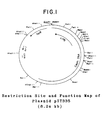
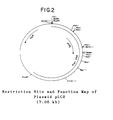
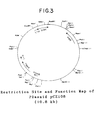
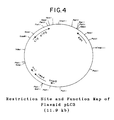
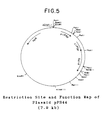
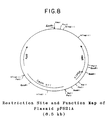
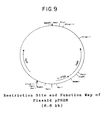
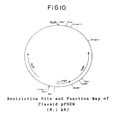
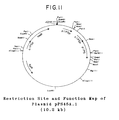
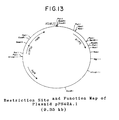
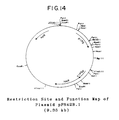
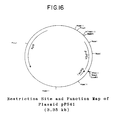
- restriction site and function maps presented in Figures 1-17 are approximate representations of the recombinant DNA vectors discussed herein.
- the spacing of restriction sites on the map is proportional to the actual spacing of the restriction sites on the vector, but observed restriction site distances may vary somewhat from calculated map distances.
- the restriction site information is not exhaustive; therefore, there may be more restriction sites of a given type on the vector than actually shown on the map.
- the present invention relates to DNA compounds and recombinant DNA cloning and expression vectors that encode the isopenicillin N synthetase activity of Penicillium chrysogenum.
- the sequence of the P. chrysogenum isopenicillin N synthetase-encoding DNA is depicted below, together with a portion of the DNA that flanks the 3' end of the coding region in the P. chrysogenum genome. In the depiction, only the "sense" or coding strand of the double-stranded DNA molecule is shown, and the DNA is depicted from left to right in the 5' - 3' orientation. The nucleotide sequence is numbered; the numbers appear above the DNA sequence.
- amino acid residue sequence of the isopenicillin N synthetase is listed from left to right in the amino-terminus - carboxy-terminus direction. Each amino acid residue appears below the DNA which encodes it. The amino acid residue sequence is numbered; the numbers appear below the amino acid residue sequence.
- A is deoxyadenyl
- G is deoxyguanyl
- C is deoxycytidyl
- T is thymidyl
- ALA is an alanine residue
- ARG is an arginine residue
- ASN is an asparagine residue
- ASP is an aspartic acid residue
- CYS is a cysteine residue
- GLN is a glutamine residue
- GLU is a glutamic acid residue
- GLY is a glycine residue
- HIS is a histidine residue
- ILE is an isoleucine residue
- LEU is a leucine residue
- LYS is a lysine residue
- MET is a methionine residue
- PHE is a phenylalanine residue
- PRO is a proline residue
- SER is a serine residue
- THR is a threonine residue
- TRP is a tryptophan residue
- TYR is
- DNA sequence depicted above is an important part of the present invention.
- the above sequence can be conventionally synthesized by the modified phosphotriester method using fully protected deoxyribonucleotide building blocks. Such synthetic methods are well known in the art and can be carried out in substantial accordance with the procedure of Itakura et al., 1977, Science 198:1056 and Crea et al., 1978, Proc. Nat. Acad. Sci. USA 75:5765.
- an especially preferred method of synthesizing DNA is disclosed in Hsiung et al., 1983, Nucleic Acid Research 11:3227 and Narang et al., 1980, Methods in Enzymology 68:90.
- the DNA sequence can be synthesized using automated DNA synthesizers, such as the Systec 1450A or ABS 380A DNA Synthesizers.
- amino acid residue sequence of isopenicillin N synthetase depicted above can be encoded by a multitude of different DNA sequences. Because these alternate DNA sequences would encode the same amino acid residue sequence of the present invention, the present invention further comprises these alternate sequences.
- the isopenicillin N synthetase activity-encoding DNA compounds of the present invention were isolated from Penicillium chrysogenum.
- a genomic library of the total genomic DNA of the P. chrysogenum strain was constructed, and the genomic library was examined for the presence of sequences homologous to the Cephalosporium acremonium isopenicillin N synthetase gene encoded on plasmid pIT335, a plasmid available from the Northern Regional Research Laboratories, Agricultural Research Service, U.S. Department of Agriculture, Peoria, Illinois, 61604, under the accession number NRRL B-15960.
- FIG. 1 A variety of the vectors of the genomic library were identified that were homologous to the C. acremonium isopenicillin N synthetase gene, and DNA sequencing revealed that at least one of those vectors encoded the P. chrysogenum isopenicillin N synthetase.
- a derivative of this vector, designated plasmid pLC2, that comprises the complete sequence of the Penicillium chrysogenum isopenicillin N synthetase gene has been transformed into E. coli K12 JM109 host cells, and the E.
- Plasmid pLC2 can be isolated from E. coli K12 JM109/pLC2 by the procedure described in Example 1. Plasmid pLC2 was used as starting material in the construction of a plasmid, designated pLC3, that drives high-level expression of isopenicillin N synthetase in E. coli. Plasmid pLC3 is constructed by ligating the -1.6 kb Ncol-Bglll restriction fragment of plasmid pLC2 to the -8.7 kb Ncol-Ncol and -1.6 kb Ncol-BamHl restriction fragments of plasmid pCZ106.
- Plasmid pCZ106 comprises a runaway replicon, the trp transcription and translation activating sequence and operator, and a DNA sequence encoding a bovine growth hormone derivative.
- the use of the type of runaway replicon present on plasmid pCZ106 is described and disclosed in U.S. Patent Nos. 4,487,835; 4,499,189, and 4,495,287.
- a plasmid comprising a runaway replicon has a copy number of about -10-15 copies per E. coli host cell, but when the temperature is raised to about 37 ° C, the copy number increases to about 1,000 copies per E. coli host cell.
- coli K12 RV308/pCZ106 host cells from which plasmid pCZ106 can be isolated, have been deposited and made part of the stock culture collection of the Northern Regional Research Laboratories, Peoria, Illinois, under the accession number NRRL B-15959.
- a restriction site and function map of plasmid pCZ106 is presented in Figure 3 of the accompanying drawings.
- Plasmid pLC3 comprises the runaway replicon and trp transcription and translation activating sequence of plasmid pCZ106 and the protein-coding sequence of the isopenicillin N synthetase gene from plasmid pLC2.
- the -1.6 kb Ncol-Bglll restriction fragment of plasmid pLC2 comprises the entire protein-coding sequence for isopenicillin N synthetase, and the Ncol restriction enzyme recognition sequence, which is comprises the that encodes the amino-terminal methionyl residue of isopenicillin N synthetase.
- the -1.6 kb Ncol-Bglll restriction fragment of plasmid pLC2 also comprises two Ncol restriction sites about 500 bp and 300 bp upstream of the Bglll end; consequently, a partial Ncol digest is necessary to isolate the desired fragment.
- Plasmid pLC3 is constructed so that the trp transcription and translation activating sequence is positioned to drive expression of the isopenicillin N synthetase-encoding DNA.
- a restriction site and function map of plasmid pLC3 is presented in Figure 4 of the accompanying drawings.
- Example 2 describes the construction of plasmid pLC3.
- E. coli K12 RV308 (NRRL B-15624) cells harboring plasmid pLC3 express isopenicillin N synthetase at high levels, approaching -10% of the total cell protein. Crude cell extracts from these E. coli K12 RV308/pLC3 transformants are able to catalyze the conversion of 6-(L-a-aminoadipyl)-L-cysteinyl-D-valine into isopenicillin N, whereas cell extracts from non-transformed E. coli K12 RV308 cells cannot catalyze this conversion.
- the method of assay for the conversion reaction is presented in Example 3.
- Plasmid pLC3 provides an efficient means of producing large amounts of isopenicillin N synthetase in E. coli. Because E. coli transformants of plasmid pLC3 express isopenicillin N synthetase at levels approaching 10% of total cell protein, and because culturing E. coli is less complex than culturing organisms that naturally produce isopenicillin N synthetase, E. coli/pLC3 transformants can be used to produce recombinant isopenicillin N synthetase more efficiently and economically than non-recombinant or "natural" isopenicillin N synthetase producers. The E.
- Isopenicillin N synthetase can be used to produce isopenicillin N from 6-(L-a-aminoadipyl)-L-cysteinyl-D-valine in a cell-free system, as described in Example 3.
- Isopenicillin N is not only a useful antibiotic, but also is the starting material for the production of such important antibiotics as penicillin N, cephalexin, and other cephalosporins as described in U.S. Patent No. 4,307,192.
- Perhaps the most important use of isopenicillin N synthetase is for condensing tripeptides other than ⁇ -(L- ⁇ -aminoadipyl)-L-cysteinyl-D-valine into novel ⁇ -lactam derivatives.
- Cell-free extracts of penicillin-producing organisms can be used to synthesize unnatural (not produced in nature) ⁇ -lactams.
- the E. coli expression vectors of the present invention provide an inexpensive and efficient method of obtaining isopenicillin N synthetase, which can be used in vitro to condense tripeptides that do not naturally occur in nature to form novel antibiotics or antibiotic core structures.
- the search for unnatural tripeptides that will serve as substrates for isopenicillin N synthetase can be complemented by a search for mutant isopenicillin N synthetases that will accept unnatural tripeptides as substrate.
- the present invention provides the starting material for such a search for a mutant isopenicillin N synthetase.
- E. coli is the best host for mutational cloning experiments, and the E.
- coli expression vectors of the present invention can be readily mutated by procedures well known in the art, such as, for example, treatment with radiation (X-ray or UV) or chemical mutagens (such as ethylmethanesulfonate, nitrosoguanidine, or methyl methanesulfonate) or site-specific mutagenesis, to obtain mutant enzymes that recognize unnatural tripeptides as substrate and catalyze the condensation of those unnatural tripeptides to unnatural ⁇ -lactams.
- radiation X-ray or UV
- chemical mutagens such as ethylmethanesulfonate, nitrosoguanidine, or methyl methanesulfonate
- site-specific mutagenesis site-specific mutagenesis
- Another E. coli expression vector of the present invention is constructed by first ligating the -1.8 kb Xmnl restriction fragment of plasmid pKC309 to the -6.8 kb BstEII-KpnI restriction fragment of plasmid pCZ106 to yield plasmids plT344 and pIT344.1, which differ only with respect to the orientation of the Xmnl restriction fragment.
- Plasmid pKC309 has been deposited in the permanent culture collection of the Northern Regional Research Center under the accession number NRRL B-15827.
- Plasmid pKC309 is -6.8 kb in size, and Xmnl digestion of plasmid pKC309 yields three blunt-ended fragments, about 1.6 kb, 1.8 kb, and 3.5 kb in size.
- the -1.8 kb Xmnl restriction fragment of plasmid pKC309 comprises an apramycin resistance-conferring gene.
- Plasmid pCZ106 is -10.9 kb in size, and BstEll and Kpnl digestion of plasmid pCZ106 yields three fragments, one -6.8 kb, one -0.9 kb, and the other -3.2 kb in size.
- the -6.8 kb BstEII-KpnI restriction fragment of plasmid pCZ106 comprises the trp transcription and translation activating sequence and the runaway replicon.
- This -6.8 kb BstEII-KpnI restriction fragment must first be treated with T4 DNA polymerase in the absence of nucleotides to remove the 3' Kpnl overlap and then with T4 DNA polymerase in the presence of nucleotides to generate a blunt-ended molecule that will ligate with the -1.8 kb Xmnl restriction fragment of plasmid pKC309 to yield plasmids plT344 and pIT344.1.
- Plasmids plT344 and pIT344.1 are -8.4 kb in size, and digestion of both plasmids with restriction enzymes Ncol and BamHl yields restriction fragments of -7.8 and -0.6 kb in size. Ligation of the -7.8 kb NcoI-BamHI restriction fragments of plasmids plT344 and pIT344.1 to the -1.6 kb NcoI-BgIII restriction fragment of plasmid pLC2 that comprises the complete coding sequence of the isopenicillin N synthetase gene of Penicillium chrysogenum respectively yields plasmids plT345 and pIT345.1.
- Plasmids plT345 and pIT345.1 each comprise a runaway replicon, an apramycin resistance-conferring gene, and the trp transcription and translation activating sequence positioned to drive expression of the isopenicillin N synthetase gene of Penicillium chrysogenum.
- E. coli K12/pIT345 and E. coli K12/pIT345.1 transformants are resistant to 100 ⁇ g/ml of apramycin and express isopenicillin N synthetase at levels approaching 10% of the total cellular protein when cultured for four to six hours at 37 C.
- the present invention is not limited to the particular vectors exemplified herein.
- the DNA compounds of the present invention encode the isopenicillin N synthetase activity of Penicillium chrysogenum and can be used to isolate homologous DNA compounds from other Penicillium strains that encode genetic variants of the isopenicillin N synthetase of the present invention. Consequently, the present invention comprises DNA compounds homologous to the isopenicillin N synthetase-encoding DNA on plasmid pLC2 that encode isopenicillin N synthetase activity.
- the DNA compounds of the present invention can be used to construct expression vectors that drive expression of isopenicillin N synthetase in any host cell in which the expression vector replicates or integrates and in which the transcription and translation activating sequence used to express the isopenicillin N synthetase activity functions.
- the present invention comprises any E. coli expression plasmid or vector that drives expression of isopenicillin N synthetase in E. coli.
- the present invention comprises expression vectors that drive expression of isopenicillin N synthetase and utilize a replicon functional in E. coli, such as, for example, a replicon from such plasmids as pBR322, pACYC184, F, CoIV-K94, R1, R6-5, or R100.
- a replicon functional in E. coli such as, for example, a replicon from such plasmids as pBR322, pACYC184, F, CoIV-K94, R1, R6-5, or R100.
- the present invention solely limited to plasmid vectors, for the present invention also comprises expression vectors that express isopenicillin N synthetase activity and utilize integration or viral replication to provide for replication and maintenance in the host cell.
- the present invention is not limited to a particular transcription and translation activating sequence to drive expression of the isopenicillin N synthetase activity-encoding DNA.
- the present invention comprises the use of any transcription and translation activating sequence to express isopenicillin N synthetase in E. coli.
- Many transcription and translation activating sequences that function in E. coli are known and are suitable for driving expression of isopenicillin N synthetase activity in E. coli.
- Such transcription and translation activating sequences include, but are not limited to, the Ipp, lac, trp, tac, X PL , and ⁇ p R transcription and translation activating sequences.
- transcription and translation activating sequences from other organisms can be ligated to the present isopenicillin N synthetase-encoding DNA compounds to form expression vectors that drive expression of isopenicillin N synthetase activity in host cells in which the activating sequence functions.
- E. coli is the host best suited for isopenicillin N synthetase production and subsequent purification for in vitro use
- vectors that drive expression of isopenicillin N synthetase activity in host cells other than E. coli are also useful, especially for purposes of increasing the ,8-lactam antibiotic-producing ability and efficiency of a given organism.
- the antibiotic-producing ability of these organisms can be increased and made more efficient by increasing the intracellular concentration of the antibiotic biosynthetic enzymes during the fermentation.
- the isopenicillin N synthetase activity-encoding DNA compounds of the present invention can be used to construct expression vectors that, when transformed into the appropriate host cell, increase the intracellular concentration of isopenicillin N synthetase activity of the transformed host cell and thereby increase the antibiotic-producing ability and efficiency of that cell, provided that the host cell produces a ,8-lactam antibiotic via an intermediate reaction involving isopenicillin N synthetase activity.
- a vector that will increase the intracellular concentration of isopenicillin N synthetase activity of a given host cell into which the vector is transformed requires the following elements: 1) an isopenicillin N synthetase activity-encoding DNA compound of the present invention; 2) a transcription and translation activating sequence that not only functions in the host cell to be transformed, but also is positioned in the correct orientation and position to drive expression of the isopenicillin N synthetase activity-encoding DNA; and 3) replication or integration functions that provide for maintenance of the vector in the host cell.
- the above-described vector could also comprise an antibiotic resistance-conferring gene or some other element that provides a means of selecting for host cells which contain the vector, but such selectable elements may be neither necessary nor desired when the vector integrates into the chromosomal DNA of the host cell.
- Plasmid pLC2 comprises the intact isopenicillin N synthetase gene of Penicillium chrysogenum, so transformation of P. chrysogenum via chromosomal integration of plasmid pLC2 leads to increased copy number of the isopenicillin N synthetase gene and thus leads to increased intracellular concentration of the enzyme.
- the Penicillium chrysogenum isopenicillin N synthetase gene functions in Cephalosporium acremonium. Consequently, transformation of C. acremonium via chromosomal integration of plasmid pLC2 leads to increased copy number of the isopenicillin N synthetase gene and thus leads to increased intracellular concentration of the enzyme.
- Plasmid pLC2 can be readily modified to place a homologous Cephalosporium acremonium transcription and translation activating sequence in front of the Penicillium chrysogenum isopenicillin N synthetase-encoding DNA.
- the transcription and translation activating sequence of the C. acremonium isopenicillin N synthetase gene can be isolated on an -0.85 kb Ncol restriction fragment from plasmid pIT335. Insertion of this -0.85 kb Ncol restriction fragment in the proper orientation into the Ncol site located at the 5' end of the coding region of the P.
- chrysogenum isopenicillin N synthetase gene on plasmid pLC2 yields plasmid pPS44, which thus comprises a homologous C. acremonium activating sequence positioned to drive expression of the P. chrysogenum isopenicillin N synthetase gene.
- a restriction site and function map of plasmid pPS44 is presented in Figure 5 of the accompanying drawings, and the construction of plasmid pPS44 is described in Example 4.
- Plasmid pPS44 does not comprise a selectable marker that functions in either P. chrysogenum or C. acremonium but can be readily modified to comprise such a marker.
- European Patent publication EP-A-200425 published 5 November 1986, describes a plasmid, designated pPS29, that comprises the transcription and translation activating sequence of the C. acremonium isopenicillin N synthetase gene positioned to drive expression of a hygromycin resistance-conferring gene.
- the hygromycin resistance-conferring gene on plasmid pPS29 can be used as a selectable marker in both Cephalosporium acremonium and Penicillium chrysogenum, as described in European patent publication EP-A-177243, published 9 April 1986.
- This selectable marker can be isolated intact from plasmid pPS29 on an -2.3 kb Hindlll restriction fragment.
- the construction of plasmid pPS29 is described in Example 5; a restriction site and function map of plasmid pPS29 is presented in Figure 10 of the accompanying drawings.
- the -2.3 kb Hindlll restriction fragment of plasmid pPS29 is isolated and inserted into partially Hindlll-digested plasmid pPS44 to yield a variety of plasmids that comprise not only the activating sequence of the Cephalosporium acremonium isopenicillin N synthetase gene positioned to drive expression of the Penicillium chrysogenum isopenicillin N synthetase gene but also the hygromycin resistance-conferring gene from plasmid pPS29.
- plasmid pPS44 comprises two Hindlll restriction sites, either of which is suitable for insertion of the hygromycin resistance-conferring fragment of plasmid pPS29, and because the Hindlll restriction fragment of plasmid pPS29 can insert into either Hindlll site of plasmid pPS44 in either of two orientations, four plasmids result from the insertion.
- These four plasmids designated pPS45A.1, pPS45A.2, pPS45B.1, and pPS45B.2, drive expression of isopenicillin N synthetase activity in, and confer hygromycin resistance to, both Penicillium chrysogenum and Cephalosporium acremonium.
- Plasmids pPS45A.2 and pPS45B.2 differ from their pPS45A.1 and pPS45B.1 counterparts only with respect to orientation of the inserted -2.3 kb Hindlll restriction fragment of plasmid pPS29.
- the construction of plasmids pPS45A.1, pPS45A.2, pPS45B.1, and pPS45B.2 is described in Example 6.
- Plasmid pLC2 can also be modified to comprise the hygromycin resistance-conferring gene of plasmid pPS29.
- Plasmid pLC2 comprises two Hindlll restriction sites, either of which is suitable for the insertion of the -2.3 kb Hindlll restriction fragment of plasmid pPS29. Consequently, insertion of the -2.3 kb Hindlll restriction fragment of plasmid pPS29 into singly-cut, Hindlll-digested plasmid pLC2 yields four plasmids, designated pPS42A.1, pPS42A.2, pPS42B.1, and pPS42B.2.
- plasmid pLC2 comprises almost 0.9 kb of the genomic DNA that was located upstream of the isopenicillin N synthetase-encoding DNA in the Penicillium chrysogenum genome, plasmid pLC2 necessarily comprises the transcription and translation activating sequence of the isopenicillin N synthetase-encoding DNA. Most transcription and translation activating sequences are encoded upstream of the DNA to be activated, although some ribosomal RNA-encoding DNA sequences are activated by transcription activating sequences that are not located upstream of the coding region. "Upstream" is a word used in the art of molecular biology and, in the present context, refers to DNA in the 5' direction from the 5' end of the coding strand of the isopenicillin N synthetase-encoding DNA.
- the Penicillium chrysogenum transcription and translation activating sequence encoded on plasmid pLC2 is correctly positioned to drive expression of the isopenicillin N synthetase activity-encoding DNA, because in the construction of plasmid pLC2 no deletions or insertions affecting the transcription and translation activating sequence were introduced in the DNA flanking the 5' end of the coding strand of the isopenicillin N synthetase activity-encoding DNA. Because the Penicillium chrysogenum transcription and translation activating sequence located on plasmid pLC2 can be used to drive expression of a wide variety of DNA sequences, the activating sequence comprises an important part of the present invention. The activating sequence of the P.
- chrysogenum isopenicillin N synthetase gene is known to be encoded on the -820 bp EcoRl-Ncol restriction fragment located immediately upstream of and adjacent to the isopenicillin N synthetase activity-encoding DNA on plasmid pLC2.
- Any restriction fragment that comprises the aforementioned -820 bp EcoRl-Ncol restriction fragment necessarily comprises the P. chrysogenum transcription and translation activating sequence of the present invention.
- the Penicillium chrysogenum transcription and translation activating sequence can be used to drive expression of any DNA sequence, as plasmid pPS39 illustrates.
- Plasmid pPS39 is a derivative of plasmid pPS28, described in Example 5, that results from the replacement of the Cephalosporium acremonium transcription and translation activating sequence used to drive expression of the hygromycin resistance-conferring gene with the P. chrysogenum transcription and translation activating sequence of the present invention.
- Plasmid pPS38 is constructed by isolating the -0.83 kb BamHI-Ncol restriction fragment of plasmid pLC2 that comprises the activating sequence of the isopenicillin N synthetase gene, attaching linkers with BamHl and Ncol-compatible, single-stranded overlaps to the -0.83 kb BamHI-Ncol fragment, digesting the resulting fragment with BamHl, and ligating the resulting plasmid pLC2-derived, -0.84 kb BamHl restriction fragment to BamHl-digested plasmid pUC8.
- Plasmid pUC8 is available from Pharmacia P-L Biochemicals, 800 Centennial Ave., Piscataway, N.J. 08854.
- Plasmid pPS38 is digested with restriction enzyme BamHl, and the -0.84 kb BamHl restriction fragment that comprises the transcription and translation activating sequence is isolated and ligated with BamHl-digested plasmid pPS28. This ligation produces two plasmids, designated pPS39 and pPS39.1.
- Plasmid pPS39 results from the ligation of the -0.84 kb BamHl restriction fragment of plasmid pPS38 with the -5.8 kb BamHl restriction fragment of plasmid pPS28 and comprises the transcription and translation activating sequence of the isopenicillin N synthetase gene located in the proper orientation to drive expression of the hygromycin resistance-conferring gene.
- the linkers used in the construction of plasmid pPS38 ensure that the proper reading frame is maintained in plasmid pPS39 for expression of the hygromycin resistance-conferring gene.
- Plasmid pPS39.1 is analogous to plasmid pPS39, except the activating sequence is positioned in the opposite orientation and therefore does not drive expression of the hygromycin resistance-conferring gene. Plasmid pPS39.1 is thus useful as a negative control in transformation experiments and as a cloning vector.
- the construction of plasmids pPS39 and pPS39.1 is described in Example 8; a restriction site and function map of plasmid pPS39 is presented in Figure 15 of the accompanying drawings.
- the Penicillium chrysogenum transcription and translation activating sequence can be used to express any DNA sequence in P. chrysogenum, as indicated by the expression vectors described above.
- the present invention comprises the use of the P. chrysogenum transcription and translation activating sequence encoded within the -0.82 kb EcoRl-Ncol restriction fragment of plasmid pLC2 to drive expression of any DNA sequence that encodes a useful substance.
- the P. chrysogenum activating sequence can also be used to drive expression of gene products in Cephalosporium acremonium.
- the present invention results from the cloning of an intact, functional, Penicillium chrysogenum DNA sequence that encodes not only the amino acid sequence of isopenicillin N synthetase but also the transcription and translation activating sequence necessary to drive expression of isopenicillin N synthetase in P. chrysogenum.
- the isopenicillin N synthetase gene of the present invention comprises the sequences located downstream of the coding region that are responsible for terminating transcription and for providing the mRNA polyadenylation and processing signals.
- the sequences responsible for transcription termination, mRNA polyadenylation, and mRNA processing are encoded within the region -500 bp downstream of the stop codon of the coding region.
- the -0.65 kb BamHl-Bglll restriction fragment that comprises the isopenicillin N synthetase carboxy-terminal-encoding DNA and downstream sequences thereof also comprises the transcription termination and mRNA polyadenylation and processing signals of the isopenicillin N synthetase gene.
- a vector of the present invention designated plasmid pPS40, contains the transcription and translation activating sequence of the Penicillium chrysogenum isopenicillin N synthetase gene, followed by the hygromycin resistance-conferring gene, followed by the transcription termination and mRNA polyadenylation and processing signals of the Penicillium chrysogenum isopenicillin N synthetase gene.
- plasmid pPS40 the -0.65 kb BamHl-Bglll restriction fragment of plasmid pLC2 is inserted into BamHl-digested plasmid pUC8 to yield plasmid pPS41 ( Figure 16).
- Plasmid pPS41 is digested with restriction enzymes EcoRl and Hindlll, and the -0.68 kb EcoRl-Hindlll that comprises the transcription termination and mRNA polyadenylation and processing signals of the isopenicillin N synthetase gene is isolated. Plasmid pPS39 is then digested with restriction enzymes Hindlll and EcoRl, and the Hindlll-EcoRl digested plasmid pPS39 DNA is ligated to the -0.68 kb Hindlll-EcoRl restriction fragment of plasmid pPS41 to yield plasmid pPS40.
- the construction of plasmid pPS40 is described in Example 9, and a restriction site and function map of plasmid pPS40 is presented in Figure 17 of the accompanying drawings.
- the present invention results from the cloning of the isopenicillin N synthetase gene of Penicillium chrysogenum and comprises a number of useful vectors that utilize elements of that gene: the transcription and translation activating sequence; the coding region; and the transcription termination and mRNA polyadenylation and processing signals. Each of these elements is useful and can be used to construct expression vectors of great utility.
- the activating sequence can be positioned on a recombinant DNA vector to drive expression of any DNA sequence that encodes a useful substance, such as isopenicillin N synthetase or a hygromycin resistance-conferring enzyme.
- a useful substance such as isopenicillin N synthetase or a hygromycin resistance-conferring enzyme.
- the activating sequence of the present invention can be used to drive expression of the isopenicillin N synthetase gene of Cephalosporium acremonium, which has been isolated as described European Patent publication EP-A-200425, published 5 November 1986.
- the activating sequence of the present invention is not only useful in Penicillium chrysogenum, from which the sequence originates, but is also useful in other species in which it functions, such as C. acremonium.
- Ultimate expression of a given DNA sequence on a recombinant DNA expression vector can be enhanced by placing a transcription termination and mRNA polyadenylation and processing signal at the 3' end of the coding strand of the coding region to be expressed.
- the present invention provides a transcription termination and mRNA polyadenylation and processing signal that can be used for the purposes of increasing expression from a recombinant DNA vector.
- the present invention provides the coding sequence for the isopenicillin N synthetase gene of Penicillium chrysogenum and provides a number of expression vectors that drive expression of that gene in host cells such as E. coli, P. chrysogenum, and Cephalosporium acremonium.
- Production of isopenicillin N synthetase in E. coli allows for high-level expression and easy isolation of the enzyme so that the enzyme can be used to catalyze the condensation of novel tripeptides into novel antibiotic core structures in vitro. Transformation of C. acremonium and P. chrysogenum with the expression vectors of the present invention that drive expression of isopenicillin N synthetase in C. acremonium and P. chrysogenum leads to higher levels of isopenicillin N synthetase and thus leads to higher levels of antibiotic in the transformed cell.
- a lyophil of E. coli K12 JM109/pLC2 is obtained from the American Type Culture Collection, Rockville, Maryland, under the accession number ATCC 53334. The lyophil can be directly used as the "culture" in the process described below.
- L-broth (10 g tryptone, 10 g NaCI, and 5 g yeast extract per liter) containing 50 ⁇ g/ml ampicillin was inoculated with a culture of E. coli K12 JM109/pLC2 and incubated in an air-shaker at 37°C until the optical density at 590 nm (O.D. 590 ) was -1 absorbance unit, at which time 150 mg of chloramphenicol were added to the culture. The incubation was continued for about 16 hours; the chloramphenicol addition inhibits protein synthesis, and thus inhibits further cell division, but allows plasmid replication to continue.
- the lysed cells were frozen in a dry ice-ethanol bath and then thawed.
- the cellular debris was removed from the solution by centrifugation at 25,000 rpm for 40 minutes in an SW27 rotor (Beckman, 7360 N. Lincoln Ave., Lincolnwood, IL 60646) and by extraction with buffered phenol. After adding 30.44 g of CsCI and ⁇ I ml of a 5 mg/ml ethidium bromide solution, the solution volume was adjusted to 40 ml and decanted into a VTi50 ultracentrifuge tube (Beckman). After sealing the tube, the solution was centrifuged in a VTi50 rotor at 42,000 rpm for -16 hours.
- the resulting plasmid band visualized with ultraviolet light, was isolated and then placed in a Ti75 tube and rotor (Beckman) and centrifuged at 50,000 rpm for 16 hours. Any necessary volume adjustments were made using TES containing 0.761 g/ml CsCI.
- the plasmid band was again isolated, extracted with salt-saturated isopropanol to remove the ethidium bromide, and diluted 1:3 with TES buffer. Two volumes of ethanol were then added to the solution, followed by incubation overnight at -20 ° C.
- the plasmid DNA was pelleted by centrifuging the solution in an SS34 rotor (Sorvall) for 15 minutes at 10,000 rpm.
- a lyophil of a culture of E. coli K12 RV308/pCZ106 is obtained from the Northern Regional Research Laboratories, Peoria, Illinois, under the accession number NRRL B-15959.
- the lyophil is used to inoculate 1 liter of L-broth containing 50 ⁇ g/ml kanamycin, and the inoculated broth is incubated at 25 ° C in an air-shaker until the O.D. sso is between 0.5 and 1.0 absorbance units.
- the culture reaches 0.5-1.0 absorbance units in optical density, the temperature is raised to 37 ° C and incubation is continued for 2 to 6 hours.
- the runaway replicon as stated previously herein, is temperature sensitive and loses copy number control at 37 C.
- the 2 to 6 hour incubation at 37 ° C provides ample time for uncontrolled replication.
- Example 1 B After the 2 to 6 hour incubation at 37 ° C, the cells are collected, and the plasmid pCZ106 DNA is isolated in substantial accordance with the procedure of Example 1 B. About 5 mg of plasmid pCZ106 DNA is obtained and suspended in 5 ml of TE buffer. A restriction site and function map of plasmid pCZ106 is provided in Figure 3 of the accompanying drawings.
- the Ncol-BamHl reaction mixture was then electrophoresed on a 1% agarose gel until the desired -1.6 kb NcoI-BamHI and -8.7 kb Ncol-Ncol fragments were clearly separated from the other digestion product, an -0.3 kb restriction fragment.
- Visualization of the electrophoresed DNA was accomplished by staining the gel in a dilute solution (0.5 ⁇ g/ml) of ethidium bromide and exposing the stained gel to long-wave UV light.
- the volume of the high salt-DNA solution was adjusted so that the NaCl concentration was 0.25 M, and then two volumes of cold, absolute ethanol were added.
- the resulting solutions were mixed and placed at -70 ° C for 10-20 minutes. After chilling, the solutions were centrifuged at 15,000 rpm for 15 minutes. After another precipitation to remove residual salt, the DNA pellets were rinsed with ethanol, dried, resuspended in 20 ⁇ l of TE buffer, and constituted -5.0 ⁇ g each of the desired -1.6 kb Ncol-BamHl and -8.7 kb Ncol- * Unless otherwise noted, restriction and ligation enzymes were obtained from New England Biolabs, 32 Tozer Road, Beverly, MA 01915. Unit definitions herein correspond to the particular manufacturer's unit definitions. Ncol restriction fragments of plasmid pCZ106. The purified fragments obtained were individually dissolved in 25 ⁇ l of TE buffer and stored at -20 ° C.
- Approximately 25 ⁇ g, corresponding to 25 ⁇ l, of the plasmid pLC2 DNA prepared in Example 1B were dissolved in 10 ⁇ l 10X BamHl buffer and 60 ⁇ l of H 2 0.
- About 5 ⁇ l (50 units) of restriction enzyme Bglll were added to the solution of plasmid pLC2 DNA, and the resulting reaction was incubated at 37 ° C for two hours.
- about 5 ⁇ l (50 units) of restriction enzyme Ncol were added to the reaction mixture and the resulting reaction was incubated at 37°C for 5 minutes. After 5 minutes reaction, the Ncol digestion was stopped by incubating the reaction mixture at 70 ° C for 10 minutes. A partial Ncol digestion was obtained.
- Ncol-Bglll-digested DNA obtained was loaded onto a 1% agarose gel and the desired -1.6 kb Ncol-Bglll restriction fragment was isolated in substantial accordance with the procedure of Example 2B. Approximately 5 ⁇ g of the desired fragment were obtained, suspended in 25 ⁇ l of TE buffer, and stored at -20 ° C.
- Example 2B Five ⁇ l of the -1.6 kb Ncol-BamHl and 2.5 ⁇ l of the -8.7 kb Ncol-Ncol restriction fragments of plasmid pCZ106 purified in Example 2B are ligated to five ⁇ l of the -1.6 kb Ncol-Bglll restriction fragment of plasmid pLC2 purified in Example 2C to form plasmid pLC3.
- the reaction is incubated at 15 ° C for 2 hours, after which time the reaction is essentially complete.
- the ligated DNA constitutes the desired plasmid pLC3 DNA.
- a restriction site and function map of plasmid pLC3 is presented in Figure 4 of the accompanying drawings.
- the culture was chilled on ice for ten minutes, and the cells were collected by centrifugation.
- the cell pellet was resuspended in 25 ml of cold 100 mM CaC1 2 and incubated on ice for 25 minutes.
- the cells were once again pelleted by centrifugation, and the pellet was resuspended in 2.5 ml of cold 100 mM CaC1 2 and incubated on ice overnight.
- Example 2D Two hundred ⁇ l of this cell suspension are mixed with the ligated DNA prepared in Example 2D and incubated on ice for 20 minutes, and then the cells are collected by centrifugation. The cell pellet is resuspended in -1 ml of L-broth, and the suspension is incubated at 25 ° C for one hour. Aliquots of the cell mixture are plated on L-agar (L-broth with 15 g/I agar) plates containing 50 ⁇ g/ml kanamycin, and the plates are incubated at 25 ° C. E. coli K12 RV308/pLC3 transformants are verified by selection for kanamycin resistance and by restriction enzyme analysis of the plasmid DNA of the transformants. Plasmid DNA is obtained from the E. coli K12 RV308/pLC3 transformants in substantial accordance with the teaching of Example 2A, but on a smaller scale, and the CsCI-gradient steps are omitted.
- Example 3A Several isolates of the E. coli K12 RV308/pLC3 transformants prepared in Example 3A are individually inoculated into 5 ml aliquots of L-broth containing 50 ⁇ g/ml kanamycin, and the cultures are incubated in an air-shaker at 25° C until the O.D 590 is -0.2 absorbance units. The cultures are then transferred to a 37° C air-shaker and incubated at 37 ° C for -6 hours.
- the cells are sonicated by six, five-second bursts of sonication delivered by a Sonifier Cell Disruptor, Model W185, Heat Systems-Ultrasonics, Inc., Plainview, Long Island, NY, using the micro tip.
- the time between bursts of sonication is 60 seconds, and the mixture is kept in an ice-ethanol bath during the procedure. After sonication, the cell mixture is centrifuged to remove debris and then used directly in the assay.
- the isopenicillin N synthetase assay reaction is carried out in a total volume of 500 ⁇ l.
- 1.0 ml of a solution of 1.4 mM 6-(L-a-aminoadipyl)-L-cysteinyl-D-valine and 3.75 mM DTT is allowed to react at room temperature for 30-60 minutes to reduce any dimeric tripeptide to the monomeric form.
- penicillinase A is obtained from Riker's Laboratories, Inc.; the enzyme is sold in vials of 100,000 units, which are rehydrated to 5.0 mls with H 2 0. Five ⁇ l (100 units) of the rehydrated pencillinase A are added to the remainder of each reaction mixture, allowed to react for 5 minutes at room temperature, and then 100 ⁇ l of each penicillinase A-treated extract is dispensed into the wells of a bioassay plate. This penicillinase A treatment is done to check that the zones on the bioassay plate are due to the presence of a penicillin rather than a cephalosporin or other contaminant.
- the penicillin N standard curve is prepared by adding 0.5, 1.0, 2.0, 5.0, 10.0, and 20.0 ⁇ g of penicillin N to bioassay wells.
- the penicillinase A activity is also checked by adding 5 ⁇ l of the enzyme preparation to -200 ⁇ l of 0.2 ⁇ g/ml penicillin N.
- the bioassay plates are composed of K131 nutrient agar, which is prepared by dissolving 30.5 g BBL Antibiotic Medium #11 (Becton Dickinson & Company, Cockeysville, MD) in 1 liter of deionized water, bringing the solution to a boil, cooling to 70 ° C, and then autoclaving 35 minutes at 121 ° C and 15 psi.
- the plates are seeded with 4 mls of fresh overnight culture of Micrococcus luteus (ATCC 9341) per 700 ml of agar. The M.
- the seeded agar is dispensed into 100 x 15 mm plates, at 15 mls of seeded agar per plate.
- the wells are prepared by applying suction using a disposable 5 ml pipette; each well is 10 mM in diameter.
- the plates are prepared and the samples are dispensed into the wells, the plates are placed in a 37 ° C incubator for 18 hours.
- the assay results are determined by measuring the diameter of the cleared areas around each sample well, which result from the M. luteus being unable to grow when a penicillin is present.
- the Ncol-digested plasmid plT335 DNA was then loaded onto a 1% agarose gel for electrophoresis.
- the -0.85 kb restriction fragment that comprises the Cephalosporium acremonium transcriptional and translational activating sequence of the isopenicillin N synthetase gene was isolated from the gel and purified in substantial accordance with Example 2B. About 4 ⁇ g of the desired fragment were obtained and suspended in 10 ⁇ l of TE buffer.
- plasmid pLC2 DNA About 25 ⁇ g of plasmid pLC2 DNA are dissolved in 10 ⁇ l of 10X BamHl buffer and 80 ⁇ l of H 2 0. About 10 ⁇ l (100 units) of restriction enzyme Ncol are added to the solution of plasmid pLC2 DNA, and the resulting reaction is incubated at 37 ° C for three minutes. The reaction is then stopped by extraction with buffered phenol. The short reaction time is designed to obtain partially Ncol-digested plasmid pLC2 DNA.
- the reaction mixture is loaded onto a 1% agarose gel and electrophoresed until the band corresponding to linear plasmid pLC2 DNA is separated from uncut plasmid and other reaction products.
- the linear plasmid pLC2 DNA is then isolated in substantial accordance with the procedure of Example 2B; about 5 ⁇ g of linear plasmid pLC2 are obtained and suspended in 10 ⁇ l of TE buffer.
- ligated DNA constitutes the desired plasmid pPS44 DNA.
- a restriction site and function map of plasmid pPS44 is presented in Figure 5 of the accompanying drawings. The ligated DNA is used to transform E. coli K12 JA221, as described below.
- the culture was chilled on ice for ten minutes, and the cells were collected by centrifugation.
- the cell pellet was resuspended in 25 ml of cold 100 mM CaC1 2 and incubated on ice for 25 minutes.
- the cells were once again pelleted by centrifugation, and the pellet was resuspended in 2.5 ml of cold 100 mM CaCl 2 and incubated on ice overnight.
- Plasmid pLC2 has three Ncol sites. Plasmid pPS44 can only be constructed by insertion of the -0.85 kb Ncol restriction fragment of plasmid plT335 into one particular Ncol site of plasmid pLC2, and the fragment must be inserted in the proper orientation. Plasmid pPS44 can be identified by Pstl digestion and analysis of the digestion products, because the -0.85 kb Ncol restriction fragment of plasmid pLC2 comprises an internal Pstl restriction site. Digestion of plasmid pPS44 with Pstl generates fragments of 5.3 kb, 1.3 kb, 0.76 kb, 0.29 kb, and 0.25 kb.
- EP-A-177243 discloses vectors and conditions for transforming Cephalosporium acremonium. Construction flow sheets 1-6 and Examples 1-6 of EP-A-177243, incorporated herein by reference, disclose the construction of plasmid pIT221. A restriction site and function map of plasmid plT221 is provided in Figure 6 of the accompanying drawings.
- 43 ⁇ l of H 2 0, and 2 ⁇ l (-10 units) of restriction enzyme Xmal was incubated at 37 ° C for four hours. The reaction was terminated by a phenol extraction.
- the reaction mixture was made 0.25 M in NaCI, diluted with 2 volumes of absolute ethanol, chilled for 10 minutes in a dry ice-ethanol bath, and the precipitated, Xmal-digested plasmid plT221 DNA was pelleted by centrifugation.
- Plasmid pPS19 differs from plasmid pIT221 in that plasmid pPS19 does not comprise the -0.3 kb Xmal restriction fragment found in plasmid pIT221. Plasmid pPS19 DNA was prepared in substantial accordance with the procedure of Example 1. A restriction site and function map of plasmid pPS19 is presented in Figure 7 of the accompanying drawing.
- plasmid pUC8 obtained from Pharmacia P-L Biochemicals
- 5 ⁇ g of plasmid pUC8 obtained from Pharmacia P-L Biochemicals
- 5 ⁇ l (50 units) of restriction enzyme BamHl were added to the solution of DNA, and the resulting reaction was incubated at 37 ° C for two hours. The reaction was terminated by extraction with buffered phenol, followed by extraction with chloroform.
- the BamHl-digested plasmid pUC8 DNA was precipitated by adjusting the NaCl concentration to 0.25 M, adding 2 volumes of ethanol, and chilling at -70 ° C for 10 minutes.
- the BamHl-digested plasmid pUC8 DNA was collected by centrifugation and resuspended in 5 ⁇ l of H 2 0.
- the single-strands of the following linker were synthesized using an automated DNA synthesizer: About 75 picomoles of each single strand of the linker were individually dissolved in 22.5 ⁇ l of H 2 0 and 2.5 ⁇ l of ligase buffer. About 1 ⁇ l (10 units) of T4 DNA kinase (Bethesda Research Laboratories) was added to each solution of single-stranded DNA, and the reactions were incubated at 37°C for 10 minutes. Following the kinase reaction, the reaction mixtures were incubated at 70 ° C for 15 minutes.
- the two reaction mixtures were pooled, incubated at 65 ° C for 10 minutes, incubated at room temperature for 2 hours, and then incubated at 4 ° C overnight.
- One ⁇ l of the BamHl-digested plasmid pUC8 DNA was added to a mixture of 4 ⁇ l of the -0.85 kb Ncol restriction fragment of plasmid plT335 and 10 ⁇ l of the annealed linker. About 4 ⁇ l of 10X ligase buffer, 2 ⁇ l (500 units) T4 DNA ligase, and 29 ⁇ l of H 2 0 were added to the mixture of DNA, and the resulting reaction was incubated at 4 ° C overnight. The ligated DNA constituted the desired plasmids pPS23 and pPS23.1.
- a 50 ml culture of E. coli K12 JM109, available from Pharmacia P-L Biochemicals, in L-broth was grown to an O.D. 590 of approximately 0.5 absorbance units.
- the culture was chilled on ice for ten minutes, and the cells were collected by centrifugation.
- the cell pellet was resuspended in 25 ml of cold 100 mM CaC1 2 and incubated on ice for 25 minutes.
- the cells were once again pelleted by centrifugation, and the pellet was resuspended in 2.5 ml of cold 100 mM CaC1 2 and incubated on ice overnight.
- Plasmid DNA was obtained from the E. coli K12 JM109/pPS23 and E. coli K12 JM109/pPS23.1 cells in substantial accordance with the teaching of Example 2A.
- plasmid pPS23 DNA About 50 ⁇ g of plasmid pPS23 DNA were dissolved in 15 ⁇ l of 10X BamHl reaction buffer and 125 ⁇ l of H 2 0. About 10 ⁇ l (100 units) of restriction enzyme BamHl were added to the solution of DNA, and the resulting reaction was incubated at 37°C for two hours. The BamHl-digested plasmid pPS23 DNA was loaded onto a 1% agarose gel, and the -0.86 kb BamHl restriction fragment that comprises the activating sequence of the IPS gene was isolated in substantial accordance with the procedure of Example 2B. About 5 ⁇ g of the desired fragment were obtained and suspended in 10 ⁇ l of H 2 0.
- plasmid pPS19 DNA About 5 g of plasmid pPS19 DNA were dissolved in 10 ⁇ l 10X BamHl reaction buffer and 85 ⁇ l of H 2 0. About 5 ⁇ l (50 units) of restriction enzyme BamHl were added to the solution of plasmid pPS19 DNA, and the resulting reaction was incubated at 37°C for two hours. The reaction mixture of BamHl-digested plasmid pPS19 DNA was extracted once with buffered phenol and then extracted twice with chloroform. The DNA was then precipitated, collected by centrifugation and resuspended in 10 ⁇ l of H 2 0.
- the reaction was incubated at 15°C overnight.
- the ligated DNA constituted the desired plasmid pPS21 A.
- the ligated DNA was used to transform E. coli K12 C600, a strain available from the American Type Culture Collection, Rockville, MD 20852, under the accession number ATCC 33525, in substantial accordance with the procedure of Example 5B(iv).
- the transformed cells were plated on L-agar plates containing 100 ⁇ g/ml ampicillin, and the plates were incubated at 37 ° C overnight.
- Plasmid pPS21A yields restriction fragments of 7.62 kb and 0.86 kb when digested with BamHl and restriction fragments of 5.15 kb, 1.85 kb, 0.99 kb, and 0.49 kb when digested with Pstl.
- a restriction site and function map of plasmid pPS21A is presented in Figure 8 of the accompanying drawings.
- the partially Pstl- digested plasmid pPS21A DNA was loaded onto an agarose gel, and after electrophoresis and staining of the gel, the following fragments were observed: 8.5 kb (linearized plasmid); 8.0 kb; 7.5 kb; 7.0 kb; 6.6 kb; 6.1 kb; 5.2 kb; 3.3 kb; 2.3 kb; 1.9 kb; 1.5 kb; 1.0 kb; and 0.5 kb.
- the -6.6 kb and -6.1 kb Pstl restriction fragments were individually isolated in substantial accordance with the procedure of Example 2B; about 0.5 ⁇ g of each fragment were recovered.
- the -6.6 kb Pstl restriction fragment was dissolved in 3 ⁇ l 10X ligase buffer and 25 ⁇ l of H 2 0. About 2 ⁇ l of T4 DNA ligase were added to the solution of DNA, and the resulting reaction was incubated at 15 ° C overnight.
- the ligated DNA constituted the desired plasmid pPS28 DNA, which was used to transform E. coli K12 C600 in substantial accordance with the procedure described above.
- the -6.1 kb Pstl restriction fragment was circularized by ligation to yield plasmid pPS29, which was also transformed into E. coli K12 C600. Restriction site and function maps of plasmids pPS28 and pPS29 are respectively presented in Figures 9 and 10 of the accompanying drawings.
- plasmid pPS44 About 10 ⁇ g of plasmid pPS44 are dissolved in 10 ⁇ l 10X Hindlll reaction buffer and 80 ⁇ l of H 2 0. About 10 ⁇ l (-100 units) of restriction enzyme Hindlll are added to the solution of DNA, and the resulting reaction is incubated at 37 ° C for 5 minutes. The reaction is stopped by extraction with phenol, and then the reaction mixture is loaded onto a 1% agarose gel and electrophoresed until the linear, singly-cut plasmid pPS44 DNA is separated from the uncut plasmid and the products of complete digestion. The linear, singly-cut DNA is isolated from the gel in substantial accordance with the procedure of Example 2B; about 1 ⁇ g of the desired fragment is obtained and suspended in 2 ⁇ l of TE buffer.
- the ligated DNA is used to transform E. coli K12 JA221 in substantial accordance with the procedure of Example 4D.
- the transformed cells are plated on L-agar containing 100 ⁇ g/ml ampicillin.
- the ampicillin-resistant transformants are analyzed by restriction enzyme analysis of their plasmid DNA to identify the E. coli K12 JA221/pPS45A.1, E. coli K12 JA221/pPS45A.2, E. coli K12 JA221/pPS45B.1, and E. coli K12 JA221/pPS45B.2 transformants.
- Plasmids pPS45A.1 and pPS45A.2 differ from plasmids pPS45B.1 and pPS45B.2 only with respect to the insertion site of the -2.3 kb Hindlll restriction fragment of plasmid pPS29. Because plasmid pPS44 comprises two Hindlll restriction enzyme recognition sites, linear, singly-cut, Hindlll-digested plasmid pPS44 actually comprises two different types of molecules that differ with respect to where the Hindlll enzyme cleaved the plasmid.
- Plasmids pPS45A.1 and pPS45B.1 respectively differ from their plasmid pPS45A.2 and pPS45B.2 counterparts only with respect to the orientation of the inserted -2.3 kb Hindlll restriction fragment of plasmid pPS29. Restriction site and function maps of plasmids pPS45A.1 and pPS45B.1 are respectively presented in Figures 11 and 12 of the accompanying drawings.
- plasmid pLC2 About 10 ⁇ g of plasmid pLC2 are dissolved in 10 ⁇ l 10X Hindlll reaction buffer and 80 ⁇ l of H 2 0. About 10 ⁇ l (-100 units) of restriction enzyme Hindlll are added to the solution of DNA, and the resulting reaction is incubated at 37°C for 5 minutes. The reaction is stopped by extraction with phenol, and then the reaction mixture is loaded onto a 1% agarose gel and electrophoresed until the linear, singly-cut plasmid pLC2 DNA is separated from the uncut plasmid and the products of complete digestion. The linear, singly-cut DNA is isolated from the gel in substantial accordance with the procedure of Example 2B; about 1 ⁇ g of the desired fragment is obtained and suspended in 2 ⁇ l of TE buffer.
- the ligated DNA is used to transform E. coli K12 JA221 in substantial accordance with the procedure of Example 4D.
- the transformed cells are plated on L-agar containing 100 ⁇ g/ml ampicillin.
- the ampicillin-resistant transformants are analyzed by restriction enzyme analysis of their plasmid DNA to identify the E. coli K12 JA221/pPS42A.1, E. coli K12 JA221/pPS42A.2, E. coli K12 JA221/pPS42B.1, and E. coli K12 JA221/pPS42B.2 transformants.
- Plasmids pPS42A.1 and pPS42A.2 differ from plasmids pPS42B.1 and pPS42B.2 only with respect to the insertion site of the -2.3 kb Hindlll restriction fragment of plasmid pPS29. Because plasmid pLC2 comprises two Hindlll restriction enzyme recognition sites, linear, singly-cut, Hindlll-digested plasmid pLC2 actually comprises two different types of molecules that differ with respect to where the Hindlll enzyme cleaved the plasmid.
- Plasmids pPS42A.1 and pPS42B.1 respectively differ from their plasmid pPS42A.2 and pPS42B.2 counterparts only with respect to the orientation of the inserted -2.3 kb Hindlll restriction fragment of plasmid pPS29. Restriction site and function maps of plasmids pPS42A.1 and pPS42B.1 are respectively presented in Figures 13 and 14 of the accompanying drawings.
- plasmid pUC8 obtained from Pharmacia P-L Biochemicals
- 5 ⁇ l (50 units) of restriction enzyme BamHl are added to the solution of DNA, and the resulting reaction is incubated at 37°C for two hours. The reaction is terminated by extraction with buffered phenol, followed by extraction with chloroform.
- the BamHl-digested plasmid pUC8 DNA is precipitated by adjusting the NaCl concentration to 0.25 M, adding 2 volumes of ethanol, and chilling at -70 ° C for 10 minutes.
- the BamHl-digested plasmid pUC8 DNA is collected by centrifugation and resuspended in 5 ⁇ l of H 2 0.
- plasmid pLC2 About 10 ⁇ g of plasmid pLC2 are dissolved in 5 ⁇ l of 10X BamHl buffer and 40 ⁇ l of H 2 0. About 2.5 ⁇ l (25 units) each of restriction enzymes BamHl and Ncol are added to the solution of DNA, and the resulting reaction is incubated at 37 ° C for two hours. The reaction mixture is then loaded onto a 1% agarose gel, and the desired -0.83 kb Ncol-BamHl restriction fragment that comprises the transcription and translation activating sequence of the isopenicillin N synthetase gene is isolated in substantial accordance with the procedure of Example 2B. About 1 ⁇ g of the desired fragment is obtained and suspended in 5 ⁇ l of H 2 0.
- the single-strands of the following linker were synthesized using an automated DNA synthesizer: About 75 picomoles of each single strand of the linker were individually dissolved in 22.5 ⁇ l of H 2 0 and 2.5 ⁇ l of ligase buffer. About 1 ⁇ l (10 units) of T4 DNA kinase (Bethesda Research Laboratories) was added to each solution of single-stranded DNA, and the reactions were incubated at 37°C for 10 minutes. Following the kinase reaction, the reaction mixtures were incubated at 70 °C for 15 minutes. Then, to anneal the single-stranded DNA to form the linker, the two reaction mixtures were pooled, incubated at 65 ° C for 10 minutes, incubated at room temperature for 2 hours, and then incubated at 4°C overnight.
- T4 DNA kinase Bethesda Research Laboratories
- the DNA is resuspended in 3 ⁇ l 10X ligase buffer and 24 ⁇ l of H 2 0. About 1 ⁇ l of the BamHl-digested plasmid pUC8 DNA and 2 ⁇ l (500 units) T4 DNA ligase are added to the mixture of DNA, and the resulting reaction is incubated at 4°C overnight. The ligated DNA constitutes the desired plasmids pPS38 and pPS38.1.
- a 50 ml culture of E. coli K12 JM109, available from Pharmacia P-L Biochemicals, in L-broth is grown to an O.D. 590 of approximately 0.5 absorbance units.
- the culture is chilled on ice for ten minutes, and the cells are collected by centrifugation.
- the cell pellet is resuspended in 25 ml of cold 100 mM CaC1 2 and incubated on ice for 25 minutes.
- the cells are once again pelleted by centrifugation, and the pellet is resuspended in 2.5 ml of cold 100 mM CaC1 2 and incubated on ice overnight.
- Plasmid DNA is obtained from the E. coli K12 JM109/pPS38 and E. coli K12 JM109/pPS38.1 cells in substantial accordance with the teaching of Example 2A.
- plasmid pPS38 DNA About 50 ⁇ g of plasmid pPS38 DNA are dissolved in 15 ⁇ l of 10X BamHl reaction buffer and 125 ⁇ l of H 2 0. About 10 ⁇ l (100 units) of restriction enzyme BamHl are added to the solution of DNA, and the resulting reaction is incubated at 37°C for two hours. The BamHl-digested plasmid pPS38 DNA is loaded onto a 1% agarose gel, and the -0.84 kb BamHl restriction fragment that comprises the activating sequence of the isopenicillin N synthetase gene is isolated in substantial accordance with the procedure of Example 2B. About 5 ⁇ g of the desired fragment are obtained and suspended in 10 ⁇ l of H 2 0.
- plasmid pPS28 prepared in Example 5 are dissolved in 10 ⁇ l 10X BamHl reaction buffer and 85 ⁇ l of H 2 0.
- About 5 ⁇ l (50 units) of restriction enzyme BamHl are added to the solution of plasmid pPS28 DNA, and the resulting reaction is incubated at 37° C for two hours.
- the reaction mixture of BamHl-digested plasmid pPS28 DNA is extracted once with buffered phenol and then extracted twice with chloroform. The DNA is then precipitated, collected by centrifugation and resuspended in 10 ⁇ l of H 2 0.
- the ligated DNA is used to transform E. coli K12 C600, a strain available from the American Type Culture Collection, Rockville, MD 20852, under the accession number ATCC 33525, in substantial accordance with the procedure of Example 8A(iv).
- the transformed cells are plated on L-agar plates containing 100 ⁇ g/ml ampicillin, and the plates are incubated at 37°C overnight.
- Plasmids pPS39 and pPS39.1 can be distinguished from the other ligation products by digestion with restriction enzyme BamHl, for both plasmids yield -0.84 and -5.8 kb restriction fragments.
- Plasmids pPS39 and pPS39.1 can be distinguished from each other by digestion with restriction enzyme Pstl, for plasmid pPS39 yields restriction fragments of -5.15 kb, -1.02 kb, and -0.43 kb upon digestion with Pstl, whereas plasmid pPS39.1 yields restriction fragments of -5.15 kb, -1.07 kb, and -0.38 kb.
- plasmid pUC8 About 1 ⁇ g of plasmid pUC8 is dissolved in 2 ⁇ l 10X BamHl reaction buffer and 16 ⁇ l of H 2 0. About 2 ⁇ l (20 units) of restriction enzyme BamHl are added to the solution of plasmid pUC8 DNA, and the resulting reaction is incubated at 37°C for two hours. The BamHl-digested plasmid pUC8 DNA is extracted with phenol, and then extracted with chloroform. The BamHl-digested plasmid pUC8 DNA is precipitated, collected by centrifugation, and resuspended in 5 ⁇ l of H 2 0.
- plasmid pLC2 About 10 ⁇ g of plasmid pLC2 are dissolved in 10 ⁇ l 10X BamHl reaction buffer and 80 ⁇ l of H 2 0. About 5 ⁇ l (50 units) each of restriction enzymes Bglll and BamHl are added to the solution of plasmid pLC2 DNA, and the resulting reaction is incubated at 37°C for two hours. The reaction mixture is then loaded onto a 1% agarose gel and electrophoresed until the -0.65 kb BamHl-Bglll restriction fragment is separated from the other reaction products.
- the -0.65 kb BamHl-Bglll restriction fragment which comprises the transcription termination and mRNA polyadenylation and processing signals of the isopenicillin N synthetase gene, is isolated in substantial accordance with the procedure of Example 2B. About 2 ⁇ g of the desired fragment are obtained and suspended in 5 ⁇ l of H 2 0.
- the 5 ⁇ l of BamHl-digested plasmid pUC8 are added to 2 ⁇ l of the -0.65 kb BamHl-Bglll restriction fragment of plasmid pLC2, 3 ⁇ l 10X ligase buffer, 18 ⁇ l of H 2 0, and 2 ⁇ l of T4 DNA ligase.
- the resulting reaction is incubated at 15° C overnight.
- Bglll and BamHl overlaps are compatible for ligation, and once ligated, create an Xholl restriction site, but once ligated, neither BamHl nor Bglll will cleave the DNA at the junction.
- the ligated DNA constitutes the desired plasmid pPS41 and is used to transform E. coli K12 RR1 ⁇ M15, available from the NRRL under the accession number NRRL B-15440, in substantial accordance with the procedure of Example 5B(iv).
- the transformed cells are plated on L-agar plates containing 100 ⁇ g/ml ampicillin, 40 ⁇ g/ml X-gal, and 40 ⁇ g/ml IPTG. Colonies that fail to produce the blue color on the transformation plates are cultured, used to prepare plasmid DNA, and the plasmid DNA is analyzed by restriction enzyme analysis to identify the E. coli K12 RR1 ⁇ M15/pPS41 transformants. Because the fragment could insert in either of two orientations, only one of which creates the desired plasmid, and because the desired orientation allows the inserted DNA to be excised from plasmid pPS41 on an -0.68 kb EcoRl-Hindlll restriction fragment, the E.
- plasmid pPS41 About 25 ⁇ g of plasmid pPS41 are dissolved in 10 ⁇ l 10X Hindlll reaction buffer and 85 ⁇ l of H 2 0. About 5 ⁇ l (50 units) of restriction enzyme Hindlll are added to the solution of DNA, and the resulting reaction is incubated at 37°C for two hours. The Hindlll-digested plasmid pPS41 DNA is then precipitated, collected by centrifugation, and resuspended in 10 ⁇ l 10X EcoRl buffer and 85 ⁇ l of H 2 0. About 5 ⁇ l (50 units) of restriction enzyme EcoRl are added to the solution of DNA, and the resulting reaction is incubated at 37 ° C for 2 hours.
- the EcoRl-Hindlll-digested plasmid pPS41 DNA is loaded onto a 1% agarose gel and electrophoresed until the -0.68 kb EcoRl-Hindlll restriction fragment that comprises the transcription termination and mRNA polyadenylation and processing signals of the isopenicillin N synthetase gene of Penicillium chrysogenum is clearly separated from the other reaction products.
- the -0.68 kb restriction fragment is then isolated and purified in substantial accordance with the procedure of Example 2B. About 2 ⁇ g of the desired fragment are obtained and suspended in 5 ⁇ l of H 2 0.
- the ligated DNA constitutes the desired plasmid pPS40.
- the ligated DNA is used to transform E. coli K12 JA221 in substantial accordance with the procedure of Example 4D.
- the E. coli K12 JA221/pPS40 transformants are identified by their ampicillin-resistant phenotype and by restriction enzyme analysis of their plasmid DNA.
- Plasmid pPS40 is identical to plasmid pPS39, except that plasmid pPS40 comprises the -0.68 kb EcoRl-Hindlll restriction fragment of plasmid pPS41 where plasmid pPS39 has an EcoRl-Hindlll restriction fragment -0.356 kb in size and a Hindlll restriction fragment about -0.685 kb in size.
- a restriction site and function map of plasmid pPS40 is presented in Figure 17 of the accompanying drawings.
- Penicillium is much more resistant to hygromycin than Cephalosporium. Consequently, high levels of hygromycin are needed if a Penicillium transformant is to be identified via its hygromycin-resistant phenotype.
- permeabilizing agents such as DMSO or alamethicin can be used in the transformation plates.
- An especially preferred permeabilizing agent useful for the purpose of sensitizing Penicillium chrysogenum to hygromycin is the nonapeptide produced upon ficin cleavage of polymixin B.
- mutant Penicillium chrysogenum strains that are sensitive to low levels of hygromycin can be isolated and used as hosts for the hygromycin resistance-conferring vectors of the present invention.
- transformants can still be identified by screening the colonies that arise on the regeneration plates for the presence of the transforming DNA. Such screening methods include the use of hybridization and restriction enzyme analysis. Plasmids pLC2 and pPS44 do not comprise selectable markers that function in Penicillium chrysogenum or Cephalosporium acremonium, so plasmid pLC2 or pPS44 transformants of P. chrysogenum or C. acremonium obtained by the following procedure must be identified by analysis of their DNA.
- Plasmids pPS39, pPS40, pPS42A.1, pPS42B.1, pPS42A.2, pPS42B.2, pPS45A.1, pPS45B.1, pPS45A.2, and pPS45B.2 do comprise a selectable marker, for hygromycin resistance, and transformants of P. chrysogenum or C. acremonium obtained by the following procedure using these plasmids can be identified both by their hygromycin-resistant phenotype and by analysis of their DNA.
- Cephalosporium strain for transformation is obtained from the American Type Culture Collection, Rockville, Maryland, under the accession number ATCC 11550.
- Other Cephalosporium strains or any commercial strains derived from ATCC 11550 by mutation, selection, or genetic breeding for the purpose of improved production of cephalosporin C are also suitable for use in preparing transformants with the vectors and plasmids of the present invention.
- An ampoule of spores (approximately 10 9 conidia in 1.5 ml of preservation menstrum: 5% lactose, 10% glycerol, and 0.1% Tween 80), either lyophilized or taken from liquid nitrogen storage and thawed at room temperature, are diluted in 5 ml of sterile saline. About 0.1 ml of this suspension is used to inoculate each of approximately 50 slants containing 20 ml of Trypticase@-Soy Agar (BBL T "" , Division of Becton, Dickinson & Company, Cockeysville, Maryland 21030) medium. Before inoculation, the medium is allowed to dry until surface moisture is no longer visible.
- Inoculated slants are incubated for about four days at 25 ° C. About 10 ml of preservation menstrum are added to the mycelial growth which covers the surface of the medium in each slant. The slants are vortexed to suspend the conidia, and the conidial suspension from each slant is pooled and 10 ml aliquots frozen at -80 ° C. The frozen conidial suspension slowly loses viability and should not be used after about three months of storage at -80 ° C.
- Approximately 106 ml of aqueous medium in a 500 ml shake flask are inoculated with cells from the 10 ml of frozen conidial suspension prepared in Example 10C. Cells are obtained by centrifugation (10 min x 2600 rpm), and then directly suspended in the aqueous culture medium *. Decantation of the supernatant is necessary prior to suspension, because the lactose and glycerol adversely affect the growth of cells.
- the flask containing the suspended cells is placed on a gyrotory water bath shaker and incubated at 29-30 ° C for 24 hours at 285 rpm with a 1 inch throw.
- the recommended temperature of 29-30 ° C in the culturing step is especially preferred for preparing transformable protoplasts, but lower temperatures of about 25 ° C are also suitable. Those familiar with the art will recognize that the 29-30 °C is different from the temperature (25 ° C) preferred for culturing Cephalosporium acremonium for purposes of antibiotic production.
- Sufficient buffer is added to obtain a final cell concentration of 1 g (weighed after suction filtration) of cell mass per 20 ml of buffer.
- the cell suspension is placed on a gyrotory water bath shaker in a 50 ml shake flask and incubated at 29-30 ° C for 90 minutes at 140 rpm with 1 inch throw.
- the final cell concentration is 1 g of treated cell mass per 10 ml of enzyme solution.
- the cell suspension is then placed on a gyrotory water bath shaker at 29-30 ° C for 3 hours at 120 rpm with a 1 inch throw.
- the suspension of protoplasts is diluted with 4 volumes of washing solution (0.8 M NaCl and 0.02 M MgS0 4 ) and then gravity filtered through two layers of paper towels.
- the filtrate containing the protoplasts is centrifuged at room temperature for 5 minutes at 2600 rpm.
- the supernatant is decanted, and the pellet of protoplasts is suspended in 10 ml of washing solution.
- the protoplasts are resuspended in sufficient 0.8 M NaCl to achieve a concentration of 2 to 3 x 10 8 protoplasts per ml, by hemacytometer count.
- a 1 ml suspension of Cephalosporium protoplasts (2 to 3 x 10 8 per ml) in 0.8 M NaCl is added to 0.005 ml of freshly distilled DMSO and then made 80 mM in CaCI 2 .
- About 20 ⁇ g of transforming plasmid and polyethylene glycol 4000 (Baker, >20% w/v in water) are added to the *
- Aqueous culture medium was prepared as follows: one hundred ml of solution A are dispensed into a 500 ml shake flask; the flask is covered with a commercial closure and is autoclaved at 121°C for 20 minutes. Two ml of solution B and 4 ml of solution C are then added to solution A to prepare the aqueous culture medium.
Landscapes
- Health & Medical Sciences (AREA)
- Genetics & Genomics (AREA)
- Life Sciences & Earth Sciences (AREA)
- Engineering & Computer Science (AREA)
- Chemical & Material Sciences (AREA)
- Bioinformatics & Cheminformatics (AREA)
- Organic Chemistry (AREA)
- Wood Science & Technology (AREA)
- Zoology (AREA)
- Biomedical Technology (AREA)
- Biotechnology (AREA)
- General Engineering & Computer Science (AREA)
- Molecular Biology (AREA)
- General Health & Medical Sciences (AREA)
- Biochemistry (AREA)
- Microbiology (AREA)
- Plant Pathology (AREA)
- Physics & Mathematics (AREA)
- Biophysics (AREA)
- Mycology (AREA)
- Medicinal Chemistry (AREA)
- Micro-Organisms Or Cultivation Processes Thereof (AREA)
- Enzymes And Modification Thereof (AREA)
- Investigating Or Analysing Materials By The Use Of Chemical Reactions (AREA)
- Chemical Or Physical Treatment Of Fibers (AREA)
- Preparation Of Compounds By Using Micro-Organisms (AREA)
- Peptides Or Proteins (AREA)
Priority Applications (1)
| Application Number | Priority Date | Filing Date | Title |
|---|---|---|---|
| AT86309075T ATE87974T1 (de) | 1985-11-25 | 1986-11-20 | Rekombinante dna-expressionsvektoren und dnazusammensetzungen, die isopenicillin-n-synthetase aus penicillium chrysogenum codieren. |
Applications Claiming Priority (2)
| Application Number | Priority Date | Filing Date | Title |
|---|---|---|---|
| US06/801,523 US4892819A (en) | 1985-11-25 | 1985-11-25 | Recombinant DNA expression vectors and DNA compounds that encode isopenicillin N synthetase from penicillium chrysogenum |
| US801523 | 1985-11-25 |
Publications (2)
| Publication Number | Publication Date |
|---|---|
| EP0225128A1 EP0225128A1 (en) | 1987-06-10 |
| EP0225128B1 true EP0225128B1 (en) | 1993-04-07 |
Family
ID=25181331
Family Applications (1)
| Application Number | Title | Priority Date | Filing Date |
|---|---|---|---|
| EP86309075A Expired - Lifetime EP0225128B1 (en) | 1985-11-25 | 1986-11-20 | Recombinant dna expression vectors and dna compounds that encode isopenicillin n synthetase from penicillium chrysogenum |
Country Status (12)
| Country | Link |
|---|---|
| US (1) | US4892819A (enExample) |
| EP (1) | EP0225128B1 (enExample) |
| JP (1) | JPH0773499B2 (enExample) |
| AT (1) | ATE87974T1 (enExample) |
| AU (1) | AU599343B2 (enExample) |
| CA (1) | CA1309675C (enExample) |
| DE (1) | DE3688236T2 (enExample) |
| DK (1) | DK561886A (enExample) |
| ES (1) | ES2054618T3 (enExample) |
| HU (1) | HU206519B (enExample) |
| IE (1) | IE59776B1 (enExample) |
| IL (1) | IL80710A0 (enExample) |
Cited By (1)
| Publication number | Priority date | Publication date | Assignee | Title |
|---|---|---|---|---|
| US7588755B1 (en) | 1980-04-03 | 2009-09-15 | Biogen Idec Ma Inc. | DNA sequences, recombinant DNA molecules and processes for producing human fibroblast interferon-like polypeptides |
Families Citing this family (25)
| Publication number | Priority date | Publication date | Assignee | Title |
|---|---|---|---|---|
| DE3683080D1 (de) * | 1985-04-22 | 1992-02-06 | Lilly Co Eli | Rekombinante dns-expressionsvektoren und dns-verbindungen. |
| US4892819A (en) * | 1985-11-25 | 1990-01-09 | Eli Lilly And Company | Recombinant DNA expression vectors and DNA compounds that encode isopenicillin N synthetase from penicillium chrysogenum |
| GB8607502D0 (en) * | 1986-03-26 | 1986-04-30 | Antibioticos Sa | Penicillium chrysogenum |
| DE3789880T2 (de) * | 1986-01-31 | 1994-09-08 | Beecham Group Plc | Isolierung und Expression von bei der Biosynthese von Beta-Laktamen beteiligten Genen. |
| US6709859B1 (en) | 1986-01-31 | 2004-03-23 | Beecham Group P.L.C. | Chromosomal DNA Fragments Encoding Enzymes for Encoding B-Lactam Biosynthesis Enzymes, and Vector and Transformants for Their Expression |
| IL85535A (en) * | 1987-03-04 | 1994-02-27 | Lilly Co Eli | Recombinant dna expression vectors and dna compounds that encode deacetoxycephalosporin c synthetase and deacetylcephalosporin c synthetase |
| GB2208077A (en) * | 1987-04-24 | 1989-02-22 | Antibioticos Sa | Isopenicillin n synthetase gene derived from aspergillus nidulans |
| EP0303364A1 (en) * | 1987-08-10 | 1989-02-15 | The Governors of the University of Alberta | Cloning and nucleotide sequence determination of the isopenicillin N synthetase gene from streptomyces clavuligerus |
| US4885252A (en) * | 1987-09-08 | 1989-12-05 | Eli Lilly And Company | Recombinant DNA expression vectors and DNA compounds that encode isopenicillin N synthetase from aspergillus nidulans |
| EP0311273A1 (en) * | 1987-09-24 | 1989-04-12 | Beecham Group Plc | Transformation system for Penicillium |
| US4950603A (en) * | 1987-11-02 | 1990-08-21 | Eli Lilly And Company | Recombinant DNA expression vectors and DNA compounds that encode isopenicillin N synthetase from Streptomyces lipmanii |
| GB8728811D0 (en) * | 1987-12-09 | 1988-01-27 | Beecham Group Plc | Novel substance |
| US6258555B1 (en) | 1987-12-09 | 2001-07-10 | Beecham Group P.L.C. | DNA encoding ACV synthetase |
| US5108918A (en) * | 1988-08-11 | 1992-04-28 | Gist-Brocades | Method for identifying and using biosynthetic genes for enhanced production of secondary metabolites |
| FI104264B (fi) * | 1988-08-11 | 1999-12-15 | Dsm Ip Assets Bv | Menetelmä sekundääristen metaboliittien tuoton parantamiseksi käyttämällä rykelmöityjä biosynteettisiä geenejä |
| US5589385A (en) * | 1990-07-26 | 1996-12-31 | American Cyanamid Company | Cloning of the biosynthetic pathway for chlortetracycline and tetracycline formation and cosmids useful therein |
| EP1225227B1 (en) * | 1990-12-10 | 2009-02-18 | Genencor International, Inc. | Improved saccharification of cellulose by cloning and amplification of the beta-glucosidase gene of trichoderma reesei |
| US6103464A (en) * | 1990-12-10 | 2000-08-15 | Genencor International, Inc. | Method of detecting DNA encoding a β-glucosidase from a filamentous fungus |
| US6524812B1 (en) | 1993-10-07 | 2003-02-25 | Regents Of The University Of Minnesota | Genes encoding resistance to DNA alkylating agents |
| US6495348B1 (en) * | 1993-10-07 | 2002-12-17 | Regents Of The University Of Minnesota | Mitomycin biosynthetic gene cluster |
| WO1996010084A1 (en) * | 1994-09-28 | 1996-04-04 | Novo Nordisk A/S | Process for the production of secondary metabolites |
| USH2071H1 (en) * | 1996-12-13 | 2003-07-01 | Eli Lilly And Company | Streptococcus pneumoniae gene HI0454 |
| US6284483B1 (en) * | 1999-10-06 | 2001-09-04 | Board Of Trustees Operating Michigan State University | Modified synthetases to produce penicillins and cephalosporins under the control of bicarbonate |
| US20030194784A1 (en) * | 2001-04-17 | 2003-10-16 | Sherman David H. | DNA encoding methymycin and pikromycin |
| US20070093465A1 (en) * | 2003-05-28 | 2007-04-26 | Van Den Berg Marco A | Cephem compound |
Family Cites Families (6)
| Publication number | Priority date | Publication date | Assignee | Title |
|---|---|---|---|---|
| US4178210A (en) * | 1977-03-07 | 1979-12-11 | Massachusetts Institute Of Technology | Accellular synthesis of cephalosporins |
| DE2759053A1 (de) * | 1977-12-30 | 1979-07-12 | Uhlin | Verfahren zum herstellen von genprodukten von plasmid-dns |
| US4307192A (en) * | 1979-05-17 | 1981-12-22 | Massachusetts Institute Of Technology | Cell-free synthesis of deacetoxycephalosporin C |
| US4618578A (en) * | 1984-07-17 | 1986-10-21 | Chiron Corporation | Expression of glycoprotein D of herpes simplex virus |
| DE3683080D1 (de) * | 1985-04-22 | 1992-02-06 | Lilly Co Eli | Rekombinante dns-expressionsvektoren und dns-verbindungen. |
| US4892819A (en) * | 1985-11-25 | 1990-01-09 | Eli Lilly And Company | Recombinant DNA expression vectors and DNA compounds that encode isopenicillin N synthetase from penicillium chrysogenum |
-
1985
- 1985-11-25 US US06/801,523 patent/US4892819A/en not_active Expired - Lifetime
-
1986
- 1986-11-20 IL IL80710A patent/IL80710A0/xx not_active IP Right Cessation
- 1986-11-20 EP EP86309075A patent/EP0225128B1/en not_active Expired - Lifetime
- 1986-11-20 AT AT86309075T patent/ATE87974T1/de not_active IP Right Cessation
- 1986-11-20 CA CA000523432A patent/CA1309675C/en not_active Expired - Lifetime
- 1986-11-20 ES ES86309075T patent/ES2054618T3/es not_active Expired - Lifetime
- 1986-11-20 DE DE8686309075T patent/DE3688236T2/de not_active Expired - Fee Related
- 1986-11-24 HU HU864856A patent/HU206519B/hu not_active IP Right Cessation
- 1986-11-24 DK DK561886A patent/DK561886A/da not_active Application Discontinuation
- 1986-11-24 AU AU65619/86A patent/AU599343B2/en not_active Ceased
- 1986-11-24 IE IE308586A patent/IE59776B1/en not_active IP Right Cessation
- 1986-11-25 JP JP61281613A patent/JPH0773499B2/ja not_active Expired - Fee Related
Non-Patent Citations (1)
| Title |
|---|
| CHEMICAL ABSTRACTS, VOL. 102, NO. 19, MAY 13, 1985 (Columbus, Ohio, USA) F.R. RAMOS et al. "Isopenicillin N synthetase of Penicillium chrysogenum, an enzyme that converts --(L-a-aminoadipyl)-L-cysteinyl-D-valine to isopenicillin N", p. 267, abstract no. 162 694f & Antimicrob. Agents Chemother. 1985, 27(3), 380-7 * |
Cited By (1)
| Publication number | Priority date | Publication date | Assignee | Title |
|---|---|---|---|---|
| US7588755B1 (en) | 1980-04-03 | 2009-09-15 | Biogen Idec Ma Inc. | DNA sequences, recombinant DNA molecules and processes for producing human fibroblast interferon-like polypeptides |
Also Published As
| Publication number | Publication date |
|---|---|
| HUT44801A (en) | 1988-04-28 |
| IE863085L (en) | 1987-05-25 |
| JPH0773499B2 (ja) | 1995-08-09 |
| DE3688236T2 (de) | 1993-08-12 |
| EP0225128A1 (en) | 1987-06-10 |
| US4892819A (en) | 1990-01-09 |
| IE59776B1 (en) | 1994-04-06 |
| CA1309675C (en) | 1992-11-03 |
| JPS62130691A (ja) | 1987-06-12 |
| DE3688236D1 (de) | 1993-05-13 |
| IL80710A0 (en) | 1987-02-27 |
| DK561886D0 (da) | 1986-11-24 |
| ES2054618T3 (es) | 1994-08-16 |
| ATE87974T1 (de) | 1993-04-15 |
| HU206519B (en) | 1992-11-30 |
| AU6561986A (en) | 1987-05-28 |
| DK561886A (da) | 1987-05-26 |
| AU599343B2 (en) | 1990-07-19 |
Similar Documents
| Publication | Publication Date | Title |
|---|---|---|
| US4892819A (en) | Recombinant DNA expression vectors and DNA compounds that encode isopenicillin N synthetase from penicillium chrysogenum | |
| US5070020A (en) | Recombinant dna expression vectors and dna compounds that encode deacetoxycephalosporin c synthetase | |
| EP0200425B1 (en) | Recombinant dna expression vectors and dna compounds | |
| EP0281391B1 (en) | Recombinant DNA expression vectors and DNA compounds that encode deacetoxycephalosporin C synthetase and deacetylcephalosporin C synthetase | |
| US4950603A (en) | Recombinant DNA expression vectors and DNA compounds that encode isopenicillin N synthetase from Streptomyces lipmanii | |
| EP0377295B1 (en) | Recombinant DNA expression vectors and DNA compounds that encode isopenicillin N epimerase (racemase) activity | |
| US4885251A (en) | Recombinant DNA expression vectors and DNA compounds which encode isopenicillin N synthetase | |
| US4885252A (en) | Recombinant DNA expression vectors and DNA compounds that encode isopenicillin N synthetase from aspergillus nidulans | |
| EP0444775B1 (en) | Recombinant DNA expression vectors and DNA compounds that encode isopenicillin N epimerase activity | |
| EP0422790B1 (en) | Recombinant DNA expression vectors and DNA compounds that encode acyltransferase activity of aspergillus |
Legal Events
| Date | Code | Title | Description |
|---|---|---|---|
| PUAI | Public reference made under article 153(3) epc to a published international application that has entered the european phase |
Free format text: ORIGINAL CODE: 0009012 |
|
| 17P | Request for examination filed |
Effective date: 19861127 |
|
| AK | Designated contracting states |
Kind code of ref document: A1 Designated state(s): AT BE CH DE ES FR GB GR IT LI LU NL SE |
|
| 17Q | First examination report despatched |
Effective date: 19890626 |
|
| GRAA | (expected) grant |
Free format text: ORIGINAL CODE: 0009210 |
|
| AK | Designated contracting states |
Kind code of ref document: B1 Designated state(s): AT BE CH DE ES FR GB GR IT LI LU NL SE |
|
| REF | Corresponds to: |
Ref document number: 87974 Country of ref document: AT Date of ref document: 19930415 Kind code of ref document: T |
|
| REF | Corresponds to: |
Ref document number: 3688236 Country of ref document: DE Date of ref document: 19930513 |
|
| ET | Fr: translation filed | ||
| ITF | It: translation for a ep patent filed | ||
| REG | Reference to a national code |
Ref country code: GR Ref legal event code: FG4A Free format text: 3007810 |
|
| PG25 | Lapsed in a contracting state [announced via postgrant information from national office to epo] |
Ref country code: LU Free format text: LAPSE BECAUSE OF NON-PAYMENT OF DUE FEES Effective date: 19931130 |
|
| EPTA | Lu: last paid annual fee | ||
| PLBE | No opposition filed within time limit |
Free format text: ORIGINAL CODE: 0009261 |
|
| STAA | Information on the status of an ep patent application or granted ep patent |
Free format text: STATUS: NO OPPOSITION FILED WITHIN TIME LIMIT |
|
| 26N | No opposition filed | ||
| REG | Reference to a national code |
Ref country code: ES Ref legal event code: FG2A Ref document number: 2054618 Country of ref document: ES Kind code of ref document: T3 |
|
| EAL | Se: european patent in force in sweden |
Ref document number: 86309075.9 |
|
| PGFP | Annual fee paid to national office [announced via postgrant information from national office to epo] |
Ref country code: SE Payment date: 19980914 Year of fee payment: 13 |
|
| PG25 | Lapsed in a contracting state [announced via postgrant information from national office to epo] |
Ref country code: SE Free format text: LAPSE BECAUSE OF NON-PAYMENT OF DUE FEES Effective date: 19991121 |
|
| EUG | Se: european patent has lapsed |
Ref document number: 86309075.9 |
|
| REG | Reference to a national code |
Ref country code: GB Ref legal event code: IF02 |
|
| PGFP | Annual fee paid to national office [announced via postgrant information from national office to epo] |
Ref country code: LU Payment date: 20041001 Year of fee payment: 19 |
|
| PGFP | Annual fee paid to national office [announced via postgrant information from national office to epo] |
Ref country code: GB Payment date: 20041004 Year of fee payment: 19 Ref country code: AT Payment date: 20041004 Year of fee payment: 19 |
|
| PGFP | Annual fee paid to national office [announced via postgrant information from national office to epo] |
Ref country code: NL Payment date: 20041006 Year of fee payment: 19 |
|
| PGFP | Annual fee paid to national office [announced via postgrant information from national office to epo] |
Ref country code: GR Payment date: 20041027 Year of fee payment: 19 |
|
| PGFP | Annual fee paid to national office [announced via postgrant information from national office to epo] |
Ref country code: FR Payment date: 20041105 Year of fee payment: 19 |
|
| PGFP | Annual fee paid to national office [announced via postgrant information from national office to epo] |
Ref country code: ES Payment date: 20041116 Year of fee payment: 19 |
|
| PGFP | Annual fee paid to national office [announced via postgrant information from national office to epo] |
Ref country code: DE Payment date: 20041130 Year of fee payment: 19 Ref country code: BE Payment date: 20041130 Year of fee payment: 19 |
|
| PGFP | Annual fee paid to national office [announced via postgrant information from national office to epo] |
Ref country code: CH Payment date: 20050107 Year of fee payment: 19 |
|
| PG25 | Lapsed in a contracting state [announced via postgrant information from national office to epo] |
Ref country code: AT Free format text: LAPSE BECAUSE OF NON-PAYMENT OF DUE FEES Effective date: 20051120 Ref country code: GB Free format text: LAPSE BECAUSE OF NON-PAYMENT OF DUE FEES Effective date: 20051120 Ref country code: IT Free format text: LAPSE BECAUSE OF NON-PAYMENT OF DUE FEES;WARNING: LAPSES OF ITALIAN PATENTS WITH EFFECTIVE DATE BEFORE 2007 MAY HAVE OCCURRED AT ANY TIME BEFORE 2007. THE CORRECT EFFECTIVE DATE MAY BE DIFFERENT FROM THE ONE RECORDED. Effective date: 20051120 |
|
| PG25 | Lapsed in a contracting state [announced via postgrant information from national office to epo] |
Ref country code: ES Free format text: LAPSE BECAUSE OF NON-PAYMENT OF DUE FEES Effective date: 20051121 |
|
| PG25 | Lapsed in a contracting state [announced via postgrant information from national office to epo] |
Ref country code: BE Free format text: LAPSE BECAUSE OF NON-PAYMENT OF DUE FEES Effective date: 20051130 Ref country code: LI Free format text: LAPSE BECAUSE OF NON-PAYMENT OF DUE FEES Effective date: 20051130 Ref country code: CH Free format text: LAPSE BECAUSE OF NON-PAYMENT OF DUE FEES Effective date: 20051130 |
|
| PG25 | Lapsed in a contracting state [announced via postgrant information from national office to epo] |
Ref country code: DE Free format text: LAPSE BECAUSE OF NON-PAYMENT OF DUE FEES Effective date: 20060601 Ref country code: NL Free format text: LAPSE BECAUSE OF NON-PAYMENT OF DUE FEES Effective date: 20060601 |
|
| REG | Reference to a national code |
Ref country code: CH Ref legal event code: PL |
|
| GBPC | Gb: european patent ceased through non-payment of renewal fee |
Effective date: 20051120 |
|
| PG25 | Lapsed in a contracting state [announced via postgrant information from national office to epo] |
Ref country code: FR Free format text: LAPSE BECAUSE OF NON-PAYMENT OF DUE FEES Effective date: 20060731 |
|
| NLV4 | Nl: lapsed or anulled due to non-payment of the annual fee |
Effective date: 20060601 |
|
| REG | Reference to a national code |
Ref country code: FR Ref legal event code: ST Effective date: 20060731 |
|
| REG | Reference to a national code |
Ref country code: ES Ref legal event code: FD2A Effective date: 20051121 |
|
| BERE | Be: lapsed |
Owner name: *ELI LILLY AND CY Effective date: 20051130 |
|
| PG25 | Lapsed in a contracting state [announced via postgrant information from national office to epo] |
Ref country code: GR Free format text: LAPSE BECAUSE OF NON-PAYMENT OF DUE FEES Effective date: 19930407 |