EP0209068B1 - Aal-Wachstumshormon - Google Patents
Aal-Wachstumshormon Download PDFInfo
- Publication number
- EP0209068B1 EP0209068B1 EP86109346A EP86109346A EP0209068B1 EP 0209068 B1 EP0209068 B1 EP 0209068B1 EP 86109346 A EP86109346 A EP 86109346A EP 86109346 A EP86109346 A EP 86109346A EP 0209068 B1 EP0209068 B1 EP 0209068B1
- Authority
- EP
- European Patent Office
- Prior art keywords
- growth hormone
- fish
- dna
- polypeptide
- anguilliformes
- Prior art date
- Legal status (The legal status is an assumption and is not a legal conclusion. Google has not performed a legal analysis and makes no representation as to the accuracy of the status listed.)
- Expired
Links
Images




Classifications
-
- C—CHEMISTRY; METALLURGY
- C07—ORGANIC CHEMISTRY
- C07K—PEPTIDES
- C07K14/00—Peptides having more than 20 amino acids; Gastrins; Somatostatins; Melanotropins; Derivatives thereof
- C07K14/435—Peptides having more than 20 amino acids; Gastrins; Somatostatins; Melanotropins; Derivatives thereof from animals; from humans
- C07K14/575—Hormones
- C07K14/61—Growth hormone [GH], i.e. somatotropin
-
- C—CHEMISTRY; METALLURGY
- C12—BIOCHEMISTRY; BEER; SPIRITS; WINE; VINEGAR; MICROBIOLOGY; ENZYMOLOGY; MUTATION OR GENETIC ENGINEERING
- C12N—MICROORGANISMS OR ENZYMES; COMPOSITIONS THEREOF; PROPAGATING, PRESERVING, OR MAINTAINING MICROORGANISMS; MUTATION OR GENETIC ENGINEERING; CULTURE MEDIA
- C12N15/00—Mutation or genetic engineering; DNA or RNA concerning genetic engineering, vectors, e.g. plasmids, or their isolation, preparation or purification; Use of hosts therefor
- C12N15/09—Recombinant DNA-technology
- C12N15/63—Introduction of foreign genetic material using vectors; Vectors; Use of hosts therefor; Regulation of expression
- C12N15/70—Vectors or expression systems specially adapted for E. coli
- C12N15/73—Expression systems using phage (lambda) regulatory sequences
Definitions
- the present invention relates to a fish growth hormone derived from an eel and a process for producing the eel growth hormone.
- the present invention also pertains to a process for stimulating growth of a fish using the eel growth hormone.
- a growth hormone is secreted from the anterior lobe of hypophysis of vertebrates, and is a polypeptide which has a function of promoting increase in weight by adjusting a rate of incipient growth of the bone. Therefore, the present invention is expected to be of great utility in an industrial field of fish cultivation.
- Mammalian growth hormones are produced in the pituitary gland. The activity and structure of the mammalian growth hormones are known. For example, human growth hormones have been reported in J. Am. Chem. Soc., 80 , 4429 (1958) by U.J. Lewis, et al .; Biochem. J., 100 , 754 (1966) by A.S. Hartree; and Arch. Biochem. Biophys. (Suppl.), 1 , 327 (1962) by C.H. Li, et al .
- rat growth hormone gene [P.H. Seeburg, et al ., Nature 270 , 486 (1977)]
- bovine and swine growth hormone genes [P.H. Seeburg, et al ., DNA, 2 , 37 (1983)]
- human growth hormone gene J.A. Martial, et al ., Science, 205 , 602 (1979)]
- fish growth hormone genes chum salmon growth hormone gene was already known by the hand of the present inventors (Japanese Published Unexamined Patent Application No. 15699/86).
- Fish growth hormones have the effect of stimulating the growth of fish, and thus are useful as a component of baits for fish cultivation. Examples in recovery of fish growth hormone from the fish pituitary gland are known as described above, and nevertheless, it has been desired that a fish growth hormone having more excellent stimulating effect is developed. Further, the amount of the growth hormone provided by the recovery from the fish pituitary gland is limited. Therefore, it has been desired that a process for providing a large amount of fish growth hormones in a low cost is developed.
- the present inventors have found that an excellent growth hormone is obtained from an organ culture broth of the eel pituitary gland. Moreover, the present inventors have successfully recovered a complementary DNA coding for the eel growth hormone polypeptide and usable in the production of eel growth hormones and produced a recombinant DNA and a microorganism containing the DNA.
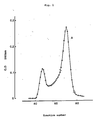
- Figure 1 illustrates the elution pattern of gel filtration of ultrafiltration concentrate of an organ culture broth of Anguilla japonica pituitary glands, using Sephadex G-75.
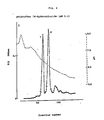
- Figure 2 illustrates fractionation of gel filtration fraction A of Fig. 1 by chromatofocusing.
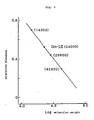
- Figure 3 is the drawing of SDS polyacrylamide gel electrophoresis whereby the molecular weight of Anguilla japonica growth hormone was determined according to the migration distance. Standard protein markers No. 44223 2U (product of BDH Chemical Co.) were used. Molecular weights 14.3K, 28.6K and 42.9K correspond to monomer, dimer and trimer, respectively.
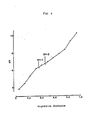
- Figure 4 is the drawing of isoelectric point electrophoresis whereby the isoelectric points of Anguilla japonica growth hormones are calculated.
- Figure 5 illustrates separation of digestion product by cyanogen bromide of reduced carboxymethylated substance of Anguilla japonica growth hormone GH-I by high pressure liquid chromatography.
- Figure 6 illustrates separation of digestion product by lysylendopeptidase of cyanogen bromide fragment E in Fig. 5 by high pressure liquid chromatography.
- Figure 7 consisting of part (1) and part (2) is a flow sheet for synthesizing cDNA by the method of Okayama-Berg and constructing a recombinant plasmid containing the DNA.
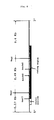
- Figure 8 illustrates the restriction enzyme map of the cDNA coding for Anguilla japonica growth hormone in pEGH15.
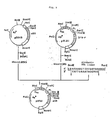
- Figure 9 illustrates the process for constructing the recombinant plasmid pUPA1.
- Figure 10 illustrates the process for constructing recombinant plasmid pUPJ24.
- Figure 11 illustrates the process for constructing recombinant plasmid pPACl.
- Figure 12 illustrates how the increase in body weight of rainblow trout is promoted in administering Anguilla japonica growth hormone GH-I or GH-II to rainbow trout.
- the present invention provides an eel growth hormone comprising a purified extract from an organ culture broth of the pituitary gland.
- the pituitary gland as used herein is obtained from heads of a fish belonging to Actinopterygii Anguilliformes .
- the fish belonging to Actinopterygii Anguilliformes any species will do, and Anguilla japonica is mentioned as a preferred example.
- the pituitary glands are sterilely excised from heads cut off of Anguilla japonica and placed in a medium for culturing.
- the culture medium is prepared by adding to Eagles's MEM culture medium containing Earle's salts [H. Eagle, Science, 130 , 432 (1959)], culture medium No. 199 [J. F. Morgan, et al ., Proc. Soc. Exp. Biol. Med., 73 , 1 (1950)] or Waymouth's MB752/1 culture medium [C. Waymouth, J. Natl. Cancer.
- antibiotic such as penicillin G (80 - 120 U/ml, preferably 100 U/ml), streptomycin (80 - 120 ⁇ g/ml, preferably 100 ⁇ g/ml) and fungizone (0.20 - 0.30 ⁇ g/ml, preferably 0.25 ⁇ g/ml), and an adequate amount of sodium bicarbonate and adjusting the mixture to pH 7 - 8, preferably 7.3 - 7.4 and 250 - 300 mOsm, preferably 270 - 290 mOsm.
- Culturing is carried out under an atmosphere of 90 - 99%, preferably 95% O2 and 1 - 10%, preferably 5% CO2 at 15 - 20°C, preferably 18°C for 10 weeks, while replacing the culture medium with a fresh one every seventh day.
- the collected culture broths are purified by the conventional methods used in the polypeptide purification such as ultrafiltration, gel-filtration and chromatofocusing to recover a growth hormone polypeptide.
- the culture broth is concentrated by using DIAFLO ultrafiltration membrane of Amicon (YM-5).
- the concentrate is passed through Sephadex column equilibrated with 0.01 - 0.05M, preferably 0.025M imidazole hydrochloride (pH 7 - 8, preferably pH 7.4), and eluted with the same solvent.
- the eluate is monitored at 280 nm by spectrophotometer, and the fractions having an absorption are collected and reconcentrated using the ultrafiltration membrane.
- the concentrated fractions are subjected to chromatofocusing, and passed through PBE94 (product of Pharmacia Fine Chemicals, Inc.) column equilibrated with 0.01 - 0.05M, preferably 0.025M imidazole hydrochloride (pH 7 - 8, preferably 7.4). Elution is carried out with polybuffer 74-hydrochloride (pH 4 - 6, preferably pH 5.0), polybuffer 74 being a trademark for a buffer sold by Pharmacia Fine Chemicals Inc..
- Fractions having an absorption at 280 nm are collected, passed through Sephadex column equilibrated with 0.01 - 0.07M, preferably 0.05M ammonium acetate to remove the polybuffer, and eluted with the same solvent to collect the fractions having an absorption at 280 nm.
- the fractions are freeze-dried to obtain a growth hormone of the present invention as a white powder.
- the purity of the Anguilla japonica growth hormone of the present invention is detected using polyacrylamide gel electrophoresis and isoelectric point electrophoresis.
- the amino acid composition is analyzed by LKB 4,400 type amino acid autoanalyzer after hydrolyzing the substance at 110°C for 22 hours in 20% constant boiling point hydrochloric acid.
- amino acid composition of the growth hormone of the present invention is given in Table 1.
- the analysis of amino acid sequence at the N-terminal of the growth hormone is carried out by the combination of 470A type sequencer (product of Applied Biosystem Co.) and high pressure liquid chromatography (product of Spectra Physics Co.). Further, the analysis of the whole amino acid sequence is carried out by analyzing peptide fragments into which the growth hormone is digested by cyanogen bromide and lysylendopeptidase with the above instruments.
- the analyses of molecular weight, isoelectric point, etc. are carried out by the methods as shown in Example 1.
- the activity of growth hormone is determined by the method described in Example 11 using rainbow trouts ( Salmo irideus ).
- the growth hormone of the present invention stimulates growth of teleosts ( Osteichthyes ) such as Clupeiformes , Anguilliformes , Perciformes , Pleuronectiformes , Tetraodontiformes , etc. and thus useful in the cultivation of these fishes.
- the growth hormone is exemplified by GH-I and GH-II as specific embodiments of the present invention in the Examples.
- all that comprises a purified extract obtained from an organ culture broth of the pituitary gland of a fish belonging to Actinopterygii Anguilliformes and that has an activity of fish growth hormone, including GH-I and GH-II falls within the scope of the present invention.
- the present invention provides a process for producing eel growth hormone polypeptides by recombinant DNA techniques.
- an mRNA of fish growth hormone is isolated and used as a template to prepare a DNA (cDNA) complementary to the mRNA and then a recombinant plasmid incorporating the cDNA is prepared. Further, the recombinant plasmid is incorporated in a host microorganism.
- the DNA and recombinant plasmid can be used for expression of Anguilla japonica growth hormone gene in bacteria such as Escherichia coli . Microorganisms carrying the recombinant plasmid are useful for producing a large amount of Anguilla japonica growth hormones in a low cost.
- the present invention provides a DNA coding for a fish growth hormone polypeptide, a recombinant DNA incorporating the DNA and a microorganism containing the recombinant DNA.
- the DNA and recombinant DNA of the present invention are prepared by the following general method.
- RNA having polyadenylic acid [poly(A)RNA].
- a double stranded DNA is synthesized using the poly(A)RNA as a template and a reverse transcriptase.
- a recombinant DNA is obtained using in vitro recombinant DNA techniques by inserting the synthesized DNA into a vector DNA such as Escherichia coli plasmid DNA.
- the pituitary gland is excised from captured Anguilla japonica and immediately freezed in a liquid nitrogen. Guanidine thiocyanate is added to the frozen pituitary gland and the pituitary gland is disrupted and solubilized. Then, LiCl is added thereto, and the mixture is subjected to centrifugation to obtain whole cytoplasmic RNA as a precipitate. Alternatively, the solubilized matter with guanidine thiocyanate is put on CsCl solution layer and subjected to ultracentrifugation to obtain an RNA as a precipitate.
- the extracted RNA is dissolved in an NaCl or KCl hypertonic solution (for example 0.5M) and passed through an oligo (dT) cellulose column to allow mRNA having poly(A) to be adsorbed on the column. Elution is carried out with water or a hypotonic salt solution such as 10 mM Tris-HCl buffer to isolate the mRNA having poly(A).
- an NaCl or KCl hypertonic solution for example 0.5M
- dT oligo
- Elution is carried out with water or a hypotonic salt solution such as 10 mM Tris-HCl buffer to isolate the mRNA having poly(A).
- Synthesis of cDNA and insertion of the cDNA into a vector are carried out according to the method of Okayama-Berg [Okayama & Berg; Mol. Cell. Biol. 2 , 161 (1982)] as follows.
- a vector primer is synthesized.
- a vector e.g. pcDVl
- KpnI is treated with KpnI in an adequate solution such as a solution consisting of Tris-HCl buffer (e.g. pH 7.5, 10 mM), MgCl2 (e.g. 6 mM) and NaCl (e.g. 10 mM) to cut pcDVl at KpnI site.
- the DNA is incubated with terminal deoxynucleotidyltransferase at an appropriate temperature (e.g. 37°C) for an appropriate period (e.g. 20 minutes) in a solution consisting of Tris-HCl buffer (e.g. pH 6.8, 30 mM), sodium cacodylate (e.g.
- the DNA is cut with EcoRI in a solution consisting of Tris-HCl buffer (e.g. pH 7.5, 10 mM), MgCl2 (e.g. 6 mM) and NaCl (e.g. 100 mM).
- Tris-HCl buffer e.g. pH 7.5, 10 mM
- MgCl2 e.g. 6 mM
- NaCl e.g. 100 mM
- the digested solution is fractionated by low-gelling-temperature agarose gel electrophoresis [Lars Wieslander: Analytical Biochemistry, 98 , 305 (1979), referred to as LGT method hereinafter] to recover a DNA fragment of about 3.1 Kb.
- the DNA is dissolved in an NaCl or KCl hypertonic solution (e.g. 0.5M) and passed through a poly(dA) cellulose column to allow only vector primer molecules having poly(dT) to be adsorbed on the column. Elution is carried out with water or a hypotonic salt solution such as 10 mM Tris-HCl buffer to isolate only the vector primer molecule with poly(dT).
- a linker DNA is synthesized as follows.
- pL1 DNA is treated with PstI in an appropriate solution such as a solution consisting of Tris-HCl buffer (e.g. pH 7.5, 10 mM), MgCl2 (e.g. 6 mM) and NaCl (e.g. 50 mM) to cut pL1 at PstI site.
- the DNA is treated by the same method as in the synthesis of the vector primer except that dGTP is added in place of dTTP, and chains of about 15 dG residues are added.
- the DNA is cut with HindIII in an appropriate solution such as a solution consisting of Tris-HCl buffer (e.g.
- a DNA fragment of about 0.5 Kb is fractionated by agarose gel electrophoresis and recovered with DEAE paper. Thus, a linker DNA is obtained.
- poly(A)RNA, vector primer and linker DNA are used to synthesize cDNA as follows.
- the poly(A)RNA and vector primer DNA are reacted with a reverse transcriptase at an appropriate temperature (e.g. 37°C) for an appropriate period (e.g. 40 minutes) in a solution consisting of Tris-HCl buffer (e.g. pH 8.3, 50 mM), MgCl2 (e.g. 8 mM), KCl (e.g. 30 mM), dithiothreitol (e.g. 0.3 mM), and dATP, dTTP, dCTP and dGTP (e.g. each 2 mM).
- Tris-HCl buffer e.g. pH 8.3, 50 mM
- MgCl2 e.g. 8 mM
- KCl e.g. 30 mM
- dithiothreitol e.g. 0.3 mM
- dATP dT
- RNA-DNA double strand Chains of about 15 dC residues are added at the 3' ends of the thus obtained RNA-DNA double strand in the same conditions as in the case of the addition of dT chains to the vector primer except that dTTP is replaced with dCTP.
- the DNA is cut with HindIII in a solution consisting of Tris-HCl buffer (e.g. pH 7.5, 10 mM), MgCl2 (e.g. 6 mM) and NaCl (e.g. 60 mM).
- the previously prepared linker DNA is mixed with the DNA and the mixture is incubated with Escherichia coli DNA ligase at an appropriate temperature (e.g. 12°C) for an appropriate period (e.g.
- Tris-HCl buffer e.g. pH 7.5, 20 mM
- MgCl2 e.g. 4 mM
- NH42SO4 e.g. 10 mM
- KCl e.g. 0.1M
- ⁇ -nicotinamide adenine dinucleotide e.g. 0.1 mM
- ⁇ -NAD ⁇ -nicotinamide adenine dinucleotide
- Escherichia coli DNA ligase, Escherichia coli DNA polymerase I and Escherichia coli ribonuclease H are added to replace the RNA part with DNA and to obtain a recombinant plasmid containing a complete double stranded cDNA.
- An Escherichia coli strain e.g. Escherichia coli c600SF8 is transformed with the thus obtained recombinant plasmid, for example, by the method of Scott, et al . [Katsuya Shigesada: Saibo Kogaku (Cell Engineering), 2 , 616 (1983)]. Since an ampicillin resistance gene exists in the recombinant plasmid mentioned above, the Escherichia coli transformant is resistant to ampicillin. Selection of a microorganism strain carrying a new recombinant plasmid DNA having a gene corresponding to the mRNA of fish growth hormone from the ampicillin-resistant (Ap R ) strains is carried out as follows.
- the transformants obtained above are fixed on a nitrocellulose filter and a synthetic DNA probe having a DNA sequence which is presumed from the amino acid sequence of the extracted growth hormone of Anguilla japonica described above is hybridized thereto to select the transformant showing strong hybridizaion [the Method of Grunstein-Hogness, Proc. Natl. Acad. Sci., USA., 72 , 3961 (1975)].
- the probe DNA is synthesized by a conventional triester method [J. Am. Chem. Soc., 97 , 7327 (1975)]. Selection by the synthesized DNA probe is more definitely carried out by the method of Southern, et al . [J Mol. Biol., 98 , 503 (1975)] and a recombinant plasmid having the gene corresponding to mRNA of Anguilla japonica growth hormone is identified by the same method mentioned above.
- pEGH15 is an example of the thus obtained recombinant plasmids.
- the plasmid can be used as a source of the DNA coding for Anguilla japonica growth hormone.
- GH-I and GH-II have been found and the amino acid sequences of the two growth hormones are compared with each other to find that GH-II lacks three amino acid residues from the N-terminal of GH-I.
- pEGH15 obtained above is a plasmid carrying the DNA coding for GH-I. Therefore, a plasmid carrying the DNA coding for GH-II can be prepared by recombinant DNA techniques using the DNA coding for GH-I cut out of pEGH15.
- the DNA coding for Anguilla japonica growth hormone is cut out from the plasmid carrying the DNA and inserted into a vector DNA.
- the thus obtained recombinant DNA is incorporated in a microorganism and the obtained transformant is cultured to accumulate a growth hormone polypeptide of Anguilla japonica in a medium, which is then recovered. In this manner, the growth hormone polypeptide of Anguilla japonica can be produced.
- pEGH15 As the plasmid containing the DNA coding for Anguilla japonica growth hormone, pEGH15 mentioned above is preferably used.
- any vector can be used so long as the DNA incorporated therein can be expressed in a microorganism.
- a vector DNA wherein a DNA can be inserted downstream from a suitable promoter such as tryptophan (trp) promoter, lactose (lac) promoter and P L promoter and the length between Shine-Dalgarno sequence (referred to as SD sequence hereinafter) and initiation codon (ATG) is adjusted, for example, to 6 - 18 base pairs is employed.
- trp tryptophan
- lac lactose
- a preferred example of the vector DNA is plasmid pGLM1.
- pGLM1 is a plasmid as illustrated in Fig.
- the construction is carried out as follows. That is, BanII-BamHI digestion fragment containing the cDNA part coding for the mature growth hormone peptide of Anguilla japonica and the vector part is obtained from pEGH15. BamHI-BanIII digestion fragment containing P L promoter and cI857 gene is obtained from pGLM1.
- the synthetic DNA linker as shown below is prepared.
- the both DNA fragments and synthetic DNA linker described above are ligated with T4 DNA ligase to obtain the recombinant plasmid pUPA1 illustrated in Fig. 9.
- the plasmid has a construction wherein a region coding for mature growth hormone of Anguilla japonica (GH-I) is ligated downstream from the P L promoter.
- GH-I Anguilla japonica
- Reaction conditions required for the recombinant techniques described above are generally as follows.
- Digestion of the DNA with restriction enzymes is usually carried out by reacting 0.1 to 20 ⁇ g of the DNA with 0.1 - 100 units, preferably 1 - 3 units of the restriction enzyme per 1 ⁇ g of the DNA in a mixture of 2 - 200 mM, preferably 10 - 40 mM Tris-HCl (pH 6.0 - 9.5, preferably pH 7.0 - 8.0), 0 - 200 mM NaCl and 2 - 30 mM, preferably 5 - 10 mM MgCl2 at 20 - 70°C (optimum temperature depends on the restriction enzymes used) for 15 minutes to 24 hours. Reaction is usually stopped by heating at 55 - 75°C for 5 - 30 minutes, or alternatively by inactivating the restriction enzyme with a reagent such as phenol or diethylpyrocarbonate.
- a reagent such as phenol or diethylpyrocarbonate.
- Purification of the DNA fragments formed by digestion with restriction enzymes is carried out by LGT method or polyacrylamide gel electrophoresis.
- Ligation of the DNA fragments is carried out with 0.3 - 10 units of T4 DNA ligase in a mixture of 2 - 200 mM, preferably 10 - 40 mM Tris-HCl (pH 6.1 - 9.5, preferably 7.0 - 8.0), 2 - 20 mM, preferably 5 - 10 mM MgCl2, 0.1 - 10 mM preferably 0.5 - 2.0 mM ATP and 1 - 50 mM, preferably 5 - 10 mM dithiothreitol at 1 - 37°C, preferably 3 - 20°C for 15 minutes to 72 hours, preferably 2 - 20 hours.
- the recombinant plasmid DNA formed by the ligation reaction is introduced into Escherichia coli by the transformation method of Cohen, et al . [S.N. Cohen, et al .: Proc. Natl. Acad. Sci. USA, 69 , 2110 (1972)], if necessary.
- Isolation of the recombinant plasmid DNA from Escherichia coli carrying the DNA is carried out by cesium chloride-ethidium bromide density-gradient ultracentrifugation method [D.B. Clewell, et al .: Proc. Natl. Acad. Sci., USA, 62 , 1159 (1969)] or the method of Birnboim, et al . [H.C. Birnboim, et al .: Nucleic Acids Res. 7 , 1513 (1979)].
- Plasmid DNA is digested with 1 - 10 kinds of restriction endonucleases and the cleavage sites are examined by agarose gel electrophoresis or polyacrylamide gel electrophoresis. Further, if necessary, the base sequence of the DNA is determined by the method of Maxam-Gilbert [Proc. Natl. Acad. Sci. 74 , 560 (1977)] or the method of Sanger [Sanger, et al .: Proc. Natl. Acad. Sci. USA, 74 , 5463 (1977); Amersham Co., M13 cloning and sequencing handbook] using M13 phage.
- the growth hormone polypeptide of Anguilla japonica of the present invention is produced by the following method.
- Escherichia coli K-12 C600 [R.K. Appleyard, Genetics, 39 , 440 (1954)] is transformed with a plasmid (e.g. pUPA1) and an Escherichia coli strain carrying pUPA1 is selected from the ampicillin resistant colonies.
- the Escherichia coli strain carrying pUPA1 is cultured in a medium to produce the growth hormone polypeptide of Anguilla japonica in the cultured product.
- a synthetic medium or a natural medium can be used so long as it is suitable for the growth of Escherichia coli and the production of the growth hormone polypeptide of Anguilla japonica.
- glucose, fructose, lactose, glycerol, mannitol, sorbitol, etc. may be used.
- nitrogen source NH4Cl, (NH4) 2 SO 4 , casamino acid, yeast extract, polypeptone, meat extract, Bacto-Tryptone, corn steep liquor, etc. may be used.
- nutrients such as K2HPO4, KH2PO4 , NaCl, MgSO 4 , vitamine B1 and MgCl2 may be used.
- Culturing is carried out at pH 5.5 - 8.5 and at 18 - 40°C with aeration and stirring.
- the growth hormone polypeptide of Anguilla japonica is accumulated in cultured cells.
- the collected cells are treated with lysozyme, disrupted by repeated freezing and thawing and subjected to centrifugation.
- the thus obtained supernatant fluid is subjected to extraction according to a conventional method for extraction of polypeptides to recover the polypeptide.
- Detection of the polypeptide is carried out by heat-dissolving the cultured cells directly in Sample buffer of Laemmli [Laemmli, Nature, 227 , 680 (1970)], by subjecting the solution to SDS-polyacrylamide gel (the method of Laemmli: the reference mentioned above) and Western Blotting [Towbin, et al .: Proc. Natl. Acad. Sci., USA, 76 , 4350 (1979)], and thereafter subjecting to the enzyme-antibody staining method [Kazufumi Tanabe: Saibo Kogaku (Cell Engineering), 2 , 1061 (1983)] using horseradish peroxidase-labelled second antigen (product of Dako).
- the pituitary glands were sterilely excised from heads cut off of 260 individuals of Anguilla japonica, and put in 8 ml of a culture medium dividedly by 20 pieces.
- the culture medium was prepared by adding to Eagle's MEM culture medium containing Earle's salts [which is prepared by dissolving TC Minimum Medium Eagle, Earle, BSS, Dried (product of Difco) in a distilled water in a concentration of 9.06 g/l] antibiotics (100 U/ml penicillin G, 100 ⁇ g/ml streptomycin and 0.25 ⁇ g/ml fungizone) and an adequate amount of sodium bicarbonate as a powder and adjusting the mixture to pH 7.3 - 7.4 and the osmotic pressure of 270 - 290 mOsm.
- the pituitary glands in the culture medium were incubated in an atmosphere comprising 95% O 2 and 5% CO2 at 18°C.
- the culture medium was replaced with a fresh one every seventh day, and the collected culture broths were freezed at -20°C for storage. Under these conditions, culturing was continued for 10 weeks to obtain 750 ml of a culture broth.
- the culture broth was concentrated using DIAFLO ultrafiltration membrane of Amicon (YM-5) until the volume was 10.5 ml.
- the concentrate was passed through Sephadex G75 column (2.64 x 69 cm) (product of Pharmacia Fine Chemicals Inc.) equilibrated with 0.025M imidazole hydrochloride (pH 7.4), and eluted with the same solvent at a flow rate of 24.0 ml/hr.
- the eluate was recovered by fractions of 3 ml each, and detected at 280 nm by spectrophotometer (Fig. 1). Then, 39 ml of fractions under the peak A (Fraction Nos. 65 - 77) illustrated in Fig. 1 was combined and concentrated to 6 ml by the above mentioned ultrafiltration membrane. The concentrate was further fractionated by chromatofocusing.
- the concentrate was passed through PBE94 column (1 x 42 cm) (product of Pharmacia Fine Chemicals, Inc.) equilibrated with 0.025M imidazole hydrochloride (pH 7.4), and eluted with polybuffer 74-hydrochloride (pH 5.0) (product of Pharmacia Fine Chemicals, Inc.) at a flow rate of 23.6 ml/hr.
- the eluate was fractionated in fractions of 2.9 ml each. Detection was carried out at 280 nm (Fig. 2). Fractions under peak 1 (Fraction Nos. 57 - 65) and those under peak 2 (Fraction Nos. 72 - 81) illustrated in Fig.
- the eluate was fractionated in fractions of 3.0 ml each, and the fractions having an absorption at 280 nm were combined and freeze-dried to obtain 1.35 mg of a white powder from the fractions under peak 1 and 2.00 mg of a white powder from the fractions under peak 2.
- the former is referred to as GH-II, the later, GH-I, hereinafter.
- the growth hormones mentioned above were subjected to SDS (sodium lauryl sulfate) polyacrylamide gel electrophoresis (10% acrylamide/0.1% SDS).
- Calibration curve was obtained using standard protein markers of BDH Chemicals as standard substance (molecular weight 14.3k, 28.6k and 42.9k) and the molecular weight of either of GH-I and GH-II was calculated as about 23,000 using the calibration curve (Fig. 3).
- either of GH-I and GH-II was detected as a single band, which shows that the hormones are nearly of 100% purity.
- the growth hormones GH-I and GH-II were subjected to isoelectric point electrophoresis using ampholine (pH 3.5 - 9.5), either of which was detected as a single band.
- the gel was cut off and extracted with a distilled water overnight. The pH of the extracts was measured to obtain a calibration curve.
- the isoelectric points of GH-I and GH-II were calculated to be 6.3 and 6.7, respectively using the calibration curve (Fig. 4).
- GH-I GH-I was dissolved in one ml of a buffer (pH 8.3) comprising 0.1M Tris-HCl, 6M guanidinium hydrochloride and 2 mM EDTA, and a nitrogen gas was blown through the solution for 15 minutes.
- a buffer pH 8.3
- mercaptoethanol To the solution was added 20 ⁇ l of mercaptoethanol and the mixture was left in the dark at room temperature for 4 hours.
- Three mg of monoiodoacetic acid in 0.5 ml of sodium hydroxide aqueous solution was added thereto. The mixture was incubated in the dark for 15 minutes and adjusted to pH 3 with acetic acid to stop the reaction.
- the reaction solution was subjected to high pressure liquid chromatography by passing through TSK gel TMS250 column (0.4 x 5 cm, 10 ⁇ m) (product of Toyo Soda Manufacturing Co., Ltd.) equilibrated with 0.1% trifluoroacetic acid aqueous solution and eluting the reaction reagent and salts out with 0.1% trifluoroacetic acid aqueous solution. Thereafter elution is carried out with a mixed solvent of isopropanol and water (90:10) containing 0.1% trifluoroacetic acid, and the eluate was freeze-dried to obtain 0.95 mg of a white powder.
- the powder was dissolved in one ml of 70% formic acid aqueous solution containing a 100-fold excess over methionine residues of cyanogen bromide, subjected to digestion in the dark for 18 hours, and freeze-dried.
- the material digested by cyanogen bromide was dissolved in 0.1 ml of 0.1% trifluoroacetic acid aqueous solution and subjected to high pressure liquid chromatography using TSK gel ODS 120T column (0.4 x 25 cm, 5 ⁇ m) (product of Toyo Soda Manufacturing Co., Ltd.) and gradient elution with 5 - 60% isopropanol in the presence of 0.1% trifluoroacetic acid (Fig. 5).
- sequences have a homology with an Ovis growth hormone sequence [reported by C.H. Li, et al ., Int. J. Peptide Protein Res., 4 , 151 (1972)] and cyanogen bromide selectively cleaves the rear of Met, the sequences were aligned as -Met-D-Met-C-Met-B-Met-A and thus the sequence from the 90th to the end (C-terminal) amino acid residues was determined.
- the fractions under peak E had the sequence from N-terminal in GH-I. Therefore, the fractions were dissolved in 50 ⁇ l of a buffer (pH 9.1) consisting of 0.01M Tris-HCl and 4M urea, and 0.16 ⁇ g of lysylendopeptidase was added thereto. The mixture was incubated at 37°C for 16 hours. The reaction mixture was subjected to high pressure liquid chromatography using Hipore C18 (0.4 x 25 cm) (product of Bio Rad) column and gradient elution with 0 - 70% acetonitrile in the presence of 0.1% trifluoroacetic acid (Fig. 6). Detection was carried out at 210 nm and a flow rate was 1 ml/min. The fractions under peaks "a" to "d” were analyzed by the above-mentioned instruments to determine that the respective fragments of the growth hormone have the following amino acid sequences:
- sequences have a homology with an Ovis growth hormone sequence and lysylendopeptidase selectively cleaves the rear of Lys, the sequences were aligned as b-d1-a-d2-c. Further, the sequence from N-terminal of Component b coincided with that from the 30th amino acid residue, Glu out of the sequence from N-terminal of GH-l which had already been determined. Therefore, the sequence of 100 amino acid residues from N-terminal was determined. Further, together with the results of the digested peptides by cyanogen bromide, the whole sequence of 190 amino acid residues was determined.
- GH-II As for GH-II, it was subjected to digestion by cyanogen bromide under the same conditions as GH-I. Obtained were peptide fragments corresponding to four peptides at the C-terminal end of GH-I, the sequences of which utterly coincided with those of GH-I. Accordingly, it was proved that the sequence of 90 amino acid residues at the C-terminal end is the same as GH-I.
- RNA having poly(A) was prepared from the pituitary gland of Anguilla japonica according to guanidium thiocyanate-lithium chloride method [Cathala, et al ., DNA, 2 , 329 (1983)] in the following manner.
- RNA precipitate was suspended in 100 ml of a solution consisting of 4M urea and 2M lithium chloride, and centrifuged at 9,000 rpm for 60 minutes using Hitachi RPR10 rotor to recover RNAs as a precipitate again.
- the RNA precipitate was dissolved in 10 ml of a solution consisting of 0.1% sodium lauryl sulfate, 1 mM EDTA and 10 mM Tris-HCl (pH 7.5), extracted with phenol-chloroform and treated with ethanol to obtain purified RNA as a precipitate.
- RNA was dissolved in 1 ml of a solution consisting of 10 mM Tris-HCl (pH 8.0) and 1 mM EDTA. The solution was incubated at 65°C for 5 minutes and 0.1 ml of 5M NaCl was added. The mixture was subjected to oligo(dT) cellulose column (product of P-L Biochemicals, column volume 0.5 ml) chromatography. The mRNA having poly(A) adsorbed on the column was eluted with a solution consisting of 10 mM Tris-HCl (pH 7.5) and 1 mM EDTA to obtain about 7 ⁇ g of the mRNA having poly(A).
- pcDVl [Okayama Berg: Mol. Cell. Biol., 3 , 280 (1983)] was added to 300 ⁇ l of a solution consisting of 10 mM Tris-HCl (pH 7.5), 6 mM MgCl2 and 10 mM NaCl, and further 500 units of KpnI (product of Takara Shuzo Co., the restriction enzymes used hereinafter are all products of Takara Shuzo Co., unless otherwise specified) was added. Reaction was carried out at 37°C for 6 hours to cut the plasmid at KpnI site. After phenol-chloroform extraction, a DNA was recovered by ethanol precipitation.
- TdT buffer a buffer consisting of 40 mM sodium cacodylate, 30 mM Tris-HCl (pH 6.8), 1 mM CaCl 2 and 0.1 mM dithiothreitol (referred to as DTT hereinafter).
- TdT terminal deoxynucleotidyl transferase
- Elution was carried out with a solution consisting of 10 mM Tris-HCl (pH 8.0) and 1 mM EDTA to obtain 27 ⁇ g of the pcDV1 DNA fragment of about 3.1 Kb with poly(dT) chain (referred to as vector primer hereinafter).
- linker DNA was prepared in the following manner.
- linker-DNA linker DNA with oligo(dG) chain
- the reaction product was subjected to phenol-chloroform extraction and ethanol precipitation to recover a vector-primer DNA associated with RNA-DNA double stranded chain.
- the DNA was dissolved in 20 ⁇ l of TdT buffer containing 66 ⁇ M dCTP and 0.2 ⁇ g of poly(A).
- TdT product of P-L Biochemicals
- Fourteen units of TdT was added and incubation was carried out at 37°C for 8 minutes to add (dC) chains (12 mer) to the 3' ends of the cDNA.
- the reaction product was subjected to phenol-chloroform extraction and ethanol precipitation to recover a cDNA-vector primer DNA associated with oligo (dC) chains.
- the DNA was dissolved in 400 ⁇ l of a solution consisting of 10 mM Tris-HCl (pH 7.5), 6 mM MgCl2 and 60 mM NaCl. Twenty units of HindIII was added and incubation was carried out at 37°C for 2 hours to cut the DNA at HindIII site. The reaction product was subjected to phenol-chloroform extraction and ethanol precipitation to obtain 0.5 pmole of a cDNA-vector primer DNA associated with oligo (dc) chain.
- Escherichia coli DNA ligase (product of New England Biolabs) was added to the reaction solution and incubation was carried out at 11°C overnight.
- the reaction solution was adjusted to a solution containing 40 ⁇ M dNTP and 0.15 mM ⁇ -NAD.
- a recombinant DNA containing the cDNA was cyclized, the RNA part of the RNA-DNA double stranded chain was replaced with the DNA and a recombinant plasmid having complete double stranded DNA was formed.
- Escherichia coli c600SF8 strain [Cameron: Proc. Natl. Acad. Sci. USA, 72 , 3416 (1975), the strain was deposited with FRI under FERM BP-1070 on May 27, 1986] was transformed using the recombinant plasmid obtained in Example 3 by the method of Scott, et al . [Katsuya Shigesada: Saibo Kogaku (Cell Engineering) 2 , 616 (1983)]. About 2,400 colonies thus obtained were fixed on nitrocellulose.
- the plasmids named pEGH8, 9 and 15 respectively have the DNA sequence presumed from the amino acid sequence of the Anguilla japonica growth hormone and are considered to contain Anguilla japonica growth hormone cDNA.
- the three plasmids obtained above were digested with various restriction endonucleases and cleavage maps of the cDNA parts were determined.
- the restriction endonuclease map of the cDNA in plasmid pEGH15 is illustrated in Fig. 8.
- pEGH15 which hybridizes strongly with the synthetic DNA probe described in Example 4 and which is considered to contain the cDNA having an almost complete length was examined by the method of Sanger using M13 phage [Sanger, et al .; Proc. Natl. Acad. Sci., USA, 74 , 5463 (1977): Amersham, M13 cloning and sequencing handbook] to determine the whole nucleotide sequence of the translational region.
- the nucleotide sequence is illustrated in Table 2. In Table 2, the base numbers 1-57 code for signal peptide and 58-627 code for the mature peptide of Anguilla japonica growth hormone.
- Escherichia coli containing pEGH15 was deposited with the FRI as Escherichia coli EEGH15 (FERM BP-824) on July 2, 1985.
- 3 ⁇ g of plasmid pEGH15 containing a DNA coding for Anguilla japonica growth hormone was dissolved in 30 ⁇ l of a solution consisting of 10 mM-Tris-HCl (pH 7.5), 7 mM MgCl2 and 100 mM NaCl (referred to as Y-100 buffer solution hereinafter). Then, 8 units of restriction enzyme BanII (product of Toyobo Co.) and 8 units of restriction enzyme BamHI (product of Toyobo Co.) were added and digestion reaction was carried out at 37°C for 2 hours.
- BanII product of Toyobo Co.
- BamHI product of Toyobo Co.
- Escherichia coli K294 (FERM BP-526 which was deposited with the FRI on April 19, 1984) was transformed using the reaction solution to obtain an Ap R colony.
- a plasmid DNA pUPA1 illustrated in Fig. 9 was recovered from the colony.
- the structure of pUPA1 was recognized by the cleavage with EcoRI, BanIII, HindIII, BanII, HpaI, BamHI, Bg1II, PstI and XhoI and agarose gel electrophoresis.
- Escherichia coli C600 strain was transformed with the recombinant plasmid pUPA1 obtained in Example 6 by a conventional method.
- An Ap R colony obtained was inoculated in 10 ml of MCG medium (pH 7.2) consisting of 0.6% Na2HPO4, 0.3% KH2PO4, 0.5% NaCl, 0.1% NH4Cl, 0.5% glucose, 0.5% casamino acid, 1 mM MgSO4 and 4 ⁇ g/ml vitamine B1 and culturing was carried out at 30°C for 7 hours.
- the obtained culture broth was inoculated in 50 ml of MCG medium and culturing was carried out at 30°C for 18 hours.
- the obtained culture broth was inoculated in one l of MCG medium and culturing was carried out at 30°C for 5 hours, at 42°C for 2 hours and further at 37°C for 41 hours, respectively.
- the obtained culture broth was centrifuged at 8,000 rpm for 10 minutes to harvest microbial cells.
- the cells were suspended in Sample buffer of Laemmli and subjected to SDS-polyacrylamide gel electrophoresis and Western Blotting [Towbin, et al .: Proc. Natl. Acad.
- Escherichia coli containing pUPA1 was deposited with FRI as Escherichia coli EUPA1 under FERM BP-825 on July 2, 1980.
- the microorganisms which produce Anguilla japonica growth hormone were cultured according to Example 7.
- the cells were collected by centrifugation at 8,000 rpm for 10 minutes and washed with a buffer solution (pH 7.5) consisting of 30 mM NaCl and 30 mM Tris-HCl.
- the washed cells were suspended in 5 ml of the buffer mentioned above and subjected to ultrasonic disintegration (Branson Sonic Power Company, Sonifier cell disruptor 200, output cotrol 2, 10 minutes) at 0°C.
- Disrupted cells were recovered by centrifugation at 15,000 rpm for 30 minutes.
- the disrupted cells were treated according to the method of Marston, et al . [F.A.O.
- a recombinant plasmid coding for GH-II was constructed in the following manner.
- the cohesive end formed by the digestion with BanII was changed to a flush end by the cleavage of one base of the cohesive end with the exonuclease activity of DNA polymerase I.
- the codon coding for isoleucine residue which is the 4th amino acid residue of GH-I was exposed at the terminal.
- the DNA fragment was dissolved in 30 ⁇ l of Y-100 buffer solution.
- Digestion reaction with 6 units of restriction enzyme PstI was carried out at 37°C for 2 hours.
- About 0.5 ⁇ g of a fragment of about 2.5 Kb containing the translational region coding for the mature growth hormone of Anguilla japonica , 3'-non-translational region and the Escherichia coli lipoprotein terminator was obtained from the reaction solution by LGT method.
- plasmid vector pPAC1 (refer to Reference Example 1 about the construction of pPAC1) containing translational initiation codon ATG and SphI cleavage site downstream from P L promoter and ribosome binding site was dissolved in 30 ⁇ l of Y-100 buffer solution.
- SphI restriction enzyme
- DNA polymerase I ⁇ Klenow fragment was inactivated by heating the reaction solution at 65°C for 20 minutes.
- Six units of restriction enzyme PstI was added and digestion reaction was carried out at 37°C for 2 hours.
- About 0.5 ⁇ g of a fragment of about 2.2 Kb containing cI857 gene, P L promoter and the translational initiation codon ATG was obtained from the reaction solution by LGT method.
- Plasmid pUPJ24 illustrated in Fig. 10 was recovered from the colony.
- the structure of pUPJ24 was recognized by the cleavage with restriction enzymes PstI, BanIII, NsiI, Bg1II and BamHI and agarose gel electrophoresis.
- pUPJ24 codes for amino acid residues from the 4th to the end of GH-I in the rear of the translational initiation codon ATG, that is GH-II by the method of Sanger [Sanger, et al .; Proc. Natl. Acad. Sci., USA, 74 , 5463 (1977): Amersham, M13 cloning and sequencing handbook].
- Escherichia coli K294 strain was transformed with the recombinant plasmid pUPJ24 obtained in Example 9 by a conventional method.
- An Ap R colony obtained was inoculated in 5 ml of MCG medium, and culturing was carried out at 30°C for 16 hours.
- 100 ⁇ l of the obtained culture broth was inoculated in 5 ml of MCG medium, and culturing was carried out at 30°C for 2 hours and at 42°C for 2 hours, respectively.
- the obtained culture broth was centrifuged at 8,000 rpm for 10 minutes to recover cells.
- the cells were suspended in Sample buffer of Laemmli and subjected to SDS-polyacrylamide gel electrophoresis and Coomassie Brilliant Blue staining to detect a polypeptide band at the portion of a molecular weight of about 25,000. The band was not observed in the case of using Escherichia coli which does not contain the plasmid.
- the recovered cells were suspended in Sample buffer of Laemmli and subjected to SDS-polyacrylamide gel electrophoresis, Western Blotting [Towbin, et al ., Proc. Natl. Acad.
- Fry of rainbow trout weighing an average of 13 g each were divided to groups each consisting of 15 individuals and cultivated in a cycle system tank at a water temperature of 15°C.
- Mixed feed (Masu 4C, product of Nippon Haigo Shiryo Co.) was given in an amount of 4% of body weight divided in two portions per day for 9 days and thereafter 3%.
- Growth hormones GH-I and GH-II each of Anguilla japonica were dissolved in a small amount of 0.01N sodium hydroxide aqueous solution and 0.9% sodium chloride aqueous solution was added to make the concentration of the growth hormones of 1 ⁇ g/5 ⁇ l.
- the sample solutions were injected intraperitoneally in an amount of 1 ⁇ g/g body weight.
- Fig. 12 shows increase rates of body weight. As is apparent from the results in Fig. 12, either of the growth hormones of the present invention promotes the growth of rainbow trout.
- Plasmid vector pPAC1 containing translational initiation codon ATG and SphI cleavage site downstream from P L promoter and ribosome binding site
- pPAC1 was prepared to construct a recombinant plasmid coding for Anguilla japonica growth hormone (GH-II) described in the present invention.
- pGLM1 obtained from Escherichia coli EGLM1 (FERM BP-823) was dissolved in 30 ⁇ l of Y-100 buffer solution, and four units of restriction enzyme BanIII (product of Toyobo Co.) and 4 units of restriction enzyme PstI were added. Digestion reaction was carried out at 37°C for 2 hours. About one ⁇ g of a DNA fragment of about 4.0 Kb containing P L promoter and cI857 gene was obtained from the reaction solution by LGT method.
- 0.1 ⁇ g of the DNA fragments each was dissolved in 30 ⁇ l of a solution consisting of 50 mM Tris-HCl (pH 7.5), 10 mM MgCl2, 10 mM DTT and 1 mM ATP, and 30 units of T4 DNA ligase (product of Takara Shuzo Co.) was added. Ligation reaction was carried out at 4°C for 16 hours. Escherichia coli K294 strain was transformed with the reaction solution to obtain an Ap R colony. From the colony, plasmid pPAC1 as illustrated in Fig. 11 was recovered. The structure of pPAC1 was recognized by the cleavage with PstI, SphI, BanIII and Sa1I, and agarose gel electrophoresis.
Landscapes
- Health & Medical Sciences (AREA)
- Life Sciences & Earth Sciences (AREA)
- Genetics & Genomics (AREA)
- Chemical & Material Sciences (AREA)
- Organic Chemistry (AREA)
- Engineering & Computer Science (AREA)
- Zoology (AREA)
- Biochemistry (AREA)
- Endocrinology (AREA)
- General Health & Medical Sciences (AREA)
- Wood Science & Technology (AREA)
- Bioinformatics & Cheminformatics (AREA)
- Molecular Biology (AREA)
- Biophysics (AREA)
- General Engineering & Computer Science (AREA)
- Biotechnology (AREA)
- Biomedical Technology (AREA)
- Proteomics, Peptides & Aminoacids (AREA)
- Physics & Mathematics (AREA)
- Virology (AREA)
- Toxicology (AREA)
- Plant Pathology (AREA)
- Medicinal Chemistry (AREA)
- Microbiology (AREA)
- Gastroenterology & Hepatology (AREA)
- Peptides Or Proteins (AREA)
- Preparation Of Compounds By Using Micro-Organisms (AREA)
- Medicines That Contain Protein Lipid Enzymes And Other Medicines (AREA)
Claims (15)
- Fisch-Wachstumshormon, das aus der Hypophyse eines zu den Actinopterygii Anguilliformes gehörenden Fisches stammt und ein Polypeptid mit den folgenden physikalisch-chemischen Eigenschaften ist:(i) Aminosäurezusammensetzung: wie in Spalte A, Tabelle 1, dargestellt;(ii) die Aminosäuresequenz ist wie folgt:
 (iii) Molekulargewicht: etwa 23 000;(iv) isoelektrischer Punkt: 6,3;(v) löslich in einer alkalisch wäßrigen Lösung und kaum löslich oder unlöslich in neutralen und sauren wäßrigen Lösungen;(vi) Klassifizierung als basische oder saure Eigenschaften: saures Polypeptid;(vii) Farbe und Form der Substanz: weißes Pulver; und(viii) Polyacrylamid-Gelelektrophorese: eine einzige Bande.
 - Fisch-Wachstumshormon, das aus der Hypophyse eines zu den Actinopterygii Anguilliformes gehörenden Fisches stammt und ein Polypeptid mit den folgenden physikalisch-chemischen Eigenschaften ist:(i) Aminosäurezusammensetzung: wie dargestellt in Spalte B, Tabelle 1;(ii) die Aminosäuresequenzen am N-Terminus und C-Terminus sind wie folgt:
 (iii) Molekulargewicht: etwa 23 000;(iv) isoelektrischer Punkt: 6,7;(v) löslich in einer alkalisch wäßrigen Lösung und kaum löslich oder unlöslich in neutralen und sauren wäßrigen Lösungen;(vi) Klassifizierung als basische oder saure Eigenschaften: saures Polypeptid;(vii) Farbe und Form der Substanz: weißes Pulver; und(viii) Polyacrylamid-Gelelektrophorese: eine einzige Bande.
 - Fisch-Wachstumshormon nach Anspruch 1, das ein von den Basennummern 58-627 der nachstehend angegebenen Nucleotidsequenz codiertes Polypeptid ist:

- Fisch-Wachstumshormon nach Anspruch 2, das ein von den Basennummern 67-627 der in Anspruch 3 angegebenen Nucleotidsequenz codiertes Polypeptid ist.
- Fisch-Wachstumshormon nach Anspruch 1 oder 2, wobei der Fisch Anquilla japonica ist.
- Verfahren zur Herstellung eines Fisch-Wachstumshormons nach Anspruch 1 oder 2, bei dem ein Organkultur-Medium der Hypophyse eines zu den Actinopterygii Anguilliformes gehörenden Fisches durch Ultrafiltration, Gelfiltration und/oder Chromatofokusierung gereinigt und das Fisch-Wachstumshormon hieraus gewonnen wird.
- Verfahren zur Herstellung eines Fisch-Wachstumshormon-Polypeptids nach Anspruch 1 oder 2, bei dem in einem Nährmedium ein Mikroorganismus gezüchtet wird, der eine rekombinante DNA enthält, in die eine für ein Wachstumshormon-Polypeptid eines zu den Actinopterygii Anguilliformes gehörenden Fisches codierende DNA eingebaut ist, das Fisch-Wachstumshormon-Polypeptid im Medium akkumuliert und das Polypeptid hieraus gewonnen wird.
- DNA, die für ein Wachstumshormon-Polypeptid eines zu den Actinopterygii Anguilliformes gehörenden Fisches codiert, wobei das Polypeptid die in Anspruch 3 oder 4 angegebene Aminosäuresequenz hat.
- Rekombinante DNA, in die eine für ein Wachstumshormon-Polypeptid eines zu den Actinopterygii Anguilliformes gehörenden Fisches mit der in Anspruch 3 oder 4 angegebenen Aminosäuresequenz codierende DNA eingebaut ist.
- Rekombinante DNA nach Anspruch 9, die das von Escherichia coli FERM BP-825 getragene Plasmid pUPA1 oder das in Figur 10 beschriebene Plasmid pUPJ24 ist.
- Mikroorganismus der eine rekombinante DNA enthält, in die eine für ein Wachstumshormon-Polypeptid eines zu den Actinopterygii Anguilliformes gehörenden Fisches mit der in Anspruch 3 oder 4 angegebenen Aminosäuresequenz codierende DNA eingebaut ist.
- Mikroorganismus nach Anspruch 11, wobei der Mikroorganismus zu Escherichia coli gehört.
- Verfahren zur Stimulation des Wachstums bei einem Fisch, wobei dem Fisch ein Fisch-Wachstumshormon nach Anspruch 1 oder 2 verabreicht wird, das aus der Hypophyse eines zu den Actinopterygii Anguilliformes gehörenden Fisches stammt.
- Verfahren nach Anspruch 13, wobei der Fisch, dem das Fisch-Wachstumshormon verabreicht wird, zu den Teleostei (Osteichthyes) gehört.
- Verfahren nach Anspruch 14, wobei der Fisch zu den Clupeiformes, Anguilliformes, Perciformes, Pleuronectiformes oder Tetraodontiformes gehört.
Applications Claiming Priority (6)
| Application Number | Priority Date | Filing Date | Title |
|---|---|---|---|
| JP151847/85 | 1985-07-10 | ||
| JP60151847A JPS6212723A (ja) | 1985-07-10 | 1985-07-10 | 魚類の成長ホルモン |
| JP60161429A JPH062065B2 (ja) | 1985-07-22 | 1985-07-22 | 魚類の成長ホルモン遺伝子および該遺伝子のコ−ドするポリペプチド |
| JP161429/85 | 1985-07-22 | ||
| JP74061/86 | 1986-03-31 | ||
| JP61074061A JPS62230799A (ja) | 1986-03-31 | 1986-03-31 | 魚類の成長ホルモン遺伝子および該遺伝子のコ−ドするポリペプチド |
Publications (2)
| Publication Number | Publication Date |
|---|---|
| EP0209068A1 EP0209068A1 (de) | 1987-01-21 |
| EP0209068B1 true EP0209068B1 (de) | 1991-03-27 |
Family
ID=27301398
Family Applications (1)
| Application Number | Title | Priority Date | Filing Date |
|---|---|---|---|
| EP86109346A Expired EP0209068B1 (de) | 1985-07-10 | 1986-07-09 | Aal-Wachstumshormon |
Country Status (4)
| Country | Link |
|---|---|
| US (1) | US4894362A (de) |
| EP (1) | EP0209068B1 (de) |
| CA (1) | CA1326835C (de) |
| DE (1) | DE3678347D1 (de) |
Families Citing this family (9)
| Publication number | Priority date | Publication date | Assignee | Title |
|---|---|---|---|---|
| DE3751144D1 (de) * | 1986-12-31 | 1995-04-13 | Lucky Ltd | Verfahren zur herstellung eines lachswachstumshormons mittels eines kunstgens. |
| US5270180A (en) * | 1986-12-31 | 1993-12-14 | Lucky, Ltd. | Method for the production of salmon growth hormone using a synthetic gene |
| US4985544A (en) * | 1987-08-04 | 1991-01-15 | Kyowa Hakko Kogyo Co., Ltd. | Process for renaturing fish growth hormone |
| JPH03240800A (ja) * | 1990-02-19 | 1991-10-28 | Nippon Oil Co Ltd | 成長ホルモン様糖タンパク質 |
| US5422427A (en) * | 1991-09-17 | 1995-06-06 | The United States Of America As Represented By The United States Department Of Health And Human Services | Pneumococcal fimbrial protein A |
| US5854416A (en) | 1991-11-14 | 1998-12-29 | The United States Of America As Represented By The Department Of Health And Human Services | Streptococcus pneumoniae 37-KDA surface adhesin a protein and nucleic acids coding therefor |
| US6312944B1 (en) | 1991-11-14 | 2001-11-06 | The United States Of America As Represented By The Department Of Health And Human Services | Pneumococcal fimbrial protein A |
| EP1060249A1 (de) * | 1998-03-02 | 2000-12-20 | The Government of the United States represented by the Secretary of the Department of Health and Human Services | Epitope peptiden, die immunogenes gegen streptococcus pneumoniae sind |
| KR100715816B1 (ko) | 2006-03-09 | 2007-05-08 | 부경대학교 산학협력단 | 가물치 피부 조직 유래 신경성 펩티드 및 그 유사체 |
Family Cites Families (2)
| Publication number | Priority date | Publication date | Assignee | Title |
|---|---|---|---|---|
| JPS60214798A (ja) * | 1984-04-06 | 1985-10-28 | Kyowa Hakko Kogyo Co Ltd | 魚類の成長ホルモン |
| CA1272144A (en) * | 1984-06-29 | 1990-07-31 | Tamio Mizukami | Fish growth hormone polypeptide |
-
1986
- 1986-07-08 US US06/883,051 patent/US4894362A/en not_active Expired - Lifetime
- 1986-07-09 EP EP86109346A patent/EP0209068B1/de not_active Expired
- 1986-07-09 DE DE8686109346T patent/DE3678347D1/de not_active Expired - Lifetime
- 1986-07-10 CA CA000513506A patent/CA1326835C/en not_active Expired - Fee Related
Also Published As
| Publication number | Publication date |
|---|---|
| EP0209068A1 (de) | 1987-01-21 |
| US4894362A (en) | 1990-01-16 |
| DE3678347D1 (de) | 1991-05-02 |
| CA1326835C (en) | 1994-02-08 |
Similar Documents
| Publication | Publication Date | Title |
|---|---|---|
| EP0083777B1 (de) | Physiologisch wirksames Peptid mit zwischen 147 und 162 Aminosäureresten | |
| US4678751A (en) | Hybrid human leukocyte interferons | |
| EP0272703A1 (de) | Neues Polypeptid | |
| CA1341240C (en) | Dna encoding human tumor necrosis factor and human tumor necrosis factor polypeptide | |
| US4689402A (en) | Fish growth hormone polypeptide | |
| CA1340830C (en) | Process for production of physiologically active peptide containing cysteine residue | |
| IE64441B1 (en) | Dna sequences recombinant dna molecules and processes for producing swine growth hormone-like polypeptides | |
| US4894362A (en) | Eel growth hormone | |
| EP0146944B1 (de) | Menschliches gamma-Interferonpolypeptidderivat | |
| EP0259891B1 (de) | [Leu 13] Motilin, dessen kodierende DNS-Moleküle und Verfahren zu dessen Herstellung | |
| EP0232107A2 (de) | Derivat des menschlichen Lymphotoxin-Polypeptids | |
| FI93125B (fi) | Kasvuhormonia vapauttavan tekijän sekvenssin sisältävien hybridipolypeptidien ilmentäminen E. colissa | |
| EP0239075A2 (de) | Verfahren zur Herstellung eines Fischwachstumshormon-Polypeptids | |
| EP0201882A2 (de) | Fischprolaktin-Polypeptid und seine Derivate | |
| US4851512A (en) | Novel human interleukin-2 polypeptide derivative | |
| EP0297833B1 (de) | Physiologisch aktives Lymphotoxin | |
| US6018037A (en) | DNA coding for (Leu13) motilin | |
| US5695952A (en) | Method for producing Leu13 !motilin | |
| CA1300053C (en) | Human interleukin-2 polypeptide derivative | |
| EP0267629A2 (de) | Polypeptide mit Interleukin-1-Aktivität | |
| JPH051799B2 (de) | ||
| JPH051800B2 (de) | ||
| JPH0695938B2 (ja) | 魚類の新規成長ホルモンポリペプチド | |
| JPH062065B2 (ja) | 魚類の成長ホルモン遺伝子および該遺伝子のコ−ドするポリペプチド | |
| JPH05268969A (ja) | 魚類の新規成長ホルモンポリペプチド |
Legal Events
| Date | Code | Title | Description |
|---|---|---|---|
| PUAI | Public reference made under article 153(3) epc to a published international application that has entered the european phase |
Free format text: ORIGINAL CODE: 0009012 |
|
| AK | Designated contracting states |
Kind code of ref document: A1 Designated state(s): DE FR GB |
|
| 17P | Request for examination filed |
Effective date: 19870519 |
|
| 17Q | First examination report despatched |
Effective date: 19880429 |
|
| GRAA | (expected) grant |
Free format text: ORIGINAL CODE: 0009210 |
|
| AK | Designated contracting states |
Kind code of ref document: B1 Designated state(s): DE FR GB |
|
| ET | Fr: translation filed | ||
| REF | Corresponds to: |
Ref document number: 3678347 Country of ref document: DE Date of ref document: 19910502 |
|
| K2C3 | Correction of patent specification (complete document) published |
Effective date: 19910327 |
|
| PLBE | No opposition filed within time limit |
Free format text: ORIGINAL CODE: 0009261 |
|
| STAA | Information on the status of an ep patent application or granted ep patent |
Free format text: STATUS: NO OPPOSITION FILED WITHIN TIME LIMIT |
|
| 26N | No opposition filed | ||
| PGFP | Annual fee paid to national office [announced via postgrant information from national office to epo] |
Ref country code: DE Payment date: 20010702 Year of fee payment: 16 |
|
| PGFP | Annual fee paid to national office [announced via postgrant information from national office to epo] |
Ref country code: FR Payment date: 20010712 Year of fee payment: 16 |
|
| REG | Reference to a national code |
Ref country code: GB Ref legal event code: IF02 |
|
| PG25 | Lapsed in a contracting state [announced via postgrant information from national office to epo] |
Ref country code: DE Free format text: LAPSE BECAUSE OF NON-PAYMENT OF DUE FEES Effective date: 20030201 |
|
| PG25 | Lapsed in a contracting state [announced via postgrant information from national office to epo] |
Ref country code: FR Free format text: LAPSE BECAUSE OF NON-PAYMENT OF DUE FEES Effective date: 20030331 |
|
| REG | Reference to a national code |
Ref country code: FR Ref legal event code: ST |
|
| PGFP | Annual fee paid to national office [announced via postgrant information from national office to epo] |
Ref country code: GB Payment date: 20030709 Year of fee payment: 18 |
|
| PG25 | Lapsed in a contracting state [announced via postgrant information from national office to epo] |
Ref country code: GB Free format text: LAPSE BECAUSE OF NON-PAYMENT OF DUE FEES Effective date: 20040709 |
|
| GBPC | Gb: european patent ceased through non-payment of renewal fee |
Effective date: 20040709 |