EP0203580B1 - Gamma-IFN als Wirkstoff zur Hemmung (Verhinderung) von Abbauprozessen im Knochen - Google Patents
Gamma-IFN als Wirkstoff zur Hemmung (Verhinderung) von Abbauprozessen im Knochen Download PDFInfo
- Publication number
- EP0203580B1 EP0203580B1 EP86107225A EP86107225A EP0203580B1 EP 0203580 B1 EP0203580 B1 EP 0203580B1 EP 86107225 A EP86107225 A EP 86107225A EP 86107225 A EP86107225 A EP 86107225A EP 0203580 B1 EP0203580 B1 EP 0203580B1
- Authority
- EP
- European Patent Office
- Prior art keywords
- ifn
- bone
- treatment
- diseases
- effect
- Prior art date
- Legal status (The legal status is an assumption and is not a legal conclusion. Google has not performed a legal analysis and makes no representation as to the accuracy of the status listed.)
- Expired - Lifetime
Links
- 210000000988 bone and bone Anatomy 0.000 title claims abstract description 52
- 238000000034 method Methods 0.000 title claims abstract description 14
- 230000008569 process Effects 0.000 title claims abstract description 14
- 230000005764 inhibitory process Effects 0.000 title description 8
- 230000015572 biosynthetic process Effects 0.000 claims abstract description 38
- 230000001105 regulatory effect Effects 0.000 claims abstract description 4
- 108010074328 Interferon-gamma Proteins 0.000 claims description 77
- 102100037850 Interferon gamma Human genes 0.000 claims description 62
- 230000000694 effects Effects 0.000 claims description 55
- 150000003180 prostaglandins Chemical class 0.000 claims description 33
- 238000003786 synthesis reaction Methods 0.000 claims description 33
- 239000000199 parathyroid hormone Substances 0.000 claims description 30
- 102000003982 Parathyroid hormone Human genes 0.000 claims description 29
- 108090000445 Parathyroid hormone Proteins 0.000 claims description 29
- 208000006386 Bone Resorption Diseases 0.000 claims description 25
- 230000024279 bone resorption Effects 0.000 claims description 24
- 208000037265 diseases, disorders, signs and symptoms Diseases 0.000 claims description 17
- 201000010099 disease Diseases 0.000 claims description 16
- 229940094443 oxytocics prostaglandins Drugs 0.000 claims description 15
- 208000001132 Osteoporosis Diseases 0.000 claims description 14
- 230000002401 inhibitory effect Effects 0.000 claims description 13
- 210000002997 osteoclast Anatomy 0.000 claims description 13
- 206010065687 Bone loss Diseases 0.000 claims description 11
- 208000020084 Bone disease Diseases 0.000 claims description 9
- 230000000010 osteolytic effect Effects 0.000 claims description 9
- 230000002757 inflammatory effect Effects 0.000 claims description 4
- 206010039073 rheumatoid arthritis Diseases 0.000 claims description 4
- 208000025747 Rheumatic disease Diseases 0.000 claims description 3
- 229940021182 non-steroidal anti-inflammatory drug Drugs 0.000 claims description 3
- 230000011164 ossification Effects 0.000 claims description 3
- 230000001575 pathological effect Effects 0.000 claims description 3
- 230000000552 rheumatic effect Effects 0.000 claims description 3
- 206010018364 Glomerulonephritis Diseases 0.000 claims description 2
- 206010028980 Neoplasm Diseases 0.000 claims description 2
- 208000010191 Osteitis Deformans Diseases 0.000 claims description 2
- 206010031240 Osteodystrophy Diseases 0.000 claims description 2
- 208000027868 Paget disease Diseases 0.000 claims description 2
- 206010036030 Polyarthritis Diseases 0.000 claims description 2
- 208000001647 Renal Insufficiency Diseases 0.000 claims description 2
- 201000006370 kidney failure Diseases 0.000 claims description 2
- 208000027202 mammary Paget disease Diseases 0.000 claims description 2
- 208000015122 neurodegenerative disease Diseases 0.000 claims description 2
- 239000008194 pharmaceutical composition Substances 0.000 claims description 2
- 230000000750 progressive effect Effects 0.000 claims description 2
- 230000009885 systemic effect Effects 0.000 claims description 2
- 238000000354 decomposition reaction Methods 0.000 claims 2
- 208000037147 Hypercalcaemia Diseases 0.000 claims 1
- 208000030653 Jaw disease Diseases 0.000 claims 1
- 208000010641 Tooth disease Diseases 0.000 claims 1
- 239000013543 active substance Substances 0.000 claims 1
- 238000011374 additional therapy Methods 0.000 claims 1
- 230000006472 autoimmune response Effects 0.000 claims 1
- 230000000148 hypercalcaemia Effects 0.000 claims 1
- 230000001861 immunosuppressant effect Effects 0.000 claims 1
- 239000000041 non-steroidal anti-inflammatory agent Substances 0.000 claims 1
- 238000002360 preparation method Methods 0.000 claims 1
- 230000006378 damage Effects 0.000 abstract 1
- YZXBAPSDXZZRGB-DOFZRALJSA-N arachidonic acid Chemical compound CCCCC\C=C/C\C=C/C\C=C/C\C=C/CCCC(O)=O YZXBAPSDXZZRGB-DOFZRALJSA-N 0.000 description 32
- 108090000190 Thrombin Proteins 0.000 description 30
- 229960004072 thrombin Drugs 0.000 description 30
- 229960001319 parathyroid hormone Drugs 0.000 description 25
- BBBFJLBPOGFECG-VJVYQDLKSA-N calcitonin Chemical compound N([C@H](C(=O)N[C@@H](CC(C)C)C(=O)NCC(=O)N[C@@H](CCCCN)C(=O)N[C@@H](CC(C)C)C(=O)N[C@@H](CO)C(=O)N[C@@H](CCC(N)=O)C(=O)N[C@@H](CCC(O)=O)C(=O)N[C@@H](CC(C)C)C(=O)N[C@@H](CC=1NC=NC=1)C(=O)N[C@@H](CCCCN)C(=O)N[C@@H](CC(C)C)C(=O)N[C@@H](CCC(N)=O)C(=O)N[C@@H]([C@@H](C)O)C(=O)N[C@@H](CC=1C=CC(O)=CC=1)C(=O)N1[C@@H](CCC1)C(=O)N[C@@H](CCCNC(N)=N)C(=O)N[C@@H]([C@@H](C)O)C(=O)N[C@@H](CC(N)=O)C(=O)N[C@@H]([C@@H](C)O)C(=O)NCC(=O)N[C@@H](CO)C(=O)NCC(=O)N[C@@H]([C@@H](C)O)C(=O)N1[C@@H](CCC1)C(N)=O)C(C)C)C(=O)[C@@H]1CSSC[C@H](N)C(=O)N[C@@H](CO)C(=O)N[C@@H](CC(N)=O)C(=O)N[C@@H](CC(C)C)C(=O)N[C@@H](CO)C(=O)N[C@@H]([C@@H](C)O)C(=O)N1 BBBFJLBPOGFECG-VJVYQDLKSA-N 0.000 description 19
- 229940114079 arachidonic acid Drugs 0.000 description 16
- 235000021342 arachidonic acid Nutrition 0.000 description 16
- 102000008070 Interferon-gamma Human genes 0.000 description 15
- CGIGDMFJXJATDK-UHFFFAOYSA-N indomethacin Chemical compound CC1=C(CC(O)=O)C2=CC(OC)=CC=C2N1C(=O)C1=CC=C(Cl)C=C1 CGIGDMFJXJATDK-UHFFFAOYSA-N 0.000 description 15
- 239000002609 medium Substances 0.000 description 15
- 102000014150 Interferons Human genes 0.000 description 12
- 108010050904 Interferons Proteins 0.000 description 12
- 229960004015 calcitonin Drugs 0.000 description 12
- XEYBRNLFEZDVAW-ARSRFYASSA-N dinoprostone Chemical compound CCCCC[C@H](O)\C=C\[C@H]1[C@H](O)CC(=O)[C@@H]1C\C=C/CCCC(O)=O XEYBRNLFEZDVAW-ARSRFYASSA-N 0.000 description 12
- 229940044627 gamma-interferon Drugs 0.000 description 12
- 102000055006 Calcitonin Human genes 0.000 description 11
- 108060001064 Calcitonin Proteins 0.000 description 11
- 229960002986 dinoprostone Drugs 0.000 description 11
- XEYBRNLFEZDVAW-UHFFFAOYSA-N prostaglandin E2 Natural products CCCCCC(O)C=CC1C(O)CC(=O)C1CC=CCCCC(O)=O XEYBRNLFEZDVAW-UHFFFAOYSA-N 0.000 description 11
- OYPRJOBELJOOCE-UHFFFAOYSA-N Calcium Chemical compound [Ca] OYPRJOBELJOOCE-UHFFFAOYSA-N 0.000 description 10
- 102000006992 Interferon-alpha Human genes 0.000 description 10
- 108010047761 Interferon-alpha Proteins 0.000 description 10
- 241000699666 Mus <mouse, genus> Species 0.000 description 10
- 239000000654 additive Substances 0.000 description 10
- 239000011575 calcium Substances 0.000 description 10
- 229910052791 calcium Inorganic materials 0.000 description 10
- 239000001963 growth medium Substances 0.000 description 10
- 239000003795 chemical substances by application Substances 0.000 description 9
- 229940079322 interferon Drugs 0.000 description 9
- OHDXDNUPVVYWOV-UHFFFAOYSA-N n-methyl-1-(2-naphthalen-1-ylsulfanylphenyl)methanamine Chemical compound CNCC1=CC=CC=C1SC1=CC=CC2=CC=CC=C12 OHDXDNUPVVYWOV-UHFFFAOYSA-N 0.000 description 9
- 102000004005 Prostaglandin-endoperoxide synthases Human genes 0.000 description 8
- 108090000459 Prostaglandin-endoperoxide synthases Proteins 0.000 description 8
- 230000000996 additive effect Effects 0.000 description 8
- 108010068072 salmon calcitonin Proteins 0.000 description 8
- 238000010521 absorption reaction Methods 0.000 description 7
- 229960003773 calcitonin (salmon synthetic) Drugs 0.000 description 7
- 229960000905 indomethacin Drugs 0.000 description 7
- 210000001519 tissue Anatomy 0.000 description 7
- 102000000589 Interleukin-1 Human genes 0.000 description 6
- 108010002352 Interleukin-1 Proteins 0.000 description 6
- 210000004027 cell Anatomy 0.000 description 6
- 239000003814 drug Substances 0.000 description 6
- 229940088597 hormone Drugs 0.000 description 6
- 239000005556 hormone Substances 0.000 description 6
- 210000000056 organ Anatomy 0.000 description 6
- 238000002560 therapeutic procedure Methods 0.000 description 6
- 230000015556 catabolic process Effects 0.000 description 5
- 210000000963 osteoblast Anatomy 0.000 description 5
- GMRQFYUYWCNGIN-UHFFFAOYSA-N 1,25-Dihydroxy-vitamin D3' Natural products C1CCC2(C)C(C(CCCC(C)(C)O)C)CCC2C1=CC=C1CC(O)CC(O)C1=C GMRQFYUYWCNGIN-UHFFFAOYSA-N 0.000 description 4
- 229960005084 calcitriol Drugs 0.000 description 4
- GMRQFYUYWCNGIN-NKMMMXOESA-N calcitriol Chemical compound C1(/[C@@H]2CC[C@@H]([C@]2(CCC1)C)[C@@H](CCCC(C)(C)O)C)=C\C=C1\C[C@@H](O)C[C@H](O)C1=C GMRQFYUYWCNGIN-NKMMMXOESA-N 0.000 description 4
- 229940047124 interferons Drugs 0.000 description 4
- 238000004519 manufacturing process Methods 0.000 description 4
- 210000001616 monocyte Anatomy 0.000 description 4
- 102000017631 Calcitonin-like Human genes 0.000 description 3
- 108050005865 Calcitonin-like Proteins 0.000 description 3
- 241000699670 Mus sp. Species 0.000 description 3
- 206010039984 Senile osteoporosis Diseases 0.000 description 3
- 230000024932 T cell mediated immunity Effects 0.000 description 3
- 230000004913 activation Effects 0.000 description 3
- 239000004480 active ingredient Substances 0.000 description 3
- 230000001363 autoimmune Effects 0.000 description 3
- 230000037176 bone building Effects 0.000 description 3
- 210000002805 bone matrix Anatomy 0.000 description 3
- 238000006243 chemical reaction Methods 0.000 description 3
- 238000006731 degradation reaction Methods 0.000 description 3
- 231100000673 dose–response relationship Toxicity 0.000 description 3
- 229940079593 drug Drugs 0.000 description 3
- 238000002474 experimental method Methods 0.000 description 3
- 230000003993 interaction Effects 0.000 description 3
- 210000004698 lymphocyte Anatomy 0.000 description 3
- 210000002540 macrophage Anatomy 0.000 description 3
- 230000010534 mechanism of action Effects 0.000 description 3
- 230000001404 mediated effect Effects 0.000 description 3
- 108010036550 osteoclast activating factor Proteins 0.000 description 3
- 238000011160 research Methods 0.000 description 3
- 210000002966 serum Anatomy 0.000 description 3
- 239000003381 stabilizer Substances 0.000 description 3
- 230000000638 stimulation Effects 0.000 description 3
- 239000000126 substance Substances 0.000 description 3
- 239000006144 Dulbecco’s modified Eagle's medium Substances 0.000 description 2
- 102000004190 Enzymes Human genes 0.000 description 2
- 108090000790 Enzymes Proteins 0.000 description 2
- 108090000467 Interferon-beta Proteins 0.000 description 2
- 108091005804 Peptidases Proteins 0.000 description 2
- 102000035195 Peptidases Human genes 0.000 description 2
- 239000004365 Protease Substances 0.000 description 2
- 210000001744 T-lymphocyte Anatomy 0.000 description 2
- 230000008901 benefit Effects 0.000 description 2
- 238000004166 bioassay Methods 0.000 description 2
- 230000010072 bone remodeling Effects 0.000 description 2
- 239000000969 carrier Substances 0.000 description 2
- 230000008859 change Effects 0.000 description 2
- 239000002552 dosage form Substances 0.000 description 2
- 229940088598 enzyme Drugs 0.000 description 2
- 230000004927 fusion Effects 0.000 description 2
- 210000003016 hypothalamus Anatomy 0.000 description 2
- 239000003112 inhibitor Substances 0.000 description 2
- 230000007246 mechanism Effects 0.000 description 2
- 230000008506 pathogenesis Effects 0.000 description 2
- 230000004962 physiological condition Effects 0.000 description 2
- 102000004169 proteins and genes Human genes 0.000 description 2
- 108090000623 proteins and genes Proteins 0.000 description 2
- 230000008929 regeneration Effects 0.000 description 2
- 238000011069 regeneration method Methods 0.000 description 2
- 230000004936 stimulating effect Effects 0.000 description 2
- 238000012360 testing method Methods 0.000 description 2
- ZFXYFBGIUFBOJW-UHFFFAOYSA-N theophylline Chemical compound O=C1N(C)C(=O)N(C)C2=C1NC=N2 ZFXYFBGIUFBOJW-UHFFFAOYSA-N 0.000 description 2
- 102000009027 Albumins Human genes 0.000 description 1
- 108010088751 Albumins Proteins 0.000 description 1
- 206010003445 Ascites Diseases 0.000 description 1
- 241000711404 Avian avulavirus 1 Species 0.000 description 1
- 208000010392 Bone Fractures Diseases 0.000 description 1
- 241000283690 Bos taurus Species 0.000 description 1
- 102000012422 Collagen Type I Human genes 0.000 description 1
- 108010022452 Collagen Type I Proteins 0.000 description 1
- 241000588724 Escherichia coli Species 0.000 description 1
- KRHYYFGTRYWZRS-UHFFFAOYSA-M Fluoride anion Chemical compound [F-] KRHYYFGTRYWZRS-UHFFFAOYSA-M 0.000 description 1
- 108060003951 Immunoglobulin Proteins 0.000 description 1
- 102100026720 Interferon beta Human genes 0.000 description 1
- 102000003996 Interferon-beta Human genes 0.000 description 1
- 102000015696 Interleukins Human genes 0.000 description 1
- 108010063738 Interleukins Proteins 0.000 description 1
- ZDXPYRJPNDTMRX-VKHMYHEASA-N L-glutamine Chemical compound OC(=O)[C@@H](N)CCC(N)=O ZDXPYRJPNDTMRX-VKHMYHEASA-N 0.000 description 1
- 229930182816 L-glutamine Natural products 0.000 description 1
- 102000003960 Ligases Human genes 0.000 description 1
- 108090000364 Ligases Proteins 0.000 description 1
- 102000008072 Lymphokines Human genes 0.000 description 1
- 108010074338 Lymphokines Proteins 0.000 description 1
- 241000124008 Mammalia Species 0.000 description 1
- 206010027476 Metastases Diseases 0.000 description 1
- 101001044384 Mus musculus Interferon gamma Proteins 0.000 description 1
- 208000003076 Osteolysis Diseases 0.000 description 1
- 108010064785 Phospholipases Proteins 0.000 description 1
- 102000015439 Phospholipases Human genes 0.000 description 1
- -1 Prostaglandins Leukotrienes Chemical class 0.000 description 1
- 206010037660 Pyrexia Diseases 0.000 description 1
- 239000012979 RPMI medium Substances 0.000 description 1
- 238000000692 Student's t-test Methods 0.000 description 1
- 210000000662 T-lymphocyte subset Anatomy 0.000 description 1
- 206010052779 Transplant rejections Diseases 0.000 description 1
- 206010053613 Type IV hypersensitivity reaction Diseases 0.000 description 1
- 208000025865 Ulcer Diseases 0.000 description 1
- 229930003316 Vitamin D Natural products 0.000 description 1
- QYSXJUFSXHHAJI-XFEUOLMDSA-N Vitamin D3 Natural products C1(/[C@@H]2CC[C@@H]([C@]2(CCC1)C)[C@H](C)CCCC(C)C)=C/C=C1\C[C@@H](O)CCC1=C QYSXJUFSXHHAJI-XFEUOLMDSA-N 0.000 description 1
- 230000001154 acute effect Effects 0.000 description 1
- 230000002730 additional effect Effects 0.000 description 1
- 230000001464 adherent effect Effects 0.000 description 1
- OFHCOWSQAMBJIW-AVJTYSNKSA-N alfacalcidol Chemical compound C1(/[C@@H]2CC[C@@H]([C@]2(CCC1)C)[C@H](C)CCCC(C)C)=C\C=C1\C[C@@H](O)C[C@H](O)C1=C OFHCOWSQAMBJIW-AVJTYSNKSA-N 0.000 description 1
- 150000001413 amino acids Chemical class 0.000 description 1
- RNLQIBCLLYYYFJ-UHFFFAOYSA-N amrinone Chemical compound N1C(=O)C(N)=CC(C=2C=CN=CC=2)=C1 RNLQIBCLLYYYFJ-UHFFFAOYSA-N 0.000 description 1
- 229960002105 amrinone Drugs 0.000 description 1
- 238000010171 animal model Methods 0.000 description 1
- 230000000840 anti-viral effect Effects 0.000 description 1
- 239000000427 antigen Substances 0.000 description 1
- 102000036639 antigens Human genes 0.000 description 1
- 108091007433 antigens Proteins 0.000 description 1
- 210000003719 b-lymphocyte Anatomy 0.000 description 1
- 230000009286 beneficial effect Effects 0.000 description 1
- 230000033228 biological regulation Effects 0.000 description 1
- 230000033558 biomineral tissue development Effects 0.000 description 1
- 238000007470 bone biopsy Methods 0.000 description 1
- 210000002449 bone cell Anatomy 0.000 description 1
- 210000003557 bones of lower extremity Anatomy 0.000 description 1
- 238000009395 breeding Methods 0.000 description 1
- 230000001488 breeding effect Effects 0.000 description 1
- 230000007910 cell fusion Effects 0.000 description 1
- 229940096422 collagen type i Drugs 0.000 description 1
- 239000003636 conditioned culture medium Substances 0.000 description 1
- 210000002808 connective tissue Anatomy 0.000 description 1
- 230000008878 coupling Effects 0.000 description 1
- 238000010168 coupling process Methods 0.000 description 1
- 238000005859 coupling reaction Methods 0.000 description 1
- 230000008021 deposition Effects 0.000 description 1
- 235000014113 dietary fatty acids Nutrition 0.000 description 1
- 208000035475 disorder Diseases 0.000 description 1
- 230000004821 effect on bone Effects 0.000 description 1
- 239000003792 electrolyte Substances 0.000 description 1
- 229940011871 estrogen Drugs 0.000 description 1
- 239000000262 estrogen Substances 0.000 description 1
- 239000000194 fatty acid Substances 0.000 description 1
- 229930195729 fatty acid Natural products 0.000 description 1
- 150000004665 fatty acids Chemical class 0.000 description 1
- 210000002436 femur neck Anatomy 0.000 description 1
- 230000001605 fetal effect Effects 0.000 description 1
- 235000013305 food Nutrition 0.000 description 1
- 238000009472 formulation Methods 0.000 description 1
- 238000003958 fumigation Methods 0.000 description 1
- 210000001156 gastric mucosa Anatomy 0.000 description 1
- 210000001035 gastrointestinal tract Anatomy 0.000 description 1
- 230000003054 hormonal effect Effects 0.000 description 1
- 229910052588 hydroxylapatite Inorganic materials 0.000 description 1
- 230000008105 immune reaction Effects 0.000 description 1
- 230000003832 immune regulation Effects 0.000 description 1
- 230000028993 immune response Effects 0.000 description 1
- 208000026278 immune system disease Diseases 0.000 description 1
- 102000018358 immunoglobulin Human genes 0.000 description 1
- 229940072221 immunoglobulins Drugs 0.000 description 1
- 230000004957 immunoregulator effect Effects 0.000 description 1
- 230000001506 immunosuppresive effect Effects 0.000 description 1
- 239000007943 implant Substances 0.000 description 1
- 238000000338 in vitro Methods 0.000 description 1
- 230000006698 induction Effects 0.000 description 1
- 239000005550 inflammation mediator Substances 0.000 description 1
- 229910052500 inorganic mineral Inorganic materials 0.000 description 1
- 229940047122 interleukins Drugs 0.000 description 1
- 238000011835 investigation Methods 0.000 description 1
- 230000002427 irreversible effect Effects 0.000 description 1
- 210000003734 kidney Anatomy 0.000 description 1
- 210000004072 lung Anatomy 0.000 description 1
- 208000029791 lytic metastatic bone lesion Diseases 0.000 description 1
- 210000004379 membrane Anatomy 0.000 description 1
- 239000012528 membrane Substances 0.000 description 1
- 230000009245 menopause Effects 0.000 description 1
- 239000002207 metabolite Substances 0.000 description 1
- 230000009401 metastasis Effects 0.000 description 1
- 239000011707 mineral Substances 0.000 description 1
- 239000000203 mixture Substances 0.000 description 1
- 210000004898 n-terminal fragment Anatomy 0.000 description 1
- 230000003076 paracrine Effects 0.000 description 1
- XYJRXVWERLGGKC-UHFFFAOYSA-D pentacalcium;hydroxide;triphosphate Chemical group [OH-].[Ca+2].[Ca+2].[Ca+2].[Ca+2].[Ca+2].[O-]P([O-])([O-])=O.[O-]P([O-])([O-])=O.[O-]P([O-])([O-])=O XYJRXVWERLGGKC-UHFFFAOYSA-D 0.000 description 1
- 239000000813 peptide hormone Substances 0.000 description 1
- 208000028169 periodontal disease Diseases 0.000 description 1
- 150000003904 phospholipids Chemical class 0.000 description 1
- 208000001685 postmenopausal osteoporosis Diseases 0.000 description 1
- 230000003389 potentiating effect Effects 0.000 description 1
- 239000002243 precursor Substances 0.000 description 1
- 230000035755 proliferation Effects 0.000 description 1
- 229940064911 prostin e2 Drugs 0.000 description 1
- 230000002797 proteolythic effect Effects 0.000 description 1
- 230000008844 regulatory mechanism Effects 0.000 description 1
- 238000007634 remodeling Methods 0.000 description 1
- 230000004044 response Effects 0.000 description 1
- 230000004043 responsiveness Effects 0.000 description 1
- 230000009291 secondary effect Effects 0.000 description 1
- 230000028327 secretion Effects 0.000 description 1
- 230000035945 sensitivity Effects 0.000 description 1
- 239000000758 substrate Substances 0.000 description 1
- 230000001629 suppression Effects 0.000 description 1
- 229960000278 theophylline Drugs 0.000 description 1
- 229940124597 therapeutic agent Drugs 0.000 description 1
- 230000001225 therapeutic effect Effects 0.000 description 1
- 238000004448 titration Methods 0.000 description 1
- 230000000699 topical effect Effects 0.000 description 1
- 108010059178 topostasin Proteins 0.000 description 1
- 230000001960 triggered effect Effects 0.000 description 1
- 230000004614 tumor growth Effects 0.000 description 1
- 230000005951 type IV hypersensitivity Effects 0.000 description 1
- 208000027930 type IV hypersensitivity disease Diseases 0.000 description 1
- 231100000397 ulcer Toxicity 0.000 description 1
- 235000019166 vitamin D Nutrition 0.000 description 1
- 239000011710 vitamin D Substances 0.000 description 1
- 150000003710 vitamin D derivatives Chemical class 0.000 description 1
- 229940046008 vitamin d Drugs 0.000 description 1
Images



Classifications
-
- A—HUMAN NECESSITIES
- A61—MEDICAL OR VETERINARY SCIENCE; HYGIENE
- A61K—PREPARATIONS FOR MEDICAL, DENTAL OR TOILETRY PURPOSES
- A61K38/00—Medicinal preparations containing peptides
- A61K38/16—Peptides having more than 20 amino acids; Gastrins; Somatostatins; Melanotropins; Derivatives thereof
- A61K38/17—Peptides having more than 20 amino acids; Gastrins; Somatostatins; Melanotropins; Derivatives thereof from animals; from humans
- A61K38/19—Cytokines; Lymphokines; Interferons
- A61K38/21—Interferons [IFN]
- A61K38/217—IFN-gamma
-
- A—HUMAN NECESSITIES
- A61—MEDICAL OR VETERINARY SCIENCE; HYGIENE
- A61P—SPECIFIC THERAPEUTIC ACTIVITY OF CHEMICAL COMPOUNDS OR MEDICINAL PREPARATIONS
- A61P1/00—Drugs for disorders of the alimentary tract or the digestive system
- A61P1/02—Stomatological preparations, e.g. drugs for caries, aphtae, periodontitis
-
- A—HUMAN NECESSITIES
- A61—MEDICAL OR VETERINARY SCIENCE; HYGIENE
- A61P—SPECIFIC THERAPEUTIC ACTIVITY OF CHEMICAL COMPOUNDS OR MEDICINAL PREPARATIONS
- A61P19/00—Drugs for skeletal disorders
- A61P19/08—Drugs for skeletal disorders for bone diseases, e.g. rachitism, Paget's disease
- A61P19/10—Drugs for skeletal disorders for bone diseases, e.g. rachitism, Paget's disease for osteoporosis
-
- A—HUMAN NECESSITIES
- A61—MEDICAL OR VETERINARY SCIENCE; HYGIENE
- A61P—SPECIFIC THERAPEUTIC ACTIVITY OF CHEMICAL COMPOUNDS OR MEDICINAL PREPARATIONS
- A61P3/00—Drugs for disorders of the metabolism
-
- A—HUMAN NECESSITIES
- A61—MEDICAL OR VETERINARY SCIENCE; HYGIENE
- A61P—SPECIFIC THERAPEUTIC ACTIVITY OF CHEMICAL COMPOUNDS OR MEDICINAL PREPARATIONS
- A61P35/00—Antineoplastic agents
-
- A—HUMAN NECESSITIES
- A61—MEDICAL OR VETERINARY SCIENCE; HYGIENE
- A61P—SPECIFIC THERAPEUTIC ACTIVITY OF CHEMICAL COMPOUNDS OR MEDICINAL PREPARATIONS
- A61P43/00—Drugs for specific purposes, not provided for in groups A61P1/00-A61P41/00
Definitions
- Living bone tissue is subject to a constant remodeling process, in which cultivation and degradation are in equilibrium under physiological conditions.
- the regeneration of mineralized bone (bone cultivation) is essentially determined by the activity of the osteoblasts.
- the task of these mesenchymal cells is the synthesis and secretion of the individual components of the organic bone matrix - mainly collagen type I - which is then mineralized by the deposition of hydroxyapatite.
- Mineralized bone is broken down by osteoclasts, which are multinucleated giant cells that are likely to be formed by cell fusion from monocytes (macrophages) (1).
- the activity of the osteoblasts and osteoclasts is coordinated under physiological conditions by a complex regulatory mechanism that maintains the dynamic balance of growing and breaking down processes.
- various local mediators and tissue hormones (3), in particular prostaglandins (2), and as yet unidentified "coupling factors” (4) take part in the regulation. part. The latter are held responsible for the fact that, after stimulation of the osteoclast activity, there is also an increased activity of the osteoblasts, which can have the consequence, for example, that increased degradation can be compensated for again by increased bone cultivation.
- osteopathies one of which, osteoporosis, in which - mainly in advanced age - bone mass, ie the mineralized portion and the organic bone matrix, shrink far beyond the age-related extent goes out. Osteoporosis is probably the most common bone disease.
- Postmenopausal women in particular are affected by this disease.
- Research in the United States shows that 25% of all women over the age of 65 suffer from this disease (5).
- the consequence of the bone loss is increased bone fractures, e.g. the vertebrae, the neck of the femur or the bones of the hand, parts that are particularly stressed. These fractures often cause severe and permanent restrictions on movement and disabilities.
- a typical change is the curvature of the spine. This affects the patient's mobility.
- the crooked posture also affects the heart and lungs, as well as the gastrointestinal tract.
- parathyroid hormone and vitamin D especially its metabolite 1,25-dihydroxyvitamin D3 formed in the kidney, primarily inhibit osteoblast activity (cf. 6).
- a direct influence on their activity cannot be excluded.
- Prostaglandins also - through another mechanism - cause an increase in the number and activity of osteoclasts (8).
- Interleukin 1 which is formed as part of the immune response of macrophages, accelerates the breakdown of bone in organ culture (9), part of its effect being based on stimulating the endogenous synthesis of osteolytically active prostaglandins (9).
- the so-called "Osteoclast Activating Factor” (OAF) is a lymphokine that is produced by T-lymphocytes in response to various stimuli - including interleukin 1 (cf. 1).
- the OAF also has an osteolytic effect, which is mediated by prostaglandins (10).
- the treatment of osteoporosis is difficult because a loss of bone substance is practically irreversible at the moment; the reconstruction by fluoride is controversial.
- the aim of the therapy must therefore be to prevent the progression of the disease by reducing the bone loss processes to the extent of new bone formation.
- calcitonin a peptide hormone
- the calcitonin treatment is complex and is probably only recommended for Patients in whom bone loss is already well advanced. In addition, it only seems to make sense for a limited time, since the organism only reacts temporarily to calcitonin ("escape" phenomenon).
- the object of the present invention was therefore to provide an agent for the treatment of diseases of the skeleton caused by bone loss.
- IFN ⁇ immune interferon
- IFN ⁇ also known as immune interferon
- lymphokine like interleukin 1 because it is formed on lymphocytes either after specific or non-specific stimulation by antigens to which the lymphocytes had previously been sensitized. It was suspected that IFN- ⁇ could promote the fusion of monocytes in osteoclasts because it had been found that IFN- ⁇ promoted the formation of multinucleated giant cells (polykaryons) in the culture of human blood monocytes (11). IFN- ⁇ can also activate macrophages, which can then develop their own osteolytic activities (see above).
- the invention relates to the use of ⁇ -IFN for the production of a medicament with a regulating effect on the processes taking place during bone building up and breaking down.
- the present invention describes for the first time that IFN- ⁇ is surprisingly able to inhibit processes that lead to pathological bone loss. This is done primarily by suppressing the endogenous synthesis of osteolytically active prostaglandins in the bone by interaction of the ⁇ -interferon with the prostaglandin synthetase complex (cyclooxygenase system). Calcitonin does not have this effect.
- Another object of the invention is the use of the pharmaceutical composition with ⁇ -interferon as an active ingredient for the treatment of diseases which are caused by pathologically changed, local or generalized bone loss, such as, for example, osteoporosis in all its forms and stages.
- the surprising inhibitory effect of IFN- ⁇ on PG synthesis in the bone offers particular advantages in the treatment of osteoporosis when one considers that IFN- ⁇ influences bone resorption in a similar way to calcitonin and that this hormone is used in osteoporosis therapy has shown a good effect in many cases (28). As already mentioned, however, calcitonin has no effect on PG synthesis; its mechanism of action is different.
- the surprising inhibition of prostaglandin synthesis by IFN- ⁇ makes it an opponent of interleukin 1 and the osteoclast activating factor (OAF) in the process of bone remodeling.
- This property is of great therapeutic importance since the osteolytic effect of prostaglandins, their synthesis by various inflammation mediators and not least by the OAF stimulates diseases of the rheumatic type, in particular rheumatoid arthritis and similar diseases contributes to the deconstruction of the joint bone observed in this disease.
- the invention therefore also relates to the use of the agent according to the invention in the treatment of diseases of the rheumatic type, in particular rheumatoid arthritis.
- IFN- ⁇ is particularly advantageous compared to treatment with non-steroidal anti-inflammatory drugs (e.g. indomethacin) because these substances have serious side effects (acute ulcers) in other tissues (e.g. gastric mucosa) because of their inhibitory effect on PG synthesis.
- non-steroidal anti-inflammatory drugs e.g. indomethacin
- some non-steroidal anti-inflammatory drugs have only a slight inhibitory effect on PG synthesis; a combination with ⁇ -IFN could prove to be advantageous here because of its selective effect on PG synthesis in the bone.
- IFN- ⁇ can have both an inhibitory and a stimulating effect on the production of immunoglobulins by B lymphocytes. Interferons have actually been found in patient sera in various immune disorders. However, it appears that these IFN activities can be attributed to an altered IFN- ⁇ rather than an IFN- ⁇ .
- IFN- ⁇ generally inhibits the proliferation of T-lymphocytes and can thus phenomena of cell-mediated immunity such as graft rejection or delayed-type hypersensitivity reactions suppress what would be beneficial in treating PCP; on the other hand, IFN- ⁇ can, under certain conditions, stimulate the cellular immune response (24).
- the ability of IFN- ⁇ to suppress prostglandin synthesis in the bone is definitely advantageous in treating tumors that contribute to bone metastasis and bone loss, because they produce prostaglandins themselves or stimulate prostaglandin synthesis in the bone (see also 25).
- ⁇ -interferon on processes that take place during bone building and breaking down make ⁇ -interferon surprisingly an excellent active ingredient for the production of pharmaceuticals; which can be used in the treatment of systemic or local bone diseases with an inflammatory or non-inflammatory genesis (degenerative diseases), which are caused by inhibition of the bone structure or by increased resorption of the bone.
- inflammatory or non-inflammatory genesis degenerative diseases
- this includes in general various osteodystrophies caused by parathyroid hormone, in particular renal osteopathies. Bone resorption caused by parathyroid hormone in progressive renal insufficiency is known. Autoimmune-induced glomerulonephritis is observed in some of these diseases. In such cases, ⁇ -IFN as an active ingredient with immunosuppressive properties is ideally suited as a therapeutic agent.
- the agent according to the invention inhibits bone resorption and has an effective effect on the autoimmune reaction.
- ⁇ -IFN offers the advantage of being able to be used in all cases in which there is a lack of responsiveness and / or immune reactions in the course of calcitonin therapy.
- Alveolar bone resorptions which are generally referred to as periodontal diseases, are also extremely suitable.
- the agent can be administered to the patients to be treated or also to mammals systemically or locally, for example intra-articularly, wherein oral, topical, parenteral and also buccal administration is generally possible.
- all the dosage forms which bring about an increase in the ⁇ -interferon plasma / tissue level are suitable, for example the solutions customary for ⁇ -IFN.
- other dosage forms are also possible.
- the dosage is chosen so that an effective increase in the ⁇ -interferon plasma / tissue level is achieved.
- the agents can contain customary pharmaceutical auxiliaries and / or carriers and / or stabilizing agents.
- Examples of possible stabilizers are amino acids, di-, tri- and tetrapeptides, sugar or albumins.
- auxiliaries, carriers and stabilizing agents are known to the person skilled in the art and also how these can be formulated with the agent.
- the specific activity of the recombinant mouse IFN- ⁇ was 1.3 x 10⁷ antiviral units per mg. IFN- ⁇ was dissolved in RPMI medium and was kept frozen until use. IFN- ⁇ , ⁇ (from Ehrlich ascites cells, induced with Newcastle Disease Virus, super-induced with theophylline was a product of ENZO Biochem., Inc. (NY), (Ernst Boehringer Institute for Drug Research). The specific activity Batch No.
- 3-07001 was 44 x 106U / mg protein
- the activity of the solution we used was determined to be 60,000 units per ml
- the synthetic salmon calcitonin (specific activity 100 MRC units / ml) used for comparison purposes was a product of Sanabo (Vienna), Parathormone was used as synthetic N-terminal fragment 1-34 from Bachem, Torrance, California, Prostaglandin E2 was the product from Upjohn known under the name Prostin E2, and bovine thrombin is a specialty of Hoffmann -LaRoche (topostasin), indomethacin was used by Merck, Sharp and Dohme.
- Neonatal mouse calvaries can be kept in organ culture for longer periods (up to 96 hours and more).
- Various authors have described experimental details (8, 12, 13). Specifically, 4 to 6 day old SPF mice were used (Institute for Experimental Animal Breeding at the University of Vienna, Himberg). The strain is called HIM: OF.
- the calvaries are prepared under sterile conditions (laminar flow). After careful removal of the adherent connective tissue, the bones are transferred to test tubes in 1.0 ml culture medium (see below). After fumigation with 50% O2, 45% N2 and 5% CO2, these are tightly closed and then incubated at 37 o C in a rotary drum (circulation speed 20 rpm / h) during the entire period of organ culture.
- the culture medium was Dulbecco's Modified Eagle's Medium (DMEM) from MA Bioproducts, Walkersville, Md. L-glutamine in a concentration of 1.4% and heat-inactivated horse serum (15%) were added to the medium.
- the horse serum (Gibco) was inactivated at 56 o for 45 min.
- the complete medium was filtered through sterile filters (0.22 ⁇ m, Millipore).
- the culture medium with the respective additives was changed and the culture was then up to a total of 72 or max. also continued for 96 hours.
- the extent of bone resorption can be quantified by determining the calcium released into the medium.
- the calcium concentration in the culture medium was determined at 0, 24, 48, 72 or 96 hours using a fluorescence titration method in a Corning 940 calcium analyzer.
- results are mean values from 6 calvaries ⁇ mean error of the mean value. Statistically significant differences between the individual groups were determined by Student's t-test. The significance was assumed for a value P ⁇ 0.05.
- thrombin concentrations in the range of 14-42 units / ml culture medium cause maximum release of calcium into the medium; the extent to which the resorption processes are stimulated by thrombin shows only slight relative fluctuations within an experiment and, moreover, the measured absolute values of the calcium release can be reproduced well when comparing the individual experiments.
- This experimental set-up should therefore be well suited for determining the effect of the inhibitors of PG synthesis in the bone.
- the exact mechanism of action of thrombin is not known, but it is believed that its proteolytic activity (possibly via activation of other proteases) can activate a phospholiphase, which in turn cleaves arachidonic acid from membrane phospholipids.
- the substrate for the cyclooxygenase system is continuously available, so that the endogenous synthesis of various prostaglandins is subject to constant stimulation.
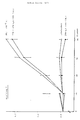
- the following table and Fig. 2 show that IFN- ⁇ completely suppresses bone resorption induced by thrombin.
- the effect of immune interferon can be compared with the effect of indomethacin (5 x 10 ⁇ 7 M) (17).
- Thrombin bioassay Medium Ca++ in mmol / l (mean values from 5 bones ⁇ standard errors) additive 24 hours 48 h 72 h untreated 1.66 ⁇ 0.03 1.63 ⁇ 0.07 1.61 ⁇ 0.07 Thrombin 1 U / ml 1.67 ⁇ 0.03 1.81 ⁇ 0.09 2.01 ⁇ 0.31 Thrombin 7 U / ml 1.81 ⁇ 0.06 2.30 ⁇ 0.11 3.02 ⁇ 0.33 Thrombin 14 U / ml 2.13 ⁇ 0.08 2.66 ⁇ 0.11 3.56 ⁇ 0.21 Thrombin 21 U / ml 2.21 ⁇ 0.03 2.69 ⁇ 0.05 3.63 ⁇ 0.11 Thrombin 28 U / ml 2.28 ⁇ 0.02 2.71 ⁇ 0.06 3.61 ⁇ 0.12 Thrombin 42 U / ml 2.30 ⁇ 0.05 2.72 ⁇ 0.10 3.52 ⁇ 0.12
- the 72-hour values were used in the insert for the dose-response curve.
- the next step was to determine whether IFN- ⁇ has an effect on the activation of further proteases or phospholipases triggered by thrombin or whether the immune interferon interacts directly with the prostaglandin synthetase complex.
- prostaglandin synthesis in the cultured bone was stimulated by adding arachidonic acid to the culture medium (15); as mentioned above, this fatty acid is converted into various prostaglandins by the cyclooxygenase reaction. From their osteolytic effect (Fig. 2) it can be seen that exogenous arachidonic acid is also used for prostaglandin synthesis in cultured bones. IFN- ⁇ can completely inhibit the bone resorption stimulated by arachidonic acid in the organ culture (Fig. 2). It follows from these experiments that IFN- ⁇ can interfere directly with the prostaglandin synthetase complex in the bone.
- calitonin has no significant influence either on thrombin or on arachidonic acid-induced bone resorption (see Fig. 3 and 4 and the following tables).
- Parathormone also leads to an increase in the number and activity of osteoclasts in organ culture, but in a way that is independent of prostaglandins (7). From the experimental results shown in the table and in FIG. 5, it can be deduced that IFN- ⁇ , in addition to its effect on prostaglandin synthesis, has a calcitonin-like effect on bone resorption induced by PTH. The effect of 20 mU / ml of salmon calcitonin on the PTH effect is also shown for comparison.
- the test series was repeated with an ⁇ , ⁇ -interferon (IFN- ⁇ , ⁇ ) to determine whether the effect on prostaglandin synthesis is specific for IFN- ⁇ or whether it also applies to other types of interferons.
- Fig. 6 shows that this type of interferon - in contrast to IFN- ⁇ - cannot cause a marked inhibition of the bone resorption induced by thrombin or arachidonic acid.
- concentration used 100 U / ml medium
- no inhibition of the bone resorption caused by PTH by IFN- ⁇ , ⁇ was found (Fig. 7). The results are shown in the following two tables.
Landscapes
- Health & Medical Sciences (AREA)
- Life Sciences & Earth Sciences (AREA)
- Animal Behavior & Ethology (AREA)
- Veterinary Medicine (AREA)
- Chemical & Material Sciences (AREA)
- Public Health (AREA)
- Medicinal Chemistry (AREA)
- Pharmacology & Pharmacy (AREA)
- General Health & Medical Sciences (AREA)
- Engineering & Computer Science (AREA)
- Bioinformatics & Cheminformatics (AREA)
- Chemical Kinetics & Catalysis (AREA)
- General Chemical & Material Sciences (AREA)
- Organic Chemistry (AREA)
- Nuclear Medicine, Radiotherapy & Molecular Imaging (AREA)
- Physical Education & Sports Medicine (AREA)
- Rheumatology (AREA)
- Zoology (AREA)
- Gastroenterology & Hepatology (AREA)
- Immunology (AREA)
- Orthopedic Medicine & Surgery (AREA)
- Proteomics, Peptides & Aminoacids (AREA)
- Epidemiology (AREA)
- Obesity (AREA)
- Hematology (AREA)
- Diabetes (AREA)
- Medicines That Contain Protein Lipid Enzymes And Other Medicines (AREA)
- Medicines Containing Material From Animals Or Micro-Organisms (AREA)
- Pharmaceuticals Containing Other Organic And Inorganic Compounds (AREA)
- Compounds Of Unknown Constitution (AREA)
- Acyclic And Carbocyclic Compounds In Medicinal Compositions (AREA)
- Hydrogenated Pyridines (AREA)
- Pyridine Compounds (AREA)
Description
- Lebendes Knochengewebe ist einem konstanten Umbauprozeß unterworfen, bei dem sich unter physiologischen Bedingungen Anbau und Abbau im Gleichgewicht befinden. Die Neubildung von mineralisiertem Knochen (Knochenanbau) wird im wesentlichen durch die Aktivität der Osteoblasten bestimmt. Die Aufgabe dieser mesenchymalen Zellen ist die Synthese und Sekretion der einzelnen Komponenten der organischen Knochenmatrix - hauptsächlich Kollagen Typ I - die dann durch Ablagerung von Hydroxylapatit mineralisiert wird. Der Abbau von mineralisiertem Knochen erfolgt durch Osteoklasten, das sind vielkernige Riesenzellen, die wahrscheinlich durch Zellfusion aus Monozyten (Makrophagen) entstehen (1).
- Die Aktivität der Osteoblasten und Osteoklasten ist unter physiologischen Bedingungen durch einen komplexen Regulationsmechanismus koordiniert, der das dynamische Gleichgewicht von An- und Abbauvorgängen aufrechterhält. An der Regulation nehmen neben den Hormonen 1,25-Dihydroxyvitamin D₃, Parathormon und (möglicherweise) Calcitonin (2) auch verschiedene lokale Mediatoren und Gewebshormone (3), insbesondere Prostaglandine (2), und noch nicht identifizierte "coupling factors" (4) teil. Letztere werden dafür verantwortlich gemacht, daß es nach Stimulierung der Osteoklastenaktivität reaktiv auch zu einer erhöhten Aktivität der Osteoblasten kommt, was z.B. zur Folge haben kann, daß ein erhöhter Abbau durch einen vermehrten Knochenanbau wieder kompensiert werden kann. Störungen dieses Gleichgewichtes können zu mannigfaltigen Osteopathien führen, von denen besonders eine, die Osteoporose, bei der es - hauptsächlich im fortgeschrittenen Lebensalter - zu einem Schwund der Knochenmasse, d.h. des mineralisierten Anteils und der organischen Knochenmatrix kommt, der weit über das dem Alter entsprechende Ausmaß hinausgeht. Die Osteoporose stellt wahrscheinlich die häufigste Knochenerkrankung dar.
- Insbesondere werden Frauen nach der Menopause von dieser Krankheit betroffen. So haben z.B. Untersuchungen in den USA ergeben, daß 25 % aller Frauen im Alter über 65 Jahre an dieser Erkrankung leiden (5). Nach vorsichtigen Schätzungen rechnet man in der Bundesrepublik Deutschland mit etwa drei bis vier Millionen Betroffenen. Die Folge des Knochenschwundes sind vermehrte Knochenbrüche, z.B. der Wirbel, des Oberschenkelhalses oder der Handknochen, Teile also, die besonders stark beansprucht werden. Diese Frakturen verursachen oftmals schwere und bleibende Bewegungseinschränkungen und Behinderungen. Eine typische Veränderung ist die Krümmung der Wirbelsäule. Hierdurch wird die Beweglichkeit des Patienten beeinträchtigt. Neben ständigen Schmerzen hat die gekrümmte Haltung aber auch Auswirkungen auf Herz und Lunge, sowie auf den Magen-Darm-Trakt.
- Beteiligt an dieser Krankheit sind vor allem der Calziumhaushalt und verschiedene Hormone, die diesen und damit auch die Mineralisierung des Knochens sowie die Neubildung der organischen Knochenmatrix steuern. In dieser Hinsicht kommt besonders den Östrogenen, die bei Frauen in der Menopause abnehmen, eine große Bedeutung zu.
- Was die spezifischen Wirkungen der einzelnen Hormone und Mediatoren betrifft, so steht eindeutig fest, daß Parathormon und Vitamin D, besonders sein in der Niere gebildeter Metabolit 1,25-Dihydroxyvitamin D₃, in erster Linie eine Hemmung der Osteoblastenaktivität bewirken (cf. 6). Zusätzlich scheinen sie die Fusion von monozytenartigen Precursor-Zellen zu erleichtern und damit zu einer Erhöhung der Zahl der Osteoklasten im Knochengewebe beizutragen (cf. 7). Eine direkte Beeinflussung deren Aktivität kann nicht ausgeschlossen werden.
- Auch Prostaglandine bewirken - durch einen anderen Mechanismus - eine Erhöhung der Zahl und Aktivität von Osteoklasten (8).
- In letzter Zeit hat sich herausgestellt, daß auch Interleukine und Lymphokine eine bestimmte Rolle im Prozeß des Knochenumbaus spielen können (1). Interleukin 1, das im Rahmen der Immunantwort von Makrophagen gebildet wird, beschleunigt den Abbau von Knochen in Organkultur (9), wobei ein Teil seiner Wirkung darauf beruht, daß die endogene Synthese von osteolytisch wirkenden Prostaglandinen stimuliert wird (9). Der sogenannte "Osteoclast Activating Factor" (OAF) ist ein Lymphokin, das von T-Lymphozyten als Antwort auf verschiedene Stimuli - unter anderem auch Interleukin 1 (vgl. 1) - produziert wird. Der OAF hat ebenfalls eine osteolytische Wirkung, die durch Prostaglandine vermittelt wird (10).
- Die Behandlung der Osteoporose ist schwierig, denn ein Knochensubstanzverlust ist zur Zeit praktisch nicht mehr rückgängig zu machen; der Wiederaufbau durch Fluoride ist umstritten. Ziel der Therapie muß es daher sein, das Fortschreiten der Erkrankung zu verhindern, indem die Knochenabbauprozesse auf das Ausmaß der Knochenneubildung reduziert werden.
- Wichtig ist aber auch, der Krankheit vorzubeugen. In den USA wird den Frauen empfohlen, mit der Nahrung ausreichend Calzium aufzunehmen und zwar bereits vor der Menopause.
- Seit einiger Zeit ist bekannt, daß auch Calcitonin, ein Peptidhormon, den Knochenabbau hemmen kann. Es hemmt vor allen Dingen die Wirkung des Parathormons auf die Osteoklasten, doch scheint es darüberhinaus auch eine eigenständige suppressorische Wirkung auf die Osteoklastenaktivität zu haben (2). Die Calcitonin-Behandlung ist jedoch aufwendig und ist empfehlenswert wohl nur bei Patienten, bei denen der Knochenschwund schon weit fortgeschritten ist. Außerdem scheint sie nur zeitlich begrenzt sinnvoll zu sein, da der Organismus nur vorübergehend auf Calcitoningaben reagiert ("Escape"-Phänomen).
- Aufgabe der vorliegenden Erfindung war es daher, ein Mittel zur Behandlung von durch Knochenschwund hervorgerufenen Erkrankungen des Skeletts bereitzustellen.
- Überraschenderweise wurde nun gefunden, daß γ -Interferon eine äußerst starke regulierende Wirkung auf die beim Knochenauf- und -abbau ablaufenden Prozesse ausübt.
- γ-Interferon (IFN₋γ ), auch als Immuninterferon bezeichnet, wird wie Interleukin 1 ebenfalls zu den Lymphokinen gerechnet, weil es auf Lymphozyten entweder nach spezifischer oder unspezifischer Stimulierung durch Antigene,gegen die die Lymphozyten vorher sensibilisiert worden waren, gebildet wird. Es wurde vermutet, daß IFN-γ die Verschmelzung von Monozyten in Osteoklasten fördern könnte, weil sich herausgestellt hatte, daß IFN-γ in der Kultur von humanen Blutmonozyten die Entstehung von mehrkerningen Riesenzellen (Polykaryonen) fördert (11). Außerdem kann IFN-γ Makrophagen aktivieren, die dann selber wieder osteolytische Aktivitäten entfalten können (s.o.)
- Es wäre zu erwarten gewesen, daß γ-Interferon den durch Osteoklasten bewirkten Abbau von mineralisiertem Knochen fördern würde. Umso überraschender ist daher die hemmende Wirkung auf die osteolytischen Mechanismen zu beurteilen.
- Gegenstand der Erfindung ist die Verwendung von γ-IFN zur Herstellung eines Arzneimittels mit regulierender Wirkung auf die beim Knochenauf- und -abbau ablaufenden Prozesse.
- Die vorliegende Erfindung beschreibt erstmals, daß IFN-γ überraschenderweise in der Lage ist, Vorgänge, die zu krankhaftem Knochenschwund führen, zu hemmen. Dies erfolgt in erster Linie durch eine Unterdrückung der endogenen Synthese von osteolytisch wirkenden Prostaglandinen im Knochen durch Interaktion des γ-Interferons mit dem Prostaglandinsynthetasekomplex (Cyclooxygenasesystem). Diese Wirkung besitzt das Calcitonin nicht.
- Diese Inhibition der Prostaglandinsynthese im Knochen ist überraschenderweise eine für IFN-γ spezifische Wirkung! Ein derartiger Effekt konnte für IFN- α,β nicht nachgewiesen werden. Eine zweite Wirkung ähnlich der des Calcitonins (7) besteht in einer Hemmung der durch Parathormon stimulierten Osteoklastenaktivität. Dieser Effekt des IFN-γ wird allerdings erst in einem höheren Konzentrationsbereich nachweisbar. Die Calcitonin-artige Wirkung dürfte allerdings auch anderen Interferontypen zukommen, da z.B. Jilka und Hamilton gezeigt haben, daß menschliches Leukozyteninterferon die durch PTH induzierte Knochenresorption in der Organkultur zu hemmen vermag (19).
- Die Hemmung der Prostaglandinsynthese durch γ-Interferon ist völlig überraschend, da man bisher annehmen mußte, daß Interferone die Prostaglandinsynthese eher stimulieren (20). So konnte z.B. das bei der Therapie mit α- und β-Interferonen auftretende Fieber auf eine Erhöhung der PGE₂-Konzentration im Hypothalamus zurückgeführt werden (21).
- Die Erklärung für diese überraschende Wirkung des γ-Interferons auf die Osteolyse könnte in einer besonderen Spezifität des Cyclooxygenasesystems des Knochens liegen. Unterschiede in der Gewebsspezifität des Prostaglandinsynthetasekomplexes sind seit langer Zeit bekannt (22). Im Knochen scheint dieser Enzymkomplex für IFN-α und IFN-β nicht sensitiv zu sein. Außer den vorliegenden Ergebnissen (s.Beispiel 4) spricht auch die Tatsache dafür, daß in der erwähnten Studie von Jilka und Hamilton (19) keinerlei Einfluß des Typ 1 Interferons auf die basale Knochenresorption gefunden wurde. Ein weiterer derartiger Hinweis auf die unterschiedliche Sensitivität des Enzymkomplexes kann den Untersuchungen von Nilsson et al. entnommen werden, bei denen die Auswirkung von Mausinterferon aus C-243 Zellen auf heterotope Knochenimplantate in Mäusen untersucht wurde (23). Es ergaben sich dabei keinerlei Hinweise auf eine eventuelle osteolytische Wirkung dieses Interferons, was zu erwarten gewesen wäre, wenn das verwendete Interferon die Prostaglandinsynthese auch im Knochen (so wie im Hypothalamus) stimulieren würde.
- Ein weiterer Gegenstand der Erfindung ist die Verwendung der pharmazeutischen Zusammensetzung mit γ-Interferon als Wirkstoff zur Behandlung von Erkrankungen, die durch pathologisch veränderten, lokalen oder generalisierten Knochenabbau hervorgerufen werden, wie beispielsweise die Osteoporose in all ihren Formen und Stadien.
- Die Äthiologie und Pathogenese der senilen Osteoporose sind zwar weitgehend unklar, doch wird übereinstimmend angenommen, daß es durch ein relatives Überwiegen von Abbauvorgängen zu einer pathologischen Rarefizierung der Knochenmasse kommt (5). Auffallend dabei ist die Tatsache, daß Patienten mit Osteoporose keine bemerkenswerten Veränderungen, was die Serumspiegel der knochenresorbierenden Hormone PTH und 1,25-Dihydroxyvitamin D₃ betrifft, aufweisen.
- Es ist daher zu vermuten, daß die erhöhte Knochenabbaurate vor allem auf die Wirkung lokaler Faktoren zurückgeführt werden könnte. Hinweise dafür finden sich in einer Untersuchung von Atik et al.(26), die in Knochenbiopsien von Patienten mit seniler Osteoporose eine höhere PGE₂-Aktivität als bei Kontrollpersonen gefunden haben. Fujik et al. (27) haben bei Patienten mit Osteoporose eine Veränderung des Verhältnisses von T-Helfer- zu T-Suppressor-Lymphozyten festgestellt und daraus geschlossen, daß eine gestörte Immunregulation bei Osteoporose möglich sei; das ist insofern von Bedeutung, als gerade die immunregulierenden Faktoren Interleukin 1 und Osteoclast Activating Factor - wie bereits ausgeführt - zu Stimulatoren der PG-Synthese gehören. Die überraschende Hemmwirkung von IFN-γ auf die PG-Synthese im Knochen bietet insbesondere Vorteile bei der Therapie der Osteoporose, wenn man in Betracht zieht, daß IFN-γ in ähnlicher Weise wie Calcitonin die Knochenresorption beeinflußt und daß gerade dieses Hormon in der Osteoporosetherapie in vielen Fällen eine gute Wirkung gezeigt hat (28). Wie bereits gesagt, besitzt das Calcitonin jedoch keine Wirkung auf die PG-Synthese; sein Wirkungsmechanismus ist ein anderer.
- Diese Unterschiede ergeben die Möglichkeit, je nach Fall zu entscheiden, welches der beiden Mittel vorteilhafterweise einzusetzen ist oder ob beide gemeinsam einzusetzen sind.
- Die überraschende Hemmung der Prostaglandinsynthese durch IFN-γ macht es zum Gegenspieler des Interleukin 1 und des Osteoclast Activating Factors (OAF) im Prozeß des Knochenumbaues. Diese Eigenschaft ist therapeutisch von großer Bedeutung, da die osteolytische Wirkung von Prostaglandinen, deren Synthese durch verschiedene Entzündungsmediatoren und nicht zuletzt durch den OAF bei Erkrankungen des rheumatischen Formenkreises, insbesondere bei der rheumatoiden Arthritis und ähnlichen Erkrankungen stimuliert wird, zu den bei dieser Erkrankung beobachteten Desstruktionen des Gelenkknochens trägt. Gegenstand der Erfindung ist daher auch die Verwendung des erfindungsgemäßen Mittels bei der Behandlung von Erkrankungen des rheumatischen Formenkreises, insbesondere der rheumatoiden Arthritis.
- Eine entsprechende Therapie mit IFN-γ ist insofern besonders vorteilhaft gegenüber einer Behandlung mit nichtsteroidalen Entzündungshemmern (z.B. Indomethacin), da gerade diese Substanzen wegen ihrer Hemmwirkung auf die PG-Synthese auch in anderen Geweben (z.B. Magenschleimhaut) schwerwiegende Nebenwirkungen (akute Ulcera) aufweisen. Von manchen nicht-steroidalen Antiphlogistika wird aber auch nur eine geringe Hemmwirkung auf die PG-Synthese angegeben; hier könnte sich eine Kombination mit γ-IFN wegen dessen selektiver Wirkung auf die PG-Syntese im Knochen als vorteilhaft erweisen. Es läßt sich allerdings schwer abschätzen, welche Auswirkungen eine Interferontherapie auf den Verlauf einer primär chronischen Polyarthritis (rheumatoide Arthritis) haben könnte, da bei dieser Erkrankung eine Vielzahl von Autoimmunphänomenen auftritt, deren mögliche Beeinflussung durch die immunregulatorische Wirkung von IFN-γ nur ungenügend erforscht ist (24). In Abhängigkeit von der verwendeten Dosis kann IFN-γ sowohl eine hemmende als auch stimulierende Wirkung auf die Produktion von Immunglobulinen durch B-Lymphozyten haben. Bei verschiedenen Immunerkrankungen wurden tatsächlich Interferone in Patientenseren festgestellt. Es hat jedoch den Anschein, daß diese IFN-Aktivitäten eher einem veränderten IFN-α als einem IFN-γ zuzuschreiben sind. Was die zellvermittelte Immunität betrifft, so wirkt IFN-γ im allgemeinen hemmend auf die Proliferation von T-Lymphozyten und kann so Phänomene der zellvermittelnden Immunität wie Transplantatabstoßung oder Überempfindlichkeitsreaktionen vom verzögerten Typ unterdrücken, was bei Behandlung der PCP von Vorteil wäre; andererseits kann IFN-γ aber unter bestimmten Bedingungen eine Stimulierung der zellulären Immunantwort bewirken (24).
- Zusätzlich zur bereits bekannten Möglichkeit, das Tumorwachstum zu unterdrücken, bietet sich die Fähigkeit von IFN-γ , die Prostglandinsynthese im Knochen zu supprimieren, auf jeden Fall vorteilhaft bei einer Behandlung von den Tumoren an, die zur Metastasierung in den Knochen und zum Knochenabbau beitragen, weil sie selbst Prostaglandine produzieren oder die Prostaglandinsynthese im Knochen stimulieren (vgl. dazu 25).
- Die gezeigte Wirkung des γ-Interferons auf Prozesse, die beim Knochenauf- und -abbau ablaufen, machen γ-Interferon also überraschenderweise zu einem hervorragenden Wirkstoff für die Herstellung von Arzneimitteln; die bei der Behandlung von systemischen oder lokalen Knochenerkrankungen mit entzündlicher oder auch nicht-entzündlicher Genese (degenerative Erkrankungen), die durch Hemmung des Knochenaufbaues oder durch erhöhte Resorption des Knochens hervorgerufen werden, eingesetzt werden können.
- Hierzu gehören neben den bereits genannten ganz allgemein verschiedene durch Parathormon hervorgerufene Osteodystrophien, insbesondere renal bedingte Osteopathien. Bekannt ist die bei progredienter Niereninsuffizienz durch Parathormon hervorgerufene Knochenresorption. Bei einem Teil dieser Erkrankungen beobachtet man autoimmun bedingte Glomerulonephritiden. Gerade in solchen Fällen ist γ-IFN als Wirkstoff mit immunsuppressiven Eigenschaften hervorragend als Therapeutikum geeignet. Das erfindungsgemäße Mittel hemmt die Knochenresorption und beeinflußt wirksam die Autoimmunreaktion.
- Ebenso ergibt sich die Behandlung einer anderen Osteodystropie, die Morbus Paget mit dem erfindungsgemäßen Mittel.
- Weiterhin bietet γ-IFN den Vorteil, in all den Fällen, bei denen im Verlaufe einer Calcitonintherapie mangelnde Ansprechbarkeit und/oder Immunreaktionen auftreten, eingesetzt werden zu können.
- Auch möglich ist die Kombination des Mittels mit Calcitonin oder mit anderen zur Behandlung von Knochenerkrankungen bekannten Mitteln, da γ-IFN wie gezeigt, durch seinen anderen Wirkungsmechanismus eine zusätzliche Wirkung aufweist.
- Zur Behandlung der bereits oft in jungen Jahren auftretenden Kiefer- und Zahnerkrankungen mit gesteigertem Knochenschwund wie z.B. alveoläre Knochenresorptionen, die allgemein als periodontale Erkrankungen bezeichnet werden, ist das Mittel ebenfalls hervorragend geeignet.
- Das Mittel kann den zu behandelnden Patienten oder auch Säugetieren systemisch oder auch lokal, beispielsweise intraartikulär verabreicht werden, wobei generell die orale, topische, parenterale und auch buccale Verabreichung möglich ist. Prinzipiell sind alle die Darreichungsformen geeignet, die eine Erhöhung des γ-Interferon Plasma-/Gewebespiegels bewirken, beispielsweise die für γ-IFN üblichen Lösungen. Möglich sind jedoch auch andere Dosierungsformen.
- In überraschender Weise sind bereits geringe Mengen an γ-IFN ausreichend für die erfindungsgemäße Verwendung. Dosierung und Dosierungsrate können ähnlich denen sein, die zur Zeit bei klinischen Prüfungen für γ-IFN gelten. Je nach Applikationsort kann die Dosierung variiert werden.
- Entscheidend ist, daß die Dosierung so gewählt wird, daß ein wirksamer Anstieg des γ-Interferon Plasma-/Gewebespiegels erreicht wird.
- Die Mittel können übliche pharmazeutische Hilfs- und/oder Trägerstoffe und/oder Stabilisierungsmittel enthalten.
- Als mögliche Stabilisatoren seien beispielhaft Aminosäuren, Di-, Tri- und Tetrapeptide, Zucker oder Albumine genannt.
- Dem Fachmann sind eine Vielzahl an Hilfs-, Trägerstoffen und Stabilisierungsmittel bekannt und auch wie diese mit dem Mittel formuliert werden können. In diesem Zusammenhang sei ausdrücklich auf die bei E. W. Martin in Remington's Pharmaceutical Sciences beschriebenen Stoffe und ihre Formulierung verwiesen.
-
- Abbildung 1:
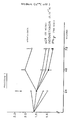
- Einfluß von IFN-γ auf die Calciumabgabe aus kultivierten neonatalen Mauskalvarien (basale Knochenresorption).
- Abbildung 2:
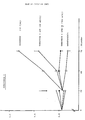
- Einfluß von IFN-γ auf die Knochenresorption, stimuliert durch PGE₂, Thrombin oder Arachidonsäure (AA).
- Abbildung 3:
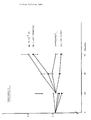
- Einfluß von Salm- Calcitonin (SCT) auf die Thrombin-induzierte Resorption von kultivierten neonatalen Mauskalvarien.
- Abbildung 4:
- Einfluß von Salm-Calitonin (SCT) auf die Arachidonsäure (AA)-induzierte Knochenresorption.
- Abbildung 5:
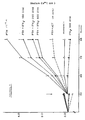
- Calcitonin-ähnliche Wirkung des IFN-γ auf Parathormon (PTH)-induzierte Knochenresorption von kultivierten monotalen Mauskalvarien.
- Abbildung 6:
- Einfluß von IFN-α,β auf die Knochenresorption von kultivierten neonatalen Mauskalvarien.
- Abbildung 7:
- IFN-α,β und Parathormon (PTH)-Induktion der Knochenresorption von kultivierten neonatalen Mauskalvarien.
- Abbildung 8:
- Thrombin-Bioassay; abgebildet sind der Zeitverlauf und die Dosiswirkungskurve der Thrombininduzierten Knochenresorption.
○ , Kontrolle; ● , 1U/ml; △ , 7 U/ml; □ , 14 U/ml; Insert: Dosis-Wirkungskurve von 0-42 U/ml Thrombin nach 72 Stunden Kulturzeit, gemessen am Calcium, das ins Kulturmedium freigesetzt wurde. - Die folgenden Beispiele sollen die Erfindung näher erläutern. Die an dem Modell erhaltenen Ergebnisse lassen sich auf jeden Warmblüter-Organismus übertragen.

- Die spezifische Aktivität des rekombinanten Maus-IFN-γ (aus E. coli) (Ernst-Boehringer-Institut für Arzneimittelforschung, Wien) betrug 1,3 x 10⁷ antivirale Einheiten per mg. IFN-γ war in RPMI-Medium gelöst und wurde bis zum Gebrauch in tiefgefrorenem Zustand aufbewahrt. IFN-α,β (aus Ehrlich Aszites-Zellen, induziert mit Newcastle Disease Virus, superinduziert mit Theophyllin war ein Produkt der Fa. ENZO Biochem., Inc. (N.Y.), (Ernst-Boehringer-Institut für Arzneimittelforschung).Die spezifische Aktivität der Charge Nr. 3-07001 betrug 44 x 10⁶U/mg Protein. Die Aktivität der von uns verwendeten Lösung wurde mit 60.000 Einheiten per ml bestimmt. Das zu Vergleichszwecken eingesetzte synthetische Salmcalcitonin (spezifische Aktivität 100 MRC-Einheiten/ml) war ein Produkt der Firma Sanabo (Wien). Parathormon wurde als synthetisches N-terminales Fragment 1-34 der Firma Bachem, Torrance, Kalifornien, verwendet. Prostaglandin E2 war das unter dem Namen Prostin E2 bekannte Produkt der Firma Upjohn. Bovines Thrombin ist eine Spezialität der Firma Hoffmann-LaRoche (Topostasin), Indomethacin wurde von Merck, Sharp und Dohme verwendet.
- Neonatale Mauskalvarien können über längere Perioden (bis zu 96 Stunden und mehr) in Organkultur gehalten werden. Experimentelle Details sind von verschiedenen Autoren beschrieben worden (8,12,13). Im einzelnen wurden 4 bis 6 Tage alte SPF-Mäuse verwendet (Institut für Versuchstierzucht der Universität Wien, Himberg). Der Stamm trägt die Bezeichnung HIM:OF.
- Die Präparation der Kalvarien geschieht unter sterilen Bedingungen (Laminar flow). Nach vorsichtiger Entfernung des anhaftenden Bindegewebes werden die Knochen in 1,0 ml Kulturmedium (siehe unten) in Eprouvetten transferiert. Nach Begasung mit 50 % O₂, 45 % N₂ und 5 % CO₂ werden diese fest verschlossen und dann während der ganzen Zeit der Organkultur in einer Rotationstrommel (Umlaufgeschwindigkeit 20 U mdr./h) bei 37oC inkubiert.
- Das Kulturmedium war Dulbecco's Modified Eagle's Medium (DMEM) von der Firma MA Bioproducts, Walkersville, Md. Dem Medium wurde L-Glutamin in einer Konzentration von 1,4 % und hitzeinaktiviertes Pferdeserum (15 %ig) zugesetzt. Das Pferdeserum (Gibco) wurde 45 min bei 56o inaktiviert. Das komplette Medium wurde durch Sterilfilter (0,22 µm, Millipore) filtriert.
- Nach 24 Stunden wurde das Kulturmedium mit den jeweiligen Zusätzen gewechselt und die Kultur dann bis zu insgesamt 72 oder max. auch 96 Stunden fortgesetzt.
- Das Ausmaß der Knochenresorption kann durch Bestimmung des ins Medium abgegebene Calcium quantifiziert werden. Zu diesem Zwecke wurde zum Zeitpunkt 0, 24, 48, 72 oder 96 Stunden die Calciumkonzentration im Kulturmedium mit Hilfe einer Fluoreszenztitrationsmethode in einem Corning 940 Calciumanalyzer bestimmt.
- Die Ergebnisse sind Mittelwerte aus 6 Kalvarien ± Mittleren Fehler des Mittelwertes. Statistisch signifikante Unterschiede zwischen den einzelnen Gruppen wurden durch den t-Test von Student festgestellt. Die Signifikanz wurde für einen Wert P<0,05 angenommen.
- Werden die Knochen ohne jegliche Zusätze zum Medium kultiviert, dann zeigt ein leichter Anstieg der Calciumkonzentration im Medium an, daß der Knochen kontinuierlich resorbiert wird (Abb. 1, Kontrollen). Ursache dafür ist die endogene Bildung von Prostaglandinen (14,15). Tatsächlich kann durch Zusatz von Indomethacin, einem potenten Inhibitor der Prostaglandinsynthese (16), wie aus Abb. 1 zu ersehen ist, diese basale Resorption unterdrückt werden.
- Zusatz von IFN-γ zum Kulturmedium in einer Konzentration von 100 U/ml bewirkt ebenfalls eine Hemmung der basalen Resorption, die in ihrem Ausmaß der Hemmwirkung von Calcitonin und auch dem suppressorischen Effekt von Indomethacin entspricht (siehe Abb.1). Die Ergebnisse sind in der folgenden Tabelle zusammengestellt.
Medium Ca⁺⁺ in mMol/l (Mittelwerte aus 5 Knochen ± Standardfehler) Zusatz 24 h 48 h 72 h unbehandelt 1.90±0.06 2.02±0.07 1.86±0.09 sCt (Lachs-Calcitonin) (20 mU/ml) 1.64±0.02 1.70±0.02 1.65±0.03 Indomethacin (5 x 10⁻⁷ M) 1.63±0.01 1.61±0.02 1.55±0.06 IFN-γ (100 U/ml) 1.80±0.03 1.69±0.02 1.52±0.04 - Zuerst wurde versucht zu klären, ob IFN-γ eventuell eine Hemmung der endogenen Prostaglandinproduktion in kultivierten Knochen bewirken könnte. Dazu wurde folgende Versuchsanordnung entwickelt: Ausgehend von der Beobachtung, daß der Zusatz von Thrombin zum Kulturmedium die durch Indomethacin hemmbare Knochenresorption verstärkt (18) und somit offenbar die endogene PG-Synthese stimuliert, wurde die Wirkung verschiedener Thrombinkonzentrationen auf die Resorption von Mäusekalvarien während einer Kulturzeit von 72 Stunden untersucht. Die Tabelle und Abb. 8 zeigen, daß Thrombinkonzentrationen im Bereich von 14-42 Einheiten/ml Kulturmedium eine maximale Freisetzung von Calcium in das Medium bewirken; das Ausmaß der Stimulierung der Resorptionsvorgänge durch Thrombin zeigt innerhalb eines Versuchs nur geringe relative Schwankungen und außerdem sind die gemessenen Absolutwerte der Calciumfreisetzung beim Vergleich der einzelnen Versuche gut reproduzierbar. Es sollte sich diese Versuchsanordnung daher gut zur Feststellung der Wirkung der Inhibitoren der PG-Synthese im Knochen eignen. Der genaue Wirkungsmechanismus von Thrombin ist nicht bekannt, doch wird angenommen, daß es durch seine proteolytische Aktivität (eventuell über Aktivierung anderer Proteasen) eine Phospholiphase aktivieren kann, die ihrerseits wieder aus Membranphospholipiden Arachidonsäure abspaltet. Dadurch steht fortwährend das Substrat für das Cyclooxygenasesystem zur Verfügung, so daß die endogene Synthese verschiedener Prostaglandine einer konstanten Stimulierung unterliegt. Die folgende Tabelle und Abb.2 zeigen, daß IFN-γ die durch Thrombin induzierte Knochenresorption vollständig unterdrückt. Der Effekt des Immuninterferons ist dabei durchaus mit der Wirkung von Indomethacin (5 x 10⁻⁷ M) zu vergleichen (17).
- Thrombin-Bioassay:
Medium Ca⁺⁺ in mMol/l (Mittelwerte aus 5 Knochen ± Standardfehler) Zusatz 24 h 48 h 72 h unbehandelt 1.66±0.03 1.63±0.07 1.61±0.07 Thrombin 1 U/ml 1.67±0.03 1.81±0.09 2.01±0.31 Thrombin 7 U/ml 1.81±0.06 2.30±0.11 3.02±0.33 Thrombin 14 U/ml 2.13±0.08 2.66±0.11 3.56±0.21 Thrombin 21 U/ml 2.21±0.03 2.69±0.05 3.63±0.11 Thrombin 28 U/ml 2.28±0.02 2.71±0.06 3.61±0.12 Thrombin 42 U/ml 2.30±0.05 2.72±0.10 3.52±0.12 - Die 72-Stunden-Werte sind im Insert für die Dosis-Wirkungskurve verwendet worden.
Medium Ca⁺⁺ in mMol/l (Mittelwerte aus 5 Knochen ± Standardfehler) Zusatz 24 h 48 h 72 h unbehandelt 1.72±0.03 1.71±0.02 1.63±0.04 IFN-γ (100 U/ml) 1.60±0.01 1.59±0.02 1.52±0.04 PGE₂ (5x10⁻⁷ M) 2.04±0.03 2.60±0.05 3.60±0.13 PGE₂ (5x10⁻⁷ M) + IFN-γ (100 U/ml) 1.95±0.04 2.40±0.01 3.10±0.06 Thrombin (14 U/ml) 2.11±0.07 2.62±0.05 3.62±0.06 Thrombin (14 U/ml) + IFN-γ (100 U/ml) 1.99±0.03 2.01±0.04 1.92±0.06 Arachidonsäure (5x10⁻⁵M) 1.92±0.05 2.35±0.10 2.85±0.27 Arachidonsäure (5x10⁻⁵M) + IFN-γ (100 U/ml) 1.92±0.09 2.01±0.03 1.93±0.03 - Als nächstes wurde versucht festzustellen, ob IFN-γ auf die durch Thrombin ausgelöste Aktivierung weiterer Proteasen oder Phospholipasen einen Einfluß hat oder ob das Immuninterferon direkt mit dem Prostaglandinsynthetasekomplex interagiert. Zu diesem Zwecke wurde die Prostaglandinsynthese im kultivierten Knochen durch Zusatz von Arachidonsäure zum Kulturmedium stimuliert (15); diese Fettsäure wird - wie oben erwähnt - durch die Cyclooxygenasereaktion in verschiedene Prostaglandine umgewandelt. Aus ihrer osteolytischen Wirkung (Abb. 2) ist zu ersehen, daß auch exogene Arachidonsäure zur Prostaglandinsynthese in kultivierten Knochen verwendet wird. IFN-γ kann die durch Arachidonsäure stimulierte Knochenresorption in der Organkultur vollständig hemmen (Abb.2). Aus diesen Versuchen ergibt sich, daß IFN-γ direkt mit dem Prostaglandinsynthetasekomplex im Knochen interferieren kann.
- In diesem Zusammenhang soll hervorgehoben werden, daß Calitonin weder auf die durch Thrombin noch auf die durch Arachidonsäure induzierte Knochenresorption einen signifikanten Einfluß hat (siehe Abb. 3 und 4 und die folgenden Tabellen).
Medium Ca⁺⁺ in mMmol/l (Mittelwerte aus 5 Knochen ± Standardfehler) Zusatz 24 h 48 h 72 h unbehandelt 1.74±0.04 1.72±0.05 1.64±0.08 Thrombin (14 U/ml) 2.11±0.07 2.62±0.05 3.62±0.06 Thrombin + sCt (20 mU/ml) 1.82±0.01 2.08±0.08 2.82±0.19 Thrombin (14 U/ml) + IFN-γ (100 U/ml) 1.93±0.03 2.01±0.04 1.92±0.06 Medium Ca⁺⁺ in mMol/l (Mittelwerte aus 5 Knochen ± Standardfehler) Zusatz 24 h 48 h 72 h unbehandelt 1.78±0.03 2.01±0.04 1.85±0.06 AA (5x10⁻⁵M) 1.95±0.03 2.41±0.11 2.96±0.28 AA (5x10⁻⁵M)+ sCt (20mU/ml) 1.72±0.02 2.13±0.05 2.78±0.20 sCt (20 mU/ml) 1.64±0.02 2.18±0.06 1.65±0.03 - Nachdem nun festgestellt worden war, daß IFN-γ die Prostaglandinsynthese unterdrückt, war zu erwarten, daß sein Einfluß auf die osteolytische Wirkung von PGE₂, das dem Kulturmedium zugesetzt worden war, eher gering sein würde. Tatsächlich kann man aus Abb. 2 sehen, daß IFN-γ die osteolytische Wirkung von PGE₂ nur in geringem Ausmaß beeinflußt. Auffallend war jedoch die Tatsache, daß dieser Hemmeffekt doch größer war als es der Unterdrückung der basalen, durch endogene Prostaglandinsynthese vermittelten Knochenresorption entsprochen hätte. Untersucht wurde, ob IFN-γ zusätzlich zur Hemmung der Prostaglandinsynthese nicht auch Folgewirkungen der Prostaglandine selbst beeinflussen kann. Dazu gehört insbesondere die Aktivierung von Osteoklasten (8).
- Auch Parathormon führt in der Organkultur zu einer Erhöhung der Zahl und der Aktivität von Osteoklasten, allerdings auf einem von Prostaglandinen unabhängigen Weg (7). Aus den in der Tabelle und in Abb. 5 dargestellten Versuchsergebnissen läßt sich ableiten, daß IFN-γ zusätzlich zu seiner Wirkung auf die Prostaglandinsynthese, eine calcitoninartige Wirkung auf die durch PTH induzierte Knochenresorption hat. Der Effekt von 20 mU/ml Salmcalcitonin auf die PTH-Wirkung ist ebenfalls zum Vergleich dargestellt.
Medium Ca⁺⁺ in mMol/l (Mittelwerte aus 5 Knochen ± Standardfehler) Zusatz 24 h 48 h 72 h 96 h unbehandelt 1.85±0.02 2.04±0.04 2.06±0.06 2.03±0.06 IFN-γ (500 U/ml) 1.89±0.03 1.89±0.04 1.84±0.03 1.78±0.03 PTH (10⁻⁸M) 2.08±0.05 2.75±0.07 3.89±0.06 4.51±0.06 PTH (10⁻⁸M)+ IFN-γ (100 U/ml) 2.07±0.02 2.55±0.06 3.49±0.11 3.82±0.17 PTH(10⁻⁸M) + IFN-γ (250 U/ml) 2.05±0.04 2.39±0.07 3.12±0.16 3.40±0.25 PTH (10⁻⁸M)+ IFN-γ (500 U/ml) 2.08±0.05 2.36±0.01 2.99±0.05 3.19±0.09 PTH (10⁻⁸M)+ sCt (20 mU/ml) 1.65±0.01 2.15±0.05 2.45±0.10 2.52±0.13 - Um festzustellen, ob besonders die Wirkung auf die Prostaglandinsynthese spezifisch für das IFN-γ ist oder sie auch anderen Interferontypen zukommt, wurde die Versuchsserie mit einem α,β-Interferon (IFN-α,β) wiederholt. Abb. 6 zeigt, daß dieser Typ von Interferon - im Gegensatz zu IFN-γ - keine auffällige Hemmung der durch Thrombin oder Arachidonsäure induzierten Knochenresorption hervorrufen kann. In der verwendeten Konzentration (100 U/ml Medium) konnte auch keine Hemmung der von PTH bewirkten Knochenresorption durch IFN-α,β festgestellt werden (Abb. 7). Die Ergebnisse sind in den beiden folgenden Tabellen aufgeführt.
Medium Ca⁺⁺ in mMol/l (Mittelwerte aus 5 Knochen ± Standardfehler) Zusatz 24 h 48 h 72 h 96 h unbehandelt 1.85±0.03 2.02±0.04 2.09±0.08 2.01±0.08 IFNα/β (100 U/ml) 1.88±0.08 2.02±0.10 1.98±0.12 1.92±0.12 PGE₂ (5x10⁻⁷ M) 1.98±0.05 2.44±0.08 3.13±0.19 3.91±0.25 PGE₂ (5x10⁻⁷M) + IFNα/β (100 U/ml) 1.96±0.05 2.38±0.06 2.96±0.11 3.49±0.16 Thrombin (14 U/ml) 2.08±0.04 2.50±0.01 3.20±0.06 3.81±0.08 Thrombin (14 U/ml) + IFNα/β (100 U/ml) 2.04±0.02 2.36±0.02 2.89±0.07 3.31±0.13 AA. (5x10⁻⁷ M) 2.07±0.03 2.50±0.08 3.15±0.16 3.39±0.27 AA. (5x10⁻⁷ M) + IFNα/β (100 U/ml) 2.03±0.04 2.46±0.07 2.84±0.11 2.89±0.22 Medium Ca⁺⁺ in mMol/l (Mittelwerte aus 5 Knochen ± Standardfehler) Zusatz 24 h 48 h 72 h 96 h unbehandelt 1.85±0.03 2.02±0.04 2.09±0.08 2.01±0.08 IFNα/β (100 U/ml) 1.88±0.08 2.02±0.10 1.98±0.12 1.92±0.12 PTH (10⁻⁸M) 2.04±0.04 2.78±0.09 3.91±0.22 4.42±0.39 PTH (10⁻⁸M) + IFNα/β (100 U/ml) 1.97±0.06 2.64±0.11 3.62±0.23 4.14±0.27 -
- 1. R. Baron, A. Vignery and M. Horowitz: Lympnocytes, Macrophages and the Regulation of Bone Remodeling. In: Bone and Mineral Research, Annual 2 (W.A. Peck, ed.), p. 175, Elsevier 1983
- 2. L.G. Raisz and B.E. Kream: Hormonal Control of Skeletal Growth. Ann. Rev. Physiol. 43:225, 1981
- 3. G.L. Wong: Paracrine interactions in bone-secreted products of osteoblasts permit osteoclasts to respond to parathyroid hormone. J. Biol. Chem. 259:4019-4022, 1984
- 4. G.A. Howard, B.L. Bottemiller, R.T. Turner, J.I. Rader and D.J. Baylink: Parathyroid hormone stimulates bone formation and resorption in organ culture: Evidence for a coupling mechanism. Proc. Natl. Acad. Sci. USA 78:3204-3208, 1981
- 5. L.V. Avioli: Osteoporosis. In: Bone and Mineral Research, Annual 1 (W.A. Peck, ed.), p. 280-318, Elsevier, 1983
- 6. G.A. Rodan and T.J. Martin: Role of Osteoblasts in Hormonal Control of Bone Resorption - A Hypothesis. Calcif. Tissue Int. 33:349-351, 1981
- 7. R.S. Feldman, N.S. Krieger and A.H. Tashjian: Effects of Parathyroid Hormone and Calcitonin on Osteoclast Formation in Vitro. Endocrinology 107:1137-1143, 1980
- 8. S.H.Shelling, H.J. Wolfe and A.H. Tashjian: Role of the Osteoclast in Prostaglandin E₂-Stimulated Bone Resorption. Lab. Invest 42:290-295, 1980
- 9. J.N. Beresford et al.: The effects of monocyte-conditioned medium and interleukin 1 on the synthesis of collagenous and non-collagenous proteins by mouse bone and human bone cells in vitro. Biochim. Biophys. Acta 801:58-65, 1984
- 10. R.S. Bockman and M.A. Repo: Lymphokine-mediated bone resorption requires endogenous prostaglandin synthesis. J. Exp. Med. 154:529-534, 1981
- 11. J.B. Weinberg, M.M. Hobbs and M.A. Miskounis: Recombinant human γ-interferon induces human monocyte polykaryon formation. Proc. Natl. Acad. Sci. USA 81:4554-4557, 1984
- 12. N.S. Krieger and P.H. Stern: Interaction between amrinone and parathyroid hormone on bone in culture. Am. J. Physiol. 243:E499-504, 1982
- 13. P.H. Stern and N.S. Krieger: Comparison of Fetal Rat Limb Bones and Neonatal Mouse Calvaria: Effects of Parathyroid Hormone and 1,25-Dihydroxyvitamin D₃. Calcif. Tissue Int. 35:172-176, 1983
- 14. J.M. Katz, S.J.M. Skinner, T. Wilson and D.H. Gray: The In Vitro Effect of Indomethacin on Basal Bone Resorption, on Prostaglandin Production and on the Response to Added Prostaglandins. Prostaglandins 26:545-
- 15. J.M. Katz, T. Wilson, S.J.M. Skinner and D.H. Gray: Bone Resorption and Prostaglandin Production by Mouse Calvaria in Vitro: Response to Exogenous Prostaglandins and Their Precursor Fatty Acids. Prostaglandins 22:537-543, 1981
- 16. J.R. Vane: Inhibition of Prostaglandin-Synthesis as a Mechanism of Action for Aspirin-like Drugs. Nature N.B. 231:232-23 , 1971
- 17. O. Hoffmann, K. Klaushofer, K. Koller and M. Peterlik: Prostaglandin-related bone resorption in cultured neonatal mouse calvaria: Evaluation of biopotency of nonsteroidal anti-inflammatory drugs. Manuscript in preparation
- 18. G.T. Gustafson and U. Lerner: Thrombin, a stimulator of bone resorption. Bioscience Reports 3:255-261, 1983
- 19. R.L. Jilka and J.W. Hamilton: Inhibition of parathromone stimulated bone resorption by type I interferon. Biochem. Biophys. Res. Comm. 120:553-558, 1984
- 20. D.A. Stringfellow and R. Brideau: Interferons and Prostaglandins. In: Interferon, vol. 2 (J. Vilek and E. De Maeyer, eds.), p. 147-163, Elsevier 1984

- 21. C.A. Dinarello et al.: Mechanisms of Fever Induced by Recombinant Human Interferon. J. Clin. Invest. 74:906-913, 1984
- 22. R.J. Flowers: Drugs which inhibit prostaglandin biosynthesis. Pharmacol. Rev. 26:33-67, 1974
- 23. O.S. Nilsson et al.: Effect of Interferon on Heterotopic New Bone Formation in Mice. J. Interferon Res. 4:135-140, 1984
- 24. R.M. Friedman and S.N. Vogel: Interferons with Special Emphasis on the Immune System. In: Advances in Immunology, vol. 34 (F.J. Dixon and H.G. Kunkel, eds.), p. 97-140, Academic Press, New York, 1983
- 25. M.R. Warner et al.: Ametantrone inhibits prostaglandinmediated resorption in bone organ culture. Prostaglandins 28:469-476, 1984
- 26. O.S. Atik, A. Surat and M.T. Goegues: Prostaglandin E₂-like activity and senile osteoporosis. Prostaglandins Leukotrienes Med. 11:105-107, 1983
- 27. T. Fujik et al.: T Lymphocyte subsets in Osteoporosis. Effect of 1-Alpha-Hydroxyvitamin D₃. Mineral Electrolyte Metab. 10:375-378, 1984
- 28. Round Table Discussion: Pathogenesis and Treatment of Postmenopausal Osteoporosis. Calcif. Tissue Int. 35:708-711, 1983
Claims (16)
- Verwendung von IFN-γ zur Herstellung eines Arzneimittels zur Regulierung der beim Knochenauf- und -abbau ablaufenden Prozesse.
- Verwendung von IFN-γ nach Anspruch 1 zur Behandlung von systemischen oder lokalen Knochenerkrankungen mit entzündlicher oder nicht-entzündlicher Genese (degenerative Erkrankungen).
- Verwendung von IFN-γ nach Anspruch 1 zur Behandlung von krankhaftem Knochenschwund.
- Verwendung von IFN-γ nach Anspruch 1 zur Behandlung von Knochenerkrankungen, die durch lokalen oder generalisierten Abbau des Knochengewebes hervorgerufen werden.
- Verwendung von IFN-γ nach Anspruch 1 zur Hemmung von Vorgängen, die zur erhöhten Resorption von Knochen führen.
- Verwendung von IFN-γ nach Anspruch 1 zur Hemmung der endogenen Synthese von Prostaglandinen in Knochen.
- Verwendung von IFN-γ nach Anspruch 1 und 2 zur Hemmung der endogenen Synthese und osteolytischen Wirkung von Prostaglandinen in Kombination mit nicht-steroidalen Enzündungshemmern mit geringer oder fehlender Hemmwirkung auf die Prostaglandin-Synthese im Knochen.
- Verwendung von IFN-γ nach Anspruch 1 zur Hemmung der Osteoklastenaktivität.
- Verwendung von IFN-γ nach Anspruch 1 zur Behandlung von allen durch Parathormon hervorgerufenen Osteodystrophien insbesondere bei renal bedingten Osteopathien.
- Verwendung von IFN-γ nach Anspruch 1 und 9 zur adjuvanten Therapie bei progredienter Niereninsuffizienz zur Unterdrückung der durch Parathormon hervorgerufenen Knochenresorption bei gleichzeitiger immunsuppressiver Wirkung im Falle von autoimmun bedingten Glomerulonephriditen.
- Verwendung von IFN-γ nach Anspruch 1 zur Behandlung aller Formen und Stadien der Osteoporose.
- Verwendung von IFN-γ nach Anspruch 1 zur Behandlung des Morbus Paget allein oder in Kombination mit Diphosphonaten.
- Verwendung von IFN-γ nach Anspruch 1 zur Behandlung von Erkrankungen des rheumatischen Formenkreises, insbesondere der rheumatischen Arthritis (primär chronische Polyarthritis).
- Verwendung von IFN-γ nach Anspruch 1 zur Behandlung von Kiefer- und Zahnerkrankungen mit gesteigertem Knochenschwund.
- Verwendung von IFN-γ nach Anspruch 1 zur Behandlung der Hypercalcämie bei Prostaglandin-synthetisierenden Tumoren (Malignomen).
- Verwendung von IFN-γ nach einem der vorhergehenden Ansprüche in Kombination mit bekannten Wirkstoffen zur Behandlung von Knochenerkrankungen.
Priority Applications (1)
| Application Number | Priority Date | Filing Date | Title |
|---|---|---|---|
| AT86107225T ATE84222T1 (de) | 1985-05-30 | 1986-05-28 | Gamma-ifn als wirkstoff zur hemmung (verhinderung) von abbauprozessen im knochen. |
Applications Claiming Priority (2)
| Application Number | Priority Date | Filing Date | Title |
|---|---|---|---|
| DE3519361 | 1985-05-30 | ||
| DE19853519361 DE3519361A1 (de) | 1985-05-30 | 1985-05-30 | (gamma)-ifn als wirkstoff zur hemmung (verhinderung) von abbauprozessen im knochen |
Publications (3)
| Publication Number | Publication Date |
|---|---|
| EP0203580A2 EP0203580A2 (de) | 1986-12-03 |
| EP0203580A3 EP0203580A3 (en) | 1988-07-06 |
| EP0203580B1 true EP0203580B1 (de) | 1993-01-07 |
Family
ID=6271989
Family Applications (1)
| Application Number | Title | Priority Date | Filing Date |
|---|---|---|---|
| EP86107225A Expired - Lifetime EP0203580B1 (de) | 1985-05-30 | 1986-05-28 | Gamma-IFN als Wirkstoff zur Hemmung (Verhinderung) von Abbauprozessen im Knochen |
Country Status (10)
| Country | Link |
|---|---|
| US (1) | US4921697A (de) |
| EP (1) | EP0203580B1 (de) |
| JP (1) | JPH0723323B2 (de) |
| AT (1) | ATE84222T1 (de) |
| AU (1) | AU599031B2 (de) |
| DE (2) | DE3519361A1 (de) |
| IE (1) | IE58963B1 (de) |
| IL (1) | IL78964A (de) |
| PH (1) | PH25862A (de) |
| ZA (1) | ZA864002B (de) |
Families Citing this family (26)
| Publication number | Priority date | Publication date | Assignee | Title |
|---|---|---|---|---|
| US5487897A (en) * | 1989-07-24 | 1996-01-30 | Atrix Laboratories, Inc. | Biodegradable implant precursor |
| US5324519A (en) * | 1989-07-24 | 1994-06-28 | Atrix Laboratories, Inc. | Biodegradable polymer composition |
| US5409911A (en) * | 1992-09-11 | 1995-04-25 | Merck & Co., Inc. | Prostaglandin analog for treating osteoporosis |
| DE4238159A1 (en) * | 1992-11-12 | 1993-04-29 | Josef Dr Med Mueller | Treatment of prim. chronic polyarthritis and diabetes mellitus - comprises administration of gamma-interferon |
| US5681873A (en) * | 1993-10-14 | 1997-10-28 | Atrix Laboratories, Inc. | Biodegradable polymeric composition |
| GB2294879A (en) * | 1994-10-19 | 1996-05-15 | Merck & Co Inc | Cylcooxygenase-2 Inhibitors |
| JP2007326866A (ja) * | 1995-07-25 | 2007-12-20 | Toray Ind Inc | 骨疾患治療薬 |
| EP1416282A3 (de) * | 1995-07-25 | 2004-06-23 | Toray Industries, Inc. | Verfahren zur Identifizierung von Zusammensetzungen verwendbar in der Therapie von Knochenkrankheiten |
| US5804210A (en) * | 1996-08-07 | 1998-09-08 | Wisconsin Alumni Research Foundation | Methods of treating animals to maintain or enhance bone mineral content and compositions for use therein |
| US5760083A (en) * | 1996-08-07 | 1998-06-02 | Wisconsin Alumni Research Foundation | Use of CLA to reduce the incidence of valgus and varus leg deforomities in poultry |
| US6255359B1 (en) | 1997-12-23 | 2001-07-03 | Board Of Regents Of The University Of Texas System | Permeable compositions and methods for their preparation |
| US6187329B1 (en) | 1997-12-23 | 2001-02-13 | Board Of Regents Of The University Of Texas System | Variable permeability bone implants, methods for their preparation and use |
| ES2359973T3 (es) * | 1998-03-19 | 2011-05-30 | MERCK SHARP & DOHME CORP. | Composiciones poliméricas líquidas para la liberación controlada de sustancias bioactivas. |
| US7128927B1 (en) | 1998-04-14 | 2006-10-31 | Qlt Usa, Inc. | Emulsions for in-situ delivery systems |
| US6121253A (en) * | 1998-11-20 | 2000-09-19 | Merck Frosst Canada & Co. | Prostaglandin conjugates for treating or preventing bone disease |
| US8226598B2 (en) * | 1999-09-24 | 2012-07-24 | Tolmar Therapeutics, Inc. | Coupling syringe system and methods for obtaining a mixed composition |
| AU2001288094A1 (en) * | 2000-09-21 | 2002-04-02 | Center For Advanced Science And Technology Incubation, Ltd. | Method of regulating osteoclast formation |
| JP2003002845A (ja) * | 2001-04-03 | 2003-01-08 | Univ Nihon | 哺乳類の硬組織治療用組成物及びその治療方法 |
| US6911198B2 (en) * | 2001-09-17 | 2005-06-28 | Yeda Research And Development Co. Ltd. | Method and pharmaceutical composition for treating inflammation |
| CA2511209A1 (en) * | 2002-12-26 | 2004-07-15 | Daiichi Suntory Pharma Co., Ltd. | Agent for treatment of pemphigoid |
| US20050238651A1 (en) * | 2003-11-25 | 2005-10-27 | Gurtner Gregory J | Treatment of inflammatory bowel disease |
| US20050191276A1 (en) * | 2003-11-25 | 2005-09-01 | Gregory Gurtner | Treatment of inflammatory bowel disease through induction of indoleamine 2.3-dioxygenase |
| WO2005058331A1 (en) * | 2003-12-17 | 2005-06-30 | Titan Pharmaceuticals, Inc. | Use of gallium to treat inflammatory arthritis |
| US8362086B2 (en) | 2005-08-19 | 2013-01-29 | Merial Limited | Long acting injectable formulations |
| EP2155769B1 (de) | 2007-05-04 | 2012-06-27 | Katholieke Universiteit Leuven KU Leuven Research & Development | Schutz gegen gewebedegeneration |
| EP2168602A4 (de) * | 2007-06-12 | 2014-10-29 | Inst Pharm & Toxicology Amms | Situsspezifische pegylierte lineare lachs-calcitonin-derivate |
Family Cites Families (1)
| Publication number | Priority date | Publication date | Assignee | Title |
|---|---|---|---|---|
| DE3436638C2 (de) * | 1984-10-05 | 1992-10-08 | Bioferon biochemische Substanzen GmbH & Co, 7958 Laupheim | Verwendung von Interferon-gamma (IFN-gamma) enthaltenden Präparationen zur Behandlung rheumatischer Erkrankungen |
-
1985
- 1985-05-30 DE DE19853519361 patent/DE3519361A1/de not_active Ceased
-
1986
- 1986-05-28 EP EP86107225A patent/EP0203580B1/de not_active Expired - Lifetime
- 1986-05-28 DE DE8686107225T patent/DE3687429D1/de not_active Expired - Lifetime
- 1986-05-28 AT AT86107225T patent/ATE84222T1/de not_active IP Right Cessation
- 1986-05-29 AU AU58046/86A patent/AU599031B2/en not_active Expired
- 1986-05-29 ZA ZA864002A patent/ZA864002B/xx unknown
- 1986-05-29 IE IE142286A patent/IE58963B1/en not_active IP Right Cessation
- 1986-05-29 IL IL78964A patent/IL78964A/xx not_active IP Right Cessation
- 1986-05-30 PH PH33838A patent/PH25862A/en unknown
- 1986-05-30 JP JP61123862A patent/JPH0723323B2/ja not_active Expired - Lifetime
- 1986-05-30 US US06/868,524 patent/US4921697A/en not_active Expired - Lifetime
Non-Patent Citations (2)
| Title |
|---|
| Pathologie (3), R.Bässler , Böcker et al., S.764-769; Springer-Verlag 1984 * |
| Spezielle Pathologie, Grundmann, S.484-489, 7 Auflage, Urban & Schwarzenberg Verlag (1986) * |
Also Published As
| Publication number | Publication date |
|---|---|
| JPS6212724A (ja) | 1987-01-21 |
| DE3687429D1 (de) | 1993-02-18 |
| PH25862A (en) | 1991-12-02 |
| EP0203580A3 (en) | 1988-07-06 |
| IL78964A (en) | 1990-11-29 |
| JPH0723323B2 (ja) | 1995-03-15 |
| US4921697A (en) | 1990-05-01 |
| AU599031B2 (en) | 1990-07-12 |
| IE861422L (en) | 1986-11-30 |
| IL78964A0 (en) | 1986-09-30 |
| IE58963B1 (en) | 1993-12-01 |
| ZA864002B (en) | 1988-02-24 |
| DE3519361A1 (de) | 1986-12-04 |
| EP0203580A2 (de) | 1986-12-03 |
| AU5804686A (en) | 1986-12-04 |
| ATE84222T1 (de) | 1993-01-15 |
Similar Documents
| Publication | Publication Date | Title |
|---|---|---|
| EP0203580A2 (de) | Gamma-IFN als Wirkstoff zur Hemmung (Verhinderung) von Abbauprozessen im Knochen | |
| DE69231486T2 (de) | Zusammensetzung enthaltend pdgf und dexamethason zur förderung von gewebsreparatur und -regenerierung | |
| DE69730330T2 (de) | Verwendung von l-acetylcarnitin, l-isovalerylcarnitin oder l-propionyl-carnitin zur steigerung des igf-spiegels | |
| DE3789239T2 (de) | Pharmazeutische Zusammensetzung enthaltend Interferon für bukkale Verabreichung. | |
| DE69333321T2 (de) | Verwendung eines Consensus-Interferons zur Reduzierung der Nebeneffekte in der Interferon Behandlung von viralen Hepatiten. | |
| EP0392300B1 (de) | Verwendung von mindestens ein Cytokin zur Herstellung eines Arzneimittels zur systemischen Behandlung von präneoplastischen Läsionen | |
| DE69115263T2 (de) | Pharmazeutische zusammensetzungen. | |
| DE3856321T2 (de) | Sulfatierte Polysaccharide mit antiinflammatorischer Aktivität | |
| DE69713485T2 (de) | Medikamente für die Behandlung oder Vorbeugung von Thrombocytopenie | |
| DD250053A5 (de) | Verfahren zur herstellung einer synergistischen mischung von interferonen und tumor-nekrose-faktor | |
| CH692477A5 (de) | Zusammensetzung zur Stimulation von Wiederherstellungsvorgängen, enthaltend L-Lysil-L-Glutaminsäure. | |
| DE68910973T2 (de) | Arzneimittelzusammensetzung, enthaltend deoxyribonukleoside für heilung von wunden. | |
| DD241271A5 (de) | Verfahren zur unterscheidung von normalen und boesartigen zellen in einer mischung in vitro | |
| DE69637104T2 (de) | Heilmittel für arthrosis deformans und entzündliche gelenkerkrankungen | |
| CH678918A5 (de) | ||
| DE3882135T2 (de) | Verwendung von melatonin oder seine derivate zur herstellung von arzneimitteln, die gegen alterskrankheiten wirksam sind. | |
| EP0170099B1 (de) | Verwendung von Lycorin als Immunsuppressor | |
| DE69331465T2 (de) | Intravenöse lösung, die den protein - und wasserverlust im körper reduziert | |
| DE69220821T2 (de) | Verfahren zur Sicherstellung eines angemessenen intrazellulären Glutathionspiegels im Gewebe | |
| DE69131202T2 (de) | Die Verwendung von IL-4 und TNF zur Herstellung eines Medikaments zur Behandlung von Krebszellen | |
| DE69527145T2 (de) | Verfahren zur behandlung von blutungsstorungen | |
| EP0345247A2 (de) | Verwendung von monosubstituierten selenorganischen Verbindungen zur Herstellung eines Arzneimittels sowie daraus hergestelltes Arzneimittel und Verfahren zu seiner Herstellung | |
| EP0658106A1 (de) | Thiol-derivate zur aufrechterhaltung und/oder steigerung der muskelleistung und körperzellmasse | |
| DE3436638C2 (de) | Verwendung von Interferon-gamma (IFN-gamma) enthaltenden Präparationen zur Behandlung rheumatischer Erkrankungen | |
| DE69626050T2 (de) | Pharmazeutische zusammensetzung enthaltend interferon-gamma stimulatoren |
Legal Events
| Date | Code | Title | Description |
|---|---|---|---|
| PUAI | Public reference made under article 153(3) epc to a published international application that has entered the european phase |
Free format text: ORIGINAL CODE: 0009012 |
|
| AK | Designated contracting states |
Kind code of ref document: A2 Designated state(s): AT BE CH DE FR GB IT LI LU NL SE |
|
| PUAL | Search report despatched |
Free format text: ORIGINAL CODE: 0009013 |
|
| AK | Designated contracting states |
Kind code of ref document: A3 Designated state(s): AT BE CH DE FR GB IT LI LU NL SE |
|
| 17P | Request for examination filed |
Effective date: 19881214 |
|
| 17Q | First examination report despatched |
Effective date: 19920103 |
|
| GRAA | (expected) grant |
Free format text: ORIGINAL CODE: 0009210 |
|
| AK | Designated contracting states |
Kind code of ref document: B1 Designated state(s): AT BE CH DE FR GB IT LI LU NL SE |
|
| REF | Corresponds to: |
Ref document number: 84222 Country of ref document: AT Date of ref document: 19930115 Kind code of ref document: T |
|
| REF | Corresponds to: |
Ref document number: 3687429 Country of ref document: DE Date of ref document: 19930218 |
|
| ITF | It: translation for a ep patent filed | ||
| GBT | Gb: translation of ep patent filed (gb section 77(6)(a)/1977) |
Effective date: 19930318 |
|
| ET | Fr: translation filed | ||
| PLBE | No opposition filed within time limit |
Free format text: ORIGINAL CODE: 0009261 |
|
| STAA | Information on the status of an ep patent application or granted ep patent |
Free format text: STATUS: NO OPPOSITION FILED WITHIN TIME LIMIT |
|
| 26N | No opposition filed | ||
| EPTA | Lu: last paid annual fee | ||
| EAL | Se: european patent in force in sweden |
Ref document number: 86107225.4 |
|
| REG | Reference to a national code |
Ref country code: GB Ref legal event code: IF02 |
|
| PGFP | Annual fee paid to national office [announced via postgrant information from national office to epo] |
Ref country code: DE Payment date: 20050510 Year of fee payment: 20 |
|
| PGFP | Annual fee paid to national office [announced via postgrant information from national office to epo] |
Ref country code: SE Payment date: 20050512 Year of fee payment: 20 Ref country code: NL Payment date: 20050512 Year of fee payment: 20 Ref country code: FR Payment date: 20050512 Year of fee payment: 20 Ref country code: CH Payment date: 20050512 Year of fee payment: 20 |
|
| PGFP | Annual fee paid to national office [announced via postgrant information from national office to epo] |
Ref country code: IT Payment date: 20050516 Year of fee payment: 20 |
|
| PGFP | Annual fee paid to national office [announced via postgrant information from national office to epo] |
Ref country code: GB Payment date: 20050517 Year of fee payment: 20 |
|
| PGFP | Annual fee paid to national office [announced via postgrant information from national office to epo] |
Ref country code: LU Payment date: 20050519 Year of fee payment: 20 |
|
| PGFP | Annual fee paid to national office [announced via postgrant information from national office to epo] |
Ref country code: AT Payment date: 20050520 Year of fee payment: 20 |
|
| PGFP | Annual fee paid to national office [announced via postgrant information from national office to epo] |
Ref country code: BE Payment date: 20050606 Year of fee payment: 20 |
|
| PG25 | Lapsed in a contracting state [announced via postgrant information from national office to epo] |
Ref country code: GB Free format text: LAPSE BECAUSE OF EXPIRATION OF PROTECTION Effective date: 20060527 |
|
| PG25 | Lapsed in a contracting state [announced via postgrant information from national office to epo] |
Ref country code: NL Free format text: LAPSE BECAUSE OF EXPIRATION OF PROTECTION Effective date: 20060528 |
|
| REG | Reference to a national code |
Ref country code: GB Ref legal event code: PE20 |
|
| REG | Reference to a national code |
Ref country code: CH Ref legal event code: PL |
|
| EUG | Se: european patent has lapsed | ||
| NLV7 | Nl: ceased due to reaching the maximum lifetime of a patent |
Effective date: 20060528 |
|
| BE20 | Be: patent expired |
Owner name: *BOEHRINGER INGELHEIM INTERNATIONAL G.M.B.H. Effective date: 20060528 |