EP0161384A2 - Menschliche endogene krebsregulatorische Faktoren, Verfahren zur Herstellung derselben und pharmazeutische Zubereitungen, die sie enthalten - Google Patents
Menschliche endogene krebsregulatorische Faktoren, Verfahren zur Herstellung derselben und pharmazeutische Zubereitungen, die sie enthalten Download PDFInfo
- Publication number
- EP0161384A2 EP0161384A2 EP85100221A EP85100221A EP0161384A2 EP 0161384 A2 EP0161384 A2 EP 0161384A2 EP 85100221 A EP85100221 A EP 85100221A EP 85100221 A EP85100221 A EP 85100221A EP 0161384 A2 EP0161384 A2 EP 0161384A2
- Authority
- EP
- European Patent Office
- Prior art keywords
- kbs
- cancer regulatory
- regulatory factor
- human endogenous
- human
- Prior art date
- Legal status (The legal status is an assumption and is not a legal conclusion. Google has not performed a legal analysis and makes no representation as to the accuracy of the status listed.)
- Withdrawn
Links
Images


Classifications
-
- C—CHEMISTRY; METALLURGY
- C12—BIOCHEMISTRY; BEER; SPIRITS; WINE; VINEGAR; MICROBIOLOGY; ENZYMOLOGY; MUTATION OR GENETIC ENGINEERING
- C12N—MICROORGANISMS OR ENZYMES; COMPOSITIONS THEREOF; PROPAGATING, PRESERVING, OR MAINTAINING MICROORGANISMS; MUTATION OR GENETIC ENGINEERING; CULTURE MEDIA
- C12N15/00—Mutation or genetic engineering; DNA or RNA concerning genetic engineering, vectors, e.g. plasmids, or their isolation, preparation or purification; Use of hosts therefor
-
- C—CHEMISTRY; METALLURGY
- C07—ORGANIC CHEMISTRY
- C07K—PEPTIDES
- C07K14/00—Peptides having more than 20 amino acids; Gastrins; Somatostatins; Melanotropins; Derivatives thereof
- C07K14/435—Peptides having more than 20 amino acids; Gastrins; Somatostatins; Melanotropins; Derivatives thereof from animals; from humans
- C07K14/52—Cytokines; Lymphokines; Interferons
-
- A—HUMAN NECESSITIES
- A61—MEDICAL OR VETERINARY SCIENCE; HYGIENE
- A61P—SPECIFIC THERAPEUTIC ACTIVITY OF CHEMICAL COMPOUNDS OR MEDICINAL PREPARATIONS
- A61P35/00—Antineoplastic agents
-
- A—HUMAN NECESSITIES
- A61—MEDICAL OR VETERINARY SCIENCE; HYGIENE
- A61K—PREPARATIONS FOR MEDICAL, DENTAL OR TOILETRY PURPOSES
- A61K38/00—Medicinal preparations containing peptides
Definitions
- a novel biologically active substance can be produced by growing human monocytic leukemia, cells in a tissue culture medium, followed by addition of 12-0-tetradecanoyl-phorbol-13-acetate ( TPA ) and of a lipopolysaccharide in that order (Japanese Patent Application No.128893, 1983 ).
- TPA 12-0-tetradecanoyl-phorbol-13-acetate
- This is a biologically active substance having powerful activity, both in vitro and in vivo, against many kinds of tumors including human tumor /cells and significantly differing from the known human tumor necrosis factor ( TNF ) in physicochemical properties such as molecular weight, isoelectric point and stability.
- This material derived from human cells, was considered to be one of the substances that are produced in very small amounts in the body of a patient who has spontaneously recovered from a cancer because of its ability to cause tumor necrosis.
- this material a human endogenous cancer regulatory factor ( Krebs Statika; KBS).
- the human endogenous cancer regulatory factor of the present invention consists of one, two or three substances having the same relative molecular weight of about 60,000 but differing in isoelectric point and other properties.
- the substance having an isoelectric point at about pH 6.5 human endogenous cancer regulatory factor-P Krebs statika- ⁇ . hereinafter abbreviated as "KBS- ⁇ ”
- KBS- ⁇ human endogenous cancer regulatory factor-P
- KBS- ⁇ the substance having an isoelectric point of about pH 7.0 human endogenous cancer regulatory factor- ⁇
- KBS-f the substance having an isoelectric point of about pH 8.0 human endogenous cancer regulatory factor-T( Krebs Statika- ⁇ ); hereinafter abbreviated as "KBS-f” ).
- KBS- ⁇ , KBS- ⁇ and KES- ⁇ are new proteins distinct from KBS which the inventors formerly isolated, because their relative molecular weight is approximately 60,000 ( more precisely, in the range from 50,000 to 72,000 in contrast to 82,000 ⁇ 10,000 for the latter.
- KBS- ⁇ , KBS- ⁇ and KBS- ⁇ are considered to be proteins slightly differing from one another in amino acid and sugar compositions, judging from the difference in isoelectric point. These three factors have high ability to cause tumor necrosis in nude mice to which human cancer cells . have been transplanted, and show, like KBS, powerful anti-tumor activity against many kinds of tumor cells.
- KBS- ⁇ , KBS and KBS- ⁇ which are biological substances derived from human cells like KBS, will not be recognized as heterologous to human and therefore will cause little, if any, antigen-antibody reaction.
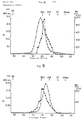
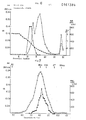
- Figs. 1, 2, 3 and 6 show elution profiles of chromatofocusing for KBS-d, KBS- ⁇ and KBS- ⁇ on FPLC/Mono P column performed in Example 1, in which the open circles (o-o) illustrate absorbance of protein at 230nm, the closed circles ( • ⁇ •) KBS activity, the closed squares ( ⁇ ) pH value, and the fraction number is plotted on the abscissa.
- Figs. 4, 5 and 7 show elution profiles of column chromatography for KBS- ⁇ , KBS- ⁇ and KBS- ⁇ on Sephadex G-200 conducted in Example 1, in which the arrows ( ⁇ ) indicate the elution positions for reference substances [ BD: Blue Dextran; BSA: bovin serum albumin ( M.W.: 67,000)
- OVA ovalbumin ( M.W.: 43,000 ); CY: chymotrypsin (M.W.: 25,000 ); RNase: ribonuclease ( M.W.: 13,700 ) ], the open circles ( o ⁇ o ) indicate absorbance of protein at 280nm, the closed circles ( • ⁇ •) indicate KBS activity, and the fraction number is plotted on the abscissa.
- KBS- ⁇ , KBS- ⁇ and KBS- ⁇ of the present invention are produced by growing human, normal or leukemic cells in a tissue culture medium and recovering these factors thus formed from the culture medium.
- the normal or leukemic monocytic cells as used in the present invention include normal monocyte and macrophage cells, as well as their leukemic cells. Those which can be easily proliferated in a tissue culture medium are more preferable.
- leukemic cells of monocyte/macrophage series include HL-60; YKBS-7-15, YKBS-7-16 and YKBS-7-17 which are monocytic leukemia cells selected from clinically established peripheral leukocytes of monocytic leukemia origin; and cloned strains therefrom, such as clones 2A2, 2A6, 2C6, 3A1, 3B3, 3B4, 3C1, 3D5, 4B3 and others cloned from YK3S-7-15.
- the method of cloning conducted is a limiting dilution and will be described as follows, as example, as to cloned cell lines from the already isolated and established cell line YKBS-7-15 (Japanese Patent Application No. 239355,1983).
- YKBS-7-15 monocytic leukemic cells
- YKBS-7-15 monocytic leukemic cells
- 1 x 10 6 mouse thymocytes as feeder
- 1 to 2 cell/well limiting dilution method
- subculture was carried out by transferring in turn to a 24-well microplate, and clones highly capable of KBS production, such as 2A2, 2A6, 2C6, 3A1, 3B3, 3B4, 3C1, 3D5 and 4B3 were selected.
- YKBS-7-15, YKBS-7-16 and ' YKBS-7-17 are monocytic leukemia cell lines which the inventors and the Institute of Medical Research Center of Tokyo University have succeeded in isolating and establishing by culturing the buffy coat leukocytes from the peripheral blood of a patient suffering acute monocytic leukemia by a usual method ( ammonium chloride treatment for removal of erythrocytes ).
- YKBS-7-15, and YKBS-4B3 which is an isolated clone therefrom, have been deposited with the C.N.C.M. of Pasteur Institute, France (I-258 and 1-319, respectively).
- cell lines of monocyte/macrophage series include Mono-1 and Mono-1-207 [ Virchow Arch. A. Pathol. Anat. Histol 371, 15 ( 1976 ) and 379, 269 ( 1978)J.
- cells capable of differentiation into monocytic cells may of course be used in the present invention. These cells eventually exhibit thiproperties of monocytic leukemia, and malignant myeloid cells are one example.
- the cells listed above are subjected to tisue culture usually in a growth medium containing fetal calf serum ( FCS ).
- FCS fetal calf serum
- YKBS-4B3 a clone of YKBS-7-15 used in Example 1, can be successfully grown in RPMI mdeium ( Gibco Co. ) containing 10% FCS, 15mM HEPES ( Wako Junyaku Co. ), and 50 mg/l kanamycin and 25 mg/l streptomycin.
- penicillin, gentamycin, sisomicin and other antibiotics may also be used in place of kanamycin and streptomycin.
- Tissue culture medium as used in the present application includes such in vivo growth media.
- Examples of the first stimulant used in the present invention include conditioned media with lymphocytes or lymphoblasts, chemical substances or natural extracts that induce leukocytes by differentiation, and mixtures thereof.
- Another example is the supernatant which is obtained by culturing sensitized cells in animals administered with a certain chemical susbstance such as Tricothecene mycotoxin.
- PHA phytohemagglutinin
- MDP muramyl dipeptide
- TPA 12-0-tetradecanoylphorbol-13-acetate
- DMSO dimethylsulfoxide
- substances capable of activating the reticuloendothelial system may also be used as the first stimulant in the present invention.
- Gram-positive bacteria such as Propionibacterium acnes ( Corynebacterium oarvum ) and Propionibacterium aranulocum ( Corynebacterium granulocum);
- Mycobacteria such as Bacillus Calmette-Guerin ( B.C.G.) and Mycobacterium smegmatis; and Nocardia, such as Nocardia erythropolis and Nocardia gardnerl.
- Illustrative fungus-produced materials are toxins produced by Fusarium. Typical protozoans are Plasmodium and Toxoplasma. A commonly used yeast is Zymosan extracted from Saccharomyces cerevisiae or the like. Certain synthetic polymers such as pyran copolymers may also be employed as the first stimulant.
- the second stimulant used in the present invention is an endotoxin produced from Gram-positive or Gram-negative bacteria.
- Typical examples include lipopolysaccharides derived from E. coli, Pseudomonas aeruainosa and typhoid bacillus. Lipopolysaccharides from Gram-positive bacteria can also be used with good results.
- KBS- ⁇ , KBS- ⁇ and KBS- ⁇ of the present invention can be produced by growing normal human cells or human monocytic leukemia cells in a growth medium or a common tissue culture medium containing serum and other nutrients, and adding the first stimulant before, during or after cultivation, followed by addition of the second stimulant.
- both the two stimulants are commonly used for induction, these factors could be produced only by the action of either one of the two stimulants, or even in the absence of any stimulant.
- the cells are fully proliferated in a usual tissue culture medium, and the first stimulant (for example, 0.1 to 100ng/ml of TPA ) is then added to induce the first stimulation, followed by addition of the second stimulant (for example, 0.1 to 10 ⁇ g/ml of lipopolysaccharide derived from E. coli ) to induce the second stimulation, thus yielding, after further cultivation for a certain period, say, 8 to 24 hours, KBS-S, KBS- ⁇ and KBS- ⁇ in the supernatant.
- the first stimulant for example, 0.1 to 100ng/ml of TPA
- the second stimulant for example, 0.1 to 10 ⁇ g/ml of lipopolysaccharide derived from E. coli
- the three human endogenous cancer regulatory factors thus produced can be recovered from the culture medium and purified by known techniques, such as dialysis, salting-out, ultrafiltration, centrifugation, concentration and freeze- drying. If further purification is necessaryy, these techniques may be combined with such additional operations as adsorption onion exchangers followed by elution therefrom, gel filtraton, affinity chromatography using Concanavalin A ( Con A ), a suitable antibody or the like supported on Sepharose, isoelectric fractionation, high-performance liquid chromatography, chromatofocusing by means of high-performance liquid chromatography for proteins, ion exchanging (for example, FPLC/Mono-P and Mono-Q columns; Pharmacia AB), and slab or other typesof electrophoresis on polyacrylamide gel.
- Con A Concanavalin A
- a suitable antibody or the like supported on Sepharose isoelectric fractionation
- high-performance liquid chromatography chromatofocusing by means of high-performance liquid chromatography for proteins, ion ex
- the supernatant containing KBS-I, KBS- ⁇ and KBS- ⁇ is separated from the culture medium by centrifugation and then treated with an anion exchanger, followed by further purification by other techniques.
- anion exchangers include DEAE-Sephadex A-50, DEAE-Sepharose CL-6B, DEAE-Sephacel and QAE-Sephadex ( products of Pharmacia AB ), AIECDE 52 ( Wattman Co. ), Servacel AE ( Serva Co. ) and Cellex QAE ( Bio-rad Laboratories)
- KBS- ⁇ When a supernatant containing KBS- ⁇ , KBS- ⁇ and KBS- ⁇ , after the salt concentration being diluted to adequately lower, is allowed to flow batchwise through a Buchner funnel loaded with an anion exchanger, such as DEAE-Sephadex, KBS- ⁇ will be adsorbed on the ion exchanger, giving a fraction containing KBS- ⁇ and KBS- ⁇ left unadsorbed.
- KBS- ⁇ and KBS- ⁇ can be isolated in pure form by subjecting this fraction to affinity chromatography using, for example, Con-A Sepahrose, followed by chromatofoucusing by means of high-performance liquid chromatography for proteins (e.g., FPLC/Mono-P).
- the KBS- ⁇ adsorbed on DEAE-Sephadex A-50 can be purified by elution with a suitable eluent, and subjecting the eluate to affinity chromatography using, for example, Con-A Sepharose, followed by purification through chromatofocusing by means of, for example, high-performance liquid chromatography for proteins ( e.g., FPLC/ Mono-P ).
- KBS-x can be purified by column chromatography on DEAE-Sephadex A-50 which does not adsorb KBS- ⁇ and KBS- ⁇ .
- KBS- ⁇ When treating a supernatant containing KBS- ⁇ directly with an anion exchanger, such as DEAE-Sephadex A-50, KBS- ⁇ is not adsorbed and transferred to the liquid fraction.
- an anion exchanger such as DEAE-Sephadex A-50
- KBS- ⁇ is not adsorbed and transferred to the liquid fraction.
- the concentrate After concentrating this liquid fraction containing KBS- ⁇ by using of polyethylene glycol 6000 or through ultrafiltration ( e. g ., Amicon concentrator or Pellicon cassette ), followed, as required, by dialysis against a buffer solution of low salt concentration, the concentrate is again passed through a column packed with DEAE-Sephadex A-50. This time KBS-x is adsorbed on DEAE-Sephadex A-50.
- the adsorbed KBS-X fraction is eluted with a suitable eluent, the eluate is purified by affinity chromatography using, for example, Con-A Sepharose, and the adsorbed KBS- ⁇ is finally purified by chromatofocusing by means of high-performance liquid chromatography for proteins ( e.g., FPLC/Mono-P ).
- KBS- ⁇ , KBS- ⁇ and KBS- ⁇ can be separately purified by the methods described above. It is also possible to obtain a purified fraction containing all of these three factors or any desired two of the three factors by suitable combination of purification techniques mentioned above. These purified fractions, of course, are included in the human endogenous cancer regulatory factors of the present invention. Both KBS and KBS-x are adsorbed on DEAE-Sephadex A-50, but these can be separated, for example, by employing either a different amount of the ion exchanger or a different salt concentration.
- the human endogenous cancer regulatory factors prepared, recovered and purified as detailed above have relative molecular weights ( as measured by the molecular sieve method using Sephadex G-200 ) and isoelectric points (as measured by chromatofocusing by means of high-performance liquid chromatography; FPLC/Mono-P ) as given below.
- KBS- ⁇ , KBS- ⁇ and KBS- ⁇ of the present invention are described below.
- KRS- ⁇ , KBS- ⁇ and KBS- ⁇ of the present invention have remarkable tumor necrosis activity when tested on nude mice transplanted with human-derived, gastric cancer cell line MKN-45 ( serially maintained on nude mice ) according to the method of Haranaka, et . al. [ The Japanese Journal of Clinical Medicine, 40, No.8, pp. 186-193 ( 1982 )]. These factors also proved effective against Sarcoma 180, Ehrlich solid tumor, P388 solid tumor and Lewis lung carcinoma.
- KBS activity The biological activity ( KBS activity) of the human endogenous cancer regulatory factors ( KBS- ⁇ , KBS- ⁇ and KBS- ⁇ ) of the present invention was evaluated by an in-vitro cytotoxicity test using normal or malignant mammalian cells according to the procedure reported by Carswell, et al. [ Proc. Nat. Acad. Sci. USA, 72, No.9, pp.3666-3670 ( 1975 )]. The test was conducted using a 96-well microplate ( Nunk Inc.
- MEM medium Eagle's minimum essential medium containing 10% fetal calf serum, 50 ⁇ g/ml of kanamycin, 25 ⁇ g/ml of streptomycin, 50 unit/ml of gentamicin or sisomicin, and L cell (S).
- MEM medium Eagle's minimum essential medium
- S 50 unit/ml of gentamicin or sisomicin
- a suspension of 2.5 x 10 4 cells and diluted samples of eqaul volume were incubated on the MEM medium at 37°C for 48 hours in an atmosphere of air containing 5% carbon dioxide.
- I unit (U) is defined by a reciprocal dilution of the sample to effect 50% killing of the L cells.
- KBS-x, KBS- ⁇ and KBS- ⁇ are capable of assuming any desired form suitable for oral or parenteral administration, such as powders, granules, tablets, sugar-coated tablets, capsules, pills, suppositories, suspensions, liquids, emulsions, injections and aerosols.
- these factors are previously lyophilized, and administered to patients intravenously, subcutaneously or intramuscularly after being dissolved, prior to use, in physiological salines, sterile water or aseptic isotonic solution for injection. It is also possible to add, prior to lyophilization, suitable stabilizers such as mannitol and human serum albumin, as well as solubilizing agents such as glycine.
- the minimum daily dose of K3S-x, KBS-f and KBS- ⁇ of the present invention for human adults is 10,000 units.
- the suitable dose may vary depending on patient's sensitivty, age, sex, body weight, mode, timing and interval of administration, patient's conditions, type and properties of formulation, and other factors. Therefore, the dose level mentioned above should be considered as a guide figure; a lower dose may serve the purpose in some cases, and a higher dose may be necessary in some . other cases.
- the present invention includes a basic technology to produce KBS- ⁇ , KBS- ⁇ and KBS-T of the present invention by utilizing genetic engineering techniques. Some examples will be described below. Normal or leukemic human monocytic cells are grown in a tissue culuture medium by the method described above, subjected to the first and second stimulation, and cultured for an additional 8 to 24 hours. The grown cells are separated by centrifugation, thoroughly washed with an isotonic buffer solution, and destroyed or dissolved by treatment with guanidium thiocyanate/mercaptoethanol or a detergent such as Triton N101, followed by extraction of released RNA with phenol.
- Each of the mRNA fractions thus obtained is introduced into harmonized Xenopus laevis oocytes with a micro-injector, and the oocytes are incubated for a predetermined period of time.
- the culture supernatant, or the supernatant obtained after destroyment of the oocytes followed by centrifugation, is fractionated, and fractions having high KBS activity are collected as crude mRNA of KBS-x, KBS- ⁇ or KBS- ⁇ .
- mRNA of KBS- ⁇ , KBS- ⁇ or KBS- ⁇ of higher specificity by treating monocyte/macrophage leukemic cells, e.g., YKBS-7-15, in the smae manner as above, specifically extracting polysome capable of producing KBS- ⁇ , KBS- or KBS- ⁇ by the antibody affinity technique, and passing the extracted polysome through an Oligo dT-cellulose column.
- monocyte/macrophage leukemic cells e.g., YKBS-7-15
- the mRNA thus obtained may be converted to cDNA by using a suitable transcriptase, incorporating the cDNA into a cloning vector such as pBR322, and introducing the vector into a host bacterium to effect transformation.
- a suitable transcriptase incorporating the cDNA into a cloning vector such as pBR322, and introducing the vector into a host bacterium to effect transformation.
- One can thus produce, by the usual positive or negative screening technique, the corresponding mRNA or cDNA of high specificity.
- the human endogenous cancer regulatory factors of the present invention, KBS- ⁇ , KBS- ⁇ and KBS- ⁇ can be produced from these host cells containing a cloning vector that carries DNA segment coding for the factors.
- KBS- ⁇ , KBS- ⁇ and/or KBS- ⁇ of the present invention were dissolved in 100ml of physiological saline, and the solution was filtered germfree through a membrane filter. One-milliliter aliquots of the filtrate were charged into sterile vials and then lyophilized.
- YK3S-4B3 ⁇ a cloned strain of YKBS-7-15 ( monocytic leukemic cells ) which is an established cell line derived from peripheral buffy coat leukocytes of a monocytic leukemia patient ⁇ was grown in 8 liters of RPMI 1640 medium ( Gibco Co.),
- TPA 12-0-tetradecanoylphorbol-13-acetate
- endotoxin lipopolysaccharide derived from E. coli 0111; B4
- This supernatant was diluted with 20mM Tris-HCl buffer ( pH: 7.8 ) until the final salt concentration fell below 0.04M, and the diluted solution was allowed to flow batchwise through a Buchner funnel loaded with DEAE-Sephadex A-50 previously equilibrated with 20mM Tris-HC1 buffer containing 0.04M sodium chloride ( pH: 7.8 ), to recover the unadsorbed fraction.
- the fraction adsorbed on Con-A Se p hadex thus eluted was concentrated, dialyzed overnight against 25mM triethanolamine/iminodiacetic acid buffer solution ( pH: 8.1 ), and subjecting to chromatofocusing by means of high-perfor- mace liquid chromatography for proteins ( FPLC /Mono P column; Pharmcia AB ) to effect isoelectric fractionation ( linear concentration gradient method over the pH range from 8.1 to 5.0 ), giving two KBS-activity peaks in the vicinity of about pH 7.0 (KBS-ß) and about pH 8.0 (KBS- ⁇ ).
- the KBS- ⁇ fraction was dialyzed overnight against 25mM diethanolamine/HCl buffer solution ( pH: 9.5 ) and subjected to chromatofocusing using FPLC/Mono P column ( linear concentration gradient method over the pH range from 9.5 to 6.8 ), giving KBS- ⁇ as a single sharp peak at pH of about 8.0.
- the elution profile is shown in Fig. 3.
- the isoelectric point of KBS- ⁇ estimated was pH 8.0 ⁇ 0.5.
- the total cytotoxicity of these fractions against L cells was 4.0 x 10 4 units for KBS- and 1.0 x 10 4 for KBS- ⁇ .
- Table I shows the stability of KBS- ⁇ , KBS- ⁇ and KBS- ⁇ against heat and changes in pH.
- YKBS-7-15 monocytic leukemic cells
- peripheral buffy coat leukocytes cf monocytic leukemia patient were grown in 8 liters of RPMI 1640 medium ( Gibco Co. ), which is a commonly used basic growth medium containing 10% fetal calf serum, at 37°C for a sufficient period of time, 5 ng/ml of 12-O-tetradecan- oylphorbol -13-acetate ( TPA ) was added to induce first stimulation, 1 ⁇ g/ml of endotoxin ( lipopolysaccharide derived from E. coli; B4 ) was added as the second stimulant 36 hours later, cell culture was continued for an additional 16 hours, and the culture supernatant was collected after centrifugation.
- RPMI 1640 medium Gibco Co.
- TPA 12-O-tetradecan- oylphorbol -13-acetate
- This supernatant was diluted with 20mM Tris-HCl buffer solution ( pH: 7.8 ) until the final salt concentration fell below 0.04M, and the diluted solution was allowed to flow batchwise through a Buchner funnel packed with DEAE-Sephadex A-50 previously equilibrated with 20mM Tris-HCl buffer containing 0.04M sodium chloride ( pH: 7.8 ), to recover the unadsorbed fraction.
- the fraction adsorbed on the DEAE-Sephadex A-50 was eluted with 20mN Tris-HCl buffer solution containing 0.1M sodium chloride, the eluate was concentrated, and its salt concentration was adjusted to 0.5M sodium chloride.
- the resulting solution was then subjected to affinity chromatography using a Con-A Sepharose column in the same manner as a) in Example 1, and the adsorbed fraction was concentrated, dialyzed overnight, and subjected to chromatcfocus- ing using FPLC/Mono P column to effect isoelectric fractionation ( linear concentration gradient method over the pH range from 8.1 to 5.0 ), giving a peak of KES activity at pH of about 6.5 ( KBS- ⁇ ). Dialysis of this active fraction overnight afforded purified KBS- ⁇ .
- YKBS-4B3 which is a cloned cell lineof YKBS-7-15,was grown in 8 liters of serum-free medium HB101 ( Hana Biologics Inc. ) at 37°C for a sufficient period of time with agitation.
- TPA 5 ng/ml
- endotoxin lipopolysaccharide derived from E. coli 0111; B4
- endotoxin lipopolysaccharide derived from E. coli 0111; B4
- This supernatant was concentrated by means of a Pellicon ultrafiltration concentrator at a factor of about 20, and saturated aqueous ammonium sulfate solution was slowly added to the concentrate until the final concentration of ammonium sulfate reached 50% ( v/v ).
- the precipitate thus formed was allowed to stand at 4°C to ensure complete aging, collected by centrifugation, dissolved in a small volume of 20mM Tris-HCl buffer solution containing 0.04M sodium chloride ( pH: 7.8 ), and dialyzed sufficiently against the same buffer.
- the dialyzed solution was allowed to flow through a Buchner funnel loaded with DEAE-Sephadex A-50 previously equilibrated with the same buffer, and the adsorbed substance was eluted with Tris-HCl buffer containing 0.08M sodium chloride ( pH: 7.8 ).
- the eluate was concentrated by means of a Pelliconultrafiltration concentrator to adjust the salt concentration to 0.5M sodium chloride, and the resulting solution was subjected to affinity chromatography using Concanavalin A ( Con A ) Sepharose previously equilibrated with Tris-HCl buffer solution containing 0.5M sodium chloride ( pH: 7.8 ).
- the resin was thoroughly washed with the same buffer to remove unadsorbed substances and then eluted with 20mM Tris-HCl buffer solution containing ⁇ -methylmannoside and 0.5M sodium chloride ( pH: 7.8 ), giving a fraction containing KBS- ⁇ , KBS-and KBS- ⁇ This fraction was subjected to chromatofocusing by means of high-performance liquid chromatography for proteins ( FPLC /Mono P column; Pharmcia AB ) to effect isoelectric fractionation ( linear concentration gradient method ), affording three peaks of KBS-activity at pH of about 8.0 ( K3S-T ), about 7.0 ( KBS- and about 6.5 ( KBS- ⁇ ) .
- YKBS-4B3 which is a cloned cell line of YKBS-7-15, was grown in 8 liters of serum-free medium HB101TM ( Hana Biologics Inc. ) at 37°C for a sufficient period of time with agitation.
- TPA 5 ng/ml
- endotoxin lipopolysaccharide derived from E. coli 0111; B4
- endotoxin lipopolysaccharide derived from E. coli 0111; B4
- This supernatant was concentrated by means of a Pellicon ultrafiltration concentrator at a factor of about 20, and saturated aqueous ammonium sulfate solution was slowly added to the concentrate until the final concentration of ammonium sulfate reached 50% ( v/v ).
- the precipitate thus formed was allowed to stand at 4°C to ensure complete aging, collected by centrifugation, dissolved in a small volume of 20mM Tris-HCl buffer solution containing 0.04M sodium chloride ( pH: 7.8 ), and dialyzed sufficiently against the same buffer.
- the dialyzed solution was allowed to flow through a Buchner funnel loaded with DEAE-Sephadex A-50 previously equilibrated with the same buffer, and the adsorbed substance was eluted with Tris-HCl buffer containing 0.08M sodium chloride ( pH: 7.8 ).
- the eluate was concentrated by means of a Pellicon ultrafiltration concentrator to adjust the salt concentration to 0.5M sodium chloride, and the resulting solution was subjected to affinity chromatography using Concanavalin A ( Con A ) Se p harose previously equilibrated with Tris-HCl buffer solution containing 0.5M sodium chloride ( pH: 7.8 ).
- the resin was thoroughly washed with the same buffer to collect unadsorbed fraction, which was concentrated and dialyzed overnight against 25mM triethanolamine/iminodiacetic acid buffer solution, affording a fraction containing KBS- ⁇ and KBS- ⁇
- This fraction was subjected to chromatofocusing by means of high-performance liquid chromatography for proteins ( FPLC /Mono P column; Pharmcia AB ) to effect isoelectric fractionation ( linear concentration gradient method ), giving two peaks of KBS-activity at pH of about 7.0 ( KBS- ⁇ and about 8.0 ( KBS- ⁇ ).
Landscapes
- Health & Medical Sciences (AREA)
- Life Sciences & Earth Sciences (AREA)
- Chemical & Material Sciences (AREA)
- Organic Chemistry (AREA)
- Genetics & Genomics (AREA)
- Engineering & Computer Science (AREA)
- Zoology (AREA)
- General Health & Medical Sciences (AREA)
- Biochemistry (AREA)
- Biophysics (AREA)
- Wood Science & Technology (AREA)
- Bioinformatics & Cheminformatics (AREA)
- General Engineering & Computer Science (AREA)
- Biotechnology (AREA)
- Biomedical Technology (AREA)
- Molecular Biology (AREA)
- Medicinal Chemistry (AREA)
- Gastroenterology & Hepatology (AREA)
- Plant Pathology (AREA)
- Animal Behavior & Ethology (AREA)
- Proteomics, Peptides & Aminoacids (AREA)
- Physics & Mathematics (AREA)
- Chemical Kinetics & Catalysis (AREA)
- Nuclear Medicine, Radiotherapy & Molecular Imaging (AREA)
- Toxicology (AREA)
- Veterinary Medicine (AREA)
- General Chemical & Material Sciences (AREA)
- Public Health (AREA)
- Microbiology (AREA)
- Pharmacology & Pharmacy (AREA)
- Micro-Organisms Or Cultivation Processes Thereof (AREA)
- Medicines Containing Material From Animals Or Micro-Organisms (AREA)
- Peptides Or Proteins (AREA)
- Medicines That Contain Protein Lipid Enzymes And Other Medicines (AREA)
- Preparation Of Compounds By Using Micro-Organisms (AREA)
Applications Claiming Priority (2)
| Application Number | Priority Date | Filing Date | Title |
|---|---|---|---|
| JP59099370A JPS60243018A (ja) | 1984-05-17 | 1984-05-17 | ヒト内来性癌制御因子 |
| JP99370/84 | 1984-05-17 |
Publications (2)
| Publication Number | Publication Date |
|---|---|
| EP0161384A2 true EP0161384A2 (de) | 1985-11-21 |
| EP0161384A3 EP0161384A3 (de) | 1986-07-09 |
Family
ID=14245651
Family Applications (1)
| Application Number | Title | Priority Date | Filing Date |
|---|---|---|---|
| EP85100221A Withdrawn EP0161384A3 (de) | 1984-05-17 | 1985-01-11 | Menschliche endogene krebsregulatorische Faktoren, Verfahren zur Herstellung derselben und pharmazeutische Zubereitungen, die sie enthalten |
Country Status (8)
| Country | Link |
|---|---|
| EP (1) | EP0161384A3 (de) |
| JP (1) | JPS60243018A (de) |
| KR (1) | KR850007980A (de) |
| DK (1) | DK16585A (de) |
| ES (1) | ES8606898A1 (de) |
| GR (1) | GR850080B (de) |
| NO (1) | NO850152L (de) |
| PH (1) | PH20765A (de) |
Cited By (2)
| Publication number | Priority date | Publication date | Assignee | Title |
|---|---|---|---|---|
| EP0280563A3 (de) * | 1987-02-27 | 1989-03-22 | The Wellcome Foundation Limited | Zytotoxine |
| WO1996013586A3 (en) * | 1994-10-26 | 1996-08-01 | Nobuko Satomi | Histiocyte-secreted factor (hsf) |
Families Citing this family (2)
| Publication number | Priority date | Publication date | Assignee | Title |
|---|---|---|---|---|
| RU2341270C2 (ru) * | 2006-12-28 | 2008-12-20 | Александр Сергеевич Ботин | Композиция для стимулирования роста и регенерации клеток, а также способы ее получения |
| RU2007112288A (ru) * | 2007-04-03 | 2008-10-10 | Александр Сергеевич Ботин (RU) | Композиция для стимулирования роста и регенерации клеток, а также способ ее получения |
Family Cites Families (4)
| Publication number | Priority date | Publication date | Assignee | Title |
|---|---|---|---|---|
| SE8204382L (sv) * | 1981-07-21 | 1983-01-22 | Hayashibara Biochem Lab | Sett att framstella malcellysfaktor och anvendning derav |
| ZA834976B (en) * | 1982-07-30 | 1984-08-29 | Genentech Inc | Human lymphotoxin |
| JPS59141519A (ja) * | 1983-01-31 | 1984-08-14 | Otsuka Pharmaceut Co Ltd | 制ガン作用を有する蛋白質 |
| CA1265444A (en) * | 1983-06-27 | 1990-02-06 | Lloyd J. Old | Effect of human tumor necrosis factor and human interferon on human cancer cells and methods |
-
1984
- 1984-05-17 JP JP59099370A patent/JPS60243018A/ja active Pending
-
1985
- 1985-01-11 EP EP85100221A patent/EP0161384A3/de not_active Withdrawn
- 1985-01-11 GR GR850080A patent/GR850080B/el unknown
- 1985-01-11 ES ES539506A patent/ES8606898A1/es not_active Expired
- 1985-01-14 PH PH31716A patent/PH20765A/en unknown
- 1985-01-14 KR KR1019850000190A patent/KR850007980A/ko not_active Withdrawn
- 1985-01-14 DK DK16585A patent/DK16585A/da not_active Application Discontinuation
- 1985-01-14 NO NO850152A patent/NO850152L/no unknown
Cited By (3)
| Publication number | Priority date | Publication date | Assignee | Title |
|---|---|---|---|---|
| EP0280563A3 (de) * | 1987-02-27 | 1989-03-22 | The Wellcome Foundation Limited | Zytotoxine |
| AU605250B2 (en) * | 1987-02-27 | 1991-01-10 | Wellcome Foundation Limited, The | Improvements relating to cytotoxins |
| WO1996013586A3 (en) * | 1994-10-26 | 1996-08-01 | Nobuko Satomi | Histiocyte-secreted factor (hsf) |
Also Published As
| Publication number | Publication date |
|---|---|
| ES8606898A1 (es) | 1986-05-16 |
| ES539506A0 (es) | 1986-05-16 |
| JPS60243018A (ja) | 1985-12-03 |
| PH20765A (en) | 1987-04-10 |
| DK16585D0 (da) | 1985-01-14 |
| NO850152L (no) | 1985-11-18 |
| GR850080B (de) | 1985-05-13 |
| DK16585A (da) | 1985-11-18 |
| KR850007980A (ko) | 1985-12-11 |
| EP0161384A3 (de) | 1986-07-09 |
Similar Documents
| Publication | Publication Date | Title |
|---|---|---|
| EP0089062A2 (de) | Immunoprophylaktisches und immunotherapeutisches Mittel | |
| US5008374A (en) | IL-1α derivatives and drugs | |
| EP0159289B1 (de) | Immunosuppressionsfaktor | |
| EP0212501B1 (de) | Therapeutisches Mittel zur Behandlung hämatopoietischer Krankheiten | |
| US6441138B2 (en) | Protein which induces interferon-γ production by immunocompetent cell | |
| EP0132125B1 (de) | Protein mit Antitumor-Wirkung | |
| KR0131204B1 (ko) | 암 면역치료용 보조제 | |
| EP0090892A1 (de) | Verfahren zur Reinigung einer physiologisch aktiven Substanz mit Antitumor Aktivität | |
| EP0276551A1 (de) | Kolonie-stimulierender Faktor und Verfahren zu seiner Herstellung | |
| WO1992010562A1 (en) | Ganoderma lucidium iy009 which produces proteoglycan (g009) having effect of enhancing antitumor immunity | |
| EP0328132B1 (de) | Therapeutisches Mittel für Thrombocytopenia | |
| EP0086475A2 (de) | Verfahren zur Herstellung von antitumorischen Stoffen | |
| NO850152L (no) | Fremgangsmaate ved fremstilling av human, endogen cancerregulerende faktor. | |
| US6087335A (en) | RNase-CV (Coriolus versicolor) | |
| JPS6019720A (ja) | ヒト内来性癌制御因子およびその製造法 | |
| EP0134247A1 (de) | Protein mit onkostatischem effekt, dessen herstellungsverfahren und onkostatisches heilmittel das dieses enthält | |
| KR950008569B1 (ko) | 신규 림포카인(lymphokine) 및 그 제조방법과 사용방법 | |
| Hübner et al. | Chemical characterization of macrophage cytotoxicity factor, macrophage migration inhibitory factor, T-helper cell-replacing factor and colony-stimulating factor from culture supernatants of concanavalin A-stimulated murine spleen cells | |
| KR890004692B1 (ko) | 항종양 생리학적 활성물질의 정제방법 | |
| KR880001758B1 (ko) | 암세포에 대항하는 임파구의 제조방법 | |
| WO1986004069A1 (en) | Human endogenous cancer regulatory factors | |
| EP0230556B1 (de) | Fraktion von Listeria Monocytogenes mit therapeutischer Wirkung, Verfahren für ihre Herstellung und diese enthaltende pharmazeutische Zusammensetzung | |
| EP0178050A1 (de) | Eiweisssubstanz | |
| JPH072690A (ja) | インターロイキン2を含有してなる免疫療法剤 | |
| JPS6137730A (ja) | 制ガン作用を有する蛋白質 |
Legal Events
| Date | Code | Title | Description |
|---|---|---|---|
| PUAI | Public reference made under article 153(3) epc to a published international application that has entered the european phase |
Free format text: ORIGINAL CODE: 0009012 |
|
| AK | Designated contracting states |
Designated state(s): AT BE CH DE FR GB IT LI LU NL SE |
|
| PUAL | Search report despatched |
Free format text: ORIGINAL CODE: 0009013 |
|
| AK | Designated contracting states |
Kind code of ref document: A3 Designated state(s): AT BE CH DE FR GB IT LI LU NL SE |
|
| 17P | Request for examination filed |
Effective date: 19861031 |
|
| 17Q | First examination report despatched |
Effective date: 19880707 |
|
| STAA | Information on the status of an ep patent application or granted ep patent |
Free format text: STATUS: THE APPLICATION IS DEEMED TO BE WITHDRAWN |
|
| 18D | Application deemed to be withdrawn |
Effective date: 19910426 |
|
| RIN1 | Information on inventor provided before grant (corrected) |
Inventor name: EZOE, HISANORI Inventor name: HARANAKA, KATSUYUKI Inventor name: OBARA, TADASHI Inventor name: SATOMI, NOBUKO |