WO2025121024A1 - 更年期進行度推定システム、更年期進行度推定装置、更年期進行度推定方法、および更年期進行度推定プログラム - Google Patents
更年期進行度推定システム、更年期進行度推定装置、更年期進行度推定方法、および更年期進行度推定プログラム Download PDFInfo
- Publication number
- WO2025121024A1 WO2025121024A1 PCT/JP2024/037896 JP2024037896W WO2025121024A1 WO 2025121024 A1 WO2025121024 A1 WO 2025121024A1 JP 2024037896 W JP2024037896 W JP 2024037896W WO 2025121024 A1 WO2025121024 A1 WO 2025121024A1
- Authority
- WO
- WIPO (PCT)
- Prior art keywords
- menopause
- menopausal
- basal body
- progression
- region
- Prior art date
- Legal status (The legal status is an assumption and is not a legal conclusion. Google has not performed a legal analysis and makes no representation as to the accuracy of the status listed.)
- Pending
Links
Images






Classifications
-
- A—HUMAN NECESSITIES
- A61—MEDICAL OR VETERINARY SCIENCE; HYGIENE
- A61B—DIAGNOSIS; SURGERY; IDENTIFICATION
- A61B10/00—Instruments for taking body samples for diagnostic purposes; Other methods or instruments for diagnosis, e.g. for vaccination diagnosis, sex determination or ovulation-period determination; Throat striking implements
-
- A—HUMAN NECESSITIES
- A61—MEDICAL OR VETERINARY SCIENCE; HYGIENE
- A61B—DIAGNOSIS; SURGERY; IDENTIFICATION
- A61B5/00—Measuring for diagnostic purposes; Identification of persons
- A61B5/01—Measuring temperature of body parts ; Diagnostic temperature sensing, e.g. for malignant or inflamed tissue
Definitions
- the present invention relates to a technology for estimating the progression of menopause in women.
- Patent Document 1 describes a technology for estimating the expected start date of menstruation. Patent Document 1 estimates the expected start date of menstruation depending on whether the menstrual cycle is stable and whether the number of days in the high temperature phase is stable.
- Patent Document 1 estimates the expected start date of menstruation using only the menstrual cycle and the number of days in the high temperature phase. In other words, although it is possible to predict when menstruation will start, it is difficult to determine whether menstrual irregularities are due to menopause.
- menopause lasts for approximately 10 years, including the five years leading up to menopause and the five years following menopause.
- Patent Document 1 Even if it were possible to predict the expected start date of menopause, reflecting the effects of menopause, it would be difficult to grasp the extent to which menopause has progressed.
- menstrual irregularities of women in their 40s or older are not due to menopause, they may be affected by diseases such as uterine fibroids, uterine cancer, or cervical cancer.
- diseases such as uterine fibroids, uterine cancer, or cervical cancer.
- the object of the present invention is therefore to provide a technology for objectively grasping the progression of menopause.
- the menopausal progression estimation system includes a control unit and a storage device.
- the storage device stores a plurality of menstrual cycles and a plurality of basal body temperatures of the subject.
- the control unit estimates the subject's menopausal progression based on the plurality of menstrual cycles and the plurality of basal body temperatures.
- the progression of menopause can be estimated based on multiple menstrual cycles and multiple basal body temperatures.
- a menopausal progression estimation device includes a control unit, a storage device, and a display unit.
- the storage device stores a plurality of menstrual cycles and a plurality of basal body temperatures of the subject.
- the control unit estimates the subject's menopausal progression based on the plurality of menstrual cycles and the plurality of basal body temperatures.
- the control unit also causes the display unit to display the menopausal progression.
- the progression of menopause can be estimated based on multiple menstrual cycles and multiple basal body temperatures.
- the progression of menopause can be displayed on the display, allowing the progression of menopause to be visually recognized.
- the method for estimating the progression of menopause includes a step of storing a plurality of menstrual cycles and a plurality of basal body temperatures of the subject, and a step of estimating the progression of menopause of the subject based on the plurality of menstrual cycles and the plurality of basal body temperatures.
- This method allows the progression of menopause to be estimated based on multiple menstrual cycles and multiple basal body temperatures.
- the menopausal progression estimation program causes a computer to execute the steps of storing a plurality of menstrual cycles and a plurality of basal body temperatures of the subject, and estimating the subject's menopausal progression based on the plurality of menstrual cycles and the plurality of basal body temperatures.
- This program can estimate the progression of menopause based on multiple menstrual cycles and multiple basal body temperatures.
- the menopausal progression estimation program causes a first computer to execute the steps of storing a plurality of menstrual cycles and a plurality of basal body temperatures of the subject, transmitting the plurality of menstrual cycles and the plurality of basal body temperatures to a second computer, and receiving the subject's menopausal progression estimated by the second computer based on the plurality of menstrual cycles and the plurality of basal body temperatures.
- This program can estimate the progression of menopause based on multiple menstrual cycles and multiple basal body temperatures. This program can distribute processing, reducing the load on the computer that executes each step.
- This invention makes it possible to objectively grasp the progression of menopause.
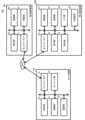
- FIG. 1 is a configuration diagram of a menopausal progression estimation system according to a first embodiment of the present invention.
- FIG. 2 is a configuration diagram of the menopausal progression estimation system according to the first embodiment of the present invention.
- FIG. 3(A) is a table showing the relationship between menstruation and basal body temperature according to the first embodiment of the present invention
- FIG. 3(B) is a table showing the relationship between menstrual cycle and average body temperature according to the first embodiment of the present invention.
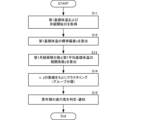
- FIG. 4 is a flowchart showing an example of determining the progress of menopause according to the first embodiment of the present invention.
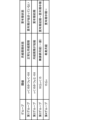
- FIG. 5 is a table showing threshold values for grouping the degree of menopausal progression according to the first embodiment of the present invention.
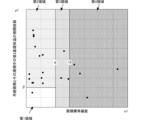
- FIG. 6 is a scatter diagram (plot diagram) of grouping the stage of menopause according to the first embodiment of the present invention.
- FIG. 7 is a diagram showing an example of a display unit that displays the degree of progression of menopause according to the first embodiment of the present invention.
- FIG. 8(A) is a table showing the relationship between menstruation and basal body temperature according to the second embodiment of the present invention, and
- FIG. 8(B) is a table showing the relationship between menstrual cycle and average body temperature according to the second embodiment of the present invention.
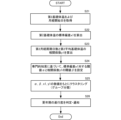
- FIG. 9 is a flowchart showing an example of determining the progress of menopause according to the second embodiment of the present invention.
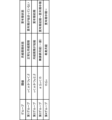
- FIG. 10 is a table showing threshold values for grouping the degree of menopausal progression according to the second embodiment of the present invention.
- FIG. 11 is a scatter diagram (plot diagram) of grouping the stage of menopause according to the second embodiment of the present invention.
- FIG. 12 is a configuration diagram of a menopausal progress estimation system according to the third embodiment of the present invention.
- FIG. 13 is a flowchart showing an example of determining the progress of menopause according to the third embodiment of the present invention.
- FIG. 14 is a tree diagram for determining the progress of menopause according to the third embodiment of the present invention.
- FIG. 15 is a scatter diagram (plot) of grouping the stage of menopause according to a modified example of the present invention.
- Deep body temperature is the body temperature that keeps the brain and organs functioning normally inside the human body, such as the core.
- the body temperature at rest when only the energy required for life support is used is the basal body temperature.
- the basal body temperature is defined to include body temperatures measured under certain conditions that can be linked to the basal body temperature, such as body temperature measured by attaching a thermometer to the chest while sleeping. That is, in the present invention, measuring the basal body temperature includes both the measurement of the basal body temperature itself and the measurement of the deep body temperature or other temperatures that can be converted to the basal body temperature.
- the basal body temperature measured once by one person is called the “first basal body temperature.”
- the average value of multiple measurements of a person's basal body temperature is called the “first average basal body temperature.”
- Multiple basal body temperatures measured once by multiple subjects are called “second basal body temperatures.”
- the average value of multiple basal body temperatures measured multiple times by multiple subjects is called the “second average basal body temperature.”
- the number of days defined as the period from the first day of a person's menstruation to the day before the first day of the next menstruation is called the “first menstrual cycle.”
- the number of days defined as the period from the first day of menstruation to the day before the first day of the next menstruation for multiple users is called the “second menstrual cycle.”
- the average of multiple menstrual cycles of multiple users is called the “second average menstrual cycle.”
- multiple basal body temperatures in the present invention may correspond to multiple first basal body temperatures or multiple second basal body temperatures, and may include both.
- Multiple menstrual cycles in the present invention may correspond to multiple first menstrual cycles or multiple second menstrual cycles, and may include both.
- the menstrual cycle for the past year is between 25 and 38 days.
- FIG. 1 is a configuration diagram of a menopausal progression estimation system according to a first embodiment of the present invention.
- FIG. 2 is a configuration diagram of a menopausal progression estimation system according to a first embodiment of the present invention.
- FIG. 3(A) is a table showing the relationship between menstruation and basal body temperature according to a first embodiment of the present invention, and FIG.
- FIG. 3(B) is a table showing the relationship between menstrual cycle and average body temperature according to a first embodiment of the present invention.
- FIG. 4 is a flowchart showing an example of determining the menopausal progression according to the first embodiment of the present invention.
- FIG. 5 is a table showing thresholds for grouping the menopausal progression according to the first embodiment of the present invention.
- FIG. 6 is a scatter diagram (plot diagram) for grouping the menopausal progression according to the first embodiment of the present invention.
- FIG. 7 is a diagram showing an example of a display unit for displaying the menopausal progression according to the first embodiment of the present invention.
- the first basal body temperature, the first average basal body temperature, and the first menstrual cycle are used as examples. That is, in the first embodiment, the results of measurements taken by one person are used.
- the menopausal progression estimation system 10 includes a sensor device 100, a first calculation device 200, and a second calculation device 300.
- the first calculation device 200 corresponds to the "computer” and “first computer” of the present invention
- the second calculation device 300 corresponds to the "second computer” of the present invention.
- the sensor device 100 is, for example, a core thermometer that measures a woman's core body temperature.
- the sensor device 100 includes a network interface (hereinafter, network IF) 101, a sensing unit 102, a storage unit 103, a control unit 104, and a power supply unit 105.
- network IF network interface
- the first arithmetic device 200 is an information device such as a smartphone or tablet terminal.
- the first arithmetic device 200 performs calculations using the woman's basal body temperature measured by the sensor device 100.
- the first arithmetic device 200 comprises a network IF 201, a display unit 202, a storage unit 203, a control unit 204, a power supply unit 205, and an input unit 206.
- the storage unit 203 corresponds to the "storage device" of the present invention.
- the second arithmetic device 300 is a server or virtual server constructed on the Internet, a cloud computing service, etc.
- the second arithmetic device 300 stores the woman's basal body temperature measured by the sensor device 100 and the results of calculation by the first arithmetic device 200.
- the second arithmetic device 300 comprises a network IF 301, a storage unit 302, a control unit 303, and a power supply unit 304.
- the storage unit 302 corresponds to the "storage device" of the present invention. It is also possible to use the storage unit 103 of the sensor device 100 as the "storage device" of the present invention.
- the sensor device 100 has a structure for measuring deep body temperature by, for example, contacting and fixing to the abdomen, subclavian region, etc. while sleeping.
- the sensor device 100 outputs the maximum value of the deep body temperature as the measurement result (basal body temperature).
- the sensor device 100 may output not only the maximum value but also the average, maximum, minimum, extreme value, median, etc. of the body temperature while sleeping as the measurement result.
- the sensor device 100 may also be configured to measure the basal body temperature under the armpit or under the tongue.
- the network IF 101 communicates with the network IF 201 of the first arithmetic device 200.
- the network IF 101 and the network IF 201 transmit and receive data via wireless communication such as Bluetooth (registered trademark) or Wi-Fi (registered trademark), which exchanges data over short distances.
- the sensing unit 102 measures the first basal body temperature of the person being measured. More specifically, the sensing unit 102 converts the heat transmitted from the surface of the person's skin into an electrical signal and detects it. The sensing unit 102 generates the first basal body temperature by processing this electrical signal.
- the storage unit 103 stores the first basal body temperature measured by the sensing unit 102.
- the control unit 104 controls the calculations in the sensor device 100, the storage of the first basal body temperature, and the input and output of data to and from the first calculation device 200.
- the power supply unit 105 supplies power to the sensor device 100.
- This power supply unit 105 may be a battery, a general household power source, a commercial power source, etc.
- the network IF 201 communicates with the network IF 101 of the sensor device 100 and the network IF 301 of the second arithmetic device 300.
- the network IF 201 and the network IF 101 transmit and receive data via wireless communication for short-distance data communication, such as Bluetooth (registered trademark), Wi-Fi (registered trademark), etc.
- the network IF 201 and the network IF 301 transmit and receive data via a network using Wi-Fi (registered trademark), a cellular line, etc.
- the display unit 202 displays information related to the first basal body temperature, information related to the first menstrual cycle, and the degree of menopause progression, which will be described later.
- the display unit 202 displays text, graphs, images, etc., making it easy for the person taking the measurement to visually recognize the information.
- the storage unit 203 stores the first basal body temperature output from the sensor device 100.
- the storage unit 203 also stores grouping information.
- the grouping information is information for grouping (classifying) the degree of menopausal progression, which will be described later.
- the control unit 204 controls the calculations in the first calculation device 200, the storage of the first basal body temperature, and the input and output of data between the sensor device 100 and the second calculation device 300.
- the power supply unit 205 supplies power to the first arithmetic unit 200.
- This power supply unit 205 is, for example, a battery.
- the input unit 206 is, for example, a software keyboard, command buttons, etc.
- the network IF 301 communicates with the network IF 201 of the first arithmetic device 200. As described above, the network IF 301 and the network IF 201 transmit and receive data using a cellular line or the like.
- the storage unit 302 stores the first basal body temperature and the date of measurement output from the first calculation device 200. Similarly to the storage unit 203, the storage unit 302 also stores grouping information for grouping (classifying) the degree of menopausal progression.
- the control unit 303 controls the calculations in the second calculation device 300, the storage of the first basal body temperature, and the input and output of data to and from the second calculation device 300.
- the power supply unit 304 supplies power to the second calculation device 300.
- the person measuring the first basal body temperature uses the sensor device 100.
- the control unit 104 acquires the first basal body temperature of the person measured by the sensing unit 102.
- the control unit 104 associates the first basal body temperature with the measurement date and stores it in the storage unit 103.
- the measurement date is acquired by a clock unit (not shown).
- the control unit 104 transmits the first basal body temperature, the measurement date, and an ID that can identify the person measuring (e.g., a user ID) to the first calculation device 200 via the network IF 101.
- the control unit 104 transmits the first basal body temperature and the date of measurement immediately after measuring the first basal body temperature.
- the control unit 104 may also transmit the first basal body temperature and the date of measurement at regular intervals (for example, about one week). This reduces the frequency of communication with the network IF 101. Also, if the measured value of the first basal body temperature indicates an abnormal value, it is possible to manually transmit the first basal body temperature after measuring it again.
- the first arithmetic device 200 acquires the user ID, the first basal body temperature, and the measurement date. As shown in FIG. 3(A), the first arithmetic device 200 associates the user ID, the first basal body temperature, and the measurement date and stores them. If the sensor device 100 does not have a clock unit, the measurement date may be set to the date on which the first arithmetic device 200 received the first basal body temperature. Instead of the user ID, the sensor device ID may be acquired from the sensor device, and the first arithmetic device 200 may link the sensor device ID to the user ID.
- the first arithmetic device 200 stores the first menstrual cycle. More specifically, the person measuring inputs the menstruation start date using the input unit 206 of the first arithmetic device 200.
- the menstrual cycle is the period from the menstruation start date to the day before the next menstruation start date.
- the menstruation start date may be input using a software keyboard capable of inputting dates, or the system date may be automatically input during operation. Furthermore, it may be possible to input the menstruation start date by activating a calendar and selecting any date.
- the control unit 204 accepts the input of the start of menstruation, and sets a flag indicating whether or not the woman is in the menstrual period (hereinafter, the menstruation flag) to True.
- the control unit 204 links the menstruation start date and the menstruation flag True and stores them in the storage unit 203.
- the control unit 204 sets the menstruation flag to False after a certain period of time (e.g., five days) has passed.
- a certain period of time e.g., five days
- the control unit 204 calculates the first menstrual cycle using the date of menstruation of the person being measured.
- the control unit 204 calculates the first average basal body temperature measured in the first menstrual cycle.
- the control unit 204 associates a user ID that can identify the person being measured with the first menstrual cycle and the first average basal body temperature and stores them in the storage unit 203.
- the first calculation device 200 associates the user ID, first menstrual cycle, first average basal body temperature and menstruation flag and transmits them to the second calculation device 300.
- the second calculation device 300 associates the user ID, first menstrual cycle, first average basal body temperature and menstruation flag and stores them in the storage unit 302.
- the information stored in the storage unit 302 be stored with personal information deleted.
- the person who measures is represented by only the user ID.
- the control unit 204 performs a calculation process using the data shown in Fig. 3(A) and Fig. 3(B). It is preferable to perform the calculation process described below after, for example, three or more first menstrual cycles have passed. If the first menstrual cycle has passed two or fewer cycles, it is possible that the intended result will not be obtained due to various errors.
- the calculation may be performed by applying a predetermined weighting to the first basal body temperature and the first menstrual cycle. The calculation using this weighting may be determined using a value statistically obtained from the age of the person to be measured, or may be determined by applying the average value of the first average basal body temperature, etc.
- the first calculation device 200 acquires the first basal body temperature from the sensor device 100 (S11). The first calculation device 200 also acquires the menstruation start date input using the input unit 206.
- the control unit 204 calculates the deviation of the first menstrual cycle (S12). More specifically, the control unit 204 calculates the standard deviation of the first menstrual cycle.
- a specific example of the deviation is not limited to the standard deviation, and may be a variance. In the following, the deviation will be described as the standard deviation.
- the standard deviation of this first basal body temperature is designated as "x".
- the menstrual cycle is divided into the number of days in the low temperature period when basal body temperature is low, and the number of days in the high temperature period when basal body temperature is high.
- the number of days in the low temperature period fluctuates, but the number of days in the high temperature period is considered to be fixed. Therefore, the menstrual cycle fluctuates according to the number of days in the low temperature period. In other words, if the number of days in the low temperature period is longer, the menstrual cycle will be longer, and the average basal body temperature in one cycle will be lower. On the other hand, if the number of days in the low temperature period is shorter, the menstrual cycle will be shorter, and the average basal body temperature in one cycle will be higher. In other words, the correlation coefficient y obtained from the menstrual cycle and the average basal body temperature in that cycle has a negative correlation.
- the correlation coefficient y obtained from the menstrual cycle and the average basal body temperature in that cycle has a positive correlation.
- the control unit 204 performs clustering using the standard deviation x, correlation coefficient y, and grouping information stored in the storage unit 203 (S14).
- This grouping information is information for grouping (classifying) the degree of menopause progression, as described above.
- the control unit 204 performs clustering using the thresholds shown in FIG. 5.
- the states indicating menopause are classified into four groups based on the above.
- the x-axis indicates the standard deviation of the menstrual cycle (cycle standard deviation)
- the y-axis indicates the menstrual cycle and the correlation coefficient of the first basal body temperature during that cycle.
- the threshold for the standard deviation x when clustering the menopause is set as the first threshold
- the threshold for the correlation coefficient y is set as the second threshold.
- the control unit 204 classifies the results into the first group and other groups shown in FIG. 5.
- the first group is a state in which menopause has not yet begun (first region in FIG. 6).
- the group in which menopause has begun (menopause determination region) excluding the first group is classified into a second group (second region in FIG. 6), a third group (third region in FIG. 6), and a fourth group (fourth region in FIG. 6).
- the center of gravity in the area of each group in FIG. 6 is defined. This center of gravity is the central point in the area of each group.
- the center of gravity of each group is found as follows. For example, in the second area in FIG. 6, the point with the smallest sum of distances from the multiple values (standard deviation x, correlation coefficient y) determined for the second group is the center of gravity.
- the center of gravity of the three coordinates in the second group can be found as follows. Given coordinates a (xa, ya), coordinate b (xb, yb), and coordinate c (xc, yc), the center of gravity (xg, yg) is the point where the sum of the distance from the center of gravity to coordinate a, the distance from the center of gravity to coordinate b, and the distance from the center of gravity to coordinate c is the smallest. This center of gravity is found for each group. In this case, the standard deviation x of the first center of gravity of the first group and the standard deviation x of the second center of gravity of the second group are smaller than the standard deviation x of the third center of gravity of the third group.
- the standard deviation x of the third center of gravity of the third group is smaller than the standard deviation x of the fourth center of gravity of the fourth group. This is thought to be due to the fact that as menopause progresses, the variation in menstrual cycles increases, and this is the basis for the setting.
- control unit 204 causes the display unit 202 to display the degree of menopause progression determined in step S14 as shown in FIG. 7 (S15).
- a specific example of the display of the degree of menopause progression is shown below.
- the standard deviation x is less than the first threshold value "10" and the correlation coefficient y is less than the second threshold value "-0.6".
- the state of the menstrual cycle corresponds to a normal menstrual cycle. Menopause is classified as not having started.
- the standard deviation x is less than the first threshold value "10" and the correlation coefficient y is equal to or greater than the second threshold value "-0.6".
- the state of the menstrual cycle corresponds to a state in which the menstrual cycle is shortening.
- the menopause is classified as being in the early stage.
- the standard deviation x is equal to or greater than the first threshold "10" and less than the third threshold "15".
- the state of the menstrual cycle corresponds to a state in which some menstruation is anovulatory menstruation. Menopause is classified as ranging from the early stage to the middle stage.
- This anovulatory menstruation corresponds to a case in which the above-mentioned first basal body temperature is not divided into two phases, a low temperature phase and a high temperature phase. More specifically, anovulatory menstruation refers to a case in which ovulation does not occur and bleeding similar to menstruation occurs. In this case, the first basal body temperature indicates a low temperature phase state until bleeding occurs.
- the standard deviation x is equal to or greater than the third threshold value of 15.
- the state of the menstrual cycle corresponds to an oligomenorrhea state.
- the menopause is classified as being in the mid- or later stage.
- the standard deviation x of the first menstrual cycle up to the nth cycle (n is 3 or more) is 3.
- the correlation coefficient y determined by the first menstrual cycle and the first average basal body temperature in the nth cycle is ⁇ 0.625.
- the standard deviation x of the first menstrual cycle up to the nth cycle (n is 3 or more) is 5.
- the correlation coefficient y calculated between the first menstrual cycle and the first average basal body temperature in the nth cycle is ⁇ 0.5.
- the standard deviation x of the first menstrual cycle up to the nth cycle (n is 3 or more) is 12.
- the correlation coefficient y calculated between the first menstrual cycle in the nth cycle and the average body temperature during the first cycle is ⁇ 0.5.
- pattern 3 indicates a state from early menopause to mid-menopause.
- the standard deviation x of the first menstrual cycles up to the nth cycle (n is 3 or more) is 28.
- the correlation coefficient y calculated between the first menstrual cycle in the nth cycle and the average body temperature during the first cycle is ⁇ 0.5.
- the menopausal progression estimation system 10 can classify (estimate) the progression of menopause.
- the configuration is shown in which the calculation is performed in the control unit 204 of the first calculation device 200.
- the first calculation device 200 and the second calculation device 300 may both be user devices, or both may be clouds. In that case, the first calculation device 200 and the second calculation device 300 may share a common power supply unit and control unit. By storing user data in the cloud, data of multiple people can be processed together as described later, and the estimation accuracy can be improved.
- the sensor device 100 or the second calculation device 300 may have a configuration in which the calculation is performed. When the sensor device 100 performs the calculation, the sensor device 100 corresponds to the "menopausal progression determination device" of the present invention.
- the calculation of the menopausal progression level may be distributed among the sensor device 100, the first calculation device 200, and the second calculation device 300. Also, the calculation of the menopausal progression level may be distributed among the first calculation device 200 and the second calculation device 300.
- the first basal body temperature and the measurement date may be transmitted between the sensor device 100 and the first calculation device 200 in a manner that the sensor device 100 transmits the temperature immediately after measurement, or the first basal body temperature and the measurement date may be transmitted manually by pressing a command button or the like.
- the first calculation device 200 may access the first basal body temperature and the measurement date stored in the storage unit 103 of the sensor device 100 (automatic reading of the first basal body temperature and the measurement date). If the network IF 101 of the sensor device 100 can be connected to the second calculation device 300, the sensor device 100 may transmit the first basal body temperature and the measurement date to the second calculation device 300.
- the sensor device value may be manually input to the input unit of the first calculation device 200, or the temperature value of the sensor device may be photographed by a camera (not shown) of the first calculation device 200, the temperature information may be read by image analysis, and recorded in the storage unit 203 of the first calculation device 200.
- the above configuration is described on the assumption that the first basal body temperature is measured by a healthy person.
- the first basal body temperature may be higher than normal basal body temperature. In that case, it is preferable to be able to input the physical condition of the person using the input unit 206. If there is a day on which the physical condition of the person is input, the first calculation device 200 may perform calculations excluding this value. Alternatively, the first calculation device 200 may perform calculations using the average value of the first basal body temperatures. Similarly, the same process may be performed if the first basal body temperature is forgotten to be measured.
- menopause can affect menstrual flow.
- the input unit 206 may have a function for accepting input of menstrual flow.
- the input unit 206 may accept input of "light,” “medium,” “heavy,” etc. By reflecting the influence of menstrual flow, it becomes possible to more accurately determine the progression of menopause.
- the device may have a function for recording subjective menopausal symptoms such as "hot face,” “easy sweating,” “irritability,” “headache,” and “dizziness.” By reflecting the effects of these menopausal symptoms, it becomes possible to more accurately determine the progression of menopause.
- the control unit 104 of the sensor device 100, the control unit 204 of the first calculation device 200, and the control unit 303 of the second calculation device 300 are configured by a calculation processing device such as a computer device.
- the storage unit 203 of the first calculation device 200 or the storage unit 302 of the second calculation device 300 stores a menopausal progression estimation program.
- the program may also be stored in both.
- the calculation processing device executes the menopausal progression estimation program to realize the functions of each of the functional units described above.
- the menopausal progression estimation system, menopausal progression estimation device, menopausal progression estimation method, and menopausal progression estimation program according to the modified example of the first embodiment differ from the first embodiment in that the sensor device 100 and the second calculation device 300 communicate with each other.
- the other configurations of the menopausal progression estimation system, menopausal progression estimation device, menopausal progression estimation method, and menopausal progression estimation program according to the modified example of the first embodiment are similar to those of the first embodiment, and descriptions of similar parts will be omitted.
- the sensor device 100 communicates with the second calculation device 300. More specifically, the person measuring the first basal body temperature uses the sensor device 100.
- the control unit 104 acquires the first basal body temperature of the person measured by the sensing unit 102.
- the control unit 104 links the first basal body temperature with the measurement date and stores it in the storage unit 103.
- the control unit 104 transmits the first basal body temperature, the measurement date, and an ID that can identify the person measuring (e.g., a user ID) to the second calculation device 300 via the network IF 101.
- the sensor device 100 and the second arithmetic device 300 communicate with each other without going through the first arithmetic device 200.
- This configuration can reduce memory consumption in the first arithmetic device 200.
- communication with the first arithmetic device 200 can be omitted, so the number of communications can be reduced. This reduces the probability that the second arithmetic device 300 will not be able to obtain the above data measured by the sensor device 100 due to a communication error.
- a menopausal progression estimation system, a menopausal progression estimation device, a menopausal progression estimation method, and a menopausal progression estimation program according to a second embodiment of the present invention will be described with reference to the drawings.
- the menopausal progression estimation system, the menopausal progression estimation device, the menopausal progression estimation method, and the menopausal progression estimation program according to the second embodiment are different from the first embodiment in that the setting method of the first threshold and the second threshold is different.
- menopausal progression estimation system the menopausal progression estimation device, the menopausal progression estimation method, and the menopausal progression estimation program according to the second embodiment are the same as those of the first embodiment, and the description of the similar parts will be omitted.
- FIG. 8(A) is a table showing the relationship between menstruation and basal body temperature according to the second embodiment of the present invention
- FIG. 8(B) is a table showing the relationship between the menstrual cycle and average body temperature according to the second embodiment of the present invention.
- FIG. 9 is a flowchart showing an example of determining the degree of menopause progression according to the second embodiment of the present invention.
- FIG. 10 is a table showing thresholds for grouping the degree of menopause progression according to the second embodiment of the present invention.
- FIG. 11 is a scatter diagram (plot diagram) for grouping the degree of menopause progression according to the second embodiment of the present invention.
- the second basal body temperature, the second average basal body temperature, the second menstrual cycle, and the second average menstrual cycle will be used for explanation.
- the second embodiment uses data that can be obtained from multiple subjects, rather than only using data that can be obtained from one subject.
- a user ID is assigned to each of n users.
- the second basal body temperature is calculated from the basal body temperatures of each of the n users (users).
- the second average basal body temperature is the average of the second basal body temperatures.
- the second menstrual cycle is determined from the second menstrual cycles of multiple users (users).
- the second average menstrual cycle is the average of the second menstrual cycles.
- control unit 204 performs calculation processing using the data shown in FIG. 8 (A) and FIG. 8 (B).
- the first calculation device 200 acquires the second basal body temperature from the sensor device 100 (S21). The first calculation device 200 also acquires the menstruation start date input using the input unit 206.
- control unit 204 calculates the standard deviation of the second menstrual cycle for each of the multiple user IDs (S22). More specifically, the control unit 204 calculates the standard deviation of the second menstrual cycle for each of the multiple user IDs. The standard deviation of the second basal body temperature calculated for each of the multiple user IDs is set to "x1".
- a first threshold and a second threshold are used to classify the degree of menopause progression. Based on expert knowledge, the threshold for the standard deviation x1 when clustering the menopause is set to the first threshold ⁇ , and the threshold for the correlation coefficient y1 is set to the second threshold ⁇ (S24).
- the first threshold value ⁇ and the second threshold value ⁇ are set by a medical professional such as a doctor or nurse.
- the medical professional may set the first threshold value ⁇ and the second threshold value ⁇ based on the age, medical history, lifestyle habits such as smoking and drinking of the person to be measured. Furthermore, the medical professional may set the first threshold value ⁇ and the second threshold value ⁇ using the second average basal body temperature and the second average menstrual cycle obtained from multiple people of similar age to the person to be measured.
- the control unit 204 updates the grouping information stored in the storage unit 203. Furthermore, the control unit 303 updates the grouping information stored in the storage unit 302 at the timing when this grouping information is received from the first calculation device 200.
- the grouping information is obtained from the age, medical history, lifestyle habits such as smoking and drinking of the person to be measured, and multiple people to be measured.
- the first average basal body temperature, the first average menstrual cycle, the second average basal body temperature, and the second average menstrual cycle correspond to the "statistical value" of the present invention. This statistical value is updated using a value calculated from a numerical property, regularity, or irregularity.
- the first threshold value ⁇ and the second threshold value ⁇ are set and stored by the subject who will be performing the classification before performing the classification.
- control unit 204 performs clustering using the first threshold value ⁇ , the second threshold value ⁇ , the standard deviation x1, and the correlation coefficient y1 (S25). More specifically, as shown in Figures 10 and 11, the states indicative of menopause are classified into four groups.
- control unit 204 displays the degree of menopause progression classified (estimated) in step S25 on the display unit 202 (S26).
- a specific example of the display of the degree of menopause progression is shown below.
- the standard deviation x1 is equal to or greater than the first threshold value ⁇ and is less than the third threshold value 15.
- the state of the menstrual cycle corresponds to a state in which some of the menstruation is an anovulatory menstruation.
- the standard deviation x1 is equal to or greater than the third threshold value of 15.
- the state of the menstrual cycle corresponds to an oligomenorrhea state.
- the menopause is classified as being in the mid or later stage.
- the person taking the measurement can visually recognize the progression of the menopause. Furthermore, the person taking the measurement can recognize the progression of the menopause based on an objectively determined value, rather than a subjective judgment. Therefore, the person taking the measurement can easily determine the progression of the menopause by simple operations of measuring basal body temperature and recording the start date of menstruation. Furthermore, in the second embodiment, the number of people taking the measurement can be increased compared to the first embodiment, and the second average basal body temperature and second average menstrual cycle can be determined. Furthermore, in the second embodiment, a threshold value for grouping (classification) can be set. In other words, the progression of the menopause can be more accurately determined based on classification parameters obtained from multiple people.
- the third threshold "15" does not have to be a fixed value and may be set according to the situation of the person measuring.
- the menopausal progression estimation system, the menopausal progression estimation device, the menopausal progression estimation method, and the menopausal progression estimation program according to the third embodiment of the present invention will be described with reference to the drawings.
- the menopausal progression estimation system, the menopausal progression estimation device, the menopausal progression estimation method, and the menopausal progression estimation program according to the third embodiment are different from the first embodiment in that they include an AI calculation unit and use this AI calculation unit to determine the menopausal progression.
- menopausal progression estimation system the menopausal progression estimation device, the menopausal progression estimation method, and the menopausal progression estimation program according to the third embodiment are the same as those of the first embodiment, and the description of the similar parts will be omitted.
- FIG. 12 is a configuration diagram of a menopausal progression estimation system according to a third embodiment of the present invention.
- FIG. 13 is a flowchart showing an example of determining the menopausal progression according to the third embodiment of the present invention.
- FIG. 14 is a tree diagram for determining the menopausal progression according to the third embodiment of the present invention.
- the first calculation device 200B includes an AI calculation unit 207.
- the AI calculation unit 207 generates criteria for determining the degree of progression of the subject's menopause. A more specific process flow will be described next.
- the AI calculation unit 207 uses, for example, a decision tree as a machine learning algorithm.
- the control unit 204 performs calculation processing using the data shown in Figures 3(A) and 3(B) (see the flowchart in Figure 13).
- the first calculation device 200 acquires the first basal body temperature from the sensor device 100 (S31). The first calculation device 200 also acquires the menstruation start date input using the input unit 206.
- control unit 204 calculates the standard deviation x of the first basal body temperature (S32).
- control unit 204 determines the correlation coefficient between the first menstrual cycle and the first average basal body temperature (S33).
- the AI calculation unit 207 sets the multiple groups to be classified as objective variables. In addition, the AI calculation unit 207 sets the standard deviation x and the correlation coefficient y as explanatory variables.
- the AI calculation unit 207 generates a prediction model that classifies data into four groups based on a standard deviation x and a correlation coefficient y using a decision tree (decision tree learning) in machine learning, as shown in Fig. 14.
- a decision tree decision tree learning
- Fig. 14 A more specific structure will be described using the second group (the second group in Fig. 5) as an example.
- a threshold value for the correlation coefficient y is calculated as an explanatory variable.
- the threshold value of the standard deviation x and the threshold value of the correlation coefficient y are estimated and set by the AI (S34).
- the thresholds for standard deviation x and correlation coefficient y set by the AI be stored in memory before the subject performs the classification.
- control unit 204 performs clustering using the threshold value of standard deviation x and the threshold value of correlation coefficient y learned by the AI, and the standard deviation x and correlation coefficient y (S35).
- the control unit 204 performs clustering using the threshold values shown in FIG. 5, for example.
- the control unit 204 can classify the conditions indicative of menopause into four groups (see FIG. 6).
- control unit 204 displays the degree of menopause progression classified (estimated) in step S35 on the display unit 202 (S36).
- the person taking the measurement can visually recognize the progression of the menopause. Furthermore, the person taking the measurement can recognize the progression of the menopause based on an objectively determined value, rather than a subjective judgment. Therefore, the person taking the measurement can easily determine the progression of the menopause by simple operations of measuring basal body temperature and recording the start date of menstruation.
- a decision tree has been described as the algorithm used by the AI calculation unit 207.
- an SVM support vector machine
- random forest etc.
- the menopausal progression estimation system, the menopausal progression estimation device, the menopausal progression estimation method, and the menopausal progression estimation program according to the modified example of the present invention will be described with reference to the drawings.
- the menopausal progression estimation system, the menopausal progression estimation device, the menopausal progression estimation method, and the menopausal progression estimation program according to the modified example are different from the first embodiment in the area of the group at the time of clustering.
- menopausal progression estimation system the menopausal progression estimation device, the menopausal progression estimation method, and the menopausal progression estimation program according to the modified example are the same as those of the first embodiment, and the description of the similar parts will be omitted.
- FIG. 15 is a scatter diagram (plot diagram) for grouping the degree of menopausal progression in a modified example of the present invention.
- the regions for classifying the first, second, third, and fourth groups are divided by regions perpendicular to the x-axis and y-axis.
- the regions for classifying the first, second, third, and fourth groups are divided by regions that are not perpendicular to the x-axis and y-axis. More specifically, the regions in each group may be circular, polygonal, etc., from the center of gravity. Furthermore, the regions in each group may be partially overlapping.
- the person taking the measurement can visually recognize the progression of the menopause. Furthermore, the person taking the measurement can recognize the progression of the menopause based on objectively determined values, rather than on a subjective judgment. Therefore, the person taking the measurement can easily determine the progression of the menopause by simply measuring basal body temperature and recording the start date of menstruation. Furthermore, since it is possible to define the areas of each group more flexibly, it is possible to more accurately determine the progression of the menopause.
- a control unit includes: The subject's multiple menstrual cycles, A plurality of basal body temperatures of the person to be measured are stored;
- the control unit is A menopausal progression estimation system that estimates the progression of menopause of the subject based on the multiple menstrual cycles and the multiple basal body temperatures.
- the control unit is calculating a correlation coefficient between a menstrual cycle in one of the plurality of menstrual cycles and an average value of the plurality of basal body temperatures in the one cycle;
- the control unit is calculating deviations in the plurality of menstrual cycles;
- ⁇ 4> The menopausal progression estimation system according to ⁇ 3>, wherein the deviation is a standard deviation.
- the storage device includes: A region is set with the correlation coefficient on the y-axis and the deviation on the x-axis; a first region for determining that the menopause has not started and a menopause determination region;
- the menopausal progression estimation system described in ⁇ 3> or ⁇ 4> stores grouping information having a plurality of groups in which the points indicated by the correlation coefficient and the deviation are classified into the first region or the menopausal determination region.
- the control unit is The menopausal progression estimation system according to ⁇ 5>, wherein if the point in the grouping information is within the menopausal determination region, it is estimated that the subject is progressing through menopause.
- the menopausal stage determination region has a second region, a third region, and a fourth region, a value of a center of gravity of the second region on the x-axis is smaller than a value of a center of gravity of the third region on the x-axis; a value of a center of gravity of the third region on the x-axis is smaller than a value of a center of gravity of the fourth region on the x-axis;
- the control unit is The menopausal progression estimation system described in ⁇ 6>, wherein the progression of the person's menopause is estimated to be in the order of the second area, the third area, and the fourth area.
- the correlation coefficient of the first region is less than a first threshold and the deviation of the first region is less than a second threshold; the correlation coefficient of the second region is equal to or greater than a first threshold value and the deviation of the second region is less than a second threshold value; the deviation of the third region is equal to or greater than a second threshold and less than a third threshold;
- the control unit is The menopausal progression estimation system described in ⁇ 5>, wherein the grouping information is updated using the subjective symptoms of the person taking the measurement or the diagnosis by a doctor, and statistical values of the person's menstrual cycle and basal body temperature.
- the control unit is The menopausal progression estimation system described in ⁇ 5>, which updates the grouping information using subjective symptoms other than those of the person measuring, or a doctor's diagnosis, and statistical values of the menstrual cycle and basal body temperature of the person measuring.
- a display unit that displays the progress of the menopause of the person being measured is further provided.
- the menopausal progression estimation system according to any one of ⁇ 1> to ⁇ 10>, wherein the control unit causes the display unit to display the progression.
- a sensor device for continuously measuring a plurality of body temperatures of the subject is provided.
- the menopausal progression estimation system according to any one of ⁇ 1> to ⁇ 11>.
- a control unit; A storage device; A display unit; Equipped with The storage device includes: The subject's multiple menstrual cycles, A plurality of basal body temperatures of the person to be measured are stored; The control unit is estimating a progress of the menopause of the subject based on the plurality of menstrual cycles and the plurality of basal body temperatures; The menopausal progression estimation device causes the display unit to display the menopausal progression degree.
- the method for estimating the progression of menopause comprises the steps of:
- the menopausal progression estimation program causes a first computer to execute the above.
Landscapes
- Health & Medical Sciences (AREA)
- Life Sciences & Earth Sciences (AREA)
- Surgery (AREA)
- Animal Behavior & Ethology (AREA)
- Biomedical Technology (AREA)
- Heart & Thoracic Surgery (AREA)
- Medical Informatics (AREA)
- Molecular Biology (AREA)
- Pathology (AREA)
- Engineering & Computer Science (AREA)
- General Health & Medical Sciences (AREA)
- Public Health (AREA)
- Veterinary Medicine (AREA)
- Physics & Mathematics (AREA)
- Biophysics (AREA)
- Measuring And Recording Apparatus For Diagnosis (AREA)
Abstract
更年期進行度推定システムは、制御部と記憶装置とを備える。記憶装置は、測定者の複数の月経周期と、測定者の複数の基礎体温とを記憶する。制御部は、複数の月経周期と、複数の基礎体温に基づいて、測定者の更年期の進行度を推定する。
Description
本発明は、女性の更年期の進行度を推定する技術に関する。
ストレスや生活習慣による影響、ホルモンバランスの乱れ等によって、女性の月経不順は頻繁に起こりうる。特に、40代以降の女性では、更年期の影響によるホルモンバランスの乱れによって月経不順が引き起こされる。特許文献1には、月経開始予定日を推定する技術が記載されている。特許文献1は、月経周期が安定しているか否か、また高温相日数が安定しているか否かに応じて、月経開始予定日を推定する。
しかしながら、特許文献1の構成は、月経周期および高温相の日数のみを用いて月経開始予定日を推定する。すなわち、月経開始時の予想はできるものの、月経不順が更年期によるものか否かを判断することは難しい。
一般的に、更年期は、閉経までの5年間および閉経後の5年間のおおよそ10年で終了する。特許文献1の構成では、たとえ更年期による影響を反映した月経開始予定日を予測できたとしても、更年期がどの程度進行しているかを把握することは困難である。
さらには、40代以降の女性の月経不順が更年期によるものではない場合、子宮筋腫や子宮がん、子宮頸がん等の病気の影響を受けている可能性もある。すなわち、月経不順が更年期によるものであるか、また更年期がどれほど進行しているか(進行度)を把握することは、健康的な日常を送るために必要な事項である。
したがって、本発明の目的は、更年期の進行度を客観的に把握する技術を提供することにある。
この発明の実施形態に係る更年期進行度推定システムは、制御部と記憶装置とを備える。記憶装置は、測定者の複数の月経周期と、測定者の複数の基礎体温とを記憶する。制御部は、複数の月経周期と、複数の基礎体温に基づいて、測定者の更年期の進行度を推定する。
この構成では、複数の月経周期と複数の基礎体温に基づいて、更年期の進行度を推定することができる。
この発明の実施形態に係る更年期進行度推定装置は、制御部と、記憶装置と、表示部とを備える。記憶装置は、測定者の複数の月経周期と、測定者の複数の基礎体温と、を記憶する。制御部は、複数の月経周期と、複数の基礎体温に基づいて、測定者の更年期の進行度を推定する。また、制御部は、更年期の進行度を表示部に表示させる。
この構成では、複数の月経周期と複数の基礎体温に基づいて、更年期の進行度を推定することができる。また、表示部に更年期の進行度を表示させることができるため、視覚的に更年期の進行度を認識することができる。
この発明の実施形態に係る更年期進行度推定方法は、測定者の複数の月経周期と、測定者の複数の基礎体温とを記憶するステップと、複数の月経周期と、複数の基礎体温に基づいて、測定者の更年期の進行度を推定するステップと、を有する。
この方法では、複数の月経周期と複数の基礎体温に基づいて、更年期の進行度を推定することができる。
この発明の実施形態に係る更年期進行度推定プログラムは、測定者の複数の月経周期と、測定者の複数の基礎体温と、を記憶するステップと、複数の月経周期と、複数の基礎体温に基づいて、測定者の更年期の進行度を推定するステップと、をコンピュータに実行させる。
このプログラムでは、複数の月経周期と複数の基礎体温に基づいて、更年期の進行度を推定することができる。
この発明の実施形態に係る更年期進行度推定プログラムは、測定者の複数の月経周期と、測定者の複数の基礎体温と、を記憶するステップと、複数の月経周期と、複数の基礎体温を第2コンピュータに送信するステップと、複数の月経周期と、複数の基礎体温に基づいて、第2コンピュータで推定した測定者の更年期の進行度を受信するステップと、を第1コンピュータに実行させる。
このプログラムでは、複数の月経周期と複数の基礎体温に基づいて、更年期の進行度を推定することができる。このプログラムでは、処理を分散して行うことができるため、各ステップを実行するコンピュータの負荷を軽減できる。
この発明によれば、更年期の進行度を客観的に把握できる。
以下の実施形態で説明する「基礎体温」、「月経周期」、および「更年期の進行度」に関する用語について定義する。
<基礎体温>
人体の中核等の体の内部において、脳や臓器の働きを正常に保つ体温が深部体温である。この深部体温のうち、生命維持に必要なエネルギーのみを使用した安静時の体温が基礎体温である。一般的に基礎体温は起床直後に測定した舌下温が用いられるが、本発明においては、例えば就寝中の胸部に取り付けて測定した体温など、基礎体温と紐づけ可能な一定条件で測定された体温も含めて、基礎体温と定義する。すなわち、本発明において、基礎体温を計測するとは、基礎体温そのものを計測する場合と、基礎体温に変換可能な深部体温や他の温度を測定する場合との、両方を含む。
人体の中核等の体の内部において、脳や臓器の働きを正常に保つ体温が深部体温である。この深部体温のうち、生命維持に必要なエネルギーのみを使用した安静時の体温が基礎体温である。一般的に基礎体温は起床直後に測定した舌下温が用いられるが、本発明においては、例えば就寝中の胸部に取り付けて測定した体温など、基礎体温と紐づけ可能な一定条件で測定された体温も含めて、基礎体温と定義する。すなわち、本発明において、基礎体温を計測するとは、基礎体温そのものを計測する場合と、基礎体温に変換可能な深部体温や他の温度を測定する場合との、両方を含む。
<測定者の基礎体温および月経周期>
次に、測定者の基礎体温、月経周期について定義する。
次に、測定者の基礎体温、月経周期について定義する。
・一人の測定者の基礎体温を1回計測した基礎体温を「第1基礎体温」という。
・一人の測定者の基礎体温を複数回計測した基礎体温の平均値を「第1平均基礎体温」という。
・複数の測定者の基礎体温を1回計測した複数の基礎体温を「第2基礎体温」という。
・複数の測定者の基礎体温を複数回計測した複数の基礎体温の平均値を「第2平均基礎体温」という。
・一人の測定者の月経開始日から次の月経開始日の前日までの期間で定義される日数を「第1月経周期」という。
・複数の測定者の月経開始日から次の月経開始日の前日までの期間で定義される日数を「第2月経周期」という。
・複数の測定者の複数の月経周期の平均を「第2平均月経周期」という。
・一人の測定者の基礎体温を複数回計測した基礎体温の平均値を「第1平均基礎体温」という。
・複数の測定者の基礎体温を1回計測した複数の基礎体温を「第2基礎体温」という。
・複数の測定者の基礎体温を複数回計測した複数の基礎体温の平均値を「第2平均基礎体温」という。
・一人の測定者の月経開始日から次の月経開始日の前日までの期間で定義される日数を「第1月経周期」という。
・複数の測定者の月経開始日から次の月経開始日の前日までの期間で定義される日数を「第2月経周期」という。
・複数の測定者の複数の月経周期の平均を「第2平均月経周期」という。
よって、本発明における「複数の基礎体温」は、複数の第1基礎体温または第2基礎体温に対応し、両方含まれていてもよい。本発明における「複数の月経周期」は、複数の第1月経周期または第2月経周期に対応し、両方含まれていてもよい。
<更年期の進行度>
次に、更年期の進行度について定義する。
次に、更年期の進行度について定義する。
・更年期が始まっていない状態
直近の一年間の月経周期が25日~38日に含まれる状態である。
直近の一年間の月経周期が25日~38日に含まれる状態である。
・更年期初期
月経周期が段階的に短くなる状態であり、直近の一年間の月経周期のうち24日以下の周期が含まれる状態である。
月経周期が段階的に短くなる状態であり、直近の一年間の月経周期のうち24日以下の周期が含まれる状態である。
・更年期初期から中期
月経の一部に無排卵月経が含まれる。直近の一年間の月経のうち高温期を迎えないまま、月経が開始する周期が2回以上ある状態である。または、直近の一年間のうち39日以上60日以下の月経周期がある状態である。
月経の一部に無排卵月経が含まれる。直近の一年間の月経のうち高温期を迎えないまま、月経が開始する周期が2回以上ある状態である。または、直近の一年間のうち39日以上60日以下の月経周期がある状態である。
・更年期中期以降
月経が2~3か月に一度である状態(稀発月経)であり、直近の一年間のうち月経周期が61日以上の周期がある状態である。
月経が2~3か月に一度である状態(稀発月経)であり、直近の一年間のうち月経周期が61日以上の周期がある状態である。
[第1の実施形態]
本発明の第1の実施形態に係る更年期進行度推定システム、更年期進行度推定装置、更年期進行度推定方法、および更年期進行度推定プログラムについて、図を参照して説明する。図1は、本発明の第1の実施形態に係る更年期進行度推定システムの構成図である。図2は、本発明の第1の実施形態に係る更年期進行度推定システムの構成図である。図3(A)は、本発明の第1の実施形態に係る月経有無および基礎体温の関連性を示す表であり、図3(B)は、本発明の第1の実施形態に係る月経周期および平均体温の関連性を示す表である。図4は、本発明の第1の実施形態に係る更年期の進行度を判定する一例を示すフローチャートである。図5は、本発明の第1の実施形態に係る更年期の進行度のグループ化する閾値を示す表である。図6は、本発明の第1の実施形態に係る更年期の進行度のグループ化する散布図(プロット図)である。図7は、本発明の第1の実施形態に係る更年期の進行度を表示する表示部の一例を示す図である。
本発明の第1の実施形態に係る更年期進行度推定システム、更年期進行度推定装置、更年期進行度推定方法、および更年期進行度推定プログラムについて、図を参照して説明する。図1は、本発明の第1の実施形態に係る更年期進行度推定システムの構成図である。図2は、本発明の第1の実施形態に係る更年期進行度推定システムの構成図である。図3(A)は、本発明の第1の実施形態に係る月経有無および基礎体温の関連性を示す表であり、図3(B)は、本発明の第1の実施形態に係る月経周期および平均体温の関連性を示す表である。図4は、本発明の第1の実施形態に係る更年期の進行度を判定する一例を示すフローチャートである。図5は、本発明の第1の実施形態に係る更年期の進行度のグループ化する閾値を示す表である。図6は、本発明の第1の実施形態に係る更年期の進行度のグループ化する散布図(プロット図)である。図7は、本発明の第1の実施形態に係る更年期の進行度を表示する表示部の一例を示す図である。
なお、第1の実施形態においては、第1基礎体温、第1平均基礎体温、第1月経周期を例として説明する。すなわち、第1の実施形態では、一人の測定者の測定を行った結果を用いる。
図1、図2に示すように、更年期進行度推定システム10は、センサ装置100、第1演算装置200、および第2演算装置300を備える。なお、第1演算装置200は、本発明の「コンピュータ」および「第1コンピュータ」に対応し、第2演算装置300は、本発明の「第2コンピュータ」に対応する。
センサ装置100は、例えば、女性の深部体温を計測する深部体温計である。センサ装置100は、ネットワークインターフェース(以下、ネットワークIF)101と、センシング部102と、保存部103と、制御部104と、電源部105とを備える。
第1演算装置200は、スマートフォンやタブレット端末等の情報機器である。第1演算装置200は、センサ装置100で計測された女性の基礎体温を用いた演算を行う。第1演算装置200は、ネットワークIF201と、表示部202と、保存部203と、制御部204と、電源部205と、入力部206とを備える。保存部203が本発明の「記憶装置」に対応する。
第2演算装置300は、インターネット上に構築されたサーバおよび仮想サーバ、クラウドコンピューティングサービス等である。第2演算装置300は、センサ装置100で計測された女性の基礎体温、および第1演算装置200で演算された結果を記憶する。第2演算装置300は、ネットワークIF301と、保存部302と、制御部303と、電源部304とを備える。保存部302が本発明の「記憶装置」に対応する。なお、センサ装置100の保存部103を本発明の「記憶装置」に用いることも可能である。
[センサ装置]
まず、センサ装置100の構成について説明する。
センサ装置100は、例えば、深部体温を計測する就寝中に腹部や鎖骨下等に当接および固定することによって深部体温を計測する構造を有する。センサ装置100は、深部体温の極大値を計測結果(基礎体温)として出力する。なお、センサ装置100は、極大値に限らず、就寝中の体温の平均値、最大値、最小値、極小値、中央値等を計測結果として出力してもよい。なお、センサ装置100は、腋下、舌下で基礎体温を計測する構造であってもよい。
まず、センサ装置100の構成について説明する。
センサ装置100は、例えば、深部体温を計測する就寝中に腹部や鎖骨下等に当接および固定することによって深部体温を計測する構造を有する。センサ装置100は、深部体温の極大値を計測結果(基礎体温)として出力する。なお、センサ装置100は、極大値に限らず、就寝中の体温の平均値、最大値、最小値、極小値、中央値等を計測結果として出力してもよい。なお、センサ装置100は、腋下、舌下で基礎体温を計測する構造であってもよい。
ネットワークIF101は、第1演算装置200のネットワークIF201と通信を行う。ネットワークIF101とネットワークIF201とは、例えばBluetooth(登録商標)、Wi-Fi(登録商標)等の近距離におけるデータ通信をやり取りする無線通信でデータの送受信を行う。
センシング部102は、測定者の第1基礎体温を計測する。より具体的には、センシング部102は、測定者の皮膚の表面から伝わる熱を電気信号に変換して検出する。センシング部102は、この電気信号を処理することで第1基礎体温を生成する。
保存部103は、センシング部102で計測された第1基礎体温を保存する。
制御部104は、センサ装置100における演算、第1基礎体温の保存、第1演算装置200とのデータ入出力を制御する。
電源部105は、センサ装置100に電力を供給する。この電源部105は、バッテリー、一般家庭用電源、商用電源等であってもよい。
[第1演算装置]
次に、第1演算装置200の構成について説明する。
ネットワークIF201は、センサ装置100のネットワークIF101、および第2演算装置300のネットワークIF301と通信を行う。上述のとおり、ネットワークIF201とネットワークIF101とは、例えばBluetooth(登録商標)、Wi-Fi(登録商標)等の近距離におけるデータ通信をやり取りする無線通信でデータの送受信を行う。ネットワークIF201とネットワークIF301とは、Wi-Fi(登録商標)、セルラー回線等を用いたネットワークを介してデータの送受信を行う。
次に、第1演算装置200の構成について説明する。
ネットワークIF201は、センサ装置100のネットワークIF101、および第2演算装置300のネットワークIF301と通信を行う。上述のとおり、ネットワークIF201とネットワークIF101とは、例えばBluetooth(登録商標)、Wi-Fi(登録商標)等の近距離におけるデータ通信をやり取りする無線通信でデータの送受信を行う。ネットワークIF201とネットワークIF301とは、Wi-Fi(登録商標)、セルラー回線等を用いたネットワークを介してデータの送受信を行う。
表示部202は、第1基礎体温に関する情報、第1月経周期に関する情報、また後述する更年期の進行度を表示する。なお、表示部202は、文字列、グラフ、画像等を表示することで、測定者は視覚的に情報を認識しやすい。
保存部203は、センサ装置100から出力された第1基礎体温を保存する。また、保存部203は、グルーピング情報を記憶する。グルーピング情報とは、後述する更年期の進行度をグループ化(分類)する情報である。
制御部204は、第1演算装置200における演算、第1基礎体温の保存、およびセンサ装置100と第2演算装置300とのデータ入出力を制御する。
電源部205は、第1演算装置200に電力を供給する。この電源部205は、例えばバッテリーである。
入力部206は、例えばソフトウェアキーボード、コマンドボタン等である。
[第2演算装置]
次に、第2演算装置300の構成について説明する。
ネットワークIF301は、第1演算装置200のネットワークIF201と通信を行う。上述のとおり、ネットワークIF301とネットワークIF201は、セルラー回線等を用いてデータの送受信を行う。
次に、第2演算装置300の構成について説明する。
ネットワークIF301は、第1演算装置200のネットワークIF201と通信を行う。上述のとおり、ネットワークIF301とネットワークIF201は、セルラー回線等を用いてデータの送受信を行う。
保存部302は、第1演算装置200から出力された第1基礎体温、および測定日を保存する。また、保存部302は、保存部203と同様に更年期の進行度をグループ化(分類)するグルーピング情報を記憶する。
制御部303は、第2演算装置300における演算、第1基礎体温の保存、第2演算装置300とのデータ入出力を制御する。
電源部304は、第2演算装置300に電力を供給する。
上述した構成を用いて、更年期進行度推定システム10のより具体的な処理の流れについて説明する。
測定者は、センサ装置100を用いて第1基礎体温を計測する。制御部104はセンシング部102で計測した測定者の第1基礎体温を取得する。制御部104は、第1基礎体温と測定日とを紐づけて保存部103に保存する。測定日は、計時部(図示を省略)によって取得される。制御部104は、ネットワークIF101を介して、第1基礎体温、測定日、および測定者を識別可能なID(例えばユーザID)を第1演算装置200に送信する。
制御部104は、第1基礎体温を計測した直後に、第1基礎体温および測定日を送信する。なお、制御部104は、第1基礎体温および測定日を一定の間隔(例えば1週間程度)で送信してもよい。このことにより、ネットワークIF101の通信頻度を抑えることができる。また、第1基礎体温の測定値に異常値を示した場合などは、測定を再度行った第1基礎体温を手動で送信することも可能である。
第1演算装置200は、ユーザID、第1基礎体温と測定日とを取得する。第1演算装置200は、図3(A)に示すように、ユーザIDと第1基礎体温と測定日とを関連付けて保存する。なお、センサ装置100が計時部を備えていない場合、第1演算装置200が第1基礎体温を受信した日を測定日として設定してもよい。ユーザIDの代わりにセンサ装置のIDをセンサ装置から取得し、第1演算装置200でセンサ装置のIDからユーザIDに紐づけしてもよい。
さらに、第1演算装置200は、第1月経周期を保存する。より具体的には、測定者は、第1演算装置200の入力部206を用いて月経開始日を入力する。上述のとおり、月経開始日から次の月経開始日の前日までの期間が月経周期である。なお、月経開始日は、日付を入力可能なソフトウェアキーボードによって入力してもよいし、操作時にシステム日付を自動的に入力してもよい。さらにはカレンダーを起動して任意の日付を選択することで入力可能としてもよい。
制御部204は、月経開始の入力を受け付け、月経期間中であるか否かのフラグ(以下、月経フラグ)をTrueに設定する。次に、制御部204は、保存部203に月経開始日と月経フラグTrueとを紐づけて保存する。制御部204は、一定期間(例えば、5日間)経過後に月経フラグをFalseに設定する。上述の構成では、月経開始日のみを入力し、月経開始日から一定期間経過した日を月経終了日であると示した。しかしながら、月経終了日を入力する構成であってもよい。月経終了日を入力することで、月経期間を正確に把握することが可能となる。
制御部204は、測定者の月経開始日を用いて、第1月経周期を算出する。制御部204は、当該第1月経周期において測定した第1平均基礎体温を算出する。制御部204は、図3(B)に示すように、測定者を認識できるユーザIDと第1月経周期と第1平均基礎体温とを関連付けて保存部203に保存する。同様に、第1演算装置200は、ユーザIDと第1月経周期と第1平均基礎体温と月経フラグを関連付けて第2演算装置300に送信する。第2演算装置300は、ユーザIDと第1月経周期と第1平均基礎体温と月経フラグを関連付けて保存部302に保存する。
なお、保存部302に保存された情報は、個人情報を削除して保存することが好ましい。例えば、図3(A)、図3(B)に示すように、測定者はユーザIDのみで表現される。
[演算装置の処理の流れ]
図4に示すように、制御部204は、図3(A)、図3(B)に示すデータを用いた演算処理を行う。なお、以下に示す演算処理は、第1月経周期が例えば3周期以上経過した後に演算することが好ましい。第1月経周期が経過した周期が2周期以下である場合には、各種誤差によって、意図する結果が得られない場合が考えられる。この場合、第1基礎体温および第1月経周期に所定の重み付けを行うことで演算してもよい。この重み付けによる演算とは、測定者の年齢から統計的に得られた値を用いて判定してもよいし、第1平均基礎体温の平均値等を適用して判定してもよい。
図4に示すように、制御部204は、図3(A)、図3(B)に示すデータを用いた演算処理を行う。なお、以下に示す演算処理は、第1月経周期が例えば3周期以上経過した後に演算することが好ましい。第1月経周期が経過した周期が2周期以下である場合には、各種誤差によって、意図する結果が得られない場合が考えられる。この場合、第1基礎体温および第1月経周期に所定の重み付けを行うことで演算してもよい。この重み付けによる演算とは、測定者の年齢から統計的に得られた値を用いて判定してもよいし、第1平均基礎体温の平均値等を適用して判定してもよい。
第1演算装置200は、センサ装置100から第1基礎体温を取得する(S11)。また、第1演算装置200は、入力部206を用いて入力された月経開始日を取得する。
次に、制御部204は、第1月経周期の偏差を算出する(S12)。より具体的には、制御部204は、第1月経周期の標準偏差を算出する。偏差の具体的な例は、標準偏差に限らず、分散であってもよい。以下は、偏差を標準偏差として説明する。この第1基礎体温の標準偏差を「x」とする。
次に、制御部204は、第1月経周期と第1平均基礎体温との相関係数を算出する(S13)。より具体的には、相関係数=(第1月経周期と第1平均基礎体温の共分散)/((第1月経周期の標準偏差)×(第1平均基礎体温の標準偏差))から求められる。この相関係数を「y」とする。
ここで、相関係数について説明する。一般的に、月経周期は基礎体温が低温となる低温期日数と基礎体温が高温となる高温期日数に分かれる。低温期日数は変動するが、高温期日数は固定であると考えられる。よって、月経周期は、低温期日数に応じて変動する。言い換えれば、低温期日数が長くなれば月経周期は長くなるため、1周期における平均の基礎体温は低くなる。一方、低温期日数が短くなれば月経周期は短くなるため、1周期における平均の基礎体温は高くなる。すなわち、月経周期と当該周期における平均の基礎体温から得られる相関係数yは負の相関を有する。
一方で、更年期初期以降においては、高温期日数が短くなる。よって、高温期日数が短くなれば基礎体温が高い日数は短くなるため、1周期における平均の基礎体温は低くなる。すなわち、月経周期と当該周期における平均の基礎体温から得られる相関係数yは正の相関を有する。
次に、制御部204は、標準偏差xと相関係数y、および保存部203に保存されたグルーピング情報を用いてクラスタリングを行う(S14)。このグルーピング情報とは、上述したとおり更年期の進行度をグループ化(分類)する情報である。制御部204は、図5に示す閾値を用いてクラスタリングを行う。このことによって、図6に示すように、更年期を示す状態は基づいて4グループに分類される。図6の散布図(プロット図)におけるx軸は月経周期の標準偏差(周期標準偏差)を示し、y軸は月経周期とその周期中の第1基礎体温の相関係数を示す。更年期をクラスタリングする際の標準偏差xに対する閾値を第1閾値とし、相関係数yに対する閾値を第2閾値とする。
なお、制御部204は、図5に示す第1グループと第1グループ以外に分類する。第1グループは、更年期が始まっていない状態である(図6における第1領域)。次に、第1グループを除いた更年期が開始したグループ(更年期判定領域)の第2グループ(図6における第2領域)、第3グループ(図6における第3領域)、および第4グループ(図6における第4領域)に分類を行う。
ここで、図6において、各グループの領域における重心について定義する。この重心とは、各グループの領域における中心点である。各グループの重心は、次のとおり求められる。例えば、図6の第2領域において、第2グループに判定される複数の値(標準偏差x,相関係数y)からの距離の和が最小となる点が重心となる。
例えば、第2グループにおける3つの座標の重心は次のとおり求められる。座標a(xa,ya)、座標b(xb,yb)、座標c(xc,yc)とした場合、重心(xg,yg)は、重心から座標aまでの距離、重心から座標bまでの距離、重心から座標cまでの距離の和が最小となる点となる。この重心は、各グループにおいて求められる。この際、第1グループの第1重心の標準偏差x、および第2グループの第2重心の標準偏差xは、第3グループの第3重心の標準偏差xよりも小さい。また、第3グループの第3重心の標準偏差xは、第4グループの第4重心の標準偏差xよりも小さい。これは、更年期が進行するのにしたがって、月経周期のばらつきが大きくなることに起因していると考えられるため、それを根拠に設定されたものである。
次に、制御部204は、ステップS14で判定された更年期の進行度を図7に示すように表示部202に表示させる(S15)。なお、更年期の進行度の表示についての具体的な例を次に示す。
・第1グループ
標準偏差xが第1閾値「10」未満であり、かつ相関係数yが第2閾値「-0.6」未満である。この場合、月経周期の状態は、正常な月経周期に該当する。更年期は始まっていないと分類される。
標準偏差xが第1閾値「10」未満であり、かつ相関係数yが第2閾値「-0.6」未満である。この場合、月経周期の状態は、正常な月経周期に該当する。更年期は始まっていないと分類される。
・第2グループ
標準偏差xが第1閾値「10」未満であり、かつ相関係数yが第2閾値「-0.6」以上である。この場合、月経周期の状態は、月経周期が短くなっている状態に該当する。更年期は、初期状態であると分類される。
標準偏差xが第1閾値「10」未満であり、かつ相関係数yが第2閾値「-0.6」以上である。この場合、月経周期の状態は、月経周期が短くなっている状態に該当する。更年期は、初期状態であると分類される。
・第3グループ
標準偏差xが第1閾値「10」以上であり、かつ第3閾値「15」未満である。この場合、月経周期の状態は、一部の月経が無排卵月経である状態に該当する。更年期は初期状態から中期状態の範囲であると分類される。この無排卵月経とは、上述した第1基礎体温が低温期、高温期の二層に分かれない場合に対応する。より具体的には、無排卵月経は、排卵が起こらず、月経のような出血が発生する場合をいう。この際、第1基礎体温は、出血が起こるまで低温期の状態を示す。
標準偏差xが第1閾値「10」以上であり、かつ第3閾値「15」未満である。この場合、月経周期の状態は、一部の月経が無排卵月経である状態に該当する。更年期は初期状態から中期状態の範囲であると分類される。この無排卵月経とは、上述した第1基礎体温が低温期、高温期の二層に分かれない場合に対応する。より具体的には、無排卵月経は、排卵が起こらず、月経のような出血が発生する場合をいう。この際、第1基礎体温は、出血が起こるまで低温期の状態を示す。
・第4グループ
標準偏差xが第3閾値「15」以上である。この場合、月経周期の状態は、稀発月経である状態に該当する。更年期は中期以降の状態であると分類される。
標準偏差xが第3閾値「15」以上である。この場合、月経周期の状態は、稀発月経である状態に該当する。更年期は中期以降の状態であると分類される。
すなわち、上述のグループは、第1グループから第4グループにかけて段階的に更年期が進んだ状態となる。より具体的な数値を用いて説明する。
(パターン1)
・n周期目(nは3以上)までの第1月経周期の標準偏差xは、3である。
・n周期における第1月経周期と第1平均基礎体温とによって判定される相関係数yは、-0.625である。
・n周期目(nは3以上)までの第1月経周期の標準偏差xは、3である。
・n周期における第1月経周期と第1平均基礎体温とによって判定される相関係数yは、-0.625である。
この標準偏差x、および相関係数yに基づいて得られる結果は、図6、図7に示す第1グループ(第1領域)に該当する。よって、月経周期は正常であると考えられ、パターン1は、更年期が始まってない状態を示す。
(パターン2)
・n周期目(nは3以上)までの第1月経周期の標準偏差xは、5である。
・n周期における第1月経周期と第1平均基礎体温とによって算出される相関係数yは、-0.5である。
・n周期目(nは3以上)までの第1月経周期の標準偏差xは、5である。
・n周期における第1月経周期と第1平均基礎体温とによって算出される相関係数yは、-0.5である。
この標準偏差x、および相関係数yに基づいて得られる結果は、図5、図6に示す第2グループ(第2領域)に該当する。よって、月経周期が短縮していると考えられ、パターン2は、更年期の初期状態を示す。
(パターン3)
・n周期目(nは3以上)までの第1月経周期の標準偏差xは、12である。
・n周期における第1月経周期と第1周期平均体温とによって算出される相関係数yは、-0.5である。
・n周期目(nは3以上)までの第1月経周期の標準偏差xは、12である。
・n周期における第1月経周期と第1周期平均体温とによって算出される相関係数yは、-0.5である。
この標準偏差x、および相関係数yに基づいて得られる結果は、図5、図6に示す第3グループ(第3領域)に該当する。よって、複数の月経周期において一部の月経が無排卵月経であると考えられるため、パターン3は、更年期の初期から更年期の中期の状態を示す。
(パターン4)
・n周期目(nは3以上)までの第1月経周期の標準偏差xは、28である。
・n周期における第1月経周期と第1周期平均体温とによって算出される相関係数yは、-0.5である。
・n周期目(nは3以上)までの第1月経周期の標準偏差xは、28である。
・n周期における第1月経周期と第1周期平均体温とによって算出される相関係数yは、-0.5である。
この標準偏差x、および相関係数yに基づいて得られる結果は、図5、図6に示す第4グループ(第4領域)に該当する。よって、稀発月経であると考えられるため、パターン4は、更年期の中期以降の状態を示す。
このように、更年期進行度推定システム10は、更年期の進行度を分類(推定)できる。
そして、パターン2の状態における、より具体的な表示例について図7を用いて説明する。図7は、第1演算装置200の表示部202を示している。表示部202には、更年期の初期状態(更年期初期)である旨が表示されている。なお、この更年期の状態は数値を用いて表示されていてもよい。
このように、測定者は、更年期の進行度を視覚的に認識することが可能となる。また、測定者は、主観的な判断ではなく、客観的に判定された値によって更年期の進行度を認識することが可能となる。よって、測定者による基礎体温の測定、月経開始日の記録を行うという簡易な操作によって、更年期進行度推定システム10は、更年期の進行度を容易に判断することが可能となる。
なお、更年期は段階的に進行することが一般的である。すなわち、測定者によって継続して第1基礎体温を計測し、月経開始日を記録することで、更年期進行度推定システム10は、更年期の進行度を容易に判断できる。例えば、更年期が始まっていない状態から更年期の中期の状態に移行した場合、更年期による月経不順ではないことが考えられる。この結果を用いて、測定者は、子宮がん、子宮頸がん、子宮筋腫等の他の病気の可能性を早期に発見することが可能となる。
また、図2に示すように、第1演算装置200の制御部204において演算させる構成を示した。しかしながら、第1演算装置200と第2演算装置300は両方ともユーザデバイスであってもよいし、両方ともクラウドであってもよい。その場合は第1演算装置200と第2演算装置300で共通する電源部や制御部は共有していてもよい。ユーザデータをクラウドに記憶することによって、後述するように複数人のデータを一緒に処理することができるため推定精度を向上することができる。また、センサ装置100または第2演算装置300において演算を行う構成を有していてもよい。センサ装置100が演算を行う場合、センサ装置100が本発明の「更年期進行度判定装置」に対応する。さらに、更年期の進行度の演算は、センサ装置100、第1演算装置200、第2演算装置300で分散して行ってもよい。また、更年期の進行度の演算は、第1演算装置200、第2演算装置300で分散して行ってもよい。
また、センサ装置100と第1演算装置200との第1基礎体温および測定日の送受信は、センサ装置100から計測後に即時送信する構成であっても、例えばコマンドボタン等を押下することによって第1基礎体温および測定日を手動で送信する構成であってもよい。一方で、第1演算装置200からセンサ装置100の保存部103に保存されている第1基礎体温および測定日へアクセスする構成(第1基礎体温および測定日の自動読み取り構成)であってもよい。また、センサ装置100のネットワークIF101が第2演算装置300に接続することが可能であればセンサ装置100が第2演算装置300に第1基礎体温および測定日を送信してもよい。さらに、センサ装置100がネットワークIF101を持っていない場合に、第1演算装置200にセンサ装置の値を手動で入力部に入力してもよいし、センサ装置の温度の値を第1演算装置200のカメラ(図示せず)で撮影し画像解析によって温度情報を読み取り、第1演算装置200の保存部203に記録してもよい。
さらに、上述の構成では、健康な測定者が計測した第1基礎体温を測定することを前提として記載した。しかしながら、測定者が風邪等に罹患している場合、第1基礎体温は、通常の基礎体温よりも高温となることがある。その場合は、入力部206を用いて測定者の体調の状態を入力できるとよい。第1演算装置200は、測定者の体調の状態が入力されている日が存在する場合はこの値を除いて演算するとよい。もしくは、第1演算装置200は、第1基礎体温の平均値を用いて演算してもよい。同様に、第1基礎体温の計測忘れがあった場合にも同様の処理を行ってもよい。
また、更年期においては、月経量に影響を与えることがある。入力部206は、月経量の入力を受け付ける機能を有していてもよい。例えば、入力部206は、「少量」、「中量」、「多量」等の入力を受け付けられるとよい。この月経量の影響を反映することにより、更年期の進行度をより精度よく判定することが可能となる。
また、更年期が開始された後の段階では、更年期の自覚症状である「顔がほてる」、「汗をかきやすい」、「イライラする」、「頭痛」、「めまい」等の症状を記録する機能を有していてもよい。この更年期の症状の影響を反映することにより、更年期の進行度をより精度よく判定することが可能となる。
なお、センサ装置100の制御部104、第1演算装置200の制御部204、および第2演算装置300の制御部303は、コンピュータ装置等の演算処理装置によって構成される。第1演算装置200の保存部203、または第2演算装置300の保存部302は、更年期進行度推定プログラムを記憶している。また、両方に記憶しておいてもよい。演算処理装置が当該更年期進行度推定プログラムを実行することで、上述の各機能部の機能を実現する。
[第1の実施形態の変形例]
本発明の第1の実施形態の変形例に係る更年期進行度推定システム、更年期進行度推定装置、更年期進行度推定方法、および更年期進行度推定プログラムについて説明する。
本発明の第1の実施形態の変形例に係る更年期進行度推定システム、更年期進行度推定装置、更年期進行度推定方法、および更年期進行度推定プログラムについて説明する。
第1の実施形態の変形例に係る更年期進行度推定システム、更年期進行度推定装置、更年期進行度推定方法、および更年期進行度推定プログラムは、センサ装置100と第2演算装置300が通信を行う点で、第1の実施形態と異なる。第1の実施形態の変形例に係る更年期進行度推定システム、更年期進行度推定装置、更年期進行度推定方法、および更年期進行度推定プログラムの他の構成は、第1の実施形態に係る構成と同様であり、同様の箇所の説明は省略する。
センサ装置100は、第2演算装置300と通信を行う。より具体的には、測定者は、センサ装置100を用いて第1基礎体温を計測する。制御部104はセンシング部102で計測した測定者の第1基礎体温を取得する。制御部104は、第1基礎体温と測定日とを紐づけて保存部103に保存する。制御部104は、ネットワークIF101を介して、第1基礎体温、測定日、および測定者を識別可能なID(例えばユーザID)を第2演算装置300に送信する。
すなわち、第1演算装置200を介することなく、センサ装置100と第2演算装置300とが通信を行う。このような構成とすることで、第1演算装置200のメモリを消費することを抑制できる。また、第1の実施形態と比較して、第1演算装置200との通信を省略できるため、通信回数を減らすことができる。よって、通信エラーによって、センサ装置100で測定した上記データを第2演算装置300が取得できない確率が抑制される。
[第2の実施形態]
本発明の第2の実施形態に係る更年期進行度推定システム、更年期進行度推定装置、更年期進行度推定方法、および更年期進行度推定プログラムについて、図を参照して説明する。第2の実施形態に係る更年期進行度推定システム、更年期進行度推定装置、更年期進行度推定方法、および更年期進行度推定プログラムは、第1閾値および第2閾値の設定方法が異なる点で、第1の実施形態と異なる。第2の実施形態に係る更年期進行度推定システム、更年期進行度推定装置、更年期進行度推定方法、および更年期進行度推定プログラムの他の構成は、第1の実施形態に係る構成と同様であり、同様の箇所の説明は省略する。
本発明の第2の実施形態に係る更年期進行度推定システム、更年期進行度推定装置、更年期進行度推定方法、および更年期進行度推定プログラムについて、図を参照して説明する。第2の実施形態に係る更年期進行度推定システム、更年期進行度推定装置、更年期進行度推定方法、および更年期進行度推定プログラムは、第1閾値および第2閾値の設定方法が異なる点で、第1の実施形態と異なる。第2の実施形態に係る更年期進行度推定システム、更年期進行度推定装置、更年期進行度推定方法、および更年期進行度推定プログラムの他の構成は、第1の実施形態に係る構成と同様であり、同様の箇所の説明は省略する。
図8(A)は、本発明の第2の実施形態に係る月経有無および基礎体温の関連性を示す表であり、図8(B)は、本発明の第2の実施形態に係る月経周期および平均体温の関連性を示す表である。図9は、本発明の第2の実施形態に係る更年期の進行度を判定する一例を示すフローチャートである。図10は、本発明の第2の実施形態に係る更年期の進行度のグループ化する閾値を示す表である。図11は、本発明の第2の実施形態に係る更年期の進行度のグループ化する散布図(プロット図)である。
第2の実施形態においては、第2基礎体温、第2平均基礎体温、第2月経周期、第2平均月経周期を用いて説明する。すなわち、第2の実施形態は、1人の測定者から取得できるデータのみを利用するのではなく、複数の測定者から取得できるデータを利用する。
例えば、n人の測定者にそれぞれユーザIDを付与する。第2基礎体温は、n人のユーザ(測定者)それぞれの基礎体温から算出される。第2平均基礎体温は、第2基礎体温の平均である。第2月経周期は、複数のユーザ(測定者)の第2月経周期から判定される。第2平均月経周期は、第2月経周期の平均である。
図9に示すように、制御部204は、図8(A)、図8(B)に示すデータを用いた演算処理を行う。
第1演算装置200は、センサ装置100から第2基礎体温を取得する(S21)。また、第1演算装置200は、入力部206を用いて入力された月経開始日を取得する。
次に、制御部204は、第2月経周期の標準偏差を複数のユーザID毎に算出する(S22)。より具体的には、制御部204は、第2月経周期の標準偏差を複数のユーザID毎に算出する。この複数のユーザID毎に算出された第2基礎体温の標準偏差を「x1」とする。
次に、制御部204は、第2月経周期と第2平均基礎体温との相関係数を複数のユーザID毎に算出する(S23)。より具体的には、相関係数=(第2月経周期と第2平均基礎体温の共分散)/((第2月経周期の標準偏差)×(第2平均基礎体温の標準偏差))から求められる。この複数のユーザID毎に算出された相関係数を「y1」とする。
図10、図11に示すように、更年期の進行度を分類する閾値として、第1閾値、第2閾値を有する。専門的知見に基づいて、更年期をクラスタリングする際の標準偏差x1に対する閾値を第1閾値αに設定し、相関係数y1に対する閾値を第2閾値βに設定する(S24)。
第1閾値αおよび第2閾値βは、例えば医師、看護師等の医療従事者によって設定される。医療従事者は、測定者の年齢、既往歴、喫煙や飲酒などの生活習慣等から第1閾値α、第2閾値βを設定するとよい。さらに、医療従事者は、該当の測定者に対し年代が近い複数の測定者から得られる第2平均基礎体温、第2平均月経周期を用いて、第1閾値α、第2閾値βを設定してもよい。制御部204は、保存部203に保存されているグルーピング情報を更新する。さらに、制御部303は、このグルーピング情報を第1演算装置200から受信したタイミングで保存部302に保存されているグルーピング情報を更新する。グルーピング情報は、測定者の年齢、既往歴、喫煙や飲酒などの生活習慣、複数の測定者から得られる。なお、第1平均基礎体温、第1平均月経周期、第2平均基礎体温、第2平均月経周期が本発明の「統計的な値」に対応する。この統計的な値とは、数値上の性質や規則性あるいは不規則性から算出される値を用いて更新される。
なお、第1閾値αおよび第2閾値βの設定は、今回分類を行う対象者が分類を行う以前に行い、記憶しておくことが好ましい。
次に、制御部204は、第1閾値α、第2閾値β、標準偏差x1、および相関係数y1を用いてクラスタリングを行う(S25)。より具体的には、図10、図11に示すように、更年期を示す状態は4グループに分類される。
次に、制御部204は、ステップS25で分類(推定)された更年期の進行度を表示部202に表示する(S26)。なお、更年期の進行度の表示についての具体的な例を次に示す。
・第1グループ(図11における第1領域)
標準偏差x1が第1閾値α未満であり、かつ相関係数y1が第2閾値β未満である。この場合、月経周期は正常な状態に該当する。更年期は始まっていないと分類される。
標準偏差x1が第1閾値α未満であり、かつ相関係数y1が第2閾値β未満である。この場合、月経周期は正常な状態に該当する。更年期は始まっていないと分類される。
・第2グループ(図11における第2領域)
標準偏差x1が第1閾値α未満であり、かつ相関係数y1が第2閾値β以上である。この場合、月経周期の状態は、月経周期が短くなっている状態に該当する。更年期は、初期状態であると分類される。
標準偏差x1が第1閾値α未満であり、かつ相関係数y1が第2閾値β以上である。この場合、月経周期の状態は、月経周期が短くなっている状態に該当する。更年期は、初期状態であると分類される。
・第3グループ(図11における第3領域)
標準偏差x1が第1閾値α以上であり、かつ第3閾値「15」未満である。この場合、月経周期の状態は、一部の月経が無排卵月経である状態に該当する。
標準偏差x1が第1閾値α以上であり、かつ第3閾値「15」未満である。この場合、月経周期の状態は、一部の月経が無排卵月経である状態に該当する。
・第4グループ(図11における第4領域)
標準偏差x1が第3閾値「15」以上である。この場合、月経周期の状態は、稀発月経である状態に該当する。更年期は中期以降の状態であると分類される。
標準偏差x1が第3閾値「15」以上である。この場合、月経周期の状態は、稀発月経である状態に該当する。更年期は中期以降の状態であると分類される。
このような構造であっても、測定者は、更年期の進行度を視覚的に認識することが可能となる。また、測定者は、主観的な判断ではなく、客観的に判定された値によって更年期の進行度を認識することが可能となる。よって、測定者は基礎体温の測定、月経開始日の記録を行うという簡易な操作によって、更年期の進行度を容易に判断することが可能となる。さらに、第2の実施形態においては、第1の実施形態と比較して測定者の数を増やして、第2平均基礎体温、第2平均月経周期を判定することができる。さらには、第2の実施形態においては、グルーピング(分類)用の閾値を設定できる。すなわち、複数人から得られる分類用のパラメータに基づいて、より精度よく更年期の進行度を判定することができる。
なお、上述の構成では、第3閾値「15」については固定した値を用いた例を示した。しかしながら、第3閾値「15」は、固定値でなくても、測定者の状況に応じて設定してもよい。
[第3の実施形態]
本発明の第3の実施形態に係る更年期進行度推定システム、更年期進行度推定装置、更年期進行度推定方法、および更年期進行度推定プログラムについて、図を参照して説明する。第3の実施形態に係る更年期進行度推定システム、更年期進行度推定装置、更年期進行度推定方法、および更年期進行度推定プログラムは、AI演算部を備えている点、このAI演算部を用いて更年期の進行度を判定する点において第1の実施形態と異なる。第3の実施形態に係る更年期進行度推定システム、更年期進行度推定装置、更年期進行度推定方法、および更年期進行度推定プログラムの他の構成は、第1の実施形態に係る構成と同様であり、同様の箇所の説明は省略する。
本発明の第3の実施形態に係る更年期進行度推定システム、更年期進行度推定装置、更年期進行度推定方法、および更年期進行度推定プログラムについて、図を参照して説明する。第3の実施形態に係る更年期進行度推定システム、更年期進行度推定装置、更年期進行度推定方法、および更年期進行度推定プログラムは、AI演算部を備えている点、このAI演算部を用いて更年期の進行度を判定する点において第1の実施形態と異なる。第3の実施形態に係る更年期進行度推定システム、更年期進行度推定装置、更年期進行度推定方法、および更年期進行度推定プログラムの他の構成は、第1の実施形態に係る構成と同様であり、同様の箇所の説明は省略する。
図12は、本発明の第3の実施形態に係る更年期進行度推定システムの構成図である。図13は、本発明の第3の実施形態に係る更年期の進行度を判定する一例を示すフローチャートである。図14は、本発明の第3の実施形態に係る更年期の進行度の判定を行うツリー図である。
図12に示すように、第1演算装置200BはAI演算部207を備える。AI演算部207は、測定者の更年期の進行度を判定する基準を生成する。より具体的な処理の流れについて次に説明する。AI演算部207は、機械学習のアルゴリズムとしてたとえば決定木を用いる。
制御部204は、図3(A)、図3(B)に示すデータを用いた演算処理を行う(図13のフローチャートを参照)。
第1演算装置200は、センサ装置100から第1基礎体温を取得する(S31)。また、第1演算装置200は、入力部206を用いて入力された月経開始日を取得する。
次に、制御部204は、第1基礎体温の標準偏差xを算出する(S32)。
次に、制御部204は、第1月経周期と第1平均基礎体温との相関係数を判定する(S33)。
次に、AI演算部207は、分類する複数のグループを目的変数として設定する。また、AI演算部207は、標準偏差xと相関係数yを説明変数として設定する。
AI演算部207は、例えば図14に示すように、機械学習における決定木(決定木学習)を用いて、標準偏差xと相関係数yから4つのグループに分類する予測モデルを生成する。より具体的な構造について、第2グループ(図5における第2グループ)を例に説明する。
・まず、目的変数を第2グループ(更年期初期)であると設定する。
・次に、標準偏差xの閾値を説明変数として算出する。
・さらに、相関係数yの閾値を説明変数として算出する。
・まず、目的変数を第2グループ(更年期初期)であると設定する。
・次に、標準偏差xの閾値を説明変数として算出する。
・さらに、相関係数yの閾値を説明変数として算出する。
この制御によって、標準偏差xの閾値と相関係数yの閾値は、AIによって推定され、設定される(S34)。
なお、AIによる標準偏差xの閾値と相関係数yの閾値の設定は、今回分類を行う対象者が分類を行う以前に行い、記憶しておくことが好ましい。
次に、制御部204は、AIによって学習された標準偏差xの閾値と相関係数yの閾値、標準偏差xと相関係数yを用いてクラスタリングを行う(S35)。制御部204は、例えば図5に示す閾値を用いてクラスタリングを行う。このことによって、制御部204は、更年期を示す状態は4グループに分類できる(図6参照)。
次に、制御部204は、ステップS35で分類(推定)された更年期の進行度を表示部202に表示する(S36)。
このような構造であっても、測定者は、更年期の進行度を視覚的に認識することが可能となる。また、測定者は、主観的な判断ではなく、客観的に判定された値によって更年期の進行度を認識することが可能となる。よって、測定者は基礎体温の測定、月経開始日の記録を行うという簡易な操作によって、更年期の進行度を容易に判断することが可能となる。第3の実施形態においては、第1の実施形態と比較して、ルートとなる目的変数から端点に対する経路を予測値として、分類を行うための閾値を設定することが可能となる。さらに、第3の実施形態では、最終的な更年期の進行度について判定を行い、かつ更年期の進行度を予測することが可能となる。
なお、上述の構成では、AI演算部207が用いるアルゴリズムとして決定木による例を説明した。しかしながら、決定木に限らず、SVM(サポートベクターマシン)やランダムフォレスト等を用いてもよい。
[変形例]
本発明の変形例に係る更年期進行度推定システム、更年期進行度推定装置、更年期進行度推定方法、および更年期進行度推定プログラムについて、図を参照して説明する。変形例に係る更年期進行度推定システム、更年期進行度推定装置、更年期進行度推定方法、および更年期進行度推定プログラムは、クラスタリング時におけるグループの領域において第1の実施形態と異なる。変形例に係る更年期進行度推定システム、更年期進行度推定装置、更年期進行度推定方法、および更年期進行度推定プログラムの他の構成は、第1の実施形態に係る構成と同様であり、同様の箇所の説明は省略する。
本発明の変形例に係る更年期進行度推定システム、更年期進行度推定装置、更年期進行度推定方法、および更年期進行度推定プログラムについて、図を参照して説明する。変形例に係る更年期進行度推定システム、更年期進行度推定装置、更年期進行度推定方法、および更年期進行度推定プログラムは、クラスタリング時におけるグループの領域において第1の実施形態と異なる。変形例に係る更年期進行度推定システム、更年期進行度推定装置、更年期進行度推定方法、および更年期進行度推定プログラムの他の構成は、第1の実施形態に係る構成と同様であり、同様の箇所の説明は省略する。
図15は、本発明の変形例に係る更年期の進行度のグループ化する散布図(プロット図)である。第1の実施形態における図6では、第1グループ、第2グループ、第3グループ、第4グループを分類する領域は、x軸、y軸に直交する領域で分けられている。しかしながら、変形例における散布図(プロット図)においては、第1グループ、第2グループ、第3グループ、第4グループを分類する領域は、x軸、y軸に直交しない領域で分けられている。より具体的には、各グループにおける領域は、重心から円形状、多角形状等であってもよい。さらに、各グループにおける領域は、一部が重なる形状であってもよい。
このような構造であっても、測定者は、更年期の進行度を視覚的に認識することが可能となる。また、測定者は、主観的な判断ではなく、客観的に判定された値によって更年期の進行度を認識することが可能となる。よって、測定者は、基礎体温の測定、月経開始日の記録を行うという簡易な操作によって、更年期の進行度を容易に判断することが可能となる。さらに、各グループの領域をより柔軟に定義することが可能となるため、更年期の進行度をより精度よく判定することが可能となる。
上述の各実施形態の構成は、適宜組み合わせることが可能であり、それぞれの組合せに応じた作用効果を奏することができる。
この発明に係る構成と上述した構成との対応関係を以下に記載する。
[付記]
<1>
制御部と、
記憶装置と、を備え、
前記記憶装置は、
測定者の複数の月経周期と、
前記測定者の複数の基礎体温と、を記憶し、
前記制御部は、
前記複数の月経周期と、前記複数の基礎体温に基づいて、前記測定者の更年期の進行度を推定する、更年期進行度推定システム。
[付記]
<1>
制御部と、
記憶装置と、を備え、
前記記憶装置は、
測定者の複数の月経周期と、
前記測定者の複数の基礎体温と、を記憶し、
前記制御部は、
前記複数の月経周期と、前記複数の基礎体温に基づいて、前記測定者の更年期の進行度を推定する、更年期進行度推定システム。
<2>
前記制御部は、
前記複数の月経周期の1周期における月経周期と、前記1周期における前記複数の基礎体温の平均値とにおいてそれぞれ相関係数を算出し、
前記相関係数に基づいて前記測定者の更年期の進行度を推定する、<1>に記載の更年期進行度推定システム。
前記制御部は、
前記複数の月経周期の1周期における月経周期と、前記1周期における前記複数の基礎体温の平均値とにおいてそれぞれ相関係数を算出し、
前記相関係数に基づいて前記測定者の更年期の進行度を推定する、<1>に記載の更年期進行度推定システム。
<3>
前記制御部は、
前記複数の月経周期における偏差を算出し、
前記偏差に基づいて前記測定者の更年期の進行度を推定する、<2>に記載の更年期進行度推定システム。
前記制御部は、
前記複数の月経周期における偏差を算出し、
前記偏差に基づいて前記測定者の更年期の進行度を推定する、<2>に記載の更年期進行度推定システム。
<4>
前記偏差は標準偏差である、<3>に記載の更年期進行度推定システム。
前記偏差は標準偏差である、<3>に記載の更年期進行度推定システム。
<5>
前記記憶装置は、
前記相関係数をy軸、前記偏差をx軸として示される領域を設定し、
前記更年期が始まっていないと判定する第1領域と更年期判定領域とを備え、
前記相関係数と前記偏差で示す点が前記第1領域または前記更年期判定領域に分類される複数のグループを有するグルーピング情報を記憶する、<3>または<4>に記載の更年期進行度推定システム。
前記記憶装置は、
前記相関係数をy軸、前記偏差をx軸として示される領域を設定し、
前記更年期が始まっていないと判定する第1領域と更年期判定領域とを備え、
前記相関係数と前記偏差で示す点が前記第1領域または前記更年期判定領域に分類される複数のグループを有するグルーピング情報を記憶する、<3>または<4>に記載の更年期進行度推定システム。
<6>
前記制御部は、
前記グルーピング情報における前記点が、前記更年期判定領域内にある場合、前記測定者の更年期が進行していると推定する、<5>に記載の更年期進行度推定システム。
前記制御部は、
前記グルーピング情報における前記点が、前記更年期判定領域内にある場合、前記測定者の更年期が進行していると推定する、<5>に記載の更年期進行度推定システム。
<7>
前記更年期判定領域は、第2領域、第3領域、第4領域を有し、
前記第2領域の重心のx軸における値は、第3領域の重心のx軸における値よりも小さく、
前記第3領域の重心のx軸における値は、第4領域の重心のx軸における値よりも小さく、
前記制御部は、
前記第2領域、前記第3領域、前記第4領域の順に前記測定者の更年期が進行していると推定する、<6>に記載の更年期進行度推定システム。
前記更年期判定領域は、第2領域、第3領域、第4領域を有し、
前記第2領域の重心のx軸における値は、第3領域の重心のx軸における値よりも小さく、
前記第3領域の重心のx軸における値は、第4領域の重心のx軸における値よりも小さく、
前記制御部は、
前記第2領域、前記第3領域、前記第4領域の順に前記測定者の更年期が進行していると推定する、<6>に記載の更年期進行度推定システム。
<8>
前記第1領域の相関係数が第1閾値未満であり、かつ前記第1領域の偏差が第2閾値未満であり、
前記第2領域の相関係数が第1閾値以上であり、かつ前記第2領域の偏差が第2閾値未満であり、
前記第3領域の偏差が第2閾値以上、かつ第3閾値未満であり、
前記第4領域の偏差が第3閾値以上である、<7>に記載の更年期進行度推定システム。
前記第1領域の相関係数が第1閾値未満であり、かつ前記第1領域の偏差が第2閾値未満であり、
前記第2領域の相関係数が第1閾値以上であり、かつ前記第2領域の偏差が第2閾値未満であり、
前記第3領域の偏差が第2閾値以上、かつ第3閾値未満であり、
前記第4領域の偏差が第3閾値以上である、<7>に記載の更年期進行度推定システム。
<9>
前記制御部は、
前記測定者の自覚症状、または、医師の診断結果と、前記測定者の月経周期および基礎体温の統計的な値を用いて、前記グルーピング情報を更新する、<5>に記載の更年期進行度推定システム。
前記制御部は、
前記測定者の自覚症状、または、医師の診断結果と、前記測定者の月経周期および基礎体温の統計的な値を用いて、前記グルーピング情報を更新する、<5>に記載の更年期進行度推定システム。
<10>
前記制御部は、
前記測定者以外の自覚症状、または、医師の診断結果と、前記測定者以外の月経周期および基礎体温の統計的な値を用いて、前記グルーピング情報を更新する、<5>に記載の更年期進行度推定システム。
前記制御部は、
前記測定者以外の自覚症状、または、医師の診断結果と、前記測定者以外の月経周期および基礎体温の統計的な値を用いて、前記グルーピング情報を更新する、<5>に記載の更年期進行度推定システム。
<11>
前記測定者の更年期の進行度を表示させる表示部をさらに備え、
前記制御部は、前記進行度を前記表示部に表示させる、<1>乃至<10>のいずれかに記載の更年期進行度推定システム。
前記測定者の更年期の進行度を表示させる表示部をさらに備え、
前記制御部は、前記進行度を前記表示部に表示させる、<1>乃至<10>のいずれかに記載の更年期進行度推定システム。
<12>
前記測定者の複数の体温を連続して計測するセンサ装置を備える、
<1>乃至<11>のいずれかに記載の更年期進行度推定システム。
前記測定者の複数の体温を連続して計測するセンサ装置を備える、
<1>乃至<11>のいずれかに記載の更年期進行度推定システム。
<13>
制御部と、
記憶装置と、
表示部と、
を備え、
前記記憶装置は、
測定者の複数の月経周期と、
前記測定者の複数の基礎体温と、を記憶し、
前記制御部は、
前記複数の月経周期と、前記複数の基礎体温に基づいて、前記測定者の更年期の進行度を推定し、
前記更年期の進行度を前記表示部に表示させる、更年期進行度推定装置。
制御部と、
記憶装置と、
表示部と、
を備え、
前記記憶装置は、
測定者の複数の月経周期と、
前記測定者の複数の基礎体温と、を記憶し、
前記制御部は、
前記複数の月経周期と、前記複数の基礎体温に基づいて、前記測定者の更年期の進行度を推定し、
前記更年期の進行度を前記表示部に表示させる、更年期進行度推定装置。
<14>
測定者の複数の月経周期と、前記測定者の複数の基礎体温と、を記憶するステップと、
前記複数の月経周期と、前記複数の基礎体温に基づいて、前記測定者の更年期の進行度を推定するステップと、
を有する、更年期進行度推定方法。
測定者の複数の月経周期と、前記測定者の複数の基礎体温と、を記憶するステップと、
前記複数の月経周期と、前記複数の基礎体温に基づいて、前記測定者の更年期の進行度を推定するステップと、
を有する、更年期進行度推定方法。
<15>
測定者の複数の月経周期と、前記測定者の複数の基礎体温と、を記憶するステップと、
前記複数の月経周期と、前記複数の基礎体温に基づいて、前記測定者の更年期の進行度を推定するステップと、
をコンピュータに実行させる、更年期進行度推定プログラム。
測定者の複数の月経周期と、前記測定者の複数の基礎体温と、を記憶するステップと、
前記複数の月経周期と、前記複数の基礎体温に基づいて、前記測定者の更年期の進行度を推定するステップと、
をコンピュータに実行させる、更年期進行度推定プログラム。
<16>
測定者の複数の月経周期と、前記測定者の複数の基礎体温と、を記憶するステップと、
前記複数の月経周期と、前記複数の基礎体温を第2コンピュータに送信するステップと、
前記複数の月経周期と、前記複数の基礎体温に基づいて、前記第2コンピュータで推定した前記測定者の更年期の進行度を受信するステップと、
を第1コンピュータに実行させる、更年期進行度推定プログラム。
測定者の複数の月経周期と、前記測定者の複数の基礎体温と、を記憶するステップと、
前記複数の月経周期と、前記複数の基礎体温を第2コンピュータに送信するステップと、
前記複数の月経周期と、前記複数の基礎体温に基づいて、前記第2コンピュータで推定した前記測定者の更年期の進行度を受信するステップと、
を第1コンピュータに実行させる、更年期進行度推定プログラム。
10…更年期進行度推定システム
100…センサ装置
101,201,301…ネットワークIF
102…センシング部
103…保存部
104…制御部
105…電源部
200,200B…第1演算装置
202…表示部
203…保存部
204…制御部
205…電源部
206…入力部
207…AI演算部
300…第2演算装置
302…保存部
303…制御部
304…電源部
100…センサ装置
101,201,301…ネットワークIF
102…センシング部
103…保存部
104…制御部
105…電源部
200,200B…第1演算装置
202…表示部
203…保存部
204…制御部
205…電源部
206…入力部
207…AI演算部
300…第2演算装置
302…保存部
303…制御部
304…電源部
Claims (16)
- 制御部と、
記憶装置と、を備え、
前記記憶装置は、
測定者の複数の月経周期と、
前記測定者の複数の基礎体温と、を記憶し、
前記制御部は、
前記複数の月経周期と、前記複数の基礎体温に基づいて、前記測定者の更年期の進行度を推定する、更年期進行度推定システム。 - 前記制御部は、
前記複数の月経周期の1周期における月経周期と、前記1周期における前記複数の基礎体温の平均値とにおいてそれぞれ相関係数を算出し、
前記相関係数に基づいて前記測定者の更年期の進行度を推定する、請求項1に記載の更年期進行度推定システム。 - 前記制御部は、
前記複数の月経周期における偏差を算出し、
前記偏差に基づいて前記測定者の更年期の進行度を推定する、請求項2に記載の更年期進行度推定システム。 - 前記偏差は標準偏差である、請求項3に記載の更年期進行度推定システム。
- 前記記憶装置は、
前記相関係数をy軸、前記偏差をx軸として示される領域を設定し、
前記更年期が始まっていないと判定する第1領域と更年期判定領域とを備え、
前記相関係数と前記偏差で示す点が前記第1領域または前記更年期判定領域に分類される複数のグループを有するグルーピング情報を記憶する、請求項3または請求項4に記載の更年期進行度推定システム。 - 前記制御部は、
前記グルーピング情報における前記点が、前記更年期判定領域内にある場合、前記測定者の更年期が進行していると推定する、請求項5に記載の更年期進行度推定システム。 - 前記更年期判定領域は、第2領域、第3領域、第4領域を有し、
前記第2領域の重心のx軸における値は、第3領域の重心のx軸における値よりも小さく、
前記第3領域の重心のx軸における値は、第4領域の重心のx軸における値よりも小さく、
前記制御部は、
前記第2領域、前記第3領域、前記第4領域の順に前記測定者の更年期が進行していると推定する、請求項6に記載の更年期進行度推定システム。 - 前記第1領域の相関係数が第1閾値未満であり、かつ前記第1領域の偏差が第2閾値未満であり、
前記第2領域の相関係数が第1閾値以上であり、かつ前記第2領域の偏差が第2閾値未満であり、
前記第3領域の偏差が第2閾値以上、かつ第3閾値未満であり、
前記第4領域の偏差が第3閾値以上である、請求項7に記載の更年期進行度推定システム。 - 前記制御部は、
前記測定者の自覚症状、または、医師の診断結果と、前記測定者の月経周期および基礎体温の統計的な値を用いて、前記グルーピング情報を更新する、請求項5に記載の更年期進行度推定システム。 - 前記制御部は、
前記測定者以外の自覚症状、または、医師の診断結果と、前記測定者以外の月経周期および基礎体温の統計的な値を用いて、前記グルーピング情報を更新する、請求項5に記載の更年期進行度推定システム。 - 前記測定者の更年期の進行度を表示させる表示部をさらに備え、
前記制御部は、前記進行度を前記表示部に表示させる、請求項1乃至請求項10のいずれかに記載の更年期進行度推定システム。 - 前記測定者の複数の体温を連続して計測するセンサ装置を備える、
請求項1乃至請求項11のいずれかに記載の更年期進行度推定システム。 - 制御部と、
記憶装置と、
表示部と、
を備え、
前記記憶装置は、
測定者の複数の月経周期と、
前記測定者の複数の基礎体温と、を記憶し、
前記制御部は、
前記複数の月経周期と、前記複数の基礎体温に基づいて、前記測定者の更年期の進行度を推定し、
前記更年期の進行度を前記表示部に表示させる、更年期進行度推定装置。 - 測定者の複数の月経周期と、前記測定者の複数の基礎体温と、を記憶するステップと、
前記複数の月経周期と、前記複数の基礎体温に基づいて、前記測定者の更年期の進行度を推定するステップと、
を有する、更年期進行度推定方法。 - 測定者の複数の月経周期と、前記測定者の複数の基礎体温と、を記憶するステップと、
前記複数の月経周期と、前記複数の基礎体温に基づいて、前記測定者の更年期の進行度を推定するステップと、
をコンピュータに実行させる、更年期進行度推定プログラム。 - 測定者の複数の月経周期と、前記測定者の複数の基礎体温と、を記憶するステップと、
前記複数の月経周期と、前記複数の基礎体温を第2コンピュータに送信するステップと、
前記複数の月経周期と、前記複数の基礎体温に基づいて、前記第2コンピュータで推定した前記測定者の更年期の進行度を受信するステップと、
を第1コンピュータに実行させる、更年期進行度推定プログラム。
Applications Claiming Priority (2)
| Application Number | Priority Date | Filing Date | Title |
|---|---|---|---|
| JP2023208014 | 2023-12-08 | ||
| JP2023-208014 | 2023-12-08 |
Publications (1)
| Publication Number | Publication Date |
|---|---|
| WO2025121024A1 true WO2025121024A1 (ja) | 2025-06-12 |
Family
ID=95979733
Family Applications (1)
| Application Number | Title | Priority Date | Filing Date |
|---|---|---|---|
| PCT/JP2024/037896 Pending WO2025121024A1 (ja) | 2023-12-08 | 2024-10-24 | 更年期進行度推定システム、更年期進行度推定装置、更年期進行度推定方法、および更年期進行度推定プログラム |
Country Status (1)
| Country | Link |
|---|---|
| WO (1) | WO2025121024A1 (ja) |
Citations (4)
| Publication number | Priority date | Publication date | Assignee | Title |
|---|---|---|---|---|
| JP2000127655A (ja) * | 1998-10-26 | 2000-05-09 | Kanebo Ltd | 生体リズム診断セット |
| JP2014176637A (ja) * | 2013-02-12 | 2014-09-25 | Qol Kk | ホルモンバランス推定装置およびホルモンバランス推定方法 |
| JP2016139310A (ja) * | 2015-01-28 | 2016-08-04 | 株式会社野村総合研究所 | ヘルスケアシステム |
| US20230277161A1 (en) * | 2021-11-29 | 2023-09-07 | Samsung Electronics Co., Ltd. | Wearable device and method for providing service based on user's body temperature |
-
2024
- 2024-10-24 WO PCT/JP2024/037896 patent/WO2025121024A1/ja active Pending
Patent Citations (4)
| Publication number | Priority date | Publication date | Assignee | Title |
|---|---|---|---|---|
| JP2000127655A (ja) * | 1998-10-26 | 2000-05-09 | Kanebo Ltd | 生体リズム診断セット |
| JP2014176637A (ja) * | 2013-02-12 | 2014-09-25 | Qol Kk | ホルモンバランス推定装置およびホルモンバランス推定方法 |
| JP2016139310A (ja) * | 2015-01-28 | 2016-08-04 | 株式会社野村総合研究所 | ヘルスケアシステム |
| US20230277161A1 (en) * | 2021-11-29 | 2023-09-07 | Samsung Electronics Co., Ltd. | Wearable device and method for providing service based on user's body temperature |
Similar Documents
| Publication | Publication Date | Title |
|---|---|---|
| US20210244286A1 (en) | Processing a physical signal | |
| US8834389B2 (en) | Temperature based fertility monitoring system and related method | |
| JP5219700B2 (ja) | 生体指標管理装置 | |
| JP5135197B2 (ja) | 生体指標管理装置 | |
| JP5640265B1 (ja) | 体温測定装置、体温測定システム、体温測定方法 | |
| US20220409186A1 (en) | System and method for estimating a fertility status of a woman | |
| JP7476508B2 (ja) | 健康状態判定システム、健康状態判定方法及びプログラム | |
| TW201320966A (zh) | 聽力檢測的方法與系統 | |
| JP7131904B2 (ja) | 生活習慣管理装置、方法およびプログラム | |
| US11744559B2 (en) | System and method for unobtrusively determining a fertile window | |
| GB2533774A (en) | Data processing based on multiple inputs | |
| JP2020513274A (ja) | バランスを定量化するための多重パラメータ法 | |
| CN113598721A (zh) | 可穿戴终端及其核心体温监测方法和计算机可读存储介质 | |
| RU2739204C1 (ru) | Устройство и способы мониторинга прогрессирования потери поля зрения пользователя | |
| KR20240019185A (ko) | 보행 속도에 기초한 노쇠 정도 측정기 | |
| US20240074739A1 (en) | Menstrual Cycle Tracking Using Temperature Measurements | |
| KR20200072172A (ko) | 인지 능력 평가 방법, 이의 시스템 및 이를 위한 웨어러블 디바이스 | |
| US20190029875A1 (en) | Prediction of bleeding patterns in women after insertion of an intrauterine active-ingredient-releasing system | |
| US20180140192A1 (en) | Apparatus, system, computer-readable medium, and method for controlling communication with attachable sensor attached to target patient | |
| JP5176942B2 (ja) | 特徴抽出装置 | |
| JP7198960B1 (ja) | 条件生成装置、条件生成システム、生体情報測定システム、条件生成方法、及びプログラム | |
| JP2020103432A (ja) | 基礎体温情報処理装置及び基礎体温情報処理方法 | |
| US20180140231A1 (en) | Apparatus, computer-readable medium, and method for detecting biological data of target patient from attachable sensor attached to target patient | |
| JP7098517B2 (ja) | 生理日推定装置及びプログラム | |
| EP4012722A1 (en) | Sleep quality analysis |
Legal Events
| Date | Code | Title | Description |
|---|---|---|---|
| 121 | Ep: the epo has been informed by wipo that ep was designated in this application |
Ref document number: 24900320 Country of ref document: EP Kind code of ref document: A1 |