WO2025100548A1 - 植物を栽培する方法及びそれにより作出される植物、ならびに植物の生育状態を改善するための組成物 - Google Patents
植物を栽培する方法及びそれにより作出される植物、ならびに植物の生育状態を改善するための組成物 Download PDFInfo
- Publication number
- WO2025100548A1 WO2025100548A1 PCT/JP2024/040039 JP2024040039W WO2025100548A1 WO 2025100548 A1 WO2025100548 A1 WO 2025100548A1 JP 2024040039 W JP2024040039 W JP 2024040039W WO 2025100548 A1 WO2025100548 A1 WO 2025100548A1
- Authority
- WO
- WIPO (PCT)
- Prior art keywords
- plant
- os2c
- strain
- actinomycete
- days
- Prior art date
- Legal status (The legal status is an assumption and is not a legal conclusion. Google has not performed a legal analysis and makes no representation as to the accuracy of the status listed.)
- Pending
Links
Images




Classifications
-
- A—HUMAN NECESSITIES
- A01—AGRICULTURE; FORESTRY; ANIMAL HUSBANDRY; HUNTING; TRAPPING; FISHING
- A01C—PLANTING; SOWING; FERTILISING
- A01C1/00—Apparatus, or methods of use thereof, for testing or treating seed, roots, or the like, prior to sowing or planting
- A01C1/06—Coating or dressing seed
-
- A—HUMAN NECESSITIES
- A01—AGRICULTURE; FORESTRY; ANIMAL HUSBANDRY; HUNTING; TRAPPING; FISHING
- A01G—HORTICULTURE; CULTIVATION OF VEGETABLES, FLOWERS, RICE, FRUIT, VINES, HOPS OR SEAWEED; FORESTRY; WATERING
- A01G2/00—Vegetative propagation
- A01G2/10—Vegetative propagation by means of cuttings
-
- A—HUMAN NECESSITIES
- A01—AGRICULTURE; FORESTRY; ANIMAL HUSBANDRY; HUNTING; TRAPPING; FISHING
- A01G—HORTICULTURE; CULTIVATION OF VEGETABLES, FLOWERS, RICE, FRUIT, VINES, HOPS OR SEAWEED; FORESTRY; WATERING
- A01G7/00—Botany in general
Definitions
- the present invention relates to a method for cultivating plants and the plants produced thereby, as well as a composition for improving the growth conditions of plants.
- microorganisms coexist and live symbiotically in the rhizosphere and on the surface and interior of leaves of outdoor plants, and are known to be closely related to plant productivity and growth, and there are growing expectations for cultivation methods that utilize the functions of these useful microorganisms.
- useful microorganisms include various strains of actinomycetes belonging to the genus Streptomyces.
- Patent Document 1 JP Patent Publication No. 2011-188761 describes the actinomycete MBFA-172 strain (accession number NITE P-896) of the genus Streptomyces, which has a control effect against strawberry anthracnose, and biological materials for disease control that contain this.
- Non-patent literature 1 (Passari et al., PloS one, (2019), 14.7:e0219014) describes that the endophytic actinomycete Streptomyces thermocarboxydus isolate BPSAC147 was applied to tomato (Solanum lycopersicum) seedlings and cultivated under greenhouse conditions, and the photochemical quantum yield and electron transport rate of photosystem II (PSII) were measured, resulting in an improvement in the photosynthetic process. It is described that the microorganism in question is expected to be a new biological material for improving productivity by promoting photosynthesis, although this has not been demonstrated.
- Non-patent literature 2 (Lasudee et al., Frontiers in Microbiology, (2016), 9:1247) describes that the Streptomyces thermocarboxydus S3 strain isolated from spores of the arbuscular mycorrhizal fungus Funneliformis mosseae had excellent phosphate solubilization, indole-3-acetic acid (IAA) production, and siderophore production abilities, and that when mung beans (Vigna radiata) were treated with this microorganism and cultivated, the fresh weight, root length, and total length were significantly increased, and further, when rice (jasmine rice) was treated with this microorganism and cultivated in low-nutrient soil under drought stress, growth was promoted in the early stages up to 45 days of cultivation.
- IAA indole-3-acetic acid
- the present inventors reported that when rice seeds were treated with the OS2C strain and cultivated in sterile soil, localization was observed within the roots and stems, suggesting that the OS2C strain is an endophyte. They also reported that after about four weeks of cultivation in sterile soil (about five weeks after germination), the length and dry mass of the above-ground and root parts of the rice plants increased compared to untreated plants.
- the present invention has been made in consideration of the above problems, and its purpose is to provide a new plant cultivation method that utilizes microorganisms, which can promote plant growth and increase the yield and biomass.
- a more specific purpose is to provide a new plant cultivation method that can increase the yield and biomass of monoennial plants when they are cultivated until harvest time.
- Another specific purpose is to provide a new plant cultivation method that can promote plant growth and increase the yield and biomass of agricultural crops in perennial plants such as trees and cultivation systems from cuttings, etc.
- the present invention includes the following.
- [Item 1] A method for cultivating a plant, comprising applying an actinomycete belonging to Streptomyces thermocarboxydus to the plant or a propagation material thereof.
- [Item 2] The method according to Item 1, wherein the plant is an annual plant and the actinomycete is applied to the plant 6 weeks or later after germination.
- [Item 3] The method according to Item 1, wherein the plant is a perennial plant.
- [Item 5] The method according to any one of Items 1 to 4, wherein the part of a plant is selected from a cell, a tissue, an organ, a seed, a bulb, a cutting, and a seedling.
- the actinomycete is an OS2C strain (accession number NITE ABP-03739) or a mutant strain thereof.
- the actinomycete is applied by directly applying the actinomycete to the plant or a propagation material thereof, or indirectly applying the actinomycete to a surrounding environment of the plant or a propagation material thereof.
- [Item 12] The composition according to Item 11, wherein the actinomycete is an OS2C strain (accession number NITE ABP-03739) or a mutant strain thereof.
- [Item 13] The method according to Item 11 or 12, wherein the improvement in the growth condition of a plant is an improvement in crop yield, an increase in plant biomass, promotion of root formation, promotion of development of roots, stems and leaves, suppression of plant dormancy, suppression of plant growth cessation, or a combination thereof.
- the plant is an annual plant and the composition is applied to the plant 6 weeks or more after germination.
- [Item 15] The composition according to any one of Items 11 to 13, wherein the plant is a perennial plant.
- the plant cultivation method using actinomycetes of the present invention can be applied to plants or their propagation materials for cultivation, thereby promoting plant growth and improving the yield and biomass of the plants.
- the plant cultivation method of one embodiment of the present invention can achieve effects such as improving the yield and biomass of annual plants during the harvest season.
- the plant cultivation method of one embodiment of the present invention can achieve effects such as promoting the growth of perennial plants such as trees and cultivation systems from cuttings, suppressing dormancy and growth cessation, and even improving the yield and biomass of agricultural crops.
- 1A and 1B are graphs showing the average length and dry mass (measurements of the above-ground parts and roots of each individual) of rice plants grown in three types of soil with different nutrient concentrations 22 days after treatment with OS2C strain (29 days after germination) in comparison with untreated rice in the pot test of Example 2.
- 2A and 2B are photographs showing the overall appearance of rice 66 days after treatment with OS2C strain (71 days after germination; heading stage) and 136 days after treatment (141 days after germination; harvest stage), respectively, in comparison with untreated rice at the same stage.
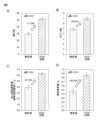
- Figure 3A is a graph showing the average number of rice leaves 51 days after treatment with OS2C strain (56 days after germination; immediately after heading), Figure 3B shows the average number of tillers, Figure 3C shows the average dry mass of aboveground parts excluding panicle dry mass (approximately 0.1 to 0.2 g each), and Figure 3D shows the average dry mass of roots, all compared with untreated rice.
- Figures 4A and 4B are graphs showing the average dry mass of rice harvested per cultivation pot and the average number of rice grains per cultivation pot in the OS2C strain treatment plots, divided into imperfect rice and perfect rice, in comparison with untreated rice.
- FIG. 5 is a photograph showing the overall appearance of pot-grown Erianthus 123 days after treatment with OS2C strain (139 days after sowing), in comparison with an untreated Erianthus.
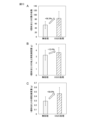
- Fig. 6A is a graph showing the average above-ground part length per Erianthus individual 123 days after treatment with OS2C strain (139 days after sowing) compared with untreated individuals.
- Fig. 6B is a graph showing the average above-ground part dry mass of Erianthus treated with OS2C strain at the same time compared with untreated individuals.
- Fig. 6C is a graph showing the average root dry mass of Erianthus treated with OS2C strain at the same time compared with untreated individuals.
- Fig. 6A is a graph showing the average above-ground part length per Erianthus individual 123 days after treatment with OS2C strain (139 days after sowing) compared with untreated individuals.
- Fig. 6B is a graph showing the average above-ground part dry mass of Erianthus treated with OS
- FIG. 7A is a photograph showing the bottom view of an individual treated with OS2C strain 10 days after subculturing a part of a poplar including a growing point from a sterile culture in a new medium, compared with an untreated individual.
- Fig. 7B is a graph showing the average root length of each individual in Fig. 7A.
- FIG. 8 is a photograph showing the overall appearance of the OS2C strain-treated poplar 88 days after the initial treatment (46 days after potting) in comparison with the untreated poplar.
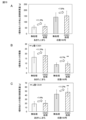
- Fig. 9A is a graph showing the average diameter of the stem base of the OS2C-treated poplars 88 days after the initial treatment with OS2C strain (46 days after potting) compared to the untreated poplars.
- Fig. 9A is a graph showing the average diameter of the stem base of the OS2C-treated poplars 88 days after the initial treatment with OS2C strain (46 days after potting) compared to the untreated popl
- FIG. 9B is a graph showing the average dry mass of the above-ground stems of the OS2C-treated poplars at the same time, compared to the untreated poplars.
- Fig. 9C is a graph showing the average dry mass of the roots of the OS2C-treated poplars at the same time, compared to the untreated poplars.
- FIG. 10 is a photograph showing the overall appearance of the OS2C-treated poplar about four months after potting, in comparison with the untreated poplar.
- the top photo of Fig. 11A shows an overall view of a Eucalyptus plant 142 days after the initial treatment with OS2C strain (152 days after sowing), and the bottom photo shows the state of the roots in the pot, in comparison with an untreated plant.
- Fig. 11B is a graph showing the average root dry mass per plant of OS2C strain-treated Eucalyptus plants in the same period, in comparison with an untreated plant.
- FIG. 12 is a photograph showing the overall appearance of a pot-grown Eucalyptus plant 91 days after the initial treatment with the OS2C strain (105 days after sowing), in comparison with an untreated plant.
- Fig. 13A is a graph showing the average number of leaves per individual 91 days after the initial treatment with OS2C strain (105 days after sowing) compared with untreated individuals.
- Fig. 13B is a graph showing the average aboveground dry mass per individual at the same time compared with untreated individuals.
- Fig. 11B is a graph showing the average root dry mass per plant of OS2C strain-treated Eucalyptus plants in the same period, in comparison with an untreated plant.
- FIG. 12 is a photograph showing the overall appearance of a pot-grown Eucalyptus plant 91 days after the initial treatment with
- FIG. 13C is a graph showing the average root dry mass per individual at the same time compared with untreated individuals.
- FIG. 14 is a photograph showing the overall appearance of a pot-grown Eucalyptus plant 159 days after the initial treatment with the OS2C strain (180 days after sowing), in comparison with an untreated plant.
- Fig. 15A is a graph showing the average above-ground dry mass per Eucalyptus individual 159 days after the initial OS2C strain treatment (180 days after sowing) compared with untreated individuals.
- Fig. 15B is a graph showing the average above-ground dry mass of stems excluding leaves per Eucalyptus individual at the same time compared with untreated individuals.
- Fig. 15A is a graph showing the average above-ground dry mass per Eucalyptus individual 159 days after the initial OS2C strain treatment (180 days after sowing) compared with untreated individuals.
- Fig. 15B is a graph showing the average above-ground dry mass of stems excluding leaves
- 15C is a graph showing the average root dry mass per Eucalyptus individual at the same time compared with untreated individuals.
- Fig. 15D is a graph showing the average trunk diameter at a position 2 cm from the ground surface per Eucalyptus individual at the same time compared with untreated individuals.
- 16A and 16B are photographs showing the overall appearance of rice plants (Akitakomachi and Hokuriku 193) 19 days after treatment with OS2C strain (26 days after germination) in comparison with untreated rice plants at the same time.
- Figures 17A and 17B are photographs showing the overall growth of rice plants (Akitakomachi and Hokuriku 193) 78 days after treatment with OS2C strain (59 days after transplanting into paddy field) as viewed from above the paddy field, in comparison with untreated rice plants at the same time.
- Figures 17C and 17D are graphs showing the average number of tillers in OS2C-treated rice plants (Akitakomachi and Hokuriku 193) 78 days after treatment with OS2C strain (59 days after transplanting into paddy field) in comparison with untreated rice.
- FIG. 18A and 18B are photographs showing rice (Akitakomachi and Hokuriku 193) harvested 155 days after treatment with OS2C strain (136 days after transplanting into paddy fields) in comparison with untreated rice at the same time.
- FIG. 19A is a graph showing the average aboveground fresh mass per individual of rice plants (Akitakomachi and Hokuriku 193) harvested 155 days after OS2C treatment (136 days after transplanting into paddy fields)
- FIG. 19B is a graph showing the average number of panicles per individual
- FIG. 19C is a graph showing the average fresh mass of panicles per individual, in comparison with untreated individuals.
- FIG. 19A is a graph showing the average aboveground fresh mass per individual of rice plants (Akitakomachi and Hokuriku 193) harvested 155 days after OS2C treatment (136 days after transplanting into paddy fields)
- FIG. 19B is a graph showing the average number of panicles per individual
- FIG. 19C is a graph showing the average fresh mass of panicles per individual,
- Fig. 20 is a photograph showing root hairs of the first seminal root at a distance of 4 cm from the rice seed 3 days after treatment with OS2C strain (6 days after sowing) in comparison with untreated rice.
- Fig. 21A is a photograph showing the overall development of rice roots 7 days after treatment with OS2C strain (10 days after sowing) in comparison with untreated rice.
- Fig. 21B and Fig. 21C are graphs showing the total number and total length of lateral roots per rice plant 7 days after treatment with OS2C strain (10 days after sowing) in comparison with untreated rice.
- One aspect of the present invention relates to a method for cultivating a plant, the method comprising applying an actinomycete belonging to Streptomyces thermocarboxydus to the plant or its propagation material (referred to as the "method of the present invention” as appropriate).
- the present inventors found that when an actinomycete belonging to Streptomyces thermocarboxydus (OS2C strain described below) was applied to a monoennial plant (rice) and the plant was cultivated in soil indoors until harvest time, the yield and biomass amount were significantly improved (see Example 2 and Figures 1 to 4 described below). It has been suggested that the promotion of growth during the vegetative growth period of monoennial plants and the increase in yield and biomass during the harvest period are not necessarily due to the same mechanism of action (see Non-Patent Document 4: Isawa et al., Microbes and Environments, (2009), 1001180152-1001180152; Non-Patent Document 5: Gravel et al., Soil Biol.
- Non-Patent Document 6 Saito et al., Journal of the Crop Science Society of Japan, (2000), 69.3:385-390. Therefore, the surprising finding that treating annual plants with actinomycetes belonging to Streptomyces thermocarboxydus and cultivating them improves the yield and biomass volume during the harvest season is not easily attainable from previous reports.
- the present inventors also treated the seeds of a monoennial plant (rice) with an actinomycete belonging to Streptomyces thermocarboxydus (OS2C strain described below) and cultivated them in soil.
- OS2C strain an actinomycete belonging to Streptomyces thermocarboxydus
- a stem including a growing point and several leaves was cut from a perennial plant (poplar) being aseptically cultivated and subcultured in a new medium
- the OS2C strain was treated and cultivated, and the seed was then potted and cultivated for further growth.
- the present inventors also treated the seeds of a perennial plant (eucalyptus) with the OS2C strain and cultivated them in an agar medium, and then potted and cultivated for further growth.
- examples of actinomycetes belonging to Streptomyces thermocarboxydus include the OS2C strain and mutant strains thereof.
- the OS2C strain is a microorganism isolated by the present inventors from the stalks of rice plants whose plant surfaces had been sterilized, and is a plant symbiotic microorganism that has a unique enzyme gene that oxidizes dilute hydrogen at atmospheric concentrations and has high affinity hydrogen oxidation ability.
- the OS2C strain was applied to individual plants and cultured, its localization within the roots and stems was observed (Non-Patent Document 3), suggesting that the OS2C strain is an endophytic fungus (an endophyte) in plants.
- the type of plant that is the subject of the method is not limited.
- the plant when classified according to the reproduction method, the plant may be a seed plant, or a seedless plant such as moss or a fern.
- a seed plant it may be an angiosperm or a gymnosperm.
- angiosperm it may be a monocotyledonous plant or a dicotyledonous plant.
- the plant when classified according to the life cycle, the plant may be a monoennial plant or a perennial plant.
- useful plants such as crop plants such as agricultural crops and resource crops, and ornamental plants and horticultural plants are preferred.
- the form of the plant targeted by the actinomycete is not limited.
- it may be applied to a plant after germination, or to the propagation material of a plant before germination.
- Plant propagation material may be any part or whole of a plant, such as cells, tissues, organs, seeds, bulbs, cuttings, and seedlings.
- the plant cells, tissues, etc. may be in a differentiated state obtained from a plant, or may be in a dedifferentiated stem cell or callus state.
- Various techniques for dedifferentiating plant cells and tissues are known.
- the cultivation system of the plant is not particularly limited. Examples include a soil culture system using various soils and a nutrient solution culture system using a nutrient solution instead of soil, but either may be used.
- the soil may be natural soil or artificial soil.
- examples include a solid cultivation system using various solid media and a liquid cultivation system (hydroponic cultivation system) using water or various liquid media, but either may be used. In either case, any fertilizer such as natural fertilizer or artificial fertilizer, various nutrients, etc. may be added.
- a combination of multiple cultivation systems may be used, such as cultivating the plant in a solid cultivation system or hydroponic cultivation system during the seed germination period or the vegetative growth period of the seedlings, and then potting the plant and transferring it to a soil culture system once the plant has grown to a certain extent.
- the timing and number of times the actinomycete is applied to plants or their propagation materials are not particularly limited.
- it when applied to plants after germination, it may be applied at any one time (e.g., any one of the germination, vegetative growth, reproductive growth, etc.) or at multiple different times (e.g., any two or more of the germination, vegetative growth, reproductive growth, etc.). It may also be applied to propagation materials at any stage before germination or to a cultivation system such as soil used for plant cultivation.
- the actinomycete may be applied only once or two or more times.
- Non-Patent Document 4 Isawa et al., Microbes and Environments, (2009), 1001180152-1001180152;
- Non-Patent Document 5 Gravel et al., Soil Biol.
- Non-Patent Document 6 Saito et al., Journal of the Crop Science Society of Japan, (2000), 69.3:385-390.).
- actinomycete By applying the actinomycete to annual plants after the vegetative growth stage, it becomes easier to obtain a significant effect of improving the yield and biomass amount at the harvest stage, which was completely unknown in the prior art.
- it when applying the actinomycete to annual plants, it can be applied not only after the vegetative growth stage (i.e., after the sixth week after germination), but also before the vegetative growth stage (i.e., up to the fifth week after germination).
- the method of applying the actinomycete to the plant or its propagation material is not particularly limited. Examples include direct application, such as spraying or painting the actinomycete culture solution on the plant or its propagation material, or immersing the plant or its propagation material in the actinomycete culture solution, and indirect application, such as mixing the actinomycete culture solution with the surrounding environment of the plant or its propagation material (e.g. soil, medium, water, etc.) and allowing it to be absorbed, and any method may be used.
- direct application such as spraying or painting the actinomycete culture solution on the plant or its propagation material, or immersing the plant or its propagation material in the actinomycete culture solution
- indirect application such as mixing the actinomycete culture solution with the surrounding environment of the plant or its propagation material (e.g. soil, medium, water, etc.) and allowing it to be absorbed, and any method may be used.
- the amount of actinomycetes applied to plants or their propagation materials is not particularly limited, and may be appropriately selected depending on conditions such as the type of plant, application time, and application method.
- a culture solution is first prepared in which the actinomycetes are adjusted to a cell concentration of about 10 6 to 10 10 CFU/mL.
- the actinomycetes are adjusted to a cell concentration of about 10 6 to 10 10 CFU/mL.
- the culture solution may be mixed with soil, medium, or water to a concentration of 1 to 100 mL/kg (in the case of soil or solid medium) or 0.01 to 50 mL/L (in the case of liquid medium or water) and then applied.
- the form of the actinomycetes is prepared as spores or mycelium.
- a composition for improving the growth condition of a plant which contains the actinomycete as an active ingredient.
- the improvement in growth conditions include, but are not limited to, the following effects. - Improved crop yields (if the plant is a crop). - Increase in the biomass of the resource crop (if the plant is a resource crop). - Promotes root growth. - Promotes root, stem and leaf development. - Suppression of plant dormancy. - Suppression of plant growth cessation.
- a plant is produced in which the actinomycete symbiotically grows and which has one or more functions selected from those described above.
- the plant produced by the method of the present invention and its propagation material are also subject to the present invention.
- Example 1 Cultivation of actinomycete OS2C strain and preparation of bacterial solution
- Actinomycete strain OS2C (Accession No. NITE ABP-03739) belonging to Streptomyces thermocarboxydus was aerobically plate-cultured at 30°C on R2A agar medium. The microorganism formed a gray spore mat on the agar medium after about 10 days of culture. An appropriate amount of sterilized water was poured onto the plate, the spore mat was scraped off, the collected bacterial liquid was centrifuged, and the supernatant was removed.
- a spore suspension of the microorganism was prepared by adding an equal amount of sterilized water to the above-mentioned sterilized water and repeating washing twice.
- the number of viable cells in the spore suspension was calculated by colony counting method, and a spore suspension was prepared so that the bacterial cell concentration was 10 9 CFU/mL and 10 8 CFU/mL, respectively, for use in the treatment of rice in Examples 2, 6, and 7 described below and the treatment of Erianthus, poplar, and eucalyptus in Examples 3 to 5.
- the fungal solution was stored on ice until it was used for plant treatment on the same day.
- Example 2 Treatment test of actinomycete OS2C strain on rice
- the rice seeds (variety: Nipponbare) were selected by salt water selection, and the unhulled rice seeds were removed, then sterilized with 70% ethanol for 1 minute and 1% sodium hypochlorite for 30 minutes and washed with water.
- the three types of soil in order of decreasing nutrient concentration in the soil, were black soil, black soil + nutrient solution (black soil with nutrient solution (200 g of black soil with 20 ⁇ L of liquid fertilizer (product name: Hyponex concentrate, Hyponex) concentrate equivalent), and synthetic soil (synthetic granular soil, product name: Bonsol No. 2, Sumitomo Chemical).
- Example 1 Furthermore, on the same day, 1 mL of the spore suspension of OS2C strain with a bacterial cell concentration of 10 9 CFU/mL prepared in Example 1 was added per rice plant close to the transplant site.
- rice was cultivated in a growth chamber (28°C; photoperiod: 16 hours light/8 hours dark; approximately 22,000 lux), and sterilized water was appropriately used for watering.
- the mean plant length of the above-ground part and root part combined for the OS2C strain-treated rice plants increased by ⁇ 41.8 cm to 46.6 cm> (+11.5%), ⁇ 37.3 cm to 51.9 cm> (+39.1%), and ⁇ 50.7 cm to 53.9 cm> (+6.3%) in the low, medium, and high nutrient soils, respectively.
- the rice plants grown in the synthetic soil were removed from the top cover after the fourth week of microbial treatment and continued to be grown in a growth chamber (30°C; humidity 70%; photoperiod: 11 hours light/13 hours dark; CO2 concentration 470 ppm) until harvest time.
- soil mixed with spores of the OS2C strain cultivated in Example 1 was added to the sterilized synthetic granular soil to add additional microbial treatment.
- the plant biomass parameters (number of leaves, number of tillers, dry weight (DW) of above-ground parts excluding ear mass (approximately 0.1-0.2 g each), and dry weight (DW) of roots) 51 days after treatment with OS2C strain (56 days after germination; immediately after heading commencement) were compared with untreated rice.
- Example 3 Treatment test of actinomycete OS2C strain on Erianthus
- Erianthus seeds (species name: Erianthus arundinaceus) were used after sterilization for 5 minutes with 1/20 diluted kitchen bleach and rinsing with water. They were sown on 1% agar medium containing 1% sucrose and 1/4 MS medium, and incubated in the dark at 22°C for 2 days in an upright position, then incubated in the light for 8 days under a photoperiod of 16 hours light/8 hours dark, and then transplanted into soil that had been sterilized in advance by autoclaving.
- Erianthus cultivation pots were prepared 123 days after the initial treatment with the OS2C strain (139 days after sowing), and the length and dry mass of the above-ground and below-ground parts of each individual were compared with untreated individuals. These had increased by approximately 13%, 24%, and 13%, respectively.
- Example 4 Treatment test of actinomycete OS2C strain on poplar
- Poplar hybrids Populus tremula x tremuloides
- the stem of the treated culture was inserted into 1/2 MS solid medium containing 2% sucrose so that the plant body could stand on its own, and it was again cultured under a photoperiod of 16 hours light/8 hours dark at 22°C, and the effect of the fungal treatment on rooting and early growth was observed over time.
- a control untreated group
- sterile water was used instead of the bacterial suspension, and the cut culture was immersed in the sterile water for 5 minutes and then inserted into 1/2 MS solid medium also containing 2% sucrose for subsequent observation.
- poplars 10 days after treatment with OS2C strain were compared to untreated poplars.
- root length of poplars 10 days after treatment with OS2C strain was compared to that of untreated poplars.
- poplars were potted from the agar medium into soil pots and continued to be cultivated under artificial light.
- poplar cultivation pots were prepared 88 days after the initial treatment with OS2C strain (46 days after potting), and the thickness of the stem base, dry mass, and dry mass of the roots per individual were compared with untreated individuals. A significant increase was confirmed in each case compared to untreated individuals. From these results, it was inferred that treatment with OS2C strain may promote the growth of the above-ground parts and roots of poplars.
- Example 5 Treatment test of actinomycete OS2C strain on eucalyptus
- Eucalyptus seeds (species name: Eucalyptus Globulus) were used, which were sterilized with 1/5 diluted kitchen bleach for 30 minutes, 70% ethanol for 30 seconds, and 1/5 diluted kitchen bleach for 15 minutes, and then washed with water.
- the seeds were sown on 1% agar medium containing 1% sucrose and 1/4 MS medium, and incubated in the dark at 22°C for 2 days in an upright position, and then incubated in the light for 8 days under a photoperiod of 16 hours light/8 hours dark, and then transplanted into soil that had been sterilized in advance by autoclaving.
- eucalyptus cultivation pots were prepared 91 days after the initial treatment with the OS2C strain (105 days after sowing), and the number of leaves and dry mass per individual were compared with untreated individuals.
- the number of leaves, dry mass of the aboveground parts, and dry mass of the roots increased by approximately 56%, 12%, and 58%, respectively. From these results, it was inferred that the symbiosis with the OS2C strain contributes to the growth of eucalyptus, particularly to improved biomass production aboveground through its effect of promoting root growth.
- eucalyptus cultivation pots were prepared 159 days after the initial treatment with OS2C strain (180 days after sowing), and the dry mass of the above-ground part, stem only, and underground part of each individual was compared with that of the untreated individuals.
- the dry mass of the total above-ground part, the dry mass of the stem only excluding leaves, and the dry mass of the underground part increased by approximately 37%, 51%, and two times, respectively.
- the trunk diameter at a position 2 cm from the ground surface was compared between the OS2C strain-treated individuals and the untreated individuals.
- the trunk diameter also tended to be larger in the OS2C strain-treated individuals compared to the untreated individuals.
- Example 6 Field test of rice seedlings treated with actinomycete strain OS2C
- Rice seeds (varieties: Akitakomachi and Hokuriku 193) were selected by salt water selection, sterilized with 70% ethanol for 1 minute and 1% sodium hypochlorite for 30 minutes, and then washed with water to obtain sterile seeds. The seeds were soaked in water for 3 days to induce germination, and the germinated seeds were sown in a cell tray containing synthetic soil (product name: Inaho granular soil), one seed per cell.
- synthetic soil product name: Inaho granular soil
- the whole cultivation was carried out in a growth chamber (28°C; photoperiod: 16 hours light/8 hours dark; approximately 22,000 lux). Seven days after germination, 1 mL of the spore suspension of the OS2C strain with a bacterial cell concentration of 10 9 CFU/mL prepared in Example 1 was added to the surface of each rice seed.
- the seedlings were transplanted into paddy fields in Akita Prefecture in early June, and cultivation continued outdoors until the harvest season in early October.
- the amount of fertilizer applied to the paddy fields before transplanting the seedlings and the spraying of herbicides before and after transplanting the seedlings were carried out under typical cultivation conditions.
- FW above-ground fresh weight
- FW number and fresh weight
- Example 7 Comparative test of root hairs and lateral roots of rice treated with actinomycete OS2C strain.
- Rice seeds (variety: Nipponbare) were selected by salt water selection, and the unhulled seeds were removed. After sterilization with 70% ethanol for 1 minute and 1% sodium hypochlorite for 30 minutes and washing with water, the seeds were used as sterile seeds. Three days after sowing on 0.5% agar medium (no other ingredients than agar), four individuals were transplanted per dish onto sterile No. 2 square petri dishes containing 1/2 MS solid medium containing 0.5% gellan gum.
- the root hairs of the first seminal root 4 cm from the seed 3 days after treatment with OS2C strain (6 days after sowing) were compared with those of untreated rice.
- the root hairs in the OS2C strain-treated plot were significantly longer than those in the untreated plants, demonstrating that root hair differentiation and development were promoted in a short period after treatment.
- FIG. 21A the overall development of rice roots 7 days after treatment with OS2C strain (10 days after sowing) was compared with untreated rice.
- Figures 21B and 21B respectively, the total number of lateral roots and total length of lateral roots per individual 7 days after treatment with OS2C strain (10 days after sowing) were compared with untreated rice. The average values of eight individuals are shown.
- the length of lateral roots of rice plants increased by approximately 14% compared to the untreated area.
- the present invention is extremely useful, particularly in the cultivation of useful plants such as agricultural crops, resource crops, and ornamental plants.
- the OS2C strain was deposited at the Patent Microorganism Depositary of the National Institute of Technology and Evaluation (Address: Room 122, 2-5-8 Kazusa Kamatari, Kisarazu City, Chiba Prefecture, 292-0818) under the deposit number NITE P-03739 (original deposit date: September 6, 2022). Subsequently, a request for transfer of the international deposit of the microorganism under the Budapest Treaty was made on November 11, 2024 (receipt number NITE ABP-03739).
Landscapes
- Life Sciences & Earth Sciences (AREA)
- Environmental Sciences (AREA)
- Botany (AREA)
- Soil Sciences (AREA)
- Developmental Biology & Embryology (AREA)
- Biodiversity & Conservation Biology (AREA)
- Ecology (AREA)
- Forests & Forestry (AREA)
- Agricultural Chemicals And Associated Chemicals (AREA)
Abstract
植物の生育促進や収穫量・バイオマス量の向上が可能な、微生物を利用した新たな植物栽培方法を提供する。 ストレプトマイセス・サーモカルボキシデュス(Streptomyces thermocarboxydus)に属する放線菌を、前記植物又はその繁殖材料に適用する。
Description
本発明は植物を栽培する方法及びそれにより作出される植物、ならびに植物の生育状態を改善するための組成物に関する。
近年、増加する世界人口を賄うための食料の安定供給や、植物の二酸化炭素(CO2)固定化能の強化による温室効果ガス削減の社会的需要の拡大により、農作物や飼料作物、樹木といった植物のさらなる収穫量や植物バイオマス量の増産が求められ、植物科学分野で研究開発が精力的に進められている。しかし、遺伝子組換え技術やゲノム編集技術を用いて開発した植物の野外使用や食料供給に関しては、日本国内においては、人体や生態系に及ぼす影響の懸念等により法的・社会的に即座の社会実装が難しい状況にある。また、国内外において、環境負荷を低減した持続的農業への関心の高まりにより化学肥料の使用を控える動きがあり、生産性の高い植物栽培はいっそう難しくなっている。
そこで、最近では、微生物を活用した植物栽培プロセスが注目されている。野外の植物の根圏や葉の表層や内部には多様な微生物が普遍的に共存・共生しており、植物の生産性や生育と密接に関わっていることが知られており、それら有用な微生物の機能を用いた栽培方法への期待が高まっている。斯かる有用な微生物の例としては、ストレプトマイセス属(Streptomyces)に属する放線菌の各種株が挙げられる。
特許文献1(特開2011-188761号公報)には、イチゴ炭そ病に対して防除効果を有するストレプトマイセス属(Streptomyces)の放線菌MBFA-172株(受託番号NITE P-896)及びこれを含む病害防除用生物資材が記載されている。
非特許文献1(Passari et al.. PloS one, (2019), 14.7:e0219014)は、内生放線菌ストレプトマイセス・サーモカルボキシデュス(Streptomyces thermocarboxydus)分離株BPSAC147を、トマト(Solanum lycopersicum)の苗に処理して温室条件下で栽培し、光化学系II(PSII)の光化学量子収率や電子輸送速度等を測定したところ、光合成プロセスが改善したこと、惹いては当該微生物が、実証はされていないものの、光合成促進による生産性向上のための新たな生物資材として期待されることが記載されている。
非特許文献2(Lasudee et al., Frontiers in Microbiology, (2018), 9:1247)は、アーバスキュラー菌根菌フネリホルミス・モセアエ(Funneliformis mosseae)の胞子から分離されたストレプトマイセス・サーモカルボキシデュス(Streptomyces thermocarboxydus)S3株が、リン酸可溶化能、インドール-3-酢酸(IAA)生産能、シデロフォア生産能等に優れていたこと、本微生物を緑豆(Vigna radiata)に処理して栽培したところ、新鮮重、根長、及び全長が有意に増加したこと、更には、本微生物をイネ(ジャスミンライス)に処理して低栄養状態の土壌で乾燥ストレスを与えて栽培したところ、栽培45日間までの初期段階で生育が促進されたことが記載されている。
本発明者等も、非特許文献3(Kanno et al., Environ. Microbiol., 2016, 18[8]:2495-2506)において、植物表面を殺菌した水稲の茎から純粋分離したストレプトマイセス・サーモカルボキシデュス(Streptomyces thermocarboxydus)の放線菌OS2C株(受領番号NITE ABP-03739)を報告している。OS2C株は、大気濃度レベルの希薄な水素を酸化する特異な酵素遺伝子及び高親和性水素酸化能を有する植物共生微生物である。本発明者等は、本文献において、このOS2C株をイネ種子に処理して無菌土耕栽培を行ったところ、根内及び茎内での局在が観察されたことから、OS2C株が植物内生菌(エンドファイト)と考えられることを報告している。また、約4週間(発芽約5週目)の無菌土耕栽培後、イネの地上部及び根部の各長さや乾燥質量が、無処理個体と比較して増大したことを報告している。
Passari et al.. PloS one, (2019), 14.7:e0219014
Lasudee et al., Frontiers in Microbiology, (2018), 9:1247
Kanno et al., Environ. Microbiol., 2016, 18[8]:2495-2506
Isawa et al., Microbes and Environments, (2009), 1001180152-1001180152
Gravel et al., Soil Biol. Biochem., (2007), 39.8:1968-1977:
齊藤ら, 日本作物學會紀事, (2000), 69.3:385-390
Wagner et al., Nat. Commun., (2016), 7:12151
しかし、ストレプトマイセス属(Streptomyces)の1種であるストレプトマイセス・サーモカルボキシデュス(Streptomyces thermocarboxydus)に関する上記の既報は何れも、単年生植物に菌株を処理して土耕栽培系で栽培した場合に、栄養成長期の生育度やストレス耐性に及ぼす影響を報告するものに限られていた。単年生植物を収穫期まで栽培した場合の収穫量やバイオマス量に与える各種放線菌株の処理効果や、樹木等の多年生植物や挿し木等からの栽培系における各種放線菌株の処理効果については、知られていなかった。
本発明は上記課題に鑑みてなされたもので、その目的は、植物の生育促進や収穫量・バイオマス量の向上が可能な、微生物を利用した新たな植物栽培方法を提供することである。より具体的な目的は、単年生植物を収穫期まで栽培した場合の収穫量・バイオマス量の向上が可能な、新たな植物栽培方法を提供することである。別の具体的な目的は、樹木等の多年生植物や挿し木等からの栽培系において、植物の生育促進や農作物の収穫量・バイオマス量の向上が可能な、新たな植物栽培方法を提供することである。
本発明者らは鋭意検討の結果、ストレプトマイセス・サーモカルボキシデュス(Streptomyces thermocarboxydus)に属する放線菌を、植物又はその繁殖材料に適用して栽培することで、植物の生育促進や収穫量・バイオマス量の向上といった植物の生育状態の改善が可能となることを見出した。特に、単年生植物の収穫期における収穫量・バイオマス量の向上等の効果や、樹木等の多年生植物や挿し木等からの栽培系における生育促進や、休眠抑制・生育停止抑止等の効果が得られ得ることを見出し、本発明に到達した。
すなわち、本発明は以下を包含する。
[項1] 植物を栽培する方法であって、ストレプトマイセス・サーモカルボキシデュス(Streptomyces thermocarboxydus)に属する放線菌を、前記植物又はその繁殖材料に適用することを含む方法。
[項2] 前記植物が一年生植物であると共に、前記放線菌を、発芽後6週目以降の前記植物に適用することを含む、項1に記載の方法。
[項3] 前記植物が多年生植物である、項1に記載の方法。
[項4] 前記植物の繁殖材料が、植物の一部又は全部である、項1~3の何れか一項に記載の方法。
[項5] 前記植物の一部が、細胞、組織、器官、種子、球根、挿し木、及び苗から選択される、項1~4の何れか一項に記載の方法。
[項6] 前記放線菌が、OS2C株(受領番号NITE ABP-03739)又はその変異株である、項1~5の何れか一項に記載の方法。
[項7] 前記放線菌の適用が、前記植物又はその繁殖材料への前記放線菌の直接適用、又は、前記植物又はその繁殖材料の周辺環境への前記放線菌の施用による間接適用により行われる、項1~6の何れか一項に記載の方法。
[項8] 前記放線菌の適用により、前記植物の生育状態が改善される、項1~7の何れか一項に記載の方法。
[項9] 前記植物の生育状態の改善が、農作物の収穫量向上、植物バイオマス量の増加、発根の促進、根、茎及び葉の発達の促進、植物の休眠の抑制、植物の生育停止の抑制、又はこれらの組み合わせである、項8に記載の方法。
[項10] 項1~9の何れか一項に記載の方法により作出される植物又はその繁殖材料。
[項11] 植物の生育状態を改善 するための、ストレプトマイセス・サーモカルボキシデュス(Streptomyces thermocarboxydus)に属する放線菌を含む組成物。
[項12] 前記放線菌が、OS2C株(受領番号NITE ABP-03739)又はその変異株である、項11に記載の組成物。
[項13] 前記植物の生育状態の改善が、農作物の収穫量向上、植物バイオマス量の増加、発根の促進、根、茎及び葉の発達の促進、植物の休眠の抑制、植物の生育停止の抑制、又はこれらの組み合わせである、項11又は12に記載の方法。
[項14] 前記植物が一年生植物であると共に、前記組成物が、発芽後6週目以降の前記植物に適用される、項11~13の何れか一項に記載の組成物。
[項15] 前記植物が多年生植物である、項11~13の何れか一項に記載の組成物。
[項1] 植物を栽培する方法であって、ストレプトマイセス・サーモカルボキシデュス(Streptomyces thermocarboxydus)に属する放線菌を、前記植物又はその繁殖材料に適用することを含む方法。
[項2] 前記植物が一年生植物であると共に、前記放線菌を、発芽後6週目以降の前記植物に適用することを含む、項1に記載の方法。
[項3] 前記植物が多年生植物である、項1に記載の方法。
[項4] 前記植物の繁殖材料が、植物の一部又は全部である、項1~3の何れか一項に記載の方法。
[項5] 前記植物の一部が、細胞、組織、器官、種子、球根、挿し木、及び苗から選択される、項1~4の何れか一項に記載の方法。
[項6] 前記放線菌が、OS2C株(受領番号NITE ABP-03739)又はその変異株である、項1~5の何れか一項に記載の方法。
[項7] 前記放線菌の適用が、前記植物又はその繁殖材料への前記放線菌の直接適用、又は、前記植物又はその繁殖材料の周辺環境への前記放線菌の施用による間接適用により行われる、項1~6の何れか一項に記載の方法。
[項8] 前記放線菌の適用により、前記植物の生育状態が改善される、項1~7の何れか一項に記載の方法。
[項9] 前記植物の生育状態の改善が、農作物の収穫量向上、植物バイオマス量の増加、発根の促進、根、茎及び葉の発達の促進、植物の休眠の抑制、植物の生育停止の抑制、又はこれらの組み合わせである、項8に記載の方法。
[項10] 項1~9の何れか一項に記載の方法により作出される植物又はその繁殖材料。
[項11] 植物の生育状態を改善 するための、ストレプトマイセス・サーモカルボキシデュス(Streptomyces thermocarboxydus)に属する放線菌を含む組成物。
[項12] 前記放線菌が、OS2C株(受領番号NITE ABP-03739)又はその変異株である、項11に記載の組成物。
[項13] 前記植物の生育状態の改善が、農作物の収穫量向上、植物バイオマス量の増加、発根の促進、根、茎及び葉の発達の促進、植物の休眠の抑制、植物の生育停止の抑制、又はこれらの組み合わせである、項11又は12に記載の方法。
[項14] 前記植物が一年生植物であると共に、前記組成物が、発芽後6週目以降の前記植物に適用される、項11~13の何れか一項に記載の組成物。
[項15] 前記植物が多年生植物である、項11~13の何れか一項に記載の組成物。
本発明の放線菌を用いた植物栽培方法によれば、植物又はその繁殖材料に適用して栽培することで、植物の生育促進や収穫量・バイオマス量の向上が可能となる。特に、本発明の一態様の植物栽培方法によれば、単年生植物の収穫期における収穫量・バイオマス量の向上等の効果が得られ得る。また、本発明の一態様の植物栽培方法によれば、樹木等の多年生植物や挿し木等からの栽培系における生育促進や、休眠抑制・生育停止抑止、更には農作物の収穫量・バイオマス量の向上等の効果が得られ得る。
以下、本発明を具体的な実施の形態に即して詳細に説明する。但し、本発明は以下の実施の形態に束縛されるものではなく、本発明の趣旨を逸脱しない範囲において、任意の形態で実施することが可能である。
なお、本発明において引用される特許文献(特許出願公開公報及び特許公報等)並びに非特許文献は、その全体があらゆる目的のために本明細書に組み込まれるものとする。
本発明の一態様は、植物を栽培する方法であって、ストレプトマイセス・サーモカルボキシデュス(Streptomyces thermocarboxydus)に属する放線菌を、前記植物又はその繁殖材料に適用することを含む方法(適宜「本発明の方法」と称する。)に関する。
前述のように、ストレプトマイセス属(Streptomyces)の各種放線菌株を植物に処理して栽培を行った既報は、本発明者等のものを含めて幾つか存在する(前述の特許文献1及び非特許文献1~3参照)。しかし、これらの既報は何れも、単年生植物に菌株を処理して土耕栽培系で栽培した場合に、栄養成長期の生育度やストレス耐性に及ぼす影響を報告するものに限られていた。単年生植物を収穫期まで栽培した場合の収穫量やバイオマス量に与える各種放線菌株の処理効果や、樹木等の多年生植物や挿し木等からの栽培系における各種放線菌株の処理効果については、従来は知られていなかった。
本発明者等は、ストレプトマイセス・サーモカルボキシデュス(Streptomyces thermocarboxydus)に属する放線菌(後述のOS2C株)を、単年生植物(イネ)に処理して収穫期まで室内で土耕栽培を行ったところ、その収穫量やバイオマス量が顕著に向上することを見出した(後述の実施例2及び図1~4参照)。単年生植物の栄養成長期の生育促進と、収穫期の収穫量やバイオマス量の向上とは、必ずしも同じ作用機序によるものでないことが示唆されている(非特許文献4:Isawa et al., Microbes and Environments, (2009), 1001180152-1001180152; 非特許文献5:Gravel et al., Soil Biol. Biochem., (2007), 39.8:1968-1977: 非特許文献6:齊藤ら, 日本作物學會紀事, (2000), 69.3:385-390.参照)。従って、ストレプトマイセス・サーモカルボキシデュス(Streptomyces thermocarboxydus)に属する放線菌を単年生植物に処理して栽培することにより、その収穫期の収穫量やバイオマス量が向上するというのは、既報からは決して容易に想到し得ない驚くべき知見である。
次に、本発明者等は、ストレプトマイセス・サーモカルボキシデュス(Streptomyces thermocarboxydus)に属する放線菌(後述のOS2C株)を、草本の単年生の資源作物(エリアンサス)に処理して土耕栽培を行ったところ、そのバイオマス量が顕著に向上することを見出した(後述の実施例3及び図5、6参照)。農作物から分離されたストレプトマイセス・サーモカルボキシデュス(Streptomyces thermocarboxydus)に属する放線菌が資源作物のバイオマス量の向上にも寄与するというのは、驚くべき知見である。
また、本発明者等は、ストレプトマイセス・サーモカルボキシデュス(Streptomyces thermocarboxydus)に属する放線菌(後述のOS2C株)を、単年生植物(イネ)の種子に処理して土耕栽培を行った。また、無菌培養中の多年生植物(ポプラ)から成長点と数枚の葉を含む茎を切り出して新たな培地へ継代培養する際、同OS2C株を処理して培養を行い、、次いで鉢上げして栽培を継続した。また、同OS2C株を、多年生植物(ユーカリ)の種子に処理して寒天培地で培養を行い、次いで鉢上げして栽培を継続した。その結果、いずれもその生育促進や、休眠抑制・生育停止抑止、更にはバイオマス量の向上等の効果が得られ得ることを見出した(後述の実施例4及び図7~10参照)。植物の生育年数によって共生微生物の群集構造は異なることが知られており(非特許文献7:Wagner et al., Nat. Commun., (2016), 7:12151)、単年生植物と多年生植物では、生育促進の作用機序も異なると推察される。また一般に、土壌栽培系における植物の生育と、組織培養や挿し木等の土壌以外の栽培系における分化・発生は植物生理学的に全く異なるメカニズムであるため、それぞれ別の生育促進の作用機序によるものと考えられる。従って、無菌培養中の多年生植物(ポプラ)から一部器官を用いて継代する際、ストレプトマイセス・サーモカルボキシデュス(Streptomyces thermocarboxydus)に属する放線菌を処理して栽培することにより、その後の生育促進や、休眠抑制・生育停止抑止、更にはバイオマス量の向上等の効果が得られるというのは、既報からは決して容易に想到し得ない驚くべき知見である。
次に、本発明者等は、ストレプトマイセス・サーモカルボキシデュス(Streptomyces thermocarboxydus)に属する放線菌(後述のOS2C株)を、樹木の多年生の資源作物(ユーカリ)に処理して土耕栽培を行ったところ、そのバイオマス量が顕著に向上することを見出した(後述の実施例5及び図11~15参照)。前段落に記載の背景から、ストレプトマイセス・サーモカルボキシデュス(Streptomyces thermocarboxydus)に属する放線菌が樹木の資源作物のバイオマス量の向上にも寄与するというのは、既報からは決して容易に想到し得ない驚くべき知見である。
本発明の方法において、ストレプトマイセス・サーモカルボキシデュス(Streptomyces thermocarboxydus)に属する放線菌の例としては、OS2C株や、それらの変異株が挙げられる。OS2C株は、本発明者等が植物表面を殺菌した水稲の茎から純粋分離した微生物で、大気濃度レベルの希薄な水素を酸化する特異な酵素遺伝子及び高親和性水素酸化能を有する植物共生微生物である。OS2C株を植物個体に処理して培養したところ、根内や茎内の局在が観察されたことから(非特許文献3)、OS2C株は植物内生菌(エンドファイト)であると考えられる。細菌の系統分類のマーカー遺伝子である16S rRNA遺伝子の配列相同性解析に依れば、OS2C株の16S rRNA遺伝子の配列(Accession no. AB894408)は、最近縁株であるストレプトマイセス・サーモカルボキシデュス(Streptomyces thermocarboxydus)のAT37株(Accession no. NR026072)と99.9%の同一性を有することが判明している。
本発明の方法において、対象となる植物の種類は限定されない。例えば、その繁殖方式によって分類した場合、植物は種子植物であってもよく、種子を作らないコケやシダ等の植物であってもよい。種子植物の場合、被子植物であってもよく、裸子植物であってもよい。被子植物の場合、単子葉植物であってもよく、双子葉植物であってもよい。また、植物をその生活環によって分類した場合、植物は単年生植物であってもよく、多年生植物であってもよい。また、植物の用途についても制限されないが、農作物や資源作物等の作物植物、観葉植物や園芸植物等の有用植物が好ましい。
本発明の方法において、前記放線菌の対象となる植物の形態も限定されない。例えば、発芽後の植物に適用してもよく、発芽前の植物の繁殖材料に適用してもよい。植物の繁殖材料としては、植物の一部又は全部、例えば、細胞、組織、器官、種子、球根、挿し木、及び苗等が挙げられるが、何れであってもよい。また、植物の細胞、組織等については、植物から取得された分化状態のものであってもよく、脱分化を生じた幹細胞やカルスの状態となったものでもよい。植物の細胞や組織を脱分化させる手法は種々公知である。
本発明の方法において、植物の栽培系も特に限定されない。例としては、各種の土壌を用いる土壌培養系と、土壌の代わりに養液を使用する養液栽培系とが挙げられるが、何れであってもよい。土壌培養系の場合、土壌は天然土壌でも人工土壌でもよい。養液栽培系の場合、各種の固形培地を用いる固形栽培系と、水や各種の液体培地を用いる液体栽培系(水耕栽培系)とが挙げられるが、何れであってもよい。また、何れの場合も、天然肥料や人工肥料等の任意の肥料や、各種の栄養分等を補充してもよい。また、種子の発芽期や苗木の栄養成長期は固形栽培系や水耕栽培系で栽培し、植物がある程度成長したら鉢上げして土壌培養系に移行する等、複数の栽培系を組み合わせて使用してもよい。
本発明の方法において、植物やその繁殖材料に対する前記放線菌の適用の時期や回数も特に制限されない。例えば、発芽後の植物に適用する場合、任意の一時期(例えば発芽期、栄養成長期、生殖成長期等の何れか一時期)に適用してもよく、複数の異なる時期(例えば発芽期、栄養成長期、生殖成長期等のうち何れか二以上の時期)に適用してもよい。また、発芽前の任意の段階の繁殖材料や、植物の栽培に使用する土壌等の栽培系に適用してもよい。また、各時期において、放線菌の適用を1回のみ行ってもよく、2回以上行ってもよい。
但し、一年生植物を対象とする場合は、少なくとも栄養成長期以降の時期、具体的には発芽後6週目以降の植物に、前記放線菌を適用することが好ましい。前述のように、単年生植物の栄養成長期の生育促進と、収穫期の収穫量やバイオマス量の向上とは、必ずしも同じ作用機序によるものでないことが示唆されている(非特許文献4:Isawa et al., Microbes and Environments, (2009), 1001180152-1001180152; 非特許文献5:Gravel et al., Soil Biol. Biochem., (2007), 39.8:1968-1977: 非特許文献6:齊藤ら, 日本作物學會紀事, (2000), 69.3:385-390.参照)。栄養成長期以降の一年生植物に前記放線菌を適用することにより、従来技術では全く知られていなかったところの、収穫期における収穫量やバイオマス量の向上という効果が顕著に得られ易くなる。但し、前記放線菌を一年生植物に適用する場合、栄養成長期以降の(即ち、発芽後6週目以降の)段階のみならず、栄養成長期以前の(即ち、発芽後5週目までの)段階でも適用を行ってもよい。
本発明の方法において、植物やその繁殖材料に対する前記放線菌の適用方式も、特に限定されない。例としては、植物又はその繁殖材料に前記放線菌の培養液を散布又は塗布等して処理させる、あるいは植物又はその繁殖材料を前記放線菌の培養液に浸漬させるなどの直接適用や、植物又はその繁殖材料の周辺環境(例えば土壌、培地、水等)に前記放線菌の培養液を混合して吸収させる間接適用等が挙げられるが、何れであってもよい。
本発明の方法において、植物やその繁殖材料に対する前記放線菌の適用量も特に限定されず、植物の種類や適用時期、適用方式等の条件に応じて適宜選択すればよい。一例としては、まず前記放線菌を菌体濃度が約106~1010CFU/mLとなるように調整した培養液を用意する。その上で、直接適用の場合は、斯かる培養液を一個体あたり0.1~10mL程度施用すればよい。一方、間接適用の場合は、斯かる培養液を土壌や培地や水に対して1~100mL/kg(土壌や固形培地の場合)又は0.01~50mL/L(液体培地や水の場合)の濃度となるように混合して施用すればよい。なお放線菌の形態は胞子、もしくは菌糸体で調製する。
本発明の方法によれば、植物やその繁殖材料に前記放線菌を適用することにより、生育状態の改善(特に土壌等の栽培環境に依らない生育状態の改善)が達成される。したがって、本発明の別の態様として、前記放線菌を有効成分として含む、植物の生育状態を改善するための組成物が提供される。
生育状態の改善とは、例えば、限定されることなく、以下の効果が挙げられる。
・農作物の収穫量の向上(植物が農作物の場合)。
・資源作物のバイオマス量の増加(植物が資源作物の場合)。
・発根の促進。
・根、茎及び葉の発達の促進。
・植物の休眠の抑制。
・植物の生育停止の抑制。
生育状態の改善とは、例えば、限定されることなく、以下の効果が挙げられる。
・農作物の収穫量の向上(植物が農作物の場合)。
・資源作物のバイオマス量の増加(植物が資源作物の場合)。
・発根の促進。
・根、茎及び葉の発達の促進。
・植物の休眠の抑制。
・植物の生育停止の抑制。
本発明の方法によれば、前記放線菌が共生し、前記の中から選択される1又は2以上の作用を備えた植物が作出される。斯かる本発明の方法により作出される植物及びその繁殖材料も、本発明の対象となる。
以下、本発明を実施例に則して更に詳細に説明するが、これらの実施例はあくまでも説明のために便宜的に示す例に過ぎず、本発明は如何なる意味でもこれらの実施例に限定されるものではない。
[実施例1:放線菌OS2C株の培養及び菌液の調製]
ストレプトマイセス・サーモカルボキシデュス(Streptomyces thermocarboxydus)に属する放線菌OS2C株(受領番号NITE ABP-03739)を、R2A寒天培地にて好気的に30℃で平板培養した。当該微生物は培養10日程度で寒天培地上に灰色の胞子マットを形成した。プレート上に適量の滅菌水を注ぎ、胞子マットを掻き取り、回収した菌液を遠心分離した後に、上澄み液を除去した。前記滅菌水と等量の滅菌水を加え、洗浄を2回繰り返すことで、当該微生物の胞子懸濁液を作製した。胞子懸濁液中の生細胞数をコロニー計数法により算出し、後述の実施例2、6及び7におけるイネへの処理及び実施例3~5におけるエリアンサス・ポプラ・ユーカリへの処理に用いるために、それぞれ菌体濃度が109CFU/mL及び108CFU/mLとなるように胞子懸濁液を調製した。菌液は当日中に植物処理に用いることとし、それまでの間は氷上で保管した。
ストレプトマイセス・サーモカルボキシデュス(Streptomyces thermocarboxydus)に属する放線菌OS2C株(受領番号NITE ABP-03739)を、R2A寒天培地にて好気的に30℃で平板培養した。当該微生物は培養10日程度で寒天培地上に灰色の胞子マットを形成した。プレート上に適量の滅菌水を注ぎ、胞子マットを掻き取り、回収した菌液を遠心分離した後に、上澄み液を除去した。前記滅菌水と等量の滅菌水を加え、洗浄を2回繰り返すことで、当該微生物の胞子懸濁液を作製した。胞子懸濁液中の生細胞数をコロニー計数法により算出し、後述の実施例2、6及び7におけるイネへの処理及び実施例3~5におけるエリアンサス・ポプラ・ユーカリへの処理に用いるために、それぞれ菌体濃度が109CFU/mL及び108CFU/mLとなるように胞子懸濁液を調製した。菌液は当日中に植物処理に用いることとし、それまでの間は氷上で保管した。
[実施例2:放線菌OS2C株のイネへの処理試験]
イネ種子(品種:日本晴)は、塩水選により選別した籾種の籾を除去した後に、70%エタノール1分と1%次亜塩素酸ナトリウム30分による殺菌と水洗処理後の無菌種子を用いた。0.5%寒天培地(寒天以外の成分なし)に播種して5日後に、あらかじめオートクレーブで湿滅菌した3種類の土壌各200gを含むポットへ発芽直後のイネを各ポット2個体ずつ移植した。3種類の土壌とは、土中の栄養濃度が低いものから順に、黒土、黒土+養液(黒土200gに液体肥料(商品名:ハイポネックス原液、ハイポネックス)原液20μL相当量を添加した養液入り黒土)、及び、合成培土(合成粒状培土、商品名:ボンソル2号、住友化学)である。
イネ種子(品種:日本晴)は、塩水選により選別した籾種の籾を除去した後に、70%エタノール1分と1%次亜塩素酸ナトリウム30分による殺菌と水洗処理後の無菌種子を用いた。0.5%寒天培地(寒天以外の成分なし)に播種して5日後に、あらかじめオートクレーブで湿滅菌した3種類の土壌各200gを含むポットへ発芽直後のイネを各ポット2個体ずつ移植した。3種類の土壌とは、土中の栄養濃度が低いものから順に、黒土、黒土+養液(黒土200gに液体肥料(商品名:ハイポネックス原液、ハイポネックス)原液20μL相当量を添加した養液入り黒土)、及び、合成培土(合成粒状培土、商品名:ボンソル2号、住友化学)である。
更に同日中に、実施例1で調製した菌体濃度109CFU/mLのOS2C株の胞子懸濁液を、イネ1個体あたり1mLずつ移植箇所の近縁に添加した。本実施例におけるイネの栽培はグロースチャンバー(28℃;光周期:明期16時間/暗期8時間;約22,000lux)内で行い、給水は滅菌水を用いて適宜行った。
図1A及び図1Bにそれぞれ示されるとおり、実施例2のポット試験における、OS2C株処理22日後(発芽29日後)のイネの草丈(長さ)及び乾燥質量(各々、各個体の地上部及び根部の各測定値)を、含まれる養分がそれぞれ異なる3種の土壌毎に無処理イネと比較した(n=2)。OS2C株処理したイネは、地上部及び根部を合わせた体長の平均値は養分低、中、高の土壌において、それぞれ<41.8cmから46.6cmへ>(+11.5%)、<37.3cmから51.9cmへ>(+39.1%)、<50.7cmから53.9cmへ>(+6.3%)増加した。また、乾燥質量の平均値は、それぞれ、<0.063gから0.096gへ>(51.9%)、<0.075gから0.083gへ>(+10.5%)、<0.120gから0.161gへ>(+34.2%)増加した。これらの結果から、含まれる栄養量が異なる土壌においても、OS2C株がイネに共生することによって、イネの初期バイオマス生産を安定的に促進することが明らかとなった。
更に、合成培土で栽培したイネを、微生物処理4週目以降に上蓋を外して、グロースチャンバー(30℃;湿度70%;光周期:明期11時間/暗期13時間;CO2濃度470ppm)内で収穫期まで栽培を継続した。処理31日後及び51日後に、滅菌済みの合成粒状培土に対して、実施例1で培養したOS2C株の胞子(ポット当たり約2.0×109CFU)を混ぜ込んだ土壌をポットに追加することで、微生物を追加処理した。
図2A及び図2Bにそれぞれ示されるとおり、OS2C株処理66日後(発芽71日後;出穂期)及び処理136日後(発芽141日後;収穫期)(各ポット2個体ずつ各試験区5ポット、計10個体の集合写真)を、同時期の無処理イネと比較した。これらの結果から、イネの出穂期及び収穫期の何れの段階でも、OS2C株処理がイネの発育を大幅に促進したことが明らかとなった。
図3に示されるとおり、OS2C株処理51日後(発芽56日後;出穂開始直後)の植物バイオマス量の各パラメータ(葉の数、分げつ数、穂の質量(各0.1~0.2g程度)を除いた地上部の乾燥質量(DW)、及び根部の乾燥質量(DW))を、無処理イネと比較した。各ポット2個体ずつの合計値を、各試験区8ポット(N=8)につき平均した。これらの結果から、OS2C株処理によって、地上部及び根部の植物バイオマス量が有意に増加したことが明らかとなった。
図4A及び図4Bにそれぞれ示されるとおり、OS2C株処理136日後(発芽141日後;収穫期)に収穫された米の乾燥質量及び粒数を、不完全米と完全米とに分けて、OS2C株処理個体と無処理個体で比較した。各ポット2個体ずつの合計値を、各試験区5ポット(N=5)につき平均した。これらの結果から、OS2C株処理によって、不完全米の乾燥質量及び粒数が共に有意に減少した一方、完全米の乾燥質量及び粒数が有意に増大したことが明らかとなった。
また、OS2C株処理区では無処理区と比べて、出穂から登熟までの期間が約2週間も早かった。斯かる結果からは、OS2C株処理個体では何らかの作用により、イネの物質分配(収穫物への栄養転流)が促進されている可能性が考えられた。
[実施例3:放線菌OS2C株のエリアンサスへの処理試験]
エリアンサス種子(種名:Erianthus arundinaceus)は、1/20希釈したキッチンハイターを用いた5分間の殺菌と水洗処理後の無菌種子を用いた。1%スクロースと1/4MS培地を含む1%寒天培地に播種してプレートを立てた状態で2日間22℃で暗培養した後、16時間明所/8時間暗所の光周期下の条件で8日間の明培養を行い、その後、あらかじめオートクレーブで滅菌した土へ移植した。
エリアンサス種子(種名:Erianthus arundinaceus)は、1/20希釈したキッチンハイターを用いた5分間の殺菌と水洗処理後の無菌種子を用いた。1%スクロースと1/4MS培地を含む1%寒天培地に播種してプレートを立てた状態で2日間22℃で暗培養した後、16時間明所/8時間暗所の光周期下の条件で8日間の明培養を行い、その後、あらかじめオートクレーブで滅菌した土へ移植した。
更に同日中に、菌体濃度108CFU/mLのOS2C株の胞子懸濁液を、エリアンサス1個体あたり1mLずつ移植箇所の近縁に添加した。さらに、1か月後に同様のOS2C株を追加処理し、それ以降、大きなサイズの鉢に移植する際にも、再度同じ菌体濃度のOS2C株胞子懸濁液を、エリアンサス1個体あたり1mLずつ追加処理した。
図5及び図6A~Cにそれぞれ示されるとおり、OS2C株の初回処理123日後(播種後139日後)のエリアンサス栽培ポットを用意し、各個体当たりの長さ、地上部及び地下部の乾燥質量を無処理個体と比較した。それぞれがおよそ13%、24%、13%増加していた。これらの結果から、OS2C株処理により草本植物であるエリアンサスの地上部と地下部の両方の成長促進に寄与する可能性が示唆された。
[実施例4:放線菌OS2C株のポプラへの処理試験]
交雑ポプラ(Populus tremula x tremuloides)は、0.3%ゲランガムを含む1/2MS固形培地において、16時間明所/8時間暗所の光周期、22℃の条件で無菌的に培養している個体を使用した。継代後約一か月の個体の茎頂より約3cmの位置にある節間をメスで切断したのち、その切断面から約1cm程度を、実施例1で調製したOS2C懸濁液(107細胞/mL)に浸し、5分間静置することで菌処理を行った。その後、2%スクロースを含む1/2MS固形培地に植物体が自立するよう処理済み培養体の茎を挿入し、再び16時間明所/8時間暗所の光周期、22℃の条件で培養し、菌処理による発根及び初期生育への影響を経時的に観察した。なおコントロール(無処理区)としては、菌懸濁液の代わりに滅菌水を用い、切断した培養体を滅菌水に5分浸したのち、同じく2%スクロースを含む1/2MS固形培地に挿入し、以後の観察を行った。
交雑ポプラ(Populus tremula x tremuloides)は、0.3%ゲランガムを含む1/2MS固形培地において、16時間明所/8時間暗所の光周期、22℃の条件で無菌的に培養している個体を使用した。継代後約一か月の個体の茎頂より約3cmの位置にある節間をメスで切断したのち、その切断面から約1cm程度を、実施例1で調製したOS2C懸濁液(107細胞/mL)に浸し、5分間静置することで菌処理を行った。その後、2%スクロースを含む1/2MS固形培地に植物体が自立するよう処理済み培養体の茎を挿入し、再び16時間明所/8時間暗所の光周期、22℃の条件で培養し、菌処理による発根及び初期生育への影響を経時的に観察した。なおコントロール(無処理区)としては、菌懸濁液の代わりに滅菌水を用い、切断した培養体を滅菌水に5分浸したのち、同じく2%スクロースを含む1/2MS固形培地に挿入し、以後の観察を行った。
図7Aに示されるとおり、OS2C株処理10日後のポプラを、無処理のポプラと比較した。図7Bに示されるとおり、OS2C株処理10日後のポプラの根長を、無処理のポプラの根長と比較した。これらの結果から、OS2C株処理区では、無処理個体と比較して根長が有意に長く、伸長成長が促進されたことが明らかとなった。
また、ポプラを寒天培地から土壌ポットに鉢上げして、人工光照射下で栽培を継続した。図8及び図9A~Cにそれぞれ示されるとおり、OS2C株の初回処理88日後(鉢上げ46日後)のポプラ栽培ポットを用意し、各個体当たりの茎基部の太さや乾燥質量、根の乾燥質量を無処理個体と比較した。それぞれ無処理個体と比較して有意に増加が確認された。これらの結果から、OS2C株処理はポプラの地上部及び根の成長を促進する可能性が推察された。
図10に示されるとおり、OS2C株処理ポプラの鉢上げ約4ヶ月後の生育の全体像を、無処理のポプラと比較した。鉢上げ約4ヶ月後の無処理個体では、冬芽の形成、成長の停止、葉の黄化といった休眠状態への移行が見られたのに対して、鉢上げ約4ヶ月後のOS2C株処理個体ではそのような現象は見られず、葉が緑色で、良好に伸長成長し続けていた。これらの結果から、OS2C株の共生により、休眠抑制効果・生育停止抑止効果が発揮されることが示唆された。
[実施例5:放線菌OS2C株のユーカリへの処理試験]
ユーカリ種子(種名:Eucalyptus Globulus)は、1/5に希釈したキッチンハイター30分と70%エタノール30秒、さらに1/5希釈したキッチンハイター15分による殺菌と水洗処理後の無菌種子を用いた。1%スクロースと1/4MS培地を含む1%寒天培地に播種してプレートを立てた状態で2日間22℃で暗培養した後、16時間明所/8時間暗所の光周期下の条件で8日間の明培養を行い、その後、あらかじめオートクレーブで滅菌した土へ移植した。
ユーカリ種子(種名:Eucalyptus Globulus)は、1/5に希釈したキッチンハイター30分と70%エタノール30秒、さらに1/5希釈したキッチンハイター15分による殺菌と水洗処理後の無菌種子を用いた。1%スクロースと1/4MS培地を含む1%寒天培地に播種してプレートを立てた状態で2日間22℃で暗培養した後、16時間明所/8時間暗所の光周期下の条件で8日間の明培養を行い、その後、あらかじめオートクレーブで滅菌した土へ移植した。
更に同日中に、実施例1で調製した菌体濃度108CFU/mLのOS2C株の胞子懸濁液を、ユーカリ1個体あたり1mLずつ移植箇所の近縁に添加した。さらに、43日後に同様の菌体濃度のOS2C株をユーカリ1個体あたり1mLずつ追加処理した。
図11A及び図11Bに示されるとおり、OS2C株の初回処理142日後(播種後152日後)のユーカリ個体の全体像を写真撮影し、各個体当たりの根の乾燥質量を無処理個体と比較した。根の乾燥質量が無処理区と比較して、およそ54%増加していた。
前二段落の処理試験時よりも大きなサイズの鉢に移植したユーカリ個体に、土に移植して4日後に、実施例1で調製した菌体濃度108CFU/mLのOS2C株の胞子懸濁液を、ユーカリ1個体あたり1mLずつ移植箇所の近縁に添加した。さらに、32日後に同様のOS2C株を追加処理した。
図12及び図13A~Cにそれぞれ示されるとおり、OS2C株の初回処理91日後(播種後105日後)のユーカリ栽培ポットを用意し、各個体当たりの葉数や乾燥質量を無処理個体と比較した。葉の枚数、地上部乾燥質量、根乾燥質量が、それぞれおよそ56%、12%、58%増加していた。これらの結果から、OS2C株の共生がユーカリの生育、特に、根の成長促進効果を介して地上部のバイオマス生産向上に寄与していることが推察された。
図14及び図15A~Cにそれぞれ示されるとおり、OS2C株の初回処理159日後(播種後180日後)のユーカリ栽培ポットを用意し、各個体当たりの地上部、茎のみ、そして、地下部の乾燥質量を無処理個体と比較した。総地上部の乾燥質量、葉を除いた茎のみの乾燥質量そして、地下部の乾燥質量が、それぞれおよそ37%、51%、2倍に増加していた。また、図15Dに示されるとおり、地表面から2cmの位置の幹の太さについてOS2C株処理個体と無処理個体を比較した。幹直径においてもOS2C株処理個体が無処理個体と比較して大きい傾向を示した。これらの結果は、図12で示された結果と同様であり、長期間育てたユーカリの生育においてOS2C株との共生が木質量の増加に効果をもたらすことが示唆された。
[実施例6:放線菌OS2C株を処理したイネ苗の圃場試験]
イネ種子(品種:あきたこまち及び北陸193号)は、塩水選により選別した籾種について、70%エタノール1分と1%次亜塩素酸ナトリウム30分による殺菌と水洗処理後の無菌種子を用いた。種子を水に浸けて3日間の発芽誘導を行い、発芽種子を合成培土(商品名:いなほ粒状培土)を含むセルトレイに各セル1種子ずつ播種した。
イネ種子(品種:あきたこまち及び北陸193号)は、塩水選により選別した籾種について、70%エタノール1分と1%次亜塩素酸ナトリウム30分による殺菌と水洗処理後の無菌種子を用いた。種子を水に浸けて3日間の発芽誘導を行い、発芽種子を合成培土(商品名:いなほ粒状培土)を含むセルトレイに各セル1種子ずつ播種した。
一連の栽培はグロースチャンバー(28℃;光周期:明期16時間/暗期8時間;約22,000lux)で行った。発芽7日後に、実施例1で調製した菌体濃度109CFU/mLのOS2C株の胞子懸濁液を、イネ1種子あたり1mLずつ種子表面に添加した。
図16A及び図16Bにそれぞれ示されるとおり、実施例6の圃場試験における、水田に移植するOS2C株処理19日後(発芽26日後)の時点のあきたこまち及び北陸193号のイネ苗を、同時期の無処理イネ苗と比較した。これらの結果から、OS2C株処理が初期の苗の発育を促進させたことが明らかとなった。この初期の発育促進効果は、特にあきたこまちにおいて顕著であった。
秋田県の水田に6月初旬に移植し、収穫期の10月上旬まで野外で栽培を継続した。苗移植前の水田への肥料施用量や、苗移植前後の除草剤の散布は、一般的な栽培条件で行った。
図17A及び図17Bにそれぞれ示されるとおり、OS2C株処理78日後(水田移植59日後;栄養成長期)のあきたこまち及び北陸193号の水田上から撮影し、同時期の無処理イネと比較した。更に、図17C及び図17Dにそれぞれ示されるとおり、OS2C株処理78日後(水田移植59日後)のあきたこまち及び北陸193号のOS2C株処理個体の分げつ数を、無処理イネと比較した。各4区画の計16個体の平均した値を示している。OS2C株処理区では、無処理区と比較して、分げつ数がおよそ20%増加していた。これらの結果から、苗のOS2C株処理により、水田で約2ヶ月栽培した時点においても、両方の品種で地上部の分げつ数が有意に増加したことが明らかとなった。
図18A及び図18Bにそれぞれ示されるとおり、OS2C株処理155日後(水田移植136日後;収穫期)のあきたこまち及び北陸193号(4~6個体)を、同時期の無処理イネと比較した。これらの結果から、イネの収穫期においても、両方の品種でOS2C株処理がイネの発育を促進したことが明らかとなった。
図19A~Cにそれぞれ示されるとおり、OS2C株処理155日後(水田移植136日後;収穫期)の植物バイオマス量のパラメータである地上部の新鮮質量(FW)や収量のパラメータである穂の数及び新鮮質量(FW)を、無処理イネと比較した。あきたこまちは4区画の計31~40個体(N=31~40)の平均した値、北陸193号は4区画の計74個体(N=74)の平均した値を示す。これらの結果から、苗のOS2C株処理によって、両方の品種において、地上部の植物バイオマス量が増加し、米の収穫量が有意に増大したことが明らかとなった。
[実施例7:放線菌OS2C株を処理したイネの根毛及び側根の比較試験]
イネ種子(品種:日本晴)は、塩水選により選別した籾種の籾を除去した後に、70%エタノール1分と1%次亜塩素酸ナトリウム30分による殺菌と水洗処理後の無菌種子を用いた。0.5%寒天培地(寒天以外の成分なし)に播種して3日後に、0.5%ゲランガムを含む1/2MS固形培地の滅菌2号角シャーレに1枚当たり4個体ずつ移植した。
イネ種子(品種:日本晴)は、塩水選により選別した籾種の籾を除去した後に、70%エタノール1分と1%次亜塩素酸ナトリウム30分による殺菌と水洗処理後の無菌種子を用いた。0.5%寒天培地(寒天以外の成分なし)に播種して3日後に、0.5%ゲランガムを含む1/2MS固形培地の滅菌2号角シャーレに1枚当たり4個体ずつ移植した。
同日の移植前に、実施例1で調製した菌体濃度109CFU/mLのOS2C株の胞子懸濁液をシャーレ1枚あたり150μLずつ塗布した。一連の栽培はグロースチャンバー(28℃;光周期:明期16時間/暗期8時間;約22,000lux)で行った。
図20に示されるとおり、OS2C株処理3日後(播種6日後)の種子から4cmの距離の第一種子根の根毛を、無処理イネと比較した。OS2C株処理区では、無処理個体と比較して根毛が明らかに長く、処理後短期間で根毛の分化と発達が促進されたことが明らかとなった。
図21Aに示されるとおり、OS2C株処理7日後(播種10日後)のイネの根の発達の全体像を、無処理イネと比較した。図21B及び図21Bにそれぞれ示されるとおり、OS2C株処理7日後(播種10日後)の1個体当たりの側根の総数及び側根の長さの合計を、無処理イネと比較した。各8個体の平均した値を示している。OS2C株処理区では、無処理区と比較して、イネの側根の長さがおよそ14%増加していた。これらの結果から、OS2C株処理区では、無処理個体と比較して根長が有意に長く、伸長成長が促進されたことが明らかとなった。
本発明は、特に農作物や資源作物等の作物植物や観葉植物等の有用植物の栽培分野において、極めて高い有用性を有する。
OS2C株は、独立行政法人製品評価技術基盤機構 特許微生物寄託センター(住所:〒292-0818 千葉県木更津市かずさ鎌足2-5-8 122号室)に受託番号NITE P-03739で寄託した(原寄託日:2022年9月6)。その後、当該微生物について、2024年11月11日付けでブダペスト条約に基づく国際寄託の移管請求を行った(受領番号NITE ABP-03739)。
Claims (15)
- 植物を栽培する方法であって、ストレプトマイセス・サーモカルボキシデュス(Streptomyces thermocarboxydus)に属する放線菌を、前記植物又はその繁殖材料に適用することを含む方法。
- 前記植物が一年生植物であると共に、前記放線菌を、発芽後6週目以降の前記植物に適用することを含む、請求項1に記載の方法。
- 前記植物が多年生植物である、請求項1に記載の方法。
- 前記植物の繁殖材料が、植物の一部又は全部である、請求項1~3の何れか一項に記載の方法。
- 前記植物の一部が、細胞、組織、器官、種子、球根、挿し木、及び苗から選択される、請求項1~4の何れか一項に記載の方法。
- 前記放線菌が、OS2C株(受領番号NITE ABP-03739)又はその変異株である、請求項1~5の何れか一項に記載の方法。
- 前記放線菌の適用が、前記植物又はその繁殖材料への前記放線菌の直接適用、又は、前記植物又はその繁殖材料の周辺環境への前記放線菌の施用による間接適用により行われる、請求項1~6の何れか一項に記載の方法。
- 前記放線菌の適用により、前記植物の生育状態が改善される、請求項1~7の何れか一項に記載の方法。
- 前記植物の生育状態の改善が、農作物の収穫量向上、植物バイオマス量の増加、発根の促進、根、茎及び葉の発達の促進、植物の休眠の抑制、植物の生育停止の抑制、又はこれらの組み合わせである、請求項8に記載の方法。
- 請求項1~9の何れか一項に記載の方法により作出される植物又はその繁殖材料。
- 植物の生育状態を改善するための、ストレプトマイセス・サーモカルボキシデュス(Streptomyces thermocarboxydus)に属する放線菌を含む組成物。
- 前記放線菌が、OS2C株(受領番号NITE ABP-03739)又はその変異株である、請求項11に記載の組成物。
- 前記植物の生育状態の改善が、農作物の収穫量向上、植物バイオマス量の増加、発根の促進、根、茎及び葉の発達の促進、植物の休眠の抑制、植物の生育停止の抑制、又はこれらの組み合わせである、請求項11又は12に記載の組成物。
- 前記植物が一年生植物であると共に、前記組成物が、発芽後6週目以降の前記植物に適用される、請求項11~13の何れか一項に記載の組成物。
- 前記植物が多年生植物である、請求項11~13の何れか一項に記載の組成物。
Priority Applications (1)
| Application Number | Priority Date | Filing Date | Title |
|---|---|---|---|
| JP2025556489A JPWO2025100548A1 (ja) | 2023-11-10 | 2024-11-11 |
Applications Claiming Priority (2)
| Application Number | Priority Date | Filing Date | Title |
|---|---|---|---|
| JP2023-192519 | 2023-11-10 | ||
| JP2023192519 | 2023-11-10 |
Publications (1)
| Publication Number | Publication Date |
|---|---|
| WO2025100548A1 true WO2025100548A1 (ja) | 2025-05-15 |
Family
ID=95695686
Family Applications (1)
| Application Number | Title | Priority Date | Filing Date |
|---|---|---|---|
| PCT/JP2024/040039 Pending WO2025100548A1 (ja) | 2023-11-10 | 2024-11-11 | 植物を栽培する方法及びそれにより作出される植物、ならびに植物の生育状態を改善するための組成物 |
Country Status (2)
| Country | Link |
|---|---|
| JP (1) | JPWO2025100548A1 (ja) |
| WO (1) | WO2025100548A1 (ja) |
Citations (1)
| Publication number | Priority date | Publication date | Assignee | Title |
|---|---|---|---|---|
| JP2011188761A (ja) * | 2010-03-12 | 2011-09-29 | Mie Univ | イチゴ炭そ病防除効果を有する新規微生物 |
-
2024
- 2024-11-11 WO PCT/JP2024/040039 patent/WO2025100548A1/ja active Pending
- 2024-11-11 JP JP2025556489A patent/JPWO2025100548A1/ja active Pending
Patent Citations (1)
| Publication number | Priority date | Publication date | Assignee | Title |
|---|---|---|---|---|
| JP2011188761A (ja) * | 2010-03-12 | 2011-09-29 | Mie Univ | イチゴ炭そ病防除効果を有する新規微生物 |
Non-Patent Citations (7)
| Title |
|---|
| KITWETCH BENYAPA, RANGSEEKAEW PHARADA, CHROMKAEW YUPA, PATHOM-AREE WASU, SRINUANPAN SIRASIT: "Employing a Plant Probiotic Actinomycete for Growth Promotion of Lettuce (Lactuca sativa L. var. longifolia) Cultivated in a Hydroponic System under Nutrient Limitation", PLANTS, vol. 12, no. 22, 1 January 2023 (2023-01-01), pages 1 - 14, XP093312748, ISSN: 2223-7747, DOI: 10.3390/plants12223793 * |
| LASUDEE KRISANA, TOKUYAMA SHINJI, LUMYONG SAISAMORN, PATHOM-AREE WASU: "Actinobacteria Associated With Arbuscular Mycorrhizal Funneliformis mosseae Spores, Taxonomic Characterization and Their Beneficial Traits to Plants: Evidence Obtained From Mung Bean (Vigna radiata) and Thai Jasmine Rice (Oryza sativa)", FRONTIERS IN MICROBIOLOGY, vol. 9, 1 January 2018 (2018-01-01), Lausanne , pages 1 - 18, XP093312756, ISSN: 1664-302X, DOI: 10.3389/fmicb.2018.01247 * |
| MANABU KANNO; PHILIPPE CONSTANT; HIDEYUKI TAMAKI; YOICHI KAMAGATA: "Detection and isolation of plant‐associated bacteria scavenging atmospheric molecular hydrogen", ENVIRONMENTAL MICROBIOLOGY, vol. 18, no. 8, 21 January 2016 (2016-01-21), GB , pages 2495 - 2506, XP072196833, ISSN: 1462-2912, DOI: 10.1111/1462-2920.13162 * |
| OFEK MAYA, HADAR YITZHAK, MINZ DROR: "Comparison of Effects of Compost Amendment and of Single-Strain Inoculation on Root Bacterial Communities of Young Cucumber Seedlings", APPLIED AND ENVIRONMENTAL MICROBIOLOGY, vol. 75, no. 20, 1 January 0101 (0101-01-01), US , pages 6441 - 6450, XP093312761, ISSN: 0099-2240, DOI: 10.1128/AEM.00736-09 * |
| PASSARI AJIT KUMAR, UPADHYAYA KALIDAS, SINGH GARIMA, ABDEL-AZEEM AHMED M., THANKAPPAN SUGITHA, UTHANDI SIVAKUMAR, HASHEM ABEER, AB: "Enhancement of disease resistance, growth potential, and photosynthesis in tomato (Solanum lycopersicum) by inoculation with an endophytic actinobacterium, Streptomyces thermocarboxydus strain BPSAC147", PLOS ONE, vol. 14, no. 7, 1 January 2019 (2019-01-01), US , pages 1 - 20, XP093312753, ISSN: 1932-6203, DOI: 10.1371/journal.pone.0219014 * |
| SUN JIUYUN, LI SHUHUA, FAN CHUNYANG, CUI KANGJIA, TAN HONGXIAO, QIAO LIPING, LU LAIFENG: "N -Acetylglucosamine Promotes Tomato Plant Growth by Shaping the Community Structure and Metabolism of the Rhizosphere Microbiome", MICROBIOLOGY SPECTRUM, vol. 10, no. 3, 29 June 2022 (2022-06-29), US , pages 1 - 17, XP093312745, ISSN: 2165-0497, DOI: 10.1128/spectrum.00358-22 * |
| UMI FATMAWATI, ANJA MERYANDINI, ABDJAD ASIH NAWANGSIH, WAHYUDI ARIS TRI: "Screening and characterization of actinomycetes isolated from soybean rhizosphere for promoting plant growth", BIODIVERSITAS, vol. 20, no. 10, 1 September 2019 (2019-09-01), pages 1 - 8, XP093312759, ISSN: 1412-033X, DOI: 10.13057/biodiv/d201027 * |
Also Published As
| Publication number | Publication date |
|---|---|
| JPWO2025100548A1 (ja) | 2025-05-15 |
Similar Documents
| Publication | Publication Date | Title |
|---|---|---|
| JP5714603B2 (ja) | 植物の出芽および生長を増強するためのシュードモナス・アゾトフォルマンス(pseudomonasazotoformans)種の新規蛍光シュードモナス菌 | |
| KR101456171B1 (ko) | 물억새 뿌리로부터 분리한 미생물을 이용한 식물 생장 촉진방법 | |
| JP2015528296A (ja) | 植物の非生物的ストレス抵抗性を高める方法 | |
| US12426600B2 (en) | Methylobacterium sp. nov. strain, compositions comprising it, and its use as bio-stimulant and endophyte nitrogen-fixing bacterium | |
| CN108419675B (zh) | 一种紫果西番莲顶梢的组培育苗方法 | |
| KR101922428B1 (ko) | 쌈채류의 생육촉진 및 쌈채류의 내고온성, 내건성을 갖도록 하는 신규 미생물 바실러스 토요넨시스 sb19, 이를 포함하는 미생물 제제 및 이를 포함하는 생물비료 | |
| CN112273228A (zh) | 一种云南松菌根苗的培育方法 | |
| CN101486981A (zh) | 一种防治小麦病害的芽孢杆菌及其制备方法和应用 | |
| KR102169157B1 (ko) | 신규 미생물 엔테로박터 아스뷰리에 ObRS-5 균주 또는 이를 함유하는 미생물 제제 | |
| US11674118B2 (en) | PGPR compositions and methods for improved cultivation of tomato and potato species | |
| CN100360660C (zh) | 一种香蕉内生菌及其用途 | |
| JP5854517B2 (ja) | 新菌株、該新菌株を用いた根頭がんしゅ病防除剤及び/又は植物種子発芽率向上剤 | |
| Zale et al. | Choosing a favorable substrate to cultivate native orchids symbiotically: Examples using Goodyera tesselata and Platanthera blephariglottis | |
| KR102727574B1 (ko) | 신규균주 페니바실러스 티안무엔시스 및 균주 또는 그 배양여액을 이용한 식물병 방제용 조성물 | |
| CN110591924A (zh) | 一种羊肚菌菌株及其应用 | |
| JP2939467B1 (ja) | ナス科植物の生育促進効果及び青枯病防除効果を示す細菌並びに栽培方法 | |
| RU2736340C9 (ru) | Средство для стимуляции роста сельскохозяйственных культур | |
| CN109868228B (zh) | 一株近玫色锁掷孢酵母及其应用 | |
| KR20240009700A (ko) | 슈도모나스 플루오레센스 및 브레디라이조비움 자포니쿰의 혼합물을 포함하는 식물 성장 촉진용 조성물 및 이를 식물에 살포하는 식물 성장 촉진 방법 | |
| WO2003034807A1 (en) | Rooted cutting and method of inoculating rooted cutting with microbial strain | |
| JP2012135300A (ja) | ナス科植物に対する増収及び疫病発病抑制効果、並びにマメ科植物に対する連作による収量低下防止効果を示す微生物菌株並びに栽培方法 | |
| ES2992243B2 (es) | Nueva cepa de Pseudomonas y sus usos como agente de biocontrol y como bioestimulante en plantas | |
| ES2976115B2 (es) | Metodo para proteger frente al estres e incrementar el crecimiento de las plantas | |
| RU2846734C1 (ru) | ШТАММ БАКТЕРИЙ Bacillus atrophaeus AD22 В КАЧЕСТВЕ СРЕДСТВА ПОВЫШЕНИЯ ПРОДУКТИВНОСТИ РАСТЕНИЙ СОИ И ИХ ЗАЩИТЫ ОТ ФИТОПАТОГЕННЫХ ГРИБОВ | |
| RU2443771C1 (ru) | Способ получения растительно-микробных ассоциаций для фиторемедиации на основе микроразмножаемых растений и плазмидосодержащих ризосферных бактерий |
Legal Events
| Date | Code | Title | Description |
|---|---|---|---|
| 121 | Ep: the epo has been informed by wipo that ep was designated in this application |
Ref document number: 24888839 Country of ref document: EP Kind code of ref document: A1 |
|
| ENP | Entry into the national phase |
Ref document number: 2025556489 Country of ref document: JP Kind code of ref document: A |
|
| WWE | Wipo information: entry into national phase |
Ref document number: 2025556489 Country of ref document: JP |