WO2024252773A1 - 情報処理装置、情報処理方法及び情報処理プログラム - Google Patents
情報処理装置、情報処理方法及び情報処理プログラム Download PDFInfo
- Publication number
- WO2024252773A1 WO2024252773A1 PCT/JP2024/013790 JP2024013790W WO2024252773A1 WO 2024252773 A1 WO2024252773 A1 WO 2024252773A1 JP 2024013790 W JP2024013790 W JP 2024013790W WO 2024252773 A1 WO2024252773 A1 WO 2024252773A1
- Authority
- WO
- WIPO (PCT)
- Prior art keywords
- collector
- waste
- disposer
- information processing
- information
- Prior art date
- Legal status (The legal status is an assumption and is not a legal conclusion. Google has not performed a legal analysis and makes no representation as to the accuracy of the status listed.)
- Ceased
Links
Images


Classifications
-
- G—PHYSICS
- G06—COMPUTING OR CALCULATING; COUNTING
- G06Q—INFORMATION AND COMMUNICATION TECHNOLOGY [ICT] SPECIALLY ADAPTED FOR ADMINISTRATIVE, COMMERCIAL, FINANCIAL, MANAGERIAL OR SUPERVISORY PURPOSES; SYSTEMS OR METHODS SPECIALLY ADAPTED FOR ADMINISTRATIVE, COMMERCIAL, FINANCIAL, MANAGERIAL OR SUPERVISORY PURPOSES, NOT OTHERWISE PROVIDED FOR
- G06Q10/00—Administration; Management
- G06Q10/08—Logistics, e.g. warehousing, loading or distribution; Inventory or stock management
- G06Q10/083—Shipping
- G06Q10/0834—Choice of carriers
-
- G—PHYSICS
- G06—COMPUTING OR CALCULATING; COUNTING
- G06Q—INFORMATION AND COMMUNICATION TECHNOLOGY [ICT] SPECIALLY ADAPTED FOR ADMINISTRATIVE, COMMERCIAL, FINANCIAL, MANAGERIAL OR SUPERVISORY PURPOSES; SYSTEMS OR METHODS SPECIALLY ADAPTED FOR ADMINISTRATIVE, COMMERCIAL, FINANCIAL, MANAGERIAL OR SUPERVISORY PURPOSES, NOT OTHERWISE PROVIDED FOR
- G06Q10/00—Administration; Management
- G06Q10/30—Administration of product recycling or disposal
-
- G—PHYSICS
- G06—COMPUTING OR CALCULATING; COUNTING
- G06Q—INFORMATION AND COMMUNICATION TECHNOLOGY [ICT] SPECIALLY ADAPTED FOR ADMINISTRATIVE, COMMERCIAL, FINANCIAL, MANAGERIAL OR SUPERVISORY PURPOSES; SYSTEMS OR METHODS SPECIALLY ADAPTED FOR ADMINISTRATIVE, COMMERCIAL, FINANCIAL, MANAGERIAL OR SUPERVISORY PURPOSES, NOT OTHERWISE PROVIDED FOR
- G06Q50/00—Information and communication technology [ICT] specially adapted for implementation of business processes of specific business sectors, e.g. utilities or tourism
- G06Q50/10—Services
Definitions
- the present invention relates to an information processing device, an information processing method, and an information processing program.
- One example of such a technology is a technology for a delivery service in which a contract application for a job for which the area of the client's address is the area of responsibility is received from a deliverer terminal, the application is notified to the client terminal, the client terminal is notified of the application as to which of the applied deliverers to approve, the approved deliverer's terminal is notified of the application, and the item is collected and delivered by the approved deliverer.
- This application was made in consideration of the above, and aims to select an appropriate waste collector for waste collection.
- the information processing device is characterized by having a selection unit that selects a collector that will collect waste disposed of by a disposer based on disposer information about the disposer and collector information about the collector, and a provision unit that provides information about the collection of the waste to the collector selected by the selection unit.
- an appropriate collector can be selected for waste collection.
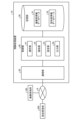
- FIG. 1 is a diagram illustrating an example of information processing according to an embodiment.
- FIG. 2 is a diagram showing an example of the configuration of the information processing device 10 according to the embodiment.
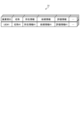
- FIG. 3 is a diagram showing an example of a discarder information database 31 according to the embodiment.
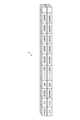
- FIG. 4 is a diagram showing an example of the collector information database 32 according to the embodiment.
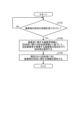
- FIG. 5 is a flowchart showing an example of the flow of information processing executed by the information processing device 10 according to the embodiment.
- FIG. 6 is a diagram illustrating an example of a hardware configuration.
- Aspect 1 is characterized by having a selection unit that selects a collector that will collect waste disposed of by a disposer based on disposer information about the disposer and collector information about the collector, and a provision unit that provides information about the collection of the waste to the collector selected by the selection unit.
- one example of a conventional technology related to the collection of goods is a technology known for a delivery service in which a contract application for a job is received from a deliverer terminal for a case whose area is the client's address, the application is notified to the client terminal, the client terminal is notified of the application and notifies the approved deliverer terminal of which deliverer to approve, and the approved deliverer collects and delivers the goods.
- this technology it is not always possible to select an appropriate collector for waste collection.
- a collector that will collect waste disposed of by a disposer can be selected based on disposer information about the disposer and collector information about the collector, making it possible to select an appropriate collector for waste collection.
- information is provided to the collector selected by the selection unit in aspect 1 that indicates a first route from the current location of the collector to the location of the disposer, and a second route from the location of the disposer to a point where the waste is collected.
- a first route from the collector's current location to the address of the disposer and a second route showing a route from the address of the disposer to a collection point can be provided to the collector, so that the collector can be guided to an appropriate destination.
- the collector can be provided with a route that avoids crowds, allowing waste to be collected with consideration for the surrounding area.
- the first route and the second route can be displayed separately, thereby improving convenience.
- information showing the face photo, name, and current location of the waste collector can be provided to the waste disposer, which gives the waste disposer a sense of security.
- a collector capable of collecting the waste is selected based on the amount of waste and the amount of waste that the collector can collect.
- a collector can be selected according to the amount of waste, making it possible to select an appropriate collector.
- a number of collectors capable of collecting the waste are selected based on the amount of waste and the amount of waste that each collector can collect.
- the number of collectors can be selected according to the amount of waste, making it possible to select an appropriate number of collectors.
- a collector who will collect the waste is selected based on the location of the waste disposer and the current location of the collector.
- a collector who will collect the waste is selected from each of the multiple waste disposers based on the location of each of the multiple waste disposers and the current location of the collector.
- a collector that will collect waste can be selected from multiple waste disposers, allowing waste to be collected efficiently.
- a collector capable of collecting the waste is selected from each of the multiple waste disposers within the available hours based on the location of each of the multiple waste disposers, the current location of the collector, and the available hours of the collector.
- collectors capable of collecting the waste are selected based on the type of waste and the types of waste that each collector can collect.
- a collector can be selected according to the type of waste, making it possible to select an appropriate collector.
- a collector who will collect the waste is selected based on the type of waste and the attributes of the collector.
- a collector who will collect the waste is selected based on an evaluation of the disposer by the collector and an evaluation of the collector by the disposer.
- a collector can be selected based on each evaluation, making it possible to select an appropriate collector.
- a waste disposer can select a collector who can collect the waste at the time the waste disposer desires, making it possible to select an appropriate collector.
- a collector who will collect the waste is selected based on the time when the waste collection point is available.
- a collector can be selected that can collect waste by type and transport it to the waste collection facility during the hours the waste collection facility is open, making it possible to select an appropriate collector.
- aspect 16 in accordance with aspects 1 to 15, further provides the waste disposer with information regarding the fee for collecting the waste.
- information regarding the fees for waste collection can be provided to the waste disposer, thereby improving convenience.
- a compensation for the waste collection is set to the collector selected by the selection unit.
- a compensation can be set for the collector according to the waste collection, making it possible to set an appropriate compensation.
- compensation is set according to the waste collection performance of the collector.
- a compensation can be set for the collector according to the waste collection performance, making it possible to set an appropriate compensation.
- FIG. 1 is a diagram showing an example of information processing according to the embodiment.
- the information processing system 1 shown in FIG. 1 includes an information processing device 10 which is an example of the information processing device according to the present application, a discarder terminal 100, and a collector terminal 200.
- the information processing device 10, the discarder terminal 100, and the collector terminal 200 are connected to each other via a network N (see FIG. 2, for example) in a wired or wireless manner so as to be able to communicate with each other.
- the network N is, for example, a WAN (Wide Area Network) such as the Internet.
- the information processing system 1 shown in FIG. 1 may include a plurality of information processing devices 10, a plurality of discarder terminals 100, and a plurality of collector terminals 200.
- the information processing device 10 is an information processing device that controls information processing, which will be described later, and is realized, for example, by a server device or a cloud system.
- the information processing device 10 provides a collection service related to the collection of waste.
- the information processing device 10 may have a function as a web server that provides a website related to the collection service.
- the information processing device 10 may also be a device that distributes information to the discarder terminal 100 and the collector terminal 200 to be displayed on an application (hereinafter, sometimes referred to as a "collection app") related to the collection service installed in the discarder terminal 100 and the collector terminal 200.
- the information processing device 10 may also be a server that distributes the application data itself.
- the waste disposer terminal 100 is an information processing device used by a waste disposer (for example, a manager of a facility that uses nonwoven fabric products, such as a nursing home or a nursery school, or a general user who uses nonwoven fabric products at home, etc.).
- the waste disposer terminal 100 is realized, for example, by a smartphone, a tablet terminal, a notebook PC (Personal Computer), a desktop PC, a mobile phone, a PDA (Personal Digital Assistant), etc.
- the waste disposer terminal 100 also displays information distributed by the information processing device 10, etc., using a web browser or application.
- the waste disposer terminal 100 is a smartphone used by the waste disposer.
- the collector terminal 200 is an information processing device used by a collector (e.g., gig workers) who collects waste.
- the collector terminal 200 is realized, for example, by a smartphone, tablet terminal, notebook PC, desktop PC, mobile phone, PDA, etc.
- the collector terminal 200 also displays information distributed by the information processing device 10, etc., using a web browser or application.
- the collector terminal 200 is a smartphone used by a collector.
- the discarder terminal 100 will be referred to as discarder terminals 100-1 to 100-N (N is any natural number) according to the discarder using the discarder terminal 100.
- the discarder terminal 100-1 is the discarder terminal 100 used by the discarder (discarder U1) identified by the discarder ID "UID#1".
- the discarder terminals 100-1 to 100-N will be referred to as discarder terminals 100 when there is no particular distinction between them.
- the discarder terminal 100 may be regarded as the same as the discarder. That is, in the following description, the discarder can also be read as the discarder terminal 100.
- the collector terminals 200 are referred to as collector terminals 200-1 to 200-N (N is any natural number) according to the collector using the collector terminal 200.
- the collector terminal 200-1 is the collector terminal 200 used by a collector (collector W1) identified by a collector ID "WID#1".
- the collector terminals 200-1 to 200-N are referred to as collector terminals 200 when there is no particular distinction between them.
- the collector terminal 200 may be regarded as the same as the collector. That is, in the following explanation, the collector may be read as the collector terminal 200.
- the information processing device 10 manages information about the disposer in the memory of the device itself.
- the information processing device 10 stores information about the disposer including information such as identification information (disposer ID) that identifies the disposer, the name of the disposer (e.g., the name of the facility managed by the disposer or the name of the disposer himself/herself), location information indicating the location of the disposer (e.g., the address of the disposer or the disposal site where the disposer disposes of waste), and request information regarding requests for collection of waste.
- identification information dispenser ID
- the name of the disposer e.g., the name of the facility managed by the disposer or the name of the disposer himself/herself
- location information indicating the location of the disposer e.g., the address of the disposer or the disposal site where the disposer disposes of waste
- request information regarding requests for collection of waste e.g., the address of the disposer or the disposal site where the disposer disposes of waste.
- the information processing device 10 manages collector information related to the collector in the storage unit of the device.
- the information processing device 10 stores collector information including identification information (collector ID) for identifying the collector, the name of the collector, attribute information of the waste disposer (e.g., gender and age), an image of the face of the waste disposer, capacity information indicating the amount of waste (capacity) that the collector can collect, type information indicating the type of waste that the collector can collect, location information of the collector (e.g., the current location of the collector detected by a GPS (Global Positioning System) or the like possessed by the collector terminal 200, the waiting location of the collector, etc.), the time when the collector is available to collect waste (work schedule), performance information indicating the performance of the collector regarding waste collection (e.g., the number of times waste has been collected in the past, the amount of waste collected, the number of times waste has been collected from the waste disposer within a specified time, etc.), and evaluation information indicating the evaluation from the waste disposer
- collector information including identification information (collect
- the waste is assumed to be used nonwoven fabric products (such as diapers). Note that the waste may also be used nonwoven fabric products that have been treated in some way by the disposer (e.g., dehydration or deodorization treatment).
- the disposer e.g., dehydration or deodorization treatment.
- the collector will travel by boarding a specified vehicle (bicycle, motorbike, car, etc.).
- the information processing device 10 receives request information from a waste disposer U1 regarding a request for waste collection (step S1). For example, the information processing device 10 receives request information indicating information such as the amount and type of waste (e.g., diaper size and type of diaper (pants type, tape type, pad type, etc.)), an image of the waste, etc.
- request information indicating information such as the amount and type of waste (e.g., diaper size and type of diaper (pants type, tape type, pad type, etc.)), an image of the waste, etc.
- the information processing device 10 selects a collector who will collect waste from the waste disposer U1 based on the waste disposer information of the waste disposer U1 and the collector information of each collector (step S2). For example, the information processing device 10 selects a collector who is located within a predetermined range from the location of the waste disposer U1 and is currently active and can collect the amount of waste indicated by the request information.
- the information processing device 10 may select a collector who can move to the location of the waste disposer U1 within the available time and then move to the collection point where the waste is collected.
- step S1 if the waste disposer U1 specifies a desired date and time for waste collection, the information processing device 10 may select a collector who can travel to the location of the waste disposer U1 at the desired date and time within the available hours, and can also travel from the location of the waste disposer U1 to the collection point within the available hours.
- the one closest to the location of the waste disposer U1 may be selected.
- the information processing device 10 provides the collector with information regarding waste collection (step S3).
- the information processing device 10 transmits the request information received from the waste disposer terminal 100-1 to the multiple collectors selected in step S2.
- the collector W1 performs an operation to accept the request indicated by the request information.
- the information processing device 10 provides the collector W1 with information regarding the collection of waste from the waste disposer U1.
- the information processing device 10 provides information indicating the amount and type of waste, an image of the waste, the name of the waste disposer U1, the route from the current location of the collector W1 to the location of the waste disposer U1 (first route), and the route from the location of the waste disposer U1 to the collection point (second route).
- the information processing device 10 may transmit the collector information of the multiple collectors selected in step S2 to the disposer U1. Then, the information processing device 10 may provide information regarding waste collection to the collectors selected by the disposer U1.
- the information processing device 10 provides information about the collector W1 to the discarder U1 (step S4).
- the information processing device 10 provides information based on the collector information of the collector W1.
- the information processing device 10 provides information such as a facial photograph and name of the collector W1, and the current location of the collector W1 that is received in real time from the collector terminal 200-1.
- the information processing device 10 may further provide the waste disposer U1 with information regarding the fees charged to the waste disposer U1 for waste collection.
- the information processing device 10 provides information regarding fees according to the amount of waste, the type of waste, etc.
- the information processing device 10 also provides information such as the trend in fees for waste collection from the past and the total amount. If the waste disposer U1 is a facility (e.g., a nursery school or care facility) managed by a specific organization (such as a government agency), the information processing device 10 may provide the organization with information regarding the fees charged to the organization.
- the collector W1 collects the waste from the disposer U1 (step S5).
- the collector W1 visits the location of the disposer U1 along the first route displayed on the collector terminal 200-1 and collects the waste.
- the collector W1 transports the waste to the collection point (step S6).
- the collector W1 transports the waste from the location of the disposer U1 to the collection point following the second route displayed on the collector terminal 200-1.
- the information processing device 10 may control the collector terminal 200-1 so that the first route and the second route are displayed simultaneously. For example, the information processing device 10 displays the first route and the second route on one map.
- the information processing device 10 may also control the collector terminal 200-1 so that the first route and the second route are displayed separately. For example, in step S3, the information processing device 10 controls so that the first route is displayed on the collector terminal 200-1. Then, when location information indicating that collector W1 has moved to the location of disposer U1 is received from the collector terminal 200-1, or when information indicating that collector W1 has performed an operation to collect waste from disposer U1 is received from the collector terminal 200-1, the information processing device 10 controls so that the second route is displayed on the collector terminal 200-1.
- the information processing device 10 sets the compensation (in other words, salary) that the collector W1 will receive for collecting waste from the disposer U1 (step S7).
- the information processing device 10 sets the compensation according to the amount of waste collected by the collector W1, the type of waste, the distance of the first route and the second route, etc.
- the information processing device 10 also sets the compensation using dynamic pricing based on the balance between demand on the disposer side and supply on the collector side. As a specific example, the information processing device 10 sets a higher compensation the fewer the number of collectors currently available to collect waste compared to the number of disposers who wish to collect waste.
- the information processing device 10 also sets a lower compensation the more the number of collectors currently available to collect waste compared to the number of disposers who wish to collect waste.
- the information processing device 10 may provide the collector with information indicating a first route and a second route according to the congestion status of roads acquired from an external server device via an API, etc. For example, the information processing device 10 provides information indicating a first route and a second route that avoid roads whose congestion level is equal to or higher than a predetermined threshold.
- the information processing device 10 may select multiple collectors who will collect waste from the waste disposer U1, and provide information on waste collection to each of the selected multiple collectors. For example, when the amount of waste from the waste disposer U1 is greater than the amount of waste that the individual collector can collect, the information processing device 10 selects multiple collectors so that the waste from the waste disposer U1 can be collected, and provides information on waste collection to each of the selected multiple collectors. As a specific example, when the amount of waste from the waste disposer U1 is "30 kg" and the amount of waste that the individual collector can collect is "20 kg," the information processing device 10 selects two or more collectors and provides information on waste collection to each of the selected collectors. As a more specific example, the information processing device 10 provides information on waste collection to each of the two or more collectors who have performed an operation to accept the request indicated by the request information, among the selected multiple collectors.
- the information processing device 10 may select one collector who collects waste from among multiple disposers, and provide information regarding the collection of waste from multiple wastes. For example, when receiving request information from disposers U1 and U2, the information processing device 10 selects a collector who is located within a predetermined range from the locations of the disposers U1 and U2 and is currently active, and is capable of collecting the amount of waste from the disposers U1 and U2. Then, the information processing device 10 provides the selected collector with information regarding the collection of waste (for example, information indicating a route for moving from the current location of the collector to the collection point via the locations of the disposers U1 and U2).
- information regarding the collection of waste for example, information indicating a route for moving from the current location of the collector to the collection point via the locations of the disposers U1 and U2.
- the information processing device 10 may select a collector who collects the waste of the waste disposer U1 based on the type of waste of the waste disposer U1. For example, the information processing device 10 selects a collector who can collect the type of waste of the waste disposer U1.
- the information processing device 10 may select a collector who will collect waste from the disposer U1 based on the type of waste from the disposer U1 and the attributes of the collector. For example, if the waste from the disposer U1 is sanitary products, the information processing device 10 selects a collector who is female. The information processing device 10 may select a collector who has attributes specified by the disposer U1.
- the information processing device 10 may select a collector who will collect waste from the disposer U1 based on the evaluation of the disposer U1 by the collector and the evaluation of the collector by the disposer U1. For example, the information processing device 10 selects a collector whose collector information is similar to that of a collector whose evaluation of the disposer U1 is equal to or greater than a predetermined threshold, as a collector who will collect waste from the disposer U1. In addition, the information processing device 10 does not select a collector whose collector information is similar to that of a collector whose evaluation of the disposer U1 is less than a predetermined threshold, as a collector who will collect waste from the disposer U1.
- the information processing device 10 may select a collector who will collect waste from the waste disposer U1 based on the time when the waste collection point is available (e.g., business hours, opening hours, etc.). For example, the information processing device 10 selects a collector who can travel to the collection point via the location of the waste disposer U1 within the time when the collection point is available.
- the information processing device 10 may set the compensation according to the performance information of the collector W1. For example, the more times the collector W1 has collected waste in the past, the higher the compensation set by the information processing device 10 to the collector W1. Also, the more the amount of waste the collector W1 has collected in the past, the higher the compensation set by the information processing device 10 to the collector W1. Also, the more times the information processing device 10 has collected waste from the disposer within a time period specified by the disposer, the higher the compensation set by the information processing device 10 to the collector W1.
- the information processing device 10 may output information about an incentive to be given to collectors when they collect waste. For example, when the number of collectors who are able to work in a predetermined area is equal to or less than a predetermined threshold, the information processing device 10 outputs information about an incentive to be given to collectors who are active in the area but are currently unable to work when they collect waste.
- the information processing device 10 may receive request information from a disposer indicating a request to collect waste at a predetermined period (for example, every evening). Then, the information processing device 10 selects a collector who will collect the waste from the disposer at the predetermined period.
- Fig. 2 is a diagram showing an example of the configuration of the information processing device 10 according to an embodiment.
- the information processing device 10 has a communication unit 20, a storage unit 30, and a control unit 40.
- the communication unit 20 is realized by, for example, a network interface card (NIC) etc.
- the communication unit 20 is connected to the network N by wire or wirelessly, and transmits and receives information between the discarder terminal 100, the collector terminal 200, etc.
- the storage unit 30 is realized by, for example, a semiconductor memory element such as a random access memory (RAM) or a flash memory, or a storage device such as a hard disk or an optical disk. As shown in FIG. 2, the storage unit 30 has a discarder information database 31 and a collector information database 32.
- the discarder information database 31 stores various information related to discarders. An example of information stored in the discarder information database 31 will be described with reference to Fig. 3.
- Fig. 3 is a diagram showing an example of the discarder information database 31 according to an embodiment. In the example of Fig. 3, the discarder information database 31 has items such as "discarder ID”, "name”, “location information”, “request information”, and "evaluation information”.
- Disposer ID indicates identification information for identifying the disposer.
- Name indicates the name of the disposer.
- Location information indicates information regarding the location (address, etc.) of the disposer.
- Request information indicates information regarding a request by the disposer for waste collection.
- Evaluation information indicates the evaluation of the disposer by the collector.
- FIG. 3 shows an example in which the name of the disposer identified by the disposer ID "UID#1" is "Name#1", the location information is “Location information#1", the request information is “Request information#1”, and the evaluation information is "Evaluation information#1".
- the collector information database 32 stores various information related to collectors. An example of information stored in the collector information database 32 will be described with reference to Fig. 4.
- Fig. 4 is a diagram showing an example of the collector information database 32 according to the embodiment.
- the collector information database 32 has items such as "collector ID”, "name”, “attribute information”, “image”, “capacity information”, “type information”, “location information”, “activity time”, “performance information”, and "evaluation information”.
- Collector ID indicates identification information for identifying the collector.
- Name indicates the name of the collector.
- Attribute information indicates the attributes of the collector (e.g., demographic attributes and psychographic attributes).
- Image indicates an image of the collector (e.g., a facial image).
- Capacity information indicates the amount of waste that the collector can collect.
- Type information indicates the type of waste that the collector can collect.
- Location information indicates the location of the collector.
- Activity time indicates the time the collector is available to be active.
- Periodance information indicates the collector's performance in collecting waste.
- Evaluation information indicates the evaluation of the collector from the waste disposer.
- Figure 4 shows an example in which the name of the collector identified by the collector ID "WID#1" is "Name #1", the attribute information is “Attribute Information #1”, the image is “Image #1”, the capacity information is “Capacity Information #1”, the type information is “Type Information #1”, the location information is “Location Information #1”, the activity time is “Activity Time #1”, the performance information is "Performance Information #1", and the evaluation information is "Evaluation Information #11".
- the control unit 40 is a controller, and is realized, for example, by a CPU (Central Processing Unit) or an MPU (Micro Processing Unit) executing various programs stored in a storage device inside the information processing device 10 using a RAM as a working area.
- the control unit 40 is also a controller, and is realized, for example, by an integrated circuit such as an ASIC (Application Specific Integrated Circuit) or an FPGA (Field Programmable Gate Array).
- the control unit 40 according to the embodiment has a selection unit 41, a provision unit 42, a setting unit 43, and an output unit 44, and realizes or executes the functions and actions of information processing described below.
- the selection unit 41 selects a collector who will collect waste disposed by the disposer based on the disposer information on the disposer and the collector information on the collector.
- the selection unit 41 refers to the disposer information database 31 and the collector information database 32, and selects a collector who will collect waste from the disposer U1 based on the disposer information of the disposer U1 and the collector information of each collector.
- the selection unit 41 may also select a collector capable of collecting waste based on the amount of waste and the amount of waste that the collector can collect. For example, in the example of FIG. 1, the selection unit 41 selects a collector capable of collecting the amount of waste indicated by the request information.
- the selection unit 41 may also select a number of collectors capable of collecting waste based on the amount of waste and the amount of waste each collector can collect. For example, in the example of FIG. 1, when the amount of waste of waste collector U1 is greater than the amount of waste that each collector can collect, the selection unit 41 selects multiple collectors capable of collecting waste from waste collector U1.
- the selection unit 41 may also select a collector who will collect waste based on the location of the disposer and the current location of the collector. For example, in the example of FIG. 1, the selection unit 41 selects a collector located within a predetermined range from the location of the disposer U1.
- the selection unit 41 may also select a collector who will collect waste from each of the multiple waste disposers based on the location of each of the multiple waste disposers and the current location of the collector. For example, in the example of FIG. 1, when the selection unit 41 receives request information from waste disposers U1 and U2, it selects a collector who is located within a predetermined range from the locations of waste disposers U1 and U2 and is currently active and is able to collect the amount of waste from waste disposers U1 and U2.
- the selection unit 41 may also select a collector capable of collecting waste from each of the multiple waste disposers within the available time based on the location of each of the multiple waste disposers, the current location of the collector, and the available time for the collector. For example, in the example of FIG. 1, the selection unit 41 selects a collector capable of traveling from the current location to the collection point via the locations of waste disposers U1 and U2 within the available time.
- the selection unit 41 may also select collectors capable of collecting waste based on the type of waste and the types of waste that each collector can collect. For example, in the example of FIG. 1, the selection unit 41 selects collectors capable of collecting the waste type of waste disposer U1.
- the selection unit 41 may also select a collector who will collect the waste based on the type of waste and the attributes of the collector. For example, in the example of FIG. 1, if the waste of disposer U1 is sanitary products, the selection unit 41 selects a collector who is female. The selection unit 41 also selects a collector who has attributes specified by disposer U1.
- the selection unit 41 may also select a collector who will collect waste based on the evaluation of the disposer by the collector and the evaluation of the collector by the disposer. For example, in the example of FIG. 1, the selection unit 41 selects a collector whose collector information is similar to that of a collector whose evaluation of the disposer U1 is equal to or greater than a predetermined threshold, as a collector who will collect waste from the disposer U1. The selection unit 41 does not select a collector whose collector information is similar to that of a collector whose evaluation of the disposer U1 is less than a predetermined threshold, as a collector who will collect waste from the disposer U1.
- the selection unit 41 selects a collector whose collector information is similar to that of a collector whose evaluation by the disposer U1 is equal to or greater than a predetermined threshold, as a collector who will collect waste from the disposer U1.
- the selection unit 41 does not select a collector whose collector information is similar to that of a collector whose evaluation by the disposer U1 is less than a predetermined threshold, as a collector who will collect waste from the disposer U1.
- the selection unit 41 may also select a collector to collect waste based on the time the waste disposer wishes to have the waste collected and the time the collector is available to work. For example, in the example of FIG. 1, when waste disposer U1 specifies the desired date and time for waste collection, the selection unit 41 selects a collector who can travel to the location of waste disposer U1 at the desired date and time within the available time, and further travel from the location of waste disposer U1 to the collection point within the available time.
- the selection unit 41 may further select a collector who will collect the waste based on the time during which the waste collection point is available. For example, in the example of FIG. 1, the selection unit 41 selects a collector who can travel to the collection point via the location of waste disposer U1 within the time during which the collection point is available.
- the providing unit 42 provides information on waste collection to the collector selected by the selecting unit 41.
- the providing unit 42 provides information on waste collection by the disposer U1.
- the providing unit 42 may also provide the collector selected by the selecting unit 41 with information indicating a first route from the current location of the collector to the location of the disposer, and a second route from the location of the disposer to a point where the waste is collected.
- the providing unit 42 provides information indicating a first route which is a route from the current location of collector W1 to the location of disposer U1, and a second route which is a route from the location of disposer U1 to the collection point.
- the providing unit 42 may also provide information indicating a first route and a second route according to the congestion situation. For example, in the example of FIG. 1, the providing unit 42 provides information indicating a first route and a second route that avoid roads whose degree of congestion is equal to or greater than a predetermined threshold.
- the providing unit 42 may also provide information indicating the first route and the second route to a terminal device used by the collector, and cause the first route and the second route to be displayed separately. For example, in the example of FIG. 1, the providing unit 42 first controls so that the first route is displayed on the collector terminal 200-1. Then, when location information indicating that collector W1 has moved to the location of disposer U1 is received from the collector terminal 200-1, or when information indicating that collector W1 has performed an operation to collect waste from disposer U1 is received from the collector terminal 200-1, the providing unit 42 controls so that the second route is displayed on the collector terminal 200-1.
- the providing unit 42 may further provide the discarder with information about the collector selected by the selecting unit 41.
- the providing unit 42 provides information such as a facial photograph and name of the collector W1, and the current location of the collector W1 that is received in real time from the collector terminal 200-1.
- the providing unit 42 may further provide the waste disposer with information regarding the fee for waste collection.
- the providing unit 42 provides the waste disposer U1 with information regarding the fee according to the amount of waste, the type of waste, etc.
- the setting unit 43 sets a price for waste collection to the collector selected by the selection unit 41. For example, in the example of Fig. 1, the setting unit 43 sets a price for the collector W1 according to the amount of waste collected by the collector W1, the type of waste, the distances of the first route and the second route, etc. Furthermore, the setting unit 43 sets a price for the collector W1 using dynamic pricing based on the balance between demand on the waste disposal side and supply on the collector side.
- the setting unit 43 may also set a compensation according to the collector's track record of waste collection. For example, in the example of FIG. 1, the more times collector W1 has collected waste in the past, the higher the compensation set by the setting unit 43 for collector W1. The more amount of waste that collector W1 has collected in the past, the higher the compensation set by the setting unit 43 for collector W1. The more times collector W1 has collected waste from the disposer within a time period specified by the disposer, the higher the compensation set by the setting unit 43 for collector W1.
- the output unit 44 When the number of active collectors is equal to or less than a predetermined threshold, the output unit 44 outputs information about an incentive to be given to the collectors when they collect waste. For example, in the example of Fig. 1, when the number of active collectors in a predetermined area is equal to or less than a predetermined threshold, the output unit 44 outputs information about an incentive to be given to collectors who are active in the area but are currently unable to be active when they collect waste.
- FIG. 5 is a flowchart showing an example of the flow of information processing executed by the information processing device 10 according to the embodiment.
- the information processing device 10 determines whether or not a request for waste collection has been received (step S101). If a request for waste collection has not been received (step S101; No), the information processing device 10 waits until a request for waste collection is received. On the other hand, if a request for waste collection has been received (step S101; Yes), the information processing device 10 selects a collector who will collect the waste discarded by the discarder based on the discarder information about the discarder and the collector information about the collector (step S102). Next, the information processing device 10 provides information about waste collection to the selected collector (step S103), and ends the process.
- each component of each device shown in the figure is a functional concept, and does not necessarily have to be physically configured as shown in the figure.
- the specific form of distribution and integration of each device is not limited to that shown in the figure, and all or part of them can be functionally or physically distributed and integrated in any unit depending on various loads, usage conditions, etc.
- FIG. 6 is a diagram showing an example of a hardware configuration.
- the computer 1000 is connected to an output device 1010 and an input device 1020, and is connected to a calculation device 1030, a cache 1040, a memory 1050, an output IF (Interface) 1060, an input IF 1070, and a network IF 1080 by a bus 1090.
- the arithmetic unit 1030 operates based on programs stored in the cache 1040 and memory 1050, programs read from the input unit 1020, etc., and executes various processes.
- the cache 1040 is a cache such as a RAM that temporarily stores data used by the arithmetic unit 1030 for various calculations.
- the memory 1050 is a storage device in which data used by the arithmetic unit 1030 for various calculations and various databases are registered, and is a memory realized by a ROM (Read Only Memory), HDD (Hard Disk Drive), flash memory, etc.
- the output IF 1060 is an interface for transmitting information to be output to an output device 1010 that outputs various types of information, such as a monitor or printer, and may be realized, for example, by a connector conforming to a standard such as USB (Universal Serial Bus), DVI (Digital Visual Interface), or HDMI (registered trademark) (High Definition Multimedia Interface).
- the input IF 1070 is an interface for receiving information from various input devices 1020, such as a mouse, keyboard, scanner, etc., and may be realized, for example, by a USB.
- the input device 1020 may be realized by a device that reads information from an optical recording medium such as a CD (Compact Disc), a DVD (Digital Versatile Disc), or a PD (Phase Change Rewritable Disk), a magneto-optical recording medium such as an MO (Magneto-Optical disk), a tape medium, a magnetic recording medium, or a semiconductor memory.
- an optical recording medium such as a CD (Compact Disc), a DVD (Digital Versatile Disc), or a PD (Phase Change Rewritable Disk), a magneto-optical recording medium such as an MO (Magneto-Optical disk), a tape medium, a magnetic recording medium, or a semiconductor memory.
- MO Magneto-optical disk
- the network IF 1080 has the function of receiving data from other devices via the network N and sending it to the arithmetic device 1030, and also transmitting data generated by the arithmetic device 1030 to other devices via the network N.
- the arithmetic unit 1030 controls the output device 1010 and the input device 1020 via the output IF 1060 and the input IF 1070.
- the arithmetic unit 1030 loads a program from the input device 1020 or the memory 1050 onto the cache 1040 and executes the loaded program.
- the arithmetic unit 1030 of the computer 1000 realizes the functions of the control unit 40 by executing the program loaded onto the cache 1040.
Landscapes
- Business, Economics & Management (AREA)
- Engineering & Computer Science (AREA)
- Human Resources & Organizations (AREA)
- Economics (AREA)
- Tourism & Hospitality (AREA)
- General Business, Economics & Management (AREA)
- Physics & Mathematics (AREA)
- Theoretical Computer Science (AREA)
- General Physics & Mathematics (AREA)
- Strategic Management (AREA)
- Marketing (AREA)
- Entrepreneurship & Innovation (AREA)
- Quality & Reliability (AREA)
- Operations Research (AREA)
- Development Economics (AREA)
- Health & Medical Sciences (AREA)
- General Health & Medical Sciences (AREA)
- Primary Health Care (AREA)
- Life Sciences & Earth Sciences (AREA)
- Sustainable Development (AREA)
- Management, Administration, Business Operations System, And Electronic Commerce (AREA)
- Accommodation For Nursing Or Treatment Tables (AREA)
- Medical Treatment And Welfare Office Work (AREA)
- Processing Of Solid Wastes (AREA)
Abstract
本願に係る情報処理装置は、廃棄者(例えば、介護施設や、保育園などといった、不織布製品を利用する施設の管理者や、家庭内等において不織布製品を利用する一般利用者など)に関する廃棄者情報と、回収者に関する回収者情報とに基づいて、当該廃棄者が廃棄する廃棄物の回収を行う回収者を選択する選択部と、選択部により選択された回収者に対し、廃棄物の回収に関する情報を提供する提供部とを有することを特徴とする。
Description
本発明は、情報処理装置、情報処理方法及び情報処理プログラムに関する。
従来、物品の回収に関する技術が知られている。このような技術の一例として、配送サービスにおいて、依頼者住所の地域を担当地域とする案件についての配送者端末からの請負の応募を受け、依頼者端末に応募の通知をし、応募の通知を受けた依頼者端末から、応募があった配送者のいずれを承認するかの通知を受け、承認された配送者の端末にその旨通知をし、承認された配送者により荷物の集荷・配送を行う技術が知られている。
しかしながら、上述した技術では、廃棄物の回収に関して、適切な回収者を選択することができるとは限らない。
例えば、上述した従来技術では、荷物の集荷・配送に関する技術が開示されているに過ぎず、廃棄物の回収に関して、適切な回収者を選択することができるとは限らない。
本願は、上記に鑑みてなされたものであって、廃棄物の回収に関して、適切な回収者を選択することを目的とする。
本願に係る情報処理装置は、廃棄者に関する廃棄者情報と、回収者に関する回収者情報とに基づいて、当該廃棄者が廃棄する廃棄物の回収を行う回収者を選択する選択部と、前記選択部により選択された回収者に対し、前記廃棄物の回収に関する情報を提供する提供部とを有することを特徴とする。
実施形態の一態様によれば、廃棄物の回収に関して、適切な回収者を選択することができる。
本明細書及び添付図面の記載により、少なくとも以下の事項が明らかとなる。
態様1は、廃棄者に関する廃棄者情報と、回収者に関する回収者情報とに基づいて、当該廃棄者が廃棄する廃棄物の回収を行う回収者を選択する選択部と、前記選択部により選択された回収者に対し、前記廃棄物の回収に関する情報を提供する提供部とを有することを特徴とする。
ここで、従来、物品の回収に関する技術の一例として、配送サービスにおいて、依頼者住所の地域を担当地域とする案件についての配送者端末からの請負の応募を受け、依頼者端末に応募の通知をし、応募の通知を受けた依頼者端末から、応募があった配送者のいずれを承認するかの通知を受け、承認された配送者の端末にその旨通知をし、承認された配送者により荷物の集荷・配送を行う技術が知られている。しかしながら、このような技術では、廃棄物の回収に関して、適切な回収者を選択することができるとは限らない。
そこで、このような態様1によれば、例えば、廃棄者に関する廃棄者情報と、回収者に関する回収者情報とに基づいて、当該廃棄者が廃棄する廃棄物の回収を行う回収者を選択することができるため、廃棄物の回収に関して、適切な回収者を選択することができる。
また、態様2は、態様1において、前記選択部により選択された回収者に対し、当該回収者の現在地から前記廃棄者の所在地までの第1の経路と、前記廃棄者の所在地から廃棄物を集積する地点までの第2の経路とを示す情報を提供する。
このような態様2によれば、例えば、回収者に対し、回収者の現在地から廃棄者の住所までの第1の経路と、廃棄者の住所から集積地点(例えば、リサイクルセンターや、廃棄物の一次処理を行う施設、これらの施設に廃棄物を輸送する際の中継地点など)までの経路を示す第2の経路とを回収者に提供することができるため、回収者を適切な目的地へ導くことができる。
また、態様3は、態様2において、混雑状況に応じた前記第1の経路及び前記第2の経路を示す情報を提供する。
このような態様3によれば、例えば、廃棄物が臭気を放つ場合に、人混みを避けた経路を回収者に提供することができるため、周囲には配慮した廃棄物の回収を行うことができる。
また、態様4は、態様2または3において、前記回収者が利用する端末装置に、前記第1の経路及び前記第2の経路を示す情報を提供し、前記第1の経路及び前記第2の経路をそれぞれ個別に表示させる。
このような態様4によれば、例えば、第1の経路及び第2の経路をそれぞれ個別に表示させることができるため、利便性を向上させることができる。
また、態様5は、態様1から4において、さらに、前記廃棄者に対し、前記選択部により選択された回収者に関する情報を提供する。
このような態様5によれば、例えば、廃棄物を回収する回収者の顔写真や氏名、現在地などを示す情報を廃棄者に対して提供することができるため、廃棄者に対して安心感を与えることができる。
また、態様6は、態様1から5において、前記廃棄物の量と、回収者が回収可能な廃棄物の量とに基づいて、前記廃棄物を回収可能な回収者を選択する。
このような態様6によれば、例えば、廃棄物の量に応じて回収者を選択することができるため、適切な回収者を選択することができる。
また、態様7は、態様1から6において、前記廃棄物の量と、回収者の各々が回収可能な廃棄物の量とに基づいて、前記廃棄物を回収可能な人数の回収者を選択する。
このような態様7によれば、例えば、廃棄物の量に応じた人数の回収者を選択することができるため、適切な人数の回収者を選択することができる。
また、態様8は、態様1から7において、前記廃棄者の所在地と、回収者の現在地とに基づいて、前記廃棄物の回収を行う回収者を選択する。
このような態様8によれば、例えば、廃棄者の所在地へ所定の時間内に訪問可能な回収者を選択することができるため、適切な回収者を選択することができる。
また、態様9は、態様1から8において、複数の前記廃棄者の各々の所在地と、回収者の現在地とに基づいて、複数の前記廃棄者の各々から前記廃棄物の回収を行う回収者を選択する。
このような態様9によれば、例えば、複数の廃棄者から廃棄物の回収を行う回収者を選択することができるため、効率的に廃棄物の回収を行うことができる。
また、態様10は、態様1から9において、複数の前記廃棄者の各々の所在地と、回収者の現在地と、回収者が活動可能な時間とに基づいて、活動可能な時間内に複数の前記廃棄者の各々から前記廃棄物の回収が可能な回収者を選択する。
このような態様10によれば、例えば、回収者が活動可能な時間内に、可能な限りの廃棄者から廃棄物を回収することができるため、効率的に廃棄物の回収を行うことができる。
また、態様11は、態様1から10において、前記廃棄物の種別と、回収者の各々が回収可能な廃棄物の種別とに基づいて、前記廃棄物を回収可能な回収者を選択する。
このような態様11によれば、例えば、廃棄物の種別に応じた回収者を選択することができるため、適切な回収者を選択することができる。
また、態様12は、態様1から11において、前記廃棄物の種別と、回収者の属性とに基づいて、前記廃棄物の回収を行う回収者を選択する。
このような態様12によれば、例えば、廃棄物の種別に応じた属性を有する回収者を選択することができるため、適切な回収者を選択することができる。
また、態様13は、態様1から12において、回収者による前記廃棄者の評価と、廃棄者による回収者の評価とに基づいて、前記廃棄物の回収を行う回収者を選択する。
このような態様13によれば、例えば、各評価に基づいて回収者を選択することができるため、適切な回収者を選択することができる。
また、態様14は、態様1から13において、前記廃棄者が前記廃棄物の回収を希望する時間と、回収者が活動可能な時間とに基づいて、前記廃棄物の回収を行う回収者を選択する。
このような態様14によれば、例えば、廃棄者が廃棄物の回収を希望する時間において回収を行うことが可能な回収者を選択することができるため、適切な回収者を選択することができる。
また、態様15は、態様1から14において、さらに、廃棄物を集積する地点を利用可能な時間に基づいて、前記廃棄物の回収を行う回収者を選択する。
このような態様15によれば、例えば、廃棄物を集積する施設が開いている時間内に、廃棄別の回収を行い、施設に輸送が可能な回収者を選択することができるため、適切な回収者を選択することができる。
また、態様16は、態様1から15において、さらに、前記廃棄者に対し、前記廃棄物の回収の料金に関する情報を提供する。
このような態様16によれば、例えば、廃棄物の回収に応じた料金に関する情報を廃棄者に提供することができるため、利便性を向上させることができる。
また、態様17は、態様1から16において、前記選択部により選択された回収者に対し、前記廃棄物の回収に対する対価を設定する。
このような態様17によれば、例えば、廃棄物の回収に応じた対価を回収者に設定することができるため、適切な対価を設定することができる。
また、態様18は、態様1から17において、前記回収者の廃棄物の回収の実績に応じた対価を設定する。
このような態様18によれば、例えば、廃棄物の回収の実績に応じた対価を回収者に設定することができるため、適切な対価を設定することができる。
また、態様19は、態様1から18において、活動可能な回収者が所定の閾値以下である場合に、廃棄物の回収を行った場合に付与されるインセンティブに関する情報を回収者に出力する。
このような態様19によれば、例えば、回収を行うことができる回収者が存在しない場合に、回収を行った場合に付与される所定のインセンティブに関する情報を各回収者に出力し、廃棄別の回収を募ることができるため、廃棄物の回収を行うことができないといった事態を防ぐことができる。
以下に、情報処理装置、情報処理方法及び情報処理プログラムを実施するための形態(以下、「実施形態」と記載する。)の一例について図面を参照しつつ詳細に説明する。なお、この実施形態により情報処理装置、情報処理方法及び情報処理プログラムが限定されるものではない。また、以下の実施形態において同一の部位には同一の符号を付し、重複する説明は省略する。
[実施形態]
〔1.情報処理の一例について〕
図1を用いて、本実施形態の情報処理装置等により実現される情報処理を説明する。図1は、実施形態に係る情報処理の一例を示す図である。図1に示す情報処理システム1は、本願に係る情報処理装置の一例である情報処理装置10と、廃棄者端末100と、回収者端末200とを含む。情報処理装置10、廃棄者端末100及び回収者端末200は、ネットワークN(例えば、図2参照)を介して有線または無線により相互に通信可能に接続される。ここで、ネットワークNは、例えば、インターネットなどのWAN(Wide Area Network)である。なお、図1に示した情報処理システム1には、複数台の情報処理装置10、複数台の廃棄者端末100及び複数台の回収者端末200が含まれていてもよい。
情報処理装置10は、後述する情報処理を制御する情報処理装置であり、例えば、サーバ装置やクラウドシステム等により実現される。図1の例において、情報処理装置10は、廃棄物の回収に関する回収サービスを提供する。
なお、情報処理装置10は、回収サービスに係るウェブサイトを提供するウェブサーバとしての機能を有していてもよい。また、情報処理装置10は、廃棄者端末100及び回収者端末200にインストールされた回収サービスに関するアプリケーション(以下、「回収アプリ」と記載する場合がある)に表示する情報を、廃棄者端末100及び回収者端末200に配信する装置であってもよい。また、情報処理装置10は、アプリケーションのデータそのものを配信するサーバであってもよい。
廃棄者端末100は、廃棄物を廃棄する廃棄者(例えば、介護施設や、保育園などといった、不織布製品を利用する施設の管理者や、家庭内等において不織布製品を利用する一般利用者など)によって利用される情報処理装置である。廃棄者端末100は、例えば、スマートフォンや、タブレット型端末や、ノート型PC(Personal Computer)や、デスクトップPCや、携帯電話機や、PDA(Personal Digital Assistant)等により実現される。また、廃棄者端末100は、情報処理装置10等によって配信される情報を、ウェブブラウザやアプリケーションにより表示する。なお、図1に示す例において、廃棄者端末100は、廃棄者によって利用されるスマートフォンである場合を示す。
回収者端末200は、廃棄物を回収する回収者(例えば、ギグワーカー)によって利用される情報処理装置である。回収者端末200は、例えば、スマートフォンや、タブレット型端末や、ノート型PCや、デスクトップPCや、携帯電話機や、PDA等により実現される。また、回収者端末200は、情報処理装置10等によって配信される情報を、ウェブブラウザやアプリケーションにより表示する。なお、図1に示す例において、回収者端末200は、回収者によって利用されるスマートフォンである場合を示す。
以下、図1を用いて、情報処理装置10により実現される情報処理について説明する。なお、以下の説明において、廃棄者端末100を利用する廃棄者に応じて、廃棄者端末100-1~100-N(Nは任意の自然数)として説明する。例えば、廃棄者端末100-1は、廃棄者ID「UID#1」により識別される廃棄者(廃棄者U1)により使用される廃棄者端末100である。また、以下では、廃棄者端末100-1~100-Nについて、特に区別なく説明する場合には、廃棄者端末100と記載する。また、以下の説明では、廃棄者端末100を廃棄者と同一視する場合がある。すなわち、以下では、廃棄者を廃棄者端末100と読み替えることもできる。
また、以下の説明において、回収者端末200を利用する回収者に応じて、回収者端末200-1~200-N(Nは任意の自然数)として説明する。例えば、回収者端末200-1は、回収者ID「WID#1」により識別される回収者(回収者W1)により使用される回収者端末200である。また、以下では、回収者端末200-1~200-Nについて、特に区別なく説明する場合には、回収者端末200と記載する。また、以下の説明では、回収者端末200を回収者と同一視する場合がある。すなわち、以下では、回収者を回収者端末200と読み替えることもできる。
また、以下の説明では、情報処理装置10が、廃棄者に関する廃棄者情報を自装置の記憶部で管理しているものとする。例えば、情報処理装置10は、廃棄者を識別する識別情報(廃棄者ID)や、廃棄者の名称(例えば、廃棄者が管理する施設の名称や、廃棄者本人の氏名)、廃棄者の所在地(例えば、廃棄者の住所や、廃棄者が廃棄物を廃棄する廃棄場所等)を示す所在情報、廃棄物の回収の依頼に関する依頼情報などといった情報を含む廃棄者情報を記憶する。
また、以下の説明では、情報処理装置10が、回収者に関する回収者情報を自装置の記憶部で管理しているものとする。例えば、情報処理装置10は、回収者を識別する識別情報(回収者ID)や、回収者の氏名、廃棄者の属性情報(例えば、性別や年齢)、廃棄者の顔の画像、回収者が回収可能な廃棄物の量(キャパシティ)を示すキャパシティ情報、回収者が回収可能な廃棄物の種別を示す種別情報、回収者の位置情報(例えば、回収者端末200が有するGPS(Global Positioning System)等により検出された回収者の現在位置や、回収者の待機場所など)、回収者が廃棄物の回収に関して活動可能な時間(勤務スケジュール)、回収者の廃棄物の回収に関する実績を示す実績情報(例えば、過去に廃棄物を回収した回数や、回収した廃棄物の量、指定された時間内に廃棄者から廃棄物を回収した回数など)、廃棄者からの評価を示す評価情報などを含む回収者情報を記憶する。
また、以下の説明において、廃棄物は、使用済みの不織布製品(おむつ等)であるものとする。なお、廃棄物は、使用済みの不織布製品に対して、廃棄者によって何らかの処理(例えば、脱水処理や、防臭処理など)が行われたものであってもよい。
また、以下の説明において、回収者は、所定の移動体(自転車、バイク、自動車等)に搭乗して移動するものとする。
まず、情報処理装置10は、廃棄物の回収の依頼に関する依頼情報を廃棄者U1から受け付ける(ステップS1)。例えば、情報処理装置10は、廃棄物の量や、種別(例えば、おむつのサイズや、おむつのタイプ(パンツタイプ、テープタイプ、パッドタイプなど))、廃棄物の画像などといった情報を示す依頼情報を受け付ける。
続いて、情報処理装置10は、廃棄者U1の廃棄者情報と、各回収者の回収者情報とに基づいて、廃棄者U1から廃棄物の回収を行う回収者を選択する(ステップS2)。例えば、情報処理装置10は、廃棄者U1の所在地から所定の範囲内に位置し、現在活動可能な回収者のうち、依頼情報が示す廃棄物の量を回収可能な回収者を選択する。
なお、情報処理装置10は、活動可能な時間内に、廃棄者U1の所在地へ移動し、さらに廃棄物を集積する集積地点へ移動が可能な回収者を選択してもよい。
また、ステップS1において、廃棄者U1が、廃棄物の回収を希望する希望日時を指定している場合、情報処理装置10は、活動可能な時間内に廃棄者U1の所在地へ希望日時に移動し、さらに、活動可能な時間内に、廃棄者U1の所在地から集積地点へ移動が可能な回収者を選択してもよい。
また、集積地点は、複数存在してもよい。そして、複数存在する集積地点の中から、より廃棄者U1の所在地に近いものが選択されてもよい。
続いて、情報処理装置10は、回収者に対し、廃棄物の回収に関する情報を提供する(ステップS3)。例えば、情報処理装置10は、ステップS2において選択した複数の回収者に対し、廃棄者端末100-1から受け付けた依頼情報を送信する。ここで、回収者W1が、依頼情報が示す依頼を受け付ける旨の操作を行ったものとする。この場合、情報処理装置10は、回収者W1に対し、廃棄者U1の廃棄物の回収に関する情報を提供する。具体的な例を挙げると、情報処理装置10は、廃棄物の量や、種別、廃棄物の画像、廃棄者U1の名称、回収者W1の現在地から廃棄者U1の所在地までの経路(第1の経路)、廃棄者U1の所在地から集積地点までの経路(第2の経路)を示す情報を提供する。
なお、情報処理装置10は、ステップS2において選択した複数の回収者の回収者情報を廃棄者U1に送信してもよい。そして、情報処理装置10は、廃棄者U1が選択した回収者に対し、廃棄物の回収に関する情報を提供してもよい。
続いて、情報処理装置10は、回収者W1に関する情報を廃棄者U1に提供する(ステップS4)。例えば、情報処理装置10は、回収者W1の回収者情報に基づく情報を提供する。具体的な例を挙げると、情報処理装置10は、回収者W1の顔写真や、氏名、回収者端末200-1からリアルタイムに受け付けられる回収者W1の現在地などの情報を提供する。
なお、情報処理装置10は、さらに、廃棄物の回収により廃棄者U1に課金される料金に関する情報を廃棄者U1に提供してもよい。例えば、情報処理装置10は、廃棄物の量や、廃棄物の種別などに応じた料金に関する情報を提供する。また、情報処理装置10は、過去からの廃棄物の回収に関する料金の推移や、合計額などの情報を提供する。なお、廃棄者U1が所定の組織(行政機関等)により管理される施設(例えば、保育園や介護施設)である場合、情報処理装置10は、当該組織に対し、当該組織に課金される料金に関する情報を提供してもよい。
続いて、回収者W1は、廃棄者U1から廃棄物を回収する(ステップS5)。例えば、回収者W1は、回収者端末200-1に表示された第1の経路に従い、廃棄者U1の所在地へ訪問し、廃棄物を回収する。
続いて、回収者W1は、集積地点へ廃棄物を輸送する(ステップS6)。例えば、回収者W1は、回収者端末200-1に表示された第2の経路に従い、廃棄者U1の所在地から集積地点へ廃棄物を輸送する。
なお、情報処理装置10は、回収者端末200-1において、第1の経路及び第2の経路を同時に表示されるように制御してもよい。例えば、情報処理装置10は、一の地図上に、第1の経路及び第2の経路を表示させる。
また、情報処理装置10は、第1の経路及び第2の経路をそれぞれ個別に表示されるように回収者端末200-1を制御してもよい。例えば、情報処理装置10は、ステップS3において、第1の経路が回収者端末200-1に表示されるように制御する。そして、回収者W1が廃棄者U1の所在地へ移動したことを示す位置情報を回収者端末200-1から受け付けた場合、若しくは、廃棄者U1から廃棄物を回収した旨の操作を回収者W1が行ったことを示す情報を回収者端末200-1から受け付けた場合、情報処理装置10は、第2の経路が回収者端末200-1に表示されるように制御する。
続いて、情報処理装置10は、回収者W1に対し、廃棄者U1からの廃棄物の回収に対し得られる対価(言い換えると、給与)を設定する(ステップS7)。例えば、情報処理装置10は、回収者W1が回収した廃棄物の量や、廃棄物の種別、第1の経路及び第2の経路の距離などに応じた対価を設定する。また、情報処理装置10は、廃棄者側の需要と回収者側の供給とのバランスに基づき、ダイナミックプライシングを用いて対価を設定する。具体的な例を挙げると、情報処理装置10は、廃棄物の回収を希望する廃棄者の数に対し、現在活動可能な回収者の数が少ないほど、対価を高く設定する。また、情報処理装置10は、廃棄物の回収を希望する廃棄者の数に対し、現在活動可能な回収者の数が多いほど、対価を低く設定する。
以上のように、実施形態に係る情報処理装置10は、依頼情報と、廃棄者の廃棄者情報と、回収者の回収者情報とに基づいて、廃棄者から廃棄物の回収を行う回収者を選択し、選択した回収者に対し、廃棄物の回収に関する情報を提供する。これにより、実施形態に係る情報処理装置10は、廃棄物の回収に関して、適切な回収者を選択することができる。
〔2.その他の処理例〕
なお、上述した処理は一例に過ぎず、情報処理装置10は、様々な情報を用いて様々な処理を行ってもよい。この点について、以下例示を列挙する。
なお、上述した処理は一例に過ぎず、情報処理装置10は、様々な情報を用いて様々な処理を行ってもよい。この点について、以下例示を列挙する。
〔2-1.経路について〕
図1の例において、情報処理装置10は、API等を介して外部のサーバ装置から取得した道路の混雑状況に応じた第1の経路及び第2の経路を示す情報を回収者に提供してもよい。例えば、情報処理装置10は、混雑の度合いが所定の閾値以上である道路を避けた第1の経路及び第2の経路を示す情報を提供する。
図1の例において、情報処理装置10は、API等を介して外部のサーバ装置から取得した道路の混雑状況に応じた第1の経路及び第2の経路を示す情報を回収者に提供してもよい。例えば、情報処理装置10は、混雑の度合いが所定の閾値以上である道路を避けた第1の経路及び第2の経路を示す情報を提供する。
〔2-2.回収者について〕
図1の例において、情報処理装置10は、廃棄者U1から回収を行う複数の回収者を選択し、選択した複数の回収者の各々に廃棄物の回収に関する情報を提供してもよい。例えば、廃棄者U1の廃棄物の量が、回収者個人が回収可能な廃棄物の量よりも多い場合、情報処理装置10は、廃棄者U1の廃棄物を回収可能となるように複数の回収者を選択し、選択した複数の回収者の各々に廃棄物の回収に関する情報を提供する。具体的な例を挙げると、廃棄者U1の廃棄物の量が「30kg」であり、回収者個人が回収可能な廃棄物の量が「20kg」である場合、情報処理装置10は、2人以上の回収者を選択し、選択した回収者の各々に廃棄物の回収に関する情報を提供する。より具体的な例を挙げると、情報処理装置10は、選択した複数の回収者のうち、依頼情報が示す依頼を受け付ける旨の操作を行った2人以上の回収者の各々に、廃棄物の回収に関する情報を提供する。
図1の例において、情報処理装置10は、廃棄者U1から回収を行う複数の回収者を選択し、選択した複数の回収者の各々に廃棄物の回収に関する情報を提供してもよい。例えば、廃棄者U1の廃棄物の量が、回収者個人が回収可能な廃棄物の量よりも多い場合、情報処理装置10は、廃棄者U1の廃棄物を回収可能となるように複数の回収者を選択し、選択した複数の回収者の各々に廃棄物の回収に関する情報を提供する。具体的な例を挙げると、廃棄者U1の廃棄物の量が「30kg」であり、回収者個人が回収可能な廃棄物の量が「20kg」である場合、情報処理装置10は、2人以上の回収者を選択し、選択した回収者の各々に廃棄物の回収に関する情報を提供する。より具体的な例を挙げると、情報処理装置10は、選択した複数の回収者のうち、依頼情報が示す依頼を受け付ける旨の操作を行った2人以上の回収者の各々に、廃棄物の回収に関する情報を提供する。
〔2-3.複数の廃棄者からの回収について〕
図1の例において、情報処理装置10は、複数の廃棄者から廃棄物の回収を行う一の回収者を選択し、複数の廃棄の廃棄物の回収に関する情報を提供してもよい。例えば、廃棄者U1及びU2から依頼情報を受け付けた場合、情報処理装置10は、廃棄者U1及びU2の所在地から所定の範囲内に位置し、現在活動可能な回収者のうち、廃棄者U1及びU2の廃棄物の量を回収可能な回収者を選択する。そして、情報処理装置10は、選択した回収者に対し、廃棄物の回収に関する情報(例えば、回収者の現在地から、廃棄者U1及びU2の所在地を経由して集積地点まで移動するための経路を示す情報)を提供する。
図1の例において、情報処理装置10は、複数の廃棄者から廃棄物の回収を行う一の回収者を選択し、複数の廃棄の廃棄物の回収に関する情報を提供してもよい。例えば、廃棄者U1及びU2から依頼情報を受け付けた場合、情報処理装置10は、廃棄者U1及びU2の所在地から所定の範囲内に位置し、現在活動可能な回収者のうち、廃棄者U1及びU2の廃棄物の量を回収可能な回収者を選択する。そして、情報処理装置10は、選択した回収者に対し、廃棄物の回収に関する情報(例えば、回収者の現在地から、廃棄者U1及びU2の所在地を経由して集積地点まで移動するための経路を示す情報)を提供する。
なお、情報処理装置10は、各回収者が活動可能な時間に基づいて、廃棄者U1及びU2から廃棄物の回収を行う回収者を選択してもよい。例えば、情報処理装置10は、活動可能な時間内に、現在地から、廃棄者U1及びU2の所在地を経由して集積地点まで移動することが可能な回収者を選択する。
〔2-4.廃棄物の種別に応じた回収者の選択について〕
図1の例において、情報処理装置10は、廃棄者U1の廃棄物の種別に基づいて、廃棄者U1の廃棄物の回収を行う回収者を選択してもよい。例えば、情報処理装置10は、廃棄者U1の廃棄物の種別を回収可能な回収者を選択する。
図1の例において、情報処理装置10は、廃棄者U1の廃棄物の種別に基づいて、廃棄者U1の廃棄物の回収を行う回収者を選択してもよい。例えば、情報処理装置10は、廃棄者U1の廃棄物の種別を回収可能な回収者を選択する。
なお、情報処理装置10は、廃棄者U1の廃棄物の種別と、回収者の属性とに基づいて、廃棄者U1の廃棄物の回収を行う廃棄者U1の廃棄物の回収を行う回収者を選択してもよい。例えば、情報処理装置10は、廃棄者U1の廃棄物が生理用品である場合、性別が女性である回収者を選択する。なお、情報処理装置10は、廃棄者U1により指定された属性を有する回収者を選択してもよい。
〔2-5.評価に応じた回収者の選択について〕
図1の例において、情報処理装置10は、回収者による廃棄者U1の評価と、廃棄者U1による回収者の評価とに基づいて、廃棄者U1の廃棄物の回収を行う回収者を選択してもよい。例えば、情報処理装置10は、廃棄者U1の評価を所定の閾値以上とした回収者と回収者情報が類似する回収者を、廃棄者U1の廃棄物の回収を行う回収者として選択する。また、情報処理装置10は、廃棄者U1の評価を所定の閾値未満とした回収者と回収者情報が類似する回収者を、廃棄者U1の廃棄物の回収を行う回収者として選択しない。また、情報処理装置10は、廃棄者U1による評価が所定の閾値以上である回収者と回収者情報が類似する回収者を、廃棄者U1の廃棄物の回収を行う回収者として選択する。また、情報処理装置10は、廃棄者U1による評価が所定の閾値未満である回収者と回収者情報が類似する回収者を、廃棄者U1の廃棄物の回収を行う回収者として選択しない。
図1の例において、情報処理装置10は、回収者による廃棄者U1の評価と、廃棄者U1による回収者の評価とに基づいて、廃棄者U1の廃棄物の回収を行う回収者を選択してもよい。例えば、情報処理装置10は、廃棄者U1の評価を所定の閾値以上とした回収者と回収者情報が類似する回収者を、廃棄者U1の廃棄物の回収を行う回収者として選択する。また、情報処理装置10は、廃棄者U1の評価を所定の閾値未満とした回収者と回収者情報が類似する回収者を、廃棄者U1の廃棄物の回収を行う回収者として選択しない。また、情報処理装置10は、廃棄者U1による評価が所定の閾値以上である回収者と回収者情報が類似する回収者を、廃棄者U1の廃棄物の回収を行う回収者として選択する。また、情報処理装置10は、廃棄者U1による評価が所定の閾値未満である回収者と回収者情報が類似する回収者を、廃棄者U1の廃棄物の回収を行う回収者として選択しない。
〔2-6.集積地点に応じた回収者の選択について〕
図1の例において、情報処理装置10は、廃棄物の集積地点を利用可能な時間(例えば、営業時間や、開場している時間など)に基づいて、廃棄者U1の廃棄物の回収を行う回収者を選択してもよい。例えば、情報処理装置10は、集積地点を利用可能な時間内に、廃棄者U1の所在地を経由して集積地点まで移動が可能な回収者を選択する。
図1の例において、情報処理装置10は、廃棄物の集積地点を利用可能な時間(例えば、営業時間や、開場している時間など)に基づいて、廃棄者U1の廃棄物の回収を行う回収者を選択してもよい。例えば、情報処理装置10は、集積地点を利用可能な時間内に、廃棄者U1の所在地を経由して集積地点まで移動が可能な回収者を選択する。
〔2-7.実績に応じた対価の設定について〕
図1の例において、情報処理装置10は、回収者W1の実績情報に応じて対価を設定してもよい。例えば、情報処理装置10は、過去に回収者W1が廃棄物を回収した回数が多いほど、回収者W1に対する対価を高く設定する。また、情報処理装置10は、過去に回収者W1が回収した廃棄物の量が多いほど、回収者W1に対する対価を高く設定する。また、情報処理装置10は、廃棄者から指定された時間内に廃棄者から廃棄物を回収した回数が多いほど、回収者W1に対する対価を高く設定する。
図1の例において、情報処理装置10は、回収者W1の実績情報に応じて対価を設定してもよい。例えば、情報処理装置10は、過去に回収者W1が廃棄物を回収した回数が多いほど、回収者W1に対する対価を高く設定する。また、情報処理装置10は、過去に回収者W1が回収した廃棄物の量が多いほど、回収者W1に対する対価を高く設定する。また、情報処理装置10は、廃棄者から指定された時間内に廃棄者から廃棄物を回収した回数が多いほど、回収者W1に対する対価を高く設定する。
〔2-8.インセンティブに関する情報の出力について〕
図1の例において、情報処理装置10は、活動可能な回収者が所定の閾値以下である場合に、廃棄物の回収を行った場合に付与されるインセンティブに関する情報を回収者に出力してもよい。例えば、情報処理装置10は、所定のエリア内において活動可能な回収者が所定の閾値以下である場合に、当該エリア内で活動する回収者であって、現在活動が不可である回収者に対し、廃棄物の回収を行った場合に付与されるインセンティブに関する情報を出力する。
図1の例において、情報処理装置10は、活動可能な回収者が所定の閾値以下である場合に、廃棄物の回収を行った場合に付与されるインセンティブに関する情報を回収者に出力してもよい。例えば、情報処理装置10は、所定のエリア内において活動可能な回収者が所定の閾値以下である場合に、当該エリア内で活動する回収者であって、現在活動が不可である回収者に対し、廃棄物の回収を行った場合に付与されるインセンティブに関する情報を出力する。
〔2-9.廃棄物の回収の依頼について〕
介護施設等においては、一定の時間に施設の利用者のおむつが一斉に交換され、その時間に使用済みのおむつが溜まる場合がある。したがって、情報処理装置10は、所定の期間ごと(例えば、毎日夕方)に廃棄物の回収を行ってほしい旨の依頼を示す依頼情報を廃棄者から受け付けてもよい。そして、情報処理装置10は、所定の期間ごとに廃棄者から廃棄物の回収を行う回収者を選択する。
介護施設等においては、一定の時間に施設の利用者のおむつが一斉に交換され、その時間に使用済みのおむつが溜まる場合がある。したがって、情報処理装置10は、所定の期間ごと(例えば、毎日夕方)に廃棄物の回収を行ってほしい旨の依頼を示す依頼情報を廃棄者から受け付けてもよい。そして、情報処理装置10は、所定の期間ごとに廃棄者から廃棄物の回収を行う回収者を選択する。
〔3.情報処理装置の構成〕
次に、図2を用いて、情報処理装置10の構成について説明する。図2は、実施形態に係る情報処理装置10の構成例を示す図である。図2に示すように、情報処理装置10は、通信部20と、記憶部30と、制御部40とを有する。
次に、図2を用いて、情報処理装置10の構成について説明する。図2は、実施形態に係る情報処理装置10の構成例を示す図である。図2に示すように、情報処理装置10は、通信部20と、記憶部30と、制御部40とを有する。
(通信部20について)
通信部20は、例えば、NIC(Network Interface Card)等によって実現される。そして、通信部20は、ネットワークNと有線または無線で接続され、廃棄者端末100、回収者端末200等との間で情報の送受信を行う。
通信部20は、例えば、NIC(Network Interface Card)等によって実現される。そして、通信部20は、ネットワークNと有線または無線で接続され、廃棄者端末100、回収者端末200等との間で情報の送受信を行う。
(記憶部30について)
記憶部30は、例えば、RAM(Random Access Memory)、フラッシュメモリ(Flash Memory)等の半導体メモリ素子、または、ハードディスク、光ディスク等の記憶装置によって実現される。図2に示すように、記憶部30は、廃棄者情報データベース31と、回収者情報データベース32とを有する。
記憶部30は、例えば、RAM(Random Access Memory)、フラッシュメモリ(Flash Memory)等の半導体メモリ素子、または、ハードディスク、光ディスク等の記憶装置によって実現される。図2に示すように、記憶部30は、廃棄者情報データベース31と、回収者情報データベース32とを有する。
(廃棄者情報データベース31について)
廃棄者情報データベース31は、廃棄者に関する各種の情報を記憶する。ここで、図3を用いて、廃棄者情報データベース31が記憶する情報の一例を説明する。図3は、実施形態に係る廃棄者情報データベース31の一例を示す図である。図3の例において、廃棄者情報データベース31は、「廃棄者ID」、「名称」、「所在情報」、「依頼情報」、「評価情報」といった項目を有する。
廃棄者情報データベース31は、廃棄者に関する各種の情報を記憶する。ここで、図3を用いて、廃棄者情報データベース31が記憶する情報の一例を説明する。図3は、実施形態に係る廃棄者情報データベース31の一例を示す図である。図3の例において、廃棄者情報データベース31は、「廃棄者ID」、「名称」、「所在情報」、「依頼情報」、「評価情報」といった項目を有する。
「廃棄者ID」は、廃棄者を識別するための識別情報を示す。「名称」は、廃棄者の名称を示す。「所在情報」は、廃棄者の所在地(住所等)に関する情報を示す。「依頼情報」は、廃棄者による廃棄物の回収の依頼に関する情報を示す。「評価情報」は、廃棄者に対する回収者からの評価を示す。
すなわち、図3では、廃棄者ID「UID#1」により識別される廃棄者の名称が「名称#1」、所在情報が「所在情報#1」、依頼情報が「依頼情報#1」、評価情報が「評価情報#1」である例を示す。
(回収者情報データベース32について)
回収者情報データベース32は、回収者に関する各種の情報を記憶する。ここで、図4を用いて、回収者情報データベース32が記憶する情報の一例を説明する。図4は、実施形態に係る回収者情報データベース32の一例を示す図である。図4の例において、回収者情報データベース32は、「回収者ID」、「氏名」、「属性情報」、「画像」、「キャパシティ情報」、「種別情報」、「位置情報」、「活動時間」、「実績情報」、「評価情報」といった項目を有する。
回収者情報データベース32は、回収者に関する各種の情報を記憶する。ここで、図4を用いて、回収者情報データベース32が記憶する情報の一例を説明する。図4は、実施形態に係る回収者情報データベース32の一例を示す図である。図4の例において、回収者情報データベース32は、「回収者ID」、「氏名」、「属性情報」、「画像」、「キャパシティ情報」、「種別情報」、「位置情報」、「活動時間」、「実績情報」、「評価情報」といった項目を有する。
「回収者ID」は、回収者を識別するための識別情報を示す。「氏名」は、回収者の氏名を示す。「属性情報」は、回収者の属性(例えば、デモグラフィック属性や、サイコグラフィック属性)を示す。「画像」は、回収者を示す画像(例えば、顔の画像)を示す。「キャパシティ情報」は、回収者が回収可能な廃棄物の量を示す。「種別情報」は、回収者が回収可能な廃棄物の種別を示す。「位置情報」は、回収者の位置を示す。「活動時間」は、回収者が活動可能な時間を示す。「実績情報」は、廃棄物の回収に関する回収者の実績を示す。「評価情報」は、回収者に対する廃棄者からの評価を示す。
すなわち、図4では、回収者ID「WID#1」により識別される回収者の氏名が「氏名#1」、属性情報が「属性情報#1」、画像が「画像#1」、キャパシティ情報が「キャパシティ情報#1」、種別情報が「種別情報#1」、位置情報が「位置情報#1」、活動時間が「活動時間#1」、実績情報が「実績情報#1」、評価情報が「評価情報#11」である例を示す。
(制御部40について)
制御部40は、コントローラ(controller)であり、例えば、CPU(Central Processing Unit)やMPU(Micro Processing Unit)等によって、情報処理装置10内部の記憶装置に記憶されている各種プログラムがRAMを作業領域として実行されることにより実現される。また、制御部40は、コントローラであり、例えば、ASIC(Application Specific Integrated Circuit)やFPGA(Field Programmable Gate Array)等の集積回路により実現される。実施形態に係る制御部40は、図2に示すように、選択部41と、提供部42と、設定部43と、出力部44とを有し、以下に説明する情報処理の機能や作用を実現または実行する。
制御部40は、コントローラ(controller)であり、例えば、CPU(Central Processing Unit)やMPU(Micro Processing Unit)等によって、情報処理装置10内部の記憶装置に記憶されている各種プログラムがRAMを作業領域として実行されることにより実現される。また、制御部40は、コントローラであり、例えば、ASIC(Application Specific Integrated Circuit)やFPGA(Field Programmable Gate Array)等の集積回路により実現される。実施形態に係る制御部40は、図2に示すように、選択部41と、提供部42と、設定部43と、出力部44とを有し、以下に説明する情報処理の機能や作用を実現または実行する。
(選択部41について)
選択部41は、廃棄者に関する廃棄者情報と、回収者に関する回収者情報とに基づいて、当該廃棄者が廃棄する廃棄物の回収を行う回収者を選択する。例えば、図1の例において、選択部41は、廃棄者情報データベース31及び回収者情報データベース32を参照し、廃棄者U1の廃棄者情報と、各回収者の回収者情報とに基づいて、廃棄者U1から廃棄物の回収を行う回収者を選択する。
選択部41は、廃棄者に関する廃棄者情報と、回収者に関する回収者情報とに基づいて、当該廃棄者が廃棄する廃棄物の回収を行う回収者を選択する。例えば、図1の例において、選択部41は、廃棄者情報データベース31及び回収者情報データベース32を参照し、廃棄者U1の廃棄者情報と、各回収者の回収者情報とに基づいて、廃棄者U1から廃棄物の回収を行う回収者を選択する。
また、選択部41は、廃棄物の量と、回収者が回収可能な廃棄物の量とに基づいて、廃棄物を回収可能な回収者を選択してもよい。例えば、図1の例において、選択部41は、依頼情報が示す廃棄物の量を回収可能な回収者を選択する。
また、選択部41は、廃棄物の量と、回収者の各々が回収可能な廃棄物の量とに基づいて、廃棄物を回収可能な人数の回収者を選択してもよい。例えば、図1の例において、選択部41は、廃棄者U1の廃棄物の量が、回収者個人が回収可能な廃棄物の量よりも多い場合、廃棄者U1の廃棄物を回収可能となるように複数の回収者を選択する。
また、選択部41は、廃棄者の所在地と、回収者の現在地とに基づいて、廃棄物の回収を行う回収者を選択してもよい。例えば、図1の例において、選択部41は、廃棄者U1の所在地から所定の範囲内に位置する回収者を選択する。
また、選択部41は、複数の廃棄者の各々の所在地と、回収者の現在地とに基づいて、複数の廃棄者の各々から廃棄物の回収を行う回収者を選択してもよい。例えば、図1の例において、選択部41は、廃棄者U1及びU2から依頼情報を受け付けられた場合、廃棄者U1及びU2の所在地から所定の範囲内に位置し、現在活動可能な回収者のうち、廃棄者U1及びU2の廃棄物の量を回収可能な回収者を選択する。
また、選択部41は、複数の廃棄者の各々の所在地と、回収者の現在地と、回収者が活動可能な時間とに基づいて、活動可能な時間内に複数の廃棄者の各々から廃棄物の回収が可能な回収者を選択してもよい。例えば、図1の例において、選択部41は、活動可能な時間内に、現在地から、廃棄者U1及びU2の所在地を経由して集積地点まで移動することが可能な回収者を選択する。
また、選択部41は、廃棄物の種別と、回収者の各々が回収可能な廃棄物の種別とに基づいて、廃棄物を回収可能な回収者を選択してもよい。例えば、図1の例において、選択部41は、廃棄者U1の廃棄物の種別を回収可能な回収者を選択する。
また、選択部41は、廃棄物の種別と、回収者の属性とに基づいて、廃棄物の回収を行う回収者を選択してもよい。例えば、図1の例において、選択部41は、廃棄者U1の廃棄物が生理用品である場合、性別が女性である回収者を選択する。また、選択部41は、廃棄者U1により指定された属性を有する回収者を選択する。
また、選択部41は、回収者による廃棄者の評価と、廃棄者による回収者の評価とに基づいて、廃棄物の回収を行う回収者を選択してもよい。例えば、図1の例において、選択部41は、廃棄者U1の評価を所定の閾値以上とした回収者と回収者情報が類似する回収者を、廃棄者U1の廃棄物の回収を行う回収者として選択する。また、選択部41は、廃棄者U1の評価を所定の閾値未満とした回収者と回収者情報が類似する回収者を、廃棄者U1の廃棄物の回収を行う回収者として選択しない。また、選択部41は、廃棄者U1による評価が所定の閾値以上である回収者と回収者情報が類似する回収者を、廃棄者U1の廃棄物の回収を行う回収者として選択する。また、選択部41は、廃棄者U1による評価が所定の閾値未満である回収者と回収者情報が類似する回収者を、廃棄者U1の廃棄物の回収を行う回収者として選択しない。
また、選択部41は、廃棄者が廃棄物の回収を希望する時間と、回収者が活動可能な時間とに基づいて、廃棄物の回収を行う回収者を選択してもよい。例えば、図1の例において、選択部41は、廃棄者U1が、廃棄物の回収を希望する希望日時を指定している場合、活動可能な時間内に廃棄者U1の所在地へ希望日時に移動し、さらに、活動可能な時間内に、廃棄者U1の所在地から集積地点へ移動が可能な回収者を選択する。
また、選択部41は、さらに、廃棄物を集積する地点を利用可能な時間に基づいて、廃棄物の回収を行う回収者を選択してもよい。例えば、図1の例において、選択部41は、集積地点を利用可能な時間内に、廃棄者U1の所在地を経由して集積地点まで移動が可能な回収者を選択する。
(提供部42について)
提供部42は、選択部41により選択された回収者に対し、廃棄物の回収に関する情報を提供する。例えば、図1の例において、提供部42は、廃棄者U1の廃棄物の回収に関する情報を提供する。
提供部42は、選択部41により選択された回収者に対し、廃棄物の回収に関する情報を提供する。例えば、図1の例において、提供部42は、廃棄者U1の廃棄物の回収に関する情報を提供する。
また、提供部42は、選択部41により選択された回収者に対し、当該回収者の現在地から廃棄者の所在地までの第1の経路と、廃棄者の所在地から廃棄物を集積する地点までの第2の経路とを示す情報を提供してもよい。例えば、図1の例において、提供部42は、回収者W1の現在地から廃棄者U1の所在地までの経路である第1の経路と、廃棄者U1の所在地から集積地点までの経路である第2の経路とを示す情報を提供する。
また、提供部42は、混雑状況に応じた第1の経路及び第2の経路を示す情報を提供してもよい。例えば、図1の例において、提供部42は、混雑の度合いが所定の閾値以上である道路を避けた第1の経路及び第2の経路を示す情報を提供する。
また、提供部42は、回収者が利用する端末装置に、第1の経路及び第2の経路を示す情報を提供し、第1の経路及び第2の経路をそれぞれ個別に表示させてもよい。例えば、図1の例において、提供部42は、まず、第1の経路が回収者端末200-1に表示されるように制御する。そして、回収者W1が廃棄者U1の所在地へ移動したことを示す位置情報を回収者端末200-1から受け付けた場合、若しくは、廃棄者U1から廃棄物を回収した旨の操作を回収者W1が行ったことを示す情報を回収者端末200-1から受け付けた場合、提供部42は、第2の経路が回収者端末200-1に表示されるように制御する。
また、提供部42は、さらに、廃棄者に対し、選択部41により選択された回収者に関する情報を提供してもよい。例えば、図1の例において、提供部42は、回収者W1の顔写真や、氏名、回収者端末200-1からリアルタイムに受け付けられる回収者W1の現在地などの情報を提供する。
また、提供部42は、さらに、廃棄者に対し、廃棄物の回収の料金に関する情報を提供してもよい。例えば、図1の例において、提供部42は、廃棄物の量や、廃棄物の種別などに応じた料金に関する情報を廃棄者U1に提供する。
(設定部43について)
設定部43は、選択部41により選択された回収者に対し、廃棄物の回収に対する対価を設定する。例えば、図1の例において、設定部43は、回収者W1が回収した廃棄物の量や、廃棄物の種別、第1の経路及び第2の経路の距離などに応じて、回収者W1に対する対価を設定する。また、設定部43は、廃棄者側の需要と回収者側の供給とのバランスに基づき、ダイナミックプライシングを用いて回収者W1に対する対価を設定する。
設定部43は、選択部41により選択された回収者に対し、廃棄物の回収に対する対価を設定する。例えば、図1の例において、設定部43は、回収者W1が回収した廃棄物の量や、廃棄物の種別、第1の経路及び第2の経路の距離などに応じて、回収者W1に対する対価を設定する。また、設定部43は、廃棄者側の需要と回収者側の供給とのバランスに基づき、ダイナミックプライシングを用いて回収者W1に対する対価を設定する。
また、設定部43は、回収者の廃棄物の回収の実績に応じた対価を設定してもよい。例えば、図1の例において、設定部43は、過去に回収者W1が廃棄物を回収した回数が多いほど、回収者W1に対する対価を高く設定する。また、設定部43は、過去に回収者W1が回収した廃棄物の量が多いほど、回収者W1に対する対価を高く設定する。また、設定部43は、廃棄者から指定された時間内に廃棄者から廃棄物を回収した回数が多いほど、回収者W1に対する対価を高く設定する。
(出力部44について)
出力部44は、活動可能な回収者が所定の閾値以下である場合に、廃棄物の回収を行った場合に付与されるインセンティブに関する情報を回収者に出力する。例えば、図1の例において、出力部44は、所定のエリア内において活動可能な回収者が所定の閾値以下である場合に、当該エリア内で活動する回収者であって、現在活動が不可である回収者に対し、廃棄物の回収を行った場合に付与されるインセンティブに関する情報を出力する。
出力部44は、活動可能な回収者が所定の閾値以下である場合に、廃棄物の回収を行った場合に付与されるインセンティブに関する情報を回収者に出力する。例えば、図1の例において、出力部44は、所定のエリア内において活動可能な回収者が所定の閾値以下である場合に、当該エリア内で活動する回収者であって、現在活動が不可である回収者に対し、廃棄物の回収を行った場合に付与されるインセンティブに関する情報を出力する。
〔4.情報処理手順〕
次に、図5を用いて、実施形態に係る情報処理装置10が実行する情報処理の手順について説明する。図5は、実施形態に係る情報処理装置10が実行する情報処理の流れの一例を示すフローチャートである。
次に、図5を用いて、実施形態に係る情報処理装置10が実行する情報処理の手順について説明する。図5は、実施形態に係る情報処理装置10が実行する情報処理の流れの一例を示すフローチャートである。
図5に示すように、情報処理装置10は、廃棄物の回収の依頼を受け付けたか否かを判定する(ステップS101)。廃棄物の回収の依頼を受け付けていない場合(ステップS101;No)、情報処理装置10は、廃棄物の回収の依頼を受け付けるまで待機する。一方、廃棄物の回収の依頼を受け付けた場合(ステップS101;Yes)、情報処理装置10は、廃棄者に関する廃棄者情報と、回収者に関する回収者情報とに基づいて、当該廃棄者が廃棄する廃棄物の回収を行う回収者を選択する(ステップS102)。続いて、情報処理装置10は、選択された回収者に対し、廃棄物の回収に関する情報を提供し(ステップS103)、処理を終了する。
〔5.変形例〕
上述した情報処理装置10は、上記実施形態以外にも種々の異なる形態にて実施されてよい。
上述した情報処理装置10は、上記実施形態以外にも種々の異なる形態にて実施されてよい。
〔5-1.処理態様について〕
上記実施形態において説明した各処理のうち、自動的に行われるものとして説明した処理の全部または一部を手動的に行うこともでき、逆に、手動的に行われるものとして説明した処理の全部または一部を公知の方法で自動的に行うこともできる。この他、上記文章中や図面中で示した処理手順、具体的名称、各種のデータやパラメータを含む情報については、特記する場合を除いて任意に変更することができる。例えば、各図に示した各種情報は、図示した情報に限られない。
上記実施形態において説明した各処理のうち、自動的に行われるものとして説明した処理の全部または一部を手動的に行うこともでき、逆に、手動的に行われるものとして説明した処理の全部または一部を公知の方法で自動的に行うこともできる。この他、上記文章中や図面中で示した処理手順、具体的名称、各種のデータやパラメータを含む情報については、特記する場合を除いて任意に変更することができる。例えば、各図に示した各種情報は、図示した情報に限られない。
また、図示した各装置の各構成要素は機能概念的なものであり、必ずしも物理的に図示の如く構成されることを要しない。すなわち、各装置の分散・統合の具体的形態は図示のものに限られず、その全部または一部を、各種の負荷や使用状況などに応じて、任意の単位で機能的または物理的に分散・統合して構成することができる。
また、上記してきた各実施形態は、処理内容を矛盾させない範囲で適宜組み合わせることが可能である。
〔6.ハードウェア構成〕
また、上述した実施形態に情報処理装置10や、廃棄者端末100、回収者端末200は、例えば図6に示すような構成のコンピュータ1000によって実現される。図6は、ハードウェア構成の一例を示す図である。コンピュータ1000は、出力装置1010、入力装置1020と接続され、演算装置1030、キャッシュ1040、メモリ1050、出力IF(Interface)1060、入力IF1070、ネットワークIF1080がバス1090により接続される。
また、上述した実施形態に情報処理装置10や、廃棄者端末100、回収者端末200は、例えば図6に示すような構成のコンピュータ1000によって実現される。図6は、ハードウェア構成の一例を示す図である。コンピュータ1000は、出力装置1010、入力装置1020と接続され、演算装置1030、キャッシュ1040、メモリ1050、出力IF(Interface)1060、入力IF1070、ネットワークIF1080がバス1090により接続される。
演算装置1030は、キャッシュ1040やメモリ1050に格納されたプログラムや入力装置1020から読み出したプログラム等に基づいて動作し、各種の処理を実行する。キャッシュ1040は、RAM等、演算装置1030が各種の演算に用いるデータを一時的に記憶するキャッシュである。また、メモリ1050は、演算装置1030が各種の演算に用いるデータや、各種のデータベースが登録される記憶装置であり、ROM(Read Only Memory)、HDD(Hard Disk Drive)、フラッシュメモリ等により実現されるメモリである。
出力IF1060は、モニタやプリンタといった各種の情報を出力する出力装置1010に対し、出力対象となる情報を送信するためのインタフェースであり、例えば、USB(Universal Serial Bus)やDVI(Digital Visual Interface)、HDMI(登録商標)(High Definition Multimedia Interface)といった規格のコネクタにより実現されてよい。一方、入力IF1070は、マウス、キーボード、およびスキャナ等といった各種の入力装置1020から情報を受信するためのインタフェースであり、例えば、USB等により実現される。
例えば、入力装置1020は、CD(Compact Disc)、DVD(Digital Versatile Disc)、PD(Phase change rewritable Disk)等の光学記録媒体、MO(Magneto-Optical disk)等の光磁気記録媒体、テープ媒体、磁気記録媒体、または半導体メモリ等から情報を読み出す装置により実現されてもよい。また、入力装置1020は、USBメモリ等の外付け記憶媒体により実現されてもよい。
ネットワークIF1080は、ネットワークNを介して他の機器からデータを受信して演算装置1030へ送り、また、ネットワークNを介して演算装置1030が生成したデータを他の機器へ送信する機能を有する。
ここで、演算装置1030は、出力IF1060や入力IF1070を介して、出力装置1010や入力装置1020の制御を行うこととなる。例えば、演算装置1030は、入力装置1020やメモリ1050からプログラムをキャッシュ1040上にロードし、ロードしたプログラムを実行する。例えば、コンピュータ1000が情報処理装置10として機能する場合、コンピュータ1000の演算装置1030は、キャッシュ1040上にロードされたプログラムを実行することにより、制御部40の機能を実現することとなる。
以上、本願の実施形態を図面に基づいて詳細に説明した。しかしながら、これらは例示であり、本願の実施形態は、発明の開示の欄に記載の態様を始めとして、所謂当業者の知識に基づいて種々の変形、改良を施した他の形態で実施することが可能である。また、上述してきた「部(section、module、unit)」は、「手段」や「回路」などに読み替えることができる。
1 情報処理システム
10 情報処理装置
20 通信部
30 記憶部
31 廃棄者情報データベース
32 回収者情報データベース
40 制御部
41 選択部
42 提供部
43 設定部
44 出力部
100 廃棄者端末
200 回収者端末
10 情報処理装置
20 通信部
30 記憶部
31 廃棄者情報データベース
32 回収者情報データベース
40 制御部
41 選択部
42 提供部
43 設定部
44 出力部
100 廃棄者端末
200 回収者端末
Claims (21)
- 廃棄者に関する廃棄者情報と、回収者に関する回収者情報とに基づいて、当該廃棄者が廃棄する廃棄物の回収を行う回収者を選択する選択部と、
前記選択部により選択された回収者に対し、前記廃棄物の回収に関する情報を提供する提供部と
を有することを特徴とする情報処理装置。 - 前記提供部は、
前記選択部により選択された回収者に対し、当該回収者の現在地から前記廃棄者の所在地までの第1の経路と、前記廃棄者の所在地から廃棄物を集積する地点までの第2の経路とを示す情報を提供する
ことを特徴とする請求項1に記載の情報処理装置。 - 前記提供部は、
混雑状況に応じた前記第1の経路及び前記第2の経路を示す情報を提供する
ことを特徴とする請求項2に記載の情報処理装置。 - 前記提供部は、
前記回収者が利用する端末装置に、前記第1の経路及び前記第2の経路を示す情報を提供し、前記第1の経路及び前記第2の経路をそれぞれ個別に表示させる
ことを特徴とする請求項2に記載の情報処理装置。 - 前記提供部は、
さらに、前記廃棄者に対し、前記選択部により選択された回収者に関する情報を提供する
ことを特徴とする請求項1に記載の情報処理装置。 - 前記選択部は、
前記廃棄物の量と、回収者が回収可能な廃棄物の量とに基づいて、前記廃棄物を回収可能な回収者を選択する
ことを特徴とする請求項1に記載の情報処理装置。 - 前記選択部は、
前記廃棄物の量と、回収者の各々が回収可能な廃棄物の量とに基づいて、前記廃棄物を回収可能な人数の回収者を選択する
ことを特徴とする請求項1に記載の情報処理装置。 - 前記選択部は、
前記廃棄者の所在地と、回収者の現在地とに基づいて、前記廃棄物の回収を行う回収者を選択する
ことを特徴とする請求項1に記載の情報処理装置。 - 前記選択部は、
複数の前記廃棄者の各々の所在地と、回収者の現在地とに基づいて、複数の前記廃棄者の各々から前記廃棄物の回収を行う回収者を選択する
ことを特徴とする請求項1に記載の情報処理装置。 - 前記選択部は、
複数の前記廃棄者の各々の所在地と、回収者の現在地と、回収者が活動可能な時間とに基づいて、活動可能な時間内に複数の前記廃棄者の各々から前記廃棄物の回収が可能な回収者を選択する
ことを特徴とする請求項1に記載の情報処理装置。 - 前記選択部は、
前記廃棄物の種別と、回収者の各々が回収可能な廃棄物の種別とに基づいて、前記廃棄物を回収可能な回収者を選択する
ことを特徴とする請求項1に記載の情報処理装置。 - 前記選択部は、
前記廃棄物の種別と、回収者の属性とに基づいて、前記廃棄物の回収を行う回収者を選択する
ことを特徴とする請求項1に記載の情報処理装置。 - 前記選択部は、
回収者による前記廃棄者の評価と、廃棄者による回収者の評価とに基づいて、前記廃棄物の回収を行う回収者を選択する
ことを特徴とする請求項1に記載の情報処理装置。 - 前記選択部は、
前記廃棄者が前記廃棄物の回収を希望する時間と、回収者が活動可能な時間とに基づいて、前記廃棄物の回収を行う回収者を選択する
ことを特徴とする請求項1に記載の情報処理装置。 - 前記選択部は、
さらに、廃棄物を集積する地点を利用可能な時間に基づいて、前記廃棄物の回収を行う回収者を選択する
ことを特徴とする請求項14に記載の情報処理装置。 - 前記提供部は、
さらに、前記廃棄者に対し、前記廃棄物の回収の料金に関する情報を提供する
ことを特徴とする請求項1に記載の情報処理装置。 - 前記選択部により選択された回収者に対し、前記廃棄物の回収に対する対価を設定する設定部
をさらに有することを特徴とする請求項1に記載の情報処理装置。 - 前記設定部は、
前記回収者の廃棄物の回収の実績に応じた対価を設定する
ことを特徴とする請求項17に記載の情報処理装置。 - 活動可能な回収者が所定の閾値以下である場合に、廃棄物の回収を行った場合に付与されるインセンティブに関する情報を回収者に出力する出力部
をさらに有することを特徴とする請求項1に記載の情報処理装置。 - コンピュータが実行する情報処理方法であって、
廃棄者に関する廃棄者情報と、回収者に関する回収者情報とに基づいて、当該廃棄者が廃棄する廃棄物の回収を行う回収者を選択する選択工程と、
前記選択工程により選択された回収者に対し、前記廃棄物の回収に関する情報を提供する提供工程と
を含むことを特徴とする情報処理方法。 - 廃棄者に関する廃棄者情報と、回収者に関する回収者情報とに基づいて、当該廃棄者が廃棄する廃棄物の回収を行う回収者を選択する選択手順と、
前記選択手順により選択された回収者に対し、前記廃棄物の回収に関する情報を提供する提供手順と
をコンピュータに実行させることを特徴とする情報処理プログラム。
Applications Claiming Priority (2)
| Application Number | Priority Date | Filing Date | Title |
|---|---|---|---|
| JP2023095010A JP2024176465A (ja) | 2023-06-08 | 2023-06-08 | 情報処理装置、情報処理方法及び情報処理プログラム |
| JP2023-095010 | 2023-06-08 |
Publications (1)
| Publication Number | Publication Date |
|---|---|
| WO2024252773A1 true WO2024252773A1 (ja) | 2024-12-12 |
Family
ID=93795848
Family Applications (1)
| Application Number | Title | Priority Date | Filing Date |
|---|---|---|---|
| PCT/JP2024/013790 Ceased WO2024252773A1 (ja) | 2023-06-08 | 2024-04-03 | 情報処理装置、情報処理方法及び情報処理プログラム |
Country Status (3)
| Country | Link |
|---|---|
| JP (1) | JP2024176465A (ja) |
| TW (1) | TW202514510A (ja) |
| WO (1) | WO2024252773A1 (ja) |
Citations (6)
| Publication number | Priority date | Publication date | Assignee | Title |
|---|---|---|---|---|
| JP2019532310A (ja) * | 2016-10-14 | 2019-11-07 | ルビコン グローバル ホールディングス,エルエルシー | 自動化された経路生成及び経路最適化を有するシステム |
| JP2020166505A (ja) * | 2019-03-29 | 2020-10-08 | 株式会社日立製作所 | 荷物の配送を支援するシステム |
| JP2021068305A (ja) * | 2019-10-25 | 2021-04-30 | 株式会社ナビタイムジャパン | 情報処理システム、情報処理プログラム、情報処理装置、および情報処理方法 |
| JP2021183917A (ja) * | 2020-05-21 | 2021-12-02 | トヨタ自動車株式会社 | 情報処理方法、情報処理装置、及びプログラム |
| WO2023085052A1 (ja) * | 2021-11-11 | 2023-05-19 | ユニ・チャーム株式会社 | 情報処理装置、情報処理方法及び情報処理プログラム |
| JP2024005389A (ja) * | 2022-06-30 | 2024-01-17 | ココネット株式会社 | 情報処理システム、情報処理装置、情報処理方法、およびプログラム |
-
2023
- 2023-06-08 JP JP2023095010A patent/JP2024176465A/ja active Pending
-
2024
- 2024-04-03 WO PCT/JP2024/013790 patent/WO2024252773A1/ja not_active Ceased
- 2024-06-06 TW TW113121041A patent/TW202514510A/zh unknown
Patent Citations (6)
| Publication number | Priority date | Publication date | Assignee | Title |
|---|---|---|---|---|
| JP2019532310A (ja) * | 2016-10-14 | 2019-11-07 | ルビコン グローバル ホールディングス,エルエルシー | 自動化された経路生成及び経路最適化を有するシステム |
| JP2020166505A (ja) * | 2019-03-29 | 2020-10-08 | 株式会社日立製作所 | 荷物の配送を支援するシステム |
| JP2021068305A (ja) * | 2019-10-25 | 2021-04-30 | 株式会社ナビタイムジャパン | 情報処理システム、情報処理プログラム、情報処理装置、および情報処理方法 |
| JP2021183917A (ja) * | 2020-05-21 | 2021-12-02 | トヨタ自動車株式会社 | 情報処理方法、情報処理装置、及びプログラム |
| WO2023085052A1 (ja) * | 2021-11-11 | 2023-05-19 | ユニ・チャーム株式会社 | 情報処理装置、情報処理方法及び情報処理プログラム |
| JP2024005389A (ja) * | 2022-06-30 | 2024-01-17 | ココネット株式会社 | 情報処理システム、情報処理装置、情報処理方法、およびプログラム |
Also Published As
| Publication number | Publication date |
|---|---|
| TW202514510A (zh) | 2025-04-01 |
| JP2024176465A (ja) | 2024-12-19 |
Similar Documents
| Publication | Publication Date | Title |
|---|---|---|
| JP7473557B2 (ja) | 管理システム、管理装置、管理方法及び管理プログラム | |
| JP2024071454A (ja) | 情報処理装置、情報処理方法及び情報処理プログラム | |
| WO2021132731A1 (ja) | 管理装置、管理方法、及び管理プログラム | |
| JP6822923B2 (ja) | 情報処理装置、情報処理方法、及び情報処理プログラム | |
| JP2024176465A (ja) | 情報処理装置、情報処理方法及び情報処理プログラム | |
| JP7032344B2 (ja) | 提供装置、提供方法及び提供プログラム | |
| JP7291535B2 (ja) | 提供装置、提供方法、提供プログラム及び提供システム | |
| JP2024161223A (ja) | 広告配信装置、広告配信方法およびプログラム | |
| JP7335380B1 (ja) | 提供プログラム、提供装置及び提供方法 | |
| JP7266742B1 (ja) | 情報処理装置、情報処理方法及び情報処理プログラム | |
| EP4425400A1 (en) | Information processing device, information processing method, and information processing program | |
| JP6826631B2 (ja) | 情報処理装置、情報処理方法、及び情報処理プログラム | |
| JP2022165824A (ja) | 提供装置、提供方法及び提供プログラム | |
| JP7239772B1 (ja) | 情報処理装置、情報処理方法及び情報処理プログラム | |
| JP7378518B2 (ja) | 情報処理装置、情報処理方法及び情報処理プログラム | |
| JP2022061140A (ja) | 情報処理装置、情報処理方法及び情報処理プログラム | |
| JP2023028742A (ja) | 情報処理装置、情報処理方法および情報処理プログラム | |
| JP2021163320A (ja) | コンピュータシステムおよびプログラム | |
| JP7378534B1 (ja) | 情報処理装置、情報処理システム、情報処理方法及び情報処理プログラム | |
| JP7397044B2 (ja) | 情報処理装置、情報処理方法及び情報処理プログラム | |
| JP7549982B2 (ja) | 情報処理装置、情報処理方法および情報処理プログラム | |
| JP7079867B1 (ja) | 生成装置、生成方法及び生成プログラム | |
| JP2024099409A (ja) | 仮想通貨価額設定装置、仮想通貨価額設定方法、プログラム、記録媒体 | |
| JP7260439B2 (ja) | 抽出装置、抽出方法及び抽出プログラム | |
| JP2023163868A (ja) | 情報提供装置、情報提供方法および情報提供プログラム |
Legal Events
| Date | Code | Title | Description |
|---|---|---|---|
| 121 | Ep: the epo has been informed by wipo that ep was designated in this application |
Ref document number: 24819012 Country of ref document: EP Kind code of ref document: A1 |
|
| WWE | Wipo information: entry into national phase |
Ref document number: 2501008234 Country of ref document: TH |
|
| NENP | Non-entry into the national phase |
Ref country code: DE |
|
| 122 | Ep: pct application non-entry in european phase |
Ref document number: 24819012 Country of ref document: EP Kind code of ref document: A1 |