WO2024189812A1 - 電気泳動装置、プログラム、及び電気泳動分析システム - Google Patents
電気泳動装置、プログラム、及び電気泳動分析システム Download PDFInfo
- Publication number
- WO2024189812A1 WO2024189812A1 PCT/JP2023/010004 JP2023010004W WO2024189812A1 WO 2024189812 A1 WO2024189812 A1 WO 2024189812A1 JP 2023010004 W JP2023010004 W JP 2023010004W WO 2024189812 A1 WO2024189812 A1 WO 2024189812A1
- Authority
- WO
- WIPO (PCT)
- Prior art keywords
- analysis
- analysis plan
- user
- information
- reagent
- Prior art date
- Legal status (The legal status is an assumption and is not a legal conclusion. Google has not performed a legal analysis and makes no representation as to the accuracy of the status listed.)
- Ceased
Links
Images




Classifications
-
- G—PHYSICS
- G01—MEASURING; TESTING
- G01N—INVESTIGATING OR ANALYSING MATERIALS BY DETERMINING THEIR CHEMICAL OR PHYSICAL PROPERTIES
- G01N27/00—Investigating or analysing materials by the use of electric, electrochemical, or magnetic means
- G01N27/26—Investigating or analysing materials by the use of electric, electrochemical, or magnetic means by investigating electrochemical variables; by using electrolysis or electrophoresis
- G01N27/416—Systems
- G01N27/447—Systems using electrophoresis
Definitions
- the present invention relates to an electrophoresis device, a program, and an electrophoresis analysis system equipped with the electrophoresis device.
- Patent Document 1 discloses a configuration for an automatic analyzer that performs sample measurement using multiple reagents or consumables, in which the recommended replacement time periods for multiple reagents or consumables are displayed on the screen as a bar graph together with the predicted operating status of the automatic analyzer. This allows the user to replace reagents and consumables in a planned and appropriate manner.
- reagents such as migration media and buffer solutions are stored at low temperatures. Analysis results tend to be better when these reagents are analyzed after reaching environmental temperature (room temperature) rather than when analyzed at low temperatures. For example, there is a difference of about 40 bp in the analytical index known as the contiguous read length (CRL) of sequencing.
- CTL contiguous read length
- the present invention has been made in consideration of the above, and aims to provide an electrophoresis device, a program, and an electrophoresis analysis system that support preparation for analysis by ensuring that the temperature of the reagent is suitable for the analysis.
- the present invention provides an electrophoresis device that performs analysis using reagents, and includes a schedule management unit that, based on an analysis plan input from an input means for inputting an analysis plan for an analysis to be performed by a user, identifies the reagents required to execute the analysis plan and the advance preparation time required for advance preparations to bring the reagents required for execution of the analysis plan to an appropriate temperature, and the schedule management unit outputs reagent information, including the names of the reagents required to execute the analysis plan, and the advance preparation time to an output means.
- the present invention can help prepare an analysis by ensuring that the reagents are at an appropriate temperature for the analysis.
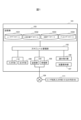
- FIG. 2 is a block diagram showing the functional configuration of an electrophoretic apparatus and the configuration of an electrophoretic analysis system.
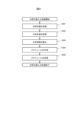
- 11 is a flowchart showing an analysis plan input process.
- FIG. 13 is a diagram showing an example of an input screen in an analysis plan input process.
- FIG. 13 is a flowchart showing an analysis plan input process when inputting from a user terminal.
- 11 is a flowchart showing an outline of a preparation notification process.
- FIG. 11 is a diagram showing an example of an output result in the advance preparation notification process.
- FIG. 11 is a diagram showing an example of an output result in the advance preparation notification process.
- 11 is a flowchart showing an outline of preparation confirmation processing.
- FIG. 13 shows a schedule screen including preheat.
- FIG. 1 is a block diagram showing the configuration of an electrophoretic analysis system equipped with a plurality of electrophoretic devices.
- FIG. 1 is a block diagram showing the functional configuration of an electrophoresis device 101 and the configuration of an electrophoresis analysis system including the electrophoresis device 101.
- the electrophoresis device 101 is a device that performs analysis by electrophoresis using a reagent.
- the electrophoresis device 101 includes a schedule management unit 102 that, based on an analysis plan input from an input means 110 for inputting an analysis plan for an analysis to be performed by a user, identifies the reagents required to execute the analysis plan and the advance preparation time required for advance preparation to bring the reagents required for execution of the analysis plan to the appropriate temperature.
- the schedule management unit 102 outputs, to the output means 108, reagent information including the names of the reagents required to execute the analysis plan and the advance preparation time required for advance preparation to bring the reagents to the appropriate temperature.
- the user can know information about the reagents required to execute the input analysis plan and the time required to prepare those reagents, so they can understand the overall time required for advance preparation of the reagents.
- it is possible to support preparation for the analysis by ensuring that the reagents are at an appropriate temperature for the analysis.
- the accuracy of the analysis can be improved.
- the electrophoresis device 101 also includes a memory unit 103, a transmission unit 104, a reception unit 105, a reading unit 106, a reagent holding unit 107, an input means 110, and an output means 108.
- the storage unit 103 stores various data and programs for schedule management, etc.
- the storage unit 103 stores a user database 1031, an analysis plan database 1032, a reagent database 1033, and an assay database 1034.
- the storage unit 103 is composed of, for example, a hard disk, a flash memory, etc.
- the transmitting unit 104 transmits various data to an external device.
- the receiving unit 105 receives various data from an external device.
- the transmitting unit 104 and the receiving unit 105 are each composed of, for example, a communication module that transmits and receives data according to a predetermined communication protocol.
- the input means 110 is a device for inputting instructions and operations from the user, and is used to input the analysis plan for the analysis that the user intends to perform.
- the input means 110 is composed of, for example, a keyboard, a mouse, etc.
- the output means 108 is a device for outputting various data to the user, and is used to output the reagent information and advance preparation time specified by the schedule management unit 102.
- the reagent information and advance preparation time may be output at the same time or at different times.
- the output means 108 is composed of, for example, a display, a speaker, a printer, etc.
- the electrophoresis device 101 may include both the input means 110 and the output means 108, or may have only the output means 108 without the input means 110. It may also have an input/output means such as a touch panel in which the input means 110 and the output means 108 are integrated.
- the output means 108 outputs a GUI screen that functions as a GUI (Graphical User Interface) for the user to select or input instructions to the electrophoresis device 101.
- GUI Graphic User Interface
- the user operates the GUI screen using the input means 110.
- the output means 108 may output options for instructions to the electrophoresis device 101 by voice.
- the user may use a microphone as the input means 110 to give instructions by voice. Instructions to the electrophoresis device 101 and output to the user may be given by combining input/output via the GUI screen and by voice.
- the electrophoretic analysis system shown in FIG. 1 comprises an electrophoresis device 101 and a user terminal 111, which is an information and communication device.
- the electrophoresis device 101 comprises a schedule management unit 102. Based on an analysis plan for an analysis that the user intends to perform, inputted from the input means 110, the schedule management unit 102 identifies the reagents required to execute the analysis plan and the advance preparation time required when executing the analysis plan.
- the advance preparation time refers to the time required for advance preparation to bring the reagents required to execute the analysis plan to the appropriate temperature, and information indicating that time.
- the user terminal 111 which is an information and communication device, is connected to the electrophoresis device 101 via the network 109.
- the electrophoresis device 101 transmits to the user terminal 111 reagent information, including the names of reagents required to execute the analysis plan, and the advance preparation time required when executing the analysis plan.
- the user terminal 111 notifies the user of the reagent information and advance preparation time received from the electrophoresis device 101.
- the information can be notified by displaying on a display or touch panel, outputting audio from a speaker, outputting from a printer, etc.
- the user terminal 111 shown in FIG. 1 may be, for example, an information and communication device such as a mobile terminal or a tablet terminal.
- the user terminal 111 is connected to the electrophoresis device 101 via the network 109, and is capable of functioning as the input means 110 and the output means 108.
- the configuration may use multiple user terminals 111.
- input means 110 when used, it may refer to either the input means 110 provided in the electrophoresis device 101 or the user terminal 111, or both.
- output means 108 when used, it may refer to either the output means 108 provided in the electrophoresis device 101 or the user terminal 111, or both.
- the schedule management unit 102 controls and performs calculations for each component of the electrophoresis device 101.
- the schedule management unit 102 is realized by a calculation device such as a CPU (Central Processing Unit) and storage devices such as a RAM (Random Access Memory) and a ROM (Read Only Memory) executing a predetermined program.
- a calculation device such as a CPU (Central Processing Unit) and storage devices such as a RAM (Random Access Memory) and a ROM (Read Only Memory) executing a predetermined program.
- the schedule management unit 102 stores information input from the input means 110 in the storage unit 103.
- the schedule management unit 102 receives the information input to the user terminal 111 via the receiving unit 105 and stores it in the storage unit 103.
- the schedule management unit 102 can also be configured to control the process of generating a GUI related to schedule management.
- the user registers a user account in the user settings on the GUI screen, and inputs user information corresponding to the user account using the input means 110.
- User information is information for each user of the electrophoresis device 101, and is used for the purposes of specifying the destination of output notifications and for the purposes of registering settings for each user. Examples of user information that can be input include the user name, the IP address of the user terminal 111 used by the user, a telephone number, and an email address.
- the schedule management unit 102 stores the user information input from the input means 110 in a user database 1031 in the storage unit 103.
- the user may perform user settings from a GUI screen displayed on the input means 110 provided in the electrophoresis device 101, or may perform user settings from a user terminal 111.
- input may be made using an input screen on a browser, or input may be made from a dedicated form on an application installed on the user terminal 111.
- the input analysis plan can be linked to the user who input the analysis plan.
- the advance preparation time described below may be set as user information in the user settings.
- the reagent is, for example, a migration medium such as a polymer that forms a gel, or a buffer solution used in electrophoresis.
- Reagent information according to the contents is added to the reagent container in which the reagent is filled.
- the reagent information is, for example, information indicating the reagent name, type of reagent, expiration date, amount of reagent, etc.
- the migration medium container in which the migration medium is filled is provided with a two-dimensional barcode or the like on which information identifying the migration medium is recorded.
- the reagent information added to the reagent container is not limited to a two-dimensional barcode, and may be expressed as a one-dimensional barcode, a number, a character string, etc. It is sufficient that the reagent container and the reagent information that identifies the reagent filled in the reagent container are linked.
- the reading unit 106 reads the reagent information attached to the reagent container set in the reagent holding unit 107.
- the reading unit 106 is, for example, a barcode reader, and can read the reagent information recorded in a two-dimensional barcode or the like attached to the reagent container. If the reagent information is a number or a character string, the reagent information may be input using the input means 110. By obtaining the reagent information attached to the reagent container, it is possible to check whether the reagent required for analysis is sufficient or insufficient.
- the reagent database 1033 of the storage unit 103 stores the reagent information read by the reading unit 106 or the reagent information input using the input means 110 as on-board reagent information.
- the on-board reagent information is reagent information on the reagent held by the reagent holding unit 107, and is information indicating the reagent name, reagent type, expiration date, remaining amount of reagent, etc. of the reagent held by the reagent holding unit 107.
- the remaining amount of reagent is calculated by the schedule management unit 102 from the amount of reagent and the number of analyses, and is stored in the reagent database 1033.
- the assay database 1034 in the memory unit 103 stores reagent information on the reagents used in the analysis and assay information related to electrophoresis.
- the assay information includes information on the operating conditions and analysis conditions of the electrophoresis, such as the type of electrophoretic medium used and the electrophoretic time for analysis. The user can customize the operating conditions and analysis conditions of the electrophoresis and combine them with the on-board reagent information stored in the reagent database 1033 to create a new assay.
- FIG. 2 is a flowchart showing the analysis plan input process.
- the analysis plan input process flow when the analysis plan is input using the input means 110 provided in the electrophoresis device 101 will be explained using FIG. 2.
- the analysis plan input process begins. First, the user selects or inputs an analysis plan (step S201).
- FIG. 3 shows an example of an input screen for the analysis plan input process.
- a GUI screen such as that shown in FIG. 3 is displayed on a display or touch panel. The user inputs (selects) the analysis plan on such a GUI screen.
- An analysis plan defines the content of the analysis that the user intends to perform, the number of samples to be analyzed, the analysis sequence, the analysis conditions, etc.
- An analysis plan is entered for each user and linked to the user account.
- an analysis plan is composed of items such as an analysis plan name 301, an analysis start time 302, an analysis execution sequence 303, sample positions 304 and 305 to be used in the analysis, reagent information for the reagents to be used in the analysis, and assay conditions 306 including electrophoresis operating conditions and analysis conditions.
- the schedule management unit 102 calculates the time required for each assay from the electrophoresis operating conditions of the input assay conditions 306, and displays it in the column of expected time required for each assay 307 on the GUI screen.
- the schedule management unit 102 also calculates the total time required for the analysis of the analysis plan from the calculated required time for each assay, and displays it in the column of expected total execution time 308 on the GUI screen.
- the schedule management unit 102 also calculates the end time of the analysis from the analysis start time 302 and the total expected execution time 308, and displays it in the column of expected analysis end time 309 on the GUI screen.
- each item that defines the analysis plan may be input or selected.
- the user may input the analysis plan name 301 and the analysis start time 302, and the number of samples to be used in the analysis, the sample positions 304 and 305 to be used in the analysis, reagent information for the reagents to be used in the analysis, and assay conditions 306 including electrophoresis operating conditions and analysis conditions may be selected by the user from preset candidates.
- Selection candidates can be created by the schedule management unit 102, for example, based on the reagent information installed in the device or the reading results by the reading unit 106.
- multiple types of analysis plans that have been set in advance may be stored in the analysis plan database 1032.
- the schedule management unit 102 may display multiple analysis plan candidates that have been set in advance on the GUI screen, and then the user may select from among them the analysis plan for the analysis that he or she wishes to perform.
- step S202 of FIG. 2 the storage unit 103 links the input analysis plan information with the user information of the user who input the analysis plan, and stores the information in the analysis plan database 1032 (step S202).
- the schedule management unit 102 calculates the time required for the analysis of each analysis plan based on the information of the analysis plan stored in the analysis plan database 1032 (step S203). For each candidate analysis plan, the schedule management unit 102 calculates the time required for each assay and the overall time required, and obtains the estimated required time 307, estimated execution time 308, and estimated analysis completion time 309.
- the schedule management unit 102 creates a schedule that visualizes the analysis plans stored in the analysis plan database 1032, based on the information on the analysis plans stored in the analysis plan database 1032 and the calculation results of the required time for each analysis plan calculated in step S203 (step S204).
- the analysis start time 302 and the predicted analysis end time 309, which is the analysis start time 302 plus the predicted execution time 308, are visualized on the schedule.
- the schedule management unit 102 outputs the schedule created in step S204 to the GUI screen (step S205).
- the schedule can be output independently and in parallel with the notification of the reagent information and the advance preparation time described below.
- Fig. 4 shows the schedule screen. It is preferable that the schedule output to the GUI screen displays the date, day of the week, time, name of the analysis plan, etc., as shown in Fig. 4.
- the output schedule forms squares for each date, separated by the specified analysis execution time, and indicates whether or not there is an analysis plan by color-coding the squares.
- the planned analysis plan cell displays the name of the analysis plan.
- the planned analysis plan cell may also display the user name, assay information indicating the content of the analysis plan, etc.
- the analysis plan cells may be configured to be color-coded for each user or content of the analysis plan. Color coding allows users to easily identify their own plans.
- each square can be selected by touch operation or mouse click operation, and when a square of a planned analysis plan is selected, the entered user name and the contents of the analysis plan can be confirmed.
- the series of analysis plan input processes is completed.
- a schedule that reflects the input analysis plan is displayed, allowing the user to check whether the input analysis plan has been correctly stored.
- the user can check what analysis plans are scheduled before and after the analysis plan.
- the system may be configured to notify the user of this fact.
- Methods of notification include, for example, displaying an error message on the GUI screen, or displaying the overlapping squares in a different color than the other squares. This configuration makes it possible to prevent the date and time from overlapping with an analysis plan that has already been input.
- steps S203 to S205 may be executed before step S201 in Figure 2 is executed, and a schedule such as that shown in Figure 4 may be output first.
- steps S203 to S205 may be executed before step S201 in Figure 2 is executed, and a schedule such as that shown in Figure 4 may be output first.
- the date and time corresponding to the selected box becomes the analysis start date and time, and the process proceeds to step S201 in Figure 2.
- Steps S202 to S205 are then executed.
- the analysis plan input process can be started, and proceed to steps S201 and S202. Between steps S202 and S203, a step can be provided in which the user can select on the GUI screen whether or not to confirm the analysis plan. If the answer is YES (confirm) at this step, steps 203 to S205 are executed, and if the answer is NO (do not confirm), a selection system can be provided in which the analysis plan input process ends with step S202.
- FIG. 5 is a flowchart showing the analysis plan input process when inputting from a user terminal.
- the analysis plan input process flow when inputting an analysis plan using the user terminal 111 (input means 110, output means 108) is explained using FIG. 5.
- the analysis plan input process starts when a button for starting the analysis plan input process is selected on the screen of the user terminal 111. First, the user inputs the analysis plan into the user terminal 111.
- each item that defines the analysis plan may be input as in step S201 in FIG. 2, or the analysis plan for the analysis to be performed may be selected from multiple pre-set analysis plan candidates.
- the user may input the analysis plan name and analysis start time, and select the number of samples to be used in the analysis, the sample positions to be used in the analysis, reagent information for the reagents to be used in the analysis, assay conditions, etc. from pre-set candidates.
- the analysis plan information input to the user terminal 111 is transmitted from the user terminal 111 to the electrophoresis device 101.
- the receiving unit 105 receives the analysis plan information transmitted from the user terminal 111 (step S501).
- the storage unit 103 associates the received analysis plan information with the user information of the user who input the analysis plan, and stores it in the analysis plan database 1032 (step S502).
- step S503 the analysis time is calculated (step S503) and a schedule is created (step S504).
- the processing from steps S503 to S504 is the same as the processing from steps S203 to S204 in FIG. 2.
- step S504 in FIG. 5 the schedule management unit 102 transmits (outputs to an output means) the schedule created in step S504 to the user terminal 111 via the transmission unit 104 (step S505).
- step S505 ends, the series of analysis plan input processing ends.
- an analysis plan can be input from the user terminal 111, and a schedule reflecting the input analysis plan can be confirmed on the user terminal 111.
- the schedule By configuring the schedule to be confirmed on the user terminal 111, the user can make an analysis reservation even from a location away from the electrophoresis device 101. This eliminates the need for the user to go to the location where the electrophoresis device 101 is installed just to make a reservation.
- steps S503 to S505 may be executed first, and a schedule such as that in FIG. 4 may be output first. In this case, first select the box on the output schedule for the date and time you wish to perform the analysis. The date and time corresponding to the selected box becomes the analysis start date and time, and the process proceeds to step S501 in FIG. 5. Then, steps S502 to S505 are executed.
- the analysis plan input process can be started, and then proceed to steps S501 and S502. Between steps S502 and S503, a step can be provided in which the user selects on the screen of the user terminal 111 whether or not to confirm the analysis plan. If the answer is YES (confirm) at this step, steps S503 to S505 are executed, and if the answer is NO (do not confirm), a selection system can be provided in which the analysis plan input process ends with step S502.
- Advance preparation means the task of bringing the reagents to be used in the analysis to an appropriate temperature.
- reagents such as migration media and buffer solutions are stored at low temperatures. These reagents tend to produce better analysis results when used in the analysis after reaching environmental temperature (room temperature) rather than when used in the analysis at low temperatures.
- room temperature environmental temperature
- the user can improve the accuracy of the analysis by performing advance preparations to bring reagents stored at low temperatures back to the appropriate temperature, for example, room temperature.
- the pre-preparation time required for pre-preparation can be set in an appropriate manner, such as manually or automatically. For example, when the user inputs the analysis plan, the user inputs the time based on the environmental temperature, etc. Alternatively, the user appropriately calculates the time based on the environmental temperature, etc. and sets it as user information for each user. Alternatively, data on the pre-preparation time corresponding to the reagent type or reagent name is stored, for example, in the reagent database 1033. Alternatively, the schedule management unit 102 calculates the pre-preparation time from information such as weather, temperature, and humidity, and stores it in the database. On the schedule, temporal overlap between each analysis plan is prohibited, but temporal overlap with other analysis plans and pre-preparation is permitted for the pre-preparation time.
- the electrophoresis device 101 includes a reagent holding unit 107 that holds multiple reagents used in the analysis, a reagent database 1033 that stores information about the reagents installed in the device, including the names, expiration dates, and remaining amounts of the reagents held in the reagent holding unit 107, and an analysis plan database 1032 that stores information about the analysis plan input from the input means 110, and it is preferable that the analysis plan includes information indicating the analysis start time.
- the schedule management unit 102 When multiple analysis plans are stored in the analysis plan database 1032, the schedule management unit 102 preferably identifies reagents that require advance preparation in order to execute the target analysis plan based on analysis plans planned before the target analysis plan that the user intends to execute and on-board reagent information for the device, and outputs reagent information including the names of the reagents that require advance preparation to the output means 108.
- FIG. 6 is a flowchart showing an overview of the advance preparation notification process.
- the advance preparation notification process flow which notifies the user of information to support the advance preparation work, will be described with reference to FIG. 6.
- reagent information for reagents required to execute the analysis plan can be output by reflecting the advance preparation time required when executing the analysis plan.
- the preparation start time can be calculated by counting the advance preparation time from the analysis start time based on information indicating the analysis start time stored in the analysis plan database 1032 and information on the preset advance preparation time, so that the reagent information and advance preparation time can be notified to the user based on the calculated preparation start time.
- the advance preparation notification process can be started.
- the advance preparation notification process is started, first, the reagents required to execute the analysis plan are identified based on the analysis plan that the user is going to execute (step S601).
- the schedule management unit 102 predicts reagent usage for the target analysis plan based on analysis plans planned before the target analysis plan, which are stored in the analysis plan database 1032, and the information on reagents installed in the device stored in the reagent database 1033 (step S602).
- the quantity of reagents at the start of the target analysis plan is predicted based on the analysis plan up until the start of the target analysis plan, the current sufficiency and shortage of reagent types, and the expiration date and remaining amount of reagent for each reagent.
- the schedule management unit 102 determines whether the target analysis plan can be analyzed with the reagents currently held by the reagent holding unit 107, and determines whether advance preparation is necessary for the target analysis plan (step S603). In determining whether advance preparation is necessary, it determines whether the quantity of reagents currently held by the reagent holding unit 107 is equal to or greater than the quantity of reagents required by the end of the target analysis plan, based on the contents of the target analysis plan, the quantity of reagents at the start of the target analysis plan, and the number of samples to be analyzed in the target analysis plan, and determines the need to replenish the reagents.
- step S605 the process proceeds to step S605, in which reagents that require advance preparation are identified and advance preparation information is transmitted.
- the schedule management unit 102 outputs advance preparation information that identifies reagents that require advance preparation.
- advance preparation information reagent information including the reagent names of reagents that require advance preparation to execute the target analysis plan is transmitted to the user terminal 111 of the user linked to the target analysis plan.
- reagent information including the reagent names of reagents that require advance preparation is displayed on the output means 108 such as a display or touch panel provided in the electrophoresis device 101.
- a reagent that requires advance preparation means a reagent that is predicted to be in short supply when the target analysis plan is executed among the reagents identified in step S601.
- the series of advance preparation notification processes is completed.
- the electrophoresis device 101 is equipped with a schedule management unit 102 that, based on an analysis plan input from an input means 110 for inputting an analysis plan for an analysis to be performed by a user, identifies the reagents required to execute the analysis plan and the advance preparation time required to bring the reagents required when executing the analysis plan to the appropriate temperature, and a program that notifies the user of reagent information, including the names of the reagents required to execute the analysis plan, and the advance preparation time.
- a schedule management unit 102 that, based on an analysis plan input from an input means 110 for inputting an analysis plan for an analysis to be performed by a user, identifies the reagents required to execute the analysis plan and the advance preparation time required to bring the reagents required when executing the analysis plan to the appropriate temperature, and a program that notifies the user of reagent information, including the names of the reagents required to execute the analysis plan, and the advance preparation time.
- the programs installed in the electrophoresis device 101 are programs for causing a computer to execute the functions of the schedule management unit 102, the function of outputting to the output means 108, and the function of generating a user interface such as a GUI, and are stored in a readable storage device or storage medium.
- the program installed in the electrophoresis device 101 has at least a schedule management function section that manages user information and analysis plan information, reads the analysis plan, associates the analysis plan information with the user information of the user who input the analysis plan, calculates the time required for analysis for each analysis plan, and creates a schedule based on the calculation results of the time required for analysis, and an image generation function section that generates images of schedules, GUIs, etc.
- the program installed in the electrophoresis device 101 can also include a determination function section for obtaining information on the quantity of reagents currently held for the advance preparation notification process, predicting the quantity of reagents at the start of the target analysis plan, predicting the quantity of reagents required to execute the target analysis plan, comparing the quantity of reagents currently held with the quantity of reagents required to execute the analysis plan, and determining whether the target analysis plan can be analyzed.
- the schedule management unit 102 can output reagent information, including the names of reagents that require advance preparation, to the individual output means 108 or user terminal 111 that requires notification.
- the output destination that requires notification can be identified by the registration status in the user information, or by matching with the user account used for input. With this configuration, it is possible to notify users who want advance preparation information.
- the schedule management unit 102 may also be configured to output to an output means 108 specified by the user, or to transmit to a user terminal 111 specified by the user. This makes it possible to notify the user who executes the analysis plan of reagent information that requires advance preparation, even if the user who inputs the analysis plan is different from the user who actually executes the analysis plan.
- a method can be used in which the notification destination information of the output means 108 to be notified is set in advance in the user settings, or a method can be used in which the notification destination information of the output means 108 to be notified when the analysis plan is input is input.
- the schedule management unit 102 may be configured to output to the output means 108 of the user who input the analysis plan, or to transmit to the user terminal 111 of the user who input the analysis plan.
- FIG. 7 is a diagram showing an example of the output result of the advance preparation notification process.
- the user terminal 111 receives the advance preparation information sent in step S605 and notifies the user of the advance preparation information.
- the user can check on the user terminal 111 whether advance preparation is required in the form of a text email urging the user to make advance preparation.
- the text may display information such as the name of the target analysis plan, the analysis start time, the user's email address, and the name and type of reagent for which advance preparation is required.
- step S603 in FIG. 6 proceeds to step S604. If step S603 is NO, it means that the target analysis plan can be analyzed without replacing the reagent currently installed in the electrophoresis device 101, and the installed reagent can be used as is for the target analysis. In other words, the user can simply use, for example, the migration medium and buffer solution already set in the electrophoresis device 101 for the target analysis plan, and no advance preparation is required.
- step S604 the schedule management unit 102 outputs information that advance preparation is not required.
- a message is sent to the user terminal 111 of the user linked to the target analysis plan to inform the user that no new advance preparation is required to execute the target analysis plan, or that there are no reagents that require advance preparation.
- a message is displayed on the output means 108 such as a display or touch panel provided in the electrophoresis device 101 to inform the user that no new advance preparation is required to execute the target analysis plan, or that there are no reagents that require advance preparation. Both transmission to the user terminal 111 and display on the output means 108 may be performed.
- FIG. 8 is a diagram showing an example of the output result of the advance preparation notification process. If advance preparation is not required, the user terminal 111 receives the information that advance preparation is not required sent in step S604, and notifies the user that advance preparation is not required. For example, as shown in FIG. 8, the user checks a text email on the user terminal 111 indicating that advance preparation is not required. The text displays information such as the name of the target analysis plan, the start time of the analysis, and the user's email address.
- the system is configured to notify the user whether or not advance preparation is necessary, so that the user who entered the analysis plan can confirm through the notification that the analysis plan is being managed correctly and that the system is operating correctly.
- the user can check information about reagents that require advance preparation on the screen of the user terminal 111. This allows the user to check reagent information and perform advance preparation work even from a location far away from the electrophoresis device 101. This can avoid situations where, when the user is about to start analysis, a reagent other than the one to be used for the analysis is installed in the device, or the amount of reagent installed is insufficient to allow analysis to begin immediately.
- the schedule management unit 102 calculates the pre-preparation start time when the user will begin pre-preparation based on the analysis plan information and the pre-preparation time, and outputs to the output means 108 a notification of reagent information on the reagents that are the subject of the pre-preparation and pre-preparation information related to the pre-preparation so that the user can begin the pre-preparation work at the pre-preparation start time.
- the user can be aware that it is time to start the pre-preparation, and can perform the analysis on time without forgetting to do the pre-preparation work.
- the schedule management unit 102 executes steps S601 to S605 in FIG. 6 so that user A can start advance preparation work 40 minutes (9:20) before the analysis start time, and transmits reagent information including the reagent names of reagents requiring advance preparation to user A's user terminal 111.
- the timing of transmission is not limited and may be the advance preparation start time (9:20) or any time earlier, as long as the configuration is such that the information is transmitted to user A's user terminal 111 so that user A can start advance preparation work at the advance preparation start time (9:20).
- the schedule management unit 102 executes steps S601 to S605 in FIG. 6 40 minutes (9:20) before the analysis start time, and transmits reagent information including the names of reagents that require advance preparation to user A's user terminal 111 in advance. Thereafter, the schedule management unit 102 may transmit a command (signal) to user A's user terminal 111 so that an alarm is output on user A's user terminal 111 at the advance preparation start time (9:20). User A's user terminal 111 receives the signal and executes the alert.
- the user terminal 111 is equipped with a program that receives a signal output from the electrophoresis device 101, which includes a schedule management unit 102 that identifies the reagents required to execute the analysis plan and the advance preparation time required to bring the reagents required for executing the analysis plan to the appropriate temperature based on the analysis plan input from the input means 110 for inputting the analysis plan of the analysis to be performed by the user, and notifies the reagent information including the names of the reagents required to execute the analysis plan and the advance preparation time via the output means 108.
- a schedule management unit 102 that identifies the reagents required to execute the analysis plan and the advance preparation time required to bring the reagents required for executing the analysis plan to the appropriate temperature based on the analysis plan input from the input means 110 for inputting the analysis plan of the analysis to be performed by the user, and notifies the reagent information including the names of the reagents required to execute the analysis plan and the advance preparation time via the output means 108.
- the program installed in the user terminal 111 is a program for causing a computer to execute a function of receiving specific results by the schedule management unit 102 from the electrophoresis device 101 and a function of outputting specific results by the schedule management unit 102 to the user terminal 111, and is stored in a readable storage device or storage medium.
- the program installed in the user terminal 111 has at least a terminal function unit that processes the reception of user information and analysis plans, and the transmission and reception of information to and from the schedule management unit 102.
- the reception and transmission of information can be performed using a dedicated application that functions as a user interface, an add-in to existing communication software, or existing communication software.
- the transmission and reception of information may be performed using secure communication using an authentication method.
- the program installed in the user terminal 111 may also include a monitoring function unit that receives the operating status of each electrophoresis device 101, receives schedule management results generated by the schedule management unit 102, and processes the display of the schedule management results generated by the schedule management unit 102.
- the schedule management results such as the schedule and GUI generated by the schedule management unit 102, can also be checked by the user on a dedicated application executed on the user terminal 111, along with the operating status of each electrophoresis device 101.
- an alarm may be output to the output means 108 provided in the electrophoresis device 101. If the output means 108 is a display or a touch panel, an alarm urging the user to start the advance preparation can be displayed on the screen at the time to start the advance preparation. Also, if the output means 108 is a speaker, the user can be prompted to start the advance preparation by sound.
- the user terminal 111 may be a computer terminal such as a personal computer, or may be an information and communication device such as a mobile information terminal.
- mobile information terminals include smartphones, tablets, mobile phones, personal digital assistants (PDAs), and dedicated mobile information terminals that notify information related to the electrophoresis device 101.
- PDAs personal digital assistants
- the information and communication device equipped with the program receives a signal output from an electrophoresis device equipped with a schedule management unit that specifies the reagents required to execute the analysis plan and the advance preparation time required to bring the reagents required for the execution of the analysis plan to the appropriate temperature based on the analysis plan input from an input means for inputting the analysis plan of the analysis to be performed by the user, and notifies the user of the reagent information including the names of the reagents required to execute the analysis plan and the advance preparation time.
- the advance preparation time is calculated, and reagent information requiring advance preparation is sent to the user terminal 111 or displayed on the screen of the output means 108, or both, so that the user can start the advance preparation work at the advance preparation start time.
- the configuration may be such that the user can check the reagent information requiring advance preparation and the advance preparation time using the output means 108 provided in the electrophoresis device 101 when they wish to check.
- Figure 9 is a flowchart showing an overview of the advance preparation confirmation process.
- the advance preparation notification process flow which notifies the user of information to support advance preparation work along with reagent information and advance preparation time, is explained using Figure 9.
- the analysis plan input process begins.
- the schedule management unit 102 calculates the time required for the analysis of each analysis plan based on the analysis plan information stored in the analysis plan database 1032 (step S901).
- the schedule management unit 102 calculates the required time for each assay and for the entire analysis, and determines the estimated required time 307, estimated execution time 308, and estimated analysis completion time 309.
- the schedule management unit 102 creates a schedule that visualizes the analysis plans stored in the analysis plan database 1032 based on the information on the analysis plan stored in the analysis plan database 1032 and the calculation results of the required time for each analysis plan calculated in step S901 (step S902).
- the schedule management unit 102 displays the schedule created in step S902 on the GUI screen (step S903).
- the user selects the analysis plan for which the user wants to check the advance preparation contents (step S904).
- the processing from steps S905 to S907 is the same as the processing from steps S601 to S603 in FIG. 6.
- step S907 the schedule management unit 102 determines whether the target analysis plan can be analyzed using the reagents currently held by the reagent holding unit 107, and determines whether advance preparation is required for the target analysis plan.
- step S909 in which information about reagents that require advance preparation is output.
- the schedule management unit 102 incorporates the reagent information, including the names of reagents that require advance preparation, and the advance preparation time into the schedule visualized on the GUI screen, and outputs the result to the output means 108.
- the GUI screen display the name of the analysis plan, the analysis start time, the analysis time, reagent information about the reagents used in the analysis, the assay conditions, the amount of reagent required, etc. This information may be displayed as a dialogue screen.
- step S907 the process proceeds to step S908.
- step S908 the schedule management unit 102 outputs information that advance preparation is not required.
- a message that no new advance preparation is required to execute the target analysis plan or that no reagents require advance preparation is sent to the user terminal 111 of the user linked to the target analysis plan.
- a message that no new advance preparation is required to execute the target analysis plan or that no reagents require advance preparation is displayed on the output means 108 such as a display or touch panel provided in the electrophoresis device 101. Both transmission to the user terminal 111 and display on the output means 108 may be performed.
- the user can check information about reagents that require advance preparation and the advance preparation time on a visualized schedule whenever they want. If advance preparation is required, the user is notified of a schedule that reflects the advance preparation time along with the reagent information, allowing the user to more reliably carry out advance preparation in a timely manner.
- FIG. 10 is a diagram showing a schedule screen including preheating.
- the visualized schedule created by the schedule management unit 102 may be configured to display the preheating time.
- the capillary flow path is kept at a constant temperature.
- the user performs preheating to stabilize the capillary flow path temperature.
- FIG. 11 is a block diagram showing the configuration of an electrophoresis analysis system equipped with multiple electrophoresis devices.
- the block diagram showing the functional configuration of the electrophoresis device 101 and the configuration of the electrophoresis analysis system in FIG. 1 only one electrophoresis device 101 is shown.
- multiple electrophoresis devices 101 may be connected via a network 109.
- multiple electrophoresis devices 101 may each be configured to be connected to a server 112 via a network 109.
- multiple user terminals 111 may be connected to the electrophoresis devices 101 and the server 112 via the network 109.
- the transmission unit 104 transmits information to the user terminals 111 and the server 112.
- the reception unit 105 receives information transmitted from the input means 110 and the server 112.
- the user inputs the analysis plan using the input means 110.
- the input means for inputting the analysis plan may be the input means 110 provided in the electrophoresis device 101, or may be a user terminal 111 that is connected to the electrophoresis device 101 via a network 109 and serves as both the input means 110 and the output means 108.
- the server 112 manages information on multiple electrophoresis devices 101 and multiple users.
- the server 112 receives the input analysis plan and data from the analysis plan database 1032 provided in each electrophoresis device 101.
- the server 112 may be formed by a single piece of hardware, may be formed by multiple pieces of hardware, or may be formed in a distributed manner on the network 109.
- the server 112 registers the schedule information of each electrophoresis device 101 in the database. Furthermore, when there are multiple users, the server 112 registers the analysis plan information input for each user or each analysis in the database.
- the input analysis plan is assigned to an electrophoresis device 101 that has an available schedule, and the registration information of the input analysis plan and the registration information of the electrophoresis device 101 are registered in association with each other.
- the server 112 can have a function of comparing the analysis start time and the expected analysis end time of each analysis plan to each other so that each analysis plan does not overlap with other analysis plans, and assigning each analysis plan to an electrophoresis device 101 that has an available schedule.
- the schedule of the analysis plans created for each electrophoresis device 101 may be created and managed in an integrated manner by the server 112, or may be created and managed individually by each electrophoresis device 101.
- the server 112 can have a function to compare the analysis start time and the expected analysis end time of each analysis plan to determine whether the analysis plan input by the user can be executed, a function to update the schedule of each electrophoresis device 101 based on the result of the determination, and a function to notify information identifying the electrophoresis device 101 to which the analysis plan is assigned.
- the information identifying the electrophoresis device 101 to which the analysis plan is assigned can be notified along with reagent information and advance preparation time based on the updated schedule.
- the server 112 can have a function to transmit the analysis start time and the expected analysis end time of the analysis plan input by the user to each electrophoresis device 101, a function to request each electrophoresis device 101 to determine whether or not the analysis plan input by the user can be executed, and a function to receive the result of the requested determination from each electrophoresis device 101.
- each electrophoresis device 101 can have a function to accept a request for judgment sent from the server 112, a function to compare the analysis start time and the expected analysis end time of each analysis plan to each other and to judge whether or not the analysis plan input by the user can be executed, and a function to send the result of the requested judgment to the server 112.
- each electrophoresis device 101 The results of the judgment in each electrophoresis device 101 are sent to the server 112 after the schedule of the analysis plan for that electrophoresis device 101 has been finalized. If the input analysis plan has been appropriately assigned to an electrophoresis device 101, the user is notified of this. In addition, in each electrophoresis device 101, if the time period of the input analysis plan overlaps even partially with the operation schedule of any electrophoresis device 101, or overlaps with the operation schedule of all electrophoresis devices 101, the user is notified of this.
- the server 112 can request a judgment from another electrophoresis device 101 among the multiple registered electrophoresis devices 101 for which a judgment has not yet been requested.
- the server 112 can end the process when inquiries to all registered electrophoresis devices 101 have been completed, when a preset number of inquiries has been reached, when an electrophoresis device 101 capable of executing the analysis plan has been determined, etc.
- the user can be notified that another electrophoresis device 101 that is available during the same time period can be used. Since the user can use an electrophoresis device 101 that has available operation schedules, efficient analysis can be supported even when analyses are performed by multiple users or a large number of analyses are being performed.
- the server 112 receives the input analysis plan and data from the database of the electrophoresis device 101.
- the server 112 may be configured to identify the reagents required to execute the analysis plan and the advance preparation time required for advance preparation to bring the reagents required for execution of the analysis plan to the appropriate temperature based on the analysis plan input from the input means 110 for inputting the analysis plan of the analysis to be performed by the user.
- the server 112 may output reagent information including the names of the reagents required to execute the analysis plan and the advance preparation time required for advance preparation to bring the reagents to the appropriate temperature to the output means 108 via the network 109.
- the present invention is not limited to the above-described embodiments, and various modifications are possible without departing from the spirit of the present invention.
- the present invention is not necessarily limited to having all of the configurations of the above-described embodiments. It is possible to replace part of the configuration of an embodiment with another configuration, add part of the configuration of an embodiment to another form, or omit part of the configuration of an embodiment.
- Electrophoresis apparatus 102 Schedule management unit 103 Storage unit 1031 User database 1032 Analysis plan database 1033 Reagent database 1034 Assay database 104 Transmission unit 105 Reception unit 106 Reading unit 107 Reagent storage unit 108 Output means 109 Network 110 Input means 111 User terminal 112 Server
Landscapes
- Health & Medical Sciences (AREA)
- Life Sciences & Earth Sciences (AREA)
- Molecular Biology (AREA)
- Chemical & Material Sciences (AREA)
- Chemical Kinetics & Catalysis (AREA)
- Electrochemistry (AREA)
- Physics & Mathematics (AREA)
- Analytical Chemistry (AREA)
- Biochemistry (AREA)
- General Health & Medical Sciences (AREA)
- General Physics & Mathematics (AREA)
- Immunology (AREA)
- Pathology (AREA)
- Automatic Analysis And Handling Materials Therefor (AREA)
Priority Applications (2)
| Application Number | Priority Date | Filing Date | Title |
|---|---|---|---|
| PCT/JP2023/010004 WO2024189812A1 (ja) | 2023-03-15 | 2023-03-15 | 電気泳動装置、プログラム、及び電気泳動分析システム |
| JP2025506344A JPWO2024189812A1 (https=) | 2023-03-15 | 2023-03-15 |
Applications Claiming Priority (1)
| Application Number | Priority Date | Filing Date | Title |
|---|---|---|---|
| PCT/JP2023/010004 WO2024189812A1 (ja) | 2023-03-15 | 2023-03-15 | 電気泳動装置、プログラム、及び電気泳動分析システム |
Publications (1)
| Publication Number | Publication Date |
|---|---|
| WO2024189812A1 true WO2024189812A1 (ja) | 2024-09-19 |
Family
ID=92754737
Family Applications (1)
| Application Number | Title | Priority Date | Filing Date |
|---|---|---|---|
| PCT/JP2023/010004 Ceased WO2024189812A1 (ja) | 2023-03-15 | 2023-03-15 | 電気泳動装置、プログラム、及び電気泳動分析システム |
Country Status (2)
| Country | Link |
|---|---|
| JP (1) | JPWO2024189812A1 (https=) |
| WO (1) | WO2024189812A1 (https=) |
Citations (5)
| Publication number | Priority date | Publication date | Assignee | Title |
|---|---|---|---|---|
| JP2006250622A (ja) * | 2005-03-09 | 2006-09-21 | Shimadzu Corp | キャピラリープレートを用いた電気泳動方法 |
| JP2008542683A (ja) * | 2005-05-24 | 2008-11-27 | 株式会社荏原製作所 | マイクロチップ電気泳動方法および装置 |
| JP2009168730A (ja) * | 2008-01-18 | 2009-07-30 | Hitachi High-Technologies Corp | 自動分析装置 |
| JP2019045446A (ja) * | 2017-09-07 | 2019-03-22 | 株式会社日立ハイテクノロジーズ | 自動分析装置 |
| WO2021176867A1 (ja) * | 2020-03-05 | 2021-09-10 | 株式会社日立ハイテク | 管理装置および依頼方法 |
-
2023
- 2023-03-15 WO PCT/JP2023/010004 patent/WO2024189812A1/ja not_active Ceased
- 2023-03-15 JP JP2025506344A patent/JPWO2024189812A1/ja active Pending
Patent Citations (5)
| Publication number | Priority date | Publication date | Assignee | Title |
|---|---|---|---|---|
| JP2006250622A (ja) * | 2005-03-09 | 2006-09-21 | Shimadzu Corp | キャピラリープレートを用いた電気泳動方法 |
| JP2008542683A (ja) * | 2005-05-24 | 2008-11-27 | 株式会社荏原製作所 | マイクロチップ電気泳動方法および装置 |
| JP2009168730A (ja) * | 2008-01-18 | 2009-07-30 | Hitachi High-Technologies Corp | 自動分析装置 |
| JP2019045446A (ja) * | 2017-09-07 | 2019-03-22 | 株式会社日立ハイテクノロジーズ | 自動分析装置 |
| WO2021176867A1 (ja) * | 2020-03-05 | 2021-09-10 | 株式会社日立ハイテク | 管理装置および依頼方法 |
Also Published As
| Publication number | Publication date |
|---|---|
| JPWO2024189812A1 (https=) | 2024-09-19 |
Similar Documents
| Publication | Publication Date | Title |
|---|---|---|
| JP6095900B2 (ja) | 在庫管理のシステムおよび方法 | |
| JP7079310B2 (ja) | 診断分析装置関連情報の集約方法および集約システム | |
| US20210027256A1 (en) | Systems and methods for operating an interactive repair facility including a service builder function | |
| CN106716461A (zh) | 仪器管理系统 | |
| JP5319631B2 (ja) | 生体サンプルの分析システム、方法及びコンピュータプログラム製品 | |
| CN110221904B (zh) | 一种业务流程控制方法 | |
| CN104737186B (zh) | 自动分析装置 | |
| US20190174250A1 (en) | Communications Tool For Requesting, Tracking, And/Or Managing Services | |
| TW201541396A (zh) | 資訊處理裝置、資訊處理方法、程式及記錄媒體 | |
| CN113192582A (zh) | 一种实验室信息化管理方法、系统及存储介质 | |
| CN110599126B (zh) | 日程创建方法、装置、电子设备及存储介质 | |
| CN103282873A (zh) | 用于实验室测定确认或验证的系统和方法 | |
| WO2024189812A1 (ja) | 電気泳動装置、プログラム、及び電気泳動分析システム | |
| JP2008204403A (ja) | 工事業者選定システム | |
| US20070136303A1 (en) | Monitoring a response time for a user request | |
| CN110191047A (zh) | 会话服务方法、装置、电子设备及计算机可读存储介质 | |
| Yu et al. | Employee engagement is vital for the successful selection of a total laboratory automation system | |
| CN116487016A (zh) | 联网护理机的报修匹配方法、装置、设备及存储介质 | |
| US20210295274A1 (en) | Workflow management device, workflow management system, method of managing workflow, and non-transitory recording medium | |
| JP6777866B2 (ja) | 情報処理装置、制御方法、及びプログラム | |
| US20190303182A1 (en) | System and method for providing advice and assistance through task-tracking systems | |
| JP7730057B1 (ja) | 飲食店予約管理システム、飲食店予約管理方法、飲食店予約管理装置、および飲食店予約管理プログラム | |
| DeSimone et al. | Method transfer for ligand-binding assays: recommendations for best practice | |
| KR102775491B1 (ko) | 메시징 서비스 방법 및 장치 | |
| JP7492299B1 (ja) | フォーム生成システム、フォーム生成方法及びフォーム生成プログラム |
Legal Events
| Date | Code | Title | Description |
|---|---|---|---|
| 121 | Ep: the epo has been informed by wipo that ep was designated in this application |
Ref document number: 23927433 Country of ref document: EP Kind code of ref document: A1 |
|
| WWE | Wipo information: entry into national phase |
Ref document number: 2025506344 Country of ref document: JP |
|
| NENP | Non-entry into the national phase |
Ref country code: DE |
|
| 122 | Ep: pct application non-entry in european phase |
Ref document number: 23927433 Country of ref document: EP Kind code of ref document: A1 |