WO2024166358A1 - 通信システム、通信制御方法およびプログラム - Google Patents
通信システム、通信制御方法およびプログラム Download PDFInfo
- Publication number
- WO2024166358A1 WO2024166358A1 PCT/JP2023/004555 JP2023004555W WO2024166358A1 WO 2024166358 A1 WO2024166358 A1 WO 2024166358A1 JP 2023004555 W JP2023004555 W JP 2023004555W WO 2024166358 A1 WO2024166358 A1 WO 2024166358A1
- Authority
- WO
- WIPO (PCT)
- Prior art keywords
- information
- unit
- message
- communication control
- request
- Prior art date
- Legal status (The legal status is an assumption and is not a legal conclusion. Google has not performed a legal analysis and makes no representation as to the accuracy of the status listed.)
- Ceased
Links
Images






Classifications
-
- H—ELECTRICITY
- H04—ELECTRIC COMMUNICATION TECHNIQUE
- H04L—TRANSMISSION OF DIGITAL INFORMATION, e.g. TELEGRAPHIC COMMUNICATION
- H04L41/00—Arrangements for maintenance, administration or management of data switching networks, e.g. of packet switching networks
- H04L41/08—Configuration management of networks or network elements
- H04L41/085—Retrieval of network configuration; Tracking network configuration history
Definitions
- This disclosure relates to a communication system, a communication control method, and a program.
- a home device management device has been proposed that manages ECHONET devices, which are devices that comply with the ECHONET (registered trademark) standard, via a network (see, for example, Patent Document 1).
- This home device management device periodically multicasts a request to acquire predetermined individual identification information that identifies the ECHONET device to the ECHONET devices connected to the network, receives individual identification information acquisition responses from each ECHONET device connected to the network, and manages the individual identification information included in the received individual identification information acquisition responses in association with the ECHONET addresses set in the ECHONET devices.
- the home appliance management device does not confirm the acquisition of the individual identification acquisition response from the ECHONET device that sent the individual identification acquisition response, so there is a risk that the ECHONET device that was the subject of the missed acquisition will be left unmanaged without its individual identification information being managed.
- This disclosure has been made in consideration of the above reasons, and aims to provide a communication system, a communication control method, and a program that can appropriately manage devices connected to a network.
- the communication system includes: a first communication control device connected to a local network to which devices are connected; a second communication control device connected to the local network;
- the first communication control device a first message acquisition unit that acquires a device message generated by the device via the local network based on a connectionless communication protocol; a transmission request unit that transmits, to the device, transmission request information that requests the device to transmit the device message;
- the second communication control device The device has a second message acquisition unit that acquires the device message generated by the device via the local network and stores the acquired device message in a message buffer that can store all of the device messages transmitted from the device to which the transmission request information is sent.
- the second message acquisition unit of the second communication control device acquires the device message generated by the device via the local network and stores the acquired device message in the message buffer described above. This allows all device messages sent from the device to be stored in the message buffer without omission, making it possible to appropriately manage the devices connected to the local network.
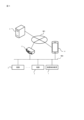
- FIG. 1 is a schematic configuration diagram of a communication system according to a first embodiment of the present disclosure.
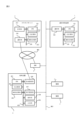
- FIG. 1 is a block diagram showing a hardware configuration of a communication system according to a first embodiment.
- FIG. 1 is a block diagram showing a functional configuration of a communication system according to a first embodiment.
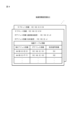
- FIG. 1 is a diagram showing an example of information stored in a device information storage unit of a cloud server according to the first embodiment;
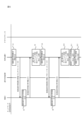
- FIG. 1 is a sequence diagram showing an operation of a communication system according to a first embodiment.
- FIG. 1 is a sequence diagram showing an operation of a communication system according to a first embodiment.
- FIG. 1 is a sequence diagram showing an operation of a communication system according to a first embodiment.
- FIG. 1 is a sequence diagram showing an operation of a communication system according to a first embodiment.
- FIG. 1 is a sequence diagram showing an operation of a communication system according to a first embodiment.
- FIG. 1 is a sequence diagram showing an operation of a communication system according to a first embodiment.
- FIG. 1 is a sequence diagram showing an operation of a communication system according to a first embodiment.
- FIG. 1 is a sequence diagram showing an operation of a communication system according to a first embodiment.
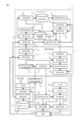
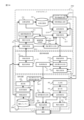
- 1 is a flowchart showing an example of a flow of a communication control process executed by a communication control device according to a first embodiment.
- 1 is a flowchart showing an example of the flow of a device control process executed by a cloud server according to the first embodiment.
- FIG. 11 is a block diagram showing a functional configuration of a communication system according to a second embodiment of the present disclosure.
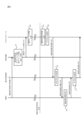
- FIG. 11 is a sequence diagram showing an operation of a communication system according to a second embodiment.
- FIG. 11 is a sequence diagram showing an operation of a communication system according to a second embodiment.
- FIG. 11 is a sequence diagram showing an operation of a communication system according to a second embodiment.
- 11 is a flowchart showing an example of a flow of a communication control process executed by a communication control device according to a second embodiment.
- 11 is a flowchart showing an example of the flow of a device control process executed by a cloud server according to a second embodiment.
- FIG. 11 is a block diagram showing a functional configuration of a communication system according to a third embodiment of the present disclosure.
- FIG. 11 is a sequence diagram showing an operation of a communication system according to a third embodiment.
- FIG. 11 is a flowchart showing an example of a flow of a communication control process executed by a communication control device according to a third embodiment.
- FIG. 13 is a block diagram showing a functional configuration of a communication system according to a modified example.
- 11 is a flowchart showing an example of the flow of a device control process executed by a cloud server according to a modified example.
- FIG. 13 is a block diagram showing a functional configuration of a communication system according to a modified example.
- the communication system according to the embodiment includes a first communication control device connected to a local network to which devices are connected, and a second communication control device connected to the local network.
- the first communication control device includes a first message acquisition unit that acquires a device message generated by the device via the local network based on a connectionless communication protocol, a transmission request unit that transmits transmission request information to the device, requesting the device to transmit the device message, a transmission request determination unit that determines whether the transmission request information is multicast to the device, and an acquisition request unit that transmits acquisition request information to the second communication control device, requesting the second communication control device to acquire a device message transmitted from the device, when it is determined that the transmission request information is multicast to the device.
- the second communication control device also includes an acquisition request determination unit that determines whether the acquisition request information is acquired, and a second message acquisition unit that acquires the device message generated by the device via the local network when it is determined that the acquisition request information is acquired, and stores the acquired device message in a message buffer that can store all device messages transmitted from the device to which the transmission request information is transmitted.
- the communication system includes a cloud server 2, a device 3 installed in a house, a communication control device 1 that transmits device messages generated by the device 3 to the cloud server 2, and a terminal device 4.
- the device 3, communication control device 1, and terminal device 4 can communicate with each other via a local network NW2 such as a wireless LAN (Local Area Network).
- the cloud server 2 can also communicate with a wide area network NW1 such as the Internet and a broadband router (hereinafter referred to as "BBR") 8.
- the device 3 is, for example, an air conditioner equipped with a wireless module, and communicates with the BBR 8, communication control device 1, and terminal device 4 via the local network NW2.
- the device 3 is, for example, an air conditioner equipped with a wireless module, and communicates with the communication control device 1 or the terminal device 4 via the local network NW2 using communication middleware such as ECHONETLite (registered trademark).
- the device 3 communicates with the communication control device 1 and the terminal device 4 based on a connectionless communication protocol, for example, using a communication protocol that employs UDP as a transport layer.
- the device 3 receives device status request information from the communication control device 1 requesting transmission of device status information indicating the device's status to the cloud server 2, the device 3 generates device status information including status parameter information indicating the device 3's status and transmits it to the communication control device 1.
- the device 3 when the device 3 receives device identification information request information from the communication control device 1 or the terminal device 4 requesting transmission of device identification information identifying the device, the device 3 generates device identification information response information including the above-mentioned device identification information in response to the request and transmits it to the communication control device 1.
- the device identification information request information is information including identification number information for identifying the device 3 at the application layer, and is, for example, an instance list request message that requests the device 3 to send an instance list notification message in the ECHONETLite standard communication protocol.
- the identification number information is, for example, information indicating a 16-byte identification number assigned to each device 3 in the ECHONETLite standard.
- the device identification information response information is information including the MAC address information and IP address information of the device 3, and is, for example, an instance list notification message that is multicast transmitted from the device 3 in the ECHONETLite standard communication protocol. Furthermore, the device 3 operates based on control information transmitted from the communication control device 1.
- the communication control device 1 transmits device messages generated by the device 3 to the cloud server 2 via the wide area network NW1.
- the communication control device 1 comprises a CPU (Central Processing Unit) 101, a main memory unit 102, an auxiliary memory unit 103, a communication unit 106, and a bus 109 connecting each unit.
- the main memory unit 102 is a volatile memory such as a RAM (Random Access Memory) and is used as a working area for the CPU 101.
- the auxiliary memory unit 103 has a non-volatile memory such as a semiconductor memory, functions as a ROM (Read Only Memory) storage, and stores programs for realizing various functions of the communication control device 1.
- the communication unit 106 has, for example, a wireless module, and performs wireless communication between the device 3 and the BBR 8.
- the CPU 101 loads the programs stored in the auxiliary memory unit 103 into the main memory unit 102 and executes them, thereby functioning as a message acquisition unit 111, an information transmission unit 112, an information acquisition unit 113, a transmission request unit 114, a transmission request determination unit 115, a message transmission unit 116, an acquisition request unit 117, and a multicast adoption availability information acquisition unit 118, as shown in FIG. 3.
- the message acquisition unit 111 acquires a device message sent from the device 3, and notifies the information transmission unit 112 of the acquired device message and the IP address information of the sender of the device message.
- This device message is the aforementioned device identification information response information or the aforementioned device status information.
- the information sending unit 112 encapsulates the device message acquired by the message acquisition unit 111 and transmits it to the cloud server 2.
- the information sending unit 112 adds the MAC address information of the communication control device 1 to the device message, encapsulates it, adds header information for specifying the cloud server 2 as the destination, and transmits it to the cloud server 2.
- the header information is, for example, information indicating the domain name of the cloud server 2.
- the information acquisition unit 113 acquires various information having the communication control device 1 as the destination from the cloud server 2, it extracts information including the MAC address information of the device 3 and the MAC address information of the communication control device 1 by removing the header information from the acquired information and then decapsulating it.
- the various information includes device status request information that requests the device 3 to transmit device status information indicating the status of the device 3, and control information for controlling the device 3.
- the information acquisition unit 113 then notifies the message sending unit 116 of the extracted various information.
- the information acquisition unit 113 acquires device table request information transmitted from the cloud server 2 that requests the communication control device 1 to transmit device identification information of the device 3, it notifies the transmission request unit 114 of the acquired device table request information.
- the transmission request unit 114 When the multicast adoption availability information acquisition unit 118 acquires multicast adoption availability notification information or multicast adoption unavailable notification information transmitted from the terminal device 4, it notifies the transmission request unit 114 of the acquired various information.
- the transmission request unit 114 generates device identification information request information, which is transmission request information that requests the device 3 to transmit the above-mentioned device identification information.
- the transmission request unit 114 is set to one of a multicast mode in which the destination IP address of the device identification information request information is set to a multicast address, and a broadcast mode in which the destination IP address of the device identification information request information is set to a broadcast address.
- the transmission request unit 114 When the multicast adoption availability information acquisition unit 118 notifies the transmission request unit 114 of multicast adoption availability notification information, the transmission request unit 114 is set to the multicast mode, and when the multicast adoption unavailable notification information is notified from the multicast adoption availability information acquisition unit 118, the transmission request unit 114 is set to the broadcast mode.
- the transmission request determination unit 115 determines whether the device identification information request information generated by the transmission request unit 114 is to be multicast or broadcast to the devices 3. Here, if the destination IP address of the generated device identification information request information is set to a multicast address or broadcast address, the transmission request determination unit 115 determines that the device identification information request information is to be multicast or broadcast to the devices 3. If the destination IP address of the generated device identification information request information is set to the IP address of one device 3, the transmission request determination unit 115 notifies the message sending unit 116 of the device identification information request information.
- the acquisition request unit 117 determines that the device identification information request is to be multicast or broadcast to the device 3, it transmits to the terminal device 4 acquisition request information that requests the terminal device 4 to acquire the device identification information transmitted from the device 3.
- the message sending unit 116 transmits the various information notified by the information acquisition unit 113 to the device 3 based on the IP address information of the device 3 included in the various information notified by the information acquisition unit 113. Furthermore, when the message sending unit 116 is notified of device identification information request information by the transmission request determination unit 115, it transmits the notified device identification information request to one device 3 identified by the IP address information based on the IP address information of the device 3 included in the notified device identification information request information.
- the terminal device 4 When the terminal device 4 acquires the above-mentioned acquisition request information from the communication control device 1, it transmits the device message generated by the device 3 to the cloud server 2 via the wide area network NW1.
- the terminal device 4 includes a CPU 401, a main memory unit 402, an auxiliary memory unit 403, a wide area communication unit 406, a local communication unit 407, and a bus 409 connecting each unit.
- the main memory unit 402 is a volatile memory and is used as a working area for the CPU 401.
- the auxiliary memory unit 403 has a non-volatile memory and stores programs for realizing various functions of the terminal device 4.
- the display unit 404 is a display device such as a liquid crystal display or an organic EL (Electro-Luminescence) display.
- the input unit 405 is, for example, a transparent touch pad placed on top of the display unit 404.
- the wide area communication unit 406 communicates with the cloud server 2 via the wide area network NW1.
- the local communication unit 407 has, for example, a wireless module, and performs wireless communication with the device 3.
- the terminal device 4 communicates with the cloud server 2 via a base station using the wide area communication unit 406, but this is not limited thereto.
- the terminal device 4 may only have a local communication unit 407 and communicate with the cloud server 2 via the local communication unit 407, the BBR8, and the wide area network NW1.
- the CPU 401 loads the programs stored in the auxiliary memory unit 403 into the main memory unit 402 and executes them, thereby functioning as an acquisition request determination unit 411, a transmission request unit 412, a message transmission unit 413, a message acquisition unit 414, an information transmission unit 415, a reception unit 416, a multicast adoption availability notification unit 417, and a display control unit 418, as shown in FIG. 3.
- the main memory unit 402 shown in FIG. 2 also has a message buffer 421 shown in FIG. 3.
- the message buffer 421 has a storage capacity sufficient to store all device messages sent from all devices 3 to which device identification information request information is sent.
- the acquisition request determination unit 411 determines whether or not the acquisition request information transmitted from the communication control device 1 has been acquired.
- the transmission request unit 412 determines that the acquisition request information has been acquired by the acquisition request determination unit 411, it generates the above-mentioned device identification information request information in which the destination IP address is set to a multicast address or a broadcast address.
- the transmission request unit 412 is notified of operation information indicating a network initial connection operation described below from the reception unit 416, it generates device identification information request information in which the destination IP address is set to a multicast address and device identification information request information in which the destination IP address is set to a broadcast address.
- the transmission request unit 412 notifies the message transmission unit 413 and the message acquisition unit 414 of two types of creation notification information notifying that two types of device identification information request information with different destination IP addresses have been generated.
- the message transmission unit 413 transmits the generated device identification information request information by multicast or broadcast to the device 3 based on the setting contents of the destination IP address.
- the message sending unit 413 receives the above-mentioned two types of creation notification information from the transmission request unit 412, it sends device identification information request information with the destination IP address set to a multicast address, and then, after a preset waiting time has elapsed, sends device identification information request information with the destination IP address set to a broadcast address.
- the message acquisition unit 414 acquires the device identification information response information transmitted from the device 3 in response to the above-mentioned device identification information request information, it extracts the identification number information and the IP address information and MAC address information of the sender of the device identification information response information contained in the acquired device identification information response information, and stores the extracted identification number information, IP address information, and MAC address information in the message buffer 421 in association with each other.
- the message buffer 421 stores device table information that associates the identification number information, IP address information, and MAC address information with each other for each device 3 connected to the local network NW2.
- the message acquisition unit 414 when the message acquisition unit 414 is notified of the above-mentioned two types of creation notification information from the transmission request unit 412, it acquires the device identification information response information corresponding to the device identification information request information in which the destination IP address is set to a multicast address, and then acquires the device identification information response information corresponding to the device identification information request information in which the destination IP address is set to a broadcast address after a preset waiting time has elapsed.
- the message acquisition unit 414 stores the device identification information, IP address information, and MAC address information included in the device identification response information corresponding to the device identification information request information in which the acquired destination IP address is set to a multicast address, and the device identification information, IP address information, and MAC address information included in the device identification information response information corresponding to the device identification information request information in which the acquired destination IP address is set to a broadcast address, separately in the message buffer 421.
- the message buffer 421 stores the device table information corresponding to the device identification information request information in which the destination IP address is set to a multicast address, and the device table information corresponding to the device identification information request information in which the destination IP address is set to a broadcast address, separately.
- the information transmission unit 415 encapsulates the device table information stored in the message buffer 421 and transmits it to the cloud server 2.
- the information transmission unit 415 adds the MAC address information of the communication control device 1 to the device table information, encapsulates it, adds header information for specifying the cloud server 2 as the transmission destination, and transmits it to the cloud server 2.
- the reception unit 416 receives the operation contents performed by the user of the terminal device 4 on the input unit 405, generates operation information according to the received operation contents, and notifies the transmission request unit 412.
- the user for example, connects a new device 3 to the local network NW2, and then performs a network initial connection operation on the input unit 405 to register a combination of device identification information, IP address information, and MAC address information of the newly connected device 3 in the device table information managed by the cloud server 2.
- the reception unit 416 receives the network initial connection operation, generates operation information indicating the contents of the network initial connection operation, and notifies the transmission request unit 412.
- the display control unit 418 forms a device table display image indicating a combination of identification number information, IP address information, and MAC address information of each device 3 indicated in the device table information based on the device table information stored in the message buffer 421, and displays it on the display unit 404.
- the multicast adoption possibility notification unit 417 is a multicast adoption possibility determination unit that determines whether multicast transmission can be adopted as a method for transmitting device identification information request information based on the result of comparing the identification number information, IP address information, and MAC address information of the device 3 that is the source of the device identification information response information that can be obtained by multicasting the device identification information request information to the device 3 with the identification number information, IP address information, and MAC address information device identification information of the device 3 that is the source of the device identification information response information that can be obtained by broadcasting the device identification information request information to the device 3.
- the multicast adoption possibility notification unit 417 compares the device table information corresponding to the device identification information request information whose destination IP address is set to the multicast address stored in the message buffer 421 with the device table information corresponding to the device identification information request information whose destination IP address is set to the broadcast address, and determines whether the two match. If the device table information matches, the multicast adoption possibility notification unit 417 transmits multicast adoption possibility notification information to the communication control device 1 notifying that multicasting of device identification information is possible. On the other hand, if the device table information does not match, the multicast adoption notification unit 417 sends multicast adoption not possible notification information to the communication control device 1, notifying that multicast of the device identification information is not possible.
- the cloud server 2 comprises a CPU 201, a main memory unit 202, an auxiliary memory unit 203, a communication unit 206, a clock unit 207, and a bus 209 connecting the various units.
- the CPU 201 is, for example, a multi-core processor.
- the main memory unit 202 is a volatile memory and is used as a working area for the CPU 201.
- the auxiliary memory unit 203 has a non-volatile memory, functions as a ROM and storage, and stores programs for realizing various functions of the cloud server 2.
- the communication unit 206 communicates with the communication control device 1 via the wide area network NW1 and BBR8, and also communicates with the terminal device 4 via the wide area network NW1.
- the clock unit 207 has, for example, a real-time clock.
- the CPU 201 loads the program stored in the auxiliary storage unit 203 into the main storage unit 202 and executes it, thereby functioning as an information acquisition unit 211, a type determination unit 212, a device information update unit 213, a status acquisition unit 214, a control information generation unit 215, a transmission request unit 216, an information transmission unit 217, and an update necessity determination unit 218, as shown in FIG. 3.
- the auxiliary storage unit 203 shown in FIG. 2 also has a device information storage unit 231 and a status storage unit 232, as shown in FIG. 3.
- the device information storage unit 231 stores at least a combination of identification number information, MAC address information, and IP address information that identifies the device 3 at the application layer, in association with the IP address information of the communication control device 1 and the IP address information of the terminal device 4.
- This IP address information of the communication control device 1 and the IP address information of the terminal device 4 are device identification information that identify the communication control device 1 and the terminal device 4, respectively.
- the device information storage unit 231 stores device table information consisting of identification number information, MAC address information, and IP address information of each device 3 connected to the local network NW2 in association with the IP address information of the communication control device 1 connected to the local network NW2 and the IP address information of the terminal device 4.
- the device table information is information that associates the identification number information of each device 3 with a combination of the MAC address information and IP address information of the device 3.
- the communication control device 1 assigned with the IP address "192.168.32.x0" and the terminal device 4 assigned with the IP address "192.168.32.x1" are connected to the local network NW2 indicated by the subnet information "192.168.32.0/24".
- the status storage unit 232 stores device status information indicating the status of device 3 in association with the identification number information, MAC address information, and IP address information of device 3.
- the information acquisition unit 211 acquires various pieces of information transmitted from the communication control device 1 or the terminal device 4, it notifies the type determination unit 212 of the acquired various pieces of information.
- the type determination unit 212 determines whether the information notified from the information acquisition unit 211 is device table information or device status information.
- the type determination unit 212 determines that the device message is device table information, it notifies the device information update unit 213 of the device table information.
- the type determination unit 212 determines that the device message notified from the information acquisition unit 211 is the aforementioned device status information, it notifies the status acquisition unit 214 of the device status information.
- the device information update unit 213 updates the device table information stored in the device information storage unit 231 using the device table information notified by the type determination unit 212.
- the status acquisition unit 214 acquires device status information transmitted from the device 3 by transmitting, to the device 3, device status request information that requests the device 3 to transmit device status information. Specifically, the status acquisition unit 214 generates device status request information each time a preset device status acquisition time arrives, and notifies the information transmission unit 217 of the generated device status request information. Then, when the status acquisition unit 214 is notified of device status information from the type determination unit 212, it updates the device status information stored in the status storage unit 232 using the notified device status information.
- the control information generating unit 215 refers to the device status information stored in the status storage unit 232, and determines whether or not a control event has occurred that requires a change in the control content of the device 3, based on the state of the device 3 indicated by the device status information. Then, when the control information generating unit 215 determines that a control event has occurred, it generates control information for changing the control content of the device 3, and notifies the information transmitting unit 217 of the generated control information.
- the transmission request unit 216 determines whether the preset time for obtaining device identification information has arrived based on the time measured by the clock unit 207, and if it determines that the time for obtaining device identification information has arrived, it generates the aforementioned device table request information and notifies the information transmission unit 217 of the generated device table request information. In addition, when the transmission request unit 216 is notified of update required notification information (described later) by the update necessity determination unit 218, it generates device table request information and notifies the information transmission unit 217 of the generated device table request information.
- the information transmitting unit 217 When the information transmitting unit 217 is notified of various information from the status acquiring unit 214 and the control information generating unit 215, it identifies the destination communication control device 1 according to the notified various information.
- the information transmitting unit 217 identifies the IP address information of the communication control device 1 that corresponds to the combination of the MAC address information and IP address information of the destination device 3 of the control information stored in the device information storage unit 231. Then, the information transmitting unit 217 encapsulates the notified various information and adds header information for specifying the identified communication control device 1 as the destination. Then, the information transmitting unit 217 transmits the encapsulated various information to the destination indicated by the identified IP address information. Furthermore, when the information transmitting unit 217 is notified by the transmission request unit 216 that device table request information is to be sent, it transmits the notified device table request information to the communication control device 1.
- the update necessity determination unit 218 determines that the device table information stored in the device information storage unit 231 needs to be updated.
- the update necessity determination unit 218 notifies the information transmission unit 217 of retransmission request information requesting the information transmission unit 217 to retransmit the device status request information.
- This waiting time is set to, for example, 20 seconds.
- the update necessity determination unit 218 determines that the device table information needs to be updated if the device status information is not acquired within the above-mentioned allowable response time even when the update necessity determination unit 218 repeatedly notifies the information transmission unit 217 of the retransmission request information every above-mentioned waiting time. Furthermore, after transmitting the encapsulated control information to the communication control device 1, the update necessity determination unit 218 determines that the device table information needs to be updated if the state of the corresponding device 3 stored in the state storage unit 232 does not reflect the transmitted control information after the elapse of the overhead time required for the corresponding device 3 to change its state based on the control information. If the update necessity determination unit 218 determines that the device table information needs to be updated, it notifies the transmission request unit 216 of update necessity notification information notifying that effect.
- the process for establishing a connection has already been performed between the communication control device 1 and the terminal device 4 and the cloud server 2, and that the communication control device 1, the terminal device 4, and the cloud server 2 have acquired each other's IP address information.
- the terminal device 4 generates device identification information request information in which the destination IP address is set to a multicast address (step S1).
- the generated device identification information request information is multicast to the device 3 (step S2).
- the device 3 acquires the device identification information request information, it generates device identification information response information including its own identification number information in response to the request (step S3).
- the generated device identification information response information is transmitted from the device 3 to the terminal device 4 (step S4).
- the terminal device 4 acquires the device identification information response information, it extracts the identification number information, IP address information, and MAC address information contained in the acquired device identification response information, and stores the extracted device identification information, IP address information, and MAC address information in the message buffer 421 in association with each other (step S5).
- step S6 the terminal device 4 generates device identification information request information with the destination IP address set to the broadcast address (step S6).
- the generated device identification information request information is broadcast to the device 3 (step S7).
- the device 3 upon acquiring the device identification information request information, the device 3 generates device identification information response information including its own identification number information in response to the information (step S8).
- the generated device identification information response information is transmitted from the device 3 to the terminal device 4 (step S9).
- the terminal device 4 upon acquiring the device identification information response information, extracts the device identification information, IP address information, and MAC address information included in the acquired device identification information response information, and stores the extracted identification number information, IP address information, and MAC address information in correspondence with each other in the message buffer 421 (step S10).
- the terminal device 4 distinguishes between the identification number information, IP address information, and MAC address information contained in the device identification response information corresponding to the multicast transmitted device identification information request information, and the device identification information, IP address information, and MAC address information contained in the device identification information response information corresponding to the broadcast transmitted device identification information request information, and stores them in the message buffer 421.
- the message buffer 421 stores separately the device table information corresponding to the multicast transmitted device identification information request information and the device table information corresponding to the broadcast transmitted device identification information request information.
- the terminal device 4 forms a device table display image based on the device table information stored in the message buffer 421 and displays it on the display unit 404 (step S11). After that, the terminal device 4 determines that the device table information corresponding to the multicast-transmitted device identification information request information stored in the message buffer 421 matches the device table information corresponding to the broadcast-transmitted device identification information request information (step S12). In this case, as shown in FIG. 6, the above-mentioned multicast adoption possible notification information is transmitted from the terminal device 4 to the communication control device 1 (step S13).
- the communication control device 1 acquires the multicast adoption possible notification information, it sets the transmission mode of the device identification information request information to the above-mentioned multicast mode in response to this (step S14).
- the device table information corresponding to the multicast-transmitted device identification information request information stored in the message buffer 421 or the device table information corresponding to the broadcast-transmitted device identification information request information is transmitted from the terminal device 4 to the cloud server 2 (step S15).
- the cloud server 2 acquires the device table information transmitted from the terminal device 4, it stores the acquired device table information in the device information storage unit 231 in association with the IP address information of the terminal device 4 (step S16).
- step S17 the terminal device 4 determines that the device table information corresponding to the multicast-transmitted device identification information request information stored in the message buffer 421 does not match the device table information corresponding to the broadcast-transmitted device identification information request information.
- the above-mentioned multicast adoption non-availability notification information is transmitted from the terminal device 4 to the communication control device 1 (step S18).
- the communication control device 1 acquires the multicast adoption non-availability notification information, it sets the transmission mode of the device identification information request information to the broadcast mode in response to this (step S19).
- the device table information corresponding to the broadcast-transmitted device identification information request information stored in the message buffer 421 is transmitted from the terminal device 4 to the cloud server 2 (step S20).
- the cloud server 2 acquires the device table information transmitted from the terminal device 4, it stores the acquired device table information in the device information storage unit 231 in association with the IP address information of the terminal device 4 (step S21).
- the cloud server 2 After that, when the preset device identification information acquisition time arrives, the cloud server 2 generates the above-mentioned device table request information (step S22), and the generated device table request information is transmitted from the cloud server 2 to the communication control device 1 (step S23).
- the communication control device 1 acquires the device table request information, it generates device identification information request information in which the destination IP address is set to a multicast address or a broadcast address based on the set transmission mode in response to the device table request information (step S24).
- the communication control device 1 determines that the destination IP address of the generated device identification information request information is a multicast address or a broadcast address (step S25), and the above-mentioned acquisition request information is transmitted from the communication control device 1 to the terminal device 4 (step S26).
- the terminal device 4 acquires the acquisition request information, it generates device identification information request information in which the destination IP address is set to a multicast address or a broadcast address in response to the acquisition request information (step S27).
- the generated device identification information request information is multicast or broadcast from the terminal device 4 to the device 3 (step S28).
- the device 3 acquires the device identification information request information, it generates device identification information response information including its own identification number information in response to the request (step S29). Thereafter, as shown in FIG. 8, the generated device identification information response information is transmitted from the device 3 to the terminal device 4 (step S30).
- the terminal device 4 acquires the device identification information response information, it extracts the identification number information, IP address information, and MAC address information contained in the acquired device identification response information, and stores the extracted identification number information, IP address information, and MAC address information in the message buffer 421 in association with each other (step S31). As a result, the terminal device 4 stores the device table information in the message buffer 421.
- the device table information stored in the message buffer 421 is transmitted from the terminal device 4 to the cloud server 2 (step S32).
- the cloud server 2 acquires the device table information transmitted from the terminal device 4, it stores the acquired device table information in the device information storage unit 231 in association with the IP address information of the terminal device 4 and the IP address information of the communication control device 1 (step S33).
- the cloud server 2 generates device status request information requesting the device 3 to transmit device status information (step S34).
- the cloud server 2 identifies the IP address information of the communication control device 1 associated with the IP address information of the device 3 to which the device status request information is to be transmitted, which is stored in the device information storage unit 231.
- the cloud server 2 executes an encapsulation process for adding header information including the identified IP address information to the device status request information (step S35). After that, the encapsulated device status request information is transmitted from the cloud server 2 to the communication control device 1 (step S36).
- the communication control device 1 acquires the device status request information transmitted from the cloud server 2, it executes a decapsulation process for removing the header information from the acquired device status request information (step S37). Then, the device status information request information is transmitted from the communication control device 1 to the device 3 based on the MAC address information and IP address information of the device 3 included in the device status request information from which the header information has been removed (step S38).
- the device 3 acquires the device status request information, it generates device status information indicating its own status in response to the request (step S39).
- the generated device status information is transmitted from the device 3 to the communication control device 1 (step S40).
- the communication control device 1 acquires the device status information, it executes an encapsulation process in which it adds header information for specifying the cloud server 2 as the destination to the acquired device status information (step S41).
- the encapsulated device status information is transmitted from the communication control device 1 to the cloud server 2 (step S42).
- the cloud server 2 acquires the device status information transmitted from the communication control device 1, it uses the acquired device status information to update the device status information stored in the status storage unit 232 (step S43).
- the cloud server 2 When the above-mentioned control event occurs, the cloud server 2 generates control information for changing the control contents of the device 3 (step S44). Next, the cloud server 2 identifies the IP address information of the communication control device 1 associated with the IP address information of the device 3 to which the device status request information is sent, which is stored in the device information storage unit 231. Then, the cloud server 2 executes an encapsulation process for adding header information including the identified IP address information to the device status request information (step S45). Next, the encapsulated control information is sent from the cloud server 2 to the communication control device 1 (step S46). On the other hand, as shown in FIG.
- step S47 when the communication control device 1 acquires the control information transmitted from the cloud server 2, it executes a decapsulation process for removing the header information from the acquired control information (step S47). Then, the control information is transmitted from the communication control device 1 to the device 3 based on the MAC address information and IP address information of the device 3 contained therein (step S48). On the other hand, when the device 3 acquires the control information, it operates based on the acquired control information (step S49).
- IP address update event occurs in which the IP address of the device 3 is updated.
- This IP address update event corresponds to, for example, a case in which the DHCP function unit of the BBR8 sets the lease time of the IP address assigned to each device 3, and the IP address assigned to each device 3 is released after the set lease time has elapsed.
- the cloud server 2 determines that the device table information stored in the device information storage unit 231 needs to be updated (step S50).
- the cloud server 2 determines that the device table information needs to be updated. In this case, the cloud server 2 generates the above-mentioned device table request information (step S22), and the generated device table request information is transmitted from the cloud server 2 to the communication control device 1 (step S23).
- the communication control device 1 acquires the device table request information, it generates device identification information request information based on the set transmission mode in response to the information (step S24). Next, the communication control device 1 determines that the destination IP address of the generated device identification information request information is a multicast address or a broadcast address (step S25), and as shown in FIG. 10, the acquisition request information is transmitted from the communication control device 1 to the terminal device 4 (step S26). After that, a series of processes from step S27 onwards are executed.
- the communication control process executed by the communication control device 1 according to the present embodiment will be described with reference to FIG. 11.
- This communication control process is started, for example, when the communication control device 1 is powered on and the communication control device 1 is placed in a location where it can be connected to the local network NW2.
- the multicast adoption availability information acquisition unit 118 judges whether or not it has acquired multicast adoption availability notification information transmitted from the terminal device 4 (step S101).
- the multicast adoption availability information acquisition unit 118 judges that it has acquired multicast adoption availability notification information (step S101: Yes)
- step S102 After the transmission request unit 114 sets the transmission mode of the device identification request information to the multicast mode (step S102), the process of step S105 described later is executed.
- step S101: No when the multicast adoption availability information acquisition unit 118 judges that it has not acquired multicast adoption availability notification information (step S101: No), it judges whether or not it has acquired multicast adoption unavailability notification information transmitted from the terminal device 4 (step S103).
- step S103: No the process of step S105 described below is executed.
- the multicast adoption availability information acquisition unit 118 determines that it has acquired multicast adoption unavailable notification information (step S103: Yes)
- it notifies the transmission request unit 114 of the multicast adoption unavailable notification information.
- the transmission request unit 114 sets the transmission mode of the device identification request information to the broadcast mode (step S104).
- the information acquisition unit 113 judges whether or not the aforementioned device table request information transmitted from the cloud server 2 has been acquired (step S105). If the information acquisition unit 113 judges that the device table request information has not been acquired (step S105: No), the process of step S112 described later is executed. On the other hand, if the information acquisition unit 113 judges that the device table request information has been acquired (step S105: Yes), the transmission request unit 114 generates the aforementioned device identification information request information based on the device table request information (step S106). Next, the transmission request determination unit 115 judges whether or not the destination IP address of the generated device identification information request information is set to a multicast address or a broadcast address (step S107).
- the message transmission unit 116 transmits the generated device identification information request information to the device 3 to which the destination IP address has been assigned (step S108).
- the message acquisition unit 111 acquires device identification information response information transmitted from the device 3 to which the device identification information request information was transmitted (step S109).
- the message acquisition unit 111 extracts the device identification information, IP address information, and MAC address information contained in the acquired device identification information response information, and the information transmission unit 112 generates device information including these pieces of information and transmits it to the cloud server 2 (step S110). Then, the process of step S112 is executed.
- step S107 determines that the destination IP address of the generated device identification information request information is set to a multicast address or a broadcast address.
- the acquisition request unit 117 transmits the aforementioned acquisition request information to the terminal device 4 (step S111).
- the message acquisition unit 111 determines whether or not the device status information transmitted from the device 3 has been acquired (step S112).
- step S112 determines that the device status information has not been acquired (step S112: No)
- step S112 determines that the device status information has been acquired (step S112: Yes)
- an encapsulation process is performed to add header information for specifying the cloud server 2 as the destination, including the MAC address information of the communication control device 1, to the acquired device status information, and then the information is transmitted to the cloud server 2 (step S113).
- the information acquisition unit 113 determines whether or not it has acquired the device status request information or the control information transmitted from the cloud server 2 (step S114). If the information acquisition unit 113 determines that it has not acquired the device status request information or the control information (step S114: No), the process of step S101 is executed again. On the other hand, if the information acquisition unit 113 determines that it has acquired the device status request information or the control information (step S114: Yes), it notifies the message sending unit 116 of the acquired device status request information or the control information. Then, the message sending unit 116 performs a decapsulation process to remove the header information from the device status request information or the control information notified by the information acquisition unit 113, and transmits it to the device 3 (step S115). Thereafter, the process of step S101 is executed again.
- This communication control process is started, for example, when the terminal device 4 is powered on, a program for executing the communication control process is started in the terminal device 4, and the terminal device 4 is placed in a location where it can be connected to the local network NW2.
- the reception unit 416 determines whether or not the above-mentioned network initial connection operation performed by the user on the input unit 405 has been accepted (step S201).
- the reception unit 416 determines that the network initial connection operation has not been accepted (step S201: No), the process of step S212 described below is executed.
- the reception unit 416 determines that the network initial connection operation has been accepted (step S201: Yes)
- it generates operation information indicating the network initial connection operation and notifies the transmission request unit 412.
- the transmission request unit 412 generates device identification information request information in which the destination IP address is set to the multicast address (step S202).
- the message transmission unit 413 transmits the generated device identification information request information to the device 3 by multicast (step S203).
- the message acquisition unit 414 acquires device identification information response information transmitted from the device 3 connected to the local network NW2 that is the transmission destination of the device identification information request information (step S204).
- the message acquisition unit 111 extracts the device identification information, IP address information, and MAC address information contained in each of the acquired device identification information response information, and stores them in the message buffer 421 (step S205).
- the message buffer 421 stores device table information corresponding to the multicast transmitted device identification information request information.
- the transmission request unit 412 generates device identification information request information in which the destination IP address is set to the broadcast address (step S206), and the message transmission unit 413 broadcasts the generated device identification information request information to the device 3 (step S207).
- the message acquisition unit 414 acquires device identification information response information transmitted from the device 3 connected to the local network NW2 that is the transmission destination of the device identification information request information (step S208).
- the message acquisition unit 111 extracts the identification number information, IP address information, and MAC address information contained in each of the acquired device identification information response information, and stores them in the message buffer 421 (step S209).
- the message buffer 421 stores device table information corresponding to the broadcast-transmitted device identification information request information.
- the display control unit 418 forms a device table display image showing a combination of the identification number information, IP address information, and MAC address information of each device 3 indicated by the device table information based on the device table information stored in the message buffer 421, and displays the image on the display unit 404 (step S210).
- the multicast adoption availability notification unit 417 judges whether the device table information corresponding to the device identification information request information in which the destination IP address is set to the multicast address and the device table information corresponding to the device identification information request information in which the destination IP address is set to the broadcast address stored in the message buffer 421 match (step S211). If the multicast adoption availability notification unit 417 judges that the device table information matches (step S211: Yes), it transmits the above-mentioned multicast adoption availability notification information to the communication control device 1 (step S212), and then executes the processing of step S214 described below.
- the multicast adoption availability notification unit 417 judges that the device table information does not match (step S211: No), it transmits the above-mentioned multicast adoption unavailable notification information to the communication control device 1 (step S213). Then, the information transmission unit 415 transmits the device table information stored in the message buffer 421 to the cloud server 2 (step S214).
- the information transmitting unit 415 transmits to the cloud server 2 either the device table information corresponding to the multicast transmitted device identification information request information stored in the message buffer 421 or the device table information corresponding to the broadcast transmitted device identification information request information.
- the information transmitting unit 415 transmits to the cloud server 2 the device table information corresponding to the broadcast transmitted device identification information request information stored in the message buffer 421.
- the acquisition request determination unit 411 determines whether or not the aforementioned acquisition request information transmitted from the communication control device 1 has been acquired (step S215). If the acquisition request determination unit 411 determines that the acquisition request information has not been acquired (step S215: No), the process of step S201 is executed again. On the other hand, if the acquisition request determination unit 411 determines that the acquisition request information has been acquired (step S215: Yes), the transmission request unit 412 generates the aforementioned device identification information request information (step S216). Here, the transmission request unit 412 sets the destination IP address to a multicast address or a broadcast address according to the determination result by the multicast adoption notification unit 417.
- the message transmission unit 413 transmits the generated device identification information request information to the device 3 by multicast or broadcast (step S217).
- the message acquisition unit 414 acquires device identification information response information transmitted from all the devices 3 connected to the local network NW2 (step S218).
- the message acquisition unit 111 extracts the device identification information, IP address information, and MAC address information contained in each of the acquired device identification information response information, and stores them in the message buffer 421 (step S219).
- the message buffer 421 stores device table information consisting of at least one combination of device identification information, IP address information, and MAC address information.
- the information transmission unit 415 transmits the device table information stored in the message buffer 421 to the cloud server 2 (step S220).
- the process of step S201 is executed again.
- the transmission request unit 216 determines whether the time for obtaining the device identification information described above has arrived based on time information indicating the time measured by the clock unit 207 (step S301). If the transmission request unit 216 determines that the time for obtaining the device identification information has arrived (step S301: Yes), the process of step S303 described below is executed. On the other hand, if the transmission request unit 216 determines that the time for obtaining the device identification information has not yet arrived (step S301: No), it determines whether the device table information needs to be updated (step S302).
- step S302 determines whether the device table information needs to be updated. If the transmission request unit 216 determines that the device table information needs to be updated (step S302: Yes), it generates the aforementioned device table request information and transmits it to the communication control device 1 (step S303).
- control information generating unit 215 refers to the device status information stored in the status storage unit 232, and determines whether or not a control event that requires a change in the control content of the device 3 has occurred based on the state of the device 3 indicated by the device status information (step S304). If the control information generating unit 215 determines that a control event has not occurred (step S304: No), the process of step S307 described below is executed. On the other hand, if the control information generating unit 215 determines that a control event has occurred (step S304: Yes), it generates control information for changing the control content of the device 3 (step S305).
- the information transmitting unit 217 identifies the IP address information of the communication control device 1 associated with the IP address information of the device 3 to which the device status request information stored in the device information storage unit 231 is to be transmitted, performs an encapsulation process in which header information including the identified IP address information is added to the control information, and transmits the encapsulated control information to the communication control device 1 (step S306).
- the status acquisition unit 214 determines whether the aforementioned device status acquisition time has arrived (step S307). If the status acquisition unit 214 determines that the device status acquisition time has not yet arrived (step S307: No), the process of step S310 described below is executed. On the other hand, if the status acquisition unit 214 determines that the device status acquisition time has arrived (step S307: Yes), it generates the aforementioned device status request information (step S308).
- the information transmission unit 217 identifies the IP address information of the communication control device 1 associated with the IP address information of the device 3 to which the device status request information is to be sent, which is stored in the device information storage unit 231, performs an encapsulation process in which header information including the identified IP address information is added to the device status request information, and transmits the encapsulated device status request information to the communication control device 1 (step S309).
- the information acquisition unit 211 determines whether or not various information transmitted from the communication control device 1 has been acquired (step S310). If the information acquisition unit 211 determines that various information transmitted from the communication control device 1 has not been acquired (step S310: No), the process of step S301 is executed again. On the other hand, if the information acquisition unit 211 determines that various information transmitted from the communication control device 1 has been acquired (step S310: No), it determines whether or not the acquired information is device table information (step S311).
- step S311: Yes if the type determination unit 212 determines that the information is device table information (step S311: Yes), it notifies the device information update unit 213 of the device table information. Then, the device information update unit 213 uses the notified device table information to update the device table information stored in the device information storage unit 231 (step S312). Next, the process of step S301 is executed again.
- step S311: No if the type determination unit 212 determines that the acquired information is not device table information (step S311: No), it determines whether or not the acquired information is device status information (step S313).
- step S313: No the process of step S301 is executed again.
- step S313 determines that the acquired information is device status information
- step S3114 uses the device status information to update the device status information of device 3 stored in the status storage unit 232 (step S314). Then, step S301 is executed again.
- the acquisition request unit 117 of the communication control device 1 determines that the device identification information request information is to be multicast to the device 3, it transmits the acquisition request information to the terminal device 4. Then, when the message acquisition unit 414 of the terminal device 4 determines that the aforementioned acquisition request information has been acquired, it acquires the device identification information response information generated by the device 3 via the local network NW2, and stores the combination of the device identification information, IP address information, and MAC address information contained in the acquired device identification information response information in the message buffer 421. This allows the device identification information response information transmitted from the device 3 in response to the device identification information request information multicast to the device 3 to be stored in the message buffer 421 without omission, so that the devices 3 connected to the local network NW2 can be appropriately managed.
- the multiple devices 3 may transmit device identification information response information at the same time.
- the communication control device 1 has a low buffer capacity for device messages and has insufficient processing capacity when device messages arrive at the same time, there is a risk that the device identification information response information may be missed. For this reason, there is a risk that the number of devices 3 connected to the local network NW2 may have to be limited.
- the terminal device 4 can store in the message buffer 421 all of the device identification information response information sent from the devices 3 in response to the device identification information request information multicast to the devices 3, thereby suppressing the occurrence of problems due to missed device identification information response information.
- the display control unit 418 forms a device table display image showing a combination of the identification number information, IP address information, and MAC address information of each device 3 indicated by the device table information based on the device table information stored in the message buffer 421, and displays it on the display unit 404.
- This allows the user to grasp the device table information corresponding to the device 3 connected to the local network NW2 by checking the device table display image, thereby improving the convenience when the user performs maintenance on the device 3.
- this has the advantage that when the user replaces the BBR 8 connected to the local network NW2, it becomes easier to grasp the connection status of the device 3 to the local network NW2 after the replacement.
- device table information can be generated and stored in message buffer 421 simply by performing the above-mentioned initial network connection operation on input unit 405 of terminal device 4. This makes it possible to create device table information to be registered in cloud server 2 in advance even when the user cannot use wide area network NW1, thereby improving the efficiency of the task of registering device table information in cloud server 2.
- BBR8 complies with IGMP (Internet Group Management Protocol)
- IGMP Internet Group Management Protocol
- BBR8 broadcasts a Query message to subordinate devices 3 to obtain response messages from devices 3 belonging to the multicast group, thereby managing the devices 3 participating in the multicast group.
- ECHONETLite uses "224.0.23.0" as the multicast address, but there may be IGMP-compliant BBR8 or other switches connected to BBR8 that are set to block device messages whose destination IP address is set to the multicast address "224.0.23.0".
- the communication control device 1 may not be able to obtain device identification information response information from the device 3 connected to a link that includes a BBR 8 or a switch that blocks multicast device messages.
- the multicast adoption possibility notification unit 417 compares the identification number information, IP address information, and MAC address included in the device identification information response information that can be obtained by multicasting the device identification information request information to the device 3 with the identification number information, IP address information, and MAC address included in the device identification information response information that can be obtained by broadcasting the device identification information request information to the device 3. Then, the multicast adoption possibility notification unit 417 determines whether or not multicast transmission can be adopted as a method for transmitting the device identification information request information based on the comparison result.
- the communication control device 1 can appropriately manage the device 3 even if at least one device 3 is connected to a link that includes a BBR8 that complies with IGMP or another switch connected to the BBR8.
- the transmission request unit 114 of the communication control device 1 obtains the multicast adoption possibility notification information, it preferentially sets the transmission mode of the device identification information request information to the multicast mode. This makes it possible to reduce the number of communication frames that are device identification information request information sent to the local network NW2, and therefore the traffic in the local network NW2 can be reduced accordingly.
- Embodiment 2 The communication system of this embodiment differs from embodiment 1 in that the cloud server generates device identification information request information with the destination IP address set to a multicast address or broadcast address, performs the above-mentioned encapsulation process, and then transmits it to the communication control device.
- the hardware configuration of the communication system according to this embodiment is the same as the hardware configuration described in the embodiment. Therefore, the hardware configuration of the communication system according to this embodiment will be described using the symbols shown in FIG. 2 as appropriate.
- the CPU 101 loads a program stored in the auxiliary memory unit 103 into the main memory unit 102 and executes it, thereby functioning as a message acquisition unit 111, an information transmission unit 112, an information acquisition unit 2113, a transmission request determination unit 115, a message transmission unit 116, and an acquisition request unit 117.
- the same symbols as in FIG. 3 are used for the same components as in the first embodiment.
- the information acquisition unit 2113 When the information acquisition unit 2113 acquires the encapsulated device identification information request information from the cloud server 2002, it removes the header information from the acquired device identification information request information and then decapsulates it. The information acquisition unit 2113 then notifies the transmission request determination unit 115 of the device identification information request information from which the header information has been removed. The transmission request determination unit 115 then determines whether the device identification information request information notified by the information acquisition unit 2113 is to be multicast or broadcast to the device 3.
- the CPU 401 loads the programs stored in the auxiliary memory unit 403 into the main memory unit 402 and executes them, thereby functioning as an acquisition request determination unit 411, a transmission request unit 412, a message transmission unit 413, a message acquisition unit 414, an information transmission unit 415, a reception unit 416, a multicast adoption availability notification unit 2417, and a display control unit 418.
- the main memory unit 402 also has a message buffer 421.
- the multicast adoption availability notification unit 2417 determines whether the device table information stored in the message buffer 421 that corresponds to the device identification information request information in which the destination IP address is set to a multicast address matches the device table information that corresponds to the device identification information request information in which the destination IP address is set to a broadcast address. If the device table information matches, the multicast adoption availability notification unit 2417 transmits the aforementioned multicast adoption availability notification information to the cloud server 2002. On the other hand, if the device table information does not match, the multicast adoption availability notification unit 2417 transmits the aforementioned multicast non-adoption notification information to the cloud server 2002.
- the CPU 201 loads the programs stored in the auxiliary memory unit 203 into the main memory unit 202 and executes them, thereby functioning as an information acquisition unit 211, a type determination unit 212, a device information update unit 213, a status acquisition unit 214, a control information generation unit 215, a transmission request unit 2216, an information transmission unit 2217, an update necessity determination unit 218, and a multicast adoption availability information acquisition unit 2219.
- the auxiliary memory unit 203 also has a device information storage unit 231 and a status storage unit 232.
- the multicast adoption availability information acquisition unit 2219 acquires multicast adoption availability notification information or multicast adoption unavailable notification information transmitted from the terminal device 4, it notifies the transmission request unit 2216 of the acquired various information.
- the transmission request unit 2216 determines whether a preset device identification information acquisition time has arrived based on the time measured by the clock unit 207, and when it determines that the device identification information acquisition time has arrived, it generates device identification information request information and notifies the information transmission unit 2217 of the generated device identification information request information.
- the transmission request unit 2216 is set to one of the aforementioned multicast mode and broadcast mode.
- the transmission request unit 2216 When the transmission request unit 2216 is notified of multicast adoption availability notification information from the multicast adoption availability information acquisition unit 2219, it sets the transmission mode to the multicast mode, and when the transmission request unit 2216 is notified of multicast adoption unavailable notification information from the multicast adoption availability information acquisition unit 2219, it sets the transmission mode to the broadcast mode. Furthermore, when the transmission request unit 2216 is notified of update required notification information (described later) from the update necessity determination unit 218, the transmission request unit 2216 generates the above-mentioned device identification information request information and notifies the information transmission unit 217 of the generated device identification information request information. Furthermore, the transmission request unit 2216 notifies the information transmission unit 2217 of subnet information indicating the subnet corresponding to the device table information to be updated, together with the device identification information request information.
- the information sending unit 2217 When the information sending unit 2217 is notified of the device identification information request information and subnet information from the transmission request unit 2216, it identifies the IP address information of the communication control device 1 that corresponds to the notified subnet information. The information sending unit 2217 then encapsulates the notified device identification information request information by adding header information including the identified IP address information, and sends the encapsulated device identification information request information to a destination indicated by the identified IP address information.
- Figs. 15 to 17 the same processes as those in the first embodiment are denoted by the same reference numerals as those in Figs. 5 to 10.
- the terminal device 2004 determines that the device table information corresponding to the multicast-transmitted device identification information request information stored in the message buffer 421 matches the device table information corresponding to the broadcast-transmitted device identification information request information (step S12).
- the above-mentioned multicast adoption possible notification information is transmitted from the terminal device 2004 to the cloud server 2002 (step S2001).
- the cloud server 2002 acquires the multicast adoption possible notification information, it sets the transmission mode of the device identification information request information to the multicast mode in response to this (step S2002).
- the processes from step S15 described in the first embodiment are executed.
- step S17 the terminal device 2004 determines that the device table information stored in the message buffer 421 corresponding to the multicast device identification information request information does not match the device table information corresponding to the broadcast device identification information request information.
- the above-mentioned multicast adoption not possible notification information is transmitted from the terminal device 2004 to the cloud server 2002 (step S2003).
- the cloud server 2002 acquires the multicast adoption not possible notification information, it sets the transmission mode of the device identification information request information to the broadcast mode in response to this (step S2004).
- step S2004 the processes from step S20 described in the first embodiment are executed.
- the cloud server 2002 When the time for obtaining the device identification information arrives, the cloud server 2002 generates the device identification information request information (step S2005) and executes an encapsulation process for encapsulating the generated device identification information request information (step S2006) as shown in FIG. 17. Next, the encapsulated device identification information request information is transmitted from the cloud server 2002 to the communication control device 2001 (step S2007).
- the communication control device 1 obtains the encapsulated device identification information request information, it executes a decapsulation process for removing the header information from the obtained device identification information request information (step S2008).
- the communication control device 2001 determines that the destination IP address of the generated device identification information request information is a multicast address or a broadcast address (step S25), the series of processes from step S26 described in the first embodiment are executed.
- the communication control process executed by the communication control device 2001 according to this embodiment will be described with reference to FIG. 18.
- the same processes as those in the first embodiment are denoted by the same reference numerals as those in FIG. 11.
- the information acquisition unit 2113 judges whether or not the above-mentioned device identification information request information transmitted from the cloud server 2 has been acquired (step S2101). If the information acquisition unit 2113 judges that the device identification information request information has not been acquired (step S2101: No), the process of step S112 is executed. On the other hand, if the information acquisition unit 2113 judges that the device identification information request information has been acquired (step S2101: Yes), a decapsulation process is executed to remove the header information from the acquired device identification information request information (step S2102).
- the transmission request determination unit 115 judges whether or not the destination IP address of the device identification information request information from which the header information has been removed is set to a multicast address or a broadcast address (step S107). If the transmission request determination unit 115 determines that the destination IP address is an IP address assigned to one device 3 (step S107: No), a series of processes from step S108 onwards are executed.
- step S107 determines that the destination IP address of the device identification information request information from which the header information has been removed is set to a multicast address or broadcast address (step S107: Yes)
- the acquisition request unit 117 transmits the aforementioned acquisition request information to the terminal device 4 (step S111), and then a series of processes from step S112 onwards are executed.
- the multicast adoption availability information acquisition unit 2219 judges whether or not it has acquired multicast adoption availability notification information transmitted from the terminal device 2004 (step S2301).
- the multicast adoption availability information acquisition unit 2219 judges that it has acquired multicast adoption availability notification information (step S2301: Yes)
- it notifies the transmission request unit 2216 of the multicast adoption availability notification information.
- the transmission request unit 2216 sets the transmission mode of the device identification request information to the multicast mode (step S2302)
- the process of step S301 described later is executed.
- step S2301: No judges whether or not it has acquired multicast adoption unavailability notification information transmitted from the terminal device 2004 (step S2303). If the multicast adoption availability information acquisition unit 2219 determines that it has not acquired multicast adoption unavailable notification information (step S2303: No), the process of step S301 described below is executed. On the other hand, if the multicast adoption availability information acquisition unit 2219 determines that it has acquired multicast adoption unavailable notification information (step S2303: Yes), it notifies the transmission request unit 2216 of the multicast adoption unavailable notification information. Then, the transmission request unit 2216 sets the transmission mode of the device identification request information to the broadcast mode (step S2304).
- the transmission request unit 216 determines whether the time for obtaining the device identification information described above has arrived based on the time information indicating the time clocked by the clock unit 207 (step S301). If the transmission request unit 216 determines that the time for obtaining the device identification information has arrived (step S301: Yes), the processing of step S2305 described below is executed. On the other hand, if the transmission request unit 216 determines that the time for obtaining the device identification information has not yet arrived (step S301: No), it determines whether the device table information needs to be updated (step S302). If the transmission request unit 216 determines that the device table information does not need to be updated (step S302: No), the processing of step S304 described below is executed.
- the transmission request unit 2216 determines whether the device table information needs to be updated. If the transmission request unit 2216 determines that the device table information needs to be updated (step S302: Yes), it generates the above-mentioned device identification information request information (step S2305). Then, the transmission request unit 2216 notifies the information transmission unit 2217 of the subnet information corresponding to the device table information to be updated, together with the device identification information request information.
- the information transmission unit 2217 identifies the IP address information of the communication control device 1 corresponding to the subnet information notified by the transmission request unit 2216, performs an encapsulation process to add header information including the identified IP address information to the above-mentioned device identification information request information, and transmits the encapsulated device identification information request information to the communication control device 1 indicated by the identified IP address information (step S2306). Then, a series of processes from step S304 onwards are executed.
- the communication system eliminates the need for the communication control device 1 to generate device identification information request information, which simplifies the configuration of the communication control device 1 accordingly.
- the communication system according to the present embodiment differs from the first embodiment in that device identification information request information is sent to the device only when the user performs the above-mentioned network initial connection operation on the input unit of the terminal device.
- the hardware configuration of the communication system according to the present embodiment is the same as the hardware configuration described in the embodiment. Therefore, the communication system hardware configuration according to the present embodiment will be described using the symbols shown in FIG. 2 as appropriate. As shown in FIG.
- the CPU 101 reads a program stored in the auxiliary storage unit 103 into the main storage unit 102 and executes it, thereby functioning as the message acquisition unit 111, the information transmission unit 112, the information acquisition unit 113, the transmission request unit 114, and the message transmission unit 116.
- the same components as those in the first embodiment are denoted by the same symbols as those in FIG. 3.
- the communication control device 3001 according to the present embodiment differs from the communication control device 1 according to the first embodiment in that it does not include the transmission request determination unit 115, the acquisition request unit 117, and the multicast adoption information acquisition unit 118.
- the CPU 401 loads the program stored in the auxiliary storage unit 403 into the main storage unit 402 and executes it, thereby functioning as a transmission request unit 3412, a message transmission unit 3413, a message acquisition unit 414, an information transmission unit 415, a reception unit 416, and a display control unit 418.
- the main storage unit 402 also has a message buffer 421.
- the transmission request unit 3412 is notified of operation information indicating the above-mentioned network initial connection operation from the reception unit 416, it generates device identification information request information in which the destination IP address is set to a multicast address or a broadcast address.
- the destination IP address is set to a multicast address or a broadcast address depending on the operation content of the IP address setting operation performed by the user on the input unit 405.
- the message transmission unit 3413 transmits the generated device identification information request information by multicast or broadcast to the device 3 based on the setting content of the destination IP address.
- the operation of the communication system according to this embodiment will be described with reference to FIG. 21.
- the user performs the above-mentioned network initial connection operation on the input unit 405 of the terminal device 3004.
- the user also performs an operation to select whether to perform multicast transmission or broadcast transmission when transmitting device identification information request information to device 3.
- the terminal device 3004 generates device identification information request information in which the destination IP address is set to a multicast address or a broadcast address according to the user's selection (step S3001).
- the generated device identification information request information is transmitted by multicast transmission or broadcast transmission from the terminal device 3004 to device 3 (step S3002).
- the device 3 acquires the device identification information request information, it generates device identification information response information including its own identification number information in response to the request (step S3).
- the generated device identification information response information is transmitted from the device 3 to the terminal device 3004 (step S4).
- the terminal device 4 acquires the device identification information response information, it extracts the identification number information, IP address information, and MAC address information contained in the acquired device identification response information, and stores the extracted identification number information, IP address information, and MAC address information in the message buffer 421 in association with each other (step S5).
- step S15 either the device table information corresponding to the multicast device identification information request information or the device table information corresponding to the broadcast device identification information request information stored in the message buffer 421 is transmitted from the terminal device 3004 to the cloud server 2 (step S15).
- the cloud server 2 acquires the device table information transmitted from the terminal device 4, it stores the acquired device table information in the device information storage unit 231 in association with the IP address information of the terminal device 4 (step S16). Then, when the time arrives for acquiring the device status indicating the device status of the previously set device 3, the series of processes from step S34 onwards described in embodiment 1 are executed.
- the communication control device 3001 executes a series of processes from steps S112 to S115.
- steps S112 to S115 processes similar to those in embodiment 1 are given the same reference numerals as in FIG. 11.
- the message sending unit 116 performs a decapsulation process to remove the header information from the device status request information or control information notified by the information acquisition unit 113, and then transmits the information to the device 3 (step S115), after which the process of step S112 is executed again.
- step S201 the same processes as those in the first embodiment are denoted by the same reference numerals as those in FIG. 12.
- the process of step S201 is executed.
- the reception unit 416 determines that the network initial connection operation has been received (step S201: Yes)
- it generates operation information indicating the network initial connection operation and notifies the transmission request unit 3412.
- the transmission request unit 3412 generates device identification information request information in which the destination IP address is set to the multicast address or broadcast address selected by the user (step S3201).
- the message transmission unit 3413 transmits the generated device identification information request information to the device 3 by multicast or broadcast (step S3203).
- the message acquisition unit 414 acquires device identification information response information transmitted from the device 3 connected to the local network NW2, which is the destination of the device identification information request information (step S204).
- the message acquisition unit 111 extracts the device identification information, IP address information, and MAC address information contained in each of the acquired device identification information response information, and stores them in the message buffer 421 (step S205).
- the message buffer 421 stores the device table information corresponding to the device identification information request information transmitted by multicast.
- the display control unit 418 forms a device table display image representing a combination of the identification number information, IP address information, and MAC address information of each device 3 indicated by the device table information based on the device table information stored in the message buffer 421, and displays it on the display unit 404 (step S210).
- the information transmission unit 415 transmits the device table information stored in the message buffer 421 to the cloud server 2 (step S214). Then, the process of step S201 is executed again.
- the device identification information response information sent from the device 3 in response to the device identification information request information multicast to the device 3 can be stored without omission in the message buffer 421 of the terminal device 3004, so that the devices 3 connected to the local network NW2 can be appropriately managed.
- the terminal device 4, 2004 may generate both device identification information request information in which the destination IP address is set to a multicast address or broadcast address compatible with IPv4, and device identification information request information in which the destination IP address is set to a multicast address or broadcast address compatible with IPv6.
- the terminal device 4, 2004 may obtain device identification information response information including IP address information indicating an IP address compatible with IPv4 assigned to the device 3 from the device 3, and device identification information response information including IP address information indicating an IP address compatible with IPv6 assigned to the device 3 from the device 3.
- the terminal device 4, 2004 may store device table information including IP address information compatible with IPv4 of the device 3 and device table information including IP address information compatible with IPv6 of the device 3 in the message buffer 421. Furthermore, the terminal device 4, 2004 may have an internet layer protocol determination unit (not shown) that determines whether each device 3 supports either or both of the internet layer protocols IPv4 and IPv6 by referring to the device table information stored in the message buffer 421, which includes the IP address information of the device 3 that is compatible with IPv4, and the device table information including the IP address information of the device 3 that is compatible with IPv6.
- the cloud server may send acquisition request information directly to the terminal device, requesting the terminal device to acquire the device identification information transmitted from device 3.
- the CPU 101 loads a program stored in the auxiliary memory unit 103 into the main memory unit 102 and executes it, thereby functioning as the message acquisition unit 111, the information transmission unit 112, the information acquisition unit 4113, the message transmission unit 116, and the acquisition request unit 117.
- the same components as those in the first and second embodiments are given the same reference numerals as in FIG. 3 and FIG. 14.
- the information acquisition unit 4113 acquires encapsulated device identification information request information from the cloud server 4002, it removes the header information from the acquired device identification information request information and then decapsulates it.
- the information acquisition unit 4113 then notifies the message transmission unit 116 of the device identification information request information from which the header information has been removed.
- the CPU 401 loads the program stored in the auxiliary memory unit 403 into the main memory unit 402 and executes it, thereby functioning as an acquisition request determination unit 4411, a transmission request unit 412, a message transmission unit 413, a message acquisition unit 414, an information transmission unit 415, a reception unit 416, a multicast adoption availability notification unit 2417, and a display control unit 418.
- the main memory unit 402 also has a message buffer 421.
- the acquisition request determination unit 4411 determines whether or not acquisition request information transmitted from the cloud server 4002 has been acquired, and when the transmission request unit 412 determines that the acquisition request information has been acquired by the acquisition request determination unit 4411, it generates the aforementioned device identification information request information in which the destination IP address is set to a multicast address or a broadcast address.
- CPU 201 loads the programs stored in auxiliary memory unit 203 into main memory unit 202 and executes them to function as information acquisition unit 211, type determination unit 212, device information update unit 213, status acquisition unit 214, control information generation unit 215, transmission request unit 4216, information transmission unit 2217, update necessity determination unit 218, multicast adoption availability information acquisition unit 2219 and acquisition request unit 4220.
- auxiliary memory unit 203 has device information storage unit 231 and status storage unit 232.
- Transmission request unit 4216 determines whether a preset device identification information acquisition time has arrived based on the time measured by clock unit 207, and if it determines that the device identification information acquisition time has arrived, generates device identification information request information and notifies information transmission unit 2217 of the generated device identification information request information.
- the transmission request unit 4216 when the transmission request unit 4216 is notified of multicast adoption possible notification information from the multicast adoption possible information acquisition unit 2219, it sets the transmission mode to multicast mode, and when the transmission request unit 4216 is notified of multicast adoption impossible notification information from the multicast adoption possible information acquisition unit 2219, it sets the transmission mode to broadcast mode.
- the acquisition request unit 4220 transmits the above-mentioned acquisition request information to the terminal device 4004.
- step S301: Yes the transmission request unit 216 determines that the time to obtain the device identification information has arrived
- step S301: No the transmission request unit 4216 determines that the time to obtain the device identification information has not yet arrived
- step S302: Yes the cloud server 4002 according to this modification generates the device identification information request information (step S2305).
- the information transmission unit 2217 identifies the IP address information of the communication control device 1 corresponding to the subnet information notified by the transmission request unit 4216, executes an encapsulation process of adding header information including the identified IP address information to the device identification information request information, and transmits the encapsulated device identification information request information to the communication control device 1 indicated by the identified IP address information (step S2306). Then, the transmission request unit 4216 transmits the above-mentioned acquisition request information to the terminal device 4004 (step S4301). Then, the series of processes from step S304 onwards are executed.
- the aforementioned acquisition request information is sent directly from the cloud server 4002 to the terminal device 4004, eliminating the need for the communication control device 4001 to send the acquisition request information to the terminal device 4004. This reduces the processing load on the communication control device 4001.
- the cloud server when the cloud server determines that the device identification information request should be multicast or broadcast to the device 3, it may transmit to the terminal device acquisition instruction information instructing the terminal device to acquire the acquisition request information transmitted from the communication control device 2001. Then, only when the terminal device acquires the acquisition instruction information, the terminal device may be in a state where it is connected to the local network NW2 and is able to acquire the acquisition request information transmitted from the communication control device 2001.
- the CPU 401 loads the program stored in the auxiliary memory 403 into the main memory 402 and executes it, thereby functioning as the acquisition request determination unit 411, the transmission request unit 412, the message transmission unit 413, the message acquisition unit 414, the information transmission unit 415, the reception unit 416, the multicast adoption availability notification unit 2417, the display control unit 418, and the terminal connection unit 5440.
- the same components as those in the first and second embodiments are given the same reference numerals as those in FIG. 3 and FIG. 14.
- the terminal connection unit 5440 makes the terminal device 5004 connected to the local network NW2 only when it acquires acquisition instruction information transmitted from the cloud server 5002, and makes the acquisition request determination unit 411 capable of acquiring the acquisition request information transmitted from the communication control device 2001.
- the terminal connection unit 5440 discards information other than the aforementioned acquisition request information transmitted from the communication control device 2001.
- the CPU 201 loads the program stored in the auxiliary storage unit 203 into the main storage unit 202 and executes it, thereby functioning as the information acquisition unit 211, the type determination unit 212, the device information update unit 213, the status acquisition unit 214, the control information generation unit 215, the transmission request unit 2216, the information transmission unit 5217, the update necessity determination unit 218, and the multicast adoption information acquisition unit 2219.
- the auxiliary storage unit 203 also has a device information storage unit 231 and a status storage unit 232.
- the information transmission unit 5217 transmits the aforementioned acquisition instruction information to the terminal device 5004.
- the information transmission unit 5217 also encapsulates the device identification information request information notified by the transmission request unit 2216 by adding header information, and transmits the encapsulated device identification information request information to a destination indicated by the IP address information included in the header information.
- the transmission of the aforementioned acquisition request information from the communication control device 2001 to the terminal device 5004 is controlled by the acquisition instruction information sent from the cloud server 5002 to the terminal device 5004, which has the advantage that it becomes easier for the cloud server 5002 to manage the traffic of the local network NW2.
- the terminal device 4, 2004, 3004, 4004, 5004 may connect to or disconnect from the local network NW2 depending on the communication status between the device 3 and the communication control device 1, 2001, 3001, 4001.
- the communication control device 1, 2001, 3001, 4001 may monitor traffic between the device 3 and transmit communication volume information indicating the communication volume to the cloud server 2, 2002, 4002, 5002.
- the cloud server 2, 2002, 4002, 5002 may transfer the communication volume information to the terminal device 4, 2004, 3004, 4004, 5004.
- the terminal devices 4, 2004, 3004, 4004 may be connected to the local network NW2 to back up the communication control devices 1, 2001, 3001, 4001, and when the communication volume becomes equal to or smaller than the reference communication volume, the terminal devices 4, 2004, 3004, 4004 may be disconnected from the local network NW2.
- the communication system includes the terminal device 4, 2004, but the present invention is not limited to this.
- a personal computer or a local server having communication capabilities connected to the local network NW2 may be used.
- the transmission request determination unit 115 determines whether the device identification information request information is multicast or broadcast to the device 3, and the acquisition request unit 117 transmits the acquisition request information to the terminal device 4 when it is determined that the device identification information request information is multicast or broadcast.
- the transmission request determination unit 115 may determine whether the size of the device message corresponding to the transmission request information is equal to or larger than a preset reference message size. In this case, when the acquisition request unit 117 determines that the size of the device message corresponding to the transmission request information is equal to or larger than the reference message size, it may transmit the above-mentioned acquisition request information to the terminal device 4.
- the message acquisition unit 414 of the terminal device 4 may acquire the device message generated by the device 3 via the local network NW2, and store the acquired device message in the message buffer 421.
- the message buffer 421 may have a storage capacity capable of storing device messages of a size equal to or larger than the reference message size.
- the device information storage unit 231 stores the IP address information and MAC address information of the device 3 in association with the identification number information unique to the device 3.
- the device information storage unit 231 may store the IP address information and MAC address information of the device 3 in association with model name information indicating the model name of the device 3, serial number information indicating the serial number of the device 3, etc.
- the various functions of the communication control devices 1, 2001, 3001, 4001, cloud servers 2, 2002, 4002, 5002, and terminal devices 4, 2004, 3004, 4004, 5004 may be realized by software, firmware, or a combination of software and firmware.
- the software or firmware may be written as a program, and the program may be stored and distributed on a computer-readable recording medium such as a flexible disk, a CD-ROM (Compact Disc Read Only Memory), a DVD (Digital Versatile Disc), an MO (Magneto-Optical Disc), or a flash memory, and a computer may be configured to realize each of the above-mentioned functions by loading and installing the program into the computer.
- a computer may be configured to realize each of the above-mentioned functions by loading and installing the program into the computer.
- each function is realized by sharing the work between an OS (Operating System) and an application, or by collaboration between an OS and an application, only the parts other than the OS may be stored on the recording medium.
- each program can be superimposed on a carrier wave and distributed via a communications network.
- the program can be posted on a bulletin board (BBS, Bulletin Board System) on the communications network and distributed via the network.
- BBS Bulletin Board System
- These programs can then be started and run under the control of the OS in the same way as other application programs, thereby enabling the above-mentioned processing to be performed.
- This disclosure is suitable as a system for managing multiple devices installed in a home.
Landscapes
- Engineering & Computer Science (AREA)
- Computer Networks & Wireless Communication (AREA)
- Signal Processing (AREA)
- Data Exchanges In Wide-Area Networks (AREA)
Priority Applications (2)
| Application Number | Priority Date | Filing Date | Title |
|---|---|---|---|
| JP2023541748A JP7612028B1 (ja) | 2023-02-10 | 2023-02-10 | 通信システム、通信制御方法およびプログラム |
| PCT/JP2023/004555 WO2024166358A1 (ja) | 2023-02-10 | 2023-02-10 | 通信システム、通信制御方法およびプログラム |
Applications Claiming Priority (1)
| Application Number | Priority Date | Filing Date | Title |
|---|---|---|---|
| PCT/JP2023/004555 WO2024166358A1 (ja) | 2023-02-10 | 2023-02-10 | 通信システム、通信制御方法およびプログラム |
Publications (1)
| Publication Number | Publication Date |
|---|---|
| WO2024166358A1 true WO2024166358A1 (ja) | 2024-08-15 |
Family
ID=92262685
Family Applications (1)
| Application Number | Title | Priority Date | Filing Date |
|---|---|---|---|
| PCT/JP2023/004555 Ceased WO2024166358A1 (ja) | 2023-02-10 | 2023-02-10 | 通信システム、通信制御方法およびプログラム |
Country Status (2)
| Country | Link |
|---|---|
| JP (1) | JP7612028B1 (https=) |
| WO (1) | WO2024166358A1 (https=) |
Citations (6)
| Publication number | Priority date | Publication date | Assignee | Title |
|---|---|---|---|---|
| JP2003229856A (ja) * | 2001-11-01 | 2003-08-15 | Toshiba Corp | 通信装置及び通信制御方法 |
| JP2008172462A (ja) * | 2007-01-11 | 2008-07-24 | Hitachi Ltd | 機器管理装置 |
| JP2009296157A (ja) * | 2008-06-03 | 2009-12-17 | Fujitsu Ltd | フレーム転送装置およびフレーム転送システム |
| JP2016091064A (ja) * | 2014-10-29 | 2016-05-23 | 富士通株式会社 | 機器管理中継装置、方法、およびプログラム |
| JP2017091280A (ja) * | 2015-11-12 | 2017-05-25 | 富士通株式会社 | 監視方法および監視システム |
| JP6984076B1 (ja) * | 2020-10-06 | 2021-12-17 | 三菱電機株式会社 | 制御システム、サーバ、端末装置、制御装置、通信制御方法およびプログラム |
-
2023
- 2023-02-10 JP JP2023541748A patent/JP7612028B1/ja active Active
- 2023-02-10 WO PCT/JP2023/004555 patent/WO2024166358A1/ja not_active Ceased
Patent Citations (6)
| Publication number | Priority date | Publication date | Assignee | Title |
|---|---|---|---|---|
| JP2003229856A (ja) * | 2001-11-01 | 2003-08-15 | Toshiba Corp | 通信装置及び通信制御方法 |
| JP2008172462A (ja) * | 2007-01-11 | 2008-07-24 | Hitachi Ltd | 機器管理装置 |
| JP2009296157A (ja) * | 2008-06-03 | 2009-12-17 | Fujitsu Ltd | フレーム転送装置およびフレーム転送システム |
| JP2016091064A (ja) * | 2014-10-29 | 2016-05-23 | 富士通株式会社 | 機器管理中継装置、方法、およびプログラム |
| JP2017091280A (ja) * | 2015-11-12 | 2017-05-25 | 富士通株式会社 | 監視方法および監視システム |
| JP6984076B1 (ja) * | 2020-10-06 | 2021-12-17 | 三菱電機株式会社 | 制御システム、サーバ、端末装置、制御装置、通信制御方法およびプログラム |
Non-Patent Citations (2)
| Title |
|---|
| ECHONET CONSORTIUM: "ECHONET Lite SPECIFICATION Part 2 ", ECHONET LITE COMMUNICATIONS MIDDLEWARE SPECIFICATIONS VERSION 1.14, 30 September 2022 (2022-09-30), pages 1 - 59, XP093199316, Retrieved from the Internet <URL:https://echonet.jp/wp/wp-content/uploads/pdf/General/Standard/ECHONET_lite_V1_14_jp/ECHONET-Lite_Ver.1.14(02).pdf> * |
| ECHONET CONSORTIUM: "ECHONET Lite System Design Guidelines", ECHONET LITE SYSTEM DESIGN GUIDELINES, 3RD ED., 30 September 2022 (2022-09-30), pages 1 - 33, XP093199313, Retrieved from the Internet <URL:https://echonet.jp/wp/wp-content/uploads/pdf/General/Standard/design_guideline/ECHONET-Lite_System_Design_Guidelines_3rd_edition.pdf> * |
Also Published As
| Publication number | Publication date |
|---|---|
| JPWO2024166358A1 (https=) | 2024-08-15 |
| JP7612028B1 (ja) | 2025-01-10 |
Similar Documents
| Publication | Publication Date | Title |
|---|---|---|
| US8250184B2 (en) | System, network entities and computer programs for configuration management of a dynamic host configuration protocol framework | |
| JP4103816B2 (ja) | ルータ設定方法及びルータ装置 | |
| US7328009B2 (en) | Method and apparatus for mobile communication utilizing load balancing | |
| CN1322724C (zh) | 通讯系统,移动终端和传送设备 | |
| JP5048684B2 (ja) | 通信ネットワークに対する選択的なサービス更新方法 | |
| CN102984295B (zh) | 一种移动终端及其地址分配方法 | |
| CN101827134A (zh) | 自动释放为宽带接入网内的用户设备保留的资源 | |
| US20070091908A1 (en) | Communication device and communication control method using efficient echonet address determination scheme | |
| US20110219126A1 (en) | Mobile terminal, forwarding intermediate node and mobile communications system | |
| CN101567908B (zh) | 地址分配方法及其装置 | |
| CN113347282A (zh) | 一种用于卫星互联网的ip地址分配与查重方法及系统 | |
| US20050185625A1 (en) | Address dynamic assignment system, relay apparatus, address management apparatus, location manager and address dynamic assignment method | |
| JP7612028B1 (ja) | 通信システム、通信制御方法およびプログラム | |
| JP2009194787A (ja) | ゲートウェイ装置 | |
| US8291111B1 (en) | Responding to a DHCPLEASEQUERY message | |
| JP7325682B1 (ja) | 通信システム、通信制御装置、サーバ、通信制御方法およびプログラム | |
| CN104158694B (zh) | DHCPv6服务器的热备方法和装置 | |
| JP2018061148A (ja) | 通信装置、中継装置、通信システム、及び通信方法 | |
| JP5293559B2 (ja) | 通信システム | |
| WO2023248382A1 (ja) | 制御装置、制御システム、制御方法およびプログラム | |
| CN101120580A (zh) | 用于在至少一个通信网络中建立通信链路的方法 | |
| KR100539866B1 (ko) | 이동통신 시스템에서 페이징 방법 | |
| JP3563301B2 (ja) | Cug共用ipパケット通信装置 | |
| EP2568715B1 (en) | Mobile node, care of address acquisition method and system thereof, and dhcp server | |
| JP7475558B1 (ja) | 機器管理システムおよび機器管理方法 |
Legal Events
| Date | Code | Title | Description |
|---|---|---|---|
| WWE | Wipo information: entry into national phase |
Ref document number: 2023541748 Country of ref document: JP |
|
| 121 | Ep: the epo has been informed by wipo that ep was designated in this application |
Ref document number: 23921187 Country of ref document: EP Kind code of ref document: A1 |
|
| NENP | Non-entry into the national phase |
Ref country code: DE |
|
| 122 | Ep: pct application non-entry in european phase |
Ref document number: 23921187 Country of ref document: EP Kind code of ref document: A1 |