WO2024029288A1 - 情報処理装置、情報処理方法及び情報処理プログラム - Google Patents
情報処理装置、情報処理方法及び情報処理プログラム Download PDFInfo
- Publication number
- WO2024029288A1 WO2024029288A1 PCT/JP2023/025604 JP2023025604W WO2024029288A1 WO 2024029288 A1 WO2024029288 A1 WO 2024029288A1 JP 2023025604 W JP2023025604 W JP 2023025604W WO 2024029288 A1 WO2024029288 A1 WO 2024029288A1
- Authority
- WO
- WIPO (PCT)
- Prior art keywords
- information processing
- information
- processing device
- nonwoven fabric
- business
- Prior art date
- Legal status (The legal status is an assumption and is not a legal conclusion. Google has not performed a legal analysis and makes no representation as to the accuracy of the status listed.)
- Ceased
Links
Images

Classifications
-
- G—PHYSICS
- G06—COMPUTING OR CALCULATING; COUNTING
- G06Q—INFORMATION AND COMMUNICATION TECHNOLOGY [ICT] SPECIALLY ADAPTED FOR ADMINISTRATIVE, COMMERCIAL, FINANCIAL, MANAGERIAL OR SUPERVISORY PURPOSES; SYSTEMS OR METHODS SPECIALLY ADAPTED FOR ADMINISTRATIVE, COMMERCIAL, FINANCIAL, MANAGERIAL OR SUPERVISORY PURPOSES, NOT OTHERWISE PROVIDED FOR
- G06Q50/00—Information and communication technology [ICT] specially adapted for implementation of business processes of specific business sectors, e.g. utilities or tourism
- G06Q50/10—Services
- G06Q50/22—Social work or social welfare, e.g. community support activities or counselling services
-
- G—PHYSICS
- G06—COMPUTING OR CALCULATING; COUNTING
- G06Q—INFORMATION AND COMMUNICATION TECHNOLOGY [ICT] SPECIALLY ADAPTED FOR ADMINISTRATIVE, COMMERCIAL, FINANCIAL, MANAGERIAL OR SUPERVISORY PURPOSES; SYSTEMS OR METHODS SPECIALLY ADAPTED FOR ADMINISTRATIVE, COMMERCIAL, FINANCIAL, MANAGERIAL OR SUPERVISORY PURPOSES, NOT OTHERWISE PROVIDED FOR
- G06Q50/00—Information and communication technology [ICT] specially adapted for implementation of business processes of specific business sectors, e.g. utilities or tourism
- G06Q50/10—Services
- G06Q50/26—Government or public services
Definitions
- the present invention relates to an information processing device, an information processing method, and an information processing program.
- used diapers are simply collected according to a collection plan for used diapers, and business instructions regarding recycling are given to businesses based on the purpose of use specified by the taxpayer. It is not necessarily possible to do so.
- This application was made in view of the above, and its purpose is to provide business operators with instructions on recycling-related operations based on the tax whose purpose of use is specified by the taxpayer.
- the information processing device includes an acquisition unit that acquires payment information regarding the payment of taxes to an administrative agency whose purpose of use is designated by a taxpayer;
- the present invention is characterized by having a provision department that provides instruction information regarding instructions for the business to businesses that conduct business related to the recycling of nonwoven fabric products in the industry.
- instructions for recycling-related operations can be given to businesses based on the tax for which the purpose of use is specified by the taxpayer.
- FIG. 1 is a diagram illustrating an example of information processing according to an embodiment.
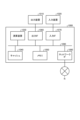
- FIG. 2 is a diagram illustrating a configuration example of the information processing device 10 according to the embodiment.
- FIG. 3 is a diagram showing an example of the area information database 31 according to the embodiment.
- FIG. 4 is a diagram showing an example of the payment information database 32 according to the embodiment.
- FIG. 5 is a diagram showing an example of the business information database 33 according to the embodiment.
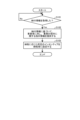
- FIG. 6 is a flowchart illustrating an example of the flow of information processing executed by the information processing apparatus 10 according to the embodiment.
- FIG. 7 is a diagram showing an example of the hardware configuration.
- Aspect 1 includes an acquisition unit that acquires payment information related to the payment of taxes to an administrative agency whose purpose of use is designated by a taxpayer, and information on nonwoven fabric products in the administrative agency based on the payment information acquired by the acquisition unit.
- the present invention is characterized by having a provision section that provides instruction information regarding instructions for recycling to businesses that carry out recycling-related operations.
- the instruction information is provided to the aforementioned business operator that conducts business using the tax as a resource.
- the hometown tax paid to the administrative agency can be used as a source to provide instruction information regarding instructions for the work concerned, so that the cost of recycling nonwoven fabric products can be covered by a third party. be able to.
- the payment information including the area designation by the taxpayer is acquired, and the said vendor is requested to perform work related to recycling of nonwoven fabric products in the area indicated by the payment information. Provide the instruction information that instructs what to do.
- a taxpayer specifies the city, ward, town, or village where he or she is from and pays a tax, and uses the tax paid to purchase nonwoven fabric products in the designated city, ward, town, or village. Since recycling costs can be covered, taxpayers can feel confident that they are contributing to their hometown.
- Aspect 4 in Aspects 1 to 3, the payment information including the facility designation by the taxpayer is obtained, and the said business operator is requested to perform work related to recycling of nonwoven fabric products to the facility indicated by the payment information. Provide the instruction information that instructs what to do.
- a taxpayer may designate a facility such as a nursing home or nursing care facility used by his or her parents, a kindergarten, nursery school, or children's care facility that the taxpayer used.
- the company is able to make a contribution to itself and related facilities by paying taxes and using the tax paid to cover the costs of recycling nonwoven fabric products in designated municipalities. This can give taxpayers a sense of self-affirmation.
- the business information indicating the status of the business related to collection of nonwoven fabric products from a predetermined collection source is notified.
- the aforementioned vendor notifies the user of a predetermined collection source from which nonwoven fabric products are collected.
- information indicating the voice of gratitude from the users of the collection source (facility) specified by the taxpayer can be transmitted to the taxpayer, so that the taxpayer can This can give taxpayers a sense of self-affirmation that they are able to make a contribution.
- a predetermined incentive is set for the taxpayer according to the tax payment.
- this aspect 9 for example, it is possible to set taxpayers with return gifts in response to tax payments, information on tourism in areas managed by administrative agencies, coupons, etc., so that incentives for paying taxes can be provided. It can be given to taxpayers.
- incentives may be given to participate in events (online events, etc.) such as tours of non-woven product recycling plants and interaction with users of nursing care facilities from which non-woven products are collected. By setting this, it is possible to provide emotional education to the taxpayer's children, thereby motivating the taxpayer to pay taxes.
- a predetermined incentive is set for the taxpayer according to the number of tax payments.
- the aforementioned instruction information regarding collection of nonwoven fabric products from the user is provided to the aforementioned business operator who delivers a predetermined article to the user.
- a business that delivers goods to users can collect the nonwoven fabric products at the same time as the delivery, thereby allowing the business to cover the costs required for the delivery with taxes. Therefore, benefits can be provided not only to administrative agencies and taxpayers, but also to businesses.
- an example of an information processing device, an information processing method, and a form for implementing an information processing program (hereinafter referred to as an "embodiment") will be described in detail with reference to the drawings.
- the information processing apparatus, information processing method, and information processing program are not limited to this embodiment.
- the same parts are given the same reference numerals, and redundant explanations will be omitted.
- FIG. 1 is a diagram illustrating an example of information processing according to an embodiment.
- the information processing system 1 shown in FIG. 1 includes an information processing device 10 that is an example of an information processing device according to the present application, a taxpayer terminal 100, a collection source terminal 200, and a business terminal 300.
- the information processing device 10, the taxpayer terminal 100, the collection source terminal 200, and the business terminal 300 are connected to be able to communicate with each other by wire or wirelessly via a network N (for example, see FIG. 2).
- the network N is, for example, a WAN (Wide Area Network) such as the Internet.
- the information processing system 1 shown in FIG. 1 includes a plurality of information processing devices 10, a plurality of taxpayer terminals 100, a plurality of collection source terminals 200, and a plurality of business terminals 300. Good too.
- the information processing device 10 is an information processing device that controls information processing to be described later, and is realized by, for example, a server device, a cloud system, or the like.
- the information processing device 10 is managed by administrative agency #1, acquires payment information regarding hometown tax payment from taxpayers, and based on the payment information, nonwoven fabric products (diapers, etc.) in administrative agency #1 Provide instructional information regarding instructions for such operations to businesses that carry out operations related to recycling.
- the taxpayer terminal 100 is an information processing device used by a taxpayer who pays hometown tax to administrative agency #1.
- the taxpayer terminal 100 is realized by, for example, a smartphone, a tablet terminal, a notebook PC (Personal Computer), a desktop PC, a mobile phone, a PDA (Personal Digital Assistant), or the like. Further, the taxpayer terminal 100 displays information distributed by the information processing device 10 and the like using a web browser or an application. In the example shown in FIG. 1, the taxpayer terminal 100 is a smartphone used by the taxpayer.
- the collection source terminal 200 is a collection source of nonwoven fabric products (for example, a facility that uses nonwoven fabric products such as a kindergarten, nursery school, child care facility, hospital, school, commercial facility, nursing facility, nursing home, etc., a garbage processing facility, This is an information processing device that is used by a person (e.g., the residence where the user of the product resides).
- the collection source terminal 200 is realized by, for example, a smartphone, a tablet terminal, a notebook PC, a desktop PC, a mobile phone, a PDA, or the like.
- the collection source terminal 200 displays information distributed by the information processing device 10 or the like using a web browser or an application. In the example shown in FIG.
- the collection source terminal 200 is used by a collection source administrator (for example, a facility manager, a user who takes care of the nonwoven fabric product, a user who uses the nonwoven fabric product, etc.).
- a collection source administrator for example, a facility manager, a user who takes care of the nonwoven fabric product, a user who uses the nonwoven fabric product, etc.
- This example shows a case where the PC is a notebook PC.
- the business terminal 300 is an information processing device used by a business that conducts business related to the recycling of nonwoven fabric products in administrative agency #1.
- the business terminal 300 is realized by, for example, a smartphone, a tablet terminal, a notebook PC, a desktop PC, a mobile phone, a PDA, or the like. Further, the business terminal 300 displays information distributed by the information processing device 10 and the like using a web browser or an application. Note that in the example shown in FIG. 1, the business terminal 300 is a notebook PC used by a purchaser.
- the information processing device 10 manages area information including map information of each area managed by administrative agency #1 and information on collection sources located in each area in its own storage unit. It is assumed that there is for example, the information processing device 10 may collect identification information (area ID) that identifies each area, location information (location, range, etc.) of each area, map information within each area, and collection information regarding collection sources located in each area. Stores area information including original information (for example, location, collection status of nonwoven fabric products, etc.). Note that the area may be appropriately set to have an arbitrary size range. For example, the area may be divided into meshes of similar size based on latitude and longitude.
- the area may be an area divided by a regional mesh.
- a regional mesh code may be used for the area ID.
- the area may be set based on various information other than the regional mesh. For example, the area may be set based on administrative divisions such as "town”, “ward”, “city”, and "prefecture”. Further, the area may be set for each facility such as a commercial facility (shopping center, home center, outlet mall, underground mall, etc.), or may be set based on a street, a shopping district, or the like.
- the taxpayer terminal 100 is used by a user (user U1) identified by the taxpayer ID "UID #1". Furthermore, in the following explanation, the taxpayer terminal 100 may be equated with the user U1. That is, below, the user U1 can also be read as the taxpayer terminal 100.
- the collection source terminals 200-1 to 200-N (N is an arbitrary natural number) will be explained depending on the administrator who uses the collection source terminal 200.
- the collection source terminal 200 is the collection source terminal 200 used by the administrator (administrator C1) identified by the administrator ID "CID #1.”
- the collection source terminal 200 when the collection source terminals 200-1 to 200-N are described without distinction, they will be referred to as the collection source terminal 200.
- the collection source terminal 200 may be equated with the administrator. That is, in the following, the administrator can also be read as the collection source terminal 200.
- the business terminal 300 is used by a person in charge (person in charge M) of business #1 who collects nonwoven fabric products to be recycled. Furthermore, in the following explanation, the operator terminal 300 may be equated with the person in charge M. That is, in the following, the person in charge M can also be read as the operator terminal 300.
- the information processing device 10 acquires tax payment information regarding hometown tax payment made by taxpayer U to administrative agency #1 (step S1). For example, the information processing device 10 acquires tax payment information input via a platform provided by administrative agency #1, an external server device, or the like. In the example of FIG. 1, the information processing device 10 stores tax information regarding hometown tax payments made by taxpayer U for which the purpose is specified as "recycling business of nonwoven fabric products in area #1 of administrative agency #1.” Assume that information #1 has been acquired.
- the information processing device 10 provides the business terminal 300 with instruction information regarding instructions for collecting the nonwoven fabric product based on the payment information (step S2).
- the information processing device 10 provides instruction information regarding instructions for collecting nonwoven fabric products from each collection source located in area #1, based on payment information #1.
- the information processing device 10 uses the tax indicated by the payment information #1 as a resource to place an order for collection of the nonwoven fabric product from the collection source specified based on the use indicated by the payment information #1.
- the information processing device 10 may acquire payment information indicating a use that belongs to a higher category or a lower category.
- the information processing device 10 may acquire payment information indicating the purpose "nonwoven fabric product recycling business in administrative agency #1.”
- the information processing device 10 provides instruction information regarding instructions for collection of nonwoven fabric products from each collection source located in each area managed by the administrative agency #1.
- the information processing device 10 may acquire payment information indicating the purpose "collection of nonwoven fabric products from collection source #1-1 located in area #1 of administrative agency #1". In such a case, the information processing device 10 provides instruction information regarding an instruction to collect the nonwoven fabric product from collection source #1-1.
- business operator #1 collects nonwoven fabric products from each collection source located in administrative agency #1 based on the instruction information (step S3).
- Business #1 may be a business that specializes in collecting nonwoven fabric products, and is a business that delivers items ordered by the collection source to the recovery source and also collects nonwoven fabric products. Good too.
- the information processing device 10 receives business information regarding the business of collecting nonwoven fabric products from the business terminal 300 (step S4).
- the information processing device 10 receives information indicating the collection source from which the nonwoven fabric product was recovered, business information indicating the date and time when the nonwoven fabric product was recovered from the recovery source, and the like.
- the information processing device 10 notifies the taxpayer terminal 100 of the business information from the business operator #1 (step S5). For example, among the business information, the information processing device 10 notifies the business information regarding the business of collecting nonwoven fabric products from each collection source located in area #1.
- the information processing device 10 receives information regarding the user who is the collection source (step S6).
- the information processing device 10 may receive messages posted by users of collection sources such as nursery schools, children's homes, nursing homes, and nursing homes, or articles manufactured by recycling nonwoven fabric products (e.g. , paper clay, diapers, toilet paper, etc.).
- the information processing device 10 notifies the taxpayer terminal 100 of information regarding the user who is the collection source (step S7). For example, the information processing device 10 notifies information regarding the users of each collection source located in area #1 among the information regarding the users.
- the information processing device 10 sets an incentive (in other words, a return gift for hometown tax payment) according to the tax payment information #1 to the taxpayer U (step S8).
- the information processing device 10 may collect items manufactured by recycling nonwoven fabric products collected by business operator #1, the right to tour a recycling factory, and a collection source (for example, a collection source located in area #1). Incentives such as the right to meet up with the taxpayer, the right to participate in an online event with the collection source, etc. are set for the taxpayer U, and information regarding the incentive is notified to the taxpayer terminal 100.
- the information processing device 10 provides instruction information regarding collection instructions to businesses that collect nonwoven fabric products, based on payment information regarding hometown tax payments paid to administrative agencies. That is, the information processing device 10 according to the embodiment can instruct a business operator regarding recycling operations based on the tax whose purpose of use is specified by a third party taxpayer.
- the information processing device 10 may provide an incentive to the taxpayer U according to the number of hometown tax payments made to the administrative agency #1. For example, the information processing device 10 sets more incentives to taxpayer U as the number of hometown tax payments to administrative agency #1 increases. To give a specific example, the information processing device 10 sets an incentive for the taxpayer U according to the number of times the hometown tax is paid to the administrative agency #1 a predetermined number of times.
- the information processing device 10 may receive information regarding the user's safety confirmation and information regarding the user's health condition from the business operator #1. Further, the information processing device 10 may notify a user who has a predetermined relationship with the user of information regarding the user's safety confirmation and information regarding the user's health condition. For example, the information processing device 10 may collect information related to the user's safety confirmation and the user's health condition by specifying the collection of nonwoven fabric products from the user's relatives or the user's residence as a hometown tax payment method. Notify taxpayers, etc. who have done so.
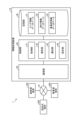
- FIG. 2 is a diagram illustrating a configuration example of the information processing device 10 according to the embodiment.
- the information processing device 10 includes a communication section 20, a storage section 30, and a control section 40.
- the communication unit 20 is realized by, for example, a NIC (Network Interface Card).
- the communication unit 20 is connected to the network N by wire or wirelessly, and transmits and receives information between the taxpayer terminal 100, the collection source terminal 200, the business operator terminal 300, and the like.
- the storage unit 30 is realized by, for example, a semiconductor memory element such as a RAM (Random Access Memory) or a flash memory, or a storage device such as a hard disk or an optical disk. As shown in FIG. 2, the storage unit 30 includes an area information database 31, a payment information database 32, and a business information database 33.
- a semiconductor memory element such as a RAM (Random Access Memory) or a flash memory
- a storage device such as a hard disk or an optical disk.
- the storage unit 30 includes an area information database 31, a payment information database 32, and a business information database 33.
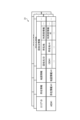
- FIG. 3 is a diagram showing an example of the area information database 31 according to the embodiment.
- the area information database 31 has items such as "area ID”, "location information”, "map information", and "collection source information”.
- “Area ID” indicates identification information for identifying an area.
- “Location information” indicates information such as the location and range of the area.
- Map information indicates map information within the area.
- Colding source information indicates information regarding collection sources of nonwoven fabric products located within the area, and includes items such as “collection source ID,” “location,” and “user information.”
- Coldlection source ID indicates identification information for identifying a collection source.
- “Location” indicates the location of the collection source.
- “User information” indicates information about the users of the collection source, such as messages posted by users of the collection source regarding the collection of nonwoven fabric products, or articles manufactured by recycling nonwoven fabric products. Information such as images showing how the user uses the device is stored.
- the location information of the area identified by the area ID "AID #1” is “Location information #1”
- the map information is “Map information #1”
- the area is located within the area
- the collection source ID An example is shown in which the location of the collection source identified by “CID #1” is “Location #1” and the user information is "User Information #1.”
- the payment information database 32 stores information regarding the payment of taxes by taxpayers to administrative agencies.
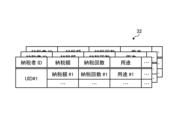
- FIG. 4 is a diagram showing an example of the payment information database 32 according to the embodiment.
- the payment information database 32 has items such as "taxpayer ID”, “tax amount”, “number of tax payments", and "use”.
- Taxpayer ID indicates identification information that identifies a taxpayer.
- Tax amount indicates the amount of tax paid by the taxpayer.
- Numberer of tax payments indicates the number of times a taxpayer pays taxes to an administrative agency.
- User indicates the use of the paid tax specified by the taxpayer.
- the tax amount of the taxpayer identified by the taxpayer ID "UID #1” is “Tax Amount #1”
- the number of tax payments is “Tax Tax Number #1”
- the specified purpose is “Use #1”. ” is shown below.
- the business information database 33 stores information regarding businesses that perform work related to recycling of nonwoven fabric products in administrative agencies.
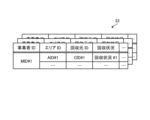
- FIG. 5 is a diagram showing an example of the business information database 33 according to the embodiment.
- the business information database 33 has items such as "business ID,”"areaID,””collection source ID,” and "collection status.”
- Business ID indicates identification information that identifies a business operator.
- Area ID indicates identification information that identifies an area.
- Collection source ID indicates identification information for identifying a collection source.
- Recovery status indicates the status of collection of the nonwoven fabric product from the collection source indicated by the "collection source ID”, and stores information such as the date and time when the nonwoven fabric product was collected from the collection source, for example.
- a business operator identified by business ID "MID #1” is located in an area identified by area ID "AID #1” and is identified by collection source ID "CID #1".
- the control unit 40 is a controller, and various programs stored in the storage device inside the information processing device 10 use the RAM as a work area by, for example, a CPU (Central Processing Unit) or an MPU (Micro Processing Unit). This is achieved by executing as . Further, the control unit 40 is a controller, and is realized by, for example, an integrated circuit such as an ASIC (Application Specific Integrated Circuit) or an FPGA (Field Programmable Gate Array). As shown in FIG. 2, the control unit 40 according to the embodiment includes an acquisition unit 41, a provision unit 42, a notification unit 43, and a setting unit 44, and has information processing functions and operations described below. to realize or carry out.
- ASIC Application Specific Integrated Circuit
- FPGA Field Programmable Gate Array
- the acquisition unit 41 acquires payment information regarding the payment of taxes to an administrative agency whose purpose of use is designated by the taxpayer. For example, in the example of FIG. 1, the acquisition unit 41 acquires tax information regarding the hometown tax payment made by taxpayer U to administrative agency #1, and stores it in the payment information database 32.
- the acquisition unit 41 may acquire payment information including area designation by the taxpayer. For example, in the example of FIG. 1, the acquisition unit 41 acquires payment information #1 whose purpose is specified as "nonwoven fabric product recycling business in area #1 of administrative agency #1.”
- the acquisition unit 41 may acquire payment information including facility designation by the taxpayer. For example, in the example of FIG. 1, the acquisition unit 41 acquires payment information indicating the purpose "collection of nonwoven fabric products from collection source #1-1 located in area #1 of administrative agency #1".
- the providing unit 42 Based on the payment information acquired by the acquisition unit 41, the providing unit 42 provides instruction information regarding instructions for the business to a business operator that performs business related to the recycling of nonwoven fabric products in an administrative agency.
- the payment information database 32 is referred to, and instruction information regarding instructions for collection of nonwoven fabric products is provided to the business terminal 300 based on payment information #1.
- the providing unit 42 may provide instruction information to businesses that operate using tax funds.
- the providing unit 42 provides instruction information to business operator #1 that collects nonwoven fabric products from a collection source using the tax indicated by payment information #1 as a resource.
- the providing unit 42 may provide the business operator with instruction information that instructs the business operator to carry out work related to the recycling of nonwoven fabric products in the area indicated by the payment information.
- the providing unit 42 supplies each collection source located in area #1 specified based on the purpose indicated by payment information #1 "nonwoven fabric product recycling business in area #1 of administrative agency #1".
- the company #1 is provided with instruction information instructing it to collect the nonwoven fabric products from the company #1.
- the providing unit 42 may provide the business operator with instruction information that instructs the facility indicated by the payment information to carry out work related to recycling of nonwoven fabric products.
- the providing unit 42 is specified based on the purpose indicated by the payment information "collection of nonwoven fabric products from collection source #1-1 located in area #1 of administrative agency #1".
- the company #1 is provided with instruction information instructing the company #1 to collect the nonwoven fabric products from the collection source #1-1.
- the providing unit 42 may provide the business operator with instruction information regarding collection of nonwoven fabric products from a predetermined collection source. For example, in the example shown in FIG. 1, the providing unit 42 provides instruction information to business operator #1 that collects nonwoven fabric products from the collection source specified from payment information #1.
- the providing unit 42 may provide instruction information regarding collection of nonwoven fabric products from the user to a business that delivers a predetermined item to the user. For example, in the example shown in FIG. 1, the providing unit 42 not only delivers goods ordered by the collection source to the collection source, but also sends information regarding the collection of nonwoven fabric products from users to businesses that collect nonwoven fabric products. Provide instructional information.
- the notification unit 43 notifies the taxpayer of business information regarding the status of the business.
- the providing unit 42 refers to the business information database 33 and notifies taxpayer #1 of business information regarding the business of collecting nonwoven fabric products.
- the notification unit 43 may notify business information indicating the status of business related to collection of nonwoven fabric products from a predetermined collection source. For example, in the example of FIG. 1, the notification unit 43 notifies taxpayer #1 of business information regarding the business of collecting nonwoven fabric products from the collection source specified from payment information #1.
- the notification unit 43 may notify information regarding users of a predetermined collection source from which the business operator collects nonwoven fabric products. For example, in the example shown in FIG. 1, the notification unit 43 sends messages posted by users of collection sources such as nursery schools, children's homes, nursing homes, and nursing homes, as well as messages that are manufactured by recycling nonwoven fabric products. The information such as images showing how a user uses the product is accepted.
- the setting unit 44 sets a predetermined incentive for the taxpayer according to the tax payment. For example, in the example of FIG. 1, the setting unit 44 sets incentives for taxpayer U according to tax payment information #1.
- the setting unit 44 may set a predetermined incentive for the taxpayer according to the number of tax payments. For example, in the example of FIG. 1, the setting unit 44 sets more incentives for taxpayer U as the number of hometown tax payments to administrative agency #1 increases.
- FIG. 6 is a flowchart illustrating an example of the flow of information processing executed by the information processing apparatus 10 according to the embodiment.
- the information processing device 10 determines whether payment information has been acquired (step S101). If payment information has not been acquired (step S101; No), the information processing device 10 waits until payment information is acquired.
- step S101 when the payment information is acquired (step S101; Yes), the information processing device 10 provides the business operator with instruction information regarding business instructions regarding recycling of nonwoven fabric products based on the payment information (step S102). . Subsequently, the information processing device 10 sets a predetermined incentive for the taxpayer according to the tax payment (step S103), and ends the process.
- the information processing device 10 uses payment information # whose purpose is designated as "recycling business of nonwoven fabric products in area #1 of administrative agency #1" as tax payment information regarding the hometown tax done by taxpayer U. Although an example of acquiring 1 is shown, the use is not limited to this example, and the taxpayer may be able to specify any information.
- the information processing device 10 may acquire payment information specifying a purpose such as "recycling business for nonwoven fabric products in facilities for the elderly” or "recycling business for nonwoven fabric products in facilities used by children.” good.
- FIG. 7 is a diagram showing an example of the hardware configuration.
- the computer 1000 is connected to an output device 1010 and an input device 1020, and is connected to an arithmetic device 1030, a cache 1040, a memory 1050, an output IF (Interface) 1060, an input IF 1070, and a network IF 1080 via a bus 1090.
- the arithmetic unit 1030 operates based on programs stored in the cache 1040 and memory 1050, programs read from the input device 1020, and performs various processes.
- the cache 1040 is a cache, such as a RAM, that temporarily stores data used by the arithmetic unit 1030 for various calculations.
- the memory 1050 is a storage device in which data used by the arithmetic unit 1030 for various calculations and various databases are registered, and is realized by a ROM (Read Only Memory), an HDD (Hard Disk Drive), a flash memory, etc. memory.
- the output IF 1060 is an interface for transmitting information to be output to the output device 1010 that outputs various information such as a monitor or a printer, and is, for example, a USB (Universal Serial Bus), a DVI (Digital Visual Interface), It may be realized by a connector of a standard such as HDMI (registered trademark) (High Definition Multimedia Interface).
- the input IF 1070 is an interface for receiving information from various input devices 1020 such as a mouse, a keyboard, and a scanner, and is realized by, for example, a USB or the like.
- the input device 1020 is an optical recording medium such as a CD (Compact Disc), a DVD (Digital Versatile Disc), or a PD (Phase change rewritable disk), a magneto-optical recording medium such as an MO (Magneto-Optical disk), a tape medium, It may be realized by a device that reads information from a magnetic recording medium, a semiconductor memory, or the like. Further, the input device 1020 may be realized by an external storage medium such as a USB memory.
- the network IF 1080 has a function of receiving data from other devices via the network N and sending it to the computing device 1030, and also transmitting data generated by the computing device 1030 to the other devices via the network N.
- the arithmetic device 1030 controls the output device 1010 and the input device 1020 via the output IF 1060 and the input IF 1070.
- the arithmetic device 1030 loads a program from the input device 1020 or the memory 1050 onto the cache 1040, and executes the loaded program.
- the arithmetic unit 1030 of the computer 1000 realizes the functions of the control unit 40 by executing a program loaded onto the cache 1040.
- Information processing system 10 Information processing device 20 Communication unit 30 Storage unit 31 Area information database 32 Payment information database 40 Control unit 41 Acquisition unit 42 Providing unit 43 Notification unit 44 Setting unit 100 Taxpayer terminal 200 Collection source terminal 300 Business terminal
Landscapes
- Business, Economics & Management (AREA)
- Tourism & Hospitality (AREA)
- Health & Medical Sciences (AREA)
- Marketing (AREA)
- Strategic Management (AREA)
- Economics (AREA)
- General Health & Medical Sciences (AREA)
- Human Resources & Organizations (AREA)
- Theoretical Computer Science (AREA)
- Primary Health Care (AREA)
- Engineering & Computer Science (AREA)
- Physics & Mathematics (AREA)
- General Business, Economics & Management (AREA)
- General Physics & Mathematics (AREA)
- Educational Administration (AREA)
- Development Economics (AREA)
- Child & Adolescent Psychology (AREA)
- Management, Administration, Business Operations System, And Electronic Commerce (AREA)
- Medical Treatment And Welfare Office Work (AREA)
Abstract
本願に係る情報処理装置(10)は、使用目的が納税者により指定された税金(例えば、ふるさと納税)の行政機関への納付に関する納付情報を取得する取得部(41)と、取得部(41)により取得された納付情報に基づいて、行政機関における不織布製品のリサイクルに関する業務を行う事業者に対し、当該業務の指示に関する指示情報を提供する提供部(42)とを有することを特徴とする。
Description
本発明は、情報処理装置、情報処理方法及び情報処理プログラムに関する。
従来、不織布製品の回収やリサイクルに関する技術が知られている。このような技術の一例として、おむつ使用施設に対する使い捨ておむつの納入情報を、回収業者に通知し、該回収業者が、おむつ使用施設における使用済みおむつの回収を計画し、その回収計画に沿って使用済みおむつを回収する技術が知られている。
しかしながら、上述した技術では、納税者により使用目的が指定された税金に基づき、リサイクルに関する業務の指示を事業者に対して行うことができるとは限らない。
例えば、上述した従来技術では、使用済みおむつの回収計画に沿って使用済みおむつを回収しているに過ぎず、納税者により使用目的が指定された税金に基づき、リサイクルに関する業務の指示を事業者に対して行うことができるとは限らない。
本願は、上記に鑑みてなされたものであって、納税者により使用目的が指定された税金に基づき、リサイクルに関する業務の指示を事業者に対して行うことを目的とする。
本願に係る情報処理装置は、使用目的が納税者により指定された税金の行政機関への納付に関する納付情報を取得する取得部と、前記取得部により取得された納付情報に基づいて、前記行政機関における不織布製品のリサイクルに関する業務を行う事業者に対し、当該業務の指示に関する指示情報を提供する提供部とを有することを特徴とする。
実施形態の一態様によれば、納税者により使用目的が指定された税金に基づき、リサイクルに関する業務の指示を事業者に対して行うことができる。
本明細書及び添付図面の記載により、少なくとも以下の事項が明らかとなる。
態様1は、使用目的が納税者により指定された税金の行政機関への納付に関する納付情報を取得する取得部と、前記取得部により取得された納付情報に基づいて、前記行政機関における不織布製品のリサイクルに関する業務を行う事業者に対し、当該業務の指示に関する指示情報を提供する提供部とを有することを特徴とする。
ここで、従来、不織布製品の回収やリサイクルに関する技術の一例として、おむつ使用施設に対する使い捨ておむつの納入情報を、回収業者に通知し、該回収業者が、おむつ使用施設における使用済みおむつの回収を計画し、その回収計画に沿って使用済みおむつを回収する技術が知られている。しかしながら、このような技術では、回収業者に使用済みおむつの回収計画を通知するにとどまっており、納税者により使用目的が指定された税金(例えば、ふるさと納税)に基づきリサイクルに関する業務の指示を事業者に対して行うこと、言い換えると、第三者より不織布製品の回収等のリサイクルに関する費用を賄う点を開示したものではなかった。
そこで、このような態様1によれば、例えば、行政機関へ納付されたふるさと納税に関する納付情報に基づき、当該行政機関における不織布製品のリサイクルに関する業務を行う事業者に対し、当該業務の指示に関する指示情報を提供することができるため、第三者より不織布製品のリサイクルに関する費用を賄うことができる。
また、態様2は、態様1において、前記税金を原資として業務を行う前記事業者に対し、前記指示情報を提供する。
このような態様2によれば、例えば、行政機関へ納付されたふるさと納税を原資として、当該業務の指示に関する指示情報を提供することができるため、第三者より不織布製品のリサイクルに関する費用を賄うことができる。
また、態様3は、態様1または2において、前記納税者によるエリアの指定を含む前記納付情報を取得し、前記事業者に対し、前記納付情報が示すエリアに対して不織布製品のリサイクルに関する業務を行うことを指示する前記指示情報を提供する。
このような態様3によれば、例えば、納税者が、自身の出身地である市区町村を指定して納税を行い、納税された税金を用いて、指定された市区町村における不織布製品のリサイクルに関する費用を賄うことができるため、出身地に対して貢献を行うことができているといった自己肯定感を納税者に対して与えることができる。
また、態様4は、態様1から3において、前記納税者による施設の指定を含む前記納付情報を取得し、前記事業者に対し、前記納付情報が示す施設に対して不織布製品のリサイクルに関する業務を行うことを指示する前記指示情報を提供する。
このような態様4によれば、例えば、納税者が、自身の親が利用している老人ホームや介護施設、納税者自身が利用していた幼稚園や、保育園、児童養護施設などといった施設を指定して納税を行い、納税された税金を用いて、指定された市区町村における不織布製品のリサイクルに関する費用を賄うことができるため、自身と関連する施設に対して貢献を行うことができているといった自己肯定感を納税者に対して与えることができる。
また、態様5は、態様1から4において、前記事業者に対し、所定の回収元からの不織布製品の回収に関する前記指示情報を提供する。
このような態様5によれば、例えば、行政機関へ納付されたふるさと納税に関する納付情報に基づき、事業者に対し、不織布製品の回収の指示に関する指示情報を提供することができるため、第三者より不織布製品の回収に関する費用を賄うことができる。
また、態様6は、態様1から5において、前記業務の状況に関する業務情報を前記納税者に対し通知する。
このような態様6によれば、例えば、納税者に対し、自身が納めた税金により、不織布製品のリサイクルに関する事業が適切に行われているか否かを示す情報を提供することができるため、納税者に対し、自身が納めた税金が適切に使用されているといった安心感を与えることができる。
また、態様7は、態様6において、所定の回収元からの不織布製品の回収に関する前記業務の状況を示す前記業務情報を通知する。
このような態様7によれば、例えば、納税した指定した回収元(施設)から不織布製品が回収されているか否かを示す情報を提供することができるため、納税者に対し、自身が納めた税金が適切に使用されているといった安心感を与えることができる。
また、態様8は、態様1から7において、前記事業者が不織布製品の回収を行う所定の回収元の利用者に関する情報を通知する。
このような態様8によれば、例えば、納税者が指定した回収元(施設)の利用者からの感謝の声などを示す情報を納税者に送信することができるため、自身と関連する施設に対して貢献を行うことができているといった自己肯定感を納税者に対して与えることができる。
また、態様9は、態様1から8において、納税に応じた所定のインセンティブを前記納税者に設定する。
このような態様9によれば、例えば、納税に応じた返礼品や、行政機関が管理する地域の観光に関する情報、クーポンなどを納税者に対し設定することができるため、納税を行う動機付けを納税者に対し与えることができる。また、納税者に子供がいる場合には、不織布製品のリサイクル工場の見学や、不織布製品の回収元である介護施設の利用者との交流などといったイベント(オンラインイベント等)への参加をインセンティブとして設定することにより、納税者の子供に対する情操教育を行うことができるため、納税を行う動機付けを納税者に対し与えることができる。
また、態様10は、態様9において、納税の回数に応じた所定のインセンティブを前記納税者に設定する。
このような態様10によれば、例えば、ゲーミフィケーションの要素(例えば、スタンプラリー)を取り入れ、行政機関に対する納税の回数が多いほどより多くのインセンティブを納税者に設定することができるため、行政機関と納税者との継続した接点を作ることができる。
また、態様11は、態様1から10において、利用者に所定の物品の配送を行う前記事業者に対し、当該利用者からの不織布製品の回収に関する前記指示情報を提供する。
このような態様11によれば、例えば、利用者に物品の配送を行う事業者が、配送とともに不織布製品の回収を行うことにより、事業者が配送の際に要する費用を税金により賄うことができるため、行政機関や納税者だけではなく、事業者に対してもメリットを提供することができる。
以下に、情報処理装置、情報処理方法及び情報処理プログラムを実施するための形態(以下、「実施形態」と記載する。)の一例について図面を参照しつつ詳細に説明する。なお、この実施形態により情報処理装置、情報処理方法及び情報処理プログラムが限定されるものではない。また、以下の実施形態において同一の部位には同一の符号を付し、重複する説明は省略する。
[実施形態]
〔1.情報処理の一例について〕
図1を用いて、本実施形態の情報処理装置等により実現される情報処理を説明する。図1は、実施形態に係る情報処理の一例を示す図である。図1に示す情報処理システム1は、本願に係る情報処理装置の一例である情報処理装置10と、納税者端末100と、回収元端末200と、事業者端末300とを含む。情報処理装置10、納税者端末100、回収元端末200及び事業者端末300は、ネットワークN(例えば、図2参照)を介して有線または無線により相互に通信可能に接続される。ここで、ネットワークNは、例えば、インターネットなどのWAN(Wide Area Network)である。なお、図1に示した情報処理システム1には、複数台の情報処理装置10、複数台の納税者端末100、複数台の回収元端末200及び複数台の事業者端末300が含まれていてもよい。
情報処理装置10は、後述する情報処理を制御する情報処理装置であり、例えば、サーバ装置やクラウドシステム等により実現される。図1の例において、情報処理装置10は、行政機関#1により管理され、納税者からふるさと納税の納付に関する納付情報を取得し、納付情報に基づき、行政機関#1における不織布製品(おむつ等)のリサイクルに関する業務を行う事業者に対し、当該業務の指示に関する指示情報を提供する。
納税者端末100は、行政機関#1に対しふるさと納税を行う納税者によって利用される情報処理装置である。納税者端末100は、例えば、スマートフォンや、タブレット型端末や、ノート型PC(Personal Computer)や、デスクトップPCや、携帯電話機や、PDA(Personal Digital Assistant)等により実現される。また、納税者端末100は、情報処理装置10等によって配信される情報を、ウェブブラウザやアプリケーションにより表示する。なお、図1に示す例において、納税者端末100は、納税者によって利用されるスマートフォンである場合を示す。
回収元端末200は、不織布製品の回収元(例えば、幼稚園や、保育園、児童養護施設、病院、学校、商業施設、介護施設、老人ホームなどといった不織布製品を使用する施設や、ごみ処理施設、不織布製品を使用する使用者が居住する住居など)によって利用される情報処理装置である。回収元端末200は、例えば、スマートフォンや、タブレット型端末や、ノート型PCや、デスクトップPCや、携帯電話機や、PDA等により実現される。また、回収元端末200は、情報処理装置10等によって配信される情報を、ウェブブラウザやアプリケーションにより表示する。なお、図1に示す例において、回収元端末200は、回収元の管理者(例えば、施設の管理者や、不織布製品の世話をする利用者、不織布製品を使用する使用者自身など)によって利用されるノート型PCである場合を示す。
事業者端末300は、行政機関#1における不織布製品のリサイクルに関する業務を行う事業者によって利用される情報処理装置である。事業者端末300は、例えば、スマートフォンや、タブレット型端末や、ノート型PCや、デスクトップPCや、携帯電話機や、PDA等により実現される。また、事業者端末300は、情報処理装置10等によって配信される情報を、ウェブブラウザやアプリケーションにより表示する。なお、図1に示す例において、事業者端末300は、購入者によって利用されるノート型PCである場合を示す。
以下、図1を用いて、情報処理装置10により実現される情報処理について説明する。なお、以下の説明では、情報処理装置10が、行政機関#1が管理する各エリアの地図情報や各エリアに所在する回収元等の情報を含むエリア情報を自装置の記憶部で管理しているものとする。例えば、情報処理装置10は、各エリアを識別する識別情報(エリアID)や、各エリアの所在情報(所在地や、範囲など)、各エリア内の地図情報、各エリアに所在する回収元に関する回収元情報(例えば、所在地や、不織布製品の回収の状況など)などを含むエリア情報を記憶する。なお、エリアは、任意の広さの範囲が適宜設定されてもよい。例えば、エリアは、緯度及び経度を基に同様の大きさの網の目(メッシュ)に分割されたものであってもよい。すなわち、エリアは、地域メッシュで区切られたエリアであってもよい。この場合、エリアIDには、地域メッシュコードが用いられてもよい。なお、上記は、一例であり、エリアは、地域メッシュに限らず種々の情報を基に設定されてもよい。例えば、エリアは、「町」、「区」、「市」、「県」等の行政区画を基に設定されてもよい。また、エリアは、商業施設(ショッピングセンターや、ホームセンター、アウトレットモール、地下街など)等の施設ごとに設定されてもよいし、通りや商店街などを基に設定されてもよい。
また、以下の説明では、納税者端末100が、納税者ID「UID#1」により識別される利用者(利用者U1)により利用されるものとする。また、以下の説明では、納税者端末100を利用者U1と同一視する場合がある。すなわち、以下では、利用者U1を納税者端末100と読み替えることもできる。
また、以下の説明では、回収元端末200を利用する管理者に応じて、回収元端末200-1~200-N(Nは任意の自然数)として説明する。例えば、回収元端末200は、管理者ID「CID#1」により識別される管理者(管理者C1)により使用される回収元端末200である。また、以下では、回収元端末200-1~200-Nについて、特に区別なく説明する場合には、回収元端末200と記載する。また、以下の説明では、回収元端末200を、管理者と同一視する場合がある。すなわち、以下では、管理者を回収元端末200と読み替えることもできる。
また、以下の説明では、事業者端末300が、リサイクルの対象である不織布製品の回収を行う事業者#1における担当者(担当者M)により利用されるものとする。また、以下の説明では、事業者端末300を担当者Mと同一視する場合がある。すなわち、以下では、担当者Mを事業者端末300と読み替えることもできる。
まず、情報処理装置10は、行政機関#1に対して納税者Uが行ったふるさと納税に関する納税情報を取得する(ステップS1)。例えば、情報処理装置10は、行政機関#1や、外部のサーバ装置などにより提供されるプラットフォームを介して入力された納税情報を取得する。なお、図1の例において、情報処理装置10は、納税者Uが行ったふるさと納税に関する納税情報として、用途が「行政機関#1のエリア#1における不織布製品のリサイクル事業」と指定された納付情報#1を取得したものとする。
続いて、情報処理装置10は、納付情報に基づいて、不織布製品の回収の指示に関する指示情報を事業者端末300に提供する(ステップS2)。例えば、情報処理装置10は、納付情報#1に基づいて、エリア#1に所在する各回収元からの不織布製品の回収の指示に関する指示情報を提供する。言い換えると、情報処理装置10は、納付情報#1が示す税金を原資として、納付情報#1が示す用途に基づき特定される回収元からの不織布製品の回収の発注を行う。
なお、情報処理装置10は、より上位のカテゴリ、若しくは、より下位のカテゴリに属する用途を示す納付情報を取得してもよい。例えば、情報処理装置10は、用途「行政機関#1における不織布製品のリサイクル事業」を示す納付情報を取得してもよい。このような場合、情報処理装置10は、行政機関#1が管理する各エリアに所在する各回収元からの不織布製品の回収の指示に関する指示情報を提供する。
また、例えば、情報処理装置10は、用途「行政機関#1のエリア#1に所在する回収元#1-1からの不織布製品の回収」を示す納付情報を取得してもよい。このような場合、情報処理装置10は、回収元#1-1からの不織布製品の回収の指示に関する指示情報を提供する。
続いて、事業者#1は、指示情報に基づいて、行政機関#1に所在する各回収元から不織布製品の回収を行う(ステップS3)。なお、事業者#1は、不織布製品の回収専門の事業者であってもよく、回収元が注文した物品の配送を回収元に対して行うとともに、不織布製品の回収を行う事業者であってもよい。
続いて、情報処理装置10は、不織布製品の回収の業務に関する業務情報を事業者端末300から受け付ける(ステップS4)。例えば、情報処理装置10は、不織布製品の回収を行った回収元を示す情報や、回収元から不織布製品の回収を行った日時などを示す業務情報を受け付ける。
続いて、情報処理装置10は、事業者#1からの業務情報を納税者端末100に通知する(ステップS5)。例えば、情報処理装置10は、業務情報のうち、エリア#1に所在する各回収元からの不織布製品の回収の業務に関する業務情報を通知する。
続いて、情報処理装置10は、回収元の利用者に関する情報を受け付ける(ステップS6)。例えば、情報処理装置10は、保育園や、児童養護施設、介護施設、老人ホームなどの施設である回収元の利用者から投稿されたメッセージや、不織布製品をリサイクルすることにより製造された物品(例えば、紙粘土や、おむつ、トイレットペーパーなど)を利用者が使用する様子を示す画像などを示す情報を受け付ける。
続いて、情報処理装置10は、回収元の利用者に関する情報を納税者端末100に通知する(ステップS7)。例えば、情報処理装置10は、利用者に関する情報のうち、エリア#1に所在する各回収元の利用者に関する情報を通知する。
続いて、情報処理装置10は、納税情報#1に応じたインセンティブ(言い換えると、ふるさと納税に対する返礼品)を納税者Uに対して設定する(ステップS8)。例えば、情報処理装置10は、事業者#1により回収された不織布製品をリサイクルすることにより製造された物品や、リサイクル工場の見学の権利、回収元(例えば、エリア#1に所在する回収元)とのミートアップの権利、回収元とのオンラインイベントの参加の権利などといったインセンティブを納税者Uに対して設定し、インセンティブに関する情報を納税者端末100に通知する。
以上のように、実施形態に係る情報処理装置10は、行政機関へ納付されたふるさと納税に関する納付情報に基づき、不織布製品の回収を行う事業者に対し、回収の指示に関する指示情報を提供する。すなわち、実施形態に係る情報処理装置10は、第三者である納税者により使用目的が指定された税金に基づき、リサイクルに関する業務の指示を事業者に対して行うことができる。
〔2.その他の処理例〕
なお、上述した処理は一例に過ぎず、情報処理装置10は、様々な情報を用いて様々な処理を行ってもよい。この点について、以下例示を列挙する。
なお、上述した処理は一例に過ぎず、情報処理装置10は、様々な情報を用いて様々な処理を行ってもよい。この点について、以下例示を列挙する。
〔2-1.納税の回数に応じたインセンティブについて〕
図1の例において、情報処理装置10は、納税者Uに対し、行政機関#1に対するふるさと納税の回数に応じたインセンティブを付与してもよい。例えば、情報処理装置10は、行政機関#1に対するふるさと納税の回数が多いほど、より多くのインセンティブを納税者Uに設定する。具体的な例を挙げると、情報処理装置10は、行政機関#1に対するふるさと納税の所定の回数を行うごとに、回数に応じたインセンティブを納税者Uに設定する。
図1の例において、情報処理装置10は、納税者Uに対し、行政機関#1に対するふるさと納税の回数に応じたインセンティブを付与してもよい。例えば、情報処理装置10は、行政機関#1に対するふるさと納税の回数が多いほど、より多くのインセンティブを納税者Uに設定する。具体的な例を挙げると、情報処理装置10は、行政機関#1に対するふるさと納税の所定の回数を行うごとに、回数に応じたインセンティブを納税者Uに設定する。
〔2-2.安否確認について〕
図1の例において、情報処理装置10は、不織布製品を使用する使用者(高齢者等)が居住する住居である回収元に対し、事業者#1が不織布製品の回収を行う場合、当該使用者の安否確認を行ってもよい。具体的な例を挙げると、事業者#1が、回収元が注文した物品の配送を回収元に対して行う事業者である場合、情報処理装置10は、事業者#1が管理するサーバ装置とAPI連携し、回収元の注文に関する注文情報や、回収元に関する業務情報などに基づいて、使用者の安否確認を行う。具体的な例を挙げると、情報処理装置10は、所定期間ごとに回収元の注文、並びに、回収元からの不織布製品の回収が行われている場合、使用者が生存していると判定する。
図1の例において、情報処理装置10は、不織布製品を使用する使用者(高齢者等)が居住する住居である回収元に対し、事業者#1が不織布製品の回収を行う場合、当該使用者の安否確認を行ってもよい。具体的な例を挙げると、事業者#1が、回収元が注文した物品の配送を回収元に対して行う事業者である場合、情報処理装置10は、事業者#1が管理するサーバ装置とAPI連携し、回収元の注文に関する注文情報や、回収元に関する業務情報などに基づいて、使用者の安否確認を行う。具体的な例を挙げると、情報処理装置10は、所定期間ごとに回収元の注文、並びに、回収元からの不織布製品の回収が行われている場合、使用者が生存していると判定する。
なお、情報処理装置10は、使用者の安否確認に関する情報や、使用者の健康状態に関する情報を、事業者#1から受け付けてもよい。また、情報処理装置10は、使用者の安否確認に関する情報や、使用者の健康状態に関する情報を、使用者と所定の関係性を有する利用者に通知してもよい。例えば、情報処理装置10は、使用者の安否確認に関する情報や、使用者の健康状態に関する情報を、使用者の親族や、使用者の住居からの不織布製品の回収を用途に指定してふるさと納税を行った納税者などに通知する。
〔3.情報処理装置の構成〕
次に、図2を用いて、情報処理装置10の構成について説明する。図2は、実施形態に係る情報処理装置10の構成例を示す図である。図2に示すように、情報処理装置10は、通信部20と、記憶部30と、制御部40とを有する。
次に、図2を用いて、情報処理装置10の構成について説明する。図2は、実施形態に係る情報処理装置10の構成例を示す図である。図2に示すように、情報処理装置10は、通信部20と、記憶部30と、制御部40とを有する。
(通信部20について)
通信部20は、例えば、NIC(Network Interface Card)等によって実現される。そして、通信部20は、ネットワークNと有線または無線で接続され、納税者端末100、回収元端末200、事業者端末300等との間で情報の送受信を行う。
通信部20は、例えば、NIC(Network Interface Card)等によって実現される。そして、通信部20は、ネットワークNと有線または無線で接続され、納税者端末100、回収元端末200、事業者端末300等との間で情報の送受信を行う。
(記憶部30について)
記憶部30は、例えば、RAM(Random Access Memory)、フラッシュメモリ(Flash Memory)等の半導体メモリ素子、または、ハードディスク、光ディスク等の記憶装置によって実現される。図2に示すように、記憶部30は、エリア情報データベース31と、納付情報データベース32と、事業者情報データベース33とを有する。
記憶部30は、例えば、RAM(Random Access Memory)、フラッシュメモリ(Flash Memory)等の半導体メモリ素子、または、ハードディスク、光ディスク等の記憶装置によって実現される。図2に示すように、記憶部30は、エリア情報データベース31と、納付情報データベース32と、事業者情報データベース33とを有する。
(エリア情報データベース31について)
エリア情報データベース31は、行政機関が管理するエリアに関する情報を記憶する。ここで、図3を用いて、エリア情報データベース31が記憶する情報の一例を説明する。図3は、実施形態に係るエリア情報データベース31の一例を示す図である。図3の例において、エリア情報データベース31は、「エリアID」、「所在情報」、「地図情報」、「回収元情報」といった項目を有する。
エリア情報データベース31は、行政機関が管理するエリアに関する情報を記憶する。ここで、図3を用いて、エリア情報データベース31が記憶する情報の一例を説明する。図3は、実施形態に係るエリア情報データベース31の一例を示す図である。図3の例において、エリア情報データベース31は、「エリアID」、「所在情報」、「地図情報」、「回収元情報」といった項目を有する。
「エリアID」は、エリアを識別するための識別情報を示す。「所在情報」は、エリアの所在地や、範囲などの情報を示す。「地図情報」は、エリア内の地図情報を示す。「回収元情報」は、エリア内に所在する不織布製品の回収元に関する情報を示し、「回収元ID」、「所在地」、「利用者情報」といった項目を有する。「回収元ID」は、回収元を識別するための識別情報を示す。「所在地」は、回収元の所在地を示す。「利用者情報」は、回収元を利用する利用者に関する情報を示し、例えば、不織布製品の回収に関して回収元の利用者から投稿されたメッセージや、不織布製品をリサイクルすることにより製造された物品を利用者が使用する様子を示す画像などといった情報が格納される。
すなわち、図3では、エリアID「AID#1」により識別されるエリアの所在情報が「所在情報#1」、地図情報が「地図情報#1」であり、エリア内に所在し、回収元ID「CID#1」により識別される回収元の所在地が「所在地#1」、利用者情報が「利用者情報#1」である例を示す。
(納付情報データベース32について)
納付情報データベース32は、納税者による行政機関に対する税金の納付に関する情報を記憶する。ここで、図4を用いて、納付情報データベース32が記憶する情報の一例を説明する。図4は、実施形態に係る納付情報データベース32の一例を示す図である。図4の例において、納付情報データベース32は、「納税者ID」、「納税額」、「納税回数」、「用途」といった項目を有する。
納付情報データベース32は、納税者による行政機関に対する税金の納付に関する情報を記憶する。ここで、図4を用いて、納付情報データベース32が記憶する情報の一例を説明する。図4は、実施形態に係る納付情報データベース32の一例を示す図である。図4の例において、納付情報データベース32は、「納税者ID」、「納税額」、「納税回数」、「用途」といった項目を有する。
「納税者ID」は、納税者を識別する識別情報を示す。「納税額」は、納税者による納税額を示す。「納税回数」は、納税者による行政機関に対する納税の回数を示す。「用途」は、納税者が指定した、納付した税金の用途を示す。
すなわち、図4では、納税者ID「UID#1」により識別される納税者の納税額が「納税額#1」、納税の回数が「納税回数#1」、指定した用途が「用途#1」である例を示す。
(事業者情報データベース33について)
事業者情報データベース33は、行政機関における不織布製品のリサイクルに関する業務を行う事業者に関する情報を記憶する。ここで、図5を用いて、事業者情報データベース33が記憶する情報の一例を説明する。図5は、実施形態に係る事業者情報データベース33の一例を示す図である。図5の例において、事業者情報データベース33は、「事業者ID」、「エリアID」、「回収元ID」、「回収状況」といった項目を有する。
事業者情報データベース33は、行政機関における不織布製品のリサイクルに関する業務を行う事業者に関する情報を記憶する。ここで、図5を用いて、事業者情報データベース33が記憶する情報の一例を説明する。図5は、実施形態に係る事業者情報データベース33の一例を示す図である。図5の例において、事業者情報データベース33は、「事業者ID」、「エリアID」、「回収元ID」、「回収状況」といった項目を有する。
「事業者ID」は、事業者を識別する識別情報を示す。「エリアID」は、エリアを識別する識別情報を示す。「回収元ID」は、回収元を識別する識別情報を示す。「回収状況」は、「回収元ID」が示す回収元からの不織布製品の回収の状況を示し、例えば、回収元から不織布製品の回収を行った日時等の情報が格納される。
すなわち、図5では、事業者ID「MID#1」により識別される事業者が、エリアID「AID#1」により識別されるエリアに所在し、回収元ID「CID#1」により識別される回収元から不織布製品を回収し、回収の状況が「回収状況#1」である例を示す。
(制御部40について)
制御部40は、コントローラ(controller)であり、例えば、CPU(Central Processing Unit)やMPU(Micro Processing Unit)等によって、情報処理装置10内部の記憶装置に記憶されている各種プログラムがRAMを作業領域として実行されることにより実現される。また、制御部40は、コントローラであり、例えば、ASIC(Application Specific Integrated Circuit)やFPGA(Field Programmable Gate Array)等の集積回路により実現される。実施形態に係る制御部40は、図2に示すように、取得部41と、提供部42と、通知部43と、設定部44とを有し、以下に説明する情報処理の機能や作用を実現または実行する。
制御部40は、コントローラ(controller)であり、例えば、CPU(Central Processing Unit)やMPU(Micro Processing Unit)等によって、情報処理装置10内部の記憶装置に記憶されている各種プログラムがRAMを作業領域として実行されることにより実現される。また、制御部40は、コントローラであり、例えば、ASIC(Application Specific Integrated Circuit)やFPGA(Field Programmable Gate Array)等の集積回路により実現される。実施形態に係る制御部40は、図2に示すように、取得部41と、提供部42と、通知部43と、設定部44とを有し、以下に説明する情報処理の機能や作用を実現または実行する。
(取得部41について)
取得部41は、使用目的が納税者により指定された税金の行政機関への納付に関する納付情報を取得する。例えば、図1の例において、取得部41は、行政機関#1に対して納税者Uが行ったふるさと納税に関する納税情報を取得し、納付情報データベース32に格納する。
取得部41は、使用目的が納税者により指定された税金の行政機関への納付に関する納付情報を取得する。例えば、図1の例において、取得部41は、行政機関#1に対して納税者Uが行ったふるさと納税に関する納税情報を取得し、納付情報データベース32に格納する。
また、取得部41は、納税者によるエリアの指定を含む納付情報を取得してもよい。例えば、図1の例において、取得部41は、用途が「行政機関#1のエリア#1における不織布製品のリサイクル事業」と指定された納付情報#1を取得する。
また、取得部41は、納税者による施設の指定を含む納付情報を取得してもよい。例えば、図1の例において、取得部41は、用途「行政機関#1のエリア#1に所在する回収元#1-1からの不織布製品の回収」を示す納付情報を取得する。
(提供部42について)
提供部42は、取得部41により取得された納付情報に基づいて、行政機関における不織布製品のリサイクルに関する業務を行う事業者に対し、当該業務の指示に関する指示情報を提供する。例えば、図1の例において、納付情報データベース32を参照し、納付情報#1に基づいて、不織布製品の回収の指示に関する指示情報を事業者端末300に提供する。
提供部42は、取得部41により取得された納付情報に基づいて、行政機関における不織布製品のリサイクルに関する業務を行う事業者に対し、当該業務の指示に関する指示情報を提供する。例えば、図1の例において、納付情報データベース32を参照し、納付情報#1に基づいて、不織布製品の回収の指示に関する指示情報を事業者端末300に提供する。
また、提供部42は、税金を原資として業務を行う事業者に対し、指示情報を提供してもよい。例えば、図1の例において、提供部42は、納付情報#1が示す税金を原資として回収元からの不織布製品の回収を行う事業者#1に対し、指示情報を提供する。
また、提供部42は、事業者に対し、納付情報が示すエリアに対して不織布製品のリサイクルに関する業務を行うことを指示する指示情報を提供してもよい。例えば、図1の例において、提供部42は、納付情報#1が示す用途「行政機関#1のエリア#1における不織布製品のリサイクル事業」に基づき特定されるエリア#1に所在する各回収元から不織布製品の回収を行うことを指示する指示情報を、事業者#1に提供する。
また、提供部42は、事業者に対し、納付情報が示す施設に対して不織布製品のリサイクルに関する業務を行うことを指示する指示情報を提供してもよい。例えば、図1を例にして説明すると、提供部42は、納付情報が示す用途「行政機関#1のエリア#1に所在する回収元#1-1からの不織布製品の回収」に基づき特定される回収元#1-1から不織布製品の回収を行うことを指示する指示情報を、事業者#1に提供する。
また、提供部42は、事業者に対し、所定の回収元からの不織布製品の回収に関する指示情報を提供してもよい。例えば、図1の例において、提供部42は、納付情報#1から特定される回収元からの不織布製品の回収を行う事業者#1に対し、指示情報を提供する。
また、提供部42は、利用者に所定の物品の配送を行う事業者に対し、当該利用者からの不織布製品の回収に関する指示情報を提供してもよい。例えば、図1の例において、提供部42は、回収元が注文した物品の配送を回収元に対して行うとともに、不織布製品の回収を行う事業者に対し、利用者からの不織布製品の回収に関する指示情報を提供する。
(通知部43について)
通知部43は、業務の状況に関する業務情報を納税者に対し通知する。例えば、図1の例において、提供部42は、事業者情報データベース33を参照し、不織布製品の回収の業務に関する業務情報を納税者#1に対して通知する。
通知部43は、業務の状況に関する業務情報を納税者に対し通知する。例えば、図1の例において、提供部42は、事業者情報データベース33を参照し、不織布製品の回収の業務に関する業務情報を納税者#1に対して通知する。
また、通知部43は、所定の回収元からの不織布製品の回収に関する業務の状況を示す業務情報を通知してもよい。例えば、図1の例において、通知部43は、納付情報#1から特定される回収元からの不織布製品の回収の業務に関する業務情報を納税者#1に対して通知する。
また、通知部43は、事業者が不織布製品の回収を行う所定の回収元の利用者に関する情報を通知してもよい。例えば、図1の例において、通知部43は、保育園や、児童養護施設、介護施設、老人ホームなどの施設である回収元の利用者から投稿されたメッセージや、不織布製品をリサイクルすることにより製造された物品を利用者が使用する様子を示す画像などを示す情報を受け付ける。
(設定部44について)
設定部44は、納税に応じた所定のインセンティブを納税者に設定する。例えば、図1の例において、設定部44は、納税情報#1に応じたインセンティブを納税者Uに対して設定する。
設定部44は、納税に応じた所定のインセンティブを納税者に設定する。例えば、図1の例において、設定部44は、納税情報#1に応じたインセンティブを納税者Uに対して設定する。
また、設定部44は、納税の回数に応じた所定のインセンティブを納税者に設定してもよい。例えば、図1の例において、設定部44は、行政機関#1に対するふるさと納税の回数が多いほど、より多くのインセンティブを納税者Uに設定する。
〔4.情報処理手順〕
次に、図6を用いて、実施形態に係る情報処理装置10が実行する情報処理の手順について説明する。図6は、実施形態に係る情報処理装置10が実行する情報処理の流れの一例を示すフローチャートである。
次に、図6を用いて、実施形態に係る情報処理装置10が実行する情報処理の手順について説明する。図6は、実施形態に係る情報処理装置10が実行する情報処理の流れの一例を示すフローチャートである。
図6に示すように、情報処理装置10は、納付情報を取得したか否かを判定する(ステップS101)。納付情報を取得していない場合(ステップS101;No)、情報処理装置10は、納付情報を取得するまで待機する。
一方、納付情報を取得した場合(ステップS101;Yes)、情報処理装置10は、納付情報に基づいて、事業者に対し、不織布製品のリサイクルに関する業務の指示に関する指示情報を提供する(ステップS102)。続いて、情報処理装置10は、納税に応じた所定のインセンティブを納税者に設定し(ステップS103)、処理を終了する。
〔5.変形例〕
上述した情報処理装置10は、上記実施形態以外にも種々の異なる形態にて実施されてよい。
上述した情報処理装置10は、上記実施形態以外にも種々の異なる形態にて実施されてよい。
〔5-1.不織布製品のリサイクルに関する業務について〕
上述の実施形態において、不織布製品のリサイクルに関する業務が、不織布製品の回収である例を示したが、業務はこのような例に限定されず、不織布製品のリサイクルに関するものであればどのようなものであってもよい。例えば、業務は、回収した不織布製品を処理する設備の設営や、当該施設の運営、当該施設から得られた資源を用いた物品(不織布製品等)を製造する工場の建造、工場の運営などに関するものであってもよい。また、ふるさと納税により納付された税金は、不織布製品のリサイクルに関する各種の業務における原資として用いられてよい。
上述の実施形態において、不織布製品のリサイクルに関する業務が、不織布製品の回収である例を示したが、業務はこのような例に限定されず、不織布製品のリサイクルに関するものであればどのようなものであってもよい。例えば、業務は、回収した不織布製品を処理する設備の設営や、当該施設の運営、当該施設から得られた資源を用いた物品(不織布製品等)を製造する工場の建造、工場の運営などに関するものであってもよい。また、ふるさと納税により納付された税金は、不織布製品のリサイクルに関する各種の業務における原資として用いられてよい。
〔5-2.税金の用途について〕
上述の実施形態において、情報処理装置10が、納税者Uが行ったふるさと納税に関する納税情報として、用途が「行政機関#1のエリア#1における不織布製品のリサイクル事業」と指定された納付情報#1を取得する例を示したが、用途はこのような例に限定されず、任意の情報を納税者が指定可能としてもよい。例えば、情報処理装置10は、「高齢者向けの施設における不織布製品のリサイクル事業」や、「子供が利用する施設における不織布製品のリサイクル事業」などといった用途が指定された納付情報を取得してもよい。
上述の実施形態において、情報処理装置10が、納税者Uが行ったふるさと納税に関する納税情報として、用途が「行政機関#1のエリア#1における不織布製品のリサイクル事業」と指定された納付情報#1を取得する例を示したが、用途はこのような例に限定されず、任意の情報を納税者が指定可能としてもよい。例えば、情報処理装置10は、「高齢者向けの施設における不織布製品のリサイクル事業」や、「子供が利用する施設における不織布製品のリサイクル事業」などといった用途が指定された納付情報を取得してもよい。
〔6.ハードウェア構成〕
また、上述した実施形態に情報処理装置10や、納税者端末100、回収元端末200、事業者端末300は、例えば図7に示すような構成のコンピュータ1000によって実現される。図7は、ハードウェア構成の一例を示す図である。コンピュータ1000は、出力装置1010、入力装置1020と接続され、演算装置1030、キャッシュ1040、メモリ1050、出力IF(Interface)1060、入力IF1070、ネットワークIF1080がバス1090により接続される。
また、上述した実施形態に情報処理装置10や、納税者端末100、回収元端末200、事業者端末300は、例えば図7に示すような構成のコンピュータ1000によって実現される。図7は、ハードウェア構成の一例を示す図である。コンピュータ1000は、出力装置1010、入力装置1020と接続され、演算装置1030、キャッシュ1040、メモリ1050、出力IF(Interface)1060、入力IF1070、ネットワークIF1080がバス1090により接続される。
演算装置1030は、キャッシュ1040やメモリ1050に格納されたプログラムや入力装置1020から読み出したプログラム等に基づいて動作し、各種の処理を実行する。キャッシュ1040は、RAM等、演算装置1030が各種の演算に用いるデータを一次的に記憶するキャッシュである。また、メモリ1050は、演算装置1030が各種の演算に用いるデータや、各種のデータベースが登録される記憶装置であり、ROM(Read Only Memory)、HDD(Hard Disk Drive)、フラッシュメモリ等により実現されるメモリである。
出力IF1060は、モニタやプリンタといった各種の情報を出力する出力装置1010に対し、出力対象となる情報を送信するためのインタフェースであり、例えば、USB(Universal Serial Bus)やDVI(Digital Visual Interface)、HDMI(登録商標)(High Definition Multimedia Interface)といった規格のコネクタにより実現されてよい。一方、入力IF1070は、マウス、キーボード、およびスキャナ等といった各種の入力装置1020から情報を受信するためのインタフェースであり、例えば、USB等により実現される。
例えば、入力装置1020は、CD(Compact Disc)、DVD(Digital Versatile Disc)、PD(Phase change rewritable Disk)等の光学記録媒体、MO(Magneto-Optical disk)等の光磁気記録媒体、テープ媒体、磁気記録媒体、または半導体メモリ等から情報を読み出す装置により実現されてもよい。また、入力装置1020は、USBメモリ等の外付け記憶媒体により実現されてもよい。
ネットワークIF1080は、ネットワークNを介して他の機器からデータを受信して演算装置1030へ送り、また、ネットワークNを介して演算装置1030が生成したデータを他の機器へ送信する機能を有する。
ここで、演算装置1030は、出力IF1060や入力IF1070を介して、出力装置1010や入力装置1020の制御を行うこととなる。例えば、演算装置1030は、入力装置1020やメモリ1050からプログラムをキャッシュ1040上にロードし、ロードしたプログラムを実行する。例えば、コンピュータ1000が情報処理装置10として機能する場合、コンピュータ1000の演算装置1030は、キャッシュ1040上にロードされたプログラムを実行することにより、制御部40の機能を実現することとなる。
以上、本願の実施形態を図面に基づいて詳細に説明した。しかしながら、これらは例示であり、本願の実施形態は、発明の開示の欄に記載の態様を始めとして、所謂当業者の知識に基づいて種々の変形、改良を施した他の形態で実施することが可能である。また、上述してきた「部(section、module、unit)」は、「手段」や「回路」などに読み替えることができる。
1 情報処理システム
10 情報処理装置
20 通信部
30 記憶部
31 エリア情報データベース
32 納付情報データベース
40 制御部
41 取得部
42 提供部
43 通知部
44 設定部
100 納税者端末
200 回収元端末
300 事業者端末
10 情報処理装置
20 通信部
30 記憶部
31 エリア情報データベース
32 納付情報データベース
40 制御部
41 取得部
42 提供部
43 通知部
44 設定部
100 納税者端末
200 回収元端末
300 事業者端末
Claims (13)
- 使用目的が納税者により指定された税金の行政機関への納付に関する納付情報を取得する取得部と、
前記取得部により取得された納付情報に基づいて、前記行政機関における不織布製品のリサイクルに関する業務を行う事業者に対し、当該業務の指示に関する指示情報を提供する提供部と
を有することを特徴とする情報処理装置。 - 前記提供部は、
前記税金を原資として業務を行う前記事業者に対し、前記指示情報を提供する
ことを特徴とする請求項1に記載の情報処理装置。 - 前記取得部は、
前記納税者によるエリアの指定を含む前記納付情報を取得し、
前記提供部は、
前記事業者に対し、前記納付情報が示すエリアに対して不織布製品のリサイクルに関する業務を行うことを指示する前記指示情報を提供する
ことを特徴とする請求項1に記載の情報処理装置。 - 前記取得部は、
前記納税者による施設の指定を含む前記納付情報を取得し、
前記提供部は、
前記事業者に対し、前記納付情報が示す施設に対して不織布製品のリサイクルに関する業務を行うことを指示する前記指示情報を提供する
ことを特徴とする請求項1に記載の情報処理装置。 - 前記提供部は、
前記事業者に対し、所定の回収元からの不織布製品の回収に関する前記指示情報を提供する
ことを特徴とする請求項1に記載の情報処理装置。 - 前記業務の状況に関する業務情報を前記納税者に対し通知する第1通知部
をさらに有することを特徴とする請求項1に記載の情報処理装置。 - 前記第1通知部は、
所定の回収元からの不織布製品の回収に関する前記業務の状況を示す前記業務情報を通知する
ことを特徴とする請求項6に記載の情報処理装置。 - 前記事業者が不織布製品の回収を行う所定の回収元の利用者に関する情報を通知する第2通知部
ことを特徴とする請求項1に記載の情報処理装置。 - 納税に応じた所定のインセンティブを前記納税者に設定する設定部
をさらに有することを特徴とする請求項1に記載の情報処理装置。 - 前記設定部は、
納税の回数に応じた所定のインセンティブを前記納税者に設定する
ことを特徴とする請求項9に記載の情報処理装置。 - 前記提供部は、
利用者に所定の物品の配送を行う前記事業者に対し、当該利用者からの不織布製品の回収に関する前記指示情報を提供する
ことを特徴とする請求項1に記載の情報処理装置。 - コンピュータが実行する情報処理方法であって、
使用目的が納税者により指定された税金の行政機関への納付に関する納付情報を取得する取得工程と、
前記取得工程により取得された納付情報に基づいて、前記行政機関における不織布製品のリサイクルに関する業務を行う事業者に対し、当該業務の指示に関する指示情報を提供する提供工程と
を含むことを特徴とする情報処理方法。 - 使用目的が納税者により指定された税金の行政機関への納付に関する納付情報を取得する取得手順と、
前記取得手順により取得された納付情報に基づいて、前記行政機関における不織布製品のリサイクルに関する業務を行う事業者に対し、当該業務の指示に関する指示情報を提供する提供手順と
をコンピュータに実行させることを特徴とする情報処理プログラム。
Applications Claiming Priority (2)
| Application Number | Priority Date | Filing Date | Title |
|---|---|---|---|
| JP2022125780A JP7239772B1 (ja) | 2022-08-05 | 2022-08-05 | 情報処理装置、情報処理方法及び情報処理プログラム |
| JP2022-125780 | 2022-08-05 |
Publications (1)
| Publication Number | Publication Date |
|---|---|
| WO2024029288A1 true WO2024029288A1 (ja) | 2024-02-08 |
Family
ID=85556216
Family Applications (1)
| Application Number | Title | Priority Date | Filing Date |
|---|---|---|---|
| PCT/JP2023/025604 Ceased WO2024029288A1 (ja) | 2022-08-05 | 2023-07-11 | 情報処理装置、情報処理方法及び情報処理プログラム |
Country Status (2)
| Country | Link |
|---|---|
| JP (2) | JP7239772B1 (ja) |
| WO (1) | WO2024029288A1 (ja) |
Citations (4)
| Publication number | Priority date | Publication date | Assignee | Title |
|---|---|---|---|---|
| JP2019020162A (ja) * | 2017-07-12 | 2019-02-07 | 株式会社ユピテル | 電子機器及びプログラム |
| JP2019139341A (ja) * | 2018-02-07 | 2019-08-22 | 大日本印刷株式会社 | 寄付申請端末、端末プログラム、寄付申請支援システム及び処理プログラム |
| WO2021039079A1 (ja) * | 2019-08-30 | 2021-03-04 | ユニ・チャーム株式会社 | 管理システム、管理装置、管理方法及び管理プログラム |
| JP2021189498A (ja) * | 2020-05-25 | 2021-12-13 | 一般社団法人テレメディーズ | 寄付金管理システム |
Family Cites Families (1)
| Publication number | Priority date | Publication date | Assignee | Title |
|---|---|---|---|---|
| JP7018816B2 (ja) * | 2018-04-26 | 2022-02-14 | 昭和電工株式会社 | 坩堝及びSiC単結晶成長装置 |
-
2022
- 2022-08-05 JP JP2022125780A patent/JP7239772B1/ja active Active
-
2023
- 2023-03-02 JP JP2023031848A patent/JP2024022456A/ja active Pending
- 2023-07-11 WO PCT/JP2023/025604 patent/WO2024029288A1/ja not_active Ceased
Patent Citations (4)
| Publication number | Priority date | Publication date | Assignee | Title |
|---|---|---|---|---|
| JP2019020162A (ja) * | 2017-07-12 | 2019-02-07 | 株式会社ユピテル | 電子機器及びプログラム |
| JP2019139341A (ja) * | 2018-02-07 | 2019-08-22 | 大日本印刷株式会社 | 寄付申請端末、端末プログラム、寄付申請支援システム及び処理プログラム |
| WO2021039079A1 (ja) * | 2019-08-30 | 2021-03-04 | ユニ・チャーム株式会社 | 管理システム、管理装置、管理方法及び管理プログラム |
| JP2021189498A (ja) * | 2020-05-25 | 2021-12-13 | 一般社団法人テレメディーズ | 寄付金管理システム |
Non-Patent Citations (3)
| Title |
|---|
| "Complete guide hometown tax payments 2019 latest edition", 21 March 2019, YOSENSHA CO., LTD., JP, ISBN: 978-4-8003-1639-4, article YOSENSHA CO., LTD: "Hometown childcare support project of local governments proposing unusual ways to use donation.", pages: 109, XP009553572 * |
| 「地域おこし協力隊」クラウドで事業資金 ふるさと納税 枠組み活用, 月刊e・コロンブス, vol. 42, 東方通信社, 29 June 2016, ISSN:1347-9997, (TOHO PRESS.), non-official translation (Regional Revitalization Cooperation Team Utilizes the hometown tax payment framework for business funds in the cloud. Monthly e Columbus.) page 13 * |
| RESEARCH CENTER FOR PPP AT TOYO UNIVERSITY: "Postal worker watch over the elderly -First in Japan to receive hometown tax return gift-. Sagne City, Yamagata Prefecture", PPP WHITE PAPER 2018-2019, 30 December 2018 (2018-12-30), pages 133 - 137, ISBN: 978-4-7887-1595-0 * |
Also Published As
| Publication number | Publication date |
|---|---|
| JP2024022301A (ja) | 2024-02-16 |
| JP7239772B1 (ja) | 2023-03-14 |
| JP2024022456A (ja) | 2024-02-16 |
Similar Documents
| Publication | Publication Date | Title |
|---|---|---|
| Ritchie et al. | The promise of the Internet for disability: a study of on‐line services and web site accessibility at Centers for Independent Living | |
| JP2022036267A (ja) | 算出装置、算出方法及び算出プログラム | |
| JP6100431B1 (ja) | 住宅購入情報から構築されたデータベースを利用した広告配信システム | |
| Jou et al. | An integrated multi-criteria decision analysis and structural equation modeling application for the attributes influencing the customer’s satisfaction and trust in e-commerce applications | |
| Nanyonjo et al. | Institutionalization of integrated community case management into national health systems in low-and middle-income countries: a scoping review of the literature | |
| JP2021096736A (ja) | 提供装置、提供方法及び提供プログラム | |
| Okal et al. | An assessment of opportunities and challenges for public sector involvement in the maternal health voucher program in Uganda | |
| Neatrour et al. | Documenting contemporary regional history: The Utah COVID-19 digital collection | |
| Diomandé et al. | Lessons learned from enhancing vaccine pharmacovigilance activities during PsA-TT introduction in African countries, 2010–2013 | |
| Wu | Contribution of the Living Lab approach to the development, assessment and provision of assistive technologies for supporting older adults with cognitive disorders | |
| Ellis et al. | Can skeuomorphic design provide a better online banking user experience for older adults? | |
| JP7370440B1 (ja) | 情報処理装置、情報処理方法及び情報処理プログラム | |
| JP2021157744A (ja) | 提供装置、提供方法及び提供プログラム | |
| Roberton et al. | Monitoring iCCM: a feasibility study of the indicator guide for monitoring and evaluating integrated community case management | |
| JP2024022301A (ja) | 情報処理装置、情報処理方法及び情報処理プログラム | |
| Katuk et al. | Design and development of smart list: a mobile app for creating and managing grocery lists | |
| Manzi et al. | Improving Newborn Survival in Southern Tanzania (INSIST) trial; community-based maternal and newborn care economic analysis | |
| JP2023144083A (ja) | 提供プログラム、提供装置及び提供方法 | |
| JP7525677B1 (ja) | 情報処理装置、情報処理方法及び情報処理プログラム | |
| KR20220024268A (ko) | 컴퓨터로 읽을 수 있는 저장 매체에 기록된 국제 교류 애플리케이션 | |
| El Khatib et al. | Sustainability towards quality of life: Digitalization as an enabler | |
| Nohria et al. | A framework for modernization of college utilities | |
| JP7113398B2 (ja) | 情報処理装置 | |
| JP7453270B2 (ja) | 情報処理装置、情報処理方法及び情報処理プログラム | |
| JP7378518B2 (ja) | 情報処理装置、情報処理方法及び情報処理プログラム |
Legal Events
| Date | Code | Title | Description |
|---|---|---|---|
| 121 | Ep: the epo has been informed by wipo that ep was designated in this application |
Ref document number: 23849847 Country of ref document: EP Kind code of ref document: A1 |
|
| NENP | Non-entry into the national phase |
Ref country code: DE |
|
| 122 | Ep: pct application non-entry in european phase |
Ref document number: 23849847 Country of ref document: EP Kind code of ref document: A1 |