WO2023280092A1 - 抗体药物偶联物及其应用 - Google Patents
抗体药物偶联物及其应用 Download PDFInfo
- Publication number
- WO2023280092A1 WO2023280092A1 PCT/CN2022/103592 CN2022103592W WO2023280092A1 WO 2023280092 A1 WO2023280092 A1 WO 2023280092A1 CN 2022103592 W CN2022103592 W CN 2022103592W WO 2023280092 A1 WO2023280092 A1 WO 2023280092A1
- Authority
- WO
- WIPO (PCT)
- Prior art keywords
- antibody
- drug conjugate
- heavy chain
- conjugate according
- group
- Prior art date
- Legal status (The legal status is an assumption and is not a legal conclusion. Google has not performed a legal analysis and makes no representation as to the accuracy of the status listed.)
- Ceased
Links
Images




Classifications
-
- A—HUMAN NECESSITIES
- A61—MEDICAL OR VETERINARY SCIENCE; HYGIENE
- A61K—PREPARATIONS FOR MEDICAL, DENTAL OR TOILETRY PURPOSES
- A61K47/00—Medicinal preparations characterised by the non-active ingredients used, e.g. carriers or inert additives; Targeting or modifying agents chemically bound to the active ingredient
- A61K47/50—Medicinal preparations characterised by the non-active ingredients used, e.g. carriers or inert additives; Targeting or modifying agents chemically bound to the active ingredient the non-active ingredient being chemically bound to the active ingredient, e.g. polymer-drug conjugates
- A61K47/51—Medicinal preparations characterised by the non-active ingredients used, e.g. carriers or inert additives; Targeting or modifying agents chemically bound to the active ingredient the non-active ingredient being chemically bound to the active ingredient, e.g. polymer-drug conjugates the non-active ingredient being a modifying agent
- A61K47/68—Medicinal preparations characterised by the non-active ingredients used, e.g. carriers or inert additives; Targeting or modifying agents chemically bound to the active ingredient the non-active ingredient being chemically bound to the active ingredient, e.g. polymer-drug conjugates the non-active ingredient being a modifying agent the modifying agent being an antibody, an immunoglobulin or a fragment thereof, e.g. an Fc-fragment
- A61K47/6835—Medicinal preparations characterised by the non-active ingredients used, e.g. carriers or inert additives; Targeting or modifying agents chemically bound to the active ingredient the non-active ingredient being chemically bound to the active ingredient, e.g. polymer-drug conjugates the non-active ingredient being a modifying agent the modifying agent being an antibody, an immunoglobulin or a fragment thereof, e.g. an Fc-fragment the modifying agent being an antibody or an immunoglobulin bearing at least one antigen-binding site
- A61K47/6849—Medicinal preparations characterised by the non-active ingredients used, e.g. carriers or inert additives; Targeting or modifying agents chemically bound to the active ingredient the non-active ingredient being chemically bound to the active ingredient, e.g. polymer-drug conjugates the non-active ingredient being a modifying agent the modifying agent being an antibody, an immunoglobulin or a fragment thereof, e.g. an Fc-fragment the modifying agent being an antibody or an immunoglobulin bearing at least one antigen-binding site the antibody targeting a receptor, a cell surface antigen or a cell surface determinant
-
- A—HUMAN NECESSITIES
- A61—MEDICAL OR VETERINARY SCIENCE; HYGIENE
- A61K—PREPARATIONS FOR MEDICAL, DENTAL OR TOILETRY PURPOSES
- A61K47/00—Medicinal preparations characterised by the non-active ingredients used, e.g. carriers or inert additives; Targeting or modifying agents chemically bound to the active ingredient
- A61K47/50—Medicinal preparations characterised by the non-active ingredients used, e.g. carriers or inert additives; Targeting or modifying agents chemically bound to the active ingredient the non-active ingredient being chemically bound to the active ingredient, e.g. polymer-drug conjugates
- A61K47/51—Medicinal preparations characterised by the non-active ingredients used, e.g. carriers or inert additives; Targeting or modifying agents chemically bound to the active ingredient the non-active ingredient being chemically bound to the active ingredient, e.g. polymer-drug conjugates the non-active ingredient being a modifying agent
- A61K47/68—Medicinal preparations characterised by the non-active ingredients used, e.g. carriers or inert additives; Targeting or modifying agents chemically bound to the active ingredient the non-active ingredient being chemically bound to the active ingredient, e.g. polymer-drug conjugates the non-active ingredient being a modifying agent the modifying agent being an antibody, an immunoglobulin or a fragment thereof, e.g. an Fc-fragment
- A61K47/6801—Drug-antibody or immunoglobulin conjugates defined by the pharmacologically or therapeutically active agent
- A61K47/6803—Drugs conjugated to an antibody or immunoglobulin, e.g. cisplatin-antibody conjugates
- A61K47/68037—Drugs conjugated to an antibody or immunoglobulin, e.g. cisplatin-antibody conjugates the drug being a camptothecin [CPT] or derivatives
-
- A—HUMAN NECESSITIES
- A61—MEDICAL OR VETERINARY SCIENCE; HYGIENE
- A61K—PREPARATIONS FOR MEDICAL, DENTAL OR TOILETRY PURPOSES
- A61K47/00—Medicinal preparations characterised by the non-active ingredients used, e.g. carriers or inert additives; Targeting or modifying agents chemically bound to the active ingredient
- A61K47/50—Medicinal preparations characterised by the non-active ingredients used, e.g. carriers or inert additives; Targeting or modifying agents chemically bound to the active ingredient the non-active ingredient being chemically bound to the active ingredient, e.g. polymer-drug conjugates
- A61K47/51—Medicinal preparations characterised by the non-active ingredients used, e.g. carriers or inert additives; Targeting or modifying agents chemically bound to the active ingredient the non-active ingredient being chemically bound to the active ingredient, e.g. polymer-drug conjugates the non-active ingredient being a modifying agent
- A61K47/68—Medicinal preparations characterised by the non-active ingredients used, e.g. carriers or inert additives; Targeting or modifying agents chemically bound to the active ingredient the non-active ingredient being chemically bound to the active ingredient, e.g. polymer-drug conjugates the non-active ingredient being a modifying agent the modifying agent being an antibody, an immunoglobulin or a fragment thereof, e.g. an Fc-fragment
- A61K47/6835—Medicinal preparations characterised by the non-active ingredients used, e.g. carriers or inert additives; Targeting or modifying agents chemically bound to the active ingredient the non-active ingredient being chemically bound to the active ingredient, e.g. polymer-drug conjugates the non-active ingredient being a modifying agent the modifying agent being an antibody, an immunoglobulin or a fragment thereof, e.g. an Fc-fragment the modifying agent being an antibody or an immunoglobulin bearing at least one antigen-binding site
- A61K47/6851—Medicinal preparations characterised by the non-active ingredients used, e.g. carriers or inert additives; Targeting or modifying agents chemically bound to the active ingredient the non-active ingredient being chemically bound to the active ingredient, e.g. polymer-drug conjugates the non-active ingredient being a modifying agent the modifying agent being an antibody, an immunoglobulin or a fragment thereof, e.g. an Fc-fragment the modifying agent being an antibody or an immunoglobulin bearing at least one antigen-binding site the antibody targeting a determinant of a tumour cell
- A61K47/6855—Medicinal preparations characterised by the non-active ingredients used, e.g. carriers or inert additives; Targeting or modifying agents chemically bound to the active ingredient the non-active ingredient being chemically bound to the active ingredient, e.g. polymer-drug conjugates the non-active ingredient being a modifying agent the modifying agent being an antibody, an immunoglobulin or a fragment thereof, e.g. an Fc-fragment the modifying agent being an antibody or an immunoglobulin bearing at least one antigen-binding site the antibody targeting a determinant of a tumour cell the tumour determinant being from breast cancer cell
-
- A—HUMAN NECESSITIES
- A61—MEDICAL OR VETERINARY SCIENCE; HYGIENE
- A61K—PREPARATIONS FOR MEDICAL, DENTAL OR TOILETRY PURPOSES
- A61K47/00—Medicinal preparations characterised by the non-active ingredients used, e.g. carriers or inert additives; Targeting or modifying agents chemically bound to the active ingredient
- A61K47/50—Medicinal preparations characterised by the non-active ingredients used, e.g. carriers or inert additives; Targeting or modifying agents chemically bound to the active ingredient the non-active ingredient being chemically bound to the active ingredient, e.g. polymer-drug conjugates
- A61K47/51—Medicinal preparations characterised by the non-active ingredients used, e.g. carriers or inert additives; Targeting or modifying agents chemically bound to the active ingredient the non-active ingredient being chemically bound to the active ingredient, e.g. polymer-drug conjugates the non-active ingredient being a modifying agent
- A61K47/68—Medicinal preparations characterised by the non-active ingredients used, e.g. carriers or inert additives; Targeting or modifying agents chemically bound to the active ingredient the non-active ingredient being chemically bound to the active ingredient, e.g. polymer-drug conjugates the non-active ingredient being a modifying agent the modifying agent being an antibody, an immunoglobulin or a fragment thereof, e.g. an Fc-fragment
- A61K47/6835—Medicinal preparations characterised by the non-active ingredients used, e.g. carriers or inert additives; Targeting or modifying agents chemically bound to the active ingredient the non-active ingredient being chemically bound to the active ingredient, e.g. polymer-drug conjugates the non-active ingredient being a modifying agent the modifying agent being an antibody, an immunoglobulin or a fragment thereof, e.g. an Fc-fragment the modifying agent being an antibody or an immunoglobulin bearing at least one antigen-binding site
- A61K47/6873—Medicinal preparations characterised by the non-active ingredients used, e.g. carriers or inert additives; Targeting or modifying agents chemically bound to the active ingredient the non-active ingredient being chemically bound to the active ingredient, e.g. polymer-drug conjugates the non-active ingredient being a modifying agent the modifying agent being an antibody, an immunoglobulin or a fragment thereof, e.g. an Fc-fragment the modifying agent being an antibody or an immunoglobulin bearing at least one antigen-binding site the antibody targeting an immunoglobulin; the antibody being an anti-idiotypic antibody
-
- A—HUMAN NECESSITIES
- A61—MEDICAL OR VETERINARY SCIENCE; HYGIENE
- A61K—PREPARATIONS FOR MEDICAL, DENTAL OR TOILETRY PURPOSES
- A61K47/00—Medicinal preparations characterised by the non-active ingredients used, e.g. carriers or inert additives; Targeting or modifying agents chemically bound to the active ingredient
- A61K47/50—Medicinal preparations characterised by the non-active ingredients used, e.g. carriers or inert additives; Targeting or modifying agents chemically bound to the active ingredient the non-active ingredient being chemically bound to the active ingredient, e.g. polymer-drug conjugates
- A61K47/51—Medicinal preparations characterised by the non-active ingredients used, e.g. carriers or inert additives; Targeting or modifying agents chemically bound to the active ingredient the non-active ingredient being chemically bound to the active ingredient, e.g. polymer-drug conjugates the non-active ingredient being a modifying agent
- A61K47/68—Medicinal preparations characterised by the non-active ingredients used, e.g. carriers or inert additives; Targeting or modifying agents chemically bound to the active ingredient the non-active ingredient being chemically bound to the active ingredient, e.g. polymer-drug conjugates the non-active ingredient being a modifying agent the modifying agent being an antibody, an immunoglobulin or a fragment thereof, e.g. an Fc-fragment
- A61K47/6835—Medicinal preparations characterised by the non-active ingredients used, e.g. carriers or inert additives; Targeting or modifying agents chemically bound to the active ingredient the non-active ingredient being chemically bound to the active ingredient, e.g. polymer-drug conjugates the non-active ingredient being a modifying agent the modifying agent being an antibody, an immunoglobulin or a fragment thereof, e.g. an Fc-fragment the modifying agent being an antibody or an immunoglobulin bearing at least one antigen-binding site
- A61K47/6875—Medicinal preparations characterised by the non-active ingredients used, e.g. carriers or inert additives; Targeting or modifying agents chemically bound to the active ingredient the non-active ingredient being chemically bound to the active ingredient, e.g. polymer-drug conjugates the non-active ingredient being a modifying agent the modifying agent being an antibody, an immunoglobulin or a fragment thereof, e.g. an Fc-fragment the modifying agent being an antibody or an immunoglobulin bearing at least one antigen-binding site the antibody being a hybrid immunoglobulin
- A61K47/6879—Medicinal preparations characterised by the non-active ingredients used, e.g. carriers or inert additives; Targeting or modifying agents chemically bound to the active ingredient the non-active ingredient being chemically bound to the active ingredient, e.g. polymer-drug conjugates the non-active ingredient being a modifying agent the modifying agent being an antibody, an immunoglobulin or a fragment thereof, e.g. an Fc-fragment the modifying agent being an antibody or an immunoglobulin bearing at least one antigen-binding site the antibody being a hybrid immunoglobulin the immunoglobulin having two or more different antigen-binding sites, e.g. bispecific or multispecific immunoglobulin
-
- A—HUMAN NECESSITIES
- A61—MEDICAL OR VETERINARY SCIENCE; HYGIENE
- A61K—PREPARATIONS FOR MEDICAL, DENTAL OR TOILETRY PURPOSES
- A61K47/00—Medicinal preparations characterised by the non-active ingredients used, e.g. carriers or inert additives; Targeting or modifying agents chemically bound to the active ingredient
- A61K47/50—Medicinal preparations characterised by the non-active ingredients used, e.g. carriers or inert additives; Targeting or modifying agents chemically bound to the active ingredient the non-active ingredient being chemically bound to the active ingredient, e.g. polymer-drug conjugates
- A61K47/51—Medicinal preparations characterised by the non-active ingredients used, e.g. carriers or inert additives; Targeting or modifying agents chemically bound to the active ingredient the non-active ingredient being chemically bound to the active ingredient, e.g. polymer-drug conjugates the non-active ingredient being a modifying agent
- A61K47/68—Medicinal preparations characterised by the non-active ingredients used, e.g. carriers or inert additives; Targeting or modifying agents chemically bound to the active ingredient the non-active ingredient being chemically bound to the active ingredient, e.g. polymer-drug conjugates the non-active ingredient being a modifying agent the modifying agent being an antibody, an immunoglobulin or a fragment thereof, e.g. an Fc-fragment
- A61K47/6889—Conjugates wherein the antibody being the modifying agent and wherein the linker, binder or spacer confers particular properties to the conjugates, e.g. peptidic enzyme-labile linkers or acid-labile linkers, providing for an acid-labile immuno conjugate wherein the drug may be released from its antibody conjugated part in an acidic, e.g. tumoural or environment
-
- A—HUMAN NECESSITIES
- A61—MEDICAL OR VETERINARY SCIENCE; HYGIENE
- A61P—SPECIFIC THERAPEUTIC ACTIVITY OF CHEMICAL COMPOUNDS OR MEDICINAL PREPARATIONS
- A61P35/00—Antineoplastic agents
-
- C—CHEMISTRY; METALLURGY
- C07—ORGANIC CHEMISTRY
- C07K—PEPTIDES
- C07K16/00—Immunoglobulins [IG], e.g. monoclonal or polyclonal antibodies
- C07K16/18—Immunoglobulins [IG], e.g. monoclonal or polyclonal antibodies against material from animals or humans
- C07K16/32—Immunoglobulins [IG], e.g. monoclonal or polyclonal antibodies against material from animals or humans against translation products of oncogenes
-
- A—HUMAN NECESSITIES
- A61—MEDICAL OR VETERINARY SCIENCE; HYGIENE
- A61K—PREPARATIONS FOR MEDICAL, DENTAL OR TOILETRY PURPOSES
- A61K39/00—Medicinal preparations containing antigens or antibodies
- A61K2039/505—Medicinal preparations containing antigens or antibodies comprising antibodies
-
- C—CHEMISTRY; METALLURGY
- C07—ORGANIC CHEMISTRY
- C07K—PEPTIDES
- C07K2317/00—Immunoglobulins specific features
- C07K2317/30—Immunoglobulins specific features characterized by aspects of specificity or valency
- C07K2317/31—Immunoglobulins specific features characterized by aspects of specificity or valency multispecific
-
- C—CHEMISTRY; METALLURGY
- C07—ORGANIC CHEMISTRY
- C07K—PEPTIDES
- C07K2317/00—Immunoglobulins specific features
- C07K2317/40—Immunoglobulins specific features characterized by post-translational modification
- C07K2317/41—Glycosylation, sialylation, or fucosylation
-
- C—CHEMISTRY; METALLURGY
- C07—ORGANIC CHEMISTRY
- C07K—PEPTIDES
- C07K2317/00—Immunoglobulins specific features
- C07K2317/70—Immunoglobulins specific features characterized by effect upon binding to a cell or to an antigen
- C07K2317/73—Inducing cell death, e.g. apoptosis, necrosis or inhibition of cell proliferation
- C07K2317/732—Antibody-dependent cellular cytotoxicity [ADCC]
-
- C—CHEMISTRY; METALLURGY
- C07—ORGANIC CHEMISTRY
- C07K—PEPTIDES
- C07K2317/00—Immunoglobulins specific features
- C07K2317/70—Immunoglobulins specific features characterized by effect upon binding to a cell or to an antigen
- C07K2317/76—Antagonist effect on antigen, e.g. neutralization or inhibition of binding
-
- C—CHEMISTRY; METALLURGY
- C07—ORGANIC CHEMISTRY
- C07K—PEPTIDES
- C07K2317/00—Immunoglobulins specific features
- C07K2317/90—Immunoglobulins specific features characterized by (pharmaco)kinetic aspects or by stability of the immunoglobulin
- C07K2317/92—Affinity (KD), association rate (Ka), dissociation rate (Kd) or EC50 value
Definitions
- This application relates to the field of biomedicine, in particular to an antibody-drug conjugate and its application.
- HER receptor tyrosine kinase family are important mediators of cell growth, differentiation and survival.
- This family of receptors includes four distinct members, including epidermal growth factor receptor (EGFR, ErbB1, or HER1), HER2 (ErbB2 or p185neu), HER3 (ErbB3) and HER4 (ErbB4 or tyro2).
- EGFR epidermal growth factor receptor
- HER2 ErbB2 or p185neu
- HER3 ErbB3
- HER4 ErbB4 or tyro2
- Bispecific antibodies are immunoglobulin molecules that contain two different ligand binding sites. It replaces the same sequence of the two arms of the classic antibody Fab, but uses two different Fab sequences, so the Y-shaped arms can bind different epitopes.
- the use of bispecific antibodies in cancer therapy has been reviewed in several literatures (Carter 2001; Chames and Baty 2009; Chames and Baty 2009).
- Antibody-drug conjugates obtained by linking a cytotoxic drug to an antibody that binds to an antigen expressed on the surface of cancer cells and can be internalized into cells can selectively deliver drugs to cancer cells, and it is expected that The drug accumulates in the cancer cells and kills the cancer cells.
- the present application provides an antibody-drug conjugate, including a bispecific antibody targeting HER2 or an antigen-binding fragment thereof.
- the antibody drug conjugate can specifically bind at least one (eg, at least 2) epitopes in human HER2.
- the antibody-drug conjugates described in this application can have the following properties: (1) effectively kill tumor cells, wherein the antibody part and drug part can play a synergistic function of killing tumors; (2) specifically bind tumor cells; ( 3) good stability in serum; (4) stronger bystander killing effect on tumor cells; (5) good ADCC effect; and/or (6) better endocytic efficiency.
- the present application also provides a preparation method of the antibody-drug conjugate, a composition comprising the antibody-drug conjugate, and applications of the antibody-drug conjugate and the composition.
- the present application provides an antibody drug conjugate comprising a bispecific antibody targeting HER2 or an antigen-binding fragment thereof.
- the HER2-targeting bispecific antibody or antigen-binding fragment thereof specifically binds at least one epitope of human HER2.
- the HER2-targeting bispecific antibody or antigen-binding fragment thereof specifically binds the extracellular domain II of human HER2 and/or the extracellular domain IV of human HER2.
- the HER2-targeting bispecific antibody or antigen-binding fragment thereof comprises a first light chain and a second light chain.
- the first light chain comprises a first LCDR1-3, wherein the first LCDR1 comprises the amino acid sequence shown in SEQ ID NO.4.
- the first LCDR2 comprises the amino acid sequence shown in SEQ ID NO.5.
- the first LCDR3 comprises the amino acid sequence shown in SEQ ID NO.6.
- the first light chain is capable of binding to the heavy chain of Pertuzumab.
- the second light chain comprises a second LCDR1-3, wherein the second LCDR1 comprises the amino acid sequence shown in SEQ ID NO.1.
- the second LCDR2 comprises the amino acid sequence shown in SEQ ID NO.2.
- the second LCDR3 comprises the amino acid sequence shown in SEQ ID NO.3.
- the second light chain is capable of binding to the heavy chain of trastuzumab.
- variable regions of the first light chain and the second light chain comprise the amino acid sequence shown in any one of SEQ ID NOs. 7-12.
- variable regions of the first light chain and the second light chain comprise the amino acid sequence shown in SEQ ID NO.7.
- said first light chain and said second light chain comprise the amino acid sequence set forth in any one of SEQ ID NOs. 13-18.
- the first light chain is selected from the group consisting of a light chain of Pertuzumab or a mutant thereof and a light chain of Trastuzumab or a mutant thereof; and/or, the The second light chain is selected from the group consisting of the light chain of Pertuzumab or a mutant thereof and the light chain of Trastuzumab or a mutant thereof.
- the first light chain and the second light chain have the same amino acid sequence.
- said first light chain and said second light chain comprise the amino acid sequence set forth in SEQ ID NO.13.
- the HER2-targeting bispecific antibody or antigen-binding fragment thereof comprises a first heavy chain and a second heavy chain, wherein the first heavy chain can be expressed under physiological conditions or in vitro. correctly bind to the first light chain.
- the second heavy chain can correctly combine with the second light chain under physiological conditions or protein expression in vitro.
- the first heavy chain comprises a first heavy chain variable region that is the heavy chain variable region of Pertuzumab.
- the second heavy chain comprises a second heavy chain variable region that is the heavy chain variable region of trastuzumab.
- said first heavy chain and said second heavy chain comprise a heavy chain constant region, wherein said heavy chain constant region is derived from a human IgG constant region.
- the Fc fragment of the first heavy chain and the second heavy chain comprises the amino acid sequence of any one of SEQ ID NOs. 25-57.
- the first heavy chain comprises the amino acid sequence shown in 21 or 23.
- the second heavy chain comprises the amino acid sequence set forth in 22 or 24.
- the antibody drug conjugate comprises the structure shown in Formula 1:
- M (L1) a -(L2) b -D (Formula 1), wherein M represents the HER2-targeting bispecific antibody or its antigen-binding fragment described in this application; L1 represents the linker connected to M, and L2 Represents the linker connected to D, a, b are each independently selected from 0-10, and D represents the drug.
- said L1 and/or L2 are selected from the group consisting of cleavable linkers, non-cleavable linkers, hydrophilic linkers, hydrophobic linkers, charged linkers, Charged linkers and dicarboxylic acid-based linkers.
- the L1 is connected to the M through a sulfhydryl group, an azido group or an amide group on the M.
- said M comprises a first heavy chain and a second heavy chain, said first heavy chain and/or said second heavy chain comprising an attachment site capable of attachment to said L1.
- the linking site comprises a group capable of linking to the L1 after deglycosylation modification.
- the group is located at the side group of amino acid Q at position 297 of the first heavy chain; and/or at the side group of amino acid Q at position 298 of the second heavy chain.
- the groups include amido groups.
- the linking site comprises a group capable of linking to the L1 after glycosylation modification.
- the group is located at the side group of amino acid N at position 299 of the first heavy chain; and/or at the side group of amino acid N at position 300 of the second heavy chain.
- the group comprises -N 3 .
- said glycosylated modification comprises: said M has been contacted with UDP-GalNAz, ⁇ -1,4-galactosyltransferase, or a variant thereof.
- the L1 is capable of participating in a SPAAC reaction.
- the L1 is selected from the group consisting of maleimide, succinimid-3-yl-N and DBCO.
- the L1 is DBCO-(PEG) n1 , wherein n1 is an integer of 0-10, or, the L1 is maleimide.
- the L2 is selected from the group consisting of polypeptides, VC-PAB, N-succinimidyl-3-(2-pyridyldithio)propionate (SPDP), N-succinimidyl Imidyl 4-(2-pyridyldithio)pentanoate (SPP), N-succinimidyl 4-(2-pyridyldithio)butyrate (SPDB), N-succinimidyl Imido-4-(2-pyridyldithio)-2-sulfobutyrate (sulfo-SPDB), N-succinimidyl iodoacetate (SIA), N-succinyl Amino (4-iodoacetyl) aminobenzoate (SIAB), maleimide PEG NHS, N-4-(maleimidomethyl) cyclohexyl carboxylate succinamido ester (SMCC ), N-sulfo-(
- the L2 is GGFG.
- the drug has the ability to kill tumor cells and/or inhibit the growth of tumor cells.
- the drug comprises a small molecule drug.
- the drug is selected from the group consisting of V-ATPase inhibitors, Bcl2 inhibitors, MCL1 inhibitors, HSP90 inhibitors, IAP inhibitors, mTor inhibitors, microtubule stabilizers, microtubule destabilizing agents agent, auristatin, dolastatin, maytansinoid, MetAP (methionine aminopeptidase), nuclear export inhibitor of protein CRM1, DPPIV inhibitor, proteasome inhibitor, phosphotransfer reaction inhibitor in mitochondria, protein synthesis inhibitor CDK2 inhibitors, CDK9 inhibitors, kinesin inhibitors, HDAC inhibitors, DNA disruptors, DNA alkylating agents, DNA intercalators, DNA minor groove binders, DHFR inhibitors, nucleoside analogs, HDAC inhibitors agents, anthracyclines, NAMPT inhibitors, SN-38 glucuronic acid, etoposide phosphate, nitrogen mustard, proteosome inhibitors, cytokines, and Toll-like receptor agonist
- the drug is selected from the group consisting of DM1, exatecan, DXd, MMAE, SN-38, Calicheamicin, Anthracyclin-5G, DM4, microtubule inhibitor SHR153024, PNU-159682, Duo5 toxin, SN38 derived substances or their derivatives.
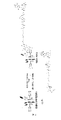
- the antibody drug conjugate has a structure selected from the group consisting of:
- the antibody drug conjugate has a drug/antibody ratio of about 2-6.
- the application provides a compound for preparing the antibody-drug conjugate described in the application, which has the structure shown in Formula 2: M-(L1) a (Formula 2), wherein M represents the compound described in the application.
- M represents the compound described in the application.
- L1 represents a linker connected to M;
- a is selected from 0-10.
- the L1 is selected from the group consisting of cleavable linkers, non-cleavable linkers, hydrophilic linkers, hydrophobic linkers, charged linkers, uncharged linkers and dicarboxylic acid-based linkers.
- the L1 is connected to the M through a sulfhydryl group, an azido group or an amide group on the M.
- said M comprises a first heavy chain and a second heavy chain, said first heavy chain and/or said second heavy chain comprising an attachment site capable of attachment to said L1.
- the linking site comprises a group capable of linking to the L1 after deglycosylation modification.
- the group is located at the side group of amino acid Q at position 297 of the first heavy chain; and/or at the side group of amino acid Q at position 298 of the second heavy chain.
- the groups include amido groups.
- the linking site comprises a group capable of linking to the L1 after glycosylation modification.
- the group is located at the side group of amino acid N at position 299 of the first heavy chain; and/or at the side group of amino acid N at position 300 of the second heavy chain.
- the group comprises -N 3 .
- said glycosylated modification comprises: said M has been contacted with UDP-GalNAz, ⁇ -1,4-galactosyltransferase, or a variant thereof.
- the L1 is capable of participating in a SPAAC reaction.
- the L1 is selected from the group consisting of maleimide, succinimid-3-yl-N and DBCO.
- the L1 is DBCO-(PEG) n1 , wherein n1 is an integer of 0-10, or, the L1 is maleimide.
- the compound comprises a structure selected from the group consisting of:
- the present application provides a method for preparing the antibody-drug conjugate described in the present application, which includes the following steps: contacting the compound described in the present application with the drug described in the present application.
- the present application provides a pharmaceutical composition, which comprises the antibody-drug conjugate described in the present application, or a pharmaceutically acceptable carrier.
- the present application provides a method for regulating the tumor microenvironment of a subject, which includes the following steps: administering the antibody-drug conjugate described in the present application, or the pharmaceutical composition described in the present application to the subject.
- the present application provides a method for regulating the immune response of a subject, which includes the following steps: administering the antibody-drug conjugate described in the present application, or the pharmaceutical composition described in the present application to the subject.
- the present application provides the application of the antibody-drug conjugate described in the present application, or the pharmaceutical composition described in the present application in the preparation of medicines, wherein the medicines can prevent and/or treat tumors.
- the tumor comprises solid tumors and/or non-solid tumors.
- Figure 1 shows the glycosylation modification reaction of the HER2-targeting bispecific antibody described in this application.
- Fig. 2 shows the HPLC profile of the glycosylation-modified HER2-targeting bispecific antibody described in the present application.
- Figure 3 shows the reaction steps for obtaining the antibody-drug conjugates described in this application.
- FIG. 4 shows the HPLC profile of the antibody drug conjugate described in this application.
- Figure 5 shows the reaction steps for obtaining the antibody drug conjugates described in this application.
- Figure 6 shows the Waters Xevo G2-QTOF mass spectrometry analysis results of the antibody-drug conjugate described in this application.
- Figure 7 shows the Waters Xevo G2-QTOF mass spectrometry analysis results of the antibody-drug conjugate described in this application.
- Figure 8 shows the results of Waters Xevo G2-QTOF mass spectrometry analysis of the light chain fraction in DS-8201.
- Figure 9 shows the results of Waters Xevo G2-QTOF mass spectrometry analysis of the heavy chain portion of DS-8201.
- Figure 10 shows the binding affinity of the HER2-targeting bispecific antibody described in this application to Fc ⁇ RIIIa.
- Figure 11 shows the binding affinity of the antibody drug conjugates described in this application to Fc ⁇ RIIIa.
- Figure 12 shows the binding affinity of the HER2-targeting bispecific antibody described in this application to Fc ⁇ RI.
- Figure 13 shows the binding affinity of the antibody drug conjugates described in this application to Fc ⁇ RI.
- Figure 14 shows the binding ability of the antibody drug conjugates described in this application to tumor cells.
- Figure 15 shows the killing ability of the antibody drug conjugates described in this application on tumor cells treated for 3 days.
- Figure 16 shows the killing ability of the antibody-drug conjugate described in the present application on tumor cells treated for 5 days.
- Figure 17 shows the killing ability of the antibody drug conjugates described in this application on tumor cells treated for 3 days.
- Fig. 18 shows the results of inhibition of proliferation of SK-BR-3 cells in each experimental group.
- Figure 19 shows the results of inhibition of the proliferation of MDA-MB-468 cells in each experimental group.
- Figure 20 shows the analysis results of the ADCC activity of the antibody drug conjugates described in this application.
- Figure 21 shows the steps of measuring the ADCC activity of the antibody-drug conjugate described in this application using the PBMC system.
- Figures 22-23 show the results of measuring the ADCC activity of the antibody-drug conjugate described in this application using the PBMC system.
- FIGS 24-26 show the endocytosis of the antibody drug conjugates described in this application in tumor cells.
- Figure 27 shows the endocytosis of the antibody drug conjugates described in this application in tumor cells.
- Figure 28 shows the pharmacokinetic study results of the antibody-drug conjugates described in this application.
- Figure 29 shows the results of the ratio of NCI-N87 positive cells after endocytosis induced by the antibody drug conjugates described in this application.
- Figure 30 shows the growth curves of the tumor volumes of mice in each group in the PDX tumor model of human gastric cancer.
- Figure 31 shows the growth curve of the tumor volume of the human gastric cancer HER2 IHC-PDX tumor model mice.
- antibody drug conjugate generally refers to an ADC, ie, a binding protein (eg, an antibody or antigen-binding fragment thereof) linked to one or more chemical drugs.
- the chemical drug can be any therapeutic and/or cytotoxic agent.
- the antibody drug conjugate can have any number from 1-8 of drugs conjugated to the antibody, for example can include 2, 4, 6 or 8 drug loaded species.
- the drugs may include mitotic inhibitors, anti-tumor antibiotics, immunomodulators, vectors for gene therapy, alkylating agents, anti-angiogenic agents, antimetabolites, boron-containing agents, chemoprotective agents, Hormones, antihormones, corticosteroids, phototherapeutics, oligonucleotides, radionuclide agents, topoisomerase inhibitors, tyrosine kinase inhibitors, and/or radiosensitizers.
- the term “drug/antibody ratio” or “DAR” generally refers to the number of drug linked to the antibody of the ADC.
- the DAR of an ADC can range from 1 to 8, or higher loadings (eg, 10), and the range of DAR can depend on the number of attachment sites on the antibody.
- the DAR can be the number of drugs loaded on a single antibody.
- the DAR can also be the average or average DAR of a group of ADCs.
- HER2 generally refers to human epidermal growth factor receptor 2 (SwissProt P04626).
- the HER2 can also be called rbB-2, NEU, HER-2 or CD340.
- the HER2 may include any variant, isoform, and species homologue of HER2 that is naturally expressed by cells, including tumor cells, or expressed by cells transfected with the HER2 gene or cDNA.
- extracellular domain generally refers to the extracellular domain of human HER2 (SwissProt P04626), which may include four extracellular domains I, II, III and IV.
- antibody generally refers to an immunoglobulin molecule composed of two identical pairs of polypeptide chains, each pair having a "light” (L) chain and a “heavy” (H) chain.
- Antibody light chains can be classified as kappa and lambda light chains.
- Heavy chains can be classified as mu, delta, gamma, alpha, or epsilon, and define the antibody's isotype as IgM, IgD, IgG, IgA, and IgE, respectively.
- the variable and constant regions are joined by a "J" region of about 12 or more amino acids, with the heavy chain also comprising a "D" region of about 3 or more amino acids.
- Each heavy chain is composed of a heavy chain variable region (VH) and a heavy chain constant region (CH).
- the heavy chain constant region consists of 3 domains (CH1, CH2 and CH3).
- Each light chain is composed of a light chain variable region (VL) and a light chain constant region (CL).
- the light chain constant region consists of one domain, CL.
- the constant regions of the antibodies mediate the binding of the immunoglobulin to host tissues or factors, including various cells of the immune system (eg, effector cells) and the first component (Clq) of the classical complement system.
- the VH and VL regions can also be subdivided into regions of high variability called complementarity determining regions (CDRs) interspersed with more conserved regions called framework regions (FRs).
- CDRs complementarity determining regions
- Each VH and VL consists of 3 CDRs and 4 FRs arranged in the following order: FR1, CDR1, FR2, CDR2, FR3, CDR3, FR4, from amino-terminus to carboxy-terminus.
- the variable regions (VH and VL) of each heavy chain/light chain pair form the antibody binding site, respectively. Assignment of amino acids to regions or domains follows the Kabat Sequences of Proteins of Immunological Interest (National Institutes of Health, Bethesda, Md. (1987 and 1991)), or Chothia & Lesk (1987) J.Mol.Biol.196:901-917 ; Definition by Chothia et al. (1989) Nature 342:878-883.
- antibody is not limited to any particular method of producing antibodies. For example, it includes, inter alia, recombinant antibodies, monoclonal antibodies and polyclonal antibodies. Antibodies can be of different isotypes, eg, IgG (eg, IgGl, IgG2, IgG3, or IgG4 subtype), IgAl, IgA2, IgD, IgE, or IgM antibodies.
- IgG eg, IgGl, IgG2, IgG3, or IgG4 subtype
- IgAl IgA2, IgD, IgE, or IgM antibodies.
- antigen-binding portion refers to one or more portions of a full-length antibody that retain the ability to bind to the same antigen (e.g., HER2) to which the antibody binds, competing with the intact antibody for antigen specificity. sexual union. See generally, Fundamental Immunology, Ch.7 (Paul, W., ed., 2nd ed., Raven Press, N.Y. (1989), which is incorporated herein by reference in its entirety for all purposes. or by enzymatic or chemical cleavage of intact antibodies to produce antigen-binding portions.
- antigen e.g., HER2
- antigen-binding portions include Fab, Fab', F(ab')2, Fd, Fv, dAb, and complementarity determining region (CDR) fragments, Single-chain antibodies (for example, scFv), chimeric antibodies, diabodies (diabodies) and such polypeptides, which comprise at least a portion of an antibody sufficient to confer polypeptide-specific antigen-binding ability.
- CDR complementarity determining region
- an antigen-binding portion of an antibody e.g., the antibody fragments described above
- a given antibody e.g., monoclonal antibody 2E12
- the method is to screen the antigen-binding portion of the antibody for specificity.
- Fd fragment means an antibody fragment consisting of VH and CH1 domains
- Fv fragment means an antibody fragment consisting of VL and VH domains of a single arm of an antibody
- dAb fragment means an antibody fragment consisting of VH domains (Ward et al., Nature 341:544 546 (1989))
- Fab fragment means an antibody fragment consisting of VL, VH, CL and CH1 domains
- F(ab')2 fragment means an antibody fragment comprising two Fab fragments connected by a disulfide bridge at the hinge region.
- antibody Fc generally refers to the constant region of a human immunoglobulin chain, defined based on papain cleavage of antibodies.
- the Fc may be the carboxy-terminal or a part of the constant region of an immunoglobulin heavy chain.
- an immunoglobulin Fc region may comprise two or more domains of heavy chains CH2, CH3, CH4 in combination with an immunoglobulin hinge region.
- immunoglobulins can be divided into different classes, there are five main classes of immunoglobulins: IgA, IgD, IgE, IgG, and IgM, some of which are further divided into subclasses (isotypes) , such as IgG-1, IgG-2, IgG-3, IgG-4, IgA-1 and IgA-2.
- subclasses such as IgG-1, IgG-2, IgG-3, IgG-4, IgA-1 and IgA-2.
- the selection of particular immunoglobulin Fc regions from particular immunoglobulin classes and subclasses is within the purview of those skilled in the art.
- the Fc may comprise at least one immunoglobulin hinge region, a CH2 domain and a CH3 domain, such as human IgG1 Fc.
- the term "bispecific antibody” generally refers to an antibody capable of binding to two antigens or epitopes respectively.
- the bispecific antibody may comprise the light chain and heavy chain of an antibody capable of specifically binding a first antigen or antigenic epitope, and the light chain and heavy chain of an antibody capable of specifically binding a second antigen or antigenic epitope.
- the light chain of the antibody capable of specifically binding the first antigen or antigenic epitope and the light chain of the antibody capable of specifically binding the second antigen or antigenic epitope in the bispecific antibody have the same sequence.
- the heavy chain of the antibody capable of specifically binding the first antigen or antigenic epitope and the heavy chain of the antibody capable of specifically binding the second antigen or antigenic epitope have different sequences.
- epitope or “antigenic epitope” generally refers to the site on an antigen that is specifically bound by an immunoglobulin or an antibody.
- An “epitope” is also referred to in the art as an "antigenic determinant”.
- Epitopes or antigenic determinants usually consist of chemically active surface groups of molecules such as amino acids or carbohydrate or sugar side chains and usually have specific three-dimensional structural characteristics as well as specific charge characteristics.
- an epitope typically includes at least 3, 4, 5, 6, 7, 8, 9, 10, 11, 12, 13, 14, or 15 consecutive or non-contiguous amino acids in a unique spatial conformation, which may be "linear of" or “conformational”.
- the term "specific binding” generally refers to binding as opposed to non-specific adsorption.
- a dissociation constant for example, "KD”
- KD dissociation constant
- the KD value of the bispecific antibody or antigen-binding fragment thereof for HER2 protein is less than 1 ⁇ 10 -5 M, less than 5 ⁇ 10 -6 M, less than 2 ⁇ 10 -6 M, or 1 ⁇ 10 -6 M or less; 5 ⁇ 10 -9 M or less, 2 ⁇ 10 -9 M or less, or 1 ⁇ 10 -9 M or less.
- the binding can be measured by known methods such as surface plasmon resonance (Surface Plasmon Resonance) method, ELISA method, RIA method and the like.
- CDR in this specification refers to a complementarity determining region (CDR: Complementarity deterring region). It is known that the heavy chain and light chain of an antibody molecule each have three CDRs. CDR is also called hypervariable domain (hypervariable domain). On the primary structure, they are separated in 3 places, respectively.
- CDRH1, CDRH2, and CDRH3 from the amino-terminal side of the heavy chain amino acid sequence for the CDRs of the heavy chain, and are described as CDRH1, CDRH2, and CDRH3 from the amino-terminal side of the light chain amino acid sequence for the CDRs of the light chain.
- Pertuzumab generally refers to Pertuzumab, also known as 2C4, trade name Perjeta.
- the amino acid sequences of the light chain and heavy chain variable regions of Pertuzumab can be found in Figure 2 of US20090285837A1.
- the pertuzumab is a recombinant humanized monoclonal antibody that can specifically bind to the extracellular dimerization domain (subdomain II) of epidermal growth factor receptor 2 (HER2).
- HER2 epidermal growth factor receptor 2
- the pertuzumab can block the heterodimerization of HER2 and other HER receptors by binding to HER2, thereby slowing down the growth of tumors.
- the pertuzumab can be used to treat HER2-positive metastatic breast cancer, and can be used to treat early breast cancer.
- trastuzumab generally refers to Trastuzumab, trade name
- the amino acid sequences of the light chain and heavy chain of trastuzumab can be found in Figure 16 of US20090285837A1.
- the trastuzumab is a humanized monoclonal antibody derived from recombinant DNA, which can be produced by mammalian cells (Chinese hamster ovary cells CHO) cultured in suspension in sterile medium.
- the trastuzumab can specifically bind to the extracellular domain of HER2, and can also stimulate the body's own immune cells to destroy tumor cells.
- the trastuzumab can be used to treat HER2-positive metastatic breast cancer, early breast cancer, and HER2-positive metastatic gastric adenocarcinoma or gastroesophageal junction adenocarcinoma.
- Exatecan generally refers to Exatecan (DX-8951), which is a DNA topoisomerase I inhibitor with CAS number 171335-80-1.
- DXd is a derivative of Exitecan (DX-8951) with a CAS number of 1599440-33-1.
- exitecan and DXd belong to moderately toxic drugs, and the application of these drugs in ADC can reduce the toxic and side effects caused by toxin shedding.
- linker generally refers to a chemical moiety that is bifunctional or multifunctional and is used to link the bispecific antibody or antigen-binding fragment thereof described herein to the drug described herein.
- the linker may comprise one coupling component, or may comprise multiple coupling components.
- tumor generally refers to the physiological condition in mammals that is often characterized by unregulated cell growth.
- the tumor includes one or more cancerous cells.
- the tumors may include solid tumors and/or non-solid tumors.
- tumor microenvironment generally refers to the environment in which a tumor exists, which is the acellular area within the tumor and the area immediately outside the tumor tissue but not belonging to the intracellular compartment of the cancer cells themselves. Tumors are closely related to the tumor microenvironment and can continuously interact with each other. For example, tumors can alter the tumor microenvironment, which can affect tumor growth and spread.
- the tumor microenvironment has a low pH in the range of 5.8 to 7.0.
- the tumor microenvironment may have lower concentrations of glucose and other nutrients, but higher concentrations of lactic acid.
- the temperature of the tumor microenvironment can be 0.3 to 1 °C higher than the normal physiological temperature.
- the tumor microenvironment has been described in "MRI of the Tumor Microenvironment” by Gillies et al., Journal of Magnetic Resonance Imaging, Vol. 16, pp. 430-450, 2002.
- treatment generally refers to both therapeutic treatment and prophylactic or preventive measures, where the goal is to prevent or slow down (lessen) an unwanted physiological change or condition, such as hyperproliferative conditions such as cancer To grow, form or spread.
- beneficial or desired clinical outcomes include, but are not limited to: relief of symptoms, diminishment of extent of disease, stabilization of disease state (i.e. not worsening), delay or slowing of disease progression, amelioration or palliation of disease state, and recovery (whether partial or complete), whether detectable or undetectable.
- Treatment or “treating” can also refer to prolonging survival as compared to expected survival if not receiving treatment.
- Those in need of treatment include those already with the disease or disorder as well as those prone to develop the disease or disorder or those in which the condition or disorder is to be prevented.
- the present application provides an antibody drug conjugate comprising a bispecific antibody targeting HER2 or an antigen-binding fragment thereof.
- the antibody drug conjugate may comprise the structure shown in Formula 1: M-(L1) a -(L2) b -D (Formula 1), wherein M represents the A bispecific antibody targeting HER2 or an antigen-binding fragment thereof; L1 represents a linker connected to M, L2 represents a linker connected to D, a and b are each independently selected from 0-10, and D represents a drug.
- the HER2-targeting bispecific antibody or antigen-binding fragment thereof can specifically bind at least one epitope of human HER2.
- two different epitopes of human HER2 can be specifically bound.
- the at least two epitopes may be located in the same domain of the human HER2 protein, for example, may also be located in at least two different domains of the human HER2 protein.
- the HER2-targeting bispecific antibody or antigen-binding fragment thereof can specifically bind to the extracellular domain II of human HER2 and/or the extracellular domain IV of human HER2.
- the HER2-targeting bispecific antibody or antigen-binding fragment thereof can specifically bind to extracellular domain II of human HER2 and extracellular domain IV of human HER2.
- the HER2-targeting bispecific antibody or antigen-binding fragment thereof may comprise a first light chain and a second light chain.
- the first light chain may comprise the first LCDR1-3, wherein the first LCDR1 may comprise the amino acid sequence shown in SEQ ID NO.4.
- the first LCDR2 may comprise the amino acid sequence shown in SEQ ID NO.5.
- the first LCDR3 may comprise the amino acid sequence shown in SEQ ID NO.6.
- the first LCDR1 may comprise the amino acid sequence shown in SEQ ID NO.4; the first LCDR2 may comprise the amino acid sequence shown in SEQ ID NO.5; and the first LCDR2 may comprise the amino acid sequence shown in SEQ ID NO.5;
- An LCDR3 may comprise the amino acid sequence shown in SEQ ID NO.6.
- the first light chain is capable of binding to the heavy chain of Pertuzumab.
- the second light chain may comprise a second LCDR1-3, wherein the second LCDR1 may comprise the amino acid sequence shown in SEQ ID NO.1.
- the second LCDR2 may comprise the amino acid sequence shown in SEQ ID NO.2.
- the second LCDR3 may comprise the amino acid sequence shown in SEQ ID NO.3.
- said second light chain is capable of binding to the heavy chain of trastuzumab.
- the first light chain and/or the second light chain can be engineered from two original monoclonal antibodies (eg, known monoclonal antibodies).
- the two original monoclonal antibodies may target HER2.
- the two original monoclonal antibodies can specifically bind at least one epitope of human HER2.
- the two original monoclonal antibodies can respectively specifically bind to two different epitopes of human HER2.
- the two original monoclonal antibodies can specifically bind to the extracellular domain II of human HER2 and the extracellular domain IV of human HER2, respectively.
- the two original monoclonal antibodies may be trastuzumab and pertuzumab.
- the first light chain and/or the second light chain may differ in amino acid sequence from the light chains of either of the two original monoclonal antibodies.
- the first light chain and/or the second light chain may have the same amino acid sequence as the light chain of any one of the two original monoclonal antibodies, or, the first light chain and/or the second light chain may Or the amino acid sequence of the second light chain can be obtained through modification on the basis of the amino acid sequence of the light chain of any one of the two original monoclonal antibodies.
- the modification may include amino acid sequence modification.
- the purpose of the modification may be to maintain as much as possible the affinity with the antigen or epitope corresponding to the two original monoclonal antibodies.
- the modification may include mutation, deletion or addition of amino acids, for example, mutation, deletion or addition of no more than 3 amino acids, no more than 2 amino acids, or no more than 1 amino acid.
- amino acid sequence of the variable region of the first light chain may be identical to the amino acid sequence of the variable region of the second light chain.
- variable regions of the first light chain and the second light chain may comprise the amino acid sequence shown in any one of SEQ ID NO.7-12.
- variable regions of the first light chain and the second light chain may comprise the amino acid sequence shown in SEQ ID NO.7.
- the first light chain and the second light chain may comprise a light chain constant region.
- the light chain constant region may be of the kappa or lambda type.
- the ⁇ -type light chain constant region includes various allotypes, such as Km1, Km1,2, Km3;
- the lambda-type light chain constant region includes various allotypes, such as CL1, CL2, CL3, CL6 and CL7.
- the first light chain and the second light chain may comprise the amino acid sequence described in any one of SEQ ID NO.13-18.
- the first light chain may be selected from the group consisting of the light chain of Pertuzumab or a mutant thereof and the light chain of Trastuzumab or a mutant thereof.
- the second light chain may be selected from the group consisting of the light chain of Pertuzumab or a mutant thereof and the light chain of Trastuzumab or a mutant thereof.
- the first light chain may be the light chain of Pertuzumab or a mutant thereof.
- the second light chain may be the light chain of trastuzumab or a mutant thereof.
- amino acid sequences of the first light chain and the second light chain may be the same.
- the first light chain and the second light chain may comprise the amino acid sequence described in SEQ ID NO.13.
- the HER2-targeting bispecific antibody or antigen-binding fragment thereof may comprise a first heavy chain and a second heavy chain, wherein the first heavy chain can be expressed under physiological conditions or in vitro. Properly associated with the first light chain.
- the second heavy chain can correctly combine with the second light chain under physiological conditions or protein expression state in vitro.
- the first heavy chain may comprise a first heavy chain variable region, and the first heavy chain variable region may be the heavy chain variable region of Pertuzumab.
- the second heavy chain may comprise a second heavy chain variable region, and the second heavy chain variable region may be the heavy chain variable region of trastuzumab.
- the first heavy chain and the second heavy chain may comprise a heavy chain constant region, wherein the heavy chain constant region may be derived from a constant region of human IgG.
- the heavy chain constant region of the first heavy chain, and/or the heavy chain constant region of the second heavy chain may comprise an Fc region.
- the Fc region can be modified, for example, the modification can increase the ratio of the first heavy chain and the second heavy chain to form a heterodimer.
- modified technology can be well known to those skilled in the art, for example, refer to Ridgway, Presta et al. 1996; Carter 2001, patent CN 102558355A, patent CN 103388013A.
- the heavy chain type of the heavy chain constant region of the first heavy chain and the heavy chain constant region of the second heavy chain may be the same or different.
- the heavy chain constant region of the first heavy chain and the heavy chain constant region of the second heavy chain may differ in amino acid sequence from the heavy chain constant regions of the two original monoclonal antibodies.
- the amino acid sequence of the heavy chain constant region of the first heavy chain may be identical to the amino acid sequence of the heavy chain constant region of one of the original monoclonal antibodies; and/or, the heavy chain of the second heavy chain
- the amino acid sequence of the chain constant region may be identical to the amino acid sequence of the heavy chain constant region of another strain of the original monoclonal antibody.
- the Fc fragments of the first heavy chain and the second heavy chain may comprise the amino acid sequence described in any one of SEQ ID NO.24-57.
- the first heavy chain may comprise the amino acid sequence shown in any one of SEQ ID NO.21-24.
- the first heavy chain may comprise the amino acid sequence shown in SEQ ID NO.21 or 23.
- the second heavy chain may comprise the amino acid sequence shown in any one of SEQ ID NO.21-24.
- the second heavy chain may comprise the amino acid sequence shown in SEQ ID NO. 22 or 24.
- the first heavy chain may comprise the amino acid sequence shown in SEQ ID NO.21 or 23, and the second heavy chain may comprise the amino acid sequence shown in SEQ ID NO.22 or 24.
- the first heavy chain may comprise the amino acid sequence shown in SEQ ID NO.21
- the second heavy chain may comprise the amino acid sequence shown in SEQ ID NO.22.
- the first heavy chain may comprise the amino acid sequence shown in SEQ ID NO.23
- the second heavy chain may comprise the amino acid sequence shown in SEQ ID NO.24.
- the HER2-targeting bispecific antibody or antigen-binding fragment thereof can be obtained according to conventional technical means in the art.
- it can be purified from host cells.
- the purification methods may include chromatographic techniques such as size exclusion, ion exchange, affinity chromatography and ultrafiltration.
- the antibody drug conjugate may comprise the structure shown in Formula 1: M-(L1) a -(L2) b -D (Formula 1), wherein M represents the HER2-targeting drug described in this application
- M represents the HER2-targeting drug described in this application
- a compound for preparing the antibody drug conjugate described in this application has a structure shown in Formula 2: M-(L1) a (Formula 2), wherein M represents the target drug conjugate described in this application A bispecific antibody to HER2 or an antigen-binding fragment thereof; L1 represents a linker connected to M; a is selected from 0-10.
- the L1 and the M may be connected through the thiol, azido or amide group on the M.
- the M may comprise a first heavy chain and a second heavy chain, and the first heavy chain and/or the second heavy chain may comprise a linking site capable of linking with the L1.
- the linking site may include a group capable of linking with the L1 after deglycosylation modification.
- the group may be located at the side group of amino acid Q at position 297 of the first heavy chain; and/or may be located at the side group of amino acid Q at position 298 of the second heavy chain.
- the group may include an amide group.
- transglutaminases TGs
- TGs transglutaminases
- the linking site may include a group capable of linking with the L1 after glycosylation modification.
- the group may be located at the side group of the 299th amino acid N of the first heavy chain; and/or may be located at the side group of the 300th amino acid N of the second heavy chain.
- N299 or N300 may have a conserved glycosylation site. The glycosylation site at the N can be utilized for site-directed coupling.
- the numbering of the amino acid position can be calculated from the amino acid at the N-terminal of the first heavy chain and/or the second heavy chain.
- glycosylation modification can be performed on the glycosylation modification site.
- said glycosylation form can be accomplished, for example, by expressing the protein in a cell with an altered glycosylation structure.
- Cells with altered glycosylation structures have been described in the art and can be used to express therein proteins with such glycosylation modifications (e.g., HER2-targeting bispecific antibodies or antigens thereof described herein) combined fragments).
- Glycosylation of a protein may depend on the amino acid sequence of the protein (eg, the HER2-targeting bispecific antibody or antigen-binding fragment thereof described herein) and the host cell in which the protein is expressed. Different organisms can produce different glycosylases (eg, glycosyltransferases and glycosidases) and have different available substrates (nucleotide sugars). Due to these factors, protein glycosylation patterns and the composition of residues at glycosylation modification sites may vary depending on the host system in which a particular protein is expressed. Glycosyl residues useful herein may include glucose, galactose, mannose, fucose, n-acetylglucosamine, and/or sialic acid. For example, the glycosylation modification may include a human-adapted glycosylation modification pattern.
- the glycosylation modification can change the properties of the protein (eg, the HER2-targeting bispecific antibody or antigen-binding fragment thereof described in the present application).
- Different protein glycosylation can affect and/or result in different protein properties (e.g. in terms of expression, half-life in vivo, protein folding, solubility, susceptibility to proteases, transport, transport, compartmentalization, secretion, other protein or factors such as recognition, antigenicity or allergenicity changes).
- the specific structure and preparation method of the protein glycosylation can be adjusted according to different glycosylation purposes, and those skilled in the art can make adjustments according to the existing technology in the field.
- the glycosylation modification can be adjusted according to human and/or animal species specificity.
- the glycosylation modification can be achieved with the aid of a glycosylase (e.g., a heterologous glycosylase derived from the host cell).
- the glycosylation modification can obtain a protein exhibiting glycosylation characteristics of a human protein (eg, the HER2-targeting bispecific antibody or antigen-binding fragment thereof described herein).
- the glycosylase may be of natural or non-natural origin.
- the glycosylated modification may include: the M has been contacted with UDP-GalNAz, ⁇ -1,4-galactosyltransferase or a variant thereof.
- the ⁇ -1,4-galactosyltransferase or variant thereof e.g., ⁇ -1,4-Gal-T1-Y289
- GalNAc N-acetylgalactosamine
- It may be linked to a terminal N-acetylglucosamine (GlcNAc) residue on a glycan of a protein (such as the HER2-targeting bispecific antibody or antigen-binding fragment thereof).
- the M may comprise the group described in the present application.
- the side group of amino acid N at position N299 of said first heavy chain of said M; and/or the side group of amino acid N at position N300 of said second heavy chain of said M can obtain -N 3 base modification, become glycosylation modified M.
- the Fc region of the M can be linked to the L1 through the group.
- the M in the antibody drug conjugates described herein and/or the compounds described herein, can be linked to the L1 via the group.
- the glycosylated modified M can undergo an addition reaction with the L1.
- the a may be an integer selected from 0-10, for example, may be 0, 1, 2, 3, 4, 5, 6, 7, 8, 9 or 10.
- b may be an integer selected from 0-10, for example, may be 0, 1, 2, 3, 4, 5, 6, 7, 8, 9 or 10.
- the L1 and/or L2 may be selected from the group consisting of cleavable linkers, non-cleavable linkers, hydrophilic linkers, hydrophobic linkers, charged linkers, uncharged linkers, linkers and dicarboxylic acid-based linkers.
- both the L1 and the L2 can be regarded as linkers.
- the linker may be a part that extends the drug linkage to avoid, for example, shielding the active site of the antibody or increasing the solubility of the ADC.
- the linker may comprise stretcher units and/or amino acid units.
- the linker can be used to couple the antibody (for example, the HER2-targeting bispecific antibody or antigen-binding fragment thereof described in the present application) to the drug (for example, by covalent connect).
- the conjugation can be via the antibody's cysteine sulfhydryl or amine (eg N-terminal or amino acid side chain such as lysine) forming a bond with the functional group of the linker.
- cysteine sulfhydryl or amine eg N-terminal or amino acid side chain such as lysine
- the linker may have a functional group capable of reacting with a free cysteine present on the antibody to form a bond (e.g., a covalent bond).
- the functional groups may include: maleimide, haloacetamides, ⁇ -haloacetyl, active esters such as succinimide ester, 4-nitrophenyl ester, pentafluorophenyl ester, Tetrafluorophenyl esters, acid anhydrides, acid chlorides, sulfuryl chlorides, isocyanates and/or isothiocyanates.
- the linker may include a functional group capable of reacting with an electrophilic group present on the antibody.
- the functional groups may include: aldehyde, ketone carbonyl, hydrazine, oxime, amino, hydrazine, thiosemicarbazone, hydrazine carboxylate, and/or aryl hydrazide.
- the linker may include a cleavable linker and a non-cleavable linker.
- the linker eg, L2
- the linker can be a cleavable (eg, self immolative) linker, which can facilitate release of the drug.
- the linker eg, L1
- the linker can be a non-cleavable linker that can be attached to the antibody and is non-cleavable.
- the cleavable linker can be cleaved under intracellular conditions.
- the cleavable linkers can include: acid labile linkers (e.g., comprising hydrazones), protease sensitive linkers (e.g., sensitive to peptidases), photolabile linkers and/or comprising disulfide
- the linker of the thing may comprise a peptide linker capable of being cleaved by intracellular proteases (eg, lysosomal proteases) and/or endosomal proteases.
- the linker is cleavable under the intracellular environment. For example, cleavage of the linker can allow the drug in the antibody drug conjugate to exert an effective therapeutic effect.
- the structure and/or properties of the linker are stable extracellularly.
- the antibody drug conjugates described herein may be structurally stabilized prior to being transported or delivered into cells.
- the HER2-targeting bispecific antibody or its antigen-binding fragment remains coupled to the drug.
- the linker in the antibody drug conjugate can, for example, maintain the specific binding properties of the HER2-targeting bispecific antibody or antigen-binding fragment thereof; participate in the antibody drug Delivery of the conjugate, and/or, maintaining the therapeutic effect (eg, cytotoxic effect) of the drug.
- the linker may include a hydrophilic linker (eg, PEG4Mal and sulfo-SPDB) and a hydrophobic linker.
- a hydrophilic linker eg, PEG4Mal and sulfo-SPDB
- the hydrophilic linker can reduce the extent to which the antibody drug conjugate can be pumped out of resistant cancer cells by MDR (multidrug resistance) or functionally similar transporters.
- the linker may also function to directly or indirectly inhibit cell growth and/or cell proliferation.
- the linker may function as an intercalator in the cleavage.
- the linker may act indirectly to inhibit macromolecule biosynthesis.
- the linker can facilitate the entry of the antibody drug conjugate into cells (for example, can promote "internalization”).
- the linker can also be designed to improve the stability of the antibody drug conjugate.
- said L1 is capable of participating in the SPAAC reaction.
- the SPAAC reaction is an azide-alkynyl cycloaddition reaction.
- the SPAAC reaction can be used as one of the addition reactions in the preparation process of the antibody-drug conjugate.
- the L1 may be selected from the group consisting of maleimide, succinimid-3-yl-N and DBCO.
- the L1 may be DBCO-(PEG) n1 , wherein n1 is an integer of 0-10, or the L1 is maleimide.
- the L1 can be DBCO-(PEG) 4 , DBCO-(PEG) 3 .
- the PEG molecule can be used to increase the hydrophilicity of the antibody drug conjugate.
- the PEG molecule can be used to meet the requirement of spatial distance for L2 (eg GGFG) cleavage (eg enzyme cleavage).
- said L2 can be selected from the group consisting of polypeptide, VC-PAB, N-succinimidyl-3-(2-pyridyldithio)propionate (SPDP), N-succinyl Imino 4-(2-pyridyldithio)pentanoate (SPP), N-succinimidyl 4-(2-pyridyldithio)butyrate (SPDB), N-succinyl Imino-4-(2-pyridyldithio)-2-sulfobutyrate (sulfo-SPDB), N-succinimidyl iodoacetate (SIA), N-succinimide Succinyl (4-iodoacetyl) aminobenzoate (SIAB), maleimide PEG NHS, N-4-(maleimidomethyl) cyclohexyl carboxylate succinamido ester (SMCC) , N-sulfo
- SPDP
- the L2 can be GGFG, LP, VK, VC, GFG, GGFGG, GGFGS, GGFGGG, GGFGGE, GGFGGGFG, DGGF, DGGFG, D d GGFG, DG Me GFG, DGGFS, DDGGFG, KDGGFG, KGGFG, EGGFG or SGGFG.
- the L2 can be GGFG.
- Cathepsin B cleavable tetrapeptide Gly-Gly-Phe-Gly (GGFG) is a highly hydrophilic (eg stronger than Gly-Phe-Leu-Gly) linker.
- the drug may have the ability to kill tumor cells and/or inhibit the growth of tumor cells.
- the drugs may include small molecule drugs.
- the drug may be selected from the group consisting of V-ATPase inhibitors, Bcl2 inhibitors, MCL1 inhibitors, HSP90 inhibitors, IAP inhibitors, mTor inhibitors, microtubule stabilizers, microtubule destabilizers , auristatin, dolastatin, maytansinoid, MetAP (methionine aminopeptidase), nuclear export inhibitor of protein CRM1, DPPIV inhibitor, proteasome inhibitor, phosphotransfer reaction inhibitor in mitochondria, protein synthesis inhibitor , CDK2 inhibitors, CDK9 inhibitors, kinesin inhibitors, HDAC inhibitors, DNA disruptors, DNA alkylating agents, DNA intercalators, DNA minor groove binders, DHFR inhibitors, nucleoside analogs, HD AC inhibitors , anthracyclines, NAMPT inhibitors, SN-38 glucuronic acid, etoposide phosphate, nitrogen mustard, proteosome inhibitors, cytokines, and Toll-like
- the drug may be selected from the group consisting of DM1, exatecan, DXd, MMAE, SN-38, Calicheamicin, Anthracyclin-5G, DM4, microtubule inhibitor SHR153024, PNU-159682, Duo5 toxin, SN38 derivatives or their derivatives.
- the drug may be camptothecin or its derivatives.
- the drug may be a DNA topoisomerase I inhibitor.
- the drug can be Exatecan (DX-8951), DXd, Ducamycin, Mitomycin C, Talithromycin, Maytansine, TLR7 agonist, TLR8 agonist , a TLR7/8 agonist or a TLR9 agonist.
- the drug can have the following structure:
- the antibody drug conjugate may have a structure selected from the following group:
- the drug/antibody ratio of the antibody drug conjugate may be about 2-6.
- the drug/antibody ratio can be about 1, about 2, about 3, about 4, about 5, or about 6.
- the drug/antibody ratio can be four.
- the drug/antibody ratio can be three.
- the application provides a compound for the antibody drug conjugate described in the application, which has the structure shown in formula 2: M-(L1) a (formula 2), wherein M The bispecific antibody targeting HER2 or its antigen-binding fragment; L1 represents the linker connected to M; a is selected from 0-10.
- the compound may include a structure selected from the group consisting of:
- the present application provides a method for preparing the antibody-drug conjugate described in the present application, which includes the following steps: contacting the compound described in the present application with the drug described in the present application.
- the preparation method of the antibody-drug conjugate may include the following steps: (1) contacting the L1 described in this application, the L2 and the drug; (2) obtaining Compound (L1) a -(L2) b -D; (3) contacting M described in this application with said compound (L1) a -(L2) b -D to obtain the antibody drug conjugate described in this application things. For example, M in step (3) undergoes the glycosylation modification.
- the present application provides a pharmaceutical composition, which comprises the antibody-drug conjugate described in the present application, or a pharmaceutically acceptable carrier.
- the pharmaceutical composition may include a "therapeutically effective dose” or “prophylactically effective dose” of the antibody-drug conjugate described in the present application.
- the “therapeutically effective dose” may be an amount effective, at dosages and for durations necessary, to achieve the desired therapeutic result.
- the therapeutically effective dose can be determined by those skilled in the art, for example, according to the state of the disease, the age, sex, body weight of the subject, the ability of the antibody-drug conjugate to elicit a desired response in the subject, etc. Factors change.
- the “prophylactically effective dose” may be an amount effective to achieve the desired prophylactic result at the necessary dosage and duration. For example, the prophylactically effective dose may be lower than the therapeutically effective dose.
- the pharmaceutical composition may be formulated in a form suitable for administration (eg, suitable for parenteral, intradermal, intramuscular, intraperitoneal, intravenous and subcutaneous, intratumoral and/or mucosal administration).
- the pharmaceutical composition may include other pharmaceutically active ingredients.
- the pharmaceutically acceptable carrier may include any or all solvents, dispersion media, coatings, antibacterial and antifungal agents, isotonic and absorption delaying agents, etc. that are physiologically compatible.
- the pharmaceutically acceptable carrier may include one or more of water, saline, phosphate-buffered saline, dextrose, glycerol, ethanol, etc., and combinations thereof.
- the pharmaceutically acceptable carrier may also include isotonic agents, wetting agents, emulsifying agents, preservatives and/or buffering agents.
- the present application provides a method for regulating the tumor microenvironment of a subject, which includes the following steps: administering the antibody-drug conjugate described in the present application, or the pharmaceutical composition described in the present application to the subject.
- the present application provides a method for regulating the immune response of a subject, which includes the following steps: administering the antibody-drug conjugate described in the present application, or the pharmaceutical composition described in the present application to the subject.
- the present application provides the application of the antibody drug conjugate described in the present application, or the pharmaceutical composition described in the present application in the preparation of medicines, wherein the medicines can regulate the tumor microenvironment of the subject and/or regulate the subject immune response.
- the present application provides the antibody-drug conjugate described in the present application, or the pharmaceutical composition described in the present application, which is used for regulating the tumor microenvironment of the subject and/or regulating the immune response of the subject.
- the present application provides the application of the antibody-drug conjugate described in the present application, or the pharmaceutical composition described in the present application in the preparation of medicines, wherein the medicines can prevent and/or treat tumors.
- the present application provides a method for preventing and/or treating tumors, which includes the following steps: administering the antibody-drug conjugate described in the present application or the pharmaceutical composition described in the present application to prepare a drug.
- the present application provides the antibody drug conjugate or the pharmaceutical composition described in the present application, which is used for preventing and/or treating tumors.
- the tumor may include solid tumors and/or non-solid tumors.
- the tumor may comprise gastric cancer, breast cancer (eg breast ductal carcinoma), and/or pancreatic cancer.
- the tumors of the present application may include HER2 weakly positive tumors and/or HER2 negative tumors, for example, the technical solution of the present application may have a bystander killing effect.
- antibody A A bispecific antibody targeting HER2 (hereinafter referred to as antibody A), wherein antibody A comprises a first light chain, a second light chain, a first heavy chain and a second heavy chain, wherein the first light chain and the amino acid sequence of the second light chain is shown in SEQ ID NO.13, wherein the amino acid sequence of the heavy chain variable region of the first heavy chain is shown in SEQ ID NO.19; the second heavy chain The amino acid sequence of the heavy chain variable region is shown in SEQ ID NO.20. Wherein the amino acid sequence of the first heavy chain is shown in SEQ ID NO.21; the amino acid sequence of the second heavy chain is shown in SEQ ID NO.22.
- antibody A was artificially synthesized and isolated and purified.
- DS-8201 (also known as: T-DXd, trade name ENHERTU) is manufactured by Daiichi Sankyo and AstraZeneca. DS-8201 is composed of anti-HER2 IgG1 monoclonal antibody coupled with topoisomerase I inhibitor DXd through a linker.
- U3-1402 was manufactured by Daiichi Sankyo. U3-1402 is formed by covalently coupling HER3 antibody Patritumab and topoisomerase inhibitor DXd.
- DXd that is, exatecan DX-8951 derivatives, purchased from Lianning Biology
- compound 1 comprising a linker and a toxin: DBCO-PEG4-GGFG-DXd, which has the following structural formula:
- Antibody A was contacted with ⁇ -1,4-galactosyltransferase ( ⁇ -1,4-al-T1) (purchased from Shanghai Baosen Biology) in the presence of UDP-GalNAz.
- ⁇ -1,4-galactosyltransferase ⁇ -1,4-al-T1
- UDP-GalNAz the structural formula of UDP-GalNAz is
- the obtained glycosylation-modified antibody A was detected by HPLC, and the detection results are shown in Figure 2.
- the results in Figure 2 indicate that the glycosylation-modified antibody A has its unique characteristic peak and its molecular weight is 148796Da.
- step (1) Contact DBCO-PEG4-GGFG-DXd in step (1) with the glycosylated antibody A prepared in step (2) and react at 25-35°C for 10-15 hours, wherein DBCO and glycosyl SPAAC reaction occurs at the -N3 group in Antibody A modified by B to obtain Antibody A-ADC1 molecule.
- the reaction to obtain the antibody A-ADC1 molecule is shown in Figure 3.
- Antibody A-ADC1 was detected by HPLC, and the detection results are shown in Figure 4.
- the results in Figure 4 indicate that the antibody A-ADC1 molecule has its unique characteristic peak, and its molecular weight is 154299.
- Herceptin was glycosylated according to the method described in Example 1, and reacted with DBCO-PEG4-GGFG-DXd to obtain Herceptin-ADC1 molecule, wherein its DAR was 8.
- Antibody A is reacted with TECP, so that antibody A has sulfhydryl groups (for example, 8 -SH), and modified antibody A is obtained.
- TECP sulfhydryl groups
- the modified antibody A prepared in the step (2) is contacted with the compound 2 prepared in the step (1) comprising a linker and a toxin to obtain an antibody A-ADC2 molecule.
- the stability of the antibody A-ADC1 prepared in Example 1, the antibody A-ADC2 prepared in Example 2, and DS-8201 in human serum were investigated respectively.
- the result is shown in Figure 6.
- the results in Figure 6 show that the molecular weight of antibody A-ADC1 (about 154299) after incubation in human serum for 0 days, 3 days, and 7 days basically did not change, and the DAR value remained at 4 after 3 days and 7 days in serum.
- step (1) the stability of antibody A-ADC2 in serum was detected.
- the results of Waters Xevo G2-QTOF mass spectrometry analysis are shown in Figure 7.
- the results in Figure 7 illustrate that when the antibody A-ADC2 was incubated in human serum for 0 day, 3 days, and 7 days, respectively. After 3 days of incubation, the maleimide on the light chain can exist stably in human serum due to ring-opening hydrolysis; while the DAR value of the heavy chain decreased from 6 to about 2 after 3 days of incubation, and the DAR of the heavy chain after 7 days of incubation The value is almost 0, indicating that the heavy chain of antibody A-ADC2 will be eliminated in serum after 7 days.
- step (1) test the stability of DS-8201 in serum.
- Biofilm interferometry (BLI) (Fortebio Macromolecular Interaction Instrument of Danaher Company) was used to measure the affinity of antibody A, antibody A-ADC1 prepared in Example 1, and Fc ⁇ RI, Fc ⁇ RIIIa, etc. respectively.
- the curing concentration is 10 ⁇ g/ml, and the curing height is 2nm.
- the curing concentration is 10 ⁇ g/ml, and the curing height is 2nm.
- Example 4 The binding ability of ADC molecules comprising antibody A to tumor cells
- antibody A-ADC1 prepared in Example 1
- antibody A-ADC2 prepared in Example 2
- antibody A to NCI-N87 cells were investigated respectively.
- the EC50 of antibody A-ADC1 is consistent with that of parent antibody A, both are about 1.1 ⁇ g/ml, indicating that antibody A-ADC1 is compatible with parent antibody A.
- the binding activity of molecular antibody A to NCI-N87 cells with high expression of HER2 is consistent; the peak value of antibody A-ADC1 is greater than that of antibody A-ADC2, indicating that the binding activity of antibody A-ADC1 to NCI-N87 cells with high expression of HER2 is slightly stronger than that of antibody A -ADC2.
- Example 5 The ability of ADC molecules comprising antibody A to kill tumor cells
- test results of BT474 cells treated for 3 days are shown in FIG. 17 .
- the NCI-N87, BT474 tumor cell killing test shows that the antibody A-ADC1 and the antibody A-ADC2 have good killing ability to the HER2 high expression positive tumor cells (NCI-N87, BT474) cells; and the antibody A-ADC1 and the The killing ability of antibody A-ADC2 on HER2 high expression positive tumor cells (NCI-N87, BT474 cells) is better than that of DS-8201.
- ADC drugs are usually combined with antigens on the cell membrane first, and then the antibody-antigen complex enters the cell through endocytosis and forms inclusion bodies, and then the inclusion bodies further mature and fuse into lysosomes.
- the cytotoxic drug is released (through the corresponding specific protease to decompose the linker, such as cathepsin B (cathepsin B), or the entire ADC drug is decomposed in the lysosome), and the resulting cytotoxic drug penetrates the lysosome Membrane, binding to DNA or microtubules leads to apoptosis.
- These drugs can also be pumped out to the tumor microenvironment through the protein transport on the cell membrane, enter the adjacent tumor cells, and have a killing effect on them, which can lead to the "bystander effect".
- Antibody A-ADC1 is a sugar site-directed conjugated drug targeting a biepitope antibody targeting HER2, using a cleavable linker.
- SK with antibodies A-ADC1 and DS-8201 respectively -B-R-3 (HER2 high expression) single cell system, MDA-MB-468 (HER2 no expression) single cell system, SK-BR-3 and MDA-MB-468 (1:1) mixed cell system, after treatment for 3 days , Count the cells in all sample wells, and stain the mixed cell system with APC anti-CD340Antibody fluorescent antibody, and detect it by flow cytometry.
- SK-BR-3 and MDA-MB-468 cells in the logarithmic growth phase in T75 culture flasks discard the medium, wash twice with PBS and drain the liquid; add 2ml of trypsin for digestion, and place in a 37°C incubator for 4 minutes ;Transfer the cell digestion solution to a 15ml centrifuge tube, add 8ml growth medium to stop the digestion and pipette the cells to a single cell suspension, centrifuge at 1000rpm for 5min; discard the supernatant, add 3ml medium (RPMI-1640+1%FBS) Resuspend cells, pipette 20 ⁇ l cell suspension and 20 ⁇ l 0.2% trypan blue to mix.
- 3ml medium RPMI-1640+1%FBS
- Counting Mono-culture: Both cell densities were adjusted to 1*10 5 cells/ml with culture medium (RPMI-1640+1% FBS). Plate 96-well plates at 100 ⁇ l/well, the number of cells per well is 1*10 4 , and culture overnight at 37°C in a 5% CO2 incubator; mixed cell plating (co-culture): medium (RPMI-1640+1 %FBS) both cell densities were adjusted to 2*10 5 cells/ml, and 50 ⁇ l of SK-BR-3 cells and 50 ⁇ l of MDA-MB-468 cells were added to each well. The total number of cells per well is 2*10 4 , cultured overnight at 37°C in a 5% CO 2 incubator;
- Antibody drug configuration Dilute the test sample with RPMI-1640 medium containing 1% FBS, from the highest working concentration of 50nM, downward 5-fold gradient dilution, a total of 4 concentrations; set the control group at the same time, that is, no drug group ( Negative Control); add 100 ⁇ l of the above-mentioned diluted test sample to each well, and directly add 100 ⁇ l of RPMI-1640+1% FBS medium to the control group (Negative Control); culture at 37°C, 5% CO2 for 72 hours; suck into the 96-well plate Supernatant, wash once with 200 ⁇ l 1XPBS, add 20 ⁇ l trypsin to each well for digestion, place in 37°C incubator for 4min; add 100 ⁇ l medium (RPMI-1640+10% FBS) to stop digestion and pipette cells to single cell suspension, 1000rpm Centrifuge for 5 min; discard the supernatant, add 40 ⁇ l of 1XPBS to each well to resuspend the cells, draw 20
- the inhibition rate of antibody A-ADC1 on the proliferation of MDA-MB-468 cells in the mixed cell system is: 68.65%, 46.87%, 31.61%, -4.95%; ENHERTU
- the proliferation inhibition rates of MDA-MB-468 cells in the mixed cell system were: 45.02%, 25.4%, -20.02%, -22.08%.
- the bystander killing ability of antibody A-ADC1 on HER2-negative cells is about 1.5 times that of ENHERTU; when the concentration is 10nM, the bystander killing ability of antibody A-ADC1 on HER2-negative cells is about 1.8 times that of ENHERTU; At a concentration of 2nM, antibody A-ADC1 still has 31.61% bystander killing ability, and ENHERTU has no bystander killing ability; therefore, antibody A-ADC1 has stronger bystander killing ability than ENHERTU at a concentration of 2-50nM.
- the following table shows the results of the ratio of HER2-positive and HER2-negative cells in the mixed cell group
- the bystander killing ability of antibody A-ADC1 for HER2-negative cells is about 1.5 times that of ENHERTU (DS-8201); when the concentration is 10nM, the bystander killing ability of antibody A-ADC1 for HER2-negative cells is about It is 1.8 times that of ENHERTU; when the concentration is 2nM, antibody A-ADC1 still has bystander killing ability of 31.61%, and ENHERTU has no bystander killing ability; therefore, antibody A-ADC1 has stronger killing ability than ENHERTU at the concentration of 2-50nM Bystander lethality.
- the target cell NCI-N87, the effector cell Jurkat-Fc ⁇ RIIIa-V158-NFAT and the antibody A-ADC1 prepared in Example 1 were co-cultured for 6 hours, and the ADCC activity was measured by detecting the fluorescent RUL value.
- reaction medium 2% FBS+1640;
- step (2) Use the reaction medium prepared in step (1) to prepare antibody A-ADC1, antibody A-ADC2 and antibody A at different concentrations. 9 concentrations;
- step (2) Add 25 ⁇ L of antibody A prepared in step (2) or ADC containing antibody A, 25 ⁇ L of N8 cells and 25 ⁇ L of Jurkat-Fc ⁇ RIIIa-V158-NFAT cells into the 96-well plate, and place in the incubator for 6 hours;
- the results are shown in Figure 20, and the results of Figure 20 are illustrated, wherein 1-3 show the results of Antibody A, Antibody A-ADC1 and Antibody A-ADC2, respectively.
- the antibody A-ADC1 molecule prepared in Example 1 still retains good ADCC activity in HER2 positive/highly expressed cells (NCI-N87 cells), and its ADCC activity is 87.7% of the parent molecule antibody A (antibody A EC50/ADC1 EC50); and the antibody A-ADC2 prepared in Example 2 lost most of its ADCC activity, and its activity was only 37.2% of the parent molecule antibody A (antibody A EC50/ADC2 EC50). It shows that the coupling method has a great influence on the ADCC activity of ADC.
- the OD value is detected at 490nm.
- the OD value is detected at 490nm.
- the ADCC activity of antibody A-ADC1, antibody A-ADC2, DS8201 and antibody A in the cell system with high expression of HER2 were respectively measured, and the target cells were cells with high expression of HER2: BT747 and NCI-N87 , the effector cells were PBMCs (PBMC-qc and PBMC-z) in the peripheral blood of two donors.
- the detection process is shown in Figure 21, and the detection results are shown in Figure 22-23.
- NCI-N87 cells purchased from Shanghai Chinese Academy of Sciences
- NCI-N87 cells were digested and counted, 4 ⁇ 10 4 cells/50 ⁇ L/well were added to each drug-containing well, and placed in the incubator for 2, 5 and 23 hours;
- BT474 cells were digested and counted, and 4 ⁇ 10 4 cells/50 ⁇ L/well were added to each drug-containing well, and placed in an incubator for 24 hours;
- antibody-endocytosis reagent mixtures such as antibody A-ADC1, antibody A-ADC2, DS-8201, and antibody A were incubated with the tumor cell system respectively, and the endocytosis of each molecule by the cells was detected by cell flow cytometry efficiency.
- the antibody A-ADC1 retains the tumor cell endocytosis effect equivalent to that of the parent molecule, and is far superior to DS-8201, indicating that the ADC described in this application can quickly bind to the tumor cell surface HER2 achieves endocytosis, blocks HER2 signaling pathway, and plays a tumor-killing role.
- the measurement results show that the endocytosis efficiency of antibody A-ADC1 and antibody A-ADC2 is equivalent, and the endocytosis efficiency reaches more than 70% at 40nM. It can be seen that the endocytosis efficiency of ADC containing antibody A described in this application is DS-8201 under the same conditions (30%) 2.33 times, and the targeting of the former to BT474 cells is much stronger than that of DS-8201. It shows that the antibody A-ADC1 has a stronger ability to inhibit the signal pathway mediated by the target, and its tumor lethality is much stronger than that of DS-8201, and its tumor suppression ability is stronger.
- Group administration test plan BxPC-3 cells were subcutaneously injected into the underarm of nude mice to establish the model, and the inoculation concentration was 1 ⁇ 10 6 /0.1mL/mouse. When the tumor size grew to an average of about 190mm 3 , they were randomly divided into groups according to tumor size and body weight, with 4 females in each group. The day of randomization was recorded as day 0. The test drug was administered intraperitoneally on the 0th day, and the test substance was administered intraperitoneally according to the dose every 3 days thereafter, for a total of 2 administrations. Animals not selected were euthanized with CO 2 .
- the experimental animals were divided into three groups: A, B and C.
- Group A was administered with PBS
- the specific grouping dosing regimen is shown in Table 4.
- NCI-N87 tumor model mouse antibody A-ADC1 After a single intravenous injection of NCI-N87 tumor model mouse antibody A-ADC1, the Cmax of the total antibody and ADC were 45422.727 ⁇ g/L and 70056.81675 ⁇ g/L, and the AUC (0-t) were 1598292.175 ⁇ g/L* h, 2098916.987 ⁇ g/L*h, T max were 0.033h, 0.033h, T 1/2 were 100.976h, 95.32h, respectively.
- the C max of the total antibody and ADC were 12343.966 ⁇ g/L and 19604.51225 ⁇ g/L, respectively, and the AUC (0-t) were 421103.345 ⁇ g/L*h, 586509.313 ⁇ g/L*h, T max are 0.033h, 0.033h, T 1/2 are 86.744h, 65.384h respectively.
- the ADC (Antibody A-ADC1) of this application is an ADC drug that is coupled with a small molecule DXd on the basis of a biepitope antibody targeting HER2, such as Antibody A, by selecting the human gastric cancer cell line NCI-N87 cells overexpressing Her2 , to compare the endocytosis effects of Antibody A-ADC1, Antibody A and the marketed similar target drug DS8201.
- NC hole 25ul Buffer+25ul PHrodo+50ul cell (1E5);
- BLANK well 50ul Buffer+50ul cell (1E5) with a volume of 100ul per well and pipetting and mixing;
- Antibody A, antibody A-ADC1 and DS8201 can all induce HER2 endocytosis on the surface of NCI-N87 cells, and the endocytosis effect of antibody A-ADC1 is comparable to that of antibody A.
- the endocytosis effect of antibody A-ADC1 was significantly stronger than that of DS8201 at three concentration points. Under the conditions of 50nM, 10nM, and 2nM concentrations, the endocytosis ratio of antibody A was 92.25%, 91.82%, and 65.71%, respectively.
- Antibody A The endocytosis ratios of ADC1 were 85.48%, 84.65%, 58.95%, and the endocytosis ratios of DS8201 were 34.79%, 28.36%, 21.26%.
- Table 6 shows the proportion of positive NCI-N87 cells after endocytosis of Antibody A, Antibody A-ADC1 and DS8201
- Figure 29 shows the proportion of NCI-N87 positive cells after endocytosis induced by Antibody A, Antibody A-ADC1 and DS8201.
- Example 12 Inhibitory Effect of ADC Molecules Containing Antibody A on HER2 Weakly Positive Gastric Cancer PDX Subcutaneous Xenograft NOD/SCID Mouse Model
- the following table shows the sample information of human gastric cancer PDX xenograft model
- mice For each PDX model, 30 4-5 week-old NOD/SCID female mice were subcutaneously inoculated with gastric cancer PDX tumor masses with a diameter of 2-3 mm in the right front scapula. When the average volume of the tumor was 213.40 mm 3 The mice were randomly grouped by body weight (see the table below), and the day of the grouping was defined as the first day, and the administration was started immediately after the grouping, and the day of the administration was defined as the first day after the administration.
- the average tumor volume of the PBS control group (CTL) mice was 725.39 ⁇ 190.25mm 3 on the 27th day after the first administration of the group, and the relative tumor volume was 3.58 ⁇ 1.11; On the 27th day after administration, the average tumor volume was 112.89 ⁇ 61.65mm 3 , the relative tumor volume was 0.50 ⁇ 0.16, and the relative tumor inhibition rate TGI (%) was 86.05%, which was statistically significantly different from the PBS control group (p ⁇ 0.0001); the positive control drug ENHERTU (DS-8201) (10mg/kg) had an average tumor volume of 106.41 ⁇ 17.77mm 3 and a relative tumor volume of 0.50 ⁇ 0.11 on the 27th day after the first administration of the group, and the relative tumor inhibition rate TGI (%) was 86.08%, which was statistically significantly different from the PBS control group (p ⁇ 0.0001).
- the antibody A-ADC1 has a significant tumor inhibitory effect on the human HER2 IHC 2+ gastric cancer PDX tumor model at a dose of 10 mg/kg, and the antibody A-ADC1 with a DAR of 4 and the positive control drug ENHERTU with a DAR of 8 The antitumor efficacy is equivalent.
- Figure 30 shows the growth curves of the tumor volumes of mice in each group in the PDX tumor model of human gastric cancer.
- the following table shows the drug efficacy analysis table of each group in the Case 168 human gastric cancer PDX tumor model
- the following table shows the sample information of human gastric cancer HER2 IHC 2+PDX xenograft model
- mice For each PDX model, 30 4-5-week-old female NOD/SCID mice were subcutaneously inoculated with a gastric cancer PDX tumor mass with a diameter of 2-3 mm in the right anterior shoulder blade. When the average tumor volume was 166.53 mm 3 , the mice were randomly divided into groups according to tumor size and body weight. The day of grouping was defined as the first day, and the administration was started immediately after grouping, and the day of administration was defined as the first day after administration.
- the average tumor volume of mice in the PBS control group was 629.24 ⁇ 146.59mm 3 on the 17th day after the first administration of the group, and the relative tumor volume was 4.13 ⁇ 0.97; On day 17, the average tumor volume was 238.32 ⁇ 84.57mm 3 , the relative tumor volume was 1.68 ⁇ 1.01, and the relative tumor inhibition rate TGI (%) was 59.41%, which was statistically significantly different from the PBS control group (p ⁇ 0.0001)
- the positive control drug ENHERTU (ie DS-8201) (10mg/kg) was 174.06 ⁇ 71.09mm 3 on the 17th day after the first administration of the group, and the relative tumor volume was 1.02 ⁇ 0.34, and the relative tumor inhibition rate TGI (% ) was 75.19%, which was statistically significantly different from the PBS control group (p ⁇ 0.0001).
- the average tumor volume of the test drug antibody A-ADC1 treatment group was slightly larger than that of the positive control drug ENHERTU treatment group on the 17th day after the first administration of the group, but there was no statistically significant difference.
- the antibody A-ADC1 has a significant tumor inhibitory effect on the human HER2-gastric cancer PDX tumor model at a dose of 10 mg/kg, and the anti-tumor effect of the antibody A-ADC1 with a DAR of 4 and the positive control drug ENHERTU with a DAR of 8 The efficacy is equivalent.
- Figure 31 shows the growth curve of the tumor volume of the human gastric cancer HER2 IHC-PDX tumor model mice (drug treatment was given only once on day 1, tail vein injection, 10mg/kg).
- the following table shows the drug efficacy analysis table of each group in the Case 111 human gastric cancer PDX tumor model
Landscapes
- Health & Medical Sciences (AREA)
- Engineering & Computer Science (AREA)
- Bioinformatics & Cheminformatics (AREA)
- Life Sciences & Earth Sciences (AREA)
- Chemical & Material Sciences (AREA)
- Medicinal Chemistry (AREA)
- General Health & Medical Sciences (AREA)
- Pharmacology & Pharmacy (AREA)
- Animal Behavior & Ethology (AREA)
- Public Health (AREA)
- Veterinary Medicine (AREA)
- Immunology (AREA)
- Epidemiology (AREA)
- Organic Chemistry (AREA)
- Cell Biology (AREA)
- Chemical Kinetics & Catalysis (AREA)
- Nuclear Medicine, Radiotherapy & Molecular Imaging (AREA)
- General Chemical & Material Sciences (AREA)
- Oncology (AREA)
- Proteomics, Peptides & Aminoacids (AREA)
- Biochemistry (AREA)
- Biophysics (AREA)
- Molecular Biology (AREA)
- Genetics & Genomics (AREA)
- Medicinal Preparation (AREA)
- Peptides Or Proteins (AREA)
- Medicines Containing Antibodies Or Antigens For Use As Internal Diagnostic Agents (AREA)
- Medicines That Contain Protein Lipid Enzymes And Other Medicines (AREA)
- Pharmaceuticals Containing Other Organic And Inorganic Compounds (AREA)
Priority Applications (4)
| Application Number | Priority Date | Filing Date | Title |
|---|---|---|---|
| EP22836843.7A EP4386006A4 (en) | 2021-07-05 | 2022-07-04 | Antibody-drug conjugate and application thereof |
| US18/575,293 US20240307551A1 (en) | 2021-07-05 | 2022-07-04 | Antibody-drug conjugate and application thereof |
| JP2024500541A JP2024525624A (ja) | 2021-07-05 | 2022-07-04 | 抗体薬物コンジュゲート及びその使用 |
| CN202280047851.4A CN117616052A (zh) | 2021-07-05 | 2022-07-04 | 抗体药物偶联物及其应用 |
Applications Claiming Priority (2)
| Application Number | Priority Date | Filing Date | Title |
|---|---|---|---|
| CN202110757803.1 | 2021-07-05 | ||
| CN202110757803 | 2021-07-05 |
Publications (2)
| Publication Number | Publication Date |
|---|---|
| WO2023280092A1 true WO2023280092A1 (zh) | 2023-01-12 |
| WO2023280092A9 WO2023280092A9 (zh) | 2023-02-09 |
Family
ID=84801059
Family Applications (1)
| Application Number | Title | Priority Date | Filing Date |
|---|---|---|---|
| PCT/CN2022/103592 Ceased WO2023280092A1 (zh) | 2021-07-05 | 2022-07-04 | 抗体药物偶联物及其应用 |
Country Status (5)
| Country | Link |
|---|---|
| US (1) | US20240307551A1 (https=) |
| EP (1) | EP4386006A4 (https=) |
| JP (1) | JP2024525624A (https=) |
| CN (1) | CN117616052A (https=) |
| WO (1) | WO2023280092A1 (https=) |
Cited By (8)
| Publication number | Priority date | Publication date | Assignee | Title |
|---|---|---|---|---|
| CN116751319A (zh) * | 2023-07-19 | 2023-09-15 | 首都医科大学 | 一种壳聚糖六肽衍生物及其制备方法和应用 |
| WO2024222870A1 (zh) * | 2023-04-27 | 2024-10-31 | 石药集团巨石生物制药有限公司 | 一种抗体药物偶联物 |
| WO2025103474A1 (zh) * | 2023-11-17 | 2025-05-22 | 成都康弘生物科技有限公司 | 双毒素抗体药物偶联物及其用途 |
| WO2025113646A1 (zh) * | 2023-11-30 | 2025-06-05 | 江苏康宁杰瑞生物制药有限公司 | 包含pd-l1结合分子与双特异性抗体-药物偶联物的组合物及其用途 |
| WO2025242061A1 (zh) * | 2024-05-21 | 2025-11-27 | 正大天晴药业集团股份有限公司 | 抗her2抗体药物偶联物治疗胆道癌的用途 |
| WO2025247261A1 (zh) * | 2024-05-30 | 2025-12-04 | 爱尔利希生物科技有限公司 | 抗egfr抗体药物偶联物及其用途 |
| WO2025252039A1 (zh) * | 2024-06-03 | 2025-12-11 | 正大天晴药业集团股份有限公司 | 抗her2抗体药物偶联物治疗非小细胞肺癌的用途 |
| WO2026046156A1 (zh) * | 2024-08-27 | 2026-03-05 | 江苏康宁杰瑞生物制药有限公司 | 连接子—毒素分子化合物的制备方法及其中间体 |
Families Citing this family (1)
| Publication number | Priority date | Publication date | Assignee | Title |
|---|---|---|---|---|
| CN121109359A (zh) * | 2024-11-20 | 2025-12-12 | 华中科技大学同济医学院附属协和医院 | 一种靶向降解蛋白及其应用 |
Citations (12)
| Publication number | Priority date | Publication date | Assignee | Title |
|---|---|---|---|---|
| US20090285837A1 (en) | 2004-07-22 | 2009-11-19 | Genentech, Inc. | Her2 antibody composition |
| CN102558355A (zh) | 2011-12-31 | 2012-07-11 | 苏州康宁杰瑞生物科技有限公司 | 基于电荷网络的异二聚体fc改造方法及异二聚体蛋白的制备方法 |
| CN103388013A (zh) | 2012-07-25 | 2013-11-13 | 苏州康宁杰瑞生物科技有限公司 | 利用电荷排斥作用制备同二聚体蛋白混合物的方法 |
| CN105829347A (zh) * | 2013-12-20 | 2016-08-03 | 豪夫迈·罗氏有限公司 | 双特异性her2抗体及使用方法 |
| CN105820251A (zh) * | 2015-01-08 | 2016-08-03 | 苏州康宁杰瑞生物科技有限公司 | 具有共同轻链的双特异性抗体或抗体混合物 |
| CN105980409A (zh) * | 2013-11-27 | 2016-09-28 | 酵活有限公司 | 靶向her2的双特异性抗原结合构建体 |
| CN106232139A (zh) * | 2014-04-11 | 2016-12-14 | 免疫医疗有限责任公司 | 双特异性her2抗体 |
| CN107446045A (zh) * | 2016-07-22 | 2017-12-08 | 北京天广实生物技术股份有限公司 | 一种抗her2的抗体、其药物组合物及用途 |
| CN111518213A (zh) * | 2019-02-03 | 2020-08-11 | 苏州康聚生物科技有限公司 | 抗her2的双特异性抗体及其应用 |
| WO2021110107A1 (en) * | 2019-12-04 | 2021-06-10 | Jiangsu Alphamab Biopharmaceuticals Co., Ltd. | COMBINATION OF BISPECIFIC FUSION PROTEIN AND ANTI-Her2 ANTIBODY FOR TUMOR TREATMENT |
| WO2021174113A1 (en) * | 2020-02-28 | 2021-09-02 | Regeneron Pharmaceuticals, Inc. | Bispecific antigen binding molecules that bind her2, and methods of use thereof |
| WO2021209007A1 (en) * | 2020-04-15 | 2021-10-21 | Shenzhen Enduring Biotech, Ltd. | Antibody-drug conjugate |
-
2022
- 2022-07-04 US US18/575,293 patent/US20240307551A1/en active Pending
- 2022-07-04 EP EP22836843.7A patent/EP4386006A4/en active Pending
- 2022-07-04 WO PCT/CN2022/103592 patent/WO2023280092A1/zh not_active Ceased
- 2022-07-04 CN CN202280047851.4A patent/CN117616052A/zh active Pending
- 2022-07-04 JP JP2024500541A patent/JP2024525624A/ja active Pending
Patent Citations (12)
| Publication number | Priority date | Publication date | Assignee | Title |
|---|---|---|---|---|
| US20090285837A1 (en) | 2004-07-22 | 2009-11-19 | Genentech, Inc. | Her2 antibody composition |
| CN102558355A (zh) | 2011-12-31 | 2012-07-11 | 苏州康宁杰瑞生物科技有限公司 | 基于电荷网络的异二聚体fc改造方法及异二聚体蛋白的制备方法 |
| CN103388013A (zh) | 2012-07-25 | 2013-11-13 | 苏州康宁杰瑞生物科技有限公司 | 利用电荷排斥作用制备同二聚体蛋白混合物的方法 |
| CN105980409A (zh) * | 2013-11-27 | 2016-09-28 | 酵活有限公司 | 靶向her2的双特异性抗原结合构建体 |
| CN105829347A (zh) * | 2013-12-20 | 2016-08-03 | 豪夫迈·罗氏有限公司 | 双特异性her2抗体及使用方法 |
| CN106232139A (zh) * | 2014-04-11 | 2016-12-14 | 免疫医疗有限责任公司 | 双特异性her2抗体 |
| CN105820251A (zh) * | 2015-01-08 | 2016-08-03 | 苏州康宁杰瑞生物科技有限公司 | 具有共同轻链的双特异性抗体或抗体混合物 |
| CN107446045A (zh) * | 2016-07-22 | 2017-12-08 | 北京天广实生物技术股份有限公司 | 一种抗her2的抗体、其药物组合物及用途 |
| CN111518213A (zh) * | 2019-02-03 | 2020-08-11 | 苏州康聚生物科技有限公司 | 抗her2的双特异性抗体及其应用 |
| WO2021110107A1 (en) * | 2019-12-04 | 2021-06-10 | Jiangsu Alphamab Biopharmaceuticals Co., Ltd. | COMBINATION OF BISPECIFIC FUSION PROTEIN AND ANTI-Her2 ANTIBODY FOR TUMOR TREATMENT |
| WO2021174113A1 (en) * | 2020-02-28 | 2021-09-02 | Regeneron Pharmaceuticals, Inc. | Bispecific antigen binding molecules that bind her2, and methods of use thereof |
| WO2021209007A1 (en) * | 2020-04-15 | 2021-10-21 | Shenzhen Enduring Biotech, Ltd. | Antibody-drug conjugate |
Non-Patent Citations (13)
| Title |
|---|
| "Epitope Mapping Protocols in Methods in Molecular Biology", vol. 66, 1996 |
| "Fundamental Immunology", 1989, RAVEN PRESS |
| "Immunology A Synthesis", 1991, SINAUER ASSOCIATES |
| "Innovations for Next- Generation Antibody-Drug Conjugates", 31 December 2018, SPRINGER INTERNATIONAL PUBLISHING , Cham , ISBN: 978-3-319-78154-9, article KEVIN J HAMBLETT: "HER2-Targeted ADCs: At the Forefront of ADC Technology Development", pages: 163 - 185, XP009542492, DOI: 10.1007/978-3-319-78154-9_7 * |
| CHOTHIA ET AL., NATURE, vol. 341, 1989, pages 544 546 - 883 |
| CHOTHIALESK, J. MOL. BIOL., vol. 196, 1987, pages 901 - 917 |
| GILLIES ET AL.: "MRI of the Tumor Microenvironment", JOURNAL OF MAGNETIC RESONANCE IMAGING, vol. 16, no. 1599440-33-1, 2002, pages 430 - 450, XP055045243, DOI: 10.1002/jmri.10181 |
| KEVIN J. HAMBLETT, PHIL W. HAMMOND, STUART D. BARNSCHER, VINCENT K. FUNG, RUPERT H. DAVIES, GRANT R. WICKMAN, ANDREA HERNANDEZ, TO: "Abstract 3914: ZW49, a HER2-targeted biparatopic antibody-drug conjugate for the treatment of HER2-expressing cancers", CANCER RESEARCH, vol. 78, no. 13, 31 July 2018 (2018-07-31), US, pages 1 - 4, XP009523638, ISSN: 0008-5472, DOI: 10.1158/1538-7445.AM2018-3914 * |
| KJ HAMBLETT; SD BARNSCHER; RH DAVIES; PW HAMMOND; A HERNANDEZ; GR WICKMAN; VK FUNG; T DING; G GARNETT; AS GALEY; P ZWIERZCHOWSKI; : "Abstract P 6-17 -13: ZW 49, a HER2 targeted biparatopic antibody drug conjugate for the treatment of HER2 expressing cancers", CANCER RESEARCH, vol. 79, no. 4_suppl., 15 February 2019 (2019-02-15), US, pages 1 - 4, XP009542493, ISSN: 0008-5472, DOI: 10.1158/1538-7445.SABCS18-P6-17-13 * |
| LI JOHN Y; PERRY SAMUEL R; MUNIZ-MEDINA VANESSA; WANG XINZHONG; WETZEL LESLIE K; REBELATTO MARLON C; HINRICHS MARY JANE MASSON; BE: "A Biparatopic HER2-Targeting Antibody-Drug Conjugate Induces Tumor Regression in Primary Models Refractory to or Ineligible for HER2-Targeted Therapy", CANCER CELL, vol. 29, no. 1, 11 January 2016 (2016-01-11), US , pages 117 - 129, XP029383988, ISSN: 1535-6108, DOI: 10.1016/j.ccell.2015.12.008 * |
| M. PEGRAM, E. HAMILTON ,A.R. TAN ,A.M. STORNIOLO ,N. ELGEIOUSHI ,S. MARSHALL ,S. ABDULLAH ,M. PATEL: "Phase 1 study of bispecific HER2 antibody-drug conjugate MEDI4276 in patients with advanced HER2-positive breast or gastric cancer", ANNALS OF ONCOLOGY, vol. 29, no. Supplement 3, 31 March 2018 (2018-03-31), pages iii8 - iii8, XP093023064, DOI: 10.1093/annonc/mdy048.005 * |
| PEGRAM MARK D., HAMILTON ERIKA P., TAN ANTOINETTE R., STORNIOLO ANNA MARIA, BALIC KEMAL, ROSENBAUM ANTON I., LIANG MEINA, HE PENG,: "First-in-Human, Phase 1 Dose-Escalation Study of Biparatopic Anti-HER2 Antibody–Drug Conjugate MEDI4276 in Patients with HER2-positive Advanced Breast or Gastric Cancer", MOLECULAR CANCER THERAPEUTICS, vol. 20, no. 8, 1 August 2021 (2021-08-01), US , pages 1442 - 1453, XP093023048, ISSN: 1535-7163, DOI: 10.1158/1535-7163.MCT-20-0014 * |
| PERNAS SONIA, SARA M. TOLANEY: "HER2-positive breast cancer: new therapeutic frontiers and overcoming resistance", THERAPEUTIC ADVANCES IN MEDICAL ONCOLOGY, 31 December 2019 (2019-12-31), pages 1 - 16, XP093023061, DOI: 10.1177/1758835919833519 * |
Cited By (8)
| Publication number | Priority date | Publication date | Assignee | Title |
|---|---|---|---|---|
| WO2024222870A1 (zh) * | 2023-04-27 | 2024-10-31 | 石药集团巨石生物制药有限公司 | 一种抗体药物偶联物 |
| CN116751319A (zh) * | 2023-07-19 | 2023-09-15 | 首都医科大学 | 一种壳聚糖六肽衍生物及其制备方法和应用 |
| WO2025103474A1 (zh) * | 2023-11-17 | 2025-05-22 | 成都康弘生物科技有限公司 | 双毒素抗体药物偶联物及其用途 |
| WO2025113646A1 (zh) * | 2023-11-30 | 2025-06-05 | 江苏康宁杰瑞生物制药有限公司 | 包含pd-l1结合分子与双特异性抗体-药物偶联物的组合物及其用途 |
| WO2025242061A1 (zh) * | 2024-05-21 | 2025-11-27 | 正大天晴药业集团股份有限公司 | 抗her2抗体药物偶联物治疗胆道癌的用途 |
| WO2025247261A1 (zh) * | 2024-05-30 | 2025-12-04 | 爱尔利希生物科技有限公司 | 抗egfr抗体药物偶联物及其用途 |
| WO2025252039A1 (zh) * | 2024-06-03 | 2025-12-11 | 正大天晴药业集团股份有限公司 | 抗her2抗体药物偶联物治疗非小细胞肺癌的用途 |
| WO2026046156A1 (zh) * | 2024-08-27 | 2026-03-05 | 江苏康宁杰瑞生物制药有限公司 | 连接子—毒素分子化合物的制备方法及其中间体 |
Also Published As
| Publication number | Publication date |
|---|---|
| CN117616052A (zh) | 2024-02-27 |
| JP2024525624A (ja) | 2024-07-12 |
| WO2023280092A9 (zh) | 2023-02-09 |
| EP4386006A4 (en) | 2026-05-06 |
| US20240307551A1 (en) | 2024-09-19 |
| EP4386006A1 (en) | 2024-06-19 |
Similar Documents
| Publication | Publication Date | Title |
|---|---|---|
| WO2023280092A1 (zh) | 抗体药物偶联物及其应用 | |
| US20250228766A1 (en) | Polynucleotides encoding antibodies which bind the ec3 domain of cadherin-6 (cdh6) and possess internalization ability | |
| KR102084806B1 (ko) | 인테그린 αvβ6에 대한 항체 및 암을 치료하기 위한 그의 용도 | |
| US20240409658A1 (en) | Anti-cd228 antibodies and antibody-drug conjugates | |
| CN116271079B (zh) | 一种抗dll3抗体及其制备方法、其药物偶联物和应用 | |
| TW201738271A (zh) | 對表皮生長因子受體變異體iii具特異性之抗體類及彼等之用途 | |
| US20230310629A1 (en) | Bispecific antibody-drug conjugates targeting egfr and muc1 and uses thereof | |
| CN114269389A (zh) | 靶向紧密连接蛋白18.2的抗体药物偶联物 | |
| CN115884793A (zh) | 具有含肽接头的位点特异性抗体-药物缀合物 | |
| US20240390512A1 (en) | Methods of treating chemotherapy-resistant cancer with an antibody-drug conjugate | |
| EP4494658A1 (en) | Antibody-drug conjugate and use thereof | |
| CN120424212A (zh) | 抗FGFR2b抗体及抗体药物偶联物 | |
| EA051869B1 (ru) | Конъюгат антитело-лекарственное средство и его применение | |
| TW202432186A (zh) | 配體-細胞毒藥物綴合物及其醫藥用途 | |
| KR20260016896A (ko) | 항-베타2-마이크로글로불린 항체 및 이의 용도 | |
| CN121130103A (zh) | 靶向cldn 18.2的抗体药物偶联物及其应用 | |
| WO2025140548A1 (zh) | 一种免疫缀合物及其用途 | |
| TW202400651A (zh) | 抗cd200r1抗體 | |
| IL324458A (en) | Anti-epidermal growth factor receptor (egfr) antibody-drug conjugate and use thereof | |
| HK40084709A (en) | Site specific antibody-drug conjugates with peptide-containing linkers | |
| HK40104414A (en) | Anti-cdh6 antibody and anti-cdh6 antibody-drug conjugate | |
| HK40072804A (en) | Antibody-drug conjugates targeting claudin 18.2 | |
| HK40072804B (en) | Antibody-drug conjugates targeting claudin 18.2 | |
| HK40027154A (en) | Anti-cdh6 antibody and anti-cdh6 antibody-drug conjugate | |
| HK40027154B (en) | Anti-cdh6 antibody and anti-cdh6 antibody-drug conjugate |
Legal Events
| Date | Code | Title | Description |
|---|---|---|---|
| 121 | Ep: the epo has been informed by wipo that ep was designated in this application |
Ref document number: 22836843 Country of ref document: EP Kind code of ref document: A1 |
|
| ENP | Entry into the national phase |
Ref document number: 2024500541 Country of ref document: JP Kind code of ref document: A |
|
| WWE | Wipo information: entry into national phase |
Ref document number: 202280047851.4 Country of ref document: CN |
|
| WWE | Wipo information: entry into national phase |
Ref document number: 2022836843 Country of ref document: EP |
|
| NENP | Non-entry into the national phase |
Ref country code: DE |
|
| ENP | Entry into the national phase |
Ref document number: 2022836843 Country of ref document: EP Effective date: 20240205 |