WO2023233996A1 - 改変プロモーター、発現ベクター、微生物、物質の生産方法、改変シアノバクテリア及び改変プロモーターの作製方法 - Google Patents
改変プロモーター、発現ベクター、微生物、物質の生産方法、改変シアノバクテリア及び改変プロモーターの作製方法 Download PDFInfo
- Publication number
- WO2023233996A1 WO2023233996A1 PCT/JP2023/018190 JP2023018190W WO2023233996A1 WO 2023233996 A1 WO2023233996 A1 WO 2023233996A1 JP 2023018190 W JP2023018190 W JP 2023018190W WO 2023233996 A1 WO2023233996 A1 WO 2023233996A1
- Authority
- WO
- WIPO (PCT)
- Prior art keywords
- promoter
- modified
- region
- base sequence
- bases
- Prior art date
- Legal status (The legal status is an assumption and is not a legal conclusion. Google has not performed a legal analysis and makes no representation as to the accuracy of the status listed.)
- Ceased
Links
Images



Classifications
-
- C—CHEMISTRY; METALLURGY
- C12—BIOCHEMISTRY; BEER; SPIRITS; WINE; VINEGAR; MICROBIOLOGY; ENZYMOLOGY; MUTATION OR GENETIC ENGINEERING
- C12N—MICROORGANISMS OR ENZYMES; COMPOSITIONS THEREOF; PROPAGATING, PRESERVING, OR MAINTAINING MICROORGANISMS; MUTATION OR GENETIC ENGINEERING; CULTURE MEDIA
- C12N15/00—Mutation or genetic engineering; DNA or RNA concerning genetic engineering, vectors, e.g. plasmids, or their isolation, preparation or purification; Use of hosts therefor
- C12N15/09—Recombinant DNA-technology
- C12N15/63—Introduction of foreign genetic material using vectors; Vectors; Use of hosts therefor; Regulation of expression
-
- C—CHEMISTRY; METALLURGY
- C07—ORGANIC CHEMISTRY
- C07K—PEPTIDES
- C07K14/00—Peptides having more than 20 amino acids; Gastrins; Somatostatins; Melanotropins; Derivatives thereof
- C07K14/195—Peptides having more than 20 amino acids; Gastrins; Somatostatins; Melanotropins; Derivatives thereof from bacteria
-
- C—CHEMISTRY; METALLURGY
- C12—BIOCHEMISTRY; BEER; SPIRITS; WINE; VINEGAR; MICROBIOLOGY; ENZYMOLOGY; MUTATION OR GENETIC ENGINEERING
- C12N—MICROORGANISMS OR ENZYMES; COMPOSITIONS THEREOF; PROPAGATING, PRESERVING, OR MAINTAINING MICROORGANISMS; MUTATION OR GENETIC ENGINEERING; CULTURE MEDIA
- C12N1/00—Microorganisms; Compositions thereof; Processes of propagating, maintaining or preserving microorganisms or compositions thereof; Processes of preparing or isolating a composition containing a microorganism; Culture media therefor
- C12N1/20—Bacteria; Culture media therefor
-
- C—CHEMISTRY; METALLURGY
- C12—BIOCHEMISTRY; BEER; SPIRITS; WINE; VINEGAR; MICROBIOLOGY; ENZYMOLOGY; MUTATION OR GENETIC ENGINEERING
- C12N—MICROORGANISMS OR ENZYMES; COMPOSITIONS THEREOF; PROPAGATING, PRESERVING, OR MAINTAINING MICROORGANISMS; MUTATION OR GENETIC ENGINEERING; CULTURE MEDIA
- C12N15/00—Mutation or genetic engineering; DNA or RNA concerning genetic engineering, vectors, e.g. plasmids, or their isolation, preparation or purification; Use of hosts therefor
- C12N15/09—Recombinant DNA-technology
- C12N15/11—DNA or RNA fragments; Modified forms thereof; Non-coding nucleic acids having a biological activity
-
- C—CHEMISTRY; METALLURGY
- C12—BIOCHEMISTRY; BEER; SPIRITS; WINE; VINEGAR; MICROBIOLOGY; ENZYMOLOGY; MUTATION OR GENETIC ENGINEERING
- C12N—MICROORGANISMS OR ENZYMES; COMPOSITIONS THEREOF; PROPAGATING, PRESERVING, OR MAINTAINING MICROORGANISMS; MUTATION OR GENETIC ENGINEERING; CULTURE MEDIA
- C12N15/00—Mutation or genetic engineering; DNA or RNA concerning genetic engineering, vectors, e.g. plasmids, or their isolation, preparation or purification; Use of hosts therefor
- C12N15/09—Recombinant DNA-technology
- C12N15/63—Introduction of foreign genetic material using vectors; Vectors; Use of hosts therefor; Regulation of expression
- C12N15/74—Vectors or expression systems specially adapted for prokaryotic hosts other than E. coli, e.g. Lactobacillus, Micromonospora
-
- C—CHEMISTRY; METALLURGY
- C12—BIOCHEMISTRY; BEER; SPIRITS; WINE; VINEGAR; MICROBIOLOGY; ENZYMOLOGY; MUTATION OR GENETIC ENGINEERING
- C12N—MICROORGANISMS OR ENZYMES; COMPOSITIONS THEREOF; PROPAGATING, PRESERVING, OR MAINTAINING MICROORGANISMS; MUTATION OR GENETIC ENGINEERING; CULTURE MEDIA
- C12N5/00—Undifferentiated human, animal or plant cells, e.g. cell lines; Tissues; Cultivation or maintenance thereof; Culture media therefor
- C12N5/10—Cells modified by introduction of foreign genetic material
-
- C—CHEMISTRY; METALLURGY
- C12—BIOCHEMISTRY; BEER; SPIRITS; WINE; VINEGAR; MICROBIOLOGY; ENZYMOLOGY; MUTATION OR GENETIC ENGINEERING
- C12P—FERMENTATION OR ENZYME-USING PROCESSES TO SYNTHESISE A DESIRED CHEMICAL COMPOUND OR COMPOSITION OR TO SEPARATE OPTICAL ISOMERS FROM A RACEMIC MIXTURE
- C12P1/00—Preparation of compounds or compositions, not provided for in groups C12P3/00 - C12P39/00, by using microorganisms or enzymes
- C12P1/04—Preparation of compounds or compositions, not provided for in groups C12P3/00 - C12P39/00, by using microorganisms or enzymes by using bacteria
Definitions
- the present disclosure relates to a modified promoter, an expression vector containing the modified promoter, a microorganism containing the expression vector, a method for producing a substance using the microorganism, a modified cyanobacterium in which the modified promoter is introduced into the genome, and a modified promoter.
- This invention relates to a method for producing.
- promoters that can increase the expression level of genes encoding arbitrary substances (e.g., proteins) produced by microorganisms are being developed.
- Patent Document 1 discloses that by modifying the base sequence of the promoter of the alkaline cellulase gene of Bacillus subtilis, a modified promoter with improved promoter activity and capable of strong expression induction was obtained, and the modified promoter This paper discloses a method for efficient secretory production of alkaline cellulase using microorganisms.
- Patent Document 2 discloses that the nucleotide sequence of the promoter of the R-specific enoyl-CoA hydratase gene of a bacterium belonging to the genus Aeromonas is modified to create a modified promoter capable of regulating the expression of the gene, and the modified promoter is applied.
- a method for efficiently producing a polyhydroxyalkanoate copolymer with a controlled monomer composition ratio using microorganisms is disclosed.
- the present disclosure provides a modified promoter, an expression vector, a microorganism, a method for producing a substance, a modified cyanobacterium, and a method for producing a modified promoter that can flexibly regulate the expression level of a gene encoding an arbitrary substance.
- the modified promoter according to one aspect of the present disclosure has a 348 base sequence (SEQ ID NO: 1) located upstream of the start codon of the slr1841 gene or has 80% or more homology with the base sequence shown in SEQ ID NO: 1. (i) Substituting one or more bases contained in the base sequence with another base, (ii) Deleting one or more bases from the base sequence, or (iii) Deleting one or more bases from the base sequence, or (iii) This is a promoter that has been modified by inserting one or more other bases into.
- the modified promoter and method for producing a modified promoter of the present disclosure it is possible to provide a modified promoter that can flexibly regulate the expression level of a gene encoding an arbitrary substance. Furthermore, according to the expression vector of the present disclosure, it is possible to provide an expression vector that can flexibly regulate the expression level of a gene encoding an arbitrary substance in transformed cells. Further, according to the microorganism, the method for producing a substance, and the modified cyanobacteria of the present disclosure, by expressing a gene encoding an arbitrary substance, the microorganism and substance can produce the substance encoded by the gene with desired efficiency. Production methods and modified cyanobacteria can be provided.
- FIG. 1 is a diagram schematically showing the slr1841 promoter region.
- FIG. 2 is a diagram showing the position of the transcription start site (TSS) of the slr1841 gene.
- FIG. 3 is a flowchart showing an example of a method for producing a modified promoter.
- FIG. 4 is a diagram schematically showing an example of an expression vector.
- FIG. 5 is an electrophoretic image of a fragment obtained by 5'-RACE (5'-rapid amplification of cDNA ends).
- FIG. 6 is a diagram showing the results of measuring the fluorescence intensity of culture solutions of transformed cyanobacteria and E. coli.
- FIG. 1 is a diagram schematically showing the slr1841 promoter region.
- FIG. 2 is a diagram showing the position of the transcription start site (TSS) of the slr1841 gene.
- FIG. 3 is a flowchart showing an example of a method for producing a modified promoter.
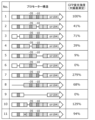
- FIG. 7A is a diagram showing the structure of a modified promoter in which a mutation has been introduced into the region upstream of the transcription start site (TSS) of the slr1841 promoter and the measurement results of the fluorescence intensity of the culture medium of transformed cells into which the modified promoter has been introduced.
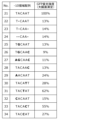
- FIG. 7B is a diagram showing the nucleotide sequence of the -10 region into which the mutation has been introduced and the measurement results of the fluorescence intensity of the culture solution of the transformed cell into which the modified promoter into which the mutation has been introduced has been introduced.
- FIG. 8 is a diagram showing the analysis results of the culture supernatant by LC-MS (Liquid Chromatograph-Mass Spectrometry).
- FIG. 9 is a diagram showing the results of antibiotic resistance tests of modified strains and wild strains.
- FIG. 10 shows SEQ ID NO:1 to SEQ ID NO:2.
- microorganisms are considered to be a rich genetic resource. Therefore, by searching for, isolating, and breeding microorganisms that have useful functions, for example, microorganisms that have functions that contribute to improving the production efficiency of target substances (hereinafter referred to as useful microorganisms) from the natural world, it is possible to achieve higher efficiency than before. There are high expectations for the construction of a system that can produce useful substances.
- microorganisms in which specific genes of useful microorganisms have been incorporated have been created using genetic recombination technology, etc., and techniques for producing useful substances using genetically modified microorganisms have been developed. is being actively developed.
- a useful substance for example, a useful protein
- a promoter is a region that exists along with every gene on the genome (hereinafter also referred to as genomic DNA (deoxyribonucleic acid)) endogenous to cells, and is a region that appropriately induces the expression of the gene in the upstream region of each gene. , plays an important role in regulating the expression level (so-called transcription level) of the gene. Therefore, in order to cause microorganisms to produce useful substances (useful proteins), it is essential to select or develop promoters suitable for efficient transcription of genes encoding the useful substances (useful proteins).
- promoters that can freely regulate the activity of inducing protein expression, taking into account the balance between the processing capacity of the microorganism and production efficiency. There is. If such a promoter is developed, it will be easier to select a promoter suitable for producing a target protein, and it is expected that efficient protein production will be realized.
- Non-Patent Document 1 Marnix H. Medema et al., “Synthetic biology in streptomyces bacteria”, Methods in Enzymology, Volume 497, 2011, Pages 485-502, ISSN: 0076-6879).
- the inventors of the present application focused on the promoter of the slr1841 gene, which is one of the most expressed proteins in cyanobacteria.
- the inventors identified a nucleotide sequence that is particularly important for the function of the promoter, and by modifying that nucleotide sequence, the inventors created a modified promoter that can control the activity of the promoter from a few percent to approximately 280%. I found it. This makes it possible, for example, to easily select a promoter suitable for regulating the expression level of any gene in various microorganisms including cyanobacteria.
- cyanobacteria by applying the modified promoter of the present disclosure to cyanobacteria, it becomes possible to reduce the expression level of a gene originally possessed by cyanobacteria (for example, the slr1841 gene) to a desired expression level. As a result, it becomes possible for cyanobacteria to cause outer membrane exfoliation to the extent that they can produce substances while maintaining their vital activities.
- a gene originally possessed by cyanobacteria for example, the slr1841 gene
- the present disclosure provides a modified promoter whose activity for inducing expression of a target protein can be flexibly regulated by modifying the gene sequence (so-called base sequence) of a promoter derived from cyanobacteria. Further, the present disclosure provides an expression vector that can control the expression level of a target substance (protein) in various microorganisms including cyanobacteria. The present disclosure also provides a method for efficiently producing substances (in other words, useful substances) using the microorganism.
- the modified promoter according to one aspect of the present disclosure is a 348 base sequence upstream from the start codon of the slr1841 gene (SEQ ID NO: 1) or a base sequence having 80% or more homology with the base sequence shown in SEQ ID NO: 1. (i) replacing one or more bases contained in the base sequence with another base, (ii) deleting one or more bases from the base sequence, and (iii) adding one or more bases to the base sequence.
- This is a promoter modified by at least one selected from the group consisting of: inserting the above bases.
- the modified promoter can flexibly regulate the expression level of any gene downstream of the modified promoter.
- the modified promoter according to one aspect of the present disclosure is a region of the base sequence (SEQ ID NO: 2) from 54 bases upstream to 94 bases upstream of the start codon in the base sequence shown by SEQ ID NO: 1, or For a region corresponding to the region of the base sequence shown in (i) replacing one or more bases contained in the region with another base, (ii) deleting one or more bases contained in the region and (iii) inserting one or more bases into the region.
- the modified promoter becomes more susceptible to promoter activity because the core region of the slr1841 promoter, the region of the nucleotide sequence shown by SEQ ID NO: 2, or the region corresponding to the region is modified. Therefore, the modified promoter can more flexibly regulate the expression level of any gene downstream of the modified promoter.
- the modified promoter according to one aspect of the present disclosure corresponds to a region of the base sequence TACAAT from 62 bases upstream to 67 bases upstream of the start codon in the base sequence shown by SEQ ID NO: 1, or a region of the base sequence TACAAT. (i) Substituting one or more bases contained in the region with another base, (ii) Deleting one or more bases contained in the region, and (iii) Adding one or more bases to the region.
- the modified promoter facilitates binding specificity between the basic transcription factor and the promoter by modifying the -10 region of the slr1841 gene promoter, the region of the base sequence TACAAT, or the region corresponding to the region. can be changed to Therefore, since the promoter activity of the modified promoter is more easily regulated, the expression level of any gene downstream of the modified promoter can be regulated more flexibly.
- the modified promoter includes the base sequence TTCTCC from 89 bases upstream to 94 bases upstream of the start codon in the base sequence shown by SEQ ID NO: 1, or a region corresponding to the base sequence TTCTCC. However, (i) one or more bases contained in the region concerned are replaced with other bases, (ii) one or more bases contained in the region concerned are deleted, and (iii) one or more bases contained in the region concerned are deleted.
- the modified promoter has the -35 region of the slr1841 gene promoter, which has the base sequence TTCTCC, or the region corresponding to this region modified, so that the basic transcription factor (transcription initiation factor) and the promoter can be combined.
- the binding specificity of can be easily changed. Therefore, since the promoter activity of the modified promoter is more easily regulated, the expression level of any gene downstream of the modified promoter can be regulated more flexibly.
- the expression vector according to one aspect of the present disclosure includes any of the modified promoters described above.
- the expression vector can express any gene downstream of the modified promoter in the transformed cells with a desired expression efficiency.
- a microorganism according to one embodiment of the present disclosure includes the above expression vector.
- the microorganism can produce the substance encoded by the gene expressed by the above expression vector with desired efficiency.
- any of the modified promoters described above is introduced onto the genome.
- the microorganism can produce the substance encoded by the gene with desired efficiency by expressing any gene downstream of the modified promoter.
- any of the modified promoters described above is introduced onto the genome.
- the modified cyanobacteria contains a modified promoter in its genome that allows the expression level of the slr1841 gene to be flexibly regulated, and therefore can express Slr1841 at a desired expression level.
- modified cyanobacteria when a modified promoter whose promoter activity is regulated to a low enough level to maintain life activity is introduced into the genome, outer membrane detachment is caused while maintaining life activity, resulting in production within the cell. Metabolites tend to leak out of cells.
- a method for producing a substance according to one aspect of the present disclosure includes culturing a microorganism containing the above expression vector or a microorganism into which any of the above modified promoters has been introduced into the genome, and causing the microorganism to produce a substance. .
- the method for producing a substance can produce a substance by culturing microorganisms, so any substance can be efficiently produced.
- a method for producing a substance according to one embodiment of the present disclosure involves culturing the modified cyanobacteria described above to cause the modified cyanobacteria to produce a substance.
- the method for producing a substance can produce a substance by culturing the modified cyanobacteria, so any substance can be efficiently produced.
- the method for producing a modified promoter includes a nucleotide sequence of 348 bases upstream from the start codon of the slr1841 gene (SEQ ID NO: 1) or a homology of 80% or more with the nucleotide sequence shown in SEQ ID NO: 1. (i) replacing one or more bases contained in the base sequence with another base, (ii) deleting one or more bases from the base sequence, and (iii) A modified promoter is created by inserting one or more bases into the sequence.
- the method for producing a modified promoter can produce a modified promoter that can flexibly regulate the expression level of any gene downstream of the modified promoter.
- each figure is not necessarily strictly illustrated.
- substantially the same components are denoted by the same reference numerals, and overlapping explanations may be omitted or simplified.
- the numerical range does not represent only a strict meaning, but also includes a substantially equivalent range, for example, measuring the expression amount (e.g., number or concentration) of a protein or its range. .
- a cell represents an individual microorganism (eg, cyanobacteria, etc.).
- a promoter is a region that functions as a transcription initiation site when a gene is transcribed from a genome.
- a promoter is a regulatory sequence (regulatory region) that is involved in the efficiency of the transcription initiation reaction of a gene, and is a regulatory sequence (regulatory region) that exists and acts relatively close to the transcription start point, and a promoter that acts from the transcription start point. It has a broad meaning that includes both regulatory sequences (regulatory regions) that exist and function separately.
- a promoter usually includes a sequence from a -35 region 35 bases upstream of the transcription start site of a gene to a -10 region 10 bases upstream, and the sequences of these regions vary.
- Non-Patent Document 2 Calvin B. Harley et al., “Analysis of E. coli promoter sequences ”, Nucleic Acid Research, Volume 15, Issue 5, 11 March 1987, Pages 2343-2361, https://doi.org/10.1093/nar/15.5.2343).
- the modified promoter according to this embodiment is produced by substituting, deleting, or inserting one or more bases into the base sequence of the slr1841 gene promoter (hereinafter also referred to as slr1841 promoter) present on the genomic DNA of cyanobacteria. It is a modified promoter.
- the modified promoter allows flexible regulation of promoter activity.
- FIG. 1 is a diagram schematically showing the slr1841 promoter region.
- FIG. 2 is a diagram showing the position of the transcription start site (TSS) of the slr1841 gene.
- TSS transcription start site
- the slr1841 promoter region is a region with a 348 base sequence (SEQ ID NO: 1) located upstream of the start codon of the slr1841 gene, and is used to control the timing and expression level of the slr1841 gene. This is an area that plays an important role.
- SEQ ID NO: 1 348 base sequence located upstream of the start codon of the slr1841 gene, and is used to control the timing and expression level of the slr1841 gene.
- SEQ ID NO: 1 348 base sequence located upstream of the start codon of the slr1841 gene
- the transcription start site (TSS) of the slr1841 gene is located 54 bases upstream of the start codon.
- the region from this transcription start point to -35 region is called the core region (core promoter), and specifically, it is the region of the base sequence (SEQ ID NO: 2) from 54 bases upstream to 94 bases upstream from the start codon.
- the -35 region of the slr1841 promoter is a region with the base sequence TTCTCC from 89 bases upstream to 94 bases upstream of the start codon.
- the -10 region of the slr1841 promoter is a region of the base sequence TACAAT from 62 bases upstream to 67 bases upstream of the start codon.
- the nucleotide sequence of the promoter to be modified may be a nucleotide sequence having 80% or more homology with the slr1841 promoter nucleotide sequence (SEQ ID NO: 1), preferably 90% or more, more preferably 95% or more.
- the base sequences may have a homology of 98% or more, particularly preferably 98% or more.
- the slr1841 gene is a gene that encodes Slr1841, which is one of the proteins most expressed in cyanobacterial cells.
- Slr1841 is an SLH domain-retaining outer membrane protein, and consists of a C-terminal region embedded in the lipid membrane (also called the outer membrane) and an N-terminal SLH domain that protrudes from the lipid membrane (so-called outer membrane). It is widely distributed in cyanobacteria and bacteria belonging to the Negativicutes family, a group of Gram-negative bacteria.
- the region of the SLH domain-retaining protein embedded in the lipid membrane forms a channel that allows hydrophilic substances to pass through the outer membrane, and the SLH domain has the function of binding to the cell wall.
- Examples of genes encoding SLH domain-retaining outer membrane proteins include slr1841 or slr1908 held by Synechocystis sp. PCC 6803, or oprB held by Anabaena sp. 90.
- the promoter is not particularly limited as long as it is a promoter of a gene that is constantly and strongly induced to express among genes possessed by eubacteria.
- the promoter is a base sequence of a promoter that induces a series of proteins that are expressed in the highest amount in cells, such as slr1841, slr0688, and slr1908, which are membrane proteins held by the cyanobacterium Synechocystis sp. PCC 6803, or Examples include regions corresponding to the base sequence of the promoter described above, which are held by cyanobacteria of the genus Synechococcus, genus Anabaena, and genus Nostoc.
- FIG. 3 is a flowchart showing an example of a method for producing a modified promoter.
- the modified location and content of the modification in the base sequence of the slr1841 promoter (SEQ ID NO: 1) or the base sequence that has 80% or more homology with the base sequence of the slr1841 promoter (SEQ ID NO: 1) was selected. (Step S1).
- the modification site may be within the promoter region, and the modification method is not particularly limited.
- the modification site is within the region of the base sequence shown by SEQ ID NO: 1 (i.e., slr1841 promoter region), and preferably within the region of the base sequence shown by SEQ ID NO: 2 (i.e., , core region), and more preferably within the region of the base sequence TACAAT corresponding to the -10 region or the region of the base sequence TTCTCC corresponding to the -35 region. This will have a greater effect on promoter activity.
- step S2 (i) replacing one or more bases with the base sequence of the slr1841 promoter (SEQ ID NO: 1) or a base sequence having 80% or more homology with the base sequence of the slr1841 promoter (SEQ ID NO: 1); Modify by (ii) deletion or (iii) insertion (step S2). As a result, a modified promoter in which the base sequence of the promoter region has been modified is produced.
- modification site may be within a region of a base sequence that has 80% or more homology with any of these base sequences.
- modification methods include (i) substituting one or more bases (for example, about 1 to 3 bases) included in the promoter base sequence with other bases, (ii) substituting one or more bases (for example, about 1 to 3 bases) included in the promoter base sequence, , 1 to 3 bases), or (iii) modification by inserting one or more bases (for example, about 1 to 3 bases) into the base sequence of the promoter.
- the modified promoter can be constructed by artificial gene synthesis, but the means of construction is not particularly limited.
- a modified promoter can be obtained by extracting genomic DNA from a cell (e.g., cyanobacteria) and amplifying the base sequence of a target promoter region (e.g., slr1841 promoter region) from the genomic DNA by PCR (Polymerase Chain Reaction) method. It can be constructed by introducing the obtained gene fragment onto a plasmid and then modifying it. Site-directed mutagenesis is a useful method for introducing mutations at specific sites within a plasmid, and can result in gene replacement, deletion, or insertion.
- Inverse PCR is generally used to introduce such mutations, and site-specific mutagenesis methods such as Takara Bio's PrimeSTAR (registered trademark) Mutagenesis Basal Kit or Toyobo's KOD -Plus- Mutagenesis Kit are used. It is convenient to use a kit.
- the activity of the modified promoter can be evaluated by introducing into cells an expression vector in which a base sequence encoding an arbitrary protein is added downstream of the modified promoter, and analyzing the expression level of the protein.
- the type of cells into which the expression vector is introduced and the method for introducing the expression vector into the cells are not particularly limited, but it is convenient to introduce the cells into commercially available E. coli cells using a heat shock method or the like.
- the type of protein that causes the modified promoter to induce gene expression is not particularly limited, but may be a protein with a relatively stable three-dimensional structure, such as green fluorescent protein (GFP), for example.
- the method for analyzing protein expression levels is not particularly limited. For example, if the protein is GFP, the expression level of GFP can be analyzed by measuring the fluorescence intensity emitted from the cells or by performing Western blotting using a GFPtag antibody on the total protein extracted from the cells. It is possible.
- modified promoters include a wide range of applications, including efficient production of useful substances by microorganisms, promotion of secretion of intracellularly produced substances, improvement of drug resistance, and improvement of environmental resistance, but are not particularly limited to these examples. Microorganisms will be discussed later.
- the substance production method involves culturing microorganisms, causing the microorganisms to secrete and produce target substances (useful substances and intracellularly produced substances) outside the cells, and separating the target substances from the culture solution as appropriate.
- target substances useful substances and intracellularly produced substances
- a permeable membrane that allows the target substance to permeate may be used, and the substance that has permeated through the permeable membrane may be recovered.
- the target substance secreted into the culture solution while culturing the microorganisms, thereby eliminating the need for a process to remove the microorganisms from the culture solution. Therefore, the target substance can be produced more easily and efficiently.
- the expression vector according to this embodiment includes a modified promoter. More specifically, expression vectors are plasmids or viruses designed for gene expression in cells. For example, in an expression vector, a gene fragment in which a base sequence encoding an arbitrary protein is added downstream of a modified promoter is introduced onto a plasmid.
- FIG. 4 is a diagram schematically showing an example of an expression vector.
- the optional protein whose expression is regulated by the modified promoter is GFP.
- the expression vector shown in FIG. 4 is constructed by inserting a GFP-encoding gene onto a plasmid downstream of the slr1841 promoter.
- the activity of the modified promoter can be evaluated by introducing the expression vector into E. coli and measuring the fluorescence of GFP expressed in the transformed cells.
- a modified promoter is designed and constructed is not limited to the extracellular space of a microorganism, such as when constructing an expression vector. may be constructed, and the modified promoter may be made to function within cells.
- the method for modifying genomic DNA is not particularly limited, and may be any of genetic recombination, genome editing, or mutagenesis.
- a method for modifying the genomic DNA of cyanobacteria genetic recombination by natural transformation (Non-Patent Document 3: Yu Hirose et al., Photosynthesis Research Methods, Low Temperature Science, Vol. 67, Institute of Low Temperature Science, Hokkaido University, 2008 2016, pp.
- the microorganism according to this embodiment may contain an expression vector containing a modified promoter in its cells, or may have a modified promoter introduced onto its genome.
- the microorganism may be, for example, E. coli, Bacillus subtilis, or eubacteria that are relatively easy to handle, such as cyanobacteria, but is not limited to these examples.
- the microorganism is a cyanobacterium
- the cyanobacterium into which the modified promoter has been introduced into the genome is called a modified cyanobacterium.
- These microorganisms can exhibit various functions depending on the type of gene inserted downstream of the modified promoter. For example, the microorganism may have improved productivity of substances, or may have improved cellular defense functions such as drug resistance or environmental resistance.
- the modified promoter according to the present embodiment has a nucleotide sequence of 348 bases upstream from the start codon of the slr1841 gene (SEQ ID NO: 1) or a homology of 80% or more with the nucleotide sequence shown in SEQ ID NO: 1. (i) replacing one or more bases contained in the base sequence with another base, (ii) deleting one or more bases from the base sequence, and (iii) A promoter modified by at least one selected from the group consisting of inserting one or more bases into the base sequence.
- the modified promoter can flexibly regulate the expression level of any gene downstream of the modified promoter.
- the modified promoter according to the present embodiment is a region of the base sequence (SEQ ID NO: 2) from 54 bases upstream to 94 bases upstream from the start codon in the base sequence shown by SEQ ID NO: 1, or the region shown by SEQ ID NO: 2.
- SEQ ID NO: 2 the base sequence shown by SEQ ID NO: 2
- a promoter modified by at least one selected from the group consisting of inserting one or more bases into the region For a region corresponding to a region of a base sequence, (i) replacing one or more bases contained in the region with another base, (ii) deleting one or more bases contained in the region, and (iii) A promoter modified by at least one selected from the group consisting of inserting one or more bases into the region.
- the modified promoter becomes more susceptible to promoter activity because the core region of the slr1841 promoter, the region of the nucleotide sequence shown by SEQ ID NO: 2, or the region corresponding to the region is modified. Therefore, the modified promoter can more flexibly regulate the expression level of any gene downstream of the modified promoter.
- the modified promoter according to the present embodiment has a region of the base sequence TACAAT from 62 bases upstream to 67 bases upstream of the start codon or a region corresponding to the base sequence TACAAT in the base sequence shown by SEQ ID NO: 1. (i) Substituting one or more bases contained in the region with another base, (ii) Deleting one or more bases contained in the region, and (iii) Adding one or more bases in the region.
- the modified promoter facilitates binding specificity between the basic transcription factor and the promoter by modifying the -10 region of the slr1841 gene promoter, the region of the base sequence TACAAT, or the region corresponding to the region. can be changed to Therefore, since the promoter activity of the modified promoter is more easily regulated, the expression level of any gene downstream of the modified promoter can be regulated more flexibly.
- the modified promoter according to the present embodiment has (i ) substituting one or more bases contained in the region with another base; (ii) deleting one or more bases contained in the region; and (iii) inserting one or more bases in the region.
- the modified promoter has the -35 region of the slr1841 gene promoter, which has the base sequence TTCTCC, or the region corresponding to this region modified, so that the basic transcription factor (transcription initiation factor) and the promoter can be combined.
- the binding specificity of can be easily changed. Therefore, since the promoter activity of the modified promoter is more easily regulated, the expression level of any gene downstream of the modified promoter can be regulated more flexibly.
- the expression vector according to this embodiment includes any of the modified promoters described above.
- the expression vector can express any gene downstream of the modified promoter in the transformed cells with a desired expression efficiency.
- the microorganism according to this embodiment includes the above expression vector.
- the microorganism can produce the substance encoded by the gene expressed by the above expression vector with desired efficiency.
- any of the modified promoters described above is introduced onto the genome.
- the microorganism can produce the substance encoded by the gene with desired efficiency by expressing any gene downstream of the modified promoter.
- the modified cyanobacterium according to this embodiment has one of the modified promoters described above introduced onto its genome.
- the modified cyanobacteria contains a modified promoter in its genome that allows the expression level of the slr1841 gene to be flexibly regulated, and therefore can express Slr1841 at a desired expression level.
- modified cyanobacteria when a modified promoter whose promoter activity is regulated to a low enough level to maintain life activity is introduced into the genome, outer membrane detachment is caused while maintaining life activity, resulting in production within the cell. Metabolites tend to leak out of cells.
- the method for producing a substance involves culturing a microorganism containing the expression vector described above or a microorganism in which any of the modified promoters described above has been introduced into the genome, thereby producing a substance in the microorganism.
- the method for producing a substance can produce a substance by culturing microorganisms, so any substance can be efficiently produced.
- the method for producing a substance according to the present embodiment involves culturing the modified cyanobacteria described above to cause the modified cyanobacteria to produce a substance.
- the method for producing a substance can produce a substance by culturing the modified cyanobacteria, so any substance can be efficiently produced.
- the method for producing a modified promoter consists of a base sequence of 348 bases upstream from the start codon of the slr1841 gene (SEQ ID NO: 1) or bases having 80% or more homology with the base sequence shown in SEQ ID NO: 1. (i) Substituting one or more bases contained in the base sequence with another base, (ii) Deleting one or more bases from the base sequence, and (iii) A modified promoter is created by inserting one or more bases.
- the method for producing a modified promoter can produce a modified promoter that can flexibly regulate the expression level of any gene downstream of the modified promoter.
- modified promoter expression vector, microorganism, method for producing a substance, modified cyanobacteria, and method for producing a modified promoter of the present disclosure will be specifically explained in Examples. It is not limited in any way.
- Example 1 Sequencing of the slr1841 promoter
- Example 1 Sequencing of the slr1841 promoter
- the sequence of the promoter of the slr1841 gene encoding the SLH domain-retaining outer membrane protein was determined.
- RNA Ribonucleic acid
- PCC 6803 cyanobacterium Synechocystis sp. PCC 6803.
- cDNA was synthesized from the obtained total RNA, the ends were blunted, and adapters were ligated to complete the PCR library.
- This cDNA was diluted and used as a template, and the fragment obtained by 5'-RACE was subcloned into a T-vector, and the sequence was analyzed.
- FIG. 5 is an electrophoretic image of fragments obtained by 5'-RACE.
- the left edge of the paper in Figure 5 is an electrophoretic image of the molecular weight marker (Nippon Gene, Gene Ladder Wide2), and the second from the left is an electrophoretic image of the control (Clontech, SMARTer® RACE 5'/3' Kit). It shows. As shown in FIG. 5, it was confirmed that an amplified fragment of the slr1841 gene was obtained by 5'-RACE.
- the nucleotide sequence of the slr1841 promoter was determined. Furthermore, the transcription start site (TSS) of the slr1841 gene was determined to be 54 bases upstream from the start codon (see Figures 1 and 2), and the region of the base sequence TTCTCC from 89 bases upstream to 94 bases upstream of the start codon was determined. The -35 region was estimated to be the -10 region, and the region of the base sequence TACAAT from 62 bases upstream to 67 bases upstream of the start codon was estimated to be the -10 region.
- TSS transcription start site
- the thus constructed GFP expression vector driven by the slr1841 promoter was transformed into Escherichia coli HST08 cells and cyanobacterium Synechocystis sp. PCC 6803 cells, and the resulting cells were cultured to determine whether they emit fluorescence or not. I checked. The results are shown in FIG.
- FIG. 6 is a diagram showing the results of measuring the fluorescence intensity of the culture solution of transformed cyanobacteria and E. coli.
- Figure 6 (a) shows the results of measuring the fluorescence intensity of the culture solution of untransformed E. coli (WT in the figure) and the culture solution of transformed E. coli (GFP in the figure).
- 6(b) shows the results of measuring the fluorescence intensity of a culture solution of untransformed cyanobacteria (WT in the figure) and a culture solution of transformed cyanobacteria (GFP).
- the fluorescence intensity was determined by measuring the intensity value of GFP fluorescence using excitation light with a wavelength of 488 nm using a fluorescence spectrophotometer. As shown in FIGS. 6(a) and 6(b), it was confirmed that both E. coli and cyanobacteria transformed cells emit fluorescence.
- Example 2 Production of modified promoter
- the slr1841 promoter obtained in Example 1 was used to produce a modified promoter.
- mutations were introduced into the promoter of the plasmid containing the slr1841 promoter obtained in Example 1 by inverse PCR. Mutations were introduced at various locations in the main body of the promoter located upstream of the transcription start site (TSS), particularly in the areas estimated to be the -10 and -35 regions, and in the surrounding areas. Mutations with substitutions or deletions ranging from one to several hundred bases in width were introduced.
- TSS transcription start site
- Each of the GFP expression vectors containing the modified promoter thus prepared was transformed into Escherichia coli HST08 cells, and the activity of the promoter was determined by relative comparison of fluorescence intensity with the transformed E. coli cells of Example 1. evaluated.
- the fluorescence intensity of each transformed cell is the fluorescence intensity of the culture medium of each transformed cell, and is the average of 3 measurements of the GFP fluorescence intensity value at 525 nm using excitation light with a wavelength of 488 nm using a fluorescence spectrophotometer. It is a value.
- promoter activity was evaluated by relatively comparing the fluorescence intensity of the culture solution of each transformed cell with the fluorescence intensity value (525 nm) of the culture solution of the transformed E. coli cells in Example 1. . The results are shown in FIGS. 7A and 7B.
- FIG. 7A and 7B The results are shown in FIGS. 7A and 7B.
- FIG. 7A is a diagram showing the structure of a modified promoter in which a mutation has been introduced into the region upstream of the transcription start site (TSS) of the slr1841 promoter and the measurement results of the fluorescence intensity of the culture medium of transformed cells into which the modified promoter has been introduced.
- FIG. 7B is a diagram showing the nucleotide sequence of the -10 region into which the mutation has been introduced and the measurement results of the fluorescence intensity of the culture solution of the transformed cell into which the modified promoter into which the mutation has been introduced has been introduced. Note that No. 1 in FIG. 7A and No. 21 in FIG. 7B show the results of introducing the unmodified original promoter (ie, slr1841 promoter) into E. coli.
- TSS transcription start site
- Example 3 Genome modification of cyanobacteria
- the bases of the slr1841 promoter on the cyanobacterial genome were modified so that the structure of the modified promoter in which the mutation that reduced promoter activity was introduced in Example 2 was obtained.
- the sequence was modified.
- a mutation that reduces promoter activity was generated using CRISPR against the slr1841 promoter region that originally exists on the genomic DNA of the cyanobacterium Synechocystis sp. PCC 6803. -Introduced by genome editing using Cpf1.
- the mutations introduced into the genomic DNA of cyanobacteria were the mutation introduced into the slr1841 promoter at No. 2 in Figure 7A, the mutation introduced into the -10 region at No. 29 in Figure 7B, and the mutation introduced into the -10 region at No. 34 in Figure 7B. This is a mutation introduced in 10 regions.
- the modified cyanobacteria obtained by introducing the above mutations (referred to as strain No. 2, strain No. 29, and strain No. 34) and the cyanobacterium Synechocystis sp. PCC 6803 (referred to as WT strain) were cultured, respectively. did. Then, the concentration of amino acids contained in the culture supernatant of these cells was analyzed by LC-MS (Liquid Chromatograph - Mass Spectrometry). The analysis results are shown in FIG. FIG. 8 is a diagram showing the analysis results of the culture supernatant by LC-MS.
- Strain No. 34 has a promoter activity of 27% (see Figure 7B), and out of the three modified cyanobacteria produced in Example 3, it leaks the most types of amino acids to the outside of the cell. The concentration was also higher than that of the WT strain.
- Strain No. 29 has a promoter activity of 24% (see Figure 7B), and like No. 34, it leaks the most types of amino acids to the outside of the cell, but with respect to arginine (Arg), it is equivalent to the WT strain. Met.
- strain No. 2 has a promoter activity of 41% (see Figure 7A), and out of the three modified cyanobacteria produced in Example 3, the number of amino acids leaked out of the cell is the least. There was one more type than the WT strain.
- the antibiotic ampicillin (concentration: 0 ⁇ g/mL, 0.0 ⁇ g/mL) was added to the culture medium of the modified cyanobacteria in which outer membrane detachment was caused (referred to as the modified strain) and the cyanobacterium Synechocystis sp. PCC 6803 (referred to as the wild strain). 01 ⁇ g/mL, 0.1 ⁇ g/mL, 1 ⁇ g/mL) to confirm the antibiotic resistance of the modified strain and wild strain.
- the modified strain is strain No. 28 in which the modified promoter described in No. 28 in FIG. 7B was introduced into the genomic DNA. The results are shown in FIG. FIG. 9 is a diagram showing the results of antibiotic resistance tests of modified strains and wild strains.
- the activity of the modified promoter can be flexibly regulated, a promoter with activity suitable for the type of microorganism and target substance can be easily selected. Therefore, the present disclosure is applicable not only to the food, chemical, and pharmaceutical fields, but also to a wide range of fields such as the environmental field.
Landscapes
- Health & Medical Sciences (AREA)
- Life Sciences & Earth Sciences (AREA)
- Genetics & Genomics (AREA)
- Engineering & Computer Science (AREA)
- Chemical & Material Sciences (AREA)
- Organic Chemistry (AREA)
- Wood Science & Technology (AREA)
- Zoology (AREA)
- Biotechnology (AREA)
- Bioinformatics & Cheminformatics (AREA)
- Biomedical Technology (AREA)
- General Engineering & Computer Science (AREA)
- General Health & Medical Sciences (AREA)
- Biochemistry (AREA)
- Microbiology (AREA)
- Molecular Biology (AREA)
- Biophysics (AREA)
- Plant Pathology (AREA)
- Physics & Mathematics (AREA)
- Medicinal Chemistry (AREA)
- Tropical Medicine & Parasitology (AREA)
- Virology (AREA)
- Gastroenterology & Hepatology (AREA)
- Proteomics, Peptides & Aminoacids (AREA)
- Mycology (AREA)
- Chemical Kinetics & Catalysis (AREA)
- General Chemical & Material Sciences (AREA)
- Cell Biology (AREA)
- Micro-Organisms Or Cultivation Processes Thereof (AREA)
- Preparation Of Compounds By Using Micro-Organisms (AREA)
Priority Applications (5)
| Application Number | Priority Date | Filing Date | Title |
|---|---|---|---|
| CN202380042225.0A CN119278264A (zh) | 2022-05-31 | 2023-05-16 | 改造启动子、表达载体、微生物、物质的生产方法、改造蓝细菌和改造启动子的制作方法 |
| JP2024524304A JPWO2023233996A1 (https=) | 2022-05-31 | 2023-05-16 | |
| EP23815756.4A EP4534667A4 (en) | 2022-05-31 | 2023-05-16 | MODIFIED PROMOTER, MODIFIED EXPRESSION VECTOR, MODIFIED MICROORGANISM, SUBSTANCE PRODUCTION PROCESS, MODIFIED CYANOBACTERIA AND MODIFIED PROMOTER MANUFACTURING PROCESS |
| MX2024013351A MX2024013351A (es) | 2022-05-31 | 2024-10-29 | Promotor modificado, vector de expresion, microorganismo, metodo para producir sustancia, cianobacteria modificada y metodo para preparar promotor modificado |
| US18/948,615 US20250066801A1 (en) | 2022-05-31 | 2024-11-15 | Modified promoter, expression vector, microorganism, method for producing substance, modified cyanobacterium, and method for preparing modified promoter |
Applications Claiming Priority (2)
| Application Number | Priority Date | Filing Date | Title |
|---|---|---|---|
| JP2022088371 | 2022-05-31 | ||
| JP2022-088371 | 2022-05-31 |
Related Child Applications (1)
| Application Number | Title | Priority Date | Filing Date |
|---|---|---|---|
| US18/948,615 Continuation US20250066801A1 (en) | 2022-05-31 | 2024-11-15 | Modified promoter, expression vector, microorganism, method for producing substance, modified cyanobacterium, and method for preparing modified promoter |
Publications (1)
| Publication Number | Publication Date |
|---|---|
| WO2023233996A1 true WO2023233996A1 (ja) | 2023-12-07 |
Family
ID=89026577
Family Applications (1)
| Application Number | Title | Priority Date | Filing Date |
|---|---|---|---|
| PCT/JP2023/018190 Ceased WO2023233996A1 (ja) | 2022-05-31 | 2023-05-16 | 改変プロモーター、発現ベクター、微生物、物質の生産方法、改変シアノバクテリア及び改変プロモーターの作製方法 |
Country Status (6)
| Country | Link |
|---|---|
| US (1) | US20250066801A1 (https=) |
| EP (1) | EP4534667A4 (https=) |
| JP (1) | JPWO2023233996A1 (https=) |
| CN (1) | CN119278264A (https=) |
| MX (1) | MX2024013351A (https=) |
| WO (1) | WO2023233996A1 (https=) |
Citations (5)
| Publication number | Priority date | Publication date | Assignee | Title |
|---|---|---|---|---|
| JP2003519492A (ja) * | 2000-01-07 | 2003-06-24 | ジェネンコア インターナショナル インコーポレーテッド | 変異体apreプロモーター |
| JP2005278644A (ja) | 2004-03-05 | 2005-10-13 | Kao Corp | 改変プロモーター |
| JP2006513692A (ja) * | 2002-04-22 | 2006-04-27 | ジェネンコー・インターナショナル・インク | 様々なレベルの遺伝子発現を生じる修飾プロモーターを作成する方法 |
| WO2015115619A1 (ja) | 2014-01-31 | 2015-08-06 | 株式会社カネカ | R体特異的エノイル-CoAヒドラターゼ遺伝子の発現が調節された微生物及びそれを用いたポリヒドロキシアルカノエート共重合体の製造方法 |
| WO2021100640A1 (ja) * | 2019-11-21 | 2021-05-27 | パナソニックIpマネジメント株式会社 | 改変シアノバクテリア、改変シアノバクテリアの製造方法、及び、タンパク質の製造方法 |
Family Cites Families (1)
| Publication number | Priority date | Publication date | Assignee | Title |
|---|---|---|---|---|
| JP2002085076A (ja) * | 2000-09-13 | 2002-03-26 | Mitsubishi Heavy Ind Ltd | シネコシスチスpcc6714由来のプロモーター |
-
2023
- 2023-05-16 JP JP2024524304A patent/JPWO2023233996A1/ja active Pending
- 2023-05-16 EP EP23815756.4A patent/EP4534667A4/en active Pending
- 2023-05-16 CN CN202380042225.0A patent/CN119278264A/zh active Pending
- 2023-05-16 WO PCT/JP2023/018190 patent/WO2023233996A1/ja not_active Ceased
-
2024
- 2024-10-29 MX MX2024013351A patent/MX2024013351A/es unknown
- 2024-11-15 US US18/948,615 patent/US20250066801A1/en active Pending
Patent Citations (5)
| Publication number | Priority date | Publication date | Assignee | Title |
|---|---|---|---|---|
| JP2003519492A (ja) * | 2000-01-07 | 2003-06-24 | ジェネンコア インターナショナル インコーポレーテッド | 変異体apreプロモーター |
| JP2006513692A (ja) * | 2002-04-22 | 2006-04-27 | ジェネンコー・インターナショナル・インク | 様々なレベルの遺伝子発現を生じる修飾プロモーターを作成する方法 |
| JP2005278644A (ja) | 2004-03-05 | 2005-10-13 | Kao Corp | 改変プロモーター |
| WO2015115619A1 (ja) | 2014-01-31 | 2015-08-06 | 株式会社カネカ | R体特異的エノイル-CoAヒドラターゼ遺伝子の発現が調節された微生物及びそれを用いたポリヒドロキシアルカノエート共重合体の製造方法 |
| WO2021100640A1 (ja) * | 2019-11-21 | 2021-05-27 | パナソニックIpマネジメント株式会社 | 改変シアノバクテリア、改変シアノバクテリアの製造方法、及び、タンパク質の製造方法 |
Non-Patent Citations (8)
| Title |
|---|
| CALVIN B. HARLEY ET AL.: "Analysis of E. coli promoter sequences", NUCLEIC ACID RESEARCH, vol. 15, 11 March 1987 (1987-03-11), pages 2343 - 2361, XP001316856, Retrieved from the Internet <URL:https://doi.org/10.1093/nar/15.5.2343> |
| DATABASE Nucleotide 11 April 2022 (2022-04-11), "Synechocystis sp. PCC 6803 substr. GT-T chromosome, complete genome", Database accession no. CP094998.1 * |
| DATABASE Nucleotide 5 May 2021 (2021-05-05), "Synechocystis sp. PCC 7338 chromosome, complete genome", Database accession no. CP054306.1 * |
| DATABASE Nucleotide 6 February 2020 (2020-02-06), "Synechocystis sp. CACIAM 05, complete genome", Database accession no. CP019225.1 * |
| JUSTIN UNGERER ET AL.: "Cpf1 Is A Versatile Tool for CRISPR Genome Editing Across Diverse Species of Cyanobacteria", SCIENTIFIC REPORTS, vol. 6, 2016, XP055529166, DOI: 10.1038/srep39681 |
| MARNIX H. MEDEMA ET AL.: "Synthetic biology in streptomyces bacteria", METHODS IN ENZYMOLOGY, vol. 497, 2011, pages 485 - 502, ISSN: 0076-6879 |
| See also references of EP4534667A4 |
| YUU HIROSE ET AL.: "Photosynthesis Study", vol. 67, INSTITUTE OF LOW TEMPERATURE SCIENCE, article "Low Temperature Science", pages: 9 - 15 |
Also Published As
| Publication number | Publication date |
|---|---|
| EP4534667A1 (en) | 2025-04-09 |
| CN119278264A (zh) | 2025-01-07 |
| EP4534667A4 (en) | 2025-12-24 |
| JPWO2023233996A1 (https=) | 2023-12-07 |
| US20250066801A1 (en) | 2025-02-27 |
| MX2024013351A (es) | 2024-12-06 |
Similar Documents
| Publication | Publication Date | Title |
|---|---|---|
| JP6125493B2 (ja) | 転写終結配列 | |
| Ughy et al. | Phycobilisome rod mutants in Synechocystis sp. strain PCC6803 | |
| Xiao et al. | Developing a Cas9‐based tool to engineer native plasmids in Synechocystis sp. PCC 6803 | |
| KR20230021657A (ko) | Ruvc 도메인을 포함하는 효소 | |
| CN105112436B (zh) | 一种己二酸的全生物合成方法 | |
| Bode et al. | easyPACId, a simple method for induced production, isolation, identification, and testing of natural products from proteobacteria | |
| EP2284273A1 (en) | Vector comprising mannose promoter and mannose promoter | |
| Wang et al. | Gene knockdown by structure defined single-stem loop small non-coding RNAs with programmable regulatory activities | |
| Sakamaki et al. | Characterization of a cyanobacterial rep protein with broad-host range and its utilization for expression vectors | |
| JP7637903B2 (ja) | 改変シアノバクテリア、改変シアノバクテリアの製造方法、及び、タンパク質の製造方法 | |
| Wegelius et al. | Design and characterization of a synthetic minimal promoter for heterocyst-specific expression in filamentous cyanobacteria | |
| EP3047031B1 (en) | Method for producing metabolites, peptides and recombinant proteins | |
| JP2006526985A (ja) | dsRNAを大量産生するための方法およびキット | |
| WO2023233996A1 (ja) | 改変プロモーター、発現ベクター、微生物、物質の生産方法、改変シアノバクテリア及び改変プロモーターの作製方法 | |
| KR102358538B1 (ko) | 유전자 총법을 이용한 미세조류의 교정 방법 | |
| CN118931930B (zh) | 基于T7表达系统的Nissle 1917工程菌、其制备方法及应用 | |
| JP2003245078A (ja) | 放射線抵抗性細菌/大腸菌シャトルベクター | |
| US10280428B2 (en) | Molecular biology tools for algal engineering | |
| CN114774421B (zh) | 运动发酵单胞菌内源性启动子突变体 | |
| Sakamaki et al. | Exploration of the autonomous replication region and its utilization for expression vectors in cyanobacteria | |
| US20230058740A1 (en) | Robust Protein Expression Enabled by Dynamic Control over Host Proteases | |
| CN106191088A (zh) | 一套将质粒表达系统经优化重组到大肠杆菌染色体的方法 | |
| CN117264859B (zh) | 一种原核表达系统及其制备方法和应用 | |
| Komatsu et al. | Involvement of the response regulator CtrA in the extracellular DNA production of the marine bacterium Rhodovulum sulfidophilum | |
| Wang et al. | Genetic engineering tools for the filamentous microalga Tribonema minus |
Legal Events
| Date | Code | Title | Description |
|---|---|---|---|
| 121 | Ep: the epo has been informed by wipo that ep was designated in this application |
Ref document number: 23815756 Country of ref document: EP Kind code of ref document: A1 |
|
| WWE | Wipo information: entry into national phase |
Ref document number: MX/A/2024/013351 Country of ref document: MX |
|
| REG | Reference to national code |
Ref country code: BR Ref legal event code: B01A Ref document number: 112024022476 Country of ref document: BR |
|
| WWE | Wipo information: entry into national phase |
Ref document number: 2024524304 Country of ref document: JP |
|
| WWE | Wipo information: entry into national phase |
Ref document number: 202447088074 Country of ref document: IN |
|
| WWE | Wipo information: entry into national phase |
Ref document number: 202380042225.0 Country of ref document: CN |
|
| NENP | Non-entry into the national phase |
Ref country code: DE |
|
| WWE | Wipo information: entry into national phase |
Ref document number: 2023815756 Country of ref document: EP |
|
| ENP | Entry into the national phase |
Ref document number: 2023815756 Country of ref document: EP Effective date: 20250102 |
|
| WWP | Wipo information: published in national office |
Ref document number: 202380042225.0 Country of ref document: CN |
|
| ENP | Entry into the national phase |
Ref document number: 112024022476 Country of ref document: BR Kind code of ref document: A2 Effective date: 20241029 |
|
| WWP | Wipo information: published in national office |
Ref document number: 2023815756 Country of ref document: EP |