WO2023224066A1 - 揮発性物質モニタリングシステムおよび揮発性物質モニタリング方法 - Google Patents
揮発性物質モニタリングシステムおよび揮発性物質モニタリング方法 Download PDFInfo
- Publication number
- WO2023224066A1 WO2023224066A1 PCT/JP2023/018441 JP2023018441W WO2023224066A1 WO 2023224066 A1 WO2023224066 A1 WO 2023224066A1 JP 2023018441 W JP2023018441 W JP 2023018441W WO 2023224066 A1 WO2023224066 A1 WO 2023224066A1
- Authority
- WO
- WIPO (PCT)
- Prior art keywords
- ethanol
- concentration
- patient
- volatile substance
- incubator
- Prior art date
- Legal status (The legal status is an assumption and is not a legal conclusion. Google has not performed a legal analysis and makes no representation as to the accuracy of the status listed.)
- Ceased
Links
Images



Classifications
-
- A—HUMAN NECESSITIES
- A61—MEDICAL OR VETERINARY SCIENCE; HYGIENE
- A61G—TRANSPORT, PERSONAL CONVEYANCES, OR ACCOMMODATION SPECIALLY ADAPTED FOR PATIENTS OR DISABLED PERSONS; OPERATING TABLES OR CHAIRS; CHAIRS FOR DENTISTRY; FUNERAL DEVICES
- A61G11/00—Baby-incubators; Couveuses
Definitions
- the present invention relates to a volatile substance monitoring system and a volatile substance monitoring method.
- An incubator is a medical device for protecting and treating infants such as premature infants and newborns.
- volatile substances such as ethanol are generated during disinfection.
- the present disclosure discloses a volatile substance monitoring system and a volatile substance monitoring system that can accurately grasp the concentration of volatile substances such as ethanol in an incubator and appropriately manage the influence of volatile substances on the health condition of a patient.
- the purpose is to provide a monitoring method.
- a volatile substance monitoring system is installed in an incubator including a storage chamber whose internal temperature and humidity can be adjusted to accommodate a patient, and provides medical monitoring for the patient in the storage chamber.
- estimating means for estimating is provided.
- a volatile substance monitoring system is installed in the accommodation chamber of an incubator including a accommodation chamber whose internal temperature and humidity can be adjusted for accommodating a patient; one or more sensors for detecting the concentration of a volatile substance used in a medical intervention, the concentration of the volatile substance detected by the sensor, and the time at which the sensor detected the concentration of the volatile substance; and recording means for recording detection time information indicating the detection time information.
- a volatile substance monitoring system is installed in the accommodation chamber of an incubator including a accommodation chamber whose internal temperature and humidity can be adjusted for accommodating a patient; one or more sensors for detecting the concentration of a volatile substance used in a medical intervention, said sensors being placed on a support surface on which said patient lies.
- a volatile substance monitoring method includes one or more sensors installed in an incubator having a storage chamber whose internal temperature and humidity can be adjusted to accommodate a patient. a detection step of detecting the concentration of a volatile substance used in medical intervention for the patient in the holding room; and detecting the concentration of the volatile substance in the blood of the patient based on the concentration of the volatile substance detected by the sensor. an estimating step of estimating the concentration of the volatile substance.
- a volatile substance monitoring method includes one or more volatile substance monitoring methods installed in the accommodation chamber of an incubator including a accommodation chamber whose internal temperature and humidity can be adjusted for accommodating a patient child. a detection step of detecting, by a sensor, a concentration of a volatile substance used in a medical intervention for the patient in the containment chamber; and a recording step of recording detection time information indicating the time when the concentration was detected.
- a volatile substance monitoring method includes one or more volatile substance monitoring methods installed in the accommodation chamber of an incubator including a accommodation chamber whose internal temperature and humidity can be adjusted for accommodating a patient child.
- the method includes a detection step of detecting, by a sensor, a concentration of a volatile substance used in a medical intervention for the patient in the storage chamber, and the sensor is installed on a mounting surface on which the patient is placed.
- FIG. 1 is a schematic perspective view of an incubator according to Embodiment 1 of the present disclosure.
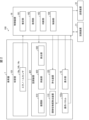
- FIG. 2 is a block diagram showing the electrical configuration of the incubator shown in FIG. 1.
- FIG. FIG. 2 is a schematic perspective view of an incubator according to Embodiment 2 of the present disclosure.
- FIG. 7 is a cross-sectional view showing a cross section of an incubator according to Embodiment 3 of the present disclosure. It is a flowchart which shows an example of the flow of a volatile substance monitoring method.
- Embodiment 1 Some medical interventions for affected children are performed in an incubator. Examples of medical interventions include drawing blood from a patient in an incubator or administering an intravenous drip to the patient. A sensor is installed inside the incubator to detect the concentration of volatile substances contained in the air inside the incubator.
- the volatile substance whose concentration is detected by the sensor is a substance used in the medical intervention for patient X, such as ethanol.
- ethanol a substance used in the medical intervention for patient X
- an outline of the incubator will be explained using ethanol as an example of a volatile substance, but the invention is not limited to this.
- the volatile substance may be, for example, isopropanol instead of ethanol.
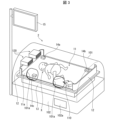
- FIG. 1 is a schematic perspective view of an incubator 1 according to Embodiment 1 of the present disclosure.
- the incubator 1 includes a bed 11, a bed stage 13, a display section 15, a storage chamber 101, a mounting table 102, and an operation panel 102a.
- the incubator 1 also includes a volatile substance removal device 110, a purification device 120, a circulation section 410, a supply section 420, and a discharge section 430.
- the accommodation room 101 accommodates patient X.
- the storage chamber 101 is placed on the mounting table 102 .
- a bed 11 and screen sections 12 arranged before and after the bed 11 are installed inside the storage room 101.
- the bed 11 is arranged on a bed stage 13 provided on a mounting table 102.
- the bed stage 13 can move the bed 11 in the vertical direction or in the vertical and horizontal directions.
- the screen section 12 is made of transparent resin and has a predetermined height and a predetermined width from the surface 11a of the bed 11, and is also used as an installation section on which the purifying device 120 is installed.
- the storage room 101 is provided with two treatment openings 101a through which a doctor or nurse can administer treatment such as intravenous administration to the patient X.
- the number of openings 101a may be at least two, and may be three or more. When performing any kind of treatment on patient X in the holding room 101, it is necessary to disinfect the room.
- the area to be treated such as the hands of patient X
- alcohol cotton is used in the storage chamber 101
- ethanol is generated in the storage chamber 101.
- a volatile substance removal device 110 is placed on the bed 11 in the storage chamber 101, and two purification devices 120 are placed on the screen portion 12 of the bed 11.
- the air in the storage chamber 101 includes first air located away from a source that emits ethanol (for example, alcohol cotton) and second air near the source.
- the volatile substance removal device 110 mainly removes ethanol from the second air near the ethanol source
- the purification device 120 mainly removes ethanol from the first air located away from the ethanol source. do.
- the circulation unit 410 includes a fan, and the fan circulates air whose temperature and humidity are controlled into the storage chamber 101.
- the supply unit 420 supplies air from outside the storage chamber 101 into the storage chamber 101 .
- the discharge unit 430 discharges at least a portion of the air within the storage chamber 101 to the outside of the storage chamber 101 .
- the circulation section 410, the supply section 420, and the discharge section 430 exchange the air inside the storage chamber 101 with the air outside the storage chamber 101, so that the concentration of ethanol inside the storage chamber 101 can be reduced.
- An operation panel 102a is provided on the mounting table 102 so that a user (such as a doctor or nurse) can operate the functions of the incubator 1.
- the volatile substance removal device 110 and the purification device 120 in this embodiment are driven by operating an operating section provided in each device, but may also be driven by operating the operating panel 102a.
- the temperature and humidity of the air in the storage chamber 101 are adjusted by the circulation section 410.
- the accommodation room 101 is configured so that the temperature and humidity inside the accommodation room 101 can be adjusted in order to accommodate the patient X.
- the volatile substance removal device 110 and the purification device 120 take in air in the storage chamber 101, remove ethanol contained in the taken air, and exhaust the air from which ethanol has been removed into the storage chamber 101 again. . Thereby, ethanol can be removed from the storage chamber 101 while maintaining the temperature and humidity inside the storage chamber 101.
- the incubator 1 may be able to adjust not only the temperature and humidity but also the oxygen concentration.
- the display unit 15 is a monitor that displays the concentration of ethanol detected by a plurality of ethanol sensors 14a, 14b, and 14c, which will be described later, and the concentration of ethanol in blood, which will be described later.
- the volatile substance removal device 110 can be freely placed and used on the bed 11. Therefore, when disinfecting patient X, by arranging the volatile substance removal device 110 at a position close to the area to be disinfected, it becomes possible to effectively adsorb the ethanol generated during disinfection.
- FIG. 2 is a block diagram showing the electrical configuration of the incubator 1 shown in FIG. 1.
- the volatile substance monitoring system 100 includes an incubator 1, a plurality of ethanol sensors 14a, 14b, and 14c, a control device 16, a recording device 21, and a transmitting device 22.
- the incubator 1 includes an air conditioner 401 that includes a circulation section 410, a supply section 420, and a discharge section 430.
- a plurality of ethanol sensors 14a, 14b, and 14c are installed on the bed 11. That is, the plurality of ethanol sensors 14a, 14b, and 14c are installed within the incubator 1.
- the plurality of ethanol sensors 14a, 14b, and 14c detect the concentration of ethanol in the storage chamber 101.
- the plurality of ethanol sensors 14a, 14b, and 14c may be sensors that detect VOCs (Volatile Organic Compounds) other than ethanol, for example.
- the ethanol sensors 14a and 14b are installed on the edge of the bed 11 on the circulation section 410 side.
- the ethanol sensor 14a is installed at the edge of the circulation section 410 side on the head side of the patient X
- the ethanol sensor 14b is installed at the edge of the circulation section 410 side on the foot side of the patient X.
- the ethanol sensor 14c is installed on the edge of the bed 11 on the side opposite to the circulation section 410 side, and is installed near the head of the patient X.
- the control device 16 controls each part of the incubator 1, and includes an estimation section 161, an acquisition section 162, a judgment section 163, and a control section 164.
- the estimation unit 161 estimates the concentration of ethanol in the blood of the patient X based on the concentration of ethanol detected by the plurality of ethanol sensors 14a, 14b, and 14c.
- the concentration of ethanol in the blood estimated by the estimation unit 161 may be a specific estimated value indicating the concentration of ethanol in the blood, and when the concentration of ethanol in the blood is divided into multiple stages, It may also indicate a stage. Furthermore, the estimation unit 161 estimates the current concentration of ethanol in the blood based on the current concentration of ethanol detected by the plurality of ethanol sensors 14a, 14b, and 14c.
- the concentration of ethanol in the storage chamber 101 can be accurately detected. This allows the estimation unit 161 to estimate a concentration close to the actual ethanol concentration in the blood of patient X, and to determine whether the ethanol concentration is likely to increase the blood ethanol concentration. Become. Therefore, the influence of ethanol on the health condition of patient X can be accurately monitored.
- the estimating unit 161 calculates the amount of ethanol in the blood of the patient Estimate the concentration of
- the estimation unit 161 calculates an integrated value for each of the plurality of ethanol sensors 14a, 14b, and 14c by integrating the concentrations of ethanol detected by the plurality of ethanol sensors 14a, 14b, and 14c for each ethanol sensor. . Then, the estimation unit 161 estimates the concentration of ethanol in the blood based on the calculated integrated value. Therefore, since the concentration of ethanol in the blood is estimated based on the integrated value, it is possible to accurately estimate the concentration of ethanol in the blood without being affected by sudden increases or decreases in the concentration of ethanol over a short period of time.
- the estimation unit 161 estimates the concentration of ethanol in the blood based on the highest concentration of ethanol detected by each of the plurality of ethanol sensors 14a, 14b, and 14c. Specifically, the estimation unit 161 compares the integrated values calculated for each of the plurality of ethanol sensors 14a, 14b, and 14c, and determines the concentration of ethanol in the blood based on the highest integrated value among these integrated values. Estimate.
- the acquisition unit 162 (acquisition means) includes (1) the gestational age of the patient X, (2) the age in days of the patient X, and (3) the attachment information indicating whether the patient Obtain at least one piece of information. Specifically, when the gestational age of the patient X is input to the acquisition unit 162 by the user's operation on the operation panel 102a, the acquisition unit 162 acquires the gestational age of the patient X.
- the acquisition unit 162 acquires the age of patient X in days. Furthermore, when the above-mentioned wearing information is input to the acquisition section 162 by the user's operation on the operation panel 102a, the acquisition section 162 acquires the above-mentioned wearing information.
- the determining unit 163 determines the influence of ethanol on the health condition of the patient X based on the information acquired by the acquiring unit 162 and the blood ethanol concentration estimated by the estimating unit 161.
- the degree of blood ethanol concentration that can affect child X may vary depending on the gestational age of patient X, the age of patient X, and whether or not patient X is attached to a ventilator. It is.
- the acquisition unit 162 acquires the gestational age of the patient X, the age in days of the patient X, and the wearing information, and the determination unit 163 determines the effect of ethanol on the health condition of the patient X after taking these information into consideration. Determine impact. Therefore, it becomes possible to more accurately manage the influence of ethanol on the health condition of patient X.
- the determining unit 163 determines whether the concentration of ethanol in the blood estimated by the estimating unit 161 has reached a predetermined value.
- the control unit 164 causes the display unit 15 to display that the concentration of ethanol in the blood has reached the predetermined value. Therefore, when the concentration of ethanol in the blood estimated by the estimating section 161 reaches the predetermined value, the display section 15 displays that the concentration of ethanol in the blood has reached the predetermined value.
- the display section 15 is a display means, it may also be an example of a notification means, and by displaying that the blood ethanol concentration has reached the predetermined value, the user is informed of the blood ethanol concentration. Notification is made that the concentration of ethanol has reached the predetermined value. By notifying when blood ethanol reaches the predetermined value, it is possible to quickly grasp a situation that may affect the health condition of patient X.
- the control unit 164 controls the display unit 15, the transmitter 22, the volatile substance removal device 110, the purification device 120, and the circulation unit 410 based on the concentration of ethanol detected by the plurality of ethanol sensors 14a, 14b, and 14c. , controls at least one of the supply section 420 and the discharge section 430.
- the display section 15, the transmitting device 22, the volatile substance removal device 110, the purifying device 120, the circulation section 410, the supply section 420, and the discharge section 430 are each examples of predetermined equipment, and are used to reduce the effects of ethanol on the health condition of patient X. It is a device for managing impacts.
- the volatile substance removal device 110 includes a suction section (not shown).
- the suction section is composed of an axial fan and takes in outside air.
- the control unit 164 controls the rotation speed of the axial fan of the volatile substance removal device 110 based on the concentration of ethanol detected by the plurality of ethanol sensors 14a, 14b, and 14c.
- the purification device 120 includes a suction section (not shown), similarly to the volatile substance removal device 110.
- the suction section of the purification device 120 is composed of a fan and takes in outside air.
- the control unit 164 controls the rotation speed of the fan of the purification device 120 based on the concentration of ethanol detected by the plurality of ethanol sensors 14a, 14b, and 14c.
- control unit 164 controls the supply unit 420 based on the concentration of ethanol detected by the plurality of ethanol sensors 14a, 14b, and 14c to control the amount of air supplied into the storage chamber 101 from outside the storage chamber 101. adjust. Thereby, the control unit 164 can adjust the amount of air discharged from the inside of the storage chamber 101 to the outside of the storage chamber 101. Therefore, even if ethanol is not removed by the volatile substance removal device 110 and the purification device 120, the air in the storage chamber 101 can be exchanged, and the concentration of ethanol in the storage chamber 101 can be reduced. be able to.
- the equipment can control the concentration of volatile substances. Control is performed based on Thereby, the influence of ethanol on the health condition of patient X can be appropriately managed.
- the recording device 21 (recording means) records the concentration of ethanol detected by the plurality of ethanol sensors 14a, 14b, and 14c, and detection time information indicating the time at which the plurality of ethanol sensors 14a, 14b, and 14c detected the concentration of ethanol. Record.
- the control unit 164 associates and records the concentration of ethanol detected by each of the plurality of ethanol sensors 14a, 14b, and 14c, and the time at which each of the plurality of ethanol sensors 14a, 14b, and 14c detected the concentration of ethanol.
- the device 21 records the information.
- the volatile substance monitoring system 100 includes the recording device 21, it becomes possible to have the recording device 21 record the accurate concentration of ethanol along with the detection time information. Therefore, the concentration of ethanol can be controlled accurately and used for accurate monitoring.
- the estimation unit 161 may estimate the concentration of ethanol in the blood by referring to the concentration of ethanol recorded in the recording device 21 and the detection time information.
- control unit 164 causes the display unit 15 to display the concentration of ethanol recorded in the recording device 21 and the detection time information.
- the display unit 15 displays the concentration of ethanol and the detection time information recorded in the recording device 21.
- the volatile substance monitoring system 100 includes the display section 15, it becomes possible to display the accurate concentration of ethanol on the display section 15 together with the detection time information. Therefore, the accurate concentration of ethanol can be determined.
- the transmitting device 22 transmits the concentration of ethanol detected by the plurality of ethanol sensors 14a, 14b, and 14c and the detection time information to the outside of the volatile substance monitoring system 100.
- the control unit 164 causes the transmitter 22 to transmit the ethanol concentration and the detection time information to an external device outside the volatile substance monitoring system 100.
- the external device may receive the ethanol concentration and the detection time information from the transmitter 22, and display the ethanol concentration and the detection time information.
- the volatile substance monitoring system 100 includes the transmitter 22, it is possible to have the transmitter 22 transmit accurate ethanol concentration along with the detection time information. Therefore, it is possible to accurately control the concentration of ethanol using an external device, and it can be used for accurate monitoring.
- FIG. 5 is a flowchart showing an example of the flow of the volatile substance monitoring method according to the present embodiment.
- step S1 the concentration of ethanol in the storage chamber 101 is detected by the plurality of ethanol sensors 14a, 14b, and 14c (detection step).
- step S2 the estimation unit 161 estimates the concentration of ethanol in the blood of patient X based on the concentration of ethanol detected by the plurality of ethanol sensors 14a, 14b, and 14c (estimates step).
- step S3 the recording device 21 records the concentration of ethanol detected by the plurality of ethanol sensors 14a, 14b, and 14c and the detection time information (recording step).
- step S4 the display unit 15 displays the concentration of ethanol detected by the plurality of ethanol sensors 14a, 14b, and 14c and the detection time information (display step).
- step S5 the transmitting device 22 transmits the concentration of ethanol detected by the plurality of ethanol sensors 14a, 14b, and 14c and the detection time information to the outside (transmission step).
- step S6 the control unit 164 controls a predetermined device based on the concentration of ethanol detected by the plurality of ethanol sensors 14a, 14b, and 14c (control step). Note that in the volatile substance monitoring method, at least one of steps S2 to S5 may be executed, and the order in which steps S2 to S6 are executed may be reversed.
- the estimation unit 161 may estimate the concentration of ethanol in the blood based on the lowest concentration of ethanol detected by each of the plurality of ethanol sensors 14a, 14b, and 14c. Specifically, the estimation unit 161 compares the integrated values calculated for each of the plurality of ethanol sensors 14a, 14b, and 14c, and determines the concentration of ethanol in the blood based on the lowest integrated value among these integrated values. Estimate.
- the concentration of ethanol in the blood is estimated based on the lowest concentration of ethanol detected by the plurality of ethanol sensors 14a, 14b, and 14c.
- the estimation unit 161 estimates the concentration of ethanol in the blood based on the highest concentration of ethanol detected per unit time among the concentrations of ethanol detected by each of the plurality of ethanol sensors 14a, 14b, and 14c. good. Specifically, the estimation unit 161 integrates the concentration of ethanol detected by the plurality of ethanol sensors 14a, 14b, and 14c within a unit time for each ethanol sensor.
- the estimation unit 161 calculates the integrated value per unit time for each of the plurality of ethanol sensors 14a, 14b, and 14c.
- the estimation unit 161 compares the integrated values calculated for each of the plurality of ethanol sensors 14a, 14b, and 14c, and estimates the concentration of ethanol in the blood based on the highest integrated value among these integrated values. .
- the estimation unit 161 estimates the concentration of ethanol in the blood based on the lowest concentration of ethanol detected per unit time among the concentrations of ethanol detected by each of the plurality of ethanol sensors 14a, 14b, and 14c. good. Specifically, similarly to the second modification, the estimation unit 161 calculates the integrated value per unit time for each of the plurality of ethanol sensors 14a, 14b, and 14c. Then, the estimation unit 161 compares the integrated values calculated for each of the plurality of ethanol sensors 14a, 14b, and 14c, and estimates the concentration of ethanol in the blood based on the lowest integrated value among these integrated values. .
- the concentration of ethanol in the blood is estimated based on the lowest concentration of ethanol detected by the plurality of ethanol sensors 14a, 14b, and 14c. Thereby, even if the incubator 1 is installed in an environment where fluctuations in the output of the ethanol sensors 14a, 14b, and 14c are large, the concentration of ethanol in the blood can be accurately estimated. Moreover, based on the concentration of ethanol detected per unit time, the influence of ethanol on the health condition of patient X can be managed more accurately.
- the estimation unit 161 may estimate the concentration of ethanol in the blood based on the average value or median value of the concentration of ethanol detected by each of the plurality of ethanol sensors 14a, 14b, and 14c. Specifically, the estimation unit 161 calculates the total value by summing up the integrated values calculated for each of the plurality of ethanol sensors 14a, 14b, and 14c.
- the estimation unit 161 calculates the average value of the integrated values of the ethanol concentration by dividing the calculated total value by 3, which is the number of the plurality of ethanol sensors 14a, 14b, and 14c. Furthermore, the estimation unit 161 determines the median value among the integrated values calculated for each of the plurality of ethanol sensors 14a, 14b, and 14c.
- the health condition of patient X may be affected. There is sex. Even in such a situation, according to the above configuration, the blood ethanol concentration is estimated based on the average or median ethanol concentration, so the influence of ethanol on patient X's health condition can be accurately managed. can do.
- the estimating unit 161 may estimate the future concentration of ethanol in blood based on the trend of change over time in the concentration of ethanol detected by each of the plurality of ethanol sensors 14a, 14b, and 14c. For example, the estimation unit 161 calculates the rate of change or change tendency of the ethanol concentration as a tendency of change over time in the ethanol concentration based on the ethanol concentration a predetermined time ago from now and the current ethanol concentration. . The estimation unit 161 estimates the future blood ethanol concentration based on the calculated rate of change in the ethanol concentration.
- the control unit 164 may cause the display unit 15 to display the blood ethanol concentration estimated by the estimation unit 161.
- the display unit 15 displays the concentration of ethanol in the blood estimated by the estimation unit 161. Therefore, the concentration of ethanol in the blood can be easily grasped from the display section 15.
- the control unit 164 may cause the display unit 15 to display the current concentration of ethanol detected by each of the plurality of ethanol sensors 14a, 14b, and 14c.
- the display unit 15 displays the current concentration of ethanol detected by each of the plurality of ethanol sensors 14a, 14b, and 14c. Therefore, the concentration of ethanol can be easily grasped from the display section 15. In other words, it is possible to determine whether the concentration of ethanol is such that it can increase the ethanol concentration in the blood.
- the control unit 164 may cause the display unit 15 to display that ethanol needs to be removed from the storage chamber 101. good.
- the display unit 15 displays that ethanol needs to be removed from the storage chamber 101 when the concentration of ethanol in the blood estimated by the estimation unit 161 reaches a predetermined value.
- the control unit 164 displays on the display unit 15 that there is no need to remove ethanol from the storage chamber 101. You may let them.
- the display unit 15 displays that there is no need to remove ethanol from the storage chamber 101 when the concentration of ethanol in the blood estimated by the estimation unit 161 has not reached the predetermined value.
- the control unit 164 may cause the display unit 15 to display a warning that ethanol may cause toxicity to patient X.
- the display unit 15 displays a warning that ethanol may cause toxicity to the patient X when the concentration of ethanol in the blood estimated by the estimation unit 161 reaches a predetermined value.
- the control unit 164 may cause the display unit 15 to display at least one of the transition, trend, integrated value, variance, range, and coefficient of variation of the ethanol concentration detected by each of the plurality of ethanol sensors 14a, 14b, and 14c. .
- the display unit 15 displays at least one of the transition, trend, integrated value, dispersion, range, and coefficient of variation of the ethanol concentration detected by each of the plurality of ethanol sensors 14a, 14b, and 14c.
- the display unit 15 displays the integrated value of the concentration of ethanol in the storage chamber 101 or the integrated value of the time during which the concentration of ethanol in the storage chamber 101 has remained at a specific concentration or higher.
- the control unit 164 may cause the display unit 15 to display the following regarding the concentration of ethanol detected by each of the plurality of ethanol sensors 14a, 14b, and 14c. Specifically, the control unit 164 displays on the display unit 15 at least one of the range of values in which the ethanol concentration changes, the range of values that the integrated value can take, the range of variance values, and the range of values of the coefficient of variation. It may be displayed.
- the control unit 164 may cause the display unit 15 to display the safety of performing the treatment on the patient X in multiple stages based on the concentration of ethanol detected by the multiple ethanol sensors 14a, 14b, and 14c. In this case, the display unit 15 displays the safety of performing the treatment on patient X in multiple stages.
- the control unit 164 may display the rotation speed of the fan of the purification device 120 on the display unit 15 as the operating status of the purification device 120. In this case, the display unit 15 displays the rotation speed of the fan of the purification device 120.
- the control unit 164 determines whether ethanol is saturated in the storage chamber 101 and whether the degree of ethanol desorption is within a specified range based on the ethanol concentrations detected by the plurality of ethanol sensors 14a, 14b, and 14c. At least one of these may be displayed on the display unit 15. In this case, the display unit 15 displays at least one of whether the storage chamber 101 is saturated with ethanol and whether the degree of occurrence of ethanol desorption is within a specified range.
- the acquisition unit 162 may acquire other information about the patient X in addition to (1) the gestational age of the patient X, (2) the age in days of the patient X, and (3) the above-mentioned wearing information.
- Other information about patient X that the acquisition unit 162 acquires includes, for example, (4) the method of respiratory management that is being implemented for patient X, and (5) whether or not an arterial line is connected to patient X. At least one of the information is the presence or absence of an arterial line.
- the acquisition unit 162 acquires the other information about the patient X.
- the determination unit 163 determines the influence of ethanol on the health condition of the patient X based on other information about the patient X acquired by the acquisition unit 162 and the blood ethanol concentration estimated by the estimation unit 161. .
- the estimating unit 161 uses other information about the patient Based on this, the concentration of ethanol in the blood may be estimated.
- the gestational age of patient X (2) the age in days of patient , divide multiple patients who are the subject of statistics into multiple groups.
- the above regression coefficient is determined for each group and is statistical data determined from the average concentration of ethanol in the blood obtained by blood sampling for one group and the concentration of ethanol detected by the ethanol sensor. be.
- the above regression coefficients are recorded on the recording device 21.
- the estimating unit 161 calculates the regression coefficient determined from the group corresponding to other information of the patient Estimate the concentration of ethanol in the blood based on
- the control unit 164 may control external devices such as sensors outside the incubator 1 based on the concentration of ethanol detected by the plurality of ethanol sensors 14a, 14b, and 14c. External equipment outside the incubator 1 is an example of predetermined equipment.
- Modification 17 In the incubator 1 shown in FIG. 1, an example is shown in which two purifying devices 120 are arranged on one side of the bed 11 (on the head side of the patient X), but the arrangement and number of the purifying devices 120 are limited to this. It's not a thing. Two purifying devices 120 may be placed on the opposite side (the foot side of patient X), or one purifying device 120 may be placed on each side of the bed 11. Further, one or three or more purifying devices 120 may be arranged.
- At least one ethanol sensor among the plurality of ethanol sensors 14a, 14b, and 14c may be provided in the volatile substance removal device 110 or the purification device 120. Thereby, the ethanol sensor can detect the concentration of ethanol in the air taken in or discharged by the volatile substance removal device 110 or the purification device 120.
- the control device 16 may send and receive data to and from external equipment outside the incubator 1.
- the recording device 21 records the integrated value calculated by the estimation unit 161 for each of the plurality of ethanol sensors 14a, 14b, and 14c.
- the control unit 164 transmits the integrated value recorded in the recording device 21 to an external device outside the incubator 1.
- the acquisition unit 162 acquires data that the control device 16 receives from an external device outside the incubator 1.
- the control unit 164 transmits the integrated value to an external device located outside the incubator 1, when patient X is moved from the incubator 1, the integrated value can be transferred to the external device located outside the incubator 1. .
- an audio output section can be used as the notification means.
- the control unit 164 outputs a sound to the audio output unit indicating that the concentration of ethanol in the blood has reached the predetermined value. let Therefore, when the concentration of ethanol in the blood estimated by the estimating section 161 reaches the predetermined value, the audio output section outputs a sound indicating that the concentration of ethanol in the blood has reached the predetermined value.
- the volatile substance monitoring system 100 may include at least one of a display section 15, a recording device 21, a transmitting device 22, an estimating section 161, an acquiring section 162, and a determining section 163.
- the display unit 15 displays the concentration of ethanol detected by the plurality of ethanol sensors 14a, 14b, and 14c and the detection time information.
- the volatile substance monitoring system 100 may include a plurality of isopropanol sensors instead of the plurality of ethanol sensors 14a, 14b, and 14c.
- the plurality of ethanol sensors 14a, 14b, and 14c are replaced with a plurality of isopropanol sensors.
- the plurality of isopropanol sensors detect the concentration of isopropanol.
- the multiple ethanol sensors 14a, 14b, 14c and the multiple isopropanol sensors are examples of sensors that detect the concentration of volatile substances.
- the present disclosure is also applicable to an incubator 1 that does not include one or both of the volatile substance removal device 110 and the purification device 120.
- the number of ethanol sensors included in the volatile substance monitoring system 100 is not limited to three, ie, the ethanol sensors 14a, 14b, and 14c, but may be two or four or more.
- the installation positions of the plurality of ethanol sensors 14a, 14b, and 14c may be other than the above-mentioned positions.
- the volatile substance removal device 110 and the purification device 120 may be provided on the lower side of the bed 11.
- the control unit 164 controls the rotation speed of the fan included in the circulation unit 410 based on the concentration of ethanol detected by the plurality of ethanol sensors 14a, 14b, and 14c. Thereby, the amount of air circulating in the storage chamber 101 can be changed, and the amount of ethanol to be removed by the volatile substance removal device 110 and the purification device 120 can be changed. Therefore, even if the volatile substance removal device 110 and the purification device 120 are provided on the lower side of the bed 11, the concentration of ethanol in the storage chamber 101 can be lowered.
- At least one of the supply section 420 and the discharge section 430 may include a fan.
- the control unit 164 controls the rotation speed of a fan included in at least one of the supply unit 420 and the discharge unit 430 based on the concentration of ethanol detected by the plurality of ethanol sensors 14a, 14b, and 14c.
- At least one of a temperature sensor and a humidity sensor may be installed in the storage chamber 101.
- the temperature sensor detects the temperature inside the storage chamber 101
- the humidity sensor detects the humidity inside the storage chamber 101.
- the control unit 164 corrects the outputs of the plurality of ethanol sensors 14a, 14b, and 14c based on at least one of the temperature detected by the temperature sensor and the humidity detected by the humidity sensor.
- the volatile substance monitoring system 100 may include only one ethanol sensor among the plurality of ethanol sensors 14a, 14b, 14c.
- the control unit 164 controls a predetermined device based on the concentration of ethanol detected by one ethanol sensor.
- the incubator 1 may be an open incubator that does not include the storage chamber 101.
- the plurality of ethanol sensors 14a, 14b, 14c are installed in the incubator 1. Further, the plurality of ethanol sensors 14a, 14b, and 14c detect the concentration of ethanol in the air near the incubator 1.
- FIG. 3 is a schematic perspective view of an incubator 2 according to Embodiment 2 of the present disclosure.
- the incubator 1 shown in FIG. 1 On the upper side of the bed 11 in the storage room 101, air is circulated in the incubator 1 by the circulation unit 410, air is supplied into the incubator 1 from the supply unit 420, and air is discharged. Air is discharged from the section 430 to the outside of the incubator 1. That is, the main circulation of air in the incubator 1 shown in FIG. 1 is performed above the bed 11 in the accommodation chamber 101. Therefore, the patient X on the bed 11 in the accommodation room 101 may be affected by temperature changes due to the air flow.
- the incubator 2 shown in FIG. 3 for example.
- the air inside the incubator 1 is circulated, air is supplied into the incubator 1, and air is discharged outside the incubator 1 at the lower side of the bed 11 in the storage room 101. It is preferable.
- the direction in which air is discharged from the inside of the incubator 1 to the outside of the incubator 1 it is preferable to discharge the air in a direction that does not obstruct the circulation direction of the air inside the incubator 1 (for example, in the same direction as the circulation direction).
- the same circulation section 410 and supply section 420 as in FIG. 1 are arranged below the bed 11.
- the incubator 2 is not provided with a device for actively discharging the air from the incubator 1 to the outside of the incubator 1, like the discharge section 430 shown in FIG.
- the air inside the incubator 1 is exhausted to the outside of the incubator 1 through the opening 101a of the accommodation chamber 101 and a small gap existing between the accommodation chamber 101 and the mounting table 102. I'm letting you do it.
- the air inside the incubator 2 has its temperature and humidity regulated by a circulation unit 410 located at the bottom of the bed 11, and is circulated along the inner wall of the long side of the bed 11. It is led to the upper part of the storage chamber 101 from the lower part. Further, the air inside the incubator 2 is guided along the inner wall of the short side of the incubator 2 on the bed 11 to the circulation section 410 at the bottom of the bed 11 . In this manner, in the incubator 1, the patient X is less affected by temperature changes due to air flow.
- the air in the incubator 2 can be kept clean, and the temperature and humidity of the air can be maintained while reducing the influence of the air flow in the incubator 2 on the patient X in the accommodation room 101. It is possible to maintain it properly.
- Embodiment 3 of the present disclosure will be described below.
- members having the same functions as those described in Embodiments 1 and 2 will be denoted by the same reference numerals, and the description thereof will not be repeated.
- FIG. 4 is a sectional view showing a cross section of the incubator 3 according to Embodiment 3 of the present disclosure.
- the incubator 3 includes a water tank 17, a heating section 18, a heater 19, and a fan 20.
- Water tank 17 contains water.
- the heating unit 18 is provided in the water tank 17 and generates steam by heating the water contained in the water tank 17.
- the steam generated by the heating unit 18 is circulated within the storage chamber 101 by the fan 20.
- Water tank 17 and heating section 18 constitute a boiler.
- the heater 19 heats the air sent to the heater 19 by the fan 20, thereby increasing the temperature inside the storage chamber 101.
- the control unit 164 controls at least one of the heating unit 18, heater 19, and fan 20 based on the concentration of ethanol detected by the plurality of ethanol sensors 14a, 14b, and 14c.
- the heating unit 18, heater 19, and fan 20 are each examples of predetermined equipment. The details will be explained below.
- the control unit 164 controls the output of the heating unit 18 based on the concentration of ethanol detected by the plurality of ethanol sensors 14a, 14b, and 14c. Specifically, the control unit 164 controls the magnitude of the current supplied to the heating unit 18. Similarly, the control unit 164 controls the output of the heater 19 based on the concentration of ethanol detected by the plurality of ethanol sensors 14a, 14b, and 14c. Specifically, the control unit 164 controls the magnitude of the current supplied to the heater 19.
- control unit 164 controls the rotation speed of the fan 20 based on the concentration of ethanol detected by the plurality of ethanol sensors 14a, 14b, and 14c.
- the control unit 164 can adjust the temperature and humidity within the storage chamber 101 by controlling at least one of the heating unit 18, the heater 19, and the fan 20.
- the function of the volatile substance monitoring system 100 (hereinafter referred to as "device") is a program for making a computer function as the device, and each control block of the device (particularly each part included in the control device 16) This can be realized by a program for making a computer function.
- the device includes a computer having at least one control device 16 (for example, a processor) and at least one recording device 21 (for example, a memory) as hardware for executing the program.
- control device 16 for example, a processor
- recording device 21 for example, a memory
- the above program may be recorded on one or more computer-readable recording media instead of temporary.
- This recording medium may or may not be included in the above device. In the latter case, the program may be supplied to the device via any transmission medium, wired or wireless.
- each of the control blocks described above can also be realized by a logic circuit.
- a logic circuit for example, an integrated circuit in which a logic circuit functioning as each of the control blocks described above is formed is also included in the scope of the present invention.
- each process described in each of the above embodiments may be executed by AI (Artificial Intelligence).
- AI Artificial Intelligence
- the AI may operate on the control device, or may operate on another device (for example, an edge computer or a cloud server).
- a volatile substance monitoring system is installed in an incubator including a storage chamber whose internal temperature and humidity can be adjusted to accommodate a patient, and provides medical monitoring for the patient in the storage chamber.
- a plurality of sensors for detecting a concentration of a volatile substance used in the intervention, the concentration of a blood volatile substance in the blood of the patient based on the concentration of the volatile substance detected by the plurality of sensors; an estimation means for estimating the concentration of the volatile substance; and a recording means for recording the concentration of the volatile substance detected by the plurality of sensors, and detection time information indicating the time at which the plurality of sensors detected the concentration of the volatile substance.
- a display means for displaying the concentration of the volatile substance detected by the plurality of sensors and the detection time information
- a transmission unit for transmitting the concentration of the volatile substance detected by the plurality of sensors and the detection time information to the outside.
- the concentration of volatile substances in the storage chamber is accurately detected.
- the estimation means may be able to estimate something close to the actual concentration of volatile substances in the blood of the patient or increase the blood ethanol concentration. This makes it possible to determine whether the concentration of ethanol is sufficient.
- the volatile substance monitoring system includes a recording means, it becomes possible to cause the recording means to record the accurate concentration of the volatile substance together with the detection time information. Therefore, the concentration of volatile substances can be controlled accurately and used for accurate monitoring.
- the volatile substance monitoring system includes a display means, it becomes possible to display the accurate concentration of the volatile substance on the display means together with the detection time information. Therefore, the concentration of volatile substances can be accurately determined.
- the volatile substance monitoring system includes a transmitting means, it becomes possible to cause the transmitting means to transmit accurate volatile substance concentration together with detection time information. Therefore, the concentration of volatile substances can be accurately controlled using an external device, and can be used for accurate monitoring. As described above, it is possible to accurately monitor the influence of volatile substances on the health condition of the patient.
- the volatile substance may be ethanol
- the sensor may be an ethanol sensor.
- an ethanol sensor as a sensor, the concentration of ethanol in the storage chamber can be accurately detected. This allows the estimation means to estimate a concentration close to the actual blood ethanol concentration in the patient's blood. Therefore, the influence of ethanol on the health condition of the patient can be accurately monitored.
- the volatile substance monitoring system includes the estimating means, and the estimating means calculates the amount of blood in the patient's blood based on an integrated value of the ethanol concentrations detected by the plurality of ethanol sensors in the housing chamber.
- the concentration of ethanol in the sample may be estimated. According to the above configuration, since the concentration of ethanol in the blood is estimated based on the integrated value, it is possible to accurately estimate the concentration of ethanol in the blood without being affected by sudden increases or decreases in the concentration of ethanol in a short period of time. can.
- the estimation means may estimate the concentration of ethanol in the blood based on the highest concentration of ethanol detected by each of the plurality of ethanol sensors. According to the above configuration, by estimating the blood ethanol concentration based on the highest concentration of ethanol detected by multiple ethanol sensors, situations that may affect the health condition of the patient can be quickly detected. Can be detected. Thereby, the influence of ethanol on the health condition of the affected child can be managed more accurately.
- the estimation means may estimate the ethanol concentration in the blood based on the lowest concentration of ethanol detected by each of the plurality of ethanol sensors.
- the concentration of ethanol in the blood is estimated based on the lowest concentration of ethanol detected by the plurality of ethanol sensors.
- the estimating means may estimate the ethanol concentration in the blood based on the highest concentration of ethanol detected per unit time among the ethanol concentrations detected by each of the plurality of ethanol sensors.
- the estimation means may estimate the ethanol concentration in the blood based on the lowest concentration of ethanol detected per unit time among the ethanol concentrations detected by each of the plurality of ethanol sensors.
- the concentration of ethanol in the blood is estimated based on the lowest concentration of ethanol detected by the plurality of ethanol sensors. Therefore, even if the incubator is installed in an environment where fluctuations in the output of the ethanol sensor are large, the concentration of ethanol in the blood can be accurately estimated. Moreover, based on the concentration of ethanol detected per unit time, the influence of ethanol on the health condition of the patient can be managed more accurately.
- the estimating means may estimate the ethanol concentration in the blood based on an average value or a median value of the ethanol concentration detected by each of the plurality of ethanol sensors. For example, if an ethanol sensor located close to the patient detects a low ethanol concentration, while an ethanol sensor located far from the patient detects a high ethanol concentration, the child's health condition may be affected. . Even in such a situation, according to the above configuration, the concentration of ethanol in the blood is estimated based on the average value or median value of the concentration of ethanol, so the influence of ethanol on the health condition of the patient can be accurately managed. be able to.
- the volatile substance monitoring system includes (1) the gestational age of the patient, (2) the age in days of the patient, and (3) installation information indicating whether or not the patient is fitted with a ventilator.
- the level of ethanol in the blood that can affect a child can vary depending on the child's gestational age, age, and whether or not the child is on a ventilator.
- the acquisition means acquires the gestational age of the patient, the age of the patient, and the wearing information, and the determination means determines the influence of ethanol on the health condition of the patient, taking these information into consideration. Therefore, it becomes possible to more accurately manage the influence of ethanol on the health condition of the patient.
- the volatile substance monitoring system may further include a notification unit that provides notification when the concentration of ethanol in the blood estimated by the estimation unit reaches a predetermined value. According to the above configuration, by issuing a notification when the concentration of ethanol in the blood reaches a predetermined value, it is possible to quickly grasp a situation that may affect the health condition of the patient.
- a volatile substance monitoring method includes a plurality of sensors installed in an incubator equipped with a housing chamber whose internal temperature and humidity can be adjusted to house a patient.
- a monitoring method includes a detection step of detecting the concentration of a volatile substance used in medical intervention for a patient child using a sensor installed in an incubator; and a control step of controlling a predetermined device based on the concentration of the sexual substance.
- the device can Control is performed based on the concentration of Thereby, the influence of volatile substances on the health condition of the patient can be appropriately managed.
- a monitoring system includes a sensor that is installed in an incubator and detects the concentration of a volatile substance used in medical intervention for a patient; and a control means for controlling a predetermined device based on the control device.
- a volatile substance monitoring system is installed in an incubator including a storage chamber whose internal temperature and humidity can be adjusted to accommodate a patient, and provides medical monitoring for the patient in the storage chamber.
- estimating means for estimating is provided.
- the concentration of volatile substances such as ethanol in the incubator can be accurately grasped, and the influence of the volatile substances on the health condition of the patient can be appropriately managed.
- the sensor may be installed within the storage chamber. By installing the sensor in the holding room, it is possible to accurately determine the concentration of volatile substances such as ethanol in areas near the patient.
- the volatile substance may be ethanol
- the sensor may be an ethanol sensor.
- an ethanol sensor as a sensor, the concentration of ethanol in the incubator can be accurately detected. Thereby, the concentration of ethanol in the incubator can be accurately grasped, and the influence of ethanol on the health condition of the patient can be appropriately managed.
- a volatile substance monitoring system is installed in the accommodation chamber of an incubator including a accommodation chamber whose internal temperature and humidity can be adjusted for accommodating a patient; one or more sensors for detecting the concentration of a volatile substance used in a medical intervention, the concentration of the volatile substance detected by the sensor, and the time at which the sensor detected the concentration of the volatile substance; and recording means for recording detection time information indicating the detection time information.
- the concentration of volatile substances such as ethanol in the incubator can be accurately grasped, and the influence of the volatile substances on the health condition of the patient can be appropriately managed.
- the sensor may be installed within the storage chamber. By installing the sensor in the holding room, it is possible to accurately determine the concentration of volatile substances such as ethanol in areas near the patient.
- the volatile substance may be ethanol
- the sensor may be an ethanol sensor.
- an ethanol sensor as a sensor, the concentration of ethanol in the incubator can be accurately detected. Thereby, the concentration of ethanol in the incubator can be accurately grasped, and the influence of ethanol on the health condition of the patient can be appropriately managed.
- a volatile substance monitoring system is installed in the accommodation chamber of an incubator including a accommodation chamber whose internal temperature and humidity can be adjusted for accommodating a patient; one or more sensors for detecting the concentration of a volatile substance used in a medical intervention, said sensors being placed on a support surface on which said patient lies.
- the volatile substance may be ethanol
- the sensor may be an ethanol sensor.
- an ethanol sensor as a sensor, the concentration of ethanol in the incubator, especially on the surface on which the patient is placed to lie down, can be accurately detected. This makes it possible to accurately grasp the concentration of ethanol in the incubator, particularly on the surface on which the patient is placed, and to appropriately manage the influence of ethanol on the health condition of the patient.
- a volatile substance monitoring method includes one or more sensors installed in an incubator having a storage chamber whose internal temperature and humidity can be adjusted to accommodate a patient. a detection step of detecting the concentration of a volatile substance used in medical intervention for the patient in the holding room; and detecting the concentration of the volatile substance in the blood of the patient based on the concentration of the volatile substance detected by the sensor. an estimating step of estimating the concentration of the volatile substance.
- the concentration of volatile substances such as ethanol in the incubator can be accurately grasped, and the influence of the volatile substances on the health condition of the patient can be appropriately managed.
- the sensor may be installed within the storage chamber. By installing the sensor in the holding room, it is possible to accurately determine the concentration of volatile substances such as ethanol in locations near the patient.
- the volatile substance may be ethanol
- the sensor may be an ethanol sensor.
- an ethanol sensor as a sensor, the concentration of ethanol in the incubator can be accurately detected. Thereby, the concentration of ethanol in the incubator can be accurately grasped, and the influence of ethanol on the health condition of the patient can be appropriately managed.
- a volatile substance monitoring method includes one or more volatile substance monitoring methods installed in the accommodation chamber of an incubator including a accommodation chamber whose internal temperature and humidity can be adjusted for accommodating a patient child. a detection step of detecting, by a sensor, a concentration of a volatile substance used in a medical intervention for the patient in the containment chamber; and a recording step of recording detection time information indicating the time when the concentration was detected.
- the concentration of volatile substances such as ethanol in the incubator can be accurately grasped, and the influence of the volatile substances on the health condition of the patient can be appropriately managed.
- the sensor may be installed within the storage chamber. By installing the sensor in the holding room, it is possible to accurately determine the concentration of volatile substances such as ethanol in areas near the patient.
- the volatile substance may be ethanol
- the sensor may be an ethanol sensor.
- an ethanol sensor as a sensor, the concentration of ethanol in the incubator can be accurately detected. Thereby, the concentration of ethanol in the incubator can be accurately grasped, and the influence of ethanol on the health condition of the patient can be appropriately managed.
- a volatile substance monitoring method includes one or more volatile substance monitoring methods installed in the accommodation chamber of an incubator including a accommodation chamber whose internal temperature and humidity can be adjusted for accommodating a patient child.
- the method includes a detection step of detecting, by a sensor, a concentration of a volatile substance used in a medical intervention for the patient in the storage chamber, and the sensor is installed on a mounting surface on which the patient is placed.
- the volatile substance may be ethanol
- the sensor may be an ethanol sensor.
- an ethanol sensor as a sensor, the concentration of ethanol in the incubator, especially on the surface on which the patient is placed to lie down, can be accurately detected. This makes it possible to accurately grasp the concentration of ethanol in the incubator, particularly on the surface on which the patient is placed, and to appropriately manage the influence of ethanol on the health condition of the patient.
Landscapes
- Health & Medical Sciences (AREA)
- Gynecology & Obstetrics (AREA)
- Pediatric Medicine (AREA)
- Pregnancy & Childbirth (AREA)
- Life Sciences & Earth Sciences (AREA)
- Animal Behavior & Ethology (AREA)
- General Health & Medical Sciences (AREA)
- Public Health (AREA)
- Veterinary Medicine (AREA)
- Accommodation For Nursing Or Treatment Tables (AREA)
- Investigating Or Analysing Biological Materials (AREA)
Abstract
保育器内におけるエタノール等の揮発性物質の濃度を正確に把握し、揮発性物質による患児の健康状態への影響を適切に管理することができる揮発性物質モニタリングシステムを提供することを目的とする。揮発性物質モニタリングシステムは、患児(X)を収容するために内部の温度および湿度が調節可能な収容室(101)を備えた保育器(1)内に設置され、収容室(101)内の患児(X)に対する医学的介入により使用される揮発性物質の濃度を検出する1つまたは複数のセンサ(14a、14b、14c)と、センサ(14a、14b、14c)が検出した揮発性物質の濃度に基づいて、患児(X)の血中における血中の揮発性物質の濃度を推定する推定部(161)と、を備える。
Description
本発明は、揮発性物質モニタリングシステムおよび揮発性物質モニタリング方法に関する。
保育器は、未熟児および新生児等の患児を保護し、診療するための医療機器である。保育器で患児の手や足等に対して酒精綿を用いて消毒する際、消毒時にエタノール等の揮発性物質が発生する。
エタノール等、患児に対する医学的介入により使用される揮発性物質が人体に影響を及ぼすことは知られており、人体が未熟な患児である場合、揮発性物質が未熟な患児に及ぼす影響が大きいと想定される。本開示は、保育器内におけるエタノール等の揮発性物質の濃度を正確に把握し、揮発性物質による患児の健康状態への影響を適切に管理することができる揮発性物質モニタリングシステムおよび揮発性物質モニタリング方法を提供することを目的とする。
本開示の一側面に係る揮発性物質モニタリングシステムは、患児を収容するために内部の温度および湿度が調節可能な収容室を備えた保育器内に設置され、前記収容室内の前記患児に対する医学的介入により使用される揮発性物質の濃度を検出する1つまたは複数のセンサと、前記センサが検出した前記揮発性物質の濃度に基づいて、前記患児の血中における血中の揮発性物質の濃度を推定する推定手段と、を備える。
本開示の一側面に係る揮発性物質モニタリングシステムは、患児を収容するために内部の温度および湿度が調節可能な収容室を備えた保育器の前記収容室内に設置され、前記収容室内の前記患児に対する医学的介入により使用される揮発性物質の濃度を検出する1つまたは複数のセンサと、前記センサが検出した前記揮発性物質の濃度と、前記センサが前記揮発性物質の濃度を検出した時刻を示す検出時刻情報と、を記録する記録手段と、を備える。
本開示の一側面に係る揮発性物質モニタリングシステムは、患児を収容するために内部の温度および湿度が調節可能な収容室を備えた保育器の前記収容室内に設置され、前記収容室内の前記患児に対する医学的介入により使用される揮発性物質の濃度を検出する1つまたは複数のセンサを備え、前記センサが、前記患児を寝かせる載置面上に設置されている。
本開示の一側面に係る揮発性物質モニタリング方法は、患児を収容するために内部の温度および湿度が調節可能な収容室を備えた保育器内に設置された、1つまたは複数のセンサによって、前記収容室内の前記患児に対する医学的介入により使用される揮発性物質の濃度を検出する検出ステップと、前記センサが検出した前記揮発性物質の濃度に基づいて、前記患児の血中における血中の揮発性物質の濃度を推定する推定ステップと、を備える。
本開示の一側面に係る揮発性物質モニタリング方法は、患児を収容するために内部の温度および湿度が調節可能な収容室を備えた保育器の前記収容室内に設置された、1つまたは複数のセンサによって、前記収容室内の前記患児に対する医学的介入により使用される揮発性物質の濃度を検出する検出ステップと、前記センサが検出した前記揮発性物質の濃度と、前記センサが前記揮発性物質の濃度を検出した時刻を示す検出時刻情報と、を記録する記録ステップと、を備える。
本開示の一側面に係る揮発性物質モニタリング方法は、患児を収容するために内部の温度および湿度が調節可能な収容室を備えた保育器の前記収容室内に設置された、1つまたは複数のセンサによって、前記収容室内の前記患児に対する医学的介入により使用される揮発性物質の濃度を検出する検出ステップを備え、前記センサが、前記患児を寝かせる載置面上に設置されている。
〔実施形態1〕
患児に対する医学的介入には、保育器内で実施されるものがある。医学的介入の一例として、保育器内の患児から採血を行ったり、患児に点滴を行ったりする場合がある。保育器内には、保育器内の空気に含まれる揮発性物質の濃度を検出するセンサが設置されている。センサによって濃度が検出される揮発性物質は、エタノールのような患児Xに対する医学的介入において使用される物質である。以下、揮発性物質としてエタノールを例に保育器の概要を説明するが、これに限定されるものではない。揮発性物質は、エタノールに代えて、例えばイソプロパノールであってもよい。
患児に対する医学的介入には、保育器内で実施されるものがある。医学的介入の一例として、保育器内の患児から採血を行ったり、患児に点滴を行ったりする場合がある。保育器内には、保育器内の空気に含まれる揮発性物質の濃度を検出するセンサが設置されている。センサによって濃度が検出される揮発性物質は、エタノールのような患児Xに対する医学的介入において使用される物質である。以下、揮発性物質としてエタノールを例に保育器の概要を説明するが、これに限定されるものではない。揮発性物質は、エタノールに代えて、例えばイソプロパノールであってもよい。
<保育器の概要>
図1は、本開示の実施形態1に係る保育器1の概略斜視図である。図1に示すように、保育器1は、ベッド11と、ベッドステージ13と、表示部15と、収容室101と、載置台102と、操作パネル102aと、を備える。また、保育器1は、揮発性物質除去装置110と、浄化装置120と、循環部410と、供給部420と、排出部430と、を備える。
図1は、本開示の実施形態1に係る保育器1の概略斜視図である。図1に示すように、保育器1は、ベッド11と、ベッドステージ13と、表示部15と、収容室101と、載置台102と、操作パネル102aと、を備える。また、保育器1は、揮発性物質除去装置110と、浄化装置120と、循環部410と、供給部420と、排出部430と、を備える。
収容室101は患児Xを収容する。載置台102は収容室101を載置する。収容室101内には、ベッド11と、ベッド11の前後に配置された衝立部12と、が設置されている。ベッド11は、載置台102上に設けられたベッドステージ13に配置されている。
ベッドステージ13は、ベッド11を上下方向または上下左右方向に動かすことが可能である。衝立部12は、ベッド11の表面11aから所定の高さおよび所定の幅を有する透明な樹脂で形成されており、浄化装置120を設置する設置部としても使用される。
収容室101には、医師または看護師が患児Xに対して点滴投与等の処置を行うための処置用の開口部101aが2個設けられている。開口部101aの数については少なくとも2個であればよく、3個以上であってもよい。収容室101内で患児Xに対して何らかの処置をする場合には、必ず消毒する必要がある。
例えば、酒精綿を用いて患児Xの手等の処置対象の部位を消毒する。収容室101内で酒精綿を使用すれば、収容室101内にエタノールが発生する。発生したエタノールを除去するために、収容室101内には、ベッド11上に揮発性物質除去装置110が配置され、ベッド11の衝立部12に2つの浄化装置120が配置されている。
ここで、収容室101内の空気は、エタノールを発する発生源(例えば酒精綿)から離れた位置の第1空気と、当該発生源近傍の第2空気とを含む。揮発性物質除去装置110は、主に、エタノールの発生源近傍の第2空気からエタノールを除去し、浄化装置120は、主に、エタノールの発生源から離れた位置の第1空気からエタノールを除去する。
揮発性物質除去装置110および浄化装置120を収容室101内に配置することで、保育器1を設置するスペースとは別に、揮発性物質除去装置110および浄化装置120を設置するためのスペースを確保する必要が無い。
循環部410は、ファンを備え、当該ファンにより温度および湿度が調節された空気を収容室101に循環させる。供給部420は、空気を収容室101外から収容室101内に供給する。排出部430は、収容室101内の空気の少なくとも一部を収容室101外に排出する。循環部410、供給部420および排出部430により、収容室101内の空気が収容室101外の空気と入れ替えられるため、収容室101内のエタノールの濃度を低減することができる。
載置台102には、保育器1の機能などを、使用者(医師または看護師等)が操作できるように操作パネル102aが設けられている。本実施形態における揮発性物質除去装置110および浄化装置120の駆動は、各装置に設けられた操作部の操作によって行われるが、操作パネル102aの操作によって行われるようにしてもよい。
保育器1において収容室101内の空気は、循環部410によって温度および湿度が調節されている。つまり、収容室101は、患児Xを収容するために収容室101の内部の温度および湿度が調節可能に構成されている。また、揮発性物質除去装置110および浄化装置120は、収容室101内の空気を吸気して、吸気した空気に含まれるエタノールを除去し、エタノールを除去した空気を再び収容室101内に排気する。これにより、収容室101内の温度および湿度を保ったまま、収容室101からエタノールを除去することができる。なお、保育器1は温湿度に加えて、酸素濃度が調整可能であってもよい。
また、エタノールがほとんど含まれないまたは含まれない空気を収容室101内に供給して収容室101内の空気のエタノールの濃度を低下させることができる。しかも、収容室101内のエタノールを除去するので、収容室101内のエタノールの濃度を大幅に低下させることができる。これにより、保育器1内の患児Xが、意図せずエタノールに暴露されてしまうことを回避することができる。表示部15(表示手段)は、後述する複数のエタノールセンサ14a,14b,14cが検出したエタノールの濃度の表示や後述する血中のエタノールの濃度に関する表示等を行うモニタである。
揮発性物質除去装置110は、ベッド11上で自由に配置して使用できるようになっている。このため、患児Xに対して消毒する場合には、消毒する部位に近い位置に揮発性物質除去装置110を配置することで、消毒時に発生するエタノールを効果的に吸着することが可能となる。
<保育器の電気的構成>
図2は、図1に示す保育器1の電気的構成を示すブロック図である。図2に示すように、揮発性物質モニタリングシステム100は、保育器1と、複数のエタノールセンサ14a,14b,14cと、制御装置16と、記録装置21と、送信装置22と、を備える。保育器1は、循環部410、供給部420および排出部430により構成された空調装置401を備える。
図2は、図1に示す保育器1の電気的構成を示すブロック図である。図2に示すように、揮発性物質モニタリングシステム100は、保育器1と、複数のエタノールセンサ14a,14b,14cと、制御装置16と、記録装置21と、送信装置22と、を備える。保育器1は、循環部410、供給部420および排出部430により構成された空調装置401を備える。
複数のエタノールセンサ14a,14b,14cは、ベッド11上に設置されている。つまり、複数のエタノールセンサ14a,14b,14cは、保育器1内に設置されている。複数のエタノールセンサ14a,14b,14cは、収容室101内のエタノールの濃度を検出する。複数のエタノールセンサ14a,14b,14cは、例えば、エタノール以外のVOC(Volatile Organic Compounds)を検出するセンサであってもよい。
エタノールセンサ14a,14bは、ベッド11上において循環部410側の縁に設置されている。エタノールセンサ14aは、循環部410側の縁において患児Xの頭側の端に設置されており、エタノールセンサ14bは、循環部410側の縁において患児Xの足側の端に設置されている。エタノールセンサ14cは、ベッド11上において循環部410側とは反対側の縁に設置されており、かつ、患児Xの頭の近傍に設置されている。
<制御装置>
制御装置16は、保育器1の各部を制御するものであり、推定部161と、取得部162と、判断部163と、制御部164と、を備える。推定部161(推定手段)は、複数のエタノールセンサ14a,14b,14cが検出したエタノールの濃度に基づいて、患児Xの血中における血中のエタノールの濃度を推定する。
制御装置16は、保育器1の各部を制御するものであり、推定部161と、取得部162と、判断部163と、制御部164と、を備える。推定部161(推定手段)は、複数のエタノールセンサ14a,14b,14cが検出したエタノールの濃度に基づいて、患児Xの血中における血中のエタノールの濃度を推定する。
推定部161が推定する血中のエタノールの濃度は、血中のエタノールの濃度を示す具体的な推定値であってもよく、血中のエタノールの濃度が複数の段階に分けられた場合において当該段階を示すものであってもよい。また、推定部161は、複数のエタノールセンサ14a,14b,14cが検出した現在のエタノールの濃度に基づいて、現在の血中のエタノールの濃度を推定する。
複数のエタノールセンサ14a,14b,14cを用いることにより、正確に収容室101内のエタノールの濃度が検出される。これにより、推定部161が、患児Xの血中における実際の血中のエタノールの濃度に近いものを推定することや血中のエタノール濃度を上昇させうるエタノールの濃度であるかの把握が可能となる。よって、エタノールによる患児Xの健康状態への影響を的確にモニタリングすることができる。
また、具体的には、推定部161は、収容室101内において複数のエタノールセンサ14a,14b,14cが検出したエタノールの濃度を積算した積算値に基づき、患児Xの血中における血中のエタノールの濃度を推定する。
例えば、推定部161は、複数のエタノールセンサ14a,14b,14cが検出したエタノールの濃度を、エタノールセンサ毎に積算することにより、複数のエタノールセンサ14a,14b,14cのそれぞれについて積算値を算出する。そして、推定部161は、算出した積算値に基づき、血中のエタノールの濃度を推定する。よって、積算値に基づき血中のエタノールの濃度を推定するので、短時間における突発的なエタノールの濃度の増減に左右されず、正確に血中のエタノールの濃度を推定することができる。
また、推定部161は、複数のエタノールセンサ14a,14b,14cのそれぞれが検出したエタノールの濃度のうち、最も高いものに基づいて、血中のエタノールの濃度を推定する。具体的には、推定部161は、複数のエタノールセンサ14a,14b,14cのそれぞれについて算出した積算値を比較し、これらの積算値のうち最も高い積算値に基づいて、血中のエタノールの濃度を推定する。
複数のエタノールセンサ14a,14b,14cが検出するエタノールの濃度のうち、最も高いものに基づいて血中のエタノールの濃度を推定することにより、患児Xの健康状態に影響を及ぼしかねない状況をいち早く検出できる。これにより、エタノールによる患児Xの健康状態への影響をより的確に管理することができる。
取得部162(取得手段)は、(1)患児Xの在胎週数、(2)患児Xの日齢、および(3)患児Xに対して人工呼吸器が装着されているか否かを示す装着情報の少なくとも1つを取得する。具体的には、使用者による操作パネル102aの操作により、取得部162に患児Xの在胎週数が入力された場合、取得部162は、患児Xの在胎週数を取得する。
また、使用者による操作パネル102aの操作により、取得部162に患児Xの日齢が入力された場合、取得部162は、患児Xの日齢を取得する。さらに、使用者による操作パネル102aの操作により、取得部162に上記装着情報が入力された場合、取得部162は、上記装着情報を取得する。
判断部163(判断手段)は、取得部162により取得された情報と、推定部161によって推定された血中のエタノールの濃度とに基づき、エタノールによる患児Xの健康状態への影響を判断する。患児Xに影響が及びうる血中のエタノールの濃度の程度は、患児Xの在胎週数、患児Xの日齢や、患児Xに対して人工呼吸器が装着されているか否かによって変わり得るものである。
上記構成によれば、取得部162によって患児Xの在胎週数、患児Xの日齢や装着情報を取得し、これらの情報を考慮した上で判断部163がエタノールによる患児Xの健康状態への影響を判断する。このため、より的確にエタノールによる患児Xの健康状態への影響を管理することが可能となる。
また、判断部163は、推定部161により推定された血中のエタノールの濃度が所定値に達したか否かを判断する。判断部163が、血中のエタノールの濃度が上記所定値に達したと判断した場合、制御部164は、血中のエタノールの濃度が上記所定値に達したことを表示部15に表示させる。よって、表示部15は、推定部161により推定された血中のエタノールの濃度が所定値に達する場合、血中のエタノールの濃度が上記所定値に達したことの表示を行う。
表示部15は、表示手段であるが、報知手段の一例であってもよく、血中のエタノールの濃度が上記所定値に達したことの表示を行うことにより、使用者に対して血中のエタノールの濃度が上記所定値に達したことの報知を行う。血中エタノールが上記所定値に達する場合に報知を行うことにより、患児Xの健康状態に影響を及ぼしかねない状況をいち早く把握できる。
制御部164(制御手段)は、複数のエタノールセンサ14a,14b,14cにより検出されたエタノールの濃度に基づき、表示部15、送信装置22、揮発性物質除去装置110、浄化装置120、循環部410、供給部420および排出部430の少なくとも1つを制御する。表示部15、送信装置22、揮発性物質除去装置110、浄化装置120、循環部410、供給部420および排出部430はそれぞれ、所定の機器の一例であり、エタノールによる患児Xの健康状態への影響を管理するための機器である。
ここで、揮発性物質除去装置110は、図示しない吸引部を備える。当該吸引部は、軸流ファンからなり、外気を取り込むものである。制御部164は、複数のエタノールセンサ14a,14b,14cにより検出されたエタノールの濃度に基づき、揮発性物質除去装置110の軸流ファンの回転数を制御する。
また、浄化装置120は、揮発性物質除去装置110と同様に、図示しない吸引部を備える。浄化装置120の当該吸引部は、ファンからなり、外気を取り込むものである。制御部164は、複数のエタノールセンサ14a,14b,14cにより検出されたエタノールの濃度に基づき、浄化装置120のファンの回転数を制御する。
さらに、制御部164は、複数のエタノールセンサ14a,14b,14cにより検出されたエタノールの濃度に基づき供給部420を制御して、収容室101外から収容室101内に供給される空気の量を調整する。これにより、制御部164は、収容室101内から収容室101外に排出される空気の量を調整することができる。よって、揮発性物質除去装置110および浄化装置120によるエタノールの除去が行われない場合であっても、収容室101内の空気の入れ替えを行うことができ、収容室101内のエタノールの濃度を下げることができる。
以上のように、所定の機器をエタノールによる患児Xの健康状態への影響を管理するための機器(除去装置、吸排気装置、モニタ等)とすることにより、当該機器は揮発性物質の濃度に基づいた制御が行われる。これにより、エタノールによる患児Xの健康状態への影響を適切に管理することができる。
<記録装置>
記録装置21(記録手段)は、複数のエタノールセンサ14a,14b,14cが検出したエタノールの濃度と、複数のエタノールセンサ14a,14b,14cがエタノールの濃度を検出した時刻を示す検出時刻情報と、を記録する。制御部164は、複数のエタノールセンサ14a,14b,14cのそれぞれが検出したエタノールの濃度と、複数のエタノールセンサ14a,14b,14cのそれぞれがエタノールの濃度を検出した時刻と、を対応付けて記録装置21に記録させる。
記録装置21(記録手段)は、複数のエタノールセンサ14a,14b,14cが検出したエタノールの濃度と、複数のエタノールセンサ14a,14b,14cがエタノールの濃度を検出した時刻を示す検出時刻情報と、を記録する。制御部164は、複数のエタノールセンサ14a,14b,14cのそれぞれが検出したエタノールの濃度と、複数のエタノールセンサ14a,14b,14cのそれぞれがエタノールの濃度を検出した時刻と、を対応付けて記録装置21に記録させる。
揮発性物質モニタリングシステム100が記録装置21を備える場合、上記検出時刻情報とともに正確なエタノールの濃度を記録装置21に記録させることが可能となる。よって、正確なエタノールの濃度を管理でき、的確なモニタリングに用いることができる。推定部161は、記録装置21に記録されたエタノールの濃度および上記検出時刻情報を参照することにより、血中のエタノールの濃度を推定してもよい。
また、制御部164は、記録装置21に記録されたエタノールの濃度および上記検出時刻情報を表示部15に表示させる。表示部15は、記録装置21に記録されたエタノールの濃度および上記検出時刻情報を表示する。揮発性物質モニタリングシステム100が表示部15を備える場合、上記検出時刻情報とともに正確なエタノールの濃度を表示部15に表示させることが可能となる。よって、正確なエタノールの濃度を把握できる。
<送信装置>
送信装置22(送信手段)は、複数のエタノールセンサ14a,14b,14cが検出したエタノールの濃度および上記検出時刻情報を揮発性物質モニタリングシステム100の外部に送信する。制御部164は、送信装置22に対してエタノールの濃度および上記検出時刻情報を揮発性物質モニタリングシステム100外にある外部の機器に送信させる。当該外部の機器は、送信装置22からエタノールの濃度および上記検出時刻情報を受信し、エタノールの濃度および上記検出時刻情報を表示するなどしてもよい。
送信装置22(送信手段)は、複数のエタノールセンサ14a,14b,14cが検出したエタノールの濃度および上記検出時刻情報を揮発性物質モニタリングシステム100の外部に送信する。制御部164は、送信装置22に対してエタノールの濃度および上記検出時刻情報を揮発性物質モニタリングシステム100外にある外部の機器に送信させる。当該外部の機器は、送信装置22からエタノールの濃度および上記検出時刻情報を受信し、エタノールの濃度および上記検出時刻情報を表示するなどしてもよい。
揮発性物質モニタリングシステム100が送信装置22を備える場合、上記検出時刻情報とともに正確なエタノールの濃度を送信装置22に送信させることが可能となる。よって、外部の装置で正確なエタノールの濃度を管理でき、的確なモニタリングに用いることができる。
<揮発性物質モニタリング方法>
図5は、本実施形態に係る揮発性物質モニタリング方法の流れの一例を示すフローチャートである。図5に示すように、まず、ステップS1において、複数のエタノールセンサ14a,14b,14cによって、収容室101内のエタノールの濃度を検出する(検出ステップ)。ステップS1の後、ステップS2において、推定部161は、複数のエタノールセンサ14a,14b,14cが検出したエタノールの濃度に基づいて、患児Xの血中における血中のエタノールの濃度を推定する(推定ステップ)。
図5は、本実施形態に係る揮発性物質モニタリング方法の流れの一例を示すフローチャートである。図5に示すように、まず、ステップS1において、複数のエタノールセンサ14a,14b,14cによって、収容室101内のエタノールの濃度を検出する(検出ステップ)。ステップS1の後、ステップS2において、推定部161は、複数のエタノールセンサ14a,14b,14cが検出したエタノールの濃度に基づいて、患児Xの血中における血中のエタノールの濃度を推定する(推定ステップ)。
ステップS2の後、ステップS3において、記録装置21は、複数のエタノールセンサ14a,14b,14cが検出したエタノールの濃度と、上記検出時刻情報と、を記録する(記録ステップ)。ステップS3の後、ステップS4において、表示部15は、複数のエタノールセンサ14a,14b,14cが検出したエタノールの濃度および上記検出時刻情報を表示する(表示ステップ)。
ステップS4の後、ステップS5において、送信装置22は、複数のエタノールセンサ14a,14b,14cが検出したエタノールの濃度および上記検出時刻情報を外部に送信する(送信ステップ)。ステップS5の後、ステップS6において、制御部164は、複数のエタノールセンサ14a,14b,14cにより検出されたエタノールの濃度に基づき、所定の機器を制御する(制御ステップ)。なお、揮発性物質モニタリング方法において、ステップS2~S5の少なくとも1つのステップを実行してもよく、ステップS2~S6が実行される順序は、入れ替わってもよい。
(変形例1)
推定部161は、複数のエタノールセンサ14a,14b,14cのそれぞれが検出したエタノールの濃度のうち、最も低いものに基づいて、血中のエタノールの濃度を推定してもよい。具体的には、推定部161は、複数のエタノールセンサ14a,14b,14cのそれぞれについて算出した積算値を比較し、これらの積算値のうち最も低い積算値に基づいて、血中のエタノールの濃度を推定する。
推定部161は、複数のエタノールセンサ14a,14b,14cのそれぞれが検出したエタノールの濃度のうち、最も低いものに基づいて、血中のエタノールの濃度を推定してもよい。具体的には、推定部161は、複数のエタノールセンサ14a,14b,14cのそれぞれについて算出した積算値を比較し、これらの積算値のうち最も低い積算値に基づいて、血中のエタノールの濃度を推定する。
複数のエタノールセンサ14a,14b,14cが検出するエタノールの濃度のうち、最も低いものに基づいて血中のエタノールの濃度を推定する。これにより、エタノールセンサ14a,14b,14cの出力の変動が大きくなるような環境に保育器1が設置されている場合であっても、血中のエタノールの濃度を正確に推定することができる。よって、エタノールによる患児Xの健康状態への影響をより的確に管理することができる。
(変形例2)
推定部161は、複数のエタノールセンサ14a,14b,14cのそれぞれが検出したエタノールの濃度のうち、単位時間あたりに検出された最も高いものに基づいて、血中のエタノールの濃度を推定してもよい。具体的には、推定部161は、単位時間内において複数のエタノールセンサ14a,14b,14cが検出したエタノールの濃度を、エタノールセンサ毎に積算する。
推定部161は、複数のエタノールセンサ14a,14b,14cのそれぞれが検出したエタノールの濃度のうち、単位時間あたりに検出された最も高いものに基づいて、血中のエタノールの濃度を推定してもよい。具体的には、推定部161は、単位時間内において複数のエタノールセンサ14a,14b,14cが検出したエタノールの濃度を、エタノールセンサ毎に積算する。
これにより、推定部161は、複数のエタノールセンサ14a,14b,14cのそれぞれについて単位時間あたりの積算値を算出する。そして、推定部161は、複数のエタノールセンサ14a,14b,14cのそれぞれについて算出した積算値を比較し、これらの積算値のうち最も高い積算値に基づいて、血中のエタノールの濃度を推定する。
複数のエタノールセンサ14a,14b,14cが検出するエタノールの濃度のうち、最も高いものに基づいて血中のエタノールの濃度を推定することにより、患児Xの健康状態に影響を及ぼしかねない状況をいち早く検出できる。しかも、単位時間あたりに検出されたエタノールの濃度に基づくことにより、エタノールによる患児Xの健康状態への影響をより的確に管理することができる。
(変形例3)
推定部161は、複数のエタノールセンサ14a,14b,14cのそれぞれが検出したエタノールの濃度のうち、単位時間あたりに検出された最も低いものに基づいて、血中のエタノールの濃度を推定してもよい。具体的には、推定部161は、変形例2と同様に、複数のエタノールセンサ14a,14b,14cのそれぞれについて単位時間あたりの積算値を算出する。そして、推定部161は、複数のエタノールセンサ14a,14b,14cのそれぞれについて算出した積算値を比較し、これらの積算値のうち最も低い積算値に基づいて、血中のエタノールの濃度を推定する。
推定部161は、複数のエタノールセンサ14a,14b,14cのそれぞれが検出したエタノールの濃度のうち、単位時間あたりに検出された最も低いものに基づいて、血中のエタノールの濃度を推定してもよい。具体的には、推定部161は、変形例2と同様に、複数のエタノールセンサ14a,14b,14cのそれぞれについて単位時間あたりの積算値を算出する。そして、推定部161は、複数のエタノールセンサ14a,14b,14cのそれぞれについて算出した積算値を比較し、これらの積算値のうち最も低い積算値に基づいて、血中のエタノールの濃度を推定する。
複数のエタノールセンサ14a,14b,14cが検出するエタノールの濃度のうち、最も低いものに基づいて血中のエタノールの濃度を推定する。これにより、エタノールセンサ14a,14b,14cの出力の変動が大きくなるような環境に保育器1が設置されている場合であっても、血中のエタノールの濃度を正確に推定することができる。しかも、単位時間あたりに検出されたエタノールの濃度に基づくことにより、エタノールによる患児Xの健康状態への影響をより的確に管理することができる。
(変形例4)
推定部161は、複数のエタノールセンサ14a,14b,14cのそれぞれが検出したエタノールの濃度の平均値または中央値に基づいて、血中のエタノールの濃度を推定してもよい。具体的には、推定部161は、複数のエタノールセンサ14a,14b,14cのそれぞれについて算出した積算値を合計することにより合計値を算出する。
推定部161は、複数のエタノールセンサ14a,14b,14cのそれぞれが検出したエタノールの濃度の平均値または中央値に基づいて、血中のエタノールの濃度を推定してもよい。具体的には、推定部161は、複数のエタノールセンサ14a,14b,14cのそれぞれについて算出した積算値を合計することにより合計値を算出する。
推定部161は、算出した合計値を複数のエタノールセンサ14a,14b,14cの個数である3で割ることにより、エタノールの濃度の積算値の平均値を算出する。また、推定部161は、複数のエタノールセンサ14a,14b,14cのそれぞれについて算出した積算値のうち中央値を確定する。
例えば、患児Xから近い位置のエタノールセンサが低いエタノールの濃度を検出する一方、患児Xから遠い位置のエタノールセンサが高いエタノールの濃度を検出していれば、患児Xの健康状態に影響が及ぶ可能性がある。このような状況においても、上記構成によれば、エタノールの濃度の平均値または中央値に基づいて血中のエタノールの濃度を推定するので、エタノールによる患児Xの健康状態への影響を的確に管理することができる。
(変形例5)
推定部161は、複数のエタノールセンサ14a,14b,14cのそれぞれが検出したエタノールの濃度の経時的変化傾向に基づき、将来の血中のエタノールの濃度を推定してもよい。推定部161は、例えば、現在から所定時間前のエタノールの濃度と、現在のエタノールの濃度と、に基づき、エタノールの濃度の経時的変化傾向としてのエタノールの濃度の変化率または変化傾向を算出する。推定部161は、算出したエタノールの濃度の変化率に基づき、将来の血中のエタノールの濃度を推定する。
推定部161は、複数のエタノールセンサ14a,14b,14cのそれぞれが検出したエタノールの濃度の経時的変化傾向に基づき、将来の血中のエタノールの濃度を推定してもよい。推定部161は、例えば、現在から所定時間前のエタノールの濃度と、現在のエタノールの濃度と、に基づき、エタノールの濃度の経時的変化傾向としてのエタノールの濃度の変化率または変化傾向を算出する。推定部161は、算出したエタノールの濃度の変化率に基づき、将来の血中のエタノールの濃度を推定する。
将来の血中のエタノールの濃度を推定することにより、患児Xの健康状態に影響を及びかねない状況を、実際に影響が及ぶ前に把握することができる。これにより、的確にエタノールによる患児Xの健康状態への影響を把握することができる。
(変形例6)
制御部164は、推定部161により推定された血中のエタノールの濃度を表示部15に表示させてもよい。この場合、表示部15は、推定部161により推定された血中のエタノールの濃度を表示する。よって、表示部15により血中のエタノールの濃度を容易に把握することができる。
制御部164は、推定部161により推定された血中のエタノールの濃度を表示部15に表示させてもよい。この場合、表示部15は、推定部161により推定された血中のエタノールの濃度を表示する。よって、表示部15により血中のエタノールの濃度を容易に把握することができる。
(変形例7)
制御部164は、複数のエタノールセンサ14a,14b,14cのそれぞれが検出した現在のエタノールの濃度を表示部15に表示させてもよい。この場合、表示部15は、複数のエタノールセンサ14a,14b,14cのそれぞれが検出した現在のエタノールの濃度を表示する。よって、表示部15によりエタノールの濃度を容易に把握することができる。すなわち、血中のエタノール濃度を上昇させうるエタノールの濃度であるかの把握が可能である。
制御部164は、複数のエタノールセンサ14a,14b,14cのそれぞれが検出した現在のエタノールの濃度を表示部15に表示させてもよい。この場合、表示部15は、複数のエタノールセンサ14a,14b,14cのそれぞれが検出した現在のエタノールの濃度を表示する。よって、表示部15によりエタノールの濃度を容易に把握することができる。すなわち、血中のエタノール濃度を上昇させうるエタノールの濃度であるかの把握が可能である。
(変形例8)
判断部163が、血中のエタノールの濃度が上記所定値に達したと判断した場合、制御部164は、収容室101内からエタノールを除去する必要があることを表示部15に表示させてもよい。表示部15は、推定部161により推定された血中のエタノールの濃度が所定値に達する場合、収容室101内からエタノールを除去する必要があることの表示を行う。
判断部163が、血中のエタノールの濃度が上記所定値に達したと判断した場合、制御部164は、収容室101内からエタノールを除去する必要があることを表示部15に表示させてもよい。表示部15は、推定部161により推定された血中のエタノールの濃度が所定値に達する場合、収容室101内からエタノールを除去する必要があることの表示を行う。
また、判断部163が、血中のエタノールの濃度が上記所定値に達していないと判断した場合、制御部164は、収容室101内からエタノールを除去する必要が無いことを表示部15に表示させてもよい。表示部15は、推定部161により推定された血中のエタノールの濃度が所定値に達していない場合、収容室101内からエタノールを除去する必要がないことの表示を行う。
(変形例9)
判断部163が、血中のエタノールの濃度が上記所定値に達したと判断した場合、または、血中のエタノールの濃度が、上記所定値に達した危険性のある保育器1内の揮発性物質の濃度であると判断した場合を考える。これらの場合、制御部164は、エタノールが患児Xに対し毒性を生じさせる可能性がある旨の警告を表示部15に表示させてもよい。表示部15は、推定部161により推定された血中のエタノールの濃度が所定値に達する場合、エタノールが患児Xに対し毒性を生じさせる可能性がある旨の警告を表示する。
判断部163が、血中のエタノールの濃度が上記所定値に達したと判断した場合、または、血中のエタノールの濃度が、上記所定値に達した危険性のある保育器1内の揮発性物質の濃度であると判断した場合を考える。これらの場合、制御部164は、エタノールが患児Xに対し毒性を生じさせる可能性がある旨の警告を表示部15に表示させてもよい。表示部15は、推定部161により推定された血中のエタノールの濃度が所定値に達する場合、エタノールが患児Xに対し毒性を生じさせる可能性がある旨の警告を表示する。
(変形例10)
制御部164は、複数のエタノールセンサ14a,14b,14cのそれぞれが検出したエタノールの濃度の推移、トレンド、積算値、分散、範囲および変動係数の少なくとも1つを表示部15に表示させてもよい。この場合、表示部15は、複数のエタノールセンサ14a,14b,14cのそれぞれが検出したエタノールの濃度の推移、トレンド、積算値、分散、範囲および変動係数の少なくとも1つを表示する。これにより、収容室101内のエタノールの濃度に関する情報を容易に確認できる。
制御部164は、複数のエタノールセンサ14a,14b,14cのそれぞれが検出したエタノールの濃度の推移、トレンド、積算値、分散、範囲および変動係数の少なくとも1つを表示部15に表示させてもよい。この場合、表示部15は、複数のエタノールセンサ14a,14b,14cのそれぞれが検出したエタノールの濃度の推移、トレンド、積算値、分散、範囲および変動係数の少なくとも1つを表示する。これにより、収容室101内のエタノールの濃度に関する情報を容易に確認できる。
表示部15は、積算値を表示する場合、収容室101内のエタノールの濃度の積算値、または、収容室101内のエタノールの濃度が特定の濃度以上を推移した時間の積算値を表示する。また、制御部164は、複数のエタノールセンサ14a,14b,14cのそれぞれが検出したエタノールの濃度について、以下のものを表示部15に表示させてもよい。具体的には、制御部164は、エタノールの濃度が推移する値の範囲、積算値がとりうる値の範囲、分散の値の範囲および変動係数の値の範囲の少なくとも1つを表示部15に表示させてもよい。
(変形例11)
制御部164は、複数のエタノールセンサ14a,14b,14cが検出したエタノールの濃度に基づき、患児Xに対して処置を行う場合の安全性を複数の段階で表示部15に表示させてもよい。この場合、表示部15は、患児Xに対して処置を行う場合の安全性を複数の段階で表示する。
制御部164は、複数のエタノールセンサ14a,14b,14cが検出したエタノールの濃度に基づき、患児Xに対して処置を行う場合の安全性を複数の段階で表示部15に表示させてもよい。この場合、表示部15は、患児Xに対して処置を行う場合の安全性を複数の段階で表示する。
(変形例12)
制御部164は、浄化装置120の稼動状況として、浄化装置120のファンの回転数を表示部15に表示させてもよい。この場合、表示部15は、浄化装置120のファンの回転数を表示する。
制御部164は、浄化装置120の稼動状況として、浄化装置120のファンの回転数を表示部15に表示させてもよい。この場合、表示部15は、浄化装置120のファンの回転数を表示する。
(変形例13)
制御部164は、複数のエタノールセンサ14a,14b,14cが検出したエタノールの濃度に基づき、収容室101内においてエタノールの飽和状態であるか、および、エタノールの脱離の発生度合いが規定範囲内かの少なくとも一方を表示部15に表示させてもよい。この場合、表示部15は、収容室101内においてエタノールの飽和状態であるか、および、エタノールの脱離の発生度合いが規定範囲内かの少なくとも一方を表示する。
制御部164は、複数のエタノールセンサ14a,14b,14cが検出したエタノールの濃度に基づき、収容室101内においてエタノールの飽和状態であるか、および、エタノールの脱離の発生度合いが規定範囲内かの少なくとも一方を表示部15に表示させてもよい。この場合、表示部15は、収容室101内においてエタノールの飽和状態であるか、および、エタノールの脱離の発生度合いが規定範囲内かの少なくとも一方を表示する。
(変形例14)
取得部162は、(1)患児Xの在胎週数、(2)患児Xの日齢および(3)上記装着情報とは別に、患児Xの他の情報を取得してもよい。取得部162が取得する患児Xの他の情報は、例えば、(4)患児Xに対して実施されている呼吸管理の方法、および(5)患児Xに動脈ラインがつながれているか否かを示す動脈ラインの有無情報の少なくとも一方である。
取得部162は、(1)患児Xの在胎週数、(2)患児Xの日齢および(3)上記装着情報とは別に、患児Xの他の情報を取得してもよい。取得部162が取得する患児Xの他の情報は、例えば、(4)患児Xに対して実施されている呼吸管理の方法、および(5)患児Xに動脈ラインがつながれているか否かを示す動脈ラインの有無情報の少なくとも一方である。
使用者による操作パネル102aの操作により、取得部162に患児Xの他の情報が入力された場合、取得部162は、患児Xの他の情報を取得する。判断部163は、取得部162により取得された患児Xの他の情報と、推定部161によって推定された血中のエタノールの濃度とに基づき、エタノールによる患児Xの健康状態への影響を判断する。
(変形例15)
推定部161は、取得部162により取得された変形例14の患児Xの他の情報と、予め回帰分析により定められた回帰係数と、複数のエタノールセンサ14a,14b,14cが検出したエタノールの濃度と、に基づき、血中のエタノールの濃度を推定してもよい。
推定部161は、取得部162により取得された変形例14の患児Xの他の情報と、予め回帰分析により定められた回帰係数と、複数のエタノールセンサ14a,14b,14cが検出したエタノールの濃度と、に基づき、血中のエタノールの濃度を推定してもよい。
ここで、(1)患児Xの在胎週数、(2)患児Xの日齢、(3)上記装着情報、(4)上記呼吸管理の方法および(5)上記動脈ラインの有無情報に応じて、統計の対象となる複数の患児を複数のグループに分ける。上記回帰係数は、複数のグループ毎に定められるとともに、1つのグループについて採血により得られた血中のエタノールの濃度の平均値と、エタノールセンサが検出したエタノールの濃度と、から定められる統計データである。
上記回帰係数は、記録装置21に記録されている。推定部161は、取得部162により取得された変形例14の患児Xの他の情報に対応するグループから定められる回帰係数と、複数のエタノールセンサ14a,14b,14cが検出したエタノールの濃度と、に基づき、血中のエタノールの濃度を推定する。
(変形例16)
制御部164は、複数のエタノールセンサ14a,14b,14cにより検出されたエタノールの濃度に基づき、保育器1外にあるセンサ等の外部の機器を制御してもよい。保育器1外にある外部の機器は、所定の機器の一例である。
制御部164は、複数のエタノールセンサ14a,14b,14cにより検出されたエタノールの濃度に基づき、保育器1外にあるセンサ等の外部の機器を制御してもよい。保育器1外にある外部の機器は、所定の機器の一例である。
(変形例17)
図1に示す保育器1では、浄化装置120をベッド11の片側(患児Xの頭側)に2つ配置している例を示しているが、配置および配置される数はこれに限定されるものではない。浄化装置120を反対側(患児Xの足側)に2つ配置してもよいし、ベッド11の両側に浄化装置120を1つずつ配置してもよい。また、浄化装置120を1つまたは3つ以上配置してもよい。
図1に示す保育器1では、浄化装置120をベッド11の片側(患児Xの頭側)に2つ配置している例を示しているが、配置および配置される数はこれに限定されるものではない。浄化装置120を反対側(患児Xの足側)に2つ配置してもよいし、ベッド11の両側に浄化装置120を1つずつ配置してもよい。また、浄化装置120を1つまたは3つ以上配置してもよい。
(変形例18)
複数のエタノールセンサ14a,14b,14cのうち少なくとも1つのエタノールセンサは、揮発性物質除去装置110または浄化装置120に設けられていてもよい。これにより、エタノールセンサは、揮発性物質除去装置110または浄化装置120が取り込む空気または排出する空気のエタノールの濃度を検出することができる。
複数のエタノールセンサ14a,14b,14cのうち少なくとも1つのエタノールセンサは、揮発性物質除去装置110または浄化装置120に設けられていてもよい。これにより、エタノールセンサは、揮発性物質除去装置110または浄化装置120が取り込む空気または排出する空気のエタノールの濃度を検出することができる。
(変形例19)
制御装置16は、保育器1外にある外部の機器とデータの送受信を行ってもよい。この場合、記録装置21は、複数のエタノールセンサ14a,14b,14cのそれぞれについて推定部161が算出した積算値を記録する。
制御装置16は、保育器1外にある外部の機器とデータの送受信を行ってもよい。この場合、記録装置21は、複数のエタノールセンサ14a,14b,14cのそれぞれについて推定部161が算出した積算値を記録する。
制御部164は、記録装置21に記録された積算値を、保育器1外にある外部の機器に送信する。取得部162は、制御装置16が保育器1外にある外部の機器から受信したデータを取得する。制御部164が積算値を保育器1外にある外部の機器に送信することにより、患児Xを保育器1から移動させる場合、積算値を保育器1外にある外部の機器に引き継ぐことができる。
(変形例20)
報知手段としては、表示部15以外に音声出力部が挙げられる。判断部163が、血中のエタノールの濃度が上記所定値に達したと判断した場合、制御部164は、血中のエタノールの濃度が上記所定値に達したことを上記音声出力部に音声出力させる。よって、上記音声出力部は、推定部161により推定された血中のエタノールの濃度が所定値に達する場合、血中のエタノールの濃度が上記所定値に達したことについて音声出力する。
報知手段としては、表示部15以外に音声出力部が挙げられる。判断部163が、血中のエタノールの濃度が上記所定値に達したと判断した場合、制御部164は、血中のエタノールの濃度が上記所定値に達したことを上記音声出力部に音声出力させる。よって、上記音声出力部は、推定部161により推定された血中のエタノールの濃度が所定値に達する場合、血中のエタノールの濃度が上記所定値に達したことについて音声出力する。
(変形例21)
揮発性物質モニタリングシステム100は、表示部15と、記録装置21と、送信装置22と、推定部161と、取得部162と、判断部163と、の少なくとも1つを備えてもよい。揮発性物質モニタリングシステム100が推定部161を備えず、表示部15を備える場合を考える。この場合、表示部15は、複数のエタノールセンサ14a,14b,14cが検出したエタノールの濃度と、上記検出時刻情報と、を表示する。
揮発性物質モニタリングシステム100は、表示部15と、記録装置21と、送信装置22と、推定部161と、取得部162と、判断部163と、の少なくとも1つを備えてもよい。揮発性物質モニタリングシステム100が推定部161を備えず、表示部15を備える場合を考える。この場合、表示部15は、複数のエタノールセンサ14a,14b,14cが検出したエタノールの濃度と、上記検出時刻情報と、を表示する。
(変形例22)
揮発性物質モニタリングシステム100は、複数のエタノールセンサ14a,14b,14cに代えて、複数のイソプロパノールセンサを備えてもよい。この場合、実施形態1~3において複数のエタノールセンサ14a,14b,14cを複数のイソプロパノールセンサに読み換える。
揮発性物質モニタリングシステム100は、複数のエタノールセンサ14a,14b,14cに代えて、複数のイソプロパノールセンサを備えてもよい。この場合、実施形態1~3において複数のエタノールセンサ14a,14b,14cを複数のイソプロパノールセンサに読み換える。
複数のイソプロパノールセンサは、イソプロパノールの濃度を検出する。複数のエタノールセンサ14a,14b,14cおよび複数のイソプロパノールセンサは、揮発性物質の濃度を検出するセンサの一例である。
(変形例23)
本開示は、揮発性物質除去装置110および浄化装置120の一方または両方を備えない保育器1にも適用可能である。また、揮発性物質モニタリングシステム100が備えるエタノールセンサの数は、エタノールセンサ14a,14b,14cの3つに限定されるものではなく、2つまたは4つ以上であってもよい。さらに、複数のエタノールセンサ14a,14b,14cの設置位置は、上述した位置以外の位置でもよい。
本開示は、揮発性物質除去装置110および浄化装置120の一方または両方を備えない保育器1にも適用可能である。また、揮発性物質モニタリングシステム100が備えるエタノールセンサの数は、エタノールセンサ14a,14b,14cの3つに限定されるものではなく、2つまたは4つ以上であってもよい。さらに、複数のエタノールセンサ14a,14b,14cの設置位置は、上述した位置以外の位置でもよい。
(変形例24)
揮発性物質除去装置110および浄化装置120は、ベッド11の下部側に設けられていてもよい。制御部164は、複数のエタノールセンサ14a,14b,14cにより検出されたエタノールの濃度に基づき、循環部410が備えるファンの回転数を制御する。これにより、収容室101内を循環する空気の量を変更することができ、揮発性物質除去装置110および浄化装置120に除去させるエタノールの量を変更できる。よって、揮発性物質除去装置110および浄化装置120がベッド11の下部側に設けられている場合であっても、収容室101内のエタノールの濃度を下げることができる。
揮発性物質除去装置110および浄化装置120は、ベッド11の下部側に設けられていてもよい。制御部164は、複数のエタノールセンサ14a,14b,14cにより検出されたエタノールの濃度に基づき、循環部410が備えるファンの回転数を制御する。これにより、収容室101内を循環する空気の量を変更することができ、揮発性物質除去装置110および浄化装置120に除去させるエタノールの量を変更できる。よって、揮発性物質除去装置110および浄化装置120がベッド11の下部側に設けられている場合であっても、収容室101内のエタノールの濃度を下げることができる。
(変形例25)
供給部420および排出部430の少なくとも一方は、ファンを備えてもよい。制御部164は、複数のエタノールセンサ14a,14b,14cにより検出されたエタノールの濃度に基づき、供給部420および排出部430の少なくとも一方が備えるファンの回転数を制御する。これにより、揮発性物質除去装置110および浄化装置120によるエタノールの除去が行われない場合であっても、収容室101内の空気の入れ替えを行うことができ、収容室101内のエタノールの濃度を下げることができる。
供給部420および排出部430の少なくとも一方は、ファンを備えてもよい。制御部164は、複数のエタノールセンサ14a,14b,14cにより検出されたエタノールの濃度に基づき、供給部420および排出部430の少なくとも一方が備えるファンの回転数を制御する。これにより、揮発性物質除去装置110および浄化装置120によるエタノールの除去が行われない場合であっても、収容室101内の空気の入れ替えを行うことができ、収容室101内のエタノールの濃度を下げることができる。
(変形例26)
収容室101内に温度センサおよび湿度センサの少なくとも一方が設置されていてもよい。この場合、当該温度センサは収容室101内の温度を検知し、当該湿度センサは収容室101内の湿度を検知する。制御部164は、上記温度センサが検知した温度および上記湿度センサが検知した湿度の少なくとも一方に基づいて、複数のエタノールセンサ14a,14b,14cの出力を補正する。
収容室101内に温度センサおよび湿度センサの少なくとも一方が設置されていてもよい。この場合、当該温度センサは収容室101内の温度を検知し、当該湿度センサは収容室101内の湿度を検知する。制御部164は、上記温度センサが検知した温度および上記湿度センサが検知した湿度の少なくとも一方に基づいて、複数のエタノールセンサ14a,14b,14cの出力を補正する。
(変形例27)
揮発性物質モニタリングシステム100は、複数のエタノールセンサ14a,14b,14cのうち1つのエタノールセンサのみを備えてもよい。この場合、制御部164は、1つのエタノールセンサにより検出されたエタノールの濃度に基づき、所定の機器を制御する。
揮発性物質モニタリングシステム100は、複数のエタノールセンサ14a,14b,14cのうち1つのエタノールセンサのみを備えてもよい。この場合、制御部164は、1つのエタノールセンサにより検出されたエタノールの濃度に基づき、所定の機器を制御する。
(変形例28)
保育器1は、収容室101を備えない開放型の保育器であってもよい。この場合、複数のエタノールセンサ14a,14b,14cは、保育器1に設置される。また、複数のエタノールセンサ14a,14b,14cは、保育器1の近傍の空気のエタノールの濃度を検出する。
保育器1は、収容室101を備えない開放型の保育器であってもよい。この場合、複数のエタノールセンサ14a,14b,14cは、保育器1に設置される。また、複数のエタノールセンサ14a,14b,14cは、保育器1の近傍の空気のエタノールの濃度を検出する。
〔実施形態2〕
本開示の実施形態2について、以下に説明する。なお、説明の便宜上、実施形態1にて説明した部材と同じ機能を有する部材については、同じ符号を付記し、その説明を繰り返さない。図3は、本開示の実施形態2に係る保育器2の概略斜視図である。
本開示の実施形態2について、以下に説明する。なお、説明の便宜上、実施形態1にて説明した部材と同じ機能を有する部材については、同じ符号を付記し、その説明を繰り返さない。図3は、本開示の実施形態2に係る保育器2の概略斜視図である。
図1に示す保育器1では、収容室101のベッド11の上部側で、循環部410による保育器1内の空気の循環、供給部420からの保育器1内への空気の供給、および排出部430からの保育器1外への空気の排出を行っている。つまり、図1に示す保育器1における主な空気の循環は、収容室101のベッド11の上部側で行われる。このため、収容室101のベッド11上の患児Xに空気の流れによる温度変化の影響を与える可能性がある。
そこで、収容室101のベッド11上の患児Xに空気の流れによる温度変化の影響を少なくするために、例えば図3に示す保育器2の構成とすることが好ましい。保育器2では、収容室101のベッド11の下部側で、保育器1内の空気の循環、保育器1内への空気の供給、および保育器1外への空気の排出を行うようにすることが好ましい。保育器1内から保育器1外への空気の排出方向については、保育器1内の空気の循環方向を阻害しない方向(例えば循環方向と同じ方向)に排出するのが好ましい。
図3に示す保育器2では、図示されていないが、図1と同じ循環部410および供給部420がベッド11の下部に配置されている。保育器2では、図1に示す排出部430のように保育器1の空気を積極的に保育器1外に排出する装置を設けない。また、保育器2では、収容室101の開口部101aと、収容室101と載置台102との間に存在する僅かな隙間等と、を通して、保育器1内の空気を保育器1外に排出させている。
保育器2では、保育器2内の空気は、ベッド11の下部に配置された循環部410によって温度および湿度が調節された空気が、保育器1の長辺側の内壁に沿ってベッド11の下部から収容室101の上部に導かれる。また、保育器2内の空気は、保育器2の短辺側の内壁に沿ってベッド11上の空気がベッド11の下部の循環部410に導かれる。このように保育器1では、患児Xに空気の流れによる温度変化の影響が少ないようにされている。
従って、保育器2によれば、収容室101内の患児Xに保育器2内の空気の流れの影響を少なくした状態で、保育器2内の空気を清浄に保ち、かつ空気の温度および湿度を適切に保つことが可能となる。
〔実施形態3〕
本開示の実施形態3について、以下に説明する。なお、説明の便宜上、実施形態1および2にて説明した部材と同じ機能を有する部材については、同じ符号を付記し、その説明を繰り返さない。
本開示の実施形態3について、以下に説明する。なお、説明の便宜上、実施形態1および2にて説明した部材と同じ機能を有する部材については、同じ符号を付記し、その説明を繰り返さない。
図4は、本開示の実施形態3に係る保育器3の断面を示す断面図である。図4に示すように、保育器3は、水槽17と、加熱部18と、ヒーター19と、ファン20と、を備える。水槽17は水を収容している。加熱部18は、水槽17内に設けられており、水槽17が収容している水を加熱することにより、蒸気を発生させる。
加熱部18により発生した蒸気は、ファン20によって収容室101内を循環する。水槽17および加熱部18は、ボイラーを構成している。ヒーター19は、ファン20によってヒーター19に送られた空気を加熱することにより、収容室101内の温度を上昇させる。
制御部164は、複数のエタノールセンサ14a,14b,14cにより検出されたエタノールの濃度に基づき、加熱部18、ヒーター19およびファン20の少なくとも1つを制御する。加熱部18、ヒーター19およびファン20はそれぞれ、所定の機器の一例である。具体的に以下に説明する。
制御部164は、複数のエタノールセンサ14a,14b,14cにより検出されたエタノールの濃度に基づき、加熱部18の出力を制御する。具体的には、制御部164は、加熱部18に供給される電流の大きさを制御する。同様に、制御部164は、複数のエタノールセンサ14a,14b,14cにより検出されたエタノールの濃度に基づき、ヒーター19の出力を制御する。具体的には、制御部164は、ヒーター19に供給される電流の大きさを制御する。
また、制御部164は、複数のエタノールセンサ14a,14b,14cにより検出されたエタノールの濃度に基づき、ファン20の回転数を制御する。制御部164が、加熱部18、ヒーター19およびファン20の少なくとも1つを制御することにより、収容室101内の温度および湿度を調節可能である。
〔ソフトウェアによる実現例〕
揮発性物質モニタリングシステム100(以下、「装置」と呼ぶ)の機能は、当該装置としてコンピュータを機能させるためのプログラムであって、当該装置の各制御ブロック(特に制御装置16に含まれる各部)としてコンピュータを機能させるためのプログラムにより実現することができる。
揮発性物質モニタリングシステム100(以下、「装置」と呼ぶ)の機能は、当該装置としてコンピュータを機能させるためのプログラムであって、当該装置の各制御ブロック(特に制御装置16に含まれる各部)としてコンピュータを機能させるためのプログラムにより実現することができる。
この場合、上記装置は、上記プログラムを実行するためのハードウェアとして、少なくとも1つの制御装置16(例えばプロセッサ)と少なくとも1つの記録装置21(例えばメモリ)を有するコンピュータを備えている。この制御装置16と記録装置21により上記プログラムを実行することにより、上記各実施形態で説明した各機能が実現される。
上記プログラムは、一時的ではなく、コンピュータ読み取り可能な、1または複数の記録媒体に記録されていてもよい。この記録媒体は、上記装置が備えていてもよいし、備えていなくてもよい。後者の場合、上記プログラムは、有線または無線の任意の伝送媒体を介して上記装置に供給されてもよい。
また、上記各制御ブロックの機能の一部または全部は、論理回路により実現することも可能である。例えば、上記各制御ブロックとして機能する論理回路が形成された集積回路も本発明の範疇に含まれる。この他にも、例えば量子コンピュータにより上記各制御ブロックの機能を実現することも可能である。
また、上記各実施形態で説明した各処理は、AI(Artificial Intelligence:人工知能)に実行させてもよい。この場合、AIは上記制御装置で動作するものであってもよいし、他の装置(例えばエッジコンピュータまたはクラウドサーバ等)で動作するものであってもよい。
〔まとめ〕
本開示の一側面に係る揮発性物質モニタリングシステムは、患児を収容するために内部の温度および湿度が調節可能な収容室を備えた保育器内に設置され、前記収容室内の前記患児に対する医学的介入により使用される揮発性物質の濃度を検出する複数のセンサを備え、前記複数のセンサが検出した前記揮発性物質の濃度に基づいて、前記患児の血中における血中の揮発性物質の濃度を推定する推定手段と、前記複数のセンサが検出した前記揮発性物質の濃度と、前記複数のセンサが前記揮発性物質の濃度を検出した時刻を示す検出時刻情報と、を記録する記録手段と、前記複数のセンサが検出した前記揮発性物質の濃度および前記検出時刻情報を表示する表示手段と、前記複数のセンサが検出した前記揮発性物質の濃度および前記検出時刻情報を外部に送信する送信手段と、の少なくとも1つを備える。
本開示の一側面に係る揮発性物質モニタリングシステムは、患児を収容するために内部の温度および湿度が調節可能な収容室を備えた保育器内に設置され、前記収容室内の前記患児に対する医学的介入により使用される揮発性物質の濃度を検出する複数のセンサを備え、前記複数のセンサが検出した前記揮発性物質の濃度に基づいて、前記患児の血中における血中の揮発性物質の濃度を推定する推定手段と、前記複数のセンサが検出した前記揮発性物質の濃度と、前記複数のセンサが前記揮発性物質の濃度を検出した時刻を示す検出時刻情報と、を記録する記録手段と、前記複数のセンサが検出した前記揮発性物質の濃度および前記検出時刻情報を表示する表示手段と、前記複数のセンサが検出した前記揮発性物質の濃度および前記検出時刻情報を外部に送信する送信手段と、の少なくとも1つを備える。
上記構成によれば、複数のセンサを用いることにより、正確に収容室内の揮発性物質の濃度が検出される。これにより、揮発性物質モニタリングシステムが推定手段を備える場合、推定手段が、患児の血中における実際の血中の揮発性物質の濃度に近いものを推定することや血中のエタノール濃度を上昇させうるエタノールの濃度であるかの把握が可能となる。また、揮発性物質モニタリングシステムが記録手段を備える場合、検出時刻情報とともに正確な揮発性物質の濃度を記録手段に記録させることが可能となる。よって、正確な揮発性物質の濃度を管理でき、的確なモニタリングに用いることができる。
さらに、揮発性物質モニタリングシステムが表示手段を備える場合、検出時刻情報とともに正確な揮発性物質の濃度を表示手段に表示させることが可能となる。よって、正確な揮発性物質の濃度を把握できる。その上、揮発性物質モニタリングシステムが送信手段を備える場合、検出時刻情報とともに正確な揮発性物質の濃度を送信手段に送信させることが可能となる。よって、外部の装置で正確な揮発性物質の濃度を管理でき、的確なモニタリングに用いることができる。以上により、揮発性物質による患児の健康状態への影響を的確にモニタリングすることができる。
前記揮発性物質はエタノールであり、前記センサはエタノールセンサであってもよい。センサとしてエタノールセンサを用いることにより、正確に収納室内のエタノールの濃度が検出される。これにより、推定手段が、患児の血中における実際の血中のエタノールの濃度に近いものを推定することが可能となる。よって、エタノールによる患児の健康状態への影響を的確にモニタリングすることができる。
前記揮発性物質モニタリングシステムは、前記推定手段を備え、前記推定手段は、前記収容室内において前記複数のエタノールセンサが検出した前記エタノールの濃度を積算した積算値に基づき、前記患児の血中における血中のエタノールの濃度を推定してもよい。上記構成によれば、積算値に基づき血中のエタノールの濃度を推定するので、短時間における突発的なエタノールの濃度の増減に左右されず、正確に血中のエタノールの濃度を推定することができる。
前記推定手段は、前記複数のエタノールセンサのそれぞれが検出した前記エタノールの濃度のうち、最も高いものに基づいて、前記血中のエタノールの濃度を推定してもよい。上記構成によれば、複数のエタノールセンサが検出するエタノールの濃度のうち、最も高いものに基づいて血中のエタノールの濃度を推定することにより、患児の健康状態に影響を及ぼしかねない状況をいち早く検出できる。これにより、エタノールによる患児の健康状態への影響をより的確に管理することができる。
前記推定手段は、前記複数のエタノールセンサのそれぞれが検出した前記エタノールの濃度のうち、最も低いものに基づいて、前記血中のエタノールの濃度を推定してもよい。上記構成によれば、複数のエタノールセンサが検出するエタノールの濃度のうち、最も低いものに基づいて血中のエタノールの濃度を推定する。これにより、エタノールセンサの出力の変動が大きくなるような環境に保育器が設置されている場合であっても、血中のエタノールの濃度を正確に推定することができる。よって、エタノールによる患児の健康状態への影響をより的確に管理することができる。
前記推定手段は、前記複数のエタノールセンサのそれぞれが検出した前記エタノールの濃度のうち、単位時間あたりに検出された最も高いものに基づいて、前記血中のエタノールの濃度を推定してもよい。
上記構成によれば、複数のエタノールセンサが検出するエタノールの濃度のうち、最も高いものに基づいて血中のエタノールの濃度を推定することにより、患児の健康状態に影響を及ぼしかねない状況をいち早く検出できる。しかも、単位時間あたりに検出されたエタノールの濃度に基づくことにより、エタノールによる患児の健康状態への影響をより的確に管理することができる。
前記推定手段は、前記複数のエタノールセンサのそれぞれが検出した前記エタノールの濃度のうち、単位時間あたりに検出された最も低いものに基づいて、前記血中のエタノールの濃度を推定してもよい。
上記構成によれば、複数のエタノールセンサが検出するエタノールの濃度のうち、最も低いものに基づいて血中のエタノールの濃度を推定する。これにより、エタノールセンサの出力の変動が大きくなるような環境に保育器が設置されている場合であっても、血中のエタノールの濃度を正確に推定することができる。しかも、単位時間あたりに検出されたエタノールの濃度に基づくことにより、エタノールによる患児の健康状態への影響をより的確に管理することができる。
前記推定手段は、前記複数のエタノールセンサのそれぞれが検出した前記エタノールの濃度の平均値または中央値に基づいて、前記血中のエタノールの濃度を推定してもよい。例えば、患児から近い位置のエタノールセンサが低いエタノールの濃度を検出する一方、患児から遠い位置のエタノールセンサが高いエタノールの濃度を検出していれば、患児の健康状態に影響が及ぶ可能性がある。このような状況においても、上記構成によれば、エタノールの濃度の平均値または中央値に基づいて血中のエタノールの濃度を推定するので、エタノールによる患児の健康状態への影響を的確に管理することができる。
前記揮発性物質モニタリングシステムは、(1)前記患児の在胎週数、(2)前記患児の日齢、および(3)前記患児に対して人工呼吸器が装着されているか否かを示す装着情報の少なくとも1つを取得する取得手段と、前記取得手段により取得された情報と、前記患児の血中における血中のエタノールの濃度とに基づき、前記エタノールによる前記患児の健康状態への影響を判断する判断手段とを備えてもよい。
患児に影響が及びうる血中のエタノールの濃度の程度は、患児の在胎週数、患児の日齢や、患児に対して人工呼吸器が装着されているか否かによって変わり得るものである。上記構成によれば、取得手段によって患児の在胎週数、患児の日齢や装着情報を取得し、これらの情報を考慮した上で判断手段がエタノールによる患児の健康状態への影響を判断する。このため、より的確にエタノールによる患児の健康状態への影響を管理することが可能となる。
前記揮発性物質モニタリングシステムは、前記推定手段により推定された血中のエタノールの濃度が所定値に達する場合、報知を行う報知手段をさらに備えてもよい。上記構成によれば、血中のエタノールの濃度が所定値に達する場合に報知を行うことにより、患児の健康状態に影響を及ぼしかねない状況をいち早く把握できる。
本開示の一側面に係る揮発性物質モニタリング方法は、患児を収容するために内部の温度および湿度が調節可能な収容室を備えた保育器内に設置された、複数のセンサによって、前記収容室内の前記患児に対する医学的介入により使用される揮発性物質の濃度を検出する検出ステップを備え、前記複数のセンサが検出した前記揮発性物質の濃度に基づいて、前記患児の血中における血中の揮発性物質の濃度を推定する推定ステップと、前記複数のセンサが検出した前記揮発性物質の濃度と、前記複数のセンサが前記揮発性物質の濃度を検出した時刻を示す検出時刻情報と、を記録する記録ステップと、前記複数のセンサが検出した前記揮発性物質の濃度および前記検出時刻情報を表示する表示ステップと、前記複数のセンサが検出した前記揮発性物質の濃度および前記検出時刻情報を外部に送信する送信ステップと、の少なくとも1つを備える。
本開示の一側面に係るモニタリング方法は、患児に対する医学的介入により使用される揮発性物質の濃度を、保育器に設置されたセンサにより検出する検出ステップと、前記検出ステップにより検出された前記揮発性物質の濃度に基づき、所定の機器を制御する制御ステップと、を備える。
上記モニタリング方法によれば、所定の機器を揮発性物質による患児の健康状態への影響を管理するための機器(除去装置、吸排気装置、モニタ等)とすることにより、当該機器は揮発性物質の濃度に基づいた制御が行われる。これにより、揮発性物質による患児の健康状態への影響を適切に管理することができる。
本開示の一側面に係るモニタリングシステムは、保育器に設置され、患児に対する医学的介入により使用される揮発性物質の濃度を検出するセンサと、前記センサにより検出された前記揮発性物質の濃度に基づき、所定の機器を制御する制御手段と、を備える。
本開示の一側面に係る揮発性物質モニタリングシステムは、患児を収容するために内部の温度および湿度が調節可能な収容室を備えた保育器内に設置され、前記収容室内の前記患児に対する医学的介入により使用される揮発性物質の濃度を検出する1つまたは複数のセンサと、前記センサが検出した前記揮発性物質の濃度に基づいて、前記患児の血中における血中の揮発性物質の濃度を推定する推定手段と、を備える。
上記構成によれば、保育器内におけるエタノール等の揮発性物質の濃度を正確に把握し、揮発性物質による患児の健康状態への影響を適切に管理することができる。
前記センサが、前記収容室内に設置されていてもよい。センサが収容室内に設置されることで、患児に近い場所のエタノール等の揮発性物質の濃度を正確に把握することができる。
前記揮発性物質はエタノールであり、前記センサはエタノールセンサであってもよい。センサとしてエタノールセンサを用いることにより、正確に保育器内のエタノールの濃度が検出される。これにより、保育器内におけるエタノールの濃度を正確に把握し、エタノールによる患児の健康状態への影響を適切に管理することができる。
本開示の一側面に係る揮発性物質モニタリングシステムは、患児を収容するために内部の温度および湿度が調節可能な収容室を備えた保育器の前記収容室内に設置され、前記収容室内の前記患児に対する医学的介入により使用される揮発性物質の濃度を検出する1つまたは複数のセンサと、前記センサが検出した前記揮発性物質の濃度と、前記センサが前記揮発性物質の濃度を検出した時刻を示す検出時刻情報と、を記録する記録手段と、を備える。
上記構成によれば、保育器内におけるエタノール等の揮発性物質の濃度を正確に把握し、揮発性物質による患児の健康状態への影響を適切に管理することができる。
前記センサが、前記収容室内に設置されていてもよい。センサが収容室内に設置されることで、患児に近い場所のエタノール等の揮発性物質の濃度を正確に把握することができる。
前記揮発性物質はエタノールであり、前記センサはエタノールセンサであってもよい。センサとしてエタノールセンサを用いることにより、正確に保育器内のエタノールの濃度が検出される。これにより、保育器内におけるエタノールの濃度を正確に把握し、エタノールによる患児の健康状態への影響を適切に管理することができる。
本開示の一側面に係る揮発性物質モニタリングシステムは、患児を収容するために内部の温度および湿度が調節可能な収容室を備えた保育器の前記収容室内に設置され、前記収容室内の前記患児に対する医学的介入により使用される揮発性物質の濃度を検出する1つまたは複数のセンサを備え、前記センサが、前記患児を寝かせる載置面上に設置されている。
上記構成によれば、保育器内、特に患児を寝かせる載置面上のエタノール等の揮発性物質の濃度を正確に把握し、揮発性物質による患児の健康状態への影響を適切に管理することができる。
前記揮発性物質はエタノールであり、前記センサはエタノールセンサであってもよい。センサとしてエタノールセンサを用いることにより、正確に保育器内、特に患児を寝かせる載置面上のエタノールの濃度が検出される。これにより、保育器内、特に患児を寝かせる載置面上のエタノールの濃度を正確に把握し、エタノールによる患児の健康状態への影響を適切に管理することができる。
本開示の一側面に係る揮発性物質モニタリング方法は、患児を収容するために内部の温度および湿度が調節可能な収容室を備えた保育器内に設置された、1つまたは複数のセンサによって、前記収容室内の前記患児に対する医学的介入により使用される揮発性物質の濃度を検出する検出ステップと、前記センサが検出した前記揮発性物質の濃度に基づいて、前記患児の血中における血中の揮発性物質の濃度を推定する推定ステップと、を備える。
上記構成によれば、保育器内におけるエタノール等の揮発性物質の濃度を正確に把握し、揮発性物質による患児の健康状態への影響を適切に管理することができる。
前記センサが、前記収容室内に設置されていてもよい。センサが収容室内に設置されることで、患児に近い場所のエタノール等の揮発性物質の濃度を正確に把握することができる。
前記揮発性物質はエタノールであり、前記センサはエタノールセンサであってもよい。センサとしてエタノールセンサを用いることにより、正確に保育器内のエタノールの濃度が検出される。これにより、保育器内におけるエタノールの濃度を正確に把握し、エタノールによる患児の健康状態への影響を適切に管理することができる。
本開示の一側面に係る揮発性物質モニタリング方法は、患児を収容するために内部の温度および湿度が調節可能な収容室を備えた保育器の前記収容室内に設置された、1つまたは複数のセンサによって、前記収容室内の前記患児に対する医学的介入により使用される揮発性物質の濃度を検出する検出ステップと、前記センサが検出した前記揮発性物質の濃度と、前記センサが前記揮発性物質の濃度を検出した時刻を示す検出時刻情報と、を記録する記録ステップと、を備える。
上記構成によれば、保育器内におけるエタノール等の揮発性物質の濃度を正確に把握し、揮発性物質による患児の健康状態への影響を適切に管理することができる。
前記センサが、前記収容室内に設置されていてもよい。センサが収容室内に設置されることで、患児に近い場所のエタノール等の揮発性物質の濃度を正確に把握することができる。
前記揮発性物質はエタノールであり、前記センサはエタノールセンサであってもよい。センサとしてエタノールセンサを用いることにより、正確に保育器内のエタノールの濃度が検出される。これにより、保育器内におけるエタノールの濃度を正確に把握し、エタノールによる患児の健康状態への影響を適切に管理することができる。
本開示の一側面に係る揮発性物質モニタリング方法は、患児を収容するために内部の温度および湿度が調節可能な収容室を備えた保育器の前記収容室内に設置された、1つまたは複数のセンサによって、前記収容室内の前記患児に対する医学的介入により使用される揮発性物質の濃度を検出する検出ステップを備え、前記センサが、前記患児を寝かせる載置面上に設置されている。
上記構成によれば、保育器内、特に患児を寝かせる載置面上のエタノール等の揮発性物質の濃度を正確に把握し、揮発性物質による患児の健康状態への影響を適切に管理することができる。
前記揮発性物質はエタノールであり、前記センサはエタノールセンサであってもよい。センサとしてエタノールセンサを用いることにより、正確に保育器内、特に患児を寝かせる載置面上のエタノールの濃度が検出される。これにより、保育器内、特に患児を寝かせる載置面上のエタノールの濃度を正確に把握し、エタノールによる患児の健康状態への影響を適切に管理することができる。
本発明は上述した各実施形態に限定されるものではなく、請求項に示した範囲で種々の変更が可能であり、異なる実施形態にそれぞれ開示された技術的手段を適宜組み合わせて得られる実施形態についても本発明の技術的範囲に含まれる。
1、2、3 保育器 11 ベッド
11a 表面 12 衝立部
13 ベッドステージ
14a、14b、14c エタノールセンサ
15 表示部 16 制御装置
17 水槽 18 加熱部
19 ヒーター 20 ファン
21 記録装置 22 送信装置
100 揮発性物質モニタリングシステム
101 収容室 101a 開口部
102 載置台 102a 操作パネル
110 揮発性物質除去装置 120 浄化装置
161 推定部 162 取得部
163 判断部 164 制御部
401 空調装置 410 循環部
420 供給部 430 排出部
11a 表面 12 衝立部
13 ベッドステージ
14a、14b、14c エタノールセンサ
15 表示部 16 制御装置
17 水槽 18 加熱部
19 ヒーター 20 ファン
21 記録装置 22 送信装置
100 揮発性物質モニタリングシステム
101 収容室 101a 開口部
102 載置台 102a 操作パネル
110 揮発性物質除去装置 120 浄化装置
161 推定部 162 取得部
163 判断部 164 制御部
401 空調装置 410 循環部
420 供給部 430 排出部
Claims (8)
- 患児を収容するために内部の温度および湿度が調節可能な収容室を備えた保育器内に設置され、前記収容室内の前記患児に対する医学的介入により使用される揮発性物質の濃度を検出する1つまたは複数のセンサと、
前記センサが検出した前記揮発性物質の濃度に基づいて、前記患児の血中における血中の揮発性物質の濃度を推定する推定手段と、を備える揮発性物質モニタリングシステム。 - 前記センサが、前記収容室内に設置されている、請求項1に記載の揮発性物質モニタリングシステム。
- 患児を収容するために内部の温度および湿度が調節可能な収容室を備えた保育器の前記収容室内に設置され、前記収容室内の前記患児に対する医学的介入により使用される揮発性物質の濃度を検出する1つまたは複数のセンサと、
前記センサが検出した前記揮発性物質の濃度と、前記センサが前記揮発性物質の濃度を検出した時刻を示す検出時刻情報と、を記録する記録手段と、を備える揮発性物質モニタリングシステム。 - 患児を収容するために内部の温度および湿度が調節可能な収容室を備えた保育器の前記収容室内に設置され、前記収容室内の前記患児に対する医学的介入により使用される揮発性物質の濃度を検出する1つまたは複数のセンサを備え、
前記センサが、前記患児を寝かせる載置面上に設置されている、揮発性物質モニタリングシステム。 - 前記揮発性物質はエタノールであり、前記センサはエタノールセンサである、請求項1、3、または4に記載の揮発性物質モニタリングシステム。
- 患児を収容するために内部の温度および湿度が調節可能な収容室を備えた保育器内に設置された、1つまたは複数のセンサによって、前記収容室内の前記患児に対する医学的介入により使用される揮発性物質の濃度を検出する検出ステップと、
前記センサが検出した前記揮発性物質の濃度に基づいて、前記患児の血中における血中の揮発性物質の濃度を推定する推定ステップと、を備える揮発性物質モニタリング方法。 - 患児を収容するために内部の温度および湿度が調節可能な収容室を備えた保育器の前記収容室内に設置された、1つまたは複数のセンサによって、前記収容室内の前記患児に対する医学的介入により使用される揮発性物質の濃度を検出する検出ステップと、
前記センサが検出した前記揮発性物質の濃度と、前記センサが前記揮発性物質の濃度を検出した時刻を示す検出時刻情報と、を記録する記録ステップと、を備える揮発性物質モニタリング方法。 - 患児を収容するために内部の温度および湿度が調節可能な収容室を備えた保育器の前記収容室内に設置された、1つまたは複数のセンサによって、前記収容室内の前記患児に対する医学的介入により使用される揮発性物質の濃度を検出する検出ステップを備え、
前記センサが、前記患児を寝かせる載置面上に設置されている、揮発性物質モニタリング方法。
Applications Claiming Priority (2)
| Application Number | Priority Date | Filing Date | Title |
|---|---|---|---|
| JP2022083368A JP7852859B2 (ja) | 2022-05-20 | 2022-05-20 | 揮発性物質モニタリングシステムおよび揮発性物質モニタリング方法 |
| JP2022-083368 | 2022-05-20 |
Publications (1)
| Publication Number | Publication Date |
|---|---|
| WO2023224066A1 true WO2023224066A1 (ja) | 2023-11-23 |
Family
ID=88835579
Family Applications (1)
| Application Number | Title | Priority Date | Filing Date |
|---|---|---|---|
| PCT/JP2023/018441 Ceased WO2023224066A1 (ja) | 2022-05-20 | 2023-05-17 | 揮発性物質モニタリングシステムおよび揮発性物質モニタリング方法 |
Country Status (2)
| Country | Link |
|---|---|
| JP (2) | JP7852859B2 (ja) |
| WO (1) | WO2023224066A1 (ja) |
Citations (1)
| Publication number | Priority date | Publication date | Assignee | Title |
|---|---|---|---|---|
| JPH11137618A (ja) * | 1997-11-04 | 1999-05-25 | Nikkiso Ysi Kk | 保育器 |
Family Cites Families (1)
| Publication number | Priority date | Publication date | Assignee | Title |
|---|---|---|---|---|
| JP7396243B2 (ja) * | 2020-09-30 | 2023-12-12 | トヨタ自動車株式会社 | 情報処理装置、および情報処理システム |
-
2022
- 2022-05-20 JP JP2022083368A patent/JP7852859B2/ja active Active
-
2023
- 2023-02-24 JP JP2023027554A patent/JP7410500B2/ja active Active
- 2023-05-17 WO PCT/JP2023/018441 patent/WO2023224066A1/ja not_active Ceased
Patent Citations (1)
| Publication number | Priority date | Publication date | Assignee | Title |
|---|---|---|---|---|
| JPH11137618A (ja) * | 1997-11-04 | 1999-05-25 | Nikkiso Ysi Kk | 保育器 |
Non-Patent Citations (2)
| Title |
|---|
| HSIEH SHIZUKA, SAPKOTA AMIR, WOOD REBECCA, BEARER CYNTHIA, KAPOOR SHIV: "Neonatal ethanol exposure from ethanol-based hand sanitisers in isolettes", ARCHIVES OF DISEASE IN CHILDHOOD. FETAL AND NEONATAL EDITION, BMJ PUBLISHING GROUP, LONDON, GB, vol. 103, no. 1, 1 January 2018 (2018-01-01), GB , pages F55 - F58, XP009550675, ISSN: 1359-2998, DOI: 10.1136/archdischild-2016-311959 * |
| SOBAJIMA, HISANORI: "Hand sanitizer time and alcohol concentration in incubators - warning bells to reduce the impact on preterm infants -", NEONATAL CARE, vol. 31, no. 3, 1 March 2018 (2018-03-01), pages 272 (80), XP009550525, ISSN: 1341-4577 * |
Also Published As
| Publication number | Publication date |
|---|---|
| JP2023171236A (ja) | 2023-12-01 |
| JP2023171122A (ja) | 2023-12-01 |
| JP7852859B2 (ja) | 2026-04-28 |
| JP7410500B2 (ja) | 2024-01-10 |
Similar Documents
| Publication | Publication Date | Title |
|---|---|---|
| JP6915055B2 (ja) | 保守形態を含む医療流体治療機械 | |
| CA2435940A1 (en) | Adaptive motor speed control in an infant incubator | |
| JP7154519B1 (ja) | 浄化装置 | |
| US20230190558A1 (en) | Mobile isolation ward | |
| JP7410500B2 (ja) | 揮発性物質モニタリングシステムおよび揮発性物質モニタリング方法 | |
| JP7162315B1 (ja) | 揮発性物質モニタリングシステムおよび揮発性物質モニタリング方法 | |
| CN113082328A (zh) | 一种结核病专科使用的吸痰装置 | |
| JP7188720B1 (ja) | エタノール除去装置 | |
| JP7805575B2 (ja) | 浄化装置 | |
| JP7805574B2 (ja) | 揮発性物質除去装置 | |
| JP7412719B2 (ja) | 保育器、保育システム、除去方法 | |
| JP7506638B2 (ja) | 血液浄化装置および血液浄化管理システム | |
| WO2024176477A1 (ja) | 浄化装置 | |
| JP2024120629A (ja) | 保育器、換気装置、保育器制御方法 | |
| JP6354150B2 (ja) | 滅菌装置、滅菌方法 | |
| EP4527367A1 (en) | Infant incubator, childcare system, and removal method | |
| CN219251252U (zh) | 一种用于护理的哮喘病人雾化治疗装置 | |
| JPH0246279Y2 (ja) | ||
| CN210904239U (zh) | 一种呼吸机管路的消毒装置 | |
| CN120959998A (zh) | 床挡及基于医疗健康大数据平台的术后护理床 | |
| Duncalf | Care of anesthetic equipment and other devices | |
| BR102013020835A2 (pt) | leito com isolamento da contaminação ambiental, e temperatura controlada | |
| JP2015119823A (ja) | 滅菌装置、滅菌方法 |
Legal Events
| Date | Code | Title | Description |
|---|---|---|---|
| 121 | Ep: the epo has been informed by wipo that ep was designated in this application |
Ref document number: 23807667 Country of ref document: EP Kind code of ref document: A1 |
|
| DPE1 | Request for preliminary examination filed after expiration of 19th month from priority date (pct application filed from 20040101) | ||
| NENP | Non-entry into the national phase |
Ref country code: DE |
|
| 122 | Ep: pct application non-entry in european phase |
Ref document number: 23807667 Country of ref document: EP Kind code of ref document: A1 |