WO2023127461A1 - 医療支援装置、医療支援方法及び医療支援プログラム - Google Patents
医療支援装置、医療支援方法及び医療支援プログラム Download PDFInfo
- Publication number
- WO2023127461A1 WO2023127461A1 PCT/JP2022/045444 JP2022045444W WO2023127461A1 WO 2023127461 A1 WO2023127461 A1 WO 2023127461A1 JP 2022045444 W JP2022045444 W JP 2022045444W WO 2023127461 A1 WO2023127461 A1 WO 2023127461A1
- Authority
- WO
- WIPO (PCT)
- Prior art keywords
- disease
- patient
- user
- disease state
- individual
- Prior art date
- Legal status (The legal status is an assumption and is not a legal conclusion. Google has not performed a legal analysis and makes no representation as to the accuracy of the status listed.)
- Ceased
Links
Images









Classifications
-
- G—PHYSICS
- G16—INFORMATION AND COMMUNICATION TECHNOLOGY [ICT] SPECIALLY ADAPTED FOR SPECIFIC APPLICATION FIELDS
- G16H—HEALTHCARE INFORMATICS, i.e. INFORMATION AND COMMUNICATION TECHNOLOGY [ICT] SPECIALLY ADAPTED FOR THE HANDLING OR PROCESSING OF MEDICAL OR HEALTHCARE DATA
- G16H20/00—ICT specially adapted for therapies or health-improving plans, e.g. for handling prescriptions, for steering therapy or for monitoring patient compliance
Definitions
- the present disclosure relates to a medical support device, a medical support method, and a medical support program.
- Patent Literature 1 discloses a health management device capable of presenting measures for maintaining or improving the health condition of a user based on the nutritional value of food ingested by the user and the health condition of the user. ing.
- an object of the present disclosure is to provide a technology capable of supporting treatment of a user even in a state in which multiple diseases are combined.
- a medical support apparatus includes an acquisition unit that acquires personal data including examination data and interview data of a user; If the combination of the disease state of the individual disease or the combination of the disease state of the individual disease and the personal data is a composite disease state, what the user should accomplish to improve the composite disease state. and an output unit that outputs the improvement target.
- FIG. 4 is a flowchart showing an overview of processing performed by the medical support system; It is a figure which shows an example of personal data.
- FIG. 4 is a diagram showing an example of a case where a complex disease state is judged based on judgment method 1;
- FIG. 10 is a diagram showing an example of a case where a complex disease state is judged based on judgment method 2;
- 1 is a schematic diagram showing a flow of medical support using a medical support system;
- FIG. It is a figure which shows the hardware structural example of a medical assistance apparatus, the terminal for patients, and the terminal for doctors. It is a figure which shows the functional block structural example of a medical assistance apparatus.
- FIG. 4 is a flowchart showing an overview of processing performed by the medical support system; It is a figure which shows an example of personal data.
- FIG. 4 is a diagram showing an example of a case where a complex disease state is judged based on judgment method 1
- FIG. 10 is a diagram showing an example of a
- FIG. 4 is a diagram showing an example of patient information, individual disease definition information, composite disease/goal definition information, questionnaire definition information, and score definition information;
- FIG. 10 is a diagram showing an example of advice definition information; It is a figure which shows an example of a trained model. It is a figure which shows the functional block structural example of the terminal for patients. It is a figure which shows the functional block structural example of the terminal for doctors.
- FIG. 4 is a sequence diagram showing an example of a processing procedure performed by the medical support system;
- FIG. 4 is a sequence diagram showing an example of a processing procedure performed by the medical support system;
- It is a figure which shows the specific example of test
- FIG. 4 is a diagram showing a specific example of individual disease definition information; FIG. 4 is a diagram showing a specific example of individual disease definition information; FIG. 4 is a diagram showing a specific example of composite disease/goal definition information; It is a figure which shows an example of action goal definition information. It is a figure which shows the example of a screen display of the terminal for patients. It is a figure which shows the example of a screen display of the terminal for patients. It is a figure which shows the example of a screen display of the terminal for patients. It is a figure which shows the example of a screen display of the terminal for patients. It is a figure which shows the example of a screen display of the terminal for patients. It is a figure which shows the example of a screen display of the terminal for patients. It is a figure which shows the example of a screen display of the terminal for patients. It is a figure which shows the example of a screen display of the terminal for patients.
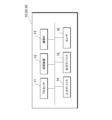
- FIG. 1 is a diagram showing an example of a medical support system 1 according to this embodiment.
- the medical support system 1 is a system for supporting disease treatment of a patient, and includes a medical support device 10, a patient terminal 20 (first terminal), and a doctor terminal 30 (second terminal).
- the medical support device 10, the patient terminal 20, and the doctor terminal 30 are connected via a wireless or wired communication network N, and can communicate with each other.
- the number of the patient terminal 20 and the doctor terminal 30 may be one or more.
- the medical support system 1 helps patients suffering from multiple diseases (which may be referred to as "users") understand their disease states and encourages their own behavioral changes to help them recover from their disease states. It is a system that aims to support
- the medical support system 1 may have, for example, the following functions. 1. Ability to determine the disease state of the patient2. Ability to indicate the patient's disease status to the physician;3. 4. A function to propose improvement goals to be achieved to the doctor in order to improve the disease state, and to accept the setting of improvement goals to be achieved by the patient. 4. A function to present the patient's own disease state and present improvement targets to be achieved. 5.
- a function of displaying a score regarding the degree of achievement of an action goal to be addressed by the patient based on questionnaire responses regarding daily action goals received from the patient. and has a function of displaying various information about the patient on the screens of the terminal 20 for patients and the terminal 30 for doctors.
- the patient terminal 20 is a terminal used by the patient, and has a function of displaying information received from the medical support device 10 and a function of receiving various inputs from the patient.
- the patient terminal 20 may be, for example, a smart phone, a tablet terminal, a personal computer, or the like.
- the doctor's terminal 30 is a terminal used by a doctor, and has a function of displaying information received from the medical support device 10 and a function of receiving various inputs from the doctor.
- the doctor's terminal 30 is assumed to be a personal computer or the like installed in a medical institution, but is not limited to this, and may be, for example, a smart phone or a tablet terminal.
- the medical support device 10 has a web server function, and the web browser installed in the doctor's terminal 30 accesses the medical support device 10, thereby realizing information display and input reception on the doctor's terminal 30. You may make it Alternatively, a dedicated application installed in the patient terminal 20 may access the medical support apparatus 10 to display information and accept input on the doctor terminal 30 .
- the patient terminal 20 may include a wearable device worn by the patient.
- the medical support system 1 may acquire and store various types of patient-related data (hereinafter referred to as “biological information”) from the wearable device.
- biological information patient-related data
- the patient wears a wearable device and transmits various biological information (heart rate, number of steps, amount of exercise, etc.) to the medical support apparatus 10, and uses a smartphone to set an action goal or to set an action goal. You may make it refer to the score regarding the degree of achievement of.
- FIG. 2 is a flowchart showing an overview of the processing performed by the medical support system 1.
- the medical support device 10 acquires the patient's personal data (S10).
- the personal data includes either one or both of examination data obtained by examining a patient's physical condition at a medical institution or the like, and interview data obtained by asking questions to the patient.
- Test data includes, for example, height, weight, body fat, BMI, waist circumference, and other data obtained by measuring the patient's body (physical measurement data), data obtained by blood test (blood test data), Data obtained by urinalysis (urinalysis data), data obtained by examining the state of parts of the body such as organs and blood vessels (organ data), and the like may be included.
- blood test data includes, for example, lipid-related data such as neutral fat, HDL-cholesterol, LDL-cholesterol, and non-HDL-cholesterol, liver/pancreatic function such as AST (GOT), ALT (GPT), ⁇ -GPT, etc.
- lipid-related data such as neutral fat, HDL-cholesterol, LDL-cholesterol, and non-HDL-cholesterol
- liver/pancreatic function such as AST (GOT), ALT (GPT), ⁇ -GPT, etc.
- renal function-related data such as creatinine
- anemia-related data such as hematocrit value, hemoglobin content, white blood cell content, and red blood cell content
- blood pressure-related data such as systolic blood pressure and diastolic blood pressure
- fasting blood sugar potentiometric method
- HbA1c Data related to blood sugar such as NGSP value
- general blood data such as uric acid value
- the urinalysis data
- Interview data includes, for example, data on illnesses that the patient has suffered in the past (medical history), data on illnesses that the patient is already known to suffer from (e.g. disease name), past illnesses of family members and close relatives and current data (family history), drug history data (past and current use of drugs, names of specific drugs that have been taken/taken, etc.), social history data (educational background, annual income , family structure, etc.), smoking information (past and current smoking habits, amount of smoking, duration of smoking, willingness to improve, etc.), drinking information (drinking experience, drinking habits such as amount, type, duration, etc.) eating habits (e.g.
- Medical history, disease name and family history are also collectively referred to as "medical history". Note that in the present embodiment, the medical history is not limited to including all of the medical history, disease name, and family history. At least one of anamnesis, disease name, and family history may be referred to as medical history.
- the medical support device 10 determines the disease state of the patient based on the acquired personal data of the patient (S11). More specifically, the medical support device 10 determines whether or not the patient has an individual disease (hereinafter referred to as "individual disease") from the patient's personal data.
- Individual disease means one disease, for example, obesity, diabetes, hypertension, dyslipidemia, fatty liver, cardiovascular disease, cerebrovascular disease, osteoporosis, dementia, periodontal disease, alcoholic If you have lifestyle-related diseases such as hepatitis, non-alcoholic fatty liver disease, liver cirrhosis, hyperuricemia, gastric ulcer, peripheral neuropathy, or allergy.
- individual diseases include various diseases such as cancer, renal failure, chronic obstructive pulmonary disease, arthrosis, lumbago, cataract, glaucoma, and sleep apnea syndrome.
- the patient corresponds to a plurality of individual diseases defined as a combination pattern in advance, or if the patient corresponds to a plurality of individual diseases and personal data conditions defined as a combination pattern in advance, , the patient is considered to have a "complex disease state.”
- the medical support apparatus 10 can be used when the patient does not correspond to a plurality of individual diseases defined in advance as a combination pattern, or when the patient corresponds to a plurality of individual diseases defined in advance as a combination pattern, but the patient does not meet the conditions of the personal data.
- a “complex disease state” is a state corresponding to a plurality of individual diseases defined in advance as a combination pattern, or a state corresponding to a plurality of individual diseases defined in advance as a combination pattern and conditions of personal data.
- condition of personal data means that a predetermined item of personal data satisfies a predetermined condition.
- personal data conditions include, for example, that the item indicating gender in the personal data is male, the item indicating age in the personal data is XX years old or older, and the item indicating waist circumference in the personal data. is XX cm or more.
- a specific example of a complex disease state is metabolic syndrome.
- a plurality of individual diseases defined in advance as a combination pattern includes at least two of diabetes (abnormal blood sugar level), hypertension (abnormal blood pressure), and dyslipidemia (abnormal lipid level)
- a "personal data condition” may be defined as at least a waist circumference of 85 cm (for men) or 90 cm (for women).
- the 'personal data condition' may be defined as meeting diagnostic reference values for various diseases that can be acquired from personal data in addition to waist circumference.
- the medical support device 10 is used when the patient is suffering from two or more of diabetes, hypertension, and dyslipidemia, and is male and has a waist circumference of 85 cm or more (90 cm or more for women).
- Metabolic syndrome is defined as the patient having obesity (more specifically, visceral fat type obesity) instead of having an abdominal circumference of 85 cm (for men) or 90 cm (for women). It may be a judgment criterion.
- "a plurality of individual diseases defined as a combination pattern in advance" in metabolic syndrome corresponds to at least two or more of diabetes, hypertension and dyslipidemia in addition to obesity (visceral fat type obesity). may be defined as
- complex disease states there are no specific disease names at present, but chronic individual diseases such as diabetes, hypertension, malignant neoplasm (cancer), heart disease (hypertensive (except for cerebrovascular disease) or multiple individual diseases such as anxiety, depression, pain, physical disability, and neurological disorder.
- cancer malignant neoplasm
- heart disease hypertensive (except for cerebrovascular disease)
- multiple individual diseases such as anxiety, depression, pain, physical disability, and neurological disorder.
- treatment is often given independently, which tends to result in an increase in the number of drugs and complicated dosing patterns, and because treatment guidelines generally target a single disease. Fragmentation of treatment and insufficient communication among doctors who treat each disease tended to occur.
- having diabetes increases the risk of stroke, acute myocardial infarction, heart failure, and depression, and also increases the risk of dementia.
- a state in which diabetes and depression coexist, or a state in which diabetes, depression, and dementia coexist are conceivable.
- such a state in which a plurality of individual diseases occur concurrently or the risk of developing them is increased may be regarded as a complex disease state.
- the medical support device 10 may determine whether or not the patient has multiple disease states according to the following method. Additionally, the medical support device 10 may determine a risk value for multiple disease states.
- the risk value for a complex disease state means the severity of the overall complex disease that the patient is suffering from, and the greater the risk value, the more severe the condition.
- the “plurality of individual diseases defined in advance as combination patterns” may be defined as at least a predetermined number or more of the above individual diseases.
- the predetermined number may be 2, or may be 3 or more.
- the medical support apparatus 10 determines that the patient has a complex disease state. You can make a decision.
- the medical support apparatus 10 may determine the risk value of the complex disease state based on the number of corresponding individual diseases among a plurality of individual diseases defined in advance as combination patterns. . For example, if the number of applicable individual diseases is five, the medical support device 10 may determine that the risk is five. A higher number means a higher risk.
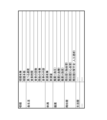
- FIG. 3 is a diagram showing an example of personal data.
- FIG. 3 shows waist circumference and BMI, which are test items related to visceral fat, triglyceride, HDL cholesterol, and LDL cholesterol, which are test items related to lipids, systolic blood pressure and diastolic blood pressure, which are test items related to blood pressure, and blood sugar.
- BMI waist circumference and BMI
- test data obtained by testing subjects A to I for fasting blood sugar
- HbA1C which are test items related to
- FIG. 4 is a diagram showing an example of a case where a complex disease state is judged based on judgment method 1.
- ⁇ indicates that it is applicable
- ⁇ indicates that it is not applicable.
- the medical support apparatus 10 determines whether or not the complex disease state corresponds to metabolic syndrome. For example, patients whose personal data on visceral fat (abdominal circumference and BMI) do not meet predetermined criteria fall under obesity. Patients whose personal data on lipids (neutral fat, etc.) do not meet the prescribed criteria fall under dyslipidemia. A patient whose personal data on blood pressure (systolic blood pressure, etc.) does not meet a predetermined standard corresponds to hypertension.
- a patient whose personal data on blood sugar (fasting blood sugar, etc.) does not meet a predetermined standard corresponds to diabetes.
- the medical support apparatus 10 determines the severity of each corresponding individual disease using the individual disease definition information 100b or a learned model, which will be described later. can be "Determination” indicates whether or not the subject corresponds to a complex disease state (here, metabolic syndrome).
- “(Reference) Determination of Metabolic Syndrome” describes the determination result of metabolic syndrome determined by an actual doctor according to the standards of the academic society as a reference.
- ⁇ means metabolic syndrome
- ⁇ means pre-metabolic syndrome group.
- a complex disease state is determined when two or more of a plurality of individual diseases defined in advance as a combination pattern correspond to the individual disease, but the present invention is not limited to this. For example, when three or more individual diseases apply, it may be determined as a complex disease state (metabolic syndrome).
- the medical support apparatus 10 obtains reference values (also referred to as cutoff values) of one or more test items related to each of a plurality of individual diseases defined in advance as a combination pattern and by testing a patient.
- the risk for each test item is calculated using the obtained test data for the test item, and if the average value of the calculated risk for each test item is greater than or equal to a predetermined threshold, the patient is considered to have a complex disease state. You can make a decision. Further, the medical support apparatus 10 may determine that the patient is not in a complex disease state when the average value of the risks for each test item is less than a predetermined threshold.
- the adjustment coefficient is a "weight value” that indicates the degree of importance that each test item gives to the complex disease state, and may be predetermined for each test item.
- the medical support apparatus 10 adds a number obtained by multiplying "the number of items whose test data exceeds the reference value among the test items" by 0.1 to the calculated average risk for each test item, If the average value of risks for each test item after addition is equal to or greater than a predetermined threshold value, the patient may be determined to have a complex disease state.
- FIG. 5 is a diagram showing an example of a case where a complex disease state is judged based on judgment method 2. Points that are not particularly mentioned may be the same as those in FIG.
- Each numerical value in FIG. 5 indicates the risk calculated based on the measurement data in FIG.
- the risk value of the combined disease state (risk value related to the combined disease state) in Fig. 5 is the average value of the risk for each test item, and the number of items whose test data exceeds the reference value among the test items. It is the sum of the numbers multiplied by 0.1.
- the risk value of the combined disease state is the number obtained by multiplying the number of items whose test data exceed the reference value among the test items by 0.1. The number of items affects the risk value. This allows for an adequate representation of the risk of complex disease states.
- the medical support apparatus 10 determines that the patient corresponds to an individual disease in which one or more of the one or more test items corresponding to the individual disease has at least one item with a risk equal to or greater than a predetermined value (for example, 0). You can judge then. For example, in the example of FIG. 5, subject F has a risk of chest girth, BMI, LDL cholesterol, systolic blood pressure, and diastolic blood pressure greater than or equal to predetermined values. Therefore, the medical support apparatus 10 may determine that the subject F falls under the individual diseases of obesity, dyslipidemia, and hypertension.
- a predetermined value for example, 0
- the medical support apparatus 10 determines that the patient has a complex disease state, it outputs an improvement target to be achieved by the patient in order to improve the complex disease state (S12).
- the improvement target may be displayed on the doctor's terminal 30 and set (fixed) upon confirmation (approval) by the doctor. Further, correction of the output improvement target may be received from the doctor.
- the improvement target may be an improvement target value for test values included in the patient's personal data.
- the improvement goal may be the patient's own self-improvement goal or the improvement goal discussed by the doctor and the patient.
- improvement goals include, for example, blood pressure below 135/85 mmHg, LDL cholesterol below 140 mg/dl, waist circumference below 85 cm, and the like.
- the medical support apparatus 10 sets the improvement target value for the inspection value included in the patient's personal data based on the combination of individual diseases in the patient's complex disease state or the combination of the individual disease and personal data. good too.
- a specific improvement target value may be predetermined according to a combination of individual diseases in a complex disease state or a combination of individual diseases and personal data in a complex disease state.
- the improvement target value may be set to a stricter value (for example, a value closer to the normal value and the same applies hereinafter) as the number of individual diseases included in the combination of individual diseases in the complex disease state increases. .
- a certain threshold for example, men are 45 years old or older, women are 55 years old or older, etc.
- the improvement target value is set to a stricter value than when the threshold is not exceeded.
- the improvement target value may be set to a stricter value than for a non-smoking patient. That is, the greater the number of individual diseases (the number of risk factors) that constitute the complex disease state, the stricter the improvement target value may be set.
- the medical support apparatus 10 may set the LDL cholesterol improvement target for patients suffering from dyslipidemia and diabetes to less than 120 mg/dl, which is closer to normal than less than 140 mg/dl.
- the medical support apparatus 10 may set the LDL cholesterol improvement target for patients suffering from dyslipidemia and coronary artery disease to less than 100 mg/dl, which is closer to normal than less than 140 mg/dl.
- the medical support apparatus 10 sets the LDL cholesterol improvement target for patients suffering from dyslipidemia, diabetes, and coronary artery disease to the LDL cholesterol improvement target of 100 mg/ml for patients suffering from dyslipidemia and coronary artery disease.
- the improvement goal may be an improvement goal for the patient's lifestyle habits. For example, improvement goals such as eating ⁇ no more than one strong flavored dish per meal'', activities ⁇ walking after meals'', or sleep ⁇ going to bed one hour earlier than usual'' can be cited.
- the medical support device 10 receives from the patient the setting of action goals that the patient should work on in order to achieve the improvement goals (S13).
- the action goals may be divided into multiple categories.
- the multiple categories may include, for example, at least one of "Stress,” “Sleep,” “Activity,” “Diet,” “Smoking,” and “Drinking.”
- the activity includes not only exercise but also physical movement in general, such as walking.
- the behavioral goals that the patient should work on to achieve the improvement goals include behavioral goals related to improving the patient's stress, behavioral goals related to improving the patient's sleep time, behavioral goals related to improving the patient's amount of exercise, and behavioral goals related to improving the patient's eating habits.
- At least one of a goal, a behavioral goal related to patient smoking reduction, and a behavioral goal related to patient drinking reduction may be included.
- these behavioral goals may include walking for 30 minutes or more, not eating after 21:00, eating breakfast all the time, or not drinking after 20:00, according to the patient's treatment plan. It may be a specific action goal, or the action goal of each category related to the patient's lifestyle described above may be scored. Note that this category is merely an example, and the present embodiment is not limited to this.
- the medical support device 10 may present to the patient options for action goals that the patient should work on in order to achieve the improvement goal, and accept selection of the action goal that the patient should work on from among the presented options.
- the medical support device 10 may determine options for the action goal that the patient should work on to achieve the improvement goal based on the patient's personal data, the patient's improvement goal, and/or the patient's complex disease state. good.
- the patient's complex disease state is metabolic syndrome corresponding to hypertension and diabetes
- the improvement goal is blood pressure below 130/80 mmHg
- the blood sugar control goal is HbA1c below 6.0%
- the medical support device 10 selects options for action goals such as "gain stamina by walking fast”, “do not eat high-sugar meals”, and “do not drink alcohol”. You may make it present an action target.
- the medical support device 10 receives responses from the patient to a questionnaire regarding action goals to be addressed by the patient (S14).
- the questionnaire may more specifically be a questionnaire confirming to the patient that he or she is performing the behavioral goals to be addressed.
- the questionnaire may include a questionnaire for directly confirming the execution result (effort status) of the action goal selected by the patient in step S13.
- the medical support apparatus 10 receives biological information of the patient from a wearable device worn by the patient.
- the medical support apparatus 10 Based on the questionnaire responses and/or biological information received in step S14, the medical support apparatus 10 generates a score related to the degree of achievement of the action goal to be addressed by the patient and a score related to the degree of achievement of the action goal to be addressed by the patient.
- Advice is output (S15).
- the scores may also be divided into the same categories as the action goals and output.
- the multiple categories may include, for example, at least one of "Stress”, “Sleep”, “Exercise”, “Diet”, “Smoking” and “Drinking", as well as behavioral goals.
- the score may include at least one of a stress score, a sleep score, an exercise score, a diet score, a smoking score, and a drinking score.
- the score becomes high when the patient is actively acting toward achieving the improvement goal, and is low when the patient is not actively acting toward achieving the improvement goal. It may be calculated to be a value.
- scores are illustrated in the form of 80 for sleep, 59 for exercise, 78 for diet, and 100 for smoking/drinking. Also, these scores may be used as action goals.
- the advice is to praise the patient (for example, "Let's do our best at this rate”). If they are not actively acting toward the achievement, it may be content that encourages improvement (for example, "If you don't reduce your drinking, your disease will get worse").
- the medical support apparatus 10 images the current or future image of the patient's appearance and/or the current or future image of the organ based on the improvement goal, action goal, questionnaire, or advice. may be displayed.
- Images of organs displayed by the medical support device 10 include the brain, liver, eyes, kidneys, heart, blood vessels, lungs, and nerves. This enables the patient to visually recognize and understand the current and future conditions of each organ by visualizing and displaying the patient's current conditions, improvement goals, action goals, questionnaires, and future conditions based on advice. can do.
- the medical support apparatus 10 may provide specific medical information on diseases and examination items related to each organ in the form of "trivia" in the form of videos and/or texts to the patient.
- diseases and examination items related to each organ in the form of "trivia” in the form of videos and/or texts to the patient.
- an explanatory video about diseases such as fatty liver, hepatitis, cirrhosis, and liver cancer may be provided.
- dyslipidemia is a disease in which LDL cholesterol (bad cholesterol) and neutral fat (triglyceride) become abnormal levels, and when cholesterol accumulates in the walls of blood vessels, plaques (bumps) form. This will block blood passages and develop into arteriosclerosis.”
- the medical support apparatus 10 receives input values such as patient's personal data (for example, personal data such as weight, blood pressure, and blood sugar level measured by the patient) for a period of one week, one month, or one year. You may display the data which can confirm a transition and distribution. Furthermore, the medical support apparatus 10 can change scores and questionnaires for each lifestyle category (stress, sleep, activity, meals, smoking, drinking, etc.) for a period of one day, one week, or one month. It is also possible to display information that allows confirmation of the contents of answers and advice. As a result, the patient himself/herself can grasp his/her own condition and further encourage behavioral changes such as his/her lifestyle habits based on an improvement plan.
- personal data for example, personal data such as weight, blood pressure, and blood sugar level measured by the patient
- the medical support apparatus 10 can change scores and questionnaires for each lifestyle category (stress, sleep, activity, meals, smoking, drinking, etc.) for a period of one day, one week
- the medical support device 10 may display quizzes and the like for the purpose of improving literacy regarding health and lifestyle-related diseases.
- the format of the quiz is not particularly limited, for example, a format in which one quiz is displayed a day and the user answers the quiz can be used. By giving 5 points for correct answers and 3 points for incorrect answers, patients can learn while enjoying knowledge and information about their health and lifestyle-related diseases, and immediately make use of the health knowledge they have learned. It becomes possible to improve health literacy and promote behavioral change.
- step S10 to step S12 described above is executed when the patient is examined by a doctor, and the processing procedure from step S13 to step S15 is repeatedly executed every day from the end of the medical examination to the next medical examination. may be made.
- FIG. 6 is a schematic diagram showing the flow of medical support using the medical support system 1.
- the doctor examines the patient and inputs the patient's personal data (various test data, etc.) from the doctor's terminal 30 .
- the patient inputs patient personal data (various interview data) from the patient terminal 20 .
- the doctor sets improvement goals to be achieved by the patient based on the improvement goals output from the medical support device 10 and displayed on the doctor terminal 30 and his own medical insight.
- the patient recognizes his or her own disease state and improvement goals by checking the disease state and improvement goals displayed on the patient terminal 20.
- the patient sets action goals for achieving improvement goals on the screen of the patient terminal 20 on a daily basis, and answers questionnaires displayed on the patient terminal 20 on a daily basis.
- the patient's terminal 20 displays a score and advice regarding the degree of achievement of the action goal, enabling the patient to review his or her daily actions.
- patients can continuously review their own actions, and as a result, they can achieve recovery from the disease. become.
- FIG. 7 is a diagram showing a hardware configuration example of the medical support device 10, the patient terminal 20, and the doctor terminal 30.
- the medical support device 10, the patient terminal 20, and the doctor terminal 30 include a processor 11 such as a CPU (Central Processing Unit), a GPU (Graphical Processing Unit), a memory, a HDD (Hard Disk Drive) and/or an SSD (Solid State Drive). ), a communication IF (Interface) 13 for wired or wireless communication, an input device 14 for receiving input operations, and an output device 15 for outputting information.
- the input device 14 is, for example, a keyboard, touch panel, mouse and/or microphone.
- the output device 15 is, for example, a display, touch panel and/or speaker.
- the medical support device 10 may be composed of one or more physical servers or the like, or may be composed of a virtual server operating on a hypervisor, or may be composed of a cloud server. may be configured using
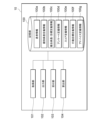
- FIG. 8 is a diagram showing a functional block configuration example of the medical support apparatus 10.
- the medical support device 10 includes a storage unit 100 , an acquisition unit 101 , an output unit 102 , a reception unit 103 and a calculation unit 104 .
- the storage unit 100 can be implemented using the storage device 12 included in the medical support device 10 .
- Acquisition unit 101, output unit 102, reception unit 103, and calculation unit 104 can be realized by processor 11 of medical support apparatus 10 executing a program stored in storage device 12.
- the program can be stored in a storage medium.
- the storage medium storing the program may be a non-transitory computer readable medium.
- the non-temporary storage medium is not particularly limited, but may be a storage medium such as a USB memory or CD-ROM, for example.
- the storage unit 100 stores patient information 100a that stores various information about a patient, personal data, individual disease definition information 100b that defines a correspondence relationship between disease states of individual diseases, combinations of disease states of individual diseases or individual diseases.
- Composite disease/goal definition information 100c that defines an improvement goal when the combination of a disease state and personal data conditions is a composite disease state; Score definition information 100e that defines a method of calculating a score from an answer, action goal definition information 100f that defines action goals to be presented to the patient as options, and advice definition information 100g that defines the content of advice to be presented to the patient.
- the combined disease/goal definition information 100c may be referred to as "goal definition information.”
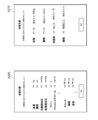
- FIG. 9A is a diagram showing an example of patient information 100a, individual disease definition information 100b, complex disease/goal definition information 100c, questionnaire definition information 100d, and score definition information 100e.
- Patient ID Identity
- Age indicates the patient's age.
- Gender indicates the gender of the patient.
- Period data stores various test data and various interview data of the patient.
- the “disease state”, “disease risk” and “improvement target” include the disease state (disease state of each individual disease and composite disease state) output from the medical support apparatus 10 based on the personal data, the disease risk and Stores improvement goals.
- Behavioral goal stores the behavioral goal selected by the patient.
- Quantestionnaire response stores the contents of the questionnaire that the patient answered.
- Biological information stores information obtained from the wearable device, such as the amount of daily activity (number of steps, walking distance, calories burned, etc.), sleep information, heart rate, and the like.
- the individual disease definition information 100b shown in FIG. 9A is defined for each individual disease.
- the "personal data pattern” stores patterns of test data and interview data that correspond to individual diseases (that is, predetermined criteria that correspond to individual diseases).
- "Severity” corresponds to the disease state of an individual disease and indicates the severity of the individual disease corresponding to the personal data pattern. The severity may be represented by a plurality of levels (steps), and the higher the level, the more severe the disease.
- the personal data pattern is level 5 hypertension if the systolic blood pressure is 180 mmHg or more and the diastolic blood pressure is 110 mmHg or more, and if the systolic blood pressure is 160 to 179 mmHg and A diastolic blood pressure of 100-109 mmHg may be defined as level 4 hypertension.
- the medical support apparatus 10 determines that the systolic blood pressure is Patients with a diastolic blood pressure of 130 mmHg or less and a diastolic blood pressure of 80 mmHg or less can be judged not to be hypertensive.
- the composite disease/goal definition information 100c shown in FIG. 9A is defined for each composite disease state.
- the storage unit 100 stores composite disease/goal definition information 100c corresponding to composite disease state A and composite disease state A and composite disease state B.
- Composite disease/goal definition information 100c corresponding to disease state B is stored.
- Disease conditions of individual diseases and “conditions of personal data” shall mean combinations of disease states of individual diseases that fall under a complex disease state, or combinations of disease states of individual diseases that fall under a combined disease state and conditions for personal data. combinations are stored.
- the composite disease state corresponds to a combination of disease states of individual diseases
- the "personal data conditions” may be omitted.
- Disease risk is not currently afflicted, but otherwise likely to be afflicted, inferred from the combination of the patient's individual disease disease status or the combination of the patient's individual disease disease status and personal data conditions.
- a disease name and information indicating the degree of possibility of contracting the disease are stored.
- patients with metabolic syndrome may suffer from cerebrovascular disease and coronary artery disease in the future, and the more severe the individual diseases that make up metabolic syndrome, the more likely they are to suffer from cerebrovascular disease and coronary artery disease. It is also known to be risky.
- a numerical value indicating the risk of suffering from cerebrovascular disease or coronary artery disease ) and the color indicating its severity (magnitude of risk) may be stored.
- the "improvement target” stores a numerical improvement target that the patient should achieve in order to improve the complex disease state.
- the above-described composite disease/goal definition information 100c includes data common to each of the composite disease states instead of the items shown in FIG. 9A. data indicating the processing logic necessary for the treatment and reference values for each test item, and data in which "disease risk” and "improvement target" are associated as data for each complex disease state may be stored. Further, in the individual disease definition information 100b, instead of the items shown in FIG. 9A, a "predetermined value" used when determining whether a patient corresponds to an individual disease, Data indicating the correspondence relationship between the risk value and severity calculated for each inspection item related to an individual disease may be stored.
- “Category” indicates the category of the action goal that the user works on.
- example categories include, but are not limited to, stress, sleep, exercise, diet, smoking, and drinking.
- “Questionnaire ID” indicates an identifier for identifying a questionnaire. The contents of the questionnaire are stored in the "questionnaire contents”.
- the score definition information 100e indicates an identifier for identifying a questionnaire.
- the questionnaire ID corresponds to the questionnaire ID of the questionnaire definition information 100d.
- “Answer” indicates the answer to the questionnaire.
- “Score” indicates a value added to the score.
- the example of FIG. 9A indicates that 1 is added to the score of the stress category when "yes” is answered to the stress 1 questionnaire. Similarly, if you answer "no" to the stress 1 questionnaire, nothing is added to the score for the stress category.
- the score definition information 100e shown in FIG. 9A is an example, and is not limited to this.
- the score definition information 100e may store logic for calculating a score by combining one or more questionnaire responses.
- the stress category Logic such as adding 3 to the score may be stored.
- the score definition information 100e may further define biometric information and information about the score to be added in association with each other. For example, information such as adding 1 to the activity score if the walking distance is greater than or equal to a predetermined threshold, or adding 1 to the sleep score if the sleep time is greater than or equal to a predetermined time may be defined. .
- FIG. 9B is a diagram showing an example of the advice definition information 100g.
- the advice definition information 100g consists of advice (daily) definition information 100g-1 that defines short-term advice (for example, daily review) for the patient's action content, and advice (daily) definition information 100g-1 that defines the content of the patient's action Advice (weekly summary) definition information 100g-2 that defines the content of medium-term advice (for example, one-week review) for the Advice to define (monthly summary) definition information 100g-3 may be divided.
- “Category” indicates the category of advice.
- the categories stored may be the same as the categories of action goals.
- the "advice content” stores the wording of the advice to be output.
- One piece of advice may be stored for each category, or a plurality of pieces of advice may be stored.
- "Output condition" stores a condition for determining which advice is to be output. Note that the output condition may be defined for each category, or may be defined for each advice content.
- the acquisition unit 101 acquires personal data including patient examination data and interview data from the patient terminal 20 or the medical support device 10 . Note that the acquisition unit 101 may acquire personal data acquired by a wearable device worn by the patient.
- the output unit 102 determines the patient's disease state with respect to the individual diseases that constitute the complex disease, and the combination of the disease states of the individual diseases or the combination of the disease states of the individual diseases and the personal data is the complex disease. If so, it outputs improvement goals that the patient should achieve in order to improve the composite disease state.
- the improvement target may include an improvement target value for test values included in the patient's personal data.
- the patient's personal data includes data on the patient's lifestyle habits, and the improvement goals may include improvement goals for the patient's lifestyle habits.
- the lifestyle may include at least one of the patient's stress, the patient's sleep time, the patient's exercise amount, the patient's eating habits, the patient's smoking amount, and the patient's drinking amount.
- the output unit 102 may set improvement targets for test values included in the patient's personal data based on a combination of disease states of individual diseases or a combination of disease states of individual diseases and personal data.
- the output unit 102 also refers to the individual disease definition information 100b to determine the patient's disease state, and refers to the composite disease/goal definition information 100c to determine a combination of disease states of individual diseases or An improvement goal may be acquired when the combination of the disease state and personal data is a composite disease state, and the acquired improvement target may be output as an improvement target to be achieved by the patient. For example, if the patient's personal data corresponds to any of the records of the "personal data pattern" defined in the individual disease definition information 100b corresponding to the individual disease A, the output unit 102 determines that the patient belongs to the individual disease A.
- the disease state (severity) of the individual disease A that the patient is suffering from may be determined by judging that it is applicable and referring to the "severity" field of the relevant record.
- the output unit 102 repeats the same process for each individual disease so that the patient can determine which individual disease among the individual diseases and the disease state (severity) of the individual disease. can be Subsequently, the output unit 102 refers to the composite disease/goal definition information 100c corresponding to the composite disease state A, and the disease state of each individual disease of the patient and the patient's personal data are defined in the composite disease/goal definition information 100c.
- the patient is judged to have composite disease state A and refer to the “improvement goal” field of the applicable record. By doing so, the improvement target of the patient may be obtained.
- the output unit 102 repeats the same processing for each composite disease state, thereby determining which composite disease state the patient corresponds to among each composite disease state and acquiring an improvement target when applicable. You may do so.
- the output unit 102 uses reference values for one or more test items related to the individual disease and test data for the test item obtained by testing the patient for the individual disease that constitutes the complex disease. may be used to calculate the risk for each test item, and if the calculated risk for each test item satisfies a predetermined condition, the patient may be determined to have a complex disease state. Moreover, when the patient is determined to have a complex disease state, the output unit may output an improvement target to be achieved by the patient in order to improve the complex disease state.
- the output unit 102 may output a value obtained by averaging the calculated risk for each test item as a value indicating the risk of the complex disease state.
- the output unit 102 outputs the patient's improvement goal obtained by inputting the patient's personal data to the trained model having the ability to output the improvement goal for improving the complex disease state. You may make it output as a power improvement target.
- FIG. 10 is a diagram showing an example of a trained model.
- the trained model shown in FIG. 10 when personal data is input, has a flag indicating whether or not it corresponds to a composite disease state, an identifier indicating the disease name of the corresponding composite disease state, and the state of each individual disease that constitutes the composite disease state. (For example, a flag indicating the presence or absence of an individual disease, a value indicating the severity of an individual disease, etc.), an improvement target, and a model trained to output the disease risk.
- the trained model identifies whether the combination of personal data corresponds to each individual disease that constitutes a complex disease from the input personal data, and if it corresponds to each individual disease that constitutes a complex disease (patient is a complex disease state), it may operate so as to output an improvement target or the like.
- the trained model may be further trained to output a risk value for multiple disease states.
- such a trained model uses personal data as input data from a large amount of past clinical data, a flag indicating whether or not it corresponds to a complex disease state, an identifier indicating the disease name of the corresponding complex disease state, a composite Generate a large amount of teacher data with correct data of flags indicating whether or not each individual disease that constitutes a disease state, values indicating the severity of individual diseases, improvement target values, and disease risks are the correct data, and generate by learning the model. be able to.
- risk values relating to a complex disease state from a trained model, it is possible to handle this by including the risk values relating to a complex disease state in the correct data of the teacher data.
- the model can be any algorithm, but for example, neural networks, decision trees, random forests, gradient boosting decision trees, etc. can be used.
- the trained model may be prepared as a different model for each complex disease state. Returning to FIG. 8, the description continues.
- the output unit 102 outputs various data to the patient terminal 20 and the doctor terminal 30 .
- the output section 102 that outputs data to the patient terminal 20 may be called a first output section.
- the output unit 102 that outputs data to the doctor's terminal 30 may be called a second output unit.
- the output unit 102 (first output unit) may output the improvement target or the improvement target corrected by the doctor to the patient terminal 20 .
- the reception unit 103 receives various inputs from the patient terminal 20 or the doctor terminal 30.
- a reception unit that receives various inputs from the patient terminal 20 (or from the patient) may be called a first reception unit.
- the reception unit that receives various inputs from the doctor's terminal 30 (or from the doctor) may be called a second reception unit.
- the reception unit 103 (first reception unit) receives from the patient an action goal that the patient should work on in order to achieve the improvement goal.
- the reception unit 103 that receives action goals from patients may be referred to as a first reception unit.
- the reception unit 103 (first reception unit) may receive from the patient an action goal to be addressed by the patient from among a plurality of options regarding action goals for achieving the improvement goal of the patient.
- the reception unit 103 (first reception unit) refers to the action goal definition information 100f and extracts options corresponding to the patient's personal data, the improvement goal, or the patient's complex disease state, thereby presenting multiple options to the patient. may be determined.
- the output unit 102 outputs the action target to be addressed by the patient, received by the receiving unit 103 (first receiving unit), to the patient terminal 20 used by the patient and/or the doctor terminal used by the doctor who examines the patient. 30 may be output.
- reception unit 103 receives input of answers to a questionnaire regarding action goals that the patient should work on.
- reception unit 103 may receive the corrected improvement goal from the doctor's terminal 30 when the doctor corrects the improvement goal.
- the calculation unit 104 calculates a score regarding the degree of achievement of the action goal that the patient is working on, based on the responses to the questionnaire received by the reception unit 103 (first reception unit).
- the calculation unit 104 refers to the score definition information 100e and calculates the score according to the score calculation method defined in the score definition information 100e.
- FIG. 11 is a diagram showing a functional block configuration example of the patient terminal 20.
- the patient terminal 20 includes a storage section 200 , a reception section 201 and a display control section 202 .
- the storage unit 100 can be implemented using the storage device 12 included in the medical support device 10 .
- Acquisition unit 101, output unit 102, reception unit 103, and calculation unit 104 can be realized by processor 11 of medical support apparatus 10 executing a program stored in storage device 12.
- the program can be stored in a storage medium.
- the storage medium storing the program may be a computer-readable non-temporary storage medium.
- the non-temporary storage medium is not particularly limited, but may be a storage medium such as a USB memory or CD-ROM, for example.
- the storage unit 200 stores various data acquired from the medical support device 10 .
- the reception unit 201 receives various inputs detected by the input device 14 included in the patient terminal 20.
- the reception unit 201 receives various inputs detected by a touch panel included in the patient terminal 20 .
- the display control unit 202 causes the display provided in the patient terminal 20 to display data and the like acquired from the medical support device 10 .
- the Web browser installed in the patient terminal 20 may realize information display and input reception on the patient terminal 20.
- the storage unit 200 , the reception unit 201 and the display control unit 202 may be implemented by a web browser installed in the patient terminal 20 .
- a dedicated application installed in the patient terminal 20 for realizing the functions according to the present embodiment may realize information display and input reception on the patient terminal 20 .
- the storage unit 200 , the reception unit 201 and the display control unit 202 may be implemented by a dedicated application installed in the patient terminal 20 .
- FIG. 12 is a diagram showing a functional block configuration example of the doctor's terminal 30.
- the doctor terminal 30 includes a storage section 200 , a reception section 201 and a display control section 202 .
- the storage unit 200 can be implemented using the storage device 12 included in the doctor's terminal 30 .
- the reception unit 201 and the display control unit 202 can be implemented by the processor 11 of the doctor's terminal 30 executing a program stored in the storage device 12 .
- the program can be stored in a storage medium.
- the storage medium storing the program may be a computer-readable non-temporary storage medium.
- the non-temporary storage medium is not particularly limited, but may be a storage medium such as a USB memory or CD-ROM, for example.
- the storage unit 300 stores various data acquired from the medical support device 10 .
- the reception unit 301 receives various inputs detected by the input device 14 included in the doctor's terminal 30 .
- the reception unit 301 receives various inputs detected by a keyboard and a mouse included in the terminal 30 for doctors.
- the reception unit 301 also transmits various types of received input data to the medical support apparatus 10 .
- the display control unit 202 acquires various data from the medical support device 10 and displays the acquired data on the display of the doctor's terminal 30 .
- the web browser installed on the doctor's terminal 30 may display information on the doctor's terminal 30 and accept input.
- the storage unit 300 , the reception unit 301 and the display control unit 302 may be implemented by a web browser installed in the doctor's terminal 30 .
- a dedicated application installed in the doctor's terminal 30 for realizing the functions according to the present embodiment may realize information display and input reception on the doctor's terminal 30 .
- the storage unit 300 , the reception unit 301 , and the display control unit 302 may be implemented by a dedicated application installed in the doctor's terminal 30 .
- the processing procedure performed by the medical support system 1 will be specifically described.
- the complex disease state is described as metabolic syndrome.
- the medical support apparatus 10 will be described as determining a complex disease state according to the determination method 1 described above.
- FIG. 13 is a sequence diagram showing an example of a processing procedure performed by the medical support system 1.
- FIG. The processing procedure shown in FIG. 13 is assumed to be repeatedly executed each time the doctor examines the patient. may be omitted.
- the doctor's terminal 30 receives input of the patient's examination data from the doctor and transmits it to the medical support device 10 (S100, S101).
- the patient terminal 20 accepts the input of interview data from the patient and transmits it to the medical support apparatus 10 (S102, S103).
- the doctor may be prompted to input medical interview data from the patient terminal 20 when examining the patient.
- the interview data may be input to the doctor terminal 30 and transmitted to the medical support device 10 .
- the medical support apparatus 10 stores the test data and interview data received from the patient terminal 20 and the doctor terminal 30 in the patient information 100a (S104).
- FIG. 15 is a diagram showing a specific example of inspection data.
- the test data shown in FIG. 15 includes data (body measurement data) obtained by measuring the patient's body such as height, weight, and waist circumference, blood pressure data, anemia data, liver and gallbladder function data, blood Data on lipids, data on blood sugar levels, data on uric acid, data on kidney function, data obtained by urinalysis, etc. are included.
- FIG. 16 is a diagram showing a specific example of medical interview data.
- the interview data shown in FIG. 16 includes questions about smoking, questions about eating habits, questions about drinking, questions about drugs currently being taken, questions about medical history, questions about life history, and the like.
- the interview data may further include an interview necessary for calculating the patient's lifestyle-related score.
- the scores related to the lifestyle may be divided into multiple categories. The multiple categories may be, for example, stress, sleep, exercise, diet, smoking and drinking categories.
- the output unit 102 of the medical support apparatus 10 refers to the individual disease definition information 100b and the composite disease/goal definition information 100c, or uses the learned model described in FIG.
- the improvement target and disease risk are output and stored in the patient information 100a (S105, S106, S107). More specifically, the patient's disease state is a flag (or the name of the composite disease state) indicating whether or not the patient corresponds to the composite disease state, and if the patient has the composite disease state, constitutes the composite disease state. It may be the state of each individual disease (for example, a flag indicating the presence or absence of the individual disease, a value indicating the severity of the individual disease, etc.).
- the improvement target output by the output unit 102 of the medical support apparatus 10 may include an improvement target value for the score related to lifestyle habits.
- the output unit 102 of the medical support apparatus 10 may output a risk value related to the multiple disease state when the patient corresponds to the multiple disease state.
- FIG. 14 is a diagram showing a specific example of the individual disease definition information 100b.
- FIG. 17A illustrates individual disease definition information 100b-1 corresponding to hypertension, individual disease definition information 100b-2 corresponding to dyslipidemia, and individual disease definition information 100b-3 corresponding to diabetes.
- FIG. 17B illustrates individual disease definition information 100b-4 corresponding to obesity.
- FIG. 18 is a diagram showing a specific example of the complex disease/goal definition information 100c.
- the output unit 102 compares the “personal data pattern” of the individual disease definition information 100b corresponding to hypertension with the patient's test data and interview data, thereby generating records corresponding to the patient's test data and interview data. To detect.
- the output unit 102 detects that the patient's examination data and interview data correspond to the second row record. . Subsequently, the output unit 102 acquires the severity of hypertension by referring to the “severity” of the record on the second line. Accordingly, the output unit 102 can determine that the patient corresponds to hypertension and that the severity is level 5. Subsequently, the output unit 102 refers to the individual disease definition information 100b-2 corresponding to dyslipidemia, the individual disease definition information 100b-3 corresponding to diabetes, and the individual disease definition information 100b-4 corresponding to obesity.
- the patient has hypertension, dyslipidemia, diabetes, and obesity, and if so, the severity of the disease.
- hypertension level 5
- dyslipidemia level 3
- diabetes level 3
- obesity level 3
- the output unit 102 compares the "disease state of individual disease” and "personal data conditions" of the composite disease/goal definition information 100c corresponding to metabolic syndrome with the patient's individual disease state and personal data. , to find records corresponding to the patient's individual disease disease state and personal data.
- the patient's individual disease states are hypertension (level 5), dyslipidemia (level 3), diabetes (level 3), and obesity (level 3). It is detected that the record corresponding to the patient's individual disease state and personal data corresponds to the record in the third column.
- the output unit 102 acquires the patient's disease risk and improvement goal by referring to the "disease risk" and "improvement goal" in the record in the third column.
- the output unit 102 outputs a flag indicating that the disease state of the patient corresponds to a complex disease state (metabolic syndrome), a flag that indicates that it corresponds to hypertension, a flag that indicates that it corresponds to dyslipidemia, A flag indicating diabetes, a flag indicating obesity, data indicating that the severity of hypertension is level 3, data indicating that the severity of dyslipidemia is level 3, Data indicating that the severity of diabetes is level 3 and data indicating that the severity of obesity is level 3 are output.
- a complex disease state metabolic syndrome
- the output unit 102 sets the improvement targets to be an abdominal circumference of 80 cm or less, a systolic blood pressure of 160 mmHg or less, a diastolic blood pressure of 100 mmHg or less, and a stress-related lifestyle score of 20% or more. and that the lifestyle score related to sleep is improved by 20% or more.
- the output unit 102 also outputs, as disease risks, that the risk of developing cerebrovascular disease is high, that the risk of developing coronary artery disease is high, and the like.
- the disease risk may be expressed numerically.
- the output part 102 may output a specific numerical value as a lifestyle score, when outputting an improvement target.
- the output unit 102 may output the number of individual diseases corresponding to the patient as the disease state of the patient as a risk value related to the complex disease state (metabolic syndrome).
- the output unit 102 may output "4" as the risk associated with the multiple disease state.
- the output unit 102 transmits the disease state and disease risk output in steps S105 and S107 to the patient terminal 20 (S110).
- the patient terminal 20 displays the disease state and disease risk received from the medical support device 10 on the screen (S111).
- the output unit 102 transmits the disease state, improvement target, and disease risk output in steps S105 to S107 to the doctor's terminal 30 (S112).
- the medical support device 10 displays the disease state, improvement target, and disease risk received from the medical support device 10 on the screen (S113).
- the doctor's terminal 30 may receive the correction of the improvement target when the doctor wishes to correct the improvement target (S114).
- the doctor can present the improvement target output from the medical support device 10 to the patient and modify the improvement target after consulting with the patient.
- the doctor's terminal 30 When the doctor's terminal 30 receives correction of the improvement target from the doctor, it transmits the corrected improvement target to the medical support device 10 (S115).
- the medical support apparatus 10 updates the "improvement target" of the patient information 100a with the corrected improvement target (S116). Subsequently, the output unit 102 of the medical support apparatus 10 transmits the improvement target data stored in the "improvement target" of the patient information 100a to the patient terminal 20 (S117).
- the patient terminal 20 displays the improvement target received from the medical support device 10 on the screen (S118).
- FIG. 14 is a sequence diagram showing an example of a processing procedure performed by the medical support system 1.
- FIG. The processing procedure shown in FIG. 14 is assumed to be repeated every day until the next medical examination, but it is not necessarily limited to this. For example, it may be repeatedly executed every other day, or may be repeatedly executed every week.
- the output unit 102 of the medical support device 10 determines action goal options that the patient should work on to achieve the improvement goal based on the patient's personal data, the patient's improvement goal, and/or the patient's composite disease state ( S200).
- the output unit 102 compares the patient's personal data, the patient's improvement goal and/or the patient's complex disease state with the selection criteria defined in the action goal definition information 100f, and selects action goal options that satisfy the selection criteria. , may be determined as an action goal option to be presented to the patient.
- FIG. 19 is a diagram showing an example of the action goal definition information 100f.
- Category indicates the category of the action goal.
- Action goal indicates the specific content of the action goal.
- Selection Criteria indicates the patient's criteria for which a behavioral goal is selected. For example, according to FIG. 19, the action goal of "eat vegetables first” is an option when the fasting blood sugar in the test data is 110 mg/dl or more and the triglyceride level is 150 mg/dl. means to be extracted. Although not shown in FIG. 19, it is also possible to set selection criteria such as "patients whose complex disease state is metabolic syndrome". Returning to FIG. 14, the description is continued.
- the output unit 102 of the medical support device 10 transmits the action goal options determined in step S200 to the patient terminal 20 (S201).
- the patient terminal 20 displays the action goal options received from the medical support apparatus 10 on the screen, and accepts the patient's selection of the action goal to be addressed (S202).
- the patient terminal 20 transmits the selected action goal to the medical support device 10 (S203).
- the reception unit 103 of the medical support apparatus 10 receives the selected action goal and stores it in the patient information 100a (S204).
- the output unit 102 of the medical support device 10 refers to the questionnaire definition information 100d and transmits the questionnaire data stored in the questionnaire definition information 100d to the patient terminal 20 (S205).
- the patient terminal 20 displays the questionnaire received from the medical support apparatus 10 on the screen, and accepts input of answers to the questionnaire from the patient (S206).
- the patient terminal 20 transmits responses to questionnaires received from patients to the medical support apparatus 10 .
- the patient terminal 20 transmits the biological information acquired from the wearable device worn by the patient (S207).
- the reception unit 103 of the medical support apparatus 10 receives the questionnaire responses and biological information, and stores them in the patient information 100a (S208).
- the calculation unit 104 of the medical support apparatus 10 calculates a score regarding the degree of achievement of the action goal from the answers to the questionnaire and/or the biological information (S209).
- the output unit 102 also refers to the advice definition information 100g and selects advice to be output to the patient by comparing the questionnaire responses, scores and/or biometric information with the output conditions (S209).
- the output unit 102 compares the previous day's questionnaire responses, scores and/or biometric information with the "output conditions" of the advice (daily) definition information 100g-1 to provide short-term advice (for example, daily review). may be selected.
- the output unit 102 outputs, for each predetermined day of the week (for example, Friday), the questionnaire responses, scores, and/or biometric information for the past week, and the "output condition , to select medium-term advice (for example, one week review).
- the output unit 102 may compare the score transition or average value for the past week with the “output condition”. Also, the output unit 102 outputs the questionnaire responses, scores and/or biometric information for the past month, and advice (monthly summary) definition information 100g- Long-term advice (for example, one-month review) may be selected by comparing with 3 "output conditions”. When selecting long-term advice, the output unit 102 may compare the score transition or average value for the past month with the "output condition”.
- the output unit 102 transmits the calculated score and the selected advice to the patient terminal 20 (S210).
- the patient terminal 20 displays the score and advice on the screen (S211).
- the patient terminal 20 further includes a current or future image of the patient's appearance, a current or future image of the organ, trivial knowledge about medical information, an image showing the transition of the patient's personal data, and an image showing the transition of the score. , various quizzes, etc. may be displayed (S212). Data necessary for displaying these images may be transmitted from the medical support apparatus 10 to the patient terminal 20 in the processing procedure of step S210.
- the doctor's terminal 30 Upon receiving the instruction from the doctor, the doctor's terminal 30 requests the medical support device 10 to refer to the patient's action goal, questionnaire responses, score and advice regarding the degree of achievement of the action goal (S220).
- the output unit 102 of the medical support device 10 transmits the action goal selected by the patient, the answers to the questionnaire, the score and advice regarding the degree of achievement of the action goal to the doctor terminal 30 (S221).
- the doctor's terminal 30 displays the received action goals, questionnaire responses, scores, and advice on the screen (S222). This allows the doctor to check the patient's daily behavior at any time.
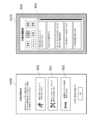
- FIG. Screens A100 to A120 in FIG. 20 are examples of screens that display the current disease state of the patient himself/herself.
- the button B10 When the button B10 is pressed, the screen transitions to a screen A100 displaying the disease name of the complex disease state.
- the button B11 When the button B11 is pressed, the screen transitions to a screen A100 displaying the disease name of the individual disease and the state (severity) of the individual disease.
- the button B12 is pressed, the screen transitions to a screen A100 that displays the names of possible diseases and disease risks.
- Screens A100 to A120 correspond to screens displayed in the processing procedure of step S111 in FIG. 13, for example.
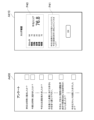
- a screen A200 and a screen A210 in FIG. 21 show examples of screens that display improvement targets.
- the screen A200 is a display example in which all items of the improvement target are displayed
- the screen A210 is a display example in which only some items are displayed so that the patient can easily understand.
- the screen A200 and the screen A210 correspond to screens displayed in the processing procedure of step S118 in FIG. 13, for example.
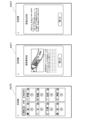
- a screen A300 and a screen A310 in FIG. 22 show examples of screens for accepting setting of action goals.
- a maximum of three action goals can be set, and when buttons B30 to B32 are pressed, the screen transitions to a screen A310 displaying options for action goals.
- the screen A310 includes an area B33 that displays buttons for selecting the action goal category, and an area B34 that displays a list of action goal options corresponding to the selected category.
- the button B30 is pressed, the screen transitions to a screen A310, and the action goal selected in the area B34 of the screen A310 is reflected on the button B30 of the screen A300.
- the screen transitions to the screen A310, and the action goal selected in the area B34 of the screen A310 is reflected on the button B31 of the screen A300.
- the screen A300 and the screen A310 correspond to screens displayed in the processing procedure of step S202 in FIG. 13, for example.
- Screen A400 in FIG. 23 shows an example of a screen for inputting responses to a questionnaire.
- Screen A400 corresponds to, for example, the screen displayed in the processing procedure of step S206 in FIG.
- a screen A401 in FIG. 23 shows an example of a screen that displays a score regarding the degree of achievement of the action goal.
- a score regarding the degree of achievement of the action goal is displayed for each category.
- the output unit 102 of the medical support device 10 may display advice on the score on the screen of the patient terminal 20, as shown in a region P41 of the screen A410.
- the displayed advice may be advice for the category with the lowest score.
- Screen A401 corresponds to, for example, the screen displayed in the processing procedure of step S211 in FIG.
- FIG. 24 is an example of a screen that graphically displays the patient's disease risk.
- the medical support apparatus 10 may calculate the risk of future disease in each organ of the patient based on the patient's personal data, and display the calculated result on the patient terminal 20.
- the screen A450 displays an area P45 for displaying examination data and an overall view P46 of the body. In the whole body view P46, organs that may cause disease in the future are highlighted. In the example of screen A450, it is shown that there is a possibility that diseases will occur in both eyes in the future.
- Screen A460 shows a state in which a part of the overall body view is enlarged and displayed.
- Fig. 25 shows an example of a screen displaying "bits of knowledge", which is specific medical information about diseases and examination items related to each organ. Bits of knowledge about the organ selected on the organ list screen A470 are displayed like bits of knowledge screens A471 and A472.
- FIG. 26 shows an example of a screen showing changes in patient's personal data.
- a screen A480 shows changes in blood pressure
- a screen A481 shows changes in scores related to meals.
- Screen A482 shows a one-week summary generated based on the patient's responses to a questionnaire regarding meals.
- FIG. 27 shows an example of a screen related to quizzes.
- Screen A490 is a screen for inputting answers to quizzes. If the patient answers the quiz correctly, points are given to the patient as shown in screen A491.
- Screen A492 displays an explanation about the quiz.
- FIG. A screen A500 in FIG. 28 is an example of a screen displaying a list of information about patients.
- the patient's examination data is displayed in the area P50.
- the area P51 displays improvement targets (improvement target values for test values and improvement target values for lifestyle-related scores).
- the area P52 displays daily changes in the score regarding the degree of achievement of the action goal.
- a region P53 displays a monthly summary of questionnaire response results and a monthly summary of data acquired from the patient's wearable device.
- a region P54 displays the patient's medication history.
- Screen A600 in FIG. 29 is an example of a screen that displays detailed medical history and examination data.
- the area P60 displays the medical history of the patient.
- a list of examination data of the patient is displayed in the area P61.
- Screen A700 in FIG. 30 is an example of a screen that displays the improvement target in detail.
- the patient's improvement target is displayed by dividing it into an improvement target value for test values and an improvement target value for lifestyle-related scores.
- the doctor can also modify the improvement target displayed in the area P70.
- the area P71 is a screen for recording the contents of guidance to the patient. The doctor can record the contents conveyed to the patient in the area P71 during the medical examination.
- the left graph in FIG. 31 shows the above-described determination method 2 based on the patient's test data at the start and after 12 weeks for a patient with a complex disease whose life was improved using the medical support system 1 according to this embodiment.
- Figure 2 shows the change in risk value for the combined disease state, calculated according to
- the right graph in FIG. 31 shows the above-mentioned test data from the patient's examination data at the start and after 12 weeks have passed for a patient with a complex disease who has improved his life without using the medical support system 1 according to this embodiment.
- Figure 2 shows the change in risk score for multiple disease states calculated according to Judgment Method 2. According to the experimental results, it can be seen that the risk value is improved in patients with multiple diseases who have improved their lives by using the medical support system 1 according to this embodiment.
- the patient's disease state is determined for the individual diseases that constitute the complex disease, the risk of the related disease is evaluated, and the combination of the disease states of the individual diseases is combined into a complex disease.
- an improvement goal to be achieved by the patient is output in the form of a long-term goal and a short-term goal in order to improve the composite disease state.
- the medical support apparatus 10 presents an appropriate improvement target according to the patient's complex disease state based on the patient's personal data. treatment becomes possible.
- an improvement target is output on the premise that the patient is in a complex disease state.
- the patient terminal 20, the output unit 102 that outputs data to the patient terminal 20, and the reception unit that receives various inputs from the patient terminal 20 are respectively arranged as the second terminal and the second output unit. You may call it a part and a 2nd reception part.
- the doctor's terminal 30, the output unit 102 that outputs data to the doctor's terminal 30, and the reception unit that receives various inputs from the doctor's terminal 30 are respectively referred to as the first terminal, the first output unit, and the first reception unit. may be called.
- the output unit 102 outputs the magnitude of the risk, score, and severity level using numerical values, but is not limited to this.
- change the numerical value to a color e.g., red (high severity) to blue (low severity)
- a symbol e.g., "A" (maximum score) to "Z” (minimum score) etc.
- the display control unit 202 of the patient terminal 20 may change the display of "Risk is '4'" on the screen A100 of FIG. 20 to display a yellow icon.
- the display control unit 202 of the patient terminal 20 may display alphabets instead of scores on the screen A410 of FIG. 23 .
Landscapes
- Health & Medical Sciences (AREA)
- Engineering & Computer Science (AREA)
- Epidemiology (AREA)
- General Health & Medical Sciences (AREA)
- Medical Informatics (AREA)
- Primary Health Care (AREA)
- Public Health (AREA)
- Medical Treatment And Welfare Office Work (AREA)
- Measuring And Recording Apparatus For Diagnosis (AREA)
Priority Applications (3)
| Application Number | Priority Date | Filing Date | Title |
|---|---|---|---|
| JP2023518075A JP7479103B2 (ja) | 2021-12-28 | 2022-12-09 | 医療支援装置、医療支援方法及び医療支援プログラム |
| JP2024028903A JP2024052718A (ja) | 2021-12-28 | 2024-02-28 | 医療支援装置、医療支援方法及び医療支援プログラム |
| JP2024028893A JP2024052717A (ja) | 2021-12-28 | 2024-02-28 | 医療支援装置、医療支援方法及び医療支援プログラム |
Applications Claiming Priority (2)
| Application Number | Priority Date | Filing Date | Title |
|---|---|---|---|
| JP2021214424 | 2021-12-28 | ||
| JP2021-214424 | 2021-12-28 |
Publications (1)
| Publication Number | Publication Date |
|---|---|
| WO2023127461A1 true WO2023127461A1 (ja) | 2023-07-06 |
Family
ID=86998659
Family Applications (1)
| Application Number | Title | Priority Date | Filing Date |
|---|---|---|---|
| PCT/JP2022/045444 Ceased WO2023127461A1 (ja) | 2021-12-28 | 2022-12-09 | 医療支援装置、医療支援方法及び医療支援プログラム |
Country Status (2)
| Country | Link |
|---|---|
| JP (1) | JP7479103B2 (https=) |
| WO (1) | WO2023127461A1 (https=) |
Cited By (1)
| Publication number | Priority date | Publication date | Assignee | Title |
|---|---|---|---|---|
| JP7463004B1 (ja) | 2024-01-20 | 2024-04-08 | 株式会社最中屋 | 情報処理システム、情報処理方法及びプログラム |
Citations (6)
| Publication number | Priority date | Publication date | Assignee | Title |
|---|---|---|---|---|
| JP2006304833A (ja) * | 2005-04-26 | 2006-11-09 | Sysmex Corp | 診断支援システム及びコンピュータプログラム |
| JP2010250489A (ja) * | 2009-04-14 | 2010-11-04 | Hitachi Medical Corp | メタボリックシンドローム改善情報演算システム、当該システムとして機能させるためのプログラム、及び、当該プログラムを記録した記録媒体 |
| JP2012064087A (ja) * | 2010-09-17 | 2012-03-29 | Keio Gijuku | 生活習慣病の診断予測装置、生活習慣病の診断予測方法及びプログラム |
| JP2013109700A (ja) * | 2011-11-24 | 2013-06-06 | Zenrin Datacom Co Ltd | 健康管理支援装置、健康管理支援方法および健康管理支援プログラム |
| JP2017040981A (ja) * | 2015-08-17 | 2017-02-23 | 国立大学法人東北大学 | 健康情報処理装置、健康情報処理方法、健康情報処理プログラム、健康情報表示装置、健康情報表示方法、及び健康情報表示プログラム |
| JP2018028895A (ja) * | 2016-08-18 | 2018-02-22 | メドケア株式会社 | 遠隔診療支援システム、遠隔診療支援サーバ及び遠隔診療支援方法 |
Family Cites Families (2)
| Publication number | Priority date | Publication date | Assignee | Title |
|---|---|---|---|---|
| JP2010231308A (ja) * | 2009-03-26 | 2010-10-14 | Olympus Corp | 生活習慣病予防装置および生活習慣病予防プログラム |
| JP5505834B2 (ja) * | 2010-03-03 | 2014-05-28 | 株式会社日立製作所 | 保健指導支援システム及びプログラム |
-
2022
- 2022-12-09 JP JP2023518075A patent/JP7479103B2/ja active Active
- 2022-12-09 WO PCT/JP2022/045444 patent/WO2023127461A1/ja not_active Ceased
Patent Citations (6)
| Publication number | Priority date | Publication date | Assignee | Title |
|---|---|---|---|---|
| JP2006304833A (ja) * | 2005-04-26 | 2006-11-09 | Sysmex Corp | 診断支援システム及びコンピュータプログラム |
| JP2010250489A (ja) * | 2009-04-14 | 2010-11-04 | Hitachi Medical Corp | メタボリックシンドローム改善情報演算システム、当該システムとして機能させるためのプログラム、及び、当該プログラムを記録した記録媒体 |
| JP2012064087A (ja) * | 2010-09-17 | 2012-03-29 | Keio Gijuku | 生活習慣病の診断予測装置、生活習慣病の診断予測方法及びプログラム |
| JP2013109700A (ja) * | 2011-11-24 | 2013-06-06 | Zenrin Datacom Co Ltd | 健康管理支援装置、健康管理支援方法および健康管理支援プログラム |
| JP2017040981A (ja) * | 2015-08-17 | 2017-02-23 | 国立大学法人東北大学 | 健康情報処理装置、健康情報処理方法、健康情報処理プログラム、健康情報表示装置、健康情報表示方法、及び健康情報表示プログラム |
| JP2018028895A (ja) * | 2016-08-18 | 2018-02-22 | メドケア株式会社 | 遠隔診療支援システム、遠隔診療支援サーバ及び遠隔診療支援方法 |
Cited By (2)
| Publication number | Priority date | Publication date | Assignee | Title |
|---|---|---|---|---|
| JP7463004B1 (ja) | 2024-01-20 | 2024-04-08 | 株式会社最中屋 | 情報処理システム、情報処理方法及びプログラム |
| JP2025112704A (ja) * | 2024-01-20 | 2025-08-01 | 株式会社最中屋 | 情報処理システム、情報処理方法及びプログラム |
Also Published As
| Publication number | Publication date |
|---|---|
| JPWO2023127461A1 (https=) | 2023-07-06 |
| JP7479103B2 (ja) | 2024-05-08 |
Similar Documents
| Publication | Publication Date | Title |
|---|---|---|
| Chan et al. | Social support and self-care outcomes in adults with diabetes: The mediating effects of self-efficacy and diabetes distress. Results of the second diabetes MILES–Australia (MILES-2) study | |
| Hooker et al. | Mutuality and heart failure self-care in patients and their informal caregivers | |
| JP7384362B2 (ja) | 情報処理方法及び情報処理装置 | |
| AU2006252260B2 (en) | Home diagnostic system | |
| Mori et al. | Prognostication of the last days of life | |
| Fakhri et al. | Factors affecting patients' preferences for and actual discussions about end-of-life care | |
| Garcia | Plan-cook-eat: a meal planner app with optimal macronutrient distribution of calories based on personal total daily energy expenditure | |
| Goldstein et al. | Understanding women veterans' preferences for peer support interventions to promote heart healthy behaviors: A qualitative study | |
| Gabelhouse et al. | Traditional versus hybrid outpatient cardiac rehabilitation: a comparison of patient outcomes | |
| Taniguchi et al. | Outpatient nursing support for self-monitoring in patients with chronic heart failure | |
| JPWO2007072816A1 (ja) | 生活習慣改善支援装置および生活習慣改善支援方法 | |
| Fallon et al. | Multi-modal responses to the Virtual Reality Trier Social Stress Test: A comparison with standard interpersonal and control conditions | |
| JP7333679B2 (ja) | 医療支援装置、医療支援方法及び医療支援プログラム | |
| Douma et al. | Patient-reported preferences in eHealth-based cardiac rehabilitation: A qualitative investigation of behavior change techniques, barriers and facilitators | |
| Kodiath et al. | Improving quality of life in patients with heart failure: an innovative behavioral intervention | |
| JP7479103B2 (ja) | 医療支援装置、医療支援方法及び医療支援プログラム | |
| de Boer et al. | Cardiopulmonary exercise testing | |
| Magyar-Russell et al. | Ophthalmology patients' religious and spiritual beliefs: an opportunity to build trust in the patient-physician relationship | |
| Oka et al. | Perceptions of physical fitness in patients with heart failure | |
| Brinkley et al. | Targeting obesity to optimize weight loss in cardiac rehabilitation: a pilot study | |
| US12488902B2 (en) | Health support apparatus, health support method, and program | |
| Matsuo et al. | Association of residency training with metabolic measures | |
| JP7782898B1 (ja) | 健康診断レポート作成システム、健康診断レポート作成方法 | |
| Garcia et al. | Evidence of validity and accuracy for the Mindful Self-Care Scale-Brief among family caregivers of people with cancer in Brazil: A cross-sectional study | |
| Lanier | The Effectiveness of a Prediabetes Protocol for Diabetes Prevention |
Legal Events
| Date | Code | Title | Description |
|---|---|---|---|
| WWE | Wipo information: entry into national phase |
Ref document number: 2023518075 Country of ref document: JP |
|
| 121 | Ep: the epo has been informed by wipo that ep was designated in this application |
Ref document number: 22915685 Country of ref document: EP Kind code of ref document: A1 |
|
| NENP | Non-entry into the national phase |
Ref country code: DE |
|
| 122 | Ep: pct application non-entry in european phase |
Ref document number: 22915685 Country of ref document: EP Kind code of ref document: A1 |