WO2023085402A1 - 白血球の細胞外トラップ形成阻害活性を有するペプチド - Google Patents
白血球の細胞外トラップ形成阻害活性を有するペプチド Download PDFInfo
- Publication number
- WO2023085402A1 WO2023085402A1 PCT/JP2022/042111 JP2022042111W WO2023085402A1 WO 2023085402 A1 WO2023085402 A1 WO 2023085402A1 JP 2022042111 W JP2022042111 W JP 2022042111W WO 2023085402 A1 WO2023085402 A1 WO 2023085402A1
- Authority
- WO
- WIPO (PCT)
- Prior art keywords
- group
- ring
- formula
- atoms
- carbon atoms
- Prior art date
- Legal status (The legal status is an assumption and is not a legal conclusion. Google has not performed a legal analysis and makes no representation as to the accuracy of the status listed.)
- Ceased
Links
Images






Classifications
-
- A—HUMAN NECESSITIES
- A61—MEDICAL OR VETERINARY SCIENCE; HYGIENE
- A61K—PREPARATIONS FOR MEDICAL, DENTAL OR TOILETRY PURPOSES
- A61K38/00—Medicinal preparations containing peptides
- A61K38/04—Peptides having up to 20 amino acids in a fully defined sequence; Derivatives thereof
- A61K38/08—Peptides having 5 to 11 amino acids
-
- A—HUMAN NECESSITIES
- A61—MEDICAL OR VETERINARY SCIENCE; HYGIENE
- A61K—PREPARATIONS FOR MEDICAL, DENTAL OR TOILETRY PURPOSES
- A61K38/00—Medicinal preparations containing peptides
- A61K38/04—Peptides having up to 20 amino acids in a fully defined sequence; Derivatives thereof
- A61K38/10—Peptides having 12 to 20 amino acids
-
- A—HUMAN NECESSITIES
- A61—MEDICAL OR VETERINARY SCIENCE; HYGIENE
- A61P—SPECIFIC THERAPEUTIC ACTIVITY OF CHEMICAL COMPOUNDS OR MEDICINAL PREPARATIONS
- A61P13/00—Drugs for disorders of the urinary system
- A61P13/12—Drugs for disorders of the urinary system of the kidneys
-
- A—HUMAN NECESSITIES
- A61—MEDICAL OR VETERINARY SCIENCE; HYGIENE
- A61P—SPECIFIC THERAPEUTIC ACTIVITY OF CHEMICAL COMPOUNDS OR MEDICINAL PREPARATIONS
- A61P21/00—Drugs for disorders of the muscular or neuromuscular system
-
- C—CHEMISTRY; METALLURGY
- C07—ORGANIC CHEMISTRY
- C07K—PEPTIDES
- C07K7/00—Peptides having 5 to 20 amino acids in a fully defined sequence; Derivatives thereof
- C07K7/04—Linear peptides containing only normal peptide links
- C07K7/06—Linear peptides containing only normal peptide links having 5 to 11 amino acids
Definitions
- the present invention relates to peptides having leukocyte extracellular trap formation inhibitory activity.
- NETs Neutrophil extracellular traps
- NETs Neutrophil extracellular traps
- It is an extracellular structure that contains a mixture of cytoplasmic and granular components, releases a net-like structure when the cell membrane is ruptured, captures bacteria, fungi, parasites, and viruses, and exerts an antibacterial effect.
- Dysregulation of NETs has been found to be involved in various inflammatory, cardiovascular and autoimmune diseases as well as malignant tumor metastasis.
- NETs Diseases thought to involve dysregulation of NETs include systemic lupus erythematosus (SLE), rheumatoid arthritis (SLE), ANCA-associated vasculitis, autoimmune diseases such as psoriasis, perioperative acute kidney injury due to ischemia-reperfusion, Disseminated intravascular coagulation (DIC) associated with sepsis, deep vein thrombosis, thrombotic diseases such as sickle cell disease, cardiovascular diseases such as arteriosclerosis, acute myocardial infarction and cerebral infarction, acute inflammation such as acute pancreatitis and gout attacks It includes many representative diseases in a wide range of fields, such as sexually transmitted diseases, delayed wound healing due to diabetes, and the progression and metastasis of malignant tumors. In addition, the socioeconomic impact is large because the target number of patients is innumerable, and it can be said that the development of treatment methods targeting NETs has extremely high medical and medical value.
- SLE systemic
- Post-rhabdomyolytic acute kidney injury is an organ disorder with a very poor prognosis in the pathology of muscle crush syndrome (crash syndrome), and many people die from crash syndrome when large-scale disasters occur around the world. This is one of the causes.
- Crash syndrome muscle crush syndrome
- destruction of muscle tissue is known to be caused by drugs, ischemia, etc., in addition to trauma.
- rhabdomyolysis which is called rhabdomyolysis.
- AKI acute kidney injury
- patients with AKI have a dramatically worse prognosis than those without.
- AKI prevention method that can be used quickly and easily even at disaster sites, and there is no effective treatment other than symptomatic treatment such as infusion and hemodialysis. It is considered to be one of the diseases with high needs.
- psoriasis one of the diseases associated with dysregulation of NETs, is an autoimmune disease characterized by the formation of scales and erythema raised by excessive proliferation of skin epithelial cells, and is an intractable chronic disease.
- Treatment for psoriasis includes “external therapy” in which drugs are applied to the affected area, “phototherapy” in which symptoms are improved by artificially irradiating ultraviolet rays, and “internal therapy” such as immunosuppressants and retinoids.
- Lactoferrin is known as a substance that suppresses the formation of extracellular traps by leukocytes (Patent Document 1).
- human lactoferrin is a polypeptide with 691 amino acid residues and a molecular weight of approximately 80,000. Therefore, there are various difficulties in using human lactoferrin as a drug in terms of manufacturing, formulation, and stability.
- Patent Document 2 it has been reported that a lactoferrin fragment having a specific amino acid sequence exerts an effect of suppressing extracellular trap formation of leukocytes.
- Patent Document 2 does not confirm the effects of the lactoferrin fragments in vivo, and it is unknown whether or not these lactoferrin fragments exert the desired effects when administered in vivo.
- lactoferrin fragment described in Patent Document 2 is based on the amino acid sequences of bovine, human, monkey, goat, sheep, horse, camel, dog, mouse, pig and rat-derived lactoferricin. does not disclose or suggest using an amino acid residue that does not exist at a predetermined position in the existing amino acid sequences of lactoferrin derived from mammals.
- Patent Document 1 International Publication No. 2014/168253
- Patent Document 2 International Publication No. 2016/056665
- an object of the present invention is to provide a novel peptide molecule having inhibitory activity on extracellular trap formation of leukocytes.
- the present invention relates to, for example, the following [1] to [20].
- a peptide comprising an amino acid sequence represented by the following formula (1) or having a structure comprising an amino acid sequence represented by the following formula (2) and having an activity of inhibiting leukocyte extracellular trap formation: A molecule or a pharmaceutically acceptable salt thereof.
- X 1 is an ⁇ -amino acid residue having a side chain represented by R 1 -CH 2 -;
- R 1 is a hydrogen atom, an alkyl group, an alicyclic hydrocarbon group, an aromatic hydrocarbon group, a heteroalicyclic group, or a heteroaromatic group;
- X 2 represents a structure represented by the following formula (3), (In the formula, R 2 is a hydrogen atom, an alkyl group, an aromatic hydrocarbon group, or a heteroaromatic group, and n is 1 or 2.)
- X 3 represents a structure represented by the following formula (4), (Wherein, R3 is a hydrogen atom, an alkyl group, an alicyclic hydrocarbon group, an aromatic hydrocarbon group, a heteroalicyclic group
- the heteroalicyclic group or heteroaromatic group for R 1 , R 2 and R 3 is 1 to 4 hetero atoms whose ring-constituting atoms are selected from oxygen, sulfur and nitrogen atoms. containing atoms,
- the amino acid sequence represented by formula (1) is neither FKCRRWQWRMKK, AKCRRWQWRMKK, FKCRRFQWRMKK, AKCRRFQWRMKK, FKCRRWQVRMKK, AKCRRWQVRMKK, FKCRRFQVRMKK, or AKCRRFQVRMKK.
- R 1 is a hydrogen atom, an alkyl group, a monocyclic or bicyclic cycloalkyl group, a monocyclic or bicyclic cycloalkenyl group, a monocyclic or bicyclic aromatic hydrocarbon group, or a monocyclic or bicyclic a cyclic heteroaromatic group
- R 2 is a hydrogen atom, an alkyl group, a monocyclic or bicyclic aromatic hydrocarbon group, or a monocyclic or bicyclic heteroaromatic group
- R 3 is a hydrogen atom, an alkyl group, a monocyclic or bicyclic cycloalkyl group, a monocyclic or bicyclic cycloalkenyl group, a monocyclic or bicyclic aromatic hydrocarbon group, or a monocyclic or bicyclic hetero
- the aromatic group and the monocyclic or bicyclic heteroaromatic group in R 1 , R 2 and R 3 the ring-constituting atoms are selected from
- R 1 is a hydrogen atom, an alkyl group having 1 to 9 carbon atoms, a monocyclic cycloalkyl group having 3 to 10 carbon atoms, a monocyclic cycloalkenyl group having 3 to 10 carbon atoms, or a monocyclic aromatic hydrocarbon group; , a monocyclic heteroaromatic group, or a bicyclic group having a cyclic structure moiety represented by the following formula (6), (Wherein, the A ring is a ring in which the structure represented by the formula (6) is a 9- to 11-membered bicyclic ring structure, and the atoms constituting the A ring contain at least one carbon atom, and may contain 1 or 2 heteroatoms selected from oxygen atoms, sulfur atoms, and nitrogen atoms, Z 1 , Z 2 , Z 3 and Z 4 are each independently a carbon atom
- R 2 is a hydrogen atom, an alkyl group having 1 to 9 carbon atoms, a monocyclic aromatic hydrocarbon group having 3 to 10 carbon atoms, a monocyclic heteroaromatic group having 3 to 10 carbon atoms, or represented by the following formula (7) is a bicyclic group having a cyclic structural moiety shown (Wherein, the B ring is a ring in which the structure represented by formula (7) is a 9- to 11-membered bicyclic aromatic ring, and the atoms constituting the B ring contain at least one carbon atom, and may contain 1 or 2 heteroatoms selected from oxygen atoms, sulfur atoms, and nitrogen atoms, Z 1 , Z 2 , Z 3 and Z 4 are each independently a carbon atom or a nitrogen atom, and the maximum number of nitrogen atoms in Z 1 , Z 2 , Z 3 and Z 4 is 2;
- R 3 is a hydrogen atom, an alkyl group having 1 to 9 carbon atoms, a monocyclic cycloalkyl group having 3 to 10 carbon atoms, a monocyclic cycloalkenyl group having 3 to 10 carbon atoms, a monocyclic aromatic hydrocarbon group, a monocyclic A heterocyclic aromatic group or a bicyclic group having a cyclic structural moiety represented by the following formula (8), (Wherein, the C ring is a ring in which the structure represented by formula (8) is a 9- to 11-membered bicyclic ring structure, and the atoms constituting the C ring contain at least one carbon atom, and may contain 1 or 2 heteroatoms selected from oxygen atoms, sulfur atoms, and nitrogen atoms, Z 1 , Z 2 , Z 3 and Z 4 are each independently a carbon atom or a nitrogen atom, and the maximum number of nitrogen atoms in Z 1 , Z 2 , Z 3 and Z 4 is 2; represents
- R 1 is a hydrogen atom, an alkyl group having 1 to 6 carbon atoms, a monocyclic cycloalkyl group having 3 to 7 carbon atoms, or an aromatic hydrocarbon having a cyclic structure represented by the following formula (6-1) a hydrogen group or a bicyclic heteroaromatic group, (Wherein, the A1 ring is a ring in which the structure represented by formula (6-1) is a 9- to 10-membered bicyclic aromatic ring, or is absent, the atoms constituting the A1 ring contain at least one carbon atom and may contain one or two heteroatoms selected from oxygen, sulfur and nitrogen atoms;
- the bonding point to the CH2 moiety in the side chain of X 1 described in [1] or the structure represented by formula (2) in [1] is a benzene ring even if it is the A1 ring.
- R 2 is a hydrogen atom, an alkyl group having 1 to 6 carbon atoms, or an aromatic hydrocarbon group or bicyclic heteroaromatic group having a cyclic structural moiety represented by the following formula (7-1);
- B1 ring is a ring in which the structure represented by formula (7-1) is a 9- to 10-membered bicyclic aromatic ring, or is absent, Atoms constituting the B1 ring contain at least one carbon atom and may contain one or two heteroatoms selected from an oxygen atom, a sulfur atom, and a nitrogen atom
- the bonding point to the CH 2 moiety in the structure represented by formula (3) in [1] may be the B1 ring or the benzene ring.
- R 3 is a hydrogen atom, an alkyl group having 1 to 6 carbon atoms, a monocyclic cycloalkyl group having 3 to 7 carbon atoms, or an aromatic hydrocarbon group having a cyclic structure represented by the following formula (8-1) or a bicyclic heteroaromatic group, (Wherein, C1 ring is a ring in which the structure represented by formula (8-1) is a 9- to 10-membered bicyclic aromatic ring, or is absent, Atoms constituting the C1 ring contain at least one carbon atom and may contain one or two heteroatoms selected from an oxygen atom, a sulfur atom, and a nitrogen atom, The bonding point to the CH 2 moiety in the structure represented by formula (4) described in [1] above may be the C1 ring or the benzene ring.
- R 4 is a hydrogen atom or a structure represented by -R 5 -ZR 6 or -ZR 7 ;
- R 5 is an alkylene group having 1 to 6 carbon atoms and
- R 6 is an alkyl group having 1 to 6 carbon atoms, or R 5 and R 6 together with Z to which they are attached form a 4- to 7-membered heterocyclic ring,
- R 7 is an alkyl group having 1 to 6 carbon atoms,
- R 4 represents a structure represented by -R 5 -ZR 6 ;
- R 5 is an alkylene group having 1 to 3 carbon atoms and
- R 6 is an alkyl group having 1 to 3 carbon atoms, or R 5 and R 6 together with Z to which they are attached to form a 5- to 6-membered heterocyclic ring,
- R 5 is an alkylene group having 1 to 3 carbon atoms
- R 6 is an alkyl group having 1 to 3 carbon atoms
- Z is an oxygen atom
- R 1 is a hydrogen atom, an alkyl group having 1 to 6 carbon atoms, a monocyclic cycloalkyl group having 3 to 7 carbon atoms, or a carbonized aromatic having a cyclic structure represented by the following formula (6-1) a hydrogen group or a bicyclic heteroaromatic group, (Wherein, the A1 ring is a ring in which the structure represented by formula (6-1) is a 9- to 10-membered bicyclic aromatic ring, or is absent, the atoms constituting the A1 ring contain at least one carbon atom and may contain one or two heteroatoms selected from oxygen, sulfur and nitrogen atoms;
- the bonding point to the CH2 moiety in the side chain of X 1 described in [1] or the structure represented by formula (2) in [1] is a benzene ring even if it
- R 2 is a hydrogen atom, an alkyl group having 1 to 6 carbon atoms, or an aromatic hydrocarbon group or bicyclic heteroaromatic group having a cyclic structural moiety represented by the following formula (7-1);
- B1 ring is a ring in which the structure represented by formula (7-1) is a 9- to 10-membered bicyclic aromatic ring, or is absent, Atoms constituting the B1 ring contain at least one carbon atom and may contain one or two heteroatoms selected from an oxygen atom, a sulfur atom, and a nitrogen atom
- the bonding point to the CH 2 moiety in the structure represented by formula (3) in [1] may be the B1 ring or the benzene ring.
- R 3 is a hydrogen atom, an alkyl group having 1 to 6 carbon atoms, a monocyclic cycloalkyl group having 3 to 7 carbon atoms, or an aromatic hydrocarbon group having a cyclic structure portion represented by the following formula (8-1), or a bicyclic heteroaromatic group,
- C1 ring is a ring in which the structure represented by formula (8-1) is a 9- to 10-membered bicyclic aromatic ring, or is absent
- Atoms constituting the C1 ring contain at least one carbon atom and may contain one or two heteroatoms selected from an oxygen atom, a sulfur atom, and a nitrogen atom
- the bonding point to the CH 2 moiety in the structure represented by formula (4) described in [1] above may be the C1 ring or the benzene ring.
- R 4 represents a structure represented by -R 5 -ZR 6 , R 5 is an alkylene group having 1 to 3 carbon atoms, R 6 is an alkyl group having 1 to 3 carbon atoms, and Z is an oxygen atom;
- R 5 is an alkylene group having 1 to 3 carbon atoms
- R 6 is an alkyl group having 1 to 3 carbon atoms
- Z is an oxygen atom
- the peptide molecule or a pharmaceutically acceptable salt thereof according to [1] above.
- [14] The peptide molecule of [10] above, wherein R 5 and R 6 together with Z to which they are bonded form a 5- to 6-membered heteroaromatic ring, or the pharmaceutically acceptable acceptable salt.
- the peptide molecule of any one of [1] to [7] above, which comprises the amino acid sequence of formula (1) and X 1 is not a phenylalanine residue, or a pharmaceutically acceptable peptide molecule thereof salt.
- a leukocyte extracellular trap formation inhibitor comprising the peptide molecule of any one of [1] to [16] or a pharmaceutically acceptable salt thereof.
- a method for treating or preventing a disease associated with leukocyte extracellular trap formation comprising the peptide molecule or a pharmaceutically acceptable salt thereof according to any one of [1] to [16] above pharmaceutical composition.
- a pharmaceutical composition for treating or preventing acute renal injury comprising the peptide molecule of any one of [1] to [16] or a pharmaceutically acceptable salt thereof.
- the present invention provides novel peptide molecules having inhibitory activity on extracellular trap formation in leukocytes.
- the peptide molecule may have good in vitro activity for inhibiting leukocyte extracellular trap formation.
- the peptide molecule may have good in vivo activity and/or in vivo stability with respect to leukocyte extracellular trap formation inhibitory activity.
- peptide molecules may exhibit good safety or tolerability.
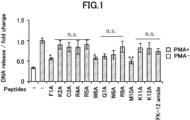
- a graph showing the neutrophil extracellular trap (NETs) formation inhibitory activity of test substances (F1A, K2A, C3A, R4A, R5A, W6A, Q7A, W8A, R9A, M10A, K11A, K12A, and FK-12 amide).
- NETs formation was induced by stimulating human neutrophils with 25 nM phorbol 12-myristate 13-acetate (PMA). Each test substance was added to the culture medium at a concentration of 40 ⁇ g/mL (22.9 ⁇ M).
- the vertical axis represents the relative amount of released DNA, with 1 being the case of no test substance added.
- 1 is a graph showing the NETs formation inhibitory activity of test substances (F1W, F1Cha, F1Nal, W6Hph, W6Cha, and FK-12 amide).
- NETs formation was induced by stimulating human neutrophils with 25 nM PMA.
- Each test substance was added to the culture medium at a concentration of 120 ⁇ g/mL (68.7 ⁇ M).
- the vertical axis represents the relative amount of released DNA, with 1 being the case of no test substance added.
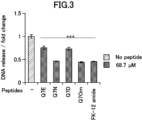
- 1 is a graph showing the NETs formation inhibitory activity of test substances (Q7E, Q7N, Q7D, Q7Orn, and FK-12 amide).
- NETs formation was induced by stimulating human neutrophils with 25 nM PMA. Each test substance was added to the culture medium at a concentration of 120 ⁇ g/mL (68.7 ⁇ M). The vertical axis represents the relative amount of released DNA, with 1 being the case of no test substance added. ***: p ⁇ 0.001.
- 1 is a graph showing the NETs formation inhibitory activity of test substances (W8Nal, W8Cha, M10Nle, M10Hse(Me), M10Thi, and FK-12 amide). NETs formation was induced by stimulating human neutrophils with 25 nM PMA. Each test substance was added to the culture medium at a concentration of 120 ⁇ g/mL (68.7 ⁇ M).
- the vertical axis represents the relative amount of released DNA, with 1 being the case of no test substance added. ***: p ⁇ 0.001.
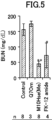
- 1 is a graph showing the effects of test substances (Q7Orn, M10Hse(Me), and FK-12 amide) on blood urea nitrogen (BUN) in glycerol-induced rhabdomyolysis model mice. 720 ⁇ g/100 ⁇ L of each test substance was administered intraperitoneally. A control group was intraperitoneally administered with 100 ⁇ L of PBS (Control). n represents the number of individuals. *: p ⁇ 0.05, **: p ⁇ 0.01.
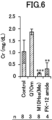
- FIG. 1 is a graph showing the effects of test substances (Q7Orn, M10Hse(Me), and FK-12 amide) on blood creatinine (Cr) levels in glycerol-induced rhabdomyolysis model mice.
- test substances Q7Orn, M10Hse(Me), and FK-12 amide
- Cr blood creatinine
- 720 ⁇ g/100 ⁇ L of each test substance was administered intraperitoneally.
- a control group was intraperitoneally administered with 100 ⁇ L of PBS (Control).
- n represents the number of individuals. **: p ⁇ 0.01, ***: p ⁇ 0.001.
- FIG. 3 is a graph showing evaluation results of urinary occult blood (UOB) in glycerol-induced rhabdomyolysis model mice for a test substance-administered group (M10Hse(Me)) and a control group (Control).
- n represents the number of individuals. *: p ⁇ 0.05.
- Fig. 10 is a graph showing changes over time in BUN in glycerol-induced rhabdomyolysis model mice in a test substance-administered group (M10Hse(Me)) and a control group (Control).
- 720 ⁇ g/100 ⁇ L of the test substance was intraperitoneally administered 6 hours after glycerol administration.
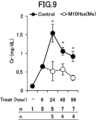
- Fig. 10 is a graph showing time-dependent changes in Cr values for a test substance-administered group (M10Hse(Me)) and a control group (Control) in glycerol-induced rhabdomyolysis model mice.
- M10Hse(Me) test substance-administered group
- Control control group
- the control group received 100 ⁇ L of PBS intraperitoneally 6 hours after glycerol administration.
- n represents the number of individuals (top: test substance-administered group, bottom: control group).
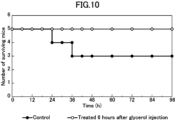
- 1 is a graph showing the number of survivors in glycerol-induced rhabdomyolysis model mice for test substance-administered groups and control groups.
- 720 ⁇ g/100 ⁇ L of the test substance (M10Hse(Me)) was intraperitoneally administered 6 hours after glycerol administration.
- the control group received 100 ⁇ L of PBS intraperitoneally 6 hours after glycerol administration.
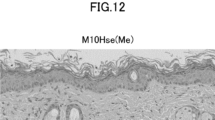
- Fig. 10 is a micrograph of skin tissue of a control group in imiquimid (IMQ)-induced psoriasis model mice.
- the control group received 100 ⁇ L of PBS intraperitoneally once a day for 7 days.
- Fig. 3 is a photomicrograph of skin tissue of a test substance-administered group in imiquimid (IMQ)-induced psoriasis model mice.
- IMQ imiquimid
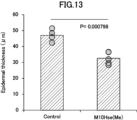
- FIG. 3 is a graph showing the epidermal thickness of a control group (Control) and a test substance-administered group (M10Hse(Me)) in imiquimid (IMQ)-induced psoriasis model mice.
- Fig. 3 is a graph showing the thickness of the entire skin tissue (epidermis + dermis + subcutaneous tissue) in imiquimide (IMQ)-induced psoriasis model mice in a control group (Control) and a test substance-administered group (M10Hse(Me)).
- an amino acid is an organic compound containing an amino group and a carboxy group, and may be a natural amino acid or a non-natural amino acid.
- a natural amino acid means an unmodified amino acid that occurs in nature.
- amino acids may be in the L-form, the D-form, or the DL-form (racemic form) unless otherwise specified.
- the L form is preferred.
- the one-letter code or the three-letter code shown in Table 1 may be used as the amino acid code.
- amino acid sequences described herein are written in the direction from the N-terminus (amino terminus) to the C-terminus (carboxyl terminus) unless otherwise specified.
- amino acid means amino acid residue.
- amino acid residue means a portion corresponding to one unit of amino acids constituting a peptide or protein on a peptide or protein molecule. More specifically, it means a divalent group derived from an ⁇ -amino acid represented by the following formula (A).
- R 0 is a side chain of an amino acid, for example, a hydrogen atom for Gly and a methyl group for Ala.
- alkyl group means a linear or branched saturated hydrocarbon group.
- alkyl groups include, but are not limited to, alkyl groups having 1 to 12 carbon atoms.
- the alkyl group is an alkyl group having 1 to 10 carbon atoms, an alkyl group having 1 to 8 carbon atoms, an alkyl group having 1 to 6 carbon atoms, an alkyl group having 1 to 4 carbon atoms, or an alkyl group having 1 to 3 carbon atoms.
- alkyl group can be an alkyl group of Specific examples of alkyl groups include methyl, ethyl, propyl, isopropyl, butyl, isobutyl, sec-butyl, tert-butyl, pentyl, isopentyl, neopentyl, and hexyl groups. etc.
- alicyclic hydrocarbon group means a non-aromatic, cyclic, saturated or unsaturated hydrocarbon group.
- the alicyclic hydrocarbon group may be monocyclic or have multiple rings (eg, bicyclic), and may be substituted or unsubstituted.
- alicyclic hydrocarbon groups include, but are not limited to, cycloalkyl groups and cycloalkenyl groups. Although the number of carbon atoms in the alicyclic hydrocarbon group is not particularly limited, it is, for example, 3 or more, 4 or more, or 5 or more, and 12 or less, 10 or less, 8 or less, 7 or less, or 6 or less.
- cycloalkyl group means a cyclic saturated hydrocarbon group.
- a cycloalkyl group can be monocyclic or have multiple rings (eg, bicyclic).
- Examples of cycloalkyl groups include, but are not limited to, cycloalkyl groups having 3 to 12 carbon atoms.
- the number of carbon atoms in the cycloalkyl group is not particularly limited, it is, for example, 3 or more, 4 or more, or 5 or more, and 12 or less, 10 or less, 8 or less, 7 or less, or 6 or less.
- the cycloalkyl group is a cycloalkyl group having 3 to 10 carbon atoms, a cycloalkyl group having 3 to 8 carbon atoms, a cycloalkyl group having 3 to 7 carbon atoms, or a cycloalkyl group having 3 to 6 carbon atoms. could be.
- cycloalkyl groups include, for example, cyclodecyl, cyclononyl, cyclooctyl, cycloheptyl, cyclohexyl, cyclopentyl, cyclobutyl, cyclopropyl, decahydronaphthalenyl, bicyclo[4.3.0 ] nonyl group, norbornyl group, isobornyl group, and adamantyl group.
- cycloalkenyl group means a non-aromatic, cyclic, unsaturated hydrocarbon group having at least one carbon-carbon double bond.
- a cycloalkenyl group can be monocyclic or have multiple rings (eg, bicyclic).
- cycloalkenyl groups include, but are not limited to, cycloalkenyl groups having 3 to 12 carbon atoms. Although the number of carbon atoms in the cycloalkenyl group is not particularly limited, it is, for example, 3 or more, 4 or more, or 5 or more, and 12 or less, 10 or less, 8 or less, 7 or less, or 6 or less.
- the cycloalkenyl group is a cycloalkenyl group having 3 to 10 carbon atoms, a cycloalkenyl group having 3 to 8 carbon atoms, a cycloalkenyl group having 3 to 7 carbon atoms, or a cycloalkenyl group having 3 to 6 carbon atoms.
- cycloalkenyl groups include cyclodecenyl, cyclononenyl, cyclooctenyl, cycloheptenyl, cyclohexenyl, cyclopentenyl, cyclobutenyl, cyclopropenyl, hexahydronaphthalenyl and octahydronaphthalenyl groups. groups, tetrahydroindenyl groups, and hexahydroindenyl groups.
- aromatic hydrocarbon group means an aromatic hydrocarbon group having a monocyclic or condensed ring structure (e.g., bicyclic), and may be substituted or unsubstituted. good too.
- aromatic hydrocarbon groups include, but are not limited to, aromatic hydrocarbon groups having 6 to 20 carbon atoms.
- the aromatic hydrocarbon group may be an aromatic hydrocarbon group having 6 to 15 carbon atoms or an aromatic hydrocarbon group having 6 to 12 carbon atoms.
- Specific examples of aromatic hydrocarbon groups include phenyl, naphthyl, tolyl, phenanthryl, tetrahydronaphthyl, indenyl, and indanyl groups.
- heteroaromatic group means an aromatic group having a monocyclic or condensed ring structure (e.g., bicyclic), and a group containing a heteroatom in the atoms constituting the ring, It may be substituted or unsubstituted.
- the number of atoms constituting the ring of the heteroaromatic group is 5 or more, or 6 or more, and 20 or less, 15 or less, 12 or less, 10 or less, 8 or less, 7 or less, or 6 or less.
- the heteroaromatic group has 1 to 4, 1 to 3, 1 to 2, or 1 atoms constituting the ring selected from oxygen atoms, sulfur atoms, and nitrogen atoms.
- heteroaromatic groups include pyridyl, pyrrolyl, pyrazyl, pyrimidyl, pyridazyl, pyrazolyl, imidazolyl, indolyl, pryl, quinolyl, isoquinolyl, benzimidazolyl, and carbazolyl groups. , triazolyl, tetrazolyl, furanyl, thienyl, thiazolyl, isothiazolyl, benzothiazolyl, thiadiazolyl, oxazolyl, isoxazolyl, and benzoxazolyl groups.
- heteroalicyclic group refers to a non-aromatic group having a monocyclic or condensed ring structure (e.g., bicyclic), and the atoms constituting the ring contain a heteroatom. meaning, and may be substituted or unsubstituted.
- the number of atoms constituting the ring of the heteroalicyclic group is 3 or more, 4 or more, or 5 or more, and 20 or less, 15 or less, 12 or less, 10 or less, 8 or less, 7 or less, or 6 or less. is.
- the heteroalicyclic group has 1 to 4, 1 to 3, 1 to 2, or 1 atoms constituting the ring selected from an oxygen atom, a sulfur atom, and a nitrogen atom. may contain heteroatoms.
- Specific examples of heteroalicyclic groups include piperazyl, piperidyl, pyrrolidyl, pyrrolinyl, pyrazolidinyl, pyrazolinyl, morpholyl, oxetanyl, thietanyl, tetrahydrofuranyl, tetrahydrothienyl, tetrahydropyrani group, tetrahydrothiopyranyl group, pyranyl group, thiopyranyl group, dioxanyl group, morpholinyl group and the like.
- the substituent may be, for example, a linear or branched alkyl group having 1 to 6 carbon atoms (e.g., methyl group , ethyl group, propyl group, isopropyl group, butyl group, isobutyl group, sec-butyl group, tert-butyl group, pentyl group, isopentyl group, neopentyl group, hexyl group), C 1-6 straight or branched chain Alkoxy group, amino group, carboxyl group, ester group, carbamoyl group, amide group, nitro group, sulfo group, sulfonamide group, oxo group and / or halogen atom (e.g., fluorine atom, chlorine atom, bromine atom, iodine atom ) and the like.
- a linear or branched alkyl group having 1 to 6 carbon atoms e.g., methyl group , eth
- This peptide molecule contains an amino acid sequence represented by the following formula (1) or has a structure containing an amino acid sequence represented by the following formula (2), and has an activity of inhibiting the formation of extracellular traps by leukocytes. .
- X 1 is an ⁇ -amino acid residue having a side chain represented by R 1 -CH 2 -;
- R 1 is a hydrogen atom, an alkyl group, an alicyclic hydrocarbon group, an aromatic hydrocarbon group, a heteroalicyclic group, or a heteroaromatic group;
- X 2 represents a structure represented by the following formula (3), (In the formula, R 2 is a hydrogen atom, an alkyl group, an aromatic hydrocarbon group, or a heteroaromatic group, and n is 1 or 2.)
- X 3 represents a structure represented by the following formula (4), (Wherein, R3 is a hydrogen atom, an alkyl group, an alicyclic hydrocarbon group, an aromatic hydrocarbon group, a heteroalicyclic group
- the heteroalicyclic group or heteroaromatic group for R 1 , R 2 , and R 3 is such that the ring-constituting atoms are from an oxygen atom, a sulfur atom, and a nitrogen atom. It contains from 1 to 4 selected heteroatoms.
- the amino acid sequence represented by formula (1) is FKCRRWQWRMKK (SEQ ID NO: 1), AKCRRWQWRMKK (SEQ ID NO: 2), FKCRRFQWRMKK (SEQ ID NO: 3), AKCRRFQWRMKK (SEQ ID NO: 4), FKCRRWQVRMKK (sequence 5), AKCRRWQVRMKK (SEQ ID NO: 6), FKCRRFQVRMKK (SEQ ID NO: 7), and AKCRRFQVRMKK (SEQ ID NO: 8).
- R 1 is a hydrogen atom, an alkyl group, a monocyclic or bicyclic cycloalkyl group, a monocyclic or bicyclic cycloalkenyl group, a monocyclic or bicyclic aromatic hydrocarbon group, or a monocyclic or bicyclic heteroaromatic group.
- the monocyclic or bicyclic heteroaromatic group contains 1 to 4 heteroatoms whose ring-constituting atoms are selected from oxygen, sulfur and nitrogen atoms.
- R 1 is a hydrogen atom, an alkyl group having 1 to 9 carbon atoms, a monocyclic cycloalkyl group having 3 to 10 carbon atoms, It may be a monocyclic cycloalkenyl group having 3 to 10 carbon atoms, a monocyclic aromatic hydrocarbon group, a monocyclic heteroaromatic group, or a bicyclic group having a cyclic structure represented by the following formula (6).
- the A ring is a ring in which the structure represented by the formula (6) is a 9- to 11-membered bicyclic ring structure, and the atoms constituting the A ring contain at least one carbon atom, and may contain 1 or 2 heteroatoms selected from oxygen atoms, sulfur atoms, and nitrogen atoms, Z 1 , Z 2 , Z 3 and Z 4 are each independently a carbon atom or a nitrogen atom, and the maximum number of nitrogen atoms in Z 1 , Z 2 , Z 3 and Z 4 is 2; represents a single or double bond,
- the point of attachment to the CH 2 moiety in the side chain of X 1 in formula (1) or in the structure represented by formula (2) may be the A ring or the ring containing Z 1 .
- bicyclic groups having a cyclic structure represented by formula (6) include naphthyl, tetrahydronaphthyl, indenyl, indanyl, indolyl, pryl, quinolyl, isoquinolyl, benzimidazolyl, and benzothiazolyl. group, benzoxazolyl group, decahydronaphthalenyl group, bicyclo[4.3.0]nonyl group, hexahydronaphthalenyl group, octahydronaphthalenyl group, tetrahydroindenyl group, hexahydroindenyl group, etc. bicyclic aromatic hydrocarbon group, bicyclic heteroaromatic group, bicyclic cycloalkyl group or bicyclic cycloalkenyl group.
- R 1 is a hydrogen atom, an alkyl group having 1 to 6 carbon atoms, or a monocyclic cycloalkyl group having 3 to 7 carbon atoms ( (preferably cyclohexyl group), or an aromatic hydrocarbon group or bicyclic heteroaromatic group having a cyclic structural moiety represented by the following formula (6-1).
- the A1 ring is a ring in which the structure represented by formula (6-1) is a 9- to 10-membered bicyclic aromatic ring, or is absent, the atoms constituting the A1 ring contain at least one carbon atom and may contain one or two heteroatoms selected from oxygen, sulfur and nitrogen atoms;
- the bonding point to the CH 2 moiety in the side chain of X 1 in formula (1) or in the structure represented by formula (2) may be the A1 ring or the benzene ring.
- Examples of the aromatic hydrocarbon group or bicyclic heteroaromatic group having a cyclic structural moiety represented by formula (6-1) include a phenyl group, a naphthyl group, a tetrahydronaphthyl group, an indenyl group, an indanyl group and an indolyl group.
- a quinolyl group an isoquinolyl group, a benzimidazolyl group, a benzothiazolyl group, and a benzoxazolyl group, preferably a phenyl group, a naphthyl group, an indenyl group, an indolyl group, a quinolyl group, an isoquinolyl group, or a benzimidazolyl group. , more preferably a phenyl group, a naphthyl group or an indolyl group.
- X 1 can be an alanine residue, a phenylalanine residue, a tryptophan residue, a cyclohexylalanine residue, or a 2-naphthylalanine residue. In one aspect of the invention, in formula (1), X 1 is not a phenylalanine residue. In one aspect of the invention, in formula (2) R 1 is not a phenyl group.
- R 2 can be a hydrogen atom, an alkyl group, a monocyclic or bicyclic aromatic hydrocarbon group, or a monocyclic or bicyclic heteroaromatic group.
- the monocyclic or bicyclic heteroaromatic group contains 1 to 4 heteroatoms whose ring-constituting atoms are selected from oxygen, sulfur and nitrogen atoms.
- R 2 is a hydrogen atom, an alkyl group having 1 to 9 carbon atoms, a monocyclic aromatic hydrocarbon group having 3 to 10 carbon atoms, or a monocyclic aromatic hydrocarbon group having 3 to 10 carbon atoms.
- the B ring is a ring in which the structure represented by formula (7) is a 9- to 11-membered bicyclic aromatic ring, and the atoms constituting the B ring contain at least one carbon atom, and may contain 1 or 2 heteroatoms selected from oxygen atoms, sulfur atoms, and nitrogen atoms, Z 1 , Z 2 , Z 3 and Z 4 are each independently a carbon atom or a nitrogen atom, and the maximum number of nitrogen atoms in Z 1 , Z 2 , Z 3 and Z 4 is 2;
- the point of attachment to the CH2 moiety in the structure represented by formula (3) may be the B ring or the ring bearing Z1 .
- bicyclic groups having a cyclic structure represented by formula (7) include naphthyl, tetrahydronaphthyl, indenyl, indanyl, indolyl, pryl, quinolyl, isoquinolyl, benzimidazolyl, and benzothiazolyl. and bicyclic aromatic hydrocarbon or bicyclic heteroaromatic groups such as benzoxazolyl groups.
- R 2 is a hydrogen atom, an alkyl group having 1 to 6 carbon atoms, or an aromatic hydrocarbon group having a cyclic structure represented by the following formula (7-1) Or it can be a bicyclic heteroaromatic group.
- B1 ring is a ring in which the structure represented by formula (7-1) is a 9- to 10-membered bicyclic aromatic ring, or is absent, Atoms constituting the B1 ring contain at least one carbon atom and may contain one or two heteroatoms selected from an oxygen atom, a sulfur atom, and a nitrogen atom,
- the point of attachment to the CH2 moiety in the structure represented by formula (3) may be the B1 ring or the benzene ring.
- Examples of the aromatic hydrocarbon group or bicyclic heteroaromatic group having a cyclic structural moiety represented by formula (7-1) include a phenyl group, a naphthyl group, a tetrahydronaphthyl group, an indenyl group, an indanyl group and an indolyl group.
- a quinolyl group an isoquinolyl group, a benzimidazolyl group, a benzothiazolyl group, and a benzoxazolyl group, preferably a phenyl group, a naphthyl group, an indenyl group, an indolyl group, a quinolyl group, an isoquinolyl group, or a benzimidazolyl group. , more preferably a phenyl group or an indolyl group.
- X 2 can be an alanine residue, a tryptophan residue, or a homophenylalanine residue.
- R 3 is a hydrogen atom, an alkyl group, a monocyclic or bicyclic cycloalkyl group, a monocyclic or bicyclic cycloalkenyl group, a monocyclic or bicyclic aromatic may be a monocyclic or bicyclic heteroaromatic group.
- the monocyclic or bicyclic heteroaromatic group contains 1 to 4 heteroatoms whose ring-constituting atoms are selected from oxygen, sulfur and nitrogen atoms.
- R 3 is a hydrogen atom, an alkyl group having 1 to 9 carbon atoms, a monocyclic cycloalkyl group having 3 to 10 carbon atoms, or a monocyclic cycloalkyl group having 3 to 10 carbon atoms. It may be an alkenyl group, a monocyclic aromatic hydrocarbon group, a monocyclic heteroaromatic group, or a bicyclic group having a cyclic structural portion represented by the following formula (8).
- the C ring is a ring in which the structure represented by formula (8) is a 9- to 11-membered bicyclic ring structure, and the atoms constituting the C ring contain at least one carbon atom, and may contain 1 or 2 heteroatoms selected from oxygen atoms, sulfur atoms, and nitrogen atoms, Z 1 , Z 2 , Z 3 and Z 4 are each independently a carbon atom or a nitrogen atom, and the maximum number of nitrogen atoms in Z 1 , Z 2 , Z 3 and Z 4 is 2; represents a single or double bond,
- the point of attachment to the CH2 moiety in the structure represented by formula (4) may be the C ring or the ring bearing Z1 .
- bicyclic groups having a cyclic structure represented by formula (8) include naphthyl, tetrahydronaphthyl, indenyl, indanyl, indolyl, pryl, quinolyl, isoquinolyl, benzimidazolyl, and benzothiazolyl. group, benzoxazolyl group, decahydronaphthalenyl group, bicyclo[4.3.0]nonyl group, hexahydronaphthalenyl group, octahydronaphthalenyl group, tetrahydroindenyl group, hexahydroindenyl group, etc. bicyclic aromatic hydrocarbon group, bicyclic heteroaromatic group, bicyclic cycloalkyl group or bicyclic cycloalkenyl group.
- R 3 is a hydrogen atom, an alkyl group having 1 to 6 carbon atoms, a monocyclic cycloalkyl group having 3 to 7 carbon atoms (preferably a cyclohexyl group), or It may be an aromatic hydrocarbon group or a bicyclic heteroaromatic group having a cyclic structural portion represented by (8-1).
- C1 ring is a ring in which the structure represented by formula (8-1) is a 9- to 10-membered bicyclic aromatic ring, or is absent, Atoms constituting the C1 ring contain at least one carbon atom and may contain one or two heteroatoms selected from an oxygen atom, a sulfur atom, and a nitrogen atom,
- the point of attachment to the CH2 moiety in the structure represented by formula (4) may be the C1 ring or the benzene ring.
- Examples of the aromatic hydrocarbon group or bicyclic heteroaromatic group having a cyclic structure represented by formula (8-1) include phenyl group, naphthyl group, tetrahydronaphthyl group, indenyl group, indanyl group and indolyl group. , a quinolyl group, an isoquinolyl group, a benzimidazolyl group, a benzothiazolyl group, and a benzoxazolyl group, preferably a phenyl group, a naphthyl group, an indenyl group, an indolyl group, a quinolyl group, an isoquinolyl group, or a benzimidazolyl group.
- X 3 can be an alanine residue, a tryptophan residue, a cyclohexylalanine residue, or a 2-naphthylalanine residue.
- R 4 is a hydrogen atom or represents a structure represented by -R 5 -ZR 6 or -ZR 7 , and R 5 is carbon It is an alkylene group having 1 to 6 numbers, R 6 may be an alkyl group having 1 to 6 carbon atoms, and R 7 may be an alkyl group having 1 to 6 carbon atoms.
- R 4 is a hydrogen atom or represents a structure represented by -R 5 -ZR 6 or -ZR 7 and R 5 and R 6 together with Z to which they are attached form a 4- to 7-membered heterocyclic ring, and R 7 can be an alkyl group having 1 to 6 carbon atoms.
- R 4 represents a structure represented by —R 5 —Z—R 6 , R 5 is an alkylene group having 1 to 3 carbon atoms, and R 6 is , an alkyl group having 1 to 3 carbon atoms.
- R 4 represents a structure represented by —R 5 —Z—R 6 , R 5 is an alkylene group having 1 to 3 carbon atoms, and R 6 is , an alkyl group having 1 to 3 carbon atoms, and Z may be an oxygen atom.
- R 4 represents a structure represented by —R 5 —Z—R 6 , and R 5 and R 6 together with Z to which they are attached can form a 5- to 6-membered heterocyclic ring.
- Such 5- to 6-membered heterocycles include, for example, furan, thiophene, pyran, thiopyran, tetrahydrofuran, tetrahydrothiophene, tetrahydropyran, and tetrahydrothiopyran, preferably furan, thiophene, pyran, or thiopyran. and more preferably thiophene.
- X 4 in formula (1) or (2) is not a methionine residue.
- X 4 in formula (1) or (2) can be an O-methylhomoserine residue or a 2-thienylalanine residue, preferably an O-methylhomoserine residue.
- each group is individually exemplified, but each group may be exemplified in any combination.
- a combination of an example of R 1 and an example of R 2 a combination of an example of R 1 and an example of R 3 , a combination of an example of R 1 and an example of R 4 , an example of R 2 and an example of R 3
- Any combination of groups is disclosed herein, including combinations of , combinations of examples of R 2 with examples of R 4 , combinations of examples of R 3 with examples of R 4 .
- Such combinations are not limited to combinations of two groups, but may also be combinations of three or more groups.
- X 1 is an alanine residue, a phenylalanine residue, a tryptophan residue, a cyclohexylalanine residue, or a 2-naphthylalanine residue
- X 2 is an alanine residue, a tryptophan residue, or a homophenylalanine residue
- X 3 is an alanine residue, tryptophan residue, cyclohexylalanine residue, or 2-naphthylalanine residue
- X 4 is an alanine residue, a methionine residue, an O-methylhomoserine residue, or 2- It is a thienylalanine residue.
- amino acid sequence represented by formula (1) does not fall under any of FKCRRWQWRMKK, AKCRRWQWRMKK, FKCRRFQWRMKK, AKCRRFQWRMKK, FKCRRWQVRMKK, AKCRRWQVRMKK, FKCRRFQVRMKK, and AKCRRFQVRMKK.
- X 2 is an alanine residue, a tryptophan residue, or a homophenylalanine residue
- X 3 is an alanine residue, a tryptophan residue, a cyclohexylalanine residue, or a 2-naphthylalanine residue
- X 4 is an alanine residue, a methionine residue, an O-methylhomoserine residue, or a 2-thienylalanine residue
- R 1 is a hydrogen atom, a phenyl group, 2-indolyl group, cyclohexyl group, or 2-naphthyl group.
- X 1 is an alanine residue, a phenylalanine residue, a tryptophan residue, a cyclohexylalanine residue, or a 2-naphthylalanine residue
- X 2 is an alanine residue, a tryptophan residue, or a homophenylalanine residue
- X 3 is an alanine residue, tryptophan residue, cyclohexylalanine residue, or 2-naphthylalanine residue
- X 4 is an O-methylhomoserine residue.
- X 2 is an alanine residue, a tryptophan residue, or a homophenylalanine residue
- X 3 is an alanine residue, a tryptophan residue, a cyclohexylalanine residue, or a 2-naphthylalanine residue
- X 4 is an O-methylhomoserine residue
- R 1 is a hydrogen atom, a phenyl group, a 2-indolyl group, a cyclohexyl group, or a 2-naphthyl group in the structure represented by formula (2).
- the amino acid sequence represented by formula (1) can be selected from the following.
- WKCRRWQWRMKK (SEQ ID NO: 9) XKCRRWQWRMKK (SEQ ID NO: 10) (X represents cyclohexylalanine) XKCRRWQWRMKK (SEQ ID NO: 11) (X represents 2-naphthylalanine) FKCRRXQWRMKK (SEQ ID NO: 12) (X represents homophenylalanine) FKCRRWQXRMKK (SEQ ID NO: 13) (X represents 2-naphthylalanine) FKCRRWQXRMKK (SEQ ID NO: 14) (X represents cyclohexylalanine) FKCRRWQWRXKK (SEQ ID NO: 15) (X represents O-methylhomoserine) FKCRRWQWRXKK (SEQ ID NO: 16) (X represents 2-thienylalanine)
- the structure represented by formula (2) can be selected from:
- the amino acid sequence in the structure represented by formula (2) is KCRRWQWRMKK (SEQ ID NO: 17), preferably R 1 is 2-indolyl group, cyclohexyl group or 2-naphthyl group.
- the amino acid sequence in the structure represented by formula (2) is KCRRXQWRMKK (SEQ ID NO: 18) (X represents homophenylalanine), preferably R 1 is a phenyl group.
- the amino acid sequence in the structure represented by formula (2) is KCRRWQXRMKK (SEQ ID NO: 19) (X represents 2-naphthylalanine), preferably R 1 is a phenyl group.
- the amino acid sequence in the structure represented by formula (2) is KCRRWQXRMKK (SEQ ID NO: 20) (X represents cyclohexylalanine), preferably R 1 is a phenyl group.
- the amino acid sequence in the structure represented by formula (2) is KCRRWQWRXKK (SEQ ID NO: 21) (X represents O-methylhomoserine), preferably R 1 is a phenyl group.
- the amino acid sequence in the structure represented by formula (2) is KCRRWQWRXKK (SEQ ID NO: 22) (X represents 2-thienylalanine), preferably R 1 is a phenyl group.
- the peptide molecule contains the amino acid sequence represented by formula (1) or has a structure containing the amino acid sequence represented by formula (2), and has the activity of inhibiting leukocyte extracellular trap formation.
- the N-terminal side of the amino acid sequence represented by formula (1) and / or the C-terminal side of the amino acid sequence represented by formula (1) or formula (2) may contain an additional amino acid sequence .
- Such additional amino acid sequences can be appropriately set with reference to International Publication No. 2016/056665 and the like.
- the peptide molecule preferably has 11 or 12 amino acid residues. That is, it preferably does not contain additional amino acid residues other than those specified in the structure containing the amino acid sequence represented by formula (1) or the amino acid sequence represented by formula (2).
- the structure of the N-terminal side of the peptide molecule containing the amino acid sequence represented by formula (1) is not particularly limited. It may be a structure with Examples of N-terminal modifying groups include alkyl groups having 1 to 20 carbon atoms, cycloalkyl groups having 1 to 20 carbon atoms, alkenyl groups having 1 to 20 carbon atoms, alkynyl groups having 1 to 20 carbon atoms, and 6 to 20 carbon atoms.
- the number of carbon atoms in the alkyl group, cycloalkyl group, alkenyl group, or alkynyl group that can be present on the N-terminal side of the peptide molecule is, for example, 1-20, preferably 1-10.
- the alkyl group, alkenyl group, or alkynyl group that may be present on the N-terminal side may have a linear or branched structure.
- the alkyl group, cycloalkyl group, alkenyl group, or alkynyl group that may be present on the N-terminal side includes a methyl group, an ethyl group, a propyl group, an isopropyl group, a cyclopropyl group, a butyl group, and an isobutyl group.
- the aromatic hydrocarbon group that can be present on the N-terminal side of the peptide molecule has, for example, 6 to 20 carbon atoms, and more specific examples include phenyl, naphthyl, tolyl, and phenanthryl groups.
- the heterocyclic group that can be present at the N-terminus of the peptide molecule is a monocyclic, condensed bicyclic or condensed tricyclic group containing 1 to 3 heteroatoms selected from nitrogen, oxygen and sulfur atoms in the ring.
- Substituents of the formula structure can be exemplified, more specifically pyrrolidyl group, pyrrole group, piperidyl group, pyridyl group, imidazolyl group, pyrazolyl group, oxazolyl group, thiazolyl group, morpholyl group, indolyl group, benzimidazolyl group, quinolyl group , a carbazolyl group, a tetrahydrofuranyl group, a tetrahydrothiophenyl group, a furanyl group, a thiophenyl group, a tetrahydropyranyl group, a tetrahydrothiopyranyl group, and the like.
- aromatic hydrocarbon groups and heterocyclic groups include linear or branched alkyl groups having 1 to 6 carbon atoms, linear or branched alkoxy groups having 1 to 6 carbon atoms, amino groups, carboxyl groups, and esters. groups, carbamoyl groups, amide groups, nitro groups, sulfo groups, sulfonamide groups, oxo groups and/or further substituents such as halogen atoms (e.g. fluorine atoms, chlorine atoms, bromine atoms, iodine atoms).
- the N-terminal modification group may be, for example, a functional group represented by the following formula (B).
- X 0 is a single bond, an oxygen atom or a sulfur atom, or an alkylene having 1 to 3 carbon atoms which may have a substituent selected from the group consisting of an amino group, an acetylamino group and a propionylamino group; groups (e.g. methylene, ethylene, trimethylene and propylene), oxyalkylene groups having 1 to 3 carbon atoms (e.g.
- R 10 is an optionally substituted alkyl group, cycloalkyl group, alkenyl group and alkynyl group having 1 to 20 carbon atoms, and
- R 11 to R 30 are each independently a hydrogen atom, a halogen atom (e.g., fluorine atom, chlorine atom, bromine atom, iodine atom), an alkyl group having 1 to 3 carbon atoms (i.e., methyl group, ethyl group, propyl group). ), alkoxy groups having 1 to 3 carbon atoms (ie, methoxy, ethoxy, and propoxy groups), hydroxyl groups, and amino groups.
- a halogen atom e.g., fluorine atom, chlorine atom, bromine atom, iodine atom
- an alkyl group having 1 to 3 carbon atoms i.e., methyl group, ethyl group, propyl group.
- alkoxy groups having 1 to 3 carbon atoms ie, methoxy, ethoxy, and propoxy groups
- hydroxyl groups and amino groups.
- R 10 when R 10 is an optionally substituted alkyl group having 1 to 20 carbon atoms, cycloalkyl group, alkenyl group, or alkynyl group, R 10 has 2 to 2 carbon atoms. 12 is preferred.
- the alkyl group, alkenyl group, or alkynyl group for R 10 may have a linear or branched structure.
- Substituents for R 10 include hydroxy group, alkoxy group having 1 to 5 carbon atoms (eg, methoxy group, ethoxy group), amino group, carboxyl group, ester group, carbamoyl group, amide group, nitro group, sulfo group, halogen.
- Atoms eg, fluorine atom, chlorine atom, bromine atom, iodine atom
- X 0 is preferably a single bond or a C 1-3 group optionally having a substituent selected from the group consisting of an amino group and an acetylamino group. It is a divalent linking group selected from the group consisting of an alkylene group and an oxyalkylene group having 1 to 3 carbon atoms.
- the group represented by formula (B) above is an acyl group.
- Acyl groups include acyl groups derived from various carboxylic acids. More specifically, it may be an acyl group having an aliphatic chain, an aromatic ring, or a heterocyclic ring, or a compound selected from the group consisting of amino acids, vitamins having an acyl group, and nucleobases having an acyl group. It may be a derived acyl group.
- the acyl group in which R 10 in the above formula (B) is an optionally substituted alkyl group, cycloalkyl group, alkenyl group, or alkynyl group having 1 to 20 carbon atoms, acetyl group, propionyl group, butyryl group, isobutyryl group, valeryl group, isovaler group, pivaloyl group, caproyl group, caprinoyl group, methylhexanoyl group, cyclopropanecarbonyl group, aminocyclopropanecarbonyl group, cyclohexanecarbonyl group, cyclohexylacetyl group , cyclopentylpropionyl group, cyclohexylpropionyl group, cyclopentylbutanoyl group, cyclohexylbutanoyl group, adamantylacetyl group, lauroyl group, myristoyl group, palmitoyl group, stearoy
- vitamins having an acyl group examples include nicotinic acid, pantothenic acid, biotin, pteroylglutamic acid (folic acid), orotic acid, fluoroorotic acid, ⁇ -lipoic acid, pyridoxic acid, biocytin, pteroic acid, and 10-formylpteroin. acid, 7,8-dihydrofolic acid, homopteroic acid, pterin-6-carboxylic acid, dihydrolipoic acid, hydroorotic acid and the like.
- a nucleobase having an acyl group refers to a base component constituting a nucleotide and a derivative thereof, preferably pyrimidine derivatives such as 5-carboxymethyluracil, 5-carboxythiouracil and the like.
- Examples of the sulfonyl group that may exist at the N-terminus of the peptide molecule include those having a structure in which the carbonyl structure of the above acyl group is converted to a sulfone structure.
- a polyethylene glycol group that can be present at the N-terminus of a peptide molecule is an ester bond, an amine (--NH--), an acyl group (eg, an acyl group having 1 to 12 carbon atoms), etc., or a combination thereof. or a structure in which analogues thereof are linked.
- the end of the polyethylene glycol group opposite to the side linked to the N-terminus of the peptide molecule is an alkyl group having 1 to 6 carbon atoms (e.g., methyl group, ethyl group, propyl group, isopropyl group, cyclopropyl group, butyl group, isobutyl group, sec-butyl group, tert-butyl group, amyl group, isoamyl group, tert-amyl group, hexyl group) and the like, which are generally used to protect hydroxyl groups, and modified with amino groups.
- alkyl group having 1 to 6 carbon atoms e.g., methyl group, ethyl group, propyl group, isopropyl group, cyclopropyl group, butyl group, isobutyl group, sec-butyl group, tert-butyl group, amyl group, isoamyl group, tert-amyl group
- the structure of the C-terminal side of the peptide molecule containing the amino acid sequence represented by formula (1) or having the structure containing the amino acid sequence represented by formula (2) is not particularly limited, either. It may be a structure modified with a protecting group generally used for protection.
- the structure of the C-terminal of the peptide molecule includes , for example, carboxyl group (-COOH), carboxylate (-COO - ), amide (-CONH 2 ), alkylamide (-CONHR 31 , -CONR 31 R 32 ), ester (-COOR 31 ), acyloxyalkyl (-R 33 -OCOR 31 ) such as pivaloyloxymethyl group, phthalidyl group optionally substituted with an alkyl group having 1 to 4 carbon atoms or an alkoxy group ( For example, it can be a phthalidyl group, a dimethylphthalidyl group, a dimethoxyphthalidyl group), or a (5-methyl-2-oxo-1,3-dioxolen-4-yl)methyl group.
- the C-terminal structure of the peptide molecule is preferably amide.
- R 31 and R 32 in the above alkylamides, esters and acyloxyalkyls are each independently methyl, ethyl, propyl, isopropyl, cyclopropyl, butyl, isobutyl, sec-butyl, tert - Alkyl groups or cycloalkyl groups having 1 to 6 carbon atoms such as butyl group, amyl group, isoamyl group, tert-amyl group, hexyl group and cyclohexyl group; Carbonized aromatic groups having 6 to 10 carbon atoms such as phenyl group and naphthyl hydrogen group; aralkyl group having 7 to 18 carbon atoms such as benzyl group, phenethyl group and benzhydryl group; sugar such as glucose; cyclopropyl group, butyl group, isobutyl group, sec-but
- R 33 in the above acyloxyalkyl is an alkylene having 1 to 4 carbon atoms such as a methylene group, ethylene group, n-propylene group, isopropylene group, n-butylene group, isobutylene group, s-butylene group and t-butylene group. is the base.
- the peptide molecule may be in the form of a pharmaceutically acceptable salt.
- pharmaceutically acceptable salt means a metal salt, ammonium salt, organic acid salt, inorganic acid salt, or salt that does not produce undesirable physiological effects after administration to a patient or subject. It is a salt with an organic or inorganic base.
- the peptide molecule has the activity of inhibiting leukocyte extracellular trap formation.
- Extracellular trap formation has been reported to be formed in various leukocytes, for example neutrophils (Brinkmann, V., et al., Science 2004;303:1532-1535), basophils (Yousefi , S., et al., Nat Med 2008;14:949-953), mast cells (von Koeckritz-Blickwede M, et al., Blood 2008;111:3070-3080), monocytes (Webster SJ, et al.
- peptide molecules are released not only from the neutrophils used in the Examples, but also from other leukocytes (eg, basophils, mast cells, monocytes (eg, macrophages)) upon formation of extracellular traps. It can be seen that the fibril components in the cells can also condense and/or condense, thereby inhibiting extracellular trap formation of these leukocytes.
- the peptide molecule has equivalent or greater extracellular trap formation of leukocytes compared to the partial amino acid sequence of bovine lactoferrin, FKCRRWQWRMKK (SEQ ID NO: 1), or its C-terminal amidated form. It may have inhibitory activity.
- leukocytes are those derived from organisms that form leukocyte extracellular traps, preferably those derived from vertebrates, and more preferably mammals. It is of animal origin. Examples of mammals include monkeys, cows, goats, sheep, humans, camels, horses, dogs, cats, mice and rats, preferably humans.
- the leukocytes are those derived from the above and are preferably any one selected from the group consisting of neutrophils, eosinophils, basophils, monocytes, macrophages and mast cells, More preferably, it is any one selected from the group consisting of neutrophils, basophils, monocytes, macrophages and mast cells, and more preferably neutrophils.
- the activity of inhibiting leukocyte extracellular trap formation is determined by culturing leukocytes in the presence and absence of a test substance (peptide molecule) and observing the culture system under a microscope. This can be confirmed by verifying whether formation is reduced.
- Leukocyte culture can be appropriately performed based on known techniques depending on the type of leukocyte.
- leukocytes are preferably treated with an extracellular trap formation promoter such as phorbol 12-myristate 13-acetate (PMA), lipopolysaccharide (LPS), and the like.
- PMA phorbol 12-myristate 13-acetate
- LPS lipopolysaccharide
- DNA concentration can be conveniently measured using a commercially available kit such as Quant-iT Picogreen dsDNA assay reagent (Life Technologies).
- the peptide molecule may be modified with a compound as long as it has the activity of inhibiting leukocyte extracellular trap formation.
- the peptide molecule may be a modified protein bound with polyethylene glycol (Patent No. 4195486, Patent No. 4261531, International Publication No. 2009/113743), another protein or a fragment thereof (for example, blood-stable protein IgG or Albumin or a fragment thereof) may be a fusion protein (Japanese Patent Application No. 2012-98085).
- peptide molecules can be produced by known methods. Specifically, peptide molecules can be produced by chemical synthesis using known peptide synthesis methods. In such a production method, materials used such as raw materials, reagents, solid-phase resins, and solvents may be commercially available products, or may be synthesized by those skilled in the art using organic chemical techniques. . A commercially available amino acid containing a protecting group can be used as it is.
- One aspect of the present invention relates to a leukocyte extracellular trap formation inhibitor comprising a peptide molecule or a pharmaceutically acceptable salt thereof.
- the peptide molecule is as described above, has an amino acid sequence represented by formula (1) or has a structure containing an amino acid sequence represented by formula (2), and inhibits leukocyte extracellular trap formation. has activity to
- One aspect of the present invention relates to a pharmaceutical composition for treating or preventing diseases associated with leukocyte extracellular trap formation, comprising a peptide molecule or a pharmaceutically acceptable salt thereof.
- the peptide molecule is as described above, has an amino acid sequence represented by formula (1) or has a structure containing an amino acid sequence represented by formula (2), and inhibits leukocyte extracellular trap formation.
- a subject is an organism suffering from or at risk of suffering from a disease associated with leukocyte extracellular trap formation, preferably a vertebrate, more preferably a mammal.
- mammals include mammals selected from the group consisting of humans, cows, horses, goats, sheep, dogs and cats, preferably humans.
- the “disease associated with leukocyte extracellular trap formation” is not particularly limited as long as it is a disease in which an increase in leukocyte extracellular trap formation is observed in the body of a patient.
- diseases include, for example, psoriasis, vasculitis syndrome, ANCA-associated vasculitis (e.g. Wegener's granulomatosis, microscopic polyangiitis, allergic granulomatous vasculitis), acute kidney injury (AKI) (e.g.
- DIC disseminated intravascular coagulation
- Vasculitis syndrome is classified into large vasculitis, medium vasculitis, and small vasculitis according to the size of the affected vessels.
- NETs-related diseases such as ANCA-associated vasculitis and SLE mentioned above are classified as small-sized vasculitis, but aggravation of medium-sized polyarteritis nodosa (Guidelines for Diagnosis and Treatment of Cardiovascular Diseases (2006- Joint research group report in 2007)), sepsis and solid cancer are also frequently associated with DIC.
- cytotoxicity due to the formation of extracellular traps (eg, NETs) by leukocytes leads to vascular endothelial damage, resulting in organ dysfunction.
- extracellular traps for example, NETs
- the peptide molecule prevents vascular endothelial damage by suppressing the formation, release and diffusion of extracellular traps (e.g., NETs) of leukocytes, and furthermore, suppresses the cascade of thrombus formation, thereby exerting an organ-protective effect. and is considered to have a therapeutic effect on the above diseases.
- the disease to be treated is psoriasis, vasculitis syndrome, ANCA-associated vasculitis (e.g., Wegener's granulomatosis, microscopic polyangiitis, allergic granulomatous vasculitis), acute kidney injury (AKI) ( For example, acute kidney injury with ischemia-reperfusion injury, postrhabdomyolytic acute kidney injury), systemic lupus erythematosus (SLE), or focal Schwartzman reaction, more preferably psoriasis or acute kidney injury (AKI ), more preferably postrhabdomyolytic acute kidney injury.
- ANCA-associated vasculitis e.g., Wegener's granulomatosis, microscopic polyangiitis, allergic granulomatous vasculitis
- acute kidney injury e.g., acute kidney injury with ischemia-reperfusion injury, postrhabdomyolytic acute kidney injury), systemic lupus erythematosus (
- a leukocyte extracellular trap formation inhibitor and a pharmaceutical composition for treating or preventing a disease associated with leukocyte extracellular trap formation comprise a pharmaceutically acceptable carrier, solvent, diluent and excipient.
- Pharmaceutically usable additives such as agents, stabilizers, buffering agents, binders, coating agents, disintegrating agents, surfactants, lubricants, fluidity promoters, coloring agents and perfumes may be included.
- Pharmaceutically acceptable additives such as carriers, diluents, excipients, stabilizers, disintegrants, and binders that are well known in the technical field of the present invention can be used. .
- the administration route of the inhibitor and the pharmaceutical composition is not particularly limited as long as it is a commonly adopted route, and specific examples include oral, sublingual, nasal, pulmonary, and gastrointestinal , percutaneous injection, eye drops, intravenous injection, subcutaneous injection, intramuscular injection, intraperitoneal injection, local injection, surgical implantation and the like.
- the inhibitor and the pharmaceutical composition may be solid formulations such as capsules, tablets, powders, liquid formulations such as solutions, suspensions or emulsions, spray formulations, or semi-liquid formulations such as ointments, creams or pastes. may be It may also be an injection, and in the case of an injection, it may be a solid formulation including a freeze-dried agent or the like, or a liquid formulation.
- the inhibitor and the pharmaceutical composition are preferably solid formulations.
- liquid formulations including sprays
- solutions, suspensions or emulsions, or semi-liquid formulations such as ointments, creams or pastes, or poultice formulations may be prepared.
- the peptide molecule can be added to food or feed, and can be ingested by human or non-human target animals as food or feed. Methods for producing such foods or feeds are also known to those skilled in the art.
- formulation as an injection is also possible as a solution formulation.
- the peptide molecule may be added to nutritional supplements, food and drink, etc., as it is, or after formulation.
- a therapeutically effective amount or a prophylactically effective A peptide molecule or a pharmaceutically acceptable salt thereof can be administered to a subject in any amount.
- therapeutically effective amount means an amount that exhibits a therapeutic effect depending on the disease, route of administration, or dosage form. It is what is done.
- prophylactically effective amount means an amount that exhibits a preventive effect depending on the disease, route of administration, or dosage form. It is what is done.
- a therapeutically or prophylactically effective amount when administered orally, may be 0.001 g/kg/day or greater, 0.005 g/kg/day or greater, 0.008 g/kg/day or greater, or 0.008 g/kg/day or greater. 01 g/kg/day or more, and can be 10 g/kg/day or less, 5 g/kg/day or less, or 3 g/kg/day or less.
- a therapeutically effective amount or a prophylactically effective amount when administered to humans by oral administration, can be, for example, 5 mg or more, 10 mg or more, 15 mg or more, 20 mg or more, 25 mg or more, or 30 mg or more per day.
- the therapeutically effective amount or the prophylactically effective amount is 0.001 g/kg/day or more, 0.005 g/kg/day or more, 0.008 g/kg/day or more, Alternatively, it can be 0.01 g/kg/day or more, and can be 10 g/kg/day or less, 5 g/kg/day or less, or 3 g/kg/day or less.
- a therapeutically or prophylactically effective amount can be, for example, 5 mg or more, 10 mg or more, 15 mg or more, 20 mg or more, 25 mg or more, or 30 mg or more per day. and may be 15,000 mg or less, 12,000 mg or less, 10,000 mg or less, 8,000 mg or less, or 6,000 mg or less.
- the therapeutically effective amount or the prophylactically effective amount is 0.0005 g/kg/day or more, 0.001 g/kg/day or more, 0.001 g/kg/day or more, 005 g/kg/day or more, 0.008 g/kg/day or more, or 0.01 g/kg/day or more, and 10 g/kg/day or less, 5 g/kg/day or less, or 3 g/day kg/day or less.
- the therapeutically effective amount or prophylactically effective amount is, for example, 1 mg or more, 5 mg or more, 10 mg or more, 15 mg or more, 20 mg or more, 25 mg or more, or It can be 30 mg or more and can be 15,000 mg or less, 12,000 mg or less, 10,000 mg or less, 8,000 mg or less, or 6,000 mg or less.
- Such daily doses may be administered once or in divided doses to a subject in need of treatment or prevention of a disease associated with extracellular trap formation of leukocytes with said inhibitor or said pharmaceutical composition. can.
- the dosage and administration frequency of the inhibitor and the pharmaceutical composition vary depending on various factors such as the subject species, body weight, sex, age, progression of disease, and route of administration.
- the therapeutically effective amount, the prophylactically effective amount, the dosage and the frequency of administration are listed as typical numerical values. It is possible. Therefore, even if the numerical value exceeds or falls below the above therapeutically effective amount, prophylactically effective amount, dosage and administration frequency, the therapeutically effective amount or prophylactically effective amount of the inhibitor and the pharmaceutical composition , dosage and frequency of administration.
- Another aspect of the present invention provides a peptide molecule or a pharmaceutically acceptable salt thereof, or a peptide molecule or a pharmaceutically acceptable salt thereof, to a subject in need of treatment or prevention of a disease associated with leukocyte extracellular trap formation.
- a method for treating or preventing a disease associated with leukocyte extracellular trap formation comprising administering a pharmaceutical composition comprising a salt of the present invention.
- the peptide molecule is as described above, has an amino acid sequence represented by formula (1) or has a structure containing an amino acid sequence represented by formula (2), and inhibits leukocyte extracellular trap formation. has activity to Specific diseases are as described above.
- any of the matters described above may be applied to the therapeutic method or preventive method.
- the therapeutic or prophylactic method includes a therapeutically effective amount or a prophylactically effective amount of the peptide molecule or a pharmaceutical agent thereof in a subject in need of treatment or prevention of a disease associated with leukocyte extracellular trap formation.
- administering a salt that is acceptable to Another aspect of the invention relates to said peptide molecule, or a pharmaceutically acceptable salt thereof, for use in the treatment or prevention of diseases associated with leukocyte extracellular trap formation.
- Another aspect of the present invention relates to the use of said peptide molecule or a pharmaceutically acceptable salt thereof in the manufacture of a medicament for the treatment or prevention of diseases associated with leukocyte extracellular trap formation.
- mice [animal (mouse)] Wild-type mice (C57BL6j) were purchased from Sankyo Labo Service Corporation, Inc. and used. The mice were bred in the SPF (specific pathogen-free facility) of the Keio University animal breeding room. The mice used in the experiments were 8-week-old and all male. Experiments were conducted in accordance with methods approved by the Keio University Animal Care and Use Committee.
- hPMNs Human polymorphonuclear neutrophils
- the Fmoc group was deprotected by reacting with a 20% piperidine/DMF solution (2.5 mL) for 20 minutes at room temperature.
- the resin-bound synthetic peptide was treated with a mixture of trifluoroacetic acid (TFA), m-cresol, thioanisole and 1,2-ethanedithiol (4.3 mL, 40:1:1:1, v:v:v:v). for 150 minutes at room temperature to deprotect the side chain of the synthetic peptide and cut it out from the resin to obtain a crude peptide.
- TFA trifluoroacetic acid
- m-cresol m-cresol
- thioanisole 1,2-ethanedithiol
- the crude peptide was purified by preparative reversed-phase high-performance liquid chromatography (RP-HPLC) (mobile phase: water/acetonitrile system with 0.1% TFA added) to obtain the synthetic peptide (TFA salt) as a white solid.
- the purity of synthetic peptides was analyzed by RP-HPLC.
- the column used was a C18 reversed-phase column (4.6 x 150 mm), COSMOSIL 5C4-AR-300 (Nacalai Tesque) for W8A and M10Hse(Me), and COSMOSIL 5C18-AR-II (Nacalai Tesque) for other peptides. company) was used. Analysis conditions were as follows.
- the yield of the synthetic peptide obtained as a white solid was calculated as a TFA salt, and the mass spectrum was measured (HRMS (TOF MS ES+) or LRMS (TOF MS MALDI+)). The results are shown below together with the synthetic peptide abbreviations and amino acid sequences.
- Example 1 Induction of neutrophil extracellular traps (NETs) and suppression of NETs formation by pretreatment
- 1 ⁇ 10 5 human neutrophils with lobed nuclei were cultured in 400 ⁇ L of a DMEM-based cell culture medium containing 2% human serum.
- the test substance was added to the culture medium and cultured for 30 minutes at 37° C. and 5% CO 2 .
- 25 nM phorbol 12-myristate 13-acetate (PMA; Sigma-Aldrich) was added to the culture medium to stimulate neutrophils for 3 hours.
- PMA nM phorbol 12-myristate 13-acetate
- NET-DNA concentration in the culture medium was measured using Quant-iT Picogreen dsDNA assay reagent (Life Technologies).
- F1A, W6A and M10A significantly inhibited DNA release (NETs formation) from neutrophils compared to no test substance.
- Q7A and W8A also showed a NETs formation inhibitory effect exceeding that of FK-12 amide.
- F1W, F1Cha, F1Nal, W6Hph, W6Cha, and FK-12 amide were added to the culture medium at a concentration of 120 ⁇ g/mL (68.7 ⁇ M).
- F1W, F1Cha and F1Nal exhibited a NETs formation inhibitory effect exceeding that of FK-12 amide.
- W6Hph showed the same level of inhibitory effect on NETs formation as FK-12 amide.
- Q7E, Q7N, Q7D, Q7Orn, and FK-12 amide were added to the culture medium at a concentration of 120 ⁇ g/mL (68.7 ⁇ M).
- W8Nal and M10Thi exhibited NETs formation inhibitory effects exceeding that of FK-12 amide.
- W8Cha, M10Nle and M10Hse(Me) showed the same level of NETs formation inhibitory effect as FK-12 amide.
- Example 2 Evaluation of renal function in glycerol-induced rhabdomyolysis model
- 75 ⁇ L of 50% glycerol was injected intramuscularly into each of the bilateral thigh muscles of wild-type mice (150 ⁇ L/mouse in total).
- 720 ⁇ g/100 ⁇ L PBS of test substances were administered intraperitoneally.
- a control group received 100 ⁇ L of PBS intraperitoneally instead of the test substance.
- mice After 24 hours, blood urea nitrogen (BUN) and blood creatinine (Cr) levels of mice were measured. BUN was measured by the urease GIDH method, and Cr was measured by the enzymatic method. Results are shown in FIGS.
- BUN was measured by the urease GIDH method
- Cr was measured by the enzymatic method. Results are shown in FIGS.
- a qualitative urine test was performed using a test tape as a marker for myoglobinuria, and the presence and degree of occult blood in urine (UOB) was evaluated. The results are shown in FIG. M10Hse(Me) exhibited a renal function protective effect exceeding that of FK-12 amide, and showed significant differences in all of the blood BUN, blood Cr level and UOB from the control group.
- mice were intraperitoneally injected with 75 ⁇ L of 50% glycerol into both thigh muscles (total of 150 ⁇ L/mouse), and 6 hours later, 720 ⁇ g/100 ⁇ L of PBS (M10Hse(Me)) was intraperitoneally administered.
- a control group received 100 ⁇ L of PBS intraperitoneally instead of the test substance.
- Blood BUN and blood Cr levels of mice were measured 6, 24, 48 and 96 hours after glycerol administration. Results are shown in FIGS. Considering the effect of blood collection on mice, different groups of mice were used at each measurement time. According to the measurement results 24, 48, and 96 hours after glycerol administration, M10Hse(Me) showed significant differences in both blood BUN and blood Cr levels from the control group.
- Example 3 Evaluation of survival rate in glycerol-induced rhabdomyolysis model
- Survival assessment was performed using 5 mice. Wild-type mice were intramuscularly injected with 75 ⁇ L of 50% glycerol into both thigh muscles (total 150 ⁇ L/mouse), and 6 hours later, 720 ⁇ g/100 ⁇ L of PBS of the test substance (M10Hse(Me)) was intraperitoneally administered.
- a control group received 100 ⁇ L of PBS intraperitoneally instead of the test substance. In the control group, one animal died 24 and 36 hours after administration of glycerol.
- the test substance-administered group showed a survival rate of 100%. The results are shown in FIG.
- Example 4 Evaluation of psoriasis therapeutic effect in imiquimid (IMQ)-induced psoriasis model
- An IMQ-induced psoriasis model was prepared by applying 50 mg of a commercial IMQ cream (5% Beselna Cream; Mochida Pharmaceutical Co., Ltd.) to the dorsal skin of wild-type mice shaved the day before the experiment, once a day for 7 consecutive days.
- the dorsal skin of the mouse was excised after three types of mixed anesthesia, fixed with paraformaldehyde, and HE-stained.
- the thickness of the epidermis and the thickness of the entire skin tissue (epidermis + dermis + subcutaneous tissue) of the mice were measured, epidermal thickening was significantly suppressed in the test substance administration group. There was no significant difference in total skin tissue thickness. The results are shown in Figures 11-14.
Landscapes
- Health & Medical Sciences (AREA)
- Life Sciences & Earth Sciences (AREA)
- Chemical & Material Sciences (AREA)
- General Health & Medical Sciences (AREA)
- Medicinal Chemistry (AREA)
- Public Health (AREA)
- Pharmacology & Pharmacy (AREA)
- Veterinary Medicine (AREA)
- Animal Behavior & Ethology (AREA)
- Organic Chemistry (AREA)
- Engineering & Computer Science (AREA)
- Bioinformatics & Cheminformatics (AREA)
- Proteomics, Peptides & Aminoacids (AREA)
- Chemical Kinetics & Catalysis (AREA)
- Gastroenterology & Hepatology (AREA)
- Epidemiology (AREA)
- Immunology (AREA)
- General Chemical & Material Sciences (AREA)
- Nuclear Medicine, Radiotherapy & Molecular Imaging (AREA)
- Neurology (AREA)
- Molecular Biology (AREA)
- Biochemistry (AREA)
- Biophysics (AREA)
- Orthopedic Medicine & Surgery (AREA)
- Genetics & Genomics (AREA)
- Physical Education & Sports Medicine (AREA)
- Urology & Nephrology (AREA)
- Peptides Or Proteins (AREA)
- Medicines That Contain Protein Lipid Enzymes And Other Medicines (AREA)
Priority Applications (1)
| Application Number | Priority Date | Filing Date | Title |
|---|---|---|---|
| JP2023559927A JPWO2023085402A1 (https=) | 2021-11-12 | 2022-11-11 |
Applications Claiming Priority (2)
| Application Number | Priority Date | Filing Date | Title |
|---|---|---|---|
| JP2021-185133 | 2021-11-12 | ||
| JP2021185133 | 2021-11-12 |
Publications (1)
| Publication Number | Publication Date |
|---|---|
| WO2023085402A1 true WO2023085402A1 (ja) | 2023-05-19 |
Family
ID=86335860
Family Applications (1)
| Application Number | Title | Priority Date | Filing Date |
|---|---|---|---|
| PCT/JP2022/042111 Ceased WO2023085402A1 (ja) | 2021-11-12 | 2022-11-11 | 白血球の細胞外トラップ形成阻害活性を有するペプチド |
Country Status (2)
| Country | Link |
|---|---|
| JP (1) | JPWO2023085402A1 (https=) |
| WO (1) | WO2023085402A1 (https=) |
Citations (2)
| Publication number | Priority date | Publication date | Assignee | Title |
|---|---|---|---|---|
| WO2014168253A1 (ja) * | 2013-04-09 | 2014-10-16 | 国立大学法人東京大学 | 白血球の細胞外トラップ形成の阻害剤 |
| WO2016056665A1 (ja) * | 2014-10-08 | 2016-04-14 | 学校法人慶應義塾 | 白血球の細胞外トラップ形成の阻害剤 |
-
2022
- 2022-11-11 WO PCT/JP2022/042111 patent/WO2023085402A1/ja not_active Ceased
- 2022-11-11 JP JP2023559927A patent/JPWO2023085402A1/ja active Pending
Patent Citations (2)
| Publication number | Priority date | Publication date | Assignee | Title |
|---|---|---|---|---|
| WO2014168253A1 (ja) * | 2013-04-09 | 2014-10-16 | 国立大学法人東京大学 | 白血球の細胞外トラップ形成の阻害剤 |
| WO2016056665A1 (ja) * | 2014-10-08 | 2016-04-14 | 学校法人慶應義塾 | 白血球の細胞外トラップ形成の阻害剤 |
Non-Patent Citations (2)
| Title |
|---|
| OKUBO KOSHU, KAMIYA MAKO, URANO YASUTERU, NISHI HIROSHI, HERTER JAN M., MAYADAS TANYA, HIROHAMA DAIGORO, SUZUKI KAZUO, KAWAKAMI HI: "Lactoferrin Suppresses Neutrophil Extracellular Traps Release in Inflammation", EBIOMEDICINE, ELSEVIER BV, NL, vol. 10, 1 August 2016 (2016-08-01), NL , pages 204 - 215, XP093065826, ISSN: 2352-3964, DOI: 10.1016/j.ebiom.2016.07.012 * |
| OKUBO KOSHU, KUROSAWA MIHO, KAMIYA MAKO, URANO YASUTERU, SUZUKI AKARI, YAMAMOTO KAZUHIKO, HASE KOJI, HOMMA KOICHIRO, SASAKI JUNICH: "Macrophage extracellular trap formation promoted by platelet activation is a key mediator of rhabdomyolysis-induced acute kidney injury", NATURE MEDICINE, NATURE PUBLISHING GROUP US, NEW YORK, vol. 24, no. 2, 1 February 2018 (2018-02-01), New York, pages 232 - 238, XP093065823, ISSN: 1078-8956, DOI: 10.1038/nm.4462 * |
Also Published As
| Publication number | Publication date |
|---|---|
| JPWO2023085402A1 (https=) | 2023-05-19 |
Similar Documents
| Publication | Publication Date | Title |
|---|---|---|
| US12410212B2 (en) | Cyclic compound having selective KRAS inhibitory effect on HRAS and NRAS | |
| EP0869808B1 (en) | Use of glu-trp dipeptides for the manufacture of a medicament for the treatment of different conditions involving neovascularization | |
| US20190144402A1 (en) | 1,2,4-Oxadiazole Derivatives as Immunomodulators | |
| RU2548905C2 (ru) | Терапевтические пептиды | |
| JPWO1999011659A1 (ja) | 新規な環状テトラペプチド誘導体とその医薬用途 | |
| AU2006252316A1 (en) | Therapeutic agents and methods of use thereof for the modulation of angiogenesis | |
| JP2010500298A (ja) | 癌のような変更された細胞遊走に関連する障害の治療のための薬理学的活性を有するペプチド | |
| WO2012047630A2 (en) | N-alkyl or n-aryl substituted guanide and biguanide compounds and methods of their use | |
| US12157778B2 (en) | Peptides for activation of cell signaling in osteoprogenitor cells | |
| JP2010209088A (ja) | P−セレクチンに対する結合性化合物 | |
| IL102646A (en) | Non-peptidic surrogates of the ldv sequence and pharmaceutical compositions comprising them | |
| RU2362579C1 (ru) | Фармацевтическая композиция на основе пептида, обладающего противоопухолевым действием | |
| JP2004513079A (ja) | 鎮痛性ペプチドを含んでなる薬剤組成物 | |
| JP2012509312A (ja) | 腫瘍壊死因子α阻害ペプチドおよびその使用方法 | |
| TWI740034B (zh) | 治療癌症之肽 | |
| US20230174582A1 (en) | Vipr2 antagonist peptide | |
| WO2023085402A1 (ja) | 白血球の細胞外トラップ形成阻害活性を有するペプチド | |
| US11400083B2 (en) | CXCR4 antagonists with amino acid skeleton, preparation therefor and biomedical use thereof | |
| JP7726067B2 (ja) | ペプチド及びその用途 | |
| CN110872341B (zh) | 一种靶向fgfr1的拮抗短肽 | |
| JP4781621B2 (ja) | Cxcr4拮抗薬およびその用途 | |
| KR102043992B1 (ko) | Ncoa1/stat6 단백질-단백질 상호작용을 저해하는 신규 스테이플 펩타이드 및 이의 용도 | |
| JP2009518308A (ja) | アポトーシスを阻害するための化合物及び方法 | |
| WO2024259977A1 (zh) | 经修饰的多肽及其在镇痛领域的应用 | |
| KR101437471B1 (ko) | 신규한 지질-서브스턴스-p 접합체 |
Legal Events
| Date | Code | Title | Description |
|---|---|---|---|
| 121 | Ep: the epo has been informed by wipo that ep was designated in this application |
Ref document number: 22892900 Country of ref document: EP Kind code of ref document: A1 |
|
| ENP | Entry into the national phase |
Ref document number: 2023559927 Country of ref document: JP Kind code of ref document: A |
|
| NENP | Non-entry into the national phase |
Ref country code: DE |
|
| 122 | Ep: pct application non-entry in european phase |
Ref document number: 22892900 Country of ref document: EP Kind code of ref document: A1 |