WO2023053384A1 - 脂肪肝および非アルコール性脂肪肝炎の治療薬 - Google Patents
脂肪肝および非アルコール性脂肪肝炎の治療薬 Download PDFInfo
- Publication number
- WO2023053384A1 WO2023053384A1 PCT/JP2021/036238 JP2021036238W WO2023053384A1 WO 2023053384 A1 WO2023053384 A1 WO 2023053384A1 JP 2021036238 W JP2021036238 W JP 2021036238W WO 2023053384 A1 WO2023053384 A1 WO 2023053384A1
- Authority
- WO
- WIPO (PCT)
- Prior art keywords
- fatty liver
- amino acid
- acid sequence
- peptide
- seq
- Prior art date
- Legal status (The legal status is an assumption and is not a legal conclusion. Google has not performed a legal analysis and makes no representation as to the accuracy of the status listed.)
- Ceased
Links
Images


Classifications
-
- A—HUMAN NECESSITIES
- A61—MEDICAL OR VETERINARY SCIENCE; HYGIENE
- A61K—PREPARATIONS FOR MEDICAL, DENTAL OR TOILETRY PURPOSES
- A61K38/00—Medicinal preparations containing peptides
- A61K38/16—Peptides having more than 20 amino acids; Gastrins; Somatostatins; Melanotropins; Derivatives thereof
- A61K38/17—Peptides having more than 20 amino acids; Gastrins; Somatostatins; Melanotropins; Derivatives thereof from animals; from humans
- A61K38/19—Cytokines; Lymphokines; Interferons
-
- A—HUMAN NECESSITIES
- A61—MEDICAL OR VETERINARY SCIENCE; HYGIENE
- A61K—PREPARATIONS FOR MEDICAL, DENTAL OR TOILETRY PURPOSES
- A61K38/00—Medicinal preparations containing peptides
- A61K38/16—Peptides having more than 20 amino acids; Gastrins; Somatostatins; Melanotropins; Derivatives thereof
- A61K38/17—Peptides having more than 20 amino acids; Gastrins; Somatostatins; Melanotropins; Derivatives thereof from animals; from humans
- A61K38/1703—Peptides having more than 20 amino acids; Gastrins; Somatostatins; Melanotropins; Derivatives thereof from animals; from humans from vertebrates
- A61K38/1709—Peptides having more than 20 amino acids; Gastrins; Somatostatins; Melanotropins; Derivatives thereof from animals; from humans from vertebrates from mammals
-
- A—HUMAN NECESSITIES
- A61—MEDICAL OR VETERINARY SCIENCE; HYGIENE
- A61P—SPECIFIC THERAPEUTIC ACTIVITY OF CHEMICAL COMPOUNDS OR MEDICINAL PREPARATIONS
- A61P1/00—Drugs for disorders of the alimentary tract or the digestive system
- A61P1/16—Drugs for disorders of the alimentary tract or the digestive system for liver or gallbladder disorders, e.g. hepatoprotective agents, cholagogues, litholytics
Definitions
- This application relates to a pharmaceutical composition for the prevention and/or treatment of fatty liver and non-alcoholic steatohepatitis.
- Fatty liver disease is caused by viral infections, alcohol, and other reasons. Fatty liver disease of causes other than viruses and alcohol are often caused by diabetes, dyslipidemia, and obesity/metabolic syndrome. Viral, non-alcoholic fatty liver and the range of liver diseases caused by it are termed non-alcoholic fatty liver disease (NAFLD). In general, fatty liver disease is determined to be non-alcoholic when the patient's alcohol consumption is less than 30 g/day for men and 20 g/day for women.
- NAFLD non-alcoholic fatty liver disease
- liver steatosis accompanied by inflammation is called non-alcoholic steatohepatitis (NASH). And this inflammation may be accompanied by fibrosis. As this fibrosis progresses, it leads to liver cirrhosis.
- NASH non-alcoholic steatohepatitis
- NASH non-alcoholic steatohepatitis
- fibrosis As this fibrosis progresses, it leads to liver cirrhosis.
- NASH non-alcoholic steatohepatitis
- NASH non-alcoholic steatohepatitis
- the purpose of this application is to provide therapeutic and/or prophylactic drugs for fatty liver and non-alcoholic steatohepatitis.
- HMGB1 high mobility group box 1
- a pharmaceutical composition for preventing and/or treating fatty liver containing the substance described in any one of the following (a) to (c): (a) a peptide consisting of the amino acid sequence set forth in SEQ ID NO: 1; (b) a peptide consisting of an amino acid sequence in which 1 to 4 amino acids are substituted, deleted, inserted or added in the amino acid sequence set forth in SEQ ID NO: 1; and (c) the amino acid sequence set forth in SEQ ID NO: 1 A peptide consisting of an amino acid sequence with a sequence identity of 90% or more.
- the pharmaceutical composition according to [1] above which also improves blood lipid levels.
- [3] The pharmaceutical composition of [1] or [2] above, which is repeatedly administered at least once a week for 2 weeks or longer.
- [4] The pharmaceutical composition according to any one of [1] to [3] above, wherein the fatty liver is fatty liver of fatty liver disease.
- Fatty liver disease consists of non-alcoholic fatty liver disease, alcoholic fatty liver disease, nutritional fatty liver disease, starving fatty liver disease, obese fatty liver disease and diabetic fatty liver disease
- a pharmaceutical composition for the prevention and/or treatment of non-alcoholic steatohepatitis containing the substance described in any one of the following (a) to (c): (a) a peptide consisting of the amino acid sequence set forth in SEQ ID NO: 1; (b) a peptide consisting of an amino acid sequence in which 1 to 4 amino acids are substituted, deleted, inserted or added in the amino acid sequence set forth in SEQ ID NO: 1; and (c) the amino acid sequence set forth in SEQ ID NO: 1 A peptide consisting of an amino acid sequence with a sequence identity of 90% or more.
- a method for preventing and/or treating fatty liver comprising the step of administering a therapeutically effective amount of the substance according to any one of (a) to (c) below to a subject in need of prevention and/or treatment for fatty liver
- Method: (a) a peptide consisting of the amino acid sequence set forth in SEQ ID NO: 1; (b) a peptide consisting of an amino acid sequence in which 1 to 4 amino acids are substituted, deleted, inserted or added in the amino acid sequence set forth in SEQ ID NO: 1; and (c) the amino acid sequence set forth in SEQ ID NO: 1
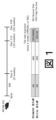
- FIG. 1 is a diagram illustrating an experimental scheme in which NASH model mice are created and HMGB1 fragment peptides are administered to them.
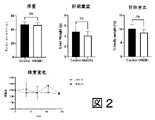
- FIG. 2 is a graph showing body weight, liver weight, liver weight ratio, and body weight change of NASH model mice.
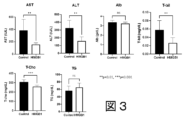
- Figure 3 shows aspartate aminotransferase (AST), alanine aminotransferase (ALT), albumin (Alb), total bilirubin (T-bil), total cholesterol (T-Cho) and medium in the serum of NASH model mice.
- 1 is a graph showing levels of sexual fat (TG).
- FIG. 4 is a photomicrograph showing liver tissue images of NASH model mice (magnification: 100 times).
- FIG. 5 is a graph quantifying the results of Sirius Red staining, hydroxyproline content, and F4/80 immunostaining in the liver tissue of NASH model mice.
- FIG. 6 is a graph showing hepatic tissue lobular inflammation, hepatocyte ballooning, and NAFLD Activity Score (NAS) in NASH model mice.
- the present application provides a medicament for the prevention and/or treatment of fatty liver, containing the substance described in any of the following (a) to (c) (hereinafter sometimes referred to as "the peptide of the present application")
- a composition is provided.
- (c) the amino acid sequence set forth in SEQ ID NO: 1 A peptide consisting of an amino acid sequence with a sequence identity of 90% or more.
- the present application provides a pharmaceutical composition for the prevention and/or treatment of non-alcoholic steatohepatitis, containing the peptide of the present application.
- the present application provides a method for preventing and/or treating fatty liver, comprising the step of administering a therapeutically effective amount of the peptide of the present application to a subject in need of prevention and/or treatment for fatty liver.
- a substance consisting of the peptide of the present application for use in prevention and/or treatment of fatty liver.
- another embodiment provides use of a substance consisting of the peptides of the present application in the manufacture of a medicament for the prevention and/or treatment of fatty liver.
- the invention of the present application described above is an animal model in which NASH is induced by feeding a high-fat diet, for example, an experiment using NASH mice in which NASH is induced by feeding a high-fat diet to type 4 melanocortin receptor knockout mice. Based on results, etc.
- a "high-fat diet” in the present application is a diet that preferably contains fat at an energy ratio of 20% or more.
- the energy content of such diet is preferably 400 kcal/100 g or more.
- Fats contained in such high-fat diets include, for example, animal fats such as beef tallow, lard, and milk fat, and vegetable oils such as rapeseed oil, corn oil, and soybean oil.
- Ingredients other than fat in such a high-fat diet may be normal dietary ingredients, and may include proteins, carbohydrates, minerals, and the like.
- pharmaceutical composition for prevention and/or treatment means, for example, “pharmaceutical composition for prevention and/or treatment” or “pharmaceutical composition for prevention and/or treatment.” Used interchangeably.
- pharmaceutical composition is used interchangeably with “pharmaceutical", “drug” or “pharmaceutical composition”.
- Fatty liver in this application refers to a state in which drops of neutral fat accumulate in hepatocytes. These droplets of neutral fat are called lipid droplets, and pathologically, a state in which 5% or more of the liver cells have lipid droplets is called fatty liver. Therefore, when the ratio of such lipid droplets decreases, it can be said that the fatty liver has improved. Furthermore, the act of reducing the proportion of lipid droplets is included in the treatment of fatty liver in the present application.
- Diagnostic criteria for fatty liver are well-known, and prevention and treatment of fatty liver can be evaluated based on the well-known diagnostic criteria.
- the degree of fatty liver can be measured noninvasively by measuring the Controlled Attenuation Parameter (CAP TM ) using Fibroscan (registered trademark).
- Fatty liver in the present application includes, for example, fatty liver of fatty liver disease.
- Fatty liver disease includes non-alcoholic fatty liver disease, alcoholic fatty liver disease, nutritional fatty liver disease, starvation fatty liver disease, obese fatty liver disease and diabetic fatty liver disease. It is one or more selected from the group consisting of The pharmaceutical composition of the present invention is effective against such various fatty liver diseases.
- Non-alcoholic steatohepatitis is viral or non-alcoholic fatty liver accompanied by inflammation. Strictly speaking, steatohepatitis other than viral hepatitis, alcoholic hepatitis, autoimmune hepatitis, drug-induced liver injury, and genetic disease is classified as NASH. NASH inflammation may be accompanied by fibrosis. Fatty liver, inflammation, and fibrosis are the three major symptoms of NASH. In the liver tissue of NASH, fat is usually deposited in hepatocytes (lipid droplets), hepatocytes are swollen like balloons (balloon-like cells), inflammatory cells are infiltrated, and fibrous tissue surrounds hepatocytes. A pathological condition such as
- Patients with NASH may have high blood levels of lipids such as cholesterol and triglycerides.
- patients with NASH may develop liver dysfunction and have high blood levels of indicators of liver dysfunction, such as bilirubin (Bil).
- patients with NASH may develop hepatocellular damage and have high blood concentrations of indicators of hepatocellular damage, such as AST and ALT.
- the pharmaceutical composition of the present application preferably also improves the blood lipid level of the subject.
- the lipid concentration referred to here is, for example, total cholesterol concentration and triglyceride concentration.
- the improvement in blood lipid level referred to herein means that the total cholesterol level is preferably reduced by 20 mg/dl or more, more preferably by 50 mg/dl or more, by administration of the pharmaceutical composition of the present application, or It refers to a reduction in triglyceride concentration of preferably 20 mg/dl or more, more preferably 50 mg/dl or more.
- the peptide consisting of the amino acid sequence set forth in SEQ ID NO: 1 is a peptide consisting of amino acid residues 1-44 of the human-derived HMGB1 protein.
- examples of the HMGB1 protein include, but are not limited to, a protein containing the amino acid sequence set forth in SEQ ID NO: 2 and a protein encoded by a DNA containing the base sequence set forth in SEQ ID NO: 3. not a thing
- the following peptides can be used in place of or together with the peptide consisting of the amino acid sequence set forth in SEQ ID NO: 1:
- peptides described as i) to ii) below examples include peptides described as i) to ii) below, and peptides described as i) to ii) below, which consist of the amino acid sequence set forth in SEQ ID NO: 1
- peptides that are functionally equivalent to are, but are not limited to: i) 1 or more in the amino acid sequence set forth in SEQ ID NO: 1 (for example, 1 to 10, 1 to 9, 1 to 8, 1 to 7, 1 to 6, 1 ⁇ 5, 1 to 4, 1 to 3, or 1 or 2) amino acids are substituted, deleted, inserted or added peptides consisting of an amino acid sequence; ii) the amino acid sequence set forth in SEQ ID NO: 1 and about 80% or more, for example about 85% or more, about 90% or more, about 91% or more, about 92% or more, about 93% or more, about 94% or more, about 95% % or greater, about 96% or greater, about 97% or greater, about 98% or greater, or about 99%
- examples of peptides functionally equivalent to the peptide consisting of the amino acid sequence set forth in SEQ ID NO: 1 include, but are not limited to, peptides having the following activities: - activity to stimulate migration of mesenchymal stem cells; - Activity to mobilize mesenchymal stem cells from the bone marrow into the blood; activity to reduce inflammation; - activity to improve fibrosis; or - activity to regenerate tissue.
- the amino acid length of the peptide in the present application includes ranges such as 25-35 amino acids, 20-40 amino acids, 10-50 amino acids, 10-70 amino acids, and 10-100 amino acids, but is not limited thereto. .
- a therapeutically effective amount of the peptide of the present application or a pharmaceutical composition containing it (hereinafter sometimes referred to as "the peptide of the present application, etc.") is used for the treatment or prevention of the diseases or symptoms described herein. administered to
- a therapeutically effective amount in the present application refers to an amount sufficient to treat or prevent the diseases or lesions described herein.
- Treatment in this application includes, but is not limited to, alleviation, delay, inhibition, amelioration, remission, cure, cure, and the like.
- Prevention, as used herein also includes, but is not limited to, alleviation, delay, inhibition, and the like.
- the subject of this application is not particularly limited, and includes mammals, birds, fish, and the like. Mammals include humans or non-human animals such as humans, mice, rats, monkeys, pigs, dogs, rabbits, hamsters, guinea pigs, horses, sheep, and whales, but are limited to these. isn't it.
- peptide or the like of the present application can exert its effects when administered to any site, such as a site or a site distal and ectopic to a site where a lesion appears.
- the peptide of the present application may be administered to the liver, a tissue different from the liver, a tissue distant from the liver, a tissue distal to the liver, or a tissue distal and ectopic to the liver. The effect can be exhibited.
- Examples of administration methods of the peptides of the present application include oral administration and parenteral administration.
- parenteral administration methods include intravascular administration (intraarterial administration, intravenous administration, etc.), intramuscular administration, subcutaneous administration, and intradermal administration. administration, intraperitoneal administration, intranasal administration, pulmonary administration, transdermal administration, and the like, but are not limited thereto.
- the peptide, etc. of the present application can be administered systemically or locally (e.g., subcutaneously, intradermally, skin surface, eyeball or palpebral conjunctiva, nasal cavity) by injection administration, for example, intravenous injection, intramuscular injection, intraperitoneal injection, subcutaneous injection, etc. mucosa, oral and gastrointestinal mucosa, vaginal/endouterine mucosa, or lesion sites).
- the administration schedule of the peptide or the like of the present application for example, it is preferable to repeatedly administer at least once a week for 2 weeks or longer, more preferably at least twice a week for 4 weeks or longer.
- the peptide of the present application can be obtained as a recombinant by incorporating the DNA encoding the peptide into an appropriate expression system.
- peptides in the present application can be artificially synthesized.
- peptides can be chemically synthesized by methods such as liquid phase peptide synthesis method and solid phase peptide synthesis method.
- Solid-phase peptide synthesis is one of the commonly used methods for chemically synthesizing peptides.
- a polystyrene polymer gel bead with a diameter of about 0.1 mm whose surface is modified with amino groups is used as a solid phase, and amino acid chains are extended one by one by dehydration reaction. Once the target peptide sequence is completed, it is cut out from the solid phase surface to obtain the target substance.
- the peptide of the present application may be in the form of a pharmaceutically acceptable salt of the peptide.
- Pharmaceutically acceptable salts include, but are not limited to, hydrochlorides, acetates, trifluoroacetates, and the like.
- the peptide of the present application may be in the form of a solvate of the peptide or a solvate of a pharmaceutically acceptable salt of the peptide.
- a solvate refers to a solute molecule coordinated with any number of solvent molecules, and includes, but is not limited to, hydrates.
- the administration method can be appropriately selected according to the subject's age and symptoms.
- the dosage can be selected in the range of 0.5 mg to 25 mg per kg of body weight per administration.
- the dosage can be selected in the range of 25 to 2500 mg/body per patient.
- the amount of the peptide can be administered within the above range.
- the pharmaceutical composition in this application is not limited to these doses.
- the pharmaceutical composition of the present application can be formulated according to a conventional method (for example, Remington's Pharmaceutical Science, latest edition, Mark Publishing Company, Easton, U.S.A), and contains both pharmaceutically acceptable carriers and additives.
- a conventional method for example, Remington's Pharmaceutical Science, latest edition, Mark Publishing Company, Easton, U.S.A
- pharmaceutically acceptable carriers and additives There may be.
- surfactants, excipients, coloring agents, flavoring agents, preservatives, stabilizers, buffering agents, suspending agents, tonicity agents, binders, disintegrants, lubricants, fluidity enhancers, flavoring agents etc. but not limited to these, and other commonly used carriers can be used as appropriate.
- HMGB1 fragment peptide consisting of amino acid residues 1 to 44 (SEQ ID NO: 1) of human-derived HMGB1 protein was chemically synthesized by solid-phase method. bottom.
- HMGB1 fragment peptide is simply referred to as HMGB1 peptide, and is abbreviated as "HMGB1" in the drawings.
- Control a group of controls, which will be described later, is abbreviated as "Control” in the drawings.
- mice A type 4 melanocortin receptor knockout mouse (hereinafter also referred to as “MC4R-KO mouse”; genetic background: C57BL/6J) was provided by Joel K Elmquist, University of Texas Medical Center. NASH was then induced in mice by feeding MC4R-KO mice a high-fat diet, as detailed in the article below. Specifically, as shown in FIG. 1, MC4R-KO mice were fed normal diet (ND) until 8 weeks of age. After that, the diet was switched from the normal diet to a high-fat diet (HFD), and the high-fat diet was continued for 20 weeks. This caused the mice to develop NASH. Itoh M, Suganami T, Nakagawa N, et al. Melanocortin 4 receptor-deficient mice as a novel mouse model of nonalcoholic steatohepatitis. Am J Pathol 2011;179:2454-63.
- ND normal diet
- HFD high-fat diet
- CE-2 manufactured by CLEA Japan
- Western diet manufactured by EPS Ekishin Co., Ltd., containing 0.21% cholesterol + 41% kcal milk fat
- HMGB1-administered group an HMGB1 peptide-administered group
- a control group physiological saline; NS-administered; CTRL-administered group.
- HMGB1-administered group 5 mg/kg of HMGB1 peptide was injected into the tail vein twice a week for 4 weeks from week 16 to week 20 after the start of the high-fat diet.
- CTRL-administered group 5 ml/kg of physiological saline was intravenously injected into the tail twice a week for four weeks from week 16 to week 20 after the start of the high-fat diet.
- mice were euthanized, and arterial blood was collected from the hearts of the mice. Furthermore, mouse livers were collected. Then, the collected blood and liver were subjected to the following analysis. In the statistical analysis below, all significant differences were determined by the t-test.
- AST Blood analysis Aspartate aminotransferase
- ALT alanine aminotransferase
- Alb albumin
- T-bil total bilirubin
- T-Cho total cholesterol
- TG triglycerides
- liver Tissue Analysis b-1) HE Staining and Sirius Red Staining The collected liver was fixed with 10% formalin, and 4 ⁇ m-thick sections were prepared. These sections were then stained with hematoxylin and eosin (HE) and Sirius Red. Sections of liver tissue were HE-stained and observed under a microscope to confirm the presence or absence of lipid droplets and their ratio. In addition, 10 micrographs were randomly taken per mouse, and the area stained with Sirius Red was measured using image analysis software.
- HE hematoxylin and eosin
- NASH NAFLD Activity Score
- Kleiner DE Brunt EM, Van Natta M, Behling C, Contos MJ, Cummings OW, Ferrell LD, Liu YC, Torbenson MS, Unalp-Arida A, Yeh M, McCullough AJ, Sanyal AJ; Nonalcoholic Steatohepatitis Clinical Research Network. validation of a histological scoring system for nonalcoholic fatty liver disease. Hepatology. 2005 Jun;41(6):1313-21.
- FIG. 3 shows the AST concentration in serum
- the second from the left shows the ALT concentration
- the second from the right shows the Alb concentration
- the right shows the T-bil concentration
- the lower left of FIG. 3 shows the T-Cho concentration
- the right shows the TG concentration.
- the values of AST, ALT, T-bil, and T-Cho were significantly decreased (improved) in the HMGB1 peptide-administered group compared with the control group.
- FIG. 4 shows the results of HE staining in the upper row, the results of F4/80 immunohistochemical staining in the middle row, and the results of Sirius Red staining in the lower row.
- the left side is the micrograph of the control group, and the right side is the micrograph of the HMGB1 peptide-administered group.
- the number of lipid droplets in hepatocytes confirmed was smaller in the HMGB1 peptide-administered group than in the control group.
- the HMGB1 peptide-administered group showed a decrease in lipid droplets compared to the control group.
- F4/80 immunohistochemical staining the stained area was smaller and the number of F4/80-positive cells was smaller in the HMGB1 peptide-administered group than in the control group.
- Sirius Red staining the stained area was smaller in the HMGB1 peptide-administered group than in the control group.
- FIG. 5 shows the Sirius Red-positive area
- the upper right shows the quantitative results of hydroxyproline
- the lower shows the F4/80-positive area. All of the Sirius Red-positive area, hydroxyproline amount, and F4/80-positive area were significantly lower in the HMGB1 peptide-administered group than in the control group.
- FIG. 6 shows the evaluation results of lobular inflammation
- the middle shows the evaluation results of hepatocyte ballooning
- the right shows NAS.
- the lobular inflammation score, hepatocyte ballooning score, and NAS were significantly lower than in the control group.
- Hepatic inflammation and hepatocyte/hepatic dysfunction F4/80 is known to be a macrophage marker.
- the liver tissue of the HMGB1 peptide-administered group had a smaller area stained by F4/80 immunohistochemical staining than the liver tissue of the control group, and the number of F4/80-positive cells was smaller.
- HMGB1 peptide administration decreased the number of inflammation-inducing cells in NASH model mice.
- histological evaluation also showed a reduction in inflammation in the HMGB1 peptide-administered group compared to the control group.
- the hepatocyte ballooning score was also significantly improved by administration of the HMGB1 peptide.
- the serum biochemical analysis showed a decrease in AST and ALT. This indicates that hepatocellular injury was reduced in the HMGB1 peptide-administered group as compared to the control group.
- a decrease in T-bil was observed in serum biochemical analysis. From this, it can be seen that liver dysfunction was also reduced in the HMGB1 peptide-administered group compared to the control group. Based on the above results, HMGB1 peptide is presumed to ameliorate NASH-induced liver inflammation, hepatocellular injury, and liver dysfunction.
- Fibrosis of Liver Sirius Red is known to stain type I and type III collagen and is used as a fibrosis marker.
- the liver tissue of the HMGB1 peptide-administered group had a smaller region stained by Sirius Red staining than the liver tissue of the control group. It is suggested that administration of the peptide reduced the fibrotic area of the liver tissue.
- Hydroxyproline is also known to be a marker of fibril precursors. A reduction in hydroxyproline levels also suggests a reduction in liver fibrosis. Based on the above results, the HMGB1 peptide is presumed to improve liver fibrosis caused by NASH.
- HMGB1 peptide Fatty Liver and Blood Lipids
- the number of lipid droplets was significantly reduced in the HMGB1 peptide-administered group compared to the control group.
- the above results show that administration of the HMGB1 peptide improved the fatty liver itself.
- the T-Cho concentration was also decreased in the HMGB1 peptide-administered group compared to the control group. This suggests that administration of HMGB1 peptide also improves blood lipid status.
- Many therapeutic drugs for NASH improve liver inflammation and fibrosis, but there are few that improve fatty liver and blood lipids. Therefore, it can be said that the HMGB1 peptide can provide effects that are difficult to achieve with other NASH therapeutic agents.
- a pharmaceutical composition containing the peptide of the present application can be used as a therapeutic and/or prophylactic agent for various symptoms associated with fatty liver, non-alcoholic steatohepatitis, and fatty liver, for which existing therapeutic agents are not sufficiently effective. expected to be beneficial.
Landscapes
- Health & Medical Sciences (AREA)
- Life Sciences & Earth Sciences (AREA)
- Pharmacology & Pharmacy (AREA)
- Animal Behavior & Ethology (AREA)
- Gastroenterology & Hepatology (AREA)
- Chemical & Material Sciences (AREA)
- Engineering & Computer Science (AREA)
- Bioinformatics & Cheminformatics (AREA)
- Veterinary Medicine (AREA)
- Medicinal Chemistry (AREA)
- Public Health (AREA)
- General Health & Medical Sciences (AREA)
- Immunology (AREA)
- Epidemiology (AREA)
- Proteomics, Peptides & Aminoacids (AREA)
- Zoology (AREA)
- Chemical Kinetics & Catalysis (AREA)
- General Chemical & Material Sciences (AREA)
- Nuclear Medicine, Radiotherapy & Molecular Imaging (AREA)
- Organic Chemistry (AREA)
- Marine Sciences & Fisheries (AREA)
- Medicines That Contain Protein Lipid Enzymes And Other Medicines (AREA)
- Peptides Or Proteins (AREA)
Priority Applications (10)
| Application Number | Priority Date | Filing Date | Title |
|---|---|---|---|
| CA3233234A CA3233234A1 (en) | 2021-09-30 | 2021-09-30 | Drug for treating fatty liver and nonalcoholic steatohepatitis |
| AU2021466375A AU2021466375A1 (en) | 2021-09-30 | 2021-09-30 | Drug for treating fatty liver and non-alcoholic steatohepatitis |
| PCT/JP2021/036238 WO2023053384A1 (ja) | 2021-09-30 | 2021-09-30 | 脂肪肝および非アルコール性脂肪肝炎の治療薬 |
| KR1020247014019A KR20240070640A (ko) | 2021-09-30 | 2021-09-30 | 지방간 및 비알코올성 지방간염의 치료약 |
| JP2023550943A JP7798300B2 (ja) | 2021-09-30 | 2021-09-30 | 脂肪肝および非アルコール性脂肪肝炎の治療薬 |
| MX2024003974A MX2024003974A (es) | 2021-09-30 | 2022-09-30 | Fármaco para el tratamiento del hígado graso y la esteatohepatitis no alcohólica. |
| US18/697,330 US20240299496A1 (en) | 2021-09-30 | 2022-09-30 | Drug for treating fatty liver and nonalcoholic steatohepatitis |
| CN202280078804.6A CN118317780A (zh) | 2021-09-30 | 2022-09-30 | 脂肪肝和非酒精性脂肪肝炎的治疗药 |
| PCT/JP2022/036662 WO2023054666A1 (ja) | 2021-09-30 | 2022-09-30 | 脂肪肝および非アルコール性脂肪肝炎の治療薬 |
| EP22876529.3A EP4410302A4 (en) | 2021-09-30 | 2022-09-30 | MEDICINE FOR THE TREATMENT OF FATTY LIVER DISEASE AND NON-ALCOHOLIC STEATOHEPATITIS |
Applications Claiming Priority (1)
| Application Number | Priority Date | Filing Date | Title |
|---|---|---|---|
| PCT/JP2021/036238 WO2023053384A1 (ja) | 2021-09-30 | 2021-09-30 | 脂肪肝および非アルコール性脂肪肝炎の治療薬 |
Publications (1)
| Publication Number | Publication Date |
|---|---|
| WO2023053384A1 true WO2023053384A1 (ja) | 2023-04-06 |
Family
ID=85781770
Family Applications (2)
| Application Number | Title | Priority Date | Filing Date |
|---|---|---|---|
| PCT/JP2021/036238 Ceased WO2023053384A1 (ja) | 2021-09-30 | 2021-09-30 | 脂肪肝および非アルコール性脂肪肝炎の治療薬 |
| PCT/JP2022/036662 Ceased WO2023054666A1 (ja) | 2021-09-30 | 2022-09-30 | 脂肪肝および非アルコール性脂肪肝炎の治療薬 |
Family Applications After (1)
| Application Number | Title | Priority Date | Filing Date |
|---|---|---|---|
| PCT/JP2022/036662 Ceased WO2023054666A1 (ja) | 2021-09-30 | 2022-09-30 | 脂肪肝および非アルコール性脂肪肝炎の治療薬 |
Country Status (9)
| Country | Link |
|---|---|
| US (1) | US20240299496A1 (https=) |
| EP (1) | EP4410302A4 (https=) |
| JP (1) | JP7798300B2 (https=) |
| KR (1) | KR20240070640A (https=) |
| CN (1) | CN118317780A (https=) |
| AU (1) | AU2021466375A1 (https=) |
| CA (1) | CA3233234A1 (https=) |
| MX (1) | MX2024003974A (https=) |
| WO (2) | WO2023053384A1 (https=) |
Citations (3)
| Publication number | Priority date | Publication date | Assignee | Title |
|---|---|---|---|---|
| WO2018186480A1 (ja) * | 2017-04-07 | 2018-10-11 | 株式会社ステムリム | 線維性疾患の治療薬 |
| US20200282017A1 (en) * | 2019-03-06 | 2020-09-10 | The Cleveland Clinic Foundation | Compositions and method for reducing virulence of microorganisms |
| JP2021508491A (ja) * | 2017-12-18 | 2021-03-11 | アルナイラム ファーマシューティカルズ, インコーポレイテッドAlnylam Pharmaceuticals, Inc. | 高移動度グループボックス−1(HMGB1)iRNA組成物及びその使用方法 |
Family Cites Families (1)
| Publication number | Priority date | Publication date | Assignee | Title |
|---|---|---|---|---|
| PT3358011T (pt) | 2011-04-26 | 2020-04-23 | Univ Osaka | Péptido para induzir a regeneração de um tecido e a sua utilização |
-
2021
- 2021-09-30 AU AU2021466375A patent/AU2021466375A1/en active Pending
- 2021-09-30 CA CA3233234A patent/CA3233234A1/en active Pending
- 2021-09-30 WO PCT/JP2021/036238 patent/WO2023053384A1/ja not_active Ceased
- 2021-09-30 KR KR1020247014019A patent/KR20240070640A/ko active Pending
- 2021-09-30 JP JP2023550943A patent/JP7798300B2/ja active Active
-
2022
- 2022-09-30 MX MX2024003974A patent/MX2024003974A/es unknown
- 2022-09-30 EP EP22876529.3A patent/EP4410302A4/en active Pending
- 2022-09-30 WO PCT/JP2022/036662 patent/WO2023054666A1/ja not_active Ceased
- 2022-09-30 CN CN202280078804.6A patent/CN118317780A/zh active Pending
- 2022-09-30 US US18/697,330 patent/US20240299496A1/en active Pending
Patent Citations (3)
| Publication number | Priority date | Publication date | Assignee | Title |
|---|---|---|---|---|
| WO2018186480A1 (ja) * | 2017-04-07 | 2018-10-11 | 株式会社ステムリム | 線維性疾患の治療薬 |
| JP2021508491A (ja) * | 2017-12-18 | 2021-03-11 | アルナイラム ファーマシューティカルズ, インコーポレイテッドAlnylam Pharmaceuticals, Inc. | 高移動度グループボックス−1(HMGB1)iRNA組成物及びその使用方法 |
| US20200282017A1 (en) * | 2019-03-06 | 2020-09-10 | The Cleveland Clinic Foundation | Compositions and method for reducing virulence of microorganisms |
Non-Patent Citations (6)
| Title |
|---|
| ANONYMOUS: "About generic names of drugs", NOTIFICATION NO. 1016 NO. 1 OF THE PHARMACEUTICAL EVALUATION DIVISION, MINISTRY OF HEALTH, LABOR AND WELFARE TO THE HEADS, JP, vol. 1016, no. 1, JP, pages 1 - 26, XP009546455, Retrieved from the Internet <URL:https://www.mhlw.go.jp/web/t_doc?dataId=00tc4538&dataType=1&pageN0=1> [retrieved on 20211109] * |
| ANONYMOUS: "Improvement of fibrosis in chronic liver disease using Japan's first artificial peptide "Redasemtide (S-005151)". Start of investigator-initiated clinical trials aimed at promoting regeneration", 12 November 2020 (2020-11-12), XP093054727, Retrieved from the Internet <URL:https://www.niigata-u.ac.jp/wp-content/uploads/2020/11/201112topi.pdf> [retrieved on 20230615] * |
| ANONYMOUS: "Phase 2 study of S-005151 in patients with chronic liver disease", NATIONAL INSTITUTE OF PUBLIC HEALTH, 7 January 2021 (2021-01-07), XP093054684, Retrieved from the Internet <URL:https://rctportal.niph.go.jp/s/detail/um?trial_id=jRCT2031200232> [retrieved on 20230615] * |
| DATABASE REGISTRY ANONYMOUS : "-L-Lysine, L-methionylglycyl-L-lysylglycyl-L-.alpha.-aspartyl-L-prolyl-L- lysyl-L-lysyl-L-prolyl-L-arginylglycyl-L-lysyl-L-methionyl-L-seryl-L-seryl- L-tyrosyl-L-alanyl-L-phenylalanyl-L-phenylalanyl-L-valyl-L-glutaminyl-L- threonyl-L-cysteinyl-L-arginyl-L-.alpha.-glutamyl-L-.alpha.-glutamyl-L- histi", XP093056185, retrieved from STN * |
| NOJIRI SHUNSUKE, TSUCHIYA ATSUNORI, NATSUI KAZUKI, TAKEUCHI SUGURU, WATANABE TAKAYUKI, KOJIMA YUICHI, WATANABE YUSUKE, KAMIMURA HI: "Synthesized HMGB1 peptide attenuates liver inflammation and suppresses fibrosis in mice", INFLAMMATION AND REGENERATION, vol. 41, no. 1, 1 December 2021 (2021-12-01), pages 28, XP093054687, DOI: 10.1186/s41232-021-00177-4 * |
| TSUCHIYA, ATSUNORI: "Development of cell -free treatment for chronic liver disease using partial peptide of HMGB 1", KANO-ACTA HEPATOLOGICA JAPAN, NIHON KANZO KYOKAI, TOKYO,, JP, vol. 62, no. PD2-7, 20 April 2021 (2021-04-20), JP , pages A69, XP009544933, ISSN: 0451-4203 * |
Also Published As
| Publication number | Publication date |
|---|---|
| US20240299496A1 (en) | 2024-09-12 |
| EP4410302A1 (en) | 2024-08-07 |
| EP4410302A4 (en) | 2025-07-23 |
| AU2021466375A1 (en) | 2024-04-11 |
| KR20240070640A (ko) | 2024-05-21 |
| CA3233234A1 (en) | 2023-04-06 |
| WO2023054666A1 (ja) | 2023-04-06 |
| CN118317780A (zh) | 2024-07-09 |
| JPWO2023053384A1 (https=) | 2023-04-06 |
| MX2024003974A (es) | 2024-07-09 |
| JP7798300B2 (ja) | 2026-01-14 |
Similar Documents
| Publication | Publication Date | Title |
|---|---|---|
| JP7590724B2 (ja) | 炎症性腸疾患の治療薬 | |
| JP6634402B2 (ja) | 代謝障害及び疾患の治療のための組成物、使用及び方法 | |
| JP7386455B2 (ja) | 乾癬の治療薬 | |
| JP6403685B2 (ja) | 胆汁酸ホメオスタシス調整並びに胆汁酸障害及び疾患の治療の方法 | |
| TW201832776A (zh) | 心肌病、陳舊性心肌梗塞及慢性心臟衰竭的治療藥物 | |
| JPWO2018186480A1 (ja) | 線維性疾患の治療薬 | |
| US20190367574A1 (en) | Method of treating nash using a long-acting mutant human fibroblast growth factor | |
| KR20180123064A (ko) | 질환의 요인이 되는 생체내 단백질을 표적으로 하는 컨쥬게이트 백신 | |
| Jiang et al. | Attenuation of hepatic fibrosis through ultrasound-microbubble-mediated HGF gene transfer in rats | |
| JP2022516509A (ja) | 非アルコール性脂肪性肝疾患(nafld)を治療するための組成物および方法 | |
| HK1043059B (zh) | 肿瘤坏死因子拮抗剂及其在子宫内膜异位症上的应用 | |
| EP3344279B1 (en) | Methods for treating heart failure using glucagon receptor antagonistic antibodies | |
| WO2023054666A1 (ja) | 脂肪肝および非アルコール性脂肪肝炎の治療薬 | |
| JP2023522364A (ja) | 脂肪性肝疾患及び脂肪性肝炎の処置における長時間作用型glp-1受容体/グルカゴン受容体のアゴニストとしてのグルカゴン類似体 | |
| HK40107111A (en) | Drug for treating fatty liver and non-alcoholic steatohepatitis | |
| AU2024234229A1 (en) | Annexin a1 administration regime | |
| CN115427077A (zh) | 肝衰竭的治疗 | |
| JP4748639B2 (ja) | 肝臓疾患治療剤 | |
| US20230201311A1 (en) | Compositions and methods for treating non-alcoholic steatohepatitis (nash) | |
| JPWO2002100441A1 (ja) | 血管再生療法 | |
| JPWO2006030792A1 (ja) | 非アルコール性脂肪性肝炎病態モデル動物 | |
| CN119970730A (zh) | 哌啶酸在制备预防和/或治疗非酒精性脂肪性肝炎药物中的应用 | |
| Francque et al. | Safety, tolerability, and preliminary efficacy of ascending doses of Human Allogeneic Liver-derived Progenitor Cells (HepaStem®) in patients with cirrhotic and pre-cirrhotic non-alcoholic steatohepatitis (NASH) | |
| WO2006048837A1 (en) | Use of leptin for the treatment and/or prophylaxis of disease associated with a mucus secretion defect | |
| CN120693405A (zh) | 降低一级预防受试者中重大不良心血管事件风险的方法 |
Legal Events
| Date | Code | Title | Description |
|---|---|---|---|
| 121 | Ep: the epo has been informed by wipo that ep was designated in this application |
Ref document number: 21959419 Country of ref document: EP Kind code of ref document: A1 |
|
| WWE | Wipo information: entry into national phase |
Ref document number: 3233234 Country of ref document: CA |
|
| WWE | Wipo information: entry into national phase |
Ref document number: 2021466375 Country of ref document: AU Ref document number: 2023550943 Country of ref document: JP Ref document number: AU2021466375 Country of ref document: AU |
|
| ENP | Entry into the national phase |
Ref document number: 2021466375 Country of ref document: AU Date of ref document: 20210930 Kind code of ref document: A |
|
| ENP | Entry into the national phase |
Ref document number: 20247014019 Country of ref document: KR Kind code of ref document: A |
|
| NENP | Non-entry into the national phase |
Ref country code: DE |
|
| 122 | Ep: pct application non-entry in european phase |
Ref document number: 21959419 Country of ref document: EP Kind code of ref document: A1 |