WO2022114074A1 - 細胞塊の製造方法 - Google Patents
細胞塊の製造方法 Download PDFInfo
- Publication number
- WO2022114074A1 WO2022114074A1 PCT/JP2021/043257 JP2021043257W WO2022114074A1 WO 2022114074 A1 WO2022114074 A1 WO 2022114074A1 JP 2021043257 W JP2021043257 W JP 2021043257W WO 2022114074 A1 WO2022114074 A1 WO 2022114074A1
- Authority
- WO
- WIPO (PCT)
- Prior art keywords
- cells
- cell
- region
- cell mass
- culture substrate
- Prior art date
- Legal status (The legal status is an assumption and is not a legal conclusion. Google has not performed a legal analysis and makes no representation as to the accuracy of the status listed.)
- Ceased
Links
Images





Classifications
-
- C—CHEMISTRY; METALLURGY
- C12—BIOCHEMISTRY; BEER; SPIRITS; WINE; VINEGAR; MICROBIOLOGY; ENZYMOLOGY; MUTATION OR GENETIC ENGINEERING
- C12M—APPARATUS FOR ENZYMOLOGY OR MICROBIOLOGY; APPARATUS FOR CULTURING MICROORGANISMS FOR PRODUCING BIOMASS, FOR GROWING CELLS OR FOR OBTAINING FERMENTATION OR METABOLIC PRODUCTS, i.e. BIOREACTORS OR FERMENTERS
- C12M23/00—Constructional details, e.g. recesses, hinges
- C12M23/20—Material Coatings
-
- C—CHEMISTRY; METALLURGY
- C12—BIOCHEMISTRY; BEER; SPIRITS; WINE; VINEGAR; MICROBIOLOGY; ENZYMOLOGY; MUTATION OR GENETIC ENGINEERING
- C12M—APPARATUS FOR ENZYMOLOGY OR MICROBIOLOGY; APPARATUS FOR CULTURING MICROORGANISMS FOR PRODUCING BIOMASS, FOR GROWING CELLS OR FOR OBTAINING FERMENTATION OR METABOLIC PRODUCTS, i.e. BIOREACTORS OR FERMENTERS
- C12M21/00—Bioreactors or fermenters specially adapted for specific uses
- C12M21/08—Bioreactors or fermenters specially adapted for specific uses for producing artificial tissue or for ex-vivo cultivation of tissue
-
- C—CHEMISTRY; METALLURGY
- C12—BIOCHEMISTRY; BEER; SPIRITS; WINE; VINEGAR; MICROBIOLOGY; ENZYMOLOGY; MUTATION OR GENETIC ENGINEERING
- C12M—APPARATUS FOR ENZYMOLOGY OR MICROBIOLOGY; APPARATUS FOR CULTURING MICROORGANISMS FOR PRODUCING BIOMASS, FOR GROWING CELLS OR FOR OBTAINING FERMENTATION OR METABOLIC PRODUCTS, i.e. BIOREACTORS OR FERMENTERS
- C12M23/00—Constructional details, e.g. recesses, hinges
- C12M23/02—Form or structure of the vessel
- C12M23/04—Flat or tray type, drawers
-
- C—CHEMISTRY; METALLURGY
- C12—BIOCHEMISTRY; BEER; SPIRITS; WINE; VINEGAR; MICROBIOLOGY; ENZYMOLOGY; MUTATION OR GENETIC ENGINEERING
- C12M—APPARATUS FOR ENZYMOLOGY OR MICROBIOLOGY; APPARATUS FOR CULTURING MICROORGANISMS FOR PRODUCING BIOMASS, FOR GROWING CELLS OR FOR OBTAINING FERMENTATION OR METABOLIC PRODUCTS, i.e. BIOREACTORS OR FERMENTERS
- C12M25/00—Means for supporting, enclosing or fixing the microorganisms, e.g. immunocoatings
- C12M25/06—Plates; Walls; Drawers; Multilayer plates
-
- C—CHEMISTRY; METALLURGY
- C12—BIOCHEMISTRY; BEER; SPIRITS; WINE; VINEGAR; MICROBIOLOGY; ENZYMOLOGY; MUTATION OR GENETIC ENGINEERING
- C12N—MICROORGANISMS OR ENZYMES; COMPOSITIONS THEREOF; PROPAGATING, PRESERVING, OR MAINTAINING MICROORGANISMS; MUTATION OR GENETIC ENGINEERING; CULTURE MEDIA
- C12N5/00—Undifferentiated human, animal or plant cells, e.g. cell lines; Tissues; Cultivation or maintenance thereof; Culture media therefor
- C12N5/06—Animal cells or tissues; Human cells or tissues
- C12N5/0602—Vertebrate cells
- C12N5/0625—Epidermal cells, skin cells; Cells of the oral mucosa
-
- C—CHEMISTRY; METALLURGY
- C12—BIOCHEMISTRY; BEER; SPIRITS; WINE; VINEGAR; MICROBIOLOGY; ENZYMOLOGY; MUTATION OR GENETIC ENGINEERING
- C12N—MICROORGANISMS OR ENZYMES; COMPOSITIONS THEREOF; PROPAGATING, PRESERVING, OR MAINTAINING MICROORGANISMS; MUTATION OR GENETIC ENGINEERING; CULTURE MEDIA
- C12N5/00—Undifferentiated human, animal or plant cells, e.g. cell lines; Tissues; Cultivation or maintenance thereof; Culture media therefor
- C12N5/06—Animal cells or tissues; Human cells or tissues
- C12N5/0602—Vertebrate cells
- C12N5/0625—Epidermal cells, skin cells; Cells of the oral mucosa
- C12N5/0627—Hair cells
- C12N5/0628—Hair stem cells; Hair progenitors
-
- C—CHEMISTRY; METALLURGY
- C12—BIOCHEMISTRY; BEER; SPIRITS; WINE; VINEGAR; MICROBIOLOGY; ENZYMOLOGY; MUTATION OR GENETIC ENGINEERING
- C12N—MICROORGANISMS OR ENZYMES; COMPOSITIONS THEREOF; PROPAGATING, PRESERVING, OR MAINTAINING MICROORGANISMS; MUTATION OR GENETIC ENGINEERING; CULTURE MEDIA
- C12N5/00—Undifferentiated human, animal or plant cells, e.g. cell lines; Tissues; Cultivation or maintenance thereof; Culture media therefor
- C12N5/06—Animal cells or tissues; Human cells or tissues
- C12N5/0602—Vertebrate cells
- C12N5/0652—Cells of skeletal and connective tissues; Mesenchyme
- C12N5/0662—Stem cells
- C12N5/0663—Bone marrow mesenchymal stem cells (BM-MSC)
-
- C—CHEMISTRY; METALLURGY
- C12—BIOCHEMISTRY; BEER; SPIRITS; WINE; VINEGAR; MICROBIOLOGY; ENZYMOLOGY; MUTATION OR GENETIC ENGINEERING
- C12N—MICROORGANISMS OR ENZYMES; COMPOSITIONS THEREOF; PROPAGATING, PRESERVING, OR MAINTAINING MICROORGANISMS; MUTATION OR GENETIC ENGINEERING; CULTURE MEDIA
- C12N5/00—Undifferentiated human, animal or plant cells, e.g. cell lines; Tissues; Cultivation or maintenance thereof; Culture media therefor
- C12N5/06—Animal cells or tissues; Human cells or tissues
- C12N5/0697—Artificial constructs associating cells of different lineages, e.g. tissue equivalents
-
- C—CHEMISTRY; METALLURGY
- C12—BIOCHEMISTRY; BEER; SPIRITS; WINE; VINEGAR; MICROBIOLOGY; ENZYMOLOGY; MUTATION OR GENETIC ENGINEERING
- C12N—MICROORGANISMS OR ENZYMES; COMPOSITIONS THEREOF; PROPAGATING, PRESERVING, OR MAINTAINING MICROORGANISMS; MUTATION OR GENETIC ENGINEERING; CULTURE MEDIA
- C12N2513/00—3D culture
-
- C—CHEMISTRY; METALLURGY
- C12—BIOCHEMISTRY; BEER; SPIRITS; WINE; VINEGAR; MICROBIOLOGY; ENZYMOLOGY; MUTATION OR GENETIC ENGINEERING
- C12N—MICROORGANISMS OR ENZYMES; COMPOSITIONS THEREOF; PROPAGATING, PRESERVING, OR MAINTAINING MICROORGANISMS; MUTATION OR GENETIC ENGINEERING; CULTURE MEDIA
- C12N2527/00—Culture process characterised by the use of mechanical forces, e.g. strain, vibration
-
- C—CHEMISTRY; METALLURGY
- C12—BIOCHEMISTRY; BEER; SPIRITS; WINE; VINEGAR; MICROBIOLOGY; ENZYMOLOGY; MUTATION OR GENETIC ENGINEERING
- C12N—MICROORGANISMS OR ENZYMES; COMPOSITIONS THEREOF; PROPAGATING, PRESERVING, OR MAINTAINING MICROORGANISMS; MUTATION OR GENETIC ENGINEERING; CULTURE MEDIA
- C12N2535/00—Supports or coatings for cell culture characterised by topography
- C12N2535/10—Patterned coating
-
- C—CHEMISTRY; METALLURGY
- C12—BIOCHEMISTRY; BEER; SPIRITS; WINE; VINEGAR; MICROBIOLOGY; ENZYMOLOGY; MUTATION OR GENETIC ENGINEERING
- C12N—MICROORGANISMS OR ENZYMES; COMPOSITIONS THEREOF; PROPAGATING, PRESERVING, OR MAINTAINING MICROORGANISMS; MUTATION OR GENETIC ENGINEERING; CULTURE MEDIA
- C12N2537/00—Supports and/or coatings for cell culture characterised by physical or chemical treatment
- C12N2537/10—Cross-linking
-
- C—CHEMISTRY; METALLURGY
- C12—BIOCHEMISTRY; BEER; SPIRITS; WINE; VINEGAR; MICROBIOLOGY; ENZYMOLOGY; MUTATION OR GENETIC ENGINEERING
- C12N—MICROORGANISMS OR ENZYMES; COMPOSITIONS THEREOF; PROPAGATING, PRESERVING, OR MAINTAINING MICROORGANISMS; MUTATION OR GENETIC ENGINEERING; CULTURE MEDIA
- C12N2539/00—Supports and/or coatings for cell culture characterised by properties
-
- C—CHEMISTRY; METALLURGY
- C12—BIOCHEMISTRY; BEER; SPIRITS; WINE; VINEGAR; MICROBIOLOGY; ENZYMOLOGY; MUTATION OR GENETIC ENGINEERING
- C12N—MICROORGANISMS OR ENZYMES; COMPOSITIONS THEREOF; PROPAGATING, PRESERVING, OR MAINTAINING MICROORGANISMS; MUTATION OR GENETIC ENGINEERING; CULTURE MEDIA
- C12N2539/00—Supports and/or coatings for cell culture characterised by properties
- C12N2539/10—Coating allowing for selective detachment of cells, e.g. thermoreactive coating
Definitions
- the present invention is a cell mass containing two or more types of cells including mesenchymal cells and ectoderm-derived cells, wherein the content of the ectoderm-derived cells is high and the content of the cells is low (between).
- the present invention relates to a method for producing a cell mass capable of efficiently producing a cell mass having at least two sites (which have a high content of foliate cells) and stably transporting the cell mass.
- organ primordium As a cell source for regenerative medicine, in addition to the method of utilizing pluripotent stem cells such as iPS cells, a method of transplanting a cell mass prepared from epithelial cells and mesenchymal cells called organ primordium has been reported. There is. As a method for producing an organ primordium, a method of arranging two types of cell masses, a cell mass of epithelial cells and a cell mass of mesenchymal cells, adjacent to each other in a collagen gel has been reported (for example, patent). See Document 1). However, in this method, it is necessary to individually prepare the organ primordiums one by one in the gel, and there is a problem that the mass productivity of the organ primordium is poor.
- epithelial cells and mesenchymal cells are cultured by culturing a mixture of epithelial cells and mesenchymal cells using a U-bottom-shaped cell culture substrate to which cells do not adhere.
- a method is known in which lineage cells spontaneously form a cell mass in which they are gathered together (see, for example, Patent Document 2).
- this method is excellent in mass productivity of organ primordium, since the cell mass exists in a floating state, the cell mass is easily moved by the shaking of the medium during the culture work or during the transportation of the organ primordium, and the organ primordium is easily moved. There was a problem that it was easily damaged.
- An object of the present invention is a cell mass containing two or more types of cells, in which a site having a high content of ectodermal cell-derived cells in a state where the cells are adhered to a substrate and a site having a low content of the cells (between). It is an object of the present invention to provide a method for producing a cell mass capable of efficiently producing a cell mass having at least two sites (which have a high content of foliar cells) and stably transporting the cell mass.
- the present invention ⁇ 1> A method for producing a cell mass adherently cultured on a cell culture substrate, wherein the cell culture substrate has the following two regions (A) and (B), and the following (1) to (B). 3) A method for producing a cell mass, which comprises a step.
- a step of preparing a cell suspension containing mesenchymal cells and ectoderm-derived cells (2) A step of contacting the cell suspension prepared in the step (1) with the cell culture substrate and randomly adhering the mesenchymal cells and the ectodermal cell-derived cells to the region (A). A step in which the total number of cells of the mesenchymal cells and the ectodermal cell-derived cells on the contact surface between the cell suspension and the cell culture substrate is 100 to 100,000 cells per unit area. (3) A step of culturing cells adhering to the region (A) to form a cell mass containing the mesenchymal cells and the ectoderm-derived cells.
- the cell mass has a higher content of the mesenchymal cells than the ectodermal cells and a higher content of the ectodermal cells than the mesenchymal cells.
- the maximum cross-sectional area in the in-plane direction of the substrate of the site including the site and the content ratio of the mesenchymal cells is higher than that of the ectodermal cells, and the site where the proportion of the ectodermal cells is higher than that of the mesenchymal cells.
- (4) A step of culturing the cell mass formed in the step (3) to form an organ primordium.
- A A circular region having cell proliferation and an area of 0.001 to 1 mm 2 .
- B A region adjacent to the region (A) and having no cell proliferation.
- the method for producing a cell mass of the present invention is a cell mass containing two or more types of cells including mesenchymal cells and ectodermal cell-derived cells, the site having a high content of ectodermal-derived cells, and the above-mentioned cells.
- a method for producing a cell mass capable of efficiently producing a cell mass having at least two sites having a low content (high content ratio of mesenchymal cells) and stably transporting the cell mass. be able to.
- a tissue structure similar to that in the living body is produced by forming a site having a high content of ectoderm-derived cells and a site having a high content of mesenchymal cells.
- the produced cell mass can be differentiated into a mature state having the ability to regenerate the human body.
- the present embodiment a mode for carrying out the present invention (hereinafter, simply referred to as “the present embodiment”) will be described in detail.
- the following embodiments of the present invention are examples for explaining the present invention, and are not intended to limit the present invention to the following contents.
- the present invention can be appropriately modified and carried out within the scope of the purpose.
- the "cell mass” refers to a three-dimensional aggregate of cells formed by a collection of a plurality of cells.
- the “organ primordium” is a cell mass formed from epithelial cells and mesenchymal cells, and indicates a cell mass that can be transplanted into a living body to regenerate tissues and organs.
- co-culture means that two or more types of cells are mixed and cultured.
- stimulation responsiveness means that the structure is changed or the degree of hydrophilicity / hydrophobicity is changed by an external stimulus.
- external stimulus refers to mechanical stimuli such as ultrasonic waves, vibrations, and convection, electromagnetic stimuli such as light, electricity, and magnetism, and thermodynamic stimuli such as heating and cooling. , Excludes those caused by biological reactions such as enzymatic reactions.
- temperature responsiveness means that the degree of hydrophilicity / hydrophobicity changes depending on the temperature change. Further, the boundary temperature at which the degree of hydrophilicity / hydrophobicity changes is referred to as "response temperature”.
- cell adhesion indicates the ease of adhesion to a cell culture substrate at a temperature at which cells are cultured.
- having cell adhesion means that cells can adhere to a substrate or a cell culture substrate directly or via a biological substance at a culture temperature.
- not having cell adhesion means that cells cannot adhere to the substrate or the cell culture substrate at the culture temperature.
- cell proliferation means the ease of cell proliferation at the culture temperature
- having cell proliferation means that the cell becomes a substrate or a cell culture substrate at the culture temperature. It adheres directly or through biogenic substances, indicating that it is capable of further proliferation.
- not having cell proliferation means that the cells cannot adhere to the substrate or the cell culture substrate at the culture temperature, or they adhere but cannot proliferate.
- high cell proliferation means that the cells proliferate into more cells when compared in the same culture period.
- the "living substance” is a substance existing in the body of an organism, but may be a natural substance or an artificially synthesized substance by a gene recombination technique or the like. Further, it may be a substance chemically synthesized based on the biological substance.
- the substances derived from living organisms are not particularly limited, but may be, for example, nucleic acids, proteins, polysaccharides, which are the basic materials constituting the living body, nucleotides, nucleosides, amino acids, various sugars, lipids, vitamins, and hormones which are the constituents thereof. be.
- One aspect of the present invention is a method for producing a cell mass adherently cultured on a cell culture substrate, wherein the cell culture substrate has the following two regions (A) and (B), and the following (
- the present invention relates to a method for producing a cell mass, which comprises the steps 1) to (3).
- (B) Region adjacent to the region (A) and not having cell proliferation (1)
- Membrane cells and outside Step of preparing a cell suspension containing embryo leaf-derived cells (2) The cell suspension prepared in the above step (1) is brought into contact with a cell culture substrate, and the mesenchymal cells and ectodermal cells are subjected to the above.
- the total number of cells of the mesenchymal cells and the ectodermal cell-derived cells on the contact surface between the cell suspension and the cell culture substrate is determined.
- Step of 100 to 100,000 cells per unit area (3) Step of culturing cells adhering to the region (A) to form a cell mass containing mesenchymal cells and ectodermal cell-derived cells.
- the cell culture substrate used in the present invention has the following two regions (A) and (B).
- A An island-like region having cell proliferation and an area of 0.001 to 1 mm 2 .
- B A region adjacent to the region (A) and having no cell proliferation.
- the region (A) has cell proliferation.
- the cell culture substrate of the present invention can culture cells to produce a cell mass. Without cell proliferation, cells cannot be cultured to form cell clumps.
- the region (A) is also an island-shaped region having an area of 0.001 to 1 mm 2 . Since it is an island-shaped region having an area of 0.001 to 1 mm 2 , when two or more types of cells are adherently cultured, one type of cell can spontaneously aggregate to form a site having a high content ratio. If the area is less than 0.001 mm 2 , cells cannot be uniformly co-cultured in all regions (A). In addition, when the area exceeds 1 mm 2 , when two or more types of cells are co-cultured, all the cells become a uniformly dispersed cell mass, and one type of cells spontaneously aggregates and the content ratio is high. It is not possible to produce a cell mass having.
- an area of 0.005 to 0.5 mm 2 is preferable, and an area of 0.01 to 0.5 mm 2 is more preferable.
- An area of 0.015 to 0.25 mm 2 is particularly preferable, and an area of 0.02 to 0.2 mm 2 is most preferable.
- an area of 0.001 to 0.2 mm 2 is preferable, an area of 0.001 to 0.1 mm 2 is more preferable, an area of 0.001 to 0.05 mm 2 is particularly preferable, and an area of 0 is 0. Most preferably .005 to 0.05 mm 2 .
- the standard deviation / average area of the area of the region (A) is preferably 80% or less, and preferably 50% or less. More preferably, it is particularly preferably 20% or less, and most preferably 5% or less.
- the shape of the region (A) is not particularly limited and can be appropriately set according to the shape of the target cell mass, but is closed, for example, consisting of a circle, an ellipse, a polygon, an amorphous straight line or a curved line. The shape and the like can be mentioned.
- a circle or an ellipse or a polygon is preferable, a circle or an ellipse or a polygon is more preferable, a circle or an ellipse or a square is particularly preferable, and a circle or an ellipse is preferable. Is the most preferable.
- the region (B) is adjacent to the region (A) and does not have cell proliferation. Since the region is adjacent to the region (A) and does not have cell proliferation, the cells can be grown only in the region (A) when the cells are cultured. When the region (B) is not adjacent to the region (A) or has cell proliferation, when the cells are cultured, the cells spread around the region (A), so that one type of cell Are spontaneously aggregated, and it is not possible to produce a cell mass having a site having a high content ratio. Further, since it is suitable for uniformizing the size and shape of the cell mass produced, it is preferable that the region (B) has not only cell proliferation but also cell adhesion.
- the shape of the region (B) is not limited except that it is adjacent to the region (A), but since it is suitable for producing a cell mass having a uniform size and shape, it is a boundary with the region (A). It is preferable that the region (B) is adjacent to the length of 20% or more of the line, more preferably 50% or more, particularly preferably 80% or more, and the entire periphery of the region (A) is the region (B). Is most preferable.
- the area ratio of the region (A) and the region (B) is not particularly limited, but is suitable for increasing the amount of cell mass that can be produced per unit area of the culture medium, and thus the region (A).
- the area of the substrate is preferably 10% or more, more preferably 30% or more, particularly preferably 50% or more, and most preferably 70% or more. Further, since it is suitable to provide a sufficient distance between the plurality of (A) regions and suppress the fusion of the cell masses of the plurality of (A) regions into a non-uniform shape, (B). )
- the area of the region is preferably 20% or more, more preferably 40% or more, particularly preferably 60% or more, and most preferably 80% or more of the entire substrate.
- the cell culture substrate used in the present invention is suitable for forming a cell mass of uniform size, a layer made of a hydrophilic polymer is contained on the surface, and the region (A) is plasma-treated, ultraviolet-treated, or corona. It is preferable that the region is a region in which a part of the layer made of the hydrophilic polymer is decomposed or modified by any one of the discharge treatments or a combination thereof.
- the region (A) is a plasma-treated region because it is suitable for enhancing the cell adhesion and cell proliferation of the region (A) and forming a cell mass in a short time.
- cell adhesion is promoted or inhibited only in a part of the region on the cell culture substrate by a photolithography method, an inkjet method, a screen printing method, or the like.
- a method of coating a substance to be coated can be mentioned.
- the layer thickness of the layer made of the hydrophilic polymer is preferably 10 nm or more, more preferably 50 nm or more, and further preferably 100 nm or more because the region (B) is suitable for forming a region having no cell adhesion or cell proliferation. It is particularly preferable, and 500 nm or more is most preferable. Further, since the region (A) is suitable for a region having cell adhesion and cell proliferation, the layer thickness is preferably 1000 nm or less, more preferably 500 nm or less, particularly preferably 100 nm or less, and most preferably 50 nm or less.
- the method for forming the layer with the hydrophilic polymer at least one of a method of forming a chemical bond and a method of physical interaction can be used.
- the method for forming a chemical bond include a method for forming a reactive functional group such as ultraviolet irradiation, electron beam irradiation, gamma ray irradiation, plasma treatment, and corona treatment. It is also possible to carry out a cross-linking reaction to the surface of the substrate by an organic reaction using ions or radicals as a reaction source.
- coating, brush coating, dip coating, spin coating, bar coding, sink coating, and spraying using a matrix with excellent compatibility with the target hydrophilic polymer as a coating material It is possible to use techniques such as painting, roll coating, air knife coating, blade coating, gravure coating, microgravia coating, slot die coating and the like.
- the type of the hydrophilic polymer is not particularly limited, and examples thereof include those having a polar group such as a hydroxy group, an amino group and a polyethylene glycol group, and those having an amphoteric ionic structure such as a betaine structure and a phosphorylcholine group.
- a hydroxy group, a phosphorylcholine group, or a polyethylene glycol group is preferable, a hydroxy group or a phosphorylcholine group is more preferable, and a phosphorylcholine group is particularly preferable, because the region (B) is suitable for a region having no cell adhesion and cell proliferation. preferable.
- BIOSURFINE-AWP manufactured by Toyo Gosei Co., Ltd.
- Lipidure-CM5206 manufactured by NOF CORPORATION
- the like can be preferably used.
- the hydrophilic polymer is suitable for suppressing the elution of the hydrophilic polymer from the cell culture substrate and suppressing the influence on the quality due to the contamination of the cell aggregate or the cell mass with the polymer. Therefore, it is preferable that the random copolymer or block polymer has both a hydrophilic monomer unit and a hydrophobic / reactive monomer unit, and the hydrophilic monomer unit and the hydrophobicity are preferable. / It is more preferably a random copolymer having both reactive monomeric units. Further, as for the composition ratio of the copolymer, the hydrophilic monomer unit is 30 wt% or more because it is suitable to make the region (B) a region having no cell adhesion and cell proliferation.
- the hydrophilic monomer unit is preferably 80 wt% or less, more preferably 50 wt% or less, and particularly preferably 30 wt% or less. Most preferably 10 wt% or less.
- the hydrophilic monomer unit is not particularly limited except that it is hydrophilic, and for example, 2-dimethylaminoethyl acrylate, 2-dimethylaminoethyl methacrylate, 2-diethylaminoethyl acrylate, and 2-diethylaminoethyl.
- Those having an amino group such as methacrylate, N- [3- (dimethylamino) propyl] acrylamide; N- (3-sulfopropyl) -N-methacloyloxyethyl-N, N-dimethylammonium betaine, N-methacryloyloxy Those having betaine such as ethyl-N, N-dimethylammonium- ⁇ -N-methylcarboxybetaine; hydroxyethyl acrylate, hydroxyethyl methacrylate, N- (2-hydroxyethyl) acrylamide, polyethylene glycol monoacrylate, polyethylene glycol monomethacrylate.
- the hydrophobic monomer unit is not particularly limited except that it is hydrophobic, but for example, n-butyl acrylate, n-butyl methacrylate, isobutyl acrylate, isobutyl methacrylate, t-butyl acrylate, and t-butyl.
- n-hexyl acrylate, n-hexyl methacrylate, n-octyl acrylate, n-octyl methacrylate, n-decyl acrylate, n-decyl methacrylate, n-dodecyl acrylate, n-dodecyl methacrylate, n-tetradecyl acrylate, n- Tetradecyl methacrylate and the like can be mentioned.
- a UV-reactive monomer unit is preferable because it is possible to immobilize a hydrophilic polymer on a substrate by a short-time treatment, for example, 4-.
- Examples thereof include azidophenyl acrylate, 4-azidophenyl methacrylate, 2-((4-azidobenzoyl) oxy) ethyl acrylate, 2-((4-azidobenzoyl) oxy) ethyl methacrylate and the like.
- the cell culture substrate used in the present invention may also have stimulus responsiveness. Since the cell culture substrate has stimulus responsiveness, the cell mass can be detached from the cell culture substrate by an external stimulus, and the cells can be recovered while suppressing damage to the cells.
- the stimulus responsiveness is not particularly limited as long as the cell mass can be exfoliated by an external stimulus, but may include temperature responsiveness, photoresponsiveness, pH responsiveness, magnetic responsiveness, electric field responsiveness, and mechanical stimulus responsiveness. It can be mentioned, preferably any one of temperature responsiveness, photoresponsiveness, pH responsiveness, mechanical stimulus responsiveness, or a combination thereof, and preferably temperature responsiveness, photoresponsiveness, and mechanical stimulus responsiveness. Any one of the sexes, or a combination thereof, is more preferable, and any one of the temperature responsiveness and the mechanical stimulus responsiveness, or a combination thereof is particularly preferable, and the temperature responsiveness is the most preferable. ..
- the temperature response is not particularly limited, but the response temperature is preferably 50 ° C. or lower, and 35.
- the temperature is more preferably 25 ° C or lower, and 25 ° C or lower is particularly preferable, and 15 ° C or lower is the most preferable because it is suitable for suppressing cell detachment during operations such as medium exchange during culturing. preferable.
- the lower limit of the response temperature is preferably 0 ° C. or higher, more preferably 1 ° C. or higher, and further preferably 3 ° C. or higher.
- a method for imparting the temperature responsiveness to the cell culture substrate a method of providing a layer made of a temperature responsive polymer on the surface of the substrate is preferable because the cell culture substrate is excellent in mass productivity.
- the type of polymer is not particularly limited, but is immobilized on the substrate via a block copolymer immobilized on the substrate by a physical action such as a hydrophobic interaction, or a reactive group such as an azido group.
- a polymer immobilized on the base material by applying the same copolymer or monomer to the base material and performing electron beam polymerization or radical polymerization on the base material can be preferably used.
- the type of the temperature-responsive polymer is not particularly limited, but the monomer unit for imparting temperature-responsiveness is, for example, a (meth) acrylamide compound such as acrylamide or methacrylamide; N, N-diethylacrylamide, N-Ethylacrylamide, Nn-propylacrylamide, Nn-propylmethacrylate, N-Isopropylacrylamide, N-Isopropylmethacrylamide, N-Cyclopropylacrylamide, N-Cyclopropylmethacrylate, Nt-Butylacrylamide , N-alkyl substituted (meth) acrylamide derivatives such as N-ethoxyethyl acrylamide, N-ethoxyethyl methacrylamide, N-tetrahydrofuruffle acrylamide, N-tetrahydrofuryl methacrylamide; N, N-dimethyl (meth) acrylamide, N, N-dialkyl-substituted (meth
- N, N-diethylacrylamide, Nn-propylacrylamide, N-isopropylacrylamide, Nn-propylmethacrylate N, N-diethylacrylamide, Nn-propylacrylamide, N-isopropylacrylamide, Nn-propylmethacrylate.
- N-ethoxyethylacrylamide, N-tetrahydrofurfurylacrylamide, N-tetrahydrofurfurylmethacrylamide are preferred
- Nn-propylacrylamide, N-isopropylacrylamide are more preferred
- N-isopropylacrylamide is particularly preferred.
- the temperature-responsive constituent unit ratio contained in the temperature-responsive polymer is preferably 70 wt% or more, preferably 80 wt%, because it is suitable for rapidly forming a cell mass from a cell mass.
- the above is more preferable, 90 wt% or more is particularly preferable, and 92 wt% or more is most preferable.
- the temperature-responsive polymer suppresses the elution of the temperature-responsive polymer from the cell culture substrate, and suppresses the influence on the quality due to the contamination of the cell aggregate or cell mass with the polymer. Since it is suitable, it is preferably a random copolymer or a block polymer having both a temperature-responsive monomer unit and a hydrophobic monomer unit, and a hydrophilic monomer unit and a hydrophobic monomer unit are preferable. More preferably, it is a block copolymer having both sex monomer units. As the hydrophobic monomer unit, the same one as in the case of the above-mentioned hydrophilic polymer can be preferably used.
- the temperature-responsive polymer may also contain a monomeric unit for controlling the response temperature.
- a monomeric unit for controlling the response temperature For example, hydrophilic or hydrophobic monomeric units can be mentioned, and the present invention is not particularly limited, and examples thereof include 2-dimethylaminoethyl acrylate, 2-dimethylaminoethyl methacrylate, 2-diethylaminoethyl acrylate, and 2-diethylaminoethyl methacrylate.
- the molecular weight of the temperature-responsive polymer in the present invention is not particularly limited, but the number average molecular weight is preferably 10 to 1,000,000 and 2000 to 50 because it is suitable for increasing the strength of the temperature-responsive polymer. It is more preferably 10,000 to 300,000, particularly preferably 10,000 to 200,000.
- the component contained in the temperature-responsive polymer having a number average molecular weight of 5000 or less is 50% or less. Is more preferable, 30% or less is more preferable, 10% or less is particularly preferable, and 5% or less is most preferable. Further, the component having a number average molecular weight of 10,000 or less is preferably 50% or less, more preferably 30% or less, particularly preferably 10% or less, and most preferably 5% or less. Further, the component having a number average molecular weight of 30,000 or less is preferably 50% or less, more preferably 30% or less, particularly preferably 10% or less, and most preferably 5% or less. The content of components having a specific molecular weight or less contained in the block copolymer can be measured by gel permeation chromatography.
- the hydrophilic / temperature-responsive polymer in the present invention may contain a chain transfer agent, a polymerization initiator, a polymerization inhibitor and the like, if necessary.
- the chain transfer agent is not particularly limited, and commonly used ones can be preferably used.
- Examples include Neuc Acid, 2-Cyanopropane-2-yl N-methyl-N- (Pyridine-4-yl) carbamodithioart, and Methyl 2-propionate (4-pyridinyl) carbamodithioart. ..
- the polymerization initiator is not particularly limited, and generally used ones can be preferably used.
- azobisisobutyronitrile 1,1'-azobis (cyclohexanecarbonitrile), di-tert.
- tert-butyl hydroperoxide hydrogen peroxide
- potassium peroxobisulfate benzoyl peroxide
- triethylborane diethyl zinc and the like
- the polymerization inhibitor is not particularly limited, and generally used ones can be preferably used, but hydroquinone, p-methoxyphenol, triphenylfeldadyl, 2,2,6,6-tetramethylpiperidi Nyl-1-oxyl, 4-hydroxy-2,2,6,6-tetramethylpiperidinyl-1-oxyl and the like can be mentioned.
- the method for synthesizing the hydrophilic / temperature-responsive polymer in the present invention is not particularly limited, but is published by NTS Co., Ltd., "Radical Polymerization Handbook", p.
- the living radical polymerization technique according to 161 to 225 (2010) can be used.
- the layer thickness of the temperature-responsive polymer is preferably 1000 nm or less, more preferably 200 nm or less, particularly preferably 100 nm or less, and particularly preferably 50 nm, because it is suitable for enhancing cell proliferation.
- the following are the most preferable.
- the layer thickness of the layer made of a temperature-responsive polymer is preferably 5 nm or more, more preferably 20 nm or more, and further preferably 30 nm. The above is particularly preferable, and 35 nm or more is most preferable.
- the cell culture substrate may contain a biological substance on the surface, if necessary.
- the biological substance is not particularly limited, and examples thereof include matrigel, laminin, fibronectin, vitronectin, and collagen.
- These biological substances may be natural products or artificially synthesized by gene recombination technology or the like, fragments cleaved with restriction enzymes or the like, and synthetic proteins based on these biological substances. Alternatively, it may be a synthetic peptide.
- Matrigel for example, Matrigel (manufactured by Corning Inc.) or Geltrex (manufactured by Thermo Fisher Scientific) can be preferably used as a commercially available product because of its availability.
- laminin is not particularly limited, but for example, laminin 511, laminin 521 or laminin 511- are reported to show high activity against ⁇ 6 ⁇ 1 integrin expressed on the surface of human iPS cells. E8 fragments can be used.
- the laminin may be a natural product, may be artificially synthesized by a genetic recombination technique or the like, or may be a synthetic protein or a synthetic peptide based on the laminin. From the viewpoint of availability, for example, iMatrix-511 (manufactured by Nippi Co., Ltd.) can be preferably used as a commercially available product.
- the vitronectin may be a natural product, may be artificially synthesized by a gene recombination technique or the like, or may be a synthetic protein or a synthetic peptide based on the vitronectin.
- vitronectin human plasma-derived (manufactured by Wako Pure Chemical Industries, Ltd.), synthemax (manufactured by Corning Inc.), and Vitronectin (VTN-N) (manufactured by Thermo Fisher Scientific) are preferably used as commercially available products. be able to.
- the fibronectin may be a natural product, may be artificially synthesized by a genetic recombination technique or the like, or may be a synthetic protein or a synthetic peptide based on the fibronectin.
- fibronectin solution human plasma-derived (manufactured by Wako Pure Chemical Industries, Ltd.) and Retronectin (manufactured by Takara Bio Inc.) can be preferably used as commercially available products.
- the type of collagen is not particularly limited, but for example, typeI collagen and typeIV collagen can be used.
- the collagen may be a natural product, may be artificially synthesized by a genetic recombination technique or the like, or may be a synthetic peptide based on the collagen. From the viewpoint of availability, for example, collagen I, human (manufactured by Corning Incorporated) or collagen IV, human (manufactured by Corning Incorporated) can be preferably used as a commercially available product.
- non-covalent bond in the present invention means electrostatic interaction, water-insoluble interaction, hydrogen bond, ⁇ - ⁇ interaction, bipolar-dipolar interaction, London dispersive force, and other van der Waals. It shows a binding force other than a covalent bond derived from an intermolecular force such as an interaction. Immobilization of a biological substance on a block copolymer may be due to a single binding force or may be a combination of a plurality.
- the method for immobilizing the biological substance is not particularly limited, but for example, a method for immobilizing the cell culture substrate by applying a solution of the biological substance for a predetermined time, or for culturing cells. At that time, a method of adsorbing and immobilizing the biological substance on the cell culture substrate by adding the biological substance to the culture solution can be preferably used.
- the material of the base material is not particularly limited, but not only substances such as glass and polystyrene usually used for cell culture, but also substances that can be generally morphologically imparted, such as polycarbonate and polyethylene terephthalate.
- Polymer compounds such as vinylidene fluoride, polytetrafluoroethylene, polyethylene, polypropylene, and polymethylmethacrylate, ceramics, metals, and the like can be used.
- the material of the base material contains at least one of glass, polystyrene, polycarbonate, polyethylene terephthalate, polyethylene and polypropylene, and at least one of glass, polystyrene, polycarbonate, polyethylene terephthalate and polyethylene.
- polystyrene, polycarbonate, polyethylene terephthalate, and polyethylene are particularly preferable because they are suitable for increasing flexibility.
- polystyrene, polycarbonate, and polyethylene terephthalate are most preferable because they are suitable for imparting cell proliferation by patterning by a hydrophilization treatment described later.
- the shape of the base material is not particularly limited, and may be a flat shape such as a plate or a film, or may be a fiber, a porous particle, a porous film, or a hollow fiber.
- a container generally used for cell culture or the like (cell culture dish such as Petri dish, flask, plate, bag, etc.) may be used. From the viewpoint of ease of culturing operation, a planar shape such as a plate or a film, or a porous membrane of a flat membrane is preferable.
- a structure for dividing each cell mass may be provided by providing a partition plate on the base material as needed.
- the base material is a porous base material and the pore diameter of the porous base material is smaller than that of cells.
- the pore diameter is preferably 0.01 to 8 ⁇ m, more preferably 0.01 to 3 ⁇ m. It is particularly preferably 0.01 to 1 ⁇ m, and most preferably 0.1 to 1 ⁇ m.
- the "pore diameter" of the porous substrate indicates the average value of the diameters of the pores of the porous substrate along the in-plane direction of the porous substrate, and indicates the average value of the diameters of the porous substrate along the in-plane direction. It can be calculated by measuring the diameters of 20 or more pores in a laser microscope image, a scanning electron microscope image, or a transmission electron microscope image and obtaining an average value.
- the porosity is preferably 0.01 to 60%, preferably 0.01 to 20. % Is more preferable, 0.01 to 4% is particularly preferable, and 0.01 to 1.5% is most preferable.
- the "void ratio" of the porous substrate is a value obtained by dividing the total area of the pore portions by the substrate area with respect to one main surface of the surface of the porous substrate, and is based on the area ratio. It shows how many voids are present on the surface of the material, and is 200 times or more the pore diameter of the pores of the porous substrate in the laser microscope image, scanning electron microscope image, and transmission electron microscope image of the porous substrate. It can be measured by observing a square area with a length as one side.
- the cell culture substrate of the present invention may be sterilized.
- the sterilization method is not particularly limited, but high-pressure steam sterilization, UV sterilization, ⁇ -ray sterilization, ethylene oxide gas sterilization and the like can be used.
- High-pressure steam sterilization, UV sterilization, and ethylene oxide gas sterilization are preferable because they are suitable for suppressing modification of the block copolymer, and UV sterilization or ethylene oxide gas sterilization is preferable because they are suitable for suppressing deformation of the substrate. Is more preferable, and ethylene oxide gas sterilization is particularly preferable because it is excellent in mass productivity.
- the cells used in the method for producing a cell mass of the present invention are not particularly limited as long as they can adhere to a cell culture substrate.
- a cell culture substrate for example, in addition to various established cells such as Chinese hamster ovary-derived CHO cells, mouse binding tissue L929, human fetal kidney-derived HEK293 cells, and human cervical cancer-derived HeLa cells, for example, epithelium constituting each tissue and organ in the living body.
- Cells and endothelial cells contractile skeletal muscle cells, smooth muscle cells, myocardial cells, neurological cells that make up the nervous system, glia cells, fibroblasts, hepatic parenchymal cells involved in biological metabolism, hepatic parenchymal cells and As fat cells and cells having differentiation potential, stem cells existing in various tissues such as mesenchymal stem cells, bone marrow cells, and Muse cells, and stem cells having differentiation pluripotency such as ES cells and iPS cells (pluripotency). Sexual stem cells), cells induced to differentiate from them, and the like can be used. Since it is suitable for forming an organ primordium, it is preferable to use epithelial cells and mesenchymal cells.
- the method for producing a cell mass of the present invention has the following steps (1) to (3).
- (1) A step of preparing a cell suspension containing mesenchymal cells and ectoderm-derived cells.
- (3) A step of culturing cells adhering to the region (A) to form a cell mass containing mesenchymal cells and ectoderm-derived cells.
- the method for producing a cell mass of the present invention may have the following step (4).
- a cell suspension containing two types of cells, mesenchymal cells and ectoderm-derived cells is prepared.
- the method for preparing the cell suspension is not particularly limited, and two or more types of cells previously cultured separately are exfoliated and collected in the form of a single cell by an enzyme or the like, and mixed in a medium at a desired ratio. Since the mixing ratio of two or more types of cells is suitable for forming a site having a high content ratio of one type of cell, the cell ratio when all the cells are mixed in a uniform ratio according to the number of cells is used.
- the ratio of the number of mesenchymal cells to ectoderm-derived cells in the cell suspension may be 1:10 to 10: 1, may be 1: 5 to 5: 1, or 1: 1 is preferable.
- the ratio of the number of cells of mesenchymal cells to ectoderm-derived cells in the cell suspension is in these ranges, it is possible to form a site having a high content of mesenchymal cells or ectoderm-derived cells. It becomes suitable.
- the cell suspension prepared in the step (1) is brought into contact with the cell culture substrate, and the mesenchymal cells and the ectoderm-derived cells are randomly adhered to the region (A).
- the total number of cells of the mesenchymal cells and the ectoderm-derived cells on the contact surface between the cell suspension and the cell culture substrate is 100 to 100,000 cells per unit area.
- the number of seeded cells per area of the cell culture substrate in order to adhere a sufficient amount of cells to the region (A) and facilitate the formation of a site having a high content of one type of cells.
- the total number of cells of mesenchymal cells and ectodermal cells on the contact surface with the substrate is preferably 1000 cells / cm 2 or more, more preferably 3000 cells / cm 2 or more, and particularly preferably 5000 cells / cm 2 or more.
- 10000 cells / cm 2 or more is most preferable.
- the number of seeded cells per area of the cell culture substrate (derived from mesenchymal cells and ectodermal leaves on the contact surface between the cell suspension and the cell culture substrate).
- the total number of cells with cells is preferably 100,000 cells / cm 2 or less, more preferably 80,000 cells / cm 2 or less, particularly preferably 50,000 cells / cm 2 or less, and most preferably 20,000 cells / cm 2 or less.
- the cells adhered to the region (A) are cultured to form a cell mass containing mesenchymal cells and ectoderm-derived cells.
- the cell culture substrate having the present application at least two sites, one is a site having a high content of ectoderm-derived cells and the other is a site having a low content of the cells (a high content of mesenchymal cells).
- the cell mass is a site where the content ratio of ectoderm-derived cells is higher than that of mesenchymal cells (simply, the site where the content ratio of ectoderm-derived cells is higher). Also referred to as.). Further, the cell mass may further contain a site having a higher content of mesenchymal cells than ectoderm-derived cells (also referred to simply as a site having a higher content of mesenchymal cells).
- the cell mass contains a site having a high content of mesenchymal cells and a site having a high content of ectoderm-derived cells, it is more suitable for the formation of organ primordia, and therefore the content ratio of mesenchymal cells.
- the ratio of the maximum cross-sectional area in the in-plane direction of the substrate of the site having a large proportion of ectoderm-derived cells to the maximum in-plane cross-sectional area of the substrate of the site having a large proportion of ectoderm-derived cells is 2: 1 to 1:20. It is preferable, 2: 1 to 1:10 is more preferable, 1: 1 to 1: 5 is particularly preferable, and 1: 1 to 1: 2 is most preferable.
- the cell mass formed in the step (3) is cultured to form an organ primordium.
- Versican protein which is a marker for dermal papilla cells, may be expressed in the organ primordium.
- the cell mass has at least two sites, a site consisting of cells adhering to the region (A) and a substantially spherical site adhering to the adhered cell, and the diameter of the substantially spherical site. Is preferably smaller than the diameter of the region (A).
- the type of medium used in the present invention is not particularly limited and can be appropriately selected depending on the cells to be cultured.
- mesenchymal cells and epithelial cells mesenchymal cells and epithelial cells
- DMEM mesenchymal cells and epithelial cells
- keratinized cell growth medium manufactured by Takara Bio Inc.
- the medium mixed with is preferable.
- the content ratio of one type of cells is high, which means that only specific cells are fluorescent.
- the content ratio of one type of cells is low when the above ratio is less than 50%. It means that there is.
- Another aspect of the present invention relates to a hair follicle primordium differentiation induction kit containing a cell culture substrate having the following two regions (A) and (B).
- the cell culture substrate included in this kit the same substrate as the cell culture substrate used in the method for producing a cell mass can be used.
- A A circular region having cell proliferation and an area of 0.001 to 1 mm 2 .
- B A region adjacent to the region (A) and having no cell proliferation.
- the hair follicle primordium differentiation induction kit may further contain a medium in which mesenchymal cells and epithelial cells are proliferative.
- a medium in which the mesenchymal cells and epithelial cells have proliferation for example, DMEM (manufactured by Takara Bio Co., Ltd.)
- the keratinized cell proliferation medium Tikara Bio (Takara Bio).
- the same medium as the medium) in which (manufactured by Co., Ltd.) is mixed 1: 1 can be used.
- Example 1 A dish (manufactured by Sumitomo Bakelite Co., Ltd., trade name: Prime Surface) coated with a hydrophilic polymer having a diameter of 35 mm on the surface is covered with a metal mask (manufactured by Mitani Micronics Co., Ltd.) having a plurality of circular holes having a diameter of 0.2 mm.
- the mesenchymal cells (marrow-derived mesenchymal stem cells) and epithelial cells (human gingival epithelial cells) cultured in a polystyrene flask are exfoliated with a 0.5 ⁇ TrypLE-EDTA solution and centrifuged to separate the cells from DMEM.
- DMEM fetal mesenchymal serum
- keratinized cell proliferation medium manufactured by Takara Bio Co., Ltd.
- the number of cells was counted, and a cell suspension was prepared by mixing mesenchymal cells and epithelial cells at a ratio of 1: 1.
- the cell suspension was added to the patterned cell culture substrate, and cells were seeded at 4500 cells / cm 2 .
- the cells were cultured for 12 days in an environment of 37 ° C. and a CO 2 concentration of 5%.
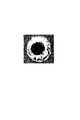
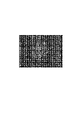
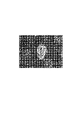
- phase-contrast microscopy cells were randomly adhered in the region (A) on the first day of culture, but epithelial cells gathered on the fourth day of culture, and the proportion of epithelial cells was high. It was confirmed that a cell mass having a site was formed. Further, as of the 11th day of culture, the cell mass has at least two sites, a site consisting of cells adhering to the region (A) and a substantially spherical site adhering to the adhered cells.
- a site consisting of cells adhering to the region (A) and a substantially spherical site adhering to the adhered cells.
- Example 2 Instead of the metal mask having a plurality of circular holes having a diameter of 0.2 mm in Example 1, a metal mask having a plurality of circular holes having a diameter of 0.5 mm was used. In addition, instead of the cell seeding density of 4500 cells / cm 2 in Example 1, the culture was carried out at a cell seeding density of 15000 cells / cm 2 . At the time of the 1st day of the culture, the cells were randomly adhered in the region (A), but at the 6th day of the culture, the epithelial cells gathered and the cell mass having a site having a large proportion of the epithelial cells was formed. Formed.
- Example 3 Human dermal papilla cells fluorescently stained with Vybrant DiO Cell-Labeling Solution were used as mesenchymal cells, and the other cells were cultured in the same manner as in Example 1.
- the cultured cells were observed with a phase difference microscope and a fluorescent microscope.
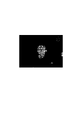
- mesenchymal cells and epithelial cells were randomly present in the region (A), and on the seventh day of the culture, the mesenchymal cells were present. It was confirmed that a cell mass was formed including a site having a high proportion of epithelial cells (a site having a low proportion of epithelial cells) and a site having a low proportion of mesenchymal cells (a site having a high proportion of epithelial cells). .. Images of the cell mass taken with a phase-contrast microscope and a fluorescence microscope from the vertical direction of the cell culture substrate were acquired.
- the maximum cross-sectional area in the in-plane direction of the substrate of the site where the content of mesenchymal cells is high (the site where the proportion of epithelial cells is low) and the site where the proportion of mesenchymal cells is low (the epithelial cells).
- the ratio of the maximum cross-sectional area in the in-plane direction of the base material (the portion having a large proportion) was 1: 8.5.
- Example 4 Human dermal papilla cells were used as the mesenchymal cells, and the other cells were cultured in the same manner as in Example 1, and then Human Versican Isoform V0 Antibody (manufactured by R & D SYSTEMS) and Donkey anti-Goat IgG (H + L) Cross-Adosorb. Fluorescent staining of Versican was performed using Antibody, Alexa Fluor 488 (manufactured by Thermo Fisher).
- the cultured cells were observed with a phase difference microscope and a fluorescent microscope. On the first day of the culture, mesenchymal cells and epithelial cells were randomly present in the region (A), and on the seventh day of the culture, the mesenchymal cells were present. It was confirmed that a cell mass was formed including a site having a high proportion of epithelial cells (a site having a low proportion of epithelial cells) and a site having a low proportion of mesenchymal cells (a site having a high proportion of epithelial cells). In addition, the cultured cells were observed with a fluorescence microscope, and it was confirmed that Versican was expressed.
- Example 5 Instead of the metal mask having a plurality of circular holes having a diameter of 0.2 mm in Example 1, a metal mask having a plurality of circular holes having a diameter of 0.1 mm was used, and cells having cell adhesion and cell proliferation regions were used. A culture substrate was prepared. Human dermal papilla cells were used as mesenchymal cells, and the other cells were cultured in the same manner as in Example 4.
- the cultured cells were observed with a phase difference microscope and a fluorescent microscope. On the first day of the culture, mesenchymal cells and epithelial cells were randomly present in the region (A), and on the seventh day of the culture, the mesenchymal cells were present. It was confirmed that a cell mass was formed including a site having a high proportion of epithelial cells (a site having a low proportion of epithelial cells) and a site having a low proportion of mesenchymal cells (a site having a high proportion of epithelial cells). In addition, the cultured cells were observed with a fluorescence microscope, and it was confirmed that Versican was expressed.
- Example 1 The mesenchymal cells in Example 1 were not used, and instead, only epithelial cells were cultured, and the others were cultured in the same manner as in Example 1. Even when the culture was continued for 12 days, only a cell mass in which all cells were uniformly distributed was formed, and a cell mass having a site having a high proportion of one type of cell was not formed.
- Example 2 The epithelial cells in Example 1 were not used, and instead, only the mesenchymal cells were cultured, and the others were cultured in the same manner as in Example 1. Even when the culture was continued for 12 days, only a cell mass in which all cells were uniformly distributed was formed, and a cell mass having a site having a high proportion of one type of cell was not formed.
- Example 3 instead of the metal mask having a plurality of circular holes having a diameter of 0.2 mm in Example 1, a metal mask having a plurality of circular holes having a diameter of 1.5 mm was used. In addition, instead of the cell seeding density of 4500 cells / cm 2 in Example 1, the culture was carried out at a cell seeding density of 15000 cells / cm 2 . Even when the culture was continued for 12 days, only a cell mass in which all cells were uniformly distributed was formed, and a cell mass having a site having a high proportion of one type of cell was not formed.
- Example 4 Using a cell-non-adherent U-bottom container (manufactured by Sumitomo Bakelite Co., Ltd., trade name: PrimeSurface 96-well plate) as a cell culture substrate, culture at a cell seeding density of 2400 cells / well in the same manner as in Example 1. Was carried out. It was confirmed that epithelial cells gathered at the 4th day of culture and formed a cell mass having a site having a high proportion of epithelial cells.
- a cell-non-adherent U-bottom container manufactured by Sumitomo Bakelite Co., Ltd., trade name: PrimeSurface 96-well plate
- Example 5 Culturing was performed at a cell seeding density of 150,000 cells / cm 2 instead of the cell seeding density of 4500 cells / cm 2 in Example 1. On the 7th day of culture, cell clusters were formed in a floating state. When the cell culture substrate was shaken with a shaker for 1 hour, the cell mass was damaged and the original shape was not maintained.
- Region A Region B
- Region 1 Epithelial cells 2
- Membranous cells 3
- Cell clumps 4 Sites with a high content of epithelial cells (low content of mesenchymal cells) and the content of the cells Cell mass having at least two sites with few sites (high content of mesenchymal cells)
Landscapes
- Health & Medical Sciences (AREA)
- Engineering & Computer Science (AREA)
- Life Sciences & Earth Sciences (AREA)
- Biomedical Technology (AREA)
- Chemical & Material Sciences (AREA)
- Zoology (AREA)
- Bioinformatics & Cheminformatics (AREA)
- Organic Chemistry (AREA)
- Wood Science & Technology (AREA)
- Genetics & Genomics (AREA)
- Biotechnology (AREA)
- General Health & Medical Sciences (AREA)
- Biochemistry (AREA)
- General Engineering & Computer Science (AREA)
- Microbiology (AREA)
- Cell Biology (AREA)
- Sustainable Development (AREA)
- Developmental Biology & Embryology (AREA)
- Immunology (AREA)
- Molecular Biology (AREA)
- Dermatology (AREA)
- Clinical Laboratory Science (AREA)
- Hematology (AREA)
- Rheumatology (AREA)
- Apparatus Associated With Microorganisms And Enzymes (AREA)
- Micro-Organisms Or Cultivation Processes Thereof (AREA)
Priority Applications (4)
| Application Number | Priority Date | Filing Date | Title |
|---|---|---|---|
| US18/037,879 US20230416690A1 (en) | 2020-11-26 | 2021-11-25 | Method for manufacturing cell mass |
| JP2022565416A JP7835162B2 (ja) | 2020-11-26 | 2021-11-25 | 細胞塊の製造方法 |
| EP21898046.4A EP4190891A4 (en) | 2020-11-26 | 2021-11-25 | PROCESS FOR PRODUCING A CELLULAR MASS |
| CN202180078445.XA CN116472338A (zh) | 2020-11-26 | 2021-11-25 | 细胞块的制造方法 |
Applications Claiming Priority (2)
| Application Number | Priority Date | Filing Date | Title |
|---|---|---|---|
| JP2020195707 | 2020-11-26 | ||
| JP2020-195707 | 2020-11-26 |
Publications (1)
| Publication Number | Publication Date |
|---|---|
| WO2022114074A1 true WO2022114074A1 (ja) | 2022-06-02 |
Family
ID=81754424
Family Applications (1)
| Application Number | Title | Priority Date | Filing Date |
|---|---|---|---|
| PCT/JP2021/043257 Ceased WO2022114074A1 (ja) | 2020-11-26 | 2021-11-25 | 細胞塊の製造方法 |
Country Status (5)
| Country | Link |
|---|---|
| US (1) | US20230416690A1 (https=) |
| EP (1) | EP4190891A4 (https=) |
| JP (1) | JP7835162B2 (https=) |
| CN (1) | CN116472338A (https=) |
| WO (1) | WO2022114074A1 (https=) |
Families Citing this family (2)
| Publication number | Priority date | Publication date | Assignee | Title |
|---|---|---|---|---|
| JP2020062009A (ja) * | 2018-10-16 | 2020-04-23 | 東ソー株式会社 | 細胞培養基材、細胞培養基材の製造方法、及びスフェロイドの製造方法 |
| US12296074B2 (en) * | 2021-04-01 | 2025-05-13 | Kohler Co. | Collection panels for bathroom aerosols |
Citations (7)
| Publication number | Priority date | Publication date | Assignee | Title |
|---|---|---|---|---|
| JPH0125319B2 (https=) | 1981-11-19 | 1989-05-17 | Victor Company Of Japan | |
| WO2013047639A1 (ja) * | 2011-09-27 | 2013-04-04 | 公立大学法人横浜市立大学 | 組織及び臓器の作製方法 |
| JP2015015943A (ja) * | 2013-06-10 | 2015-01-29 | 大日本印刷株式会社 | 人工多能性幹細胞の分化誘導方法 |
| WO2015182159A1 (ja) * | 2014-05-30 | 2015-12-03 | 株式会社クラレ | 培養方法及び細胞塊 |
| JP5932671B2 (ja) | 2011-02-09 | 2016-06-08 | 株式会社オーガンテクノロジーズ | ガイドを有する移植用再生器官原基の製造方法、当該方法によって製造される、ガイドを有する移植用再生器官原基を含む組成物、およびガイドを有する移植用再生器官原基の移植方法 |
| WO2017073625A1 (ja) * | 2015-10-30 | 2017-05-04 | 国立大学法人横浜国立大学 | 再生毛包原基の集合体の製造方法、毛包組織含有シート、及び毛包組織含有シートの製造方法 |
| WO2020080364A1 (ja) * | 2018-10-16 | 2020-04-23 | 東ソー株式会社 | 細胞培養基材、細胞培養基材の製造方法、及びスフェロイドの製造方法 |
Family Cites Families (2)
| Publication number | Priority date | Publication date | Assignee | Title |
|---|---|---|---|---|
| CA2669939A1 (en) * | 2006-10-12 | 2008-05-22 | Massachusetts Institute Of Technology | Multi-well micropatterning by ablation |
| JP7246595B2 (ja) * | 2018-11-08 | 2023-03-28 | 国立大学法人横浜国立大学 | 毛包原基、毛包原基の製造方法、及び毛包原基に含まれる細胞の活性化方法 |
-
2021
- 2021-11-25 CN CN202180078445.XA patent/CN116472338A/zh active Pending
- 2021-11-25 JP JP2022565416A patent/JP7835162B2/ja active Active
- 2021-11-25 US US18/037,879 patent/US20230416690A1/en active Pending
- 2021-11-25 WO PCT/JP2021/043257 patent/WO2022114074A1/ja not_active Ceased
- 2021-11-25 EP EP21898046.4A patent/EP4190891A4/en active Pending
Patent Citations (8)
| Publication number | Priority date | Publication date | Assignee | Title |
|---|---|---|---|---|
| JPH0125319B2 (https=) | 1981-11-19 | 1989-05-17 | Victor Company Of Japan | |
| JP5932671B2 (ja) | 2011-02-09 | 2016-06-08 | 株式会社オーガンテクノロジーズ | ガイドを有する移植用再生器官原基の製造方法、当該方法によって製造される、ガイドを有する移植用再生器官原基を含む組成物、およびガイドを有する移植用再生器官原基の移植方法 |
| WO2013047639A1 (ja) * | 2011-09-27 | 2013-04-04 | 公立大学法人横浜市立大学 | 組織及び臓器の作製方法 |
| JP2015015943A (ja) * | 2013-06-10 | 2015-01-29 | 大日本印刷株式会社 | 人工多能性幹細胞の分化誘導方法 |
| WO2015182159A1 (ja) * | 2014-05-30 | 2015-12-03 | 株式会社クラレ | 培養方法及び細胞塊 |
| JP2019193666A (ja) * | 2014-05-30 | 2019-11-07 | コーニング インコーポレイテッド | 培養方法 |
| WO2017073625A1 (ja) * | 2015-10-30 | 2017-05-04 | 国立大学法人横浜国立大学 | 再生毛包原基の集合体の製造方法、毛包組織含有シート、及び毛包組織含有シートの製造方法 |
| WO2020080364A1 (ja) * | 2018-10-16 | 2020-04-23 | 東ソー株式会社 | 細胞培養基材、細胞培養基材の製造方法、及びスフェロイドの製造方法 |
Non-Patent Citations (2)
| Title |
|---|
| "Radical Polymerization Handbook", 2010, pages: 161 - 225 |
| See also references of EP4190891A4 |
Also Published As
| Publication number | Publication date |
|---|---|
| JPWO2022114074A1 (https=) | 2022-06-02 |
| EP4190891A1 (en) | 2023-06-07 |
| CN116472338A (zh) | 2023-07-21 |
| US20230416690A1 (en) | 2023-12-28 |
| JP7835162B2 (ja) | 2026-03-25 |
| EP4190891A4 (en) | 2024-10-09 |
Similar Documents
| Publication | Publication Date | Title |
|---|---|---|
| CN112840016B (zh) | 细胞培养基材、细胞培养基材的制造方法、及球状体的制造方法 | |
| EP2404992A1 (en) | Cell evaluation system using cell sheet and method for using same | |
| EP2854885B1 (en) | Micro-engineered hydrogels | |
| JP2008263863A (ja) | 細胞培養支持体とその製造方法 | |
| TW201014914A (en) | Materials and methods for cell growth | |
| JP2025090847A (ja) | 細胞培養基材及びその製造方法、多能性幹細胞の分化誘導方法、並びに細胞培養キット | |
| JP7835162B2 (ja) | 細胞塊の製造方法 | |
| CN110114454A (zh) | 细胞培养基材 | |
| WO2019035436A1 (ja) | 多能性幹細胞の培養基材及び多能性幹細胞の製造方法 | |
| JP2008173018A (ja) | 細胞培養方法及び細胞培養用基板 | |
| Song et al. | Gradient patterning and differentiation of mesenchymal stem cells on micropatterned polymer surface | |
| JP7271870B2 (ja) | 多能性幹細胞の培養基材及び多能性幹細胞の製造方法 | |
| JP7293683B2 (ja) | ブロック共重合体及び培養基材、幹細胞の製造方法 | |
| JPH03266980A (ja) | 細胞培養用基材およびそれを用いた細胞集合体の製造方法 | |
| JP2020014453A (ja) | 幹細胞の培養基材及び幹細胞の製造方法 | |
| JP2019080561A (ja) | 多能性幹細胞培養用の多孔質基材及び多能性幹細胞の未分化維持培養方法 | |
| JP2025158464A (ja) | 細胞培養基材、及び細胞培養キット | |
| WO2025105395A1 (ja) | 細胞培養基材及びその製造方法、並びに細胞培養キット | |
| JP2025158463A (ja) | 細胞培養基材の製造方法 | |
| Yasuda et al. | Adhesive cell cultivation on polymer particle having grafted epoxy polymer chain | |
| JP2025158462A (ja) | 細胞培養基材の製造方法 | |
| JP7183612B2 (ja) | 多能性幹細胞の培養基材及び多能性幹細胞の製造方法 | |
| JP2022169458A (ja) | 細胞培養基材及びその製造方法、並びに細胞培養キット | |
| JP2003210156A (ja) | 細胞培養基材、その細胞培養法及びその生物試験法 | |
| JP2023178108A (ja) | 細胞培養基材 |
Legal Events
| Date | Code | Title | Description |
|---|---|---|---|
| 121 | Ep: the epo has been informed by wipo that ep was designated in this application |
Ref document number: 21898046 Country of ref document: EP Kind code of ref document: A1 |
|
| ENP | Entry into the national phase |
Ref document number: 2022565416 Country of ref document: JP Kind code of ref document: A |
|
| ENP | Entry into the national phase |
Ref document number: 2021898046 Country of ref document: EP Effective date: 20230228 |
|
| WWE | Wipo information: entry into national phase |
Ref document number: 18037879 Country of ref document: US |
|
| WWE | Wipo information: entry into national phase |
Ref document number: 202180078445.X Country of ref document: CN |
|
| NENP | Non-entry into the national phase |
Ref country code: DE |