WO2022102789A1 - 根粒菌の共生促進剤及び共生促進方法 - Google Patents
根粒菌の共生促進剤及び共生促進方法 Download PDFInfo
- Publication number
- WO2022102789A1 WO2022102789A1 PCT/JP2021/042115 JP2021042115W WO2022102789A1 WO 2022102789 A1 WO2022102789 A1 WO 2022102789A1 JP 2021042115 W JP2021042115 W JP 2021042115W WO 2022102789 A1 WO2022102789 A1 WO 2022102789A1
- Authority
- WO
- WIPO (PCT)
- Prior art keywords
- acid
- symbiosis
- group
- above formula
- acid compound
- Prior art date
- Legal status (The legal status is an assumption and is not a legal conclusion. Google has not performed a legal analysis and makes no representation as to the accuracy of the status listed.)
- Ceased
Links
Images




Classifications
-
- A—HUMAN NECESSITIES
- A01—AGRICULTURE; FORESTRY; ANIMAL HUSBANDRY; HUNTING; TRAPPING; FISHING
- A01N—PRESERVATION OF BODIES OF HUMANS OR ANIMALS OR PLANTS OR PARTS THEREOF; BIOCIDES, e.g. AS DISINFECTANTS, AS PESTICIDES OR AS HERBICIDES; PEST REPELLANTS OR ATTRACTANTS; PLANT GROWTH REGULATORS
- A01N37/00—Biocides, pest repellants or attractants, or plant growth regulators containing organic compounds containing a carbon atom having three bonds to hetero atoms with at the most two bonds to halogen, e.g. carboxylic acids
- A01N37/36—Biocides, pest repellants or attractants, or plant growth regulators containing organic compounds containing a carbon atom having three bonds to hetero atoms with at the most two bonds to halogen, e.g. carboxylic acids containing at least one carboxylic group or a thio analogue, or a derivative thereof, and a singly bound oxygen or sulfur atom attached to the same carbon skeleton, this oxygen or sulfur atom not being a member of a carboxylic group or of a thio analogue, or of a derivative thereof, e.g. hydroxy-carboxylic acids
- A01N37/38—Biocides, pest repellants or attractants, or plant growth regulators containing organic compounds containing a carbon atom having three bonds to hetero atoms with at the most two bonds to halogen, e.g. carboxylic acids containing at least one carboxylic group or a thio analogue, or a derivative thereof, and a singly bound oxygen or sulfur atom attached to the same carbon skeleton, this oxygen or sulfur atom not being a member of a carboxylic group or of a thio analogue, or of a derivative thereof, e.g. hydroxy-carboxylic acids having at least one oxygen or sulfur atom attached to an aromatic ring system
-
- A—HUMAN NECESSITIES
- A01—AGRICULTURE; FORESTRY; ANIMAL HUSBANDRY; HUNTING; TRAPPING; FISHING
- A01G—HORTICULTURE; CULTIVATION OF VEGETABLES, FLOWERS, RICE, FRUIT, VINES, HOPS OR SEAWEED; FORESTRY; WATERING
- A01G7/00—Botany in general
- A01G7/06—Treatment of growing trees or plants, e.g. for preventing decay of wood, for tingeing flowers or wood, for prolonging the life of plants
-
- A—HUMAN NECESSITIES
- A01—AGRICULTURE; FORESTRY; ANIMAL HUSBANDRY; HUNTING; TRAPPING; FISHING
- A01H—NEW PLANTS OR NON-TRANSGENIC PROCESSES FOR OBTAINING THEM; PLANT REPRODUCTION BY TISSUE CULTURE TECHNIQUES
- A01H3/00—Processes for modifying phenotypes, e.g. symbiosis with bacteria
- A01H3/04—Processes for modifying phenotypes, e.g. symbiosis with bacteria by treatment with chemicals
-
- A—HUMAN NECESSITIES
- A01—AGRICULTURE; FORESTRY; ANIMAL HUSBANDRY; HUNTING; TRAPPING; FISHING
- A01N—PRESERVATION OF BODIES OF HUMANS OR ANIMALS OR PLANTS OR PARTS THEREOF; BIOCIDES, e.g. AS DISINFECTANTS, AS PESTICIDES OR AS HERBICIDES; PEST REPELLANTS OR ATTRACTANTS; PLANT GROWTH REGULATORS
- A01N37/00—Biocides, pest repellants or attractants, or plant growth regulators containing organic compounds containing a carbon atom having three bonds to hetero atoms with at the most two bonds to halogen, e.g. carboxylic acids
- A01N37/10—Aromatic or araliphatic carboxylic acids, or thio analogues thereof; Derivatives thereof
-
- A—HUMAN NECESSITIES
- A01—AGRICULTURE; FORESTRY; ANIMAL HUSBANDRY; HUNTING; TRAPPING; FISHING
- A01P—BIOCIDAL, PEST REPELLANT, PEST ATTRACTANT OR PLANT GROWTH REGULATORY ACTIVITY OF CHEMICAL COMPOUNDS OR PREPARATIONS
- A01P21/00—Plant growth regulators
Definitions
- the present invention relates to a symbiosis promoting agent and a symbiosis promoting method for promoting symbiosis with a plant by a root nodule fungus that coexists with the root of the plant, and a method for cultivating the plant.
- rhizobia bacteria
- plants such as Hannoki, Akigumi, Goumi, Yamamomo, Yachiyanagi, and Coriaria japonica are known as plants in which rhizobia coexist. That is, root nodules, which are a type of soil bacteria, invade the roots of plants to form nodules and obtain carbohydrates from the plants, while immobilizing nitrogen in the air to give nitrogen compounds to the plants. Therefore, for plants in which rhizobia coexist, the growth of the plants can be promoted by promoting the symbiosis of rhizobia, that is, promoting the formation of nodules.
- Patent Document 1 discloses that nucleic acid bases such as inosine, guanosine, uridine, inosinic acid, guanylic acid, uridylic acid, hypoxanthin, guanine and uracil promote the formation of plant root grains. Patent Document 1 discloses that by applying these nucleobases to soil or plants, nodule formation of legumes can be promoted, the growth of legumes can be improved, and the amount of nitrogen fertilizer used can be reduced. ..
- Non-Patent Document 1 shows that the expression of the THI1 gene and the THIC gene, which are thiamine biosynthetic genes, was enhanced by inoculation with root granules, and that the root grains became smaller in the thi1 mutant. , It is disclosed that thiamine biosynthesis by thiamine biosynthesis gene promotes root grain formation.
- an object of the present invention is to provide a symbiosis promoter, a symbiosis promoting method, and a plant cultivation method capable of promoting nodule formation in view of the above-mentioned circumstances.
- the present invention includes the following.
- R1, R2 and R3 may be the same or different: in the above formula, R1, R2 and R3 are independently hydroxyl groups (OH groups), hydrogen atoms (H), and alkoxy. It is either a group (OX) or a prenyl group (X is an alkyl group having 1 to 5 carbon atoms).
- R1, R2 and R3 are independently hydroxyl groups (OH groups), hydrogen atoms (H), and alkoxy. It is either a group (OX) or a prenyl group (X is an alkyl group having 1 to 5 carbon atoms).
- cinnamic acid compound is a hydroxycinnamic acid compound in which at least one of R1, R2 and R3 is a hydroxyl group in the above formula.
- cinnamic acid compound is at least one selected from cinnamic acid, p-coumaric acid, ferulic acid, sinapic acid and caffeic acid.
- R1, R2 and R3 may be the same or different: in the above formula, R1, R2 and R3 are independently hydroxyl groups (OH groups), hydrogen atoms (H), and alkoxy. It is either a group (OX) or a prenyl group (X is an alkyl group having 1 to 5 carbon atoms).
- X is an alkyl group having 1 to 5 carbon atoms.
- the symbiosis-promoting agent and the symbiosis-promoting method according to the present invention can promote nodule formation of rhizobia. Further, in the method for cultivating a plant according to the present invention, since the nodule formation is promoted by the silicic acid compound, the plant growth promoting effect is sufficiently exhibited and the plant growing can be produced.
- the symbiosis-promoting agent according to the present invention contains a silicic acid compound represented by the following formula as an active ingredient.
- R1, R2 and R3 may be the same or different.
- R1, R2 and R3 are independently hydroxyl groups (OH groups) and hydrogen atoms (H).
- the cinnamic acid compounds represented by the above formulas include cinnamic acid in which all of R1, R2 and R3 are hydrogen atoms (H), and hydroxy cinnamic acid in which at least one of R1, R2 and R3 is a hydroxyl group (OH). Includes acids.
- hydroxycinnamic acid is a polyphenol having a C6-C3 skeleton.
- Hydroxycinnamic acid represented by the above formula has a basic structure in which one carboxy group is bonded to an aromatic ring via two carbon atoms.
- Hydroxycinnamic acid represented by the above formula has three substituents R1, R2, and R3 at the meta and para positions based on the carboxy group bonded to the aromatic ring.
- R1, R2, and R3 of hydroxycinnamic acid at least one is a hydroxyl group (OH group, phenolic hydroxyl group).
- the three substituents R1, R2, and R3 of hydroxycinnamic acid may be independently the same or different.
- the three substituents R1, R2 and R3 are any one of a hydroxyl group (OH group), a hydrogen atom (H), an alkoxy group (OX) and a prenyl group.
- X represents an alkyl group having 1 to 5 carbon atoms.
- Alkyl groups having 1 to 5 carbon atoms include methyl group, ethyl group, n-propyl group, i-propyl group, n-butyl group, sec-butyl group, tert-butyl group, neopentyl group, isopentyl group and sec-. Examples thereof include pentyl, 3-pentyl, tert-pentyl and the like.
- the substituent R2 is preferably a phenolic hydroxyl group (OH group).
- the substituent R2 of hydroxysilicic acid is a phenolic hydroxyl group (OH group)
- this phenolic hydroxyl group (OH group) is bonded to one aromatic ring via two carbon atoms. It becomes a conjugated system with the group and becomes electronically stable.
- the hydroxycinnamic acids represented by the above formula mean to include hydroxycinnamic acid salt.
- the hydroxycinnamic acid salt include acid addition salts, metal salts, ammonium salts, organic ammonium salts, organic amine addition salts, amino acid addition salts and the like.
- the acid addition salts include inorganic acid salts such as hydrochlorides, sulfates, nitrates and phosphates, acetates, maleates, fumarates, citrates, malates, lactates and ⁇ -ketoglutarates. , Gluconate, organic acid salts such as caprylate, and the like.
- Examples of the metal salt include alkali metal salts such as sodium salt and potassium salt, alkaline earth metal salts such as magnesium salt and calcium salt, aluminum salt, zinc salt and the like.
- Examples of the organic ammonium salt include tetramethylammonium salt and the like.
- Examples of the organic amine addition salt include monoethanolamine salt, diethanolamine salt, triethanolamine salt, morpholine salt, piperidine salt and the like.
- Examples of the amino acid addition salt include glycine salt, phenylalanine salt, lysine salt, aspartate and glutamate.
- examples of the hydroxycinnamic acid represented by the above formula include cinnamic acid, ferulic acid, sinapic acid, p-coumaric acid, caffeic acid, isoferulic acid and artepirin C.
- the hydroxycinnamic acid represented by the above formula is preferably at least one selected from the group consisting of p-coumaric acid, ferulic acid, sinapic acid and caffeic acid.
- the hydroxycinnamic acid represented by the above formula is preferably at least one selected from the group consisting of ferulic acid, sinapic acid and caffeic acid.
- the hydroxycinnamic acid used as the active ingredient of the symbiosis promoter can be one kind of hydroxycinnamic acid represented by the above formula, but a plurality of kinds of hydroxycinnamic acid may be used as the active ingredient.
- the hydroxycinnamic acid contained in the symbiosis promoter is an acid in which ferulic acid and caffeic acid are mixed, an acid in which ferulic acid and caffeic acid are mixed, an acid in which sinapic acid and caffeic acid are mixed, and ferlla. It may be an acid obtained by mixing an acid, sinapinic acid and caffeic acid. In these mixed acids, the composition ratio of each hydroxycinnamic acid can be appropriately adjusted.
- ferulic acid (3-methoxy-4-hydroxycinnamic acid) has the following structural formula, R1 in the above formula is a methoxy group (OCH 3 ), and R2 is a phenolic hydroxyl group (OH group). And R3 is a hydrogen atom (H).
- Sinapinic acid has the following structural formula, in which R1 is a methoxy group (OCH 3 ), R2 is a phenolic hydroxyl group (OH group), and R3 is a methoxy group (OCH 3 ). ..
- the coffee acid has the following structural formula, in which R1 is a phenolic hydroxyl group (OH group), R2 is a phenolic hydroxyl group (OH group), and R3 is a hydrogen atom (H). ..
- R1 in the above formula is a hydrogen atom (H group)
- R2 is a phenolic hydroxyl group (OH group)
- R3 is a hydrogen atom (H group).
- the concentration of the cinnamic acid compound containing the above-mentioned cinnamic acid and hydroxycinnamic acid in the symbiosis promoter is not particularly limited, but can be, for example, 1 ⁇ M to 1 mM, preferably 10 ⁇ M to 500 ⁇ M. , 10 ⁇ M to 300 ⁇ M, preferably 10 ⁇ M to 100 ⁇ M.
- rhizobia The rhizobia that form nodules are not limited as long as they can coexist with plants to form nodules and the nodule formation promoter of the present invention promotes nodule formation.
- examples of the rhizobia include bacteria belonging to the genus Rhizobium, Bradyrhizobium, Sinorhizobium, Mesorhizobium and the like.
- Rhizobium leguminosarum Rhizobium tropici, Sinorhizobium meliloti, Sinorhizobium fredii, Bradyrhizobium japonicum, Bradyrhizobium elkani, Mesorhizobium loti, Mesorhizobium huakuii and the like can be mentioned.
- ⁇ Plant cultivation method> By using the above-mentioned symbiosis promoter, root nodule formation by rhizobia can be promoted for the plant to be cultivated, and as a result, the biomass of the plant can be increased.
- "using a symbiosis promoter” means a form in which the above-mentioned symbiosis promoter is supplied to the soil and the symbiosis promoter acts on the rhizobia contained in the soil, and the root nodules together with the above-mentioned symbiosis promoter. It means to include the form of supplying the fungus to the soil.
- the above-mentioned symbiosis promoter acts on the roots of plants and promotes the formation of nodules. This makes it possible to increase the biomass of the plant to be cultivated.
- the plant to be cultivated is not limited as long as it is a plant in which rhizobia can coexist. Such plants may be monocotyledonous or dicotyledonous and may be edible or non-edible. Specific examples of such plants include legumes. Examples of legumes include soybeans, adzuki beans, broad beans, pea, peanuts, cowpeas, lupines, clovers, alfalfa and the like.
- the method of supplying the symbiosis promoter to the soil is not particularly limited, but for example, it can be sprayed on the soil, mixed, embedded, injected with a chemical solution, or irrigated with a chemical solution.
- it may be applied to a part of the soil in which the plant is cultivated, or it may be applied to the entire surface.
- Specific examples of the place where the symbiosis promoter or the microbial material is applied include, for example, a planting hole or its vicinity, a crop or its vicinity, between stocks, the entire soil, the entire soil, a nursery box, a nursery tray, a nursery pot, a nursery bed, etc. Can be mentioned.
- the symbiosis promoter may be applied to the soil in advance before sowing or planting the plant, or may be applied to the soil after sowing or planting the plant.
- the application time is, for example, before sowing, at the time of sowing, the period from after sowing to before emergence, the germination stage, the breeding stage, the time of transplanting seedlings, the time of cutting or cutting, and the growth period after planting (before flowering, during flowering, After flowering, immediately before heading or at the heading stage, etc.), the fruit coloring start stage, etc. may be mentioned. At that time, it may be applied only once to the soil, or may be applied a plurality of times.
- Example 1 In this example, the effect of caffeic acid on promoting nodule formation was verified.
- caffeic acid (Caffeic Acid, CAS RN: 331-39-5 C0002, Tokyo Chemical Industry Co., Ltd.) was dissolved in ethanol to prepare a 100 mM stock solution.
- ethanol aqueous ethanol
- vermiculite was added to the pot, the whole was moistened with water, and then sterilized in an autoclave.
- Plants inoculated with rhizobia were grown in an incubator (26 ° C, 16hr light / 8hr dark). After 1 and 2 weeks, the plant was dug up from the soil, and the number of infected threads and nodules was measured under a fluorescent stereomicroscope.
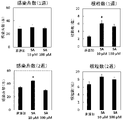
- Fig. 1 The measurement results are shown in Fig. 1.
- the error bar in the graph represents the standard error
- the addition of caffeic acid showed a significant increase in infected yarn after 1 week, and a tendency to increase the number of nodules was observed after 2 weeks.
- caffeic acid which is a cinnamic acid compound, has an effect of promoting nodule formation in rhizobia.
- caffeic acid as a nodule formation promoter, the effect of increasing the biomass production of plants that form nodules can be expected.
- Example 2 In this example, the effect of ferulic acid on promoting nodule formation was verified.
- the number of infected threads and nodules are the same as in Example 1 except that ferulic acid (trans-Ferulic Acid, CAS RN: 537-98-4 H0267, Tokyo Chemical Industry Co., Ltd.) is used instead of caffeic acid. The number was measured. The measurement results are shown in FIG. As shown in FIG. 2, the addition of ferulic acid showed a significant increase in the number of infected threads and nodules after 2 weeks.
- ferulic acid trans-Ferulic Acid, CAS RN: 537-98-4 H0267, Tokyo Chemical Industry Co., Ltd.
- ferulic acid which is a cinnamic acid compound, has an effect of promoting nodule formation in rhizobia.
- ferulic acid As a nodule formation promoter, the effect of increasing the biomass production of plants that form nodules can be expected.
- Example 3 In this example, the effect of promoting nodule formation by sinapic acid was verified.
- sinapinic acid (3,5-Dimethoxy-4-hydroxycinnamic Acid [Matrix for MALDI-TOF / MS], CAS RN: 530-59-6 D2932, Tokyo Kasei Kogyo Co., Ltd.) was used instead of caffeic acid.
- the number of infected threads and the number of nodules were measured in the same manner as in Example 1 except that they were used. The measurement results are shown in FIG.
- the addition of sinapic acid showed a significant increase in the number of nodules after 1 week, and a significant increase in the number of infected threads after 2 weeks.
- cinnamic acid which is a cinnamic acid compound, has an effect of promoting nodule formation in rhizobia.
- sinapinic acid as a nodule formation promoter, the effect of increasing the biomass production of plants that form nodules can be expected.
- Example 4 the effect of increasing biomass production on soybean was verified using ferulic acid.
- soybean (Glycine max cv. Enrei) seeds are germinated on a moistened Kimwipe for 3 to 4 days, and then transplanted into a pot containing vermiculite (about 1.1 L) for about 3 days. It was grown in a plant incubator (28 ° C, 16hr light / 8hr dark).
- each individual soybean was inoculated. Then, soybeans grown in the incubator for 1 week or 2 weeks were dug up from the pot, and the growth (aboveground length, underground length, number of leaves) and nodule number were measured.
- the measurement results for soybeans grown for 1 week are shown in FIG. 4, and the measurement results for soybeans grown for 2 weeks are shown in FIG.
Landscapes
- Life Sciences & Earth Sciences (AREA)
- Environmental Sciences (AREA)
- Wood Science & Technology (AREA)
- Engineering & Computer Science (AREA)
- Plant Pathology (AREA)
- Pest Control & Pesticides (AREA)
- Zoology (AREA)
- Botany (AREA)
- General Chemical & Material Sciences (AREA)
- Chemical & Material Sciences (AREA)
- Chemical Kinetics & Catalysis (AREA)
- Dentistry (AREA)
- Agronomy & Crop Science (AREA)
- General Health & Medical Sciences (AREA)
- Health & Medical Sciences (AREA)
- Developmental Biology & Embryology (AREA)
- Ecology (AREA)
- Biodiversity & Conservation Biology (AREA)
- Forests & Forestry (AREA)
- Agricultural Chemicals And Associated Chemicals (AREA)
- Cultivation Of Plants (AREA)
- Breeding Of Plants And Reproduction By Means Of Culturing (AREA)
Abstract
根粒形成を促進する。ケイ皮酸又はヒドロキシケイ皮酸を有効成分として含有する。
Description
本発明は、植物の根に共生する根粒菌による植物への共生を促進する共生促進剤及び共生促進方法、並びに植物の栽培方法に関する。
マメ科植物の多くは、根に粒状の根粒を形成し、そのなかに根粒菌(細菌)が共生することで空気中の窒素を固定して養分としている。なお、根粒菌が共生する植物はマメ科植物以外にも、ハンノキ、アキグミ、ナツグミ、ヤマモモ、ヤチヤナギ、ドクウツギ等の植物が知られている。すなわち、土壌細菌の一種である根粒菌は、植物の根に侵入して根粒を形成し、植物から炭水化物を得る一方、空気中の窒素を固定することにより窒素化合物を植物に与える。したがって、根粒菌が共生する植物に対しては、根粒菌の共生を促進する、すなわち根粒の形成を促進することで、当該植物の成長を促進することができる。
特許文献1には、イノシン、グアノシン、ウリジン、イノシン酸、グアニル酸、ウリジル酸、ヒポキサンチン、グアニン及びウラシルといった核酸塩基が植物の根粒の形成を促進することが開示されている。特許文献1は、これら核酸塩基を土壌又は植物に施用することで、マメ科植物の根粒形成を促進し、マメ科植物の生育が向上し、窒素肥料の使用量を低減できると開示している。
また、非特許文献1には、チアミン生合成遺伝子であるTHI1遺伝子及びTHIC遺伝子の発現が根粒菌の接種によって増強されたこと、thi1変異体では根粒が小さくなってしまったことが示されており、チアミン生合成遺伝子によるチアミン生合成が根粒形成を促進することが開示されている。
Plant Physiology, November 2016, Vol. 172, pp. 2033-2043
ところが、特許文献1に開示された核酸塩基や非特許文献1に開示されたチアミンが根粒形成を促進するとしても、根粒形成過程のメカニズムは不明であり、如何なる物質が根粒形成を促進するか全く不明であった。
そこで、本発明は、上述したような実情に鑑み、根粒形成を促進することができる共生促進剤及び共生促進方法並びに植物の栽培方法を提供することを目的とする。
上述した目的を達成するため、本発明者らが鋭意検討した結果、ヒドロキシケイ皮酸類が根粒形成を促進することを見いだし、本発明を完成するに至った。
本発明は以下を包含する。
(1)下記式にて示されるケイ皮酸類化合物を含有する共生促進剤。
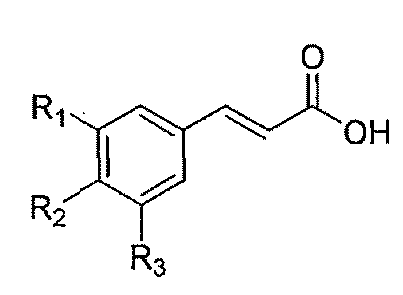 (上記式においてR1、R2及びR3は、同一であっても、異なっていてもよく:上記式においてR1、R2及びR3は、独立して、水酸基(OH基)、水素原子(H)、アルコキシ基(OX)、プレニル基のいずれかである(Xは、炭素数1~5のアルキル基)。)
(2)上記ケイ皮酸類化合物は、上記式においてR1、R2及びR3のうち少なくとも1つが水酸基であるヒドロキシケイ皮酸類化合物であることを特徴とする(1)記載の共生促進剤。
(3)上記ケイ皮酸類化合物は、ケイ皮酸、p-クマル酸、フェルラ酸、シナピン酸及びコーヒー酸から選ばれる少なくとも1つであることを特徴とする(1)記載の共生促進剤。
(4)下記式にて示されるケイ皮酸類化合物を植物の根に作用させる共生促進方法。
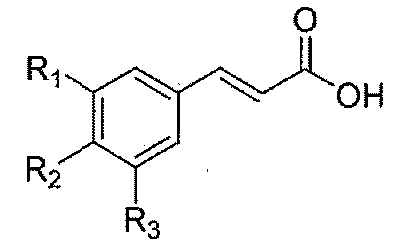 (上記式においてR1、R2及びR3は、同一であっても、異なっていてもよく:上記式においてR1、R2及びR3は、独立して、水酸基(OH基)、水素原子(H)、アルコキシ基(OX)、プレニル基のいずれかである(Xは、炭素数1~5のアルキル基)。)
(5)上記ケイ皮酸類化合物は、上記式においてR1、R2及びR3のうち少なくとも1つが水酸基であるヒドロキシケイ皮酸類化合物であることを特徴とする(4)記載の共生促進方法。
(6)上記ケイ皮酸類化合物は、ケイ皮酸、p-クマル酸、フェルラ酸、シナピン酸及びコーヒー酸から選ばれる少なくとも1つであることを特徴とする(4)記載の共生促進方法。
(7)下記式にて示されるケイ皮酸類化合物を植物の根に作用させる、植物の製造方法。
 (上記式においてR1、R2及びR3は、同一であっても、異なっていてもよく:上記式においてR1、R2及びR3は、独立して、水酸基(OH基)、水素原子(H)、アルコキシ基(OX)、プレニル基のいずれかである(Xは、炭素数1~5のアルキル基)。)
(8)上記ケイ皮酸類化合物は、上記式においてR1、R2及びR3のうち少なくとも1つが水酸基であるヒドロキシケイ皮酸類化合物であることを特徴とする(7)記載の植物の製造方法。
(9)上記ケイ皮酸類化合物は、ケイ皮酸、p-クマル酸、フェルラ酸、シナピン酸及びコーヒー酸から選ばれる少なくとも1つであることを特徴とする(7)記載の植物の製造方法。
本明細書は本願の優先権の基礎となる日本国特許出願番号2020-190053号の開示内容を包含する。
(1)下記式にて示されるケイ皮酸類化合物を含有する共生促進剤。
(2)上記ケイ皮酸類化合物は、上記式においてR1、R2及びR3のうち少なくとも1つが水酸基であるヒドロキシケイ皮酸類化合物であることを特徴とする(1)記載の共生促進剤。
(3)上記ケイ皮酸類化合物は、ケイ皮酸、p-クマル酸、フェルラ酸、シナピン酸及びコーヒー酸から選ばれる少なくとも1つであることを特徴とする(1)記載の共生促進剤。
(4)下記式にて示されるケイ皮酸類化合物を植物の根に作用させる共生促進方法。
(5)上記ケイ皮酸類化合物は、上記式においてR1、R2及びR3のうち少なくとも1つが水酸基であるヒドロキシケイ皮酸類化合物であることを特徴とする(4)記載の共生促進方法。
(6)上記ケイ皮酸類化合物は、ケイ皮酸、p-クマル酸、フェルラ酸、シナピン酸及びコーヒー酸から選ばれる少なくとも1つであることを特徴とする(4)記載の共生促進方法。
(7)下記式にて示されるケイ皮酸類化合物を植物の根に作用させる、植物の製造方法。
(8)上記ケイ皮酸類化合物は、上記式においてR1、R2及びR3のうち少なくとも1つが水酸基であるヒドロキシケイ皮酸類化合物であることを特徴とする(7)記載の植物の製造方法。
(9)上記ケイ皮酸類化合物は、ケイ皮酸、p-クマル酸、フェルラ酸、シナピン酸及びコーヒー酸から選ばれる少なくとも1つであることを特徴とする(7)記載の植物の製造方法。
本明細書は本願の優先権の基礎となる日本国特許出願番号2020-190053号の開示内容を包含する。
本発明に係る共生促進剤及び共生促進方法は、根粒菌の根粒形成を促進することができる。また、本発明に係る植物の栽培方法は、ケイ皮酸類化合物により根粒形成を促進するため、植物生育促進効果が十分に発揮され、生育促進した植物を製造することができる。
以下、本発明を詳細に説明する。
<共生促進剤>
本発明に係る共生促進剤(以下、単に「共生促進剤」と称す)は、下記式にて示されるケイ皮酸類化合物を有効成分として含有する。
 (上記式において、R1、R2及びR3は、同一であっても、異なっていてもよく、上記式において、R1、R2及びR3は、独立して、水酸基(OH基)、水素原子(H)、アルコキシ基(OX)、プレニル基のいずれかである(Xは、炭素数1~5のアルキル基)。)
本発明に係る共生促進剤(以下、単に「共生促進剤」と称す)は、下記式にて示されるケイ皮酸類化合物を有効成分として含有する。
上記式で示されるケイ皮酸類化合物は、R1、R2及びR3の全てが水素原子(H)であるケイ皮酸と、R1、R2及びR3のうち少なくとも1つが水酸基(OH)であるヒドロキシケイ皮酸類とを包含する。ここで、ヒドロキシケイ皮酸は、C6-C3骨格を有するポリフェノールである。上記式で示されるヒドロキシケイ皮酸は、芳香環に対して、2つの炭素原子を介して1つのカルボキシ基が結合している基本構造を有している。
上記式で示されるヒドロキシケイ皮酸は、芳香環に結合しているカルボキシ基を基準として、メタ位とパラ位に3つの置換基R1、R2、R3を有している。ヒドロキシケイ皮酸が有している3つの置換基R1、R2、R3のうち、少なくとも1つは、水酸基(OH基、フェノール性水酸基)である。ヒドロキシケイ皮酸が有している3つの置換基R1、R2、R3は、それぞれ独立に、同一であっても異なっていてもよい。
上記式において3つの置換基R1、R2及びR3は、水酸基(OH基)、水素原子(H)、アルコキシ基(OX)、プレニル基のいずれかである。上記式において、アルコキシ基(OX)中、Xは、炭素数1~5のアルキル基を示す。炭素数1~5のアルキル基としては、メチル基、エチル基、n-プロピル基、i-プロピル基、n-ブチル基、sec-ブチル基、tert-ブチル基、ネオペンチル基、イソペンチル基、sec-ペンチル、3-ペンチル、tert-ペンチル等を挙げることができる。
上記式において置換基R2は、フェノール性水酸基(OH基)であることが好ましい。ヒドロキシケイ皮酸が有している置換基R2がフェノール性水酸基(OH基)であると、このフェノール性水酸基(OH基)が1つの芳香環に2つの炭素原子を介して結合しているカルボキシ基と共役系となり、電子的に安定となる。
ここで、上記式で示されるヒドロキシケイ皮酸類は、ヒドロキシケイ皮酸塩を包含する意味である。ヒドロキシケイ皮酸塩としては、酸付加塩、金属塩、アンモニウム塩、有機アンモニウム塩、有機アミン付加塩、アミノ酸付加塩等が挙げられる。酸付加塩としては、塩酸塩、硫酸塩、硝酸塩、リン酸塩等の無機酸塩、酢酸塩、マレイン酸塩、フマル酸塩、クエン酸塩、リンゴ酸塩、乳酸塩、α-ケトグルタル酸塩、グルコン酸塩、カプリル酸塩等の有機酸塩が挙げられる。金属塩としては、ナトリウム塩、カリウム塩等のアルカリ金属塩、マグネシウム塩、カルシウム塩等のアルカリ土類金属塩、アルミニウム塩、亜鉛塩等が挙げられる。有機アンモニウム塩としては、テトラメチルアンモニウム塩等が挙げられる。有機アミン付加塩としては、モノエタノールアミン塩、ジエタノールアミン塩、トリエタノールアミン塩、モルホリン塩、ピペリジン塩等が挙げられる。アミノ酸付加塩としては、グリシン塩、フェニルアラニン塩、リジン塩、アスパラギン酸塩及びグルタミン酸塩が挙げられる。
より具体的に、上記式で示されるヒドロキシケイ皮酸類は、例えば、ケイ皮酸、フェルラ酸、シナピン酸、p-クマル酸、コーヒー酸、イソフェルラ酸及びアルテピリンCを挙げることができる。特に、上記式で示されるヒドロキシケイ皮酸としては、p-クマル酸、フェルラ酸、シナピン酸及びコーヒー酸からなる群から選ばれる少なくとも1つであることが好ましい。さらに、上記式で示されるヒドロキシケイ皮酸としては、フェルラ酸、シナピン酸及びコーヒー酸からなる群から選ばれる少なくとも1つであることが好ましい。
共生促進剤の有効成分として使用するヒドロキシケイ皮酸は、上記式で示されるヒドロキシケイ皮酸類の一種類とすることができるが、複数種類のヒドロキシケイ皮酸を有効成分としても良い。具体的に、共生促進剤に含まれるヒドロキシケイ皮酸は、フェルラ酸とシナピン酸とを混合した酸、フェルラ酸とコーヒー酸とを混合した酸、シナピン酸とコーヒー酸とを混合した酸、フェルラ酸とシナピン酸とコーヒー酸とを混合した酸であってもよい。これらの混合した酸において、それぞれのヒドロキシケイ皮酸の組成比は、適宜調整することができる。
ここで、フェルラ酸(3-メトキシ-4-ヒドロキシケイ皮酸)は、以下の構造式を有し、上記式におけるR1がメトキシ基(OCH3)であり、R2がフェノール性水酸基(OH基)であり、R3が水素原子(H)である。
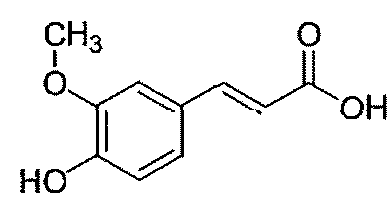
また、シナピン酸は、下記の構造式を有し、上記式におけるR1がメトキシ基(OCH3)であり、R2がフェノール性水酸基(OH基)であり、R3がメトキシ基(OCH3)である。

さらに、コーヒー酸は、下記の構造式を有し、上記式におけるR1がフェノール性水酸基(OH基)であり、R2がフェノール性水酸基(OH基)であり、R3が水素原子(H)である。
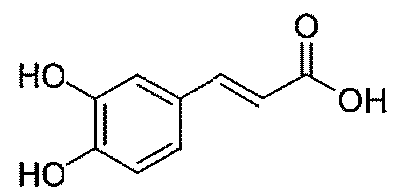
なお、p-クマル酸は、具体的な構造式は示さないが、上記式におけるR1が水素原子(H基)であり、R2がフェノール性水酸基(OH基)であり、R3が水素原子(H)である。
共生促進剤において、上述したケイ皮酸及びヒドロキシケイ皮酸を含むケイ皮酸類化合物の濃度に関しては、特に限定さないが、例えば1μM~1mMとすることができ、10μM~500μMとすることが好ましく、10μM~300μMとすることが好ましく、10μM~100μMとすることが好ましい。
<根粒菌>
根粒を形成する根粒菌としては、植物と共生して根粒を形成することができ、本発明の根粒形成促進剤により根粒の形成が促進されるものであれば制限されない。根粒菌としては、例えば、リゾビウム(Rhizobium)、ブラディリゾビウム(Bradyrhizobium)、シノリゾビム(Sinorhizobium)、メゾリゾビウム(Mesorhizobium)属等に属する細菌が挙げられる。より具体的には、Rhizobium leguminosarum、Rhizobium tropici、Sinorhizobium meliloti、Sinorhizobium fredii、Bradyrhizobium japonicum、Bradyrhizobium elkani、Mesorhizobium loti、Mesorhizobium huakuii等が挙げられる。
根粒を形成する根粒菌としては、植物と共生して根粒を形成することができ、本発明の根粒形成促進剤により根粒の形成が促進されるものであれば制限されない。根粒菌としては、例えば、リゾビウム(Rhizobium)、ブラディリゾビウム(Bradyrhizobium)、シノリゾビム(Sinorhizobium)、メゾリゾビウム(Mesorhizobium)属等に属する細菌が挙げられる。より具体的には、Rhizobium leguminosarum、Rhizobium tropici、Sinorhizobium meliloti、Sinorhizobium fredii、Bradyrhizobium japonicum、Bradyrhizobium elkani、Mesorhizobium loti、Mesorhizobium huakuii等が挙げられる。
<植物の栽培方法>
上述した共生促進剤を使用することで、栽培対象の植物に対して根粒菌による根粒形成を促進することができ、その結果、当該植物のバイオマスを増産することができる。ここで、「共生促進剤を使用する」とは、上述した共生促進剤を土壌に供給し、当該土壌に含まれる根粒菌に対して共生促進剤を作用させる形態、上述した共生促進剤とともに根粒菌を土壌に供給する形態を含む意味である。
上述した共生促進剤を使用することで、栽培対象の植物に対して根粒菌による根粒形成を促進することができ、その結果、当該植物のバイオマスを増産することができる。ここで、「共生促進剤を使用する」とは、上述した共生促進剤を土壌に供給し、当該土壌に含まれる根粒菌に対して共生促進剤を作用させる形態、上述した共生促進剤とともに根粒菌を土壌に供給する形態を含む意味である。
これら如何なる形態であっても、上述した共生促進剤が植物の根に作用し、根粒の形成が促進されることとなる。これにより、栽培対象の植物のバイオマスを増産することができる。栽培対象の植物としては、根粒菌が共生できる植物であれば何ら限定されない。このような植物は、単子葉植物でも双子葉植物でもよく、食用でも非食用でもよい。このような植物の具体例としては、マメ科植物が挙げられる。マメ科植物としては、大豆、小豆、ソラマメ、エンドウ、落花生、ササゲ、ルーピン、クローバー、アルファルファ等が挙げられる。
共生促進剤を土壌に供給する方法としては、特に限定されないが、例えば、土への散布、混ぜ込み、埋め込み、薬液注入、薬液潅水などの方法により行うことができる。土に供給する際には、植物を栽培する土の一部に行ってもよく、全面に行ってもよい。共生促進剤又は微生物資材を施用する場所の具体例としては、例えば、植穴又はその付近、作条又はその付近、株間、培土全面、土壌全面、育苗箱、育苗トレイ、育苗ポット、苗床などが挙げられる。
共生促進剤は、播種又は植物の植え付け前に予め土に施用しておいてもよく、播種又は植物の植え付け後の土に施用してもよい。施用時期は、例えば、播種前、播種時、播種後から出芽前までの期間、出芽期、育種期、苗の移植時、挿し木又は挿し芽時、定植後の生育期間(開花前、開花中、開花後、出穂直前又は出穂期など)、果実の着色開始期などが挙げられる。その際、土に対して1回のみ施用してもよく、複数回施用してもよい。施用量をできるだけ少なくしつつ、植物の生育促進効果を十分に得る観点から、植物の初期の生育段階(具体的には、出芽から開花又は出穂の前までの期間)又はそれよりも以前に施用することが好ましく、育苗段階又はそれよりも以前に施用することがより好ましい。
以下、実施例を用いて本発明を更に詳細に説明するが、本発明の技術的範囲は以下の実施例に限定されるものではない。
〔実施例1〕
本実施例では、コーヒー酸による根粒形成促進効果を検証した。
まず、コーヒー酸(Caffeic Acid、CAS RN:331-39-5 C0002,東京化成工業株式会社)をエタノールで溶解し、100mMのストック液を作製した。次に、ポットにバーミキュライト約300mlを加え、全体を水で湿らせた後、オートクレーブで滅菌した。播種後3~4日目のミヤコグサ(Lotus japonicus)をポットに移植し、DsRED遺伝子を持つ根粒菌(OD600=0.1ml、1ml)とコーヒー酸(終濃度10μM又は100μM)を加えたB&D液体培地(Broughton and Dilworth, 1971)50mlを添加した。
本実施例では、コーヒー酸による根粒形成促進効果を検証した。
まず、コーヒー酸(Caffeic Acid、CAS RN:331-39-5 C0002,東京化成工業株式会社)をエタノールで溶解し、100mMのストック液を作製した。次に、ポットにバーミキュライト約300mlを加え、全体を水で湿らせた後、オートクレーブで滅菌した。播種後3~4日目のミヤコグサ(Lotus japonicus)をポットに移植し、DsRED遺伝子を持つ根粒菌(OD600=0.1ml、1ml)とコーヒー酸(終濃度10μM又は100μM)を加えたB&D液体培地(Broughton and Dilworth, 1971)50mlを添加した。
根粒菌を接種した植物体は、インキュベーター(26℃、16hr light/8hr dark)内で生育させた。1週間及び2週間後、植物体を土から掘り起こし、蛍光実体顕微鏡下で感染糸数、根粒数を計測した。
測定結果を図1に示した。図1においてグラフ中のエラーバーは標準誤差を表し、アスタリスク(*)は非添加(コントロール)と比較して有意差(Dunnett法、p<0.05、n=10)をもつデータを示している。図1に示すようにコーヒー酸の添加により、1週間後から感染糸の有意な増加が見られ、2週間後には根粒数が増加する傾向が観察できた。
本実施例の結果より、ケイ皮酸類化合物であるコーヒー酸には、根粒菌に根粒形成促進効果があることが判った。そして、コーヒー酸を根粒形成促進剤として利用することで、根粒を形成する植物のバイオマス増産効果を期待することができる。
〔実施例2〕
本実施例では、フェルラ酸による根粒形成促進効果を検証した。本実施例では、コーヒー酸に代えてフェルラ酸(trans-Ferulic Acid、CAS RN:537-98-4 H0267,東京化成工業株式会社)を使用した以外は実施例1と同様にして感染糸数、根粒数を計測した。測定結果を図2に示した。図2に示すようにフェルラ酸の添加により、2週間後から感染糸及び根粒数の有意な増加が見られた。
本実施例では、フェルラ酸による根粒形成促進効果を検証した。本実施例では、コーヒー酸に代えてフェルラ酸(trans-Ferulic Acid、CAS RN:537-98-4 H0267,東京化成工業株式会社)を使用した以外は実施例1と同様にして感染糸数、根粒数を計測した。測定結果を図2に示した。図2に示すようにフェルラ酸の添加により、2週間後から感染糸及び根粒数の有意な増加が見られた。
本実施例の結果より、ケイ皮酸類化合物であるフェルラ酸には、根粒菌に根粒形成促進効果があることが判った。そして、フェルラ酸を根粒形成促進剤として利用することで、根粒を形成する植物のバイオマス増産効果を期待することができる。
〔実施例3〕
本実施例では、シナピン酸による根粒形成促進効果を検証した。本実施例では、コーヒー酸に代えてシナピン酸(3,5-Dimethoxy-4-hydroxycinnamic Acid [Matrix for MALDI-TOF/MS]、CAS RN:530-59-6 D2932,東京化成工業株式会社)を使用した以外は実施例1と同様にして感染糸数、根粒数を計測した。測定結果を図3に示した。図3に示すようにシナピン酸の添加により、1週間後から根粒数の有意な増加が見られ、2週間後から感染糸数の有意な増加が見られた。
本実施例では、シナピン酸による根粒形成促進効果を検証した。本実施例では、コーヒー酸に代えてシナピン酸(3,5-Dimethoxy-4-hydroxycinnamic Acid [Matrix for MALDI-TOF/MS]、CAS RN:530-59-6 D2932,東京化成工業株式会社)を使用した以外は実施例1と同様にして感染糸数、根粒数を計測した。測定結果を図3に示した。図3に示すようにシナピン酸の添加により、1週間後から根粒数の有意な増加が見られ、2週間後から感染糸数の有意な増加が見られた。
本実施例の結果より、ケイ皮酸類化合物であるシナピン酸には、根粒菌に根粒形成促進効果があることが判った。そして、シナピン酸を根粒形成促進剤として利用することで、根粒を形成する植物のバイオマス増産効果を期待することができる。
〔実施例4〕
本実施例では、フェルラ酸を用いてダイズに対するバイオマス増産効果を検証した。
本実施例では、先ず、ダイズ(Glycine max cv. Enrei)種子を湿らせたキムワイプ上で3~4日おいて発芽させ、その後バーミキュライト(1.1L程度)を入れたポットに移植し、3日ほど植物用インキュベーター(28℃、16hr light/8hr dark)で生育させた。次に、根粒菌(Bradyrhizobium japonicum, OD600=0.1、1ml)をB&D培地50ml中に加えたものを非添加区とし、根粒菌を含むB&D培地50mlにフェルラ酸(終濃度100μM)を加えたものを添加区として、ダイズの各個体に接種した。そして、インキュベーター内で1週間、2週間生育させたダイズをポットから掘り起こし、生育(地上部長、地下部長、葉数)と根粒数を計測した。
本実施例では、フェルラ酸を用いてダイズに対するバイオマス増産効果を検証した。
本実施例では、先ず、ダイズ(Glycine max cv. Enrei)種子を湿らせたキムワイプ上で3~4日おいて発芽させ、その後バーミキュライト(1.1L程度)を入れたポットに移植し、3日ほど植物用インキュベーター(28℃、16hr light/8hr dark)で生育させた。次に、根粒菌(Bradyrhizobium japonicum, OD600=0.1、1ml)をB&D培地50ml中に加えたものを非添加区とし、根粒菌を含むB&D培地50mlにフェルラ酸(終濃度100μM)を加えたものを添加区として、ダイズの各個体に接種した。そして、インキュベーター内で1週間、2週間生育させたダイズをポットから掘り起こし、生育(地上部長、地下部長、葉数)と根粒数を計測した。
1週間生育したダイズについて測定した結果を図4に示し、2週間生育したダイズについて測定した結果を図5に示した。図4及び5におけるグラフ中のエラーバーは標準誤差を表し、アスタリスク(**)は非添加区(コントロール)と比較して有意差(Dunnett法、p<0.01、n=8)をもつデータを示している。
図4に示したように、フェルラ酸を添加して1週間生育したダイズでは根粒数が有意に増加することが判った。また、図5に示したように、フェルラ酸を添加して2週間生育したダイズでは、根粒数に加えて地上部の長さが有意に増大することが判った。この結果から、ケイ皮酸類化合物であるフェルラ酸には、ダイズに対しても根粒形成促進効果があり、且つ、バイオマス増産効果があることが判った。
本明細書で引用した全ての刊行物、特許及び特許出願はそのまま引用により本明細書に組み入れられるものとする。
本明細書で引用した全ての刊行物、特許及び特許出願はそのまま引用により本明細書に組み入れられるものとする。
Claims (9)
- 下記式にて示されるケイ皮酸類化合物を含有する共生促進剤。
(上記式においてR1、R2及びR3は、同一であっても、異なっていてもよく:上記式においてR1、R2及びR3は、独立して、水酸基(OH基)、水素原子(H)、アルコキシ基(OX)、プレニル基のいずれかである(Xは、炭素数1~5のアルキル基)。)
- 上記ケイ皮酸類化合物は、上記式においてR1、R2及びR3のうち少なくとも1つが水酸基であるヒドロキシケイ皮酸類化合物であることを特徴とする請求項1記載の共生促進剤。
- 上記ケイ皮酸類化合物は、ケイ皮酸、p-クマル酸、フェルラ酸、シナピン酸及びコーヒー酸から選ばれる少なくとも1つであることを特徴とする請求項1記載の共生促進剤。
- 下記式にて示されるケイ皮酸類化合物を植物の根に作用させる共生促進方法。
(上記式においてR1、R2及びR3は、同一であっても、異なっていてもよく:上記式においてR1、R2及びR3は、独立して、水酸基(OH基)、水素原子(H)、アルコキシ基(OX)、プレニル基のいずれかである(Xは、炭素数1~5のアルキル基)。)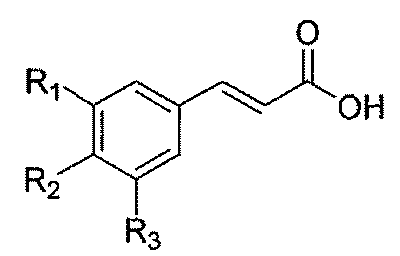
- 上記ケイ皮酸類化合物は、上記式においてR1、R2及びR3のうち少なくとも1つが水酸基であるヒドロキシケイ皮酸類化合物であることを特徴とする請求項4記載の共生促進方法。
- 上記ケイ皮酸類化合物は、ケイ皮酸、p-クマル酸、フェルラ酸、シナピン酸及びコーヒー酸から選ばれる少なくとも1つであることを特徴とする請求項4記載の共生促進方法。
- 下記式にて示されるケイ皮酸類化合物を植物の根に作用させる、植物の製造方法。
(上記式においてR1、R2及びR3は、同一であっても、異なっていてもよく:上記式においてR1、R2及びR3は、独立して、水酸基(OH基)、水素原子(H)、アルコキシ基(OX)、プレニル基のいずれかである(Xは、炭素数1~5のアルキル基)。)
- 上記ケイ皮酸類化合物は、上記式においてR1、R2及びR3のうち少なくとも1つが水酸基であるヒドロキシケイ皮酸類化合物であることを特徴とする請求項7記載の植物の製造方法。
- 上記ケイ皮酸類化合物は、ケイ皮酸、p-クマル酸、フェルラ酸、シナピン酸及びコーヒー酸から選ばれる少なくとも1つであることを特徴とする請求項7記載の植物の製造方法。
Priority Applications (1)
| Application Number | Priority Date | Filing Date | Title |
|---|---|---|---|
| US18/036,739 US20230404075A1 (en) | 2020-11-16 | 2021-11-16 | Rhizobia symbiosis promoting agent and symbiosis promotion method |
Applications Claiming Priority (2)
| Application Number | Priority Date | Filing Date | Title |
|---|---|---|---|
| JP2020190053A JP2022079090A (ja) | 2020-11-16 | 2020-11-16 | 根粒菌の共生促進剤及び共生促進方法 |
| JP2020-190053 | 2020-11-16 |
Publications (1)
| Publication Number | Publication Date |
|---|---|
| WO2022102789A1 true WO2022102789A1 (ja) | 2022-05-19 |
Family
ID=81601410
Family Applications (1)
| Application Number | Title | Priority Date | Filing Date |
|---|---|---|---|
| PCT/JP2021/042115 Ceased WO2022102789A1 (ja) | 2020-11-16 | 2021-11-16 | 根粒菌の共生促進剤及び共生促進方法 |
Country Status (3)
| Country | Link |
|---|---|
| US (1) | US20230404075A1 (ja) |
| JP (1) | JP2022079090A (ja) |
| WO (1) | WO2022102789A1 (ja) |
Citations (4)
| Publication number | Priority date | Publication date | Assignee | Title |
|---|---|---|---|---|
| JPH0823963A (ja) * | 1994-07-21 | 1996-01-30 | Idemitsu Kosan Co Ltd | 植物の栽培方法 |
| JP2003146806A (ja) * | 2001-11-08 | 2003-05-21 | Dainichiseika Color & Chem Mfg Co Ltd | ブロッコリー及びカリフラワー用花蕾促成剤 |
| JP2003171210A (ja) * | 2001-12-10 | 2003-06-17 | Dainichiseika Color & Chem Mfg Co Ltd | 桂皮酸及び桂皮酸誘導体の高濃度水溶液及びその製造方法 |
| JP2012092029A (ja) * | 2010-10-26 | 2012-05-17 | Dainichiseika Color & Chem Mfg Co Ltd | 植物成長調節剤、肥料組成物およびその製造方法 |
-
2020
- 2020-11-16 JP JP2020190053A patent/JP2022079090A/ja active Pending
-
2021
- 2021-11-16 WO PCT/JP2021/042115 patent/WO2022102789A1/ja not_active Ceased
- 2021-11-16 US US18/036,739 patent/US20230404075A1/en active Pending
Patent Citations (4)
| Publication number | Priority date | Publication date | Assignee | Title |
|---|---|---|---|---|
| JPH0823963A (ja) * | 1994-07-21 | 1996-01-30 | Idemitsu Kosan Co Ltd | 植物の栽培方法 |
| JP2003146806A (ja) * | 2001-11-08 | 2003-05-21 | Dainichiseika Color & Chem Mfg Co Ltd | ブロッコリー及びカリフラワー用花蕾促成剤 |
| JP2003171210A (ja) * | 2001-12-10 | 2003-06-17 | Dainichiseika Color & Chem Mfg Co Ltd | 桂皮酸及び桂皮酸誘導体の高濃度水溶液及びその製造方法 |
| JP2012092029A (ja) * | 2010-10-26 | 2012-05-17 | Dainichiseika Color & Chem Mfg Co Ltd | 植物成長調節剤、肥料組成物およびその製造方法 |
Non-Patent Citations (2)
| Title |
|---|
| KAPE RUDIGER, PARNISKE MARTIN, WERNER DIETRICH: "Chemotaxis and nod Gene Activity of Bradyrhizobium japonicum in Response to Hydroxycinnamic Acids and Isoflavonoids", APPLIED AND ENVIRONMENTAL MICROBIOLOGY, vol. 57, no. 1, 1 January 1991 (1991-01-01), pages 316 - 319, XP055929345, DOI: 10.1128/aem.57.1.316-319.1991 * |
| SENEVIRATNE GAMINI, JAYASINGHEARACHCHI H S: "Phenolic acids: Possible agents of modifying N 2 -fixing symbiosis through rhizobial alteration?", PLANT AND SOIL, KLUWER ACADEMIC PUBLISHERS, vol. 252, 1 January 2003 (2003-01-01), pages 385 - 395, XP055929321 * |
Also Published As
| Publication number | Publication date |
|---|---|
| JP2022079090A (ja) | 2022-05-26 |
| US20230404075A1 (en) | 2023-12-21 |
Similar Documents
| Publication | Publication Date | Title |
|---|---|---|
| US7262151B2 (en) | Methods and compositions for production of lipo-chito oligosaccharides by rhizobacteria | |
| JP5389677B2 (ja) | 植物成長調整剤組成物 | |
| UA121062C2 (uk) | Штам бактерій bacillus amyloliquefaciens subsp. plantarum bs89 як засіб підвищення продуктивності рослин та їх захисту від хвороб | |
| CN105103701B (zh) | 南方稻棉轮种田套种紫花苜蓿培肥地力的方法 | |
| US11840489B2 (en) | Symbiosis-promoting agent and method for promoting symbiosis of arbuscular mycorrhizal fungi | |
| JP5915982B2 (ja) | イミダゾール誘導体 | |
| WO2022102789A1 (ja) | 根粒菌の共生促進剤及び共生促進方法 | |
| US2653087A (en) | Method for induction of bud formation in plant tissues | |
| JP7355723B2 (ja) | ヒヨコマメの根粒形成促進剤 | |
| JP2017066118A (ja) | ラン科植物の発芽と共生を促進する技術 | |
| US4534782A (en) | Method for increasing the biological value of manures, dung-waters, organic wastes and/or soils rich in lysine | |
| KR100725531B1 (ko) | 벼에 함유된 칼슘, 마그네슘 및 아밀로펙틴을 증가시키기위한 농사방법 | |
| JP6843379B2 (ja) | 根伸長促進剤 | |
| CN102469789B (zh) | 主食作物生产增收方法 | |
| CN114503989B (zh) | 2-氨基-3-吲哚基丁酸在促进植物生长上的应用 | |
| Hussein et al. | The role of bacteria Bacillus subtilis in improving rooting response of Mung bean (Vigna ratiata) cuttings | |
| HU206943B (en) | Process for increasing growth and health of cultivated plants | |
| UA95599C2 (en) | Flavonoid compounds and using thereof | |
| KR20200093983A (ko) | 묘삼 재배용 비료 조성물 및 이를 이용한 묘삼 재배방법 | |
| Gomathinayagam et al. | The Studies of Effect of Bio Fertilizers Rhizobium, Phosphobacteria, and Root Nodule Extract (R. PB, R+ PB & RNE) on the Growth and Certain Biochemical Changes in the Seedlings of Black Gram & Maize | |
| RU2186768C1 (ru) | Тетрагидрат(+)гидротартрата(+)цис-[2s,5r-1,5-диметил-2-(1-окси-3-пропил)]- пирролидиния, проявляющий морфогенетическую и росторегулирующую активность | |
| JP5528165B2 (ja) | イネの深播耐性付与剤 | |
| CN115141052A (zh) | 一种高海拔户外植物幼苗专用有机肥 | |
| JP2007252248A (ja) | 結球促進剤 | |
| Giri et al. | Impact of INM practices on vegetative growth and flowering of hybrid gerbera (Gerbera jamesoneii B.) cv. shimmer in open field condition. |
Legal Events
| Date | Code | Title | Description |
|---|---|---|---|
| 121 | Ep: the epo has been informed by wipo that ep was designated in this application |
Ref document number: 21892034 Country of ref document: EP Kind code of ref document: A1 |
|
| WWE | Wipo information: entry into national phase |
Ref document number: 18036739 Country of ref document: US |
|
| NENP | Non-entry into the national phase |
Ref country code: DE |
|
| 122 | Ep: pct application non-entry in european phase |
Ref document number: 21892034 Country of ref document: EP Kind code of ref document: A1 |