WO2022085656A1 - 仮眠環境決定システム - Google Patents
仮眠環境決定システム Download PDFInfo
- Publication number
- WO2022085656A1 WO2022085656A1 PCT/JP2021/038515 JP2021038515W WO2022085656A1 WO 2022085656 A1 WO2022085656 A1 WO 2022085656A1 JP 2021038515 W JP2021038515 W JP 2021038515W WO 2022085656 A1 WO2022085656 A1 WO 2022085656A1
- Authority
- WO
- WIPO (PCT)
- Prior art keywords
- nap
- subject
- information
- determination system
- environmental conditions
- Prior art date
- Legal status (The legal status is an assumption and is not a legal conclusion. Google has not performed a legal analysis and makes no representation as to the accuracy of the status listed.)
- Ceased
Links
Images

Classifications
-
- A—HUMAN NECESSITIES
- A61—MEDICAL OR VETERINARY SCIENCE; HYGIENE
- A61M—DEVICES FOR INTRODUCING MEDIA INTO, OR ONTO, THE BODY; DEVICES FOR TRANSDUCING BODY MEDIA OR FOR TAKING MEDIA FROM THE BODY; DEVICES FOR PRODUCING OR ENDING SLEEP OR STUPOR
- A61M21/00—Other devices or methods to cause a change in the state of consciousness; Devices for producing or ending sleep by mechanical, optical, or acoustical means, e.g. for hypnosis
- A61M21/02—Other devices or methods to cause a change in the state of consciousness; Devices for producing or ending sleep by mechanical, optical, or acoustical means, e.g. for hypnosis for inducing sleep or relaxation, e.g. by direct nerve stimulation, hypnosis, analgesia
-
- A—HUMAN NECESSITIES
- A61—MEDICAL OR VETERINARY SCIENCE; HYGIENE
- A61B—DIAGNOSIS; SURGERY; IDENTIFICATION
- A61B5/00—Measuring for diagnostic purposes; Identification of persons
- A61B5/48—Other medical applications
- A61B5/4806—Sleep evaluation
- A61B5/4809—Sleep detection, i.e. determining whether a subject is asleep or not
-
- A—HUMAN NECESSITIES
- A61—MEDICAL OR VETERINARY SCIENCE; HYGIENE
- A61B—DIAGNOSIS; SURGERY; IDENTIFICATION
- A61B5/00—Measuring for diagnostic purposes; Identification of persons
- A61B5/48—Other medical applications
- A61B5/4806—Sleep evaluation
- A61B5/4812—Detecting sleep stages or cycles
-
- F—MECHANICAL ENGINEERING; LIGHTING; HEATING; WEAPONS; BLASTING
- F24—HEATING; RANGES; VENTILATING
- F24F—AIR-CONDITIONING; AIR-HUMIDIFICATION; VENTILATION; USE OF AIR CURRENTS FOR SCREENING
- F24F11/00—Control or safety arrangements
- F24F11/70—Control systems characterised by their outputs; Constructional details thereof
- F24F11/80—Control systems characterised by their outputs; Constructional details thereof for controlling the temperature of the supplied air
-
- G—PHYSICS
- G16—INFORMATION AND COMMUNICATION TECHNOLOGY [ICT] SPECIALLY ADAPTED FOR SPECIFIC APPLICATION FIELDS
- G16H—HEALTHCARE INFORMATICS, i.e. INFORMATION AND COMMUNICATION TECHNOLOGY [ICT] SPECIALLY ADAPTED FOR THE HANDLING OR PROCESSING OF MEDICAL OR HEALTHCARE DATA
- G16H20/00—ICT specially adapted for therapies or health-improving plans, e.g. for handling prescriptions, for steering therapy or for monitoring patient compliance
- G16H20/30—ICT specially adapted for therapies or health-improving plans, e.g. for handling prescriptions, for steering therapy or for monitoring patient compliance relating to physical therapies or activities, e.g. physiotherapy, acupressure or exercising
-
- G—PHYSICS
- G16—INFORMATION AND COMMUNICATION TECHNOLOGY [ICT] SPECIALLY ADAPTED FOR SPECIFIC APPLICATION FIELDS
- G16H—HEALTHCARE INFORMATICS, i.e. INFORMATION AND COMMUNICATION TECHNOLOGY [ICT] SPECIALLY ADAPTED FOR THE HANDLING OR PROCESSING OF MEDICAL OR HEALTHCARE DATA
- G16H40/00—ICT specially adapted for the management or administration of healthcare resources or facilities; ICT specially adapted for the management or operation of medical equipment or devices
- G16H40/60—ICT specially adapted for the management or administration of healthcare resources or facilities; ICT specially adapted for the management or operation of medical equipment or devices for the operation of medical equipment or devices
- G16H40/63—ICT specially adapted for the management or administration of healthcare resources or facilities; ICT specially adapted for the management or operation of medical equipment or devices for the operation of medical equipment or devices for local operation
-
- G—PHYSICS
- G16—INFORMATION AND COMMUNICATION TECHNOLOGY [ICT] SPECIALLY ADAPTED FOR SPECIFIC APPLICATION FIELDS
- G16H—HEALTHCARE INFORMATICS, i.e. INFORMATION AND COMMUNICATION TECHNOLOGY [ICT] SPECIALLY ADAPTED FOR THE HANDLING OR PROCESSING OF MEDICAL OR HEALTHCARE DATA
- G16H50/00—ICT specially adapted for medical diagnosis, medical simulation or medical data mining; ICT specially adapted for detecting, monitoring or modelling epidemics or pandemics
- G16H50/30—ICT specially adapted for medical diagnosis, medical simulation or medical data mining; ICT specially adapted for detecting, monitoring or modelling epidemics or pandemics for calculating health indices; for individual health risk assessment
-
- A—HUMAN NECESSITIES
- A61—MEDICAL OR VETERINARY SCIENCE; HYGIENE
- A61M—DEVICES FOR INTRODUCING MEDIA INTO, OR ONTO, THE BODY; DEVICES FOR TRANSDUCING BODY MEDIA OR FOR TAKING MEDIA FROM THE BODY; DEVICES FOR PRODUCING OR ENDING SLEEP OR STUPOR
- A61M21/00—Other devices or methods to cause a change in the state of consciousness; Devices for producing or ending sleep by mechanical, optical, or acoustical means, e.g. for hypnosis
- A61M2021/0005—Other devices or methods to cause a change in the state of consciousness; Devices for producing or ending sleep by mechanical, optical, or acoustical means, e.g. for hypnosis by the use of a particular sense, or stimulus
- A61M2021/0016—Other devices or methods to cause a change in the state of consciousness; Devices for producing or ending sleep by mechanical, optical, or acoustical means, e.g. for hypnosis by the use of a particular sense, or stimulus by the smell sense
-
- A—HUMAN NECESSITIES
- A61—MEDICAL OR VETERINARY SCIENCE; HYGIENE
- A61M—DEVICES FOR INTRODUCING MEDIA INTO, OR ONTO, THE BODY; DEVICES FOR TRANSDUCING BODY MEDIA OR FOR TAKING MEDIA FROM THE BODY; DEVICES FOR PRODUCING OR ENDING SLEEP OR STUPOR
- A61M21/00—Other devices or methods to cause a change in the state of consciousness; Devices for producing or ending sleep by mechanical, optical, or acoustical means, e.g. for hypnosis
- A61M2021/0005—Other devices or methods to cause a change in the state of consciousness; Devices for producing or ending sleep by mechanical, optical, or acoustical means, e.g. for hypnosis by the use of a particular sense, or stimulus
- A61M2021/0022—Other devices or methods to cause a change in the state of consciousness; Devices for producing or ending sleep by mechanical, optical, or acoustical means, e.g. for hypnosis by the use of a particular sense, or stimulus by the tactile sense, e.g. vibrations
-
- A—HUMAN NECESSITIES
- A61—MEDICAL OR VETERINARY SCIENCE; HYGIENE
- A61M—DEVICES FOR INTRODUCING MEDIA INTO, OR ONTO, THE BODY; DEVICES FOR TRANSDUCING BODY MEDIA OR FOR TAKING MEDIA FROM THE BODY; DEVICES FOR PRODUCING OR ENDING SLEEP OR STUPOR
- A61M21/00—Other devices or methods to cause a change in the state of consciousness; Devices for producing or ending sleep by mechanical, optical, or acoustical means, e.g. for hypnosis
- A61M2021/0005—Other devices or methods to cause a change in the state of consciousness; Devices for producing or ending sleep by mechanical, optical, or acoustical means, e.g. for hypnosis by the use of a particular sense, or stimulus
- A61M2021/0027—Other devices or methods to cause a change in the state of consciousness; Devices for producing or ending sleep by mechanical, optical, or acoustical means, e.g. for hypnosis by the use of a particular sense, or stimulus by the hearing sense
-
- A—HUMAN NECESSITIES
- A61—MEDICAL OR VETERINARY SCIENCE; HYGIENE
- A61M—DEVICES FOR INTRODUCING MEDIA INTO, OR ONTO, THE BODY; DEVICES FOR TRANSDUCING BODY MEDIA OR FOR TAKING MEDIA FROM THE BODY; DEVICES FOR PRODUCING OR ENDING SLEEP OR STUPOR
- A61M21/00—Other devices or methods to cause a change in the state of consciousness; Devices for producing or ending sleep by mechanical, optical, or acoustical means, e.g. for hypnosis
- A61M2021/0005—Other devices or methods to cause a change in the state of consciousness; Devices for producing or ending sleep by mechanical, optical, or acoustical means, e.g. for hypnosis by the use of a particular sense, or stimulus
- A61M2021/0044—Other devices or methods to cause a change in the state of consciousness; Devices for producing or ending sleep by mechanical, optical, or acoustical means, e.g. for hypnosis by the use of a particular sense, or stimulus by the sight sense
-
- A—HUMAN NECESSITIES
- A61—MEDICAL OR VETERINARY SCIENCE; HYGIENE
- A61M—DEVICES FOR INTRODUCING MEDIA INTO, OR ONTO, THE BODY; DEVICES FOR TRANSDUCING BODY MEDIA OR FOR TAKING MEDIA FROM THE BODY; DEVICES FOR PRODUCING OR ENDING SLEEP OR STUPOR
- A61M21/00—Other devices or methods to cause a change in the state of consciousness; Devices for producing or ending sleep by mechanical, optical, or acoustical means, e.g. for hypnosis
- A61M2021/0005—Other devices or methods to cause a change in the state of consciousness; Devices for producing or ending sleep by mechanical, optical, or acoustical means, e.g. for hypnosis by the use of a particular sense, or stimulus
- A61M2021/0066—Other devices or methods to cause a change in the state of consciousness; Devices for producing or ending sleep by mechanical, optical, or acoustical means, e.g. for hypnosis by the use of a particular sense, or stimulus with heating or cooling
-
- A—HUMAN NECESSITIES
- A61—MEDICAL OR VETERINARY SCIENCE; HYGIENE
- A61M—DEVICES FOR INTRODUCING MEDIA INTO, OR ONTO, THE BODY; DEVICES FOR TRANSDUCING BODY MEDIA OR FOR TAKING MEDIA FROM THE BODY; DEVICES FOR PRODUCING OR ENDING SLEEP OR STUPOR
- A61M2205/00—General characteristics of the apparatus
- A61M2205/33—Controlling, regulating or measuring
- A61M2205/3306—Optical measuring means
-
- A—HUMAN NECESSITIES
- A61—MEDICAL OR VETERINARY SCIENCE; HYGIENE
- A61M—DEVICES FOR INTRODUCING MEDIA INTO, OR ONTO, THE BODY; DEVICES FOR TRANSDUCING BODY MEDIA OR FOR TAKING MEDIA FROM THE BODY; DEVICES FOR PRODUCING OR ENDING SLEEP OR STUPOR
- A61M2205/00—General characteristics of the apparatus
- A61M2205/33—Controlling, regulating or measuring
- A61M2205/3368—Temperature
- A61M2205/3372—Temperature compensation
-
- A—HUMAN NECESSITIES
- A61—MEDICAL OR VETERINARY SCIENCE; HYGIENE
- A61M—DEVICES FOR INTRODUCING MEDIA INTO, OR ONTO, THE BODY; DEVICES FOR TRANSDUCING BODY MEDIA OR FOR TAKING MEDIA FROM THE BODY; DEVICES FOR PRODUCING OR ENDING SLEEP OR STUPOR
- A61M2205/00—General characteristics of the apparatus
- A61M2205/33—Controlling, regulating or measuring
- A61M2205/3375—Acoustical, e.g. ultrasonic, measuring means
-
- A—HUMAN NECESSITIES
- A61—MEDICAL OR VETERINARY SCIENCE; HYGIENE
- A61M—DEVICES FOR INTRODUCING MEDIA INTO, OR ONTO, THE BODY; DEVICES FOR TRANSDUCING BODY MEDIA OR FOR TAKING MEDIA FROM THE BODY; DEVICES FOR PRODUCING OR ENDING SLEEP OR STUPOR
- A61M2230/00—Measuring parameters of the user
- A61M2230/04—Heartbeat characteristics, e.g. ECG, blood pressure modulation
- A61M2230/06—Heartbeat rate only
-
- A—HUMAN NECESSITIES
- A61—MEDICAL OR VETERINARY SCIENCE; HYGIENE
- A61M—DEVICES FOR INTRODUCING MEDIA INTO, OR ONTO, THE BODY; DEVICES FOR TRANSDUCING BODY MEDIA OR FOR TAKING MEDIA FROM THE BODY; DEVICES FOR PRODUCING OR ENDING SLEEP OR STUPOR
- A61M2230/00—Measuring parameters of the user
- A61M2230/08—Other bio-electrical signals
- A61M2230/10—Electroencephalographic signals
-
- A—HUMAN NECESSITIES
- A61—MEDICAL OR VETERINARY SCIENCE; HYGIENE
- A61M—DEVICES FOR INTRODUCING MEDIA INTO, OR ONTO, THE BODY; DEVICES FOR TRANSDUCING BODY MEDIA OR FOR TAKING MEDIA FROM THE BODY; DEVICES FOR PRODUCING OR ENDING SLEEP OR STUPOR
- A61M2230/00—Measuring parameters of the user
- A61M2230/30—Blood pressure
-
- A—HUMAN NECESSITIES
- A61—MEDICAL OR VETERINARY SCIENCE; HYGIENE
- A61M—DEVICES FOR INTRODUCING MEDIA INTO, OR ONTO, THE BODY; DEVICES FOR TRANSDUCING BODY MEDIA OR FOR TAKING MEDIA FROM THE BODY; DEVICES FOR PRODUCING OR ENDING SLEEP OR STUPOR
- A61M2230/00—Measuring parameters of the user
- A61M2230/40—Respiratory characteristics
-
- A—HUMAN NECESSITIES
- A61—MEDICAL OR VETERINARY SCIENCE; HYGIENE
- A61M—DEVICES FOR INTRODUCING MEDIA INTO, OR ONTO, THE BODY; DEVICES FOR TRANSDUCING BODY MEDIA OR FOR TAKING MEDIA FROM THE BODY; DEVICES FOR PRODUCING OR ENDING SLEEP OR STUPOR
- A61M2230/00—Measuring parameters of the user
- A61M2230/50—Temperature
-
- A—HUMAN NECESSITIES
- A61—MEDICAL OR VETERINARY SCIENCE; HYGIENE
- A61M—DEVICES FOR INTRODUCING MEDIA INTO, OR ONTO, THE BODY; DEVICES FOR TRANSDUCING BODY MEDIA OR FOR TAKING MEDIA FROM THE BODY; DEVICES FOR PRODUCING OR ENDING SLEEP OR STUPOR
- A61M2230/00—Measuring parameters of the user
- A61M2230/63—Motion, e.g. physical activity
-
- F—MECHANICAL ENGINEERING; LIGHTING; HEATING; WEAPONS; BLASTING
- F24—HEATING; RANGES; VENTILATING
- F24F—AIR-CONDITIONING; AIR-HUMIDIFICATION; VENTILATION; USE OF AIR CURRENTS FOR SCREENING
- F24F2110/00—Control inputs relating to air properties
- F24F2110/10—Temperature
-
- F—MECHANICAL ENGINEERING; LIGHTING; HEATING; WEAPONS; BLASTING
- F24—HEATING; RANGES; VENTILATING
- F24F—AIR-CONDITIONING; AIR-HUMIDIFICATION; VENTILATION; USE OF AIR CURRENTS FOR SCREENING
- F24F2110/00—Control inputs relating to air properties
- F24F2110/20—Humidity
-
- F—MECHANICAL ENGINEERING; LIGHTING; HEATING; WEAPONS; BLASTING
- F24—HEATING; RANGES; VENTILATING
- F24F—AIR-CONDITIONING; AIR-HUMIDIFICATION; VENTILATION; USE OF AIR CURRENTS FOR SCREENING
- F24F2110/00—Control inputs relating to air properties
- F24F2110/50—Air quality properties
- F24F2110/60—Odour
-
- F—MECHANICAL ENGINEERING; LIGHTING; HEATING; WEAPONS; BLASTING
- F24—HEATING; RANGES; VENTILATING
- F24F—AIR-CONDITIONING; AIR-HUMIDIFICATION; VENTILATION; USE OF AIR CURRENTS FOR SCREENING
- F24F2120/00—Control inputs relating to users or occupants
- F24F2120/10—Occupancy
- F24F2120/14—Activity of occupants
-
- F—MECHANICAL ENGINEERING; LIGHTING; HEATING; WEAPONS; BLASTING
- F24—HEATING; RANGES; VENTILATING
- F24F—AIR-CONDITIONING; AIR-HUMIDIFICATION; VENTILATION; USE OF AIR CURRENTS FOR SCREENING
- F24F2130/00—Control inputs relating to environmental factors not covered by group F24F2110/00
- F24F2130/40—Noise
Definitions
- Patent Document 1 Patent No. 4466654 discloses a sleep state improvement system and a sleep state improvement method capable of improving a user's sleep state even when the user goes out.
- Patent Document 1 the case where the user takes a nap has not been examined in detail. Therefore, the sleeping environment provided by the system and method of Patent Document 1 is not always suitable for a user who takes a nap.
- the nap environment determination system of the first viewpoint is a system for determining the environmental conditions at the time of nap, and includes a pre-nap information acquisition unit and a determination unit.
- the pre-nap information acquisition unit acquires pre-nap information about the subject who takes a nap before the subject takes a nap.
- the judgment unit determines the environmental conditions for adjusting the sleep depth based on the pre-nap information.
- This nap environment determination system is a system that determines the environmental conditions during nap, and the judgment unit determines the environmental conditions for adjusting the sleep depth based on the pre-nap information.
- the pre-nap information is information about a subject who takes a nap, and is information acquired before the subject takes a nap.
- the nap environment determination system can determine the environmental conditions at the time of nap based on the environmental conditions for adjusting the sleep depth determined by the determination unit. Therefore, the nap environment determination system according to the first aspect can provide a nap environment suitable for the subject.
- the nap environment determination system of the second viewpoint is the system of the first viewpoint and further includes a creation unit. Based on the judgment of the judgment department, the preparation department creates a nap plan regarding the environmental conditions for adjusting the sleep depth.
- the nap plan includes the number of times the environmental conditions are adjusted, the time when the environmental conditions are adjusted, the target transition of the sleep state switched by the adjustment of the environmental conditions, and the control parameters for adjusting the environmental conditions.
- the creation department creates a nap plan regarding environmental conditions for adjusting the sleep depth based on the judgment of the judgment department.
- the nap environment determination system can determine the environmental conditions at the time of nap based on the nap plan created by the preparation unit. Therefore, the nap environment determination system according to the second aspect can provide a nap environment suitable for the subject.
- the nap environment determination system of the third viewpoint is a system of the first viewpoint or the second viewpoint, and further includes a nap information acquisition unit and an update unit.
- the nap information acquisition unit acquires nap information about the subject who is taking a nap during the nap of the subject.
- the update unit updates the nap plan based on the nap information during the nap of the subject.
- the update unit updates the nap plan based on the nap information during the nap of the subject.
- the nap information is information about the subject who is taking a nap, and is information acquired during the nap of the subject.
- the nap environment determination system can determine the environmental conditions during the nap based on the nap plan updated during the nap of the subject. Therefore, the nap environment determination system according to the third aspect can provide a nap environment more suitable for the subject.
- the nap environment determination system of the fourth viewpoint is any of the systems from the first viewpoint to the third viewpoint, and the information before the nap is the subject's sleep onset time, average sleep onset time, wake-up time of the previous day, and average. Includes at least one of wake-up time and drowsiness.
- the pre-nap information includes at least one of the subject's gender, age, and desired nap time.
- the nap environment determination system can determine the environmental conditions at the time of nap based on the characteristics of the subject. Therefore, the nap environment determination system according to the fourth aspect can provide a nap environment more suitable for the subject.
- the nap environment determination system of the fifth viewpoint is any of the systems from the first viewpoint to the fourth viewpoint, and the information before the nap is the subject's fatigue level, the sleep time of the previous day, and the average sleep time. Including at least one of them.
- the nap environment determination system can determine the environmental conditions at the time of nap based on the characteristics of the subject. Therefore, the nap environment determination system according to the fifth aspect can provide a nap environment more suitable for the subject.
- the nap environment determination system of the sixth viewpoint is any of the systems from the first viewpoint to the fifth viewpoint, and the pre-nap information is manually input by the subject and a nap which is a device for acquiring the information of the subject. It is acquired from at least one of the previous information acquisition devices.
- the nap environment determination system of the 7th viewpoint is any of the systems of the 3rd to 6th viewpoints, and the nap information includes heartbeat, electrocardiogram, pulse wave, electroencephalogram, respiration, blood pressure, body temperature, and body. Includes at least one of the movements. Further, the nap information includes at least one of temperature, humidity, airflow, illuminance, noise, odor, bedding temperature, and bedding inclination in the space where the nap subject exists.
- the nap information is acquired by the nap information acquisition device installed in the space where the nap subject exists.
- the nap environment determination system can determine the environmental conditions during the nap based on the current characteristics of the subject and the current characteristics of the space in which the subject resides. Therefore, the nap environment determination system according to the seventh aspect can provide a nap environment more suitable for the subject.
- the nap environment determination system of the eighth viewpoint is any of the systems of the second to seventh viewpoints, and the sleep state includes a wakefulness state, a REM sleep state, a light sleep state, and a deep sleep state.
- the nap environment determination system of the ninth viewpoint is any of the systems from the second viewpoint to the eighth viewpoint, and the environmental conditions are the thermal environment, the lighting environment, and the thermal in the bedding in the space where the subject during the nap exists. Includes at least one of environment, bedding posture, and sound environment.
- the nap environment determination system of the tenth viewpoint is any of the systems from the second viewpoint to the ninth viewpoint, and further includes an environmental condition adjusting device and an actuator.
- the environmental condition adjustment device is a device that adjusts the environmental condition based on the nap plan.
- the actuator controls the environmental condition adjusting device.
- Environmental condition adjusting equipment includes an air conditioner and bedding having a temperature adjusting unit.
- This nap environment determination system further includes an environmental condition adjustment device that adjusts the environmental conditions based on the nap plan, and an actuator that controls the environmental condition adjustment device. According to this configuration, the environmental conditions can be adjusted by the environmental condition adjusting device.
- the nap environment determination system 1 is a system for determining environmental conditions during nap.
- the environmental condition at the time of nap includes at least one of temperature, humidity, air flow, illuminance, noise, bedding temperature, and bedding inclination in the space where the subject during nap is present.
- the nap environment determination system 1 provides environmental conditions during nap so that the sleep depth during nap becomes deeper, the sleep depth during nap becomes shallow, or the sleep depth during nap is maintained. To decide. Details will be described later.
- the nap environment determination system 1 mainly includes a pre-nap information acquisition unit 10, a nap information acquisition unit 20, a determination unit 30, a creation unit 40, and an update unit 50. , A nap information acquisition device 60, a nap information acquisition device 70, an environmental condition adjustment device 100, and an actuator 110.
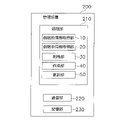
- the pre-nap information acquisition unit 10 the nap information acquisition unit 20, the determination unit 30, the creation unit 40, and the update unit 50 are included in the management device 200. (See Fig. 2).
- the subject takes a nap on the bedding 102 in the space RM in which the pre-nap information acquisition device 60, the nap information acquisition device 70, and the like are installed.
- “nap” refers to sleep for, for example, 10 minutes or more and 3 hours or less. Further, the "nap” shall be started when the subject is on the bedding 102. Therefore, as long as the subject is on the bedding 102, it is considered that the subject is taking a nap even if the subject is awake.
- pre-nap information regarding the subject who takes a nap is acquired by the pre-nap information acquisition device 60 before the subject's nap.
- the pre-nap information includes at least one of the previous day's sleep onset time, average sleep onset time, previous day's wake-up time, average wake-up time, drowsiness, and desired nap time of the subject.
- the pre-nap information includes at least one of the subject's gender, age, and desired nap time.
- the pre-nap information includes at least one of the subject's fatigue level, previous day's sleep time, and average sleep time.
- the determination unit 30 of the nap environment determination system 1 determines the environmental conditions for adjusting the sleep depth based on the pre-nap information.
- the creation unit 40 of the nap environment determination system 1 creates a nap plan regarding the environmental conditions for adjusting the sleep depth based on the judgment of the determination unit 30.
- the nap environment determination system 1 adjusts the environmental conditions based on the nap plan created by the creation unit 40.
- the nap information regarding the subject during the nap is acquired by the nap information acquisition device 70 during the nap of the subject.
- the nap information includes at least one of the subject's heartbeat, electrocardiogram, pulse wave, electroencephalogram, respiration, blood pressure, body temperature, and body movement. Further, the nap information includes at least one of temperature, humidity, air flow, illuminance, noise, odor, bedding temperature, and bedding inclination in the space RM in which the subject during nap is present.
- the update unit 50 of the nap environment determination system 1 updates the nap plan based on the nap information.
- the nap environment determination system 1 adjusts the environmental conditions based on the updated nap plan. By adjusting the environmental conditions, the sleep depth of the subject is adjusted.
- the pre-nap information acquisition device 60 is a device for acquiring pre-nap information.
- the pre-nap information acquisition device 60 according to the present embodiment is a wearable device such as a smart watch or a smart glass.
- the pre-nap information acquisition device 60 acquires pre-nap information by, for example, a sensor such as a vital sensor built in the pre-nap information acquisition device 60.
- the pre-nap information acquisition device 60 acquires pre-nap information, for example, by accepting manual input from the target person.
- the pre-nap information acquisition device 60 is, for example, an information terminal (not shown) in which pre-nap information is recorded (for example, a computer installed at the subject's home or workplace), a communication network NW1 or the like. Information before nap is acquired by communicating via.
- the pre-nap information acquisition device 60 is not limited to a single device, and may be configured by combining a plurality of devices. Further, the pre-nap information acquisition device 60 is not limited to the wearable device, and can be appropriately changed. Therefore, the pre-nap information acquisition device 60 may be, for example, a smartphone or the like.
- the nap information acquisition device 70 is a device that acquires nap information.
- the nap information acquisition device 70 according to the present embodiment is, but is not limited to, a sensor unit installed in a space RM in which a nap subject exists, for example. More specifically, the nap information acquisition device 70 according to the present embodiment includes any one of a vital sensor, a motion sensor, an electroencephalograph, and a heart rate monitor. Further, the nap information acquisition device 70 according to the present embodiment has an air temperature sensor, an air humidity sensor, an air flow sensor, an illuminance sensor, a sound pressure sensor for detecting a noise level, and an odor for detecting the amount of an odor component contained in the air. Further includes any one of a sensor, a temperature sensor that detects the temperature of the bedding 102, and an inclination sensor that detects the inclination of the bedding 102.
- the nap information acquisition device 70 is not limited to a single device, and may be configured by combining a plurality of devices. Further, the nap information acquisition device 70 is not limited to the above sensor unit, and may be appropriately selected.
- the environmental condition adjusting device 100 is a device that adjusts the environmental conditions.
- the environmental condition includes at least one of a thermal environment, a lighting environment, a thermal environment in the bedding, a bedding posture, an odor environment, and a sound environment in the space RM in which the subject during the nap is present.
- the environmental condition adjusting device 100 includes an air conditioner 101 and a bedding 102 having a temperature adjusting unit. Further, the environmental condition adjusting device 100 may include a lighting device 103, a speaker 104, and a scent dispenser 105.
- the air conditioner 101 is a device capable of adjusting the air temperature and air humidity of the space RM, and is a device capable of adjusting the thermal environment in the space RM in which the subject who is taking a nap is present.
- the bedding 102 is a device composed of, for example, an electric blanket 102a as a temperature control unit and a bed 102b whose posture can be changed. It is a device that can adjust the posture.
- the lighting device 103 is, for example, a device capable of changing the illuminance, and is a device capable of adjusting the lighting environment in the space RM in which the subject who is taking a nap exists.
- the speaker 104 is, for example, a device capable of adjusting the volume, and is a device capable of adjusting the sound environment in the space RM in which the subject who is taking a nap exists.
- the scent dispenser 105 contains, for example, a plurality of fragrances, and by generating a scent using one fragrance and / or a plurality of fragrances, it is possible to adjust the odor environment in the space RM in which the subject taking a nap is present. It is a possible device.
- the nap environment determination system 1 includes an actuator 110 that controls the environmental condition adjusting device 100. More specifically, the nap environment determination system 1 includes an actuator 110 that controls the operation of the environmental condition adjusting device 100.
- the actuator 110 according to the present embodiment is built in the air conditioner 101, the bedding 102, etc. as the environmental condition adjusting device 100. By controlling the actuator 110, the nap environment determination system 1 controls the thermal environment, the lighting environment, the thermal environment in the bedding, the bedding posture, the odor environment, and the sound environment in the space RM in which the subject during the nap exists. At least one of them can be controlled.
- the management device 200 is, for example, a computer device including a processing unit 210, a communication unit 220, and a storage unit 230.
- the management device 200 is installed in a space different from the space RM.
- the management device 200 is a device for managing the environmental conditions of the space RM.
- the management device 200 is connected to each of the pre-nap information acquisition device 60, the nap information acquisition device 70, and the environmental condition adjustment device 100 via the communication network NW1 by the function of the communication unit 220.
- the management device 200 constituting the nap environment determination system 1 will be described with reference to the figure.
- the management device 200 may not have a part or all of the functions described in the present embodiment.
- a part or all of the functions of the management device 200 described below may be realized by a server or the like installed at a place different from the management device 200.
- FIG. 2 is a block diagram showing the configuration of the management device 200.
- the management device 200 according to the present embodiment includes a processing unit 210, a communication unit 220, and a storage unit 230.
- the processing unit 210 is configured to include a CPU. By reading and executing various programs stored in the storage unit 230, the CPU of the processing unit 210 reads and executes the pre-nap information acquisition unit 10, the nap information acquisition unit 20, the determination unit 30, the creation unit 40, and the like. , Functions as the update unit 50.
- the pre-nap information acquisition unit 10 acquires pre-nap information. Specifically, the pre-nap information acquisition unit 10 acquires pre-nap information from the pre-nap information acquisition device 60 via the communication network NW1 by the communication unit 220 described later. The pre-nap information acquisition unit 10 may acquire pre-nap information by accepting manual input from the target person. In other words, the pre-nap information acquisition unit 10 may acquire pre-nap information without going through the pre-nap information acquisition device 60.
- the nap information acquisition unit 20 acquires the nap information. Specifically, the nap information acquisition unit 20 acquires nap information from the nap information acquisition device 70 via the communication network NW1 by the communication unit 220 described later.
- the determination unit 30 determines the environmental conditions for adjusting the sleep depth of the subject based on the pre-nap information. In other words, the determination unit 30 determines how the environmental conditions can be adjusted to adjust the sleep depth of the subject.
- the adjustment of the sleep depth means any one of deepening the sleep depth, making the sleep depth shallow, and maintaining the sleep depth. Therefore, the determination unit 30 has a function of determining how to adjust the environmental conditions to make the sleep depth of the subject deeper, shallower, and maintain it. It can be rephrased as a department.
- the creation unit 40 Based on the judgment of the judgment unit 30, the creation unit 40 creates a nap plan regarding the environmental conditions for adjusting the sleep depth.
- the nap plan includes the number of times the environmental conditions are adjusted, the time when the environmental conditions are adjusted, the target transition of the sleep state switched by the adjustment of the environmental conditions, and the control parameters for adjusting the environmental conditions.
- the nap environment determination system 1 adjusts the environmental conditions according to the nap plan. Details will be described later.
- Update unit 50 updates the nap plan based on the nap information during the nap of the subject. As described above, the nap information is information acquired during the nap of the subject. When the nap plan is updated by the update unit 50, the nap environment determination system 1 adjusts the environmental conditions of the subject according to the updated nap plan.
- the communication unit 220 executes communication with an external network including the communication network NW1.
- various data are exchanged between the management device 200 and various devices including the pre-nap information acquisition device 60, the nap information acquisition device 70, and the environmental condition adjustment device 100.
- the storage unit 230 includes a medium for recording information such as stored programs and data so that a processor or the like can read the information.
- each of the above functions is realized by reading the program stored in the storage unit 230 by the CPU or the like constituting the processing unit 210.
- the storage unit 230 includes a system memory such as a RAM (RandomAccessMemory) or a ROM (ReadOnlyMemory), and an auxiliary storage device.
- the auxiliary storage device may be, for example, a magnetic recording medium such as a hard disk, an optical recording medium such as a CD or DVD, or a semiconductor memory such as a flash memory.
- the nap plan is a plan relating to environmental conditions for adjusting the sleep depth of the subject, and is a plan created by the preparation unit 40.
- the preparation unit 40 creates a nap plan based on the judgment of the judgment unit 30.
- the determination unit 30 determines the environmental conditions for adjusting the sleep depth of the subject based on the pre-nap information.
- the subject's age, gender, average sleep onset time, average wake-up time, average sleep time, drowsiness, fatigue level, previous day's sleep time, and desired nap time are acquired as pre-nap information. do.
- the determination unit 30 determines the nap condition for adjusting the sleep depth of the subject based on the above-mentioned pre-nap information. For example, the determination unit 30 determines the number of times the environmental conditions are adjusted. Further, the determination unit 30 determines, for example, the time when the environmental conditions are adjusted. Further, the determination unit 30 determines, for example, how to change the sleep state. Further, the determination unit 30 determines how to adjust the control parameters for adjusting the environmental conditions, for example.
- the control parameters for adjusting the environmental conditions include, for example, at least one of temperature, humidity, air flow, illuminance, noise, odor, bedding temperature, and bedding inclination.
- the sleep state of the subject includes a REM sleep state, a light sleep state, a deep sleep state, and a wakefulness state.
- the light sleep state refers to a state in which the subject is in stage 1 or stage 2 sleep.
- the deep sleep state refers to a state in which the subject is in stage 3 or stage 4 sleep.
- Wakefulness refers to a sleep state that does not fall under any of REM sleep state, light sleep state, and deep sleep state.
- the preparation unit 40 creates a nap plan based on the judgment of the judgment unit 30 as described above.
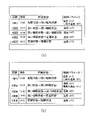
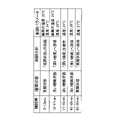
- (A) and (b) of FIG. 3 are an example of a nap plan created by the preparation unit 40.
- FIG. 3A shows a nap plan immediately after being created by the creating unit 40.
- FIG. 3B shows a nap plan updated by the update unit 50.
- the nap plan immediately after being created by the creation unit 40 includes the number of times the environmental conditions are adjusted, the time when the environmental conditions are adjusted, and the sleep state that is switched by the adjustment of the environmental conditions. Includes target transitions and control parameters for adjusting environmental conditions.
- the nap environment determination system 1 plans to adjust the sleep depth according to the nap plan created by the creation unit 40.
- the nap environment determination system 1 adjusts the first environmental condition at 13:00 (at the same time as the start of the nap) at 13:15.
- the second adjustment of the environmental condition is performed
- the third adjustment of the environmental condition is performed at 13:30
- the fourth adjustment of the environmental condition is performed at 14:00
- the fifth adjustment of the environmental condition is performed at 14:15.
- the air conditioner 101 and the electric blanket 102a as the environmental condition adjusting device 100 are set so that the temperature (air temperature of the space RM) is 24 ° C and the temperature of the bedding is 30 ° C. I plan to control the behavior of.
- the second adjustment of environmental conditions it is planned to control the operation of the air conditioner 101 so that the temperature becomes 22 ° C.
- the third adjustment of environmental conditions it is planned to control the operation of the air conditioner 101 so that the temperature becomes 24 ° C.
- the fourth adjustment of environmental conditions it is planned to control the operation of the air conditioner 101 so that the temperature becomes 26 ° C.
- the fifth adjustment of environmental conditions it is planned to control the operation of the air conditioner 101 so that the temperature becomes 27 ° C.
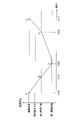
- the sleep state of the subject will switch from the awake state to the light sleep state by adjusting the environmental conditions for the first time (see point A in FIG. 4).
- the subject's sleep state will switch from a light sleep state to a deep sleep state by adjusting the environmental conditions for the second time (see point B in FIG. 4). It is expected that the subject's sleep state will switch from a deep sleep state to a light sleep state by adjusting the environmental conditions for the third time (see point C in FIG. 4). It is expected that the subject's sleep state will switch from a shallow state to a wakeful state by adjusting the environmental conditions for the fourth time (see point D in FIG. 4). By adjusting the environmental conditions for the fifth time, it is expected that the sleeping state of the subject will be maintained in the awake state (see point E in FIG. 4).
- the nap plan according to the present embodiment is updated in real time by the function of the update unit 50 during the nap of the subject.
- the nap information is acquired.
- the heartbeat, respiration, and body temperature of the subject are acquired as the nap information.
- the heart rate of the subject for one minute is acquired as the “heart rate”.
- breathing it is assumed that the average number of breaths per minute of the subject is acquired.
- the nap environment determination system 1 can, for example, switch the sleep state of the subject during the nap or the body temperature of the subject during the nap. Can be grasped that is rising.
- the update unit 50 updates the nap plan based on the nap information.
- FIG. 3B shows an example of an updated nap plan.
- the nap environment determination system 1 adjusts the second environmental condition, which was scheduled to be performed at 13:15, at 13:12. Change the schedule to do in minutes.
- the operation of the electric blanket 102a is controlled so that the temperature of the bedding becomes 28 ° C. In this way, when the nap plan is updated, the nap environment determination system 1 adjusts the environmental conditions according to the nap plan updated by the update unit 50.
- the nap plan is updated repeatedly based on the nap information acquired in real time.
- the nap environment determination system 1 adjusts the environmental conditions according to the updated nap plan each time the nap plan is updated.
- the content of the nap plan shown in FIG. 3 (a) and the content of the updated nap plan shown in FIG. 3 (b) are merely examples and can be changed as appropriate. Therefore, for example, a nap plan may be created in which the lighting device 103, the speaker 104, and the scent dispenser 105 are operated for adjusting the sleep depth.
- the environmental conditions are adjusted according to the nap plan. More specifically, the environmental conditions that lead to deep sleep during nap, the environmental conditions that lead to light sleep during nap, and the environmental conditions for maintaining the sleep depth during nap are determined. Therefore, the nap environment determination system 1 according to the present embodiment can provide a nap environment suitable for the subject.
- the environment at the time of nap is controlled in detail according to the nap plan. Therefore, even for a short sleep such as a nap, it is possible to provide a nap environment suitable for the subject.
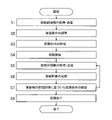
- FIG. 5 is a flowchart showing an example of the operation flow of the nap environment determination system 1.
- the contents of the steps shown in FIG. 5 can be changed as appropriate. For example, the order of steps may be changed within a consistent range, some steps may be executed in parallel with other steps, or other steps may be newly added.
- step S1 the pre-nap information acquisition device 60 of the nap environment determination system 1 acquires the pre-nap information and transmits the pre-nap information to the pre-nap information acquisition unit 10.
- step S2 the determination unit 30 of the nap environment determination system 1 determines the environmental conditions for adjusting the sleep depth of the subject based on the pre-nap information.
- step S3 the creating unit 40 creates a nap plan based on the determination of the determining unit 30.
- step S4 the subject's nap is started.
- the nap environment determination system 1 adjusts the environmental conditions of the subject who takes a nap based on the nap plan.
- step S5 the nap information acquisition device 70 of the nap environment determination system 1 acquires the nap information during the nap of the target person, and transmits the nap information to the nap information acquisition unit 20.
- step S6 the nap plan is updated by the update unit 50 of the nap environment determination system 1.
- step S7 the nap environment determination system 1 adjusts the environmental conditions of the subject during the nap based on the updated nap plan.
- the nap environment determination system 1 continues the processes of steps S5 to S7 until the subject's nap is completed.
- step S8 the subject's nap ends.
- the nap environment determination system 1 determines the environmental conditions during the nap.
- Patent Document 1 discloses a sleep state improving system and a sleep state improving method capable of improving a user's sleep state even when the user (target person) goes out.
- Patent Document 1 the case where the user takes a nap has not been examined in detail. Therefore, the sleeping environment provided by the system and method of Patent Document 1 is not always suitable for a user who takes a nap.
- the nap environment determination system 1 is a system for determining an environment during a nap, and includes a pre-nap information acquisition unit 10 and a determination unit 30.
- the pre-nap information acquisition unit 10 acquires pre-nap information regarding the subject who takes a nap before the subject takes a nap.
- the determination unit 30 determines the environmental conditions for adjusting the sleep depth based on the pre-nap information.
- This nap environment determination system 1 is a system for determining the environmental conditions at the time of nap, and the determination unit 30 determines the environmental conditions for adjusting the sleep depth based on the pre-nap information.
- the pre-nap information is information about a subject who takes a nap, and is information acquired before the subject takes a nap.
- the nap environment determination system 1 can determine the environmental conditions during the nap based on the environmental conditions for adjusting the sleep depth determined by the determination unit 30. More specifically, the environmental conditions for deepening the sleep depth of the subject during nap, the environmental conditions for shallowing the sleep depth of the subject during nap, and the environmental conditions for maintaining the sleep depth of the subject during nap. Can be decided. Therefore, the nap environment determination system 1 according to the present embodiment can provide a nap environment suitable for the subject.
- the nap environment determination system 1 further includes a creation unit 40. Based on the judgment of the judgment unit 30, the creation unit 40 creates a nap plan regarding the environmental conditions for adjusting the sleep depth.
- the nap plan includes the number of times the environmental conditions are adjusted, the time when the environmental conditions are adjusted, the target transition of the sleep state switched by the adjustment of the environmental conditions, and the control parameters for adjusting the environmental conditions.
- the creation unit 40 creates a nap plan regarding environmental conditions for adjusting the sleep depth based on the judgment of the determination unit 30.
- the nap environment determination system 1 can determine the environmental conditions at the time of nap based on the nap plan created by the creation unit 40. Therefore, the nap environment determination system 1 according to the present embodiment can provide a nap environment suitable for the subject.
- the nap environment determination system 1 further includes a nap information acquisition unit 20 and an update unit 50.
- the nap information acquisition unit 20 acquires nap information about the subject who is taking a nap during the nap of the subject.
- the update unit 50 updates the nap plan based on the nap information during the nap of the subject.
- the update unit 50 updates the nap plan based on the nap information during the nap of the subject.
- the nap information is information about the subject who is taking a nap, and is information acquired during the nap of the subject.
- the nap environment determination system 1 can determine the environmental conditions during the nap based on the nap plan updated during the nap of the subject. Therefore, the nap environment determination system 1 according to the present embodiment can provide a nap environment more suitable for the subject.
- the pre-nap information includes at least one of the previous day's sleep onset time, average sleep onset time, previous day's wake-up time, average wake-up time, and drowsiness. ..
- the pre-nap information includes at least one of the subject's gender, age, and desired nap time.
- the nap environment determination system 1 In this nap environment determination system 1, information specific to the target person is acquired as pre-nap information. According to this configuration, the nap environment determination system 1 can determine the environmental conditions at the time of nap according to the characteristics of the subject. Therefore, the nap environment determination system 1 according to the present embodiment can provide a nap environment more suitable for the subject.
- the pre-nap information further includes at least one of the subject's fatigue level, the sleep time of the previous day, and the average sleep time.
- the nap environment determination system 1 In this nap environment determination system 1, information specific to the target person is acquired as pre-nap information. According to this configuration, the nap environment determination system 1 can determine the environmental conditions at the time of nap according to the characteristics of the subject. Therefore, the nap environment determination system 1 according to the present embodiment can provide a nap environment more suitable for the subject.
- the pre-nap information is manually input by the target person and acquired from at least one of the pre-nap information acquisition device 60, which is a device for acquiring the target person's information.
- the pre-nap information acquisition device 60 which is a device for acquiring the target person's information.
- the nap information includes at least one of heartbeat, electrocardiogram, pulse wave, electroencephalogram, respiration, blood pressure, body temperature, and body movement. Further, the nap information includes at least one of temperature, humidity, air flow, illuminance, noise, odor, bedding temperature, and bedding inclination in the space RM in which the subject during nap is present.
- the nap information is acquired by the nap information acquisition device 70 installed in the space where the nap subject exists.
- the nap environment determination system 1 In this nap environment determination system 1, biological information peculiar to the target person and information peculiar to the space RM in which the target person exists are acquired as nap information. Further, the nap information is information acquired during the nap of the subject. According to this configuration, the nap environment determination system 1 can determine the environmental conditions at the time of nap based on the current characteristics of the subject and the current characteristics of the space RM in which the subject exists. Therefore, the nap environment determination system 1 according to the present embodiment can provide a nap environment more suitable for the subject.
- the sleep state includes a wakefulness state, a REM sleep state, a light sleep state, and a deep sleep state.
- the environmental condition is at least one of the thermal environment, the lighting environment, the thermal environment in the bedding, the bedding posture, and the sound environment in the space where the subject during the nap exists. Including one.
- the nap environment determination system 1 further includes an environmental condition adjusting device 100 and an actuator 110.
- the environmental condition adjusting device 100 is a device that adjusts the environmental conditions based on the nap plan.
- the actuator 110 controls the environmental condition adjusting device 100.
- the environmental condition adjusting device 100 includes an air conditioner 101 and a bedding 102 having a temperature adjusting unit.
- the nap environment determination system 1 further includes an environmental condition adjusting device 100 which is a device for adjusting environmental conditions based on a nap plan, and an actuator 110 for controlling the environmental condition adjusting device 100. According to this configuration, the environmental condition can be adjusted by the environmental condition adjusting device 100.
- the nap environment determination system 1 may further include an output unit that outputs a nap plan.
- the pre-nap information acquisition device 60 or the management device 200 may have a function as an output unit.
- the subject can confirm the nap plan immediately after being created by the creation unit 40 and the history of updating the nap plan. Therefore, it is possible to easily confirm how the self-nap environment was determined.
- the nap environment determination system 1 may create a report in which matters relating to the nap of the subject are described in detail. Hereinafter, such a report will be referred to as a nap report. Further, when the nap environment determination system 1 includes the output unit described in the modified example 1A, the nap report may be output by the output unit. For example, the nap environment determination system 1 may create and output a nap report as shown in FIG.
- the nap report may include a time zone in which the nap was performed, a sleep state in each time zone, a control policy in each time zone, a control parameter in each time zone, and the like. ..
- the nap report may include various information related to the subject's nap, such as pre-nap information acquired before the nap and nap information acquired during the nap.
- the subject can easily confirm his / her own biological information and the transition of his / her sleep state during the nap.
- the management device 200 is installed in a space different from the space RM, but the present invention is not limited to this.
- the management device 200 may be installed inside the space RM.
- the management device 200 may exchange various data with, for example, short-range wireless communication with the pre-nap information acquisition device 60, the nap information acquisition device 70, and the environmental condition adjustment device 100.
- the present disclosure is not limited to each of the above embodiments as it is.
- the components can be modified and embodied within the range that does not deviate from the gist at the implementation stage.
- the present disclosure can form various disclosures by appropriately combining the plurality of components disclosed in each of the above embodiments. For example, some components may be removed from all the components shown in the embodiments. Further, the components may be appropriately combined in different embodiments. Therefore, it should be considered that the present embodiment is merely an example in all respects and is not limited thereto, and it is intended that all modifications that are obvious to those skilled in the art are included in the embodiment.
- Nap environment determination system 10 Nap information acquisition unit 20 Nap information acquisition unit 30 Judgment unit 40 Creation unit 50 Update unit 60 Nap information acquisition device 70 Nap information acquisition device 100 Environmental condition adjustment device 101 Air conditioner 102 Bedding 110 Actuator
Landscapes
- Health & Medical Sciences (AREA)
- Engineering & Computer Science (AREA)
- Life Sciences & Earth Sciences (AREA)
- Public Health (AREA)
- General Health & Medical Sciences (AREA)
- Biomedical Technology (AREA)
- Medical Informatics (AREA)
- Anesthesiology (AREA)
- Physics & Mathematics (AREA)
- Veterinary Medicine (AREA)
- Heart & Thoracic Surgery (AREA)
- Animal Behavior & Ethology (AREA)
- Pathology (AREA)
- Biophysics (AREA)
- Molecular Biology (AREA)
- Surgery (AREA)
- Primary Health Care (AREA)
- Epidemiology (AREA)
- Hematology (AREA)
- Psychology (AREA)
- Acoustics & Sound (AREA)
- Pain & Pain Management (AREA)
- General Engineering & Computer Science (AREA)
- Mechanical Engineering (AREA)
- Physical Education & Sports Medicine (AREA)
- Combustion & Propulsion (AREA)
- Chemical & Material Sciences (AREA)
- Business, Economics & Management (AREA)
- General Business, Economics & Management (AREA)
- Data Mining & Analysis (AREA)
- Databases & Information Systems (AREA)
- Air Conditioning Control Device (AREA)
- Measurement Of The Respiration, Hearing Ability, Form, And Blood Characteristics Of Living Organisms (AREA)
Priority Applications (2)
| Application Number | Priority Date | Filing Date | Title |
|---|---|---|---|
| EP21882797.0A EP4230248A4 (en) | 2020-10-19 | 2021-10-19 | NAP ENVIRONMENTAL DECISION MAKING SYSTEM |
| US18/032,444 US20230381445A1 (en) | 2020-10-19 | 2021-10-19 | Nap environment determination system |
Applications Claiming Priority (2)
| Application Number | Priority Date | Filing Date | Title |
|---|---|---|---|
| JP2020175270A JP2022066747A (ja) | 2020-10-19 | 2020-10-19 | 仮眠環境決定システム |
| JP2020-175270 | 2020-10-19 |
Publications (1)
| Publication Number | Publication Date |
|---|---|
| WO2022085656A1 true WO2022085656A1 (ja) | 2022-04-28 |
Family
ID=81289874
Family Applications (1)
| Application Number | Title | Priority Date | Filing Date |
|---|---|---|---|
| PCT/JP2021/038515 Ceased WO2022085656A1 (ja) | 2020-10-19 | 2021-10-19 | 仮眠環境決定システム |
Country Status (4)
| Country | Link |
|---|---|
| US (1) | US20230381445A1 (enExample) |
| EP (1) | EP4230248A4 (enExample) |
| JP (2) | JP2022066747A (enExample) |
| WO (1) | WO2022085656A1 (enExample) |
Citations (6)
| Publication number | Priority date | Publication date | Assignee | Title |
|---|---|---|---|---|
| JP2003322383A (ja) * | 2002-04-30 | 2003-11-14 | Daikin Ind Ltd | 機器制御システム及びカプセルベッド |
| JP2009213707A (ja) * | 2008-03-11 | 2009-09-24 | Toyota Motor Corp | 睡眠装置 |
| JP2010082377A (ja) * | 2008-10-02 | 2010-04-15 | Hiroshima Univ | 睡眠制御装置 |
| JP4466654B2 (ja) | 2004-10-04 | 2010-05-26 | ダイキン工業株式会社 | 睡眠状態向上システム |
| JP2017113453A (ja) * | 2015-12-25 | 2017-06-29 | トヨタホーム株式会社 | 睡眠支援装置 |
| JP2020103536A (ja) * | 2018-12-27 | 2020-07-09 | パナソニックIpマネジメント株式会社 | 環境制御システム及び環境制御方法 |
Family Cites Families (13)
| Publication number | Priority date | Publication date | Assignee | Title |
|---|---|---|---|---|
| US8690751B2 (en) * | 2003-12-31 | 2014-04-08 | Raphael Auphan | Sleep and environment control method and system |
| JP2005270401A (ja) * | 2004-03-25 | 2005-10-06 | Seiko Epson Corp | 睡眠制御装置付寝具 |
| JP4390718B2 (ja) * | 2005-01-18 | 2009-12-24 | 三洋電機株式会社 | 睡眠環境制御装置及び睡眠環境制御プログラム |
| WO2009108228A1 (en) * | 2008-02-25 | 2009-09-03 | Kingsdown, Inc. | Systems and methods for controlling a bedroom environment and for providing sleep data |
| US20150217082A1 (en) * | 2008-08-14 | 2015-08-06 | National Taiwan University | Sleep assistant system, method, and non-transitory computer-readable medium for assisting in easing hardship of falling asleep |
| US10740438B2 (en) * | 2012-08-16 | 2020-08-11 | Ginger.io, Inc. | Method and system for characterizing and/or treating poor sleep behavior |
| CN105592777B (zh) * | 2013-07-08 | 2020-04-28 | 瑞思迈传感器技术有限公司 | 用于睡眠管理的方法和系统 |
| CA2955365C (en) * | 2014-07-18 | 2023-04-04 | Select Comfort Corporation | Automatic sensing and adjustment of a bed system |
| JP2016131574A (ja) * | 2015-01-15 | 2016-07-25 | アイシン精機株式会社 | 仮睡眠制御装置及び制御方法 |
| EP3275494A4 (en) * | 2015-03-27 | 2018-10-10 | Sony Corporation | Information-processing device, information-processing method, and program |
| JP6279157B2 (ja) * | 2015-07-28 | 2018-02-14 | 三菱電機株式会社 | 環境制御装置および空調システム |
| US11123009B2 (en) * | 2017-12-21 | 2021-09-21 | Koninklijke Philips N.V. | Sleep stage prediction and intervention preparation based thereon |
| JP7096541B2 (ja) * | 2017-12-30 | 2022-07-06 | 株式会社エアウィーヴ | マットレス換気システムおよび風量の制御方法 |
-
2020
- 2020-10-19 JP JP2020175270A patent/JP2022066747A/ja active Pending
-
2021
- 2021-10-19 WO PCT/JP2021/038515 patent/WO2022085656A1/ja not_active Ceased
- 2021-10-19 EP EP21882797.0A patent/EP4230248A4/en not_active Withdrawn
- 2021-10-19 US US18/032,444 patent/US20230381445A1/en active Pending
-
2022
- 2022-09-05 JP JP2022140746A patent/JP2022174165A/ja active Pending
Patent Citations (6)
| Publication number | Priority date | Publication date | Assignee | Title |
|---|---|---|---|---|
| JP2003322383A (ja) * | 2002-04-30 | 2003-11-14 | Daikin Ind Ltd | 機器制御システム及びカプセルベッド |
| JP4466654B2 (ja) | 2004-10-04 | 2010-05-26 | ダイキン工業株式会社 | 睡眠状態向上システム |
| JP2009213707A (ja) * | 2008-03-11 | 2009-09-24 | Toyota Motor Corp | 睡眠装置 |
| JP2010082377A (ja) * | 2008-10-02 | 2010-04-15 | Hiroshima Univ | 睡眠制御装置 |
| JP2017113453A (ja) * | 2015-12-25 | 2017-06-29 | トヨタホーム株式会社 | 睡眠支援装置 |
| JP2020103536A (ja) * | 2018-12-27 | 2020-07-09 | パナソニックIpマネジメント株式会社 | 環境制御システム及び環境制御方法 |
Non-Patent Citations (1)
| Title |
|---|
| See also references of EP4230248A4 |
Also Published As
| Publication number | Publication date |
|---|---|
| EP4230248A4 (en) | 2024-03-27 |
| JP2022174165A (ja) | 2022-11-22 |
| JP2022066747A (ja) | 2022-05-02 |
| US20230381445A1 (en) | 2023-11-30 |
| EP4230248A1 (en) | 2023-08-23 |
Similar Documents
| Publication | Publication Date | Title |
|---|---|---|
| US20190231256A1 (en) | Apparatus and associated methods for adjusting a user's sleep | |
| JP7863535B2 (ja) | スマート加湿のためのシステム、方法、およびデバイス | |
| CN114251817A (zh) | 用于控制空调器的方法及装置、空调器 | |
| JP2011101746A (ja) | 作業環境制御システム、作業環境制御方法、及び作業環境制御プログラム | |
| CN111726272B (zh) | 睡眠过程中的干预设备的控制方法和智能家居系统 | |
| CN113137724A (zh) | 用于控制空调的方法及装置、空调 | |
| CN113181501A (zh) | 一种以智能床垫为中心的物联网健康监测方法 | |
| CN114431837B (zh) | 一种睡眠状态控制方法、装置、助眠设备及存储介质 | |
| CN113746708A (zh) | 电器配置方法、装置、智能家居系统和计算机设备 | |
| EP3383261B1 (en) | Sleep study system and method | |
| WO2022252583A1 (zh) | 空调器的控制方法、装置、电子设备以及存储介质 | |
| CN114647197A (zh) | 智能家居系统的唤醒方法、唤醒装置和智能家居系统 | |
| CN105656679A (zh) | 智能家居设备的控制方法、控制装置和智能家居设备 | |
| CN118778481B (zh) | 基于人工智能的智能电动床多场景调节控制方法及系统 | |
| JP2022066747A (ja) | 仮眠環境決定システム | |
| JP2022174165A5 (enExample) | ||
| Ilyas | Wireless sensor networks for smart healthcare | |
| KR20120051122A (ko) | 유비쿼터스 센서 네트워크에서 수면환경 제공 시스템 및 그 방법 | |
| JP7526931B2 (ja) | 環境制御システム及び環境制御方法 | |
| CN107993694A (zh) | 一种基于物联网的医疗信息系统及其控制方法 | |
| JP2024050544A (ja) | 環境制御システム及び環境制御方法 | |
| WO2021106319A1 (ja) | 環境管理システム、環境管理方法およびプログラムが記憶された非一時的なコンピュータ可読媒体 | |
| CN115167191B (zh) | 基于行为监测的设备控制方法、装置、设备和系统 | |
| JP7233032B2 (ja) | 環境制御システム及び環境制御方法 | |
| US20240232746A1 (en) | Determining a sleep schedule |
Legal Events
| Date | Code | Title | Description |
|---|---|---|---|
| 121 | Ep: the epo has been informed by wipo that ep was designated in this application |
Ref document number: 21882797 Country of ref document: EP Kind code of ref document: A1 |
|
| NENP | Non-entry into the national phase |
Ref country code: DE |
|
| ENP | Entry into the national phase |
Ref document number: 2021882797 Country of ref document: EP Effective date: 20230519 |