WO2021221167A1 - ガン治療薬及びガン治療方法 - Google Patents
ガン治療薬及びガン治療方法 Download PDFInfo
- Publication number
- WO2021221167A1 WO2021221167A1 PCT/JP2021/017240 JP2021017240W WO2021221167A1 WO 2021221167 A1 WO2021221167 A1 WO 2021221167A1 JP 2021017240 W JP2021017240 W JP 2021017240W WO 2021221167 A1 WO2021221167 A1 WO 2021221167A1
- Authority
- WO
- WIPO (PCT)
- Prior art keywords
- therapeutic agent
- cancer therapeutic
- salt
- cancer
- agent according
- Prior art date
- Legal status (The legal status is an assumption and is not a legal conclusion. Google has not performed a legal analysis and makes no representation as to the accuracy of the status listed.)
- Ceased
Links
Images





Classifications
-
- A—HUMAN NECESSITIES
- A61—MEDICAL OR VETERINARY SCIENCE; HYGIENE
- A61K—PREPARATIONS FOR MEDICAL, DENTAL OR TOILETRY PURPOSES
- A61K31/00—Medicinal preparations containing organic active ingredients
- A61K31/70—Carbohydrates; Sugars; Derivatives thereof
- A61K31/7028—Compounds having saccharide radicals attached to non-saccharide compounds by glycosidic linkages
- A61K31/7034—Compounds having saccharide radicals attached to non-saccharide compounds by glycosidic linkages attached to a carbocyclic compound, e.g. phloridzin
- A61K31/704—Compounds having saccharide radicals attached to non-saccharide compounds by glycosidic linkages attached to a carbocyclic compound, e.g. phloridzin attached to a condensed carbocyclic ring system, e.g. sennosides, thiocolchicosides, escin, daunorubicin
-
- A—HUMAN NECESSITIES
- A61—MEDICAL OR VETERINARY SCIENCE; HYGIENE
- A61K—PREPARATIONS FOR MEDICAL, DENTAL OR TOILETRY PURPOSES
- A61K45/00—Medicinal preparations containing active ingredients not provided for in groups A61K31/00 - A61K41/00
-
- A—HUMAN NECESSITIES
- A61—MEDICAL OR VETERINARY SCIENCE; HYGIENE
- A61K—PREPARATIONS FOR MEDICAL, DENTAL OR TOILETRY PURPOSES
- A61K47/00—Medicinal preparations characterised by the non-active ingredients used, e.g. carriers or inert additives; Targeting or modifying agents chemically bound to the active ingredient
- A61K47/06—Organic compounds, e.g. natural or synthetic hydrocarbons, polyolefins, mineral oil, petrolatum or ozokerite
- A61K47/16—Organic compounds, e.g. natural or synthetic hydrocarbons, polyolefins, mineral oil, petrolatum or ozokerite containing nitrogen, e.g. nitro-, nitroso-, azo-compounds, nitriles, cyanates
- A61K47/18—Amines; Amides; Ureas; Quaternary ammonium compounds; Amino acids; Oligopeptides having up to five amino acids
-
- A—HUMAN NECESSITIES
- A61—MEDICAL OR VETERINARY SCIENCE; HYGIENE
- A61K—PREPARATIONS FOR MEDICAL, DENTAL OR TOILETRY PURPOSES
- A61K47/00—Medicinal preparations characterised by the non-active ingredients used, e.g. carriers or inert additives; Targeting or modifying agents chemically bound to the active ingredient
- A61K47/06—Organic compounds, e.g. natural or synthetic hydrocarbons, polyolefins, mineral oil, petrolatum or ozokerite
- A61K47/24—Organic compounds, e.g. natural or synthetic hydrocarbons, polyolefins, mineral oil, petrolatum or ozokerite containing atoms other than carbon, hydrogen, oxygen, halogen, nitrogen or sulfur, e.g. cyclomethicone or phospholipids
-
- A—HUMAN NECESSITIES
- A61—MEDICAL OR VETERINARY SCIENCE; HYGIENE
- A61K—PREPARATIONS FOR MEDICAL, DENTAL OR TOILETRY PURPOSES
- A61K47/00—Medicinal preparations characterised by the non-active ingredients used, e.g. carriers or inert additives; Targeting or modifying agents chemically bound to the active ingredient
- A61K47/30—Macromolecular organic or inorganic compounds, e.g. inorganic polyphosphates
- A61K47/34—Macromolecular compounds obtained otherwise than by reactions only involving carbon-to-carbon unsaturated bonds, e.g. polyesters, polyamino acids, polysiloxanes, polyphosphazines, copolymers of polyalkylene glycol or poloxamers
-
- A—HUMAN NECESSITIES
- A61—MEDICAL OR VETERINARY SCIENCE; HYGIENE
- A61K—PREPARATIONS FOR MEDICAL, DENTAL OR TOILETRY PURPOSES
- A61K9/00—Medicinal preparations characterised by special physical form
- A61K9/10—Dispersions; Emulsions
- A61K9/127—Synthetic bilayered vehicles, e.g. liposomes or liposomes with cholesterol as the only non-phosphatidyl surfactant
-
- A—HUMAN NECESSITIES
- A61—MEDICAL OR VETERINARY SCIENCE; HYGIENE
- A61K—PREPARATIONS FOR MEDICAL, DENTAL OR TOILETRY PURPOSES
- A61K9/00—Medicinal preparations characterised by special physical form
- A61K9/48—Preparations in capsules, e.g. of gelatin, of chocolate
- A61K9/50—Microcapsules having a gas, liquid or semi-solid filling; Solid microparticles or pellets surrounded by a distinct coating layer, e.g. coated microspheres, coated drug crystals
- A61K9/51—Nanocapsules; Nanoparticles
-
- A—HUMAN NECESSITIES
- A61—MEDICAL OR VETERINARY SCIENCE; HYGIENE
- A61P—SPECIFIC THERAPEUTIC ACTIVITY OF CHEMICAL COMPOUNDS OR MEDICINAL PREPARATIONS
- A61P35/00—Antineoplastic agents
Definitions
- the present invention relates to a cancer therapeutic agent and a cancer treatment method.
- anticancer agents include hydrophilic anti-cancer agents.
- hydrophilic anti-cancer agents include 5-fluorouracil, cytosine arabinoside, busulfan, methotrexate, cisplatin, melphalan, mitomycin C, daunomycin, and melphalan.
- one of the objects of the present invention is to provide an effective cancer therapeutic agent and cancer therapeutic method that are easily delivered to cancer cells.
- cancer therapeutic agent is an effective amount of a hydrophobic anticancer agent, a cationic liposome containing a hydrophobic anticancer agent, and ⁇ -polyglutamic acid containing a cationic liposome or ⁇ -polyglutamic acid thereof.
- cancer therapeutic agents comprising salts and cationic liposomes comprising phospholipids or salts thereof and cationic lipids or salts thereof.
- the phospholipid may be a neutral phospholipid.
- the phospholipid may be an unsaturated phospholipid.
- the phospholipid may be 1,2-dioreoil-sn-glycero-3-phosphocholine.
- the cationic lipid may be N- [1- (2,3-dioleoyloxy) propyl] -N, N, N-trimethylammonium.
- the molar ratio of phospholipids or salts thereof in cationic liposomes may be 10% or more and 90% or less.
- the molar ratio of the cationic lipid or its salt in the cationic liposome may be 10% or more and 90% or less.
- the molar ratio of phospholipid or salt thereof and cationic lipid or salt thereof may be 10:90 to 90:10.
- the molar ratio of the positively charged functional group of the cationic lipid or its salt to the negatively charged functional group of ⁇ -polyglutamic acid or its salt is 1: 1 to 1: 100. It may be.
- the molecular weight of ⁇ -polyglutamic acid or a salt thereof may be 2 million or less.
- the above-mentioned cancer therapeutic agent may have a substantially uncharged surface charge or a negative surface charge.
- the hydrophobic anticancer agent may be an anthracycline antibiotic.
- the hydrophobic anticancer agent may be doxorubicin or a salt thereof.
- the hydrophobic anticancer agent may be a taxane-based anticancer agent.
- the hydrophobic anticancer agent may be paclitaxel or a salt thereof.
- the present invention which is a cancer therapeutic agent, an effective amount of a hydrophobic anticancer agent, a cationic liposome containing a hydrophobic anticancer agent, and a ⁇ -polyglutamic acid containing a cationic liposome.
- the cationic liposome contains a phospholipid or a salt thereof, and a cationic lipid or a salt thereof, and the phospholipid is 1,2-dioreoil-sn-glycero-3-phosphocholine.
- a cancer therapeutic agent is provided in which the cationic lipid is N- [1- (2,3-dioleoyloxy) propyl] -N, N, N-trimethylammonium.
- the molar ratio of phospholipid or salt thereof and cationic lipid or salt thereof may be 10:90 to 90:10.
- the hydrophobic anticancer agent may be doxorubicin or a salt thereof.
- the hydrophobic anticancer agent may be paclitaxel or a salt thereof.
- the above-mentioned cancer therapeutic agent for use in the treatment of cancer is provided.
- a method for treating cancer which comprises applying the above-mentioned therapeutic agent for cancer to humans or non-human animals.
- a method for delivering a cancer therapeutic agent into a cell which comprises contacting the cell with the above-mentioned cancer therapeutic agent.
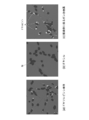
- Example 3 is a fluorescence microscope image of cancer cells administered with the anti-cancer agent according to Example 2. It is a graph which shows the uptake amount of doxorubicin into the cancer cell which concerns on Example 2.
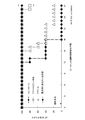
- FIG. It is a graph which shows the survival rate of the cancer cell to which the anti-cancer agent which concerns on Example 3 was administered. It is a graph which shows the proliferation of the cancer cell to which the anti-cancer agent which concerns on Example 4 was administered. It is a graph which shows the survival rate of the mouse which administered the anti-cancer agent which concerns on Example 5. It is a graph which shows the survival rate of the mouse which administered the anti-cancer agent which concerns on Example 6.
- FIG. 7 It is a graph which shows the release amount of doxorubicin which concerns on Example 7.
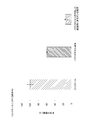
- FIG. 8 It is a graph which shows the uptake amount of paclitaxel into the cancer cell which concerns on Example 8. It is a graph which shows the survival rate of the cancer cell to which the anti-cancer agent which concerns on Example 8 was administered.
- the cancer therapeutic agent according to the embodiment includes an effective amount of a hydrophobic anticancer agent, a cationic liposome containing a hydrophobic anticancer agent, ⁇ -polyglutamic acid ( ⁇ PGA) containing a cationic liposome, or a salt thereof. including.
- the cationic liposome comprises a phospholipid or a salt thereof, and a cationic lipid or a salt thereof.
- the cancer therapeutic agent according to the embodiment is in the form of particles.
- Hydrophobic anti-cancer agents are, for example, small molecule compounds.
- the molecular weight of the small molecule compound is, for example, 300 or more or 400 or more and 600 or less.
- Hydrophobicity means that the partition coefficient P given by the following formula is larger than 0.
- P log 10 P ow
- P ow is C o / C w
- C o is an anti-cancer agent concentration in the 1-octanol layer (mol / L)
- C w is an anti-cancer agent concentration in the water layer (mol / L).
- the partition coefficient is measured, for example, by the flask shaking method.
- the pH of the aqueous layer is, for example, 7.4.
- Hydrophobic anticancer agents are, for example, anthracycline antibiotics.
- anthracycline antibiotics include doxorubicin or its salt, daunorubicin or its salt, epirubicin or its salt, amrubicin or its salt, idarubicin or its salt, valrubicin or its salt, acralubicin or its salt, pirarubicin or its salt, And mitoxanthrone or a salt thereof.
- doxorubicin The chemical name of doxorubicin is (2S, 4S) -4- (3-Amino-2,3,6-trideoxy- ⁇ -L-lyxo-hexopyranosyloxy) -2,5,12-trihydroxy-2-hydroxyacetyl-7- It is methoxy-1,2,3,4-tetrahydrotetracene-6,11-dione monohydrochloride.
- the molecular formula of doxorubicin is C 27 H 29 NO 11 .
- the chemical structure of doxorubicin is as shown in the chemical formula (1).
- the salt of doxorubicin is, for example, doxorubicin hydrochloride.
- the hydrophobic anti-cancer agent is, for example, a taxane-based anti-cancer agent.
- taxane-based anticancer agents include paclitaxel or its salt, docetaxel or its salt, cabazitaxel or its salt, taxadiene or its salt, bacatin III or its salt, taxinin A or its salt, blevifoliol or its salt, and Taxa spine D or a salt thereof can be mentioned.
- cancers to be treated by the cancer therapeutic agent according to the embodiment include malignant lymphoma, lung cancer, digestive organ cancer, bladder cancer, urinary tract epithelial cancer, osteosarcoma, breast cancer, uterine body cancer, bone / soft tumor, and bone. Included are tumors, multiple myeloma, and pediatric solid tumors.
- gastrointestinal cancers include gastric cancer, gallbladder cancer, bile duct cancer, pancreatic cancer, hepatocellular carcinoma, and colon cancer.
- colorectal cancer include colon cancer and rectal cancer.
- pediatric solid tumors include Ewing's sarcoma family tumors, rhabdomyosarcoma, neuroblastoma, retinoblastoma, hepatoblastoma, and nephroblastoma.
- the number of molecules of the hydrophobic anticancer agent contained in one particle of the cancer therapeutic agent is 500 molecules or more, 5,000 molecules or more, or 50,000 molecules or more.
- the number of molecules of the hydrophobic anticancer agent contained in one particle of the cancer therapeutic agent is 10,000,000 molecules or less, 1,000,000 molecules or less, or 100,000 molecules or less.
- the mass ratio of the hydrophobic anticancer agent contained in one particle of the cancer therapeutic agent is 0.1% by mass or more, 0.5% by mass or more, 1% by mass or more, or 2% by mass or more.
- the mass concentration of the hydrophobic anticancer agent contained in one particle of the cancer therapeutic agent is 90% by mass or less, 50% by mass or less, or 25% by mass or less.
- Examples of phospholipids contained in cationic liposomes include lecithin, lysolecithin, hydrogenated products thereof, and derivatives of hydroxides thereof.
- Examples of phospholipids contained in cationic liposomes include phosphatidylcholine, phosphatidylserine, phosphatidylethanolamine, sphingomyelin, dipalmitoylphosphatidylcholine (DPPC), dipalmitoylphosphatidylcholine (DSPC), dimyristolylphosphatidylcholine (DMPC), 1 , 2-Gioreoil-sn-glycero-3-phosphocholine (also known as dioleylphosphatidylcholine, DOPC), and distearoylphosphatidylserine (DSPS).
- DPPC dipalmitoylphosphatidylcholine
- DSPC dipalmitoylphosphatidylcholine
- DMPC dimyristolylphosphat
- the phospholipid contained in the cationic liposome may be derived from animals and plants such as soybean or egg yolk, or may be a synthetic compound.
- the phospholipid is, for example, a neutral phospholipid.
- Phospholipids are, for example, unsaturated phospholipids.
- the molecular formula of DOPC, which is an example of phospholipid, is C 44 H 84 NO 8 P.
- the chemical structure of DOPC is as shown in the chemical formula (2).
- Phospholipids suppress the aggregation of cationic lipids when forming cationic liposomes.
- cationic lipids contained in cationic liposomes are N- [1- (2,3-dioleoyloxy) propyl] -N, N, N-trimethylammonium (also known as 1,2-dioreoiloxy-3).
- DOTAP N, N-dioctadecylamide glycylspermin
- DOGS dimethyldioctadecylammonium bromide
- DDAB dimethyldioctadecylammonium bromide
- DOTMA 2,3-dioreyloxy-N- [2 (spermin-carboxamide) ethyl] -N, N-dimethyl-1-propaneaminium trifluoroacetate (DOSA)
- DOSA N- [1- (2,3-dimyristyloxy) propyl] -N, N-dimethyl-N- (2-hydroxyethyl) ammonium bromide
- cationic lipids contained in cationic liposomes include esters of dipalmitoylphosphatidic acid (DPPA) and hydroxyethylenediamine, and esters of distearoylphosphatidic acid (DSPA) and hydroxyethylenediamine.
- DPPA dipalmitoylphosphatidic acid
- DSPA distearoylphosphatidic acid
- DOTAP which is an example of a cationic lipid
- the chemical structure of DOTAP is as shown in the chemical formula (3).
- DOTAP has an amino group as a functional group having a positive charge.
- the cationic liposome may be a monolayer liposome or a multilayer liposome.
- the cationic liposome may contain one kind of phospholipid or a salt thereof and one kind of cationic lipid or a salt thereof.
- the cationic liposome may contain a plurality of types of phospholipids or salts thereof, and a plurality of types of cationic lipids or salts thereof.
- the mass ratio of the hydrophobic anticancer agent and the cationic liposome in one particle of the cancer therapeutic agent is, for example, 1: 1, 1: 5, 1:10, 1:50, or 1: 100.
- the molar ratio of phospholipids or salts thereof to the total mass of cationic liposomes is, for example, 10% or more, 15% or more, 20% or more, 25% or more, or 30% or more. Further, in a single particle cancer therapeutic agent, the molar ratio of phospholipid or salt thereof to the total mass of cationic liposome is, for example, 90% or less, 85% or less, or 80% or less.
- the molar ratio of the cationic lipid or its salt to the total mass of the cationic liposome is, for example, 10% or more, 15% or more, or 20% or more. Further, in a single particle cancer therapeutic agent, the molar ratio of the cationic lipid or its salt to the total mass of the cationic liposome is, for example, 90% or less, 85% or less, 80% or less, 75% or less, or 70% or less. Is.
- the molar ratios of phospholipids or salts thereof and cationic lipids in cationic liposomes are, for example, 10:90 to 90:10, 15:85 to 85:10, 20:80 to 80:20, 25: 75 to 75:25, or 30:70 to 70:30.
- Cationic liposomes may contain lipids other than phospholipids and cationic lipids.
- lipids other than phospholipids and cationic lipids include glycolipids and glycols.
- Cationic liposomes may further contain a lipid membrane stabilizer.
- the lipid membrane stabilizer include sterols.
- sterols include cholesterol, dihydrocholesterol, cholesterol esters, phytosterols, citosterols, stigmasterol, campesterol, cholestanol, and lanosterol.
- a sterol derivative can be mentioned.
- sterol derivatives include 1-O-sterol glucoside, 1-O-sterol maltoside, and 1-O-sterol galactoside.
- ⁇ PGA or a salt thereof is an anionic molecule and electrostatically interacts with a cationic lipid contained in a cationic liposome.
- the chemical structure of ⁇ PGA is as shown in the chemical formula (4).
- ⁇ PGA has a carboxyl group as a functional group having a negative charge.
- R is a hydrogen atom; an alkali metal atom such as sodium, potassium, and lithium; a trimethylamine, a triethylamine, a dimethylamine, a diethylamine, a triethanolamine, a trimethanolamine, a diethanolamine, a dimethanolamine, an ethanolamine, etc.
- a quaternary amine such as tetramethylamine or tetraethylamine.
- the R present in the molecule may be the same or different.
- n is an integer of 40 or more.
- the lower limit of the molecular weight of ⁇ PGA is, for example, 1,000 or more, or 5,000 or more, 10,000 or more, but is not particularly limited.
- the upper limit of the molecular weight of ⁇ PGA is, for example, 2 million or less, 1.5 million or less, 1 million or less, 800,000 or less, 600,000 or less, 400,000 or less, 200,000 or less, or 20,000 or less, but is not particularly limited. ..
- the cationic liposome is encapsulated in ⁇ PGA. Due to the electrostatic interaction between the cationic lipid or salt thereof contained in the cationic liposome and the anionic molecule ⁇ PGA, the surface charge of the cancer therapeutic agent according to the embodiment is substantially uncharged. It is negative.
- the surface charge is substantially uncharged or negative means that when the cancer therapeutic agent according to the embodiment is brought into contact with blood, the positive charge is reduced to such an extent that the cancer therapeutic agent does not cause hemagglutination. Means. Further, when the surface charge is substantially uncharged or negative, the positive charge is reduced to such an extent that the survival rate of the cells becomes at least 50% when the cancer therapeutic agent according to the embodiment is brought into contact with the cells.
- the surface charge of the cancer therapeutic agent according to the embodiment is substantially uncharged or load-bearing, it is possible to suppress the aggregation of erythrocytes even when systemically administered such as intravenous administration. In addition, it is possible to suppress the non-specific delivery of the hydrophobic anticancer agent to cells other than the target cancer cells.
- the surface charge ( ⁇ potential) of the cancer therapeutic agent according to the embodiment is, for example, -50 mV or more, -40 mV or more, or -30 mV or more, but is not particularly limited.
- the surface charge ( ⁇ potential) of the cancer therapeutic agent according to the embodiment is, for example, +30 mV or less, +20 mV or less, +10 mV or less, +5 mV or less, 0 mV or less, -10 mV or less, or -15 mV or less, but is not particularly limited.
- the cationic liposome may be encapsulated inside like a liposome by ⁇ PGA.
- the cationic liposome may be bound to the surface of the cationic liposome by electrostatic interaction, and the cationic liposome may be covered with the ⁇ PGA. If the surface charge of the cancer therapeutic agent according to the embodiment is substantially uncharged or negative, the cationic liposome may not be completely covered with ⁇ PGA.
- the ratio of the cationic liposome to ⁇ PGA in the cancer therapeutic agent according to the embodiment is not particularly limited as long as the surface charge of the cancer therapeutic agent according to the embodiment is substantially uncharged or negative, but for example.
- the molar ratio of the positively charged functional group of the cationic liposome to the negatively charged functional group of ⁇ PGA is 1: 1 to 1: 100, 1: 1 to 1:80, 1: 1 to 1:60. It is adjusted to be 1: 1 to 1:40, 1: 1 to 1:20, 1: 1 to 1:10, or 1: 1 to 1: 6. Since the cancer therapeutic agent according to the embodiment contains ⁇ PGA, it has lower cytotoxicity and can reduce side effects as compared with a cationic therapeutic agent that does not contain an anionic molecule.
- the cancer therapeutic agent according to the embodiment is in the form of particles, and the average particle size is, for example, 500 nm or less, 300 nm or less, or 100 nm or less.
- the particle size distribution and the average particle size of the cancer therapeutic agent according to the embodiment can be calculated from the scattering intensity distribution obtained by using, for example, a dynamic light scattering measuring device.
- a phospholipid or a salt thereof and a cationic lipid or a salt thereof are brought into contact with each other at an appropriate blending ratio to form a cationic liposome, and a hydrophobic anticancer agent is applied to the cationic liposome. It is prepared by encapsulating and further contacting a cationic liposome containing a hydrophobic anticancer agent with ⁇ PGA in an appropriate compounding ratio.
- a method for producing a cancer therapeutic agent will be described when the phospholipid is DOPC and the cationic lipid is DOTAP.
- DOTAP and DOPC are mixed.
- chloroform is removed to form a lipid thin film consisting of DOTAP and DOPC.
- An ammonium sulfate solution is added to a lipid thin film composed of DOTAP and DOPC to prepare a solution of cationic liposomes composed of DOTAP and DOPC.
- the outer phase of the solution of cationic liposomes, ammonium sulfate, is replaced with a HEPES buffered glucose solution having a pH of 8.0.
- a hydrophobic anticancer agent is added to the solution of the cationic liposome and incubated at 65 ° C.
- ⁇ PGA is added to a solution of cationic liposomes containing a hydrophobic anticancer agent, and the cationic liposomes containing a hydrophobic anticancer agent are covered with ⁇ PGA to prepare a cancer therapeutic agent according to an embodiment.
- the cancer therapeutic agent according to the embodiment can be formulated and used alone or in combination with a pharmacologically acceptable carrier according to conventional means.
- the cancer therapeutic agent according to the embodiment can be provided as it is.
- the cancer therapeutic agent according to the embodiment may be provided in suspension.
- liquids that suspend cancer therapeutics include water and physiologically acceptable liquids.
- the physiologically acceptable liquid may be an aqueous solvent, an organic solvent, or a mixed liquid of an aqueous solvent and an organic solvent.
- aqueous solvents include saline, phosphate buffered saline (PBS), and cell culture media.
- Examples of cell culture media include RPMI1640, DMEM, HAM F-12, and Eagle's medium.
- organic solvents include ethanol, methanol, and DMSO.
- the cancer therapeutic agent according to the embodiment may be provided, as appropriate, with physiologically acceptable excipients, vehicles, preservatives, stabilizers, and binders.
- the cancer therapeutic agent according to the embodiment is formulated, the cancer therapeutic agent according to the embodiment is mixed with a pharmaceutically acceptable carrier, flavoring agent, excipient, vehicle, preservative, stabilizer, binder and the like. You may.
- parenteral aqueous solutions such as injections include saline and isotonic solutions containing glucose and other adjuvants.
- isotonic solutions include D-sorbitol, D-mannitol, and sodium chloride.
- an appropriate lysis aid may be used in combination.
- solubilizers include alcohols, polyalcohols, and nonionic surfactants.
- alcohols include ethanol
- examples of polyalcohols include propylene glycol and polyethylene glycol
- nonionic surfactants include polysorbate 80TM and HCO-50.
- oily liquid for example, sesame oil, soybean oil and the like are used, and may be used in combination with benzyl benzoate, benzyl alcohol and the like as solubilizing agents.
- the cancer therapeutic agent according to the embodiment may be used in combination with, for example, a buffer, a pain-relieving agent, a stabilizer, a preservative, an antioxidant and the like.
- buffers include phosphate buffers and sodium acetate buffers
- soothing agents include benzalkonium chloride and procaine hydrochloride
- stabilizers include human serum albumin
- preservatives include polyethylene glycol, benzyl alcohol and phenol
- antioxidants include ascorbic acid.
- the type of cell is not particularly limited, and is a cell derived from a human or non-human animal.
- non-human animals include monkeys, mice, rats, hamsters, and cows.
- the cell may be a cultured cell line containing a cancer cell, a cell isolated from an individual or a tissue, or a cell of a tissue or a piece of tissue. Further, the cell may be an adherent cell or a non-adherent cell.
- cells are suspended in a suitable medium several days before contact with the cancer therapeutic agent according to the embodiment and cultured under appropriate conditions.
- the cells may or may not be in the proliferative phase.
- the culture medium at the time of contact may be a serum-containing medium or a serum-free medium, but the serum concentration in the medium is preferably 30% or less, preferably 20% or less. If the medium contains an excess of protein such as serum, the contact between the cancer therapeutic agent according to the embodiment and the cells may be hindered.
- the cell density at the time of contact is not particularly limited and can be appropriately set in consideration of the cell type and the like.
- 0.1 ⁇ 10 5 to 5 ⁇ 10 5 cells / mL 0.1. ⁇ 10 5 from 4 ⁇ 10 5 cells /ML,0.1 ⁇ 10 5 from 3 ⁇ 10 5 cells /ML,0.2 ⁇ 10 5 from 3 ⁇ 10 5 cells / mL or from 0.2 ⁇ 10 5,
- the range is 2 x 10 5 cells / mL.
- the cancer therapeutic agent according to the embodiment is added to the medium containing the cells prepared in this way.
- the amount of the solution containing the cancer therapeutic agent according to the embodiment is not particularly limited and can be appropriately set in consideration of the number of cells and the like. However, for example, from 1 to 1000 ⁇ L per 1 mL of the medium. It ranges from 500 ⁇ L, 1 to 300 ⁇ L, 1 to 200 ⁇ L, or 1 to 100 ⁇ L.
- the cells After adding the cancer therapeutic agent according to the embodiment to the medium, the cells are cultured.
- the temperature, humidity, CO 2 concentration, etc. at the time of culturing should be appropriately set in consideration of the cell type.
- examples of culture conditions include a temperature of about 37 ° C., a humidity of about 95%, and a CO 2 concentration of about 5%.
- the cell culture time can be appropriately set depending on the type of cells used and the like.
- the cell culture time is, for example, 1 to 72 hours, 1 to 60 hours, 1 to 48 hours, 1 to 40 hours, or 1 to 32 hours.
- the medium may be replaced with a fresh medium, or the fresh medium may be added to the medium and the cell culture may be continued. If the cells are of mammalian origin, the fresh medium may contain serum or trophic factors.
- the cancer therapeutic agent according to the embodiment By administering the cancer therapeutic agent according to the embodiment to the subject, the cancer therapeutic agent according to the embodiment reaches and contacts the target cell in the subject, and the cancer therapeutic agent according to the embodiment is introduced into the target cell in vivo. Will be done.
- the target to which the cancer therapeutic agent according to the embodiment can be administered is not particularly limited, and is, for example, a human or a non-human animal.
- non-human animals include monkeys, mice, rats, hamsters, and cows.
- the method for administering the cancer therapeutic agent according to the embodiment is not particularly limited as long as the cancer therapeutic agent according to the embodiment reaches and contacts the target cells and the cancer therapeutic agent according to the embodiment can be introduced into the cells, and is oral. It may be administered or parenterally. Examples of parenteral administration include intravenous administration, intramuscular administration, topical administration, transdermal administration, subcutaneous administration, and intraperitoneal administration.
- the dose of the cancer therapeutic agent according to the embodiment is not particularly limited as long as the introduction of the drug into cells can be achieved, and is appropriately considered in consideration of the type of administration target, administration method, type and site of target cells, and the like. You can choose.
- parenteral administration such as intravenous administration, for example, in a human having a body weight of 60 kg, the single dose is about 0.0001 mg to 10000 mg.
- the cancer therapeutic agent according to the embodiment is not particularly limited, but can be used as, for example, a large intestine cancer peritoneal dissemination therapeutic agent or an ascites liver cancer therapeutic agent.
- Example 1 Dissolve each of DOTAP (NOF) and DOPC (NOF) in chloroform so that the molar ratio of DOTAP to DOPC is 0: 100, 25:75, 50:50, 75:25, or 100: 0. , Both were mixed in an eggplant flask. Then, chloroform was removed from the eggplant flask with a rotary evaporator to form a lipid thin film. Further, the inside of the eggplant flask was kept under negative pressure conditions using a vacuum pump for 3 hours, and chloroform was completely removed from the eggplant flask.
- a 250 mmol / L ammonium sulfate solution is added to the lipid thin film, shaken at 65 ° C. for 30 minutes, sonicated with a bath-type sonicator for 10 minutes, and then sonicated with a probe-type sonicator for another 3 minutes to prepare a liposome solution.
- the outer phase of the prepared liposome solution was replaced with a 10 mmol / L Hepes buffered 5% glucose solution having a pH of 8.0 using a gel filtration column, and the aqueous phase inside the liposome contained the ammonium sulfate solution.
- a solution of Hepes buffered 5% glucose solution in liposomes was prepared.
- the particle size and surface charge of the obtained nanoball-shaped liposomes were measured using a dynamic light scattering measuring device (Zetasizer Nano, Malvern Panasonic). The results are shown in FIG.
- doxorubicin Carbosynth
- doxorubicin Carbosynth
- the solution after preparing the liposomes encapsulating doxorubicin was subjected to ultracentrifugation (245,000 ⁇ g, 2 hours) to precipitate the liposomes, and the encapsulation rate of doxorubicin in the liposomes was calculated from the concentration of doxorubicin remaining in the supernatant.
- ⁇ -PGA was added to the liposome containing doxorubicin so as to have a mass ratio of 1: 1 and incubated at room temperature for 30 minutes to prepare a complex of nanoball-shaped liposome and ⁇ -PGA.
- the interaction between the liposome and the anionic ⁇ -PGA was weak because it did not contain cationic DOTAP, and it was not suitable for the preparation.
- the molar ratio of DOTAP to DOPC was 25:75, 50:50, and 75:25, the liposome- ⁇ -PGA complex was well formed.
- the molar ratio of DOTAP to DOPC was 100: 0, DOTAP aggregated and could not encapsulate doxorubicin.
- Example 2 A complex of liposomes containing doxorubicin and ⁇ -PGA was prepared in the same manner as in Example 1 except that the molar ratio of DOTAP to DOPC was 50:45, and used as a cancer therapeutic agent according to the production example.
- the particle size of the cancer therapeutic agent according to the production example was 153.0 nm, the surface charge was -43.5 mV, and the encapsulation rate of doxorubicin was 93.8%.
- a commercially available doxorubicin (Cayman Chemical) alone and a commercially available doxil (Jansen Pharma) were prepared.
- doxorubicin is encapsulated in PEG liposomes.
- the particle size of commercially available doxil was 82.9 nm, and the surface charge was -38.1 mV.
- Colorectal cancer line cells derived from Balb / c mice (Colon26, donated by RIKEN) were prepared, and 10,000 Colon26 cells were seeded on a 24-well plate at 10,000 cells / well and cultured for 24 hours. Then, doxorubicin alone, doxil, or a cancer therapeutic agent according to the production example was added to Colon26 cells so that the concentration of doxorubicin was 10 ⁇ g / mL, and the cells were cultured for 4 hours.
- the cells were washed with PBS, Hoechst33342 was added to the cells, and the cells were cultured for another 30 minutes to stain the nuclei of the cells. After nuclear staining, the intracellular fluorescence image was observed with a fluorescence microscope. Doxorubicin emits red fluorescence at 590 nm with excitation light of 485 nm. As a result, as shown in FIG. 2, it was observed that the cancer therapeutic agent according to the production example was incorporated into or near the nucleus. It was observed that doxorubicin alone was slightly incorporated into or near the nucleus. Doxil was not observed to be taken up into cells.
- the cells were washed with PBS, and 0.1 mol / L Tris / HCl buffer of pH 7.8 containing Lysis buffer (0.05% Triton X-100 and 2 mmol / L EDTA).
- the cells were lysed using a solution), and the amount of doxorubicin contained in the cell lysate was quantitatively measured using a fluorescence photometer (Infinite 200 PRO, Tecan).
- the protein concentration in the cytolytic solution was measured, and the amount of doxorubicin uptake per protein amount was calculated. The results are shown in FIG.
- the amount of doxorubicin taken up per protein amount was remarkably large.
- the amount of doxorubicin taken up per protein amount was remarkably small.
- Colon26 cells were seeded on a 96-well plate at 5000 cells / well and cultured for 24 hours. Then, doxorubicin, doxil, or a cancer therapeutic agent according to the production example was added to Colon26 cells so that the concentration of doxorubicin was 10 ⁇ g / mL, and the cells were cultured for 6 hours. Then, the medium containing doxorubicin was removed, the cells were washed with PBS, and the cells were cultured for another 18 hours. Subsequent cell viability was measured using a cell counting kit-8 (Dojindo).
- the cell viability was calculated as a ratio when the viability of cells not treated with doxorubicin, doxil, or the cancer therapeutic agent according to the production example was converted to 100%. The results are shown in FIG.
- the cancer therapeutic agent according to the production example effectively reduced the survival rate of cancer cells.
- Doxil on the other hand, reduced the survival rate of cancer cells only slightly.
- Example 4 300,000 Colon26-Luc cells (cells in which firefly luciferase was constitutively expressed in Colon26 cells donated by the Institute of Physical and Chemical Research) were intraperitoneally administered to Bulb / c mice, and the next day, doxorubicin, doxil, or doxil was administered.
- the cancer therapeutic agents according to the production examples were intraperitoneally administered to mice so that the dose of doxorubicin was 5 mg / kg.
- Example 5 300,000 Ehrlich ascites cancer cells were intraperitoneally administered to ddY mice, and the next day, doxorubicin, doxil, or a cancer therapeutic agent according to the production example was administered so that the dose of doxorubicin was 5 mg / kg. , Mice were intraperitoneally administered. The survival rate of mice after administration of Ehrlich ascites cancer cells was measured up to the 28th day. The results are shown in FIG. The survival rate of the mice treated with the cancer therapeutic agent according to the production example was remarkably high. On the other hand, the survival rate of mice treated with Doxil was significantly low.
- Example 6 Bulb / c mice were administered doxorubicin, doxil, or a cancer therapeutic agent according to a production example so that the dose of doxorubicin was 5 mg / kg, 10 mg / kg, or 20 mg / kg.
- the survival rate of the mice after administration was measured up to the 14th day.
- the cancer therapeutic agent according to the production example had a high survival rate in mice even at a large dose.
- doxorubicin alone which is known to be highly cardiotoxic, significantly reduced the survival rate of mice at higher doses.
- Example 7 Doxorubicin alone, doxil, and the cancer therapeutic agent according to the production example were prepared to be 250 ⁇ g / mL, and 500 ⁇ L of doxorubicin alone, doxil, or the cancer therapeutic agent according to the production example was added to the dialysis membrane, and 100 mL PBS was added. Stirred in. PBS was collected 1 hour, 4 hours, and 24 hours after the start of stirring, and the concentration of doxorubicin was measured from the fluorescence intensity. The result is shown in FIG. Since the fine particles of doxil and the cancer therapeutic agent according to the production example cannot pass through the dialysis membrane, the doxorubicin leaked into the PBS is the doxorubicin released from the fine particles. The cancer therapeutic agent according to the production example retained more than 75% of doxorubicin even after 24 hours.
- Example 8 Each of DOTAP (NOF), DOPC (NOF), and paclitaxel (Carbosynth) was dissolved in chloroform, and these were placed in an eggplant flask so that the molar ratio of DOTAP, DOPC, and paclitaxel was 50:45: 5. Mixed in. Then, chloroform was removed from the eggplant flask with a rotary evaporator to form a lipid thin film. Further, the inside of the eggplant flask was kept under negative pressure conditions using a vacuum pump for 3 hours, and chloroform was completely removed from the eggplant flask.
- a 5% glucose solution is added to the lipid thin film, shaken at 65 ° C. for 30 minutes, sonicated with a bath-type sonicator for 10 minutes, and then sonicated with a probe-type sonicator for another 3 minutes to encapsulate paclitaxel.
- Liposomes are prepared, and ⁇ -PGA is added to the liposomes containing paclitaxel so that the mass ratio is 1: 1 and incubated at room temperature for 30 minutes to obtain a complex of nanoball-shaped liposomes and ⁇ -PGA. It was prepared and used as a cancer therapeutic agent according to the production example of Example 8.
- Colorectal cancer line cells derived from Balb / c mice (Colon26, donated by RIKEN) were prepared, and 10,000 Colon / c mice were seeded on a 24-well plate and cultured for 24 hours. Then, paclitaxel alone or the cancer therapeutic agent according to the production example of Example 8 was added to Colon26 cells so that the concentration of paclitaxel was 10 ⁇ g / mL, and the cells were cultured for 24 hours.
- the cells were washed with PBS and used with a lysis buffer (0.1 mol / L Tris / HCl buffer of pH 7.8 containing 0.05% Triton X-100 and 2 mmol / L EDTA).
- the cells were lysed and the amount of paclitaxel contained in the cell lysate was quantitatively measured using HPLC. Furthermore, the protein concentration in the cytolytic solution was measured, and the amount of paclitaxel uptake per amount of protein was calculated. The results are shown in FIG. When the cancer therapeutic agent according to the production example of Example 8 was used, the amount of paclitaxel taken up per protein amount was remarkably large. On the other hand, when paclitaxel alone was used, the amount of paclitaxel taken up per protein amount was remarkably small.
- Colon 26 cells were seeded in a 96-well plate at 5000 cells / well and cultured for 24 hours. Then, paclitaxel alone or the cancer therapeutic agent according to the production example of Example 8 was added to Colon26 cells so that the concentration of paclitaxel was 10 ⁇ g / mL, and the cells were cultured for 24 hours. Subsequent cell viability was measured using a cell counting kit-8 (Dojindo). The cell viability was calculated as a ratio when the viability of paclitaxel alone or cells not treated with the cancer therapeutic agent according to the production example of Example 8 was converted to 100%. The results are shown in FIG. The cancer therapeutic agent according to the production example of Example 8 effectively reduced the survival rate of cancer cells as compared with paclitaxel alone.
Landscapes
- Health & Medical Sciences (AREA)
- Chemical & Material Sciences (AREA)
- Life Sciences & Earth Sciences (AREA)
- Medicinal Chemistry (AREA)
- Pharmacology & Pharmacy (AREA)
- Animal Behavior & Ethology (AREA)
- General Health & Medical Sciences (AREA)
- Public Health (AREA)
- Veterinary Medicine (AREA)
- Epidemiology (AREA)
- Engineering & Computer Science (AREA)
- General Chemical & Material Sciences (AREA)
- Chemical Kinetics & Catalysis (AREA)
- Molecular Biology (AREA)
- Bioinformatics & Cheminformatics (AREA)
- Oil, Petroleum & Natural Gas (AREA)
- Proteomics, Peptides & Aminoacids (AREA)
- Physics & Mathematics (AREA)
- Nuclear Medicine, Radiotherapy & Molecular Imaging (AREA)
- Organic Chemistry (AREA)
- Inorganic Chemistry (AREA)
- Biophysics (AREA)
- Biomedical Technology (AREA)
- Nanotechnology (AREA)
- Optics & Photonics (AREA)
- Dispersion Chemistry (AREA)
- Pharmaceuticals Containing Other Organic And Inorganic Compounds (AREA)
- Medicinal Preparation (AREA)
Priority Applications (1)
| Application Number | Priority Date | Filing Date | Title |
|---|---|---|---|
| JP2022518156A JP7738911B2 (ja) | 2020-04-30 | 2021-04-30 | ガン治療薬及びガン治療方法 |
Applications Claiming Priority (2)
| Application Number | Priority Date | Filing Date | Title |
|---|---|---|---|
| JP2020080455 | 2020-04-30 | ||
| JP2020-080455 | 2020-04-30 |
Publications (1)
| Publication Number | Publication Date |
|---|---|
| WO2021221167A1 true WO2021221167A1 (ja) | 2021-11-04 |
Family
ID=78332045
Family Applications (1)
| Application Number | Title | Priority Date | Filing Date |
|---|---|---|---|
| PCT/JP2021/017240 Ceased WO2021221167A1 (ja) | 2020-04-30 | 2021-04-30 | ガン治療薬及びガン治療方法 |
Country Status (2)
| Country | Link |
|---|---|
| JP (1) | JP7738911B2 (https=) |
| WO (1) | WO2021221167A1 (https=) |
Cited By (1)
| Publication number | Priority date | Publication date | Assignee | Title |
|---|---|---|---|---|
| WO2025041465A1 (ja) * | 2023-08-24 | 2025-02-27 | 国立大学法人京都工芸繊維大学 | イオン性化学種濃縮方法および脂質粒子 |
Citations (5)
| Publication number | Priority date | Publication date | Assignee | Title |
|---|---|---|---|---|
| JP2004511426A (ja) * | 2000-05-03 | 2004-04-15 | ミュンヘン バイオテク アーゲー | 活性化血管部位に関連する陽イオン性の診断薬、画像化剤、および治療薬 |
| JP2005534718A (ja) * | 2002-06-26 | 2005-11-17 | メディゲーネ オンコロギー ゲゼルシャフト ミット ベシュレンクテル ハフツング | カチオンキャリヤー系において診断化合物および治療化合物を安定化させる新規方法 |
| JP2010059064A (ja) * | 2008-09-01 | 2010-03-18 | Nagasaki Univ | 薬物送達複合体 |
| JP2013526563A (ja) * | 2010-05-21 | 2013-06-24 | メディジーン エージー | 親油性化合物の改善されたリポソーム処方 |
| WO2019157145A1 (en) * | 2018-02-07 | 2019-08-15 | L.E.A.F. Holdings Group Llc | Gamma polyglutamated pemetrexed and uses thereof |
-
2021
- 2021-04-30 WO PCT/JP2021/017240 patent/WO2021221167A1/ja not_active Ceased
- 2021-04-30 JP JP2022518156A patent/JP7738911B2/ja active Active
Patent Citations (5)
| Publication number | Priority date | Publication date | Assignee | Title |
|---|---|---|---|---|
| JP2004511426A (ja) * | 2000-05-03 | 2004-04-15 | ミュンヘン バイオテク アーゲー | 活性化血管部位に関連する陽イオン性の診断薬、画像化剤、および治療薬 |
| JP2005534718A (ja) * | 2002-06-26 | 2005-11-17 | メディゲーネ オンコロギー ゲゼルシャフト ミット ベシュレンクテル ハフツング | カチオンキャリヤー系において診断化合物および治療化合物を安定化させる新規方法 |
| JP2010059064A (ja) * | 2008-09-01 | 2010-03-18 | Nagasaki Univ | 薬物送達複合体 |
| JP2013526563A (ja) * | 2010-05-21 | 2013-06-24 | メディジーン エージー | 親油性化合物の改善されたリポソーム処方 |
| WO2019157145A1 (en) * | 2018-02-07 | 2019-08-15 | L.E.A.F. Holdings Group Llc | Gamma polyglutamated pemetrexed and uses thereof |
Cited By (1)
| Publication number | Priority date | Publication date | Assignee | Title |
|---|---|---|---|---|
| WO2025041465A1 (ja) * | 2023-08-24 | 2025-02-27 | 国立大学法人京都工芸繊維大学 | イオン性化学種濃縮方法および脂質粒子 |
Also Published As
| Publication number | Publication date |
|---|---|
| JP7738911B2 (ja) | 2025-09-16 |
| JPWO2021221167A1 (https=) | 2021-11-04 |
Similar Documents
| Publication | Publication Date | Title |
|---|---|---|
| Ramesh et al. | Dual inhibition of CSF1R and MAPK pathways using supramolecular nanoparticles enhances macrophage immunotherapy | |
| US7465716B2 (en) | Targeted drug delivery with a hyaluronan ligand | |
| US8895055B2 (en) | Telodendrimer nanodiscs without apolipoprotein | |
| CN101674810B (zh) | 针对癌细胞和癌相关成纤维细胞的靶向剂 | |
| Guo et al. | Receptor-specific delivery of liposomes via folate-PEG-chol | |
| CN102114000B (zh) | 一种载药的共输送脂质纳米递药系统 | |
| BR112017002767B1 (pt) | Composição de antifolato lipossomal, seu uso, método de preparação da mesma e kit | |
| WO2018031967A1 (en) | Polyglutamated antifolates and uses thereof | |
| Li et al. | The antitumor activity of PNA modified vinblastine cationic liposomes on Lewis lung tumor cells: In vitro and in vivo evaluation | |
| US20130323314A1 (en) | Novel Nanoparticles of Lactoferrin Useful for Preparing a Pharmaceutical Composition Facilitating Easy Delivery of the Drug and a Process for Preparing the Same | |
| US9457082B2 (en) | Liposome including complex of hydrophobic active ingredient and polypeptide and use of the liposome | |
| US20150297749A1 (en) | Low-density lipoprotein analogue nanoparticles, and composition comprising same for targeted diagnosis and treatment of liver | |
| CN107551277A (zh) | 用于包载抗肿瘤药物的pH敏感靶向磷脂聚组氨酸纳米粒 | |
| Omokawa et al. | In vitro and in vivo anti-tumor effects of novel Span 80 vesicles containing immobilized Eucheuma serra agglutinin | |
| US20130302408A1 (en) | Carrier-Linked Magnetic Nanoparticle Drug Delivery Composition and Method of Use | |
| Huang et al. | A novel hydrolysis-resistant lipophilic folate derivative enables stable delivery of targeted liposomes in vivo | |
| JP7738911B2 (ja) | ガン治療薬及びガン治療方法 | |
| EP2896401B1 (en) | Targeted drug delivery system for poorly soluble drug | |
| Xiao et al. | Synthesis of novel tetravalent galactosylated DTPA-DSPE and study on hepatocyte-targeting efficiency in vitro and in vivo | |
| CN114432248B (zh) | 一种靶向复合载体、载药体系、制备方法及其用途 | |
| Men et al. | The efficacy of mitochondrial targeting antiresistant epirubicin liposomes in treating resistant leukemia in animals | |
| JP2010505880A (ja) | pH感受性リポソーム組成物 | |
| JP5817053B2 (ja) | 腫瘍特異性を有するリポソーム | |
| TW201927287A (zh) | 藉由具有蛋白質表現於其表面之囊泡遞送藥劑至自噬及凋亡細胞 | |
| CN103393597A (zh) | 疏水性肽修饰的注射用长循环脂质体给药系统 |
Legal Events
| Date | Code | Title | Description |
|---|---|---|---|
| 121 | Ep: the epo has been informed by wipo that ep was designated in this application |
Ref document number: 21794452 Country of ref document: EP Kind code of ref document: A1 |
|
| ENP | Entry into the national phase |
Ref document number: 2022518156 Country of ref document: JP Kind code of ref document: A |
|
| NENP | Non-entry into the national phase |
Ref country code: DE |
|
| 122 | Ep: pct application non-entry in european phase |
Ref document number: 21794452 Country of ref document: EP Kind code of ref document: A1 |