WO2021201171A1 - 神経炎症の抑制、そのための組成物及び方法 - Google Patents
神経炎症の抑制、そのための組成物及び方法 Download PDFInfo
- Publication number
- WO2021201171A1 WO2021201171A1 PCT/JP2021/014030 JP2021014030W WO2021201171A1 WO 2021201171 A1 WO2021201171 A1 WO 2021201171A1 JP 2021014030 W JP2021014030 W JP 2021014030W WO 2021201171 A1 WO2021201171 A1 WO 2021201171A1
- Authority
- WO
- WIPO (PCT)
- Prior art keywords
- cells
- pharmaceutical composition
- neuroinflammation
- present disclosure
- composition according
- Prior art date
- Legal status (The legal status is an assumption and is not a legal conclusion. Google has not performed a legal analysis and makes no representation as to the accuracy of the status listed.)
- Ceased
Links
- NPJWZQWKOITWRE-JYRVWZFOSA-N CCN1c2c(cc[o]3)c3ccc2S/C1=C\C(C)=O Chemical compound CCN1c2c(cc[o]3)c3ccc2S/C1=C\C(C)=O NPJWZQWKOITWRE-JYRVWZFOSA-N 0.000 description 1
Images


Classifications
-
- A—HUMAN NECESSITIES
- A61—MEDICAL OR VETERINARY SCIENCE; HYGIENE
- A61K—PREPARATIONS FOR MEDICAL, DENTAL OR TOILETRY PURPOSES
- A61K31/00—Medicinal preparations containing organic active ingredients
- A61K31/33—Heterocyclic compounds
- A61K31/395—Heterocyclic compounds having nitrogen as a ring hetero atom, e.g. guanethidine or rifamycins
- A61K31/41—Heterocyclic compounds having nitrogen as a ring hetero atom, e.g. guanethidine or rifamycins having five-membered rings with two or more ring hetero atoms, at least one of which being nitrogen, e.g. tetrazole
- A61K31/425—Thiazoles
- A61K31/429—Thiazoles condensed with heterocyclic ring systems
-
- A—HUMAN NECESSITIES
- A61—MEDICAL OR VETERINARY SCIENCE; HYGIENE
- A61K—PREPARATIONS FOR MEDICAL, DENTAL OR TOILETRY PURPOSES
- A61K31/00—Medicinal preparations containing organic active ingredients
- A61K31/33—Heterocyclic compounds
- A61K31/395—Heterocyclic compounds having nitrogen as a ring hetero atom, e.g. guanethidine or rifamycins
- A61K31/435—Heterocyclic compounds having nitrogen as a ring hetero atom, e.g. guanethidine or rifamycins having six-membered rings with one nitrogen as the only ring hetero atom
- A61K31/44—Non condensed pyridines; Hydrogenated derivatives thereof
- A61K31/4406—Non condensed pyridines; Hydrogenated derivatives thereof only substituted in position 3, e.g. zimeldine
-
- A—HUMAN NECESSITIES
- A61—MEDICAL OR VETERINARY SCIENCE; HYGIENE
- A61K—PREPARATIONS FOR MEDICAL, DENTAL OR TOILETRY PURPOSES
- A61K31/00—Medicinal preparations containing organic active ingredients
- A61K31/33—Heterocyclic compounds
- A61K31/395—Heterocyclic compounds having nitrogen as a ring hetero atom, e.g. guanethidine or rifamycins
- A61K31/435—Heterocyclic compounds having nitrogen as a ring hetero atom, e.g. guanethidine or rifamycins having six-membered rings with one nitrogen as the only ring hetero atom
- A61K31/44—Non condensed pyridines; Hydrogenated derivatives thereof
- A61K31/4409—Non condensed pyridines; Hydrogenated derivatives thereof only substituted in position 4, e.g. isoniazid, iproniazid
-
- A—HUMAN NECESSITIES
- A61—MEDICAL OR VETERINARY SCIENCE; HYGIENE
- A61K—PREPARATIONS FOR MEDICAL, DENTAL OR TOILETRY PURPOSES
- A61K31/00—Medicinal preparations containing organic active ingredients
- A61K31/33—Heterocyclic compounds
- A61K31/395—Heterocyclic compounds having nitrogen as a ring hetero atom, e.g. guanethidine or rifamycins
- A61K31/435—Heterocyclic compounds having nitrogen as a ring hetero atom, e.g. guanethidine or rifamycins having six-membered rings with one nitrogen as the only ring hetero atom
- A61K31/44—Non condensed pyridines; Hydrogenated derivatives thereof
- A61K31/4427—Non condensed pyridines; Hydrogenated derivatives thereof containing further heterocyclic ring systems
- A61K31/4439—Non condensed pyridines; Hydrogenated derivatives thereof containing further heterocyclic ring systems containing a five-membered ring with nitrogen as a ring hetero atom, e.g. omeprazole
-
- A—HUMAN NECESSITIES
- A61—MEDICAL OR VETERINARY SCIENCE; HYGIENE
- A61K—PREPARATIONS FOR MEDICAL, DENTAL OR TOILETRY PURPOSES
- A61K45/00—Medicinal preparations containing active ingredients not provided for in groups A61K31/00 - A61K41/00
- A61K45/06—Mixtures of active ingredients without chemical characterisation, e.g. antiphlogistics and cardiaca
-
- A—HUMAN NECESSITIES
- A61—MEDICAL OR VETERINARY SCIENCE; HYGIENE
- A61P—SPECIFIC THERAPEUTIC ACTIVITY OF CHEMICAL COMPOUNDS OR MEDICINAL PREPARATIONS
- A61P25/00—Drugs for disorders of the nervous system
-
- A—HUMAN NECESSITIES
- A61—MEDICAL OR VETERINARY SCIENCE; HYGIENE
- A61P—SPECIFIC THERAPEUTIC ACTIVITY OF CHEMICAL COMPOUNDS OR MEDICINAL PREPARATIONS
- A61P39/00—General protective or antinoxious agents
-
- C—CHEMISTRY; METALLURGY
- C12—BIOCHEMISTRY; BEER; SPIRITS; WINE; VINEGAR; MICROBIOLOGY; ENZYMOLOGY; MUTATION OR GENETIC ENGINEERING
- C12N—MICROORGANISMS OR ENZYMES; COMPOSITIONS THEREOF; PROPAGATING, PRESERVING, OR MAINTAINING MICROORGANISMS; MUTATION OR GENETIC ENGINEERING; CULTURE MEDIA
- C12N5/00—Undifferentiated human, animal or plant cells, e.g. cell lines; Tissues; Cultivation or maintenance thereof; Culture media therefor
- C12N5/06—Animal cells or tissues; Human cells or tissues
- C12N5/0602—Vertebrate cells
- C12N5/0618—Cells of the nervous system
- C12N5/0622—Glial cells, e.g. astrocytes, oligodendrocytes; Schwann cells
Definitions
- the present disclosure relates to suppression of neuroinflammation, compositions and methods for that purpose.
- the present disclosure relates to assisting the transplantation of neural progenitor cells, pluripotent stem cells, and / or neurons, in one or more embodiments, the compositions and methods thereof.
- the present disclosure relates to, in one or more embodiments, the promotion of stabilization of Nrf2 (NF-E2-related factor 2) protein in glial cells, compositions and methods for that purpose.
- the present disclosure relates to the protection of nerve cells from neuroinflammation, the compositions and methods thereof, in one or more embodiments.
- Parkinson's disease is a progressive neurodegenerative disease characterized by the loss of dopaminergic neurons (dopaminergic neurons) in the substantia nigra striatum.
- dopaminergic neurons dopaminergic neurons
- iPS cells or iPSCs induced pluripotent stem cells
- pluripotent stem cells have the potential to supply large amounts of dopaminergic nerves. Therefore, pluripotent stem cells are considered as a new source of donor cells.
- neural progenitor cells and dopaminergic neurons differentiated from stem cells such as iPS cells have an extremely low survival rate (survival rate) after transplantation into the brain (Patent Document 1).
- Microglia are a type of glial cells located in the central nervous system (brain and spinal cord). Microglia are also called microglia or Hortega cells. Microglia are thought to be immunocompetent cells such as macrophages. Microglia have various actions and roles such as antigen-presenting action, which is the starting point of immune response, innate immunity action against foreign substances, phagocytosis against foreign substances and waste products, assisting the formation of neural circuits, and production of various substances that affect surrounding cells. Has. Microglia become active due to external stimuli, stress, etc., and produce useful substances such as antioxidants and nutritional factors.
- microglia secrete inflammatory cytokines, chemokines, nucleic acids, excitatory amino acids such as glutamic acid, active oxygen species, proteases, etc. due to pathological activation, and damage surrounding cells, thereby causing neuroinflammation. It becomes. Therefore, microglia can also cause neurodegeneration of the central nervous system (Patent Document 2).
- DYRK1A protein which is a protein kinase
- DYRK1A protein is a protein kinase
- DYRK is a general term for enzymes that mean dual specificity tyrosine-phosphorylation-regulated kinase.
- the present disclosure in one aspect, provides a pharmaceutical composition for suppressing neuroinflammation.
- the present disclosure in one aspect, provides a pharmaceutical composition for assisting the transplantation of neural progenitor cells, pluripotent stem cells, and / or neurons.
- the present disclosure in one aspect, provides a pharmaceutical composition for promoting stabilization of the Nrf2 protein in glial cells.
- the present disclosure in one aspect, provides a pharmaceutical composition for protecting nerve cells from neuroinflammation.
- the present disclosure relates to, in one embodiment, a pharmaceutical composition for suppressing neuroinflammation, which comprises a compound having an ability to inhibit the phosphorylation activity of DYRK1A protein or a pharmaceutically acceptable salt thereof as an active ingredient.
- the present disclosure relates to neural progenitor cells, pluripotent stem cells, and / or neurons containing a compound having the ability to inhibit the phosphorylation activity of the DYRK1A protein or a pharmaceutically acceptable salt thereof as an active ingredient.
- the present disclosure is a medicament for promoting stabilization of Nrf2 protein in glial cells, which comprises, in other embodiments, a compound having an ability to inhibit the phosphorylation activity of DYRK1A protein or a pharmaceutically acceptable salt thereof as an active ingredient.
- a compound having an ability to inhibit the phosphorylation activity of DYRK1A protein or a pharmaceutically acceptable salt thereof as an active ingredient is included in the composition.
- a pharmaceutical composition for protecting nerve cells from neuroinflammation which comprises, as an active ingredient, a compound having an ability to inhibit the phosphorylation activity of DYRK1A protein or a pharmaceutically acceptable salt thereof. ..
- the present disclosure relates to a method for suppressing neuroinflammation, which comprises administering an effective amount of the pharmaceutical composition according to the present disclosure to a subject in another aspect.
- the present disclosure in other embodiments, comprises administering to the recipient an effective amount of the pharmaceutical composition according to the present disclosure before, simultaneously, or after transplantation of neural progenitor cells, pluripotent stem cells, and / or neurons.
- the present invention relates to a method for improving the viability of the transplanted cells.
- the present disclosure relates to a method for promoting stabilization of Nrf2 protein in glial cells and protecting nerve cells from neuroinflammation, which comprises administering an effective amount of the pharmaceutical composition according to the present disclosure to a subject in another aspect. ..
- the present disclosure comprises frontotemporal lobar degeneration, amyotrophic lateral sclerosis, and multiple sclerosis, which, in other aspects, comprises administering to the subject an effective amount of the pharmaceutical composition according to the present disclosure. It relates to a method of amelioration, progression inhibition, and / or treatment of a disease associated with neuroinflammation selected from the group.
- neuroinflammation can be suppressed in one or more embodiments.
- the survival rate after transplantation of the neural progenitor cells, stem cells, and / or neurons to be transplanted can be improved.
- stabilization of the Nrf2 protein in glial cells can be promoted and improved.
- nerve cells can be protected from neuroinflammation.
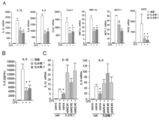
- FIG. 1 relates to the induction of p21 and Nrf2 in glial cells.
- FIG. 1A shows the results of Western blot analysis when microglial cells were treated with Compound 1.
- FIG. 1B is a representative image of glial cells treated with compounds 1 and 2.
- FIG. 1C is an example of quantification of the signal intensity of Nrf2 in the nucleus of Cd11b-positive cells.
- FIG. 2 relates to suppression of neuroinflammation (microglial cytokine production).
- FIG. 2A shows the results of qPCR evaluation of cytokine, chemokine, and iNOS mRNA production during lipopolysaccharide (LPS) treatment.
- FIG. 2B shows the results of ELISA quantification of cytokines produced by LPS stimulation.
- FIG. 2C shows the results of qPCR analysis on the production of the indicated cytokines in the presence or absence of Nrf2.
- FIG. 3 relates to an improvement in neuron transplantation efficiency.
- FIG. 3A is an experimental scheme.
- FIG. 3B is a representative image of iPSC-derived dopaminergic neurons (DA neurons) transplanted into mouse striatal tissue.
- FIG. 3C shows the results of quantitative analysis of transplanted cells.
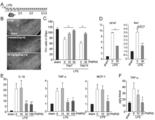
- FIG. 4 relates to suppression of neurodegeneration caused by neuroinflammation.
- FIG. 4A is an experimental scheme.
- FIG. 4B is a representative image of the substantia nigra of the treated animal.
- FIG. 4C shows the result of quantifying the number of TH-positive cells in the substantia nigra compact (SNpc).
- FIG. 4D is the result of a quantitative analysis of glia activation by qPCR of striatal tissue one day after the last LPS injection.
- 4E and F are the results of analysis of cytokine and chemokine levels shown from the striatal tissue of Day 1 by qPCR (E) and ELISA (F).
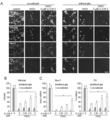
- FIG. 5 relates to the mechanism of neuroprotective function (improvement of transplantation efficiency of iPS cell-derived neurons and inhibitory effect of cytopathic effect due to cell inflammation).
- FIG. 5A is a representative image of hiPSC-derived dopaminergic neural progenitor cells.
- FIG. 5B is a quantitative analysis of the number of hNuclei.
- FIG. 5C is a PCR quantification.
- the present disclosure is based on the finding that a compound having the ability to inhibit the phosphorylation activity of the DYRK1A protein can suppress neuroinflammation.
- the present disclosure is also based on the finding that a compound having the ability to inhibit the phosphorylation activity of the DYRK1A protein can improve the retention rate (survival rate, survival rate) of neurons transplanted into the brain.
- the present disclosure is also based on the finding that compounds capable of inhibiting the phosphorylation activity of the DYRK1A protein can promote the stabilization of the Nrf2 protein in glial cells and protect them from neuroinflammation.
- DYRK1A The mechanism by which a compound having an inhibitory ability to inhibit the phosphorylation activity of the DYRK1A protein exerts an effect capable of suppressing neuroinflammation is not clear in detail, but is presumed as follows. Normally, microglia, which play a role in supporting nerves, are activated when subjected to stress such as injury or neuroinflammation, release inflammatory cytokines and reactive oxygen species, and degenerate neurons. At this time, if DYRK1A is inhibited, cyclins D1 and p21 are stabilized, the decomposition of Nrf2 is stopped, and Nrf2 is stabilized. This Nrf2 suppresses the expression of genes that produce pro-inflammatory cytokines and suppresses the excessive activation of microglia.
- Neuroinflammation inhibitor A pharmaceutical composition for suppressing neuroinflammation, which comprises, as an active ingredient, a compound having an ability to inhibit the phosphorylation activity of DYRK1A protein or a pharmaceutically acceptable salt thereof (hereinafter, also referred to as a neuroinflammation inhibitor according to the present disclosure). ).
- the neuroinflammation inhibitor according to the present disclosure can suppress neuroinflammation by suppressing excessive activation of microglia in one or more embodiments.
- the neuroinflammation inhibitor according to the present disclosure can suppress excessive activation of microglia and suppress neuroinflammation by promoting stabilization of Nrf2 protein in glial cells.
- the glial cell refers to a non-neuronal cell that supports a neuron (nerve cell), and in one or more embodiments, microglia, astrocytes, and oligodedrocytes are mentioned, and microglia are preferable.
- Nrf2 is a transcription factor important for maintaining homeostasis of the living body.
- stabilization of the Nrf2 protein means that, in one or more embodiments, the degradation of the Nrf2 protein is suppressed and the intracellular amount of the Nrf2 protein is increased. Stabilization of Nrf2 can be confirmed in one or more embodiments with reference to examples.
- the neuroinflammation inhibitor according to the present disclosure can be made into a dosage form suitable for the administration form by applying a well-known formulation technique in one or more embodiments.
- the administration form is not limited to these, and examples thereof include oral administration in the form of tablets, capsules, granules, powders, pills, lozenges, syrups, liquids and the like.
- parenteral administration in the form of injections, liquids, aerosols, suppositories, patches, poultices, lotions, liniments, ointments, eye drops and the like can be mentioned.
- compositions of the present disclosure are further pharmaceutically acceptable carriers, preservatives, surfactants, pH adjusters, diluents, additives described above, or other pharmaceuticals. May contain an acceptable component.
- excipient examples include, but are not limited to, starch, potato starch, starch such as corn starch, lactose, crystalline cellulose, calcium hydrogen phosphate and the like.
- examples of the lubricant include, but are not limited to, ethyl cellulose, hydroxypropyl cellulose, hydroxypropyl methyl cellulose, shellac, talc, carnauba wax, paraffin and the like.
- examples of the binder include, but are not limited to, polyvinylpyrrolidone, macrogol, and compounds similar to the excipient.
- disintegrant examples include, but are not limited to, compounds similar to the excipients and chemically modified starch / celluloses such as croscarmellose sodium, carboxymethyl starch sodium, and crosslinked polyvinylpyrrolidone. ..
- the stabilizer includes, but is not limited to, paraoxybenzoic acid esters such as methylparaben and propylparaben; alcohols such as chlorobutanol, benzyl alcohol and phenylethyl alcohol; benzalconium chloride; phenol and cresol. Such as phenols; timerosal; dehydroacetic acid; and sorbic acid can be mentioned.
- the flavoring agent include, but are not limited to, sweeteners, acidulants, flavors and the like that are usually used.
- the solvent used in the production of the liquid preparation is not limited to these, but ethanol, phenol, chlorocresol, purified water, distilled water and the like can be used, and if necessary, a surfactant or an emulsifier can also be used.
- a surfactant or an emulsifier include, but are not limited to, polysorbate 80, polyoxyl 40 stearate, lauromacrogol and the like.
- the neuroinflammation inhibitor according to the present disclosure may be administered to a subject suffering from a disease associated with neuroinflammation.
- Diseases associated with neuroinflammation include frontotemporal lobar degeneration, amyotrophic lateral sclerosis, and multiple sclerosis in one or more embodiments.
- Targets include humans and non-human animals. Examples of the animal include mammals such as mice, rats, guinea pigs, hamsters, rabbits, cats, dogs, sheep, pigs, cows, horses, goats, and monkeys in one or more embodiments.
- the dose of the neuroinflammation inhibitor according to the present disclosure may vary depending on symptoms, age, administration method, and the like.
- the method of use is not limited to these, but is intermittent or continuous so that the concentration of the compound of the active ingredient in the body is between 100 nM and 1 mM, orally, transdermally, submucosally, subcutaneously, and intramuscularly.
- the lower limit is 0.01 mg (preferably 0.1 mg) and the upper limit is 0.01 mg (preferably 0.1 mg) per day in terms of the compound of the active ingredient for the subject (adult in the case of human).
- 2000 mg (preferably 500 mg, more preferably 100 mg) may be administered once or in several divided doses depending on the symptoms.
- the lower limit is 0.001 mg (preferably 0.01 mg) and the upper limit is 500 mg (preferably 50 mg) per day for a subject (adult in humans). Is administered once or in several divided doses according to the symptoms.
- the present disclosure relates to a method for suppressing neuroinflammation, which comprises administering an effective amount of the neuroinflammation inhibitor according to the present disclosure to a subject in another aspect.
- the present disclosure relates to a method for suppressing excessive activation of microglia and suppressing neuroinflammation, which comprises administering an effective amount of the neuroinflammation inhibitor according to the present disclosure to a subject in another aspect.
- the present disclosure in other embodiments, suppresses excessive activation of microglia by promoting stabilization of the Nrf2 protein, which comprises administering an effective amount of the neuroinflammation inhibitor according to the present disclosure to a subject. It relates to a method of suppressing neuroinflammation.
- the present disclosure relates to a method for improving, suppressing progression, and / or treating a disease associated with neuroinflammation, which comprises administering an effective amount of the neuroinflammation inhibitor according to the present disclosure to a subject in another aspect.
- the present disclosure in one embodiment, is the transplantation of neural progenitor cells, pluripotent stem cells, and / or neurons containing a compound having the ability to inhibit the phosphorylation activity of the DYRK1A protein or a pharmaceutically acceptable salt thereof as an active ingredient.
- the present invention relates to a pharmaceutical composition for assisting (hereinafter, also referred to as a transplantation aid according to the present disclosure).
- cell transplantation means, in one or more embodiments, transplanting cells to a specific site of a transplant target (recipient) and engrafting (fixing) the transplanted site and / or a peripheral site thereof. And / or appropriately differentiate according to the surrounding environment.
- Specific sites to be transplanted include, in one or more embodiments, the nervous system, central nervous system (eg, brain, spinal cord), peripheral nervous system, or tissues thereof.
- adjustance for transplantation refers to an improvement in the survival rate, colonization rate, and / or survival rate of transplanted cells after transplantation in one or more embodiments. Improvements in cell viability, colonization, and / or survival can be confirmed in one or more embodiments with reference to Examples.
- "transplantation of neural progenitor cells, pluripotent stem cells, and / or neurons” may be, in one or more embodiments, transplantation of these cells themselves, or in a form comprising other cells. It may be a transplant, and may be a form of transplant in which neural progenitor cells, stem cells, and / or neurons are included in a part of an organ (organ), tissue, or aggregate.
- the "nerve progenitor cell” refers to a cell capable of differentiating into a nerve cell, and the differentiation stage thereof is not particularly limited.
- the neural progenitor cells used in the present disclosure may be neural stem cells in one or more embodiments.
- the neural progenitor cells used in the present disclosure may be cells isolated from mammalian brain tissue such as humans in one or more embodiments.
- the neural progenitor cells used in the present disclosure were obtained by inducing differentiation from pluripotent stem cells such as embryonic stem cells (ES cells) and human-induced pluripotent stem cells (iPS cells) in one or more embodiments. It may be a cell (sometimes referred to as an ES cell-derived cell or an iPS cell-derived cell, respectively).
- pluripotent stem cells used in the present disclosure include pluripotent stem cells and neural stem cells that can differentiate into neural cells in one or more embodiments.
- the pluripotent stem cells include ES cells, iPS cells, embryonic stem (ntES) cells derived from cloned embryos obtained by nuclear transplantation, sperm stem cells (GS cells), and embryonic germ cells (in one or more embodiments).
- EG cells cultured fibroblasts
- pluripotent stem cells (Muse cells) derived from bone marrow stem cells, and the like.
- the neuron (nerve cell) is not particularly limited, and examples thereof include neurons induced to differentiate from neural progenitor cells in one or more embodiments.
- the neural progenitor cells and neurons to be transplanted include, in one or more embodiments, dopaminergic neuron progenitor cells differentiated from pluripotent stem cells and dopaminergic neurons differentiated from pluripotent stem cells. Can be mentioned.
- the transplantation aid according to the present disclosure can be used so as to be administered to the recipient before, at the same time as, or after the transplantation to the transplantation target (recipient).
- the transplant aid may be added to the cells to be transplanted prior to transplantation.
- Recipients include humans or non-human animals. Examples of the animal include mammals such as mice, rats, guinea pigs, hamsters, rabbits, cats, dogs, sheep, pigs, cows, horses, goats, and monkeys in one or more embodiments.
- the cells to be transplanted can also be the above-mentioned human or non-human animal cells.
- the recipient and the type of cell to be transplanted may be the same or different.
- the dose of the transplantation aid according to the present disclosure varies depending on the purpose of administration, administration method, situation of administration target (gender, age, body weight, medical condition, etc.), but when administered to humans, one or more.
- the active ingredient may be used to be administered at 10-1200 mg, or 100-1200 mg, per day. Alternatively, it may be the same as the above-mentioned neuroinflammation inhibitor according to the present disclosure.
- the administration route of the transplantation aid according to the present disclosure includes direct contact with the transplanted part or transplanted cells, or oral, transdermal, submucosal, subcutaneous, intramuscular, intravascular, intracerebral, or intraperitoneal administration.
- Examples of commonly used administration forms include solvents, tablets, capsules, granules, fine granules, powders, sublingual tablets, syrups, suspensions and the like.
- Transplantation aids in the form of liquids may be administered parenterally as injections.
- the above-mentioned dosage form can be produced by blending the active ingredient according to the present disclosure with an acceptable ordinary carrier, excipient, binder, stabilizer and the like. When the transplantation aid according to the present disclosure is used as an injection, an acceptable buffer, dissolution aid, isotonic agent and the like can be added.
- the transplantation aids according to the present disclosure may improve survival, colonization, and / or survival of post-transplant neurons in a subject in one or more embodiments. Therefore, the transplantation aid according to the present disclosure can be used for transplantation of an organ (organ), tissue, or cell for regenerative medicine in one or more embodiments.
- the transplantation aid according to the present disclosure in one or more embodiments, includes cerebral infarction, spinal cord infarction, cerebral bleeding, spinal bleeding, facial nerve palsy, limb nerve palsy, Levy body dementia, Down's disease, depression, nerve. It can be used for transplantation in surgery (treatment) of neurological diseases such as degenerative diseases, Alzheimer's disease, Parkinson's disease and Huntington's disease showing progressive neurological loss.
- the present disclosure in other embodiments, administers an effective amount of the transplantation aid according to the present disclosure to a recipient prior to, simultaneously with, or after transplantation of neural progenitor cells, pluripotent stem cells, and / or neurons.
- the present invention relates to a method for improving the viability of the transplanted cells, including.
- the present disclosure also comprises administering an effective amount of the transplantation aid according to the present disclosure to a recipient before, at the same time, or after transplantation in other embodiments, that is, neural progenitor cells, pluripotent stem cells, and /. Or related to the method of transplanting neurons.
- Nrf2 stabilizer is a pharmaceutical composition for promoting stabilization of Nrf2 protein in glial cells, which comprises, in one embodiment, a compound having an inhibitory ability on the phosphorylation activity of DYRK1A protein or a pharmaceutically acceptable salt thereof as an active ingredient.
- the present invention relates to a substance (hereinafter, also referred to as an Nrf2 stabilizer according to the present disclosure).
- the Nrf2 stabilizer according to the present disclosure can promote stabilization of Nrf2 protein in glial cells in one or more embodiments.
- the Nrf2 stabilizer according to the present disclosure can suppress excessive activation of glial cells by promoting stabilization of Nrf2 protein in glial cells in one or more embodiments. Since activation of microglia is the starting point of neuroinflammation, the Nrf2 stabilizer according to the present disclosure can suppress the activation of glial cells and suppress neuroinflammation in one or more embodiments.
- the administration form, dosage form, dosage, etc. of the Nrf2 stabilizer according to the present disclosure can be the same as that of the neuroinflammation inhibitor according to the present disclosure.
- the Nrf2 stabilizer according to the present disclosure may be administered to a subject suffering from a disease associated with neuroinflammation.
- Diseases associated with neuroinflammation include frontotemporal lobar degeneration, amyotrophic lateral sclerosis, and multiple sclerosis in one or more embodiments.
- Targets include humans and non-human animals.
- the present disclosure relates to a method for promoting stabilization of Nrf2 protein in glial cells, which comprises administering an effective amount of the Nrf2 stabilizer according to the present disclosure to a subject in another aspect.
- the present disclosure relates to a method for promoting stabilization of Nrf2 protein in glial cells and suppressing neuroinflammation, which comprises administering an effective amount of the Nrf2 stabilizer according to the present disclosure to a subject in another aspect.
- the present disclosure relates to a method for improving, suppressing progression, and / or treating a disease associated with neuroinflammation, which comprises administering an effective amount of the Nrf2 stabilizer according to the present disclosure to a subject in another aspect.
- the present disclosure in one embodiment, is a pharmaceutical composition for protecting nerve cells from neuroinflammation, which comprises, in one aspect, a compound having an inhibitory ability on the phosphorylation activity of DYRK1A protein or a pharmaceutically acceptable salt thereof as an active ingredient. , Also referred to as the neuroprotective agent according to the present disclosure).
- the neuronal protective agent according to the present disclosure can suppress excessive activation of glial cells by promoting stabilization of Nrf2 protein in glial cells in one or more embodiments. Since activation of microglia is the starting point of neuroinflammation, it is possible to suppress neuroinflammation by suppressing activation of glial cells and achieve protection of nerve cells.
- the administration form, dosage form, dose, etc. of the neurocellular protective agent according to the present disclosure can be the same as that of the neuroinflammation inhibitor according to the present disclosure.
- the neuronal protective agent according to the present disclosure may be administered to a subject suffering from a disease associated with neuroinflammation.
- Diseases associated with neuroinflammation include frontotemporal lobar degeneration, amyotrophic lateral sclerosis, and multiple sclerosis in one or more embodiments.
- Targets include humans and non-human animals.
- the present disclosure relates to a method for protecting nerve cells from neuroinflammation, which comprises, in other embodiments, administering an effective amount of the nerve cell protective agent according to the present disclosure to a subject.
- the present disclosure relates to a method for protecting nerve cells by suppressing neuroinflammation, which comprises administering an effective amount of the nerve cell protective agent according to the present disclosure to a subject in another aspect.
- the present disclosure protects nerve cells by suppressing activation of glial cells and suppressing neuroinflammation, including administration of an effective amount of the nerve cell protective agent according to the present disclosure to a subject in another embodiment. Regarding how to do it.
- the present disclosure relates to a method for ameliorating, suppressing the progression, and / or treating a disease associated with neuroinflammation, which comprises administering an effective amount of the neuronal protective agent according to the present disclosure to a subject in another aspect.
- the active ingredient (also referred to as the active ingredient according to the present disclosure) of the pharmaceutical composition (neuroinflammation inhibitor, transplantation aid, Nrf2 stabilizer and neuron protectant) according to the present disclosure inhibits the phosphorylation activity of the DYRK1A protein.
- the compound having an ability to inhibit the phosphorylation activity of the DYRK1A protein those disclosed in WO2018 / 043674 and WO2015 / 107945 can be used in one or more embodiments. The contents of these documents are incorporated as part of this disclosure.
- DYRK1A promotes the decomposition of cyclin D1 and p21 by phosphorylating cyclin D1.
- the compound having an ability to inhibit the phosphorylation activity of the DYRK1A protein in the present disclosure includes at least one selected from the group consisting of the compounds represented by the following formulas (I) to (III) in one or more embodiments. Be done.
- R 1 and R 2 are independently hydrogen atoms or hydrocarbon chains having 1 to 6 carbon atoms
- R 4 is a hydrogen atom, a halogen atom or an alkyl group having 1 to 6 carbon atoms.
- R 5 , R 6 , R 7 and R 8 are independently hydrogen atoms, halogen atoms, carboxyl groups, amino groups, hydroxyl groups, and alkyl groups having 1 to 4 carbon atoms. , Or an alkyl group having 1 to 4 carbon atoms substituted with a halogen atom.
- R 1 is an alkyl group having 1 to 6 carbon atoms in one or more embodiments, and a methyl group, an ethyl group, or a propyl group in one or more embodiments. ..
- R 2 is an alkyl group having 1 to 6 carbon atoms in one or more embodiments and a methyl group in one or more embodiments.
- R 4 is a hydrogen atom in one or more embodiments.
- the compound represented by the general formula (I) may be used in one or more embodiments. It is a compound represented by.
- R 5 , R 6 , R 7 and R 8 are hydrogen atoms in one or more embodiments.
- the compounds represented by the general formulas (II) and (III) are used in one or more embodiments. It is a compound represented by.
- the "pharmaceutically acceptable salt” contains a pharmacologically and / or pharmaceutically acceptable salt, and includes, for example, an inorganic acid salt, an organic acid salt, an inorganic base salt, an organic base salt, an acid or a base. Examples include sex amino acid salts.
- Preferred examples of the inorganic acid salt include, for example, hydrochloride, hydrobromide, sulfate, nitrate, phosphate and the like
- preferred examples of the organic acid salt include, for example, acetate, succinate, and the like. Examples thereof include fumarate, maleate, tartrate, citrate, lactate, stearate, benzoate, methanesulfonate, p-toluenesulfonate and the like.
- Preferred examples of the inorganic base salt include alkali metal salts such as sodium salt and potassium salt, alkaline earth metal salts such as calcium salt and magnesium salt, aluminum salt and ammonium salt.
- Preferred examples of the organic base salt include, for example, diethylamine salt, diethanolamine salt, meglumine salt, N, N'-dibenzylethylenediamine salt and the like.
- Preferred examples of the acidic amino acid salt include, for example, aspartate and glutamic acid.
- Preferred examples of the basic amino acid salt include, for example, an arginine salt, a lysine salt, an ornithine salt and the like.
- the "salt of a compound” may include a hydrate that can be formed by absorbing water when the compound is left in the air.
- the “salt of a compound” may also include a solvate in which the compound can be formed by absorbing certain other solvents.
- the alkyl group may be a linear, branched or cyclic alkyl group in one or more embodiments.
- the "alkyl group having 1 to 4 carbon atoms” means, in one or more embodiments, a straight chain or a branch having 1, 2, 3 or 4 carbon atoms, or a cyclic group having 3 or 4 carbon atoms.
- Examples thereof include a sec-butyl group and a tert-butyl group.
- Examples of the cyclic alkyl group having 3 or 4 carbon atoms include a cyclopropyl group and a cyclobutyl group in one or more embodiments.
- the "hydrocarbon chain having 1 to 6 carbon atoms” is derived by removing one arbitrary hydrogen atom from an aliphatic hydrocarbon having 1, 2, 3, 4, 5 or 6 carbon atoms.
- the basis of value may be derived by removing one arbitrary hydrogen atom from an aliphatic hydrocarbon having 1, 2, 3, 4, 5 or 6 carbon atoms.
- the hydrocarbon chain may have a linear structure, a branched chain structure or a cyclic structure, and examples thereof include an alkyl group, an alkenyl group, a phenyl group, and a cycloalkyl group.
- alkyl group having 1 to 6 carbon atoms means, in one or more embodiments, a methyl group, an ethyl group, a 1-propyl group, a 2-propyl group, a 2-methyl-1-propyl group, 2-.
- Methyl-2-propyl group 1-butyl group, 2-butyl group, 1-pentyl group, 2-pentyl group, 3-pentyl group, 2-methyl-1-butyl group, 3-methyl-1-butyl group, 2-Methyl-2-butyl group, 3-methyl-2-butyl group, 2,2-dimethyl-1-propyl group, 1-hexyl group, 2-hexyl group, 3-hexyl group, 2-methyl -1-Pentyl group, 3-Methyl-1-Pentyl group, 4-Methyl-1-Pentyl group, 2-Methyl-2-Pentyl group, 3-Methyl-2-Pentyl group, 4-Methyl-2-Pentyl group , 2-Methyl-3-pentyl group, 3-methyl-3-pentyl group, 2,3-dimethyl-1-butyl group, 3,3-dimethyl-1-butyl group, 2,2-dimethyl-1-butyl Examples thereof include
- the present disclosure may relate to one or more embodiments: [1] A compound having an ability to inhibit the phosphorylation activity of DYRK1A protein or a pharmaceutically acceptable salt thereof is contained as an active ingredient. A pharmaceutical composition for suppressing neuroinflammation. [2] The pharmaceutical composition according to [1], for assisting the transplantation of neural progenitor cells, pluripotent stem cells, and / or neurons. [3] The pharmaceutical composition according to [1] for promoting stabilization of Nrf2 protein in glial cells. [4] The pharmaceutical composition according to [1] for protecting nerve cells from nerve inflammation.
- the compound having an ability to inhibit the phosphorylation activity of the DYRK1A protein is at least one selected from the group consisting of the compounds represented by the following formulas (I) to (III).
- R 1 and R 2 are independently hydrogen atoms or hydrocarbon chains having 1 to 6 carbon atoms
- R 4 is a hydrogen atom, a halogen atom or an alkyl group having 1 to 6 carbon atoms.
- R 5 , R 6 , R 7 and R 8 are independently hydrogen atoms, halogen atoms, carboxyl groups, amino groups, hydroxyl groups, and alkyl groups having 1 to 4 carbon atoms. , Or an alkyl group having 1 to 4 carbon atoms substituted with a halogen atom.
- the pharmaceutical composition according to any one of [1] to [6] is administered to the recipient in an effective amount before, simultaneously with, or after transplantation of neural progenitor cells, pluripotent stem cells, and / or neurons.
- a method for promoting stabilization of Nrf2 protein in glial cells which comprises administering an effective amount of the pharmaceutical composition according to any one of [1] to [6] to a subject.
- a method for protecting nerve cells from nerve inflammation which comprises administering an effective amount of the pharmaceutical composition according to any one of [1] to [6] to a subject.
- Compound 1 The following compound 1 was synthesized by the method disclosed in WO2018 / 043674.
- the IC 50 of compound 1 in the in vitro kinase activity against DYRK1A is 76.95 nM.
- Compound 2 The following compound 2 was synthesized by the method disclosed in WO2015 / 083750.
- the IC 50 of compound 2 in the in vitro kinase activity against DYRK1A is 32.95 nM.
- Image analysis cells were seeded on 96-well pure coat amine coated plates and treated as needed for each specific experiment. After the immunolabeling was completed, images were automatically acquired using Opera Penix (manufactured by Perkin Elmer) equipped with Harmony software (20 times magnification of the objective lens, 2x2 CCD binning, 25 fields per well) and analyzed. A fluorescence microscope (BZ-9000, manufactured by Keyence) or a confocal microscope (SP-8, manufactured by Leica) was also used for image acquisition.
- Opera Penix manufactured by Perkin Elmer
- Harmony software 20 times magnification of the objective lens, 2x2 CCD binning, 25 fields per well
- LPS reagent lipopolysaccharide
- DMSO dimethyl sulfoxide
- siRNA was purchased from Ambion or Dharmacon.
- BV-2 Cell culture Microglial cell line BV-2 was maintained in high glucose Dulbecco modified Eagle's medium (DMEM) (Nakaraitesque) supplemented with 10% fetal bovine serum (Nichirei Bioscience), 100 U / mL penicillin, and 100 ⁇ g / mL streptomycin. .. Primary hippocampal and cortical neuron cultures were prepared from embryonic day 18 mice and supplemented with 2% B27 supplement, 100 U / mL, penicillin, 100 ⁇ g / mL streptomycin, and 0.5 mM L-glutamine in Neurobasal medium (Life Technologies). Maintained.
- DMEM Dulbecco modified Eagle's medium
- Dopaminergic neuron cultures were prepared from the ventral midbrain of day 13 embryonic mice and supplemented with 10% fetal bovine serum, 2% B27 supplement, 10 ng / mL GDNF, 100 U / mL penicillin, and 100 ⁇ g / mL streptomycin. It was maintained in Neurobasal medium (Life Technologies). To remove glial cells, 5 ⁇ M cytosine ⁇ -D-arabinofuranoside, 10 ⁇ M 5-fluorouracil, and 10 ⁇ M uridine (all manufactured by Sigma-Aldrich) were added on the second day of culture. Mixed glial cultures were obtained from neonatal mouse pups (P1-P4) and maintained in T75 or T175 flasks.
- Microglia were obtained either by vigorous shaking or by Cd11b positive selection (Invitrogen).
- mouse glial cell cultures were prepared from embryonic day 13 MGE (Medical Ganglionic efficiency) and cultured in a PLL-coated dish. The culture was passaged twice with trypsin and used in a co-culture assay with iPSC-derived neurons. 1039A1iPS cells were established and maintained as previously described (Nakagawa et al., Sci Rep 4, 3594, 2014).
- hiPS cells 1039A1 were seeded on Laminin 511 and differentiated in GMEM medium containing 8% KSR, Y27632 (Wako), A-83-01 (Wako) and LDN193178 (STEMGENT). Purmorphamine (Wako), FGF8 (Wako, days 1-7), and CHIR99021 (Wako, days 3-12) were added.
- Corin + cells After cell selection of Corin + cells, the cells were reseeded into a low-adhesion 96-well plate for neurosphere culture, B27 supplement, 2 mM L-glutamine (Invitrogen), 10 ng / mL GDNF, 200 ⁇ M ascorbic acid, 20 ng / mL BDNF (all). Wako) and neurobasal medium supplemented with 400 ⁇ M dbcAMP (Sigma-Aldrich) were maintained for an additional 2 weeks. To avoid apoptosis, 30 ⁇ M Y27632 (Wako) was added in the first plating.
- RNA extraction and quantitative RT-PCR After total RNA was extracted with the RNeasy kit (Qiagen), cDNA was synthesized using iScript (Bio-Rad). Quantitative PCR was performed using SYBRgreenExTaq (TaKaRa). Gene primers were designed using PrimerBank (Wang et al., 2012).
- Total protein was extracted from cell culture samples using a RIPA buffer (Wako) containing an immunobrotting protease inhibitor cocktail (Nakalitesque) and a phosphatase inhibitor cocktail (Nakalitesque). After centrifugation at 4 ° C. and 15,000 rpm for 15 minutes, the supernatant was collected and the protein concentration was measured using the Pierce 660 nm Protein Assay Kit (Thermo Scientific). The proteins were then separated on a 5-20% gradient SDS / PAGE gel (ATTO) and transferred to polyvinylidene fluoride membrane (Millipore) by electroblotting. Membranes were blocked with Blocking One (Nacalai Tesque) and then probed with the indicated antibody. Detection was performed using Immunostar chemiluminescence (Wako) and ChemiDoc imaging system (Bio-Rad).
- Drug Treatment Research Compound 1 was first dissolved in DMSO at a concentration of 100 mg / mL, diluted with 10% Tween 80 (Polysorbate 80 (HX2), manufactured by HOF Corporation) in physiological saline to the desired concentration, and 0.05 mL. It was delivered subcutaneously in an amount of / kg.
- Compound 2 was suspended in 0.5% carboxymethyl cellulose (Nacalai Tesque) and orally administered at a desired concentration in an amount of 0.1 mL / kg.
- Drug-treated animals were anesthetized with isoflurane for blood sampling and then perfused with saline. Brain homogenates were prepared using the Beads Crusher ⁇ T-12 system (TAITEC) in 5-fold saline.
- FIG. 1A shows the results of Western blot analysis when microglial cells BV-2 were treated with Compound 1.
- BV-2 cells were treated with Compound 1 at a specified concentration and for a specified period of time.
- the treated sample was Western blot analyzed with the indicated antibody.
- FIG. 4A in BV-2 cells, compound 1 up-regulated cyclins D1, p21, and Nrf2 in a time- and volume-dependent manner.
- FIG. 1B is a representative image of glial cells treated with compounds 1 and 2.
- FIG. 1C is an example of quantification of the signal intensity of Nrf2 in the nucleus of Cd11b-positive cells. Glial cells were treated with compounds 1 and 2 at concentrations for the indicated period. From FIGS. 1B and C, it was confirmed that compound 1 or 2 induces the expression of Nrf2 in Cd11b-positive microglial cells.
- Nrf2 expression did not increase in cells treated with p21 siRNA when treated with compound 1 or 2, but Nrf2 expression increased when treated with compound 1 or 2 in cells treated with control siRNA (data not shown). ). From these facts, it is considered that the treatment of compound 1 or 2 mediates the induction of Nrf2 by stabilizing the cyclin D1 / p21 complex.
- FIG. 2A shows the results of qPCR evaluation of cytokine, chemokine, and iNOS mRNA production during LPS treatment. * P ⁇ 0.05.
- FIG. 2B shows the results of ELISA quantification of cytokines produced by LPS stimulation. * P ⁇ 0.05.
- LPS stimulation dramatically induces pro-inflammatory cytokine gene expression, but these upregulations were effectively suppressed by compound 1 or 2 treatment.
- induction of some chemokine and iNOS mRNA expression was also suppressed (Fig. 2A).
- 2C is the result of qPCR analysis of compound 1 for the production of the indicated cytokines in the presence or absence of Nrf2. No inhibition of cytokine production was observed in cells treated with Nrf2 siRNA. * P ⁇ 0.05. These results indicate that treatment with compound 1 or 2 can effectively suppress neuroinflammation. Furthermore, these results strongly indicate that the suppression of neuroinflammation (suppression of cytokine production) by compounds 1 and 2 was mediated by Nrf2.
- FIG. 3A is an experimental scheme. Recipients (mice) were administered Compound 2 1 hour prior to surgery for transplantation of hiPSC-derived DA neurons. Drug administration was continued for 4 consecutive days until 4 days after surgery, where strong glial activation was expected, leaving the animals untreated for 4 weeks.
- FIG. 3B is a representative image of cells transplanted into the striatal tissue.
- FIG. 4A is an experimental scheme. Neuroinflammation is induced by intraperitoneal administration of LPS to mice. The drug (Compound 2) was administered 1 hour prior to LPS injection into mice. The drug was orally administered once daily at the specified dose. Glia activation and cytokine production were evaluated 1 day after administration. Dopaminergic neurodegeneration was assessed on days 7 and 14 (FIGS. 4B and 4C).
- FIG. 4B is a representative image of the substantia nigra of the treated animal.
- FIG. 4D is the result of a quantitative analysis of glia activation by qPCR of striatal tissue one day after the last LPS injection.
- FIG. 5B is a quantitative analysis of the number of hNuclei. The data was normalized to control conditions without H 2 O 2 processing.
- FIG. 5C is a quantification by qPCR.
- Nurr1 and TH were used as markers for dopaminergic neurons in early differentiation and maturation, respectively.
- oxidative stress due to H 2 O 2 treatment reduces the survival of DA neurons, but the survival increases depending on the amount of compound 2 added.
- protection of neurons by this compound 2 does not occur in the absence of glia, only in co-culture with glia.
Landscapes
- Health & Medical Sciences (AREA)
- Life Sciences & Earth Sciences (AREA)
- Chemical & Material Sciences (AREA)
- General Health & Medical Sciences (AREA)
- Animal Behavior & Ethology (AREA)
- Pharmacology & Pharmacy (AREA)
- Medicinal Chemistry (AREA)
- Public Health (AREA)
- Veterinary Medicine (AREA)
- Epidemiology (AREA)
- Engineering & Computer Science (AREA)
- Biomedical Technology (AREA)
- Organic Chemistry (AREA)
- Bioinformatics & Cheminformatics (AREA)
- Neurosurgery (AREA)
- Chemical Kinetics & Catalysis (AREA)
- General Chemical & Material Sciences (AREA)
- Nuclear Medicine, Radiotherapy & Molecular Imaging (AREA)
- Neurology (AREA)
- Genetics & Genomics (AREA)
- Biotechnology (AREA)
- Wood Science & Technology (AREA)
- Zoology (AREA)
- Cell Biology (AREA)
- Microbiology (AREA)
- Biochemistry (AREA)
- General Engineering & Computer Science (AREA)
- Toxicology (AREA)
- Pharmaceuticals Containing Other Organic And Inorganic Compounds (AREA)
- Medicines Containing Material From Animals Or Micro-Organisms (AREA)
Priority Applications (4)
| Application Number | Priority Date | Filing Date | Title |
|---|---|---|---|
| JP2022512664A JP7699831B2 (ja) | 2020-04-01 | 2021-03-31 | 神経炎症の抑制、そのための組成物及び方法 |
| CN202180026757.6A CN115361973A (zh) | 2020-04-01 | 2021-03-31 | 神经炎症的抑制、用于抑制神经炎症的组合物以及方法 |
| EP21779632.5A EP4129340B1 (en) | 2020-04-01 | 2021-03-31 | Suppression of neuroinflammation and composition and method therefor |
| US17/915,751 US12605368B2 (en) | 2020-04-01 | 2021-03-31 | Suppression of neuroinflammation and composition and method therefor |
Applications Claiming Priority (2)
| Application Number | Priority Date | Filing Date | Title |
|---|---|---|---|
| JP2020066150 | 2020-04-01 | ||
| JP2020-066150 | 2020-04-01 |
Publications (1)
| Publication Number | Publication Date |
|---|---|
| WO2021201171A1 true WO2021201171A1 (ja) | 2021-10-07 |
Family
ID=77929171
Family Applications (1)
| Application Number | Title | Priority Date | Filing Date |
|---|---|---|---|
| PCT/JP2021/014030 Ceased WO2021201171A1 (ja) | 2020-04-01 | 2021-03-31 | 神経炎症の抑制、そのための組成物及び方法 |
Country Status (5)
| Country | Link |
|---|---|
| US (1) | US12605368B2 (https=) |
| EP (1) | EP4129340B1 (https=) |
| JP (1) | JP7699831B2 (https=) |
| CN (1) | CN115361973A (https=) |
| WO (1) | WO2021201171A1 (https=) |
Citations (5)
| Publication number | Priority date | Publication date | Assignee | Title |
|---|---|---|---|---|
| WO2015083750A1 (ja) | 2013-12-05 | 2015-06-11 | 国立大学法人京都大学 | 神経新生に関する化合物及び医薬組成物 |
| WO2015107945A1 (ja) | 2014-01-17 | 2015-07-23 | ソニー株式会社 | スイッチ素子および記憶装置 |
| WO2018029793A1 (ja) | 2016-08-09 | 2018-02-15 | 株式会社Aob慧央グループ | Il-6産生抑制剤、抗炎症剤、抗神経変性疾患剤、抗精神神経疾患剤、医薬品及び食品 |
| WO2018043674A1 (ja) | 2016-08-31 | 2018-03-08 | 国立大学法人京都大学 | 神経新生を活性化するための組成物 |
| JP2018076385A (ja) | 2013-05-16 | 2018-05-17 | 大日本住友製薬株式会社 | 神経前駆細胞を用いた細胞治療における移植補助剤 |
Family Cites Families (3)
| Publication number | Priority date | Publication date | Assignee | Title |
|---|---|---|---|---|
| US9745323B2 (en) | 2012-07-30 | 2017-08-29 | Kyoto University | Compound and pharmaceutical composition for neuropsychological disorder or malignant tumor |
| CN106535890A (zh) | 2014-03-20 | 2017-03-22 | 萨穆梅德有限公司 | 5‑取代的吲唑‑3‑羧酰胺及其制备和应用 |
| US10604514B2 (en) | 2017-10-19 | 2020-03-31 | Samumed, Llc | 6-(5-membered heteroaryl)isoquinolin-3-yl carboxamides and preparation and use thereof |
-
2021
- 2021-03-31 JP JP2022512664A patent/JP7699831B2/ja active Active
- 2021-03-31 CN CN202180026757.6A patent/CN115361973A/zh active Pending
- 2021-03-31 US US17/915,751 patent/US12605368B2/en active Active
- 2021-03-31 EP EP21779632.5A patent/EP4129340B1/en active Active
- 2021-03-31 WO PCT/JP2021/014030 patent/WO2021201171A1/ja not_active Ceased
Patent Citations (5)
| Publication number | Priority date | Publication date | Assignee | Title |
|---|---|---|---|---|
| JP2018076385A (ja) | 2013-05-16 | 2018-05-17 | 大日本住友製薬株式会社 | 神経前駆細胞を用いた細胞治療における移植補助剤 |
| WO2015083750A1 (ja) | 2013-12-05 | 2015-06-11 | 国立大学法人京都大学 | 神経新生に関する化合物及び医薬組成物 |
| WO2015107945A1 (ja) | 2014-01-17 | 2015-07-23 | ソニー株式会社 | スイッチ素子および記憶装置 |
| WO2018029793A1 (ja) | 2016-08-09 | 2018-02-15 | 株式会社Aob慧央グループ | Il-6産生抑制剤、抗炎症剤、抗神経変性疾患剤、抗精神神経疾患剤、医薬品及び食品 |
| WO2018043674A1 (ja) | 2016-08-31 | 2018-03-08 | 国立大学法人京都大学 | 神経新生を活性化するための組成物 |
Non-Patent Citations (9)
| Title |
|---|
| DOI ET AL., STEM CELL REPORTS, vol. 2, 2014, pages 337 - 350 |
| KIKUCHI ET AL., NATURE, vol. 548, 2017, pages 592 - 596 |
| LEE, HYUN-JU ET AL.: "The novel DYRK1A inhibitor KNV93 regulates cognitive function, amyloid-beta pathology, and neuroinflammation", FREE RADICAL BIOLOGY AND MEDCINE, vol. 160, 20 November 2020 (2020-11-20), pages 575 - 595, XP086368216, DOI: 10.1016/j.freeradbiomed.2020.08.030 * |
| MELCHIOR, BENOIT ET AL.: "ANTI-INFLAMMATORY EFFECTS OF SM07883, A NOVEL, POTENT, AND SELECTIVE ORAL DYRK1A INHIBITOR IN NEURODEGENERATIVE MOUSE MODELS", ALZHEIMAER'S AND DEMENTIA, vol. 15, no. 7, 2019, pages P216, XP085869764, DOI: 10.1016/j.jalz.2019.06.4563 * |
| NAKAGAWA ET AL., SCI REP, vol. 4, 2014, pages 3594 |
| OGAWA ET AL., NAT COMMUN, vol. 1, 2010, pages 86 |
| See also references of EP4129340A4 |
| SUN, YUXIANG ET AL.: "Dyrk2 involved in regulating LPS-induced neuronal apoptosis", INTERNATIONAL JOURNAL OF BIOLOGICAL MACROMOLECULES, vol. 104, 2017, pages 979 - 986, XP085163502, DOI: 10.1016/j.ijbiomac.2017.06.087 * |
| WOO HAN-WOONG, JI-HYE KWON, JU-YOUNG LEE, JIN HAN NAM, WONIL LEE, JEONGYEON KIM, RI-JIN KANG, KA-YOUNG RYU, HYUN-JU LEE, YOO JOO J: "The novel DYRK1A inhibitor KD03 alters neuroinflammation in BV2 microglial cells, wild-type, and Alzheimer's transgenic mice.", IBRO REPORTS, vol. 6, 1 September 2019 (2019-09-01), pages S130, XP055924191, ISSN: 2451-8301, DOI: 10.1016/j.ibror.2019.07.412 * |
Also Published As
| Publication number | Publication date |
|---|---|
| JPWO2021201171A1 (https=) | 2021-10-07 |
| US20230117374A1 (en) | 2023-04-20 |
| EP4129340A1 (en) | 2023-02-08 |
| EP4129340A4 (en) | 2024-08-07 |
| US12605368B2 (en) | 2026-04-21 |
| EP4129340B1 (en) | 2025-12-03 |
| CN115361973A (zh) | 2022-11-18 |
| JP7699831B2 (ja) | 2025-06-30 |
Similar Documents
| Publication | Publication Date | Title |
|---|---|---|
| Xu et al. | Prevention of β-amyloid induced toxicity in human iPS cell-derived neurons by inhibition of Cyclin-dependent kinases and associated cell cycle events | |
| US11701360B2 (en) | Composition for inducing differentiation and protection of neural stem cells and method for inducing neuro-regeneration using the same composition | |
| Yan et al. | Neurotrophin-3 promotes proliferation and cholinergic neuronal differentiation of bone marrow-derived neural stem cells via notch signaling pathway | |
| US20210113525A1 (en) | Therapeutic agent for amyotrophic lateral sclerosis and composition for treatment | |
| US11946070B2 (en) | Method of reinforcing efficacy of stem cells using ethionamide | |
| CN114341103B (zh) | 作为可用来治疗神经疾病的逆运体稳定剂的氨基胍腙 | |
| JP2003535062A (ja) | Jnk阻害剤としての(二置換フェニル)ピリミジニルイミダゾール誘導体の使用 | |
| WO2018226230A1 (en) | Compounds and methods for treatment of diamond blackfan anemia | |
| WO2016035934A1 (ko) | Gm1 강글리오시드증의 인간 세포 모델 및 이의 용도 | |
| WO2024014792A1 (ko) | 망막 오가노이드 유래 엑소좀을 포함하는 안구 질환 치료용 약학적 조성물 | |
| CN110869015B (zh) | 用于治疗神经炎性紊乱的有机小分子 | |
| JP7699831B2 (ja) | 神経炎症の抑制、そのための組成物及び方法 | |
| JP2021522277A (ja) | イブルチニブを有効成分として含む退行性脳疾患の予防又は治療用薬学的組成物 | |
| WO2020141648A1 (ko) | 체세포로부터 분화된 신규한 유사신경교세포, 이의 제조 방법, 이의 제조용 칵테일 조성물, 이를 포함하는 신경 질환 예방 또는 치료용 세포 치료제 및 이를 투여하여 신경 질환을 예방 및 치료하는 방법 | |
| KR101862548B1 (ko) | 신경줄기세포로부터 도파민 신경세포로의 분화 유도용 조성물 및 이를 이용하여 신경줄기세포로부터 도파민 신경세포로 분화시키는 방법 | |
| US9879005B2 (en) | Composition and methods for the treatment of CaMKK2-mediated disorders | |
| US20240197673A1 (en) | Composition for preventing or treating nervous system diseases comprising compound that inhibits mtor signaling pathway as active ingredient | |
| KR20260032533A (ko) | 세포 재프로그래밍 | |
| WO2017069376A1 (ko) | IKKε 억제제를 함유하는 염증질환의 치료용 조성물 | |
| KR101948247B1 (ko) | Oct4 저해용 조성물 및 이의 용도 | |
| WO2026034531A1 (ja) | 幹細胞由来非成熟神経細胞の成熟促進剤、成熟促進方法、増殖抑制剤、および増殖抑制方法 | |
| WO2023228701A1 (ja) | 中枢性脱髄疾患の予防剤、病態進行抑制剤、又は治療剤 | |
| CA3135420A1 (en) | Selective pde4d inhibitors against demyelinating diseases | |
| HK1262420A1 (en) | Composition for inducing differentiation and protection of neural stem cells and method for inducing neuro-regeneration using the same composition | |
| HK1262420B (en) | Composition for inducing differentiation and protection of neural stem cells and method for inducing neuro-regeneration using the same composition |
Legal Events
| Date | Code | Title | Description |
|---|---|---|---|
| 121 | Ep: the epo has been informed by wipo that ep was designated in this application |
Ref document number: 21779632 Country of ref document: EP Kind code of ref document: A1 |
|
| ENP | Entry into the national phase |
Ref document number: 2022512664 Country of ref document: JP Kind code of ref document: A |
|
| NENP | Non-entry into the national phase |
Ref country code: DE |
|
| ENP | Entry into the national phase |
Ref document number: 2021779632 Country of ref document: EP Effective date: 20221102 |
|
| WWG | Wipo information: grant in national office |
Ref document number: 2021779632 Country of ref document: EP |