WO2021187597A1 - エンジンオイルの寿命算出装置および車両 - Google Patents
エンジンオイルの寿命算出装置および車両 Download PDFInfo
- Publication number
- WO2021187597A1 WO2021187597A1 PCT/JP2021/011209 JP2021011209W WO2021187597A1 WO 2021187597 A1 WO2021187597 A1 WO 2021187597A1 JP 2021011209 W JP2021011209 W JP 2021011209W WO 2021187597 A1 WO2021187597 A1 WO 2021187597A1
- Authority
- WO
- WIPO (PCT)
- Prior art keywords
- mileage
- engine
- vehicle
- engine oil
- calculation device
- Prior art date
- Legal status (The legal status is an assumption and is not a legal conclusion. Google has not performed a legal analysis and makes no representation as to the accuracy of the status listed.)
- Ceased
Links
Images

Classifications
-
- F—MECHANICAL ENGINEERING; LIGHTING; HEATING; WEAPONS; BLASTING
- F01—MACHINES OR ENGINES IN GENERAL; ENGINE PLANTS IN GENERAL; STEAM ENGINES
- F01M—LUBRICATING OF MACHINES OR ENGINES IN GENERAL; LUBRICATING INTERNAL COMBUSTION ENGINES; CRANKCASE VENTILATING
- F01M11/00—Component parts, details or accessories, not provided for in, or of interest apart from, groups F01M1/00 - F01M9/00
- F01M11/10—Indicating devices; Other safety devices
Definitions
- This disclosure relates to an engine oil life calculation device and a vehicle.
- the engine oil used in the engine of a vehicle circulates in the engine, removes impurities generated by friction when metals rub against each other in the engine, and absorbs heat generated inside the engine. Therefore, depending on the use, the engine oil deteriorates due to oxidation due to heat, dirt due to mixing of soot, and the like. When the engine oil deteriorates, the amount of impurities that can be removed decreases, impurities accumulate inside the engine, and the engine performance deteriorates. Therefore, the engine oil is changed regularly. The engine oil is changed, for example, based on the mileage.
- Patent Document 1 information on the mileage of a vehicle is corrected with information on the operating state of the engine, the corrected mileage is calculated, and the corrected mileage is subtracted from the remaining mileage indicating the life of the engine oil. Then, an oil life calculation device for calculating a new remaining mileage is disclosed.
- the engine oil deteriorates according to the idle time.
- PTO shaft power take-off shaft
- An object of the present disclosure is to provide an engine oil life calculation device and a vehicle capable of accurately calculating the life of an engine oil.
- the engine oil life calculation device in the present disclosure is An engine oil life calculation device that calculates the remaining mileage, which indicates the life of engine oil, based on the mileage of the vehicle.
- a conversion unit that converts the idle time, which indicates the time when the engine is running and the time when the vehicle is not running, into the mileage of the vehicle, When the idle time is equal to or greater than a predetermined threshold value, a calculation unit that calculates the remaining mileage based on the converted mileage, and a calculation unit. To be equipped.
- the vehicle in this disclosure is The above engine oil life calculation device and A display unit that displays the remaining mileage and To be equipped.
- the life of engine oil can be calculated accurately.
- FIG. 1 is a diagram schematically showing a vehicle provided with a PTO axis according to an embodiment of the present disclosure.
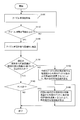
- FIG. 2 is a flowchart showing an example of the operation of the engine oil life calculation device.
- FIG. 1 is a diagram schematically showing a vehicle provided with a PTO axis according to an embodiment of the present disclosure.
- the vehicle 1 includes an engine 2, a flywheel 3, a transmission 4, a transfer 5, a differential 6, an axle 7, a drive wheel 8, a PTO shaft 9, a vehicle speed sensor 11, an engine ECU 20, and a vehicle ECU 30. It has.
- Engine 2 uses the reciprocating motion of the piston in the cinder as power instead of the rotational motion of the crankshaft.
- the flywheel 3 is attached to the rear end of the crankshaft so as to stabilize the rotation of the crankshaft (not shown).
- the transmission 4 is a device that changes the torque, rotation speed, and rotation direction of the engine 2 and transmits the power to the transfer 5 via a propeller shaft (not shown).
- the rotation of the crankshaft is transmitted to the transmission 4 through a flywheel 3, a clutch disc (not shown), or the like.
- the transfer 5 transmits the power output from the transmission 4 to the drive wheels 8 via the differential 6 and the axle 7.
- the PTO shaft 9 is a rotating shaft capable of extracting the power of the engine 2.
- One or more PTO axes 9 are arranged in the vehicle 1. As shown in FIG. 1, the locations where the PTO shaft 9 is arranged are the front side of the engine 2, the flywheel 3, the side side of the transmission 4, the rear side of the transmission 4, the transfer 5, and the like.
- the power taken out from the PTO shaft 9 is used as the power of the PTO equipment (for example, the elevator of the loading platform in the dump truck, the drum in the mixer truck), and the power of other equipment.
- the engine ECU 20 (Electronic Control Unit) is a control unit that controls various types of the engine 2.
- the engine ECU 20 is composed of a computer unit including a CPU (Central Processing Unit), a RAM (Random Access Memory), a ROM (Read Only Memory), an EEPROM (Electrically Erasable Programmable Read-Only Memory), and an input / output port. It is composed.
- the engine ECU 20 controls, for example, the rotational speed of the engine 2 and the amount of fuel supplied to the engine 2.
- a vehicle speed pulse is input to the engine ECU 20 from the vehicle speed sensor 11.
- the CPU of the engine ECU 20 calculates the vehicle speed based on the vehicle speed pulse.
- the vehicle ECU 30 is a control unit that controls various types of vehicles. Data communication between the vehicle ECU 30 and the engine ECU 20 is performed using CAN (Controller Area Network).
- the vehicle ECU 30 is composed of a computer unit including a CPU, a RAM, a ROM, an EEPROM, and an input / output port.
- the vehicle ECU 30 has various functions such as an acquisition unit 31, a determination unit 32, a conversion unit 33, and a calculation unit 34.
- the engine oil life calculation device 30A of the present disclosure includes an acquisition unit 31, a determination unit 32, a conversion unit 33, and a calculation unit 34.
- the acquisition unit 31 acquires the vehicle speed from the engine ECU 20.
- the acquisition unit 31 acquires an idle time indicating a time during which the engine 2 is operating and a time during which the vehicle 1 is not running.
- the determination unit 32 determines whether or not the idle time is equal to or greater than a predetermined threshold value (here, 2 hours).
- the determination unit 32 also determines whether or not the current remaining mileage is calculated based on the actual mileage (hereinafter, mileage A).
- the determination unit 32 also determines whether or not the mileage converted by the conversion unit 33 (hereinafter, mileage B) is larger than the mileage A.
- the conversion unit 33 converts the idle time T into the mileage B.
- the mileage B is calculated from the following equation.
- B Lmax * (T / Tmax) ... (1)
- Lmax is the maximum value of the mileage
- Tmax is the maximum value of the idle time.
- Lmax is a value obtained by converting the life threshold value of the engine oil into a mileage.
- Tmax is a value obtained by converting the life threshold value of the engine oil into an idle time.
- the mileage B is about 66 (km) from the above equation (1). Is. Further, for example, when the idle time is 3 hours, the mileage B is about 100 (km) according to the above equation (1).
- the calculation unit 34 calculates the remaining mileage indicating the life of the engine oil based on the mileage A or the mileage B.
- the remaining mileage Lra calculated based on the mileage A and the remaining mileage Lrb calculated based on the mileage B are set as either the mileage A or B.
- Lr be the remaining mileage calculated based on this. That is, the remaining mileage Lr may be the remaining mileage Lra, or may be the remaining mileage Lrb.
- previous time before running or before idling is called "previous time”
- after running or after idling is called "this time”.
- the calculation unit 34 calculates a new remaining mileage Lra by subtracting the mileage A from the remaining mileage Lr.
- the remaining mileage Lra is expressed by the following equation (2).
- Lra Lr-A ... (2)
- the calculation unit 34 also calculates a new remaining mileage Lrb by subtracting the mileage B from the remaining mileage Lrb.
- the remaining mileage Lrb is expressed by the following equation (3).
- Lrb Lrb-B ... (3)
- the calculation unit 34 travels from the remaining mileage Lr (remaining mileage before calculation based on the mileage A).
- a new remaining mileage Lrb is calculated by subtracting the distance B.
- the remaining mileage Lrb is expressed by the following equation (4).
- Lrb Lr-B ... (4) If the current mileage B is not larger than the previous mileage A (B ⁇ A), the calculation unit 34 does not calculate the remaining mileage. That is, the previous remaining mileage is maintained.
- the calculation unit 34 calculates the remaining mileage 8920 (km) after traveling by subtracting 80 (km) from the remaining mileage 9000 (km) before traveling (see the above formula (2)). .. The remaining mileage 8920 (km) is displayed on the display unit 40.
- a specific example 3 describes a case where the engine 2 is idle after the vehicle 1 travels.
- the mileage A due to the running of the vehicle 1 is set to 80 (km), and by subtracting 80 (km) from the remaining mileage 9000 (km) before running, the remaining mileage after running is 8920 (km). ) Is calculated.
- the calculation unit 34 does not calculate the remaining mileage based on the mileage B. That is, the remaining travelable distance after traveling is maintained at 8920 (km). The remaining mileage 8920 (km) is displayed on the display unit 40.
- FIG. 2 is a flowchart showing an example of the operation of the engine oil life calculation device 30A. This flow is started in response to the start of the engine 2. Each function of the acquisition unit 31 will be described as being performed by the vehicle ECU 30.
- step S100 the vehicle ECU 30 acquires the idle time.
- step S110 the vehicle ECU 30 determines whether or not the idle time is equal to or greater than a predetermined threshold value.
- a predetermined threshold value step S110: YES
- the process proceeds to step S120. If the idle time is less than a predetermined threshold (step S110: NO), the process returns before step S100.
- step S120 the vehicle ECU 30 converts the idle time into the mileage B.
- step S130 the vehicle ECU 30 determines whether or not the current remaining mileage is calculated based on the previous mileage A based on the history of the mileage of the vehicle.
- step S130: YES the process proceeds to step S140. If the current remaining mileage is not calculated based on the current mileage A (step S130: NO), the process proceeds to step S150.
- step S140 the vehicle ECU 30 compares the actual mileage A with the converted mileage B. When the mileage B is larger than the mileage A (B> A), the process proceeds to step S160. When the mileage B is equal to or less than the mileage A, the flow shown in FIG. 2 ends.
- step S150 the vehicle ECU 30 calculates the remaining mileage by subtracting the mileage B after the idle from the remaining mileage before the idle this time. After that, the flow shown in FIG. 2 ends.
- step S160 the vehicle ECU 30 calculates the remaining mileage by subtracting the mileage B after the current idle from the remaining mileage before the previous run. After that, the flow shown in FIG. 2 ends.
- the engine oil life calculation device 30A in the above embodiment is an engine oil life calculation device that calculates the remaining mileage indicating the life of the engine oil based on the mileage of the vehicle 1, and the engine 2 operates.
- the conversion unit 33 which converts the idle time indicating the time during which the vehicle 1 does not travel into the mileage of the vehicle 1, and the converted mileage when the idle time is equal to or greater than a predetermined threshold value.
- the remaining mileage is calculated based on the idle time that causes the engine oil to deteriorate, so that the life of the engine oil can be calculated accurately.
- the threshold value of the idle time is fixed, but the present disclosure is not limited to this, and for example, the threshold value of the idle time may be changed.
- the remaining mileage is calculated based on the idle time, but the present disclosure is not limited to this, and for example, the remaining mileage is possible based on the time when the engine power is taken out from the PTO shaft.
- the distance may be calculated. Since the time when the engine power is taken out from the PTO shaft is a major factor in the deterioration of the engine oil, the life of the engine oil can be calculated more accurately.
- the present disclosure is suitably used for a vehicle equipped with an engine oil life calculation device that is required to improve the calculation accuracy of the remaining mileage.
- Vehicle 2 Engine 3 Flywheel 4 Transmission 5 Transfer 6 Differential 7 Axle 8 Drive Wheel 9 PTO Axis 11 Vehicle Speed Sensor 20
- Engine ECU 30 Vehicle ECU 30A Engine oil life calculation device 31 Acquisition unit 32 Judgment unit 33 Conversion unit 34 Calculation unit 40 Display unit
Landscapes
- Engineering & Computer Science (AREA)
- Mechanical Engineering (AREA)
- General Engineering & Computer Science (AREA)
- Lubrication Details And Ventilation Of Internal Combustion Engines (AREA)
- Combined Controls Of Internal Combustion Engines (AREA)
Abstract
エンジンオイルの寿命算出装置および車両は、エンジンオイルの寿命を正確に算出することが可能であって、車両の走行距離に基づいて、エンジンオイルの寿命を示す残存走行可能距離を算出するエンジンオイルの寿命算出装置であって、エンジンが稼働している時間であって、かつ、車両が走行しない時間を示すアイドル時間を車両の走行距離に換算する換算部と、アイドル時間が所定の閾値以上である場合、換算された走行距離に基づいて、残存走行可能距離を算出する算出部と、を備える。
Description
本開示は、エンジンオイルの寿命算出装置および車両に関する。
車両のエンジンに使用されるエンジンオイルは、エンジン内を循環し、例えば、エンジン内で金属同士がこすれ合うときの摩擦によって発生する不純物を取り除き、また、エンジン内部で発生する熱を吸収する。そのため、エンジンオイルは、使用するに応じて、熱による酸化や煤の混入による汚れ等に起因して劣化する。エンジンオイルが劣化した場合、取り除くことができる不純物の量が低下し、エンジン内部に不純物が溜まり、エンジン性能が低下する。そこで、エンジンオイルは、定期的に交換される。エンジンオイルの交換時期は、例えば、走行距離を目安に行われる。
例えば、特許文献1には、車両の走行距離に関する情報を、エンジンの運転状態に関する情報で補正して、補正走行距離を算出し、エンジンオイルの寿命を示す残存走行可能距離から補正走行距離を減算して、新たな残存走行可能距離を算出するオイル寿命算出装置が開示されている。
ところで、エンジンが稼働し、かつ、車両が走行しない時間(以下、アイドル時間)であっても、アイドル時間に応じて、エンジンオイルが劣化する。例えば、アイドル時間において、エンジンの動力がパワーテイクオフ軸(以下、PTO軸)から取り出される場合、アイドル時間に応じて、エンジンオイルが劣化する。
特許文献1に記載の技術においては、アイドル時間に基づいては、残存走行可能距離を算出しないため、エンジンオイルの寿命を正確に算出することができない場合があった。
本開示の目的は、エンジンオイルの寿命を正確に算出することが可能なエンジンオイルの寿命算出装置および車両を提供することである。
上記の目的を達成するため、本開示におけるエンジンオイルの寿命算出装置は、
車両の走行距離に基づいて、エンジンオイルの寿命を示す残存走行可能距離を算出するエンジンオイルの寿命算出装置であって、
エンジンが稼働している時間であって、かつ、車両が走行しない時間を示すアイドル時間を車両の走行距離に換算する換算部と、
前記アイドル時間が所定の閾値以上である場合、前記換算された前記走行距離に基づいて、前記残存走行可能距離を算出する算出部と、
を備える。
車両の走行距離に基づいて、エンジンオイルの寿命を示す残存走行可能距離を算出するエンジンオイルの寿命算出装置であって、
エンジンが稼働している時間であって、かつ、車両が走行しない時間を示すアイドル時間を車両の走行距離に換算する換算部と、
前記アイドル時間が所定の閾値以上である場合、前記換算された前記走行距離に基づいて、前記残存走行可能距離を算出する算出部と、
を備える。
本開示における車両は、
上記エンジンオイルの寿命算出装置と、
上記残存走行可能距離を表示する表示部と、
を備える。
上記エンジンオイルの寿命算出装置と、
上記残存走行可能距離を表示する表示部と、
を備える。
本開示によれば、エンジンオイルの寿命を正確に算出することができる。
以下、本開示の実施の形態について、図面を参照しながら説明する。
図1は、本開示の実施の形態に係るPTO軸を備えた車両を概略的に示す図である。
図1は、本開示の実施の形態に係るPTO軸を備えた車両を概略的に示す図である。
車両1は、エンジン2と、フライホイール3と、トランスミッション4と、トランスファー5と、ディファレンシャル6、アクスル7と、駆動輪8と、PTO軸9と、車速センサ11と、エンジンECU20と、車両ECU30とを備えている。
エンジン2は、シンダーの中のピストン往復運動をクランクシャフトの回転運動に換えて動力とする。
フライホイール3は、クランクシャフト(不図示)の回転を安定させるように、クランクシャフトの後端に取り付けられる。
トランスミッション4は、エンジン2の動力をトルクや回転数、回転方向を変えてプロペラシャフト(不図示)を介してトランスファー5へと伝達する装置である。トランスミッション4には、クランクシャフトの回転がフライホイール3やクラッチディスク(不図示)等を通して伝達される。
トランスファー5は、トランスミッション4から出た動力をディファレンシャル6、アクスル7を経由して駆動輪8へと伝達する。
PTO軸9は、エンジン2の動力を取り出し可能な回転軸である。車両1には1又は複数のPTO軸9が配置される。PTO軸9が配置される場所は、図1に示すように、エンジン2のフロント側や、フライホイール3や、トランスミッション4のサイド側や、トランスミッション4のリヤ側や、トランスファー5などである。PTO軸9から取り出される動力は、PTO機器(例えば、ダンプカーにおける荷台の昇降機、ミキサー車におけるドラム)の動力として、また、その他の機器の動力として使われる。
エンジンECU20(Electronic Control Unit)は、エンジン2の各種の制御を行う制御部である。エンジンECU20は、CPU(Central Processing Unit)と、RAM(Random Access Memory)と、ROM(Read Only Memory)と、EEPROM(Electrically Erasable Programmable Read-Only Memory)と、入出力ポートとを備えたコンピュータユニットによって構成される。エンジンECU20は、たとえば、エンジン2の回転速度の制御、および、エンジン2への燃料供給量の制御を行う。エンジンECU20には、車速センサ11から車速パルスが入力される。エンジンECU20のCPUは、車速パルスに基づいて車速を算出する。
車両ECU30は、車両の各種の制御を行う制御部である。車両ECU30とエンジンECU20との間のデータ通信はCAN(Controller Area Network)を用いて行われる。車両ECU30は、CPUと、RAMと、ROMと、EEPROMと、入出力ポートとを備えたコンピュータユニットによって構成される。車両ECU30は、取得部31、判定部32、換算部33、および、算出部34等の各種の機能を有する。本開示のエンジンオイルの寿命算出装置30Aは、取得部31、判定部32、換算部33、および、算出部34を有する。
取得部31は、エンジンECU20から車速を取得する。取得部31は、エンジン2が稼働している時間であって、かつ、車両1が走行していない時間を示すアイドル時間を取得する。
判定部32は、アイドル時間が所定の閾値(ここでは、2時間)以上であるか否かについて判定する。
判定部32は、また、現在の残存走行可能距離が実際の走行距離(以下、走行距離A)に基づいて算出されたか否かについて判定する。
判定部32は、また、換算部33により換算された走行距離(以下、走行距離B)が走行距離Aよりも大きいか否かについて判定する。
換算部33は、アイドル時間Tが所定の閾値(例えば、2時間)以上である場合、アイドル時間Tを、走行距離Bに換算する。
走行距離Bは、次式から算出される。
B = Lmax * (T/Tmax)…(1)
ここで、Lmaxは走行可能距離の最大値、Tmaxはアイドル時間の最大値である。なお、Lmaxは、エンジンオイルの寿命閾値を走行可能距離に換算した値である。また、Tmaxは、エンジンオイルの寿命閾値をアイドル時間に換算した値である。
走行距離Bは、次式から算出される。
B = Lmax * (T/Tmax)…(1)
ここで、Lmaxは走行可能距離の最大値、Tmaxはアイドル時間の最大値である。なお、Lmaxは、エンジンオイルの寿命閾値を走行可能距離に換算した値である。また、Tmaxは、エンジンオイルの寿命閾値をアイドル時間に換算した値である。
例えば、Lmaxが10000(km)、Tmaxが300時間(hr)である場合、例えば、アイドル時間Tが2時間である場合、走行距離Bは、上記の式(1)より、約66(km)である。また、例えば、アイドル時間が3時間である場合、走行距離Bは、上記の式(1)より、約100(km)である。
算出部34は、走行距離Aまたは走行距離Bに基づいて、エンジンオイルの寿命を示す残存走行可能距離を算出する。ここで、説明をわかり易くするため、走行距離Aに基づいて算出された残存走行可能距離Lraとし、走行距離Bに基づいて算出された残存走行可能距離Lrbとし、走行距離A、Bのいずれかに基づいて算出された残存走行可能距離をLrとする。つまり、残存走行可能距離Lrは、残存走行可能距離Lraである場合があり、残存走行可能距離Lrbである場合がある。また、走行前またはアイドル前を「前回」といい、走行後またはアイドル後を「今回」という。
具体的には、算出部34は、残存走行可能距離Lrから走行距離Aを減算することにより新たな残存走行可能距離Lraを算出する。残存走行可能距離Lraは、次式(2)により表される。
Lra=Lr-A …(2)
Lra=Lr-A …(2)
算出部34は、また、残存走行可能距離Lrbから走行距離Bを減算することにより新たな残存走行可能距離Lrbを算出する。残存走行可能距離Lrbは、次式(3)により表される。
Lrb=Lrb-B …(3)
Lrb=Lrb-B …(3)
算出部34は、また、今回の走行距離Bが前回の走行距離Aより大きい場合(B>A)、残存走行可能距離Lr(走行距離Aに基づいて算出する前の残存走行可能距離)から走行距離Bを減算することにより新たな残存走行可能距離Lrbを算出する。残存走行可能距離Lrbは、次式(4)により表される。
Lrb=Lr-B …(4)
なお、算出部34は、今回の走行距離Bが前回の走行距離Aより大きくない場合(B≦A)、残存走行可能距離を算出しない。つまり、前回の残存走行可能距離が維持される。
Lrb=Lr-B …(4)
なお、算出部34は、今回の走行距離Bが前回の走行距離Aより大きくない場合(B≦A)、残存走行可能距離を算出しない。つまり、前回の残存走行可能距離が維持される。
次に、残存走行可能距離を算出する場合の具体例について説明する。
<具体例1>
具体例1では、車両1の走行後、または、エンジン2のアイドル後、車両1が走行される場合について説明する。
算出部34は、走行前の残存走行可能距離9000(km)から80(km)を減算することにより(上記式(2)を参照)、走行後の残存走行可能距離8920(km)を算出する。表示部40には、残存走行可能距離8920(km)が表示される。
具体例1では、車両1の走行後、または、エンジン2のアイドル後、車両1が走行される場合について説明する。
算出部34は、走行前の残存走行可能距離9000(km)から80(km)を減算することにより(上記式(2)を参照)、走行後の残存走行可能距離8920(km)を算出する。表示部40には、残存走行可能距離8920(km)が表示される。
<具体例2>
具体例2では、エンジン2のアイドル後、再び、エンジン2がアイドルされる場合について説明する。ここで、エンジン2のアイドルによる走行距離Bを133(km)(4時間に相当する)とし、前回のアイドル前の残存走行可能距離9000(km)から133(km)を減算することにより、前回のアイドル後(今回のアイドル前)の残存走行可能距離8867(km)が算出されたものとする。
具体例2では、エンジン2のアイドル後、再び、エンジン2がアイドルされる場合について説明する。ここで、エンジン2のアイドルによる走行距離Bを133(km)(4時間に相当する)とし、前回のアイドル前の残存走行可能距離9000(km)から133(km)を減算することにより、前回のアイドル後(今回のアイドル前)の残存走行可能距離8867(km)が算出されたものとする。
今回のアイドル後、例えば、取得部31がアイドル時間として3時間を取得したものとする。換算部33は、アイドル時間(3時間)に基づいて、上記式(1)により、走行距離B=100(km)を換算する。
算出部34は、今回のアイドル前の残存走行可能距離8867(km)から今回のアイドル後の走行距離Bを減算することにより(上記式(3)を参照)、新たな残存走行可能距離8767(km)(=8867-100)を算出する。表示部40には残存走行可能距離8767(km)が表示される。
<具体例3>
具体例3では、車両1の走行後、エンジン2がアイドルされる場合について説明する。
ここで、車両1の走行による走行距離Aを80(km)とし、走行前の残存走行可能距離9000(km)から80(km)を減算することにより、走行後の残存走行可能距離8920(km)が算出されたものとする。
具体例3では、車両1の走行後、エンジン2がアイドルされる場合について説明する。
ここで、車両1の走行による走行距離Aを80(km)とし、走行前の残存走行可能距離9000(km)から80(km)を減算することにより、走行後の残存走行可能距離8920(km)が算出されたものとする。
車両1の走行後、例えば、取得部31がアイドル時間として3時間を取得したものとする。換算部33は、アイドル時間(3時間)に基づいて、上記式(1)により、走行距離B=100(km)を換算する。判定部32は、走行距離B(=100(km))が走行距離A(=80(km))よりも大きいと判定する。
算出部34は、今回の走行距離Bが前回の走行距離Aよりも大きい場合(B>A)、走行前(走行距離Aに基づいて算出される前)の残存走行可能距離9000(km)からアイドル後の走行距離Bを減算することにより(上記式(4)を参照)、新たな残存走行可能距離8900(km)(=9000-100)を算出する。表示部40には、残存走行可能距離8900(km)が表示される。
これに対し、車両1の走行後、例えば、取得部31がアイドル時間として2時間を取得したものとする。換算部33は、アイドル時間(2時間)に基づいて、上記式(1)により、走行距離B=66(km)を換算する。判定部32は、走行距離B(=66(km))が走行距離A(=80(km))よりも小さいと判定する。
算出部34は、走行距離Bが走行距離Aよりも小さい場合(B<A)、走行距離Bに基づいた残存走行可能距離の算出を行わない。つまり、走行後の残存走行可能距離8920(km)に維持される。表示部40には、残存走行可能距離8920(km)が表示される。
次に、エンジンオイルの寿命算出装置30Aの動作の一例について図2を参照して説明する。図2は、エンジンオイルの寿命算出装置30Aの動作の一例を示すフローチャートである。本フローは、エンジン2の始動に応じて開始される。取得部31の各機能を車両ECU30が行うものとして説明する。
ステップS100において、車両ECU30は、アイドル時間を取得する。
次に、ステップS110において、車両ECU30は、アイドル時間が所定の閾値以上であるか否かについて判定する。アイドル時間が所定の閾値以上である場合(ステップS110:YES)、処理はステップS120に遷移する。アイドル時間が所定の閾値未満である場合(ステップS110:NO)、処理はステップS100の前に戻る。
ステップS120において、車両ECU30は、アイドル時間を走行距離Bに換算する。
ステップS130において、車両ECU30は、車両の走行距離の履歴に基づいて、現在の残存走行可能距離が前回の走行距離Aに基づいて算出されたか否かを判定する。現在の残存走行可能距離が今回の走行距離Aに基づいて算出された場合(ステップS130:YES)、処理はステップS140に遷移する。現在の残存走行可能距離が今回の走行距離Aに基づいて算出されなかった場合(ステップS130:NO)、処理はステップS150に遷移する。
ステップS140において、車両ECU30は、実際の走行距離Aと換算された走行距離Bとを比較する。走行距離Bが走行距離Aより大きい場合(B>A)、処理はステップS160に遷移する。走行距離Bが走行距離A以下である場合、図2に示すフローは、終了する。
次に、ステップS150において、車両ECU30は、今回のアイドル前の残存走行可能距離から今回のアイドル後の走行距離Bを減算することにより、残存走行可能距離を算出する。その後、図2に示すフローは、終了する。
次に、ステップS160において、車両ECU30は、前回の走行前の残存走行可能距離から今回のアイドル後の走行距離Bを減算することにより、残存走行可能距離を算出する。その後、図2に示すフローは、終了する。
上記実施の形態におけるエンジンオイルの寿命算出装置30Aは、車両1の走行距離に基づいて、エンジンオイルの寿命を示す残存走行可能距離を算出するエンジンオイルの寿命算出装置であって、エンジン2が稼働している時間であって、かつ、車両1が走行しない時間を示すアイドル時間を車両1の走行距離に換算する換算部33と、アイドル時間が所定の閾値以上である場合、換算された走行距離に基づいて、残存走行可能距離を算出する算出部34と、を備える。
上記構成により、エンジンオイルが劣化する要因となるアイドル時間に基づいて、残存走行可能距離を算出するため、エンジンオイルの寿命を正確に算出することが可能となる。
その他、上記実施の形態は、何れも本開示の実施をするにあたっての具体化の一例を示したものに過ぎず、これらによって本開示の技術的範囲が限定的に解釈されてはならないものである。すなわち、本開示はその要旨、またはその主要な特徴から逸脱することなく、様々な形で実施することができる。
上記実施の形態では、アイドル時間の閾値を一定としたが、本開示はこれに限らず、例えば、アイドル時間の閾値を変更可能にしてもよい。
また、上記実施の形態では、アイドル時間に基づいて、残存走行可能距離を算出したが、本開示はこれに限らず、例えば、エンジンの動力がPTO軸から取り出される時間に基づいて、残存走行可能距離を算出してもよい。エンジンの動力がPTO軸から取り出される時間は、エンジンオイルが劣化する大きな要因となるため、エンジンオイルの寿命をより正確に算出することが可能となる。
本出願は、2020年3月18日付で出願された日本国特許出願(特願2020-048188)に基づくものであり、その内容はここに参照として取り込まれる。
本開示は、残存走行可能距離の算出精度を上げることが要求されるエンジンオイルの寿命算出装置を備えた車両に好適に利用される。
1 車両
2 エンジン
3 フライホイール
4 トランスミッション
5 トランスファー
6 ディファレンシャル
7 アクスル
8 駆動輪
9 PTO軸
11 車速センサ
20 エンジンECU
30 車両ECU
30A エンジンオイルの寿命算出装置
31 取得部
32 判定部
33 換算部
34 算出部
40 表示部
2 エンジン
3 フライホイール
4 トランスミッション
5 トランスファー
6 ディファレンシャル
7 アクスル
8 駆動輪
9 PTO軸
11 車速センサ
20 エンジンECU
30 車両ECU
30A エンジンオイルの寿命算出装置
31 取得部
32 判定部
33 換算部
34 算出部
40 表示部
Claims (5)
- 車両の走行距離に基づいて、エンジンオイルの寿命を示す残存走行可能距離を算出するエンジンオイルの寿命算出装置であって、
エンジンが稼働している時間であって、かつ、車両が走行しない時間を示すアイドル時間を車両の走行距離に換算する換算部と、
前記アイドル時間が所定の閾値以上である場合、前記換算された前記走行距離に基づいて、前記残存走行可能距離を算出する算出部と、
を備える、
エンジンオイルの寿命算出装置。 - 前記算出部は、前記換算された前記走行距離が車両の実際の走行距離よりも大きい場合、前記換算された走行距離に基づいて、前記残存走行可能距離を算出する、
請求項1に記載のエンジンオイルの寿命算出装置。 - 前記換算部は、エンジンオイルの寿命閾値を走行可能距離に換算した値を示す前記走行可能距離の最大値、および、エンジンオイルの寿命閾値を前記アイドル時間に換算した値を示す前記アイドル時間の最大値に基づいて、前記走行距離を換算する、
請求項1に記載のエンジンオイルの寿命算出装置。 - 前記アイドル時間は、エンジンの動力がPTO軸から取り出される時間を含む、
請求項1に記載のエンジンオイルの寿命算出装置。 - 請求項1に記載のエンジンオイルの寿命算出装置と、
前記残存走行可能距離を表示する表示部と、
を備える、車両。
Priority Applications (1)
| Application Number | Priority Date | Filing Date | Title |
|---|---|---|---|
| CN202180019265.4A CN115279999B (zh) | 2020-03-18 | 2021-03-18 | 发动机机油的寿命计算装置及车辆 |
Applications Claiming Priority (2)
| Application Number | Priority Date | Filing Date | Title |
|---|---|---|---|
| JP2020048188A JP7351246B2 (ja) | 2020-03-18 | 2020-03-18 | エンジンオイルの寿命算出装置および車両 |
| JP2020-048188 | 2020-03-18 |
Publications (1)
| Publication Number | Publication Date |
|---|---|
| WO2021187597A1 true WO2021187597A1 (ja) | 2021-09-23 |
Family
ID=77771550
Family Applications (1)
| Application Number | Title | Priority Date | Filing Date |
|---|---|---|---|
| PCT/JP2021/011209 Ceased WO2021187597A1 (ja) | 2020-03-18 | 2021-03-18 | エンジンオイルの寿命算出装置および車両 |
Country Status (3)
| Country | Link |
|---|---|
| JP (1) | JP7351246B2 (ja) |
| CN (1) | CN115279999B (ja) |
| WO (1) | WO2021187597A1 (ja) |
Families Citing this family (1)
| Publication number | Priority date | Publication date | Assignee | Title |
|---|---|---|---|---|
| JP7616117B2 (ja) | 2022-02-21 | 2025-01-17 | 三菱自動車工業株式会社 | オイル管理システム |
Citations (6)
| Publication number | Priority date | Publication date | Assignee | Title |
|---|---|---|---|---|
| JPS639411U (ja) * | 1986-07-03 | 1988-01-22 | ||
| JPH0361756A (ja) * | 1989-07-31 | 1991-03-18 | Chidori Kosan Kk | 変動動力定速化装置 |
| JPH09100712A (ja) * | 1995-10-04 | 1997-04-15 | Fujikura Ltd | 潤滑油寿命予測方法及び同方法を用いた潤滑油寿命予測装置 |
| JP2003056324A (ja) * | 2001-08-09 | 2003-02-26 | Honda Motor Co Ltd | エンジンオイルの残存寿命表示装置 |
| JP2006077733A (ja) * | 2004-09-13 | 2006-03-23 | Fuso Engineering Corp | Pto装置付きエンジンの制御装置 |
| US20130131912A1 (en) * | 2011-11-22 | 2013-05-23 | Ford Global Technologies, Llc | Method and apparatus for estimating replacement of vehicle engine oil |
Family Cites Families (1)
| Publication number | Priority date | Publication date | Assignee | Title |
|---|---|---|---|---|
| JP2004150375A (ja) * | 2002-10-31 | 2004-05-27 | Honda Motor Co Ltd | エンジンオイルの劣化判定装置 |
-
2020
- 2020-03-18 JP JP2020048188A patent/JP7351246B2/ja active Active
-
2021
- 2021-03-18 WO PCT/JP2021/011209 patent/WO2021187597A1/ja not_active Ceased
- 2021-03-18 CN CN202180019265.4A patent/CN115279999B/zh active Active
Patent Citations (6)
| Publication number | Priority date | Publication date | Assignee | Title |
|---|---|---|---|---|
| JPS639411U (ja) * | 1986-07-03 | 1988-01-22 | ||
| JPH0361756A (ja) * | 1989-07-31 | 1991-03-18 | Chidori Kosan Kk | 変動動力定速化装置 |
| JPH09100712A (ja) * | 1995-10-04 | 1997-04-15 | Fujikura Ltd | 潤滑油寿命予測方法及び同方法を用いた潤滑油寿命予測装置 |
| JP2003056324A (ja) * | 2001-08-09 | 2003-02-26 | Honda Motor Co Ltd | エンジンオイルの残存寿命表示装置 |
| JP2006077733A (ja) * | 2004-09-13 | 2006-03-23 | Fuso Engineering Corp | Pto装置付きエンジンの制御装置 |
| US20130131912A1 (en) * | 2011-11-22 | 2013-05-23 | Ford Global Technologies, Llc | Method and apparatus for estimating replacement of vehicle engine oil |
Also Published As
| Publication number | Publication date |
|---|---|
| CN115279999A (zh) | 2022-11-01 |
| JP7351246B2 (ja) | 2023-09-27 |
| CN115279999B (zh) | 2024-04-02 |
| JP2021148051A (ja) | 2021-09-27 |
Similar Documents
| Publication | Publication Date | Title |
|---|---|---|
| US9440641B2 (en) | Control device for hybrid vehicle | |
| JP5991375B2 (ja) | ハイブリッド車両の制御装置 | |
| CN105501046B (zh) | 用于混合动力车辆的驱动控制系统 | |
| US9827990B2 (en) | Method and device for determining an energy consumption when driving a vehicle | |
| US10138770B2 (en) | Vehicle and control method for vehicle | |
| KR20160088240A (ko) | 하이브리드 차의 구동 제어 시스템 | |
| US11718298B2 (en) | Methods and systems for coordinating predictive cruise control, engine-off coasting, and hybrid power split | |
| US11167746B2 (en) | Control apparatus and control method for vehicle | |
| JP4089608B2 (ja) | 自動車 | |
| JP7351246B2 (ja) | エンジンオイルの寿命算出装置および車両 | |
| SE1150679A1 (sv) | Förfarande och anordning för bestämning av energiförbrukning vid fordon | |
| CN110831799B (zh) | 通过增加的电池功率起动混合动力车辆的方法 | |
| CN110621532B (zh) | 电动汽车用控制装置及电动汽车 | |
| JP2009153281A (ja) | 電動車両の制御装置 | |
| US9714871B2 (en) | Real-time virtual axle assembly temperature sensor | |
| KR20180088684A (ko) | 차량 작동 중의 브레이크 시스템 사용의 기준을 결정하기 위한 방법 및 장치 | |
| CN110546031B (zh) | 电动汽车用控制装置及电动汽车 | |
| JP3614127B2 (ja) | ハイブリッド車両駆動装置の制御装置 | |
| JP4736950B2 (ja) | 車両用動力装置およびその制御装置 | |
| JP4386003B2 (ja) | ハイブリッド車両のバッテリ保護制御装置 | |
| JP3710265B2 (ja) | 車両の発進ショック低減装置 | |
| JP2019173606A (ja) | オイルレベル判定装置 | |
| CN108953570B (zh) | 一种洗扫车用驱动桥主减速器总成 | |
| CN117302185A (zh) | 混合动力系统发动机启动方法、装置和作业机械 | |
| JP6908484B2 (ja) | オイルポンプの駆動装置 |
Legal Events
| Date | Code | Title | Description |
|---|---|---|---|
| 121 | Ep: the epo has been informed by wipo that ep was designated in this application |
Ref document number: 21770467 Country of ref document: EP Kind code of ref document: A1 |
|
| NENP | Non-entry into the national phase |
Ref country code: DE |
|
| 122 | Ep: pct application non-entry in european phase |
Ref document number: 21770467 Country of ref document: EP Kind code of ref document: A1 |