WO2021182220A1 - 高炉の炉況学習方法、炉況学習装置、異常検出方法、異常検出装置、及び操業方法 - Google Patents
高炉の炉況学習方法、炉況学習装置、異常検出方法、異常検出装置、及び操業方法 Download PDFInfo
- Publication number
- WO2021182220A1 WO2021182220A1 PCT/JP2021/008125 JP2021008125W WO2021182220A1 WO 2021182220 A1 WO2021182220 A1 WO 2021182220A1 JP 2021008125 W JP2021008125 W JP 2021008125W WO 2021182220 A1 WO2021182220 A1 WO 2021182220A1
- Authority
- WO
- WIPO (PCT)
- Prior art keywords
- blast furnace
- abnormality
- furnace
- learning
- neuron
- Prior art date
- Legal status (The legal status is an assumption and is not a legal conclusion. Google has not performed a legal analysis and makes no representation as to the accuracy of the status listed.)
- Ceased
Links
Images



Classifications
-
- C—CHEMISTRY; METALLURGY
- C21—METALLURGY OF IRON
- C21B—MANUFACTURE OF IRON OR STEEL
- C21B5/00—Making pig-iron in the blast furnace
-
- C—CHEMISTRY; METALLURGY
- C21—METALLURGY OF IRON
- C21B—MANUFACTURE OF IRON OR STEEL
- C21B7/00—Blast furnaces
- C21B7/24—Test rods or other checking devices
-
- F—MECHANICAL ENGINEERING; LIGHTING; HEATING; WEAPONS; BLASTING
- F27—FURNACES; KILNS; OVENS; RETORTS
- F27D—DETAILS OR ACCESSORIES OF FURNACES, KILNS, OVENS OR RETORTS, IN SO FAR AS THEY ARE OF KINDS OCCURRING IN MORE THAN ONE KIND OF FURNACE
- F27D21/00—Arrangement of monitoring devices; Arrangement of safety devices
-
- G—PHYSICS
- G05—CONTROLLING; REGULATING
- G05B—CONTROL OR REGULATING SYSTEMS IN GENERAL; FUNCTIONAL ELEMENTS OF SUCH SYSTEMS; MONITORING OR TESTING ARRANGEMENTS FOR SUCH SYSTEMS OR ELEMENTS
- G05B23/00—Testing or monitoring of control systems or parts thereof
- G05B23/02—Electric testing or monitoring
Definitions
- the present invention relates to a furnace condition learning method, a furnace condition learning device, an abnormality detection method, an abnormality detection device, and an operation method of a blast furnace.
- Patent Document 1 uses a neural network in which feature quantities extracted from a raceway image taken by an image pickup device whose focus has been adjusted in advance and sensory test results of an inspector are learned as teacher data. A method for determining the state of the blast furnace tuyere is described.
- the present invention has been made in view of the above problems, and an object of the present invention is when the causal relationship between the furnace condition abnormality to be detected and the measured data is uncertain, or when the measured data is desired to detect the furnace condition abnormality. It is an object of the present invention to provide a blast furnace condition learning method and a furnace condition learning device capable of generating a neural network capable of accurately detecting a blast furnace condition abnormality even when the time until the influence of the above is unknown. Another object of the present invention is to provide a blast furnace abnormality detection method, an abnormality detection device, and an operation method capable of accurately detecting a blast furnace condition abnormality.
- the blast furnace condition learning method is the first step of learning the image data of the raceway portion of the blast furnace taken during the photographing period including the period when the blast furnace condition abnormality occurs by an untrained neural network. Based on the second step of calculating the correlation coefficient between the firing value of the neuron and the index indicating the abnormal furnace condition for each neuron constituting the non-teachered neural network after learning, and the correlation coefficient. It includes a third step of extracting a neuron used for detecting an abnormality in the furnace condition as a neuron for detecting an abnormality.
- the first step may include a step of learning a set of a plurality of time-series image data of the raceway portion as one voxel data by an unsupervised neural network.
- the first step may include a step of learning a set of a plurality of image data of the raceway portion taken by changing the focus of the imaging device as one boxel data by an untrained neural network.
- the blast furnace condition learning device is a means for learning image data of a raceway portion of a blast furnace taken during a photographing period including a period in which an abnormality occurs in the blast furnace condition with an untrained neural network.
- a means for calculating the correlation coefficient between the firing value of the neuron and the index indicating the blast furnace condition abnormality, and the furnace condition abnormality based on the correlation coefficient is provided with a means for extracting a neuron used for detecting an abnormality as a neuron for detecting an abnormality.
- the method for detecting an abnormality in a blast furnace according to the present invention includes a step of inputting image data of a raceway portion taken during operation of the blast furnace into an untrained neural network learned by the method for learning the furnace condition of the blast furnace according to the present invention. , A step of detecting an abnormality in the blast furnace condition based on the firing value of the abnormality detection neural network.
- the blast furnace abnormality detection device is a means for inputting image data of a raceway portion taken during operation of the blast furnace into an untrained neural network learned by the blast furnace condition learning device according to the present invention.
- the method of operating the blast furnace according to the present invention includes a step of operating the blast furnace while monitoring the abnormal condition of the blast furnace by using the method for detecting an abnormality of the blast furnace according to the present invention.
- the blast furnace condition learning method and the blast furnace condition learning device it is possible to generate a neural network capable of accurately detecting the blast furnace condition abnormality. Further, according to the blast furnace abnormality detection method, the abnormality detection device, and the operation method according to the present invention, it is possible to accurately detect the blast furnace condition abnormality.
- FIG. 1 is a schematic view showing a configuration example of a blast furnace to which an abnormality detection device for a blast furnace according to an embodiment of the present invention is applied.
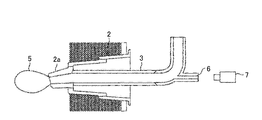
- FIG. 2 is a schematic view showing a configuration example of a blast furnace to which the abnormality detection device for the blast furnace according to the embodiment of the present invention is applied.
- FIG. 3 is a schematic view showing an example of an image of a raceway taken by an imaging device.
- FIG. 4 is a block diagram showing a configuration of an abnormality detection device for a blast furnace according to an embodiment of the present invention.
- FIG. 5 is a flowchart showing the flow of the pre-learning process according to the embodiment of the present invention.
- FIG. 6 is a flowchart showing the flow of the abnormality detection process according to the embodiment of the present invention.
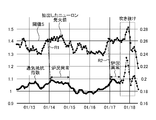
- FIG. 7 is a diagram showing an example of time-dependent changes in the aeration resistance index and the neuron firing value of the average of all tuyere.
- FIG. 1 is a schematic view showing a configuration example of a blast furnace to which an abnormality detection device for a blast furnace according to an embodiment of the present invention is applied.
- FIG. 1 in order to blow hot air from a hot air furnace (not shown) into the blast furnace 1 inside the tuyere 2 of the blast furnace 1 to which the abnormality detection device for the blast furnace according to the embodiment of the present invention is applied.
- the blow pipe (blow pipe) 3 is connected, and the lance 4 is installed through the blow pipe 3.
- Fuels such as pulverized coal, oxygen, and city gas are blown into the blast furnace 1 from the lance 4.
- raceway 5 there is a combustion space called raceway 5 in the coke deposit layer in front of the hot air blowing direction of tuyere 2, and coke combustion and gasification (reduction of iron ore, that is, iron ore production) are mainly performed in this raceway 5. It is said. Further, as shown in FIG. 2, the blower pipe 3 is formed with a window 6 for monitoring the inside of the furnace for the operator to monitor the situation inside the blast furnace 1. Then, in the vicinity of the in-core monitoring window 6, an imaging device 7 for taking an image of the raceway 5 is installed through the in-core monitoring window 6.
- FIG. 3 is a schematic view showing an example of an image of the raceway 5 taken by the image pickup device 7.
- the lance 4 and the raceway 5 are inside the circular image corresponding to the tip opening of the small tuyere 2a constituting the tuyere 2.
- the silhouette of is reflected.
- Approximately 40 tuyere 2s are installed in the circumferential direction of the blast furnace 1, and images of 40 raceways 5 in the circumferential direction of the blast furnace 1 are sequentially imaged by the imaging device 7.
- the focus position changes inside the raceway 5.
- the focus is on the vicinity of the tuyere 2, it becomes easier to see the combustion state of the pulverized coal blown from the lance 4, and if the focus is shifted from the tuyere 2 to the inside of the raceway 5, the coke turning situation, etc. It becomes easier to see the internal state of the raceway 5. Further, by observing the time-series images of the raceway 5 taken by the image pickup apparatus 7, it is possible to confirm the change in the combustion state of the pulverized coal and the change in the turning state of the coke. By adjusting the focal position of the imaging device 7 in this way, the imaging from the tuyere 2 to the inside of the raceway 5 under a plurality of focal conditions and the time-series images thereof contain information related to the situation change in the blast furnace 1. include.
- FIG. 4 is a block diagram showing a configuration of an abnormality detection device for a blast furnace according to an embodiment of the present invention.
- the abnormality detection device for the blast furnace according to the embodiment of the present invention includes an information processing device 11, a display device 12, and an operating condition adjusting device 13.
- the information processing device 11 is composed of an information processing device such as a computer, and functions as a pre-learning processing unit 11a and an abnormality detection unit 11b when an arithmetic processing device such as a CPU inside the information processing device executes a computer program.
- a pre-learning processing unit 11a and an abnormality detection unit 11b When an arithmetic processing device such as a CPU inside the information processing device executes a computer program.
- the functions of the pre-learning processing unit 11a and the abnormality detection unit 11b will be described later.
- the display device 12 is composed of a display device such as a liquid crystal display device, and displays various information according to a control signal from the information processing device 11.
- the operating condition adjusting device 13 controls the operating conditions of the blast furnace 1 according to an operation input signal from the operator.
- the information processing device 11 executes the following pre-learning process and abnormality detection process to provide a neural network capable of accurately detecting the furnace condition abnormality of the blast furnace 1. At the same time as generating, the abnormal state of the blast furnace 1 is detected with high accuracy.
- the operation of the information processing device 11 when executing the pre-learning process and the abnormality detection process will be described.
- An abnormality in the furnace condition of the blast furnace 1 represents, for example, a situation in which ventilation in the blast furnace 1 becomes poor, and is judged by a furnace condition index such as a ventilation resistance index. If any physical influence occurs in the vicinity of the tuyere 2 in response to such an abnormality in the furnace condition, the physical influence should be captured in the image of the raceway 5 taken by the image pickup apparatus 7. .. However, since the internal phenomenon of the blast furnace 1 has not been completely clarified, it is unclear whether the physical influence is observed in the vicinity of the tuyere 2. Also, even if it is known that there is a physical effect, it is not known how much the time when the physical effect is detected by the furnace condition index and the time when it is observed near the tuyere 2 are different. The furnace condition index cannot be associated with the image data of the raceway 5. This means that when machine learning is applied, it is not possible to create teacher data that determines whether the judgment of normal or abnormal is correct.
- FIG. 5 is a flowchart showing the flow of the pre-learning process according to the embodiment of the present invention.
- the pre-learning process unit 11a has a tuyere 2 that is continuous in time including a time when the furnace condition is poor, which is photographed by the imaging device 7. Image data set of (step S1).
- the pre-learning processing unit 11a unsupervisedly learns the neural network using the image data set of the tuyere 2 collected in the process of step S1 (step S2).
- the pre-learning processing unit 11a takes the image data of the tuyere 2 as an input, and the output image data is reconstructed into the input image data set of the tuyere 2 so that the non-teacher type neural network is used.
- the parameters of each neural network that make up the network are optimized by iterative calculation. As a result, the firing value of each neuron is adjusted so that the value becomes larger than some image features of the image data set of tuyere 2 used for unsupervised learning, but what kind of image each neuron has. I don't know if it corresponds to the feature.
- the pre-learning processing unit 11a searches for a neuron whose firing value fluctuates in response to a furnace condition abnormality by calculating the correlation coefficient between the firing value of the neuron and the time-series data of the furnace condition index. Specifically, the time difference (time delay) T between the time when the furnace condition abnormality is detected by the furnace condition index and the time observed near the tuyere 2 is unknown. Therefore, first, the pre-learning processing unit 11a determines the time-delayed Tmax at which the absolute value of the correlation coefficient becomes maximum and the absolute value Rmax of the correlation coefficient at that time while swinging the value of the time-delayed T at the firing value of each neuron. Obtain (step S3).
- the pre-learning processing unit 11a compares the absolute value Rmax of the correlation coefficient obtained for each neuron among the neurons, and extracts the neuron having the maximum value Rmax2 of the absolute value Rmax of the correlation coefficient (at this time). The time delay is Tmax2) (step S4). Finally, the pre-learning processing unit 11a compares the furnace condition index with the firing value of the extracted neuron, and determines the threshold value S of the firing value of the neuron from which the period determined as the furnace condition abnormality can be extracted (step S5). ). As a result, a series of pre-learning processes is completed.
- the maximum value Rmax2 of the correlation coefficient is a value calculated from the neurons having the highest correlation with the furnace condition index among the neurons unsupervised learned using the image data set of the tuyere 2. Therefore, if the maximum value Rmax2 of the correlation coefficient is sufficiently large, it can be determined that the influence of the furnace condition abnormality is reflected in the image data set of the tuyere 2. In addition, if the time-delayed Tmax2 value is set to a condition in which the firing value of the neuron fluctuates earlier than the firing value of the furnace, the firing value of the neuron can be used to predict the furnace condition abnormality in advance. can.
- the firing value of the neuron is used to detect the furnace condition abnormality in advance. Can be predicted.
- the firing value of the neuron needs to fluctuate before the furnace condition index. Therefore, when searching for the maximum value Rmax2 of the correlation coefficient, it is desirable to search under the condition that the time delay Tmax2 is larger than zero.
- FIG. 6 is a flowchart showing the flow of the abnormality detection process according to the embodiment of the present invention.
- the image pickup apparatus 7 first captures the image data of the tuyere 2 (step S11).
- the anomaly detection unit 11b inputs the image data of the tuyere 2 taken in the process of step S11 into the neural network trained by the pre-learning process, thereby determining the firing value of each neuron constituting the neural network. Calculate (step S12).
- the abnormality detection unit 11b determines that the furnace condition abnormality corresponding to the neuron will occur after the time Tmax, and notifies the operator to that effect.
- the warning information is output to the display device 12 (step S13).
- the operator adjusts the operating conditions of the blast furnace 1 by operating the operating condition adjusting device 13 in response to the warning information being displayed on the display device 12. According to such a process, the operating state of the blast furnace 1 can be quickly adjusted according to the warning information, so that the degree of abnormality in the furnace condition of the blast furnace 1 can be reduced.
- Example ⁇ In this embodiment, an example in which the abnormality detection process is applied to the actual tuyere image data and the furnace condition abnormality will be described.
- Image data was collected by installing an imaging device in a blast furnace equipped with 40 tuyere in the circumferential direction.
- the image data set was obtained by extracting one sheet for each tuyere for one hour during the period of 11 days including the abnormal furnace condition.
- the image data was an RGB color image of 320 ⁇ 240 pixels.
- deterioration of ventilation was selected as the furnace condition abnormality, and the ventilation resistance index was used as the furnace condition index.
- an unsupervised 12-layer neural network described in the literature (Le et al., Building High-level Features Using Large Scale Unsupervised Learning, ICML2012) was adopted. Although this neural network is a locally connected neural network, unsupervised learning is possible using a fully connected neural network and image data such as CNN (Convolutional Neural Network) and GAN (Generative Adversarial Network). It may be a neural network.
- CNN Convolutional Neural Network
- GAN Geneative Adversarial Network
- Unsupervised learning of the neural network was performed by inputting the image data set according to the flowchart shown in FIG.
- the calculation method of the correlation coefficient will be described.
- a time-series image of each tuyere was input to the neural network after unsupervised learning, and the firing value of each neuron was obtained for each tuyere.
- the firing value was normalized for each neuron.
- min-max normalization using the maximum / minimum value and z-score normalization using the average value and the standard deviation are well known, but in this embodiment, the former is used. However, the latter may be used.
- the firing value data normalized for each neuron was averaged between tuyere to obtain the firing value of all tuyere averages.
- the average firing value of all tuyere was obtained by averaging the output of firing value of neurons between tuyere, but the images of all 40 imaging devices were arranged side by side to form one image data. It may be used as the firing value of the neurons of the neural network learned by inputting the obtained data.
- the absolute value Rmax of the number was calculated. Here, 8 hours is the average cycle time until the raw material put into the blast furnace becomes hot metal, and it is considered that there is no physical causal relationship for a longer time. Then, the absolute value Rmax of the correlation coefficient was compared between each neuron, and the neurons having the maximum value Rmax2 of the absolute value Rmax of the correlation coefficient were extracted.
- the maximum value Rmax2 of the absolute value Rmax of the correlation coefficient was 0.41, and the time delay Tmax2 at that time was 1 hour.
- the correlation coefficient is about 0.4, the correlation is not so large, but it is sufficient considering that not all the factors that caused poor ventilation are observed at the tuyere. It was decided to judge as.
- FIG. 7 shows a plot showing the aeration resistance index and the time change of the neuron firing value of the average of all tuyere.
- the neuron firing values are plotted one hour off in consideration of the time delay Tmax2.
- Tmax2 the time delay
- the neuron firing value rises to around 1.1 indicated by arrows R1 and R2. It can be seen that the neuron firing value is high several hours before that. Therefore, for example, if the threshold value S of the neuron firing value is set to 0.26, the blast furnace can be operated so as to suppress the furnace condition abnormality in advance, such as reducing the air flow amount before the furnace condition abnormality occurs. In this way, even if the causal relationship between the aeration of the detection target and the captured image is uncertain, the feature amount of the image is learned by the neurons by unsupervised learning, and the neuron that has a high correlation with the aeration is searched for in the next step. By doing so, an index that can be used for abnormality detection can be obtained. Further, by searching for the time delay T, it is possible to clarify the time until the captured image affects the ventilation.
- one image is a cutout of the inside of the furnace at a certain moment, so the information inside the furnace obtained from the image is a change in spatial color that can be seen on the raceway.
- abnormal furnace conditions such as deterioration of ventilation in the furnace are information on changes over time.
- it is possible to capture information on changes in color over time by integrating a plurality of images continuously captured in time series and treating them as one voxel data, so that the detection performance is improved. ..
- the image data in the above learning example is converted into voxel data by integrating 10 images (for 10 seconds) taken once per second, and the voxel data is collected every hour for 40 tuyere. good.
- the focal point of the imaging device is fixed, only information on the depth of the raceway, which is deep in the furnace direction, can be obtained. For this reason, it is possible to capture information in the depth direction by integrating a plurality of images captured at a plurality of focal points and treating the image data as one voxel data, so that the detection performance is improved. For example, if the image data in the above learning example is made into voxel data in which the focus is adjusted in 10 steps and the 10 images captured by each are integrated, and the voxel data is collected every hour for 40 tuyere. good. Further, both a time-series image and an image with a changed focus may be adopted.
- the image data in the above learning example is captured by 10 images (10 seconds) in which the focus is imaged once per second in each of 10 steps, and all the image data are integrated into voxel data. Forty voxels may be collected every hour.
- the present invention even when the causal relationship between the furnace condition abnormality to be detected and the measured data is uncertain, or when the time until the measured data is affected by the furnace condition abnormality to be detected is unknown. It is possible to provide a blast furnace condition learning method and a furnace condition learning device capable of generating a neural network capable of accurately detecting a blast furnace condition abnormality. Further, according to the present invention, it is possible to provide a blast furnace abnormality detection method, an abnormality detection device, and an operation method capable of accurately detecting a blast furnace condition abnormality.
Landscapes
- Engineering & Computer Science (AREA)
- Chemical & Material Sciences (AREA)
- Manufacturing & Machinery (AREA)
- Organic Chemistry (AREA)
- Metallurgy (AREA)
- Materials Engineering (AREA)
- General Physics & Mathematics (AREA)
- Automation & Control Theory (AREA)
- Physics & Mathematics (AREA)
- General Engineering & Computer Science (AREA)
- Mechanical Engineering (AREA)
- Blast Furnaces (AREA)
- Testing And Monitoring For Control Systems (AREA)
- Waste-Gas Treatment And Other Accessory Devices For Furnaces (AREA)
- Image Analysis (AREA)
- Manufacture Of Iron (AREA)
Abstract
本発明に係る高炉の炉況学習方法は、高炉の炉況異常が発生した期間を含む撮影期間において撮影された高炉のレースウェイ部の画像データを無教師型のニューラルネットワークで学習する第1ステップと、学習後の無教師型のニューラルネットワークを構成する各ニューロンについて、ニューロンの発火値と炉況異常を示す指数との相関係数を算出する第2ステップと、相関係数に基づいて炉況異常を検出する際に用いるニューロンを異常検出用ニューロンとして抽出する第3ステップと、を含む。
Description
本発明は、高炉の炉況学習方法、炉況学習装置、異常検出方法、異常検出装置、及び操業方法に関する。
近年、正常又は異常が既知の高炉の炉況に関するデータを用いて学習したニューラルネットワークを用いて高炉の炉況異常を検出する方法が提案されている。具体的には、特許文献1には、予め焦点を調整した撮像装置により撮影されたレースウェイの画像から抽出した特徴量と検査員の官能検査結果を教師データとして学習したニューラルネットワークを用いて、高炉羽口の状態を判別する方法が記載されている。
しかしながら、上述した方法では、検出したい炉況異常と測定した高炉の炉況に関するデータとの間の因果関係が不確かな場合や、測定した高炉の炉況に関するデータが検出したい炉況異常の影響を受けるまでの時間が不明である場合、炉況異常を検出するための学習データを作成することができず、炉況異常を精度よく検出することができない。
本発明は、上記課題に鑑みてなされたものであって、その目的は、検出したい炉況異常と測定したデータとの間の因果関係が不確かな場合や、測定したデータが検出したい炉況異常の影響を受けるまでの時間が不明である場合においても、高炉の炉況異常を精度よく検出可能なニューラルネットワークを生成可能な高炉の炉況学習方法及び炉況学習装置を提供することにある。また、本発明の他の目的は、高炉の炉況異常を精度よく検出可能な高炉の異常検出方法、異常検出装置、及び操業方法を提供することにある。
本発明に係る高炉の炉況学習方法は、高炉の炉況異常が発生した期間を含む撮影期間において撮影された高炉のレースウェイ部の画像データを無教師型のニューラルネットワークで学習する第1ステップと、学習後の無教師型のニューラルネットワークを構成する各ニューロンについて、ニューロンの発火値と前記炉況異常を示す指数との相関係数を算出する第2ステップと、前記相関係数に基づいて前記炉況異常を検出する際に用いるニューロンを異常検出用ニューロンとして抽出する第3ステップと、を含む。
前記第1ステップは、前記レースウェイ部の時系列の複数の画像データの組を1つのボクセルデータとして無教師型のニューラルネットワークで学習するステップを含むとよい。
前記第1ステップは、撮像装置の焦点を変更して撮影した前記レースウェイ部の複数の画像データの組を1つのボクセルデータとして無教師型のニューラルネットワークで学習するステップを含むとよい。
本発明に係る高炉の炉況学習装置は、高炉の炉況異常が発生した期間を含む撮影期間において撮影された高炉のレースウェイ部の画像データを無教師型のニューラルネットワークで学習する手段と、学習後の無教師型のニューラルネットワークを構成する各ニューロンについて、ニューロンの発火値と前記炉況異常を示す指数との相関係数を算出する手段と、前記相関係数に基づいて前記炉況異常を検出する際に用いるニューロンを異常検出用ニューロンとして抽出する手段と、を備える。
本発明に係る高炉の異常検出方法は、本発明に係る高炉の炉況学習方法により学習した無教師型のニューラルネットワークに高炉の操業中に撮影されたレースウェイ部の画像データを入力するステップと、前記異常検出用ニューロンの発火値に基づいて高炉の炉況異常を検出するステップと、を含む。
本発明に係る高炉の異常検出装置は、本発明に係る高炉の炉況学習装置により学習した無教師型のニューラルネットワークに高炉の操業中に撮影されたレースウェイ部の画像データを入力する手段と、前記異常検出用ニューロンの発火値に基づいて高炉の炉況異常を検出する手段と、を備える。
本発明に係る高炉の操業方法は、本発明に係る高炉の異常検出方法を用いて高炉の炉況異常を監視しながら高炉を操業するステップを含む。
本発明に係る高炉の炉況学習方法及び炉況学習装置によれば、高炉の炉況異常を精度よく検出可能なニューラルネットワークを生成することができる。また、本発明に係る高炉の異常検出方法、異常検出装置、及び操業方法によれば、高炉の炉況異常を精度よく検出することができる。
以下、図面を参照して、本発明の一実施形態である高炉の異常検出装置について説明する。
〔高炉の構成〕
まず、図1~図3を参照して、本発明の一実施形態である高炉の異常検出装置が適用される高炉の構成について説明する。
まず、図1~図3を参照して、本発明の一実施形態である高炉の異常検出装置が適用される高炉の構成について説明する。
図1は、本発明の一実施形態である高炉の異常検出装置が適用される高炉の一構成例を示す模式図である。図1に示すように、本発明の一実施形態である高炉の異常検出装置が適用される高炉1の羽口2の内側には、図示しない熱風炉からの熱風を高炉1内に送風するための送風管(ブローパイプ)3が接続され、送風管3を貫通してランス4が設置されている。ランス4からは高炉1内に微粉炭、酸素、都市ガス等の燃料が吹き込まれる。羽口2の熱風送風方向前方のコークス堆積層にはレースウェイ5と呼ばれる燃焼空間が存在し、主として、このレースウェイ5内でコークス燃焼及びガス化(鉄鉱石の還元、すなわち造銑)が行われる。また、図2に示すように、送風管3にはオペレータが高炉1内の状況を監視するための炉内監視用窓6が形成されている。そして、炉内監視用窓6の近傍には、炉内監視用窓6を介してレースウェイ5の画像を撮影するための撮像装置7が設置されている。
図3は、撮像装置7によって撮影されたレースウェイ5の画像の一例を示す模式図である。図3に示すように、撮像装置7によって撮影されたレースウェイ5の画像には、羽口2を構成する小羽口2aの先端開口部に相当する円形状画像の内側にランス4及びレースウェイ5のシルエットが写っている。羽口2は高炉1の周方向に約40本設置されており、撮像装置7によって高炉1の周方向の40箇所のレースウェイ5の画像が逐次撮像される。撮像装置7の焦点を調整するとレースウェイ5の内部で焦点が合う位置が変化する。このため、羽口2付近に焦点を合わせると、ランス4から吹き込まれる微粉炭の燃焼状態が見えやすくなり、羽口2からレースウェイ5の内部に焦点を移していくと、コークスの旋回状況等のレースウェイ5の内部状態が見えやすくなる。また、撮像装置7で撮影された時系列のレースウェイ5の画像を観察すると、微粉炭の燃焼状態の変化やコークスの旋回状況の変化を確認することができる。このように撮像装置7の焦点位置を調整することによる羽口2からレースウェイ5の内部への複数の焦点条件による撮像とそれらの時系列の画像には高炉1内の状況変化に関わる情報が含まれている。
〔異常検出装置の構成〕
次に、図4を参照して、本発明の一実施形態である高炉の異常検出装置の構成について説明する。
次に、図4を参照して、本発明の一実施形態である高炉の異常検出装置の構成について説明する。
図4は、本発明の一実施形態である高炉の異常検出装置の構成を示すブロック図である。図4に示すように、本発明の一実施形態である高炉の異常検出装置は、情報処理装置11、表示装置12、及び操業条件調整装置13を備えている。
情報処理装置11は、コンピュータ等の情報処理装置によって構成され、情報処理装置内部のCPU等の演算処理装置がコンピュータプログラムを実行することにより、事前学習処理部11a及び異常検出部11bとして機能する。事前学習処理部11a及び異常検出部11bの機能については後述する。
表示装置12は、液晶ディスプレイ装置等の表示装置により構成され、情報処理装置11からの制御信号に従って各種情報を表示する。
操業条件調整装置13は、オペレータからの操作入力信号に従って高炉1の操業条件を制御する。
このような構成を有する高炉の異常検出装置では、情報処理装置11が、以下に示す事前学習処理及び異常検出処理を実行することにより、高炉1の炉況異常を精度よく検出可能なニューラルネットワークを生成すると共に、高炉1の炉況異常を精度よく検出する。以下、事前学習処理及び異常検出処理を実行する際の情報処理装置11の動作について説明する。
〔事前学習処理〕
まず、図5を参照して、事前学習処理を実行する際の情報処理装置11の動作について説明する。
まず、図5を参照して、事前学習処理を実行する際の情報処理装置11の動作について説明する。
高炉1の炉況異常は、例えば高炉1内の通気が悪くなるといった状況を表し、通気抵抗指数等の炉況指数で判断される。そのような炉況異常に応じて羽口2付近に何らかの物理的な影響が生じるとすれば、撮像装置7によって撮影されたレースウェイ5の画像内にその物理的な影響を捉えられるはずである。但し、高炉1の内部現象は完全に明らかになっているわけではないので、物理的な影響が羽口2付近で観測されるかどうかは不明である。また、物理的な影響があるということがわかっていたとしても、物理的な影響が炉況指数で検知される時刻と羽口2付近で観測される時刻がどの程度ずれているかがわからないため、炉況指数とレースウェイ5の画像データとの対応付けができない。これは、機械学習を適用する場合、正常か異常かの判定が正しいかどうかを決める教師データを作ることができないということを意味する。
そこで、情報処理装置11は、教師データが作れない状況においてニューラルネットワークを構成する各ニューロンのパラメータを調整する事前学習処理を実行する。図5は、本発明の一実施形態である事前学習処理の流れを示すフローチャートである。図5に示すように、本発明の一実施形態である事前学習処理では、まず、事前学習処理部11aが、撮像装置7によって撮影された炉況不良時を含む時間的に連続した羽口2の画像データセットを収集する(ステップS1)。次に、事前学習処理部11aが、ステップS1の処理において収集された羽口2の画像データセットを用いてニューラルネットワークを無教師学習する(ステップS2)。具体的には、事前学習処理部11aは、羽口2の画像データを入力とし、出力された画像データが入力した羽口2の画像データセットに再構成されるように、無教師型のニューラルネットワークを構成する各ニューロンのパラメータを繰り返し計算により最適化する。これにより、各ニューロンの発火値は、無教師学習に利用した羽口2の画像データセットの一部の画像特徴に対して値が大きくなるように調整されるが、各ニューロンがどのような画像特徴に対応しているかはわからない。
そこで、事前学習処理部11aは、ニューロンの発火値と炉況指数の時系列データとの相関係数を計算することにより、炉況異常に対応して発火値が変動するニューロンを探索する。具体的には、炉況異常が炉況指数で検知される時刻と羽口2付近で観測される時刻のずれ(時間遅れ)Tが不明である。このため、まず、事前学習処理部11aは、各ニューロンの発火値において時間遅れTの値を振りながら相関係数の絶対値が最大となる時間遅れTmax及びその時の相関係数の絶対値Rmaxを求める(ステップS3)。次に、事前学習処理部11aは、ニューロン毎に求めた相関係数の絶対値Rmaxをニューロン間で比較し、相関係数の絶対値Rmaxの最大値Rmax2をとるニューロンを抽出する(この時の時間遅れをTmax2とする)(ステップS4)。そして最後に、事前学習処理部11aは、炉況指数と抽出したニューロンの発火値とを比較し、炉況異常と判断した期間が抽出可能なニューロンの発火値の閾値Sを決定する(ステップS5)。これにより、一連の事前学習処理は終了する。
なお、相関係数の最大値Rmax2は、羽口2の画像データセットを用いて無教師学習したニューロンのうち、最も炉況指数と相関が高いニューロンから算出された値である。このため、相関係数の最大値Rmax2が十分大きい値であれば、羽口2の画像データセットに炉況異常の影響が反映されていると判断することができる。また、炉況指数よりもニューロンの発火値の方が先に変動するような条件に時間遅れTmax2の値がなっていれば、ニューロンの発火値を用いて炉況異常を事前に予測することができる。換言すれば、炉況指数に対してニューロンの発火値を時間Tmax2だけずらして相関係数を計算した場合に時間遅れTmax2がゼロより大きければ、ニューロンの発火値を用いて炉況異常を事前に予測することができる。このように、ニューロンの発火値を高炉1の異常検知に用いるためにはニューロンの発火値が炉況指数より前に変動する必要がある。このため、相関係数の最大値Rmax2を探索する際、時間遅れTmax2がゼロより大きいという条件で探索することが望ましい。
〔異常検出処理〕
次に、図6を参照して、本発明の一実施形態である異常検出処理の流れについて説明する。
次に、図6を参照して、本発明の一実施形態である異常検出処理の流れについて説明する。
図6は、本発明の一実施形態である異常検出処理の流れを示すフローチャートである。図6に示すように、本発明の一実施形態である異常検出処理では、まず、撮像装置7が、羽口2の画像データを撮影する(ステップS11)。次に、異常検出部11bが、ステップS11の処理において撮影された羽口2の画像データを事前学習処理によって学習済みのニューラルネットワークに入力することにより、ニューラルネットワークを構成する各ニューロンの発火値を計算する(ステップS12)。そして、異常検出部11bは、ニューロンの発火値が事前に決められた閾値S以上になった場合、そのニューロンに対応する炉況異常が時間Tmax後に発生すると判断し、その旨をオペレータに通知する警告情報を表示装置12に出力する(ステップS13)。オペレータは、表示装置12に警告情報が表示されるのに応じて、操業条件調整装置13を操作することにより高炉1の操業条件を調整する。このような処理によれば、警告情報に応じて高炉1の操業状態を速やかに調整できるので、高炉1の炉況異常の程度を軽くすることができる。
〔実施例〕
本実施例では、異常検出処理を実際の羽口の画像データ及び炉況異常に対して適用した例について説明する。周方向に40本の羽口を備える高炉に撮像装置を設置して画像データを収集した。炉況異常を含む11日間の期間の中で羽口毎に1時間1枚抽出したものを画像データセットとした。画像データは320×240画素のRGBカラー画像とした。また、炉況異常として通気悪化を選択し、炉況指数として通気抵抗指数を用いた。また、ニューラルネットワークとして、文献(Le et al., Building High-level Features Using Large Scale Unsupervised Learning,ICML2012)に記載された無教師型の12層構造のニューラルネットワークを採用した。なお、このニューラルネットワークは局所結合型のニューラルネットワークであるが、全結合型のニューラルネットワークや、CNN(Convolutional Neural Network)やGAN(Generative Adversarial Network)等の画像データを用いた無教師学習が可能なニューラルネットワークであってもよい。
本実施例では、異常検出処理を実際の羽口の画像データ及び炉況異常に対して適用した例について説明する。周方向に40本の羽口を備える高炉に撮像装置を設置して画像データを収集した。炉況異常を含む11日間の期間の中で羽口毎に1時間1枚抽出したものを画像データセットとした。画像データは320×240画素のRGBカラー画像とした。また、炉況異常として通気悪化を選択し、炉況指数として通気抵抗指数を用いた。また、ニューラルネットワークとして、文献(Le et al., Building High-level Features Using Large Scale Unsupervised Learning,ICML2012)に記載された無教師型の12層構造のニューラルネットワークを採用した。なお、このニューラルネットワークは局所結合型のニューラルネットワークであるが、全結合型のニューラルネットワークや、CNN(Convolutional Neural Network)やGAN(Generative Adversarial Network)等の画像データを用いた無教師学習が可能なニューラルネットワークであってもよい。
図5に示すフローチャートに従って画像データセットを入力としてニューラルネットワークの無教師学習を行った。ここで、相関係数の計算方法について述べる。まず、無教師学習後のニューラルネットワークに対して各羽口の時系列画像を入力し、羽口毎に各ニューロンの発火値を求めた。次に、ニューロン毎に発火値を正規化した。正規化手法としては、最大・最小値を用いるmin-max正規化及び平均値と標準偏差を用いるz-score正規化が良く知られているが、本実施例では前者を用いた。但し、後者を用いてもよい。各ニューロンで正規化した発火値のデータを羽口間で平均化し、全羽口平均の発火値を求めた。なお、本実施例では、ニューロンの発火値の出力を羽口間で平均することにより全羽口平均の発火値を求めたが、全ての撮像装置40台の画像を並べて1枚の画像データとしたものを入力として学習したニューラルネットワークのニューロンの発火値としてもよい。
全羽口平均の発火値と炉況指数に対して時間遅れTを0<時間遅れT<8時間の条件で振って相関係数の絶対値が最大になる時間遅れTmax及びそのときの相関係数の絶対値Rmaxを算出した。ここで、8時間は高炉内に投入した原料が溶銑になるまでの平均サイクル時間であり、これ以上長い時間は物理的な因果関係がないとみなした。その後、各ニューロン間で相関係数の絶対値Rmaxを比較し、相関係数の絶対値Rmaxの最大値Rmax2を取るニューロンを抽出した。この時、相関係数の絶対値Rmaxの最大値Rmax2は0.41、そのときの時間遅れTmax2は1時間であった。一般に、相関係数が約0.4である場合、それほど相関が大きいわけではないが、通気が悪くなった要因すべてが羽口部で観測されるわけではないことを考慮すると十分な相関係数として判断することとした。
図7に通気抵抗指数と全羽口平均のニューロン発火値の時間変化を併記したプロットを示す。ニューロン発火値は時間遅れTmax2を考慮して1時間ずらしてプロットしている。図7に示すように、通気抵抗指数が高いと炉況が悪いと判断され、通気抵抗指数が1.1を超えると特に炉況異常の度合いが高い。日付1/17の後半では通気抵抗指数が急激に上昇し、特に通気が悪くなっていることがわかる。ニューロン発火値は探索上通気抵抗指数より1時間早く上昇することが示されているが、図7に示すプロットを定性的に比較すると、矢印R1,R2で示す1.1付近に上昇する期間でそれよりも数時間前からニューロン発火値が高いことがわかる。従って、例えばニューロン発火値の閾値Sを0.26と決めておけば、炉況異常が起こる前に送風量を下げる等、予め炉況異常を抑制するような高炉の操業をすることができる。このように、検知対象の通気と撮像した画像との因果関係が不確かな場合でも、無教師学習により画像の特徴量をニューロンに学習させておき、次のステップで通気と相関が高いニューロンを探索することで異常検知に利用可能な指標を得ることができる。また、時間遅れTに対して探索することで撮像画像が通気に影響するまでの時刻を明らかにすることができる。
なお、通常1枚の画像は、ある一瞬の時刻の炉内の様子を切り取ったものであるため、画像から得られる炉内の情報はレースウェイで見える空間的な色味の変化である。一方、炉内の通気悪化等の炉況異常は時間的な変化の情報である。このため、画像データは時系列で連続的に撮像した複数枚の画像を統合して1つのボクセルデータとして扱う方が時間的な色味の変化の情報を取りこむことができるため検出性能が向上する。例えば、上記の学習例における画像データを1秒に1回撮像した10枚(10秒分)の画像データを統合したボクセルデータとし、それを40羽口分で1時間毎に収集する等すればよい。
また、撮像装置の焦点が固定されていると炉内方向に深さのあるレースウェイのある深さの情報しか得られない。このため、画像データは複数の焦点で撮像した複数枚の画像を統合して1つのボクセルデータとして扱う方が深さ方向の情報を取りこむことができるため検出性能は向上する。例えば、上記の学習例における画像データを、焦点を10段階に調整してそれぞれで撮像した10枚の画像を統合したボクセルデータとし、それを40羽口分で1時間毎に収集する等すればよい。また、時系列の画像と焦点を変更した画像の両方を採用してもよい。その場合、例えば上記の学習例における画像データを、焦点を10段階それぞれで1秒に1回撮像した10枚(10秒分)を撮像し、全ての画像データを統合してボクセルデータとし、それを40羽口分で1時間毎に収集する等すればよい。
以上、本発明者らによってなされた発明を適用した実施の形態について説明したが、本実施形態による本発明の開示の一部をなす記述及び図面により本発明は限定されることはない。すなわち、本実施形態に基づいて当業者等によりなされる他の実施の形態、実施例、及び運用技術等は全て本発明の範疇に含まれる。
本発明によれば、検出したい炉況異常と測定したデータとの間の因果関係が不確かな場合や、測定したデータが検出したい炉況異常の影響を受けるまでの時間が不明である場合においても、高炉の炉況異常を精度よく検出可能なニューラルネットワークを生成可能な高炉の炉況学習方法及び炉況学習装置を提供することができる。また、本発明によれば、高炉の炉況異常を精度よく検出可能な高炉の異常検出方法、異常検出装置、及び操業方法を提供することができる。
1 高炉
2 羽口
3 送風管(ブローパイプ)
4 ランス
5 レースウェイ
6 炉内監視用窓
7 撮像装置
11 情報処理装置
11a 事前学習処理部
11b 異常検出部
12 表示装置
13 操業条件調整装置
2 羽口
3 送風管(ブローパイプ)
4 ランス
5 レースウェイ
6 炉内監視用窓
7 撮像装置
11 情報処理装置
11a 事前学習処理部
11b 異常検出部
12 表示装置
13 操業条件調整装置
Claims (7)
- 高炉の炉況異常が発生した期間を含む撮影期間において撮影された高炉のレースウェイ部の画像データを無教師型のニューラルネットワークで学習する第1ステップと、
学習後の無教師型のニューラルネットワークを構成する各ニューロンについて、ニューロンの発火値と前記炉況異常を示す指数との相関係数を算出する第2ステップと、
前記相関係数に基づいて前記炉況異常を検出する際に用いるニューロンを異常検出用ニューロンとして抽出する第3ステップと、
を含む、高炉の炉況学習方法。 - 前記第1ステップは、前記レースウェイ部の時系列の複数の画像データの組を1つのボクセルデータとして無教師型のニューラルネットワークで学習するステップを含む、請求項1に記載の高炉の炉況学習方法。
- 前記第1ステップは、撮像装置の焦点を変更して撮影した前記レースウェイ部の複数の画像データの組を1つのボクセルデータとして無教師型のニューラルネットワークで学習するステップを含む、請求項1又は2に記載の高炉の炉況学習方法。
- 高炉の炉況異常が発生した期間を含む撮影期間において撮影された高炉のレースウェイ部の画像データを無教師型のニューラルネットワークで学習する手段と、
学習後の無教師型のニューラルネットワークを構成する各ニューロンについて、ニューロンの発火値と前記炉況異常を示す指数との相関係数を算出する手段と、
前記相関係数に基づいて前記炉況異常を検出する際に用いるニューロンを異常検出用ニューロンとして抽出する手段と、
を備える、高炉の炉況学習装置。 - 請求項1~3のうち、いずれか1項に記載の高炉の炉況学習方法により学習した無教師型のニューラルネットワークに高炉の操業中に撮影されたレースウェイ部の画像データを入力するステップと、
前記異常検出用ニューロンの発火値に基づいて高炉の炉況異常を検出するステップと、
を含む、高炉の異常検出方法。 - 請求項4に記載の高炉の炉況学習装置により学習した無教師型のニューラルネットワークに高炉の操業中に撮影されたレースウェイ部の画像データを入力する手段と、
前記異常検出用ニューロンの発火値に基づいて高炉の炉況異常を検出する手段と、
を備える、高炉の異常検出装置。 - 請求項5に記載の高炉の異常検出方法を用いて高炉の炉況異常を監視しながら高炉を操業するステップを含む、高炉の操業方法。
Applications Claiming Priority (2)
| Application Number | Priority Date | Filing Date | Title |
|---|---|---|---|
| JP2020041449A JP6939930B2 (ja) | 2020-03-11 | 2020-03-11 | 高炉の炉況学習方法、炉況学習装置、異常検出方法、異常検出装置、及び操業方法 |
| JP2020-041449 | 2020-03-11 |
Publications (1)
| Publication Number | Publication Date |
|---|---|
| WO2021182220A1 true WO2021182220A1 (ja) | 2021-09-16 |
Family
ID=77671644
Family Applications (1)
| Application Number | Title | Priority Date | Filing Date |
|---|---|---|---|
| PCT/JP2021/008125 Ceased WO2021182220A1 (ja) | 2020-03-11 | 2021-03-03 | 高炉の炉況学習方法、炉況学習装置、異常検出方法、異常検出装置、及び操業方法 |
Country Status (3)
| Country | Link |
|---|---|
| JP (1) | JP6939930B2 (ja) |
| TW (1) | TW202144588A (ja) |
| WO (1) | WO2021182220A1 (ja) |
Families Citing this family (1)
| Publication number | Priority date | Publication date | Assignee | Title |
|---|---|---|---|---|
| JP7744570B2 (ja) * | 2021-11-01 | 2025-09-26 | 日本製鉄株式会社 | スコア計算モデルの構築方法 |
Citations (4)
| Publication number | Priority date | Publication date | Assignee | Title |
|---|---|---|---|---|
| JPH06119454A (ja) * | 1992-10-08 | 1994-04-28 | Babcock Hitachi Kk | 異常検出方法および装置 |
| CN110544261A (zh) * | 2019-09-04 | 2019-12-06 | 东北大学 | 一种基于图像处理的高炉风口喷煤状态检测方法 |
| JP2020015934A (ja) * | 2018-07-24 | 2020-01-30 | 日本製鉄株式会社 | 画像判定学習装置、画像判定学習プログラム、及び画像判定学習方法、並びに高炉監視装置 |
| JP2020015938A (ja) * | 2018-07-24 | 2020-01-30 | 日本製鉄株式会社 | 羽口監視装置、羽口監視プログラム、及び羽口監視方法 |
-
2020
- 2020-03-11 JP JP2020041449A patent/JP6939930B2/ja active Active
-
2021
- 2021-03-03 WO PCT/JP2021/008125 patent/WO2021182220A1/ja not_active Ceased
- 2021-03-10 TW TW110108448A patent/TW202144588A/zh unknown
Patent Citations (4)
| Publication number | Priority date | Publication date | Assignee | Title |
|---|---|---|---|---|
| JPH06119454A (ja) * | 1992-10-08 | 1994-04-28 | Babcock Hitachi Kk | 異常検出方法および装置 |
| JP2020015934A (ja) * | 2018-07-24 | 2020-01-30 | 日本製鉄株式会社 | 画像判定学習装置、画像判定学習プログラム、及び画像判定学習方法、並びに高炉監視装置 |
| JP2020015938A (ja) * | 2018-07-24 | 2020-01-30 | 日本製鉄株式会社 | 羽口監視装置、羽口監視プログラム、及び羽口監視方法 |
| CN110544261A (zh) * | 2019-09-04 | 2019-12-06 | 东北大学 | 一种基于图像处理的高炉风口喷煤状态检测方法 |
Also Published As
| Publication number | Publication date |
|---|---|
| TW202144588A (zh) | 2021-12-01 |
| JP6939930B2 (ja) | 2021-09-22 |
| JP2021143362A (ja) | 2021-09-24 |
Similar Documents
| Publication | Publication Date | Title |
|---|---|---|
| JP6837848B2 (ja) | 診断装置 | |
| JP6616375B2 (ja) | 状態判定装置 | |
| EP2776815B1 (en) | System and method for improving automated defect detection user interface | |
| US20200082297A1 (en) | Inspection apparatus and machine learning method | |
| CN111527217B (zh) | 用于评估高炉操作状态的系统及方法 | |
| WO2015015936A1 (ja) | 異常検知方法および高炉操業方法 | |
| US20220350317A1 (en) | Anomaly determination device and anomaly determination method | |
| JP7264132B2 (ja) | 高炉炉況状態判定装置、高炉の操業方法及び溶銑の製造方法 | |
| US20240043023A1 (en) | Vehicle evaluation system | |
| JP6939930B2 (ja) | 高炉の炉況学習方法、炉況学習装置、異常検出方法、異常検出装置、及び操業方法 | |
| JP7343748B2 (ja) | 画像判定学習装置、画像判定学習プログラム、及び画像判定学習方法、並びに高炉監視装置 | |
| JP2015025187A (ja) | 異常検知方法および高炉操業方法 | |
| CN120508957A (zh) | 一种面向面粉加工设备的故障监测诊断方法及系统 | |
| JP6685124B2 (ja) | 診断装置及び診断方法 | |
| JPH0849845A (ja) | カラー画像を利用した燃焼判定・制御方法および判定・制御装置 | |
| JP7359336B1 (ja) | 高炉のスラグレベルの判定方法、高炉の操業方法及び制御装置 | |
| US20250046088A1 (en) | Surveillance camera image analysis system | |
| JP7134918B2 (ja) | 画像処理装置および画像処理方法 | |
| JP4674765B2 (ja) | 発電用内燃機関の失火検出方法及び装置 | |
| CN109993092A (zh) | 光变异常的实时高灵敏早期识别方法及装置 | |
| CN119103879B (zh) | 基于红外成像的预氧化炉火焰检测方法及系统 | |
| CN120014545A (zh) | 一种基于数据处理的计算机视觉轴承故障诊断系统 | |
| CN114945818B (zh) | 预测维护装置、预测维护方法及学习装置 | |
| JP2010053180A (ja) | コークス炉の炉壁診断方法および炉壁診断装置 | |
| JPH07128201A (ja) | 監視装置および方法 |
Legal Events
| Date | Code | Title | Description |
|---|---|---|---|
| 121 | Ep: the epo has been informed by wipo that ep was designated in this application |
Ref document number: 21766926 Country of ref document: EP Kind code of ref document: A1 |
|
| NENP | Non-entry into the national phase |
Ref country code: DE |
|
| 122 | Ep: pct application non-entry in european phase |
Ref document number: 21766926 Country of ref document: EP Kind code of ref document: A1 |