WO2021095828A1 - O結合型n-アセチルグルコサミン化タンパク質様物質及びこれを含有する線維症治療薬 - Google Patents
O結合型n-アセチルグルコサミン化タンパク質様物質及びこれを含有する線維症治療薬 Download PDFInfo
- Publication number
- WO2021095828A1 WO2021095828A1 PCT/JP2020/042362 JP2020042362W WO2021095828A1 WO 2021095828 A1 WO2021095828 A1 WO 2021095828A1 JP 2020042362 W JP2020042362 W JP 2020042362W WO 2021095828 A1 WO2021095828 A1 WO 2021095828A1
- Authority
- WO
- WIPO (PCT)
- Prior art keywords
- protein
- substance
- linked
- acetylglucosamined
- fibrosis
- Prior art date
- Legal status (The legal status is an assumption and is not a legal conclusion. Google has not performed a legal analysis and makes no representation as to the accuracy of the status listed.)
- Ceased
Links
- 0 C*(C(*C(C)(C)C(O)=O)C(OCCC(NC(C(C1O)NC(C)=O)(O)O[C@](CO)[C@]1O)=O)=O)SC(CC(N1)=O)C1=O Chemical compound C*(C(*C(C)(C)C(O)=O)C(OCCC(NC(C(C1O)NC(C)=O)(O)O[C@](CO)[C@]1O)=O)=O)SC(CC(N1)=O)C1=O 0.000 description 2
Images











Classifications
-
- A—HUMAN NECESSITIES
- A61—MEDICAL OR VETERINARY SCIENCE; HYGIENE
- A61P—SPECIFIC THERAPEUTIC ACTIVITY OF CHEMICAL COMPOUNDS OR MEDICINAL PREPARATIONS
- A61P29/00—Non-central analgesic, antipyretic or antiinflammatory agents, e.g. antirheumatic agents; Non-steroidal antiinflammatory drugs [NSAID]
-
- C—CHEMISTRY; METALLURGY
- C08—ORGANIC MACROMOLECULAR COMPOUNDS; THEIR PREPARATION OR CHEMICAL WORKING-UP; COMPOSITIONS BASED THEREON
- C08B—POLYSACCHARIDES; DERIVATIVES THEREOF
- C08B37/00—Preparation of polysaccharides not provided for in groups C08B1/00 - C08B35/00; Derivatives thereof
- C08B37/0006—Homoglycans, i.e. polysaccharides having a main chain consisting of one single sugar, e.g. colominic acid
- C08B37/0024—Homoglycans, i.e. polysaccharides having a main chain consisting of one single sugar, e.g. colominic acid beta-D-Glucans; (beta-1,3)-D-Glucans, e.g. paramylon, coriolan, sclerotan, pachyman, callose, scleroglucan, schizophyllan, laminaran, lentinan or curdlan; (beta-1,6)-D-Glucans, e.g. pustulan; (beta-1,4)-D-Glucans; (beta-1,3)(beta-1,4)-D-Glucans, e.g. lichenan; Derivatives thereof
- C08B37/0027—2-Acetamido-2-deoxy-beta-glucans; Derivatives thereof
- C08B37/003—Chitin, i.e. 2-acetamido-2-deoxy-(beta-1,4)-D-glucan or N-acetyl-beta-1,4-D-glucosamine; Chitosan, i.e. deacetylated product of chitin or (beta-1,4)-D-glucosamine; Derivatives thereof
-
- C—CHEMISTRY; METALLURGY
- C07—ORGANIC CHEMISTRY
- C07H—SUGARS; DERIVATIVES THEREOF; NUCLEOSIDES; NUCLEOTIDES; NUCLEIC ACIDS
- C07H15/00—Compounds containing hydrocarbon or substituted hydrocarbon radicals directly attached to hetero atoms of saccharide radicals
- C07H15/26—Acyclic or carbocyclic radicals, substituted by hetero rings
-
- A—HUMAN NECESSITIES
- A61—MEDICAL OR VETERINARY SCIENCE; HYGIENE
- A61K—PREPARATIONS FOR MEDICAL, DENTAL OR TOILETRY PURPOSES
- A61K31/00—Medicinal preparations containing organic active ingredients
- A61K31/33—Heterocyclic compounds
- A61K31/395—Heterocyclic compounds having nitrogen as a ring hetero atom, e.g. guanethidine or rifamycins
- A61K31/495—Heterocyclic compounds having nitrogen as a ring hetero atom, e.g. guanethidine or rifamycins having six-membered rings with two or more nitrogen atoms as the only ring heteroatoms, e.g. piperazine or tetrazines
- A61K31/505—Pyrimidines; Hydrogenated pyrimidines, e.g. trimethoprim
- A61K31/519—Pyrimidines; Hydrogenated pyrimidines, e.g. trimethoprim ortho- or peri-condensed with heterocyclic rings
-
- A—HUMAN NECESSITIES
- A61—MEDICAL OR VETERINARY SCIENCE; HYGIENE
- A61K—PREPARATIONS FOR MEDICAL, DENTAL OR TOILETRY PURPOSES
- A61K31/00—Medicinal preparations containing organic active ingredients
- A61K31/33—Heterocyclic compounds
- A61K31/395—Heterocyclic compounds having nitrogen as a ring hetero atom, e.g. guanethidine or rifamycins
- A61K31/535—Heterocyclic compounds having nitrogen as a ring hetero atom, e.g. guanethidine or rifamycins having six-membered rings with at least one nitrogen and one oxygen as the ring hetero atoms, e.g. 1,2-oxazines
- A61K31/5375—1,4-Oxazines, e.g. morpholine
- A61K31/5377—1,4-Oxazines, e.g. morpholine not condensed and containing further heterocyclic rings, e.g. timolol
-
- A—HUMAN NECESSITIES
- A61—MEDICAL OR VETERINARY SCIENCE; HYGIENE
- A61K—PREPARATIONS FOR MEDICAL, DENTAL OR TOILETRY PURPOSES
- A61K31/00—Medicinal preparations containing organic active ingredients
- A61K31/70—Carbohydrates; Sugars; Derivatives thereof
- A61K31/702—Oligosaccharides, i.e. having three to five saccharide radicals attached to each other by glycosidic linkages
-
- A—HUMAN NECESSITIES
- A61—MEDICAL OR VETERINARY SCIENCE; HYGIENE
- A61K—PREPARATIONS FOR MEDICAL, DENTAL OR TOILETRY PURPOSES
- A61K31/00—Medicinal preparations containing organic active ingredients
- A61K31/74—Synthetic polymeric materials
- A61K31/765—Polymers containing oxygen
- A61K31/78—Polymers containing oxygen of acrylic acid or derivatives thereof
-
- A—HUMAN NECESSITIES
- A61—MEDICAL OR VETERINARY SCIENCE; HYGIENE
- A61P—SPECIFIC THERAPEUTIC ACTIVITY OF CHEMICAL COMPOUNDS OR MEDICINAL PREPARATIONS
- A61P17/00—Drugs for dermatological disorders
- A61P17/02—Drugs for dermatological disorders for treating wounds, ulcers, burns, scars, keloids, or the like
-
- A—HUMAN NECESSITIES
- A61—MEDICAL OR VETERINARY SCIENCE; HYGIENE
- A61P—SPECIFIC THERAPEUTIC ACTIVITY OF CHEMICAL COMPOUNDS OR MEDICINAL PREPARATIONS
- A61P35/00—Antineoplastic agents
-
- C—CHEMISTRY; METALLURGY
- C08—ORGANIC MACROMOLECULAR COMPOUNDS; THEIR PREPARATION OR CHEMICAL WORKING-UP; COMPOSITIONS BASED THEREON
- C08F—MACROMOLECULAR COMPOUNDS OBTAINED BY REACTIONS ONLY INVOLVING CARBON-TO-CARBON UNSATURATED BONDS
- C08F120/00—Homopolymers of compounds having one or more unsaturated aliphatic radicals, each having only one carbon-to-carbon double bond, and only one being terminated by only one carboxyl radical or a salt, anhydride, ester, amide, imide or nitrile thereof
- C08F120/02—Monocarboxylic acids having less than ten carbon atoms; Derivatives thereof
- C08F120/10—Esters
- C08F120/34—Esters containing nitrogen, e.g. N,N-dimethylaminoethyl (meth)acrylate
- C08F120/36—Esters containing nitrogen, e.g. N,N-dimethylaminoethyl (meth)acrylate containing oxygen in addition to the carboxy oxygen, e.g. 2-N-morpholinoethyl (meth)acrylate or 2-isocyanatoethyl (meth)acrylate
Definitions
- the present invention relates to an O-linked N-acetylglucosamined protein-like substance and a fibrosis therapeutic agent containing the same.
- the present application claims priority based on Japanese Patent Application No. 2019-206265 filed in Japan on November 14, 2019, the contents of which are incorporated herein by reference.
- Fibroblasts that are overgrown or activated in the part called connective tissue that composes tissues such as internal organs accumulate at the fibrotic site, produce a large amount of collagen and other proteins, and adhere to the tissue. Fibrosis of the tissue occurs. Fibrosis can occur in each tissue, for example, liver fibrosis, which is liver fibrosis, is autoimmune in addition to persistent hepatitis virus infection, alcohol overdose, and non-alcoholic steatosis. It is a common pathological condition caused by various causes such as mechanism, intrahepatic cholestasis, drug-induced, abnormal metal metabolism, and congested liver. Activated stellate cells transform into myofibroblast-like cells and are extracellular. It proceeds by producing a substrate.
- liver cirrhosis With the progress of fibrosis, extracellular matrix such as collagen is excessively deposited in the liver tissue, and as a result, hepatocyte dysfunction and portal vein hyperactivity progress in liver cirrhosis.
- organs such as kidney, lung, heart, and pancreas also lead to various diseases due to fibrosis by myofibroblasts. Since the fibrotic state of various organs progresses to further diseases in this way, by preventing fibrosis or improving fibrosis, it is possible to treat liver cirrhosis, liver cancer, and other diseases related to fibrosis of organs. It is expected to lead to effective treatment, and several improvement methods have been proposed.
- Patent Document 1 proposes a prophylactic or therapeutic agent for tissue fibrosis, which comprises a metal chelate compound or a pharmaceutically acceptable salt thereof as an active ingredient as an active ingredient for a preventive or therapeutic agent for tissue fibrosis.
- a metal chelate compound or a pharmaceutically acceptable salt thereof as an active ingredient as an active ingredient for a preventive or therapeutic agent for tissue fibrosis.
- Patent Document 2 in order to prevent the onset of fibrosis, delay the progress of fibrosis, or improve fibrosis, a ligand encoding a protein belonging to the Sema6 family or a fragment thereof; a protein belonging to the Sema6 family. Or a partial fragment thereof; or a fibrosis inhibitor containing an agonist as an active ingredient against a receptor having the protein or the partial fragment as a ligand has been proposed.
- GDF15 glow and diffusion factor 15
- This GDF15 is a cytokine belonging to the TGF- ⁇ superfamily and exhibiting various biological characteristics, and is remarkably expressed in the placenta, kidney, intestine, prostate, choroid plexus and the like.
- GDF15 induces gene expression in response to stress such as hypoxia, inflammation, UV exposure, and tissue damage (Non-Patent Document 1).
- GDF15 is known to be involved in cancer cell proliferation, metastasis, treatment resistance, etc., in addition to anti-inflammatory, cardioplegic, neuroprotective, appetite / metabolic regulation effects (Non-Patent Document 2).
- Non-Patent Document 3 mesenchymal stem cells differentiated from iPS cells improve doxorubicin-induced cardiac injury by secreting GDF15.
- deficiency of GDF15 in alcohol and carbon tetrachloride-induced liver injury model mice exacerbates these pathological conditions, but it can be improved by administration of GDF15 (Non-Patent Document 4), and GDF15 is non-alcoholic steatohepatitis (hereinafter referred to as “)”.
- Non-Patent Document 5 is improved (Non-Patent Document 5), the progression of rheumatoid arthritis is suppressed in transgenic mice that highly express GDF15 (Non-Patent Document 6), and pancreatic cancer has NF- ⁇ B activity.
- GDF15 is secreted by chemistry, GDF15 acts on surrounding macrophages, and NF- ⁇ B of macrophages is suppressed to stop the production of TNF ⁇ .
- pancreatic cancer By suppressing TNF ⁇ secretion of these macrophages, pancreatic cancer itself attacks macrophages. It has been reported that it proliferates while avoiding it (Non-Patent Document 7).
- GDF15 is known to increase in blood in myocardial infarction, fibrosis, and autoimmune diseases, and to have an injury-protecting effect due to an anti-inflammatory effect on pathological conditions.
- Growth differentiation factor 15 ameriorates nonalcoholic steatohepatitis and related metabolic disorders in mice. Sci Rep. 2018 May 1; s41598-018-25098-0. Breit SN, Johnen H, Cook AD, Tsai VW, Mohammad MG, Kuffner T, Zhang HP, Marquis CP, Jiang L, Lockwood G, Lee-Ng M, Husaini Y, Wu L, Hamilton JA, Brown DA ⁇ superfamily cytokine, MIC-1 / GDF15: a pleotrophic cytokine with roles in inflammation, cancer and metabolism. Growth Factors. 2011 Oct; 29 (5): 187-95. Doi: 10.3109 / 08977194.2011.607137.
- GDF15 is known to have an anti-inflammatory injury-protecting effect on pathological conditions.
- an object of the present invention is to provide an O-linked N-acetylglucosamined protein-like substance that contributes to the increase in GDF15 expression and a therapeutic agent for fibrosis containing the substance.
- the present inventors Since the O-linked N-acetylglucosamined protein released at the time of cell injury binds to vimentin on the surface of other cells, the present inventors have a polymer that functions in the same manner as the O-linked N-acetylglucosamined protein. , And by using this polymer, it was found that the polymer can be efficiently bound to injured tissue or cells, and an anti-inflammatory effect and growth inhibition can be suppressed by increasing the expression of GDF15, and the present invention has been completed.
- the present invention relates to an O-linked N-acetylglucosamined protein-like substance and a fibrosis therapeutic agent containing the same, as described in [1] to [5] below.
- O-bonded type having an N-acetylglucosamine unit and at least one unit selected from the group consisting of a carboxy group-containing radical polymerizable unit, a styrene unit, a polyethyleneimine unit, a polyL-lysine unit and a biotin unit.
- N-Acetylglucosamined protein-like substance is a compound that is, the present invention.
- O-bonded type having an N-acetylglucosamine unit and at least one unit selected from the group consisting of a carboxy group-containing radical polymerizable unit, a styrene unit, a polyethyleneimine unit, a polyL-lysine unit and a biotin unit.
- the carboxy group-containing radical polymerizable unit is at least one selected from the group consisting of acrylic acid, methacrylic acid, itaconic acid, maleic acid, crotonic acid, 2-carboxyethyl acrylate and 2-carboxyethyl methacrylate.
- n is an integer of 3 to 100.
- n is an integer of 3 to 100.
- AC-GlcNAc (10-mer) as an O-linked N-acetylglucosamined protein-like substance
- results of examining the effect of this on human fibroblasts (hereinafter, also referred to as NHDF) using a DNA microarray are shown in a graph. It is a thing. The results of the microarray shown in FIG. 1 are shown for each protein.
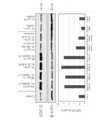
- AC-GlcNAc (10-mer), AC-GlcNAc (40-mer), AC-GlcNAc (monomer), and GlcNAc were added to NHDF as O-linked N-acetylglucosaminated protein-like substances for 24 hours.
- the control is one in which an O-linked N-acetylglucosamined protein-like substance is not added.
- the figure below is a graph showing the ratio of GDF15 to ⁇ -actin (GDF15 / ⁇ -actin).
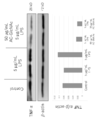
- the figure above shows the protein level of GDF15 after adding AC-GlcNAc (10-mer) as an O-linked N-acetylglucosamined protein-like substance to NHDF at 10 ⁇ g / mL, 50 ⁇ g / mL and 100 ⁇ g / mL, and culturing for 24 hours. It is a Western blot showing the expression of ⁇ -actin and the expression of ⁇ -actin.
- the figure below is a graph showing the ratio of GDF15 to ⁇ -actin (GDF15 / ⁇ -actin). From the results of the microarray shown in FIG. 1, the results of analyzing the pathway of the variable gene are shown.
- AC-GlcNAc monomer and N-acetylglucosamine as components of NHDF with 50 mL of O-linked N-acetylglucosamined protein-like substance [AC-GlcNAc (10-mer) and AC-GlcNAc (40-mer)] and others. Is added, and the proliferation rate of NHDF when cultured for 6 days is shown.
- the control is one without the addition of O-linked N-acetylglucosamined protein-like material.
- AC-GlcNAc (10-mer) was used as an O-linked N-acetylglucosamined protein-like substance, 50 ⁇ g / mL AC-GlcNAc (10-mer) was added to NHDF, and 5 ⁇ g / mL lipopoly was added 24 hours later.
- the result of Western blotting detecting the intracellular production of TNF ⁇ 8 hours after the addition of saccharide (hereinafter, also referred to as LPS) is shown.
- AC-GlcNAc (10-mer) was used as an O-linked N-acetylglucosamined protein-like substance, and 50 ⁇ g / mL of AC-GlcNAc (10-mer) was added to NHDF, and intracellular GDF15, 24 hours later, The results of detecting the production of survivin and ⁇ -actin by Western blotting are shown.
- AC-GlcNAc (10-mer) was used as the O-linked N-acetylglucosamined protein-like substance, 50 ⁇ g / mL AC-GlcNAc (10-mer) was added to NHDF, and 5 ⁇ g / mL LPS was added 24 hours later.
- the value of the ratio of TNF ⁇ to ⁇ -actin (TNF ⁇ / ⁇ -actin) in the cell 8 hours after the addition is shown in a graph.
- AC-GlcNAc (10-mer) was used as an O-linked N-acetylglucosamined protein-like substance, 50 ⁇ g / mL AC-GlcNAc (10-mer) was added to NHDF, and 5 ⁇ g / mL LPS was added 24 hours later.
- the result of detecting the amount of TNF ⁇ secreted in the medium 24 hours after the addition by ELISA is shown.
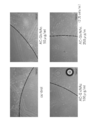
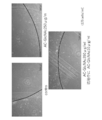
- a glass plate is placed in a petri dish, an agarose gel mixed with AC-GlcNAc (10-mer) is dropped onto the glass plate, and NHDF is further seeded on the entire glass plate, and then the state of NHDF when incubated for 1 day is shown.
- the results of observing the state of invasion into cells on the bottom surface of the agarose gel by observing with a phase-contrast microscope are shown.
- the control shows the results of using PBS instead of AC-GlcNAc (decer).
- the state of the above is observed with a phase-contrast microscope, and the result of observing the state of invasion into cells on the bottom surface of the agarose gel is shown.
- the O-linked N-acetylglucosamined protein-like substance As the O-linked N-acetylglucosamined protein-like substance, the state of NHDF when the one prepared in Polymerization Example 1 and the one prepared in Polymerization Example 2 were used was observed with a phase-contrast microscope, and cells were observed on the bottom surface of the agarose gel. The result of observing the state of invasion into the agarose gel is shown.
- AC-GlcNAc (10-mer) was used as an O-linked N-acetylglucosamined protein-like substance, and 50 ⁇ g / mL AC- was applied to synovial fibroblasts derived from osteoarthritis and synovial fibroblasts derived from rheumatoid arthritis.
- GlcNAc (10-mer) was added and cultured for 24 hours, and the results of detecting intracellular GDF15 and ⁇ -actin production by western blotting are shown.
- O-linked N-acetylglucosamined protein is one of the post-translational modifications in which O-linked N-acetylglucosamine binds to the hydroxyl groups of the serine and threonine residues of the protein, and the intracellular protein is O-linked N.
- -Acetylglucosamined protein for example, represented by the following general formula. This O-linked N-acetylglucosamined protein is expected to leak from injured cells and act like an allamine molecule.
- the O-linked N-acetylglucosamined protein-like substance of the present invention is a compound having the same function as the above-mentioned O-linked N-acetylglucosamined protein and is composed of a specific N-acetylglucosamine group-containing polymer.
- the therapeutic agent for fibrosis contains this O-binding N-acetylglucosamined protein-like substance, and fibrosis can be improved by binding and acting on the affected area such as diseased tissue or cells. ..
- the O-linked N-acetylglucosamined protein-like substance is a group consisting of N-acetylglucosamine units, carboxy group-containing radical polymerizable units, styrene units, polyethyleneimine units, polyL-lysine units and biotin units.
- the mass average molecular weight of these N-acetylglucosamine group-containing polymers is preferably in the range of 3,000 to 30,000 and the number average molecular weight is in the range of 2,500 to 25,000, and the mass average molecular weight of the N-acetylglucosamine group-containing polymer is preferable. Is 3,000 or more and 30,000 or less, or the number average molecular weight is 2,500 or more and 25,000 or less because the action on cells is improved, which is more preferable.
- the mass average molecular weight is preferably in the range of 4,000 to 20,000 from the viewpoint of the yieldability of the compound by polymerization, and the number average.
- the molecular weight is preferably in the range of 3,000 to 10,000, the mass average molecular weight is preferably in the range of 4,000 to 15,000, and the number average molecular weight is in the range of 3,000 to 8,000 from the viewpoint of GDF15 expression. Is preferable.
- the ratio (Mw / Mn) of the mass average molecular weight (Mw) to the number average molecular weight (Mn) is preferably in the range of 1.0 to 2.5, from the viewpoint of suppressing the expression of GDF15 and the expression of RANKL and Survivin. It is more preferably in the range of 1.2 to 2.2.
- N-acetylglucosamine unit examples include N-acetylglucosamine, chitobiose, chitobiose, chitotetraose, chitopentaose, chitohexaose and the like.
- N-acetylglucosamine sugar chain group-containing organic resin compound examples include an N-acetylglucosamine group as the N-acetylglucosamine sugar chain group and a compound containing a chitopolyose group in which 2 to 6 of them are bonded. ..
- Examples of the carboxy group-containing radical polymerizable unit include acrylic acid, methacrylic acid, itaconic acid, maleic acid, crotonic acid, 2-carboxyethyl acrylate, and 2-carboxyethyl methacrylate.
- the method for producing the N-acetylglucosamine group-containing polymer is not particularly limited, and radical polymerization, living radical polymerization, reversible addition-cleavage chain transfer polymerization method (RAFT polymerization method) using a chain transfer agent (RAFT agent), etc. are used. Can be used.
- a compound having a hydrophobic group such as 2-carboxyethyl acrylate is bonded to the reducing end of N-acetylglucosamine.
- Examples thereof include a method of polymerizing a monomer.
- Examples thereof include a method of producing the system by polymerizing the monomer after obtaining the monomer. Further, as a method for producing a polymer in which N-acetylglucosamine is bound to the polymer compound, a hydrophobic group such as polyethyleneimine or polyL-lysine, which is a cationic polymer at the reducing end of the N-acetylglucosamine sugar chain, is used. Examples thereof include a method of binding to a polymer compound having the substance.
- the method for binding the N-acetylglucosamine sugar chain to the compound is not particularly limited, and for example, the amino group of the compound having an amino group and the reducing end of the N-acetylglucosamine sugar chain are reduced and aminized. Can be combined with. Further, the hydroxy group of the N-acetylglucosamine sugar chain is replaced with a carboxyl group, and the amino group of the compound having an amino group is obtained by a 1-ethyl-3- (3-dimethylaminopropyl) carbodiimide (EDC) coupling method or the like. It may be combined.
- EDC 1-ethyl-3- (3-dimethylaminopropyl) carbodiimide
- the RAFT polymerization method it is preferable to use the RAFT polymerization method to control the molecular weight because the molecular weight distribution can be narrowed.
- the ratio (Mw / Mn) of the weight average molecular weight (Mw) and the number average molecular weight (Mn) is set to 1.0 or more and less than 1.5 so that N- It is preferable because a large amount of acetylglucosamine can be present and more mesenchymal stem cells in the cell population can be captured.
- N-acetylglucosamine and 2-carboxyethyl acrylate as a compound having a hydrophobic group are mixed at a molar ratio of 1: 1 in a solution such as DMT-MM, DMSO or water.
- a solution such as DMT-MM, DMSO or water.
- AC-GlcNAc monomer by condensation reaction with.
- Poly (N-ethylacrylic acid-O-2-acetamide-2-deoxy- ⁇ -D-glucopyranosylamine) (hereinafter referred to as AC-GlcNAc polymer) can be obtained by the RAFT polymerization method.
- the O-linked N-acetylglucosamined protein-like substance of the present invention preferably removes the alkyl chain derived from the RAFT polymerization method in order to improve the activity with cells.
- the method for removing the alkyl chain include a method in which the terminal of the polymer obtained by the RAFT polymerization method is thiolated with a reducing agent or the like and then reacted with maleimide.
- the O-linked N-acetylglucosamined protein-like substance of the present invention preferably contains 3 to 100 N-acetylglucosamine groups per molecule. If it is less than this number, the binding property with vimentin tends to decrease, and if it exceeds this number, the amount of N-acetylglucosamine per unit area decreases, so that the binding property with vimentin tends to decrease. Therefore, the more preferable number is in the range of 8 to 80, the more preferable number is in the range of 10 to 70, the particularly preferable number is in the range of 10 to 69, and the most preferable number is in the range of 10 to 50. Is.
- the therapeutic agent for fibrosis of the present invention contains the above-mentioned O-linked N-acetylglucosamined protein-like substance, and humans or other mammals (for example, mice, rats, hamsters, rabbits, cats, dogs, cows). , Sheep, monkeys, etc.) or parenterally (intravenous administration, subcutaneous administration, transdermal administration, transpulmonary administration, transmucosal administration, rectal administration, etc.).
- the therapeutic agent for fibrosis of the present invention is a pharmaceutically acceptable carrier (excipient, binder, disintegrant, etc.) usually used for oral or parenteral administration of the O-linked N-acetylglucosamined protein-like substance.
- the content of the O-linked N-acetylglucosamined protein-like substance in the therapeutic agent for fibrosis is not particularly limited as long as anti-inflammatory adoption and cell proliferation suppression can be obtained by increasing the expression of GDF15, but it is preferably 0.1% or more. , More preferably 1% or more, still more preferably 10% or more.
- Fibrosis as used in the present invention refers to excess fibers generated in the process of compensating for tissue parenchymal cell shedding and tissue dysfunction caused by stress such as chemical stimulation of drugs, excessive pressure load, and inflammatory reaction. It means the migration and proliferation of blast cells and the subsequent rigidity with tissue dysfunction due to the synthetic deposition of extracellular matrix protein, and the type of evoked stimulus and the site of onset are not particularly limited. Examples of such tissue fibrosis include fibrosis of visceral tissues such as lung, bladder, kidney, heart, and liver.
- Fibrosis targeted by the present invention includes tissue fibrotic diseases caused by administration of agents such as antitumor agents, antibiotics, antibacterial agents, antiarrhythmic agents, anti-inflammatory agents, antirheumatic agents, interferon or Koshiba Koto. It also includes tissue fibrotic diseases associated with diseases such as chronic nephritis, interstitial myocarditis and interstitial cystitis.
- pulmonary fibrosis caused by the side effects of bleomycin administration and pulmonary fibrosis occurring during or after interstitial pneumonia; bladder fibrosis and bladder cirrhosis occurring during interstitial cystitis; Renal fibrosis and renal failure (nephrosclerosis) caused by genetic abnormalities; endocardial fibrosis caused by remodeling after myocardial infarction; liver fibrosis caused by damage to hepatic cells, non-alcoholic steatosis (NASH) , Accompanying hypertension and cirrhosis; keroids caused by excessive tissue repair, and other examples such as sclerosing peritonitis, prostatic hypertrophy, sclerosis, uterine smooth myoma, retroperitoneal fibrosis, and myelodystrophy.
- NASH non-alcoholic steatosis
- the fibrosis inhibitor improves fibrosis by inhibiting the fibrosis signal in which stellate cells are activated and transformed into myofibroblast-like cells. Therefore, in the case of fibrosis in which stellate cells are activated to become myofibroblast-like cells, for example, in the case of liver, activated stellate cells are transformed into myofibroblast-like cells and fibrosis progresses by producing extracellular matrix.
- the fibrosis therapeutic agent of the present invention it becomes possible to improve hepatic fibrosis, improve hepatic function, and suppress the development of hepatic cancer. Similarly, it can be used for pancreatic fibrosis and the like.
- the method for treating fibrosis of the present invention is characterized by binding the above-mentioned therapeutic agent of the present invention to fibrotic tissue / cells.
- the method of binding is not particularly limited, but the therapeutic agent is directly added to the fibrotic tissue / cell, or the formulated therapeutic agent for fibrosis is orally or parenterally administered to form O-bonded N-acetylglucosamine. Examples thereof include a method in which a protein-like substance reaches the affected area and its vicinity.
- Evaporator was performed to remove methanol.
- the solid substance from which methanol was removed was dissolved in water, then purified by preparative HPLC (water / acetonitrile), and after removing acetonitrile with an evaporator, freeze-drying was performed to obtain an AC-GlcNAc monomer having the following chemical formula. ..
- AIBN azobisisobutyronitrile
- AC-GlcNAc10 an AC-GlcNAc polymer (10-mer, hereinafter referred to as AC-GlcNAc10). 10 mg of this AC-GlcNAc10 was weighed into a 1 mL microtube and dissolved in 100 ⁇ L of water. 1 mg of sodium hydride as a reducing agent was weighed in a 1 mL microtube, and water was added so that 1 mg of the reducing agent was dissolved in 100 ⁇ L of water.
- Example 1 The effect of the O-linked N-acetylglucosamined protein-like substance (AC-GlcNAc10) obtained in Polymerization Example 1 on human fibroblasts (NHDF) was confirmed using a DNA microarray.
- the O-linked N-acetylglucosamined protein-like substance obtained in Polymerization Example 1 of 50 ⁇ g / mL was added to NHDF, and incubation was carried out for 24 hours. After incubation, mRNA was collected and a DNA microarray was carried out to confirm changes in gene expression of O-linked N-acetylglucosamined protein-like substances.
- DNA microarrays were performed using an Agilent Technologies microarray system. The results are shown in FIGS.
- FIG. 1 is a plot of the gene expression level of NHDF stimulated with an O-linked N-acetylglucosamined protein-like substance (vertical axis) and the gene expression level of unstimulated NHDF (horizontal axis).
- the figure on the left shows all the analyzed genes.
- the figure on the right plots genes with significantly different expression levels (those with a difference in expression level of 1.5 times or more and those with a difference of 0.66 times or less).
- the expression of GDF15 and adiponectin was high by stimulation with an O-linked N-acetylglucosamined protein-like substance. From these results, it can be seen that the O-linked N-acetylglucosamined protein-like substance increases the expression of GDF15 and adiponectin at the protein level by acting on NHDF.
- Example 2 The O-linked N-acetylglucosamined protein-like substance, AC-GlcNAc monomer or N-acetylglucosamine (GlcNAc) prepared in 50 ⁇ g / mL polymerization examples 1 to 5 was added to NHDF, and incubation was carried out for 24 hours. After incubation, the expression of NHDF GDF15 was examined by Western blotting. The results are shown in FIGS. 3A and 3B. The control does not add anything.
- AC-GlcNAc monomer and GlcNAc prepared in Polymerization Example 5 have almost the same effect as the control.
- the O-linked N-acetylglucosamined protein-like substance (AC-GlcNAc10, mass average molecular weight 4000, number average molecular weight 3100) prepared in the polymerization example 1 of 10 ⁇ g / mL, 50 ⁇ g / mL and 100 ⁇ g / mL was added to NHDF. Then, the incubation was carried out for 24 hours. After incubation, the expression of NHDF GDF15 was observed by western blotting. The result is shown in FIG. 3C. The control does not add anything.
- GDF15 increased in the O-linked N-acetylglucosamined protein-like substance (AC-GlcNAc10, mass average molecular weight 4000, number average molecular weight 3100) prepared in Polymerization Example 1 in proportion to the addition amount. I understand.
- Example 3 From the results of the microarray of Example 1, pathway analysis of the variable gene by the O-linked N-acetylglucosamined protein-like substance (AC-GlcNAc10) prepared in Polymerization Example 1 was performed. The result is shown in FIG. All gene groups with large expression fluctuations (shown in the right figure of Fig. 1) were input to DAVID Bioinformatics Resources 6.8, which is a pathway analysis software, and pathway analysis was performed. From this result, it can be seen that the arrest of cell proliferation is caused by the O-linked N-acetylglucosamined protein-like substance of Polymerization Example 1. In particular, a decrease in genes that progress in the G2 and M phases of the cell cycle was observed.
- AC-GlcNAc10 O-linked N-acetylglucosamined protein-like substance
- the O-linked N-acetylglucosamined protein-like substance interacts with vimentin on the cell surface, which causes cell cycle arrest due to the suppression of the function of vimentin related to cell division, but in the control without adding anything. Since such a situation does not occur, it is considered that the growth rate is higher than that of NHDF on which an O-linked N-acetylglucosamined protein-like substance is acted.
- NHDF was seeded on a 48-well plate, and O-linked N-acetylglucosaminated protein-like substance (AC-GlcNAc10) prepared in Polymerization Example 1 at 50 ⁇ g / mL, and O-linked N-acetylglucosamine prepared in Polymerization Example 2.
- a protein-like substance (AC-GlcNAc40), the AC-GlcNAc monomer prepared in Polymerization Example 5, and N-acetylglucosamine were added. After that, the cells were cultured for 6 days, and the cell viability for each day was measured with Cell Counting Kit-8 (CCK-8) (manufactured by Dojin Chemical Co., Ltd.).
- Example 5 The anti-inflammatory effect of the O-linked N-acetylglucosamined protein-like substance was examined as follows.
- the O-linked N-acetylglucosamined protein-like substance (AC-GlcNAc10) prepared in the polymerization example 1 of 50 ⁇ g / mL was added to NHDF and cultured for 24 hours.
- Lipopolysaccharide (LPS) was added to this NHDF, and changes in TNF ⁇ expression were observed.
- the expression of TNF ⁇ in cells 8 hours after the addition of LPS was examined by Western blotting. The result is shown in FIG. 6A.
- FIG. 6B the expression of intracellular GDF15, survivin and ⁇ -actin 8 hours after LPS addition was examined by Western blotting.
- FIG. 6C the ratio of intracellular TNF ⁇ to ⁇ -actin (TNF ⁇ / ⁇ -actin) 8 hours after the addition of LPS was examined.
- FIG. 6C the ratio of intracellular TNF ⁇ to ⁇ -actin (TNF ⁇ / ⁇ -actin) 8 hours after the addition of LPS was examined.
- FIG. 6C As shown in FIGS. 6A and 6C, when LPS was allowed to act on NHDF treated with the O-linked N-acetylglucosamined protein-like substance prepared in Polymerization Example 1, the increase in TNF ⁇ expression by LPS stimulation was suppressed. It was observed. Further, as shown in FIG.
- NHDF treated with the O-linked N-acetylglucosamined protein-like substance prepared in Polymerization Example 1 increased the expression of GDF15, and suppressed the expression of survivin was observed.
- GDF15 is a member of the TGF ⁇ superfamily and is known to inhibit the transcriptional activity of NF- ⁇ B. Therefore, it is presumed that the increased expression of GDF15 by the treatment of NHDF with an O-linked N-acetylglucosamined protein-like substance suppressed the activation of NF- ⁇ B and decreased the expression of TNF ⁇ .
- the amount of TNF- ⁇ secreted into the medium 24 hours after the addition of LPS to NHDF was measured by ELISA.
- NHDF was replaced with DMEM (serum-free), and O-linked N-acetylglucosamined protein-like substance (AC-GlcNAc10) was added at 50 ⁇ g / mL. 24 hours after the addition of AC-GlcNAc10, 5 ⁇ g / mL of LPS was added, and 24 hours later, the culture supernatant was collected, and TNF- ⁇ contained in the culture supernatant was measured by ELISA.
- AC-GlcNAc10 O-linked N-acetylglucosamined protein-like substance
- DMEM culture supernatant (control) of NHDF 50 ⁇ g / mL AC-GlcMAc10 was added to NHDF, and 48 hours later, 5 ⁇ g / mL LPS was added to the culture supernatant (AC-GlcNAc10) and NHDF for 24 hours.
- TNF ⁇ contained in the subsequent culture supernatant was also measured. The result is shown in FIG. As shown in FIG. 7, the amount of TNF ⁇ secreted was increased between the one without the O-linked N-acetylglucosamined protein-like substance (control) and the one with the O-linked N-acetylglucosamined protein-like substance added.
- Example 6 It was examined as follows whether stimulation by addition of an O-binding N-acetylglucosamined protein-like substance to NHDF had an effect on cell migration ability.
- AC-GlcNAc (10-mer) was used as an O-linked N-acetylglucosamined protein-like substance, and 250 ⁇ g / mL of AC-GlcNAc (10-mer) was mixed with an agarose gel to form O-linked N-acetylglucosamine.
- a protein-like substance-containing agarose gel was prepared.
- a PBS-containing agarose gel was prepared using PBS instead of an O-linked N-acetylglucosamined protein-like substance.
- FIG. 8 shows the results of observing the state of NHDF at this time with a phase-contrast microscope and observing the state of invasion into cells on the bottom surface of the agarose gel. From the results shown in FIG. 8, since NHDF has entered under the agarose gel containing the O-linked N-acetylglucosamined protein-like substance (AC-GlcNAc10) of Polymerization Example 1, the O-linked N-acetylglucosamined protein-like substance is present. It can be seen that the substance imparts chemotaxis to NHDF.
- AC-GlcNAc10 O-linked N-acetylglucosamined protein-like substance
- the amounts of the O-linked N-acetylglucosamined protein-like substance to be added to the agarose gel were set to 50 ⁇ g / mL, 100 ⁇ g / mL, and 250 ⁇ g / mL, and the chemotaxis of NHDF was evaluated in the same manner as above. Did. The result is shown in FIG. From the results shown in FIG. 9, the chemotaxis of NHDF changed depending on the concentration of the O-linked N-acetylglucosamined protein-like substance.
- the concentration of the O-linked N-acetylglucosamined protein-like substance was 250 ⁇ g / mL
- the distance that the cells entered the gel was 750 ⁇ m
- the number of cells that entered the gel was about 60.
- the concentration of the O-linked N-acetylglucosamined protein-like substance was 100 ⁇ g / mL
- the above-mentioned distance was 450 ⁇ m and the above-mentioned number of cells was about 12.
- the concentration of the O-linked N-acetylglucosamined protein-like substance is 50 ⁇ g / mL
- the above-mentioned distance is 280 ⁇ m and the above-mentioned number of cells is about 10
- both the above-mentioned distance and the number of cells are 0. Met. From this, it can be seen that the chemotaxis of NHDF depends on the concentration of the O-linked N-acetylglucosamined protein-like substance.
- the chemotaxis of NHDF by an O-linked N-acetylglucosamined protein-like substance was evaluated.
- the materials used were the O-linked N-acetylglucosamined protein-like substance prepared in Polymerization Example 1, the AC-GlcNAc monomer prepared in Polymerization Example 5, and N-acetylglucosamine (GlcNAc) and PBS used in Example 2.
- the chemotaxis of NHDF was evaluated in the same manner as above. The result is shown in FIG. As shown in FIG. 10, cells invaded under the agarose gel only with the O-linked N-acetylglucosamined protein-like substance of Polymerization Example 1, which is a polymer, and the distance that NHDF entered was 420 ⁇ m, and NHDF entered. The number was 29.
- the O-linked N-acetylglucosamined protein-like substance acts on NHDF because it is a polymer.
- the O-linked N-acetylglucosamined protein-like substance those of Polymerization Example 1 (AC-GlcNAc10) and Polymerization Example 2 (AC-GlcNAc40) were used. The result is shown in FIG. From the results shown in FIG.
- the distance that NHDF entered is 1000 ⁇ m in the medium containing the O-linked N-acetylglucosamined protein-like substance, but the medium does not contain the O-linked N-acetylglucosamined protein-like substance.
- the one was 1250 ⁇ m.
- the number of NHDFs invaded was 80 in the medium containing the O-linked N-acetylglucosamined protein-like substance and 140 in the case without the O-linked N-acetylglucosamined protein-like substance. In the agarose gel containing PBS, NHDF did not invade the gel.
- the migration stimulation of NHDF by the O-linked N-acetylglucosamined protein-like substance (AC-GlcNAc10) prepared in Polymerization Example 1 was examined by detecting the phosphorylation of vimentin. Since the O-linked N-acetylglucosamined protein-like substance binds to vimentin appearing on the cell surface, the signal transduction to vimentin by the addition of the O-linked N-acetylglucosamined protein-like substance is transmitted according to the amino acid sequence of vimentin. It was examined by phosphorylation of the 38th serine. Phosphorylation of the 38th serine of vimentin has been shown to stimulate cell migration.
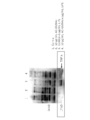
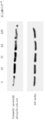
- the phosphorylation of vimentin 10 minutes, 30 minutes, 60 minutes, and 120 minutes after the addition of the O-linked N-acetylglucosamined protein-like substance to NHDF was performed by Western blotting with the anti-phosphorylated vimentin serine 38 antibody. was detected. The result is shown in FIG. As shown in FIG. 13, phosphorylation of vimentin was observed 10 minutes after the addition of the O-linked N-acetylglucosamined protein-like substance, and a decrease was observed 120 minutes later. From this, it was clarified that the O-linked N-acetylglucosamined protein-like substance binds to vimentin on the cell surface of NHDF and stimulates the expression of GDF15 and cell migration.
- Example 7 50 ⁇ g / mL of O-linked N-acetylglucosamined protein-like substance (AC-GlcNAc10) prepared in Polymerization Example 1 was added to synovial fibroblasts derived from osteoarthritis and synovial fibroblasts derived from rheumatoid arthritis. , was cultured for 24 hours. The expression of GDF15 in the cells at this time was examined by Western blotting. The result is shown in FIG. 14A.
- AC-GlcNAc10 O-linked N-acetylglucosamined protein-like substance
- TNF ⁇ 10 ng / mL of TNF ⁇ was added to the osteoarthritis-derived synovial fibroblasts and rheumatoid arthritis-derived synovial fibroblasts, and 6 hours after the addition of TNF ⁇ , RANKL, survivin and ⁇ -actin were added. Expression was examined by western blotting. The results are shown in FIG. 14B. As shown in FIG.
- RANKL is secreted from synovial fibroblasts stimulated by TNF ⁇ and interleukin-17 (hereinafter referred to as IL-17) during chronic inflammation, and osteoclast precursor cells are differentiated into osteoclasts.
- the osteoclasts cause bone destruction and cause bone deformity in rheumatoid arthritis.
- FIGS. 14A and 14B when an O-linked N-acetylglucosamined protein-like substance (AC-GlcNAc10) was allowed to act on synovial fibroblasts derived from rheumatoid arthritis and TNF ⁇ was allowed to act, GDF15 was expressed. An increase and suppression of increased expression of RANKL and survivin were observed.
- AC-GlcNAc10 O-linked N-acetylglucosamined protein-like substance
- AC-GlcNAc10 O-linked N-acetylglucosamined protein-like substance
- survivin is a molecule that suppresses cell death and is known to be involved in the activation of synovial fibroblasts, and these are due to the O-linked N-acetylglucosamined protein-like substance (AC-GlcNAc10). Since suppression of increased expression of RANKL and survivin in cells was observed, the O-linked N-acetylglucosamined protein-like substance has a therapeutic effect on rheumatoid arthritis and drug resistance to various drugs including cancer therapeutic agents. It is presumed that it is also effective in suppressing.
- the expression of survivin was suppressed. From this, it is inferred that the O-linked N-acetylglucosamined protein-like substance has a therapeutic effect on rheumatoid arthritis and an inhibitory effect on drug resistance.
Landscapes
- Health & Medical Sciences (AREA)
- Chemical & Material Sciences (AREA)
- Life Sciences & Earth Sciences (AREA)
- General Health & Medical Sciences (AREA)
- Medicinal Chemistry (AREA)
- Organic Chemistry (AREA)
- Animal Behavior & Ethology (AREA)
- Public Health (AREA)
- Veterinary Medicine (AREA)
- Pharmacology & Pharmacy (AREA)
- Chemical Kinetics & Catalysis (AREA)
- Epidemiology (AREA)
- Molecular Biology (AREA)
- Engineering & Computer Science (AREA)
- General Chemical & Material Sciences (AREA)
- Nuclear Medicine, Radiotherapy & Molecular Imaging (AREA)
- Biochemistry (AREA)
- Polymers & Plastics (AREA)
- Materials Engineering (AREA)
- Genetics & Genomics (AREA)
- Biotechnology (AREA)
- Bioinformatics & Cheminformatics (AREA)
- Dermatology (AREA)
- Pain & Pain Management (AREA)
- Rheumatology (AREA)
- Pharmaceuticals Containing Other Organic And Inorganic Compounds (AREA)
- Medicines That Contain Protein Lipid Enzymes And Other Medicines (AREA)
- Peptides Or Proteins (AREA)
Priority Applications (6)
| Application Number | Priority Date | Filing Date | Title |
|---|---|---|---|
| US17/775,864 US20220389047A1 (en) | 2019-11-14 | 2020-11-13 | O-glcnacylated protein-like substance and fibrosis therapeutic drug containing same |
| CN202080078767.XA CN114945609A (zh) | 2019-11-14 | 2020-11-13 | O连接型n-乙酰葡糖胺化蛋白质样物质及含有其的纤维症治疗药 |
| KR1020227019780A KR102949437B1 (ko) | 2019-11-14 | 2020-11-13 | O-결합형 n-아세틸글루코사민화 단백질 유사 물질 및 이것을 함유하는 섬유증 치료약 |
| EP20888113.6A EP4059567A4 (en) | 2019-11-14 | 2020-11-13 | O-GLCNACYLATED PROTEIN-LIKE SUBSTANCE AND THERAPEUTIC DRUG CONTAINING THE SAME |
| CA3158028A CA3158028A1 (en) | 2019-11-14 | 2020-11-13 | O-glcnacylated protein-like substance and fibrosis therapeutic drug containing same |
| JP2021556161A JP7637948B2 (ja) | 2019-11-14 | 2020-11-13 | O結合型n-アセチルグルコサミン化タンパク質様物質及びこれを含有する線維症治療薬 |
Applications Claiming Priority (2)
| Application Number | Priority Date | Filing Date | Title |
|---|---|---|---|
| JP2019206265 | 2019-11-14 | ||
| JP2019-206265 | 2019-11-14 |
Publications (1)
| Publication Number | Publication Date |
|---|---|
| WO2021095828A1 true WO2021095828A1 (ja) | 2021-05-20 |
Family
ID=75912746
Family Applications (1)
| Application Number | Title | Priority Date | Filing Date |
|---|---|---|---|
| PCT/JP2020/042362 Ceased WO2021095828A1 (ja) | 2019-11-14 | 2020-11-13 | O結合型n-アセチルグルコサミン化タンパク質様物質及びこれを含有する線維症治療薬 |
Country Status (7)
| Country | Link |
|---|---|
| US (1) | US20220389047A1 (https=) |
| EP (1) | EP4059567A4 (https=) |
| JP (1) | JP7637948B2 (https=) |
| KR (1) | KR102949437B1 (https=) |
| CN (1) | CN114945609A (https=) |
| CA (1) | CA3158028A1 (https=) |
| WO (1) | WO2021095828A1 (https=) |
Cited By (3)
| Publication number | Priority date | Publication date | Assignee | Title |
|---|---|---|---|---|
| WO2023167336A1 (ja) * | 2022-03-03 | 2023-09-07 | 国立大学法人九州大学 | 線維化疾患の治療又は予防のための医薬組成物 |
| WO2024080364A1 (ja) * | 2022-10-14 | 2024-04-18 | 国立大学法人九州大学 | 抗線維化剤、線維症治療用医薬組成物、及び筋線維芽細胞を不活性化する方法 |
| WO2025216313A1 (ja) * | 2024-04-12 | 2025-10-16 | 国立大学法人九州大学 | 共重合体、抗線維化剤、線維症治療用医薬組成物及び筋線維芽細胞を不活性化する方法 |
Citations (10)
| Publication number | Priority date | Publication date | Assignee | Title |
|---|---|---|---|---|
| JP2004526691A (ja) * | 2001-01-12 | 2004-09-02 | エモリー ユニバーシティ | 糖ポリマーおよびフリーラジカル重合方法 |
| WO2004099271A1 (ja) * | 2003-05-08 | 2004-11-18 | Toyo Boseki Kabushiki Kaisha | 糖鎖含有水溶性ポリマー化合物 |
| JP2006276238A (ja) * | 2005-03-28 | 2006-10-12 | Fuji Photo Film Co Ltd | 光重合性組成物及び平版印刷版原版 |
| JP2007518830A (ja) * | 2003-12-31 | 2007-07-12 | カウンシル オブ サイエンティフィク アンド インダストリアル リサーチ | N−セチルグルコサミンを含有するオリゴマー |
| JP2007301029A (ja) * | 2006-05-09 | 2007-11-22 | Tokyo Medical & Dental Univ | 細胞固定化基材被覆膜用材料 |
| JP2011190257A (ja) | 2010-02-22 | 2011-09-29 | Oita Univ | 組織線維化疾患の予防または治療剤 |
| US20140235790A1 (en) * | 2011-06-10 | 2014-08-21 | University Of Washington Through Its Center For Commercialization | Carbohydrate-based compositions and methods for targeted drug delivery |
| JP2018021026A (ja) | 2016-07-25 | 2018-02-08 | 国立大学法人金沢大学 | 線維化抑制剤 |
| JP2019206265A (ja) | 2018-05-29 | 2019-12-05 | 株式会社デンソー | 車両用空調装置 |
| JP2020068779A (ja) * | 2018-10-31 | 2020-05-07 | ソマール株式会社 | 間葉系幹細胞の分離・選別方法、培養方法及びそれに用いる選別材料 |
Family Cites Families (1)
| Publication number | Priority date | Publication date | Assignee | Title |
|---|---|---|---|---|
| JP2004043782A (ja) * | 2002-05-09 | 2004-02-12 | Toyobo Co Ltd | オリゴ糖合成用水溶性高分子プライマー |
-
2020
- 2020-11-13 CA CA3158028A patent/CA3158028A1/en active Pending
- 2020-11-13 US US17/775,864 patent/US20220389047A1/en active Pending
- 2020-11-13 WO PCT/JP2020/042362 patent/WO2021095828A1/ja not_active Ceased
- 2020-11-13 JP JP2021556161A patent/JP7637948B2/ja active Active
- 2020-11-13 KR KR1020227019780A patent/KR102949437B1/ko active Active
- 2020-11-13 CN CN202080078767.XA patent/CN114945609A/zh active Pending
- 2020-11-13 EP EP20888113.6A patent/EP4059567A4/en active Pending
Patent Citations (10)
| Publication number | Priority date | Publication date | Assignee | Title |
|---|---|---|---|---|
| JP2004526691A (ja) * | 2001-01-12 | 2004-09-02 | エモリー ユニバーシティ | 糖ポリマーおよびフリーラジカル重合方法 |
| WO2004099271A1 (ja) * | 2003-05-08 | 2004-11-18 | Toyo Boseki Kabushiki Kaisha | 糖鎖含有水溶性ポリマー化合物 |
| JP2007518830A (ja) * | 2003-12-31 | 2007-07-12 | カウンシル オブ サイエンティフィク アンド インダストリアル リサーチ | N−セチルグルコサミンを含有するオリゴマー |
| JP2006276238A (ja) * | 2005-03-28 | 2006-10-12 | Fuji Photo Film Co Ltd | 光重合性組成物及び平版印刷版原版 |
| JP2007301029A (ja) * | 2006-05-09 | 2007-11-22 | Tokyo Medical & Dental Univ | 細胞固定化基材被覆膜用材料 |
| JP2011190257A (ja) | 2010-02-22 | 2011-09-29 | Oita Univ | 組織線維化疾患の予防または治療剤 |
| US20140235790A1 (en) * | 2011-06-10 | 2014-08-21 | University Of Washington Through Its Center For Commercialization | Carbohydrate-based compositions and methods for targeted drug delivery |
| JP2018021026A (ja) | 2016-07-25 | 2018-02-08 | 国立大学法人金沢大学 | 線維化抑制剤 |
| JP2019206265A (ja) | 2018-05-29 | 2019-12-05 | 株式会社デンソー | 車両用空調装置 |
| JP2020068779A (ja) * | 2018-10-31 | 2020-05-07 | ソマール株式会社 | 間葉系幹細胞の分離・選別方法、培養方法及びそれに用いる選別材料 |
Non-Patent Citations (9)
| Title |
|---|
| BREIT SNJOHNEN HCOOK ADTSAI VWMOHAMMAD MGKUFFNER TZHANG HPMARQUIS CPJIANG LLOCKWOOD G: "The TGF-β superfamily cytokine, MIC-1/GDF15: a pleotrophic cytokine with roles in inflammation, cancer and metabolism", GROWTH FACTORS, vol. 29, no. 5, 11 August 2011 (2011-08-11), pages 187 - 95, XP008152690, DOI: 10.3109/08977194.2011.607137 |
| CHUNG HKKIM JTKIM HWKWON MKIM SYSHONG MKIM KSYI HS: "GDF15 deficiency exacerbates chronic alcohol- and carbon tetrachloride-induced liver injury", SCI REP, vol. 7, no. 1, 8 December 2017 (2017-12-08), pages 17238 |
| KIM KHKIM SHHAN DHJO YSLEE YHLEE MS: "Growth differentiation factor 15 ameliorates nonalcoholic steatohepatitis and related metabolic disorders in mice", SCI REP, vol. 8, no. 1, 1 May 2018 (2018-05-01), pages 6789 |
| PARRY, A. L: "Glycopolymer-functionalised gold nanoparticles: A new strategy towards synthetic anti-cancer vaccines", PMSE PREPRINTS, vol. 101, 30 November 2008 (2008-11-30), US , pages 1331 - 1332, XP009535615, ISSN: 0743-0515 * |
| RATNAM NMPETERSON JMTALBERT EELADNER KJRAJASEKERA PVSCHMIDT CRDILLHOFF MESWANSON BJHAVERICK EKLADNEY RD: "NF- B regulates GDF-15 to suppress macrophage surveillance during early tumor development", J CLIN INVEST, vol. 127, no. 10, 11 September 2017 (2017-09-11), pages 3796 - 3809, XP055695409, DOI: 10.1172/JCI91561 |
| See also references of EP4059567A4 |
| UNSICKER KSPITTAU BKRIEGLSTEIN K: "The multiple facets of the TGF-beta family cytokine growth/differentiation factor-15/macrophage inhibitory cytokine-1", CYTOKINE GROWTH FACTOR REV, vol. 24, no. 4, 2013, pages 373 - 384, XP028709262, DOI: 10.1016/j.cytogfr.2013.05.003 |
| WANG XBAEK SJELING TE: "The diverse roles of nonsteroidal anti-inflammatory drug activated gene (NAG-1/GDF15) in cancer", BIOCHEM PHARMACOL, vol. 85, no. 5, 2013, pages 597 - 606, XP028969109, DOI: 10.1016/j.bcp.2012.11.025 |
| ZHANG YLIANG XLIAO SWANG WWANG JLI XDING YLIANG YGAO FYANG M: "Potent Paracrine Effects of human induced Pluripotent Stem Cell-derived Mesenchymal Stem Cells Attenuate Doxorubicin-induced Cardiomyopathy", SCI REP, vol. 5, 9 June 2015 (2015-06-09), pages 11235 |
Cited By (3)
| Publication number | Priority date | Publication date | Assignee | Title |
|---|---|---|---|---|
| WO2023167336A1 (ja) * | 2022-03-03 | 2023-09-07 | 国立大学法人九州大学 | 線維化疾患の治療又は予防のための医薬組成物 |
| WO2024080364A1 (ja) * | 2022-10-14 | 2024-04-18 | 国立大学法人九州大学 | 抗線維化剤、線維症治療用医薬組成物、及び筋線維芽細胞を不活性化する方法 |
| WO2025216313A1 (ja) * | 2024-04-12 | 2025-10-16 | 国立大学法人九州大学 | 共重合体、抗線維化剤、線維症治療用医薬組成物及び筋線維芽細胞を不活性化する方法 |
Also Published As
| Publication number | Publication date |
|---|---|
| JP7637948B2 (ja) | 2025-03-03 |
| KR20220123383A (ko) | 2022-09-06 |
| TW202131933A (zh) | 2021-09-01 |
| JPWO2021095828A1 (https=) | 2021-05-20 |
| US20220389047A1 (en) | 2022-12-08 |
| CN114945609A (zh) | 2022-08-26 |
| KR102949437B1 (ko) | 2026-04-08 |
| EP4059567A1 (en) | 2022-09-21 |
| CA3158028A1 (en) | 2021-05-20 |
| EP4059567A4 (en) | 2023-11-22 |
Similar Documents
| Publication | Publication Date | Title |
|---|---|---|
| JP7637948B2 (ja) | O結合型n-アセチルグルコサミン化タンパク質様物質及びこれを含有する線維症治療薬 | |
| UA126786C2 (uk) | Fgfr/pd-1 комплексна терапія для лікування раку | |
| Zhuang et al. | CX3CL1/CX3CR1 axis, as the therapeutic potential in renal diseases: friend or foe? | |
| EA019939B1 (ru) | МОДИФИЦИРОВАННЫЙ ОЛИГОМЕР ДЛЯ УМЕНЬШЕНИЯ КОЛИЧЕСТВА микроРНК В КЛЕТКЕ | |
| US7312024B2 (en) | Materials and methods to inhibit Hodgkin and Reed Sternberg cell growth | |
| Jasinski-Bergner et al. | Adipokines regulate the expression of tumor-relevant MicroRNAs | |
| Sedlar et al. | Glycopolymer inhibitors of galectin-3 suppress the markers of tissue remodeling in pulmonary hypertension | |
| US11938226B2 (en) | Abiotic anti-VEGF nanoparticle | |
| TWI917337B (zh) | 氧連結型n-乙醯葡萄糖胺化類蛋白物質、及含有該氧連結型n-乙醯葡萄糖胺化類蛋白物質之纖維化症治療藥 | |
| EP4603100A1 (en) | Antifibrotic agent, pharmaceutical composition for treating fibrosis, and method for inactivating myofibroblast | |
| WO2013047941A1 (ko) | 비소세포성 폐암에서 tm4sf4의 발현 또는 활성의 조절을 통한 방사선 저항성 및 암세포의 성장, 전이, 및 침윤능력을 저하시키는 방법 | |
| US20220220485A1 (en) | PD-L1 antisense oligonucleotides for use in tumor treatment | |
| AU2020425816A1 (en) | Ligand-mediated delivery of therapeutic proteins and the uses thereof | |
| US20070004666A1 (en) | Methods for modulating apoptotic cell death | |
| Reiss | Insulin-like growth factor-I receptor–a potential therapeutic target in medulloblastomas | |
| Bao et al. | Tumor-targeted codelivery of CpG and siRNA by a dual-ligand-functionalized curdlan nanoparticle | |
| WO2025216313A1 (ja) | 共重合体、抗線維化剤、線維症治療用医薬組成物及び筋線維芽細胞を不活性化する方法 | |
| JP2024058473A (ja) | 筋線維芽細胞のα-平滑筋アクチン及びコラーゲンの発現抑制剤、線維症治療用医薬組成物、並びに、in vitroで筋線維芽細胞のα-平滑筋アクチン及びコラーゲンの産生を抑制する方法 | |
| US20260124238A1 (en) | Antifibrotic agent, pharmaceutical composition for treating fibrosis, and method for inactivating myofibroblasts | |
| US20250163412A1 (en) | Composition for prevention or treatment of liver cancer, comprising modified rt-let7 as active ingredient | |
| Rangasami et al. | Regenerative bone-targeted nanoparticles modulate osteoclast function | |
| Wang et al. | Pinoresinol Diglucoside Alleviates Cardiac Fibrosis Through Inhibiting Endothelial–Mesenchymal Transition via the Transforming Growth Factor‐β1/Smads Pathway in db/db Mice | |
| US10814010B2 (en) | FOXC2 inhibitor and methods of use thereof | |
| EP4471048A1 (en) | Peptide inhibitors of interleukin-23 receptor | |
| KR101247725B1 (ko) | Sodium-dependent inorganic phosphate transporter-2b유전자의 신규한 용도 |
Legal Events
| Date | Code | Title | Description |
|---|---|---|---|
| 121 | Ep: the epo has been informed by wipo that ep was designated in this application |
Ref document number: 20888113 Country of ref document: EP Kind code of ref document: A1 |
|
| ENP | Entry into the national phase |
Ref document number: 2021556161 Country of ref document: JP Kind code of ref document: A |
|
| ENP | Entry into the national phase |
Ref document number: 3158028 Country of ref document: CA |
|
| NENP | Non-entry into the national phase |
Ref country code: DE |
|
| ENP | Entry into the national phase |
Ref document number: 2020888113 Country of ref document: EP Effective date: 20220614 |