WO2020259294A1 - 促生长激素释放激素激动剂ghrh-a在制备抗衰老药物中的用途 - Google Patents
促生长激素释放激素激动剂ghrh-a在制备抗衰老药物中的用途 Download PDFInfo
- Publication number
- WO2020259294A1 WO2020259294A1 PCT/CN2020/095495 CN2020095495W WO2020259294A1 WO 2020259294 A1 WO2020259294 A1 WO 2020259294A1 CN 2020095495 W CN2020095495 W CN 2020095495W WO 2020259294 A1 WO2020259294 A1 WO 2020259294A1
- Authority
- WO
- WIPO (PCT)
- Prior art keywords
- ghrh
- aging
- releasing hormone
- hormone releasing
- growth hormone
- Prior art date
- Legal status (The legal status is an assumption and is not a legal conclusion. Google has not performed a legal analysis and makes no representation as to the accuracy of the status listed.)
- Ceased
Links
Images
Classifications
-
- A—HUMAN NECESSITIES
- A61—MEDICAL OR VETERINARY SCIENCE; HYGIENE
- A61K—PREPARATIONS FOR MEDICAL, DENTAL OR TOILETRY PURPOSES
- A61K38/00—Medicinal preparations containing peptides
- A61K38/16—Peptides having more than 20 amino acids; Gastrins; Somatostatins; Melanotropins; Derivatives thereof
- A61K38/17—Peptides having more than 20 amino acids; Gastrins; Somatostatins; Melanotropins; Derivatives thereof from animals; from humans
- A61K38/22—Hormones
- A61K38/25—Growth hormone-releasing factor [GH-RF], i.e. somatoliberin
-
- A—HUMAN NECESSITIES
- A61—MEDICAL OR VETERINARY SCIENCE; HYGIENE
- A61P—SPECIFIC THERAPEUTIC ACTIVITY OF CHEMICAL COMPOUNDS OR MEDICINAL PREPARATIONS
- A61P39/00—General protective or antinoxious agents
- A61P39/06—Free radical scavengers or antioxidants
Definitions
- the present invention relates to the field of biomedicine, in particular to the use of growth hormone releasing hormone agonist GHRH-A in the preparation of anti-aging drugs.
- Aging also known as aging, is a natural and complex biological process, a common feature of all animals. With the increase of age, the aging body undergoes degenerative changes in physiological structure and functional decline, and the animal body undergoes corresponding changes at the organ, tissue, cell, and molecular level.
- the heart is an important organ and is greatly affected by age. In recent years, the aging of the population has become an important trend, and the subsequent elderly heart becomes left ventricular hypertrophy, diastolic insufficiency, atrial fibrillation, as well as thickening of the vascular intima and increased stiffness with age. In addition, studies have shown that pathological hypertrophy, apoptosis, fibrosis, and progressive heart failure are also related to the body's aging.
- Heart failure is an obstructive disease of cardiac insufficiency. It is generally manifested as reduced or impaired myocardial contractility, resulting in reduced cardiac output and reduced blood supply for oxygen and metabolism of the body's tissues, causing cardiac failure.
- anti-heart failure drugs can generally be divided into cardiac glycosides (positive inotropic drugs), non-cardiac glycosides such as: ACE inhibitors, angiotensin II receptor antagonists ARB, ⁇ receptor blockers, diuretics And calcium channel blockers.
- cardiac glycosides positive inotropic drugs
- non-cardiac glycosides such as: ACE inhibitors, angiotensin II receptor antagonists ARB, ⁇ receptor blockers, diuretics And calcium channel blockers.
- Most of the existing anti-heart failure drugs have obvious benefits for improving the disease and improving the quality of life, but they have little effect on prolonging life span and slowing down aging.
- Growth hormone releasing hormone is a peptide substance composed of 44 amino acids. It can specifically bind to the growth hormone releasing hormone receptor of the anterior pituitary to regulate the release of growth hormone.
- Growth hormone releasing hormone agonist (GHRH-A) is a 29-amino acid analog of GHRH.
- the agonist GHRH-A was the JI series in 1990 and the new MR series after 2012.
- the anti-heart failure effect is mentioned in Schally's agonist patent 201280070383.9. However, it simply mentions this effect in the patent, and does not disclose the specific mechanism, pathway, and experimental data. Therefore, those skilled in the art are still unable to know its specific mechanism, pathway, etc.
- the present invention provides a use of growth hormone releasing hormone agonist GHRH-A in preparing anti-aging drugs.
- the specific technical scheme of the present invention is: applying the growth hormone releasing hormone agonist GHRH-A to prepare anti-aging drugs. specifically:
- the growth hormone releasing hormone agonist GHRH-A achieves anti-aging effects by improving the systolic and diastolic functions of the heart; and/or
- the growth hormone releasing hormone agonist GHRH-A achieves anti-aging effects by improving the immune function and improving the immune response of the body;
- the growth hormone releasing hormone agonist GHRH-A achieves anti-aging effects by improving exercise capacity
- the growth hormone releasing hormone agonist GHRH-A achieves anti-aging effects by reducing the aging characteristics of cells
- the growth hormone releasing hormone agonist GHRH-A achieves anti-aging effects by improving the activity of stem cells in the bone marrow and increasing the number of stem cells;
- the growth hormone releasing hormone agonist GHRH-A achieves anti-aging effects by promoting hair growth;
- the growth hormone releasing hormone agonist GHRH-A achieves anti-aging effects by reducing mortality, improving survival rate, and extending life expectancy.
- the growth hormone releasing hormone agonist GHRH-A activates the cAMP/PKA pathway by binding to the cell surface GHRH receptor, reduces the shearing of the OPA1 long subunit, promotes mitochondrial fusion, improves mitochondrial activity, and enhances mitochondrial oxidative phosphorylation capacity , Thereby increasing mitochondrial ATP production and productivity efficiency, and ultimately improving the contractile and diastolic function of the heart of aging mice;
- the growth hormone releasing hormone agonist GHRH-A increases the number of total CD3 positive T cells, CD4 positive T helper cells and CD20 positive B cells in aging individuals, reduces the number of CD8 positive T suppressor cells, thereby improving immunity function , Improve the body's immune response ability;
- the growth hormone releasing hormone agonist GHRH-A reduces the expression of cell cycle inhibitor protein P21 in senescent cells, reduces ROS production, reduces the positive rate of senescence-related ⁇ -Gel staining, and thereby reduces the characteristics of senescent cells.
- the growth-promoting hormone releasing hormone agonist GHRH-A enhances the heart function of old mice, improves the immune function, and then improves the exercise capacity by improving mitochondrial activity and energy supply;
- the growth hormone releasing hormone agonist GHRH-A increases stem cell activity, enhances its growth and reproduction ability, increases the number of bone marrow cell colony formation (CFU), thereby increasing the number of stem cells.
- the growth hormone releasing hormone agonist GHRH-A improves hair growth by improving stem cell activity and increasing the number of stem cells.
- the growth hormone releasing hormone agonist GHRH-A improves stem cell activity, increases the number of stem cells, improves heart function and body immune response, thereby reducing mortality, increasing survival rate of mice, and increasing life expectancy.
- the application target of the anti-aging drug is human or animal.
- the human use amount of the growth hormone releasing hormone agonist GHRH-A is 0.01 ⁇ g/kg-1 mg/k each time. Further, the frequency of use can be one or more times a day.
- the growth hormone releasing hormone agonist GHRH-A is selected from JI-22, JI-25, JI27, JI-29, JI-34, JI-36, JI-38, JI-40, JI-42 , MR-351, MR-356, MR-361, MR-367, MR-401, MR-403, MR-404, MR-405, MR-406, MR-407, MR-408, MR-409, MR -410, MR-420, MR-421, MR-326, MR-327, MR-502, MR-504, MR-702, CJC-1288, CJC-1293 and CJC-1295 one or more.
- the anti-aging drug is an injection preparation, an oral preparation, a patch or a spray.
- the dosage form of the anti-aging drug includes, but is not limited to, freeze-dried powder injection, injection, tablet, pill, granule, hard capsule, syrup, soft capsule, ointment, cream, patch or microneedle, etc.
- the anti-aging drug can be administered by subcutaneous injection, intramuscular injection, intravenous injection, oral administration, external application, smearing, skin patch, intranasal or pulmonary inhalation. Injection, penetration, absorption, physical or chemically mediated methods are introduced into the body such as muscle, intradermal, subcutaneous, mucosal tissue; or mixed or wrapped with other substances and then introduced into the body.
- the anti-aging drugs include:
- the beneficial effects of the present invention are: the present invention found that GHRH-A can reduce the senescence characteristics of cells, including reducing the positive rate of senescence marker ⁇ -gal staining, and reducing the expression of p21 related protein in the cell cycle of senescent cells Reduce ROS production. And GHRH-A improves the mitochondrial morphology and function of senescent cells, and increases the expression of mitochondrial protein OPA1 and the ratio of long to short L/S-OPA1; at the same time, GHRH-A can improve exercise capacity, promote hair growth, extend lifespan, and improve heart Function is to improve the systolic and diastolic function of the heart.
- the GHRH-A has the characteristics of good stability and high drug activity in anti-aging drugs, and is suitable for preventing and treating heart failure and reducing the aging systemic phenotype.
- the medicine has the advantages of simple preparation, remarkable effect and small side effects.
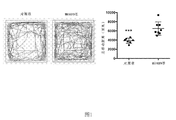
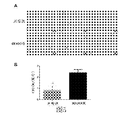
- Figure 1 is a diagram of the exercise ability of mice; the experimental diagram of the mine field shows the movement trajectory of mice.
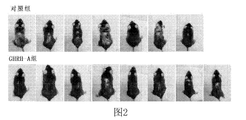
- Figure 2 is a diagram of hair growth.
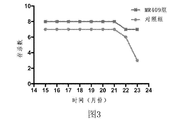
- Figure 3 is a survival curve chart; 8 mice treated with MR409, one died at 22 months, the survival rate was 87.5%. Of the 7 control mice, 4 died during 22-23 months, and the survival rate was 42.9%.
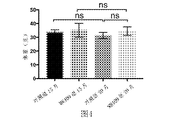
- Figure 4 is a graph of mouse body weight.
- Figure 5 shows the results of the bone marrow cell colony formation test
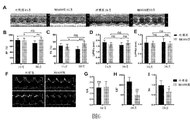
- Figure 6 is a diagram showing the effect of GHRH-A on the structure and function of the heart in aging mice:
- A M-ultrasound diagram of left ventricular systolic function in mice;
- B left ventricular ejection fraction;
- C left ventricular short Axis shortening rate;
- D left ventricular posterior wall thickness at end-systole;
- E left ventricular posterior wall thickness at end-diastole;
- F PW Doppler and tissue Doppler diagram of diastolic function in mice;
- G)E /A Ararly diastolic mitral valve orifice blood flow velocity than late diastolic mitral valve orifice blood flow velocity);
- H E/E' (Early diastolic mitral valve orifice blood flow velocity than early diastolic mitral valve annulus velocity );
- I Tei index (left ventricular relaxation constant).
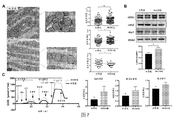
- Figure 7 is a diagram of GHRH-A enhancing mitochondrial function in the heart: (A) schematic diagram of mitochondria in mouse myocardium; (B) expression level of mitochondrial dynamic-related protein in mouse myocardium; (C) mitochondrial oxidation in mouse cardiac tissue Phosphorylation oxygen consumption and energy production diagram.
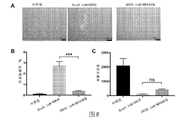
- Figure 8 is a diagram of GHRH-A protecting H9C2 cell viability from Dox-induced cell damage: (A) H9C2 cell morphology after different treatments; (B) quantitative analysis of dead cells; (C) quantitative analysis of viable cells.
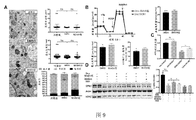
- Figure 9 is a picture of GHRH-A protecting H9C2 from Dox-induced mitochondrial dysfunction.
- A Dox-induced H9C2 and GHRH-A treated mitochondrial morphology electron micrograph
- B Dox-induced H9C2 after GHRH-A The level of mitochondrial oxygen consumption after treatment
- C Dox-induced H9C2 ATP production after GHRH-A treatment
- D Dox-induced H9C2 mitochondrial long subunit L-OPA1 expression level.
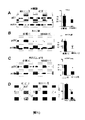
- Figure 10 shows the effect of GHRH-A on cell senescence:
- A Dox-H9C2p21 expression after GHRH-A treatment;
- B Primary neonatal rat cardiomyocyte (NRCM) p1 after GHRH-A treatment P21 expression in generations;
- C p21 expression in umbilical vein endothelial cells (HUVEC) after GHRH-A treatment for 10 generations;
- D ⁇ -gal staining after HUVECs were passed for 10 generations.
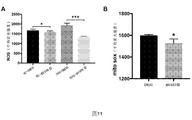
- FIG. 11 shows the effect of GHRH-A on Dox-induced ROS production in H9C2 cells: (A) Dox-induced H9C2 and GHRH-A treated ROS expression; (B) Dox-induced H9C2 and GHRH-A treated mitochondrial mitoROS Expression
- GHRH-A uses amino acids 1-29 of human GHRH (amino acids 1-44 of human GHRH) as the backbone, and substitutions or modifications of amino acids at specific positions are performed.
- the sequence of GHRH-A is shown in Table 1. Among them, MR-326/327/502/502 contains 30 amino acids, while MR-702 contains 31 amino acids. The number in the first row represents the corresponding amino acid position, "-" indicates that the amino acid position is the same as that in hGHRH.
- N-Me-Tyr refers to the presence of methylation at the N-terminus of tyrosine.
- the growth-promoting hormone releasing hormone agonist GHRH-A is used to prepare anti-aging drugs.
- the application target of the anti-aging drug is human or animal.
- the human use amount of the growth hormone releasing hormone agonist GHRH-A is 0.01 ⁇ g/kg-1 mg/kg each time.
- the frequency of use can be 1 to multiple times a day.
- the growth hormone releasing hormone agonist GHRH-A is selected from JI-22, JI-25, JI27, JI-29, JI-34, JI-36, JI-38, JI-40, JI-42 , MR-351, MR-356, MR-361, MR-367, MR-401, MR-403, MR-404, MR-405, MR-406, MR-407, MR-408, MR-409, MR -410, MR-420, MR-421, MR-326, MR-327, MR-502, MR-504, MR-702, CJC-1288, CJC-1293 and CJC-1295 one or more.
- the anti-aging drug is an injection preparation, an oral preparation, a patch or a spray.
- the dosage form of the anti-aging drug includes, but is not limited to, freeze-dried powder injection, injection, tablet, pill, granule, hard capsule, syrup, soft capsule, ointment, cream, patch or microneedle, etc.
- the anti-aging drug can be administered by subcutaneous injection, intramuscular injection, intravenous injection, oral administration, external application, smearing, skin patch, intranasal or pulmonary inhalation. Injection, penetration, absorption, physical or chemically mediated methods are introduced into the body such as muscle, intradermal, subcutaneous, mucosal tissue; or mixed or wrapped with other substances and then introduced into the body.
- the anti-aging drugs include:
- the carrier includes conventional diluents, excipients, fillers, binders, wetting agents, disintegrants, absorption promoters, surfactants, adsorption carriers, lubricants and the like in the pharmaceutical field.
- the growth hormone releasing hormone agonist GHRH-A achieves anti-aging through the following major approaches:
- GHRH-A can reduce the aging characteristics of cells, which are manifested as degenerative changes with increasing age.
- Applying the GHRH-A of the present invention to the preparation of anti-aging drugs can reduce the positive rate of cell senescence-related ⁇ -gal staining, reduce the expression of cell cycle-related protein p21 in senescent cells (such as cardiomyocytes and endothelial cells), and reduce ROS produce.
- GHRH-A can improve the morphology and function of cell mitochondria caused by aging, and increase the expression of mitochondrial protein OPA1 and the ratio of long to short (L/S-OPA1).
- GHRH-A can increase the activity and number of stem cells in the body, improve the cardiovascular function of old mice, increase basic activity, improve hair growth, strengthen immune function, make immune function younger, and ultimately extend the life of old mice life. In short, GHRH-A has a good anti-aging effect on old mice.
- the present invention will be described below through specific embodiments.
- the GHRH-A used in this embodiment is MR409, but the protection scope of the present invention is not limited to this.
- the experimental methods described in the following examples are conventional methods unless otherwise specified; the reagents and materials, unless otherwise specified, can be obtained from commercial sources. Among them, MR409 was provided by Professor Andrew V.Schally of the University of Miami.
- the amino acid sequence of MR409 is: N-Me-Tyr—D-Ala—Asp—Ala—Ile—Phe—Thr—Asn—Ser—Tyr—Arg—Orn—Val—Leu—Abu—Gln—Leu—Ser—Ala—Arg —Orn—Leu—Leu—Gln—Asp—Ile—Nle—Asp—Arg-NHCH 3 .
- the present invention uses the cell aging model established in vitro and the 15-month old mouse model with C57 background in vivo to detect the effect of MR409 in anti-aging.
- the human dosage of GHRH-A was 0.01 ⁇ g/kg-1mg/kg, and the dosage of GHRH-A suitable for mice was given.
- Mice aged 15 months were injected subcutaneously with MR409 (10 ⁇ g/mouse/day) or blank solvent (control mice) for 6 months.
- mice treated with MR409 were vigorous and active. Compared with control mice, their total moving distance increased by 55%; as shown in Figure 2, the hair growth condition was improved, and the average gray value of hair increased significantly; as shown in Figure 3, the mice treated with MR409 The 23-month survival rate was 87.5%, which was significantly higher than the 42.9% of the control mice, and as shown in Figure 4, no change in body weight was observed after MR409 treatment.
- the bone marrow-derived cells of mice treated with MR409 can form more colony forming units (CFU) after culturing, indicating that the bone marrow of mice treated with MR409 has more More stem cells.
- CFU colony forming units
- GHRH-A can improve the heart function of elderly mice.
- the systolic function of the control mice was reduced, but the mice treated with MR409 were able to maintain the original level, and the left ventricular posterior wall thickness (LVPW) during systole and end-diastole did not change.
- the diastolic function of the mouse heart was measured by ultrapulse wave Doppler (PWD) and tissue Doppler imaging (TDI).
- PWD ultrapulse wave Doppler
- TDI tissue Doppler imaging
- the E/E' and Tei index reflecting the diastolic function were both in the diastolic function of the mice treated with MR409 Better than control mice.
- the results of this study indicate that MR409 can treat and improve cardiac systolic and diastolic function.
- GHRH-A can improve the morphology and function of mitochondria in the myocardial tissue of aged mice.
- the morphology of the mitochondria in the mouse heart was examined by transmission electron microscopy, and it was found that the mitochondria in the CM of the mice treated with MR409 were larger, had a larger surface area and a longer circumference than the control mice, which indicated that the MR409 treated mice The CM of the mice had more mitochondrial fusion, resulting in fewer mitochondria in the MR409-treated mice than in the control mice.
- the ratio of the long form to the short form of the mitochondrial protein OPA1 of the heart of mice treated with MR409 increased, indicating that MR409 protects mitochondrial integrity by preventing its fragmentation.
- H9C2 cardiomyocytes were treated with Dox to induce stress and apoptosis in the presence or absence of MR409.
- Dox treatment resulted in the death of H9C2 cells, while the addition of MR409 to the culture significantly reduced cell death.
- the morphology of mitochondria was observed through an electron microscope. The mitochondria in the cells with MR409 added in Dox became longer and less fragmented than the cells without MR409, indicating that mitochondrial fusion was enhanced after MR409 treatment.
- the Dox treatment reduced the mitochondrial protein OPA1
- the MR409 treatment increased the ratio of L-OPA1 to S-OPA1.
- H9C2 cells treated with Dox and neonatal rat CM (NRCM) and endothelial cells (EC) were cultured with or without MR409 for 48 hours, and the senescence marker proteins p21 and ⁇ -gal were examined. Stain to determine the level of aging. As shown in Figure 10, p21 was reduced in all MR409-treated cells (H9C2, NRCM and HUVEC). Compared with cells cultured without MR409, after culturing cells with MR409 10 times, fewer ⁇ -gal positive cells were observed in HUVEC. As shown in Figure 11, GHRH-A can reduce ROS production in senescent cardiomyocytes and mitochondrial ROS production. As shown in the table below, GHRH-A can promote the homeostasis of systemic immunity and youth.
- NRCM Dox and neonatal rat CM
- EC endothelial cells
- the following table shows the results of immune cell analysis in mice of different ages. Compared with young mice (7-8 weeks old), the total CD3+ T lymphocytes, CD4+ T helper cells, CD161+ NK cells and CD4/CD8 ratios of old control mice were reduced, and CD8+ T suppressor cells Increased. After 6 months of treatment of aged mice with MR409, the number of total CD3 positive T cells, CD4 positive T helper cells and CD20 positive B cells in aging individuals increased, and the number of CD8 positive T suppressor cells decreased.
- MR409 can significantly improve the heart function of old mice, enhance the mobility of old mice, improve hair growth, and strengthen immunity, thereby extending the life of old mice.
- GHRH-A can reduce the oxidation and aging phenotype of senescent cells, improve mitochondrial function and reduce mitochondrial damage caused by aging.
Landscapes
- Health & Medical Sciences (AREA)
- Life Sciences & Earth Sciences (AREA)
- Chemical & Material Sciences (AREA)
- Pharmacology & Pharmacy (AREA)
- Endocrinology (AREA)
- Veterinary Medicine (AREA)
- Public Health (AREA)
- Medicinal Chemistry (AREA)
- General Health & Medical Sciences (AREA)
- Animal Behavior & Ethology (AREA)
- General Chemical & Material Sciences (AREA)
- Gastroenterology & Hepatology (AREA)
- Nuclear Medicine, Radiotherapy & Molecular Imaging (AREA)
- Chemical Kinetics & Catalysis (AREA)
- Toxicology (AREA)
- Biochemistry (AREA)
- Zoology (AREA)
- Organic Chemistry (AREA)
- Engineering & Computer Science (AREA)
- Bioinformatics & Cheminformatics (AREA)
- Immunology (AREA)
- Proteomics, Peptides & Aminoacids (AREA)
- Epidemiology (AREA)
- Medicines That Contain Protein Lipid Enzymes And Other Medicines (AREA)
Abstract
本发明公开了一种促生长激素释放激素激动剂GHRH-A在制备抗衰老药物中的用途。其中,GHRH-A能够抗衰老,包括降低衰老标记β-gal染色阳性率,减少衰老细胞的细胞周期中相关蛋白p21的表达,减少ROS产生;而且,GHRH-A能改善衰老细胞线粒体形态和功能,提高线粒体蛋白OPA1表达及其长型对短型的比例L/S-OPA1;提高心脏功能,即改善心脏收缩和舒张功能;同时GHRH-A能够改善机体免疫细胞比例及免疫能力;增加干细胞数量;提高机体运动能力,促进毛发生长,提高生存率。
Description
本发明涉及生物医药领域,尤其涉及促生长激素释放激素激动剂GHRH-A在制备抗衰老药物中的用途。
衰老又称为老化,是一种自然而复杂的生物学过程,是所有动物的共同特征。随着年龄的增长,衰老的机体出现生理结构的退行性改变以及机能衰退,动物体从器官、组织、细胞、分子水平上均发生相应变化。心脏是一个重要的器官,受年龄影响很大。近年来人口老龄化成为重要趋势,随之而来的老年心脏变为随年龄增长的左室肥厚,舒张功能不全,房颤,以及血管内膜增厚,硬度增加。此外,研究表明,病理性肥厚,凋亡,纤维化,进展性心衰也与机体的衰老有关。
心衰是心功能不全的一种障碍性疾病,一般表现为心肌收缩功能降低或障碍,导致心输出量降低和机体组织供氧和代谢的血液供应减少而引起心脏功能的衰竭。目前,抗心衰药物一般可分为强心苷(正性肌力药)、非强心苷如:ACE抑制剂、血管紧张素Ⅱ受体拮抗剂ARB、β受体阻断剂、利尿药和钙通道阻滞剂。现有的大部分抗心衰药物对于改善病症,提高生活质量有明显的好处,但是对延长寿命和减缓衰老的影响不大。
生长激素释放激素(GHRH)是44个氨基酸组成的多肽类物质。它能特异性的与垂体前叶的生长激素释放激素受体结合,从而调节生长激素的释放。生长激素释放激素激动剂(GHRH-A)是29个氨基酸组成的GHRH类似物。本发明人的合作者、美国迈阿密大学的教授Schally发明了29氨基酸的GHRH-类似物,为激动剂GHRH-A,和拮抗剂GHRH-Ant。其中,激动剂GHRH-A,在1990年的产品是JI系列,在2012年后的是新的MR系列。在Schally的激动剂专利201280070383.9上有提及抗心力衰竭的作用。但是其只是在专利中只是简单地提及了这一作用,而并未公开具体的机理、通路以及实验数据。因此,本领域技术人员仍无法知晓其具体的机理、通路等。
发明内容
为了解决上述技术问题,本发明提供了一种促生长激素释放激素激动剂GHRH-A在制备抗衰老药物中的用途。
本发明的具体技术方案为:将促生长激素释放激素激动剂GHRH-A应用于制备抗衰老 药物。具体地:
所述促生长激素释放激素激动剂GHRH-A通过提高心脏收缩和舒张功能来实现抗衰老作用;和/或
所述促生长激素释放激素激动剂GHRH-A通过提高免疫力功能、改善机体免疫反应效果来实现抗衰老作用;和/或
所述促生长激素释放激素激动剂GHRH-A通过提高运动能力来实现抗衰老作用;和/或
所述促生长激素释放激素激动剂GHRH-A通过降低细胞的衰老特性来实现抗衰老作用;
所述促生长激素释放激素激动剂GHRH-A通过提高骨髓中干细胞活性、增加干细胞数量来实现抗衰老作用;和/或
所述促生长激素释放激素激动剂GHRH-A通过促进毛发生长来实现抗衰老作用;和/或
所述促生长激素释放激素激动剂GHRH-A通过降低死亡率、提高生存率,延长寿命预期值,来实现抗衰老作用。
本发明团队经过研究发现:
所述促生长激素释放激素激动剂GHRH-A通过与细胞表面GHRH受体结合,激活cAMP/PKA通路,减少OPA1长亚基的剪切,促进线粒体融合,提高线粒体活性,增强线粒体氧化磷酸化能力,从而增加线粒体ATP产量和产能效率,最终达到改善衰老小鼠心脏的收缩和舒张功能;
所述促生长激素释放激素激动剂GHRH-A通过增加衰老个体中总CD3阳性T细胞、CD4阳性T辅助细胞和CD20阳性B细胞的数量,降低CD8阳性T抑制细胞的数量,从而提高免疫力功能、改善机体免疫反应能力;
所述促生长激素释放激素激动剂GHRH-A通过减少衰老细胞中细胞周期抑制蛋白P21的表达,减少ROS产生,减少衰老相关的β-Gel染色阳性率,进而降低衰老细胞特征。
所述促生长激素释放激素激动剂GHRH-A通过提高线粒体活性和能量供给,增强老年小鼠心功能,改善免疫功能,进而提高运动能力;
所述促生长激素释放激素激动剂GHRH-A通过提高干细胞活性,增强其生长繁殖能力,增加骨髓细胞集落形成数(CFU),从而增加干细胞数量。
所述促生长激素释放激素激动剂GHRH-A通过提高干细胞活性、增加干细胞数量,改善毛发生长。
所述促生长激素释放激素激动剂GHRH-A通过提高干细胞活性、增加干细胞数量,改善心脏功能和机体免疫反应能力,从而降低死亡率,增加小鼠生存率,提高寿命预期值。
作为优选,所述抗衰老药物的应用对象为人或动物。
进一步的,所述促生长激素释放激素激动剂GHRH-A的人体使用量为每次0.01μg/kg-1mg/k。进一步的,使用频率可以是每天1次或多次。
作为优选,所述促生长激素释放激素激动剂GHRH-A选自JI-22,JI-25,JI27,JI-29,JI-34,JI-36,JI-38,JI-40,JI-42,MR-351,MR-356,MR-361,MR-367,MR-401,MR-403,MR-404,MR-405,MR-406,MR-407,MR-408,MR-409,MR-410,MR-420,MR-421,MR-326,MR-327,MR-502,MR-504,MR-702,CJC-1288,CJC-1293和CJC-1295中的一种或多种。
作为优选,所述抗衰老药物为注射制剂、口服制剂、贴剂或喷剂。所述抗衰老药物的剂型包括但不限于冻干粉针、注射液、片剂、丸剂、颗粒剂、硬胶囊、糖浆、软胶囊、药膏、面霜、贴剂或微针等。所述抗衰老药物的给药方式可以是皮下注射,肌肉注射,静脉注射,口服,外用、涂抹、皮肤贴剂、鼻内或肺吸入。注射、渗透、吸收、物理或化学介导的方法导入机体如肌肉、皮内、皮下、粘膜组织;或是被其他物质混合或包裹后导入机体。
作为优选,所述抗衰老药物包括:
1)促生长激素释放激素激动剂GHRH-A和/或其在药学上可接受的盐、酯;
2)药学上可接受的载体、赋形剂、溶剂和缓冲液中的一种多种。
与现有技术对比,本发明的有益效果是:本发明发现GHRH-A能够降低细胞的衰老特性,包括降低衰老标记β-gal染色阳性率,减少衰老细胞的细胞周期中相关蛋白p21的表达,减少ROS产生。且GHRH-A改善衰老细胞线粒体形态和功能,提高线粒体蛋白OPA1表达及其长型对短型的比例L/S-OPA1;同时GHRH-A能够提高运动能力,促进毛发生长,延长寿命,提高心脏功能即对心脏收缩和舒张功能均有改善。该GHRH-A在抗衰老药物中具有稳定性好,药物活性高的特点,适用于防治心衰,减轻衰老的全身表型。该药物具有制作简单,效果显著,副作用小的效果。
图1为小鼠的运动能力图;矿场实验图显示小鼠运动轨迹。
图2为毛发生长图。
图3为生存曲线图;MR409处理的8只小鼠,在22个月时死了一只,生存率为87.5%。对照小鼠7只,在22-23月期间死了4只,生存率为42.9%。
图4为小鼠体重图。
图5为骨髓细胞集落生成试验结果图;MR409处理过的小鼠骨髓来源的细胞可以形成 更多的细胞集落。
图6为GHRH-A对老龄老年小鼠心脏结构和功能的影响图:其中,(A)小鼠左室收缩功能M-超声示意图;(B)左室射血分数;(C)左室短轴缩短率;(D)心脏收缩末期左室后壁厚度;(E)心脏舒张末期左室后壁厚度;(F)小鼠舒张功能PW多普勒和组织多普勒示意图;(G)E/A(舒张早期二尖瓣口血流速度比舒张晚期二尖瓣口血流速度);(H)E/E’(舒张早期二尖瓣口血流速度比舒张早期二尖瓣环运动幅度);(I)Tei指数(左室松弛常数)。
图7为GHRH-A增强心脏中的线粒体功能图:其中,(A)小鼠心肌组织线粒体电镜示意图;(B)小鼠心肌组织线粒体动态相关蛋白表达水平;(C)小鼠心肌组织线粒体氧化磷酸化耗氧量及能量产生图。
图8为GHRH-A使H9C2细胞活力免受Dox诱导的细胞损伤图:其中(A)经不同方式处理后的H9C2细胞形态图;(B)死亡细胞定量分析;(C)存活细胞定量分析。
图9为GHRH-A保护H9C2免受Dox诱导的线粒体功能障碍图:其中,(A)Dox诱导的H9C2及GHRH-A处理后的线粒体形态电镜图;(B)Dox诱导的H9C2经GHRH-A处理后的线粒体氧耗水平;(C)Dox诱导的H9C2经GHRH-A处理后的ATP产生;(D)Dox诱导的H9C2的线粒体长亚基L-OPA1表达水平。
图10为GHRH-A对细胞衰老的影响图:其中,(A)经GHRH-A处理后Dox-H9C2p21的表达量;(B)经GHRH-A处理后原代乳鼠心肌细胞(NRCM)p1代p21表达量;(C)经GHRH-A处理后脐静脉内皮细胞(HUVEC)传了10代后p21表达量;(D)HUVEC传了10代后β-gal染色。
图11为GHRH-A对Dox诱导的H9C2细胞ROS产生的影响图:(A)Dox诱导的H9C2及GHRH-A处理后ROS表达量;(B)Dox诱导的H9C2及GHRH-A处理后线粒体mitoROS表达量;
总实施例
GHRH-A以人GHRH的1-29位氨基酸(人GHRH 1-44位氨基酸)为骨架,进行特定位点氨基酸的替换或者修饰,GHRH-A的序列如表1所示。其中,MR-326/327/502/502包含30个氨基酸,而MR-702则含有31个氨基酸。首行中的数字代表对应的氨基酸位点,“—”表示该氨基酸位点与hGHRH中的相同。
表1:GHRH-A的氨基酸序列

其中,N-Me-Tyr指酪氨酸N端存在甲基化。
将促生长激素释放激素激动剂GHRH-A应用于制备抗衰老药物。
作为优选,所述抗衰老药物的应用对象为人或动物。
进一步的,所述促生长激素释放激素激动剂GHRH-A的人体使用量为每次0.01μg/kg-1mg/kg。使用频率可以是每天1次至多次。
作为优选,所述促生长激素释放激素激动剂GHRH-A选自JI-22,JI-25,JI27,JI-29,JI-34,JI-36,JI-38,JI-40,JI-42,MR-351,MR-356,MR-361,MR-367,MR-401,MR-403,MR-404,MR-405,MR-406,MR-407,MR-408,MR-409,MR-410,MR-420,MR-421,MR-326,MR-327,MR-502,MR-504,MR-702,CJC-1288,CJC-1293和CJC-1295中的一种或多种。
作为优选,所述抗衰老药物为注射制剂、口服制剂、贴剂或喷剂。所述抗衰老药物的剂型包括但不限于冻干粉针、注射液、片剂、丸剂、颗粒剂、硬胶囊、糖浆、软胶囊、药膏、面霜、贴剂或微针等。所述抗衰老药物的给药方式可以是皮下注射,肌肉注射,静脉注射,口服,外用、涂抹、皮肤贴剂、鼻内或肺吸入。注射、渗透、吸收、物理或化学介导的方法导入机体如肌肉、皮内、皮下、粘膜组织;或是被其他物质混合或包裹后导入机体。
作为优选,所述抗衰老药物包括:
1)促生长激素释放激素激动剂GHRH-A和/或其在药学上可接受的盐、酯;
2)药学上可接受的载体、赋形剂、溶剂和缓冲液中的一种多种。所述载体包括药学领域常规的稀释剂、赋形剂、填充剂、粘合剂、湿润剂、崩解剂、吸收促进剂、表面活性剂、吸附载体、润滑剂等。
所述促生长激素释放激素激动剂GHRH-A从以下几大途径来实现抗衰老:
(1)提高心脏收缩和舒张功能来实现抗衰老作用;(2)提高免疫力功能、改善机体免疫反应效果;(3)提高机体运动能力;(4)降低细胞的衰老特性;(5)提高骨髓中干细胞活性、增加干细胞数量;(6)促进毛发生长;(7)降低死亡率、提高生存率,延长寿命。
具体地:体外实验表明,GHRH-A能降低细胞的衰老特性,衰老特性表现为随年龄增加出现的退行性变化。将本发明的GHRH-A应用于制备抗衰老药物,能够降低细胞的衰老相关的β-gal染色阳性率,减少衰老细胞(如心肌细胞和内皮细胞)的细胞周期相关蛋白p21的表达,减少ROS产生。GHRH-A可以改善衰老导致的细胞线粒体形态和功能,提高线粒体蛋白OPA1表达及其长型对短型的比例(L/S-OPA1)。动物实验研究表明:GHRH-A可以增加机体干细胞活性和数量,提高老年小鼠的心血管功能,增加基础活动能力,改善毛发生长,增强免疫功能,使免疫功能年轻化,最终延长老年小鼠的寿命。总之,GHRH-A对老年小鼠的具有很好的抗衰老作用。
实施例
下面通过具体实施例对本发明进行说明,本实施例采用的GHRH-A为MR409,但本发明的保护范围并不局限于此。下述实施例中所述实验方法,如无特殊说明,均为常规方法;所述试剂和材料,如无特殊说明,均可从商业途径获得。其中MR409由迈阿密大学的教授Andrew V.Schally提供。
MR409氨基酸序列为:N-Me-Tyr—D-Ala—Asp—Ala—Ile—Phe—Thr—Asn—Ser—Tyr—Arg—Orn—Val—Leu—Abu—Gln—Leu—Ser—Ala—Arg—Orn—Leu—Leu—Gln—Asp—Ile—Nle—Asp—Arg-NHCH
3。(即N-甲基酪氨酸—D-丙氨酸—天冬氨酸—丙氨酸—异亮氨酸—苯丙氨酸—苏氨酸—天冬酰胺—丝氨酸—酪氨酸—精氨酸—鸟氨酸—缬氨酸–亮氨酸—2-氨基丁酸—谷氨酰胺—亮氨酸—丝氨酸—丙氨酸—精氨酸—鸟氨酸—亮氨酸—亮氨酸—谷氨酰胺—天冬氨酸—异亮氨酸—正亮氨酸—天冬氨酸—精氨酸-NHCH
3)。
本发明利用体外建立的细胞衰老模型以及体内C57背景的15月龄老年小鼠模型检测MR409在抗衰老方面的作用。
为了研究GHRH-A对衰老的影响,将GHRH-A的人体使用量0.01μg/kg-1mg/kg,给予适用于小鼠使用的GHRH-A使用剂量。给15个月龄的小鼠皮下注射MR409(10μg/小鼠/天)或空白溶剂(对照小鼠)6个月。
如图1所示,用MR409处理3个月后,观察得到:经MR409处理的小鼠精力旺盛,活动能力强。与对照小鼠相比,它们的总移动距离增加了55%;如图2所示,毛发生长状况得到改善,毛发的平均灰度值显著增加;如图3所示,经MR409处理小鼠在23个月的存活率为87.5%,显着高于对照小鼠的42.9%,且如图4所示,经MR409处理后未观察到体重变化。如图5所示,经MR409处理过的小鼠,其骨髓来源的细胞经培养后,可以形成更多的细胞集落(colony forming unit,CFU),表明经MR409处理过的小鼠骨髓中有更多的干细胞。
如图6所示,GHRH-A可以改善老年小鼠的心功能。注射空白溶剂4个月后,对照小鼠的心脏收缩功能降低,但经MR409处理的小鼠能够维持在原来的水平,且收缩期和舒张末期的左心室后壁厚度(LVPW)没有变化。通过心超脉冲波多普勒(PWD)和组织多普勒成像(TDI),测量小鼠心脏的舒张功能,反映舒张功能的E/E'和Tei指数在经MR409治疗小鼠的舒张功能上均优于对照小鼠。该研究结果表明MR409能够治疗和改善心脏收缩和舒张功能。
如图7所示,GHRH-A可以改善老年小鼠心肌组织线粒体形态和功能。通过透射电子显微镜检查小鼠心脏中线粒体的形态,发现:经MR409处理的小鼠的CM中的线粒体更大,具有比对照小鼠更大的表面积和更长的周长,这表明经MR409处理的小鼠的CM有更多的线粒体融合,导致经MR409处理的小鼠的线粒体数量少于对照小鼠。与对照小鼠相比,经MR409处理的小鼠心脏线粒体蛋白OPA1长型与短形的比值增加,表明MR409通过阻止其碎裂来保护线粒体完整性。经MR409处理的小鼠的CM的新鲜分离的线粒体的耗氧率高于对照小鼠的线粒体,通过分析线粒体氧化磷酸化水平,得出经MR409处理的小鼠的线粒体氧化磷酸化水平高于对照小鼠。
为了模拟体内CM的衰老过程,用Dox处理H9C2心肌细胞,在有或没有MR409的情况下诱导应激和凋亡。如图8所示,经Dox处理导致H9C2细胞死亡,而向培养物中添加MR409显著降低了细胞的死亡。如图9所示,通过电子显微镜观察线粒体的形态,Dox中加入MR409的细胞中的线粒体变得更长,且比没有添加MR409的细胞碎片更少,这表明经MR409处理后线粒体融合增强。虽然通过Dox处理降低了线粒体蛋白OPA1,但是通过MR409处理增加了L-OPA1与S-OPA1的比值。
为了进一步研究MR409对细胞衰老的影响,分别将Dox处理的H9C2细胞和新生大 鼠CM(NRCM)以及内皮细胞(EC)与或不与MR409一起培养48小时,检查衰老标记蛋白p21和β-gal染色以确定衰老水平。如图10所示,在所有MR409处理的细胞(H9C2,NRCM和HUVEC)中p21减少。与未添加MR409培养的细胞相比,用MR409培养细胞10次后,在HUVEC中观察到更少的β-gal阳性细胞。如图11所示,GHRH-A可以减少衰老心肌细胞ROS产生和线粒体ROS产生。如下表所示,GHRH-A可以促进全身免疫稳态年轻。
下表为不同年龄小鼠免疫细胞分析结果。与年轻小鼠(7-8周大)相比,老年对照小鼠的总CD3+T淋巴细胞、CD4+T助细胞、CD161+NK细胞和CD4/CD8比值都降低了,CD8+T抑制细胞增多了。使用MR409处理老年小鼠6个月后,衰老个体中总CD3阳性T细胞、CD4阳性T辅助细胞和CD20阳性B细胞的数量都增加了,CD8阳性T抑制细胞的数量降低了。这些数据表明,老年小鼠免疫细胞在使用MR409治疗后,其免疫细胞数量比例变得与年轻小鼠的接近,表明MR409能通过改变免疫细胞数量及比例,改善老小鼠的免疫系统,提高免疫力功能、改善机体免疫反应能力。

$P<0.05vs.Young,
$$P<0.01vs.Young,
$$$P<0.001vs.Young,
$$$$P<0.0001vs.Young,*P<0.05vs.Control,****P<0.0001vs.Control.
综上所述,体内实验证明,MR409可以显著提高老年小鼠的心功能,增强老年小鼠活动能力,改善毛发生长,加强免疫力,从而延长老年小鼠寿命。同时,体外实验表明GHRH-A能减轻衰老细胞的氧化和衰老表形,改善线粒体功能和减少衰老导致的线粒体损伤。
以上所述,仅是本发明的较佳实施例,并非对本发明作任何限制,凡是根据本发明技术实质对以上实施例所作的任何简单修改、变更以及等效变换,均仍属于本发明技术方案的保护范围。
Claims (10)
- 促生长激素释放激素激动剂GHRH-A在制备抗衰老药物中的用途。
- 如权利要求1所述的用途,其特征在于,所述促生长激素释放激素激动剂GHRH-A通过提高心脏收缩和舒张功能来实现抗衰老作用;和/或所述促生长激素释放激素激动剂GHRH-A通过提高免疫力功能、改善机体免疫反应效果来实现抗衰老作用;和/或所述促生长激素释放激素激动剂GHRH-A通过提高运动能力来实现抗衰老作用;和/或所述促生长激素释放激素激动剂GHRH-A通过降低细胞的衰老特性来实现抗衰老作用;和/或所述促生长激素释放激素激动剂GHRH-A通过提高骨髓中干细胞活性、增加干细胞数量来实现抗衰老作用;和/或所述促生长激素释放激素激动剂GHRH-A通过促进毛发生长来实现抗衰老作用;和/或所述促生长激素释放激素激动剂GHRH-A通过降低死亡率、提高生存率,延长寿命预期值,来实现抗衰老作用。
- 如权利要求2所述的用途,其特征在于,所述促生长激素释放激素激动剂GHRH-A通过与细胞表面GHRH受体结合,激活cAMP/PKA通路,减少OPA1长亚基的剪切,促进线粒体融合,提高线粒体活性,增强线粒体氧化磷酸化能力,从而增加线粒体ATP产量和产能效率,最终达到改善衰老动物心脏的收缩和舒张功能;所述促生长激素释放激素激动剂GHRH-A通过增加衰老个体中总CD3阳性T细胞、CD4阳性T辅助细胞和CD20阳性B细胞的数量,降低CD8阳性T抑制细胞的数量,从而提高免疫力功能、改善机体免疫反应能力;所述促生长激素释放激素激动剂GHRH-A通过减少衰老细胞中细胞周期抑制蛋白P21的表达,减少ROS产生,减少衰老相关的β-Gel染色阳性率,进而降低衰老细胞特征;所述促生长激素释放激素激动剂GHRH-A通过提高线粒体活性和能量供给,增强老年人或动物心功能,改善免疫功能,进而提高运动能力;所述促生长激素释放激素激动剂GHRH-A通过提高干细胞活性,增强其生长繁殖能力,增加骨髓细胞集落形成数,从而增加干细胞数量;所述促生长激素释放激素激动剂GHRH-A通过提高干细胞活性、增加干细胞数量,提高机体免疫能力,从而促进毛发生长;所述促生长激素释放激素激动剂GHRH-A通过提高干细胞活性、增加干细胞数量,改善心脏功能和机体免疫反应能力,从而降低死亡率,增加人或动物生存率,提高寿命预期值。
- 如权利要求1所述的用途,其特征在于,所述抗衰老药物的应用对象为人或动物。
- 如权利要求4所述的用途,其特征在于,所述促生长激素释放激素激动剂GHRH-A的人体使用量为每次0.01μg/kg-1mg/kg。
- 如权利要求1所述的用途,其特征在于,所述促生长激素释放激素激动剂GHRH-A选自JI-22,JI-25,JI27,JI-29,JI-34,JI-36,JI-38,JI-40,JI-42,MR-351,MR-356,MR-361,MR-367,MR-401,MR-403,MR-404,MR-405,MR-406,MR-407,MR-408,MR-409,MR-410,MR-420,MR-421,MR-326,MR-327,MR-502,MR-504,MR-702,CJC-1288,CJC-1293和CJC-1295中的一种或多种。
- 如权利要求1所述的用途,其特征在于,所述抗衰老药物为注射制剂、口服制剂、贴剂或喷剂。
- 如权利要求7所述的用途,其特征在于,所述抗衰老药物的剂型选自冻干粉针、注射液、片剂、丸剂、颗粒剂、硬胶囊、糖浆、软胶囊、药膏、面霜、贴剂或微针。
- 如权利要求7所述的用途,其特征在于,所述抗衰老药物的给药方式选自皮下注射、肌肉注射、静脉注射、口服、外用、涂抹、皮肤贴剂、鼻内或肺吸入。
- 如权利要求1所述的用途,其特征在于,所述抗衰老药物包括:1)促生长激素释放激素激动剂GHRH-A和/或其在药学上可接受的盐、酯;2)药学上可接受的载体、赋形剂、溶剂和缓冲液中的一种多种。
Applications Claiming Priority (2)
| Application Number | Priority Date | Filing Date | Title |
|---|---|---|---|
| CN201910572005.4A CN111407884B (zh) | 2019-06-24 | 2019-06-24 | 促生长激素释放激素激动剂ghrh-a在制备抗衰老药物中的用途 |
| CN201910572005.4 | 2019-06-24 |
Publications (1)
| Publication Number | Publication Date |
|---|---|
| WO2020259294A1 true WO2020259294A1 (zh) | 2020-12-30 |
Family
ID=71486226
Family Applications (1)
| Application Number | Title | Priority Date | Filing Date |
|---|---|---|---|
| PCT/CN2020/095495 Ceased WO2020259294A1 (zh) | 2019-06-24 | 2020-06-11 | 促生长激素释放激素激动剂ghrh-a在制备抗衰老药物中的用途 |
Country Status (2)
| Country | Link |
|---|---|
| CN (1) | CN111407884B (zh) |
| WO (1) | WO2020259294A1 (zh) |
Families Citing this family (4)
| Publication number | Priority date | Publication date | Assignee | Title |
|---|---|---|---|---|
| CN116440276A (zh) * | 2023-04-14 | 2023-07-18 | 浙江大学 | Ghrh拮抗剂在制备脓毒症治疗药物中的应用 |
| CN117379424B (zh) * | 2023-12-08 | 2024-03-01 | 细胞生态海河实验室 | 米拉贝隆在制备预防和/或治疗免疫系统功能障碍药物中的应用 |
| WO2026047364A1 (en) * | 2024-08-30 | 2026-03-05 | University Of Miami | Method for treatment of neurodegenerative diseases with growth hormone releasing hormone and synthetic analogs thereof |
| CN120192398B (zh) * | 2024-11-22 | 2025-12-05 | 浙江大学 | 一种拟多肽ghrh激动剂及其应用 |
Citations (3)
| Publication number | Priority date | Publication date | Assignee | Title |
|---|---|---|---|---|
| CN1688696A (zh) * | 2002-09-18 | 2005-10-26 | 蒙特利尔大学医疗中心 | Ghrh类似物 |
| WO2009009727A2 (en) * | 2007-07-12 | 2009-01-15 | Akela Pharma Srl | Ghrh analogs and therapeutic uses thereof |
| CN107320718A (zh) * | 2017-05-23 | 2017-11-07 | 余红 | 促生长激素释放激素激动剂在制备抗血管钙化药物中的应用 |
Family Cites Families (7)
| Publication number | Priority date | Publication date | Assignee | Title |
|---|---|---|---|---|
| AU5668894A (en) * | 1992-11-13 | 1994-06-08 | The Administrators Of The Tulane Eductional Fund | Ghrh agonists |
| AU4891299A (en) * | 1998-07-28 | 2000-02-21 | Mediko Pty Ltd | Hair growth/maintenance compositions and methods involving the same |
| US9408405B2 (en) * | 2003-10-03 | 2016-08-09 | Veijlen N.V. | Use of compounds that are able to increase the serum IGF-1 level for the preparation of a therapeutical composition for treatment of various disease states associated with a reduced IGF-1 serum level in humans and animals |
| US8580757B2 (en) * | 2007-08-09 | 2013-11-12 | Thermo Fisher Scientific Biosciences Inc. | Methods of modulating mesenchymal stem cell differentiation |
| US8507433B1 (en) * | 2010-10-28 | 2013-08-13 | University Of Miami | Cardioprotective effects of GHRH agonists |
| US9079974B2 (en) * | 2011-12-21 | 2015-07-14 | The University Of Miami | GH-RH analogs with potent agonistic effects |
| US9993472B2 (en) * | 2014-01-28 | 2018-06-12 | Unity Biotechnology, Inc. | Treatment for osteoarthritis in a joint by administering a means for inhibiting MDM2 |
-
2019
- 2019-06-24 CN CN201910572005.4A patent/CN111407884B/zh active Active
-
2020
- 2020-06-11 WO PCT/CN2020/095495 patent/WO2020259294A1/zh not_active Ceased
Patent Citations (3)
| Publication number | Priority date | Publication date | Assignee | Title |
|---|---|---|---|---|
| CN1688696A (zh) * | 2002-09-18 | 2005-10-26 | 蒙特利尔大学医疗中心 | Ghrh类似物 |
| WO2009009727A2 (en) * | 2007-07-12 | 2009-01-15 | Akela Pharma Srl | Ghrh analogs and therapeutic uses thereof |
| CN107320718A (zh) * | 2017-05-23 | 2017-11-07 | 余红 | 促生长激素释放激素激动剂在制备抗血管钙化药物中的应用 |
Also Published As
| Publication number | Publication date |
|---|---|
| CN111407884B (zh) | 2021-12-07 |
| CN111407884A (zh) | 2020-07-14 |
Similar Documents
| Publication | Publication Date | Title |
|---|---|---|
| CN110494154B (zh) | 心肌病、陈旧性心肌梗塞及慢性心力衰竭的治疗剂 | |
| CN111407884B (zh) | 促生长激素释放激素激动剂ghrh-a在制备抗衰老药物中的用途 | |
| KR20170066440A (ko) | 박출률 보존 심부전을 예방, 치료 또는 지연시키기 위한 뉴레귤린 조성물 및 방법 | |
| US20210395674A1 (en) | Composition for increasing biological activity of stem cells using mixture 4f | |
| Meng et al. | Ganoderma Lucidum Polysaccharide Peptide attenuates post myocardial infarction fibrosis via down-regulating TGF-β1/SMAD and relieving oxidative stress | |
| JP2017530977A (ja) | 肺高血圧症の治療剤としての心筋球由来細胞(cdc) | |
| WO2011142744A1 (en) | Compositions and methods for the treatment and prevention of cardiac ischemic injury | |
| Yang et al. | miR-182/183-Rasa1 axis induced macrophage polarization and redox regulation promotes repair after ischemic cardiac injury | |
| Fu et al. | Smilax glabra Roxb. flavonoids protect against pathological cardiac hypertrophy by inhibiting the Raf/MEK/ERK pathway: In vivo and in vitro studies | |
| CN103861087B (zh) | 神经生长因子在制备用于治疗中老年男性性功能低下综合征的药物中的用途 | |
| CN104548136A (zh) | 一种piRNA药物组合物及其用途 | |
| CN104862281A (zh) | 表达bFGF和PDGF-BB的重组载体修饰的间充质干细胞及其制备方法和用途 | |
| CN108329381B (zh) | 一种来源于麒麟菜的十六肽及其在制备防治恶性肿瘤转移药物中的应用 | |
| TW201012473A (en) | Composition of inhibiting pathological angiogenesis | |
| CN108486046B (zh) | 一种抗缺氧损伤的干细胞制剂及其制备方法与在制备治疗急性心梗药物中的应用 | |
| CN119157906B (zh) | 一种脐带间充质干细胞制剂及其在治疗肝脏疾病的用途 | |
| Law et al. | Myoblast therapies constitute a safe and efficacious platform technology of regenerative medicine for the human health industry | |
| WO2019106680A1 (en) | Treatment of an ischemic heart disease | |
| US20200376037A1 (en) | Stem cell preparation resisting hypoxia injury, preparation method therefor, and use thereof in preparation of medicament for treating acute myocardial infarction | |
| CN115919850B (zh) | 一种抗阿霉素心脏毒性的中药单体组合物及其制备方法和应用 | |
| CN118406642B (zh) | 人胎盘血管周干细胞及其对缺血性疾病的治疗作用 | |
| CN118512473A (zh) | 一种自组装纳米酶的制备及其在心肌损伤修复中的应用 | |
| CN112585159A (zh) | 神经调节蛋白多肽片段及其用途 | |
| KR20100080112A (ko) | 에리스로포이에틴을 함유하는 발모 촉진 또는 탈모 방지용 조성물 | |
| CN118787731B (zh) | Ptma短肽在制备心梗治疗药物中的应用 |
Legal Events
| Date | Code | Title | Description |
|---|---|---|---|
| 121 | Ep: the epo has been informed by wipo that ep was designated in this application |
Ref document number: 20831044 Country of ref document: EP Kind code of ref document: A1 |
|
| NENP | Non-entry into the national phase |
Ref country code: DE |
|
| 122 | Ep: pct application non-entry in european phase |
Ref document number: 20831044 Country of ref document: EP Kind code of ref document: A1 |