WO2020194992A1 - 情報処理システム、情報処理方法 - Google Patents
情報処理システム、情報処理方法 Download PDFInfo
- Publication number
- WO2020194992A1 WO2020194992A1 PCT/JP2020/000303 JP2020000303W WO2020194992A1 WO 2020194992 A1 WO2020194992 A1 WO 2020194992A1 JP 2020000303 W JP2020000303 W JP 2020000303W WO 2020194992 A1 WO2020194992 A1 WO 2020194992A1
- Authority
- WO
- WIPO (PCT)
- Prior art keywords
- terminal
- mobile terminal
- processing unit
- application
- control unit
- Prior art date
- Legal status (The legal status is an assumption and is not a legal conclusion. Google has not performed a legal analysis and makes no representation as to the accuracy of the status listed.)
- Ceased
Links
Images



Classifications
-
- G—PHYSICS
- G06—COMPUTING OR CALCULATING; COUNTING
- G06F—ELECTRIC DIGITAL DATA PROCESSING
- G06F21/00—Security arrangements for protecting computers, components thereof, programs or data against unauthorised activity
- G06F21/10—Protecting distributed programs or content, e.g. vending or licensing of copyrighted material ; Digital rights management [DRM]
-
- G—PHYSICS
- G06—COMPUTING OR CALCULATING; COUNTING
- G06F—ELECTRIC DIGITAL DATA PROCESSING
- G06F9/00—Arrangements for program control, e.g. control units
- G06F9/06—Arrangements for program control, e.g. control units using stored programs, i.e. using an internal store of processing equipment to receive or retain programs
- G06F9/44—Arrangements for executing specific programs
- G06F9/445—Program loading or initiating
-
- H—ELECTRICITY
- H04—ELECTRIC COMMUNICATION TECHNIQUE
- H04M—TELEPHONIC COMMUNICATION
- H04M11/00—Telephonic communication systems specially adapted for combination with other electrical systems
Definitions
- the present invention relates to an information processing system and an information processing method.
- Information processing systems including mobile terminals such as smartphones are known (see Patent Document 1). Further, an information processing system including a server that provides an application program (hereinafter, referred to as an "application”) and the mobile terminal that uses the application provided by the server is known.
- an application an application program
- a license for the application is set for each user of the mobile terminal that uses the application, and the use of the application by the mobile terminal by a user who does not have a license for the application is prohibited. May be done.
- the user of the mobile terminal may want to let other users with him / her use the application licensed by the user.
- the other user does not have a license for the application, the other user cannot be made to use the application.
- An object of the present invention is to provide an information processing system and an information processing method capable of allowing a user who does not have an application license to use the application.
- the information processing system includes a determination processing unit and a permission processing unit.
- the determination processing unit determines whether or not the first terminal having the authority to use the application program and the second terminal having the authority to use the application program exist within a predetermined specific distance range. .. When the determination processing unit determines that the first terminal and the second terminal exist within the range of the specific distance, the permission processing unit uses the application program by the first terminal. Can be permitted.
- the first terminal having no authority to use the application program and the second terminal having the authority to use the application program exist within a predetermined specific distance.
- the use of the application program by the first terminal is performed. Including to allow.
- an information processing system and an information processing method that allow a user who does not have an application license to use the application are realized.
- FIG. 1 is a diagram showing a configuration of an information processing system according to an embodiment of the present invention.
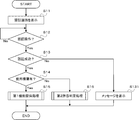
- FIG. 2 is a flowchart showing an example of a first permission / rejection determination process executed by the information processing system according to the embodiment of the present invention.
- FIG. 3 is a flowchart showing an example of a first function providing process executed by the information processing system according to the embodiment of the present invention.
- FIG. 4 is a flowchart showing an example of a second permission / rejection determination process executed by the information processing system according to the embodiment of the present invention.
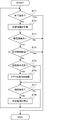
- FIG. 5 is a flowchart showing an example of a second function providing process executed by the information processing system according to the embodiment of the present invention.
- the information processing system 100 includes a mobile terminal 10A, a mobile terminal 10B, and a server 20.
- the mobile terminal 10A and the mobile terminal 10B have the same components.
- the mobile terminal 10A and the mobile terminal 10B are collectively referred to as the mobile terminal 10.
- the information processing system 100 may include three or more mobile terminals 10. Further, the information processing system 100 may include one or more terminals such as a personal computer instead of one or both of the mobile terminal 10A and the mobile terminal 10B.
- each of the mobile terminals 10 and the server 20 are connected to each other so as to be able to communicate with each other via the communication network 30.
- the communication network 30 is the Internet.
- the mobile terminal 10 is a portable smartphone or tablet terminal.
- the mobile terminal 10 may be a mobile phone, a PDA, a laptop computer, or the like.
- the mobile terminal 10 includes a control unit 11, an operation display unit 12, a communication unit 13, a storage unit 14, and a GPS communication unit 15.
- the control unit 11 includes control devices such as a CPU 11A, a ROM 11B, and a RAM 11C.
- the CPU 11A is a processor that executes various arithmetic processes.
- the ROM 11B is a non-volatile storage device in which information such as a control program for causing the CPU 11A to execute various processes is stored in advance.
- the RAM 11C is a volatile storage device used as a temporary storage memory (work area) for various processes executed by the CPU 11A.
- various control programs stored in advance in the ROM 11B are executed by the CPU 11A. As a result, the mobile terminal 10 is collectively controlled by the control unit 11.
- the operation display unit 12 is a display unit such as a liquid crystal display that displays various information in response to a control instruction from the control unit 11, and an operation key or touch panel for inputting various information to the control unit 11 in response to a user operation. It has an operation unit such as.
- the communication unit 13 is a communication interface capable of executing wireless data communication with an external communication device such as a server 20 connected via the communication network 30.
- the storage unit 14 is a non-volatile storage device.
- the storage unit 14 is a storage device such as a flash memory, a non-volatile memory such as EEPROM (registered trademark), an SSD (solid state drive), or an HDD (hard disk drive).
- EEPROM registered trademark
- SSD solid state drive
- HDD hard disk drive
- the storage unit 14 stores in advance the application program (hereinafter, referred to as "application") 141 provided by the server 20.
- the mobile terminal 10 can realize various functions included in the application 141 by installing the application 141 in the storage unit 14.
- the app 141 is an educational app or the like.
- the GPS communication unit 15 can receive radio waves transmitted from GPS satellites.
- the mobile terminal 10 can acquire terminal position information indicating the current position of its own device based on the information included in the radio wave received by the GPS communication unit 15.
- the server 20 provides the application 141 to each of the mobile terminals 10. In addition, the server 20 manages license information regarding the license of the application 141.
- the server 20 includes a control unit 21, an operation display unit 22, a communication unit 23, and a storage unit 24.
- the control unit 21 includes control devices such as a CPU 21A, a ROM 21B, and a RAM 21C, similarly to the control unit 11 of the mobile terminal 10.
- control unit 21 various control programs stored in advance in the ROM 21B are executed by the CPU 21A.
- the server 20 is collectively controlled by the control unit 21.
- the operation display unit 22 includes a display unit such as a liquid crystal display that displays various information in response to a control instruction from the control unit 21, a keyboard and a mouse that input various information to the control unit 21 in response to a user operation, and the like. It has an operation unit of.
- the communication unit 23 is a communication interface capable of executing wired or wireless data communication with an external communication device such as a mobile terminal 10 connected via the communication network 30.
- the storage unit 24 is a non-volatile storage device like the storage unit 14 of the mobile terminal 10.
- the storage unit 24 stores authentication information corresponding to each user of the mobile terminal 10.
- the authentication information is used for user authentication.
- the authentication information is a user name and a password.
- the storage unit 24 stores the license information corresponding to each user of the mobile terminal 10.
- the license information is information indicating whether or not the user of the mobile terminal 10 has the authority (license) to use the application 141.
- the license information is associated with the authentication information of the user corresponding to the information.
- whether or not the user of the mobile terminal 10 can use the application 141 is determined based on the license information managed by the server 20.
- the user of the mobile terminal 10 can acquire the authority to use the application 141 by performing procedures such as paying the usage fee of the application 141 to the business operator or the like that provides the application 141. is there.
- the server 20 may have the identification information of the mobile terminal 10 or the identification information of the application 141 instead of the authentication information corresponding to each user of the mobile terminal 10.
- the information processing system 100 does not have to include the server 20.
- the app 141 may include a product key unique to the app 141 that is required to use the app 141. In this case, when the product key corresponding to the application 141 is input when the application 141 is started on the mobile terminal 10, the execution of the application 141 may be permitted.
- the user of the mobile terminal 10A may want to temporarily use the application 141 by another user who is with him / her.
- the other user is a user of the mobile terminal 10B
- since the user does not have a license for the application 141 the user cannot be made to use the application 141.
- the information processing system 100 as described below, it is possible to allow a user who does not have a license for the application 141 to use the application 141.
- the storage unit 24 of the server 20 stores the grant authority information corresponding to each user of the mobile terminal 10.
- the granting authority information is information indicating whether or not the user of the mobile terminal 10 can grant the usage authority of the application 141 to another user.
- the grant authority information is associated with the authentication information of the user corresponding to the information.
- the user of the mobile terminal 10 acquires the authority to grant the authority to use the application 141 to another user by performing a procedure such as paying a fee to a business operator or the like that provides the application 141. It is possible.
- the user of the mobile terminal 10A has the authority to grant the authority to use the application 141 to other users
- the user of the mobile terminal 10B has the authority to grant the authority to use the application 141 to other users. The explanation will be given on the assumption that it does not have.
- the server 20 does not have to have the grant authority information corresponding to each user of the mobile terminal 10.
- the control unit 11 of the mobile terminal 10 includes an authentication processing unit 111, a position notification unit 112, a registration processing unit 113, a determination processing unit 114, a permission processing unit 115, a restriction processing unit 116, and The display processing unit 117 is included.
- the control unit 11 uses the CPU 11A to execute the application 141 stored in the storage unit 14.
- the control unit 11 functions as an authentication processing unit 111, a position notification unit 112, a registration processing unit 113, a determination processing unit 114, a permission processing unit 115, a restriction processing unit 116, and a display processing unit 117.
- the information processing system in the present invention may be the mobile terminal 10 or the information processing system 100.
- the authentication processing unit 111 executes an authentication process for authenticating the user according to a predetermined authentication operation.
- the authentication processing unit 111 causes the operation display unit 12 to display an authentication screen capable of performing the authentication operation as needed. Then, the authentication processing unit 111 accepts the authentication operation by the user on the authentication screen.
- the authentication operation is an operation of inputting a user name and a password. After that, the authentication processing unit 111 authenticates the user when the information input from the operation display unit 12 matches any of the authentication information stored in the storage unit 24 of the server 20.
- the authentication processing unit 111 determines whether or not the user authenticated by the authentication processing has the authority to use the application 141. Specifically, the authentication processing unit 111 determines whether or not the user has the authority to use the application 141 based on the license information corresponding to the authenticated user.
- the mobile terminal 10 when the authentication processing unit 111 determines that the user of the mobile terminal 10 has the authority to use the application 141, the mobile terminal 10 can use the function of the application 141. On the other hand, if the authentication processing unit 111 determines that the user of the mobile terminal 10 does not have the authority to use the application 141, the mobile terminal 10 uses the function of the application 141 unless the permission processing unit 115 permits it. Can't.
- the authentication processing unit 111 uses the application 141 by its own device based on the identification information of the mobile terminal 10 stored in the storage unit 24 of the server 20 or the license information associated with the identification information of the application 141. You may decide whether or not you have the authority. Further, the authentication processing unit 111 may determine whether or not the own device has the authority to use the application 141 based on whether or not the product key corresponding to the application 141 is input. In these cases, when the authentication processing unit 111 determines that the own device has the authority to use the application 141, the authentication processing unit 111 records the determination result in the storage unit 14, and the subsequent own device obtains the authority to use the application 141. Whether or not to have it may be determined based on the record.
- the location notification unit 112 executes a location notification process for periodically notifying the server 20 of the position of the mobile terminal 10 when the user of the mobile terminal 10 has the authority to grant the authority to use the application 141 to another user. To do.
- the position notification unit 112 determines whether or not the user has the authority to grant the right to use the application 141 to another user based on the grant authority information corresponding to the user of the mobile terminal 10. .. Then, when it is determined that the user of the mobile terminal 10 has the authority to grant the authority to use the application 141 to another user, the position notification unit 112 executes the position notification process. For example, in the position notification process, the GPS communication unit 15 is used at predetermined intervals to acquire the terminal position information of the mobile terminal 10. For example, the interval is any time from 1 second to 5 minutes. Then, each time the terminal position information is acquired, the terminal position information is associated with the authentication information of the user of the mobile terminal 10 and stored in the storage unit 24 of the server 20.
- the registration processing unit 113 uses the other mobile terminal 10 specified by the user to use the application 141 by the user. Register as a permission target.
- the registration processing unit 113 when a display operation for instructing the display of the registration screen capable of designating the permission target is performed, the user of the mobile terminal 10 gives the authority to use the application 141 to another user. Determine if you have the authority to grant to. Specifically, the registration processing unit 113 determines whether or not the user has the authority to grant the usage authority of the application 141 to another user based on the grant authority information corresponding to the user of the mobile terminal 10. ..
- the registration processing unit 113 determines that the user of the mobile terminal 10 has the authority to grant the usage authority of the application 141 to another user, the registration processing unit 113 displays the registration screen on the operation display unit 12. On the registration screen, it is possible to input identification information of another mobile terminal 10 registered as the permission target.
- the registration processing unit 113 associates the identification information with the authentication information of the user of the own device and stores the identification information in the storage unit 24 of the server 20 to allow the permission target. To register.
- the registration processing unit 113 registers another mobile terminal 10 designated by the user as a permission target for the user to use the application 141. May be good.
- the determination processing unit 114 grants the first mobile terminal (an example of the first terminal in the present invention), which is the mobile terminal 10 of a user who does not have the right to use the app 141, and other users the right to use the app 141. It is determined whether or not the second mobile terminal (an example of the second terminal in the present invention), which is the mobile terminal 10 of the user who has the authority to do so, exists within a predetermined specific distance range.
- the determination processing unit 114 uses the GPS communication unit 15 to acquire the terminal position information of its own device. To do. Then, the determination processing unit 114 is based on the authentication information of the user of the other mobile terminal 10 stored in the storage unit 24 of the server 20, the grant authority information associated with the authentication information, and the terminal position information. Therefore, it is determined whether or not the second mobile terminal exists within the range of the specific distance from the own device. For example, the specific distance is any distance from 0.1 meters to 10 meters.
- the determination processing unit 114 detects another mobile terminal existing within the specific distance from its own device by short-range wireless communication such as Bluetooth (registered trademark), and communicates with the detected mobile terminal. It may be determined whether or not the mobile terminal is the second mobile terminal or the first mobile terminal by communicating with the mobile terminal. In this case, the control unit 11 does not have to include the position notification unit 112.
- short-range wireless communication such as Bluetooth (registered trademark)
- the second mobile terminal may be the mobile terminal 10 of a user who has the authority to use the application 141.
- the permission processing unit 115 is a case where the determination processing unit 114 determines that the second mobile terminal exists within the range of the specific distance from the first mobile terminal, and the first mobile terminal is the said. When the user of the second mobile terminal is registered as the permission target, the use of the application 141 by the first mobile terminal is permitted.
- the first mobile terminal is the second mobile terminal based on the identification information associated with the authentication information of the user of the second mobile terminal stored in the storage unit 24 of the server 20. It is determined whether or not the user of the mobile terminal is registered as the permission target.
- the permission processing unit 115 prohibits the use of the application 141 by the first mobile terminal when the second mobile terminal no longer exists within the range of the specific distance from the first mobile terminal.
- the control unit 11 uses the GPS communication unit 15 at the interval to acquire the terminal position information of its own device. Then, the permission processing unit 115 receives the terminal position information acquired at the interval, and the terminal position information associated with the authentication information of the user of the second mobile terminal stored in the storage unit 24 of the server 20. Based on the above, it is determined whether or not the second mobile terminal exists within the range of the specific distance from the first mobile terminal at each interval.
- the permission processing unit 115 prohibits the use of the application 141 by the first mobile terminal when a predetermined permission time elapses from the time when the first mobile terminal is permitted to use the application 141. ..
- the permission time is any time from 10 minutes to 1 hour.
- the permission processing unit 115 uses the application 141 regardless of whether or not the permission time has elapsed while the first mobile terminal and the second mobile terminal are within the range of the specific distance. May be allowed. Further, from the time when the permission processing unit 115 permits the first mobile terminal to use the application 141 until the permission time elapses, the first mobile terminal and the second mobile terminal are said to be in contact with each other. The use of the app 141 may be permitted regardless of whether or not it exists within a specific distance range.
- the restriction processing unit 116 restricts the use of the application 141 by the first mobile terminal while satisfying the predetermined usage restriction conditions.
- the usage restriction condition is to detect the displacement or posture change of the mobile terminal 10 by an acceleration sensor (not shown).
- the restriction processing unit 116 may restrict the use of the application 141 by the first mobile terminal until a predetermined time elapses.
- the restriction processing unit 116 operates the user to release the restriction on the second mobile terminal. The use of the application 141 by the first mobile terminal may be restricted until the above is performed.
- the display processing unit 117 is predetermined to the second mobile terminal when it is determined by the determination processing unit 114 that the second mobile terminal exists within the range of the specific distance from the first mobile terminal.
- Display a specific image For example, the specific image is a barcode.
- the determination processing unit 114 determines that the second mobile terminal exists within the range of the specific distance from the first mobile terminal, that fact and a predetermined password are used.
- the specific information such as is notified to the mobile terminal 10A directly or via the server 20.
- the display processing unit 117 of the mobile terminal 10A receives the notification from the mobile terminal 10B, the display processing unit 117 of the mobile terminal 10A causes the operation display unit 12 of the own device to display the specific image including the notified specific information.
- the permission processing unit 115 is a case where the determination processing unit 114 determines that the second mobile terminal exists within the range of the specific distance from the first mobile terminal, and the first mobile terminal When the terminal acquires the specific image displayed by the display processing unit 117, the use of the application 141 by the first mobile terminal is permitted. Specifically, the permission processing unit 115 permits the use of the application 141 by the first mobile terminal when the acquired specific image includes the specific information notified to the second mobile terminal. ..
- the display processing unit 117 may display the specific information in place of the specific image.
- the permission processing unit 115 determines that the second mobile terminal exists within the range of the specific distance from the first mobile terminal by the determination processing unit 114, and the first mobile terminal
- the use of the application 141 by the first mobile terminal may be permitted.
- the user of the first mobile terminal 10 can arbitrarily specify the user to be granted the authority to use the application 141 when the user is not registered in advance.
- the display processing unit 117 may display a part of the specific information on the first mobile terminal and display the rest on the second mobile terminal.
- the mobile terminal 10 it is possible to enable / disable one or both of the registration processing unit 113 and the display processing unit 117.
- the function of the registration processing unit 113 is set to be valid, and the function of the display processing unit 117 is set to be invalid.
- the permission processing unit 115 is set to the range of the specific distance from the first mobile terminal by the determination processing unit 114.
- the use of the application 141 by the first mobile terminal may be permitted.
- control unit 11 does not have to include any one or more of the registration processing unit 113, the restriction processing unit 116, and the display processing unit 117.
- steps S11, S12 ... represent the number of the processing procedure (step) executed by the control unit 11.
- the first permission / rejection determination process is executed when the execution of the application 141 is instructed. Further, the first permission / rejection determination process is a process executed on both the mobile terminals 10A and 10B.
- step S11 the control unit 11 causes the operation display unit 12 to display the authentication screen.
- step S12 the control unit 11 determines whether or not the authentication operation has been accepted on the authentication screen displayed in step S11.
- control unit 11 determines that the authentication operation has been accepted on the authentication screen (Yes side of S12)
- the control unit 11 shifts the process to step S13. If the authentication operation is not accepted on the authentication screen (No side of S12), the control unit 11 waits for the authentication operation to be accepted in step S12.
- step S13 the control unit 11 determines whether or not the authentication is successful. Specifically, the control unit 11 determines that the authentication is successful when the information input in the authentication operation matches any of the authentication information stored in the storage unit 24 of the server 20.
- control unit 11 determines that the authentication is successful (Yes side of S13)
- the control unit 11 shifts the process to step S14. If the authentication is not successful (No side of S13), the control unit 11 shifts the process to step S131.
- step S131 the control unit 11 causes the operation display unit 12 to display a message indicating that the user authentication has failed.
- step S14 the control unit 11 determines whether or not the authenticated user has the authority to use the application 141.
- the processes of steps S11 to S14 are executed by the authentication processing unit 111 of the control unit 11.
- control unit 11 determines that the authenticated user has the authority to use the application 141 (Yes side of S14), the control unit 11 shifts the process to step S15. Further, if the authenticated user does not have the authority to use the application 141 (No side of S14), the control unit 11 shifts the process to step S16.
- step S15 the control unit 11 executes the first function providing process described below.
- step S16 the control unit 11 executes the second permission / rejection determination process described later.
- the first function providing process is a process executed by the mobile terminal 10A.
- step S31 the control unit 11 determines whether or not an end operation for instructing the end of execution of the application 141 has been performed.
- control unit 11 determines that the end operation has been performed (Yes side of S31)
- the control unit 11 ends the first function providing process. Further, if the end operation is not performed (No side of S31), the control unit 11 shifts the process to step S32.
- step S32 the control unit 11 determines whether or not the user of the mobile terminal 10 has the authority to grant the authority to use the application 141 to another user.
- control unit 11 determines that the user of the mobile terminal 10 has the authority to grant the usage authority of the application 141 to another user (Yes side of S32), the process shifts to step S33. Further, if the user of the mobile terminal 10 does not have the authority to grant the authority to use the application 141 to another user (No side of S32), the control unit 11 shifts the process to step S34.
- step S33 the control unit 11 executes the position notification process.
- steps S32 and S33 are executed by the position notification unit 112 of the control unit 11.
- step S34 the control unit 11 determines whether or not the display operation for instructing the display of the registration screen has been performed.
- control unit 11 determines that the display operation has been performed (Yes side of S34)
- the control unit 11 shifts the process to step S35. If the display operation is not performed (No side of S34), the control unit 11 shifts the process to step S39.
- step S35 the control unit 11 determines whether or not the user of the mobile terminal 10 has the authority to grant the authority to use the application 141 to another user, as in step S32.
- control unit 11 determines that the user of the mobile terminal 10 has the authority to grant the usage authority of the application 141 to another user (Yes side of S35)
- the process shifts to step S36.
- the control unit 11 shifts the process to step S39.
- step S36 the control unit 11 causes the operation display unit 12 to display the registration screen.
- step S37 the control unit 11 determines whether or not the identification information of the other mobile terminal 10 has been input on the registration screen displayed in step S36.
- control unit 11 determines that the identification information of the other mobile terminal 10 has been input on the registration screen (Yes side of S37), the control unit 11 shifts the process to step S38. Further, if the identification information of the other mobile terminal 10 is not input on the registration screen (No side of S37), the control unit 11 inputs the identification information of the other mobile terminal 10 in step S37. Wait for.
- step S38 the control unit 11 registers the mobile terminal 10 corresponding to the identification information input in step S37 as the permission target.
- the processes of steps S34 to S38 are executed by the registration processing unit 113 of the control unit 11.
- step S39 the control unit 11 determines whether or not a designated operation for designating a function to be called has been performed among the functions provided by the application 141.
- control unit 11 determines that the designated operation has been performed (Yes side of S39)
- the control unit 11 shifts the process to step S40. If the designated operation is not performed (No side of S39), the control unit 11 shifts the process to step S31.
- step S40 the control unit 11 calls the function designated by the designated operation.
- the second permission / rejection determination process is a process executed on the mobile terminal 10B.
- step S51 the control unit 11 acquires the terminal position information of the own device.
- step S52 the control unit 11 determines whether or not the second mobile terminal exists within the range of the specific distance from the own device.
- the processes of steps S51 and S52 are executed by the determination processing unit 114 of the control unit 11.
- control unit 11 determines that the second mobile terminal exists within the range of the specific distance from the own device (Yes side of S52), the control unit 11 shifts the process to step S53. Further, if the second mobile terminal does not exist within the range of the specific distance from the own device (No side of S52), the control unit 11 shifts the process to step S55.
- step S53 the control unit 11 determines whether or not the own device is registered as the permission target by the user of the second mobile terminal existing within the range of the specific distance from the own device.
- control unit 11 determines that the own device is registered as the permission target by the user of the second mobile terminal existing within the range of the specific distance from the own device (Yes side of S53)
- the control unit 11 processes.
- step S54 Further, if the own device is not registered as the permission target by the user of the second mobile terminal existing within the range of the specific distance from the own device (No side of S53), the control unit 11 performs the process in step S55. Migrate to.
- step S54 the control unit 11 executes the second function providing process described below.
- the processes of steps S53 and S54 are executed by the permission processing unit 115 of the control unit 11.
- step S55 the control unit 11 causes the operation display unit 12 to display a message indicating that the application 141 cannot be used.
- control unit 11 may determine whether or not the specific image has been acquired.
- the second function providing process is a process executed on the mobile terminal 10B.
- step S71 the control unit 11 determines whether or not the end operation has been performed.
- control unit 11 determines that the end operation has been performed (Yes side of S71)
- the control unit 11 ends the second function providing process. Further, if the end operation is not performed (No side of S71), the control unit 11 shifts the process to step S72.
- step S72 the control unit 11 acquires the terminal position information of the own device.
- step S73 the control unit 11 determines whether or not the second mobile terminal in which the own device is registered as the permission target exists within the range of the specific distance from the own device.
- step S73 when the control unit 11 determines that the second mobile terminal in which the own device is registered as the permission target exists within the range of the specific distance from the own device (Yes side of S73), the process proceeds to step S74. Let me. Further, if the second mobile terminal in which the own device is registered as the permission target does not exist within the range of the specific distance from the own device (No side of S73), the control unit 11 performs the second function providing process. To finish.
- step S74 the control unit 11 determines whether or not the permitted time has elapsed from the start of execution of the second function providing process.
- steps S72 to S74 are executed by the permission processing unit 115 of the control unit 11.
- control unit 11 determines that the permitted time has elapsed from the start of execution of the second function providing process (Yes side of S74)
- the control unit 11 ends the second function providing process. Further, if the permission time has not elapsed from the start of execution of the second function providing process (No side of S74), the control unit 11 shifts the process to step S75.
- step S75 the control unit 11 determines whether or not the restriction condition is satisfied.
- step S75 when the control unit 11 determines that the restriction condition is satisfied (Yes side of S75), the process shifts to step S76. Further, if the restriction condition is not satisfied (No side of S75), the control unit 11 shifts the process to step S77.
- step S76 the control unit 11 restricts the use of the application 141 while satisfying the restriction condition.
- the processes of steps S75 and S76 are executed by the restriction processing unit 116 of the control unit 11.
- the application 141 is an educational application
- the parent possesses the first mobile terminal
- the child possesses the second mobile terminal
- the child uses the application 141 while moving around. It is possible to prevent that.
- step S77 the control unit 11 determines whether or not the designated operation has been performed.
- control unit 11 determines that the designated operation has been performed (Yes side of S77)
- the control unit 11 shifts the process to step S78. If the designated operation is not performed (No side of S77), the control unit 11 shifts the process to step S71.
- step S78 the control unit 11 calls the function designated by the designated operation.
- the display content in the mobile terminal may be displayed as it is in the other mobile terminal.
- the call may be set to be transferred to the other side.
- the use of the application 141 by the first mobile terminal can be permitted. is there. As a result, it is possible to allow a user who does not have a license for the application 141 to use the application 141.
- the authentication processing unit 111 the registration processing unit 113, the judgment processing unit 114, the permission processing unit 115, the restriction processing unit 116, and the restriction processing unit 117 are provided in the control unit 21 of the server 20. You may.
- the first terminal in the present invention is not limited to a terminal that does not have a license for the application 141, and may be a terminal whose use of the application 141 is restricted by the function of the application 141.
- the application 141 has a function of restricting the use of the application 141 when the age of the user who uses the application 141 is less than a predetermined reference age.
Landscapes
- Engineering & Computer Science (AREA)
- Software Systems (AREA)
- Theoretical Computer Science (AREA)
- Physics & Mathematics (AREA)
- General Engineering & Computer Science (AREA)
- General Physics & Mathematics (AREA)
- Computer Hardware Design (AREA)
- Multimedia (AREA)
- Technology Law (AREA)
- Computer Security & Cryptography (AREA)
- Signal Processing (AREA)
- Stored Programmes (AREA)
- Telephonic Communication Services (AREA)
- Telephone Function (AREA)
Abstract
情報処理システム(100)は、アプリケーションプログラムの使用権限を有しない第1携帯端末から予め定められた特定距離の範囲内に他の携帯端末に対して前記アプリケーションプログラムの使用を許可可能な第2携帯端末が存在しているか否かを判定する判定処理部(114)と、判定処理部(114)によって前記第1携帯端末から前記特定距離の範囲内に前記第2携帯端末が存在していると判定された場合に、当該第1携帯端末による前記アプリケーションプログラムの使用を許可する許可処理部(115)と、を備える。
Description
本発明は、情報処理システム、及び情報処理方法に関する。
スマートフォンのような携帯端末を含む情報処理システムが知られている(特許文献1参照)。また、アプリケーションプログラム(以下、「アプリ」と呼称する。)を提供するサーバーと、当該サーバーから提供される前記アプリを使用する前記携帯端末とを含む情報処理システムが知られている。この種の情報処理システムでは、前記アプリを使用する前記携帯端末のユーザーごとに当該アプリのライセンスが設定されて、当該アプリのライセンスを有していないユーザーの前記携帯端末による当該アプリの使用が禁止されることがある。
ところで、前記携帯端末のユーザーは、当該ユーザーがライセンスを有する前記アプリを、一緒にいる他のユーザーに使用させたいことがある。ここで、当該他のユーザーが前記アプリのライセンスを有していない場合は、当該他のユーザーに前記アプリを使用させることができない。
本発明の目的は、アプリのライセンスを有しないユーザーに当該アプリを使用させることが可能な情報処理システム、及び情報処理方法を提供することにある。
本発明の一の局面に係る情報処理システムは、判定処理部と、許可処理部とを備える。前記判定処理部は、アプリケーションプログラムの使用権限を有しない第1端末と前記アプリケーションプログラムの使用権限を有する第2端末とが予め定められた特定距離の範囲内に存在しているか否かを判定する。前記許可処理部は、前記判定処理部によって前記第1端末と前記第2端末とが前記特定距離の範囲内に存在していると判定された場合に、当該第1端末による前記アプリケーションプログラムの使用を許可可能である。
本発明の他の局面に係る情報処理方法は、アプリケーションプログラムの使用権限を有しない第1端末と前記アプリケーションプログラムの使用権限を有する第2端末とが予め定められた特定距離の範囲内に存在しているか否かを判定することと、前記第1端末と前記第2端末とが前記特定距離の範囲内に存在していると判定された場合に、当該第1端末による前記アプリケーションプログラムの使用を許可することと、を含む。
本発明によれば、アプリのライセンスを有しないユーザーに当該アプリを使用させることが可能な情報処理システム、及び情報処理方法が実現される。
以下、添付図面を参照しながら、本発明の実施形態について説明する。なお、以下の実施形態は、本発明を具体化した一例であって、本発明の技術的範囲を限定するものではない。
[情報処理システム100]
本発明の実施形態に係る情報処理システム100は、図1に示されるように、携帯端末10Aと、携帯端末10Bと、サーバー20とを備える。
本発明の実施形態に係る情報処理システム100は、図1に示されるように、携帯端末10Aと、携帯端末10Bと、サーバー20とを備える。
携帯端末10A及び携帯端末10Bは、同一の構成要素を備える。以下、携帯端末10A及び携帯端末10Bを総称して、携帯端末10と呼称する。なお、情報処理システム100は、3つ以上の携帯端末10を備えていてもよい。また、情報処理システム100は、携帯端末10A及び携帯端末10Bのいずれか一方又は両方に替えて、一又は複数のパーソナルコンピューターなどの端末を備えていてもよい。
情報処理システム100において、携帯端末10各々及びサーバー20は、通信ネットワーク30を介して相互に通信可能に接続されている。例えば、通信ネットワーク30はインターネットである。
[携帯端末10]
次に、図1を参照しつつ、携帯端末10の構成について説明する。
次に、図1を参照しつつ、携帯端末10の構成について説明する。
携帯端末10は、持ち運び可能なスマートフォン又はタブレット端末である。なお、携帯端末10は、携帯電話、PDA、又はノートパソコンなどであってもよい。
図1に示されるように、携帯端末10は、制御部11、操作表示部12、通信部13、記憶部14、及びGPS通信部15を備える。
制御部11は、CPU11A、ROM11B、及びRAM11Cなどの制御機器を備える。CPU11Aは、各種の演算処理を実行するプロセッサーである。ROM11Bは、CPU11Aに各種の処理を実行させるための制御プログラムなどの情報が予め記憶される不揮発性の記憶装置である。RAM11Cは、CPU11Aが実行する各種の処理の一時記憶メモリー(作業領域)として使用される揮発性の記憶装置である。制御部11では、CPU11AによりROM11Bに予め記憶された各種の制御プログラムが実行される。これにより、携帯端末10が制御部11により統括的に制御される。
操作表示部12は、制御部11からの制御指示に応じて各種の情報を表示する液晶ディスプレーなどの表示部、及びユーザーの操作に応じて制御部11に各種の情報を入力する操作キー又はタッチパネルなどの操作部を有する。
通信部13は、通信ネットワーク30を介して接続されるサーバー20などの外部の通信機器との間で、無線によるデータ通信を実行可能な通信インターフェイスである。
記憶部14は、不揮発性の記憶装置である。例えば、記憶部14は、フラッシュメモリー及びEEPROM(登録商標)などの不揮発性メモリ、SSD(ソリッドステートドライブ)、又はHDD(ハードディスクドライブ)などの記憶装置である。
記憶部14には、サーバー20から提供されたアプリケーションプログラム(以下、「アプリ」と呼称する。)141が予め記憶されている。携帯端末10は、アプリ141が記憶部14にインストールされることで、アプリ141が備える様々な機能を実現することが可能である。例えば、アプリ141は、教育アプリなどである。
GPS通信部15は、GPS衛星から送信される電波を受信することが可能である。携帯端末10は、GPS通信部15によって受信された電波に含まれる情報に基づいて、自装置の現在位置を示す端末位置情報を取得することが可能である。
[サーバー20]
サーバー20は、アプリ141を携帯端末10各々に提供する。また、サーバー20は、アプリ141のライセンスに関するライセンス情報を管理する。
サーバー20は、アプリ141を携帯端末10各々に提供する。また、サーバー20は、アプリ141のライセンスに関するライセンス情報を管理する。
図1に示されるように、サーバー20は、制御部21、操作表示部22、通信部23、及び記憶部24を備える。
制御部21は、携帯端末10の制御部11と同様に、CPU21A、ROM21B、及びRAM21Cなどの制御機器を備える。制御部21では、CPU21AによりROM21Bに予め記憶された各種の制御プログラムが実行される。これにより、サーバー20が制御部21により統括的に制御される。
操作表示部22は、制御部21からの制御指示に応じて各種の情報を表示する液晶ディスプレーなどの表示部、及びユーザーの操作に応じて制御部21に各種の情報を入力するキーボード及びマウスなどの操作部を有する。
通信部23は、通信ネットワーク30を介して接続される携帯端末10などの外部の通信機器との間で、有線又は無線によるデータ通信を実行可能な通信インターフェイスである。
記憶部24は、携帯端末10の記憶部14と同様に、不揮発性の記憶装置である。
記憶部24には、携帯端末10のユーザー各々に対応する認証情報が格納されている。前記認証情報は、ユーザーの認証に用いられる。例えば、前記認証情報は、ユーザー名、及びパスワードである。
また、記憶部24には、携帯端末10のユーザー各々に対応する前記ライセンス情報が格納されている。前記ライセンス情報は、携帯端末10のユーザーがアプリ141の使用権限(ライセンス)を有するか否かを示す情報である。前記ライセンス情報は、その情報に対応するユーザーの前記認証情報に関連付けられている。
情報処理システム100では、サーバー20において管理される前記ライセンス情報に基づいて、携帯端末10のユーザーによるアプリ141の使用の許否が判断される。なお、携帯端末10のユーザーは、アプリ141の提供事業を行う事業者などに対してアプリ141の利用料金を支払うなどの手続きを履行することで、アプリ141の使用権限を取得することが可能である。なお、以下においては、携帯端末10Aのユーザーはアプリ141のライセンスを有しており、携帯端末10Bのユーザーはアプリ141のライセンスを有していないものと仮定して説明を行う。
なお、サーバー20は、携帯端末10のユーザー各々に対応する前記認証情報に替えて、携帯端末10の識別情報、又はアプリ141の識別情報を有していてもよい。
また、情報処理システム100は、サーバー20を備えていなくてもよい。例えば、アプリ141が、当該アプリ141の使用に必要な当該アプリ141に固有のプロダクトキーを含んでいてもよい。この場合、携帯端末10におけるアプリ141の起動時に当該アプリ141に対応する前記プロダクトキーが入力された場合に、当該アプリ141の実行が許可されてもよい。
ところで、携帯端末10Aのユーザーは、アプリ141を一緒にいる他のユーザーに一時的に使用させたいことがある。ここで、当該他のユーザーが携帯端末10Bのユーザーである場合には、当該ユーザーはアプリ141のライセンスを有していないため、当該ユーザーにアプリ141を使用させることができない。これに対し、本発明の実施形態に係る情報処理システム100では、以下に説明するように、アプリ141のライセンスを有しないユーザーにアプリ141を使用させることが可能である。
具体的に、サーバー20の記憶部24には、携帯端末10のユーザー各々に対応する付与権限情報が格納されている。前記付与権限情報は、携帯端末10のユーザーがアプリ141の使用権限を他のユーザーに付与することが可能であるか否かを示す情報である。前記付与権限情報は、その情報に対応するユーザーの前記認証情報に関連付けられている。例えば、携帯端末10のユーザーは、アプリ141の提供事業を行う事業者などに対して料金を支払うなどの手続きを履行することで、アプリ141の使用権限を他のユーザーに付与する権限を取得することが可能である。なお、以下においては、携帯端末10Aのユーザーはアプリ141の使用権限を他のユーザーに付与する権限を有しており、携帯端末10Bのユーザーはアプリ141の使用権限を他のユーザーに付与する権限を有しないものと仮定して説明を行う。
なお、サーバー20は、携帯端末10のユーザー各々に対応する前記付与権限情報を有していなくてもよい。
また、携帯端末10の制御部11は、図1に示されるように、認証処理部111、位置通知部112、登録処理部113、判定処理部114、許可処理部115、制限処理部116、及び表示処理部117を含む。具体的に、制御部11は、CPU11Aを用いて記憶部14に記憶されているアプリ141を実行する。これにより、制御部11は、認証処理部111、位置通知部112、登録処理部113、判定処理部114、許可処理部115、制限処理部116、及び表示処理部117として機能する。なお、本発明における情報処理システムは、携帯端末10であってもよく、情報処理システム100であってもよい。
認証処理部111は、予め定められた認証操作に応じてユーザーを認証する認証処理を実行する。
例えば、認証処理部111は、操作表示部12に前記認証操作を行うことが可能な認証画面を必要に応じて表示させる。そして、認証処理部111は、前記認証画面においてユーザーによる前記認証操作を受け付ける。例えば、前記認証操作は、ユーザー名、及びパスワードを入力する操作である。その後、認証処理部111は、操作表示部12から入力された情報がサーバー20の記憶部24に格納されている前記認証情報のいずれかと一致する場合に、ユーザーを認証する。
また、認証処理部111は、前記認証処理によって認証されたユーザーがアプリ141の使用権限を有するか否かを判断する。具体的に、認証処理部111は、認証されたユーザーに対応する前記ライセンス情報に基づいて、当該ユーザーがアプリ141の使用権限を有するか否かを判断する。
情報処理システム100では、認証処理部111によって携帯端末10のユーザーがアプリ141の使用権限を有すると判断されると、当該携帯端末10でアプリ141の機能を使用することが可能となる。一方、認証処理部111によって携帯端末10のユーザーがアプリ141の使用権限を有しないと判断されると、許可処理部115による許可がない限りは、当該携帯端末10でアプリ141の機能を使用することができない。
なお、認証処理部111は、サーバー20の記憶部24に格納された携帯端末10の識別情報、又はアプリ141の識別情報に対応付けられた前記ライセンス情報に基づいて、自装置がアプリ141の使用権限を有するか否かを判断してもよい。また、認証処理部111は、アプリ141に対応する前記プロダクトキーが入力されたか否かに基づいて、自装置がアプリ141の使用権限を有するか否かを判断してもよい。これらの場合において、認証処理部111は、自装置がアプリ141の使用権限を有すると判断した場合に、当該判断結果を記憶部14に記録して、その後の自装置がアプリ141の使用権限を有するか否かの判断を当該記録に基づいて行ってもよい。
位置通知部112は、携帯端末10のユーザーがアプリ141の使用権限を他のユーザーに付与する権限を有する場合に、当該携帯端末10の位置を定期的にサーバー20に通知する位置通知処理を実行する。
具体的に、位置通知部112は、携帯端末10のユーザーに対応する前記付与権限情報に基づいて、当該ユーザーがアプリ141の使用権限を他のユーザーに付与する権限を有するか否かを判断する。そして、位置通知部112は、携帯端末10のユーザーがアプリ141の使用権限を他のユーザーに付与する権限を有すると判断した場合に、前記位置通知処理を実行する。例えば、前記位置通知処理では、予め定められた間隔でGPS通信部15が用いられて携帯端末10の前記端末位置情報が取得される。例えば、前記間隔は1秒から5分までの任意の時間である。そして、前記端末位置情報が取得されるごとに、当該端末位置情報が携帯端末10のユーザーの前記認証情報に関連付けられてサーバー20の記憶部24に格納される。
登録処理部113は、携帯端末10のユーザーがアプリ141の使用権限を他のユーザーに付与する権限を有する場合に、当該ユーザーによって指定された他の携帯端末10を当該ユーザーによるアプリ141の使用の許可対象として登録する。
例えば、登録処理部113は、前記許可対象の指定を行うことが可能な登録画面の表示を指示する表示操作が行われた場合に、携帯端末10のユーザーがアプリ141の使用権限を他のユーザーに付与する権限を有するか否かを判断する。具体的に、登録処理部113は、携帯端末10のユーザーに対応する前記付与権限情報に基づいて、当該ユーザーがアプリ141の使用権限を他のユーザーに付与する権限を有するか否かを判断する。
そして、登録処理部113は、携帯端末10のユーザーがアプリ141の使用権限を他のユーザーに付与する権限を有すると判断した場合に、前記登録画面を操作表示部12に表示させる。前記登録画面では、前記許可対象として登録される他の携帯端末10の識別情報を入力することが可能である。登録処理部113は、前記登録画面において前記識別情報が入力された場合に、当該識別情報を自装置のユーザーの前記認証情報に関連付けてサーバー20の記憶部24に格納することで、前記許可対象を登録する。
なお、登録処理部113は、携帯端末10のユーザーがアプリ141の使用権限を有する場合に、当該ユーザーによって指定された他の携帯端末10を当該ユーザーによるアプリ141の使用の許可対象として登録してもよい。
判定処理部114は、アプリ141の使用権限を有しないユーザーの携帯端末10である第1携帯端末(本発明における第1端末の一例)と、他のユーザーに対してアプリ141の使用権限を付与する権限を有するユーザーの携帯端末10である第2携帯端末(本発明における第2端末の一例)とが予め定められた特定距離の範囲内に存在しているか否かを判定する。
例えば、判定処理部114は、認証処理部111によって携帯端末10のユーザーがアプリ141の使用権限を有しないと判断された場合に、GPS通信部15を用いて自装置の前記端末位置情報を取得する。そして、判定処理部114は、サーバー20の記憶部24に格納されている他の携帯端末10のユーザーの前記認証情報、並びに当該認証情報に関連付けられた前記付与権限情報及び前記端末位置情報に基づいて、自装置から前記特定距離の範囲内に前記第2携帯端末が存在しているか否かを判定する。例えば、前記特定距離は、0.1メートルから10メートルまでの任意の距離である。
なお、判定処理部114は、Bluetooth(登録商標)のような近距離無線通信により自装置から前記特定距離の範囲内に存在する他の携帯端末を検出して、検出された携帯端末との間で通信をすることによって、当該携帯端末が前記第2携帯端末又は前記第1携帯端末であるか否かを判断してもよい。この場合、制御部11は、位置通知部112を備えていなくてもよい。
また、前記第2携帯端末は、アプリ141の使用権限を有するユーザーの携帯端末10であってもよい。
許可処理部115は、判定処理部114によって前記第1携帯端末から前記特定距離の範囲内に前記第2携帯端末が存在していると判定された場合であって、当該第1携帯端末が当該第2携帯端末のユーザーによる前記許可対象として登録されている場合に、当該第1携帯端末によるアプリ141の使用を許可する。
例えば、許可処理部115は、サーバー20の記憶部24に格納されている前記第2携帯端末のユーザーの前記認証情報に関連付けられた前記識別情報に基づいて、当該第1携帯端末が当該第2携帯端末のユーザーによる前記許可対象として登録されているか否かを判断する。
また、許可処理部115は、前記第2携帯端末が前記第1携帯端末から前記特定距離の範囲内に存在しなくなった場合に、前記第1携帯端末によるアプリ141の使用を禁止する。
例えば、制御部11は、許可処理部115によってアプリ141の使用が許可された場合に、前記間隔でGPS通信部15を用いて自装置の前記端末位置情報を取得する。そして、許可処理部115は、前記間隔で取得される前記端末位置情報、及びサーバー20の記憶部24に格納されている前記第2携帯端末のユーザーの前記認証情報に関連付けられた前記端末位置情報に基づいて、前記間隔ごとに前記第2携帯端末が前記第1携帯端末から前記特定距離の範囲内に存在しているか否かを判断する。
また、許可処理部115は、前記第1携帯端末に対してアプリ141の使用を許可した時から予め定められた許可時間が経過した場合に、前記第1携帯端末によるアプリ141の使用を禁止する。例えば、前記許可時間は、10分から1時間までの任意の時間である。
なお、許可処理部115は、前記第1携帯端末と前記第2携帯端末とが前記特定距離の範囲内に存在している間は、前記許可時間の経過の有無に関わらず、アプリ141の使用を許可してもよい。また、許可処理部115は、前記第1携帯端末に対してアプリ141の使用を許可した時から前記許可時間が経過するまでの間は、前記第1携帯端末と前記第2携帯端末とが前記特定距離の範囲内に存在しているか否かに関わらず、アプリ141の使用を許可してもよい。
制限処理部116は、予め定められた使用制限条件を充足する間は、前記第1携帯端末によるアプリ141の使用を制限する。
例えば、前記使用制限条件は、不図示の加速度センサーによって携帯端末10の変位又は姿勢変化を検出することである。
なお、制限処理部116は、前記制限条件を充足する場合に、前記第1携帯端末によるアプリ141の使用を予め定められた時間が経過するまで制限してもよい。また、制限処理部116は、前記第2携帯端末においてアプリ141の使用制限を指示する旨のユーザーの操作が行われた場合に、前記第2携帯端末において当該制限を解除する旨のユーザーの操作が行われるまで、前記第1携帯端末によるアプリ141の使用を制限してもよい。
表示処理部117は、判定処理部114によって前記第1携帯端末から前記特定距離の範囲内に前記第2携帯端末が存在していると判定された場合に、当該第2携帯端末に予め定められた特定画像を表示させる。例えば、前記特定画像はバーコードである。
例えば、携帯端末10Bは、判定処理部114によって前記第1携帯端末から前記特定距離の範囲内に前記第2携帯端末が存在していると判定された場合に、その旨及び予め定められたパスワードなどの特定情報を直接、又はサーバー20を介して携帯端末10Aに通知する。携帯端末10Aの表示処理部117は、携帯端末10Bから当該通知を受けた場合に、通知された前記特定情報を含む前記特定画像を自装置の操作表示部12に表示させる。
ここで、許可処理部115は、判定処理部114によって前記第1携帯端末から前記特定距離の範囲内に前記第2携帯端末が存在していると判定された場合であって、当該第1携帯端末が表示処理部117によって表示された前記特定画像を取得した場合に、当該第1携帯端末によるアプリ141の使用を許可する。具体的に、許可処理部115は、取得された前記特定画像に、前記第2携帯端末に通知した前記特定情報が含まれている場合に、前記第1携帯端末によるアプリ141の使用を許可する。
なお、表示処理部117は、前記特定画像に替えて前記特定情報を表示させてもよい。この場合、許可処理部115は、判定処理部114によって前記第1携帯端末から前記特定距離の範囲内に前記第2携帯端末が存在していると判定された場合であって、当該第1携帯端末が表示処理部117によって表示された前記特定情報を取得した場合に、当該第1携帯端末によるアプリ141の使用を許可してよい。これにより、前記第1携帯端末10のユーザーは、アプリ141の使用権限を付与するユーザーを事前に登録していない場合において、そのユーザーを任意に指定することが可能である。また、表示処理部117は、前記特定情報の一部を前記第1携帯端末に表示させ、残部を前記第2携帯端末に表示させてもよい。
なお、携帯端末10では、登録処理部113及び表示処理部117のいずれか一方又は両方の機能の有効無効を設定可能である。例えば、携帯端末10A及び10Bでは、登録処理部113の機能が有効に設定されており、表示処理部117の機能が無効に設定されている。
ここで、携帯端末10において登録処理部113及び表示処理部117の両方の機能が無効に設定される場合、許可処理部115は、判定処理部114によって前記第1携帯端末から前記特定距離の範囲内に前記第2携帯端末が存在していると判定された場合に、当該第1携帯端末によるアプリ141の使用を許可してよい。
なお、制御部11は、登録処理部113、制限処理部116、及び表示処理部117のいずれか一つ又は複数を含んでいなくてもよい。
[第1許否判定処理]
以下、図2を参照しつつ、携帯端末10において制御部11により実行される第1許否判定処理の手順の一例について説明する。ここで、ステップS11、S12・・・は、制御部11により実行される処理手順(ステップ)の番号を表している。なお、前記第1許否判定処理は、アプリ141の実行が指示された場合に実行される。また、前記第1許否判定処理は、携帯端末10A、10Bの両方で実行される処理である。
以下、図2を参照しつつ、携帯端末10において制御部11により実行される第1許否判定処理の手順の一例について説明する。ここで、ステップS11、S12・・・は、制御部11により実行される処理手順(ステップ)の番号を表している。なお、前記第1許否判定処理は、アプリ141の実行が指示された場合に実行される。また、前記第1許否判定処理は、携帯端末10A、10Bの両方で実行される処理である。
<ステップS11>
まず、ステップS11において、制御部11は、前記認証画面を操作表示部12に表示させる。
まず、ステップS11において、制御部11は、前記認証画面を操作表示部12に表示させる。
<ステップS12>
ステップS12において、制御部11は、ステップS11で表示された前記認証画面において前記認証操作が受け付けられたか否かを判断する。
ステップS12において、制御部11は、ステップS11で表示された前記認証画面において前記認証操作が受け付けられたか否かを判断する。
ここで、制御部11は、前記認証画面において前記認証操作が受け付けられたと判断すると(S12のYes側)、処理をステップS13に移行させる。また、前記認証画面において前記認証操作が受け付けられていなければ(S12のNo側)、制御部11は、ステップS12で前記認証操作が受け付けられるのを待ち受ける。
<ステップS13>
ステップS13において、制御部11は、認証が成功したか否かを判断する。具体的に、制御部11は、前記認証操作で入力された情報がサーバー20の記憶部24に格納されている前記認証情報のいずれかと一致する場合に、認証が成功したと判断する。
ステップS13において、制御部11は、認証が成功したか否かを判断する。具体的に、制御部11は、前記認証操作で入力された情報がサーバー20の記憶部24に格納されている前記認証情報のいずれかと一致する場合に、認証が成功したと判断する。
ここで、制御部11は、認証が成功したと判断すると(S13のYes側)、処理をステップS14に移行させる。また、認証が成功していなければ(S13のNo側)、制御部11は、処理をステップS131に移行させる。
<ステップS131>
ステップS131において、制御部11は、ユーザー認証が失敗した旨を示すメッセージを操作表示部12に表示させる。
ステップS131において、制御部11は、ユーザー認証が失敗した旨を示すメッセージを操作表示部12に表示させる。
<ステップS14>
ステップS14において、制御部11は、認証されたユーザーがアプリ141の使用権限を有するか否かを判断する。ここで、ステップS11~ステップS14の処理は、制御部11の認証処理部111により実行される。
ステップS14において、制御部11は、認証されたユーザーがアプリ141の使用権限を有するか否かを判断する。ここで、ステップS11~ステップS14の処理は、制御部11の認証処理部111により実行される。
ここで、制御部11は、認証されたユーザーがアプリ141の使用権限を有すると判断すると(S14のYes側)、処理をステップS15に移行させる。また、認証されたユーザーがアプリ141の使用権限を有していなければ(S14のNo側)、制御部11は、処理をステップS16に移行させる。
<ステップS15>
ステップS15において、制御部11は、以下に述べる第1機能提供処理を実行する。
ステップS15において、制御部11は、以下に述べる第1機能提供処理を実行する。
<ステップS16>
ステップS16において、制御部11は、後段で説明する第2許否判定処理を実行する。
ステップS16において、制御部11は、後段で説明する第2許否判定処理を実行する。
[第1機能提供処理]
次に、図3を参照しつつ、前記第1許否判定処理のステップS15で実行される第1機能提供処理の手順の一例について説明する。なお、前記第1機能提供処理は、携帯端末10Aにおいて実行される処理である。
次に、図3を参照しつつ、前記第1許否判定処理のステップS15で実行される第1機能提供処理の手順の一例について説明する。なお、前記第1機能提供処理は、携帯端末10Aにおいて実行される処理である。
<ステップS31>
まず、ステップS31において、制御部11は、アプリ141の実行終了を指示する終了操作が行われたか否かを判断する。
まず、ステップS31において、制御部11は、アプリ141の実行終了を指示する終了操作が行われたか否かを判断する。
ここで、制御部11は、前記終了操作が行われたと判断すると(S31のYes側)、前記第1機能提供処理を終了させる。また、前記終了操作が行われていなければ(S31のNo側)、制御部11は、処理をステップS32に移行させる。
<ステップS32>
ステップS32において、制御部11は、携帯端末10のユーザーがアプリ141の使用権限を他のユーザーに付与する権限を有するか否かを判断する。
ステップS32において、制御部11は、携帯端末10のユーザーがアプリ141の使用権限を他のユーザーに付与する権限を有するか否かを判断する。
ここで、制御部11は、携帯端末10のユーザーがアプリ141の使用権限を他のユーザーに付与する権限を有すると判断すると(S32のYes側)、処理をステップS33に移行させる。また、携帯端末10のユーザーがアプリ141の使用権限を他のユーザーに付与する権限を有していなければ(S32のNo側)、制御部11は、処理をステップS34に移行させる。
<ステップS33>
ステップS33において、制御部11は、前記位置通知処理を実行する。ここで、ステップS32及びステップS33の処理は、制御部11の位置通知部112により実行される。
ステップS33において、制御部11は、前記位置通知処理を実行する。ここで、ステップS32及びステップS33の処理は、制御部11の位置通知部112により実行される。
<ステップS34>
ステップS34において、制御部11は、前記登録画面の表示を指示する前記表示操作が行われたか否かを判断する。
ステップS34において、制御部11は、前記登録画面の表示を指示する前記表示操作が行われたか否かを判断する。
ここで、制御部11は、前記表示操作が行われたと判断すると(S34のYes側)、処理をステップS35に移行させる。また、前記表示操作が行われていなければ(S34のNo側)、制御部11は、処理をステップS39に移行させる。
<ステップS35>
ステップS35において、制御部11は、ステップS32と同様に、携帯端末10のユーザーがアプリ141の使用権限を他のユーザーに付与する権限を有するか否かを判断する。
ステップS35において、制御部11は、ステップS32と同様に、携帯端末10のユーザーがアプリ141の使用権限を他のユーザーに付与する権限を有するか否かを判断する。
ここで、制御部11は、携帯端末10のユーザーがアプリ141の使用権限を他のユーザーに付与する権限を有すると判断すると(S35のYes側)、処理をステップS36に移行させる。また、携帯端末10のユーザーがアプリ141の使用権限を他のユーザーに付与する権限を有していなければ(S35のNo側)、制御部11は、処理をステップS39に移行させる。
<ステップS36>
ステップS36において、制御部11は、前記登録画面を操作表示部12に表示させる。
ステップS36において、制御部11は、前記登録画面を操作表示部12に表示させる。
<ステップS37>
ステップS37において、制御部11は、ステップS36で表示された前記登録画面において他の携帯端末10の前記識別情報が入力されたか否かを判断する。
ステップS37において、制御部11は、ステップS36で表示された前記登録画面において他の携帯端末10の前記識別情報が入力されたか否かを判断する。
ここで、制御部11は、前記登録画面において他の携帯端末10の前記識別情報が入力されたと判断すると(S37のYes側)、処理をステップS38に移行させる。また、前記登録画面において他の携帯端末10の前記識別情報が入力されていなければ(S37のNo側)、制御部11は、ステップS37で他の携帯端末10の前記識別情報が入力されるのを待ち受ける。
<ステップS38>
ステップS38において、制御部11は、ステップS37で入力された前記識別情報に対応する携帯端末10を前記許可対象として登録する。ここで、ステップS34~ステップS38の処理は、制御部11の登録処理部113により実行される。
ステップS38において、制御部11は、ステップS37で入力された前記識別情報に対応する携帯端末10を前記許可対象として登録する。ここで、ステップS34~ステップS38の処理は、制御部11の登録処理部113により実行される。
<ステップS39>
ステップS39において、制御部11は、アプリ141によって提供される機能のうち、呼出の対象となる機能を指定する指定操作が行われたか否かを判断する。
ステップS39において、制御部11は、アプリ141によって提供される機能のうち、呼出の対象となる機能を指定する指定操作が行われたか否かを判断する。
ここで、制御部11は、前記指定操作が行われたと判断すると(S39のYes側)、処理をステップS40に移行させる。また、前記指定操作が行われていなければ(S39のNo側)、制御部11は、処理をステップS31に移行させる。
<ステップS40>
ステップS40において、制御部11は、前記指定操作によって指定された機能を呼び出す。
ステップS40において、制御部11は、前記指定操作によって指定された機能を呼び出す。
[第2許否判定処理]
次に、図4を参照しつつ、前記第1許否判定処理のステップS16で実行される第2許否判定処理の手順の一例について説明する。なお、前記第2許否判定処理は、携帯端末10Bにおいて実行される処理である。
次に、図4を参照しつつ、前記第1許否判定処理のステップS16で実行される第2許否判定処理の手順の一例について説明する。なお、前記第2許否判定処理は、携帯端末10Bにおいて実行される処理である。
<ステップS51>
まず、ステップS51において、制御部11は、自装置の前記端末位置情報を取得する。
まず、ステップS51において、制御部11は、自装置の前記端末位置情報を取得する。
<ステップS52>
ステップS52において、制御部11は、自装置から前記特定距離の範囲内に前記第2携帯端末が存在しているか否かを判定する。ここで、ステップS51及びステップS52の処理は、制御部11の判定処理部114により実行される。
ステップS52において、制御部11は、自装置から前記特定距離の範囲内に前記第2携帯端末が存在しているか否かを判定する。ここで、ステップS51及びステップS52の処理は、制御部11の判定処理部114により実行される。
ここで、制御部11は、自装置から前記特定距離の範囲内に前記第2携帯端末が存在していると判断すると(S52のYes側)、処理をステップS53に移行させる。また、自装置から前記特定距離の範囲内に前記第2携帯端末が存在していなければ(S52のNo側)、制御部11は、処理をステップS55に移行させる。
<ステップS53>
ステップS53において、制御部11は、自装置が自装置から前記特定距離の範囲内に存在する前記第2携帯端末のユーザーによる前記許可対象として登録されているか否かを判断する。
ステップS53において、制御部11は、自装置が自装置から前記特定距離の範囲内に存在する前記第2携帯端末のユーザーによる前記許可対象として登録されているか否かを判断する。
ここで、制御部11は、自装置が自装置から前記特定距離の範囲内に存在する前記第2携帯端末のユーザーによる前記許可対象として登録されていると判断すると(S53のYes側)、処理をステップS54に移行させる。また、自装置が自装置から前記特定距離の範囲内に存在する前記第2携帯端末のユーザーによる前記許可対象として登録されていなければ(S53のNo側)、制御部11は、処理をステップS55に移行させる。
<ステップS54>
ステップS54において、制御部11は、以下に述べる第2機能提供処理を実行する。ここで、ステップS53及びステップS54の処理は、制御部11の許可処理部115により実行される。
ステップS54において、制御部11は、以下に述べる第2機能提供処理を実行する。ここで、ステップS53及びステップS54の処理は、制御部11の許可処理部115により実行される。
<ステップS55>
ステップS55において、制御部11は、アプリ141を使用することができない旨のメッセージを操作表示部12に表示させる。
ステップS55において、制御部11は、アプリ141を使用することができない旨のメッセージを操作表示部12に表示させる。
なお、ステップS53において、制御部11は、前記特定画像を取得したか否かを判断してもよい。
[第2機能提供処理]
次に、図5を参照しつつ、前記第2許否判定処理のステップS54で実行される第2機能提供処理の手順の一例について説明する。なお、前記第2機能提供処理は、携帯端末10Bにおいて実行される処理である。
次に、図5を参照しつつ、前記第2許否判定処理のステップS54で実行される第2機能提供処理の手順の一例について説明する。なお、前記第2機能提供処理は、携帯端末10Bにおいて実行される処理である。
<ステップS71>
まず、ステップS71において、制御部11は、前記終了操作が行われたか否かを判断する。
まず、ステップS71において、制御部11は、前記終了操作が行われたか否かを判断する。
ここで、制御部11は、前記終了操作が行われたと判断すると(S71のYes側)、前記第2機能提供処理を終了させる。また、前記終了操作が行われていなければ(S71のNo側)、制御部11は、処理をステップS72に移行させる。
<ステップS72>
ステップS72において、制御部11は、自装置の前記端末位置情報を取得する。
ステップS72において、制御部11は、自装置の前記端末位置情報を取得する。
<ステップS73>
ステップS73において、制御部11は、自装置を前記許可対象として登録した前記第2携帯端末が自装置から前記特定距離の範囲内に存在するか否かを判断する。
ステップS73において、制御部11は、自装置を前記許可対象として登録した前記第2携帯端末が自装置から前記特定距離の範囲内に存在するか否かを判断する。
ここで、制御部11は、自装置を前記許可対象として登録した前記第2携帯端末が自装置から前記特定距離の範囲内に存在すると判断すると(S73のYes側)、処理をステップS74に移行させる。また、自装置を前記許可対象として登録した前記第2携帯端末が自装置から前記特定距離の範囲内に存在しなければ(S73のNo側)、制御部11は、前記第2機能提供処理を終了させる。
<ステップS74>
ステップS74において、制御部11は、前記第2機能提供処理の実行開始時から前記許可時間が経過したか否かを判断する。ここで、ステップS72~ステップS74の処理は、制御部11の許可処理部115により実行される。
ステップS74において、制御部11は、前記第2機能提供処理の実行開始時から前記許可時間が経過したか否かを判断する。ここで、ステップS72~ステップS74の処理は、制御部11の許可処理部115により実行される。
ここで、制御部11は、前記第2機能提供処理の実行開始時から前記許可時間が経過したと判断すると(S74のYes側)、前記第2機能提供処理を終了させる。また、前記第2機能提供処理の実行開始時から前記許可時間が経過していなければ(S74のNo側)、制御部11は、処理をステップS75に移行させる。
<ステップS75>
ステップS75において、制御部11は、前記制限条件を充足したか否かを判断する。
ステップS75において、制御部11は、前記制限条件を充足したか否かを判断する。
ここで、制御部11は、前記制限条件を充足したと判断すると(S75のYes側)、処理をステップS76に移行させる。また、前記制限条件を充足していなければ(S75のNo側)、制御部11は、処理をステップS77に移行させる。
<ステップS76>
ステップS76において、制御部11は、前記制限条件を充足している間、アプリ141の使用を制限する。ここで、ステップS75及びステップS76の処理は、制御部11の制限処理部116により実行される。これにより、例えばアプリ141が教育アプリであって、親が前記第1携帯端末を所持し、その子供が前記第2携帯端末を所持している場合に、その子供が動き回りながらアプリ141を使用することを防止可能である。
ステップS76において、制御部11は、前記制限条件を充足している間、アプリ141の使用を制限する。ここで、ステップS75及びステップS76の処理は、制御部11の制限処理部116により実行される。これにより、例えばアプリ141が教育アプリであって、親が前記第1携帯端末を所持し、その子供が前記第2携帯端末を所持している場合に、その子供が動き回りながらアプリ141を使用することを防止可能である。
<ステップS77>
ステップS77において、制御部11は、前記指定操作が行われたか否かを判断する。
ステップS77において、制御部11は、前記指定操作が行われたか否かを判断する。
ここで、制御部11は、前記指定操作が行われたと判断すると(S77のYes側)、処理をステップS78に移行させる。また、前記指定操作が行われていなければ(S77のNo側)、制御部11は、処理をステップS71に移行させる。
<ステップS78>
ステップS78において、制御部11は、前記指定操作によって指定された機能を呼び出す。なお、前記第1携帯端末及び前記第2携帯端末のいずれか一方で機能が呼び出された場合に、当該携帯端末における表示内容を他方の携帯端末にそのまま表示させてもよい。また、一方に電話がかかってきた場合に、その電話が他方に転送されるように設定されてもよい。
ステップS78において、制御部11は、前記指定操作によって指定された機能を呼び出す。なお、前記第1携帯端末及び前記第2携帯端末のいずれか一方で機能が呼び出された場合に、当該携帯端末における表示内容を他方の携帯端末にそのまま表示させてもよい。また、一方に電話がかかってきた場合に、その電話が他方に転送されるように設定されてもよい。
このように、情報処理システム100では、前記第1携帯端末から前記特定距離の範囲内に前記第2携帯端末が存在している場合に、当該第1携帯端末によるアプリ141の使用を許可可能である。これにより、アプリ141のライセンスを有しないユーザーにアプリ141を使用させることが可能である。
なお、情報処理システム100において、認証処理部111、登録処理部113、判定処理部114、許可処理部115、制限処理部116、及び制限処理部117は、サーバー20の制御部21に設けられていてもよい。
また、本発明における第1端末は、アプリ141のライセンスを有しない端末に限られず、アプリ141の機能によって当該アプリ141の使用が制限された端末であってもよい。例えば、アプリ141が、当該アプリ141を使用するユーザーの年齢が予め定められた基準年齢未満である場合に、当該アプリ141の使用を制限する機能を有することが考えられる。
Claims (7)
- アプリケーションプログラムの使用権限を有しない第1端末と前記アプリケーションプログラムの使用権限を有する第2端末とが予め定められた特定距離の範囲内に存在しているか否かを判定する判定処理部と、
前記判定処理部によって前記第1端末と前記第2端末とが前記特定距離の範囲内に存在していると判定された場合に、当該第1端末による前記アプリケーションプログラムの使用を許可可能な許可処理部と、
を備える情報処理システム。 - 前記許可処理部は、前記第1端末と前記第2端末とが前記特定距離の範囲内に存在しなくなった場合に前記第1端末による前記アプリケーションプログラムの使用を禁止する、
請求項1に記載の情報処理システム。 - 前記許可処理部は、前記第1端末に対して前記アプリケーションプログラムの使用を許可した時から予め定められた許可時間が経過した場合に前記第1端末による前記アプリケーションプログラムの使用を禁止する、
請求項1に記載の情報処理システム。 - 前記第2端末によって指定された端末を当該第2端末による前記アプリケーションプログラムの使用の許可対象として登録する登録処理部を備え、
前記許可処理部は、前記判定処理部によって前記第1端末と前記第2端末とが前記特定距離の範囲内に存在していると判定された場合であって、当該第1端末が当該第2端末による前記許可対象として登録されている場合に、当該第1端末による前記アプリケーションプログラムの使用を許可する、
請求項1に記載の情報処理システム。 - 前記判定処理部によって前記第1端末と前記第2端末とが前記特定距離の範囲内に存在していると判定された場合に、当該第2端末に予め定められた特定画像を表示させる表示処理部を備え、
前記許可処理部は、前記判定処理部によって前記第1端末と前記第2端末とが前記特定距離の範囲内に存在していると判定された場合であって、当該第1端末が前記表示処理部によって表示された前記特定画像を取得した場合に、当該第1端末による前記アプリケーションプログラムの使用を許可する、
請求項1に記載の情報処理システム。 - 予め定められた使用制限条件を充足する間は前記第1端末による前記アプリケーションプログラムの使用を制限する制限処理部を備える、
請求項1に記載の情報処理システム。 - アプリケーションプログラムの使用権限を有しない第1端末と前記アプリケーションプログラムの使用権限を有する第2端末とが予め定められた特定距離の範囲内に存在しているか否かを判定することと、
前記第1端末と前記第2端末とが前記特定距離の範囲内に存在していると判定された場合に、当該第1端末による前記アプリケーションプログラムの使用を許可することと、
を含む情報処理方法。
Applications Claiming Priority (2)
| Application Number | Priority Date | Filing Date | Title |
|---|---|---|---|
| JP2019-055464 | 2019-03-22 | ||
| JP2019055464A JP2022071881A (ja) | 2019-03-22 | 2019-03-22 | 情報処理システム、情報処理方法 |
Publications (1)
| Publication Number | Publication Date |
|---|---|
| WO2020194992A1 true WO2020194992A1 (ja) | 2020-10-01 |
Family
ID=72611306
Family Applications (1)
| Application Number | Title | Priority Date | Filing Date |
|---|---|---|---|
| PCT/JP2020/000303 Ceased WO2020194992A1 (ja) | 2019-03-22 | 2020-01-08 | 情報処理システム、情報処理方法 |
Country Status (2)
| Country | Link |
|---|---|
| JP (1) | JP2022071881A (ja) |
| WO (1) | WO2020194992A1 (ja) |
Cited By (1)
| Publication number | Priority date | Publication date | Assignee | Title |
|---|---|---|---|---|
| JP2023108449A (ja) * | 2022-01-25 | 2023-08-04 | 株式会社リコー | 情報処理装置、情報処理方法及びプログラム |
Citations (4)
| Publication number | Priority date | Publication date | Assignee | Title |
|---|---|---|---|---|
| JP2013150826A (ja) * | 2013-03-22 | 2013-08-08 | Konami Digital Entertainment Co Ltd | ゲーム装置、ゲーム装置の制御方法、及びプログラム |
| JP2014222383A (ja) * | 2013-05-13 | 2014-11-27 | 株式会社Nttドコモ | 通信装置、情報処理方法及びプログラム |
| JP2014222382A (ja) * | 2013-05-13 | 2014-11-27 | 株式会社Nttドコモ | 通信装置、情報処理システム、情報処理装置、情報処理方法及びプログラム |
| JP2017536764A (ja) * | 2014-11-20 | 2017-12-07 | アリババ グループ ホウルディング リミテッド | 情報を表示する方法と装置 |
-
2019
- 2019-03-22 JP JP2019055464A patent/JP2022071881A/ja active Pending
-
2020
- 2020-01-08 WO PCT/JP2020/000303 patent/WO2020194992A1/ja not_active Ceased
Patent Citations (4)
| Publication number | Priority date | Publication date | Assignee | Title |
|---|---|---|---|---|
| JP2013150826A (ja) * | 2013-03-22 | 2013-08-08 | Konami Digital Entertainment Co Ltd | ゲーム装置、ゲーム装置の制御方法、及びプログラム |
| JP2014222383A (ja) * | 2013-05-13 | 2014-11-27 | 株式会社Nttドコモ | 通信装置、情報処理方法及びプログラム |
| JP2014222382A (ja) * | 2013-05-13 | 2014-11-27 | 株式会社Nttドコモ | 通信装置、情報処理システム、情報処理装置、情報処理方法及びプログラム |
| JP2017536764A (ja) * | 2014-11-20 | 2017-12-07 | アリババ グループ ホウルディング リミテッド | 情報を表示する方法と装置 |
Cited By (2)
| Publication number | Priority date | Publication date | Assignee | Title |
|---|---|---|---|---|
| JP2023108449A (ja) * | 2022-01-25 | 2023-08-04 | 株式会社リコー | 情報処理装置、情報処理方法及びプログラム |
| JP7771781B2 (ja) | 2022-01-25 | 2025-11-18 | 株式会社リコー | 情報処理装置、情報処理方法及びプログラム |
Also Published As
| Publication number | Publication date |
|---|---|
| JP2022071881A (ja) | 2022-05-17 |
Similar Documents
| Publication | Publication Date | Title |
|---|---|---|
| US11570160B2 (en) | Securely authorizing access to remote resources | |
| KR20170096117A (ko) | 멀티-테넌트 컴퓨팅 시스템의 보안 및 허가 아키텍처 | |
| US9408074B2 (en) | Authentication system, electronic device, and authentication method | |
| JP6719865B2 (ja) | 情報処理装置、情報処理装置の制御方法、及びプログラム | |
| US10050967B2 (en) | User identification based access control | |
| KR20200060488A (ko) | 전자 장치에서 하드웨어 리소스 액세스를 관리하기 위한 방법 및 장치 | |
| JP6048290B2 (ja) | ネットワーク設定情報の取得システム及び取得方法 | |
| JP6322976B2 (ja) | 情報処理装置及びユーザ認証方法 | |
| KR20140094990A (ko) | 휴대용 단말기를 이용한 다중 사용자 인증 시스템 및 방법 | |
| JP2015135551A (ja) | 情報端末装置 | |
| JP2022071881A (ja) | 情報処理システム、情報処理方法 | |
| JP6065623B2 (ja) | 情報管理装置、携帯端末装置及びプログラム | |
| JP2017167621A (ja) | 情報処理装置、情報処理システム、情報処理方法、及び情報処理プログラム | |
| JP2018173919A (ja) | 携帯端末、機能管理システム、機能管理方法及び機能管理プログラム | |
| KR20140139451A (ko) | 휴대용 단말기를 이용한 인증 시스템 및 방법 | |
| JP2019016007A (ja) | 車載装置、アプリケーション実行システムおよび重要情報へのアクセス方法 | |
| KR101314720B1 (ko) | 모바일 단말기의 다중환경 제공방법 및 모바일 단말기 | |
| JP6063420B2 (ja) | 携帯情報端末、電子チケット処理システム、電子チケット処理方法、および電子チケット処理プログラム | |
| JP6781949B2 (ja) | 画像処理装置、画像処理システム及びプログラム | |
| JP2013200822A (ja) | 端末制御システム、端末制御方法、監視サーバ、及び、プログラム | |
| JP5770329B2 (ja) | 端末認証システム、端末認証方法、サーバ、及び、プログラム | |
| JP2021044646A (ja) | 情報処理システム、情報処理方法、及び情報処理プログラム | |
| JP6126735B1 (ja) | 携帯情報端末、電子チケット処理方法、および電子チケット処理プログラム | |
| JP2007172176A (ja) | 認証装置 | |
| JP2020160487A (ja) | 情報処理装置およびプログラム |
Legal Events
| Date | Code | Title | Description |
|---|---|---|---|
| 121 | Ep: the epo has been informed by wipo that ep was designated in this application |
Ref document number: 20777226 Country of ref document: EP Kind code of ref document: A1 |
|
| NENP | Non-entry into the national phase |
Ref country code: DE |
|
| 122 | Ep: pct application non-entry in european phase |
Ref document number: 20777226 Country of ref document: EP Kind code of ref document: A1 |
|
| NENP | Non-entry into the national phase |
Ref country code: JP |